




THE AUTO BUILDER
Featured

THE SNOWBALL EFFECT
The Fox-body Mustang is undoubtedly becoming one of the most popular Fords of all time, and the abundance of aftermarket components is its main attraction. Every aspect of the ’79-’93 Mustang is upgradeable, and whether you want a killer street car or an all-out drag car, the Fox-body Mustang proves to be a great platform for all kinds of performance goals. B.C. Happach of Pekin, Illinois, recognized this great potential and bought a ’91 Mustang hatchback back in March 1996. Small upgrades here and there, including a NitrousWorks plate kit, gave Happach a street-friendly Mustang that consistently ran in the high 12s with the stock suspension.

SLOWING DOWN A FAST MUSTANG
The Ford Mustang was one of the first cars to offer disc brakes as an option, but they were not a big hit with buyers when they were first introduced. Most buyers were happy to buy a base model with a six-cylinder engine or a slightly improved version with a 289 backed by an automatic transmission. This was the standard Mustang package that most Mustang owners wanted in those days—grocery-chasers that people had no intention of using to sit on the pole of the Indianapolis 500. Aside from the Brickyard, that’s all changed, as standard drum brakes are no longer considered standard fare, and car enthusiasts now know the benefits of full disc brakes. It’s hard to find a car today without them, at least on the front brakes.

A STRIKING SERPENTINE SOLUTION
When Chevrolet introduced the LS engine, many clever and effective innovations were incorporated to simplify operations and reduce engine weight and overall dimensions. An integral part of these new technologies was a compact serpentine belt system designed from the start to lower frictional losses, which in turn improved belt strength and longevity.
Spotlighter
POPULAR READS
-
Product Spotlight: Bill Mitchell Products Aluminum LS Engine Block
-
PRODUCT SPOTLIGHT: 60-66 Chevy C10 Fresh Air Vent Block Off Plate
-
Product Spotlight: Pyramid Optimized Design Sequential Aurora Taillight for 1964½–1966 Mustang
-
PRODUCT SPOTLIGHT: Cam Covers for GEN/3 Coyote from Pyramid Optimized Design
Installation Tips For Those Tough Spots
Installing Fender Welting on pre-1948 Autos
Author
Dave Hill
Story & Photography
What Fender Welting Is and Why It Exists
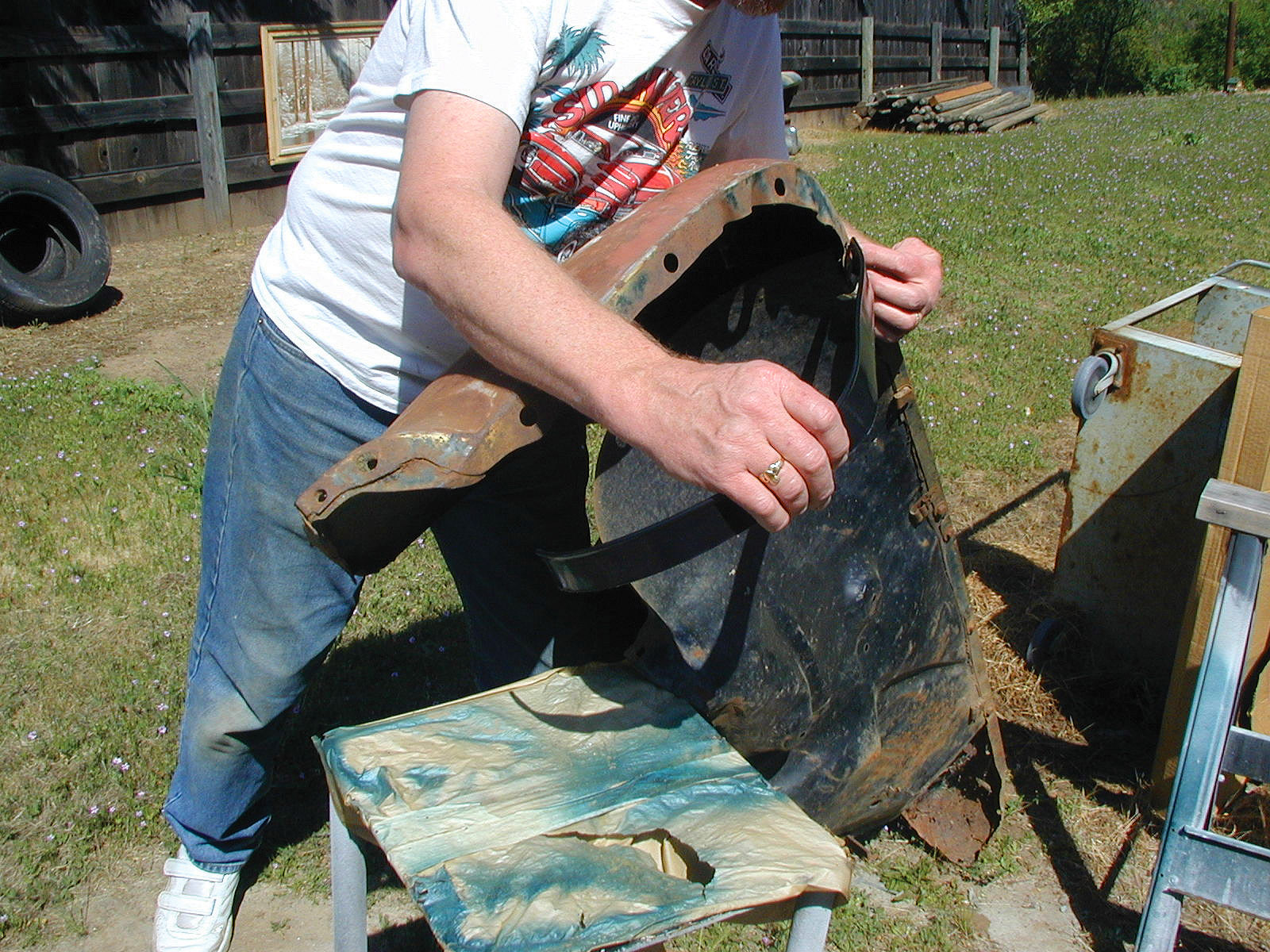
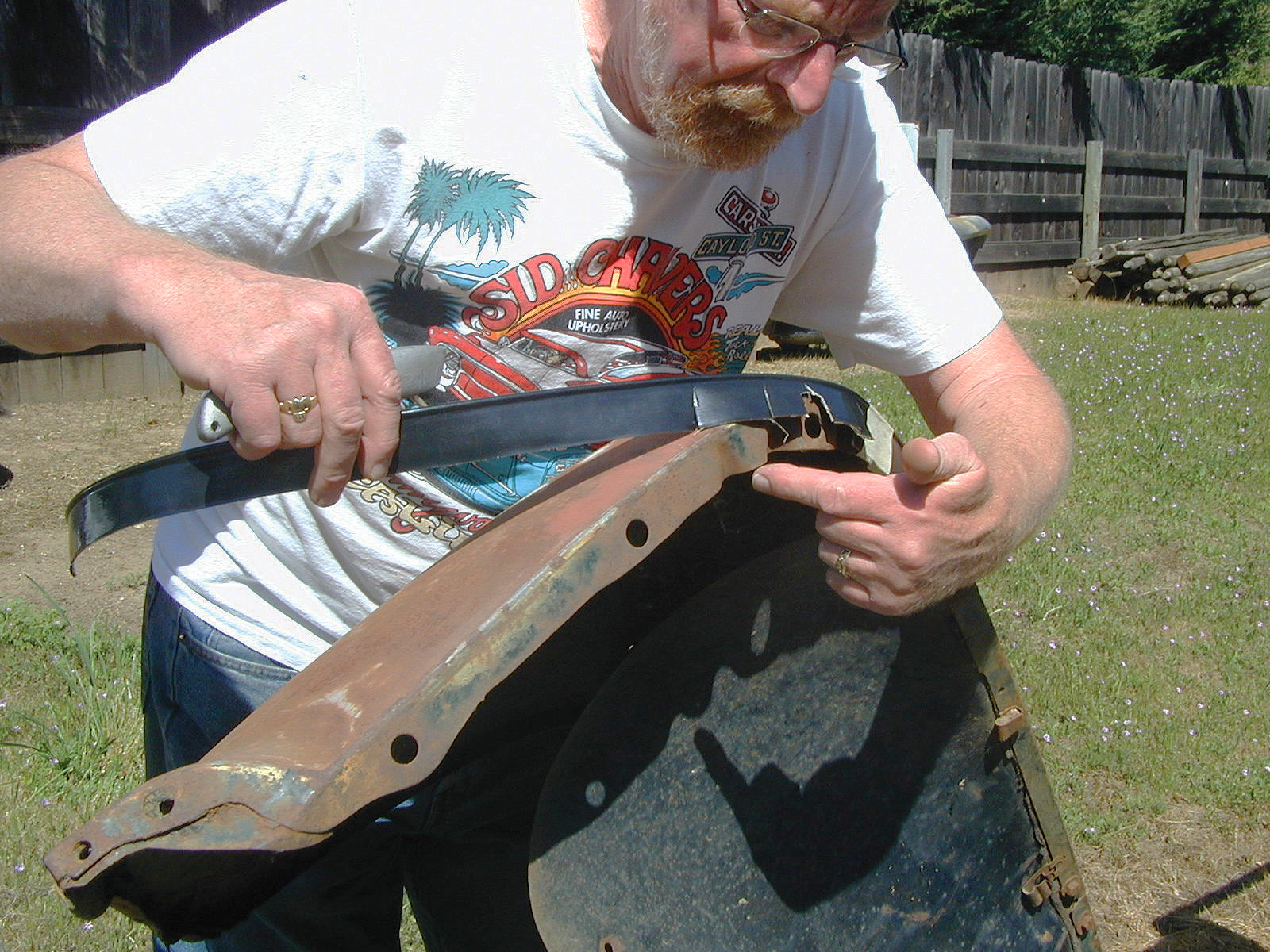
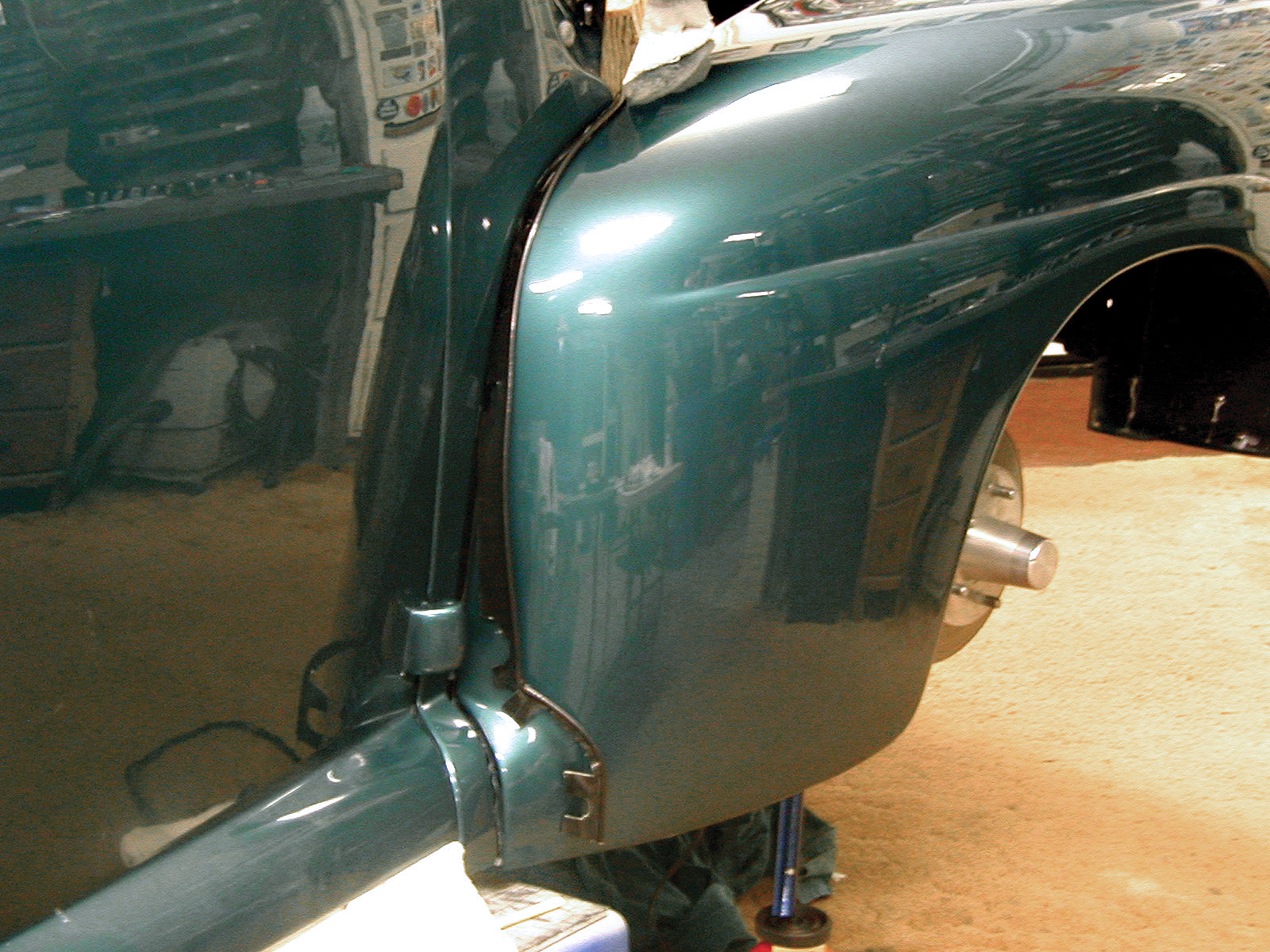
Most every pre-’48 car came with fender/body welting, consisting of a simple combination of a narrow strip of vinyl (or similar material) folded over a small-diameter woven cord and glued shut. Its purpose was, and still is, to insulate one piece of body metal from another when bolted together—not an electrical or temperature insulation, but essentially to eliminate squeaks and rattles, and to prevent paint from chipping (or cracking) as the two pieces flexed and vibrated together under normal road use. Generally referred to as fender welting, this product can also be found throughout certain car models; used to mount grilles, running boards and bumper gravel shields.
Why Fender Welting Was Standard Equipment
That was how it was done years ago, and unless the car has special body panel fitting or these pieces are molded in, you will find it still in use today. We use the stuff mainly because our cars still need it, but also because it does the job. As far as we know, nobody ever came up with a better way to do it.
People still ask about the pre-’48 cutoff for street rods, but the answer is simple: 1949 was the year of “The Big Change” in automotive design, and it wasn’t just in looks. The new cars had no running boards and used welded-on rear fenders and isolation-mounted front fenders. The new-envelope body design extended the front fenders past the cowl and back to the front door edge. No more body part bolted joints meant no more welting. Thousands of welting folders, gluers and rollers were out of work.
Fender Welting in Street Rod Construction
You’ve seen street rods without fender welting. Sometime back in the last century, street rod building pioneers such as John Buttera and Boyd Coddington declared war on such trivial detractions. We don’t have any direct input on the results of those metal-to-metal joints, but it’s a fair bet that few of those cars saw many road miles, and they most certainly required many metal finishing hours to get those parts fitting just so.
Modern Fender Welting Options and Improvements
But today you’ll find all sorts of varied solutions, and even welting hasn’t changed all that much. You will find it in different types of fabrics, even rubber, and it is available in many colors, including chrome. If they don’t make your color, your upholstery shop can make it for you in any material and color imaginable.
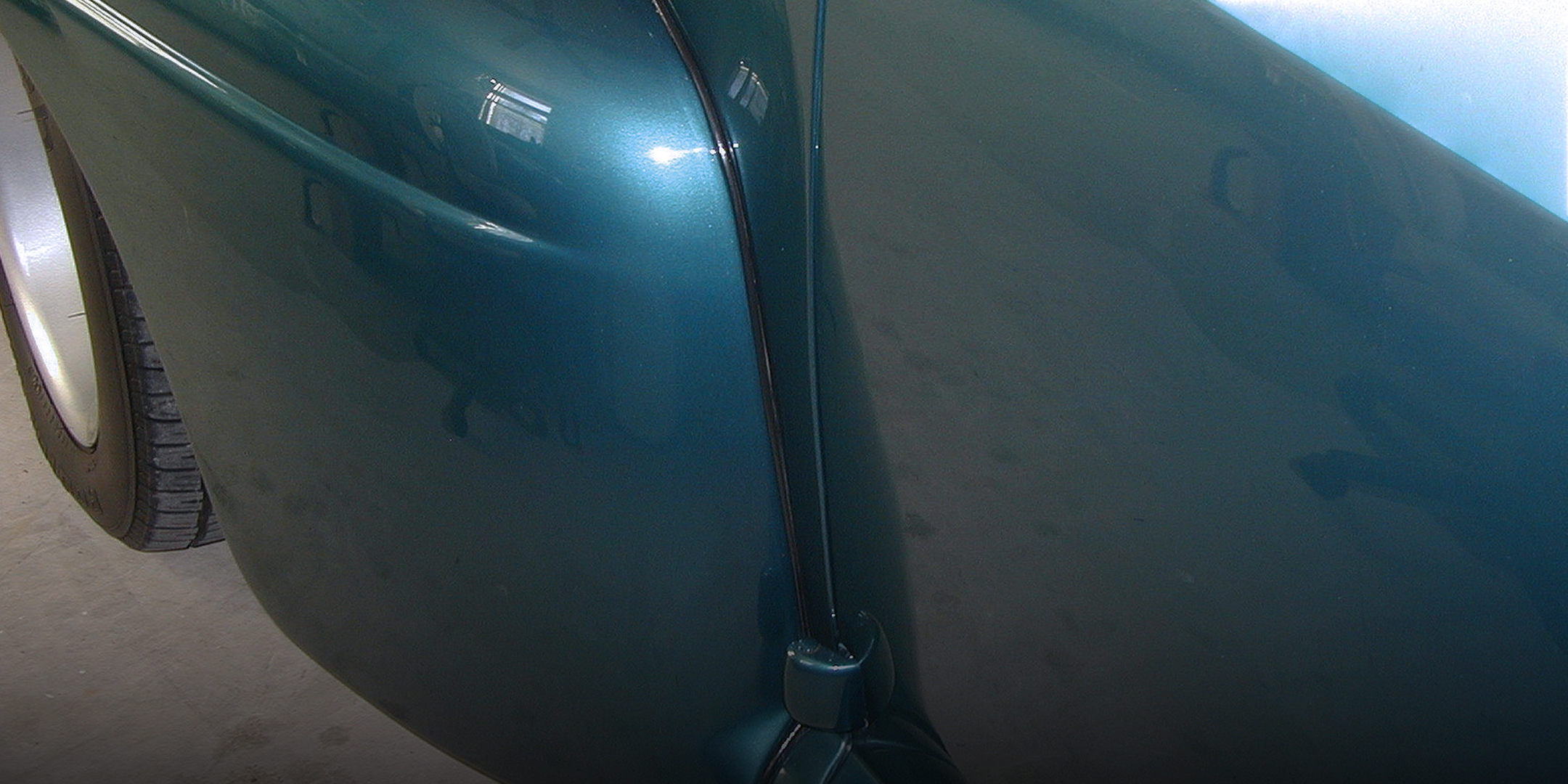
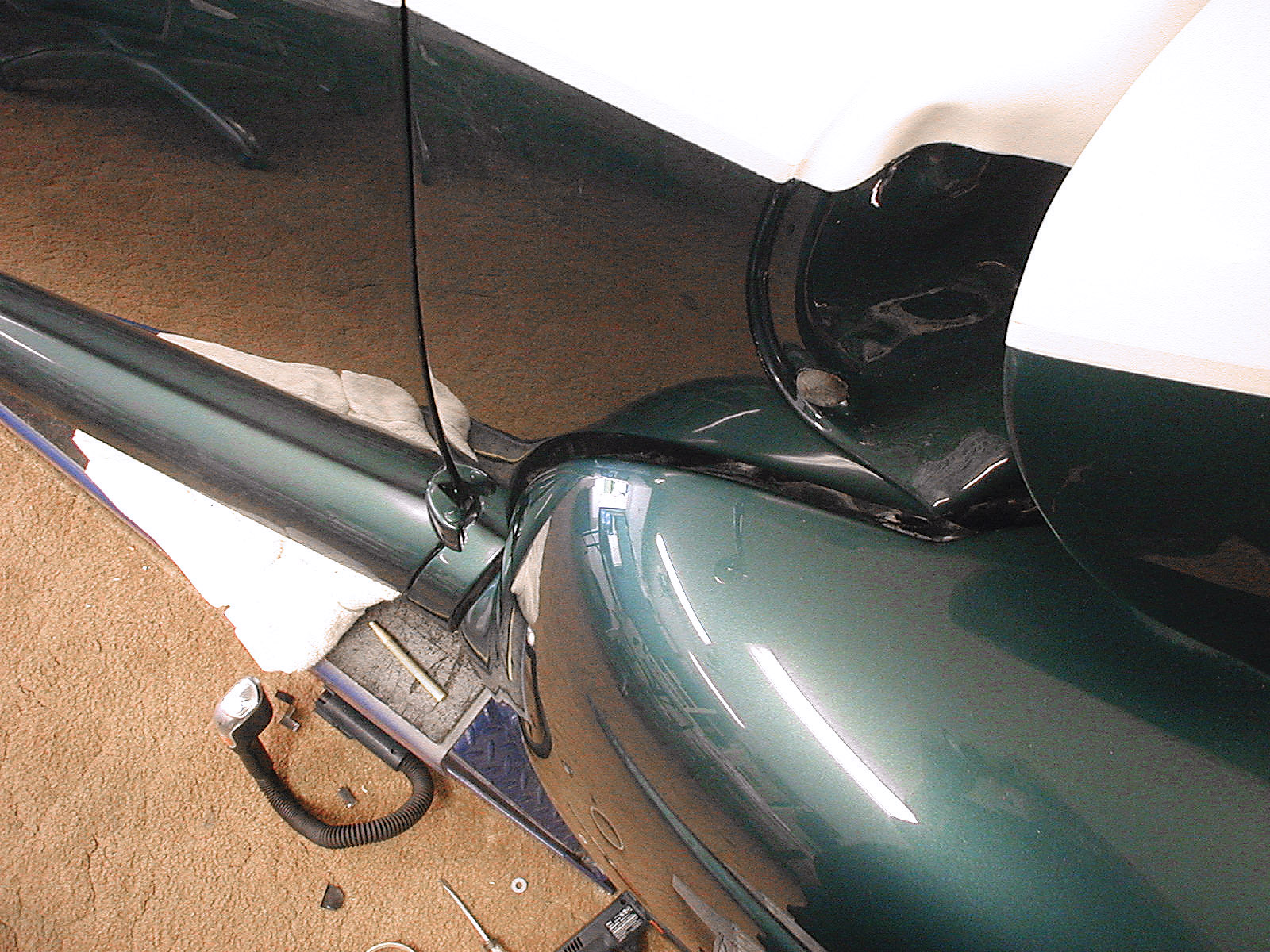
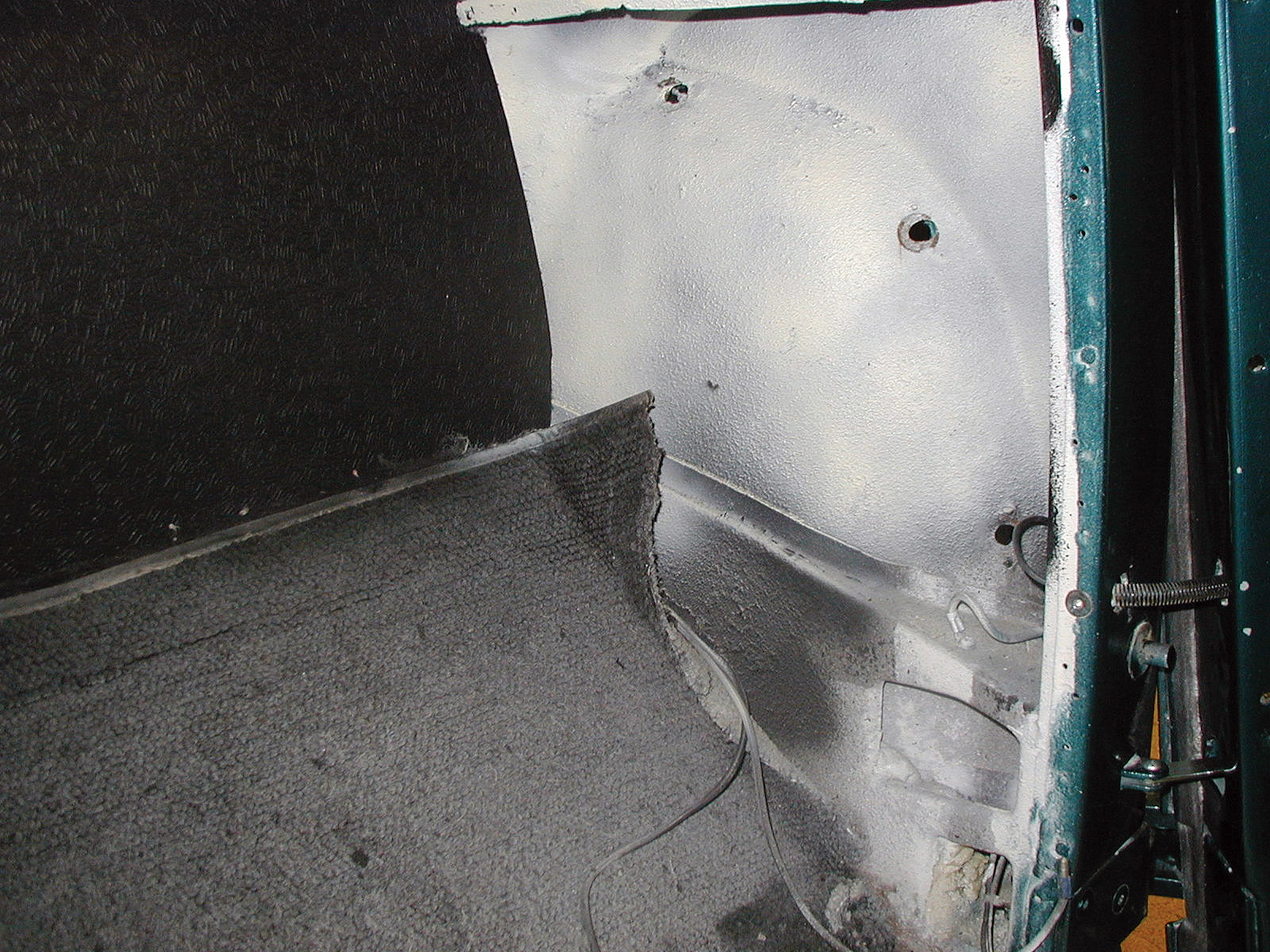
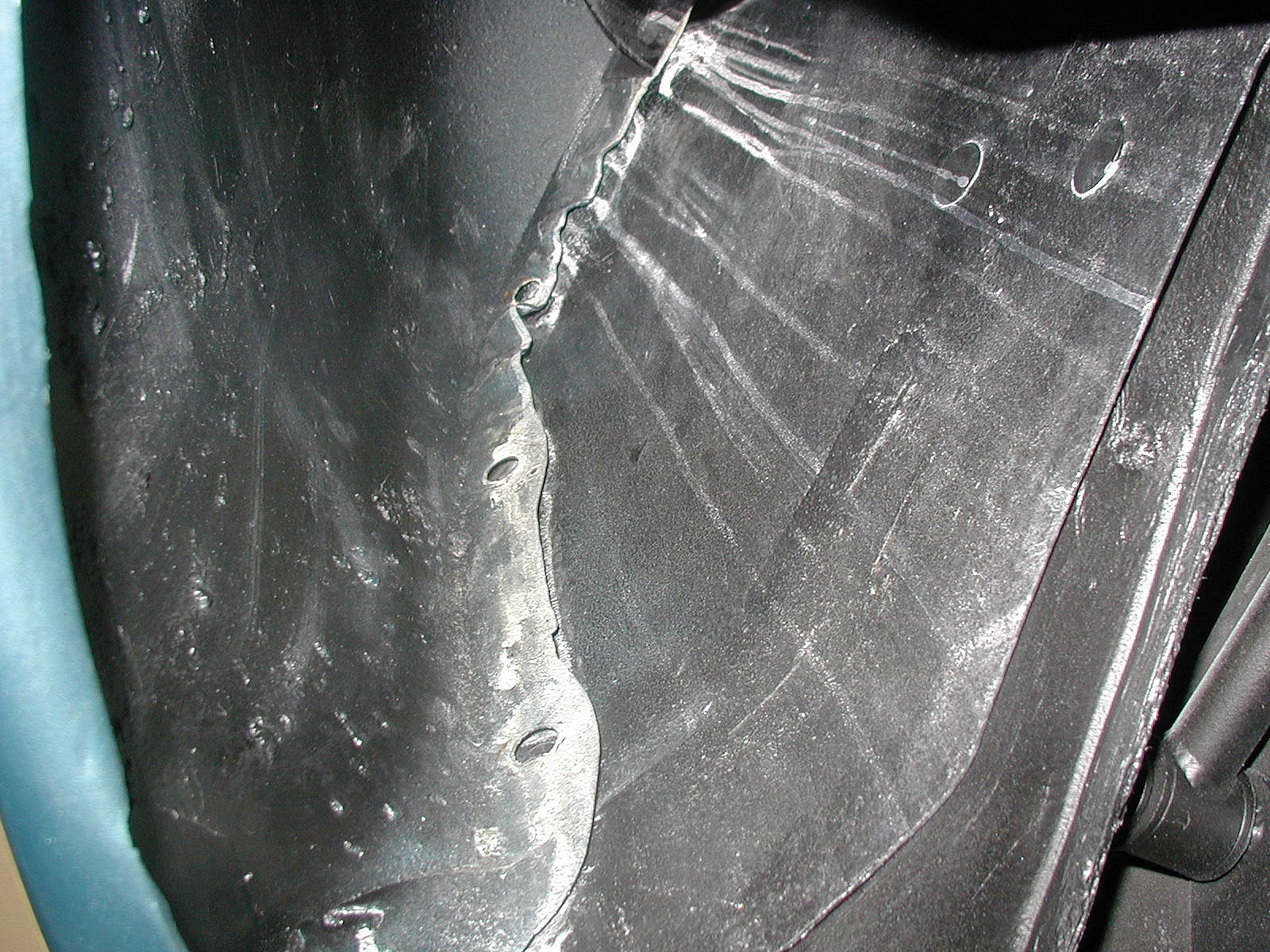
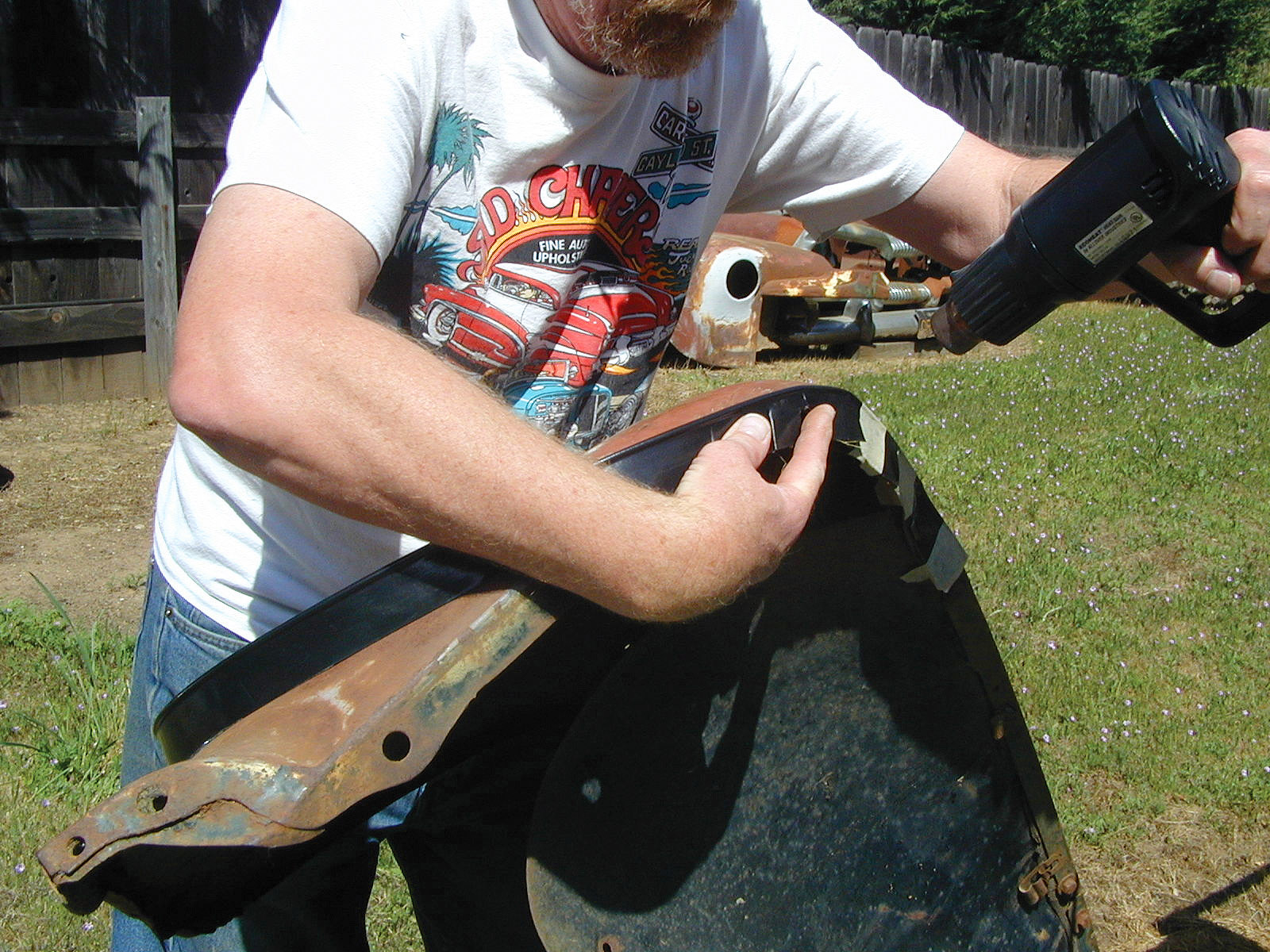
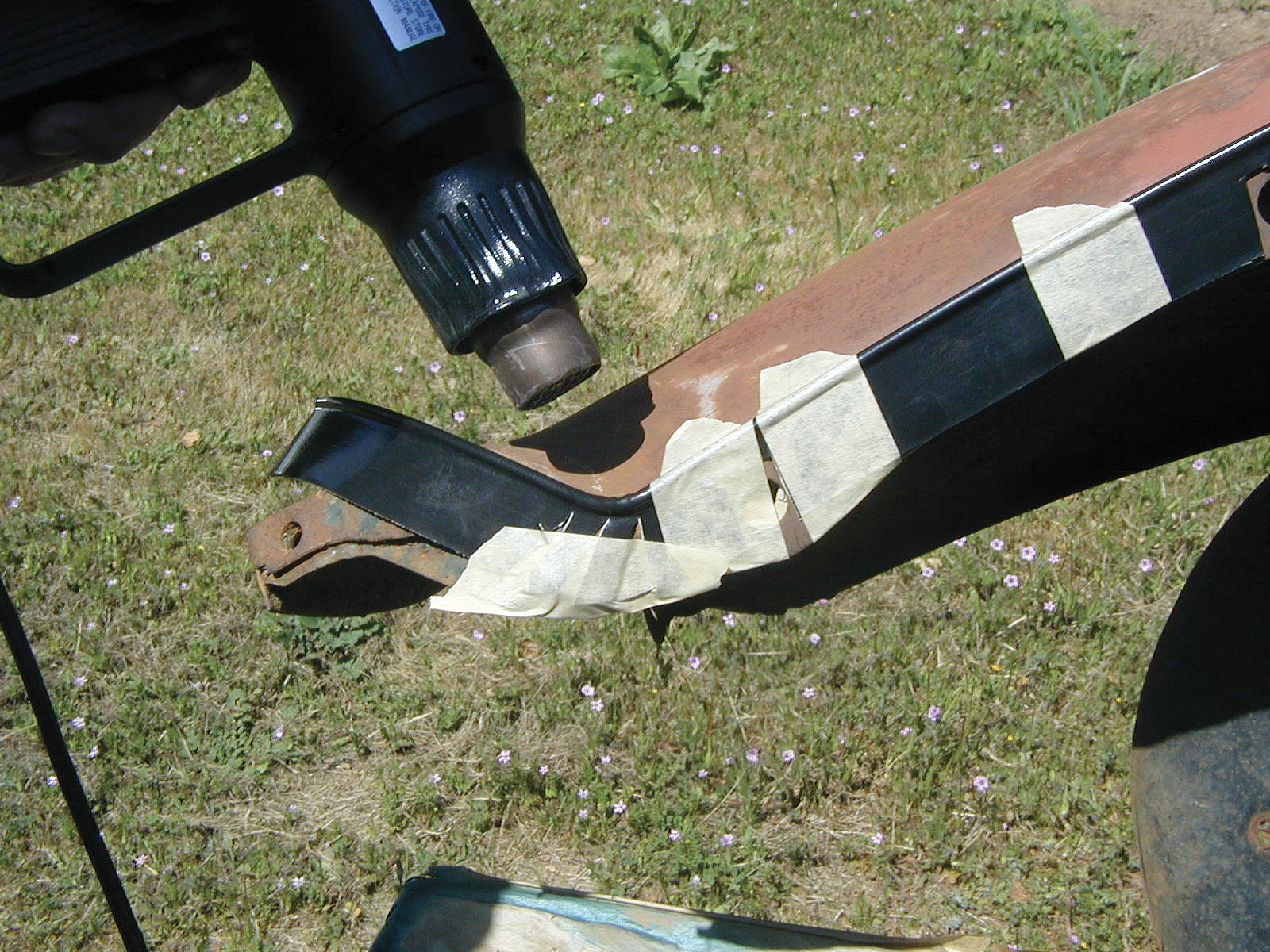
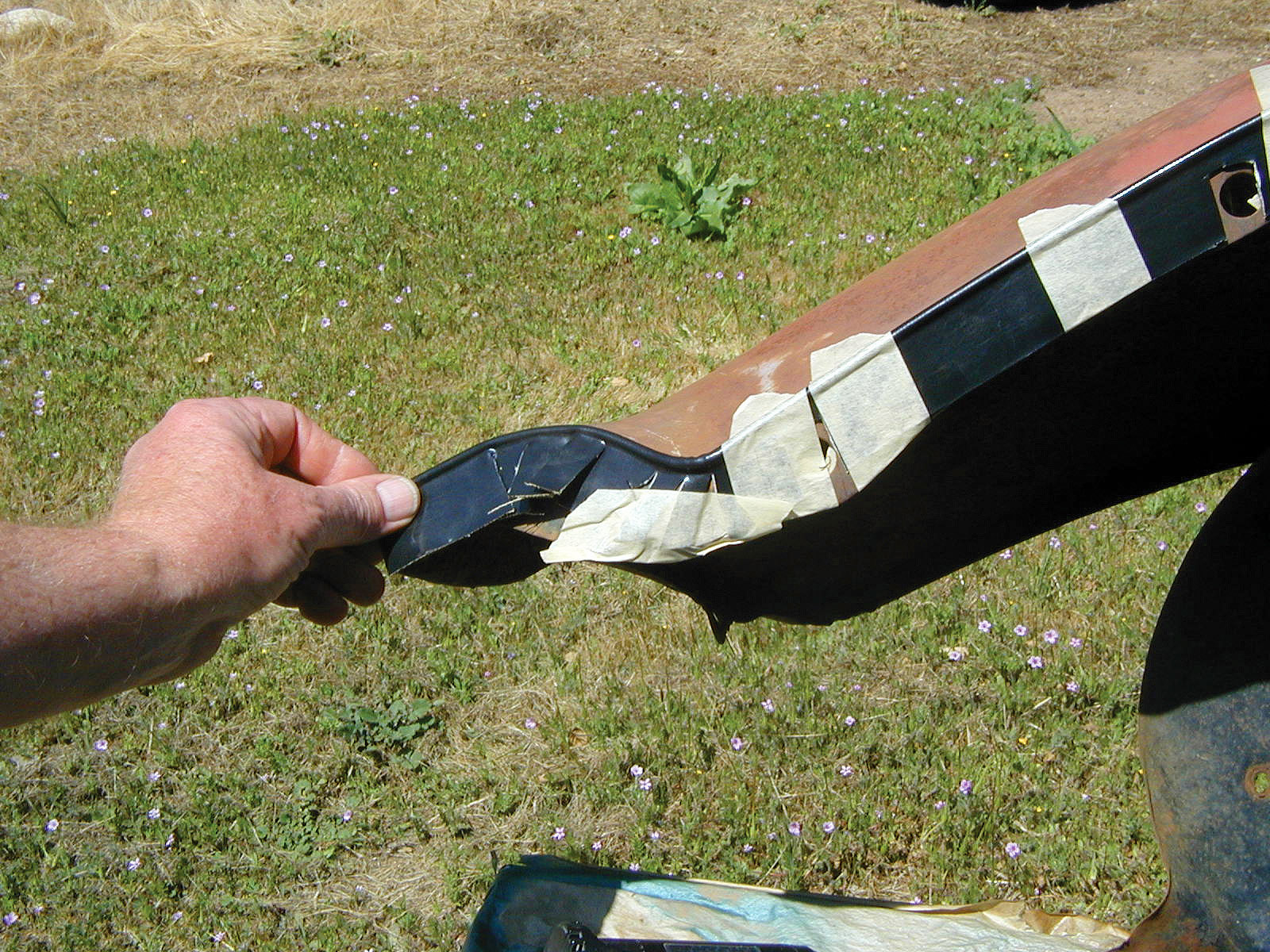
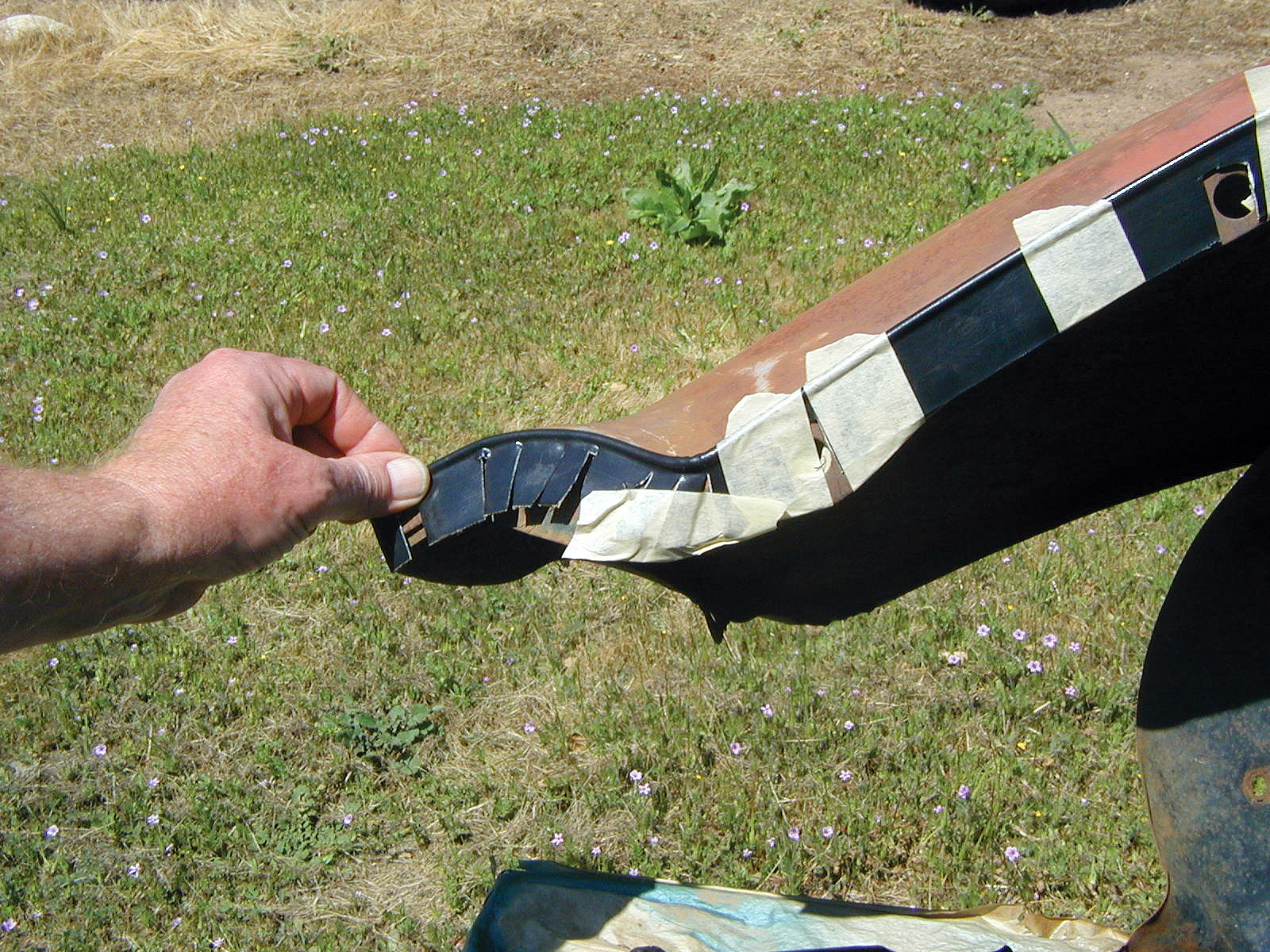
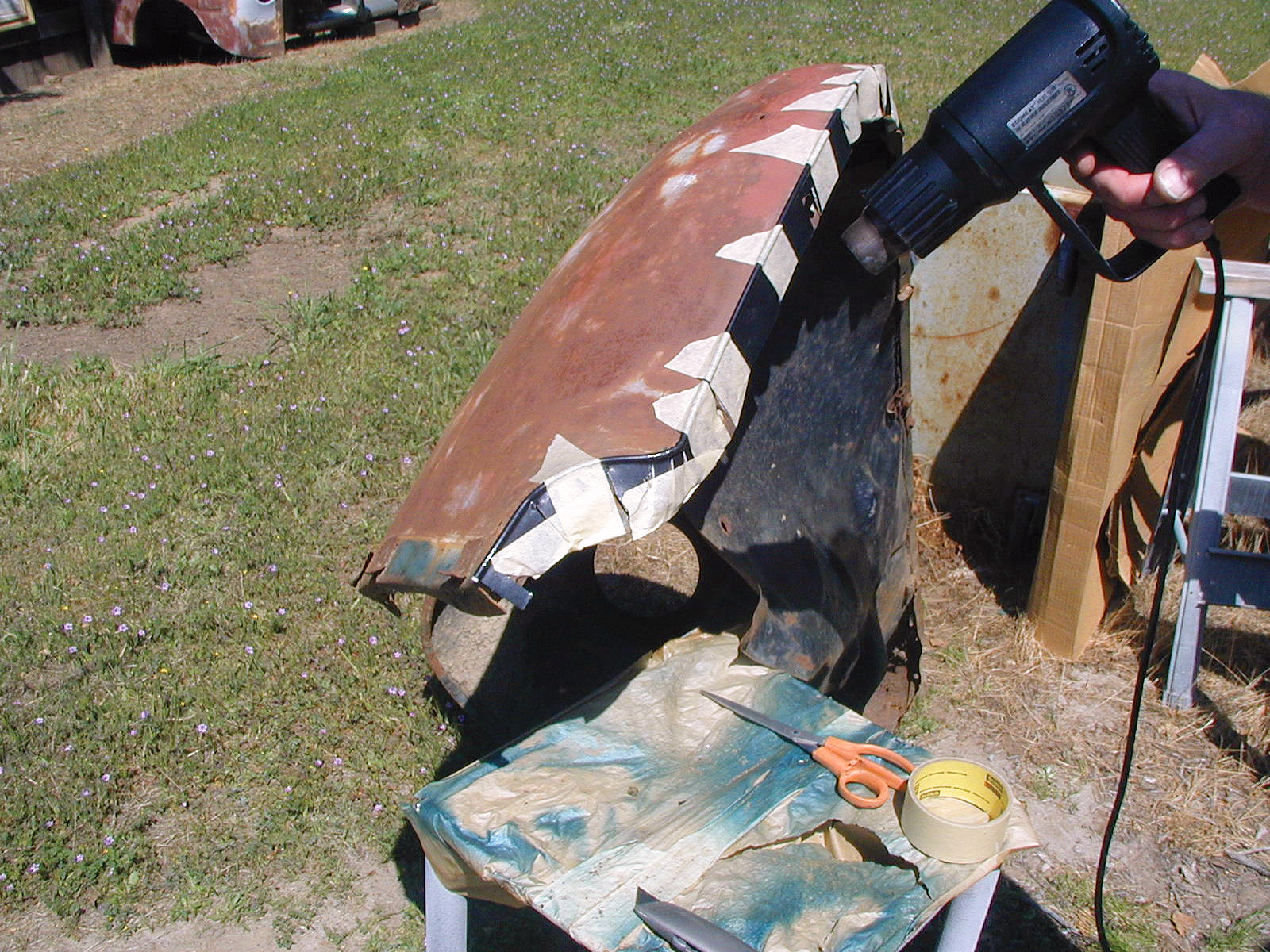
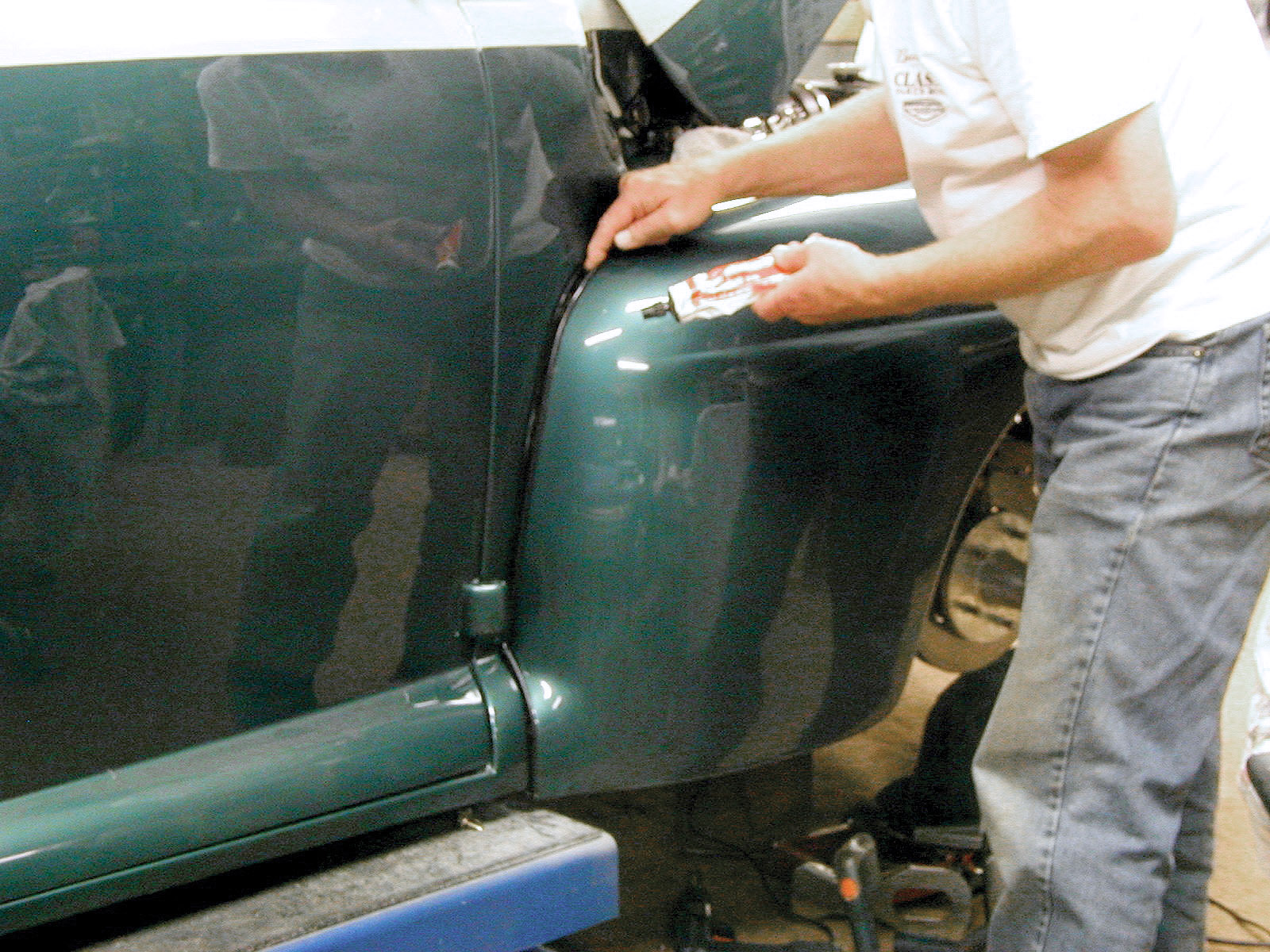
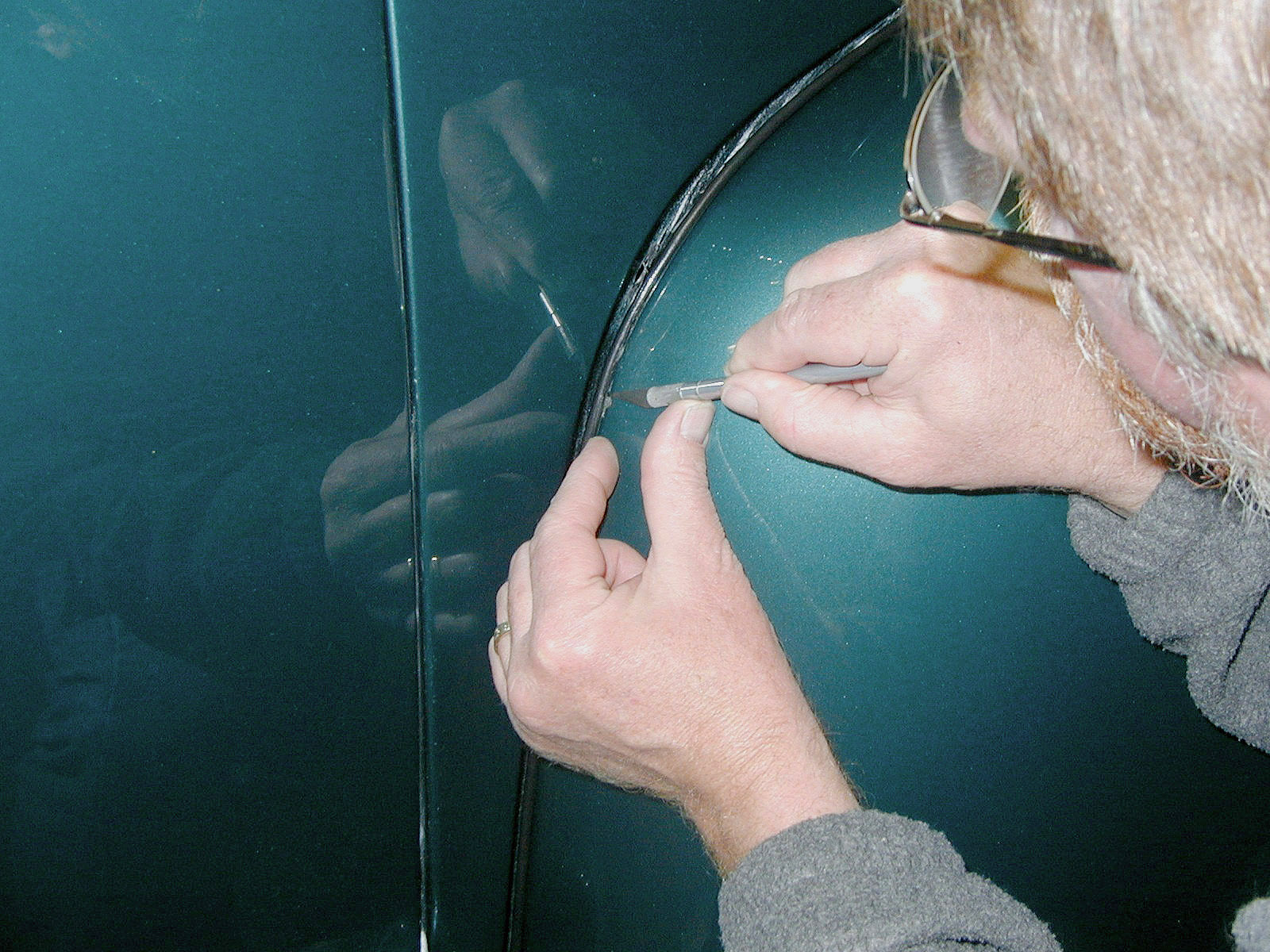
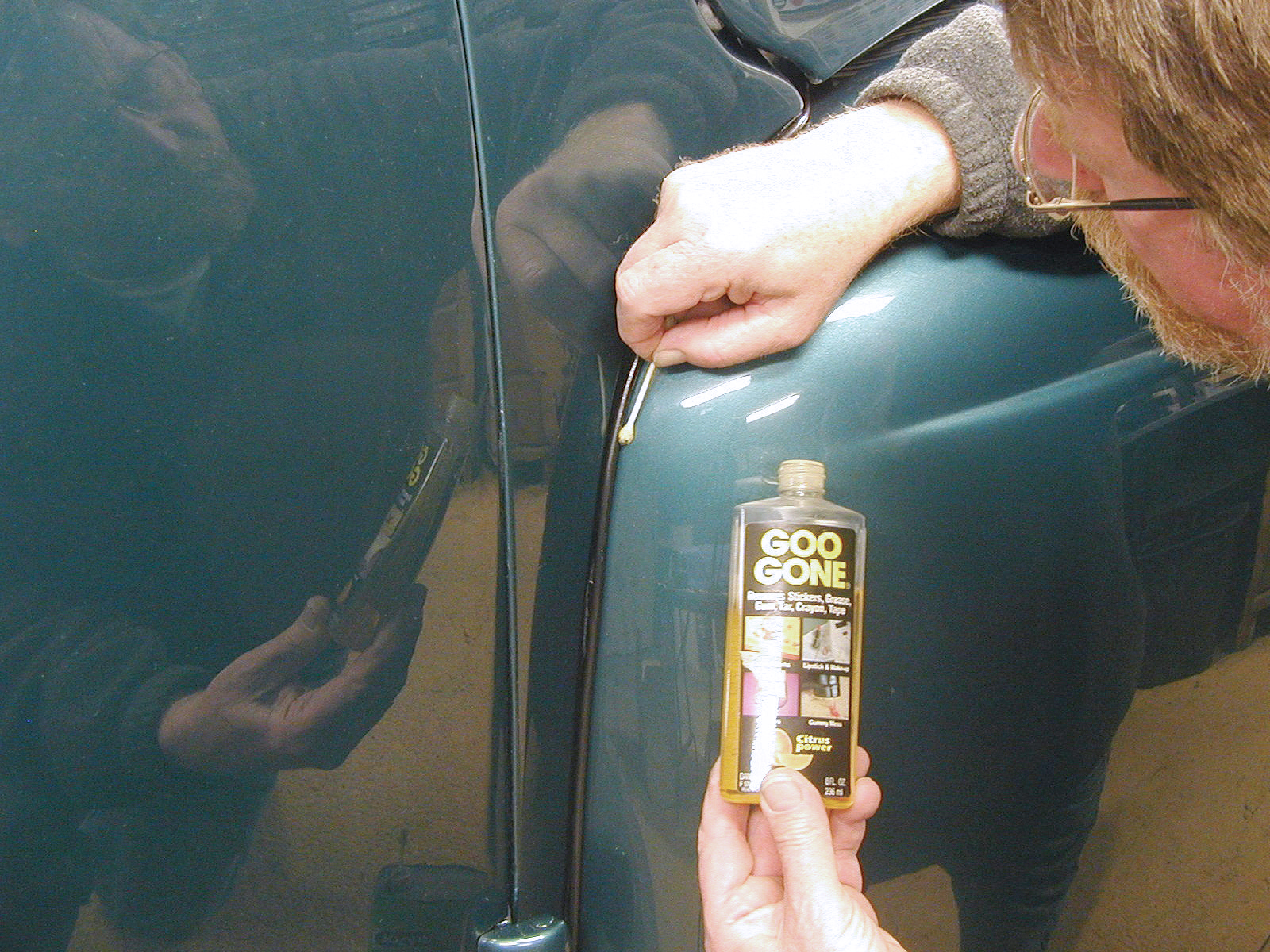
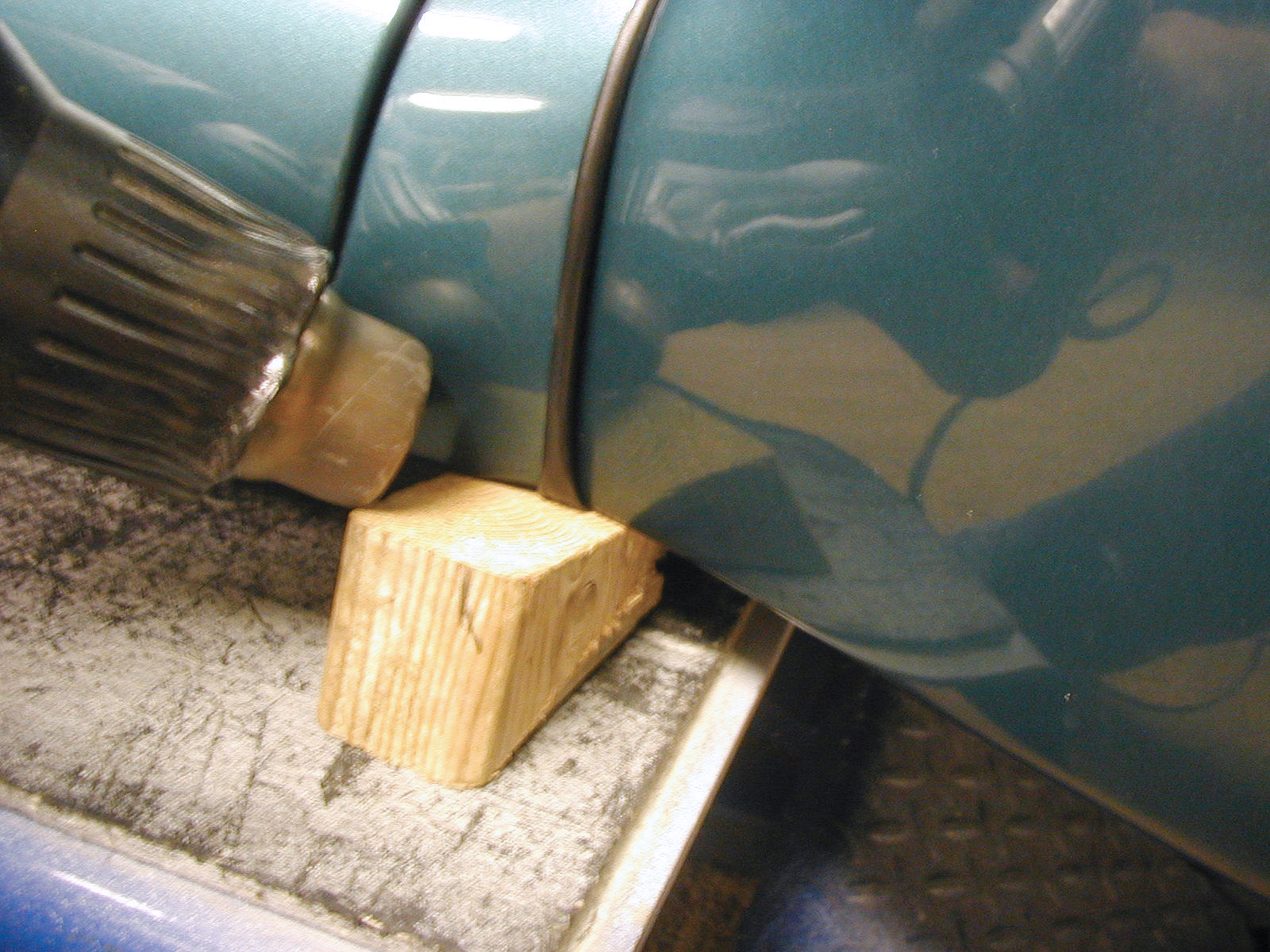
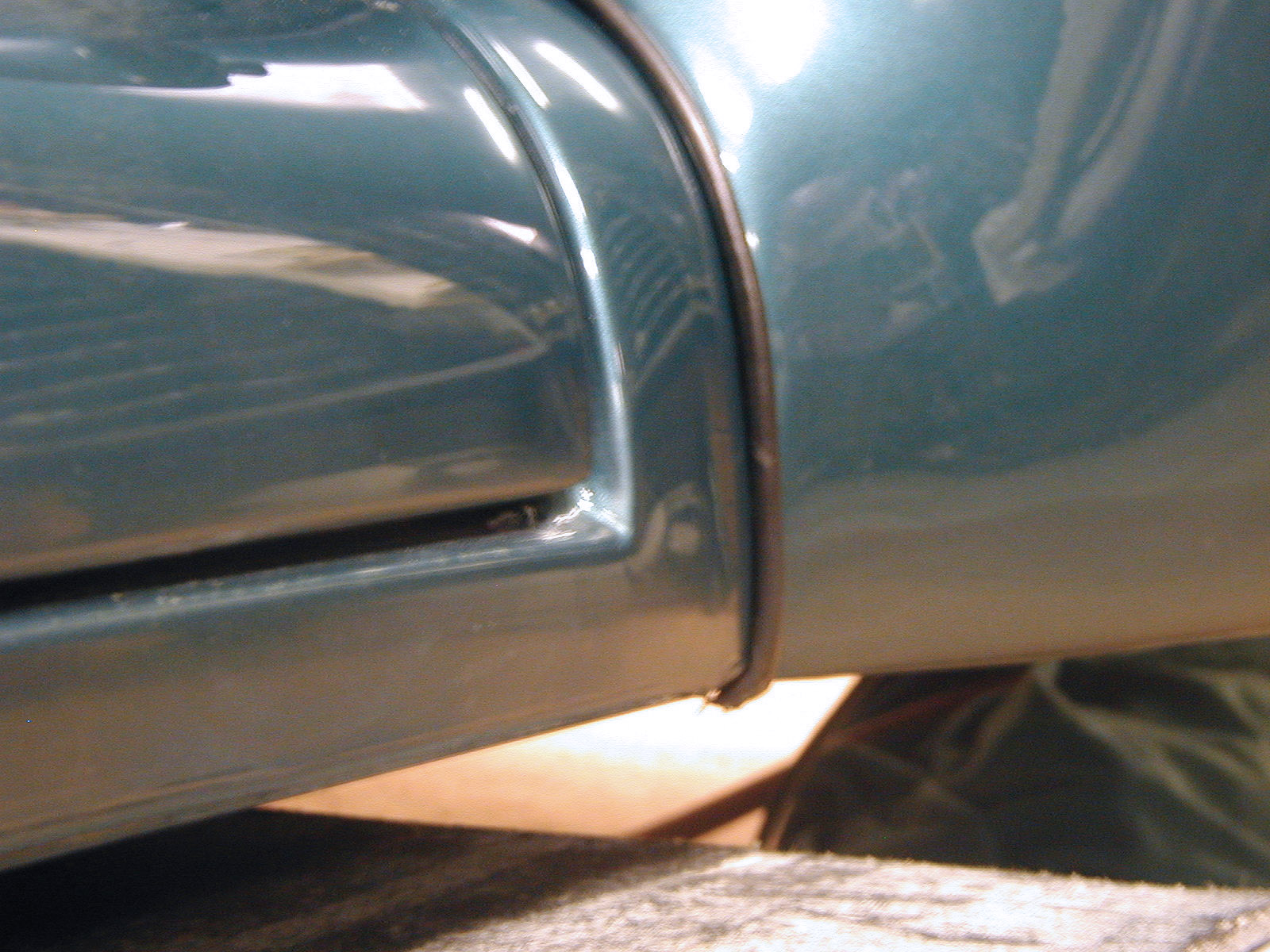
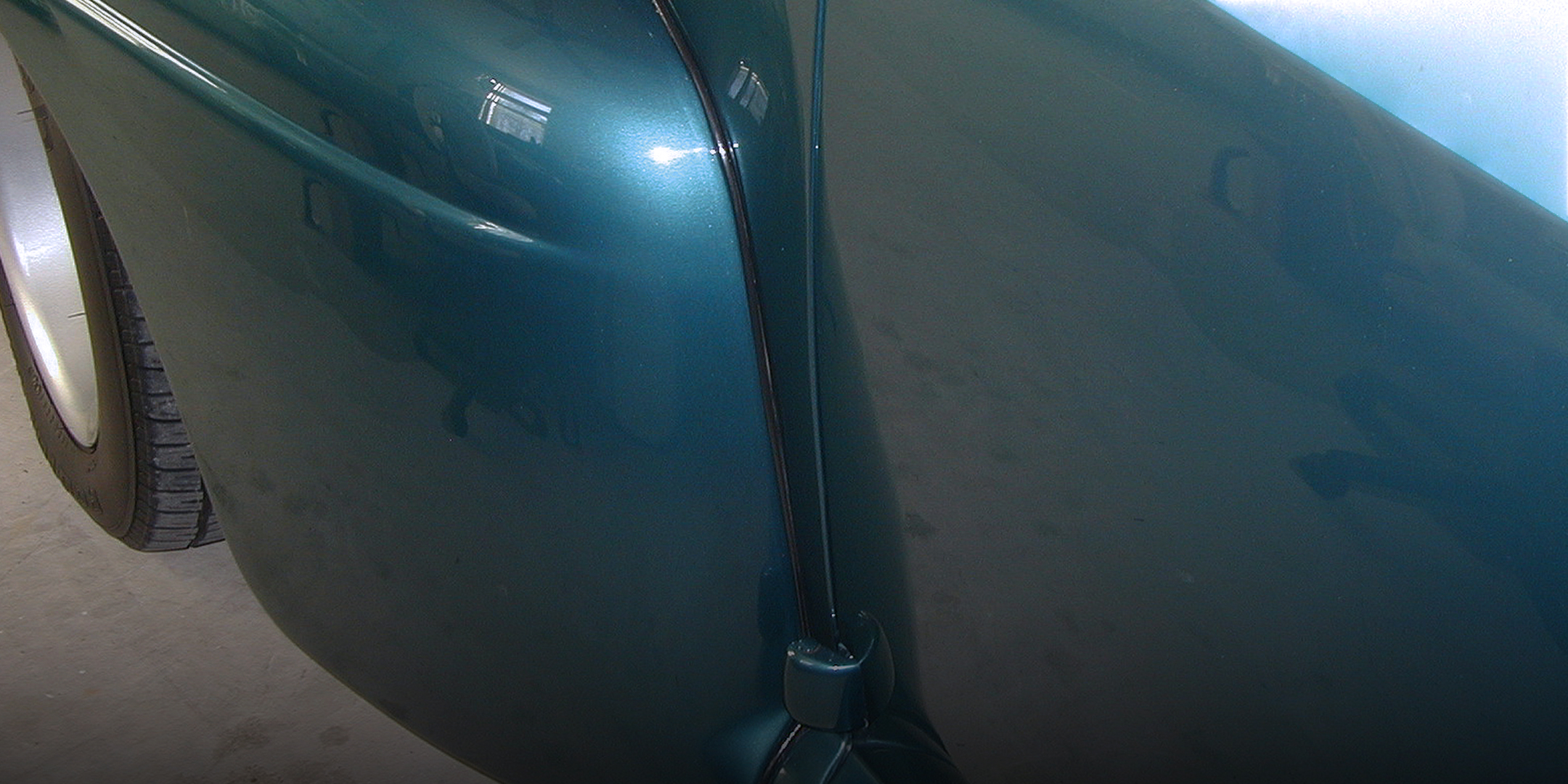
Thinking now about why it hasn’t really changed over the years, we’ve concluded that in certain applications one might benefit if manufacturers were to add a thin strip of peel-and-stick adhesive to one side of it. Look at the accompanying photos and you’ll understand why we mention this.