However, fun with nitrous can last only so long, and the clutch was the first to go. Replacing the clutch proved to be the turning point for this Fox-body, as Happach noticed the original engine turned over far too easily by hand. It was time for an engine rebuild, and because of this, the car would sit for a few years while Happach saved money and accumulated parts to rejuvenate the small-block Ford engine.
Suspension and Drivetrain Upgrades
From there, Happach purchased new suspension, engine, and drivetrain components that would take his Mustang to the next level. And since he spent so much time and money on these new parts, Happach wanted to make the exterior nice as well, so hundreds of hours went into making his Mustang super straight with a mirror-like finish.
Complete Disassembly and Chassis Refinement
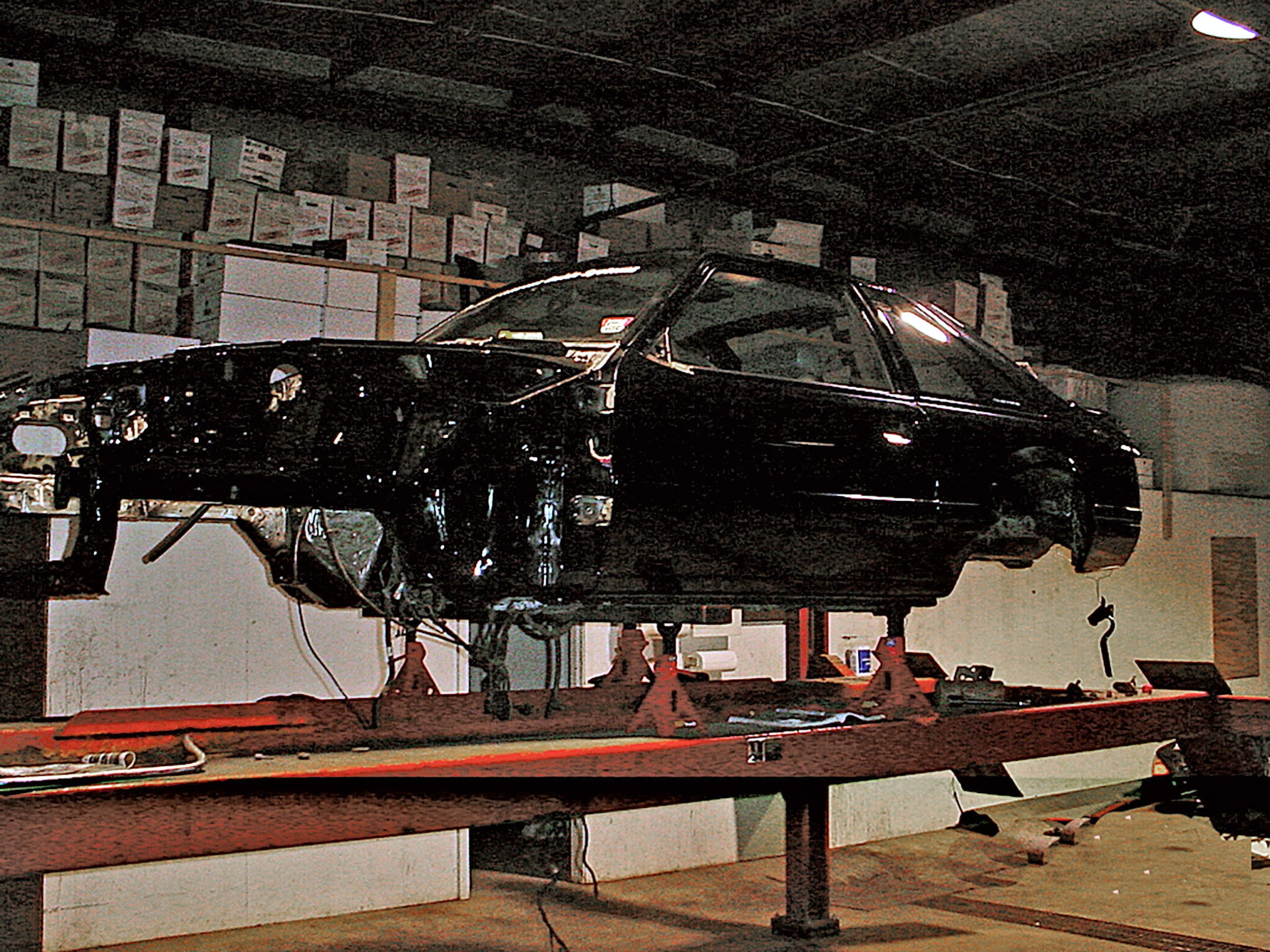
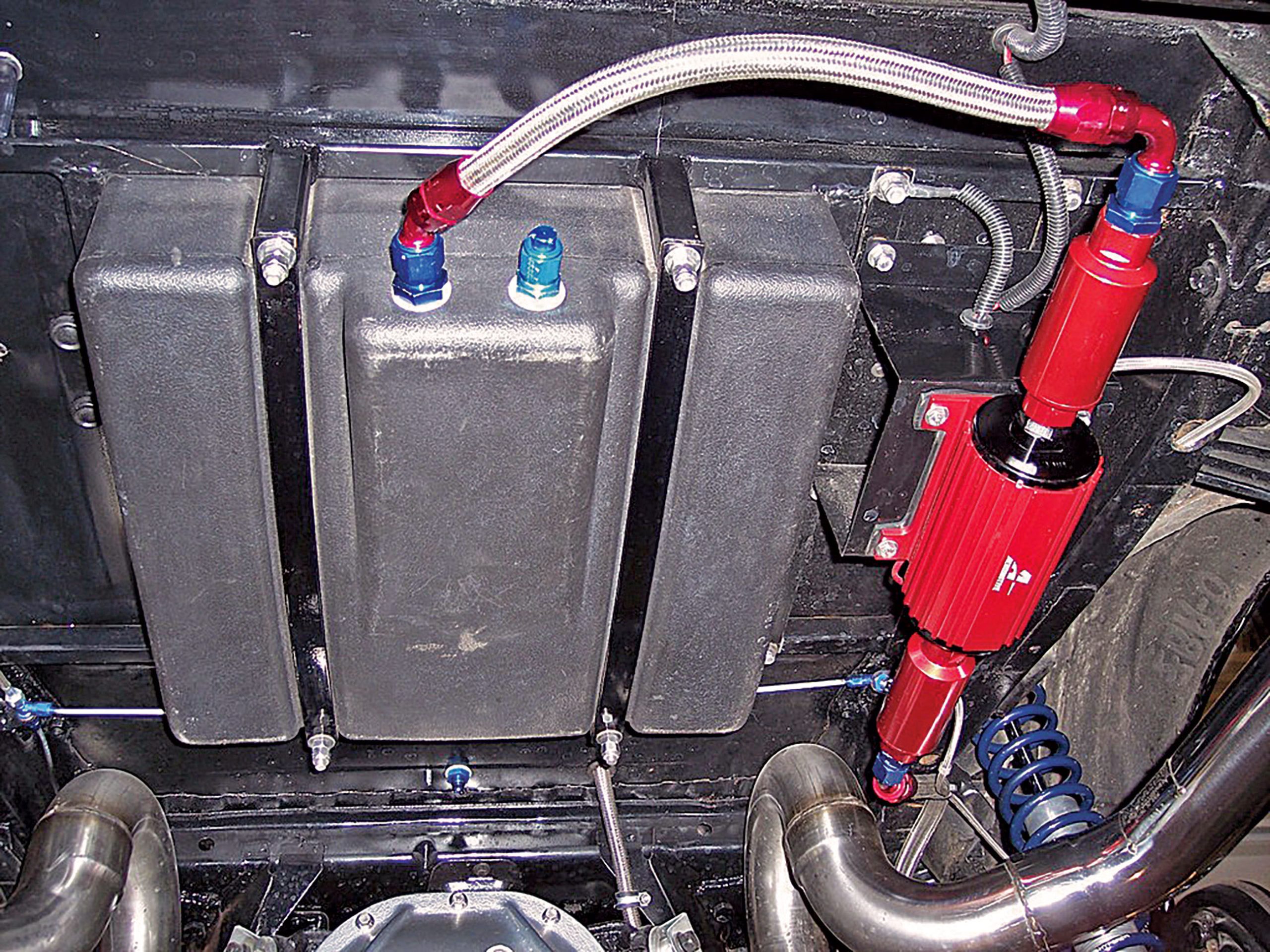
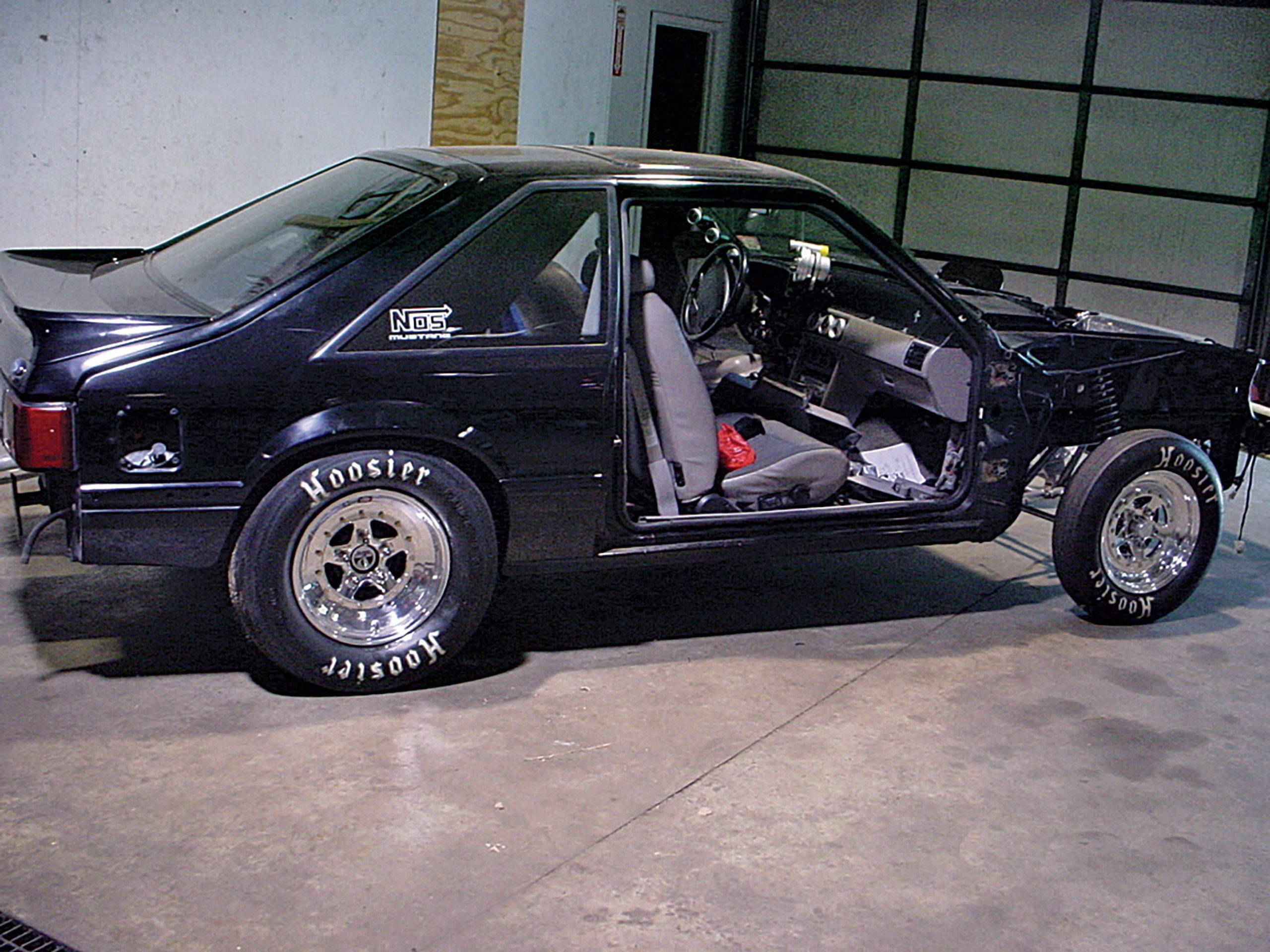
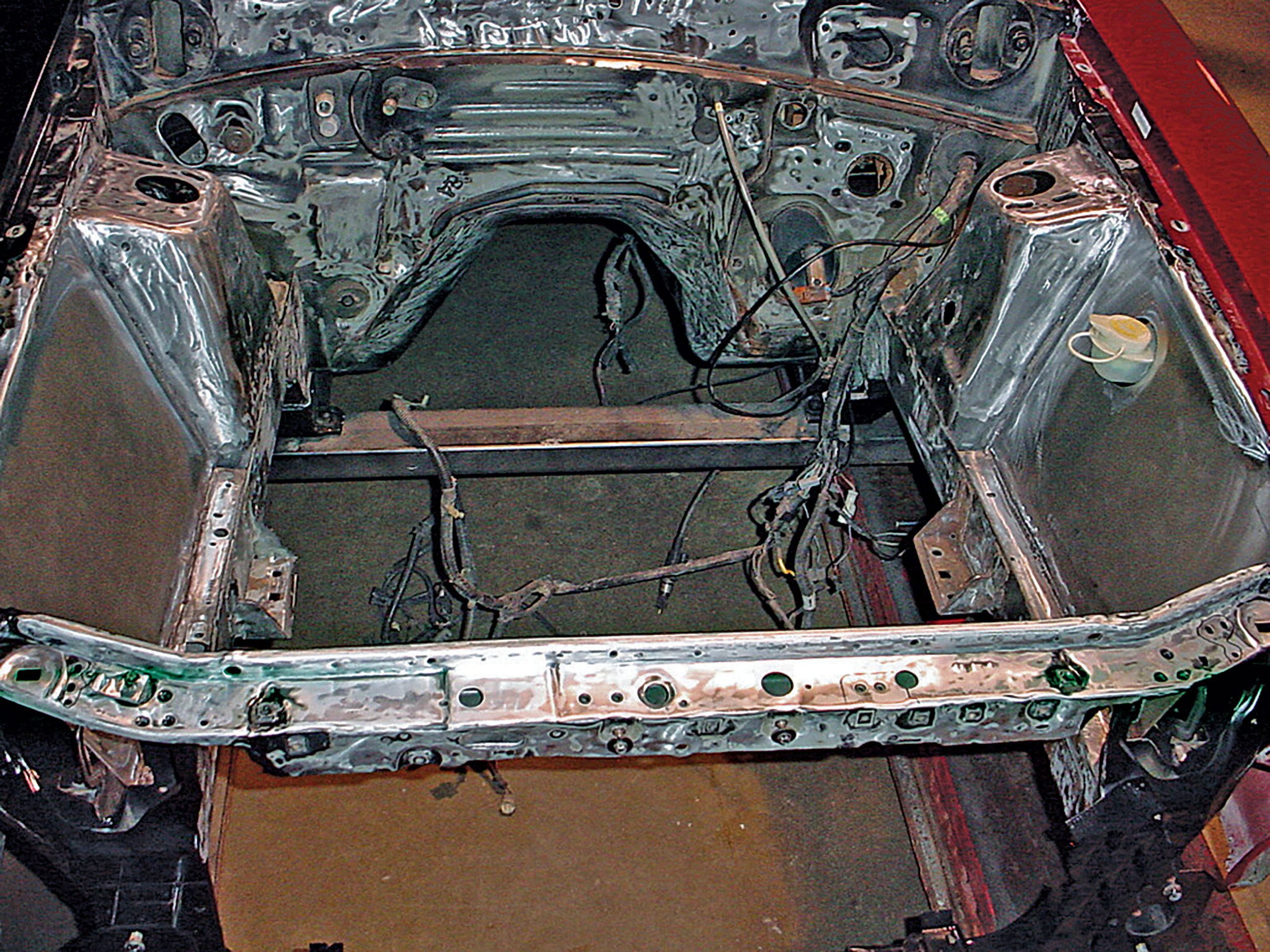
When the transformation started, Happach had collected enough parts, so he hauled the Mustang to Mike Murphy Ford, where he works as a technician. He completely disassembled the car, unbolting every removable part from the car’s unibody structure. The old fuel and brake lines came off, and the bottom of the chassis was sanded smooth to accept a few coats of fresh paint. A pair of Wild Rides Race Cars subframe connectors keeps the chassis stiff, as do the upper and lower torque boxes.
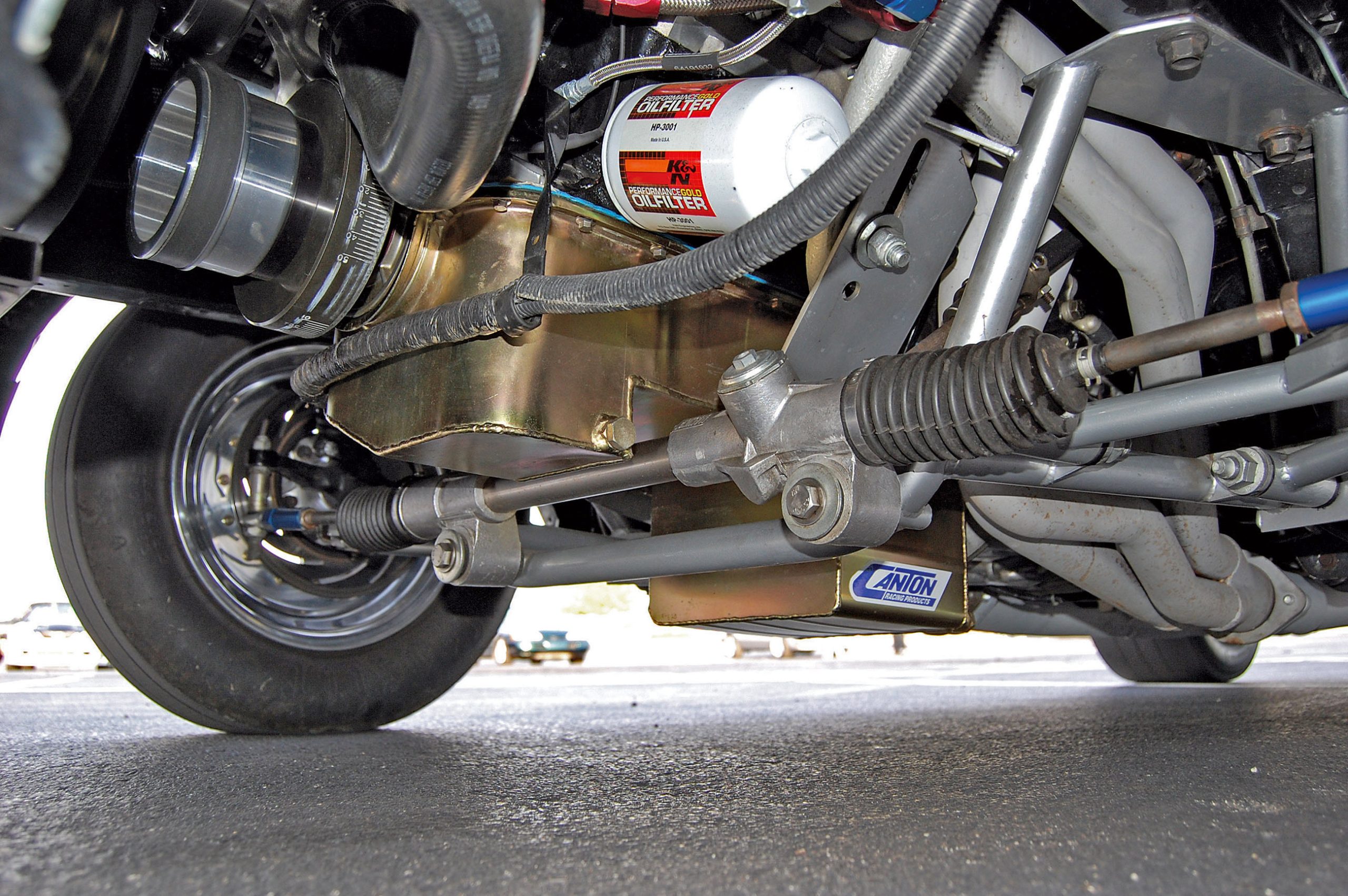
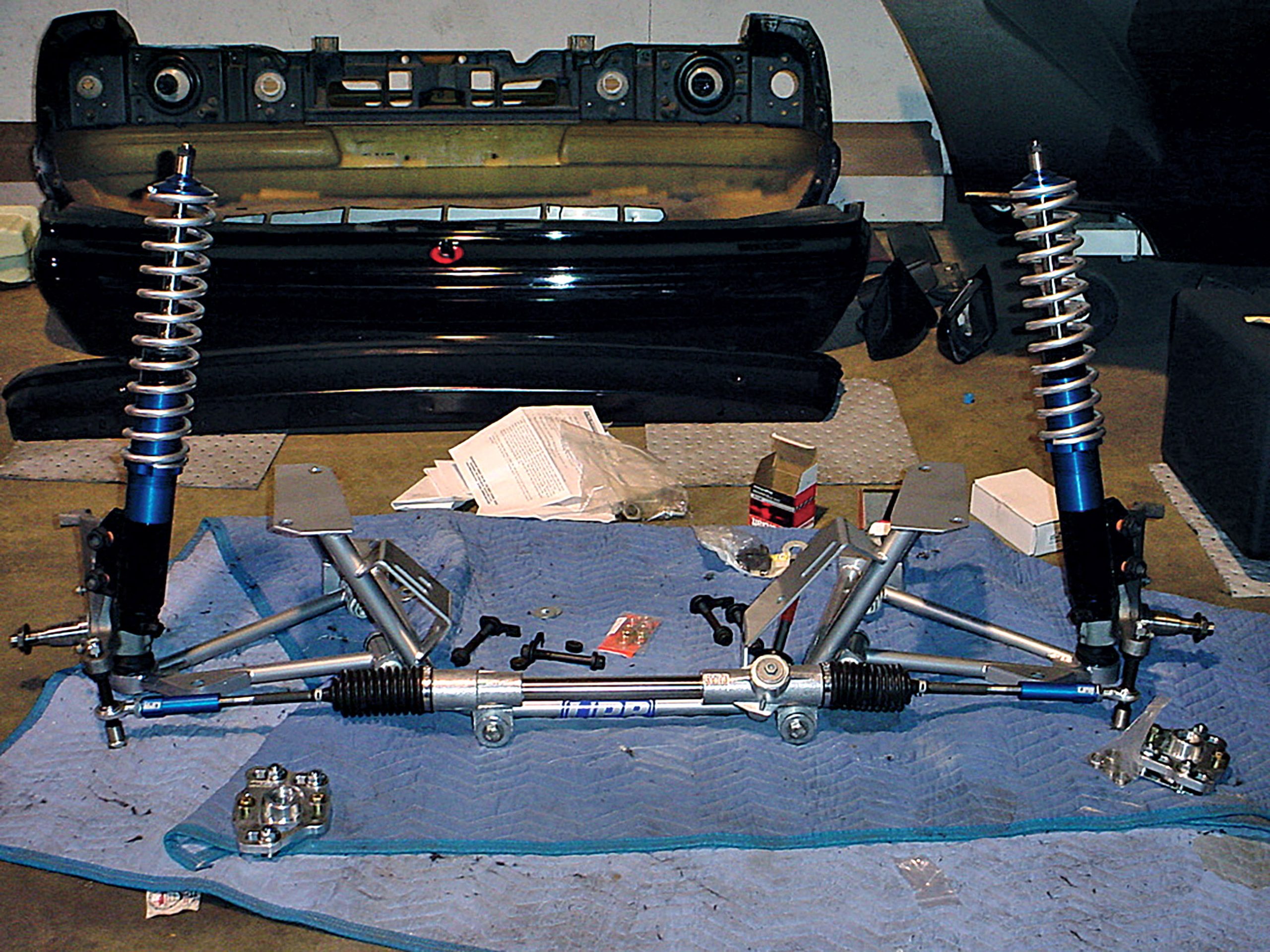
Taking the drag-racing approach, Happach wanted to remove weight from the front of the car, and he installed a UPR chromoly Pro-Series tubular K-member along with UPR Pro-Series tubular control arms. To make up for the Strange Engineering drag brakes that gave the car a wider track width, Happach took the control arms to Midwest Chassis and Performance to have them shortened.
Rear Suspension and Traction Enhancements
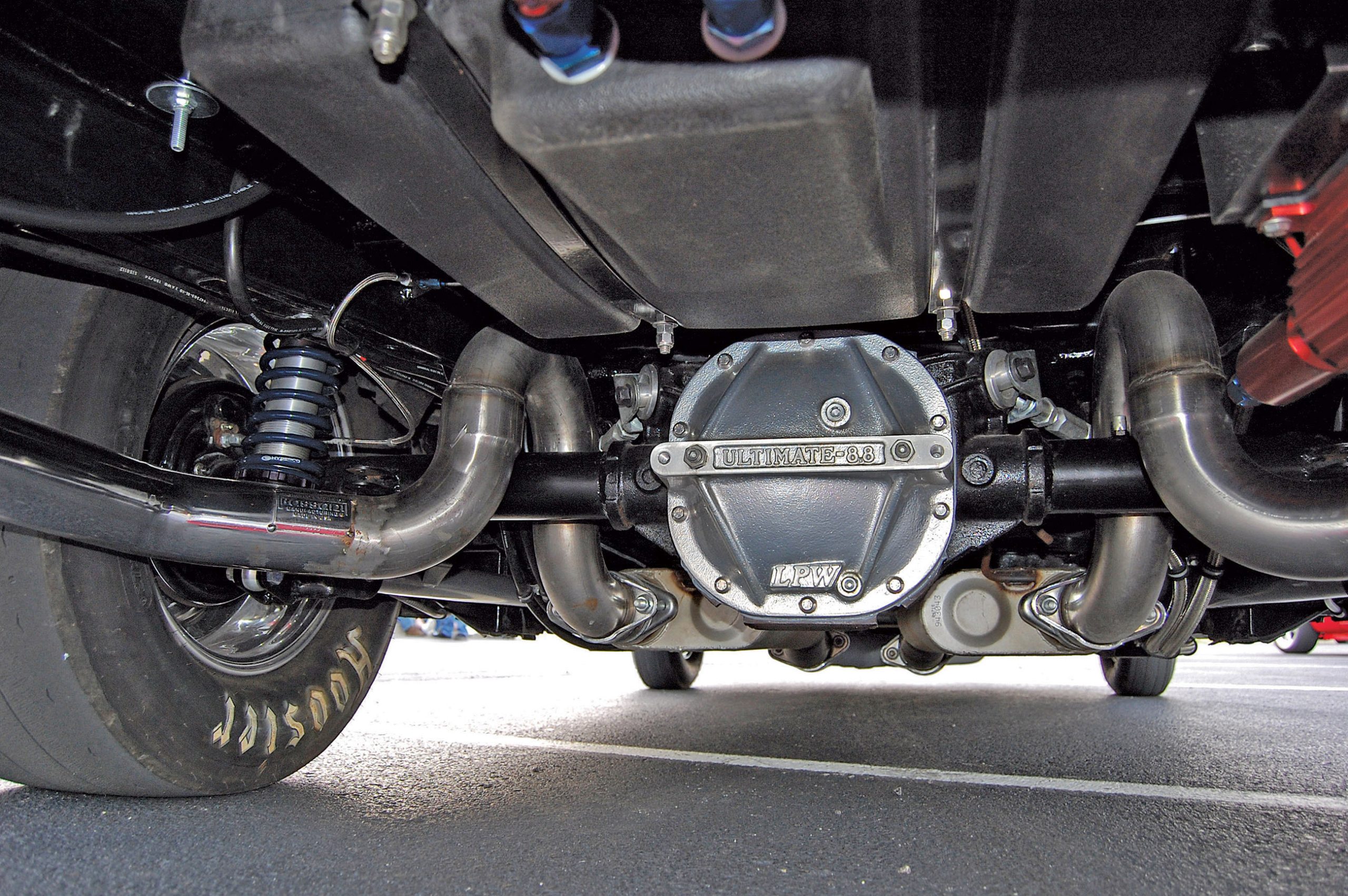
Happach’s goal was to make the chassis perform to its maximum potential, and a nice selection of rear suspension parts would help the hatchback in the traction department. The original Ford 8.8 rearend housing is in use, but the internals are a huge improvement over the stock equipment. A Strange Engineering 31-spline spool eliminates the differential and keeps both rear tires at the same speed, and unites with Strange axles with C-clip eliminators. Eric Vicary at Midwest Chassis and Performance (309/382-6252) tuned the front and rear suspension to perfection and installed a custom chromoly inboard-mounted anti-rollbar.
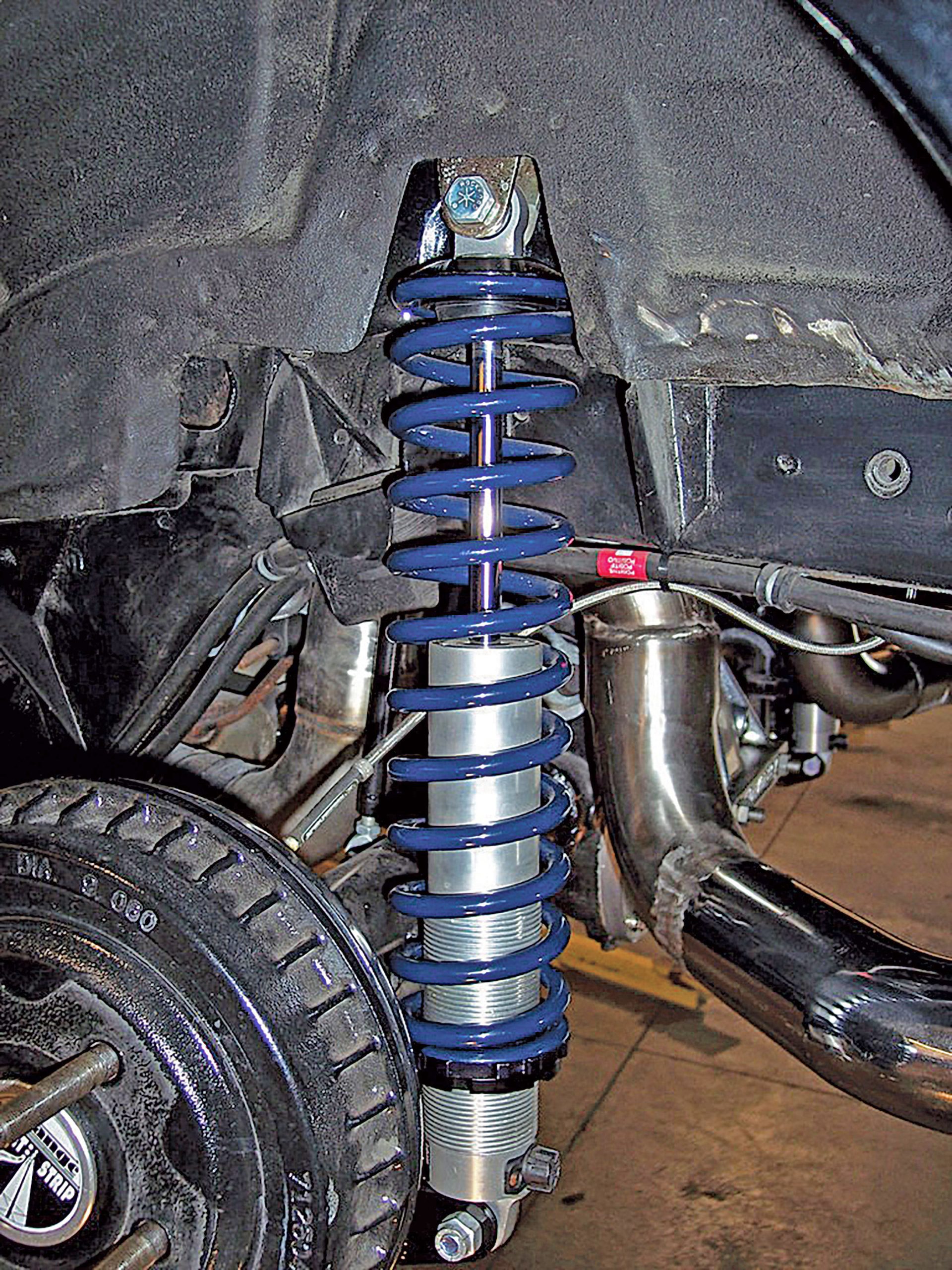
The MCP anti-rollbar uses nylon bushings and Teflon-lined Aurora heim joints for quiet operation, and the inboard mounting makes it possible to run a full exhaust system. The Strange Engineering adjustable coilovers and UPR adjustable upper and lower control arms work in conjunction to help plant the tires evenly and keep the Mustang straight at the track.
Lightweight Rolling Stock and Tires
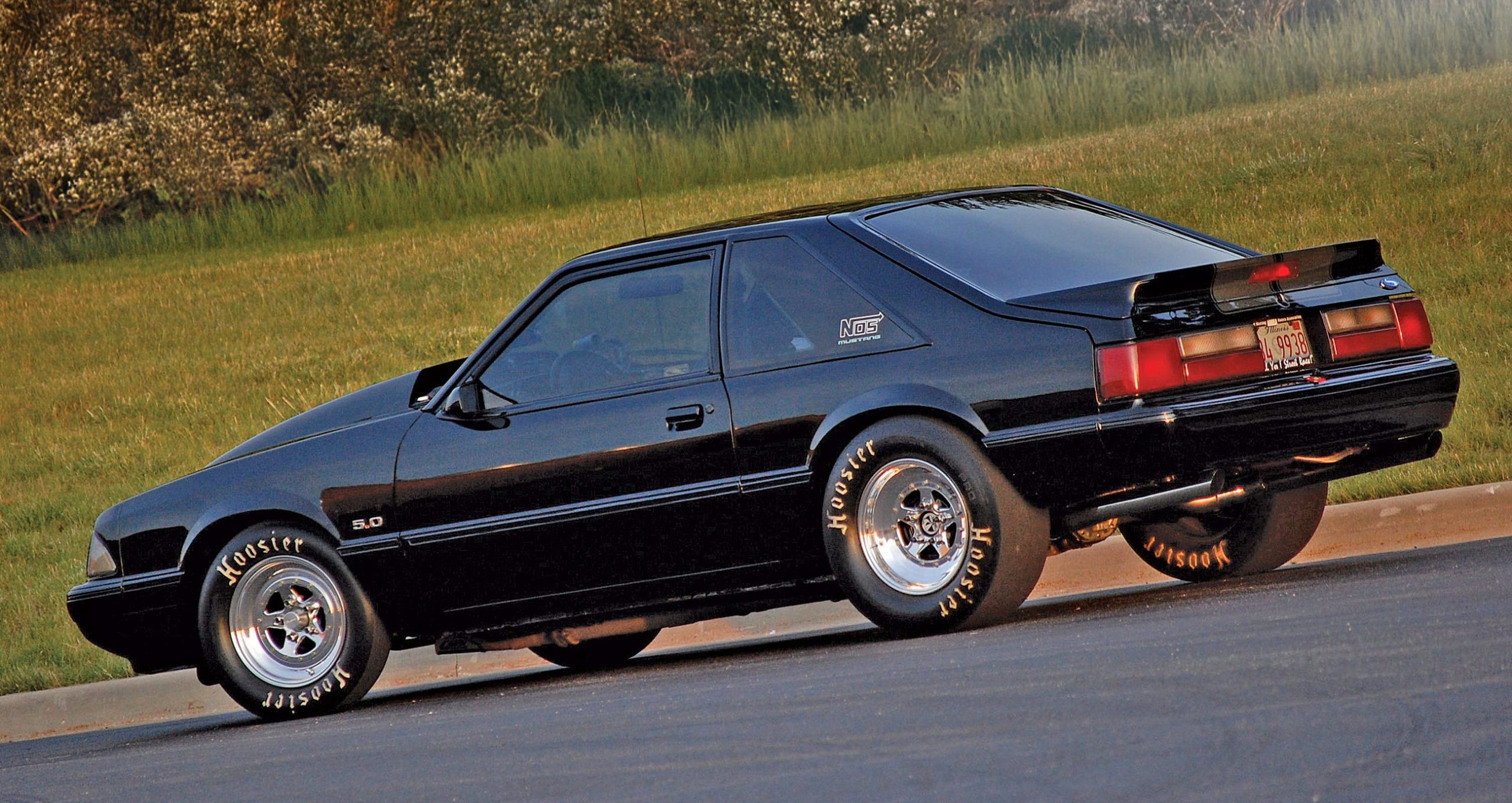
Lightweight rolling stock is a must in a drag-racing application, so Happach went with a set of Weld Racing Alumastar Pro 2.0 wheels, measuring 15×3.5 inches in the front and 15×8.25 inches out back. Traction comes from Hoosier Quick Time Pro DOT tires, measuring 27×11.50 inches, and the 4.10-geared Mustang needs every bit of traction it can get with a nitrous-fed Ford small block under the hood.
Engine Build and Nitrous Setup
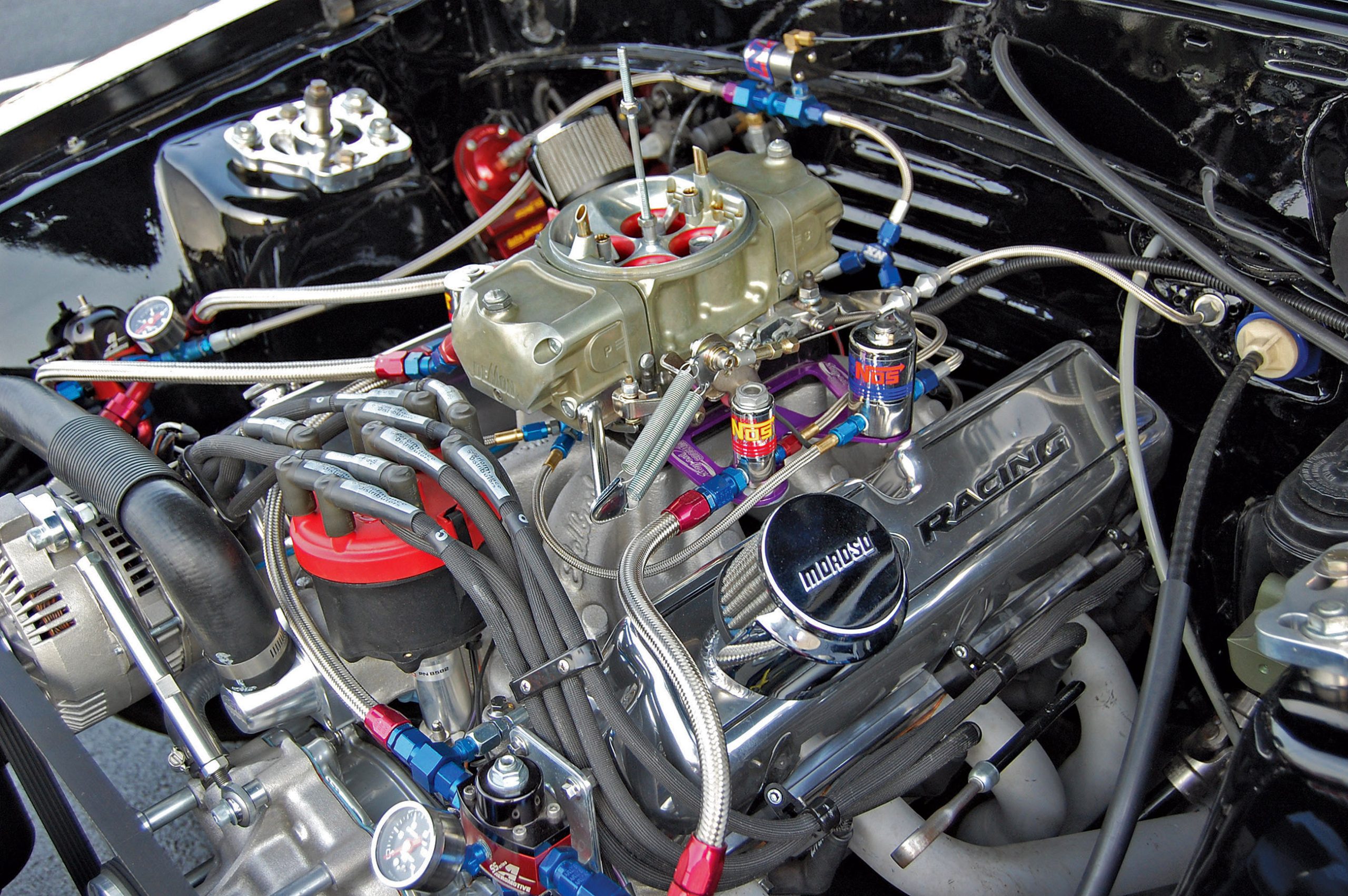
Starting with a 302ci block, Happach had the cylinders bored 0.040 inch over, and then handled most of the buildup himself. The CAT forged crank and H-beam connecting rods make for a bulletproof bottom end, and the Arias forged dome pistons will handle all the nitrous Happach can throw at it.
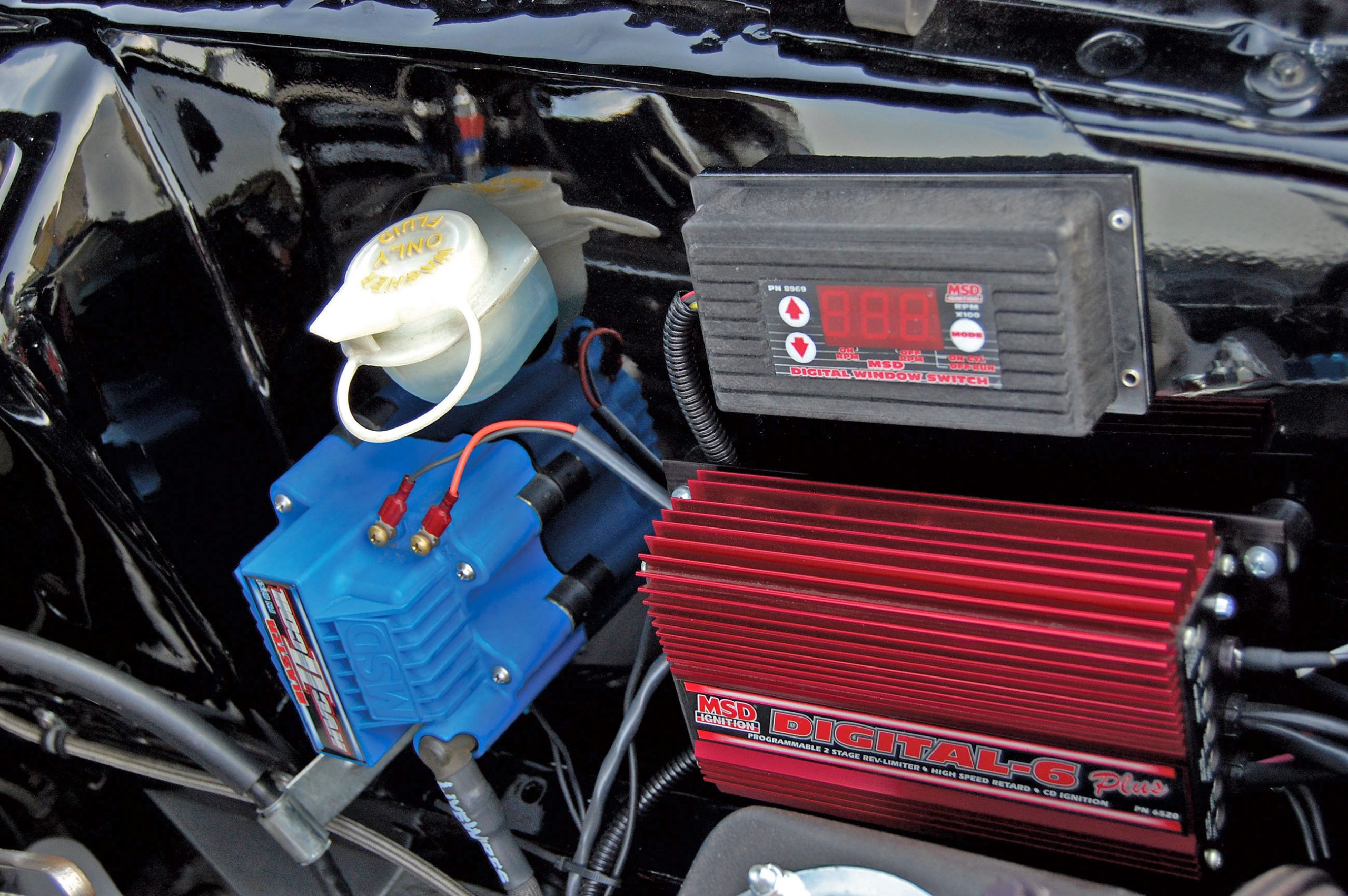
The combination of domed pistons and Edelbrock Victor Jr. aluminum heads provides an 11:1 compression ratio, and they are clearanced for the Comp solid roller cam that moves the huge valves. A port-matched Edelbrock Victor Jr. intake pulls fuel and air from the Barry Grant Race Demon 775cfm carburetor, and the MSD billet distributor sparks the fire.
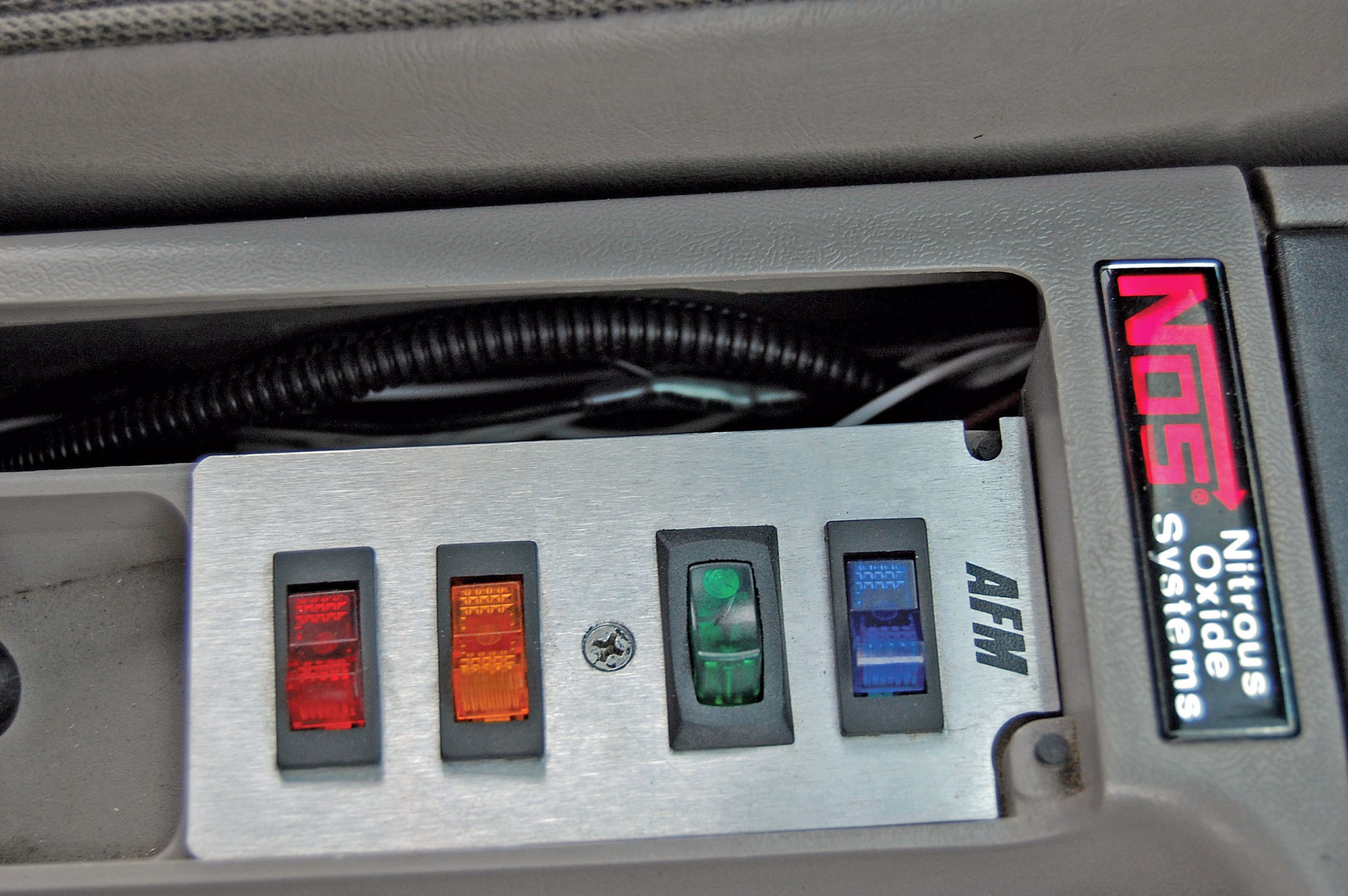
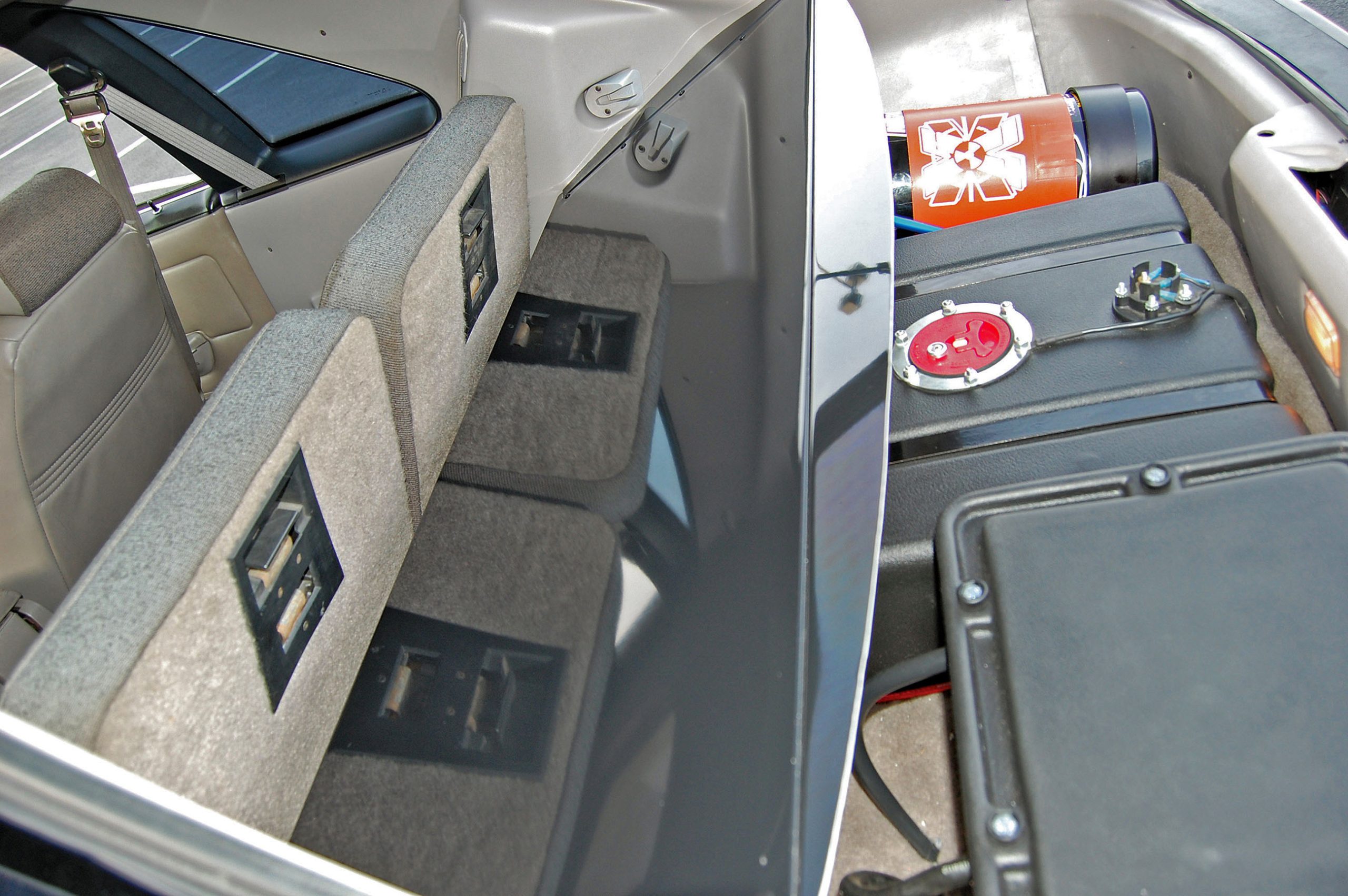
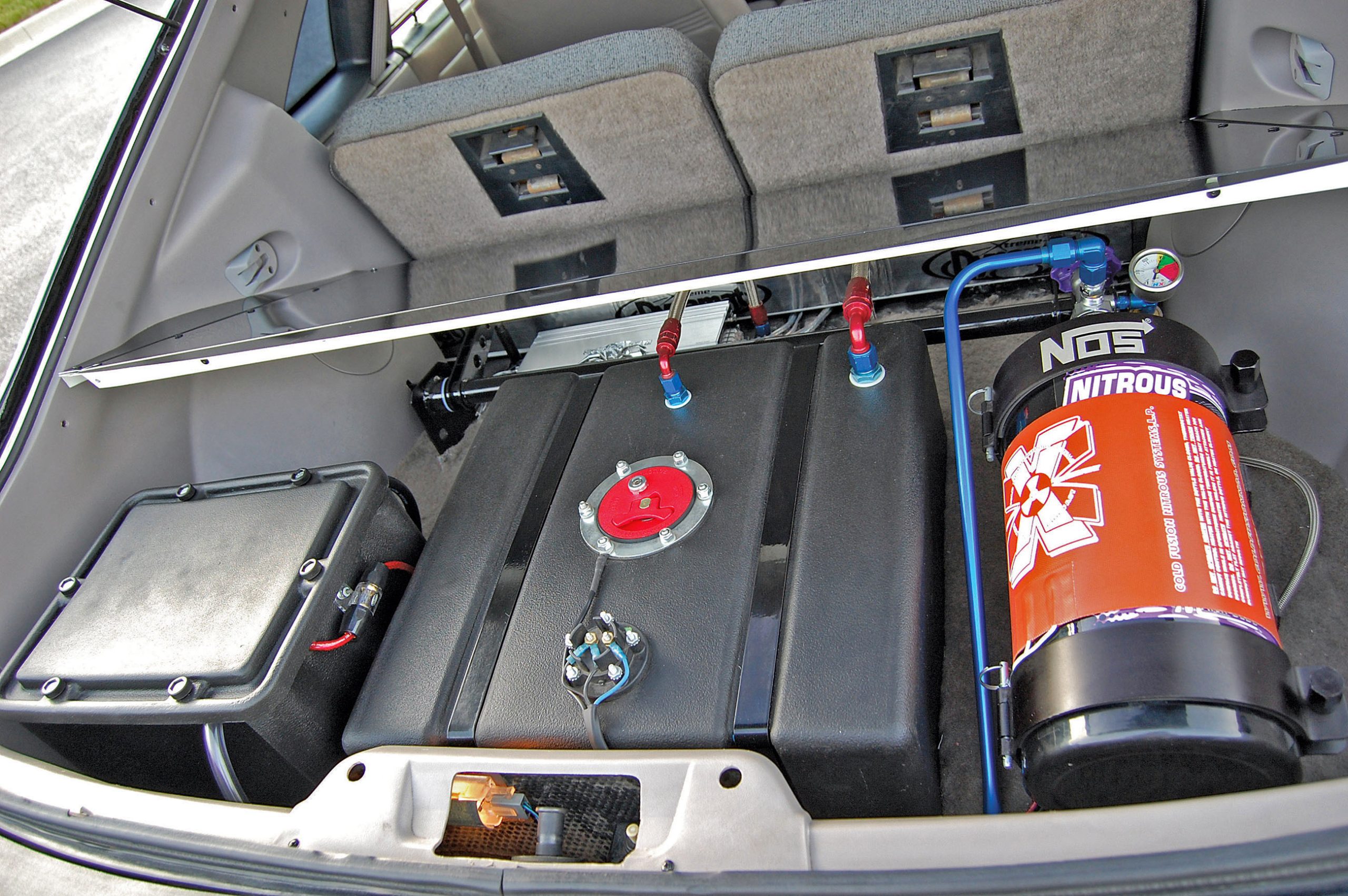
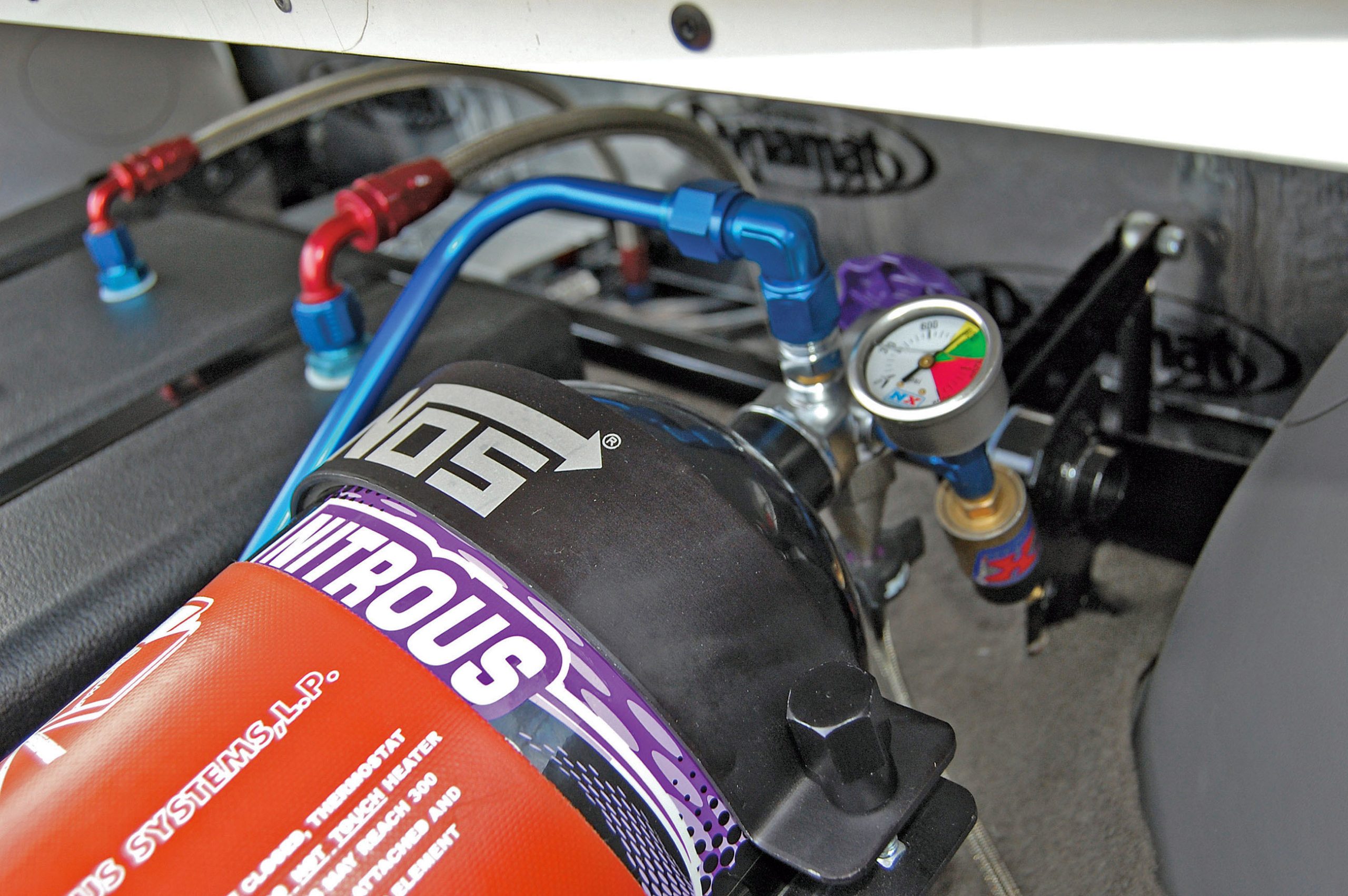
Without question, Happach built his engine to survive under harsh conditions, including the nitrous-oxide two-stage Cheater system that gives the small-block Ford a serious wake-up call. Happach wanted a transmission and clutch to hold up to the high-winding small block, and chose a Spec Stage-3 clutch and Tremec TKO-500 transmission to transfer horsepower to the rear tires.
Exterior Refinement and Showroom Finish
So, Happach’s Mustang has a killer, lightweight suspension and a strong chassis, combined with a high-revving, nitrous-fed small block—what more could you ask for? While most folks would be happy with a Fox-body Mustang with tons of go-fast goodies, Happach wanted his car to look as good as it runs. By stripping the body to the bare metal, Happach started from scratch, and later he handed the Mustang over to Jeremy and Paul Englert from Canton, Illinois, for final preparation for paint.
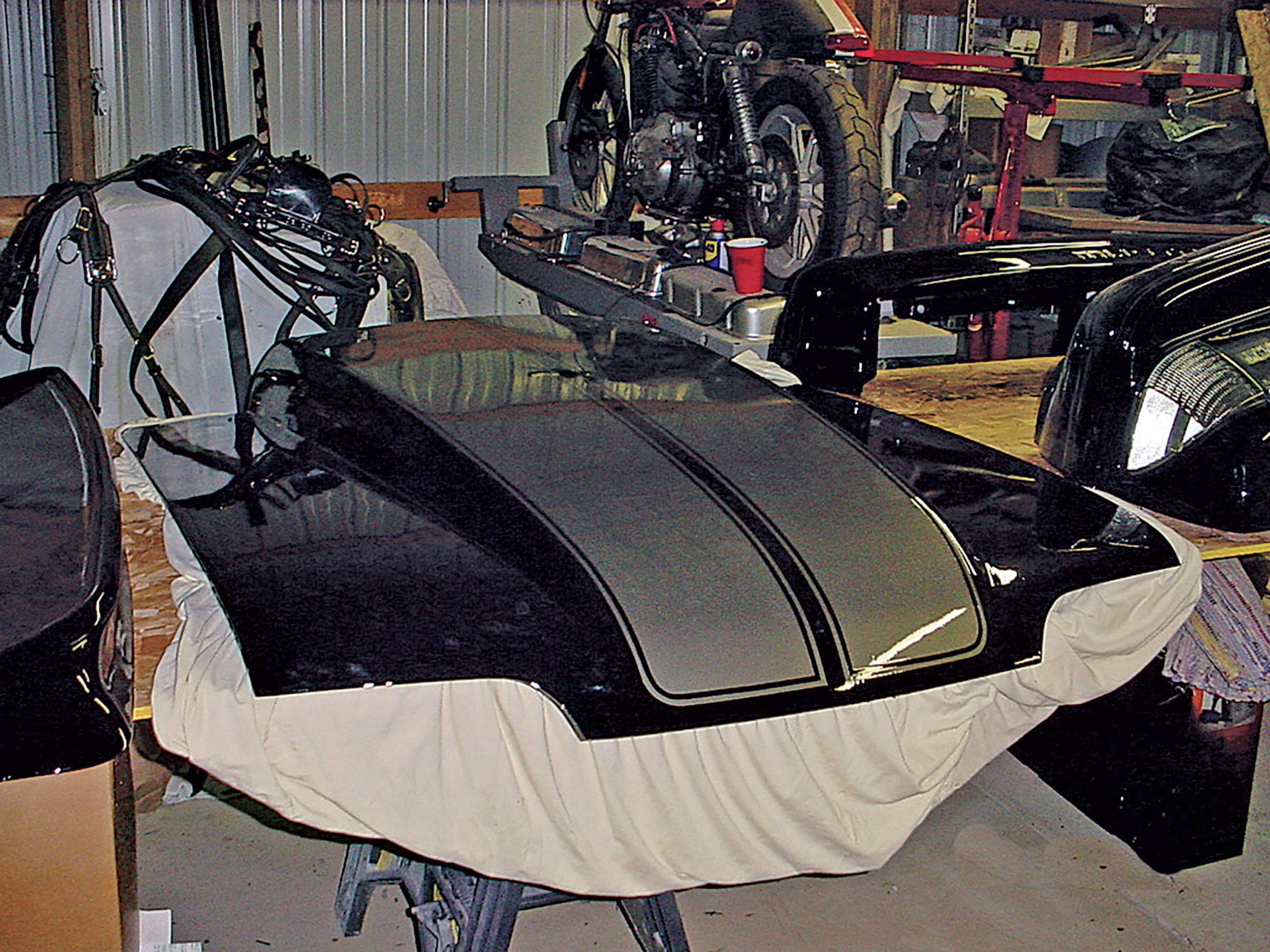
The body remains basically stock aside from the H.O. Fibertrends cowl induction hood, but the engine bay received a great deal of work. Jeremy Englert painted the ’91 Mustang with PPG black basecoat and Pepper Grey Metallic for the stripes. Clearcoat soon followed, and when the sanding and buffing process was finished, the car emerged from Englert’s shop with a mirror-like finish that rivals any show car around.
Interior Customizations and Final Touches
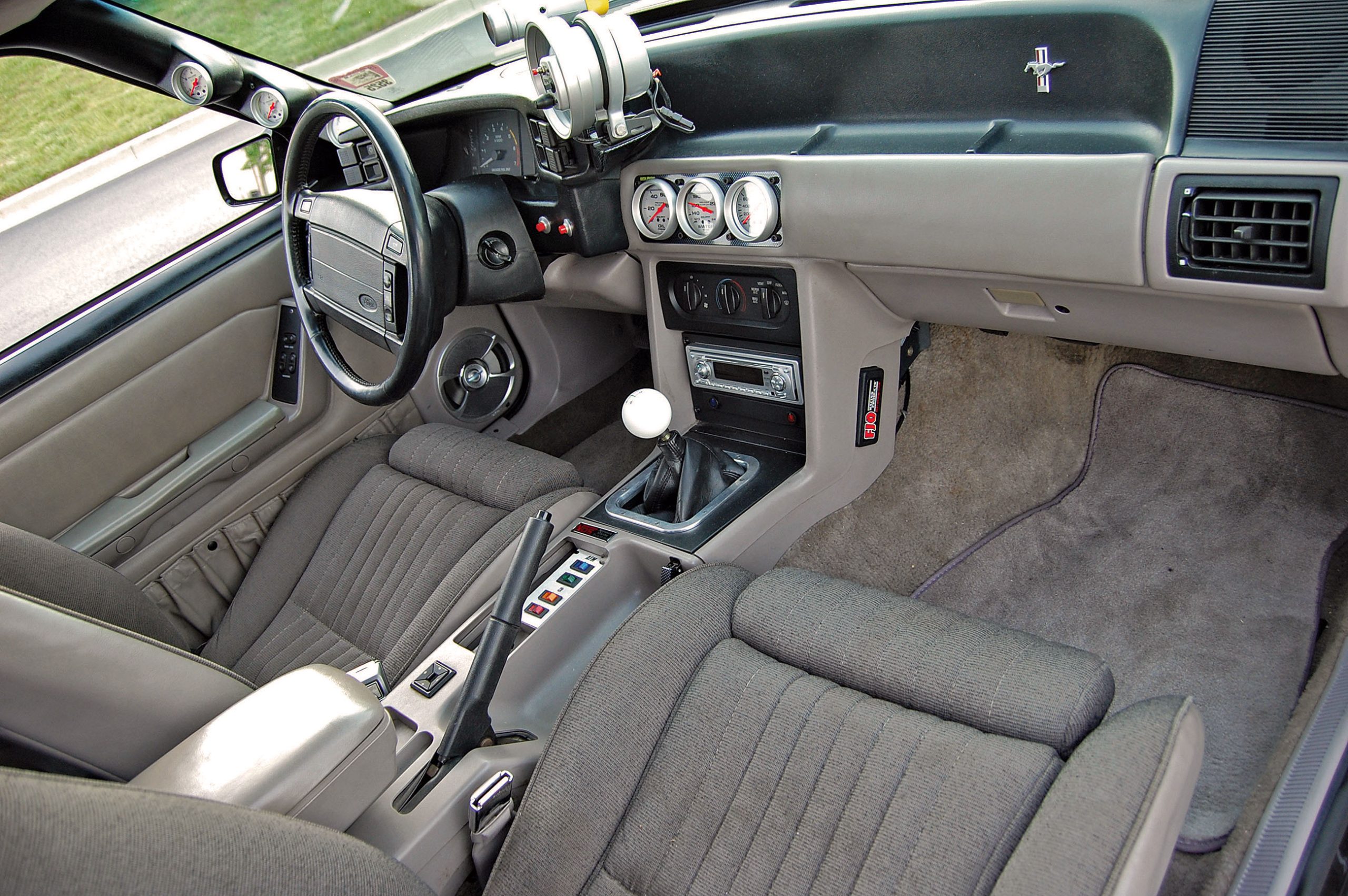
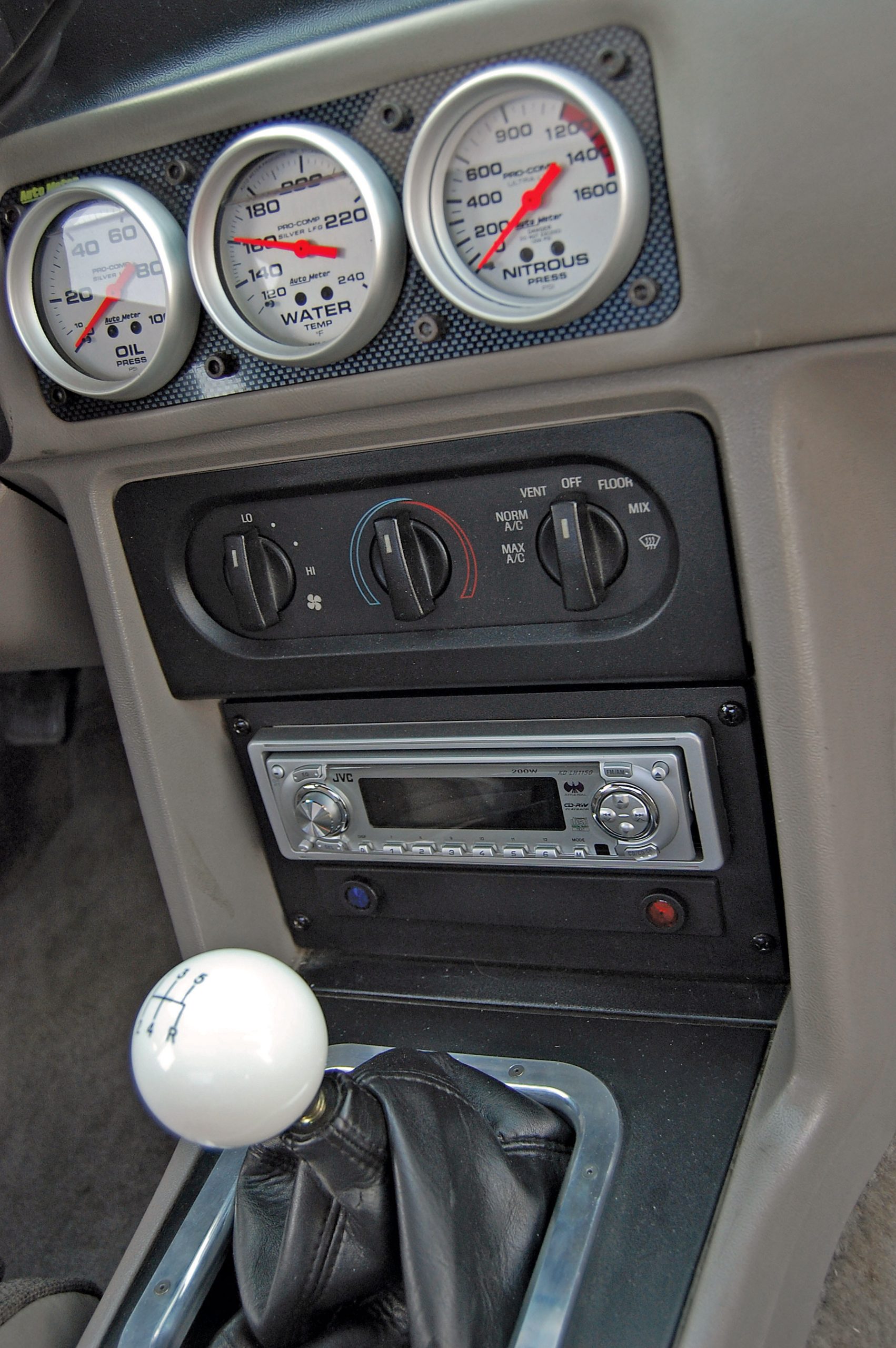
Another layer in this huge snowball is the many custom touches inside Happach’s ’91 Mustang. The car still uses the original seats, dash, and steering wheel, but Auto Meter gauges display the vital signs of his potent 308ci small-block Ford. Along with the custom instruments, a JVC Arsenal CD player rides in the dash, treating B.C. and his wife, Shana, to a different tune if the Flowmaster mufflers aren’t enough.
A Total Restoration Transformation
And so, what started as a clutch replacement turned into an engine build and escalated into the total restoration of this ’91 Mustang. Happach is obviously happy with the final result, and the Mustang is a frequent participant at local cruise-ins, along with the occasional big event, such as the World Ford Challenge, where the hatchback took home a third-place trophy in its class.
The flawless Fox-body has had every trick in the book done to it, and Happach plans to add a set of slicks to see how fast his Mustang can make it down the track. We are interested to see what his car runs, and if it performs as well as it looks, this giant snowball will be a terror at the track.