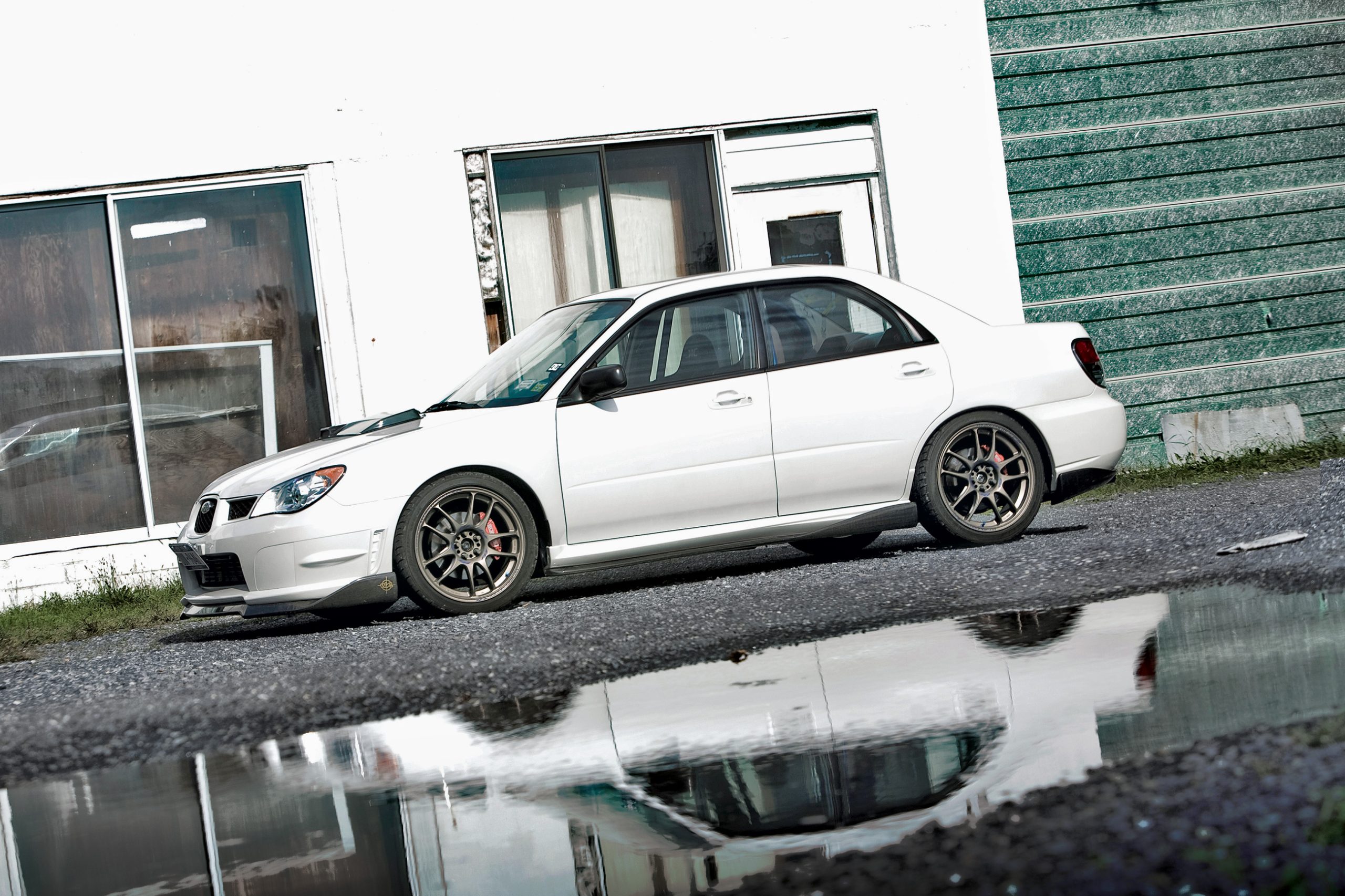
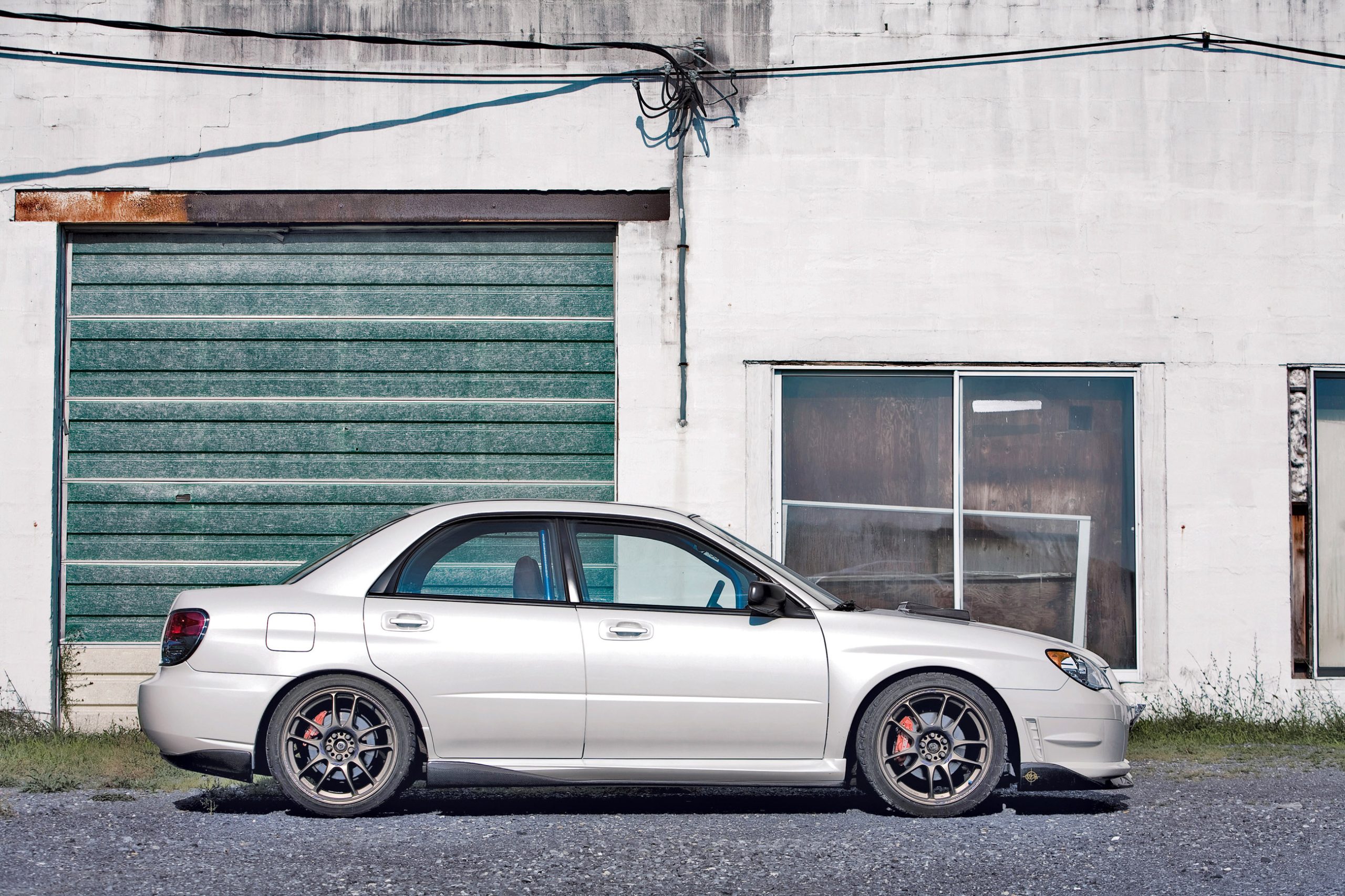
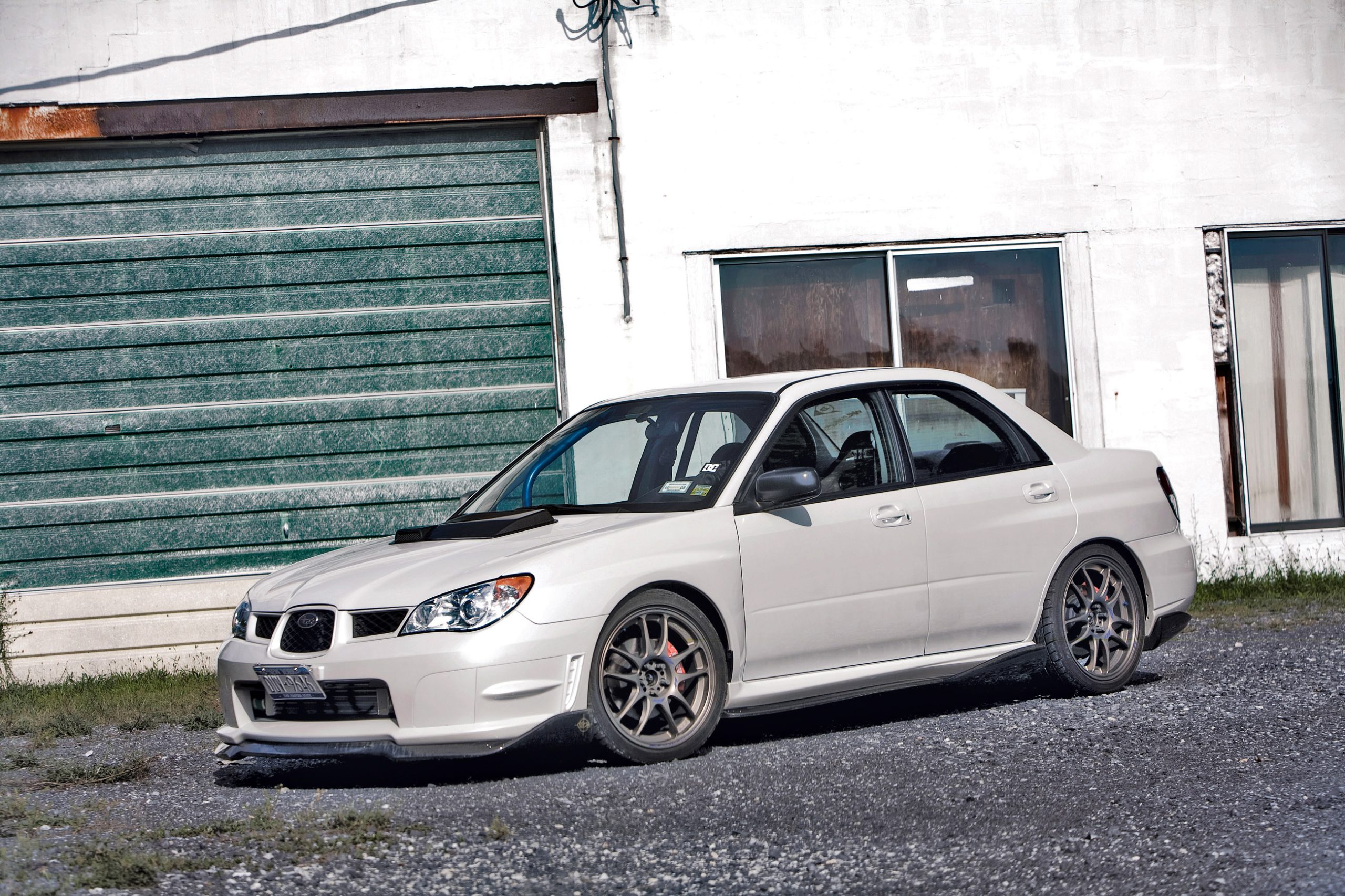
Jon Therriault is no stranger when it comes to building high-profile cars. We received a message from Therriault a while back, informing us that he was working on a new top-secret project—a new ‘07 Satin-White-Pearl Subaru WRX. He went on to inform us that this car was to be considerably different than his last project. The WRX wasn’t being built to scream for attention, but instead would be subtle—no crazy two-tone paint, no loud wheels, no lambo doors, and no crazy headlight and taillight conversions.
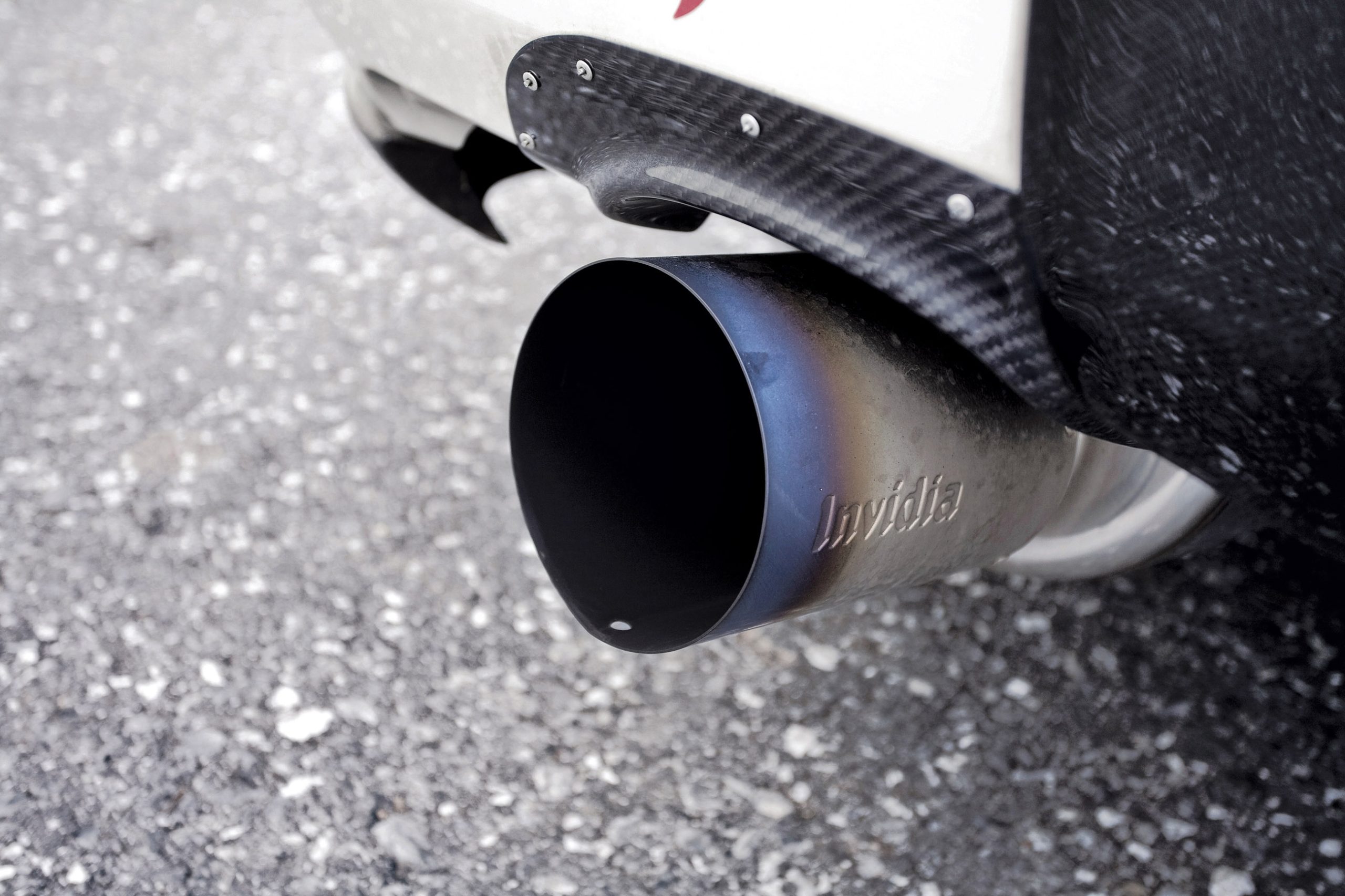
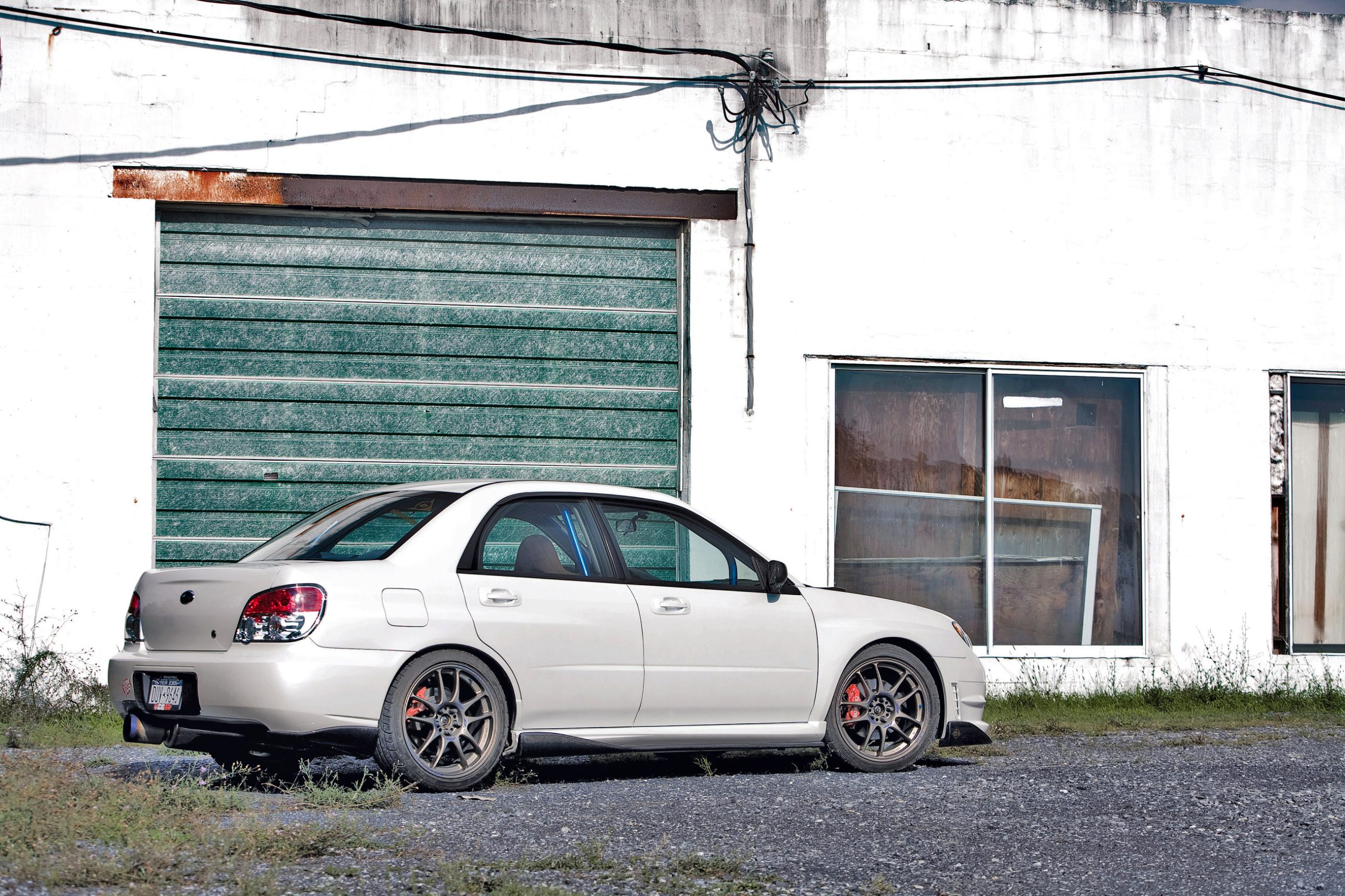
Therriault told us the exterior would be outfitted with trick carbon-fiber pieces, which would flow nicely with the satin-white-pearl paint. A carbon-fiber ARC hood scoop, Varis exhaust garnishes, a Chargespeed Bottom Line kit and Carbign Craft rear license-plate backing are some of the carbon goodies that were installed. Other subtle accessories include a set of Japanese OEM Subaru window visors, Sako license-plate brackets and OEM STi side skirts. From what we learned, while Therriault’s WRX wouldn’t scream “look at me,” it would look aggressive and make a serious statement.
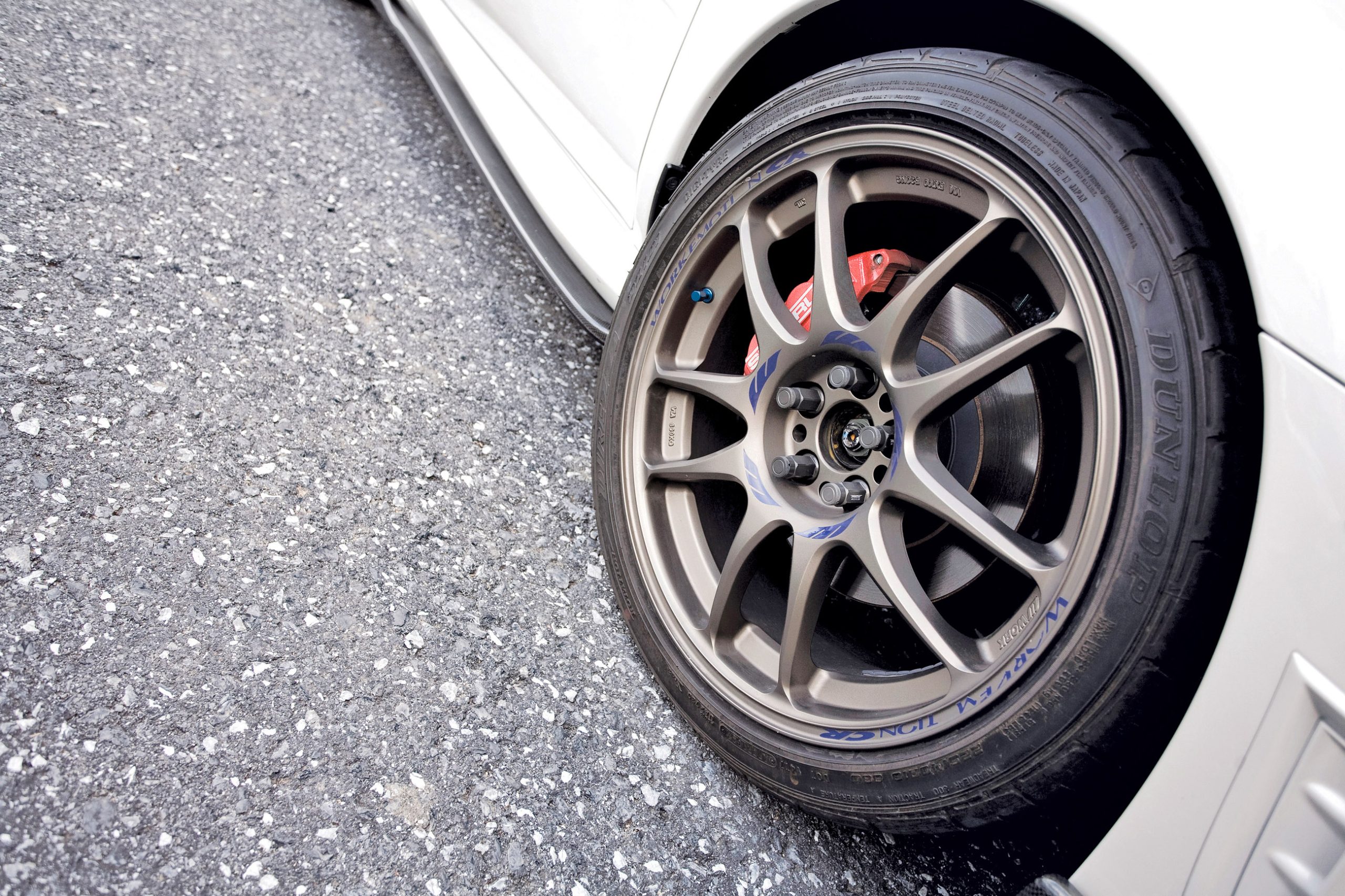
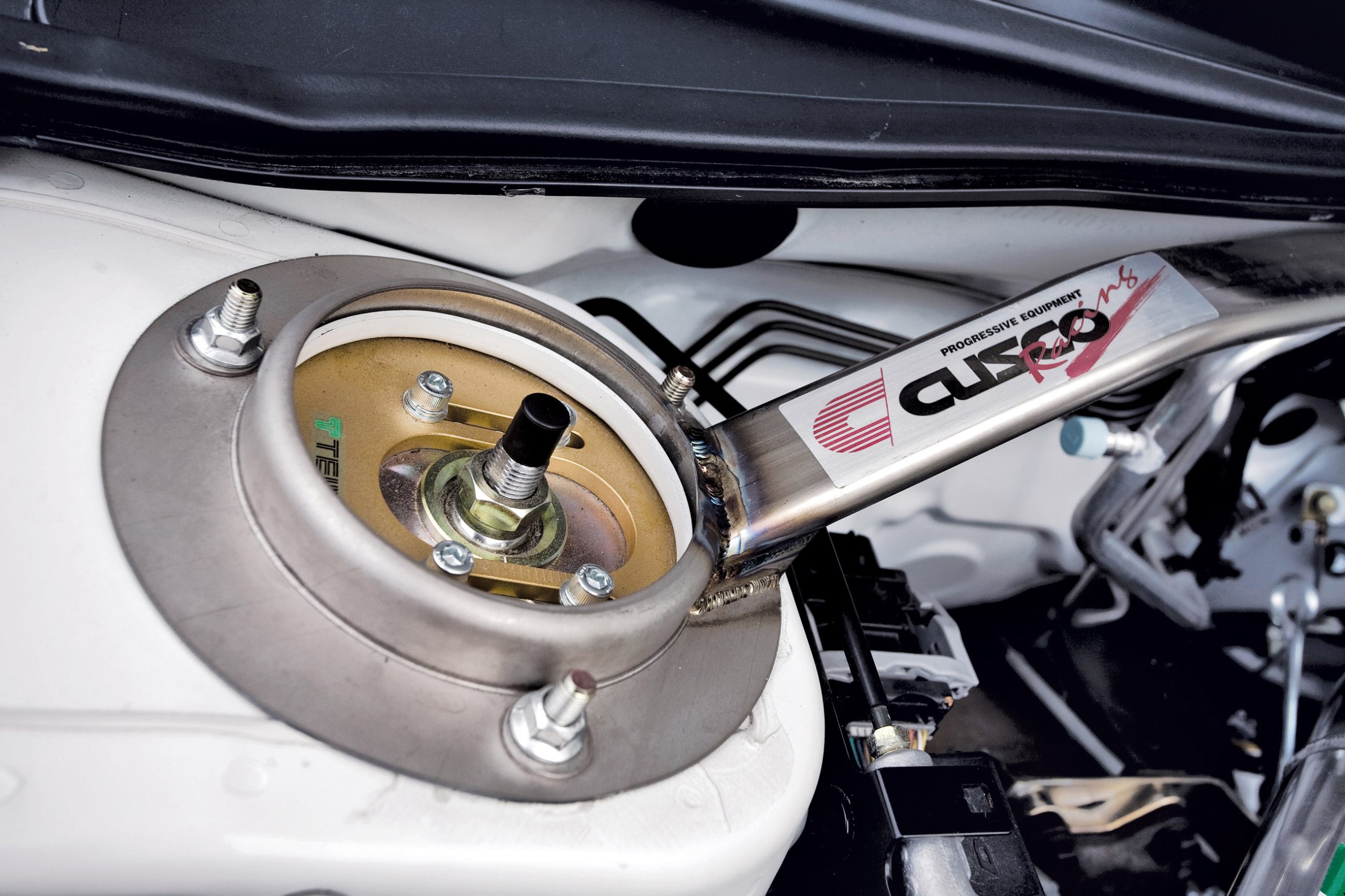
Therriault went on to tell us he was trying to accomplish his aggressive look by lowering the WRX’s body with adjustable Tein Super Street coilovers and pillow-ball mounts. By lowering the WRX’s center of gravity, he not only achieved his desired ride height, but he also closed the unsightly gap between his fenders and the new 18×7.5-inch bronze Work wheels and the 225/40-18 Dunlop Direzza DZ101 tires. To stiffen his chassis, Therriault also planned to install a Cusco titanium front strut bar.
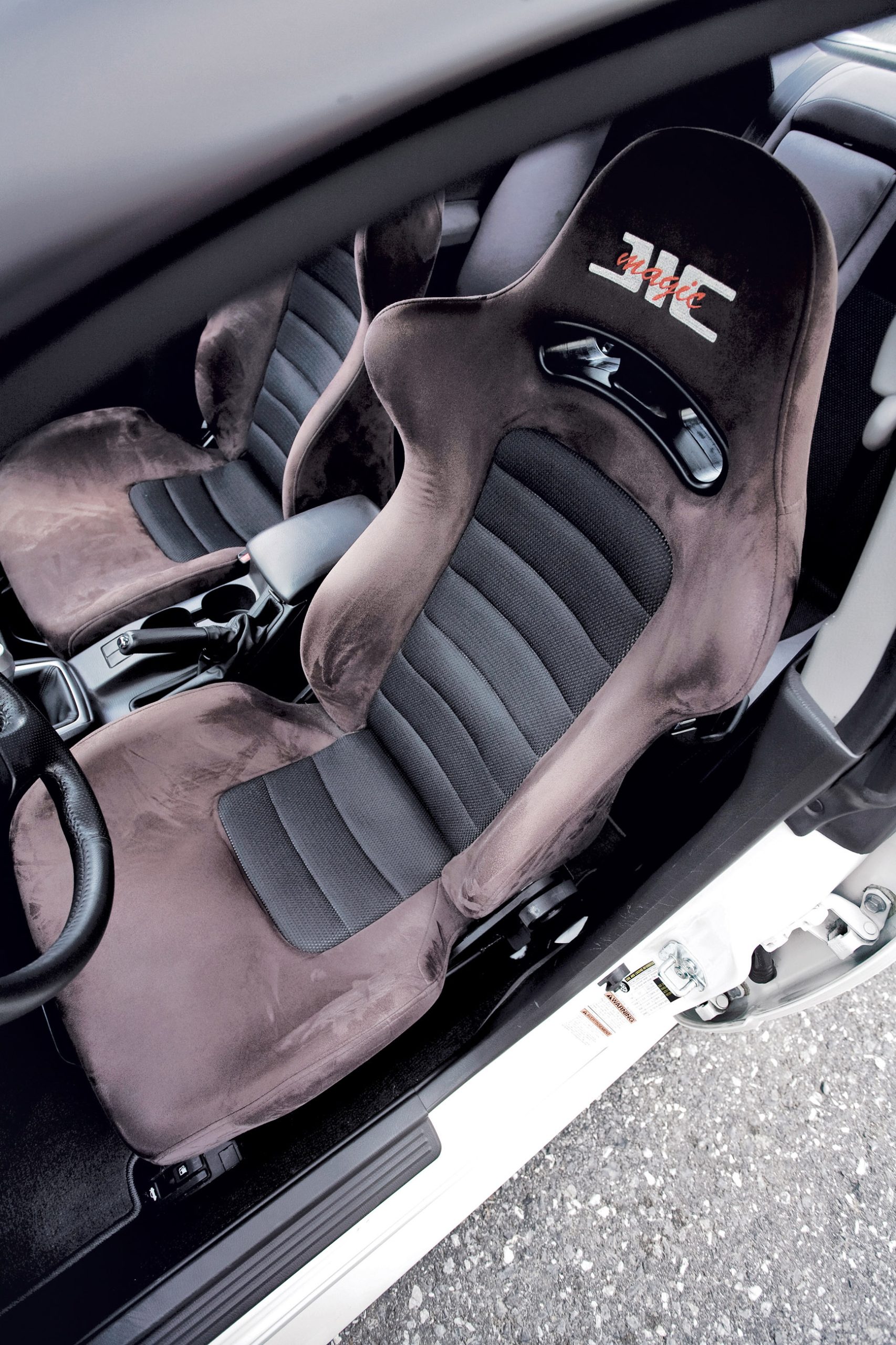
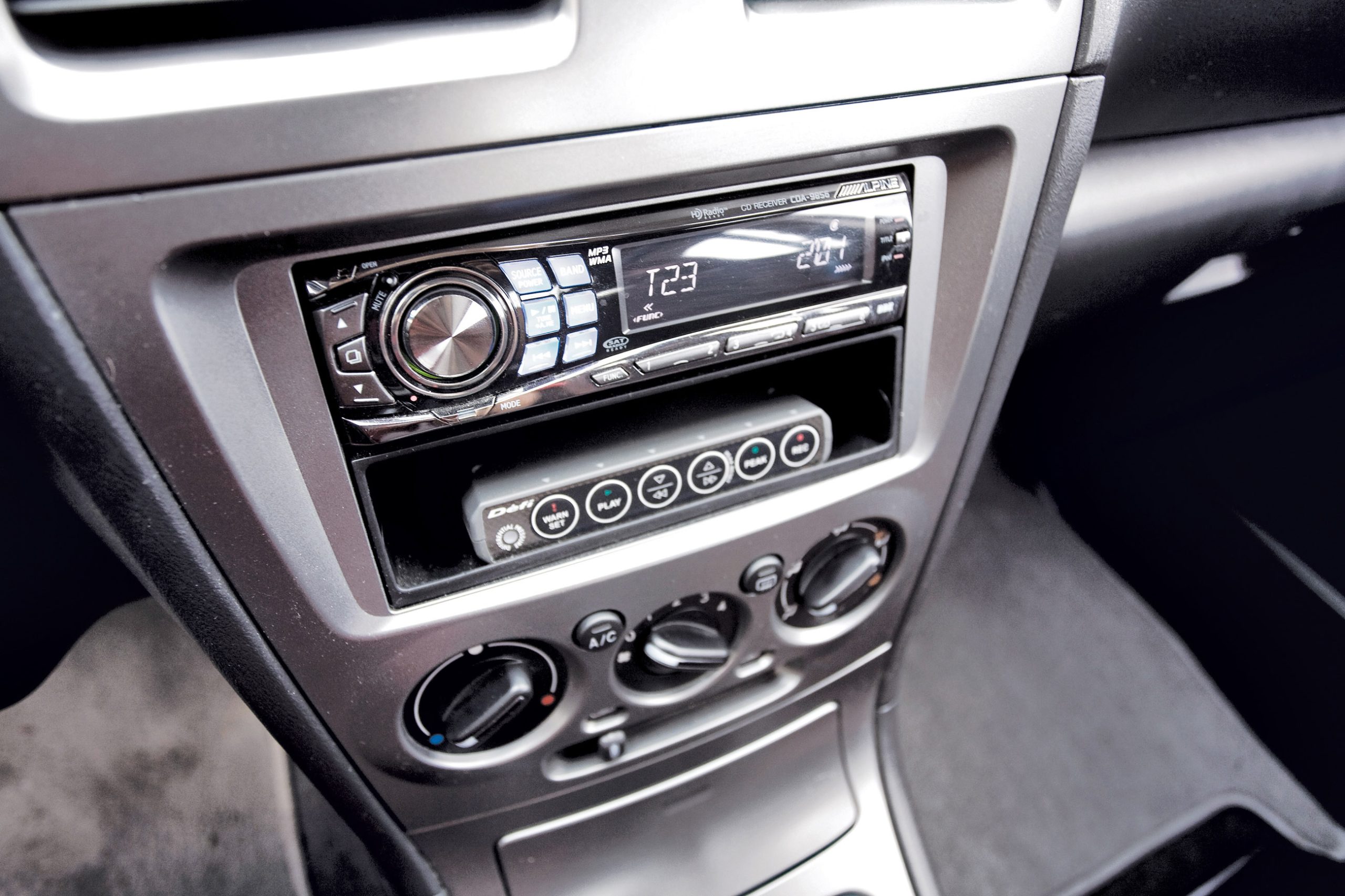
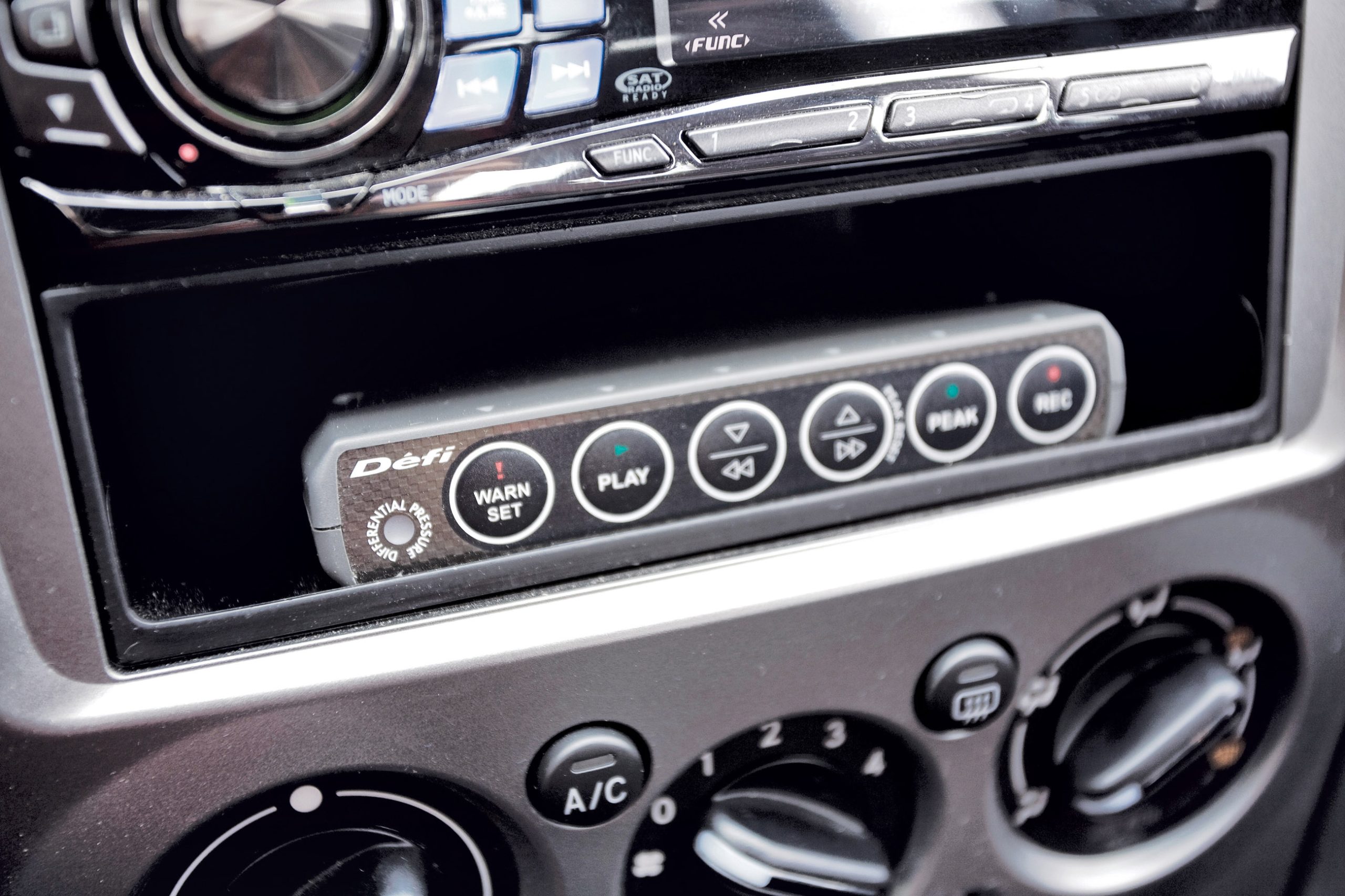
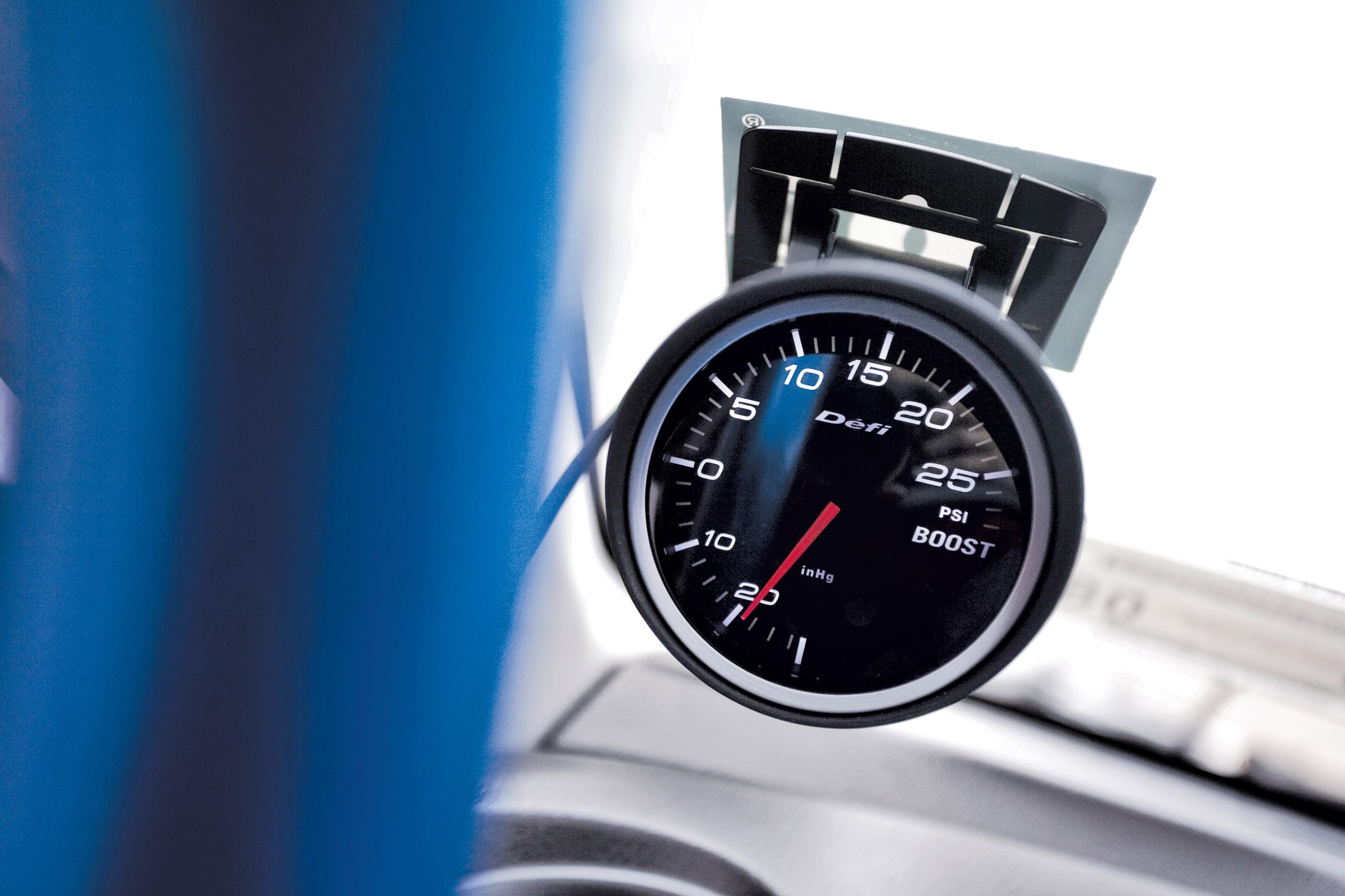
After all these body modifications and suspension upgrades were completed, Therriault concentrated on the interior, which was designed to flow nicely with the rest of the car. Inside, Therriault chose a Defi-Link meter and boost gauge. Other goodies include a Top Secret shift knob, black JIC reclining race seats and a blue Cusco six-point rollcage. And since the WRX already came with a well-equipped sound system, he wasn’t going to mess with Subaru’s efforts. Instead, he kept the factory mids and highs and the factory amp, and opted to upgrade the head unit with an Alpine CDA-9856 with iPod integration.
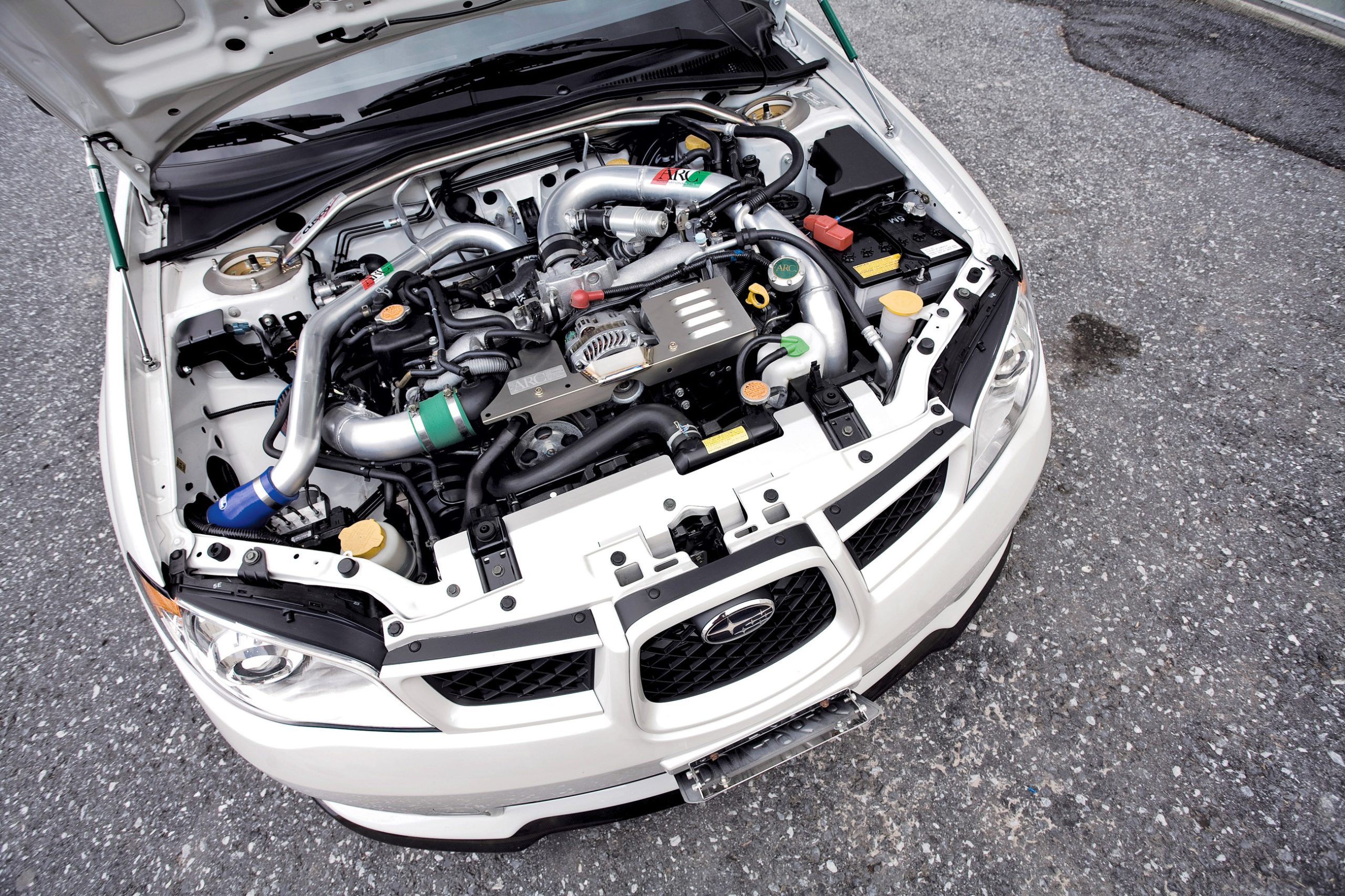
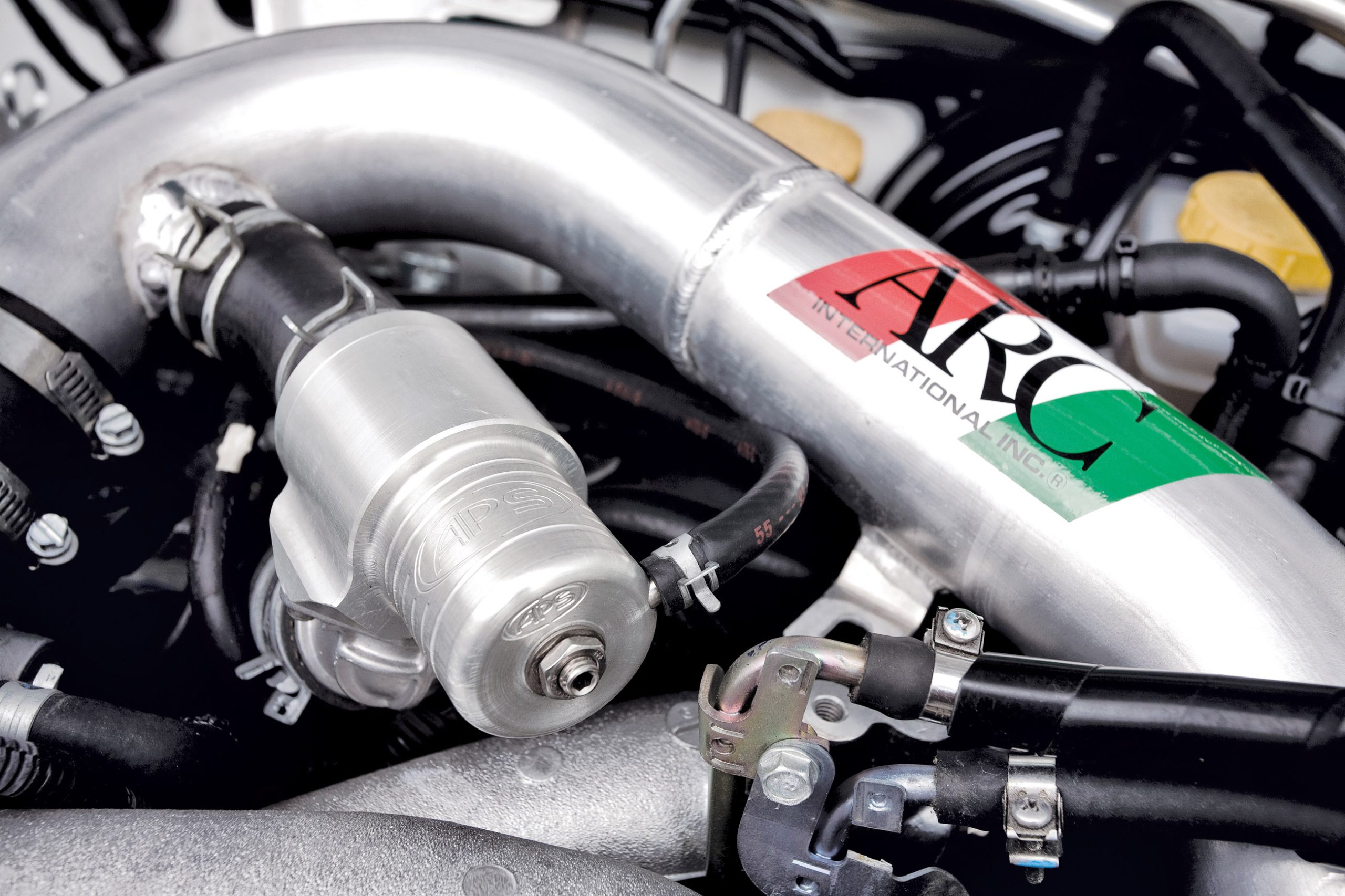
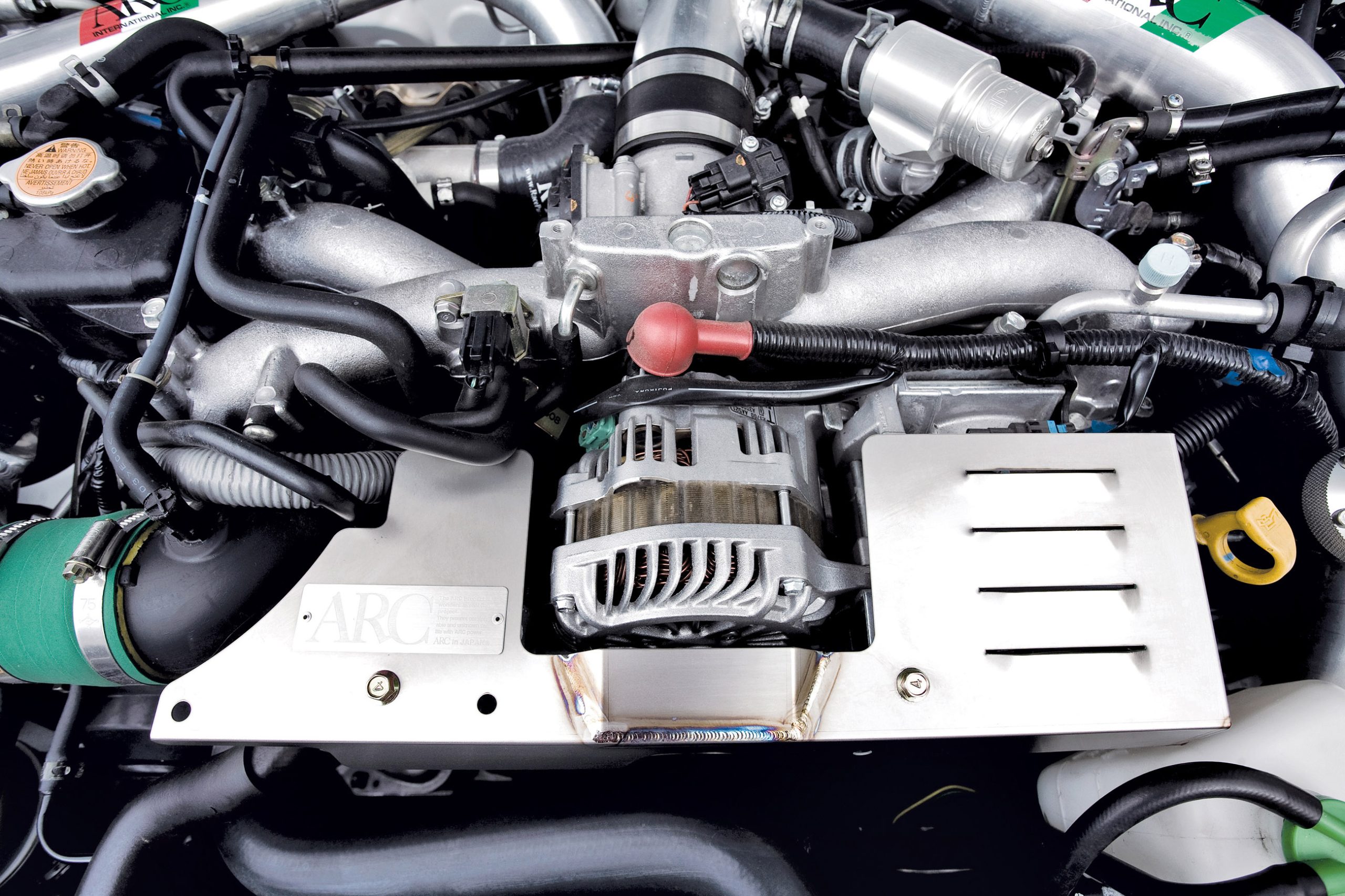
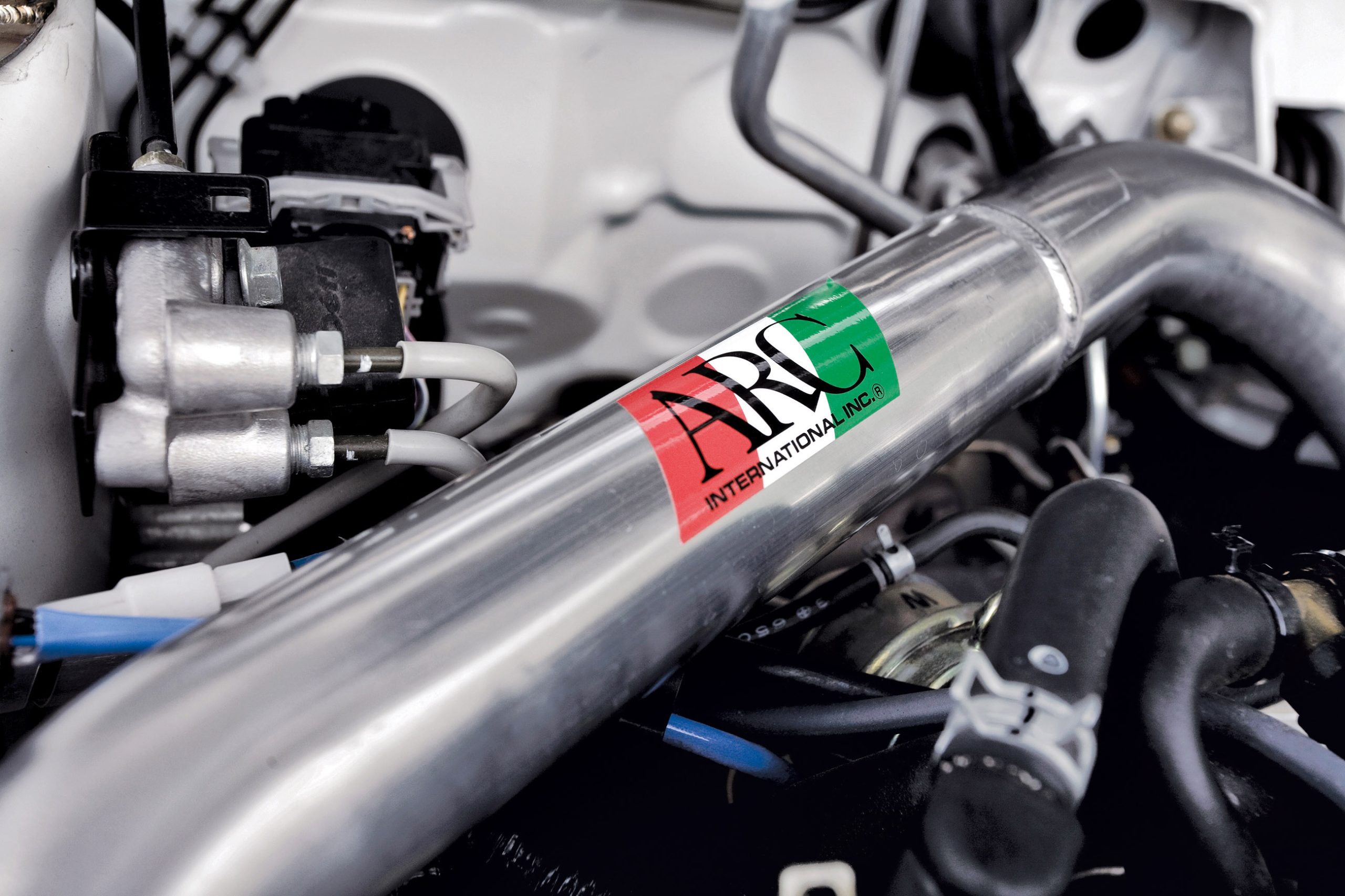
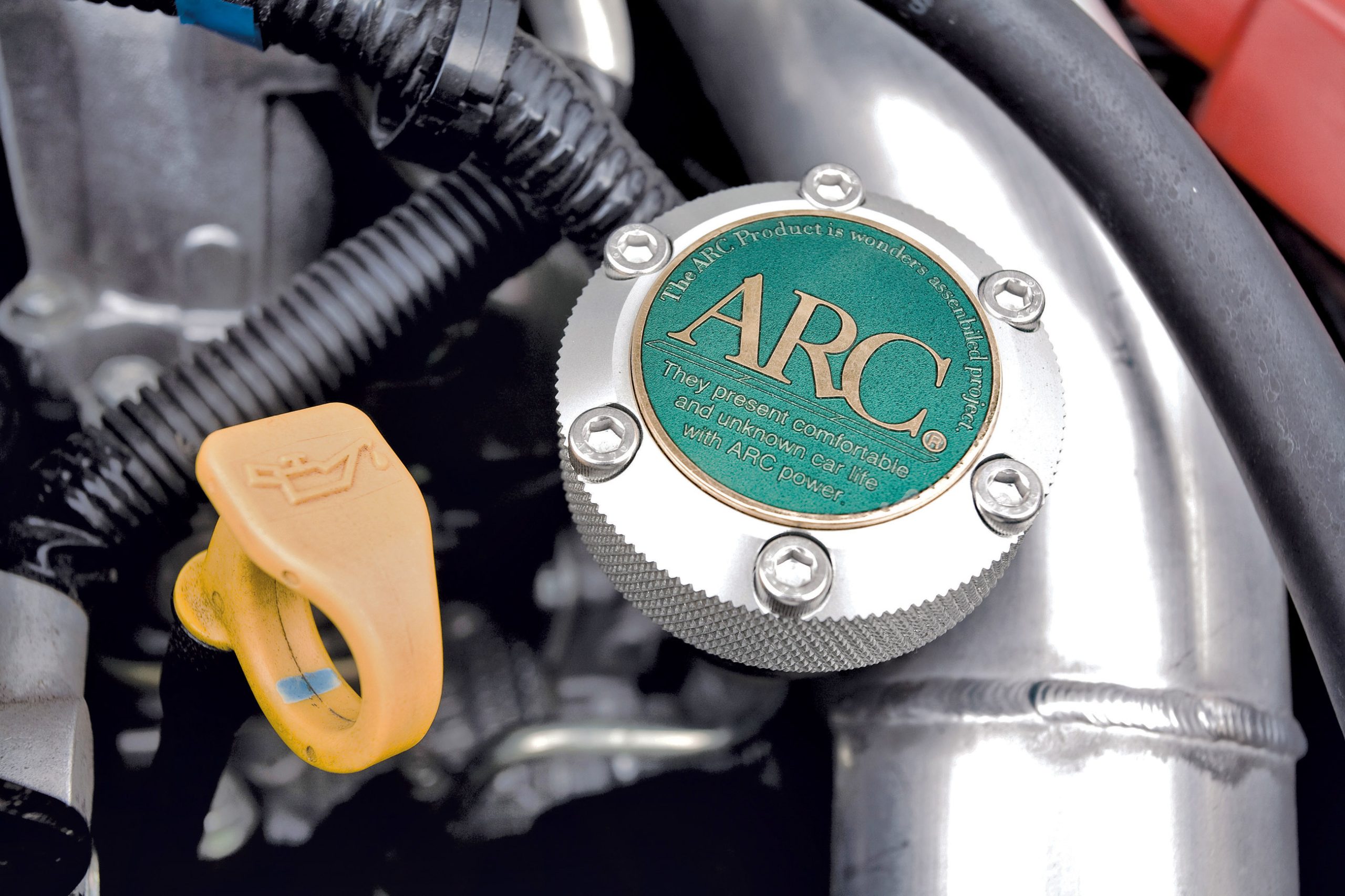
As we neared the end of our messaging, conversation moved to the engine, which, going in, was a potent setup, but Therriault had no plans to keep the engine stock. His upgrade list included several goodies from ARC—a front-mount intercooler, short-ram intake, titanium pulley cover and oil cap. Plans also included an Invidia G200 cat-back exhaust and down pipe, a Kartboy short-shifter with upgraded bushings, and an APS blowoff valve. Phase two of his performance build included the installation of an HKS Type-0 turbo timer, an ACT clutch and flywheel, a Walbro 255-lph fuel pump, a Helix up pipe, GReddy 720cc fuel injectors, a TiAL 38mm wastegate and a Forced Performance 18g turbo upgrade. Then, after all these parts were installed, he would have Moon Performance do a custom tune on the vehicle.
After about three months of going back and forth e-mailing Therriault, we finally got the opportunity to see his efforts in person, and while we enjoyed his old-school Integra enough to previously feature that car, let’s just say that Therriault stepped up his game on his WRX. He outdid himself this time around, and his efforts are just one of the many reasons his WR Team is so well known throughout our movement. It’s a fine piece of work, and we welcome the opportunity to again showcase a Therriault project.