Back in the ’80s (40-some odd years ago, if you can believe it has been that long already), it was fairly easy to find a 12-bolt rearend for under your muscle car. The strength and presence can’t be denied, but finding one today is so much more difficult and expensive that most people don’t even bother looking anymore. This is part of the reason why so many 9-inch Ford rearends have been put under so many GM cars.
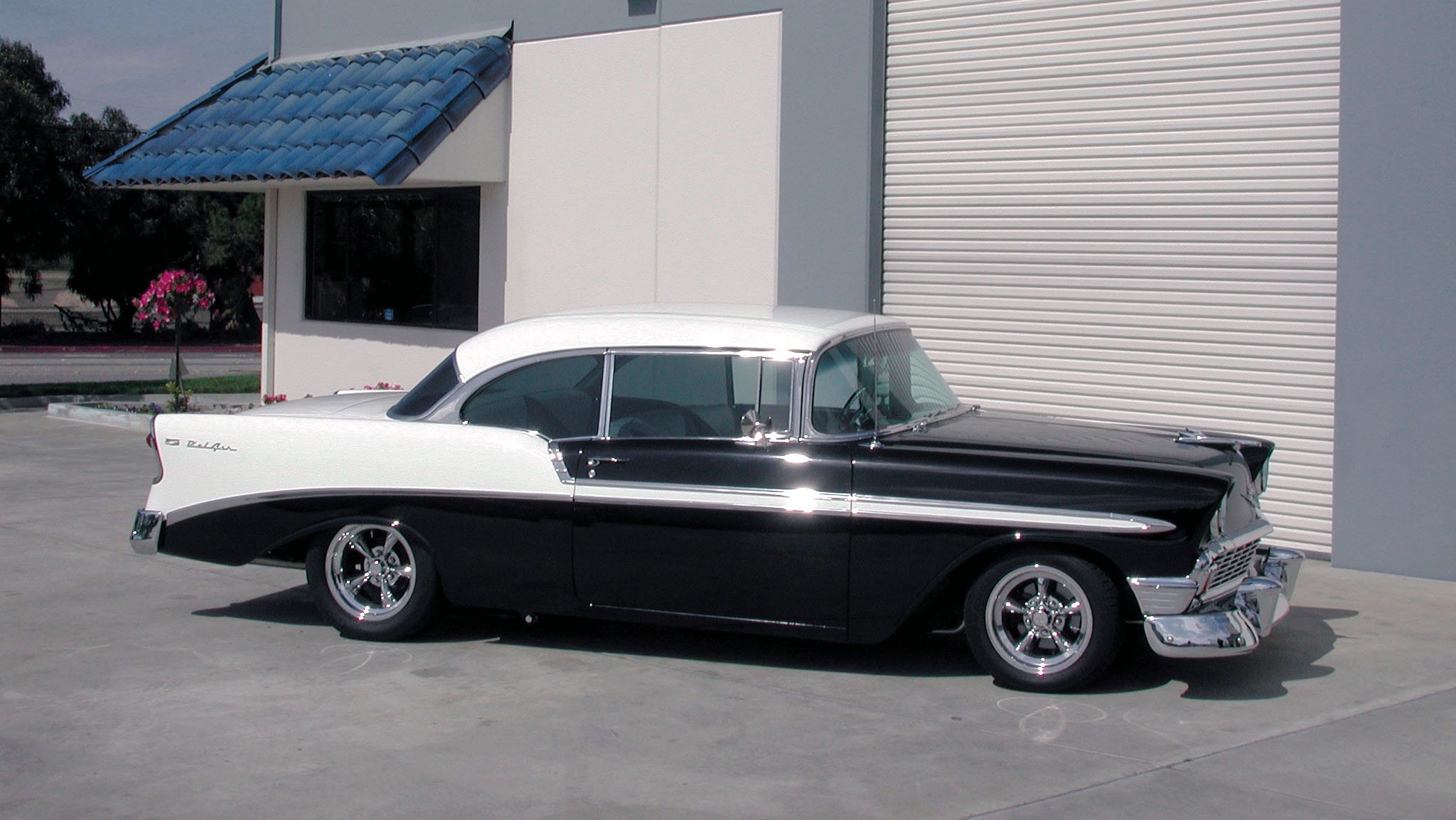
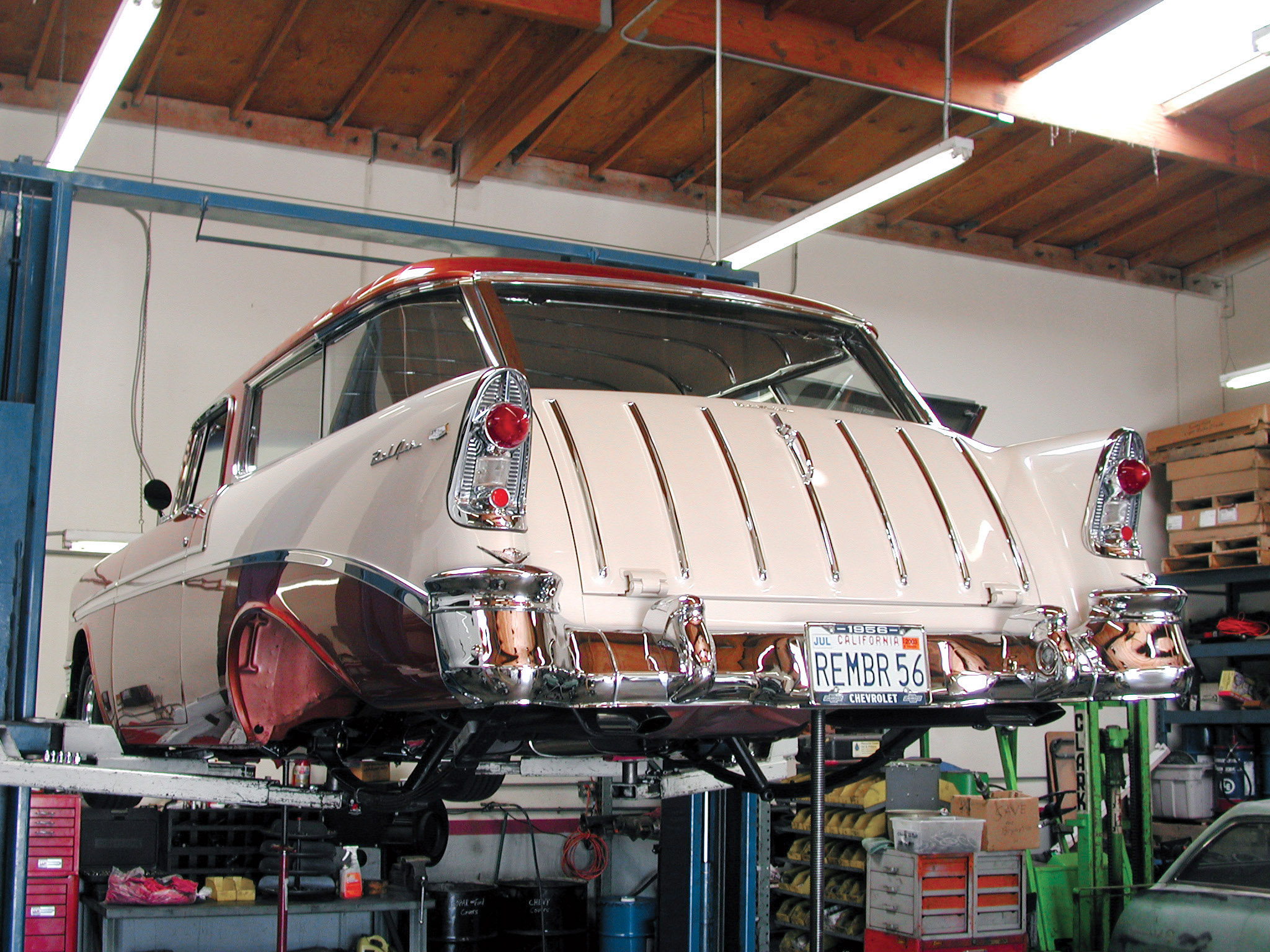
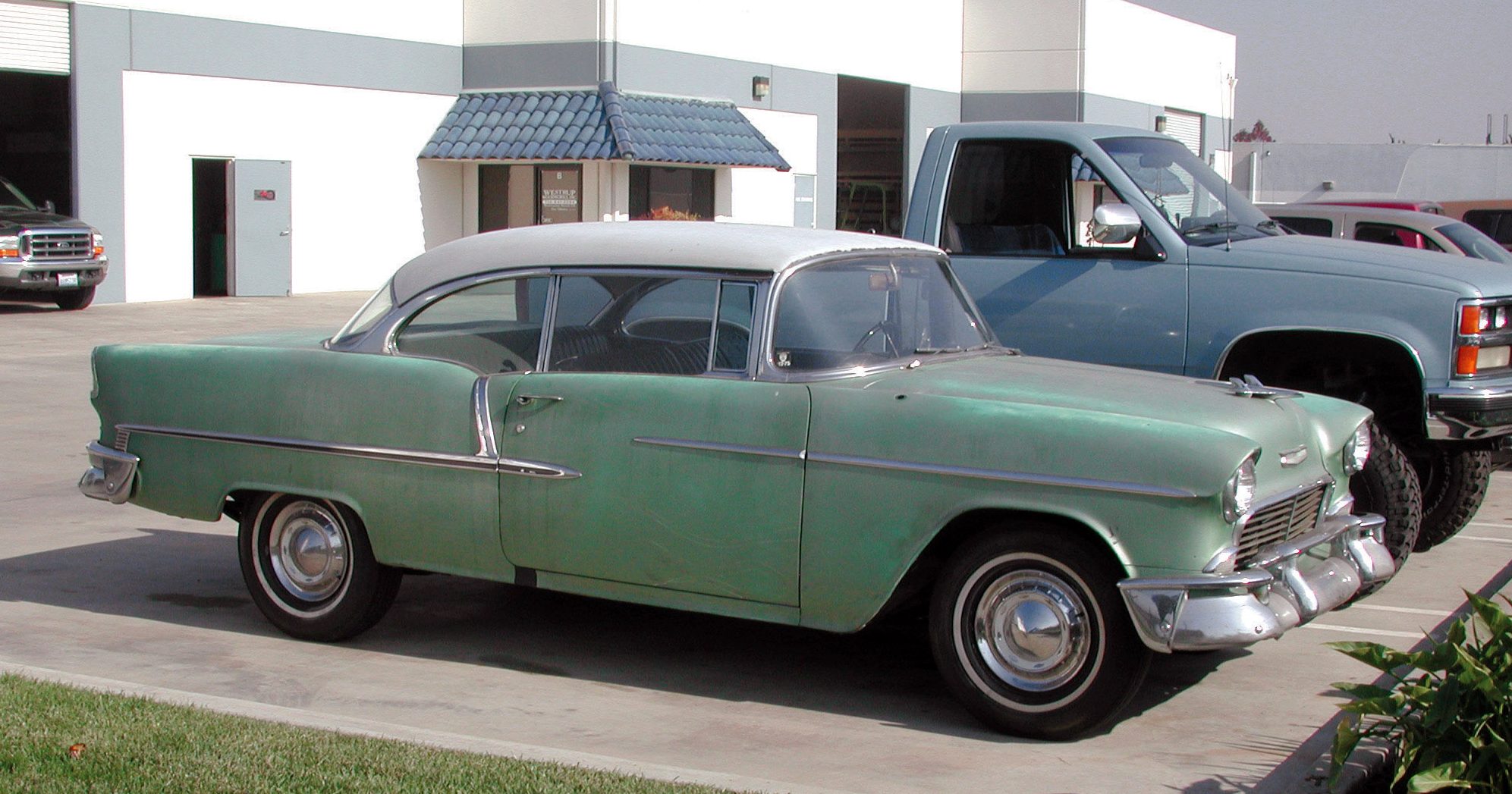
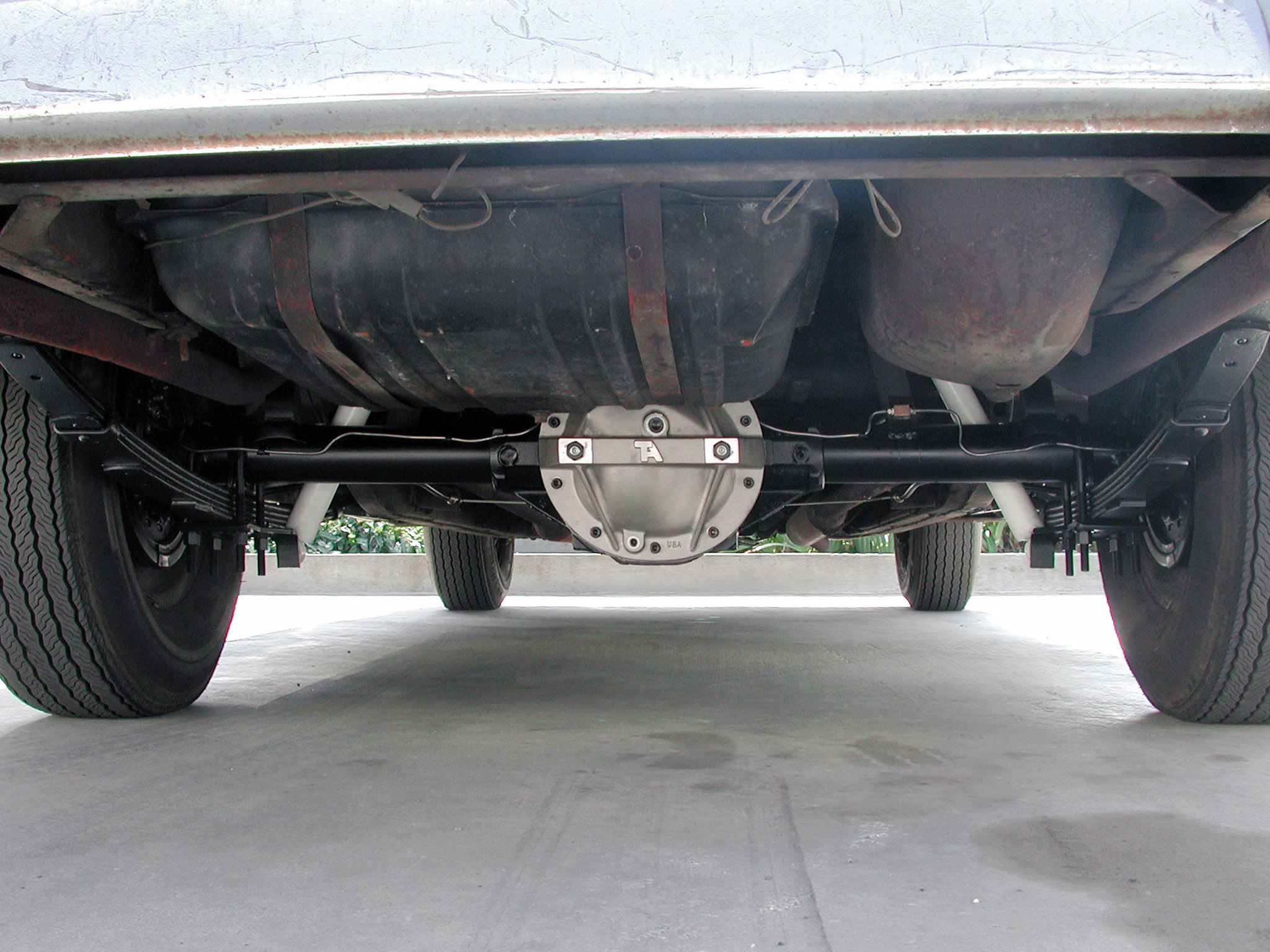
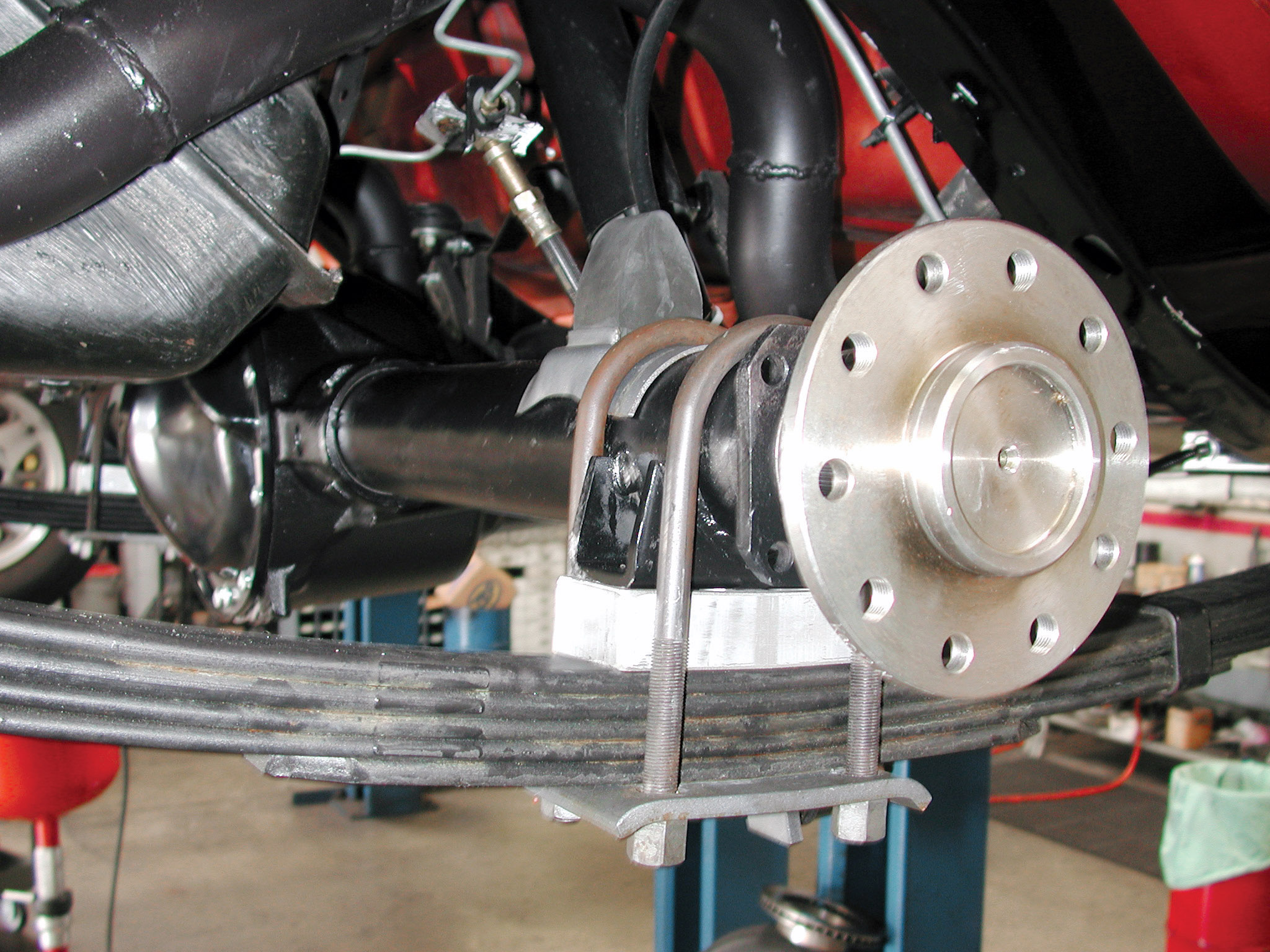
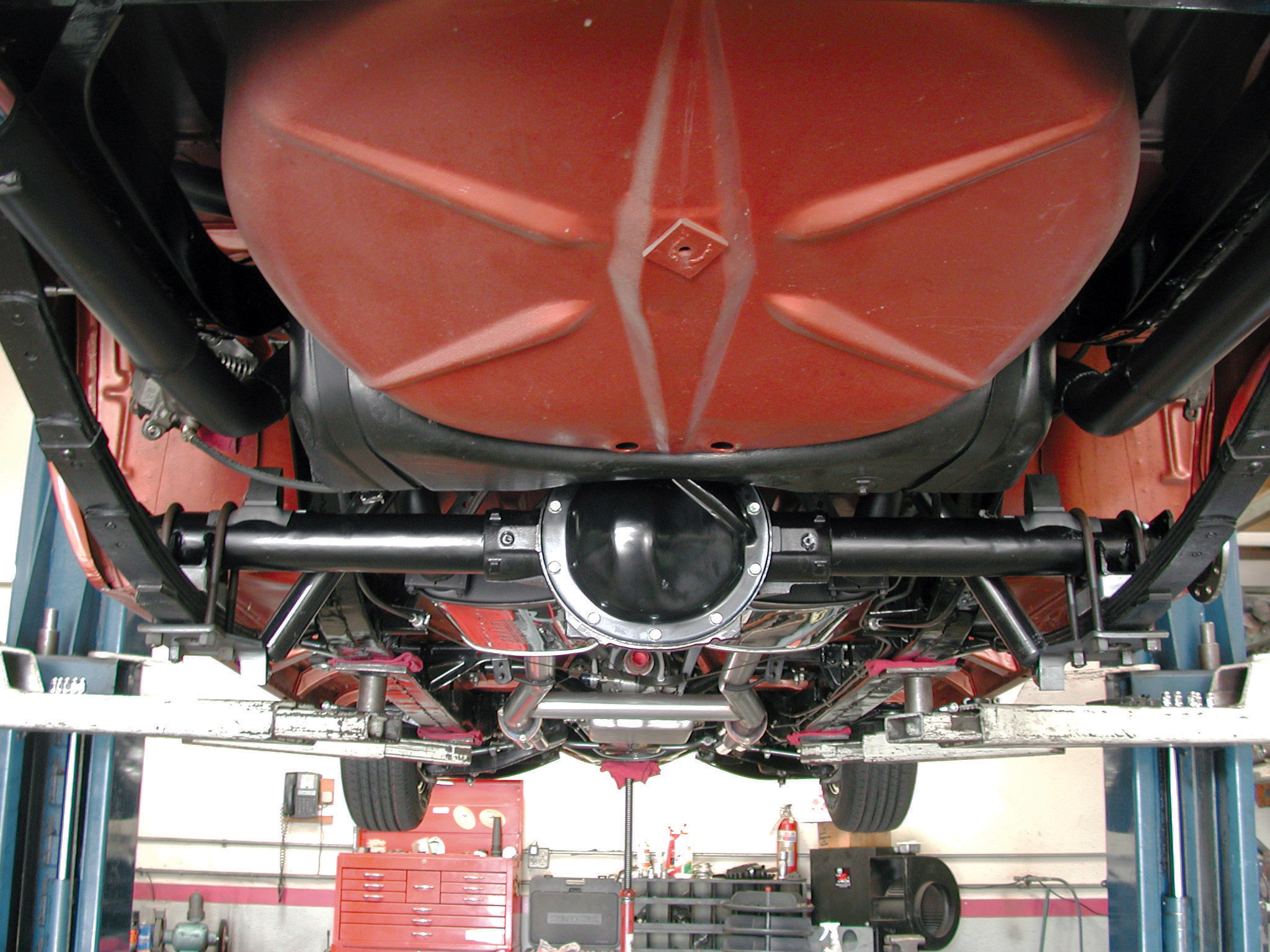
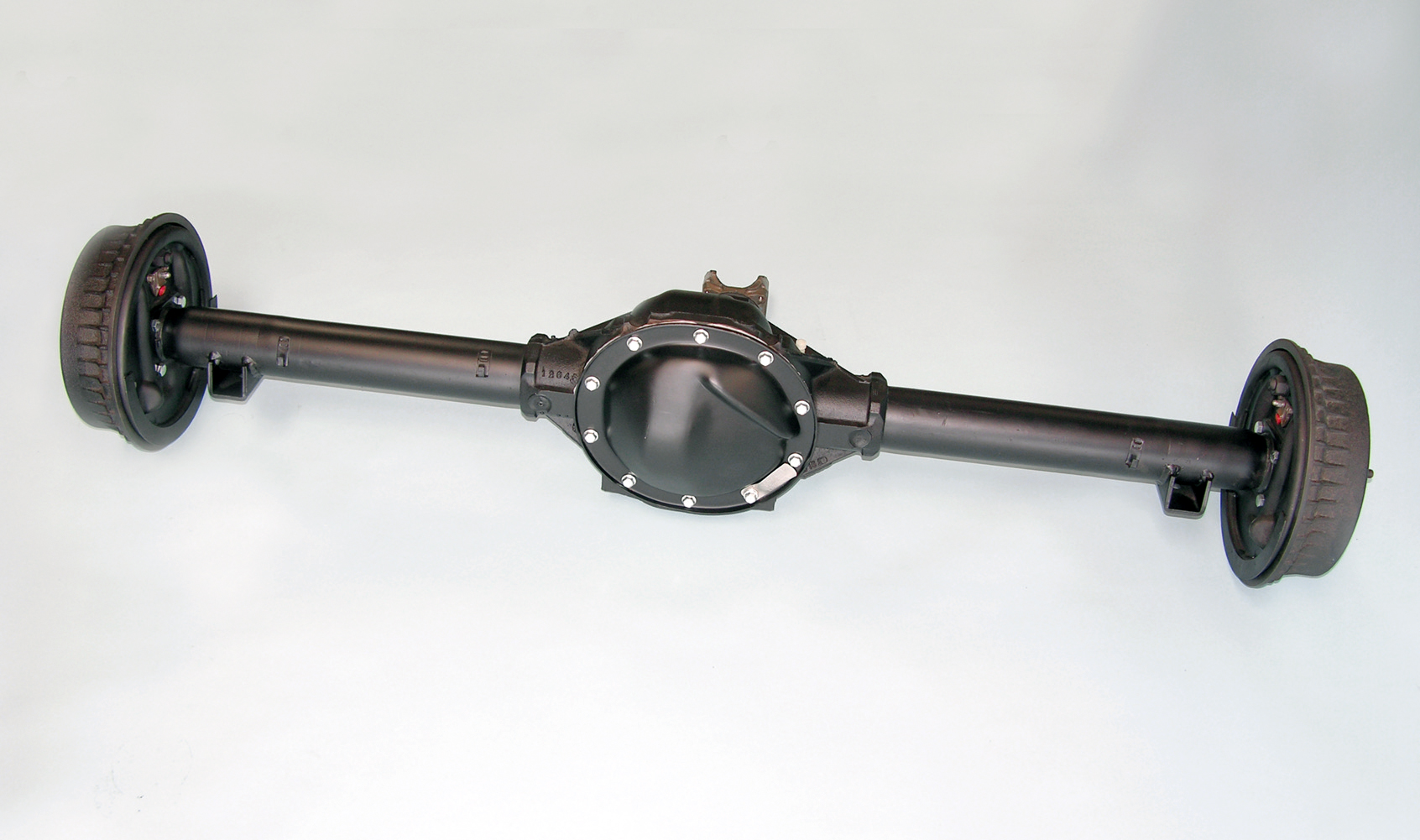
Not that there’s anything wrong with that, but an excellent alternative is the stout GM 8.5-inch rearend. This is especially true if you’re building a ’55-’57 Chevy, as it is nearly a bolt-in when the proper housing is used.
The GM 8.5-inch “corporate” rearend has nearly the strength of the beefy Ford 9-inch, but without the weight penalties. And the 8.5-inch, when set up correctly, can handle 400 hp to 500 hp. The 8.5-inch corporate rearends came standard in many GM mid-sized, “large-hub” automobiles from 1971-1988 and “large-hub” GM trucks from 1980-1988.
All GM 8.5-inch rearends featured 28-spline axles until 1989, when they were changed to a more durable 30-spline design. The GM 8.5-inch corporate rearends are still being offered today in a variety of GM vehicles. Some heavy-duty Positraction-equipped versions also came as standard equipment in the highly successful series of Buick Regal turbocharged cars in the early 1980s.
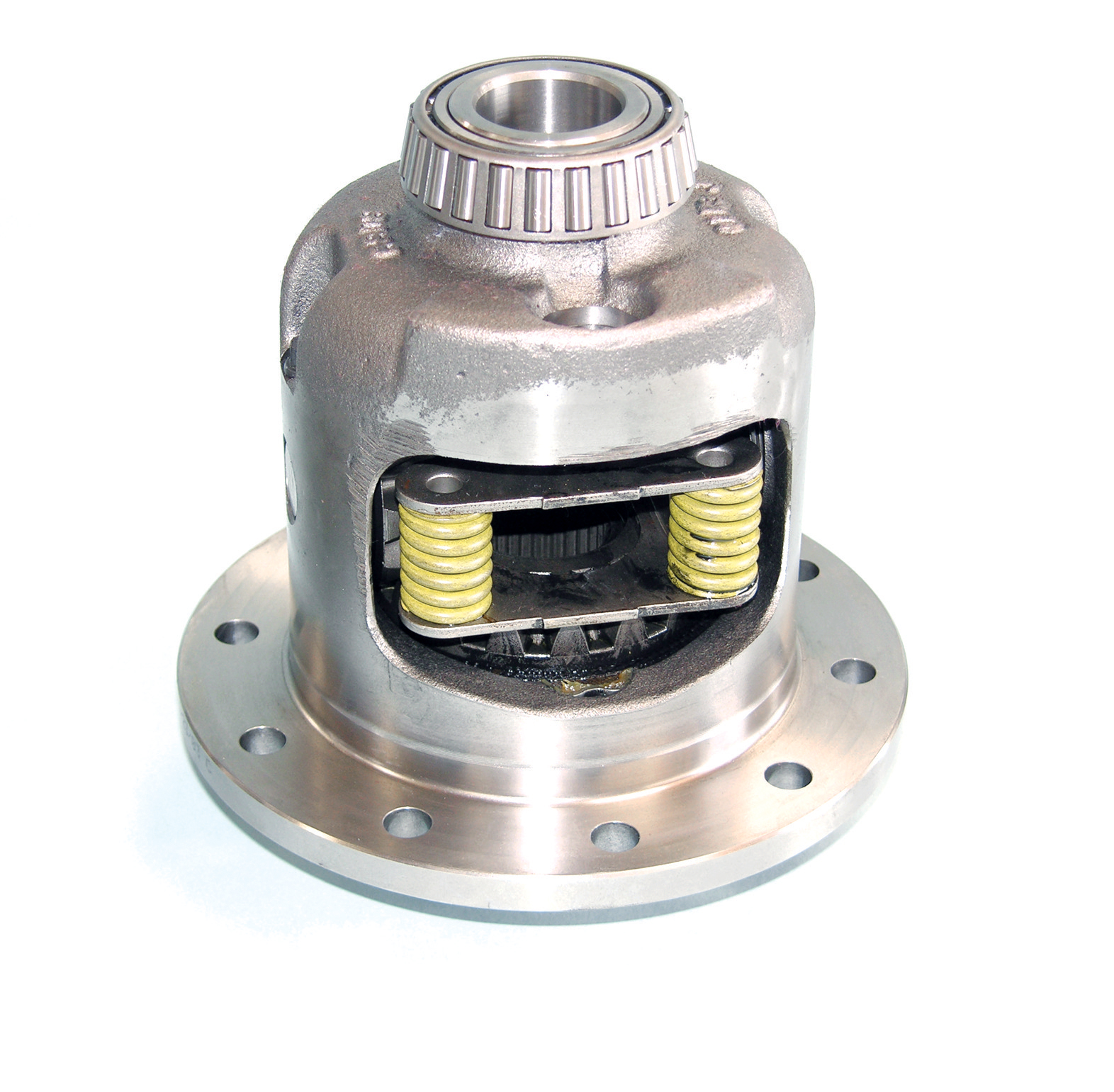
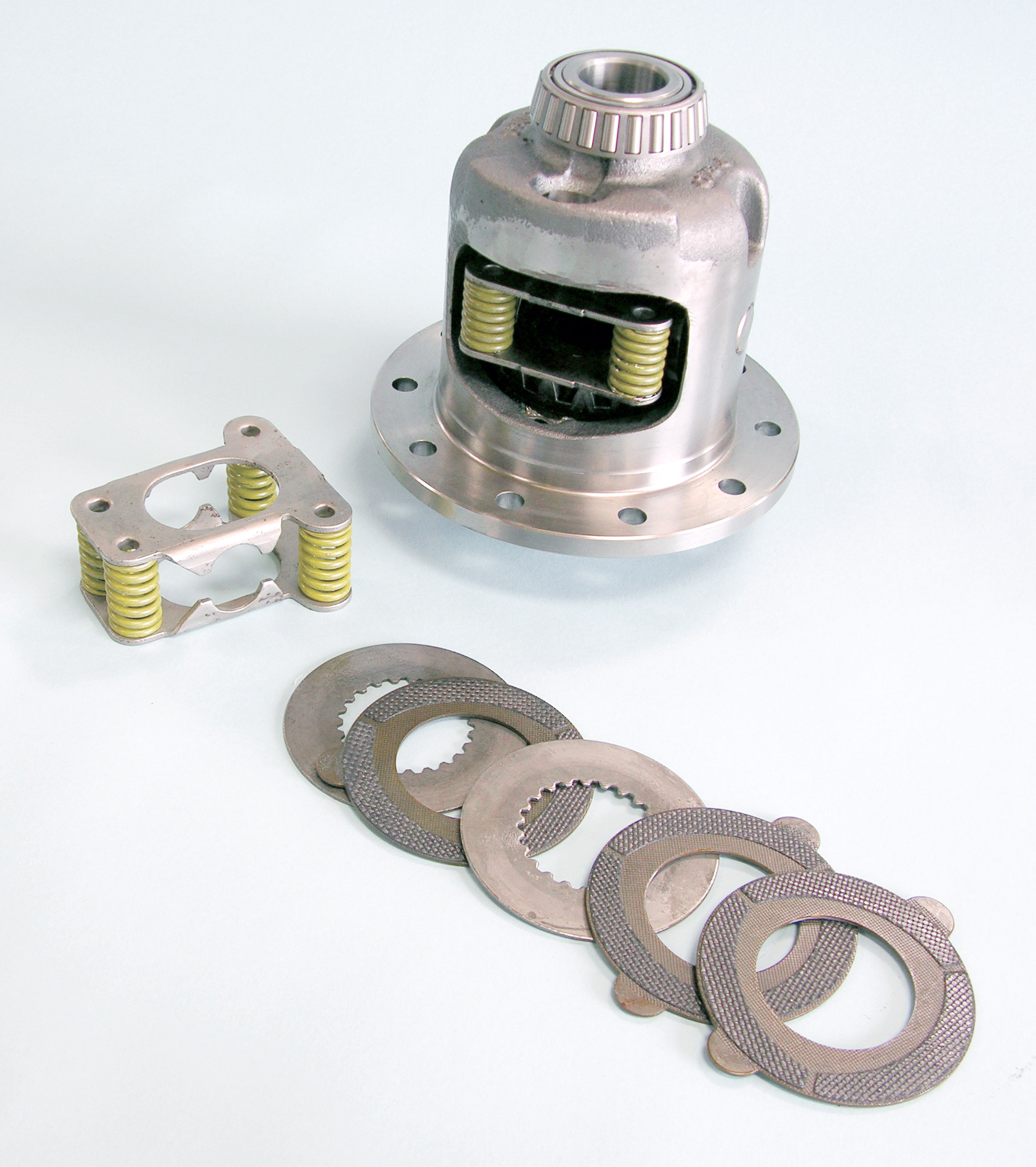
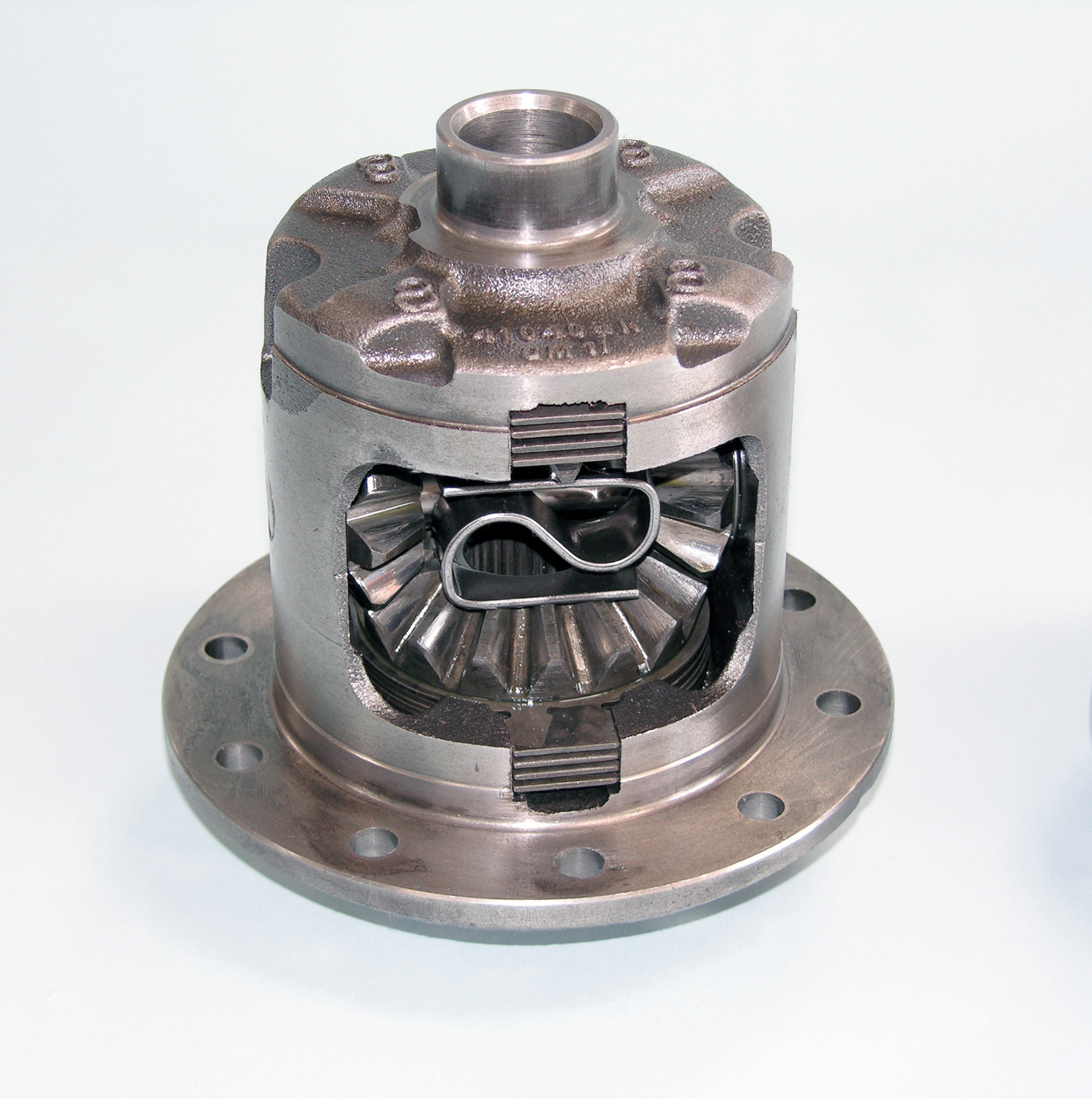
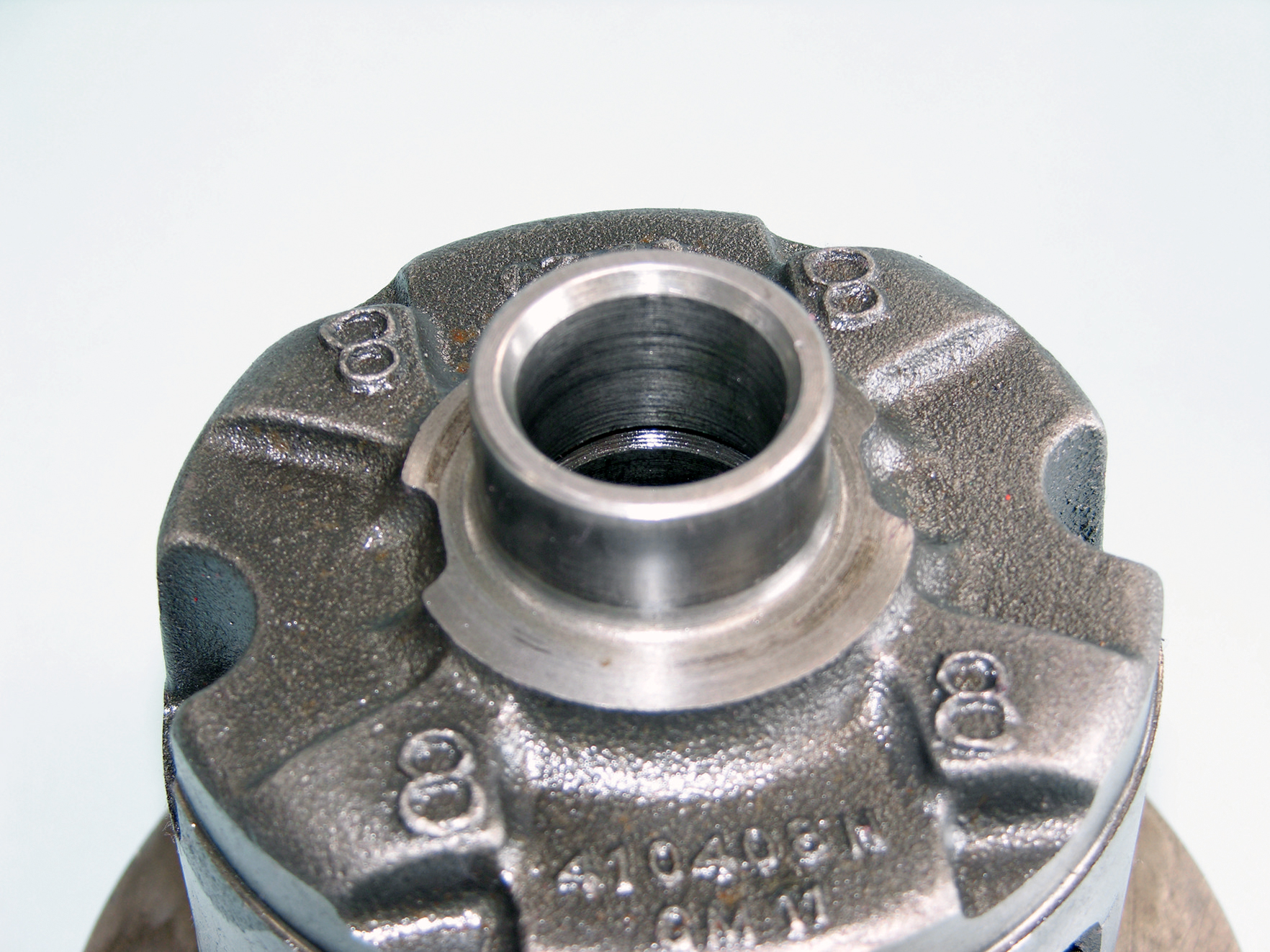
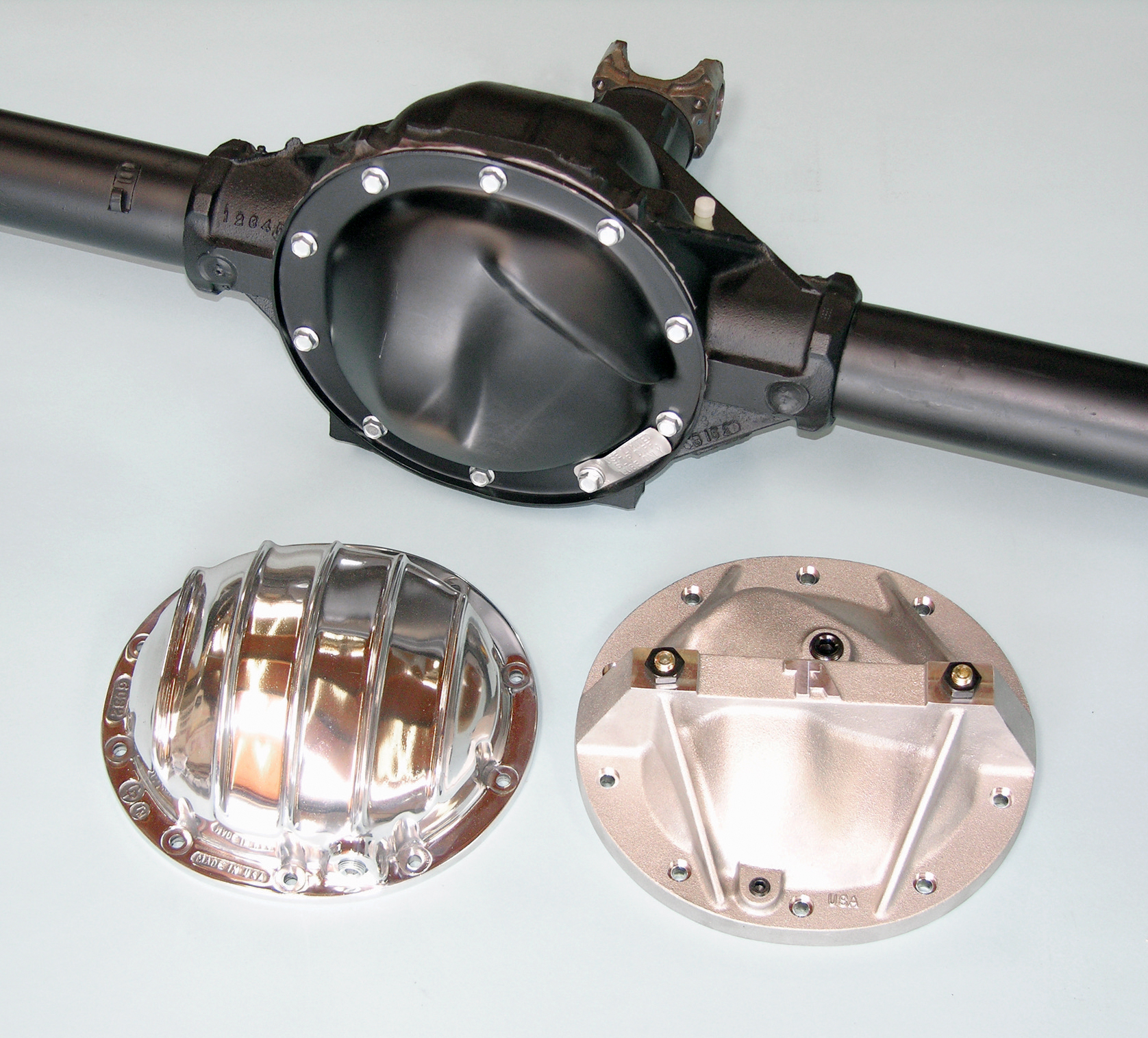
The 8.5-inch GM corporate rearend has a rounded 10-bolt cover with two casting projections that face downward, making it easy to identify these rearends. The projections look like two points: one at 5 o’clock and one at 7 o’clock. GM 8.5-inch rearends equipped with limited-slip differentials used plate clutches like a 12-bolt and were manufactured by Eaton. If you can find one, the GM Eaton limited-slip differential is quite strong and desirable.
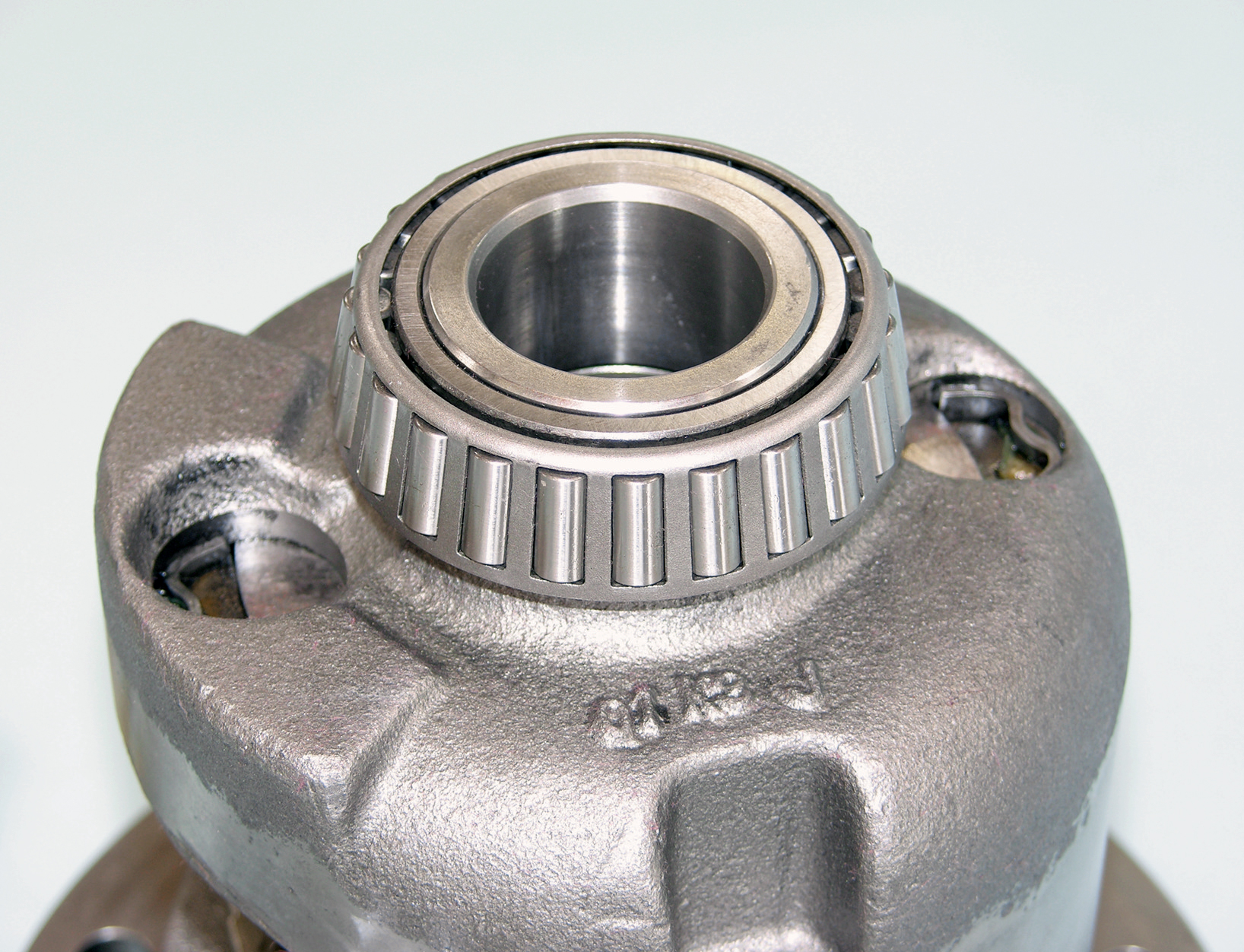
The aftermarket version of the Eaton limited-slip differential has been beefed up further, and features a carbon-friction clutch disc (GM units incorporated steel clutch discs) that is pre-loaded with a redesigned, stronger central spring assembly. The spring assembly increases the clamp load on the carbon discs as input torque increases. The balanced design ensures that the bias torque of the differential is proportional to the input torque for smoother engagement. The Eaton diff also features precision-forged gears for improved strength and durability. The patented, high-temperature, carbon fiber clutches feature carbon anti-wear coating, are virtually indestructible and will maintain smooth, quiet operation over the life of a vehicle. Eaton also chose to upgrade the side bearing journals by making them larger, thicker and stronger. The aftermarket Eaton diff is a very desirable unit.
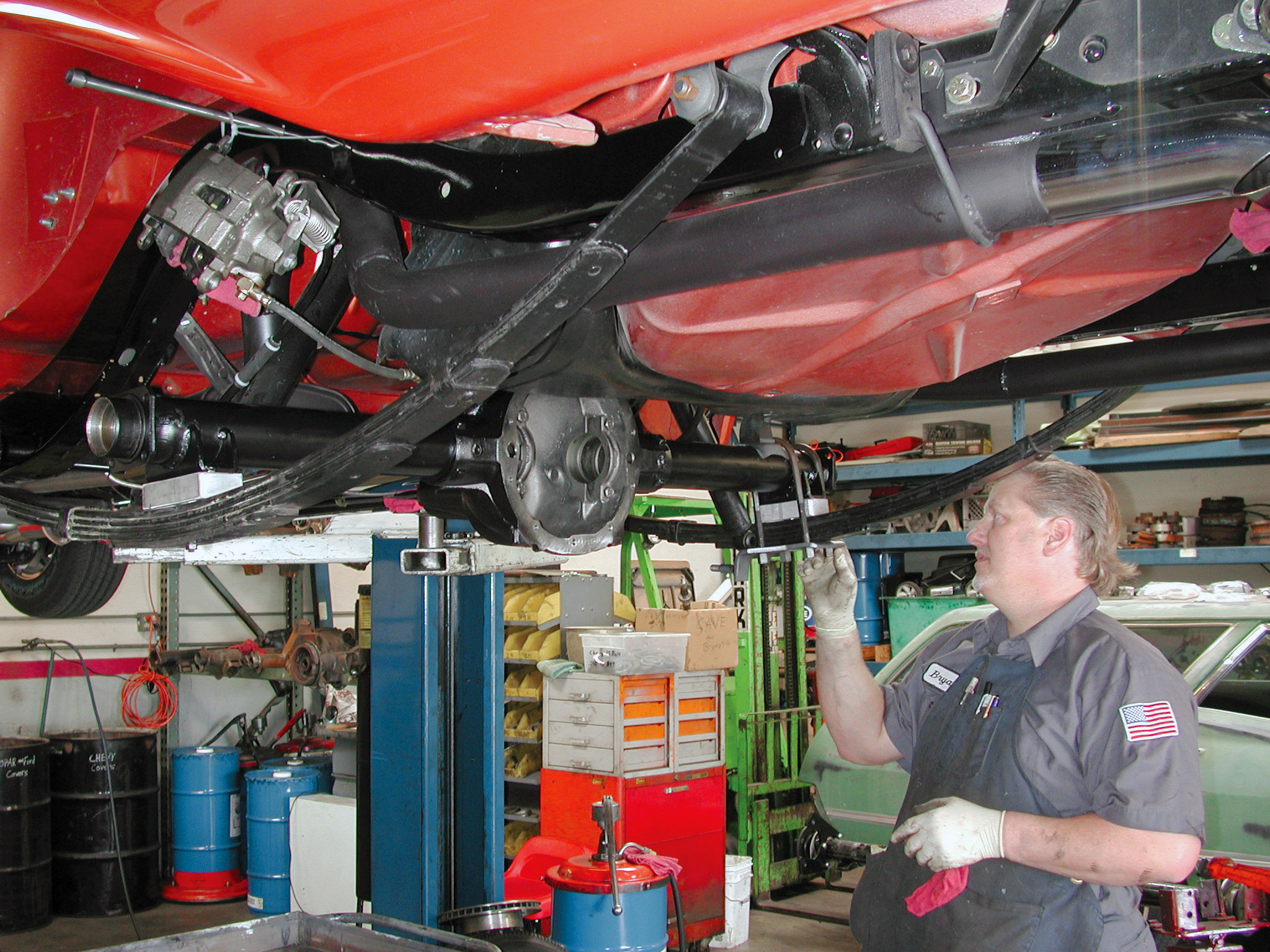
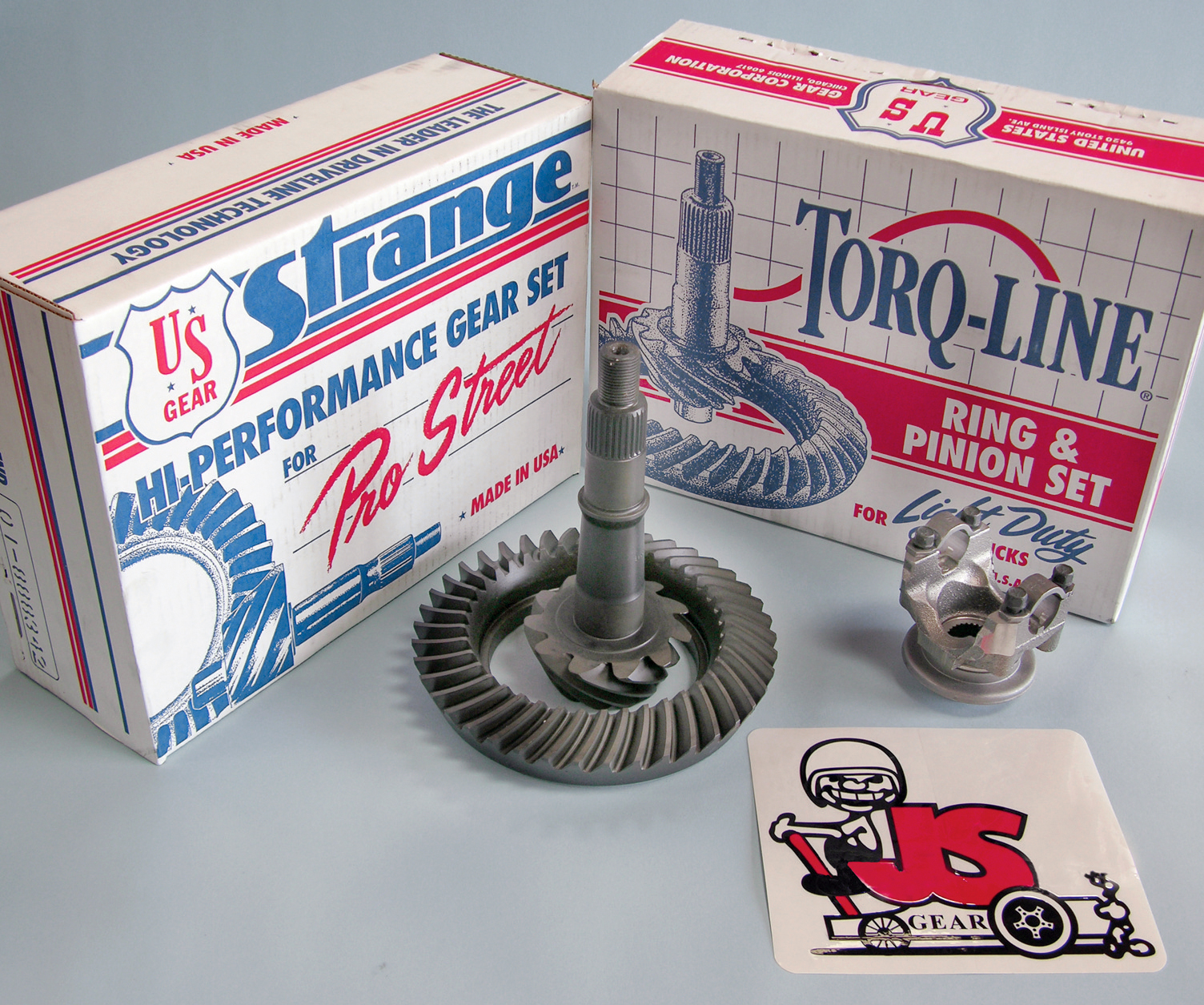
J&S Gear in Huntington Beach, California, jumped on the 8.5-inch bandwagon early on and has had tremendous success installing them in a variety of customers’ cars. One J&S Gear customer drag races an early Nova that consistently runs in the mid-10s using an 8.5-inch GM corporate rear, and he has had no problems with this setup to date. J&S Gear builds its 8.5-inch GM corporate rearends to Buick Grand National specifications, and orders parts accordingly.
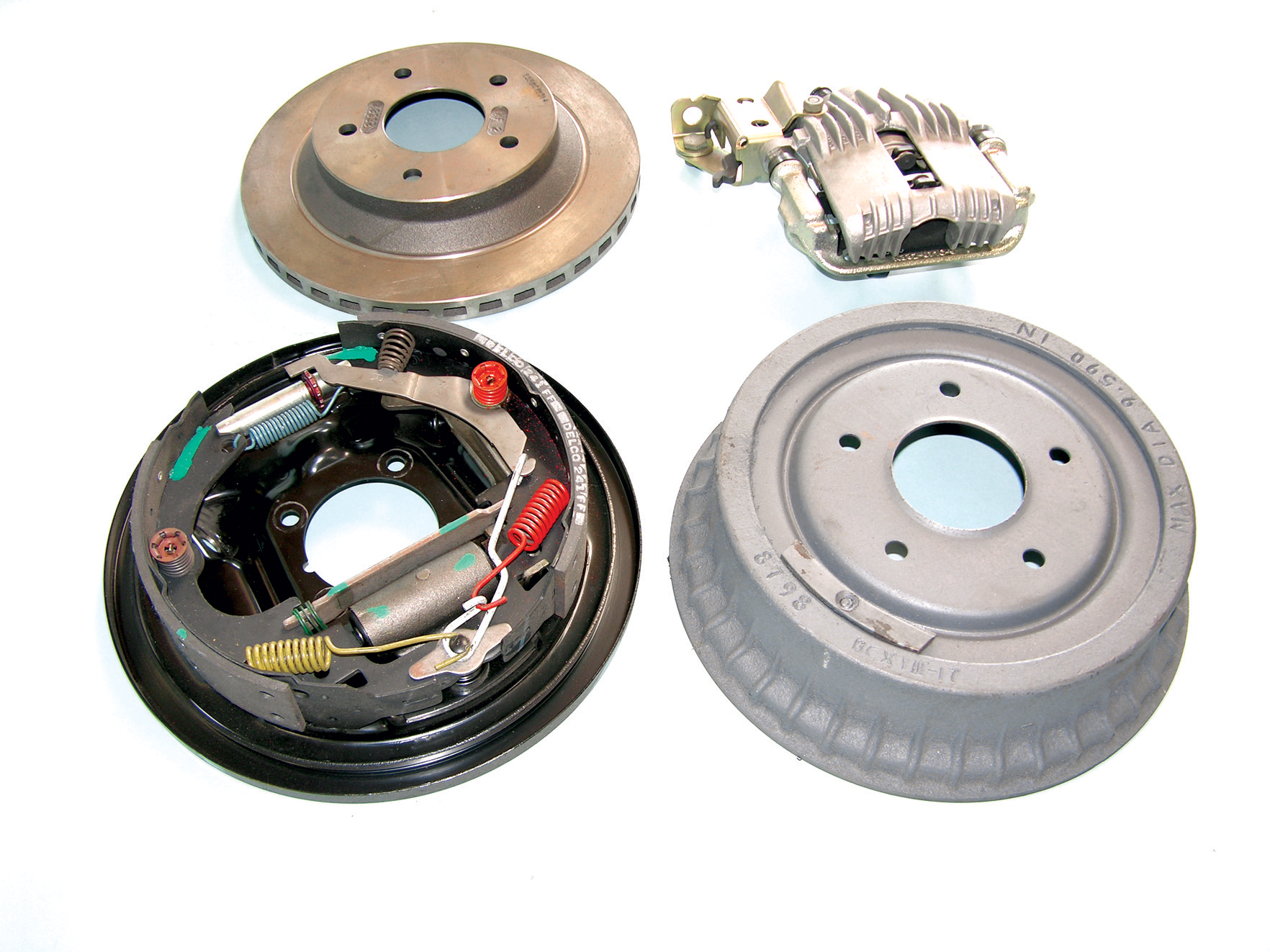
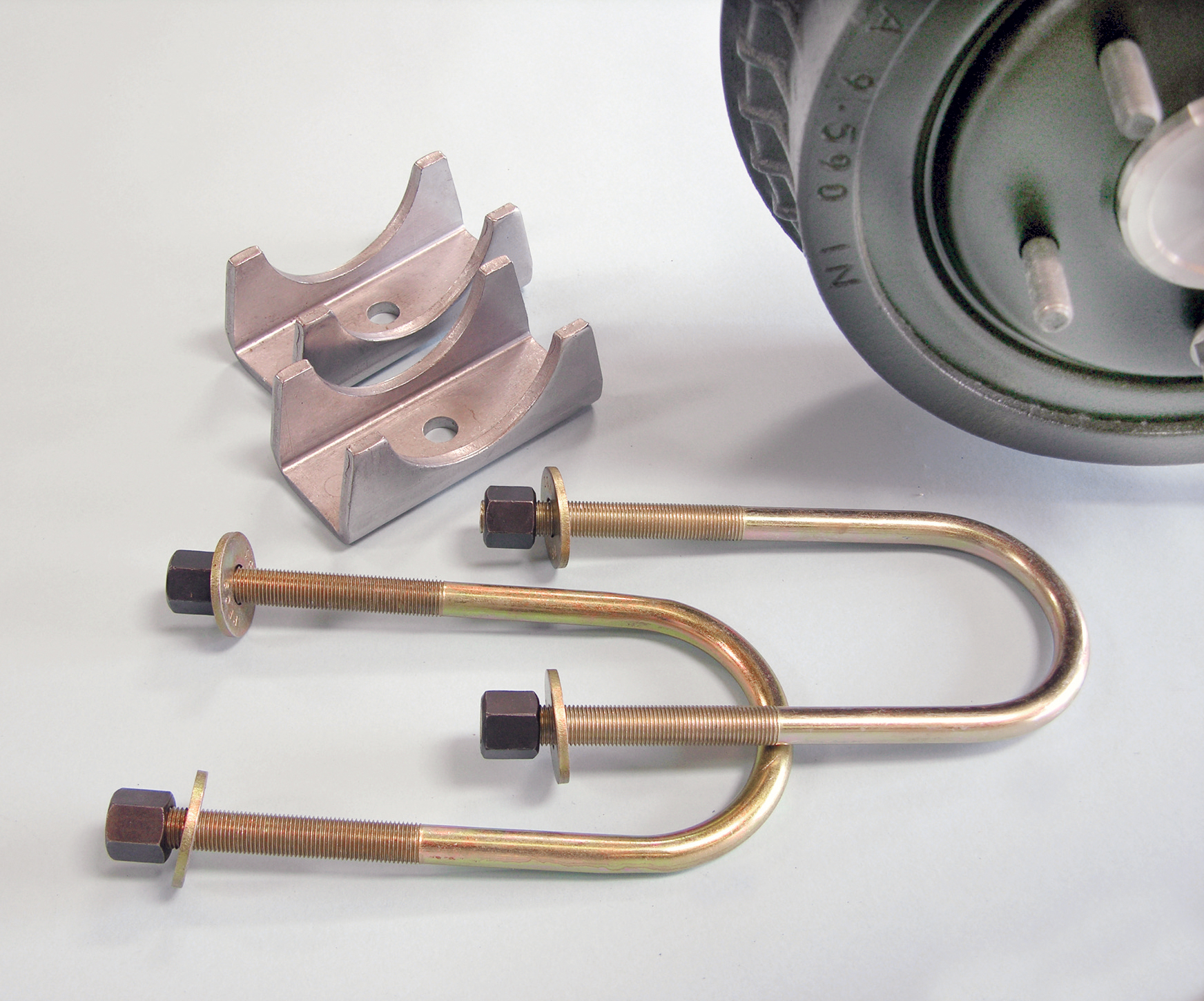
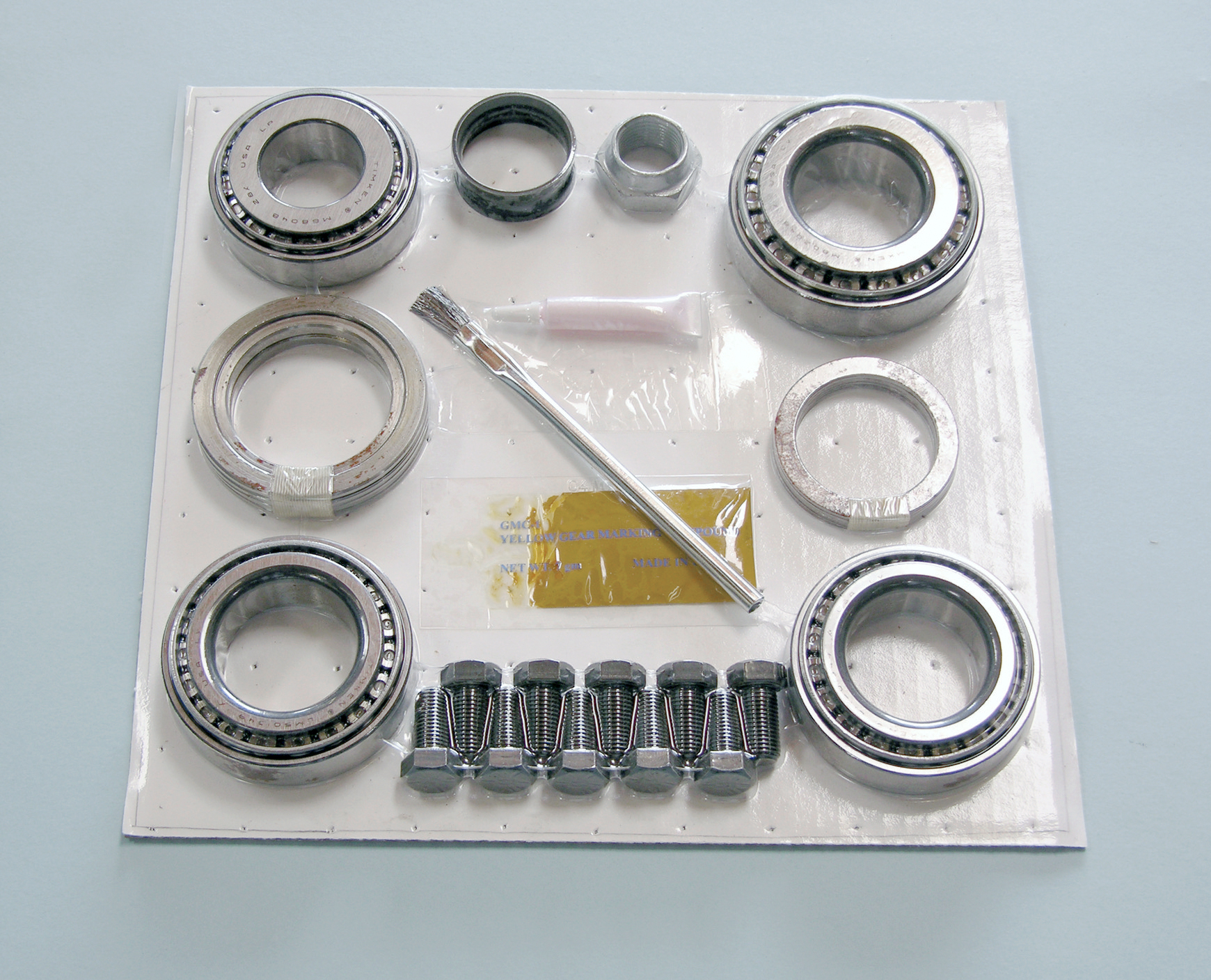
Several brake options are available for these GM rearends, from drum brakes to iron-caliper disc brakes to aluminum-caliper disc brakes. Whichever brakes you decide upon, all parts are available through your GM dealer or local parts house. With the ease of obtaining housings, limited-slip differentials, gears, brakes and parts, the 8.5-inch GM corporate rearend should be high on your list of replacements for your high-performance Chevrolet. Leave the Ford parts to the other guys.