

TheAutoBuilder.com

Trucks

CONTROL YOUR CLIMATE

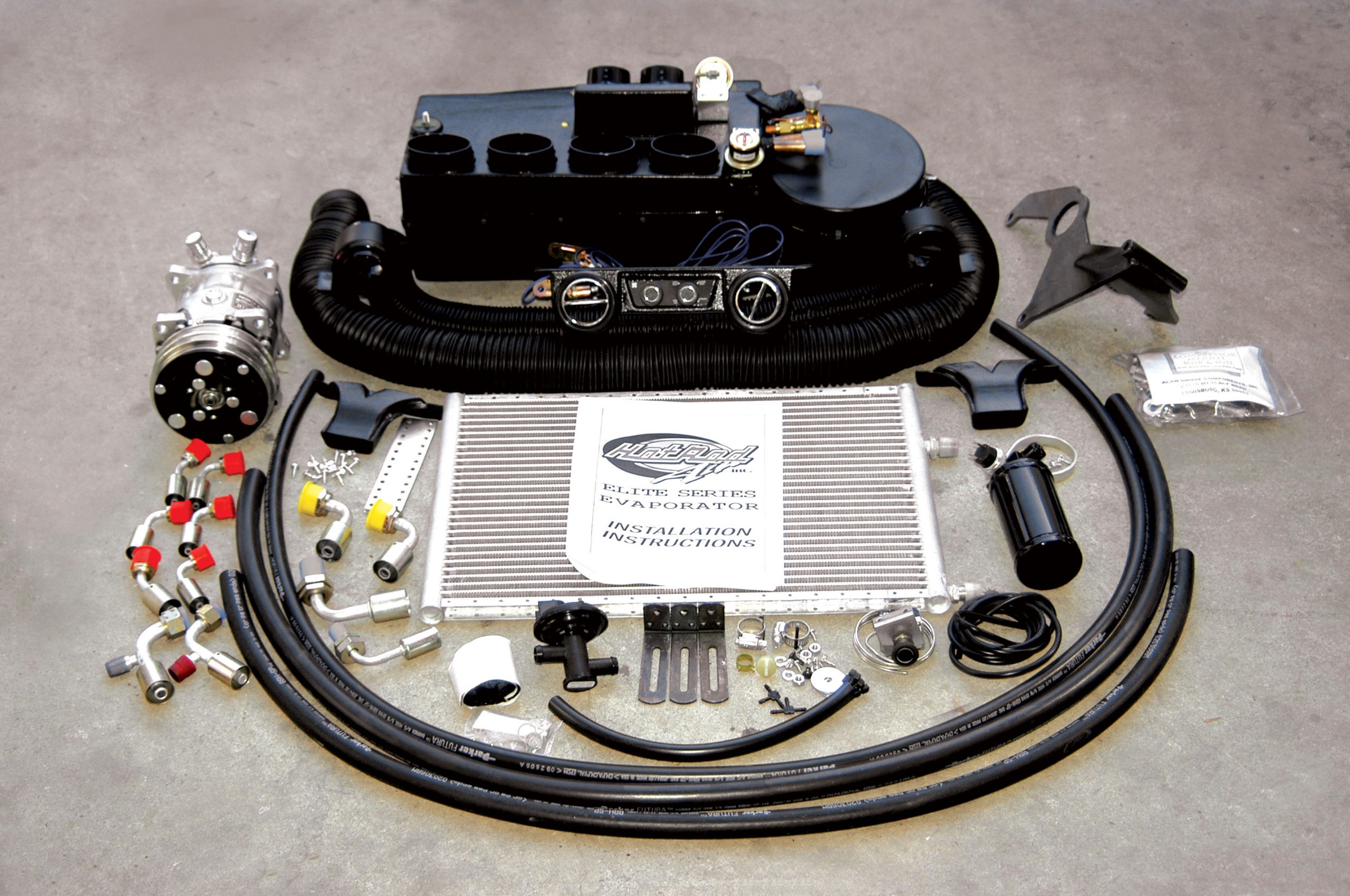
Most enthusiasts drive a newer car or truck for daily transportation, and we would dare say that most of them are equipped with power steering, power brakes and air conditioning. These are conveniences that most people take for granted and enthusiasts believe their street rods should have the same features.

10 Minutes To Improved Towing

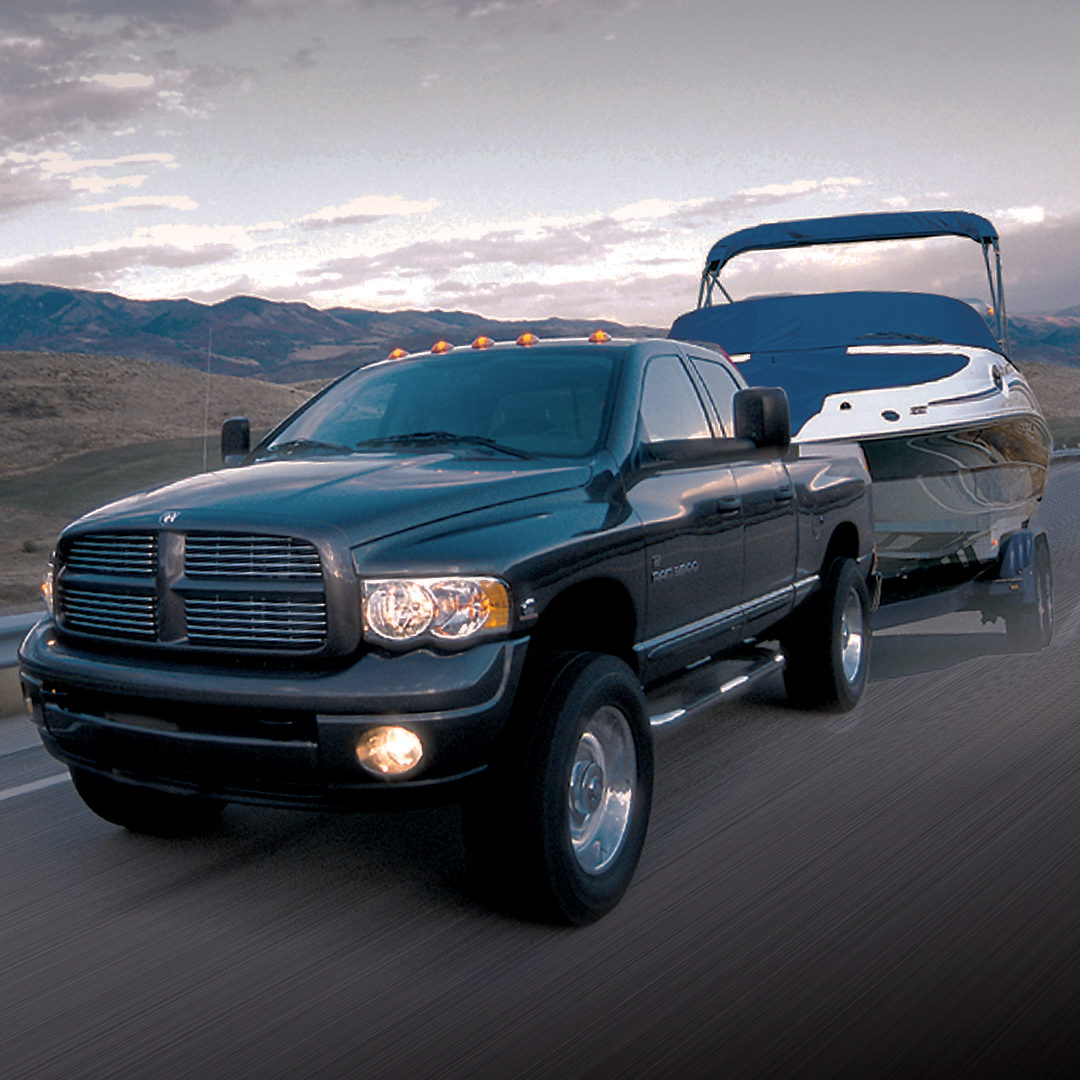
Smart boat owners know that diesel-powered towing vehicles are wise investments. A diesel powerplant’s premium price is eventually recovered through better fuel economy and engine longevity, and nothing quite compares to the off-the-line towing pull provided by a late-model oil-burner.

WINDSOR CASTLE

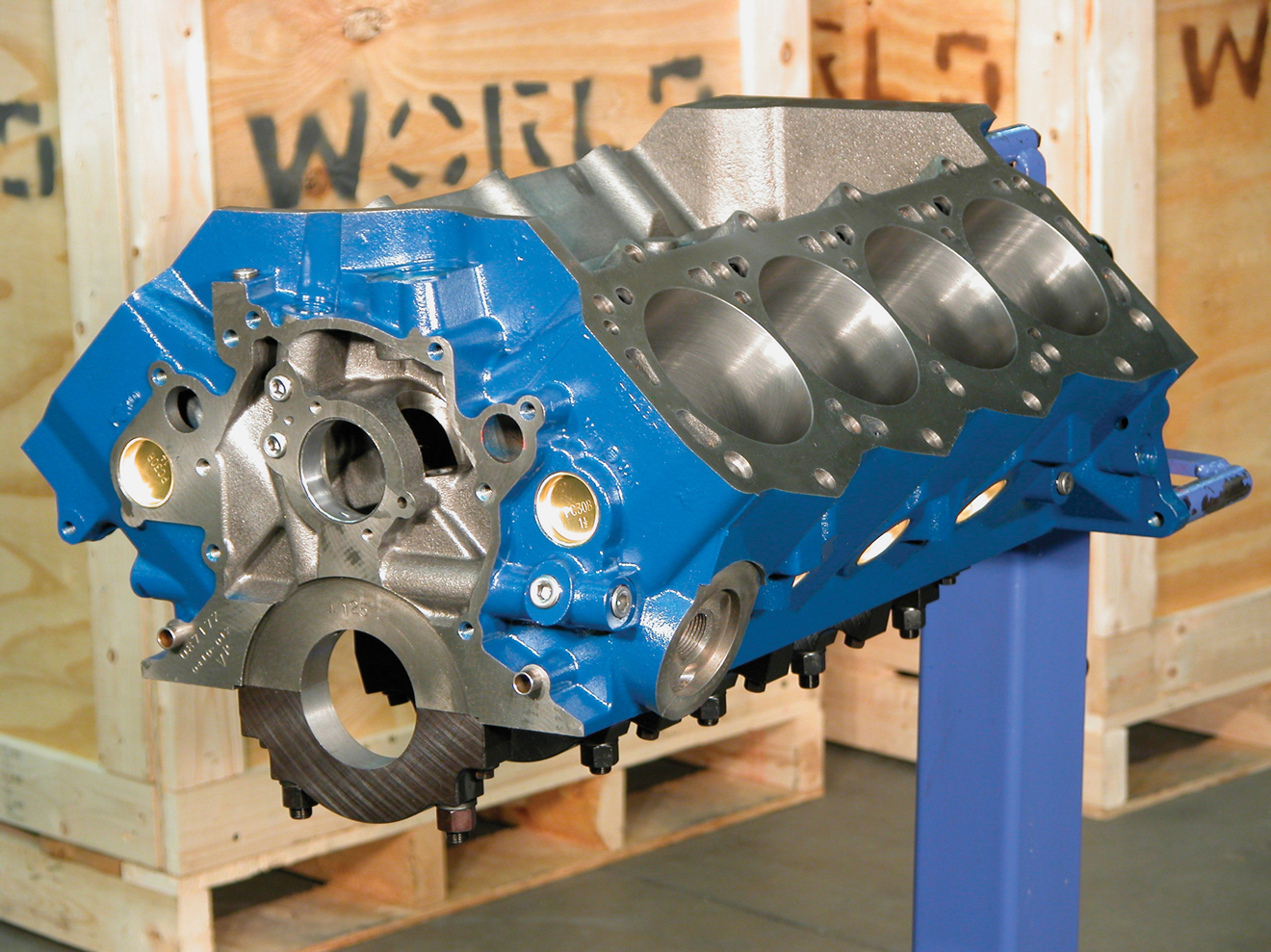
While the small-block Chevy is the popular engine choice for many enthusiasts, many are now relying on a Blue Oval heart for their performance bodies. With its link to Ford, the original body manufacturer for many of the classic cars we see today, the small-block Windsor-style Ford engine offers several advantages. When compared to Chevy, the lack of firewall clearance for a number of Chevy engine swaps is due to the rear distributor position of the engine. The front-mount distributor position is the more logical place to drive the distributor and the oil pump. Not to mention, it’s much more convenient.

Inversely Proporsional

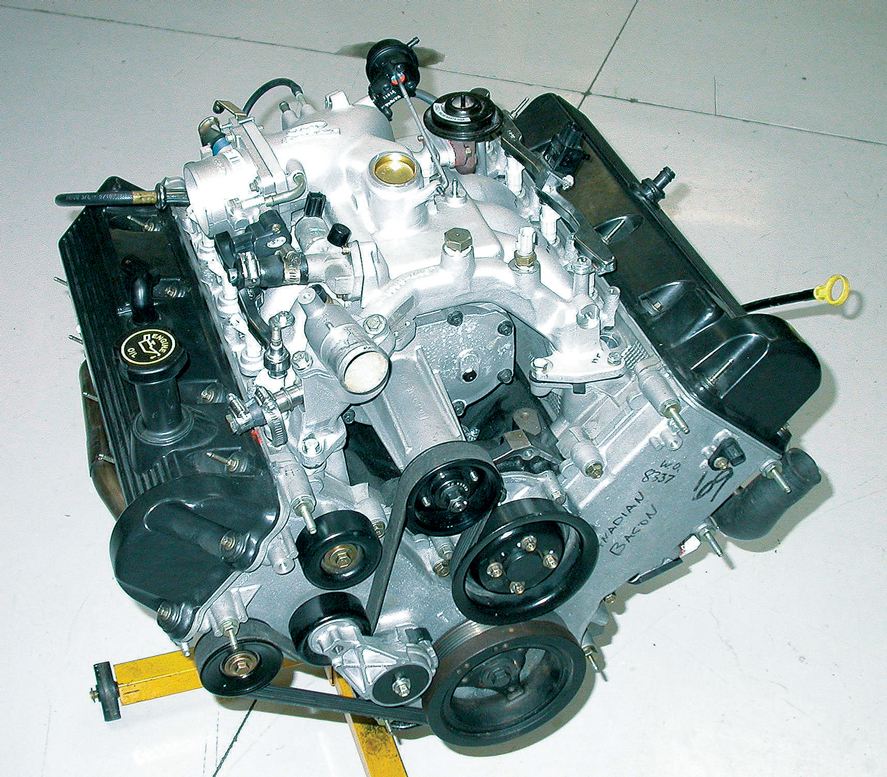
One of the most misunderstood performance components on any engine has to be the camshaft, or camshafts in the case of our overhead-cam 4.6-liter Ford engine. The difficulty is only compounded when you add forced induction to the mix. From an anatomical standpoint, the camshaft can be likened to the brain, as the cam profile determines how effectively (when and where) breathing takes place.

CURE FOR A CLUNKER

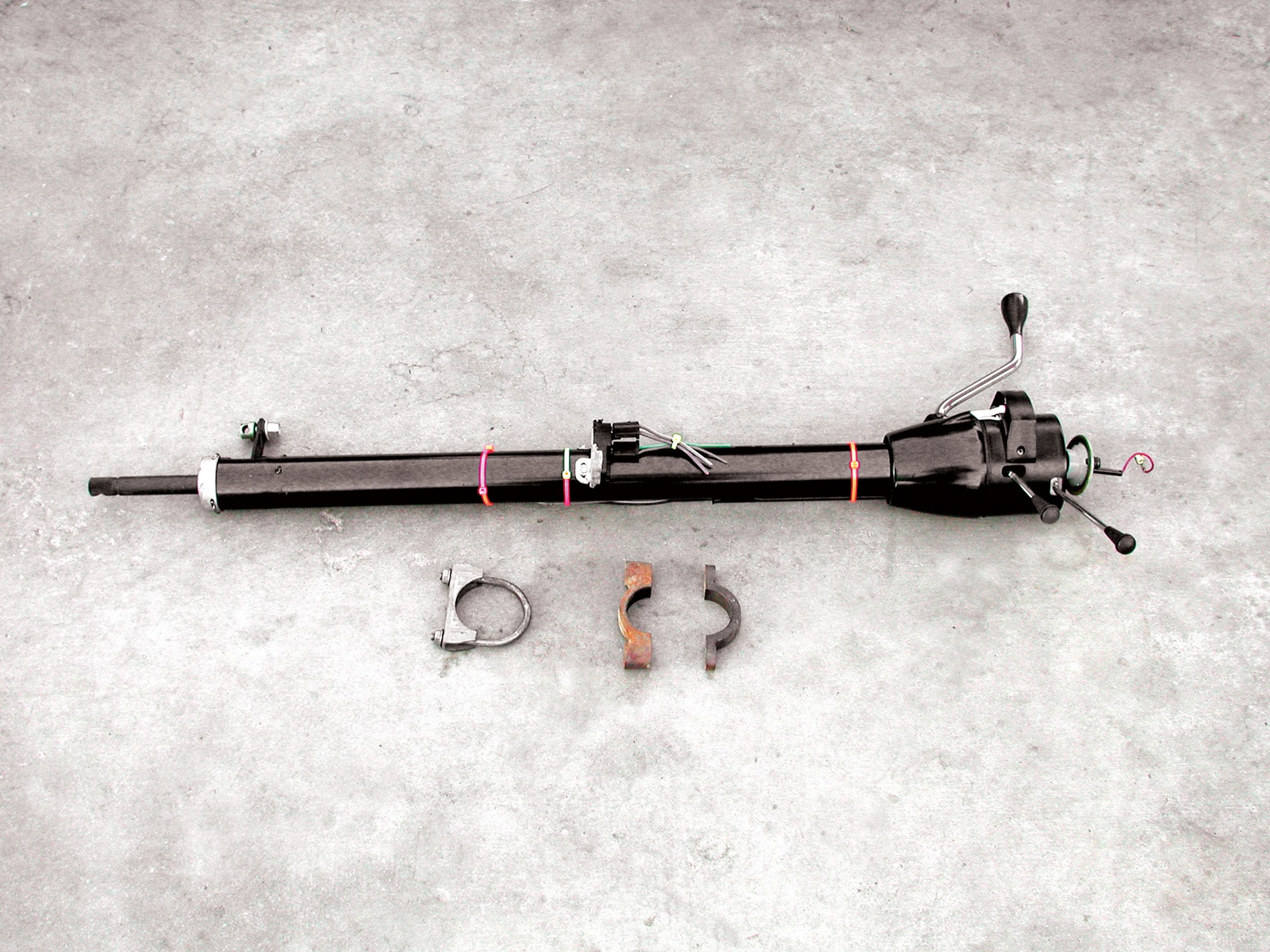
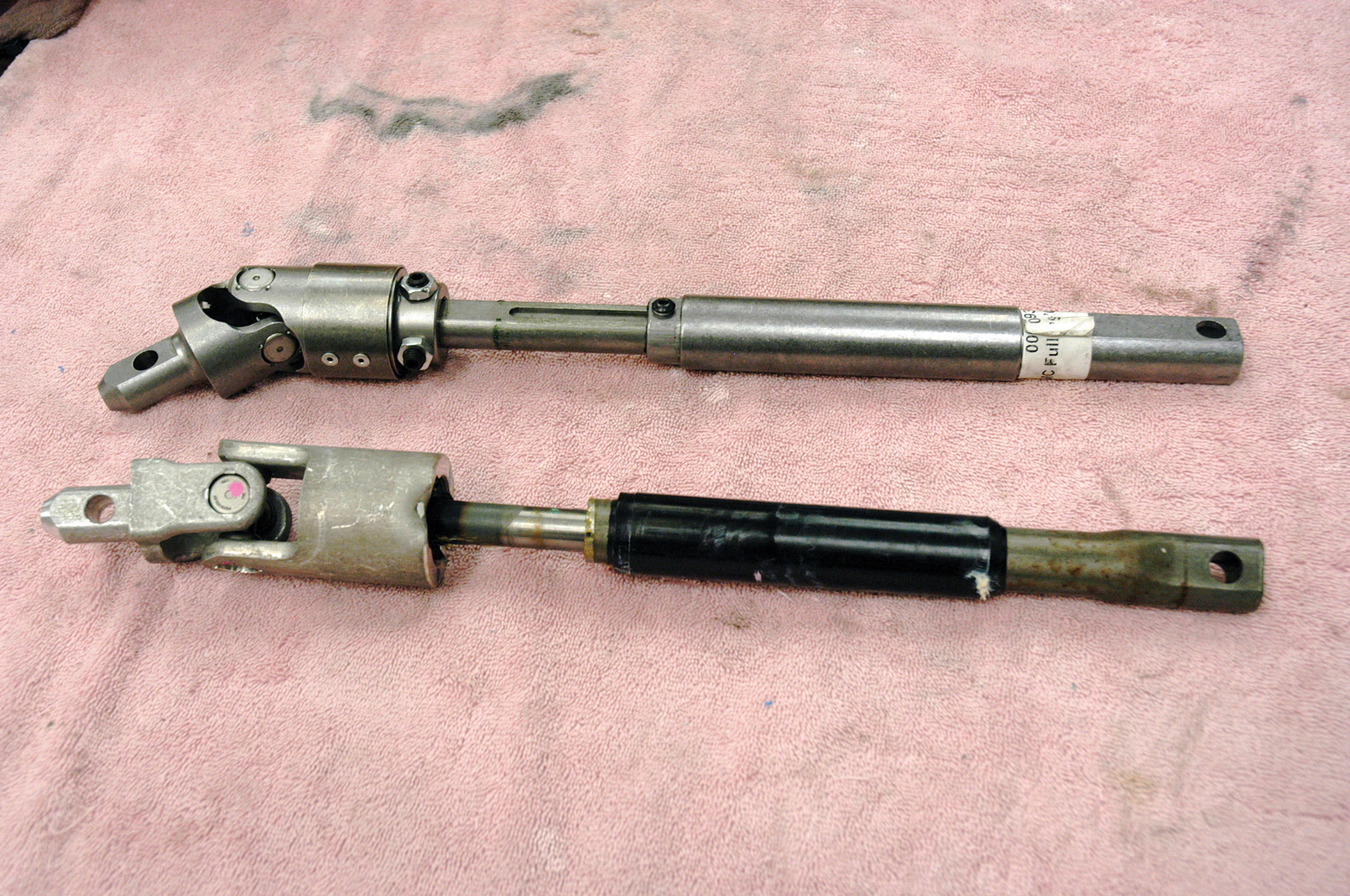
If you are towing your rig with a ’99-’06 General Motors truck, or a Chevy or GMC vehicle, there’s a good chance you have experienced a strange clunking noise when making slow turns. The clunking noise seems to originate from within the steering column, and some owners can actually feel a small vibration in conjunction with the clunking. If you have encountered this problem, it’s not your imagination, as there appears to be a unique conundrum associated with Chevy and GMC pickups, and their corresponding SUVs.

The 2022 SEMA Show

The Specialty Equipment Market Association (SEMA) Show engulfs Fabulous Las Vegas annually. It brings together the biggest names in the automotive world to show off the latest and greatest, whether it’s new products, amazing custom builds, or the newest trends. TheAutoBuilder is excited to be in the thick of it all.

It’s A Jeep Thing, Try To Understand

With the Jeep legend continuing to grow it is no wonder that more and more people are finding ways to customize their Jeep. Whether it is traditional Wrangler or a new more luxurious Grand Cherokee, people seem to want to feel that Jeep energy; the energy that has gotten Jeep where it is today.

Action Packed

While the factory cast-iron four-barrel Q-Jet intake manifolds have performed admirably on literally thousands of GM applications—and if you are picking your engine from a used lot to use in a swap, it will likely be so equipped—every last one of them should be torn off the car and thrown in the dumpster.

Installation Tips For Those Tough Spots

Most every pre-’48 car came with fender/body welting, consisting of a simple combination of a narrow strip of vinyl (or similar material) folded over a small-diameter woven cord and glued shut. Its purpose was, and still is, to insulate one piece of body metal from another when bolted together—not an electrical or temperature insulation, but essentially to eliminate squeaks and rattles, and to prevent paint from chipping (or cracking) as the two pieces flexed and vibrated together under normal road use. Generally referred to as fender welting, this product can also be found throughout certain car models; used to mount grilles, running boards and bumper gravel shields.

The Cold Facts

Typically, winter isn’t the time of year when we are thinking about a car’s air-conditioning system…or is it? It’s understandable that we would tend to think about “fixing” the A/C during the dog days of summer, July or August, but once the car is put up for the winter, those hot and humid days are often forgotten. And short of those comfortable windows-down driving months, when we first pull out the car again for the next season, it’s smart to think about giving the A/C system the attention it needs. So, we think this is a great time to present to you troubleshooting highlights so that you can rip into the car and upgrade the necessary areas before the cycle continues.

Scroll to Top

Subscribe to our weekly newsletter!

* indicates required
Interests

For information about our privacy practices, please visit our website.

We use Mailchimp as our marketing platform. By clicking below to subscribe, you acknowledge that your information will be transferred to Mailchimp for processing. Learn more about Mailchimp's privacy practices.