

TheAutoBuilder.com

The Cars & Trucks That Defined PRI 2025

Boundary-pushing builds, real horsepower, and the machines that stopped us cold in Indy.

Author

Picture of Jamie Dent

Jamie Dent

Photography by Scott Killeen

Performance Without the Hype

PRI is where performance gets real. No hype cycles. No trend chasing. Just builders, engineers, and racers proving what works when the gloves come off. At PRI 2025 in Indianapolis, the floor was packed with jaw-dropping innovation—but a handful of cars and trucks stopped us cold. These are the builds that demanded every second of our attention.

Built With Purpose

What stood out this year wasn’t just peak horsepower numbers or flawless fabrication—it was purpose. These were vehicles built with intent, whether that meant crossing brand lines for better power delivery, rethinking off-road platforms with four-digit output, or refining classic American muscle with modern drag-and-drive engineering. Every build had a clear mission, and every detail supported it.

The Builds That Mattered at PRI 2025

This is our look at a few of the cars and trucks that mattered most at PRI 2025. The machines that made seasoned industry veterans stop mid-aisle. The builds that sparked real conversations. And the ones offering a clear snapshot of where high-performance fabrication, engine swaps, and race-focused street machines are headed next.

1966 Toyota Stout “Pegasus” Drift Truck

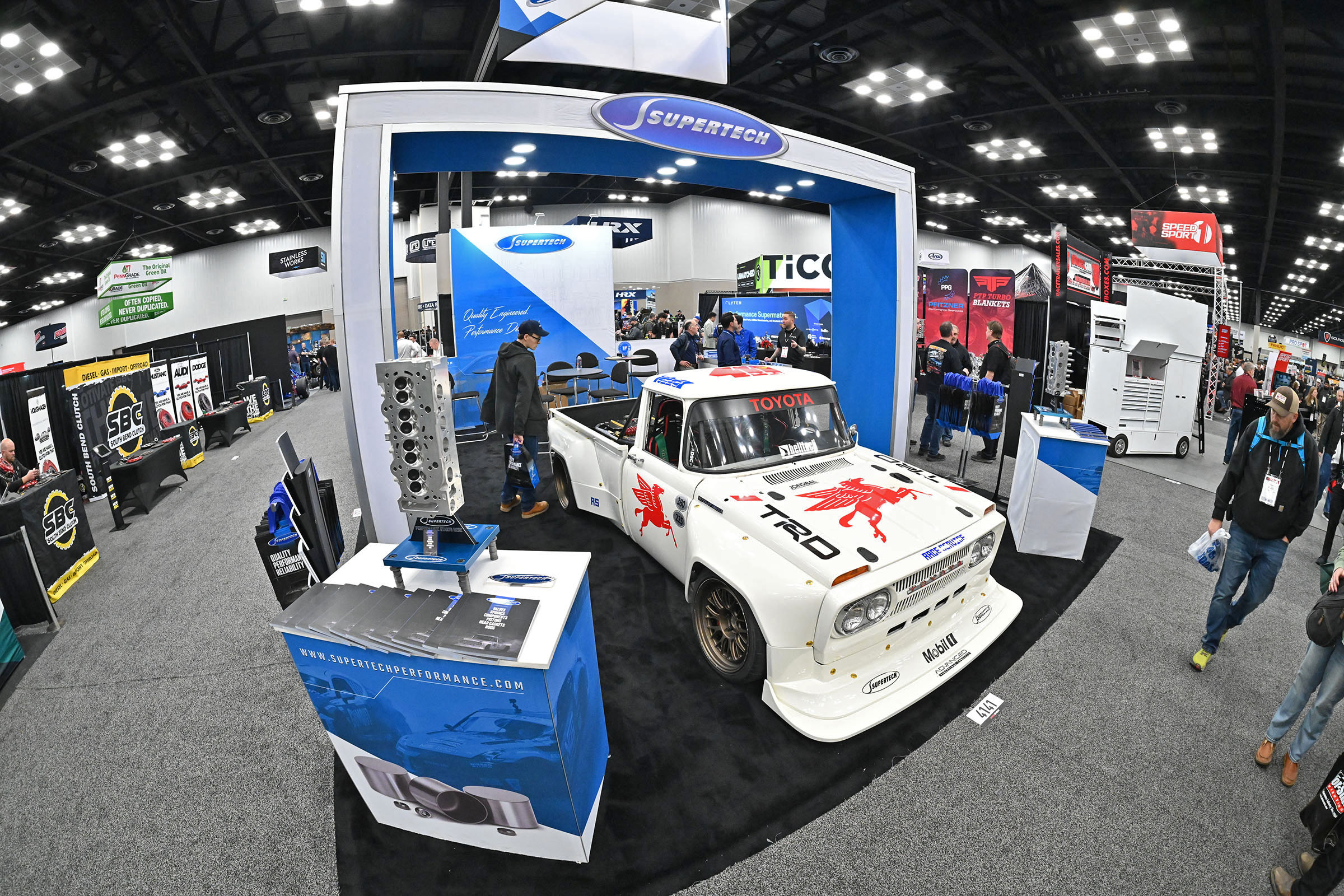
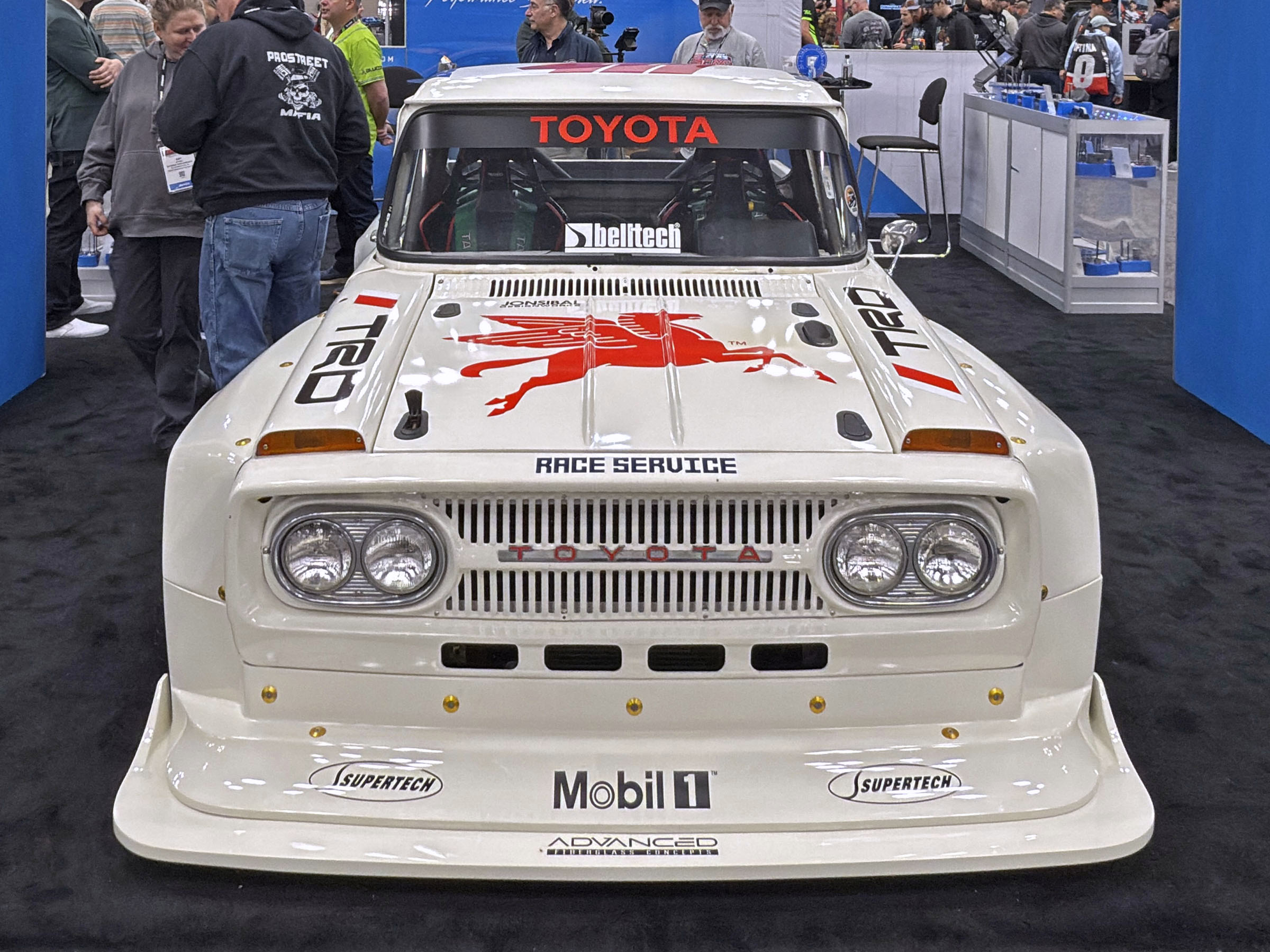
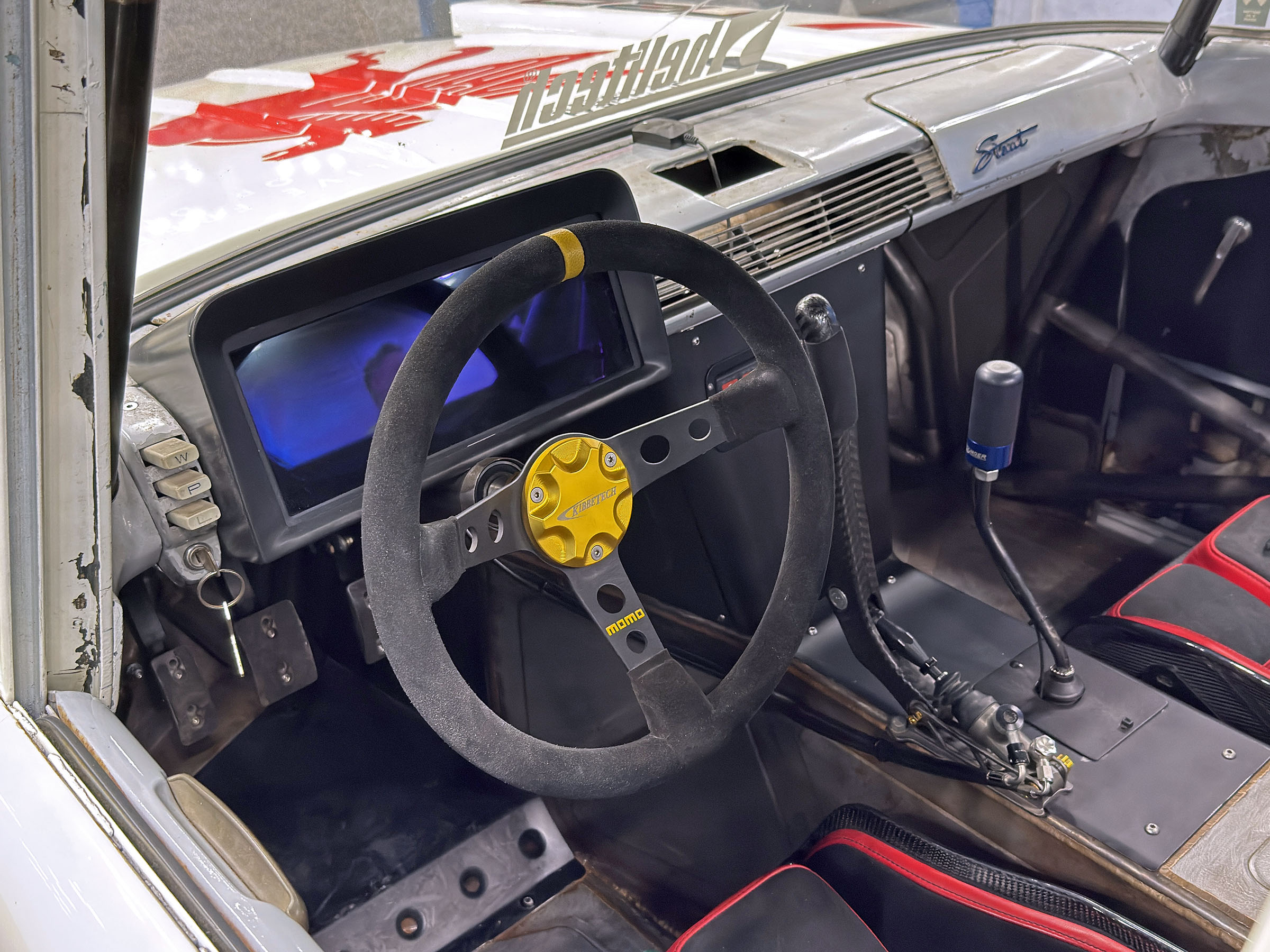
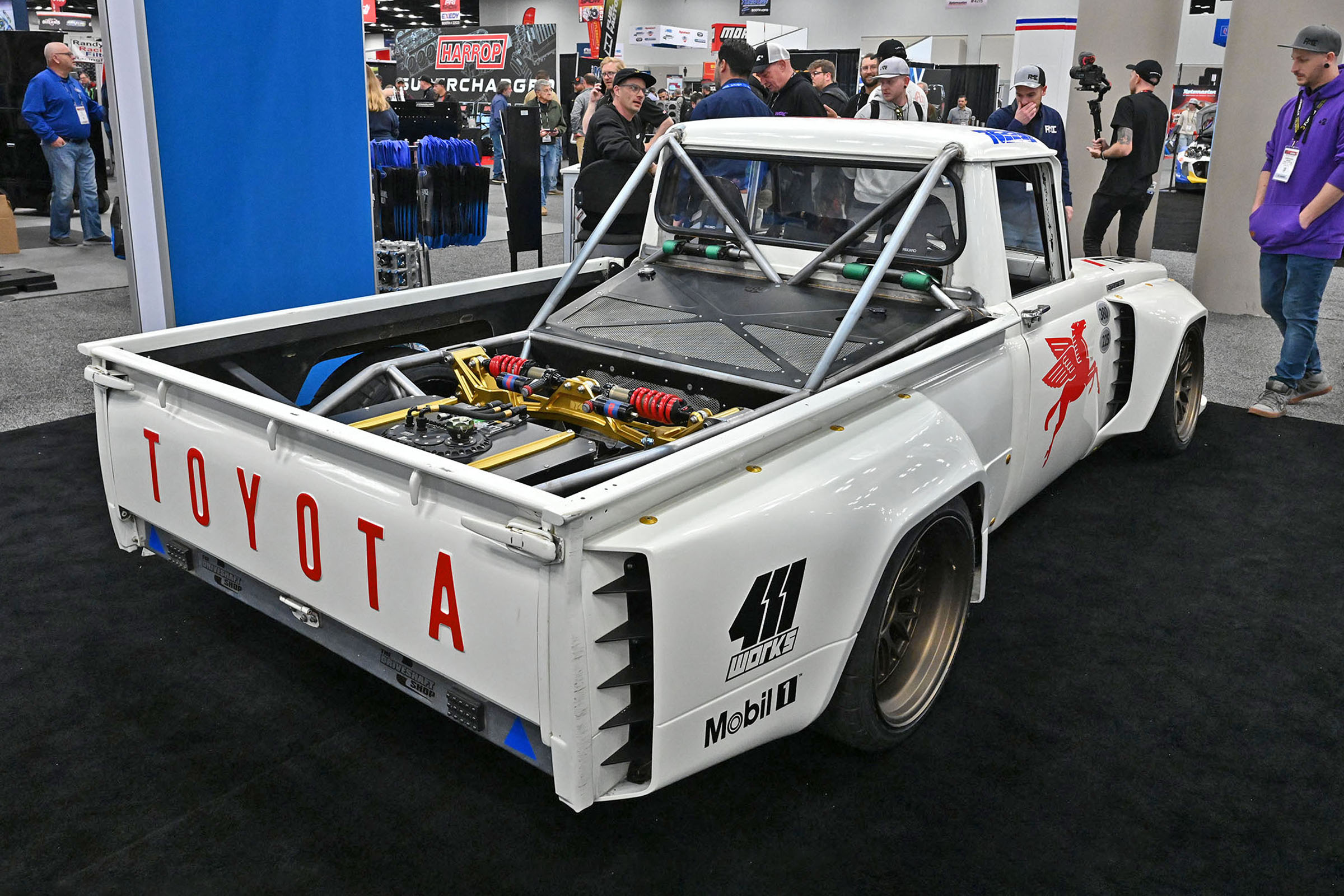
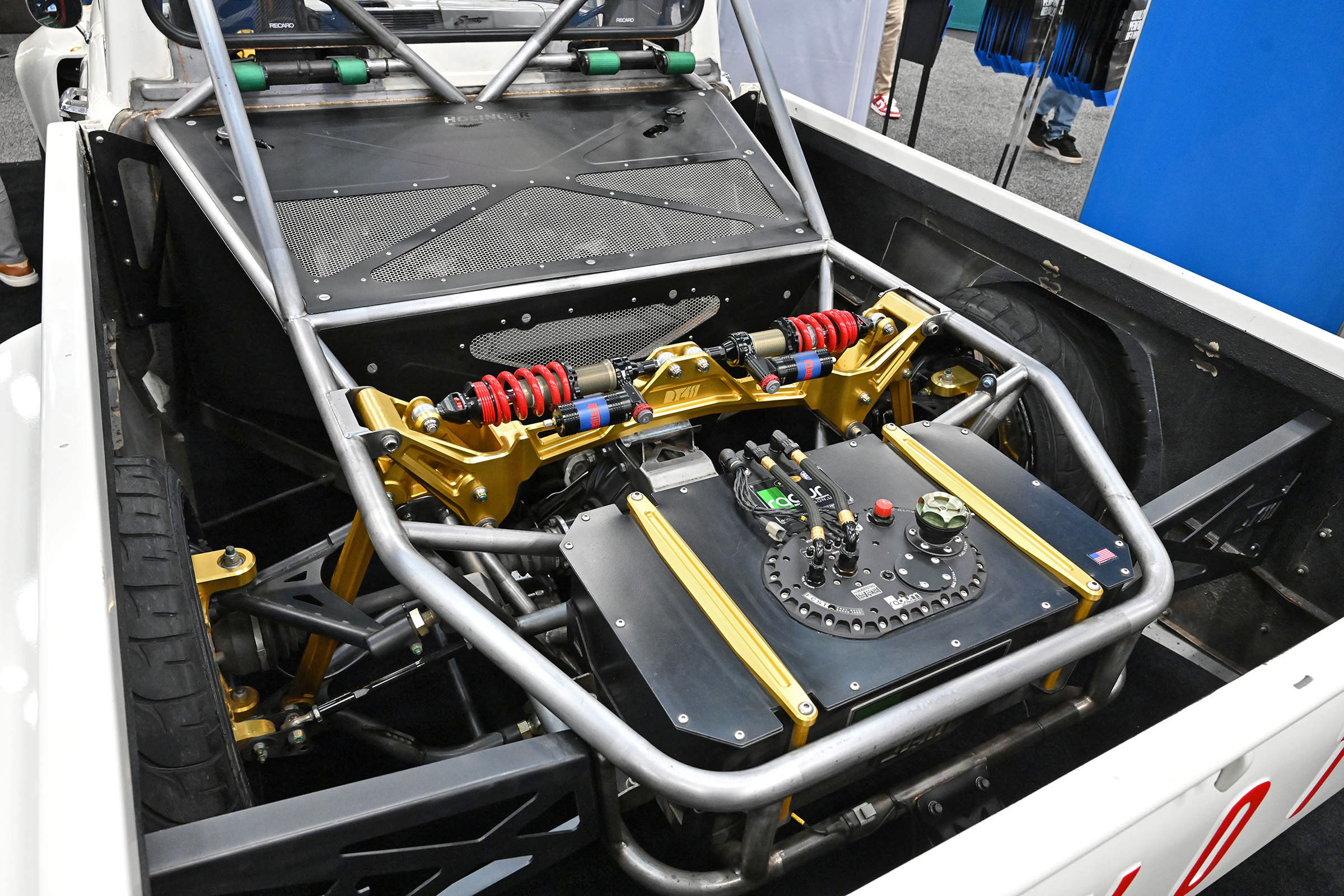
The 1966 Toyota Stout, owned and built by Ryan Tuerck, is a rare first-generation mini truck transformed into a drift-ready machine. Predating the Hilux, this compact truck served as the perfect canvas for Ryan Tuerck and his team to blend vintage style with modern performance. The bodywork preserves the Stout’s classic proportions while incorporating subtle touches like a Pegasus-inspired livery, giving it a nostalgic yet purposeful look.

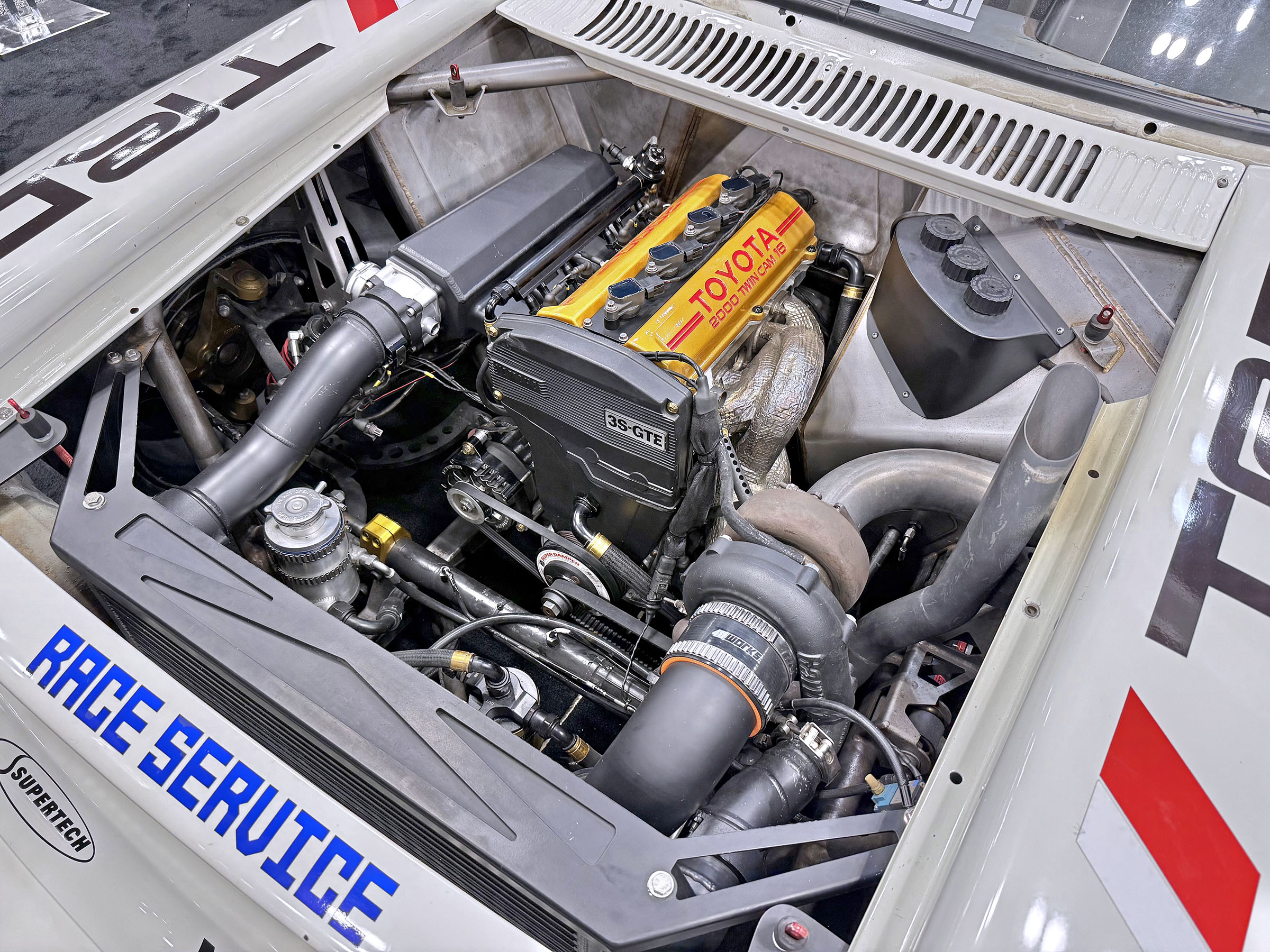
Power comes from a turbocharged 3SGTE engine paired with a six-speed sequential gearbox, producing roughly 650 horsepower. Despite the truck’s small dimensions, the build allows for adequate legroom and room for the engine’s manifolds, making it both functional and track-capable. Every aspect of the chassis and drivetrain has been optimized for drifting, turning this diminutive pickup into a nimble and powerful machine.
Even with all the performance upgrades, the Stout retains elements of character and history. Patina details on the dash and carefully preserved lines in the body give a nod to its age, while the modern drivetrain ensures it can handle high-speed, high-intensity runs. The result is a rare mix of vintage charm and modern capability—a tiny truck with big attitude and serious drift potential.

1968 Chevy Camaro

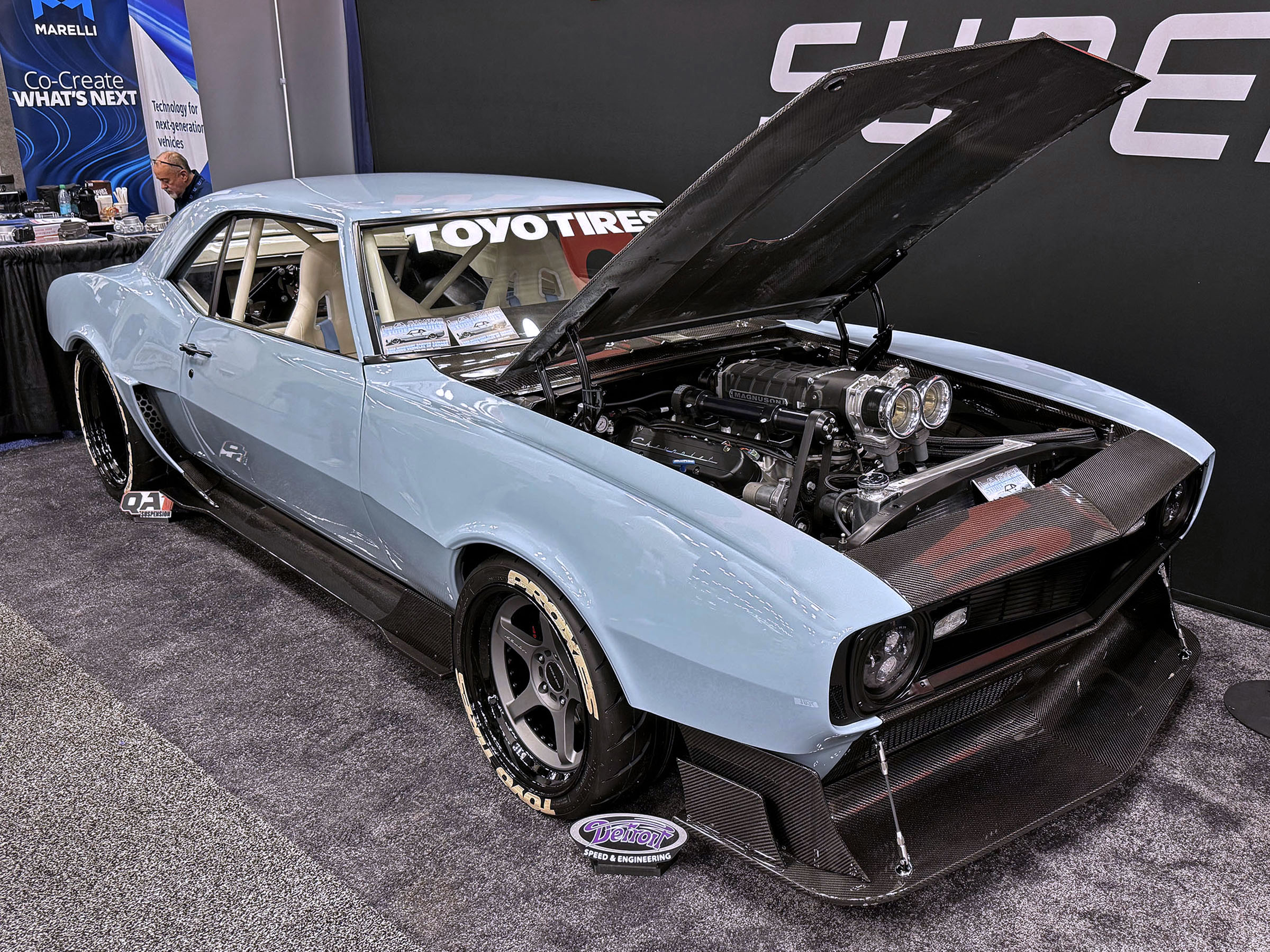
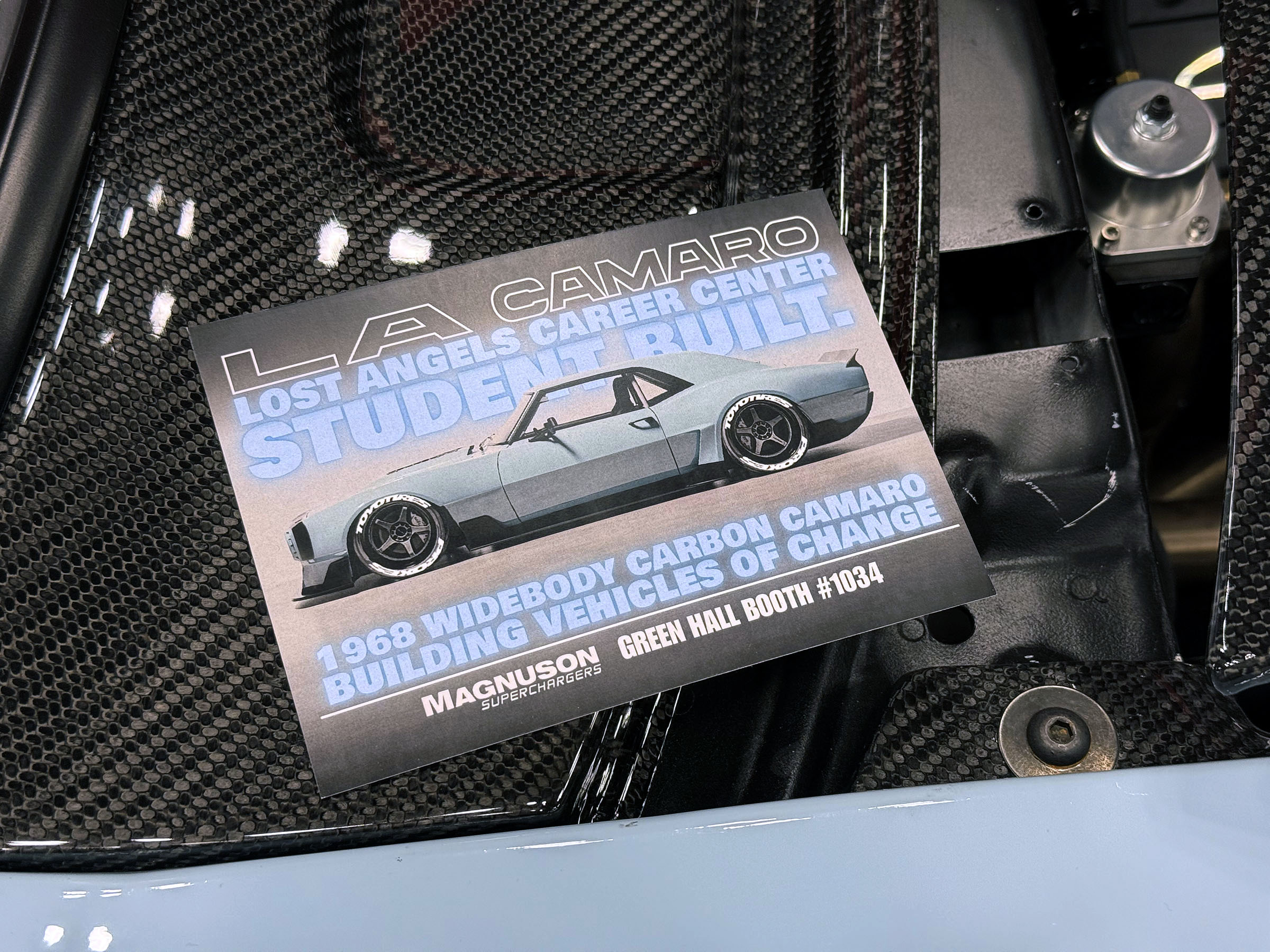
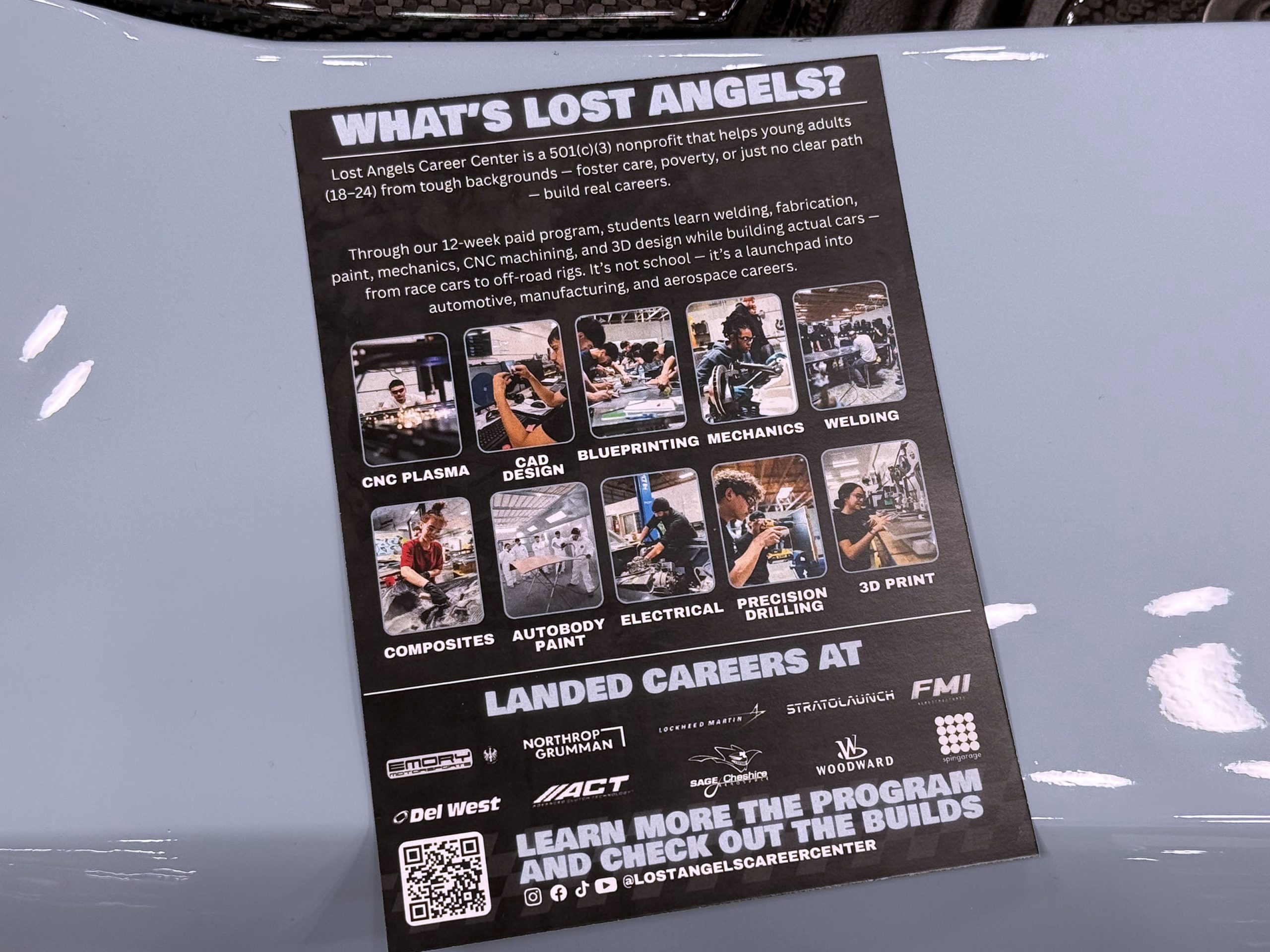
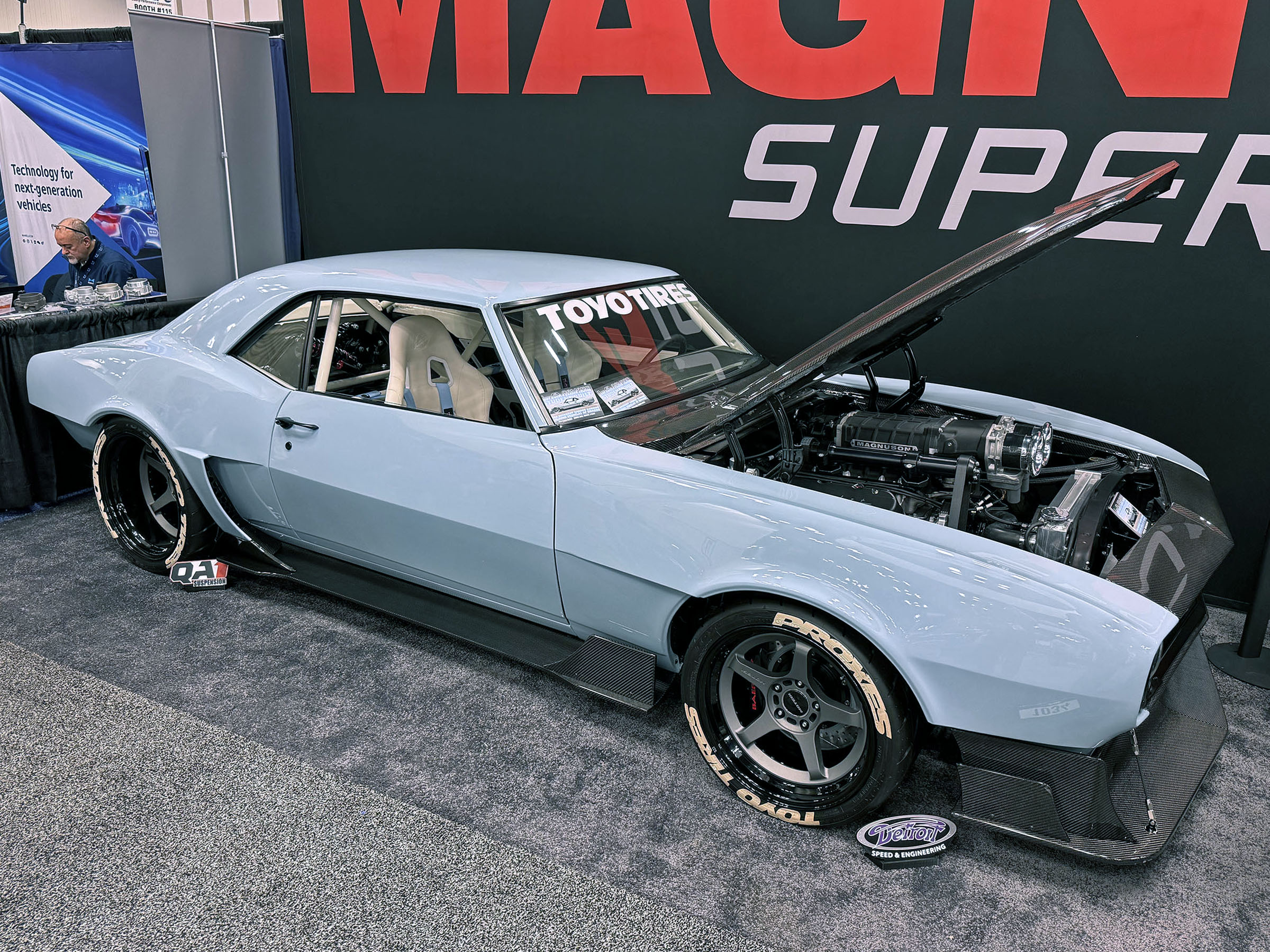
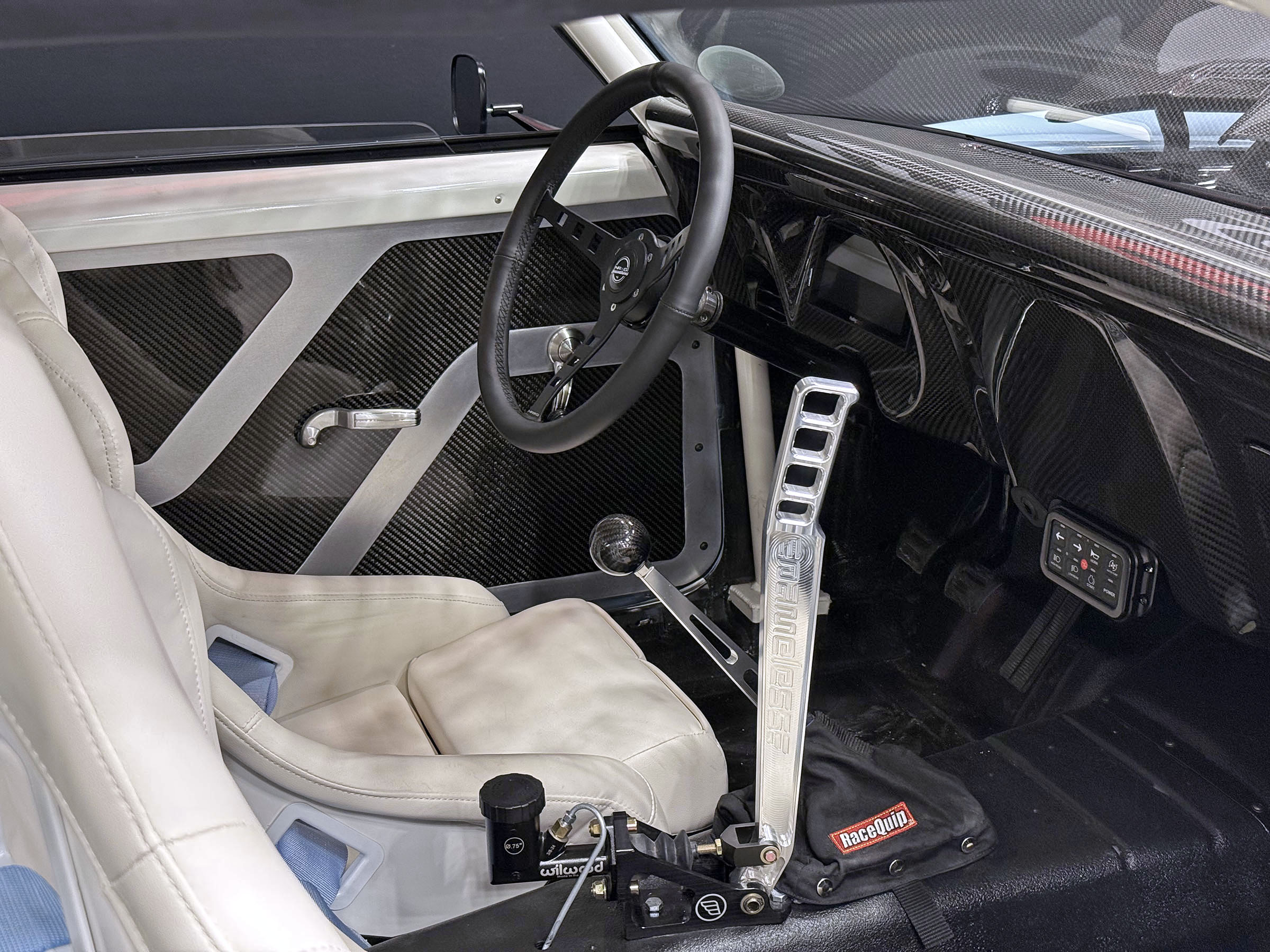
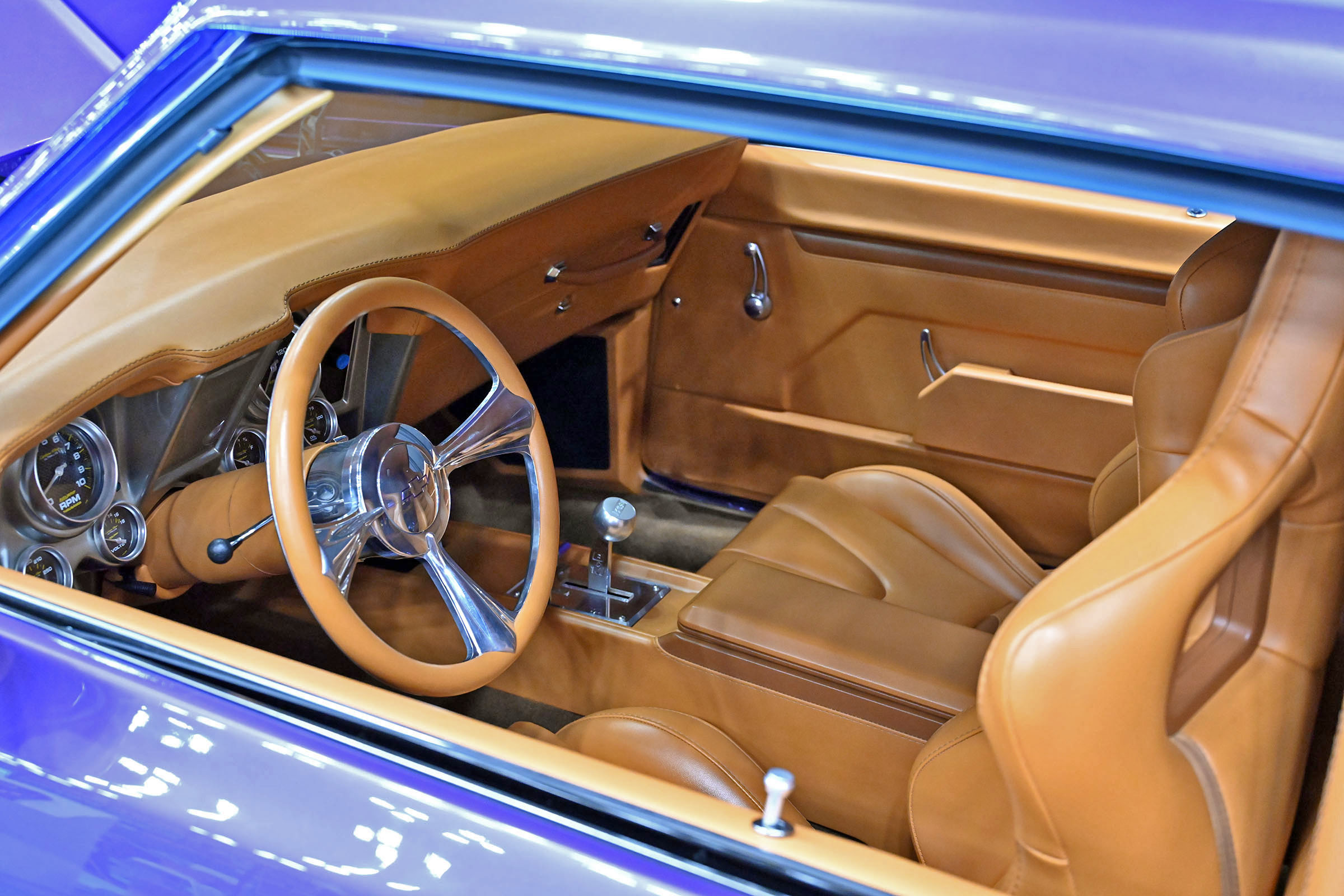
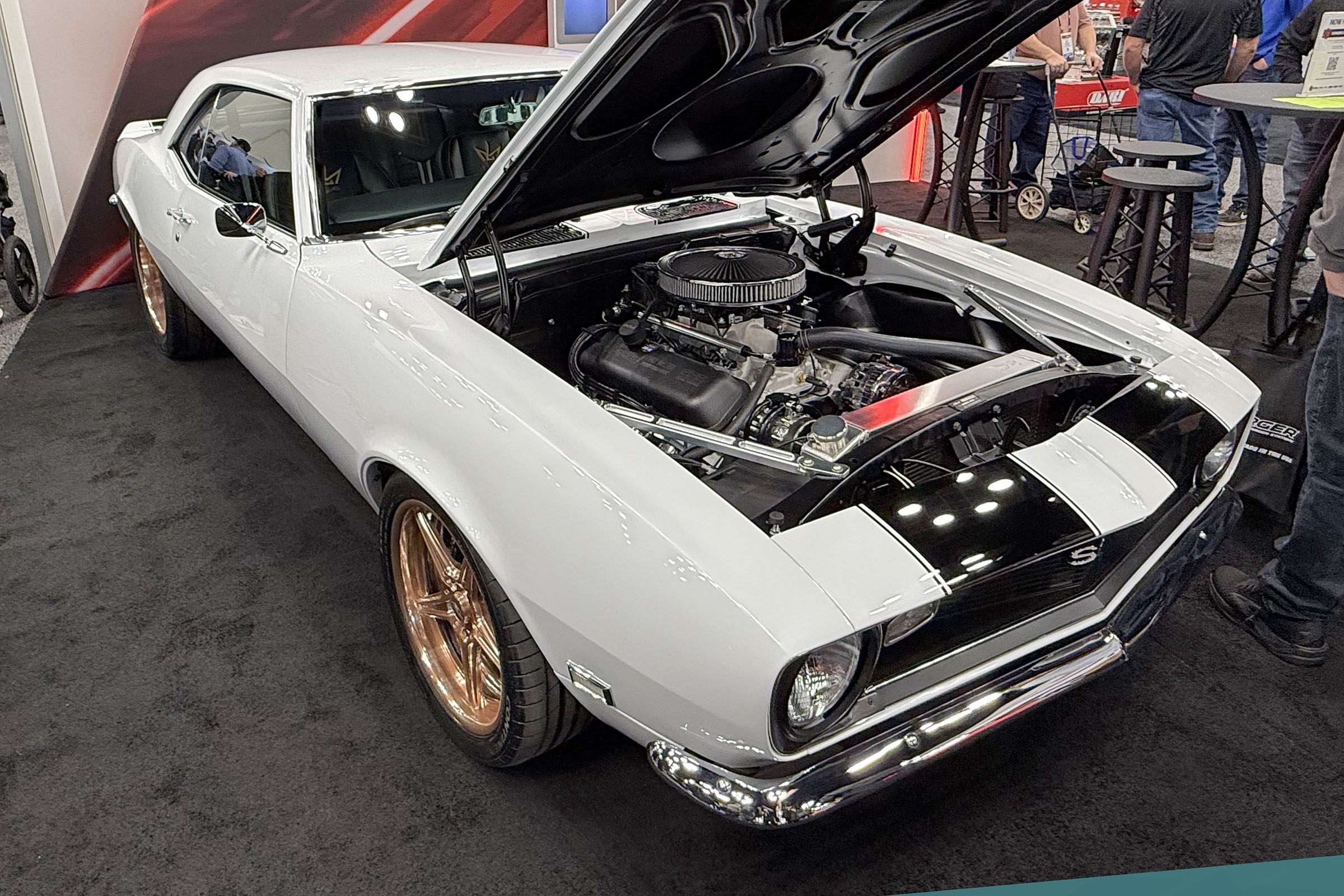
The 1968 Camaro built by Lost Angels Career Center made a striking debut at SEMA 2025, showcasing the incredible skill and dedication of its student builders. What started as a simple drift car project evolved into a full-fledged track-ready machine, complete with a 5.5-inch wider track, custom carbon fiber front and rear panels, and an array of high-end components from the aftermarket. Every detail reflects hours of precision work, from 3D-printed molds to CNC-cut suspension pieces, highlighting the level of craftsmanship these students have achieved.

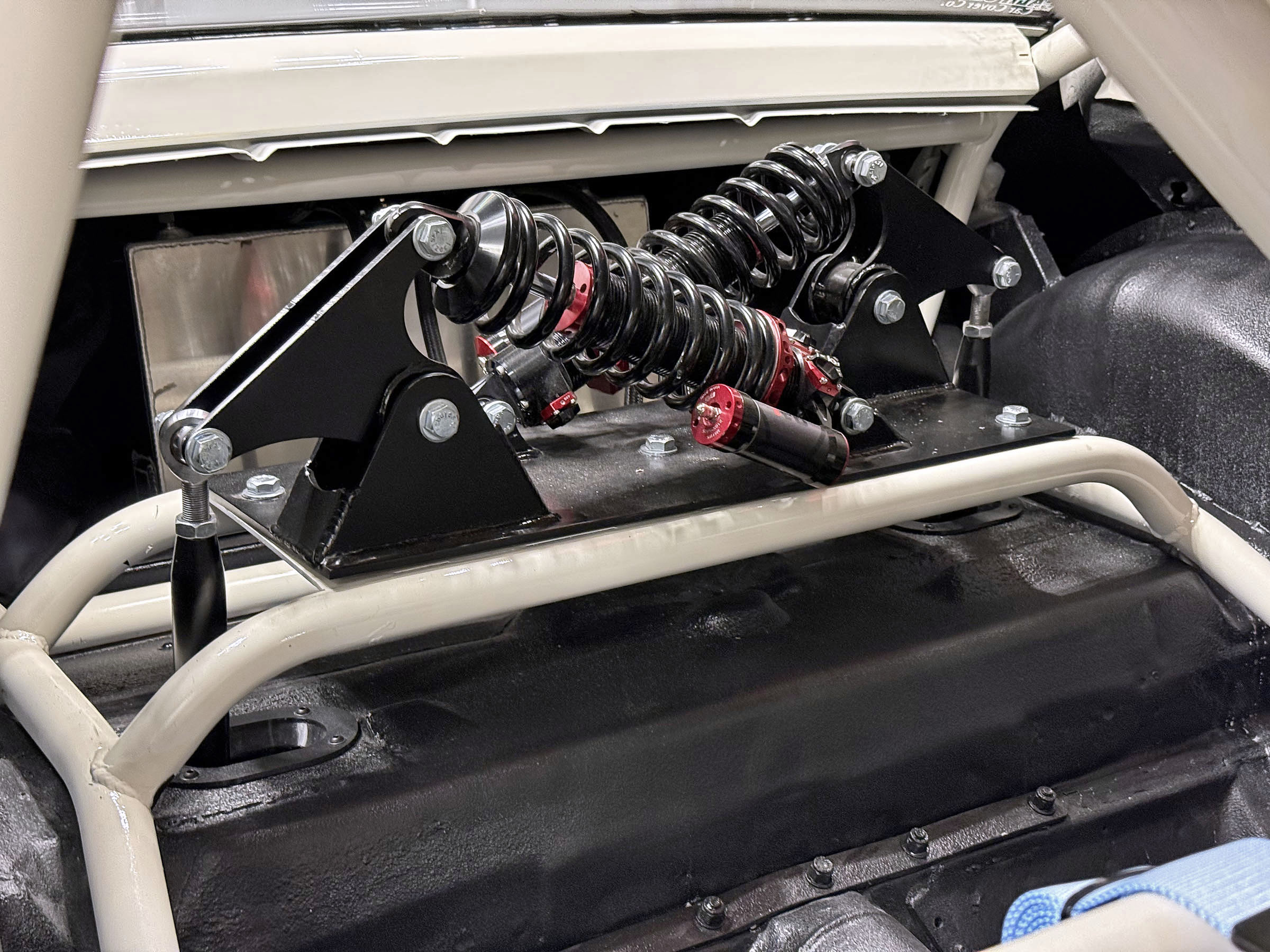
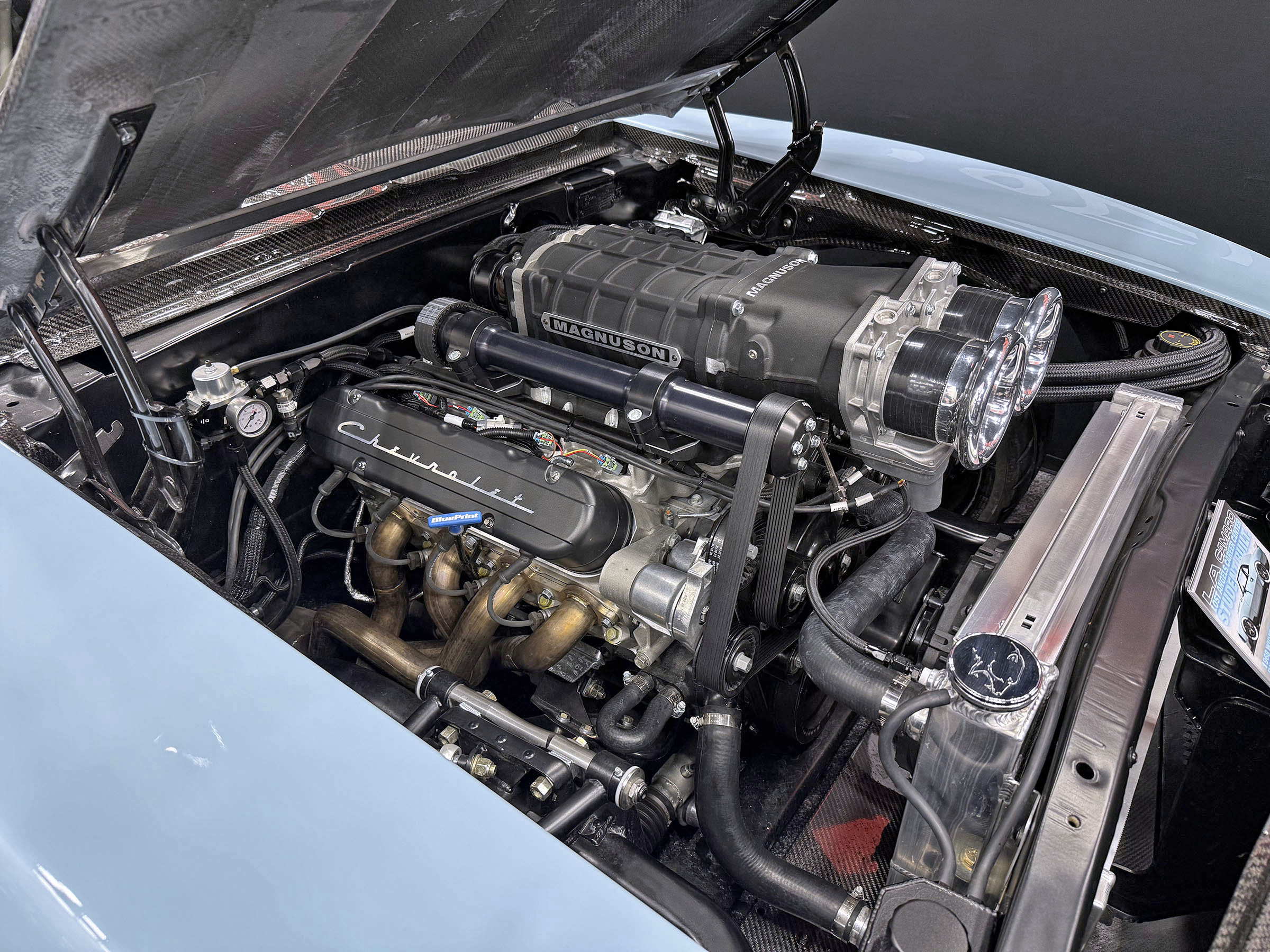
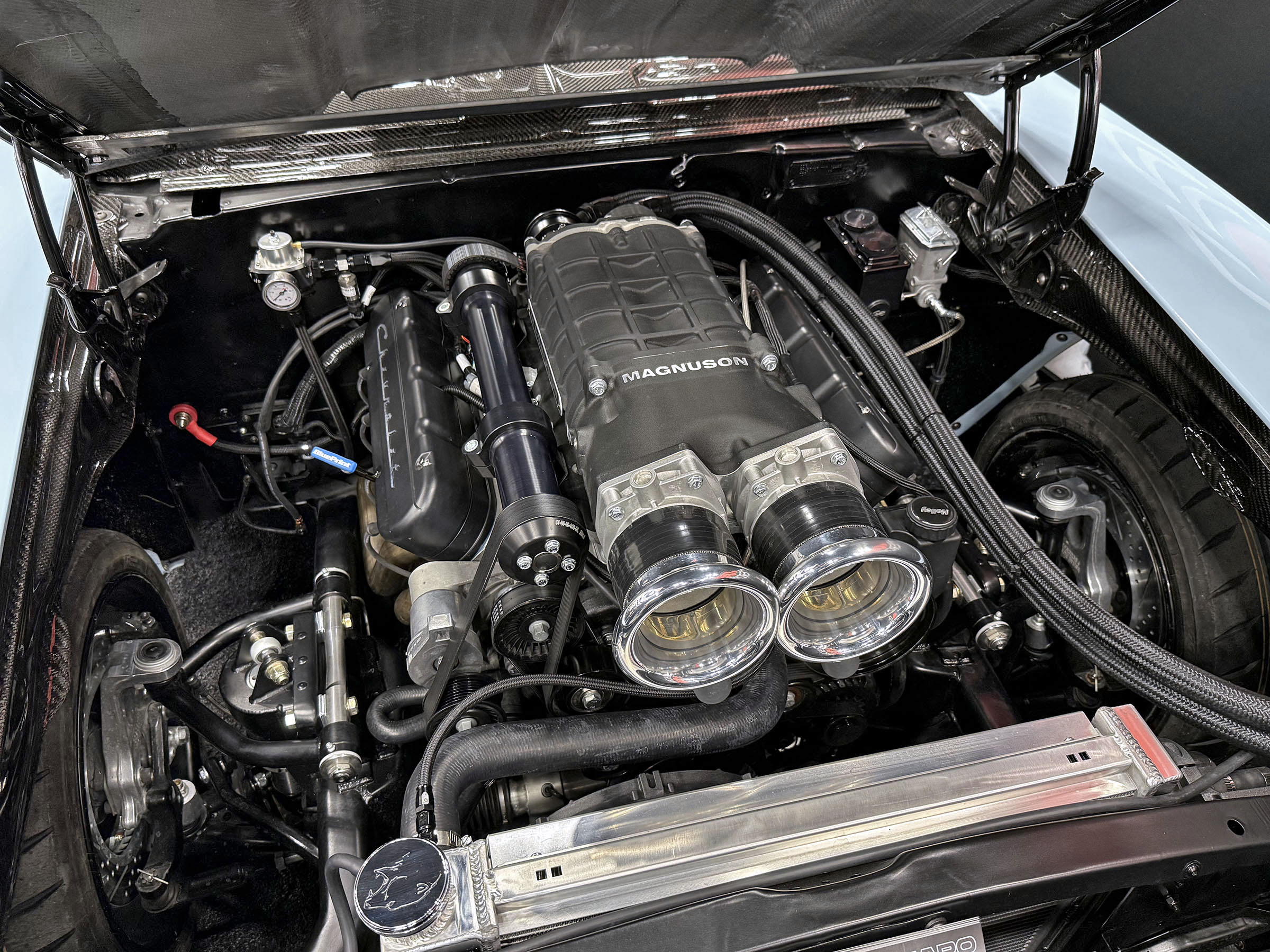
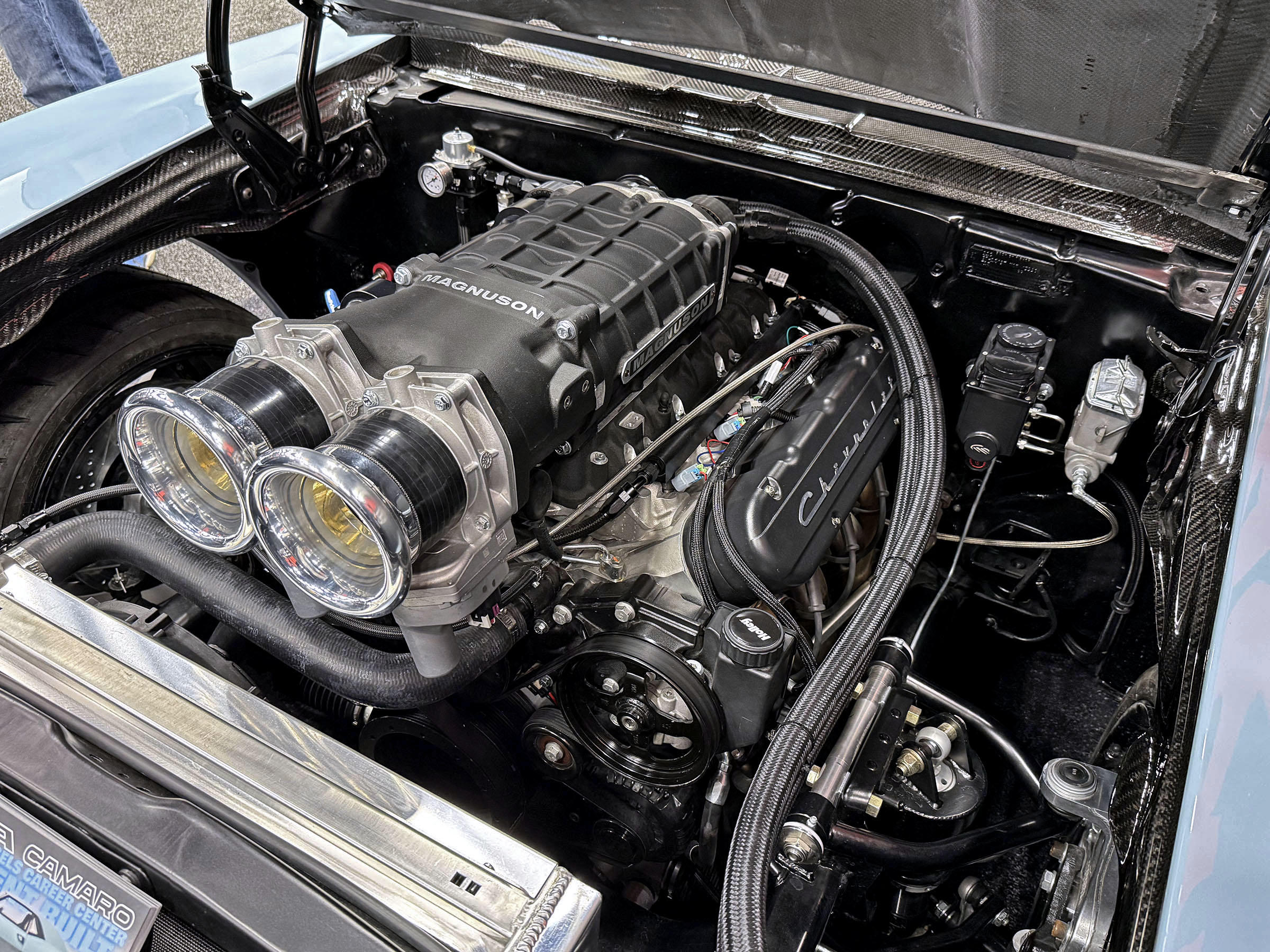
Powering the Camaro is a BluePrint Engines LS3 equipped with a Magnuson supercharger, sending its output through Detroit Speed components to the custom cantilever rear suspension. Big Baer brakes and 19×12 Motegi wheels wrapped in Toyo Proxes rubber provide the stopping power and traction needed for serious track performance. The team also developed a functional rear diffuser, designed with help from an international designer, while a custom wing may be added later to further enhance downforce.

Guided by mentors and built as part of a six-month, hands-on vocational program, this Camaro isn’t just a showpiece—it’s a symbol of education, opportunity, and the future of hot rodding. Every panel, bolt, and system reflects not only technical skill but the passion of the students and the vision of Aaron Valencia and Lost Angels Career Center. When it finally hits the track, it will carry the efforts of an entire community committed to teaching the next generation of builders and racers.
1980 Chevrolet Camaro Bonneville Record Holder


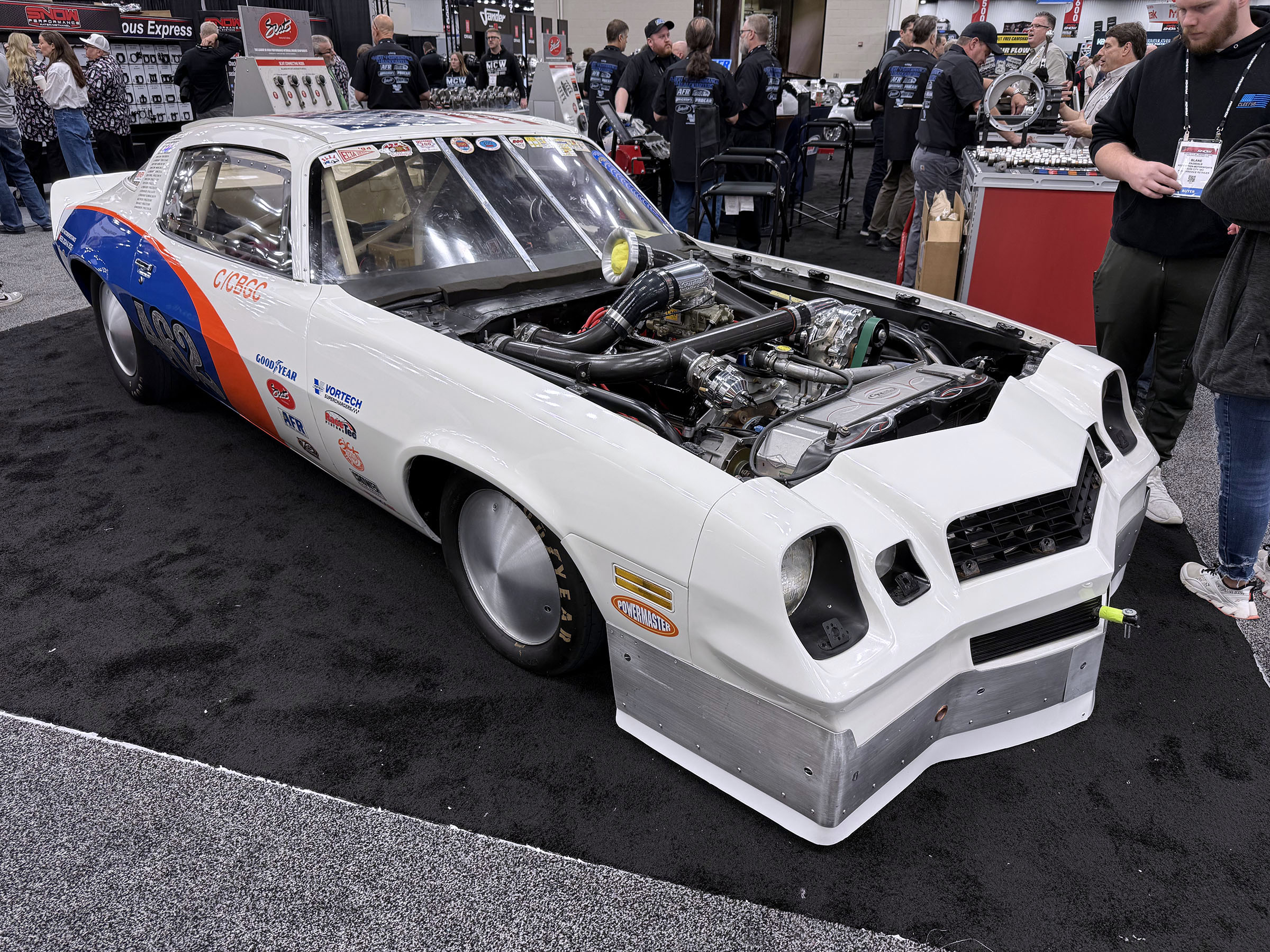
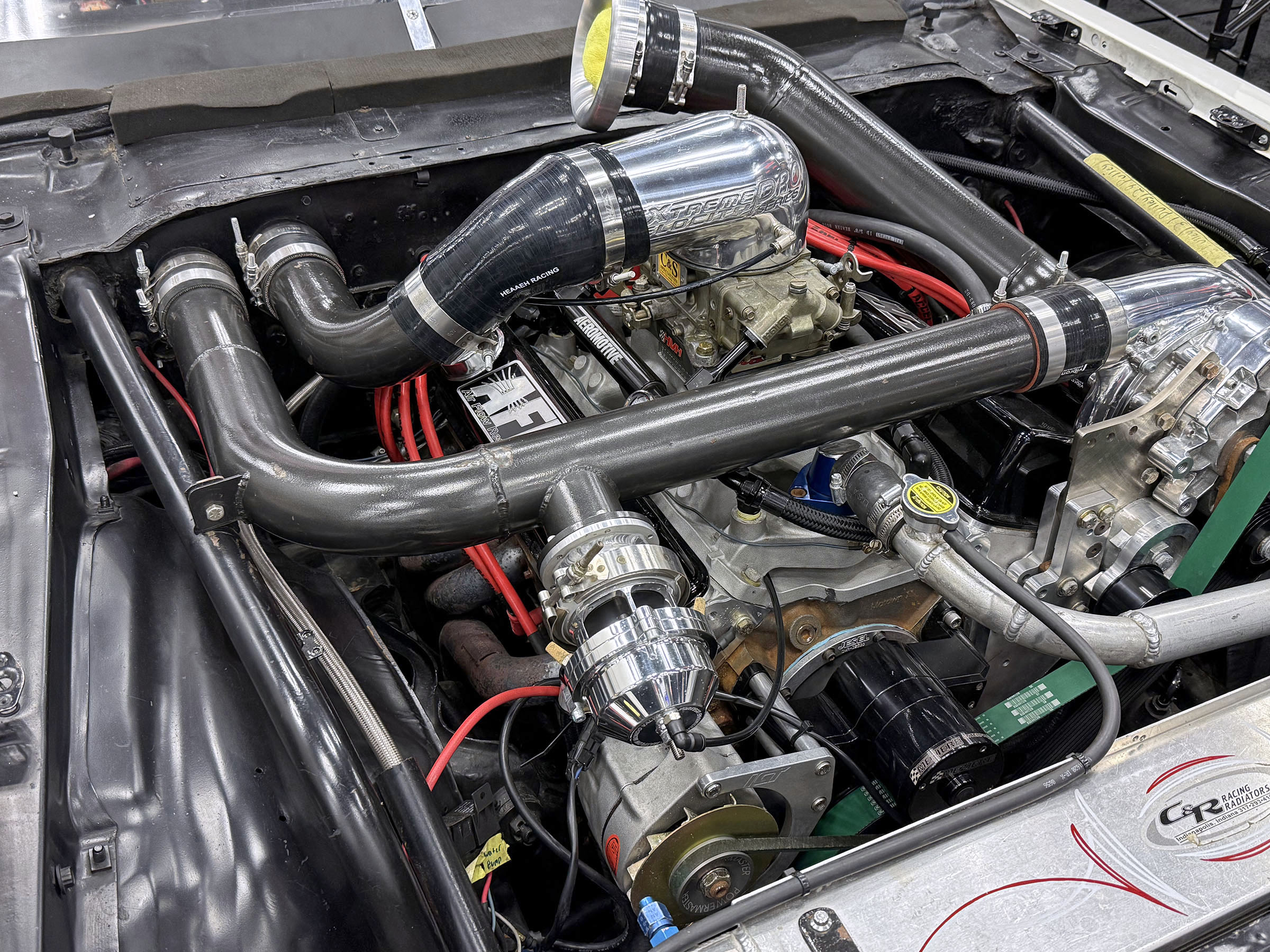
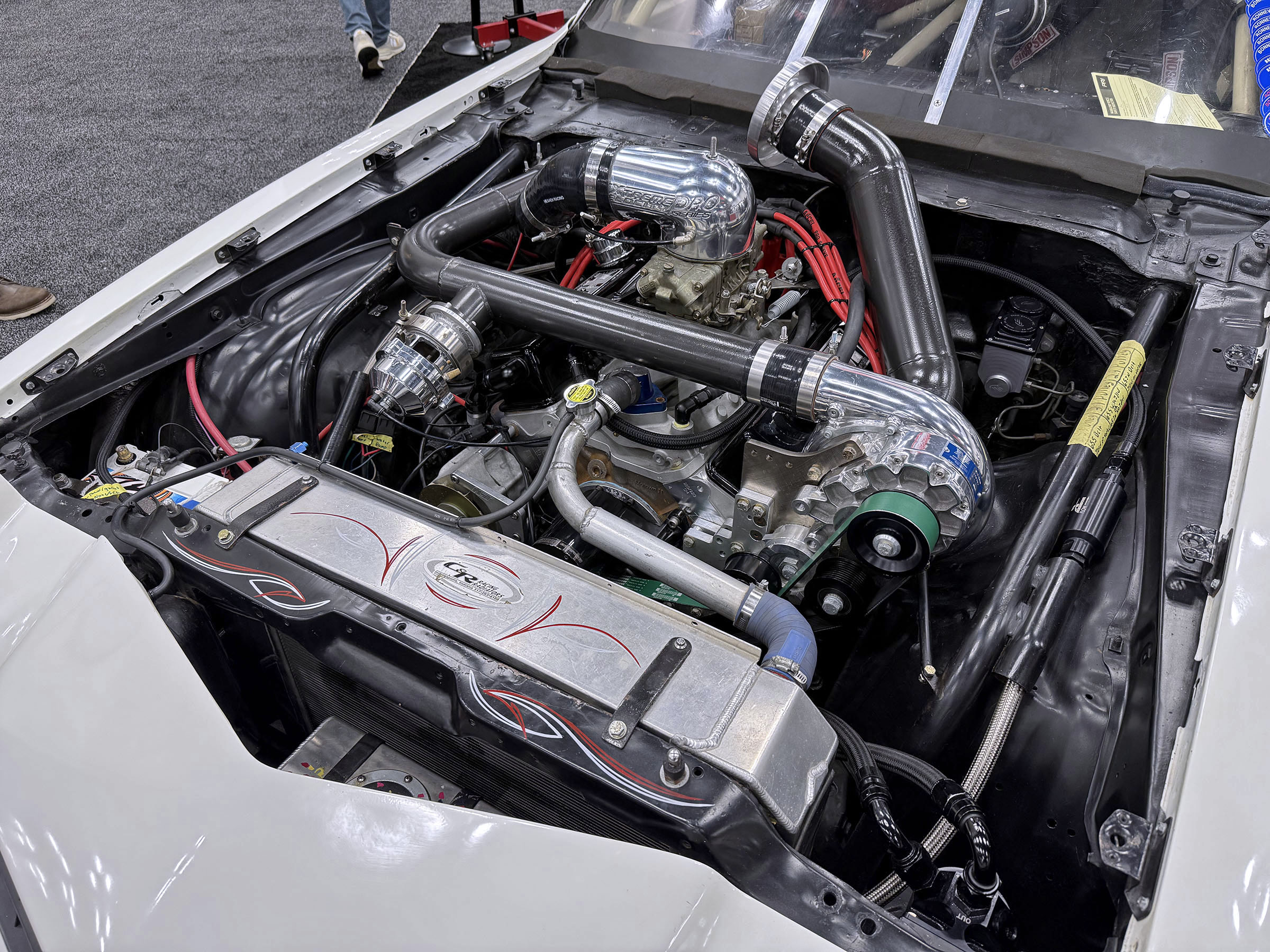
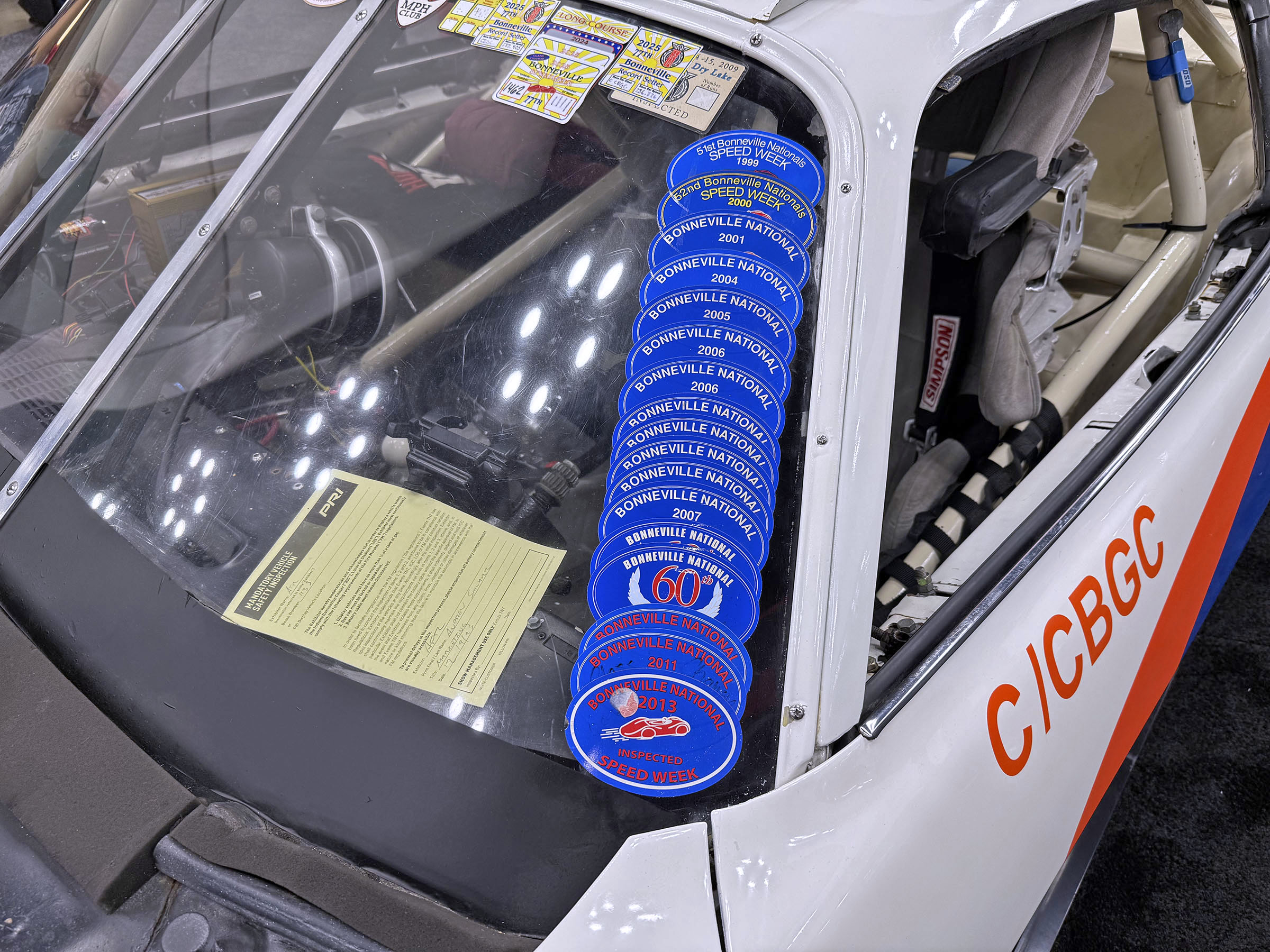
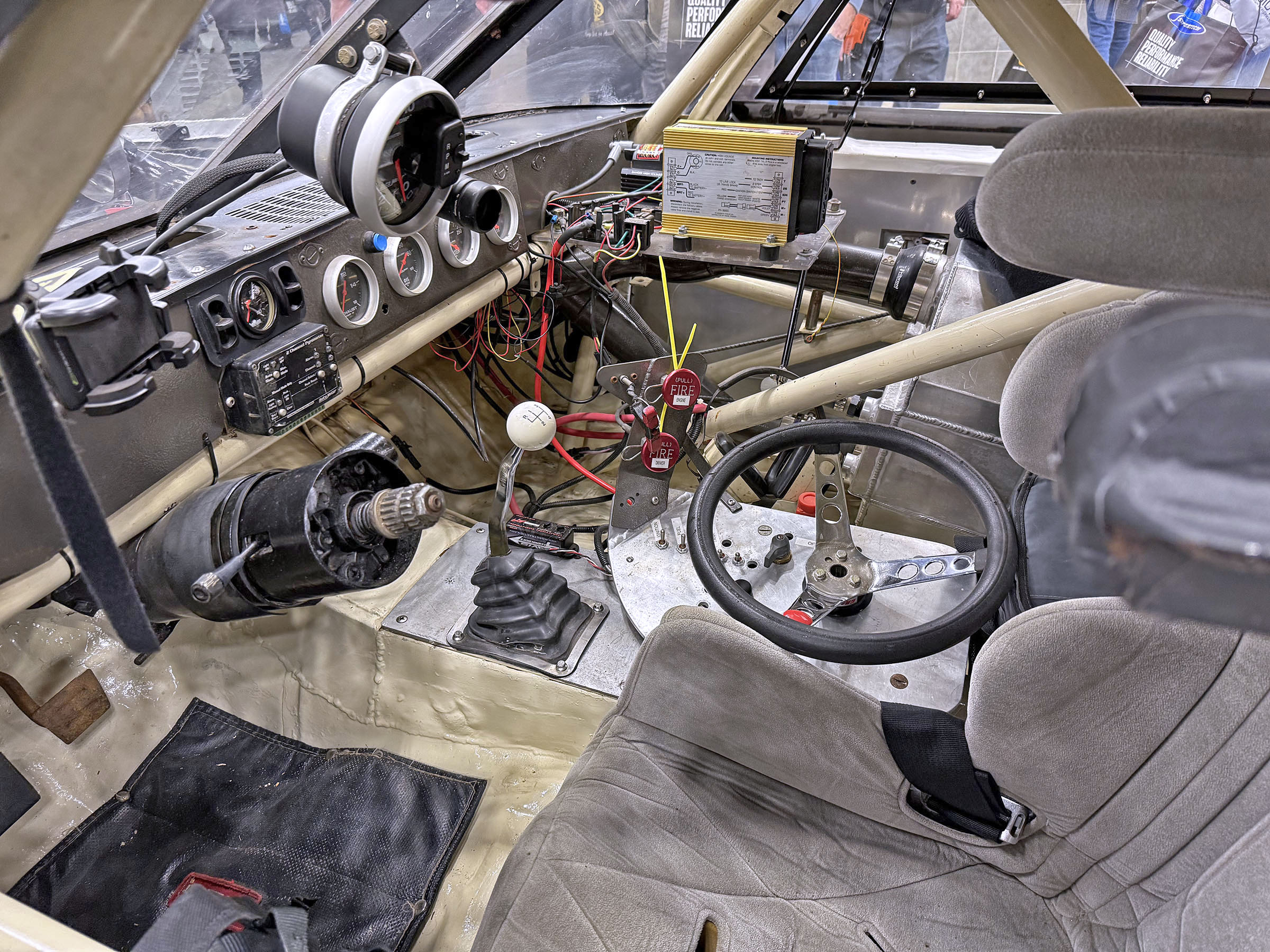
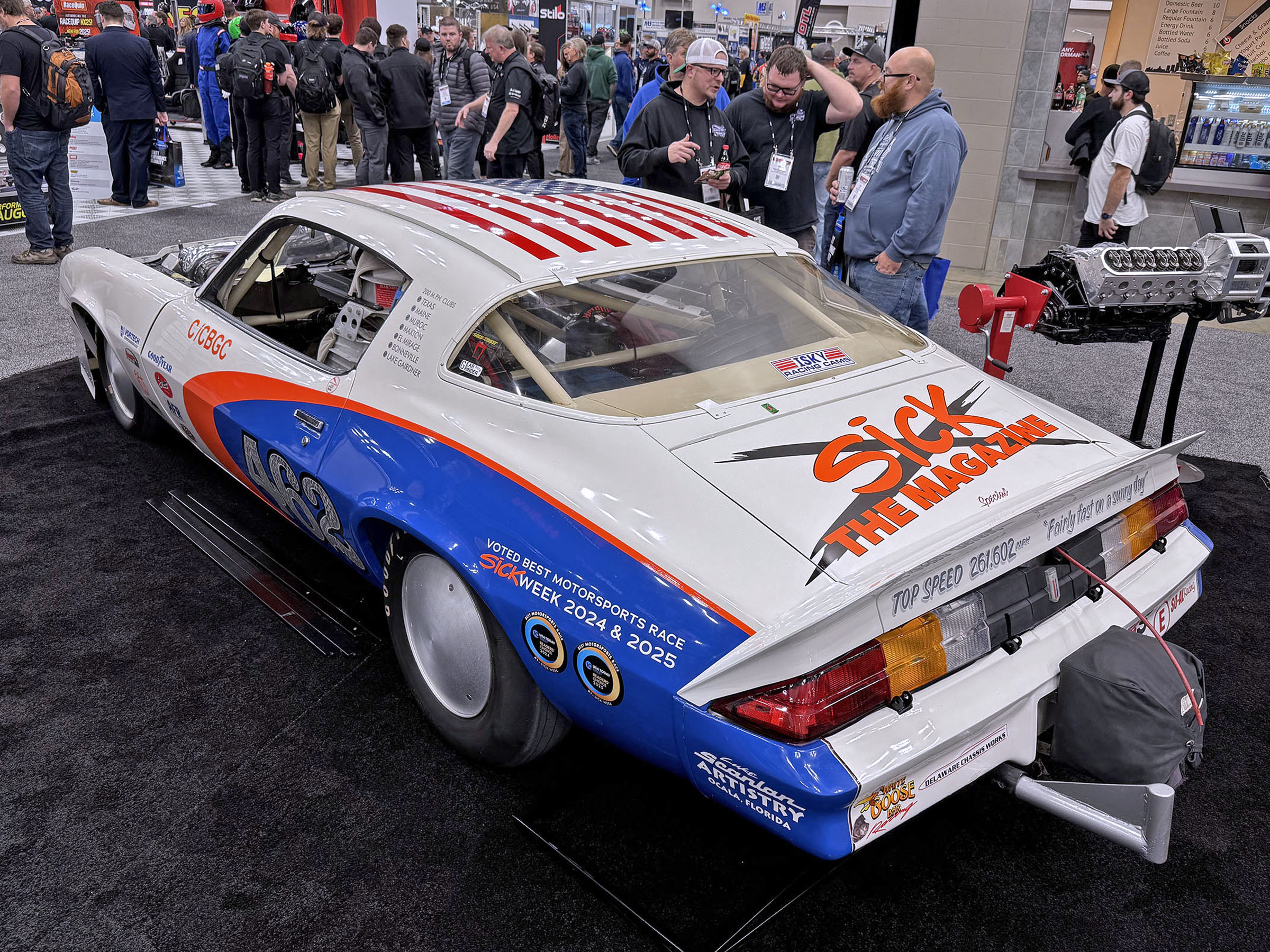
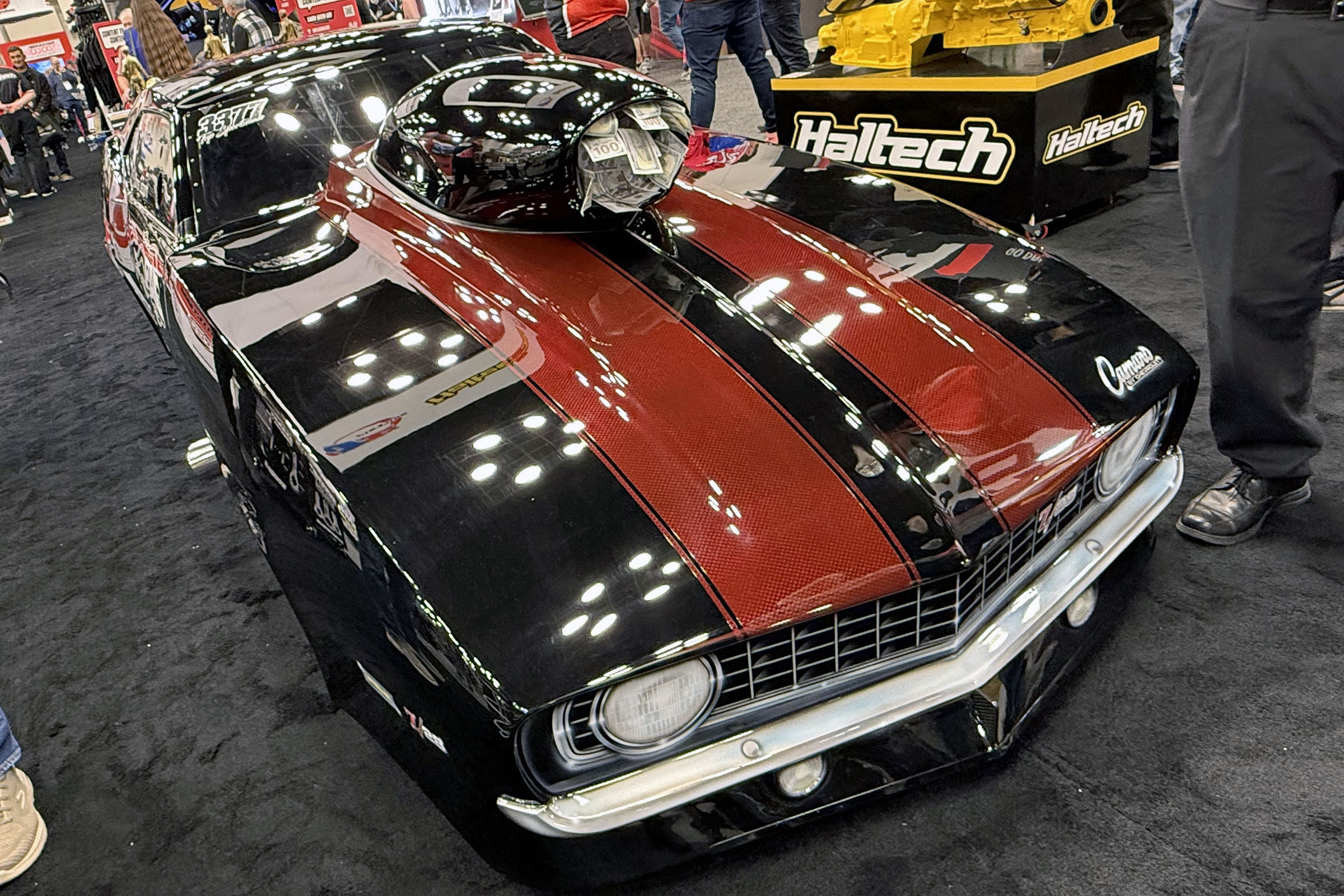
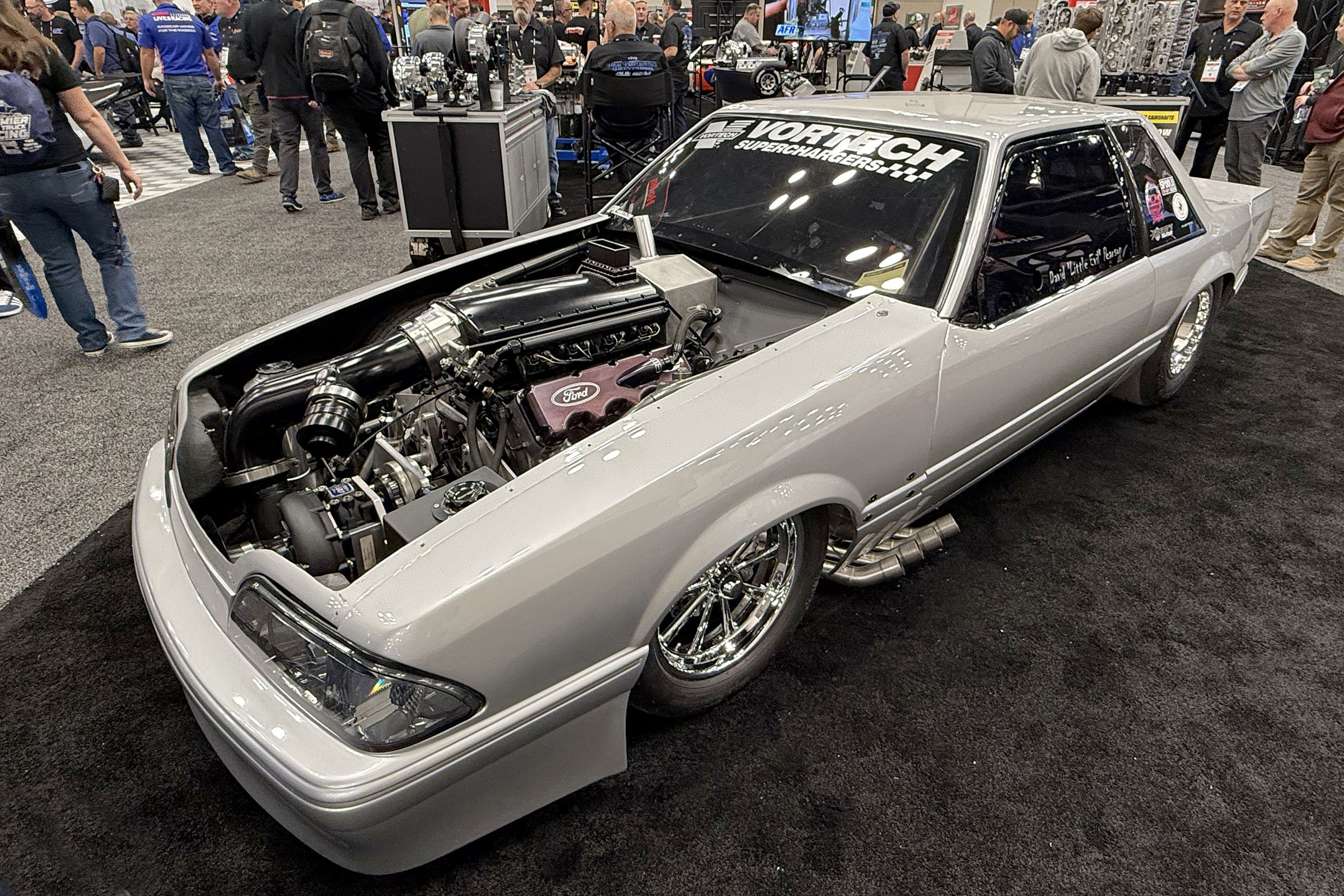
The 1980 Chevrolet Camaro owned by Keith and Tonya Turk isn’t just a car—it’s a Bonneville legend on wheels. Built for the salt with a 417ci engine featuring World Products block, Scat crank, Isky cam and springs, AFR heads, and a Vortech supercharger, this Classic Blown Gas Coupe is as calculated as it is brutal. With Tom Bailey at the wheel, the Camaro didn’t just break records—it obliterated them, hitting Mile 4 speeds over 235 mph and securing an average of 233.905 mph, earning both a class record and a spot in the prestigious 200 MPH Club. Every component screams purpose: off-the-shelf reliability paired with race-day precision, tuned to thrive on the unforgiving salt flats.

The Camaro’s versatility is as impressive as its speed. Schroeder-Ens Racing engineered two engines—417ci for B/CBGC, 347ci for C/CBGC—allowing multiple drivers and multiple classes without sacrificing the car’s dominance. It’s a machine built to chew up records, not just cruises, with the torque and top-end grunt to push into uncharted territory while remaining compliant for license runs. From its aggressive stance on the flats to the heart-stopping supercharged V8s under the hood, the Turk’s Camaro is the embodiment of raw speed and meticulous engineering—a car that writes its own history on salt and leaves competitors scrambling to keep up.

1964 Chevy II/Nova “Chebby II”

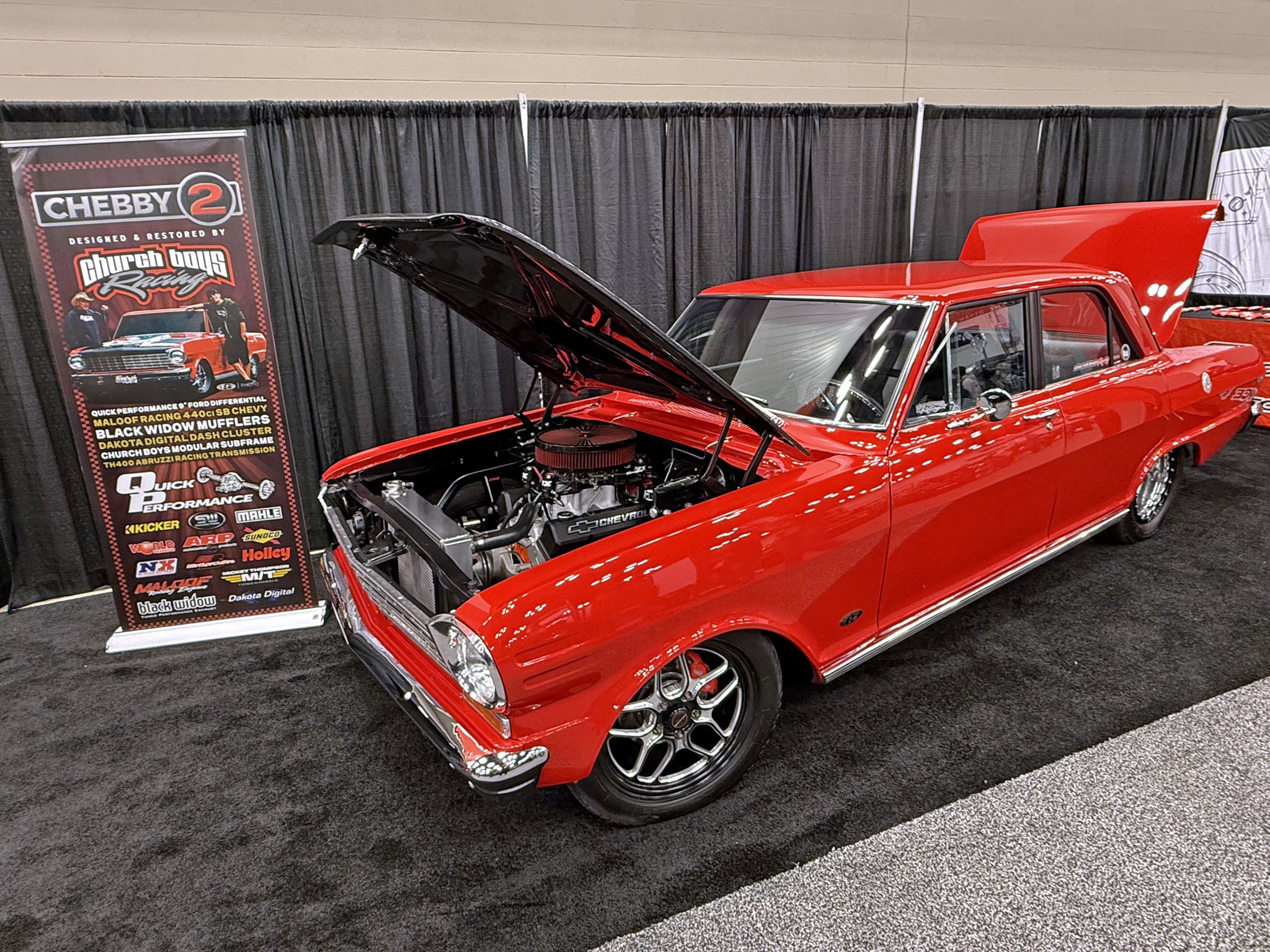
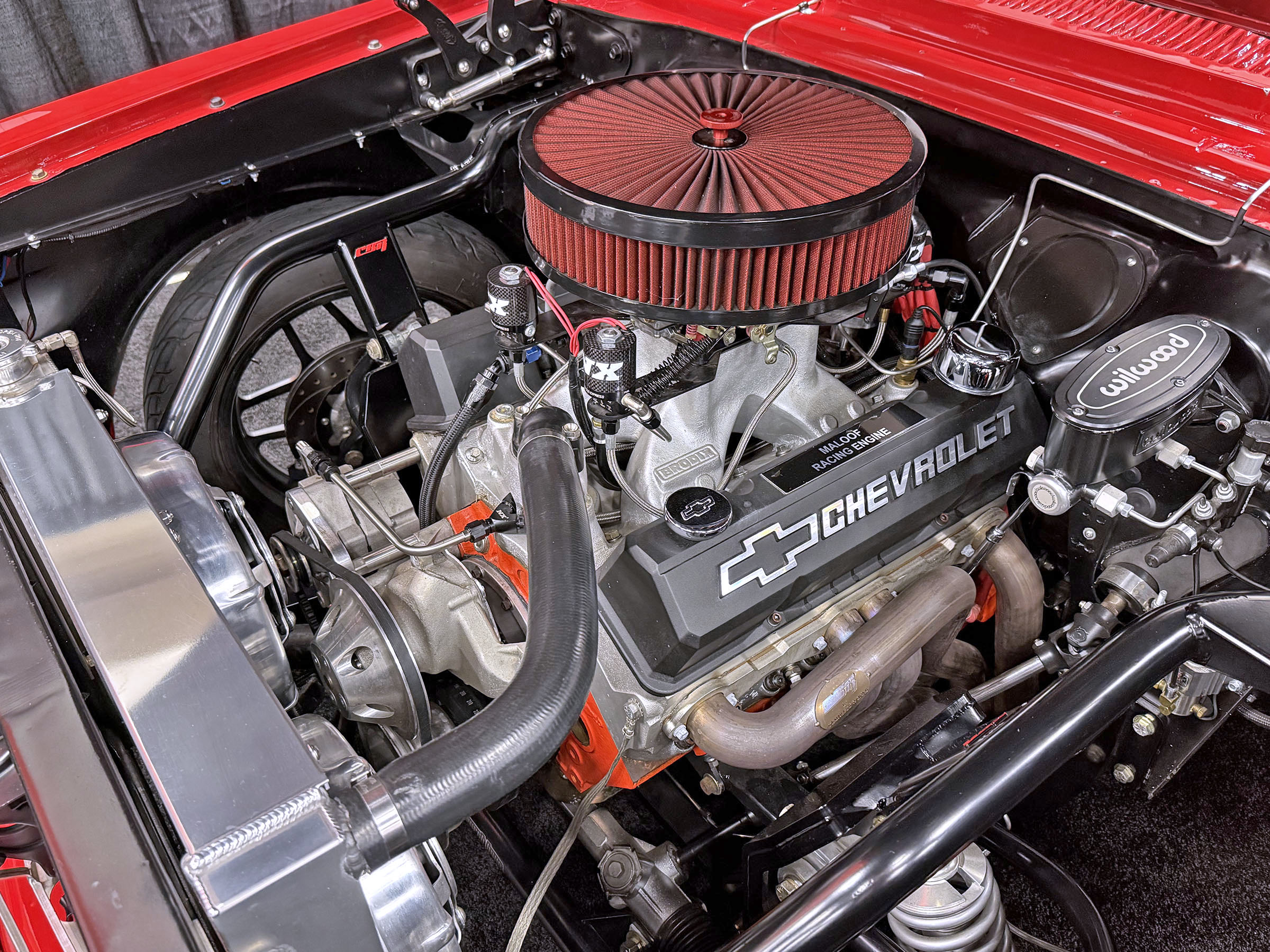
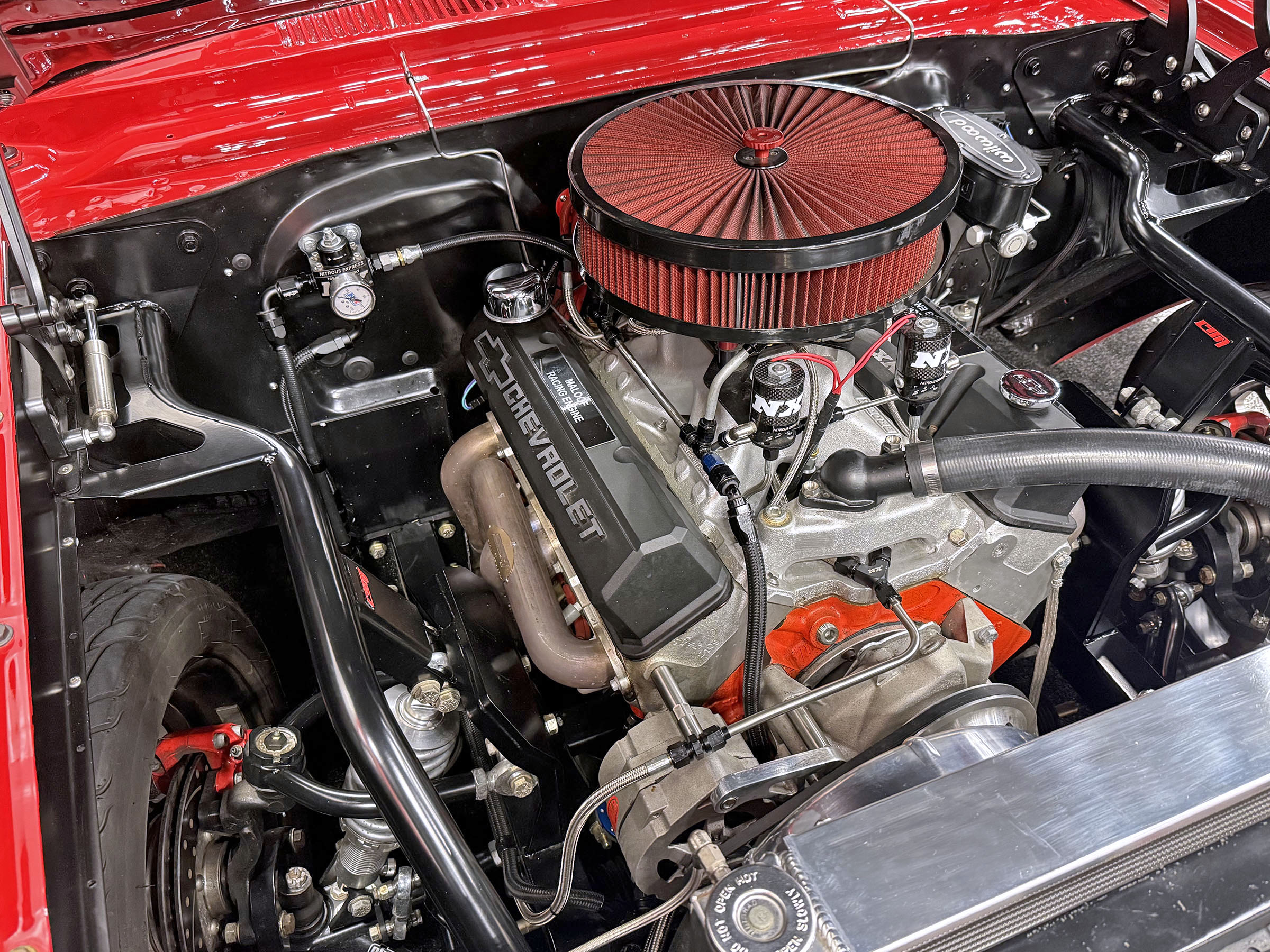
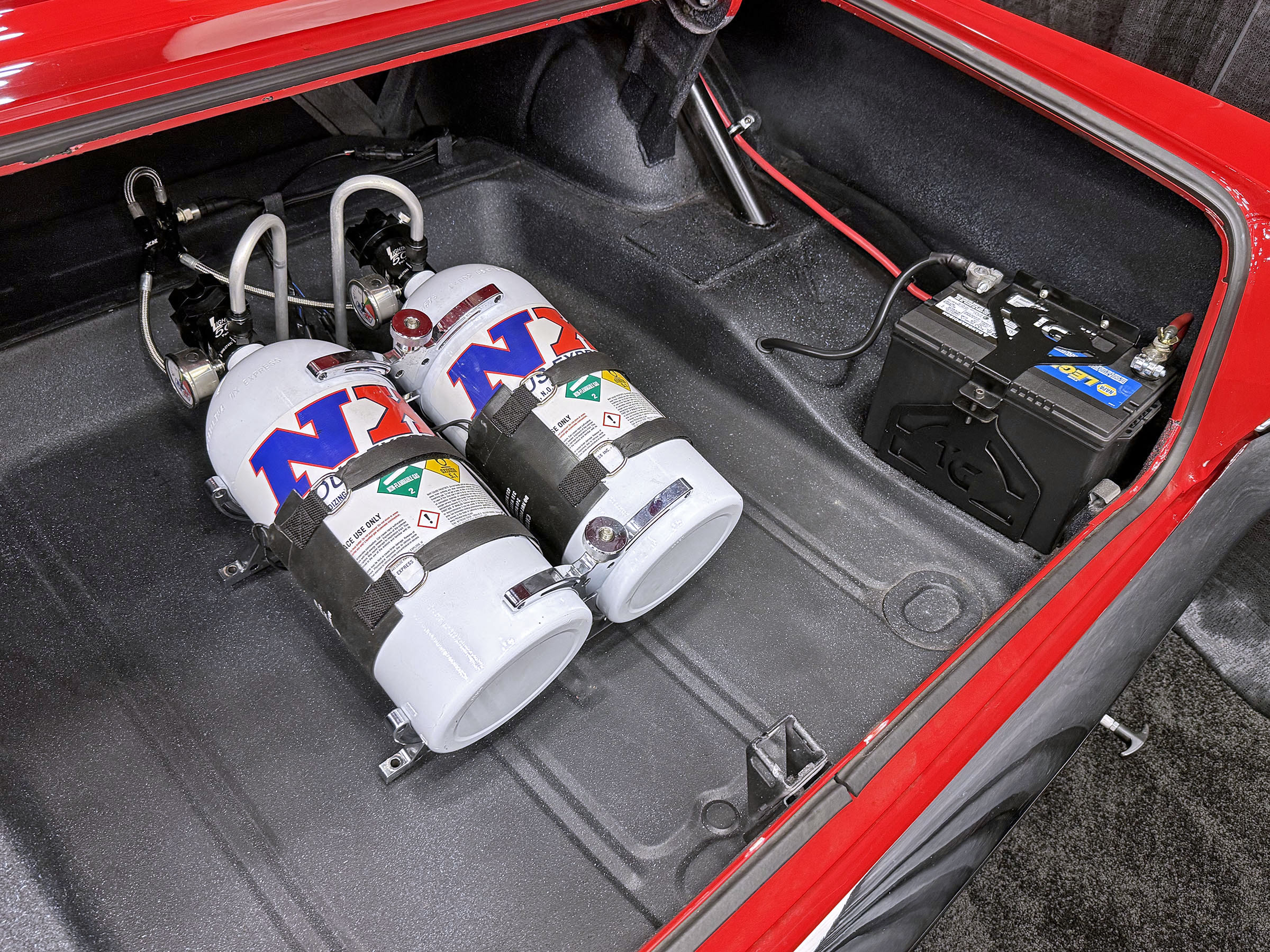
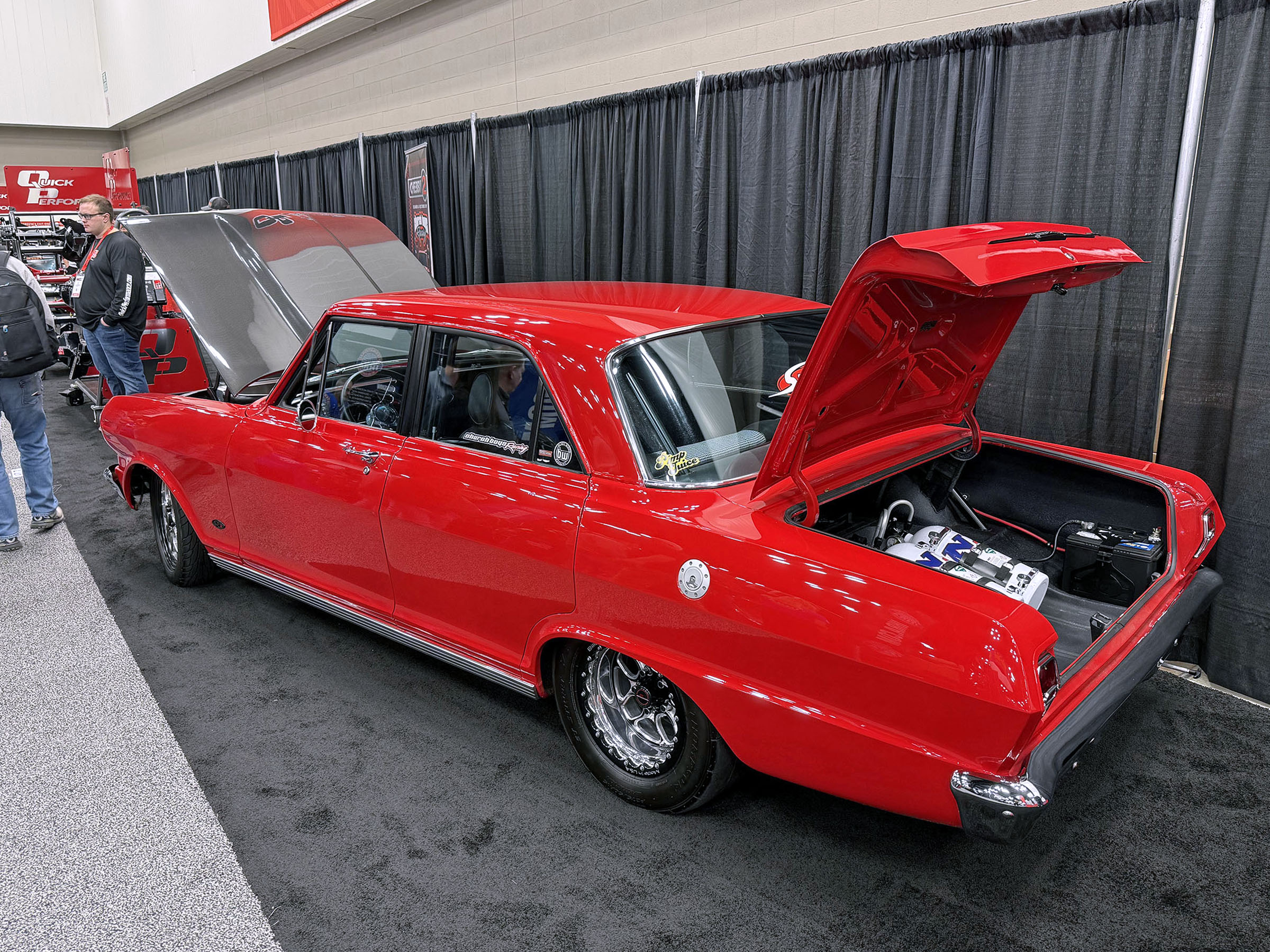
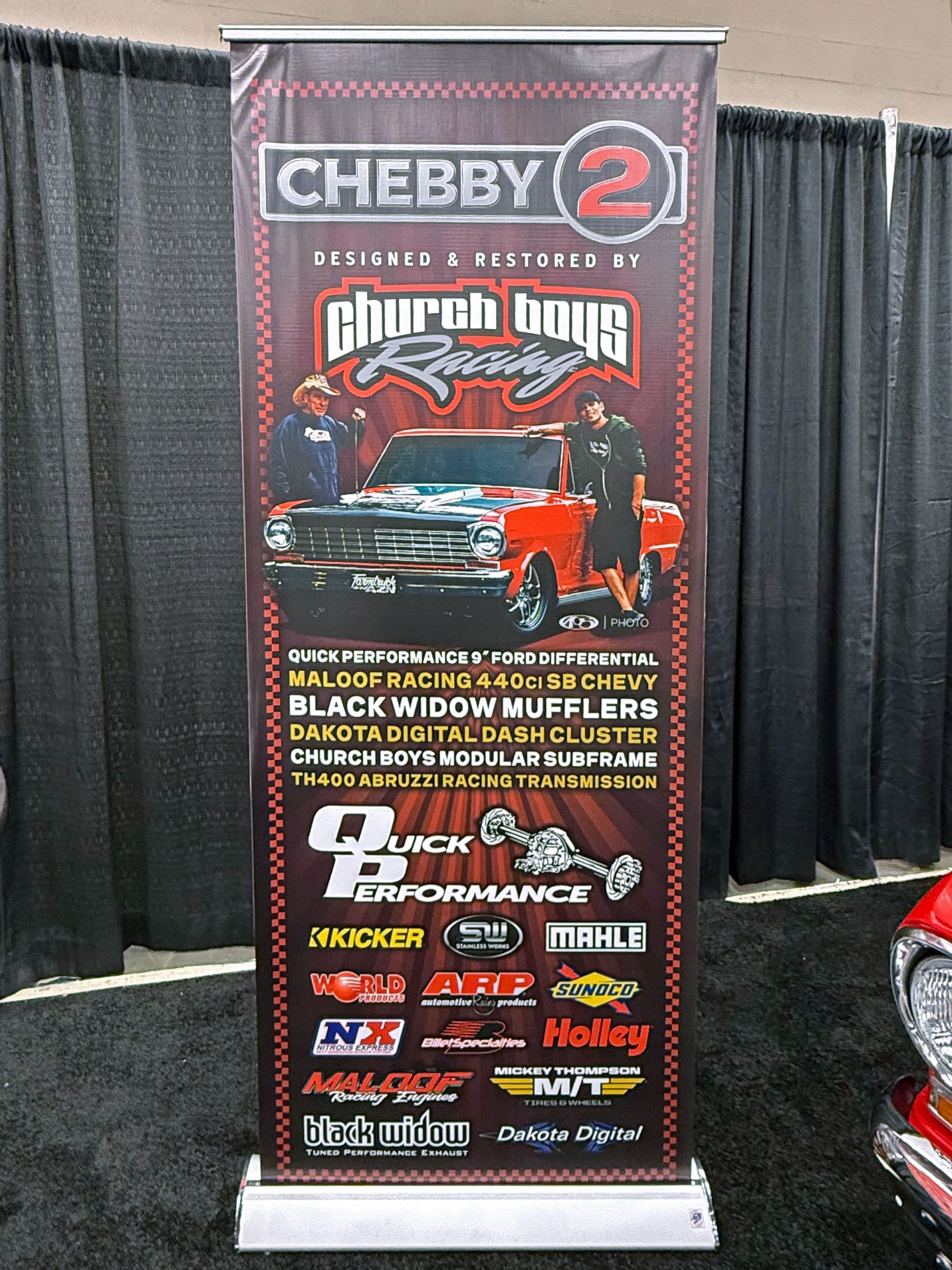
The 1964 Chevy II/Nova “Chebby II” by Church Boys Racing is a masterclass in classic small-block performance, rebuilt from the ground up to combine nostalgic charm with modern capability. Its foundation is a 440ci small-block built by Sammy Maloof of Maloof Racing Engines, making every inch of throttle feel deliberate and alive. Power flows through a Moser 9-inch rearend suspended in a Church Boys Racing triangulated four-link, while Detroit Speed mini-tubs make room for massive 275-series Mickey Thompson drag radials out back. Up front, a modular bolt-on CBR front end, manual rack-and-pinion steering, and RideTech drag-tuned coilovers ensure precise handling and planted launches, all stopped by Wilwood Dynalite brakes at all four corners.

Every inch of the car was carefully thought out: Billet Specialties Win Lite wheels fill the wells, a six-point TIG-welded roll cage adds hidden safety, and the body is straight, smooth, and coated in PPG Red, with new panels to replace previous damage. It’s a car built to be driven hard—no corners cut, no compromises. The Chebby II balances raw drag-strip aggression with the finesse of modern chassis engineering, making it a small-block Nova that’s just as capable on the strip as it is a showpiece. From its aggressive stance to the details hiding under the hood, this Chevy II is a precise, powerful, and polished machine ready to carve up asphalt and carry the legacy of its storied past into every future mile.

1972 Chevrolet C10 “Coyote 10”

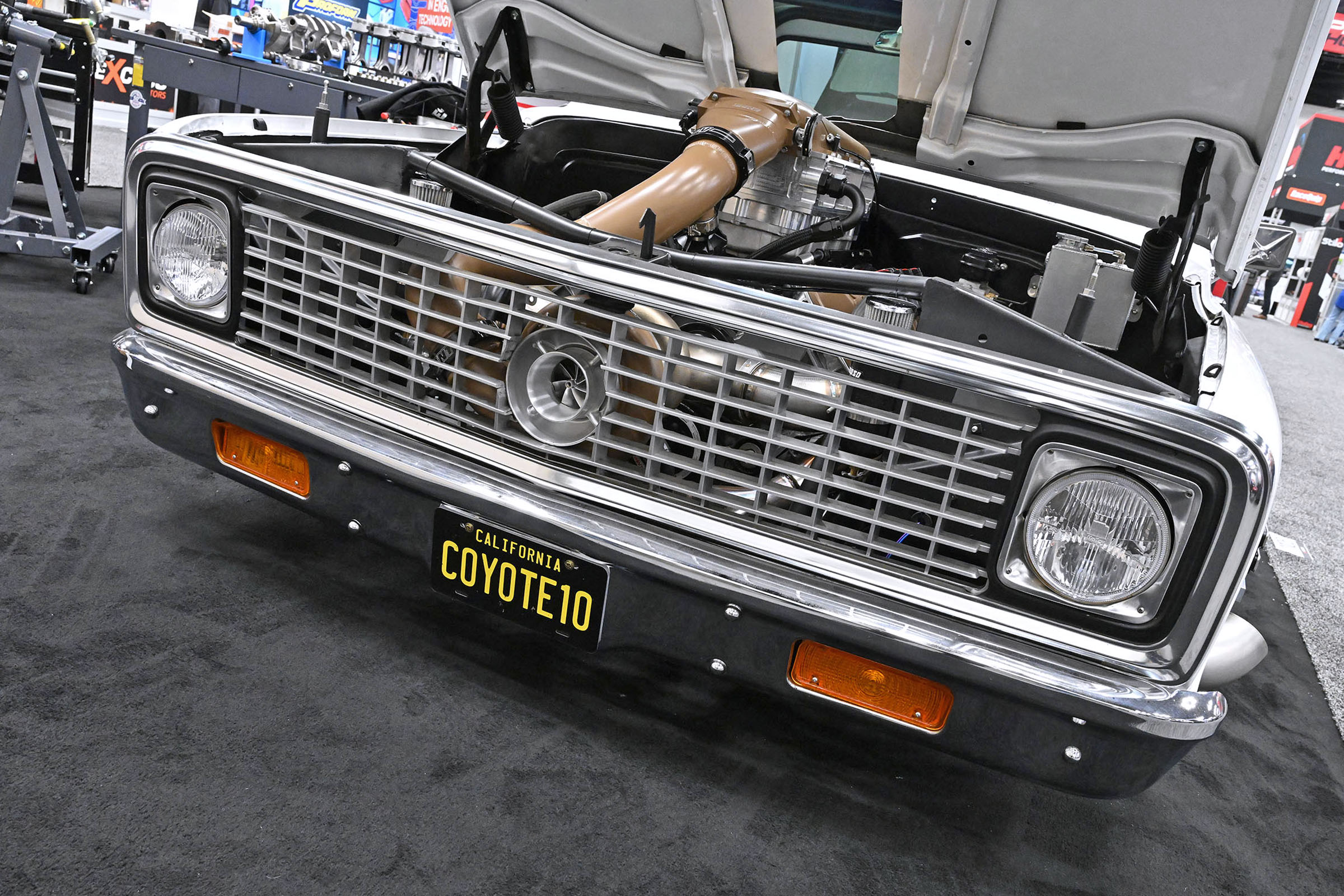
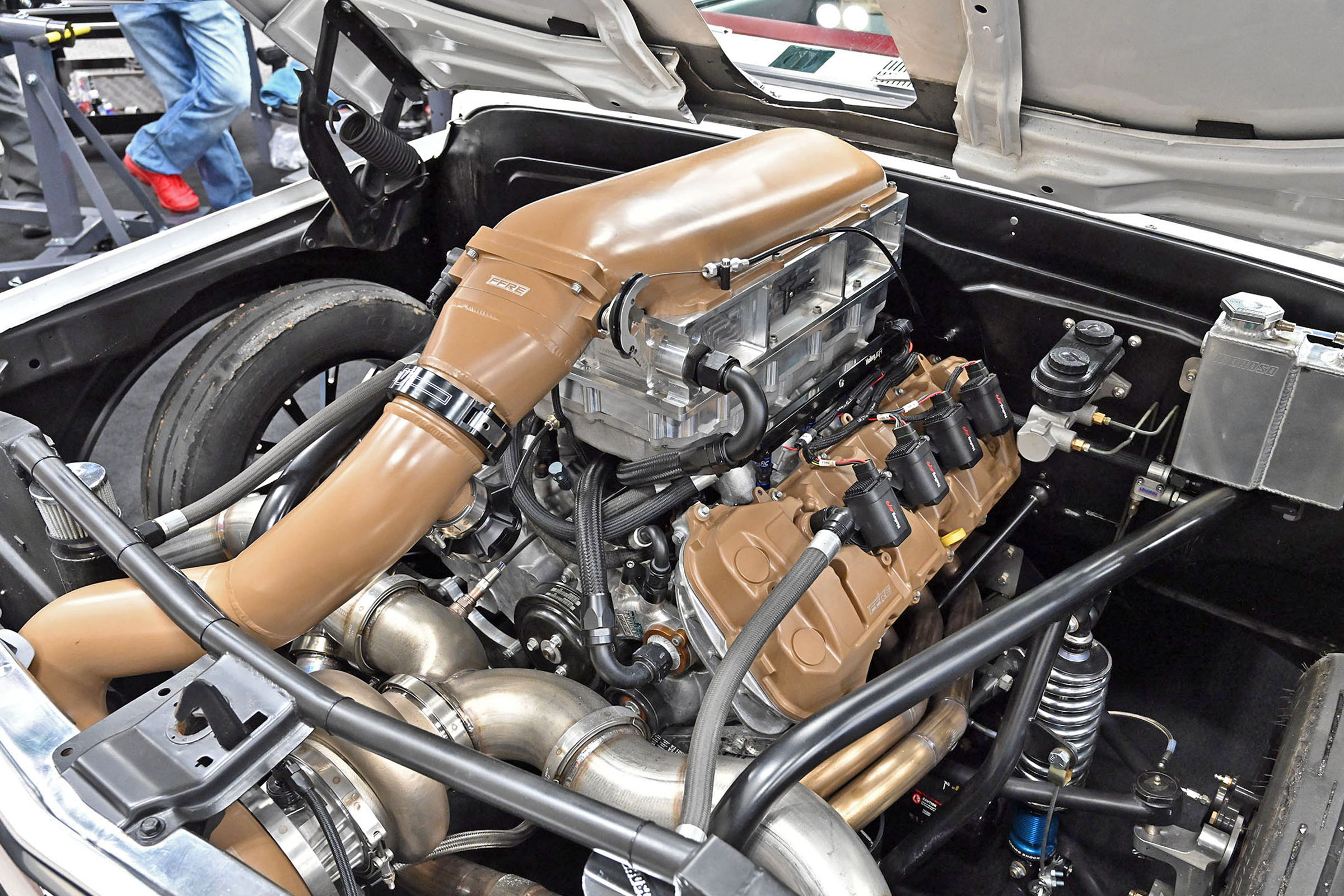
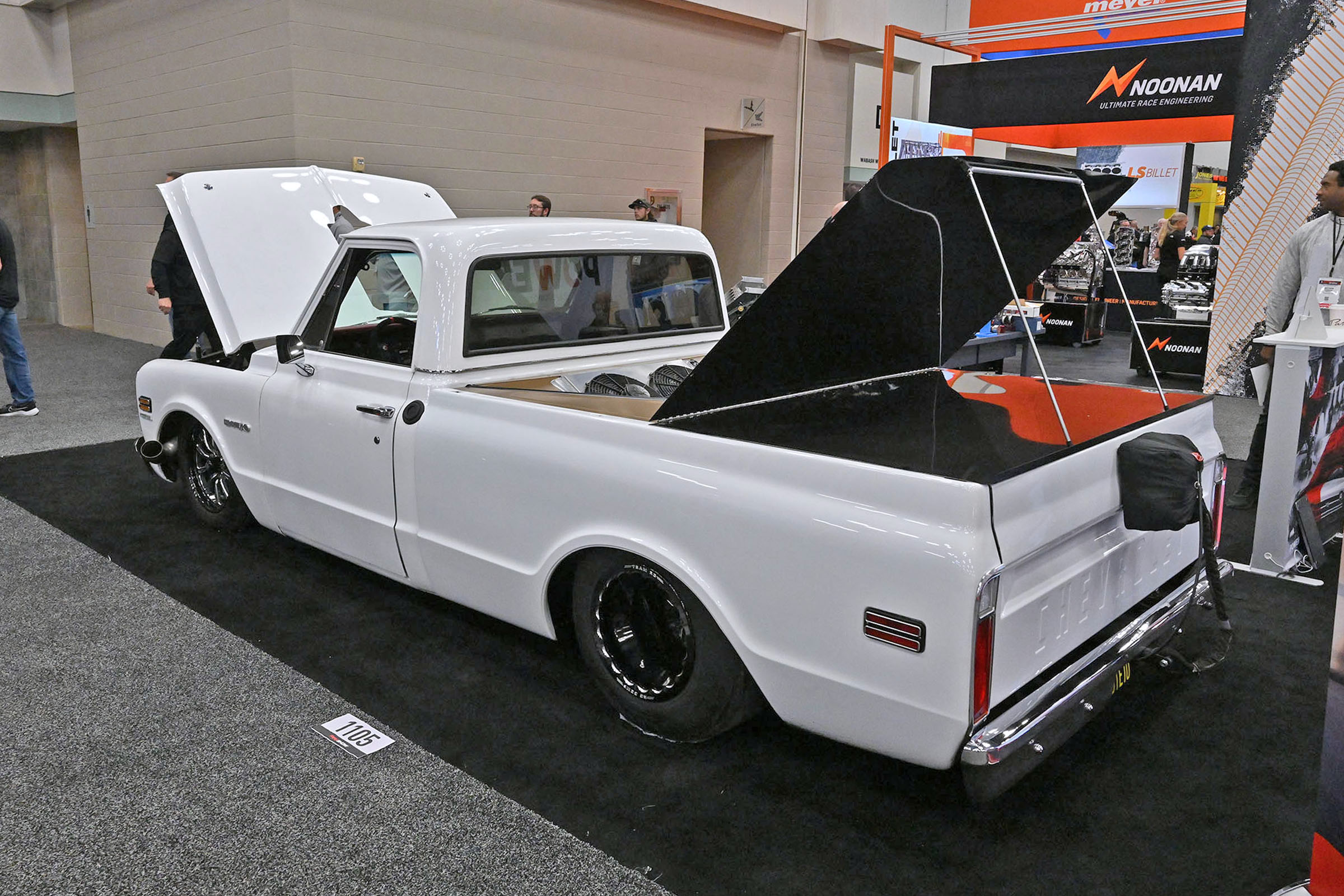
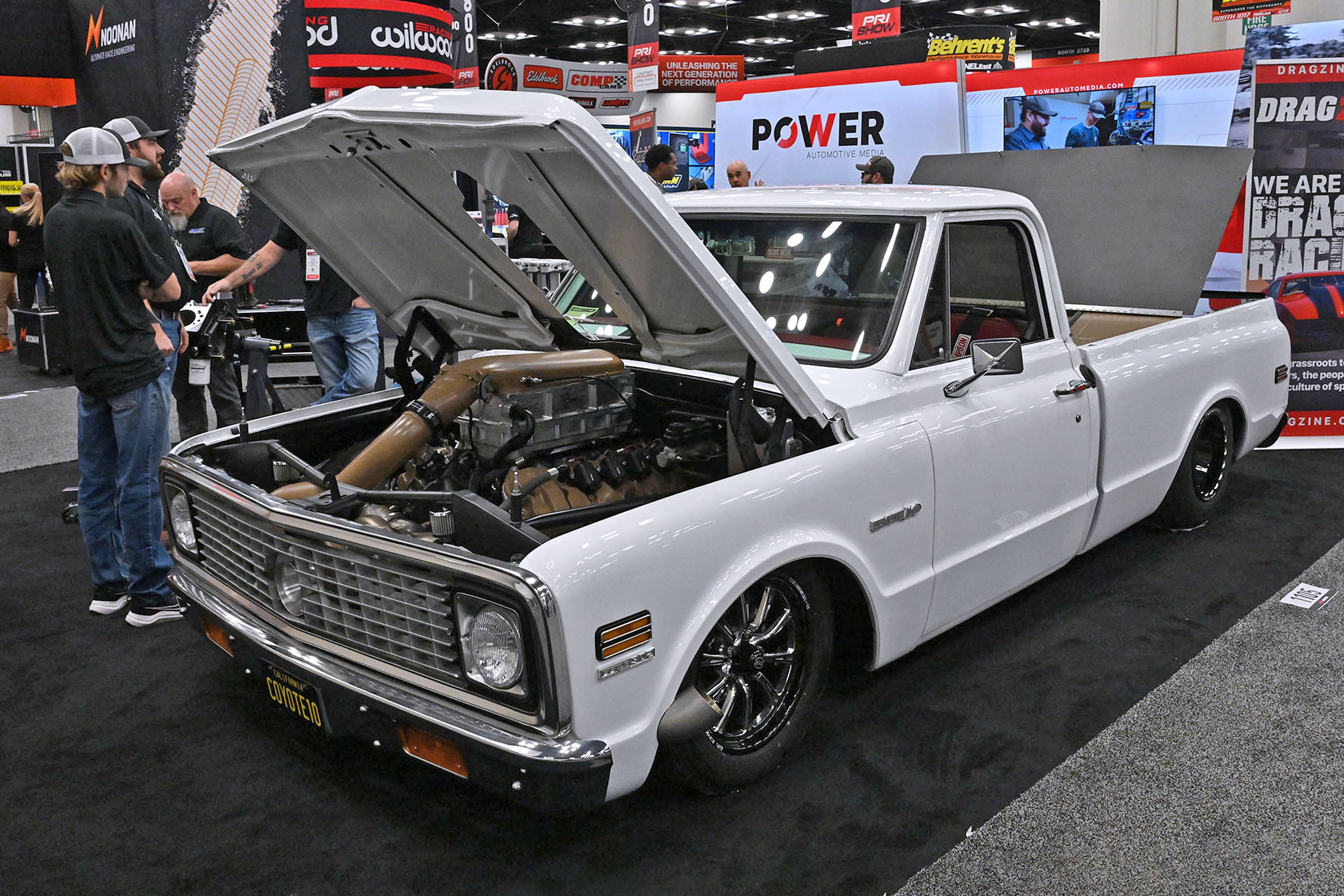
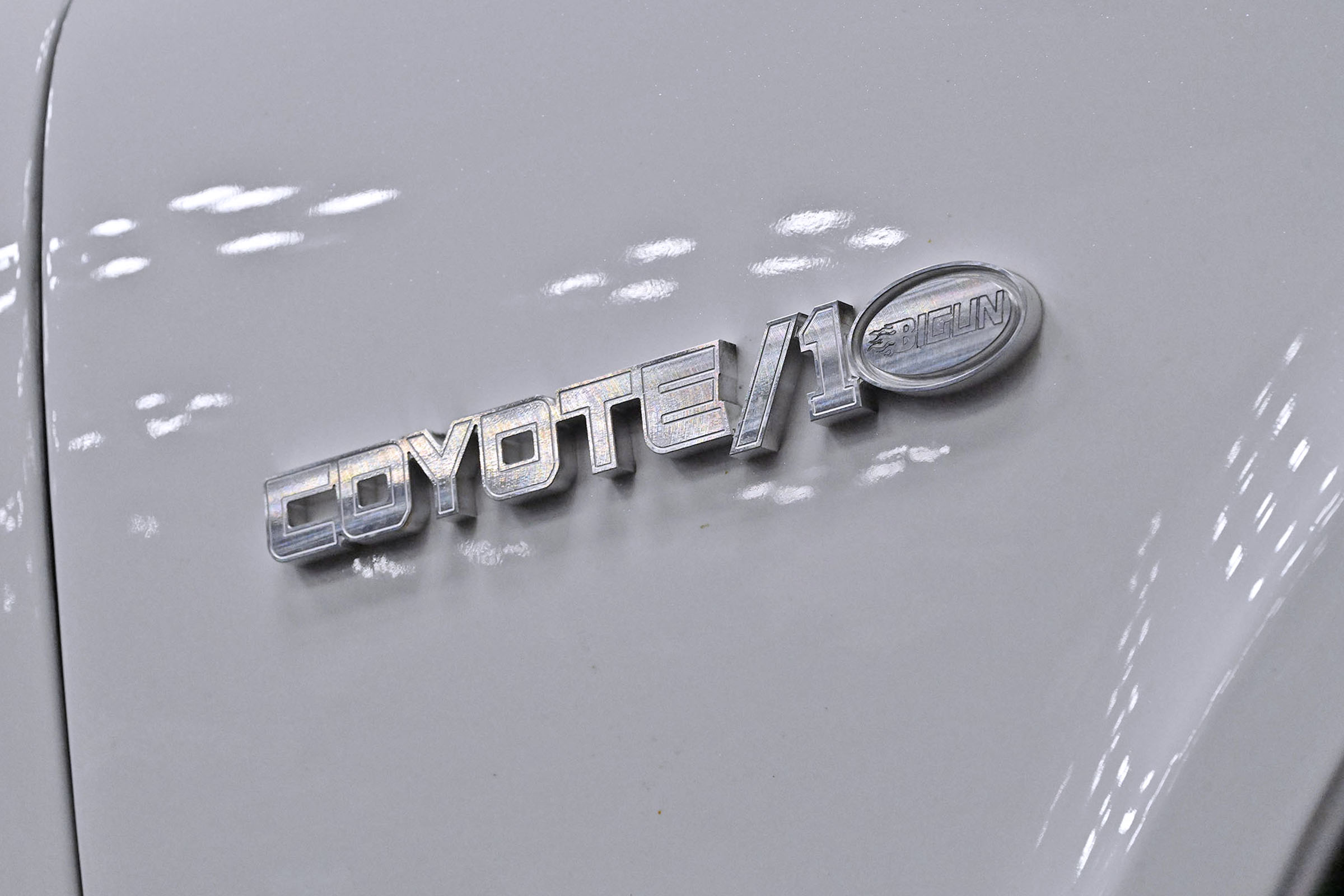
The Horsepower Wars C10 stopped PRI 2025 visitors dead in their tracks—and for good reason. This isn’t a truck that plays by brand loyalty rules. A 1972 Chevy C10 packing a 1,400hp turbo Gen 3 Ford Coyote, it wears that contradiction like a badge of honor. Finished in deep pearl white with a killer stance on slicks, this C10 looks clean, modern, and purposeful from every angle. No cartoonish add-ons, no gimmicks—just a laser-focused drag-and-drive machine that wears a bowtie while thinking like a Mustang.

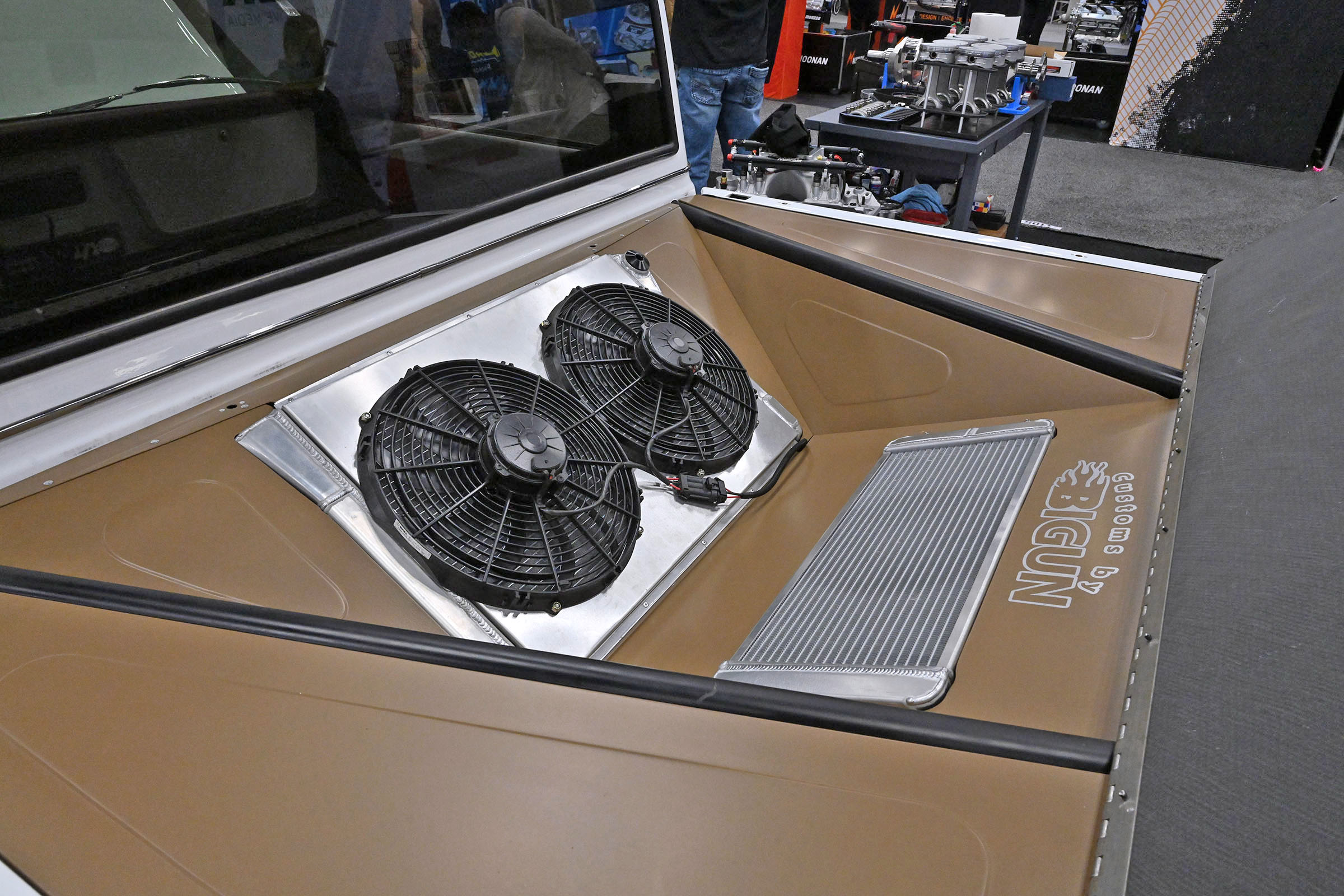
Under the hood, the message gets even louder. The turbocharged Gen 3 Coyote isn’t just powerful—it’s a statement in today’s horsepower arms race. Holley management equipment, a meticulously laid-out engine bay, and zero visual clutter make it clear every detail was intentional. The madness carries through to the front end with a rear-mounted radiator, carbon fiber touches, and a dialed suspension setup featuring RC Comp Hammer-S fronts and Impulse rears—race-first thinking at every turn.
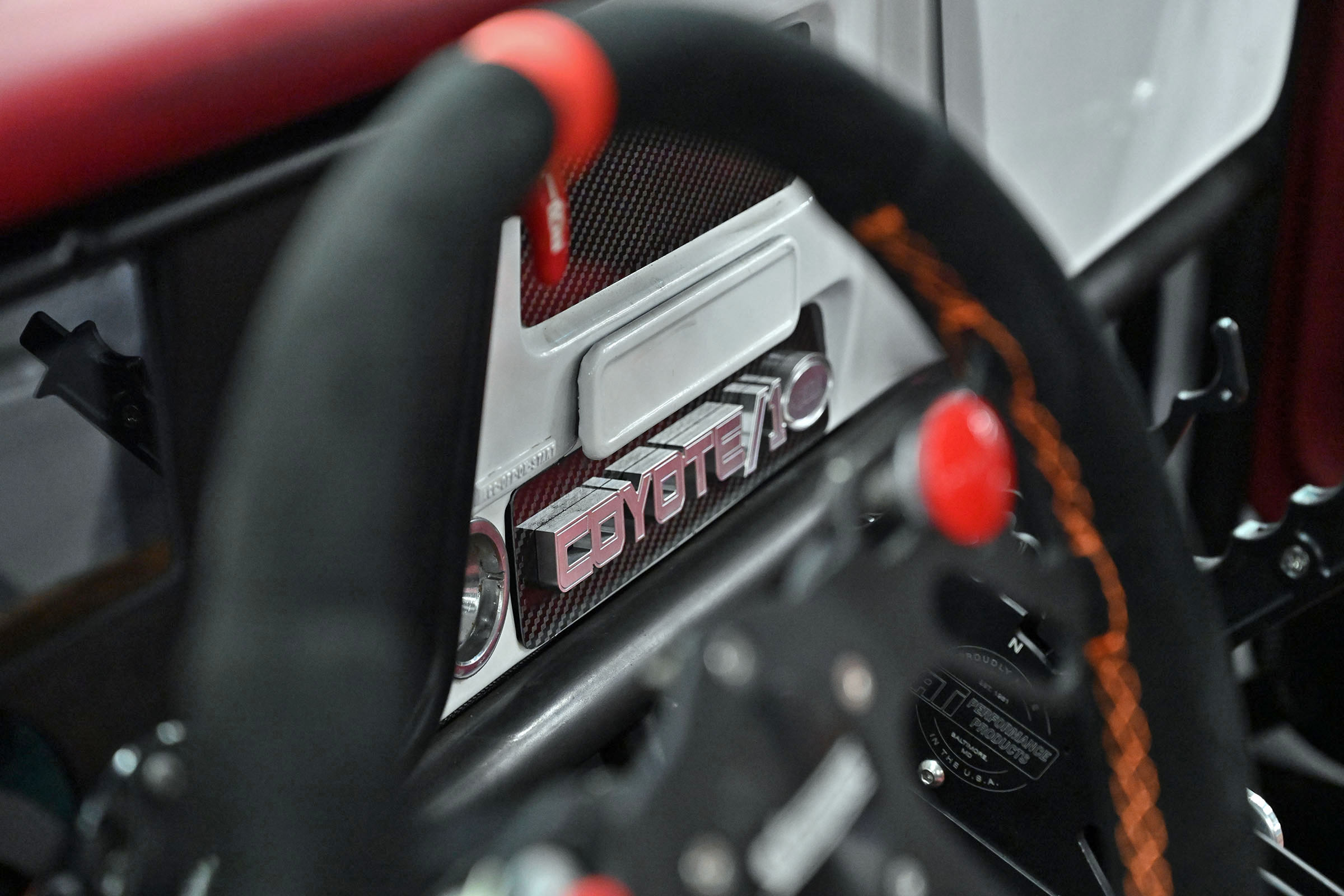
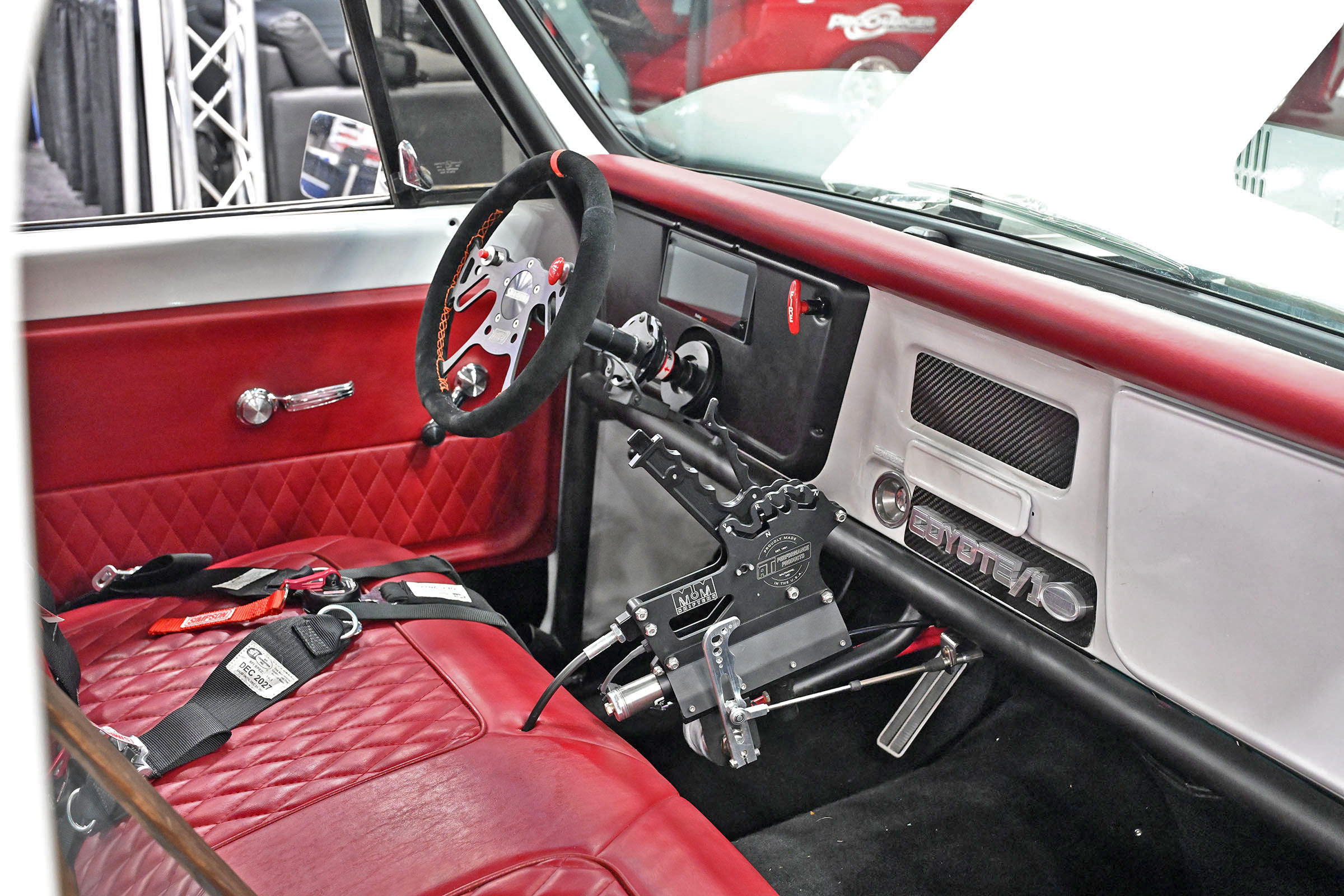
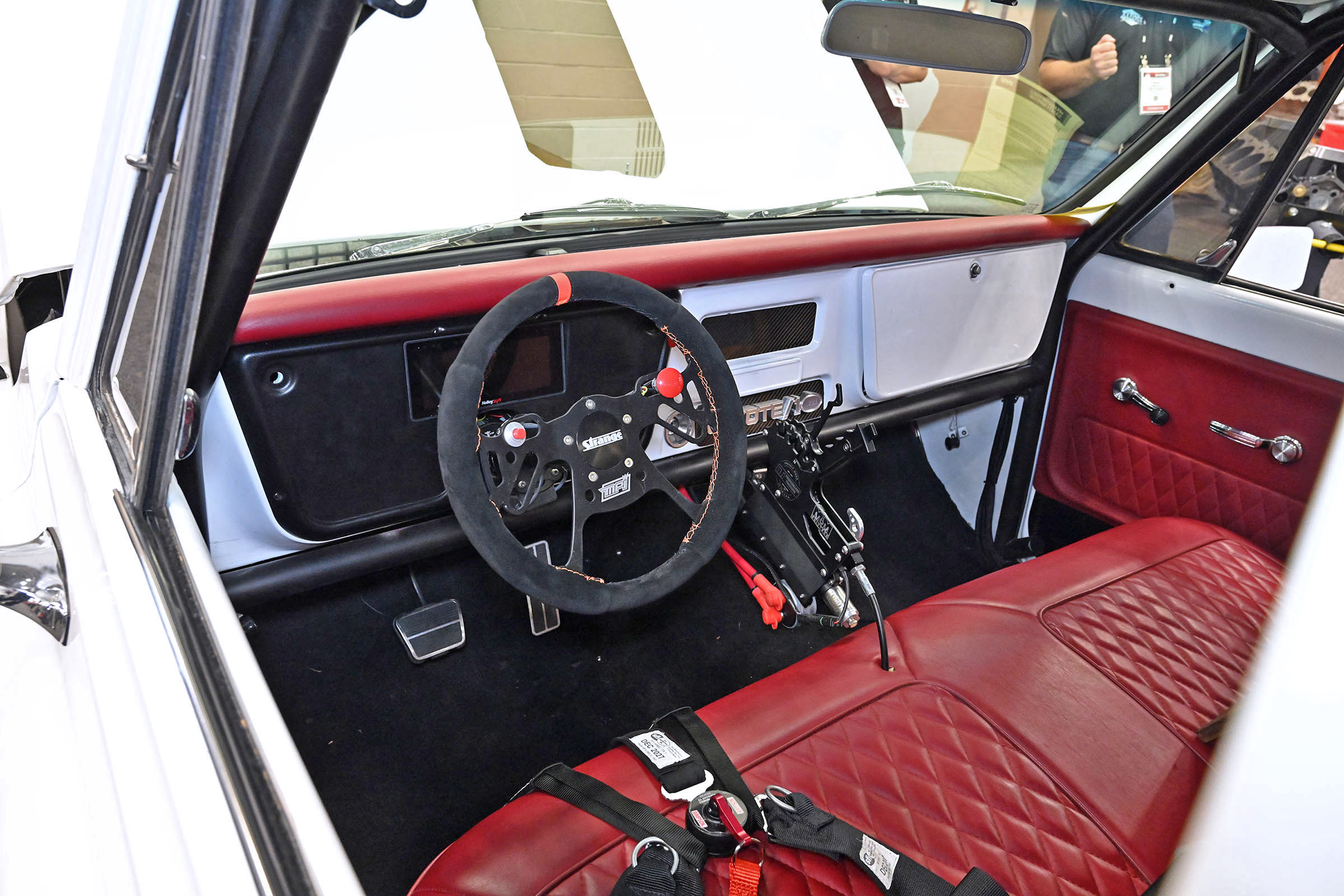
Inside, the C10 backs up the performance with a clean, modern interior anchored by a Holley digital dash and subtle Coyote branding, signaling this swap wasn’t an afterthought—it’s the point. Built by Customs by Bigun, led by Eric Yost out of Mooresville, NC, this Coyote 10 wasn’t just a crowd magnet at PRI Indy—it was the ultimate drag-and-drive showstopper.
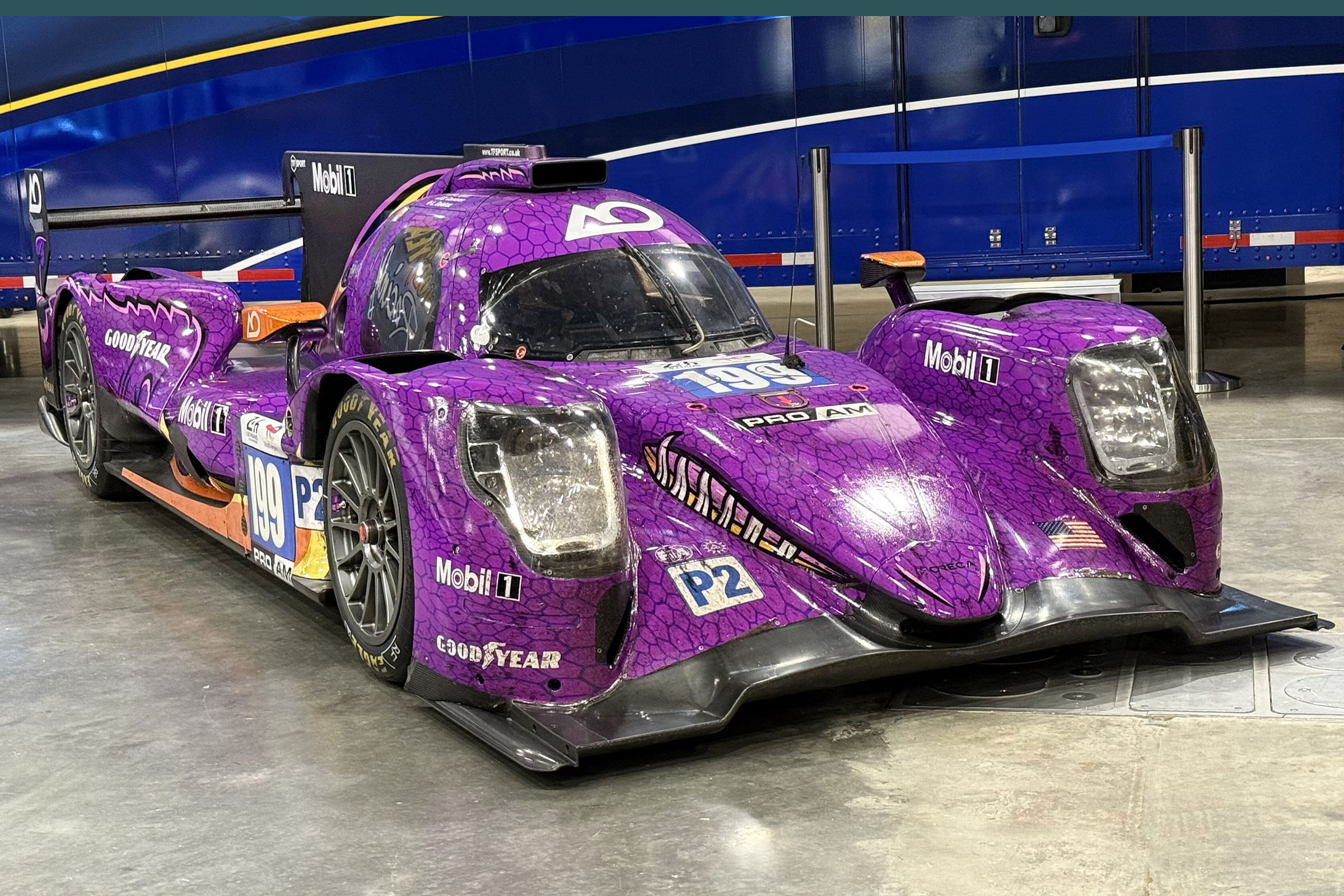
What sets this truck apart from the sea of LS-swapped trucks is confidence. Confidence to cross party lines. Confidence to chase reliability, rpm, and modern power delivery over tradition. Whether you’re a diehard Chevy fan or a Blue Oval loyalist, the Horsepower Wars C10 makes one thing undeniable: it’s winning the argument, and giving everyone a glimpse at where high-horsepower builds are headed next.
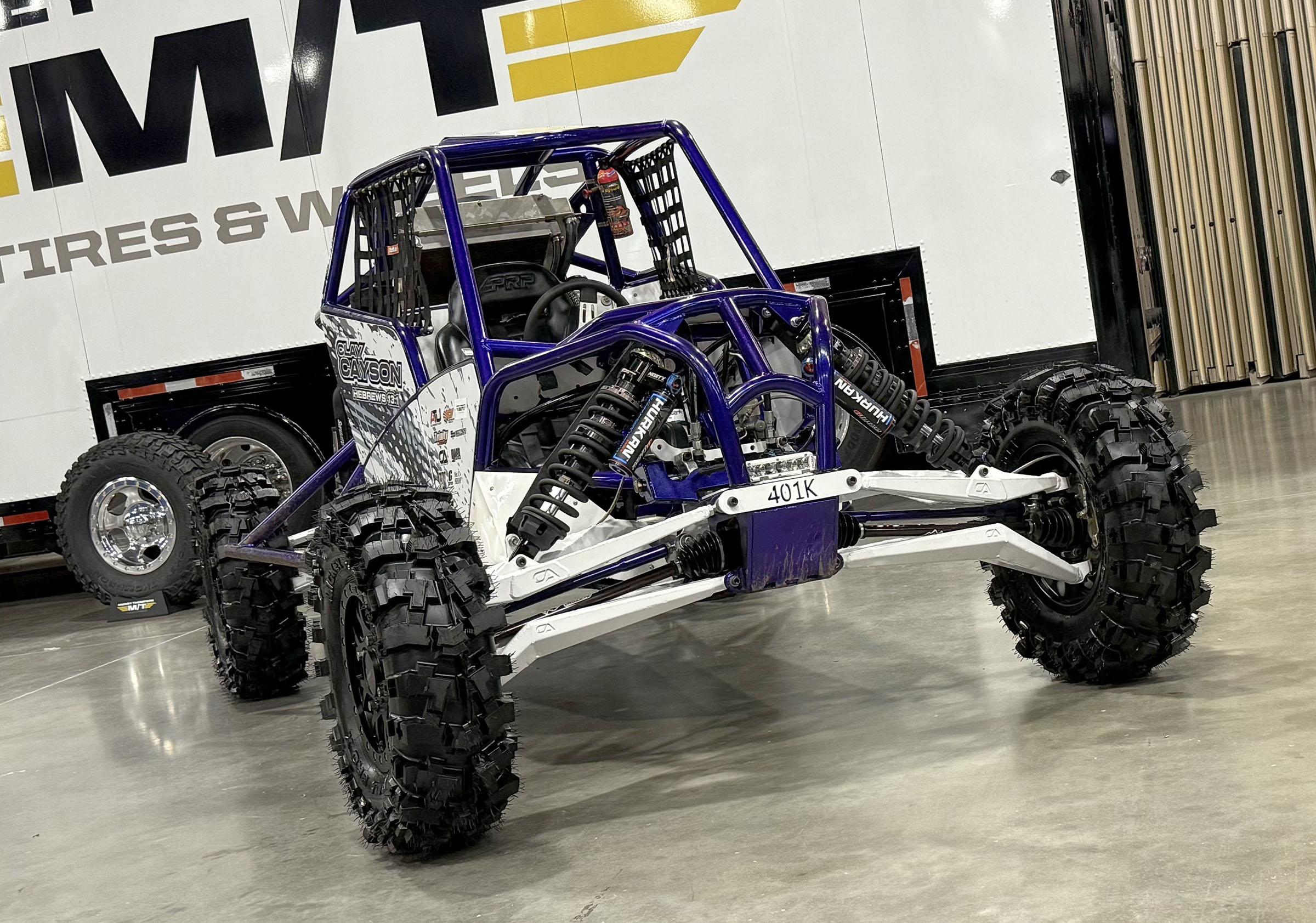
1990 Nissan Patrol Y60

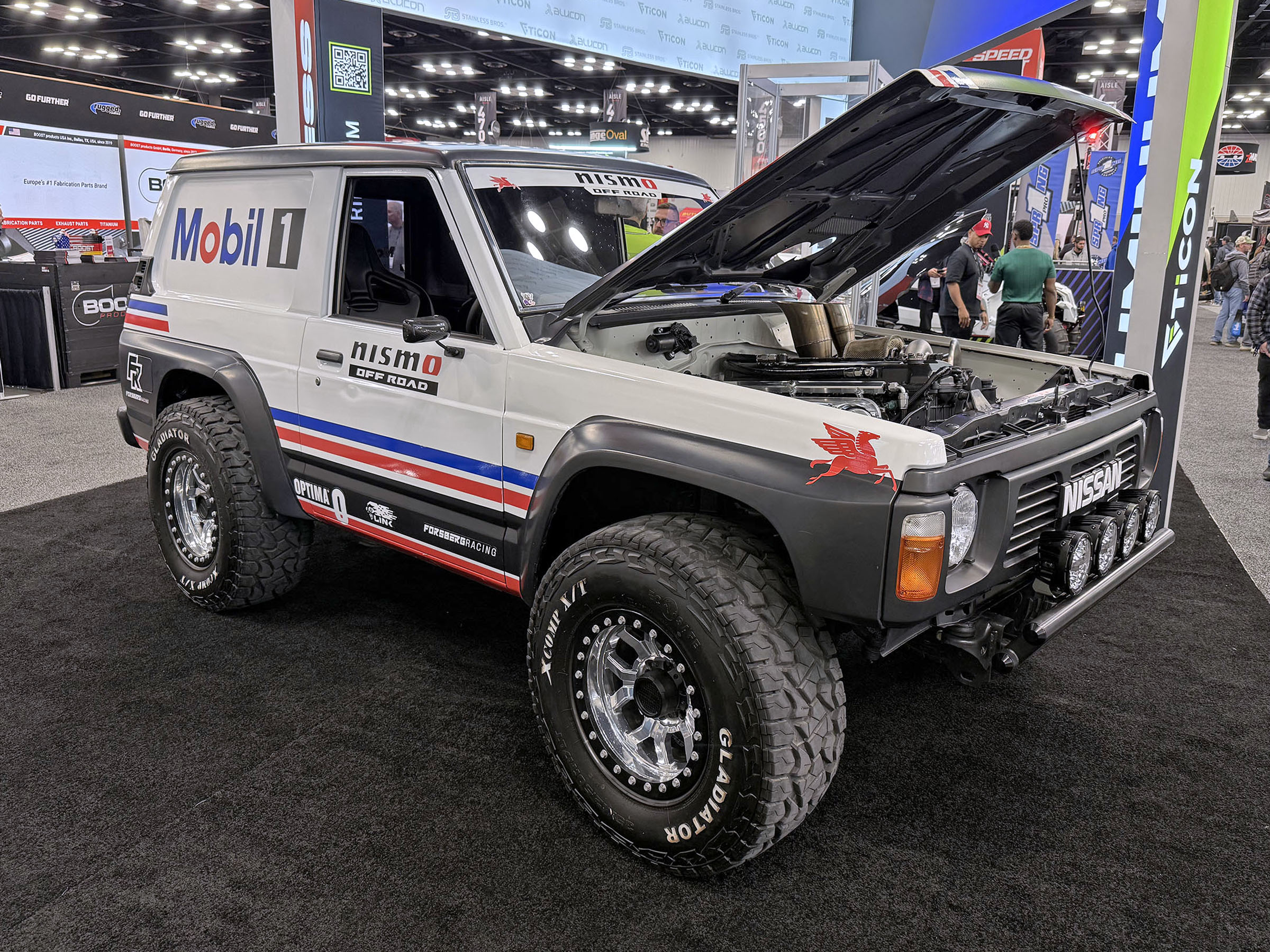
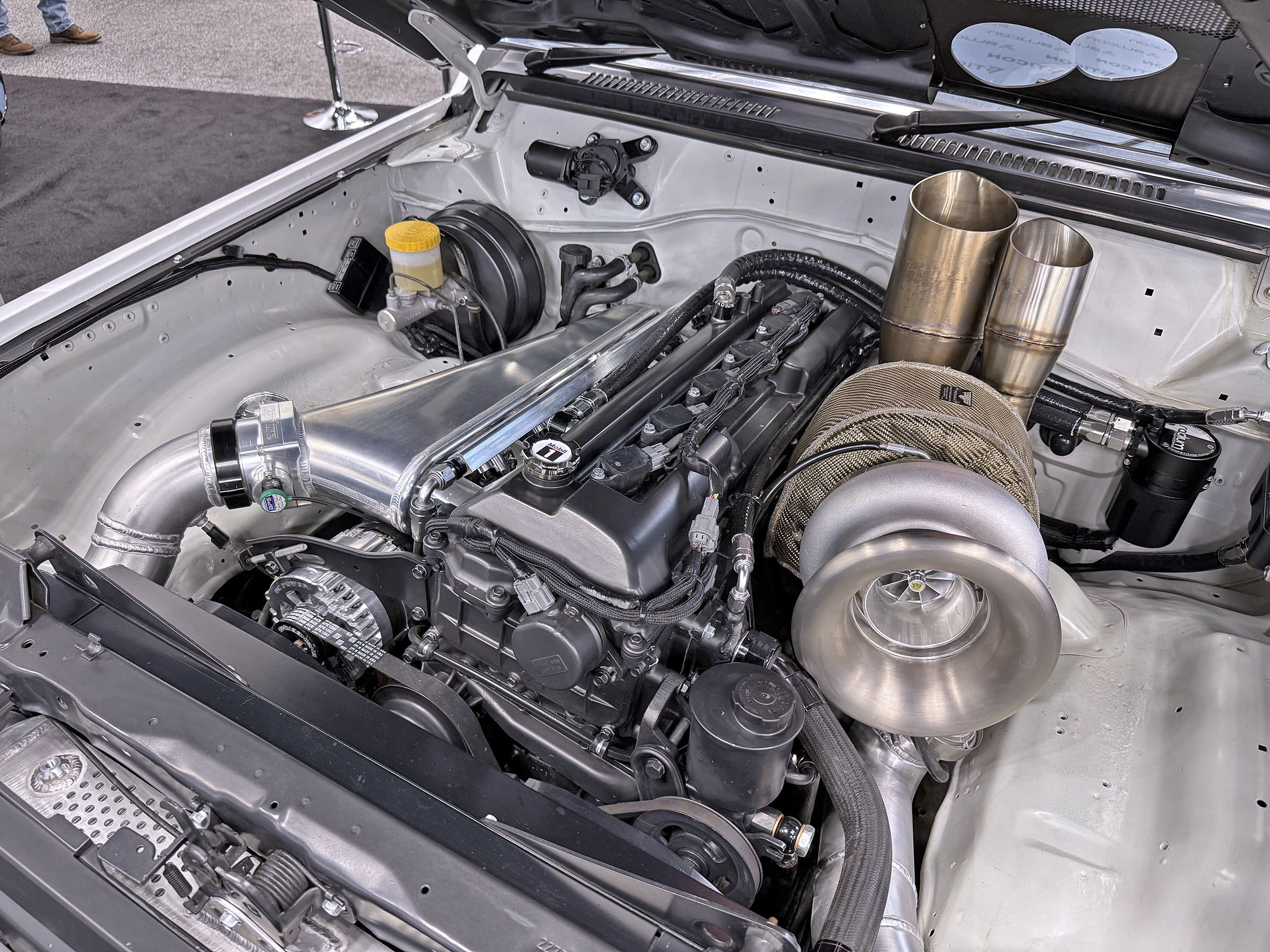
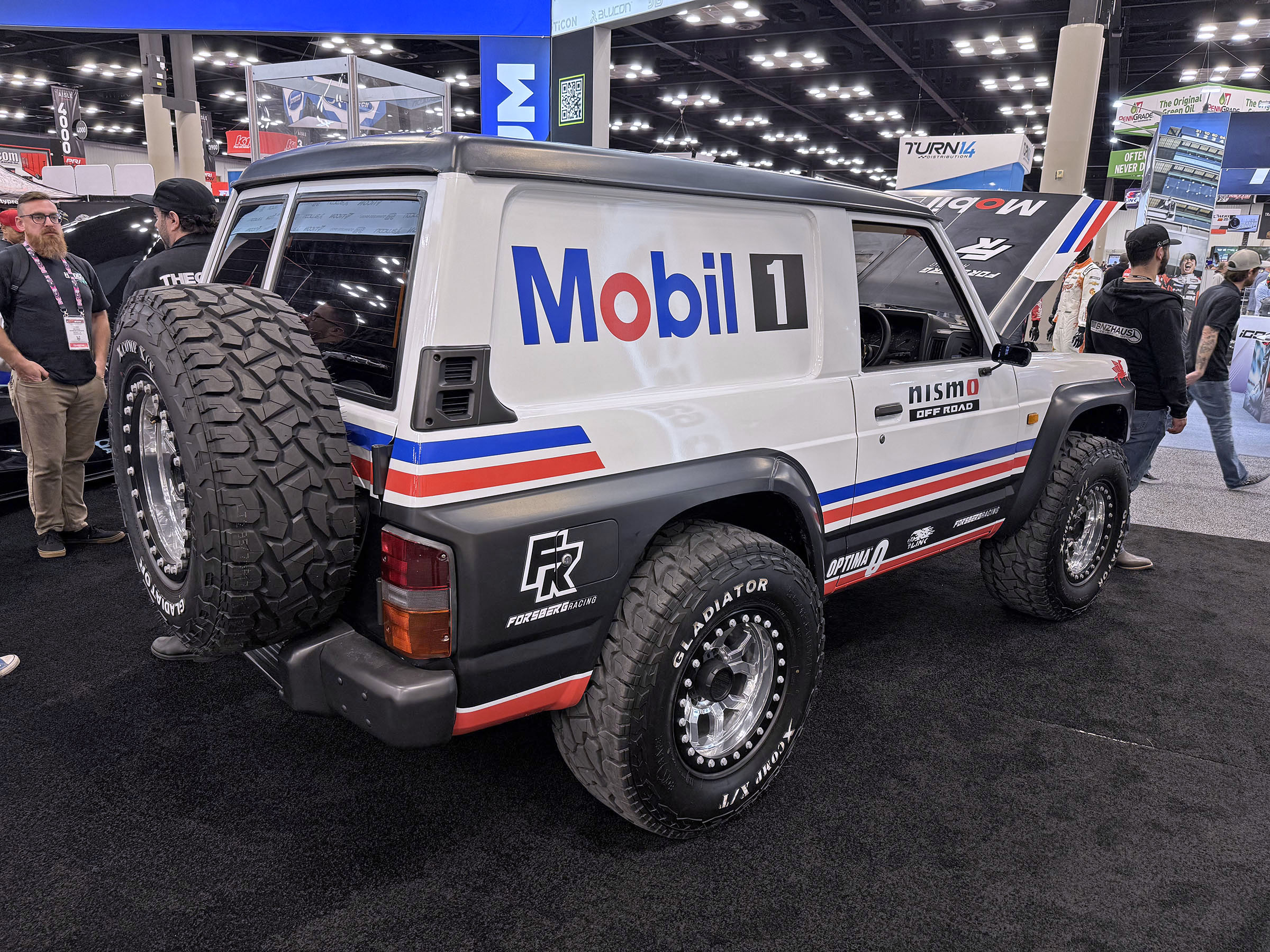
The Fosberg Racing Nissan Patrol Y60 is the kind of build that quietly flexes… right up until it absolutely doesn’t. At first glance, it still looks like a classic two-door 1990 Patrol—boxy, upright, and unapologetically utilitarian. But look closer and the intent becomes clear. NISMO off-road suspension, 17-inch beadlocks wrapped in 35-inch Yokohamas, a Fosberg light bar stacked with NISMO LEDs, and a purposeful stance that says this thing was built to go deep into the dirt and come back faster than it left. It’s not flashy for the sake of it—this Patrol wears its performance like a tool, not a trophy.

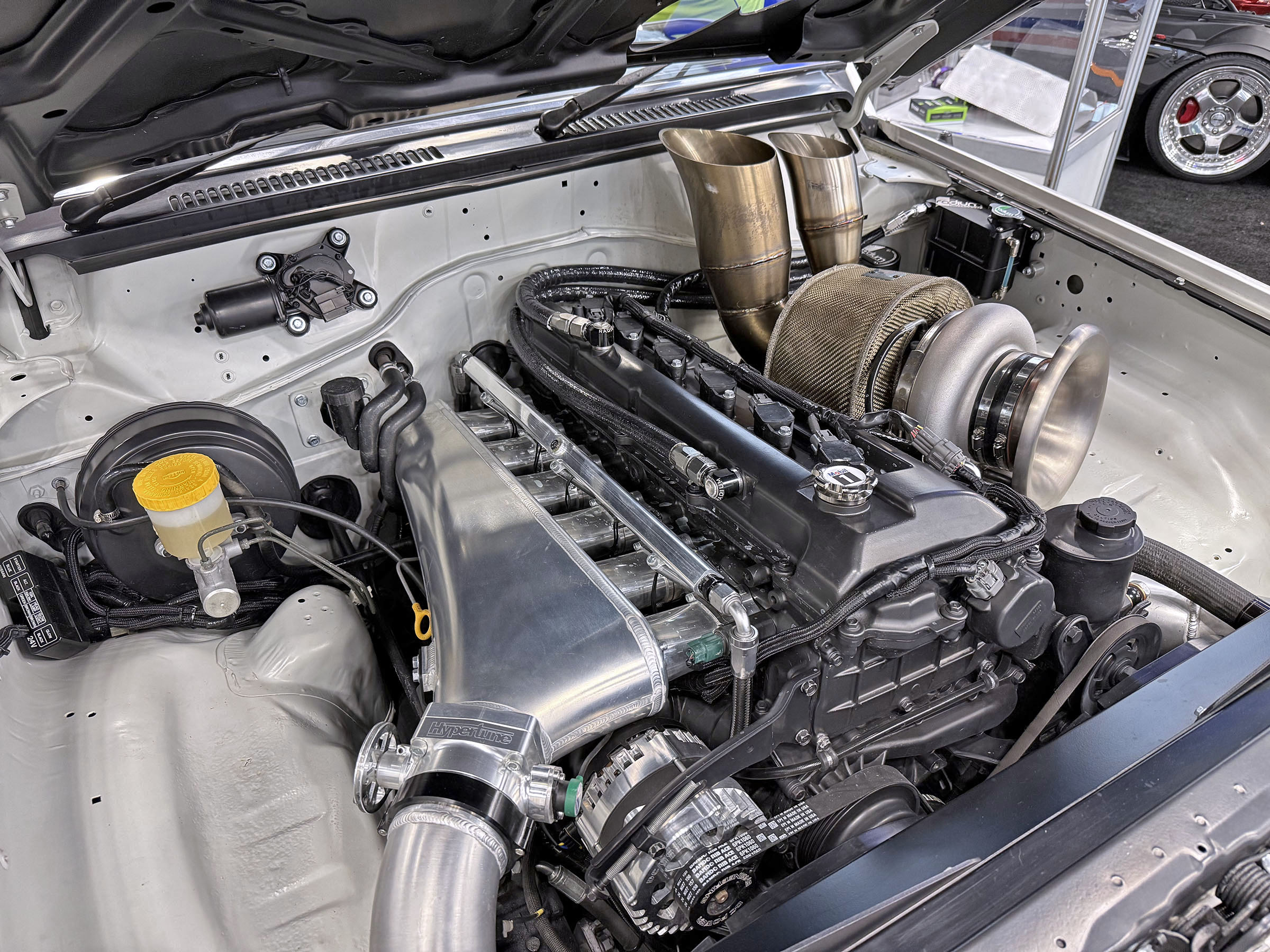
Then there’s the part that really breaks people’s brains: 1,000 horsepower from a straight-six—and it’s not an RB. Fosberg ditched the predictable Skyline route and doubled down on the Patrol’s own TB48 4.8-liter inline-six, a massive iron workhorse that started life making a modest 248 hp. Now it’s force-fed by a Garrett G42-1200 turbo, breathing through a fully reworked intake, intercooler, and modern engine management, and sending all that fury through a manual transmission. Even better? It still feeds a transfer case, meaning this monster can send four-digit horsepower to all four wheels if you’re brave—or unhinged—enough.

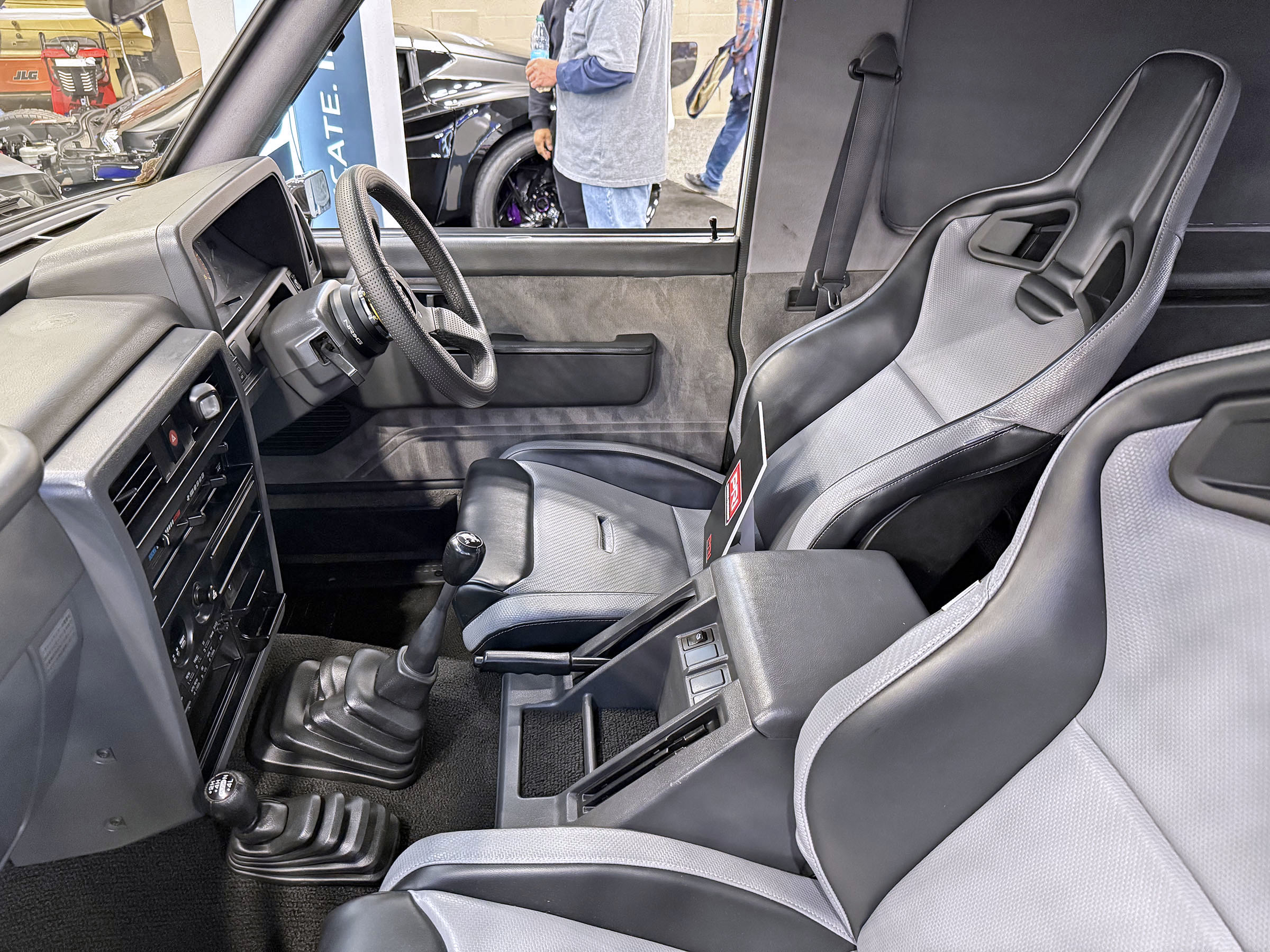
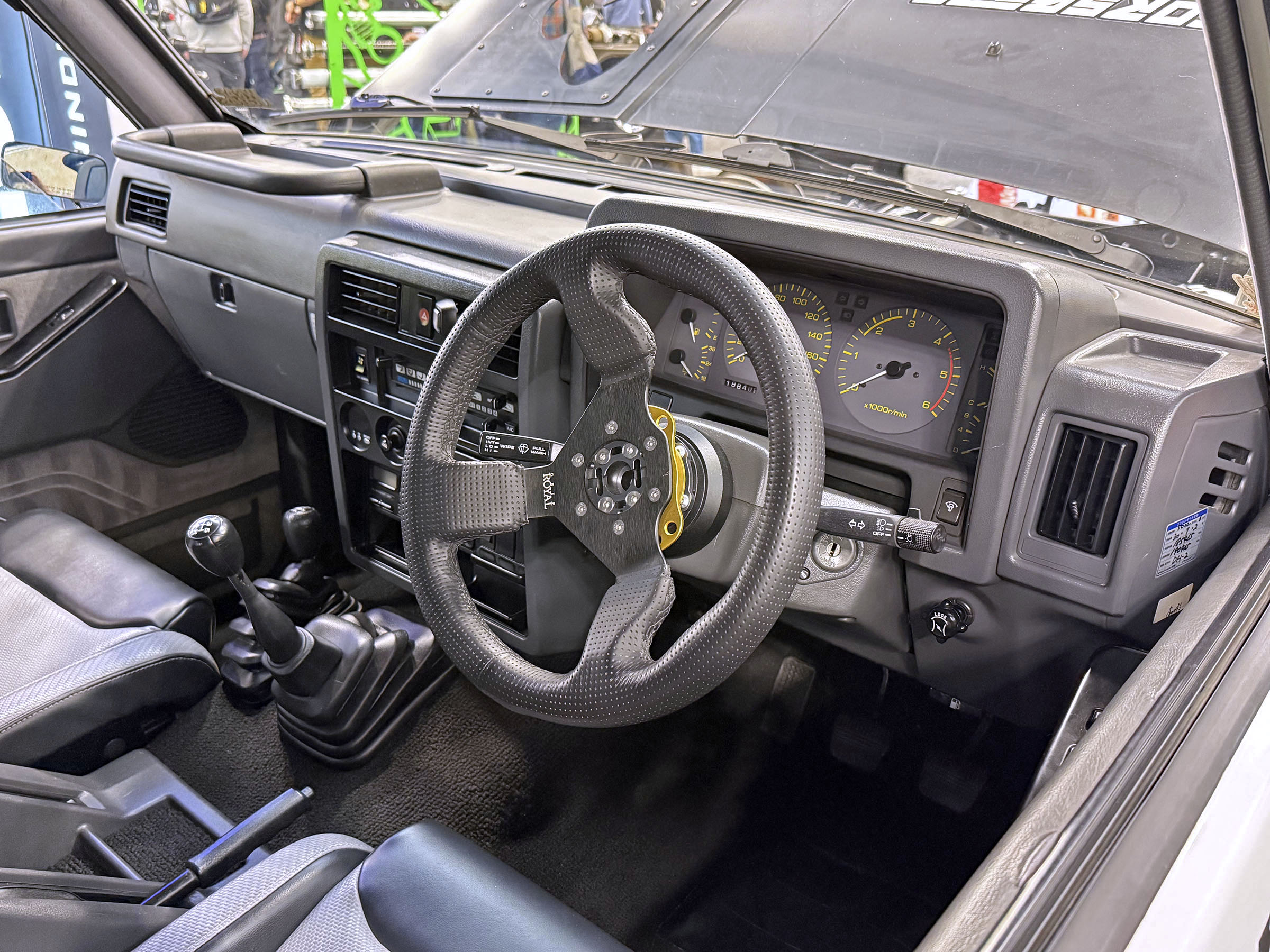
Unlike street-focused concepts chasing stance and shine, this Patrol is built for punishment. The Fosberg-tuned NISMO suspension with remote-reservoir shocks keeps it planted when the terrain turns hostile, while the interior strips things down to the essentials with Recaro seats and a quick-release OMP steering wheel. Wrapped in subtle motorsport livery and hiding behind covered windows, the Y60 Patrol feels more like a secret weapon than a showpiece. It’s proof that the future of high-horsepower builds doesn’t always come from the usual playbook—and sometimes the most dangerous engine isn’t a Skyline legend, but the one nobody saw coming.

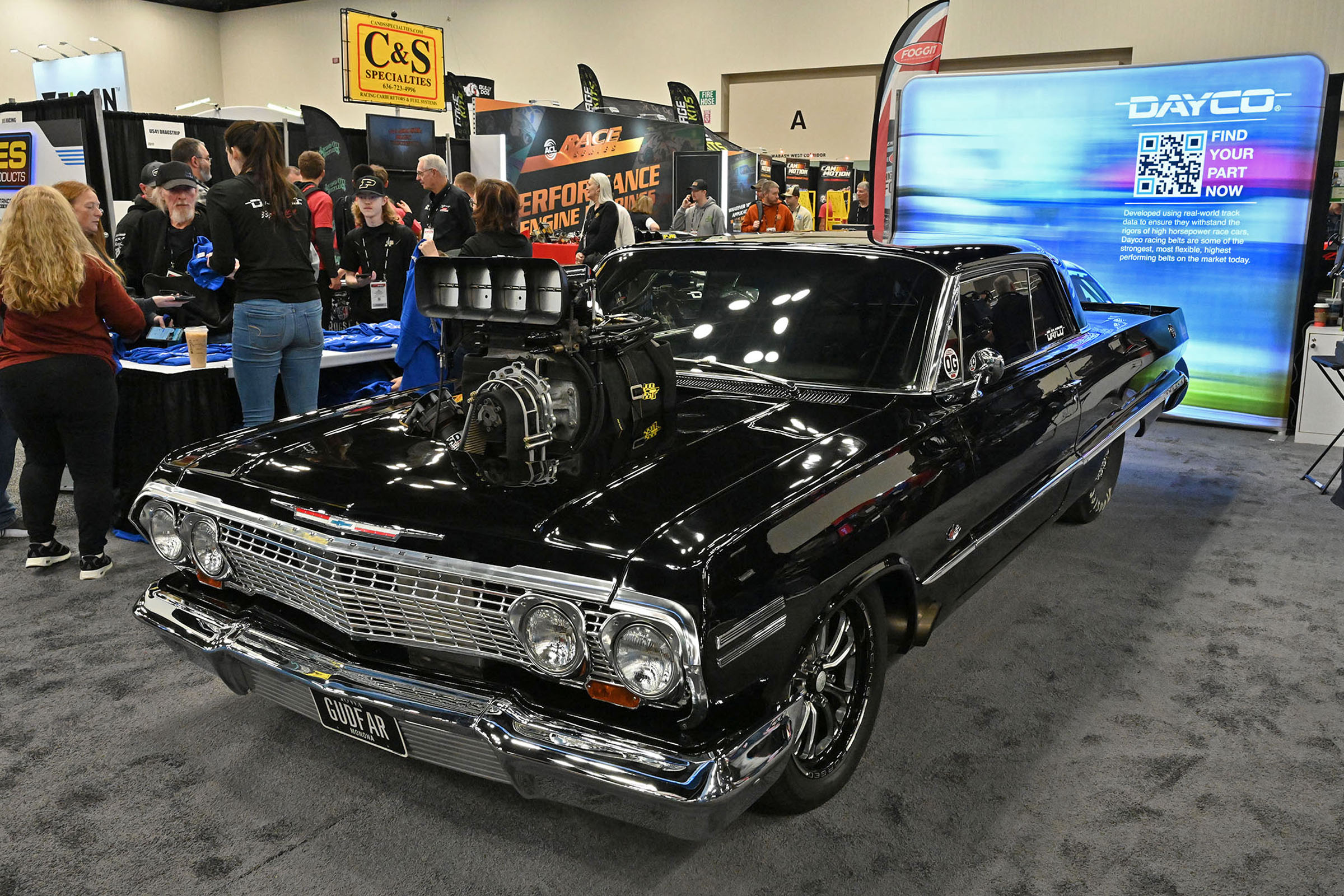
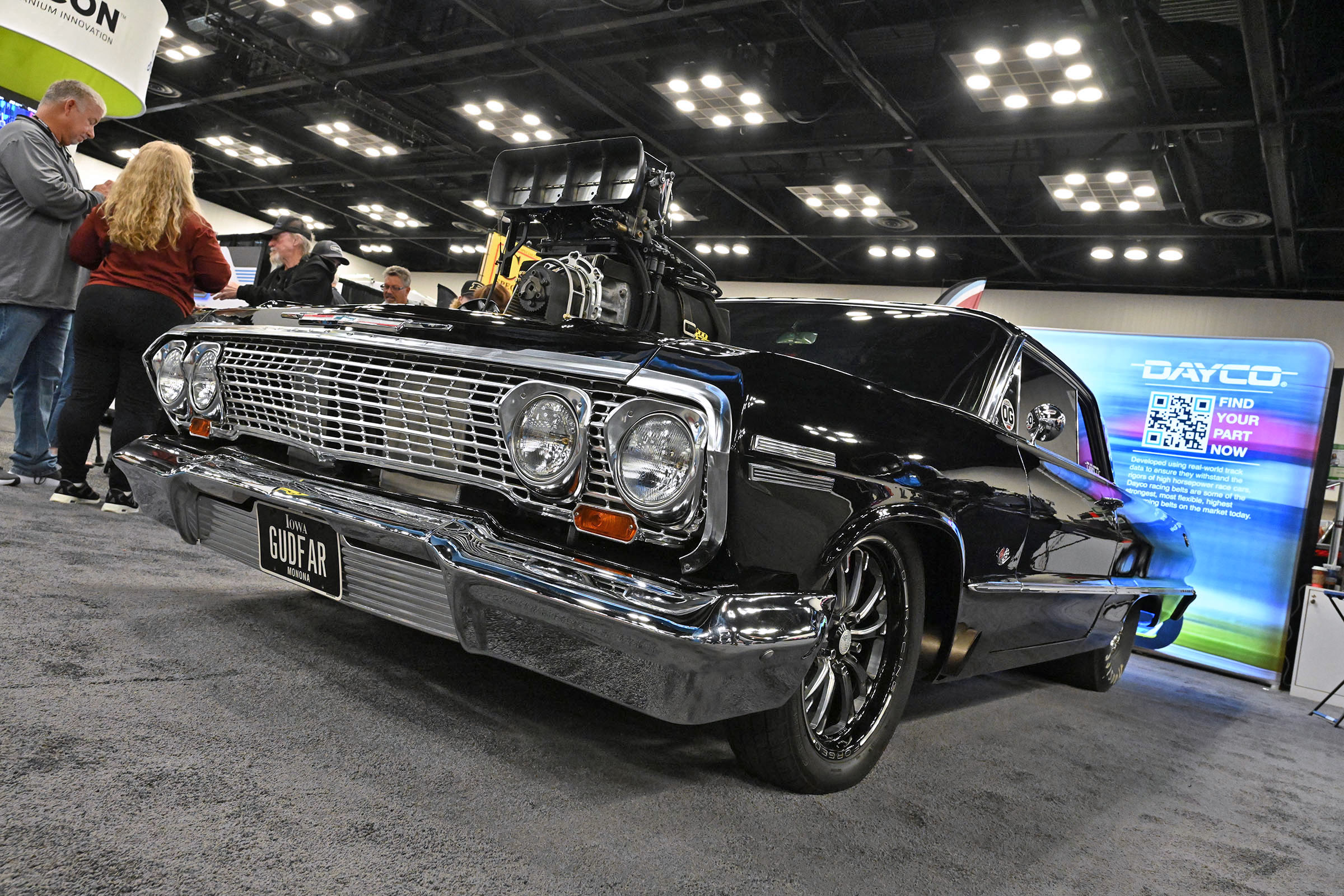
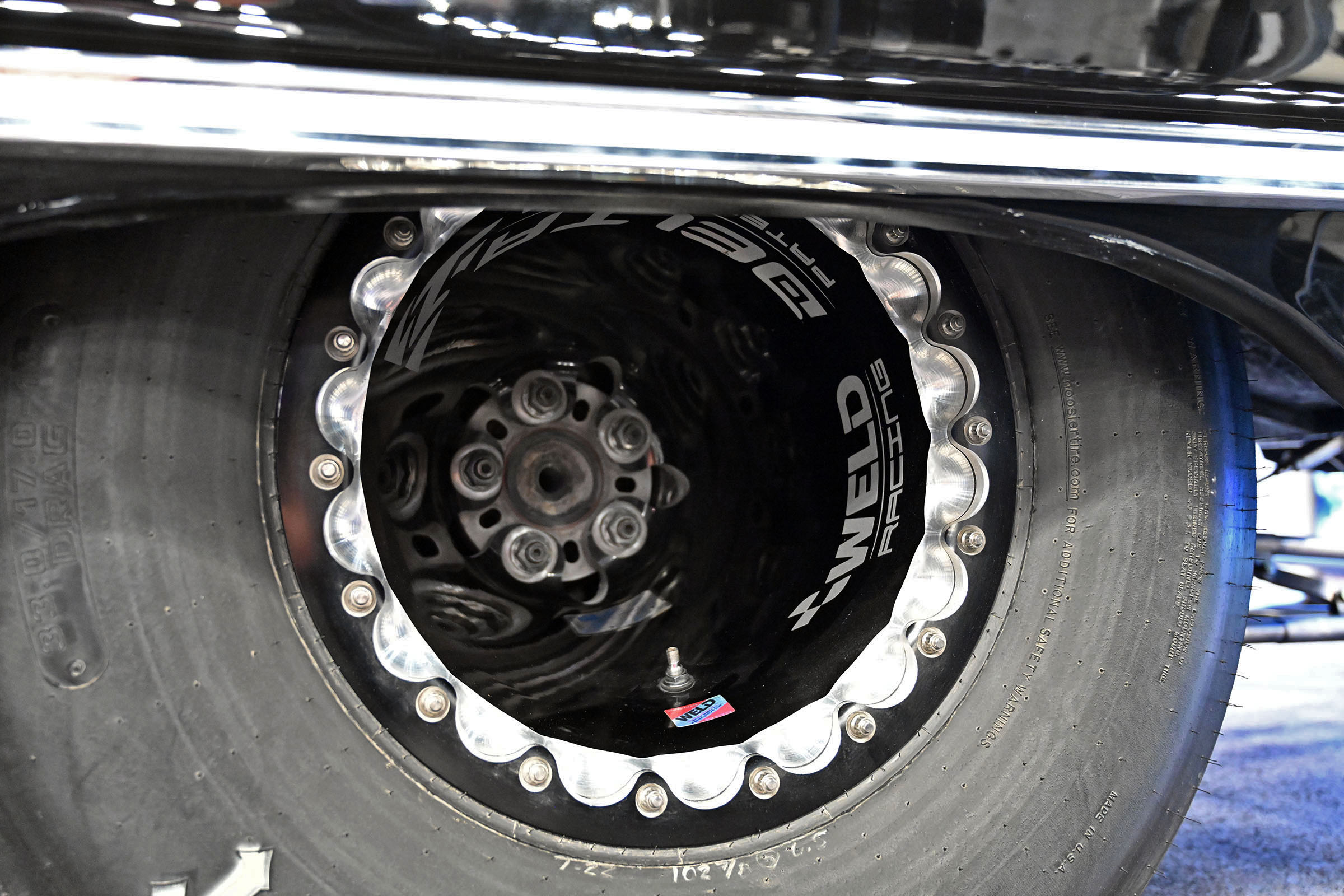
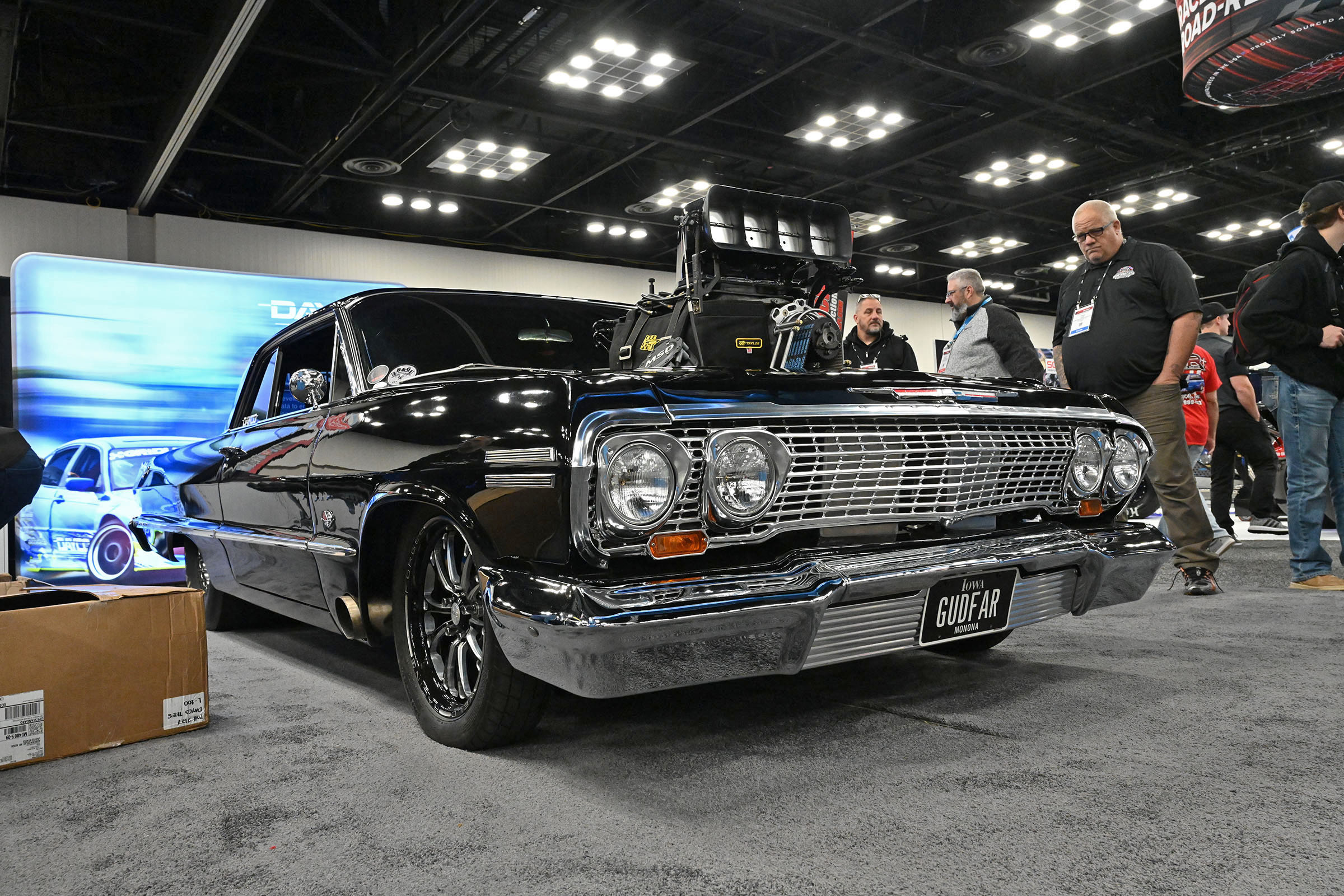
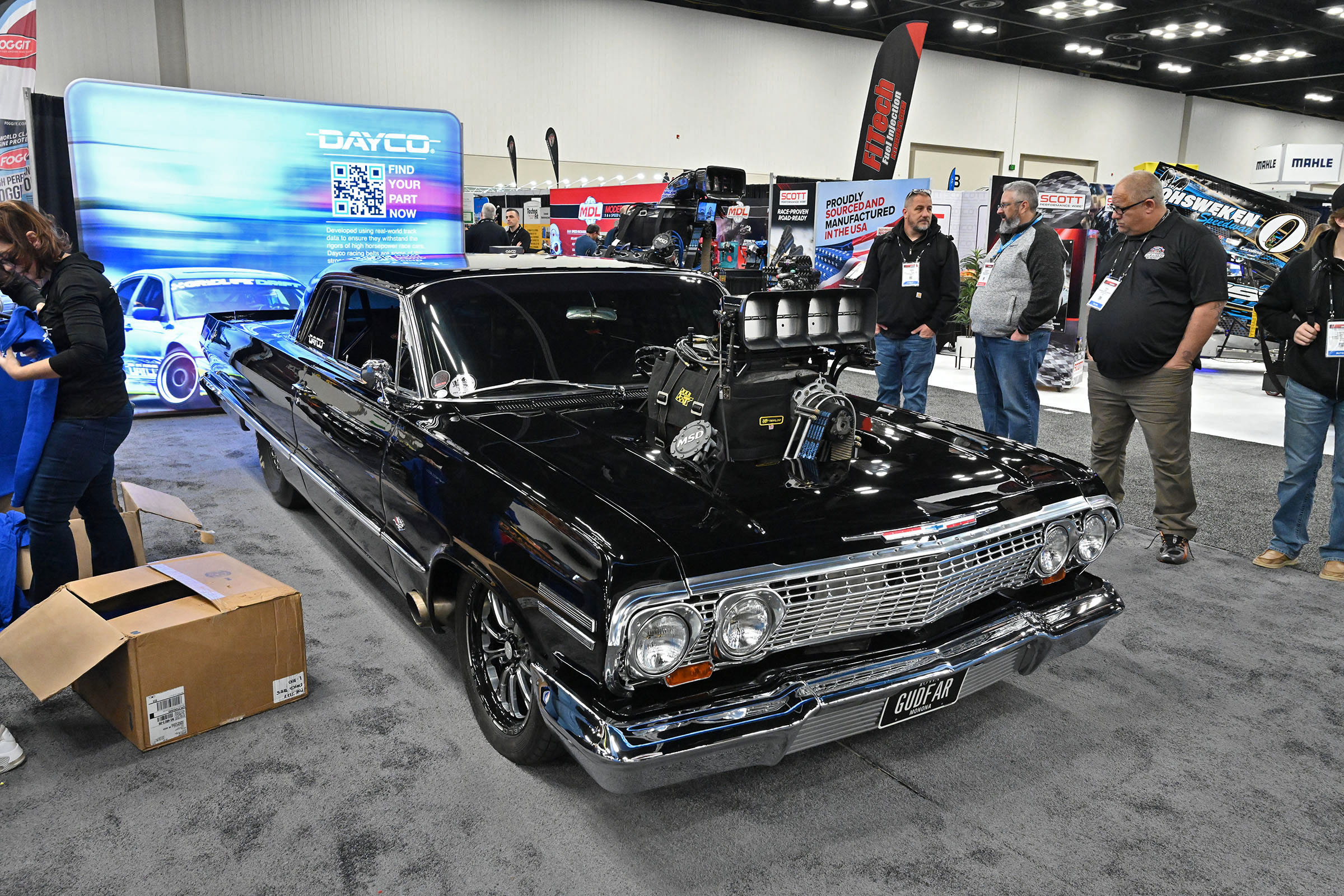
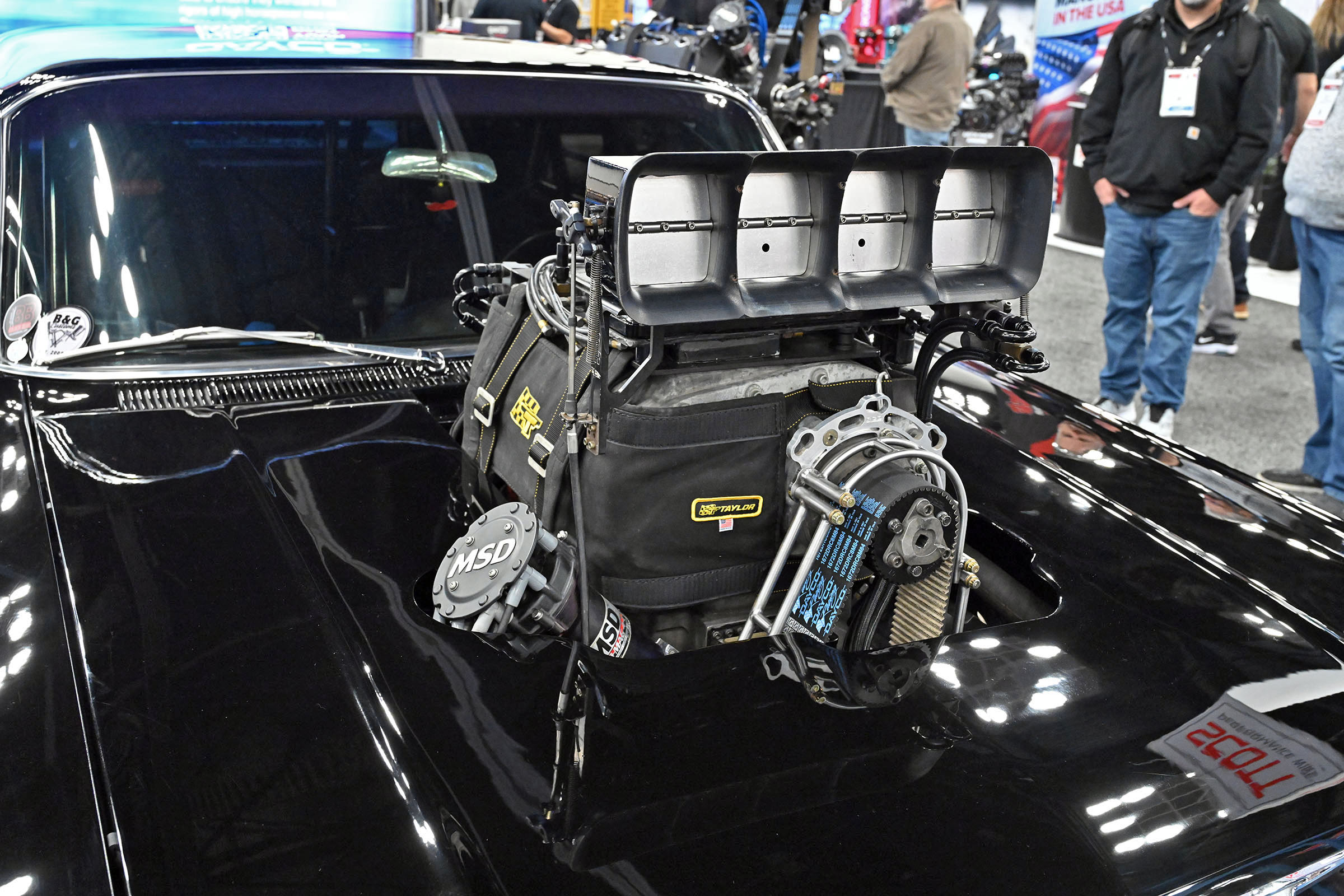
1963 Chevy Impala “The GUDFAR”

The all-steel, blown-Hemi 1963 Chevy Impala known as The GUDFAR is pure intimidation stretched across 19.5 feet of real American muscle. No carbon tricks. No fiberglass shortcuts. Just factory GM steel, real glass, an untouched dash, and an Impala body that still looks like it rolled straight out of 1963—until it leaves the line like a missile that forgot how to go straight. Long, low, and unapologetically massive, The GUDFAR has the presence of an aircraft carrier and the attitude of a bar fight. It’s street-legal in Nebraska, which somehow makes it even more unhinged.

Under that endless hood is where things get downright criminal. A 540ci Hemi force-fed by a giant alcohol-burning Whipple screw blower cranks out roughly 2,700 horsepower to the tires—and it shows. The car doesn’t so much launch as wrestle the surface, clawing, skating, and hunting for traction every inch of the eighth mile. When it hooks, it’s terrifyingly fast. When it doesn’t, it’s even better to watch—bobbing, weaving, and bullying its way down track while still putting opponents on the trailer. Built in a home garage by Homewrecker Motorsports, The GUDFAR has zero manners, questionable grip, and a personality that borders on hostile. This isn’t a clean, calculated drag car—it’s a heavyweight street brawler that wins races while actively trying to misbehave, and that’s exactly what makes it unforgettable.

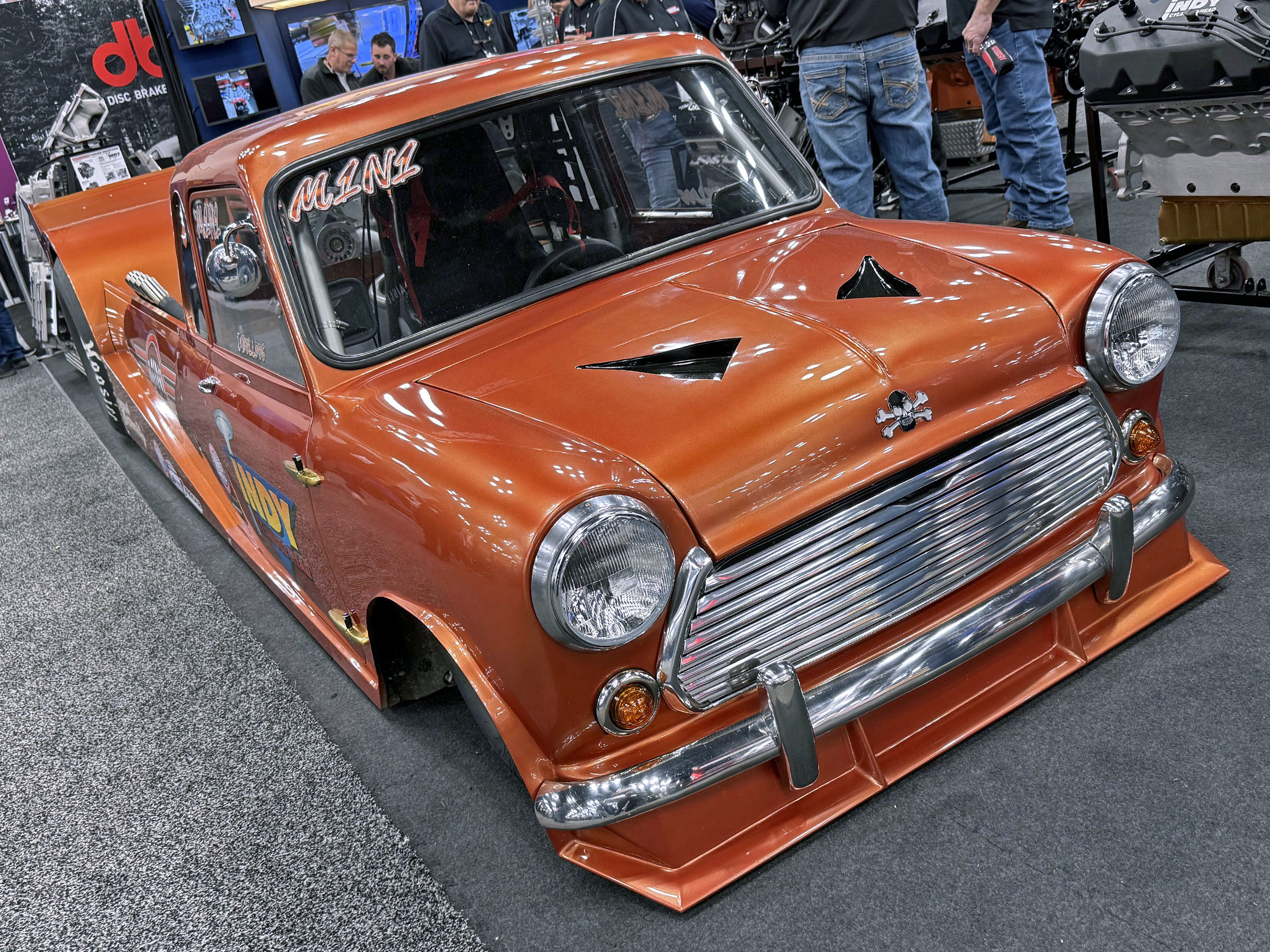
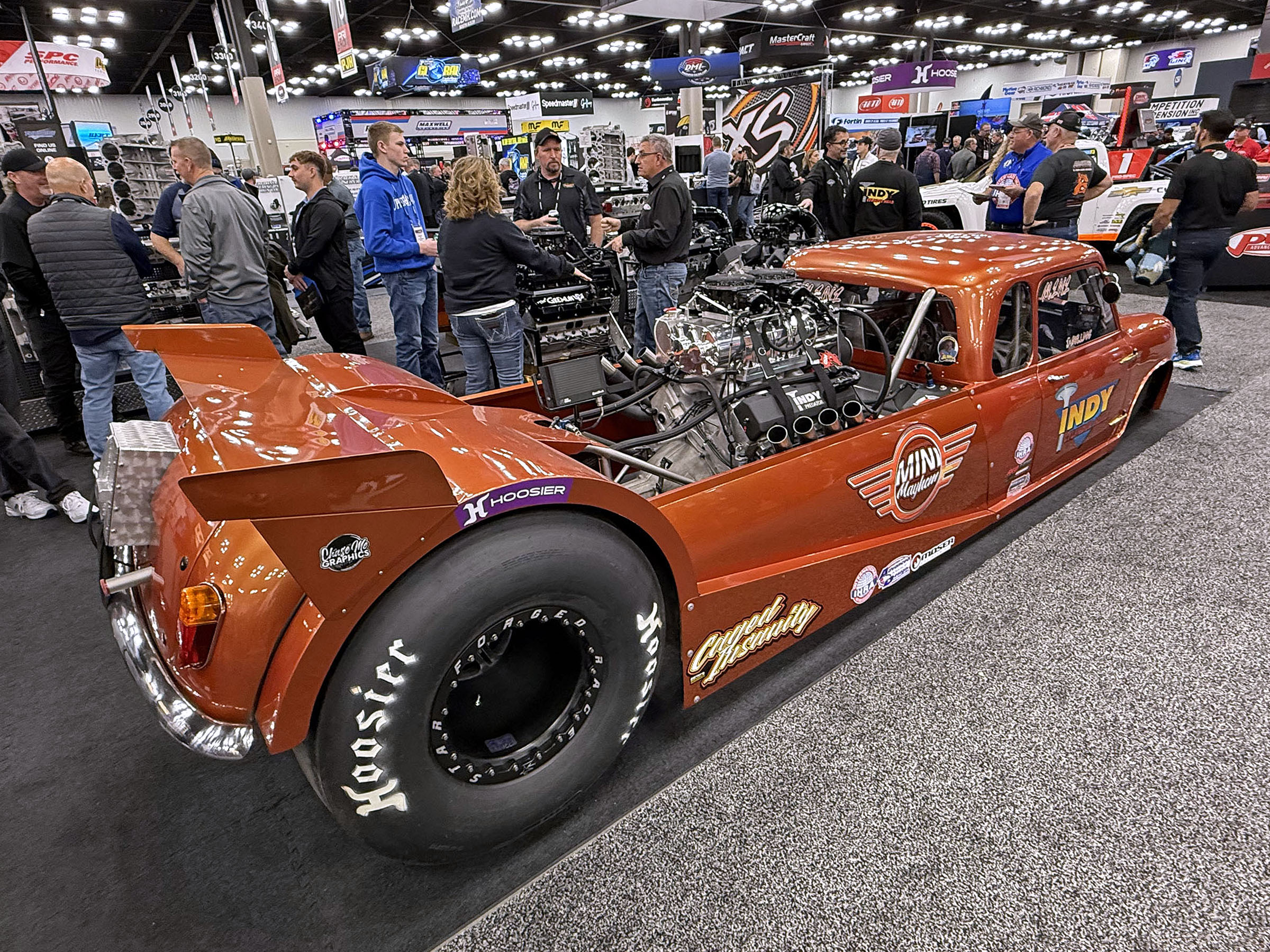
1961 Mini Cooper “Mini Mayhem”

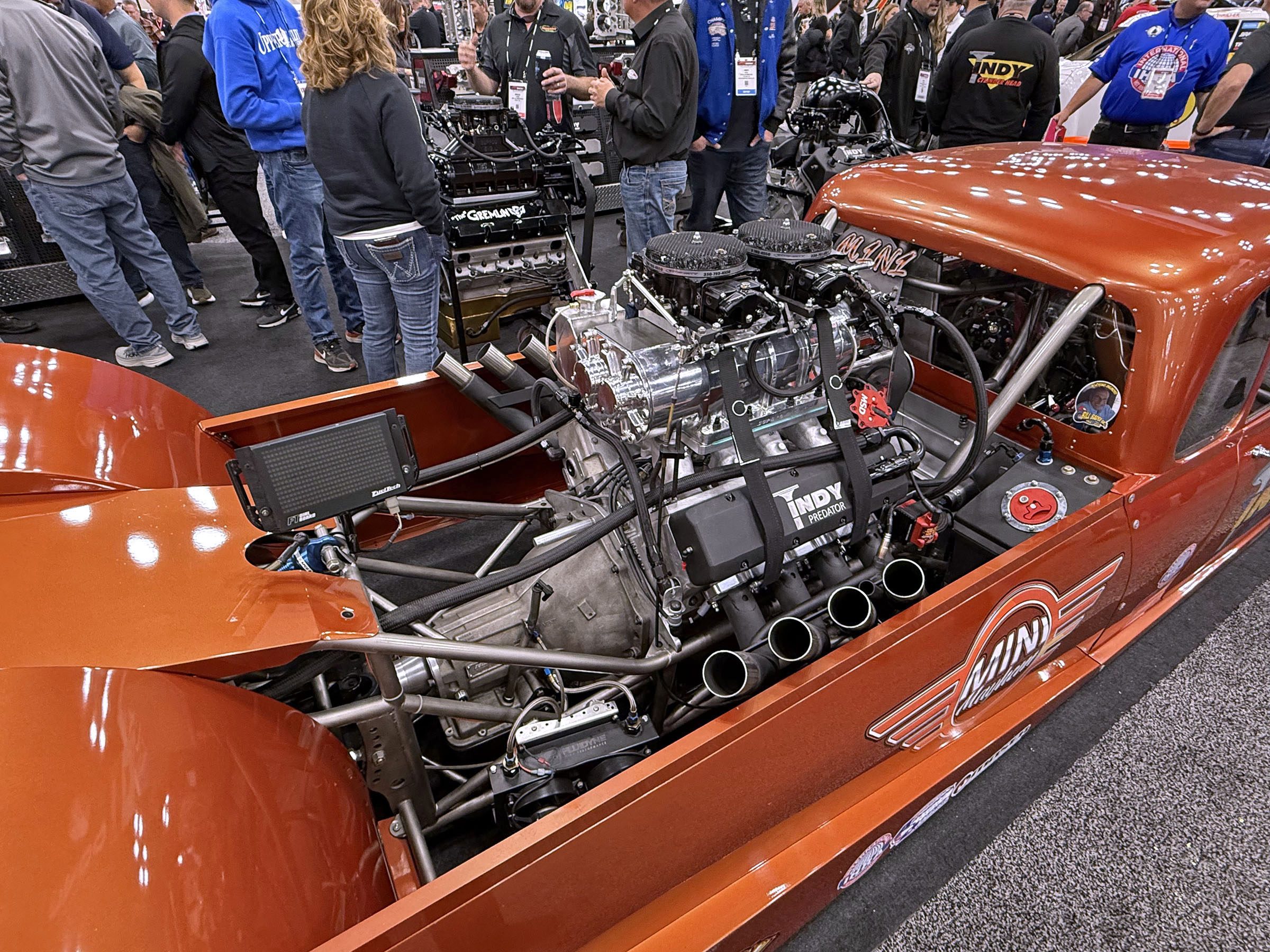
Ricky Adkins’ 1961 Mini Cooper, nicknamed “Mini Mayhem,” has been completely reimagined as a rear-engine drag car built for Top Sportsman competition. Originally an original VIN Mini, the little classic has been transformed into a high-powered machine that grabs attention everywhere it goes, combining vintage charm with jaw-dropping performance.

Under the hood, Mini Mayhem is powered by a carbureted 532ci Indy Cylinder Head Predator engine topped with a 14-71 TBS supercharger, a serious upgrade from its previous 250 blower setup. The car is dialed in to make 4.40-second passes, proving that even a tiny Mini can generate massive power and take on full-sized drag machines with confidence.

All of the engine and drivetrain functions are managed by a FuelTech FT550 ECU, which handles shifting, delay box operations, and full data logging. With the flexibility to switch to fuel injection in the future without swapping electronics, the car combines cutting-edge technology with a lightweight, compact chassis. From the track to the pit, Mini Mayhem stands as proof that small packages can deliver enormous thrills.

1971 Datsun 240Z “Rotsun”

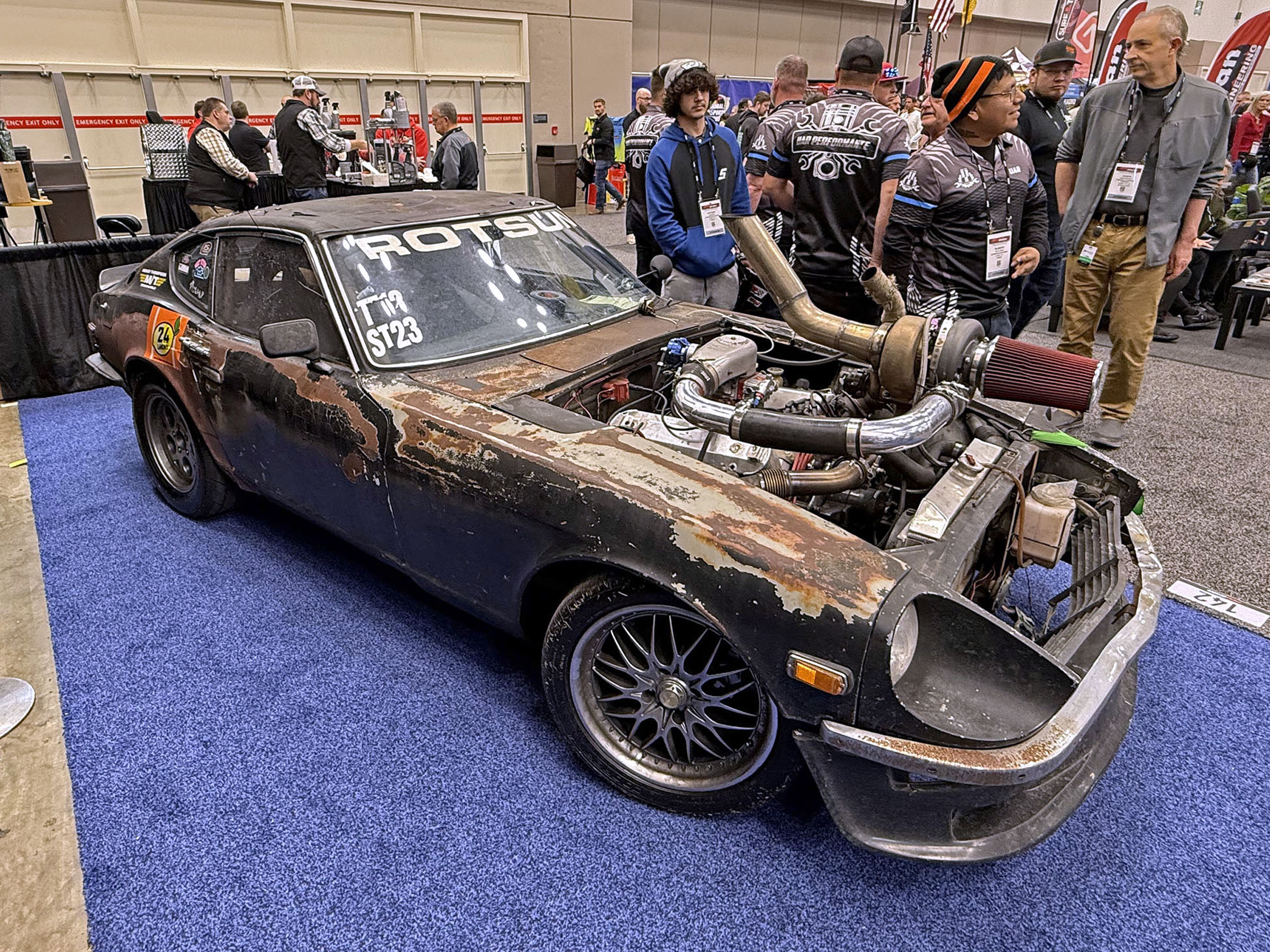
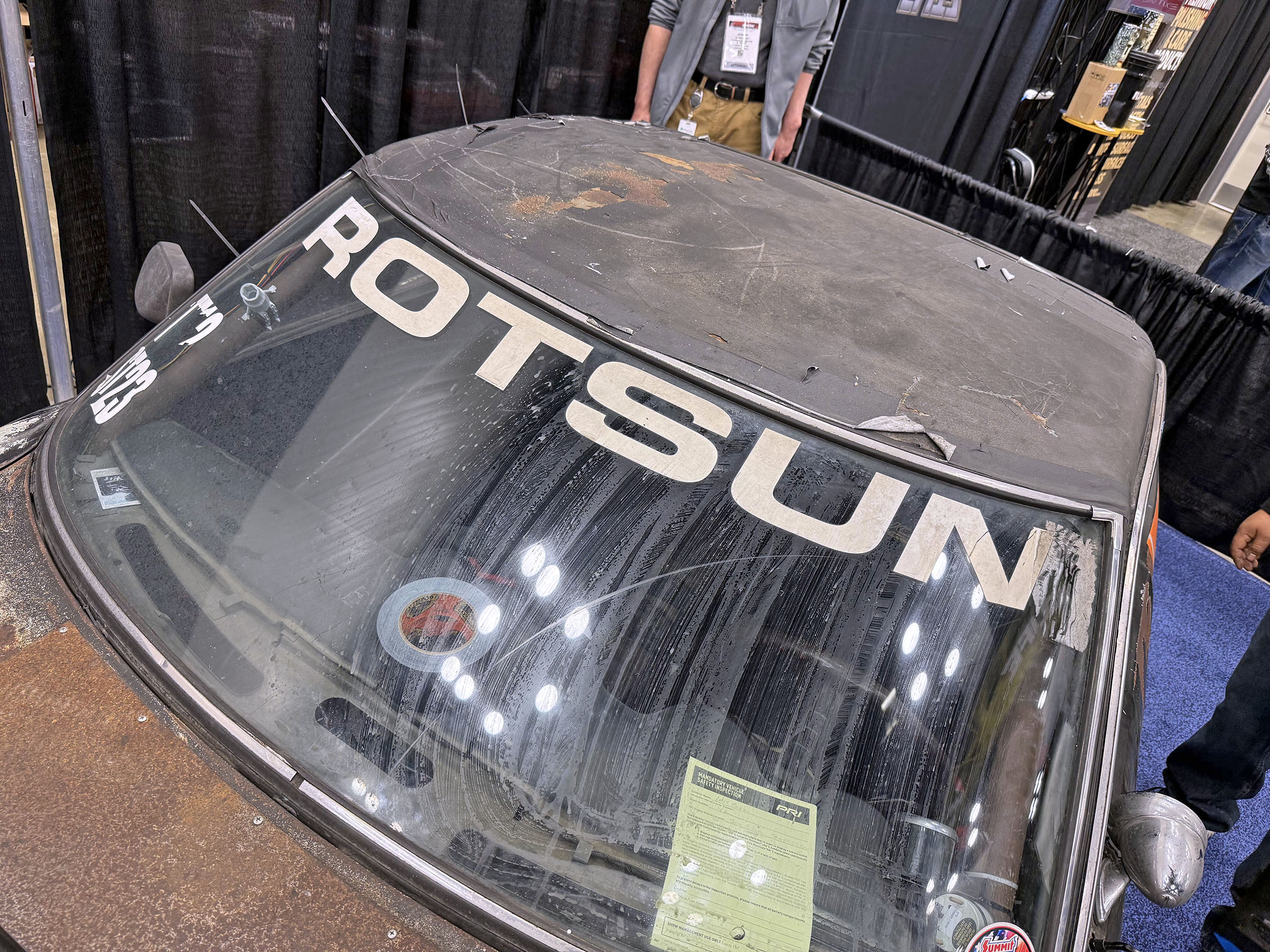
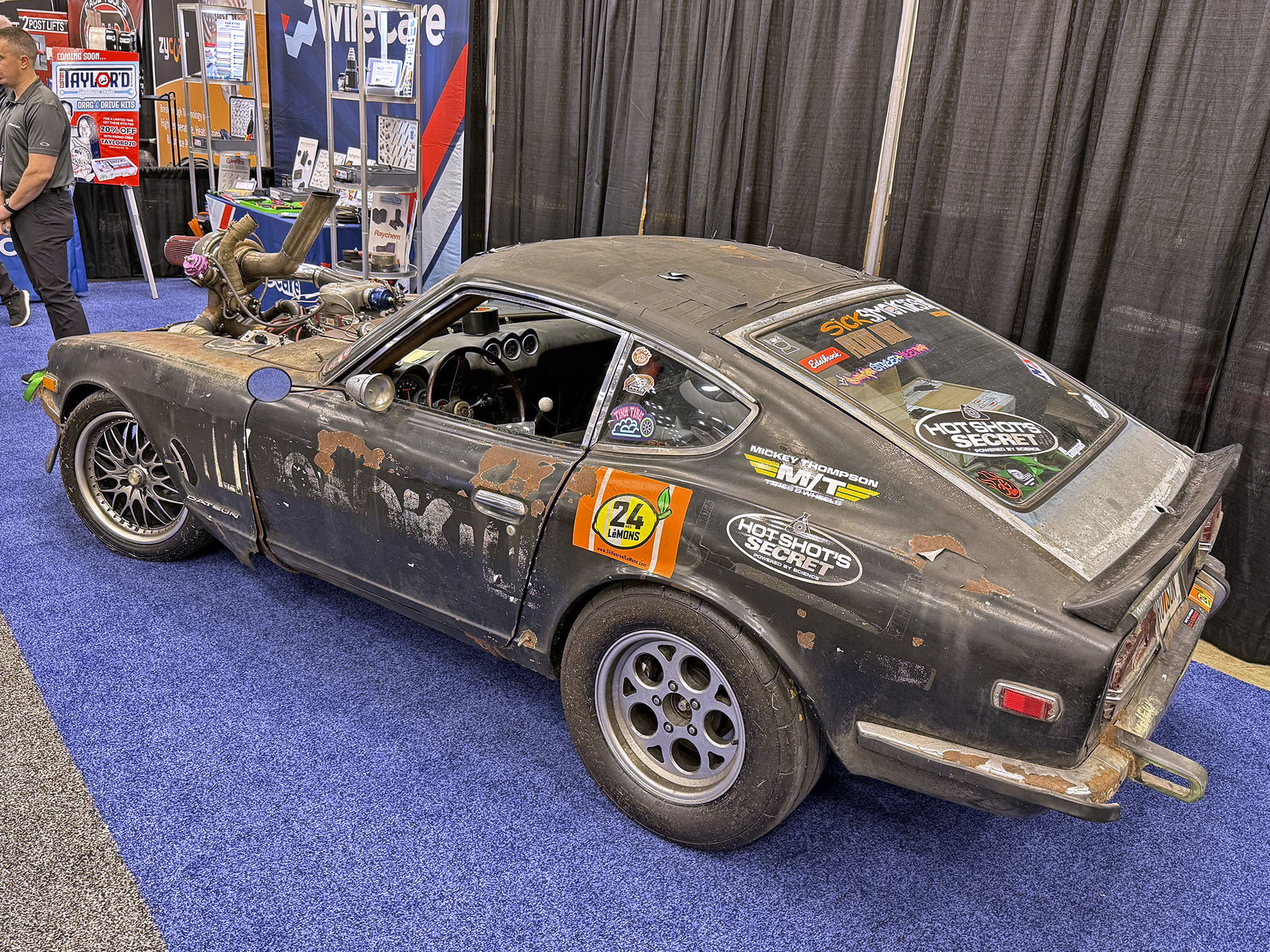
The Rotsun is more than just a 1971 Datsun 240Z—it’s a symbol of unfiltered automotive mayhem. Born from rust, ingenuity, and raw horsepower, this battered Z became an instant fan favorite when David Freiburger and Mike Finnegan picked it up for Roadkill. Its nicknamed “Rotsun” comes from the extreme corrosion covering its body, and its unpredictable personality has kept viewers hooked ever since. From drag strips to autocross, road trips to endurance events like the 24 Hours of Lemons, this car thrives on chaos—and it’s exactly what makes it so iconic.

The engine bay tells the story of constant evolution, from a turbocharged Chevy 4.3L V6 to a turbo Ford 5.0L V8, and most recently a fresh V8 that powers it through new adventures. Despite its age and beaten-up exterior, the Rotsun keeps on running, proving that a little rust and a lot of creativity can make one unforgettable ride. Its cult status even led to a Hot Wheels diecast, capturing every dent, scratch, and patch of corrosion in miniature. The Rotsun is a celebration of hands-on ingenuity and chaotic fun—a car that refuses to play it safe and always leaves a mark.

1969 Chevy Camaro “The Hitman”

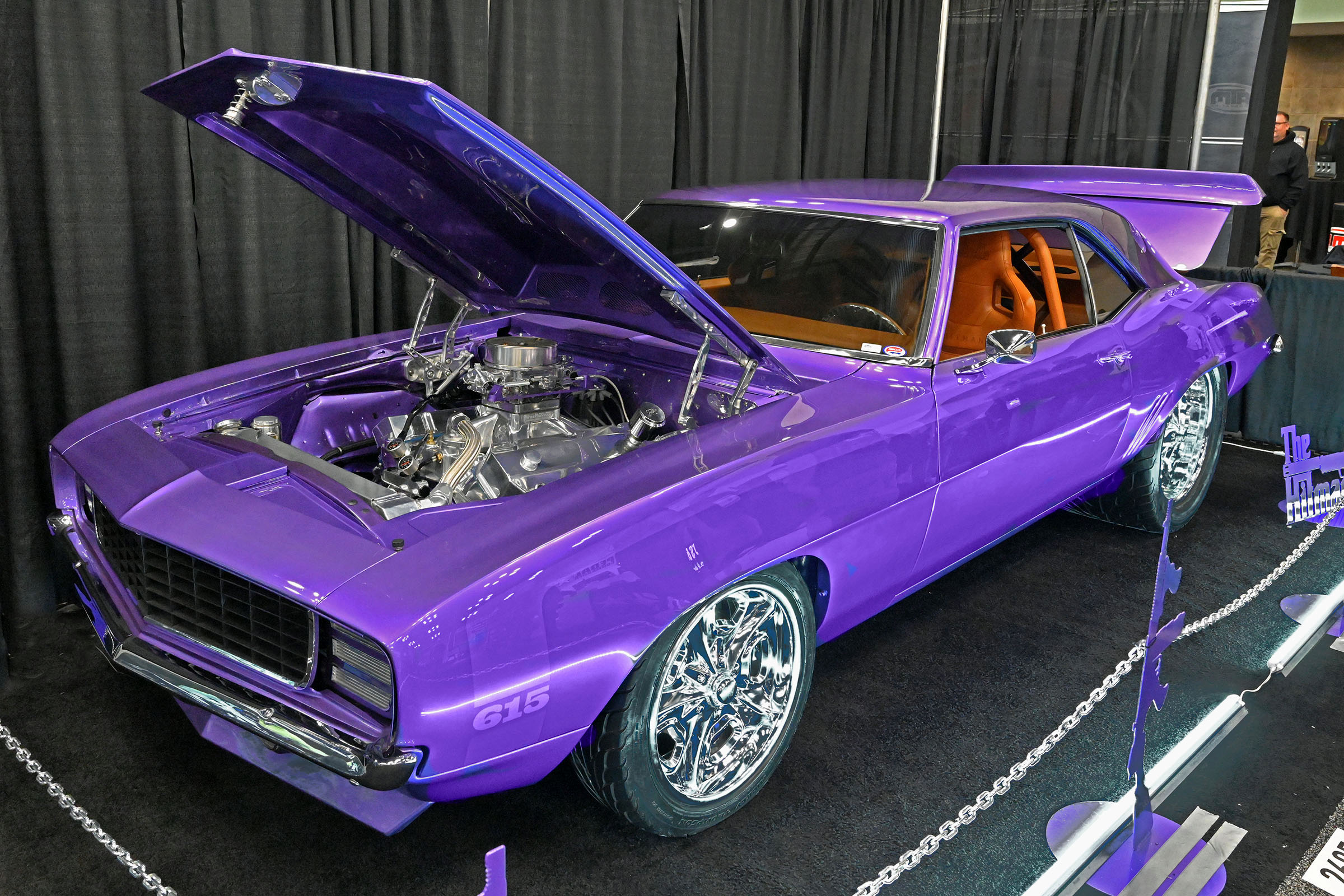
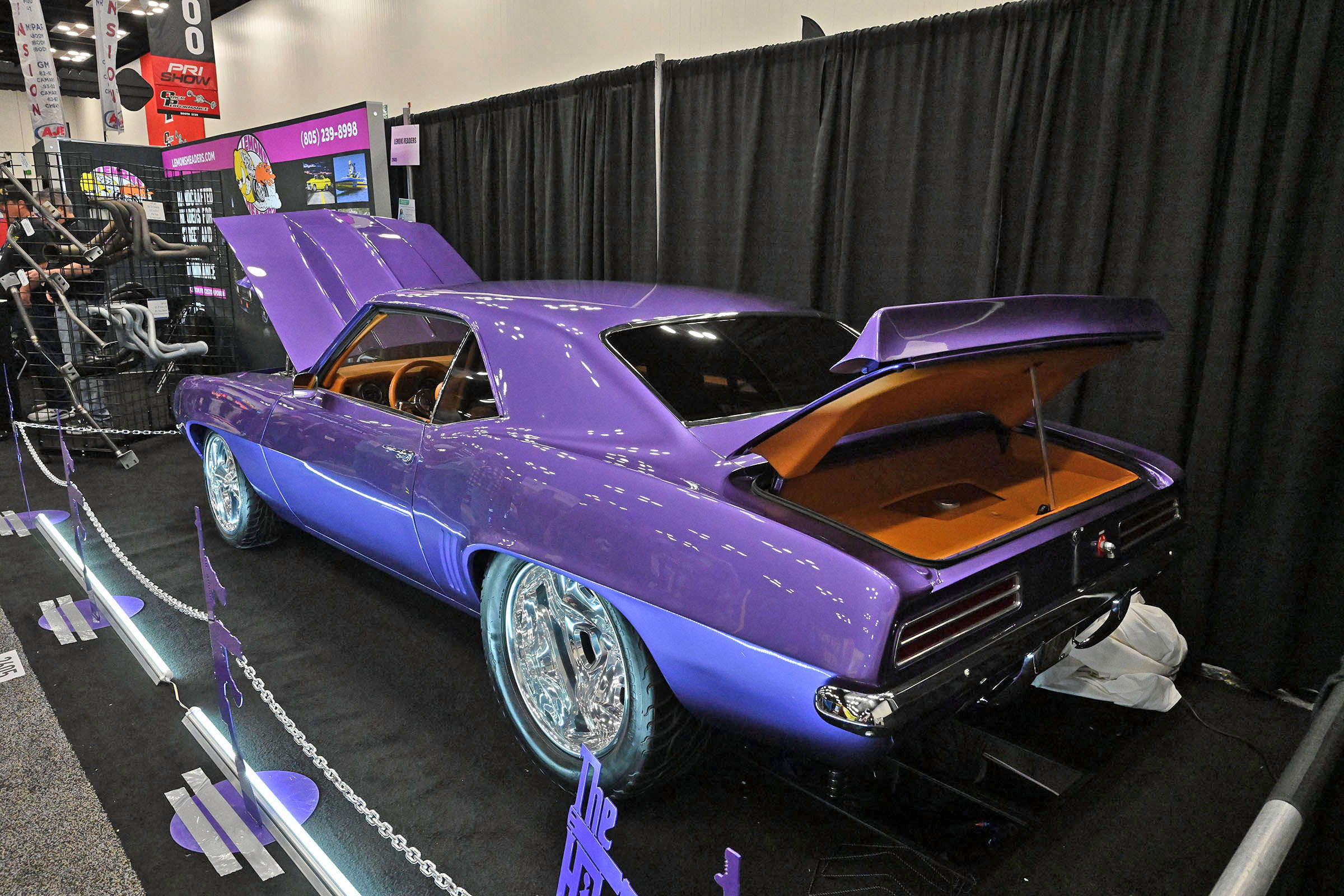
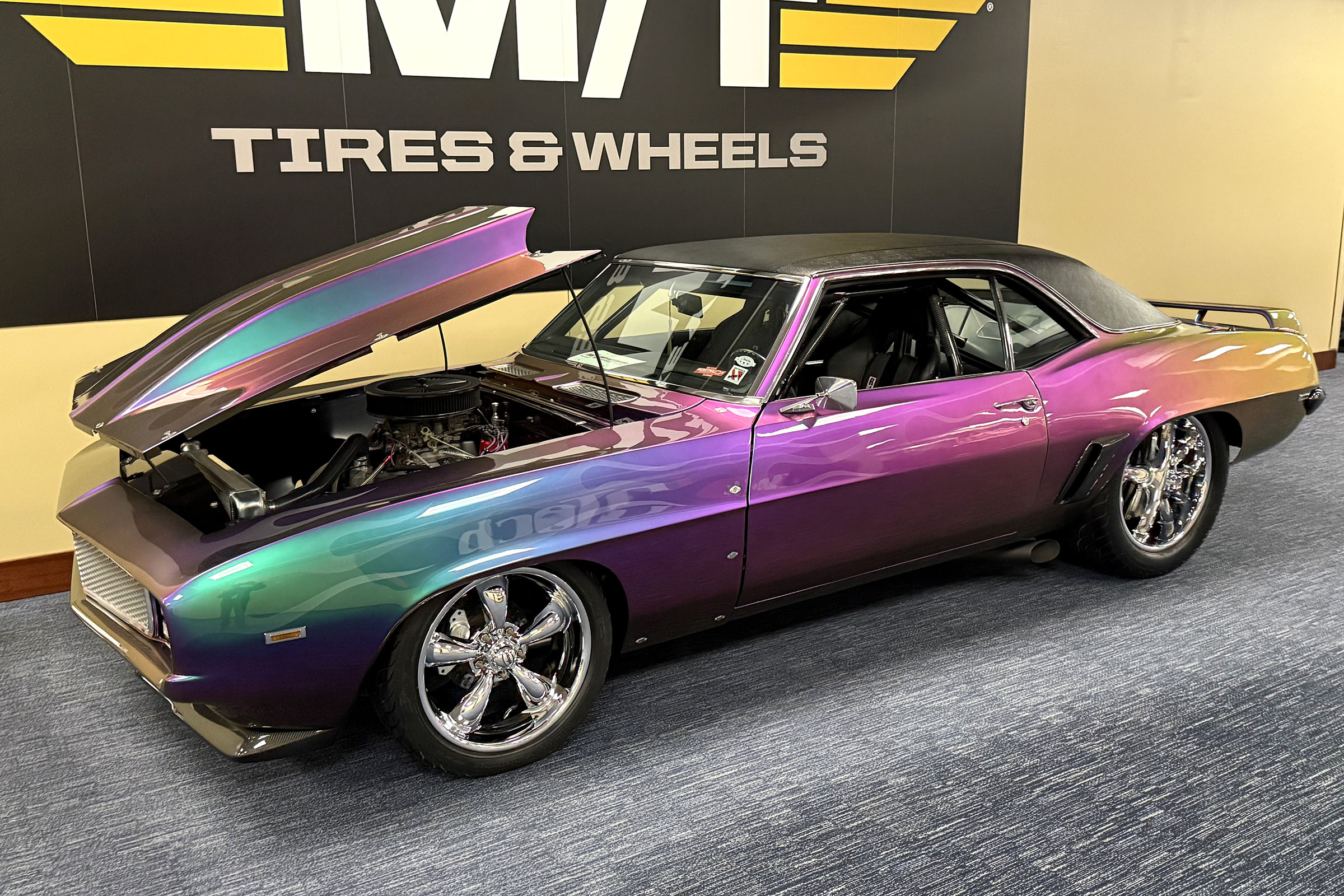
The 1969 Chevy Camaro known as The Hitman doesn’t care about subtlety—it exists to dominate. Bathed in a ruthless shade of purple and crouched low over absurdly wide rear tires, this Pro-Street brute looks like it’s seconds away from lighting the scoreboard every time it’s idling. The stance is all business: pencil-thin fronts, steamroller rears, Billet Specialties wheels, and a posture that says this car was built to punish pavement, not pose politely. It’s polished enough to rack up trophies, but nothing about it feels tame. This Camaro looks angry standing still—and it gets worse once it moves.

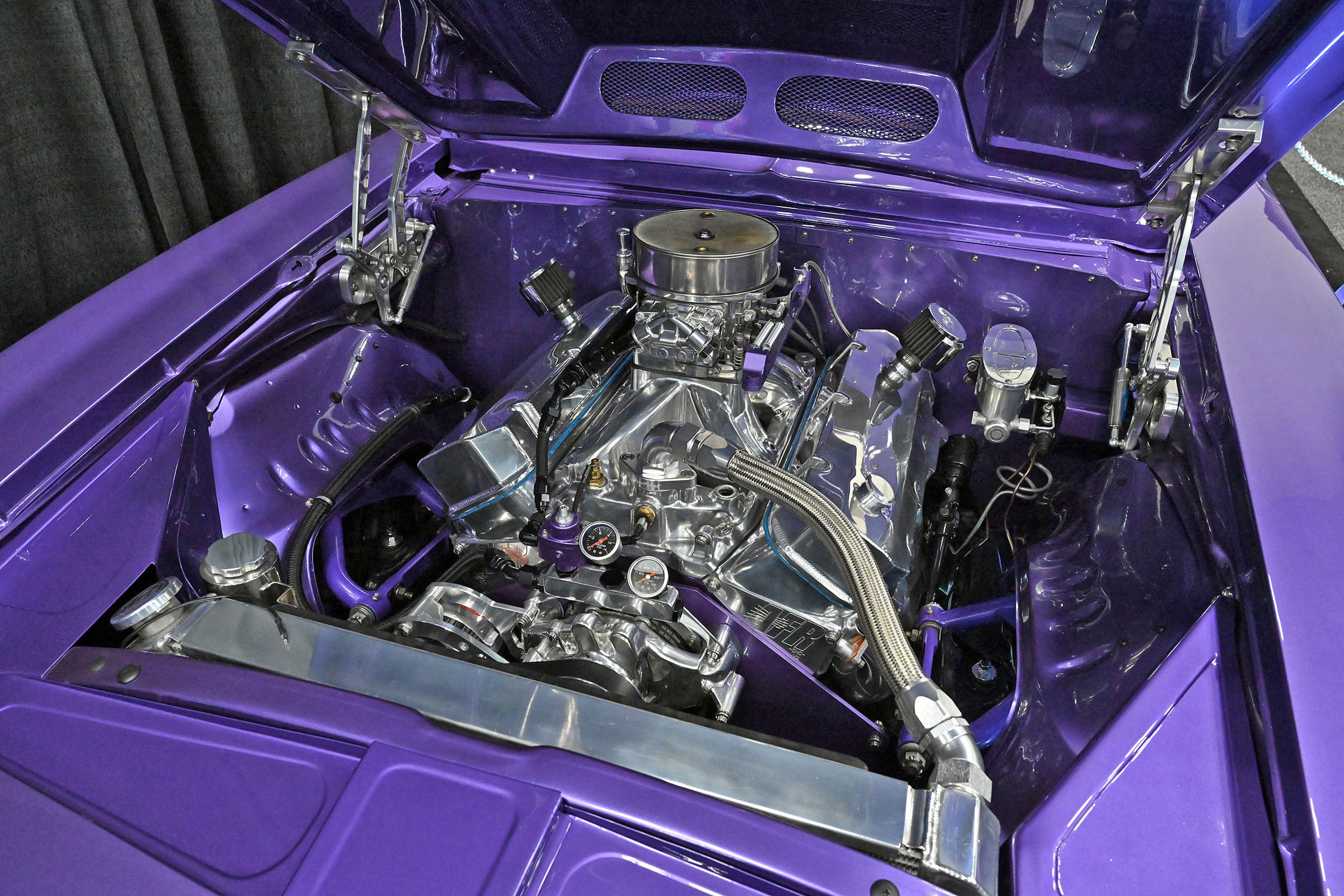
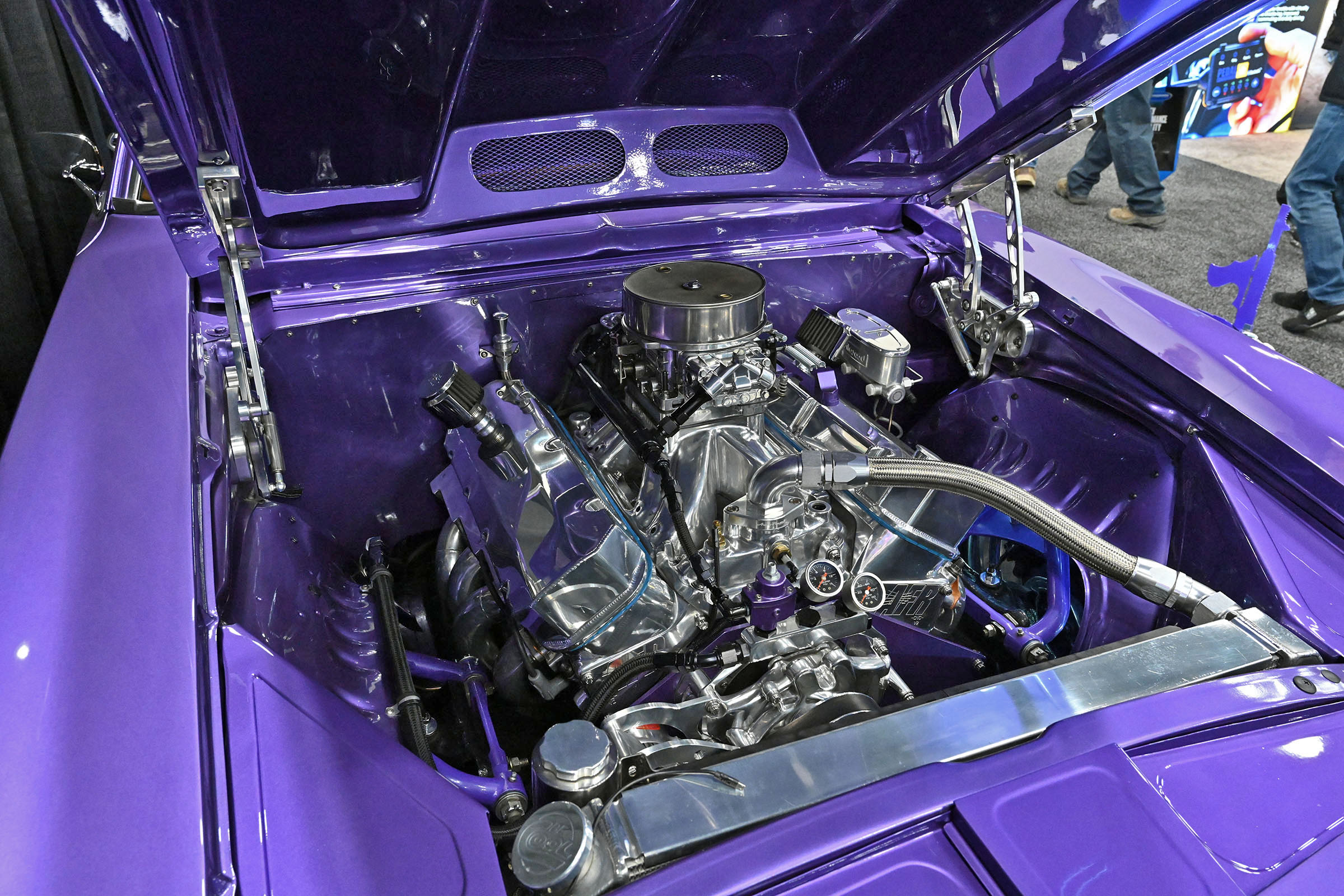
Pop the hood and the attitude turns violent. The 498ci big-block Chevy with AFR heads is pure overkill, and that’s before the NOS Pro Shot fogger gets a say in the conversation. A built Turbo 400 with a reverse manual valve body slams gears with intent, feeding a Strange Fab 9-inch rear packed with 4.88 gears and a 4-link setup designed to keep the car hooked when all hell breaks loose. Those massive rear tires aren’t for show—they’re survival equipment. Somehow, this street brawler still cruises comfortably at 60 mph, AutoMeter carbon-fiber gauges calmly tracking the chaos while the mirror-slick purple paint dares you to get closer. With 1,000 horsepower on tap and a reputation backed by hardware, The Hitman isn’t just a Pro-Street Camaro—it’s a rolling threat with zero interest in mercy.

Scroll to Top