A One-Car Household with a Hot Rod
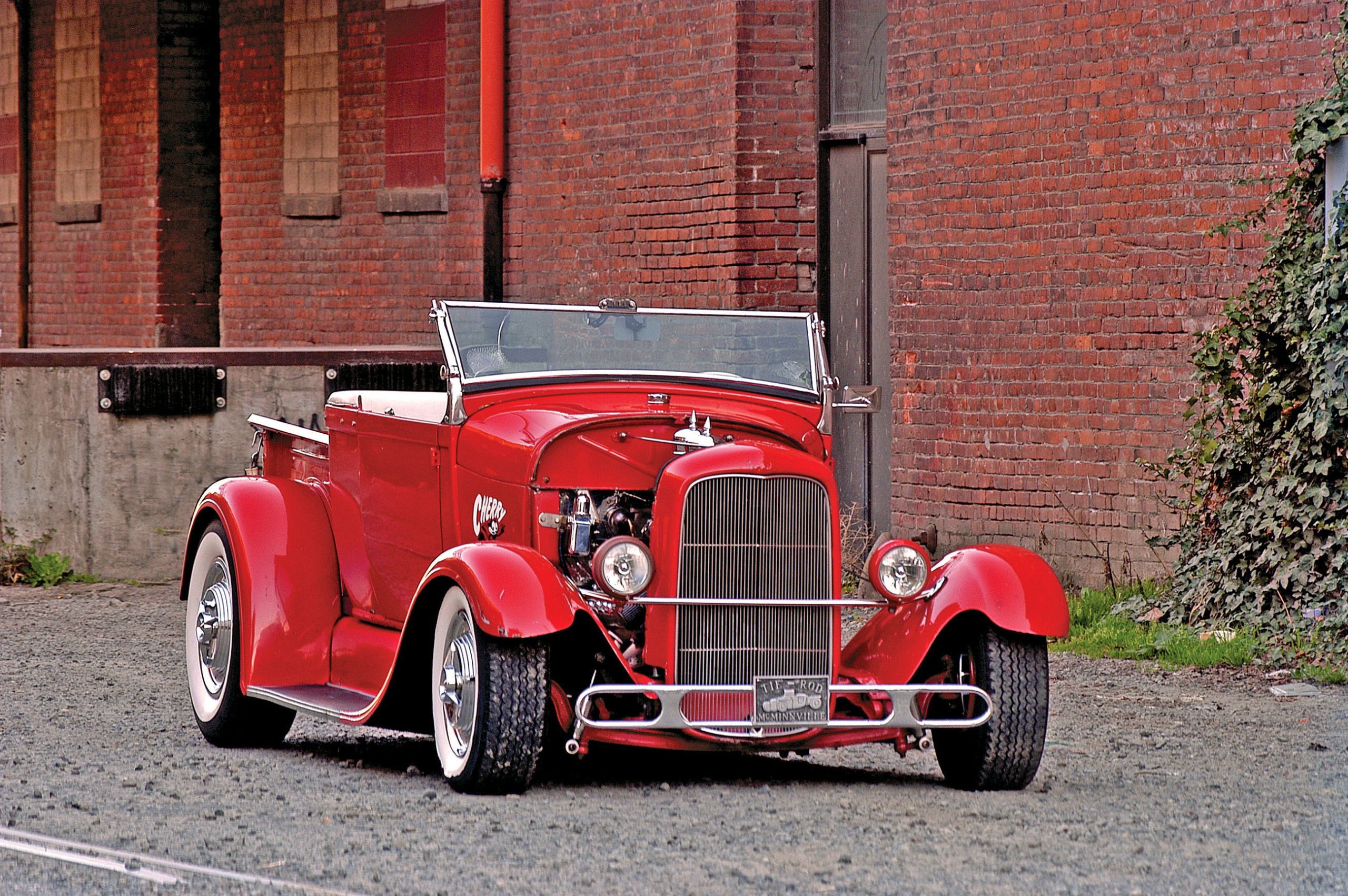
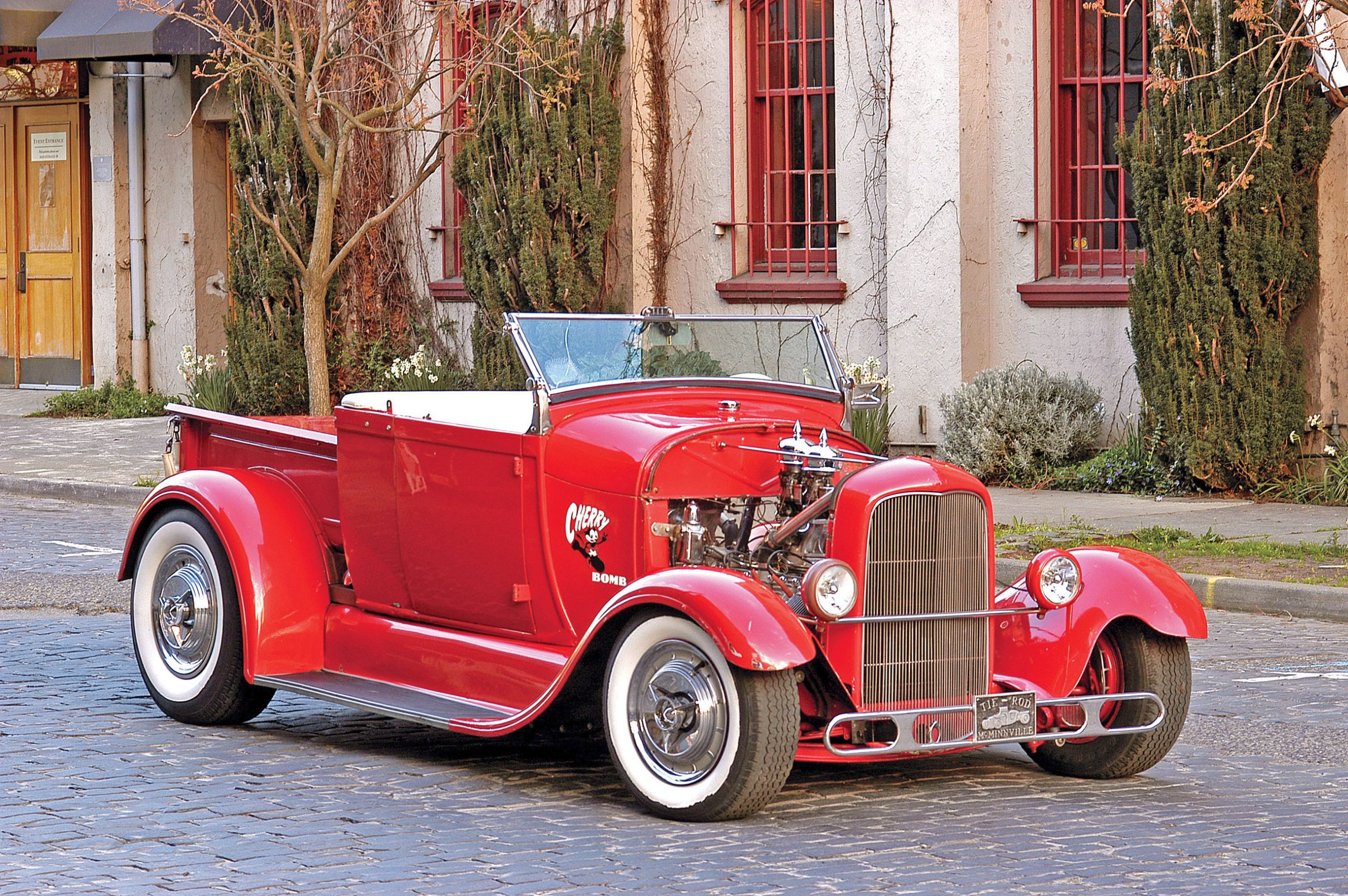
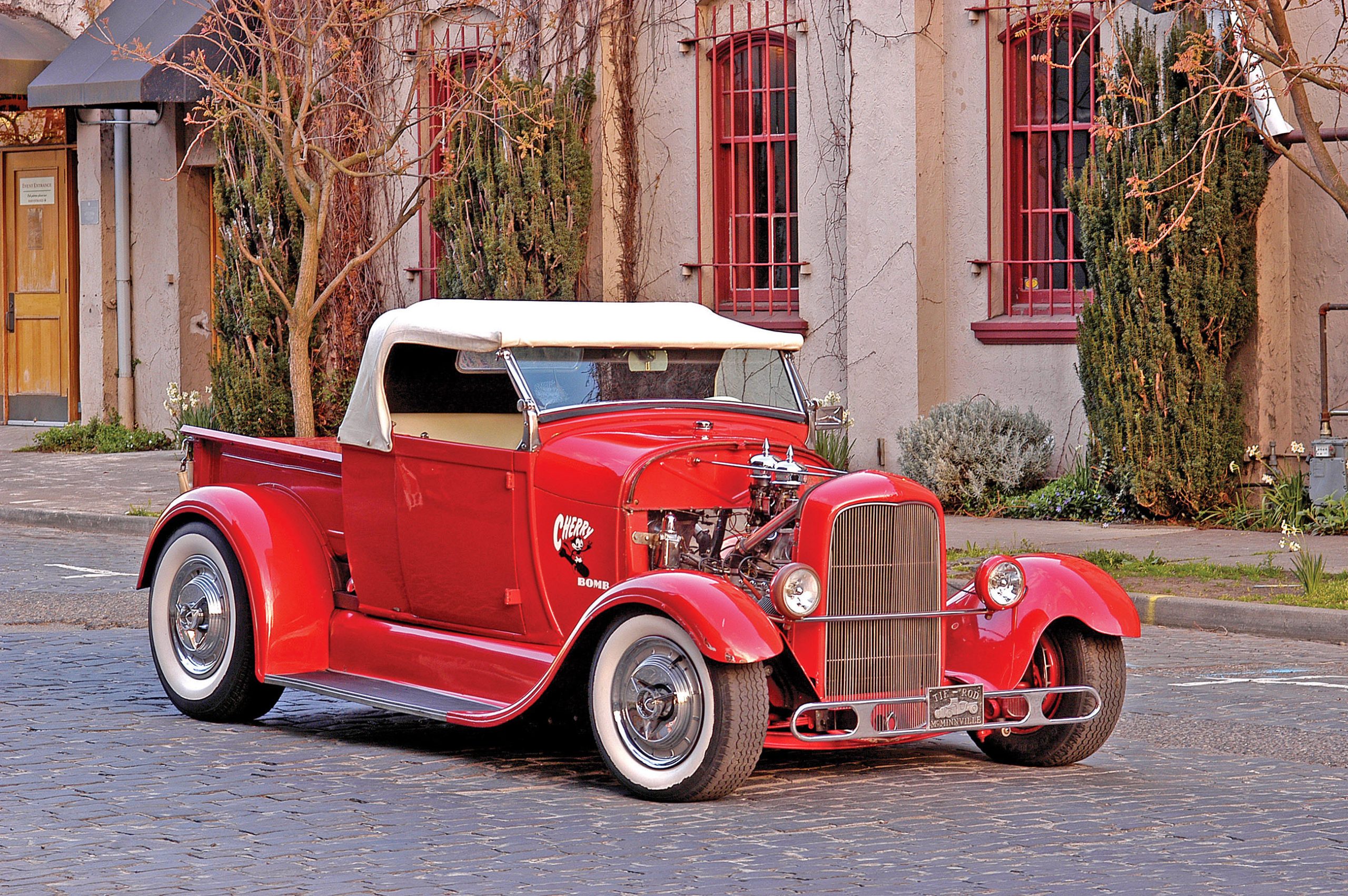
In the late 1980s, Bub and Joyce Johnson found themselves in that exact position. They had only one car, and that car just happened to be a ’29 Ford roadster pickup. It was driven everywhere they had to go. It was used for everything from hauling yard debris to taking Joyce to work. Since it didn’t have the luxury of side curtains, Joyce had to bundle up in warm rain gear to stave off the blustery winds of winter in the cold Northwest.
The Power Behind the Cherry Bomb
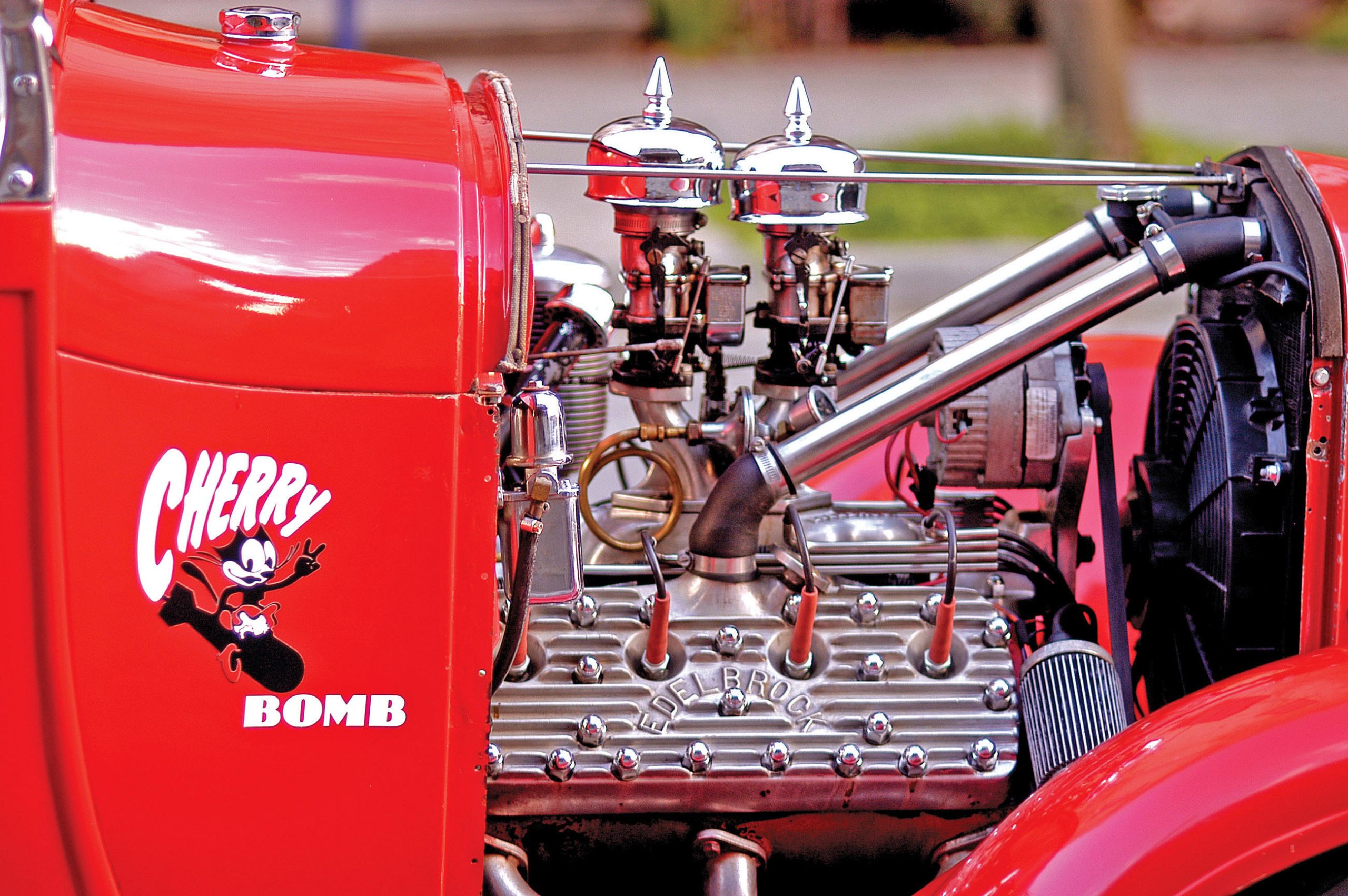
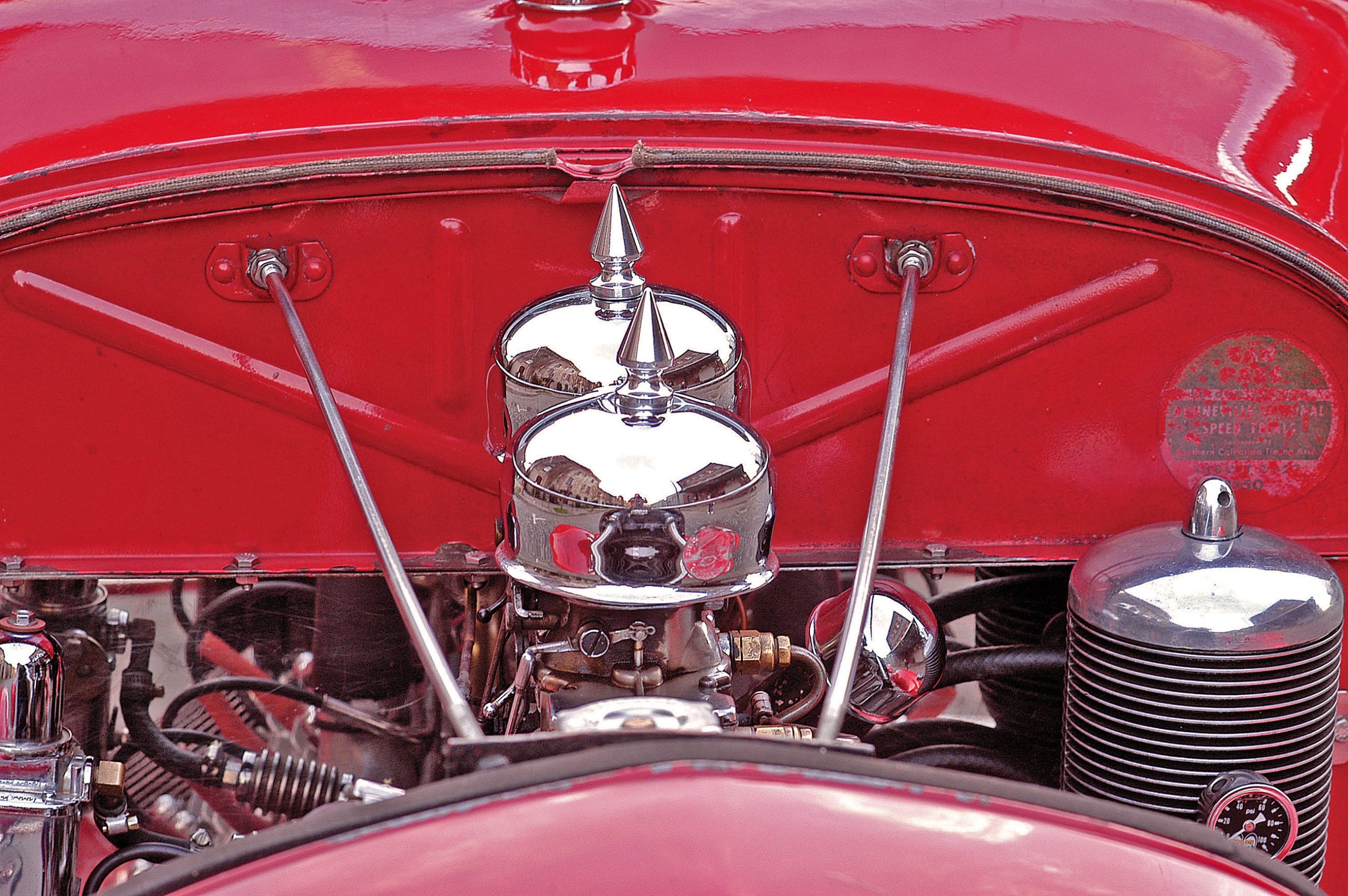
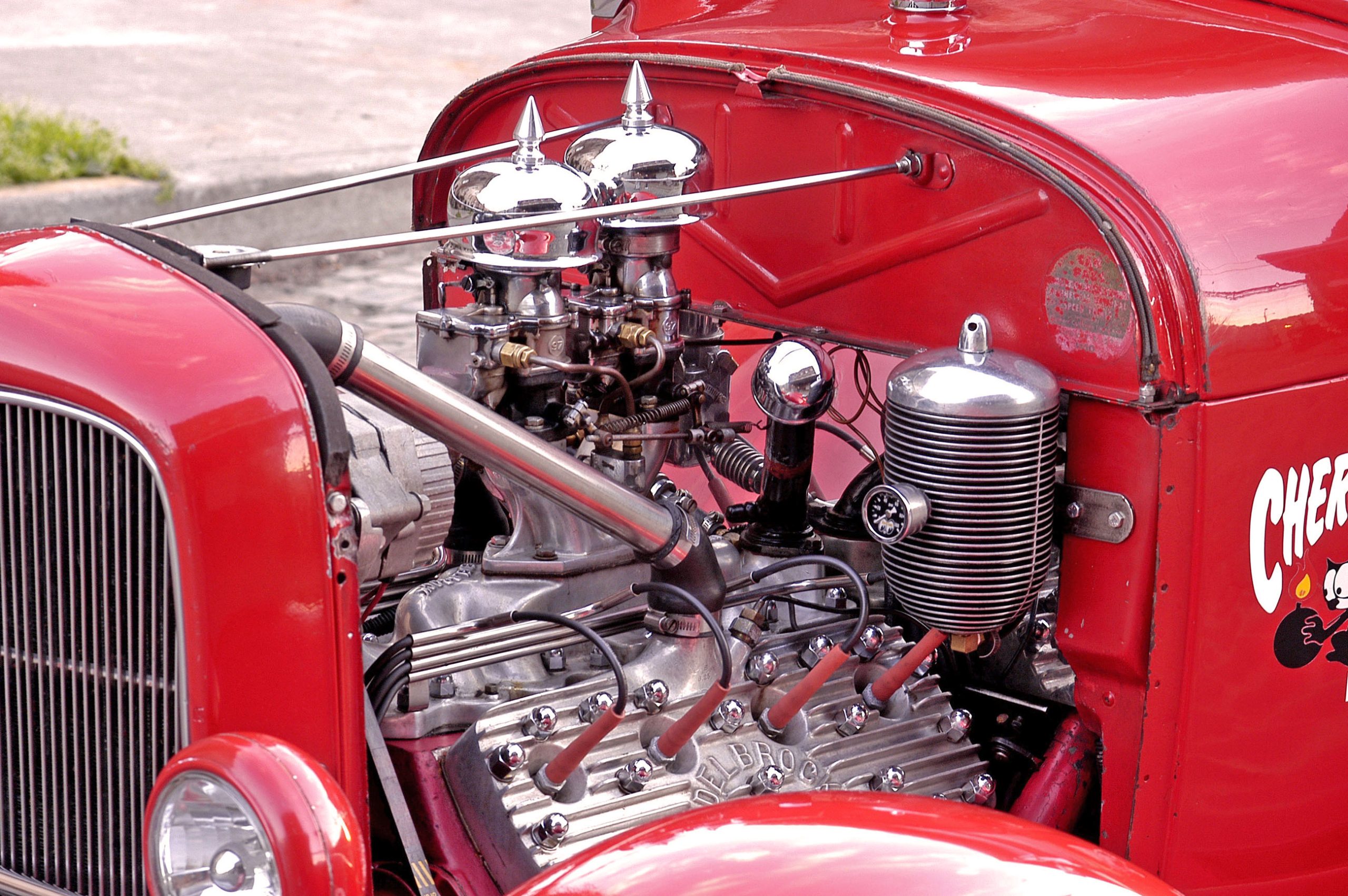
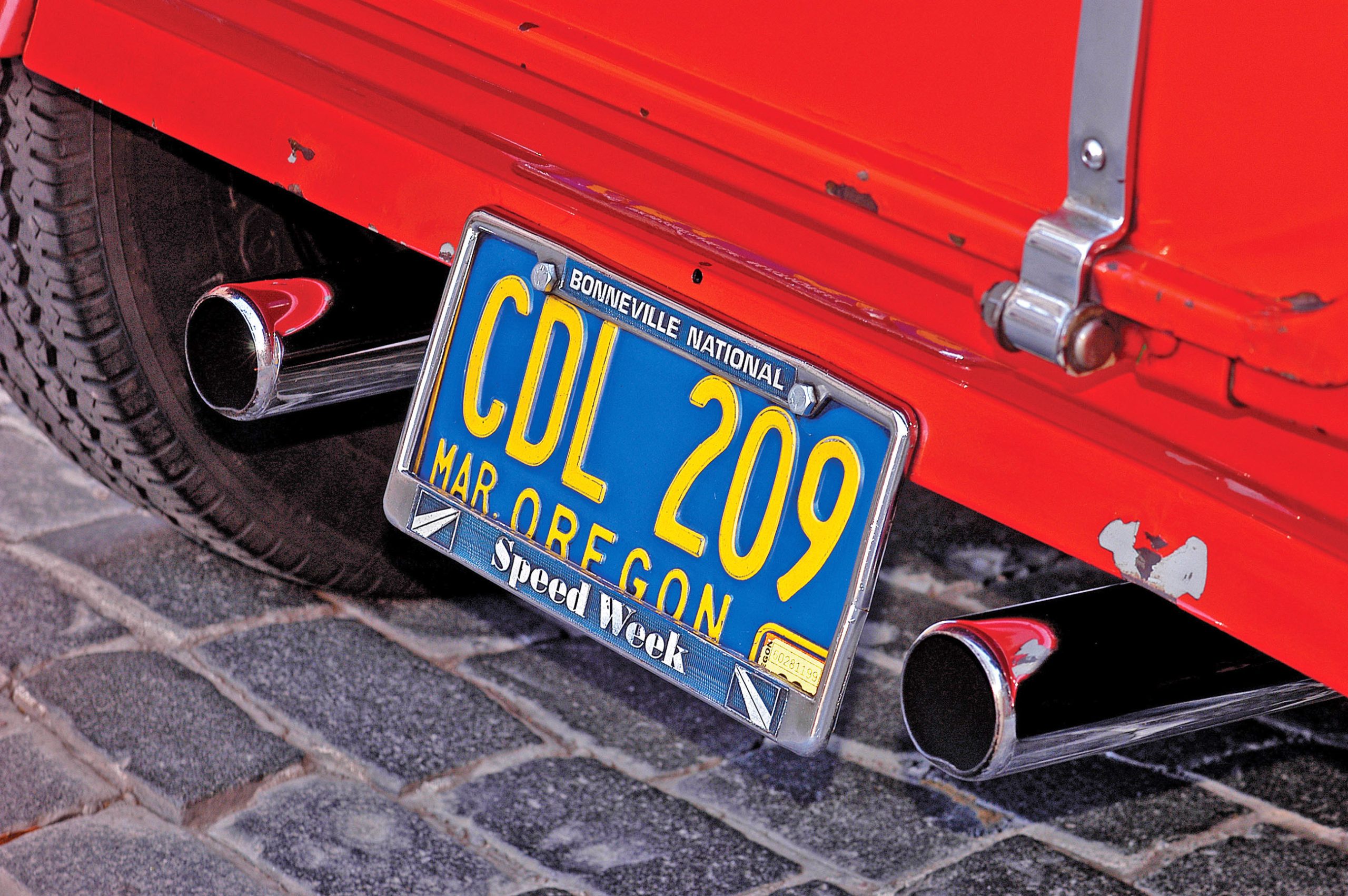
Now, here’s the kicker: This little rod is powered by a ’48 Mercury Flathead motor and is shifted with a Ford C4 trans connected to a Flat-O-Matic adapter kit. This cool package runs out the back through a ’49 Mercury Spicer Dana 30 rear with 3.54:1 gears. Built by the late Doug Lauzon, the block was ported and relieved, polished and balanced. It also has Jahn’s pistons, chromed rings, Edelbrock “block lettered” heads and a rare Edelbrock “slingshot” manifold topped with two chromed Stromberg 97 carbs. Fire comes from a Mallory ignition, and the headers were built by Doug while he was screwing together the motor.
Cooling and Chassis Setup
Many folks have had cooling problems with these motors, but the Johnsons didn’t because of the 4-1/2-inch radiator core by Able Radiator in Milwaukie, Oregon. All of this hot stuff rides on the original boxed Model A frame, with custom crossmembers by Mad Max Creations of Washougal, Washington. Joyce says the car has a slightly bouncy ride; but then, it is a hot rod. The ride comes from the dropped and narrowed front axle with a monoleaf spring and SoCal shocks. Flaming River sent Joyce and Bub a cross-steer box hooked to the dropped steering arm. The chassis rolls on red steelies and wide whites, topped off with some really innovative Edsel hubcaps with bullets attached to the centers.
Custom Bodywork and Paint
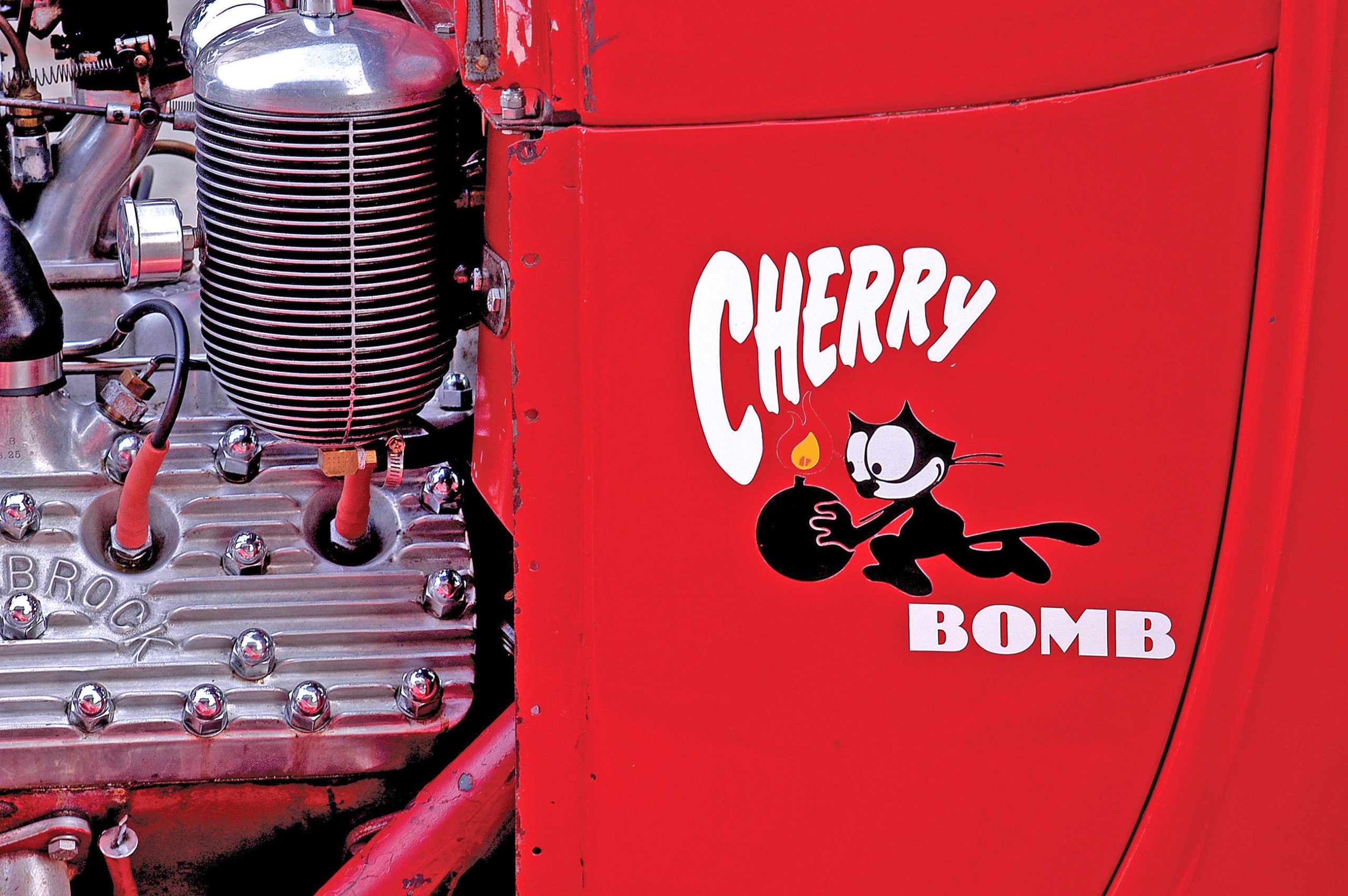
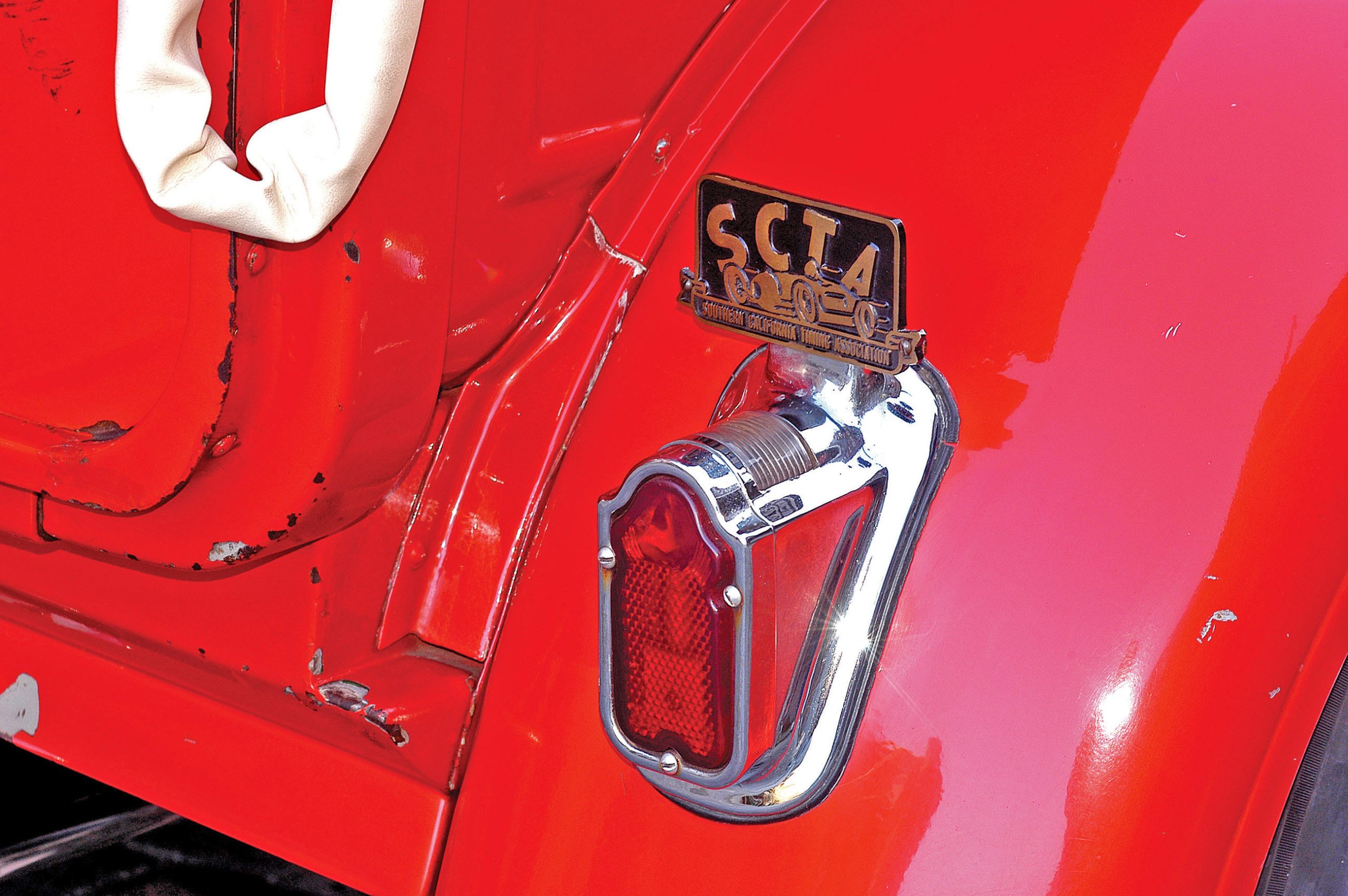
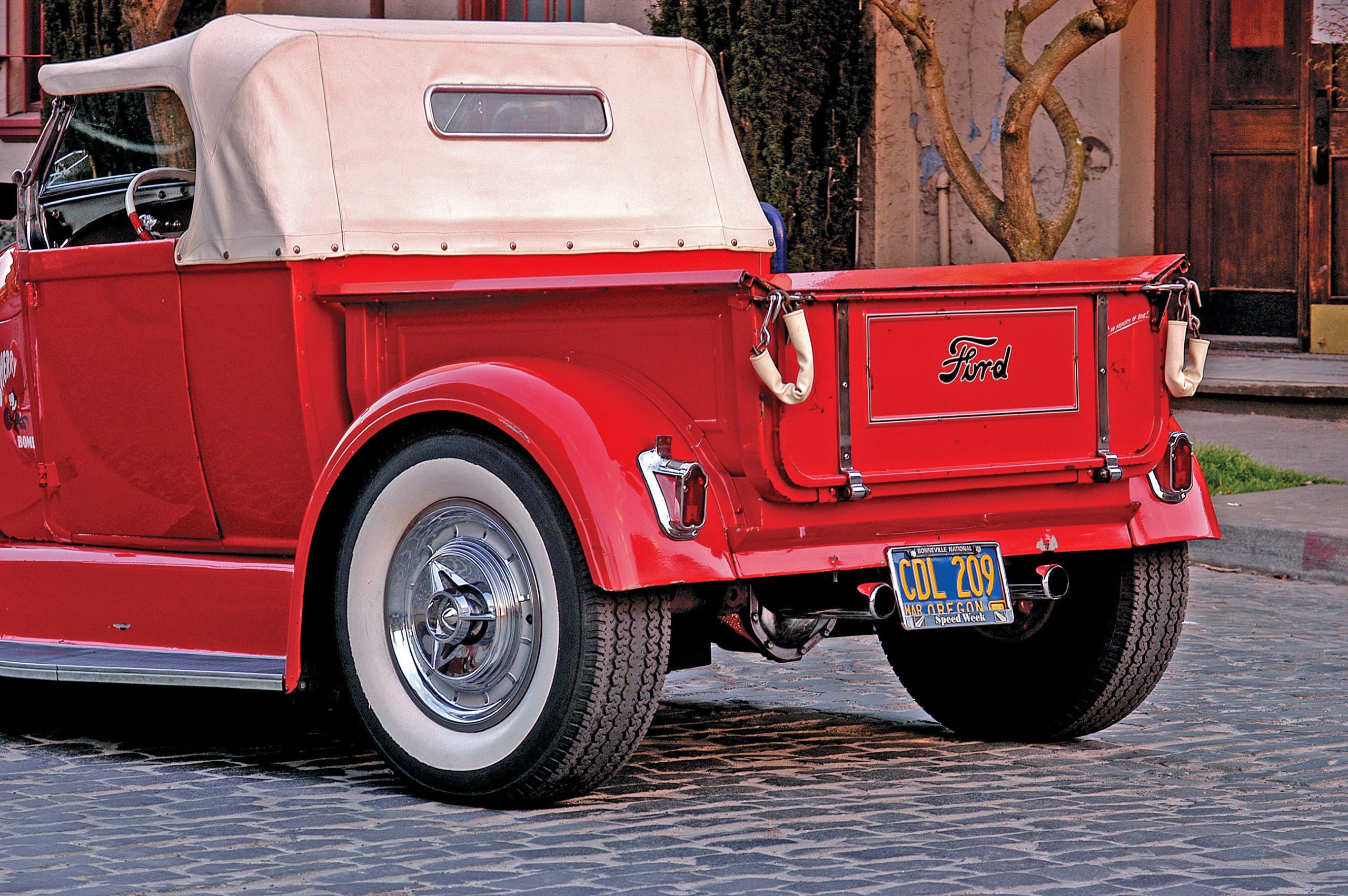
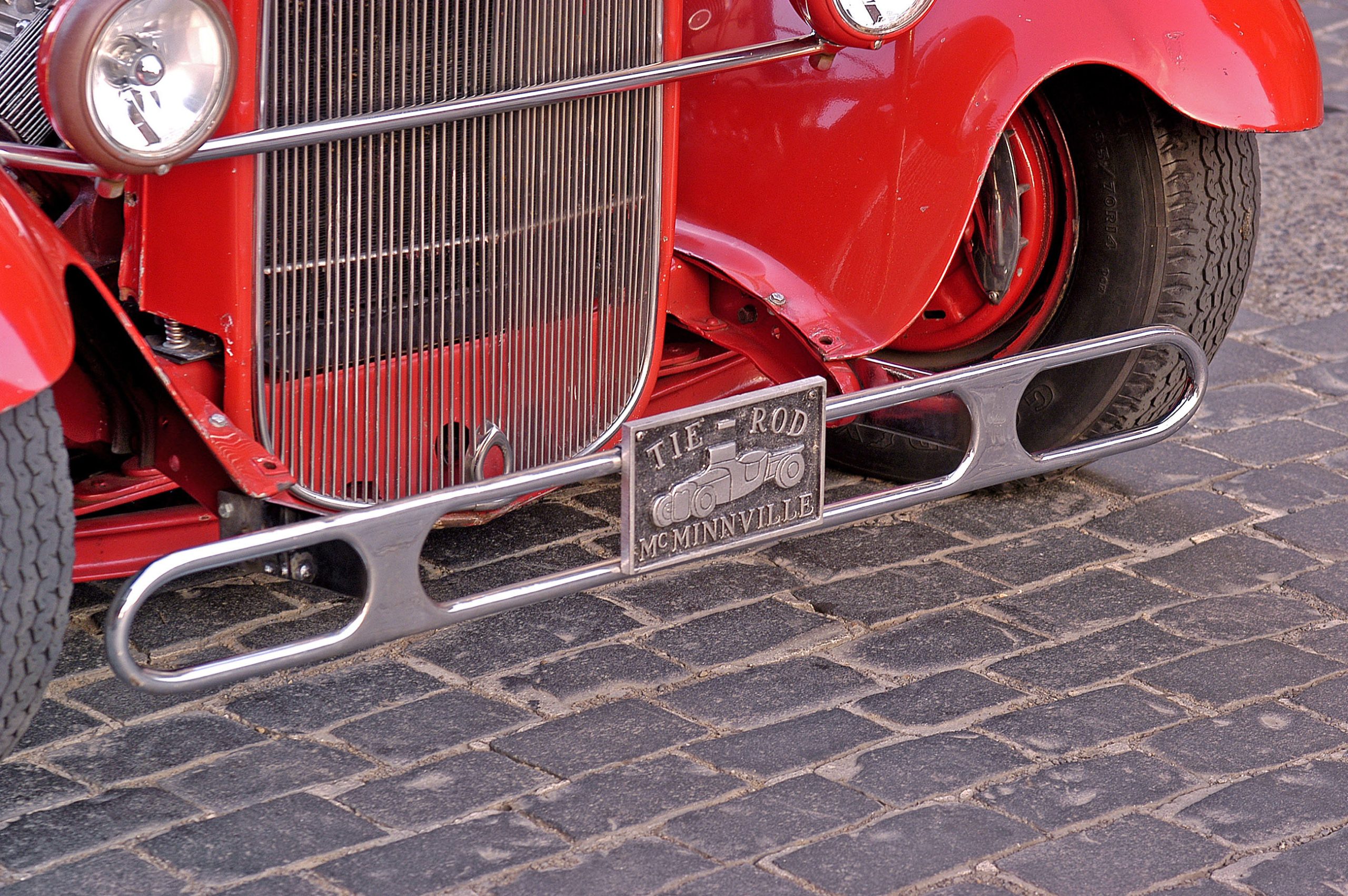
After Bub and Joyce bought the car a lifetime ago, they chose to replace the original grille with a filled and peaked ’32 Ford grille and shell. They bobbed the rear fenders and installed Harley Davidson Panhead Tombstone taillights. This was accomplished after shortening the truck bed and adding a custom-made metal tonneau cover. The front is enhanced by a ’50s-style nerf bar. The roadster was then shot with ’59 Chevy red acrylic by “Fast Eddie” Cole and Wally Stanley a few years back, making it a real “Cherry Bomb.” Bub then painted the Cherry Bomb logo on the cowl and had master pinstriper Mitch Kim add a few licks to the rest of the body.
A Perfectly Period Interior
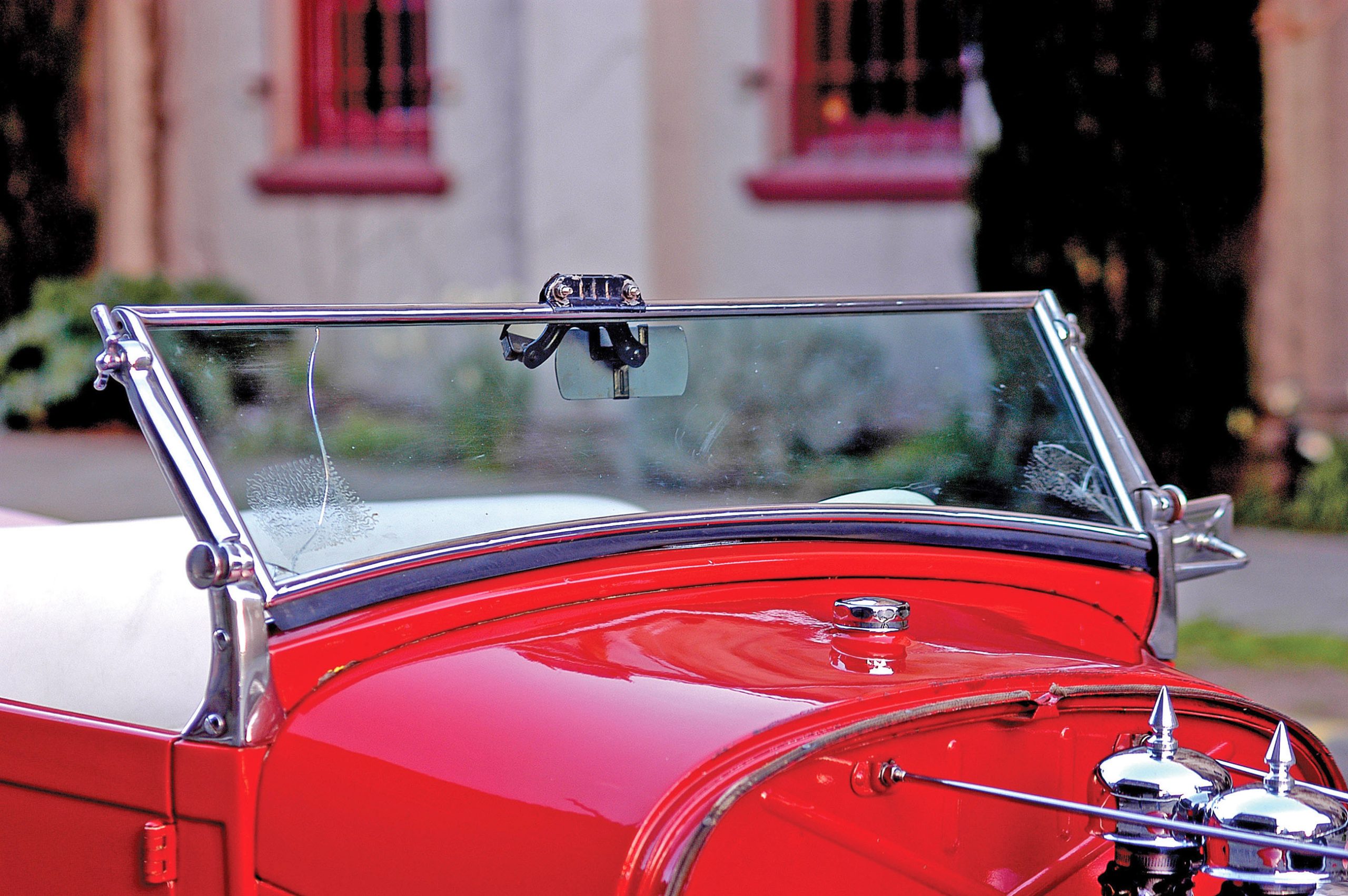
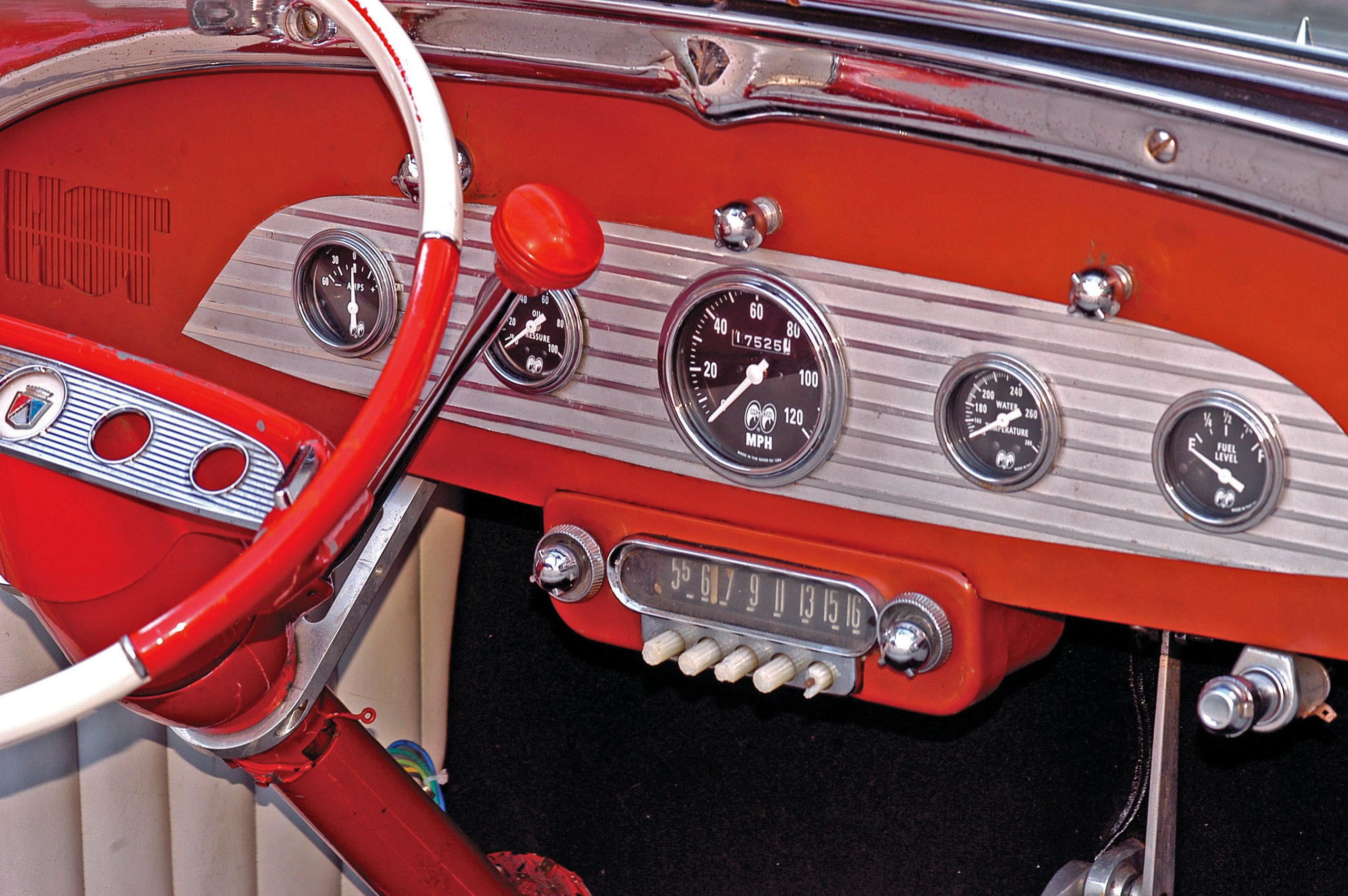
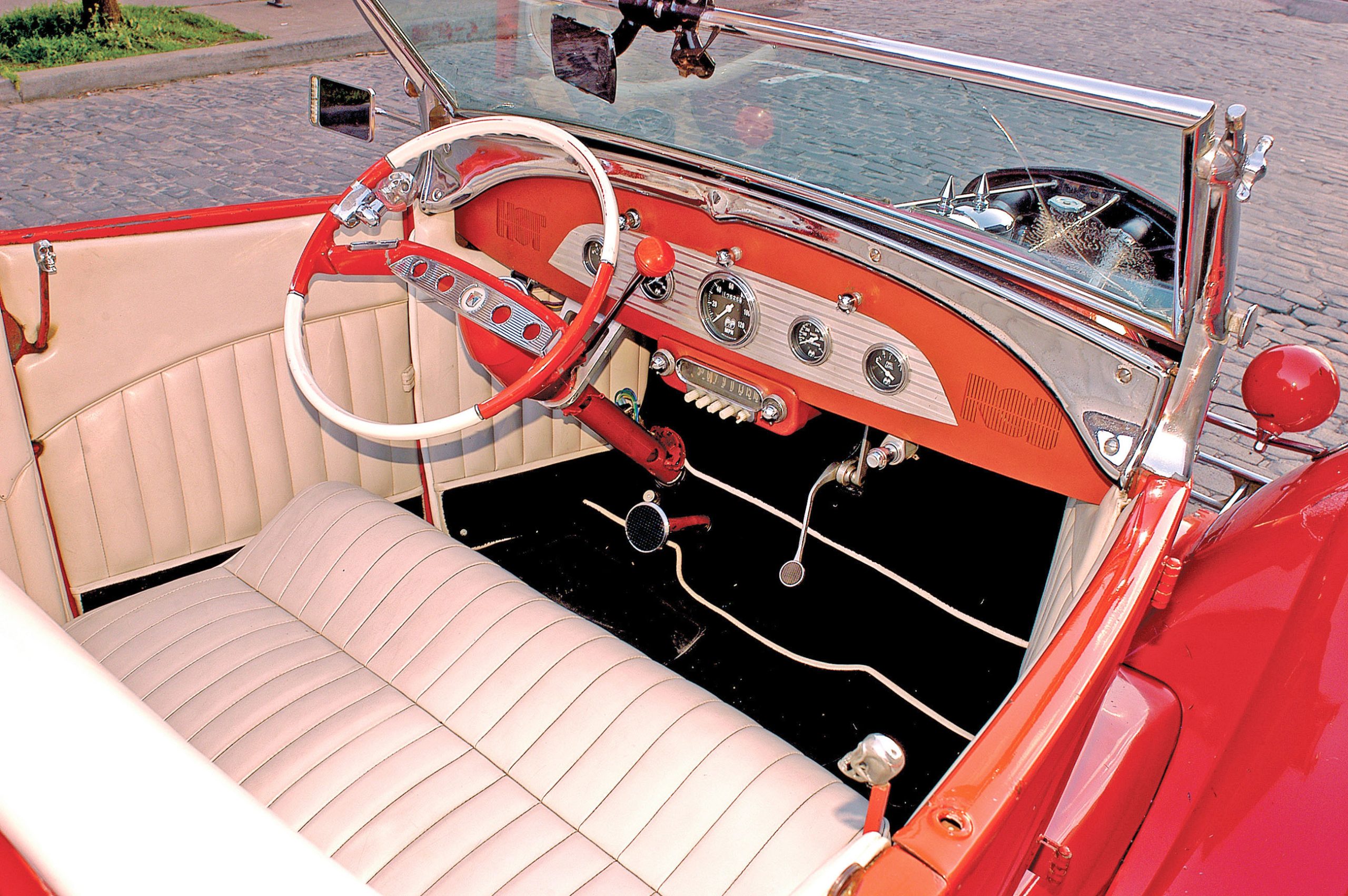
A few years later, Bub wanted a new top that would carry on the look of the car. He designed and built the frame, and then had Jim Enger of Guy’s Interiors in Portland cover it with cloth and upholster the custom seat in white Naugahyde. Bub also built the dash with vintage Moon instruments and tach. He added a ’51 Ford radio plate that hides a modern CD disc changer and stereo. So many times we see period-perfect rods that are ruined by a poor choice of steering wheels, but not in this case. The beautiful red ’61 Chevrolet Impala steering wheel is cleverly disguised with a Ford emblem attached to the center, making this interior a perfect timepiece.
A Legacy of Hot Rodding
Joyce says that, over the years, the car has been driven many miles to a lot of great events and scenic byways, producing what is called patina. No excuses are made; this rod speaks for itself. It still garners the gold in places such as Paso Robles, California. Joyce drove there by herself, an 1,100-mile trip, where the car received the 2004 Best Early Hot Rod award.
Joyce and Bub have been hot rodders for most of their lives and, like many, have numerous stories to tell of the great experiences. After Joyce lost Bub to cancer in 2002, she continued to follow the car culture. She also owns a “late-model” ’57 Ford Ranchero. Joyce still likes to light ’em up on the street or at the strip, proving that this old daily driver is still a Cherry Bomb.