

TheAutoBuilder.com

Trucks

Totally Awesome Elky

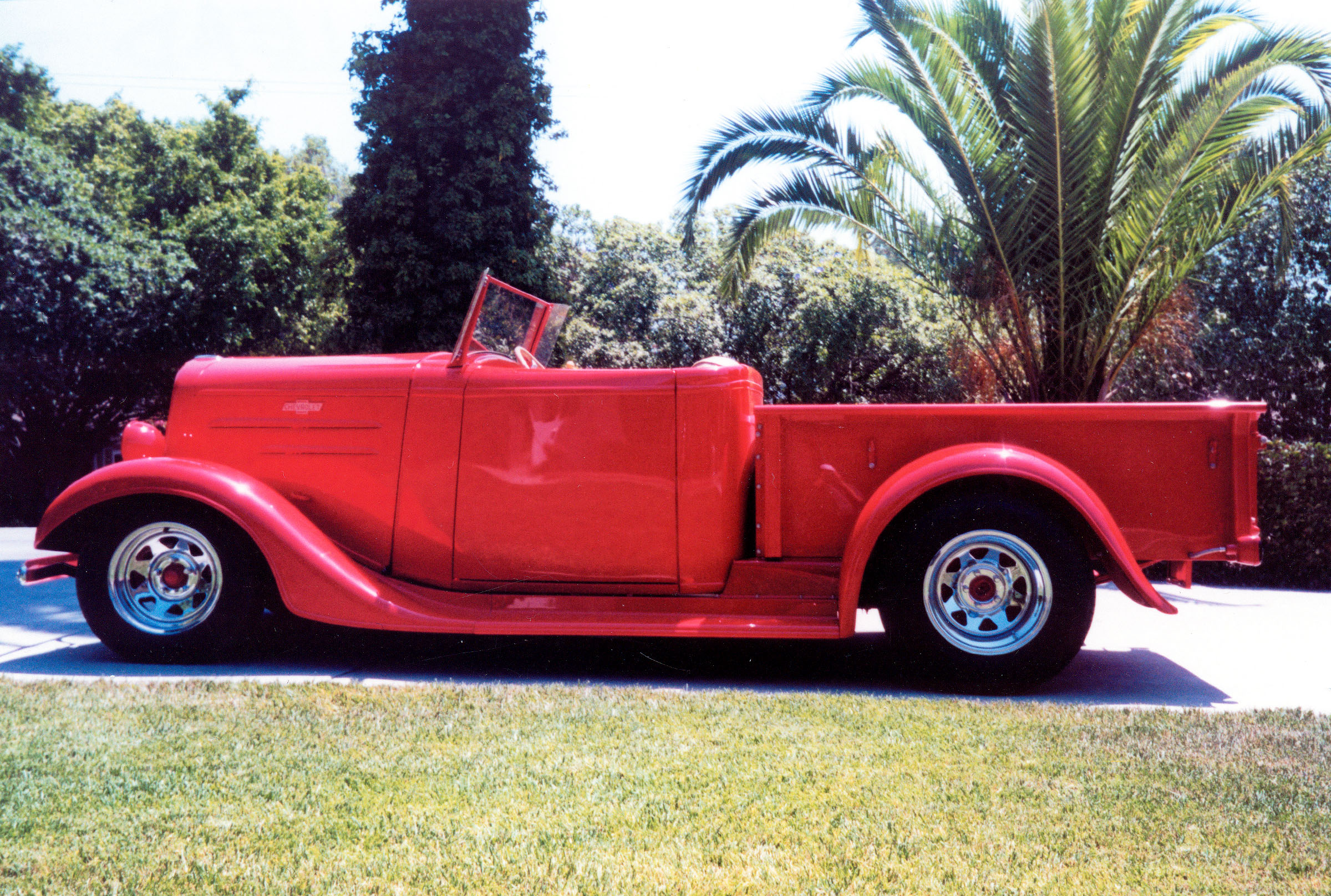
“I started building this car a little over 15 years ago after completing a Pro Street ’70 Camaro RS for my then-16-year-old son, Brad,” says overhead door installation specialist Jim Meltzer of Ventura, California. “I always had the urge to build a ’59 Pro Street Chevrolet El Camino (hence the nickname “U.S. Pro-1”), having owned one of those cars when I was just 21 years old,” he says. “Forty years later, the ’60 came along, and I figured that was close enough. The El Camino project was a joint collaboration with my sons Brad and Rod, and it got off to a great start. We made plans for a big motor and even built a full rollcage for that huge hunk of steel with the intentions of actually racing it.”

4/7 SWAP

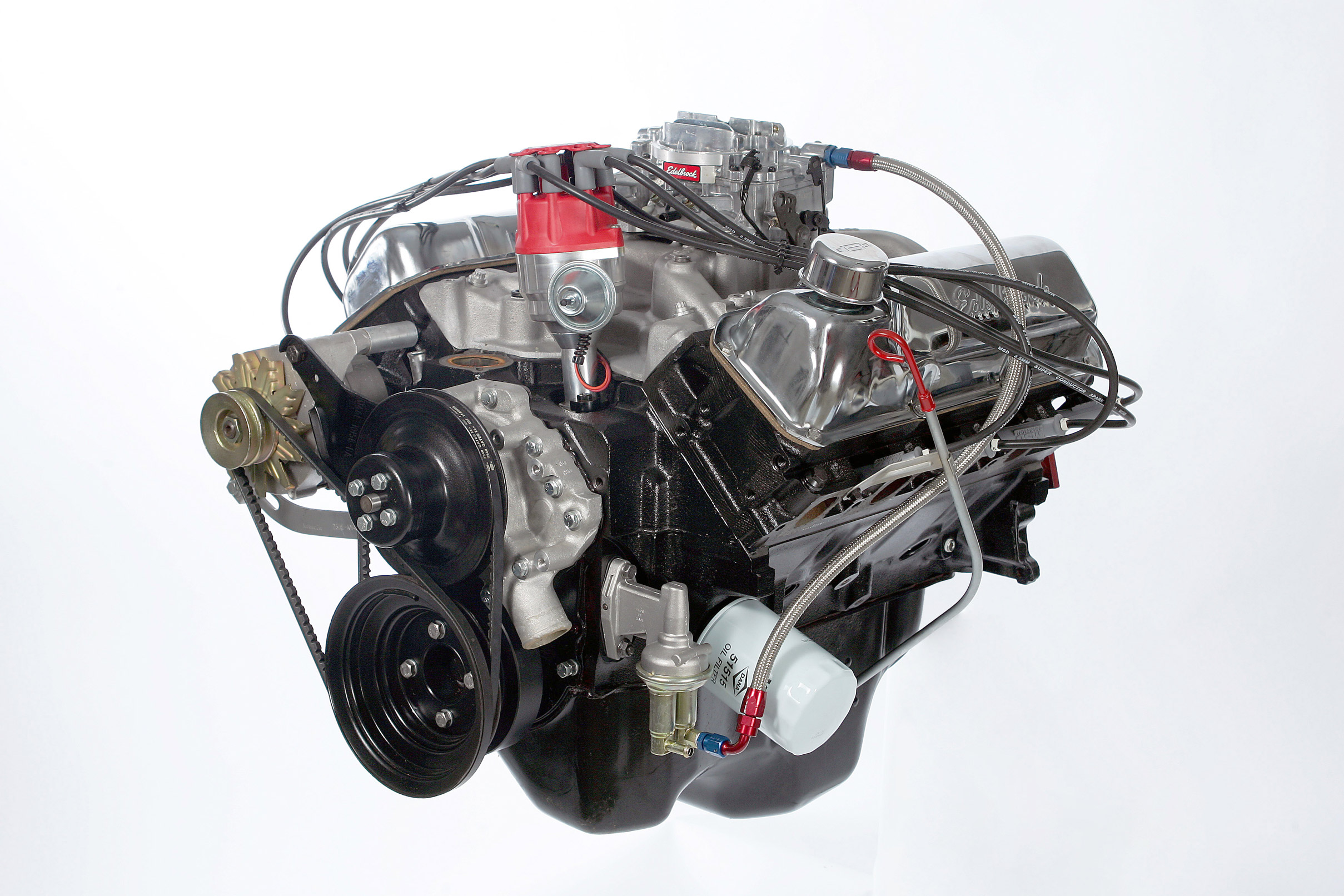
We showed you how to build a small-block engine that could make over 500 hp and 500 lb-ft of torque on 87-octane gas. It was a motor that could be driven just about every day with a hydraulic-roller cam and a good carburetor, making acquisition and maintenance almost nonexistent. Like many things we do in the engine world, the results we enjoyed—while good—just weren’t satisfying anymore. We wanted more.

SODA BLASTING

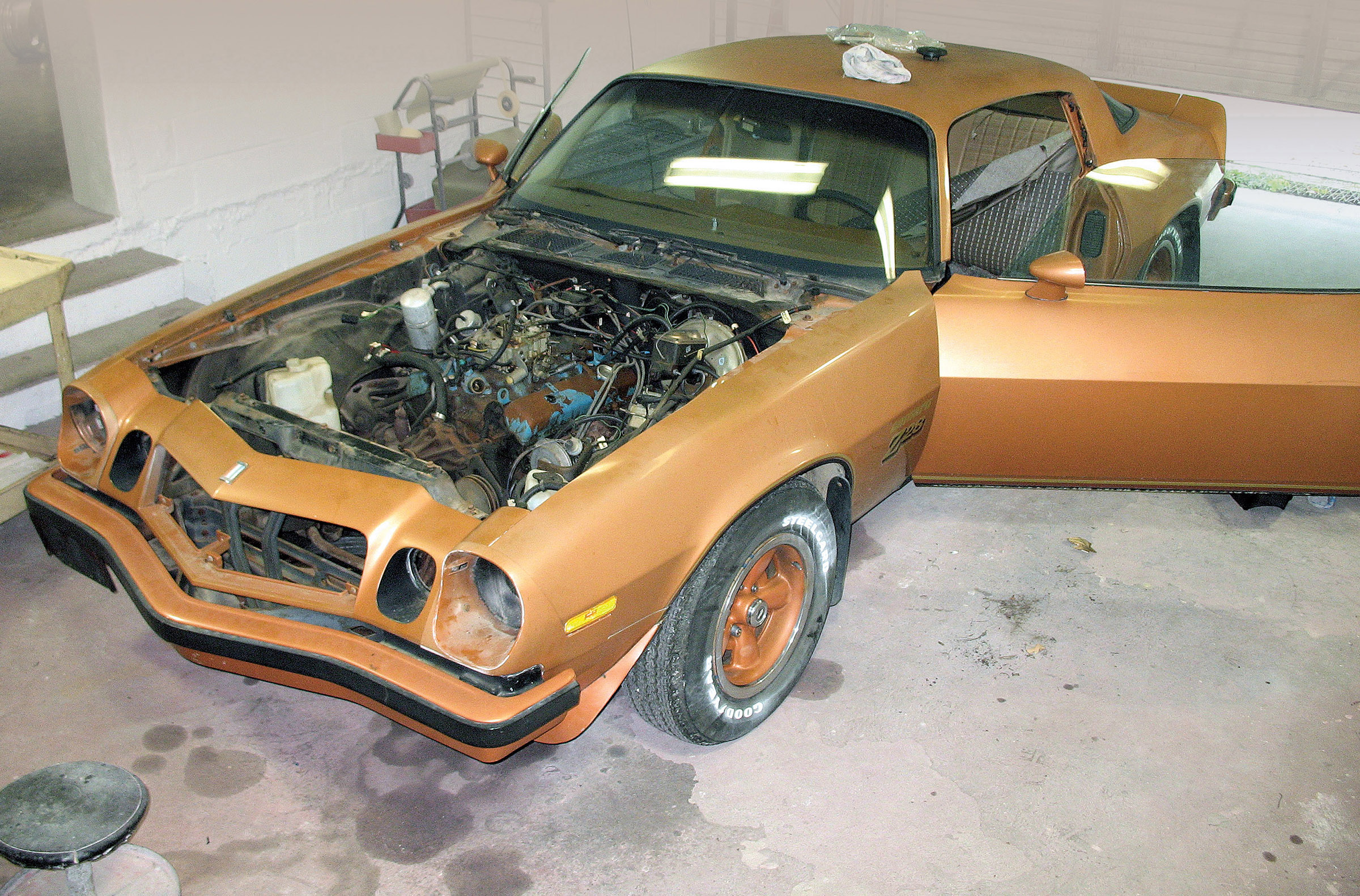
When starting any project that requires bodywork, rebuilding or even repainting, the first question is always, “What could possibly be lurking under the old paint that could come back and haunt us later?”

Ready to Roll

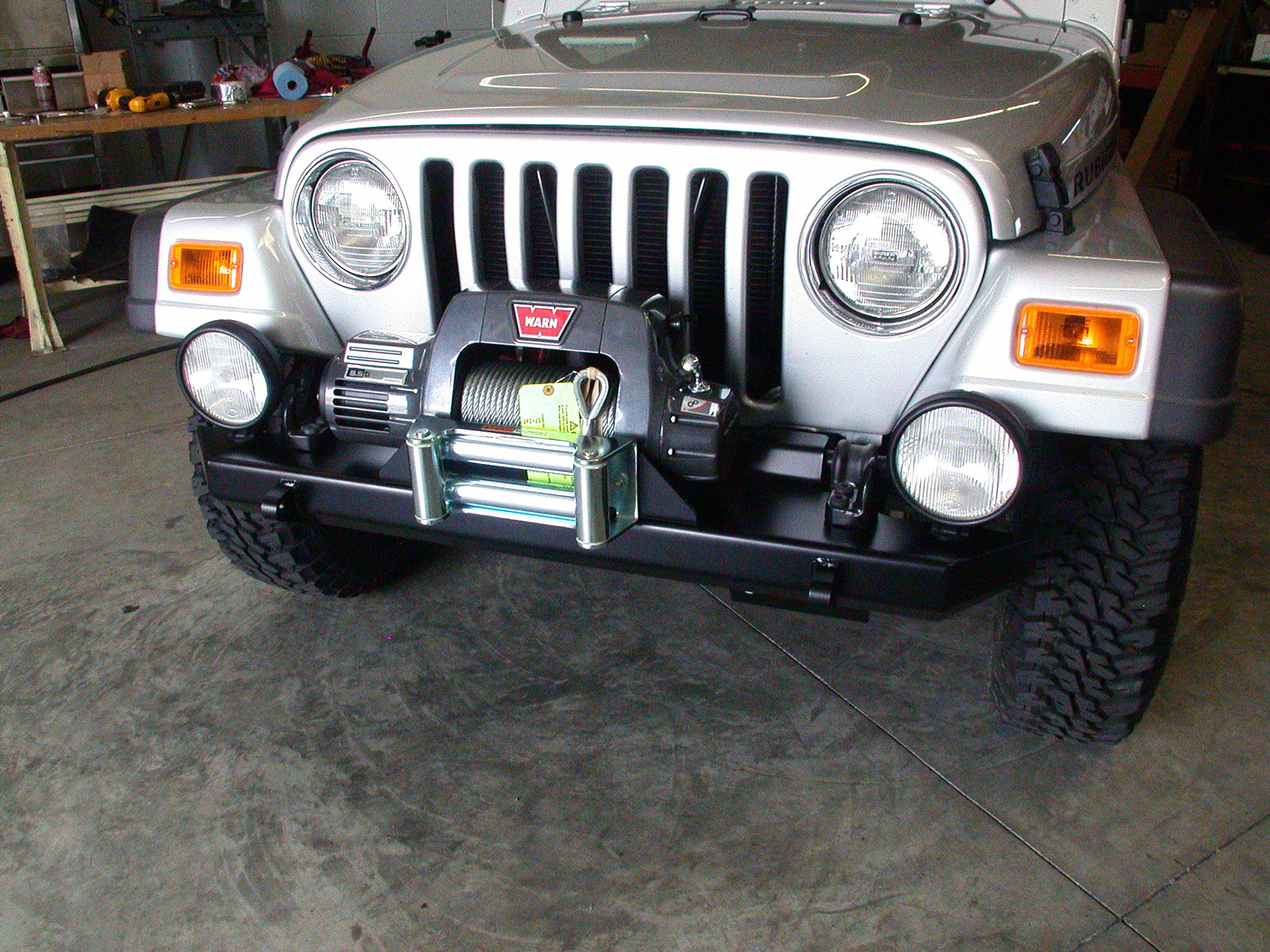
There’s nothing like an impending event inspection to motivate an install. Lorne Pearson was looking forward to the PNW4WDA Trail Jamboree in Naches, Washington where he was planning to run the challenging Rimrock Trail. This often-off-camber route required front & rear lockers, CB and winch along with some wheel base and tire specifications – all of which Pearson had. What his YJ lacked, however, was the mandatory full roll cage.

On Your Guard

Kilby Enterprises makes many cool products, such as their On Board Air systems, but they also produce some heavy duty skid plates that are designed to keep the rocks from inflicting pain on you and your rig.

HOLLEY CARB TUNING

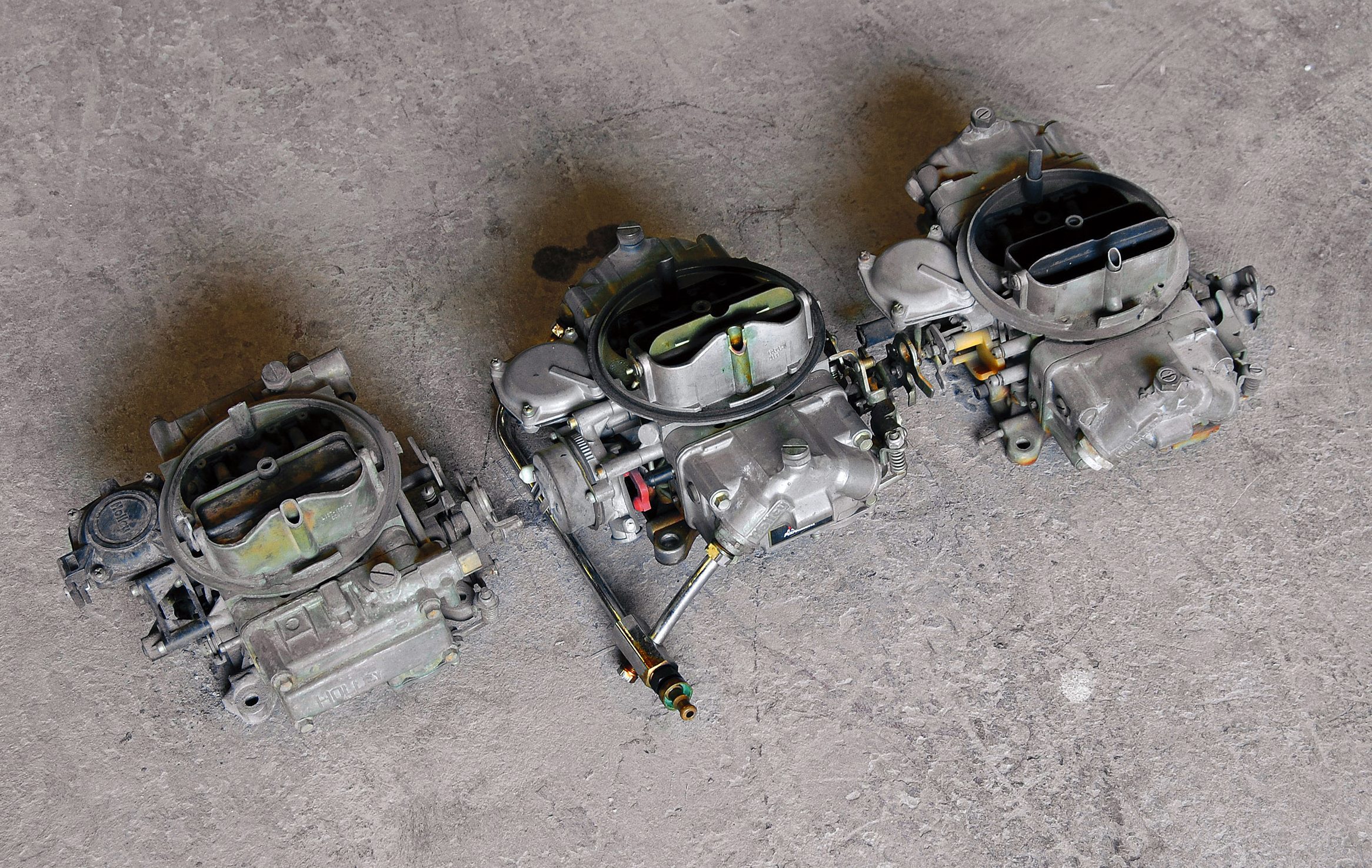
Holley carburetors have long been a staple in the go-fast world of high-performance motoring, whether it’s NASCAR, drag racing or on the street. Much like other performance-oriented products—perhaps even more so with a carburetor—a carburetor requires a fundamental setup and a degree of maintenance, and that’s considering you have chosen the correct-size carburetor for your application, at least to get it in the ballpark. Knowing how to adjust, maintain and even repair your Holley carburetor goes a long way toward helping to ensure that your carburetor will make optimum horsepower for a long time. Because of this, we decided to compile a few troubleshooting and repair tips for the popular 4150-series Holley carburetor, which is the series designation for Holley’s street/strip and racing carburetors.

MAKING GAS

Alternative-fuel sources and hybrid cars are all the rage today. Everyone from major automakers to backyard inventors is pursuing alternative fuels and energy sources. While the ultimate goal is generally to eliminate dependence on foreign oil, for hot rodders there is also the desire to invent and create a better-performing engine.

Scrap Yard Binders

Since we don’t really have to search for vintage parts anymore, gone are the days of scouring the local “Pick-a-Part” in search for that illusive part that will interchange or convert your muscle car to bucket seats, tilt steering, A/C or some suspension upgrade. But there was a day when you and a rodding buddy could venture to your favorite junkyard and come home with a whole truckload of cool vintage goodies that would aid you in your rebuild, all in the span of a day.
Well, those days aren’t completely gone. While at the local wrecking yard looking for any useful hot rod parts, we stumbled across another enthusiast, Sean Rievley, who is in the progress of upgrading his ’71 Chevelle chassis

Firewall Mayhem

Crankshaft trigger mechanisms have been used in racing applications for a considerable length of time. In truth, they’ve actually been in service for decades. It’s a simple known fact that one of the best ways to improve engine performance is to ensure that the ignition timing is stable. That’s the whole purpose behind such a system, and that’s why racers regularly use them.

0Comments
Scroll to Top
image

Subscribe for Email Updates

Newsletter Categories *
Marketing by