

TheAutoBuilder.com

Engine

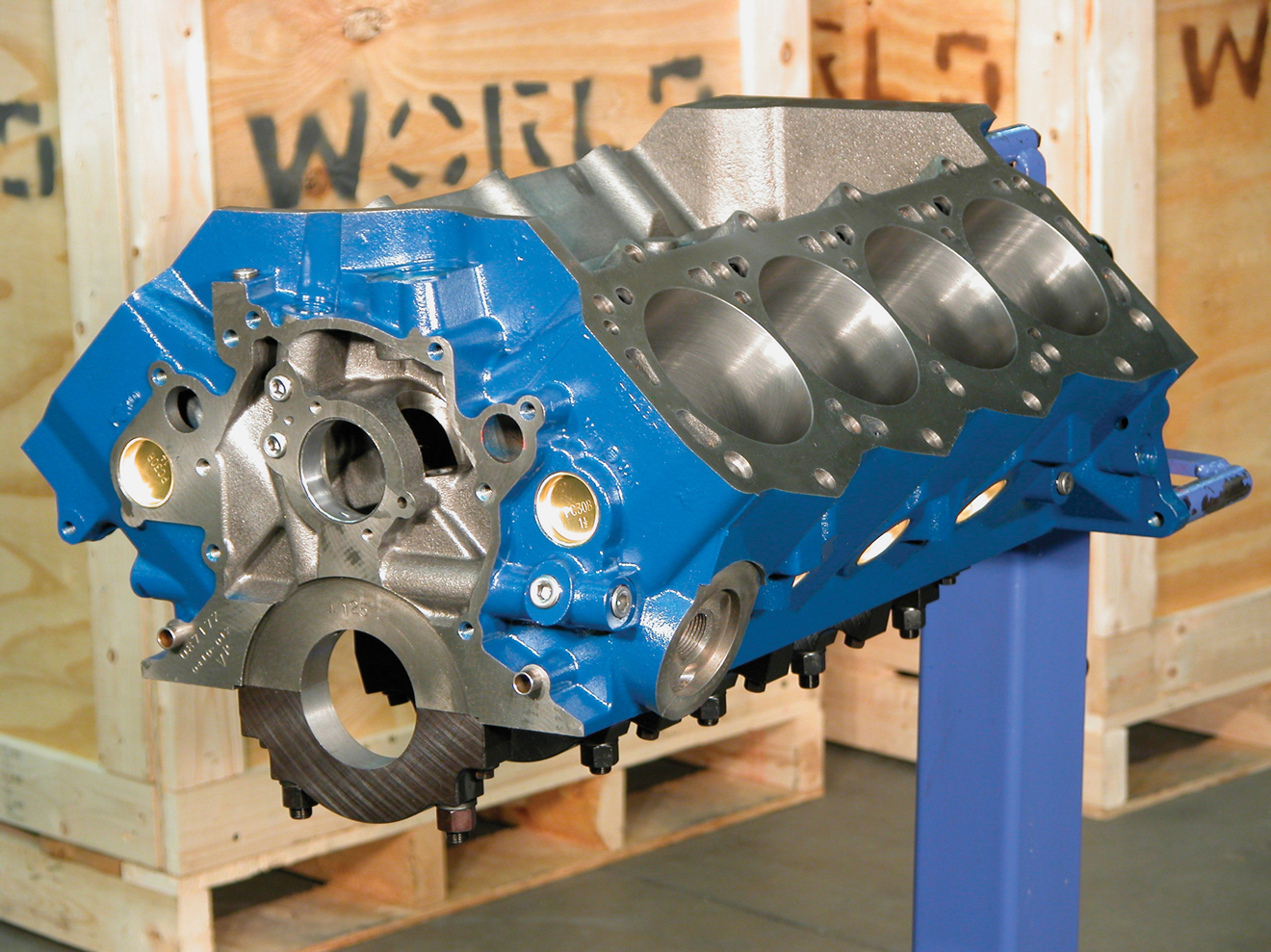
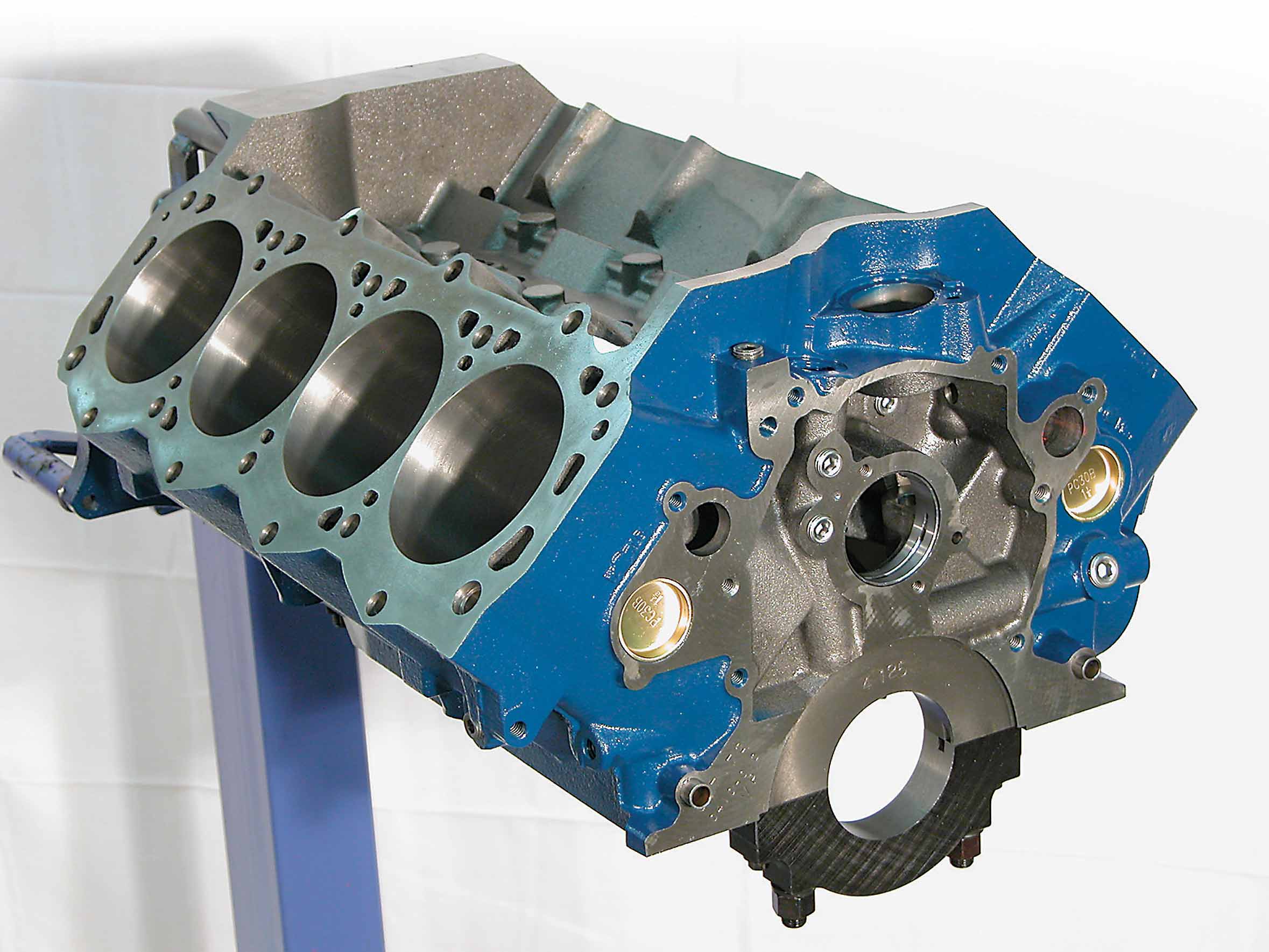
BIG-MOUTH FORD SMALL BLOCKS

Ford engines are hot, and everyone—even non-Ford guys—are talking about it. The small-block Ford is an awesome package that is made even more awesome by Ford Racing and aftermarket parts. It has continually gained popularity as a high-performance buildup, as a Ford In A Ford engine transplant and as a replacement performance engine for vehicles that were optioned as such but were less equipped when new. With all of this activity surrounding the small-block Ford engine, it is safe to say that it is quickly becoming the small block of choice.

0Comments
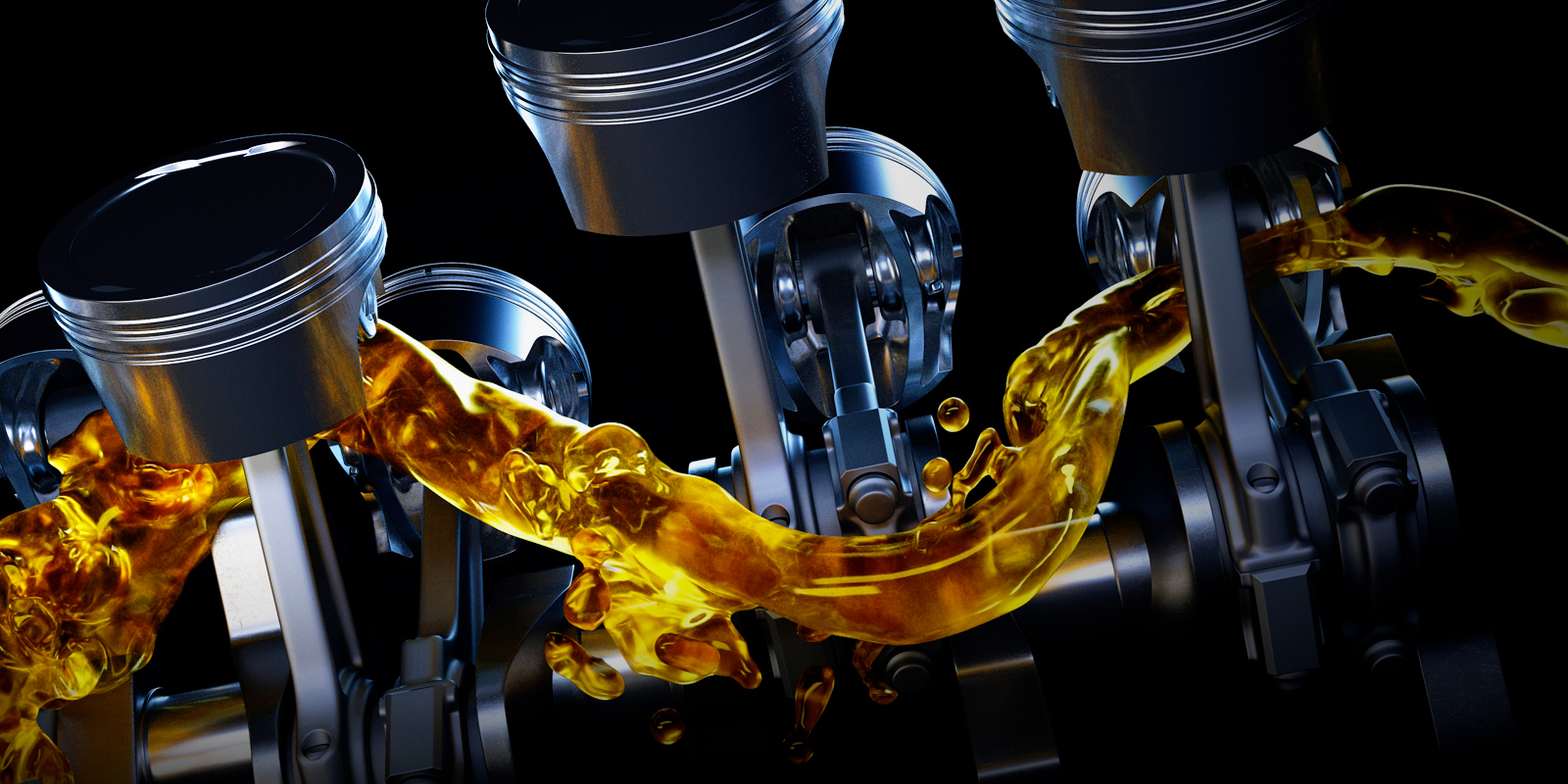
Driven Racing Oil’s Break-In Oil Kit BR30 5W-30

Driven Racing Oil developed the original high zinc, petroleum and low detergent break-in oil over twenty years ago. Break in oil is a specialty oil that reduces wear and contaminates when breaking in a new high-performance engine. It provides controlled friction for your piston rings and incredible protection that helps your camshafts break in properly.

THE CHEVELLE’S FINEST HOUR

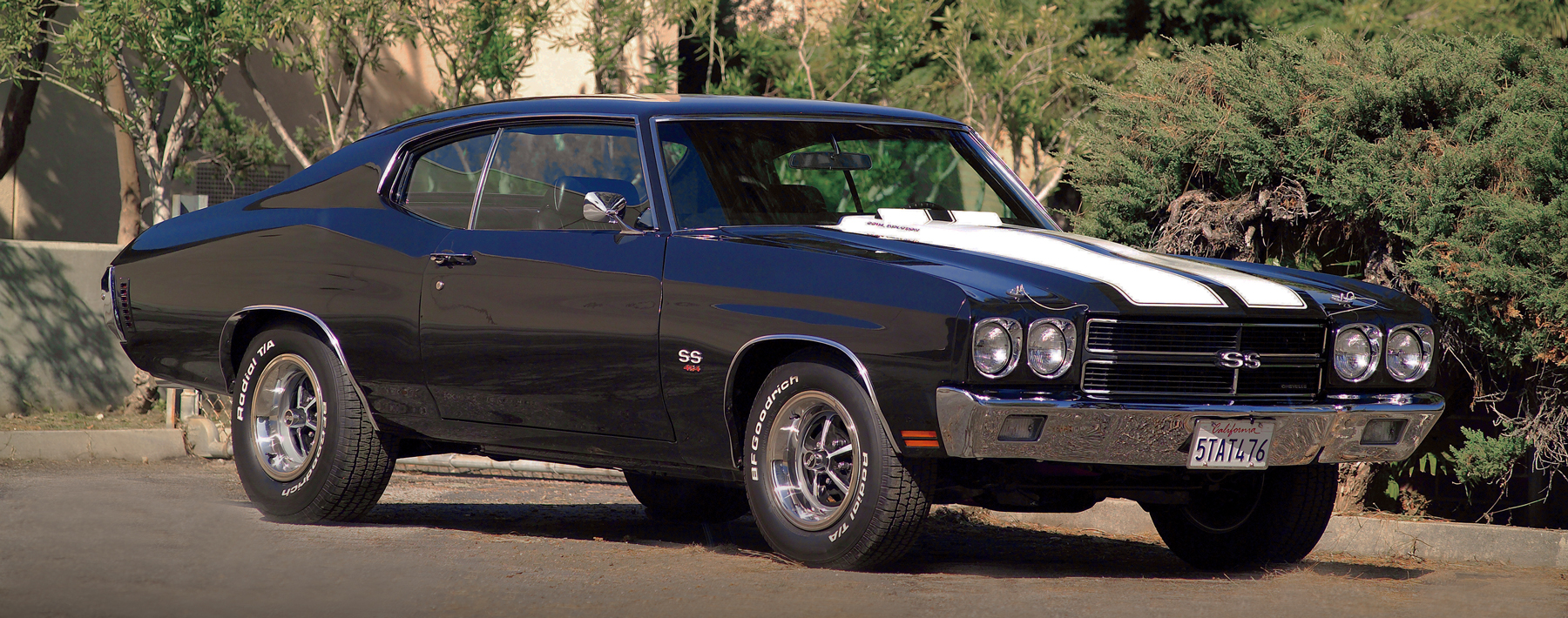
Many believe that the ’70 Chevelle is the best-looking muscle car ever built. The new bulges on the sides give the car a meaner appearance, and this was the first time that a mid-size car could be ordered with a cowl-induction hood and stripes on the hood and trunk.

TALE OF TWO DEUCES

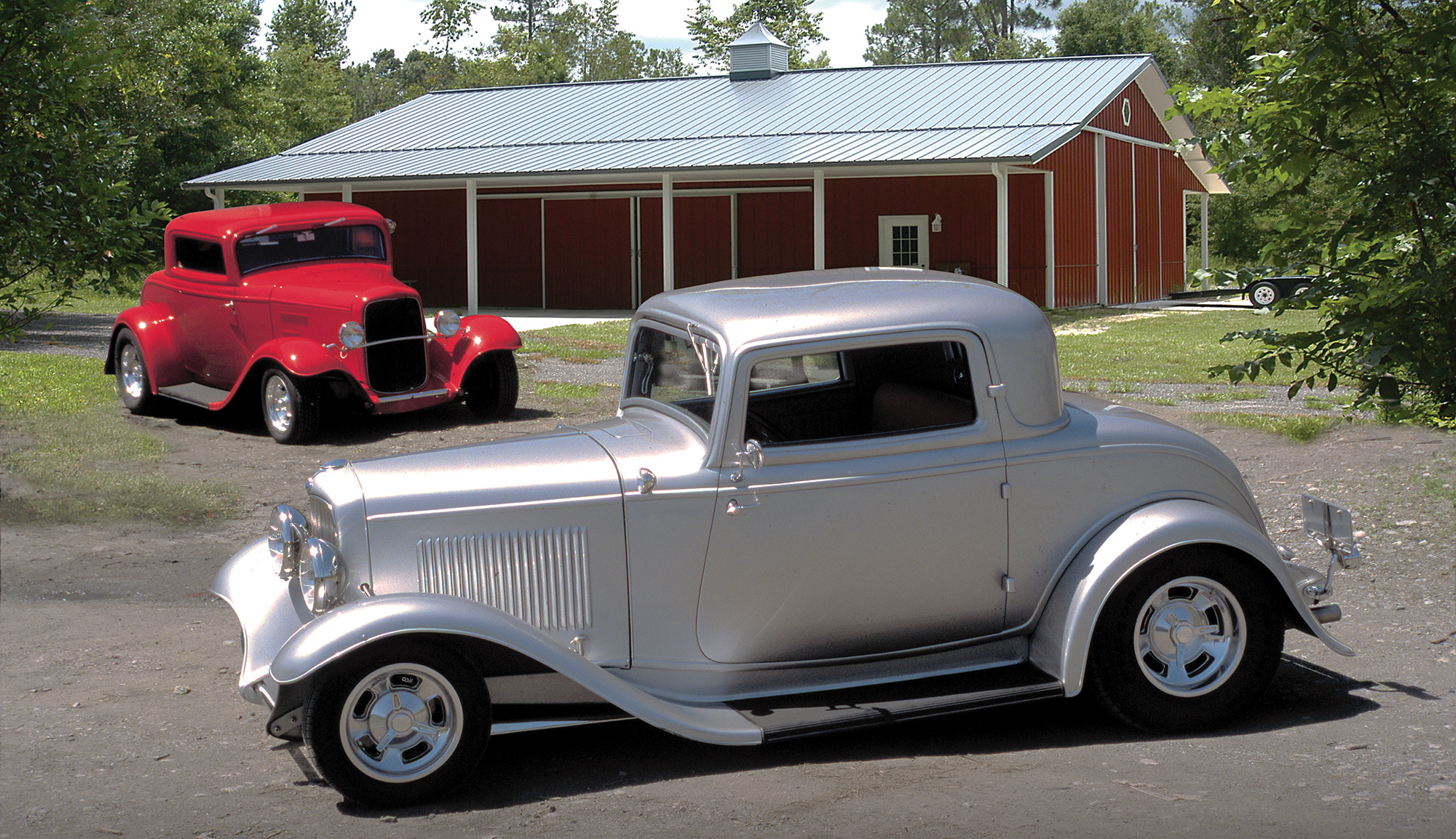
Hardcore rodders have a history of searching for vintage tin, even though the number of old cars (and trucks) sitting behind barn doors, in fields, under tarps and alongside garages has dwindled as interest has increased. This steady decline of available vintage steel is the very reason why so many businesses presently produce fiberglass and steel reproduction bodies and body parts.

REDEEMING THE FORGOTTEN Y-BLOCK

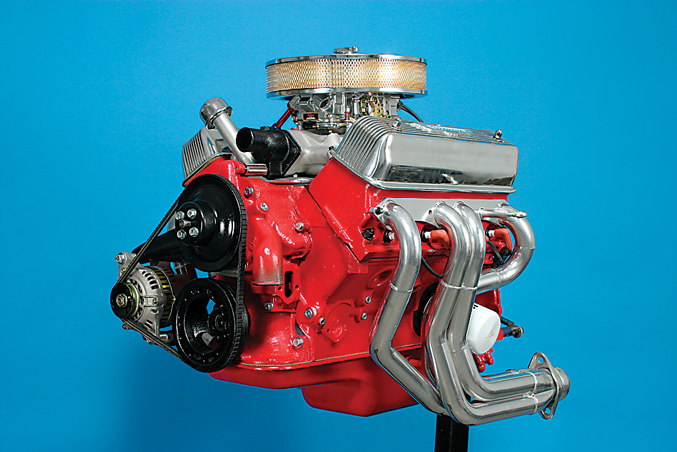
When Ford introduced its Y-block engine in 1954, it labeled the engine the worthy successor to the venerable Flathead. The Flathead gained a loyal following of hot rodders and racers, but the big Cadillac overhead-valve V-8 and Oldsmobile’s Rocket 88 were stealing Ford’s thunder in terms of power, so something had to be done, and Ford decided to respond. The answer was a clean-sheet V-8 design, featuring overhead valves and improved cooling compared to the old Flathead. It was dubbed the “Y-block” because of the way it looked and because of its deep skirt and tall cylinder heads.

WINDSOR CASTLE

While the small-block Chevy is the popular engine choice for many enthusiasts, many are now relying on a Blue Oval heart for their performance bodies. With its link to Ford, the original body manufacturer for many of the classic cars we see today, the small-block Windsor-style Ford engine offers several advantages. When compared to Chevy, the lack of firewall clearance for a number of Chevy engine swaps is due to the rear distributor position of the engine. The front-mount distributor position is the more logical place to drive the distributor and the oil pump. Not to mention, it’s much more convenient.

1958-1961 Factory Carb Listing

Okay, okay! After listening to oh so many of you, we are providing information you have been requesting, and perhaps searching for, for some time. That information is carburetor data, information that we used to take for granted but that has become more and more difficult to find of late. It seems that much of this data for numerous models and years has somehow slipped through the cracks. This could be mostly due to the age of the information, plus the fact that many of those applications are more rare today. We suppose there are numerous other reasons as to why this information has virtually dried up, so we present a basic listing here for the correct carburetor number for the respective engine application.

Dialed In

When it comes to performance, the devil really is in the details. Ever wonder why one engine makes more power than another, when both are seemingly identical? The answer to this very common performance question lies in the attention to detail. Basic performance elements such as engine tuning, spark timing curves, and, yes, even oil selection all come into play when you attempt to extract the maximum amount of power from your existing combination. 

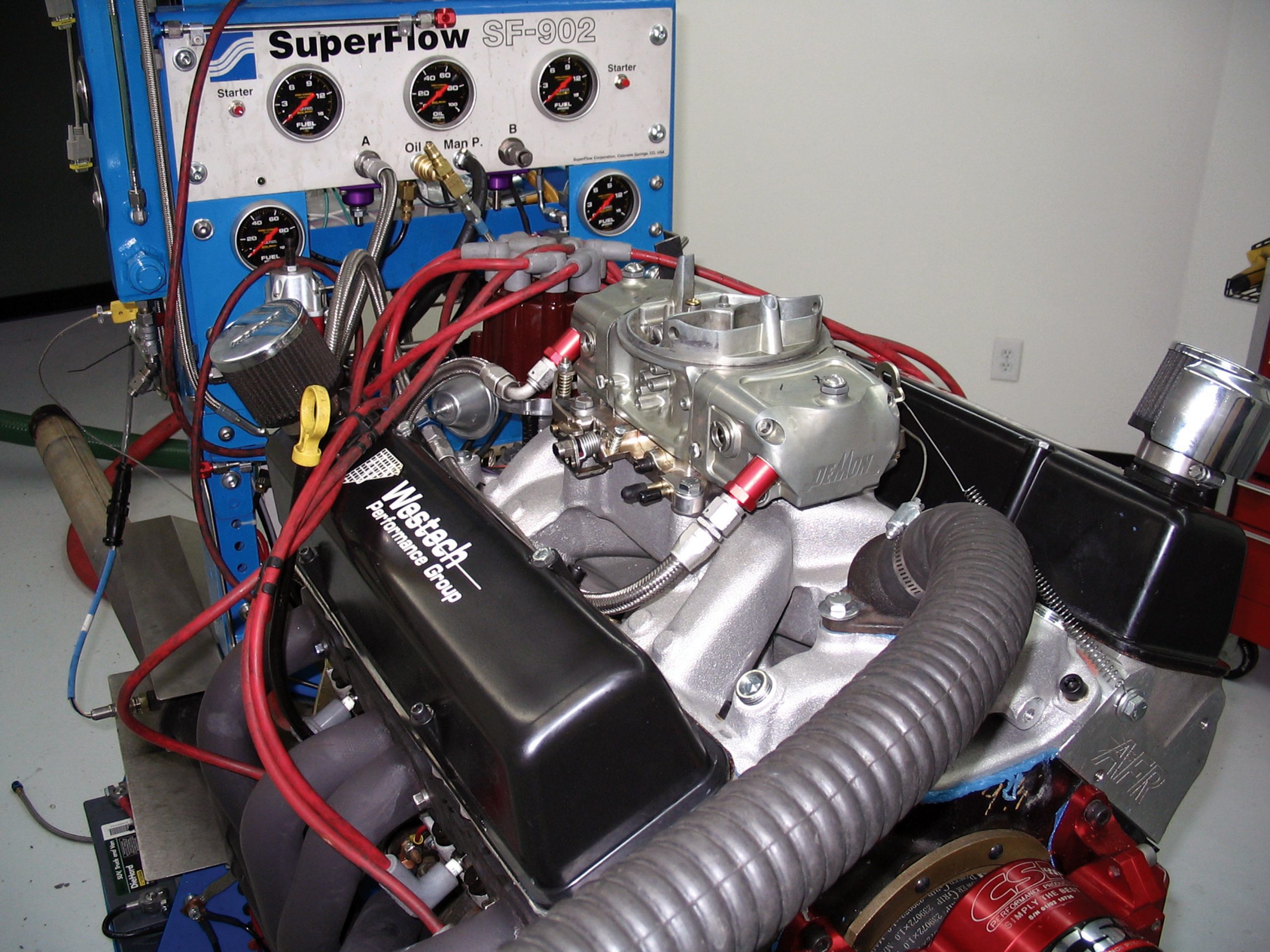
539HP 383 On Pump Gas

Time and time again, our advice to those interested in learning about stout-running engines is that it’s the total combination that makes it all happen—considering, of course, that components are prepped, cleaned and assembled as if in a “clean room.” 

Scroll to Top
image

Subscribe for Email Updates

Newsletter Categories *
Marketing by