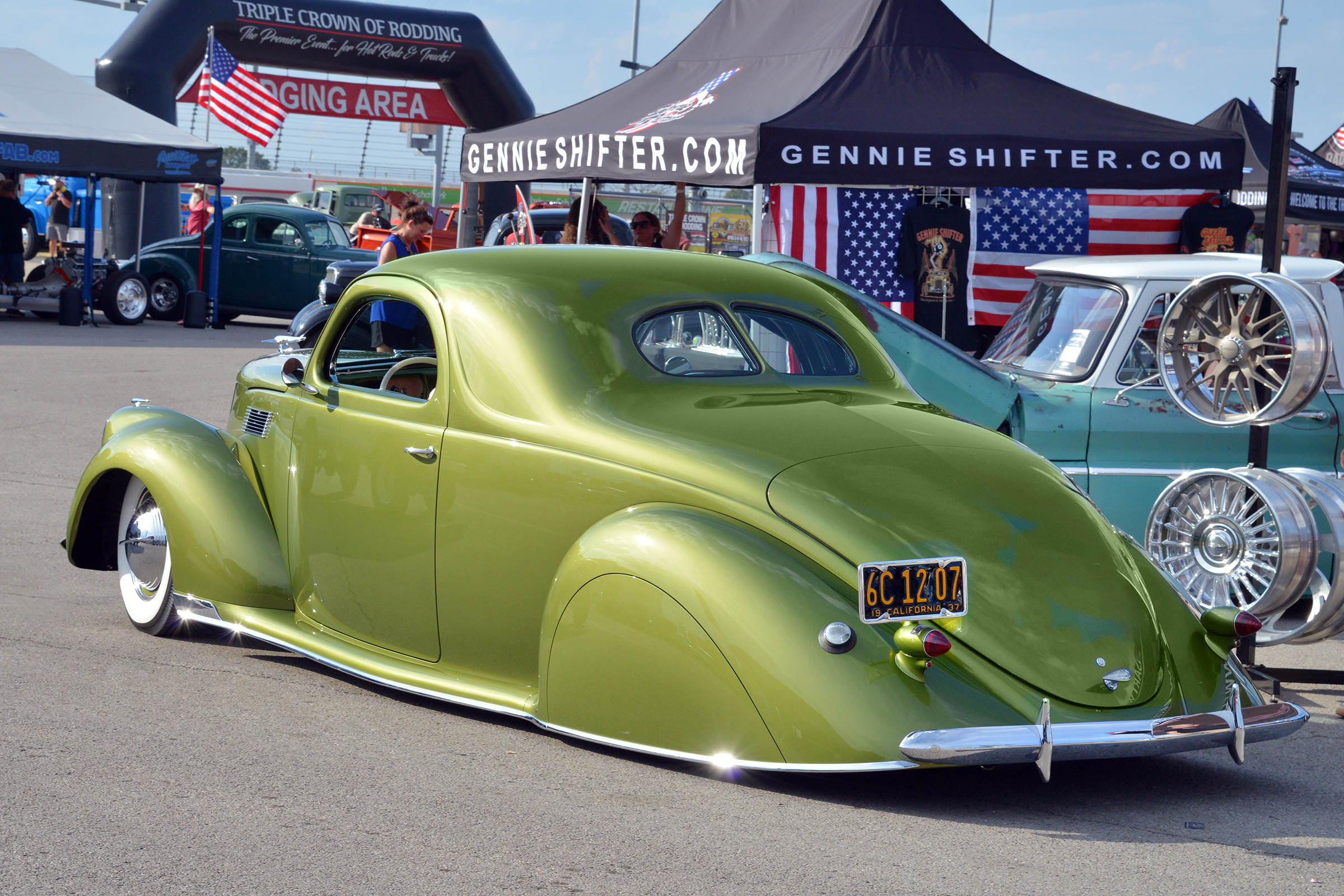
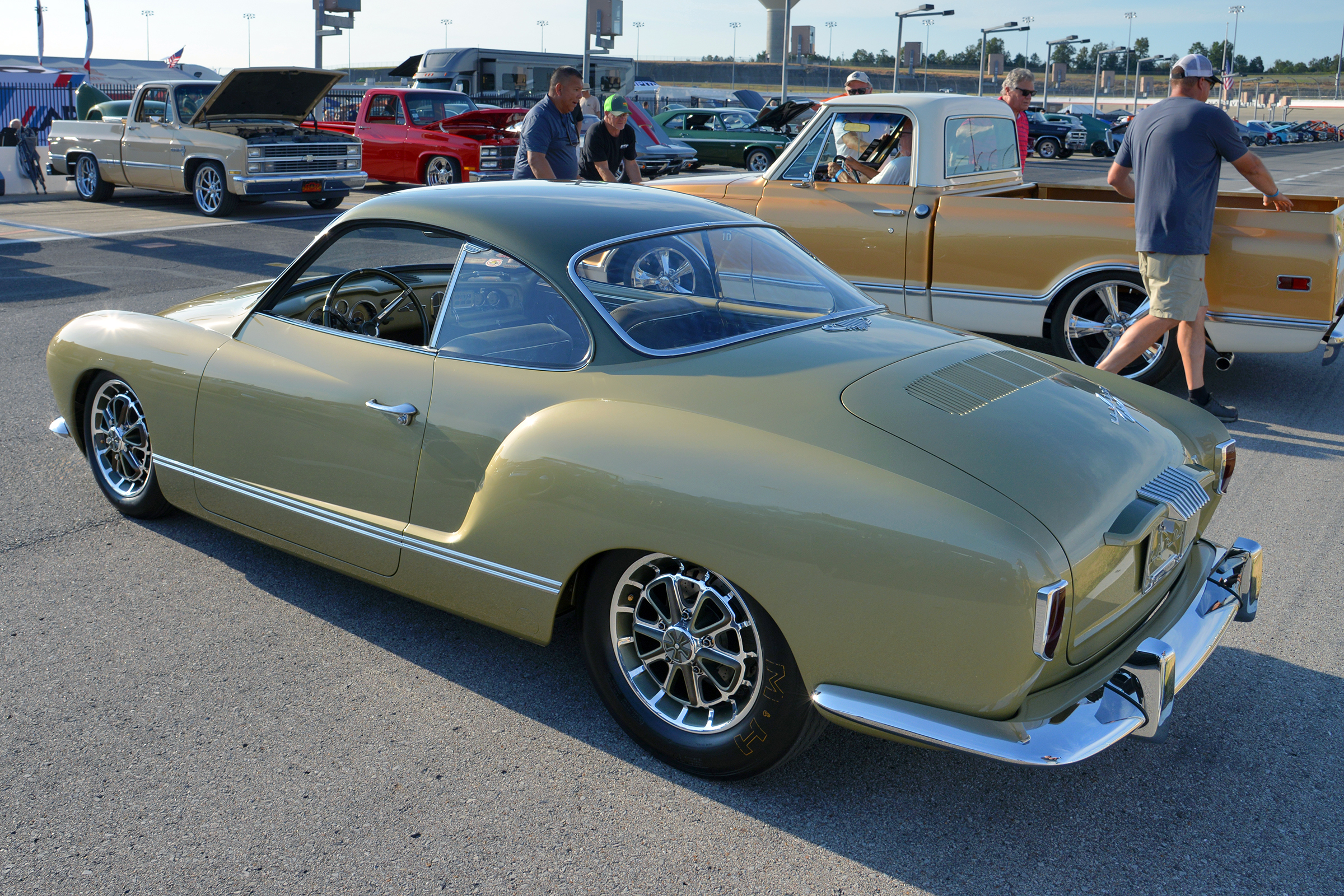
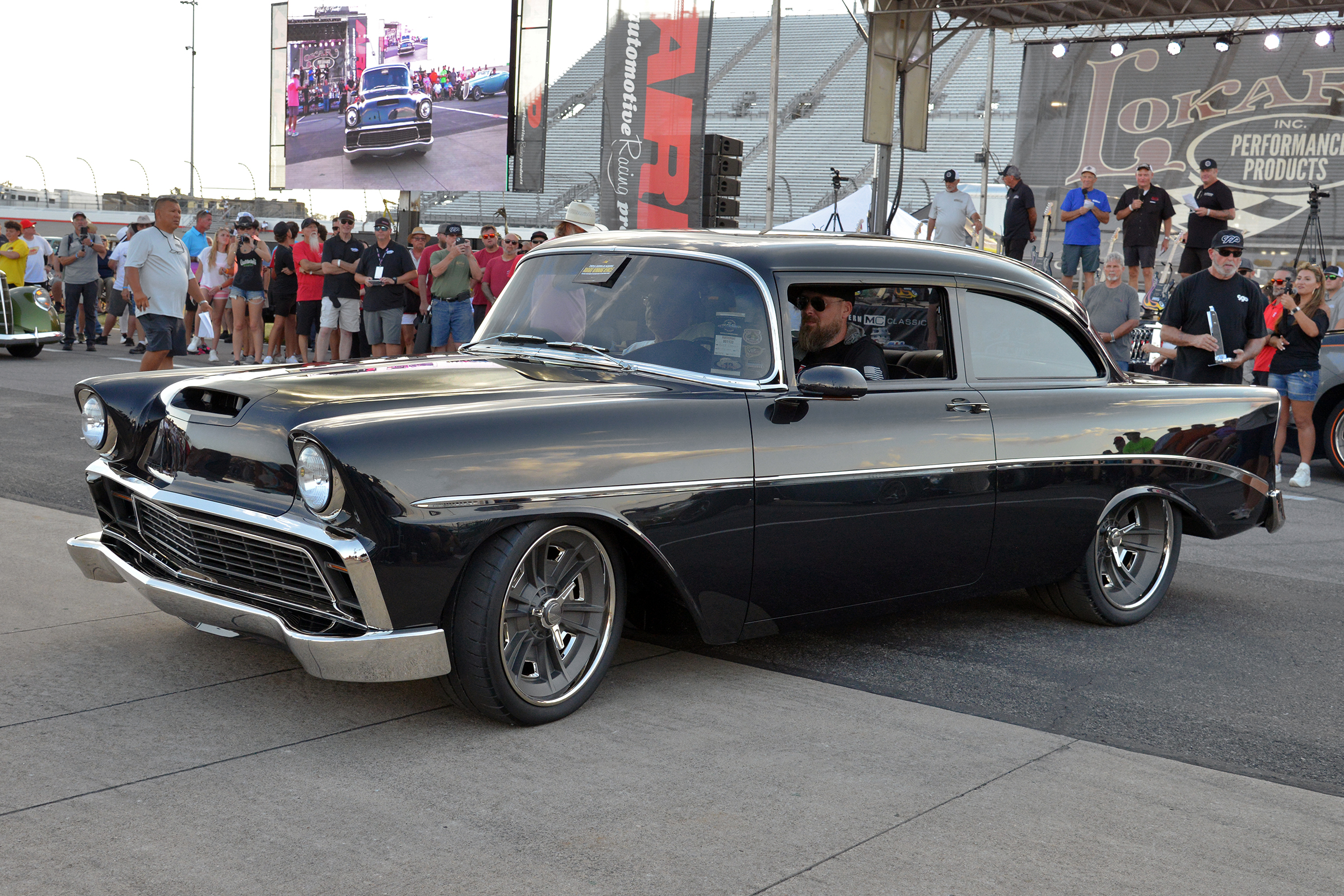
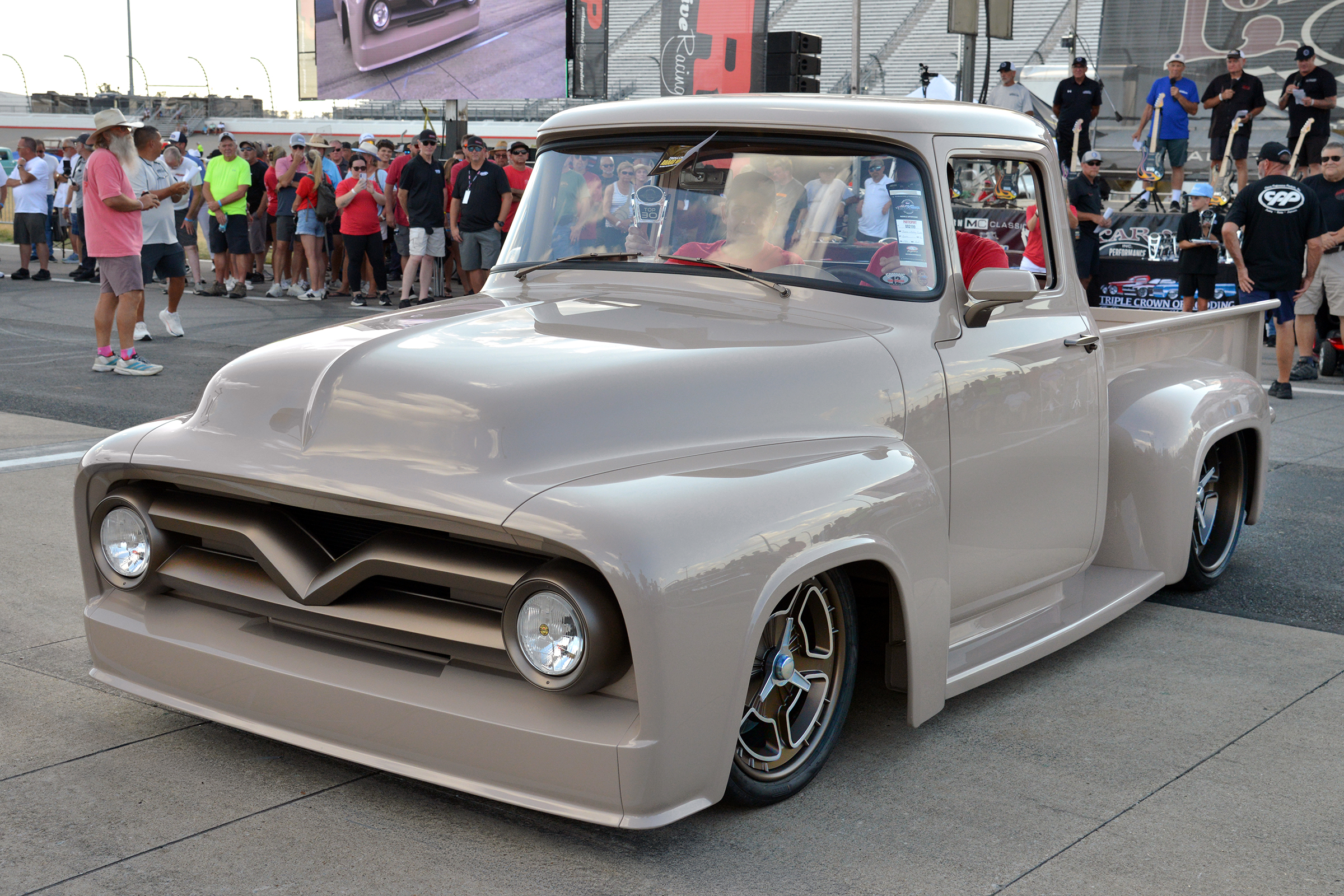
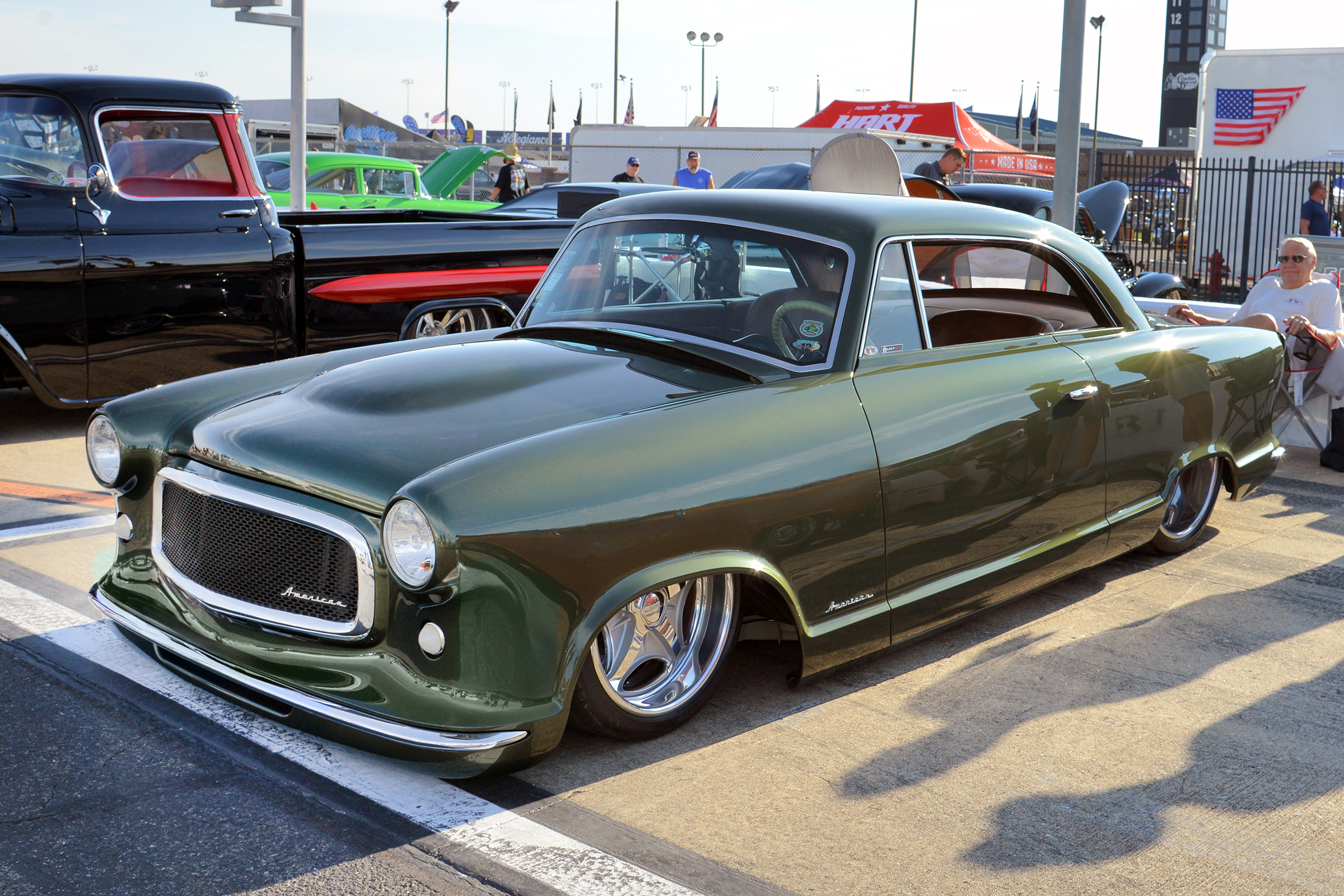
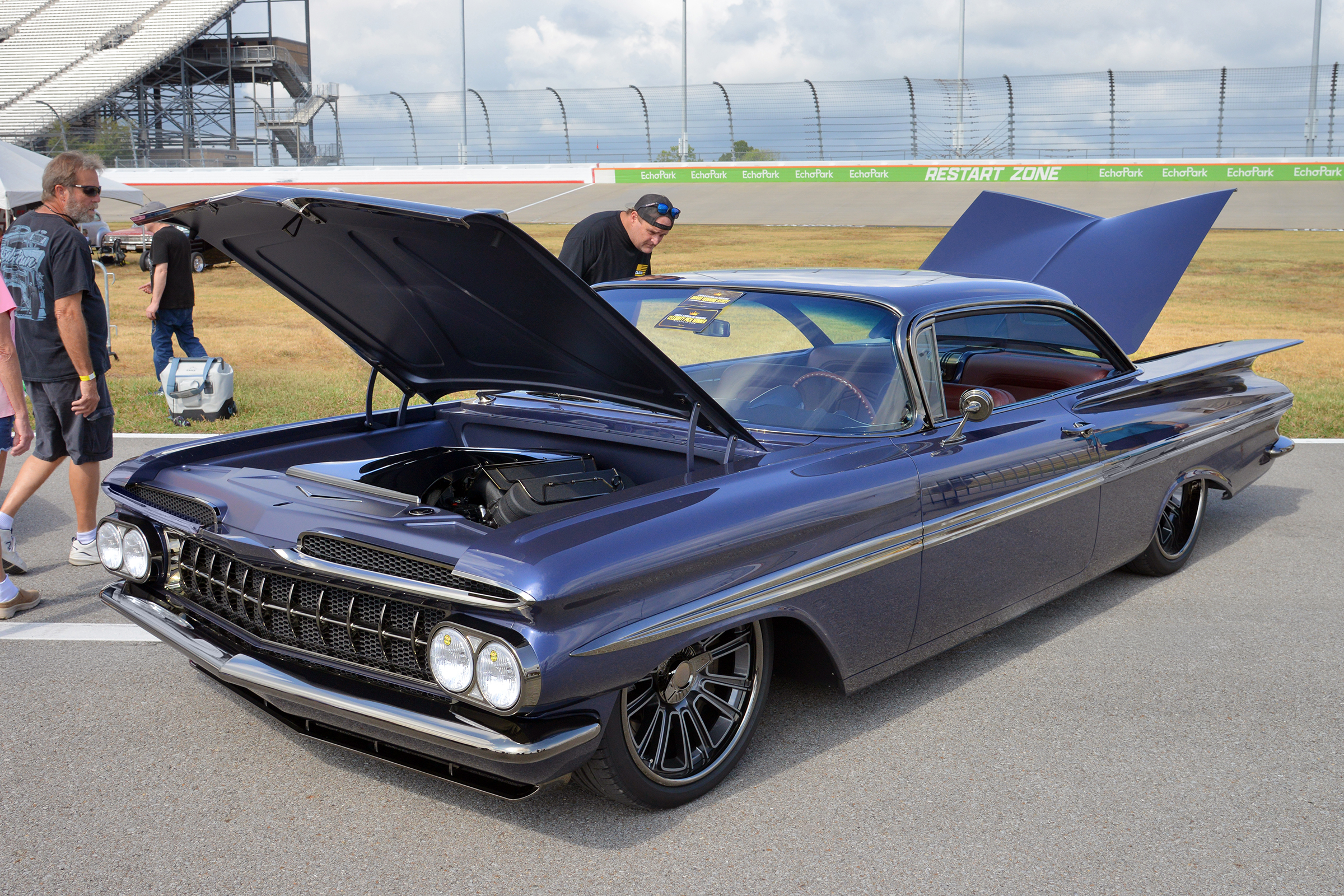
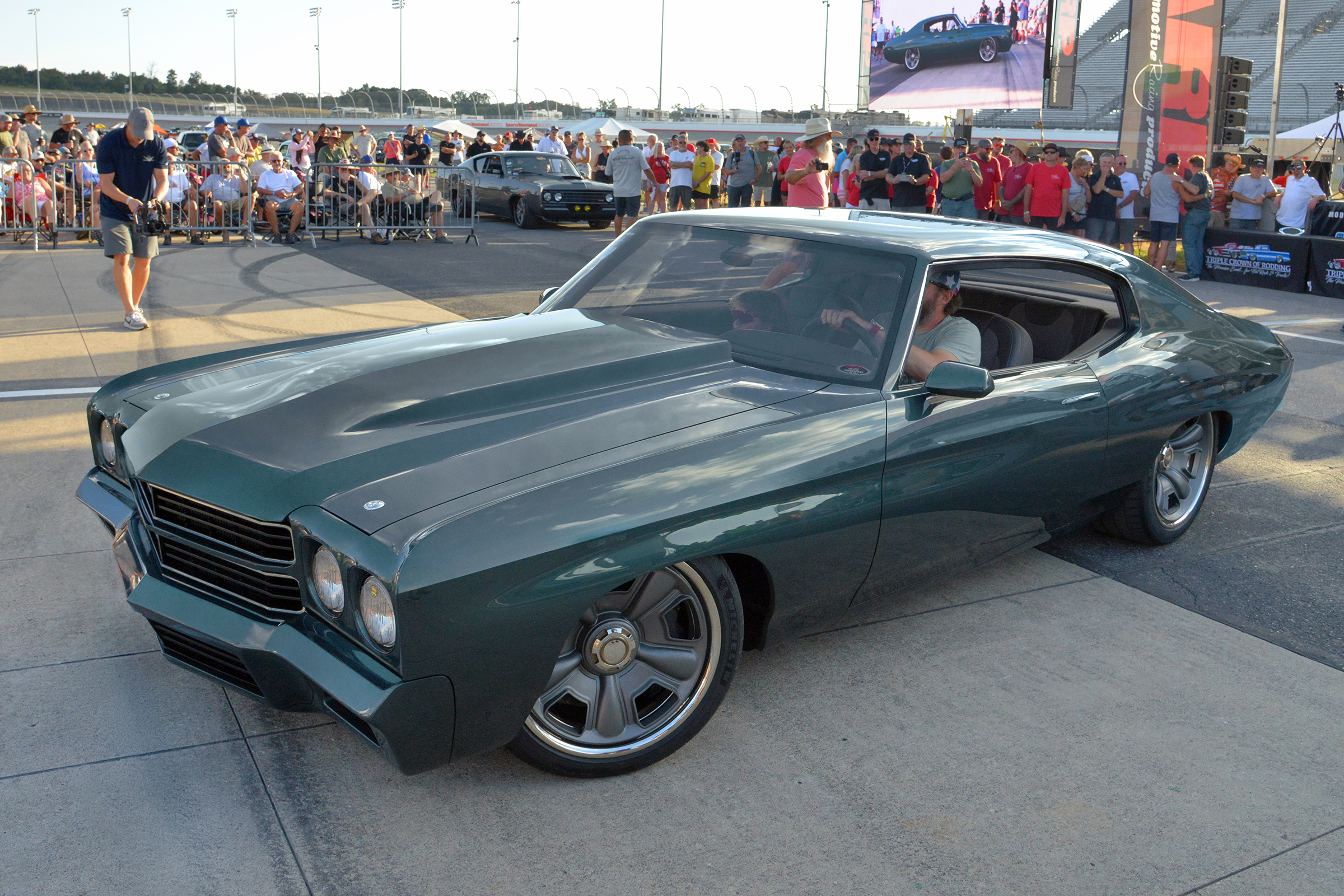
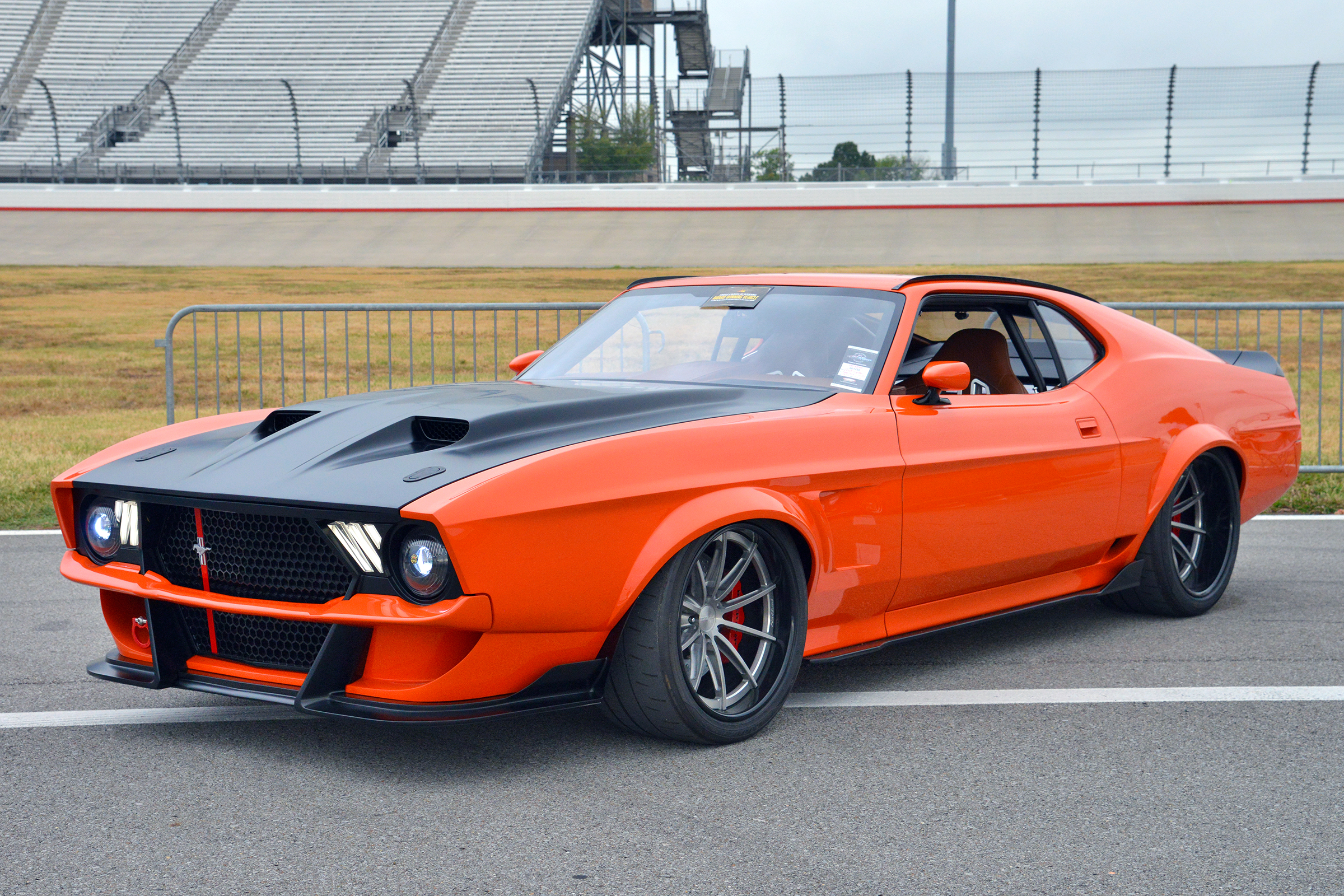
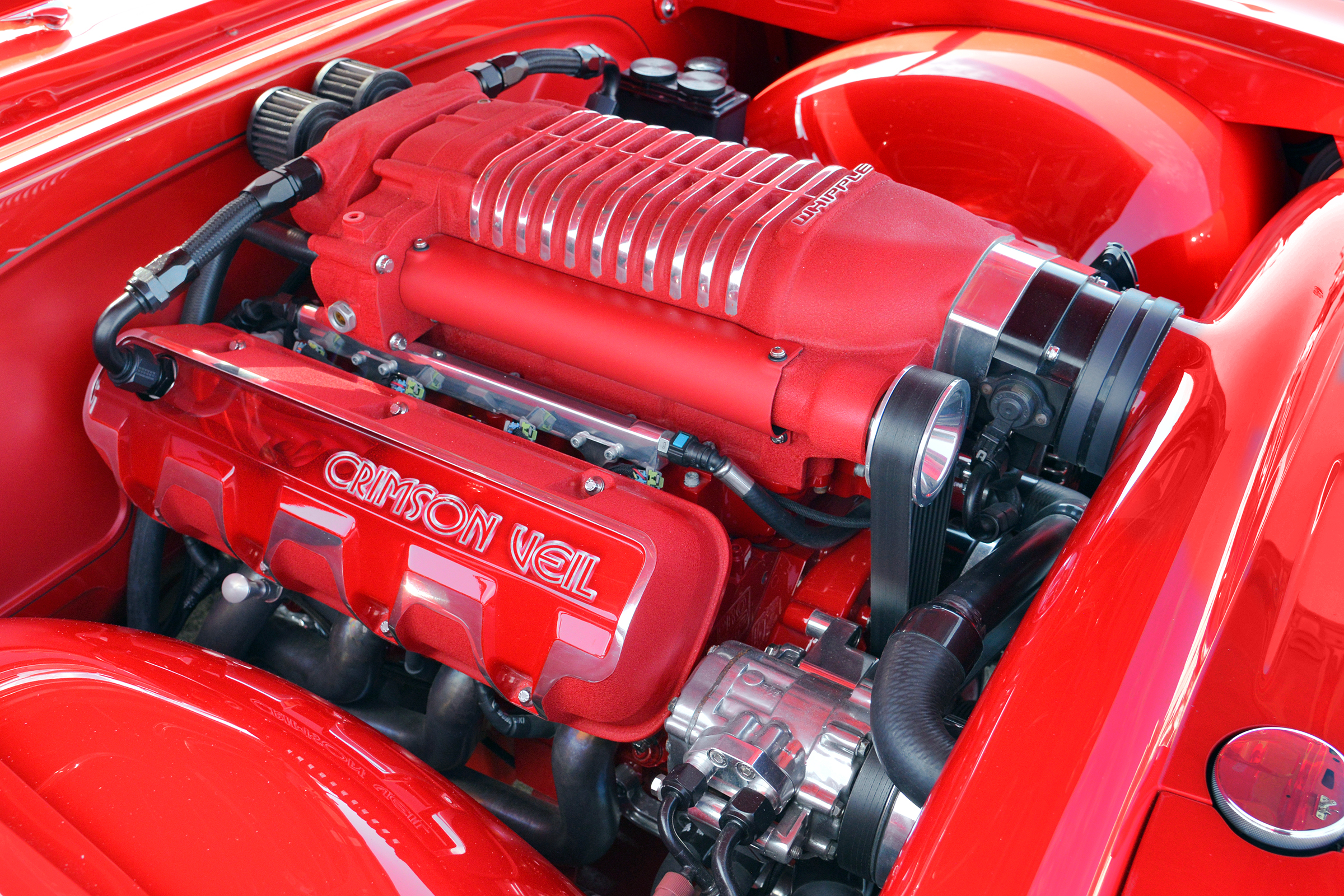
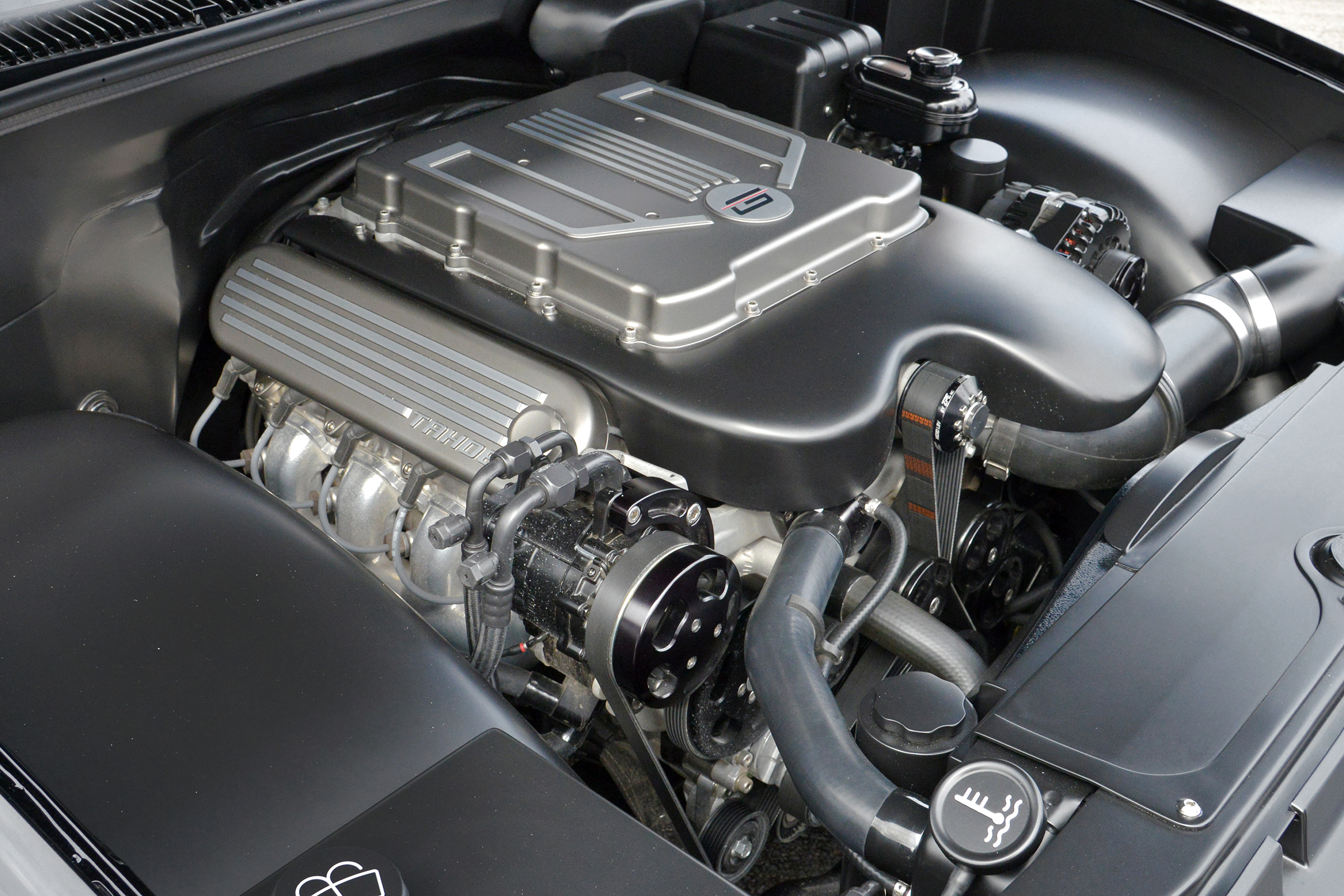
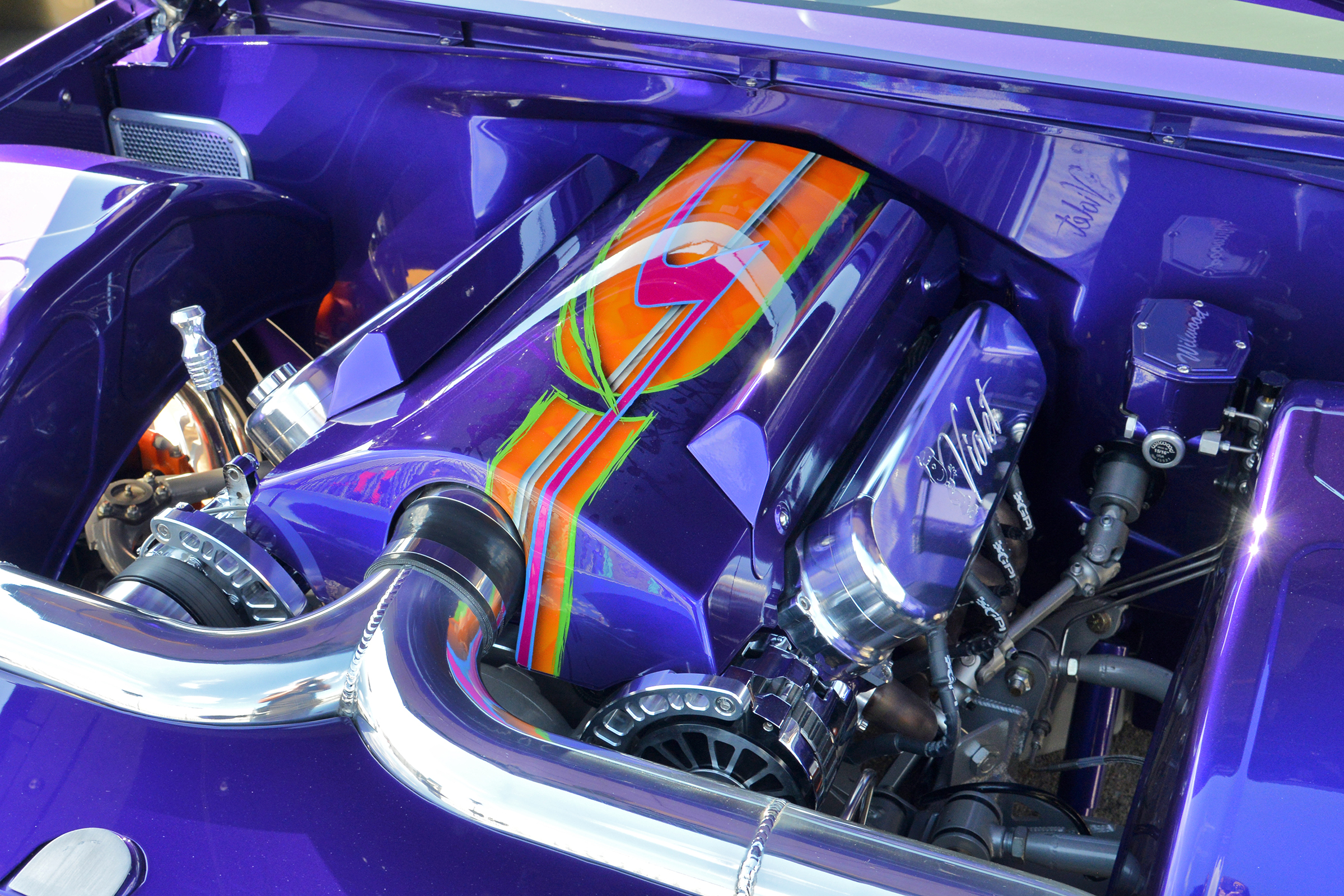
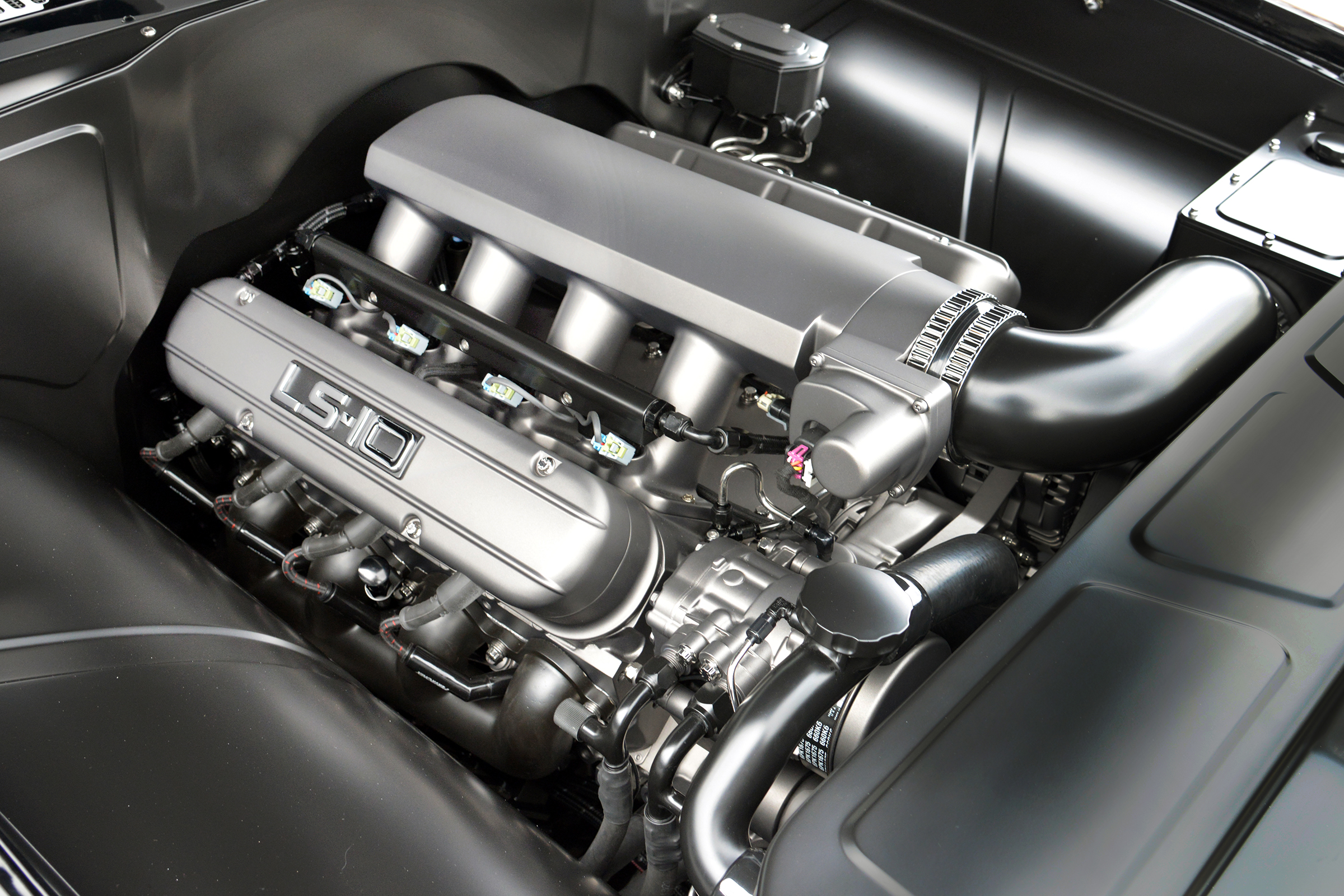
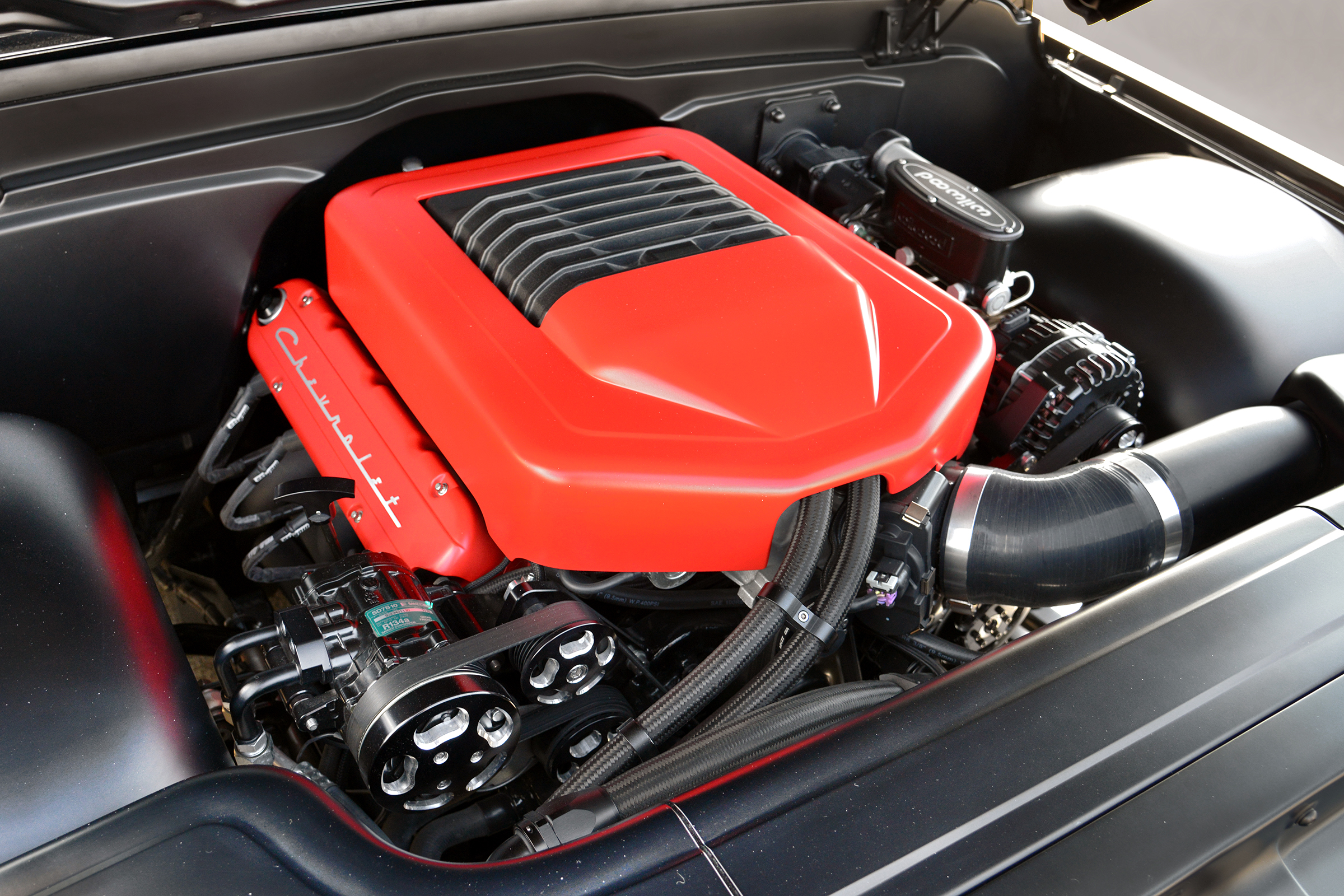
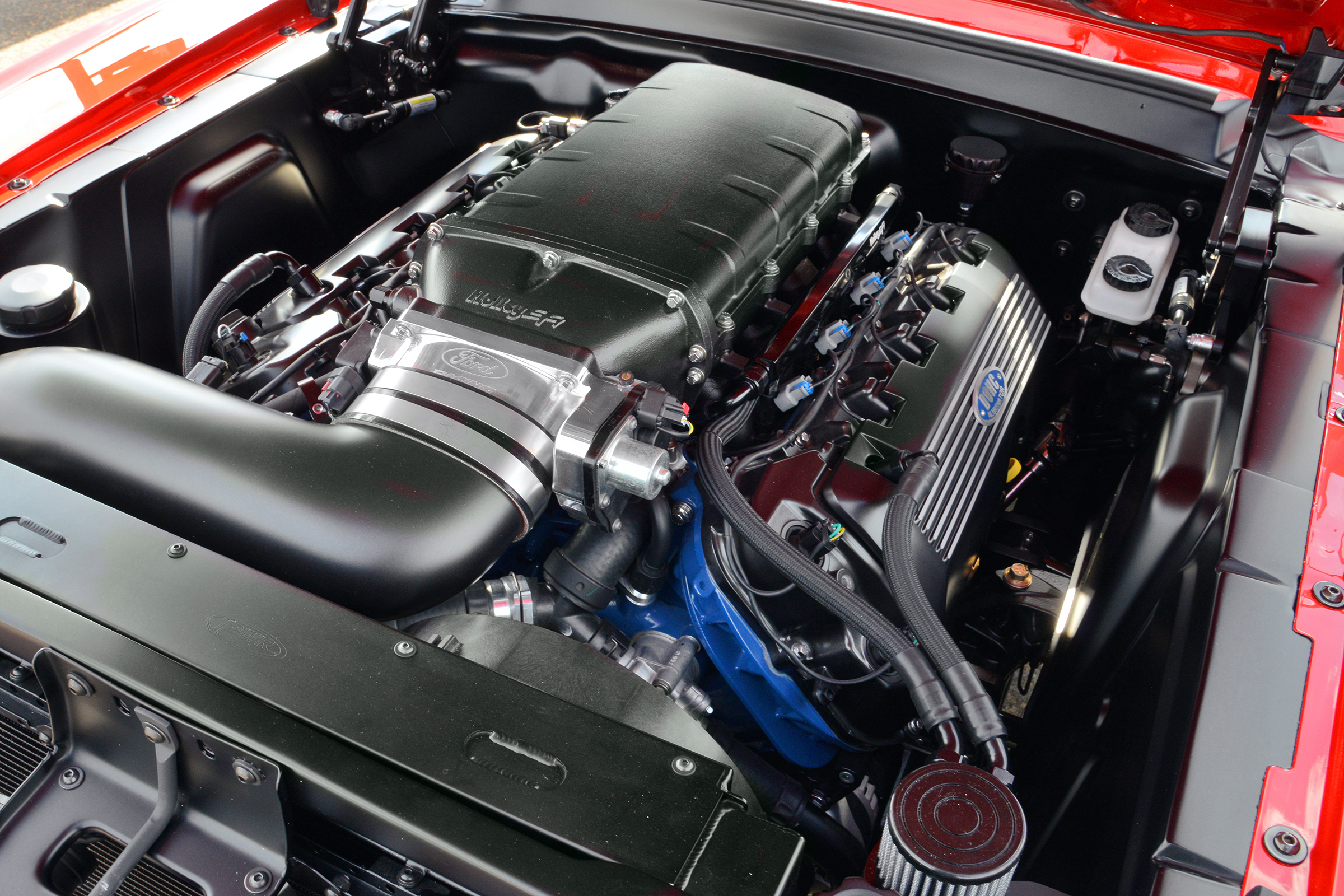
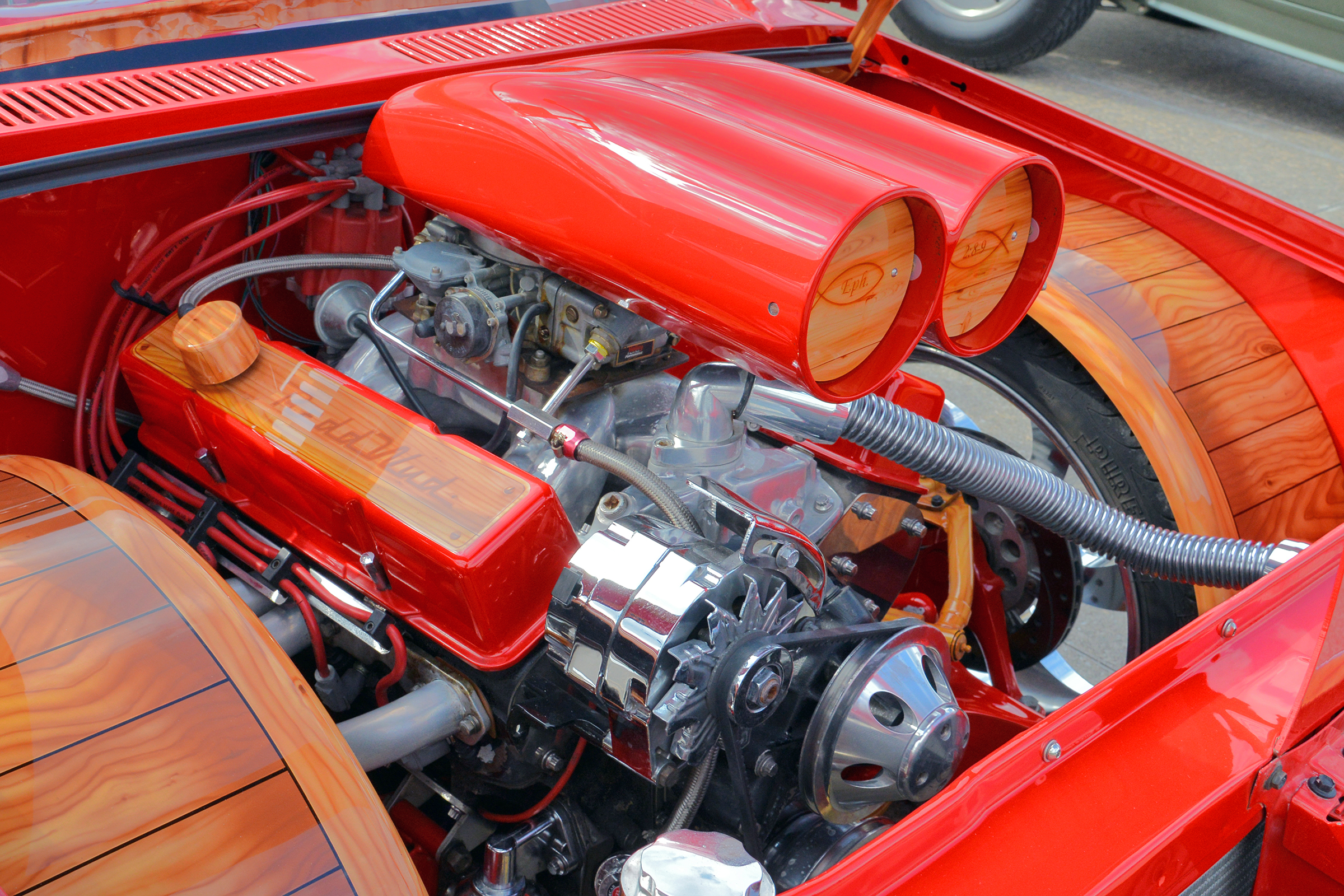
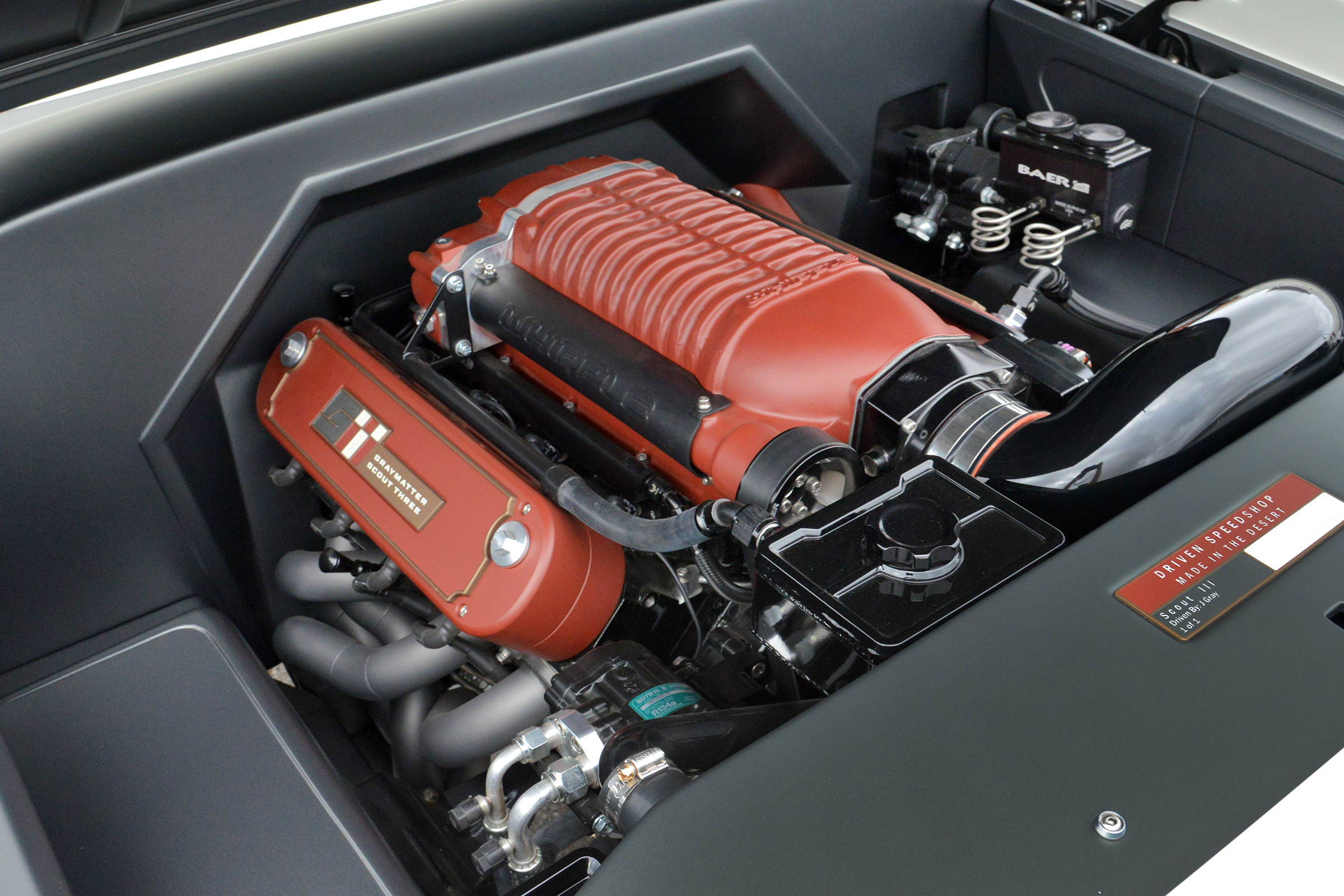
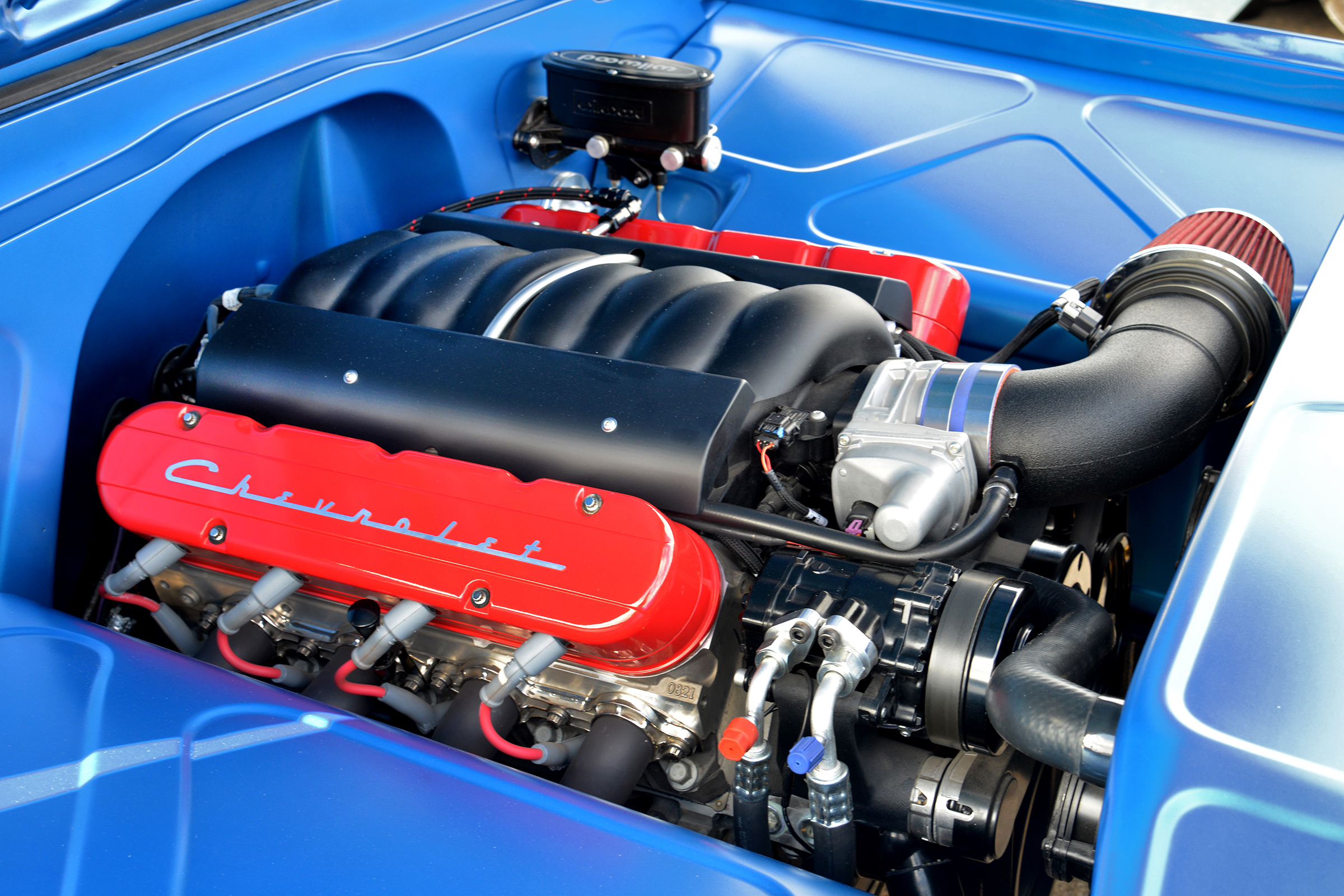
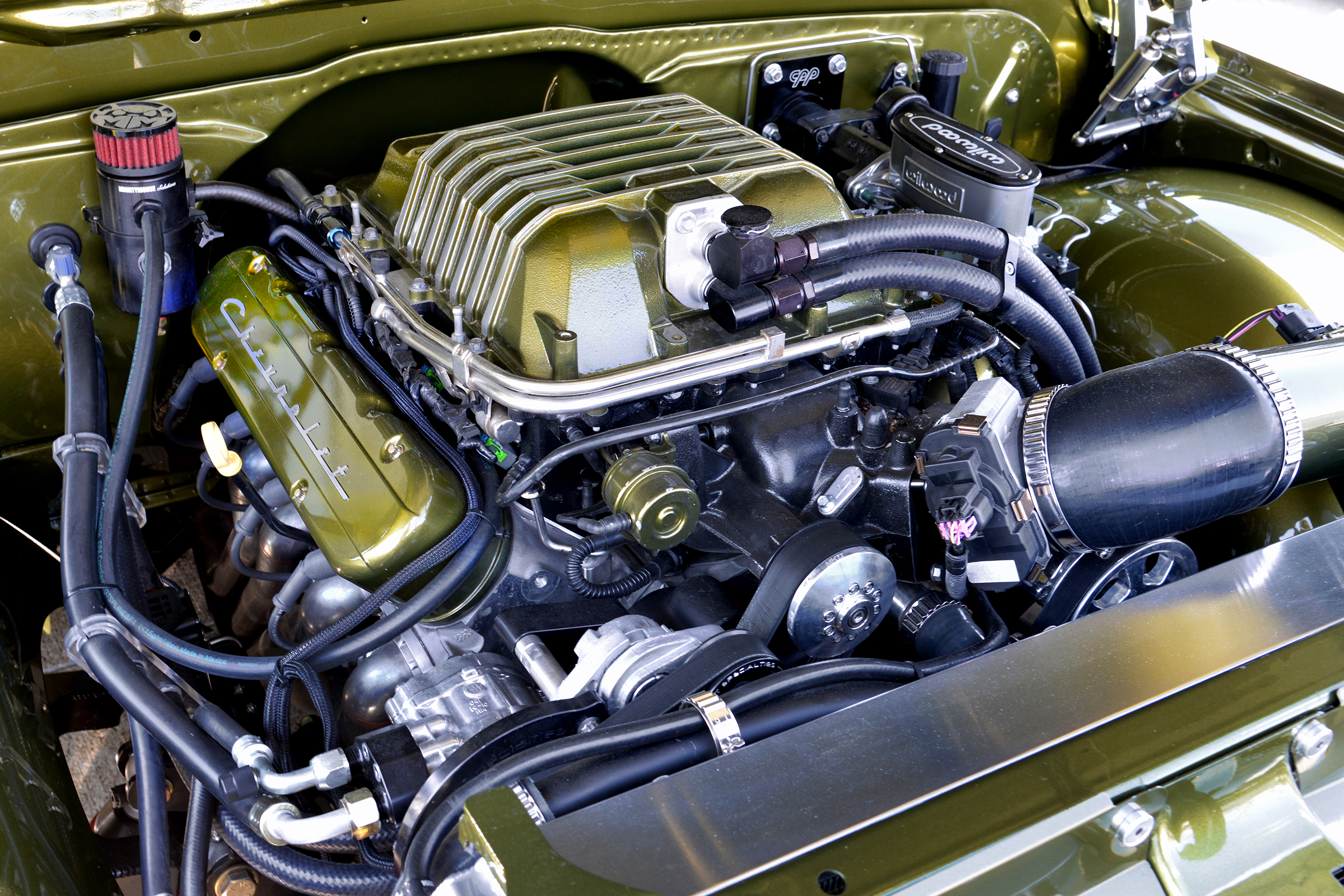
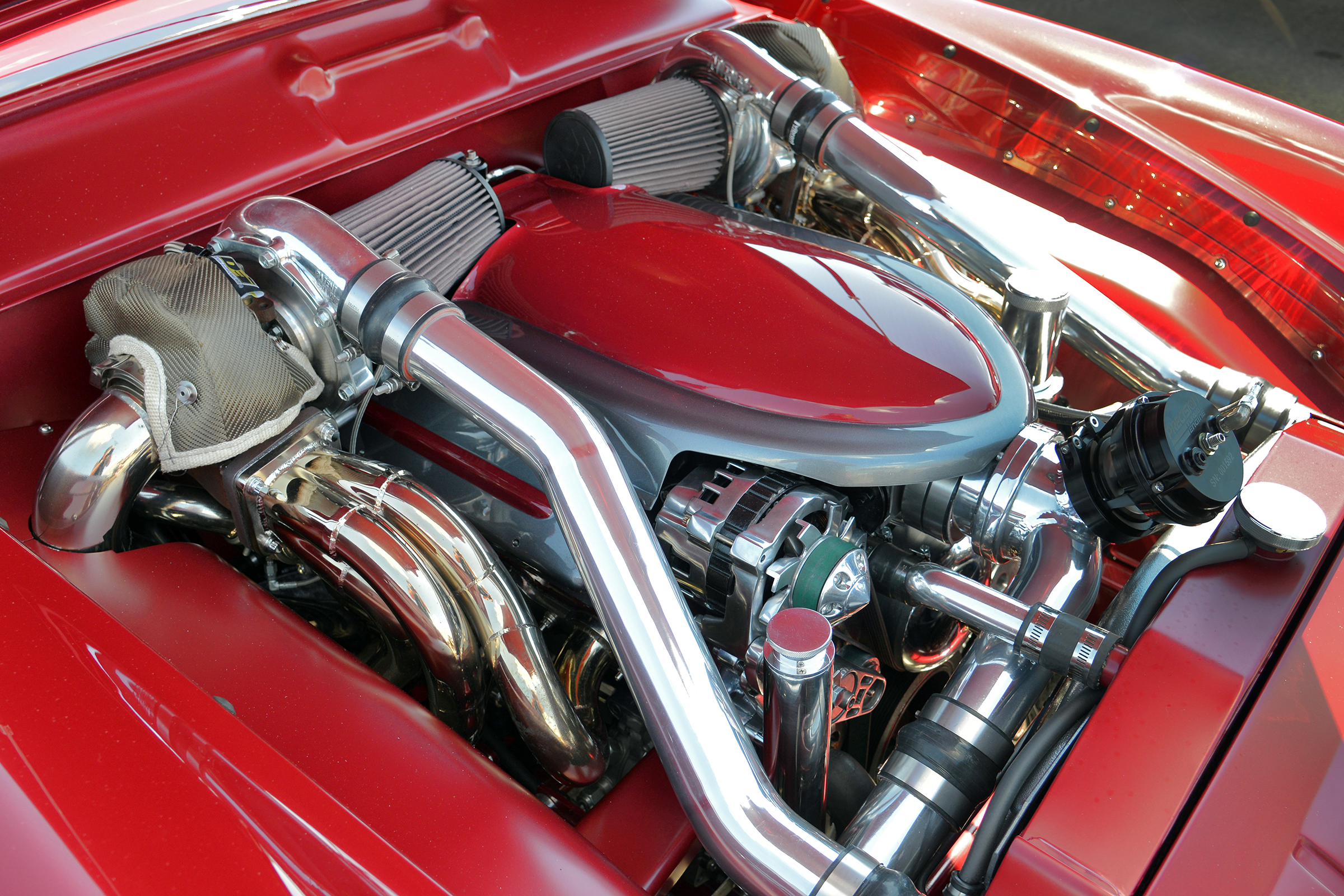
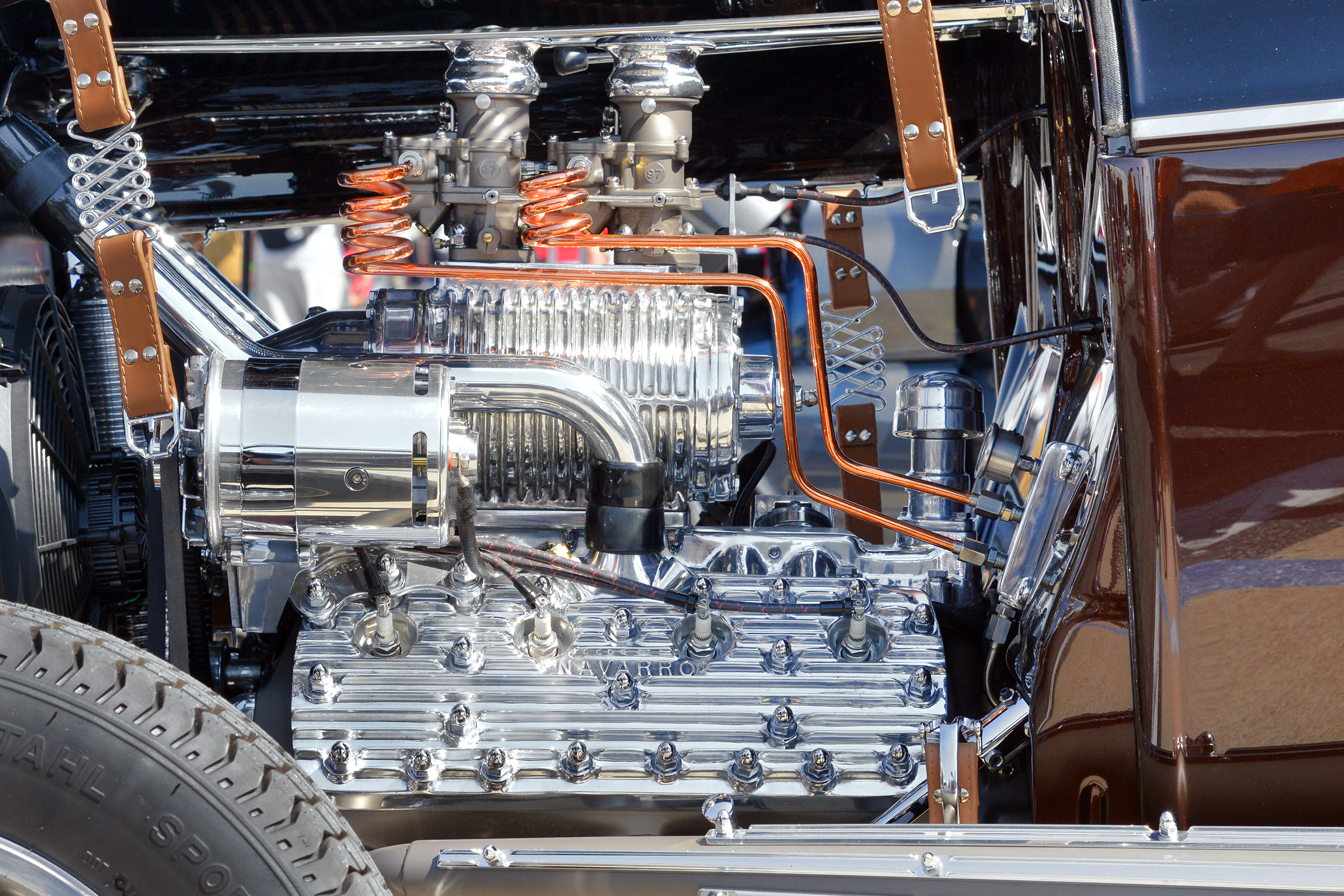
There was a time when popping the hood at a car show was mostly about one thing: seeing what was making the horsepower. Small-block or big-block? Carburetors or injection? Blower or naturally aspirated? Ford, Chevy, Mopar—or something completely unexpected?
Those questions still matter. But take a look at the Triple Crown of Rodding engine bays from 2026 and it becomes obvious that what surrounds the engine can be every bit as impressive as the engine itself.
On today’s highest-level builds, the engine bay has become its own art form.
More Than a Place for an Engine
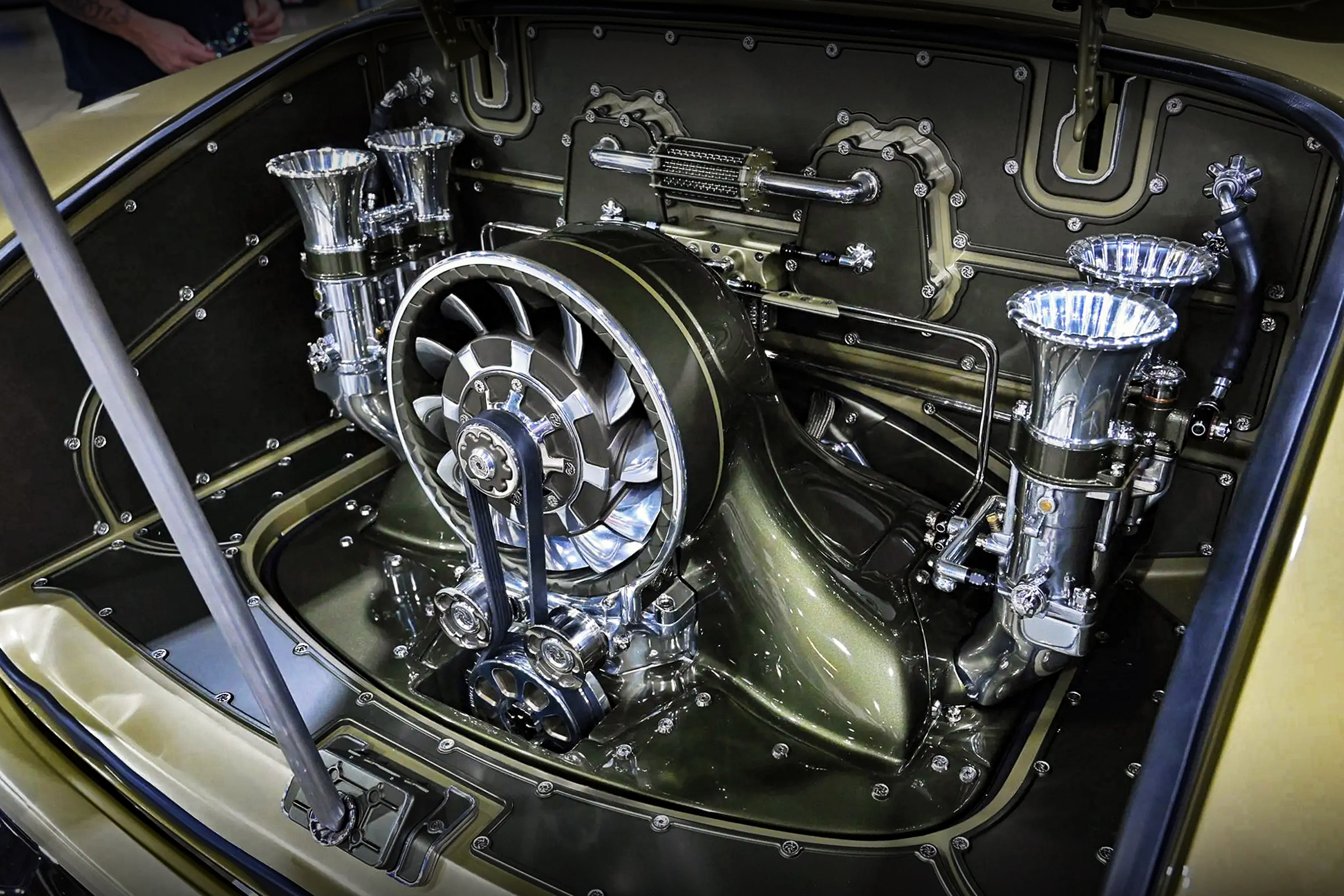
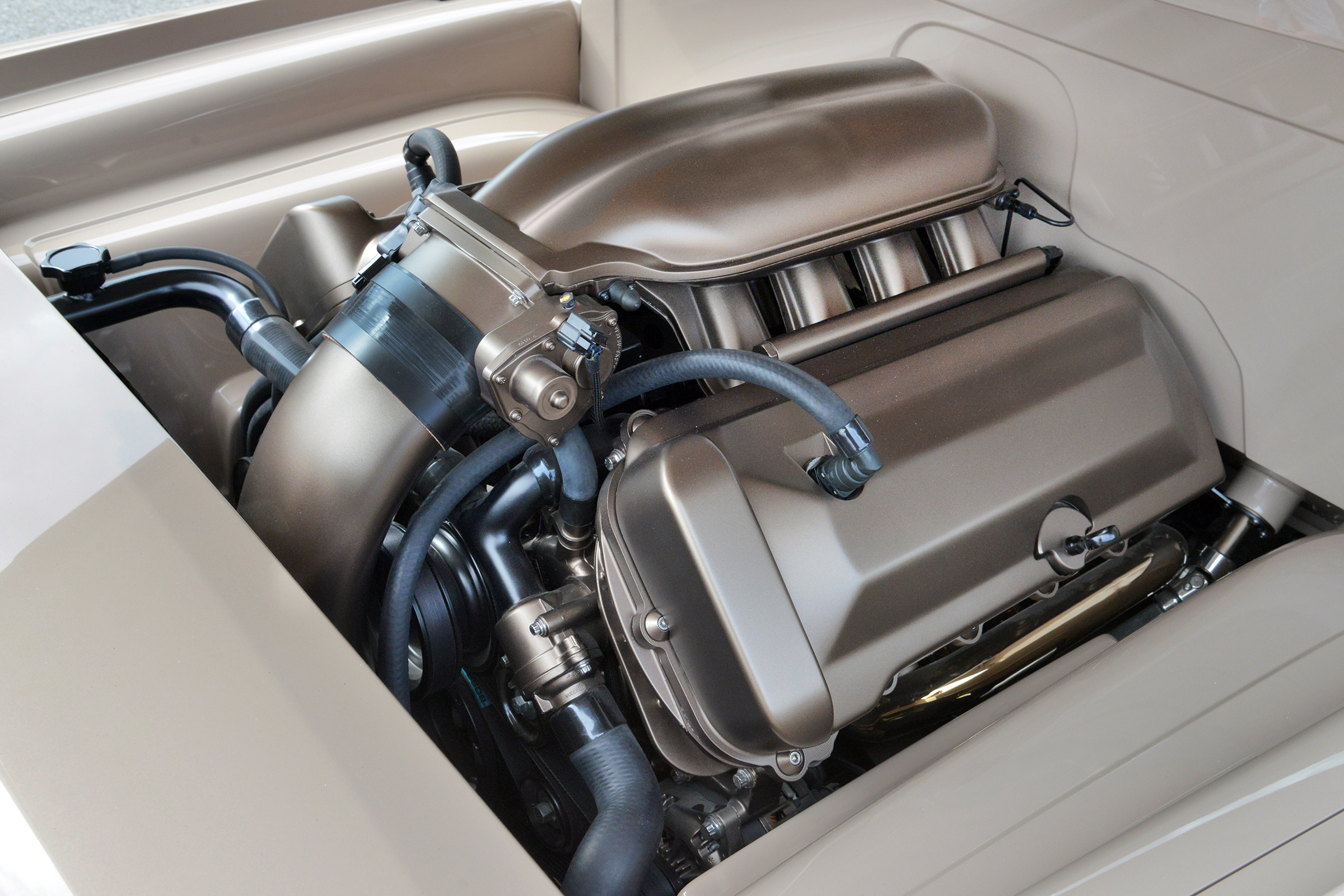
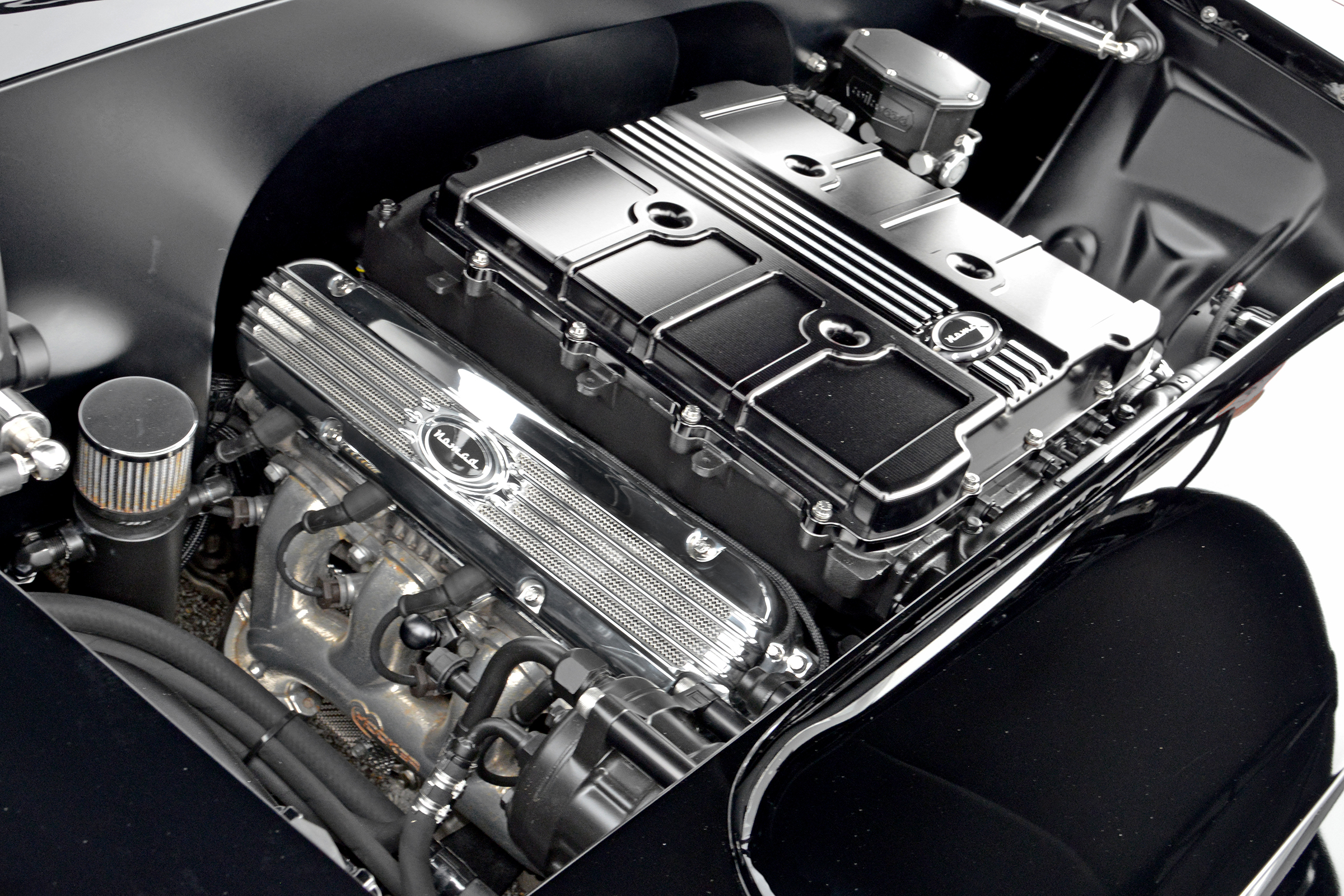
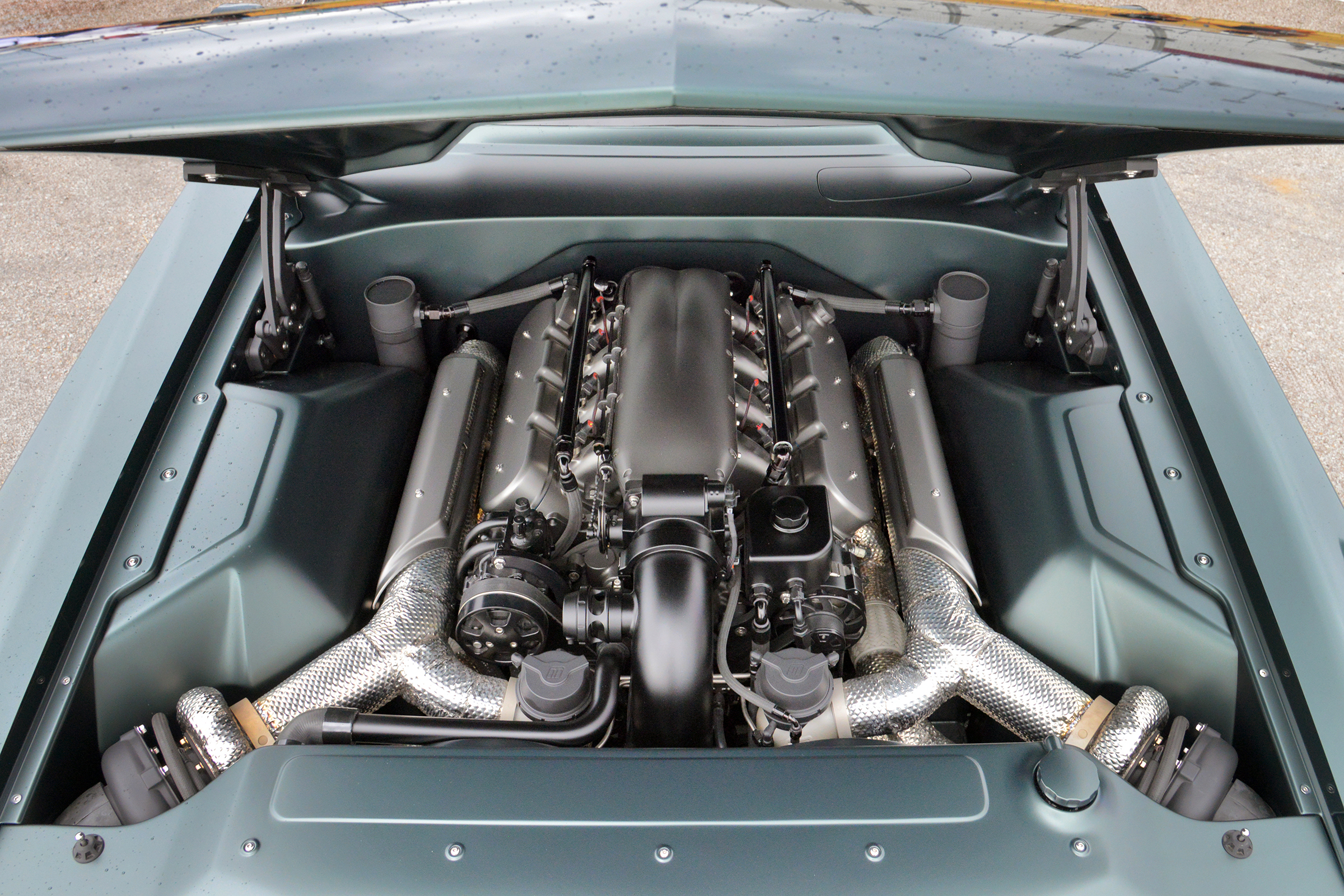
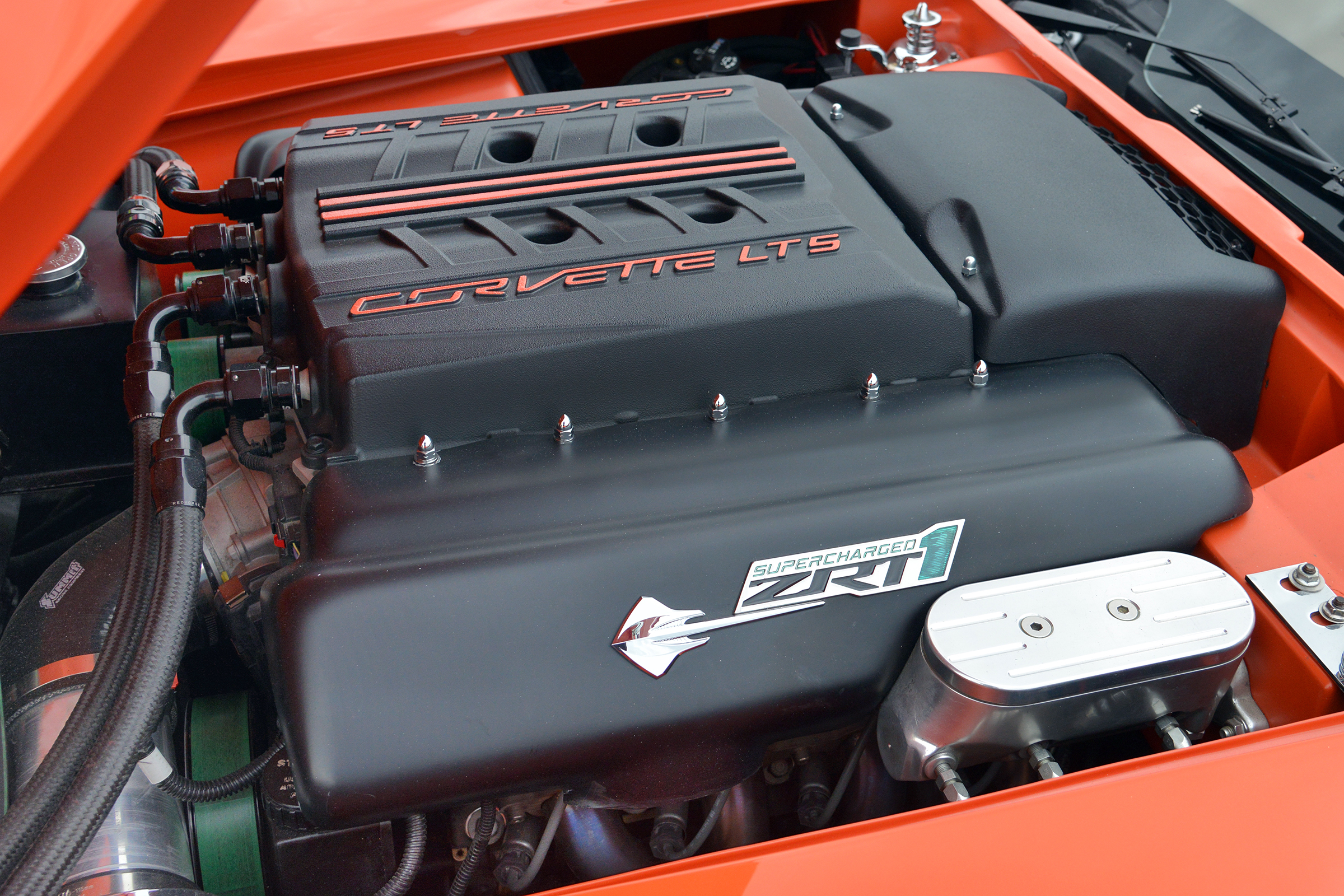
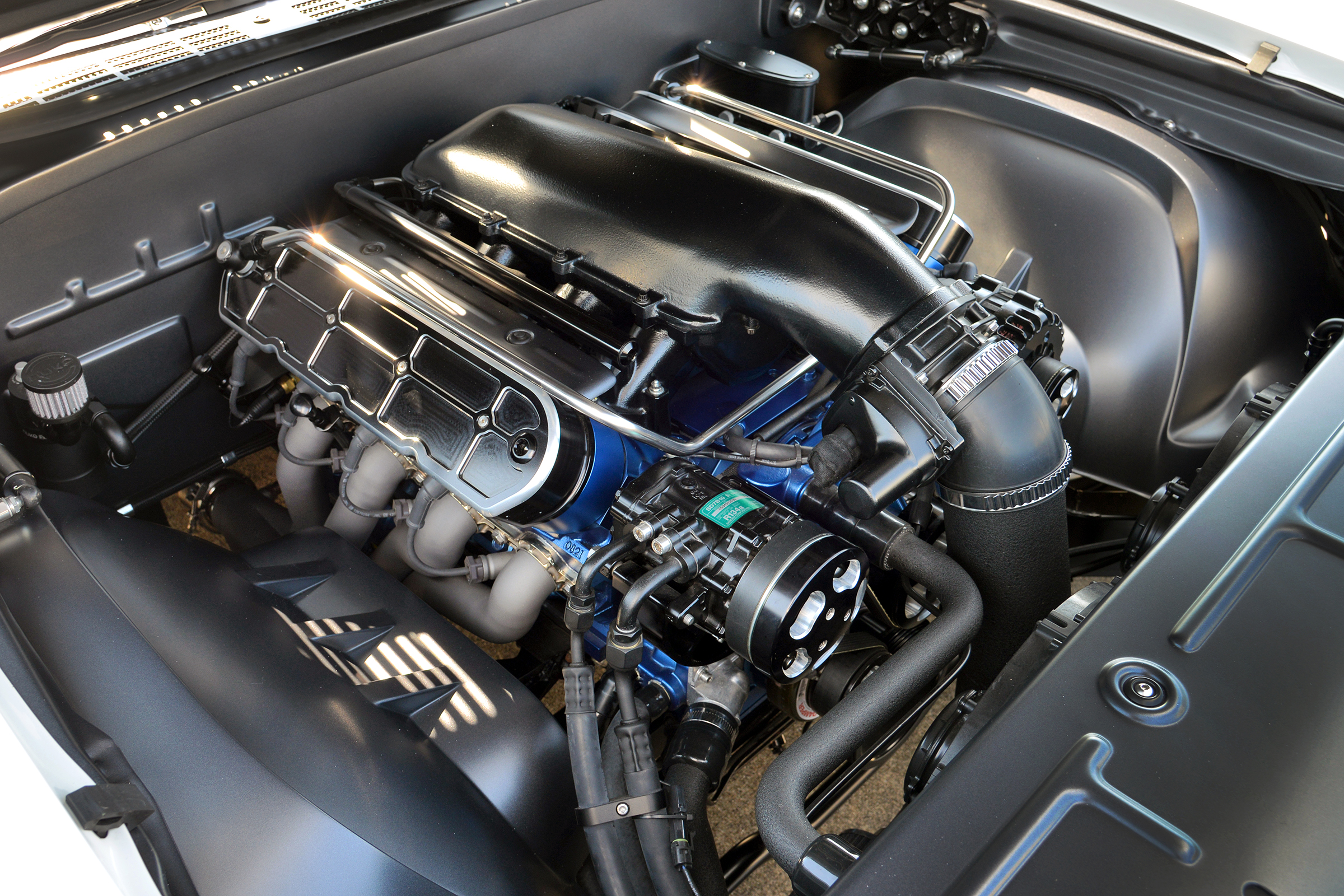
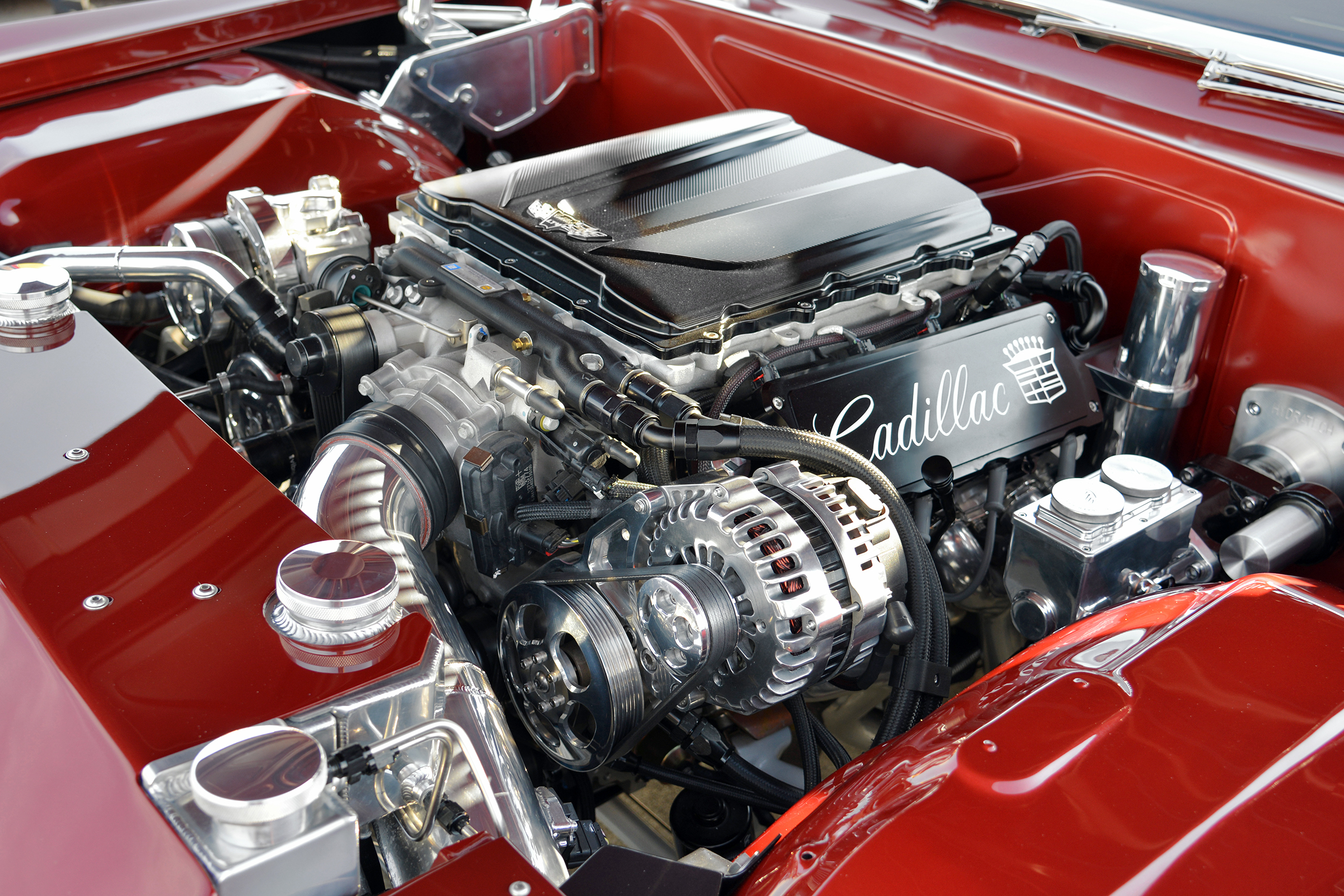
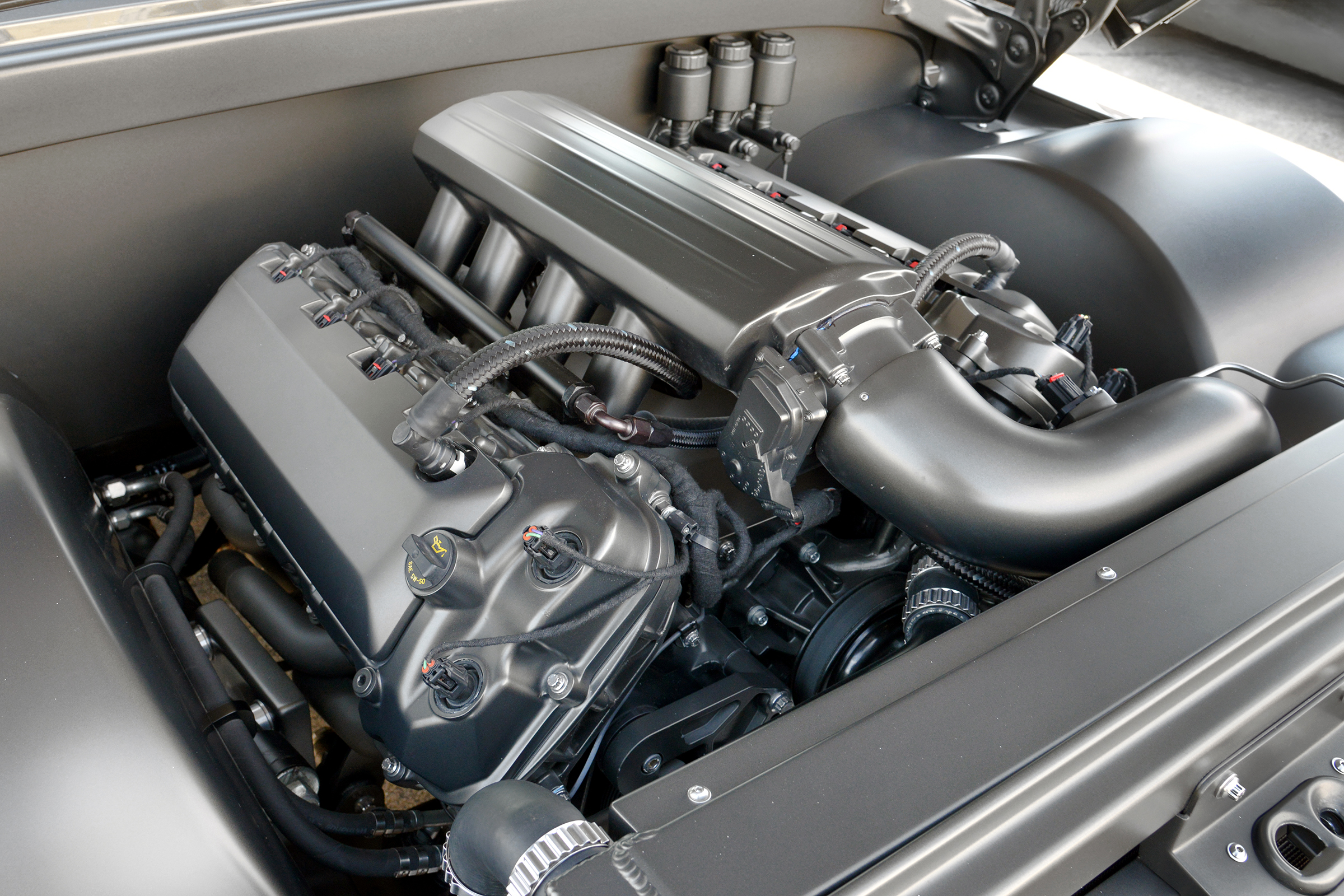
Look closely at some of the cars and trucks from this year’s Triple Crown and you’ll find engine compartments that have been treated with the same attention given to the exterior of the vehicle. Firewalls are reshaped and smoothed. Inner fenders are fabricated from scratch. Radiator supports disappear beneath handmade panels. Wiring and plumbing are routed out of sight. Even hardware that would normally be overlooked becomes part of the presentation.
The idea isn’t necessarily to hide everything. It’s to make everything you do see look like it belongs there.
That’s an important distinction.
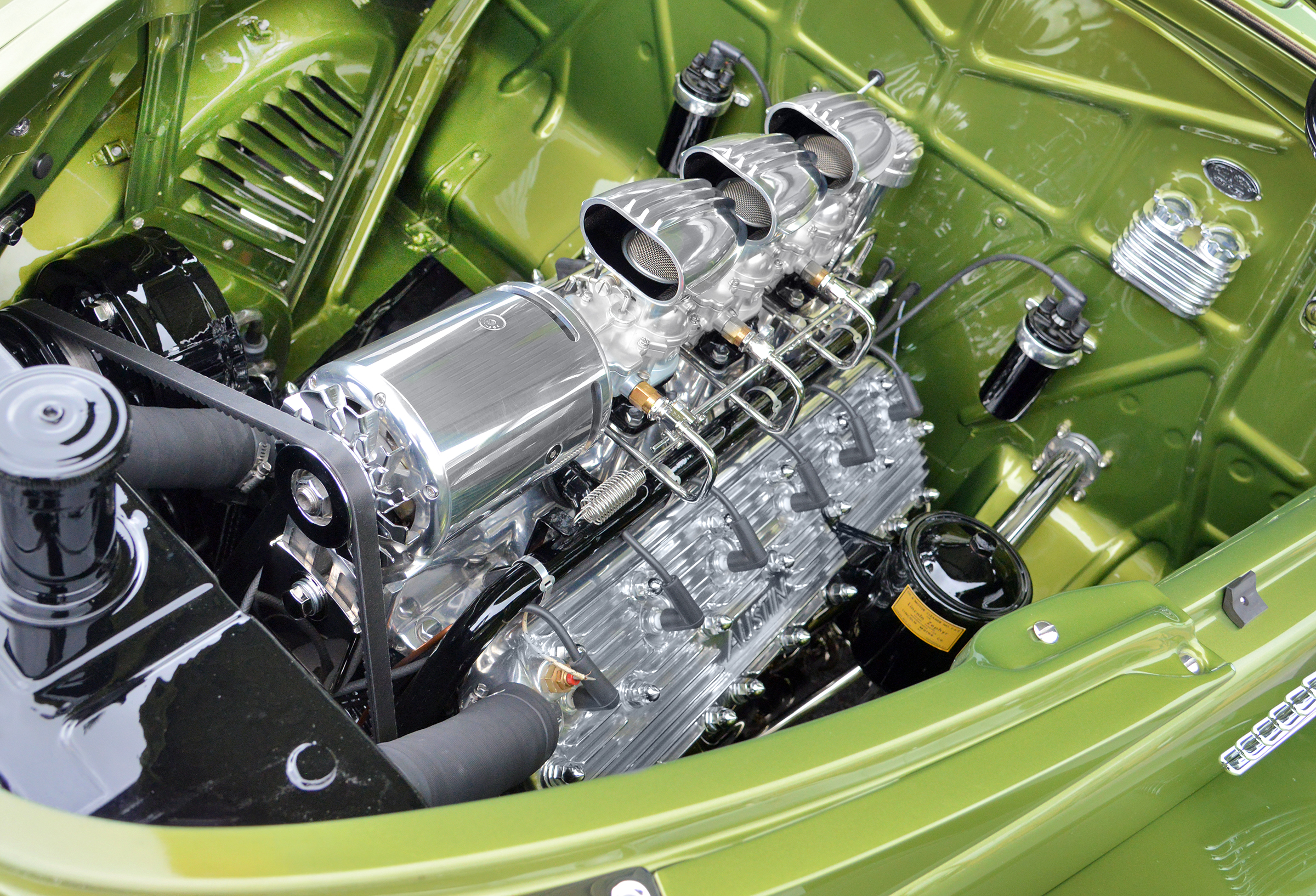
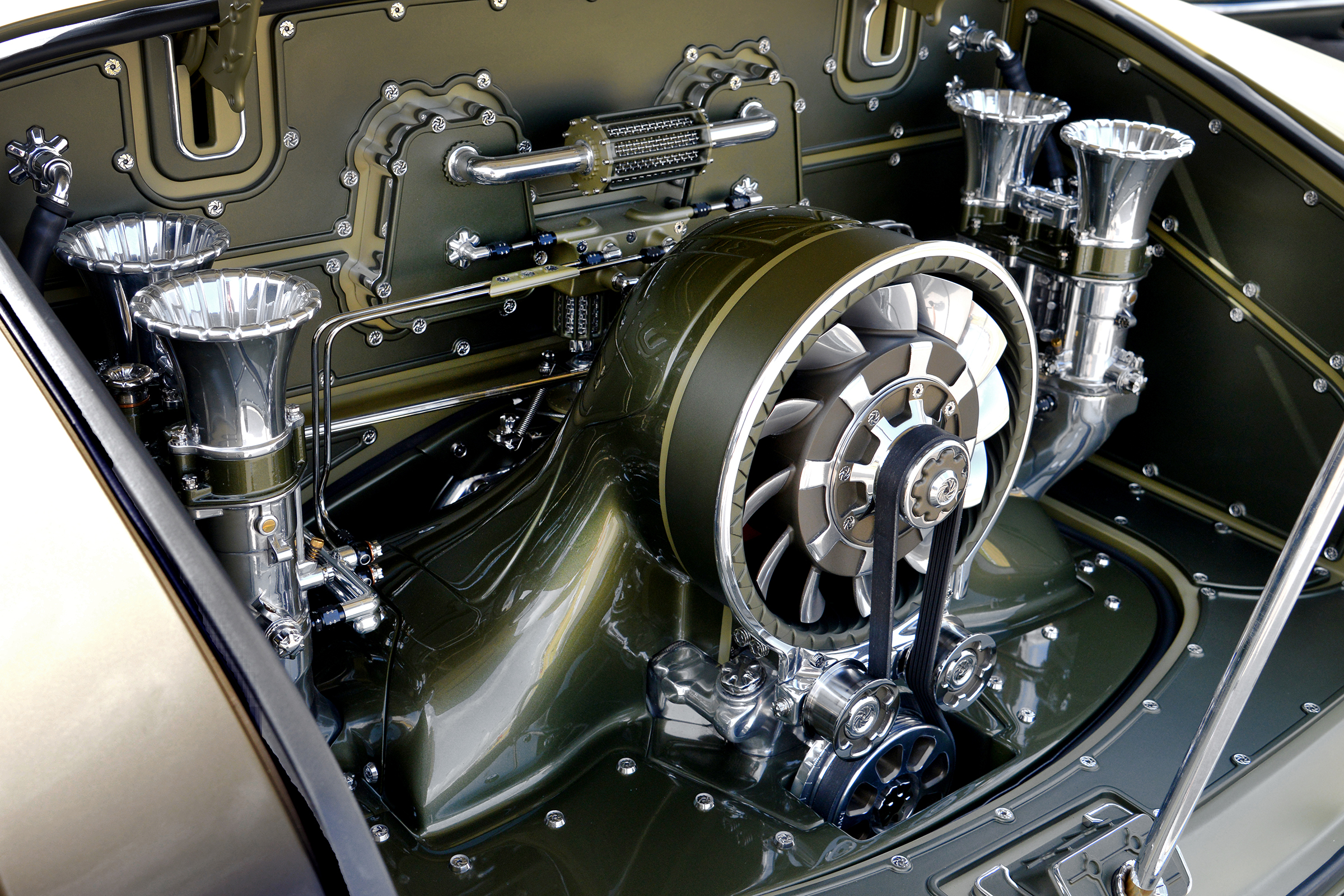
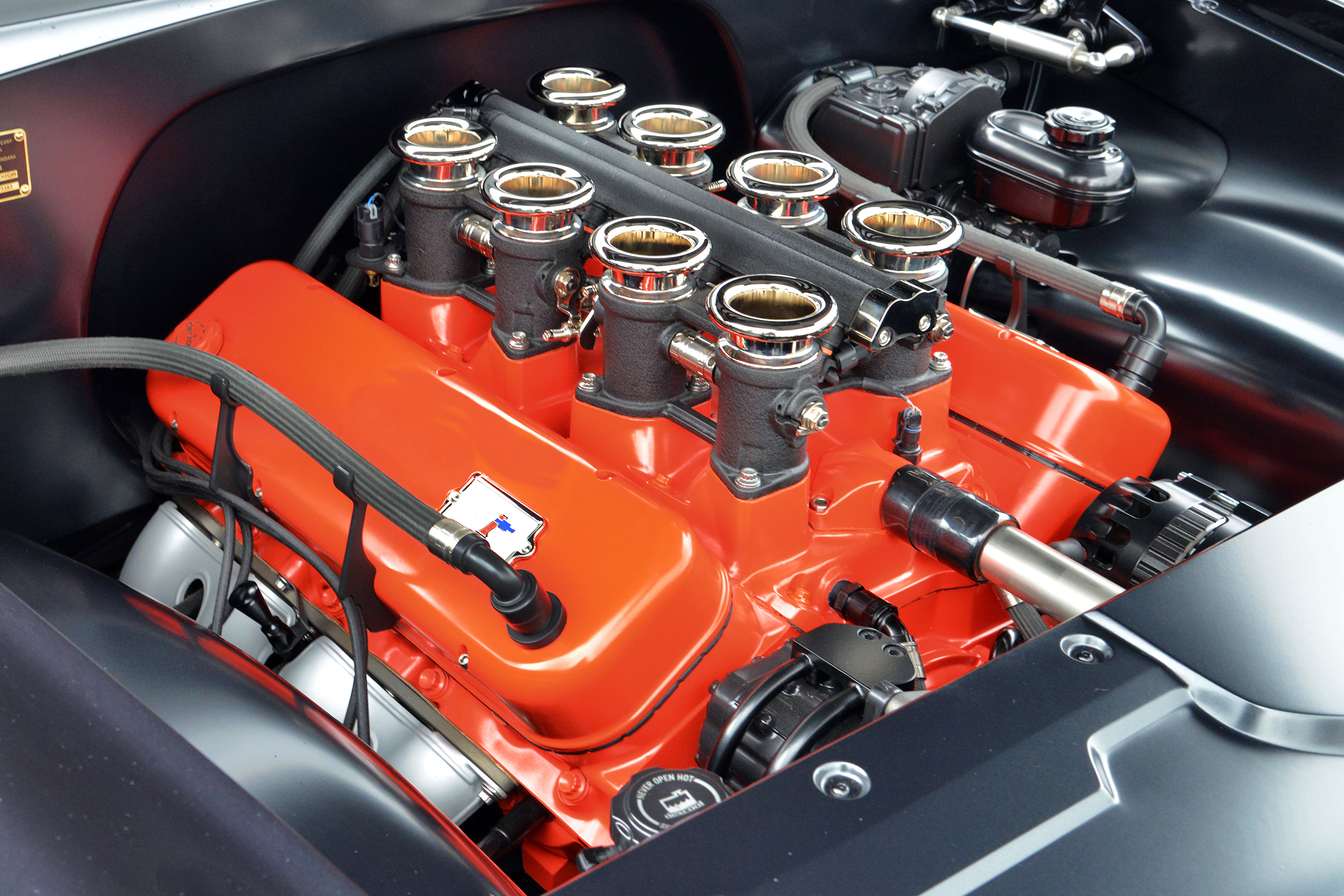
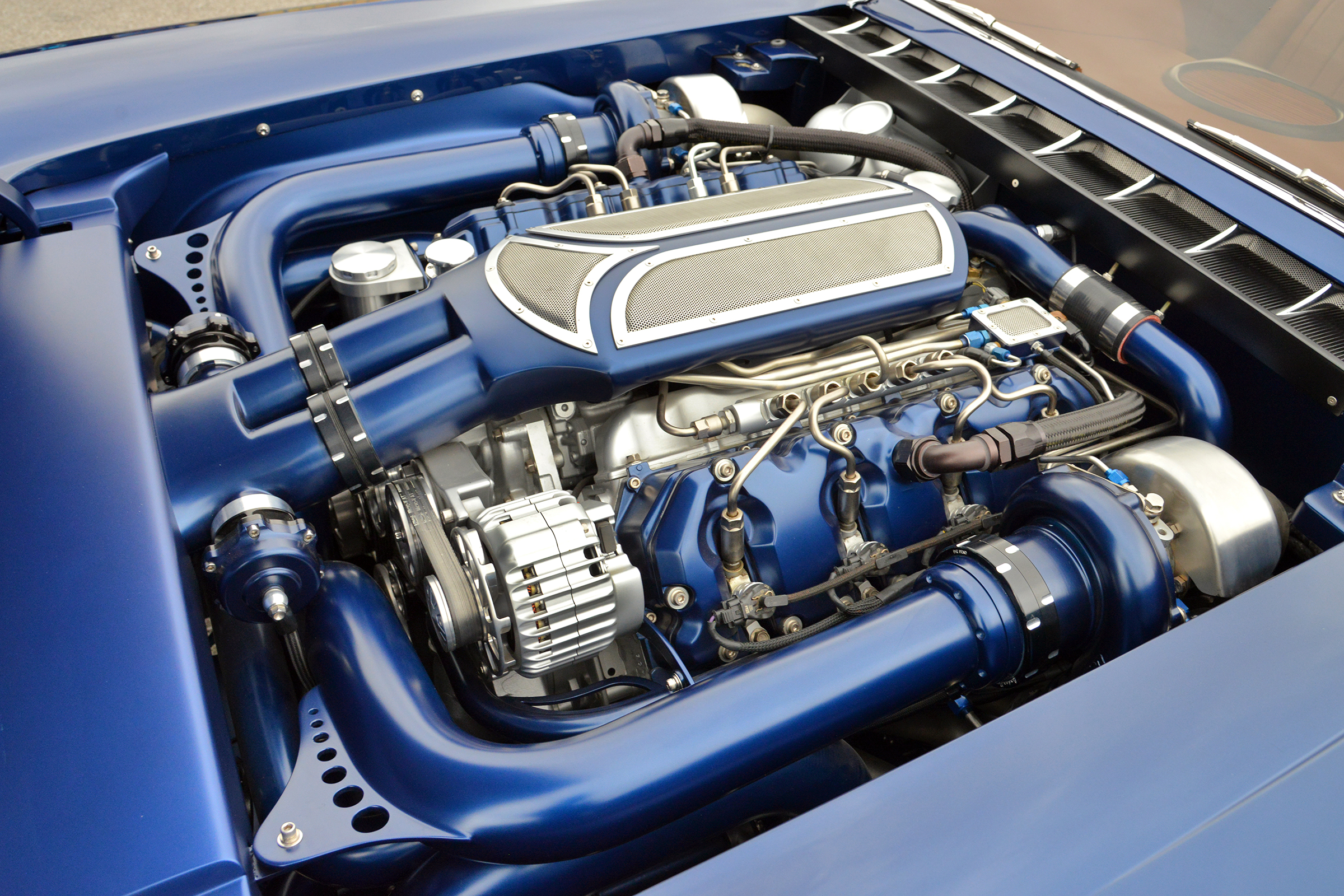
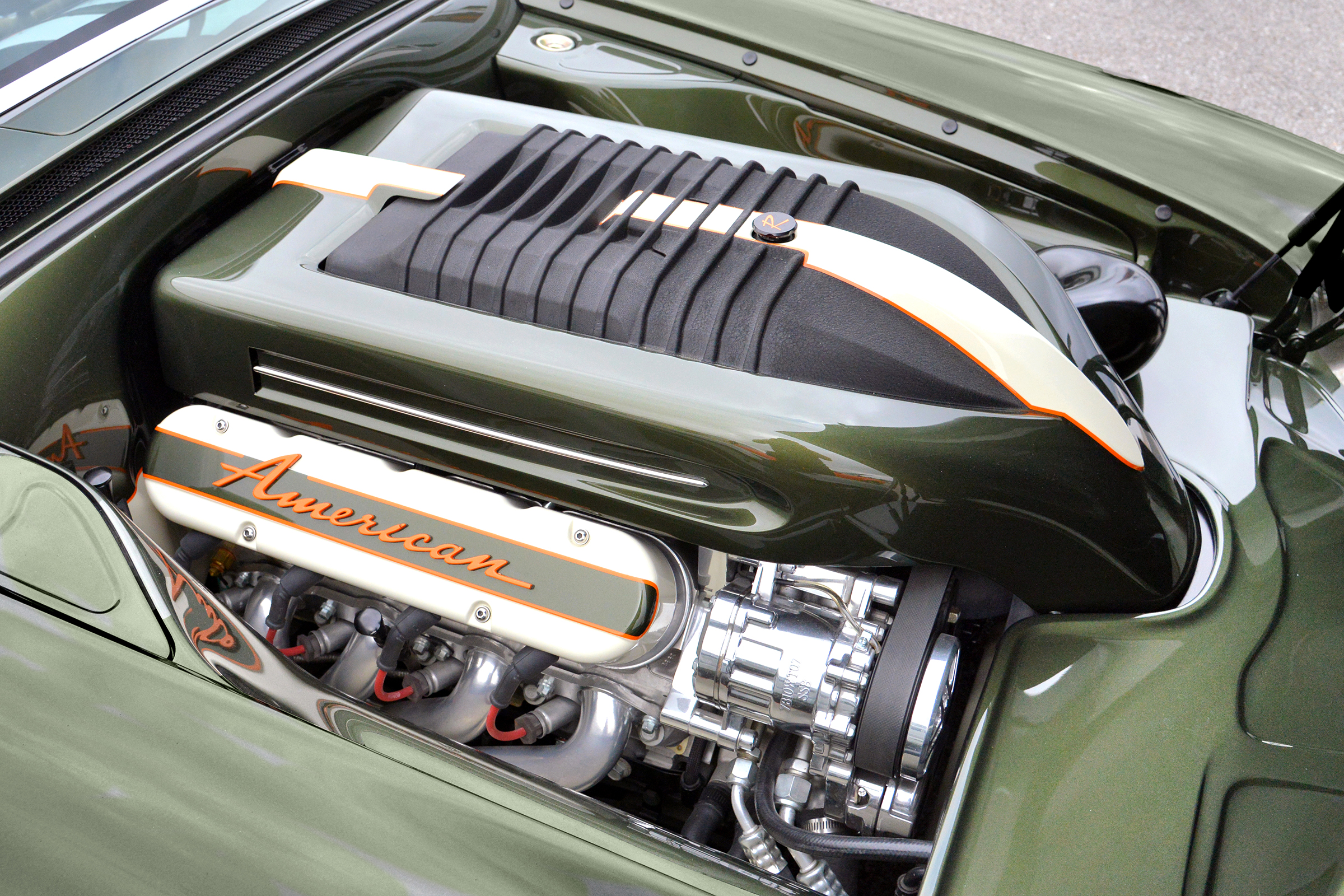
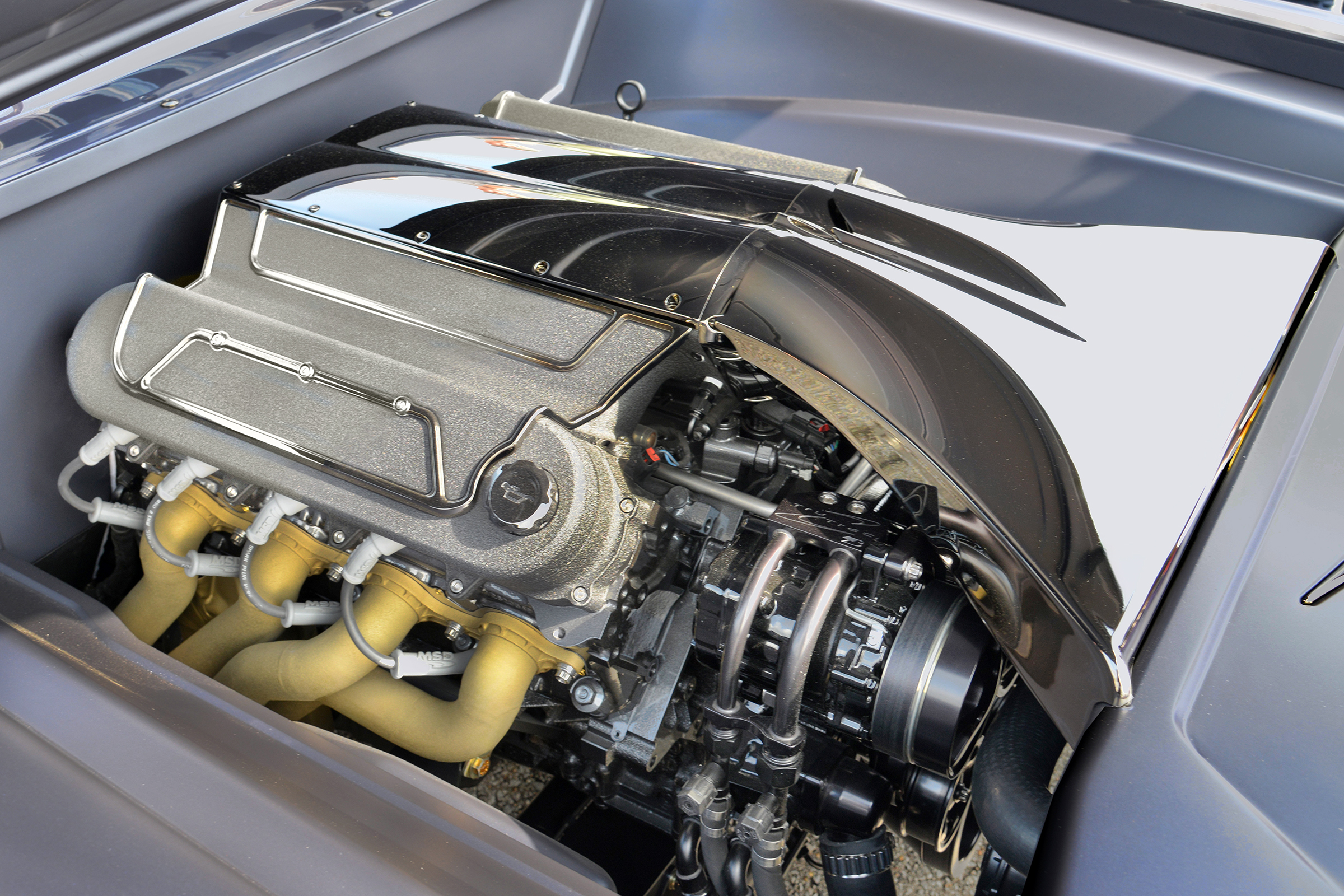
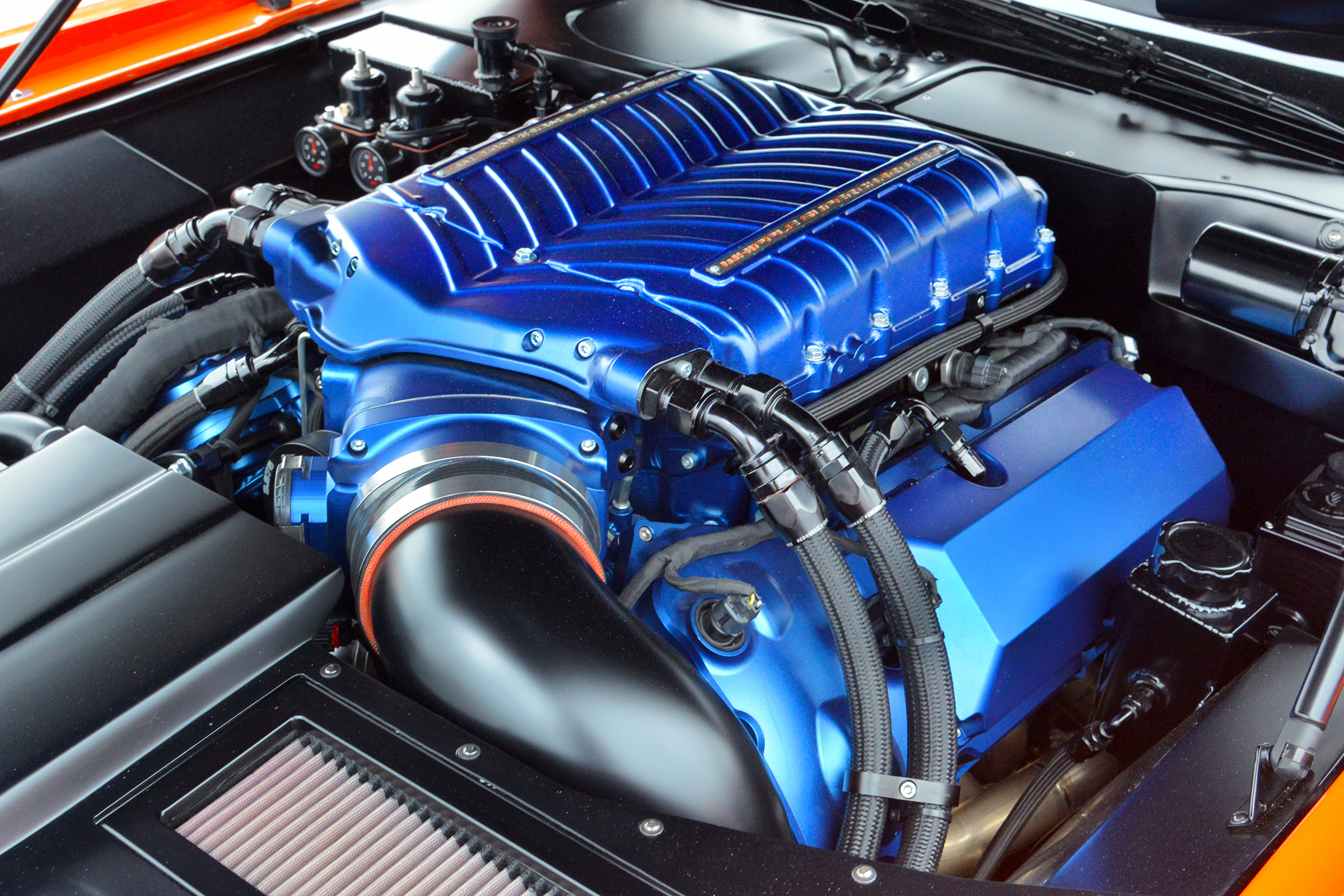
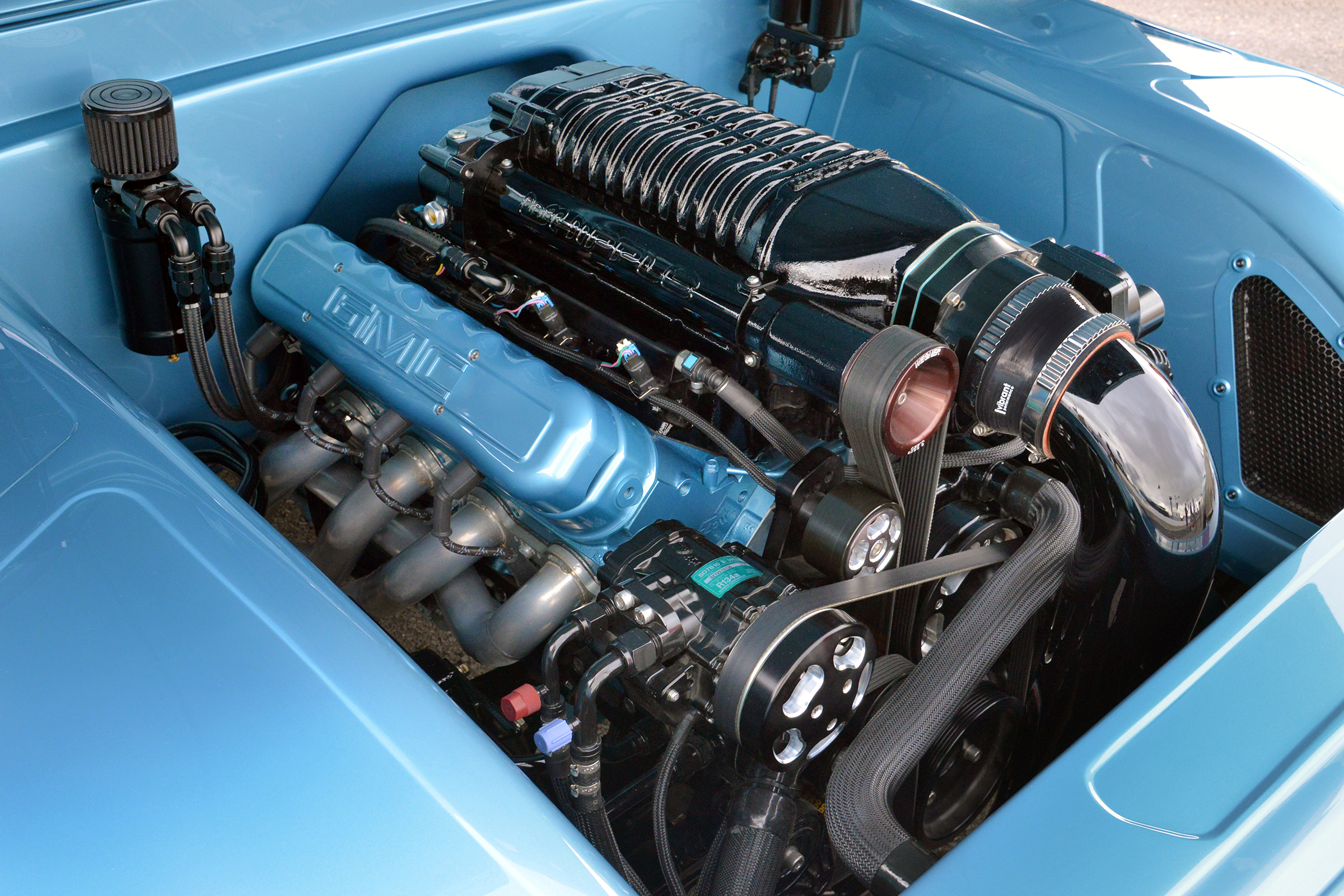
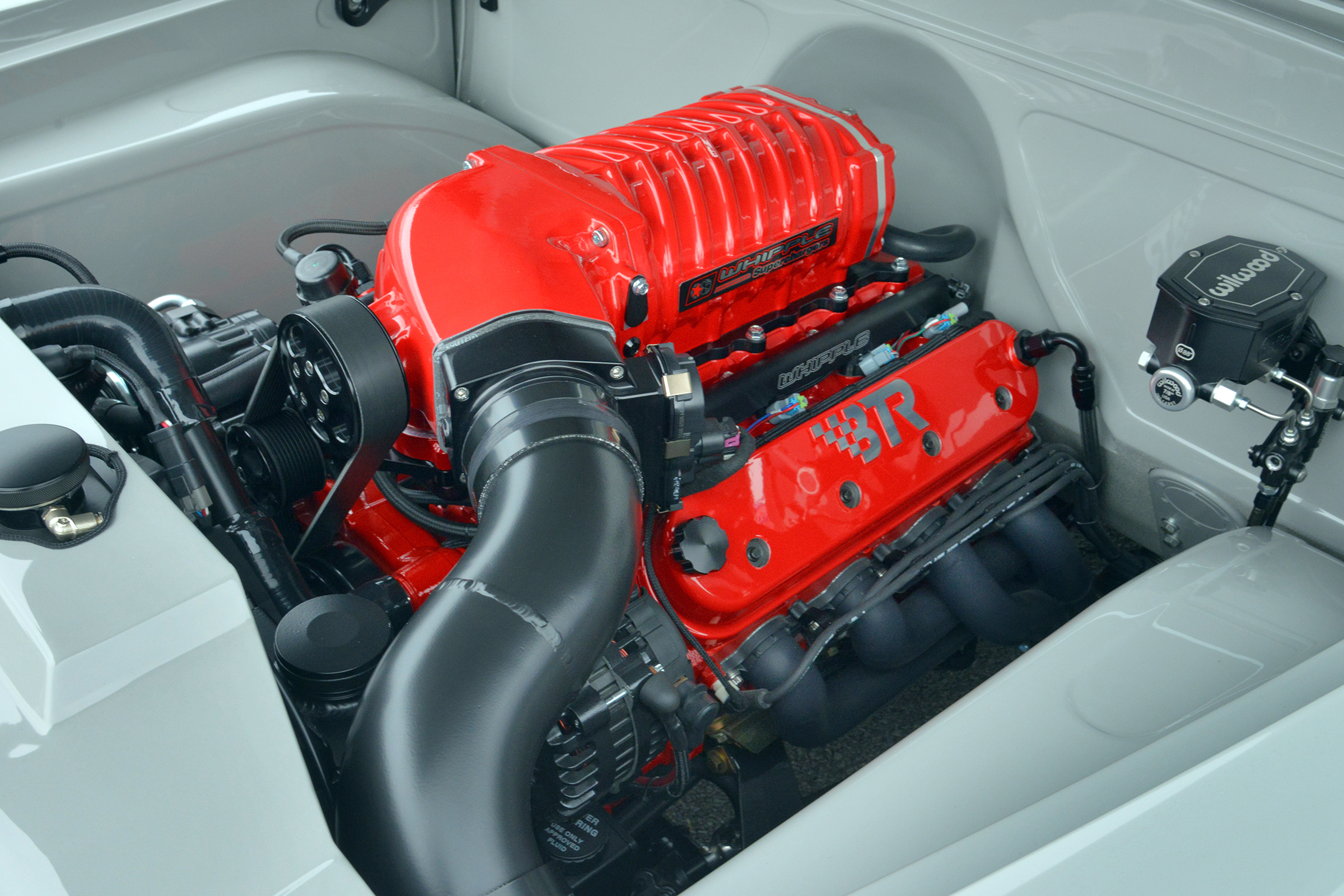
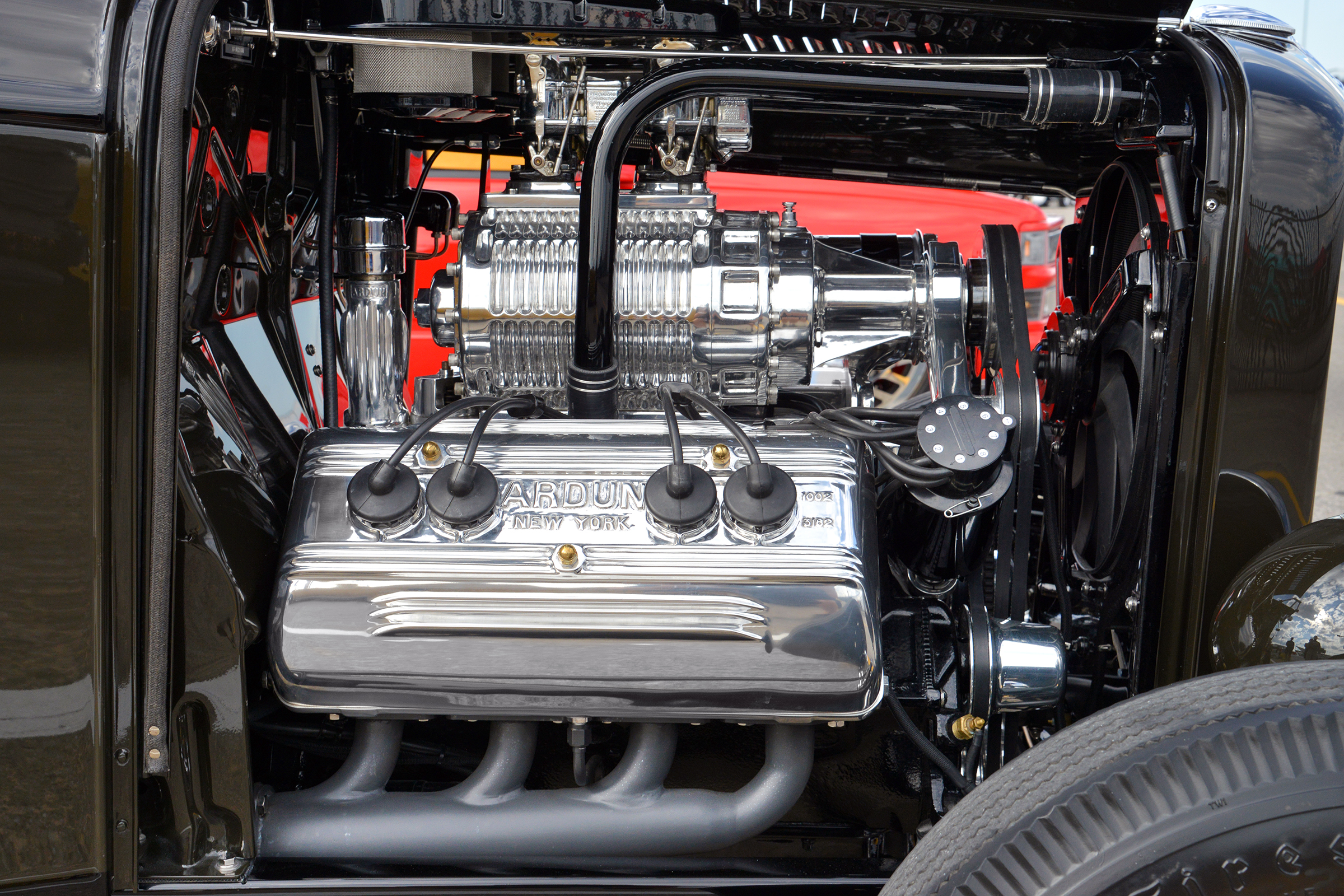
A great engine bay doesn’t have to be a featureless sea of painted sheetmetal. Some of the best examples celebrate the mechanical side of the car. Fuel injection stacks, superchargers, custom valve covers, hard lines, headers and accessory drives can become major visual elements. Instead of disguising the machinery, builders are finding ways to make it part of the design.
Under the Hood, the Build Continues
That’s what makes studying these cars so much fun.
Stand ten feet away and you see the complete vehicle. Get closer and the details begin revealing themselves. Then the hood comes up and there’s another layer waiting underneath.
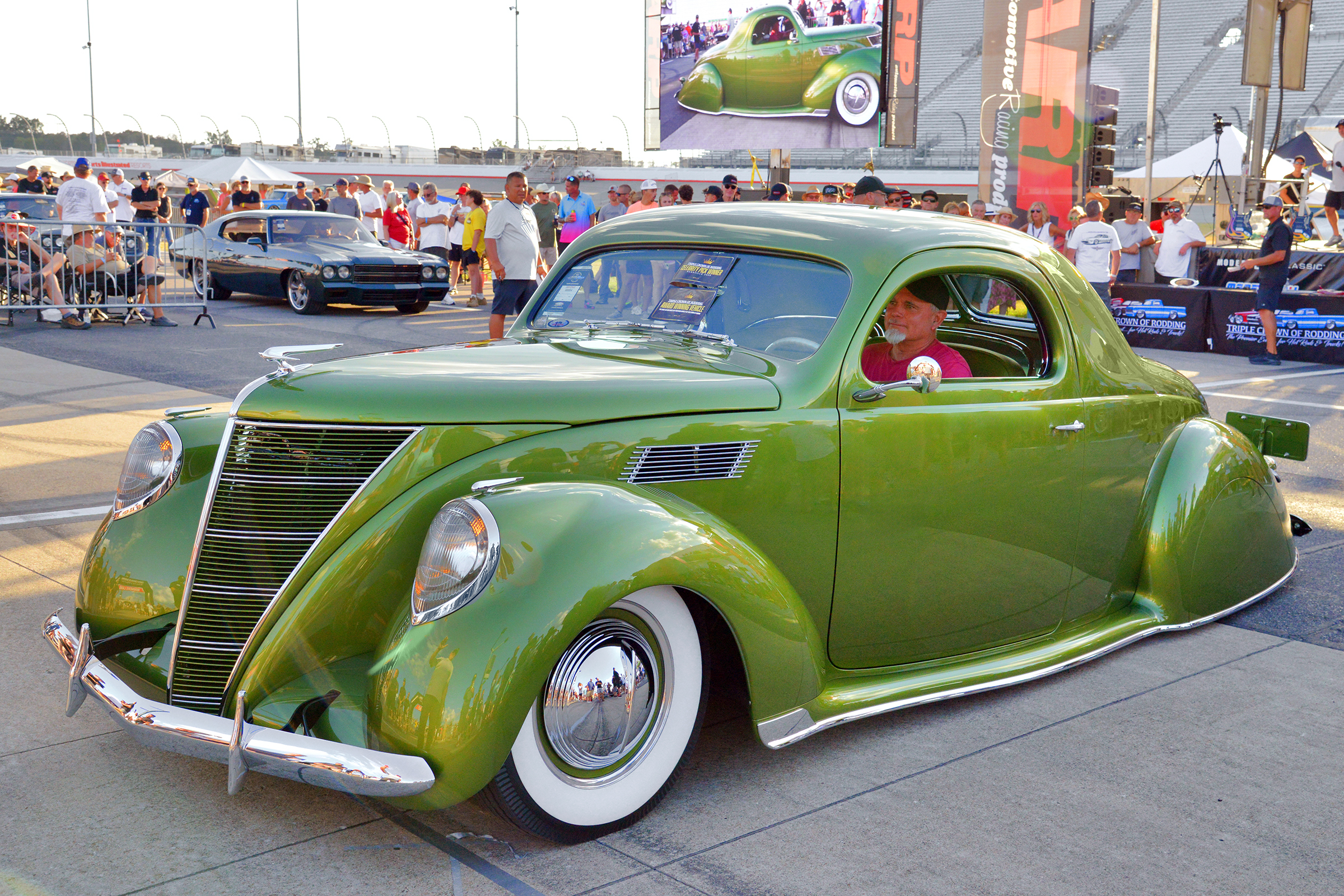
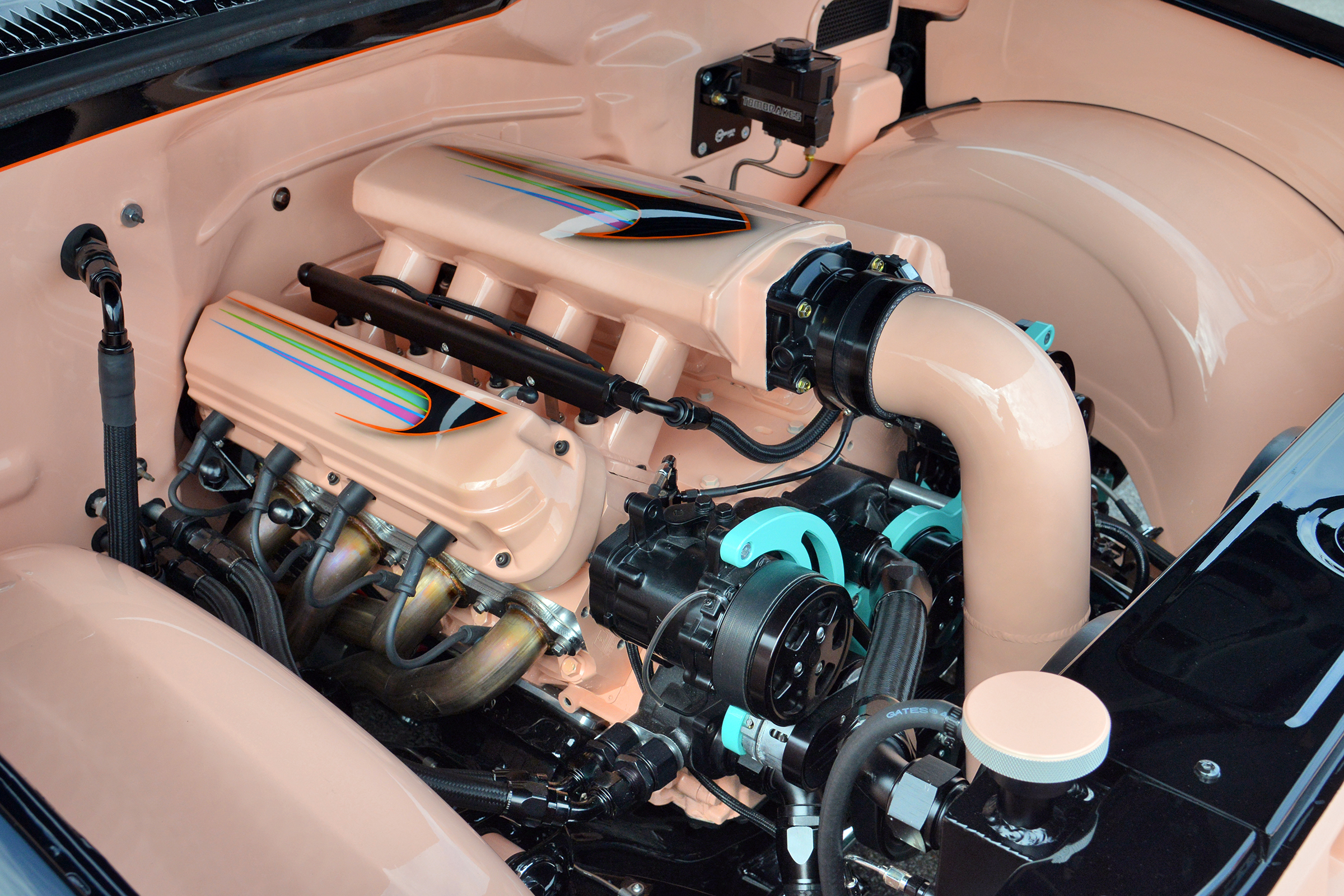
Colors from the body may continue into the engine compartment. Machined finishes on the wheels might reappear on the valve covers or accessory drive. Leather, paint, polished metal, brushed aluminum and other materials can repeat themes found elsewhere on the car.
Nothing feels accidental.
And when it’s really done well, you don’t immediately notice how much work went into making the engine bay look simple.
That’s the trick.
Making the Complicated Look Simple
A modern performance engine needs plenty of support. There are hoses, wiring harnesses, sensors, reservoirs, computers, air-conditioning components and countless other pieces that have to go somewhere.
Making all of that disappear—or arranging it so neatly that it becomes part of the presentation—takes planning long before the final coat of paint goes on.
Sometimes the most impressive detail is the one you can’t see.
Hidden wiring means figuring out alternate routing. A clean firewall may mean relocating components that the factory placed right in the open. Custom inner fenders have to look good while still providing clearance for suspension and steering. Serviceability matters, too. After all, underneath the artwork is still a car that’s meant to run.
Pulling all of those requirements together is where fabrication, engineering and design begin to overlap.
The Engine as the Centerpiece
Then there’s the engine itself.
Today’s builders have an incredible palette to work with. Traditional small- and big-blocks can be dressed with beautifully machined induction systems and one-off valve covers. Modern LS and LT engines can be transformed until very little resembles what came out of the crate. Eight-stack injection, superchargers, custom air cleaners and carefully designed accessory drives can turn the engine into the visual centerpiece of the entire compartment.
Even finishes have become part of the equation.
Polished metal can provide contrast against satin paint. Cerakote and powder coating can tone down components that would otherwise compete for attention. Body color can visually connect the engine to the exterior, while strategically placed chrome or polished aluminum can draw your eye exactly where the builder wants it to go.
It’s automotive design on a surprisingly small canvas.
Details Worth Looking For
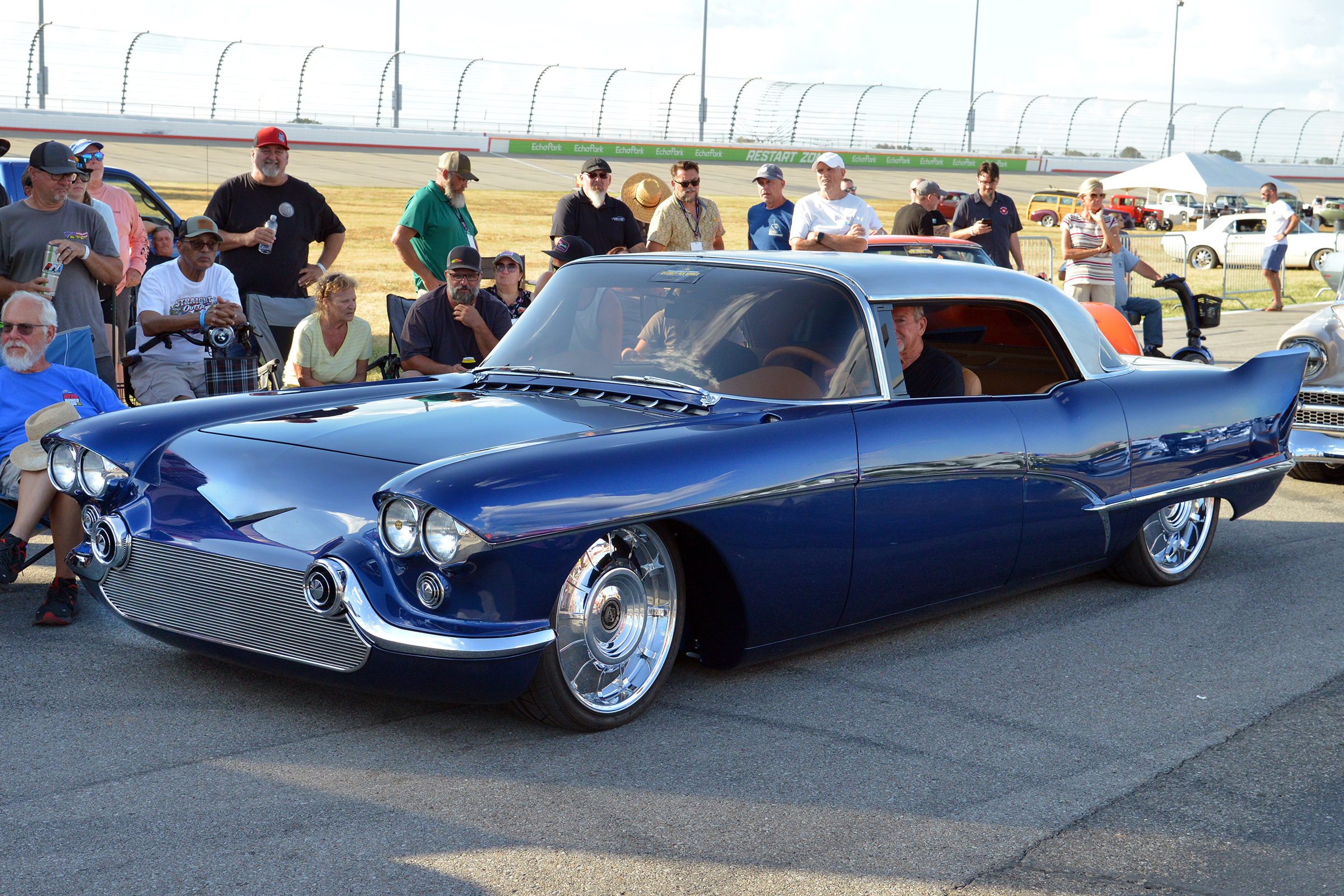
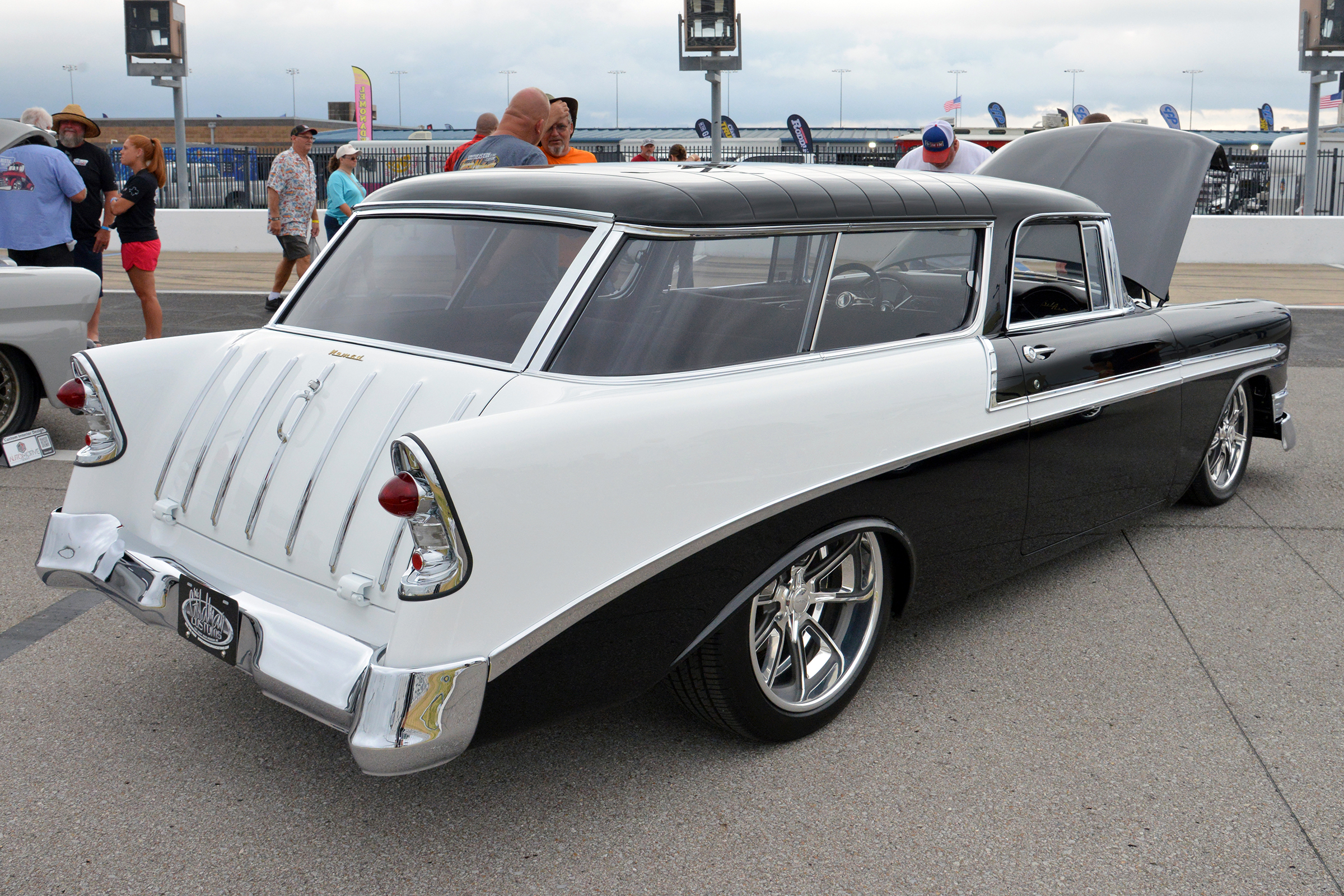
The Triple Crown of Rodding attracts cars built to a level where a quick walk-by simply doesn’t tell the whole story. Engine compartments are a perfect example.
Look at the transitions between the firewall and inner fenders. Follow the hard lines and see where they disappear. Look for exposed fasteners—or the complete lack of them. Check out how the radiator and cooling system have been incorporated into the design. Notice whether the engine stands apart from the compartment or whether the entire space was designed as one composition.
And don’t overlook the little stuff.
A custom cap, machined bracket or perfectly formed piece of tubing may represent hours of work. Multiply that across an entire engine compartment and you begin to understand what separates a nicely detailed engine bay from one that becomes part of the identity of the car.
Horsepower Has Never Looked Better
That’s exactly what caught our attention at the 2026 Triple Crown of Rodding.
Yes, there was serious horsepower everywhere you looked. But some of the most interesting work wasn’t buried inside the engines. It was happening around them.
These builders took an area that was once purely functional and turned it into another opportunity to show craftsmanship, creativity and personality. Some went smooth and understated. Others put the mechanical hardware front and center. Some leaned heavily on traditional hot rod influences, while others looked almost futuristic.
There isn’t one formula for getting it right.
And that’s the beauty of it.
So instead of concentrating on horsepower numbers this time around, we’re doing something a little different. We’re getting in close and taking a look at the shapes, finishes, fabrication and small details that made us stop when the hoods came up.
These are some of our favorite engine bays from the 2026 Triple Crown of Rodding.
Sometimes what’s under the hood deserves a show of its own.