TheAutoBuilder.com

Exterior Parts / Exhaust

Patina Power

The Time-Worn Look Is More Popular Than Ever Author Defining Patina in Street Rods Patina is defined as “a pleasing surface sheen on something that develops with age or frequent handling.” When that definition is applied to street rods, a patina rod can take on any number of variations. The exterior can be close to original, with age showing through the painted surface in the form of primer. Sometimes the faint appearance of rust can also classify a rod as having patina, provided the rust has not taken over the entire car. Many times these patina rods are built from those treasured “barn finds” that seem to be discovered by undaunted rodders scouring the country searching for the Holy Grail of hot rods. The Art and Trend of Patina One of the modern trends of the street rodding hobby has been to create that cherished patina look. The art of patina can be tricky. We have seen patina rods crafted in such a fashion that the naked eye cannot tell the difference between real and invented, the real old and the fabricated old. The Appeal of Patina Rods As with all aspects of rodding, each of us has a different definition of what makes a patina rod. There does seem to be one theme that runs through each variation, though: the owners have a lot of fun with their cars. For some, it is a chance to get back to the basics. For others, it is a chance to reverse the high-end trophy-hound trend.

DEFYING NATURE

Traditional hot rods are all the rage, and while it’s a great experience to run across a true barn-find hot rod, some folks would rather make their own with the perfect blend of colors, textures and just the right amount of sanding. It’s definitely a way to grab attention, as these so-called beaters steal the show from some of the finest rods around, but there’s no doubt lots of time and money is spent to obtain this look.

Show Car Buildoff: Painting Basics

When news of the Show Car Buildoff began circulating, the team at DuPont Hot Hues saw it as an excellent opportunity to not only become involved, but also to provide a sound platform to help all of us better understand what is involved in painting a car. The color selection is a process in and of itself, but having a better understanding of the characteristics of the materials used, how to use them and what is involved in using them is helpful as well.

HOW TO PAINT SCALLOPS

We all know itʼs what lies beneath the paint that really matters—a good chassis, great metalwork, and great design. Yet, having said that, the paint job still remains the single most important element of any rod or custom. After all, even if the groundwork has been laid, your bodywork is straight and great, your design is fine and your mechanicals are flawless, a poor paint job can spoil it all.

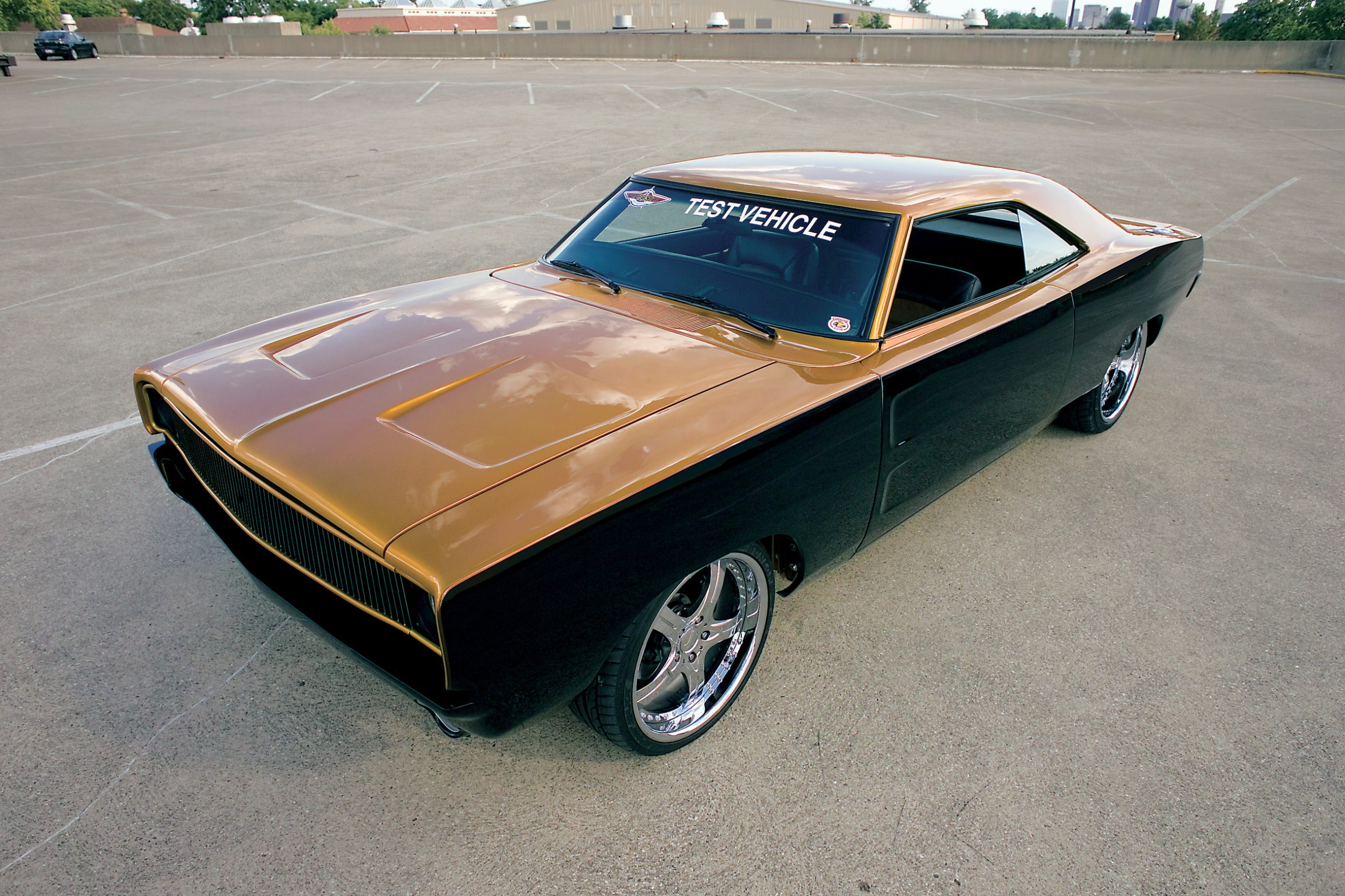
DRASTIC SUBTLETY

Picking out a car seems so simple, whether it’s at the dealership or sketching lines in the drawing room, or at least that’s the way it looks from the outside. It’s easy to have designs on what’s come before or some version of that, but coming up with something unique that is also appealing continually challenges the imagination of every creative force. Anything but simple, even describing this eclectic process can test the understanding of all but a few gifted visionaries.

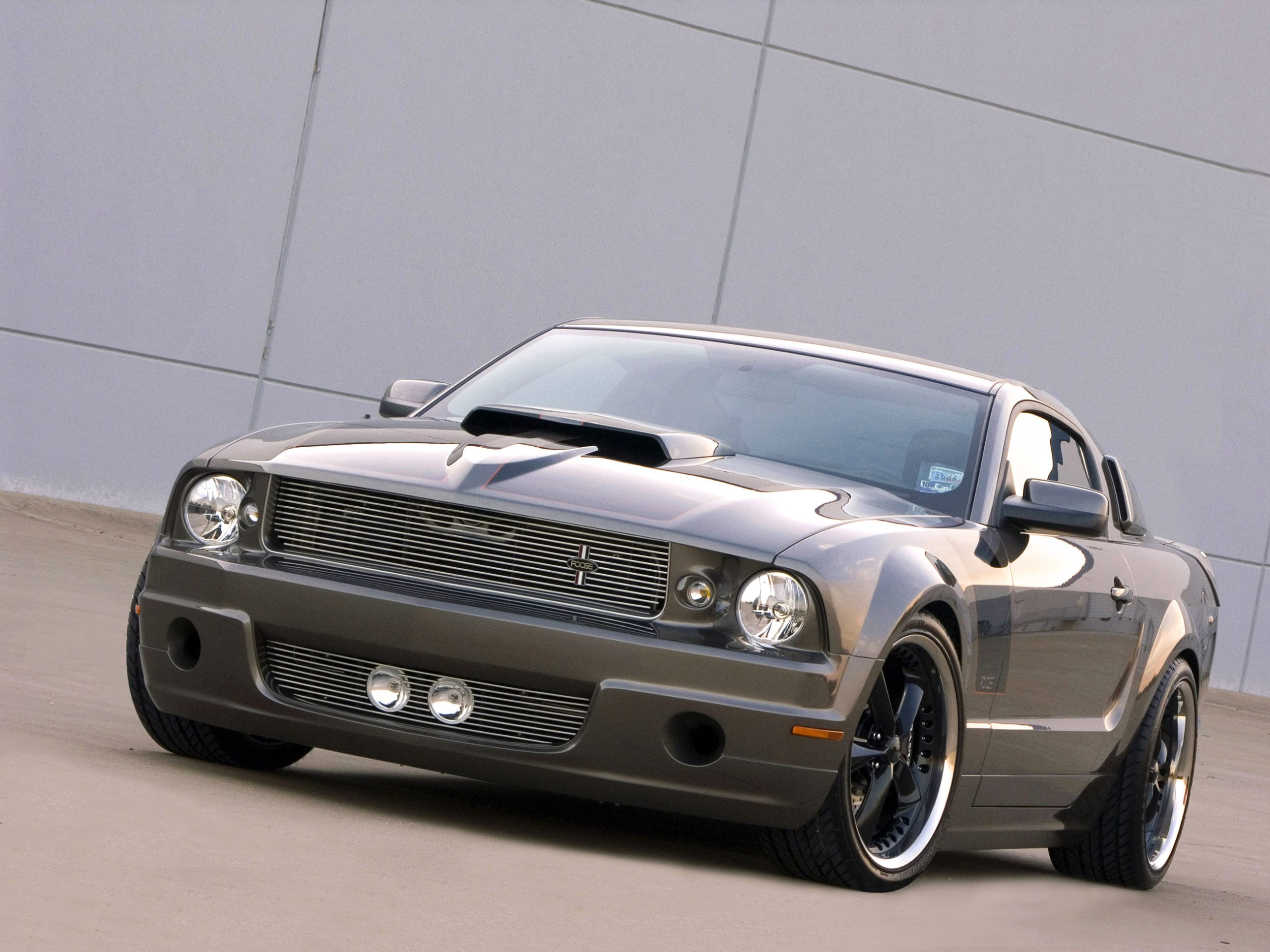
HORSE OF A DIFFERENT COLOR

Looking at the Stallion shows the influence of Unique Performance on Foose’s design. Actually, once you really sit down and look at the car, it appears to be a collage of design features from classic Mustangs, all herded together on the same car. The new front fascia replaces the stock headlight buckets with a large round light and smaller driving light, and this arrangement looks very similar to that found on the Unique G.T.500E. Horizontal billet bars replace the stock honeycomb mesh in the upper grille, shaped very much like the original ’65 grille, down to the offset Foose badge in place of the stock Mustang emblem. The lower grille contains another pair of round lights and more billet bars.

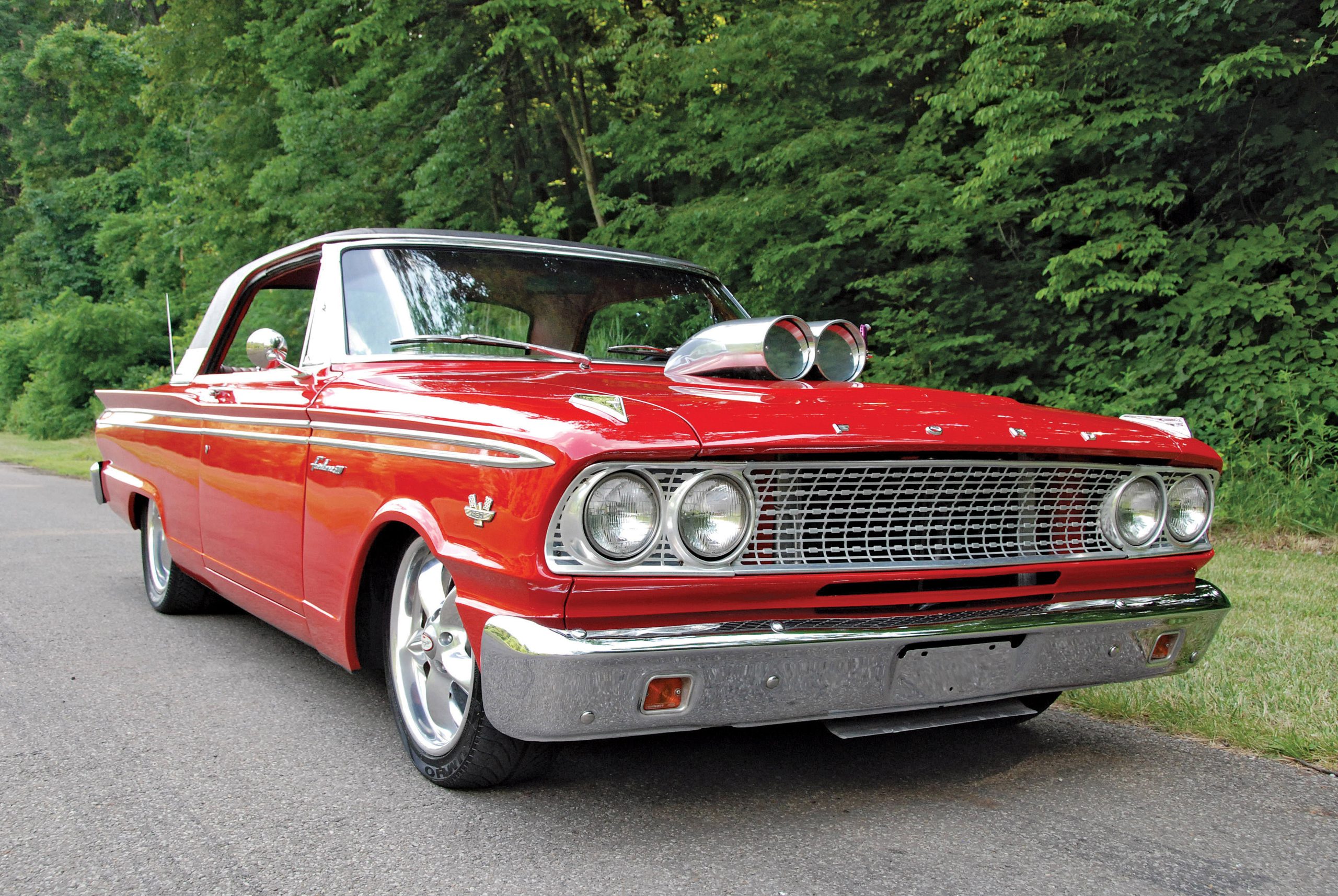
LONG TIME COMING

It’s no guarantee that both halves of a married couple will love the automotive hobby. More than one marriage has ended following the ultimatum, “It’s the car or me,” though the same statement has also put an end to a large number of perfectly good hot rod projects. So it’s always nice when a car can bring a couple even closer, as is the case with Dennis and Dixie Gray and their ’63 Fairlane.

Zen and the Art of Building Headers

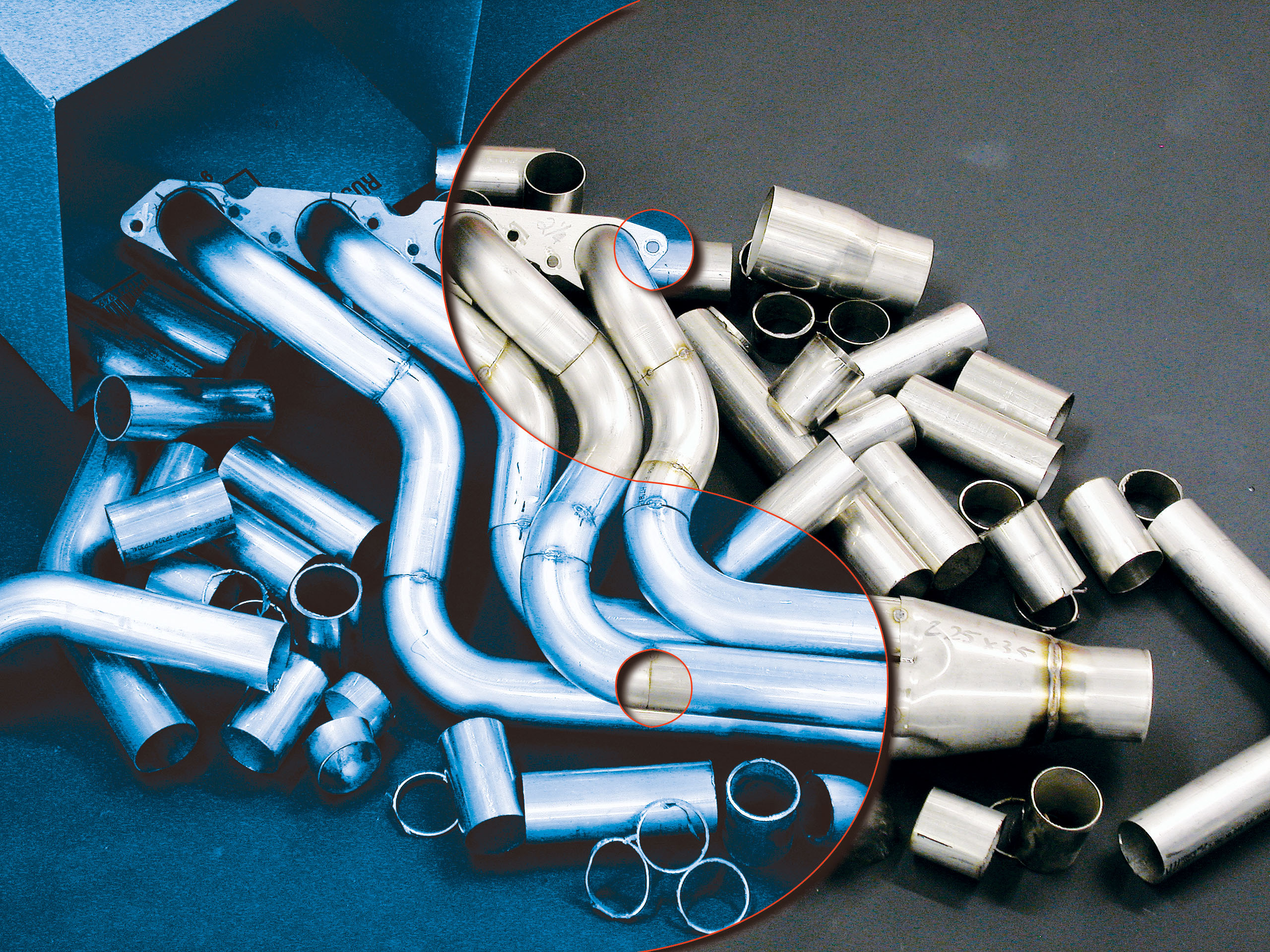
Dive into the world of header fabrication as we demystify the process and equip you with the knowledge and skills to create custom headers for your vehicle. Follow along step-by-step as we break down the intimidating task into manageable steps, offering valuable insights and practical advice along the way.

MORE POWER? BETTER SOUND? OF CORSA!

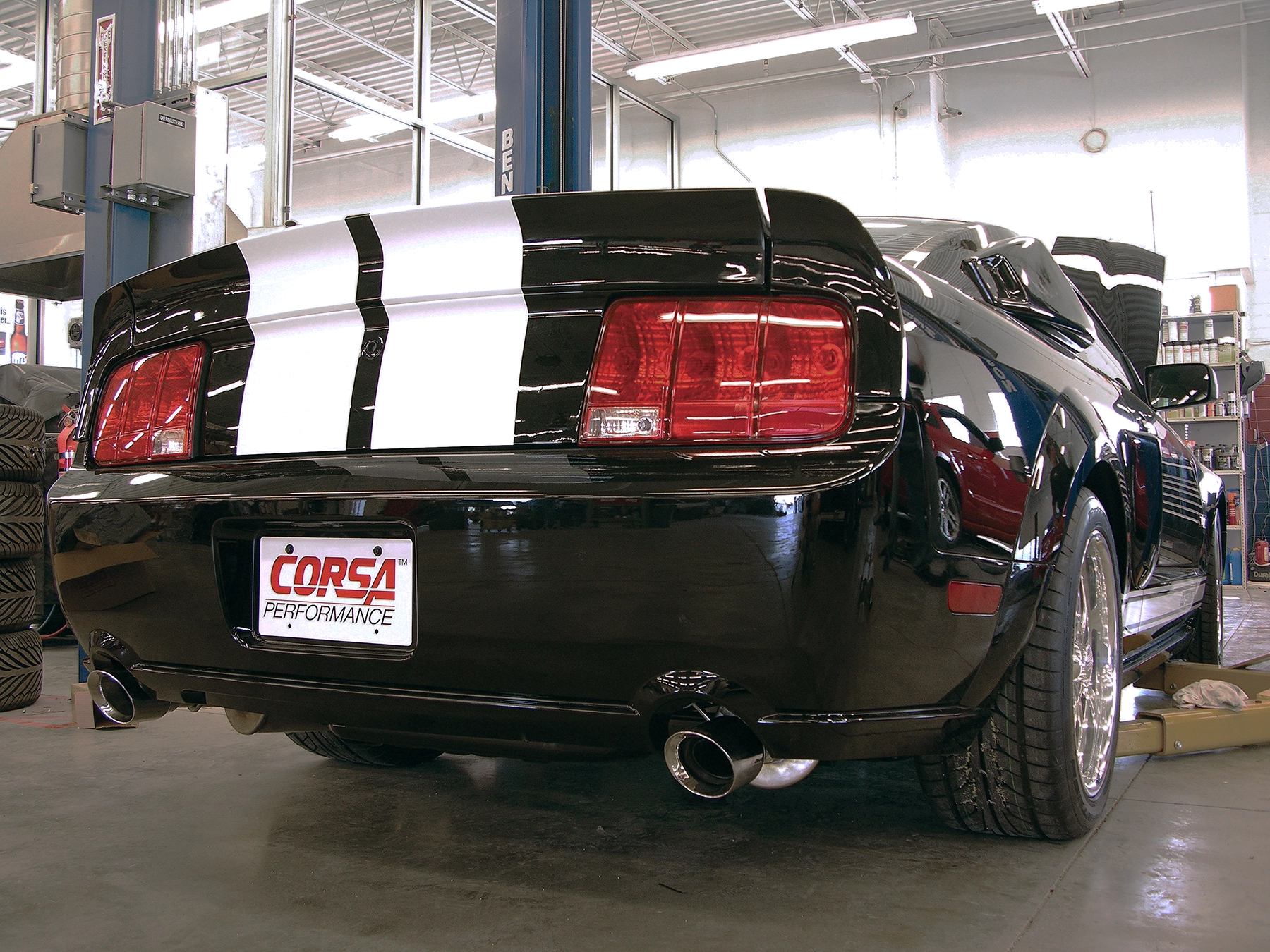
In order to thrive in the exhaust market, a company must have products with a zing factor. For Corsa, the difference begins with its materials, production techniques and efficiency of its designs. Corsa uses T-304 stainless steel, which makes each exhaust system effective, durable, attractive and easy to clean. A good grade of stainless steel makes the process of cleaning pipes about as easy as scrubbing with a Scotch-Brite pad. However, other companies also offer T-304 stainless construction, so what really sets Corsa exhausts apart? The answer is Reflective Sound Cancellation technology…

0Comments
Scroll to Top
image

Subscribe for Email Updates

Newsletter Categories *
Marketing by