This beauty is easy on the eyes. It’s lightning-quick on the throttle and a lot of fun to cruise around town in—but it wasn’t always that way.
0Comments




This beauty is easy on the eyes. It’s lightning-quick on the throttle and a lot of fun to cruise around town in—but it wasn’t always that way.

Thirty-four-year-old Mustang enthusiast Dave McMillan of Dallas, Texas, may not have been old enough to remember those wild and woolly days of SCCA Trans-Am racing, but that doesn’t mean he can’t relive that glorious era each time he climbs inside his Trans-Am-style ’69 Mustang SportsRoof.
McMillan is what you would call a certifiable Ford nut, having owned quite a few noteworthy high-performance Fords over the years. The mix has included or currently includes the likes of a ’70 Mach 1, a ’93 SVT Mustang Cobra, an ’01 SVT Ford F-150 Lightning and a ’66 Sunbeam Tiger. “All my buddies give me a hard time for being a Ford man,” McMillan says. “I just tell them that anybody can drive a Chevrolet.”
America’s love for the automobile has been evident and strong from day one, ever since the first horseless carriage rolled off the assembly line some 100-plus years ago. The fascination was slow at first for these virtually handmade motorized contraptions, but once they reached production, and Henry Ford made it feasible for anyone to own one, the automobile has helped shape our economy and has influenced the way we live our daily lives. Today, it’s hard to think of life without it.
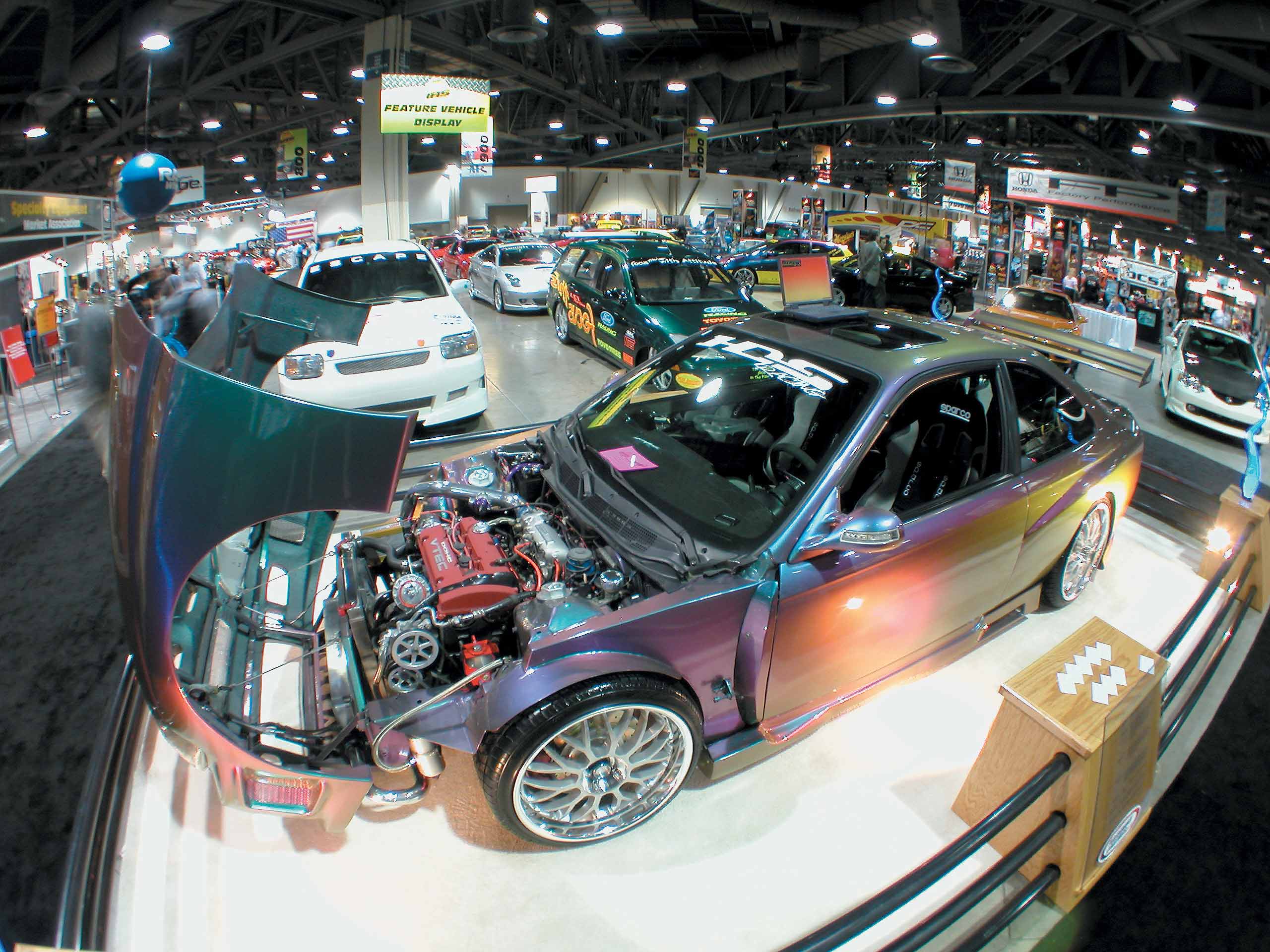
WHAT DO YOU do when you have one of the hottest show cars in the country and need something to take you to the next level? What do you do if you have a very nice modified car, but want something more? How about a true show display setup? We have talked to a number of people in the industry, including some of the most qualified judging sanctioning bodies, and they have given us plenty of insight into what’s hot and what’s not in the world of show car displays.
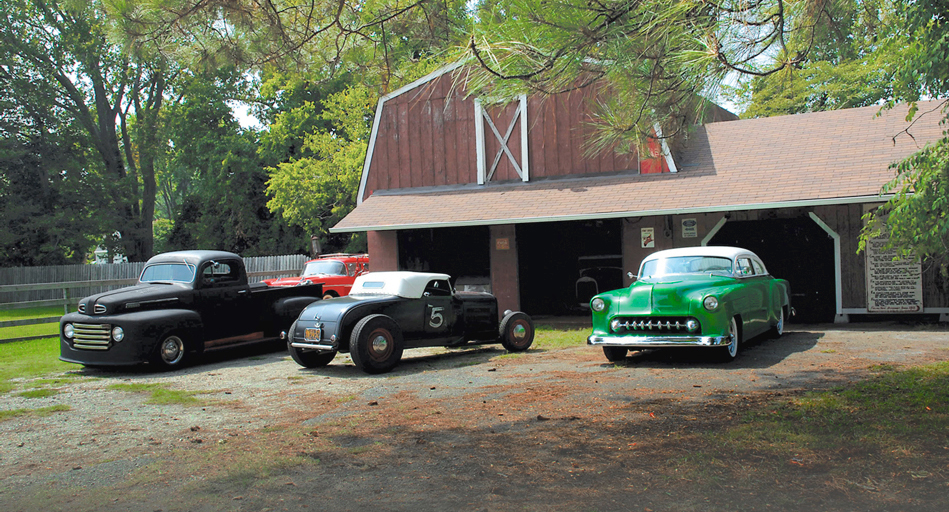
Jack Fuller has been at this hot rod game for a long time, and while he builds hot rods for a living, make no mistake—this is a man who loves his work. As a matter of fact, the mantra of the garage is, “When the fun stops, the doors close for good.” It’s pretty simple stuff, and oddly enough, that seems to be the specialty of the house—basic hot rods that look cool and work well. Jump in a Jack Fuller hot rod, and you’ll know it was designed to be driven. Jack’s own ’32 cabriolet has seen untold miles over the years, as have most of the other hot rods he has built.
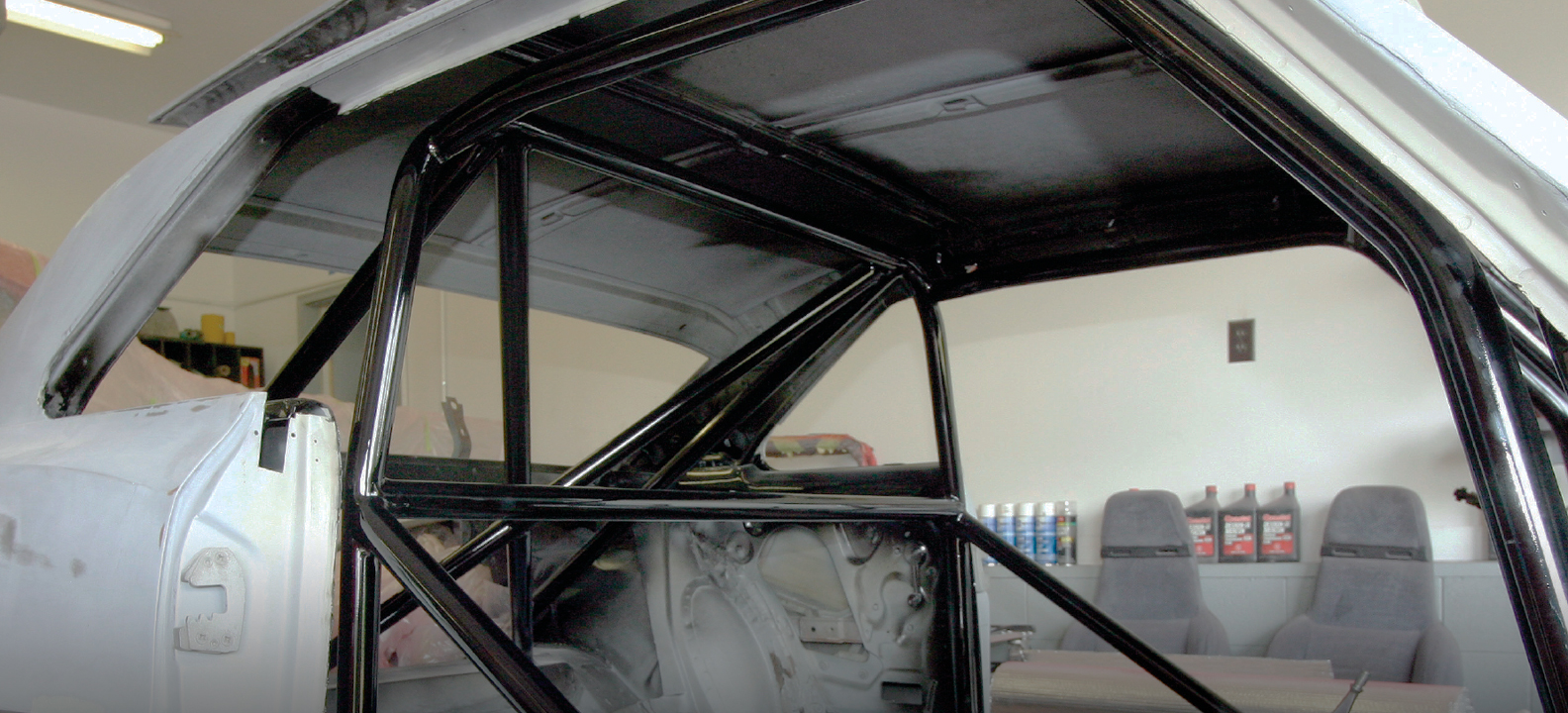
If you have spent any amount of time working on street machines, you are well aware that “bolt-on” parts do not always bolt right on. Still, it’s often a lot easier to modify those parts than to fabricate your own. The same holds true for such items as rollcages. Nobody pretends that a prefab cage is going to drop right into place without having to trim a single tube. That’s mainly because the economies of scale dictate that manufacturers make a single design fit as many cars as possible. Unfortunately, a cage that fits many cars probably fits no car perfectly.

Now that the typical Chevy buildup cars (Novas, Camaros, El Caminos, Chevelles and so forth) are well over 30 years old, most have had several owners and lots of abuse. One important yet often overlooked area during a car’s lifetime is its locks, and by now, most early Chevys have mismatched or missing keys. Some don’t even have any keys or locks when you buy them. If you do find a car that still has its original keys, it is very unusual.