

THE AUTO BUILDER
Featured

AN AMERICAN TRADITION
Here in the United States, we have been conditioned to find vintage tin in many places. The availability of good cars to build into street rods has become more limited as the years have passed, but depending upon your choice of bodies, there are still quite a few options. Of course, the advent of reproduction bodies has added to the choices. Now put yourself in a foreign land and think about how hard it would be to find a good 70-plus-year-old imported American car to build. That is what Wayne Streams faced as a native of the United Kingdom. Building street rods has grown in both popularity and participation in the UK. There are many vintage English vehicles available, but American cars are the most cherished among British rodders.

HARD CHARGER
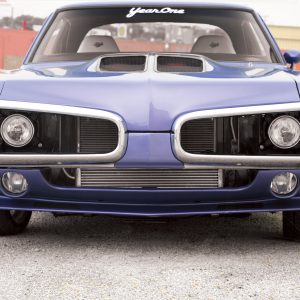
We were talking to Devin Meucci when the topic came up about how difficult it is to find a ’69 Dodge Charger in Southern California, because most were gobbled up by the studio when “The Dukes of Hazzard” show was on television. I also mentioned that two of my friends were in charge of the transportation department of the show when the cars were being scrapped out, and described how they made the 383 and 440 engines available to members of my car club. Meucci said he and his brother watched the show religiously, and that’s when their love for Chargers began. Fortunately, in Washington state, Chargers were plentiful, so, in 1990 his brother bought a matching-numbers ’69 RT/SE. Two years later, Meucci purchased his own Charger and drove it in high school during his senior year, and to college after that.
Flow Control
When this Cole 22 Nighthawk sank after a stormy night, a lot of things needed to be replaced. The fuel tank selector valve was toast, and the original equipment was no longer available for purchase. The owner of this boat decided it was a good time to upgrade to an Eddie Marine Total Flow Control high-volume fuel valve. The three-port model (PN SF-100) used here is a safe and efficient fuel valve that is ultra reliable and will flow 240 gallons of fuel per hour. Operated by a 12-volt motor, it meets all U.S. Coast Guard requirements, including the ability to be manually operated should the motor fail for any reason. A six-port model is also available with fuel return provisions for fuel-injected applications (PN SF-200).
Spotlighter
POPULAR READS
-
The Auto Builder’s Hottest Product Picks from The Triple Crown of Rodding 2026
-
Product Spotlight: Bill Mitchell Products Aluminum LS Engine Block
-
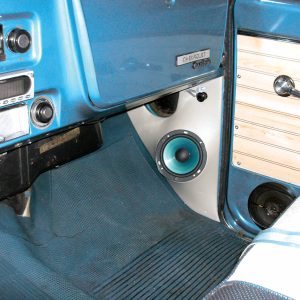
PRODUCT SPOTLIGHT: 60-66 Chevy C10 Fresh Air Vent Block Off Plate
-
Product Spotlight: Pyramid Optimized Design Sequential Aurora Taillight for 1964½–1966 Mustang
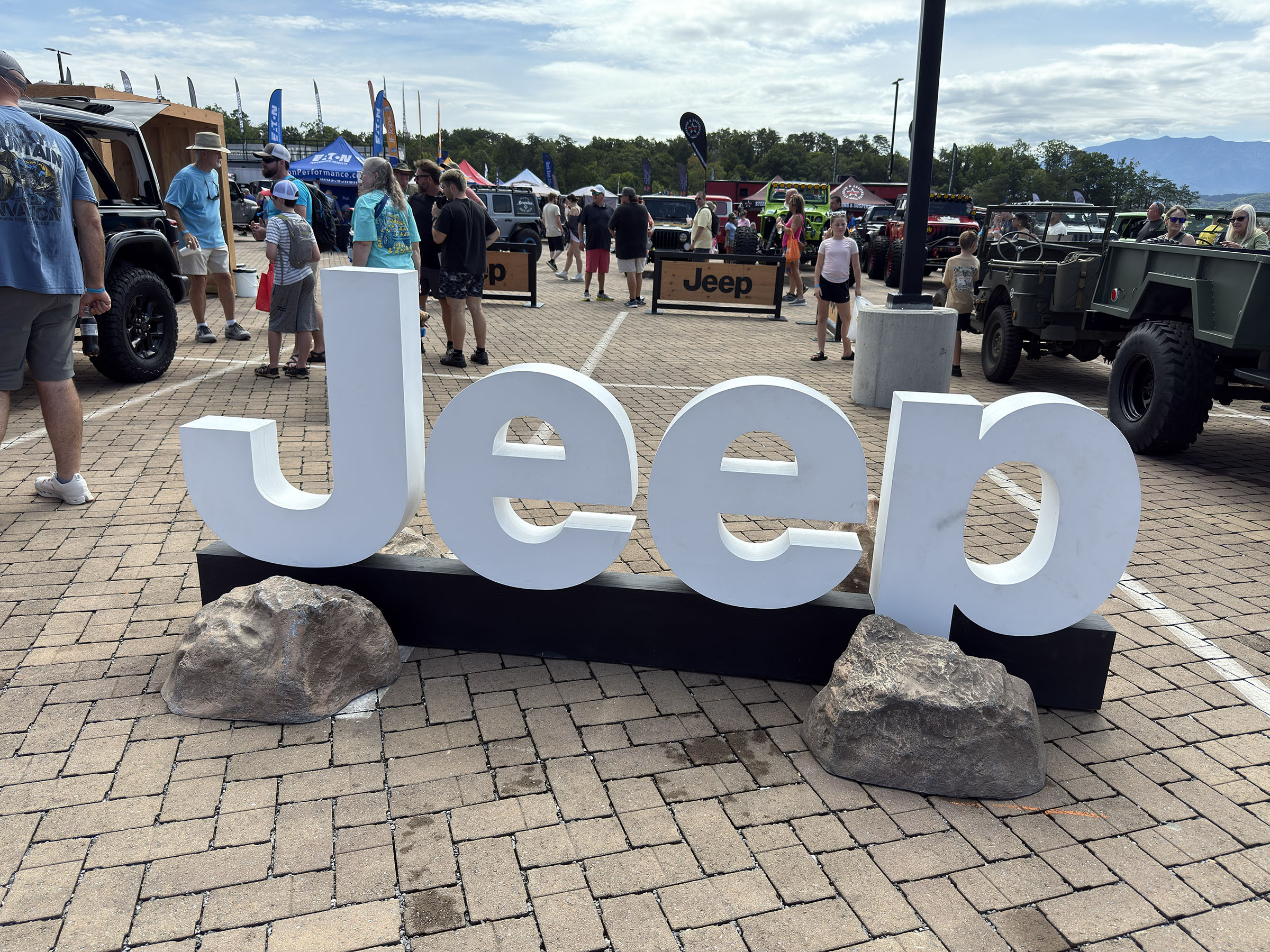
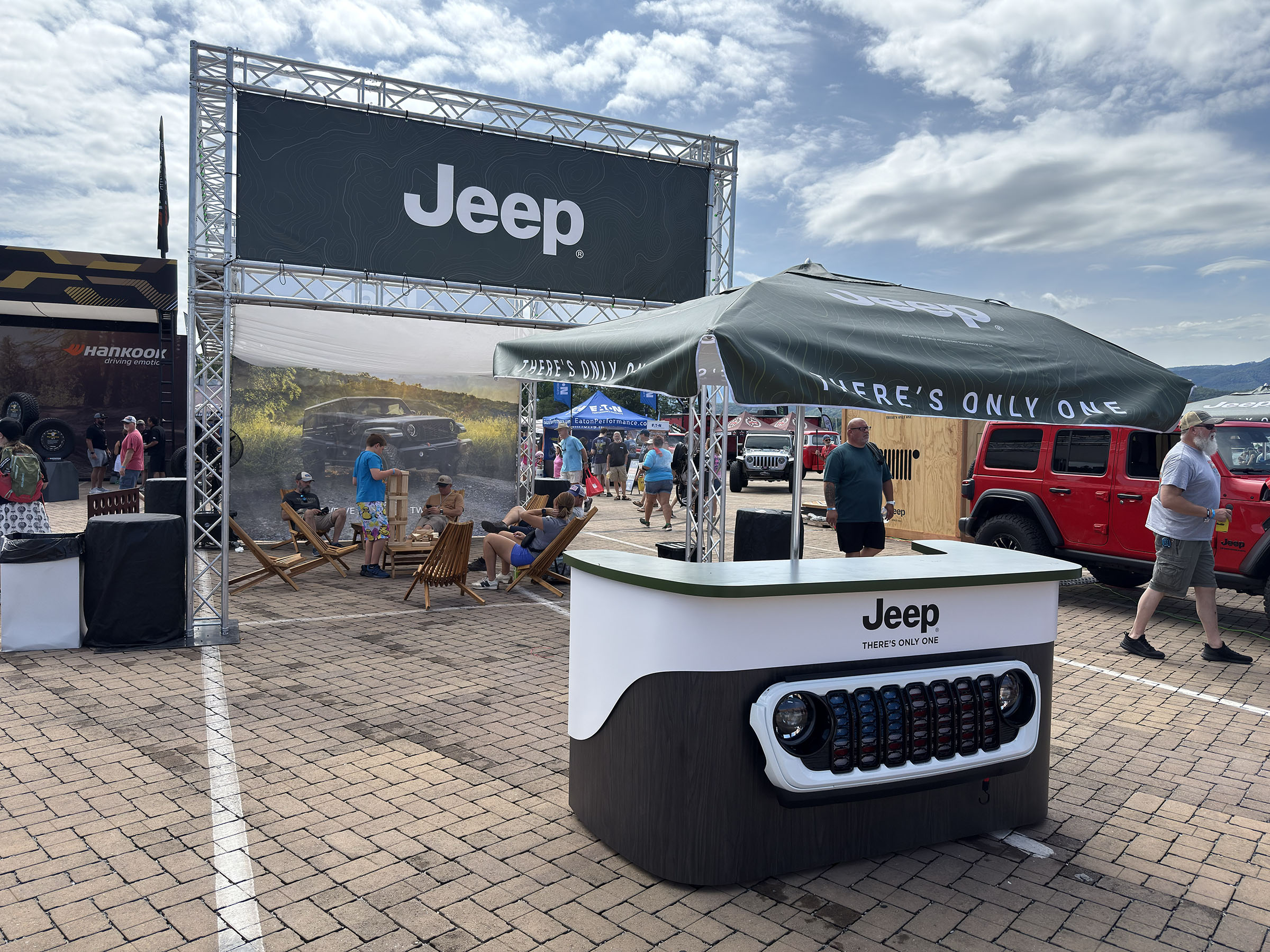
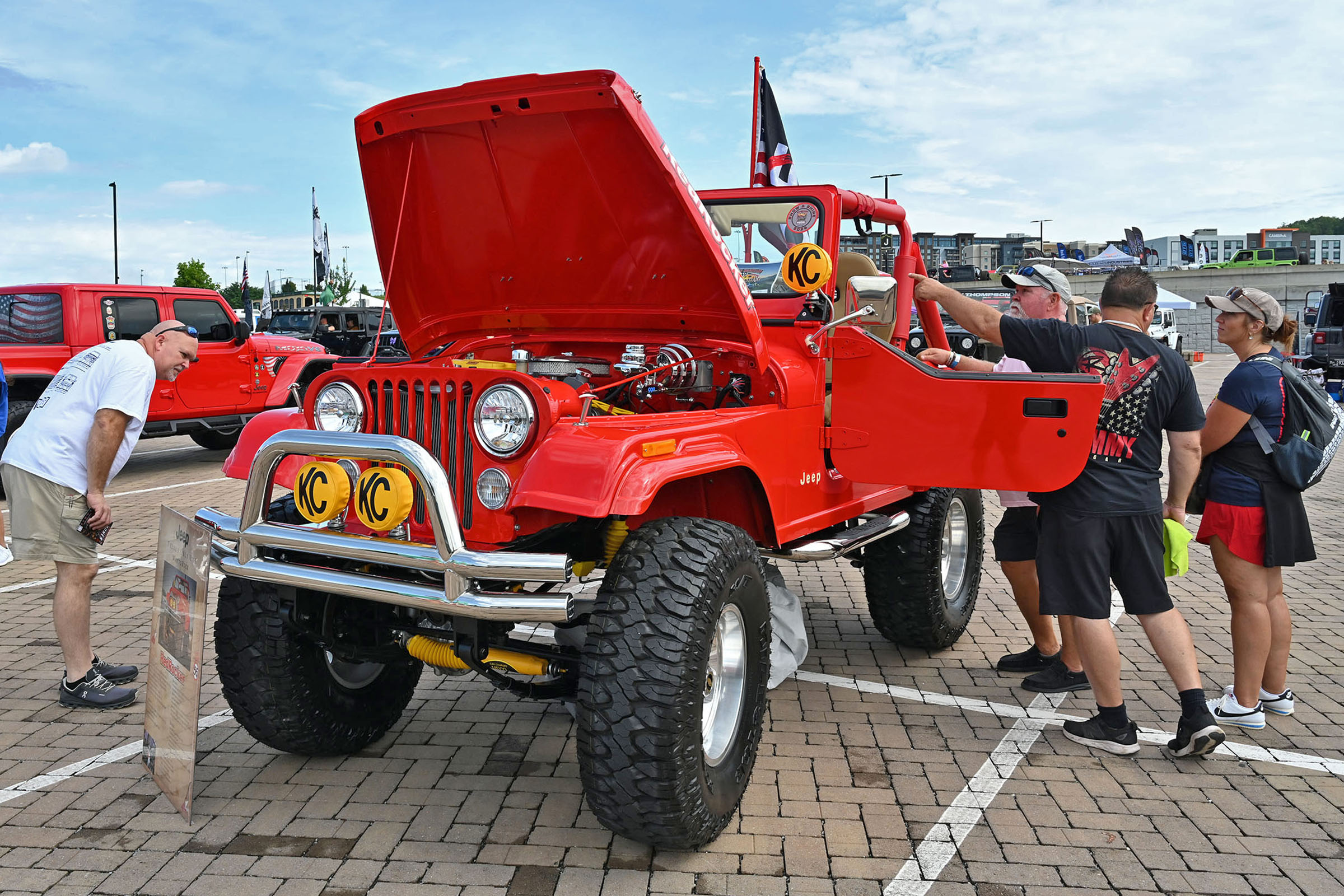
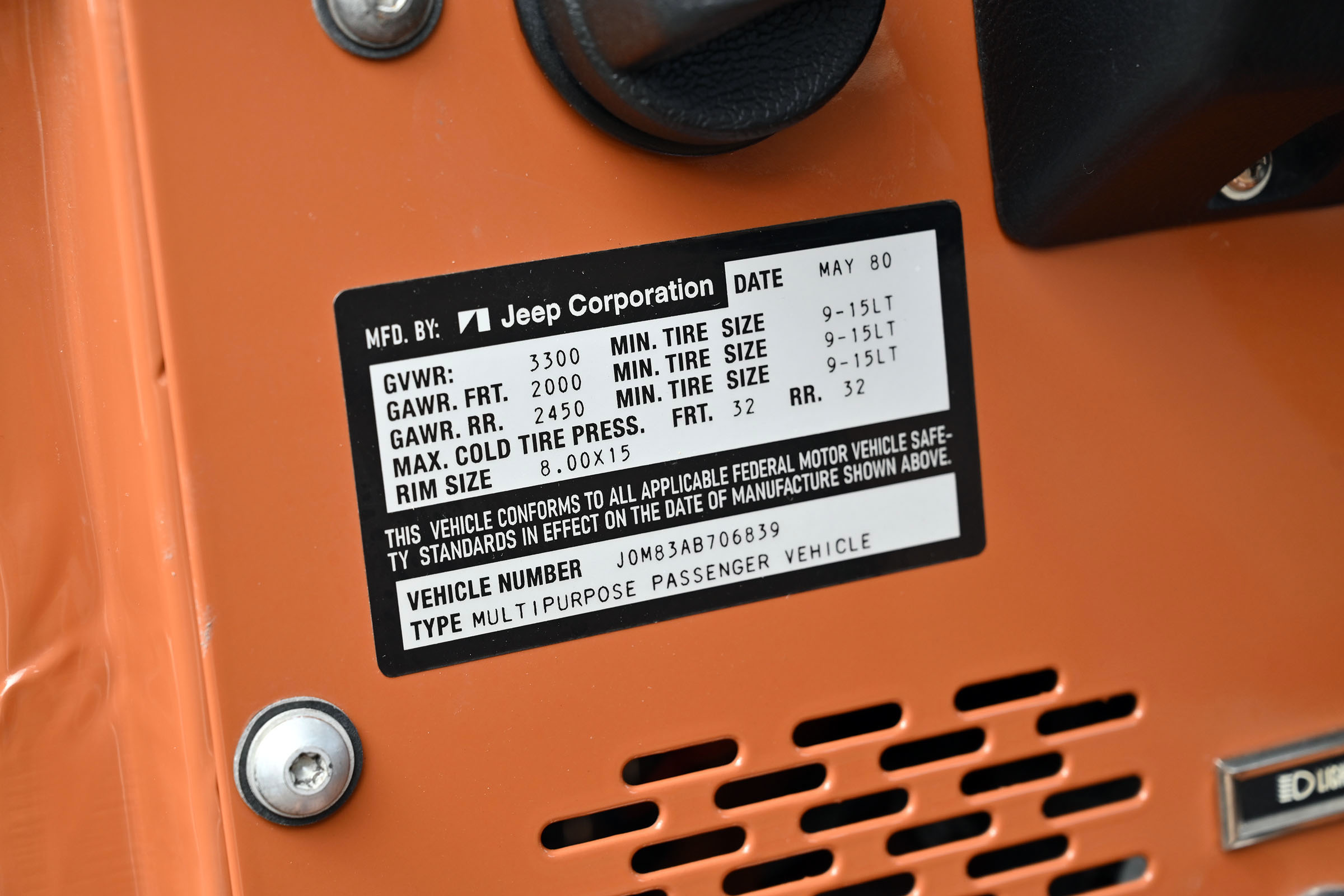
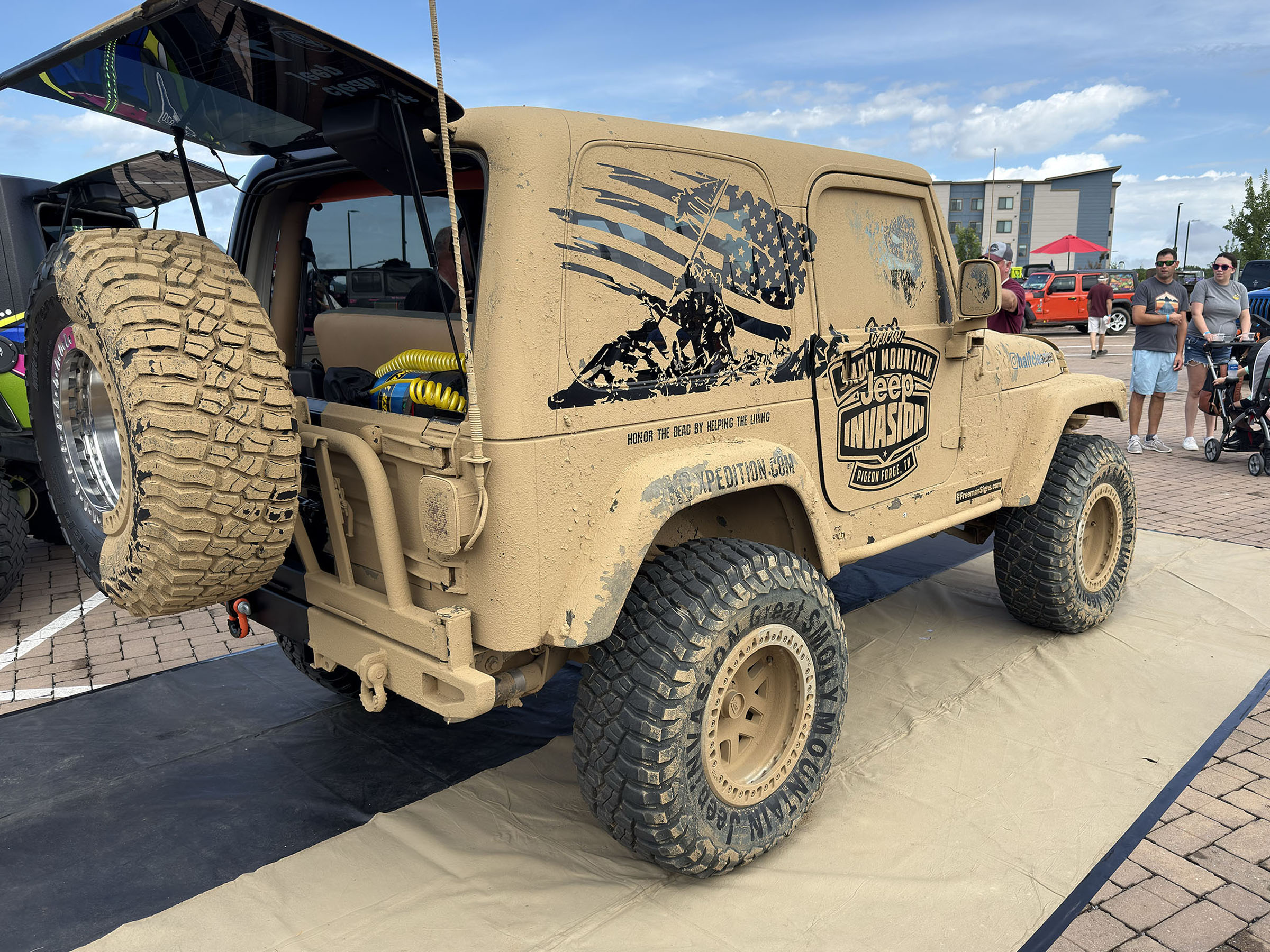
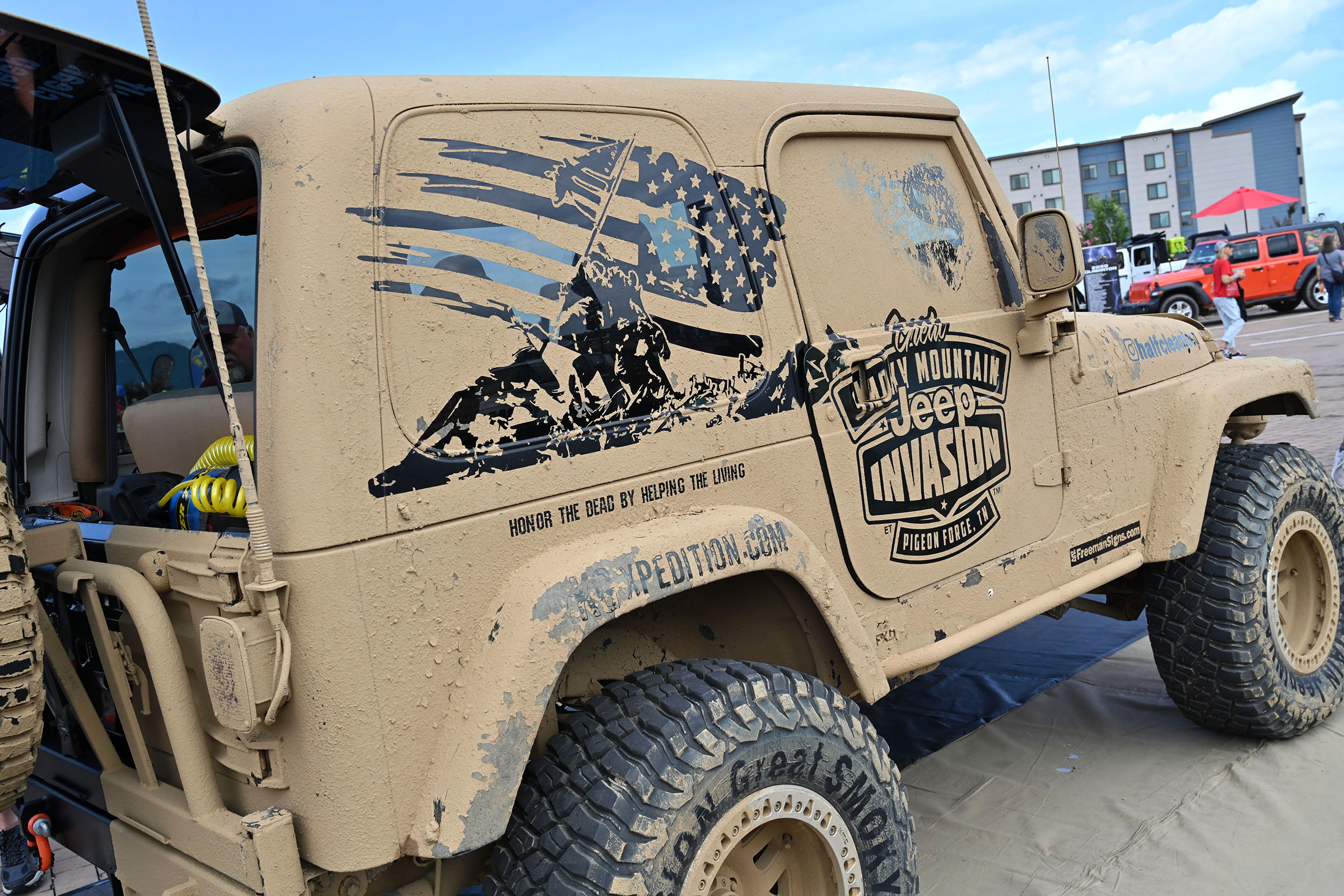
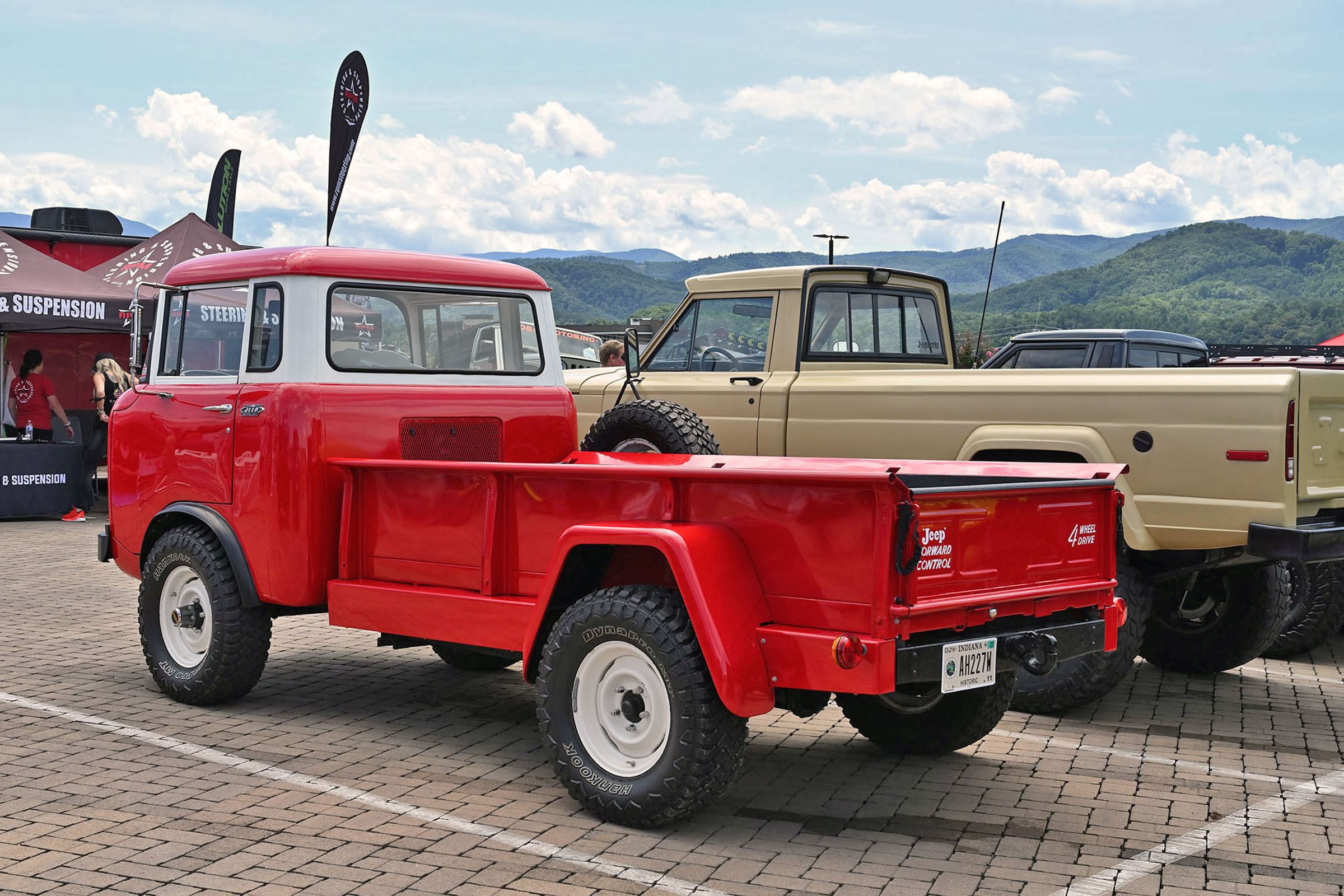
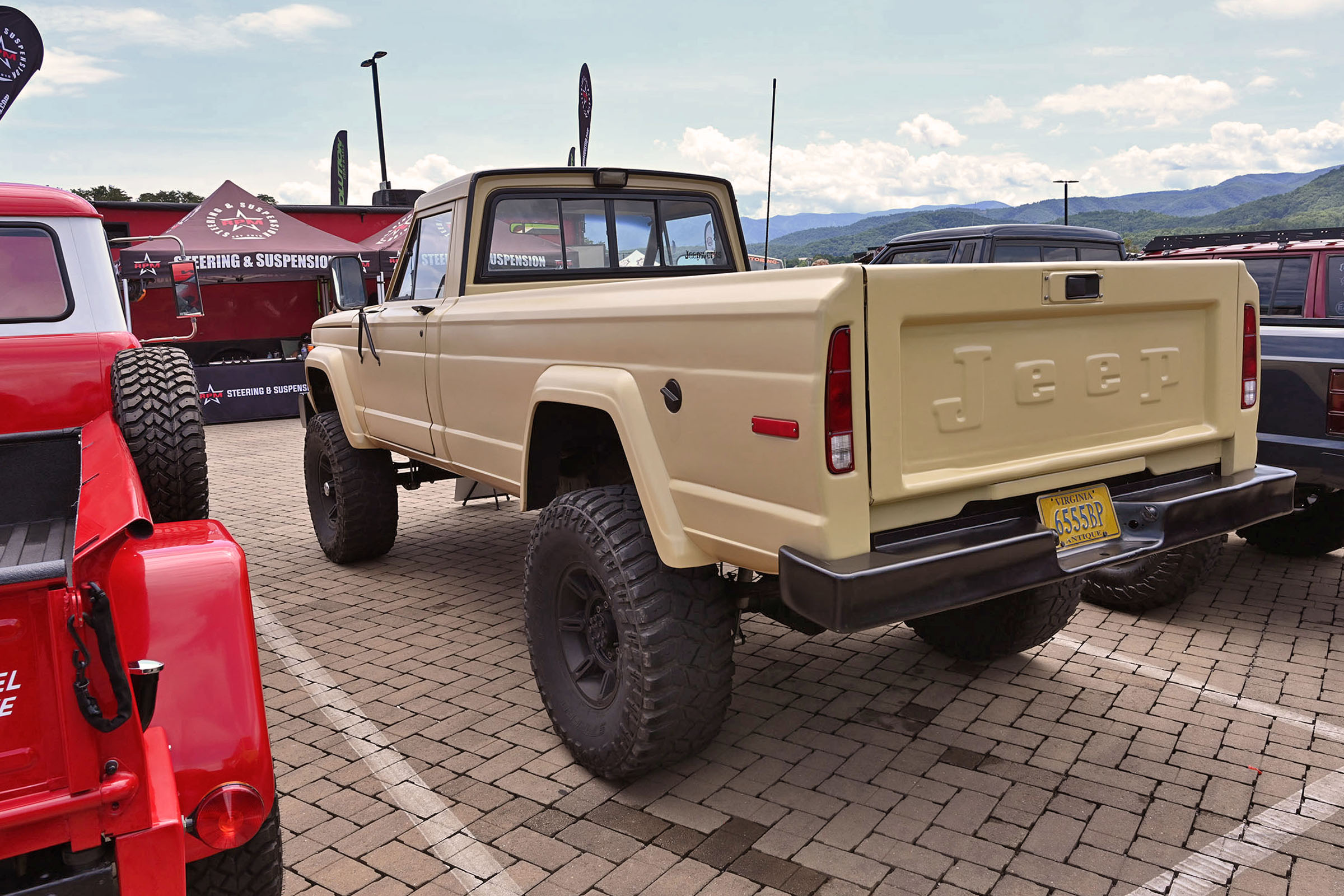
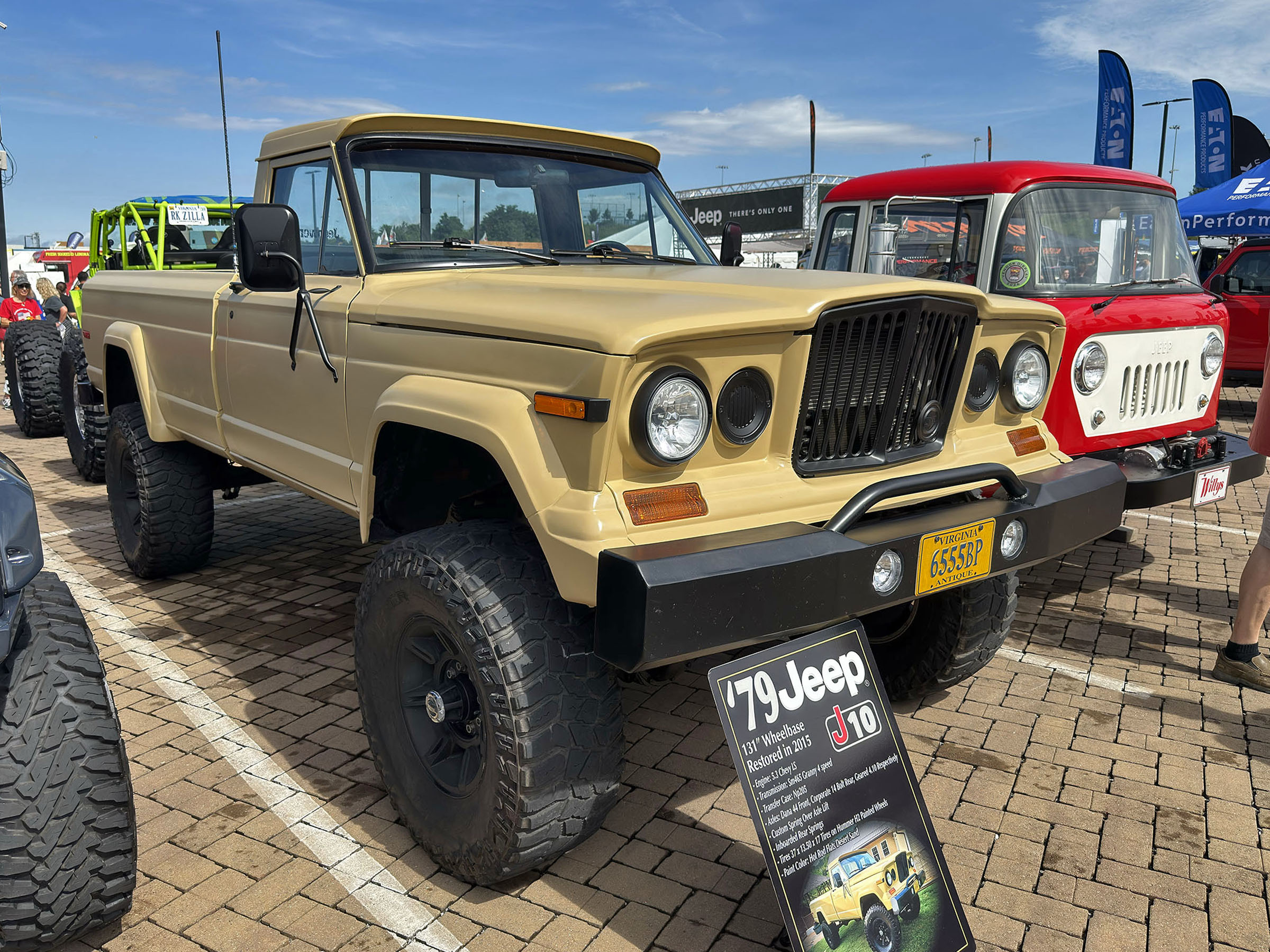
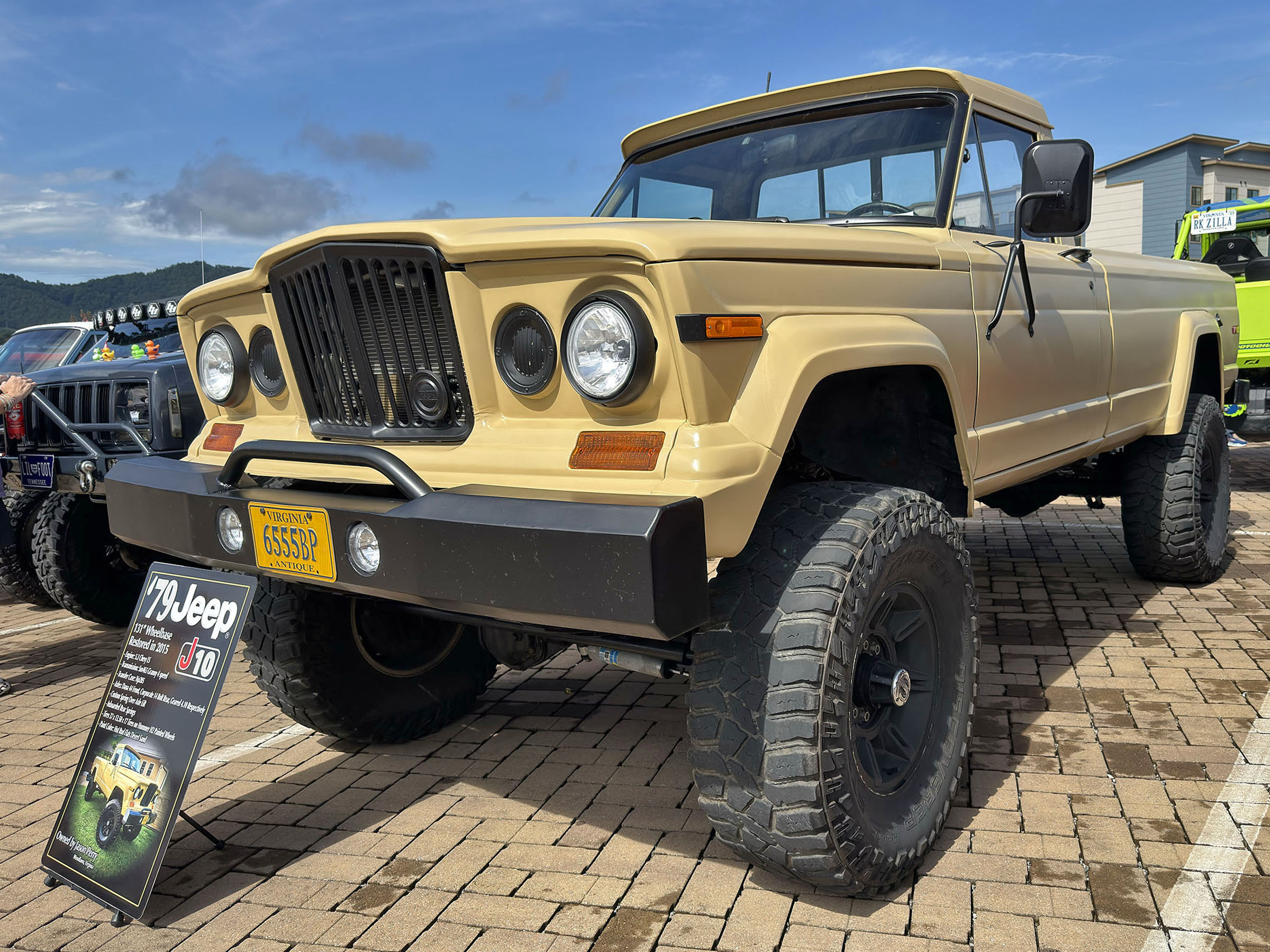
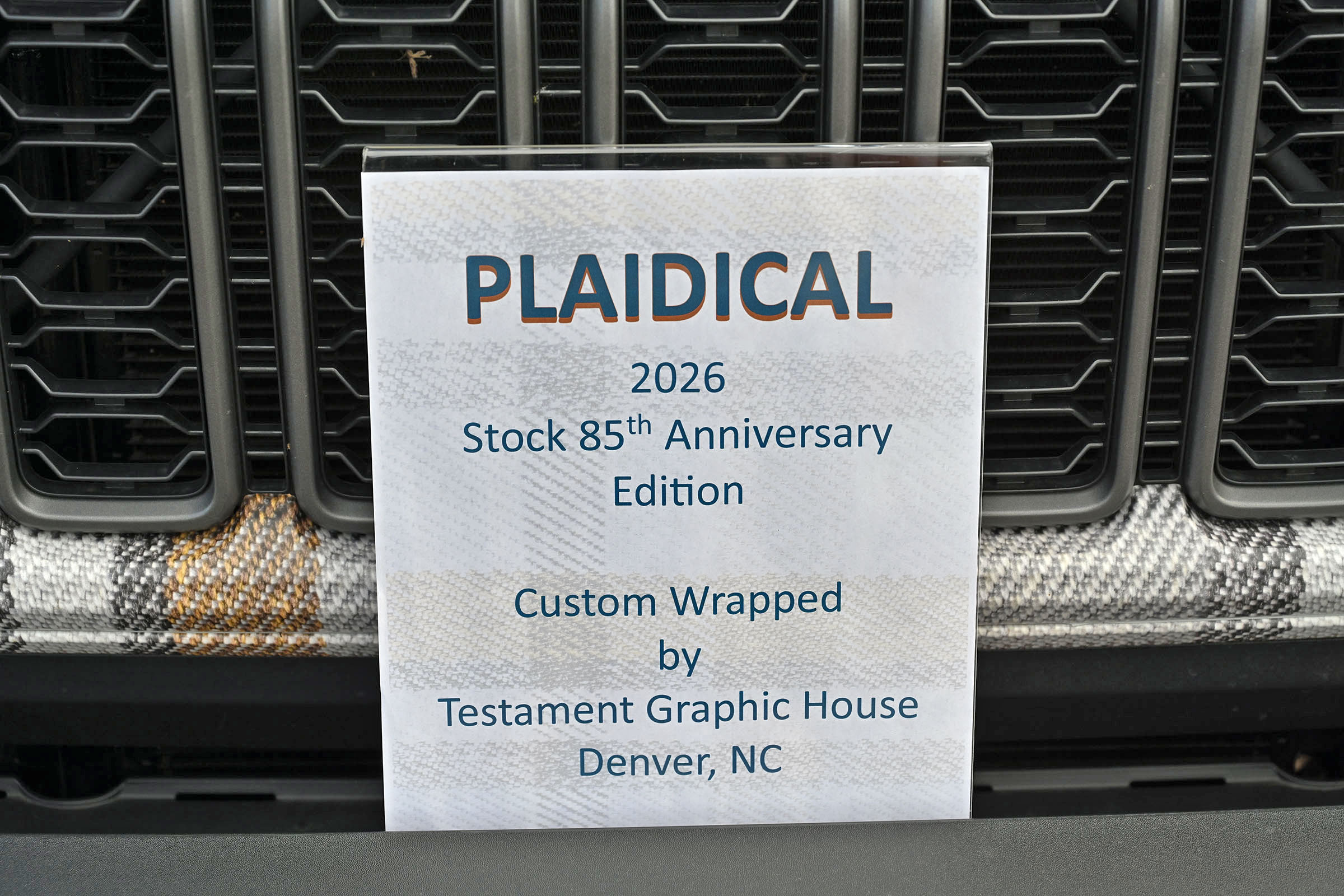
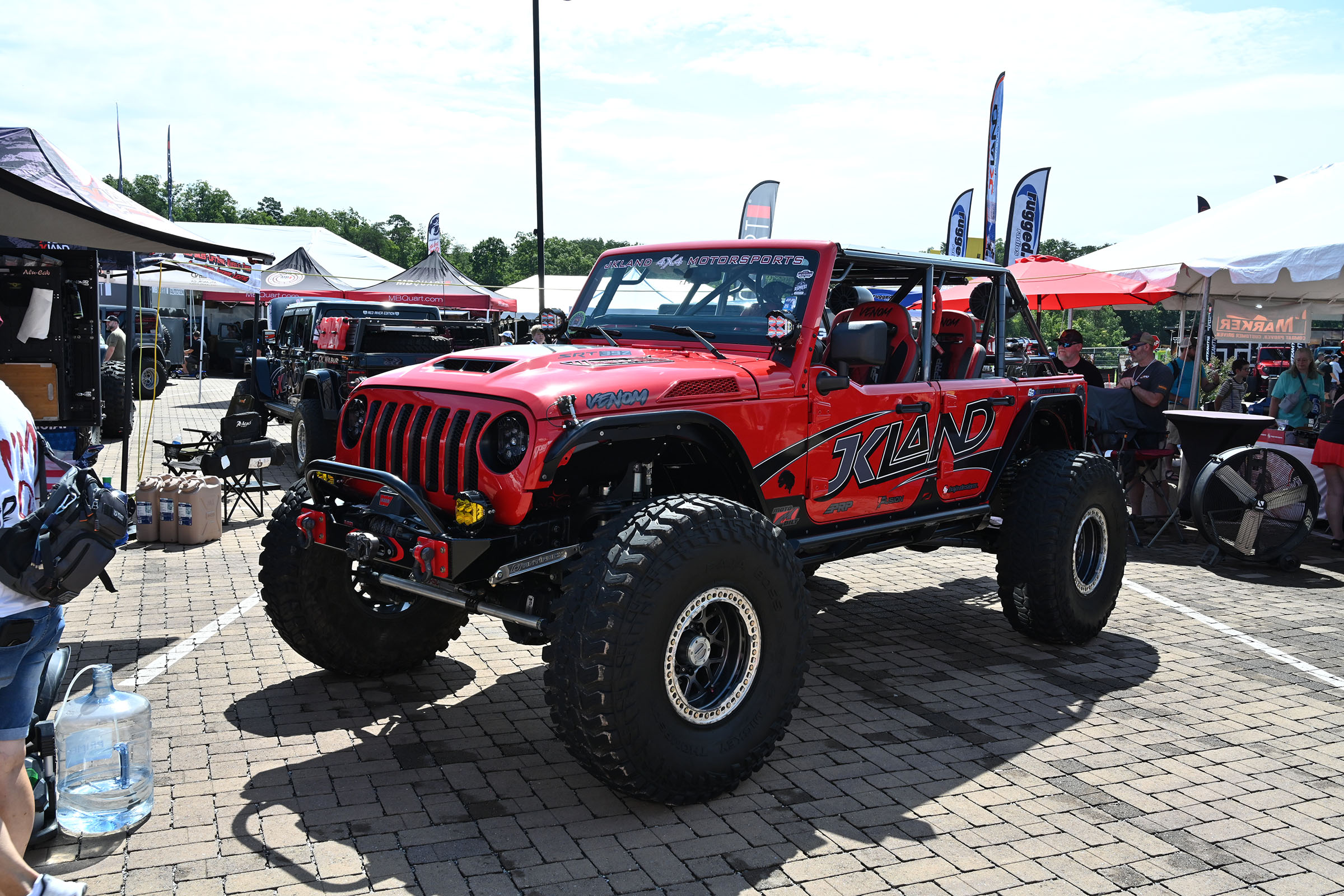
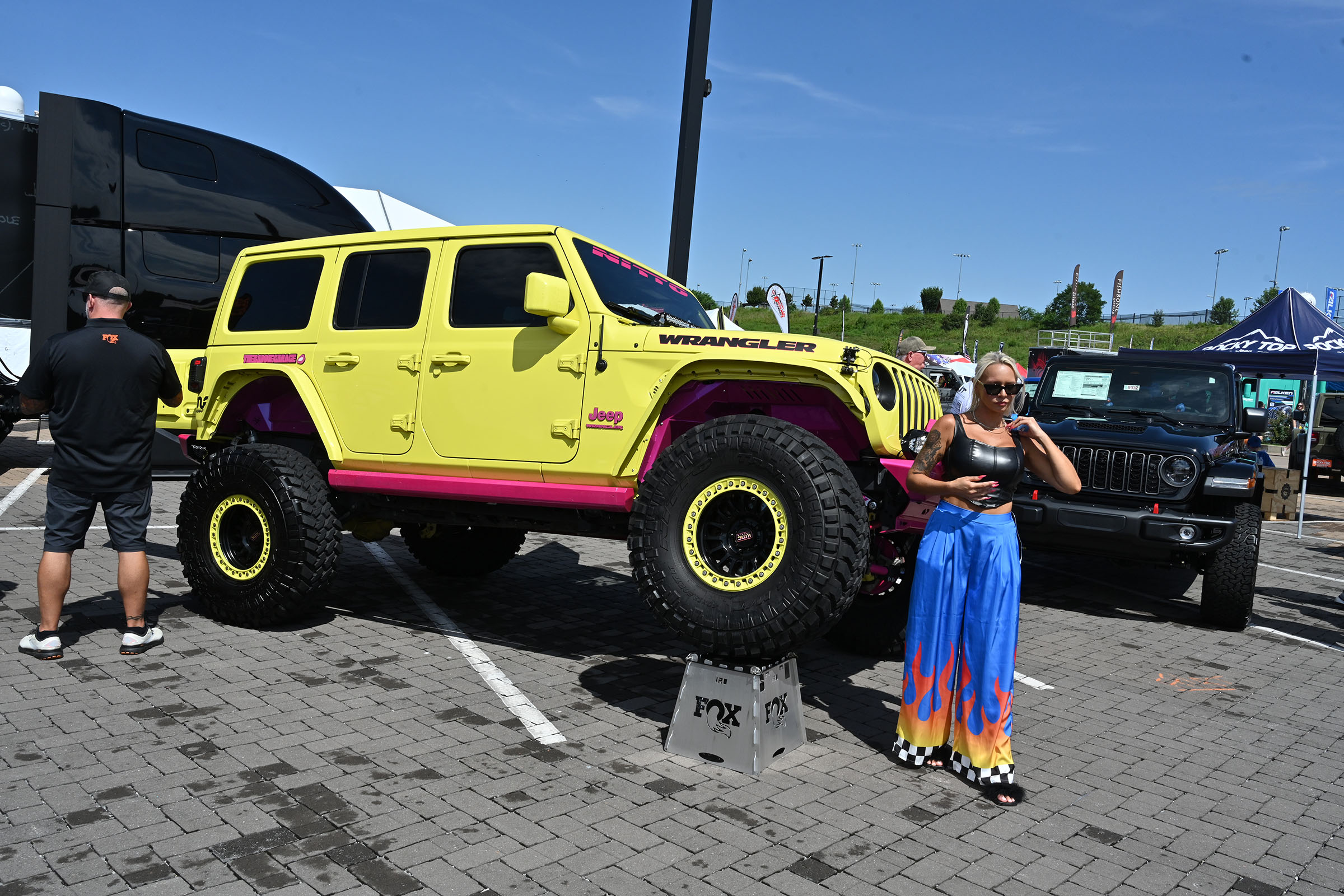
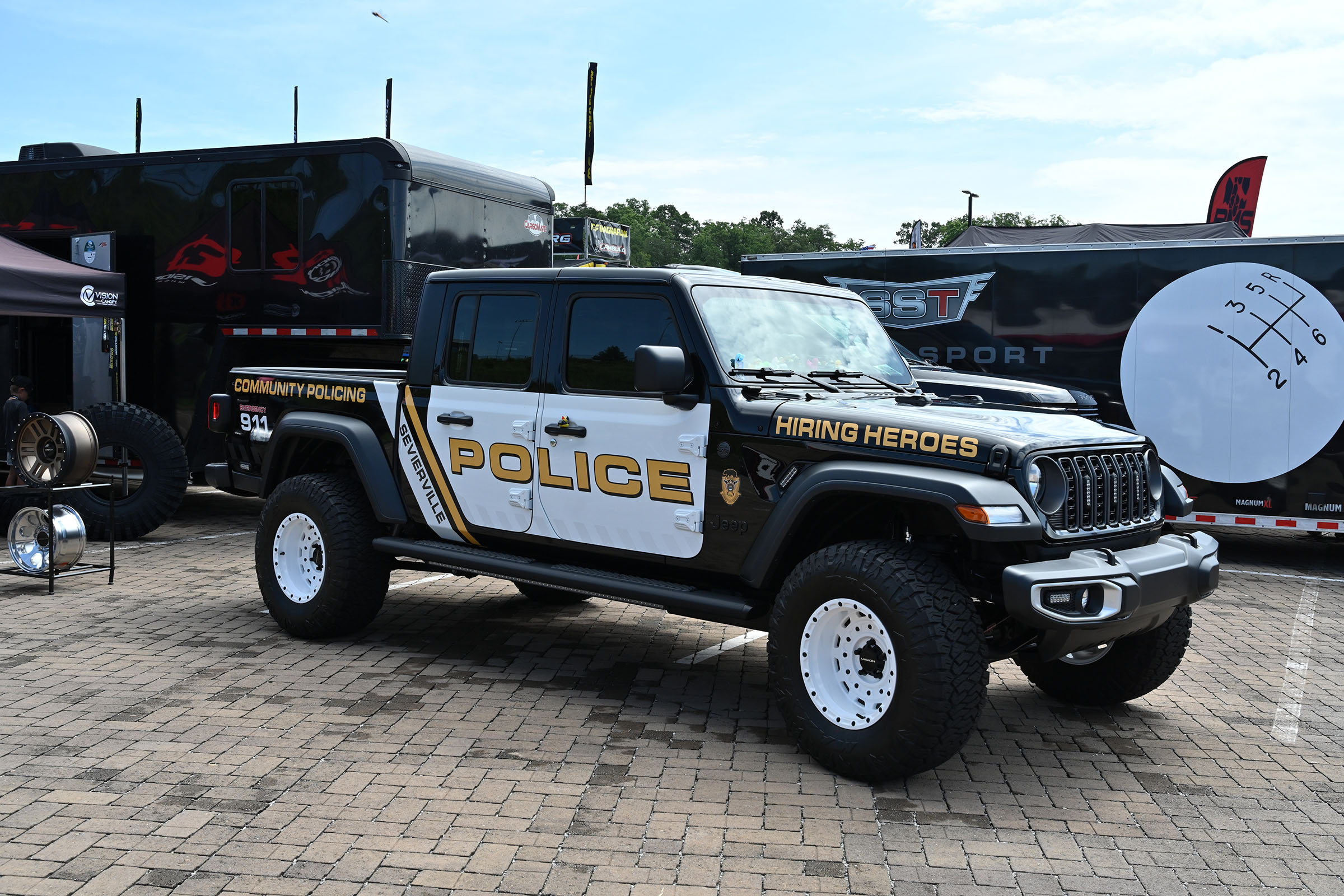
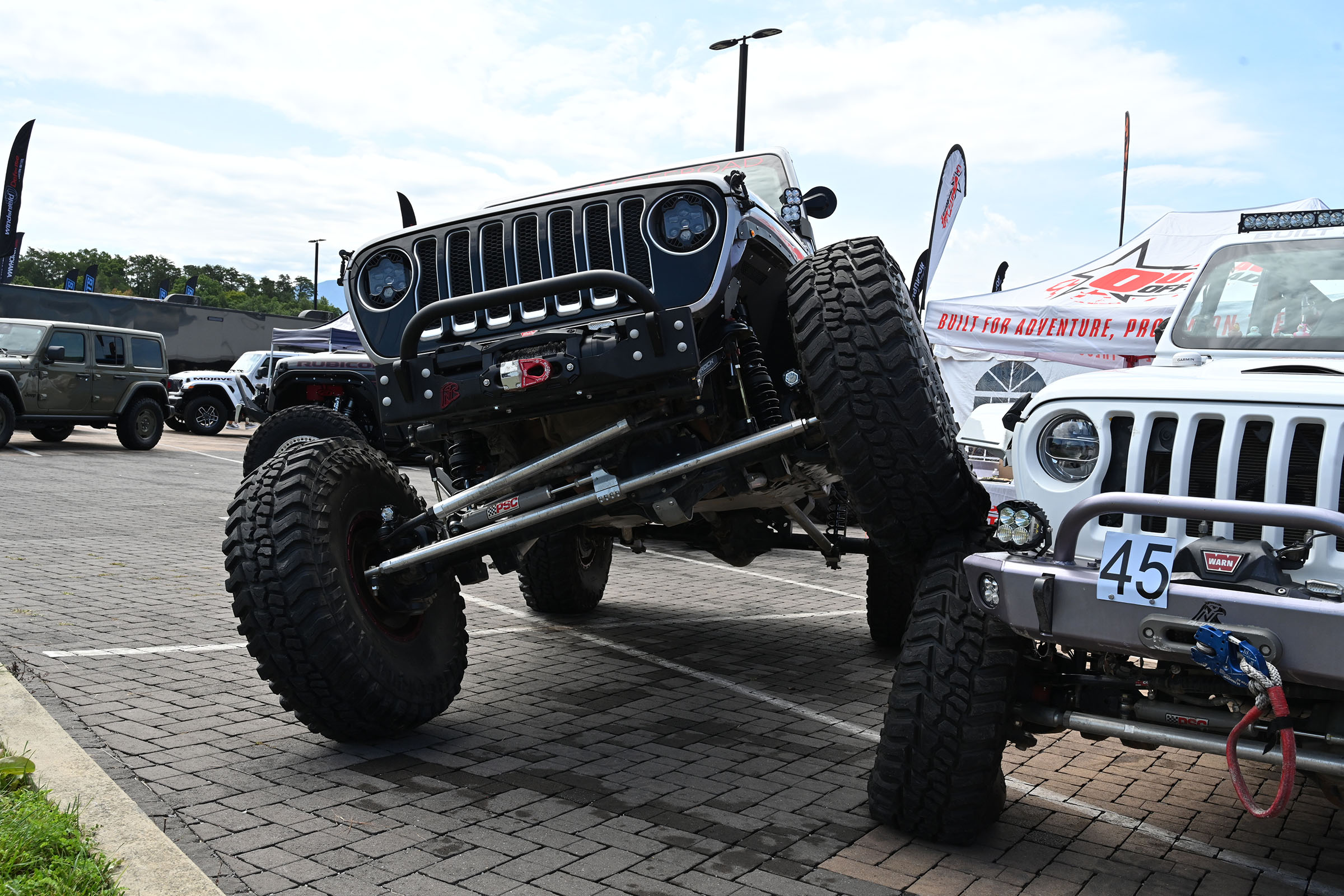
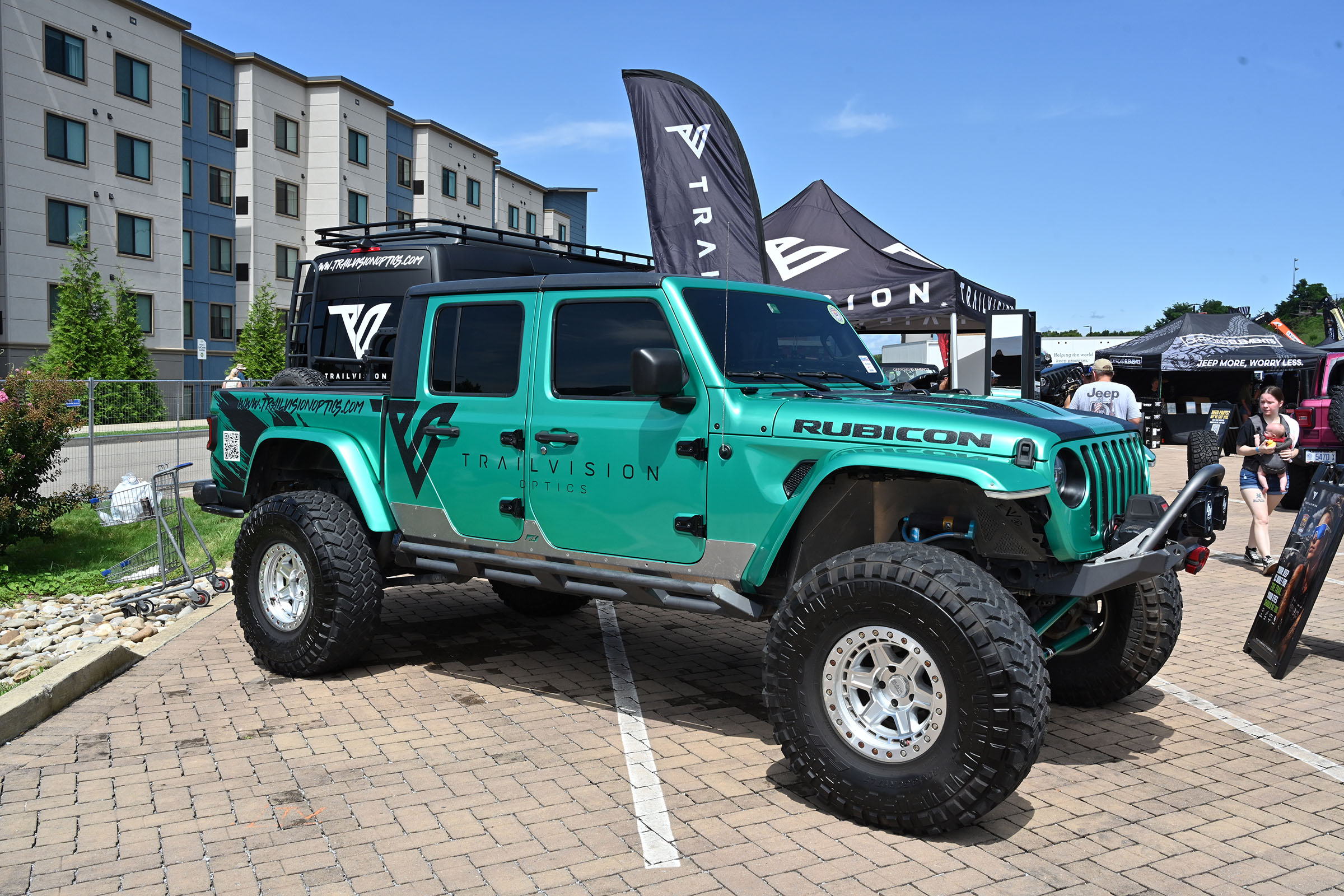
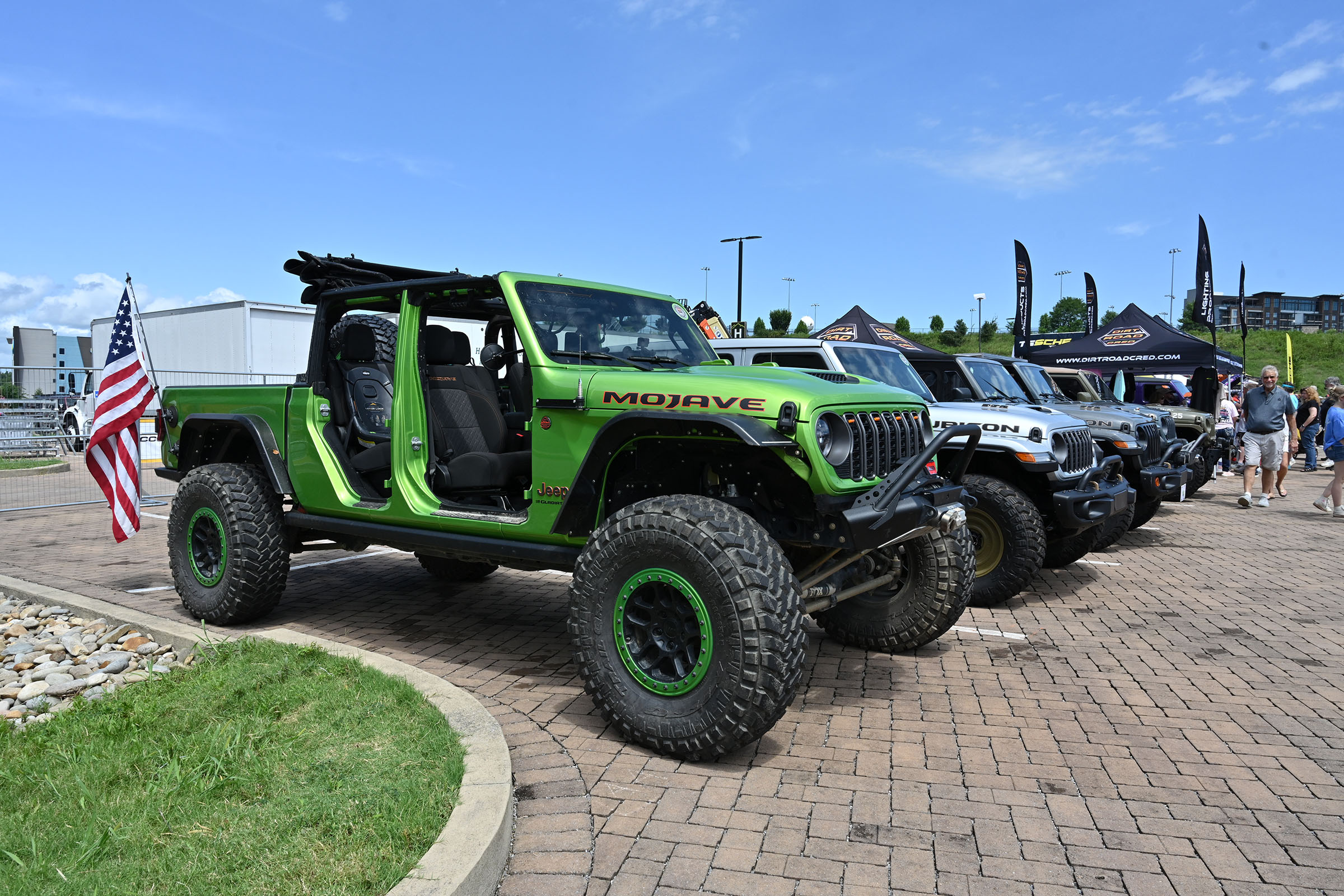
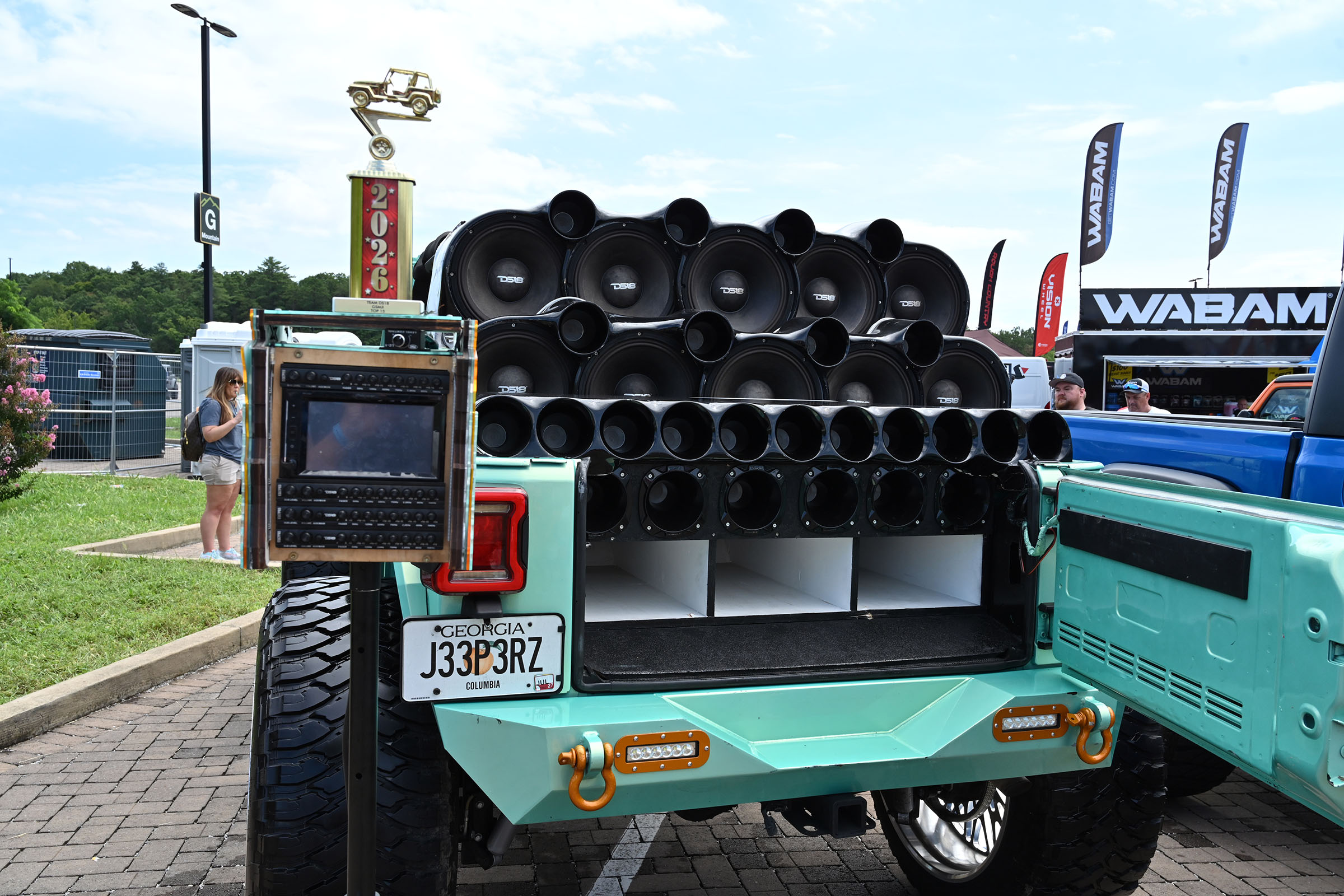
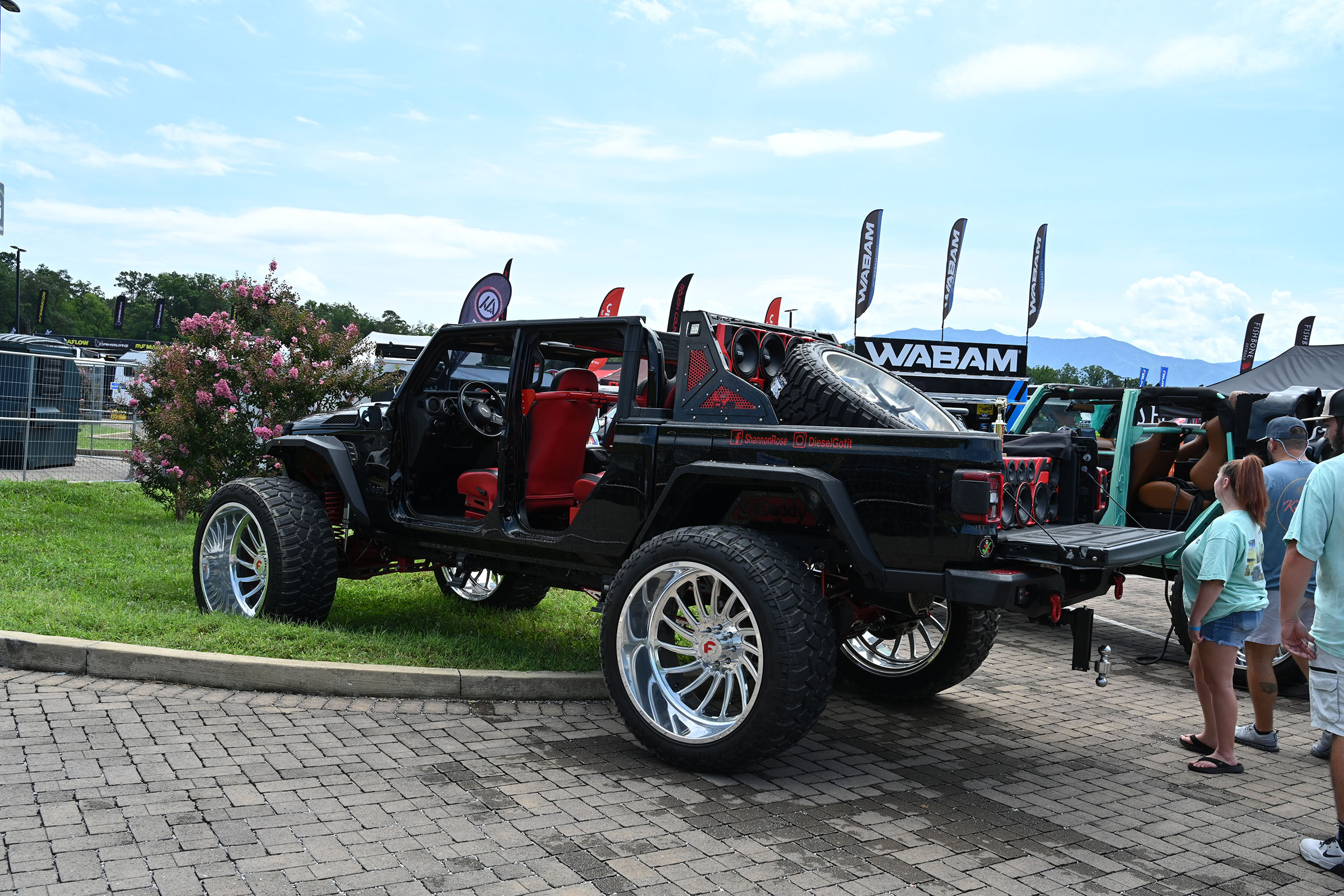
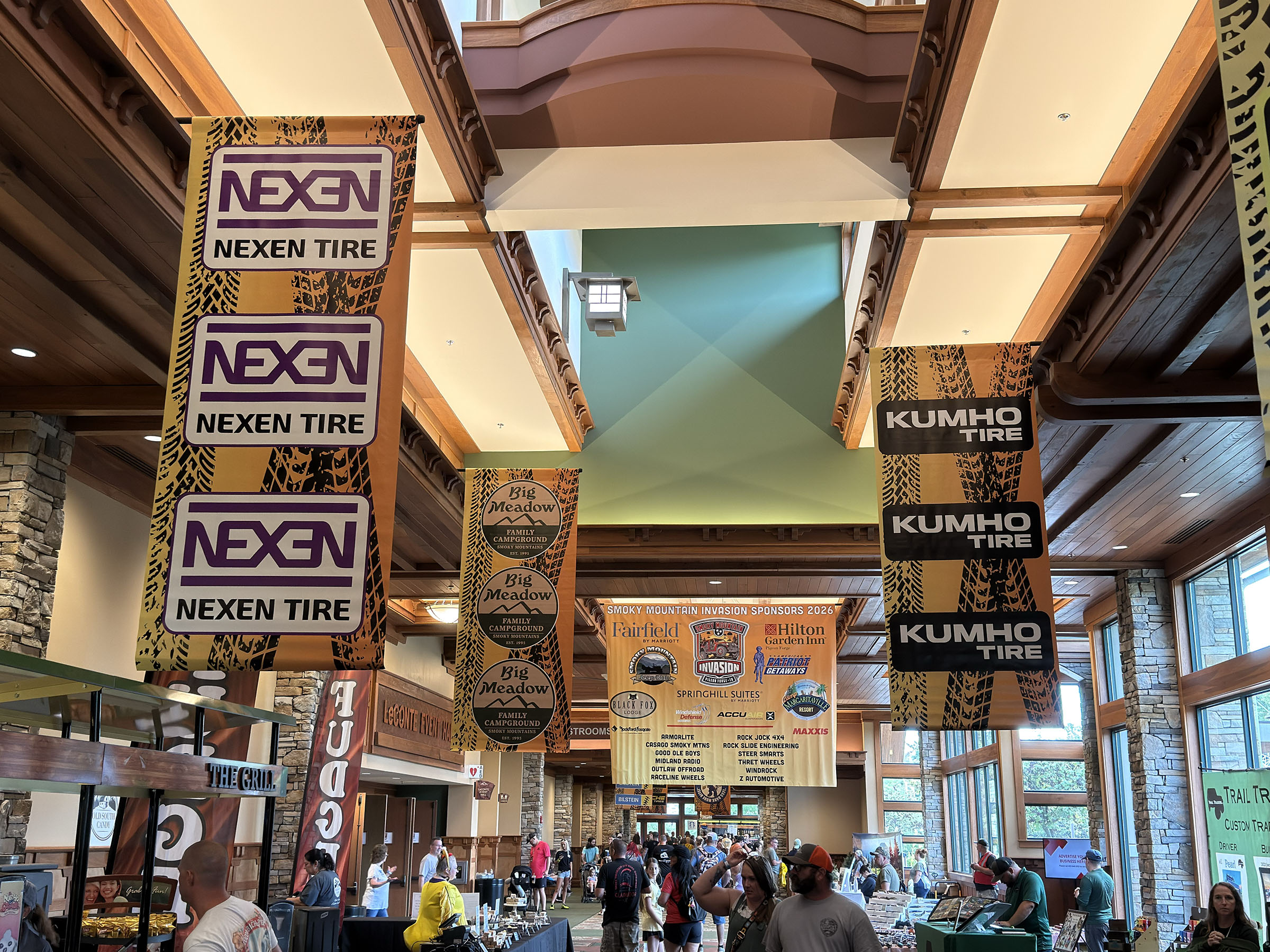
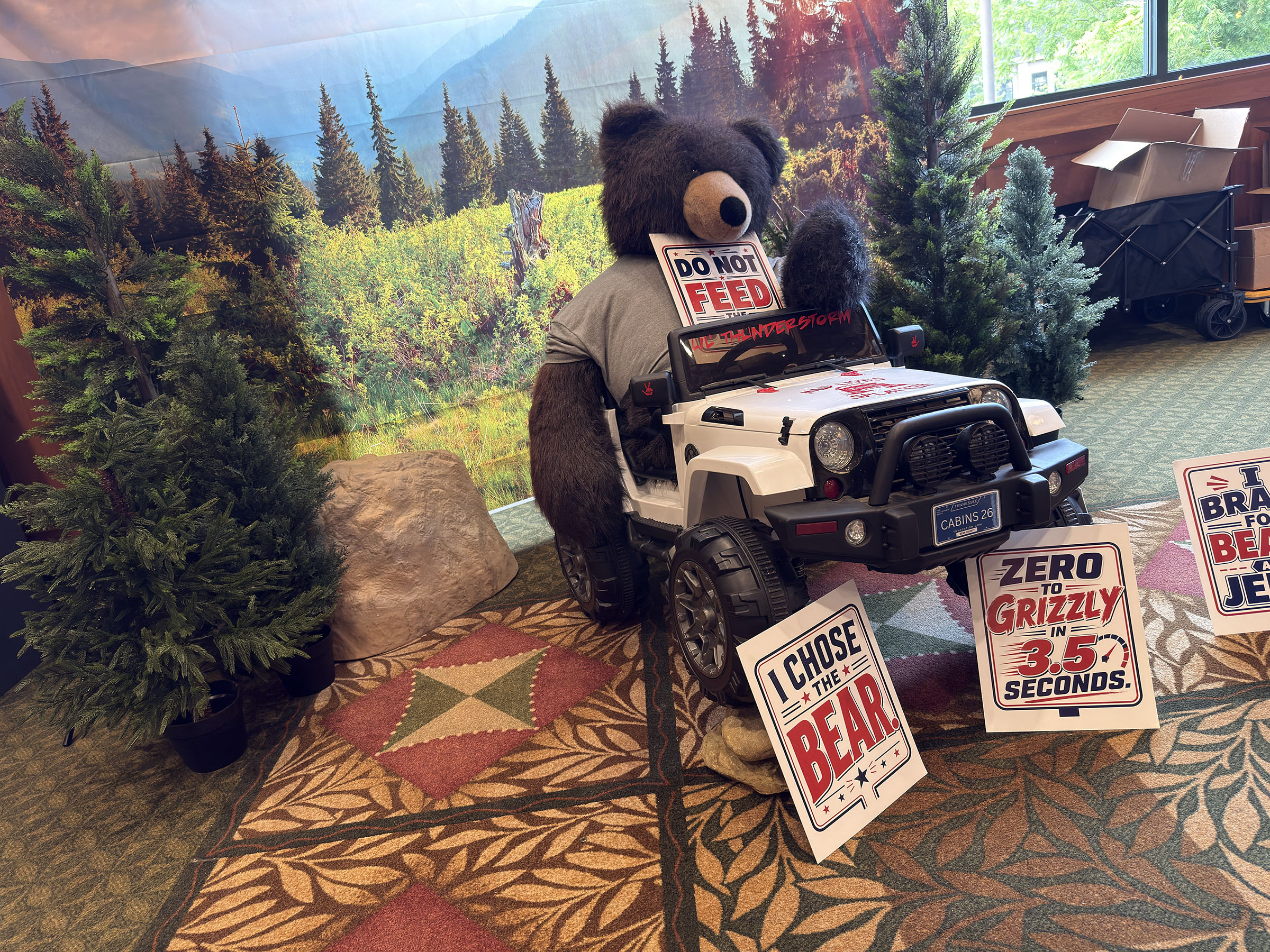
For three wild days in August, Pigeon Forge, Tennessee, didn’t just welcome the Jeep community—it was completely overrun by it. The 2026 Smoky Mountain Invasion stormed into the LeConte Center August 20–22, bringing an army of Jeep owners, clubs, builders and aftermarket heavy hitters from across the country.
Now in its 14th year, the Smoky Mountain Invasion has grown far beyond the boundaries of a traditional vehicle show. It is an aftermarket showcase, enthusiast reunion and full-blown mountain adventure rolled into one massive weekend—all surrounded by the incredible scenery of the Smokies.
BUILDS, PARTS AND PLENTY OF ATTITUDE
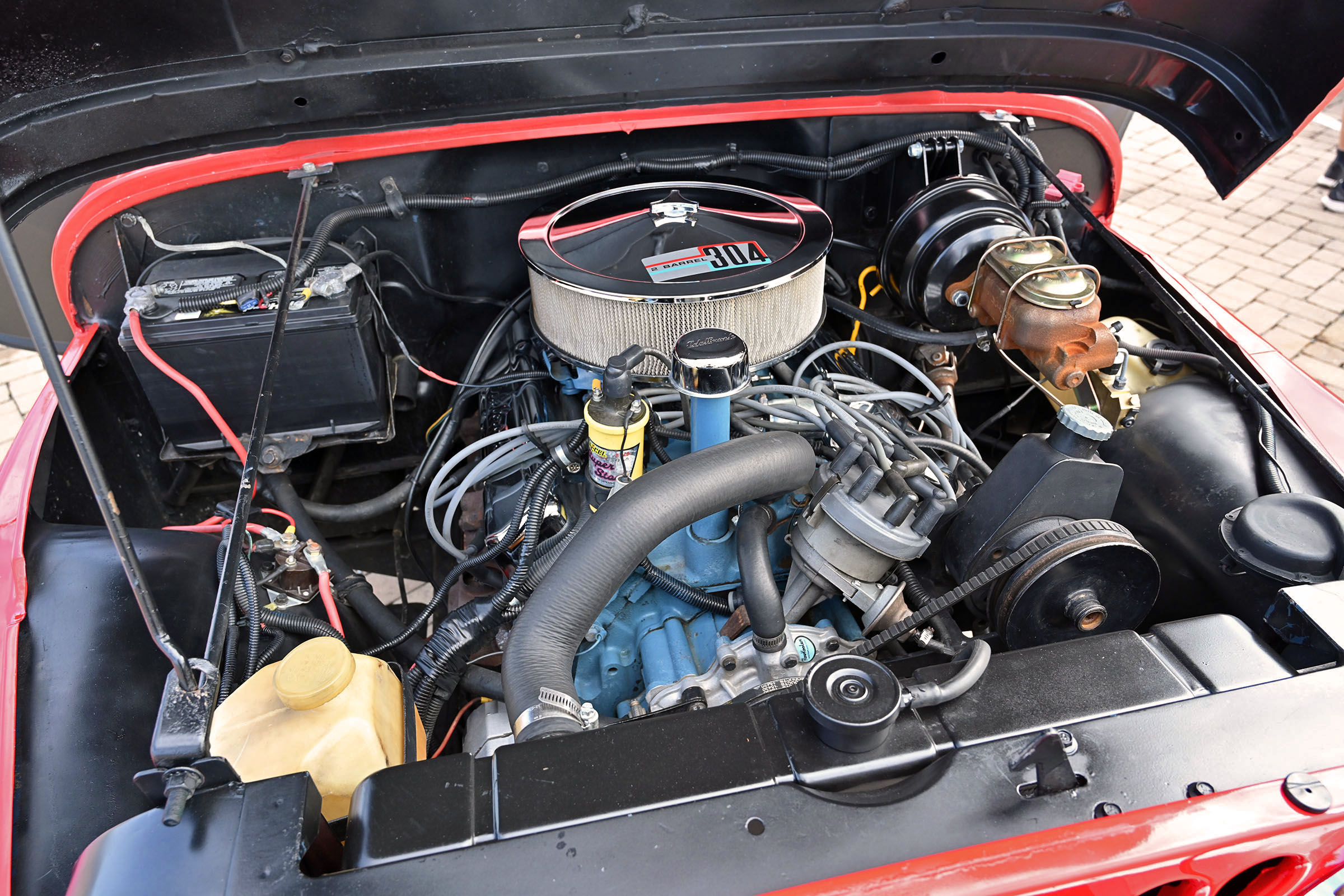
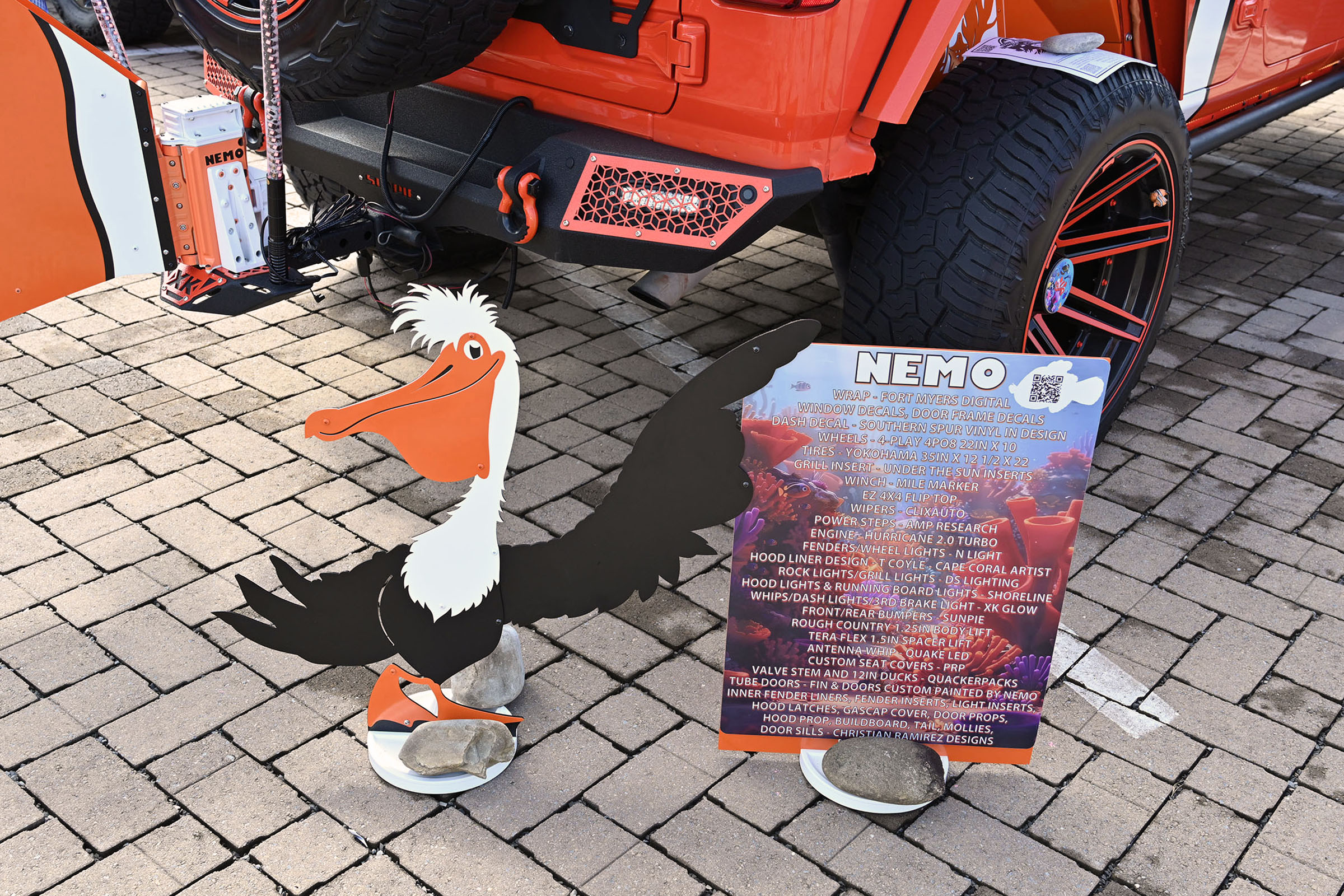
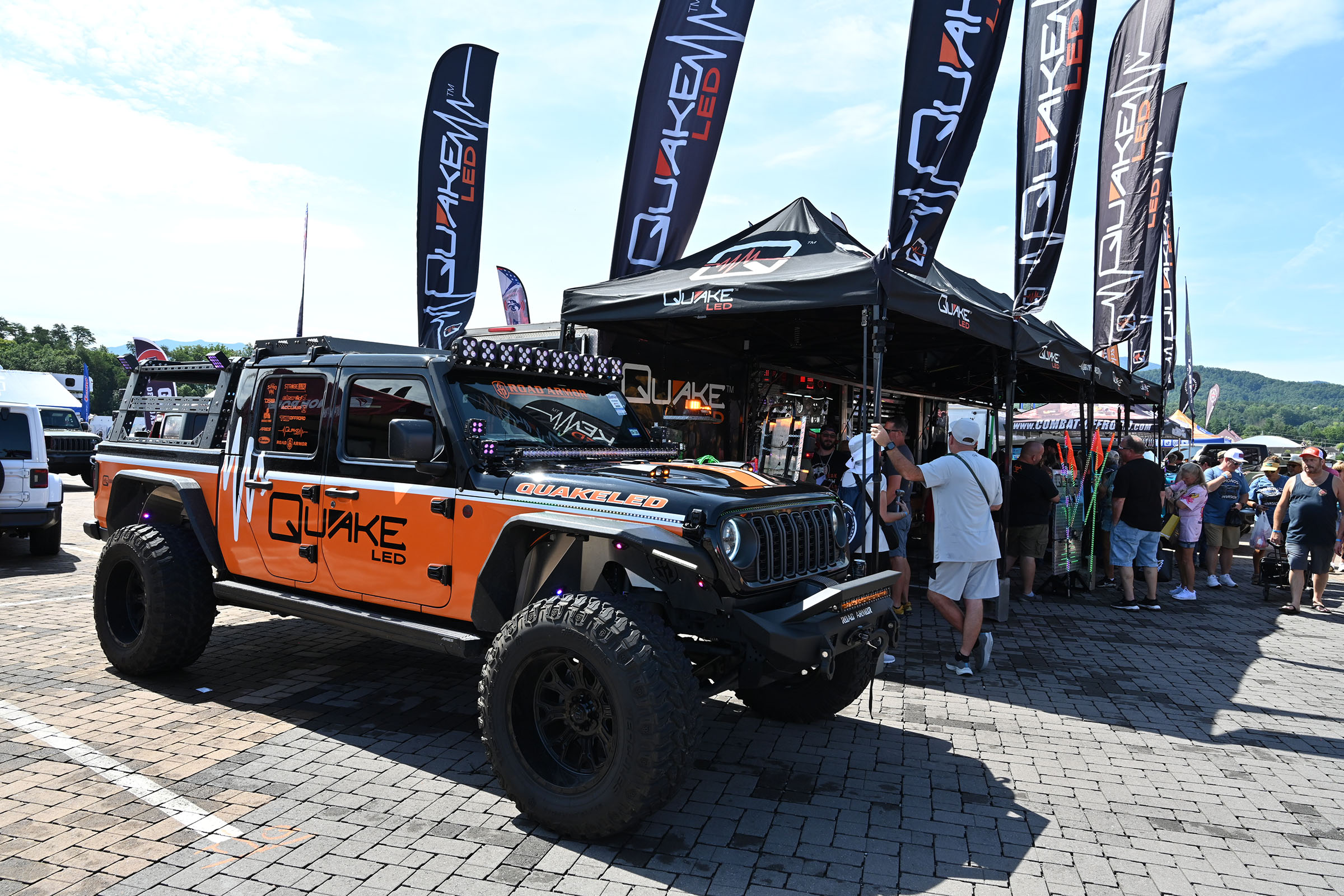
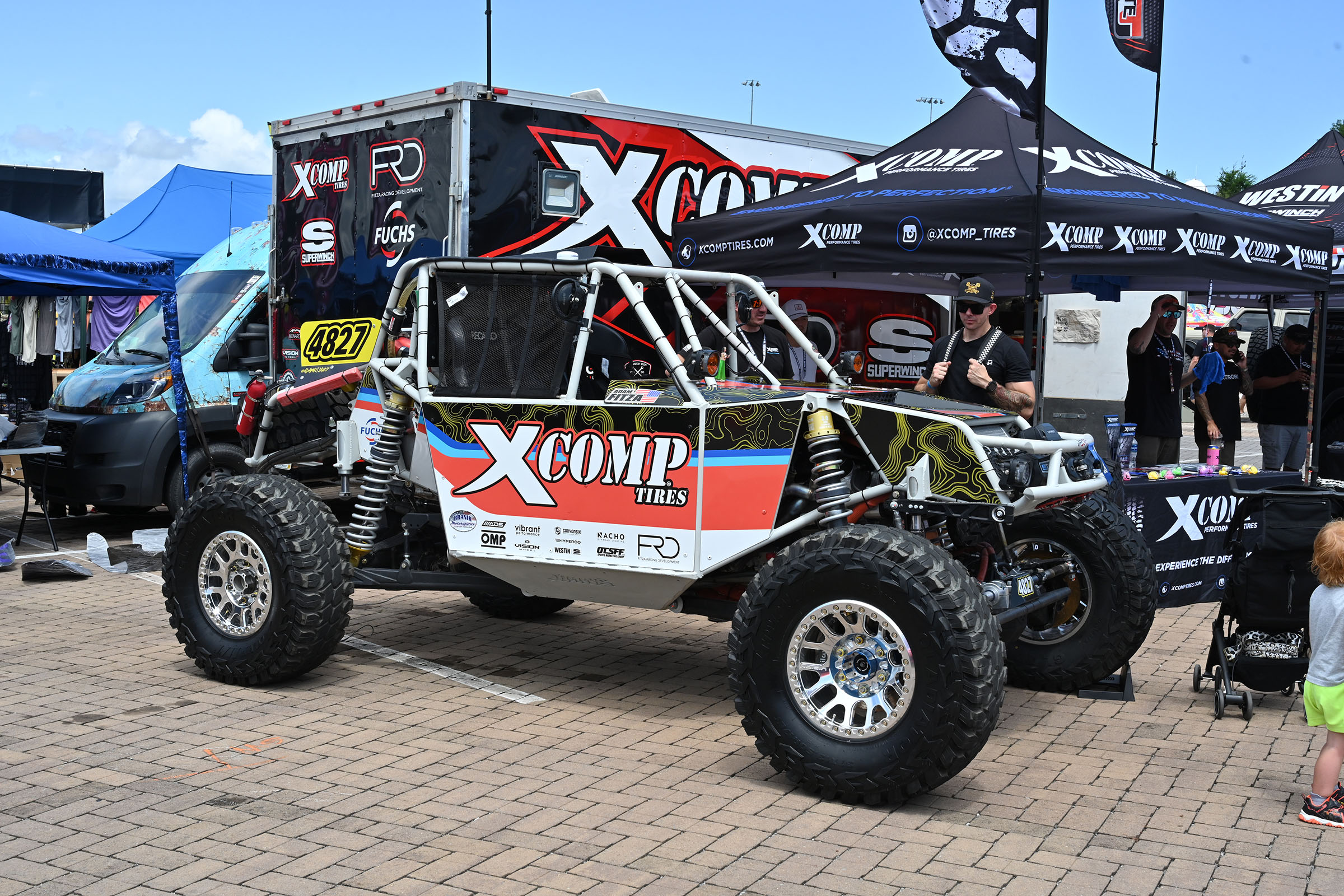
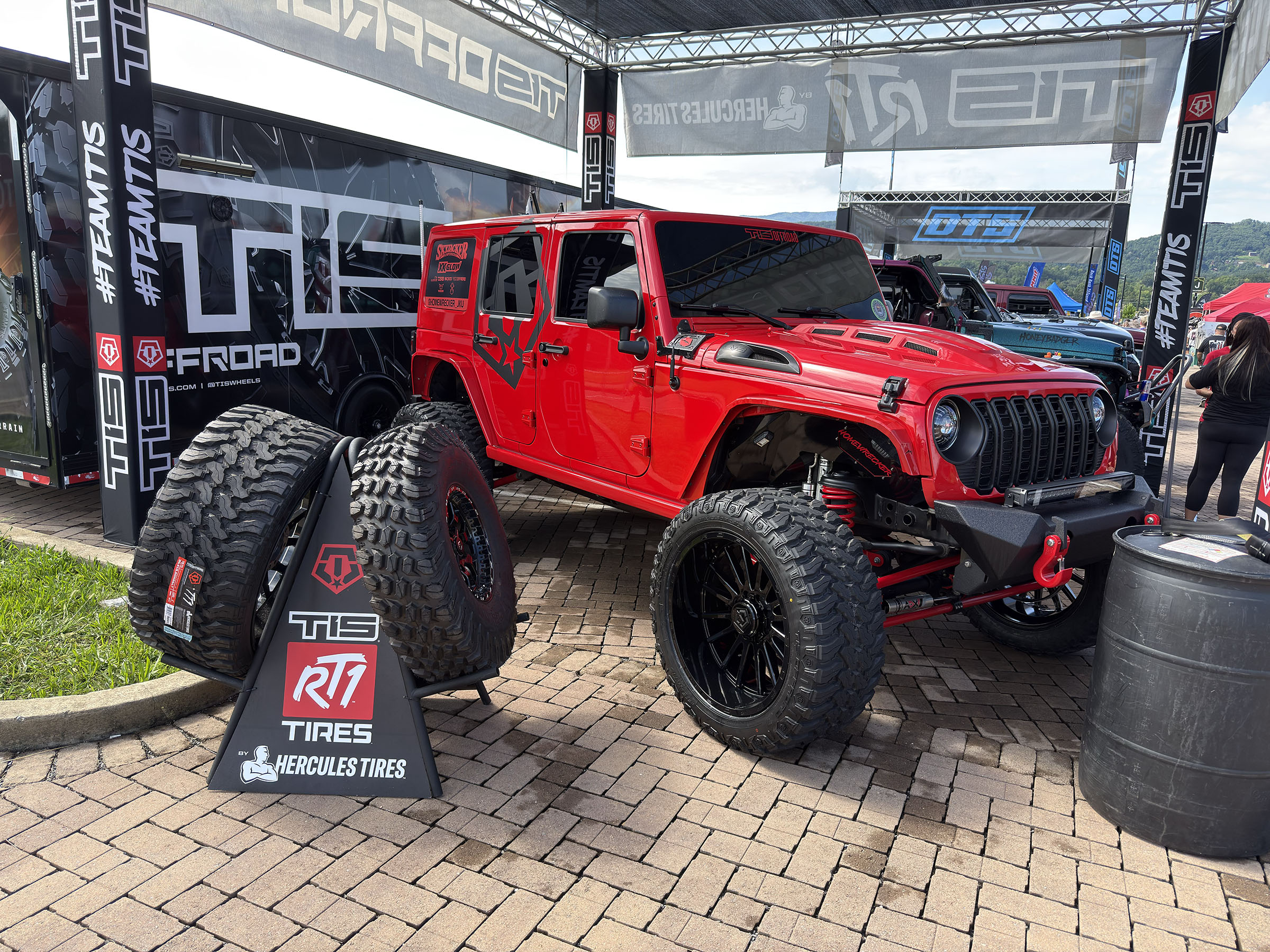
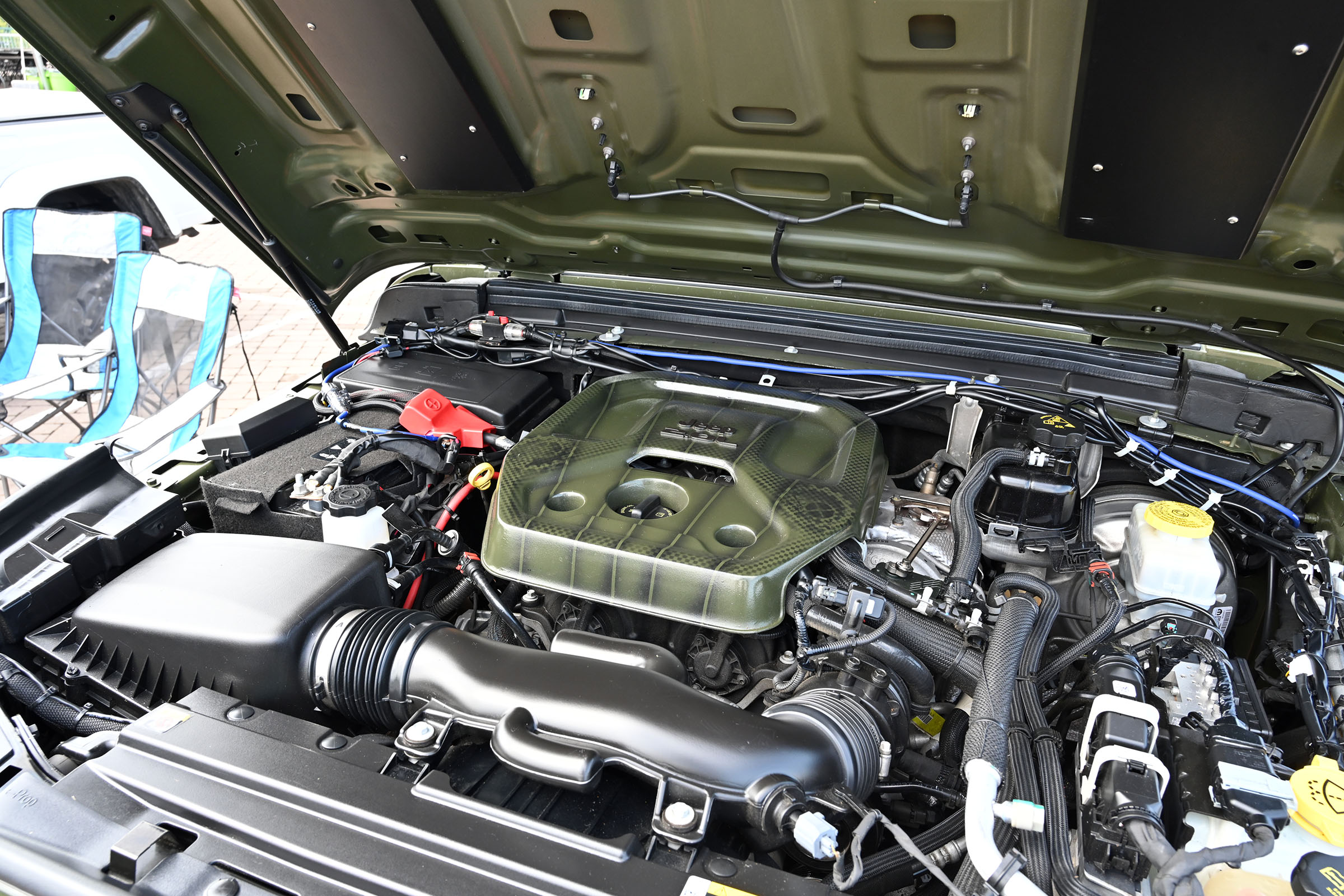
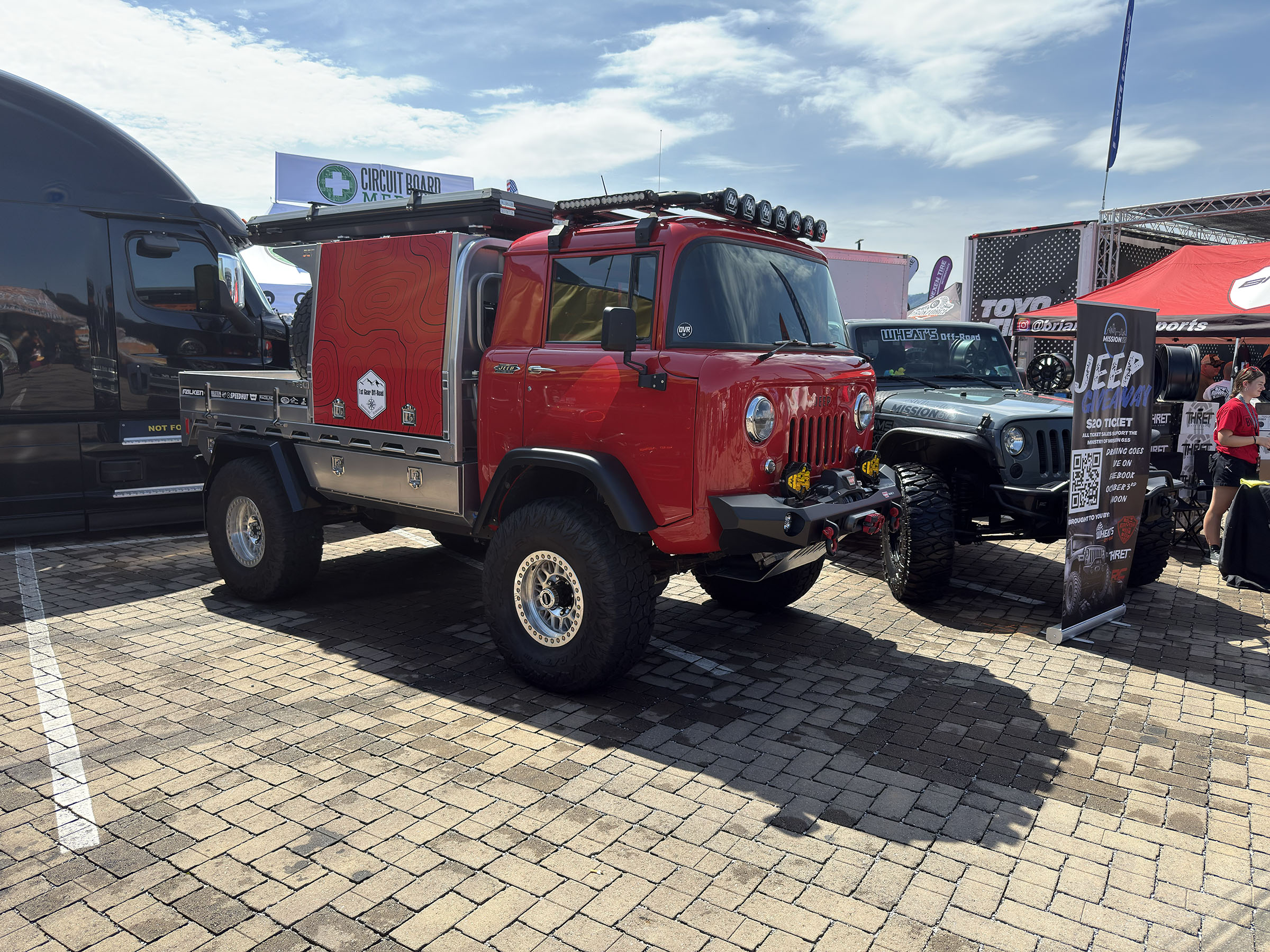
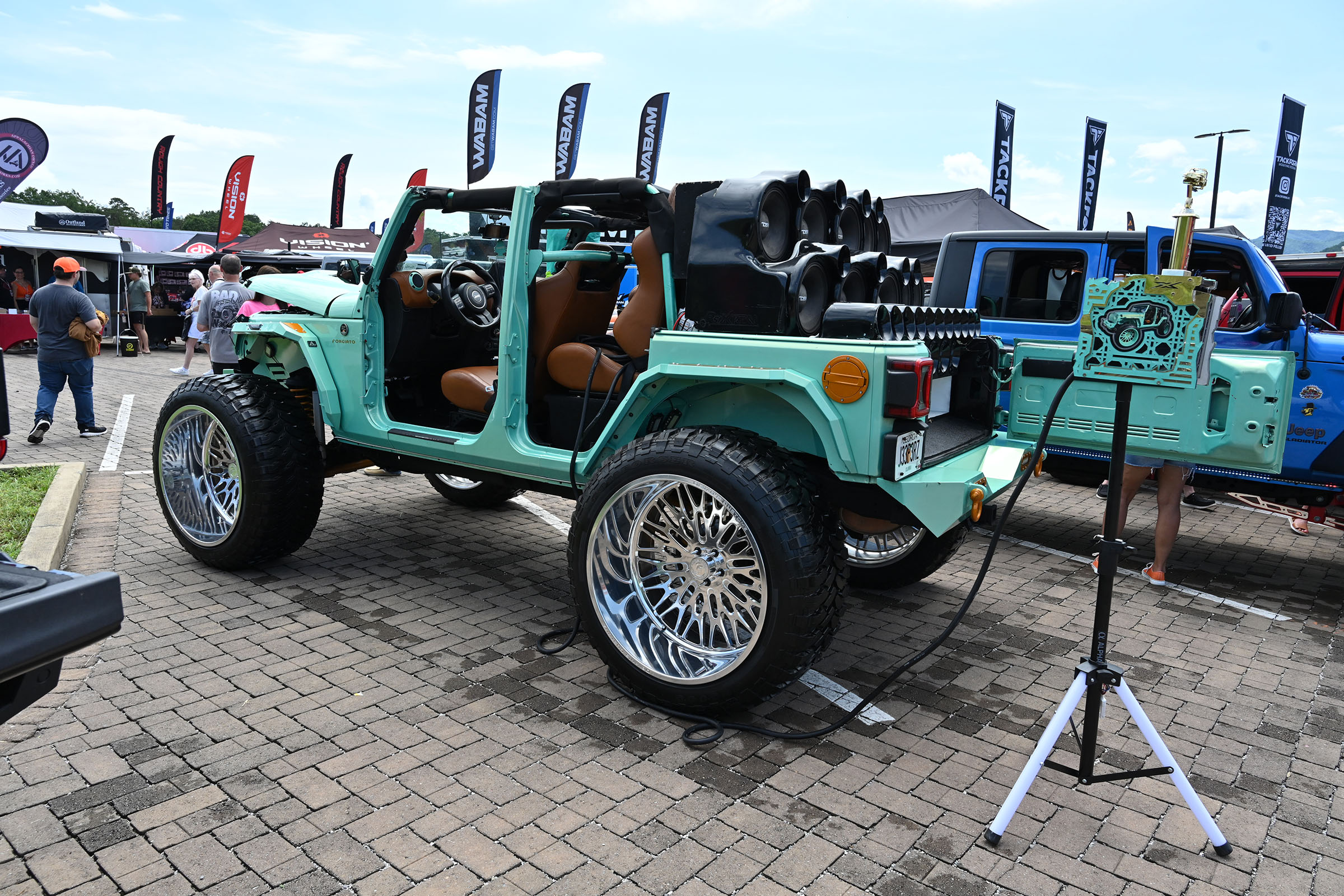
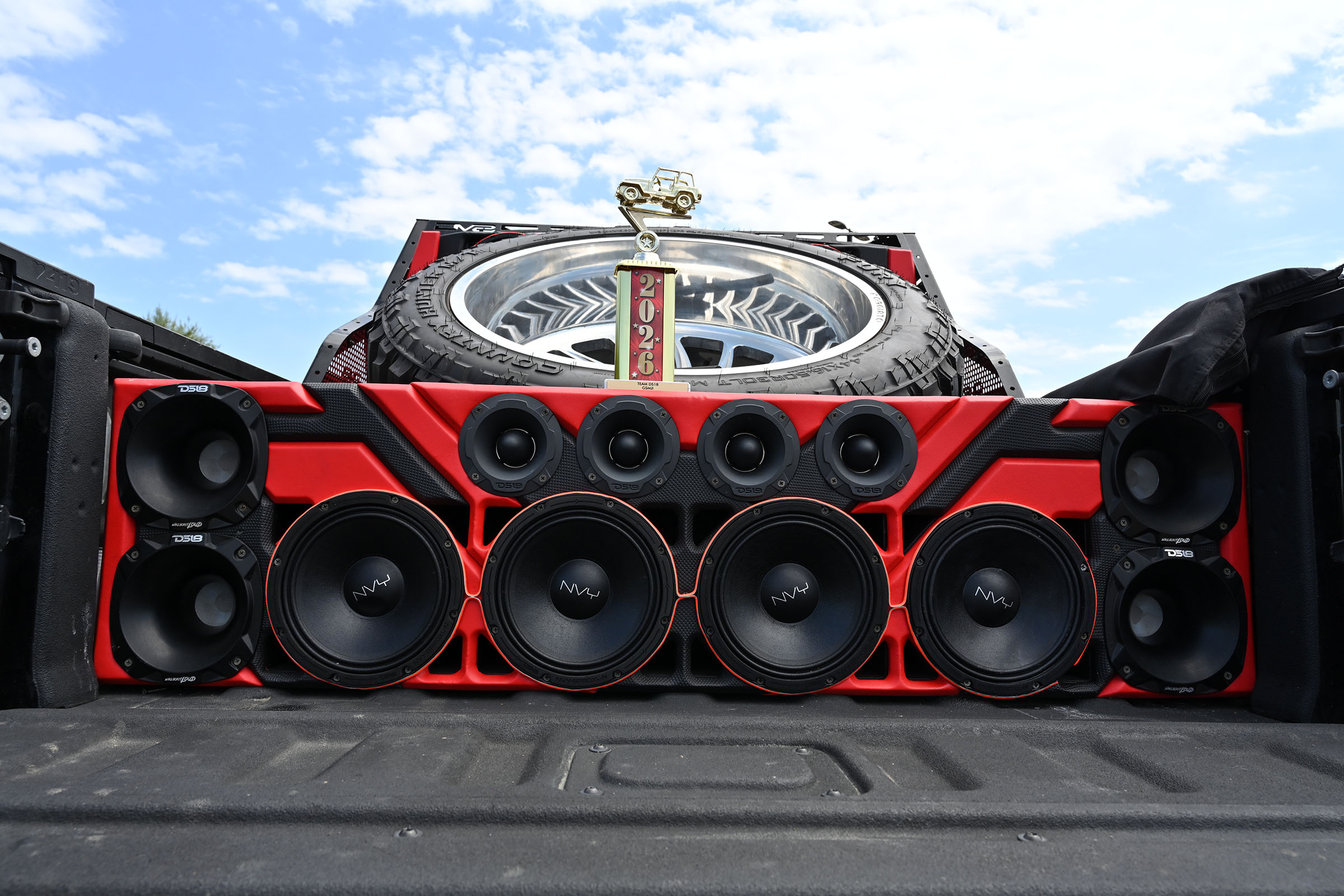
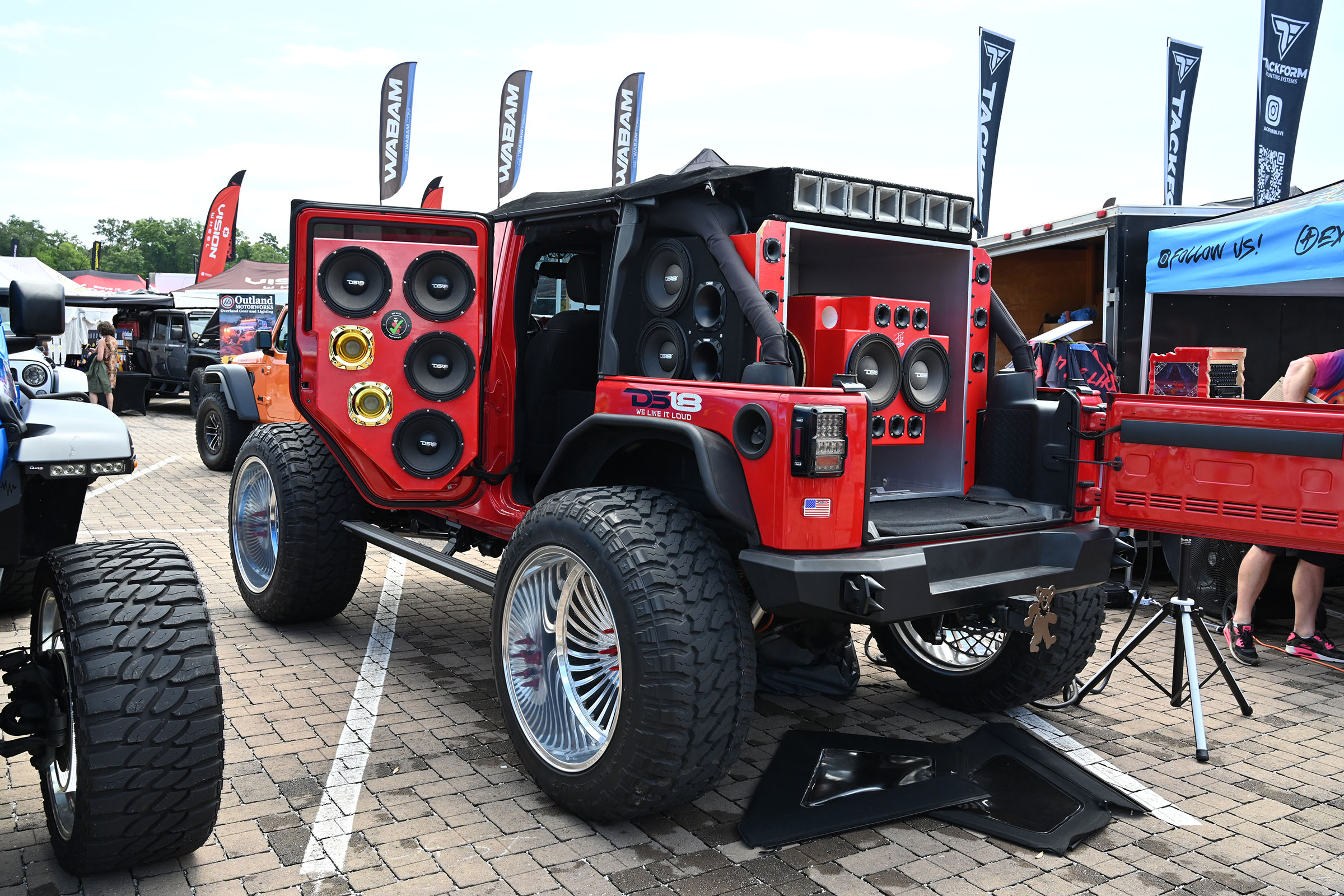
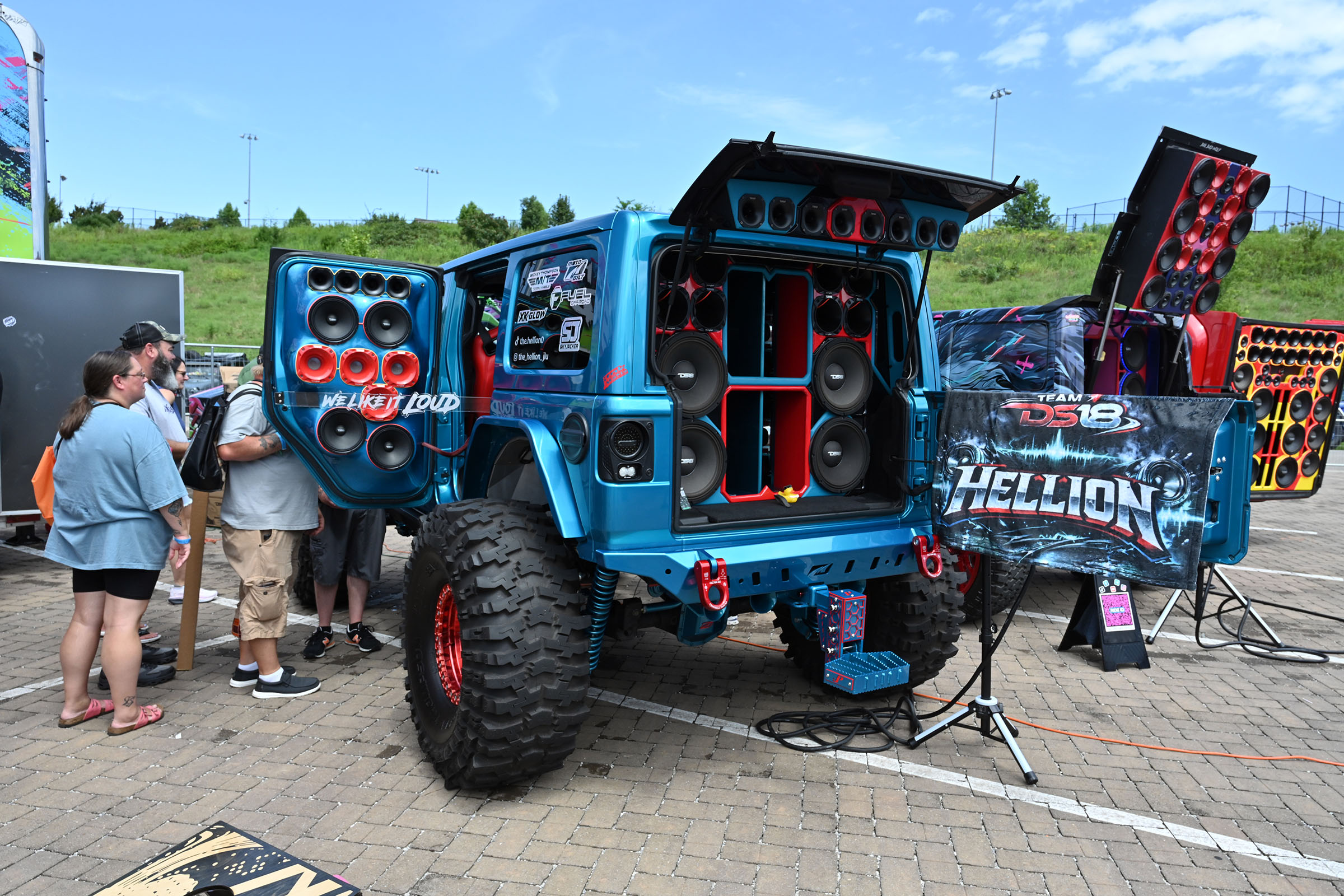
Inside and outside the LeConte Center, vendors brought nearly every weapon imaginable for transforming an ordinary Jeep into something impossible to ignore. Suspension systems, wheels, tires, lighting, recovery equipment, performance upgrades, audio systems and overlanding gear filled the grounds. Several outdoor vendors even performed professional installations on the spot, allowing owners to roll in stock and leave ready for action.
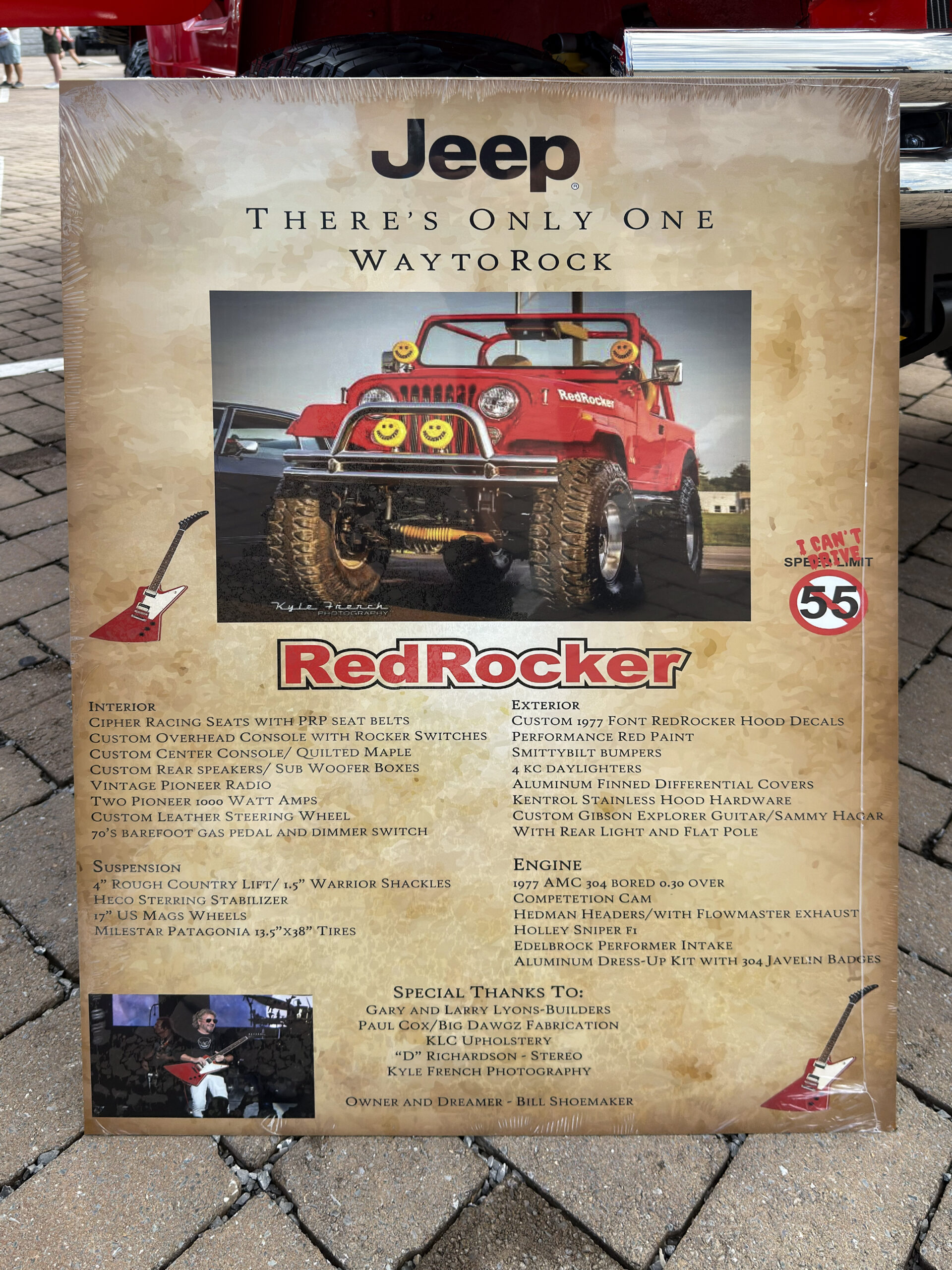
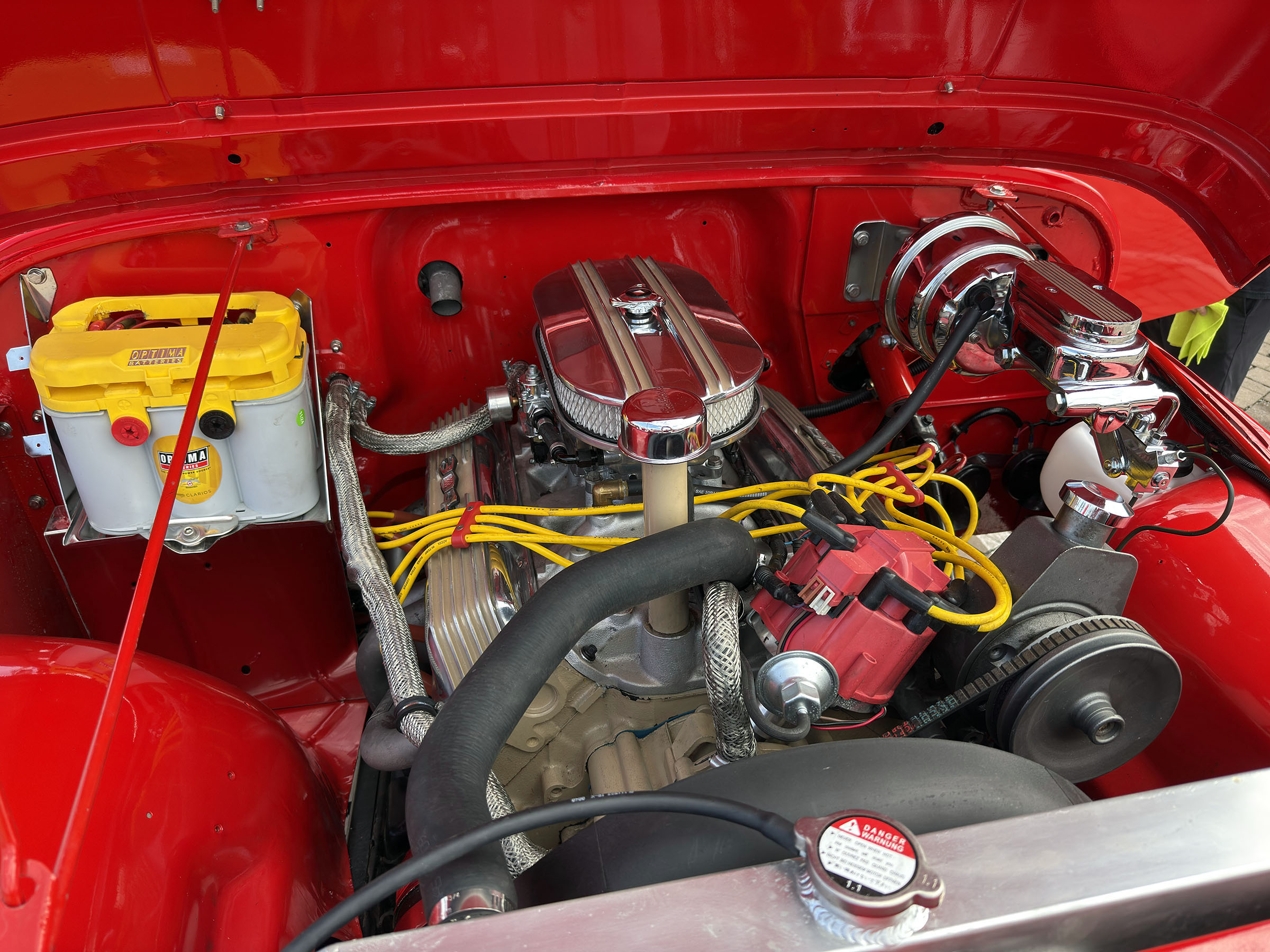
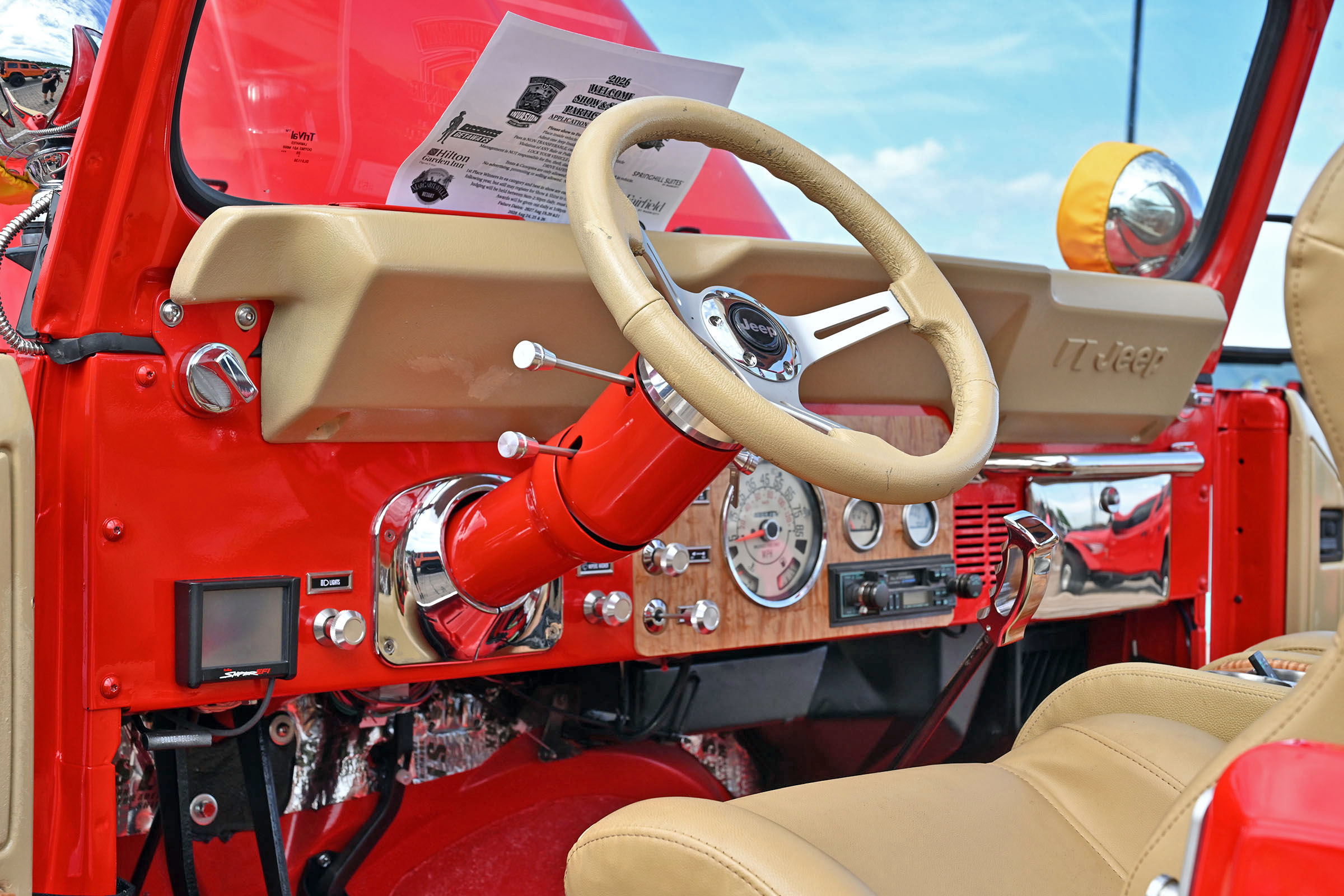
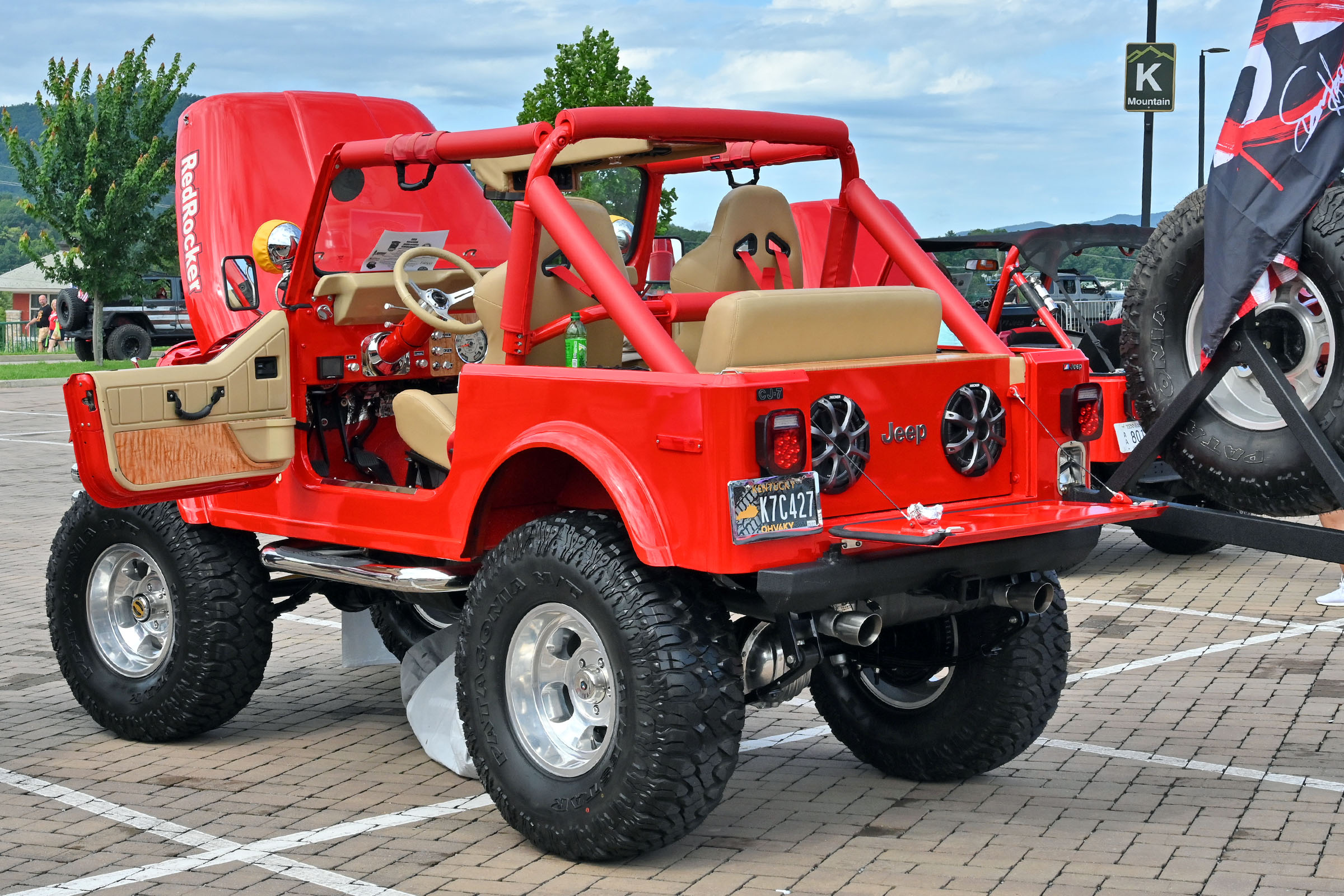
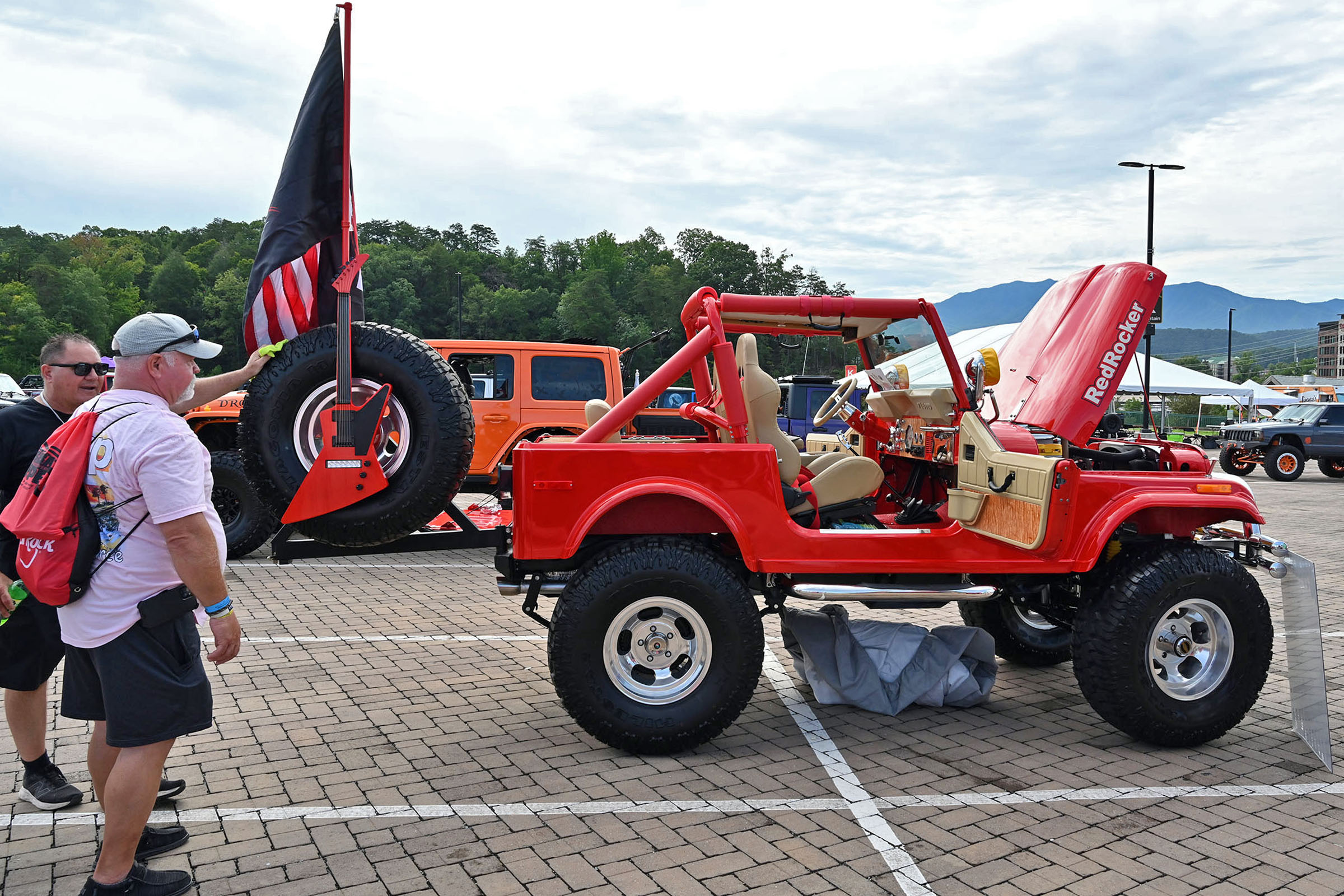
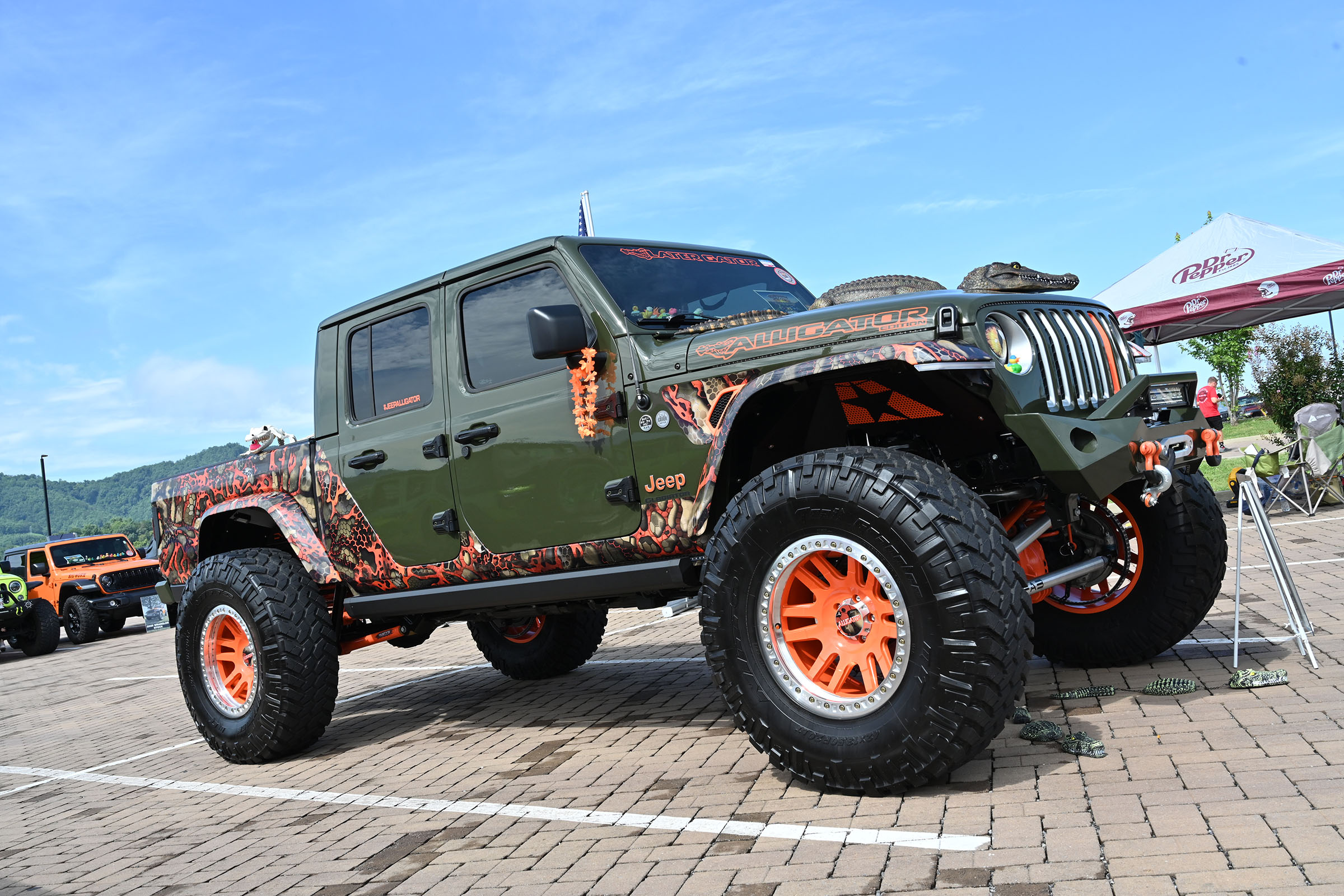
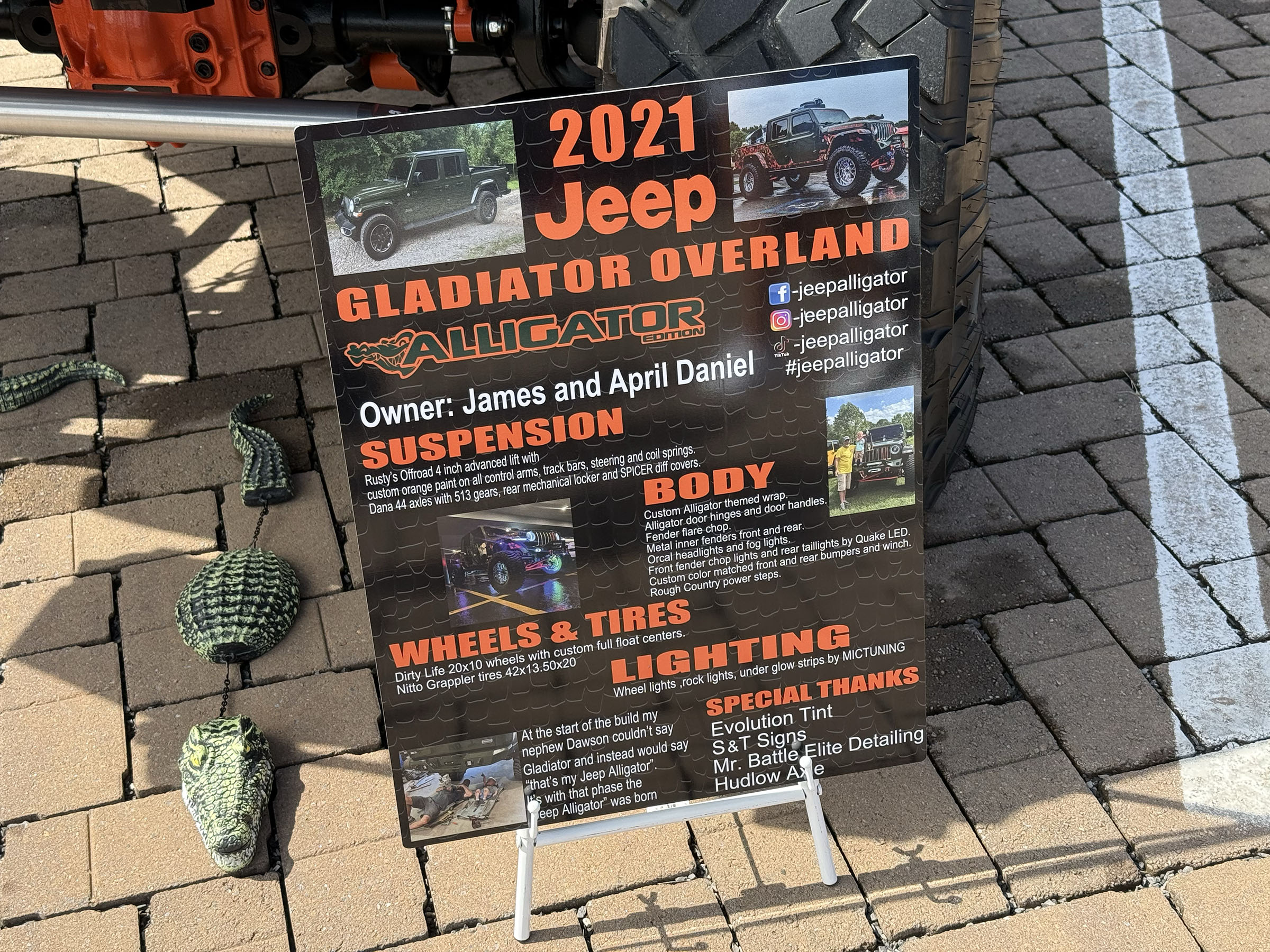
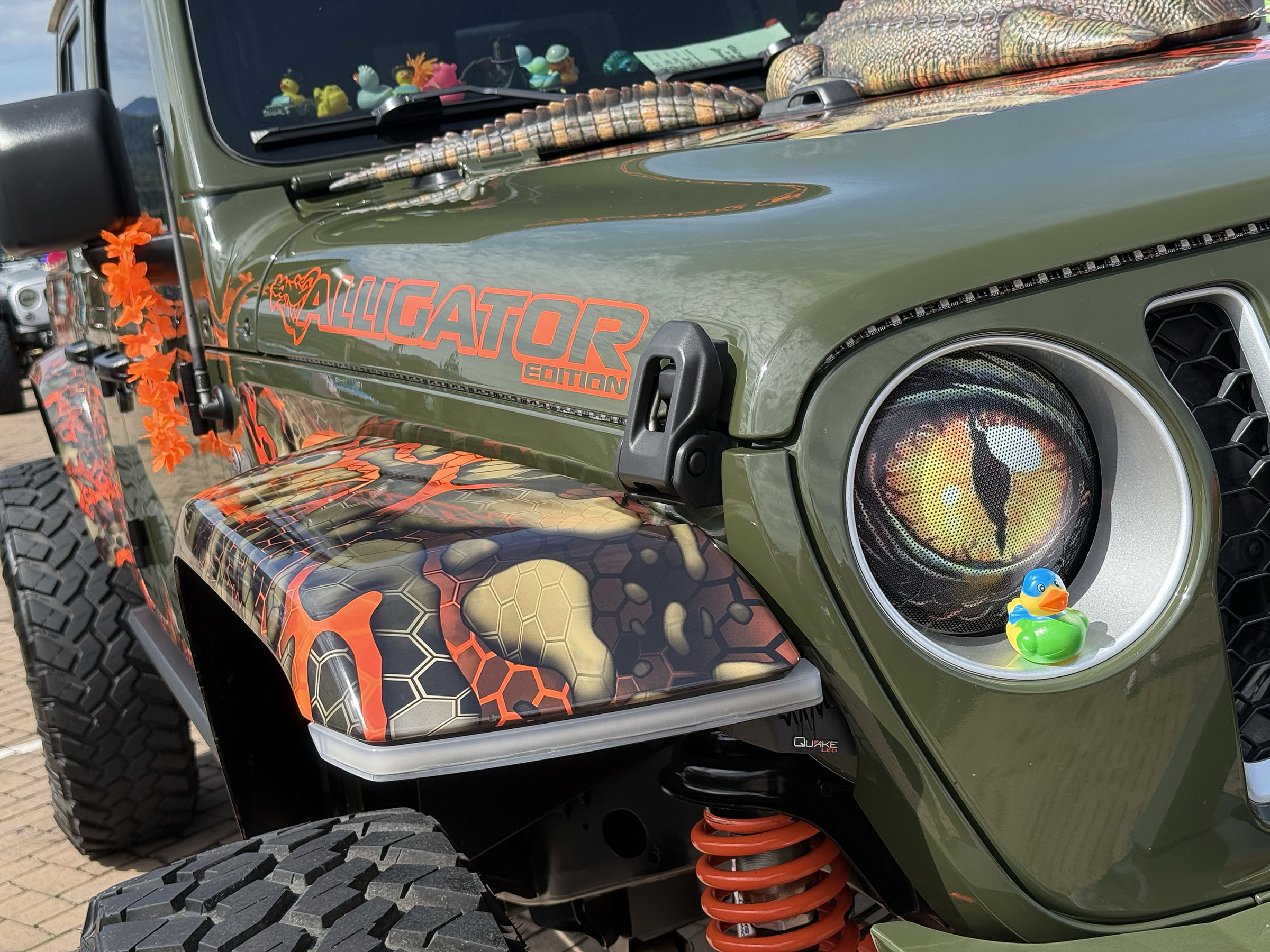
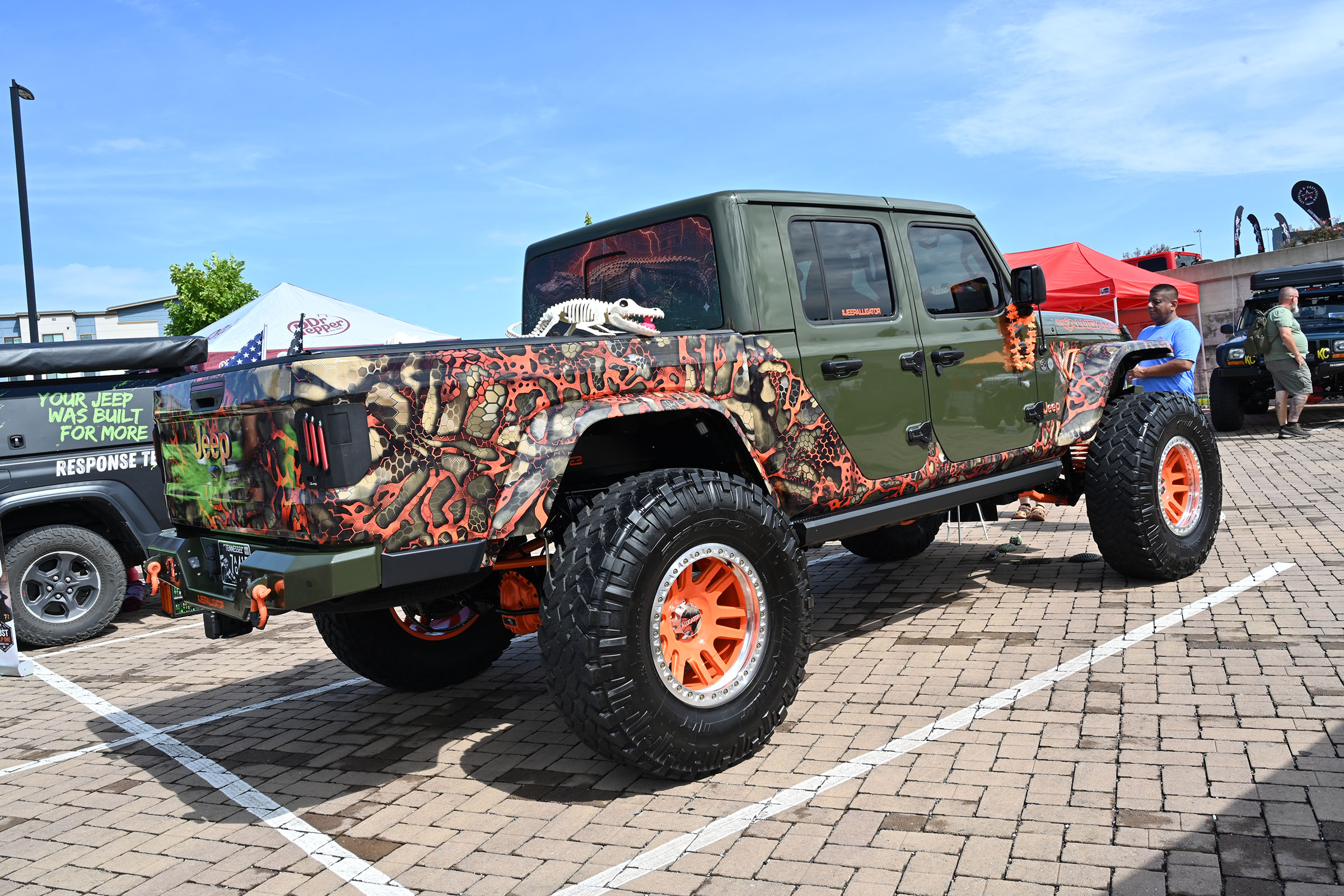
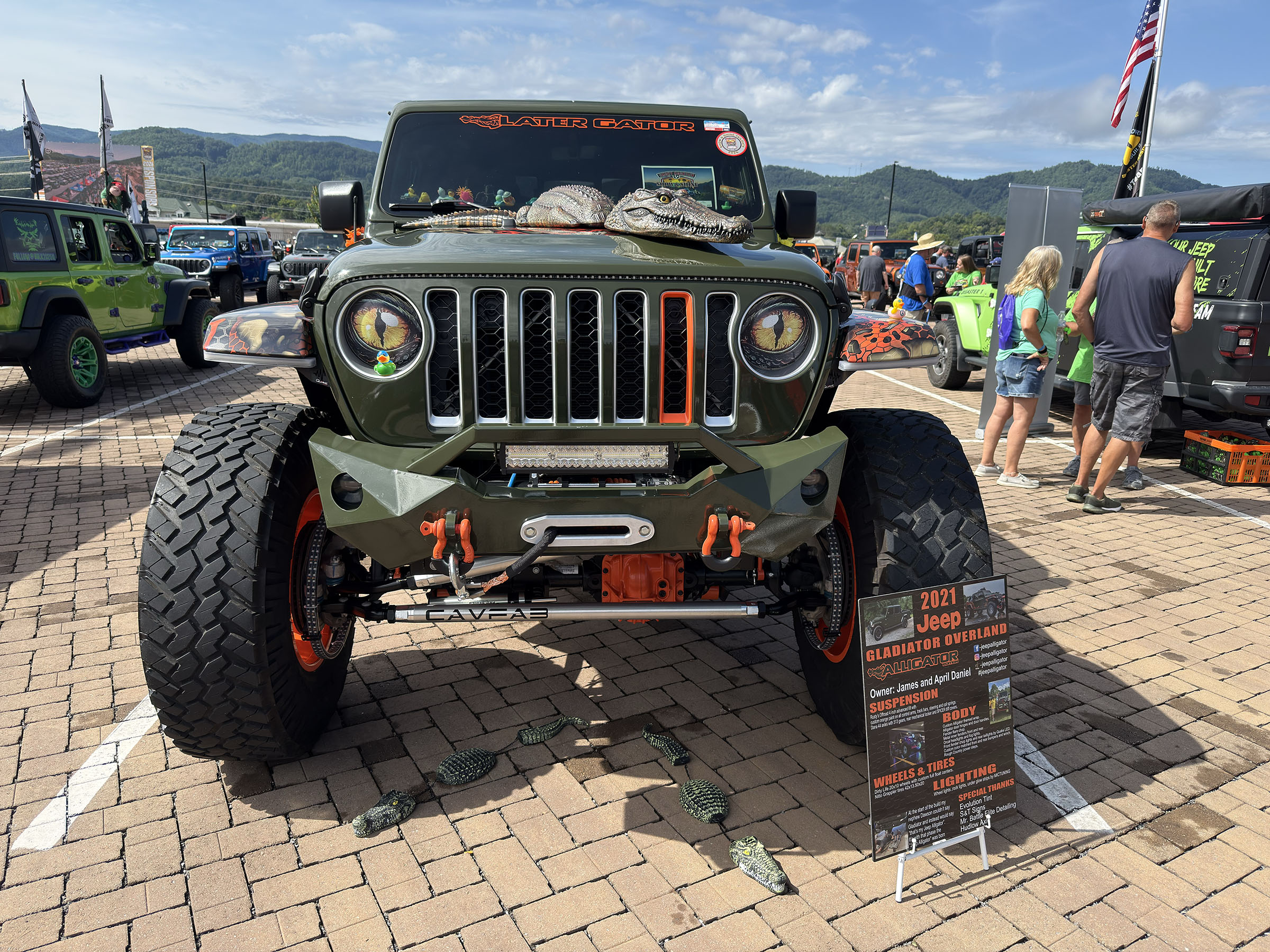
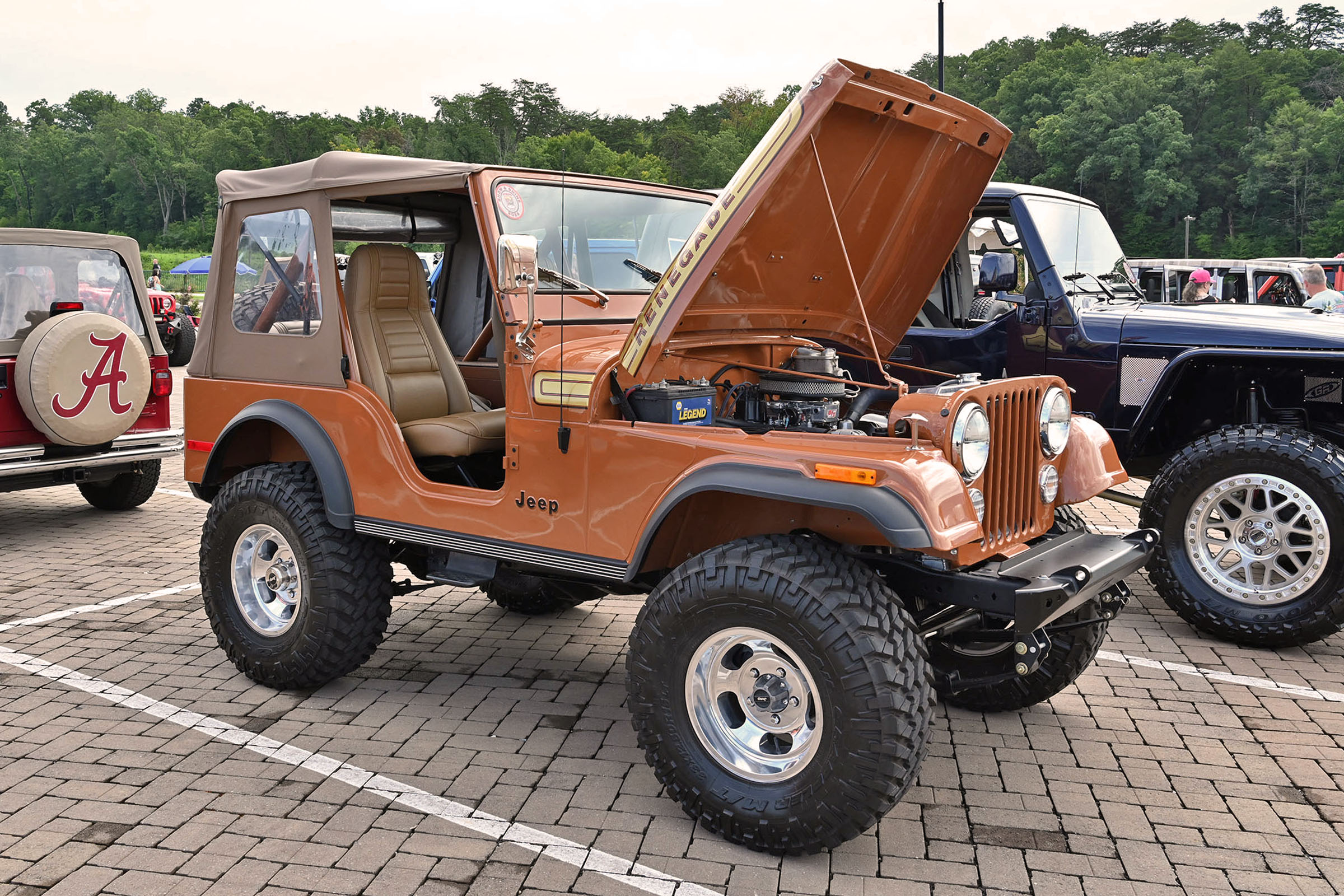
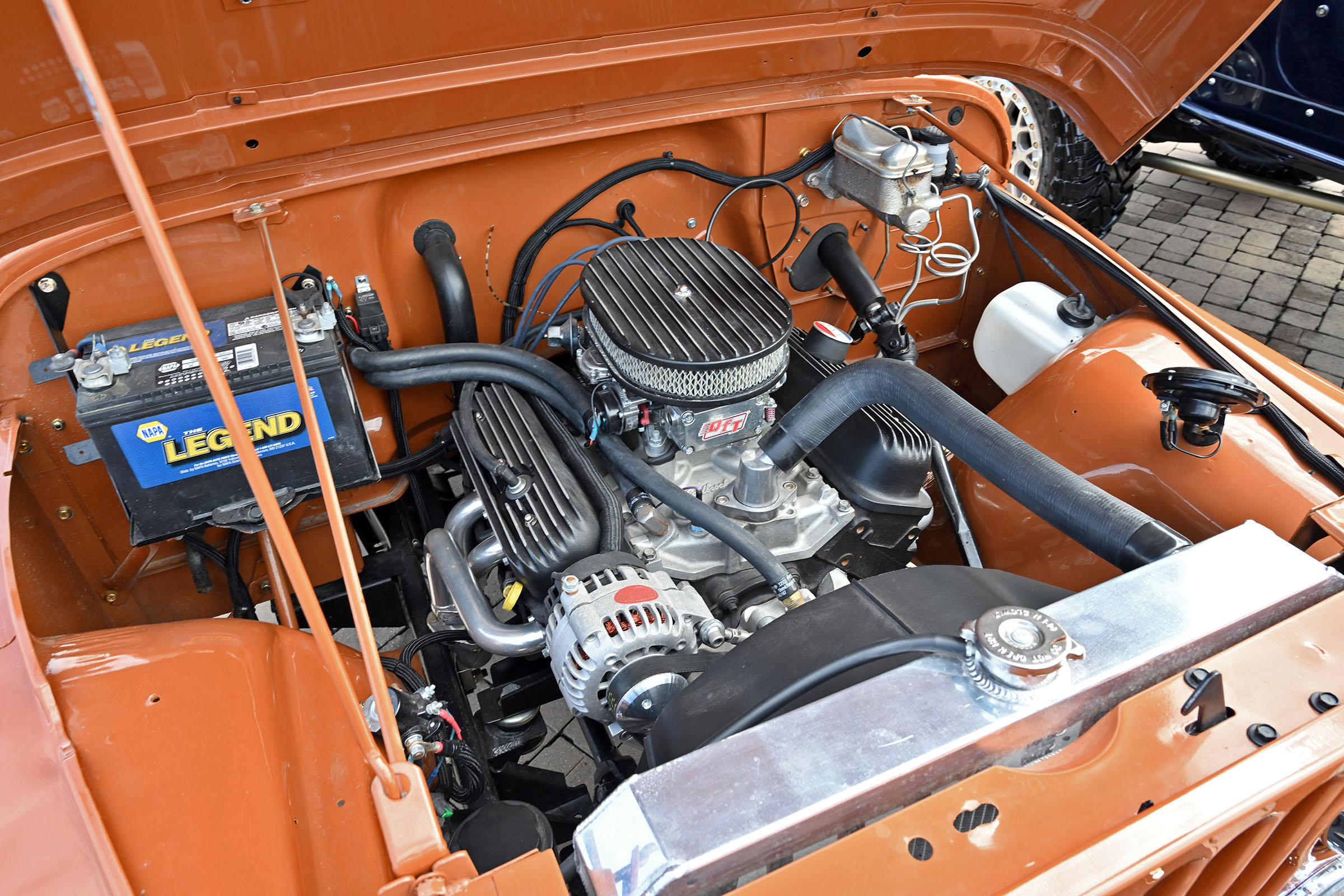
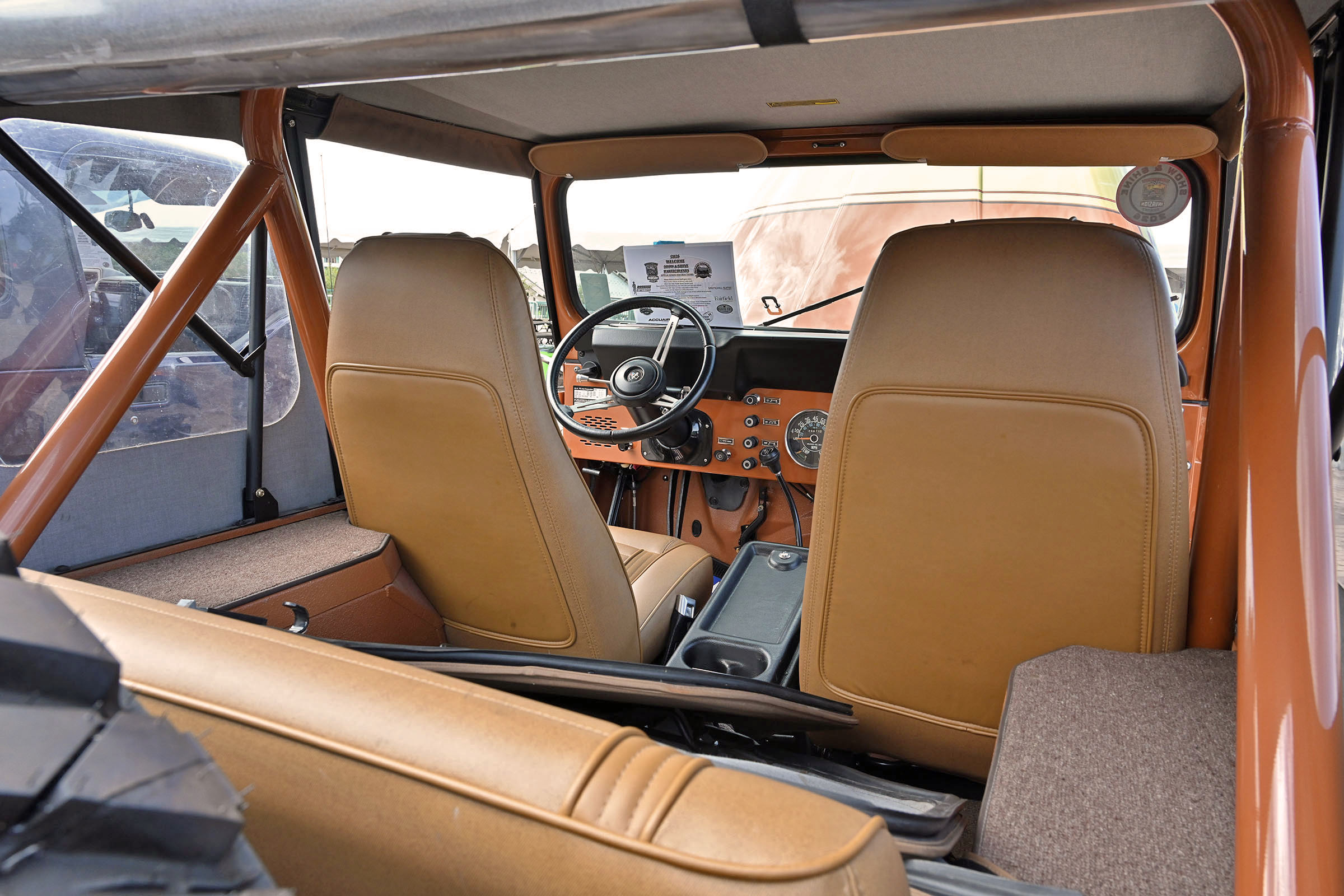
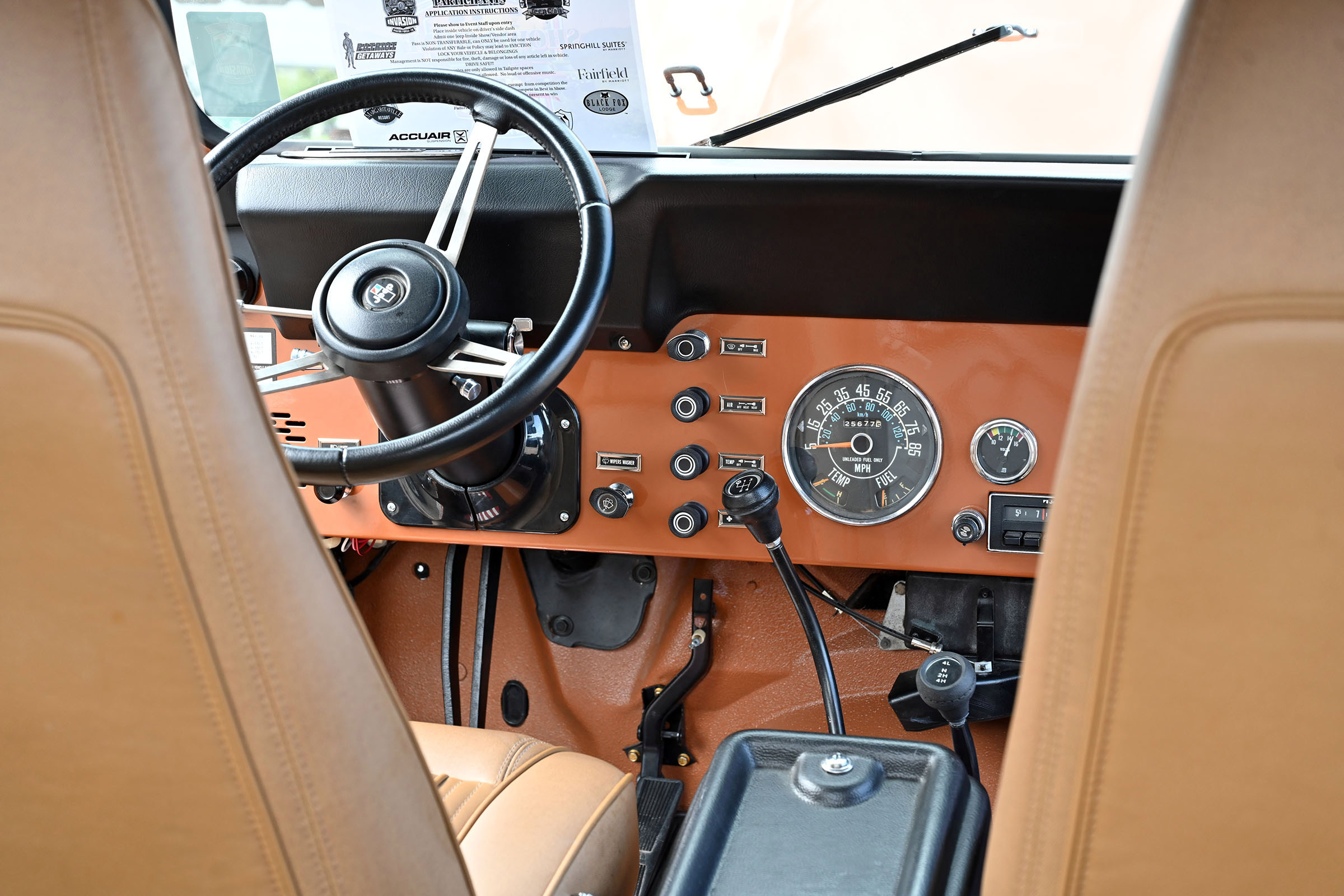
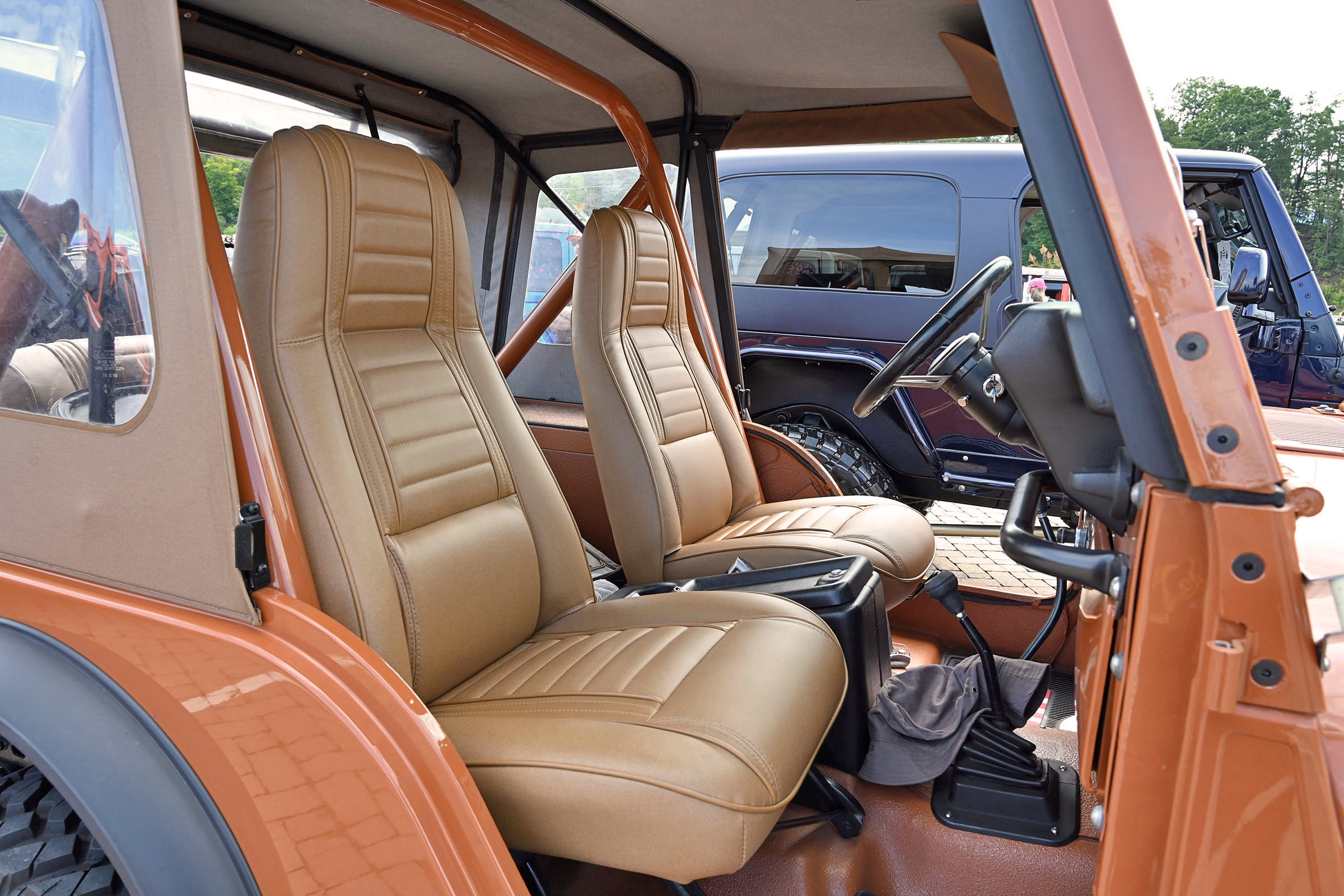
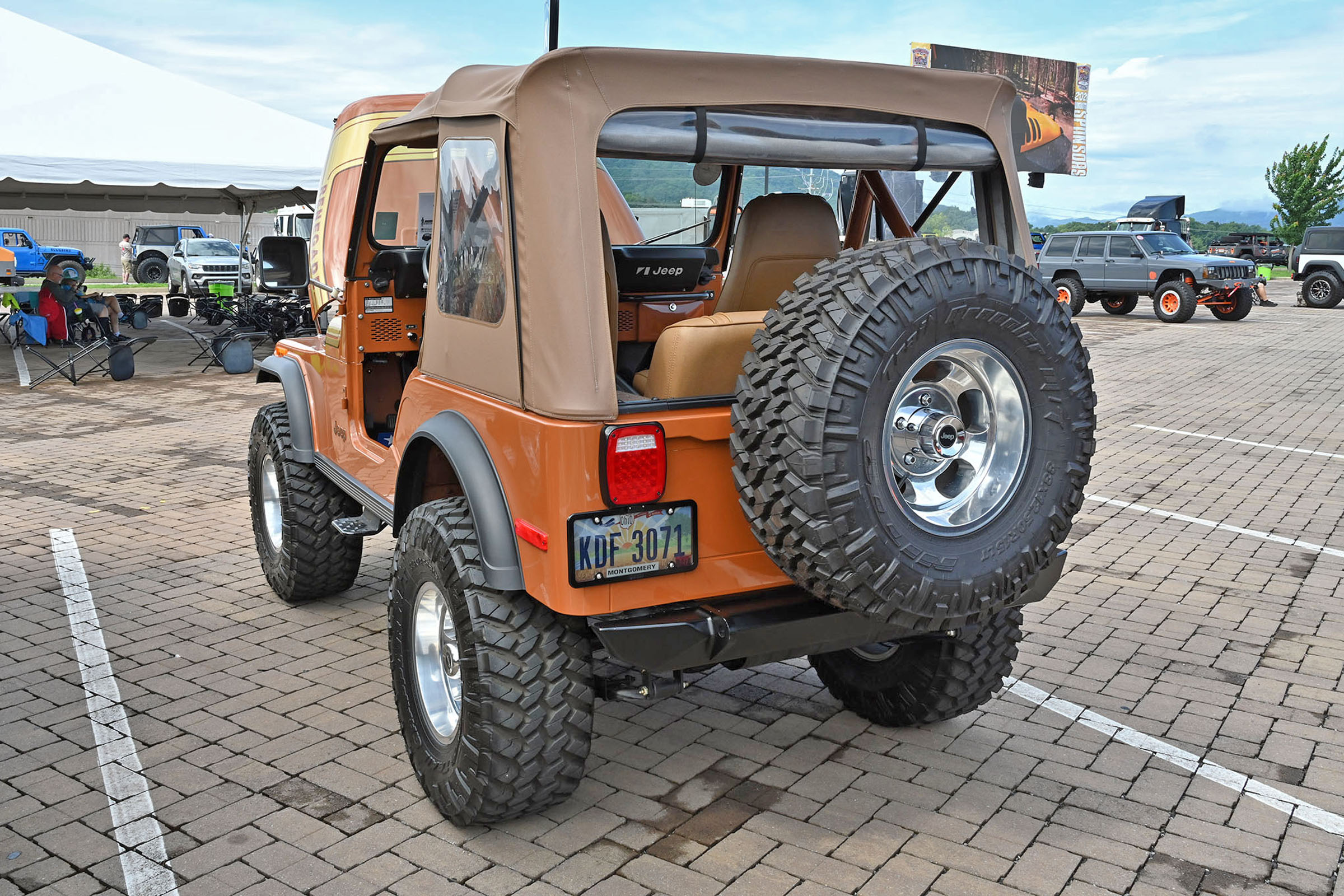
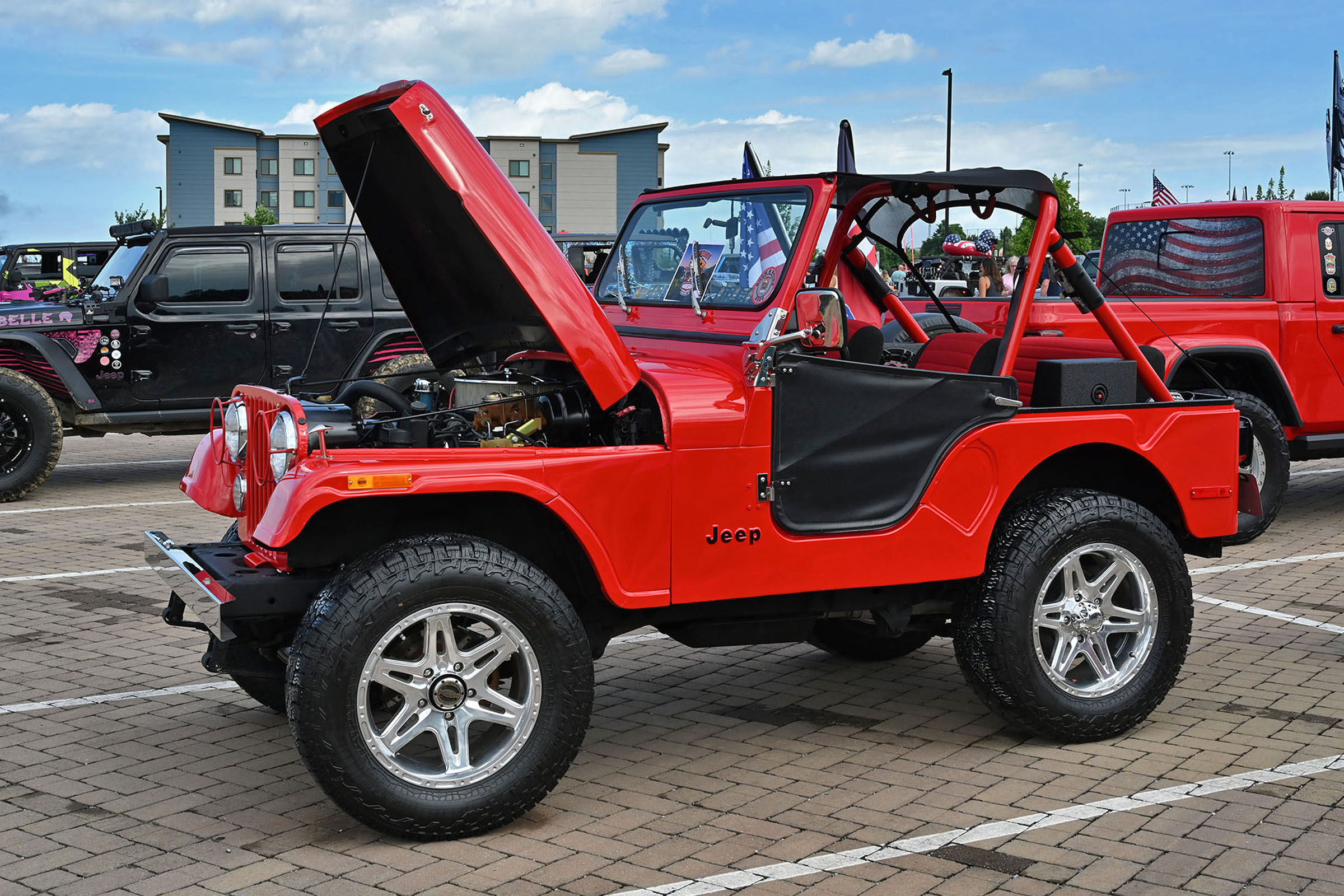
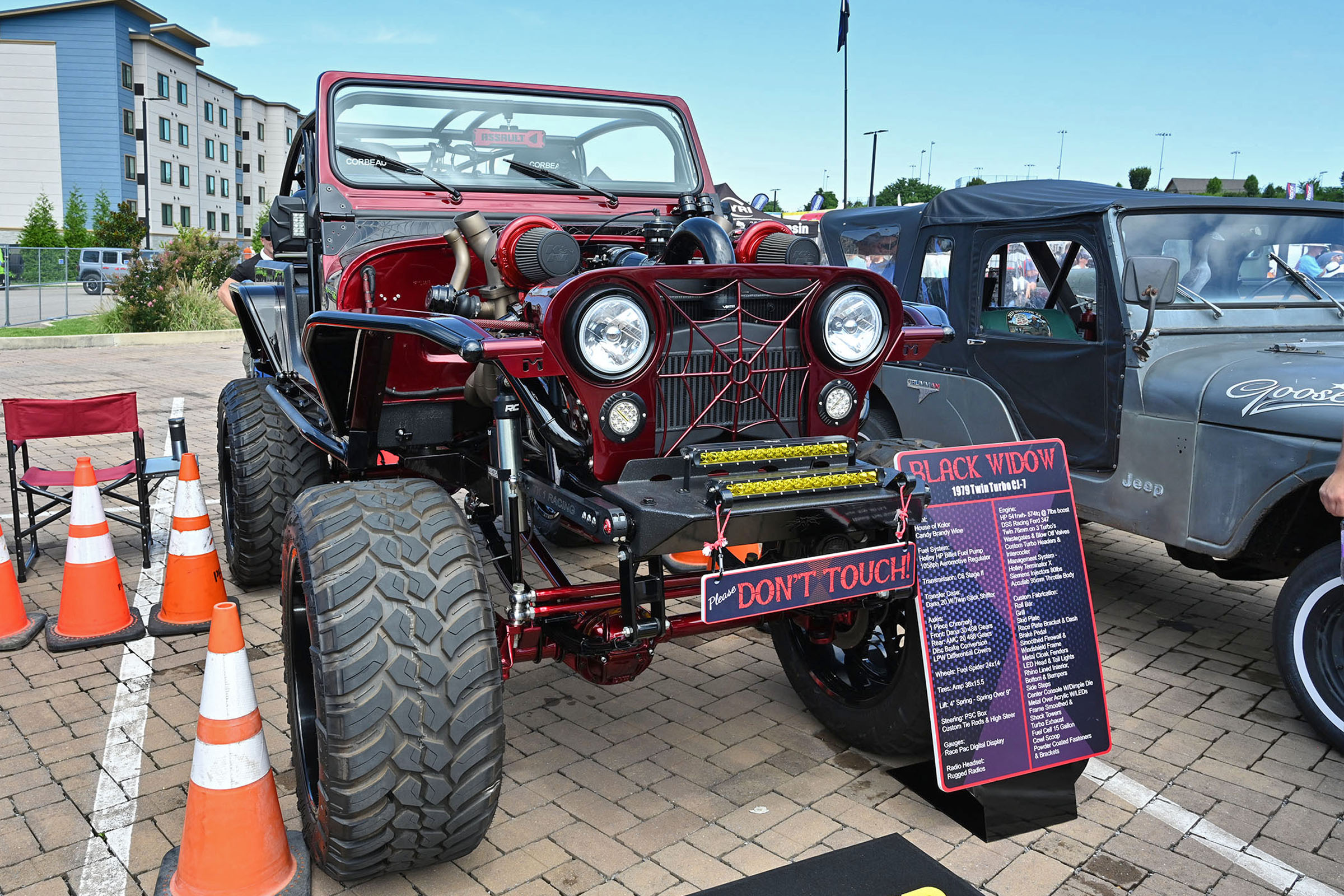
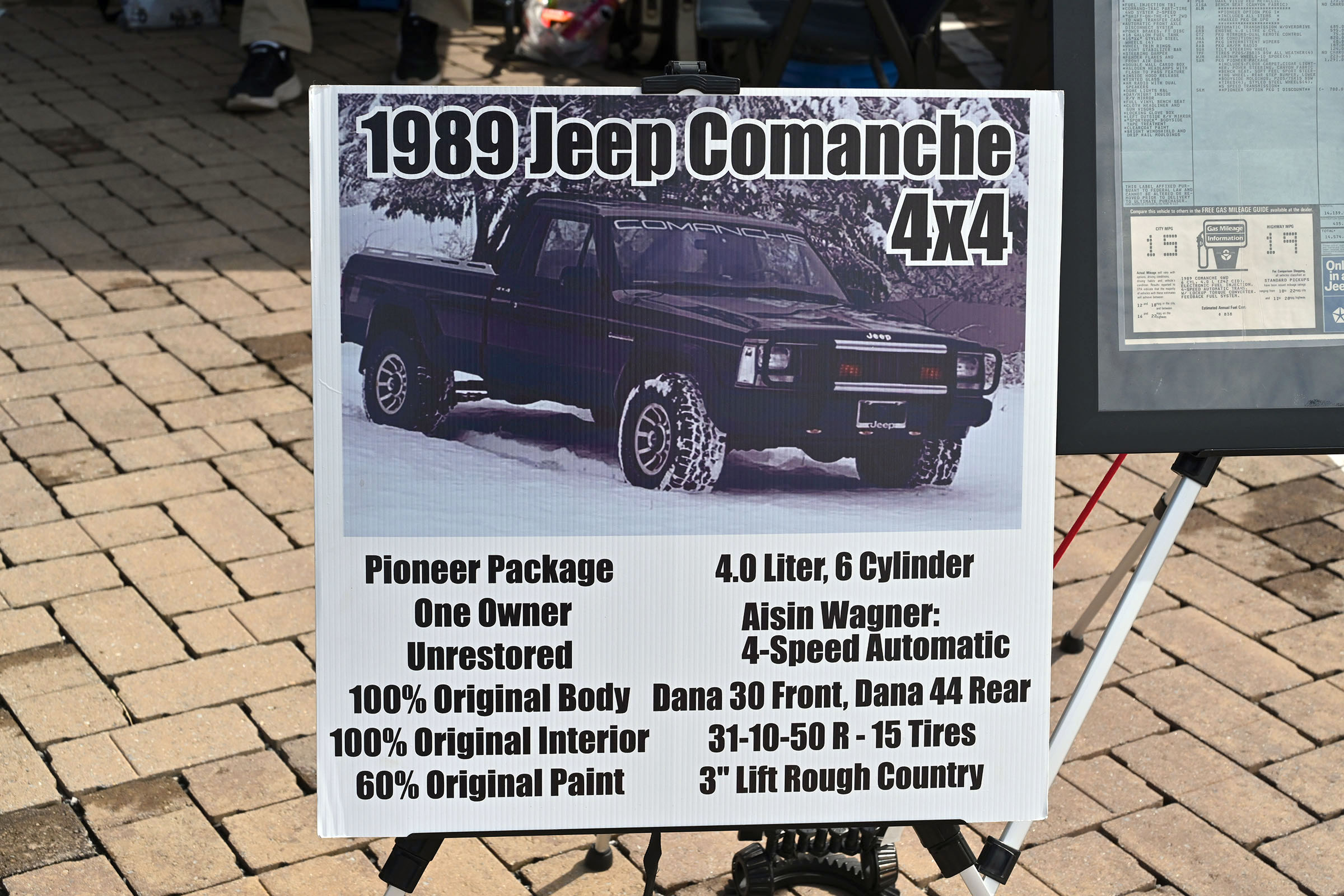
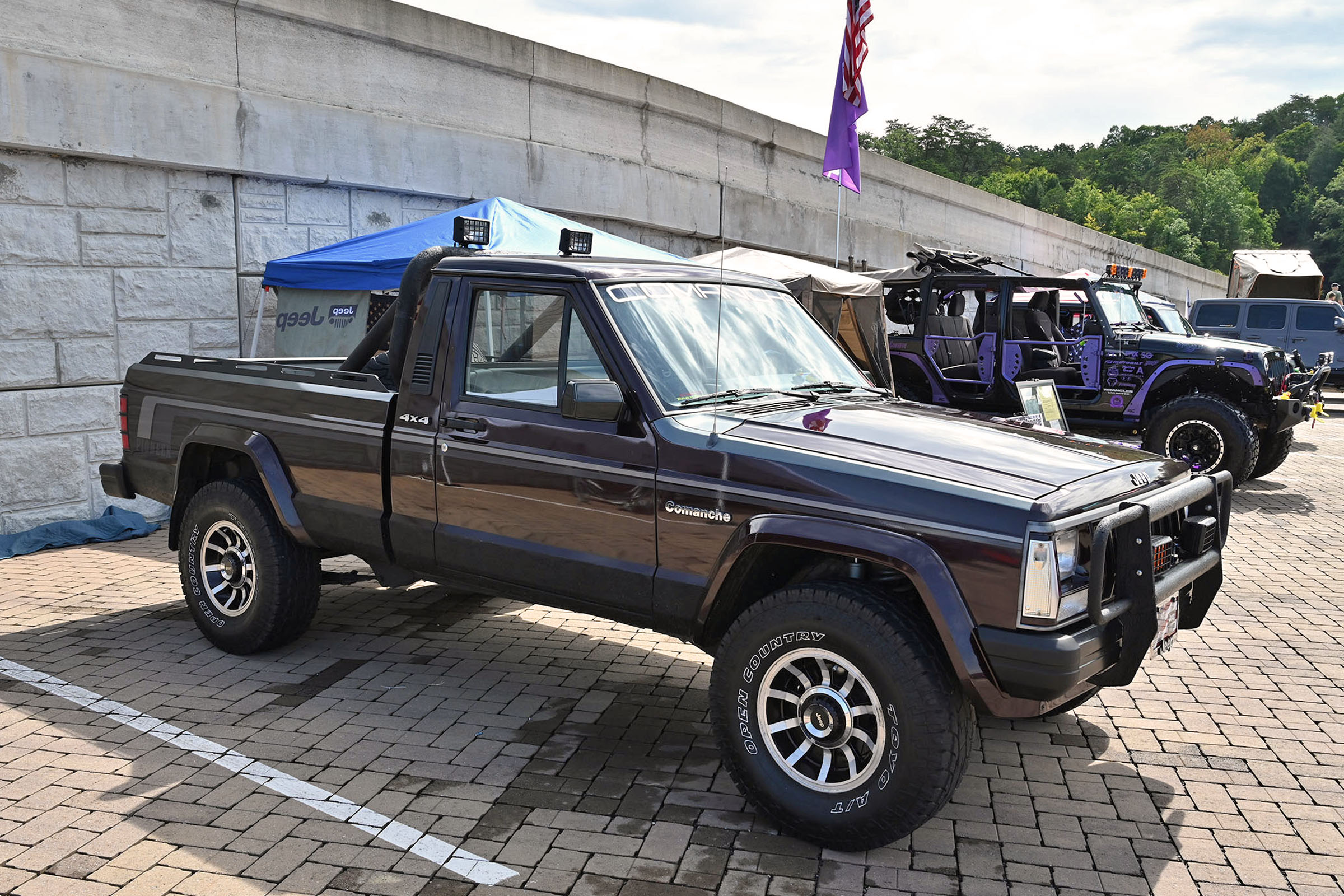
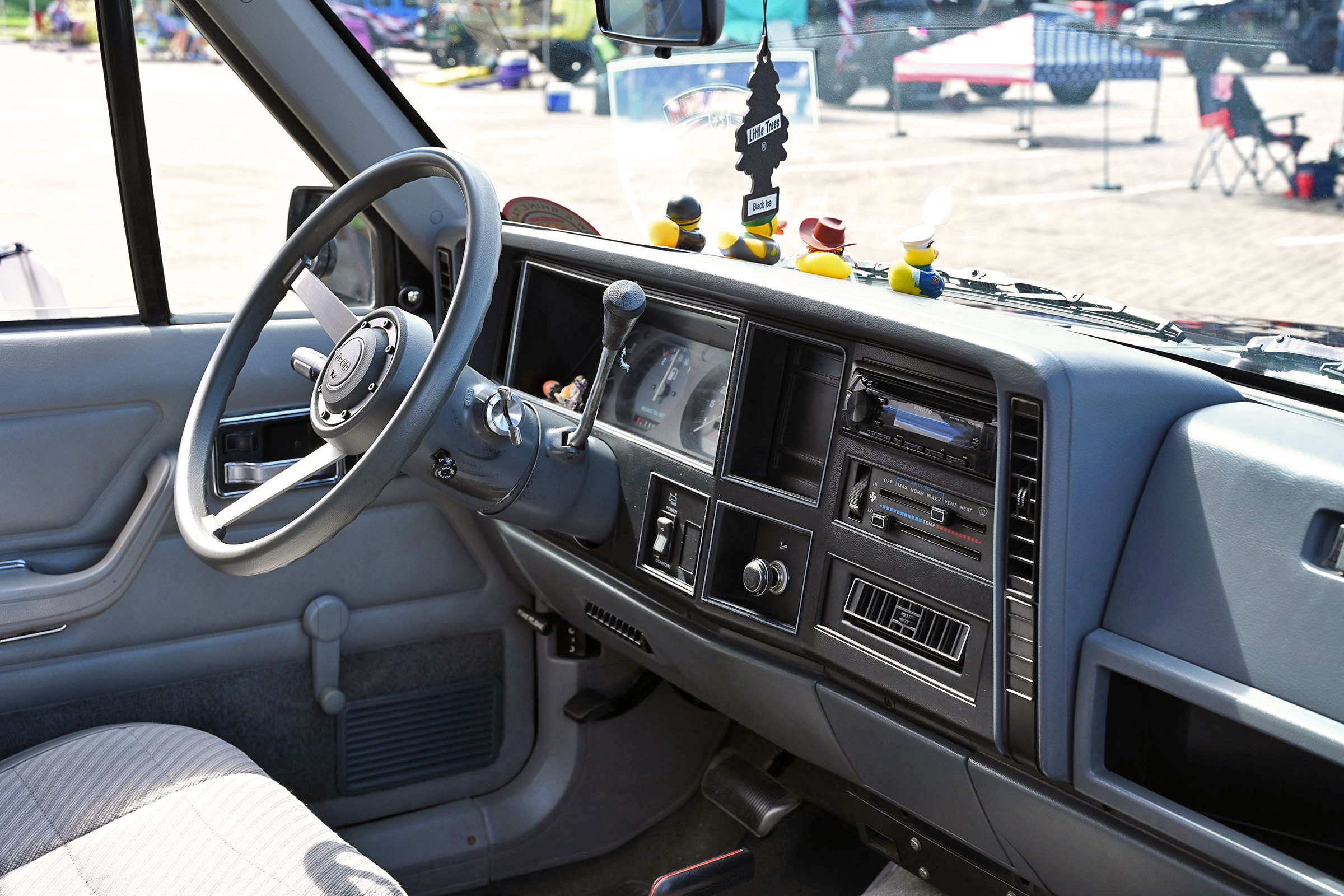
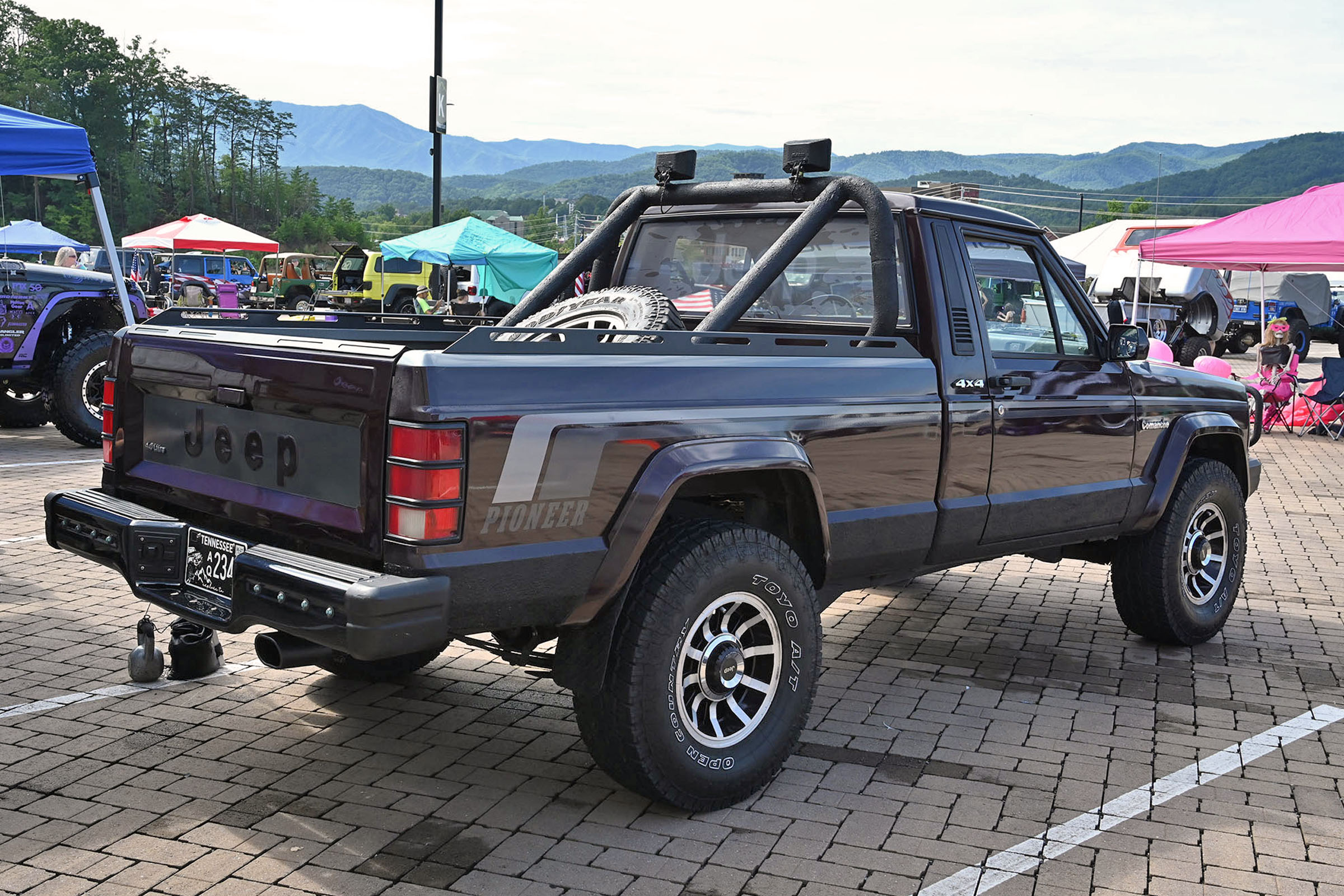
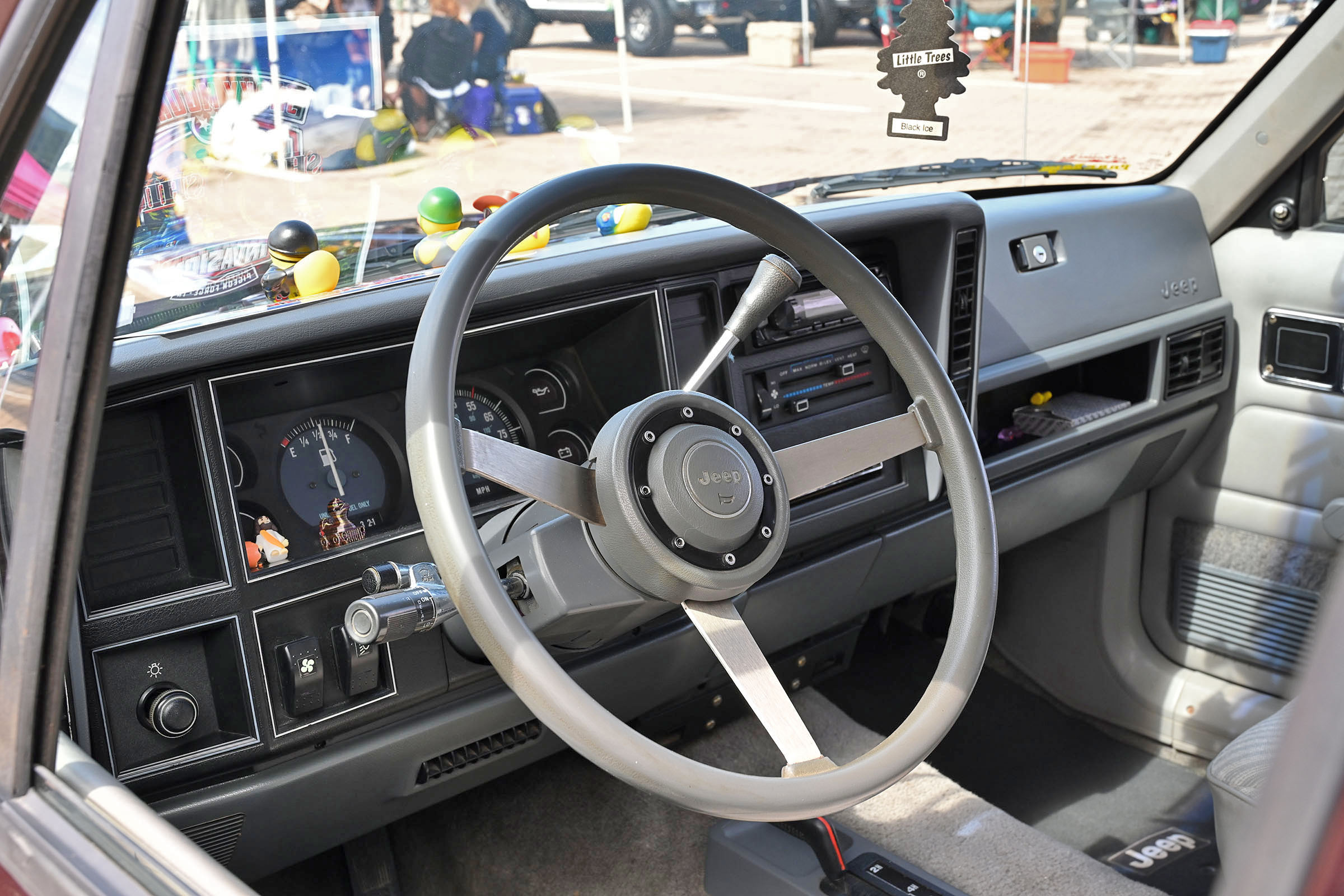
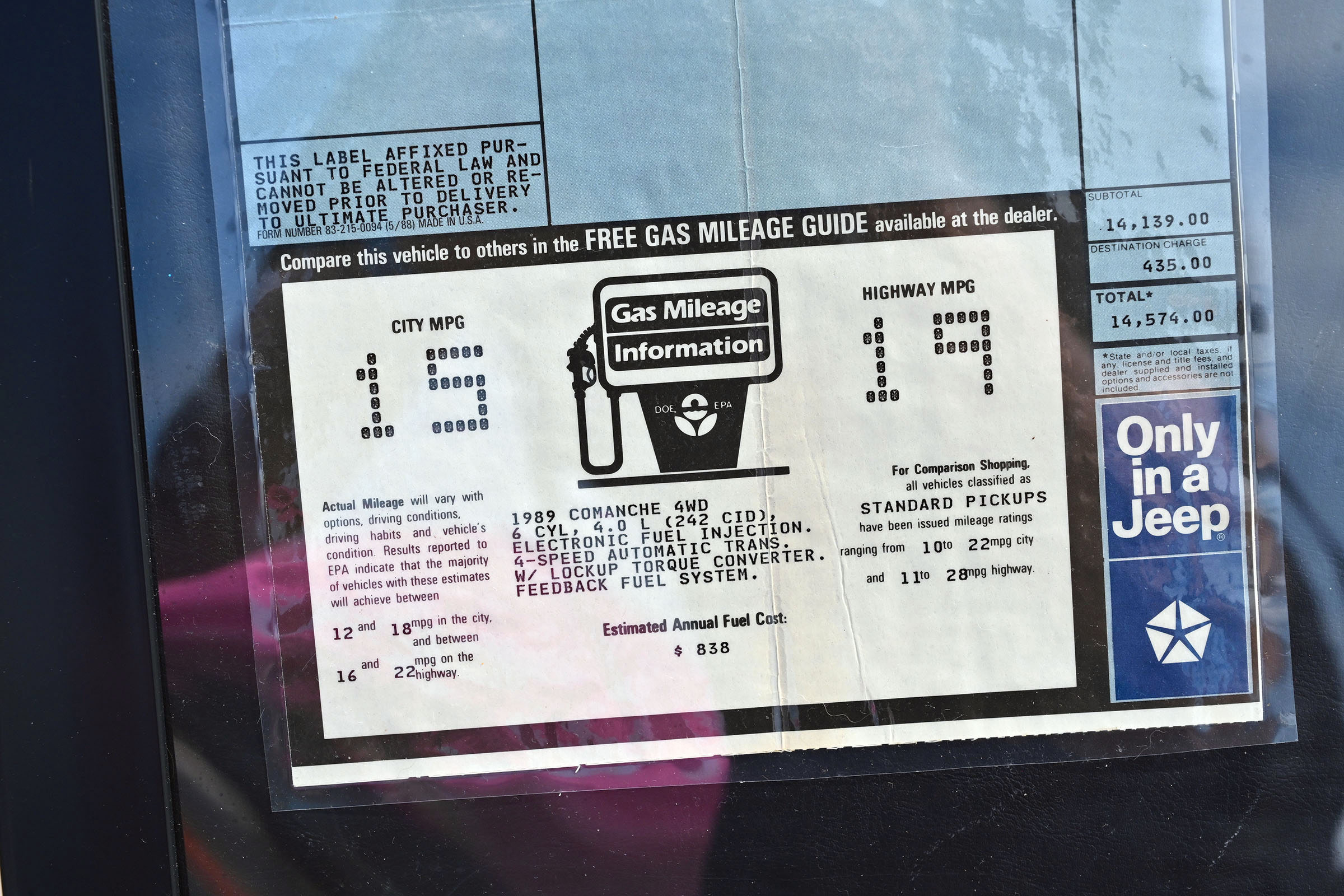
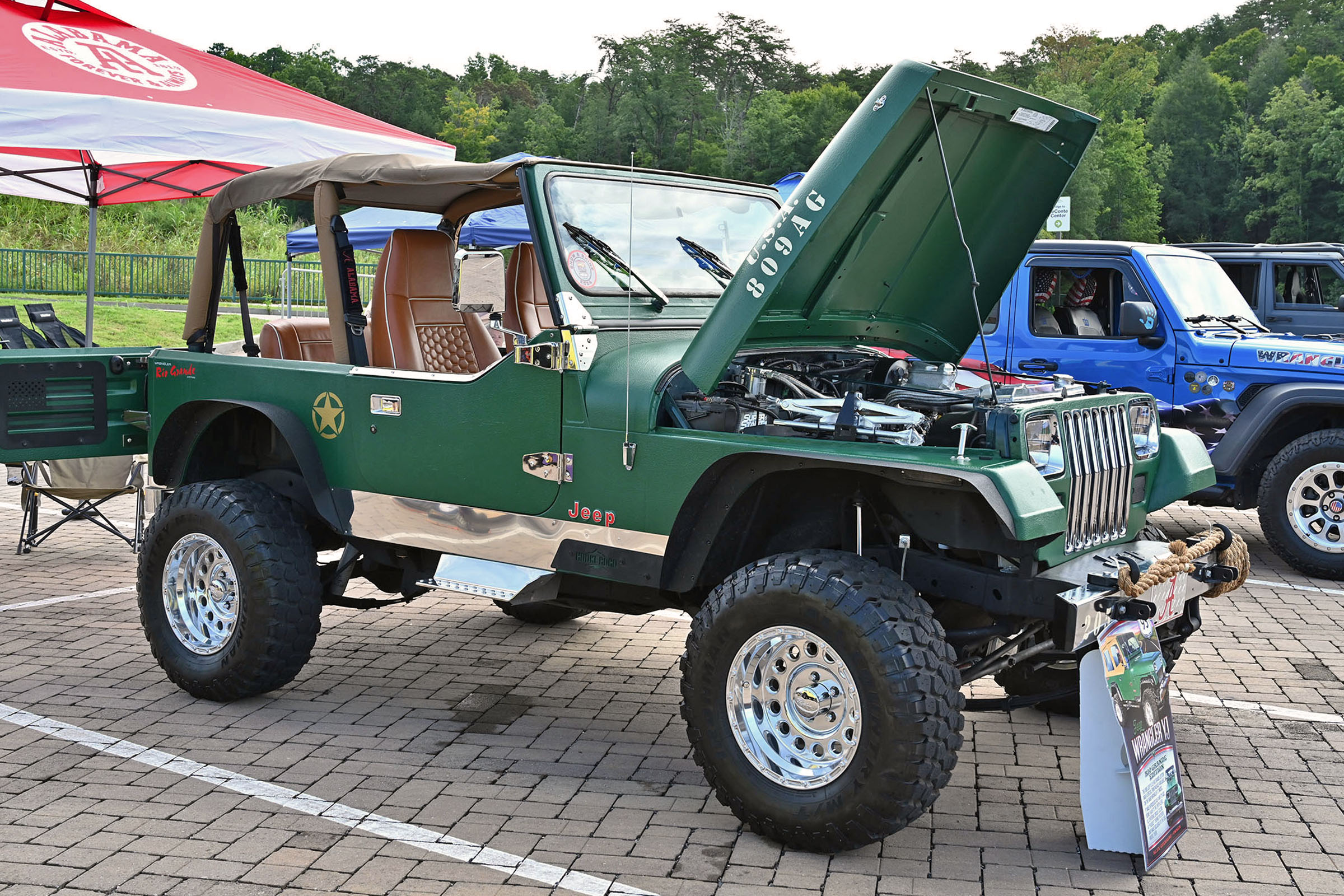
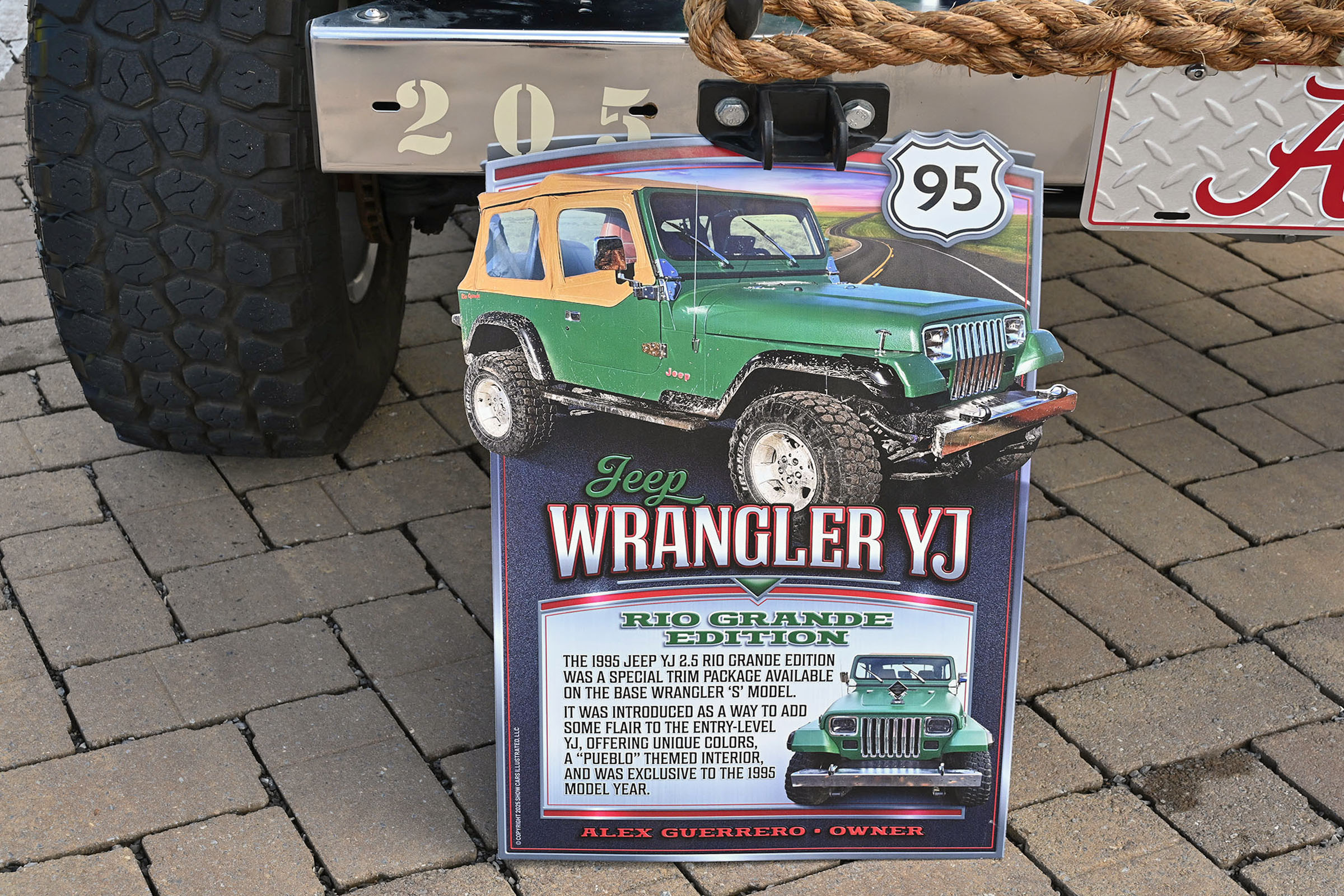
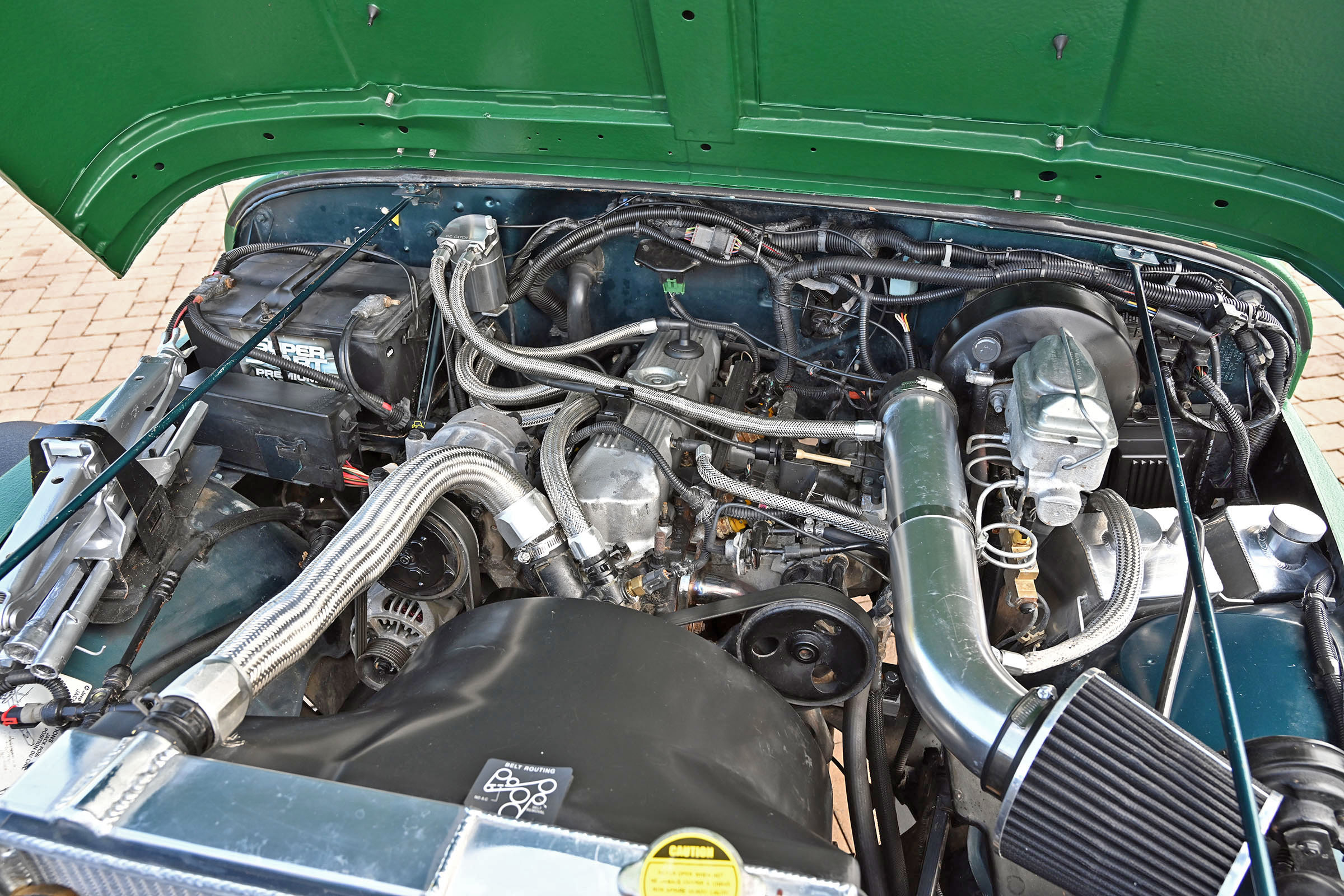
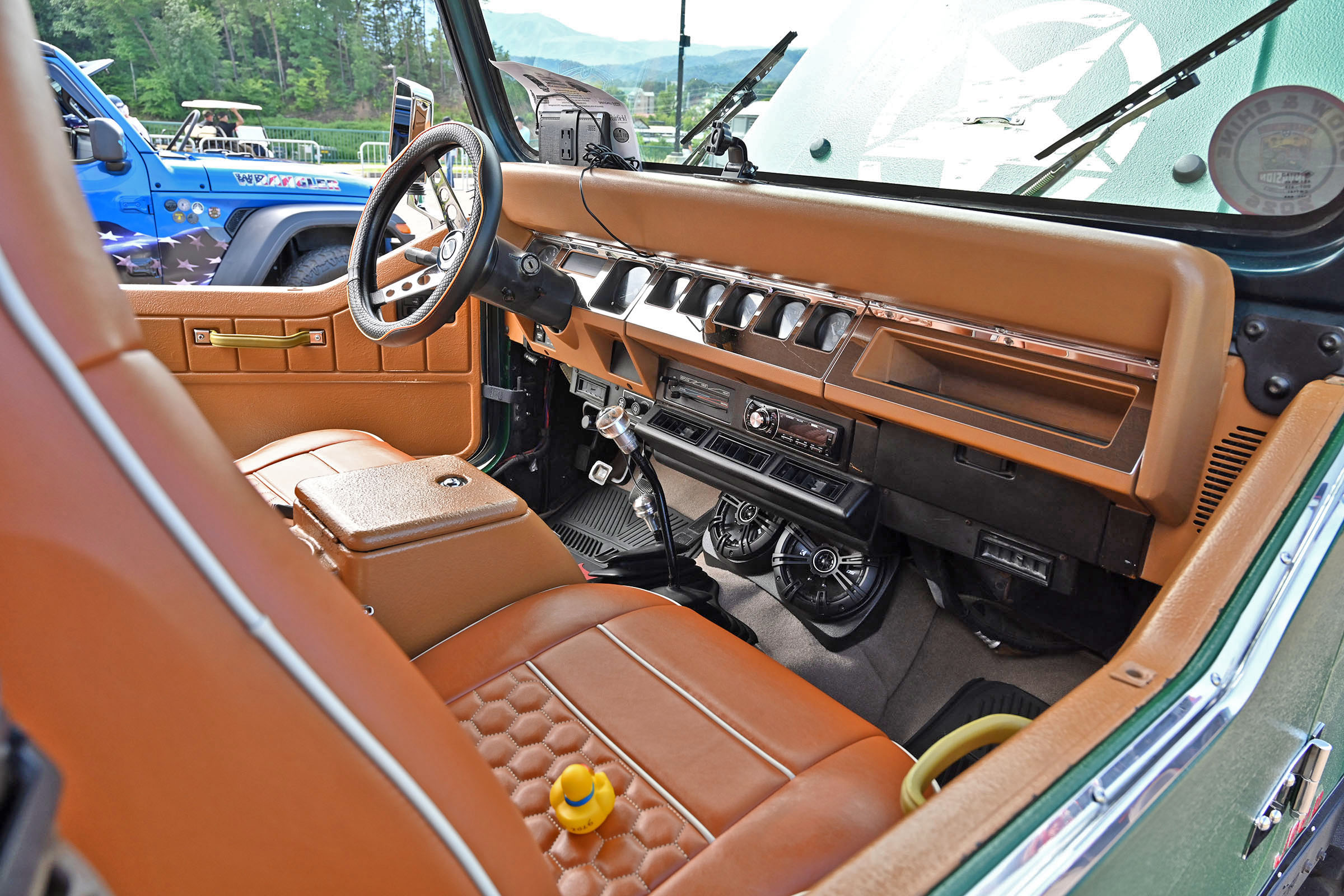
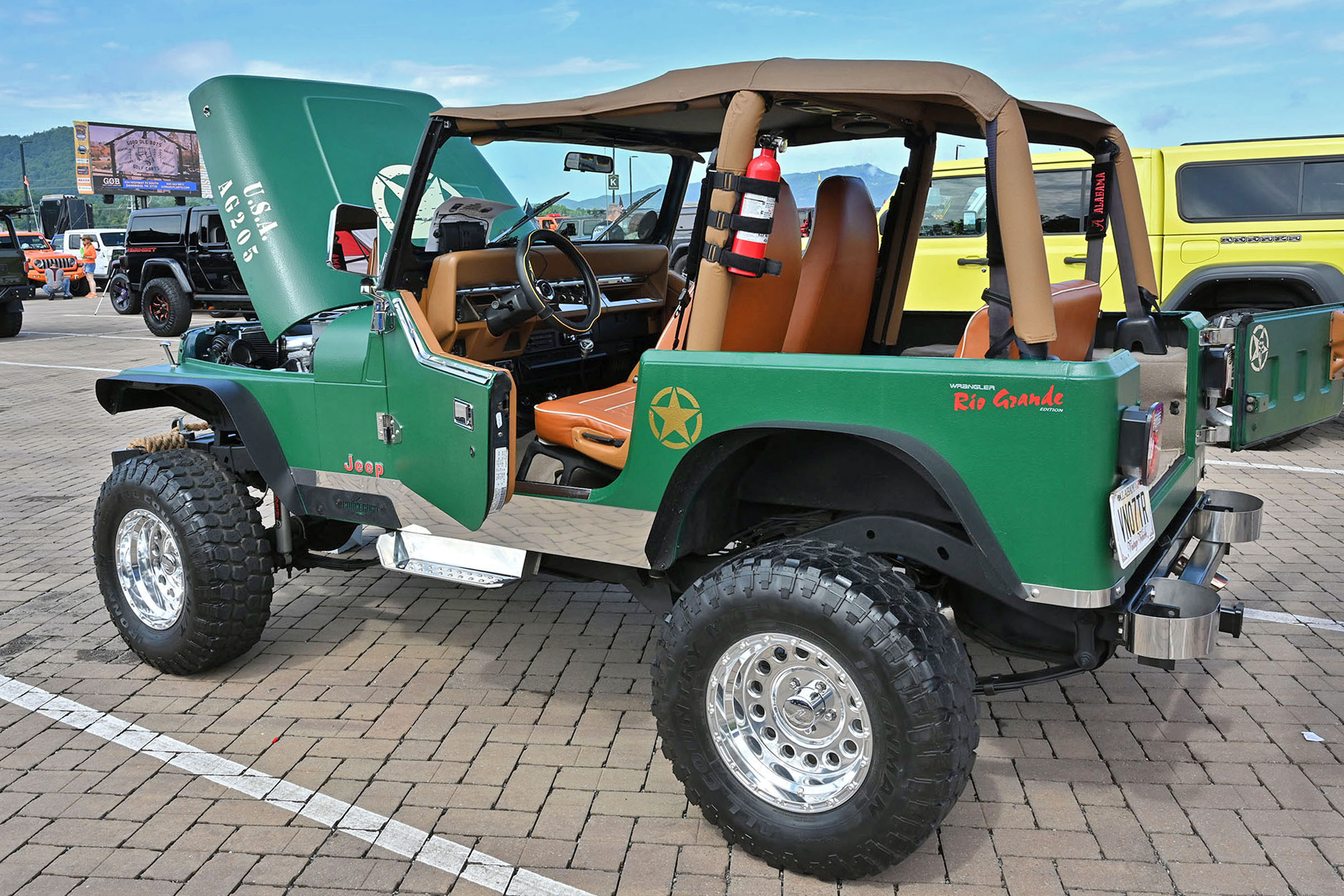
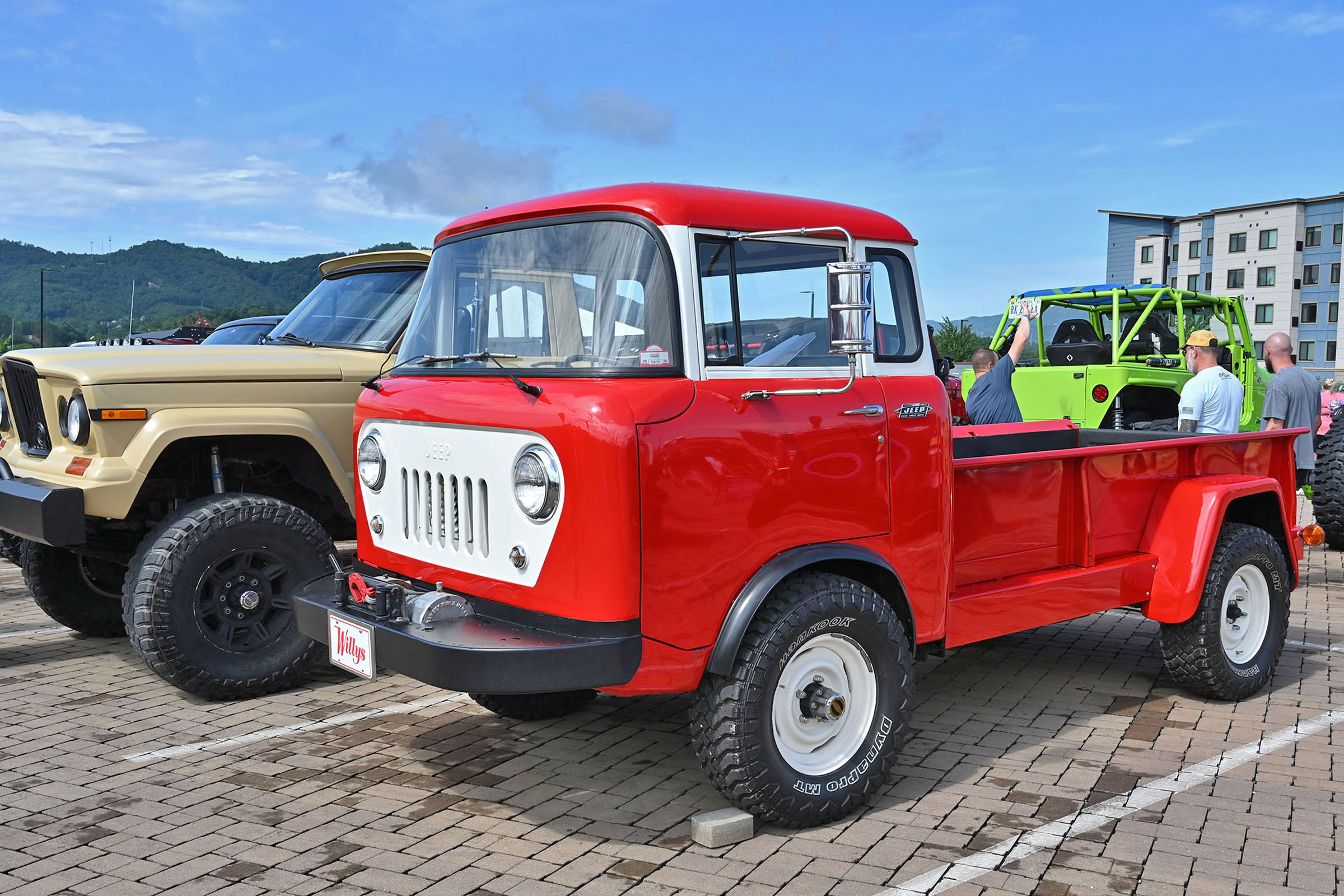
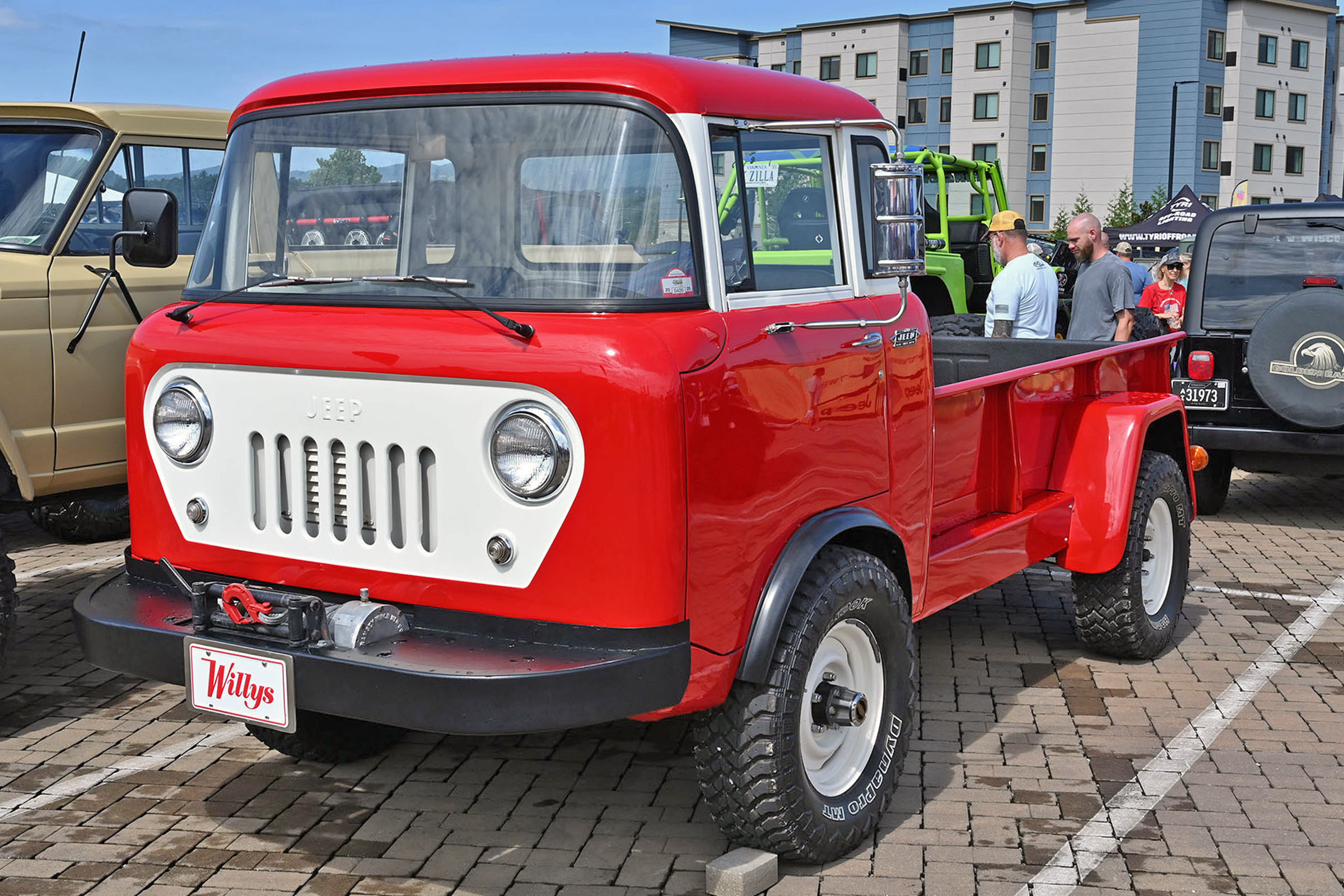
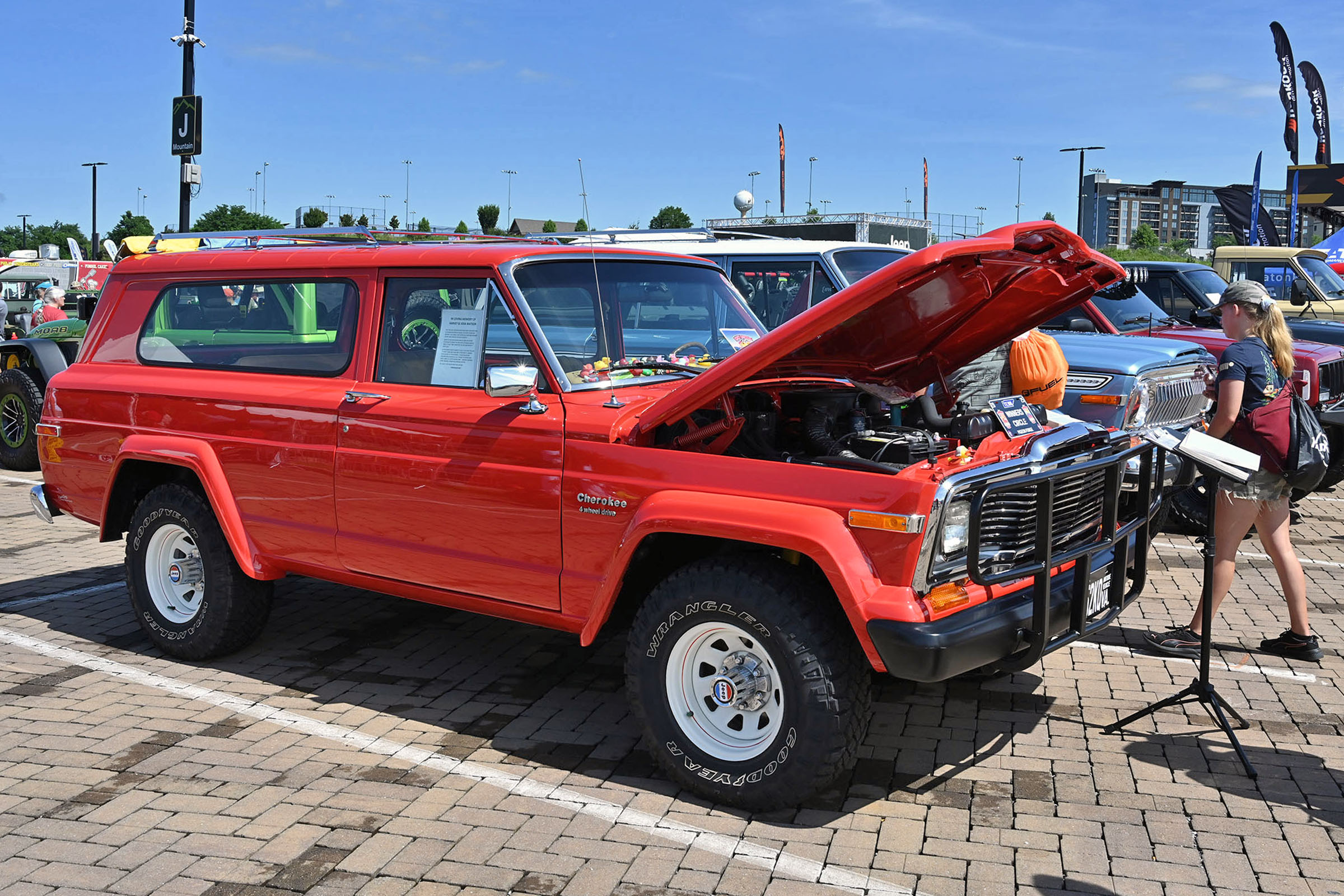
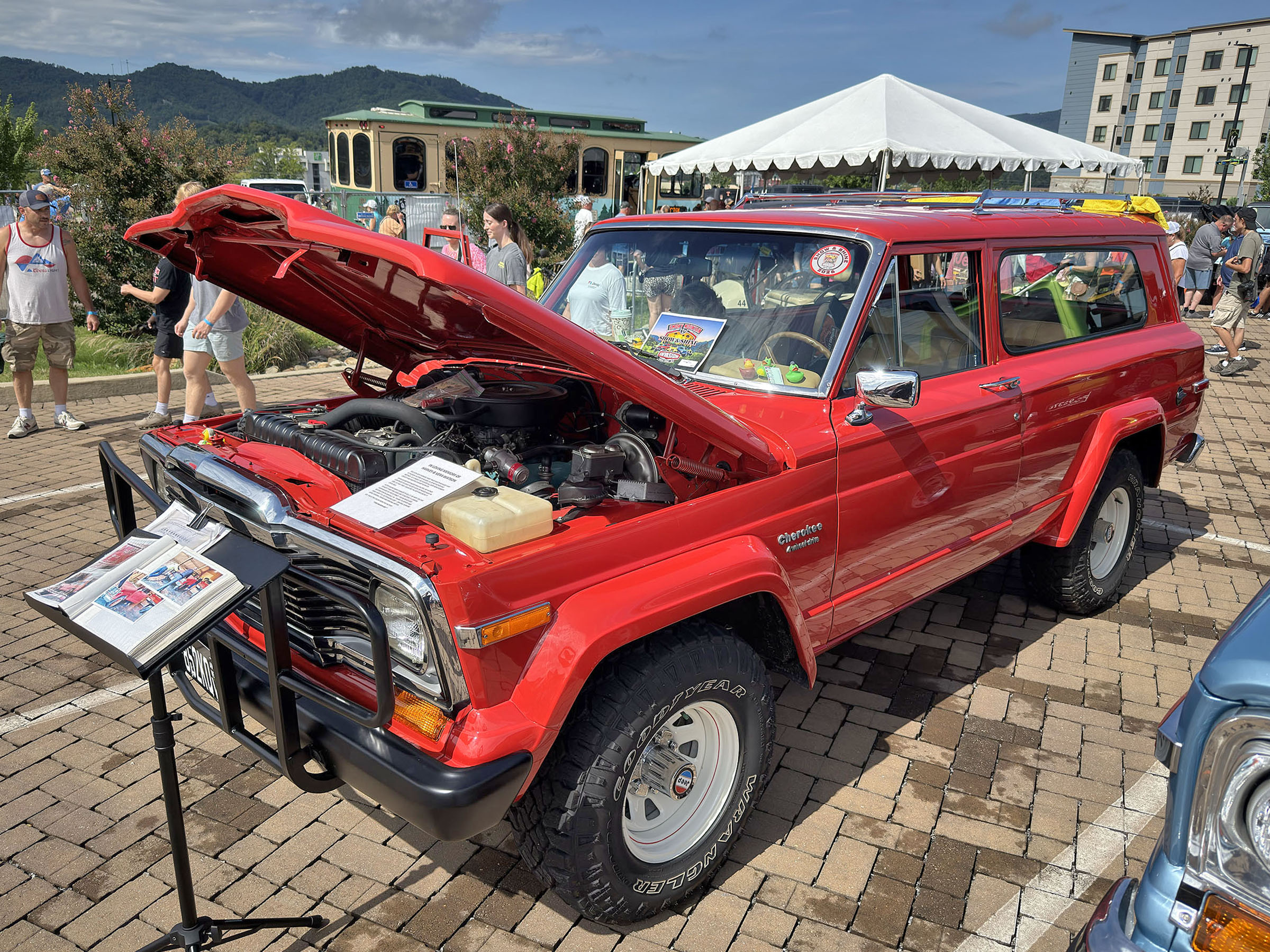
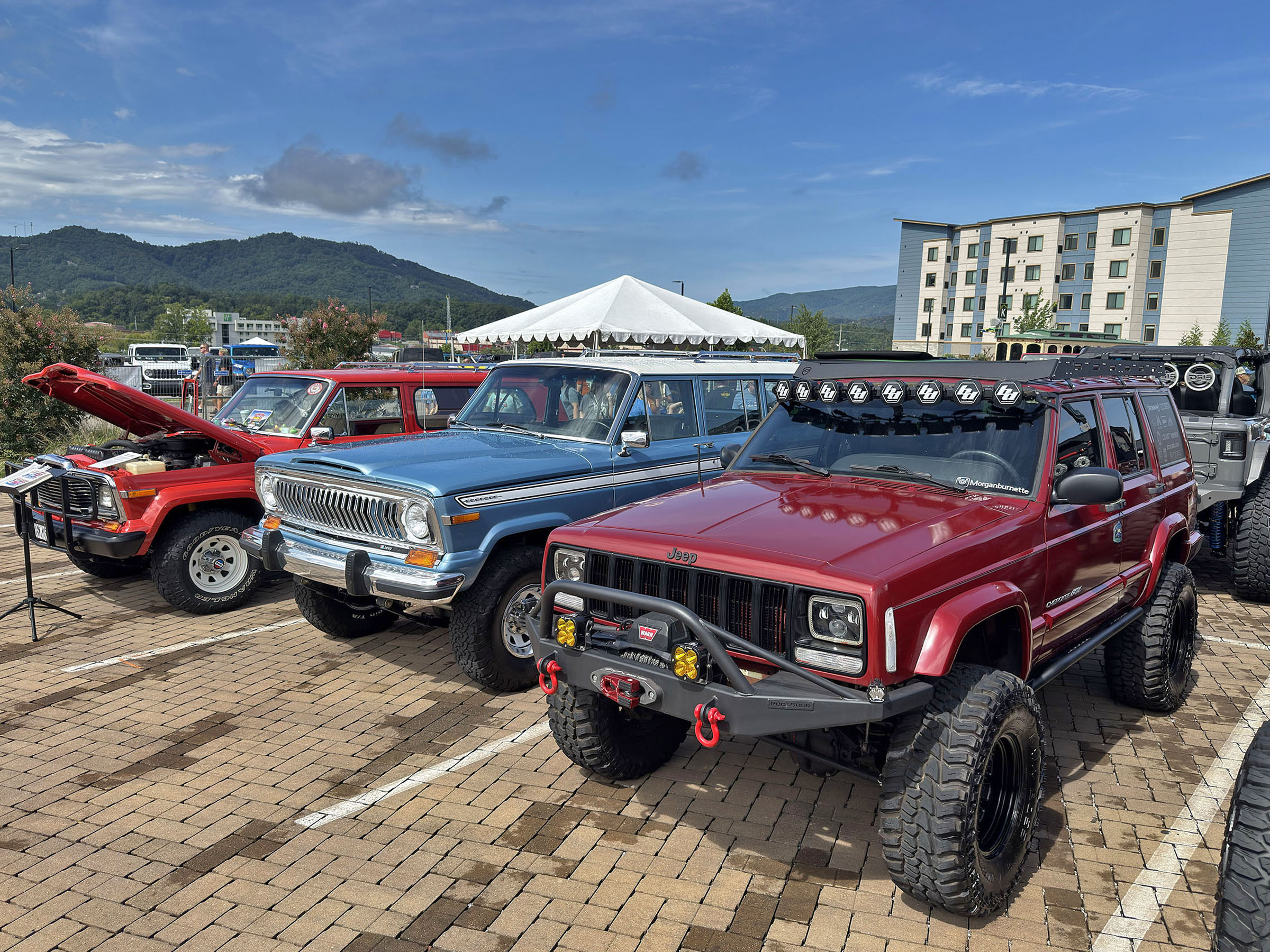
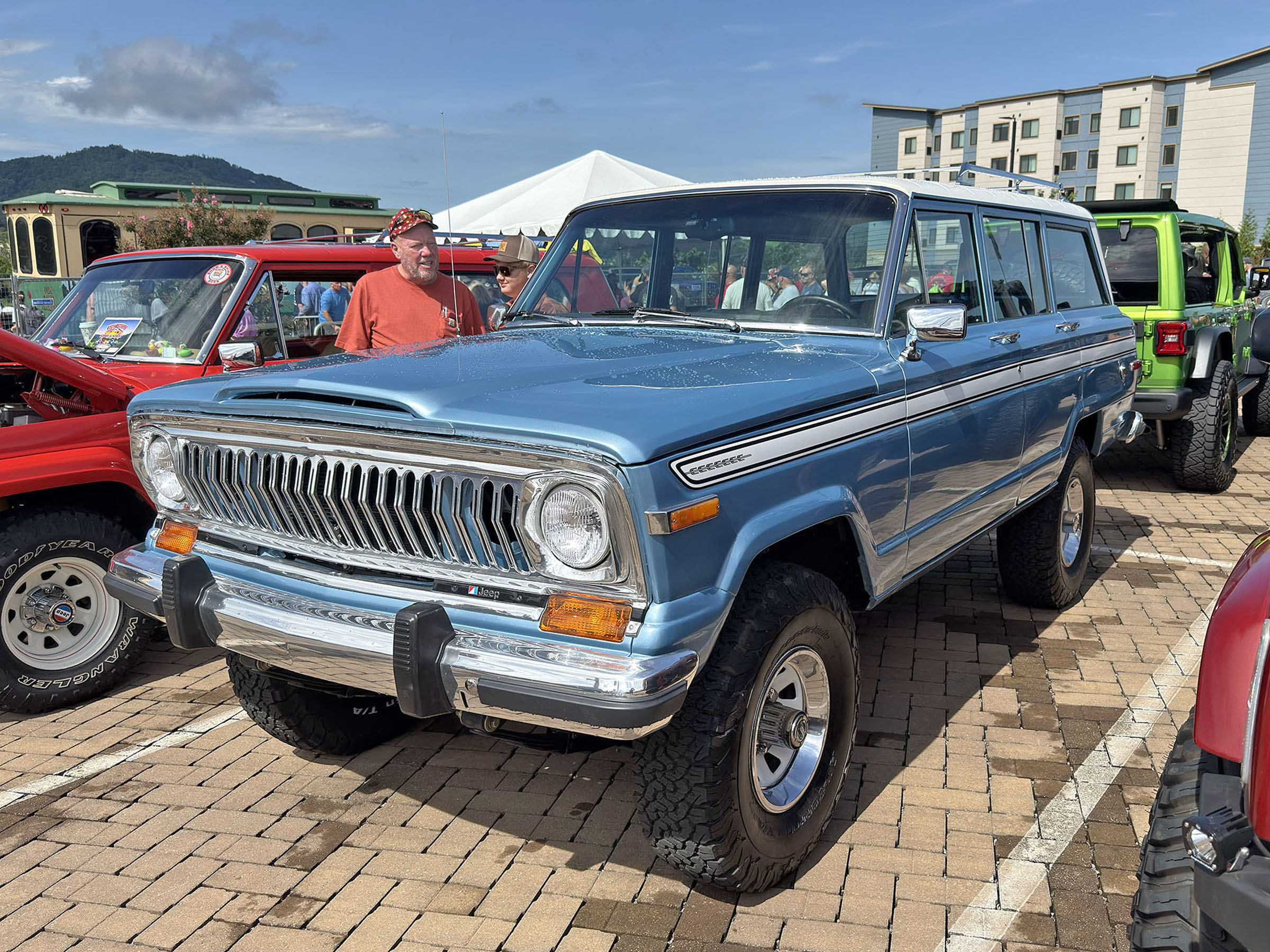
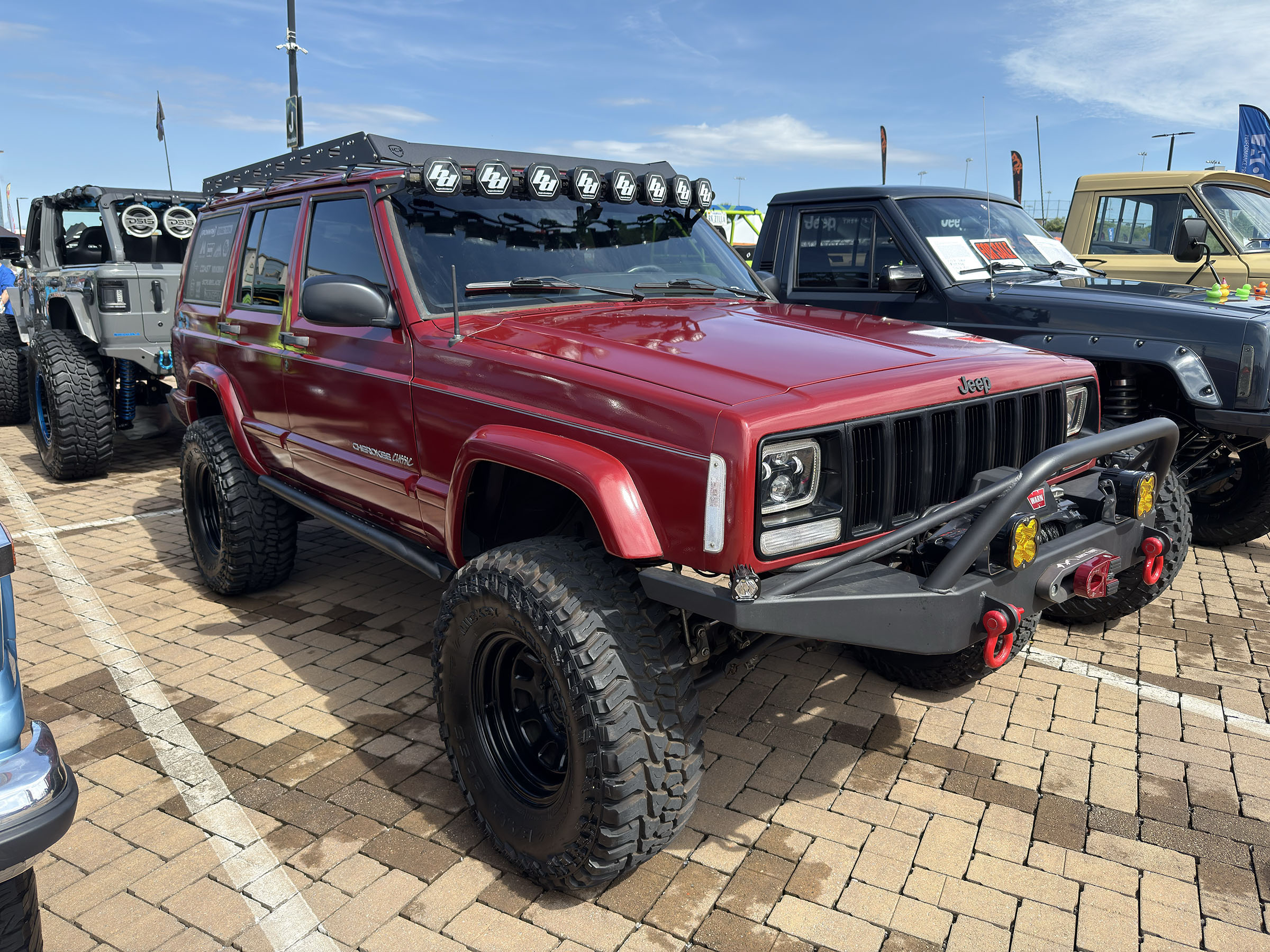
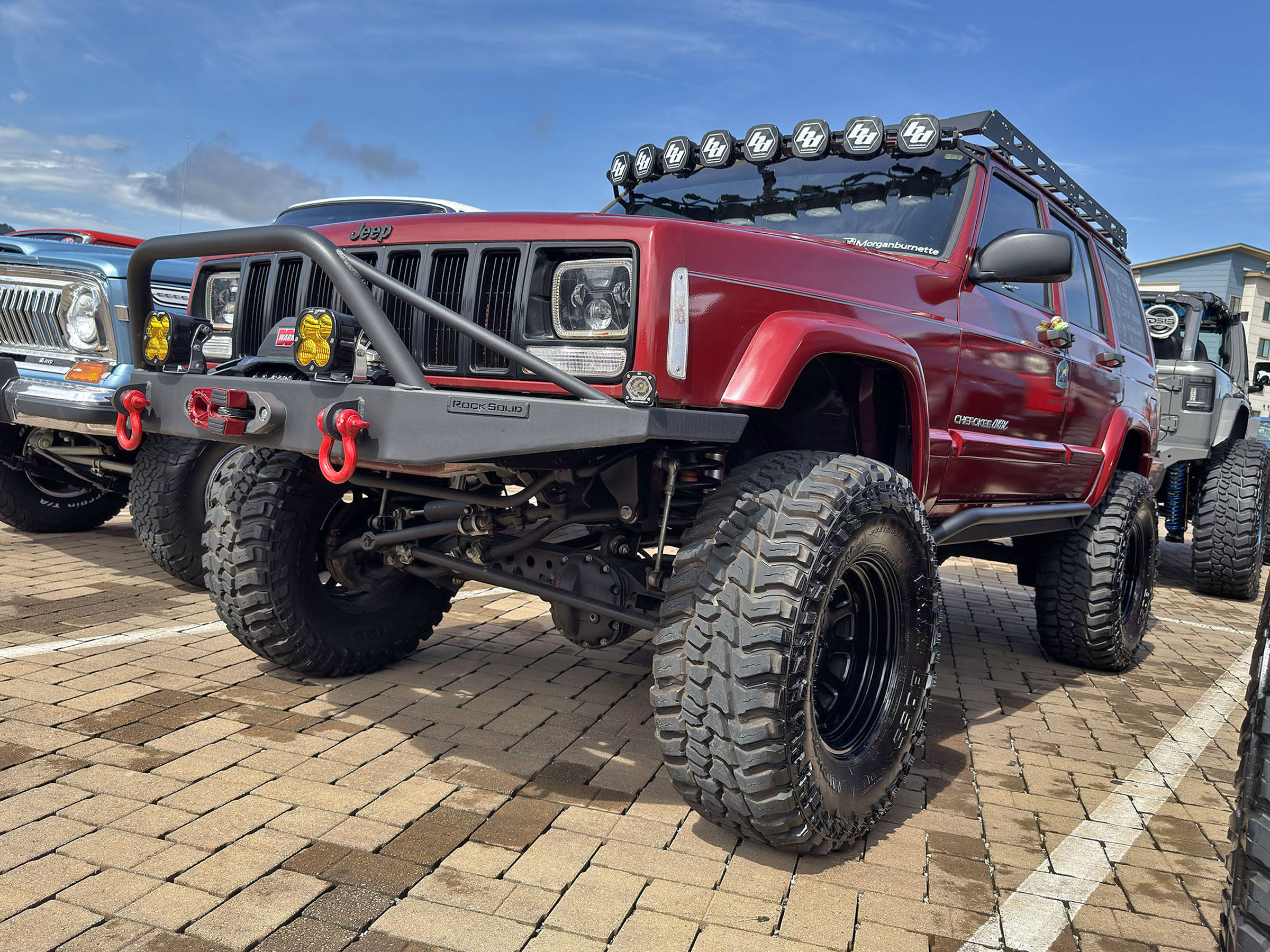
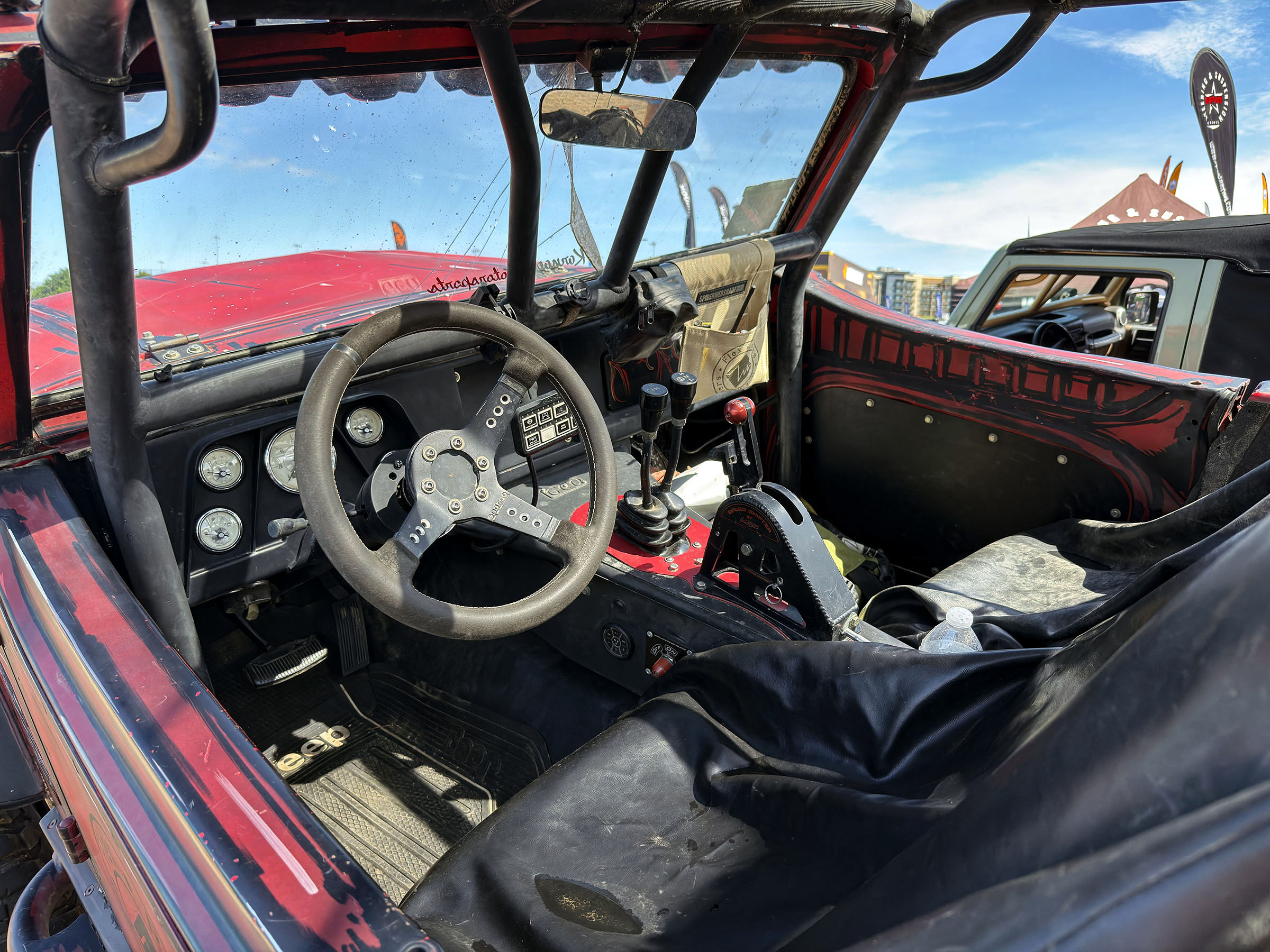
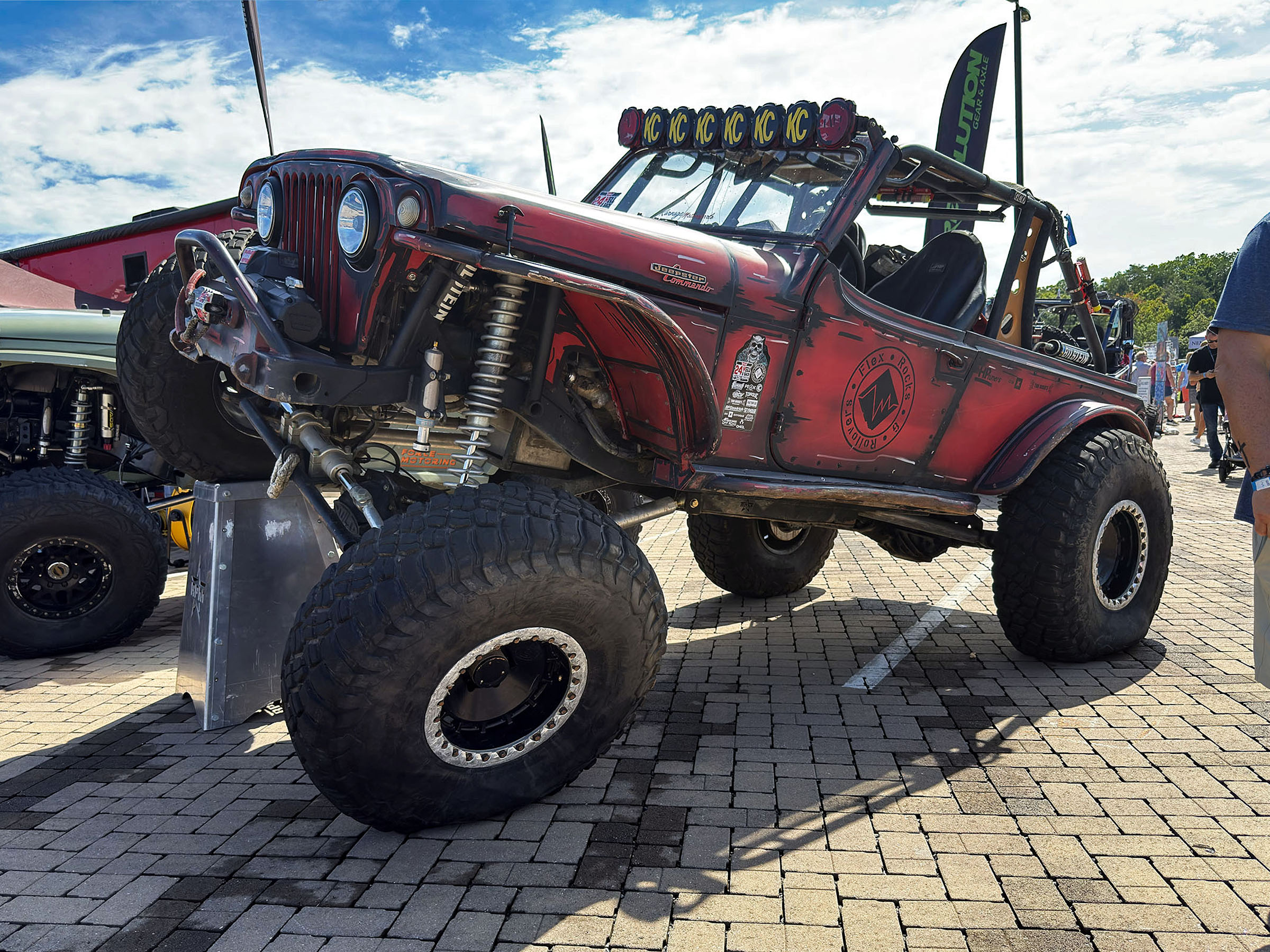
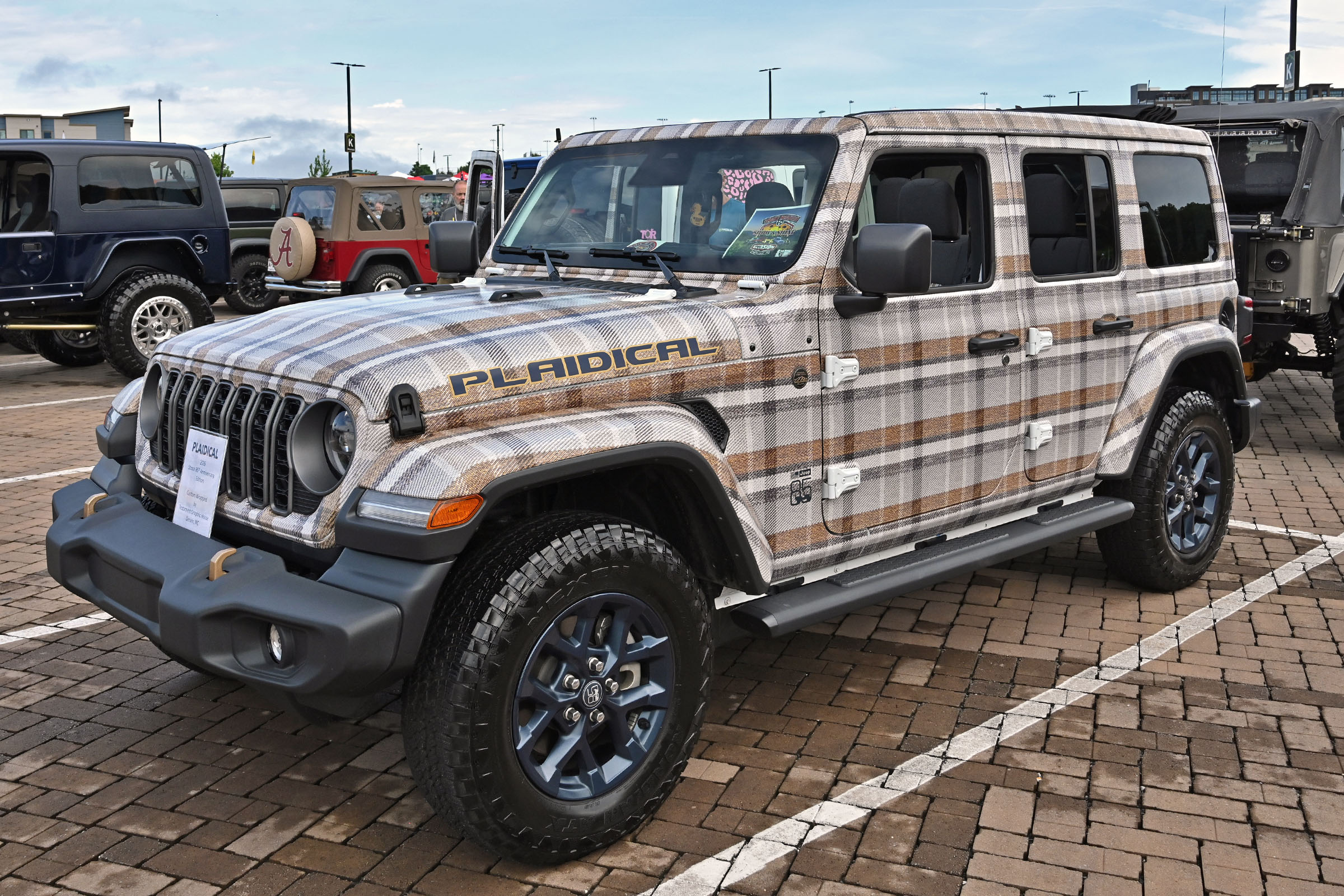
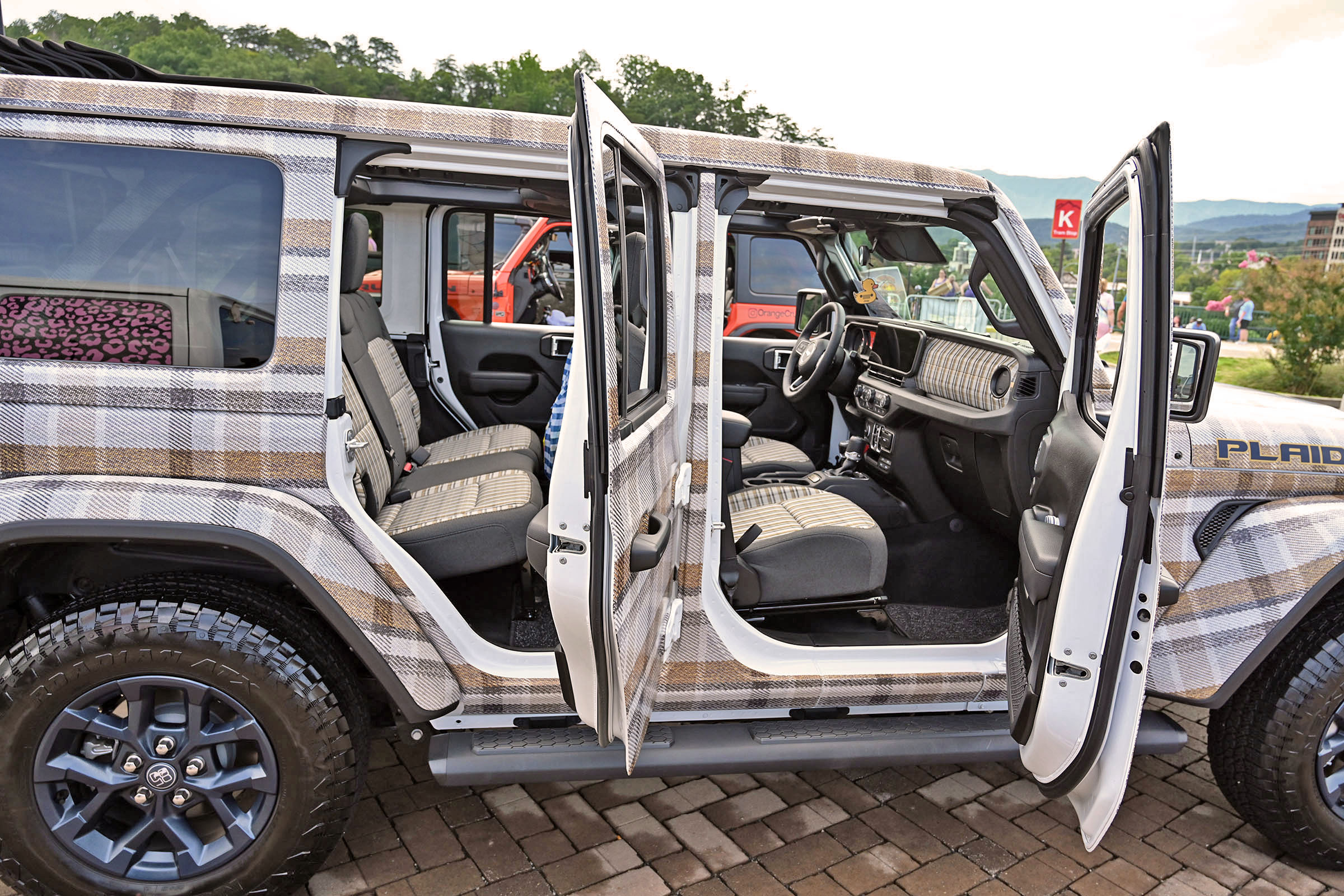
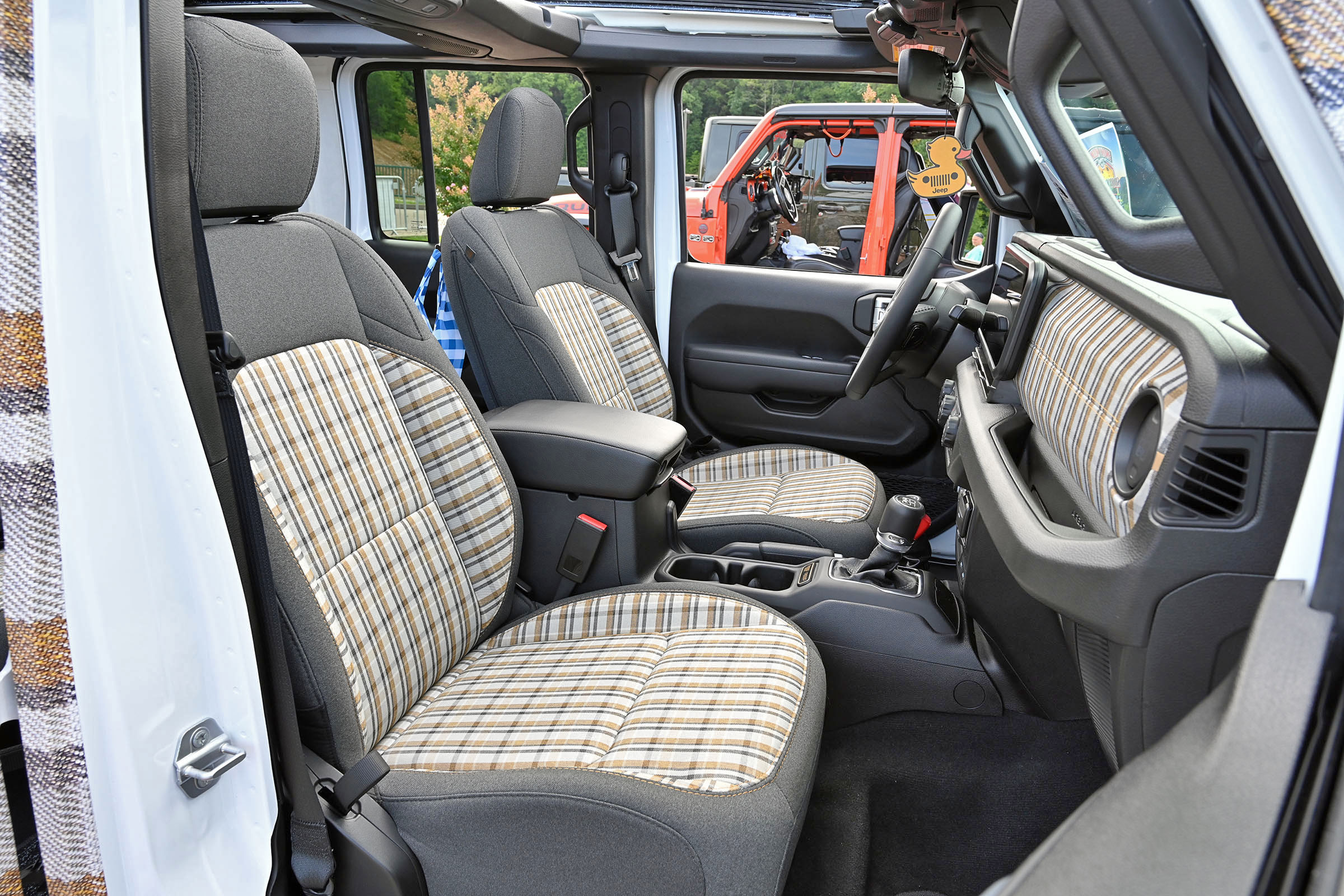
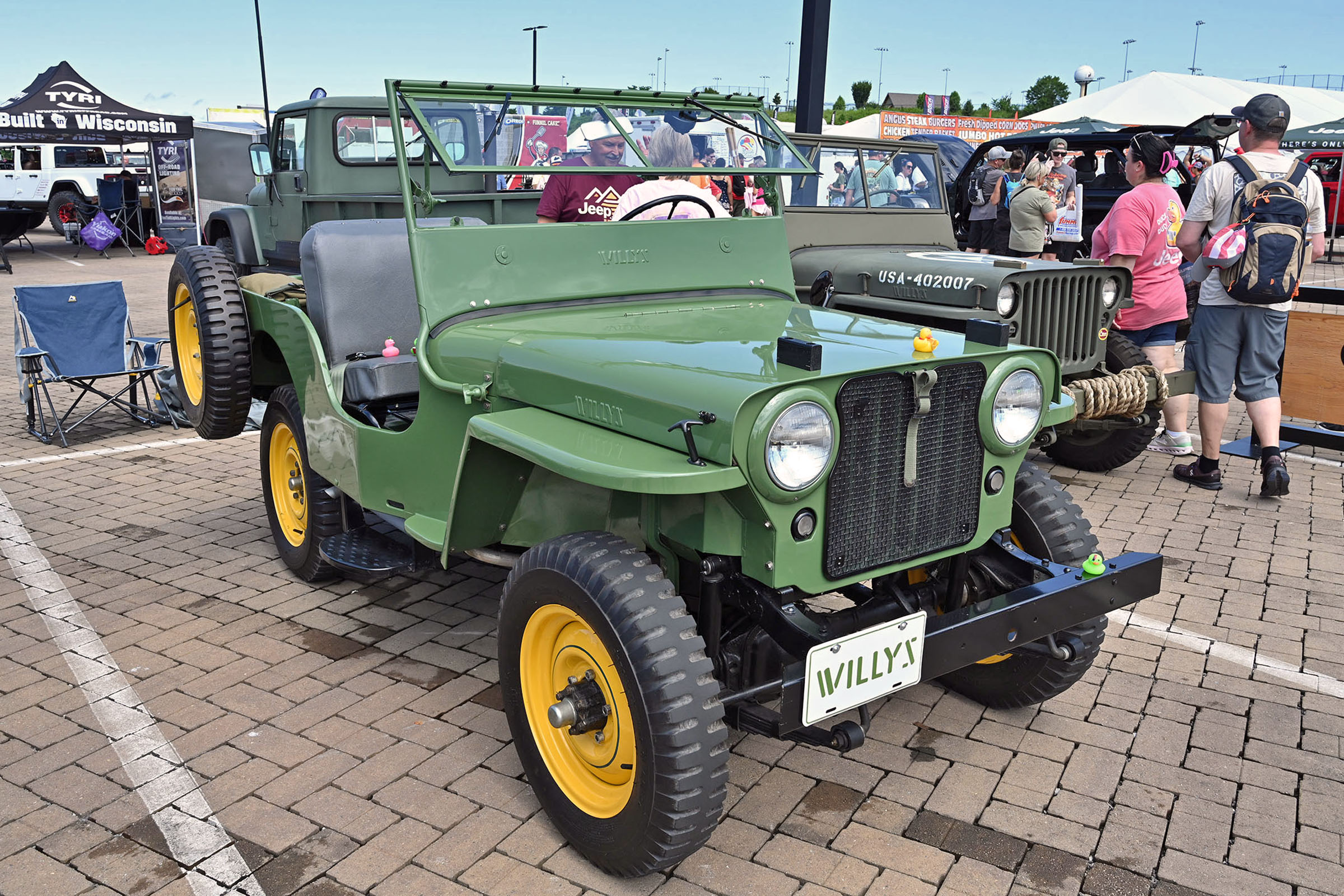
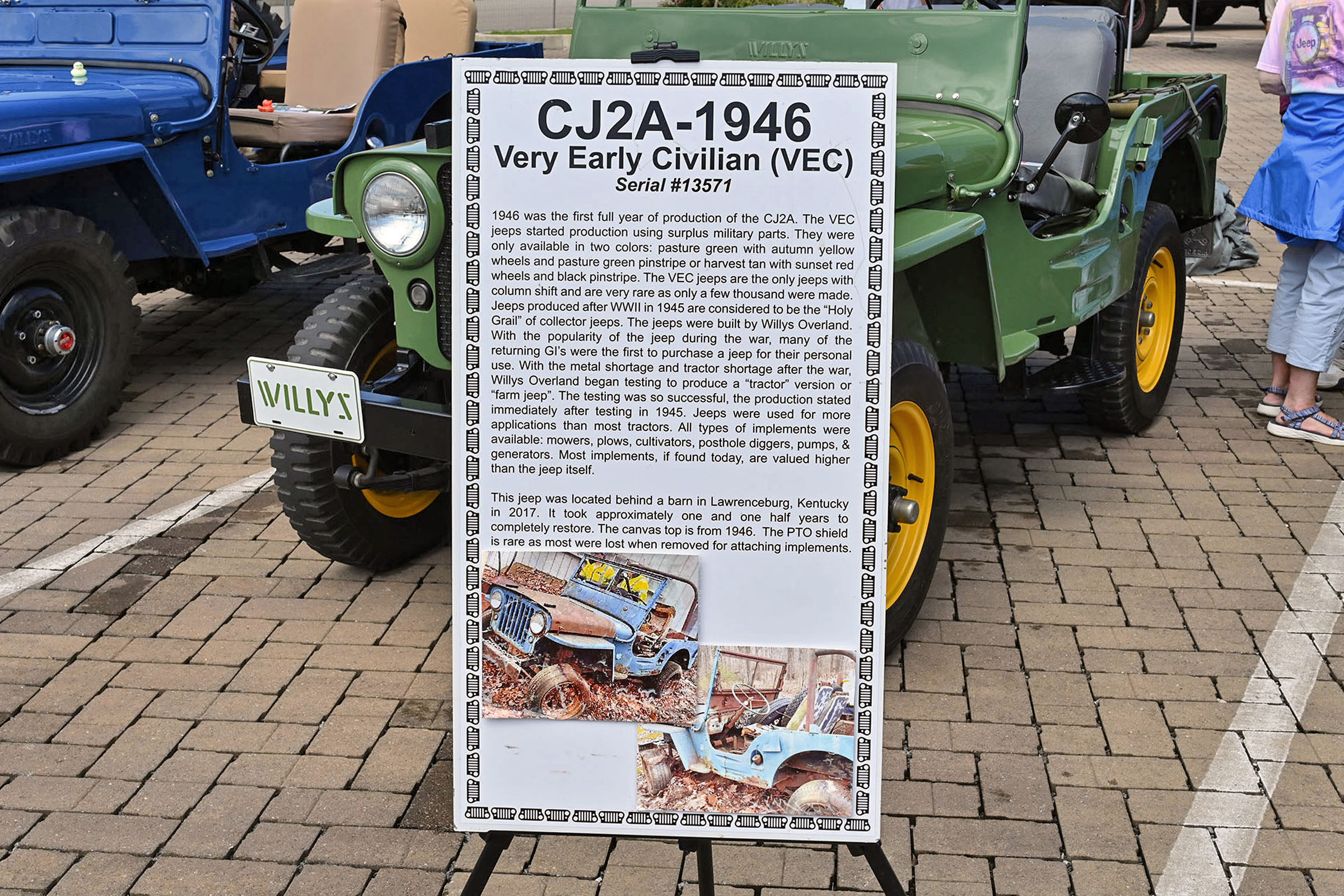
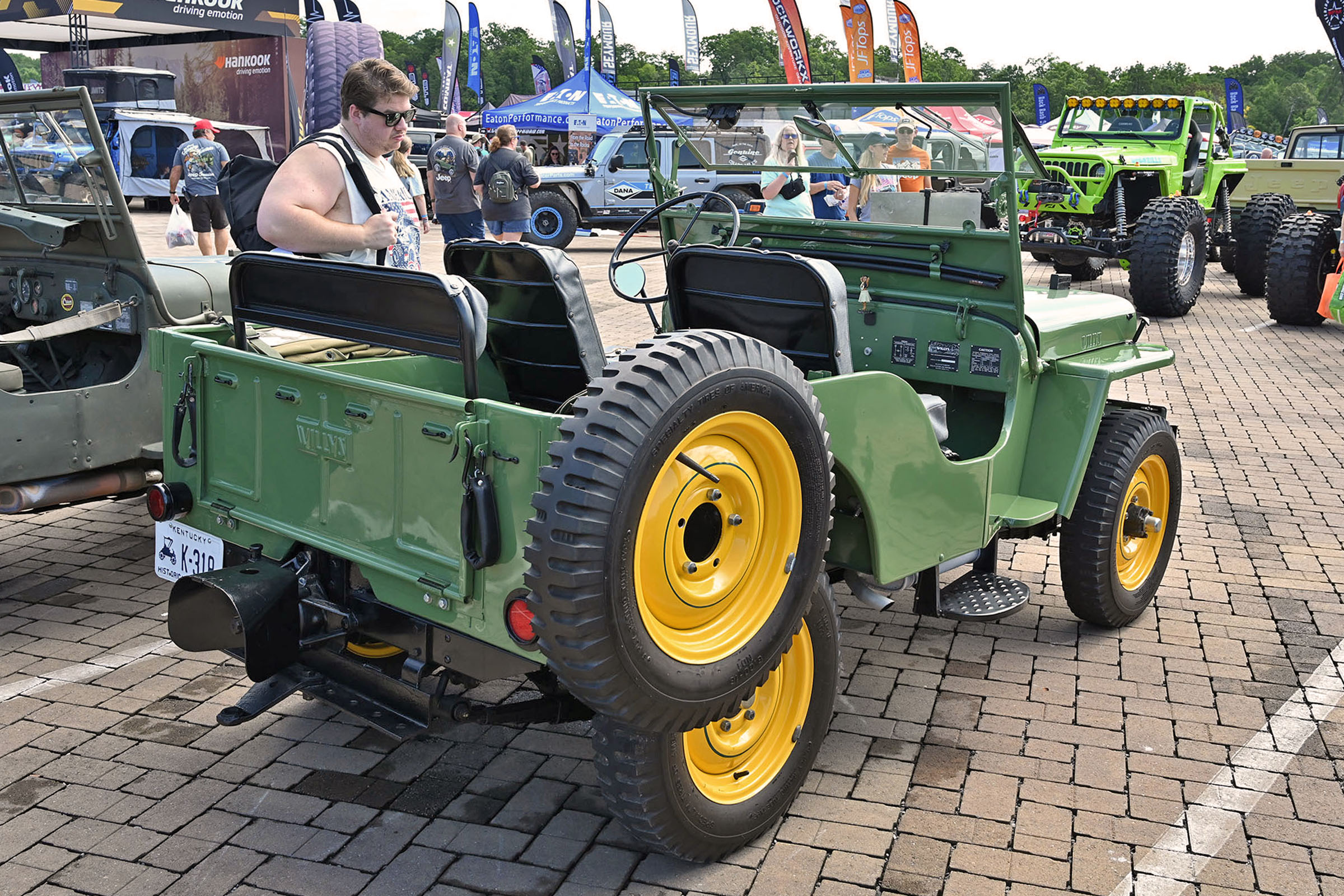
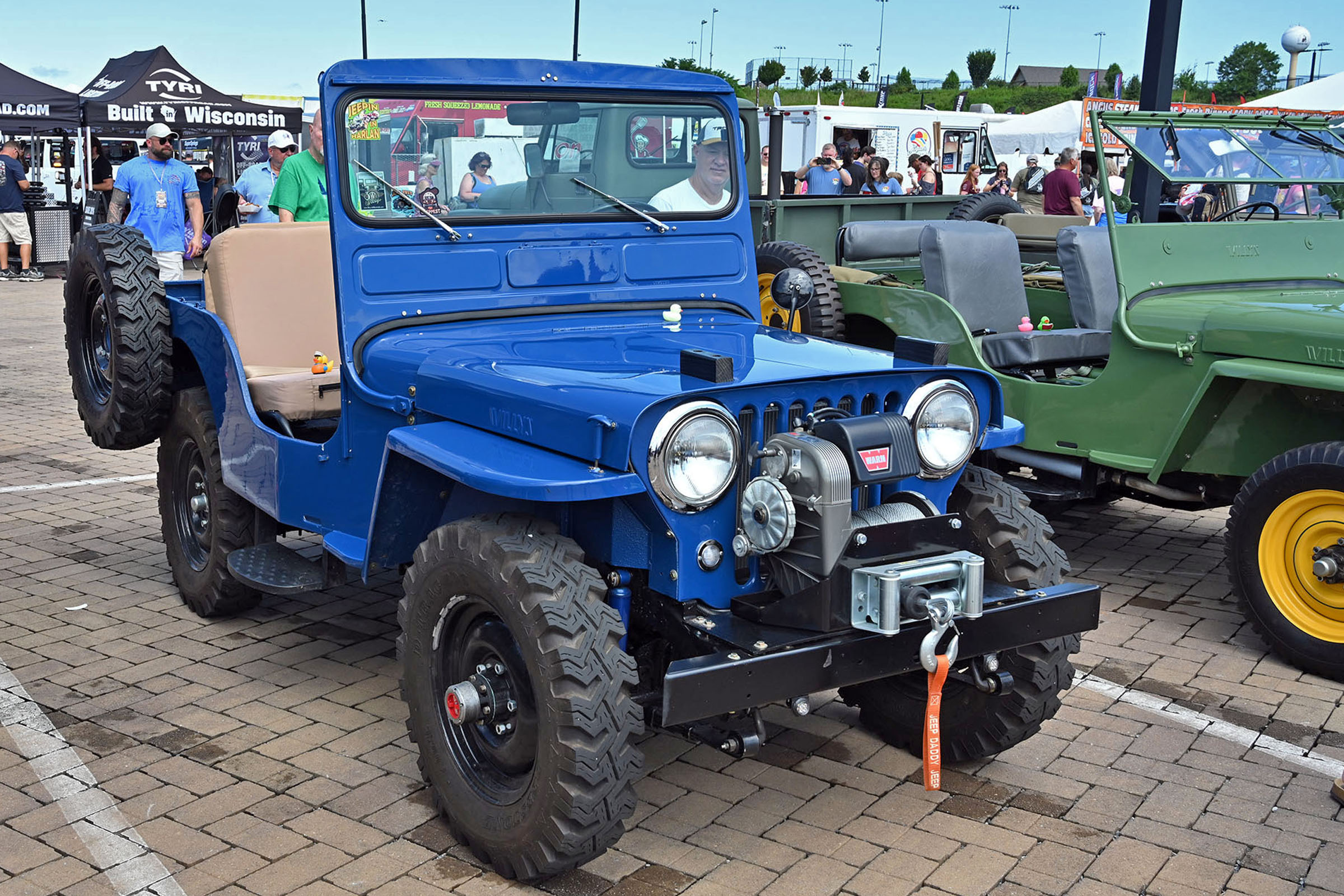
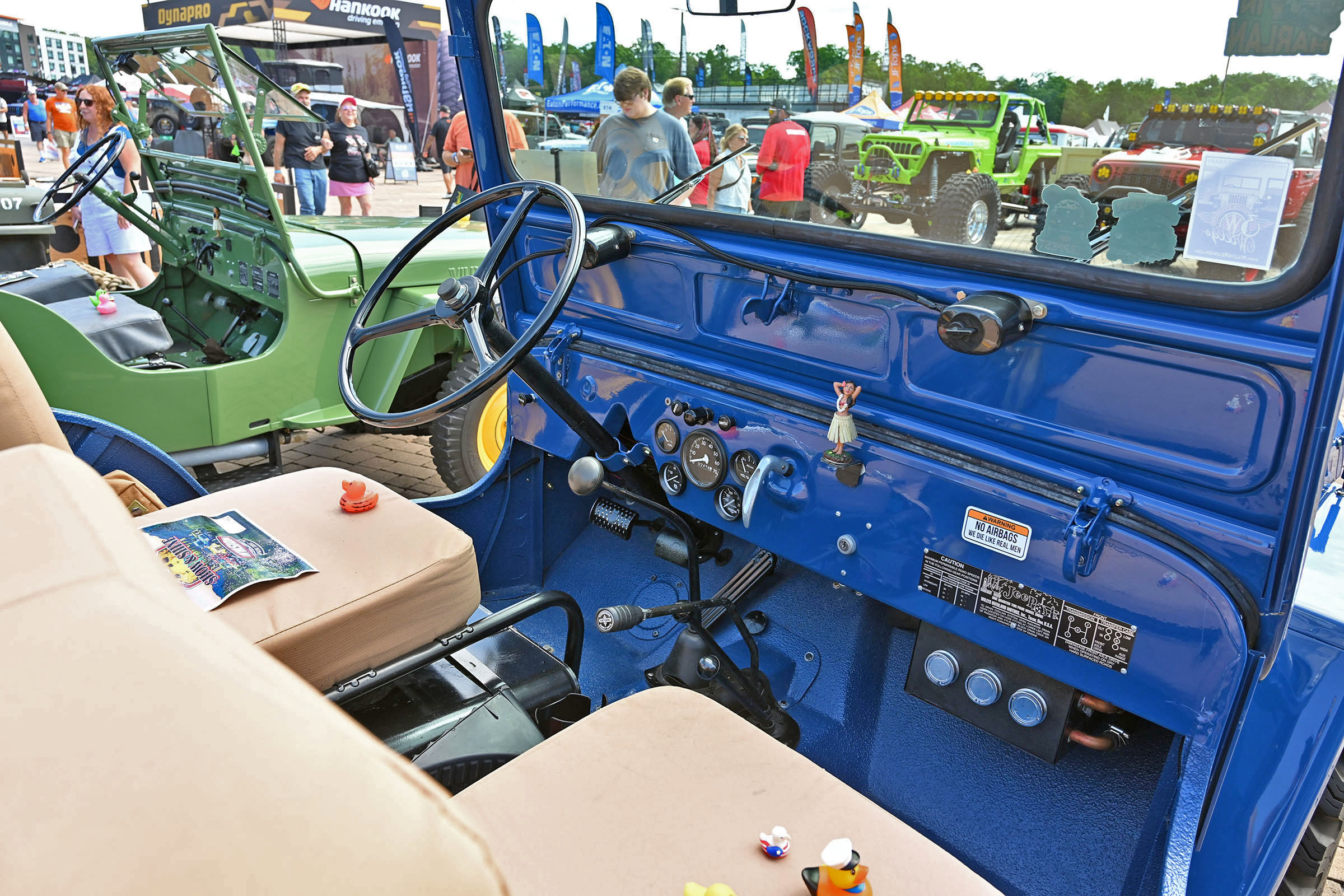
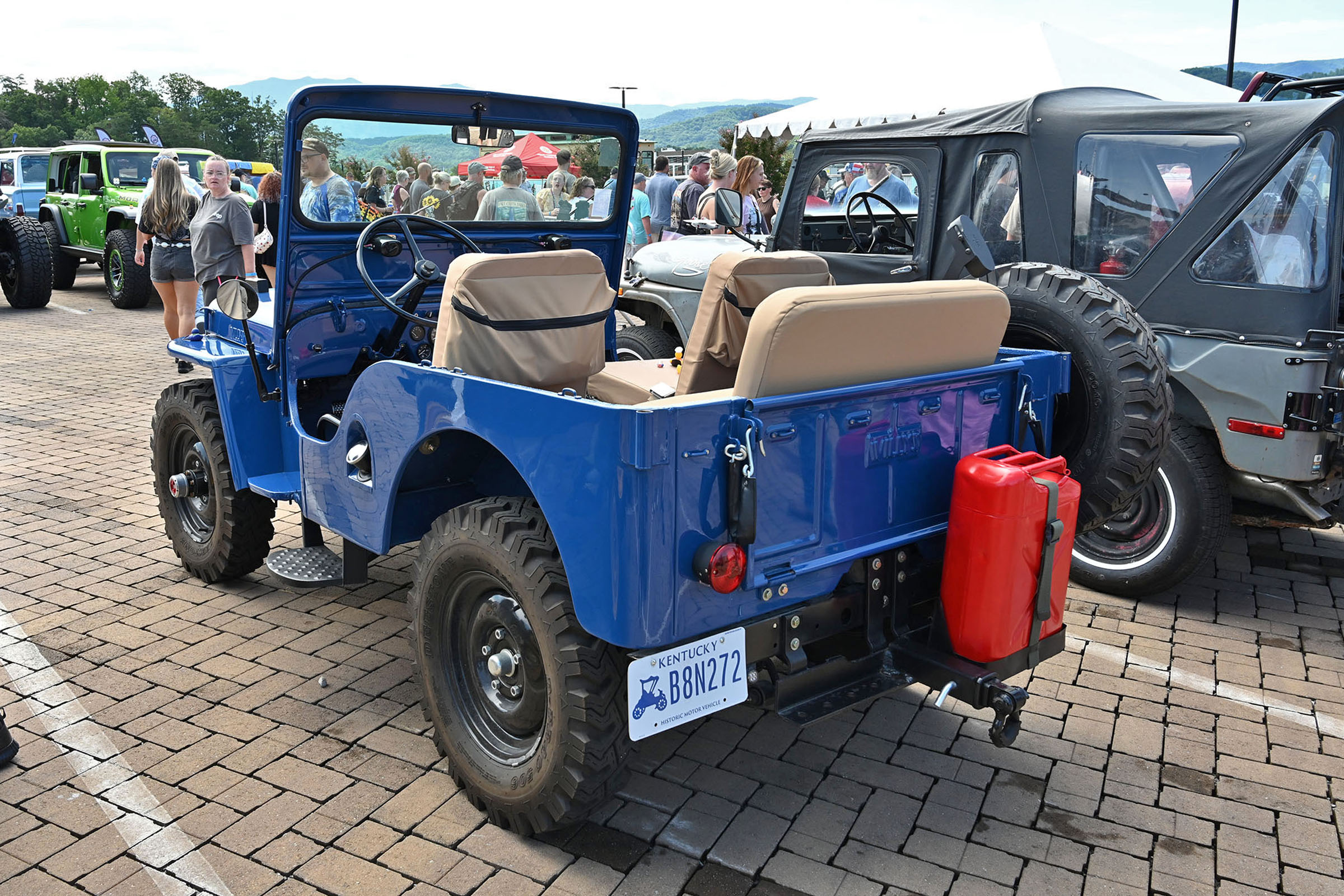
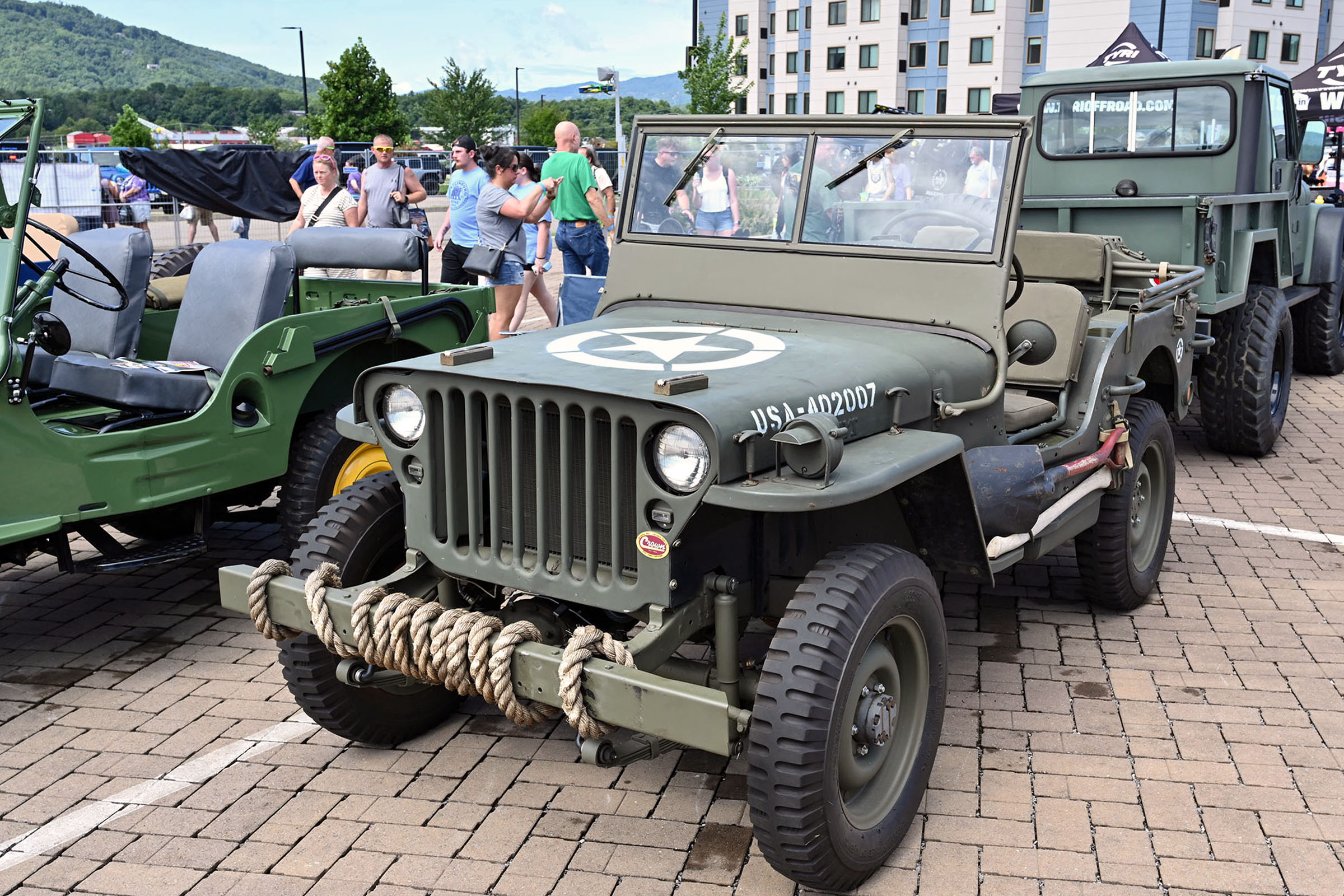
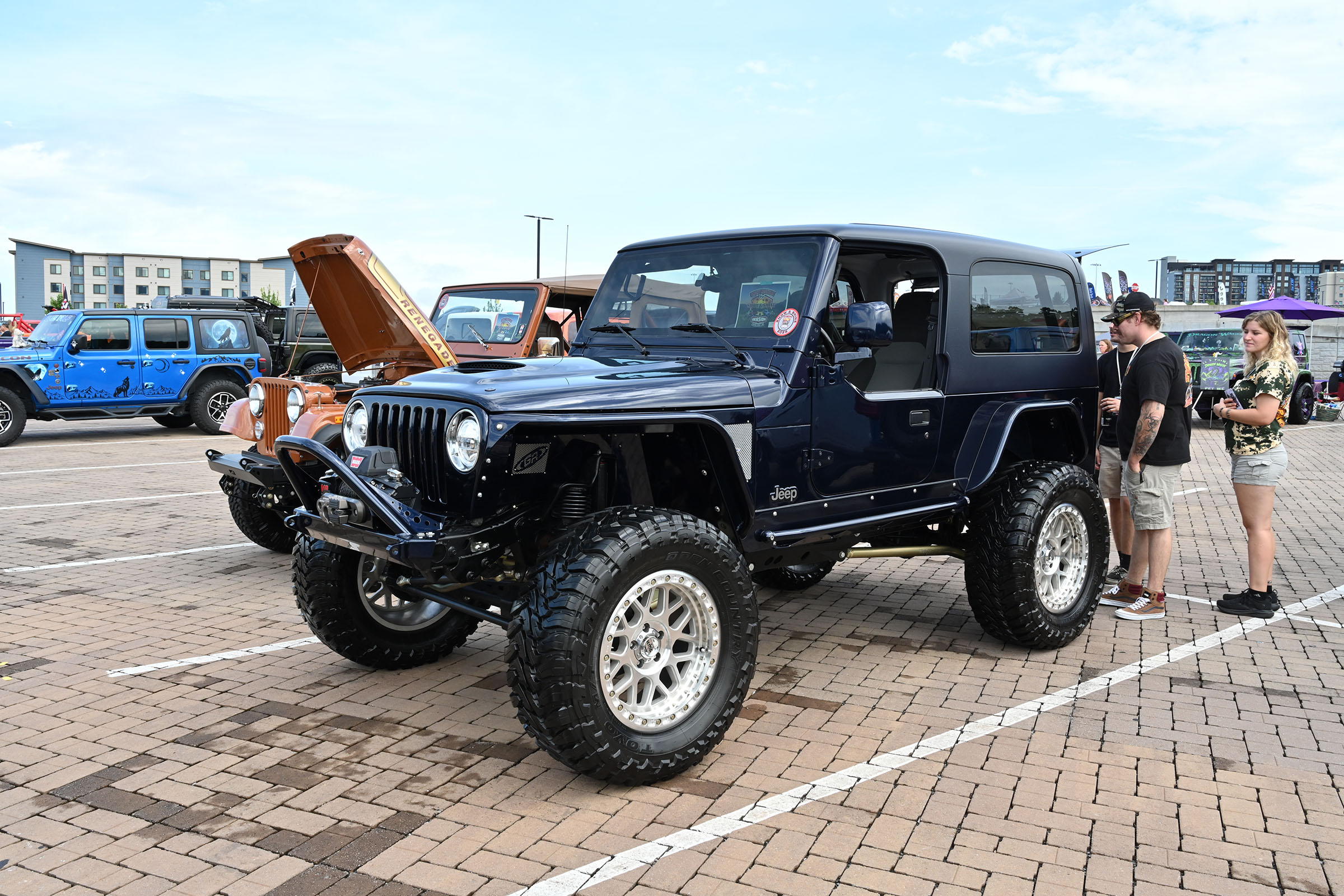
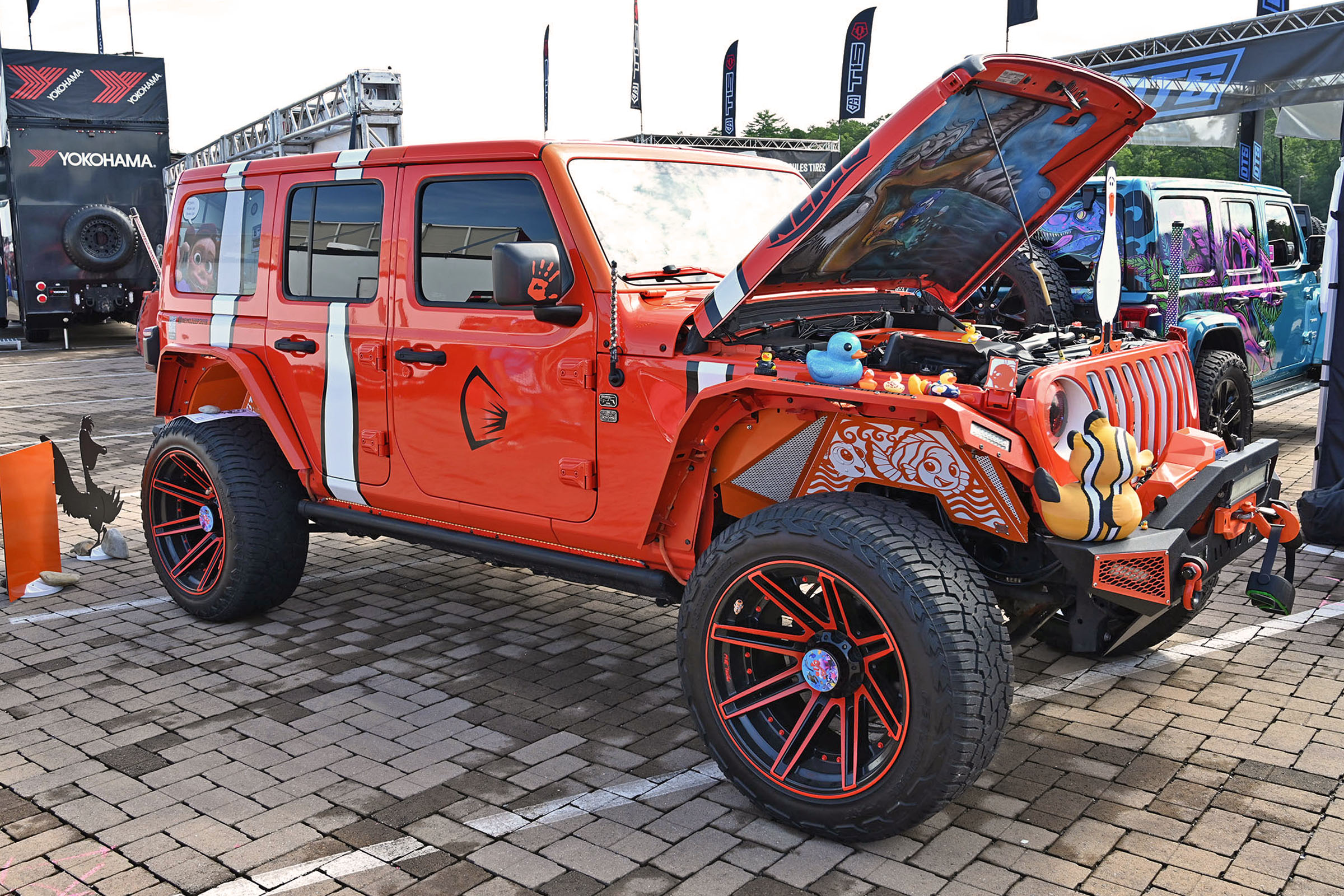
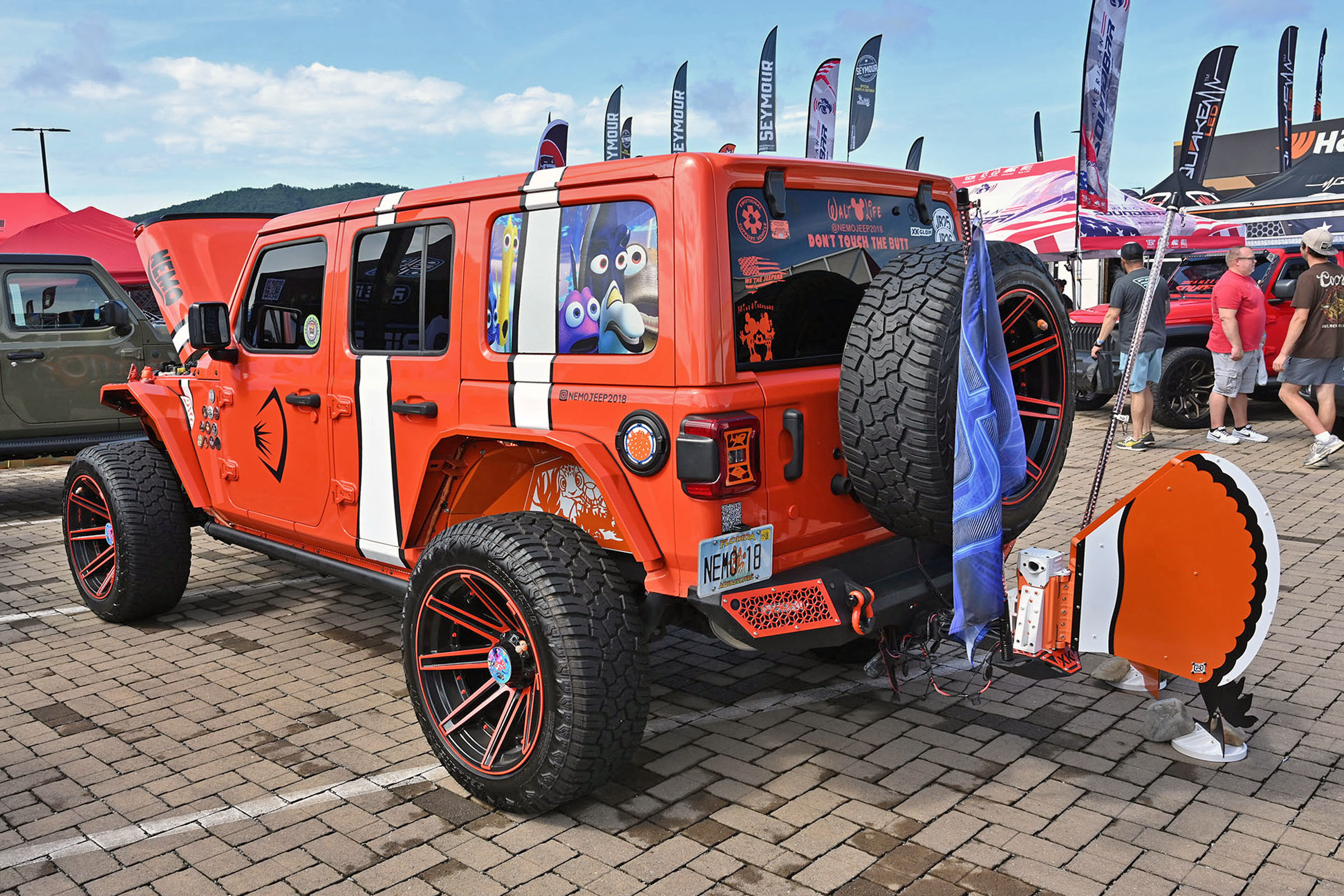
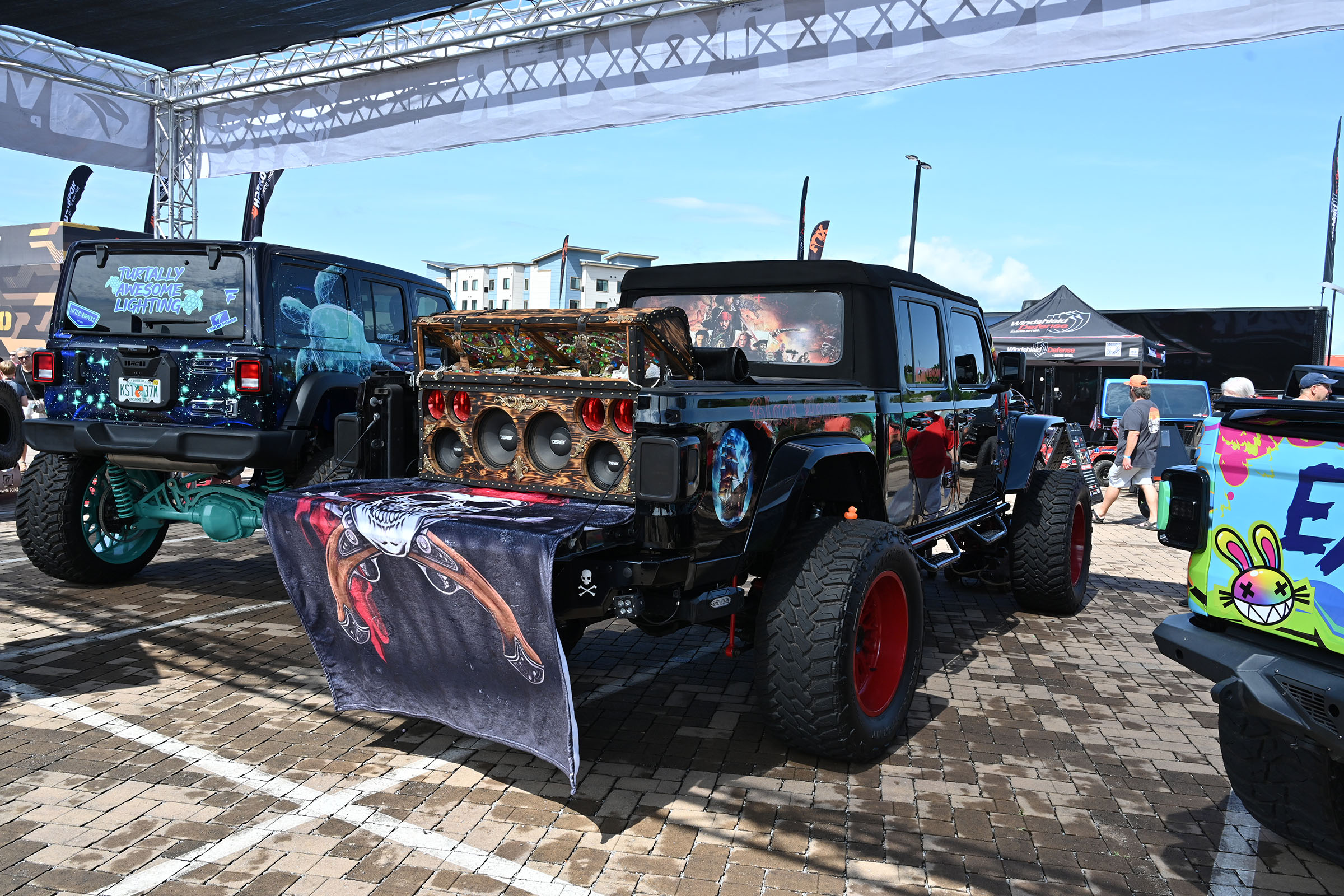
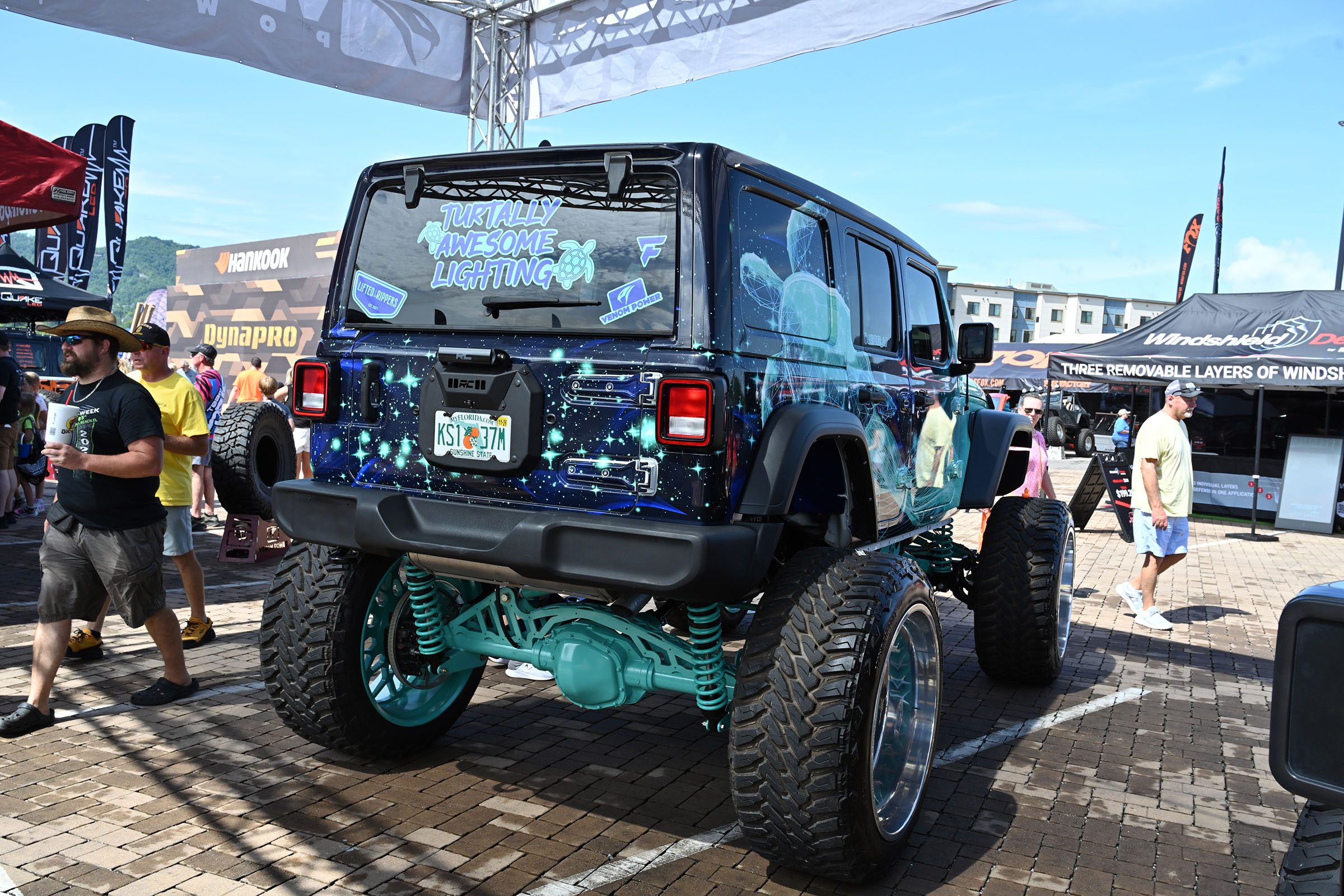
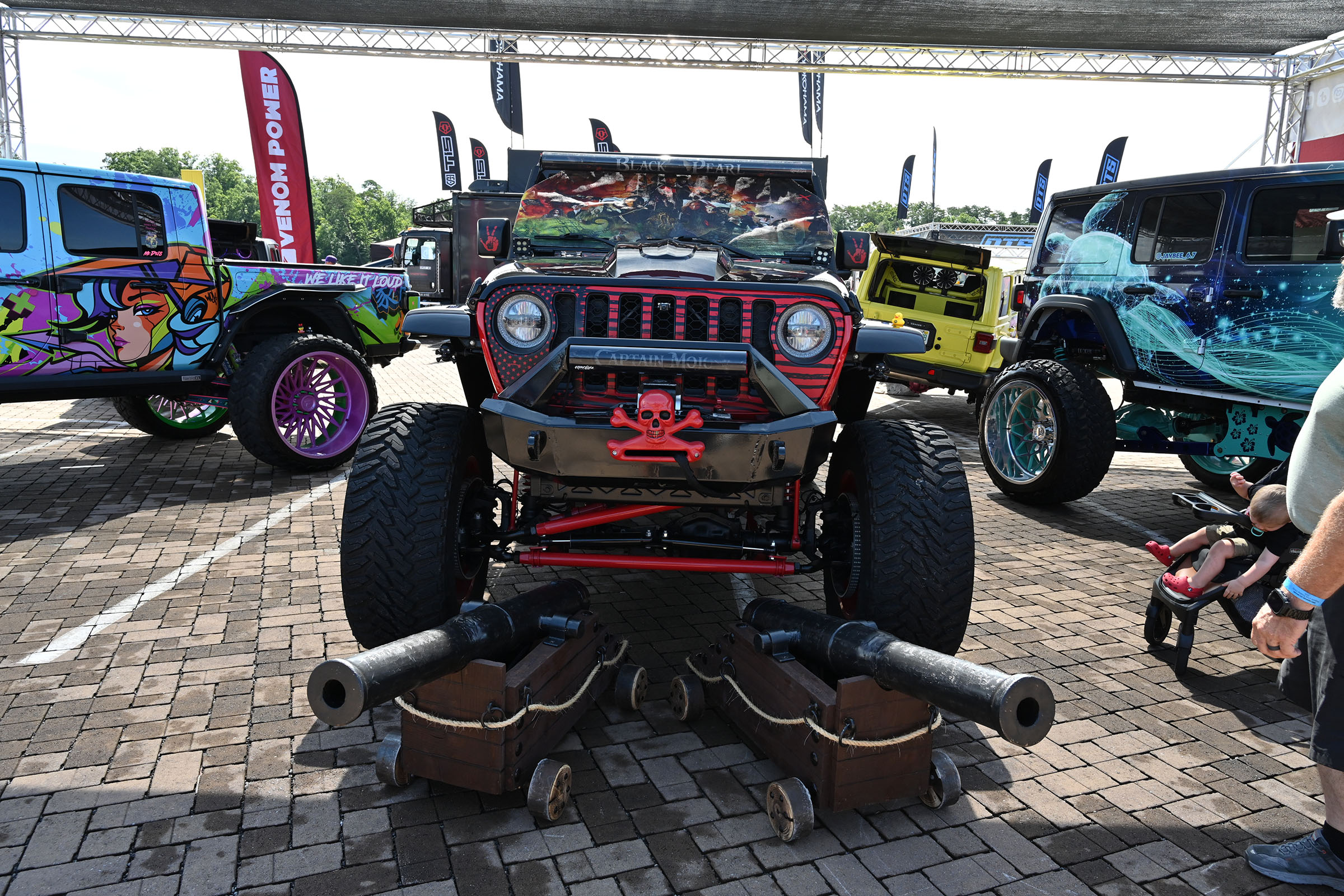
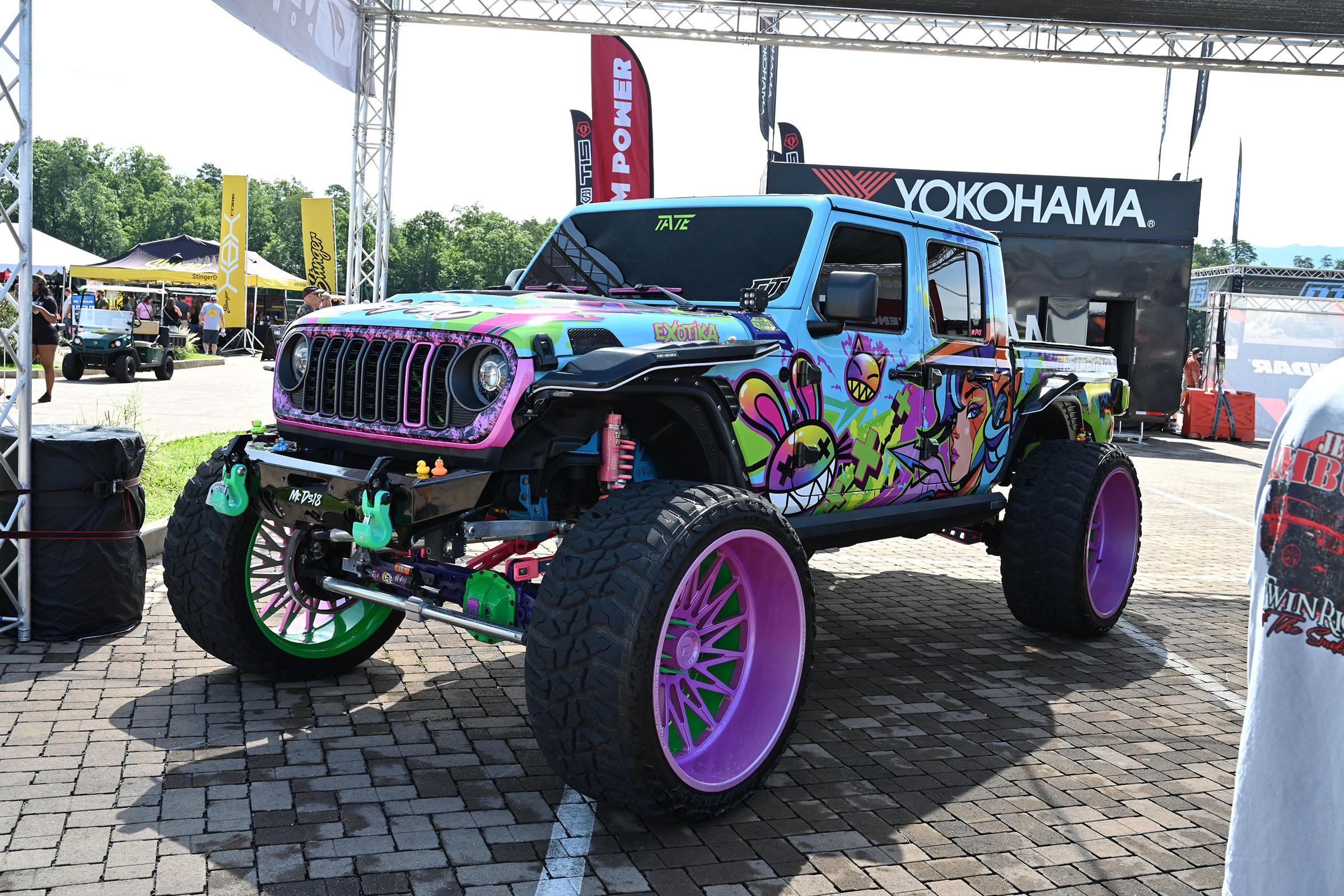
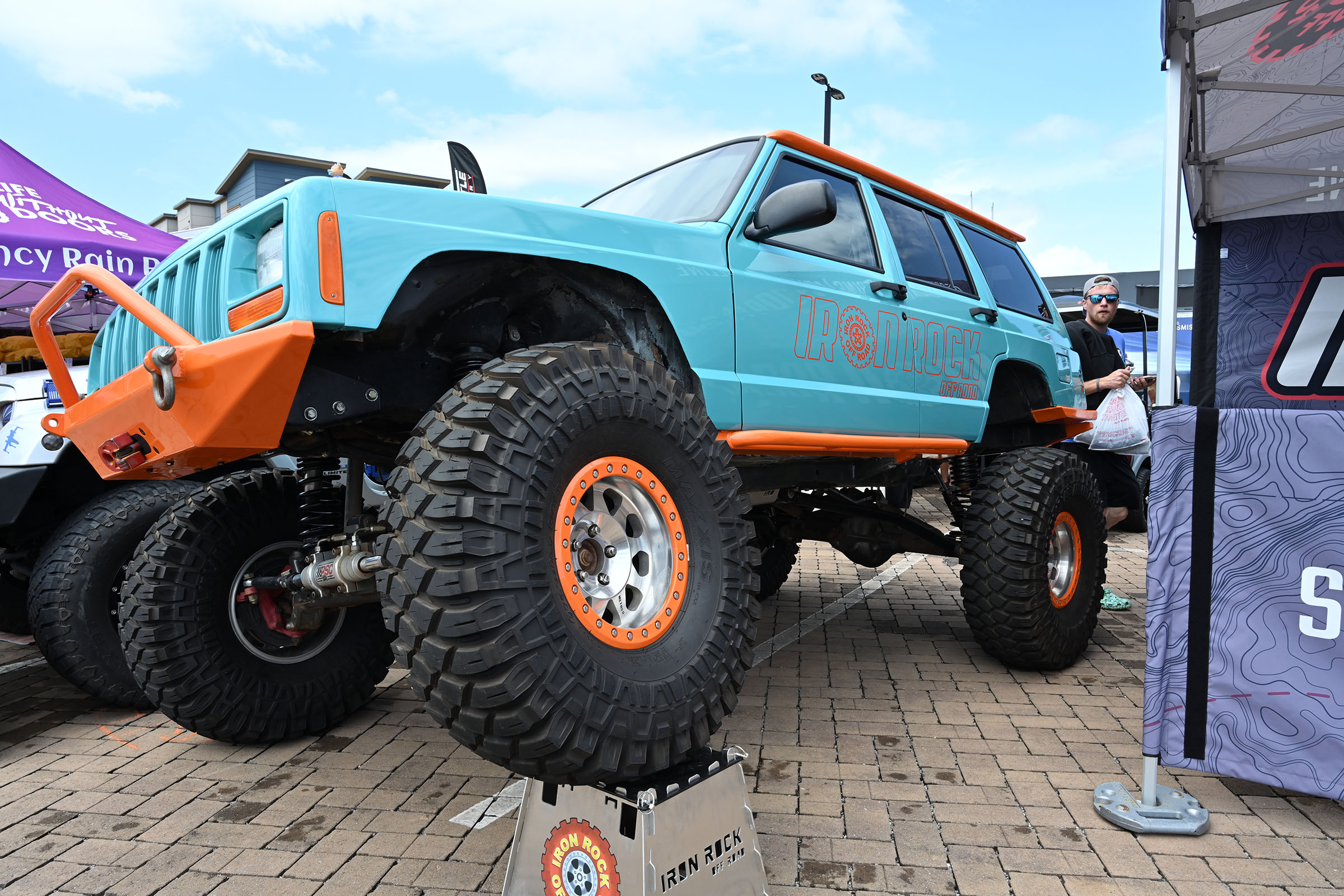
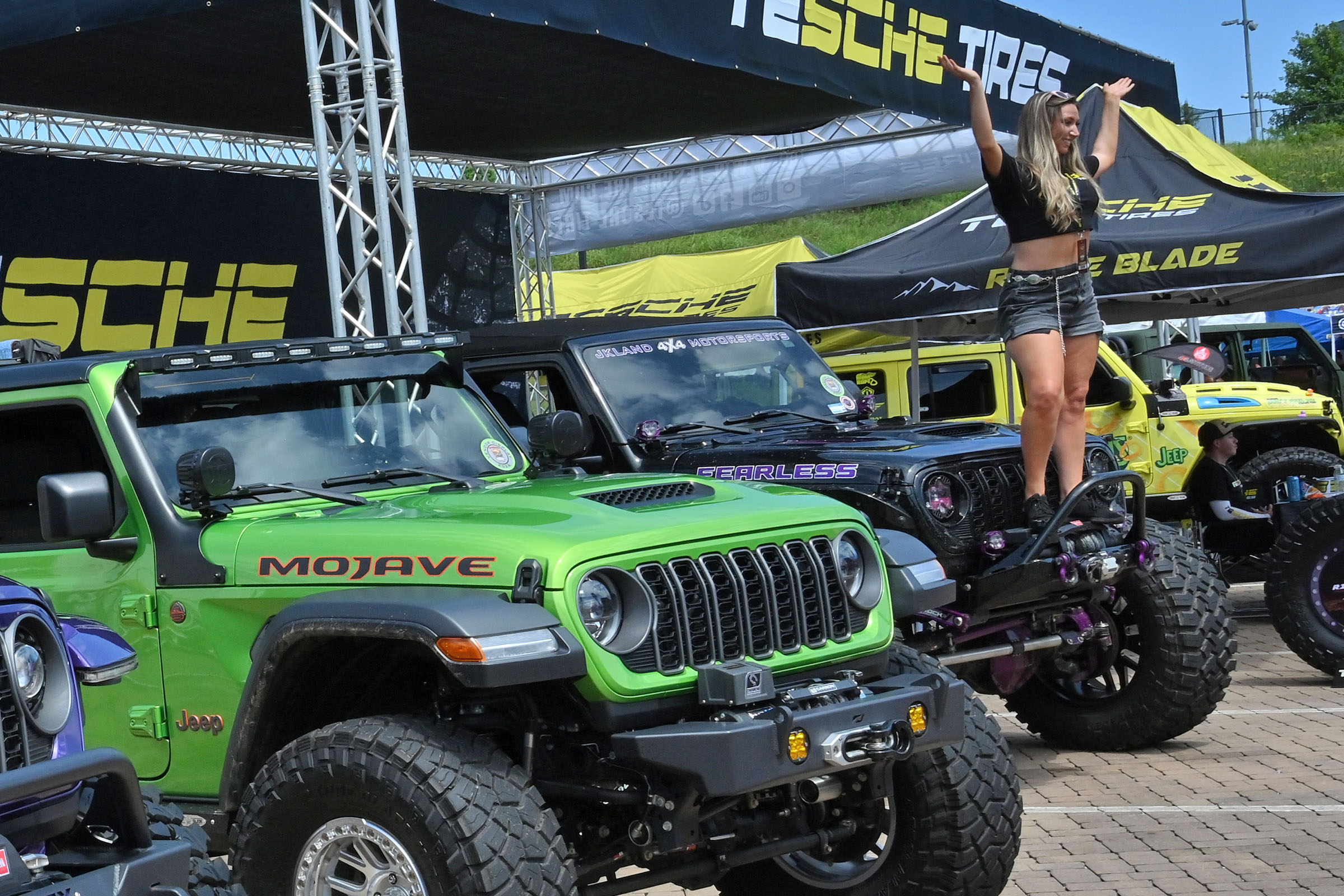
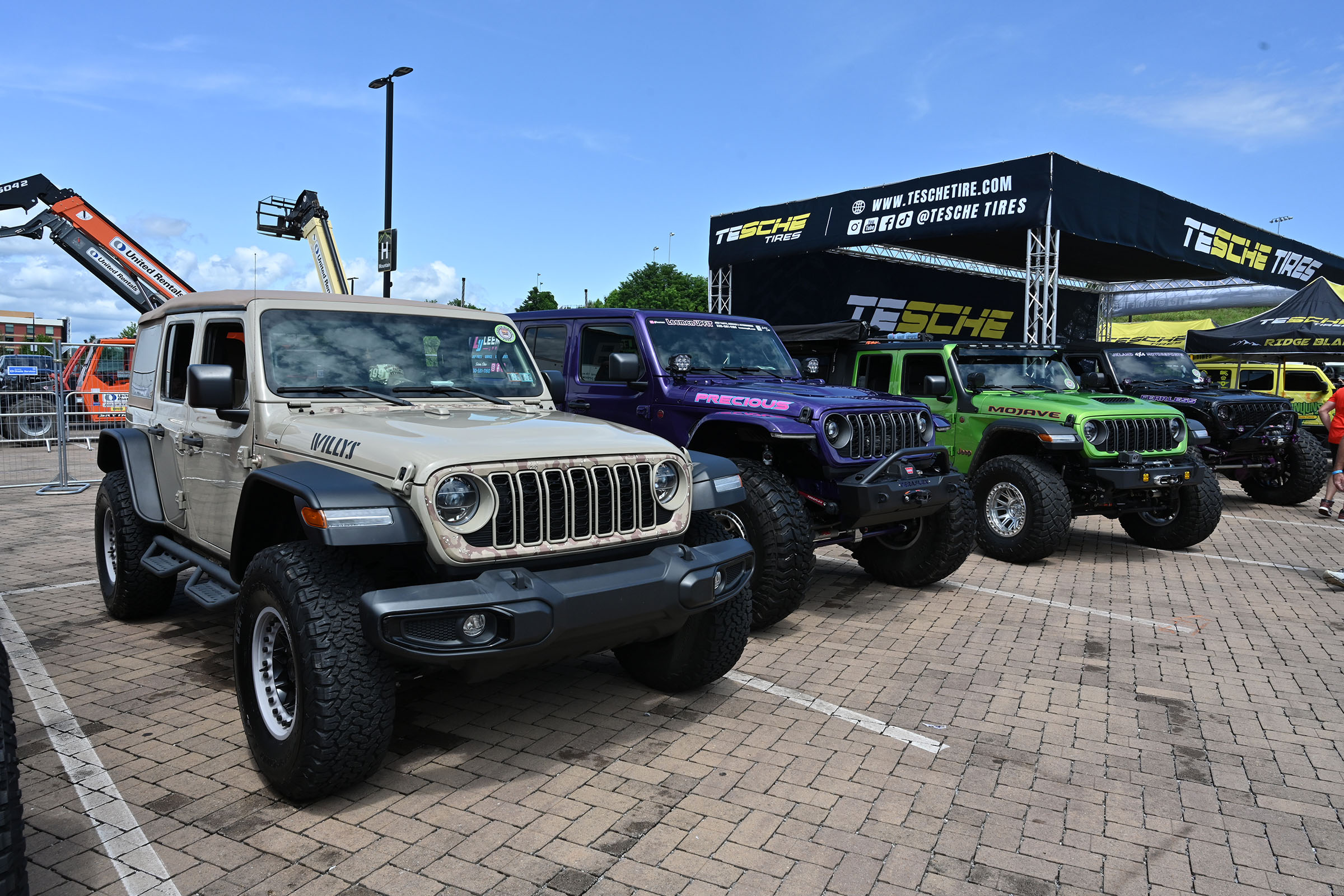
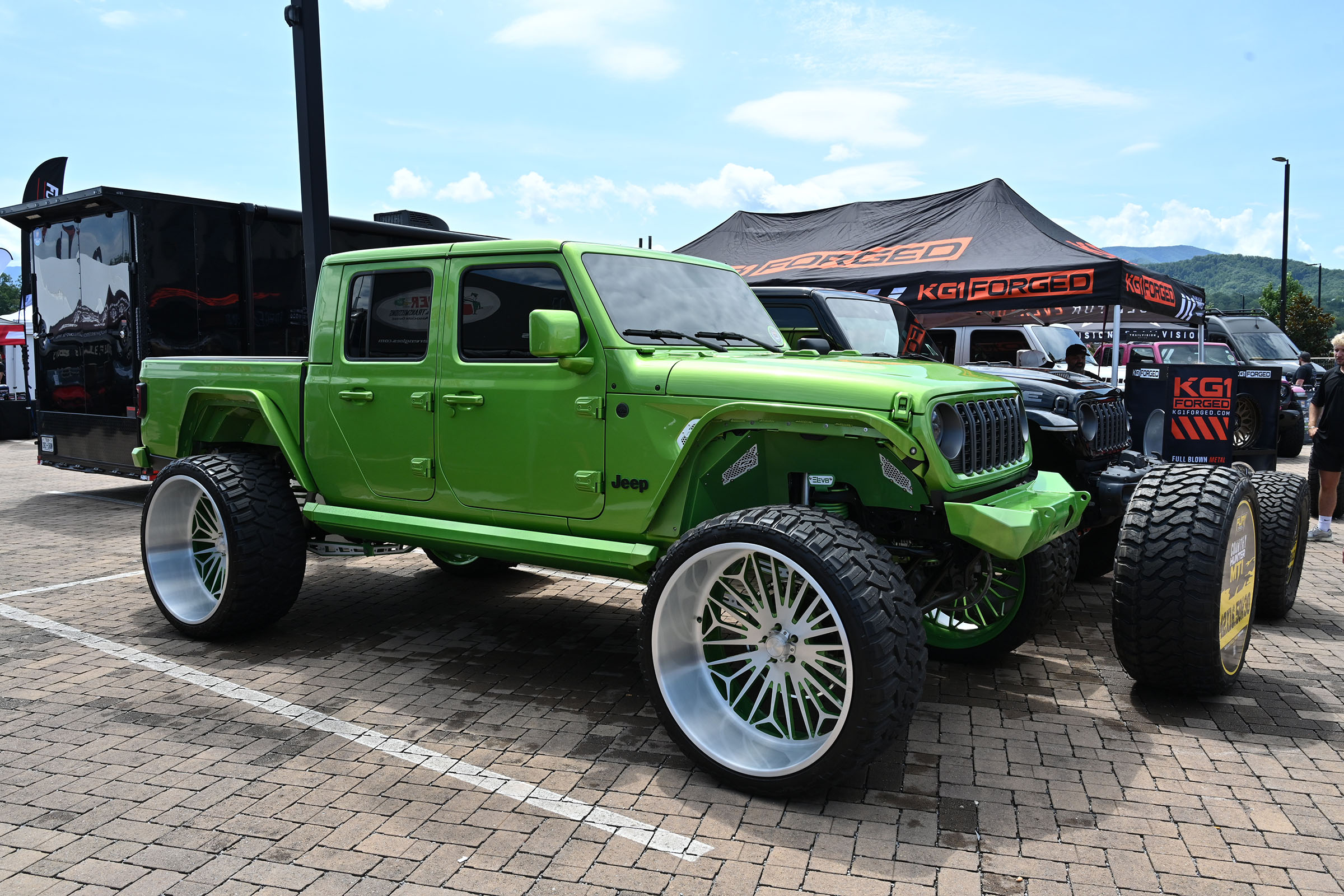
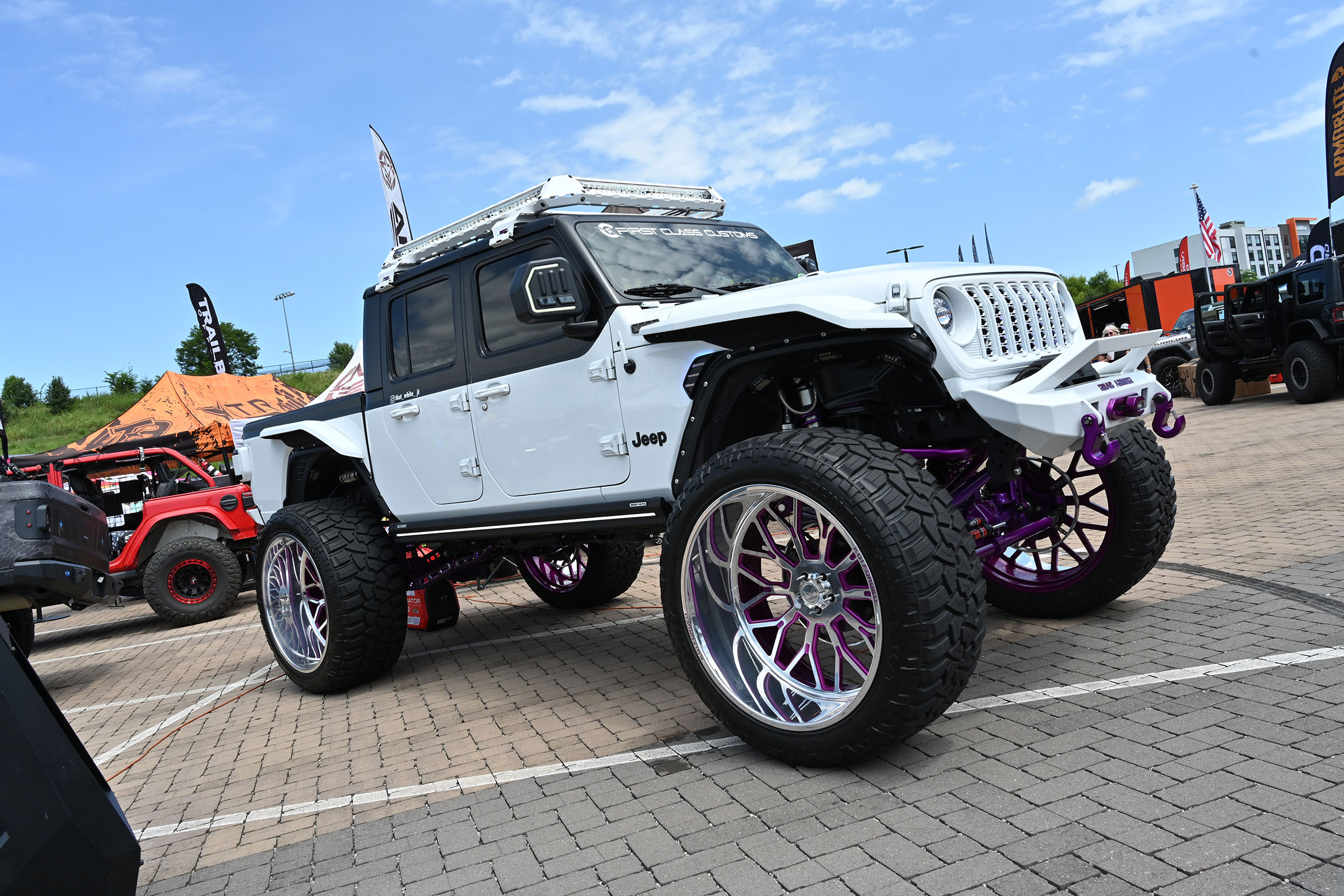
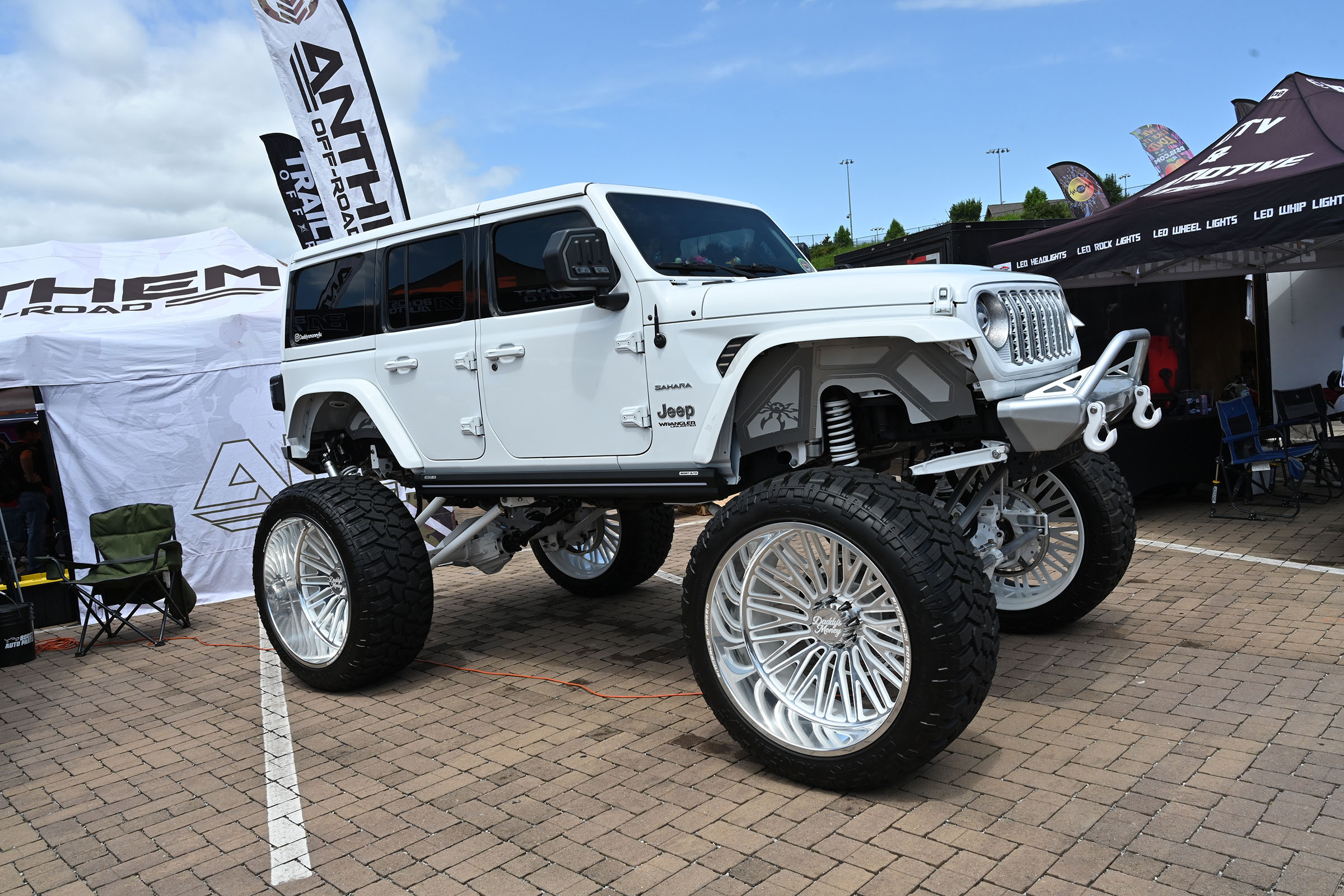
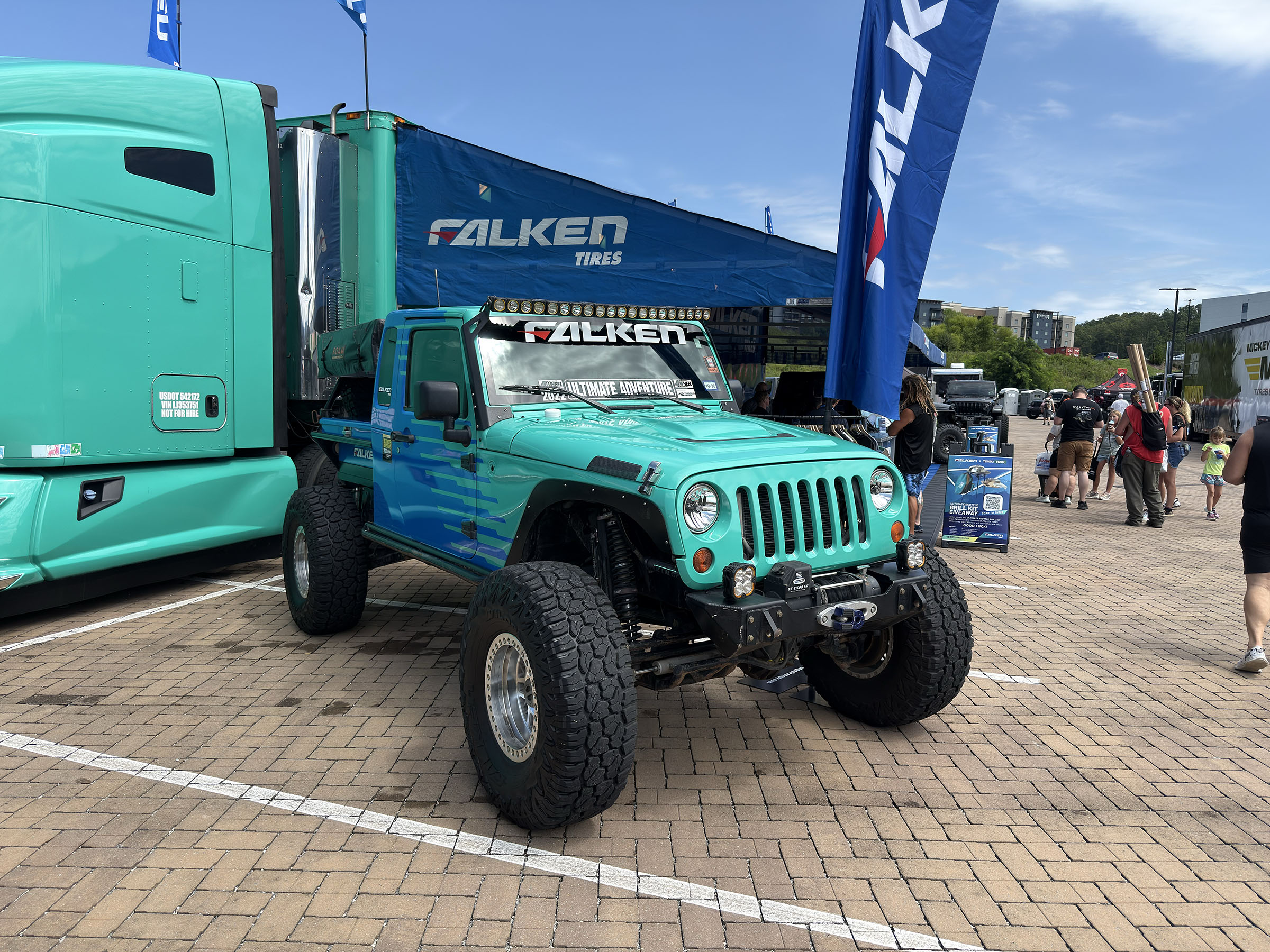
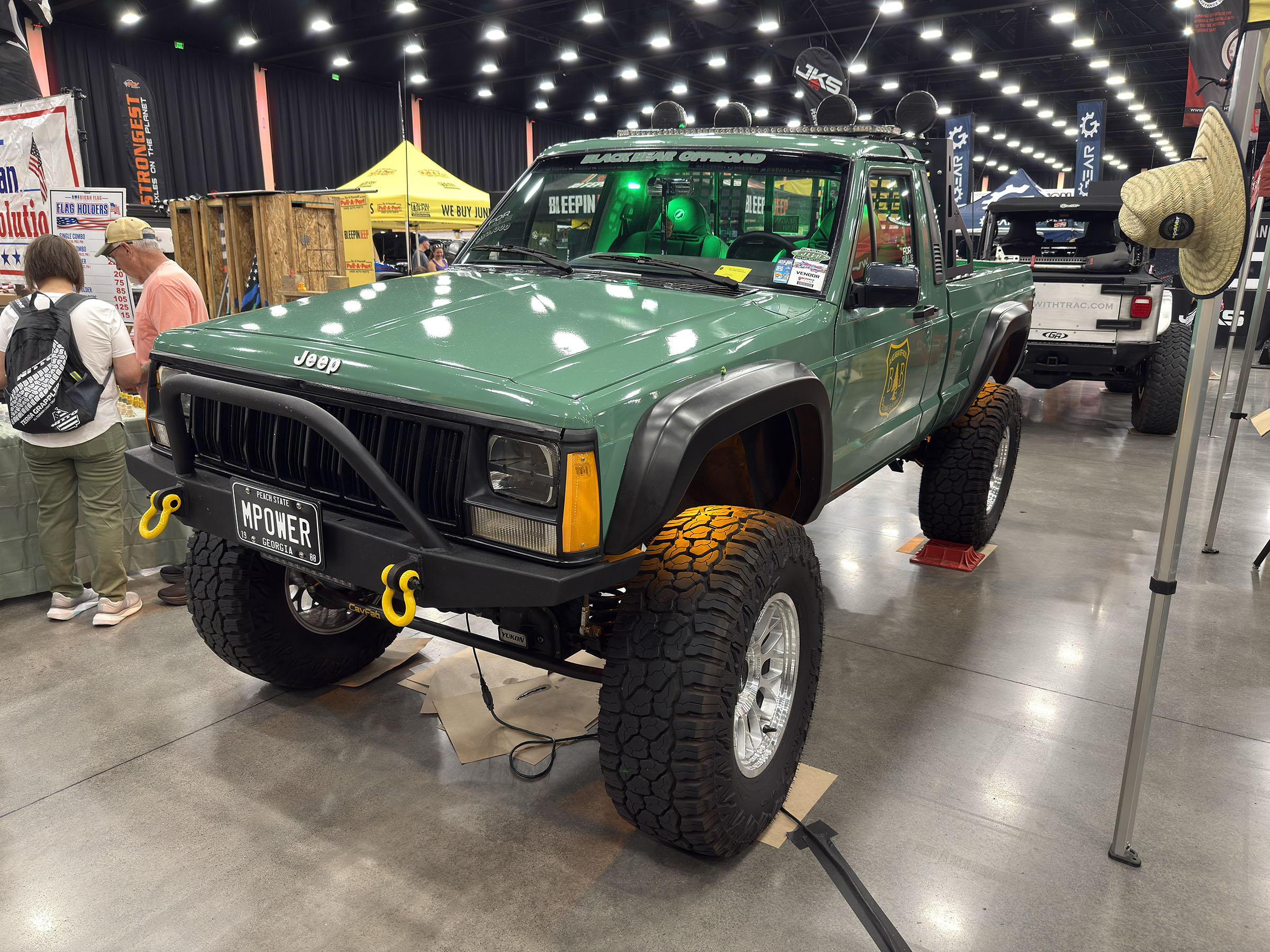
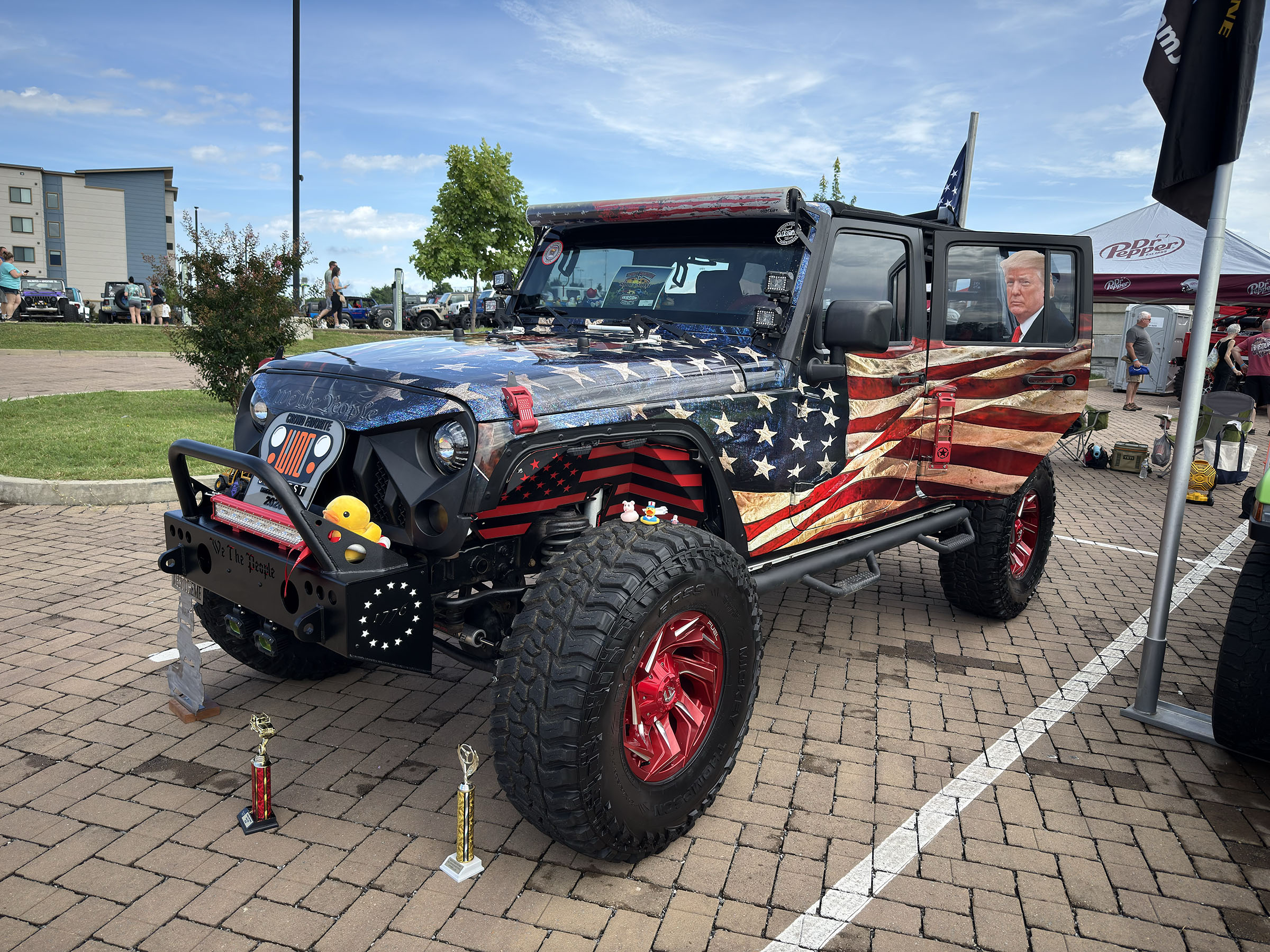
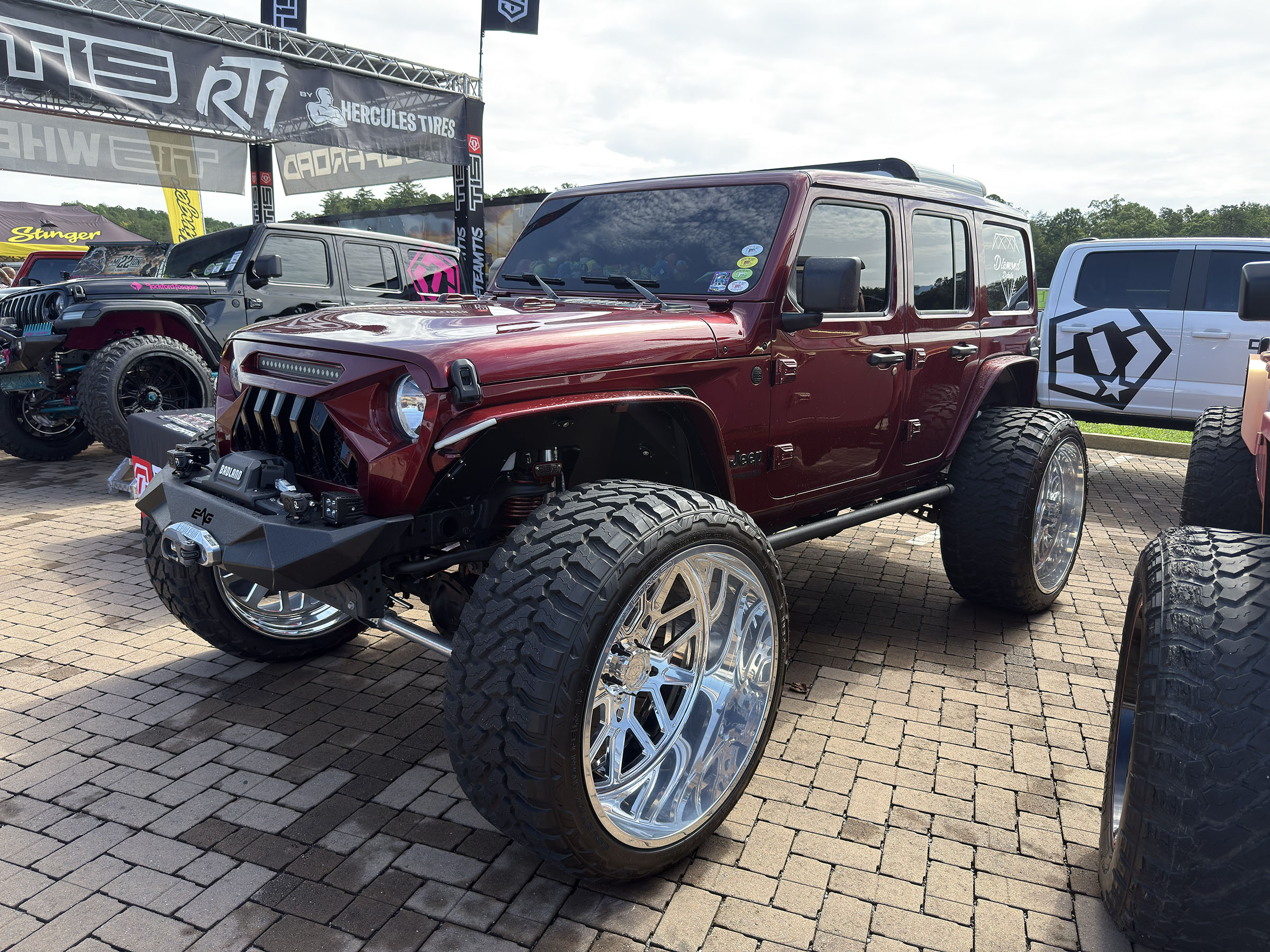
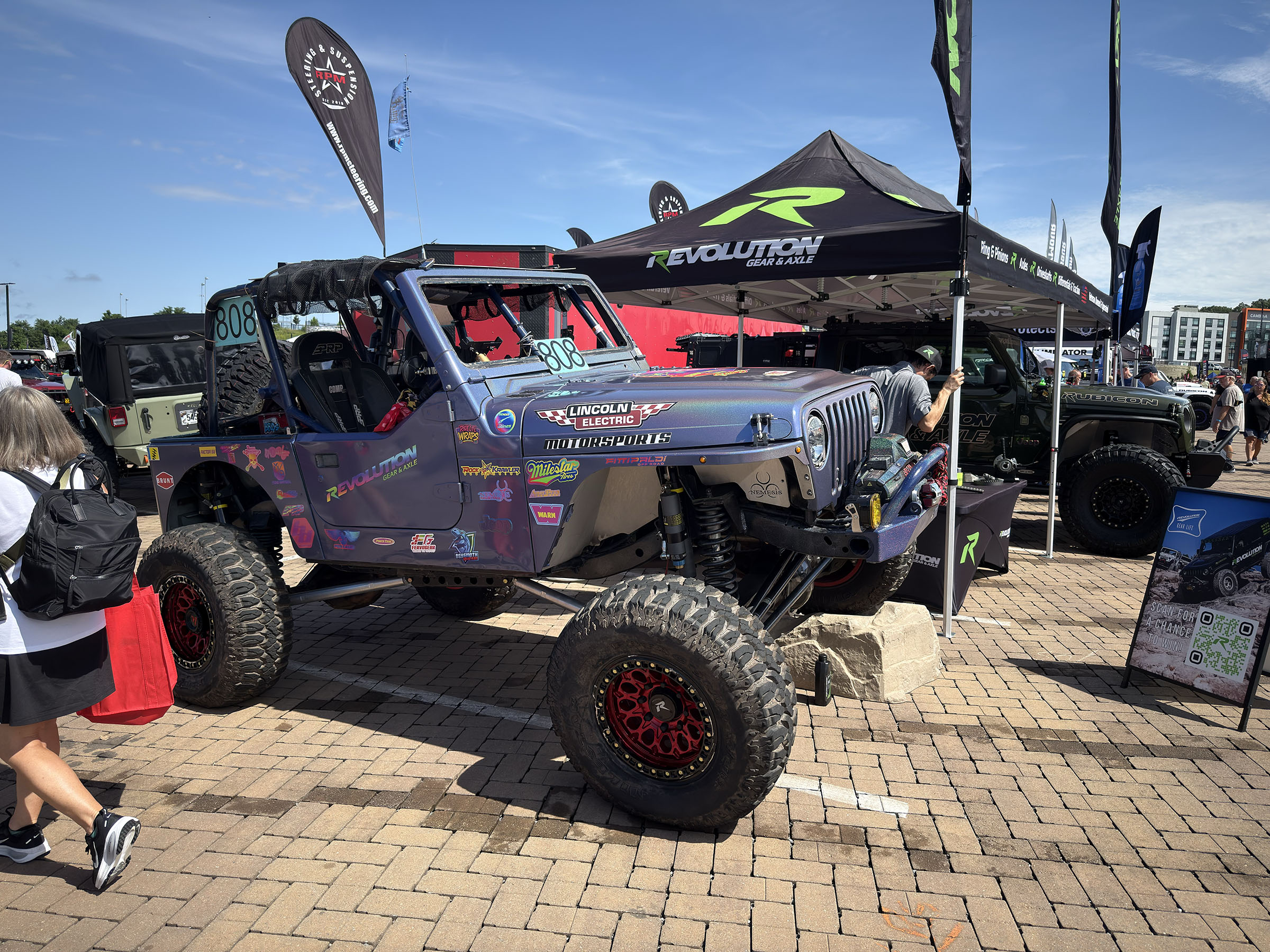
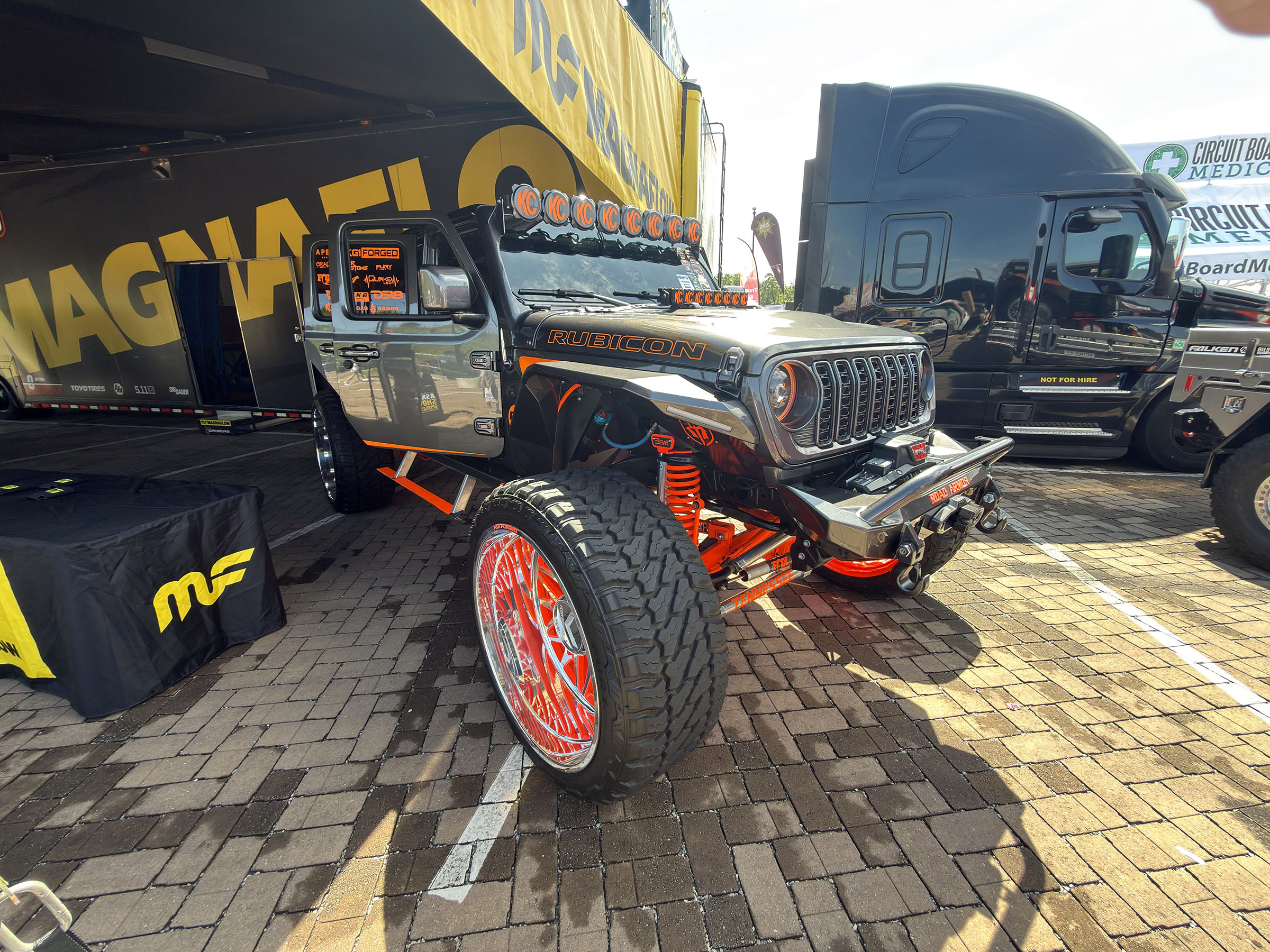
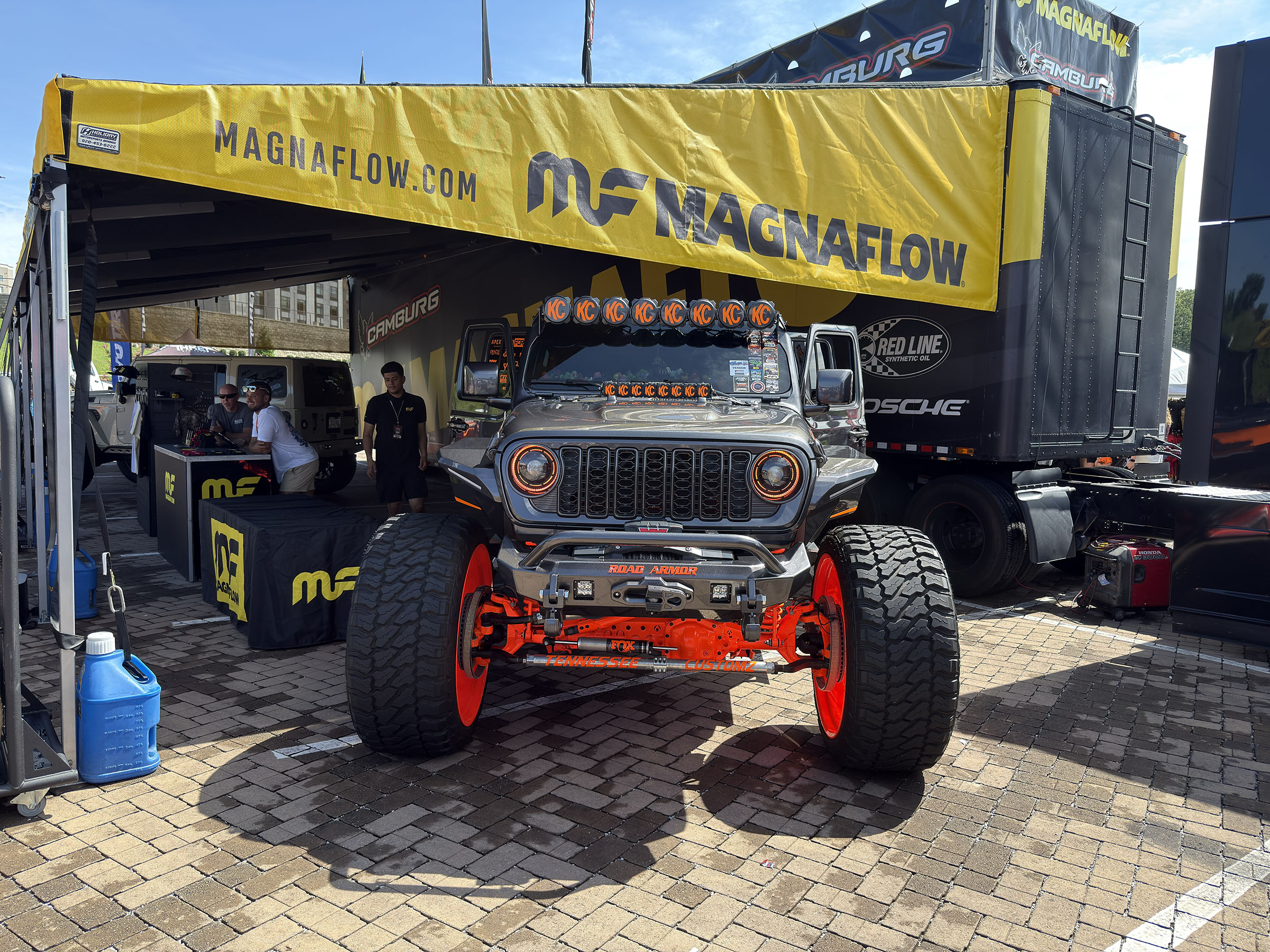
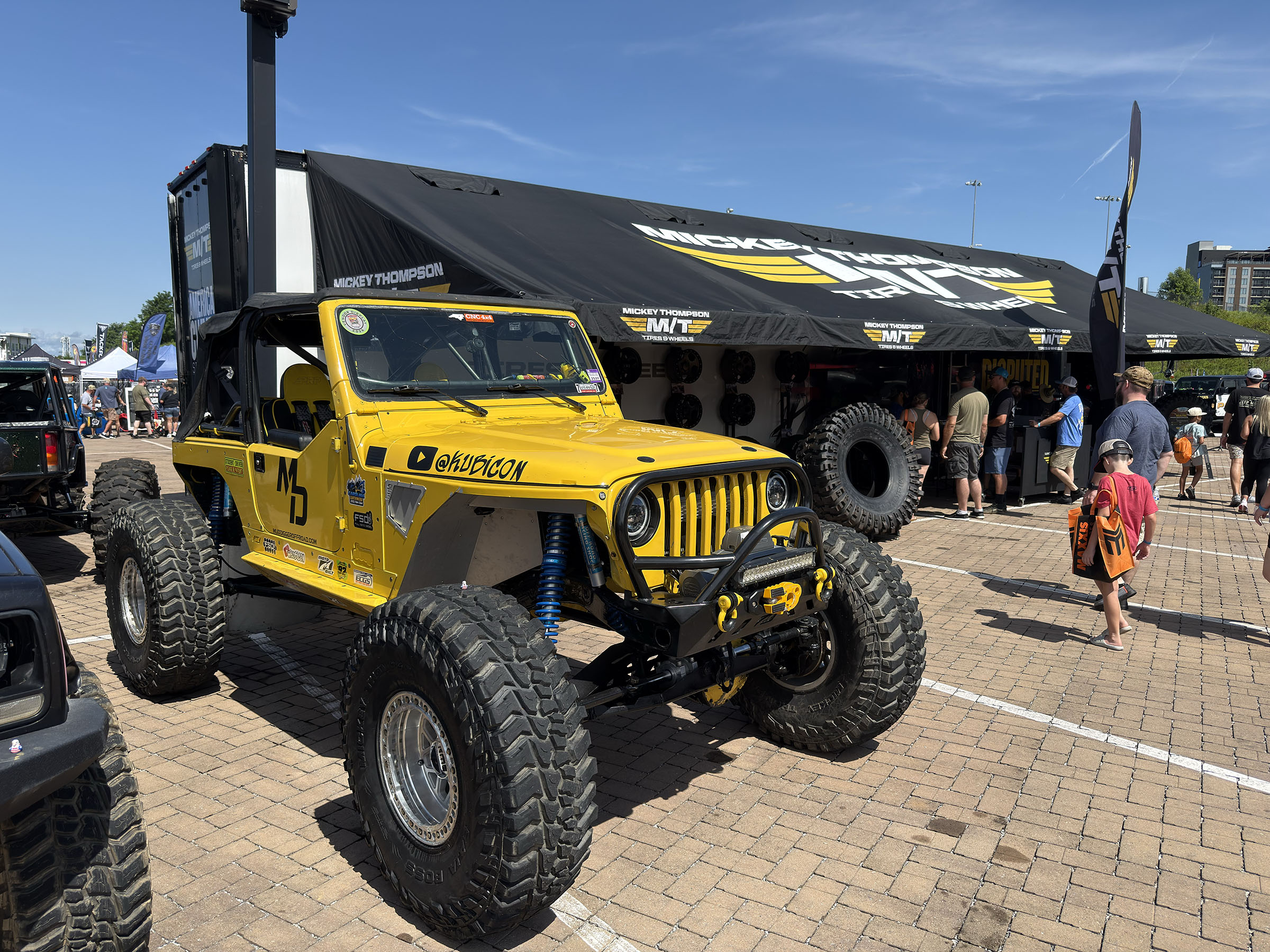
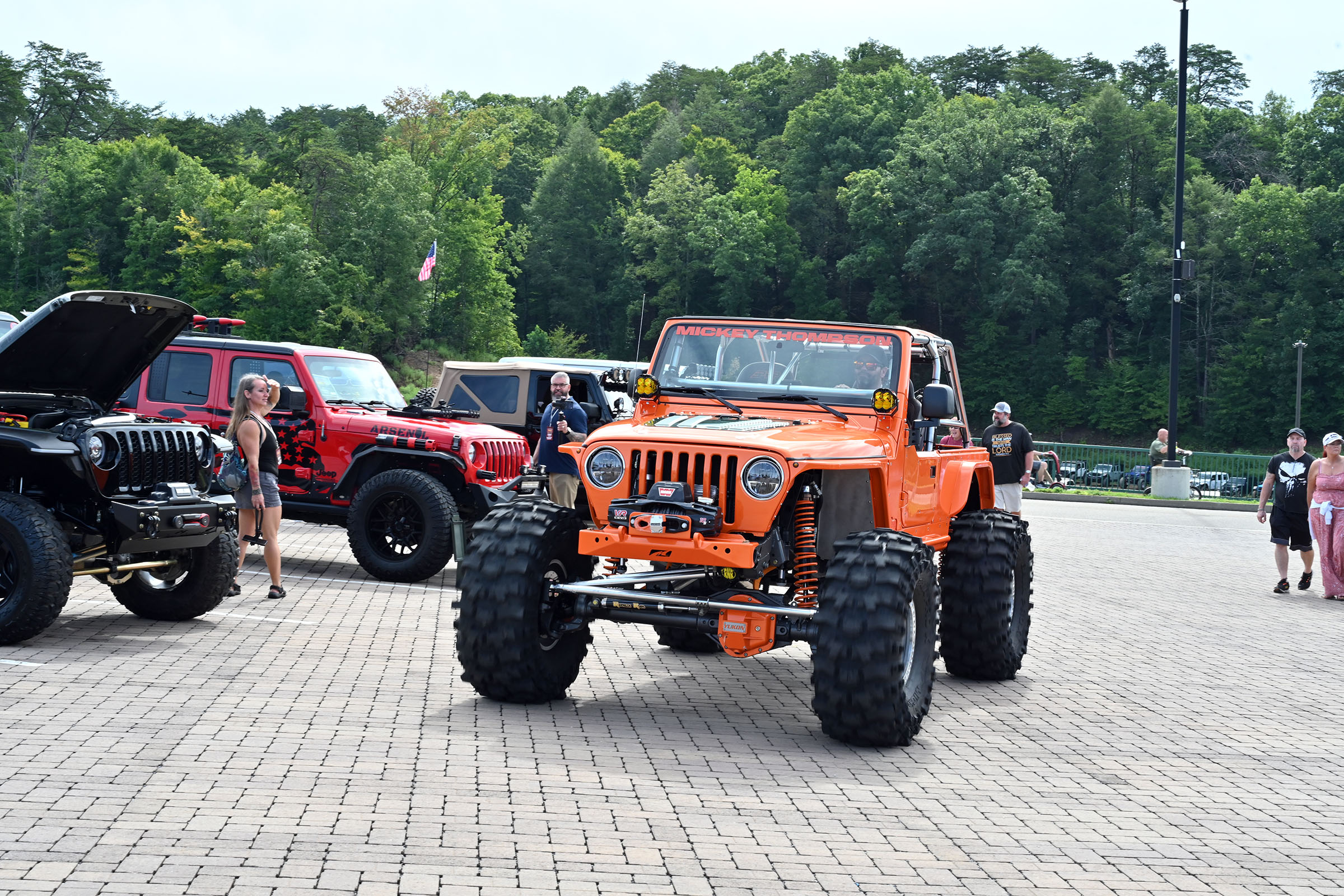
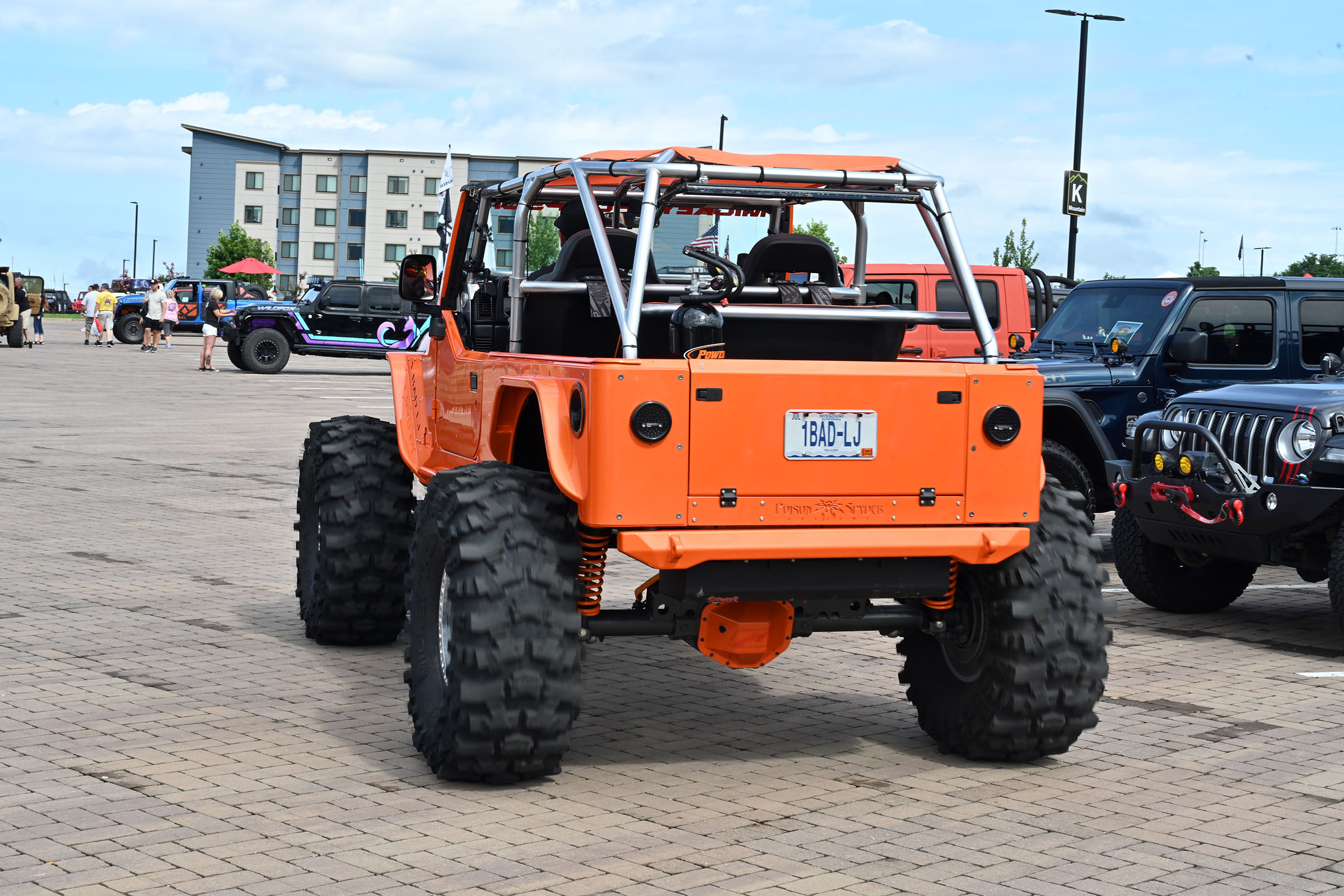
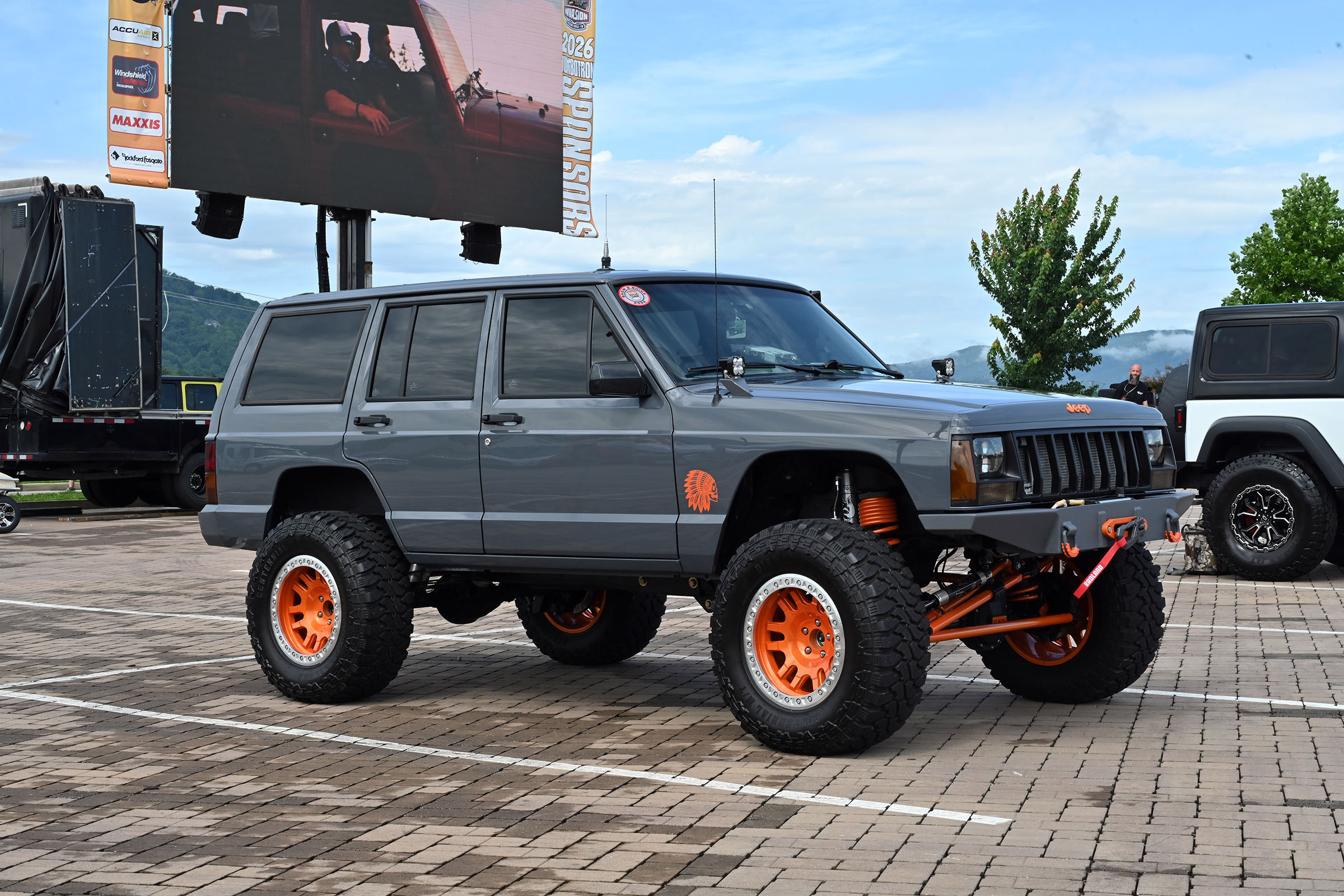
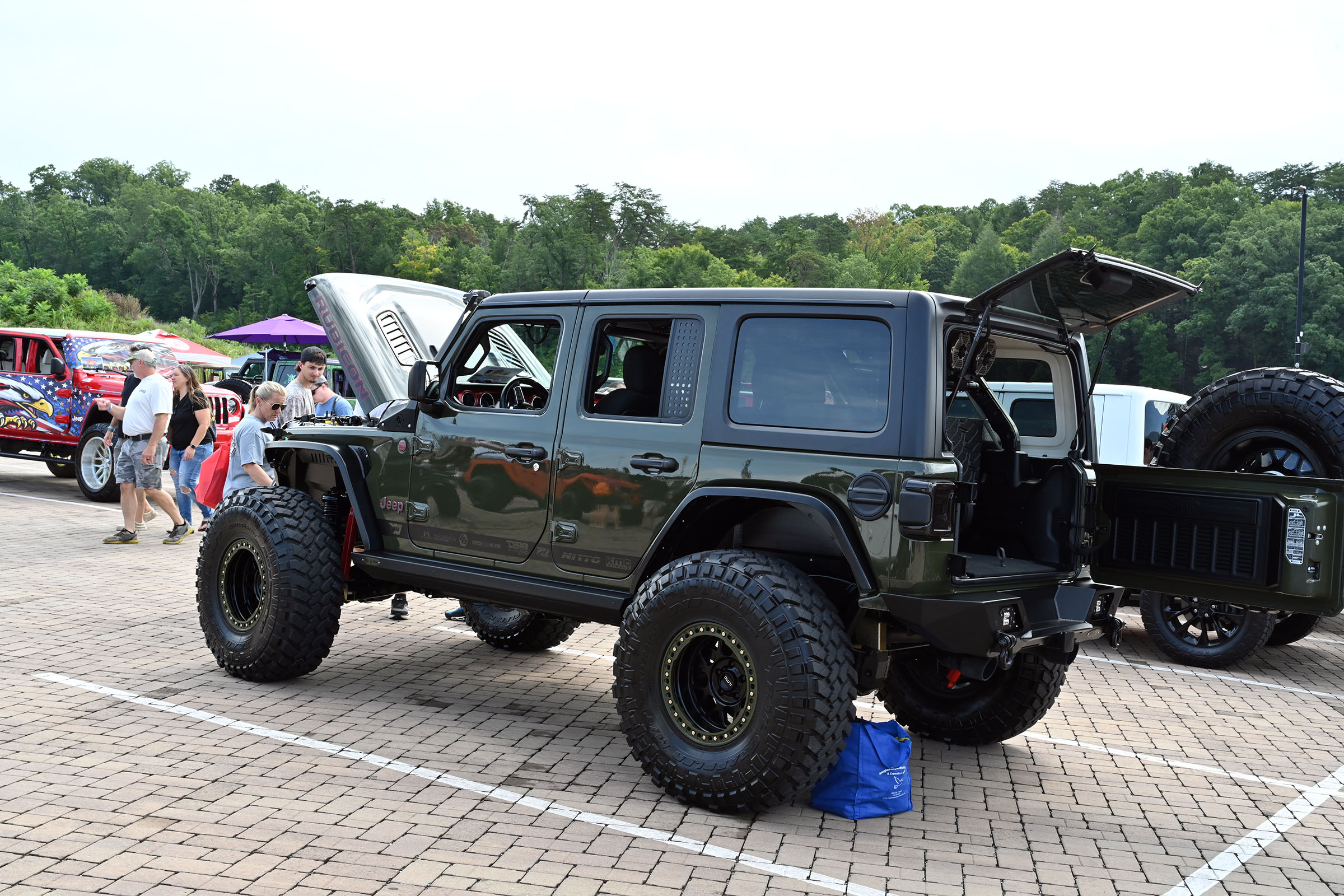
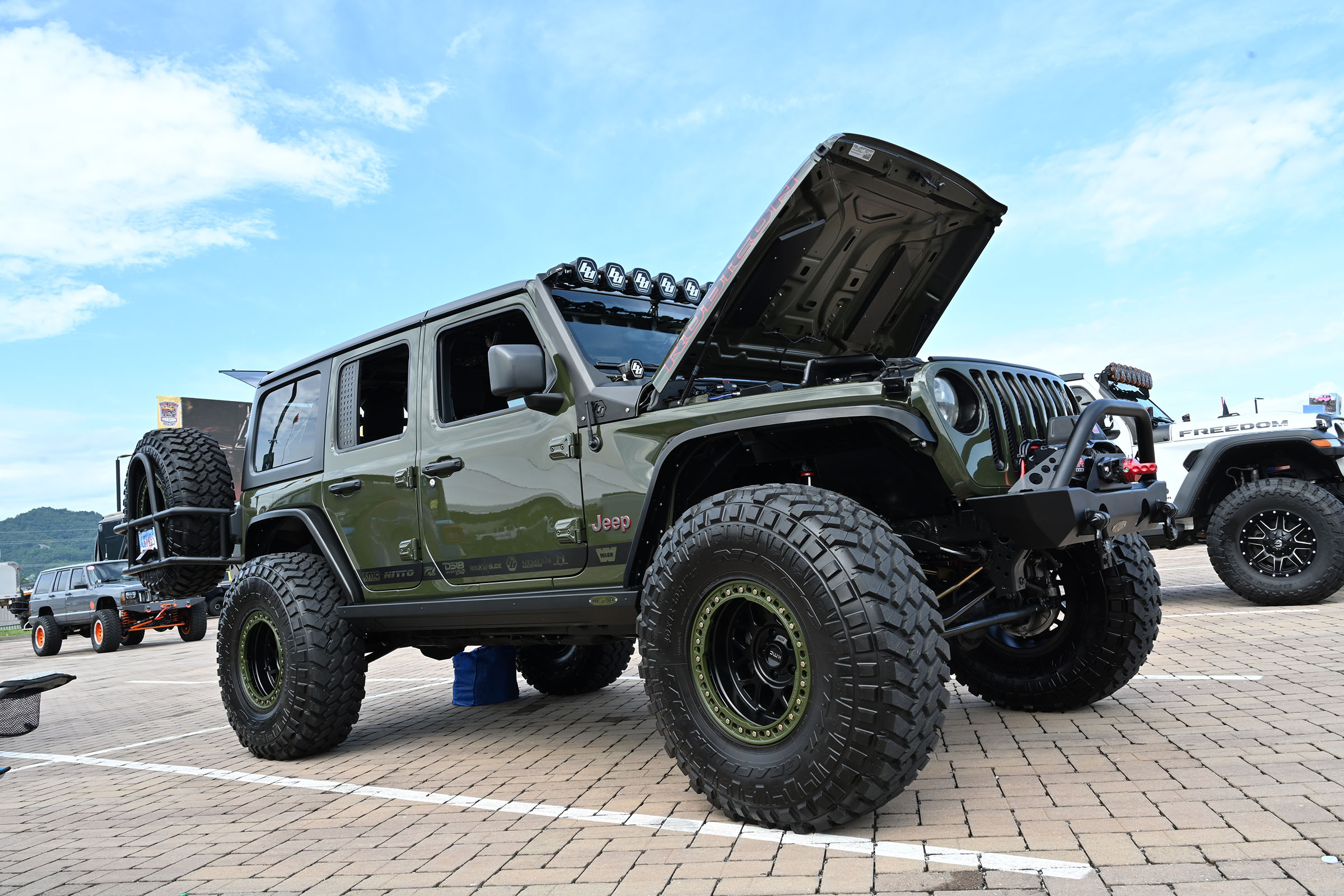
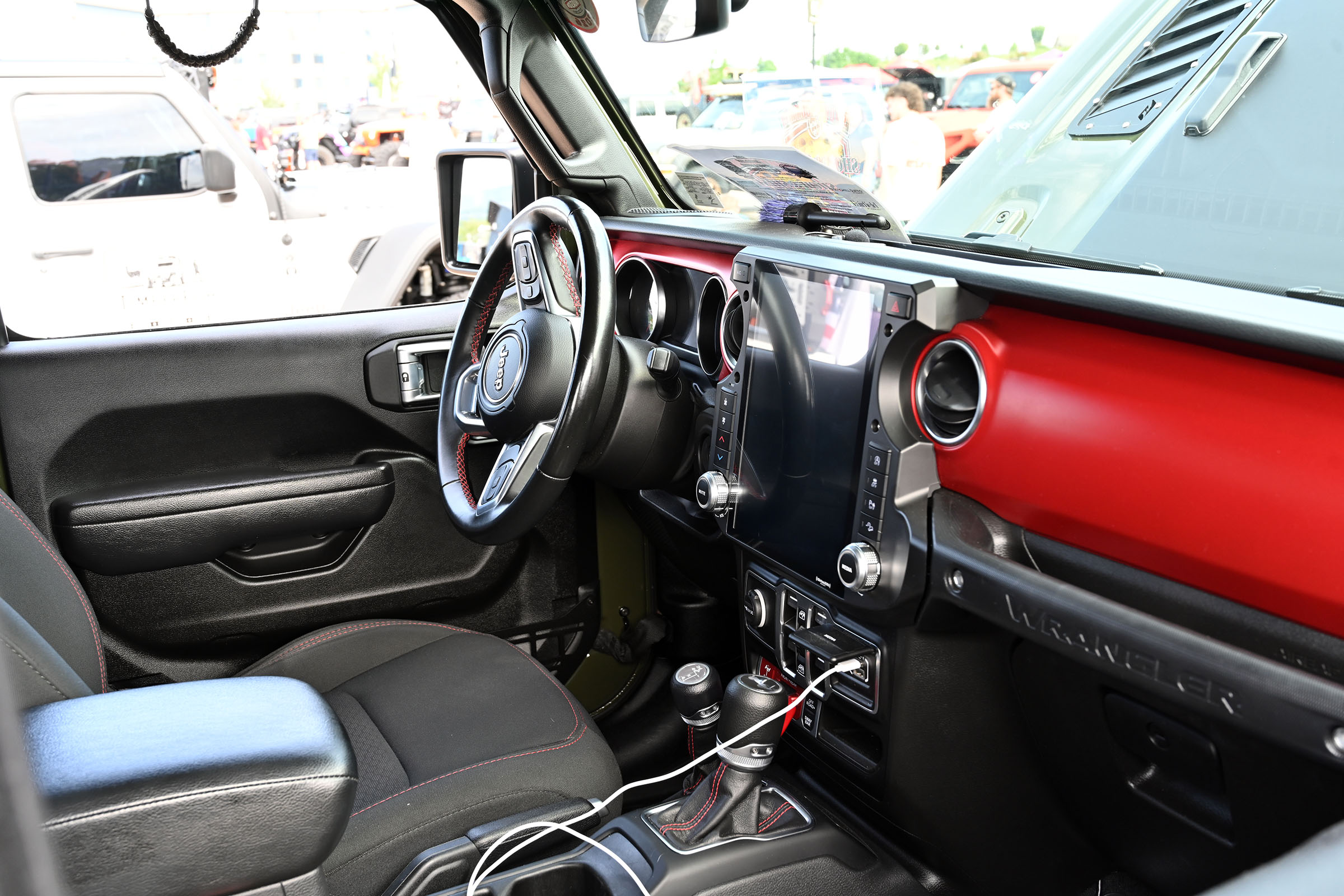
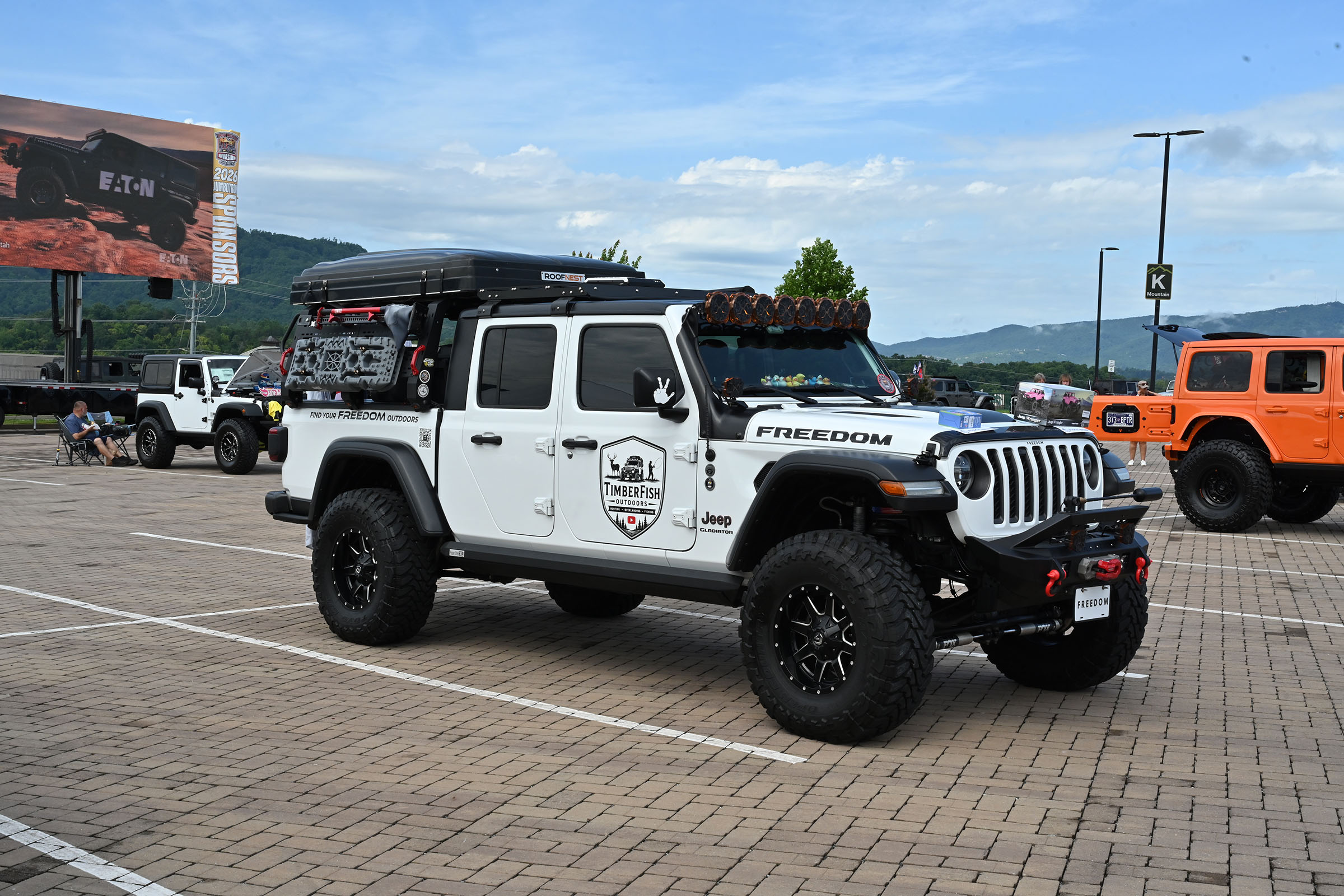
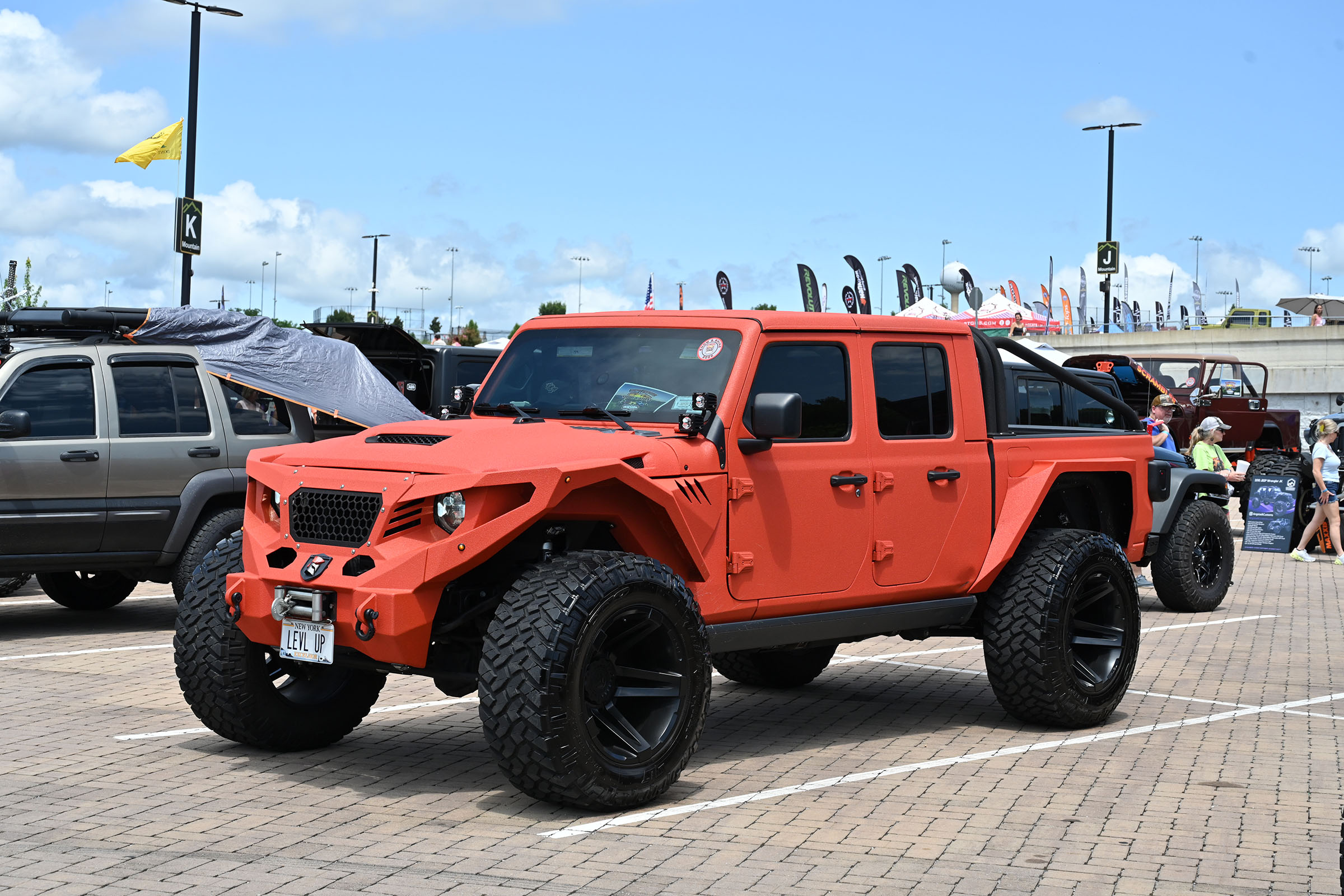
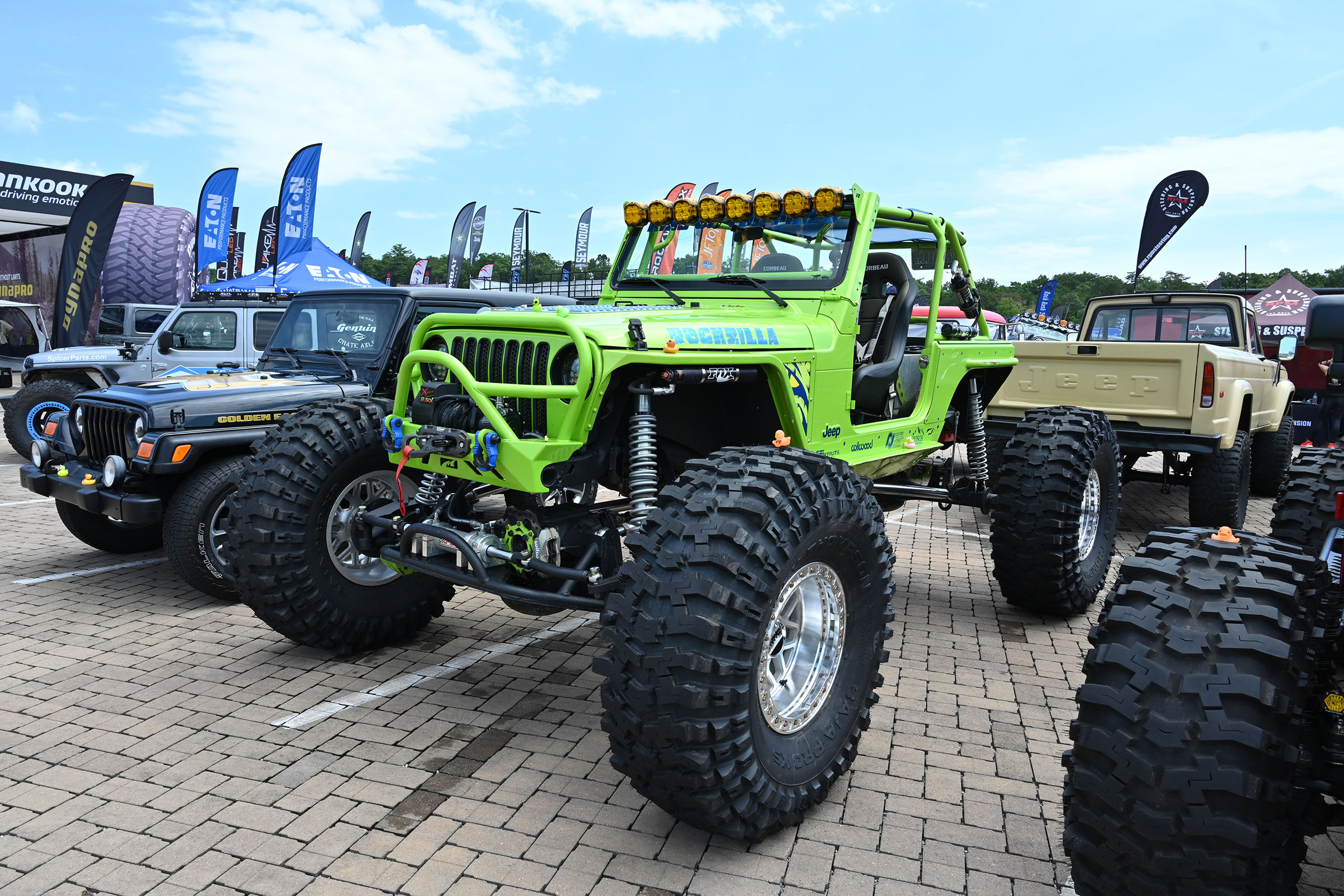
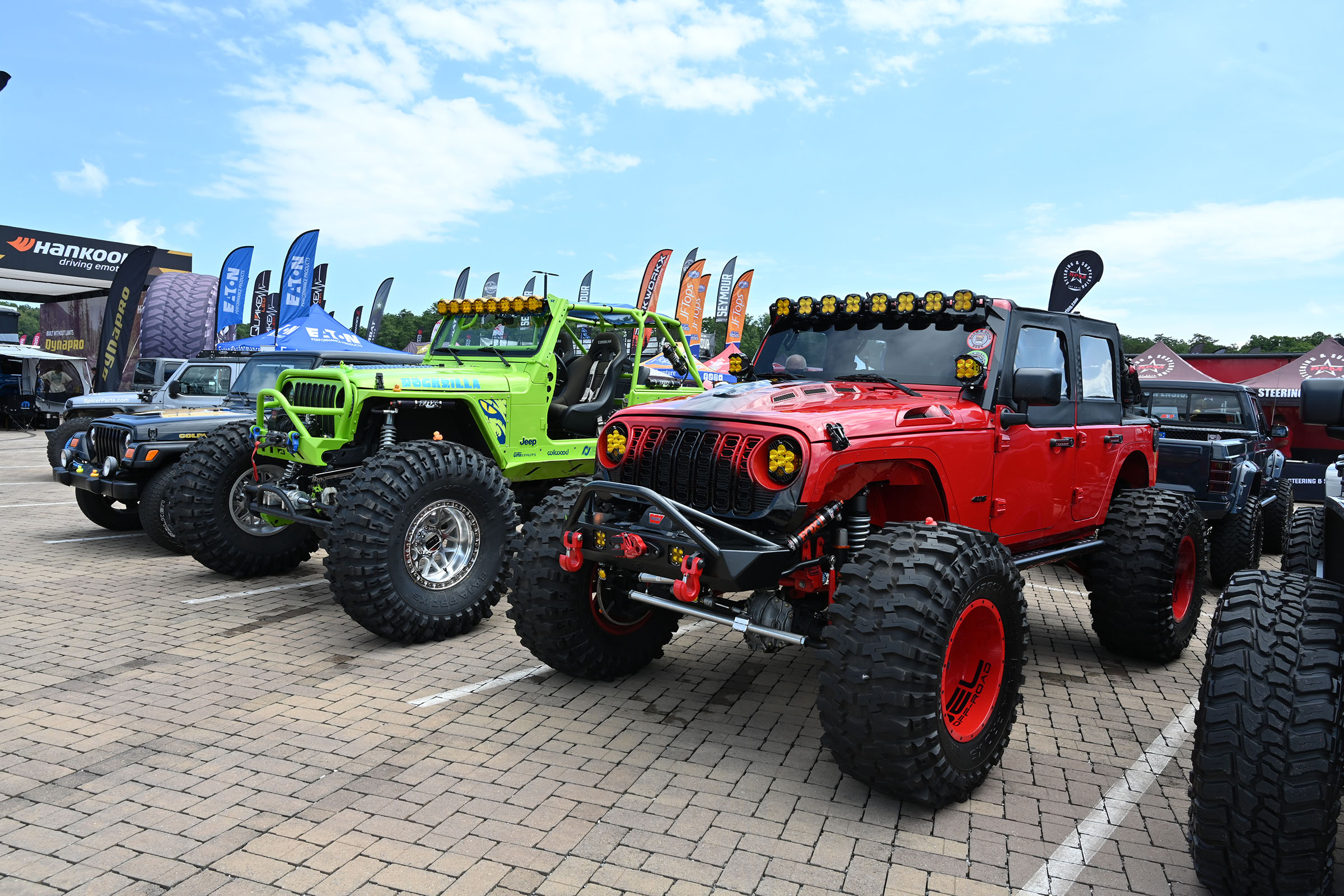
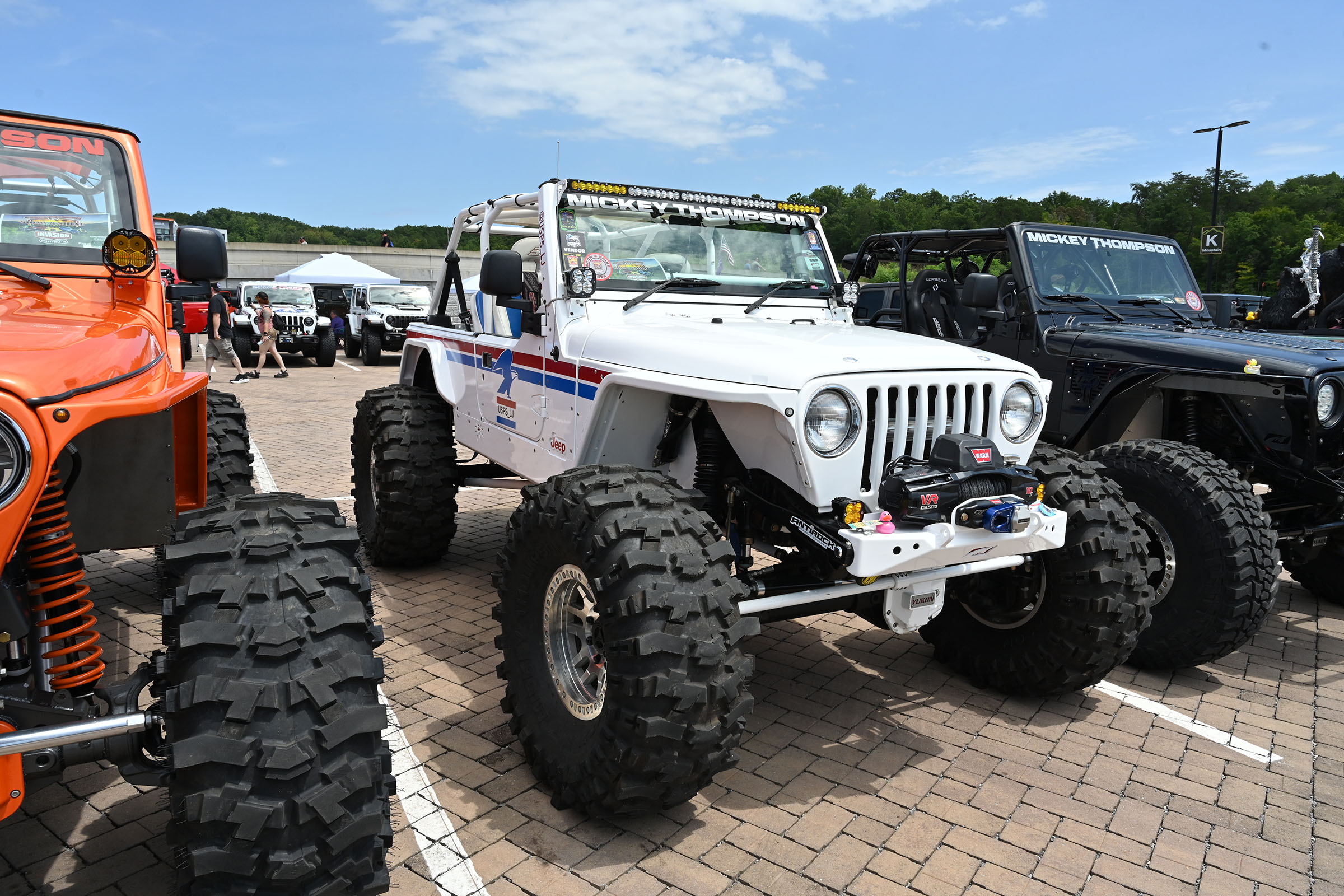
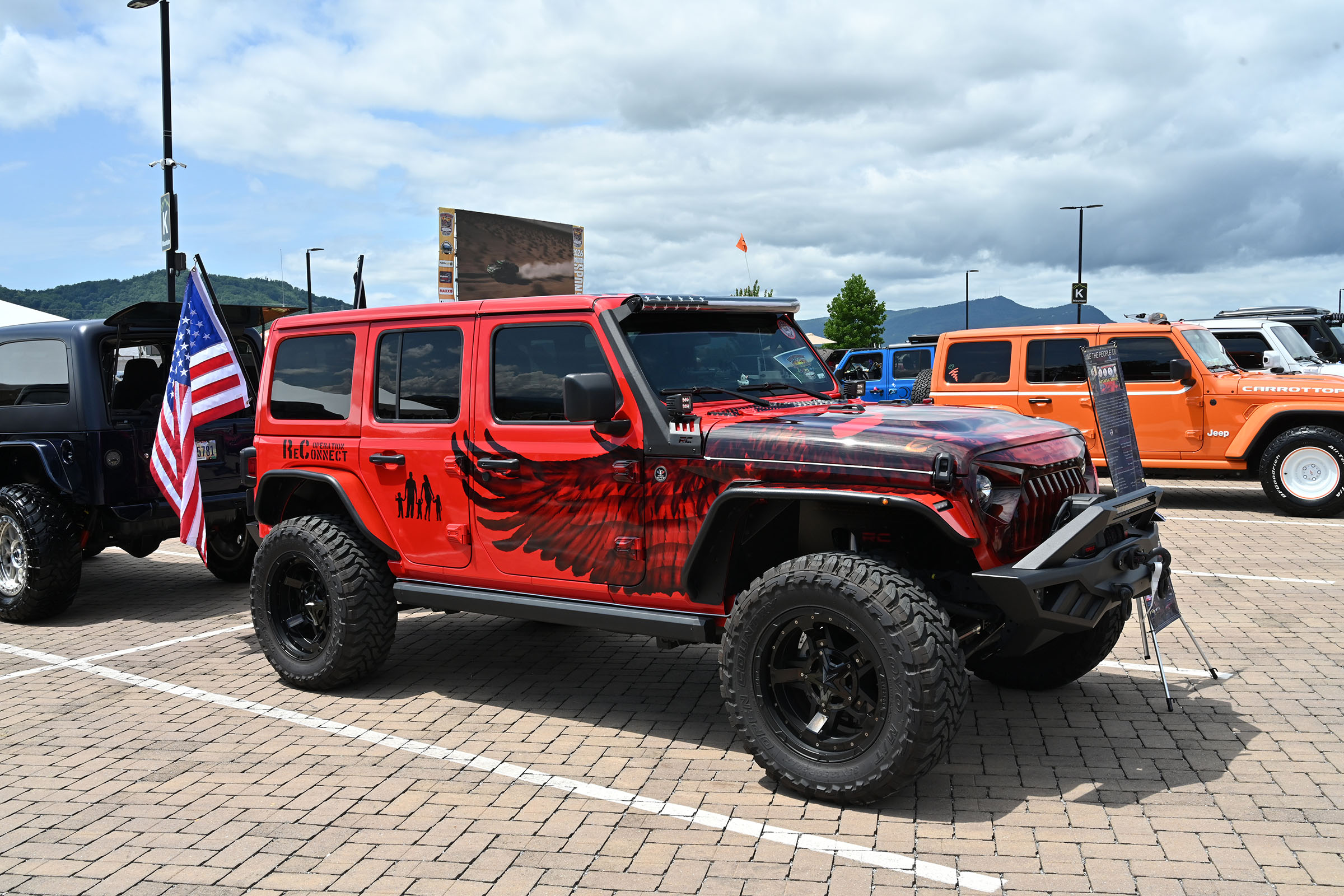
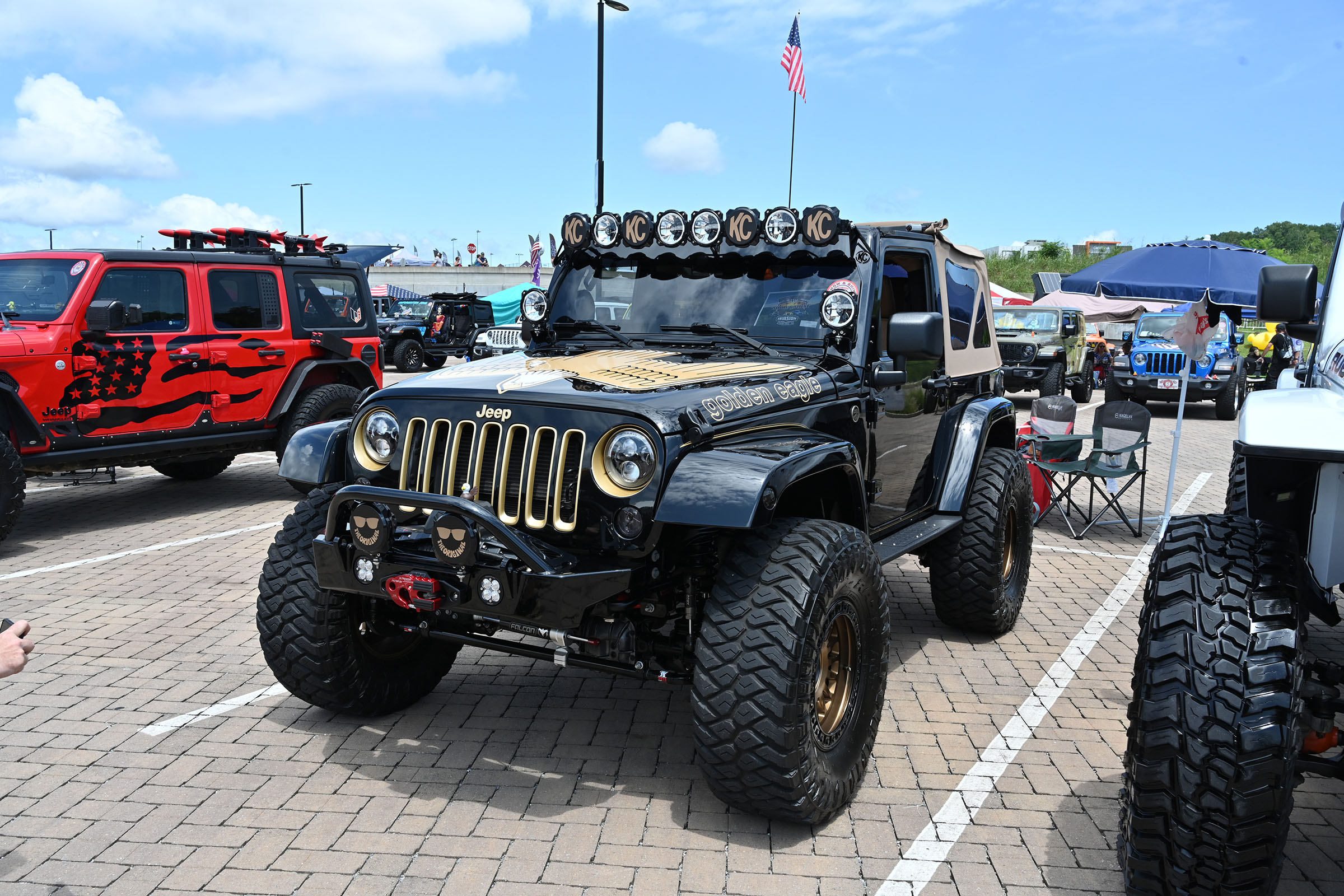
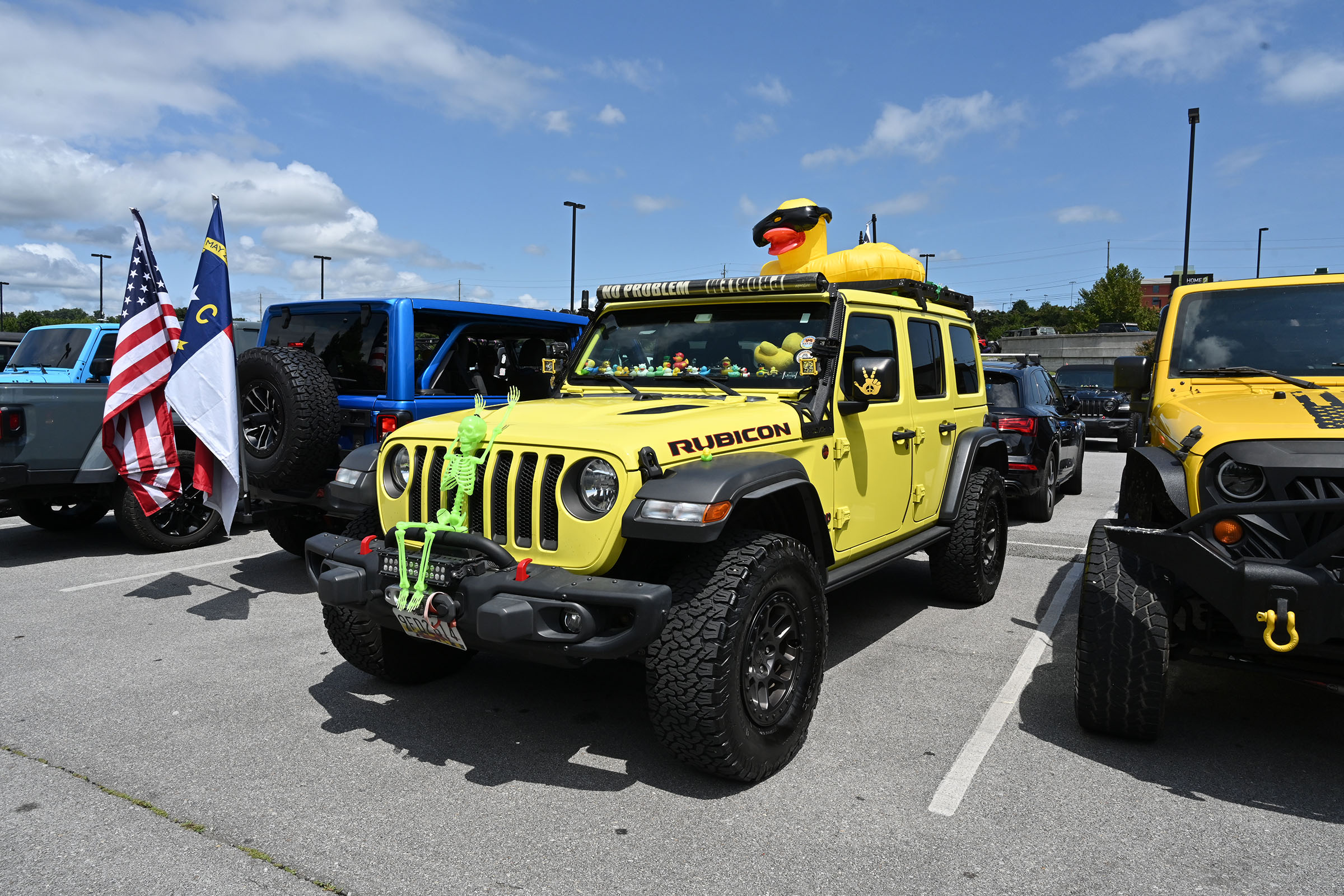
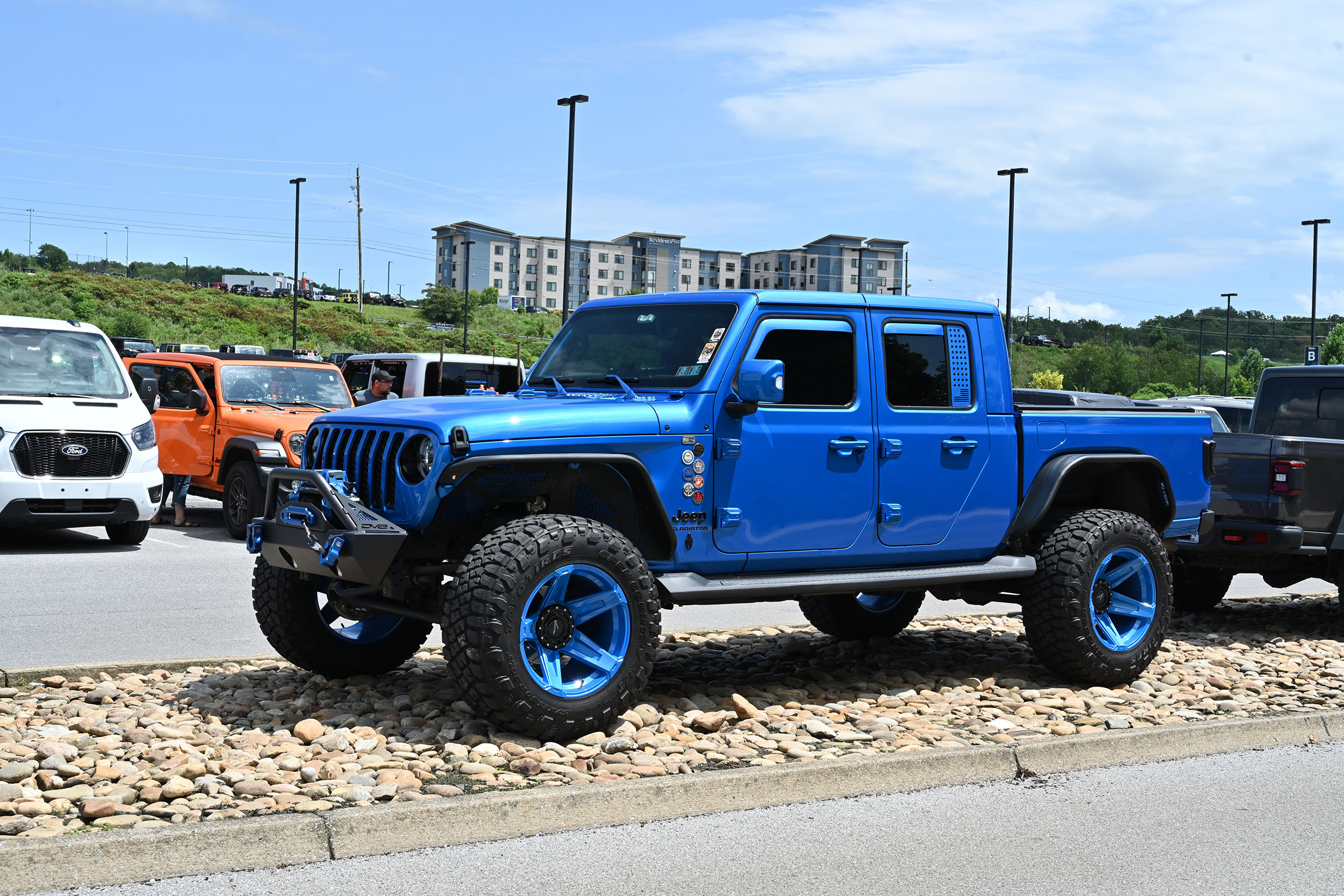
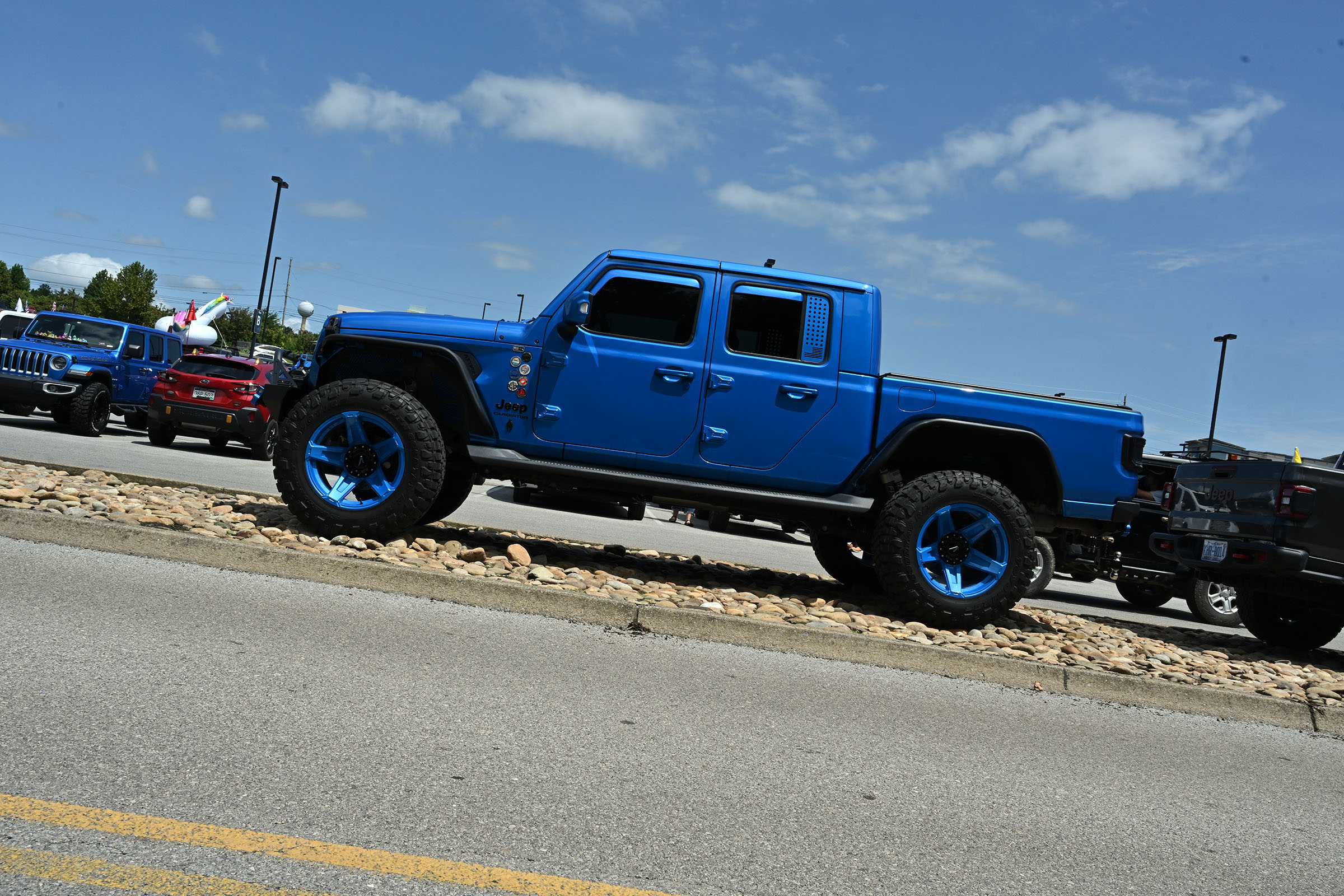
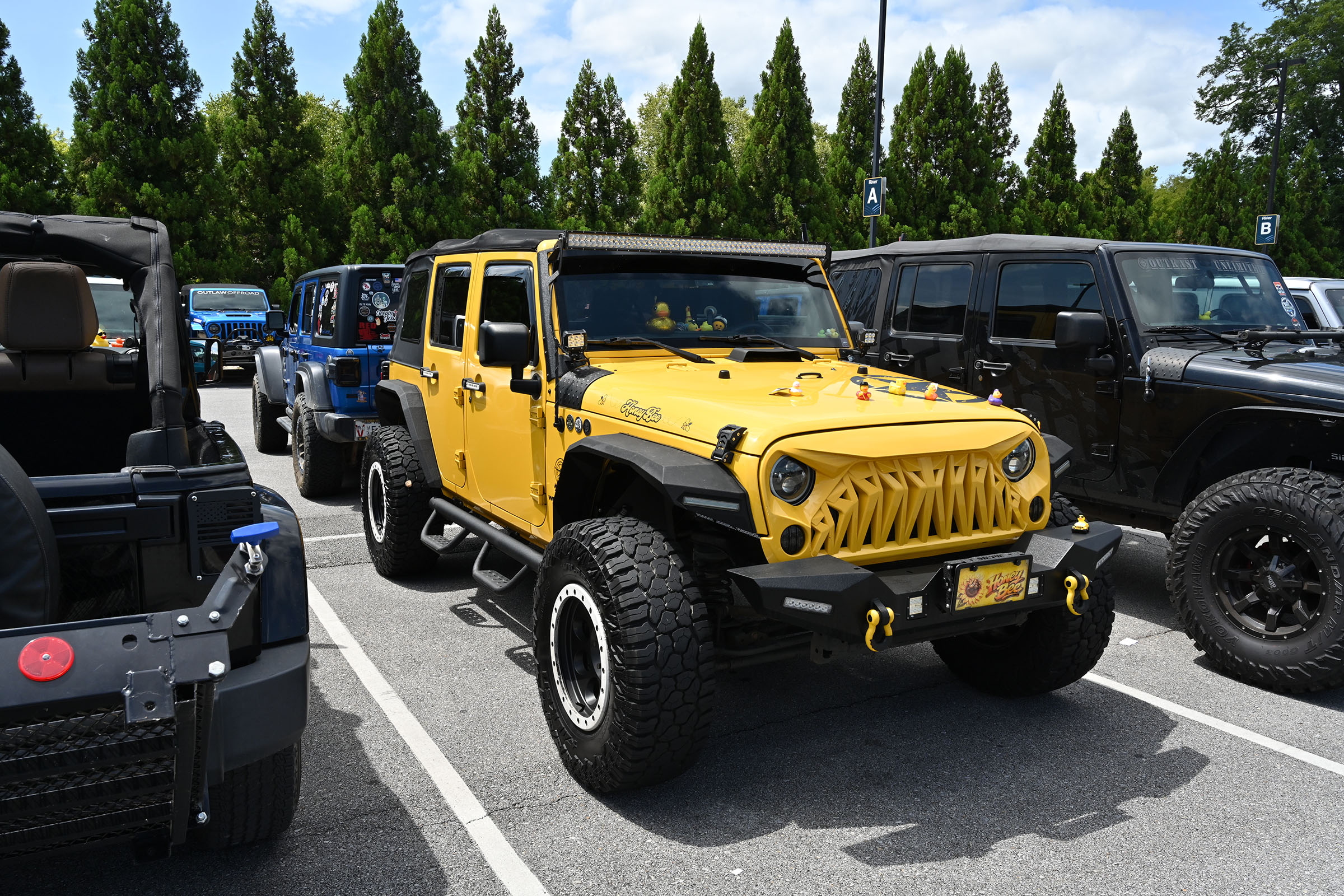
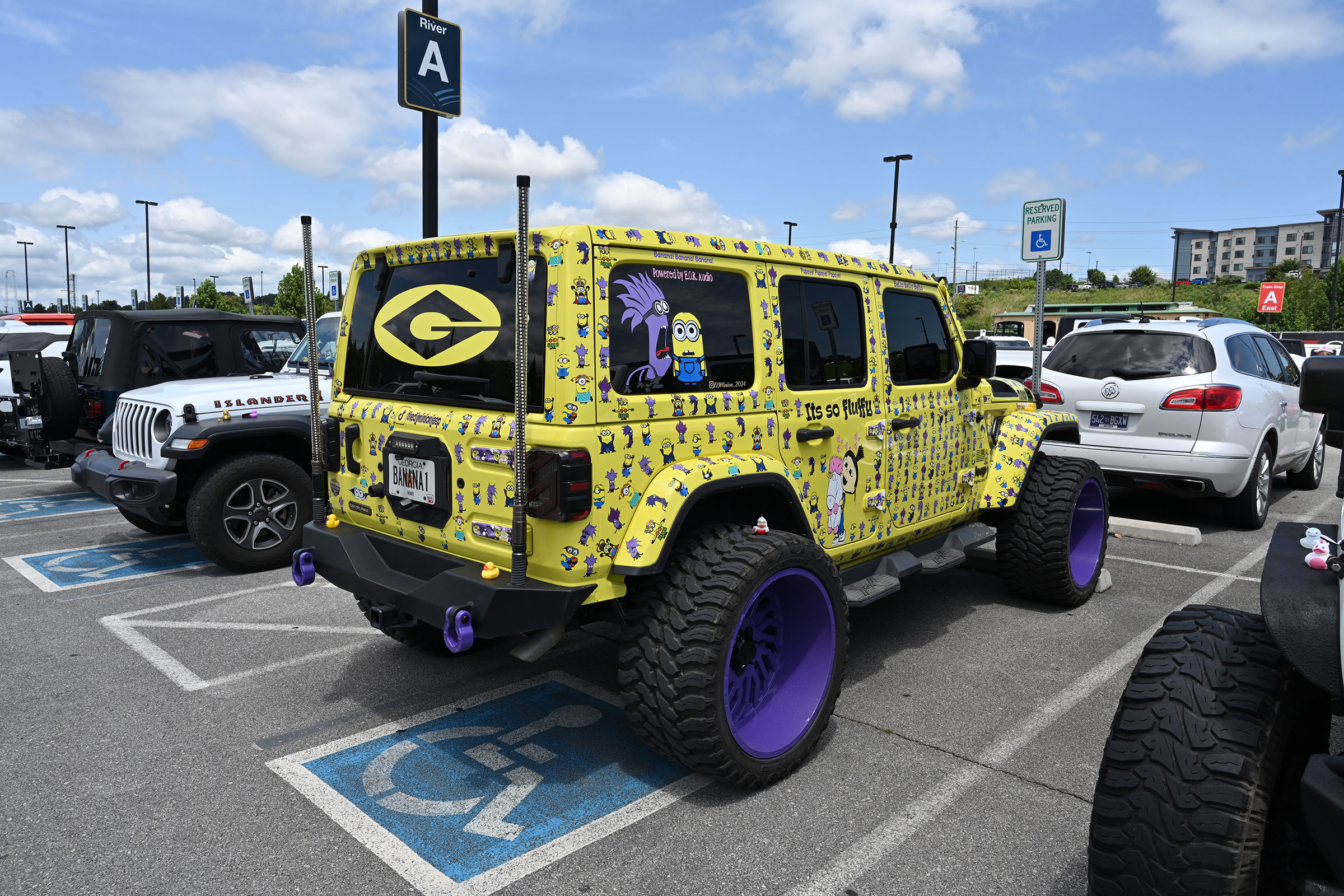
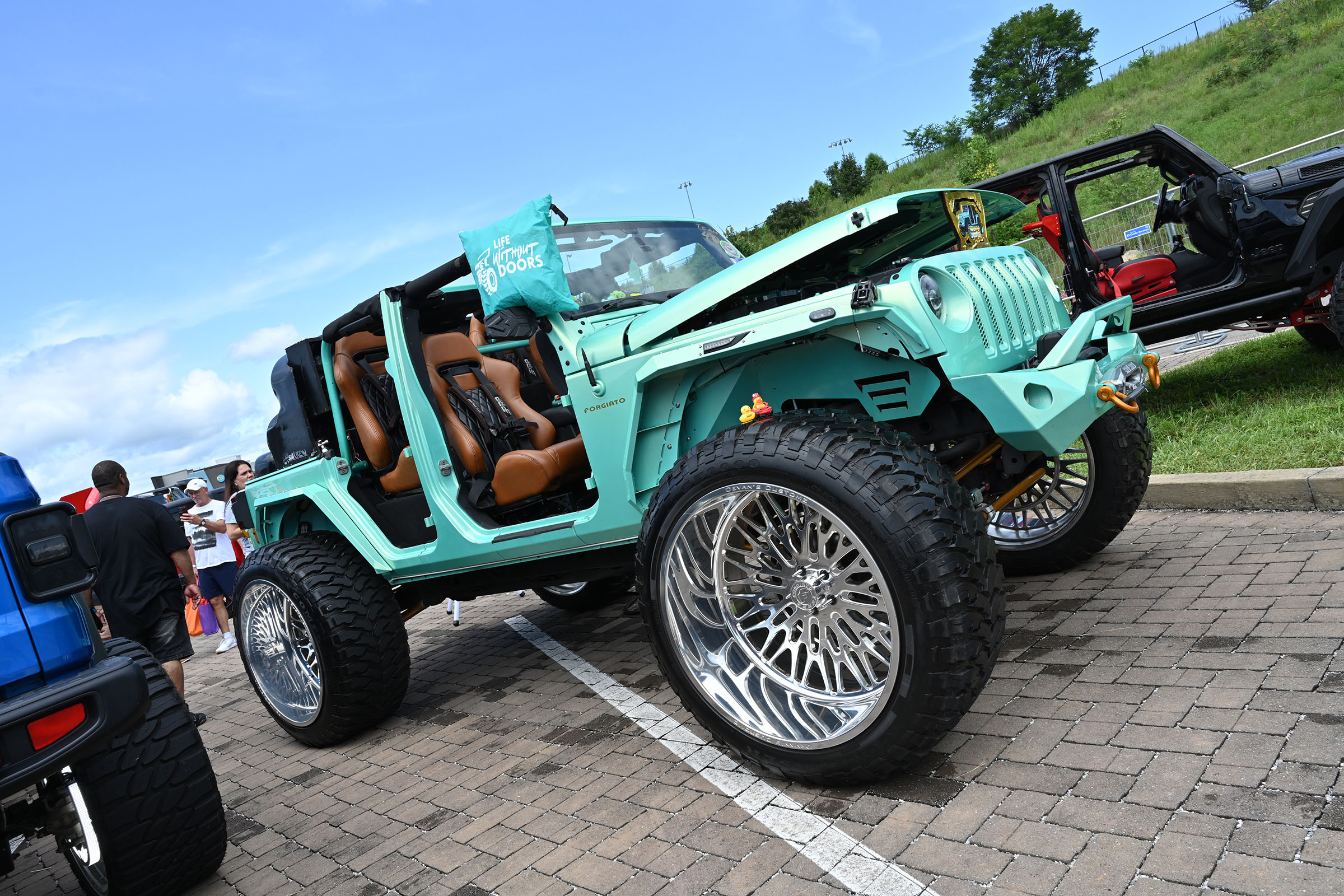
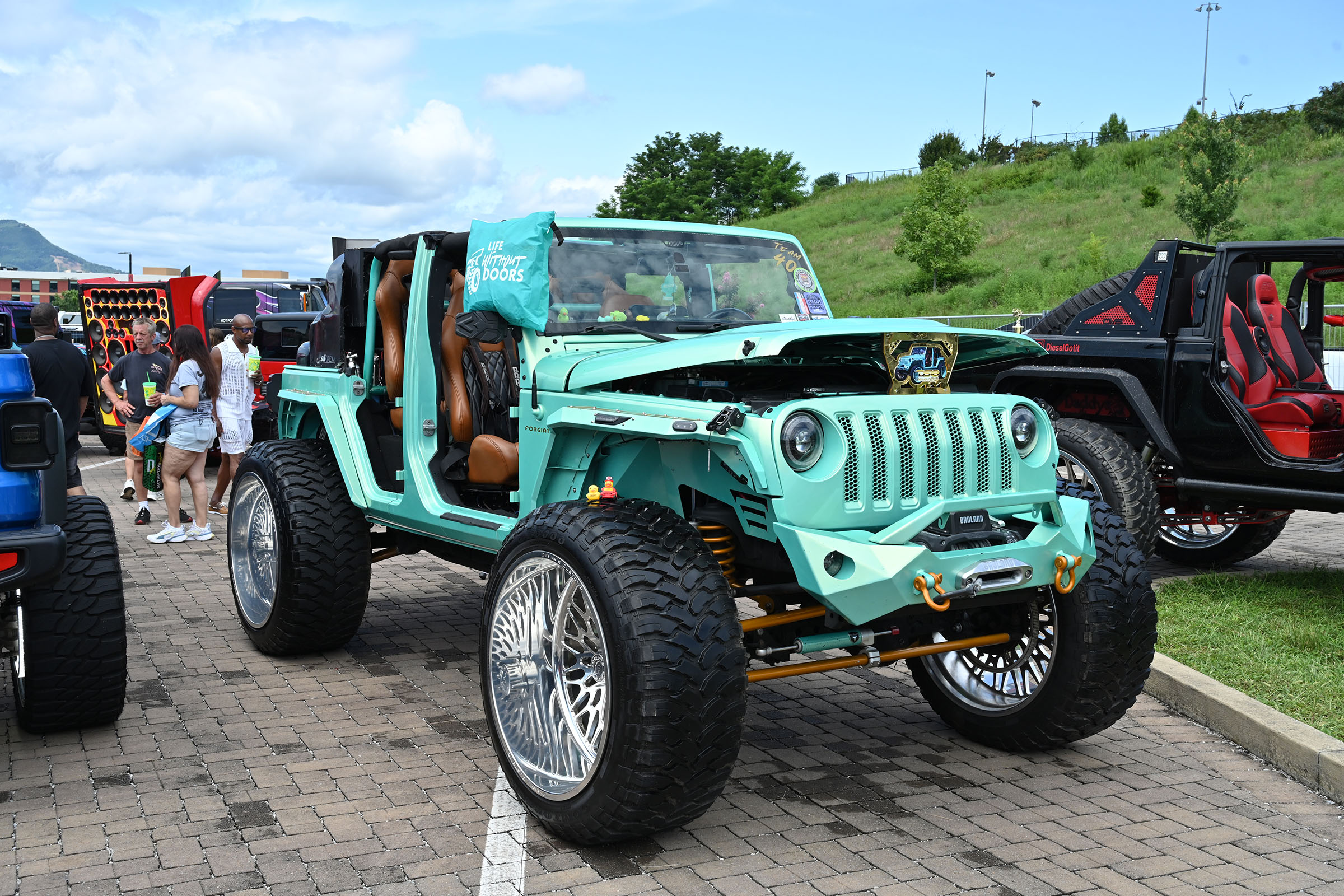
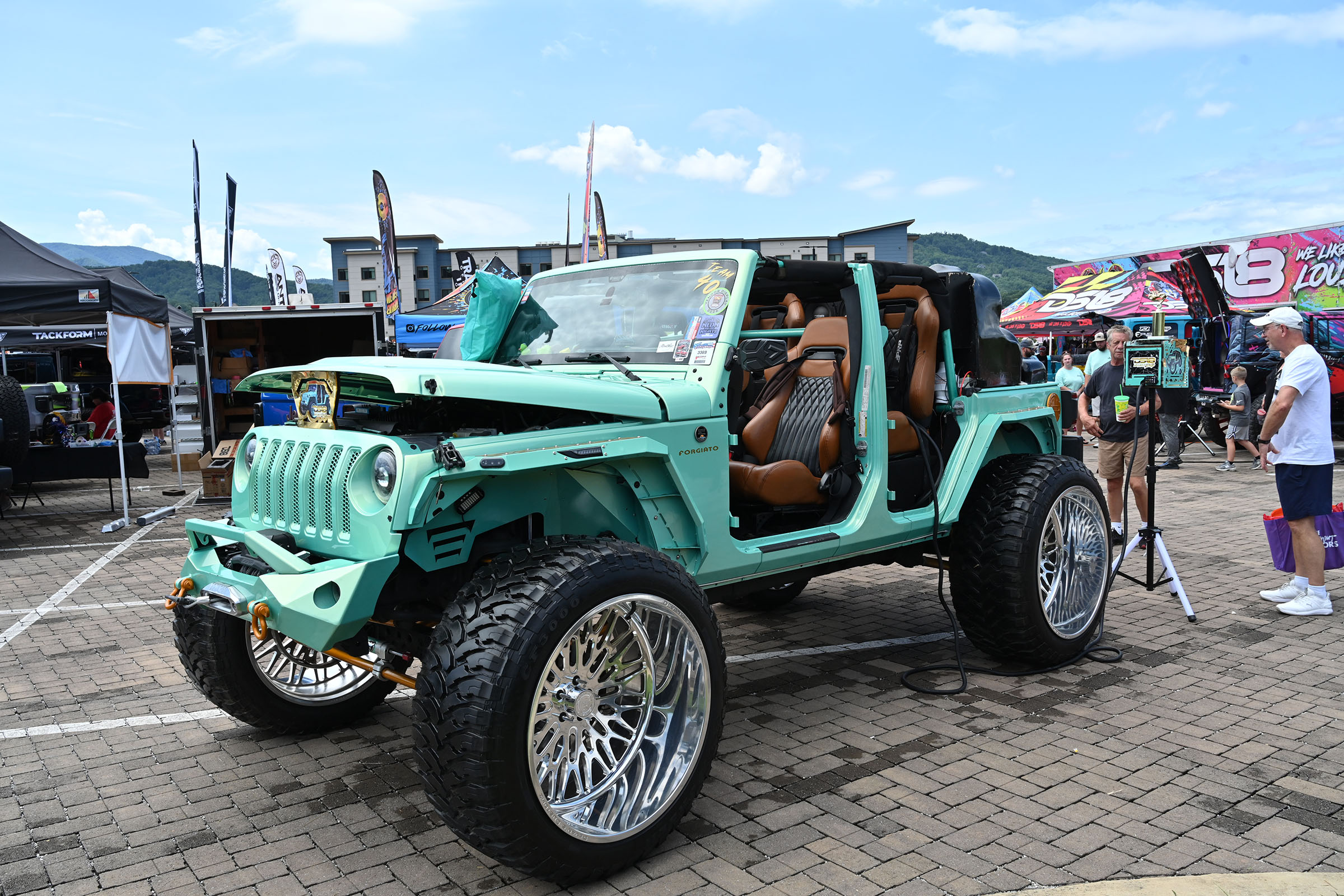
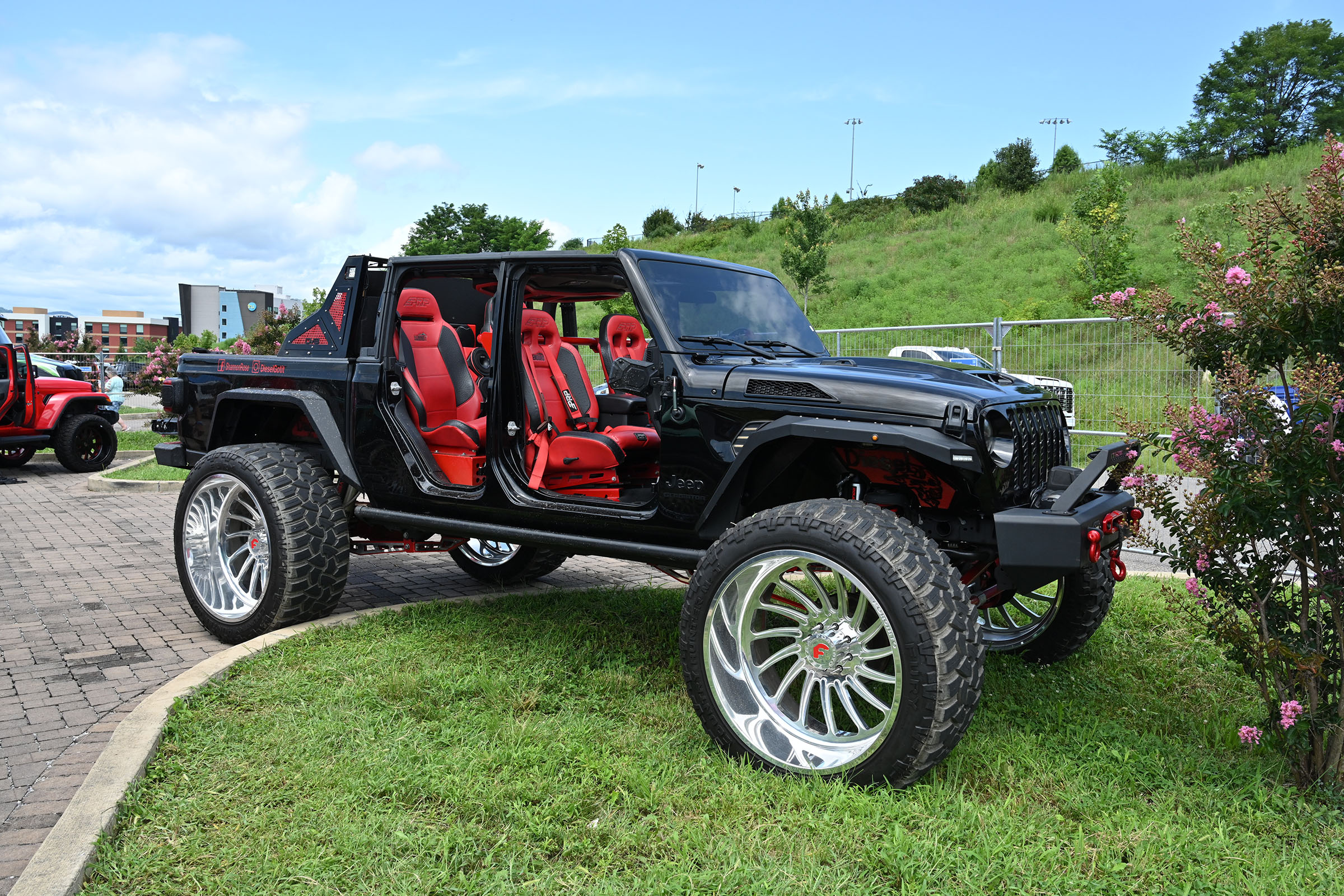
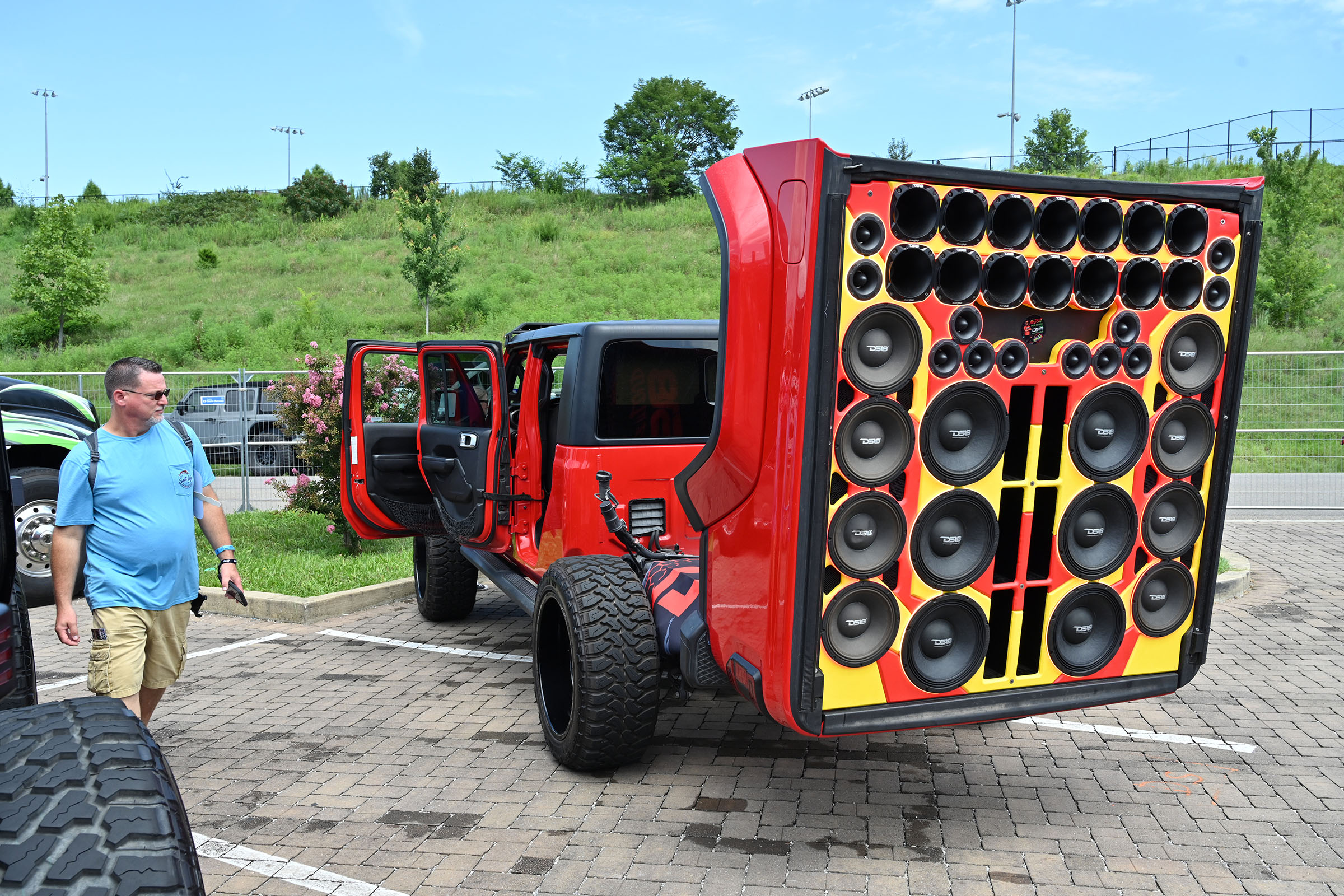
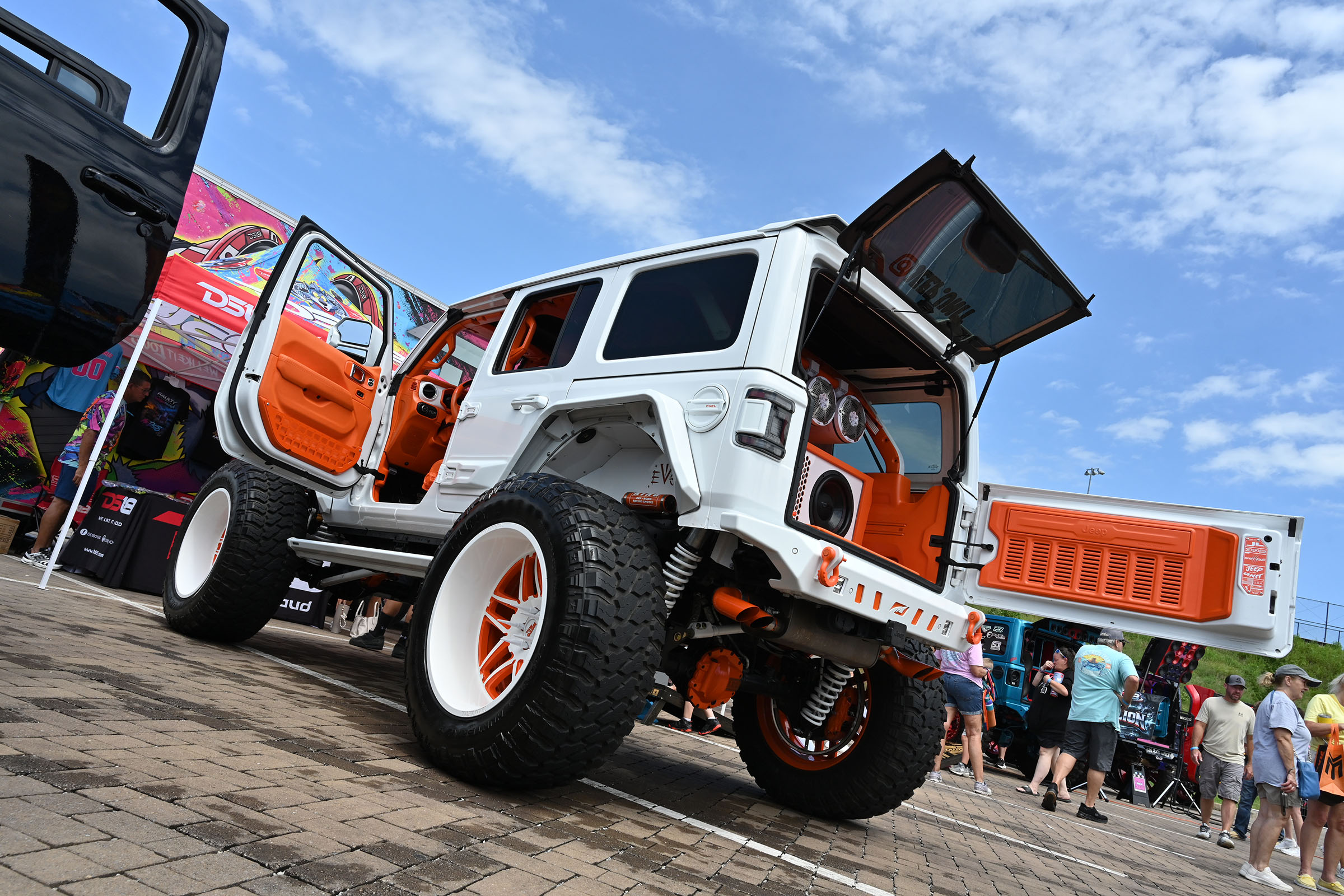
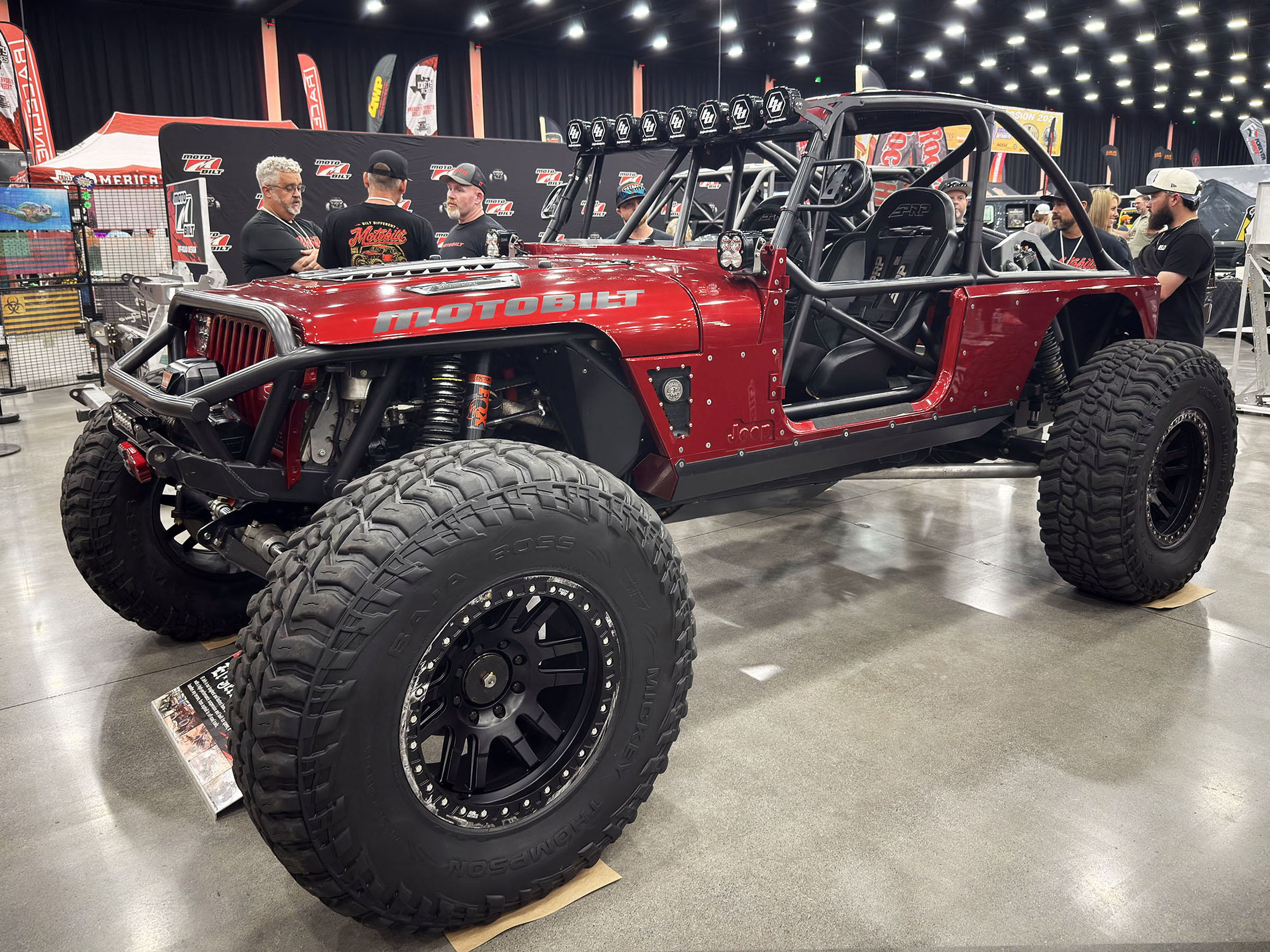
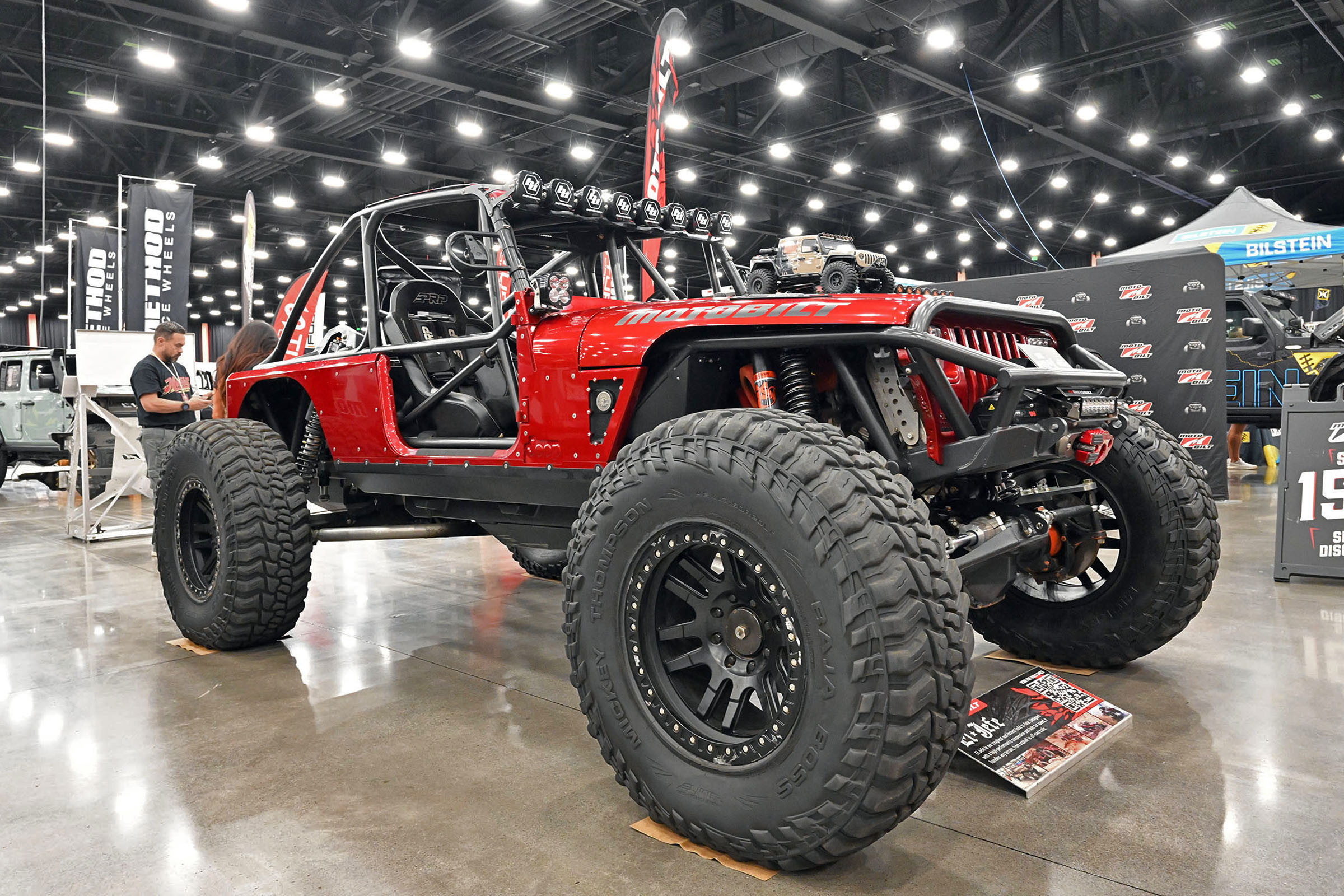
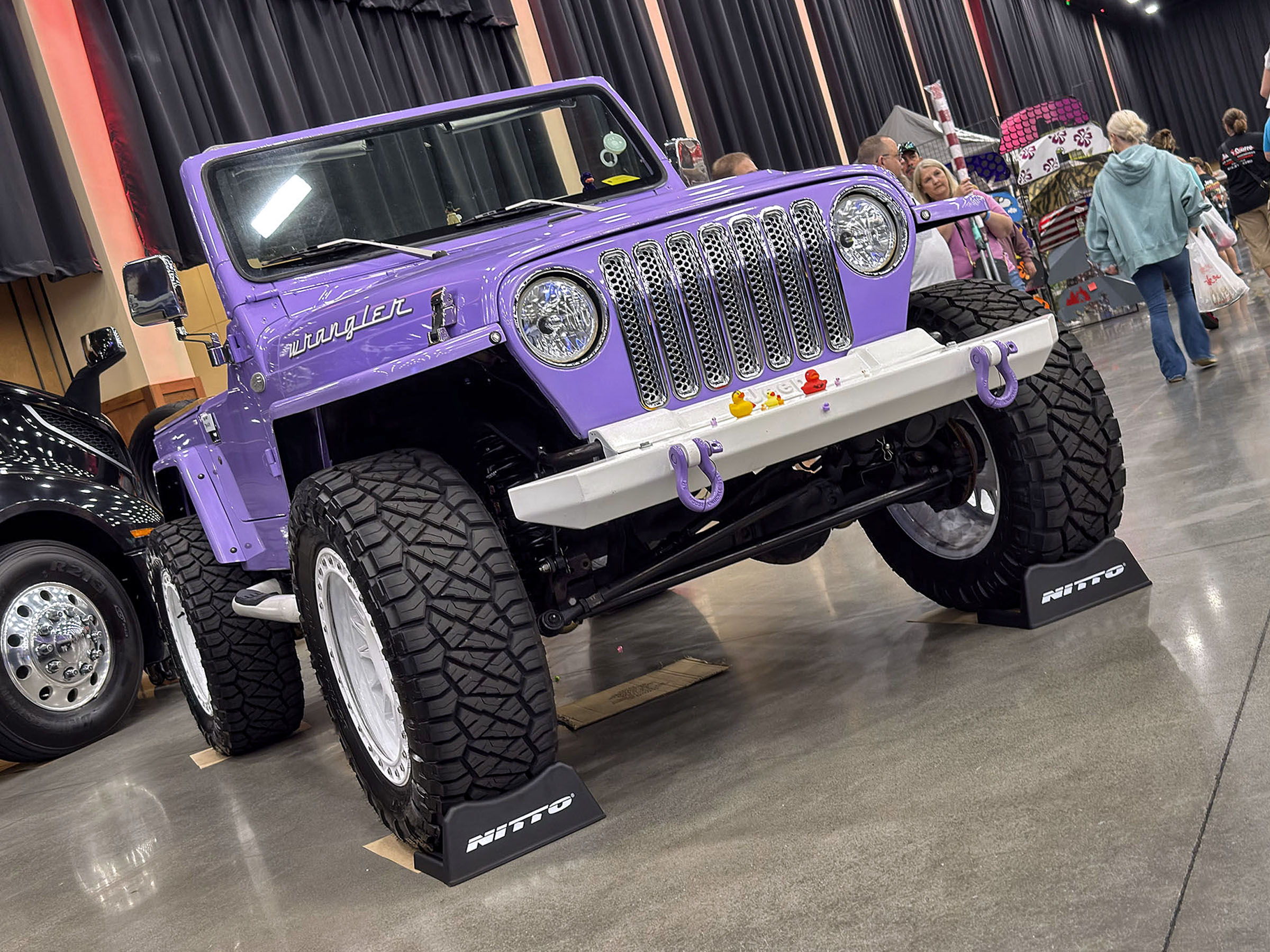
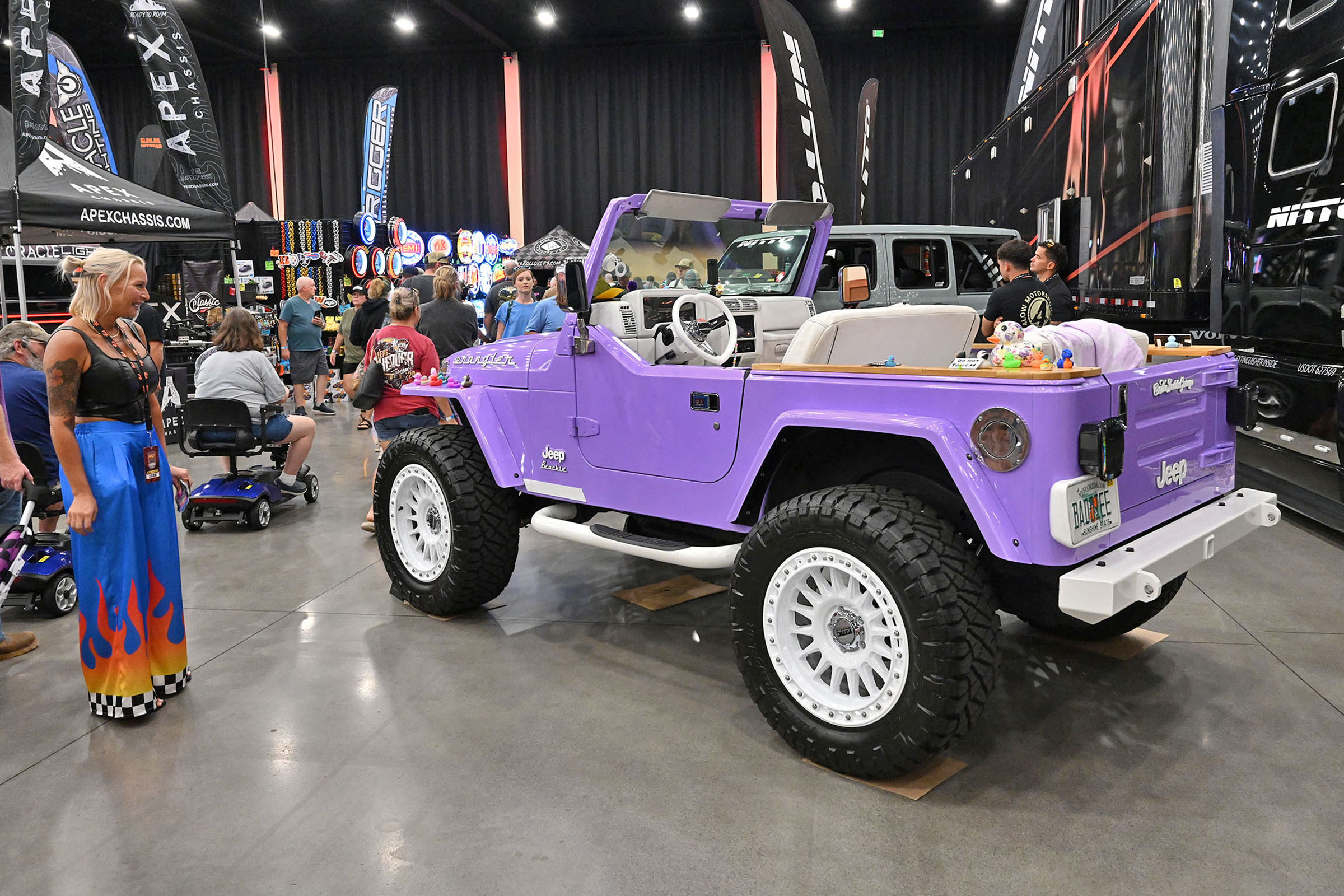
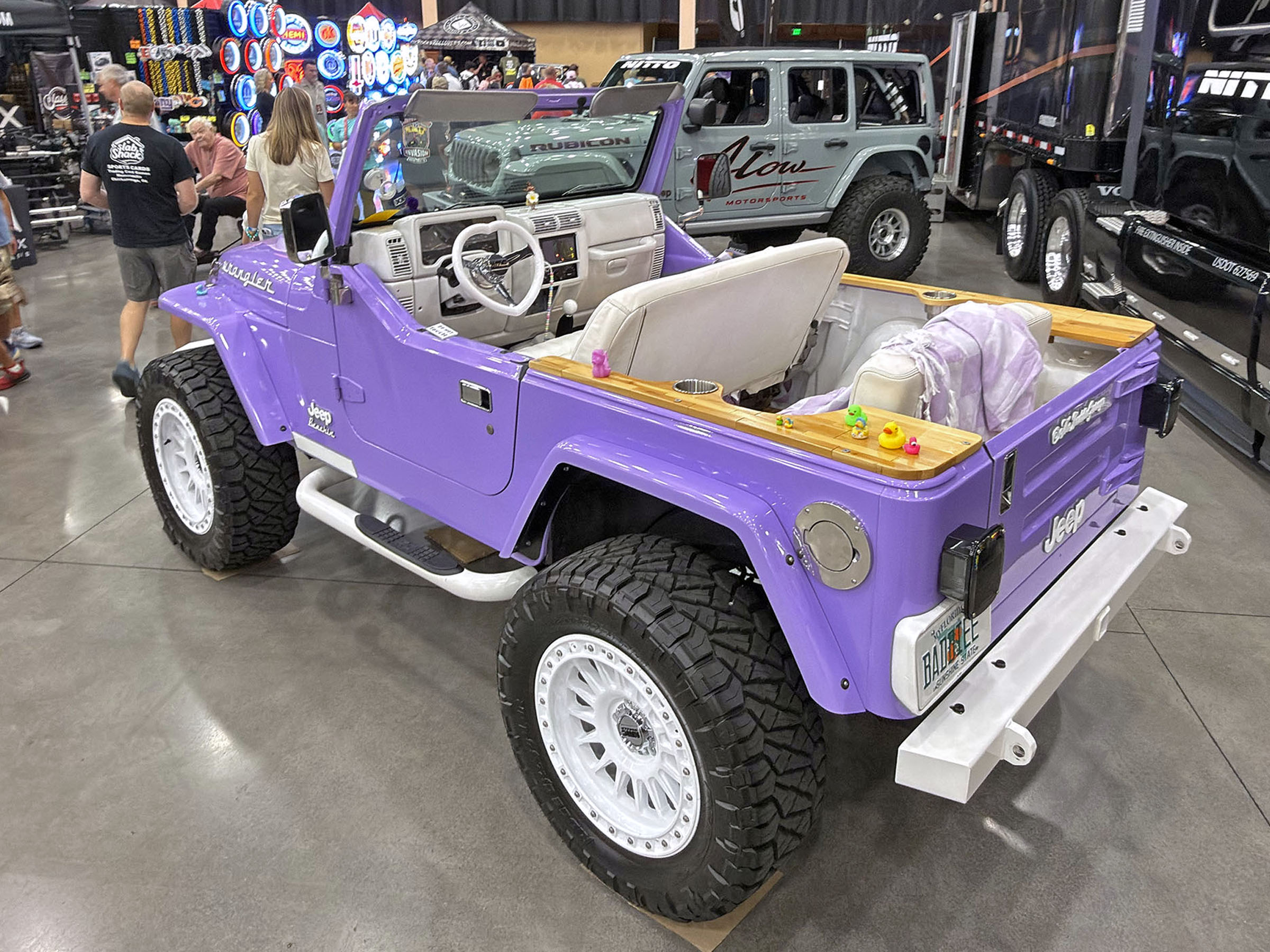
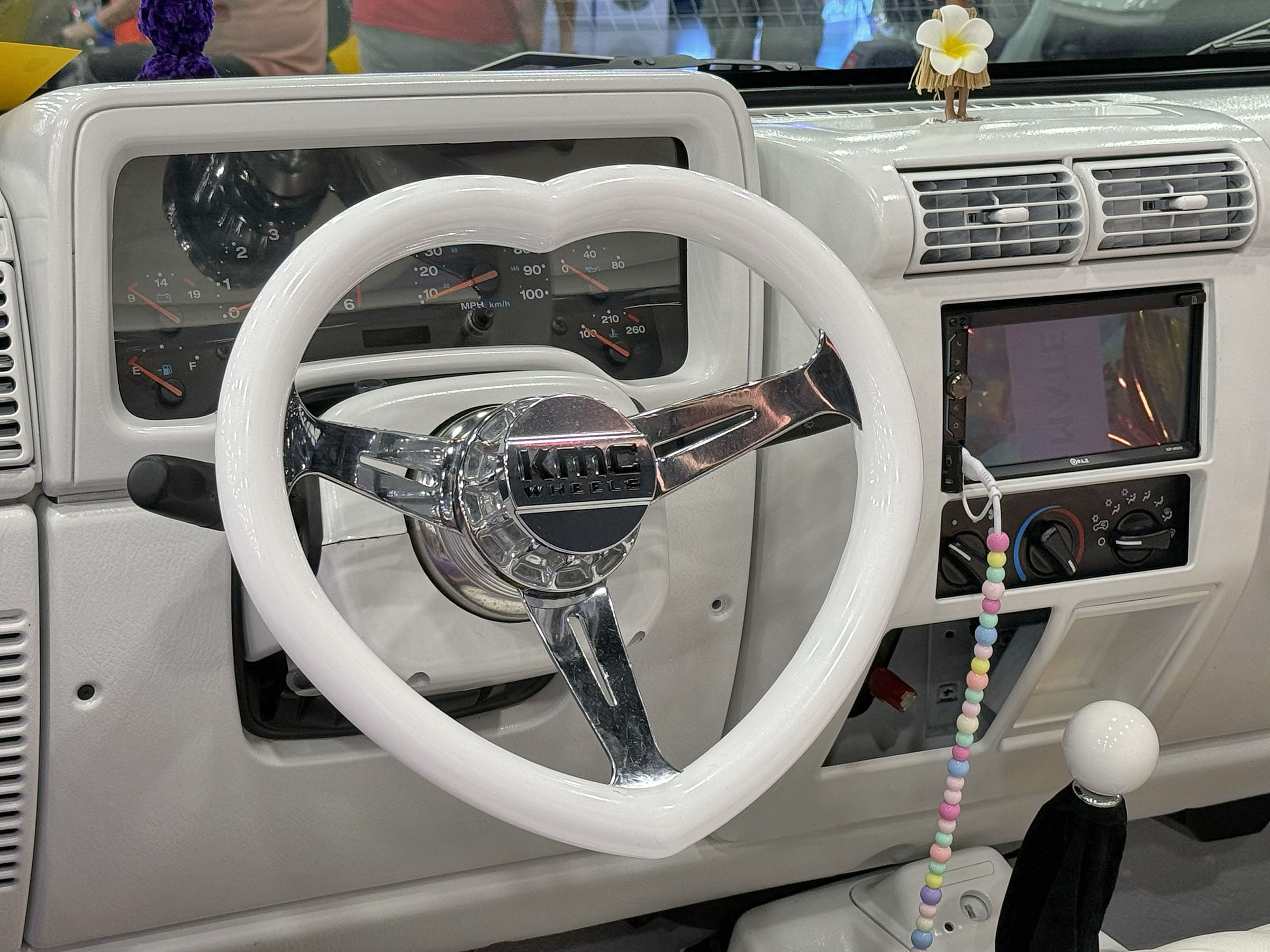
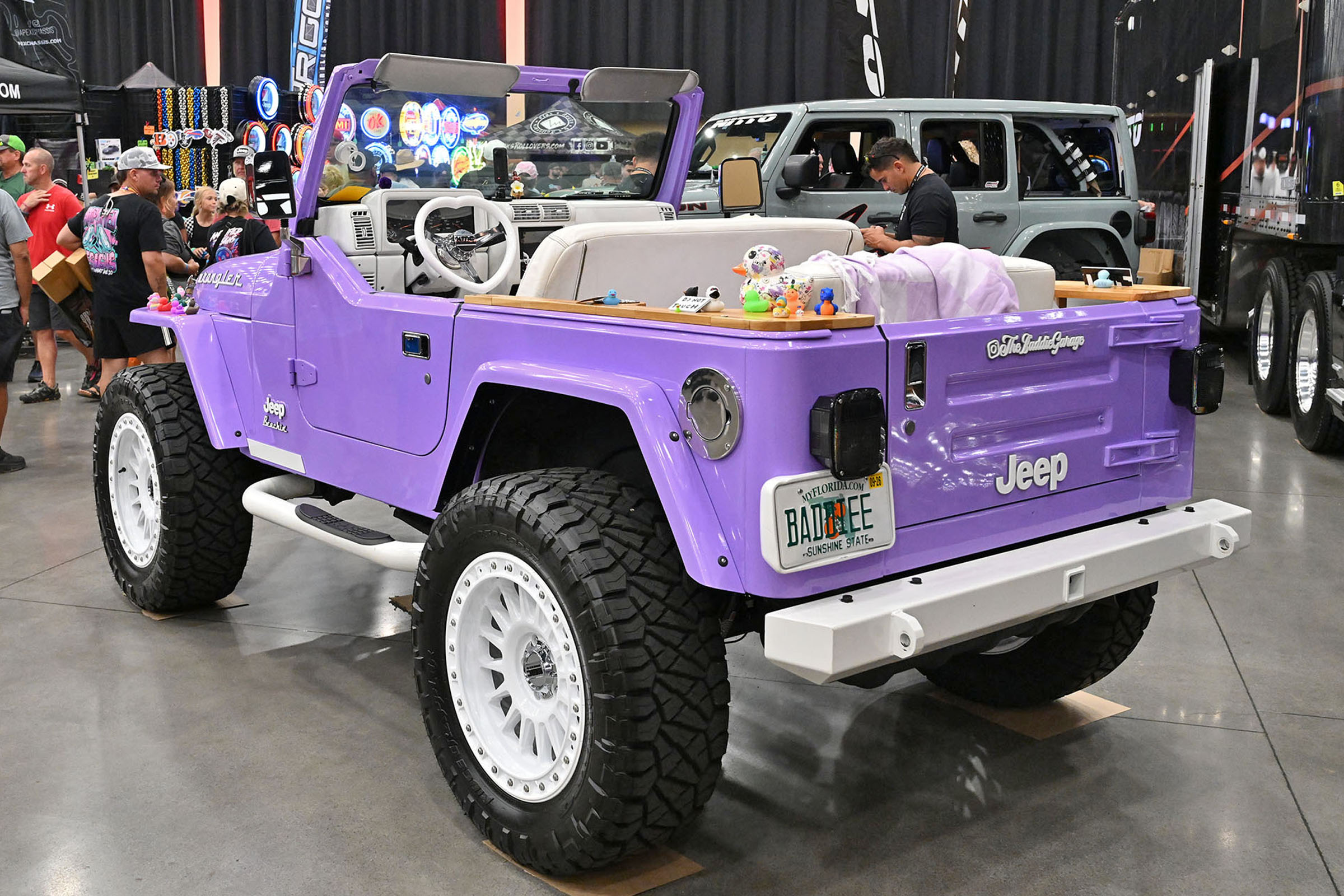
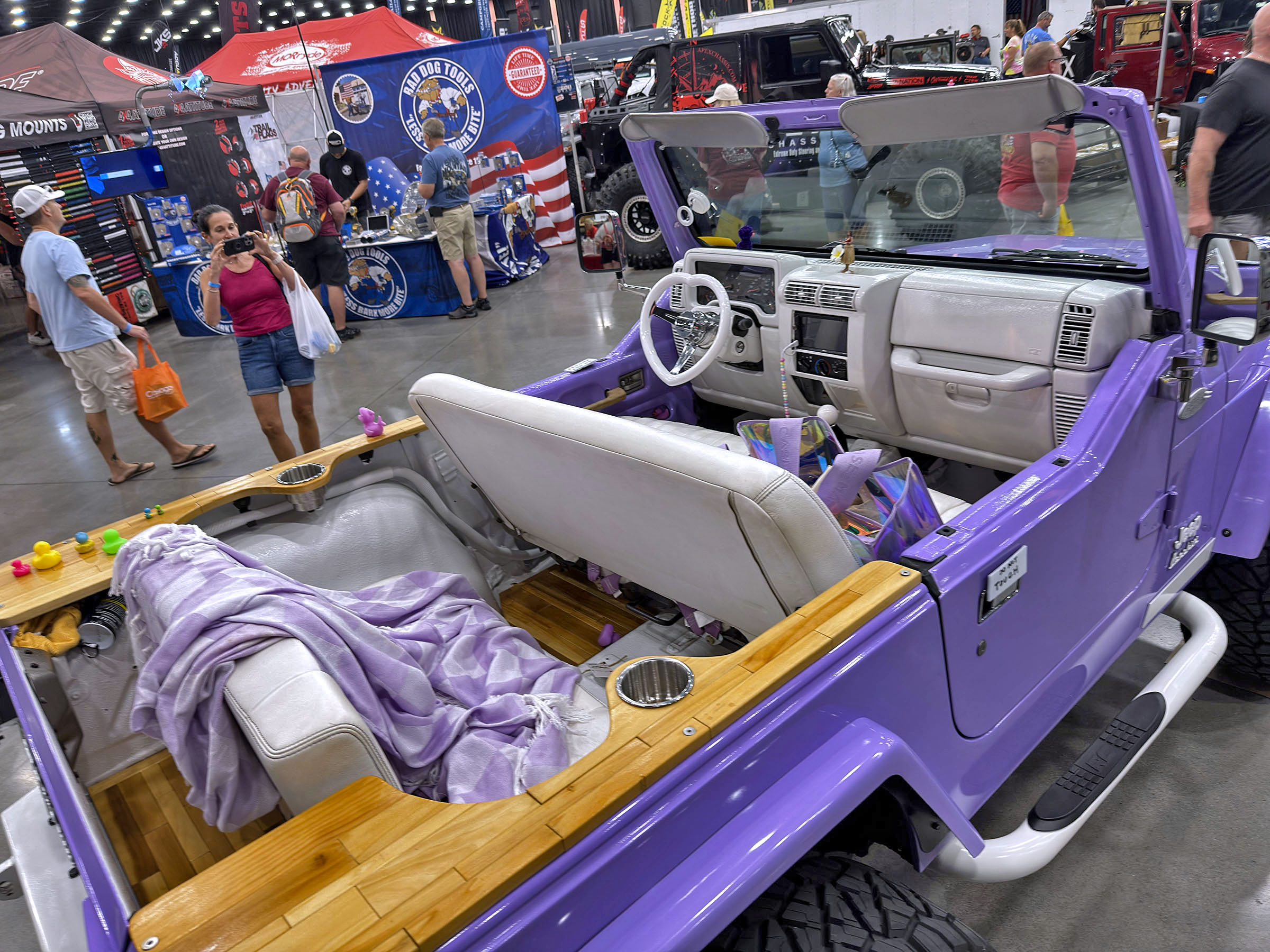
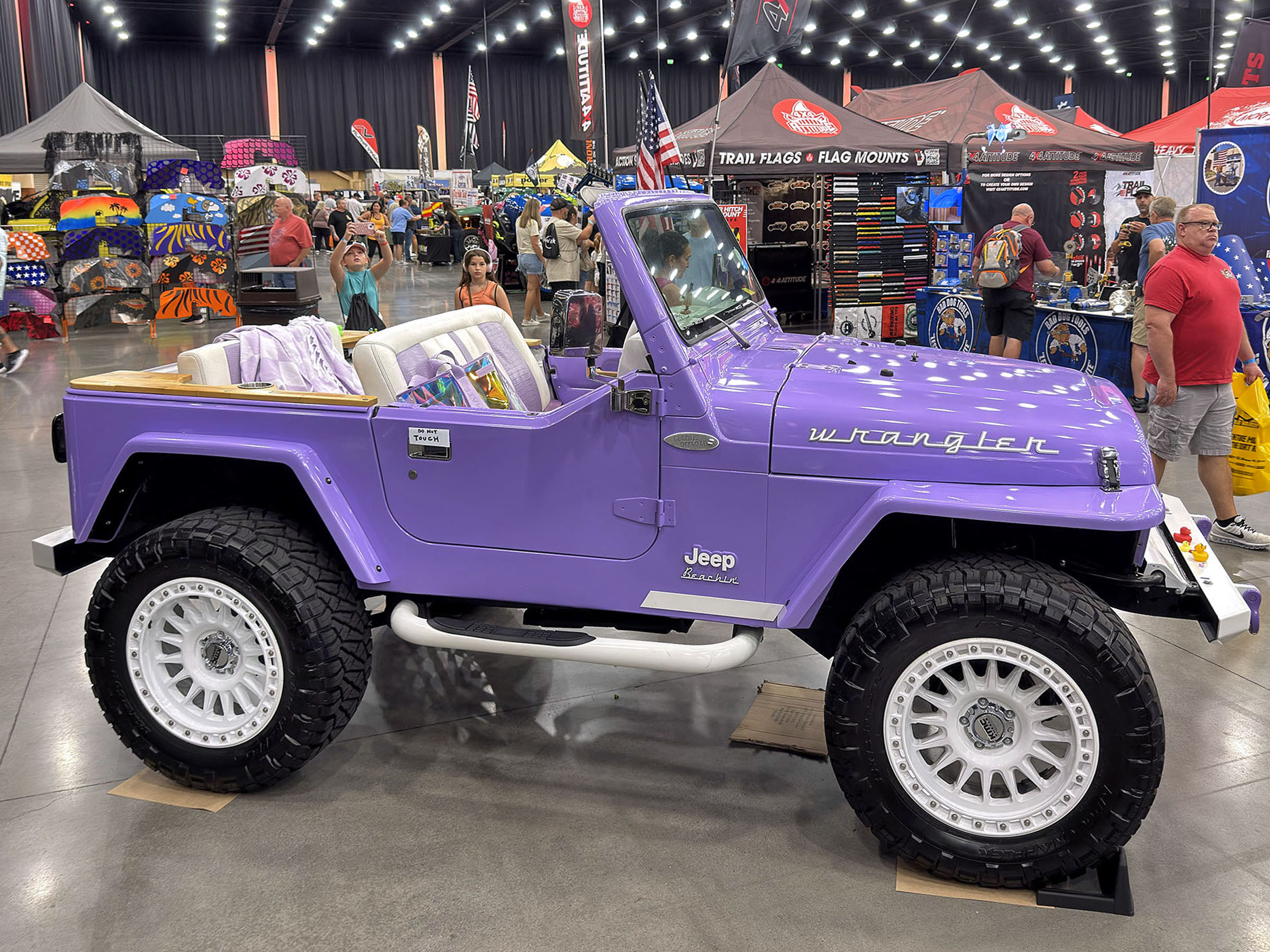
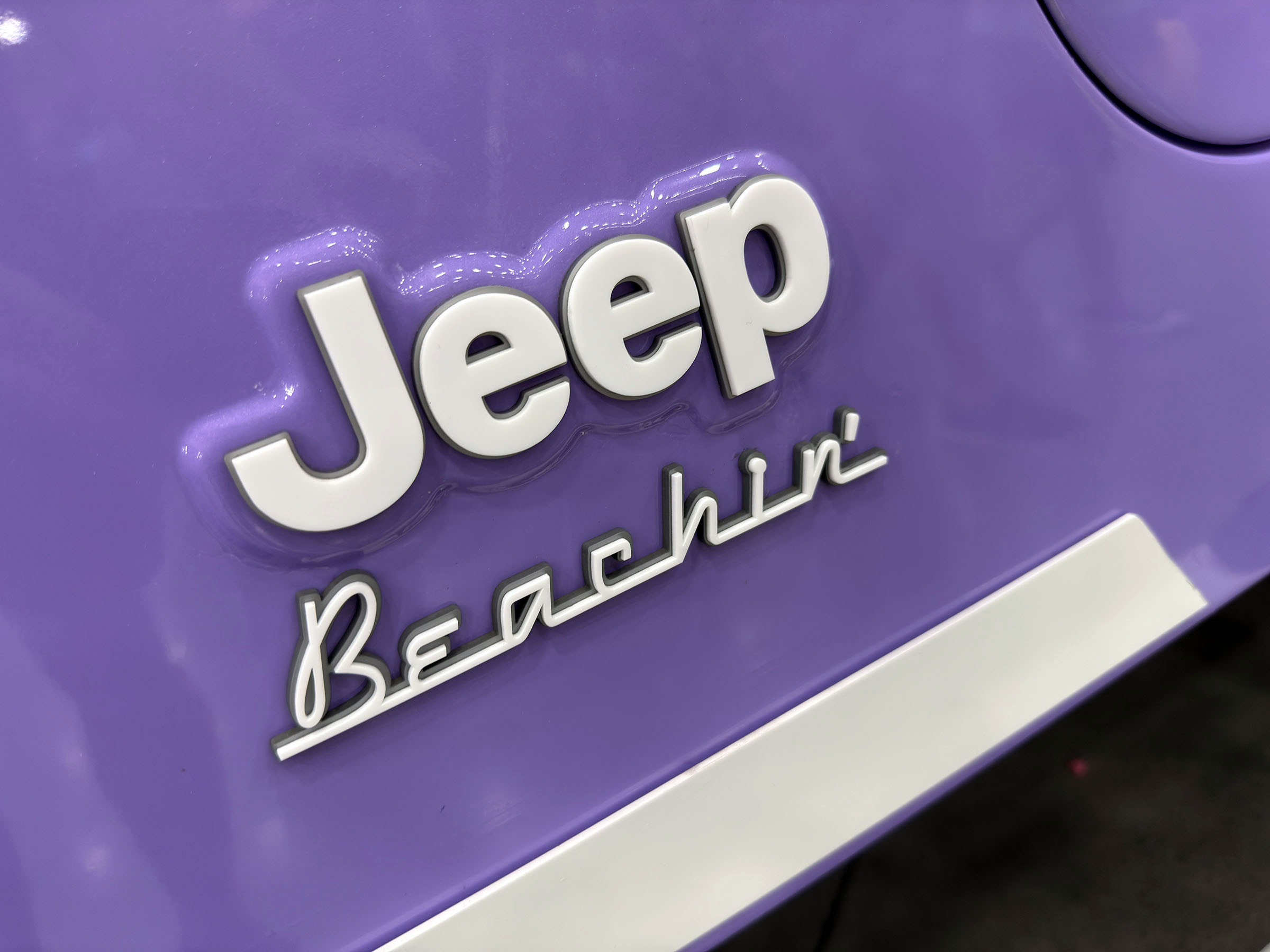
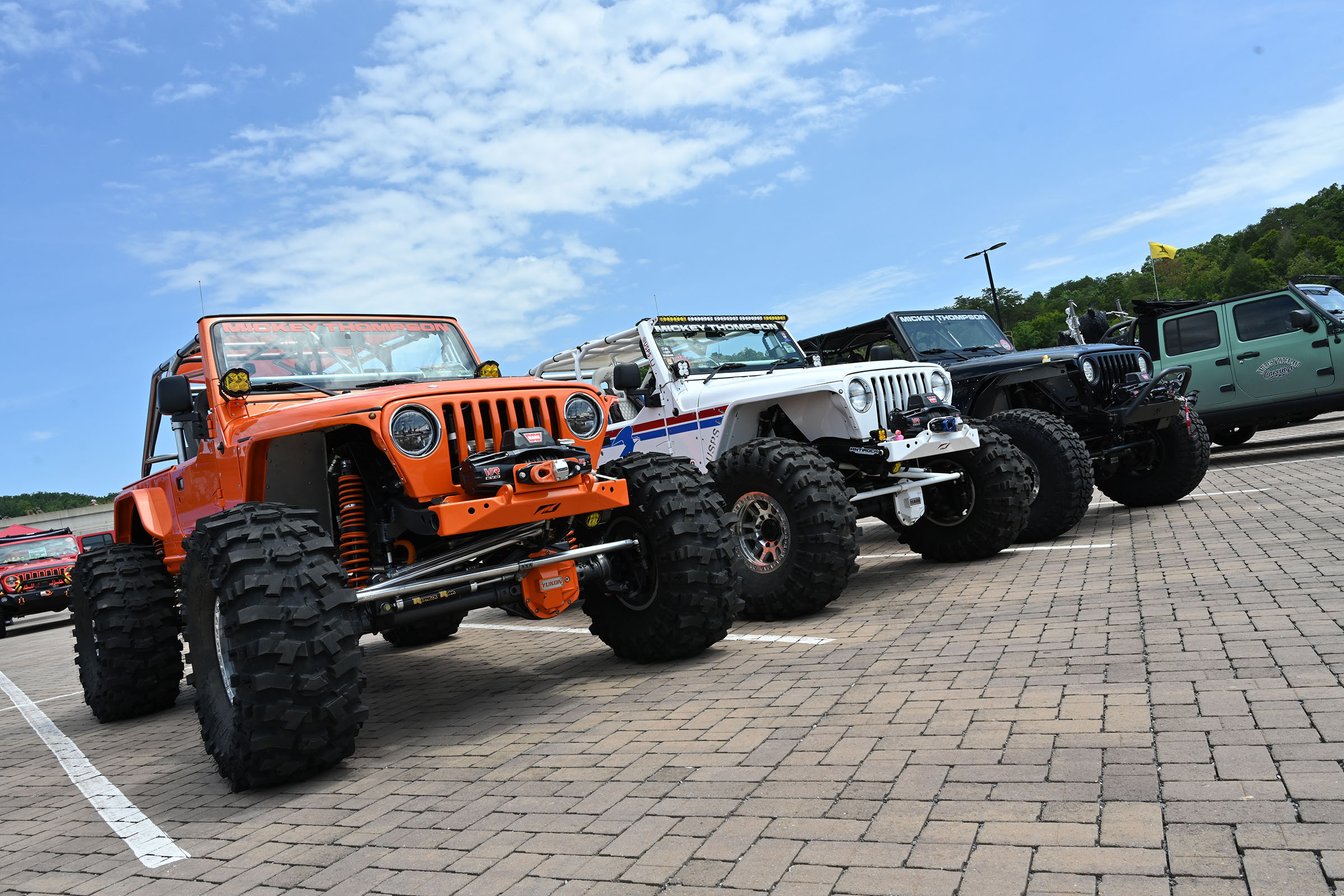
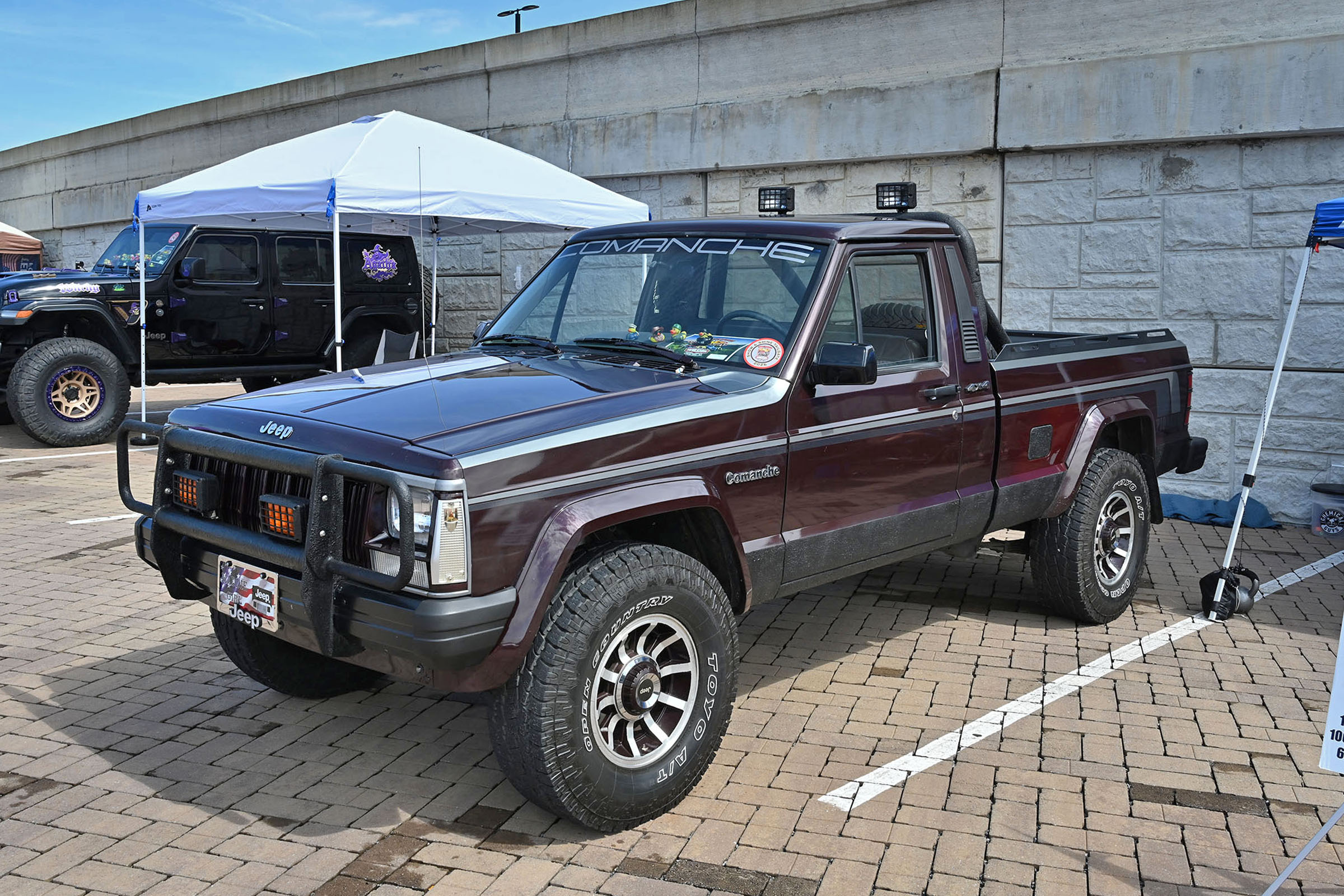
Of course, the Jeeps themselves commanded the spotlight. Hardcore trail rigs stood beside spotless show machines, vintage survivors, daily driven Wranglers and aggressively customized Gladiators. Some were engineered to claw their way across rocks and mud, while others were built for remote camping, long-distance exploration or simply owning every street they traveled.
From smart, functional upgrades to outrageous transformations, there was no shortage of inspiration—or temptation—for anyone already planning the next stage of a build.
NO RULES. NO LIMITS. NO TWO ALIKE.
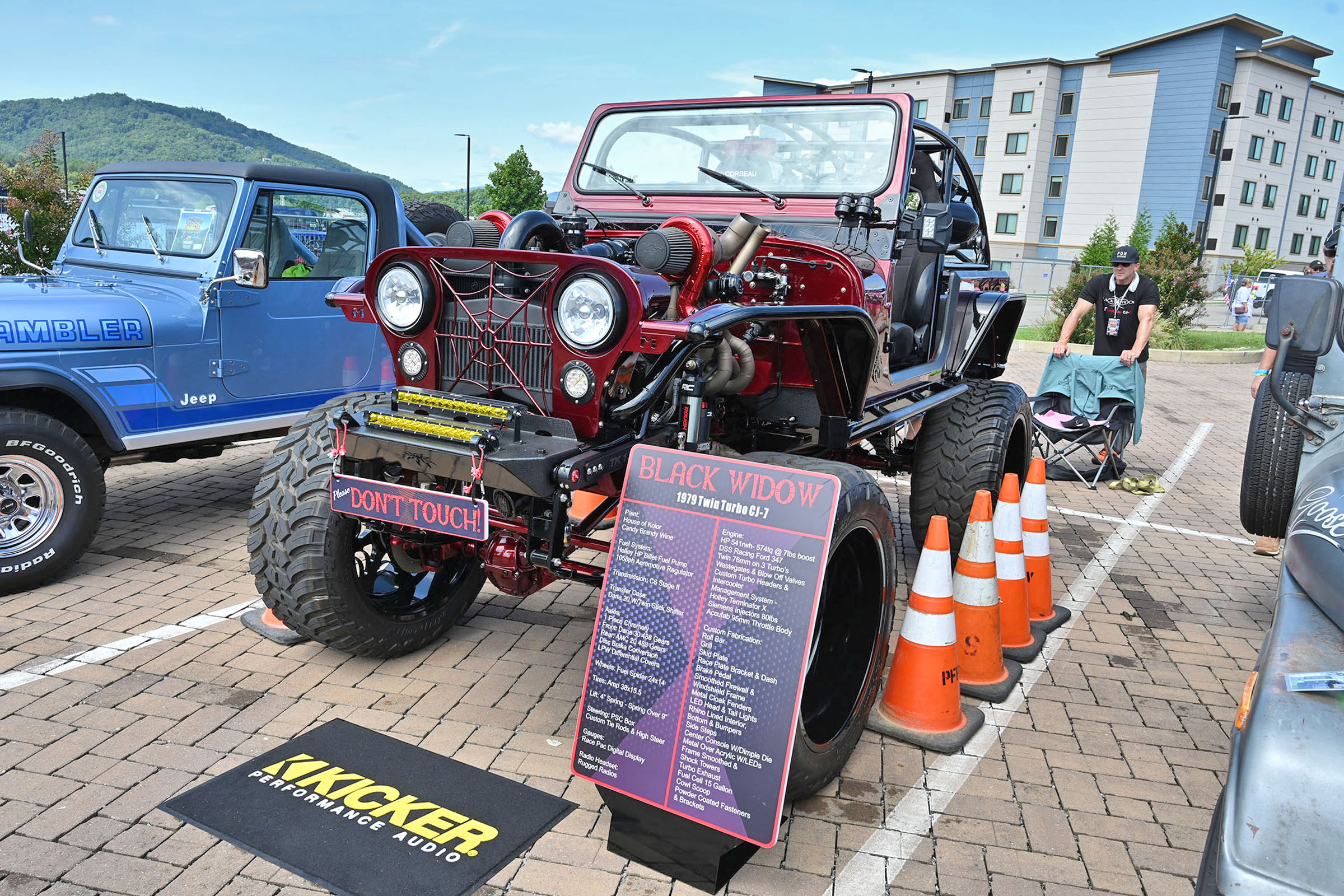
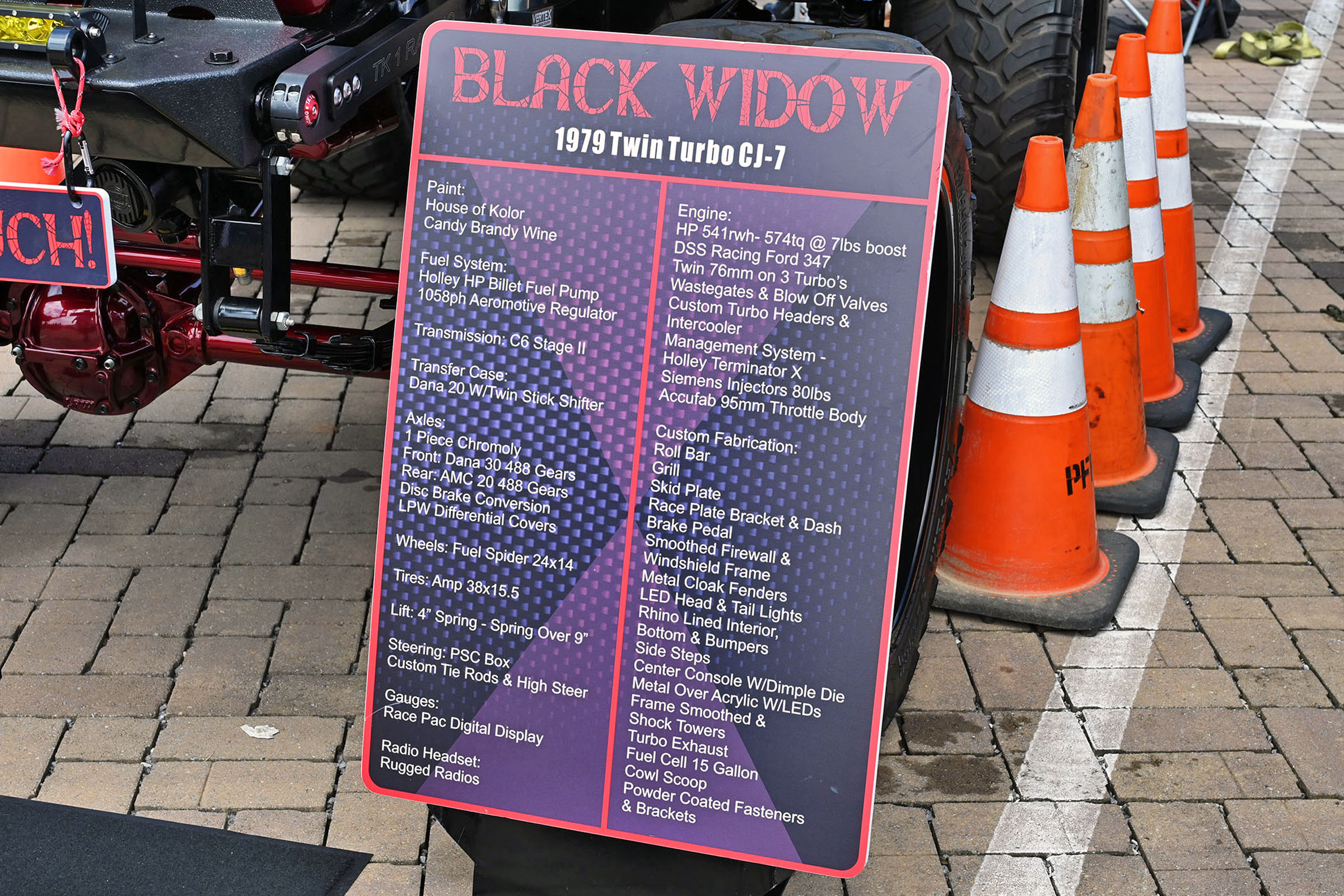
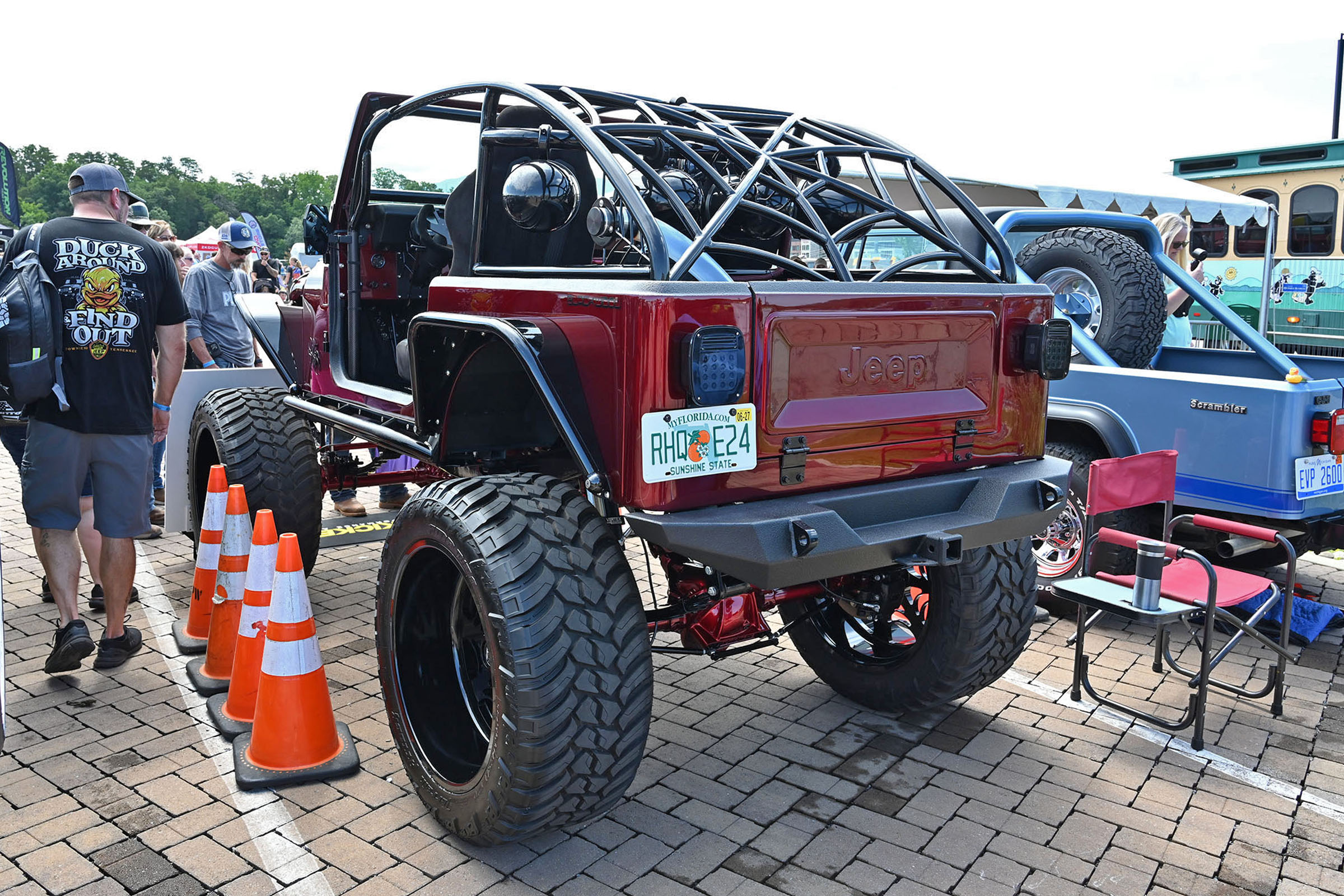
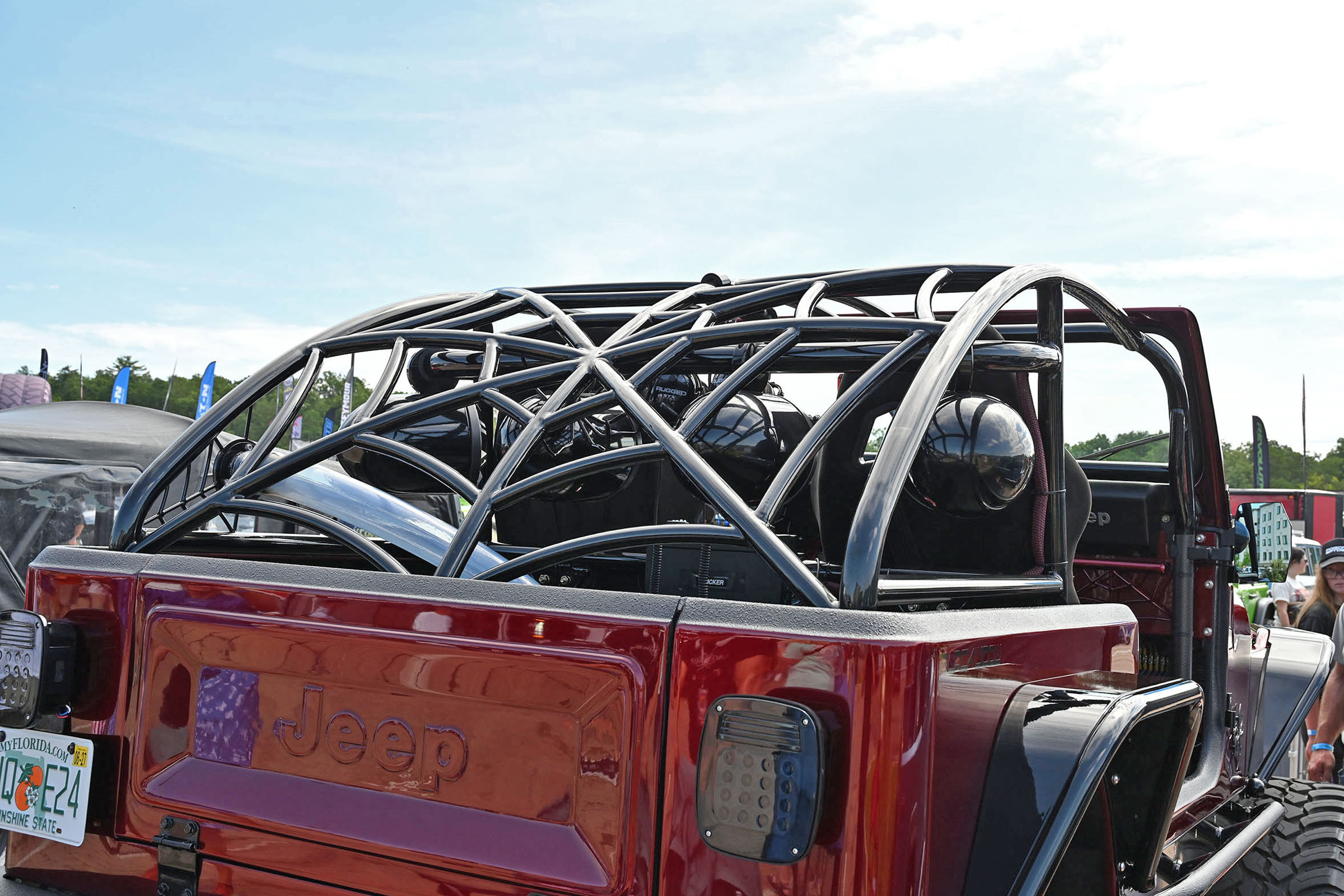
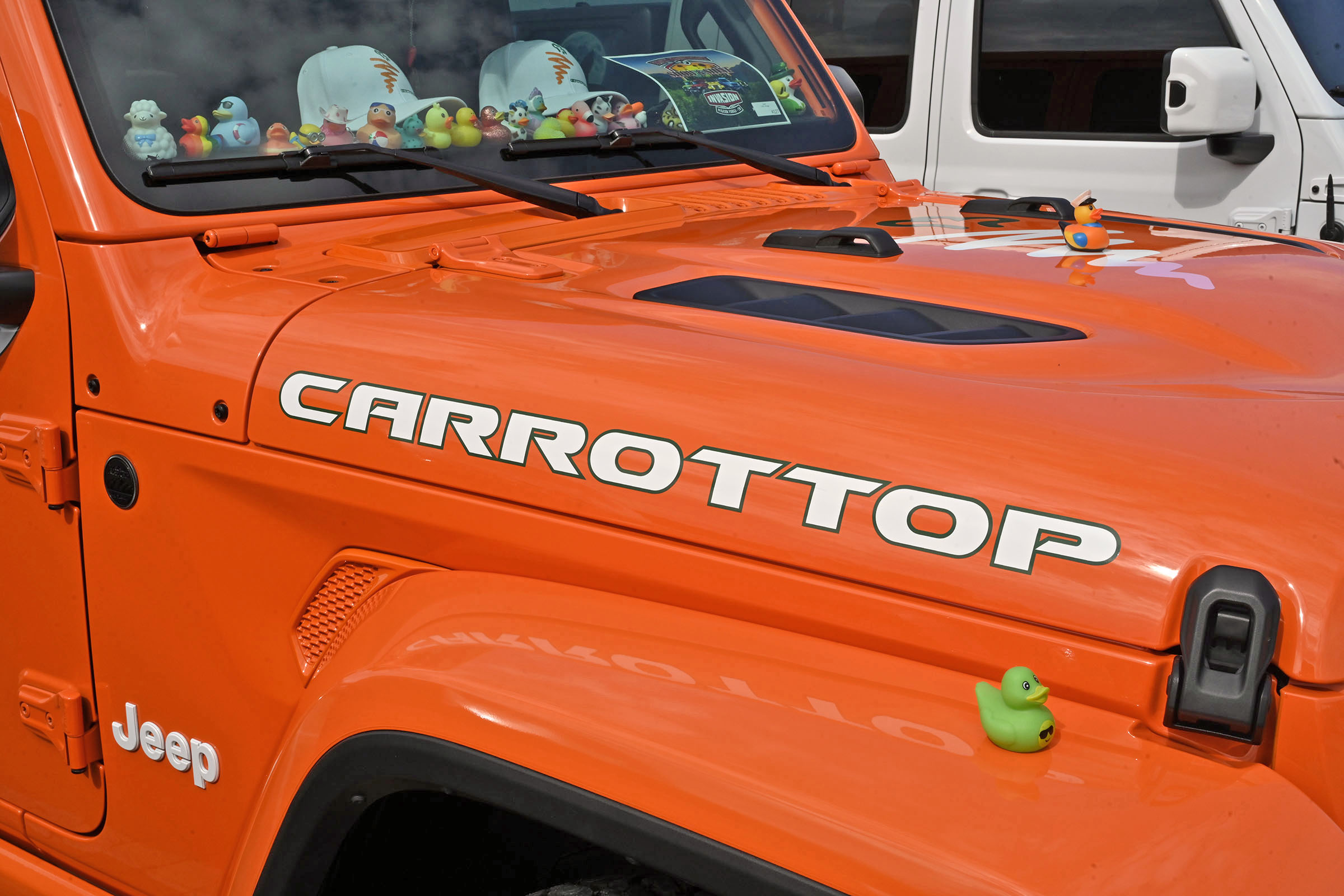
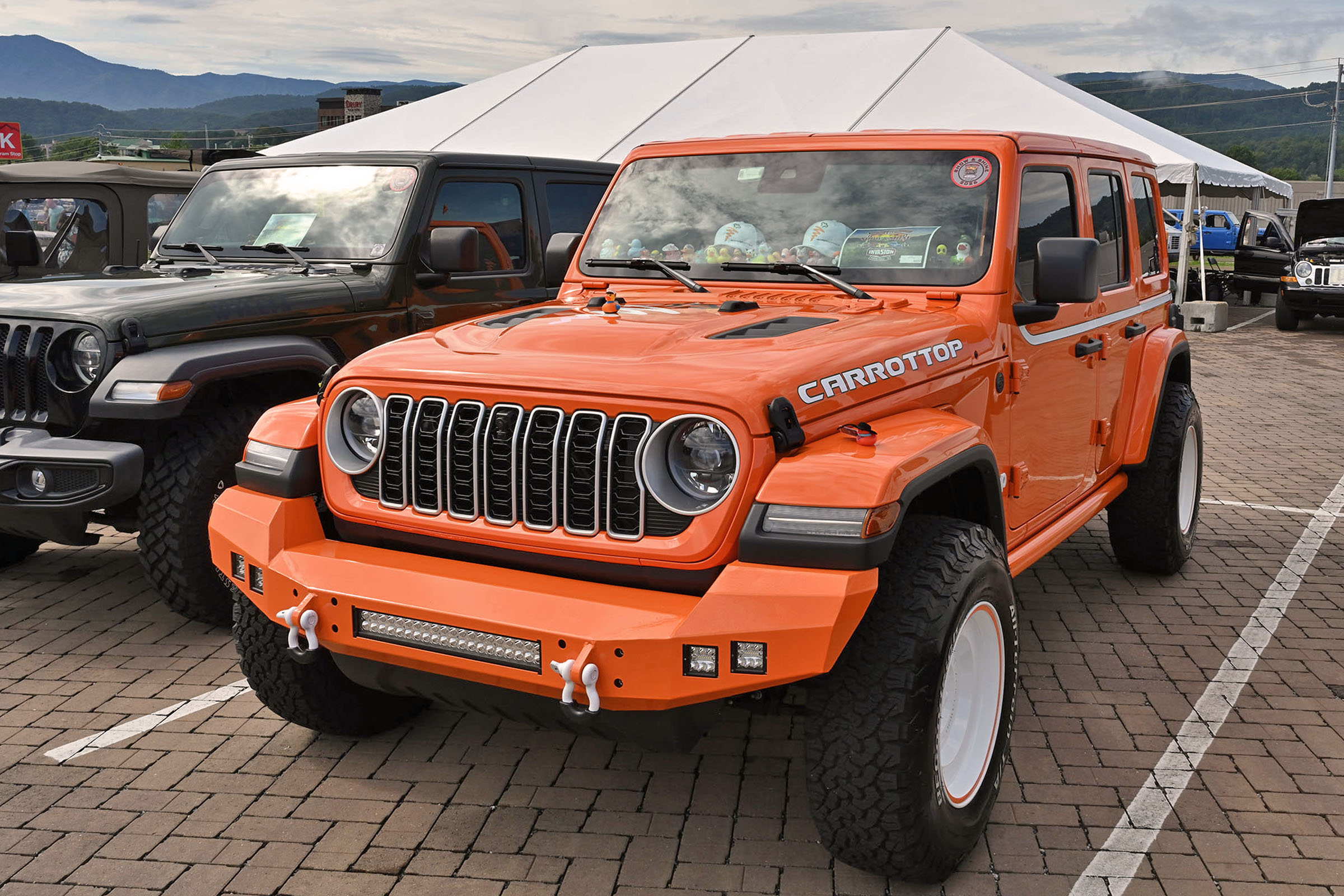
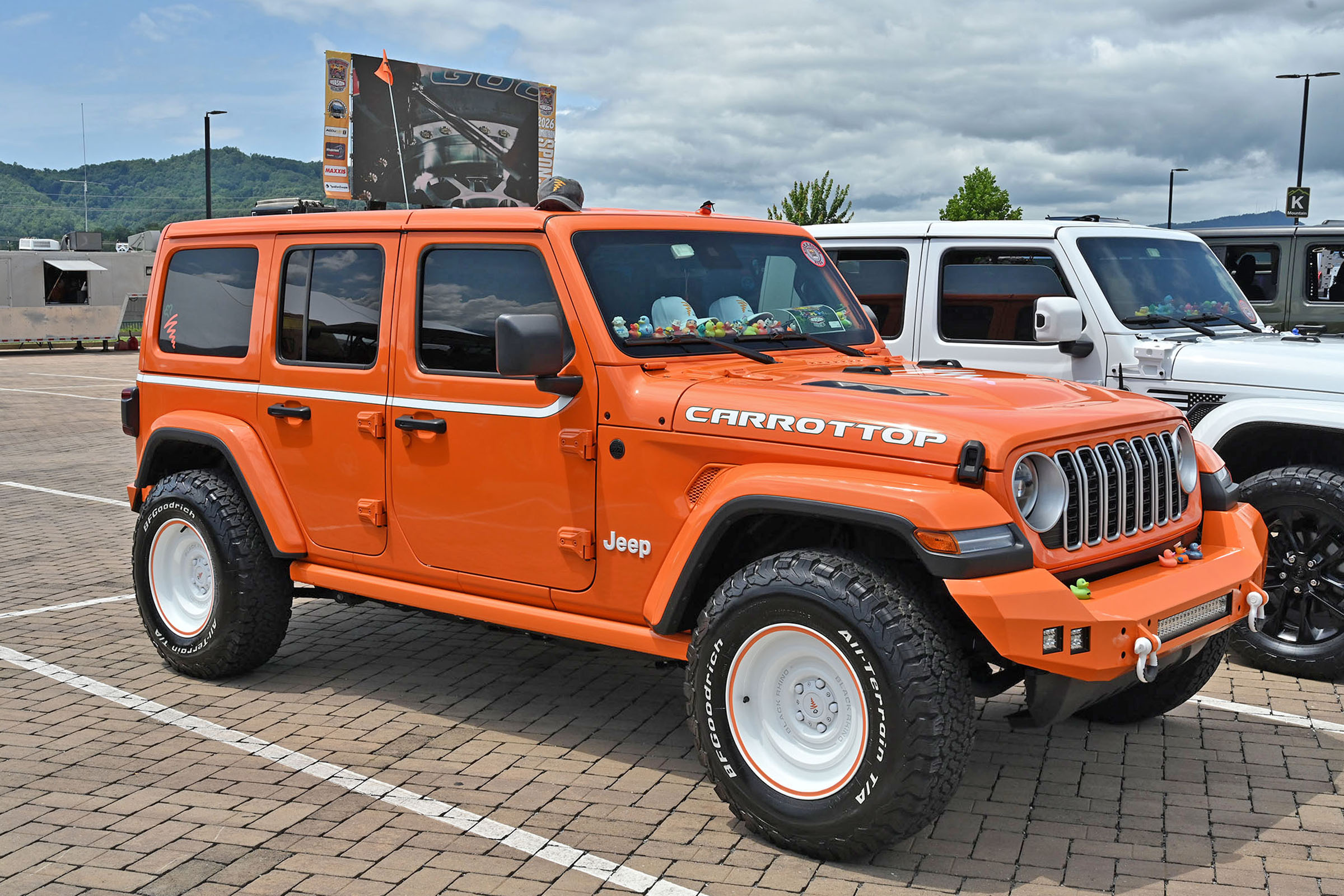
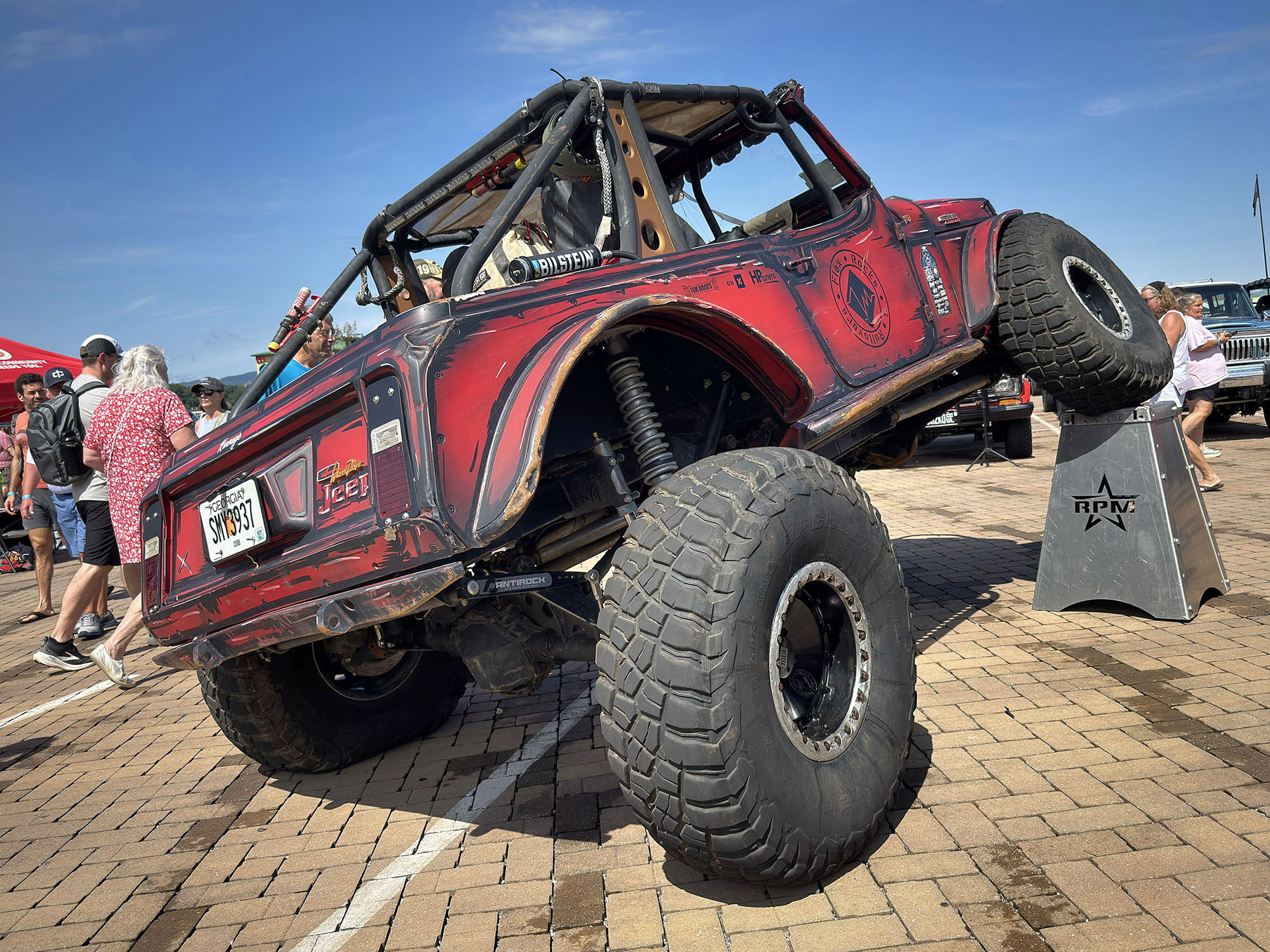
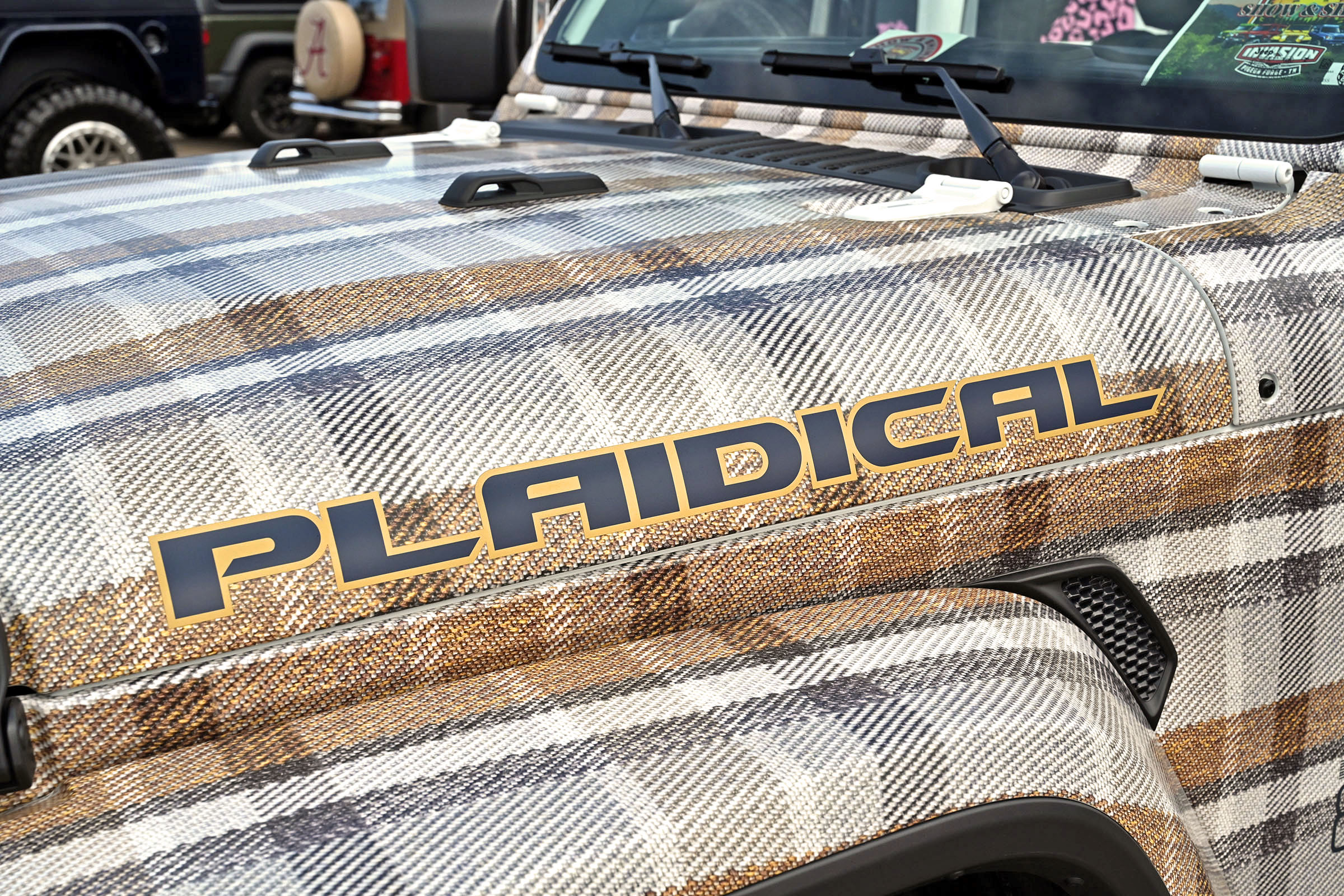
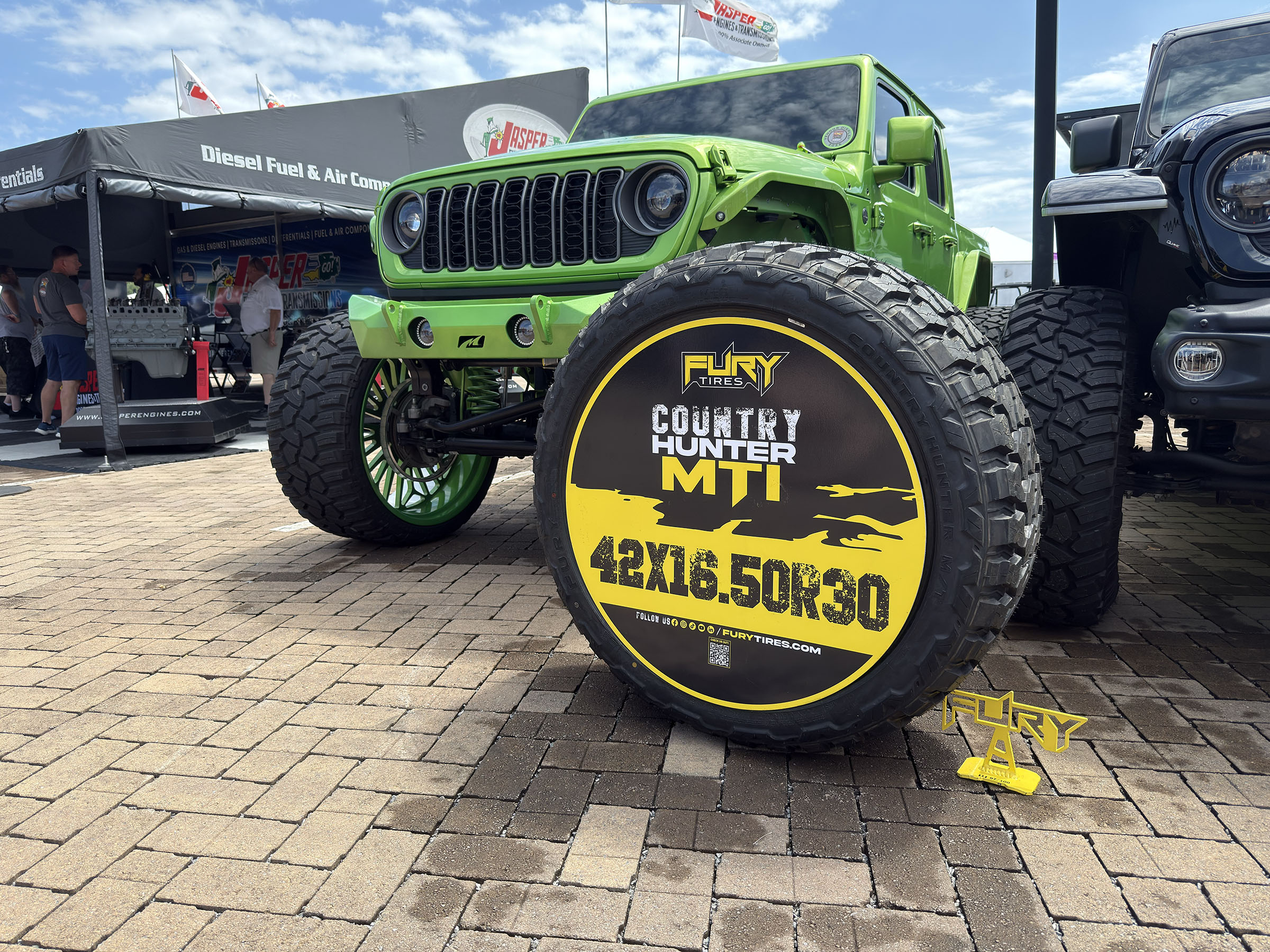
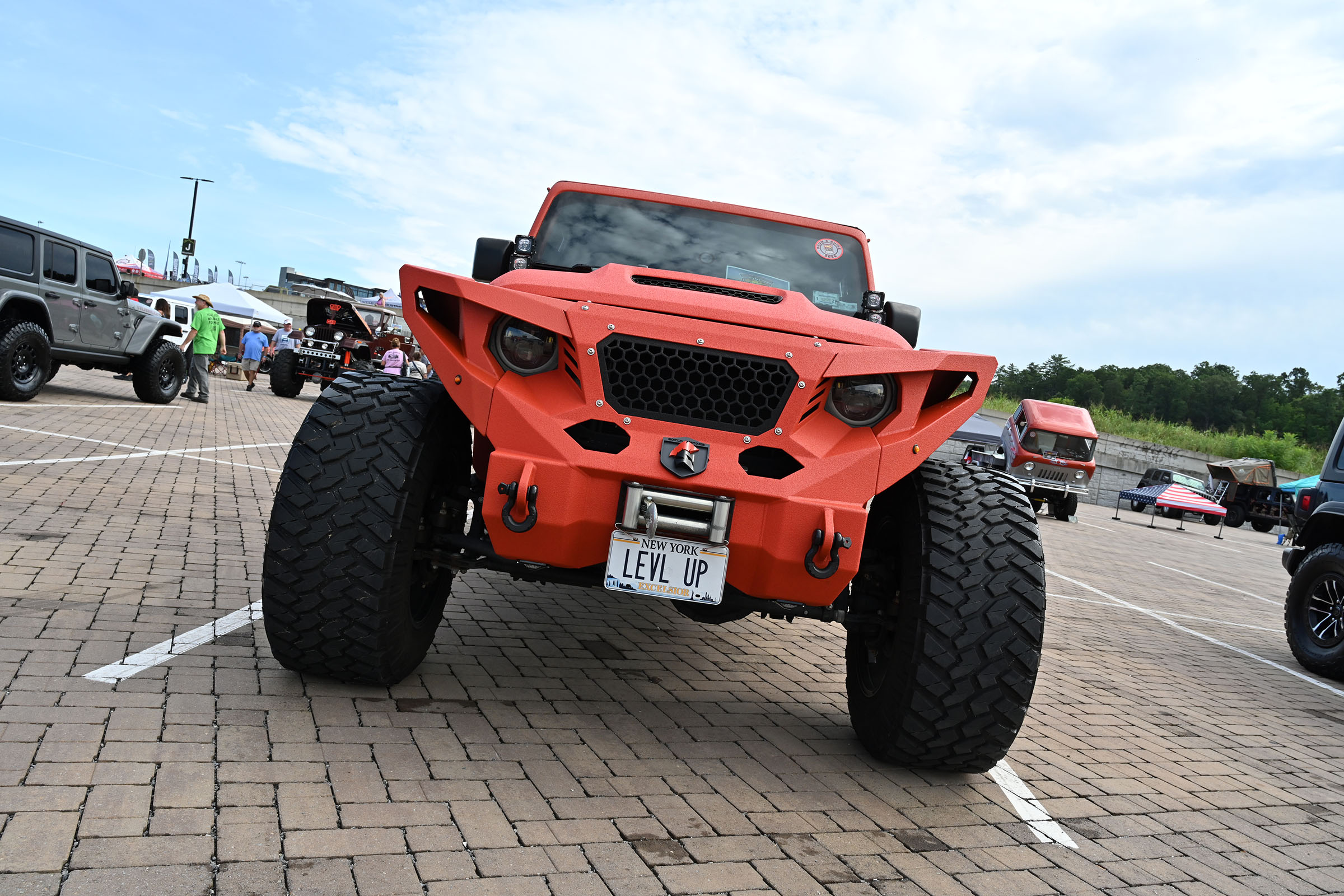
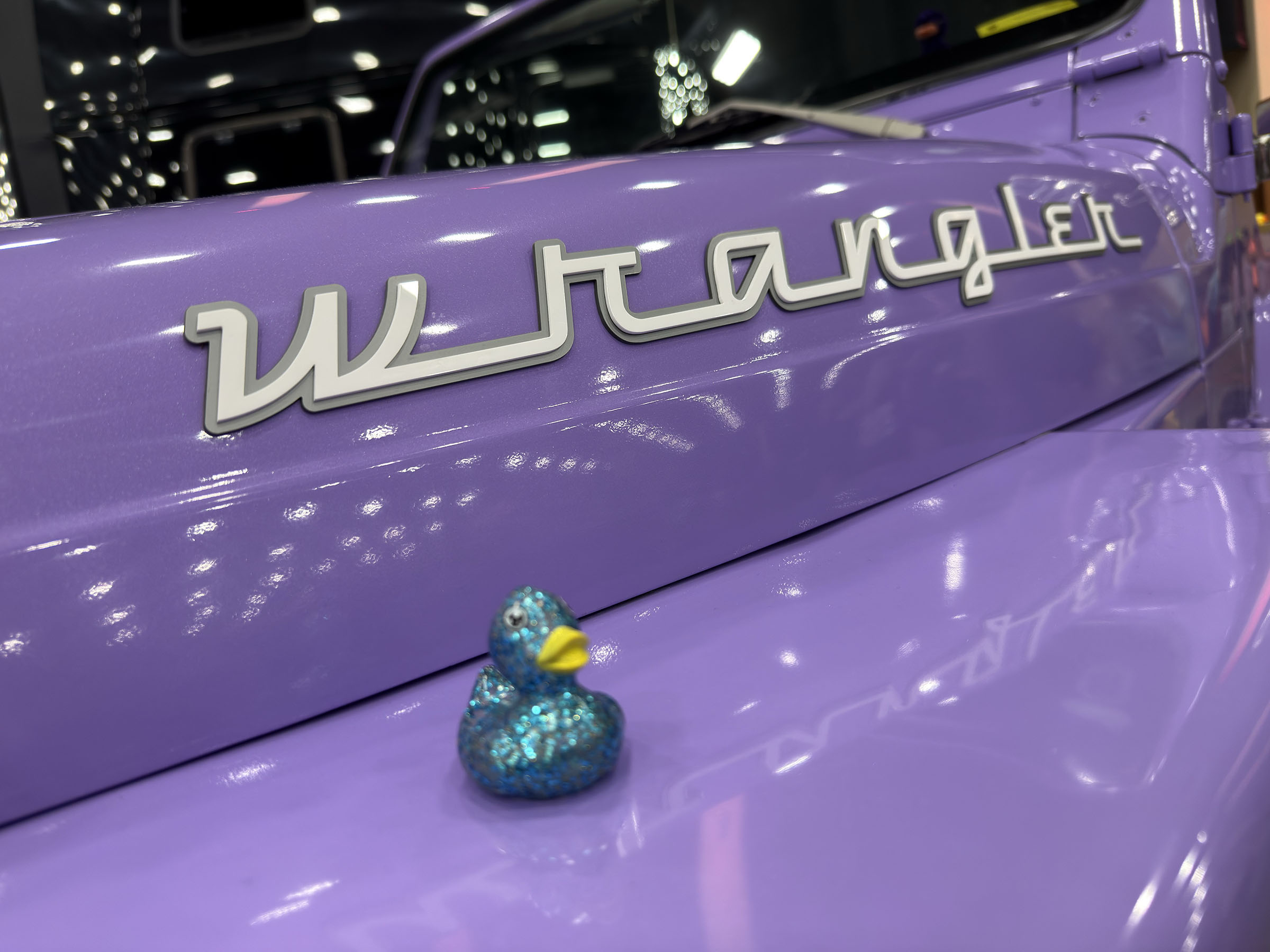
The Show & Shine gathered some of the weekend’s boldest creations in one place. Wild paint, elaborate lighting, massive tires, towering suspension lifts and carefully chosen accessories made one thing perfectly clear: blending in was never part of the plan.
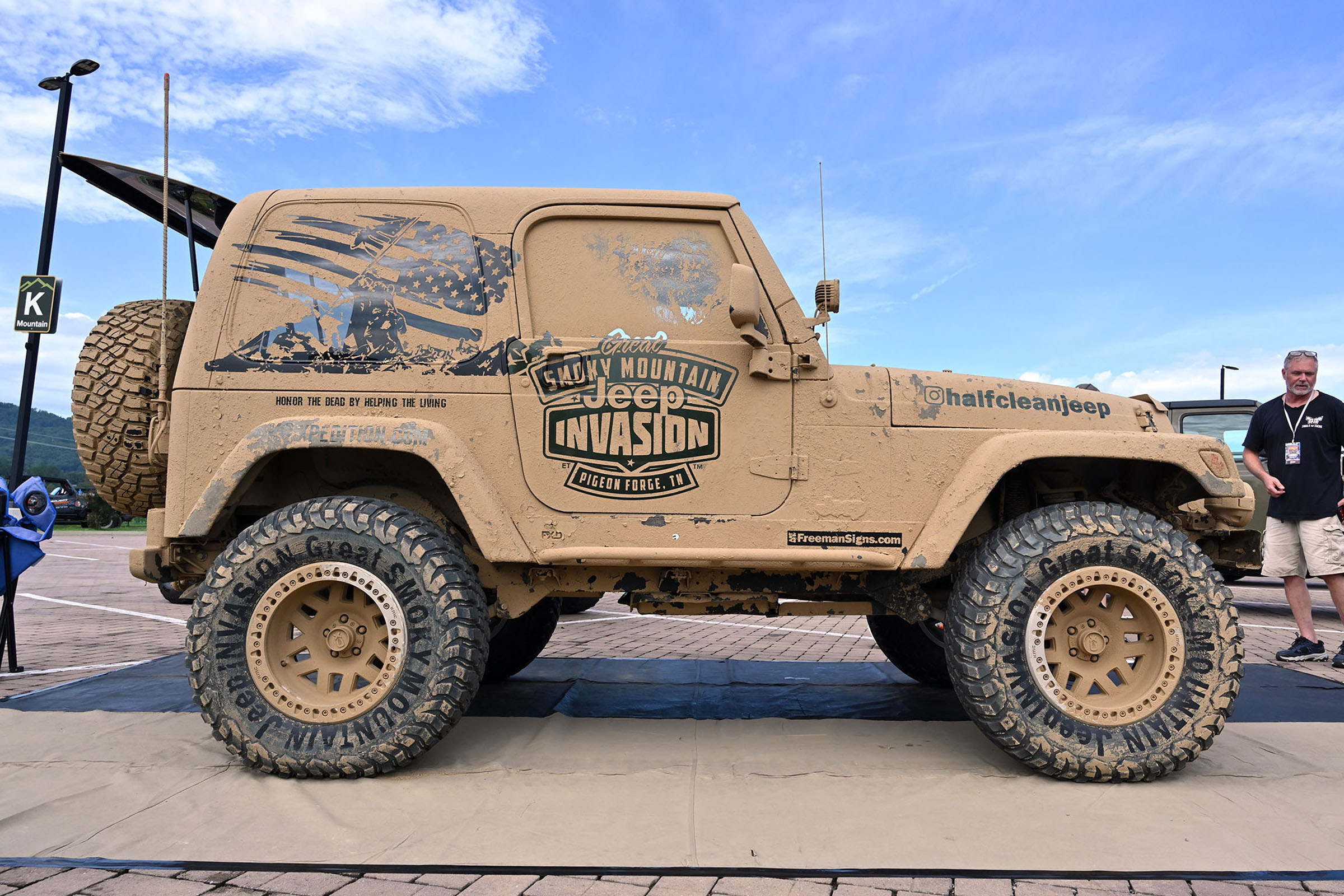
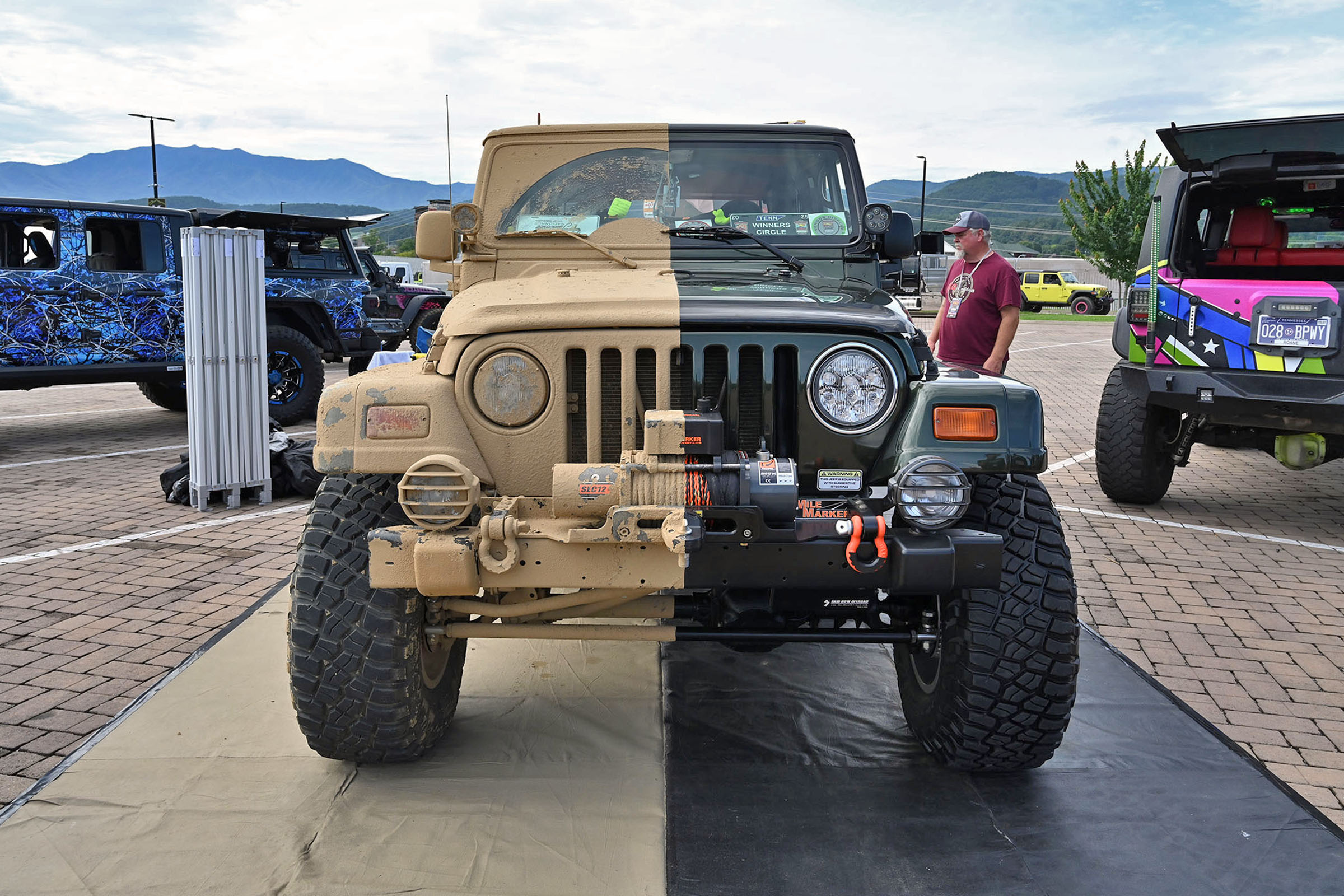
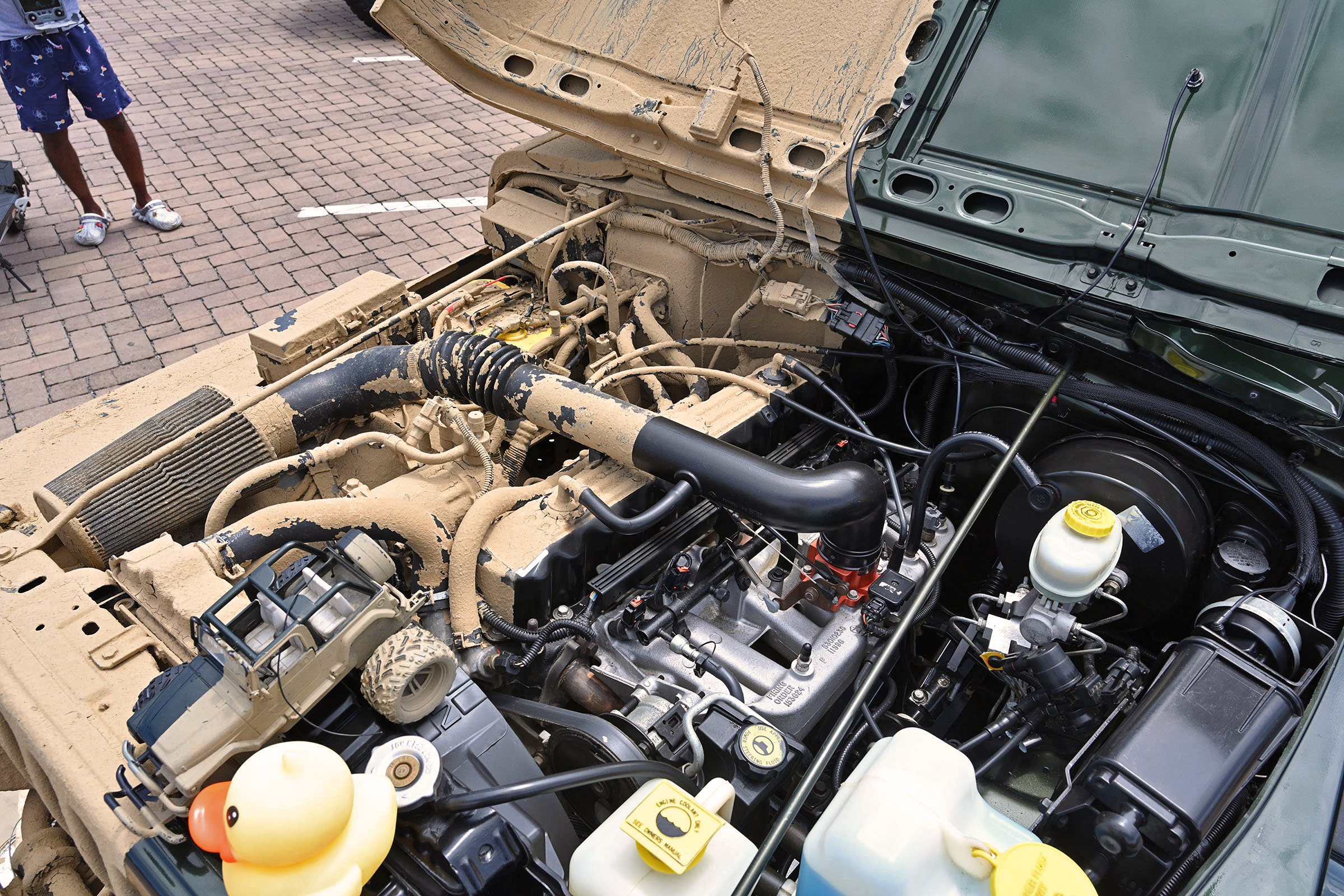
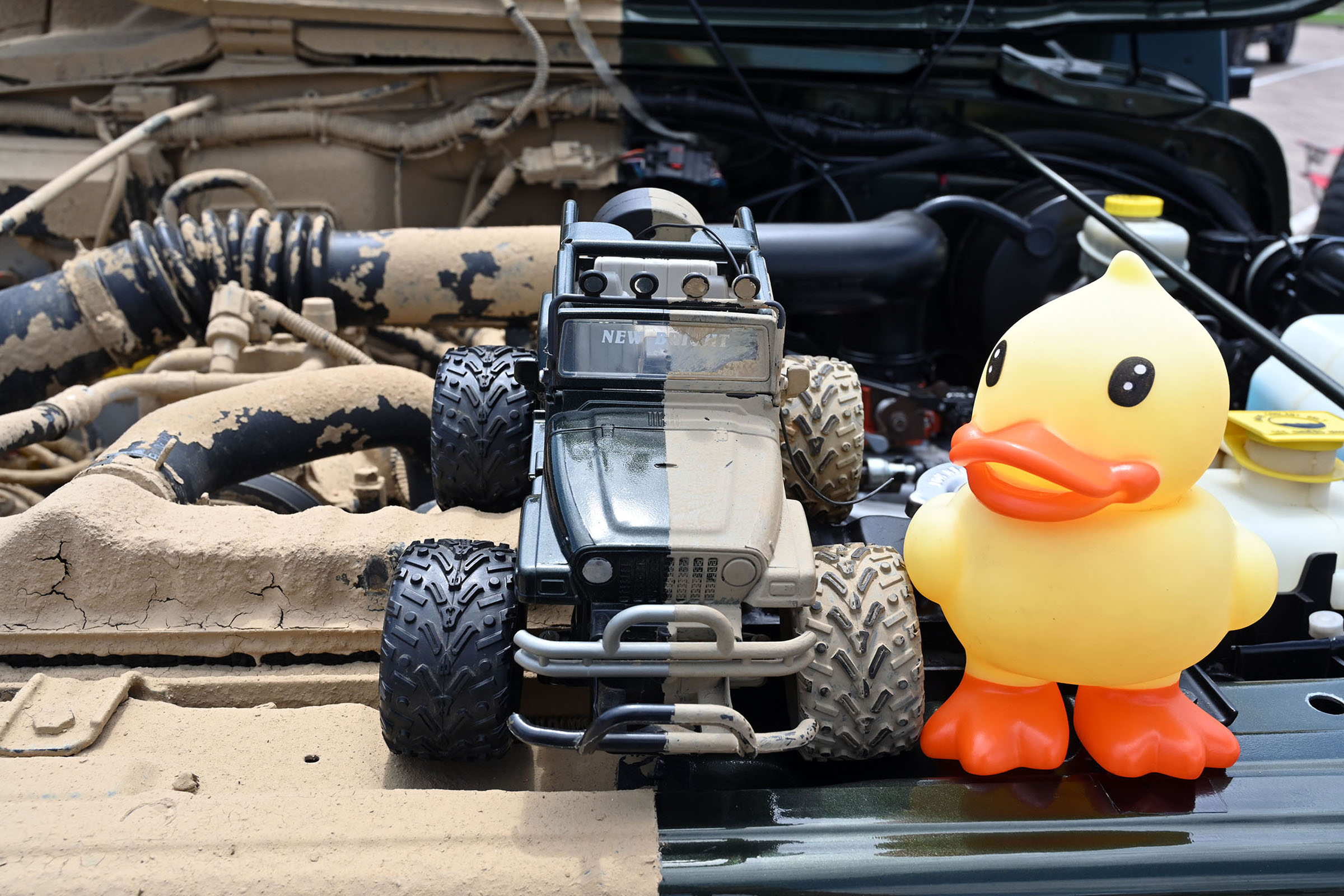
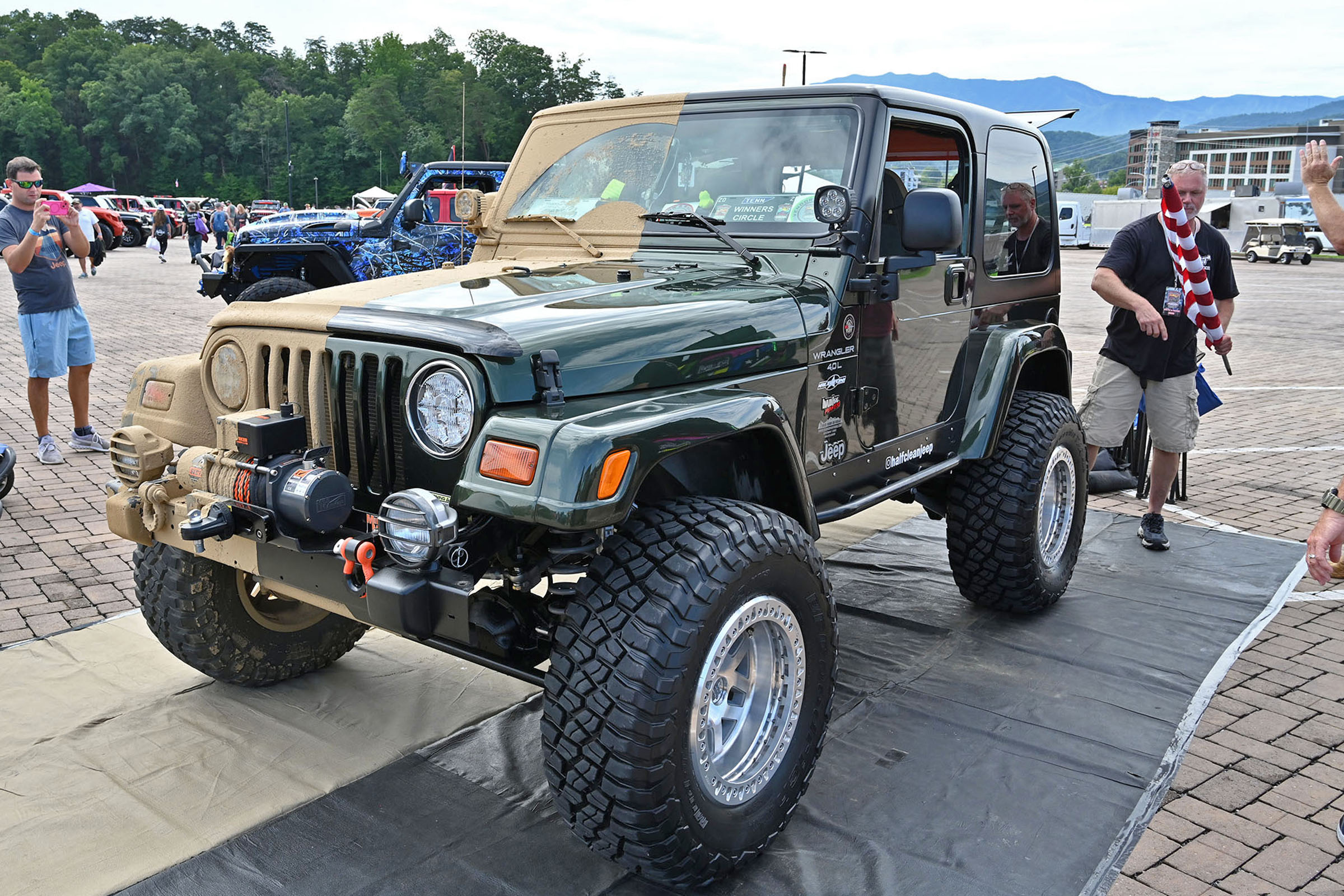
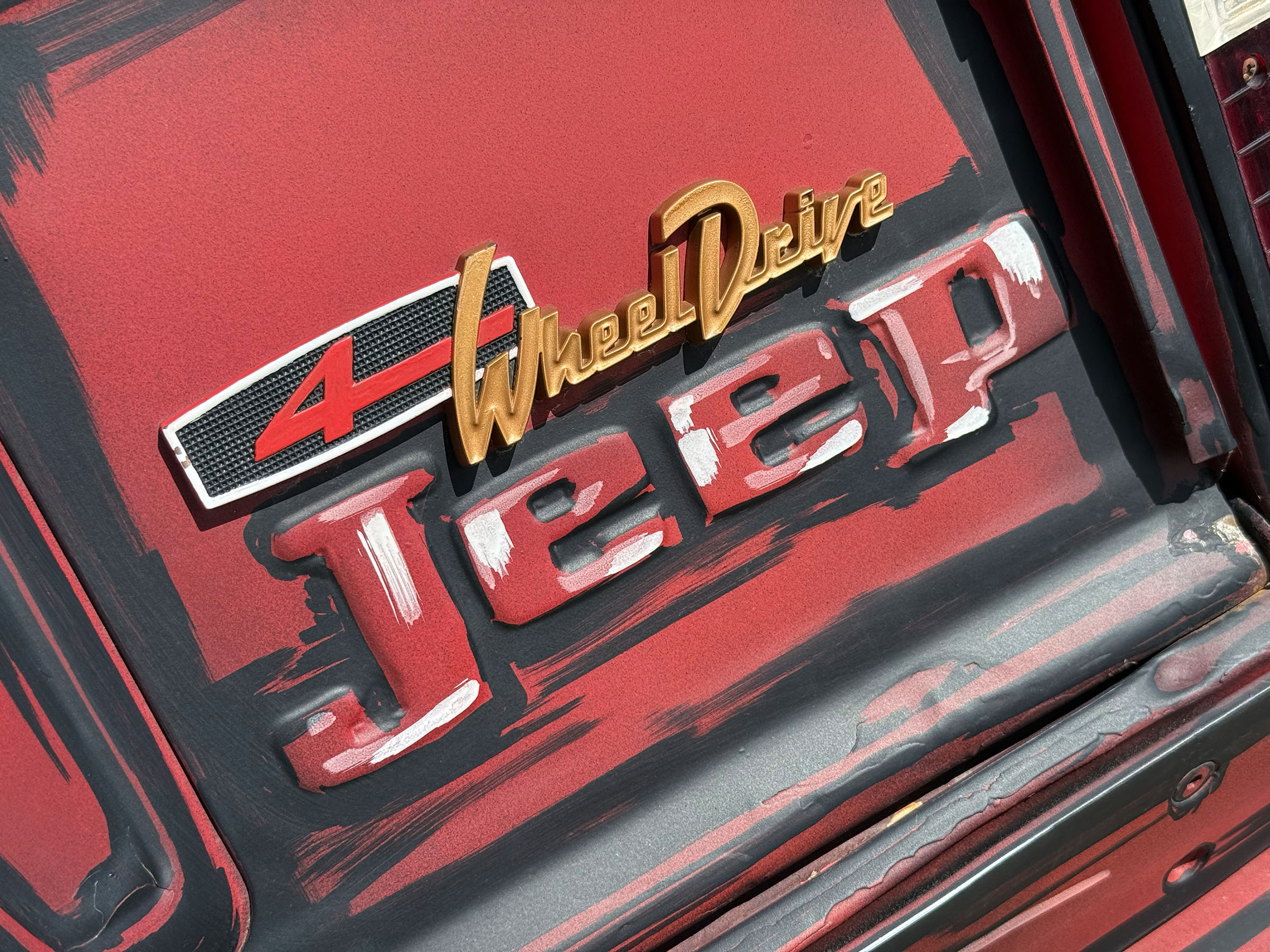
But polished perfection wasn’t required to stop a crowd. Some Jeeps proudly displayed scratched paint, trail dust, muddy tires and recovery equipment that had clearly earned its keep. Those battle scars weren’t flaws—they were proof that these machines had lived beyond the pavement.
That freedom is what makes Jeep culture so addictive. There is no single formula and no universal definition of the perfect build. Every owner has a different destination, a different vision and a different idea of just how far a Jeep should be pushed.
THE INVASION COULDN’T BE CONTAINED
The LeConte Center may have been ground zero, but the Smoky Mountain Invasion quickly spread across Pigeon Forge. Jeeps packed restaurants, hotels, parking lots and the city’s main strip, turning nearly every mile through town into a rolling custom show.
Guided trail rides, parties, cruises and social gatherings kept the energy going well beyond the show grounds. When the displays shut down for the evening, the engines, conversations and good times continued throughout the city.
For those who were there, the photographs that follow are another chance to relive the builds, products and personalities that made the weekend unforgettable. For everyone who missed it, consider this a warning: when the Jeep community invades the Smokies, it doesn’t arrive quietly.