

TheAutoBuilder.com

Engine

WHERE’S THE POWER?

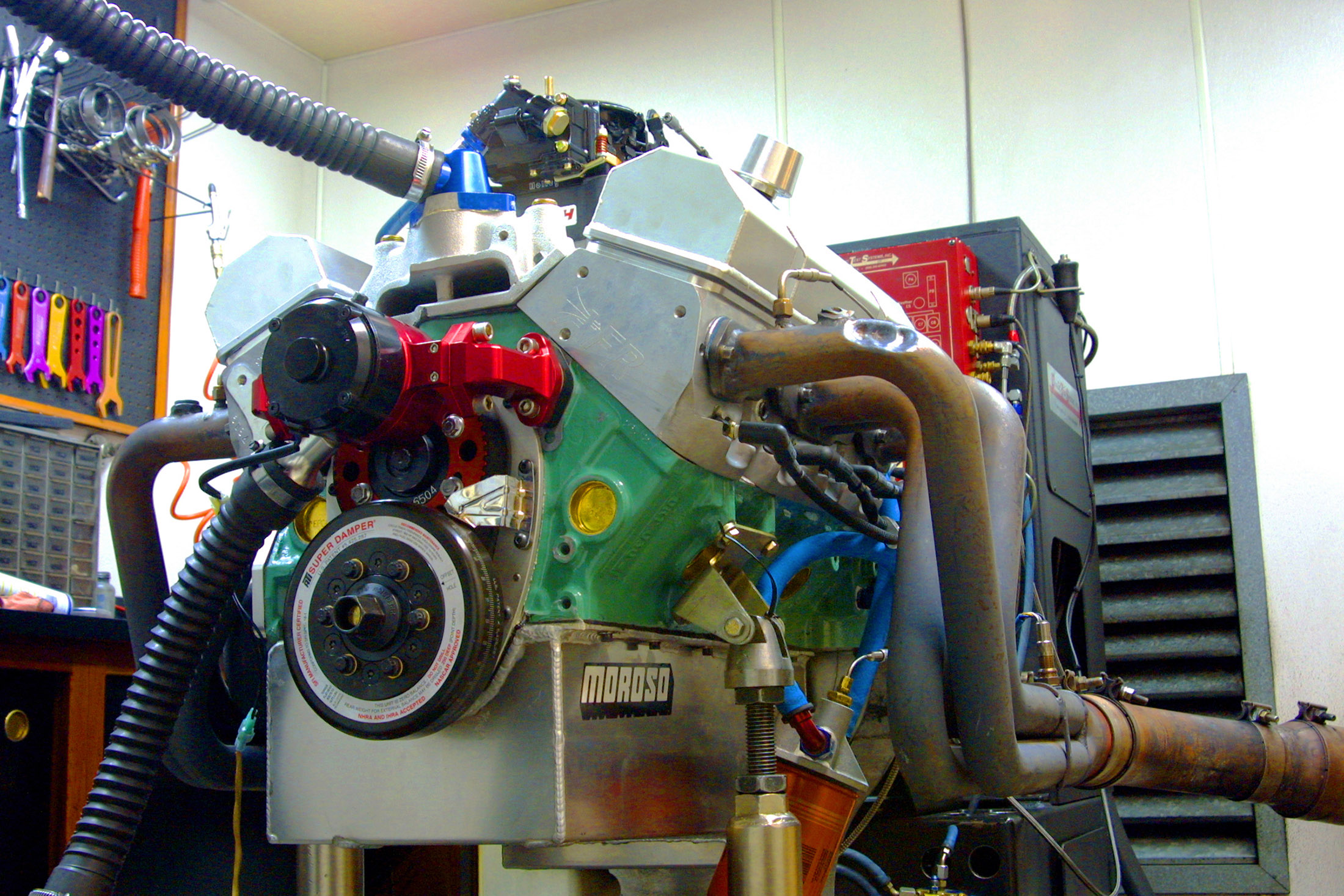
Bob Gruitch just thought his car was not performing up to his expectations. A ’55 Chevy equipped with a 502 big block, square port heads and a Crane H296-2 camshaft should be more than enough power. But it lacked power and didn’t idle all that well, especially in gear. This shouldn’t be happening with an engine built by John Gianoli at Reggie Jackson’s High Performance Engine Shop, so Gruitch figured he had something wrong and brought the car to John Bishop’s Hot Rod Tuning Service to have it checked. He’s lucky that he did.
LS is MORE

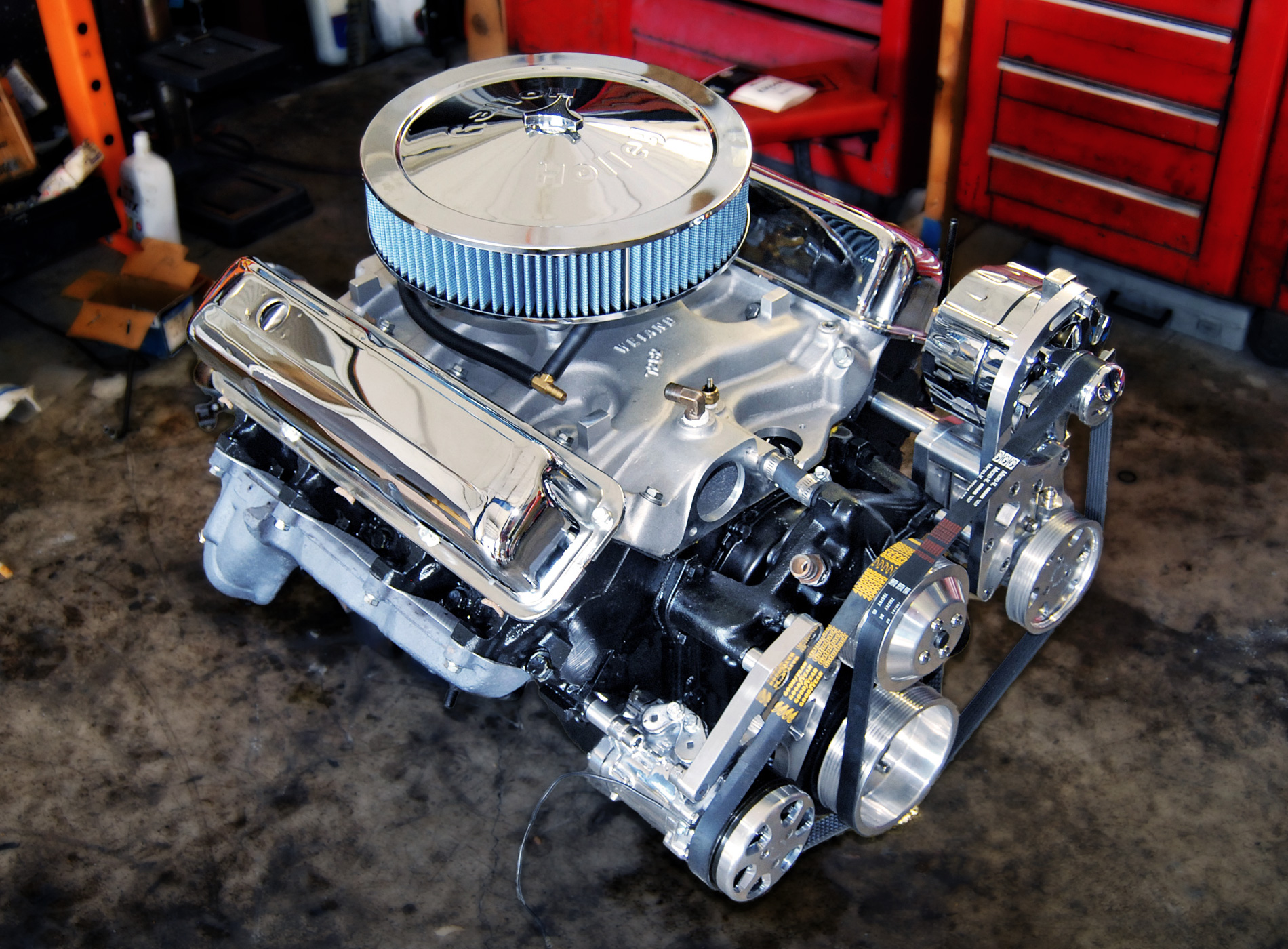
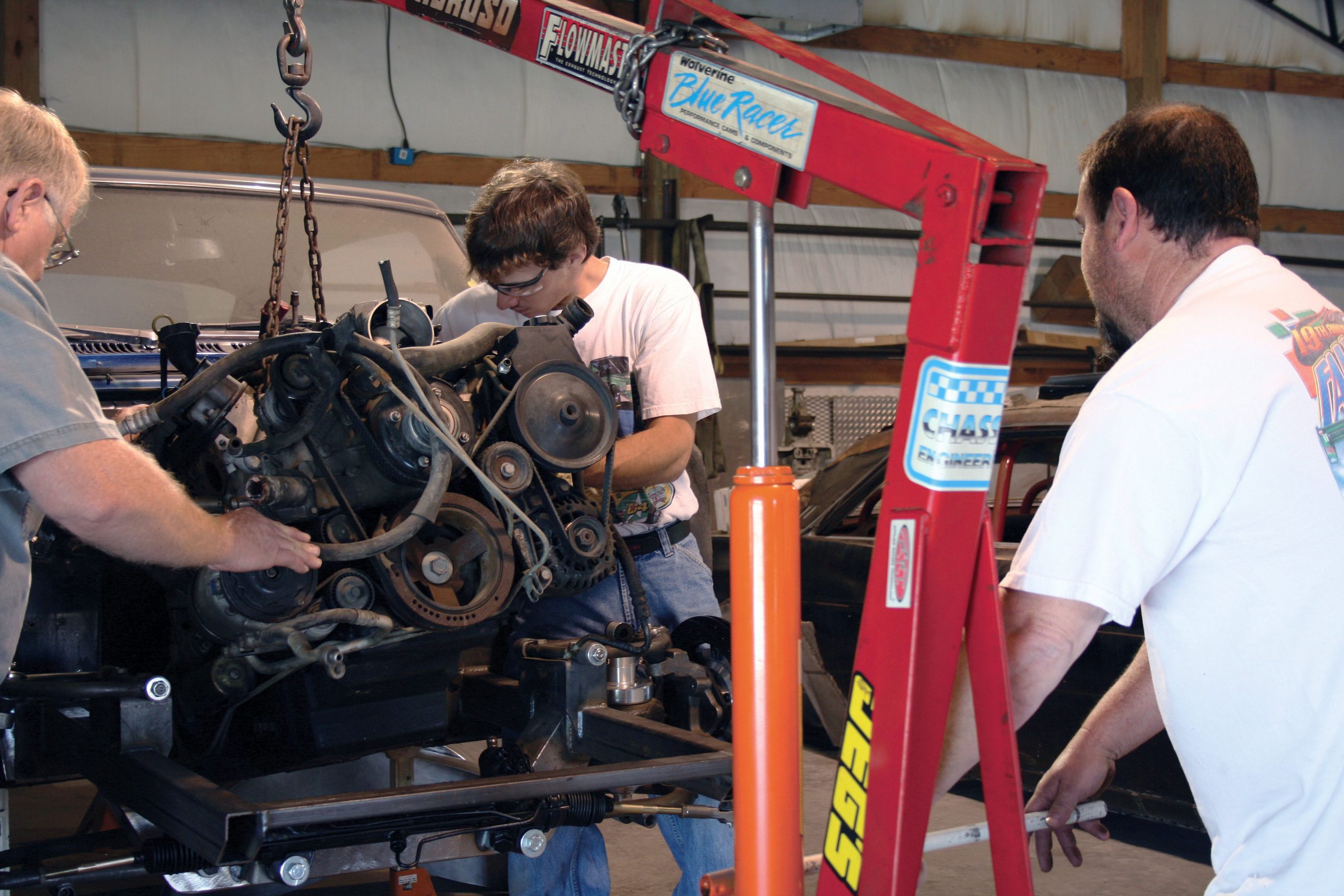
When GM introduced the Gen III small block in the F-body, it rekindled a dying performance flame with its new-generation small block. While the Gen I small block actually kick-started the hobby and got it into gear, it’s the latest family of small-block engines that has grabbed the attention of enthusiasts everywhere—and for good reason.

Choosing The Right Cam

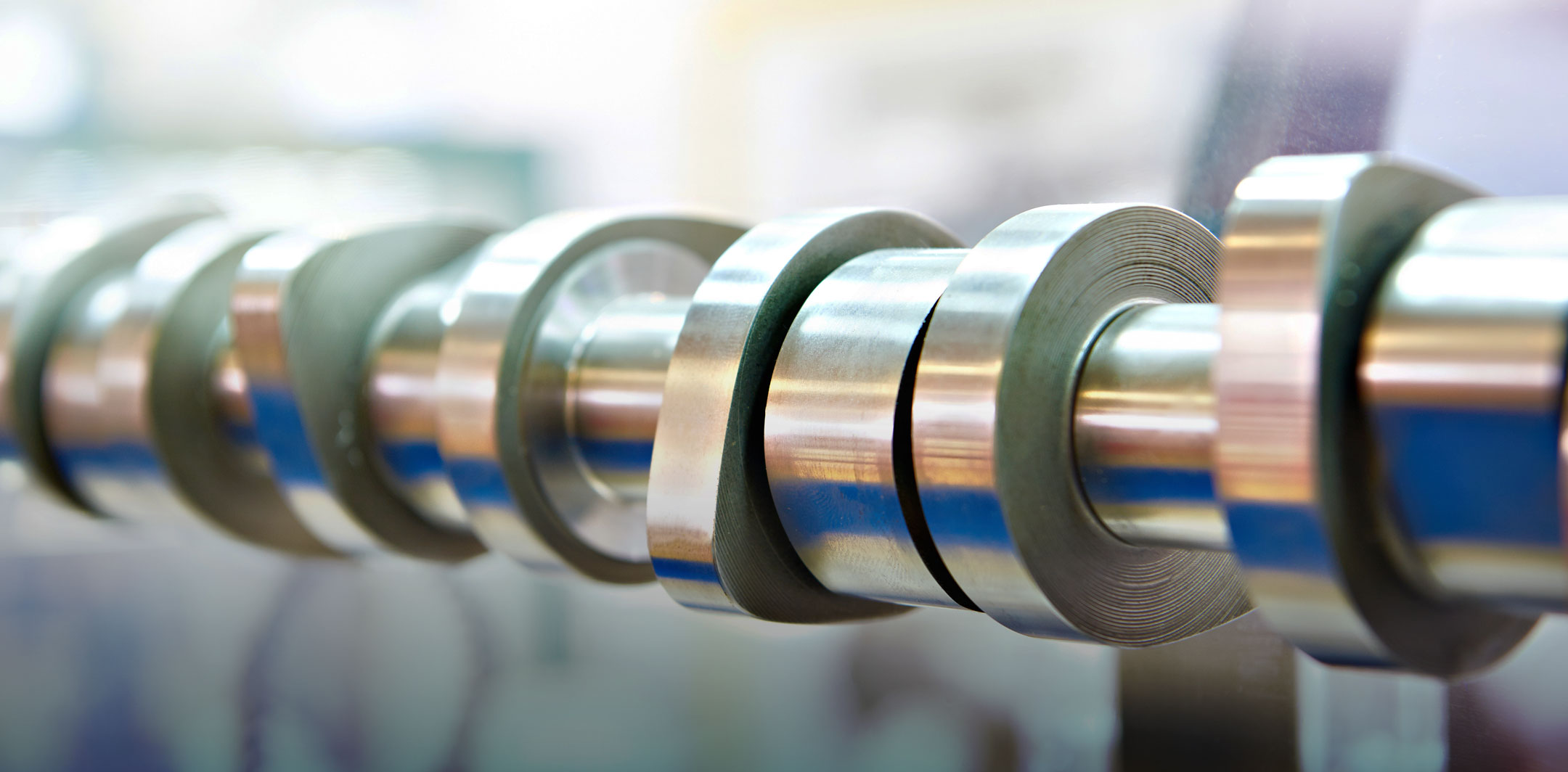
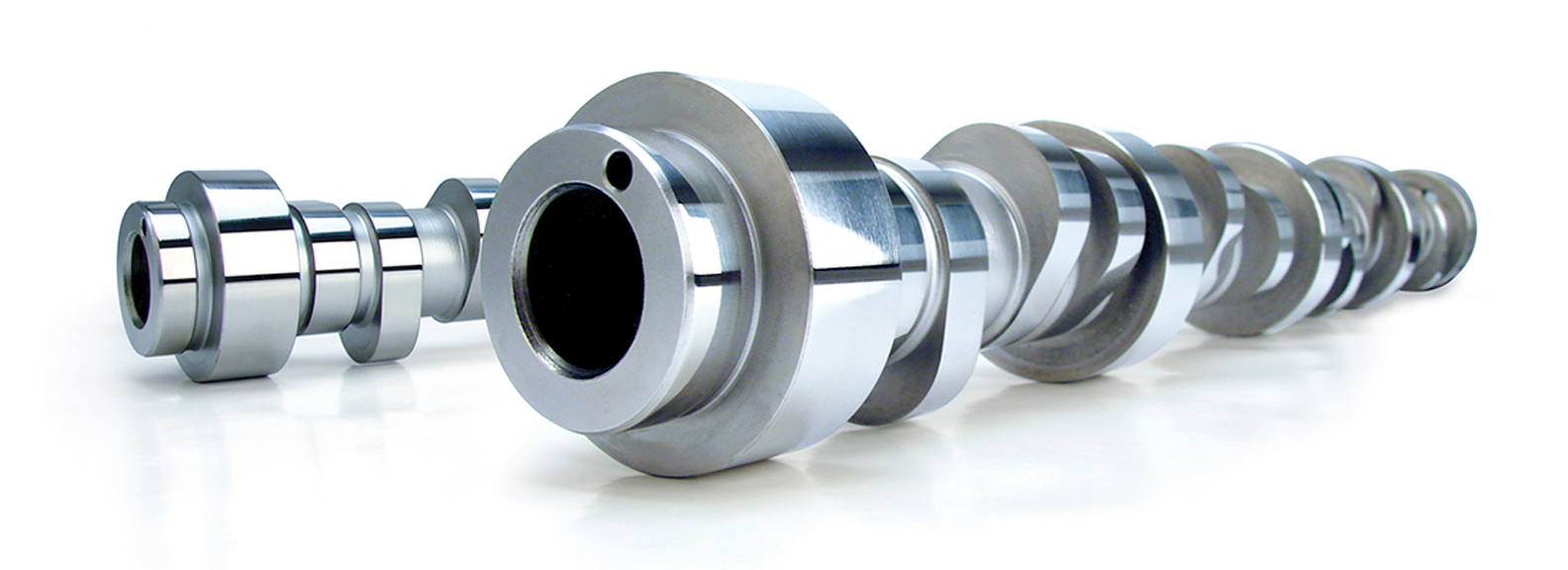
Cam-speak is a language all its own. Well, maybe not from a linguistic point of view, but it is a specialized dialect of car-guy talk. Although spoken by a good portion of enthusiasts, Cam-speak is really fully understood by only a handful of those same enthusiasts, as it is a very specialized, nuanced dialect. Those who do not speak the lingo can instantly be singled out. Those who are fluent in cam-speak are listened to intently, even when those listening do not fully comprehend whatʼs being said and how to apply it to their particular applications. Few within our ranks are particularly fluent in this highly specialized jargon.

4/7 SWAP

We showed you how to build a small-block engine that could make over 500 hp and 500 lb-ft of torque on 87-octane gas. It was a motor that could be driven just about every day with a hydraulic-roller cam and a good carburetor, making acquisition and maintenance almost nonexistent. Like many things we do in the engine world, the results we enjoyed—while good—just weren’t satisfying anymore. We wanted more.

CAMARO FAVORITE

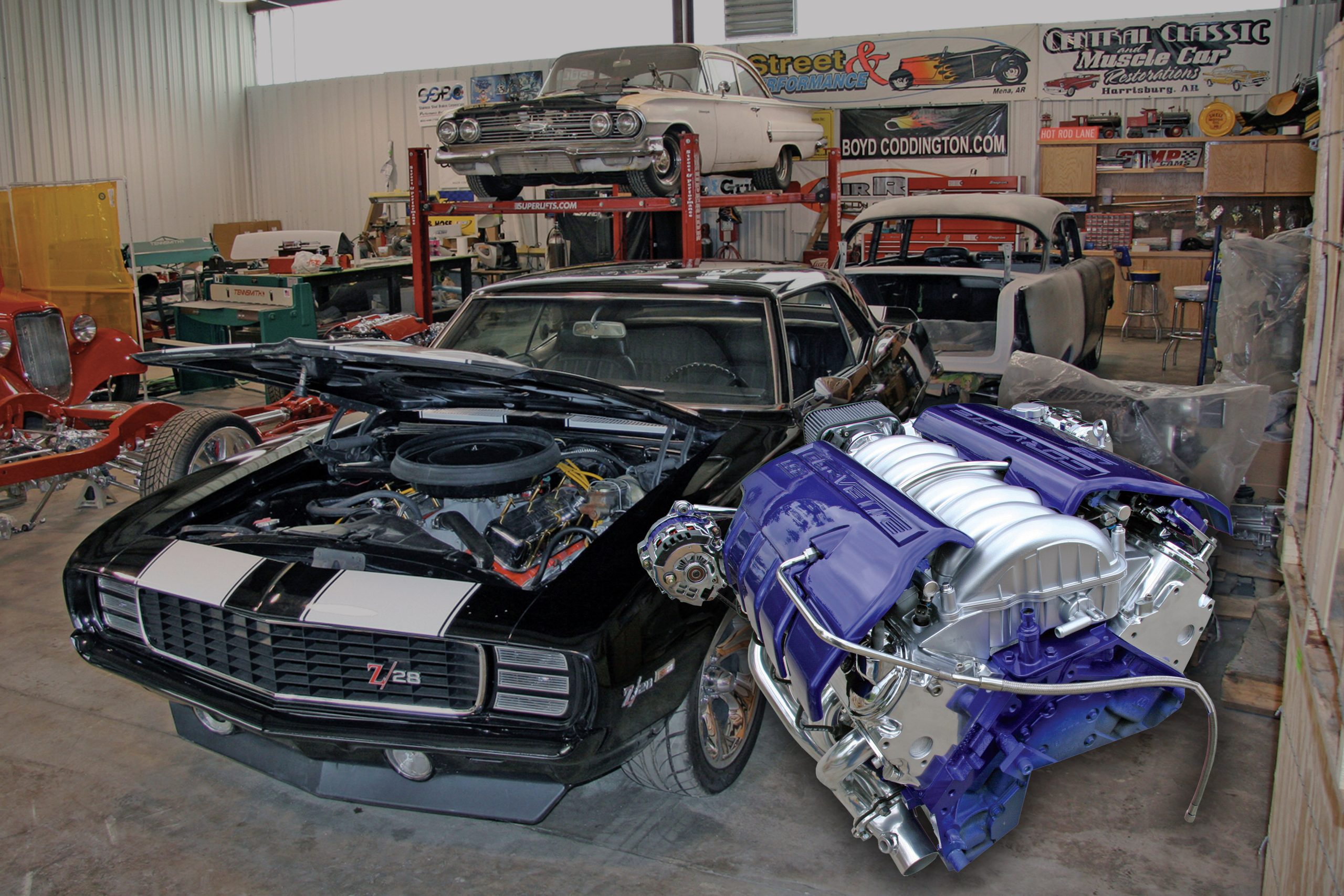
First-generation Camaros are all the rage these days, and no wonder. With so many ways to bring them into a new era, they make great selections. So, while the big-block power and a five-speed trans served owner Gary Johnson well over the years, rocketing gas prices led him to a more efficient LS2 option.

HOLLEY CARB TUNING

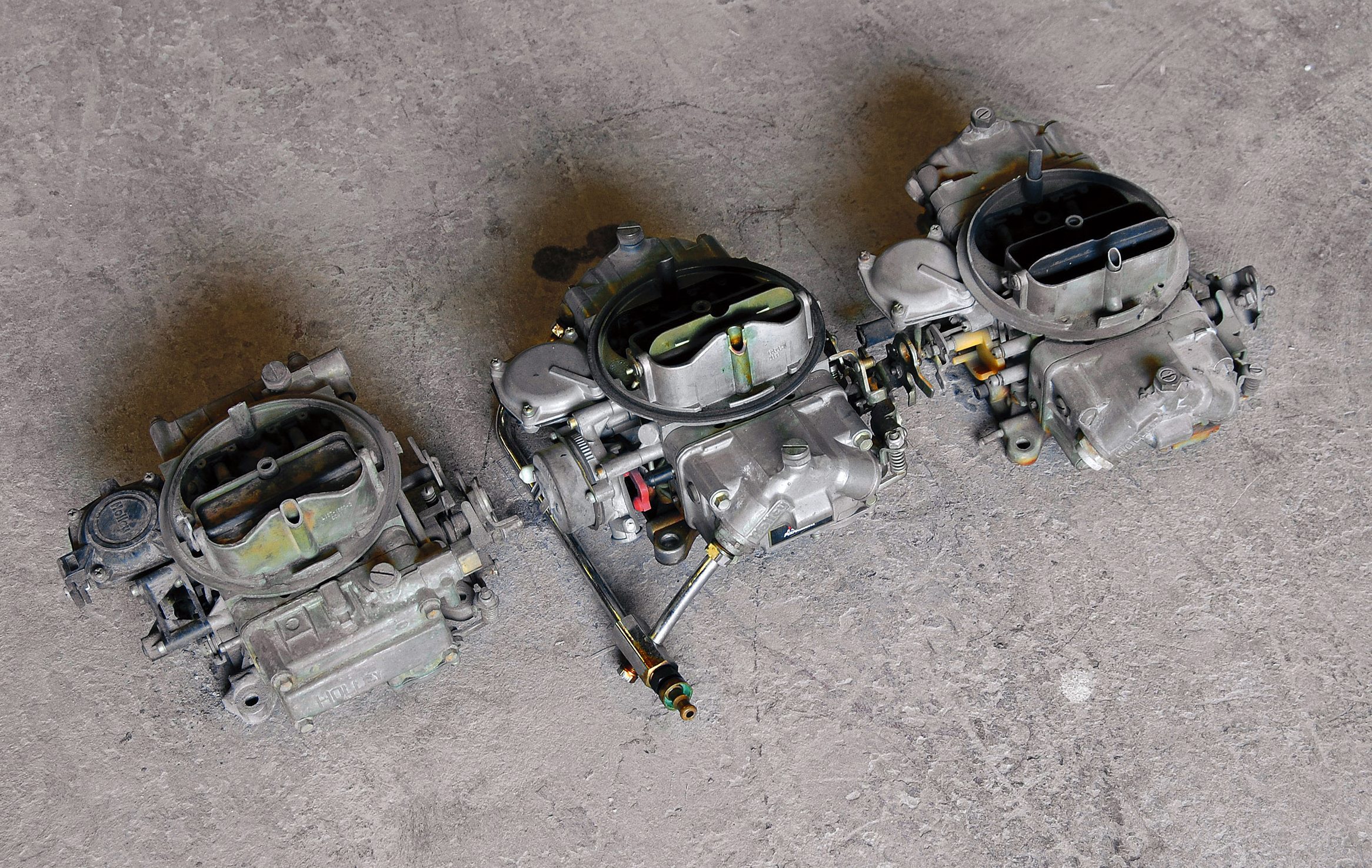
Holley carburetors have long been a staple in the go-fast world of high-performance motoring, whether it’s NASCAR, drag racing or on the street. Much like other performance-oriented products—perhaps even more so with a carburetor—a carburetor requires a fundamental setup and a degree of maintenance, and that’s considering you have chosen the correct-size carburetor for your application, at least to get it in the ballpark. Knowing how to adjust, maintain and even repair your Holley carburetor goes a long way toward helping to ensure that your carburetor will make optimum horsepower for a long time. Because of this, we decided to compile a few troubleshooting and repair tips for the popular 4150-series Holley carburetor, which is the series designation for Holley’s street/strip and racing carburetors.

MAKING GAS

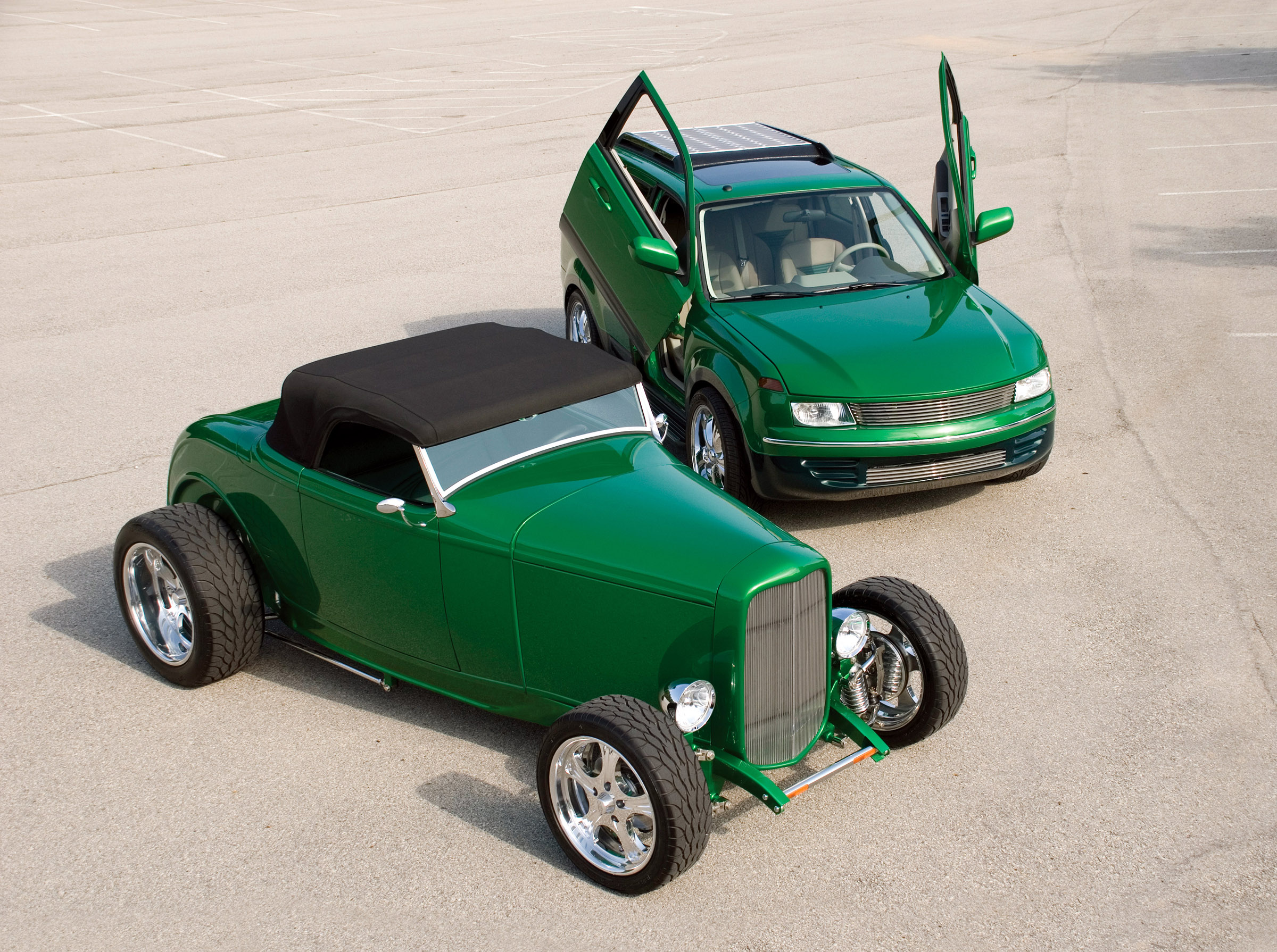
Alternative-fuel sources and hybrid cars are all the rage today. Everyone from major automakers to backyard inventors is pursuing alternative fuels and energy sources. While the ultimate goal is generally to eliminate dependence on foreign oil, for hot rodders there is also the desire to invent and create a better-performing engine.

Firewall Mayhem

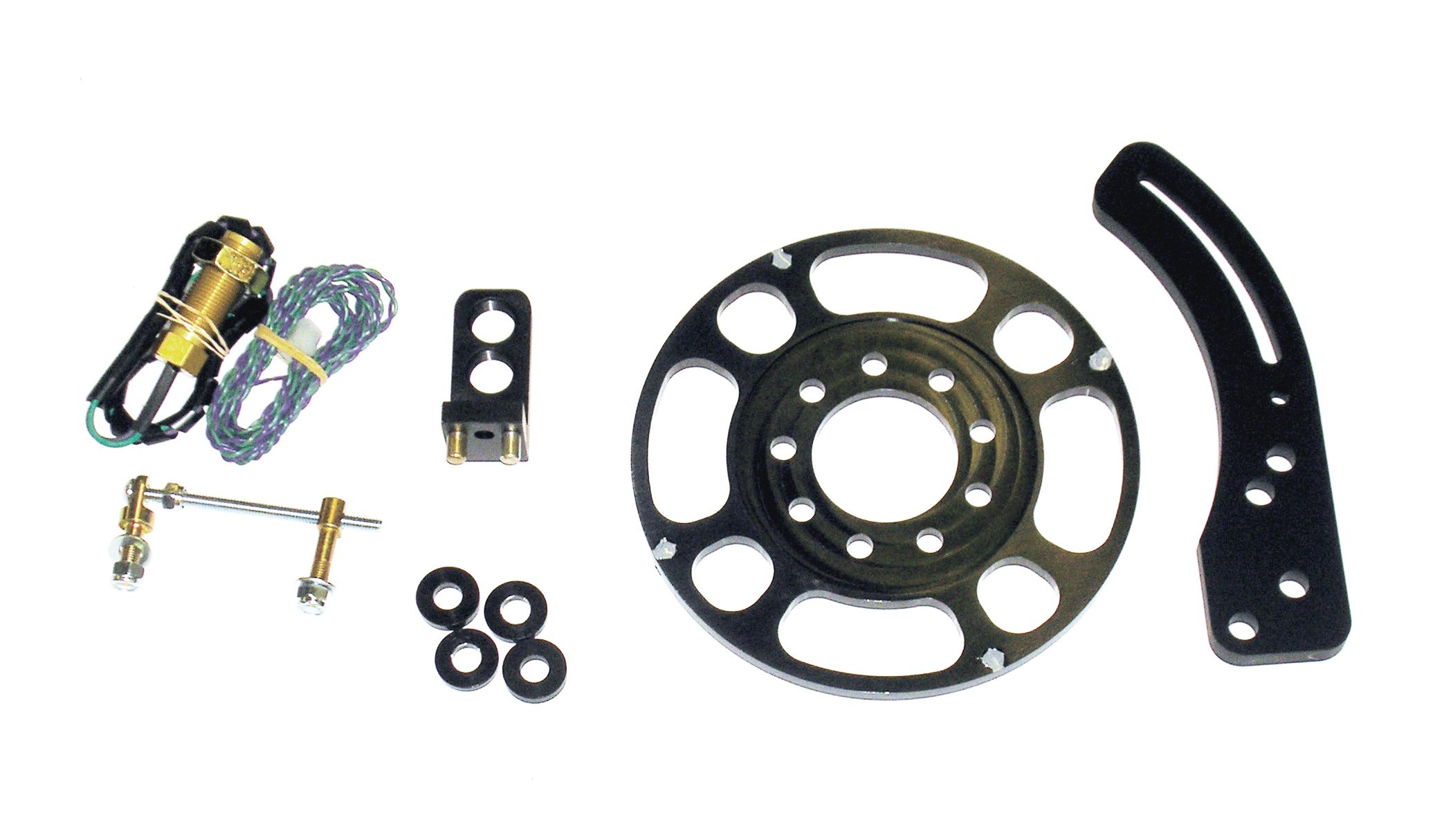
Crankshaft trigger mechanisms have been used in racing applications for a considerable length of time. In truth, they’ve actually been in service for decades. It’s a simple known fact that one of the best ways to improve engine performance is to ensure that the ignition timing is stable. That’s the whole purpose behind such a system, and that’s why racers regularly use them.

0Comments

WHAT A CONCEPT

After recently purchasing a ’62 Thunderbird, it became obvious very quickly that the car needed a new engine. Our plan was to turn the car into a daily driver, and so, as long as we needed a new engine, we figured we’d add air conditioning to the car while we were at it. And if you really know your Ford history, you also know that the ’62 was the last model T-bird to come with a generator rather than an alternator—one more reason to consider an upgrade.

Scroll to Top
image

Subscribe for Email Updates

Newsletter Categories *
Marketing by