Charlie Tunnell’s 1927 Ford Model T Roadster
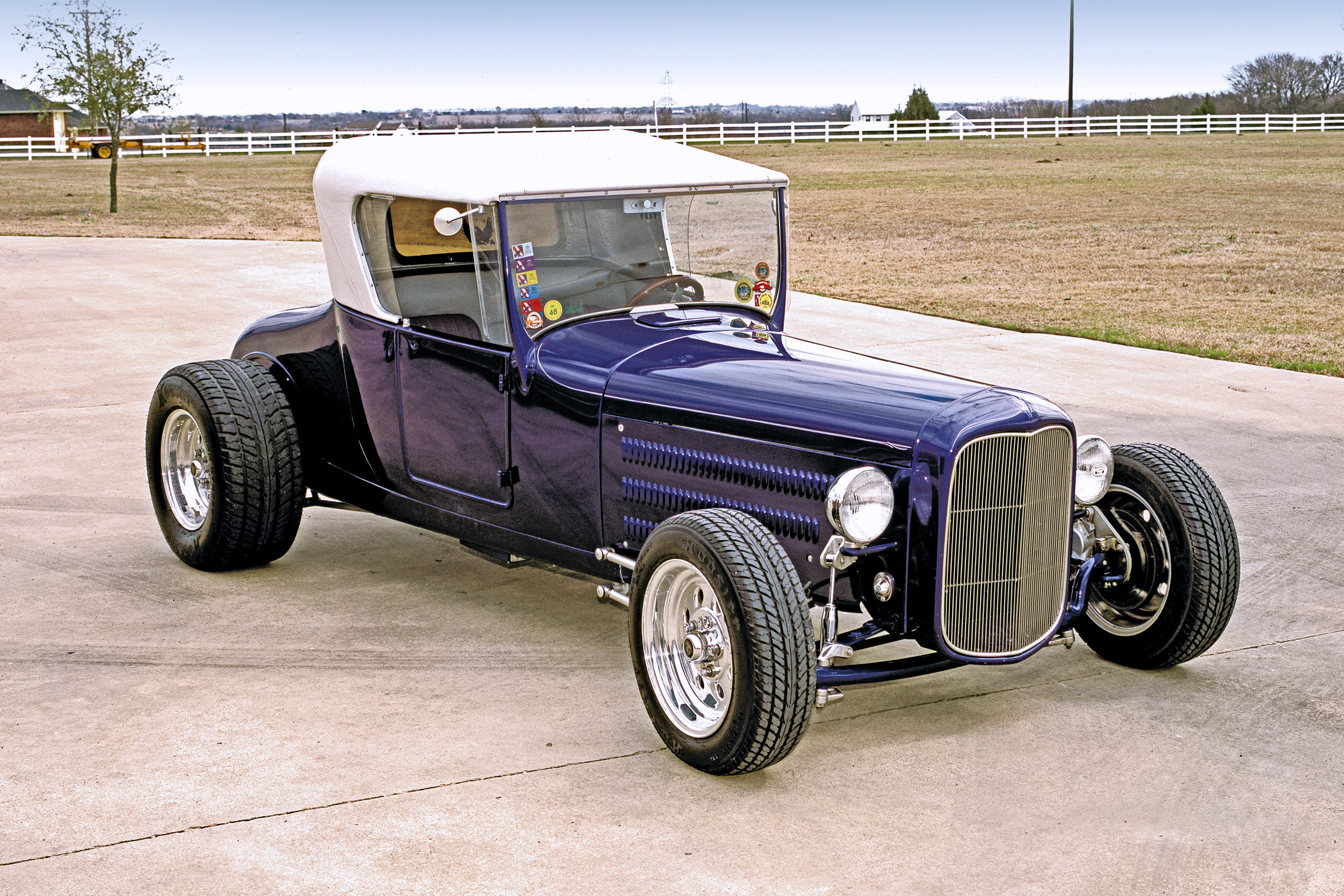
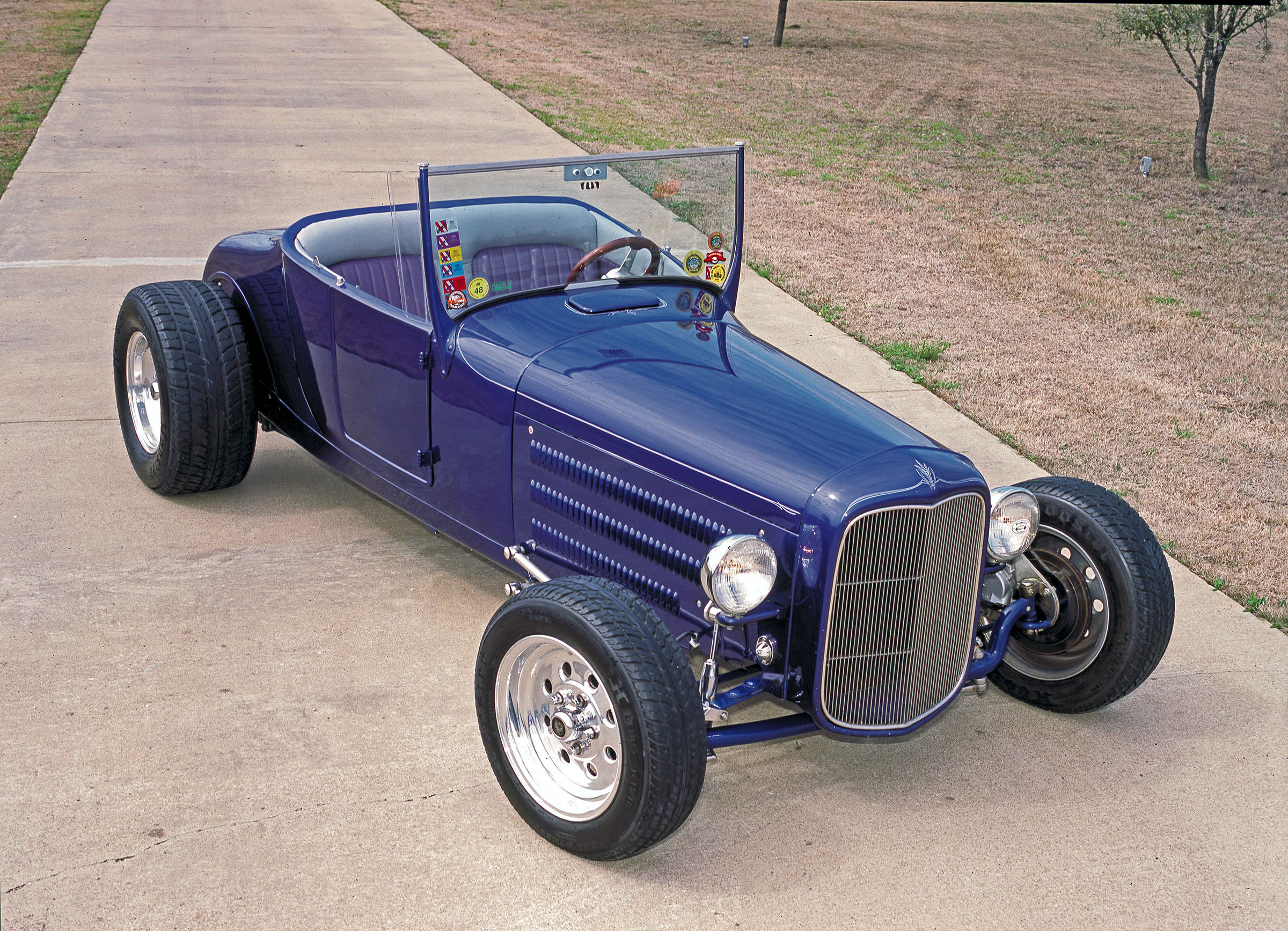
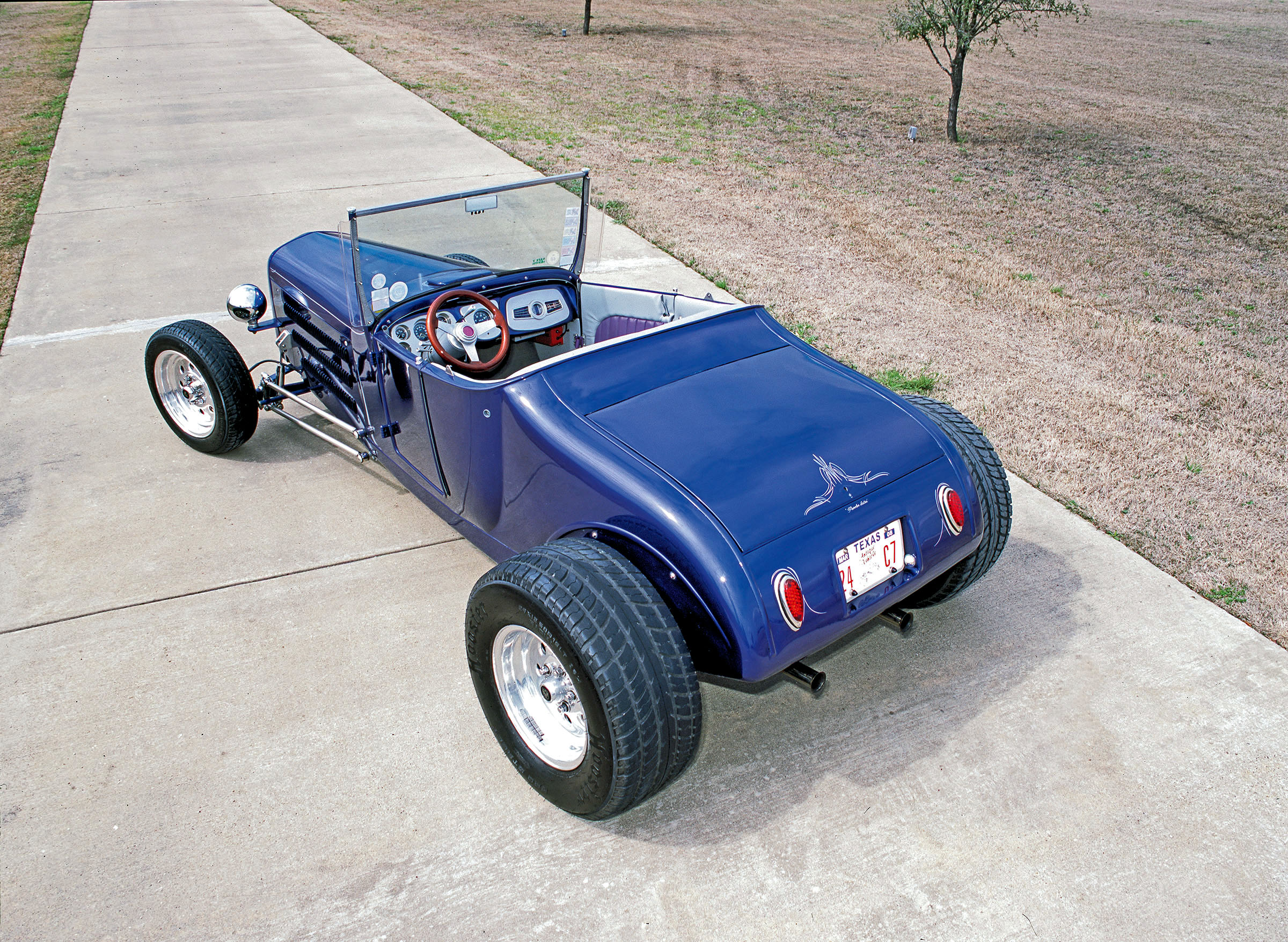
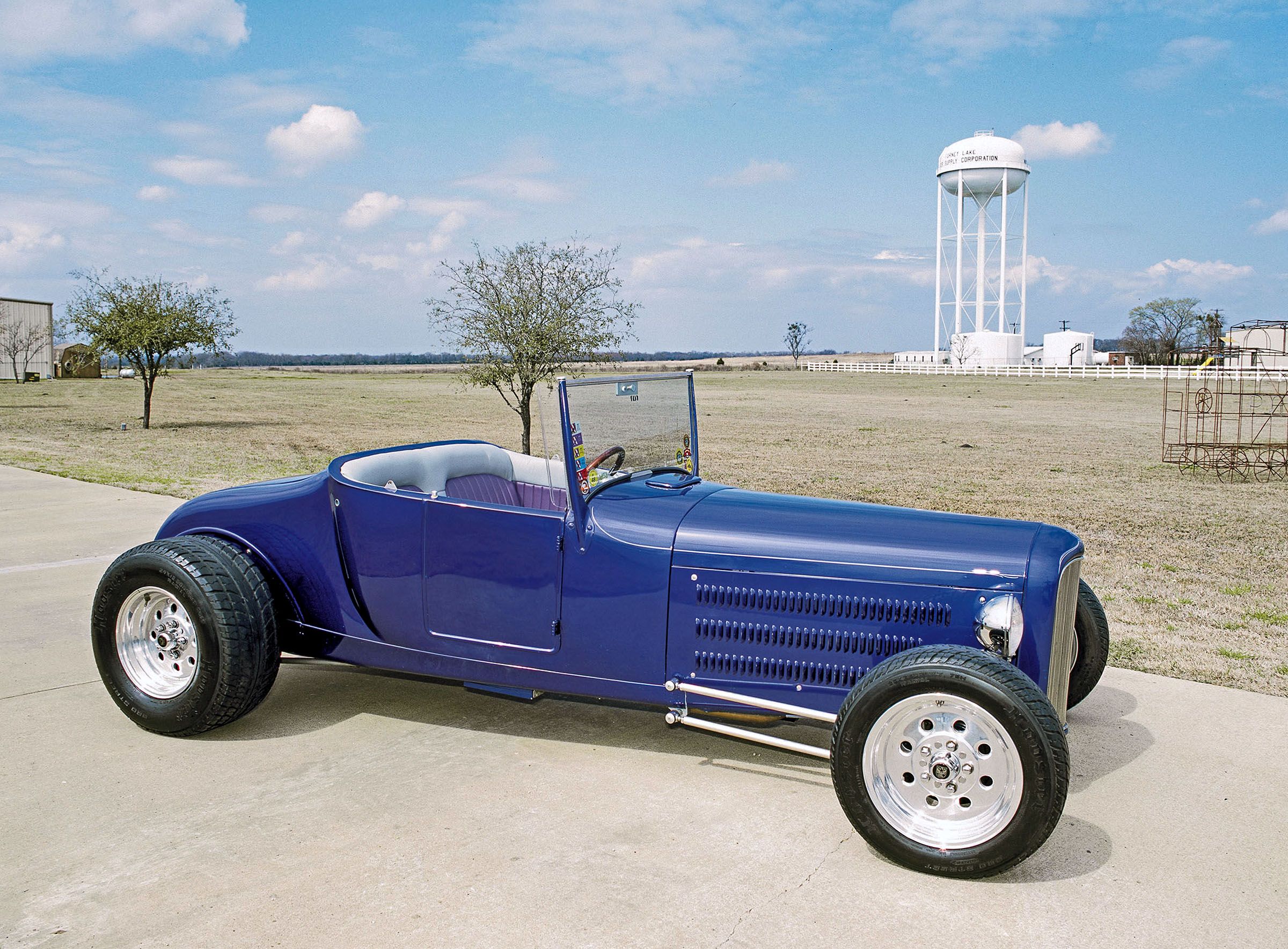
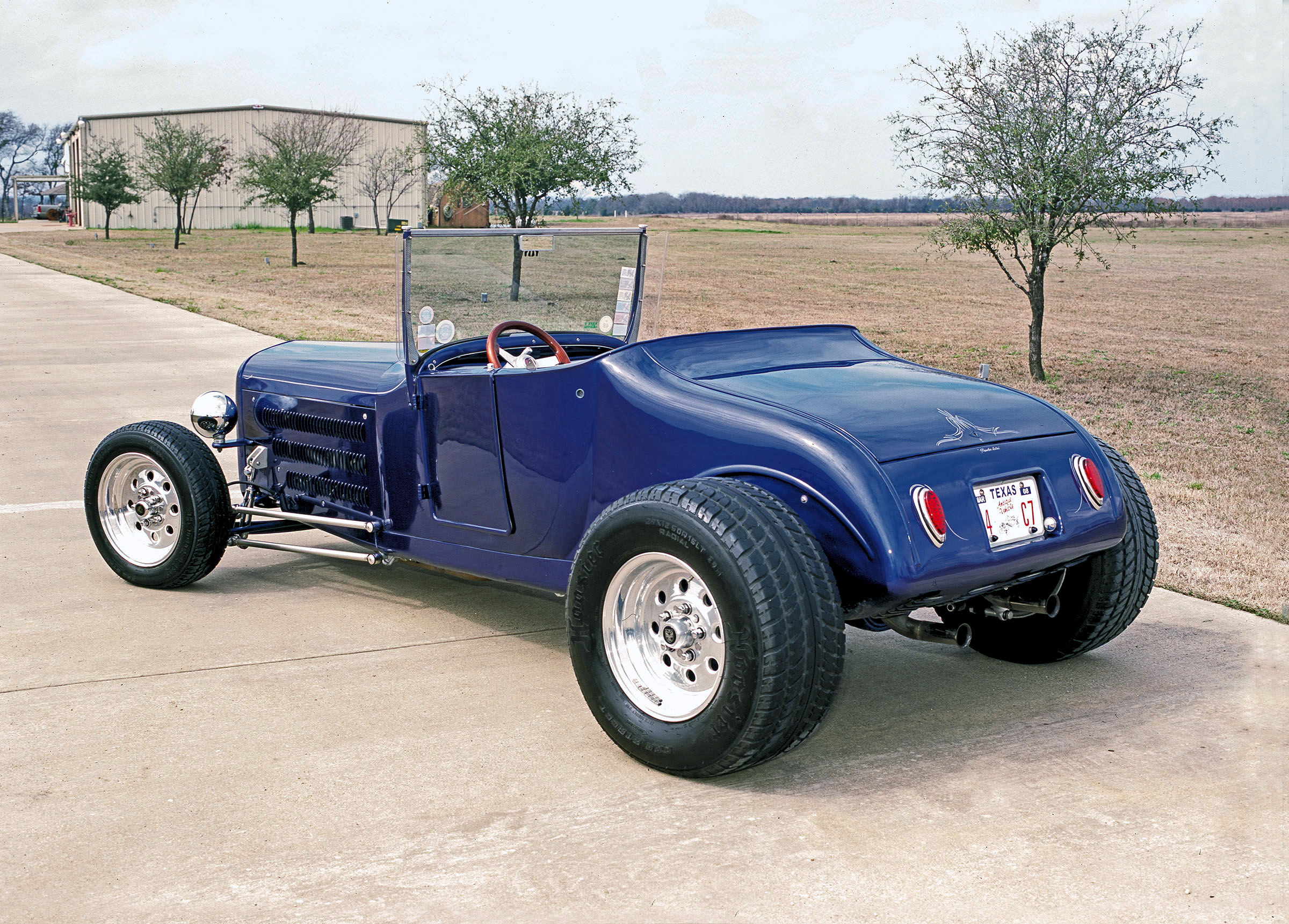
Meet Charles “Charlie” Tunnell, retired racecar driver, industrial engineer, street rod builder and armchair philosopher. Now take a look at Charlie and Lavelle Tunnell’s all-steel, ZZ4-powered 1927 Model T Ford roadster. This machine has more than 45 years’ worth of Tunnell family history tied up in it, and that’s a lot of living life at the fullest with the bugs in your teeth and the wind in your hair!
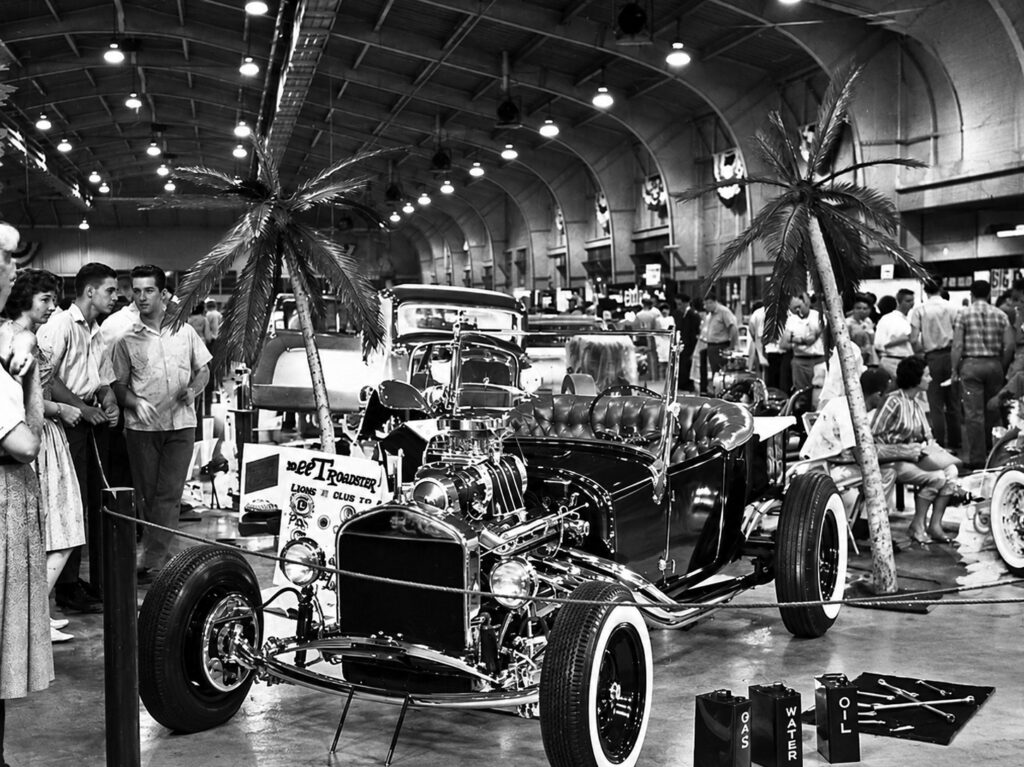
This ’27 was Charlie’s first hot rod, and he used to race the dickens out of it. As he told us, “I was inspired by Norm Grabowski’s “Kookie T” bucket used in the mid-’50s TV detective series “77 Sunset Strip.”
From White Rock Creek to the Streets of Dallas
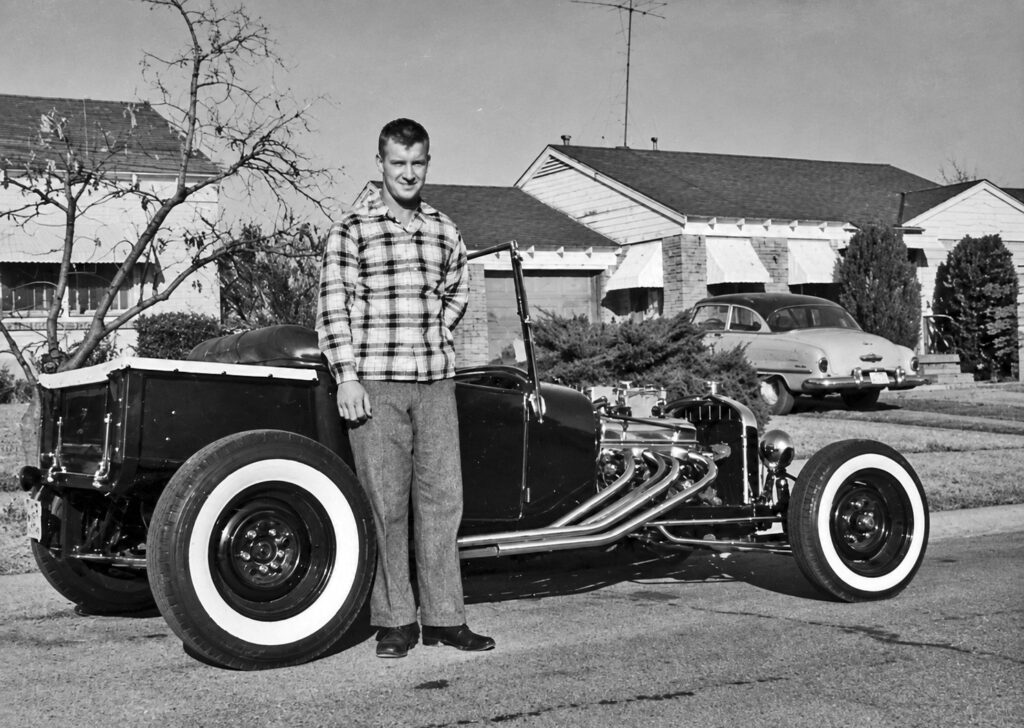
In 1959, Charlie purchased the body (at least the bucket part of it) of a 1927 Model T Ford that had been pulled out of White Rock creek, located in east Dallas. As Charlie explains it, “The windshield posts were the only things showing when the digging began. It needed a lot of work, but I immediately threw myself into the project and set a goal to get the car finished in just one year.”
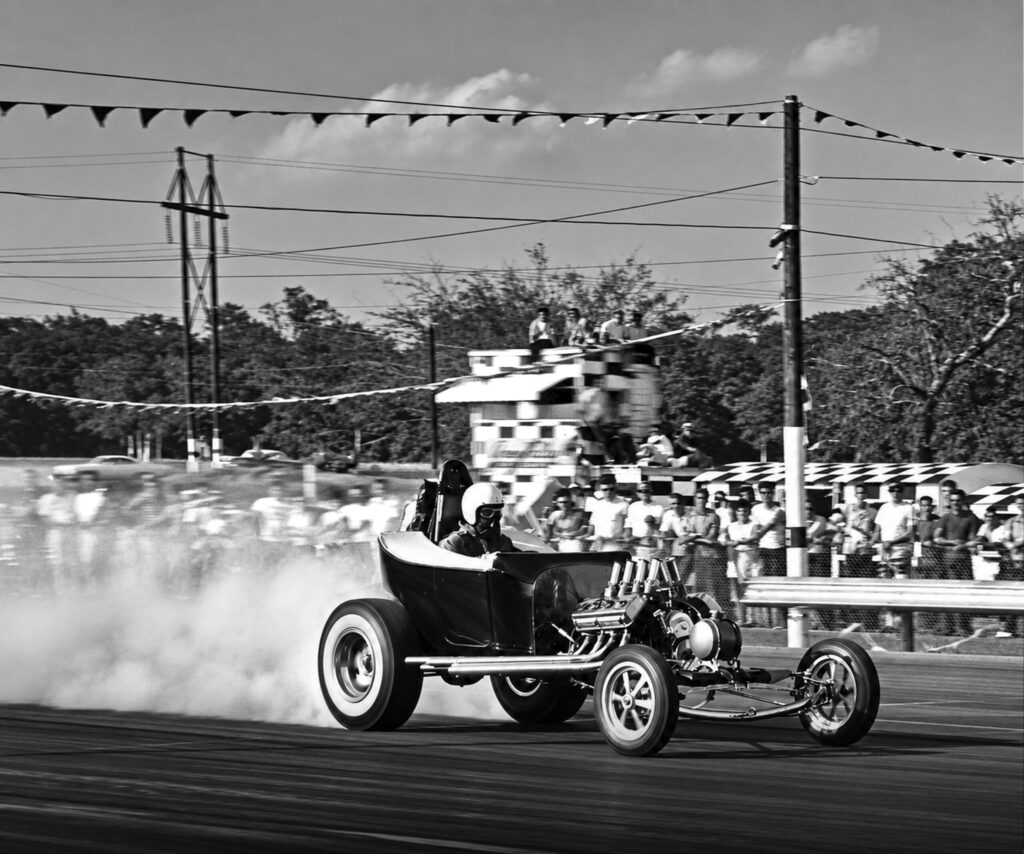
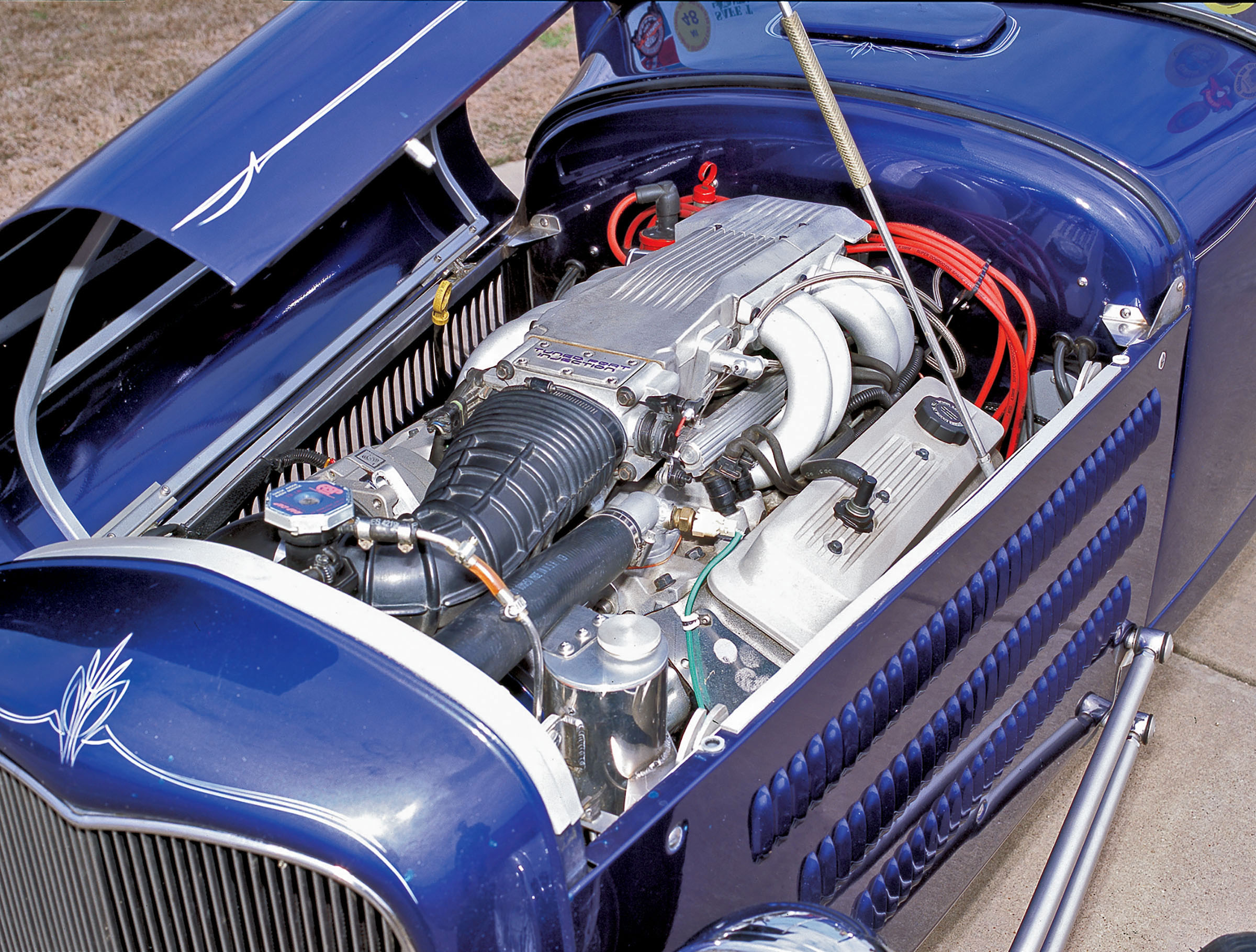
Originally the ’27 was built using set of narrowed ’29 Model A framerails, a carbureted 283 Chevrolet, a Corvette close-ratio three-speed transmission and a 4.56:1-geared 1955 Chevy rearend. Tunnell’s first hot rod was also equipped with Hudson steering, homemade side exhaust and a hand-fabricated, 16-inch-long pickup bed, which replaced the missing turtle deck. The ’27 also had a set of ’48 Mercury reversed rims equipped with a set of whitewall recaps and red diamond-tuft upholstery. Last, but certainly not least, Tunnell’s first hot rod was painted a pleasing Baltic blue. As Charlie recalls, “The car drove well. For its day, it was about the fastest car in Dallas. In fact, it was so fast that my brother Mike had to hold onto the windshield to keep from getting blown out of the car. We beat cars that were equipped with 409/425hp engines and basically took on all comers!”
Blower Power and Fuel Altered Racing
A year or so after the roadster’s completion, Tunnell increased his edge by installing a GMC 4-71 blower. However, by that time old John Law had Tunnell’s number, so to speak, so the ’27 was retired from the street. Rather than turning it into an all-out racecar as so many other guys had done, Charlie parked the ’27 and teamed up with friends Don Hailey and Bill Oxley on an injected Chrysler–powered T roadster, the Hailey, Oxley & Tunnell “H.O.T.” B/Fuel altered, which ran a career best of 8.92 at 166 mph. Tunnell would also go on to drive an A/Fuel dragster as well as drive for the late Carl T. Stone, a famed altered racer.
A New Look Inspired by Pete & Jake’s
Let’s fast forward to the year 1981. Upon viewing a ’27 T-track roadster that had recently been built by famed street rod builders Pete & Jake’s, Tunnell decided that his trusty roadster needed a new look. So he called up Pete Chapouris and talked with him for quite some time. Then he walked out to the roadster, cut it up and started all over again! However, the rejuvenation process was slow, and Charlie had to start and stop a number of times to build his new bride Lavelle (who was courted in the old T) a brand-new home.
Homemade Fabrication and a Shared Building Philosophy
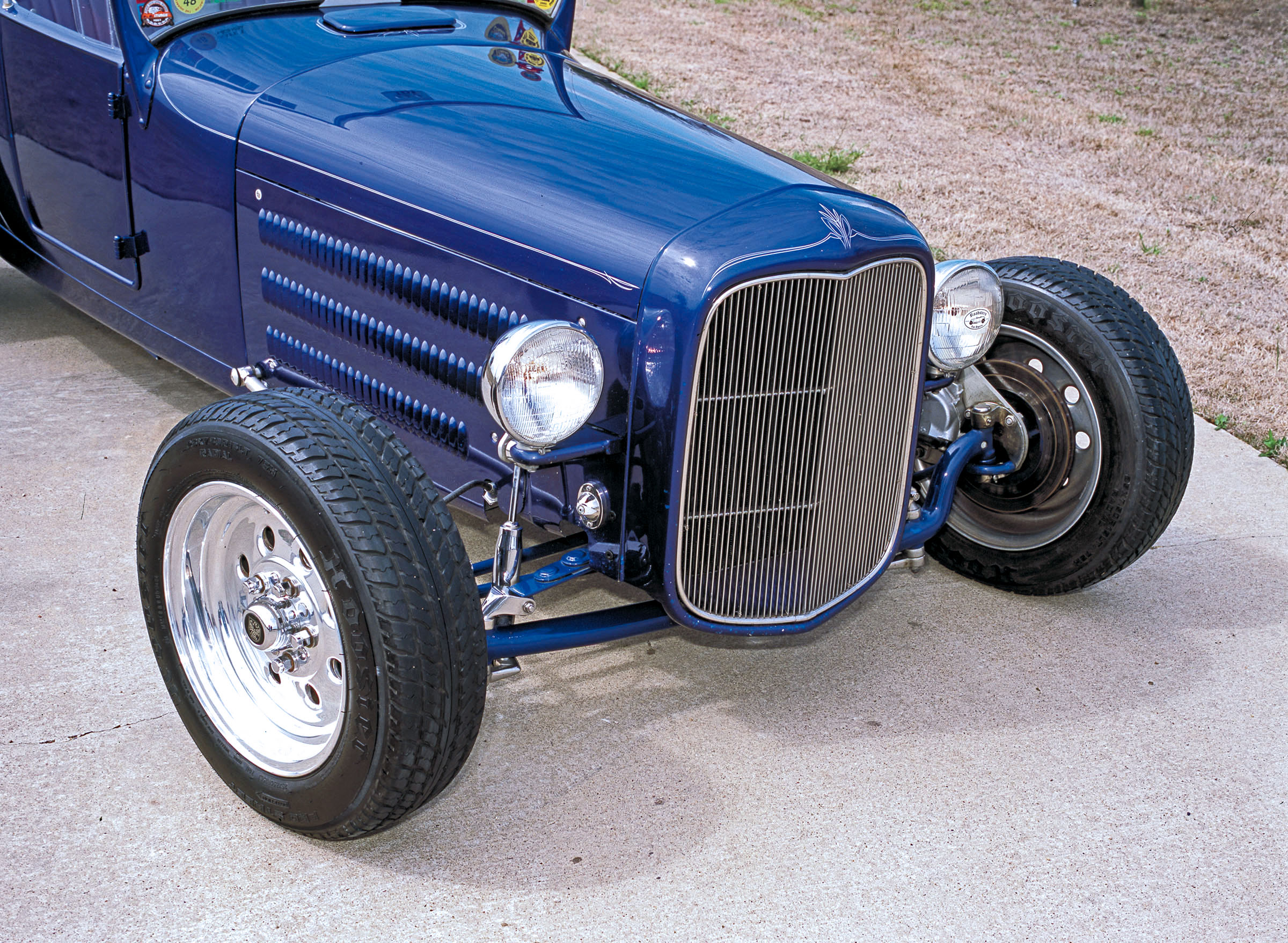
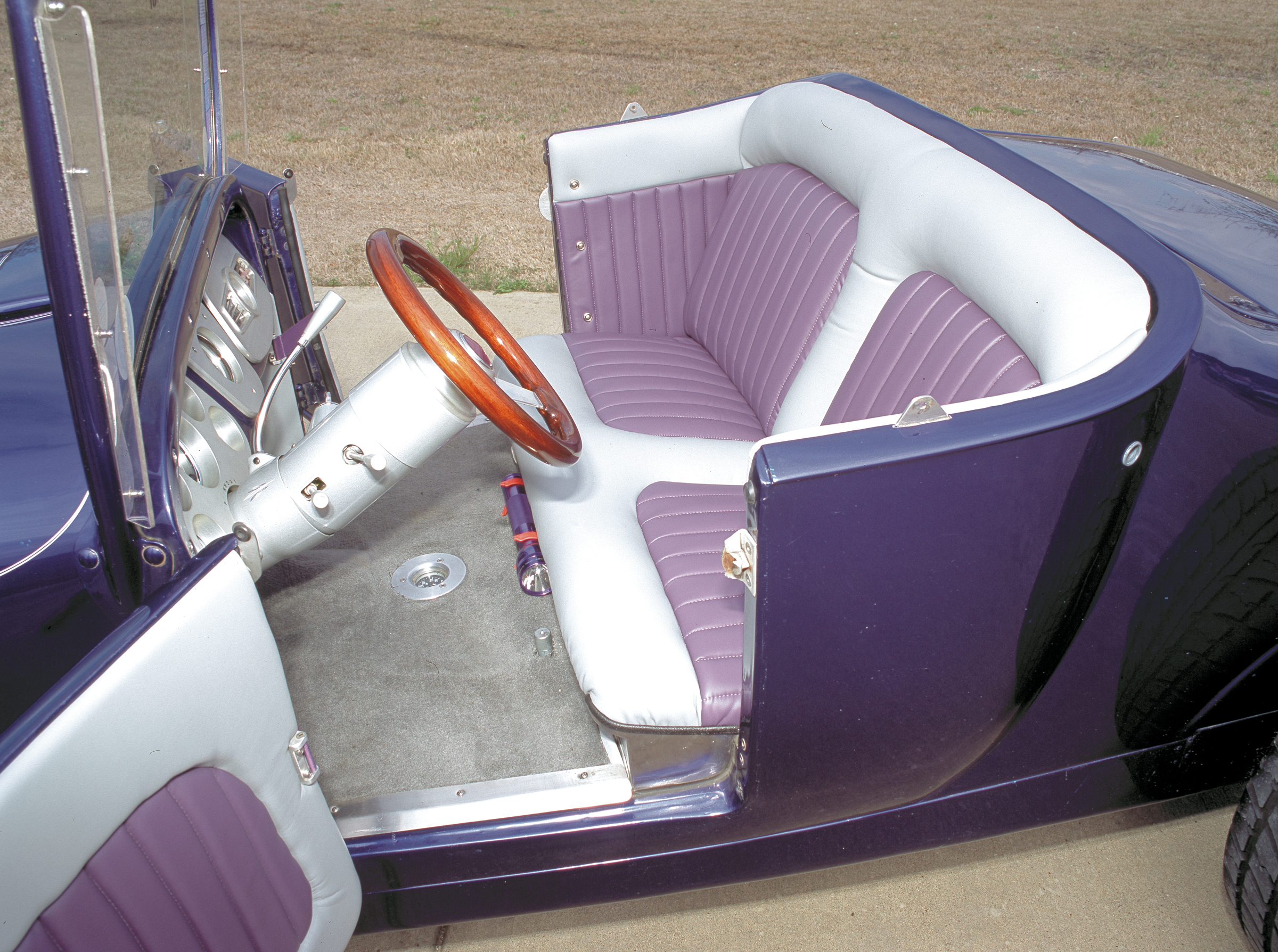
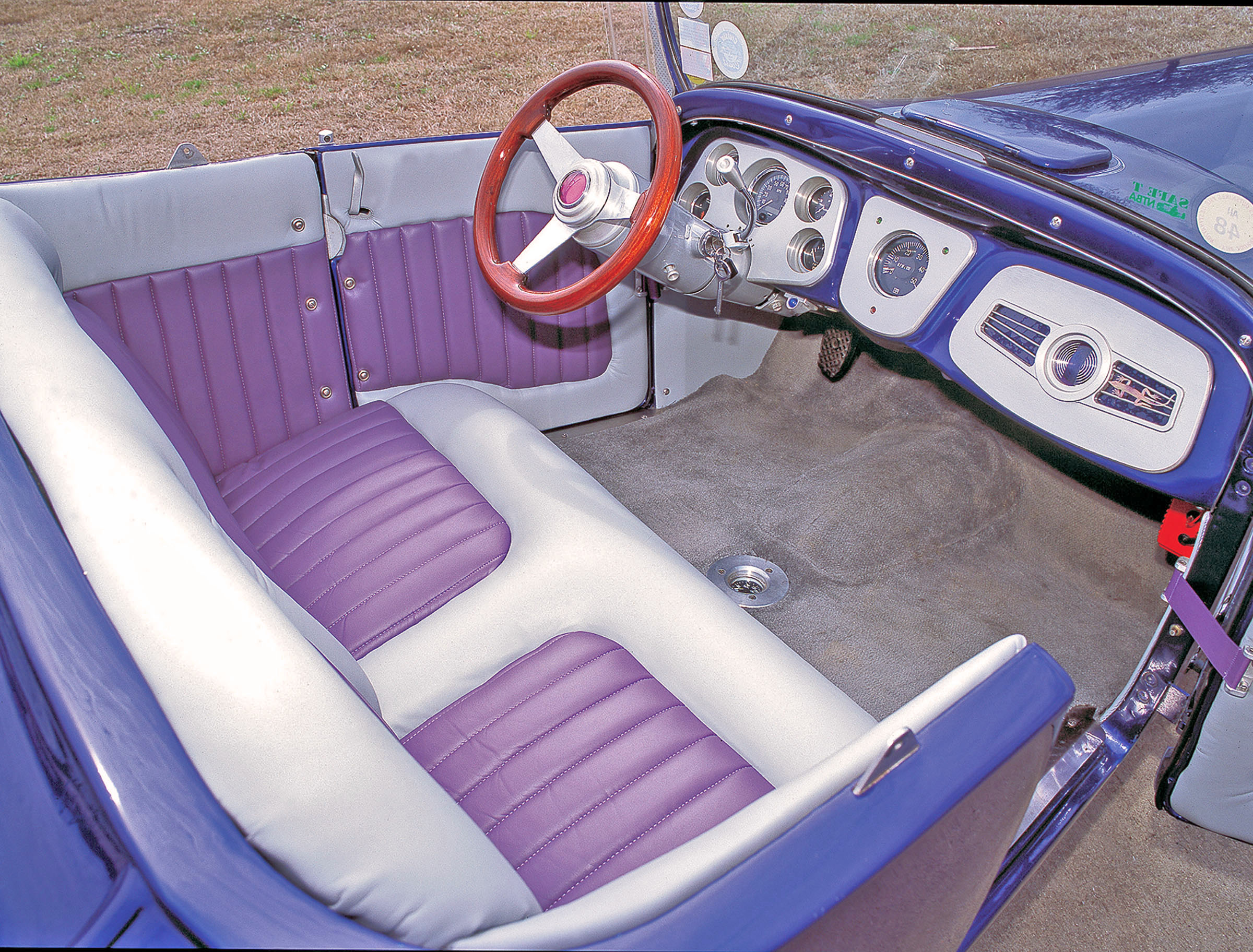
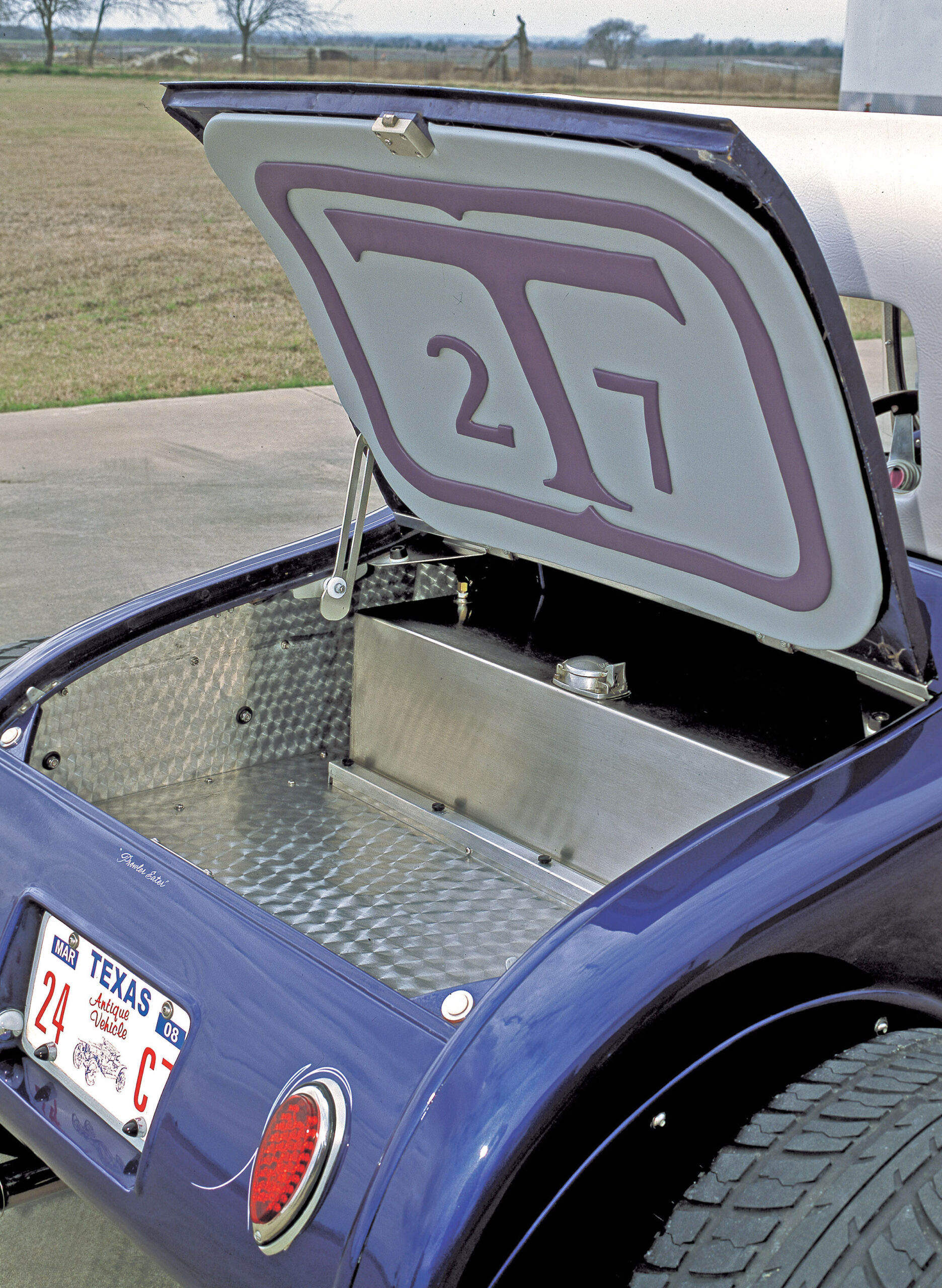
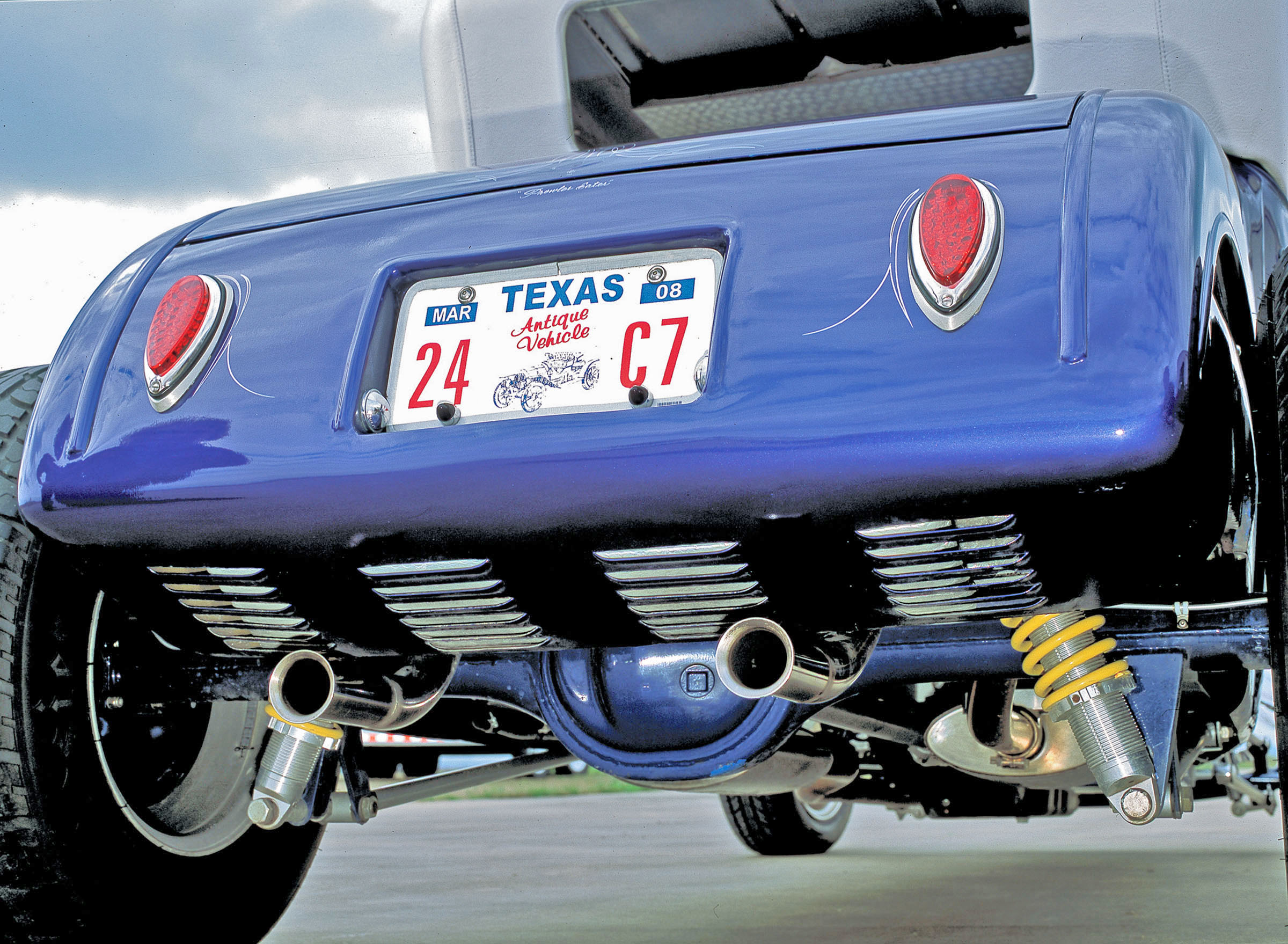
Charlie explains the building process this way, “I dreamed, sketched, and labored many hours on all the numerous details. My mill, lathe and TIG welder definitely got a workout on this project! There were a lot of parts that were hand fabricated. The frame [constructed from 1-1/2x3x.065-inch-wall mild steel tubing], the 22-gallon stainless steel gas tank, the 304 stainless steel exhaust, the hood, the car’s side panels, the recovery tank, the electric cowl vent, the modified windshield, the cast headlight brackets, the steering wheel adapter, the upholstery, the carpet, the one-piece aluminum-covered top, the shock mounts—you name it—all of these items were fabricated at home in our shop!”
Charlie explains his building philosophy this way: “We decided that if the changes we were making to the car didn’t make us smile, or at least have mutual approval whenever we added a new part, we would take it off and replace it. Our motto was whatever it takes to get it right!”
Driving the ’27 T Through All 48 Continental States
Charlie and Lavelle completed their reborn ’27 T on January 1, 1996. In the process, the old T was joined with an original, all-steel ’27 turtle deck. Since they have no trailer it provides them with much-needed storage on road trips. They’ve traveled more than 80,000 miles with the car and are never short of an excuse to jump in and take a spin. Between 2001 and 2003 the Tunnells visited every one of the 48 continental United States, and the possibility of visiting both Alaska and Hawaii has been discussed frequently.
A Lifelong Companion at Home in Forney, Texas
Regaining his philosopher position Charlie says, “The ’27 has been my lifelong companion. It’s lasted me through three wives and four kids.” Incidentally, whenever the Tunnells aren’t circumventing the globe in their purple ’27, it occupies a place of honor inside the living room of their rather unique “shop house” located in Forney, Texas. “You can sit inside the ’27 and watch TV if you want to,” smiles Charlie.