
THE AUTO BUILDER
Featured

The Loud Pedal
We scream out of the driveway (or was that me screaming?) and careen across the road sideways, bias-plies searching for grip. First gear loses steam almost instantly, and sometime between gears one and two things don’t mesh. Everything seems to lock up and we slide crossways onto a side road, making an unplanned turn and none too soon of a stop.

Significant Parts At The NATS
Delve into the world of street rodding with a glimpse into the NSRA Street Rod Nationals, where cutting-edge products steal the spotlight. From Lokar’s award-winning lighting solutions to Speedway Motors’ stainless steel exhaust manifolds, find out which new releases are revolutionizing the street rod scene.

1175 HP
This engine, and others like it, has opened up a brand-new chapter in the ever-evolving, wild world of Chevrolet power. By design it has a bore and stroke of 4.60 inches by 4.25 inches and Big Chief II heads, which are about 2 inches taller, that feature oval-shaped intake ports. This, they say, is for maximum cylinder filling. Years ago, creative racers would angle-mill heads to arrive at the desired combustion chamber size and to improve the valve angle in combination with the incoming intake flow. These heads are nicknamed “11-degree” heads, as they have been designed with a built-in 11-degree angle right out of the box. There’s no angle milling needed here. A special valvetrain is necessary, along with longer stem valves. Quarter Mile Performance feels that these heads are worth 200 additional horsepower over the very best “shorter” heads.
Spotlighter
POPULAR READS
-
Product Spotlight: Bill Mitchell Products Aluminum LS Engine Block
-
PRODUCT SPOTLIGHT: 60-66 Chevy C10 Fresh Air Vent Block Off Plate
-
Product Spotlight: Pyramid Optimized Design Sequential Aurora Taillight for 1964½–1966 Mustang
-
PRODUCT SPOTLIGHT: Cam Covers for GEN/3 Coyote from Pyramid Optimized Design
Project ‘67: Part 9
Putting a Stop to Our Project ’67
Author
Carrie Fesler
Story & Photography
Introduction
In the long continuation of our Project ’67, the 1967 Chevrolet C10 buildup, several major components and systems have been previously addressed, most notably the Goodwrench LQ4 6.0-liter 366ci Escalade engine buildup by Arizona Speed & Marine. This included the versatile Magnuson Radix supercharger, 4L60E transmission, and numerous performance parts and accessories.
Addressing the Power and Brake Performance
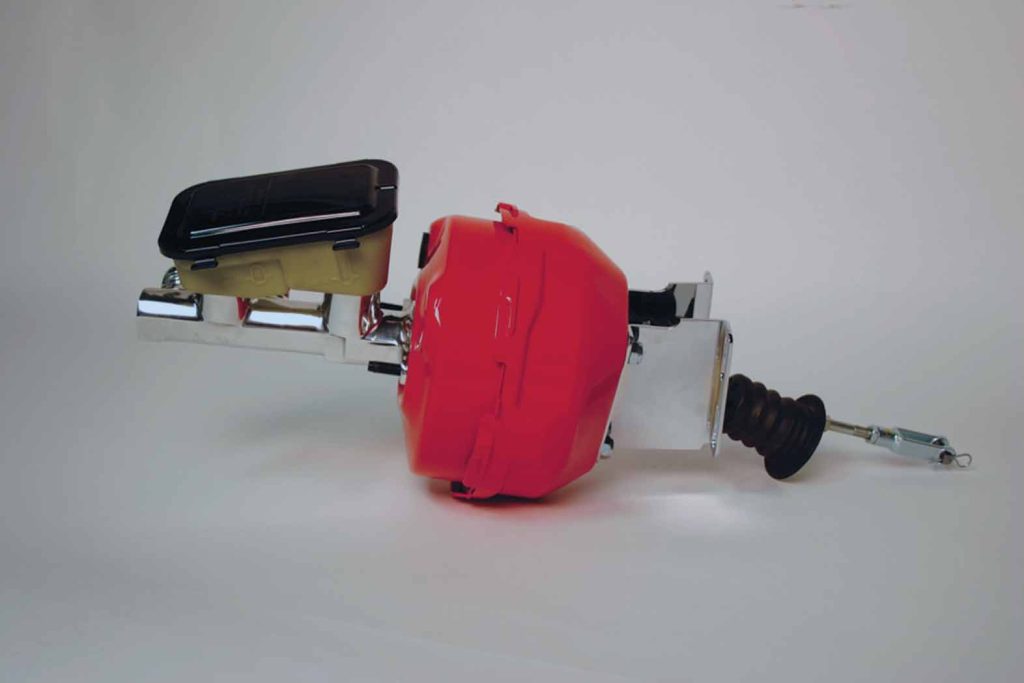
Continuing along those performance lines and all-out fashion, we would need to contend with the great amount of power this engine package would deliver. Initially, we can’t say that the stock brakes on the C10 were ever designed for the shear torque that would be applied to these assemblies, so it would eventually be necessary to address the stopping performance as well as the go performance. And, after all, brake upgrading was a part of this project plan from the beginning.
Baer Racing Solutions
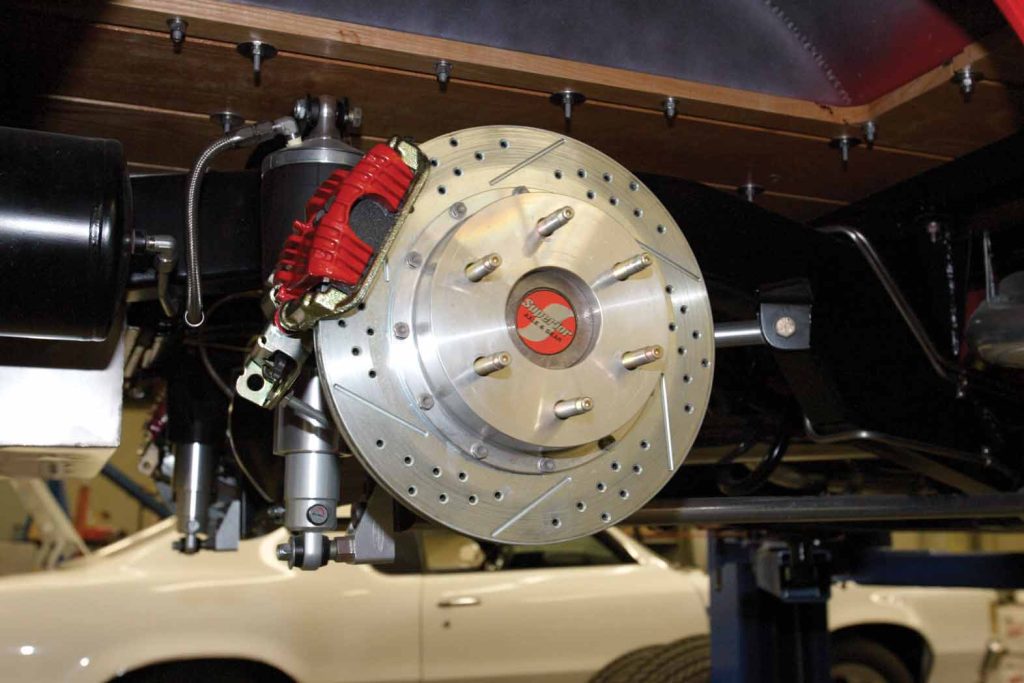
Baer Racing in Phoenix is known for its beefy solutions to all matters of braking considerations. In our case, the recommended solution was a complete set of brakes, including the Baer Track Plus system for the front and rear. Baer Racing has been developing brake upgrade kits for well over a decade now, and it has easy-to-install kits for any number of applications. Starting with a replacement kit for the Fox Mustang chassis, Baer soon increased the number of manufactured systems to over 150 different kits, making it one of the largest selections available for parts, complete systems, rotor replacements, and other related options. Each of Baer’s kits is designed for installation with no welding or fabrication of any kind.
Brake Kit Features
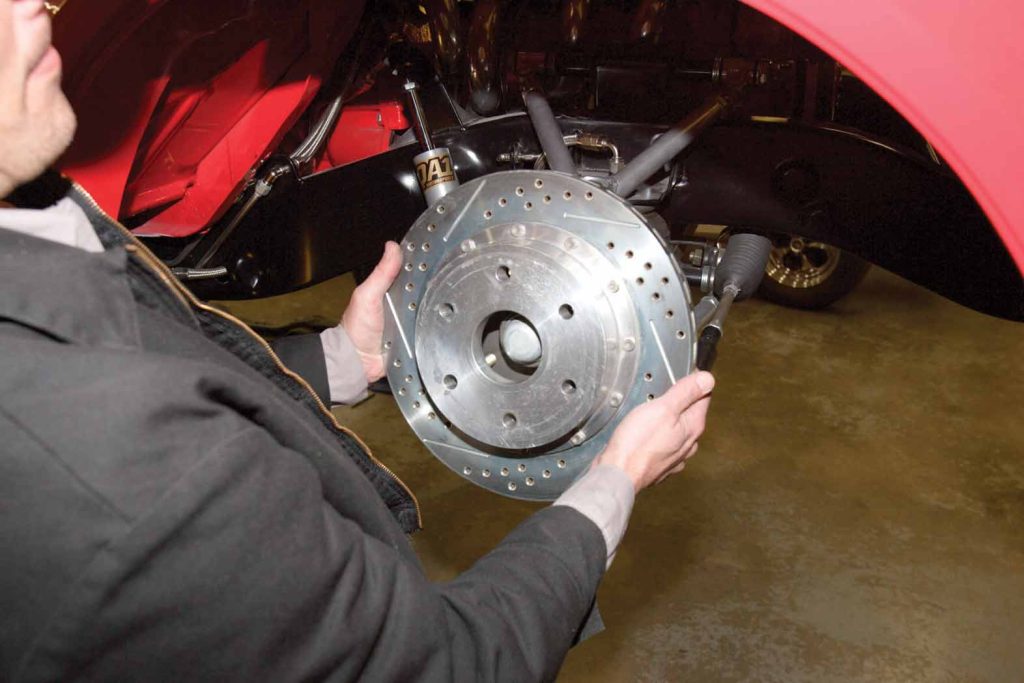
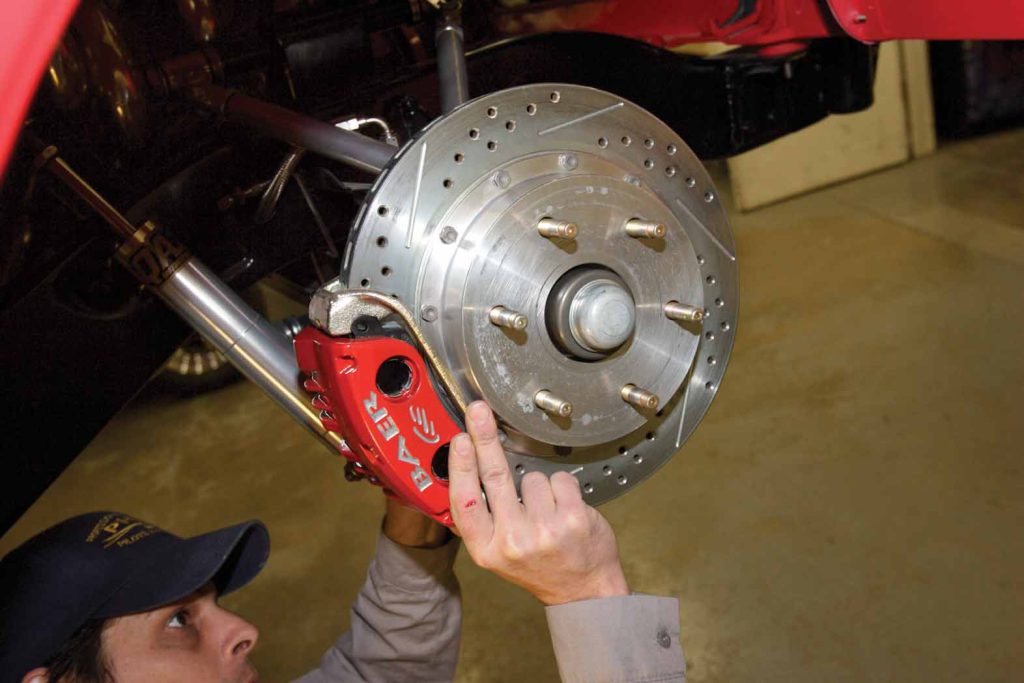
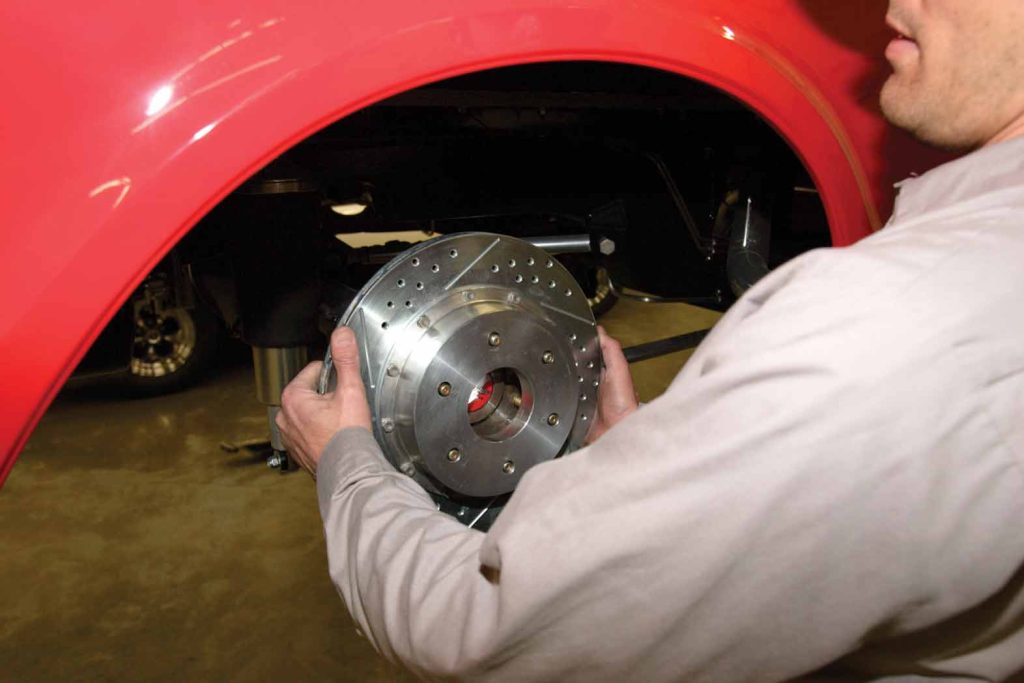
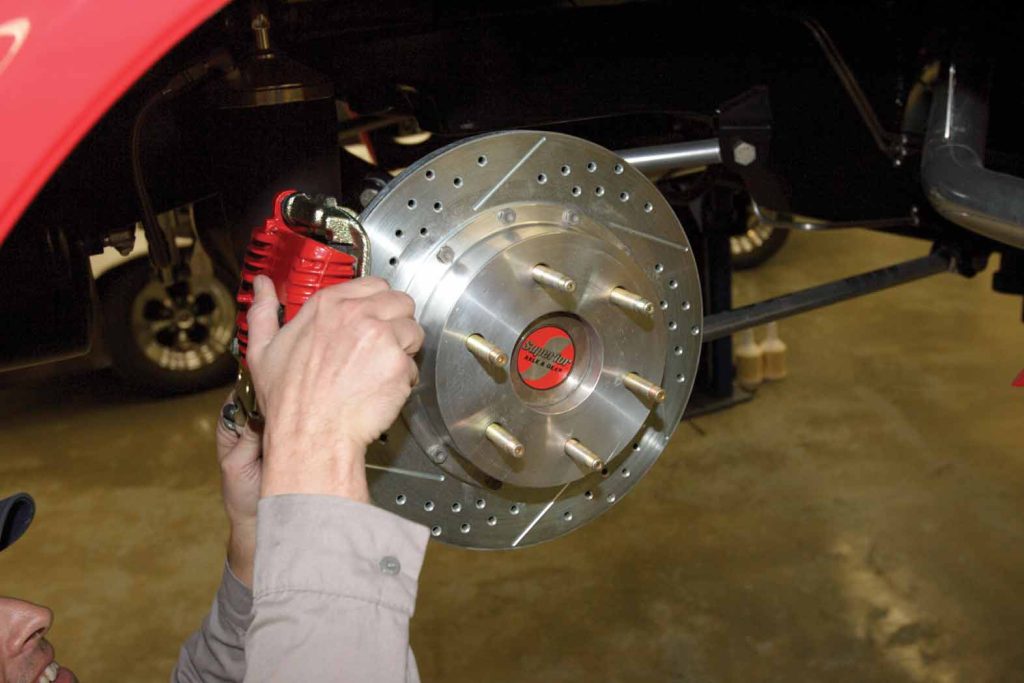
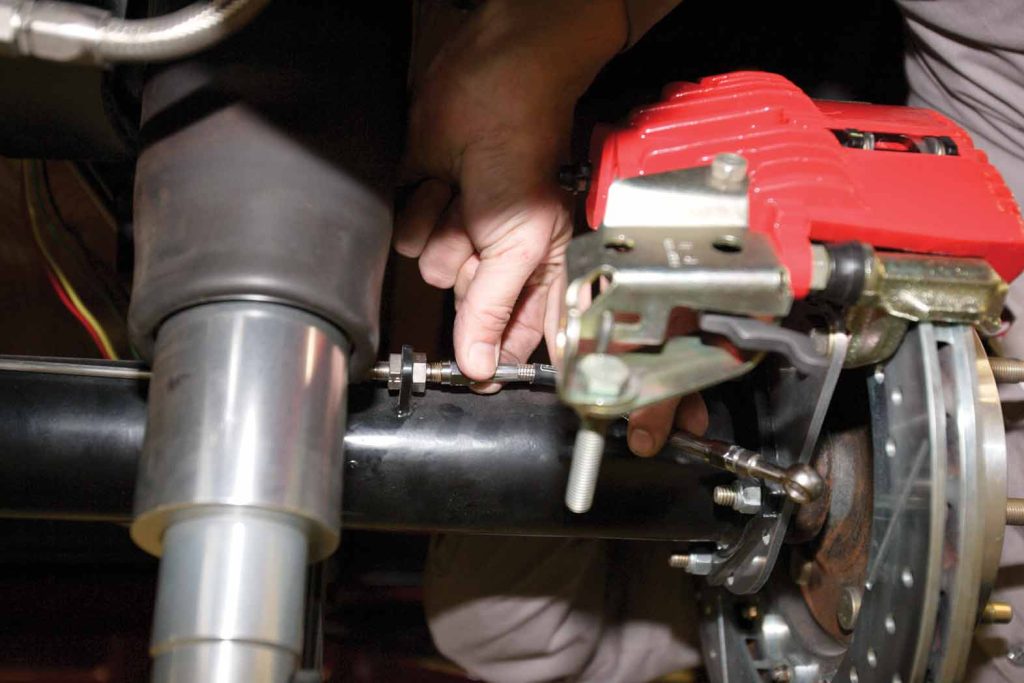
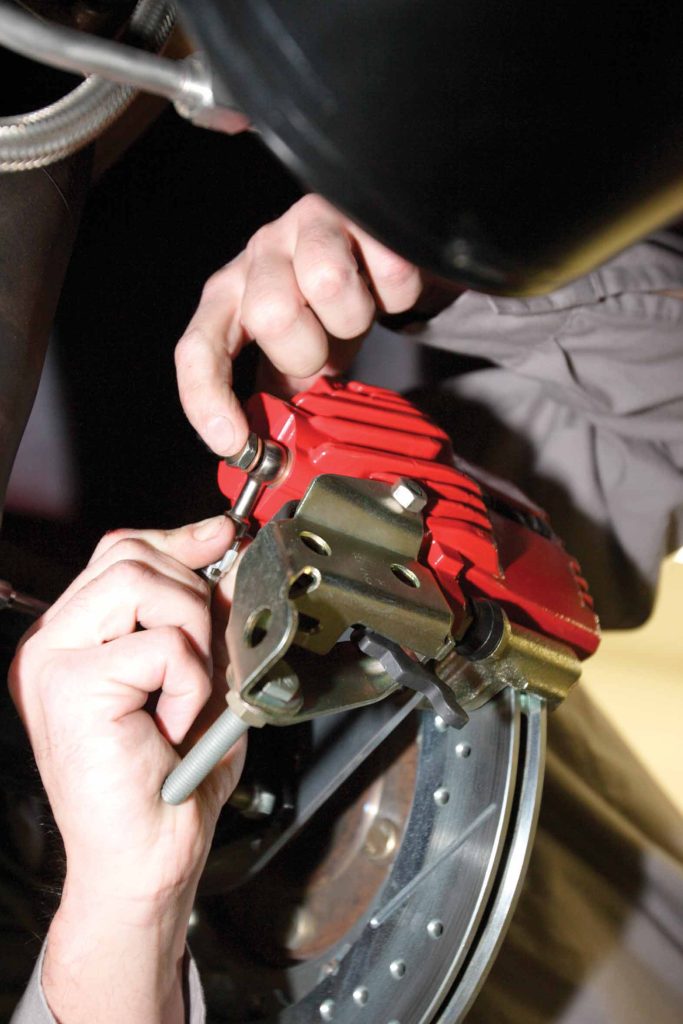
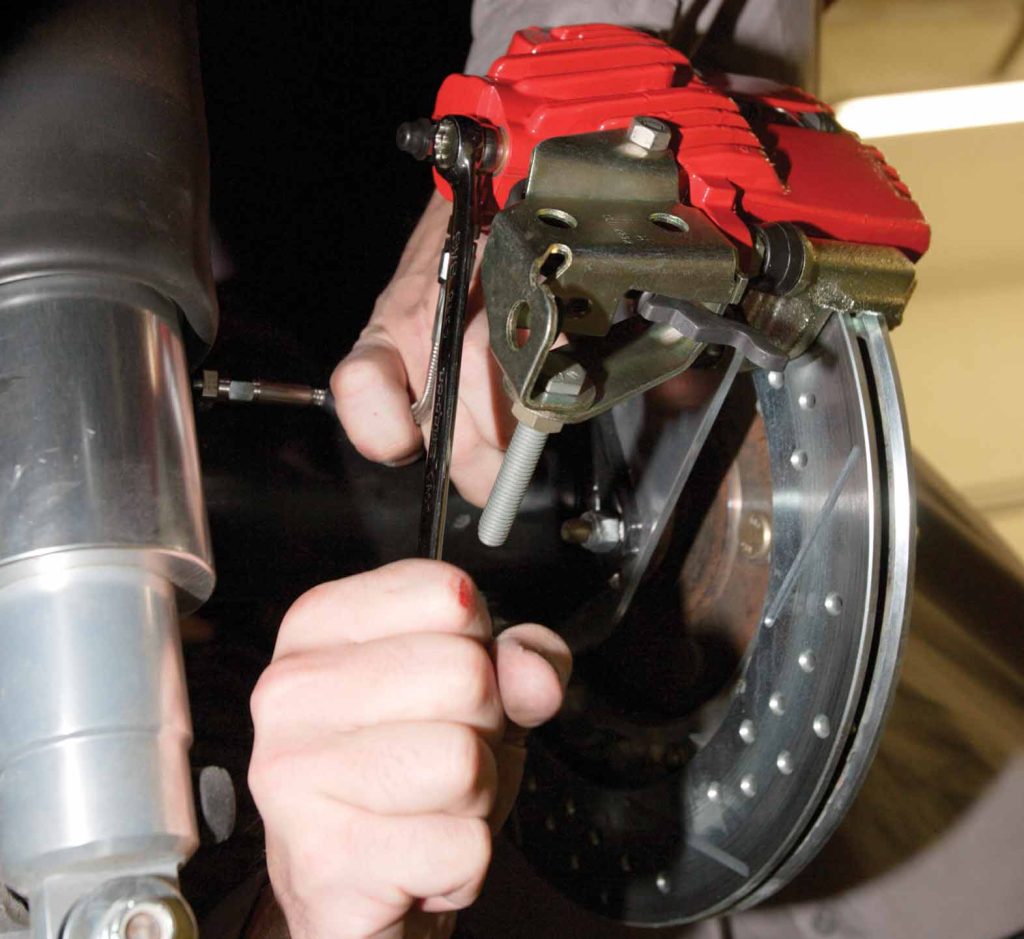
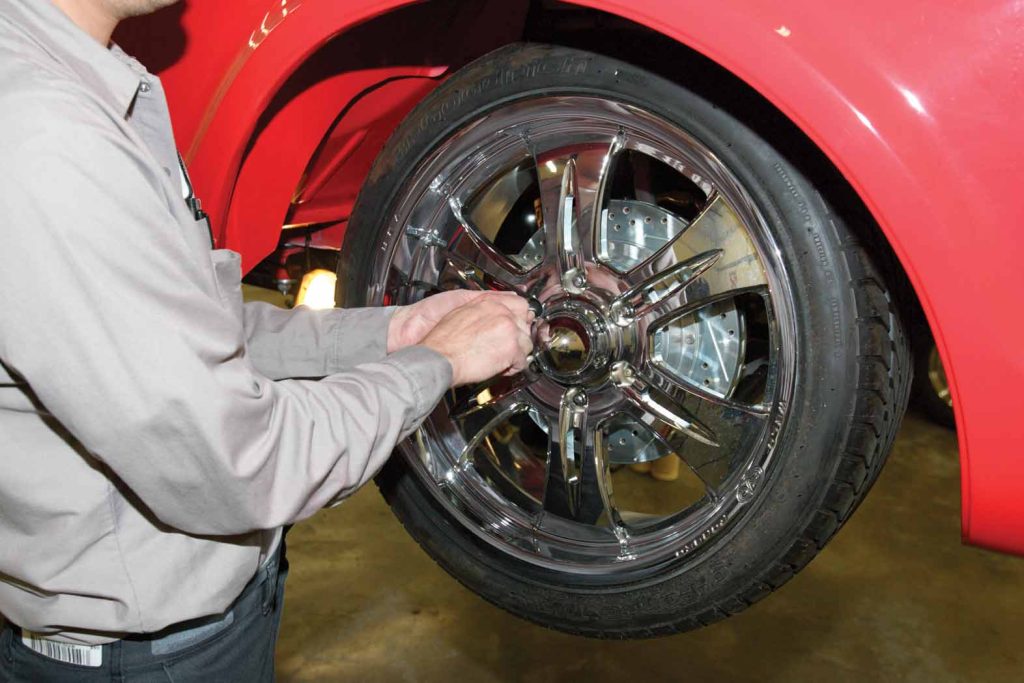
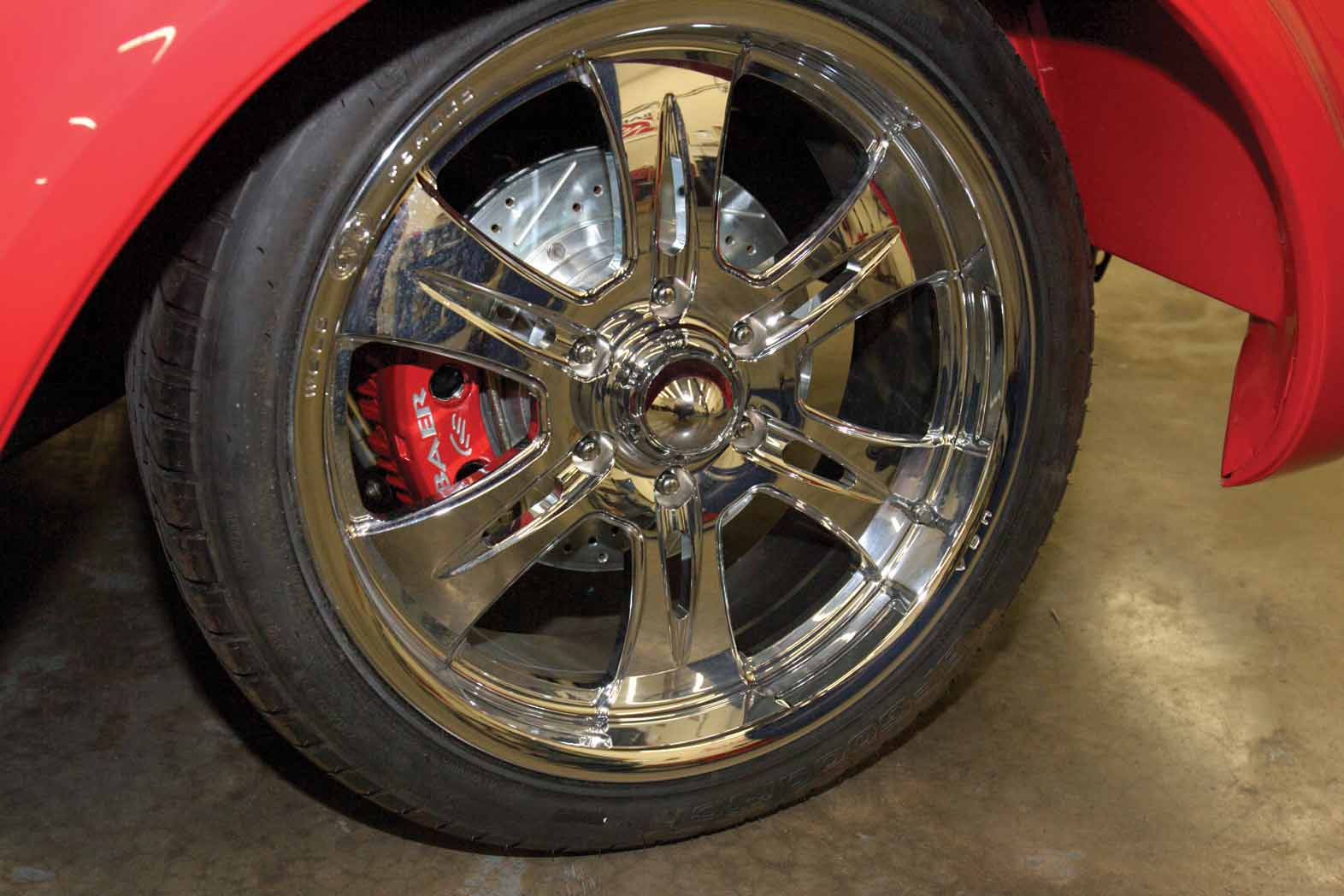
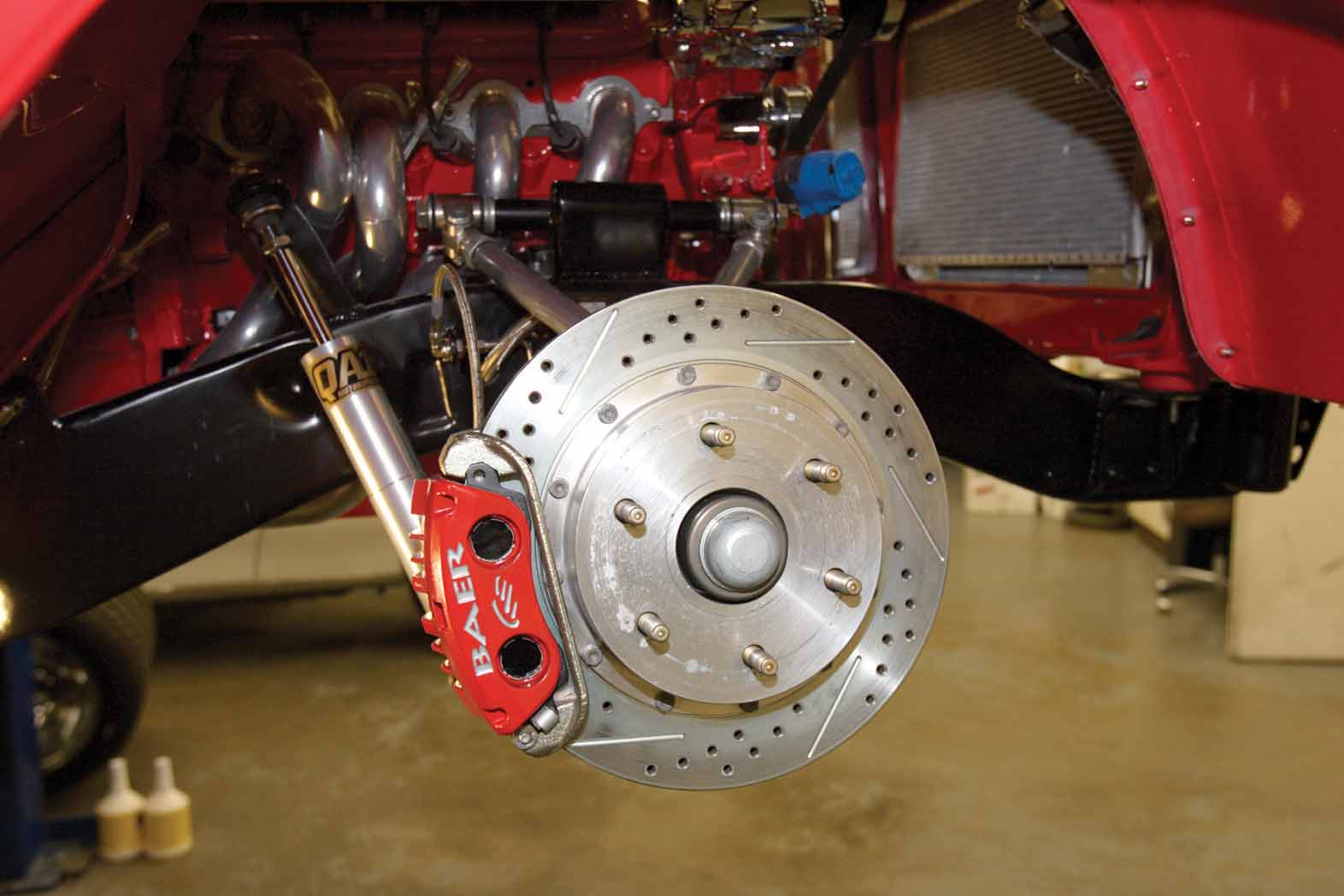
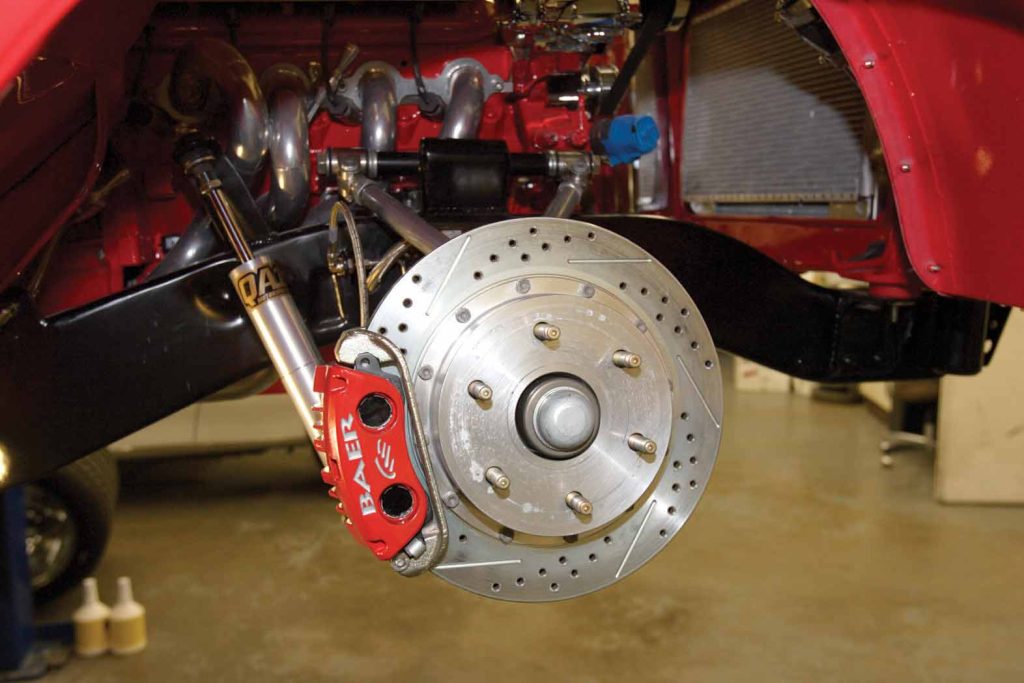
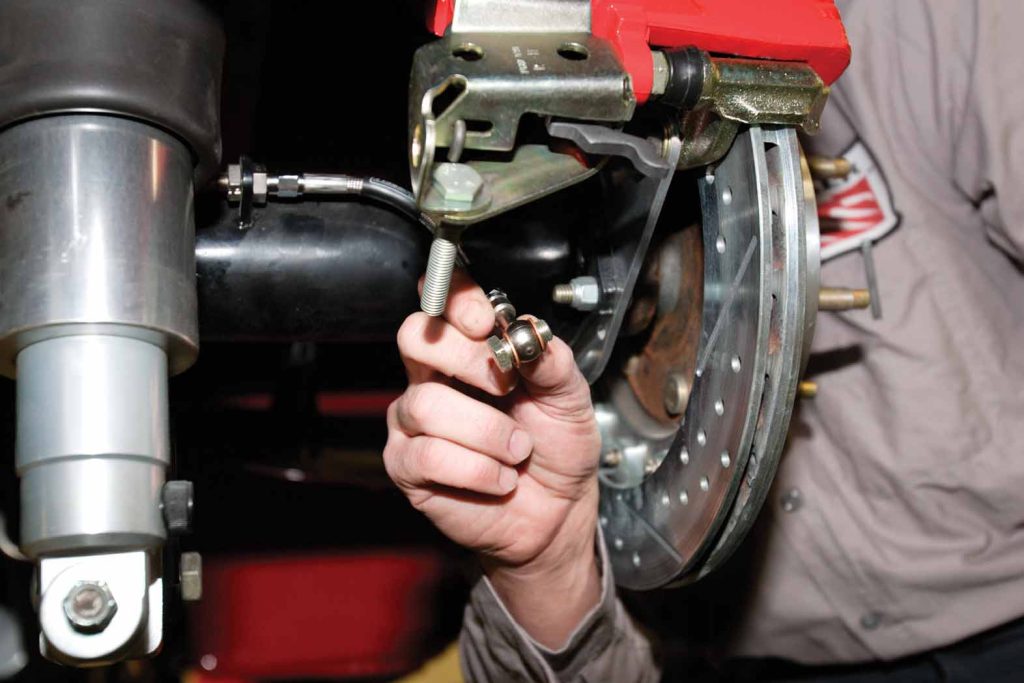
For our C10, both the front and rear brake kits feature Baer Claw Track PBR two-piston aluminum front calipers with PBR one-piston Pin Drive rear calipers. Matching large-diameter drilled and slotted rotors—13-inch front and rear—replace the 11.6-inch (front) and 11-inch (rear) OE units. For the standard ’67 GM pickup (available in six-lug or five-lug), the Baer brake kit increases the front track by 0.375 inch on both sides and more on a drop spindle. The standard increase on a typical Mustang II front suspension, as our truck is so equipped, is 0.300 inch. Due to the larger diameter and contact pattern of the rotor/caliper, there is an increase in the amount of braking force generated, and the larger rotors are able to absorb and shed more heat, which keeps the brake system working correctly under difficult driving conditions. This is just what we were searching for in this demanding application.
Installation Process
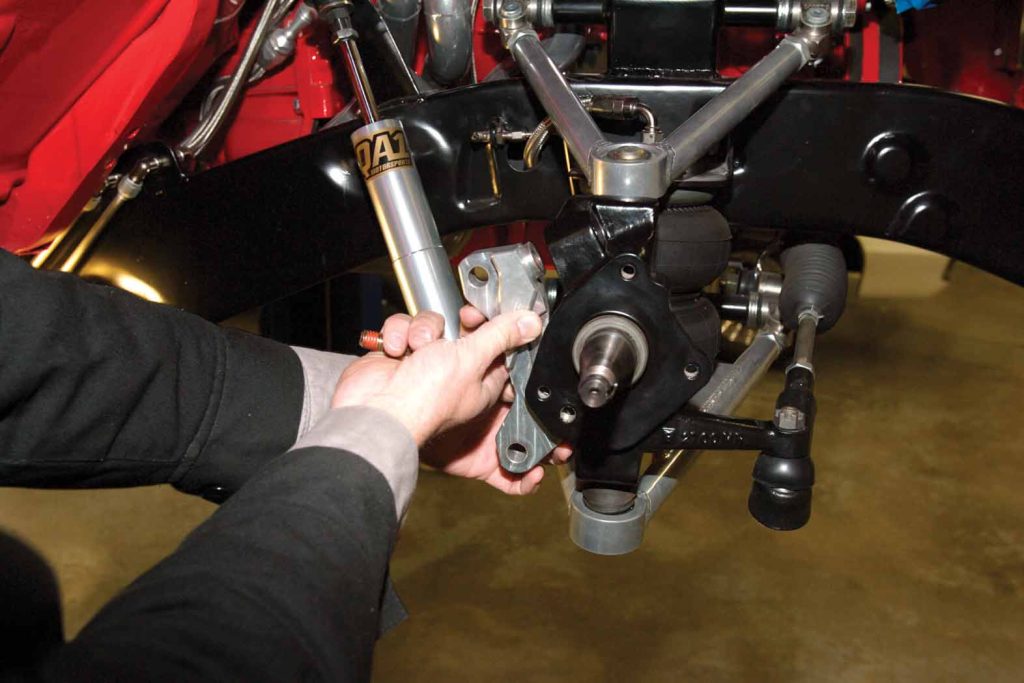
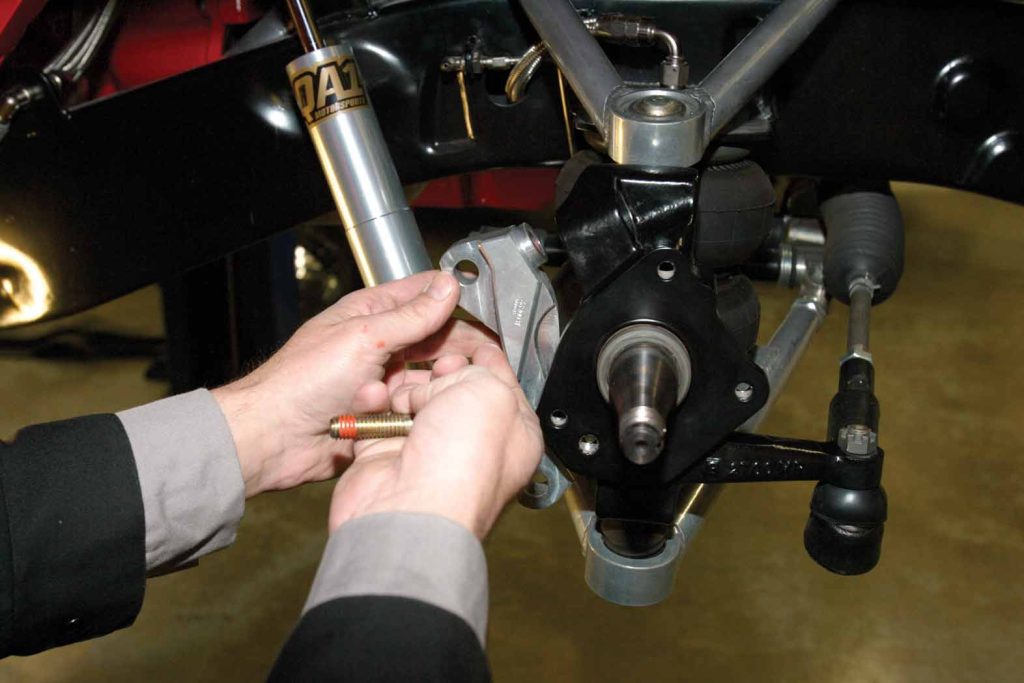
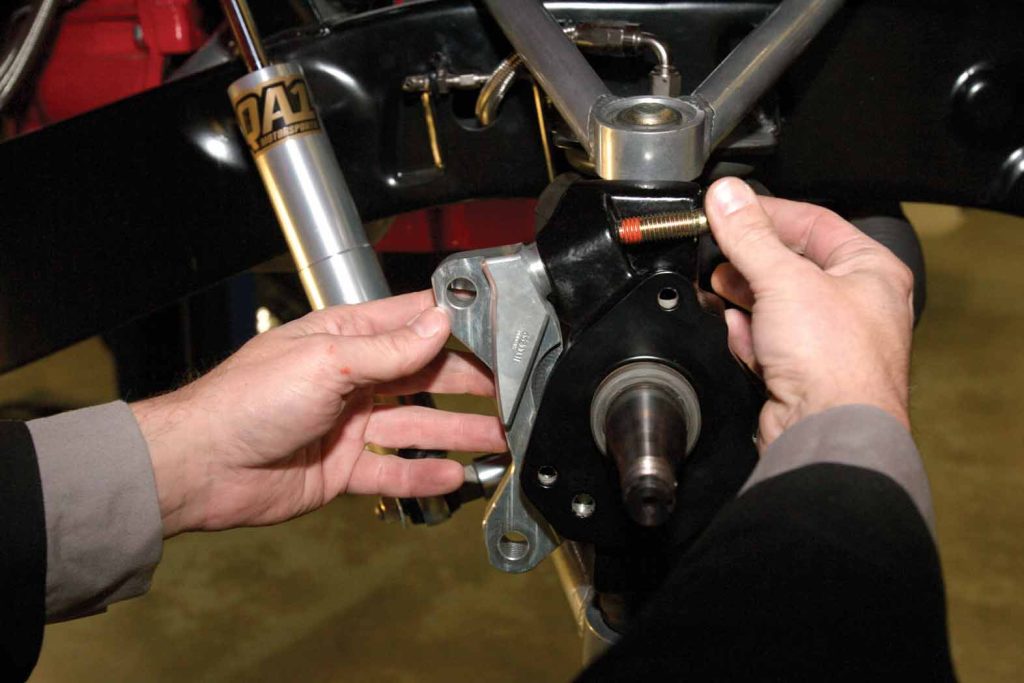
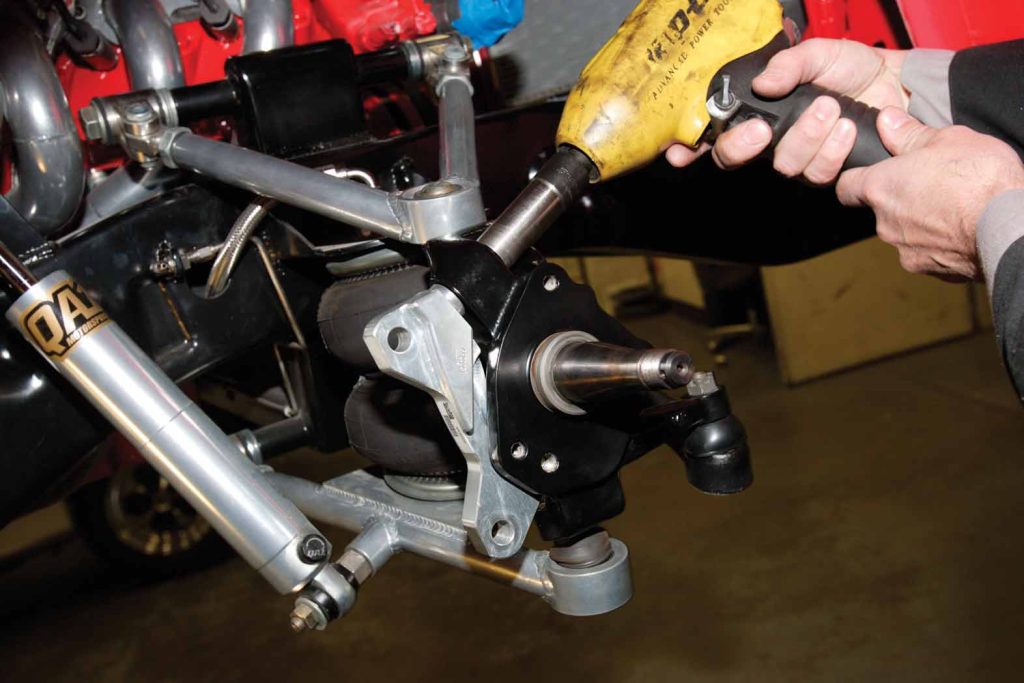
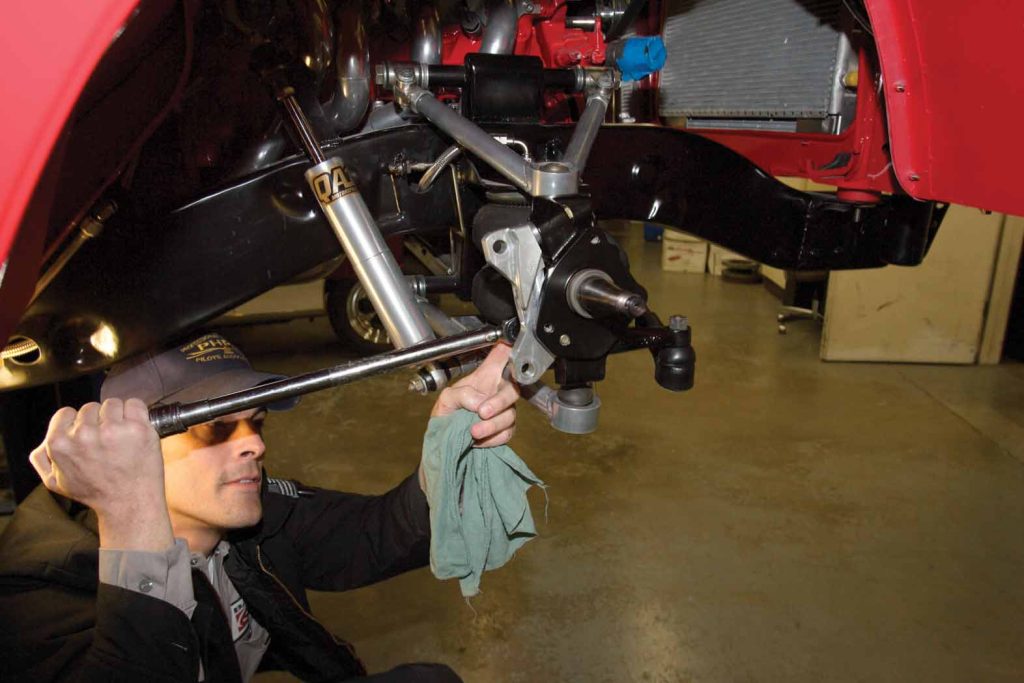
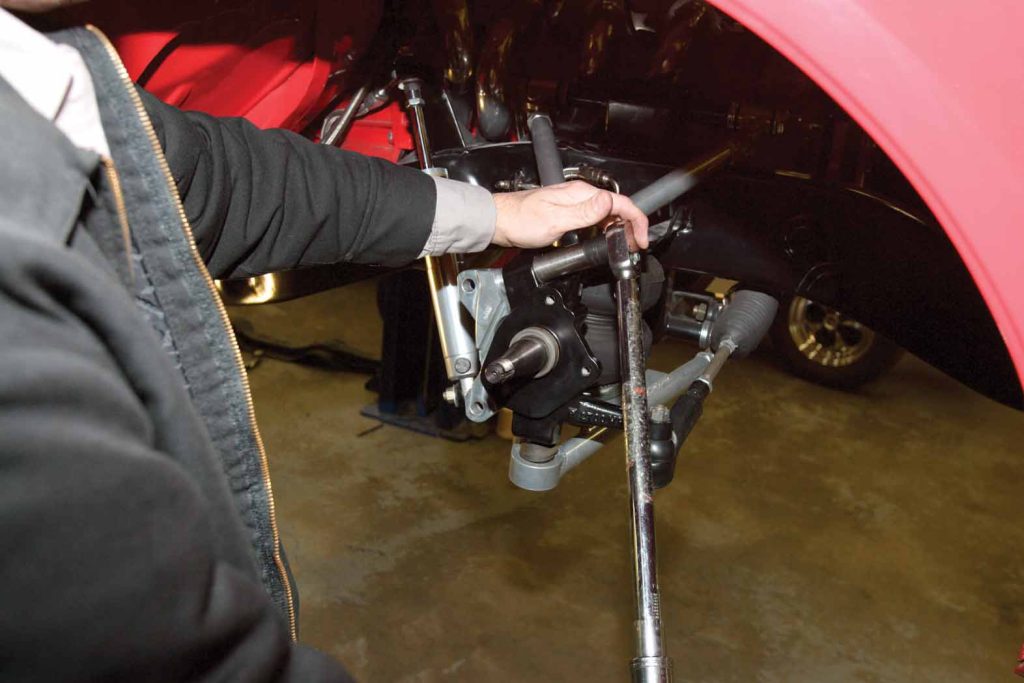
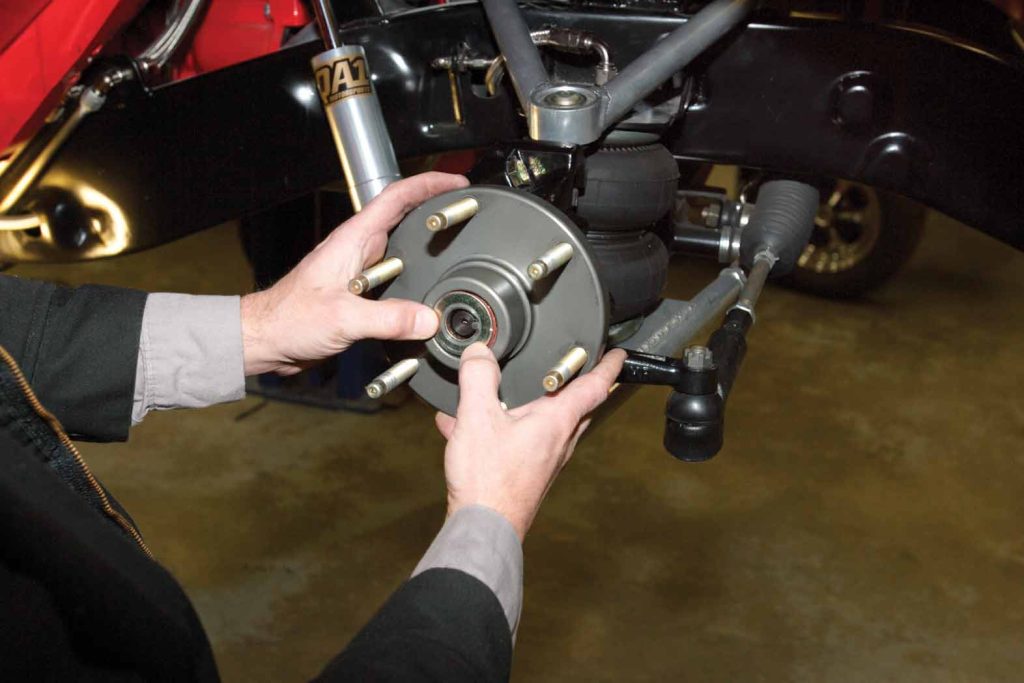
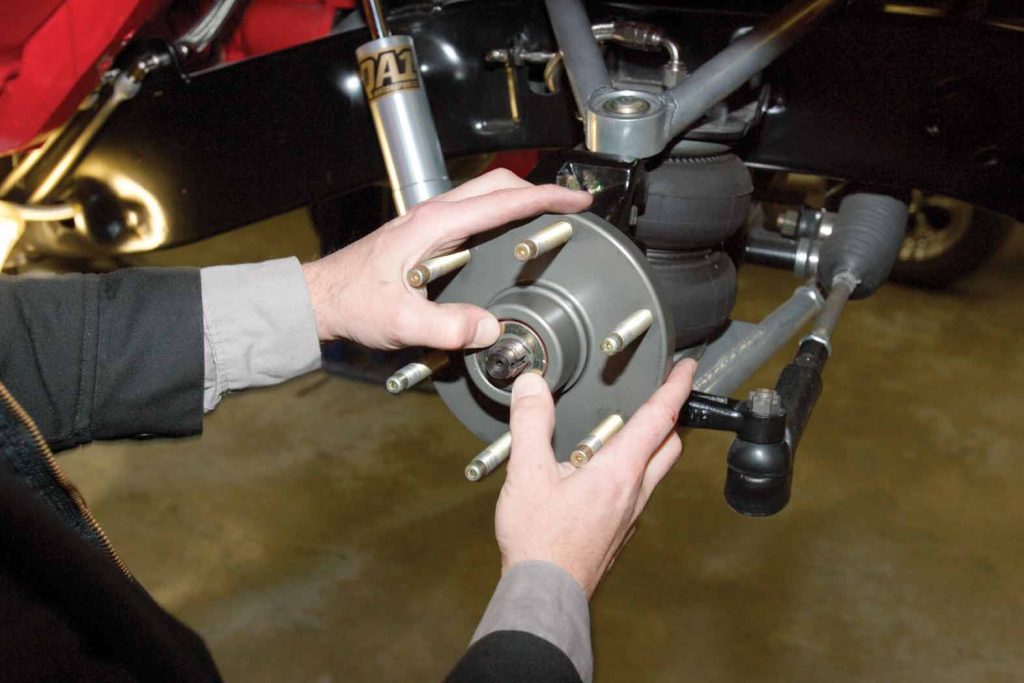
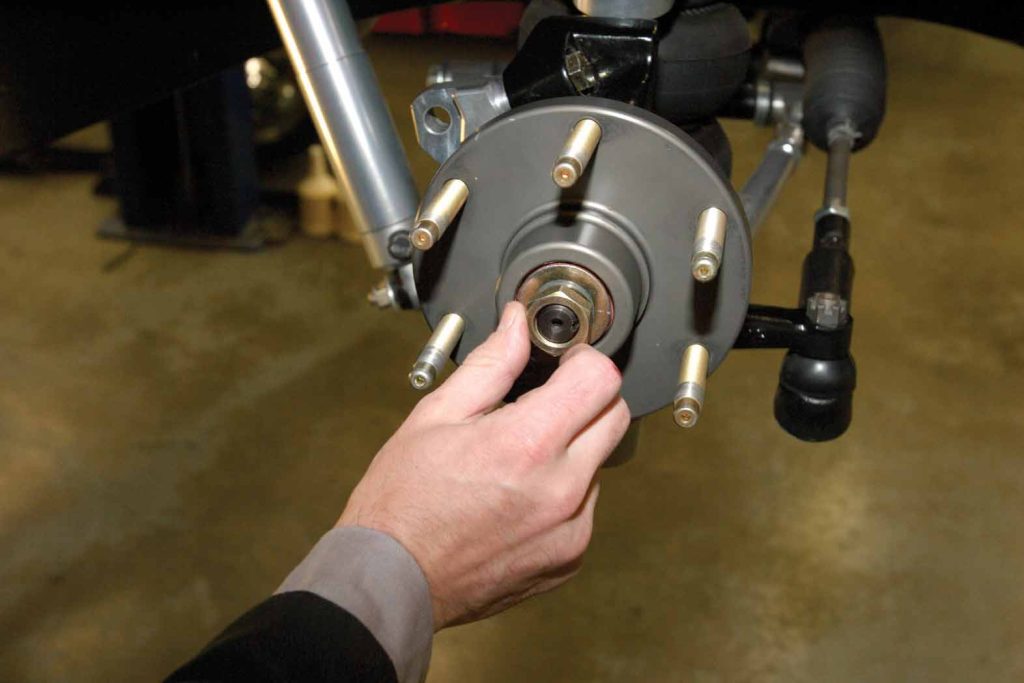
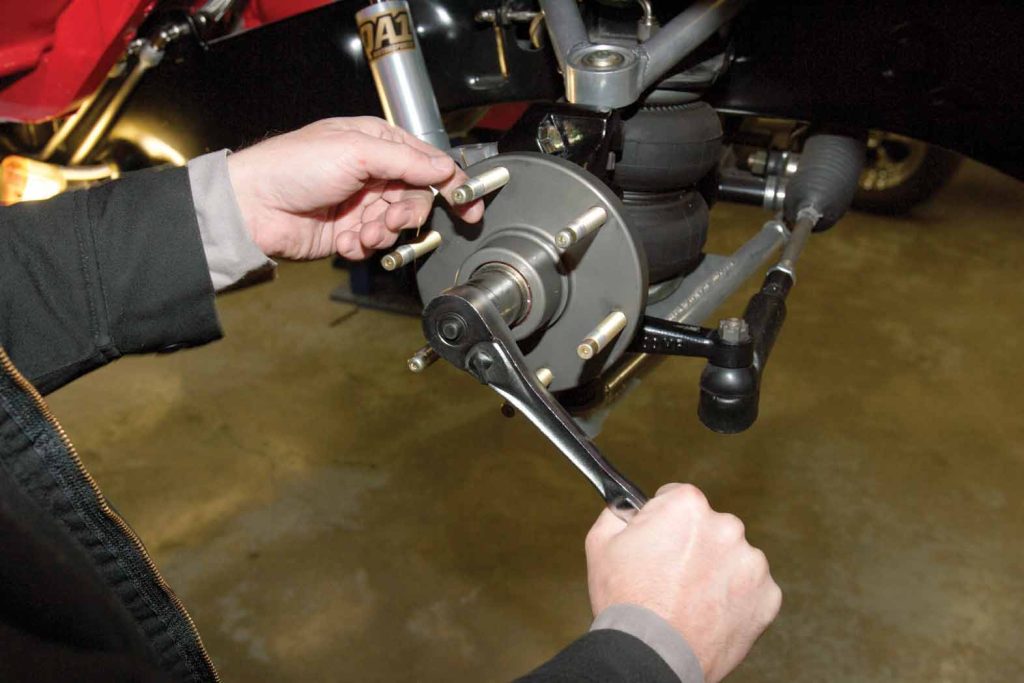
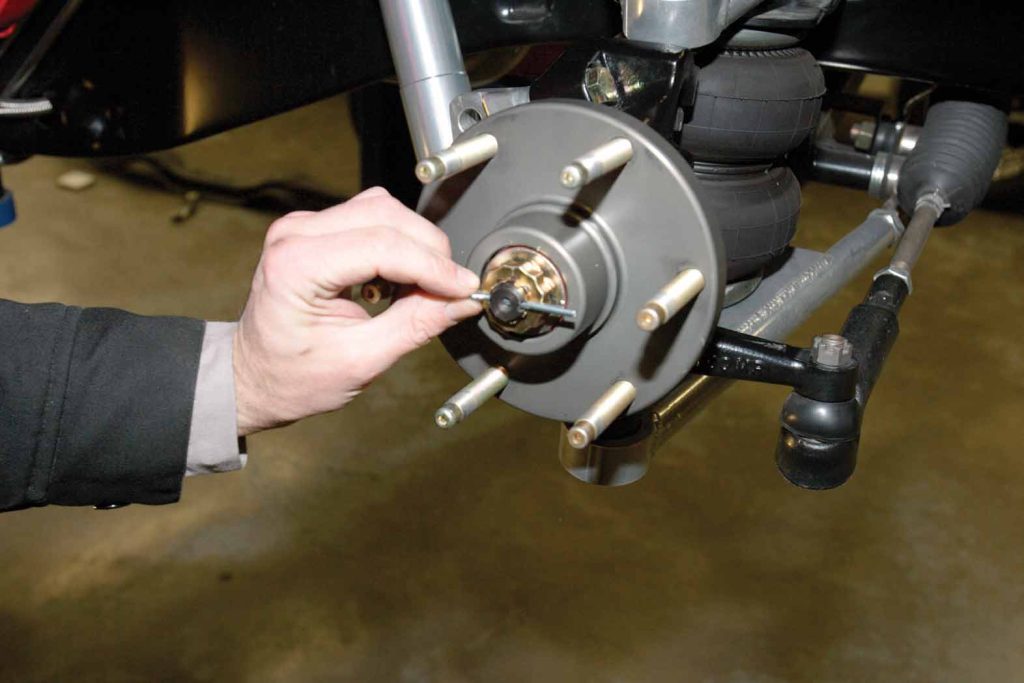
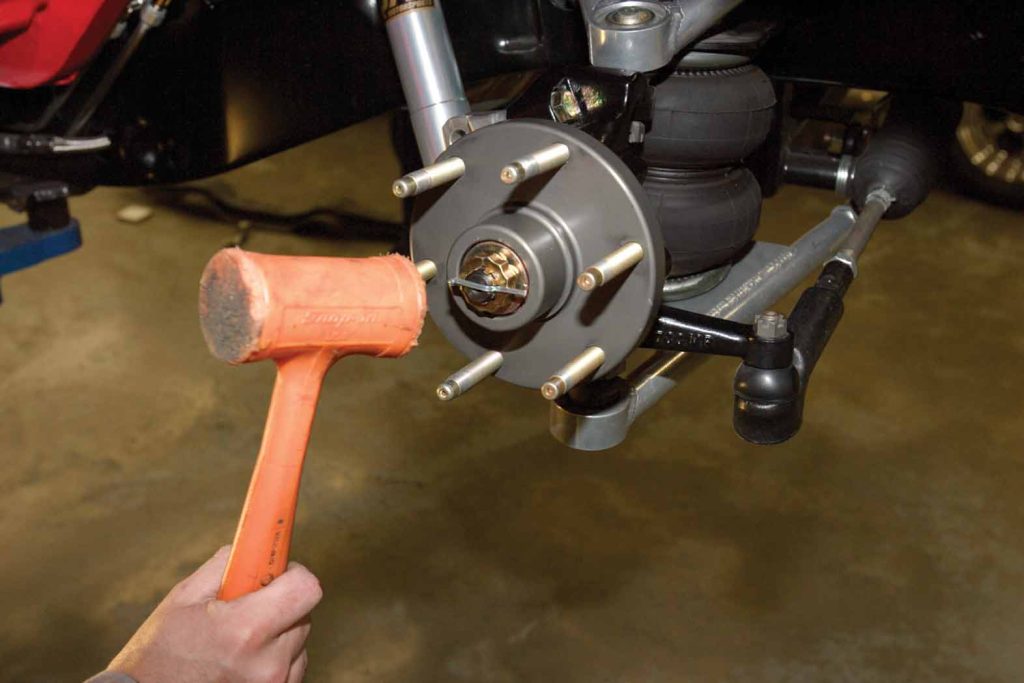
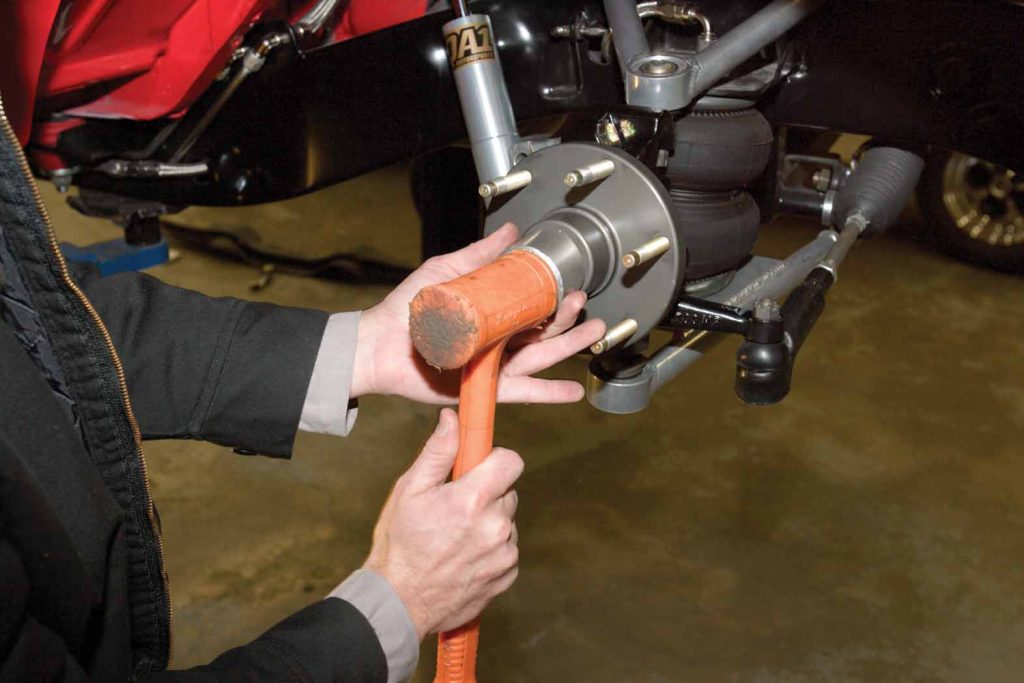
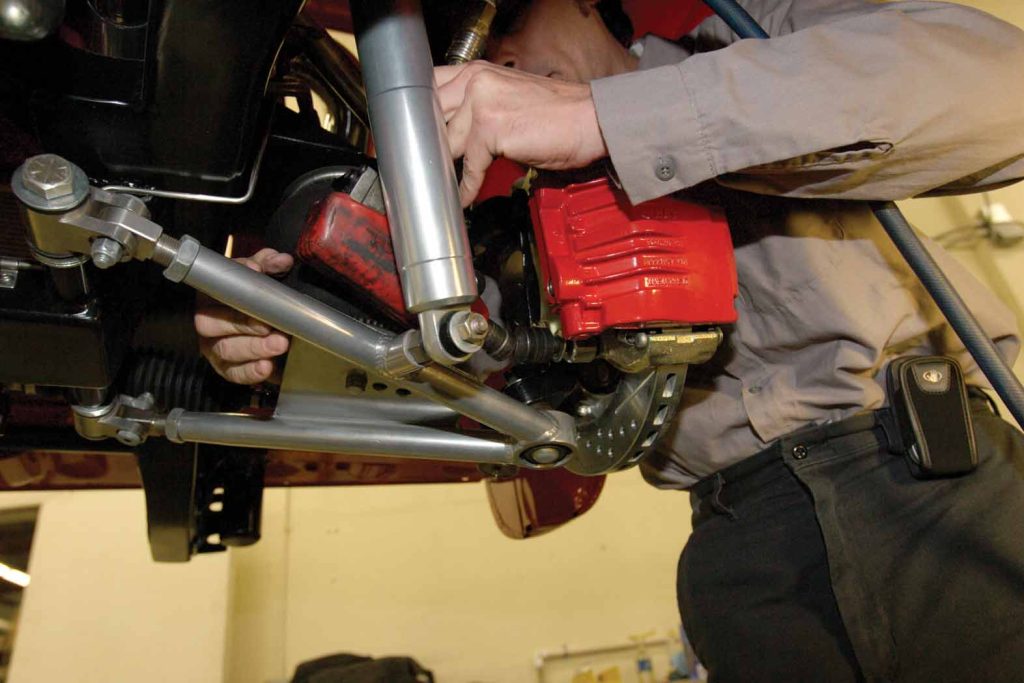
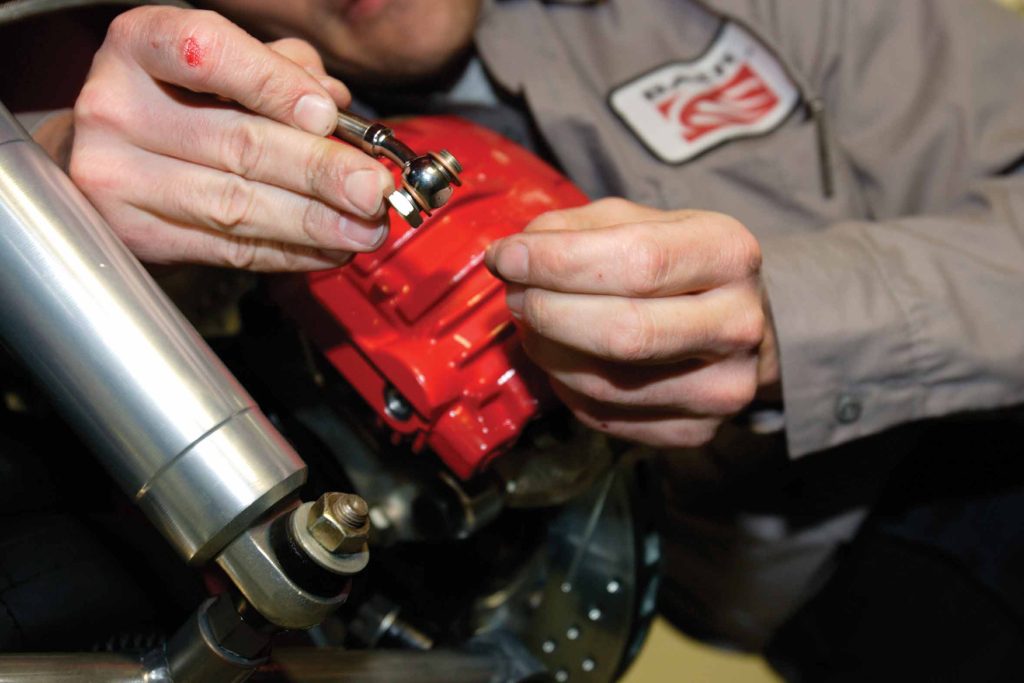
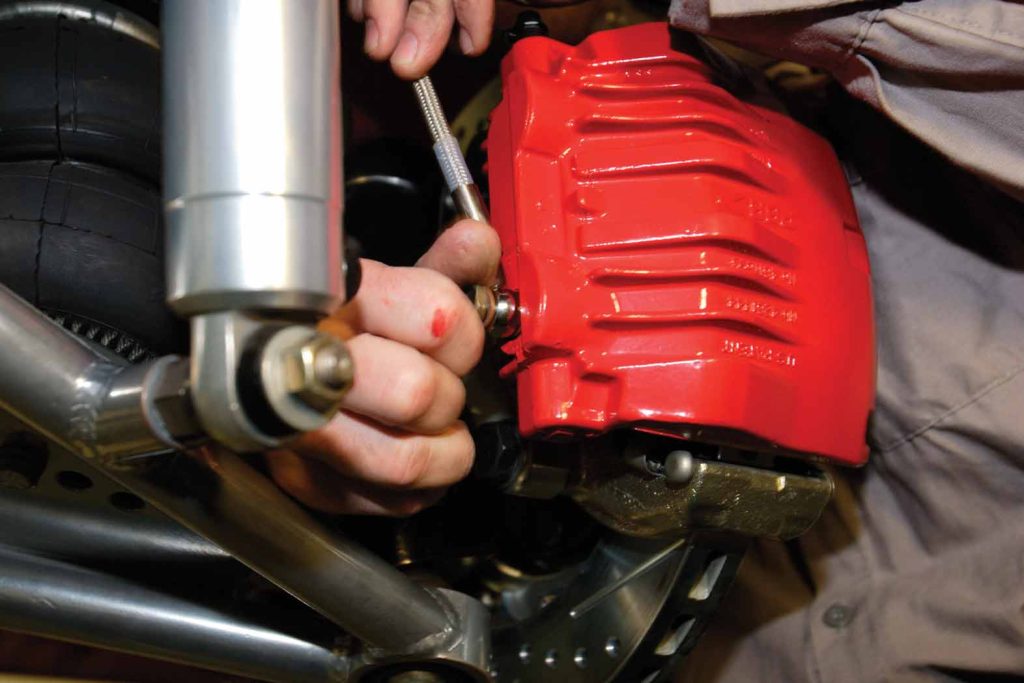
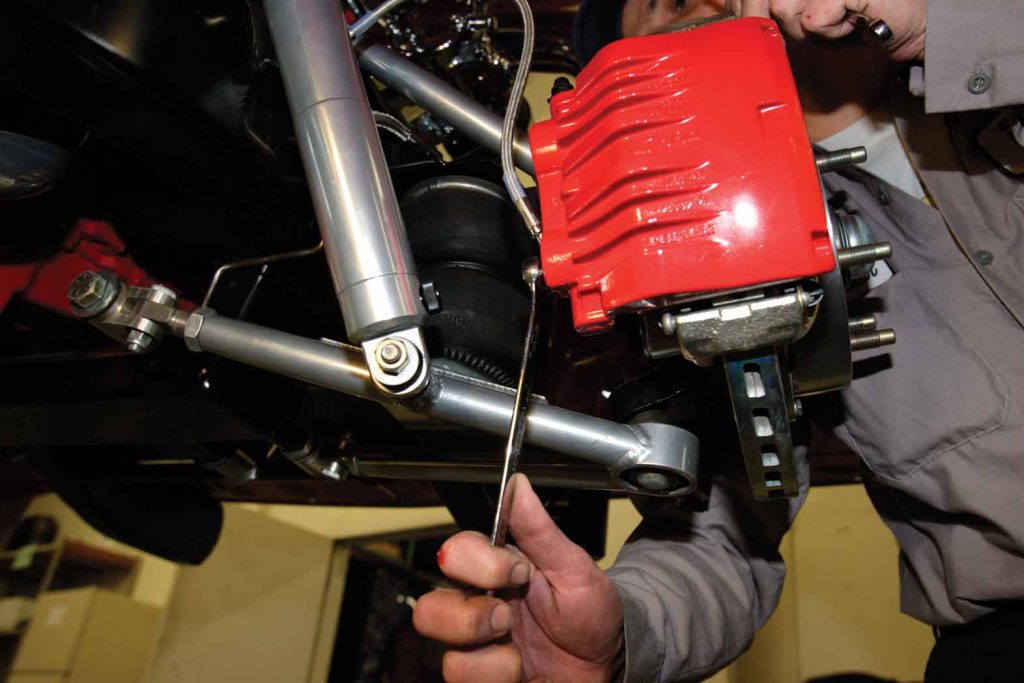
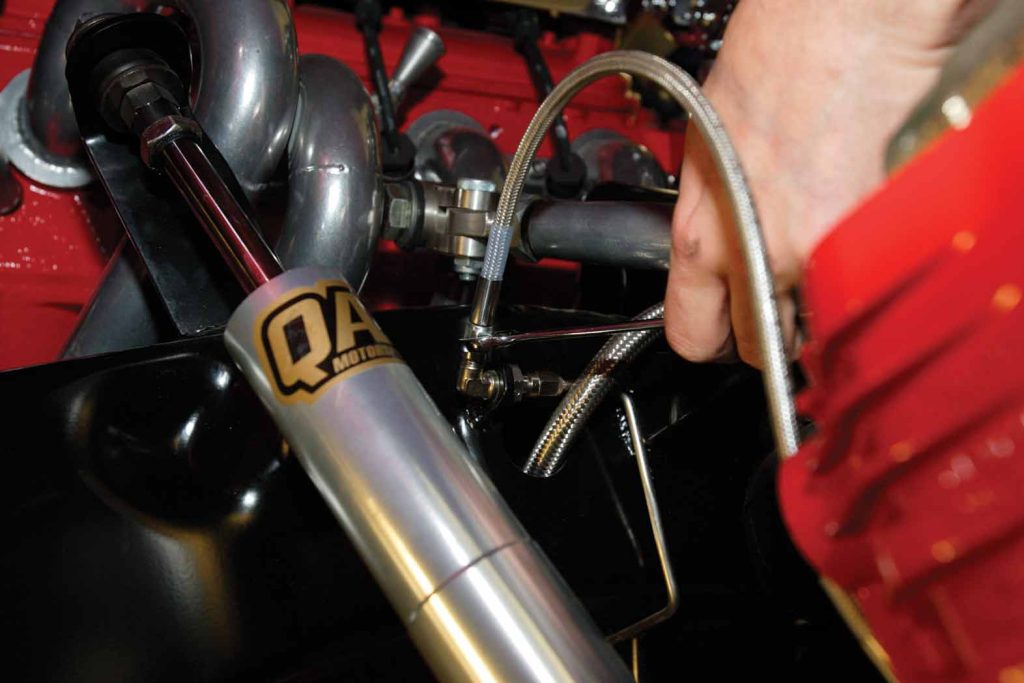
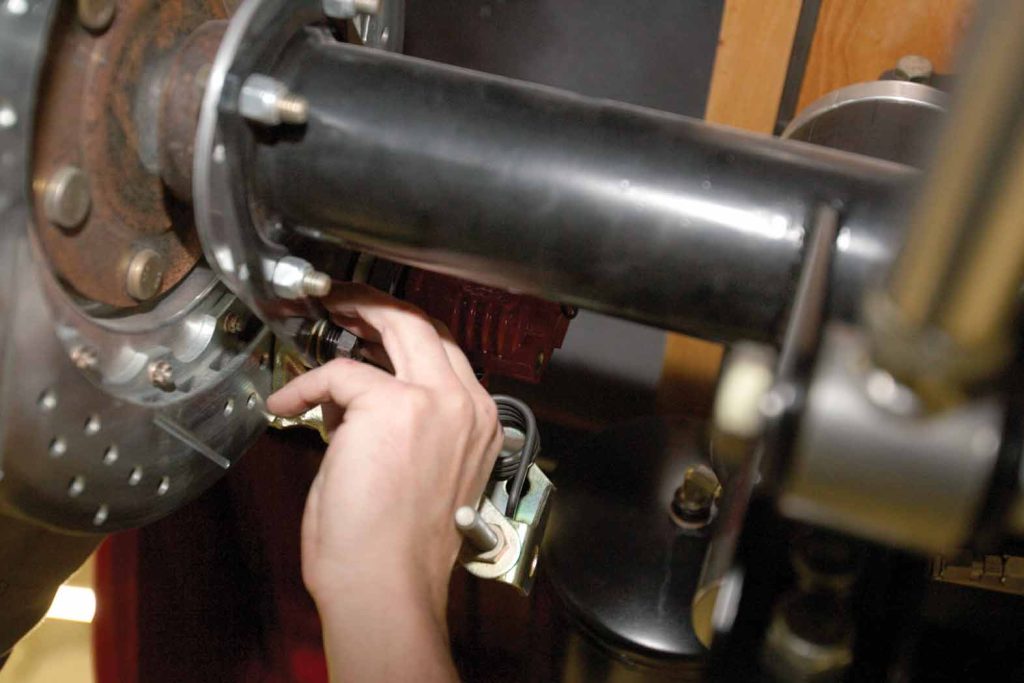
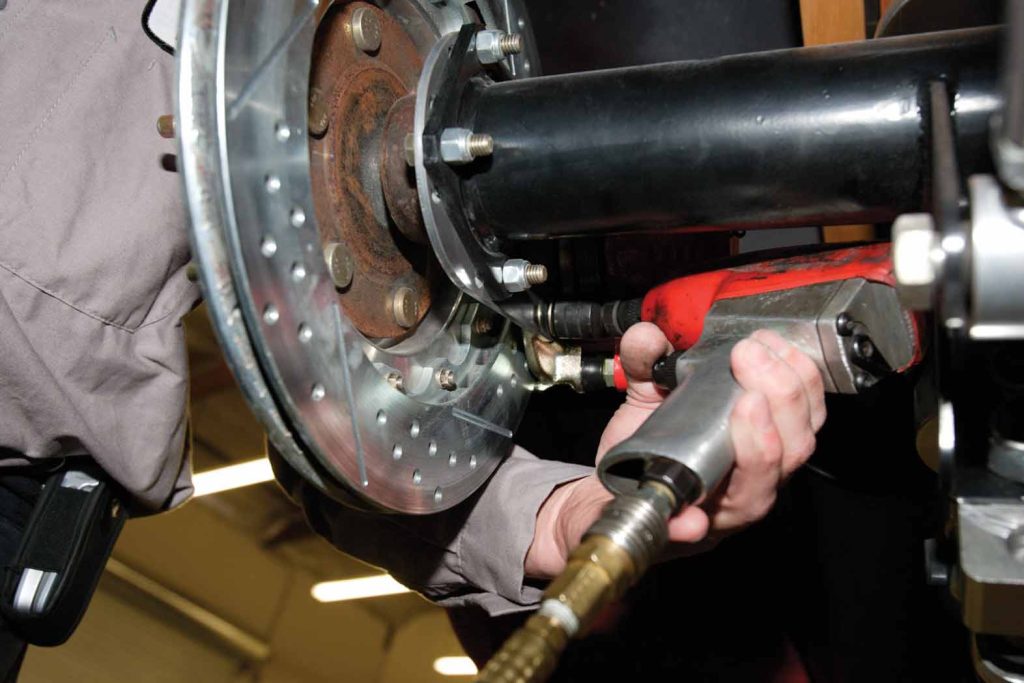
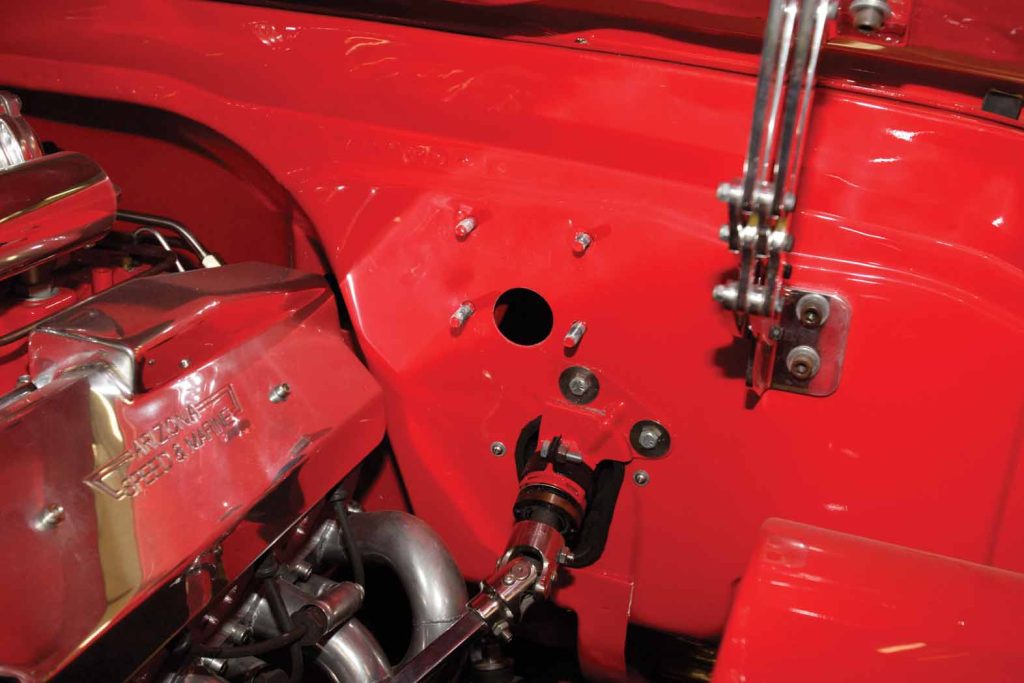
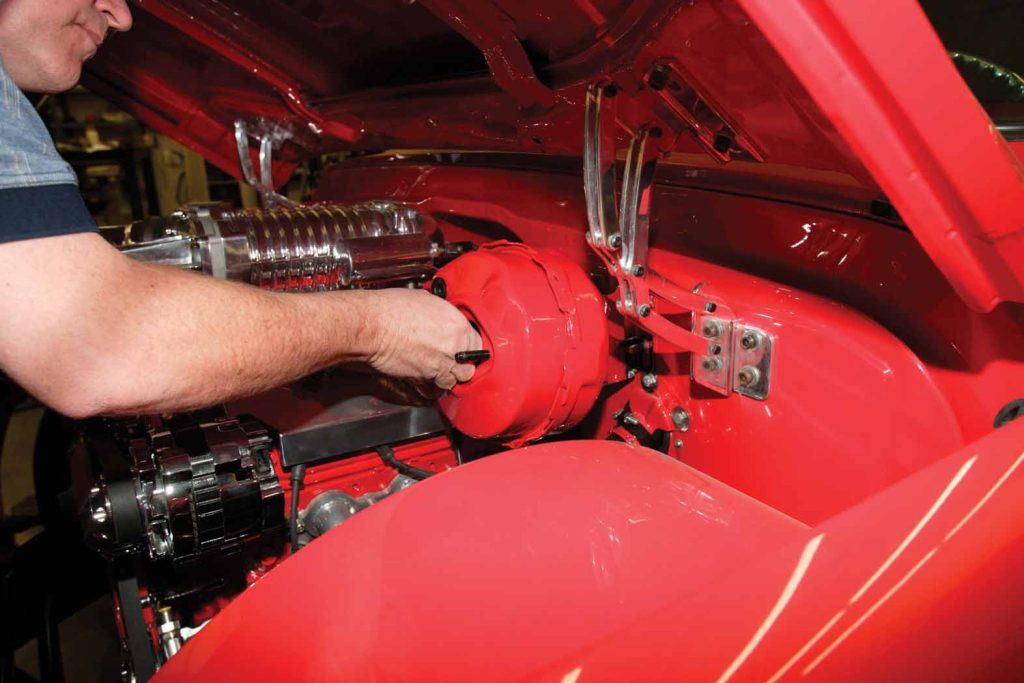
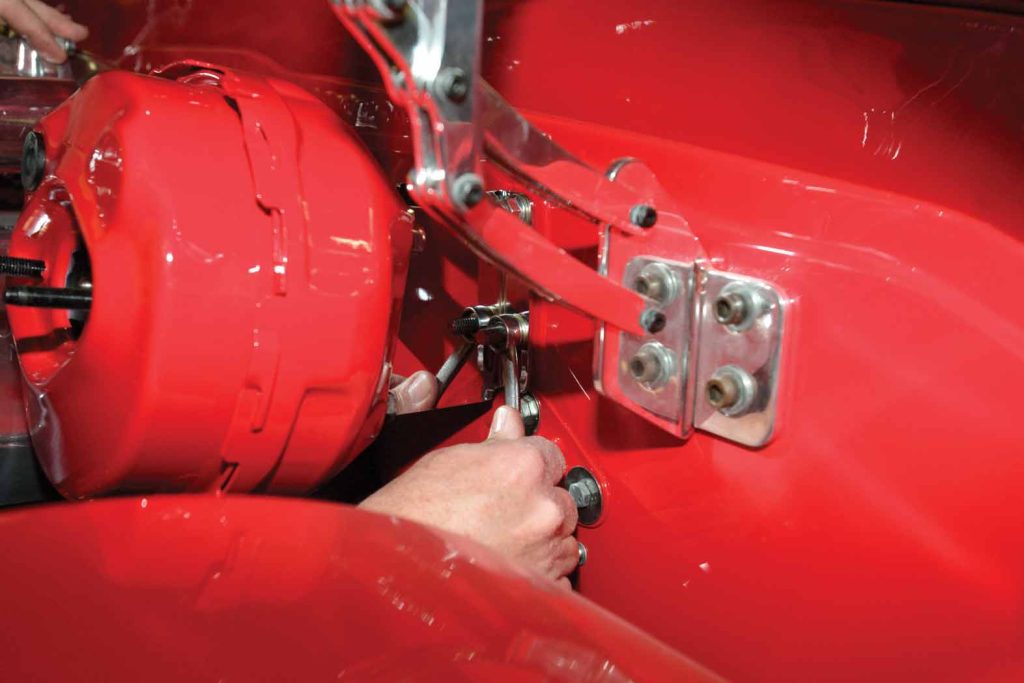
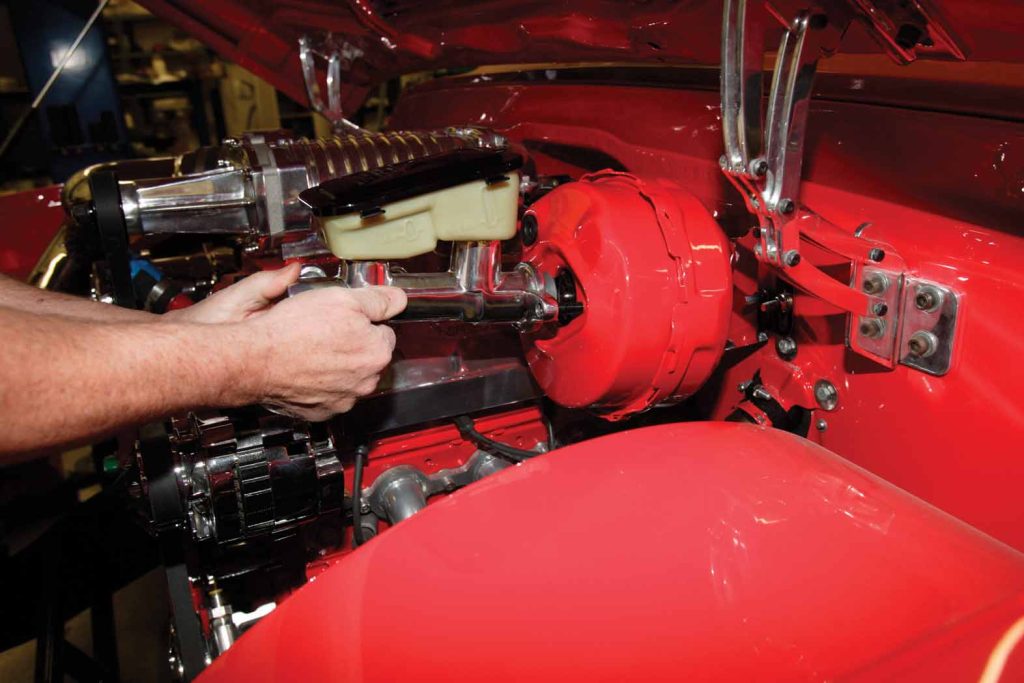
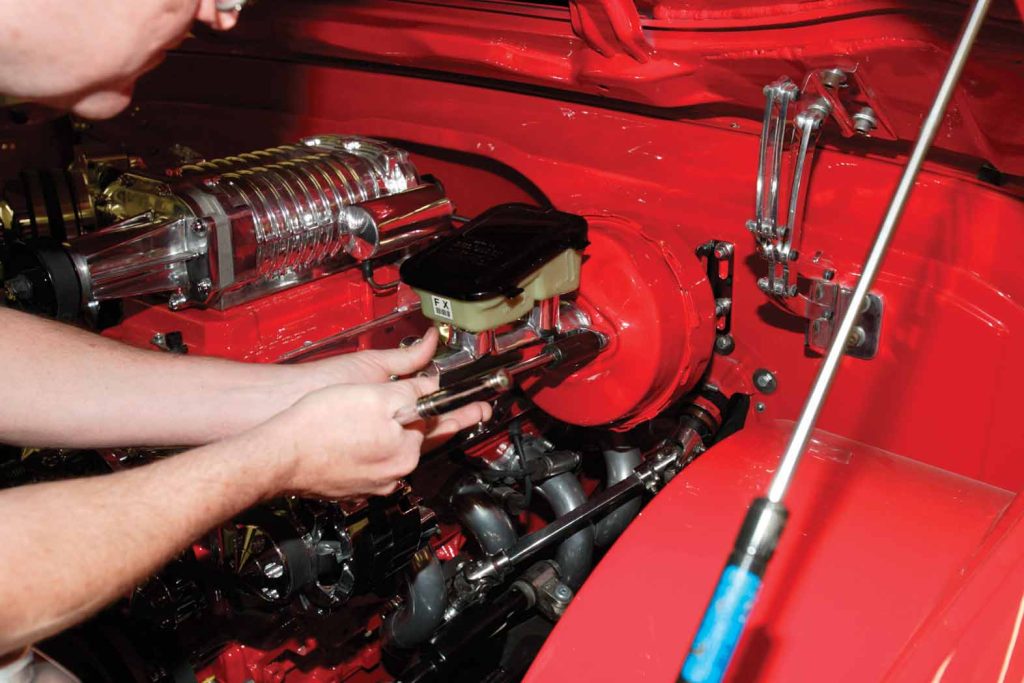
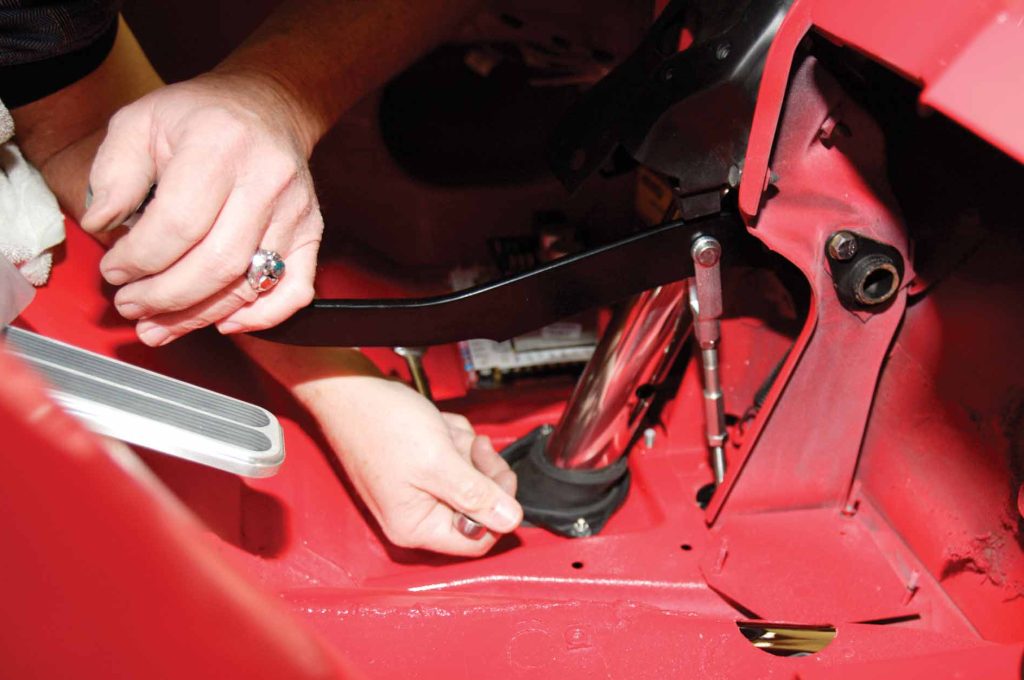
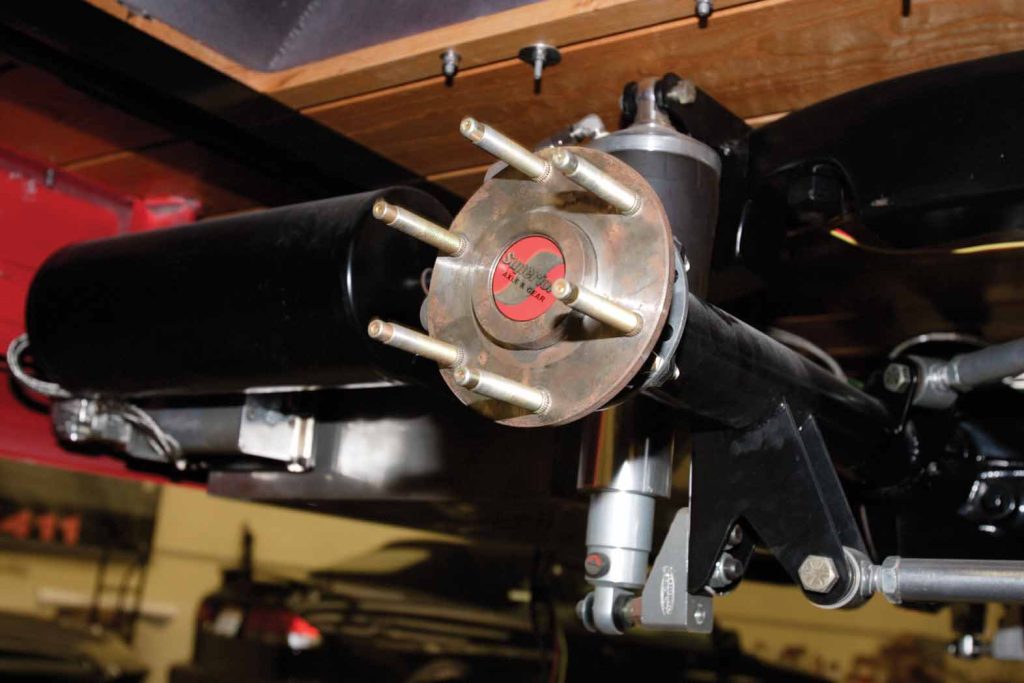
So, with the selection of parts complete, the Chevy was taken to Baer’s facility for the installation of the brakes. Hal Baer and his team quickly equipped our project with the required upgrades, and we were on hand to follow this installation along so that you could see exactly what is involved in getting this job done. Keep in mind that your Chevy pickup doesn’t need to be modified as much as this one is for you to enjoy the benefits of these brakes. Check out this installation to see just how straightforward it is, and then you can decide how much brake you need to give your Chevy real stopping power.
Continued»
ARTICLE SOURCES
BAER Brake Systems
3108 West Thomas Road, Suite 1201Q
Phoenix, AZ 85017
602/233-1411
BFGoodrich Tires
1 Parkway South
Greenville, SC 29602
864/458-5000
Weld Wheel Industries
6600 Stadium Dr.
Kansas City, MO 64129
800/669-9353