

THE AUTO BUILDER
Featured

FOX-BODY SPOTTER’S GUIDE
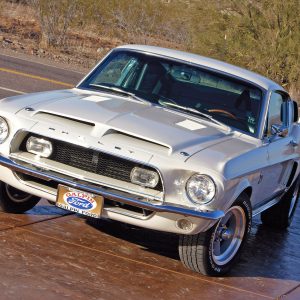
Fox-body cars changed over the years, usually for the better. So, while everyone can spot a Fox Mustang, we decided to take the time to compile photos of some of the more popular Fox variations so that you can tell just what you’re looking at the next time you head to a car show or dragstrip. Sadly, we can’t provide an absolutely comprehensive guide to spotting every Fox-body model produced. Some of these cars, such as the Mercury Marquis, are just too rare in enthusiast circles for us to have a single example of one in our photo library. We’ve also included a few pictures of historic Fox-platform racecars, for no other reason than we like them, and thought you would, too. So, if you don’t know an SVO from a Turbo Coupe from an XR7, study this guide so that you, too, can become a true Fox fan.
WHO NEEDS THE LOTTO?
As the saying goes, “some guys have all the luck.” Out in the great state of New York, there is more going on than the Manhattan madness that most folks envision. There’s a distinct geographical separation between the urban density of Manhattan and the more rural confines of the area known as upstate New York. Most of us think of New York the city, where all the cars seem to be yellow, but in other parts of the state, driving is not a form of gladiatorial combat and there are more than a few hot rods around.

THE JUICE IS LOOSE
By now, we all certainly know that nitrous oxide is a performance enthusiast’s best friend. Nothing can wake up a sleepy motor like a quick shot of nitrous.
Spotlighter
POPULAR READS
-
Product Spotlight: Bill Mitchell Products Aluminum LS Engine Block
-
PRODUCT SPOTLIGHT: 60-66 Chevy C10 Fresh Air Vent Block Off Plate
-
Product Spotlight: Pyramid Optimized Design Sequential Aurora Taillight for 1964½–1966 Mustang
-
PRODUCT SPOTLIGHT: Cam Covers for GEN/3 Coyote from Pyramid Optimized Design
RETRO IS ALL THE RAGE
Installing the Retro Tek EFI 6-Pack
Author
Matt Emery
Story & Photography
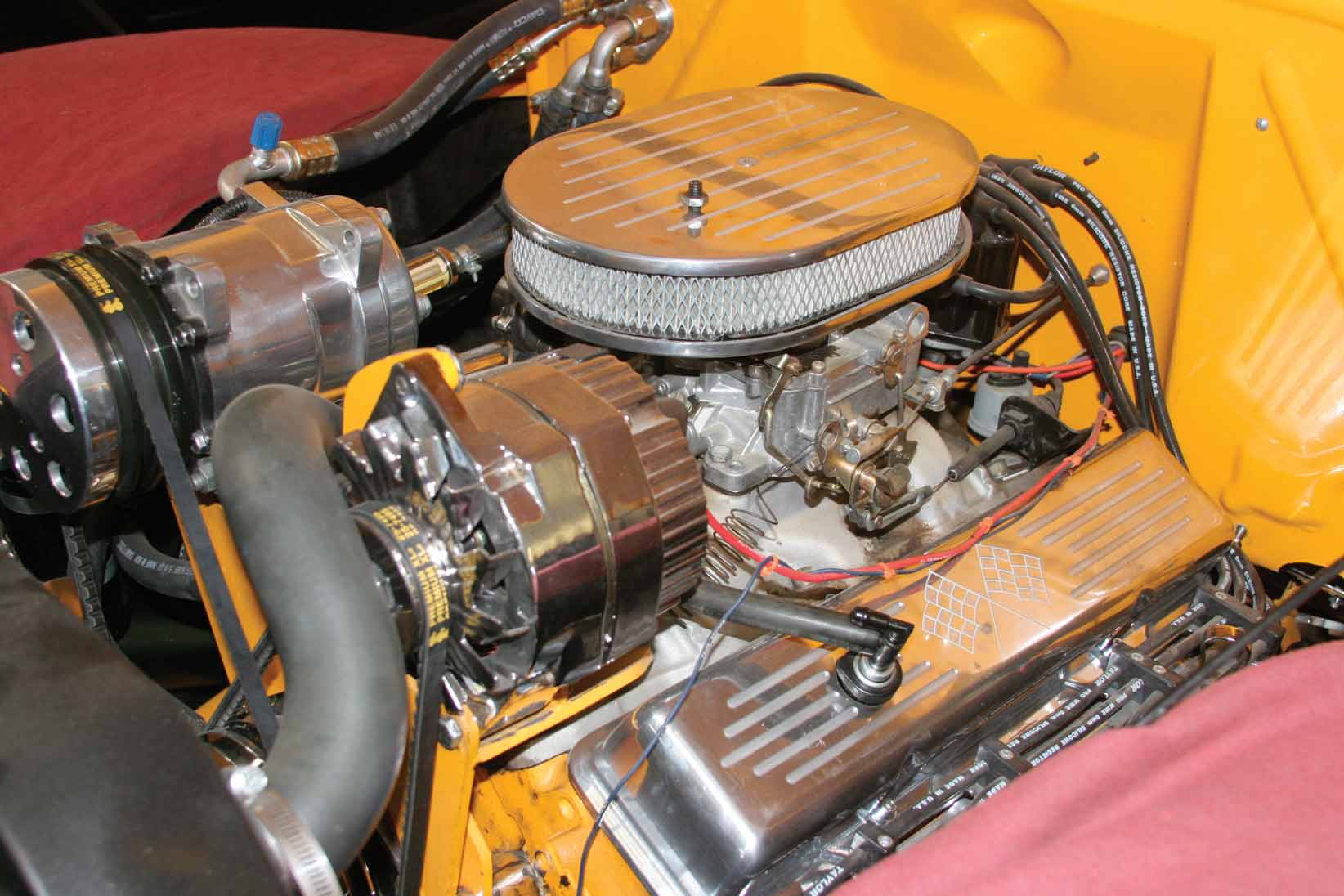
Those who longed for their engines to look as they did back in the old days of multiple-carb setups were out of luck. Cool as they were to look at, there are lots of reasons why the multi-carb setup fell out of favor, and most of them had to do with the fact that they were a bear to sync. The advent of the four-barrel carb was the death for these systems, though the purists among us prayed for a breakthrough.
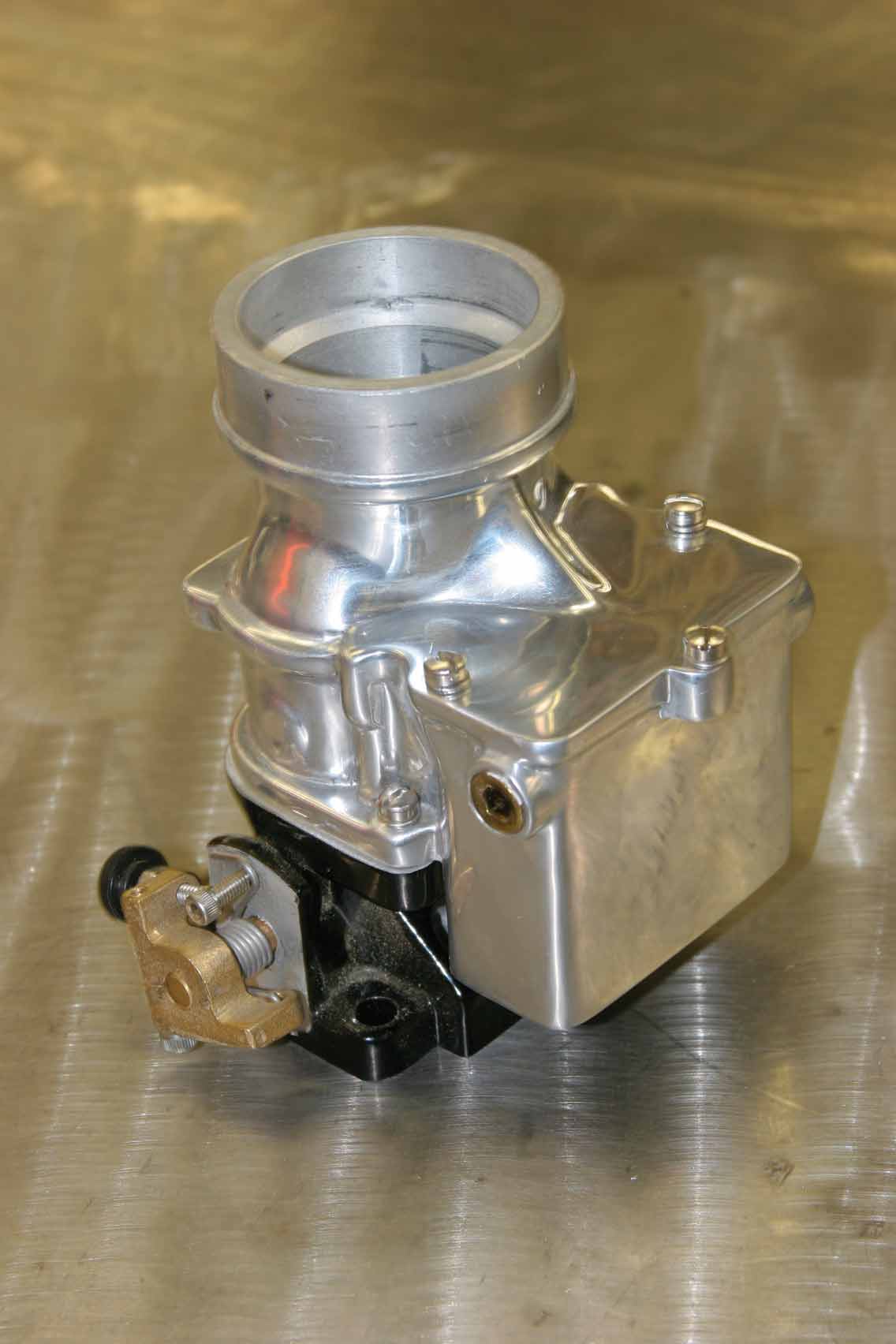
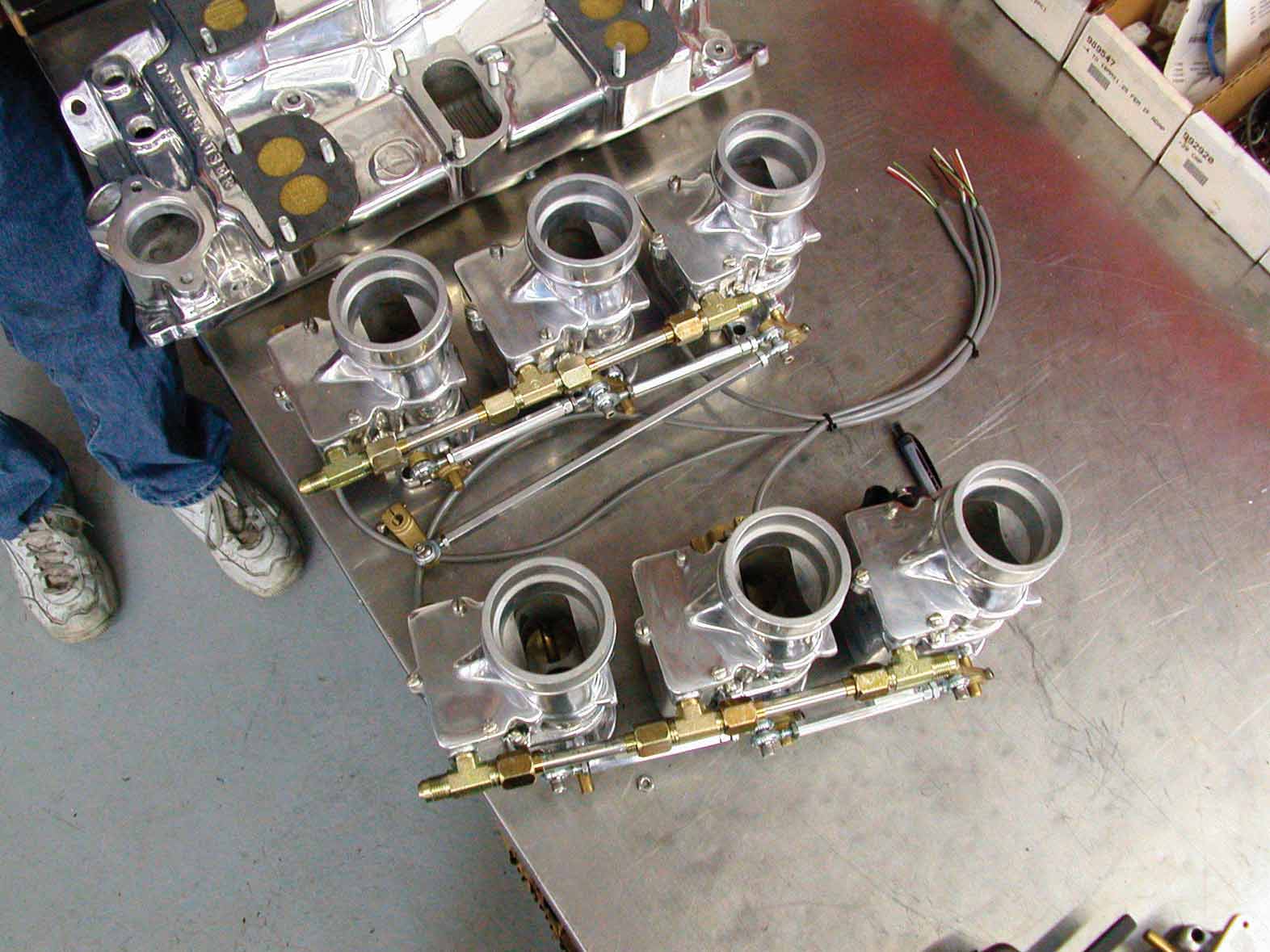
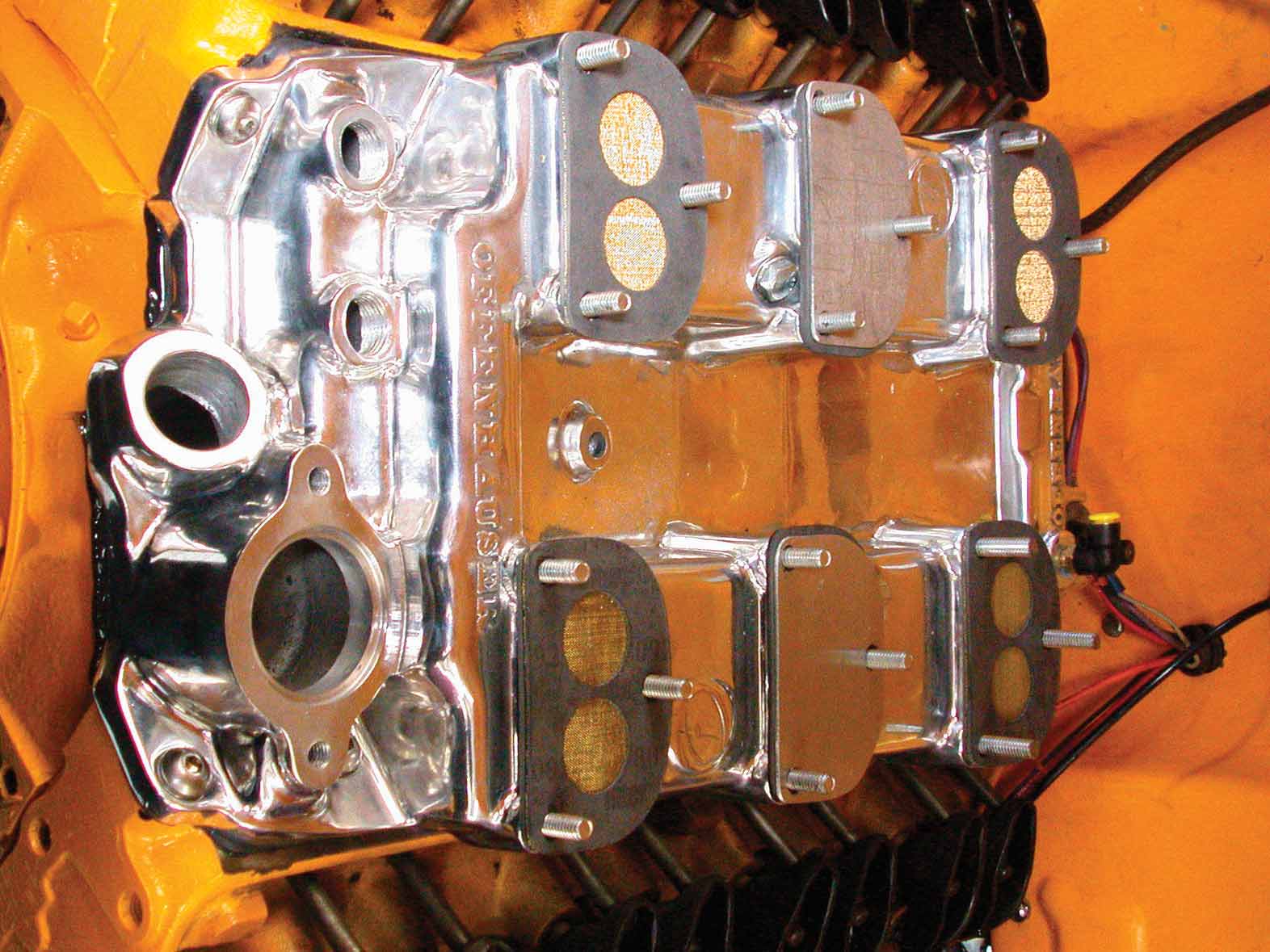
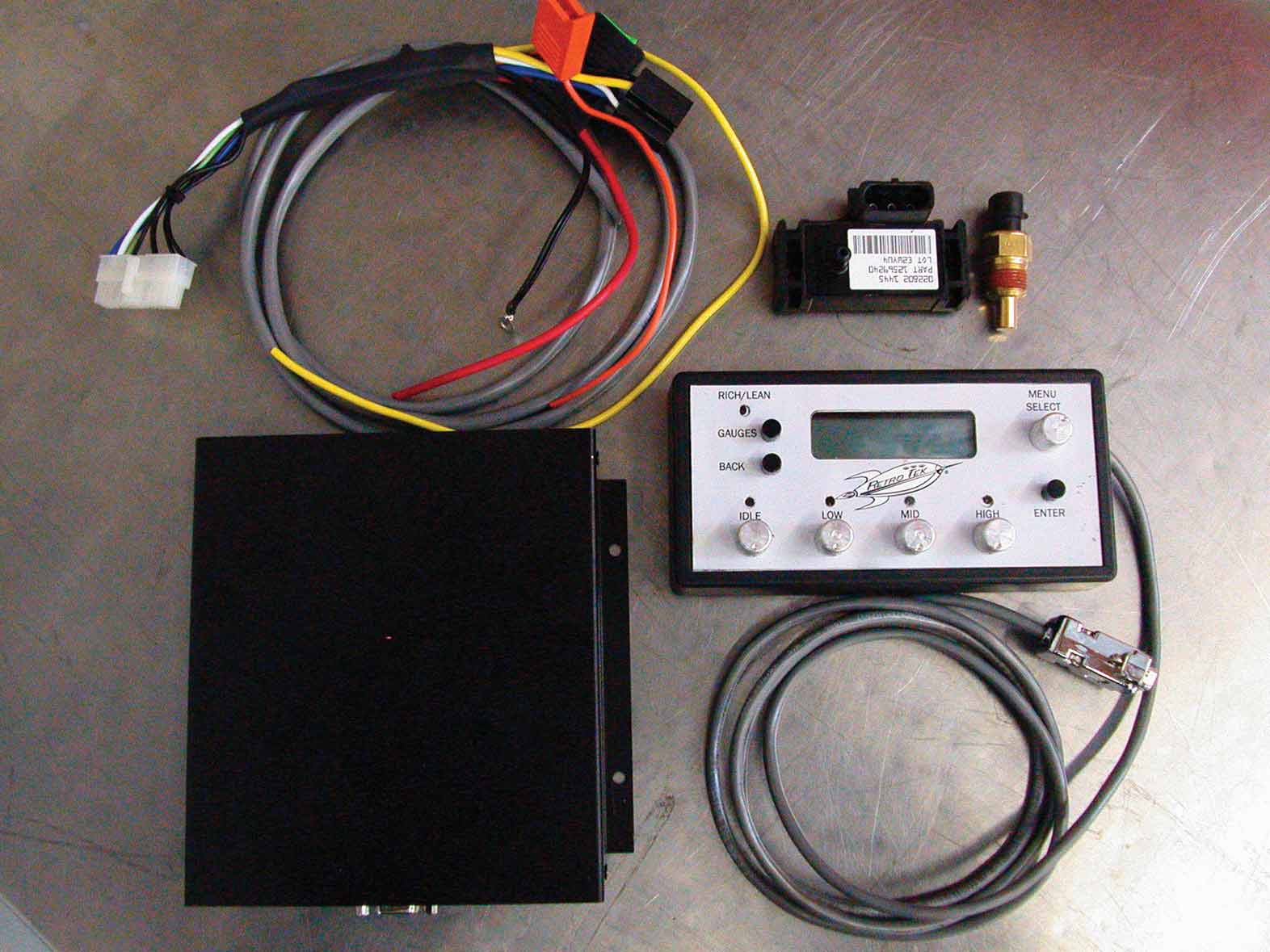
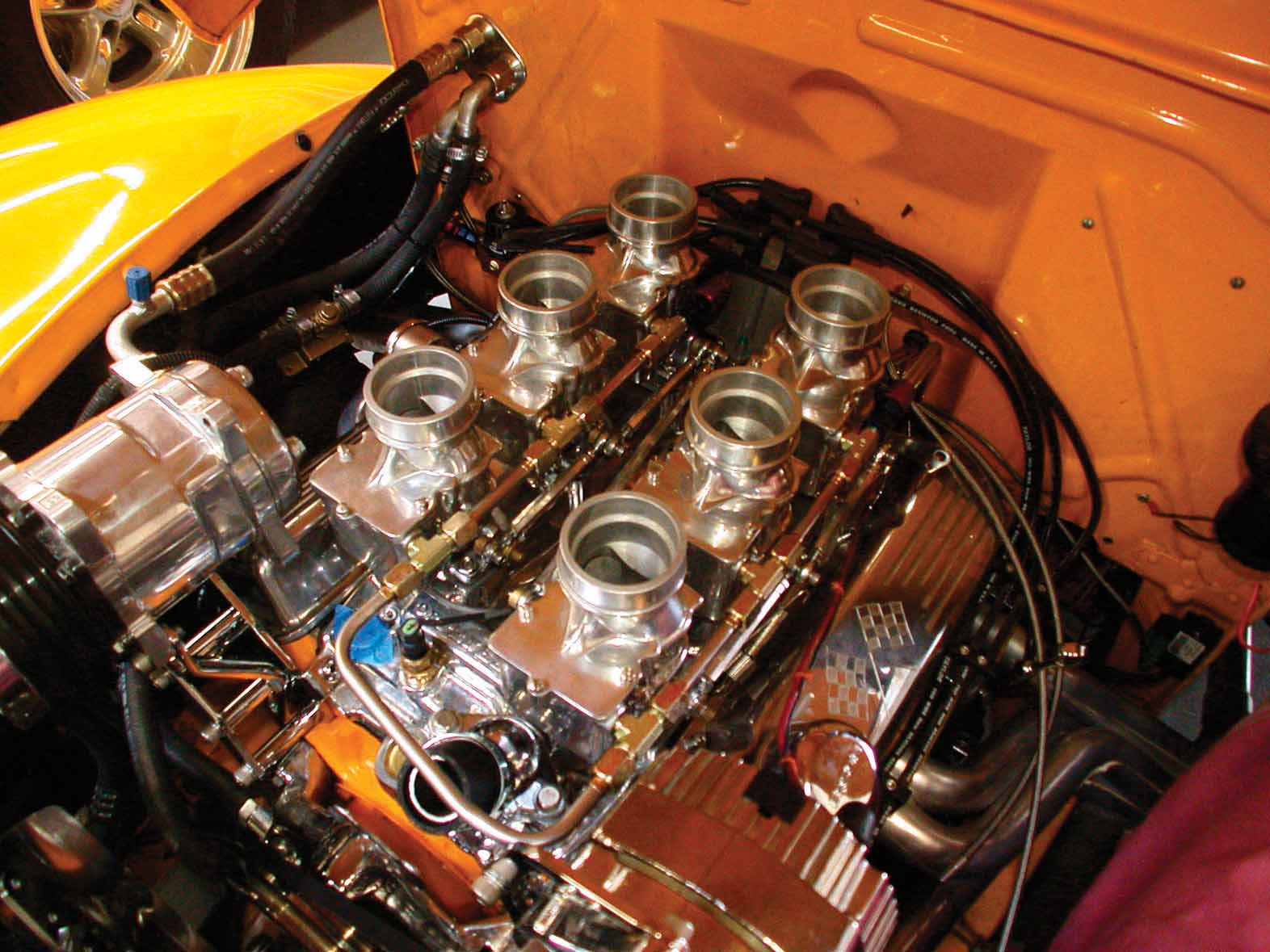
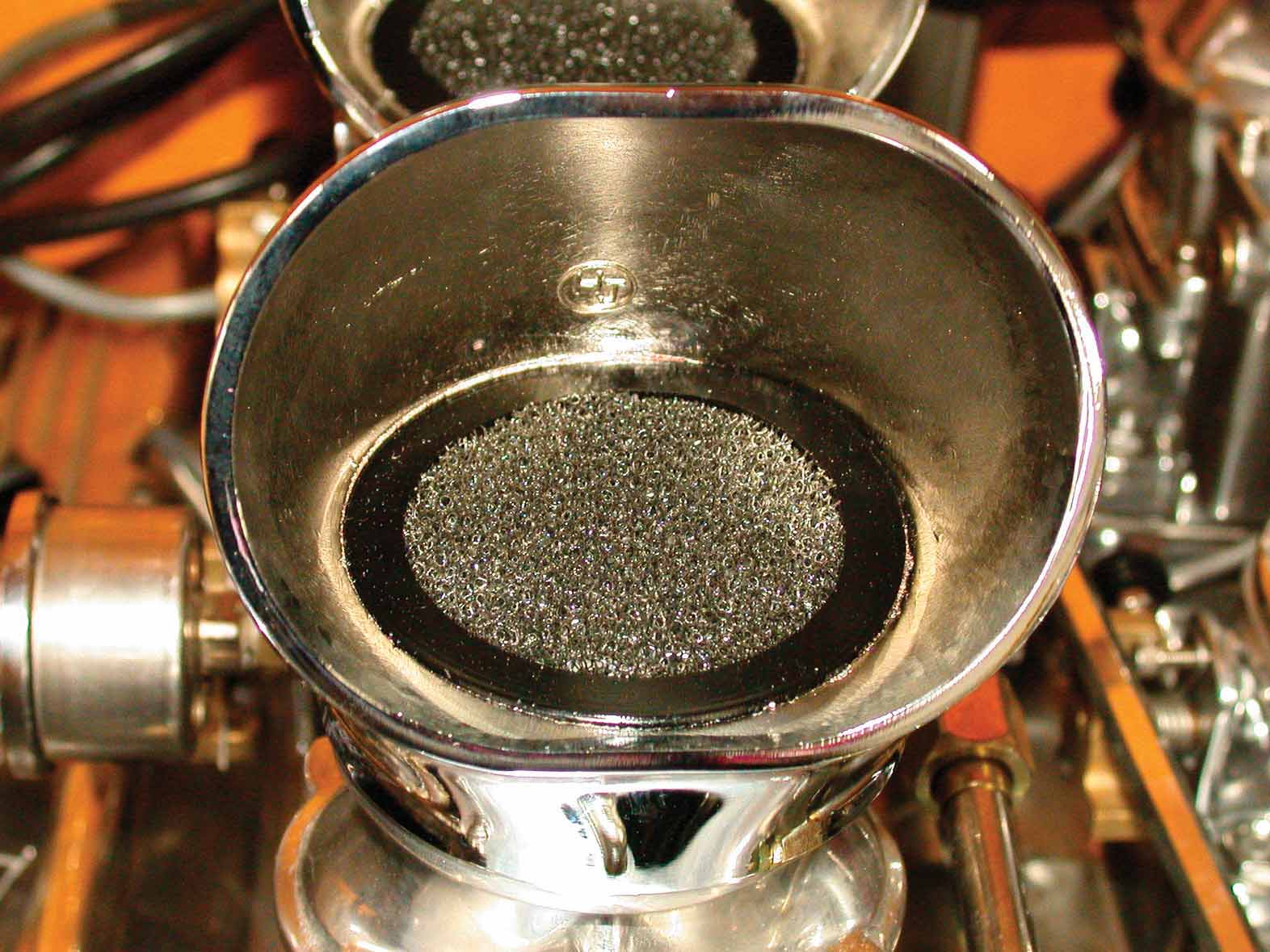
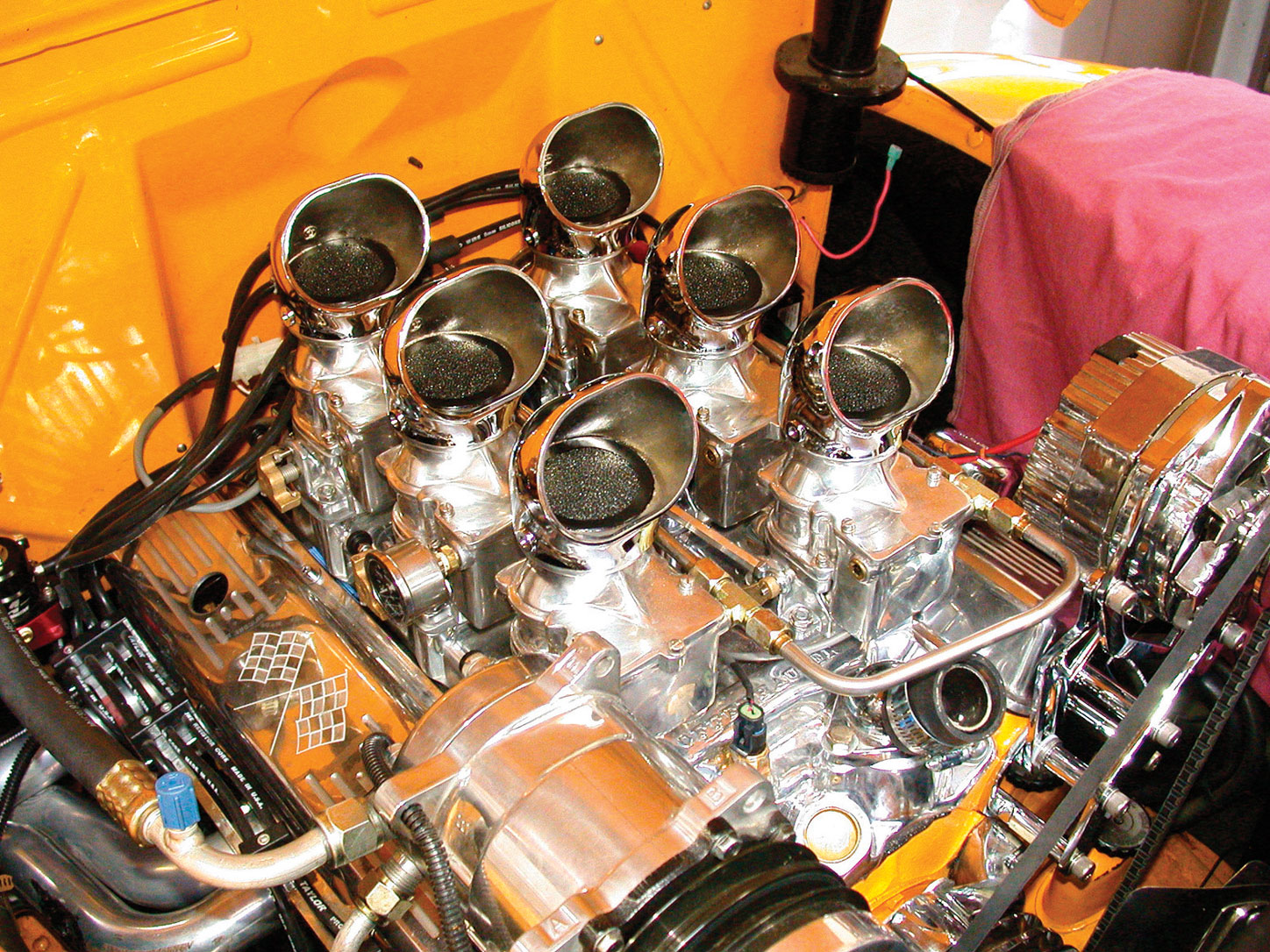
Thanks to Ken Farrell and his company, Retro Tek, those prayers have been answered. Farrell started off converting old mechanical fuel injection systems (Hilborn & Enderle) when the first aftermarket EFI systems became available. His new system, which uses the latest in EFI mated together with the classic Stromburg 97 design, came about when Farrell saw that there was interest in the benefits of EFI, but he also knew that they were lacking in the looks department. The idea was simple take the best aspects of both and add them together.
One of the problems with the EFI systems was the need for an engineering degree just to get them to work. Retro Tek has addressed that, as its new Injection Logic ECU was designed to give the novice a chance to get with the program. The Retro Tek QTC brings the tech stuff to real terms so that any person who can tune a carb can understand how to work the new system. Retro Tek says that its new PC software takes the ease of tuning to a new level.
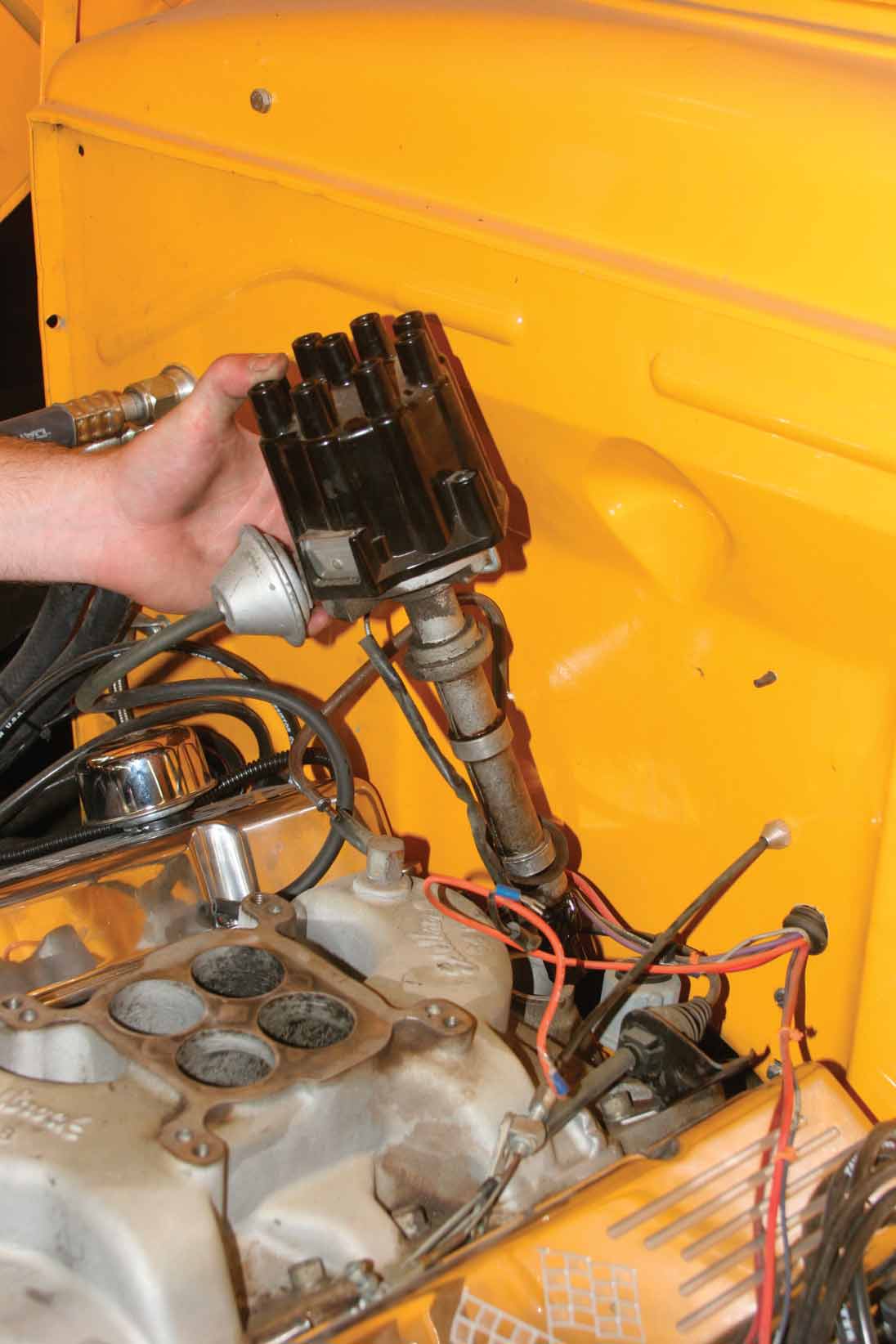
While this customer wanted to use an external coiled HEI GM distributor, the Retro Tek system will work with the majority of factory and aftermarket ignition systems. For those with an LS1 engine, operating systems will be available soon, so call for information.
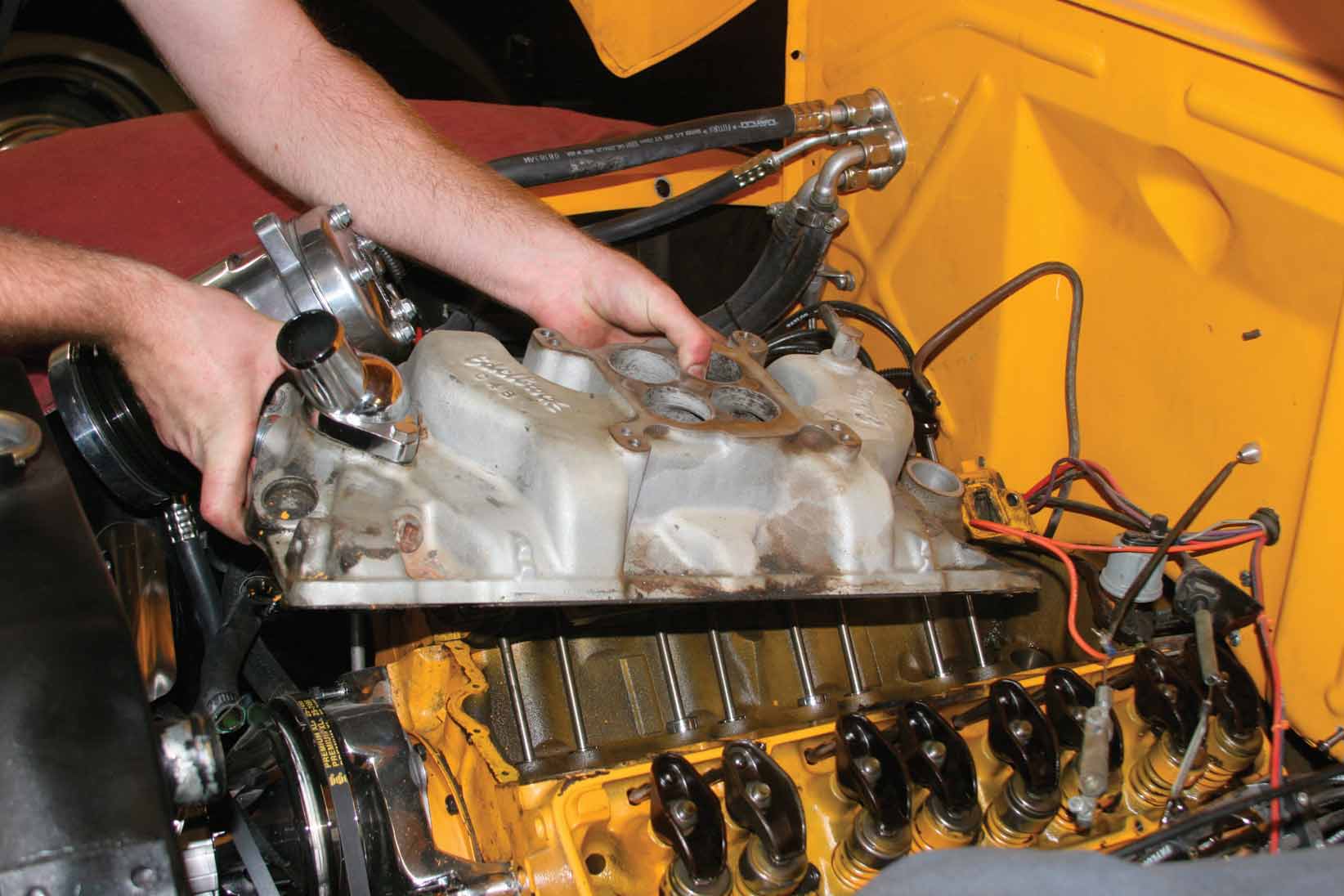
For those who want to have the muscle car look, Retro Tek also has a new 2×4 system that will fit on any existing four-barrel manifold, and 2×4 intakes are available new and used. It is a similar bolt-on using the same ECU, but the regulator is built in and the fuel system is a low-pressure design. According to Farrell, dyno results at Westech have been exceptional, and this is a great kit for a budget-minded build ranging from $1,200 for a single to $2,500 for a polished 2×4 setup.
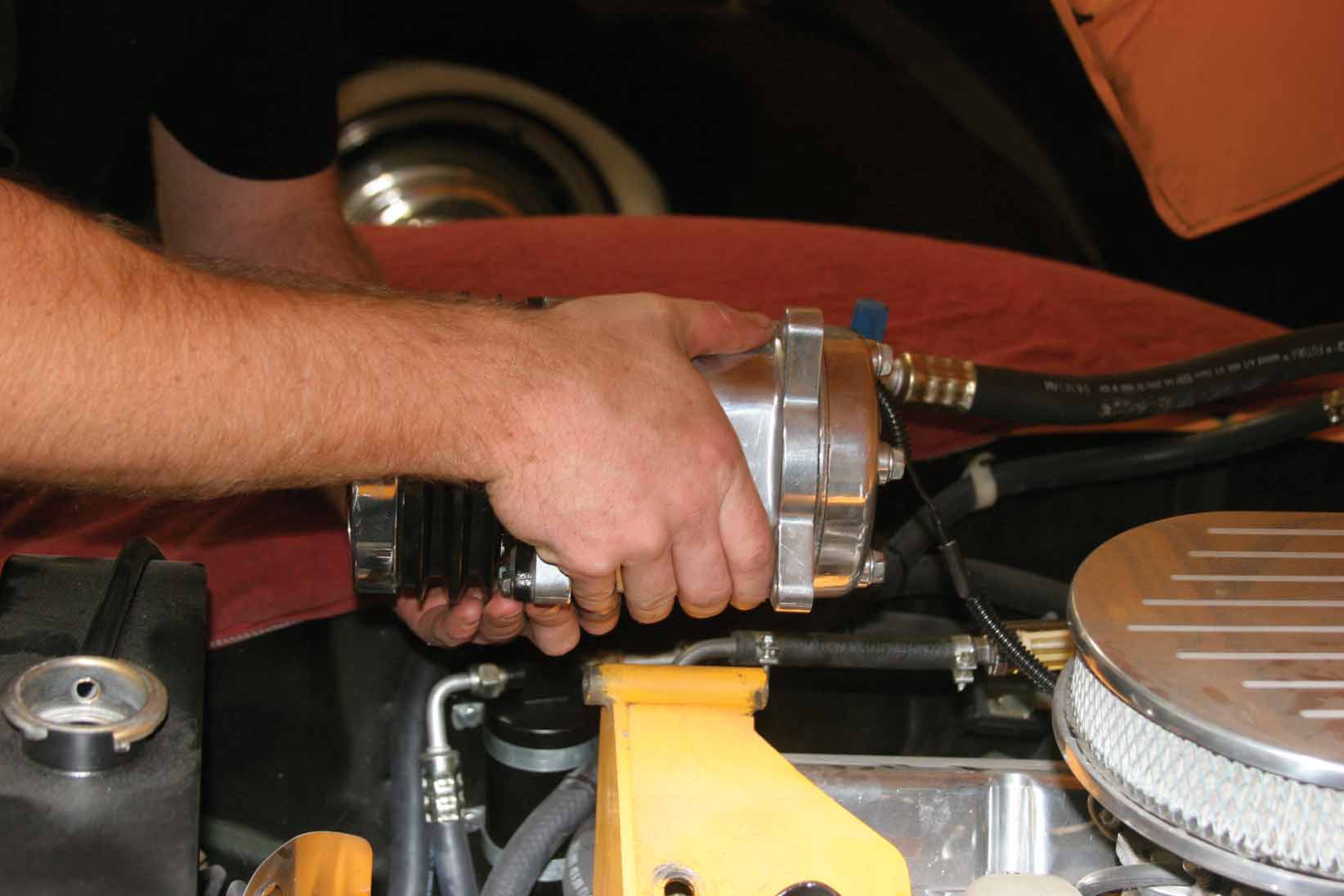
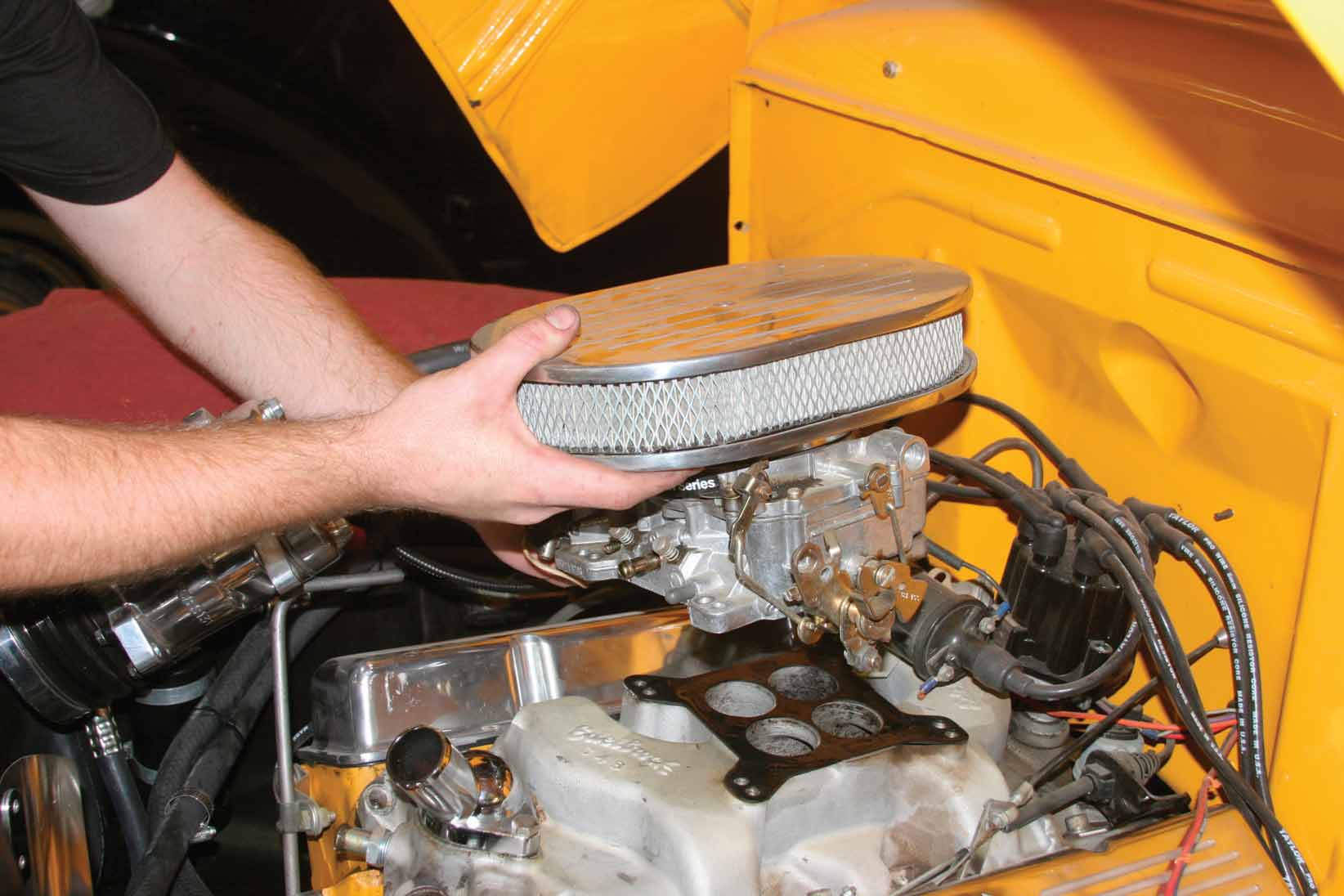
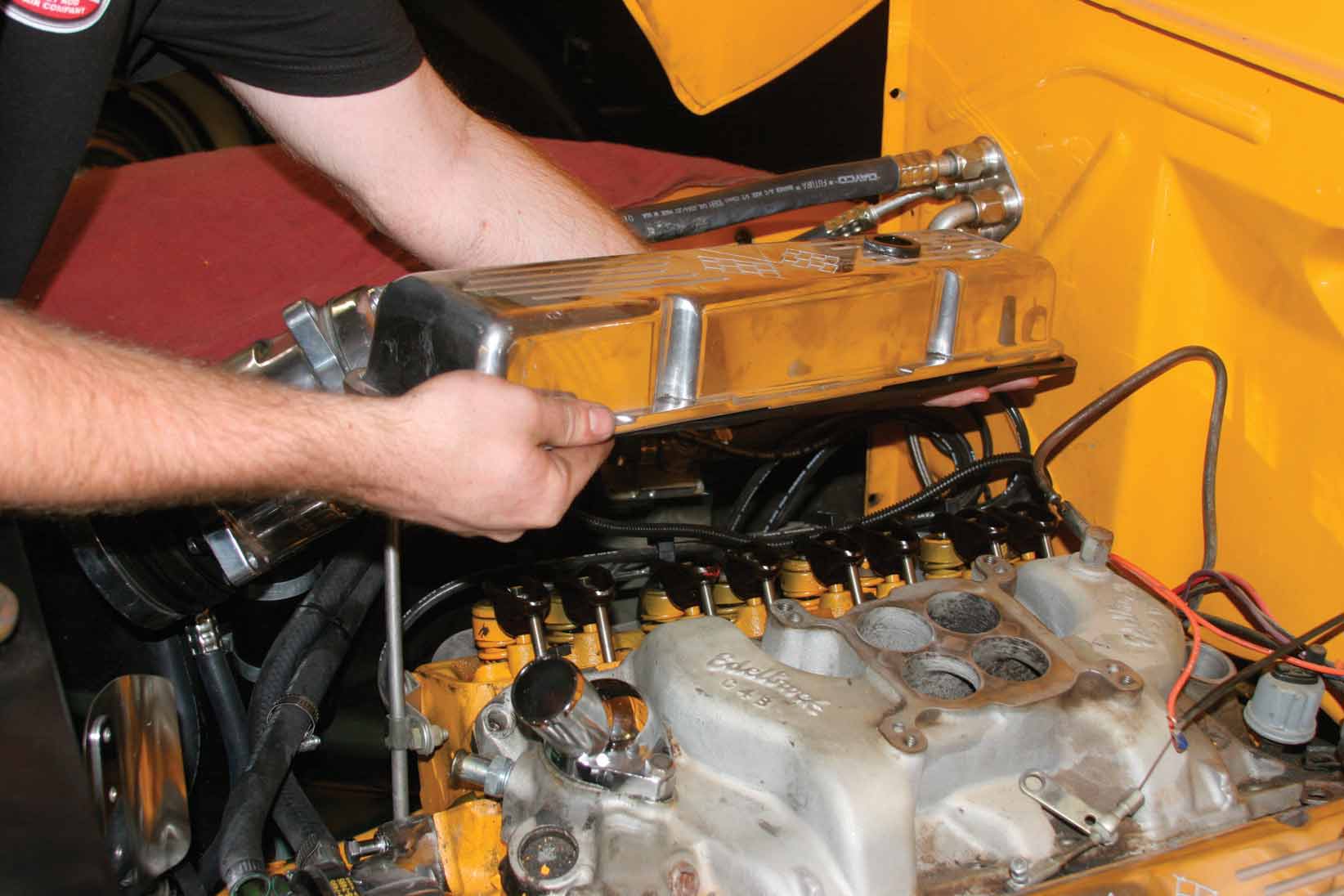
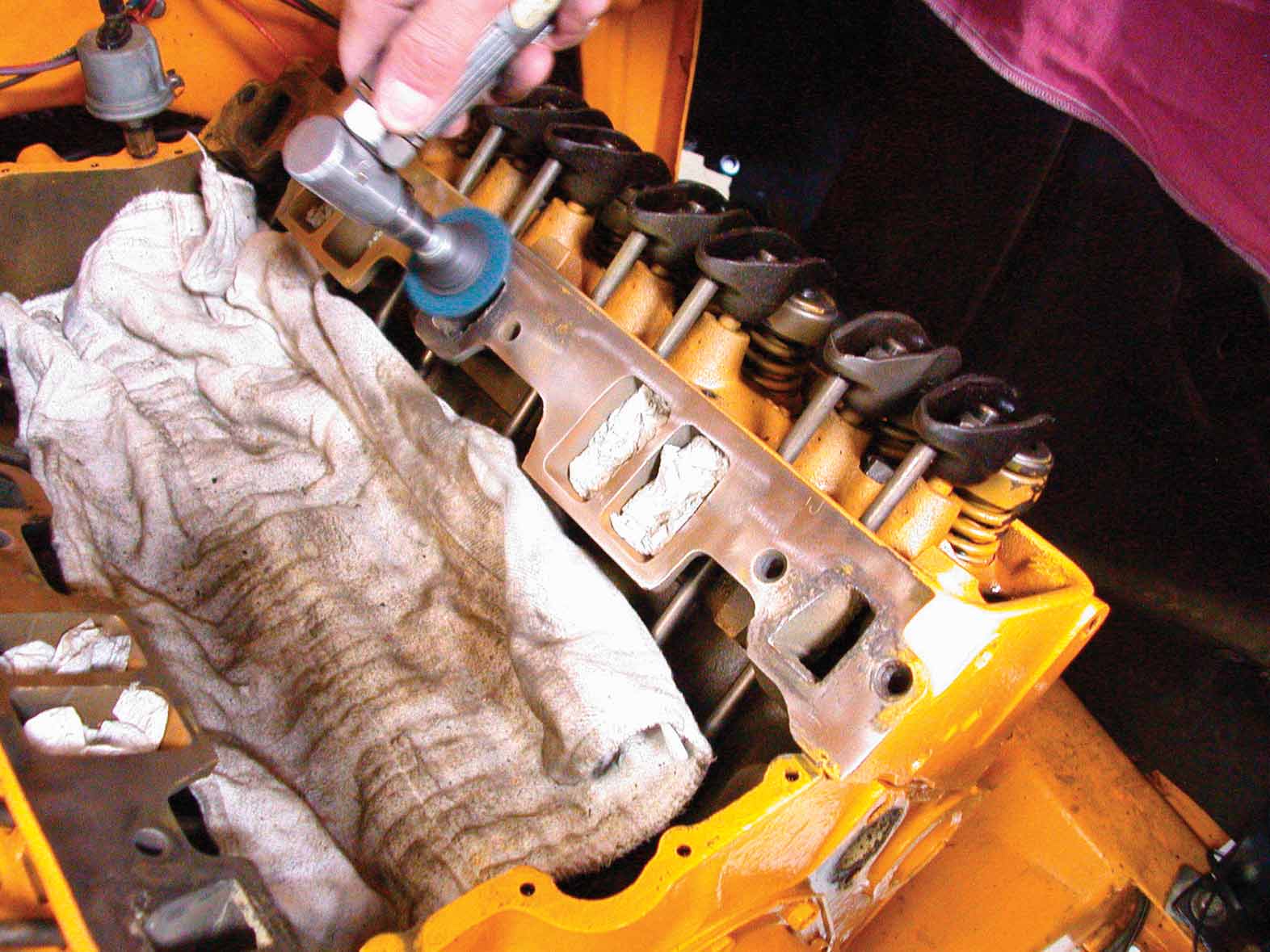
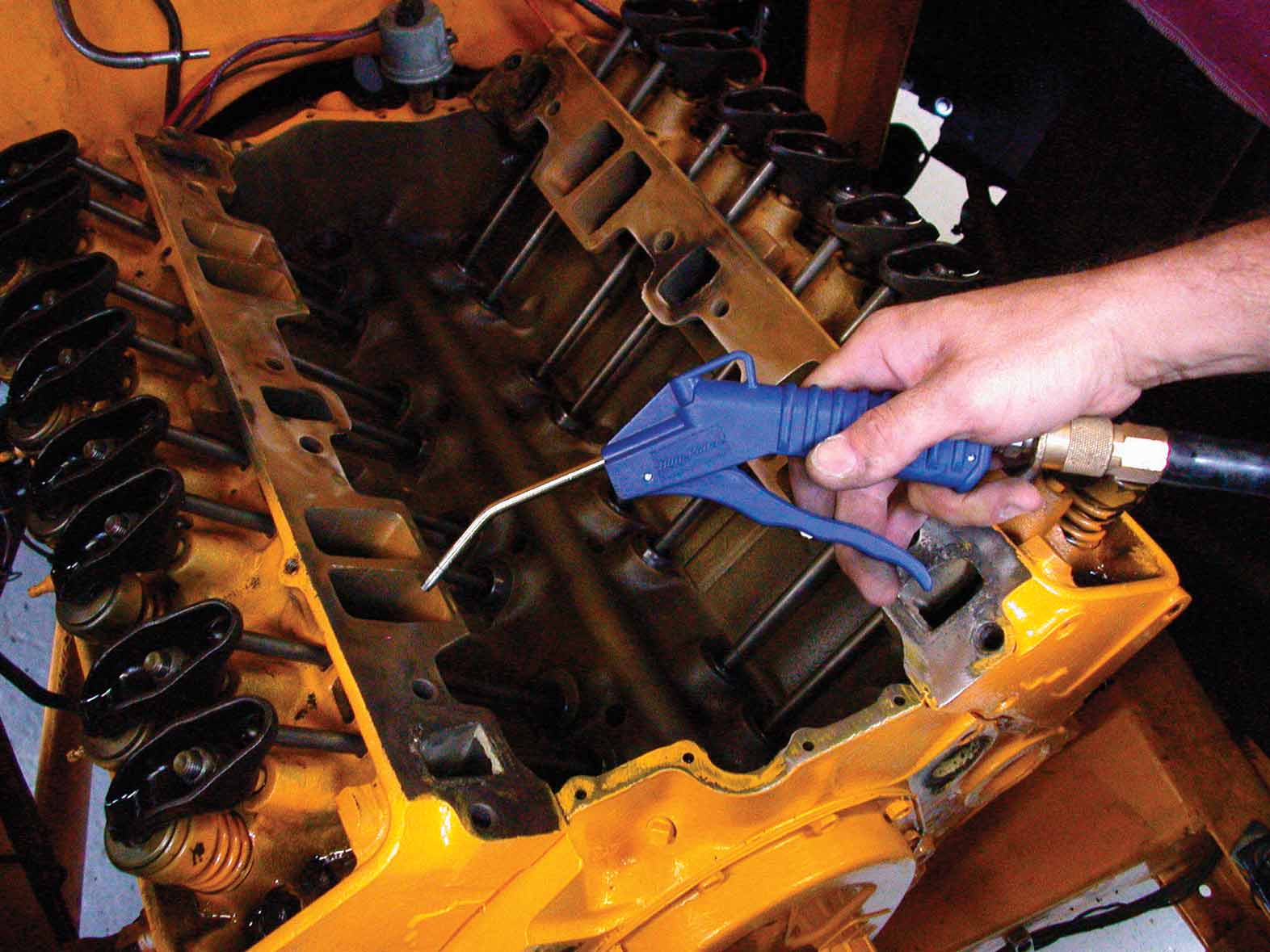
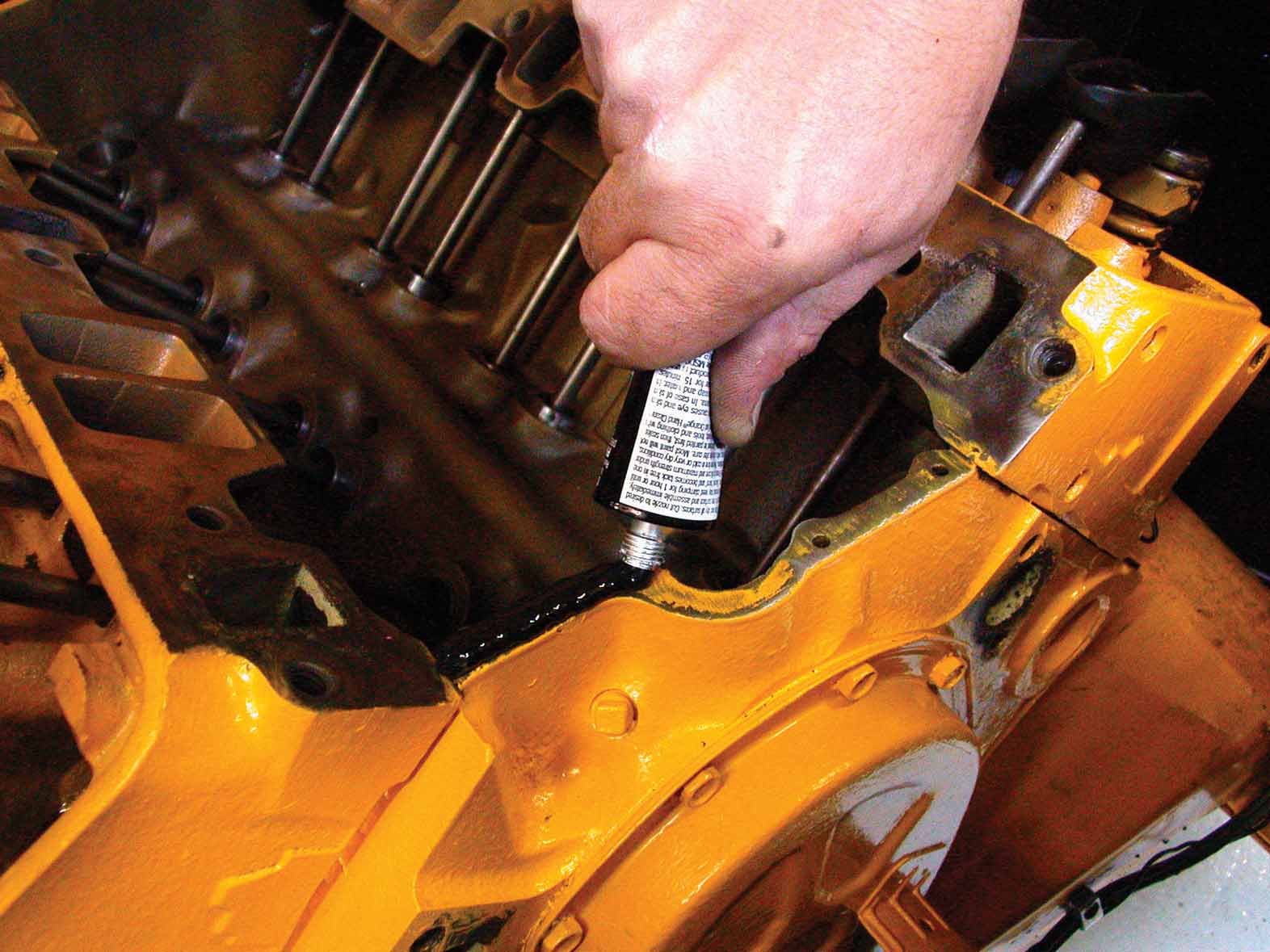
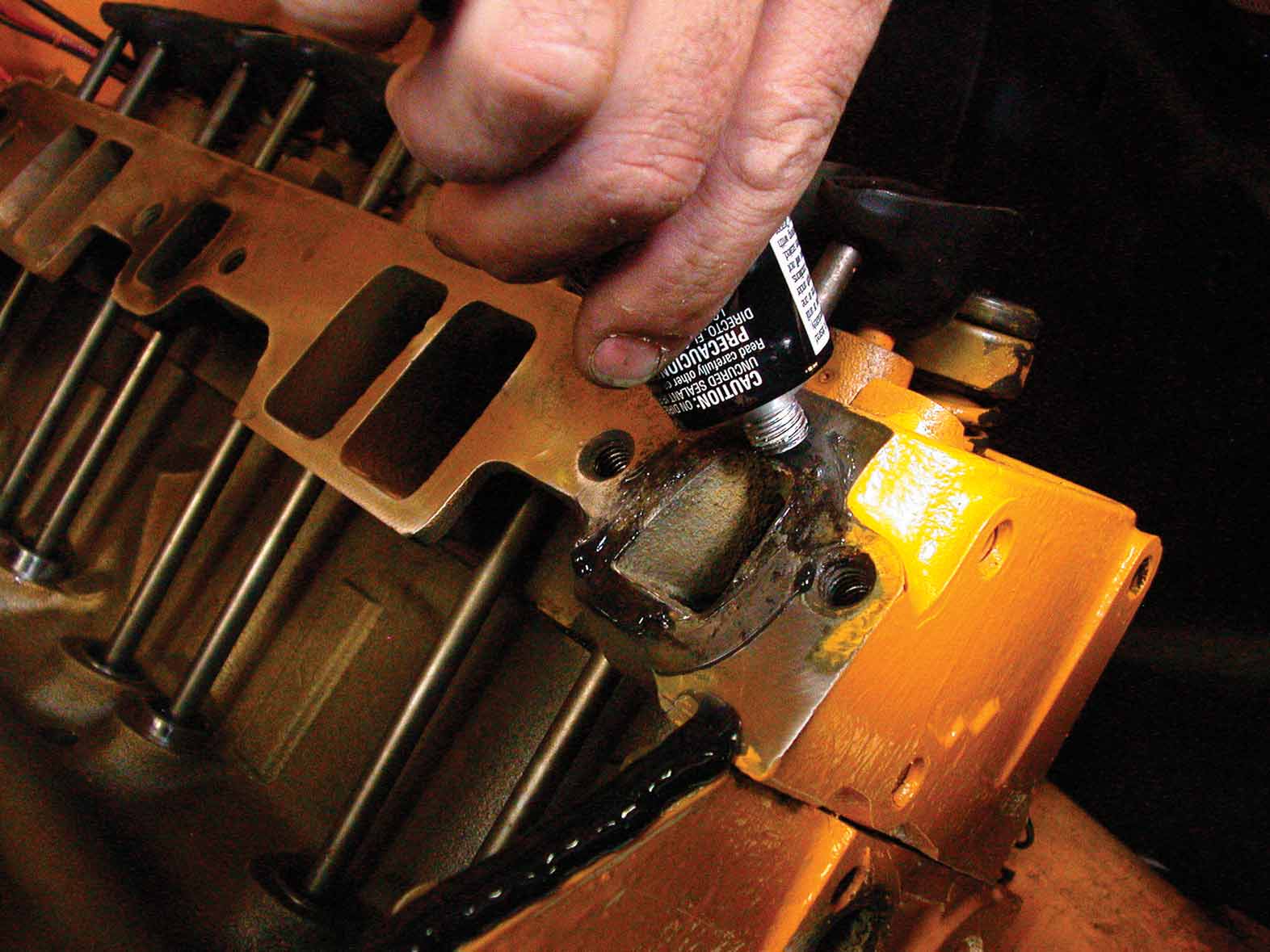
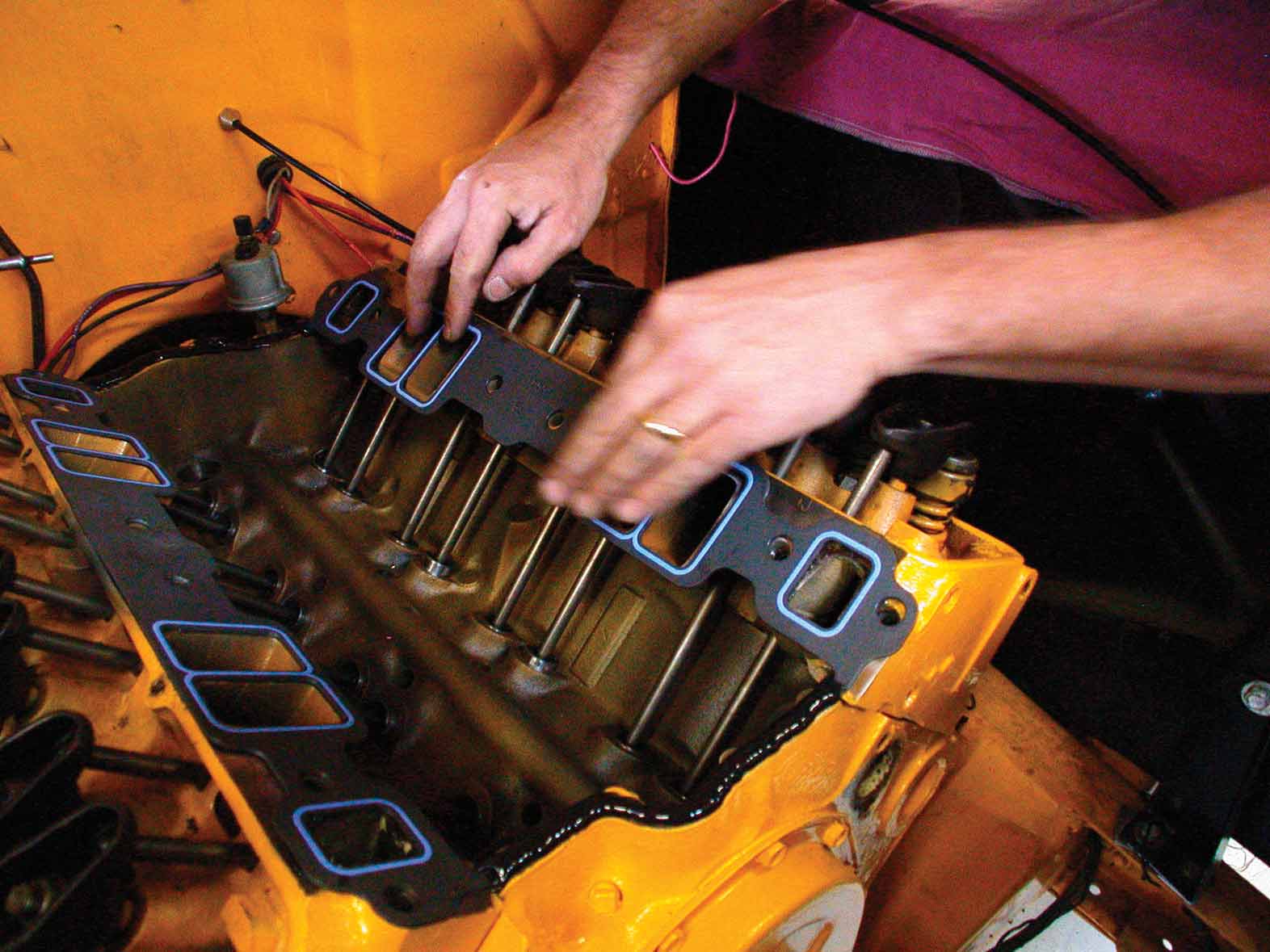
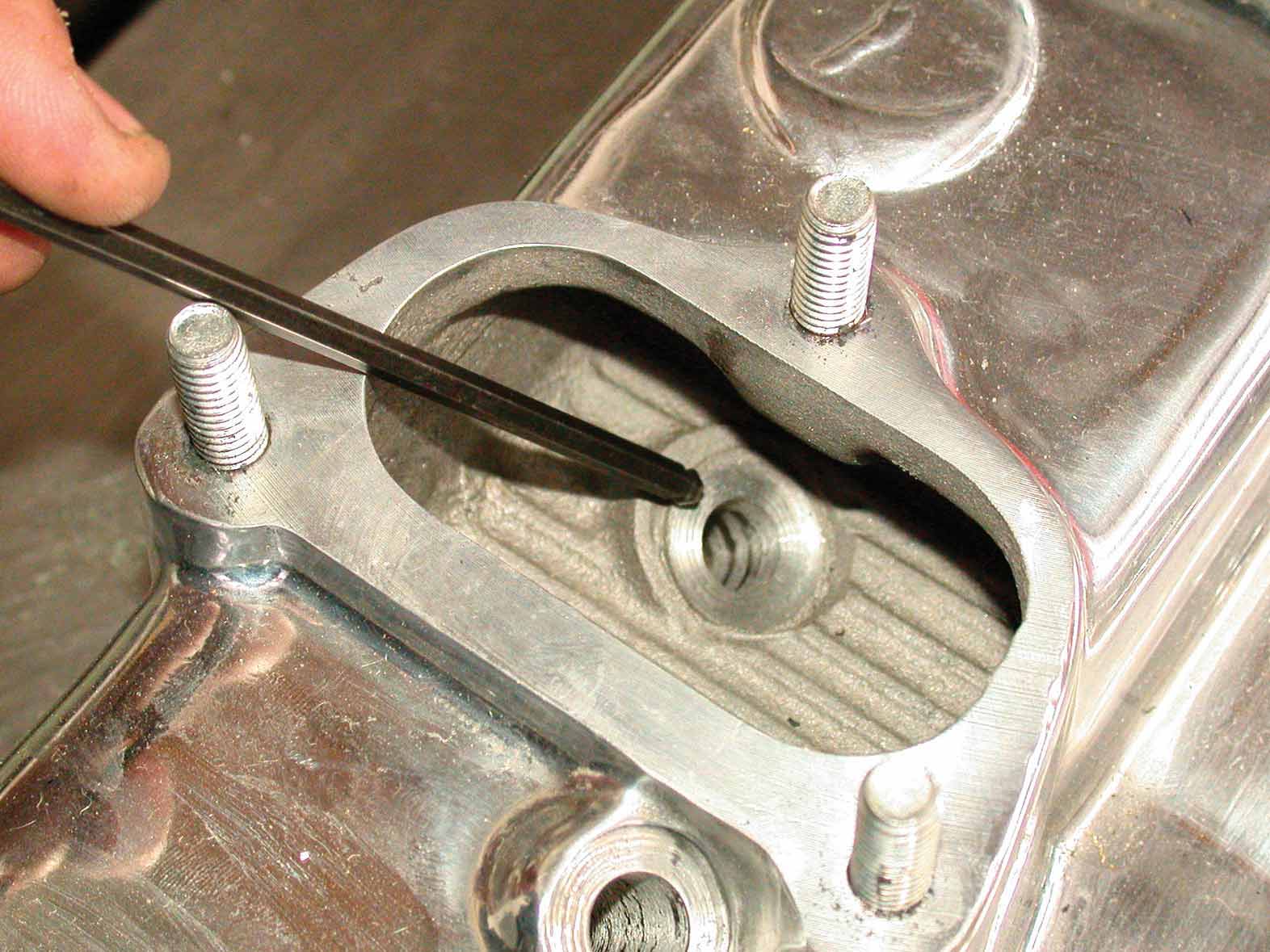
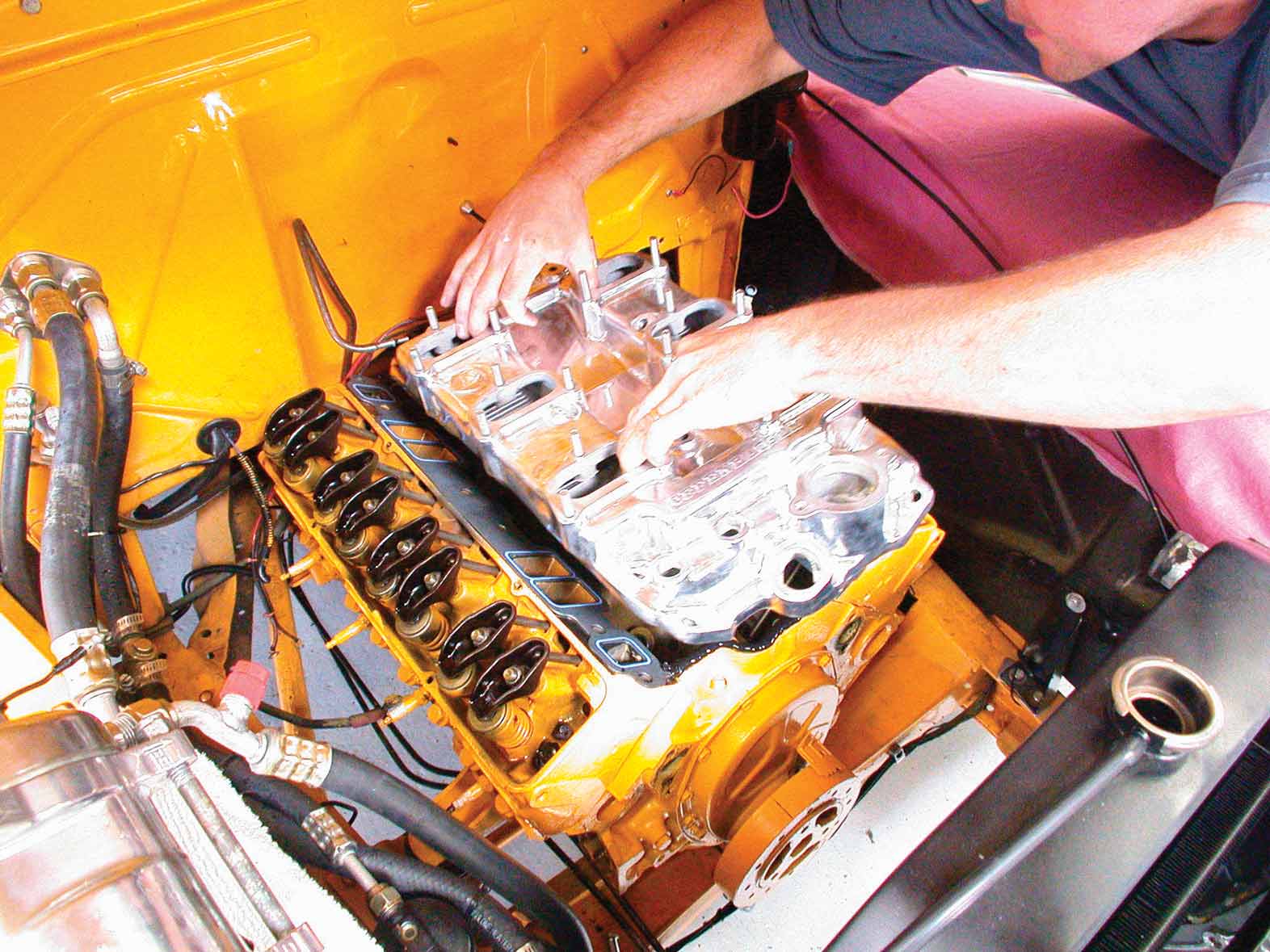
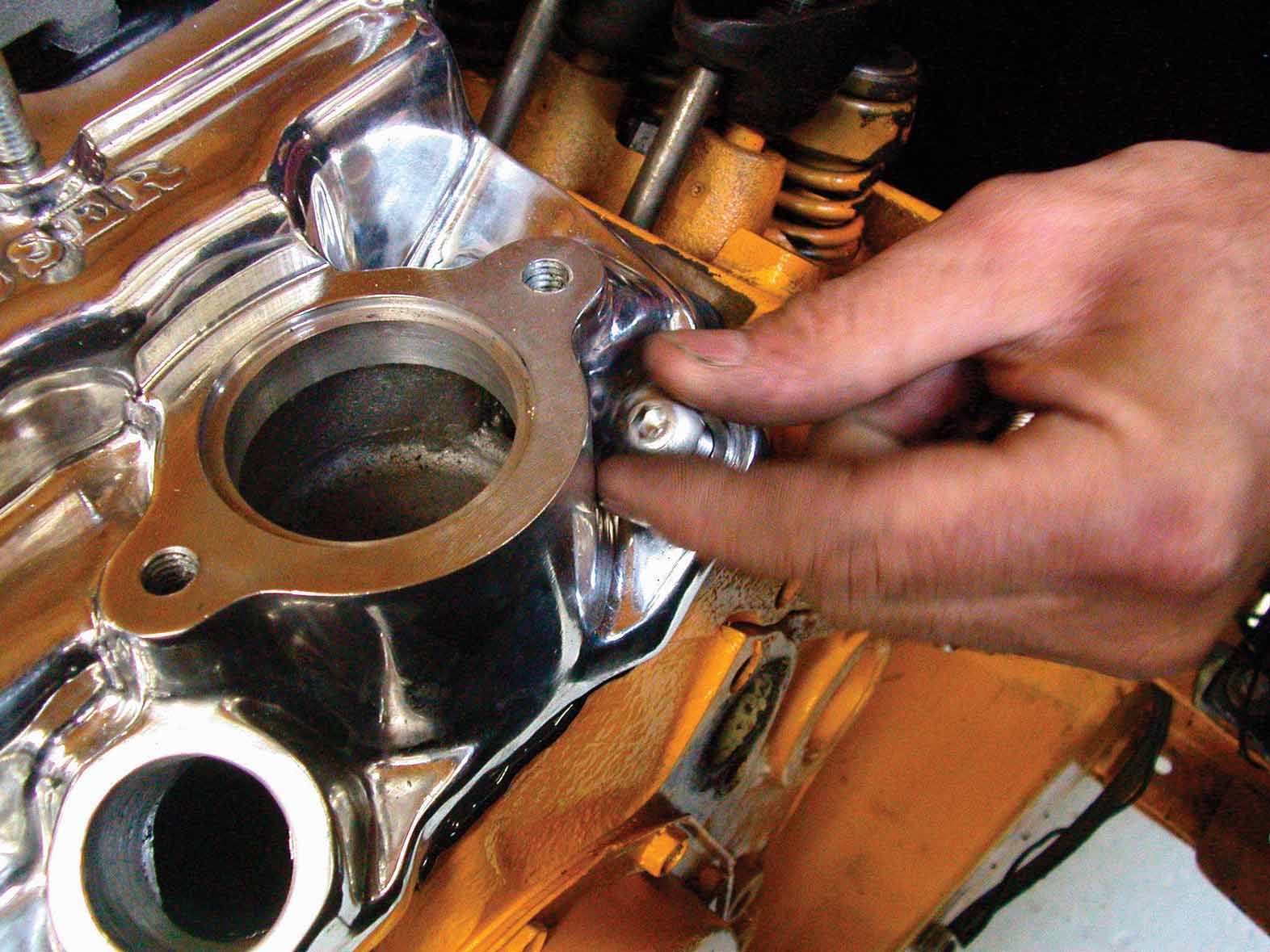
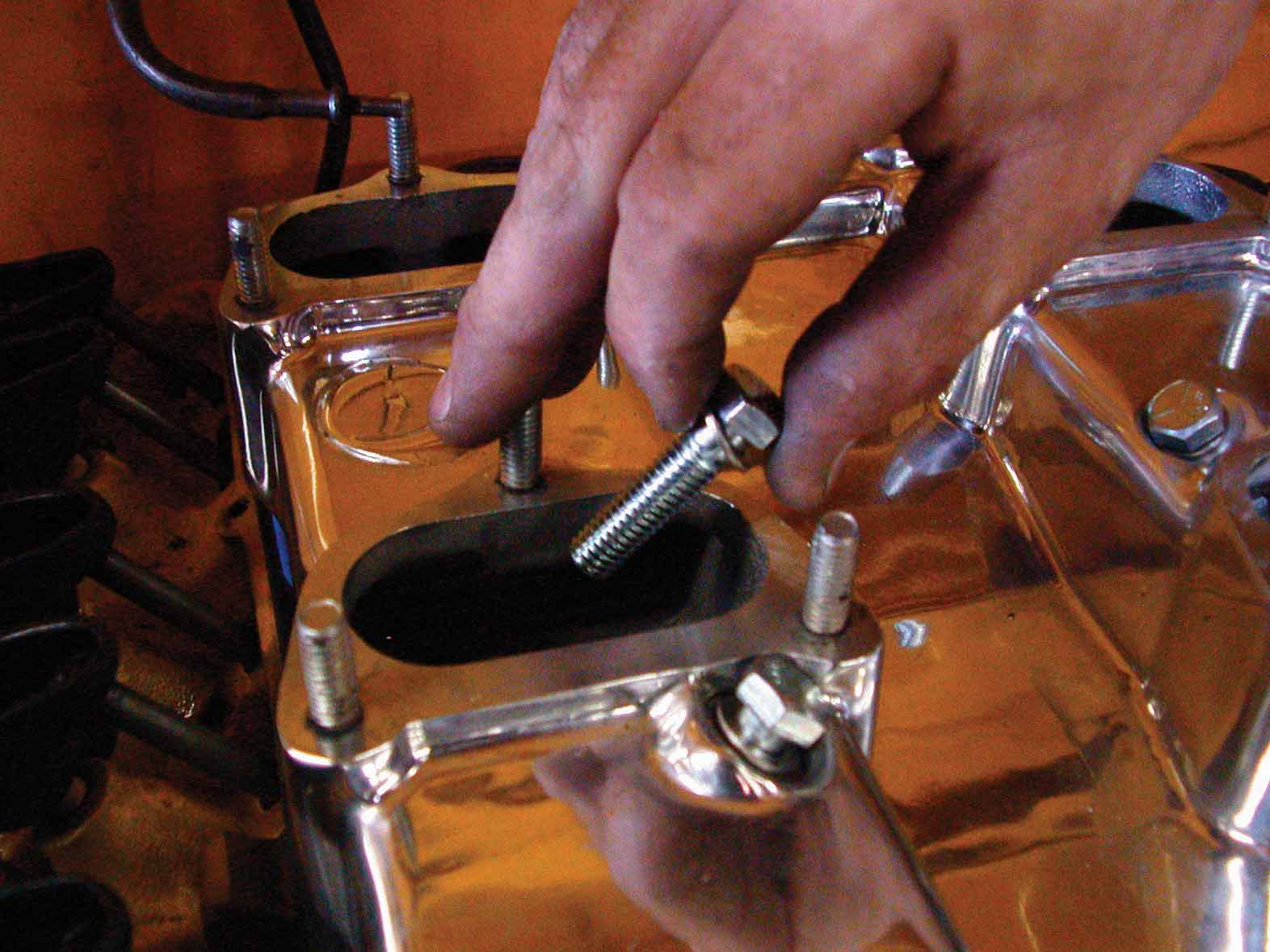
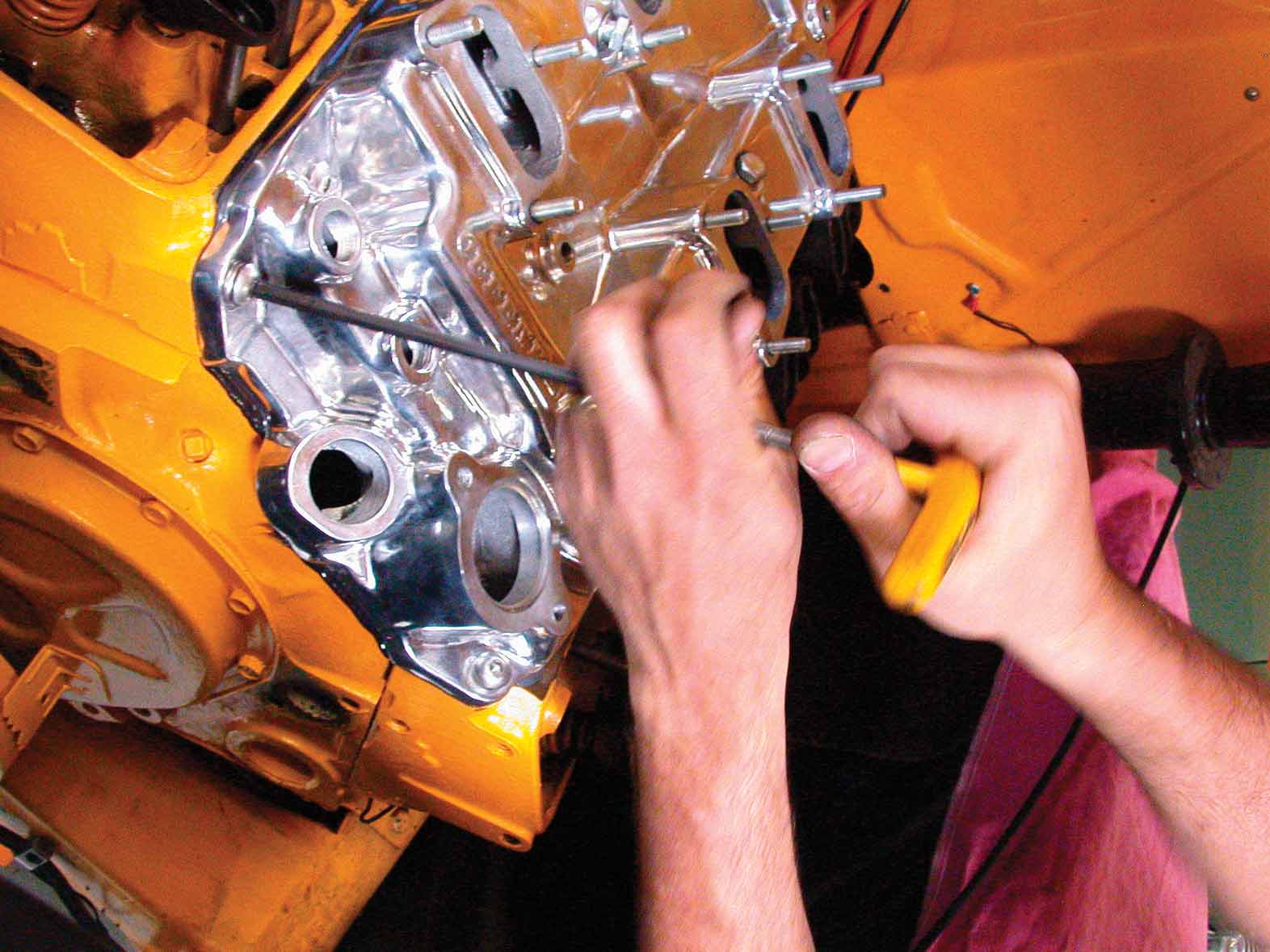
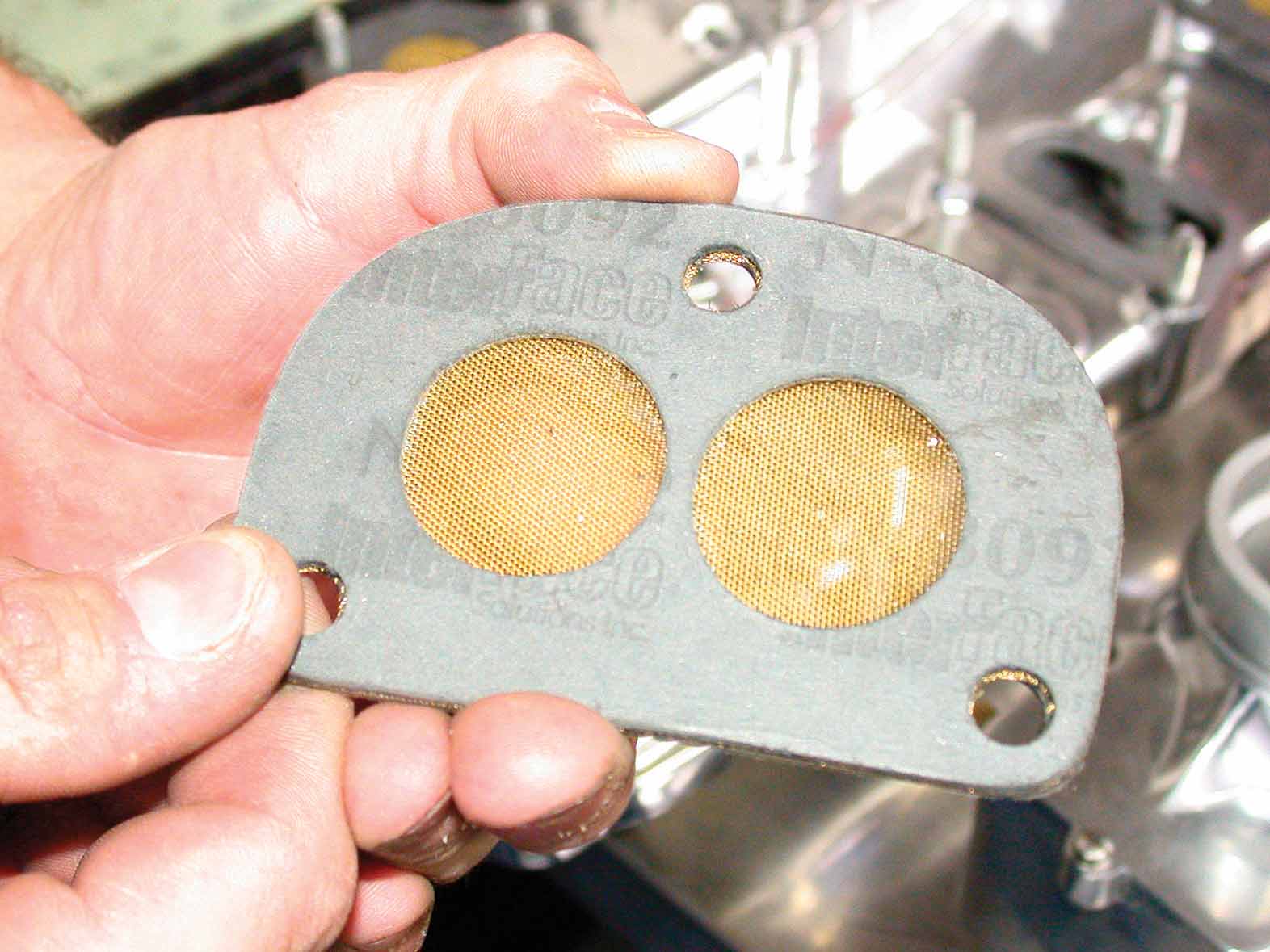
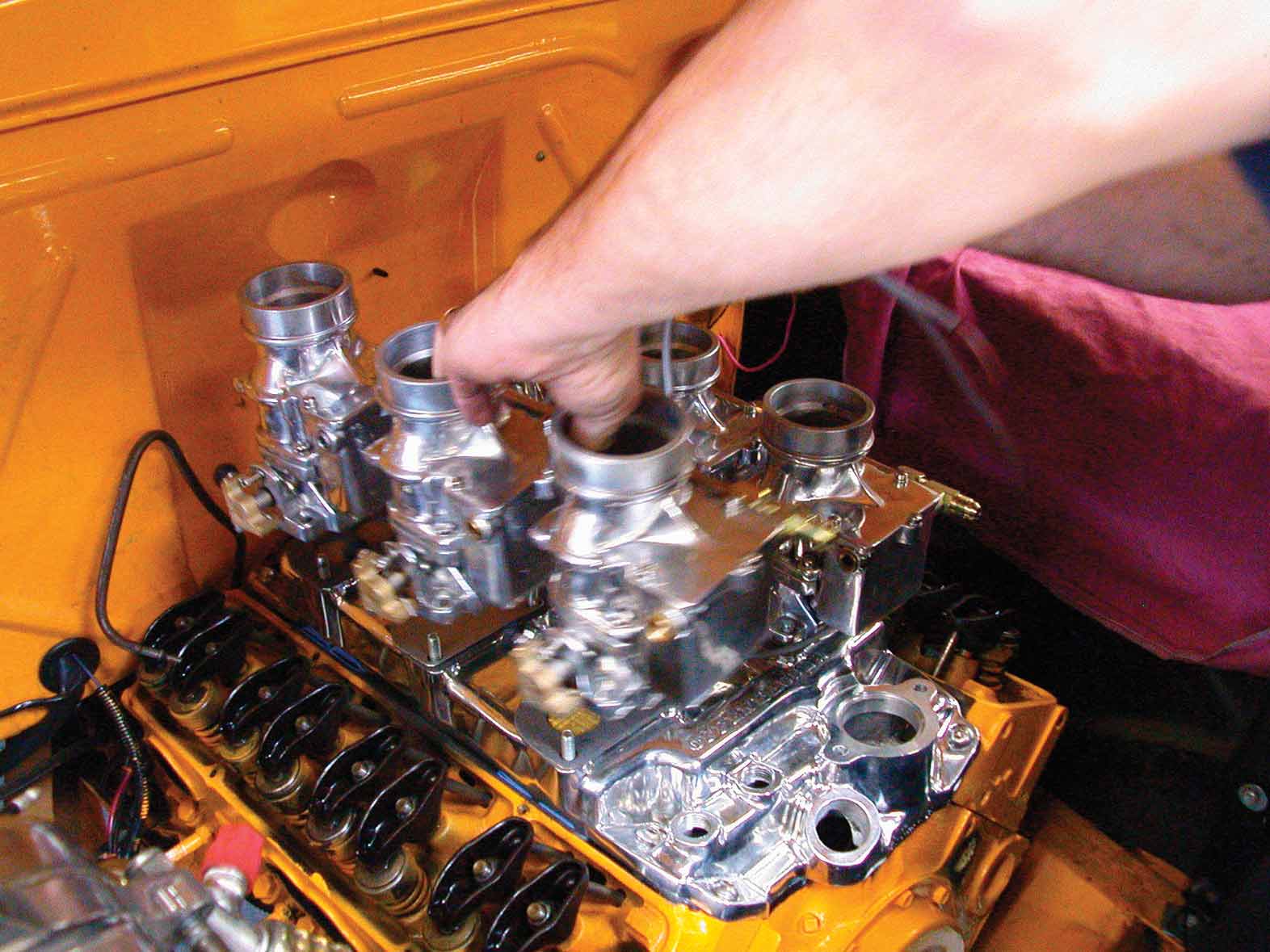
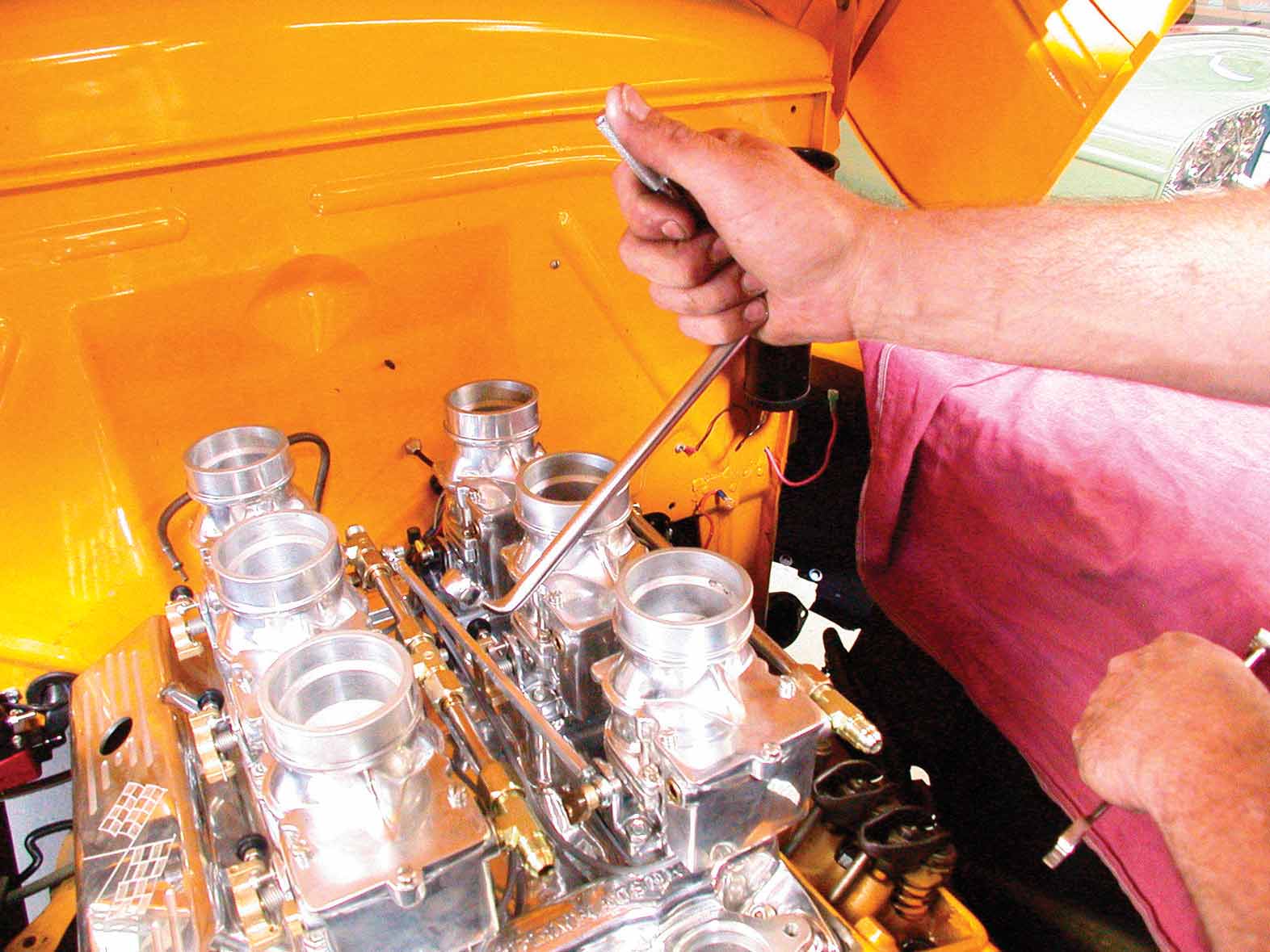
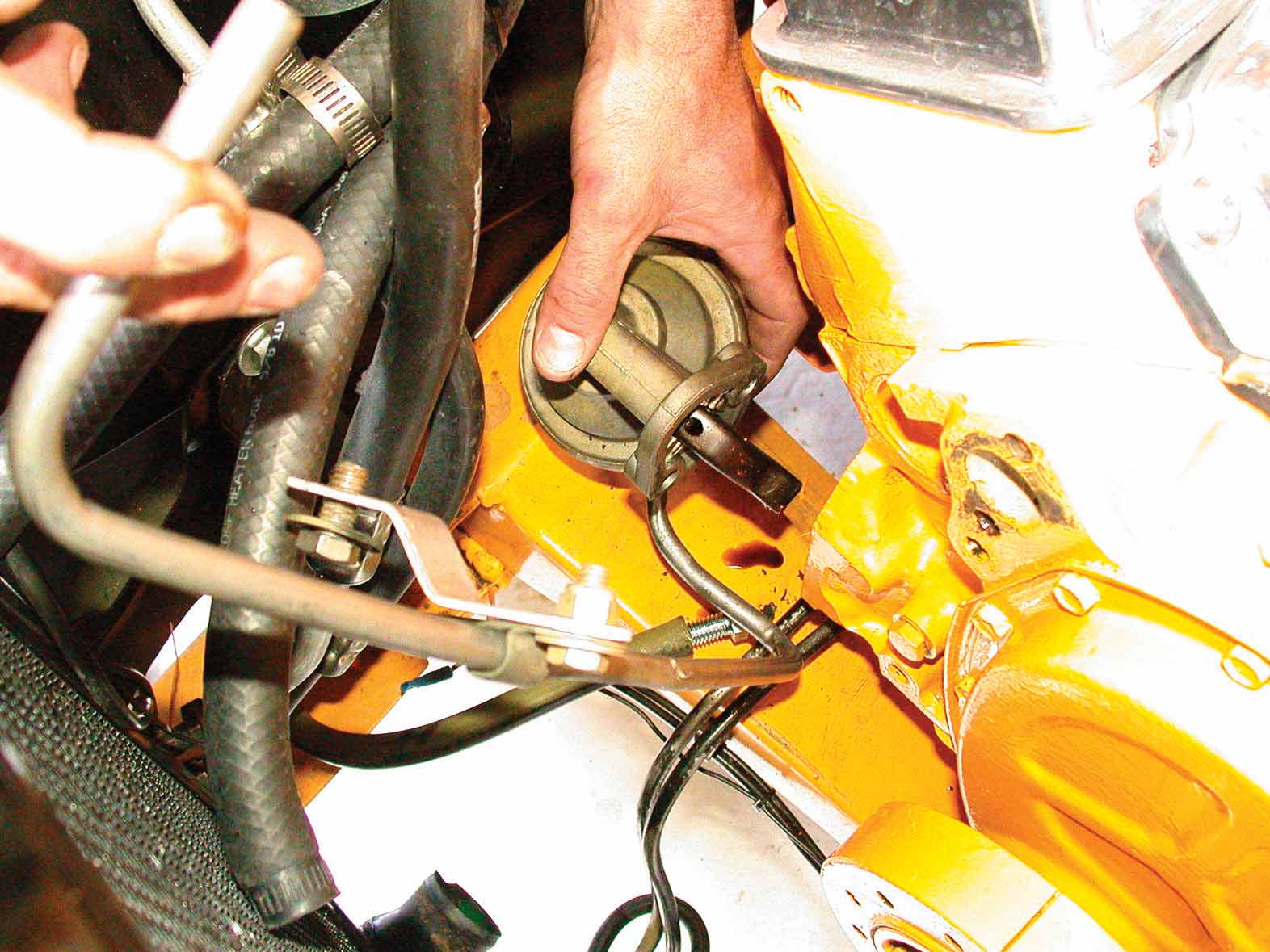
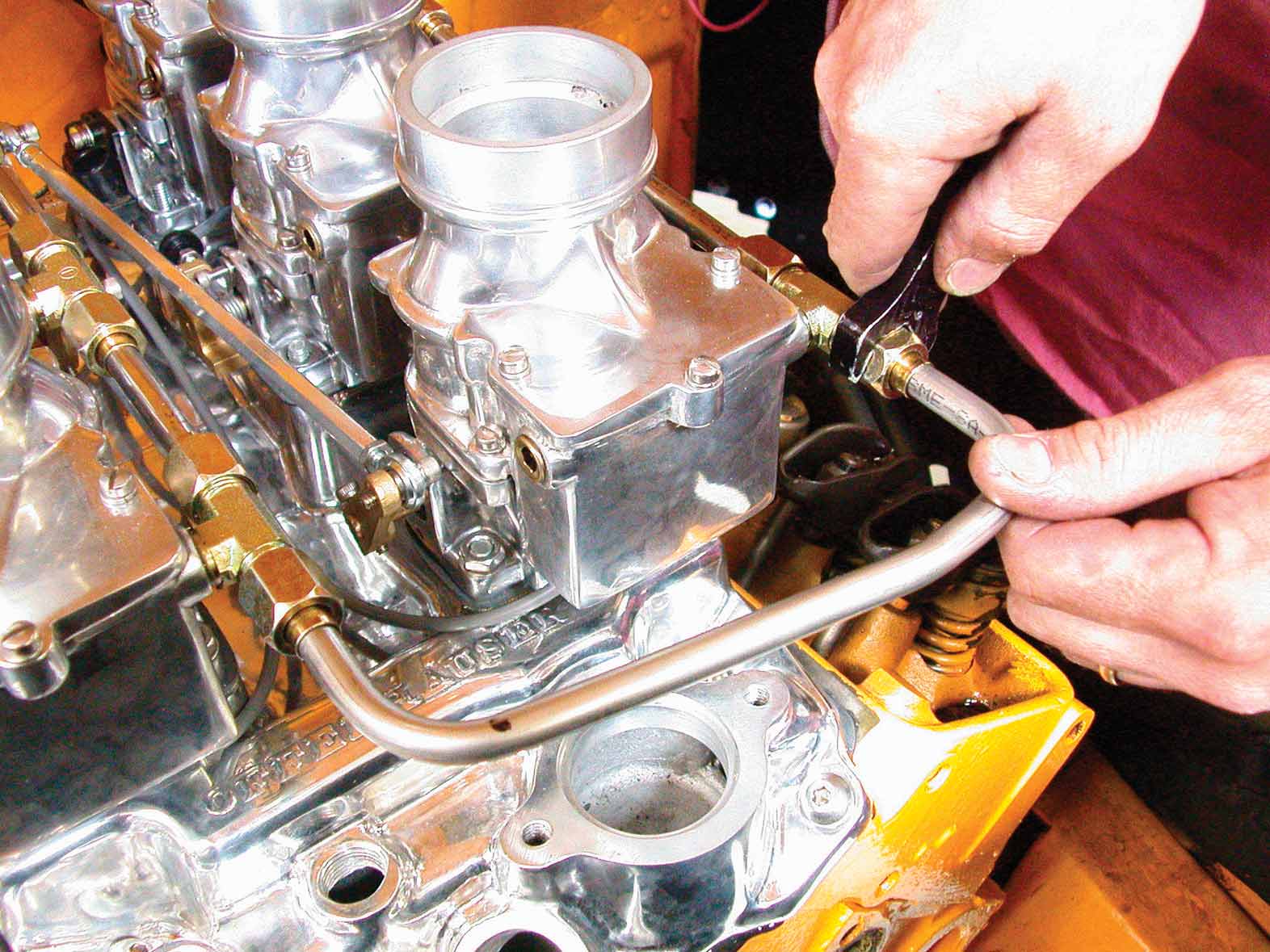
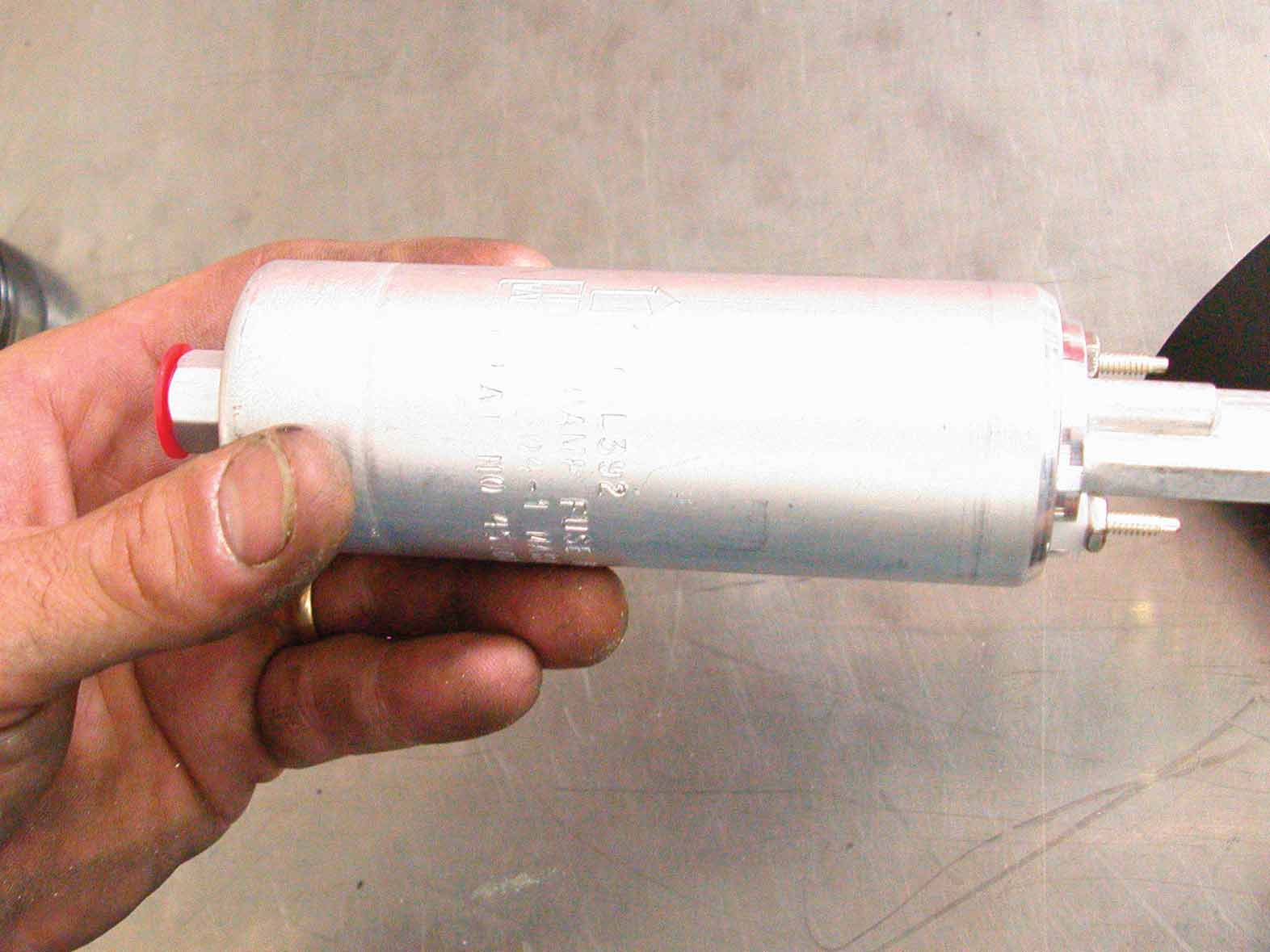
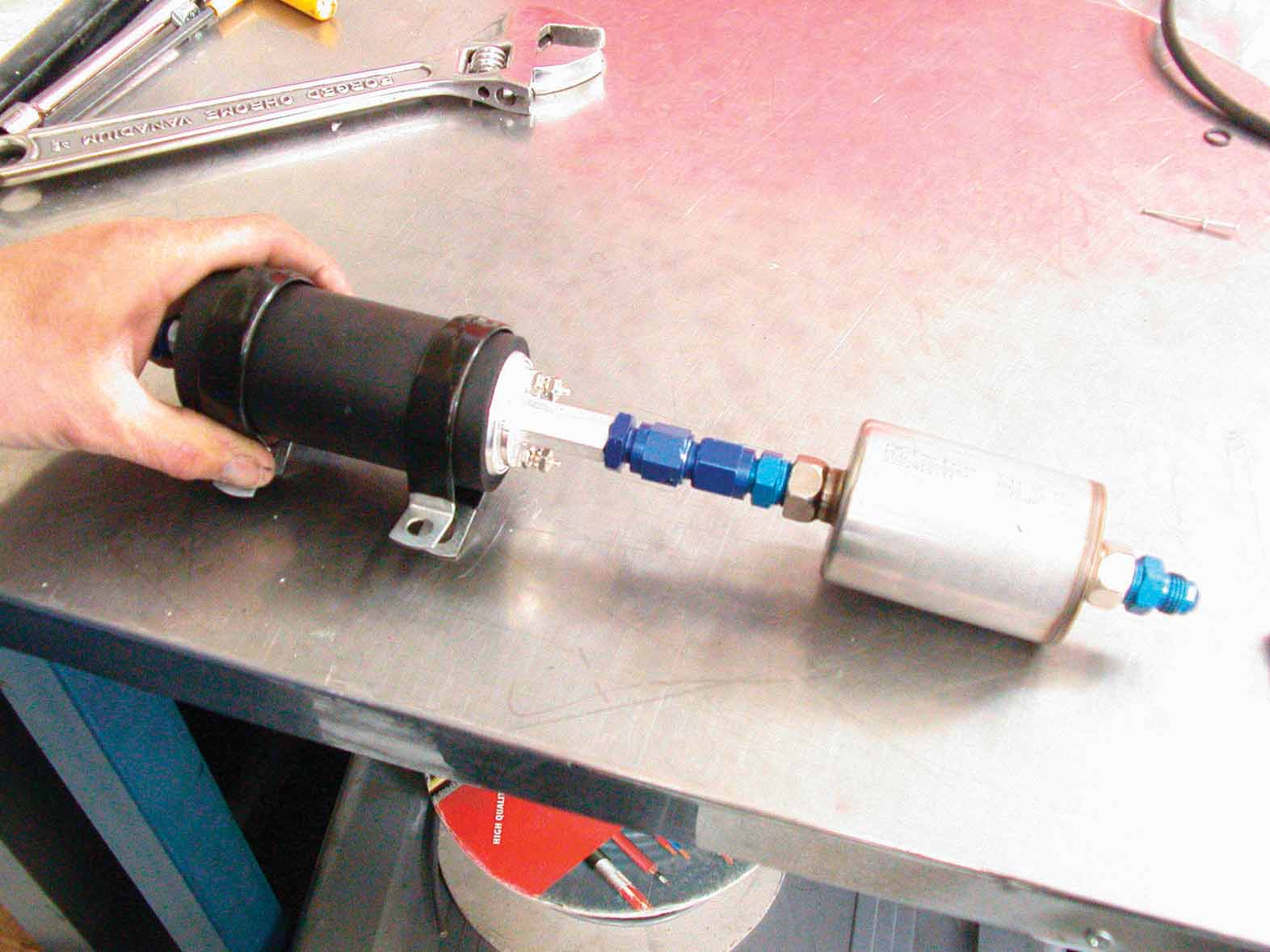
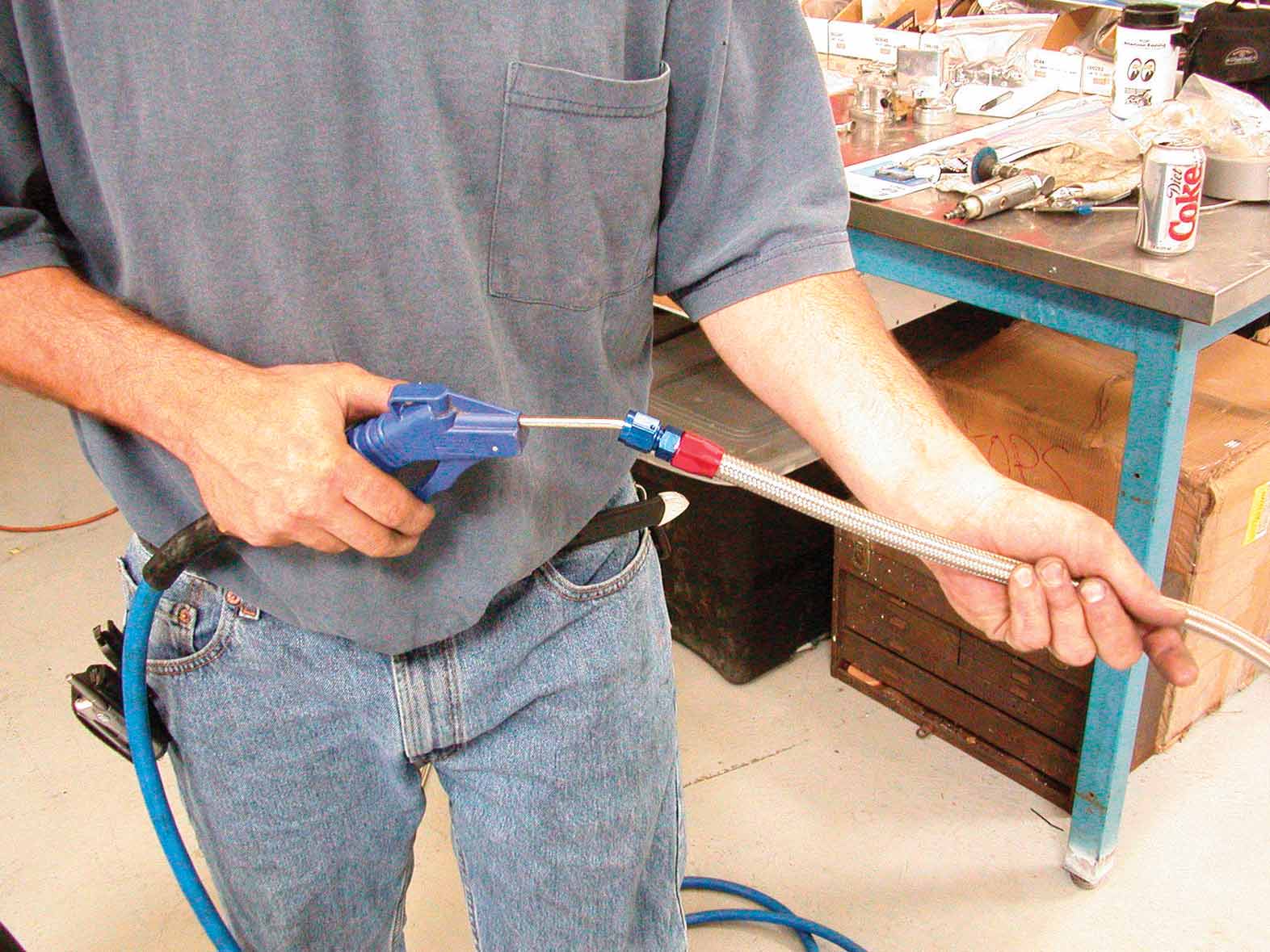
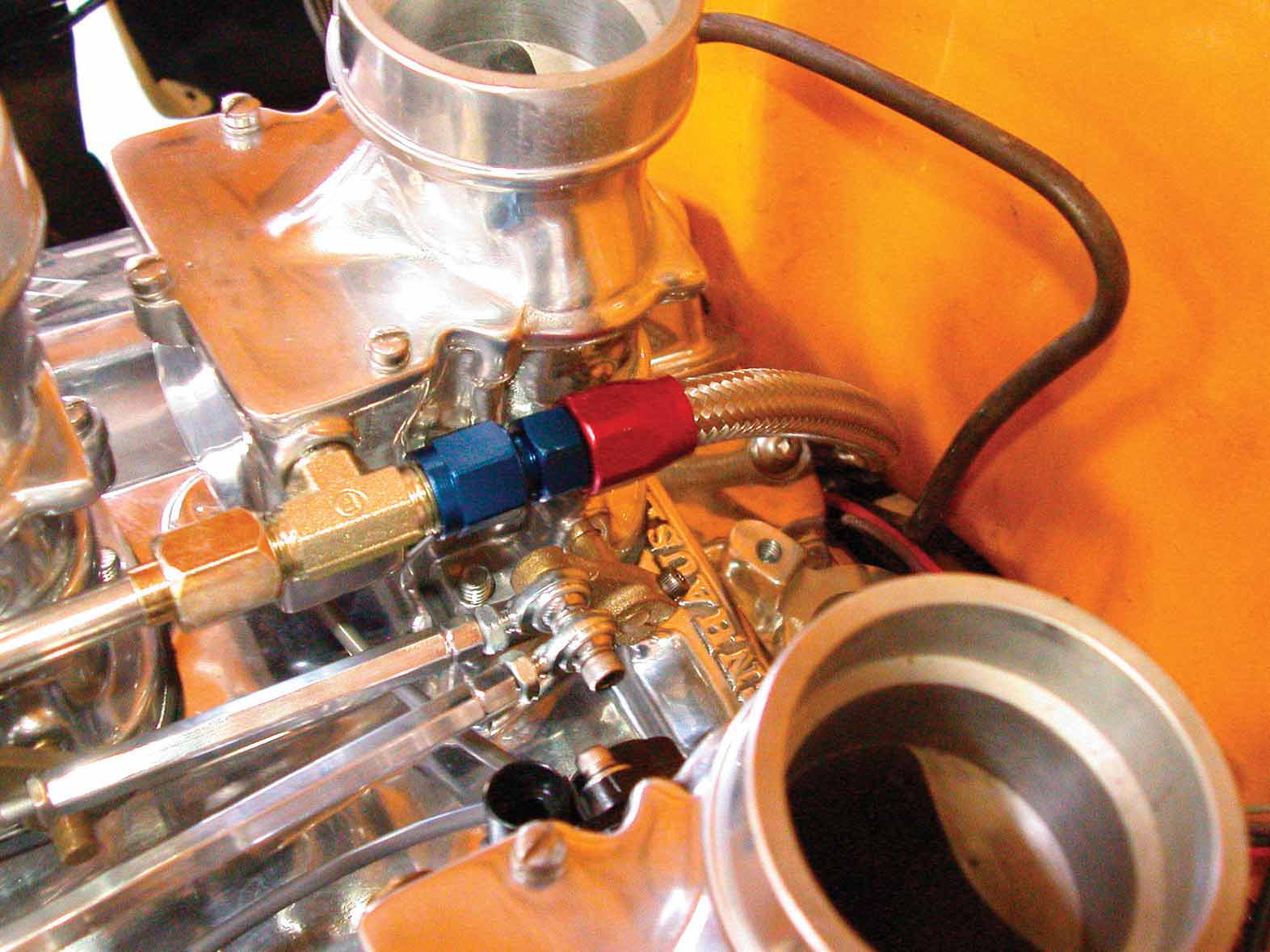
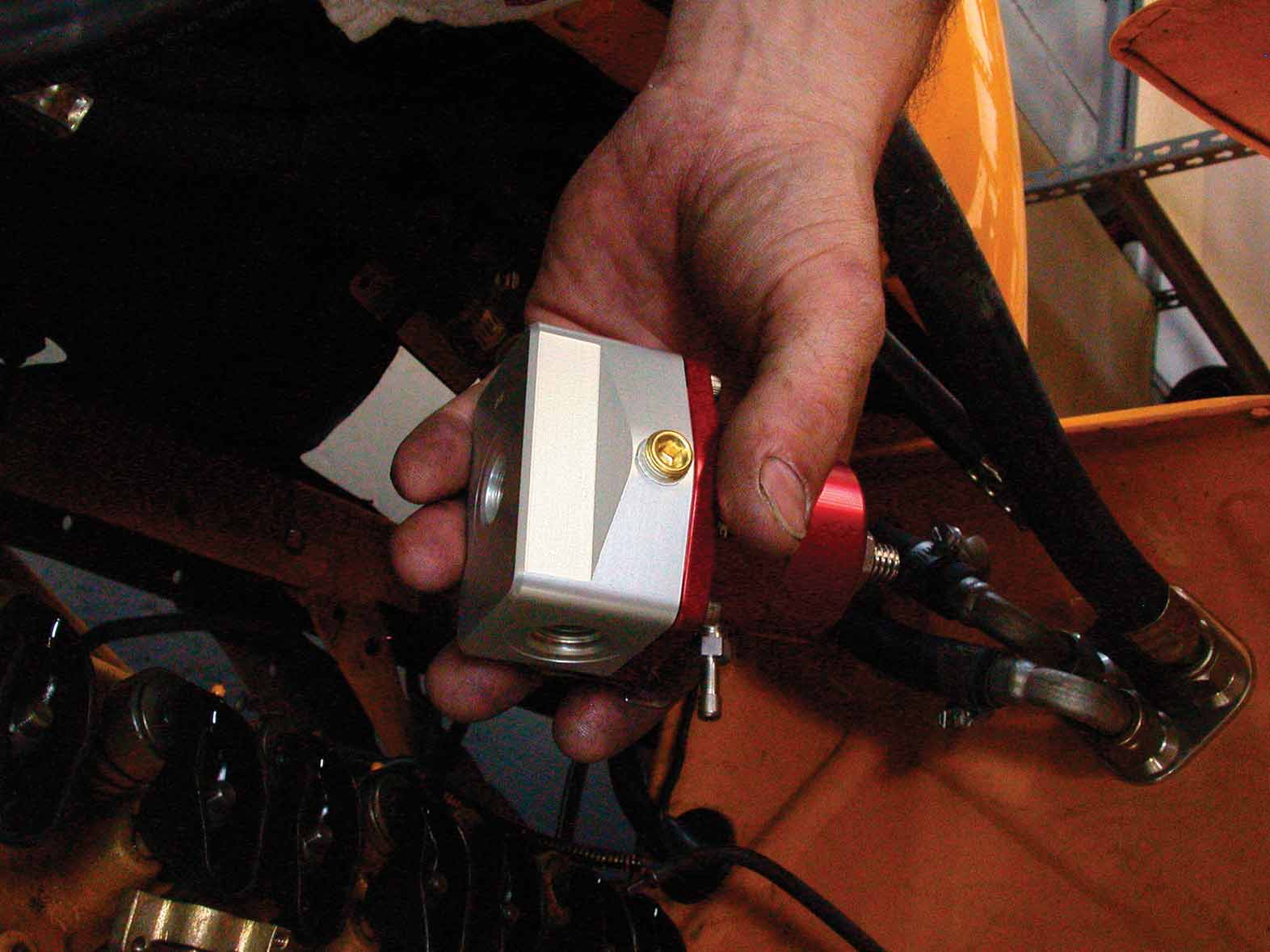
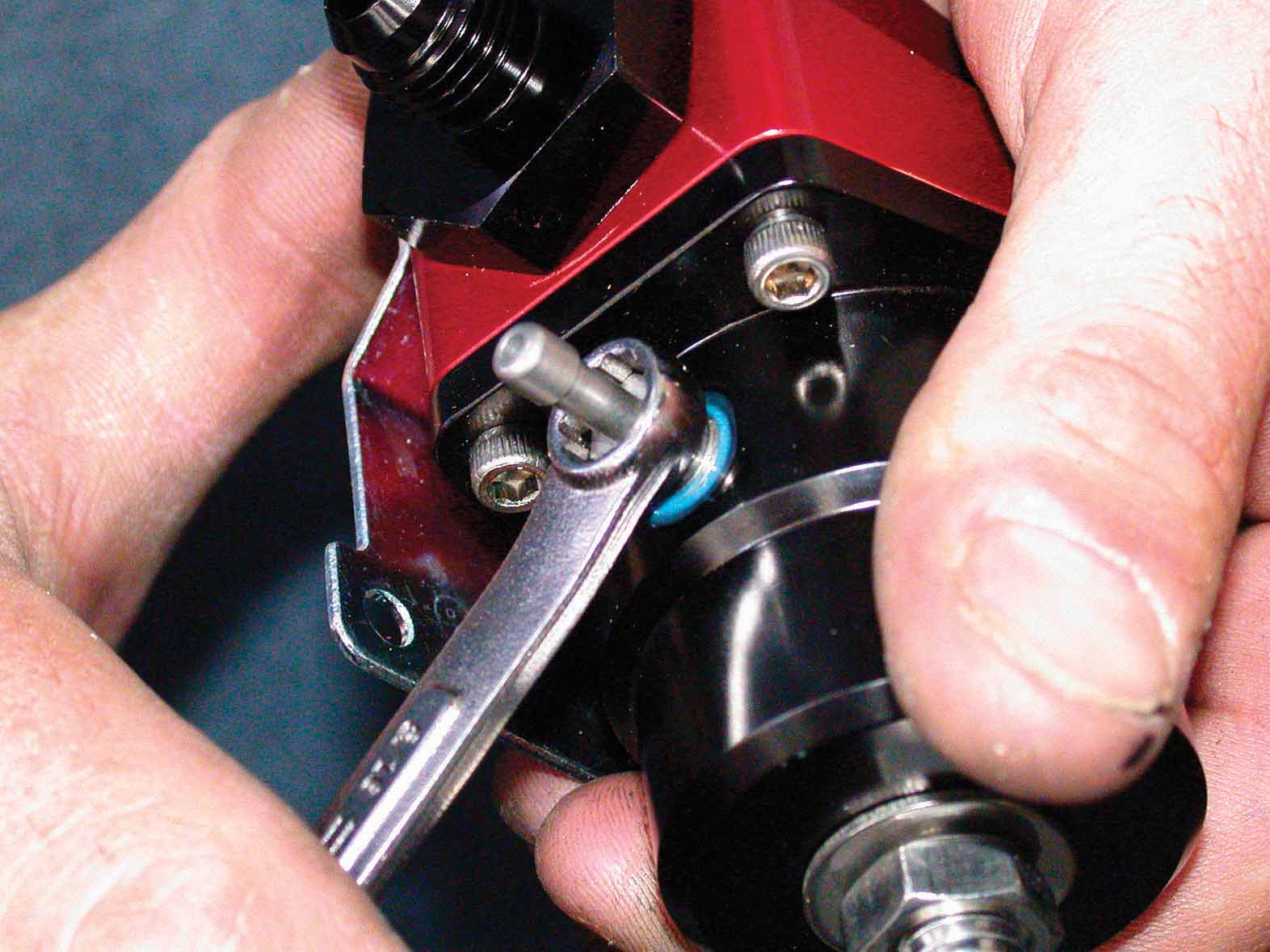
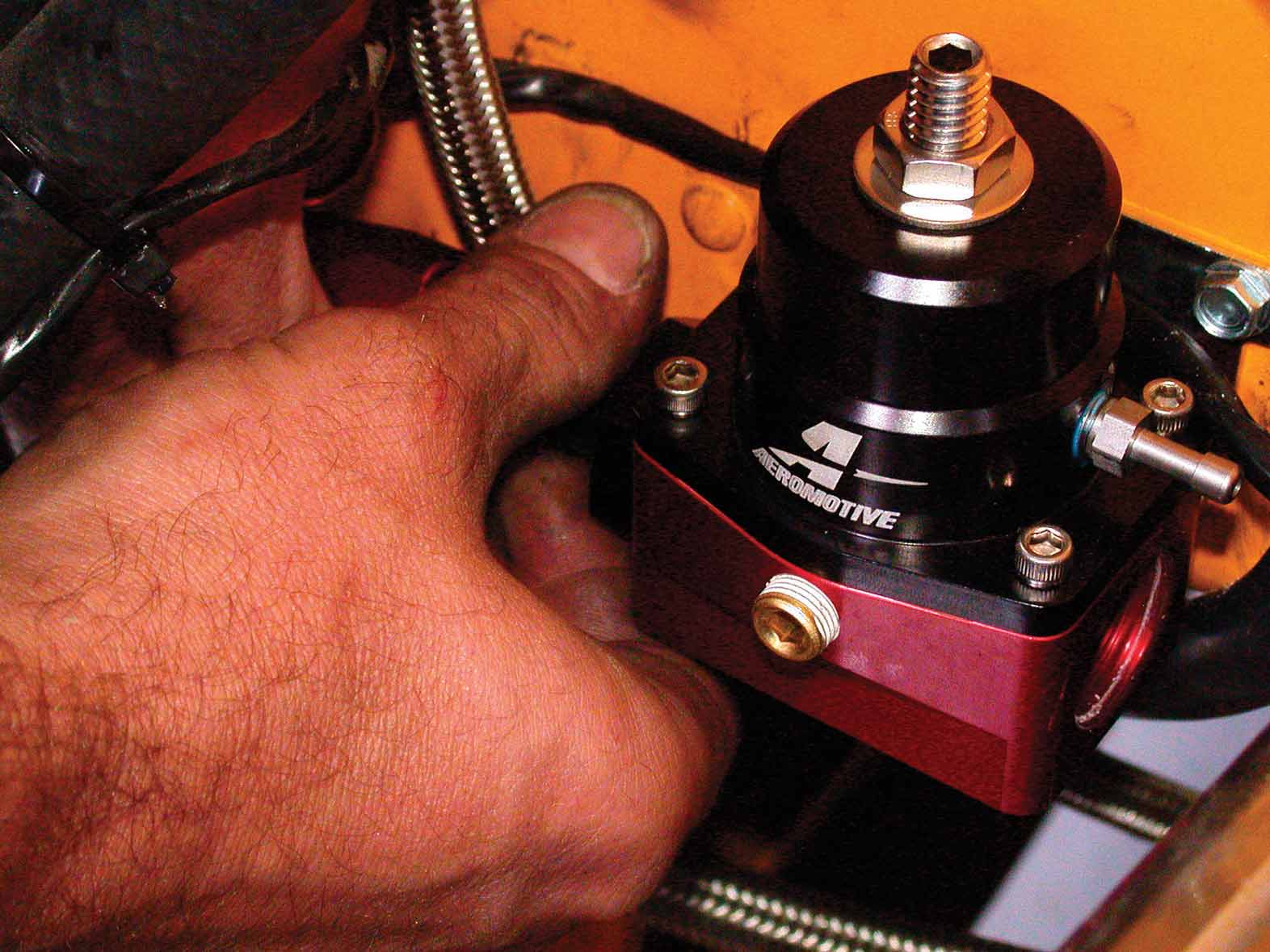
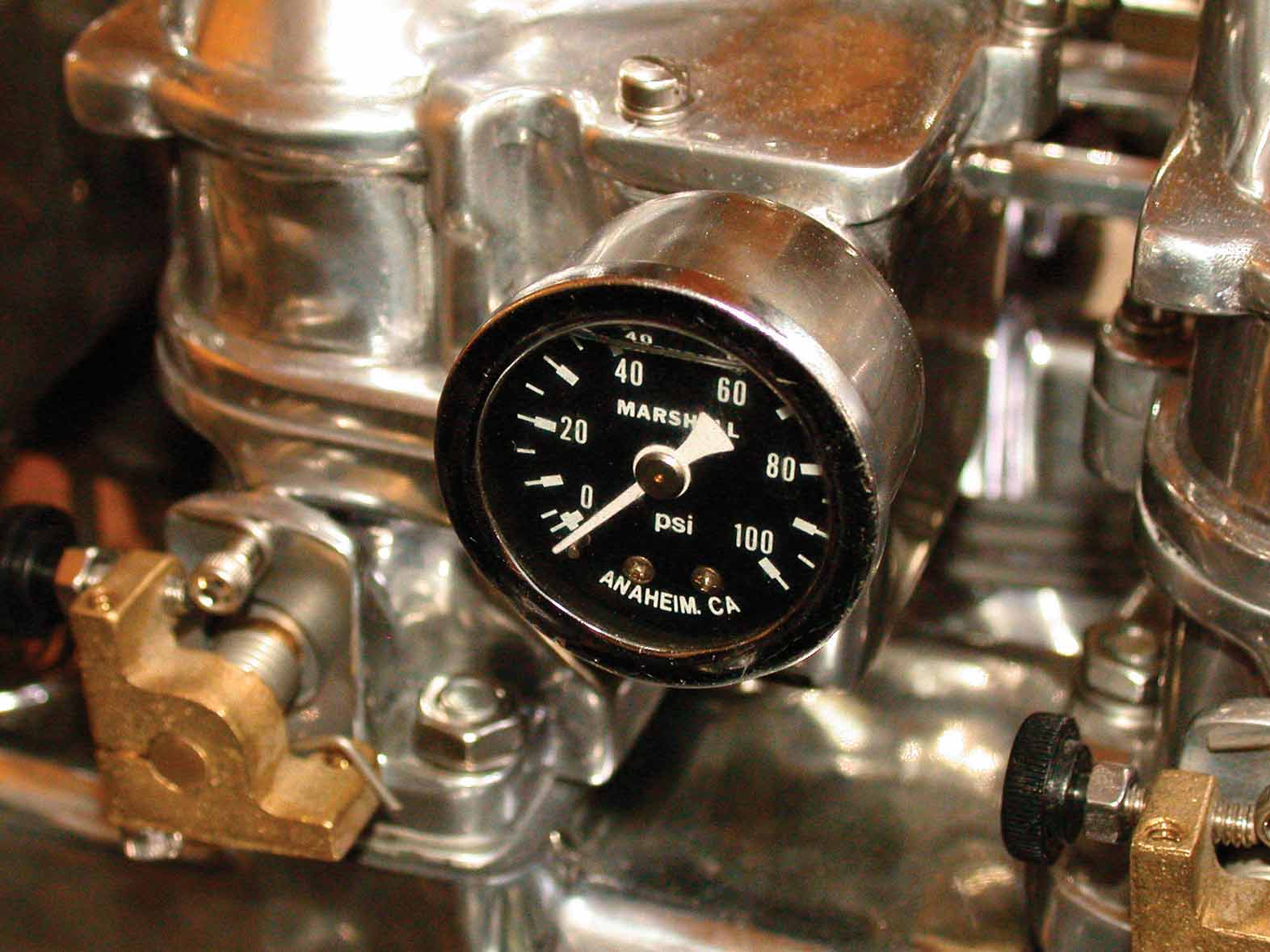
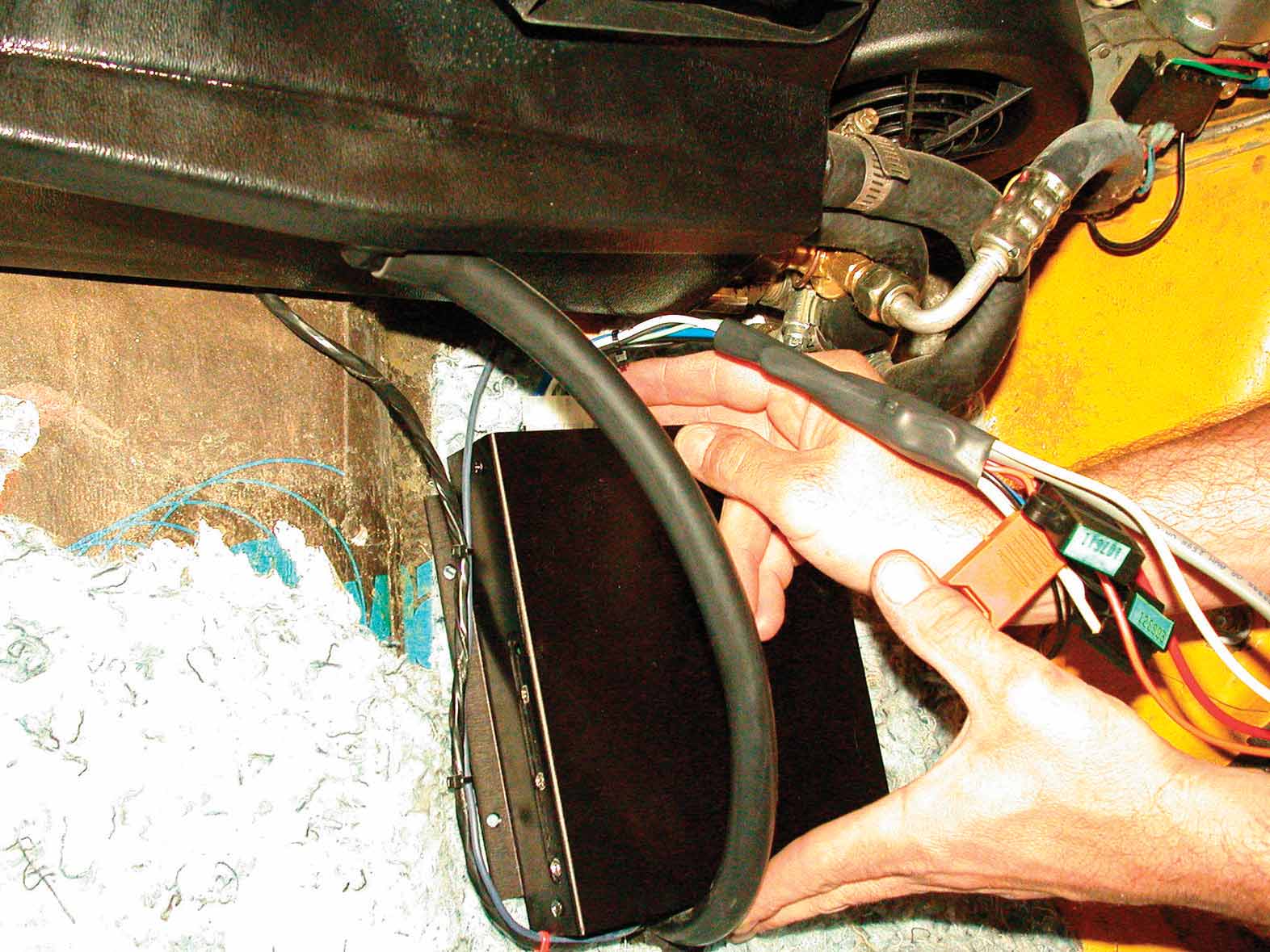
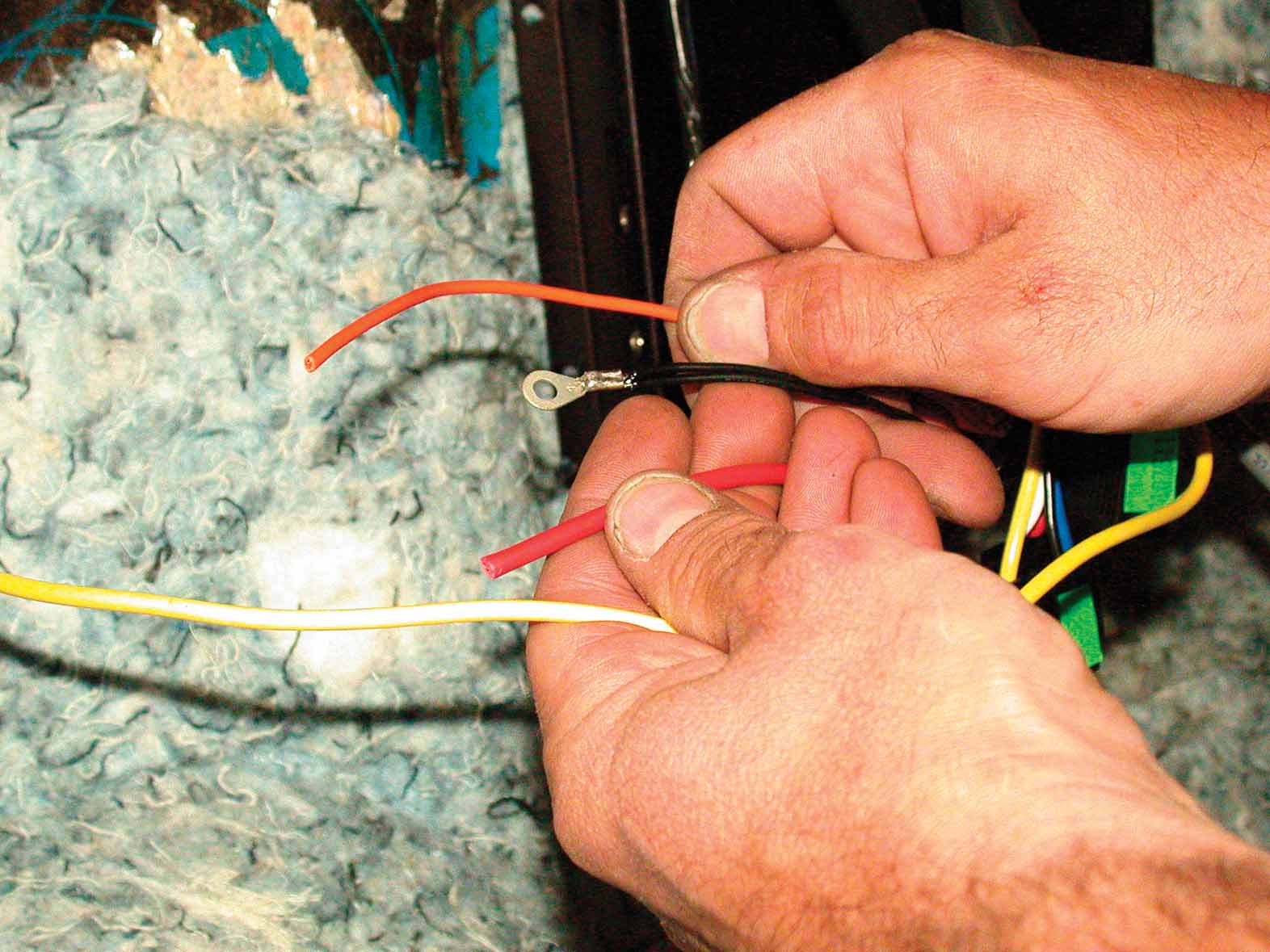
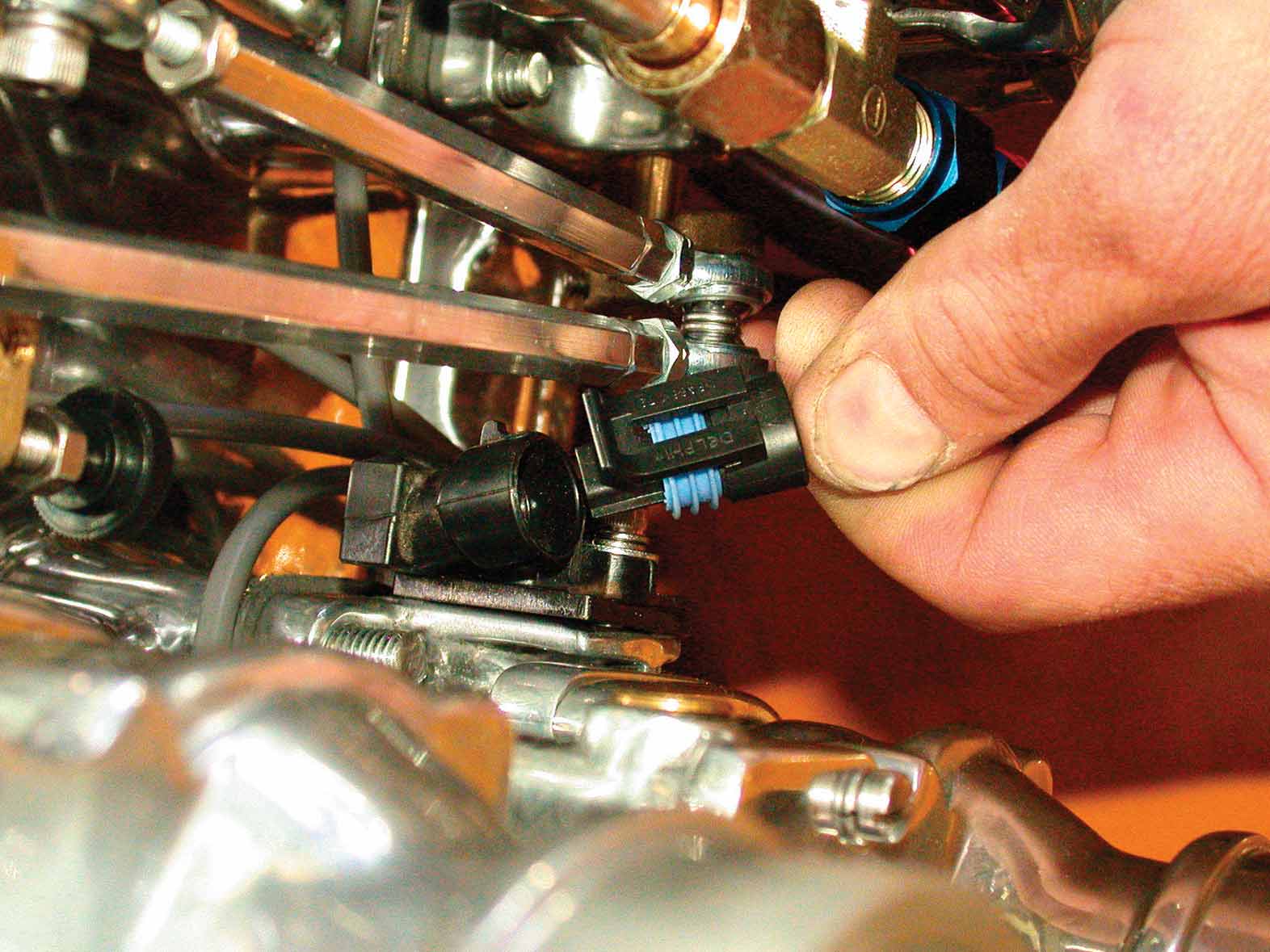
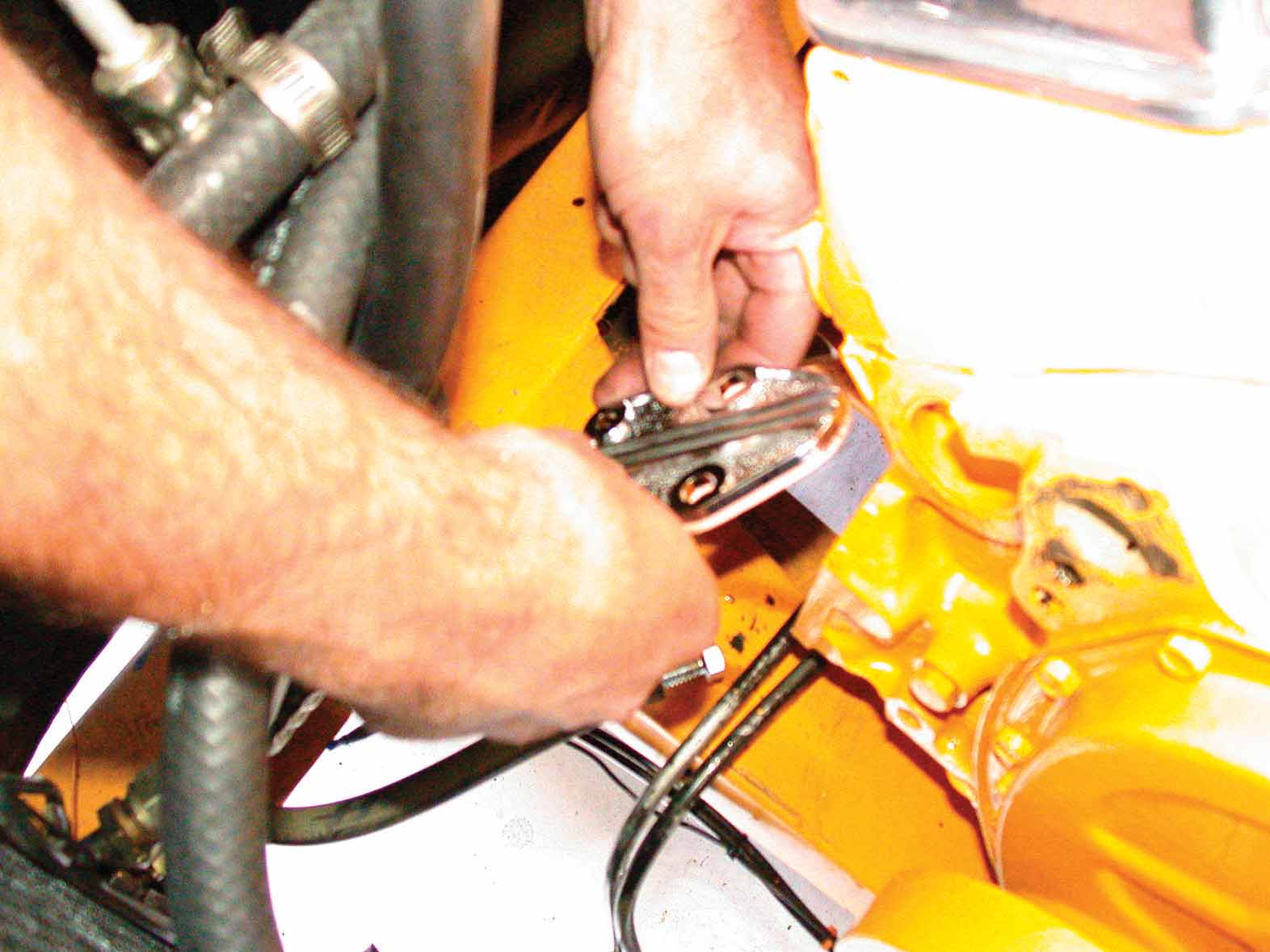
We were on hand as the crew at Barry White s Street Rod Repair Company installed the system onto this 40 Ford pickup. The truck has been equipped with a Chevy engine, but the Retro Tek system will work on any engine. The install took only about half a day, and it is one that most folks can do in their own garages.
Retro Tek is a family-owned business with Ken as the engineer, Susan Farrell handling the phones and computer programming, and Ken, Jr. and Rebecca helping out where they can.
ARTICLE SOURCES
Barry's Speed Shop
(Barry White's Street Rod Repair Co.)
1640 Commerce St.
Corona, CA 92880
(951) 273-9284
RetroTec
12705 S. Van Ness Ave
Hawthorne, CA 90250
(323) 599-5032