TheAutoBuilder.com

Accessories

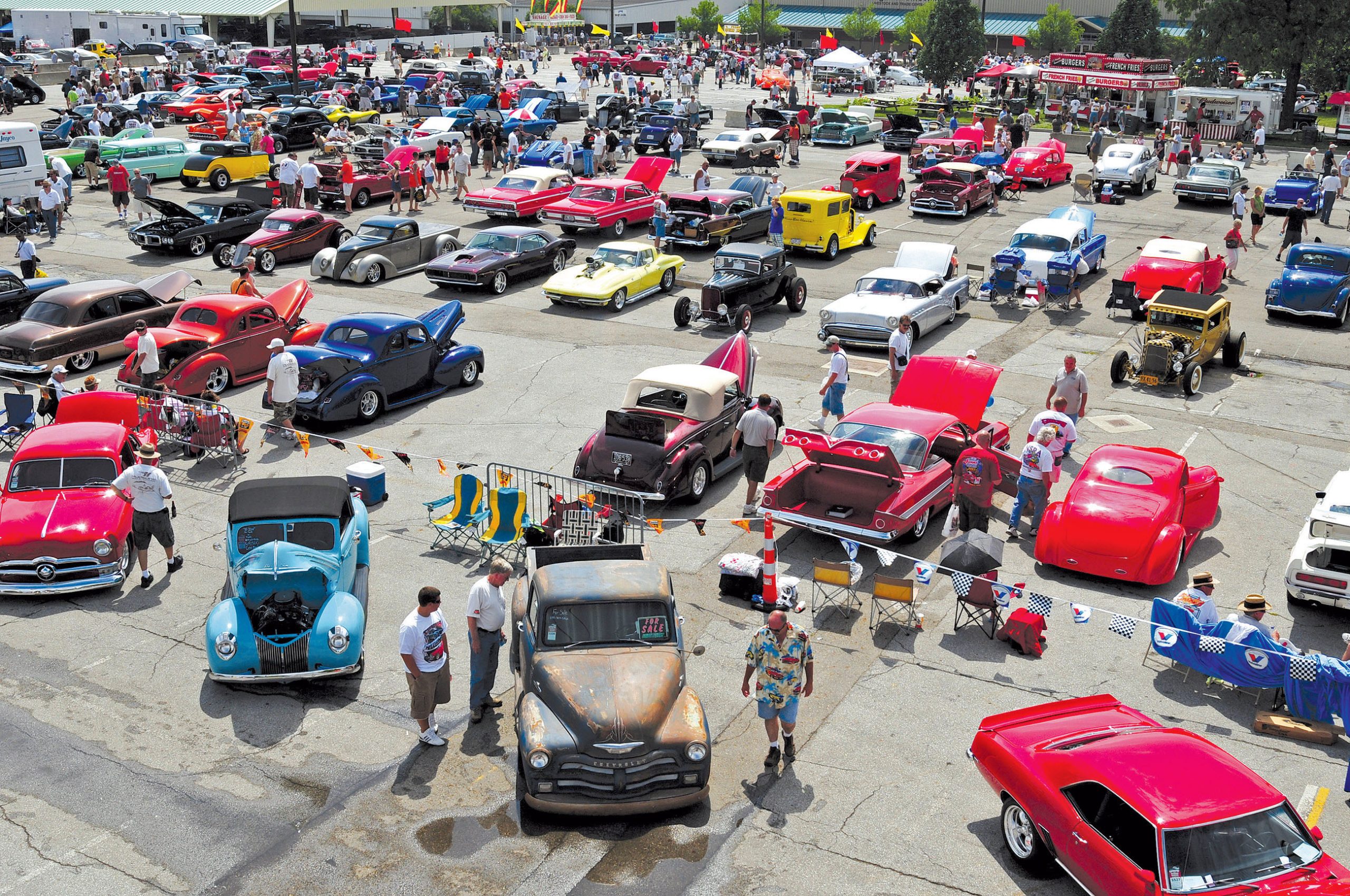
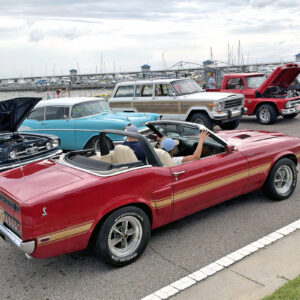
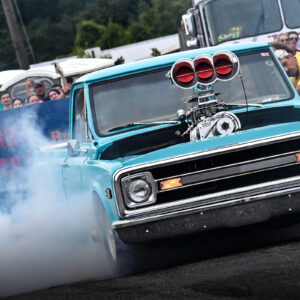
GOODGUYS COLUMBUS 2008

We are continually challenged by what has previously been accomplished within a hobby that has captured the hearts of enthusiastic Americans; and just when it seems automotive imagination has reached its pinnacle, we are once again reminded of an endless flow of accomplishment and creativity that stretches the limits of the cars we build.

BOSS!

In 1969 and 1970, Ford produced a pair of unique vehicles designed with only one purpose in mind: to take back the SCCA Trans-Am series crown from Chevrolet. After stunning success with the ’65-’67 Mustangs, Ford lost the title to Chevy’s Camaro in 1968, and many felt that the car’s “tunnel port” engine was the culprit. Ford drastically rethought its engine program and came up with a legendary solution.

Breaking The Ridler Code

It occurred rather quickly—in just a decade or so, the Ridler award has risen to the top of the list of awards for hot rods. Sure, it all started more than 60 years ago, but back in the 2000’s, the competition intensified for this coveted award. The Auto Builder was intrigued by the award’s newfound popularity, and we did everything in our power to bring proper recognition to these grand automobiles. We also dedicated ourselves to help popularize “The Great Eight,” which each car must win to qualify for Ridler competition. Being selected in the Great Eight is a feat in its own right, but the road to winning the Ridler is as mysterious as the final award itself.

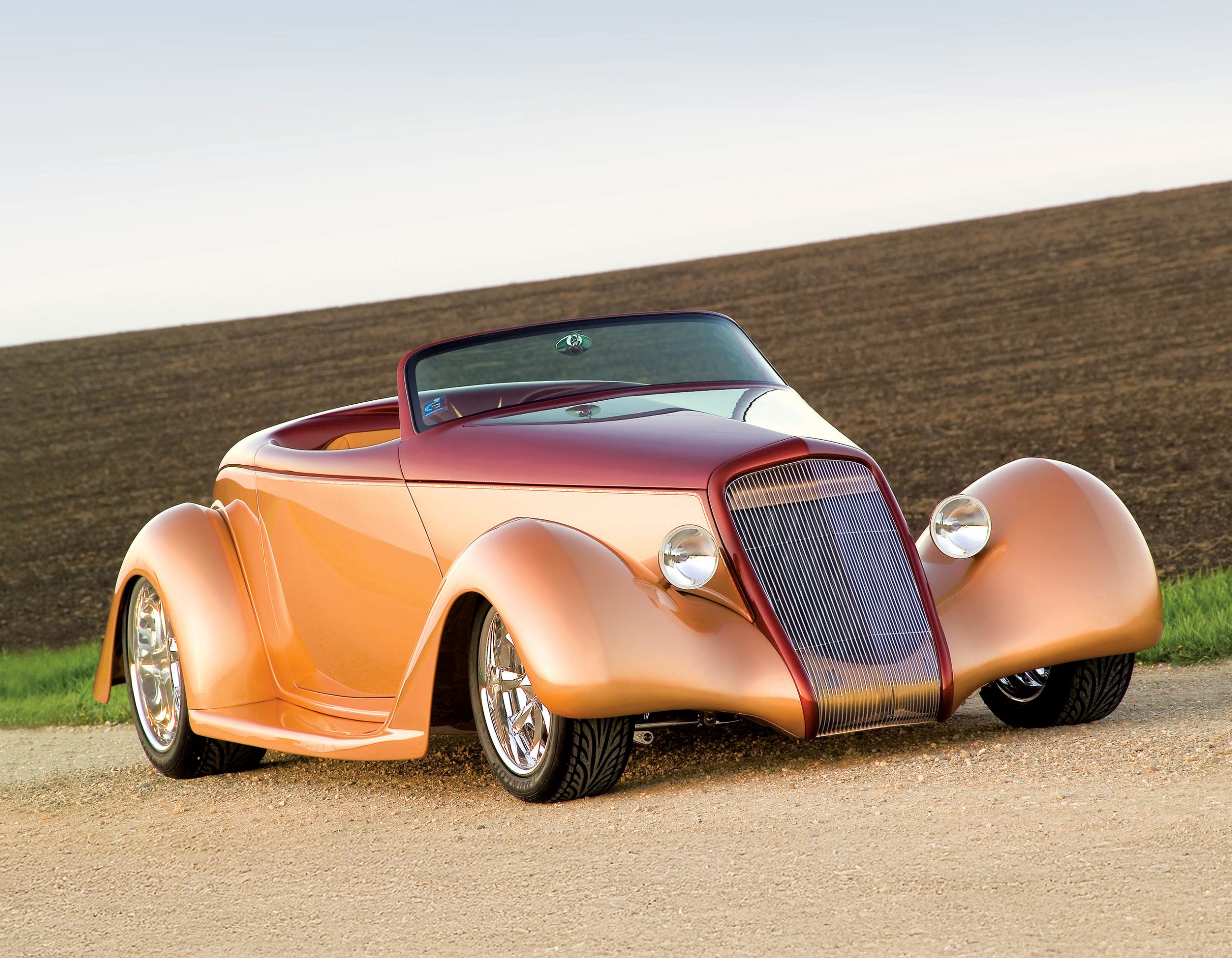
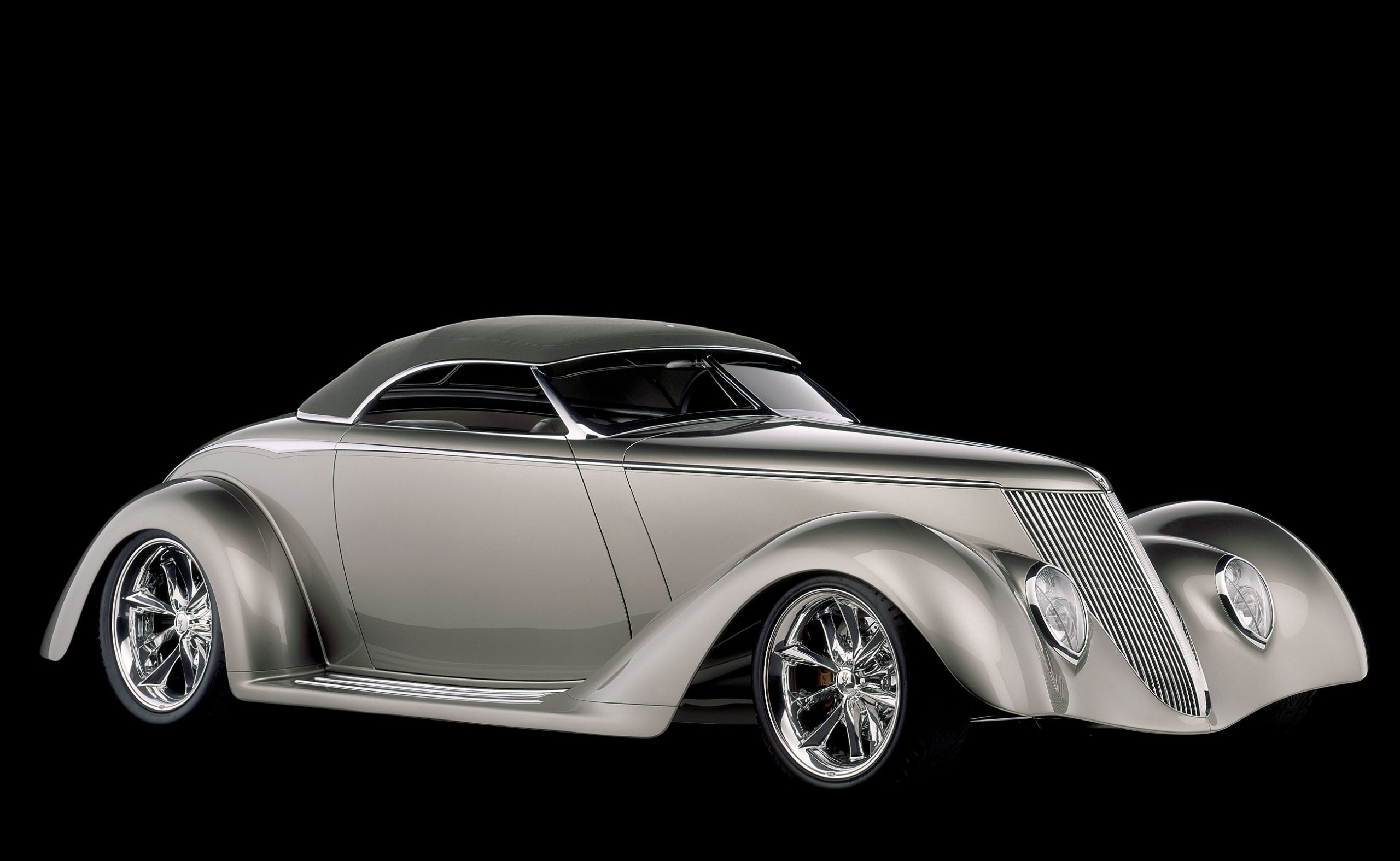
IMPRESSION

In terms of historic automotive achievements (and there have been many, to be sure), this stylized ’36 Ford roadster will long be remembered for its most human elements. Through them, a vehicle of unparalleled execution—at least to date—regardless of type, style or vintage, has come of age. Only slightly reminiscent of the car it is based upon, the lines expressed through the flowing body and adjoining components, and all of the well-placed details, give one the impression of speed, style and a hint of great classics of the past. And while it may take on a hint of flavor of classics past, the overall concept is entirely its own—a coach-built car done for these modern times.


Mach 91

MPS Auto Salvage (800/236-1156) is a name you probably already know if you’ve ever been in the market for quality used parts for Fox-body and newer Mustangs. This Winder, Georgia, salvage yard specializes in Ford’s pony car, and the company has both a huge inventory of parts and totaled cars and all the knowledge you’d need for parts-interchange questions. And since the guys at MPS are all enthusiasts, we wonder if the foxes are guarding the henhouse. Judging from the look of this MPS-built ’91 Mustang coupe, the answer is most definitely yes—but that’s just fine with us.

’63 FORD FASTBACK

“Total Performance” is what the Ford Motor Company called its corporate racing program back in the early ’60s, and it was a great way to show the buying public how strong and well engineered the automaker’s vehicles were. In a bold and blatant fashion, Ford was heavily involved in competition—in a big way.

CAMARO JONES

George and Leslye Jones’ ’67 Camaro convertible is one of the finest examples ever to turn a wheel. Built by the crew from Greening Auto Company (and others), this is an effort worthy of pride and praise.

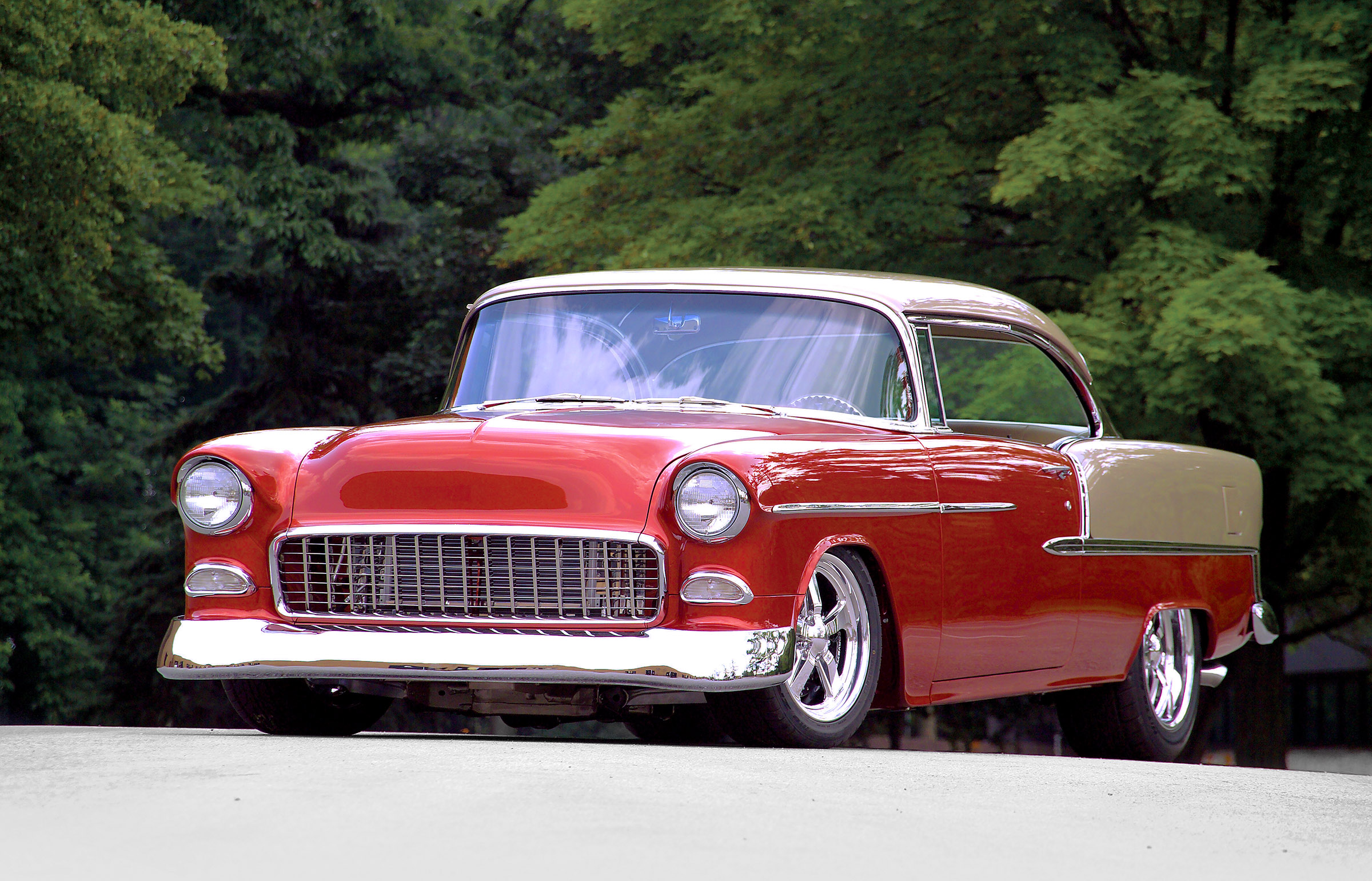
Beauty & POWER

Upon its introduction, the ’55 Chevy became an instant success, and over the years, it has remained a favorite of Chevy enthusiasts, with the ’55 Bel Air hardtop being one of the most popular.

24 PERFECT PARTS AND TIPS

Are you driving an old truck, or perhaps you are driving a newer, modified pickup that is being upgraded as you go? Either way, both present their own set of challenges, which when not addressed, will turn normal operation into a nightmarish chore. No one enjoys breaking down along the side the road, so you do what you can to favorably stack the odds against such breakdowns. Truth is you do this by eliminating the simple oversights and by selecting the right parts that enhance the performance and operation of your daily driver.

RADICALLY DIFFERENT

During the latter part of the 1950s, as America fell into a recession, the American industry machine suffered. The Big Three Detroit automakers felt the hit and quickly began building affordable cars that would appeal to the public.

Scroll to Top
image

Subscribe for Email Updates

Newsletter Categories *
Marketing by