

THE AUTO BUILDER
Menu
Featured


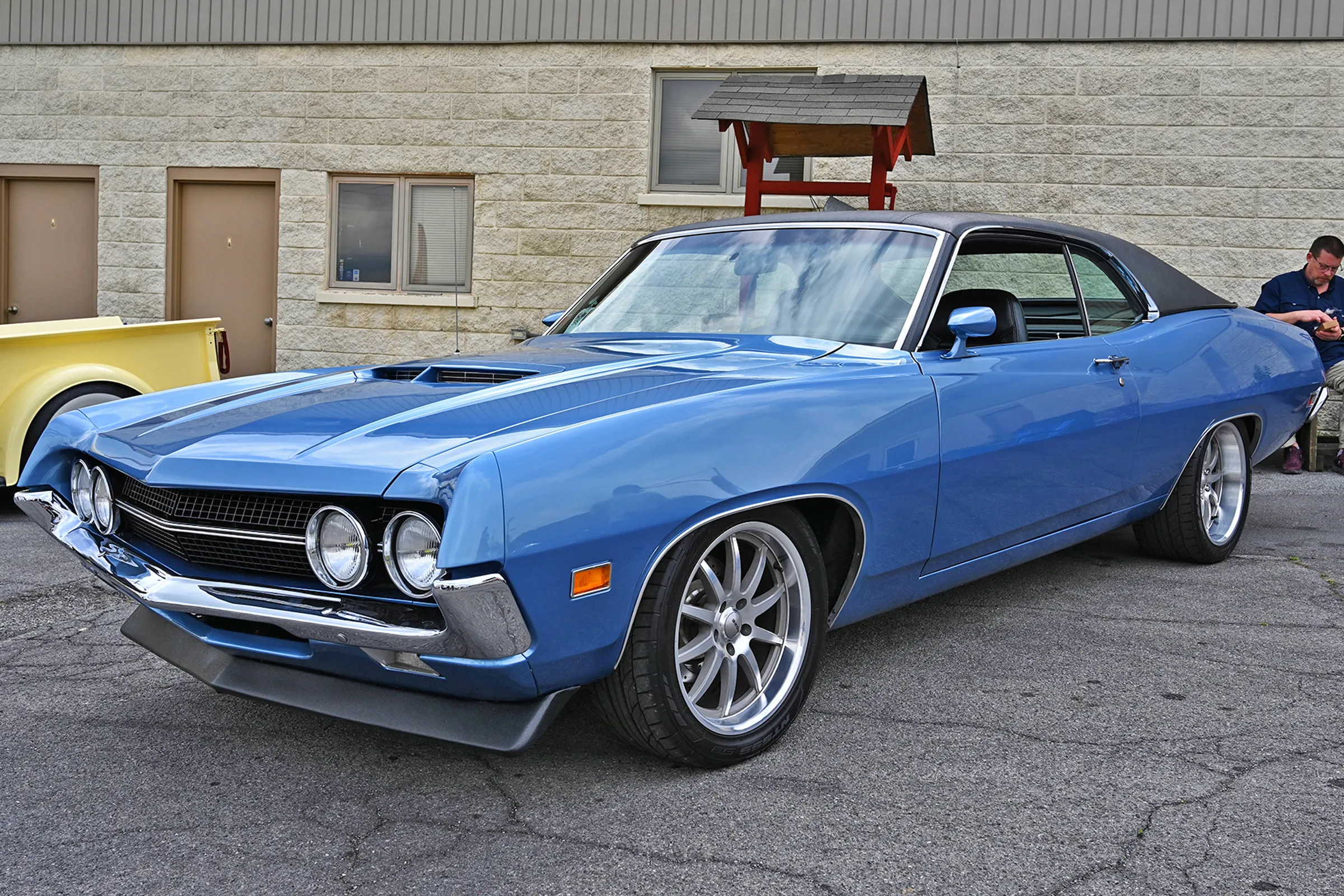
BIG BLUE
When Ford introduced the Galaxie nameplate in 1960, the reasoning behind the new name was obvious. At the time, bigger was better, and short of GM introducing a car named the Universe, what could convey a greater sense of size than Galaxie?
STREET DREAMS
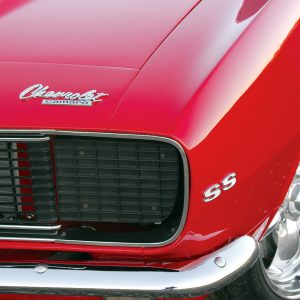
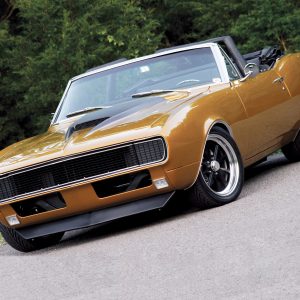
Mark Turner is an avid hot rodder—he eats, sleeps and breathes hot rods and muscle cars, and he jumps at any opportunity to add another car to his collection. On one of Turner’s many trips to check on the progress of a Camaro he had being built at G&S Custom Fabrication & Suspension in Athens, Alabama, owner Greg Blaydes told him about a ’67 Camaro RS/SS convertible being built whose owner had lost interest and was looking to get out from under the car.
UNLIKELY CANDIDATE
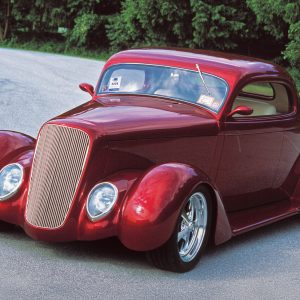
Some of it involves learning, but, for the most part, we’re pretty sure it’s something you’re born with, and you either have it or you don’t, and you can’t “fake it ’til ya make it.” We’re talking about vision—not the 20/20 version, but the ability to squint your eyes and see past the ugly duckling and uncover a swan. Tom Flurry has that even more special blend of vision and the ability to perform the work. Before your eyes is colorful proof that below the somewhat homely skin of a stock ’36 Plymouth there is indeed a swan, and Flurry uncovered most of it in his home shop in Mattituck, New York


Spotlighter
POPULAR READS
-
The Auto Builder’s Hottest Product Picks from The Triple Crown of Rodding 2026
-
Product Spotlight: Bill Mitchell Products Aluminum LS Engine Block
-
PRODUCT SPOTLIGHT: 60-66 Chevy C10 Fresh Air Vent Block Off Plate
-
Product Spotlight: Pyramid Optimized Design Sequential Aurora Taillight for 1964½–1966 Mustang
A Southern Tradition
The 51st NSRA Street Rod Nationals South proved traditional hot rodding culture is still alive, thriving, and rolling strong.
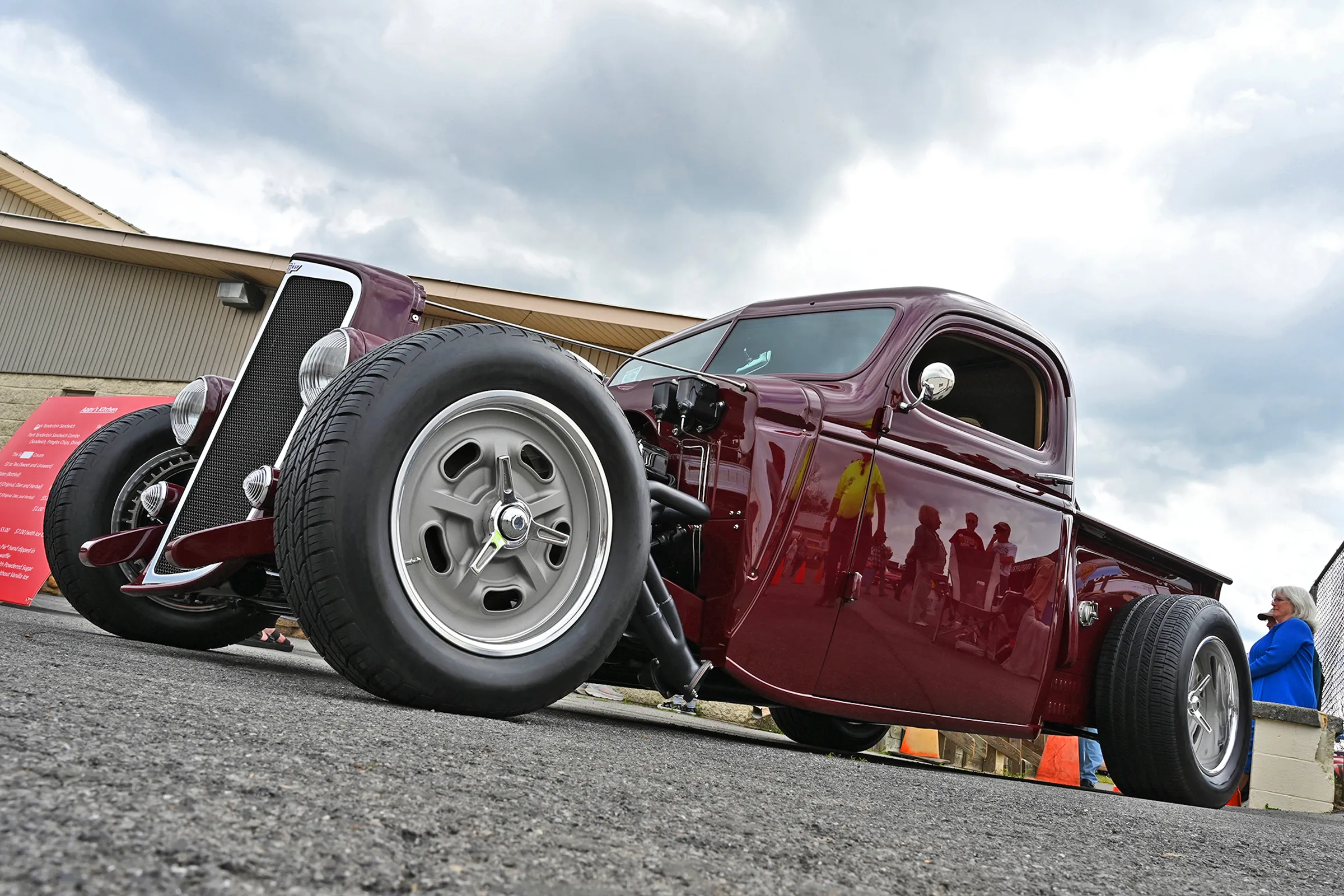
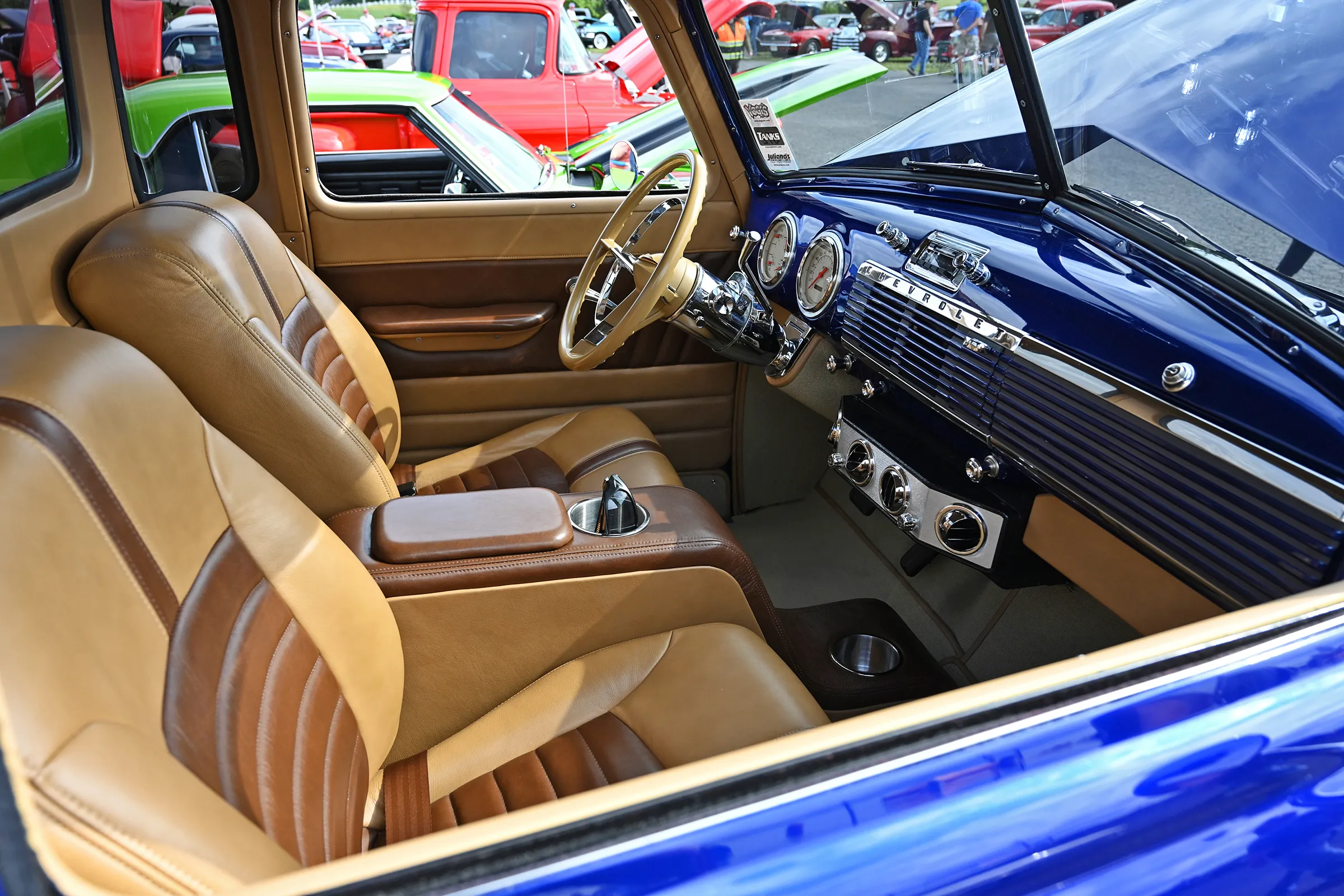
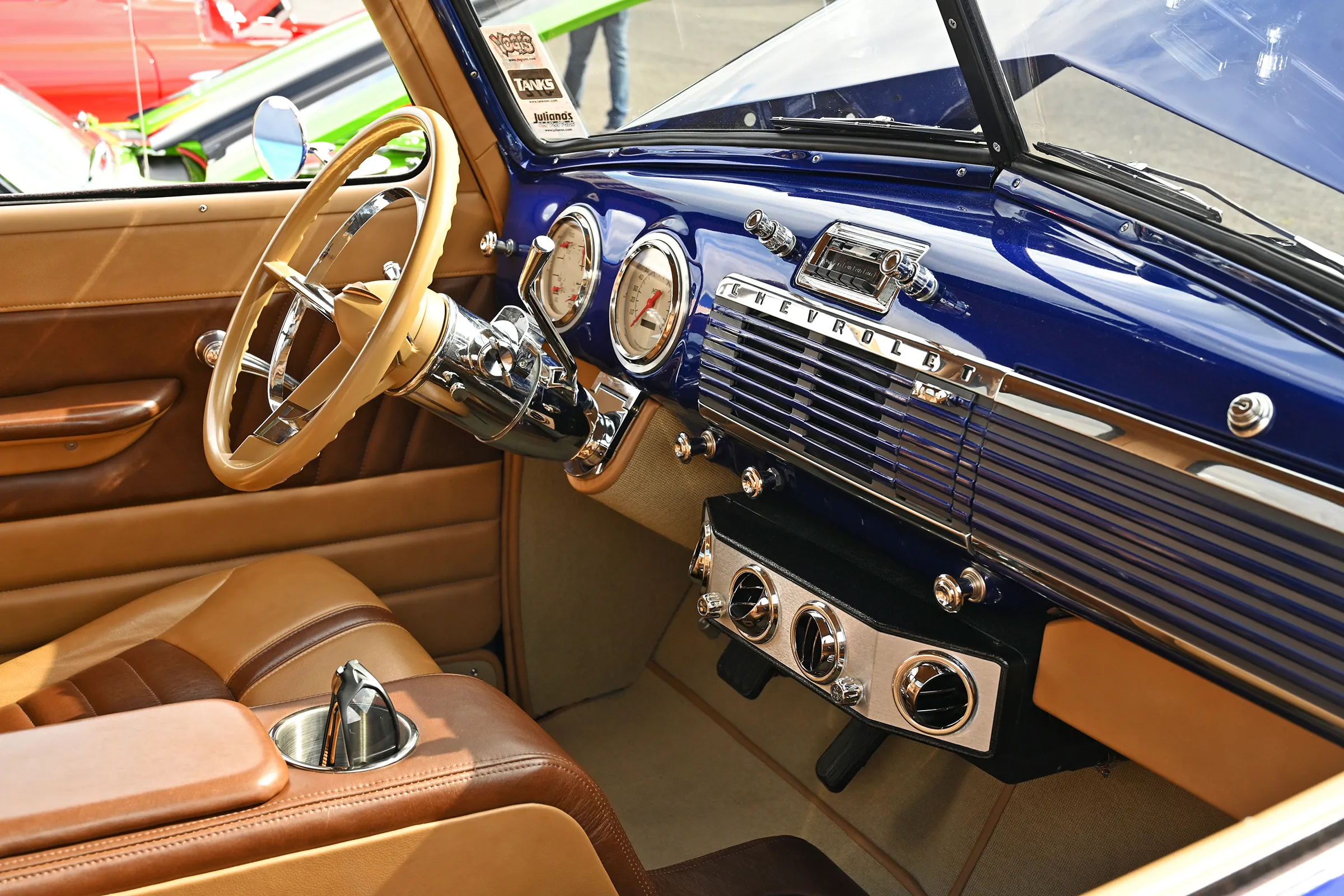
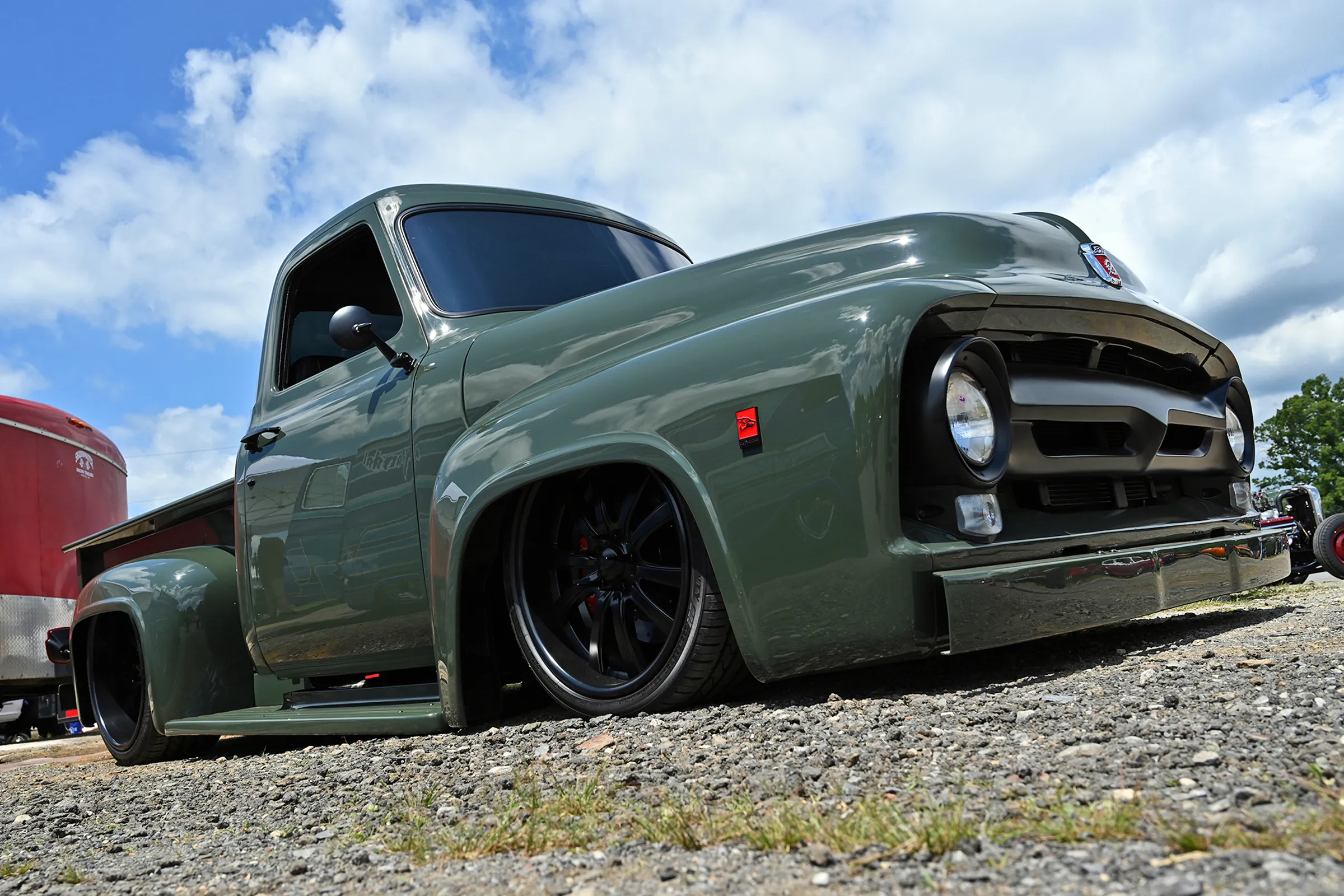
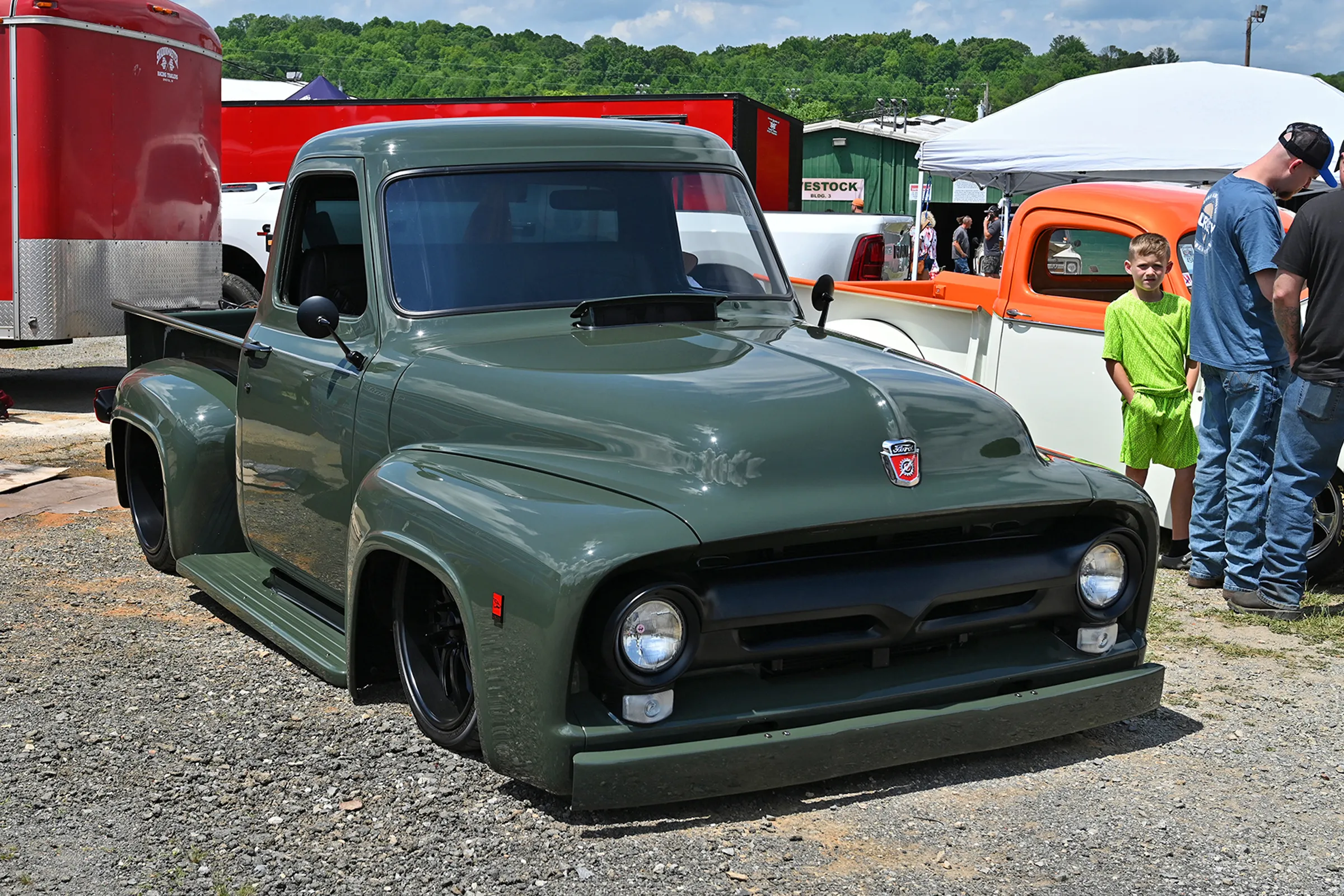
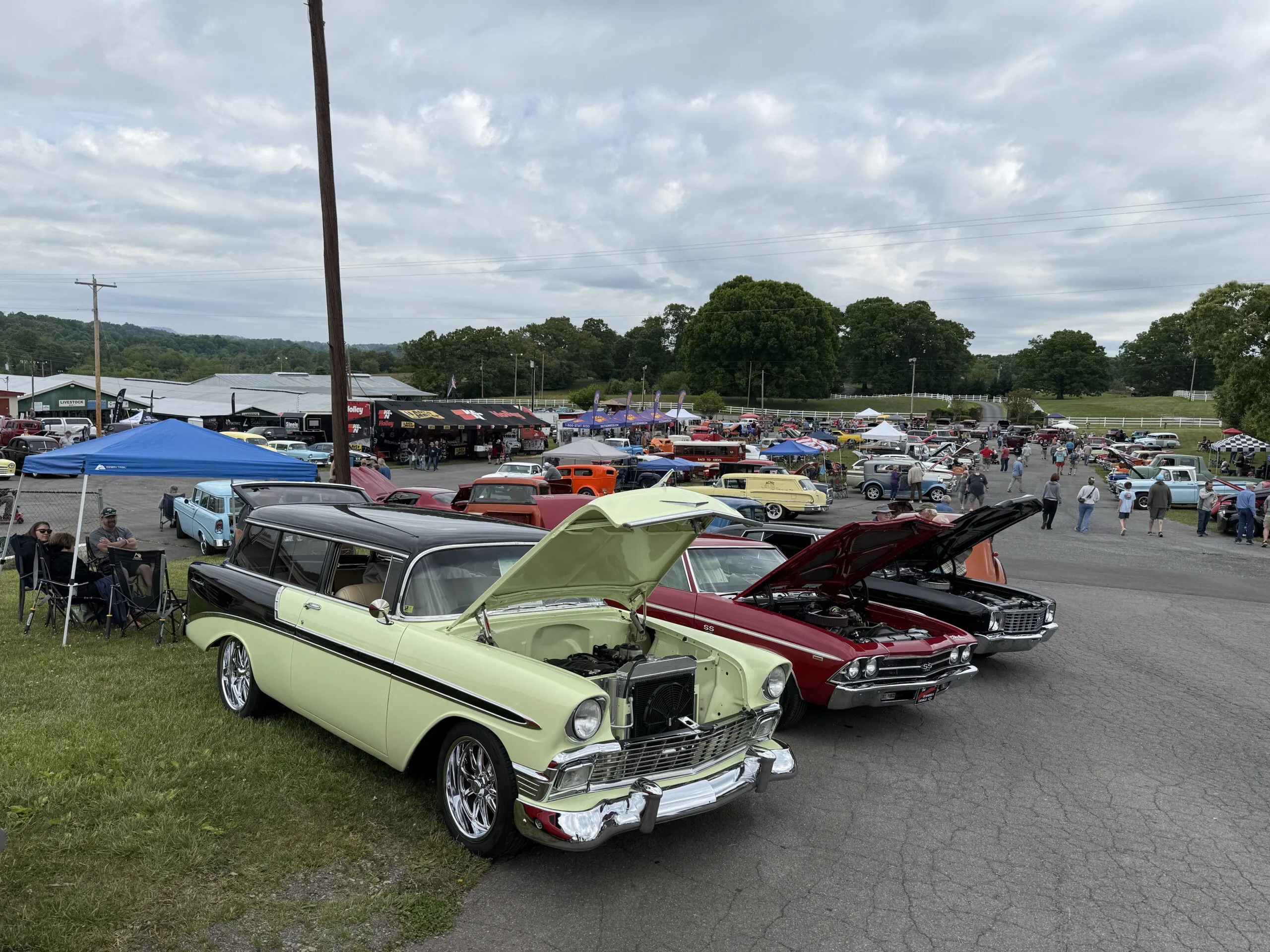
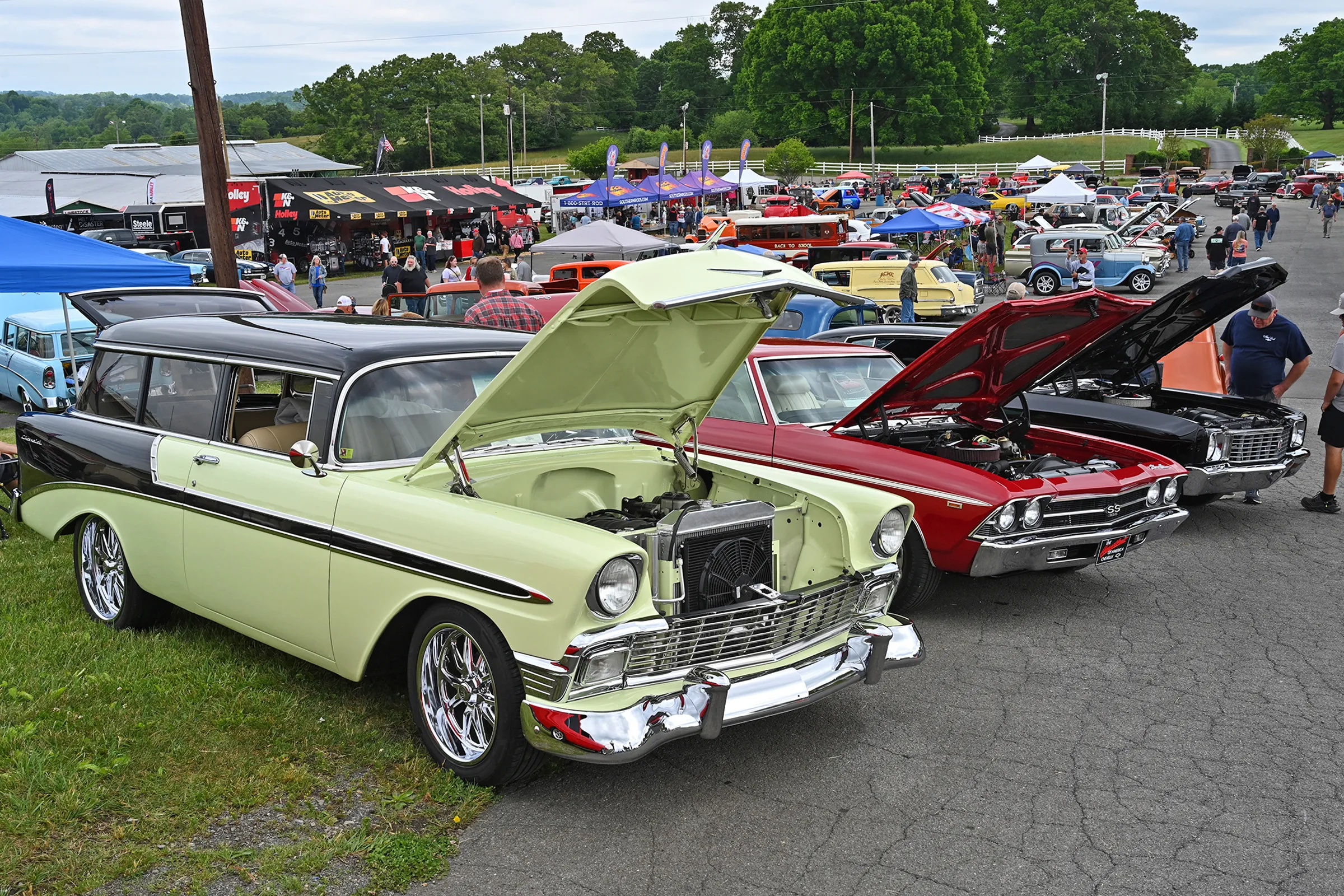
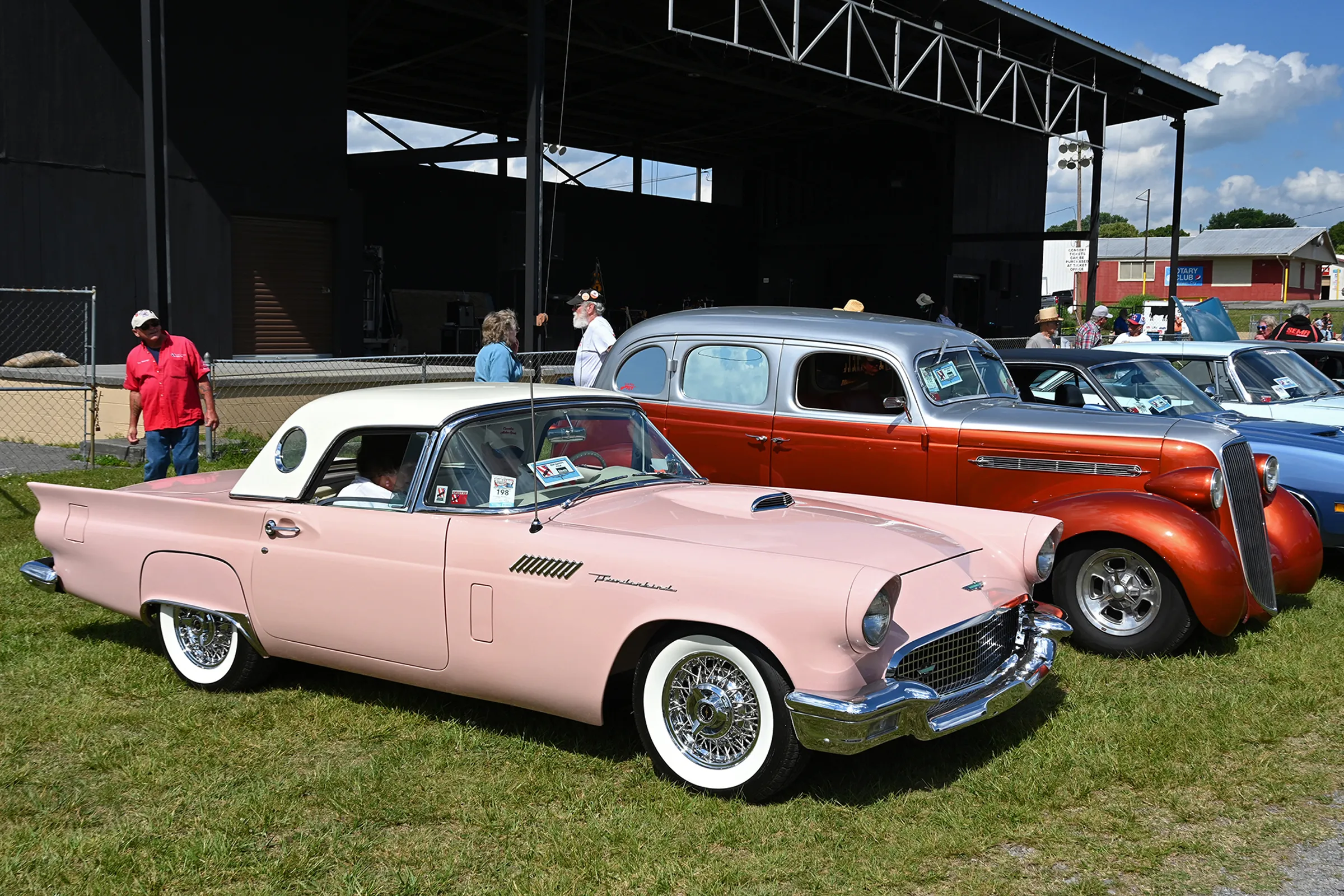
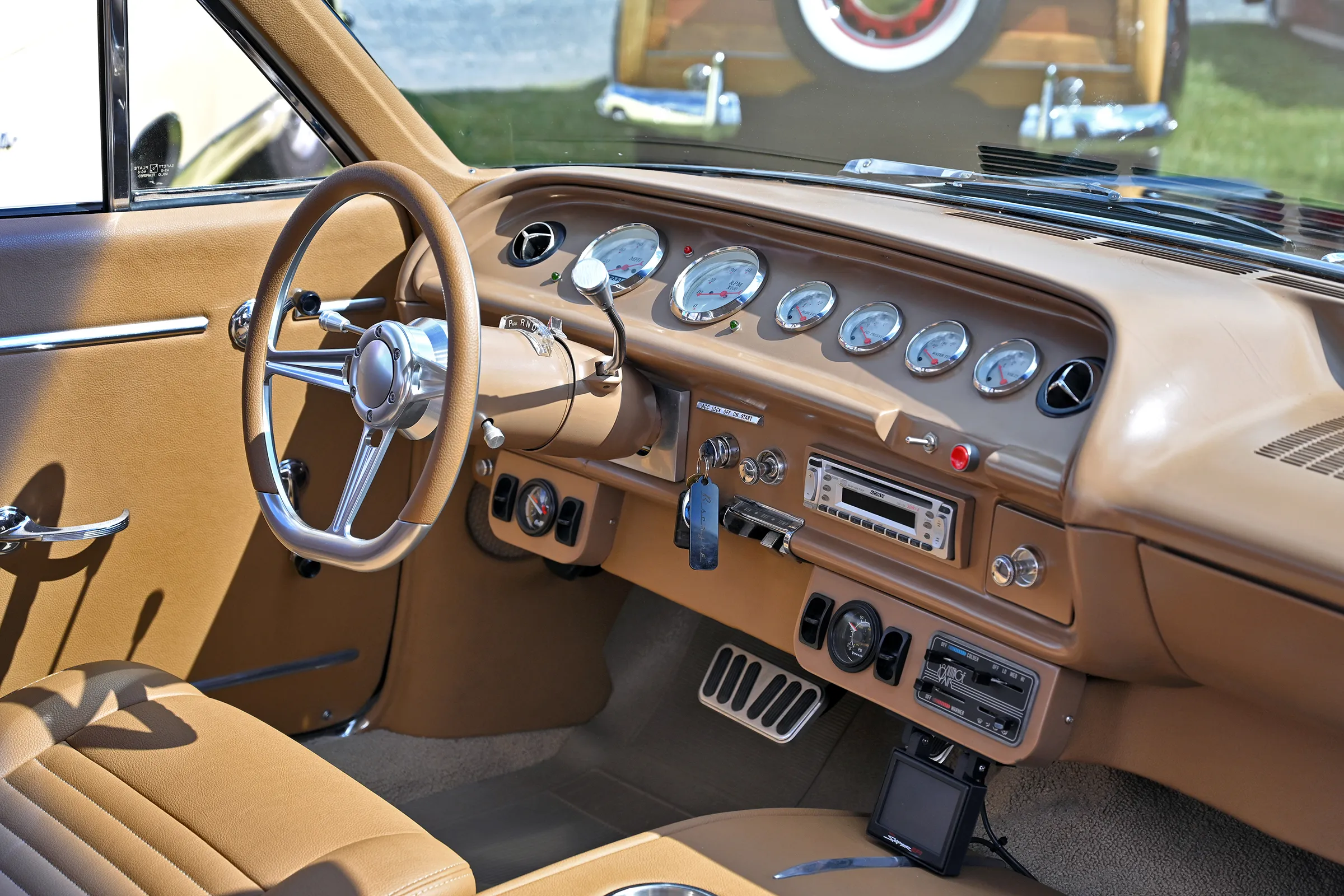
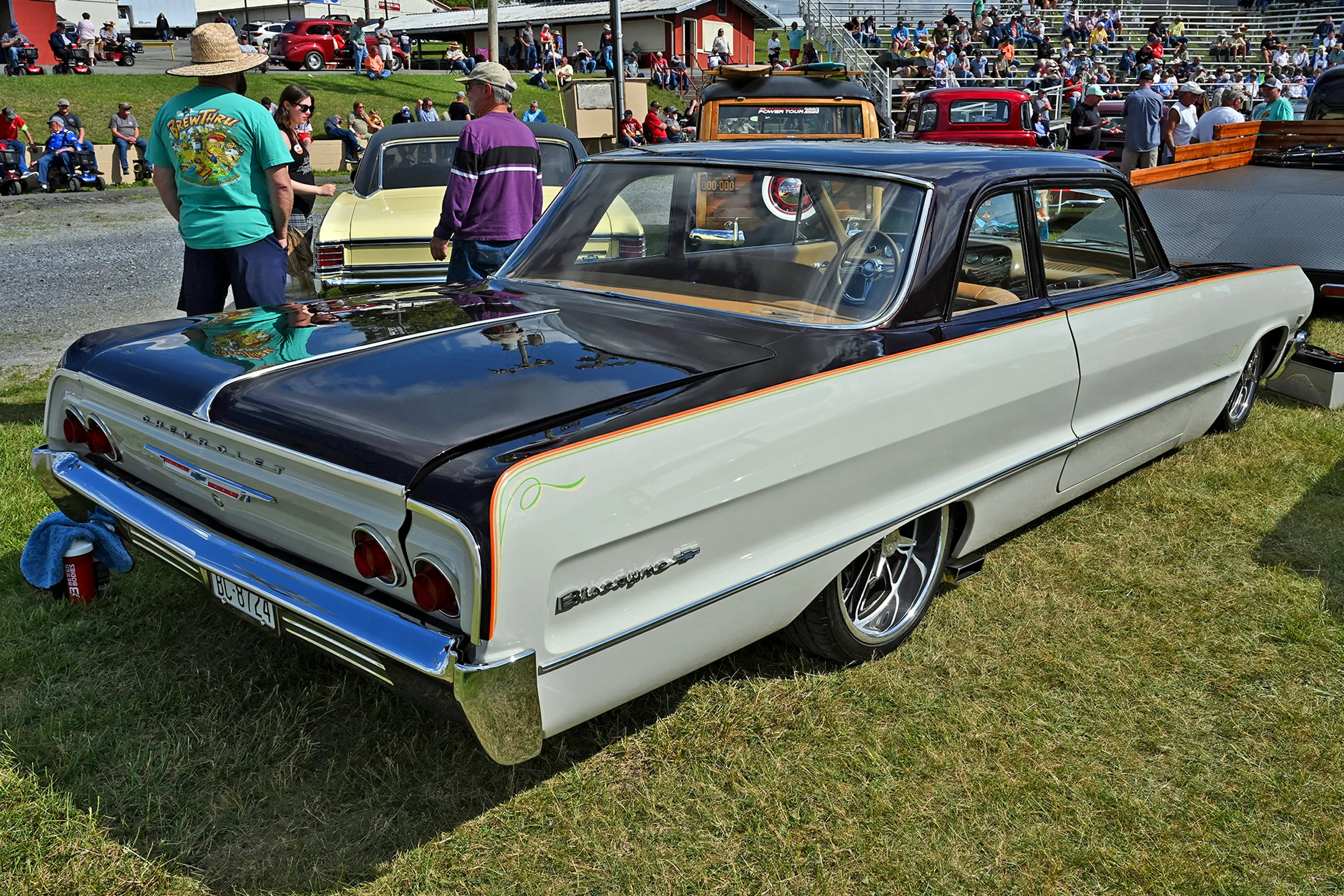
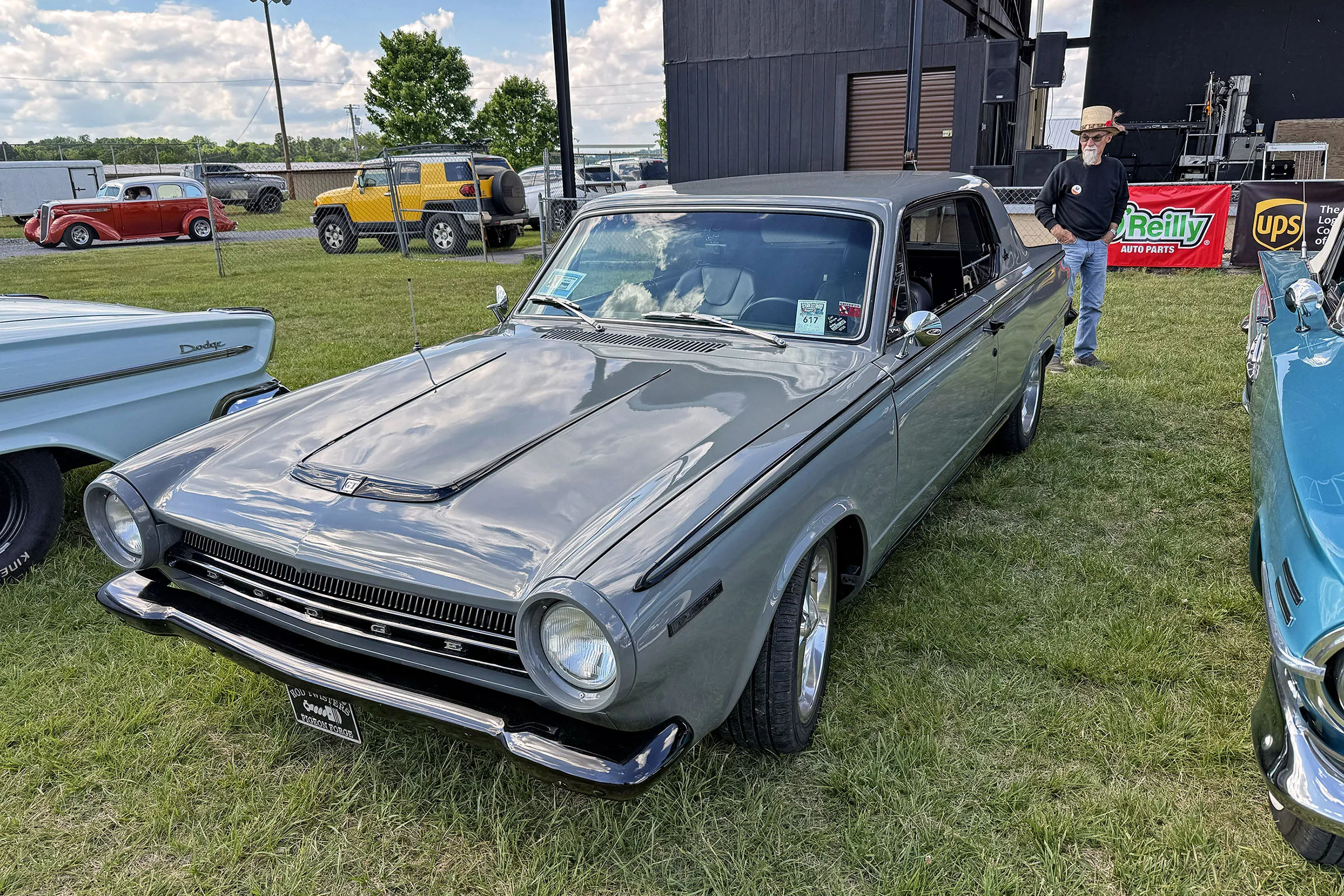
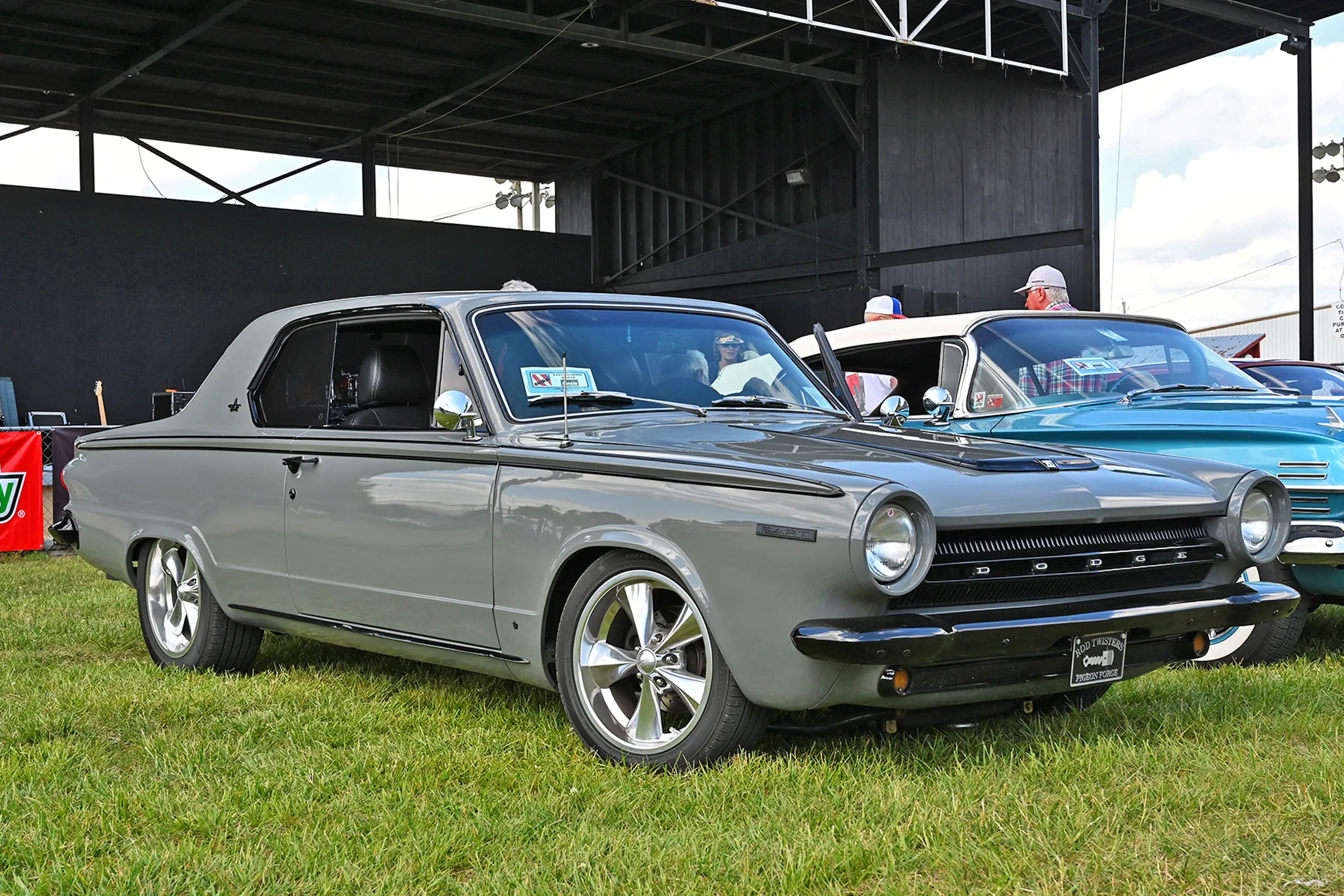
Johnson City, Tennessee didn’t just host a car show—it briefly turned into a rolling museum of American hot rodding.
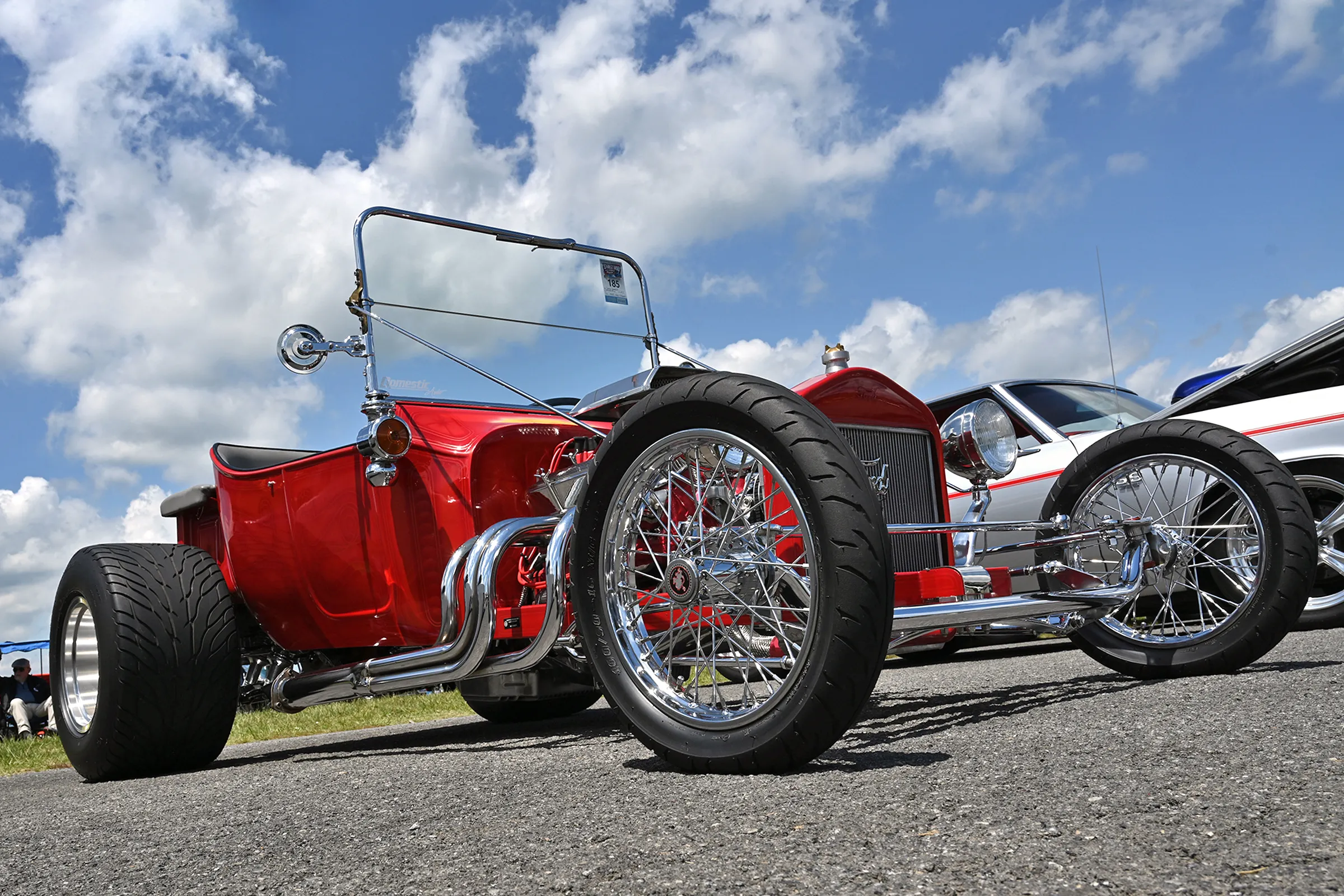
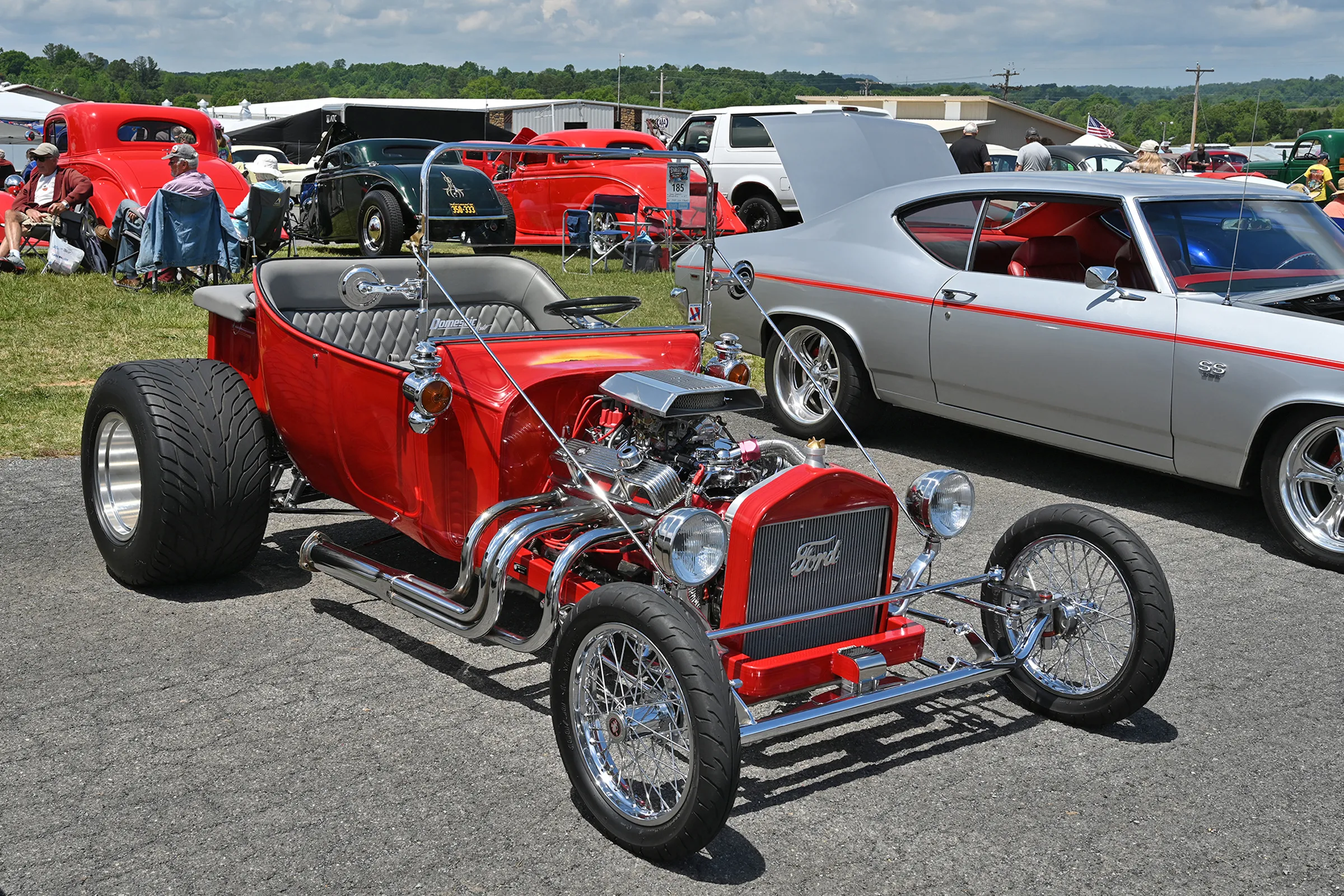
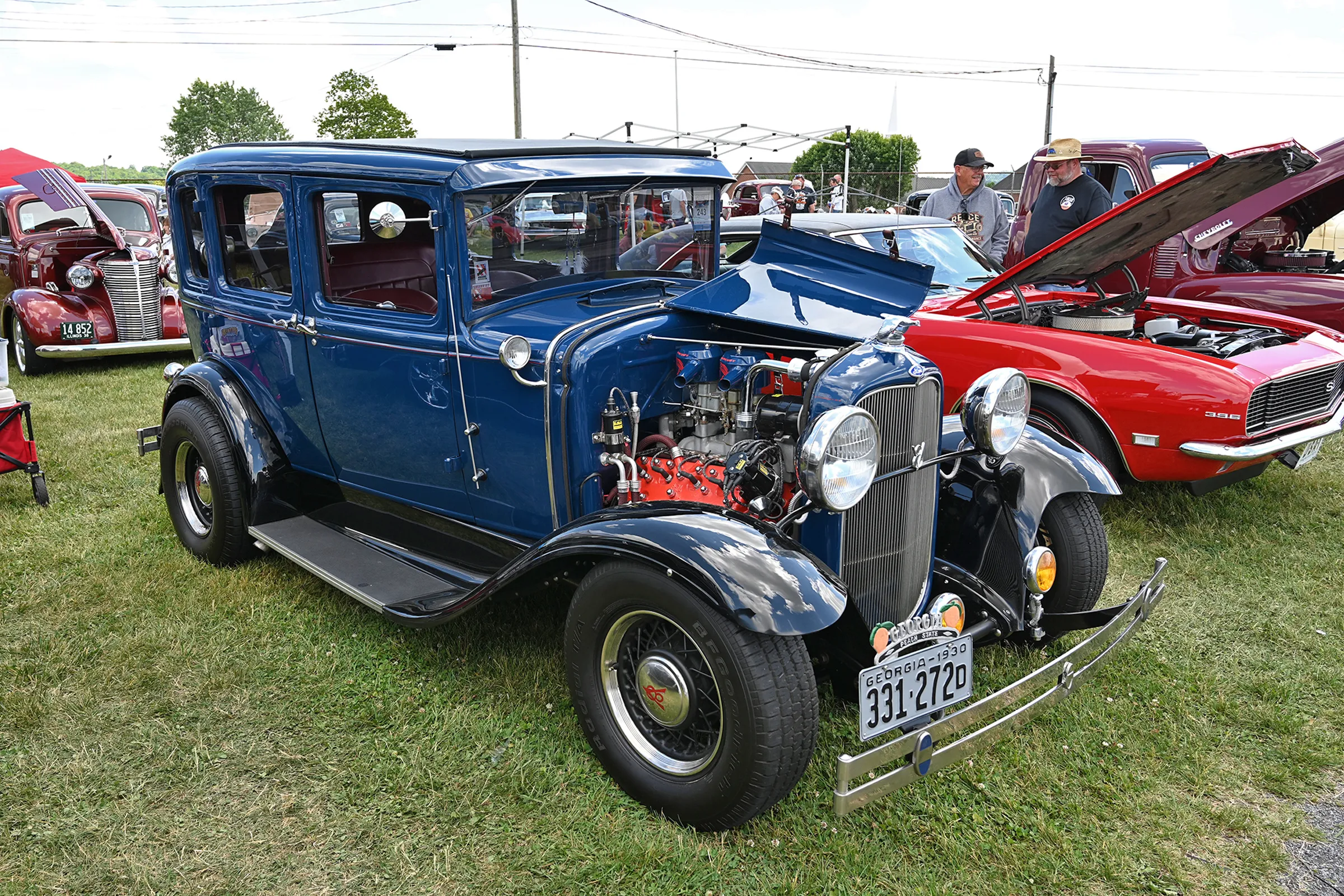
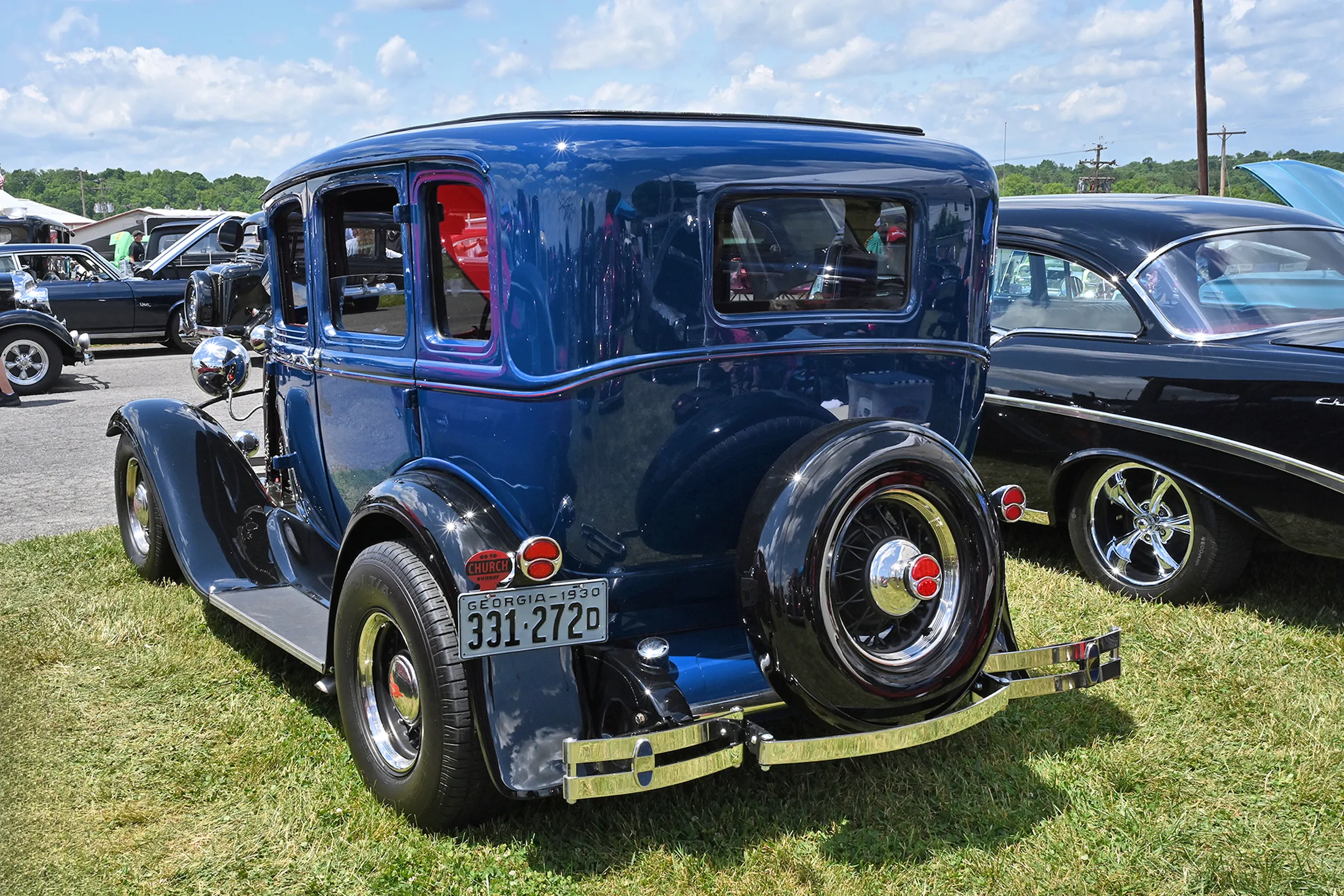
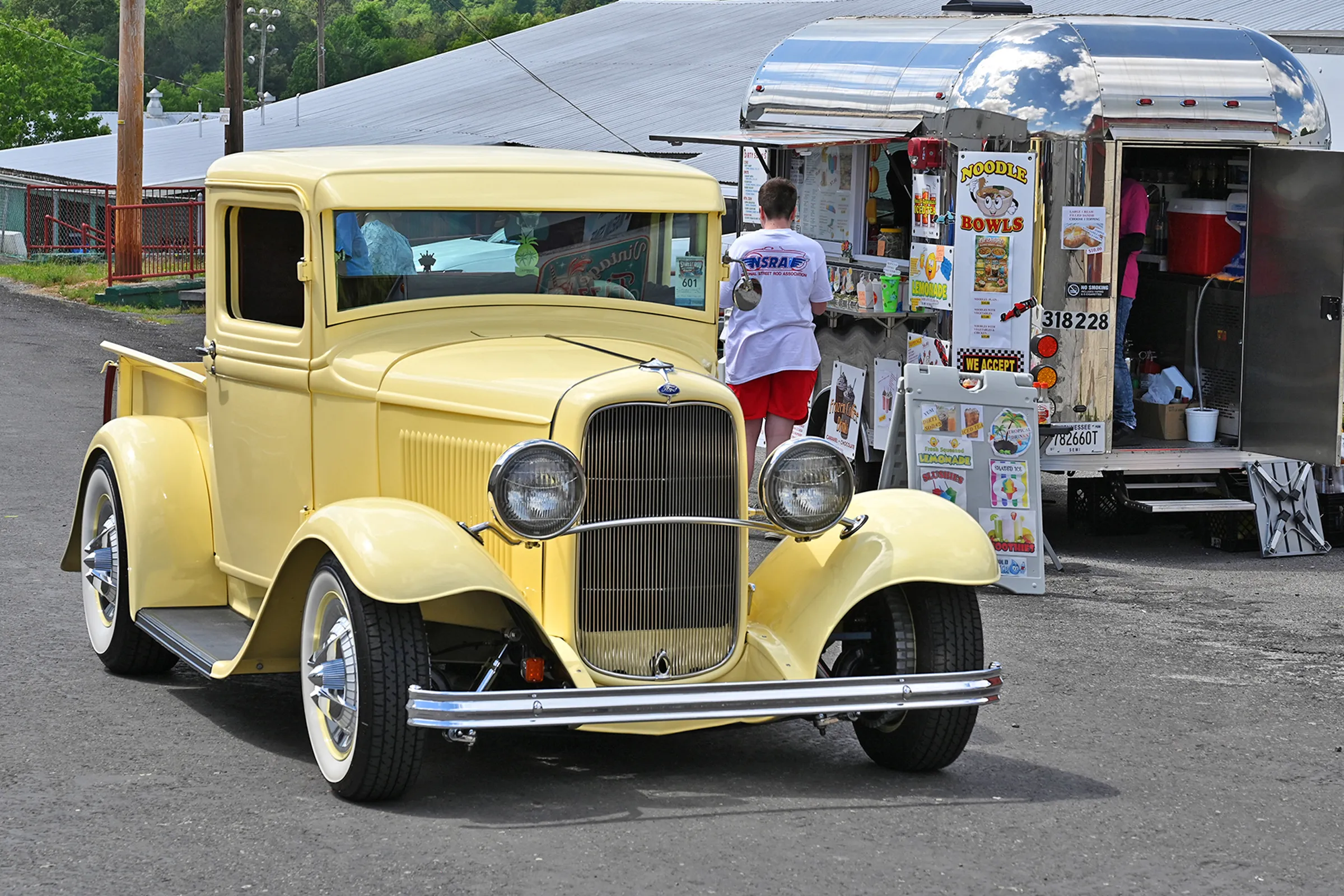
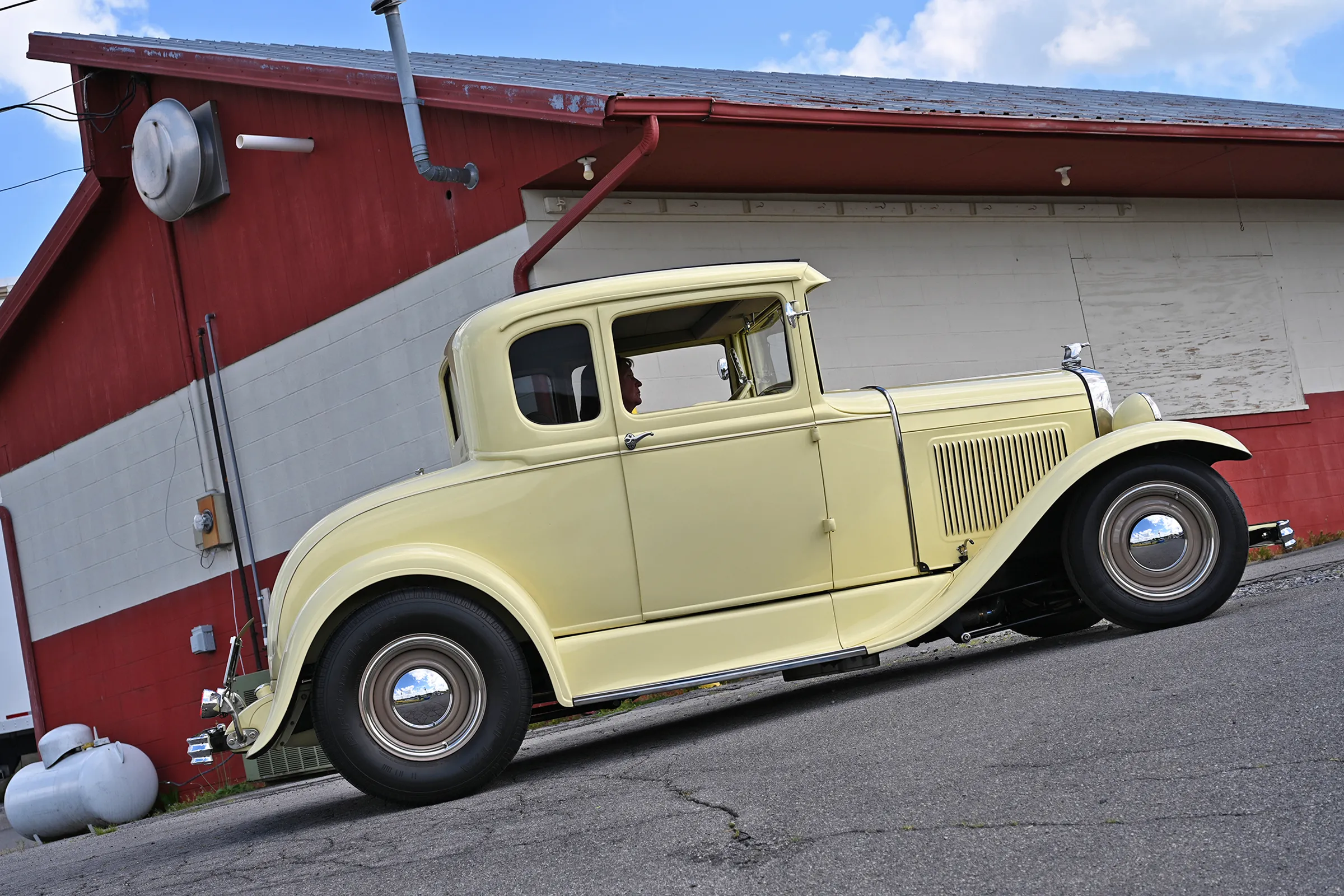
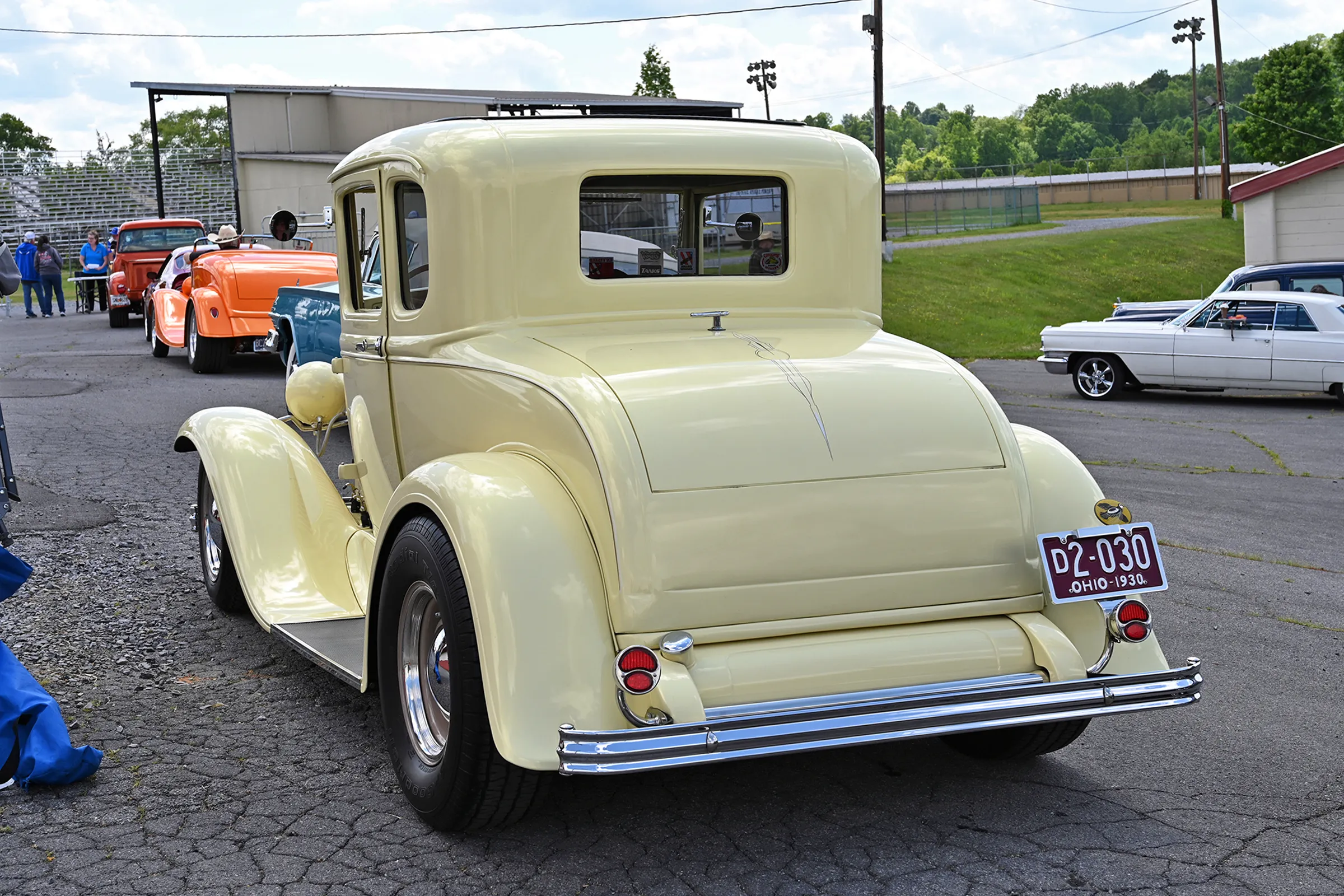
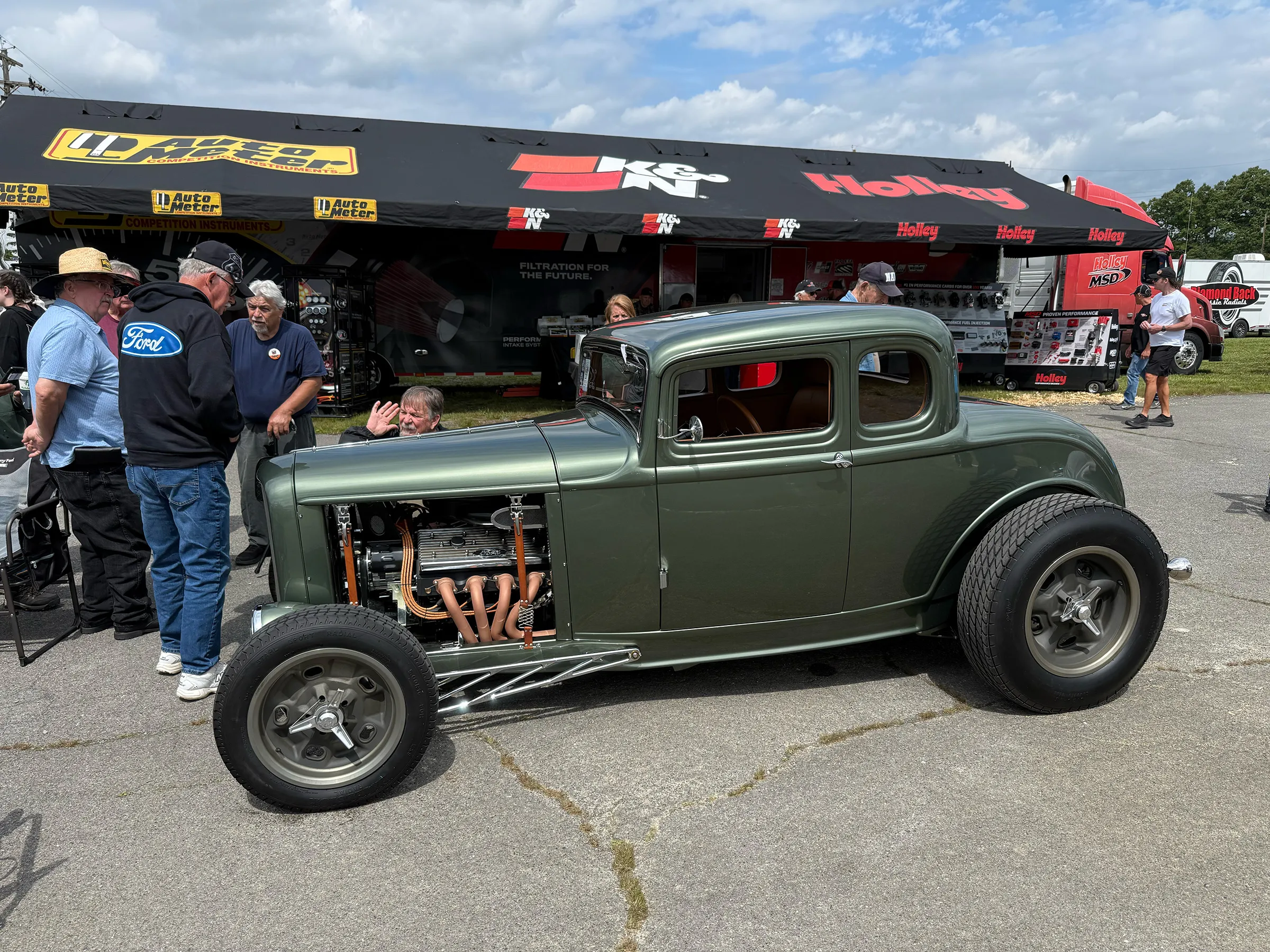
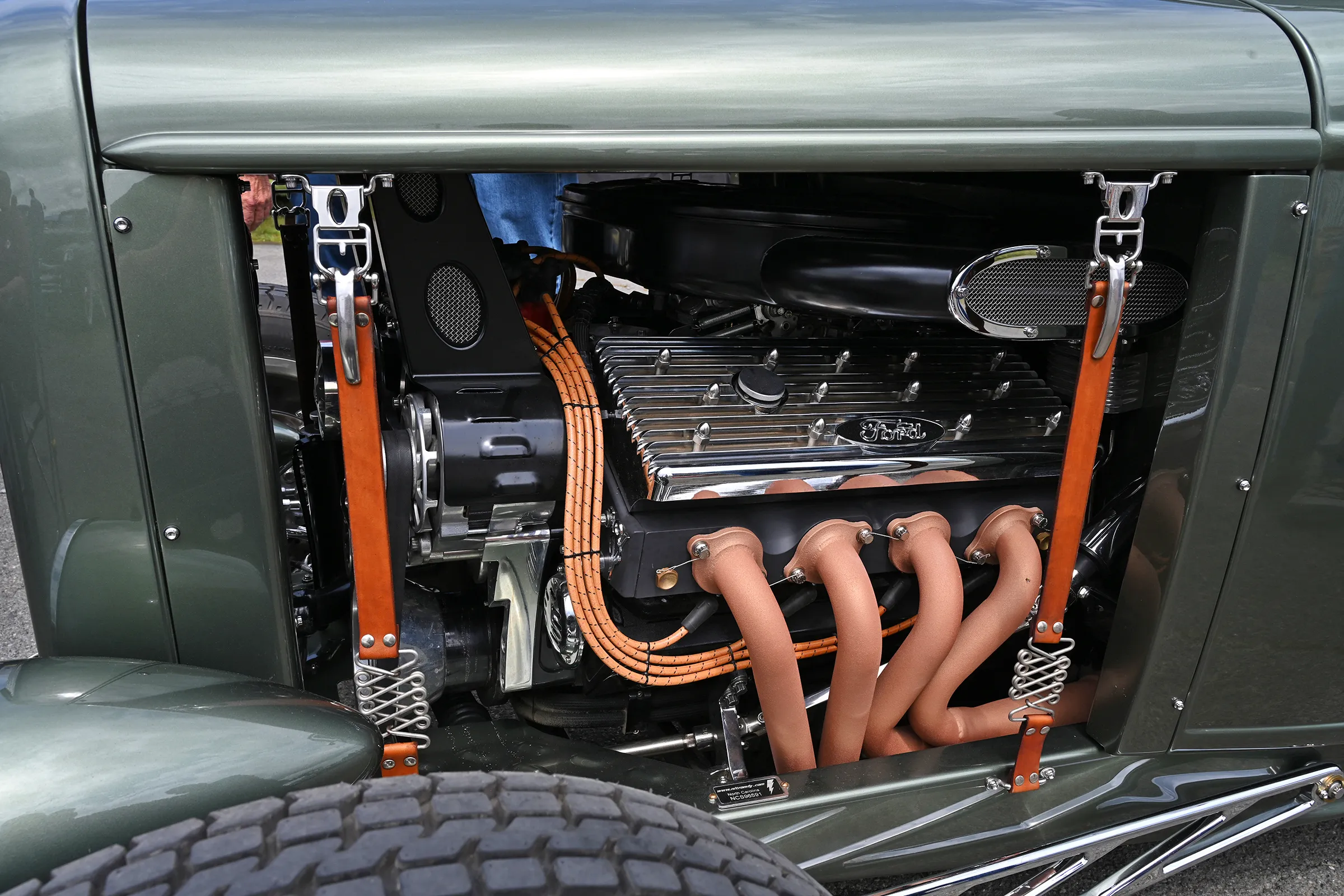
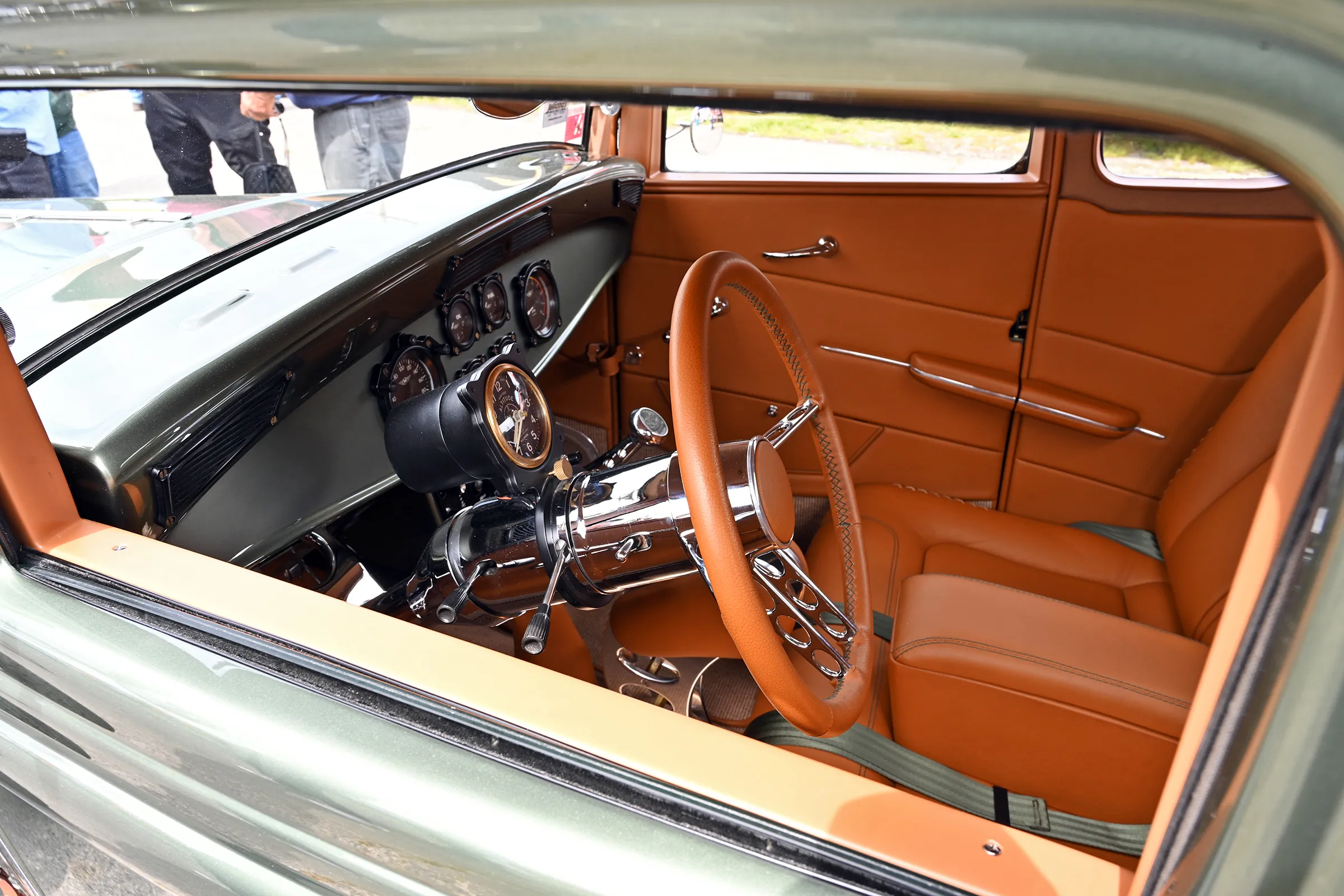
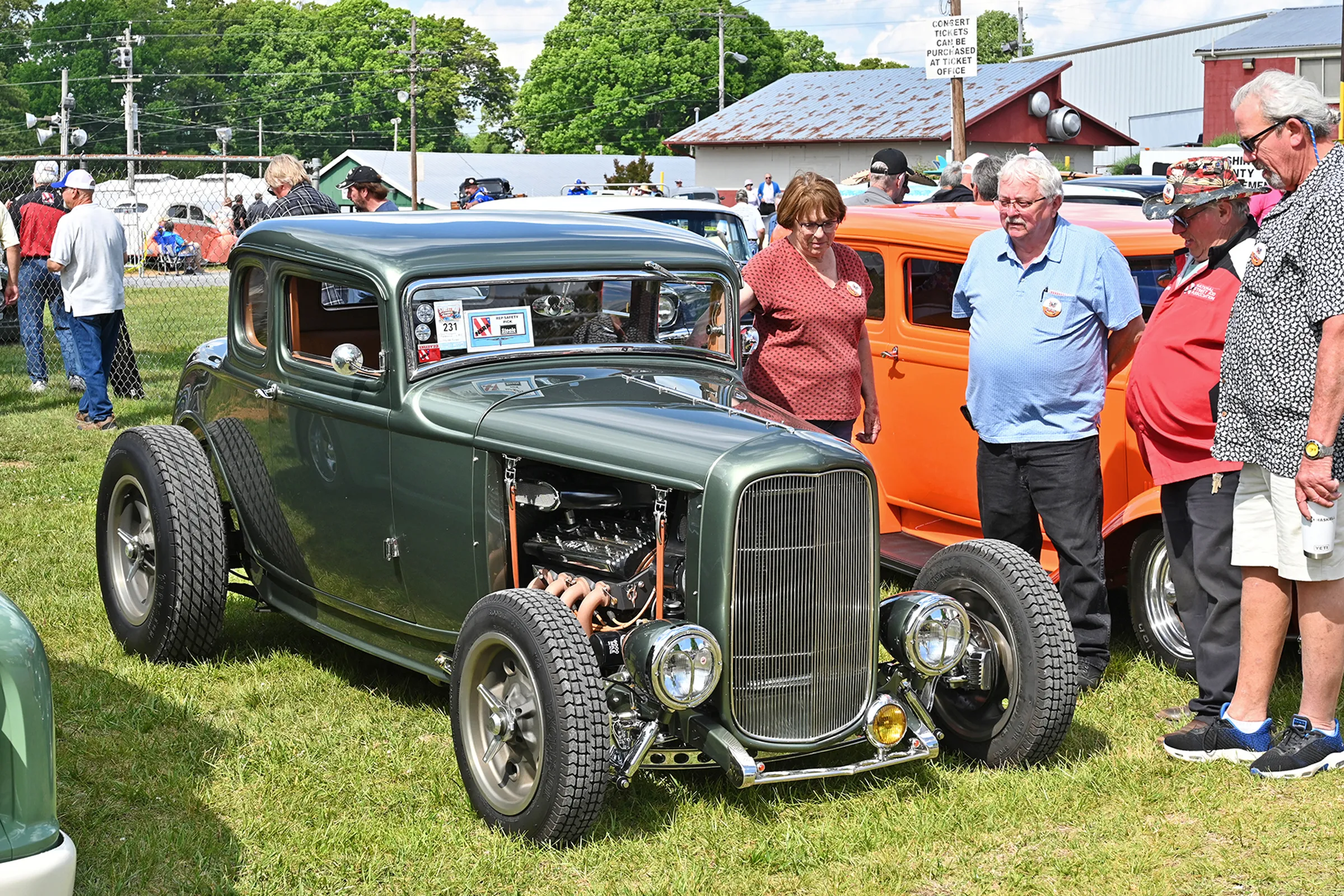
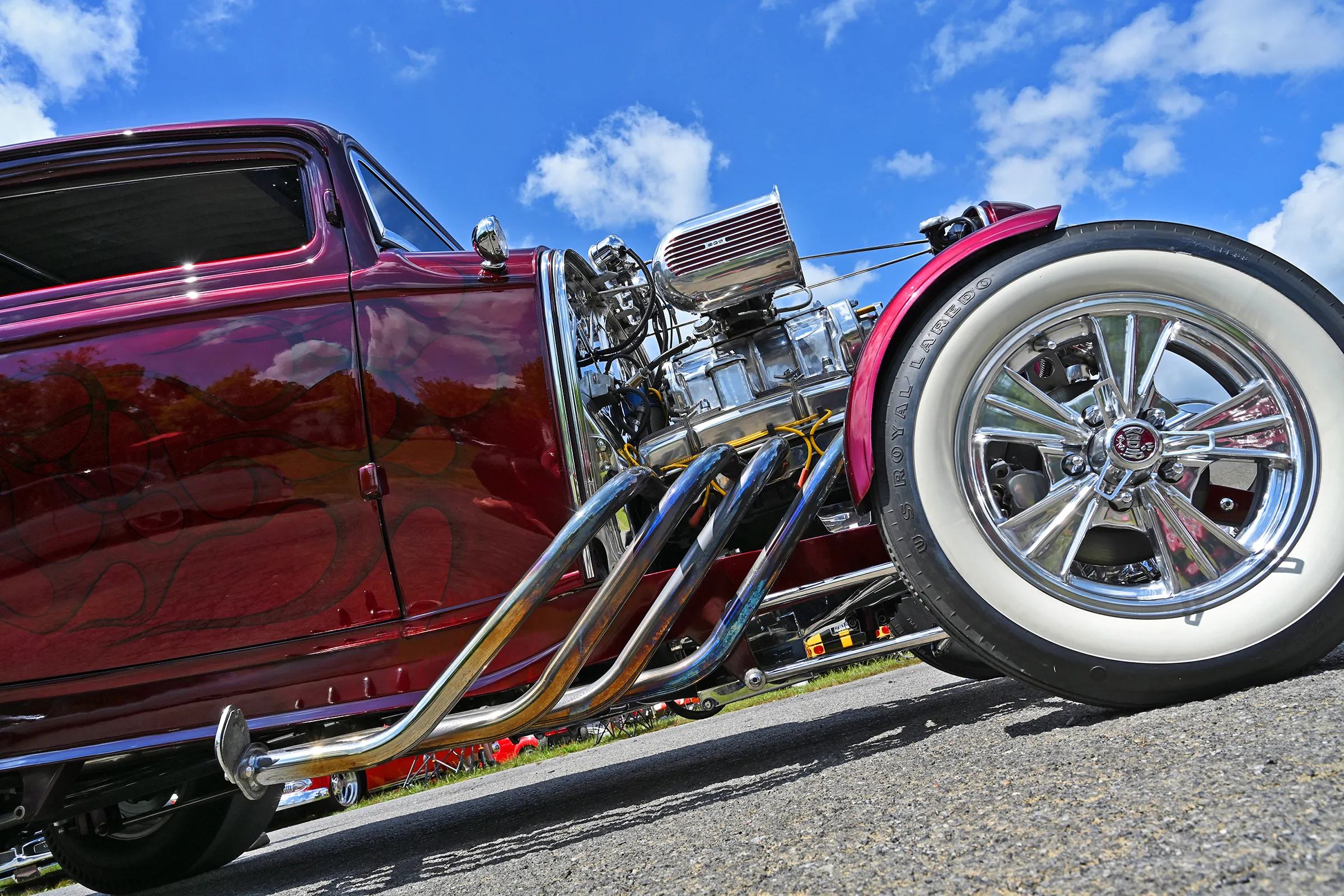
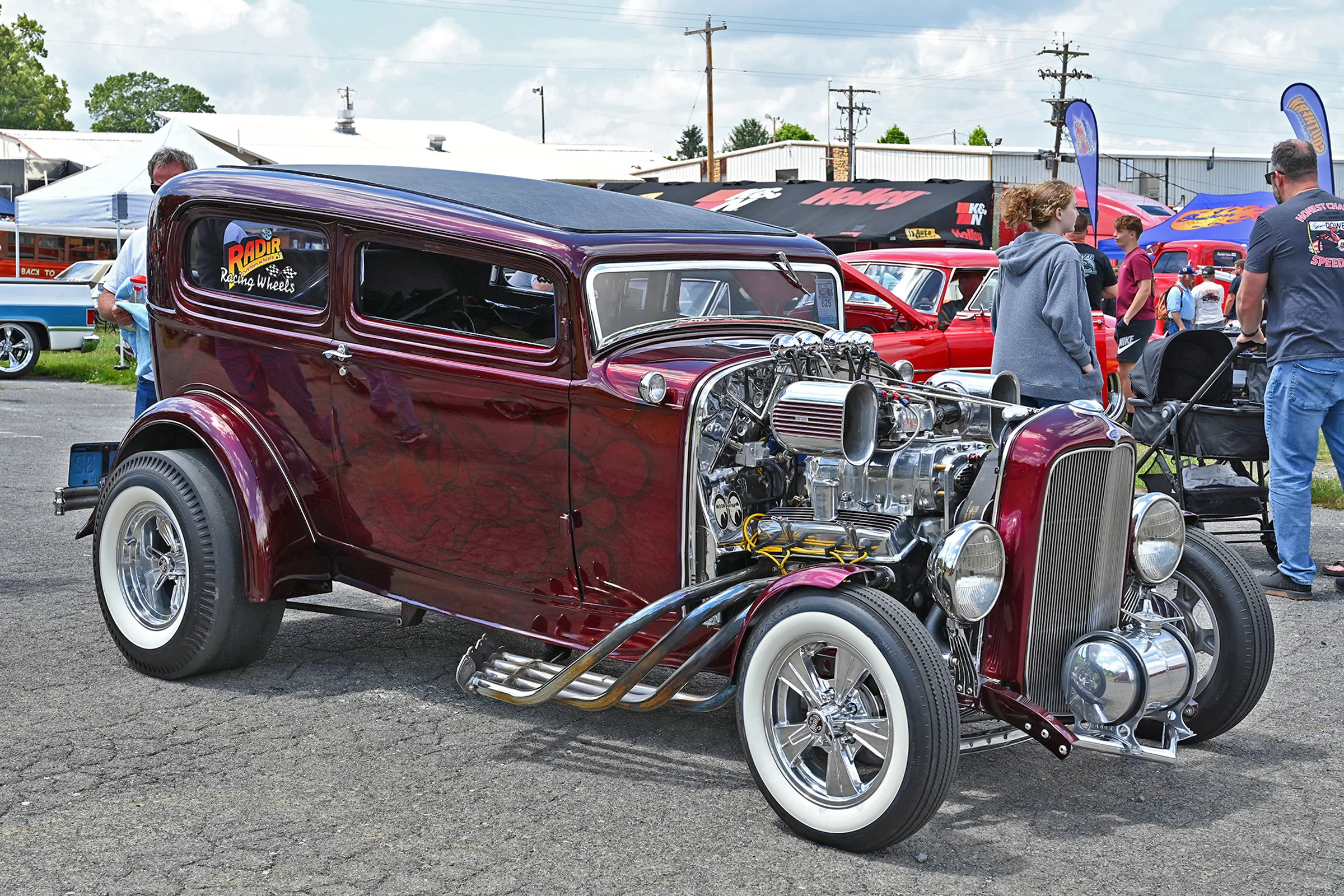
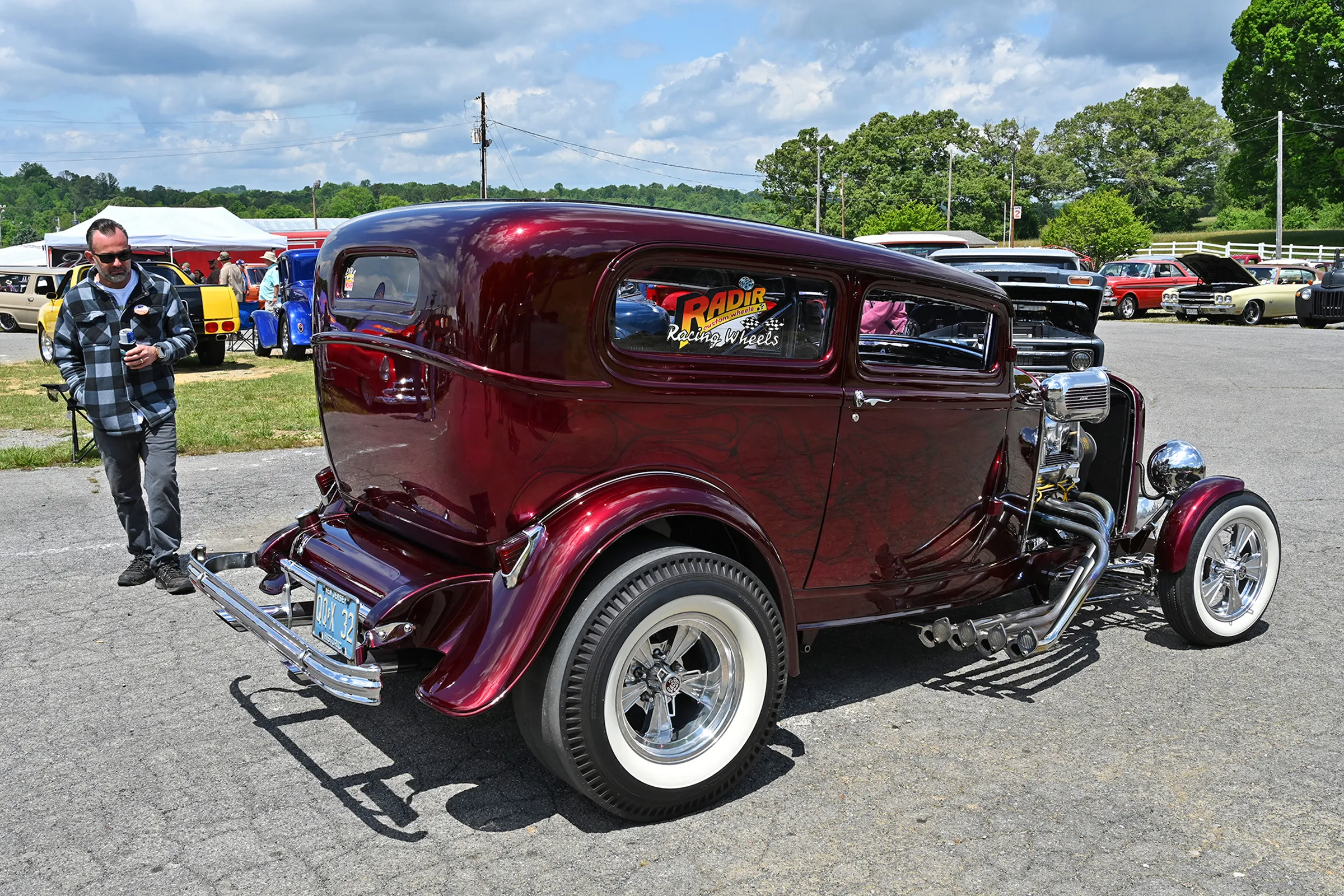
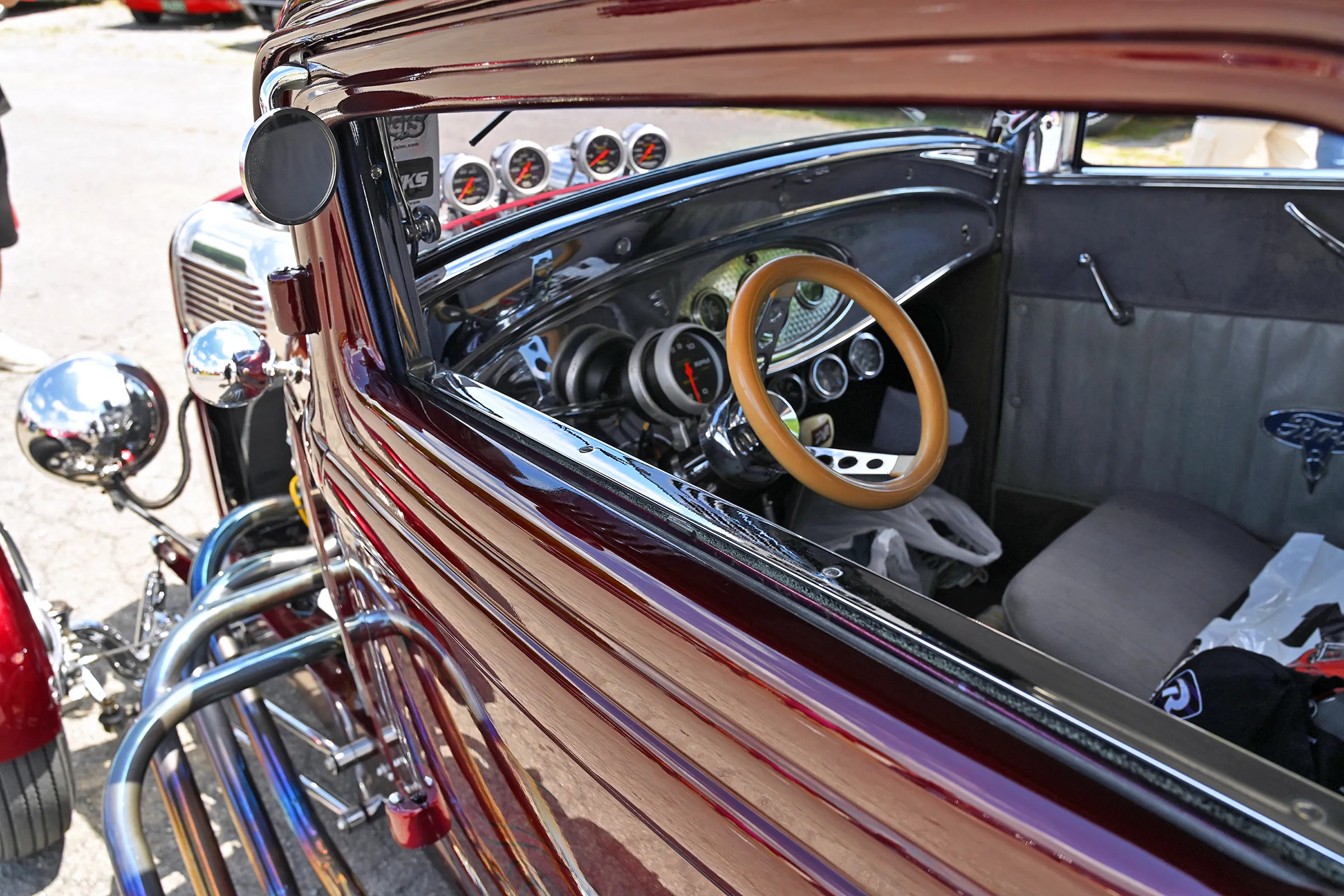
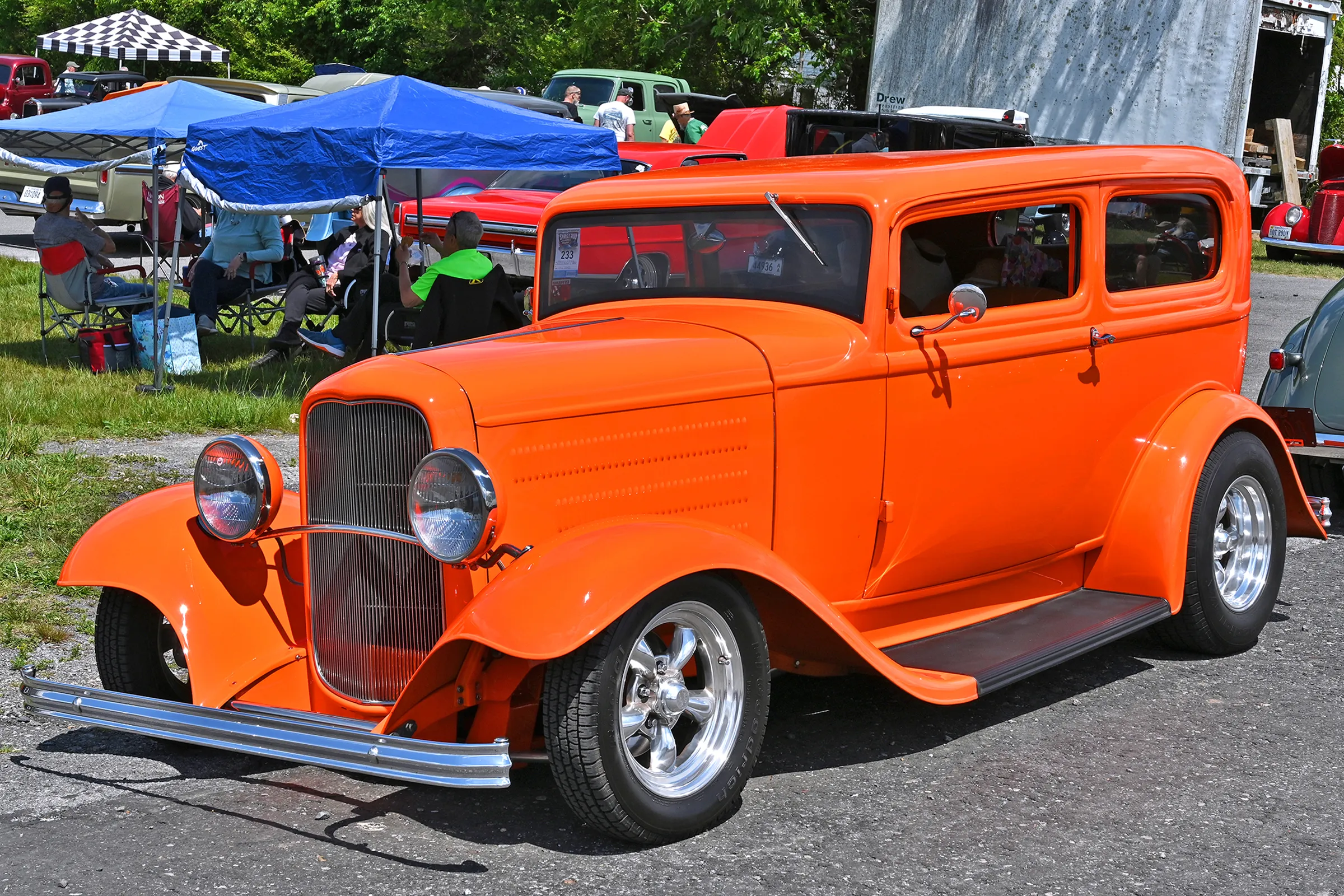
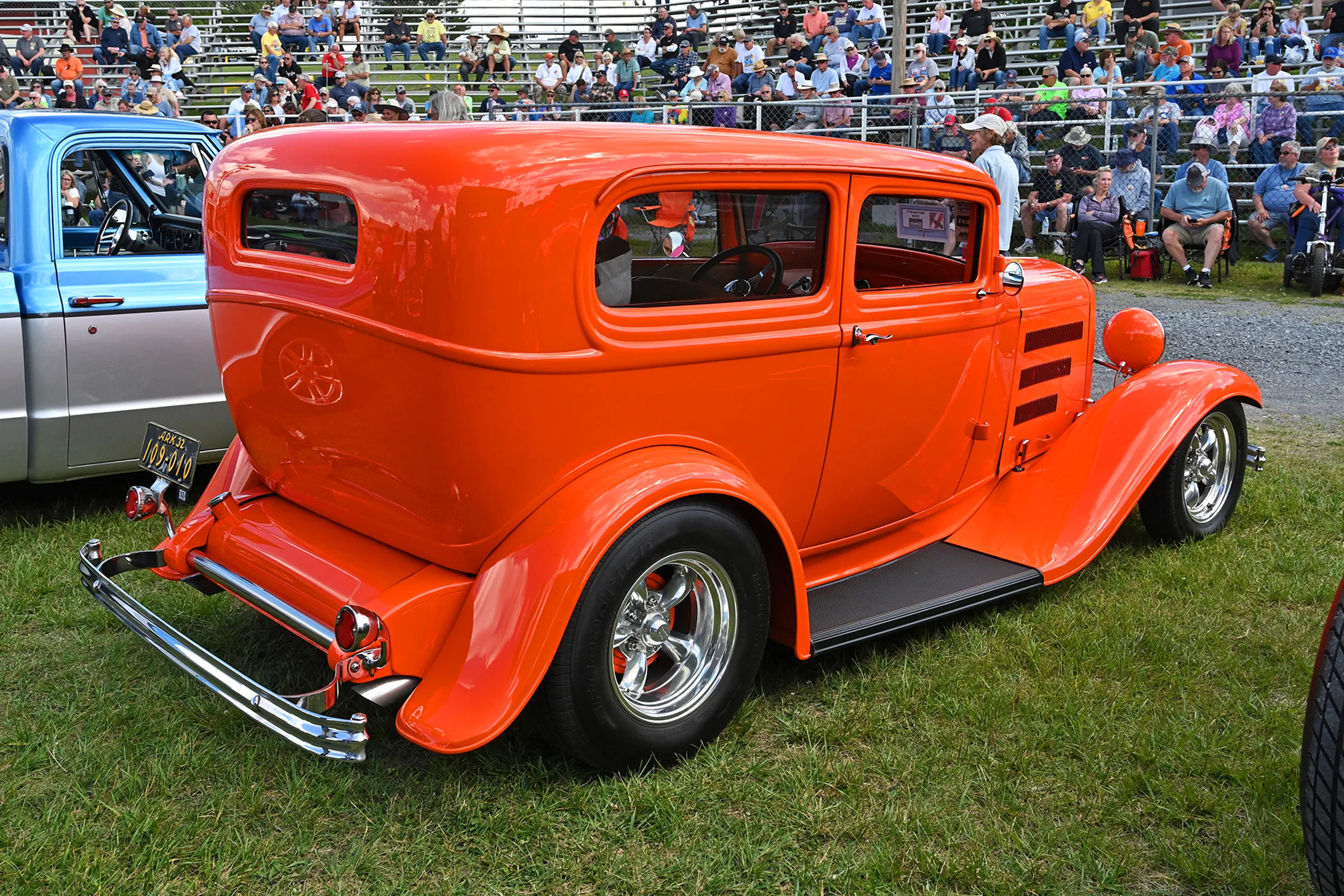
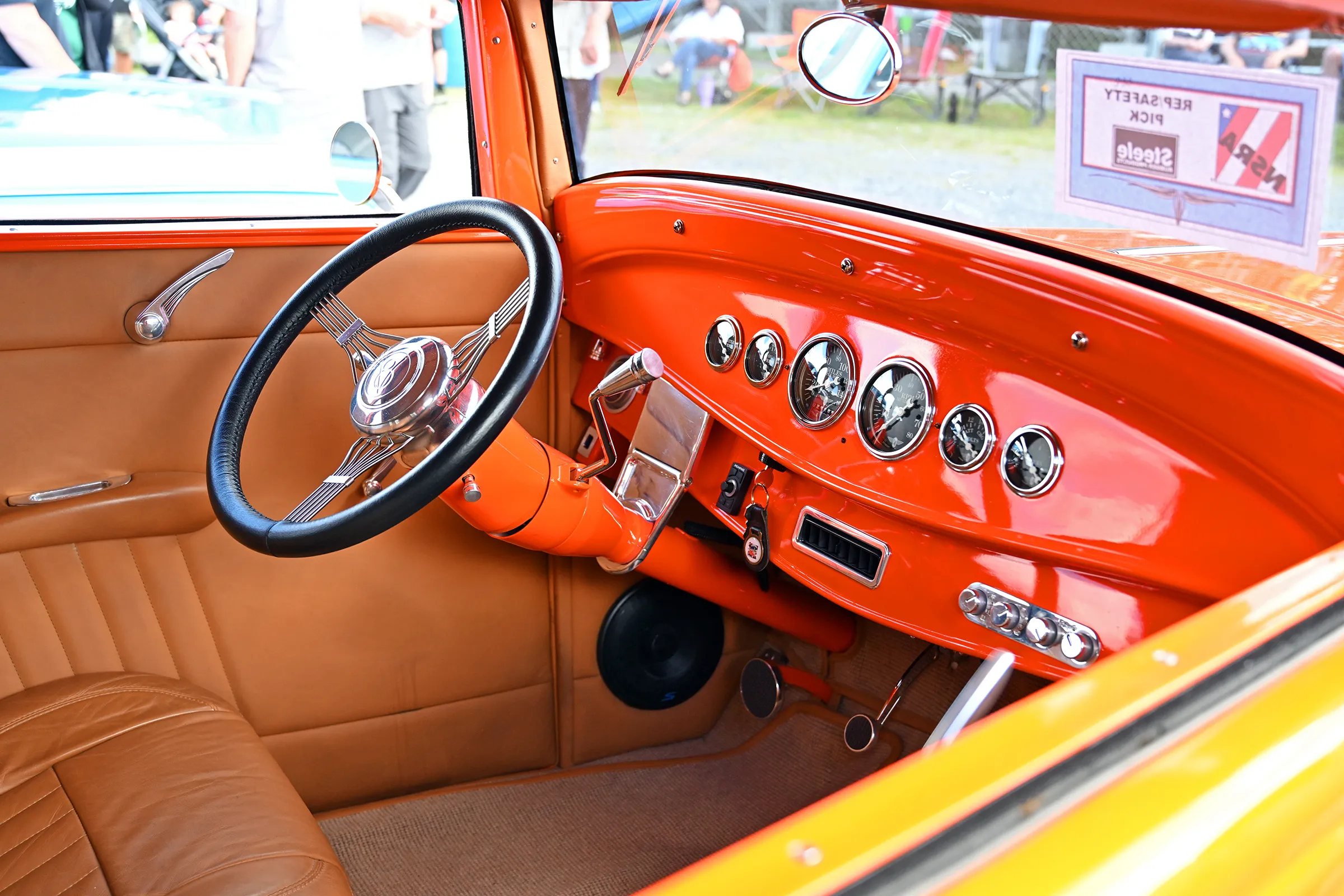
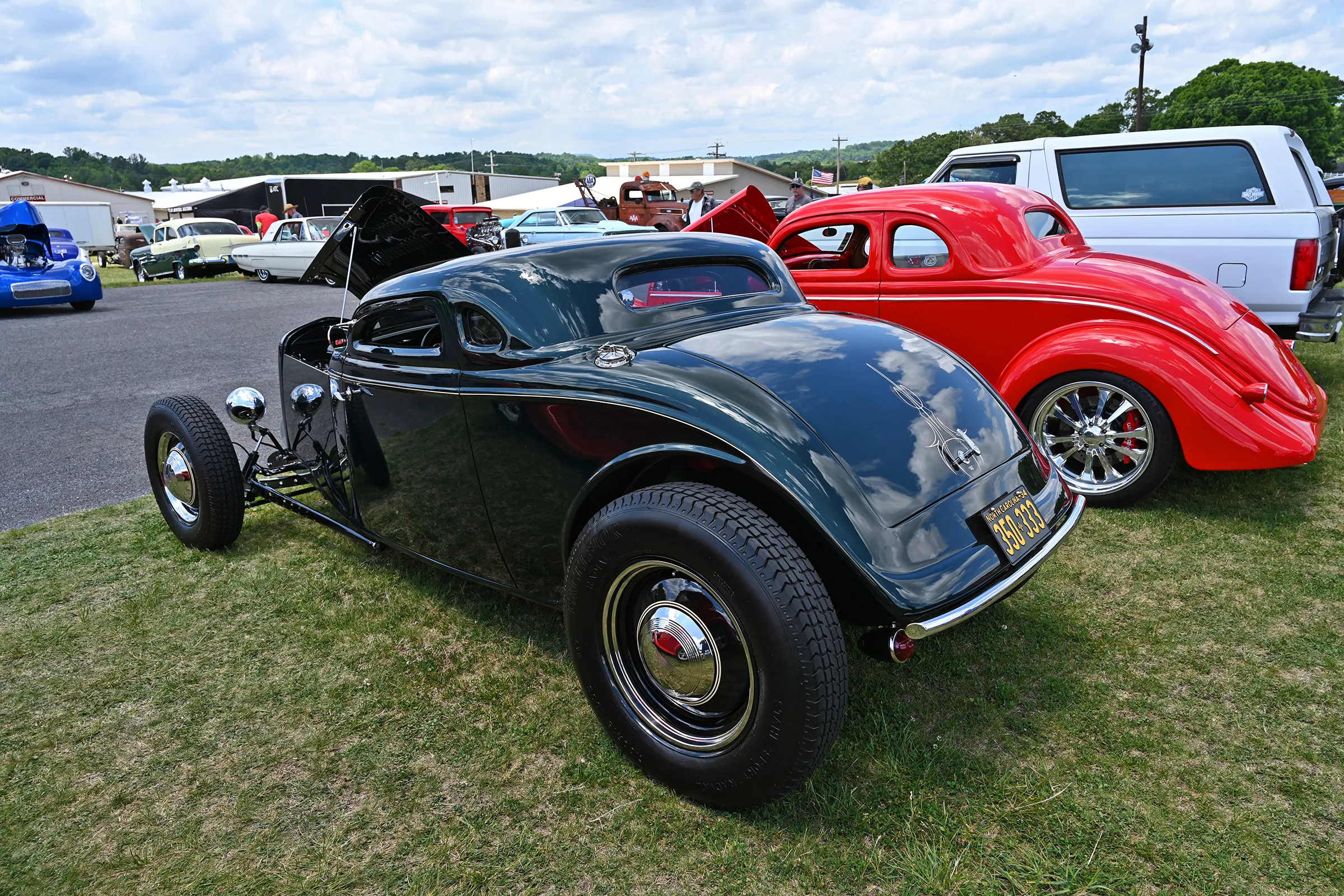
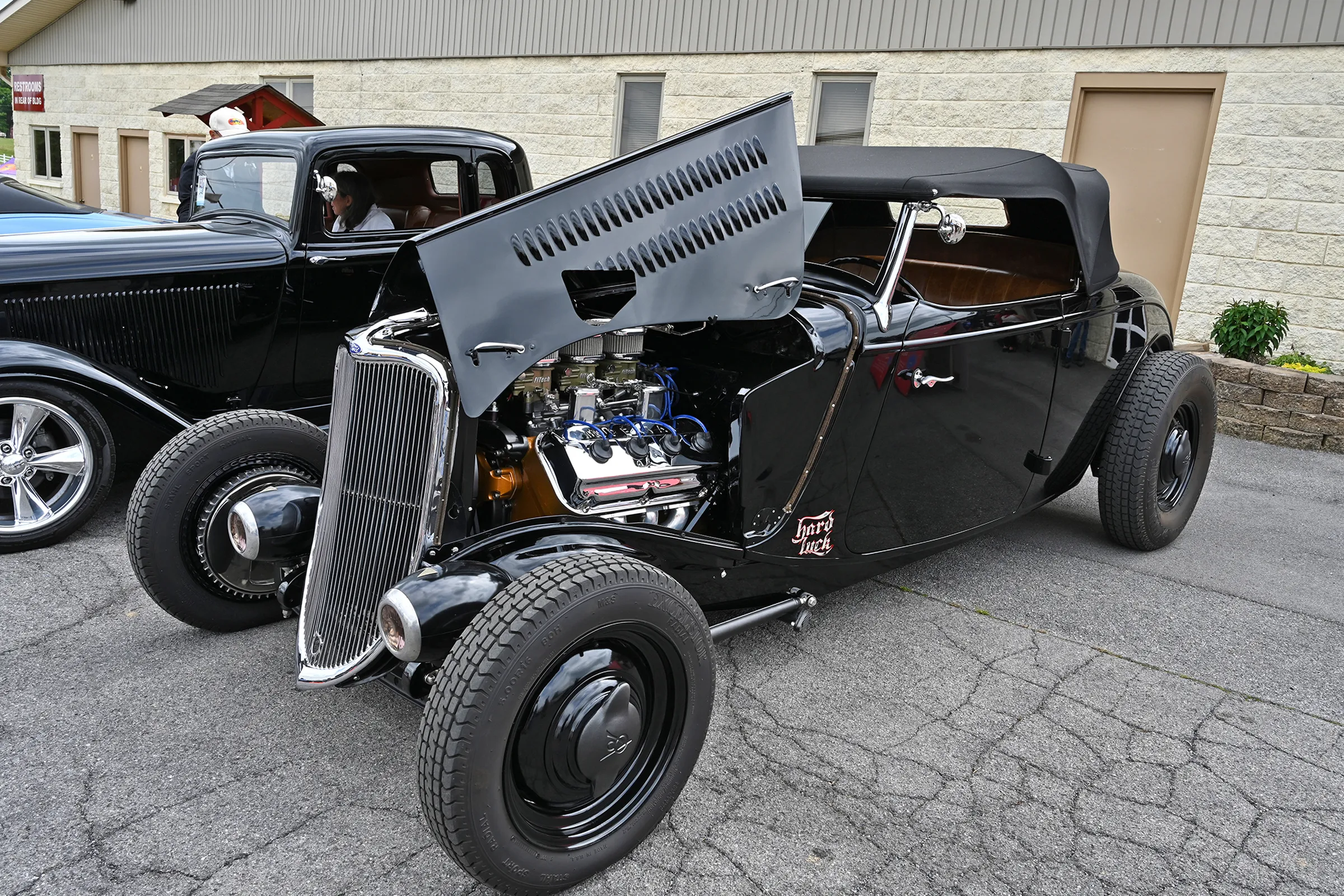
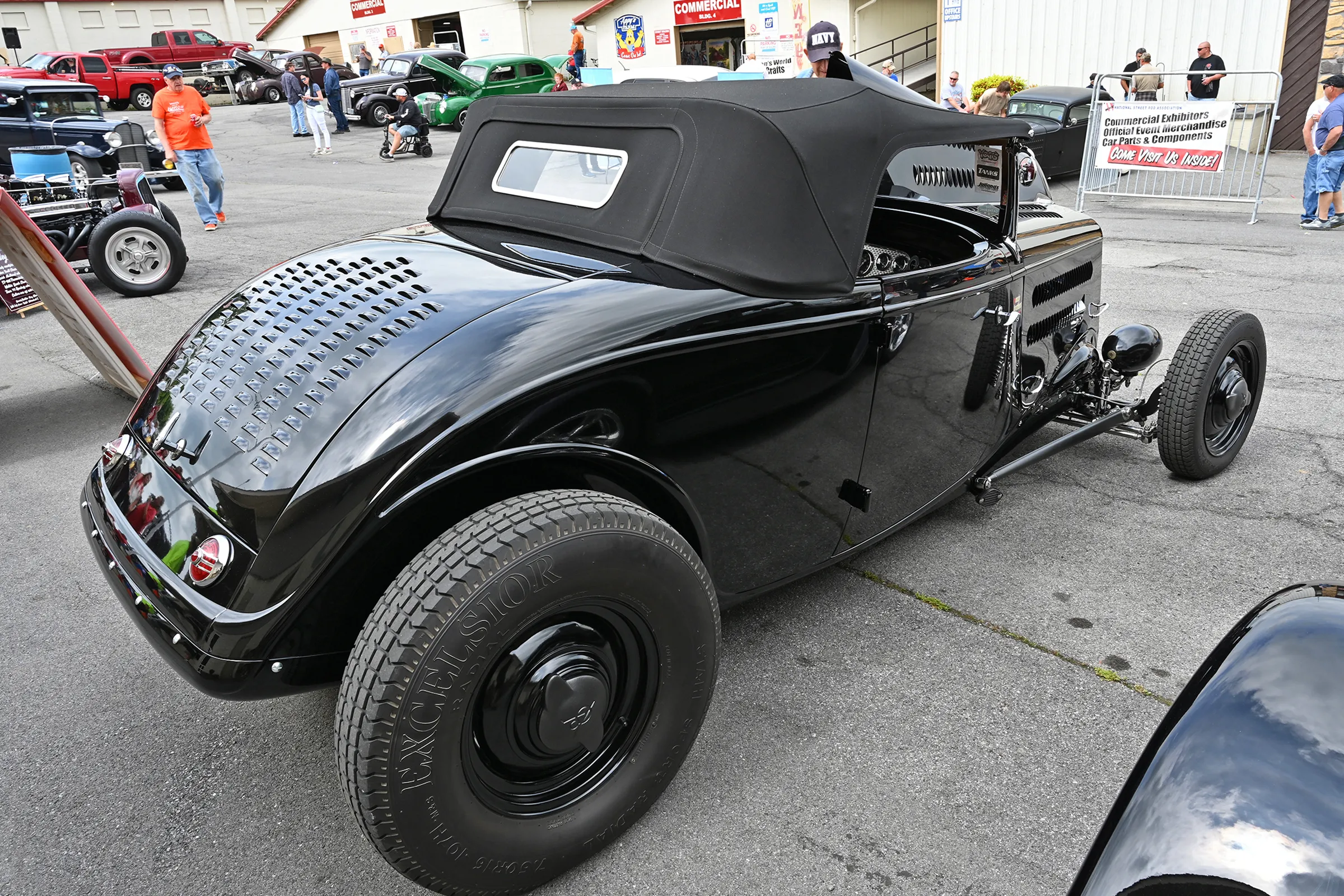
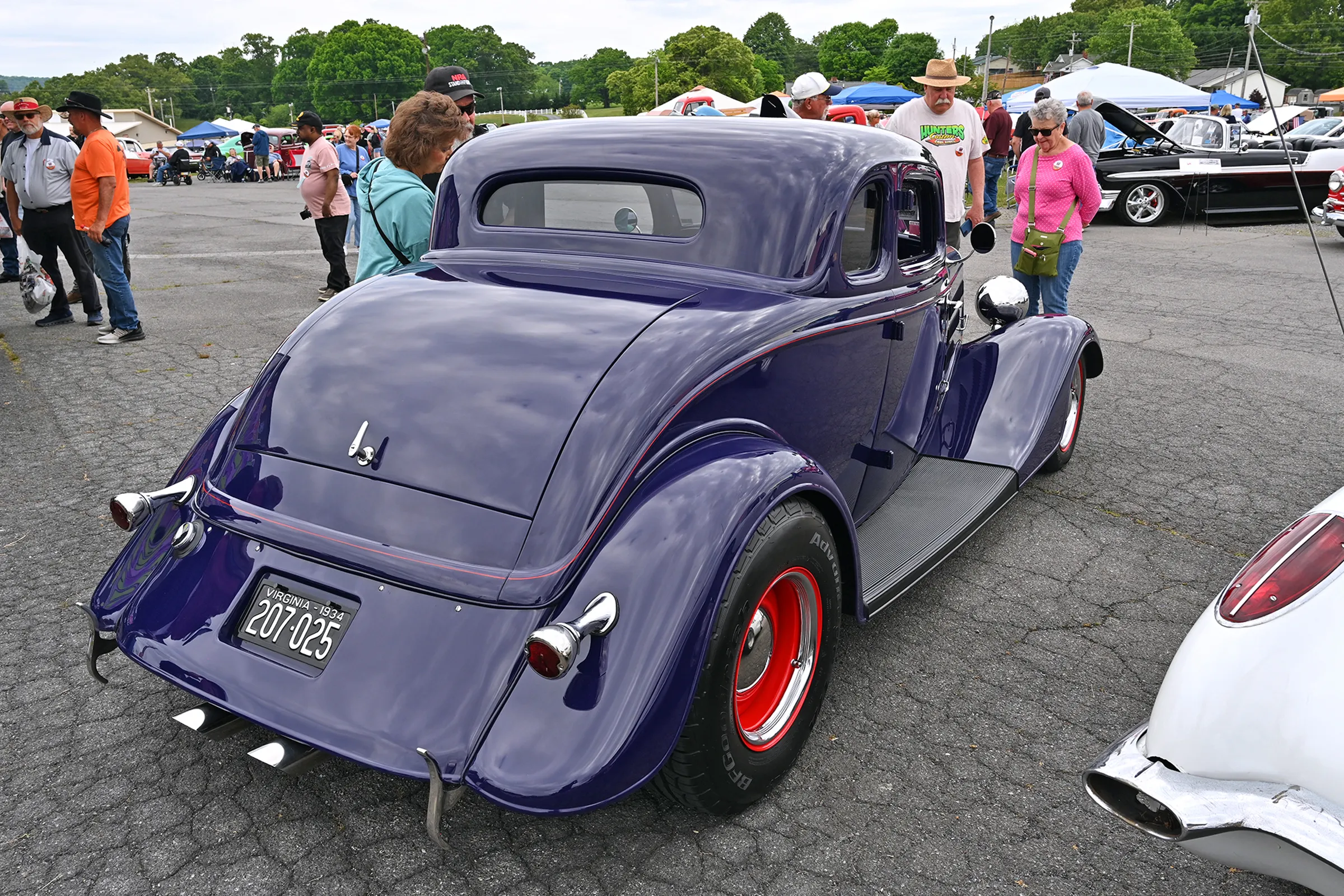
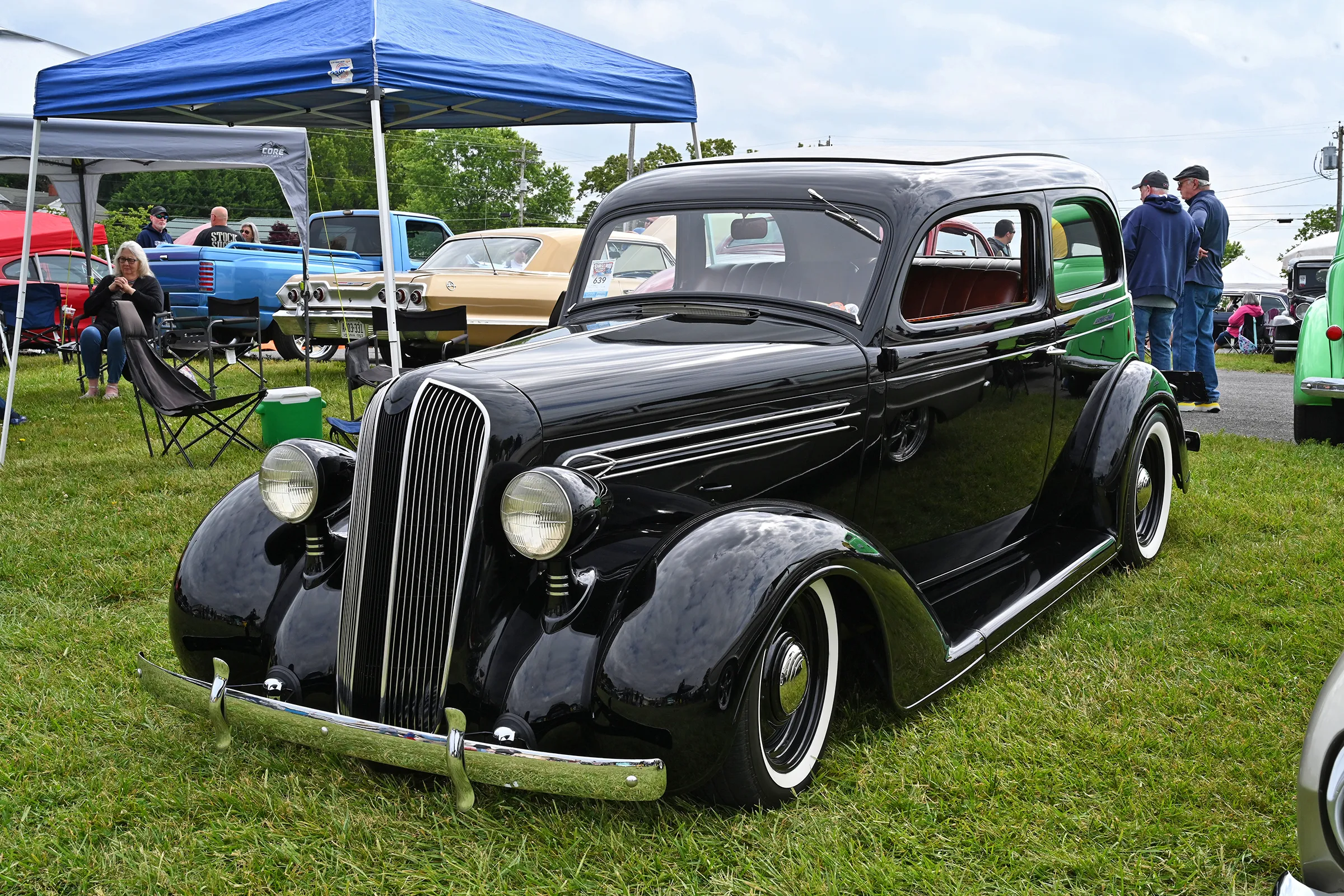
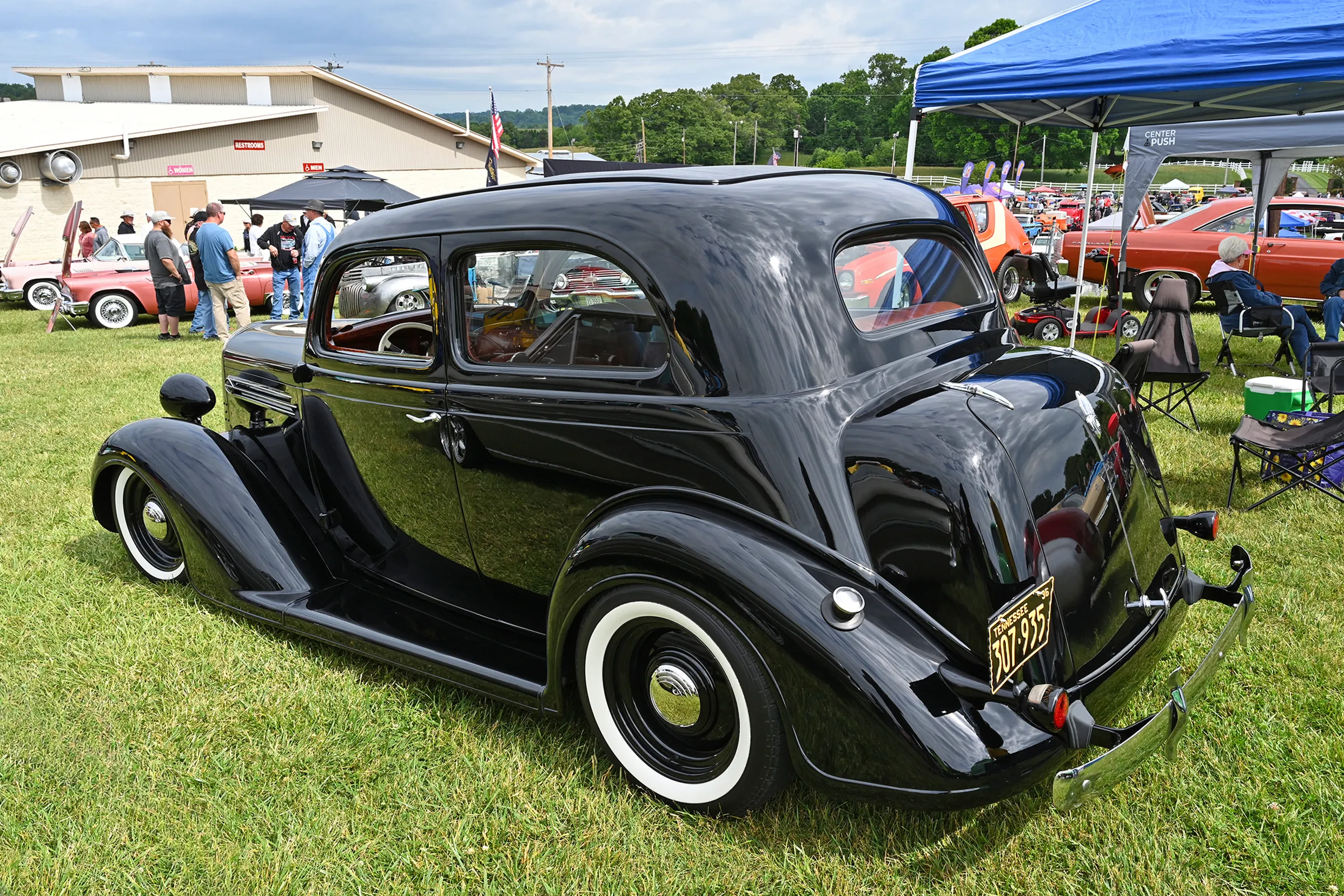
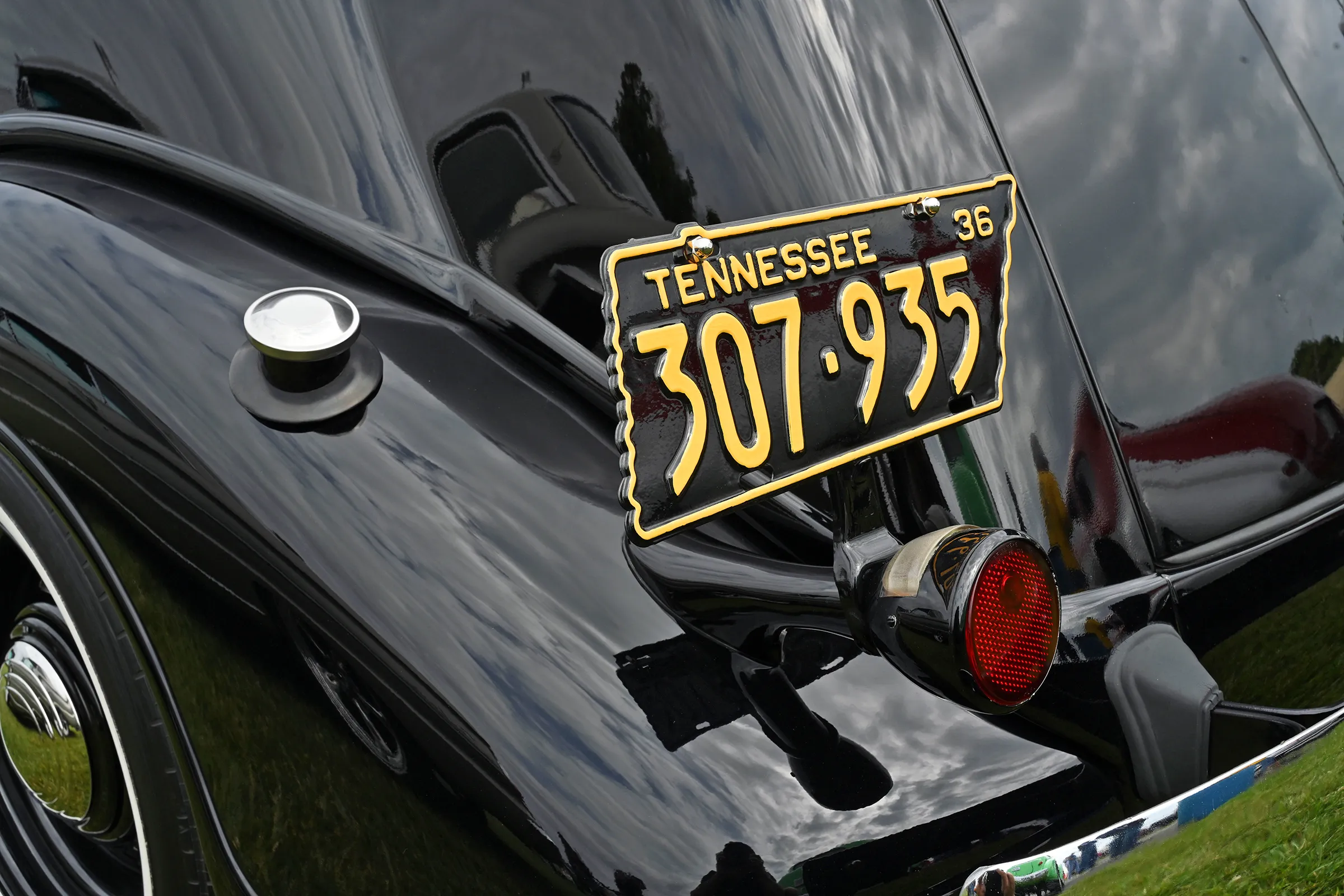
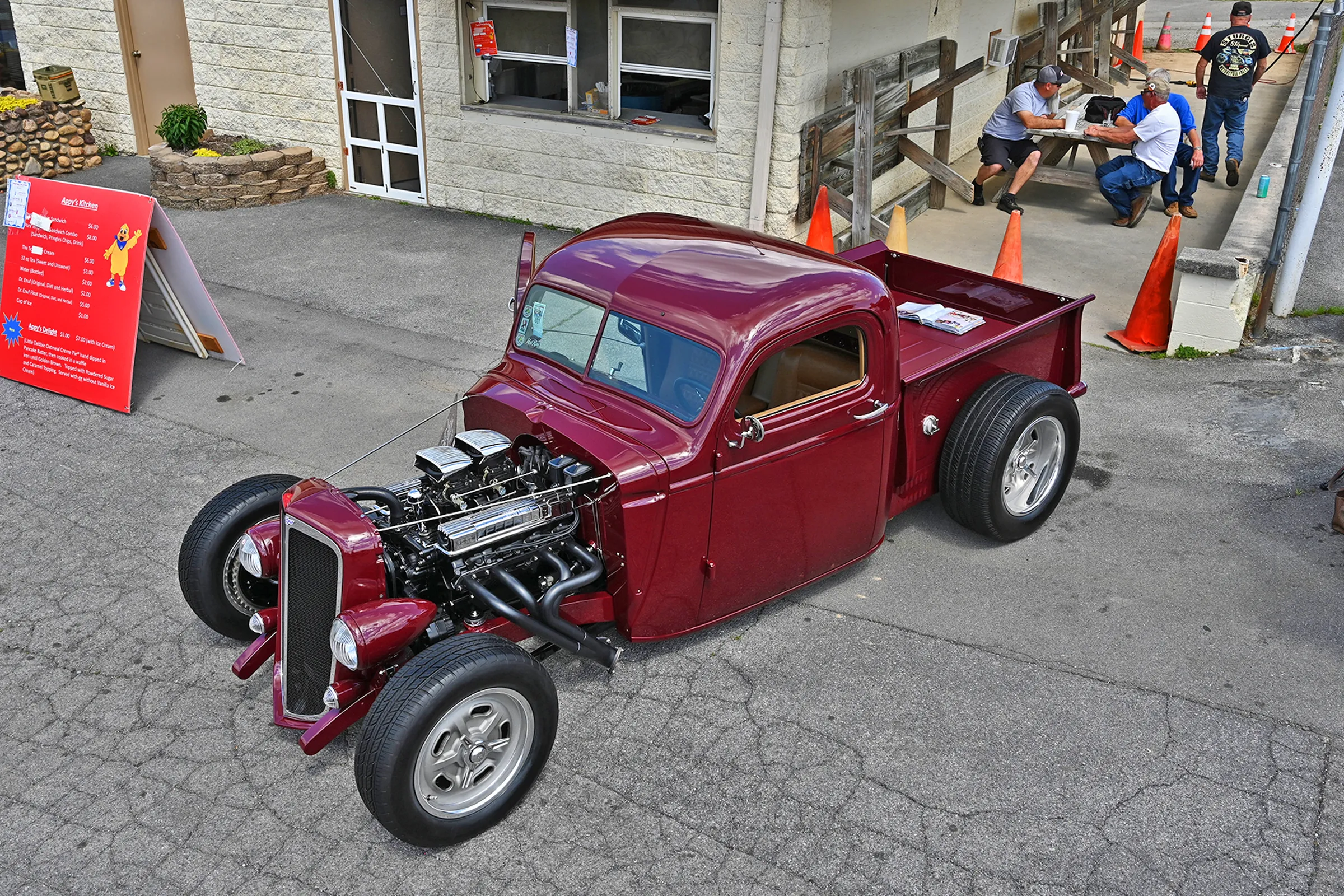
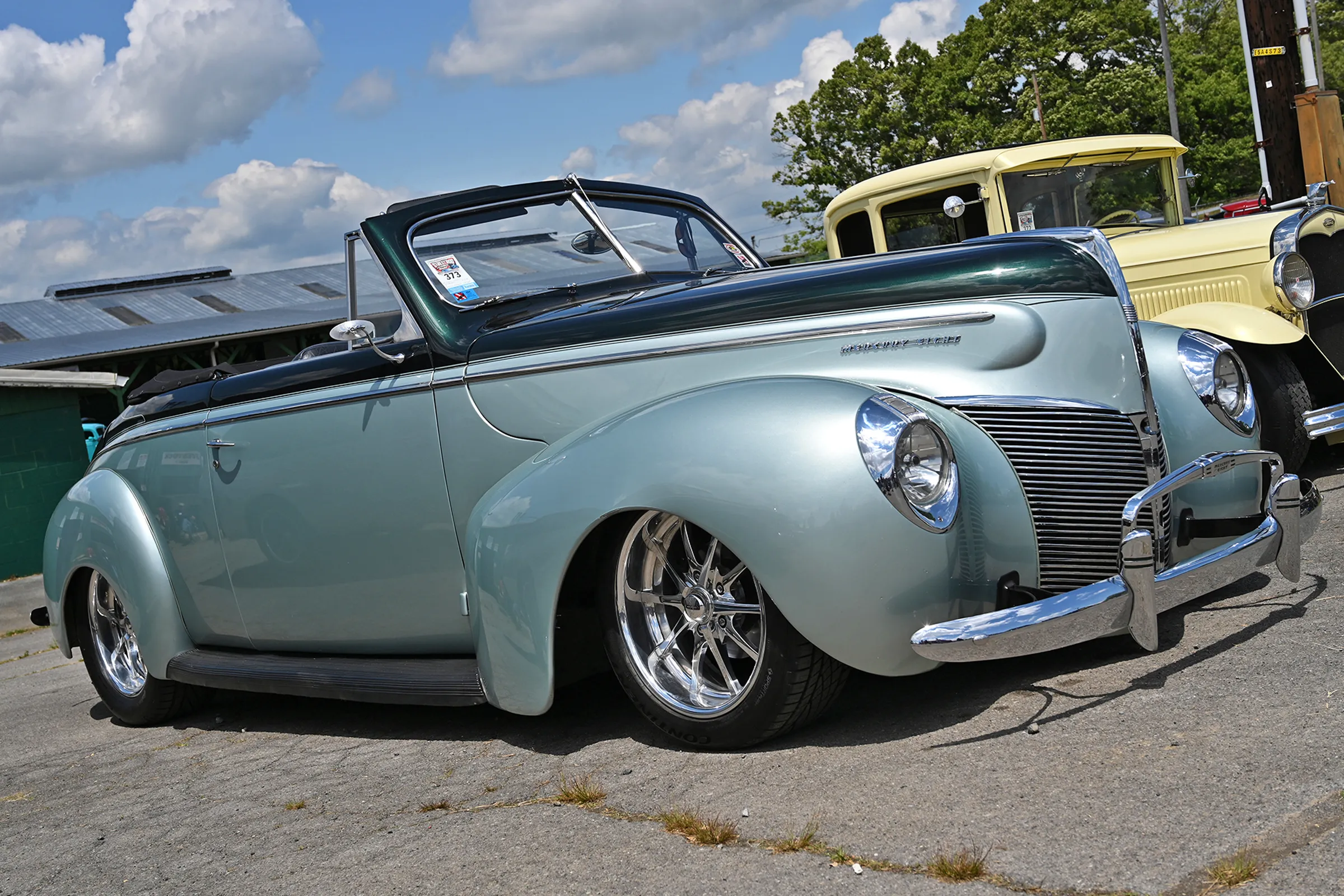
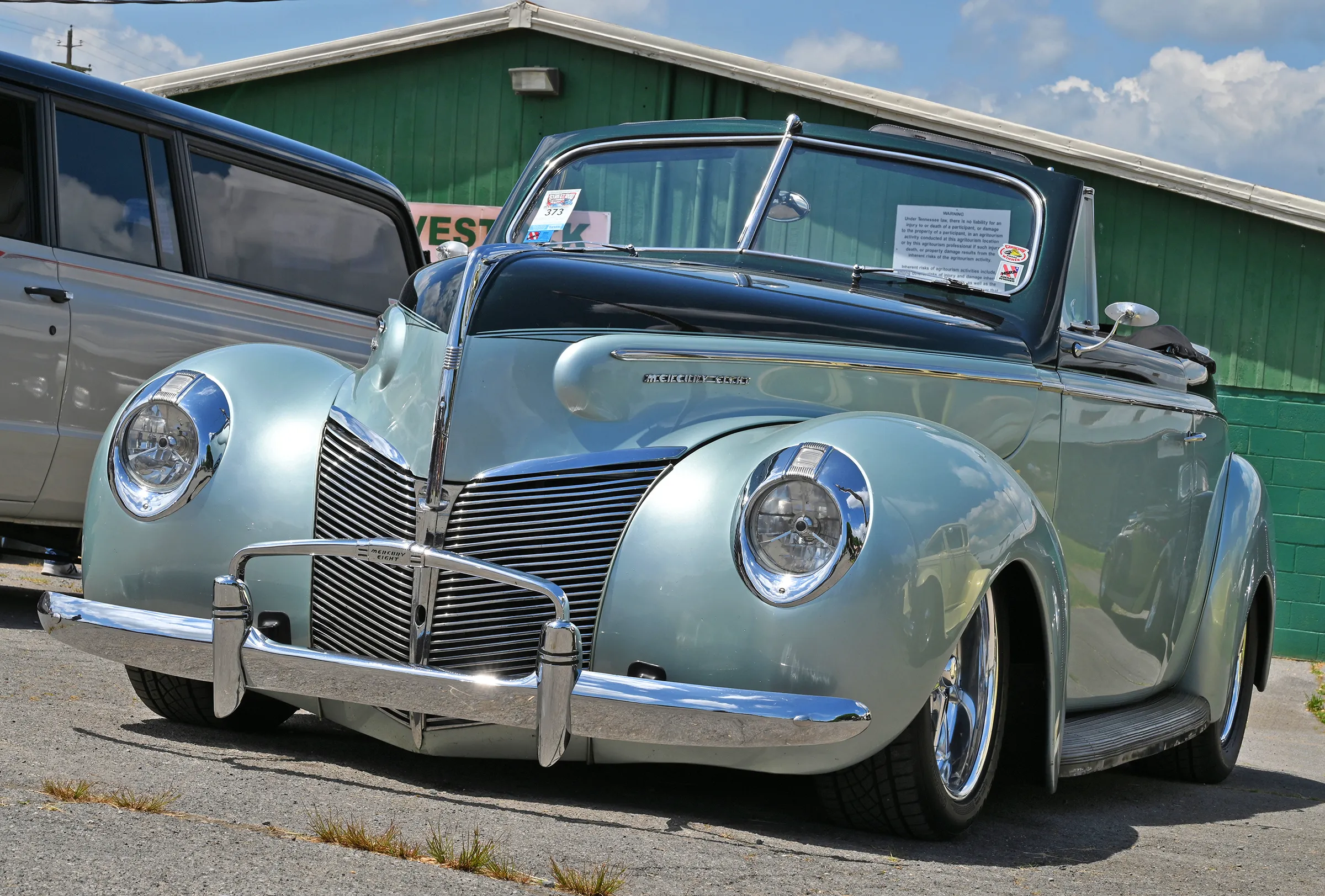
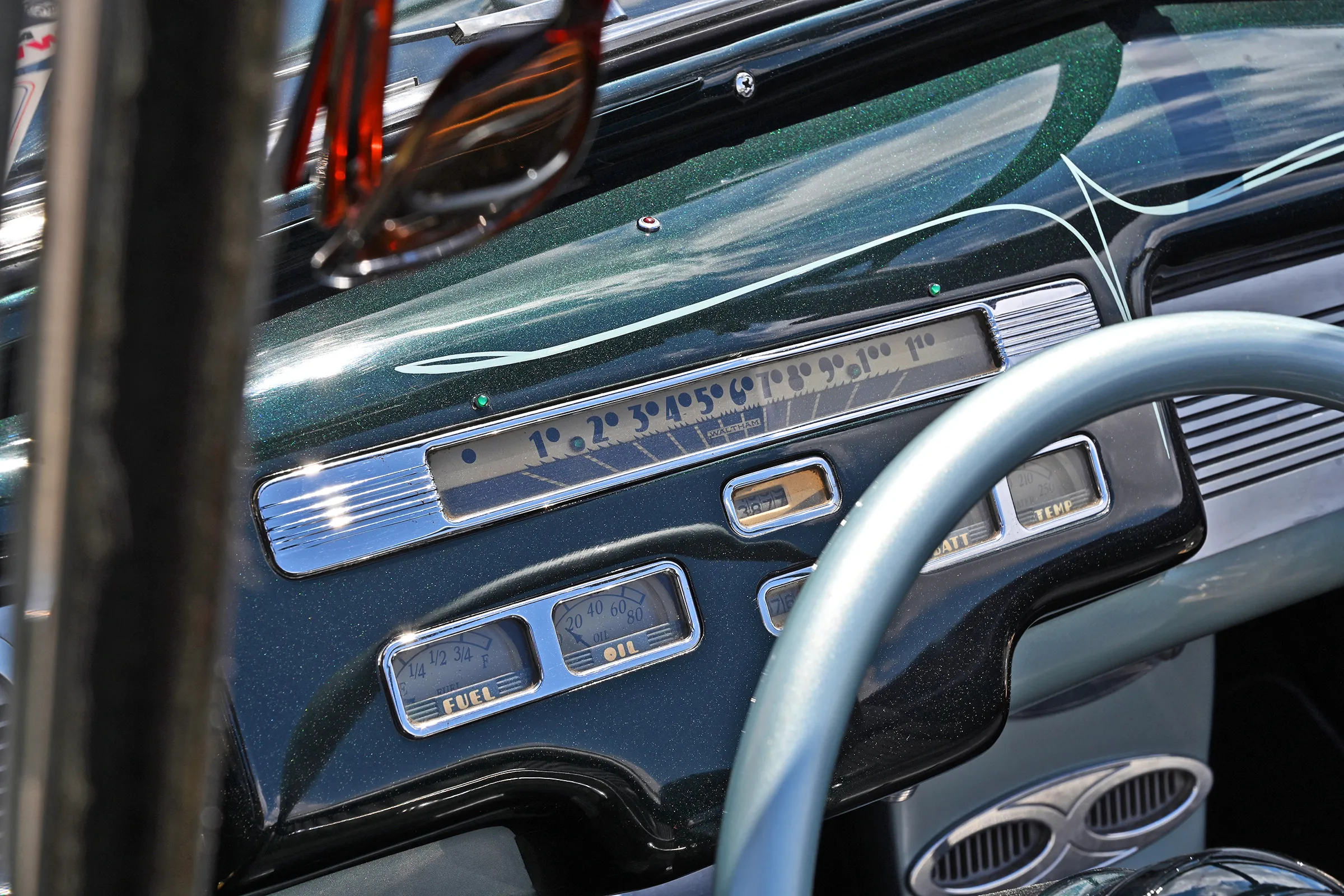
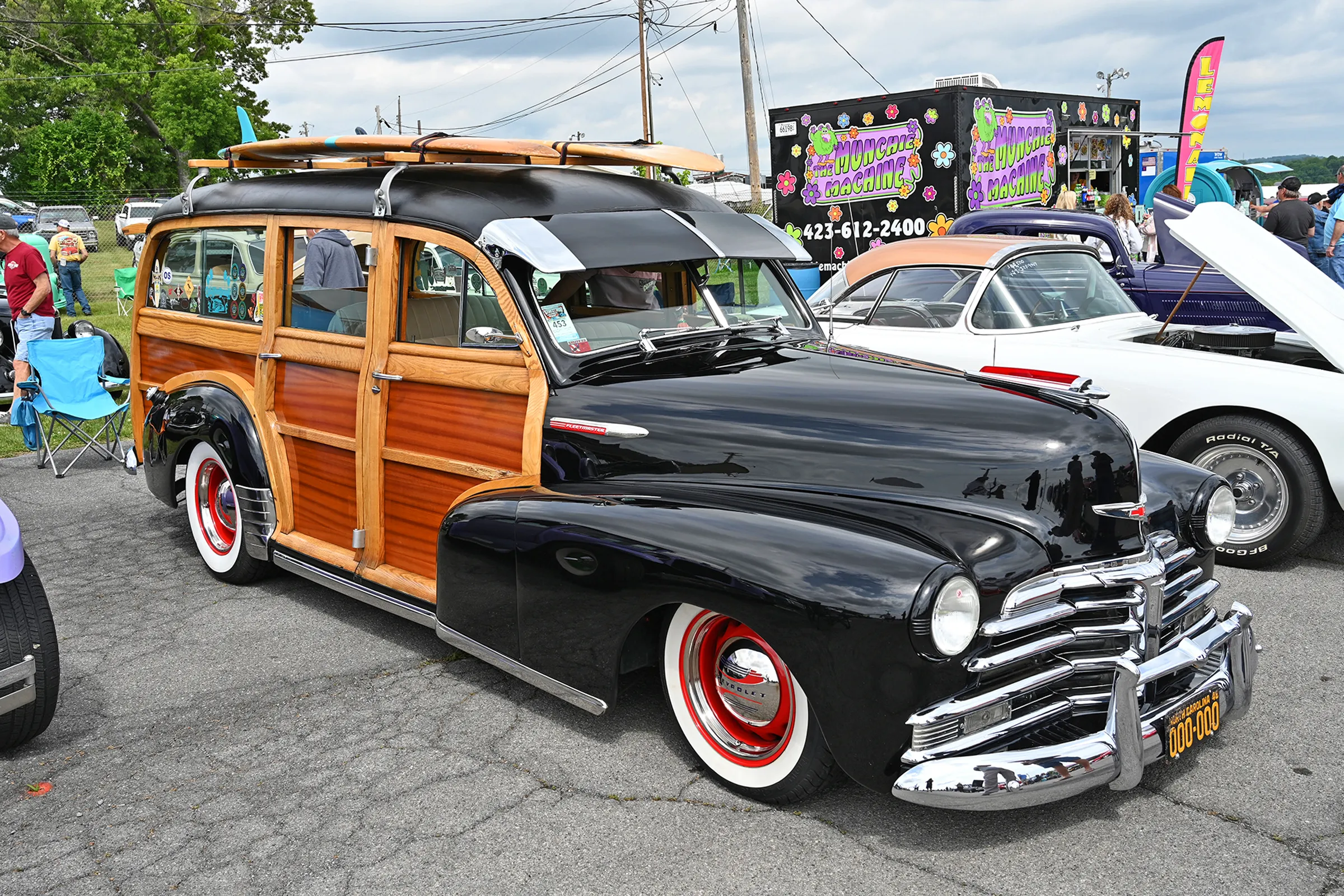
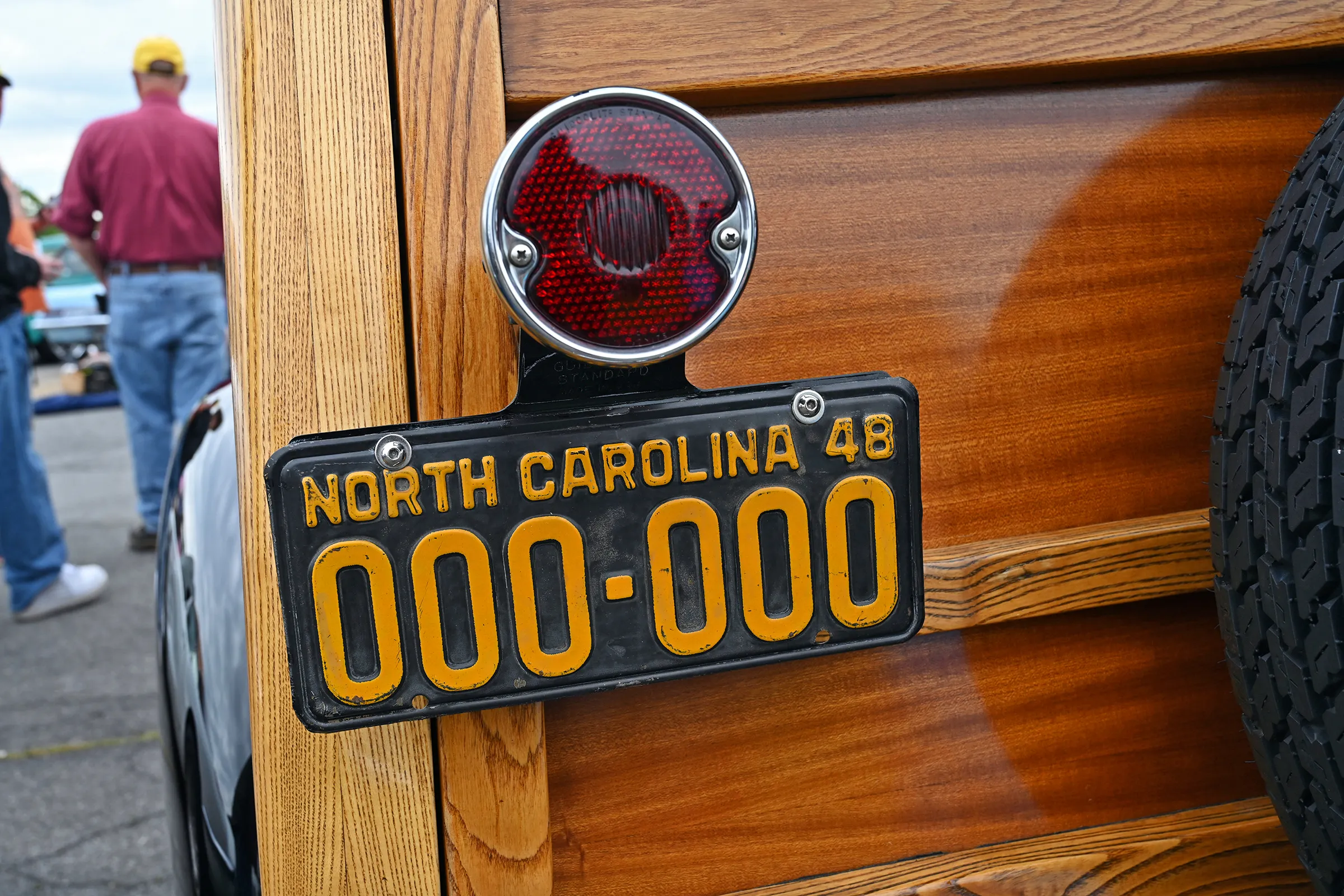
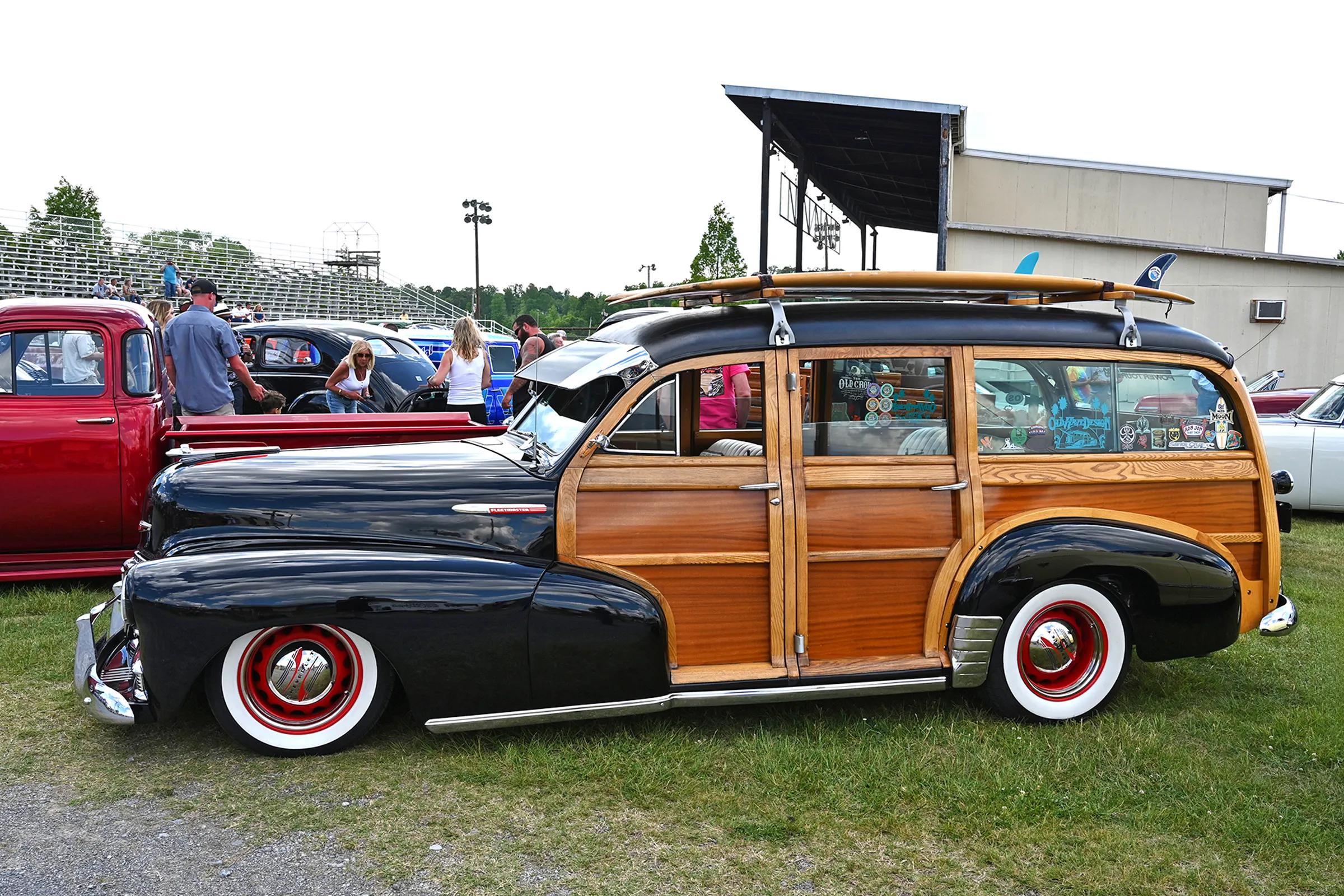
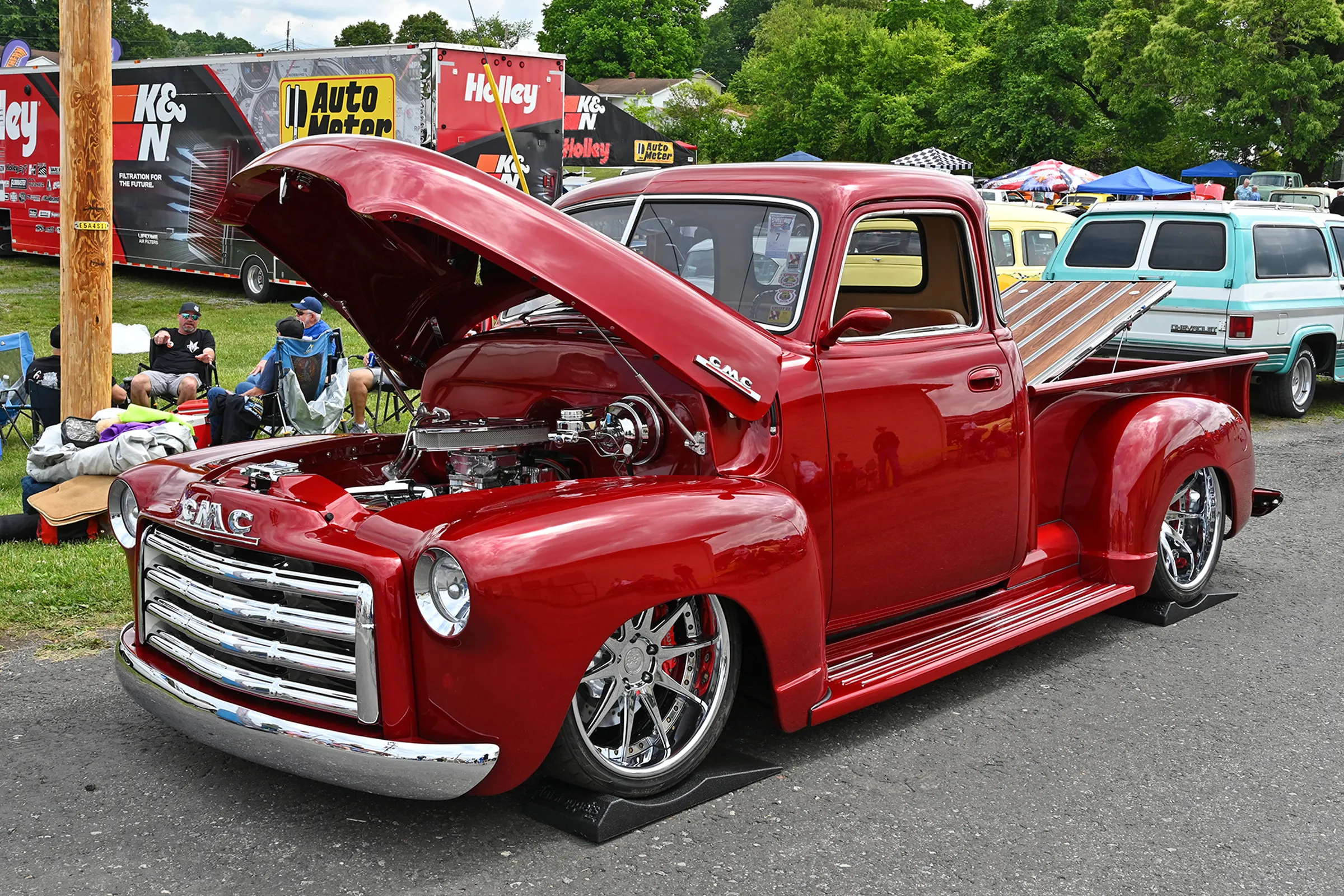
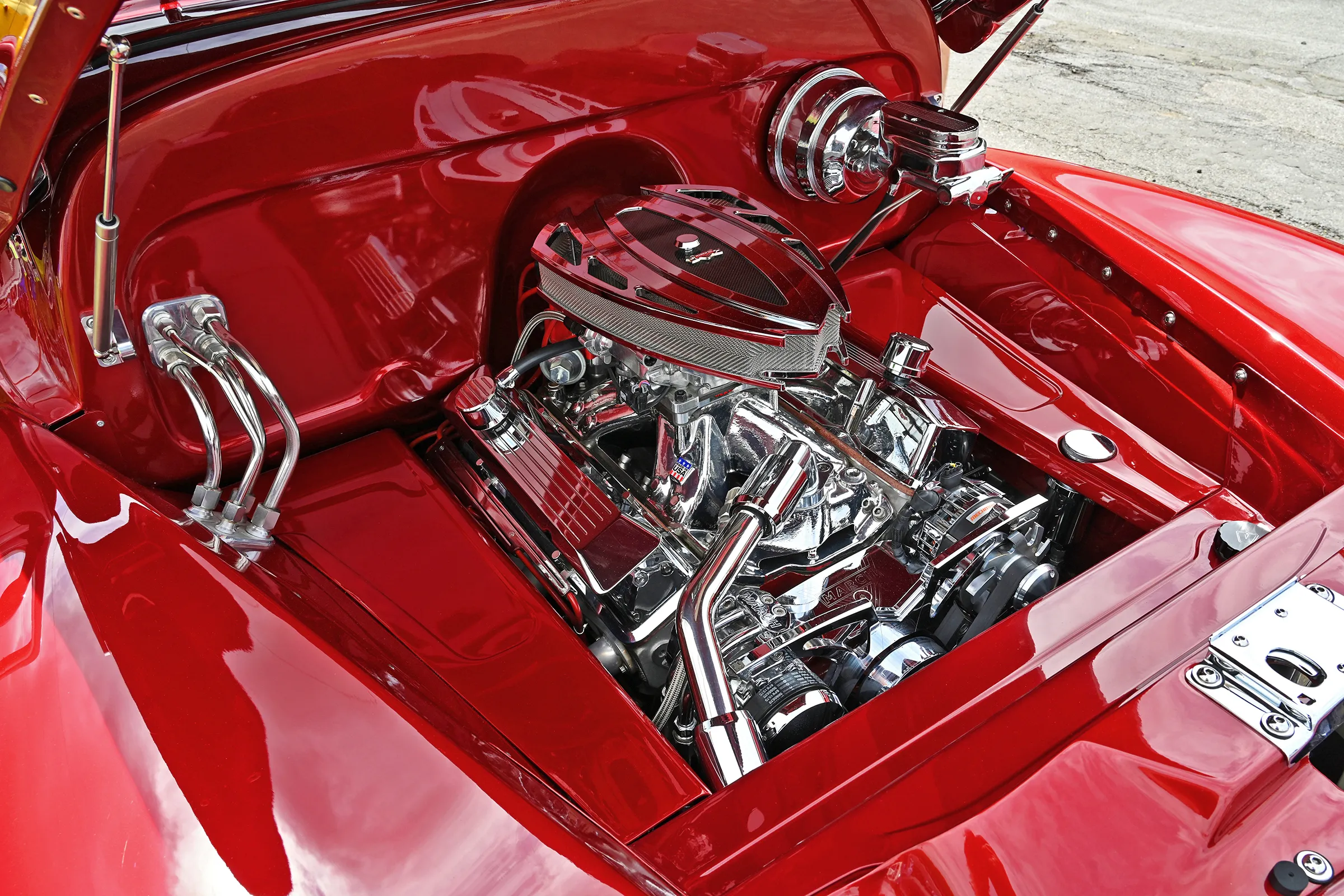
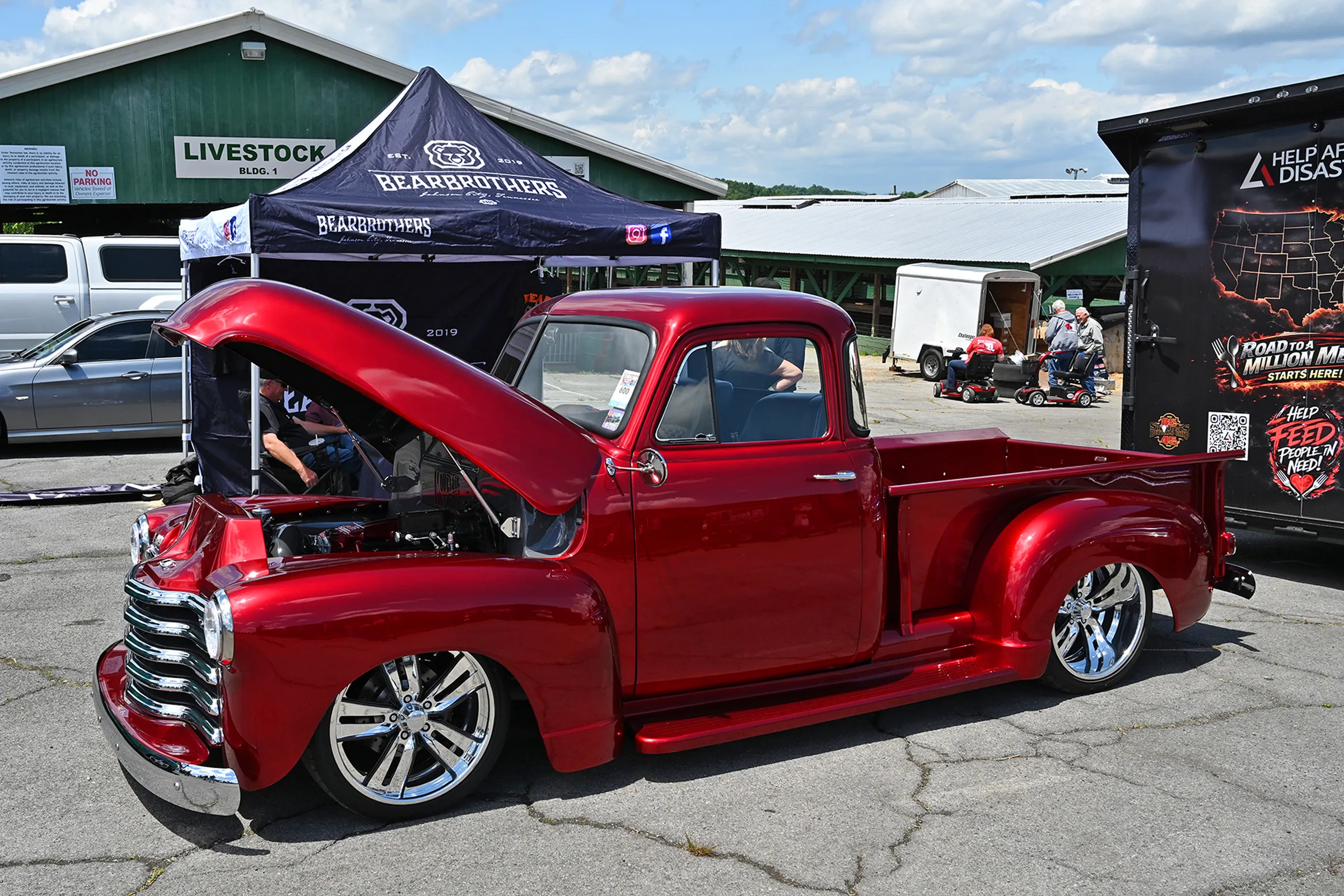
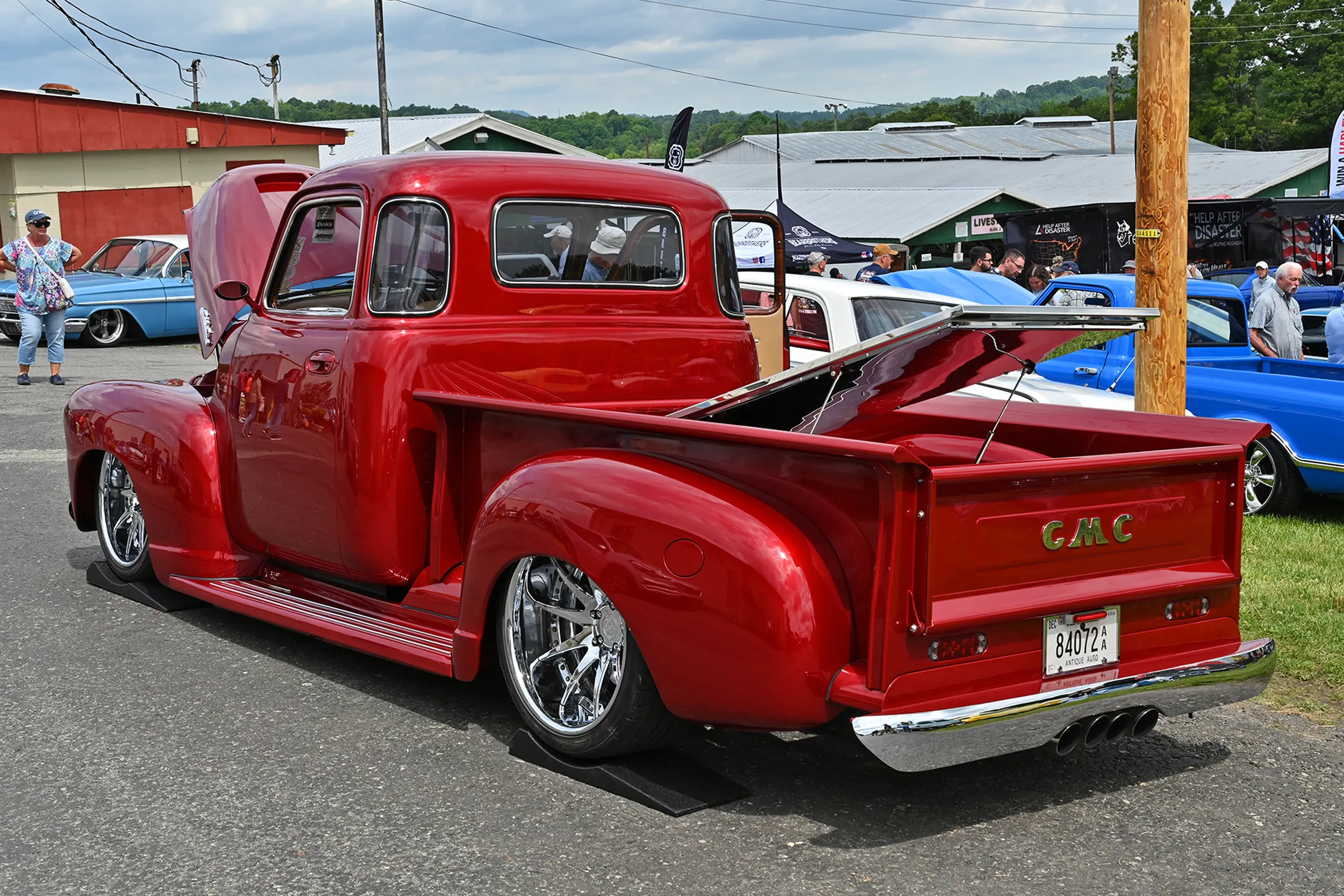
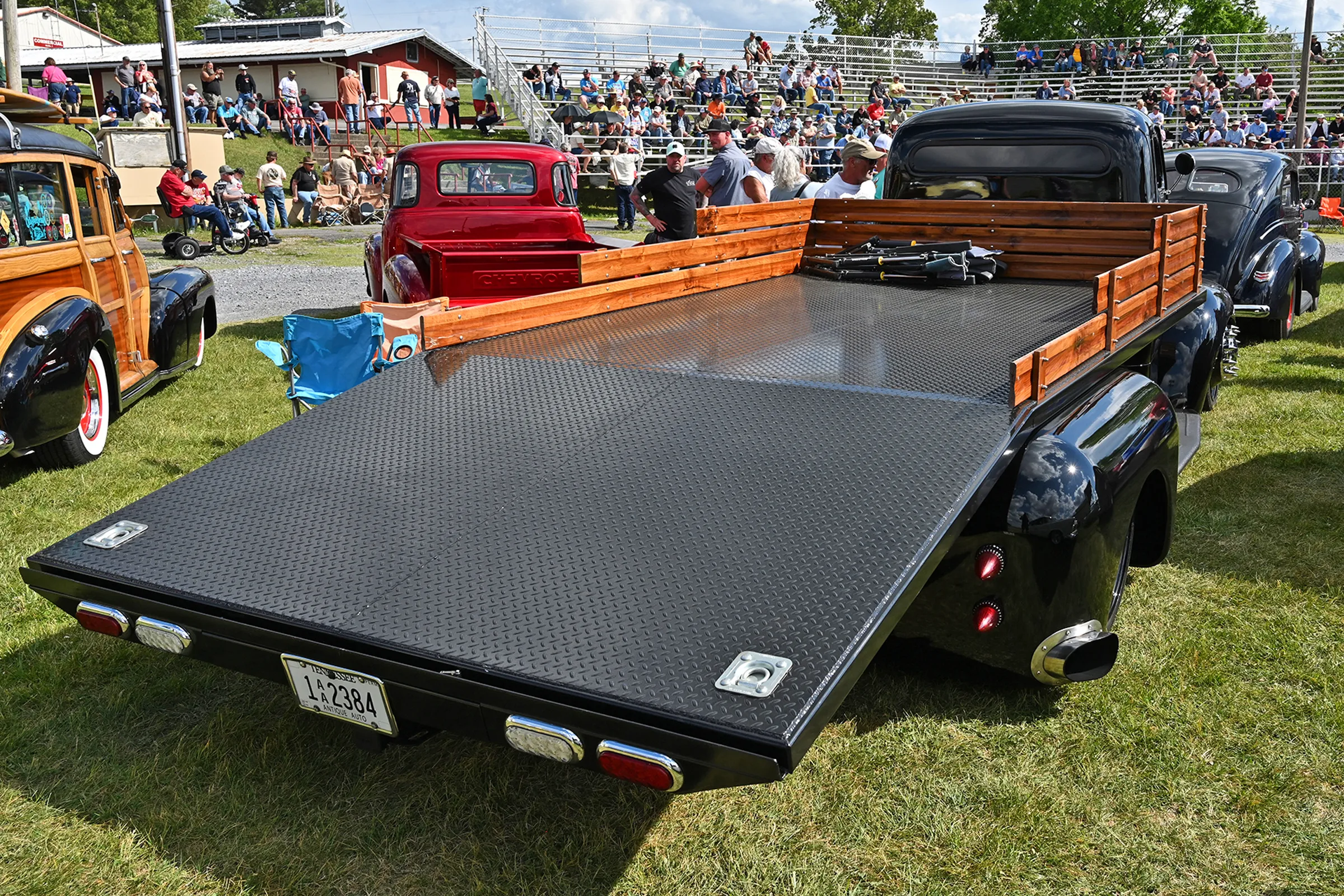
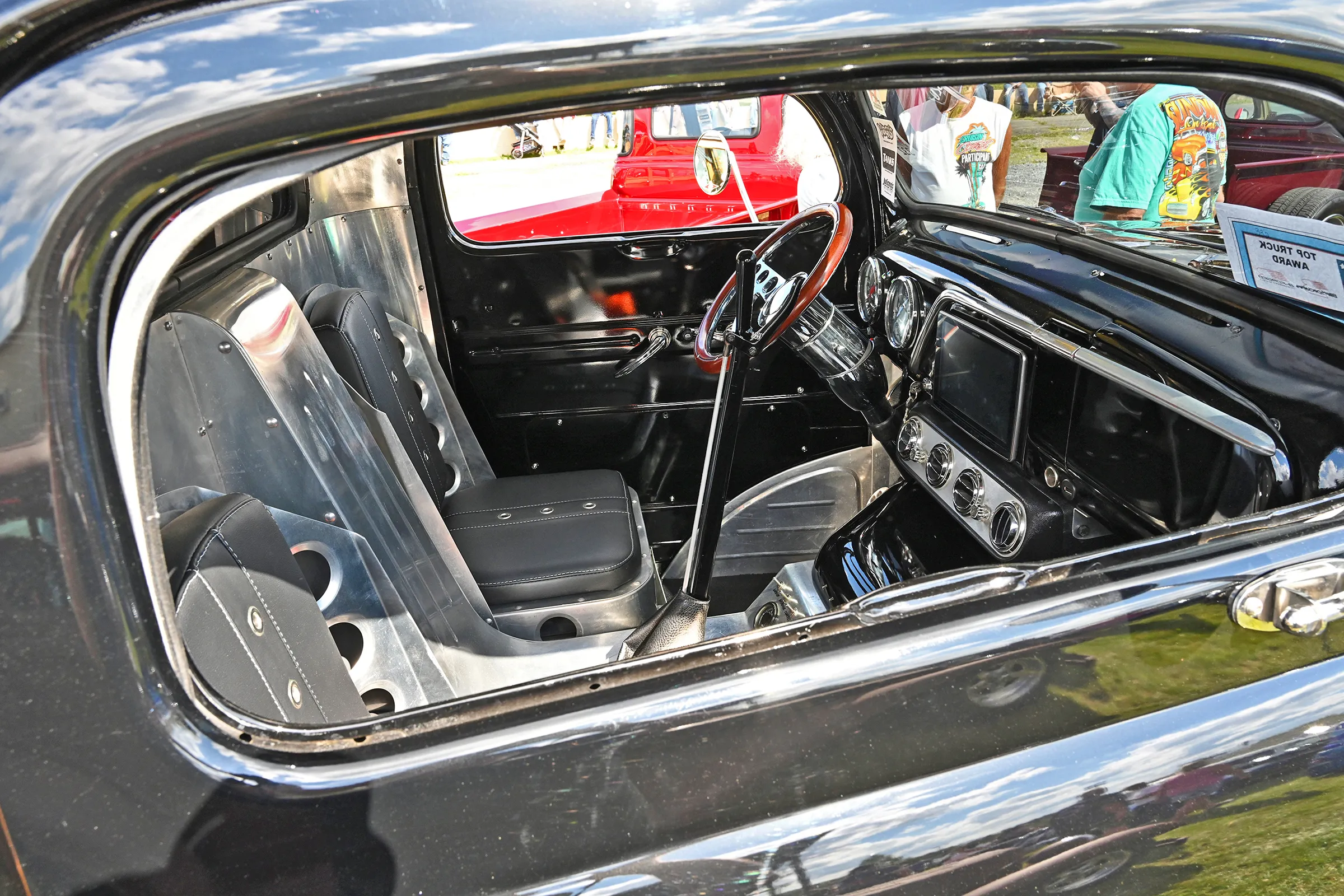
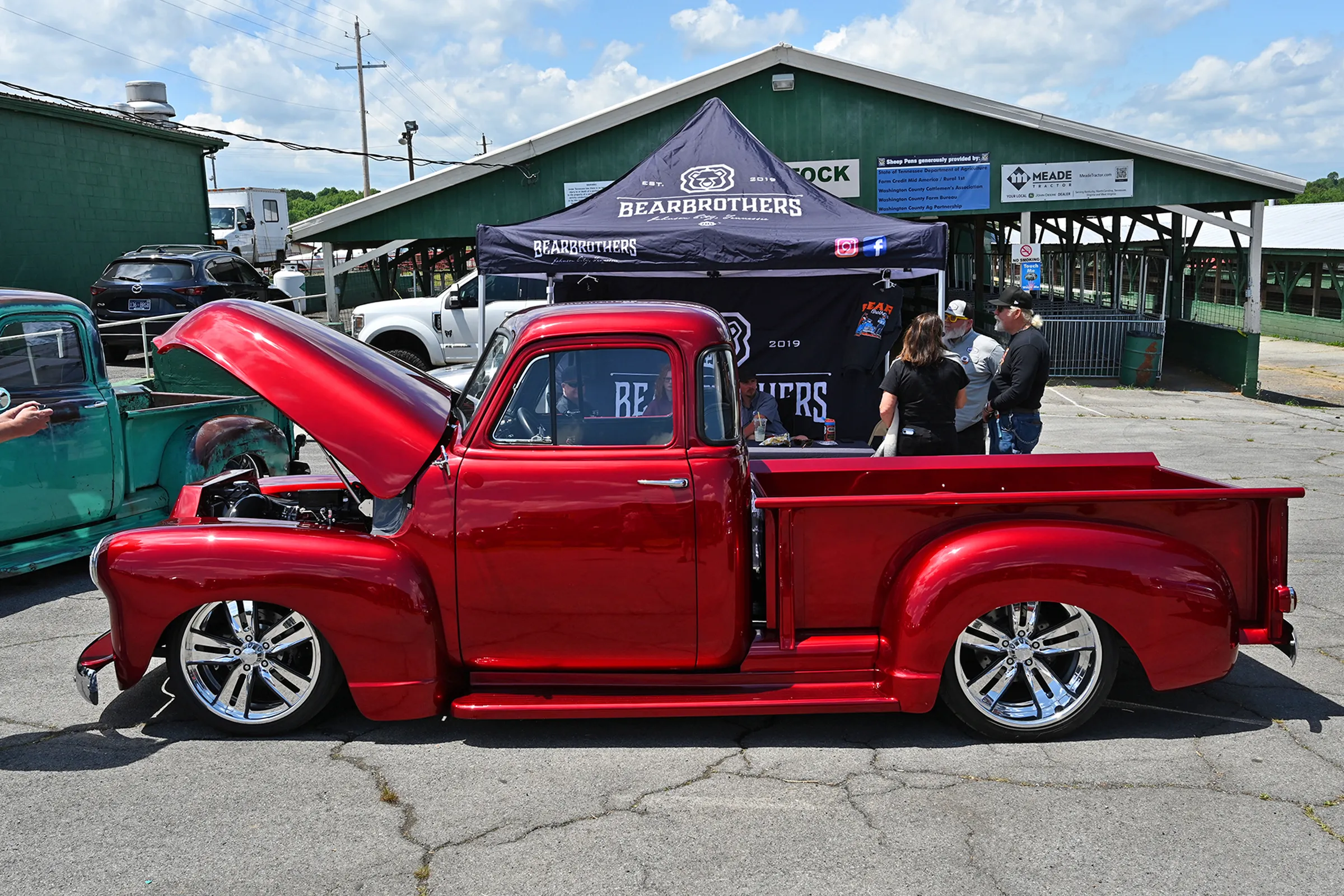
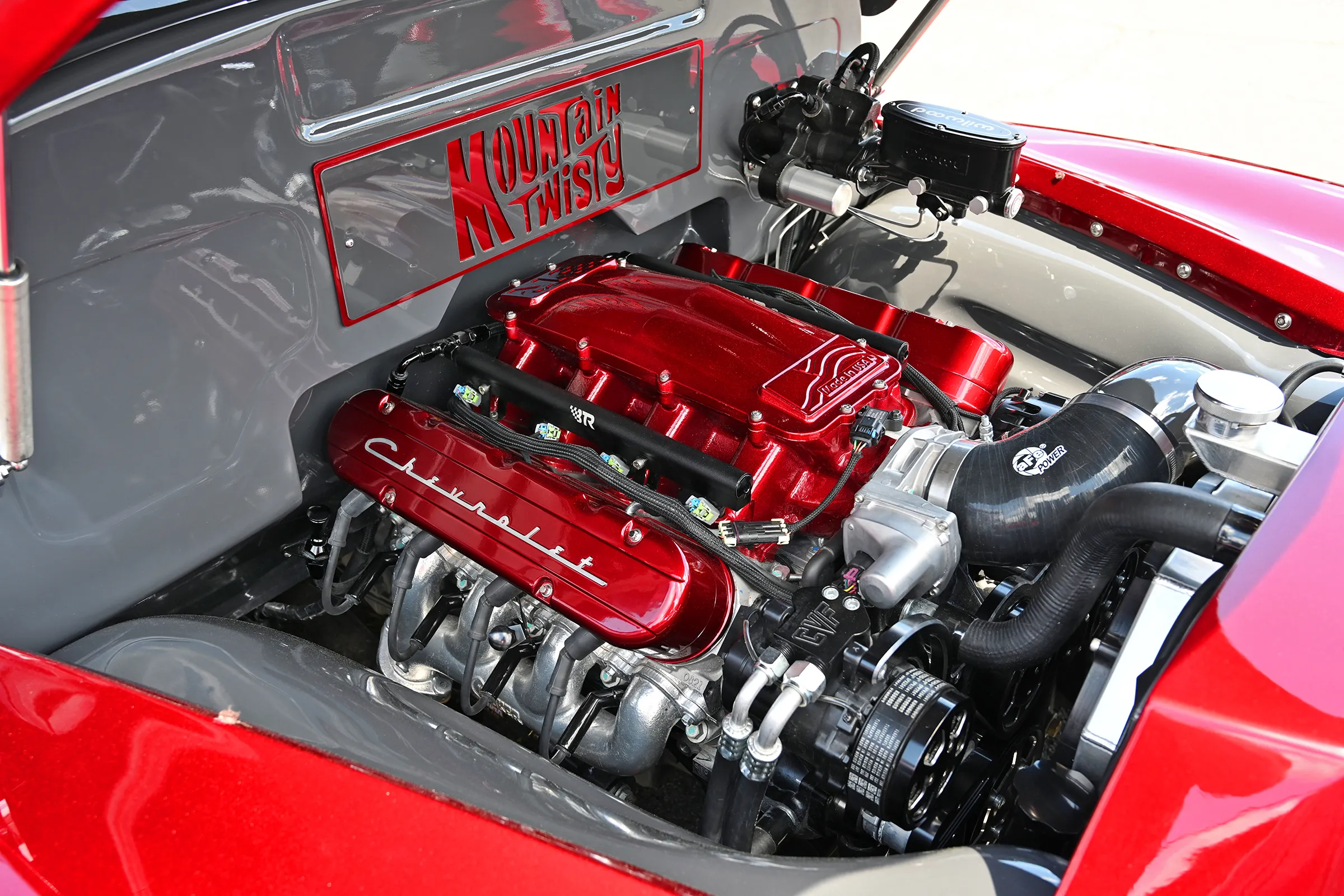
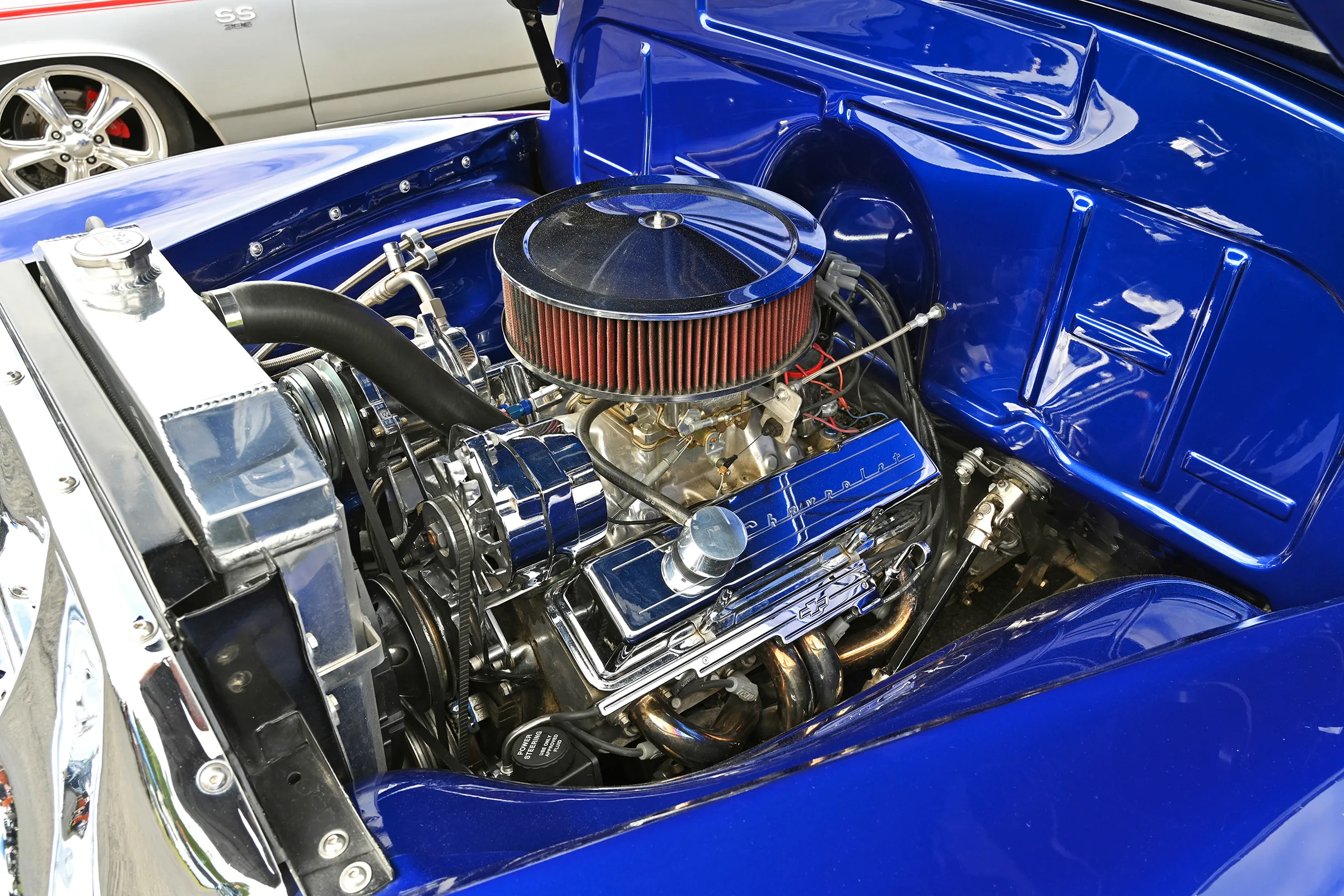
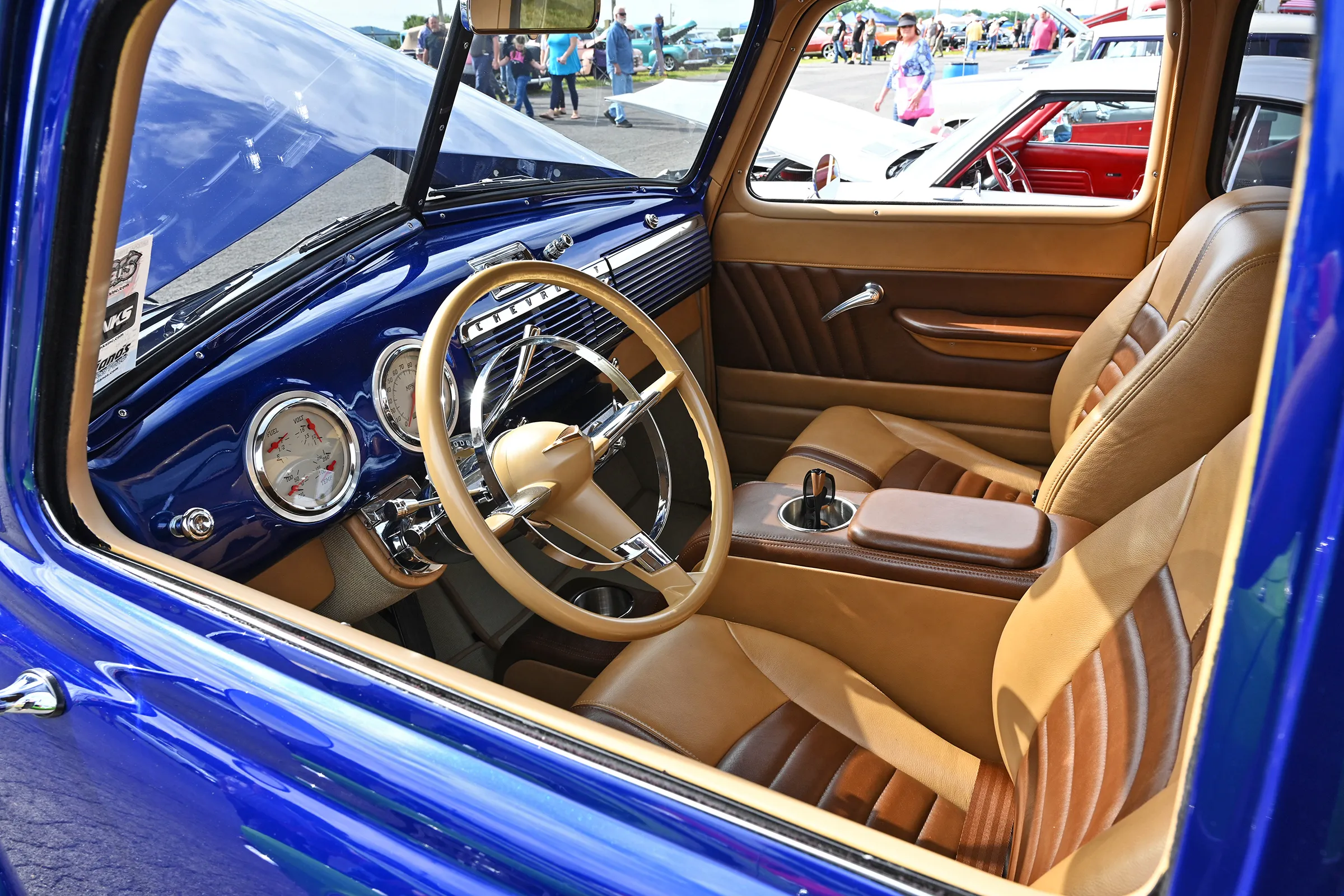
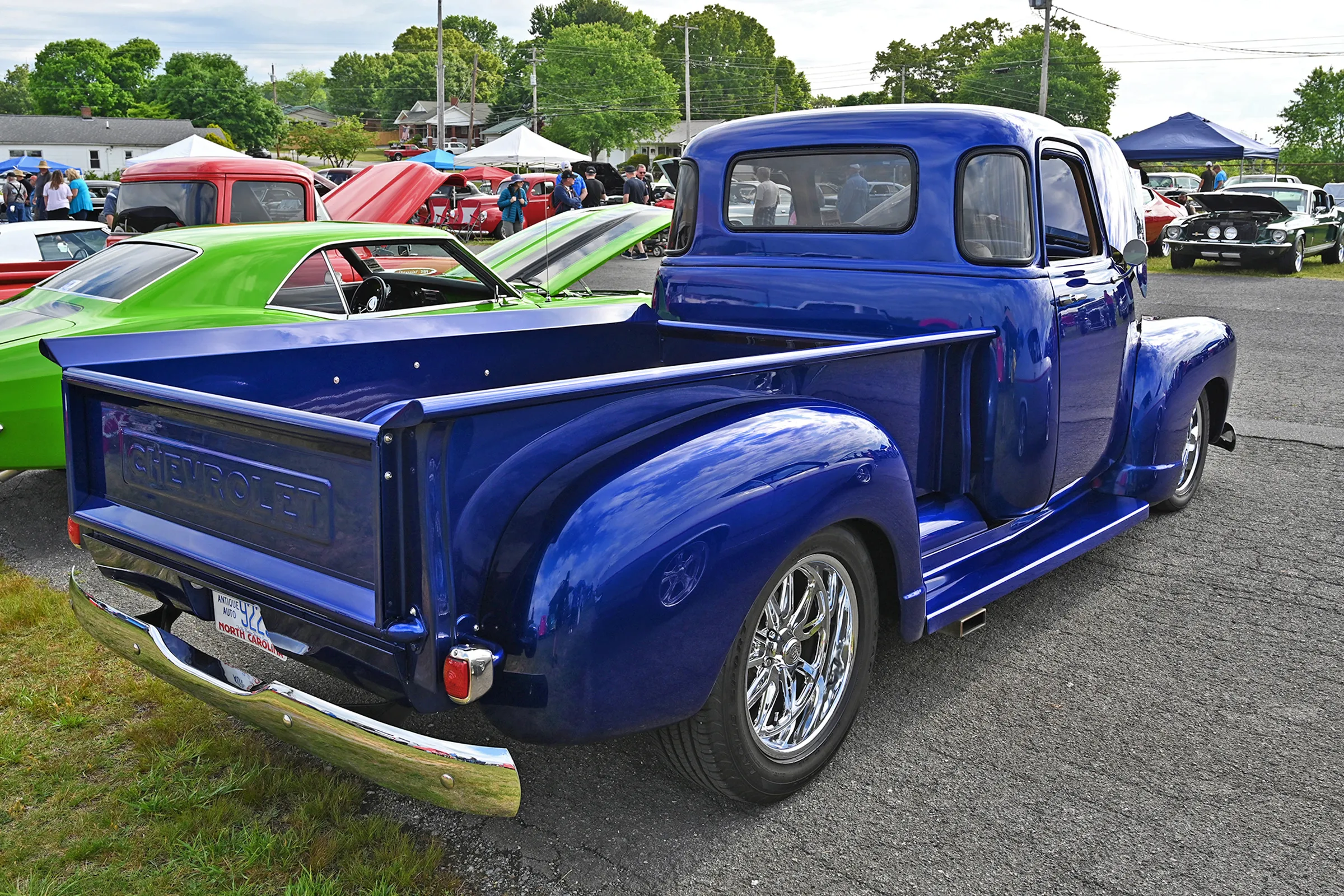
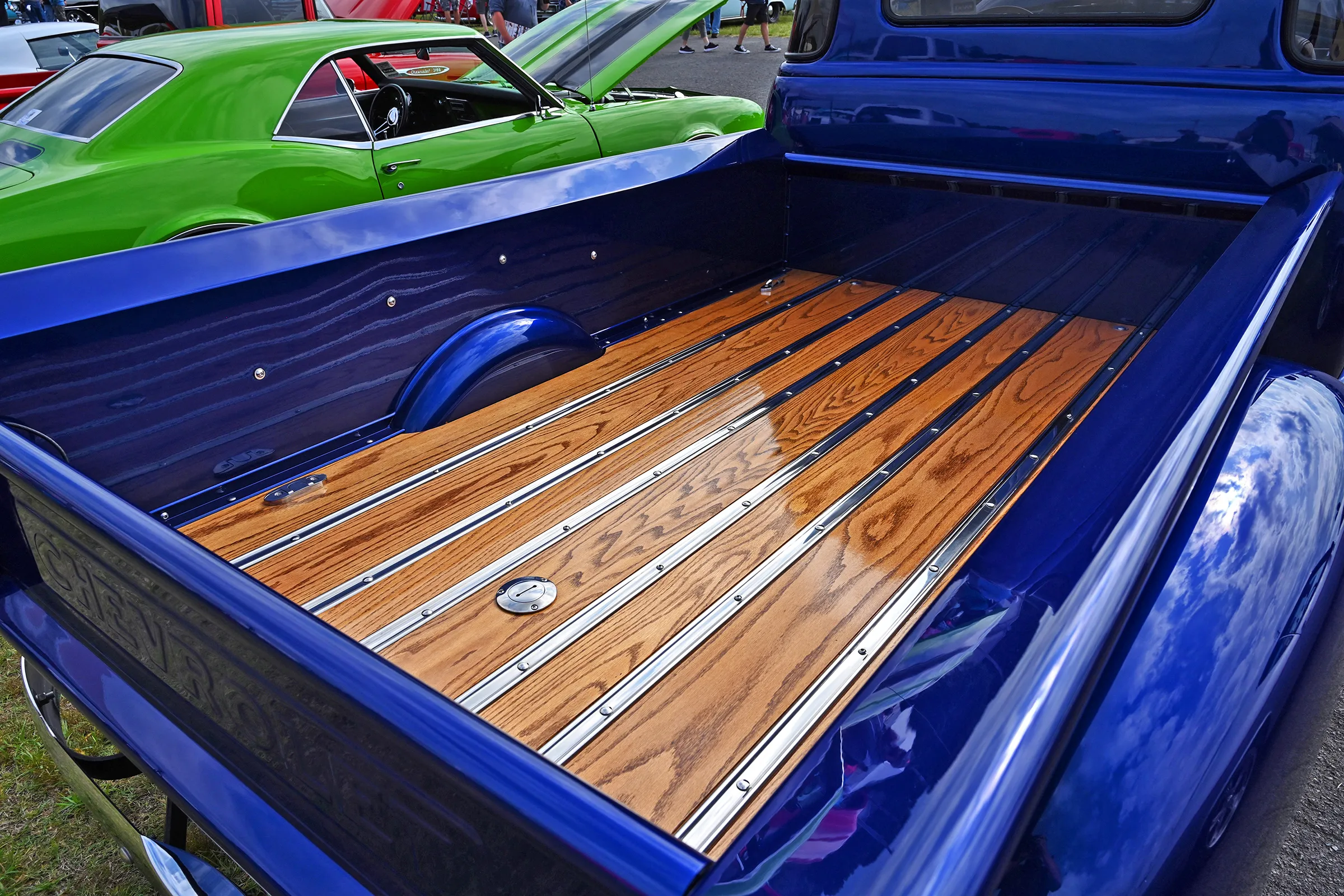
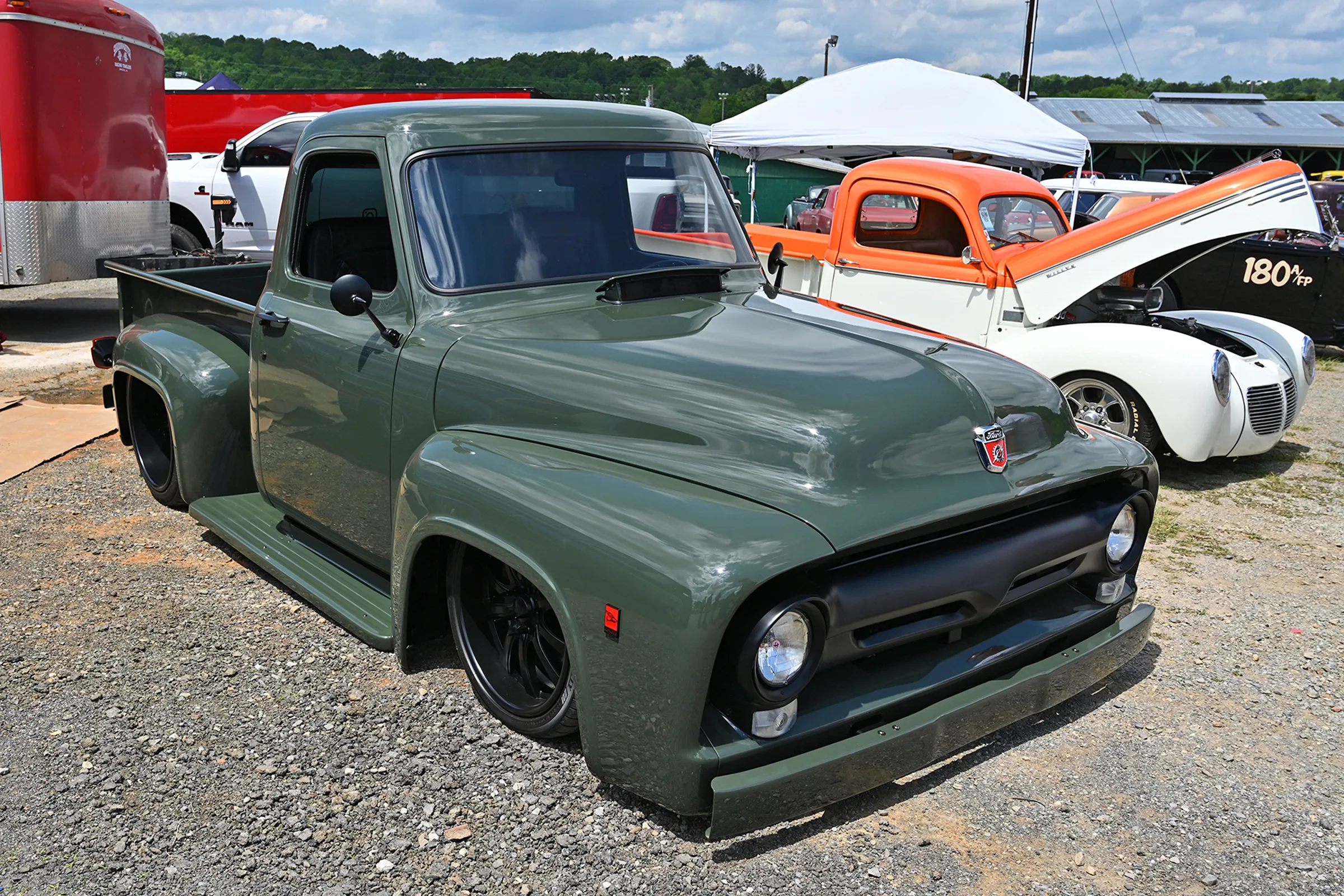
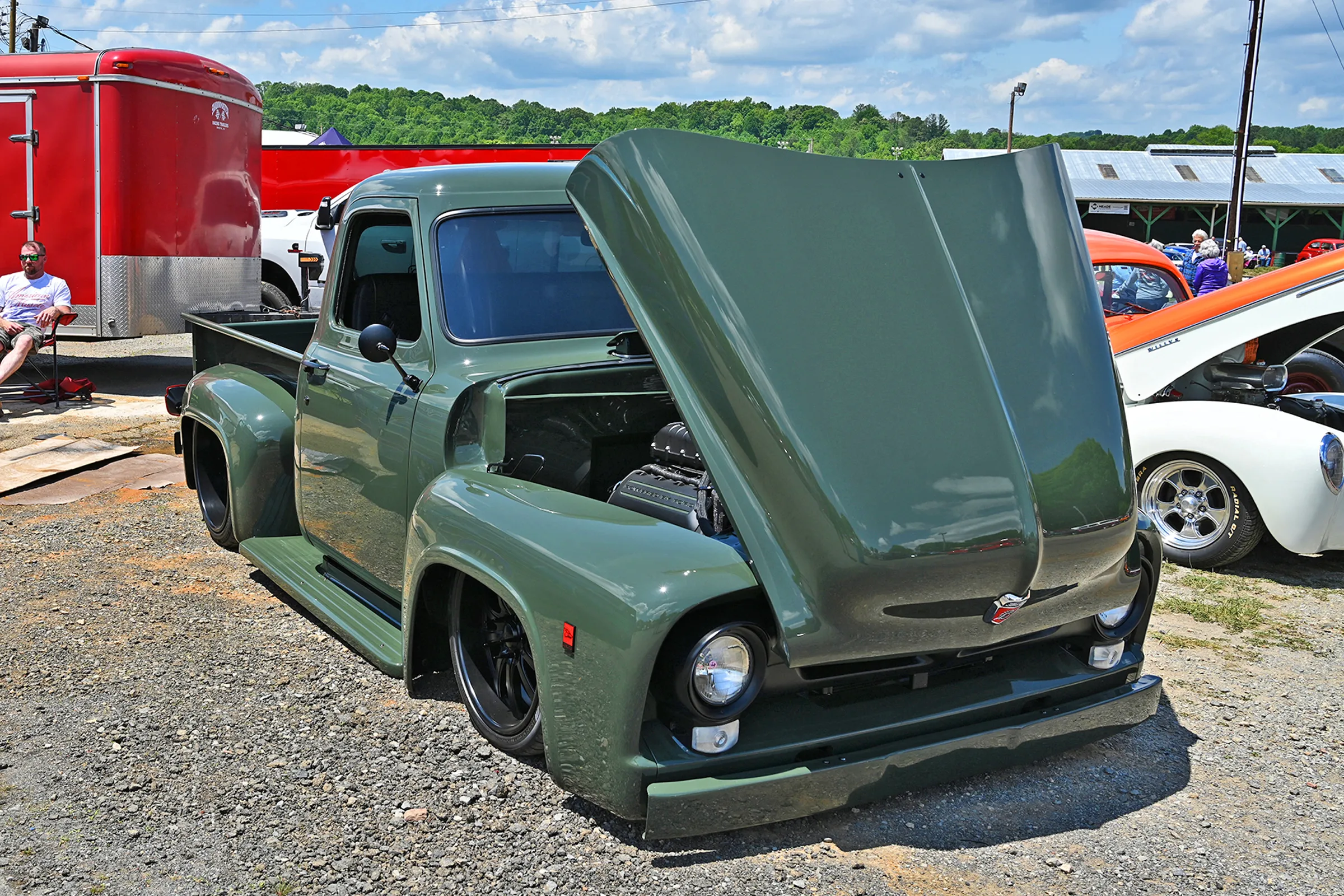
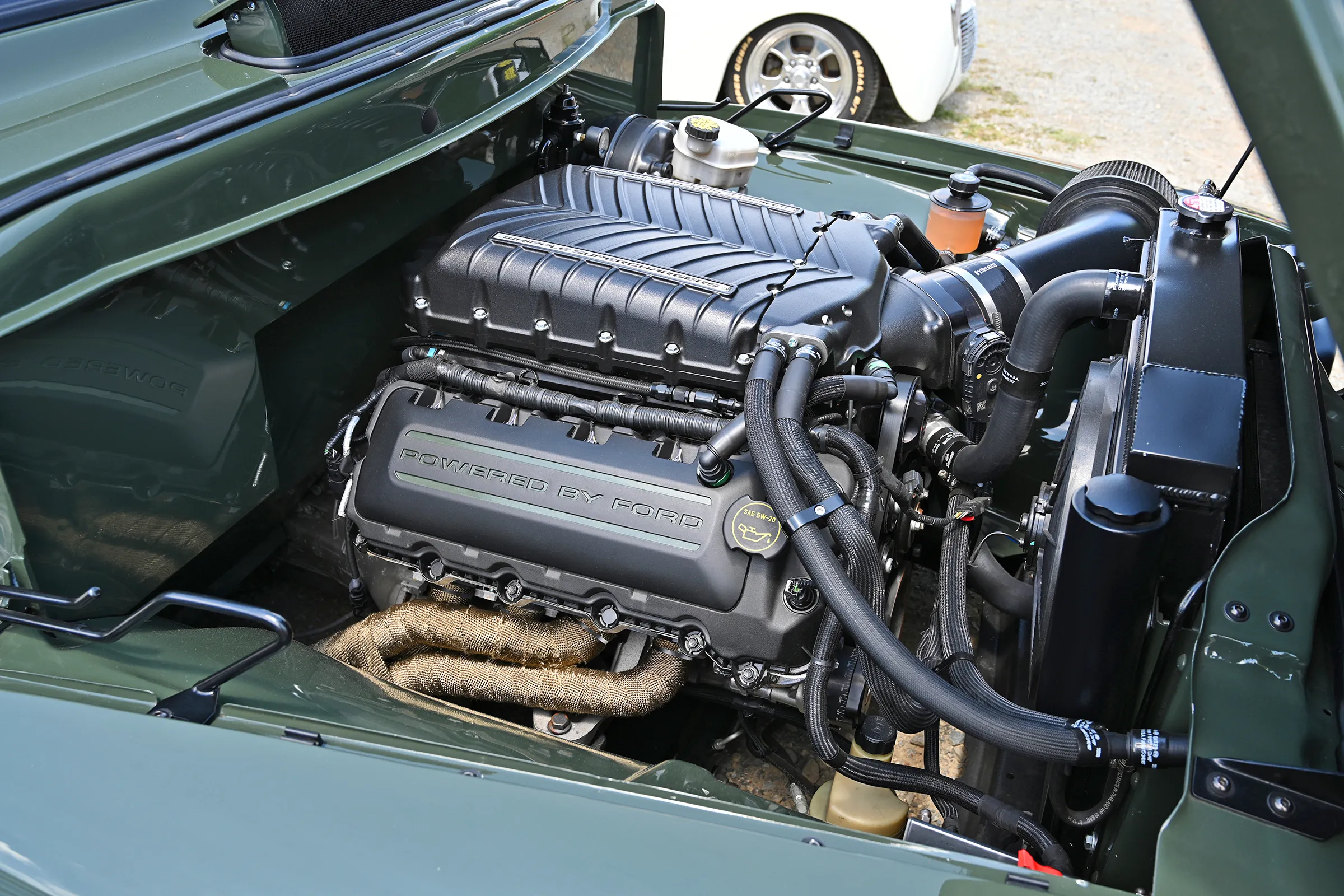
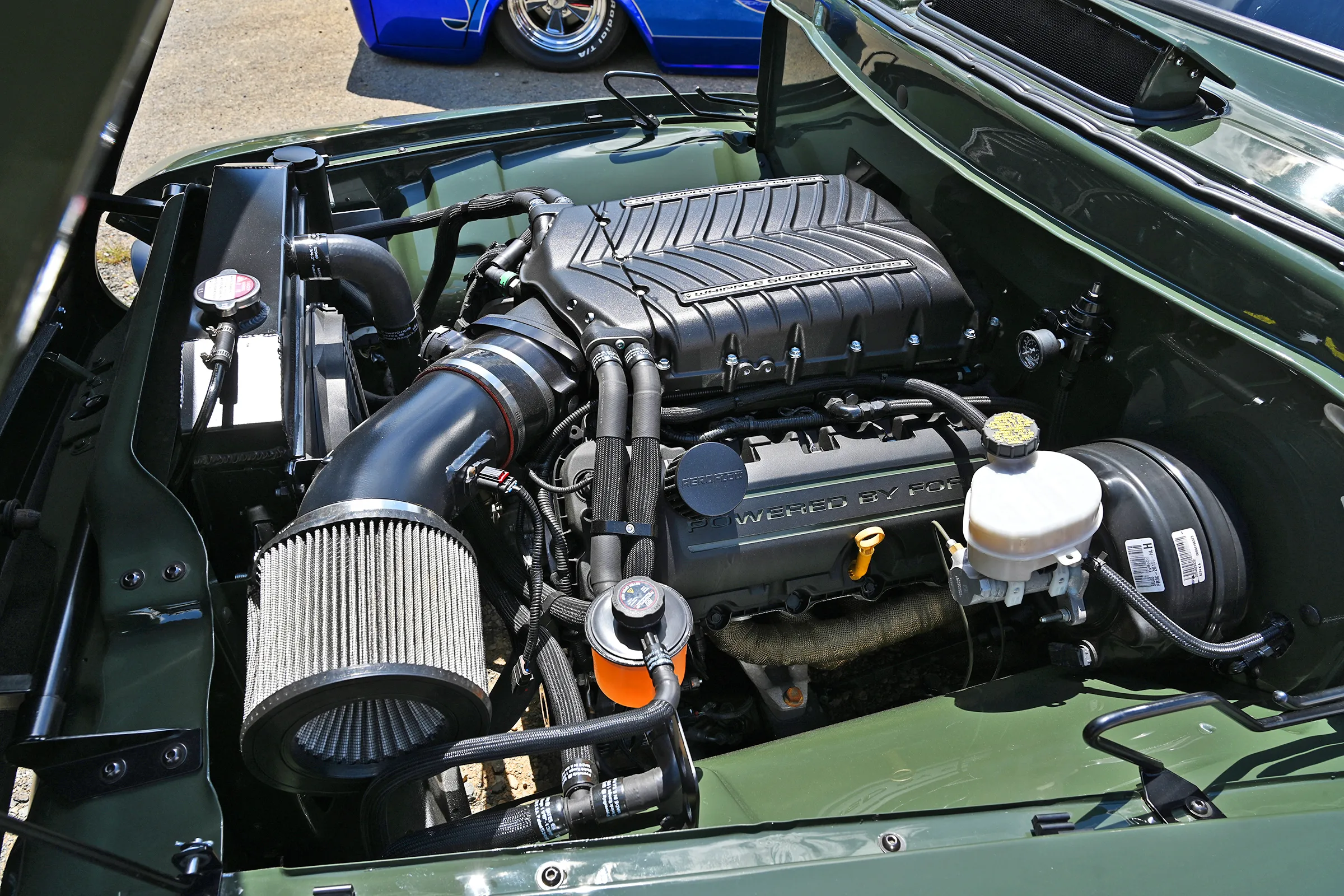
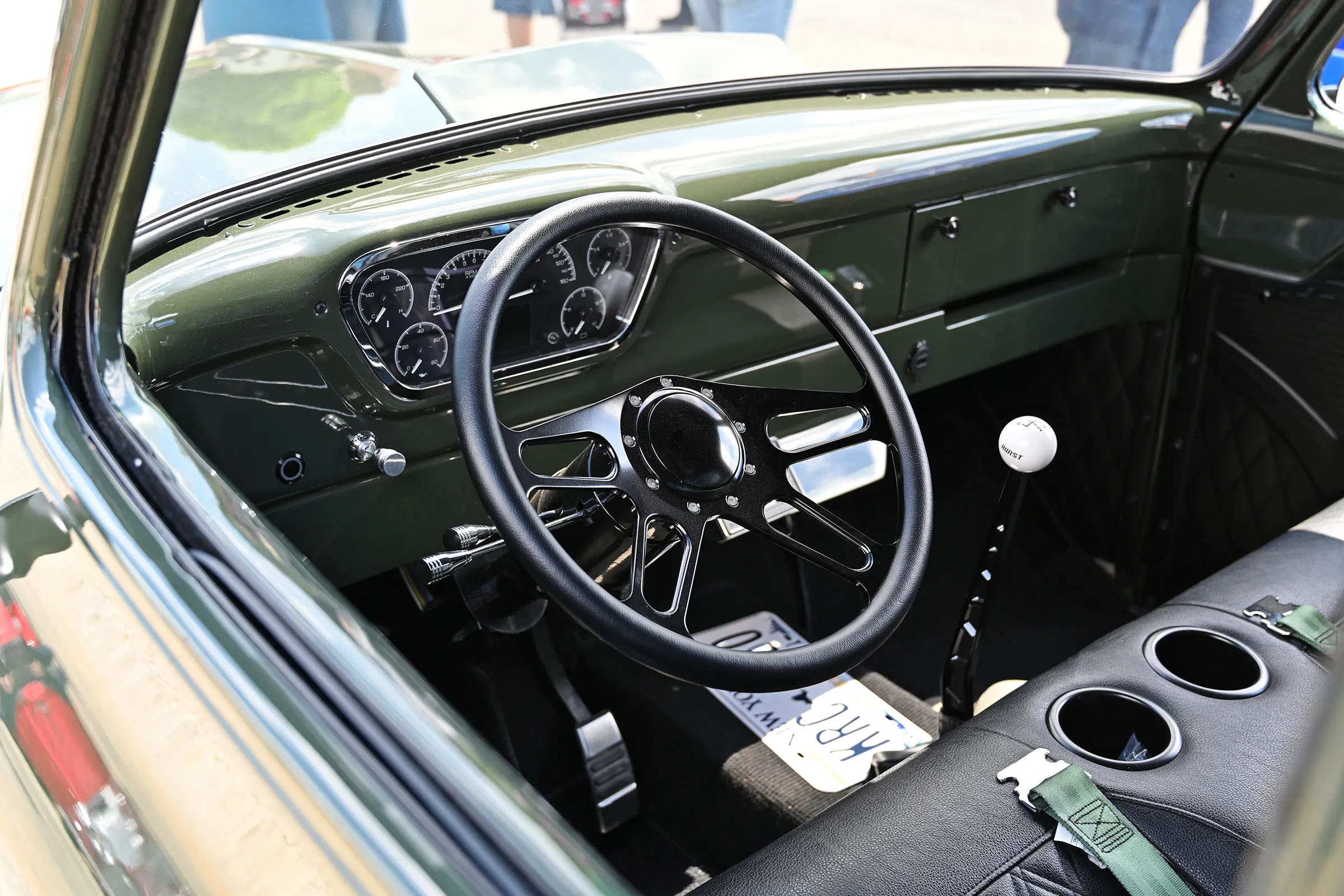
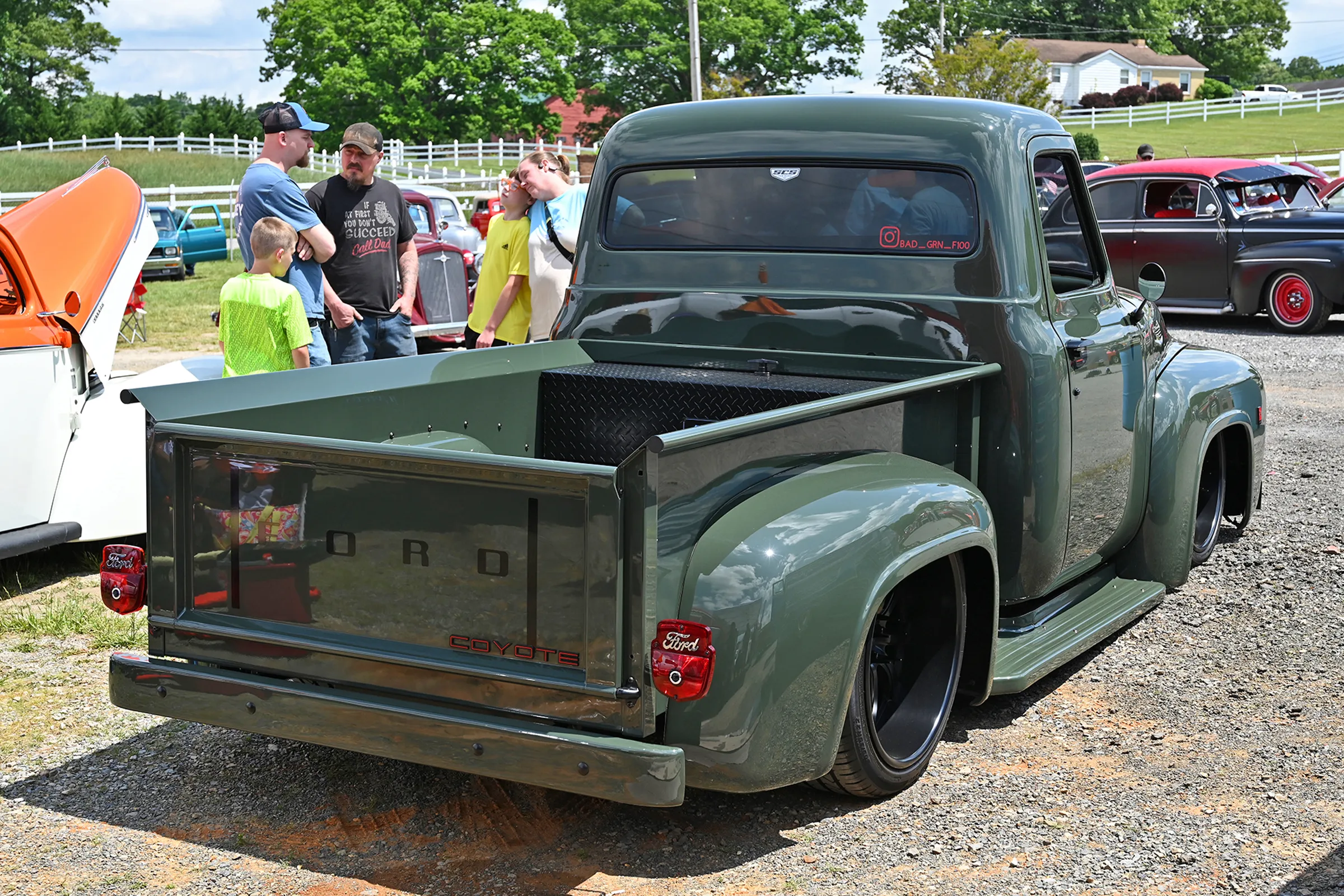
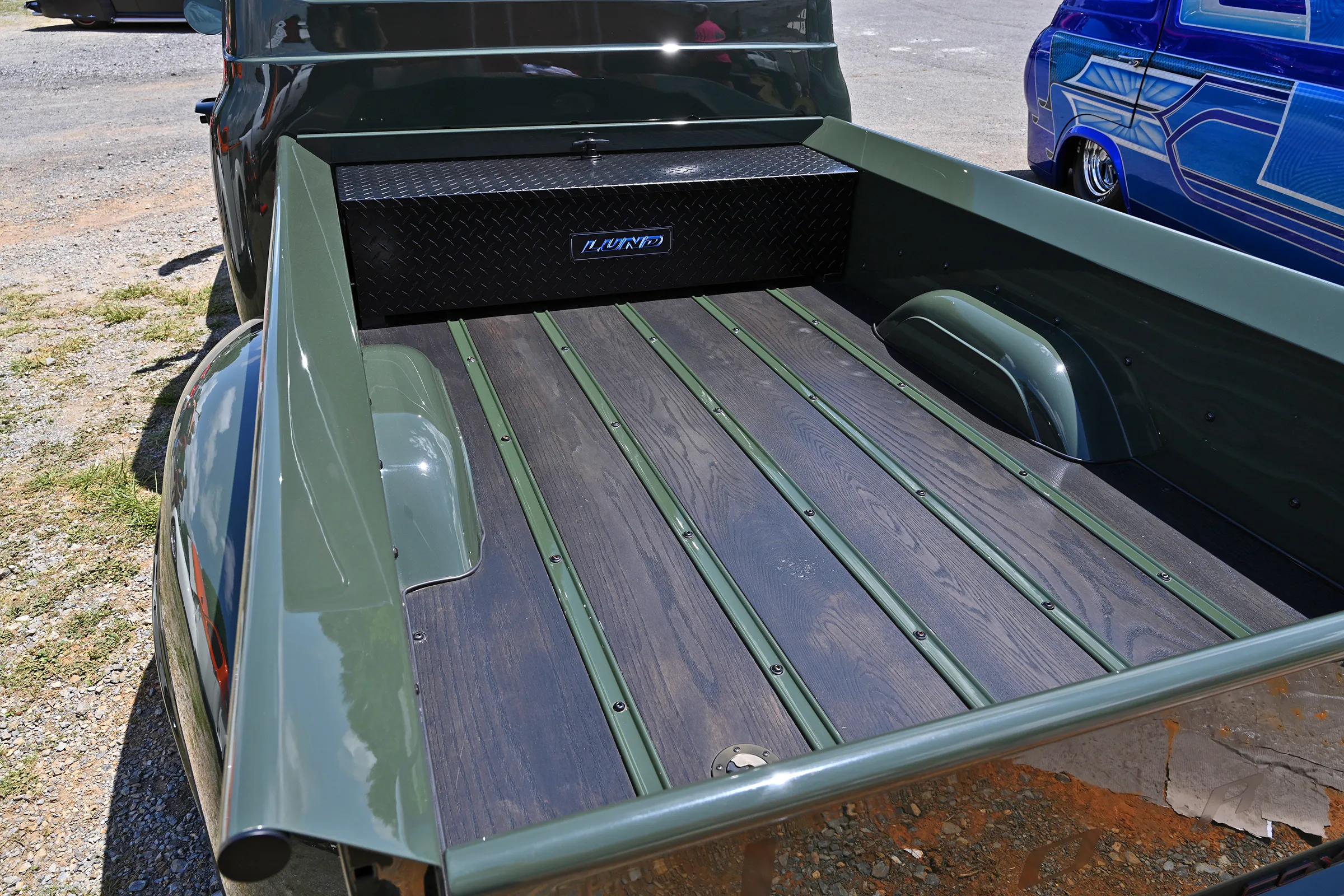
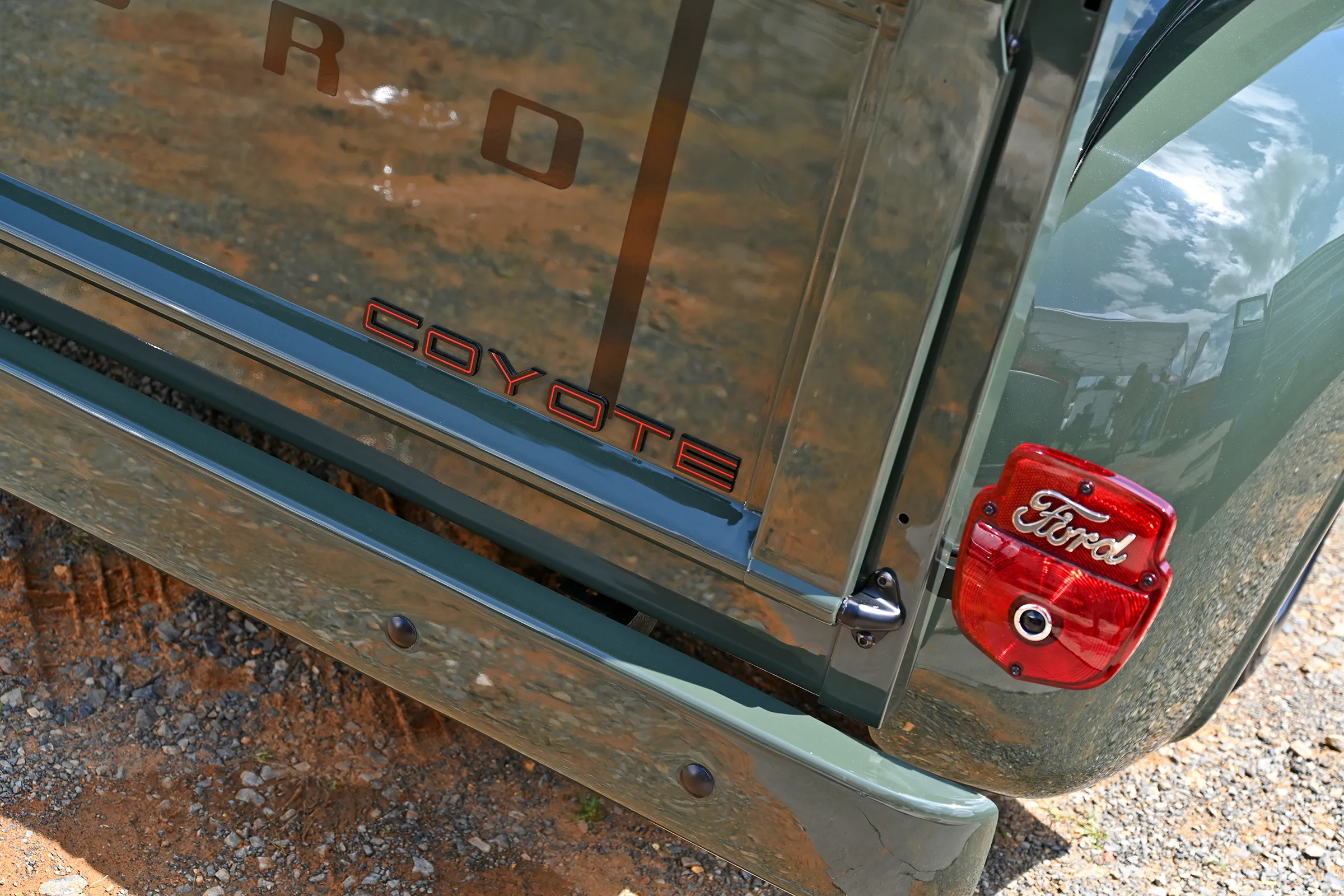
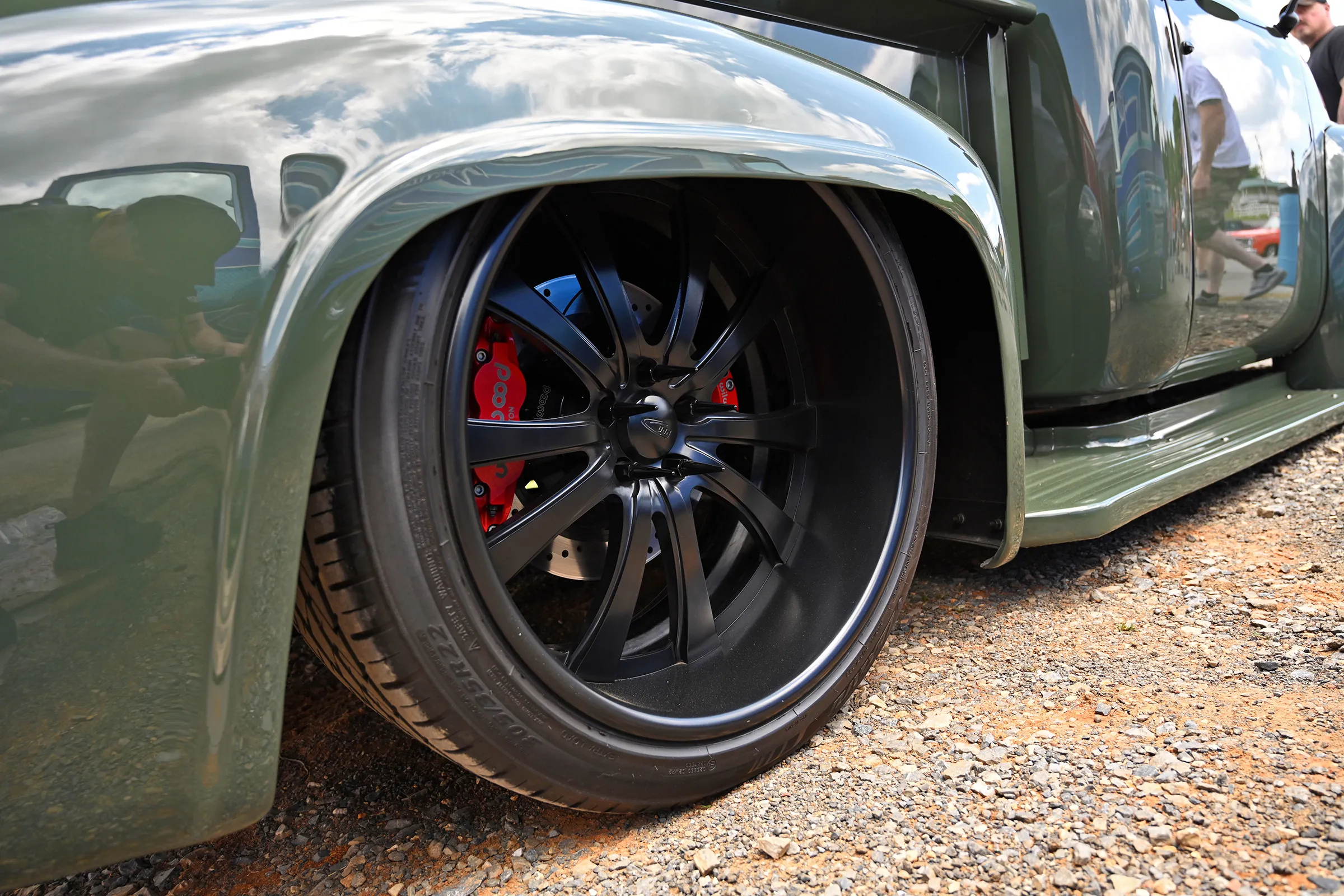
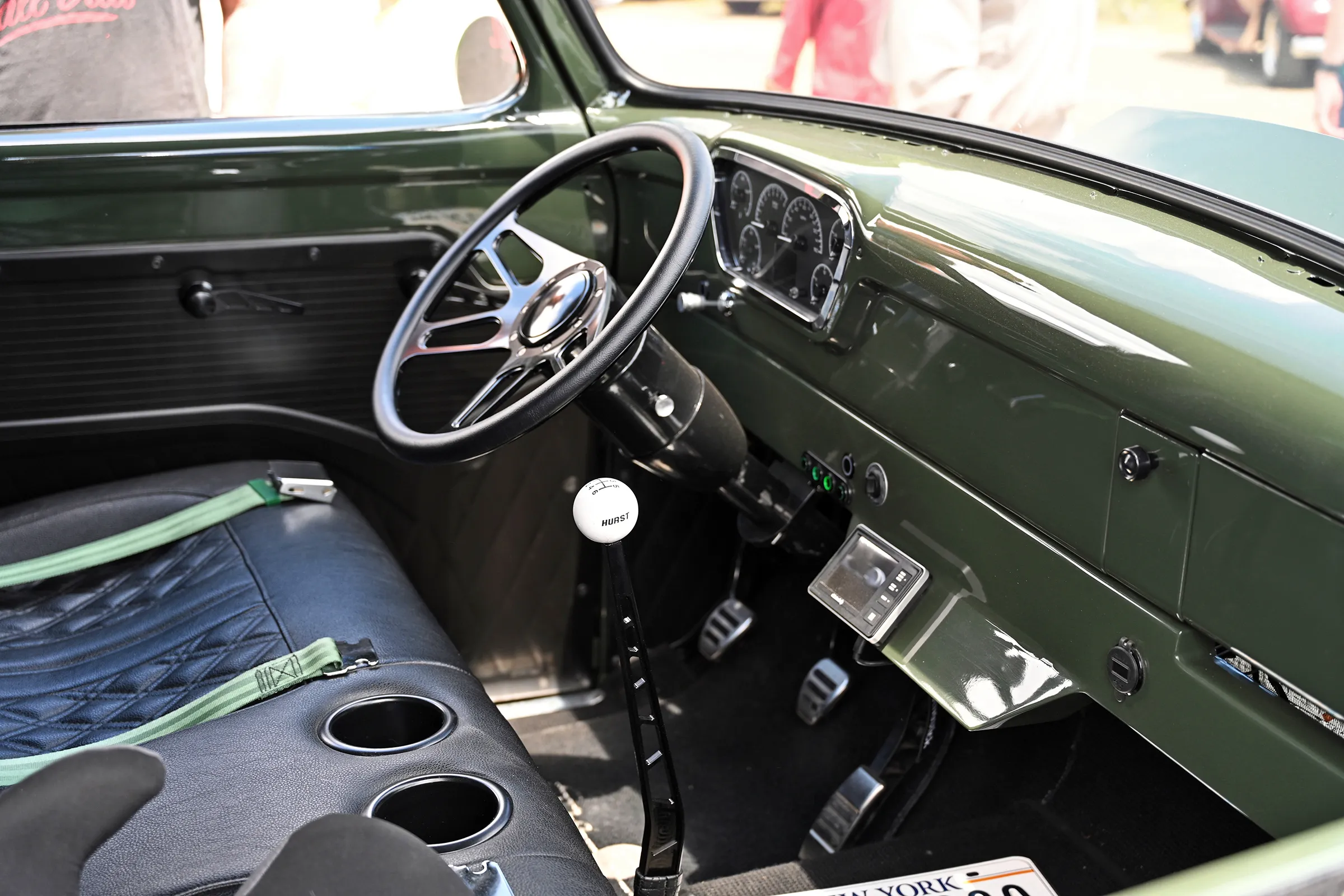
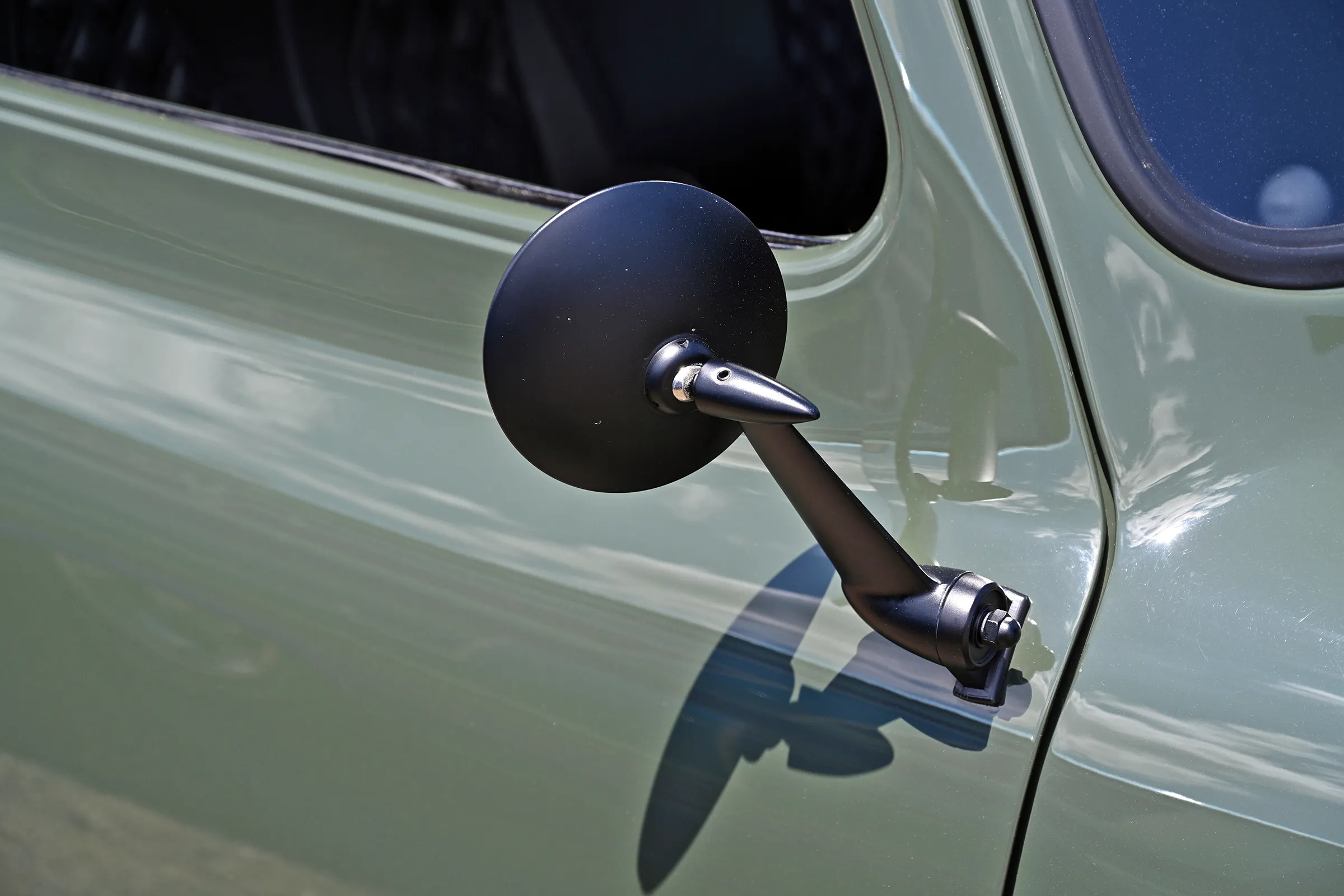
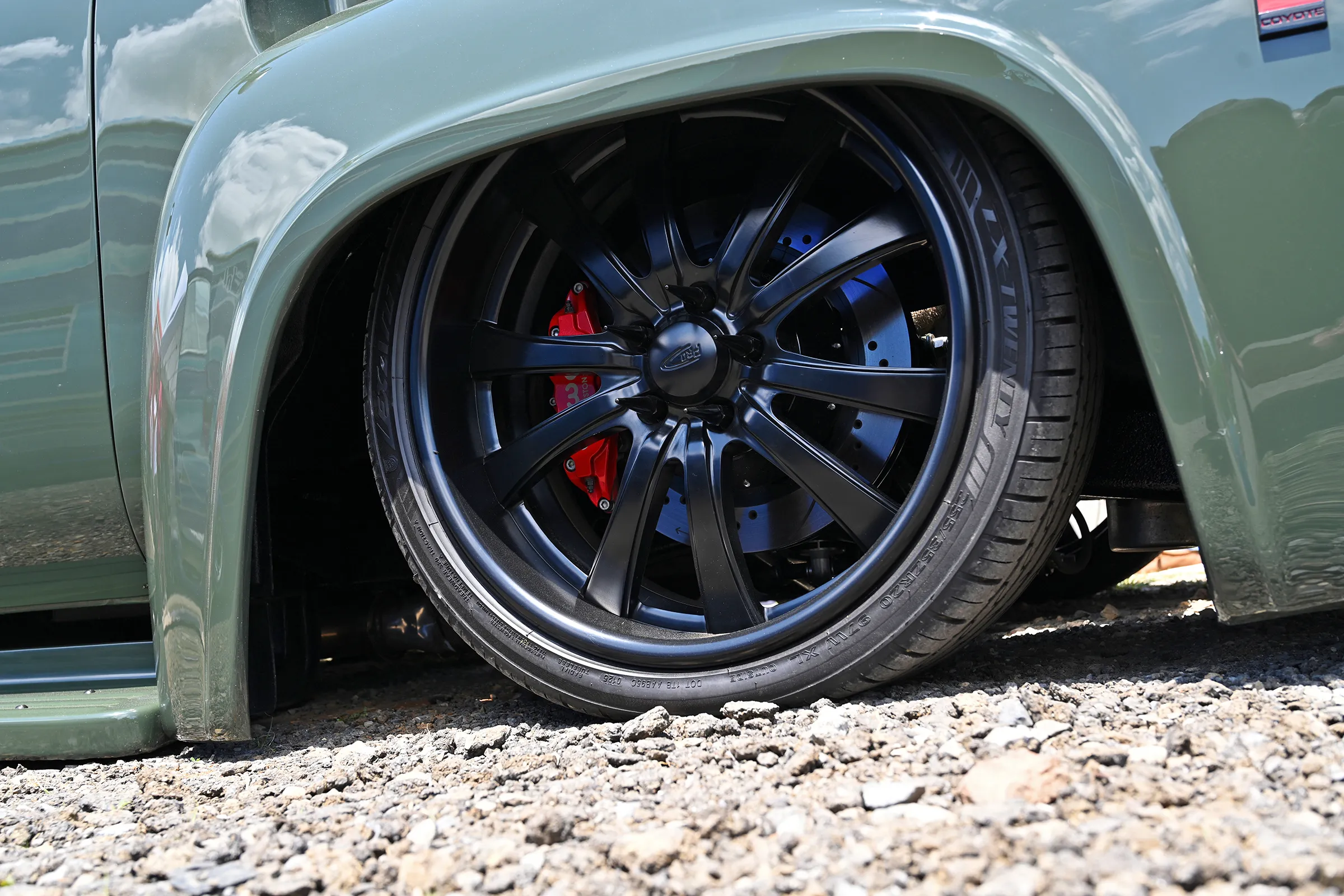
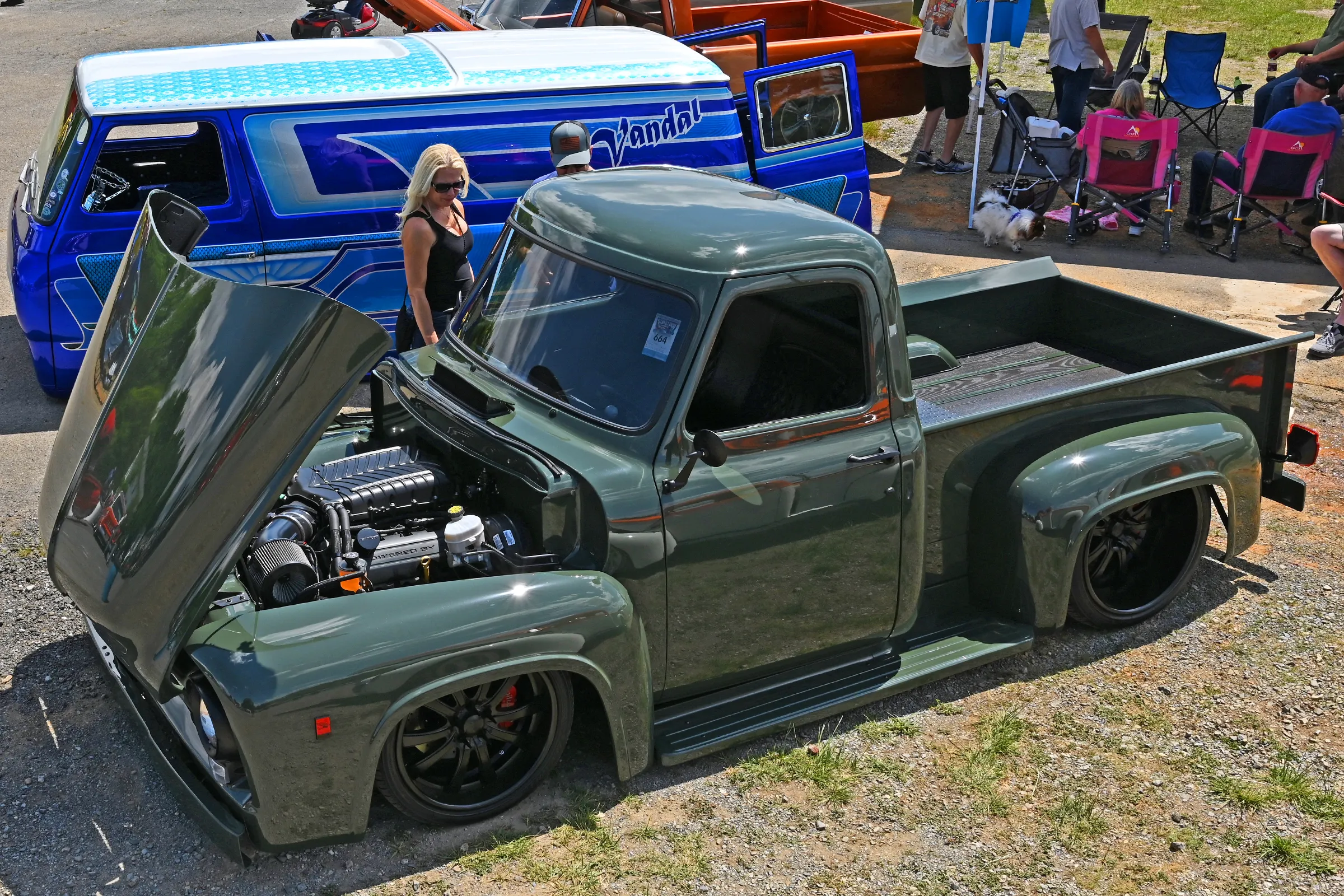
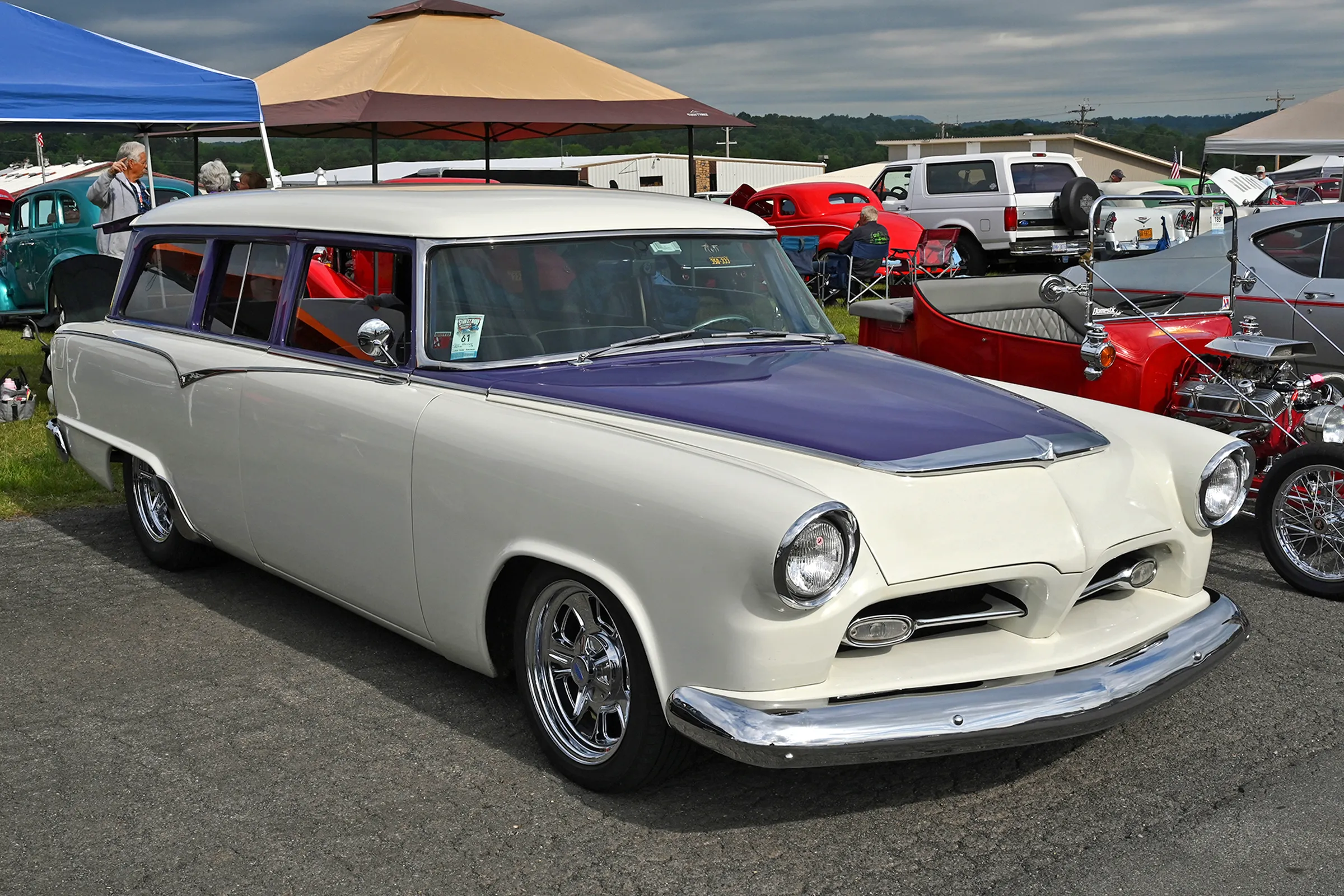
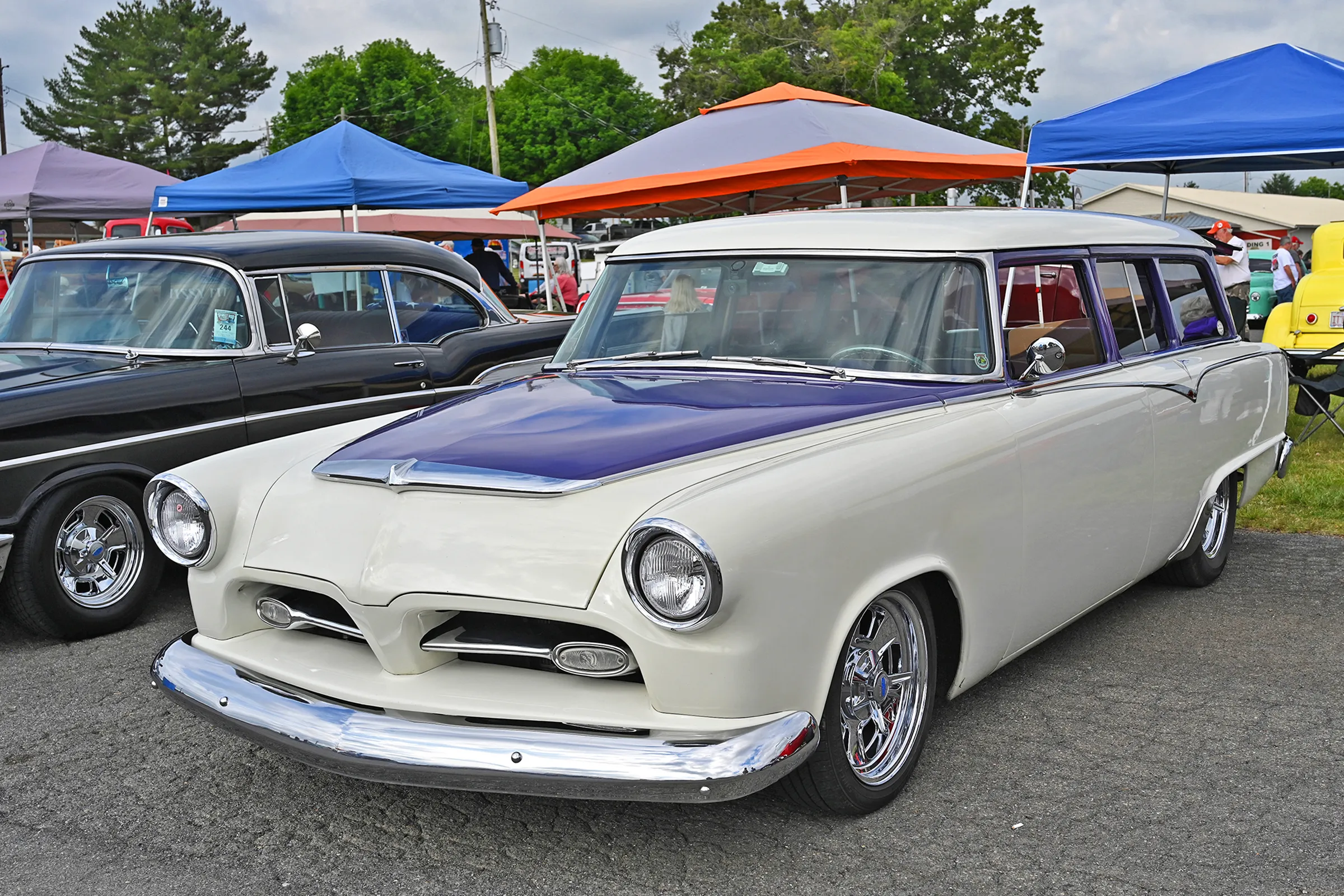
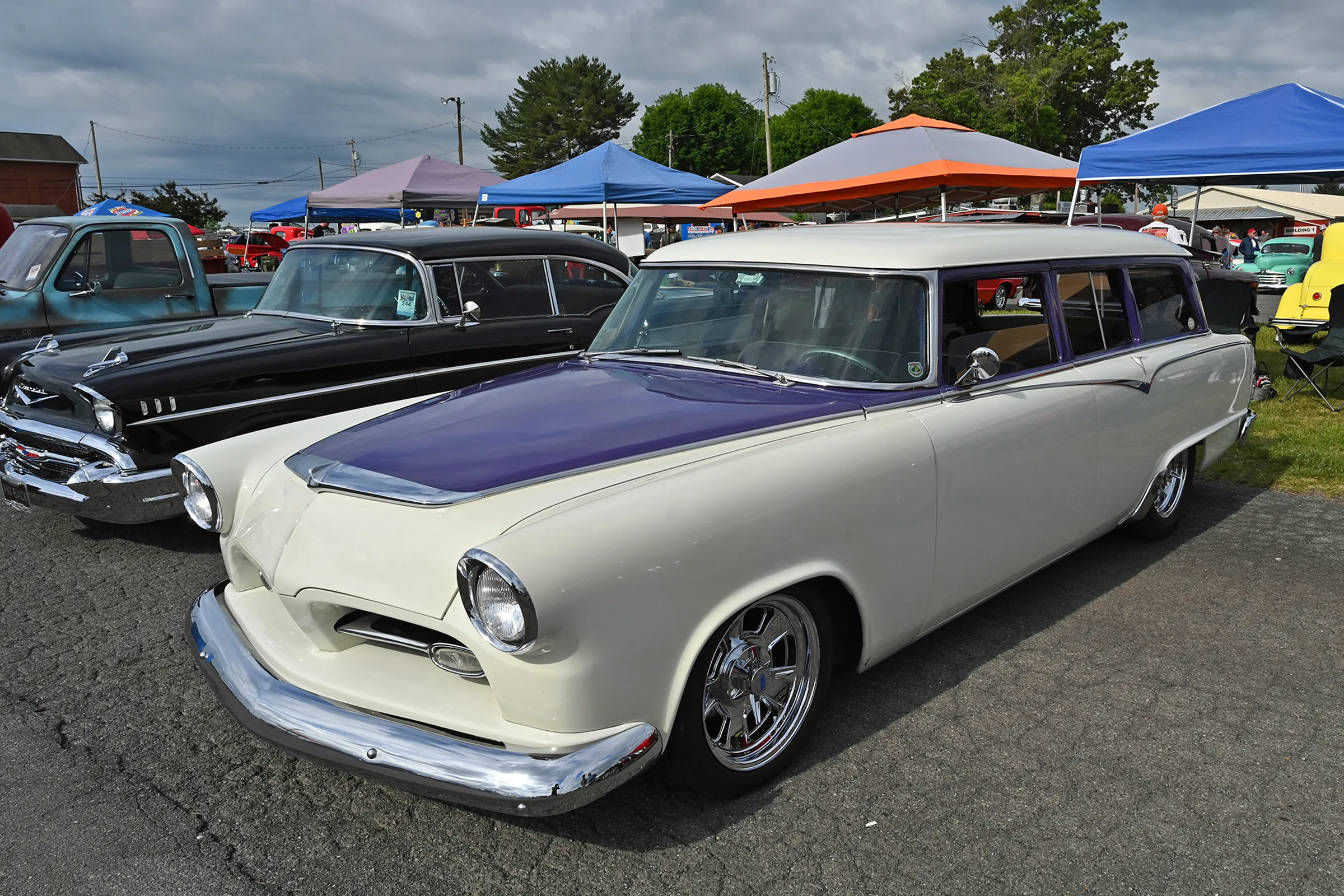
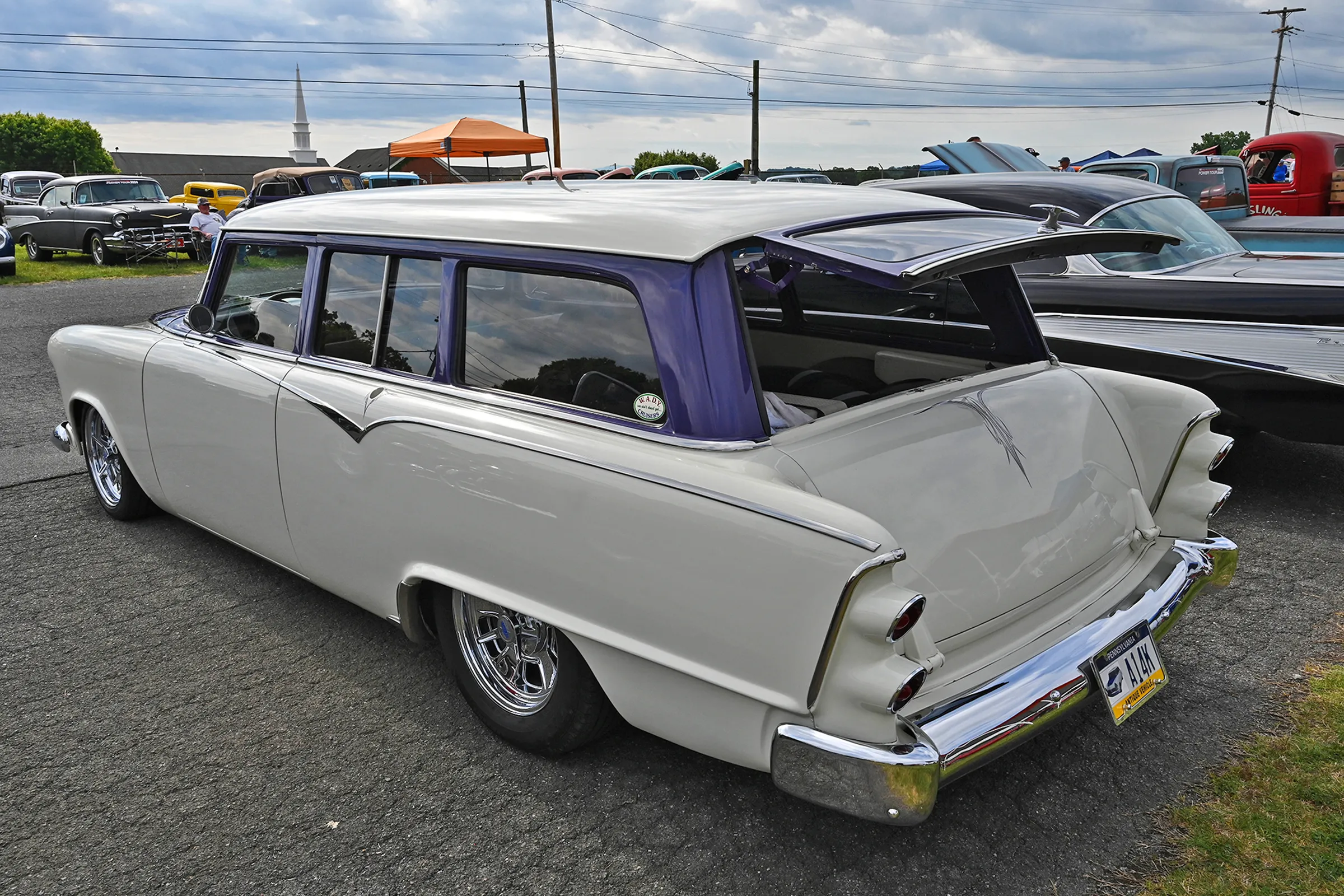
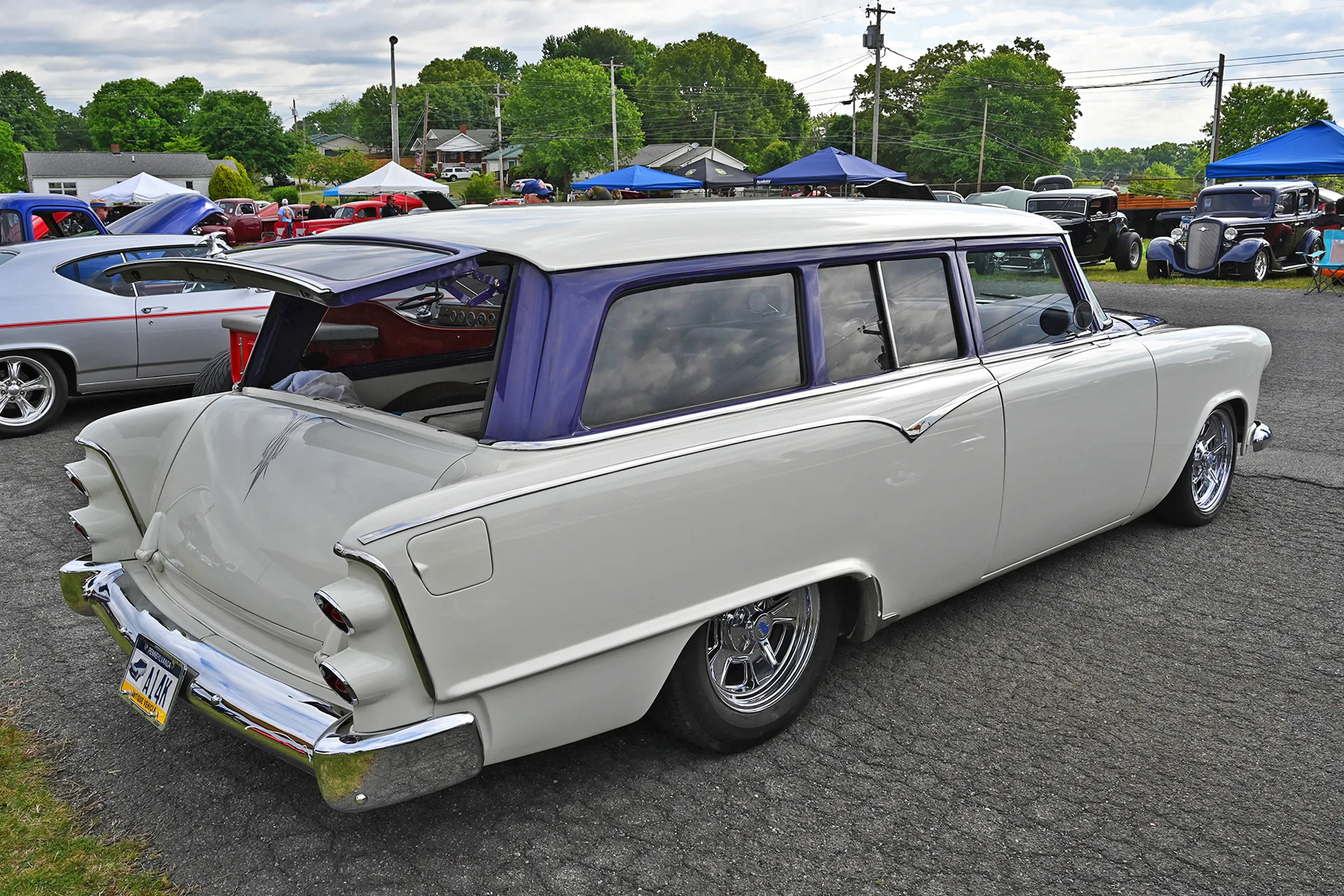
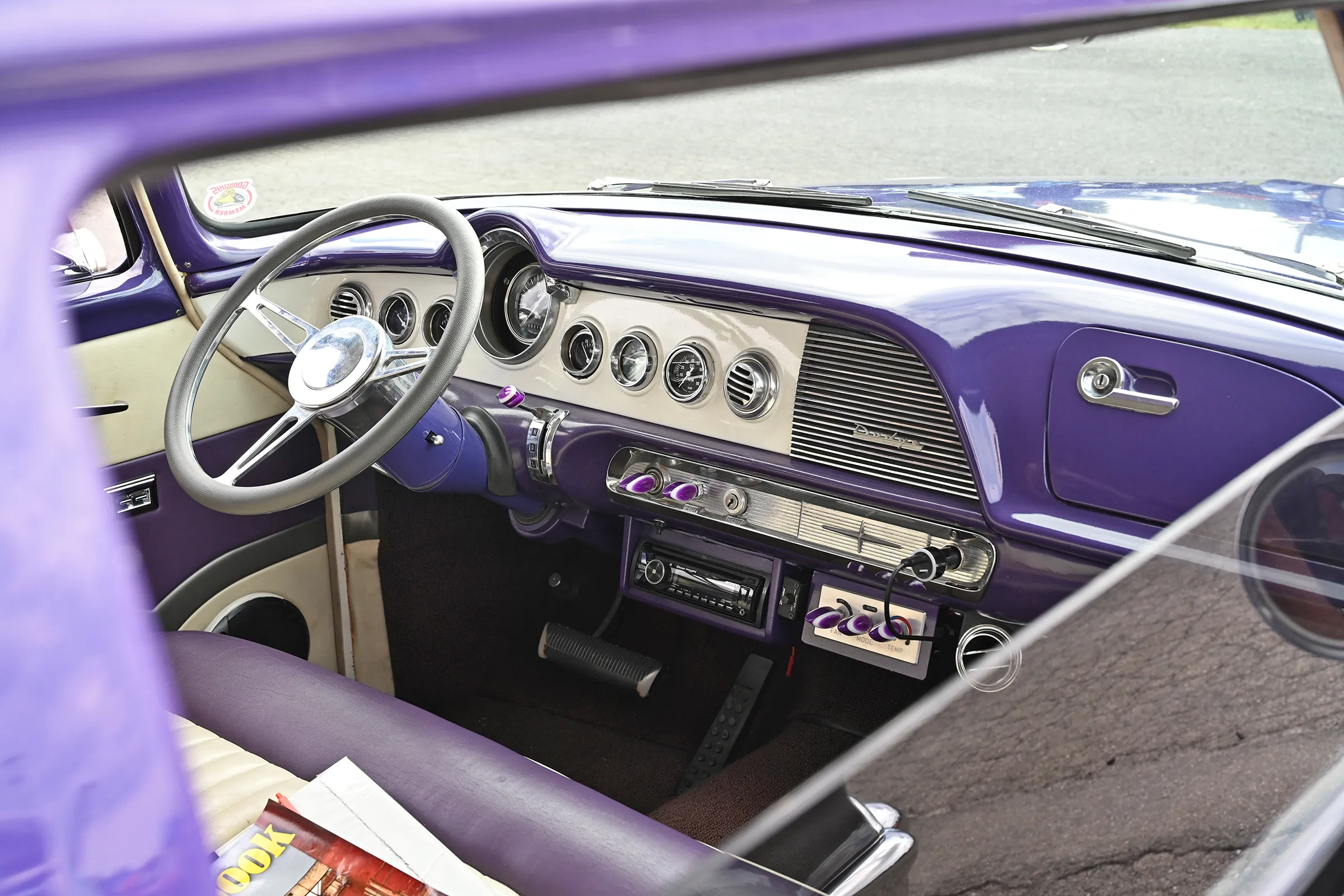
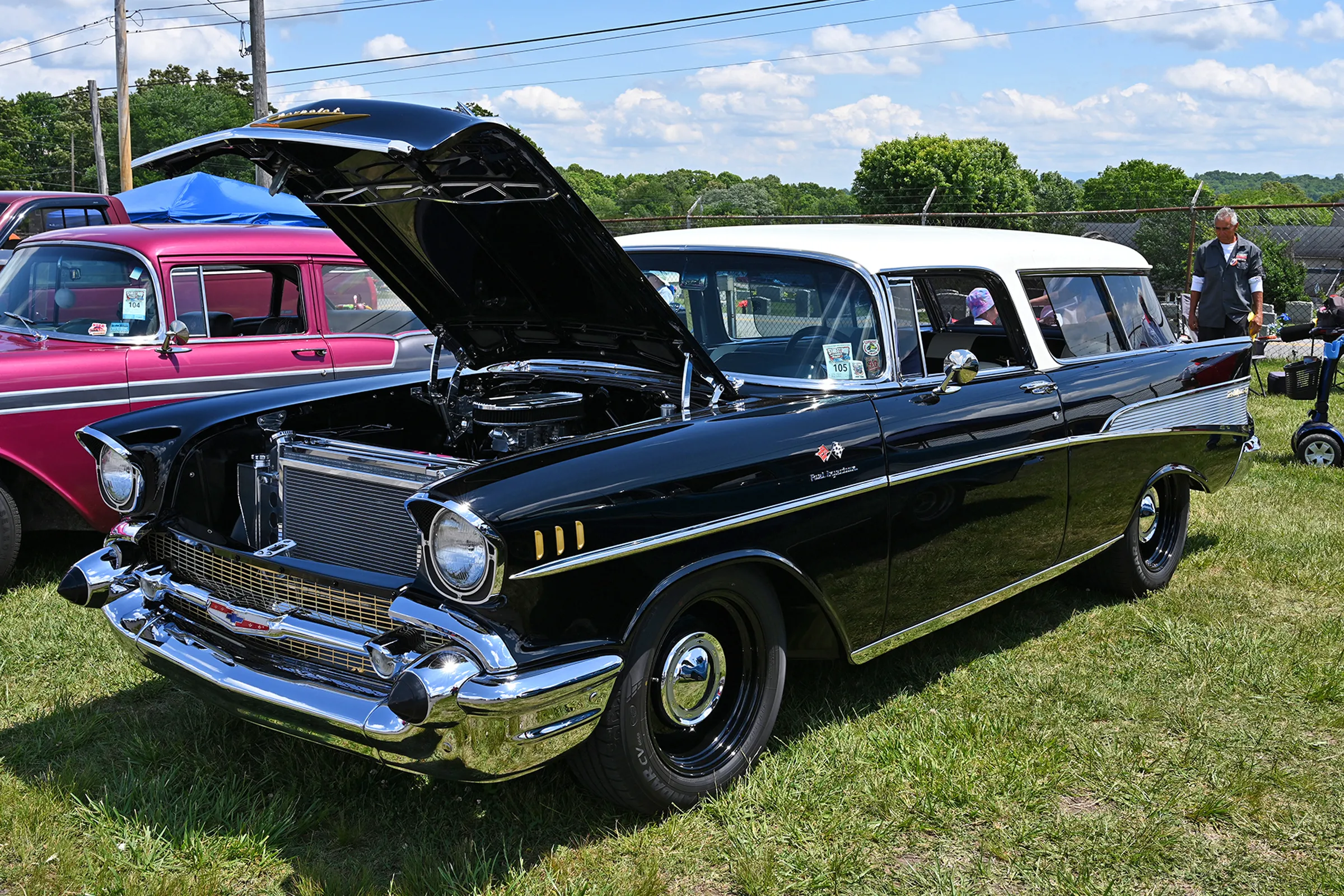
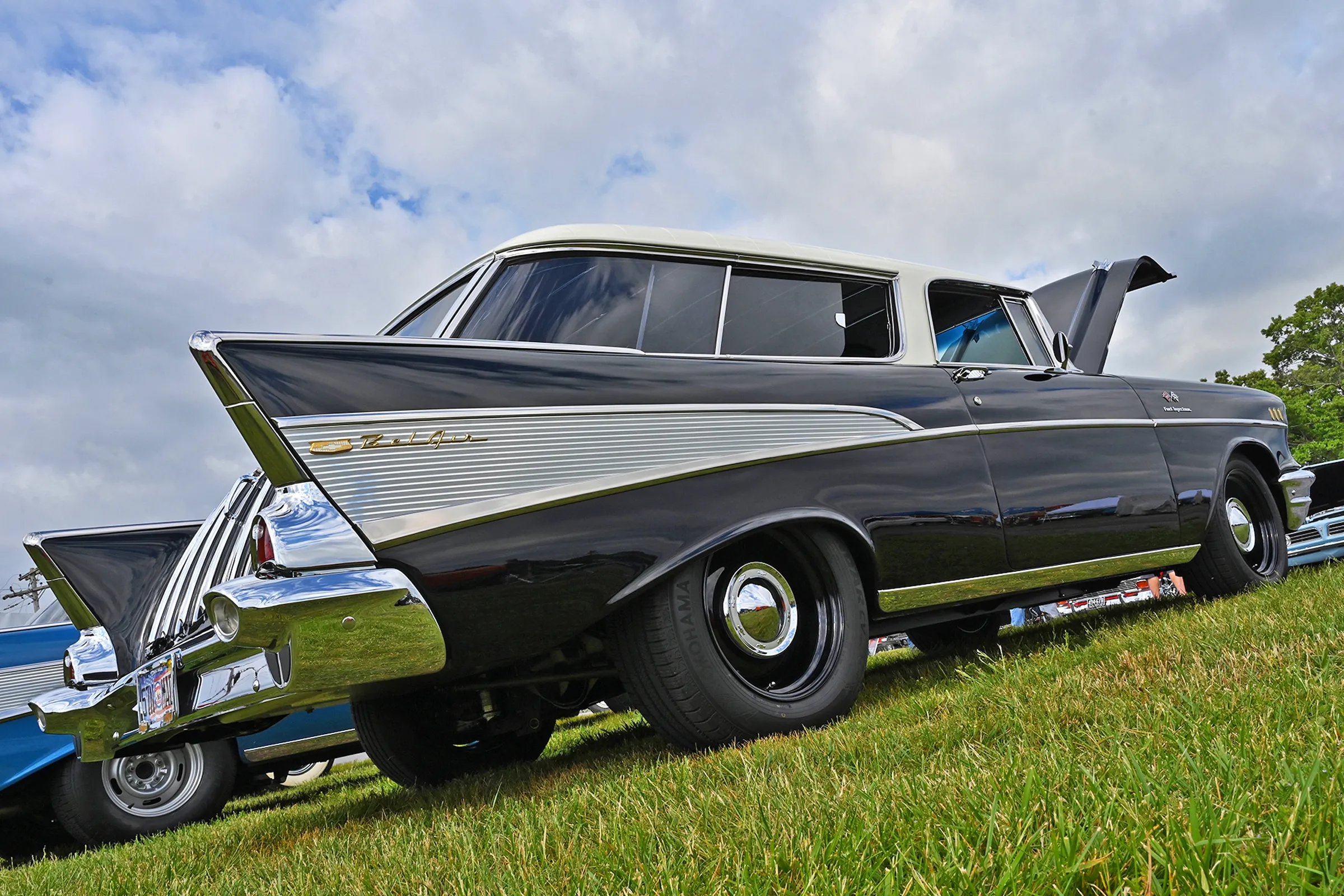
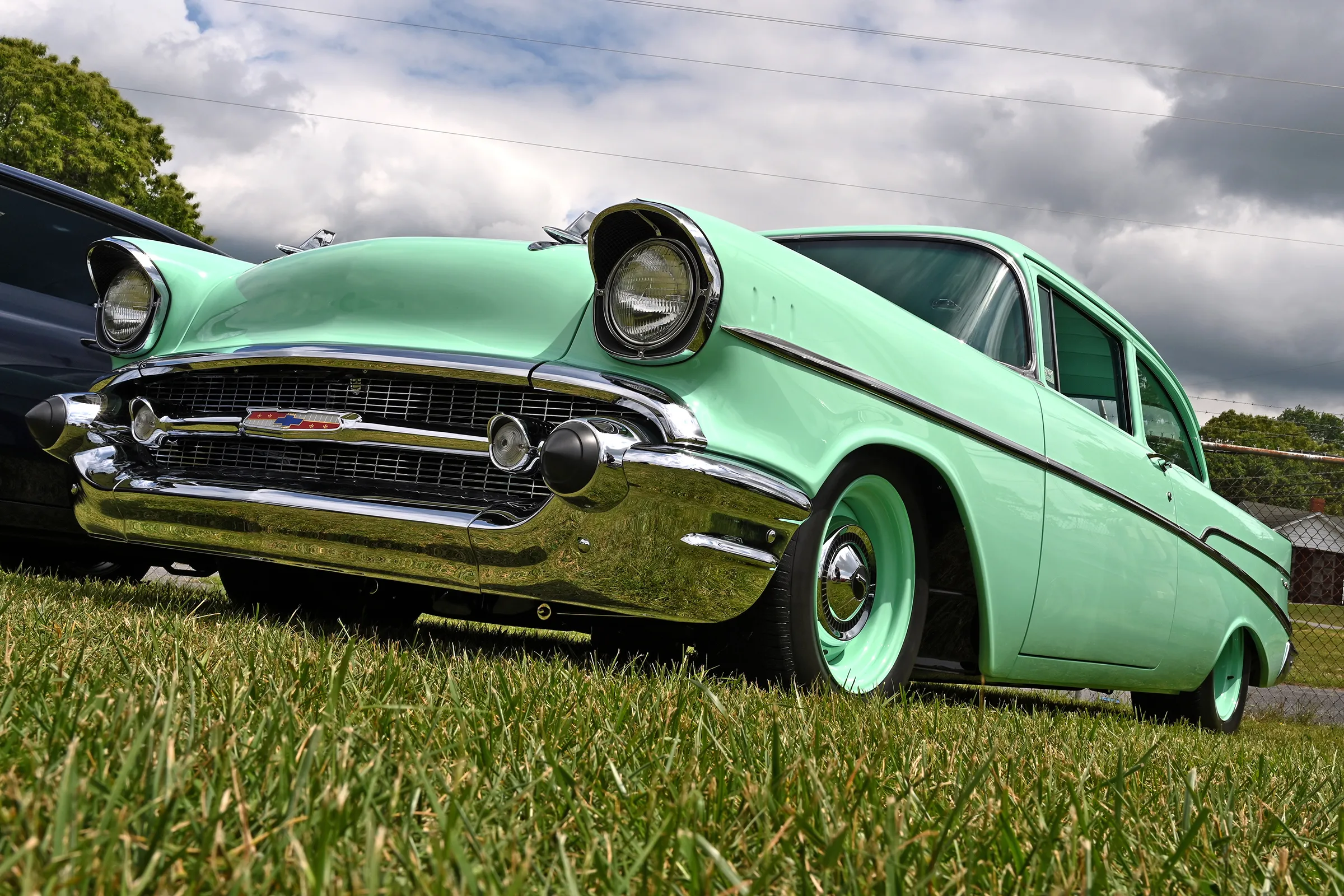
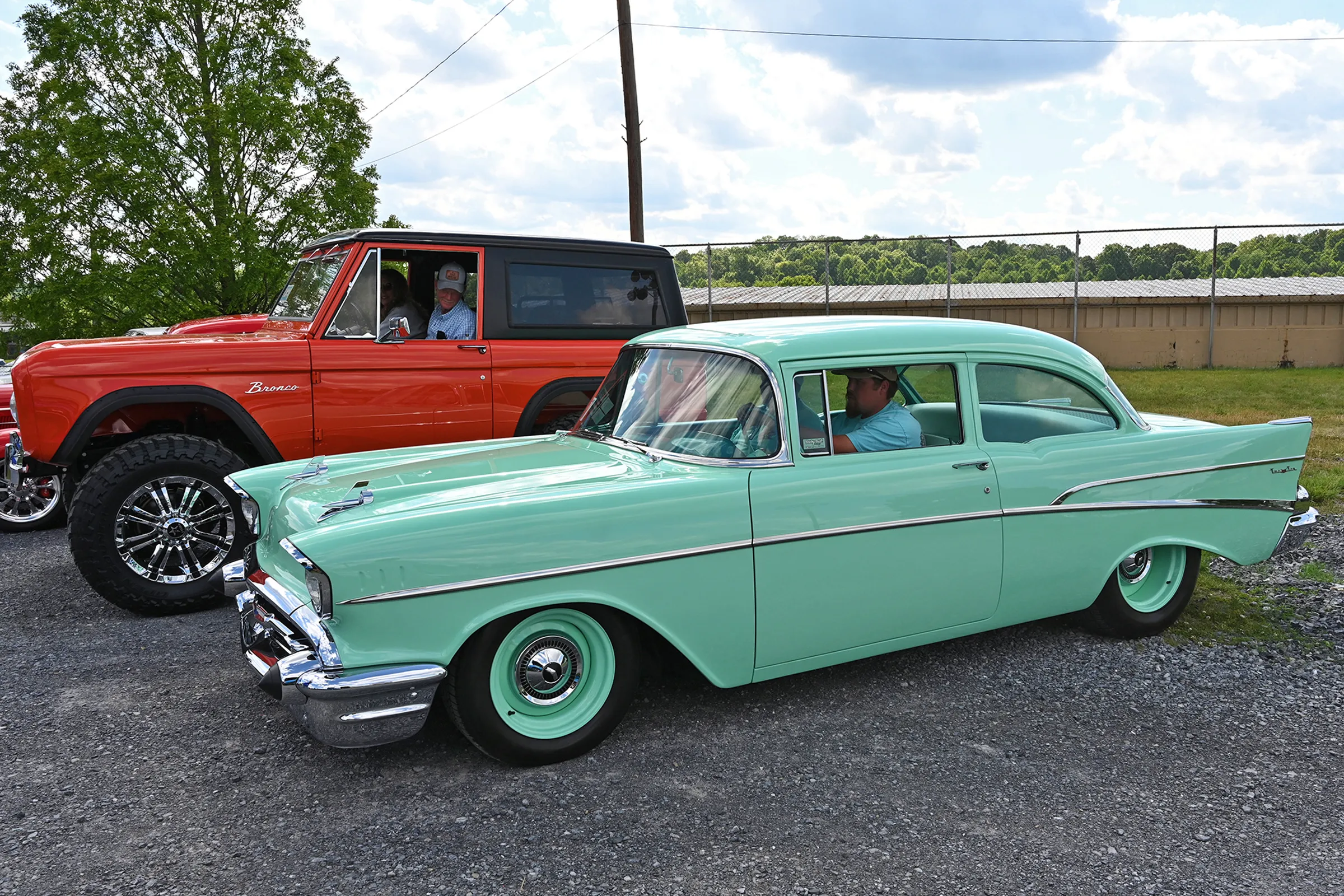
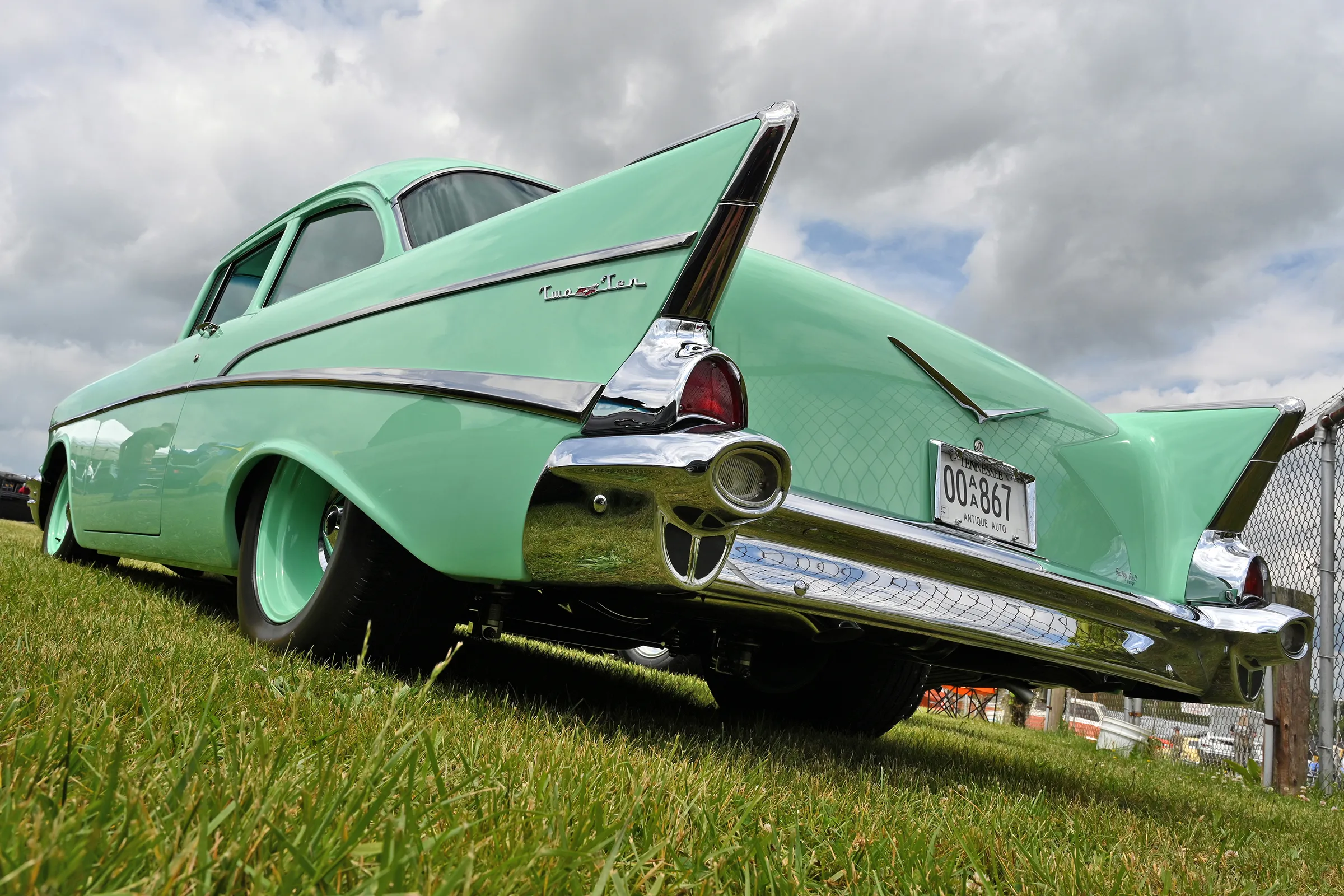
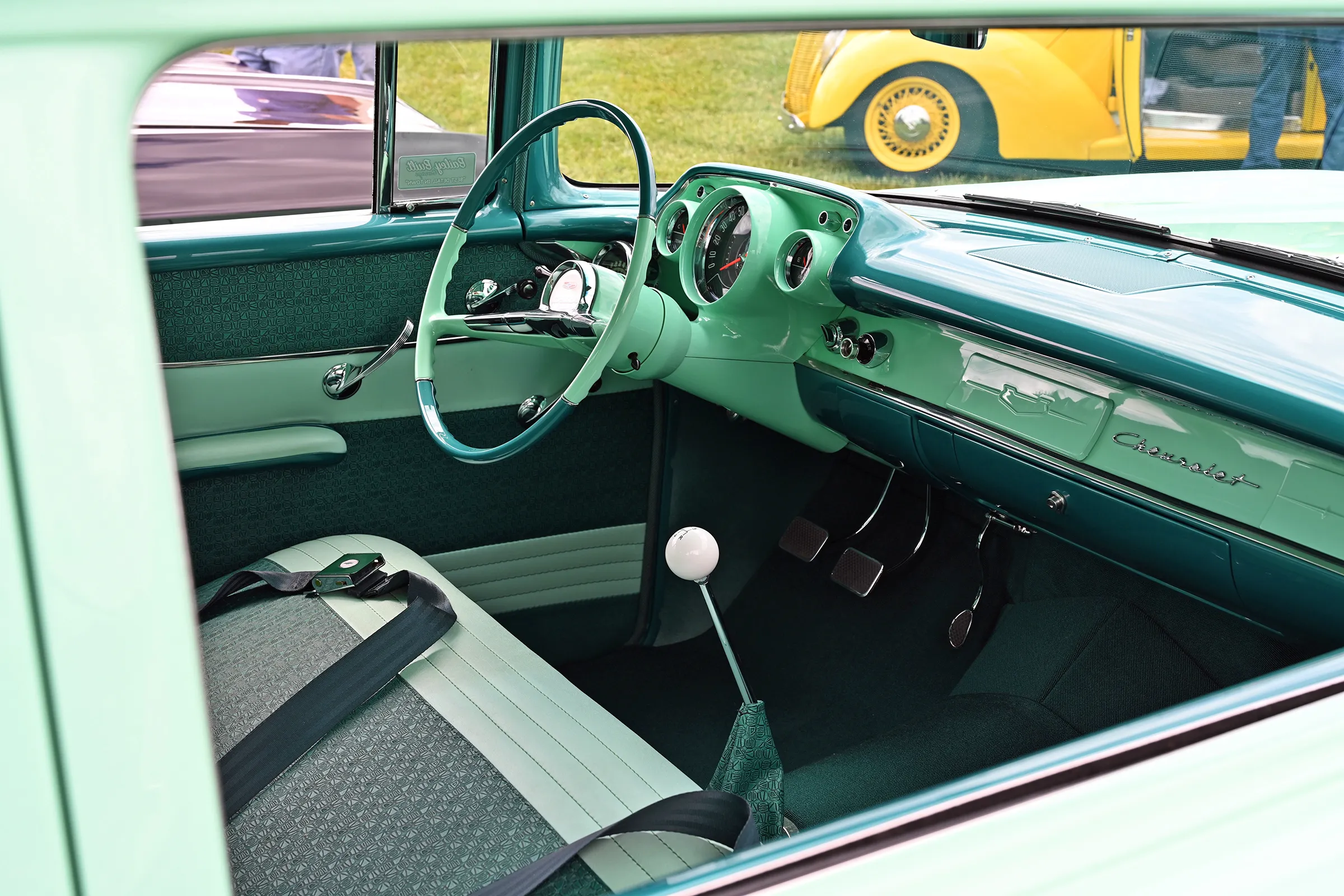
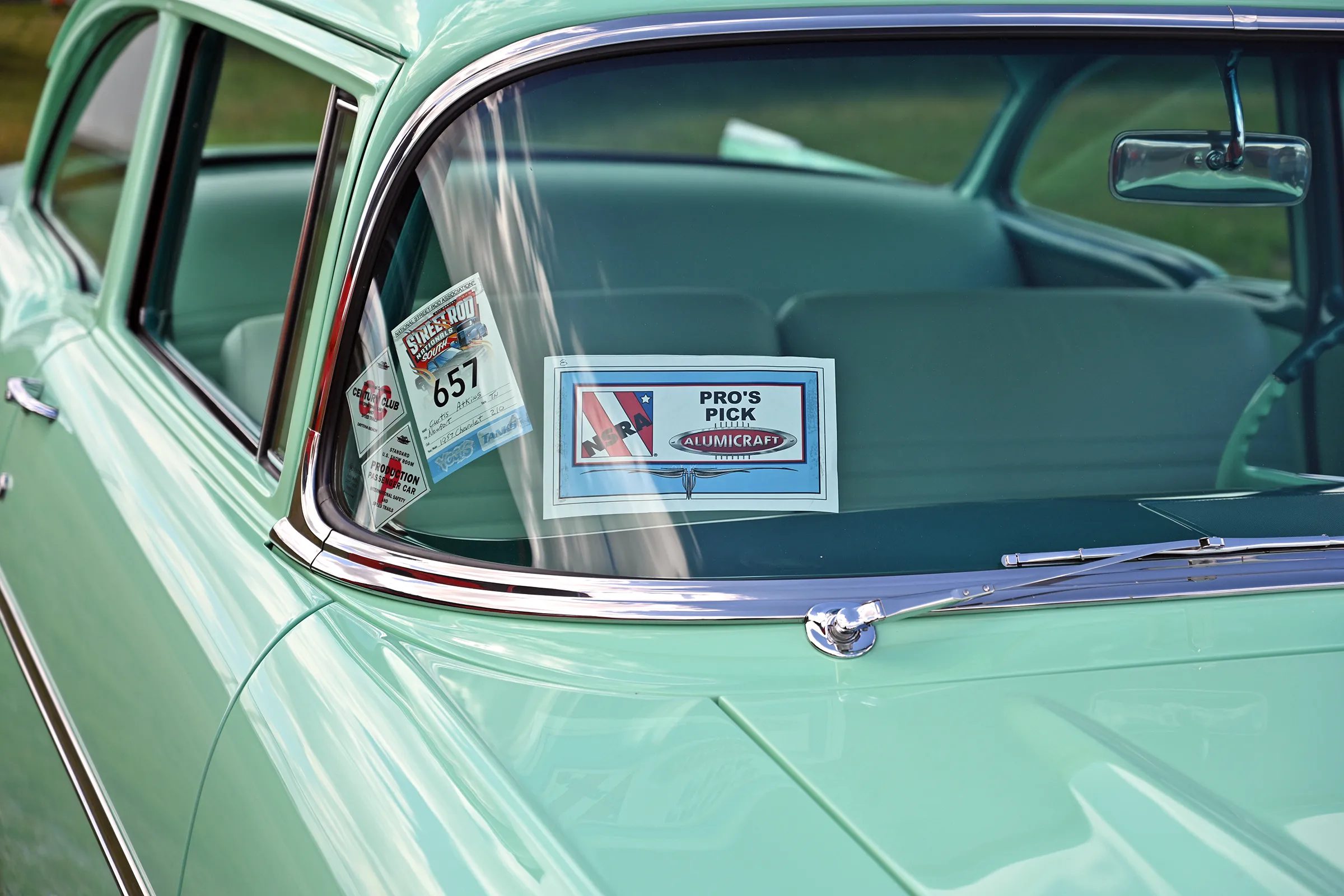
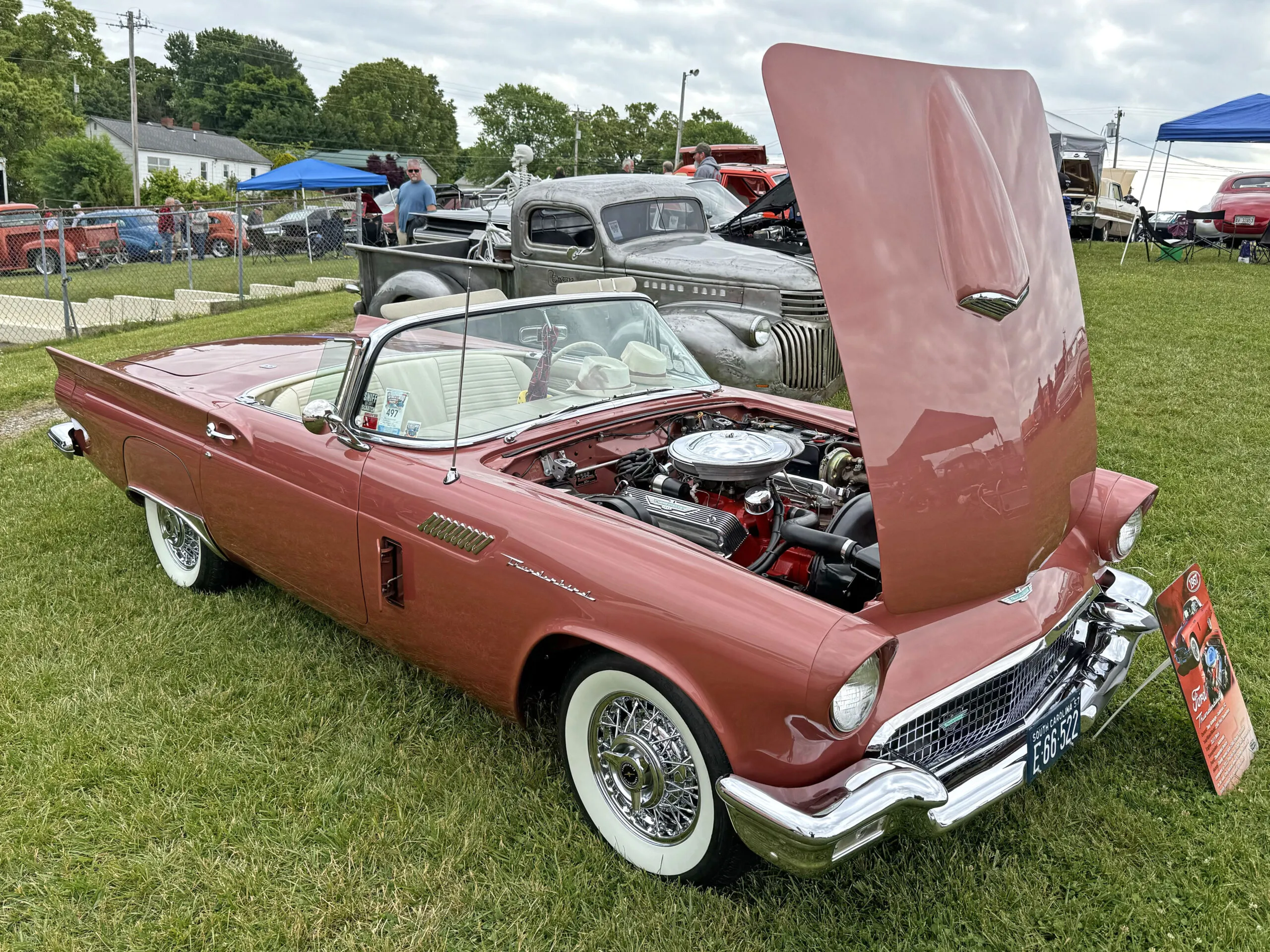
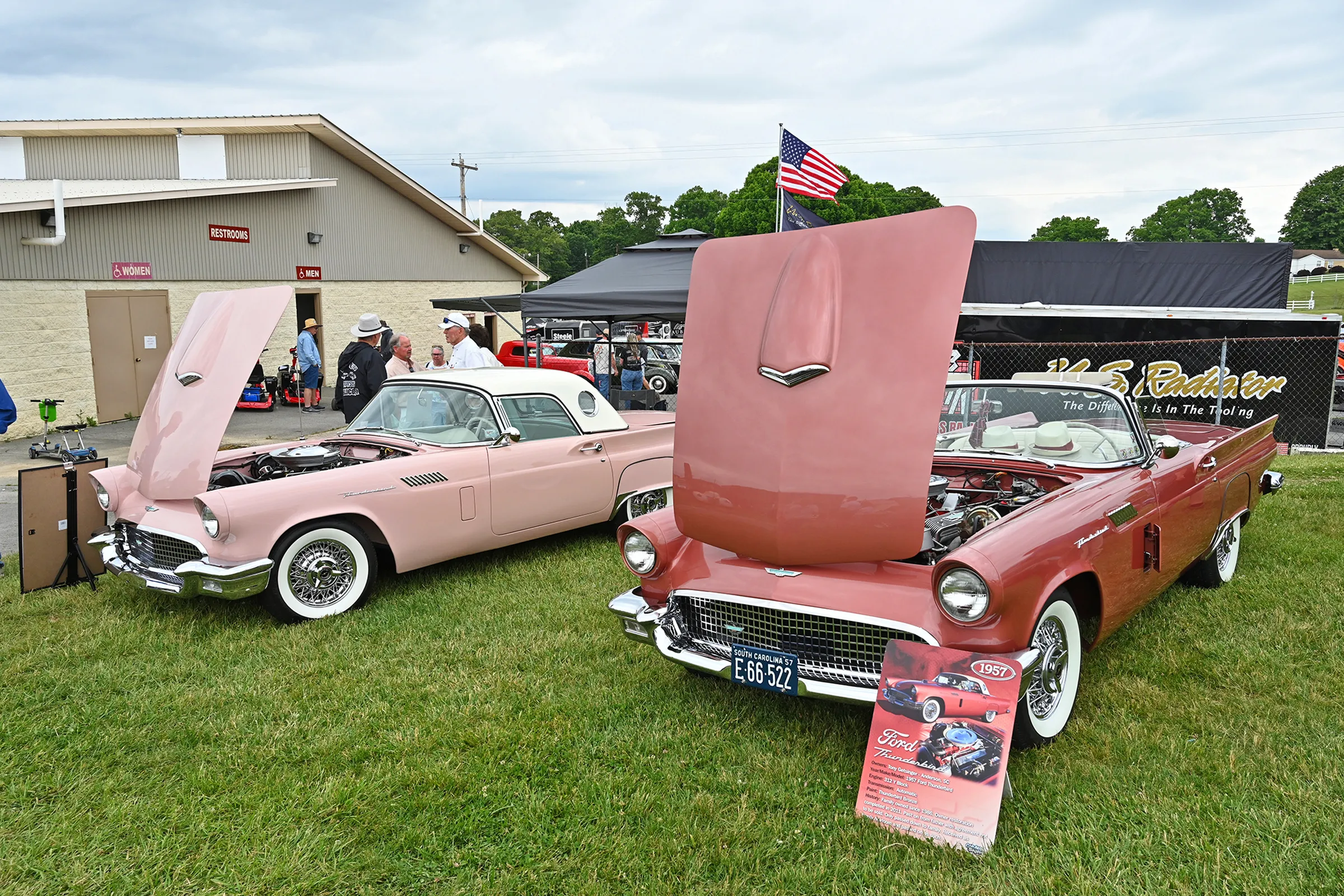
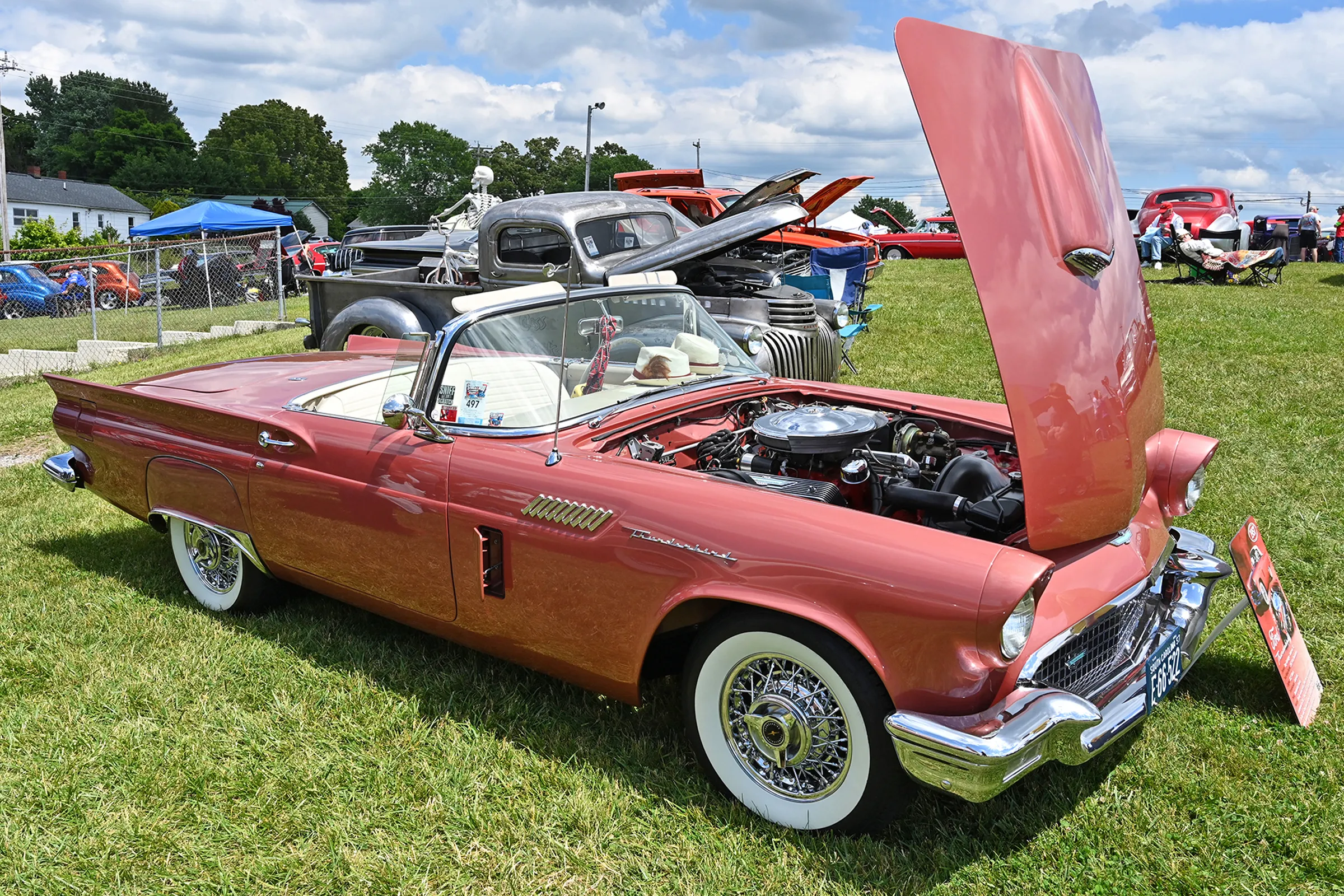
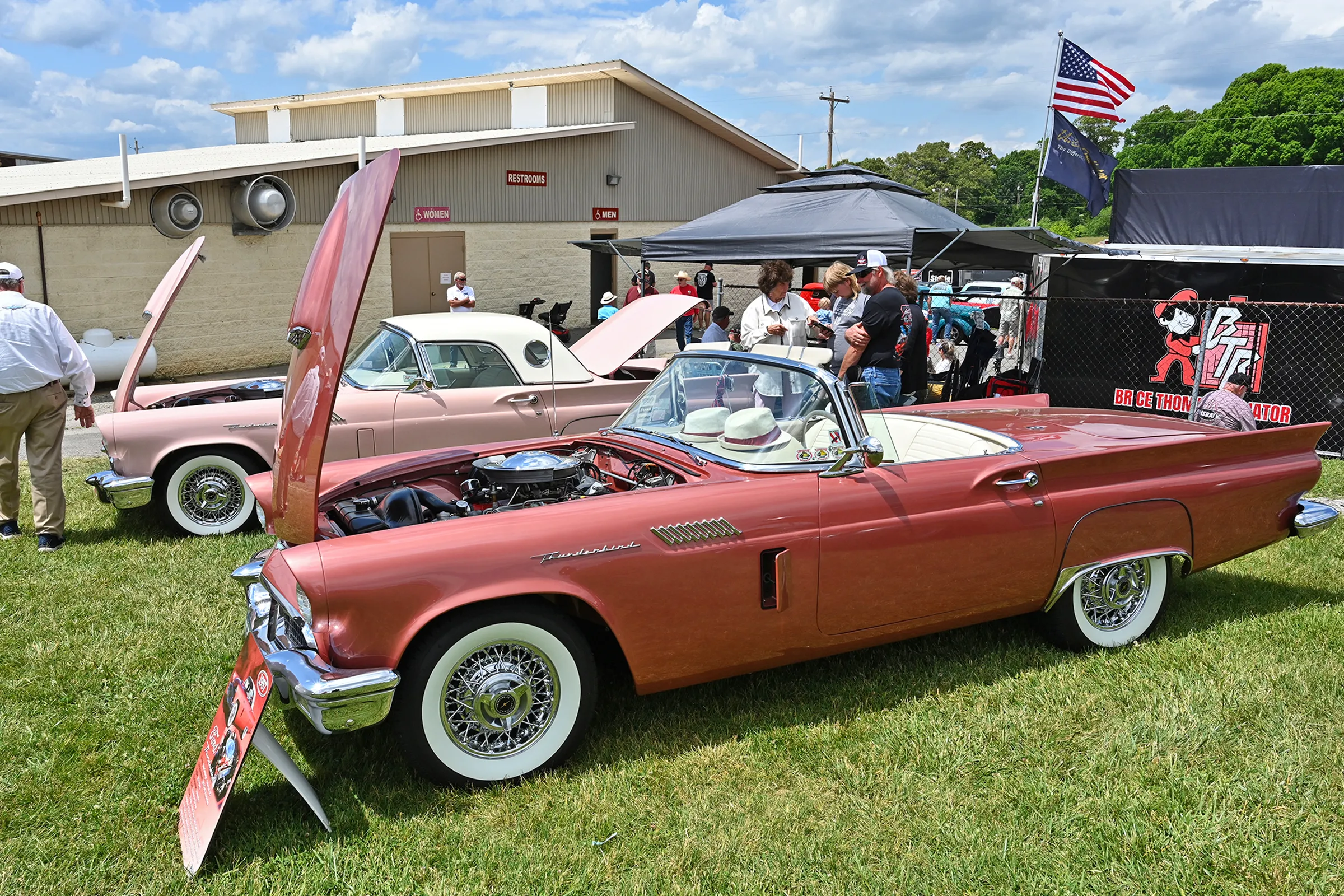
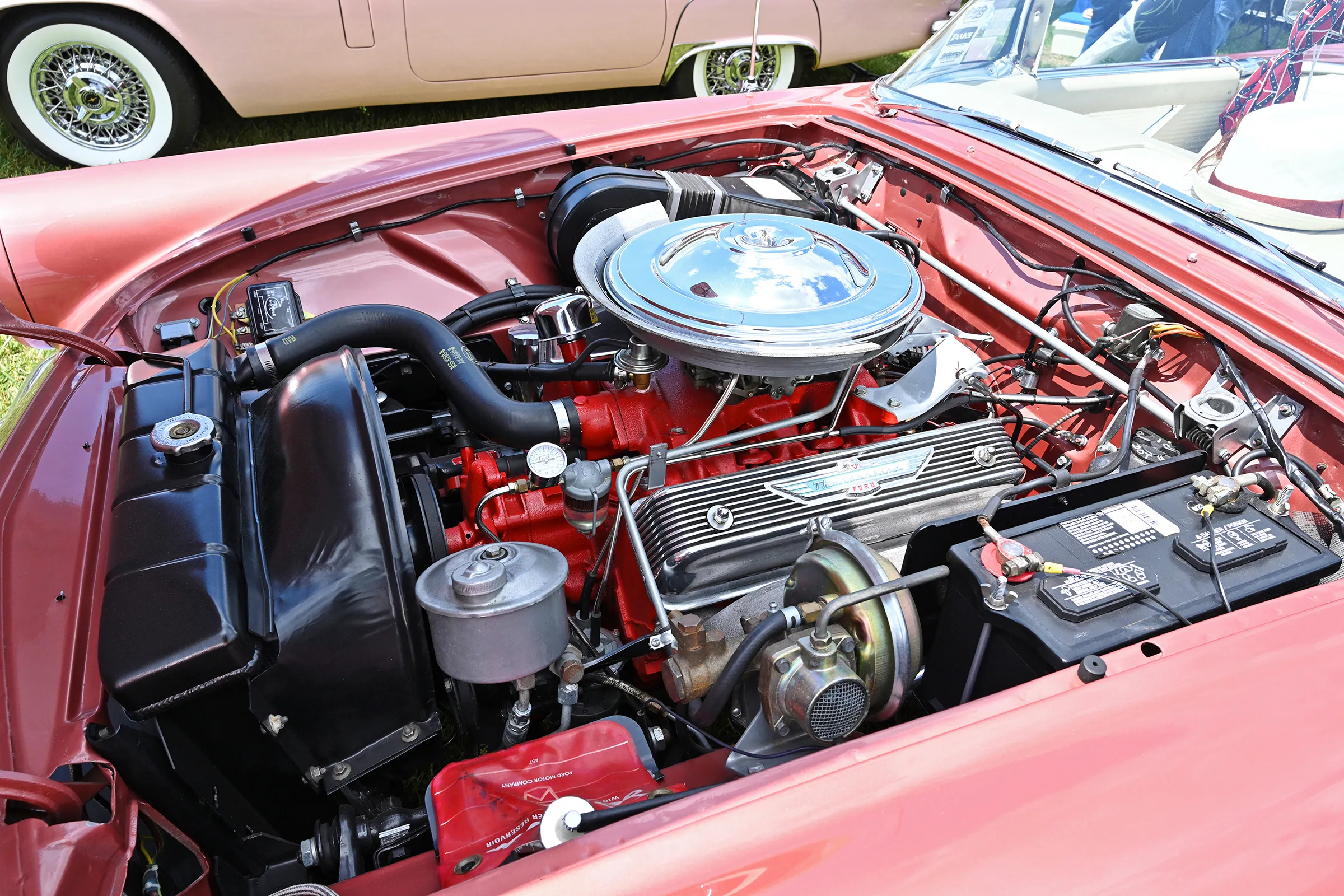
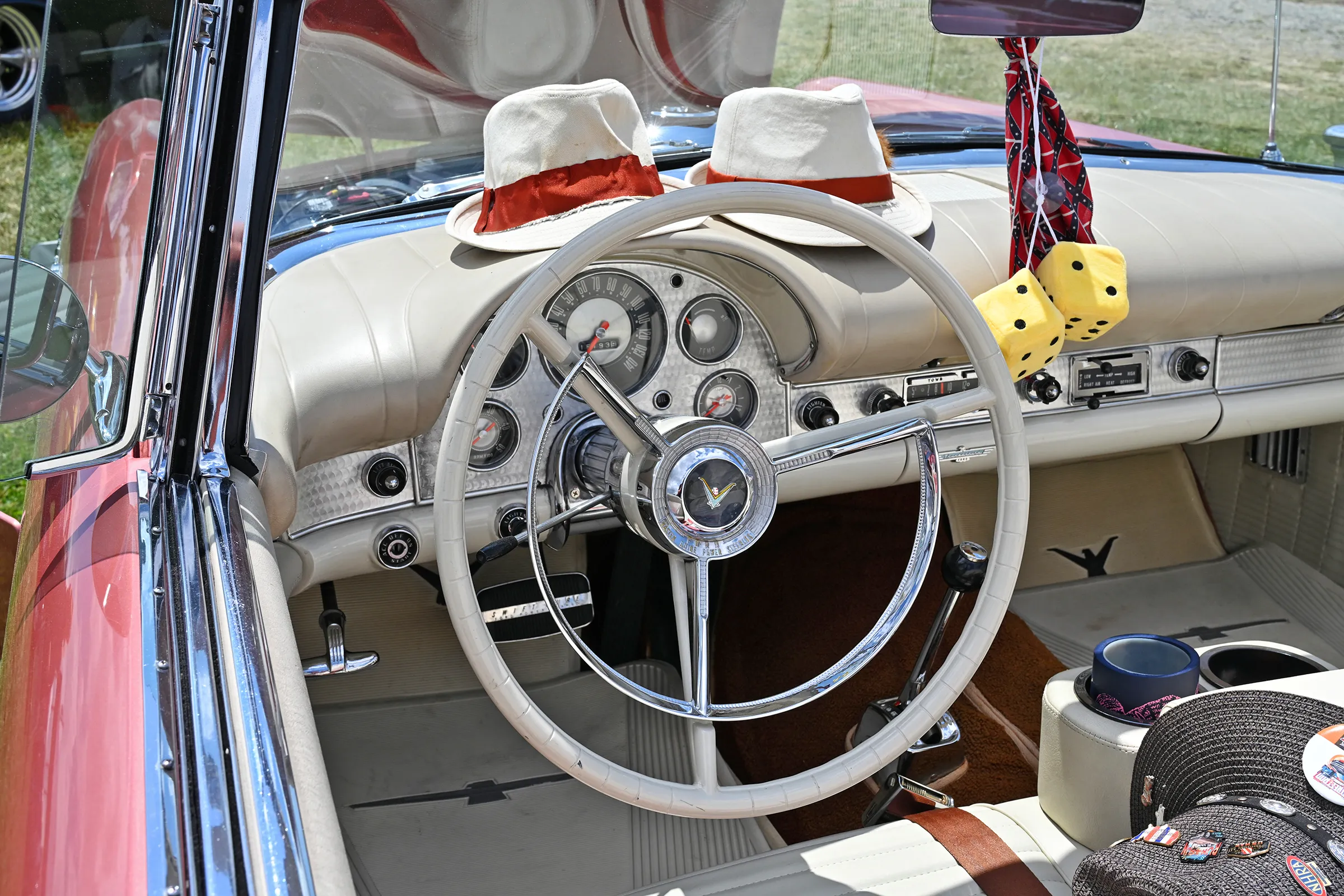
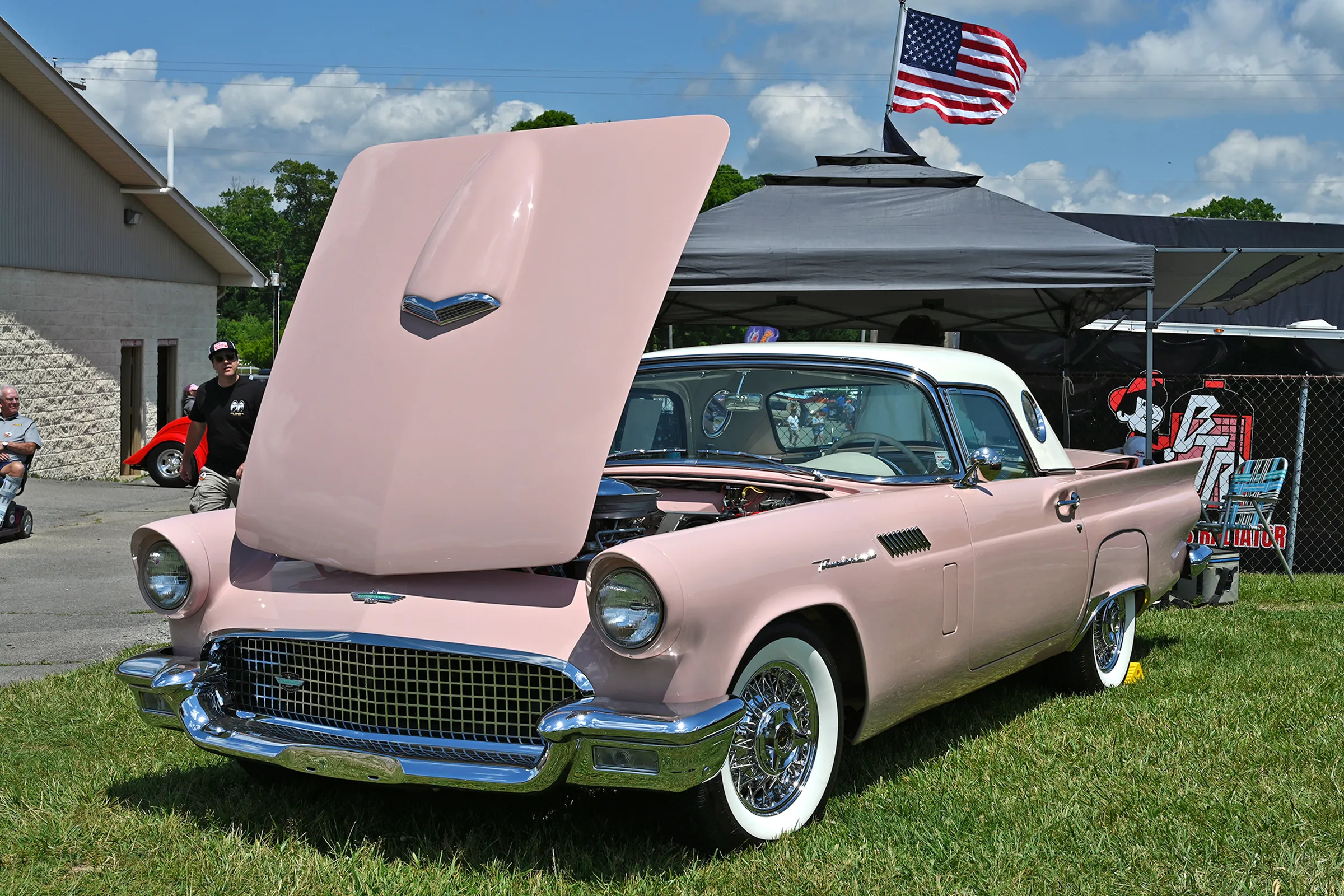
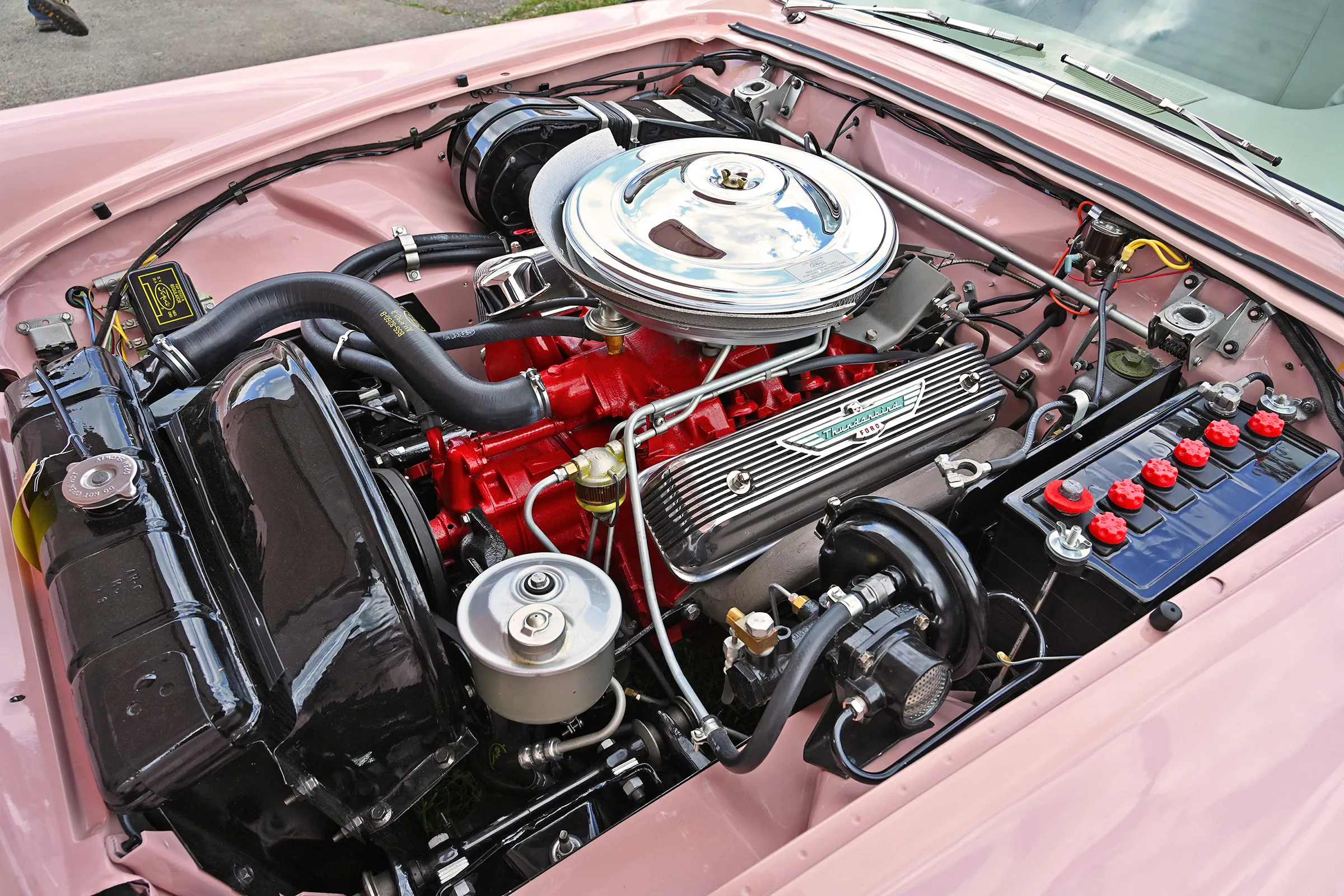
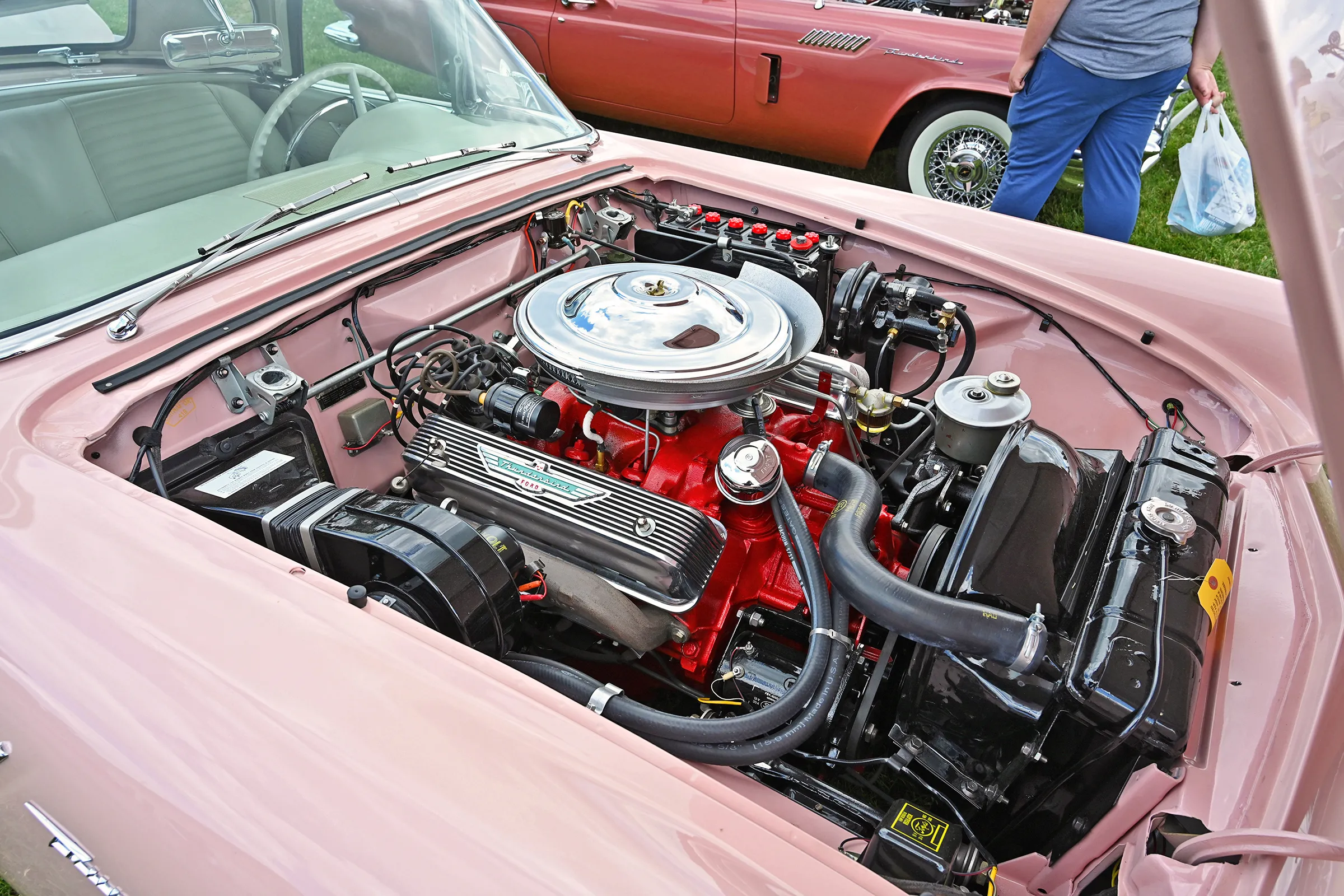
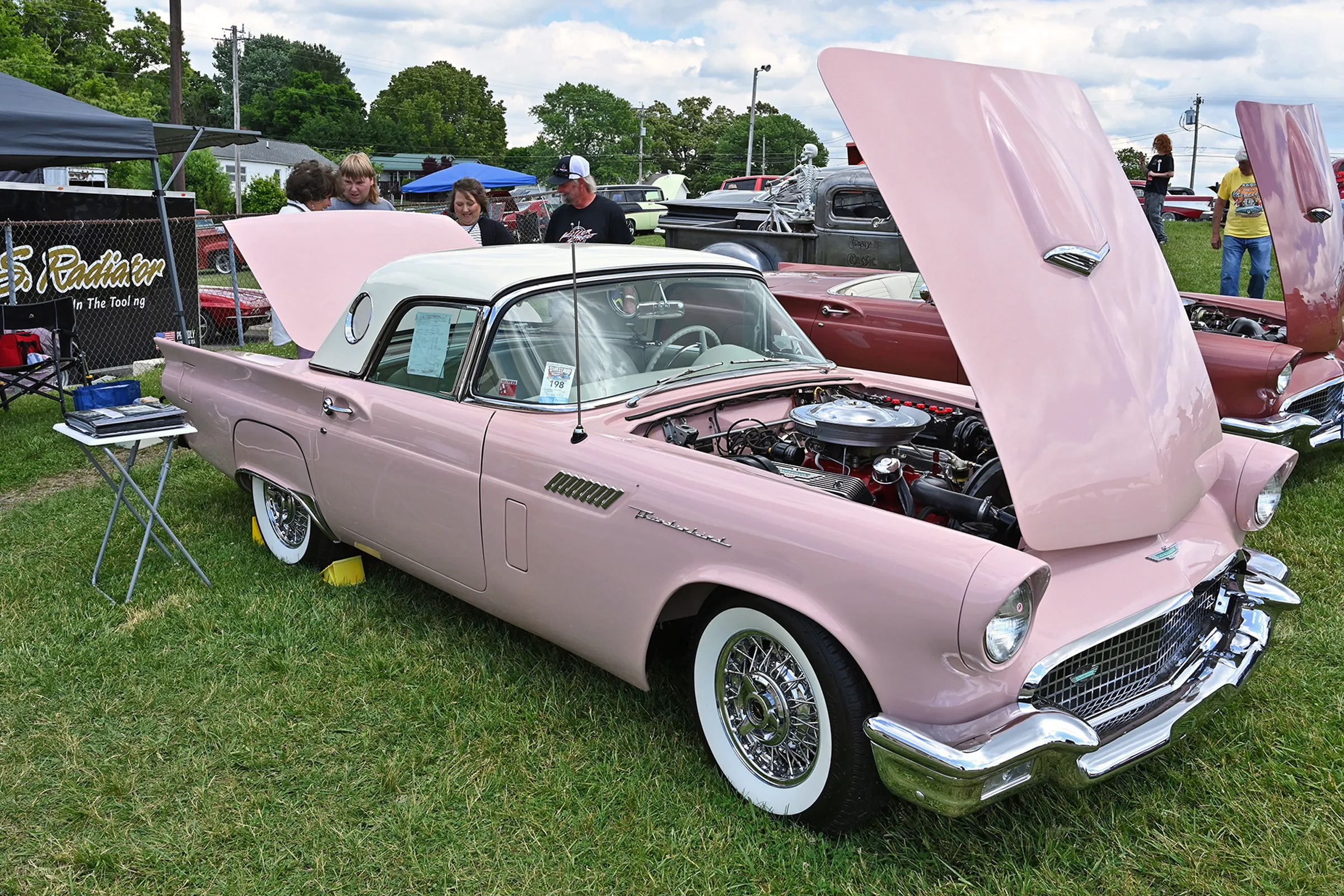
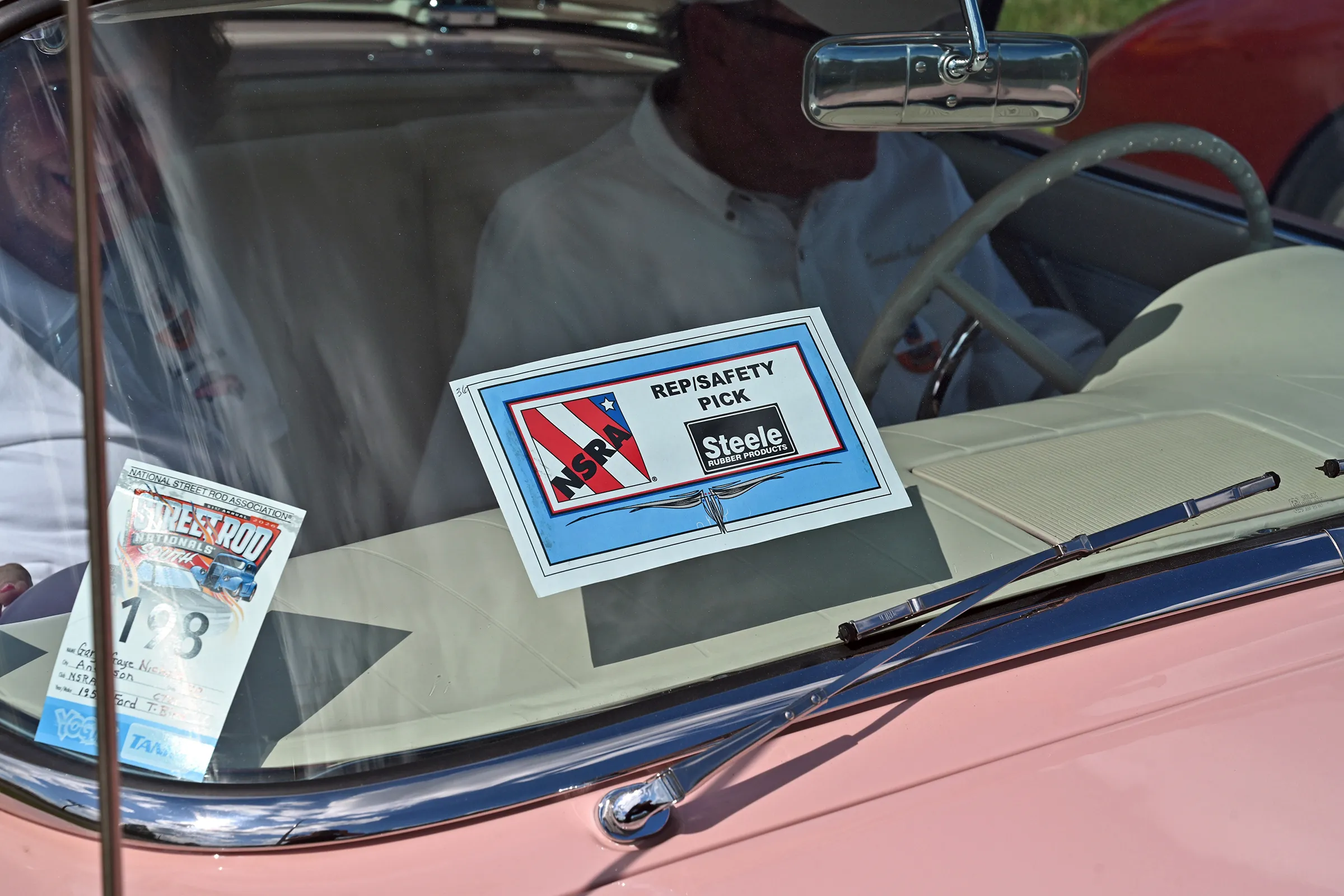
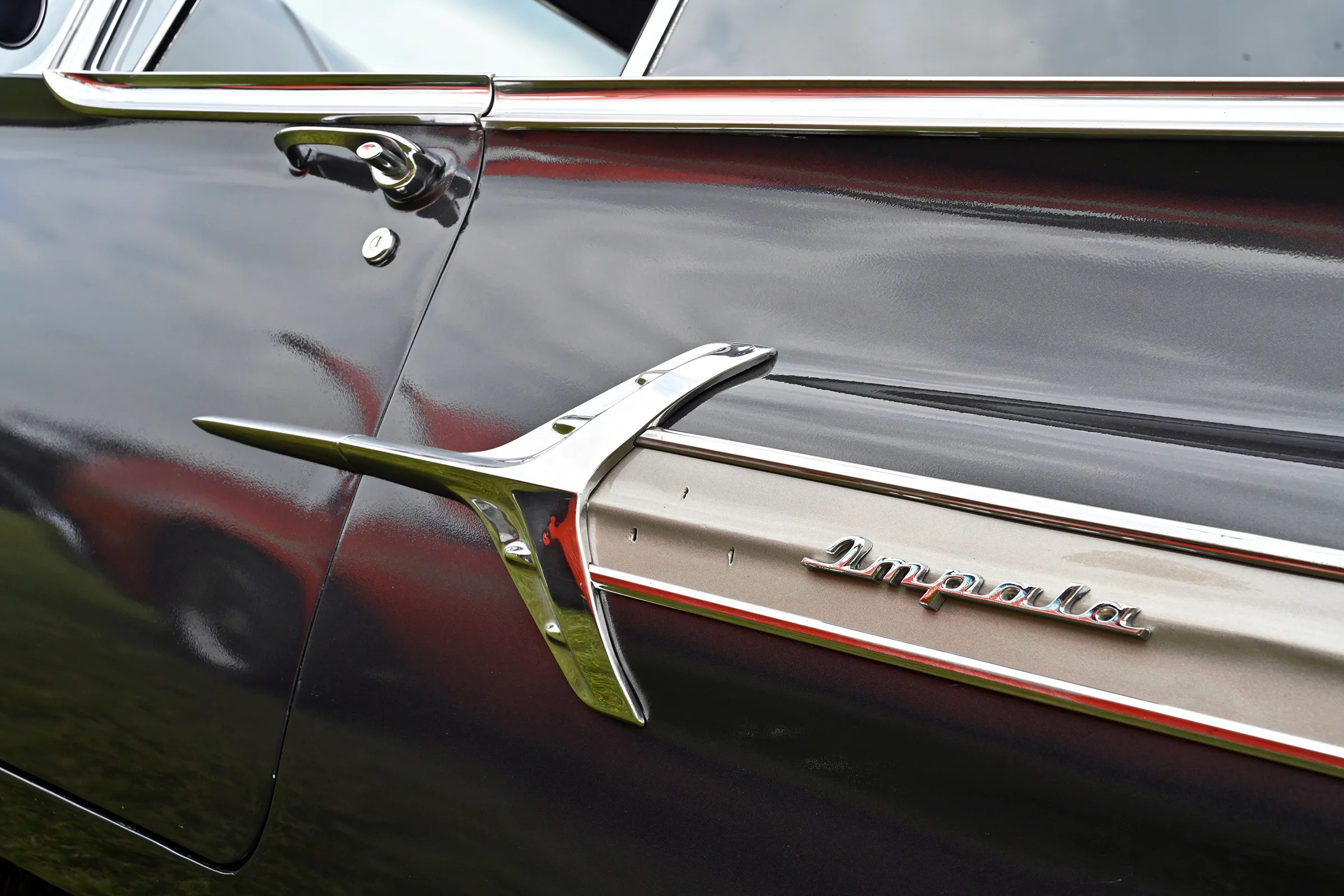
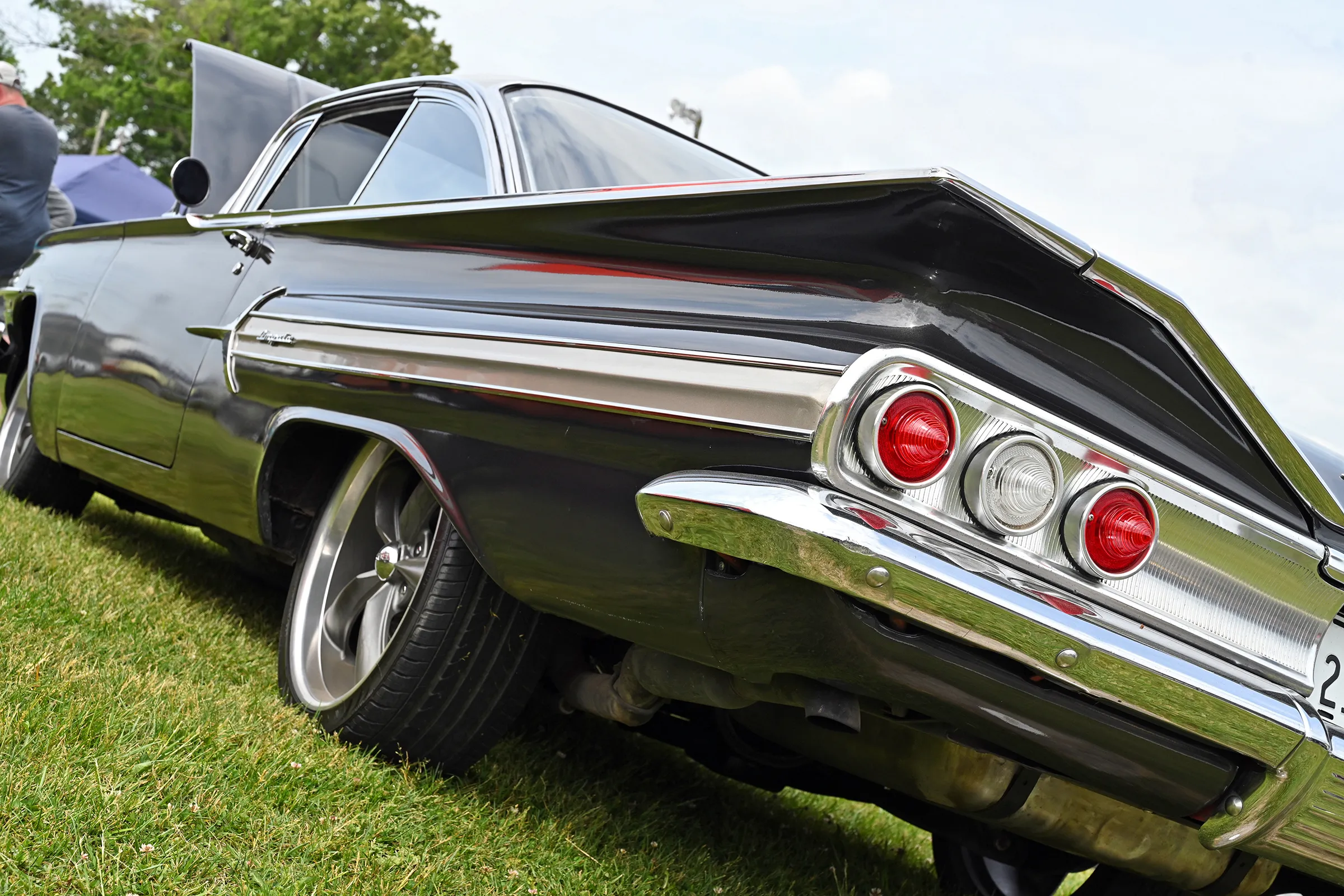
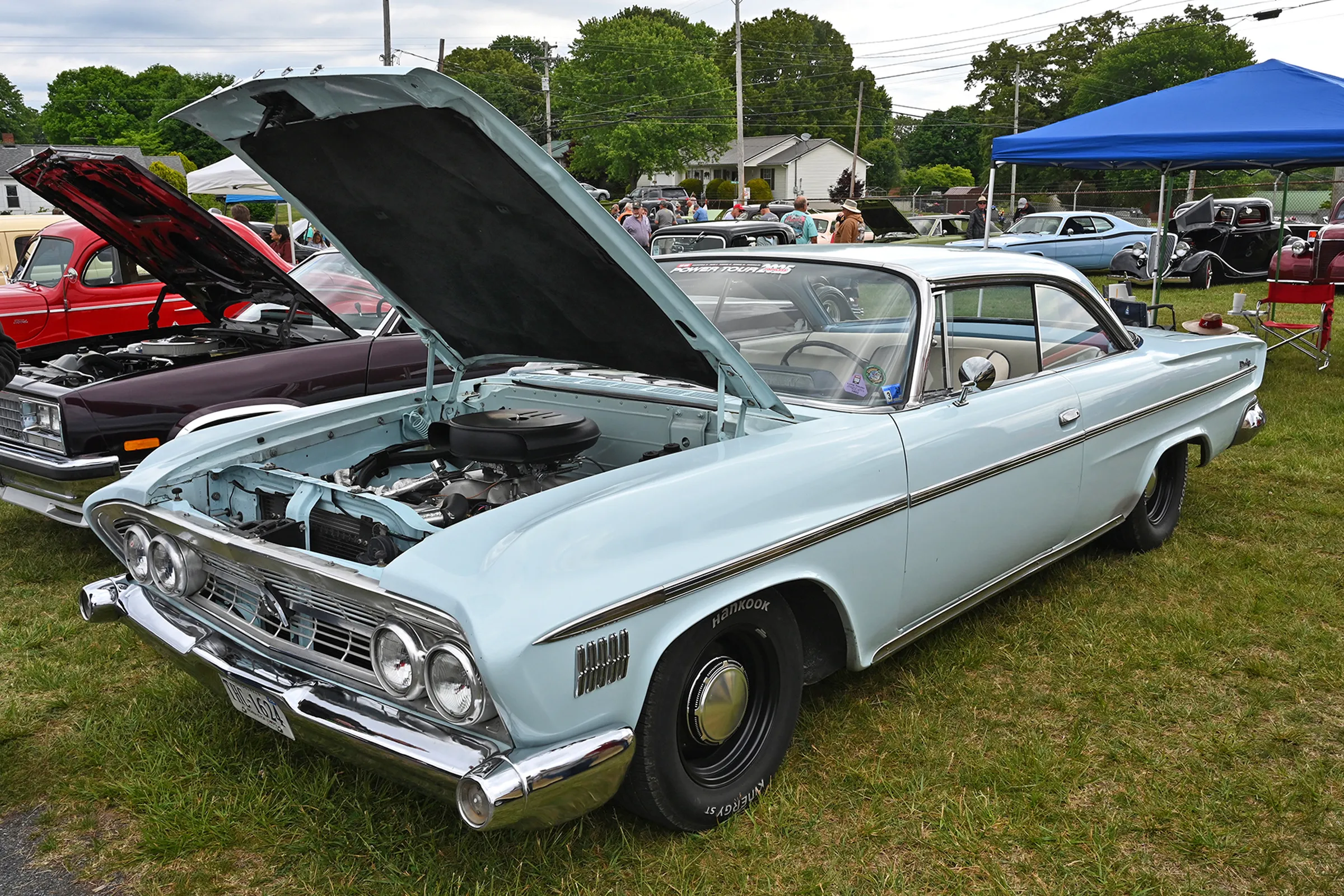
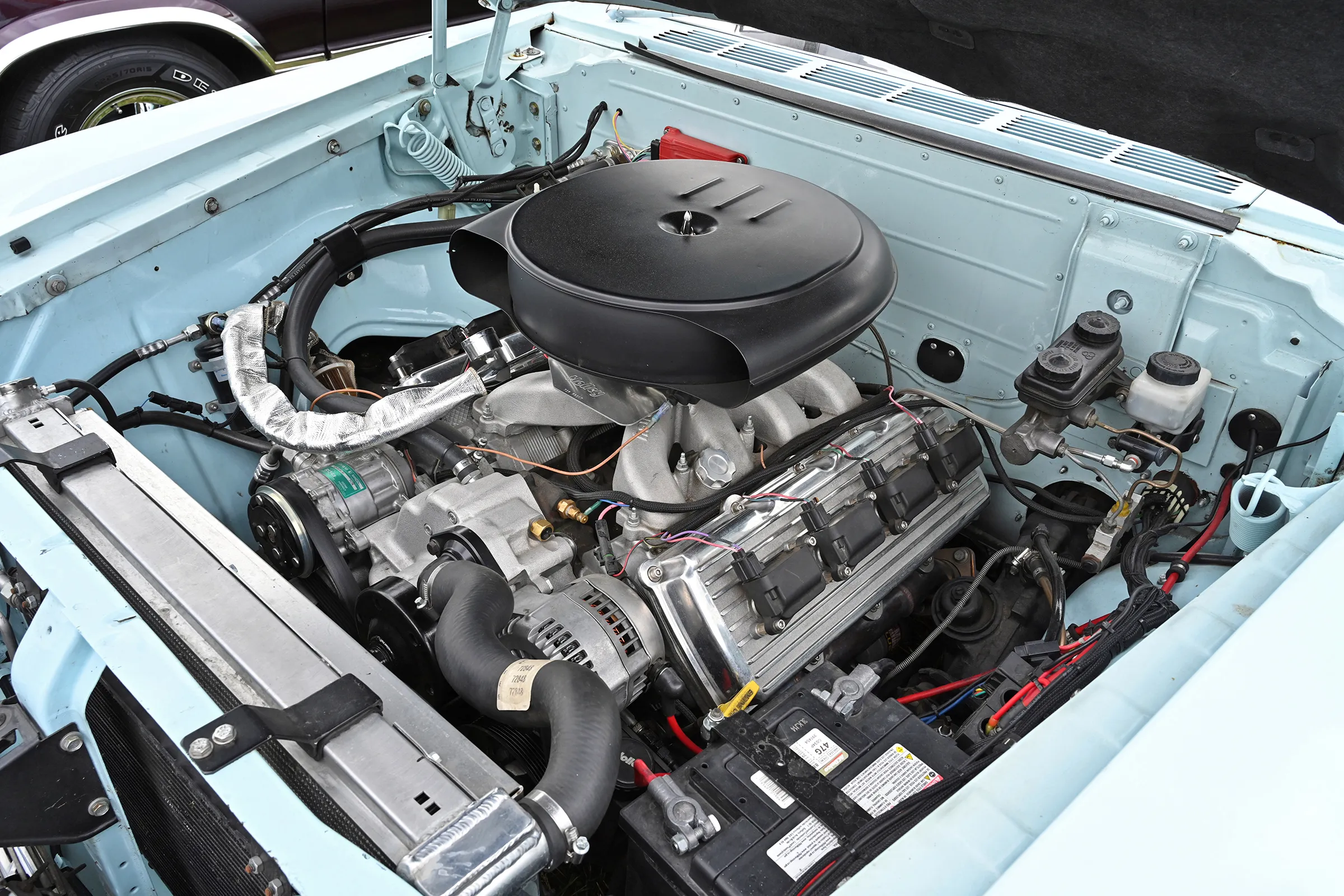
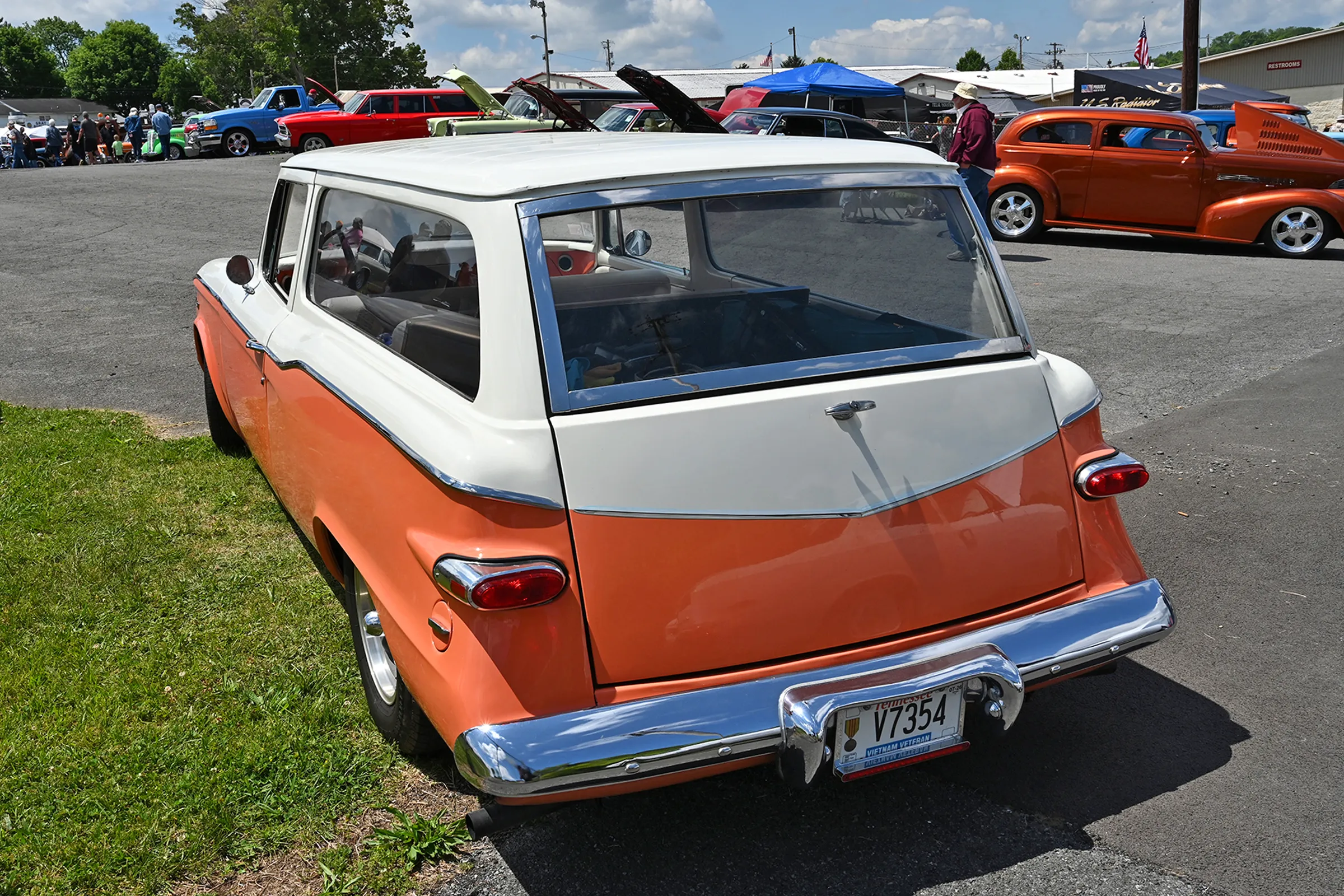
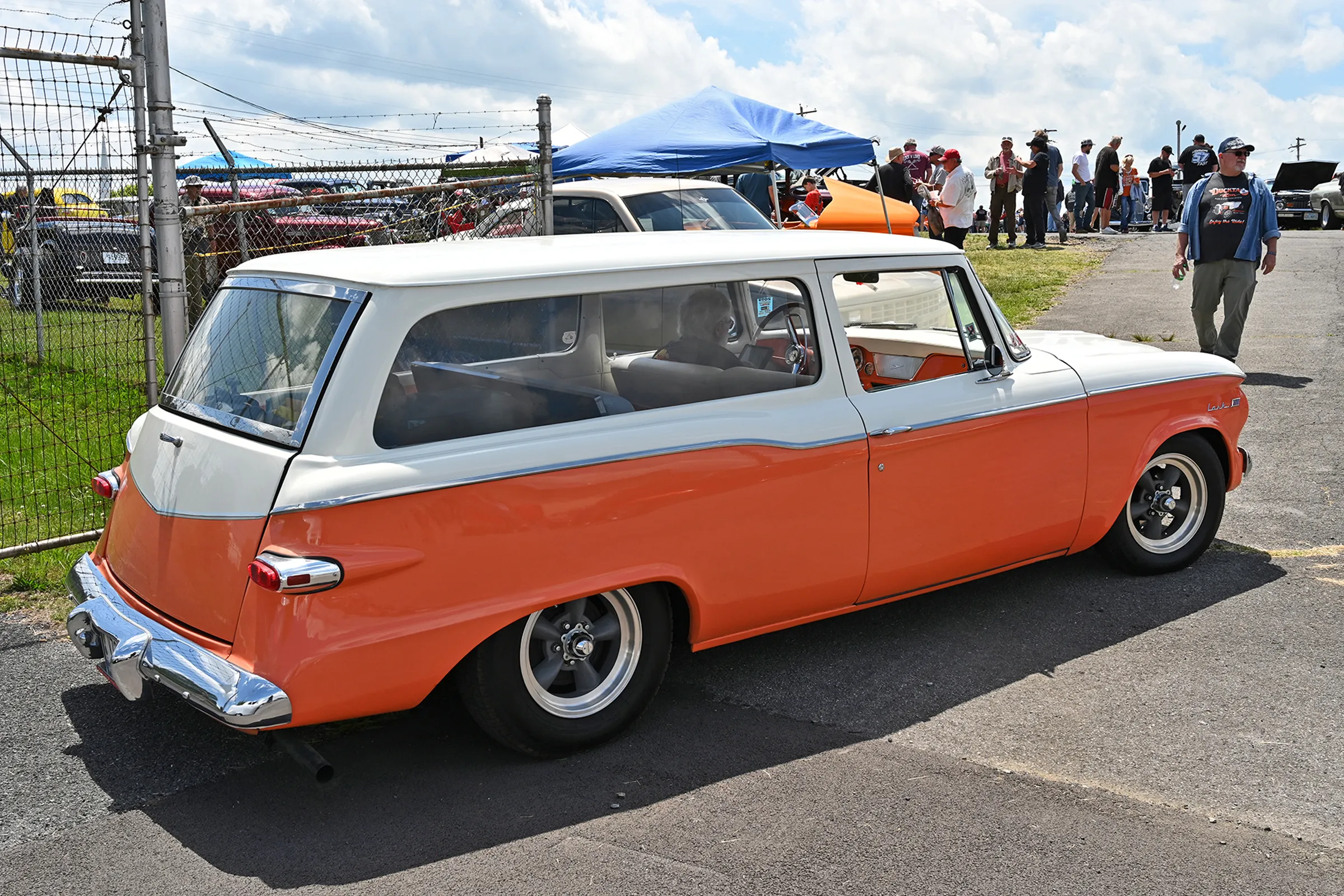
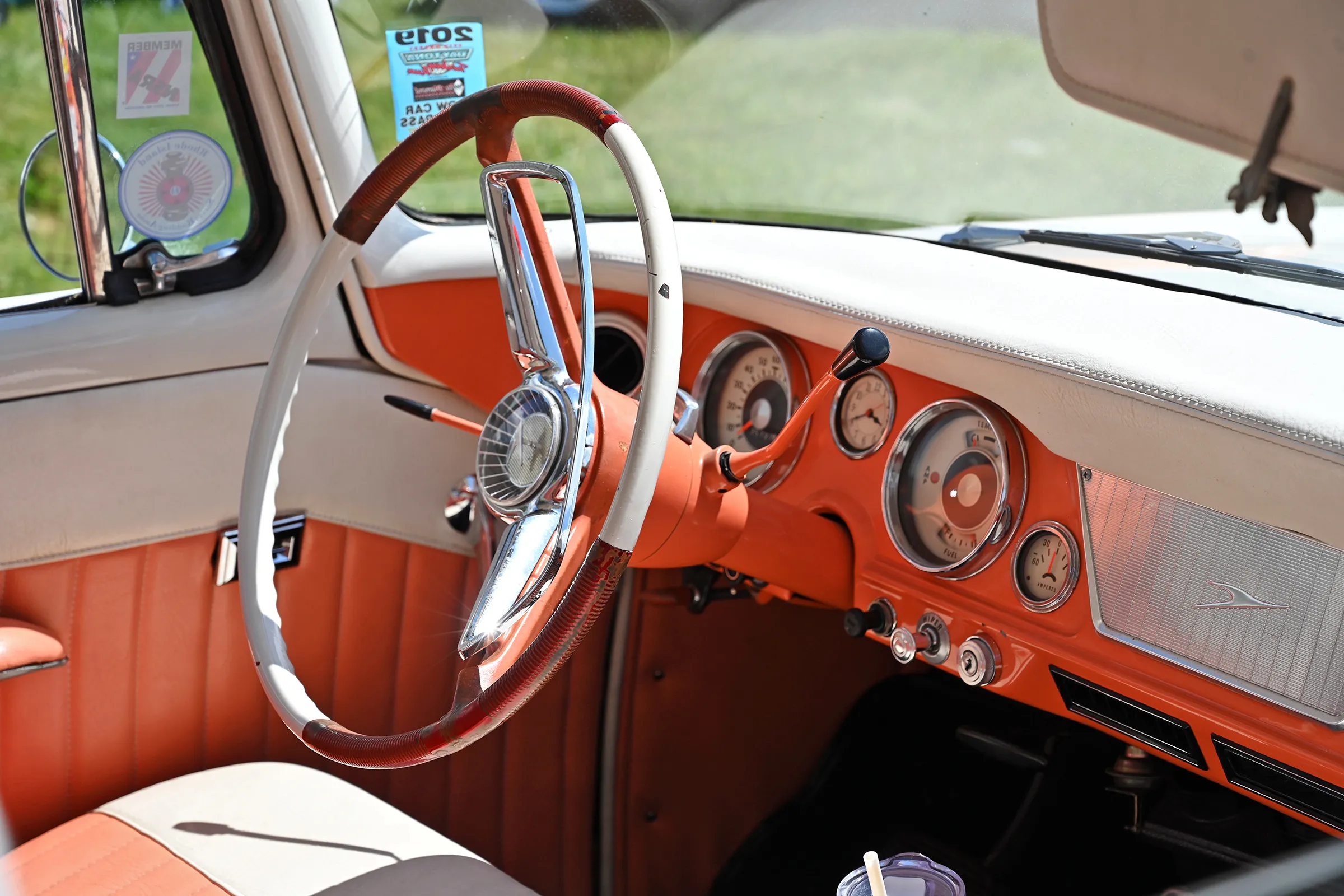
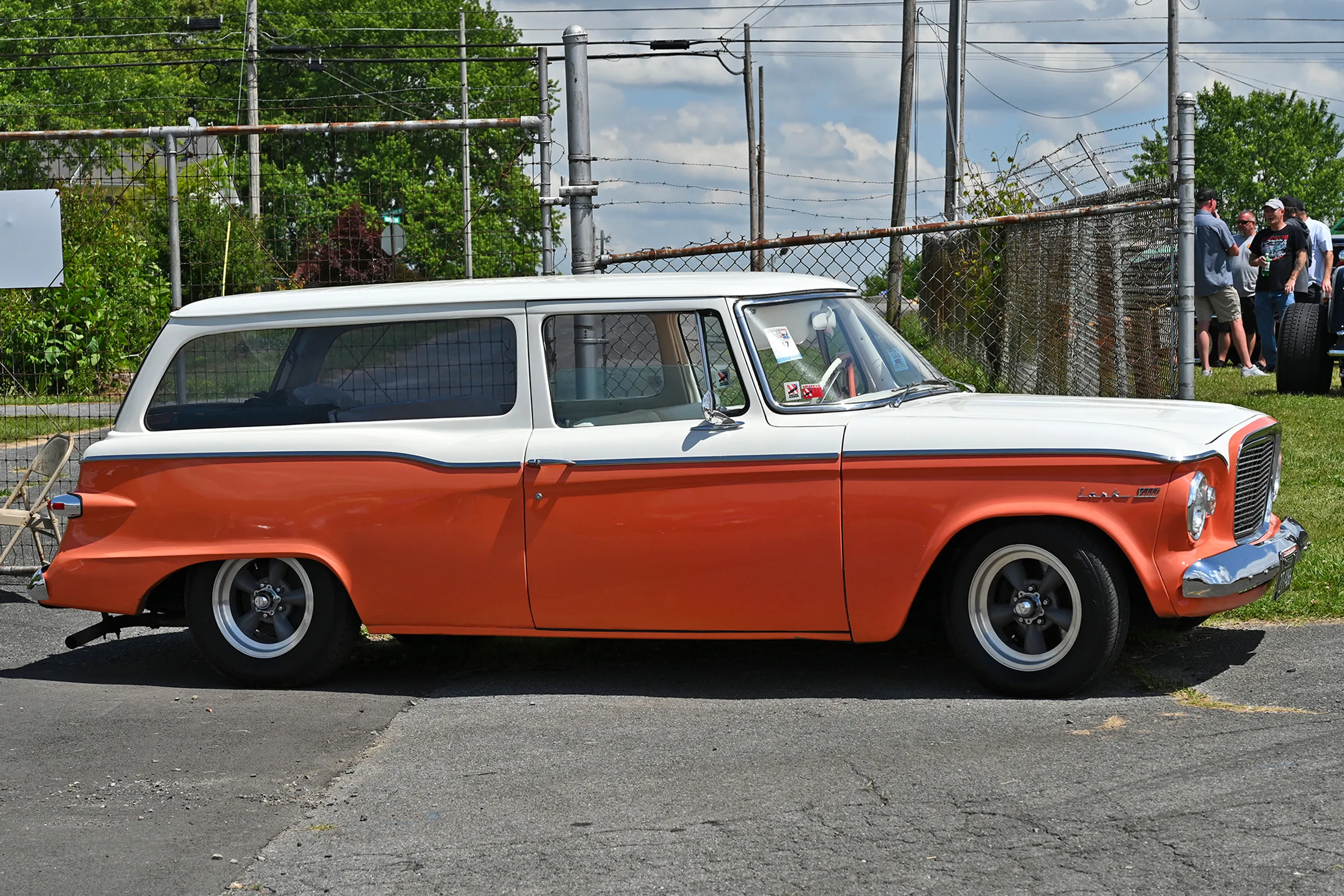
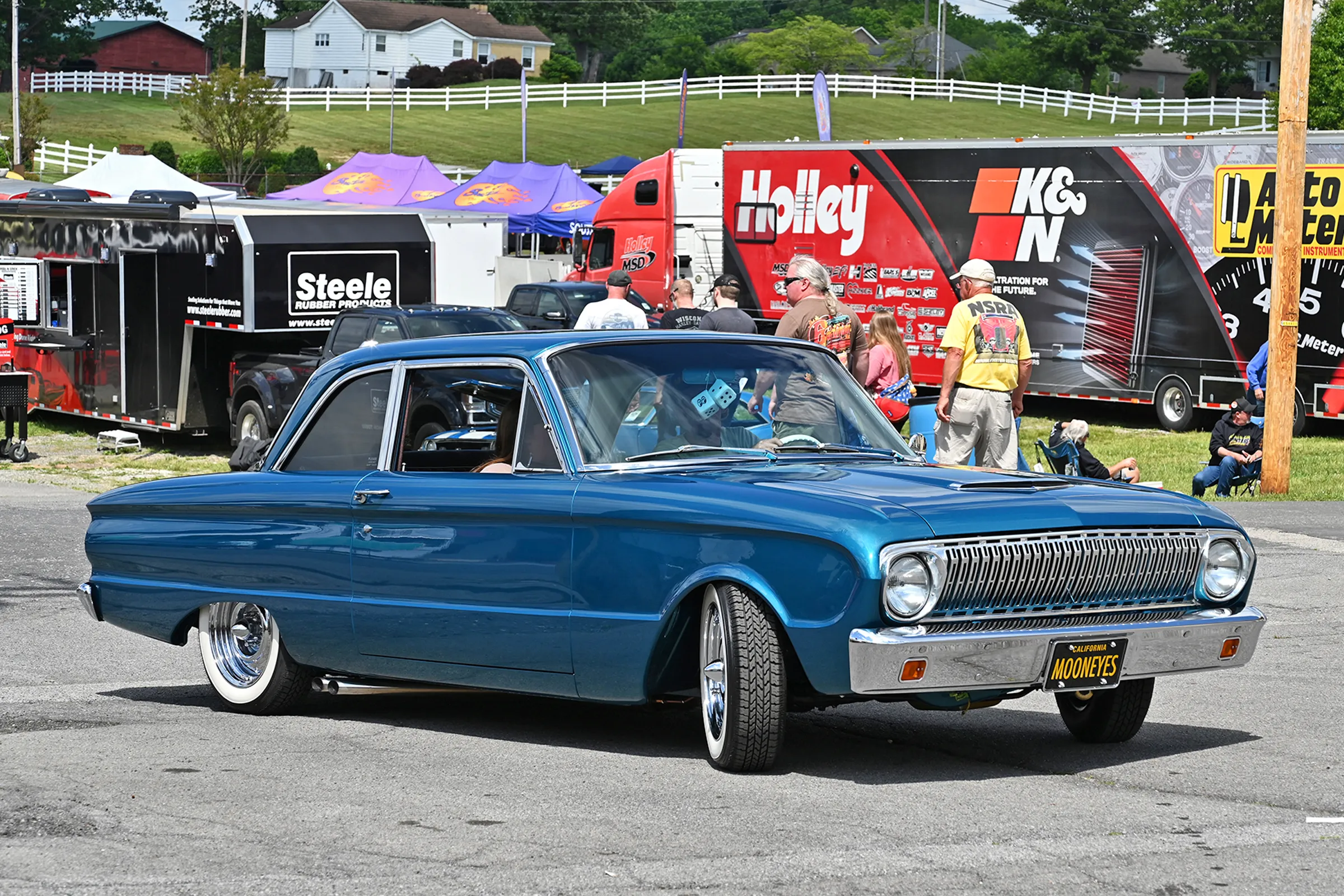
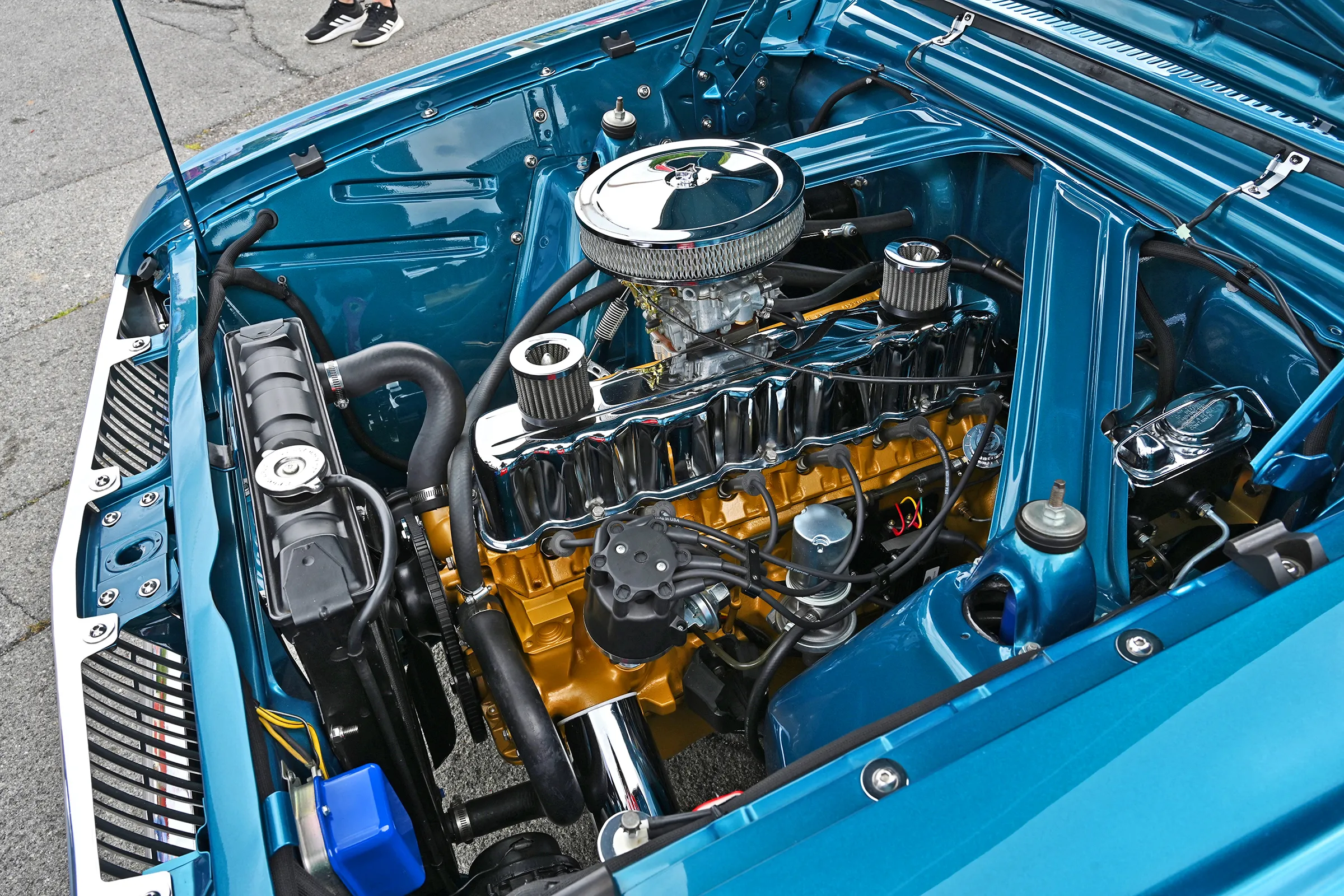
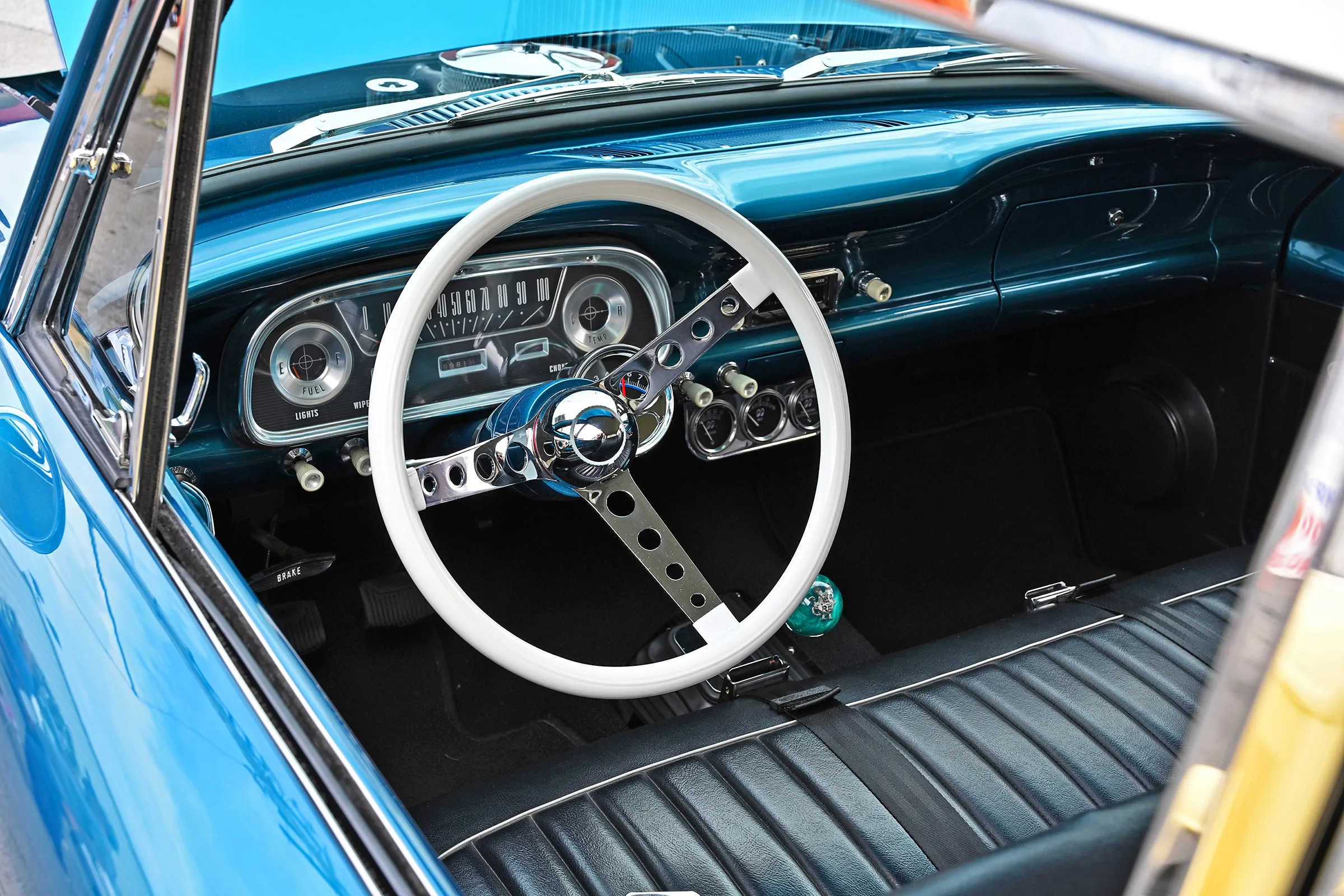
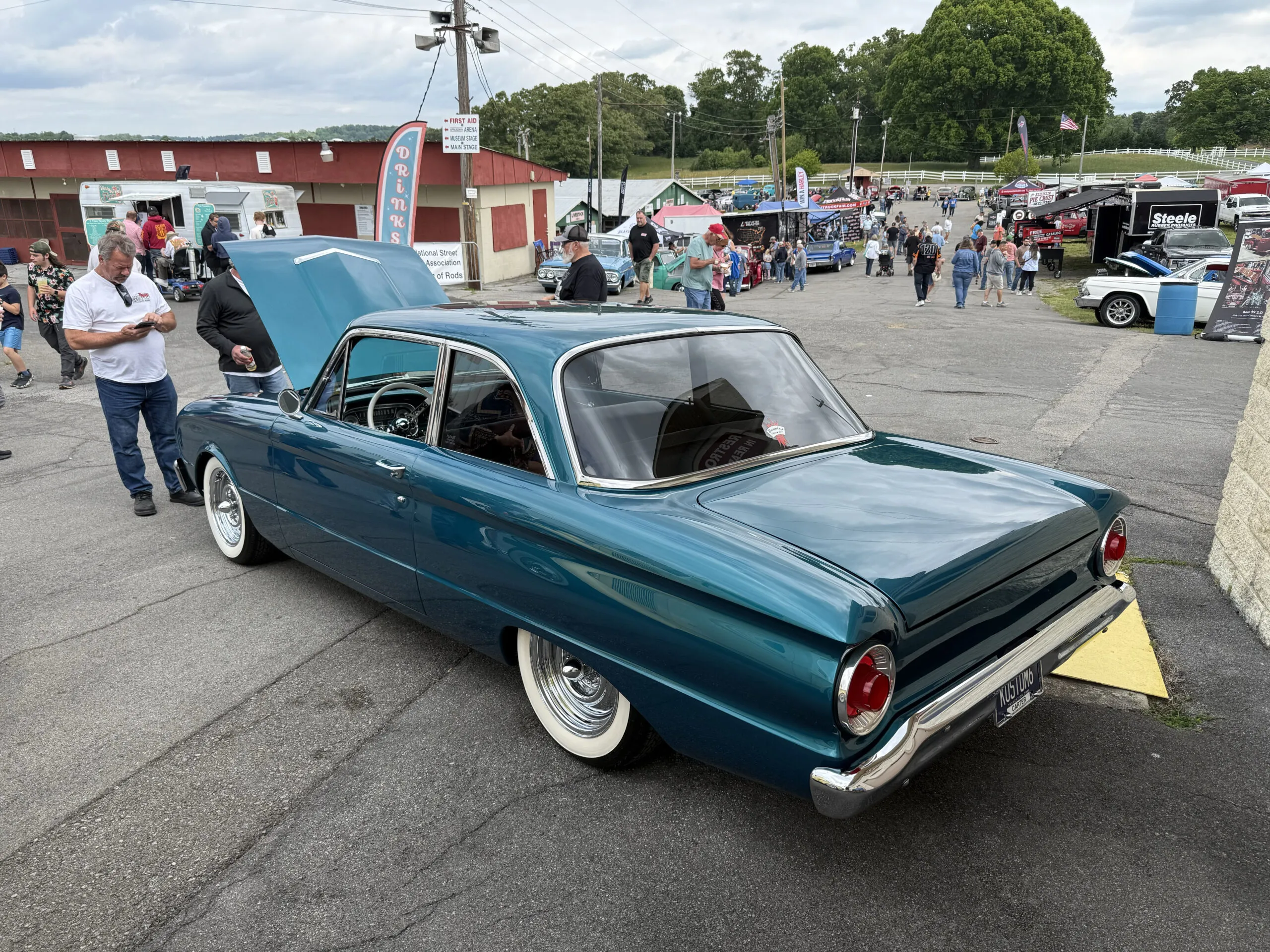
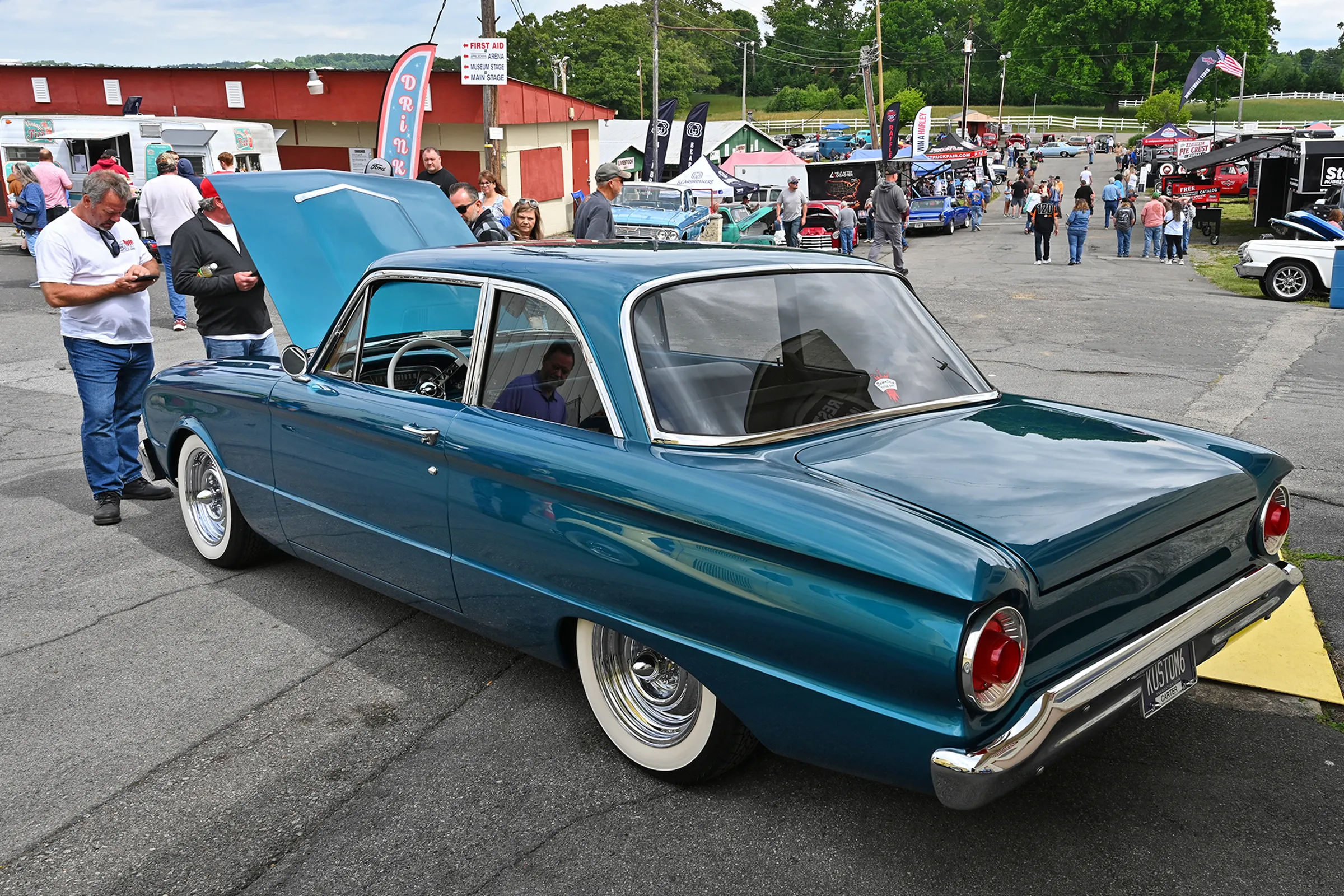
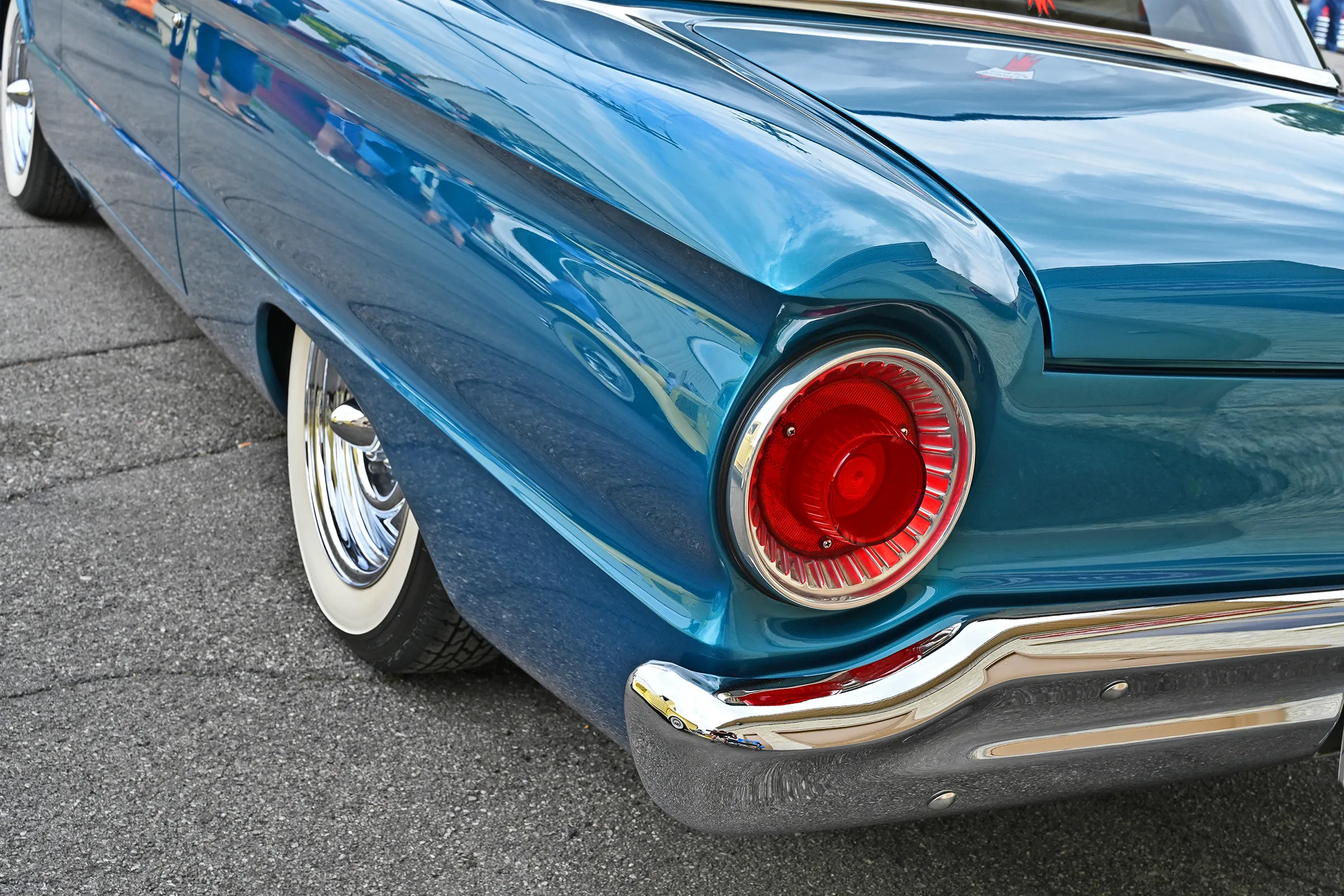
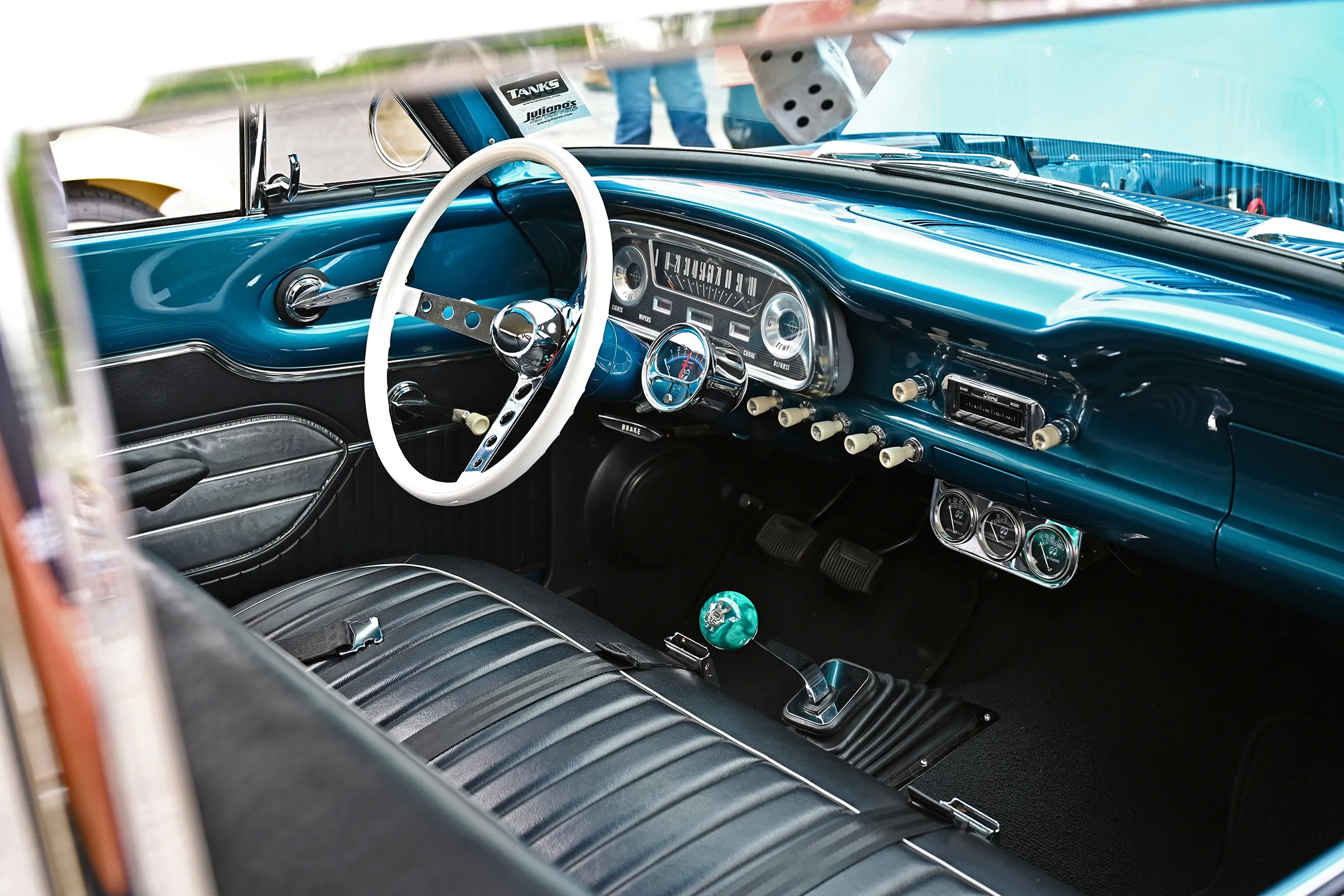
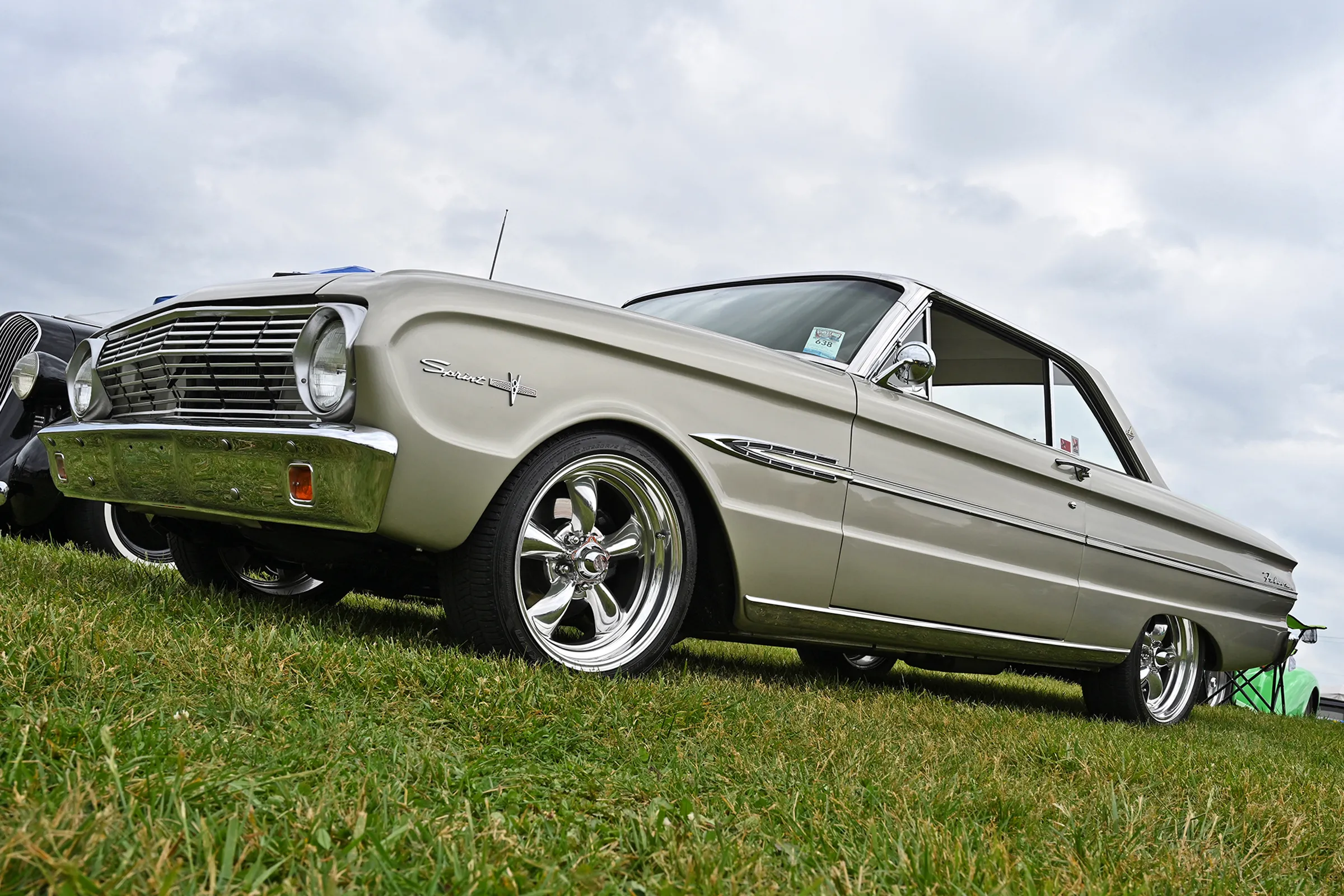
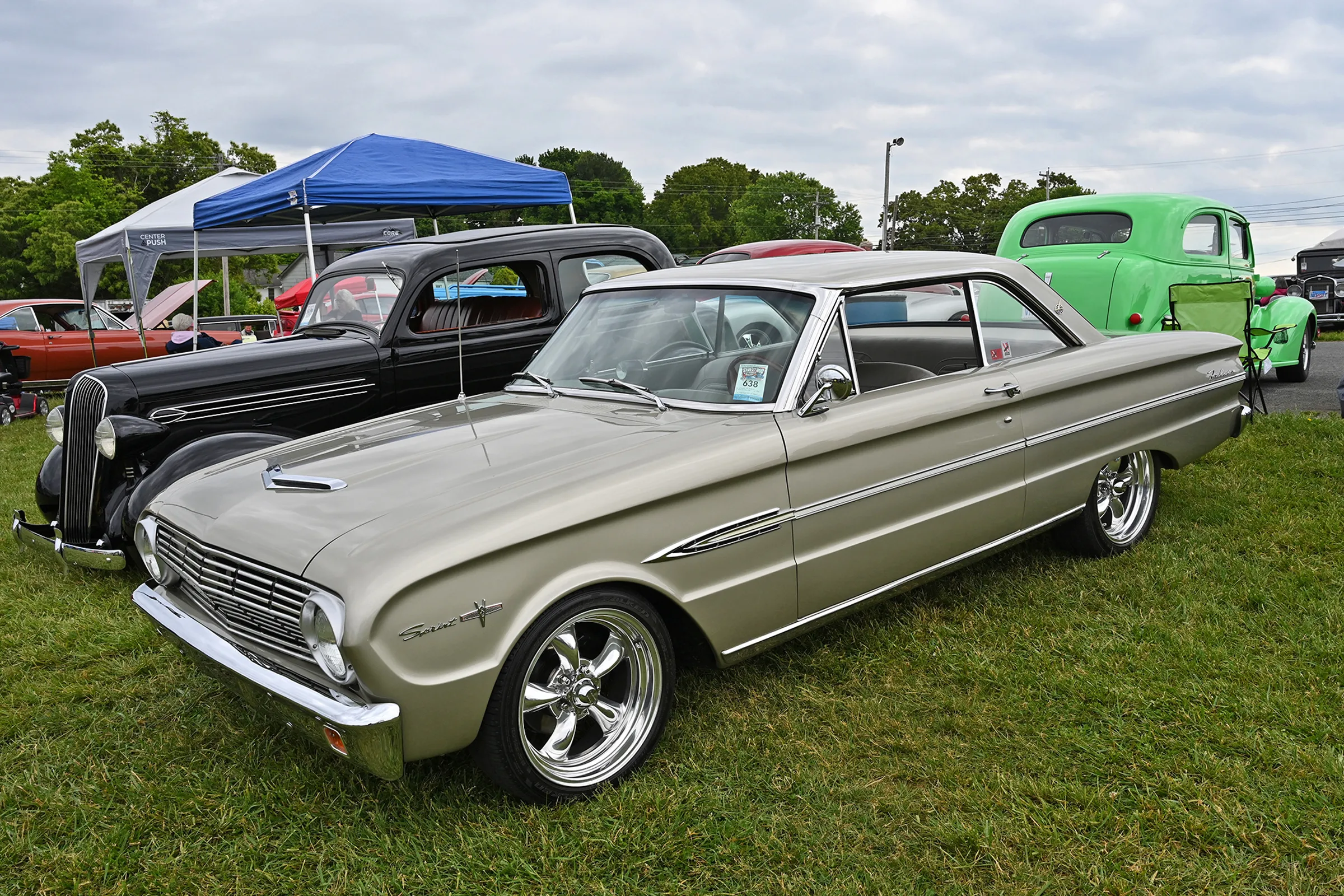
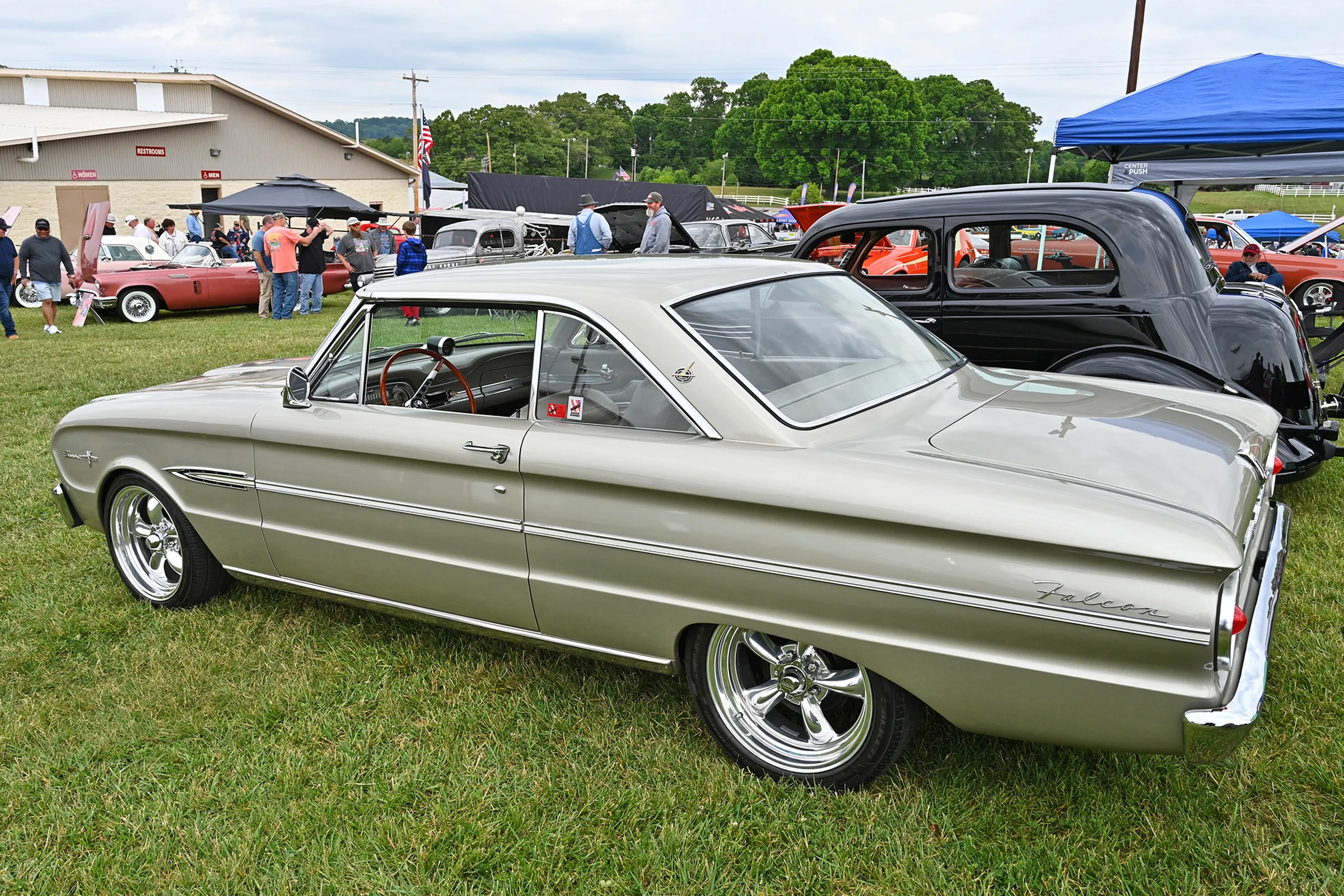
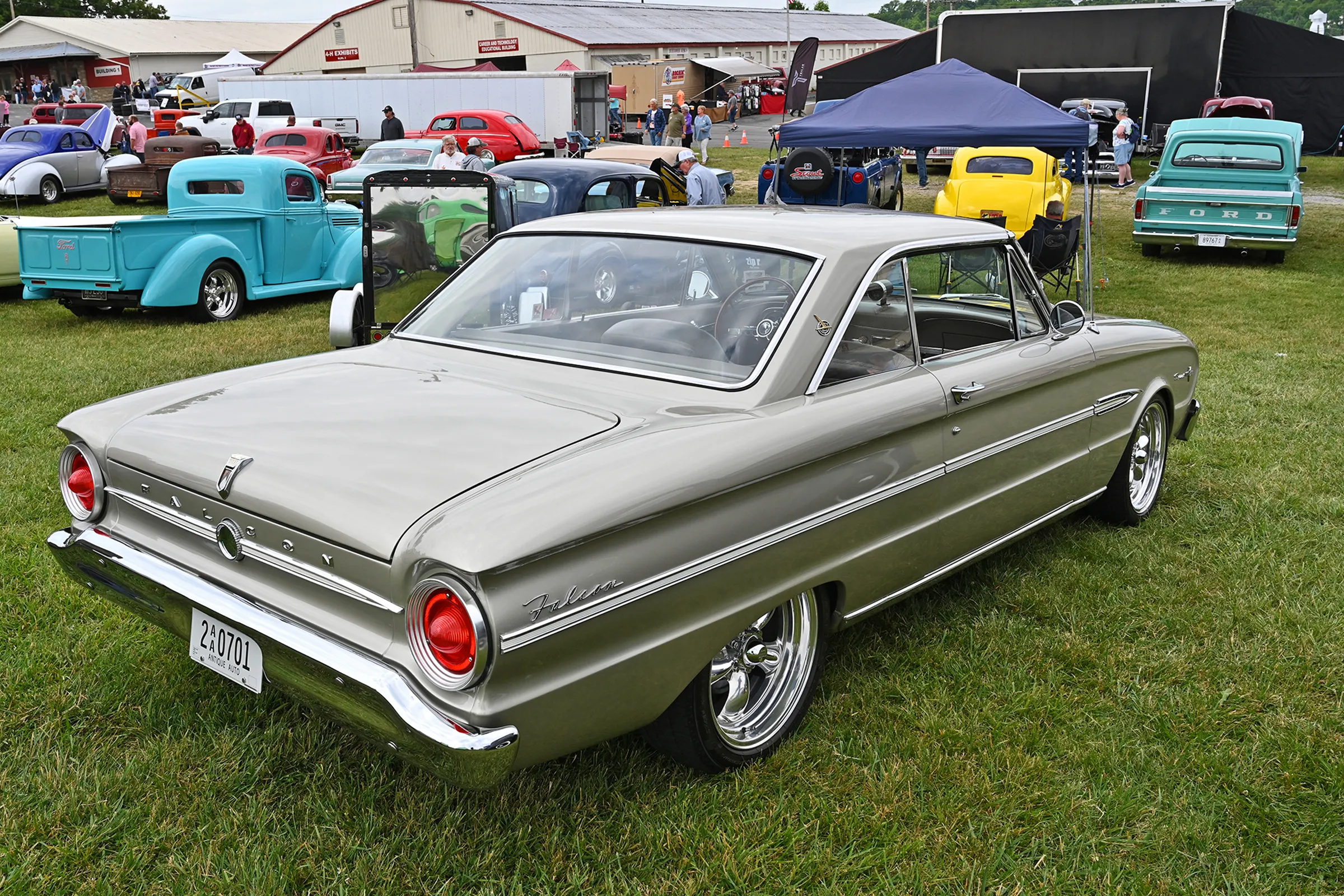
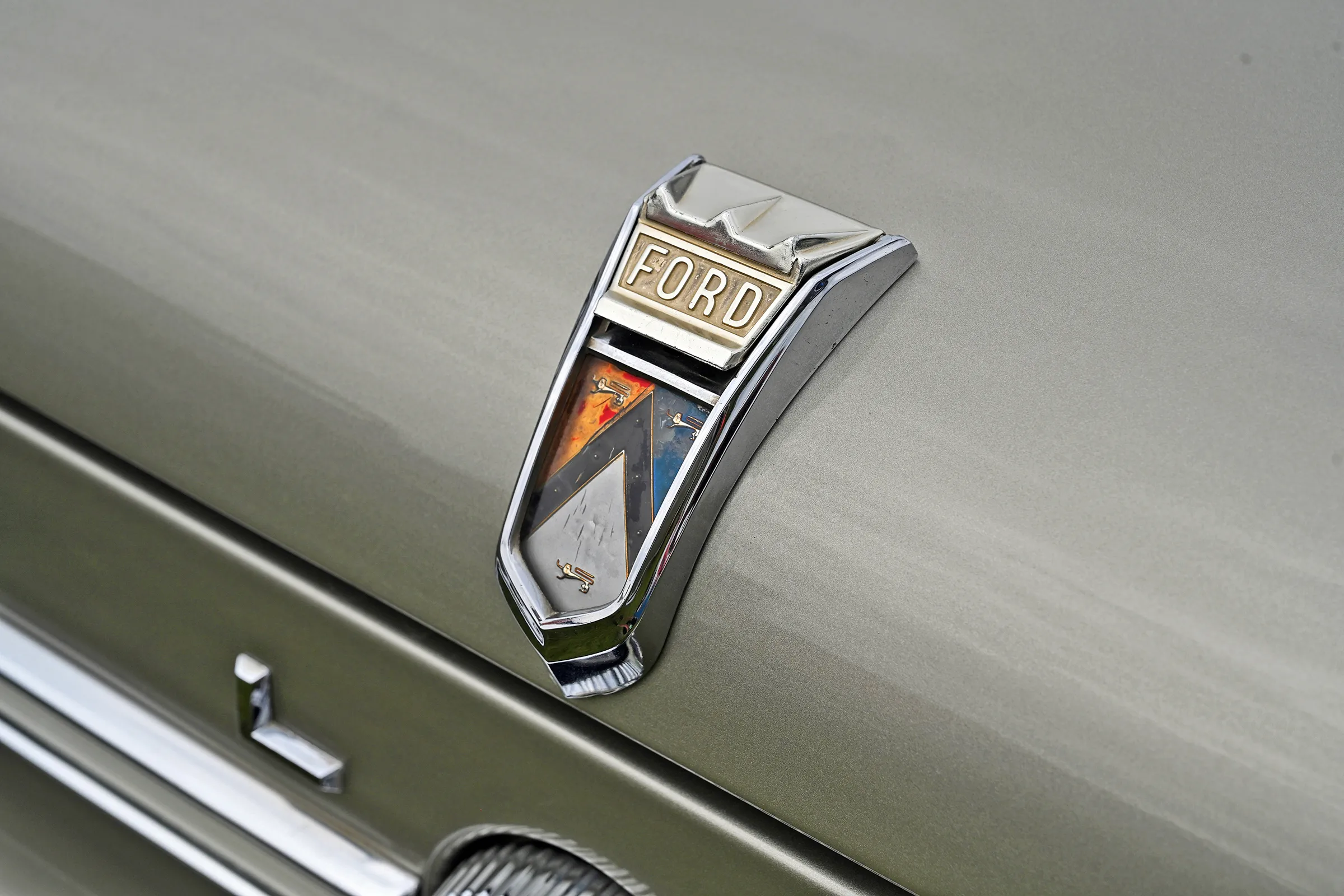
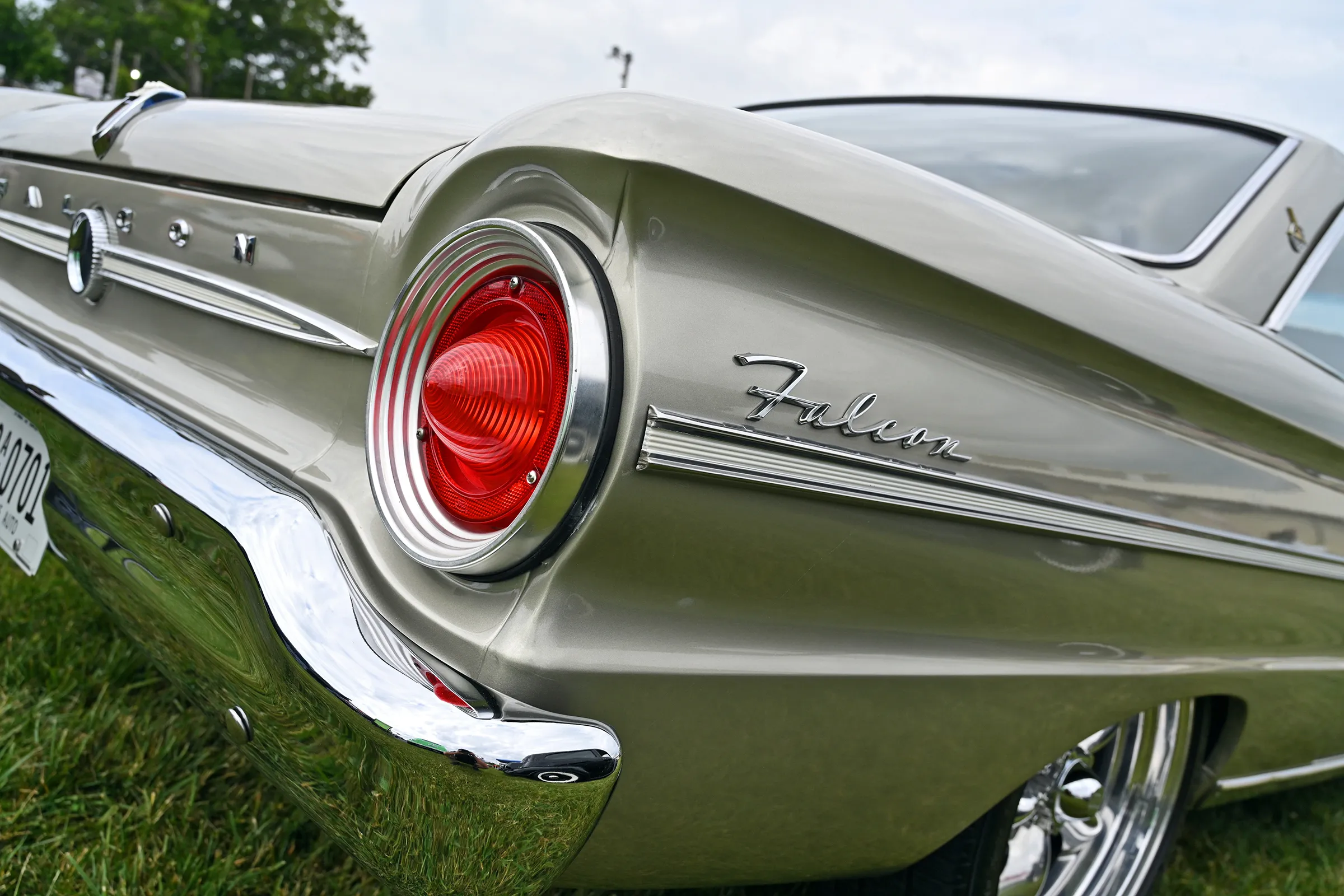
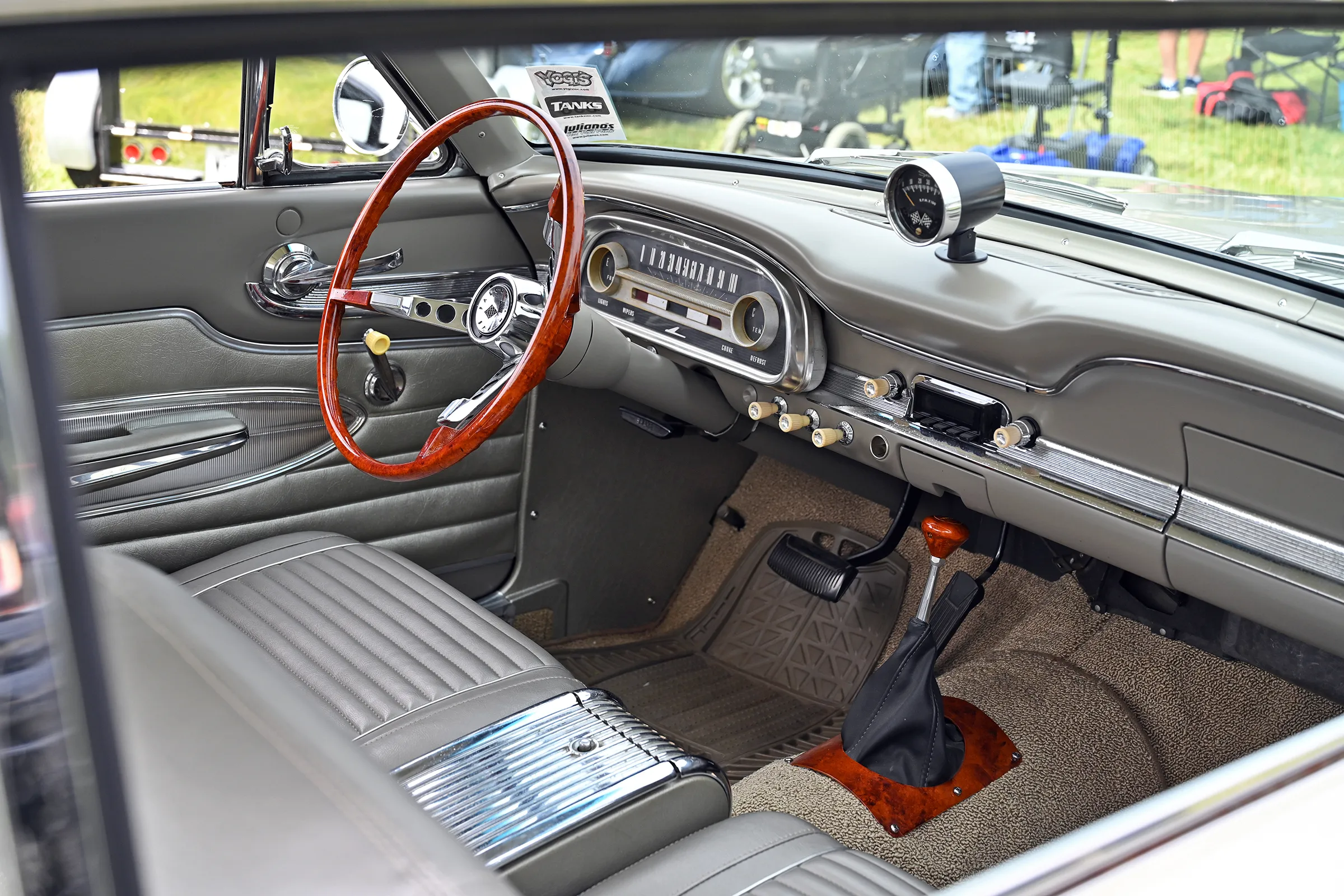
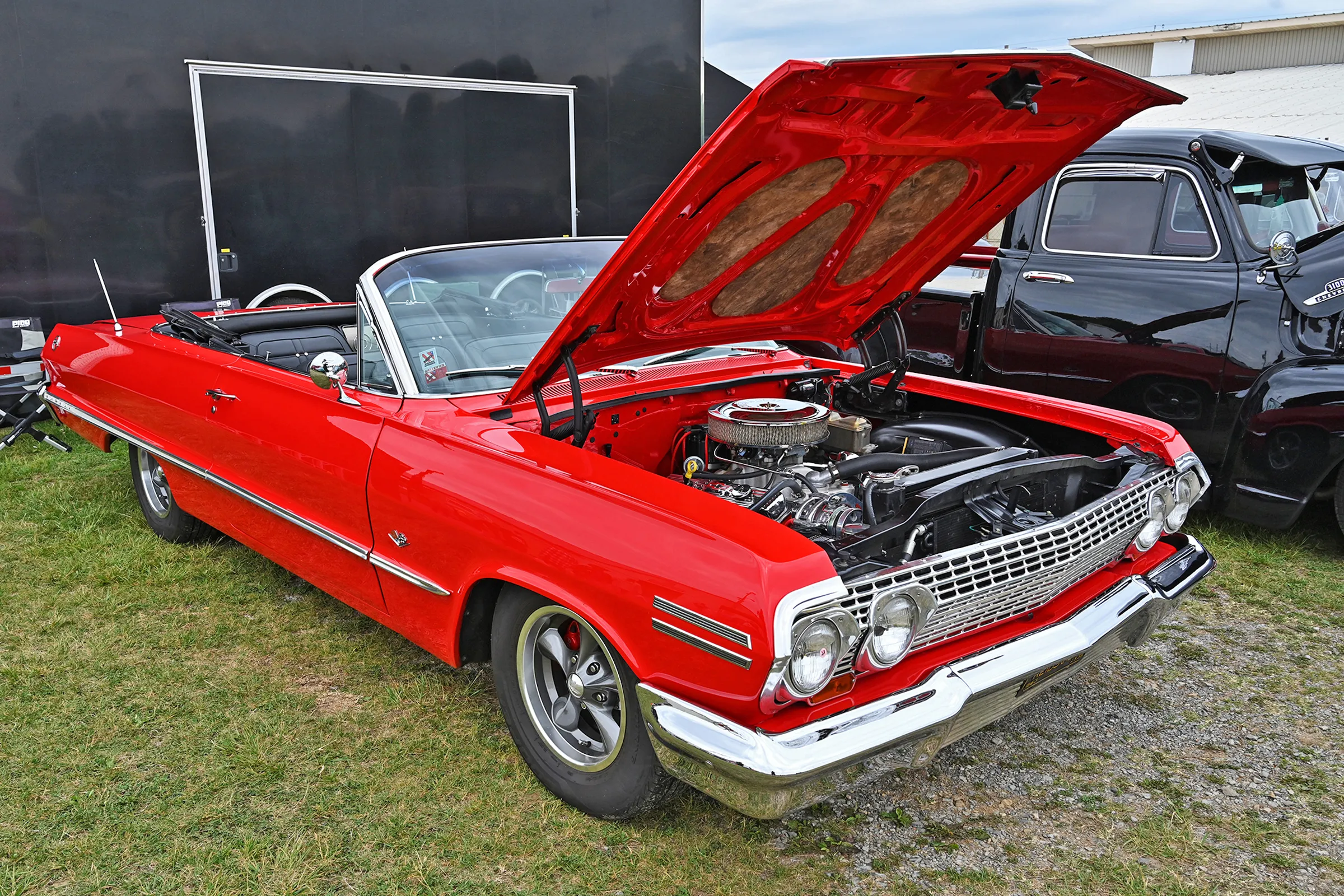
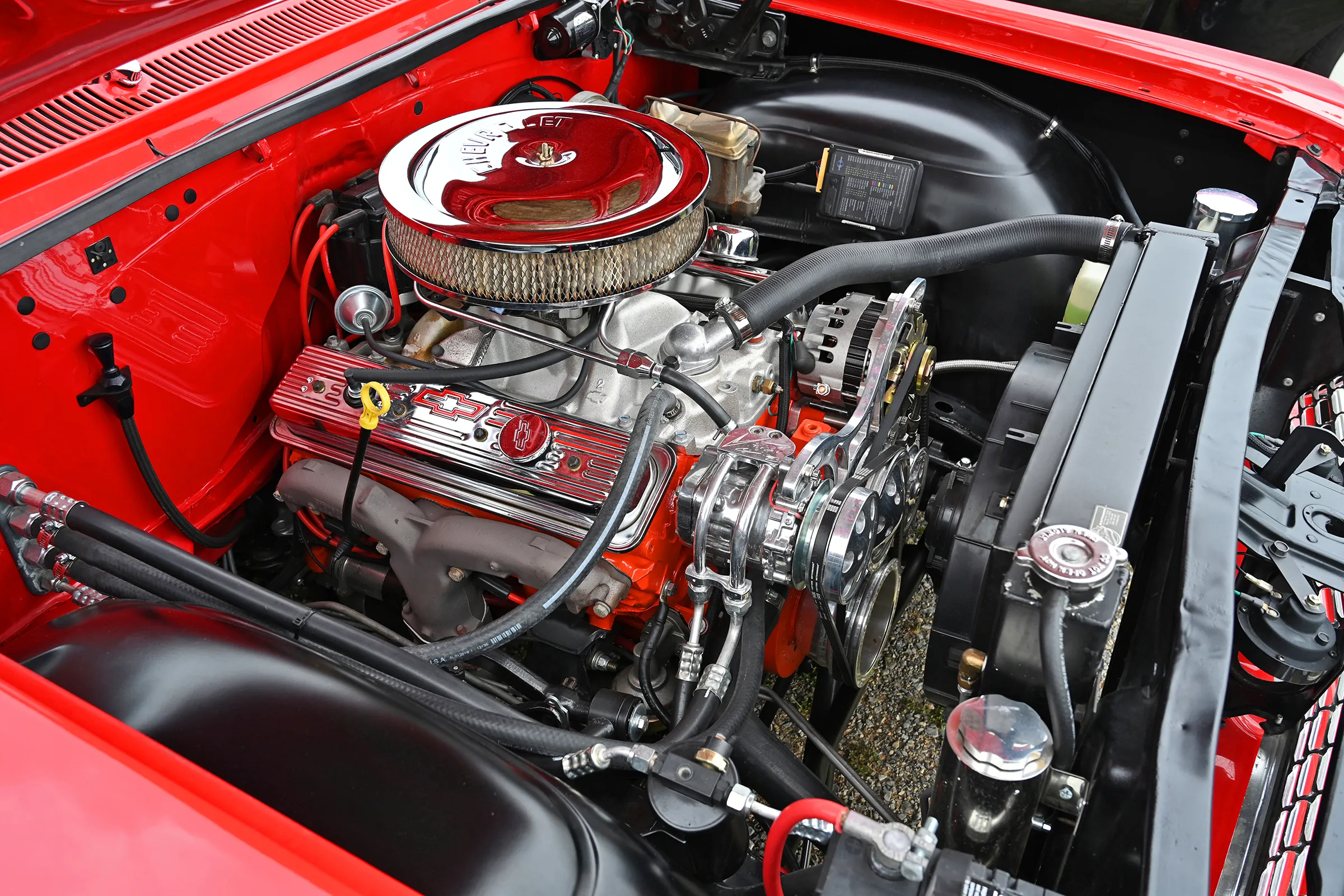
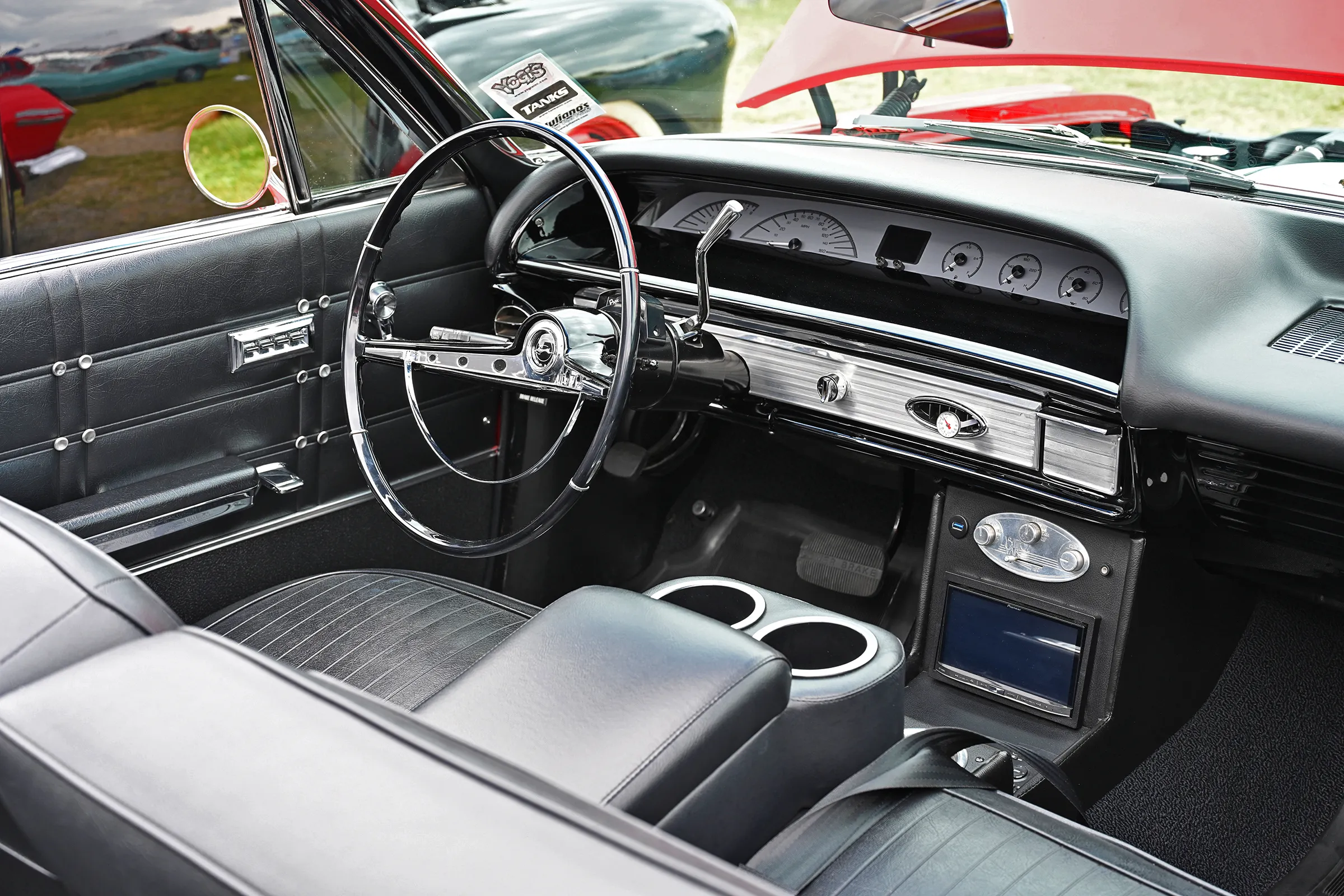
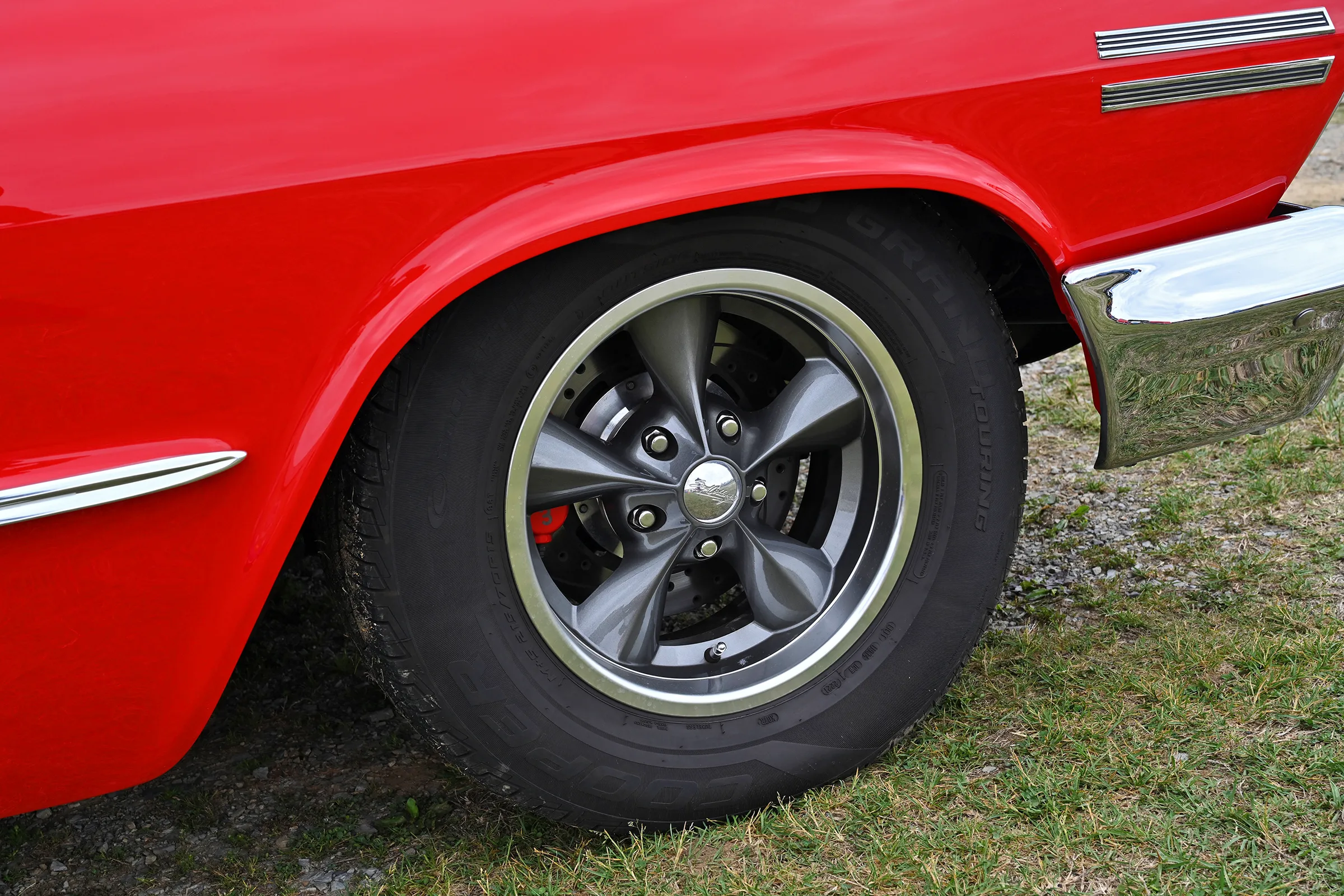
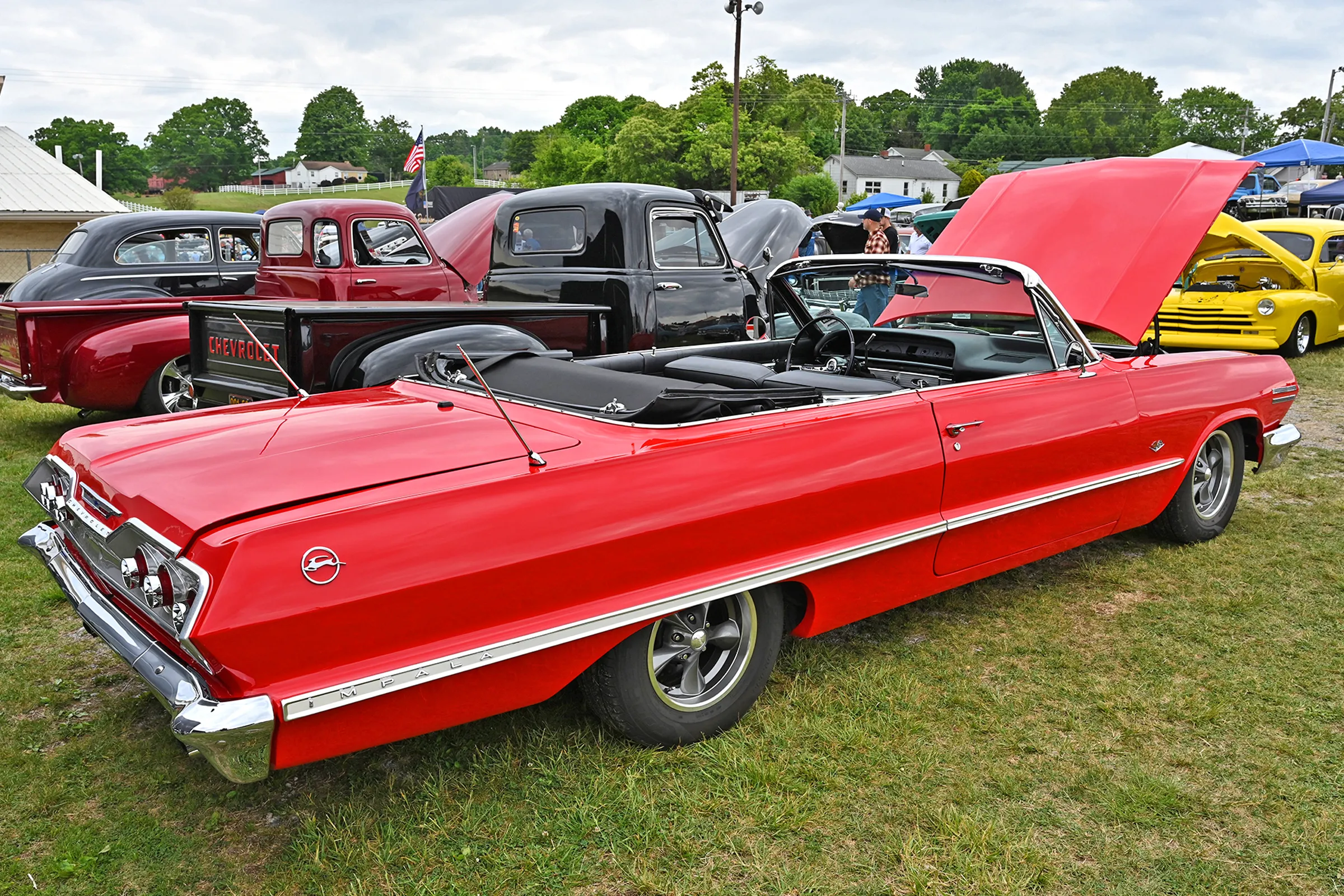
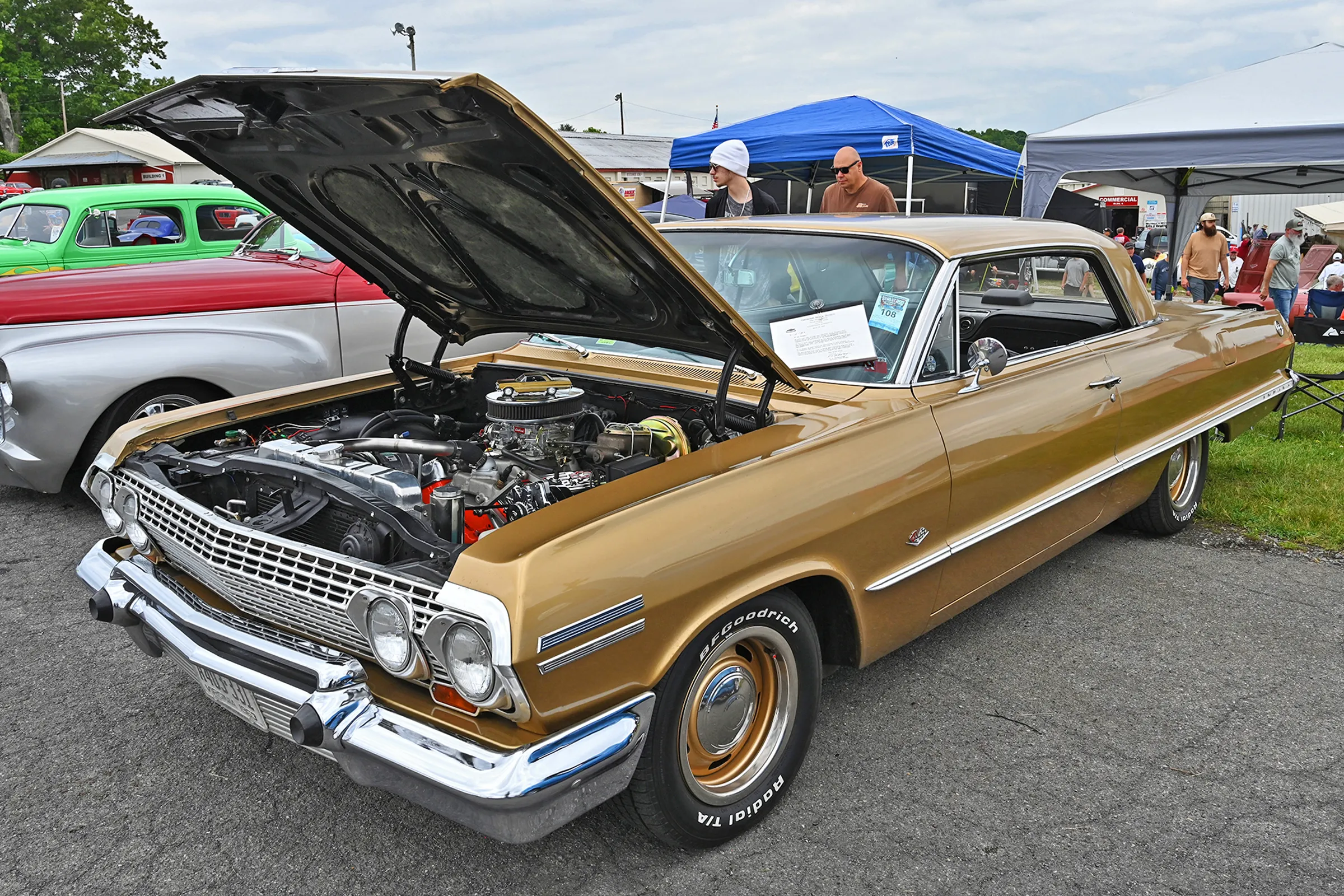
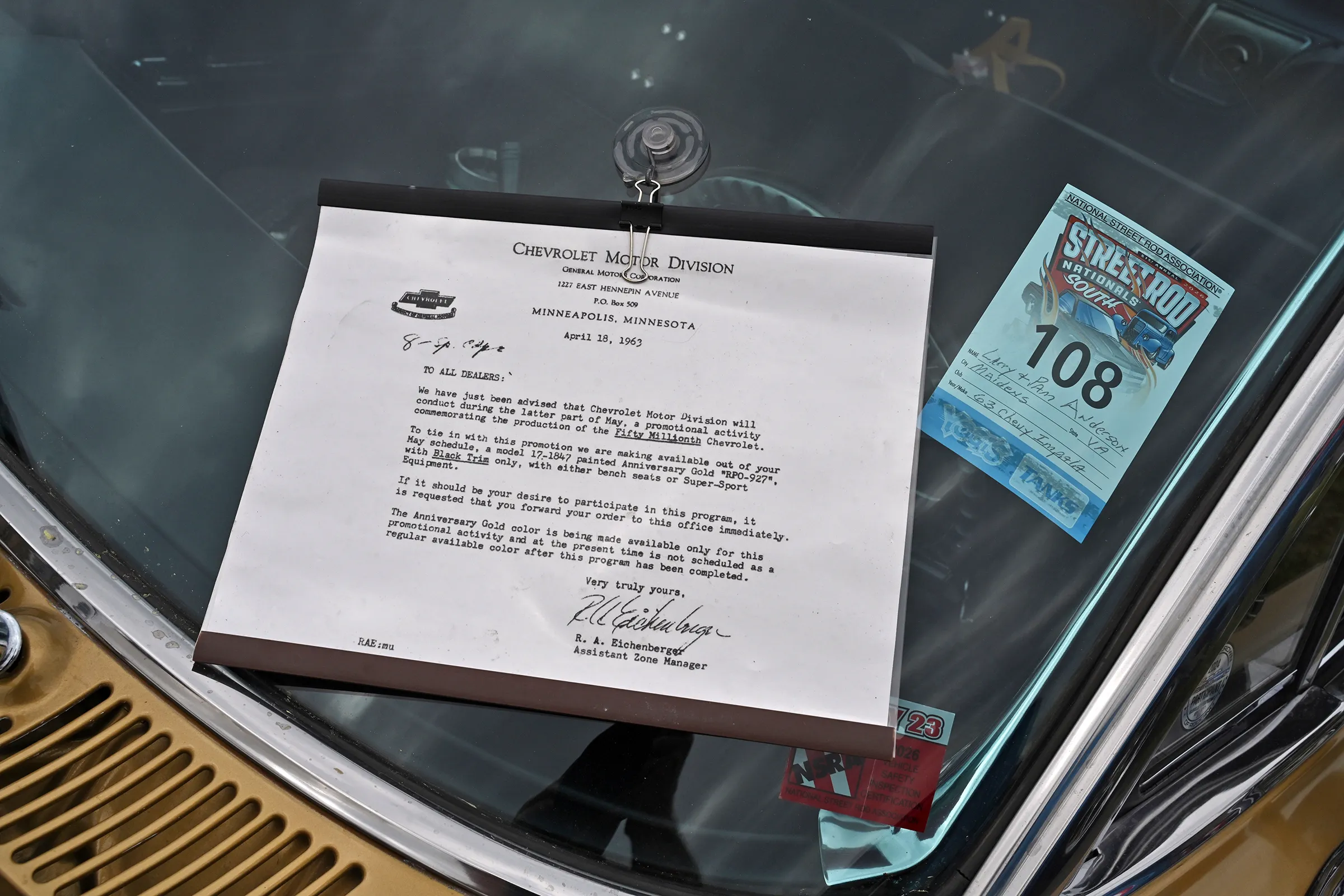
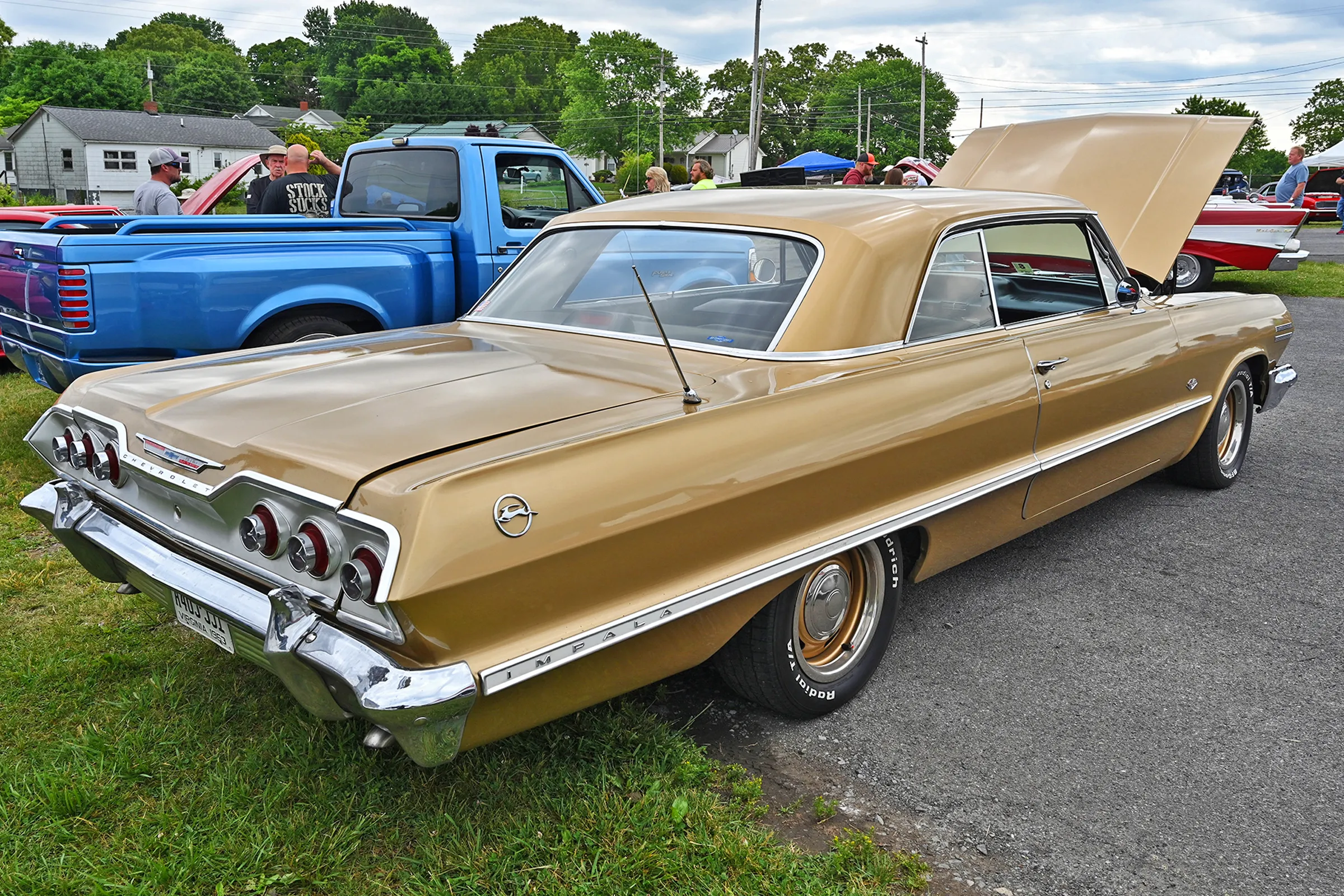
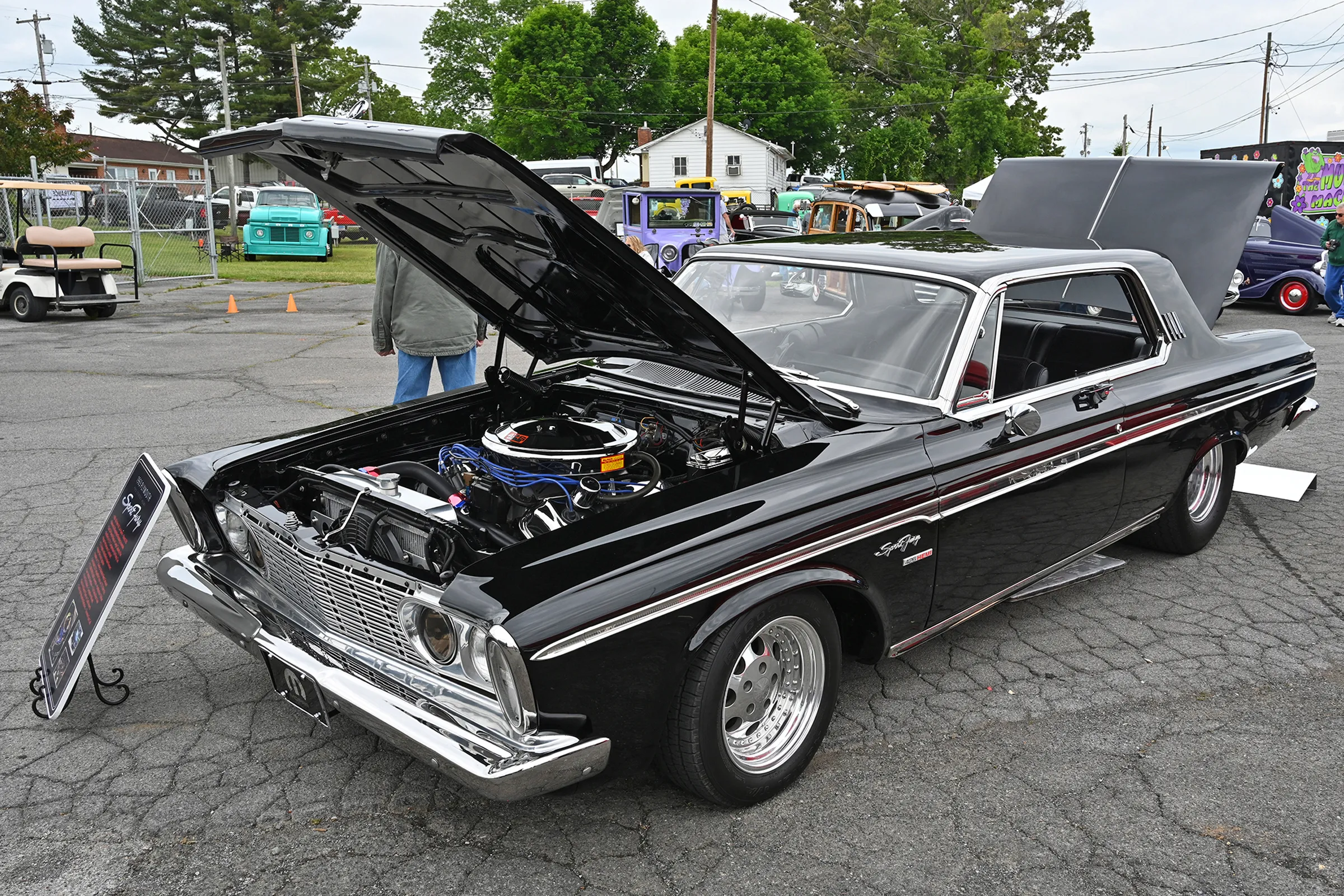
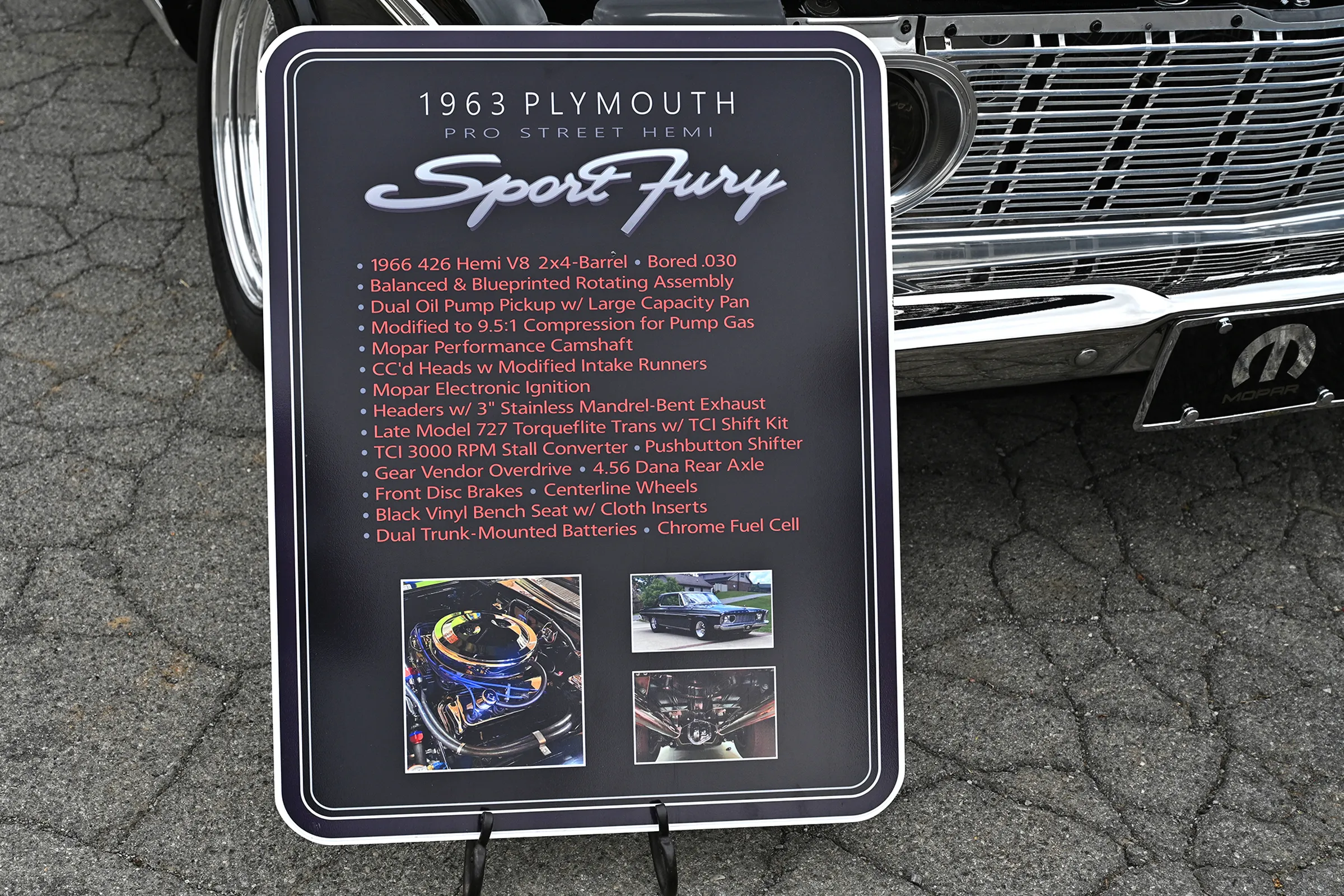
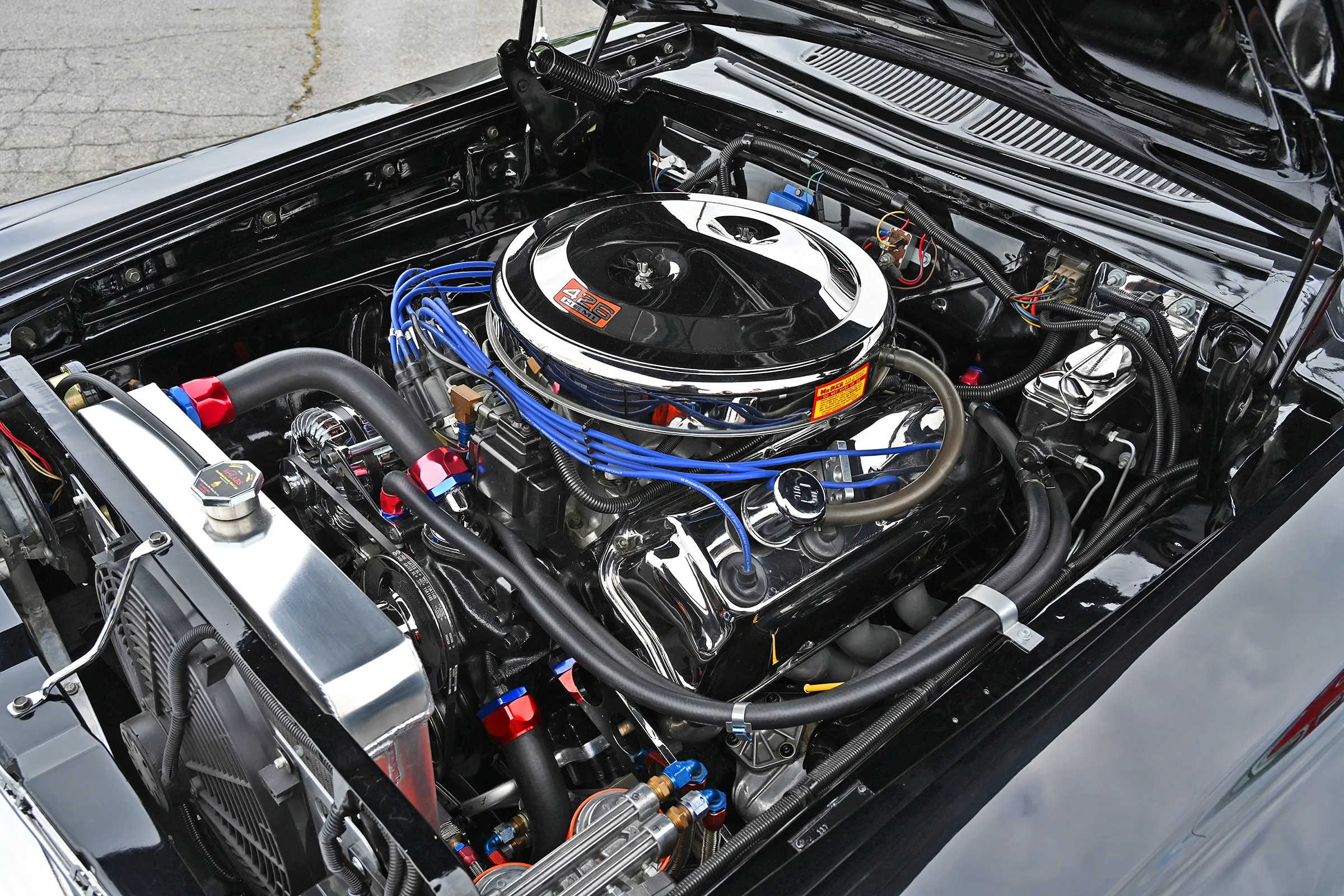
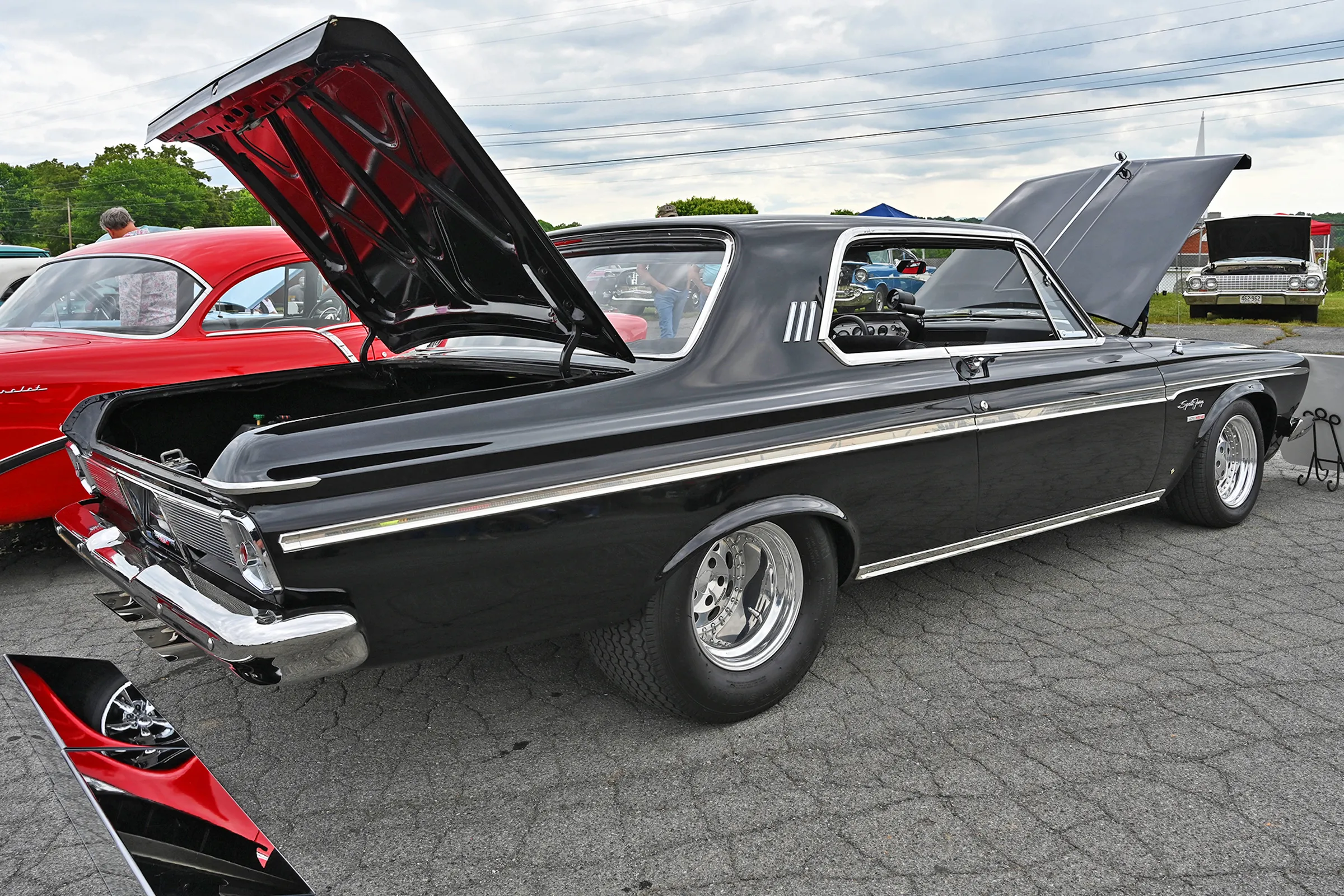
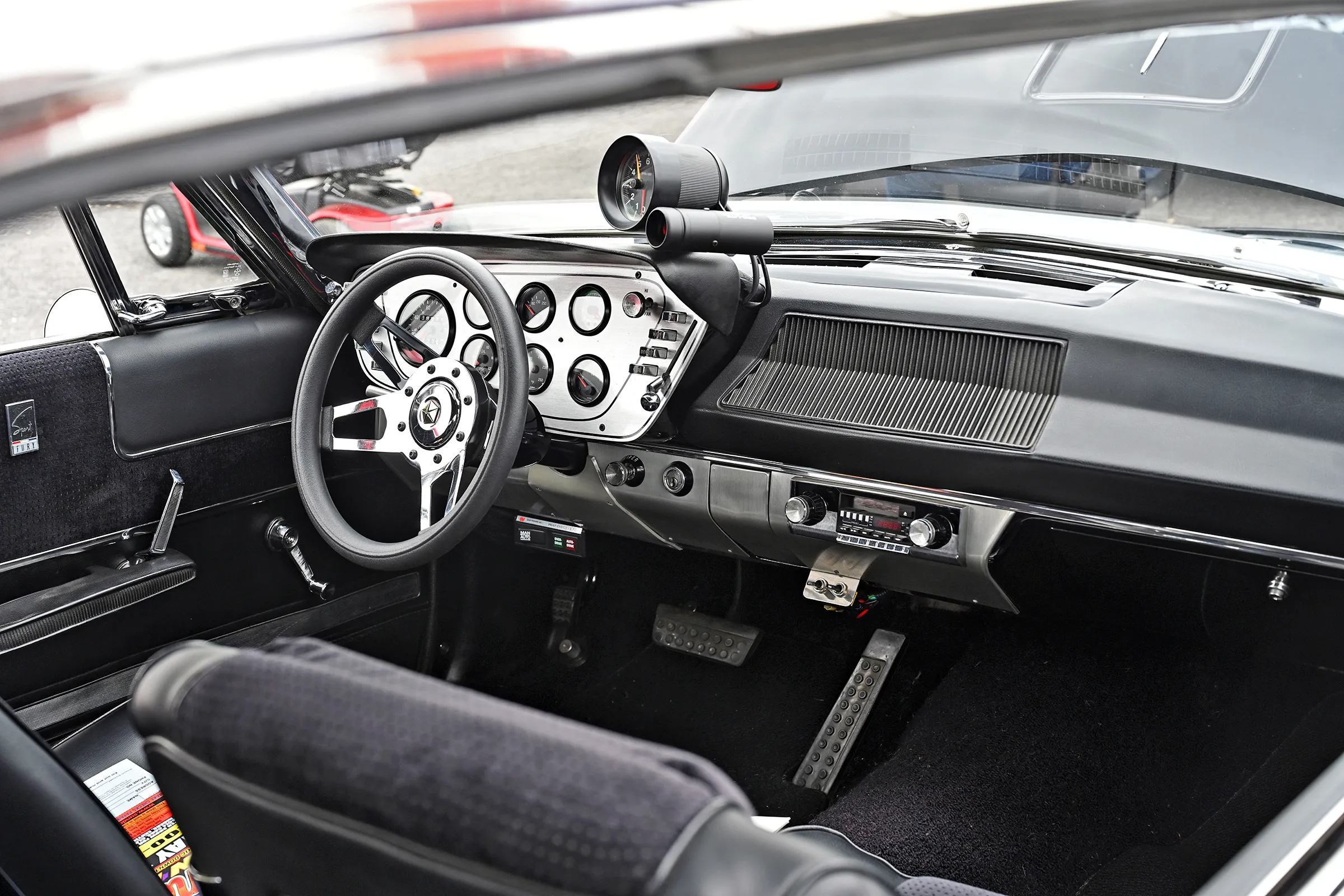
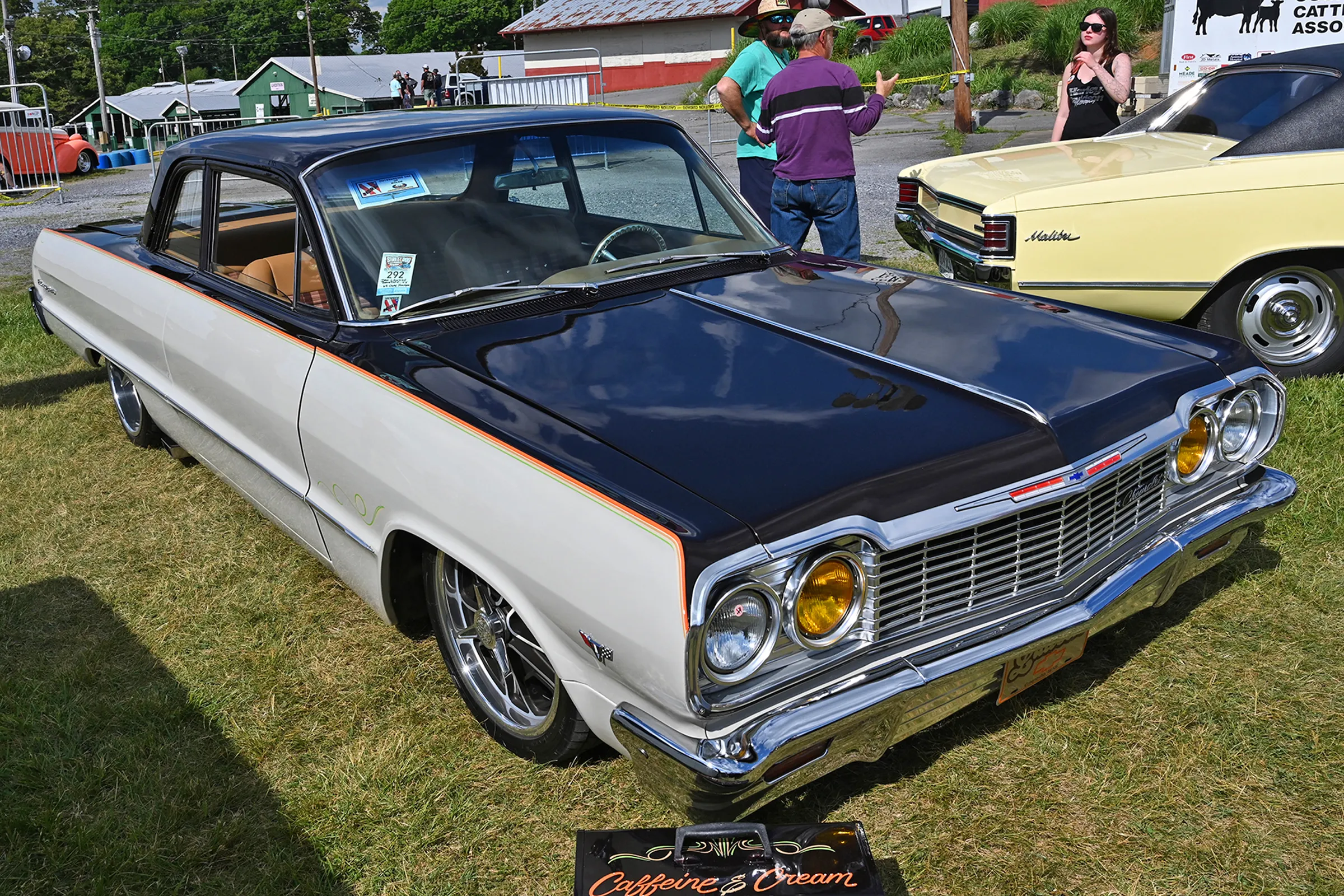
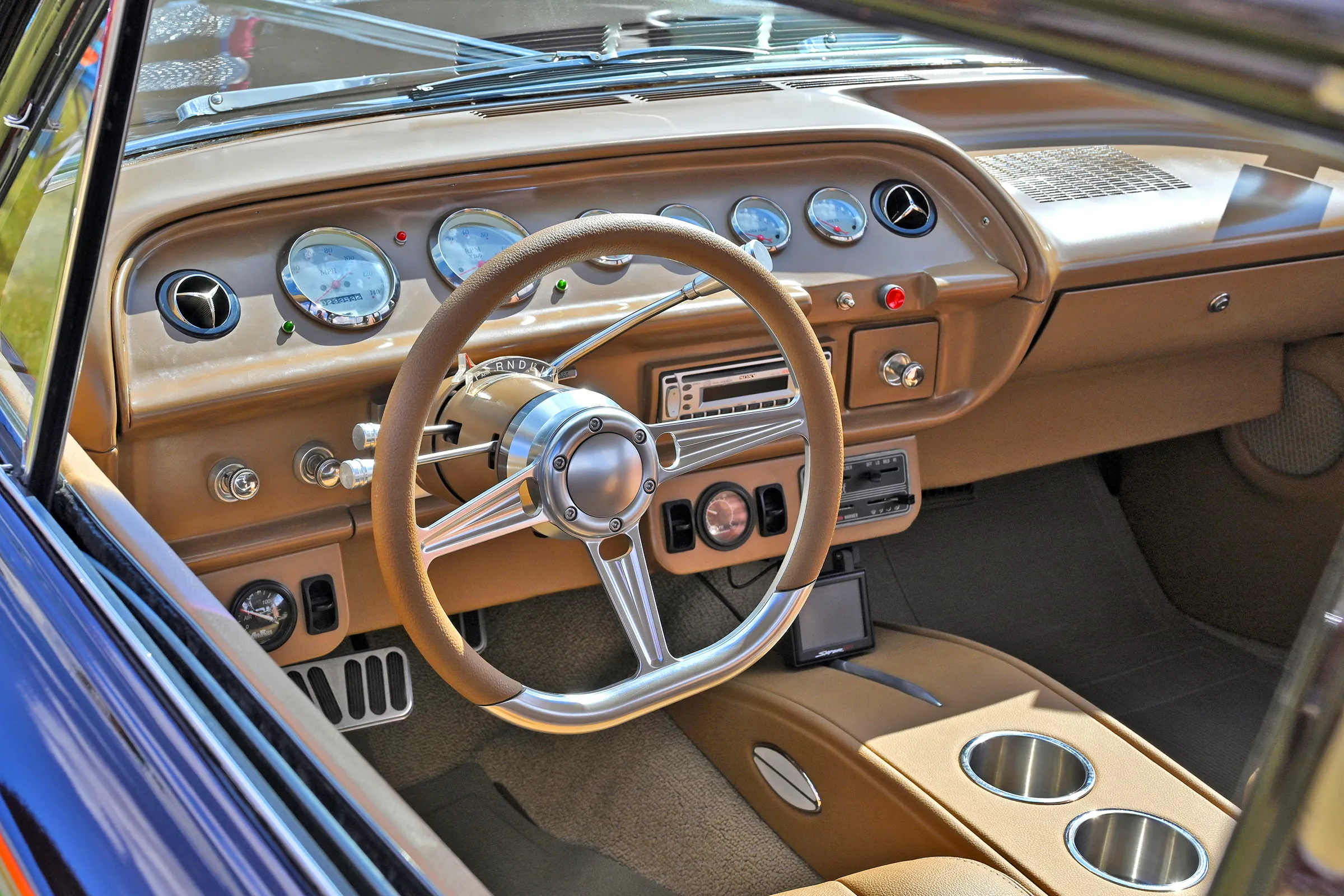
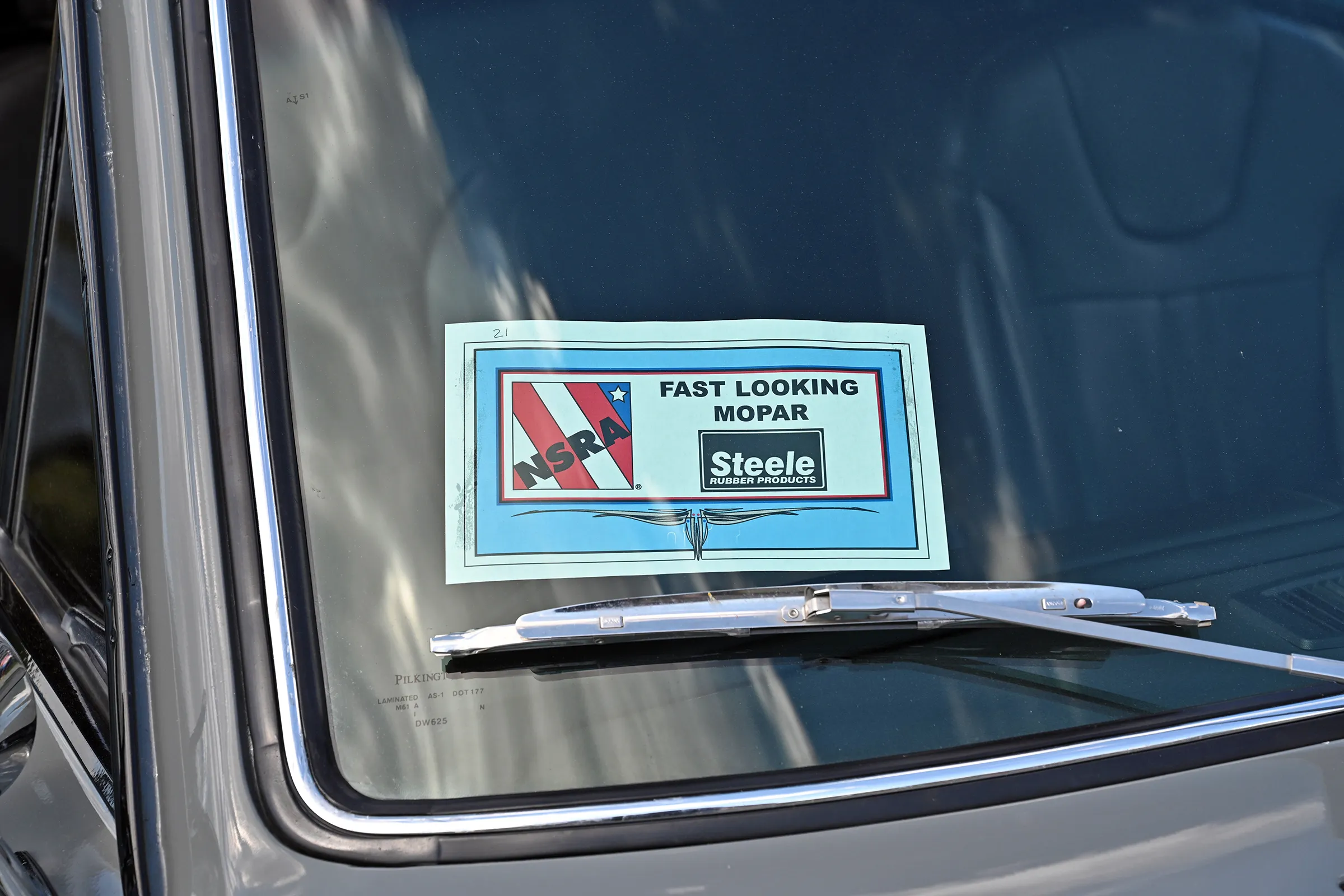
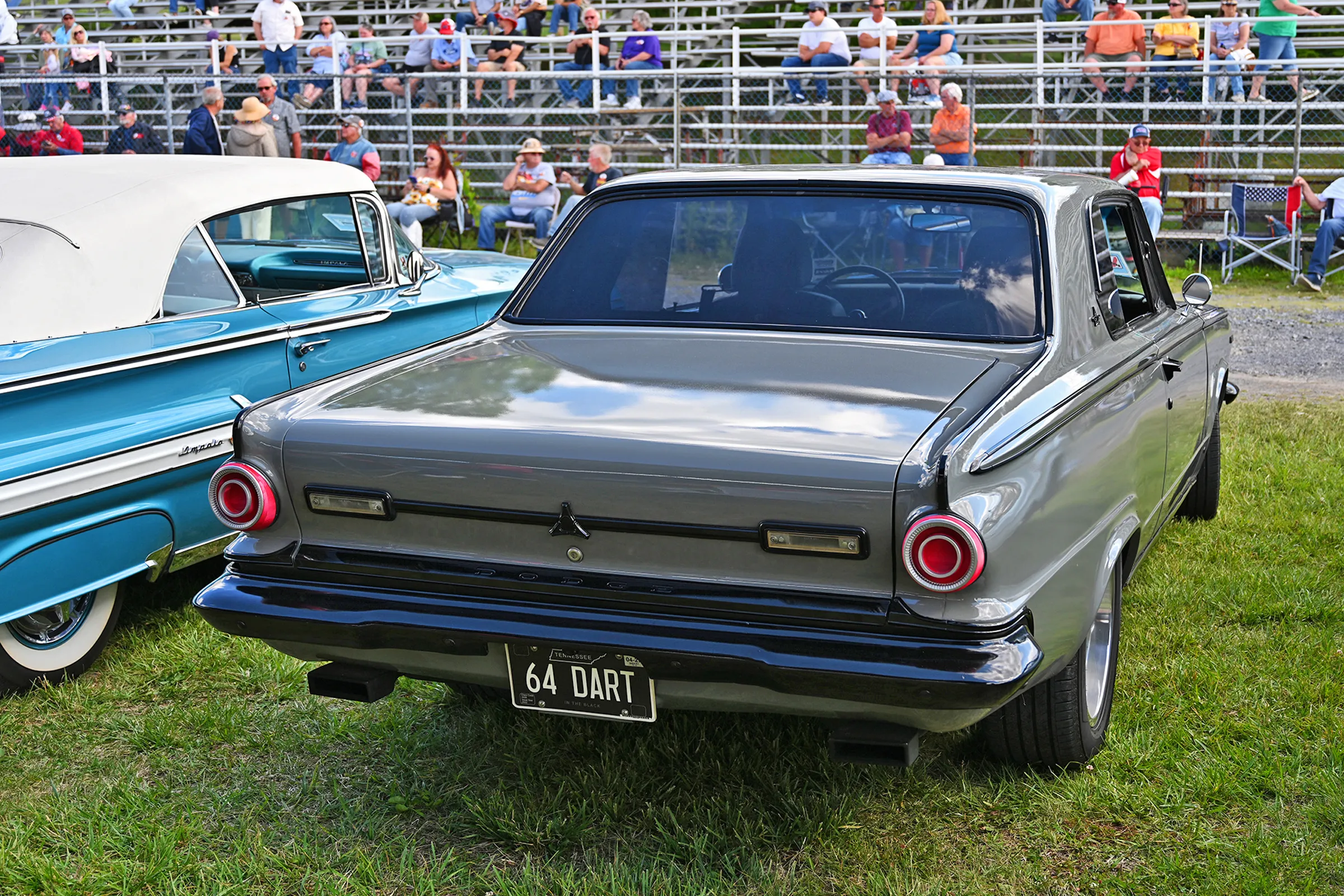
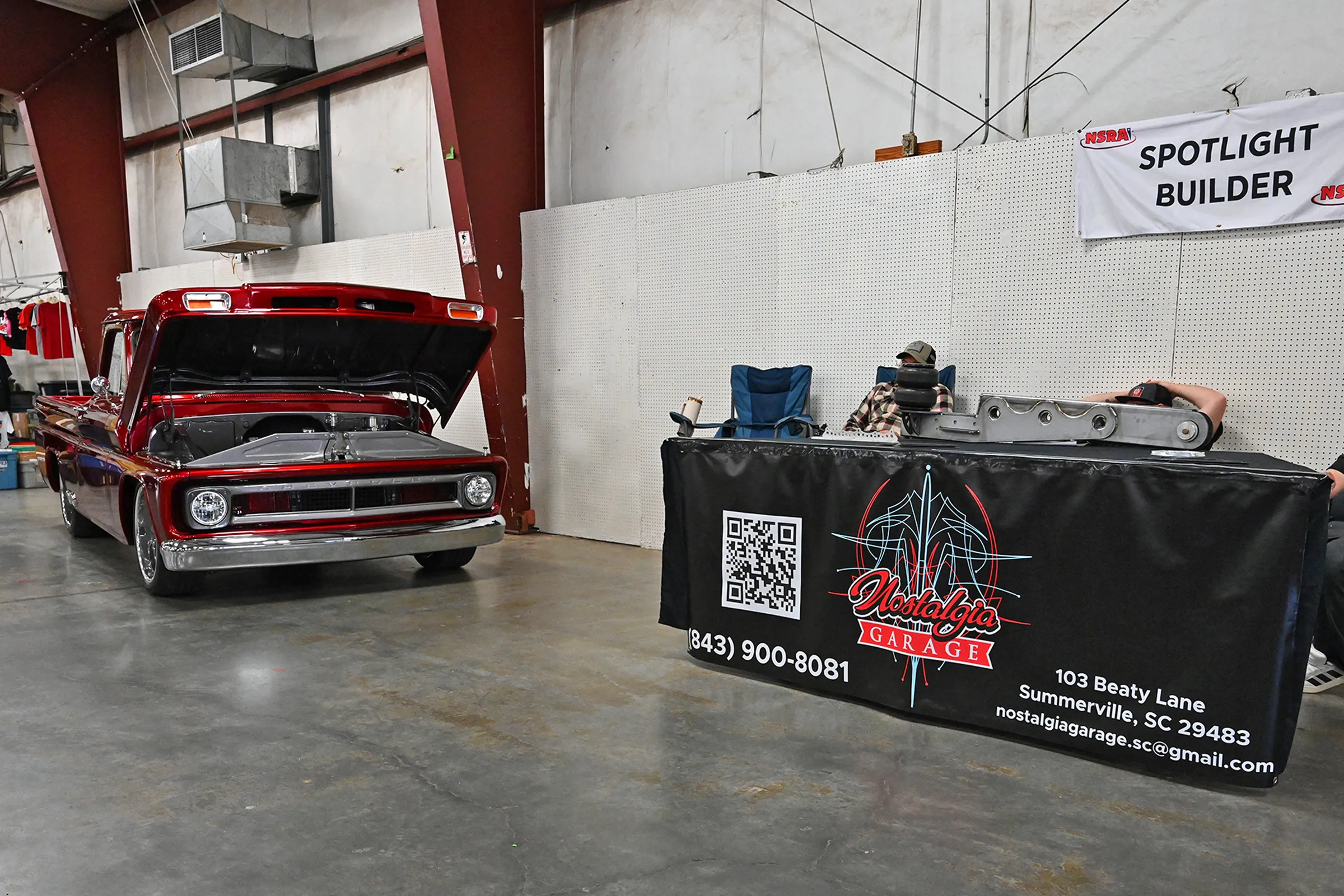
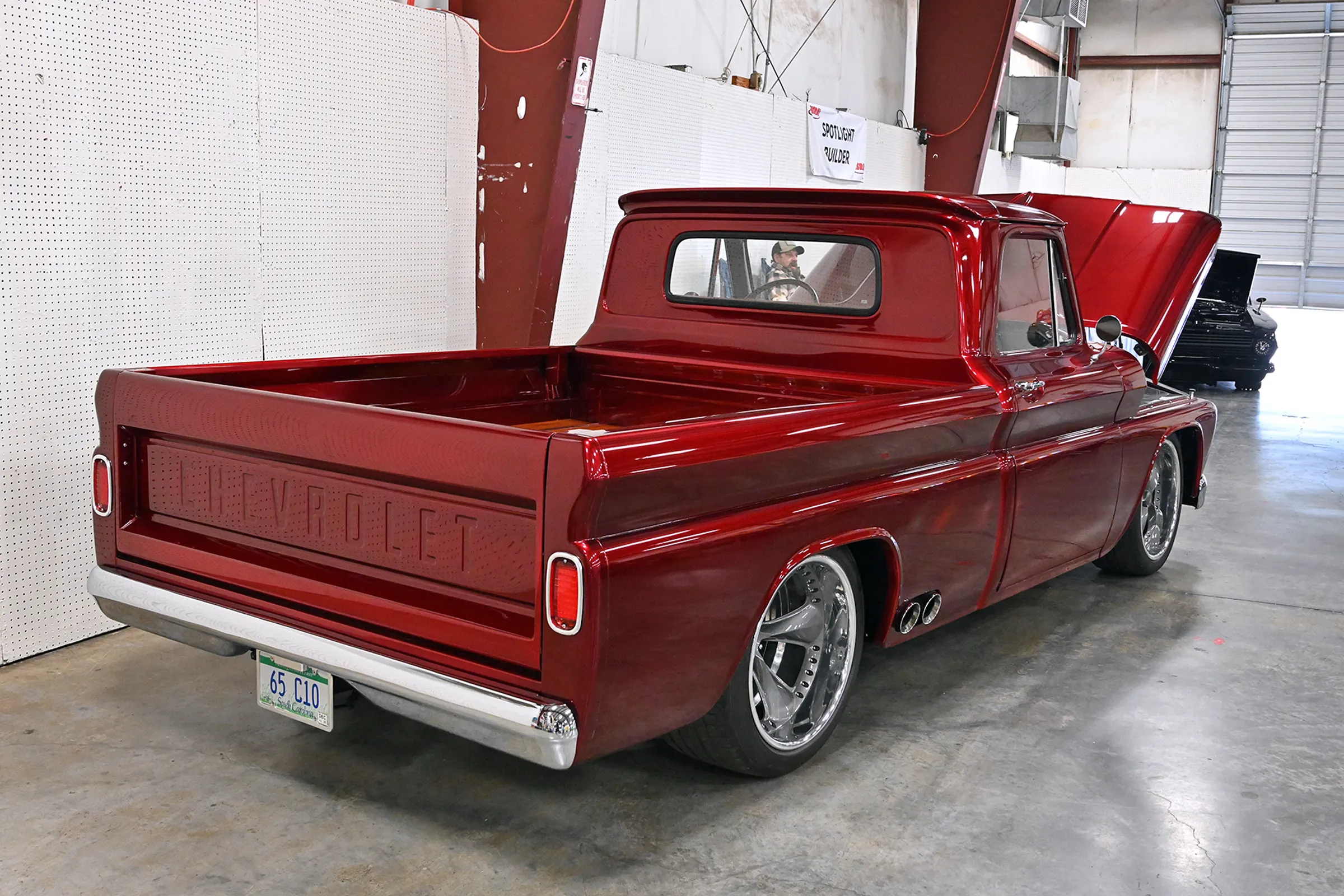
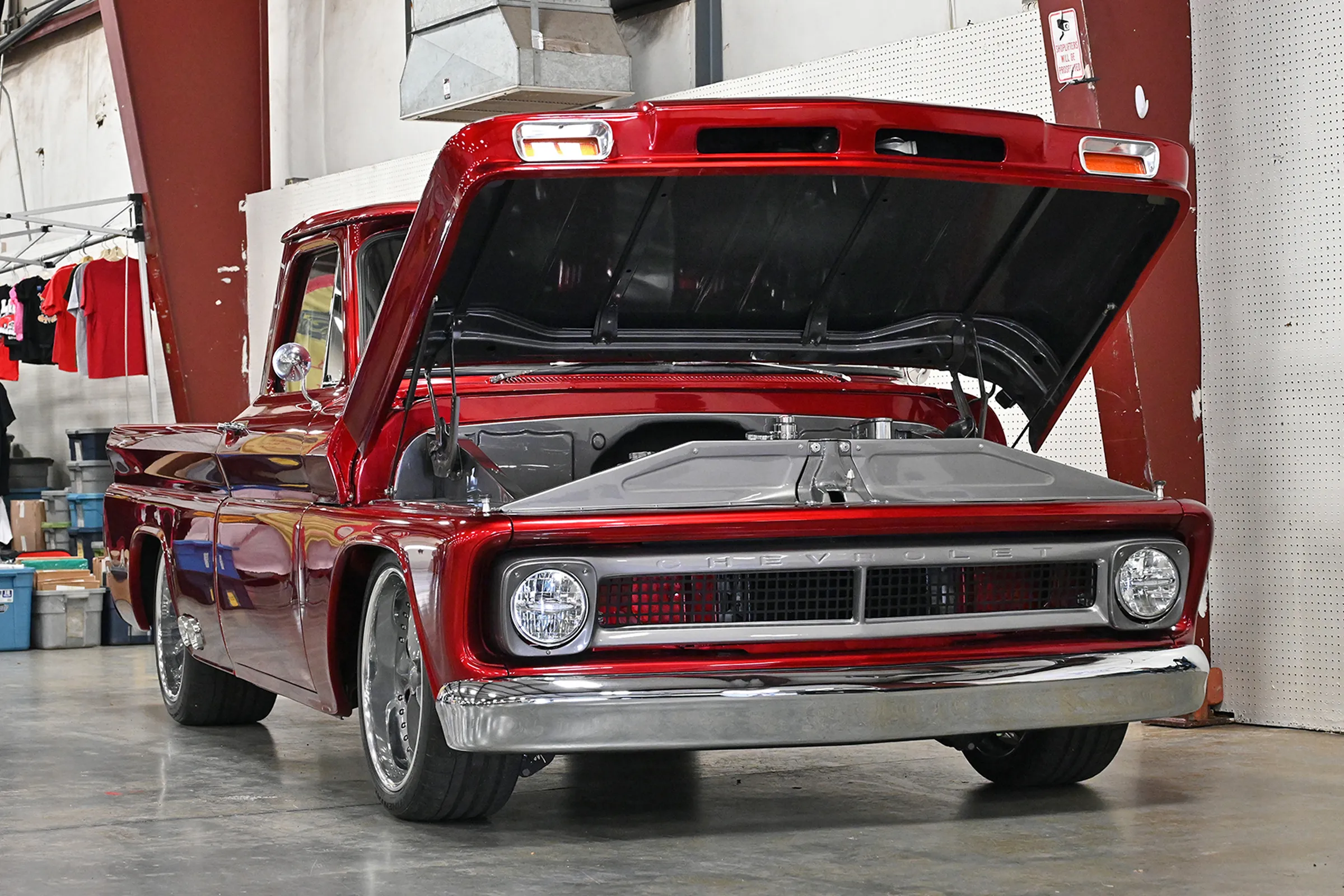
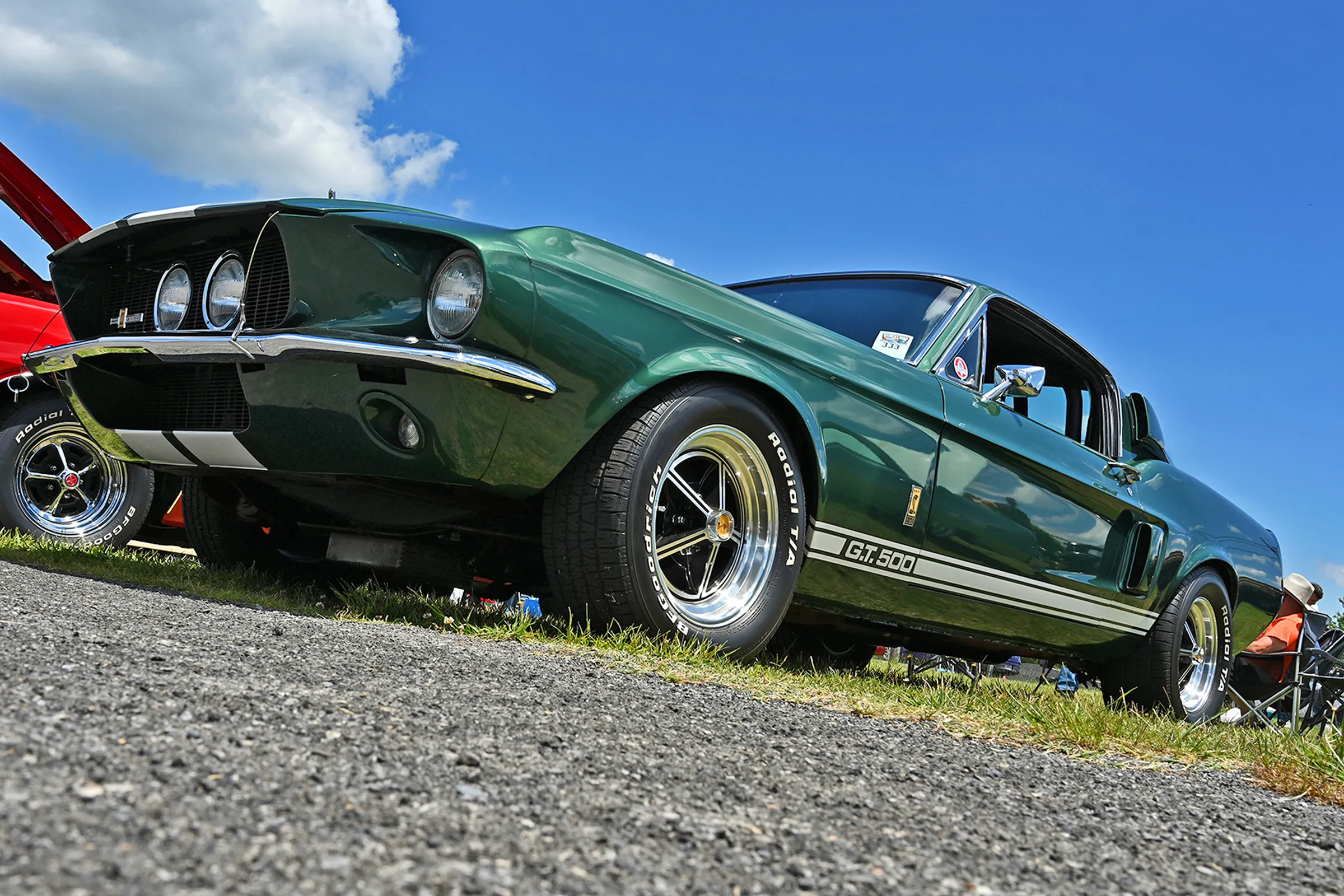
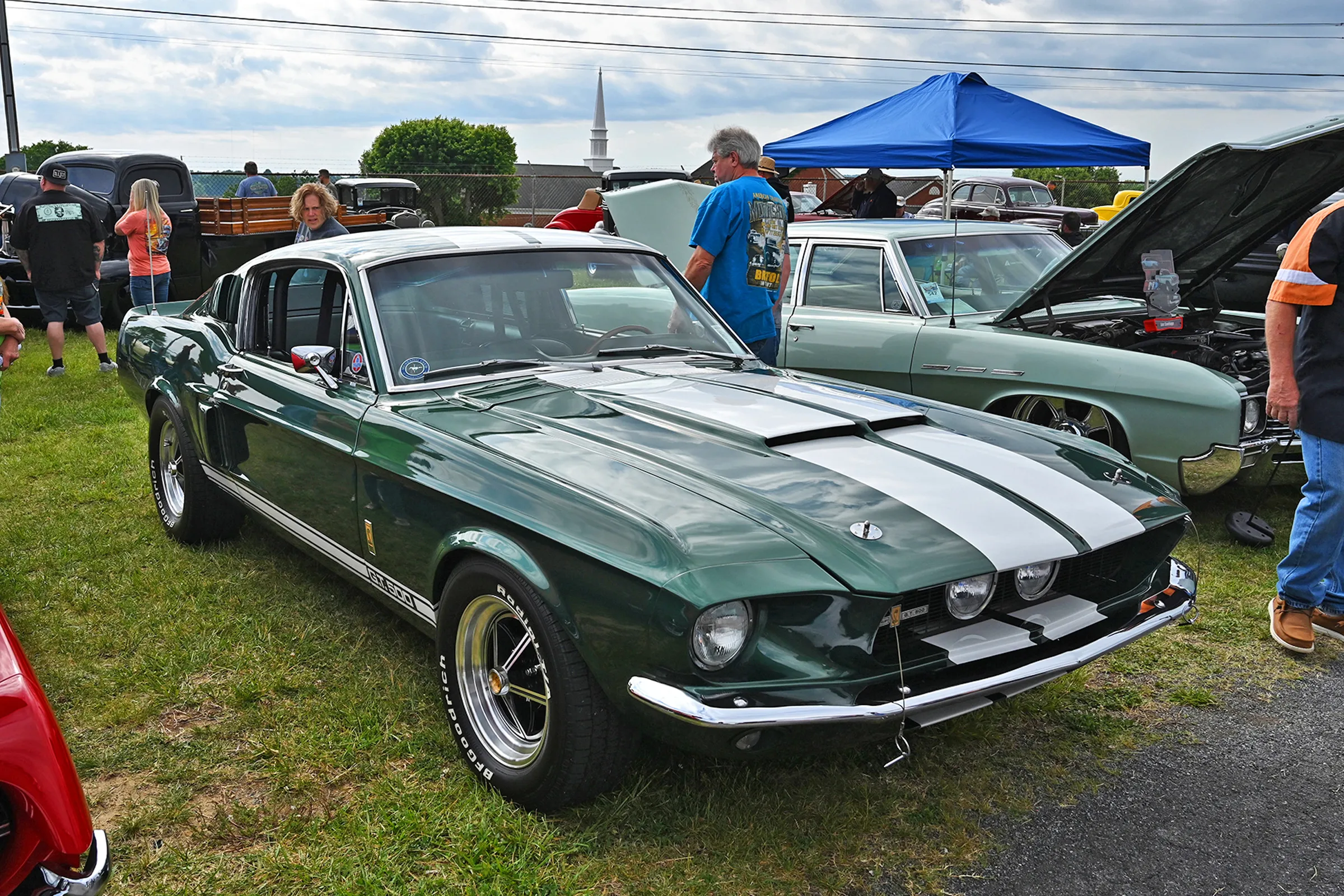
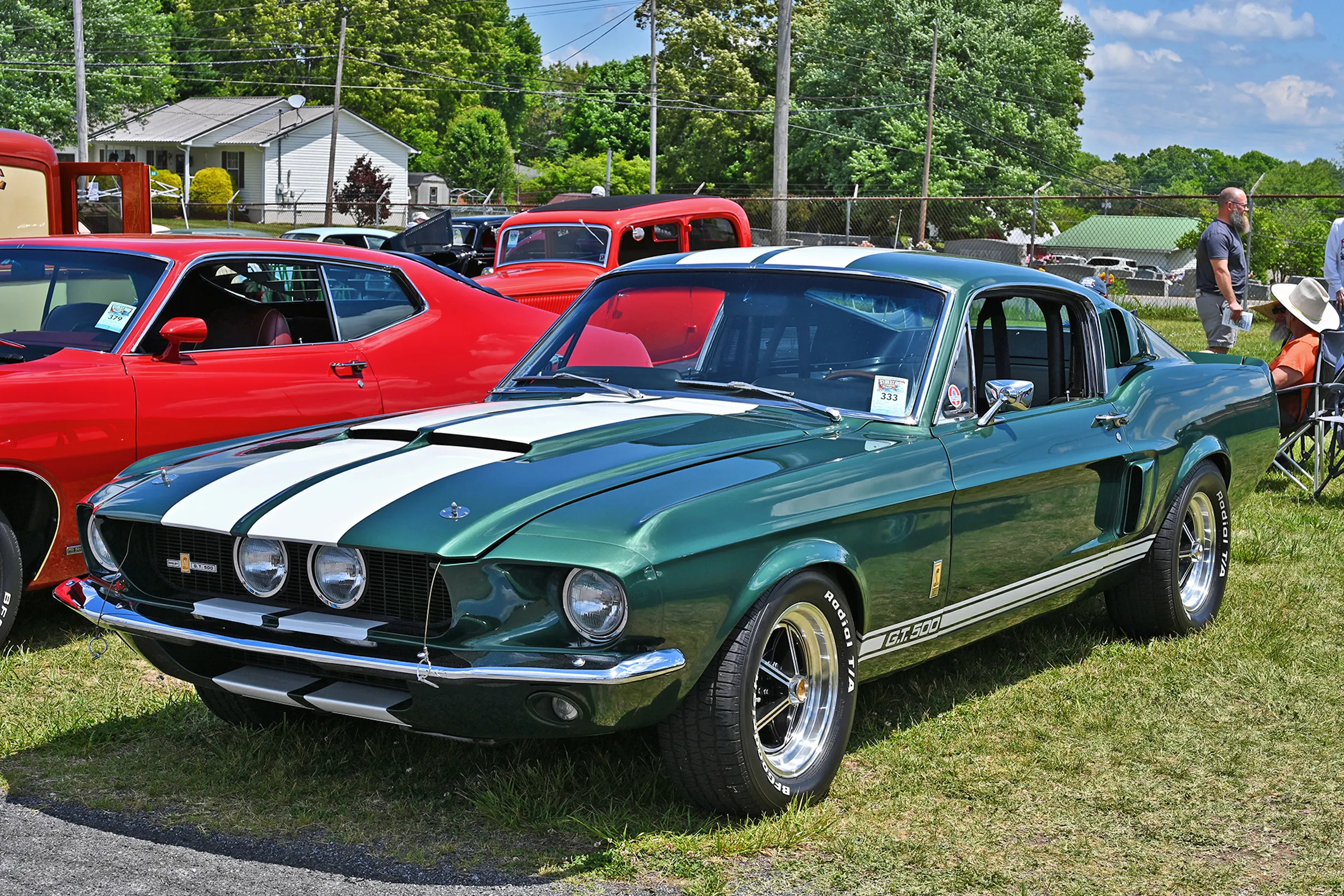
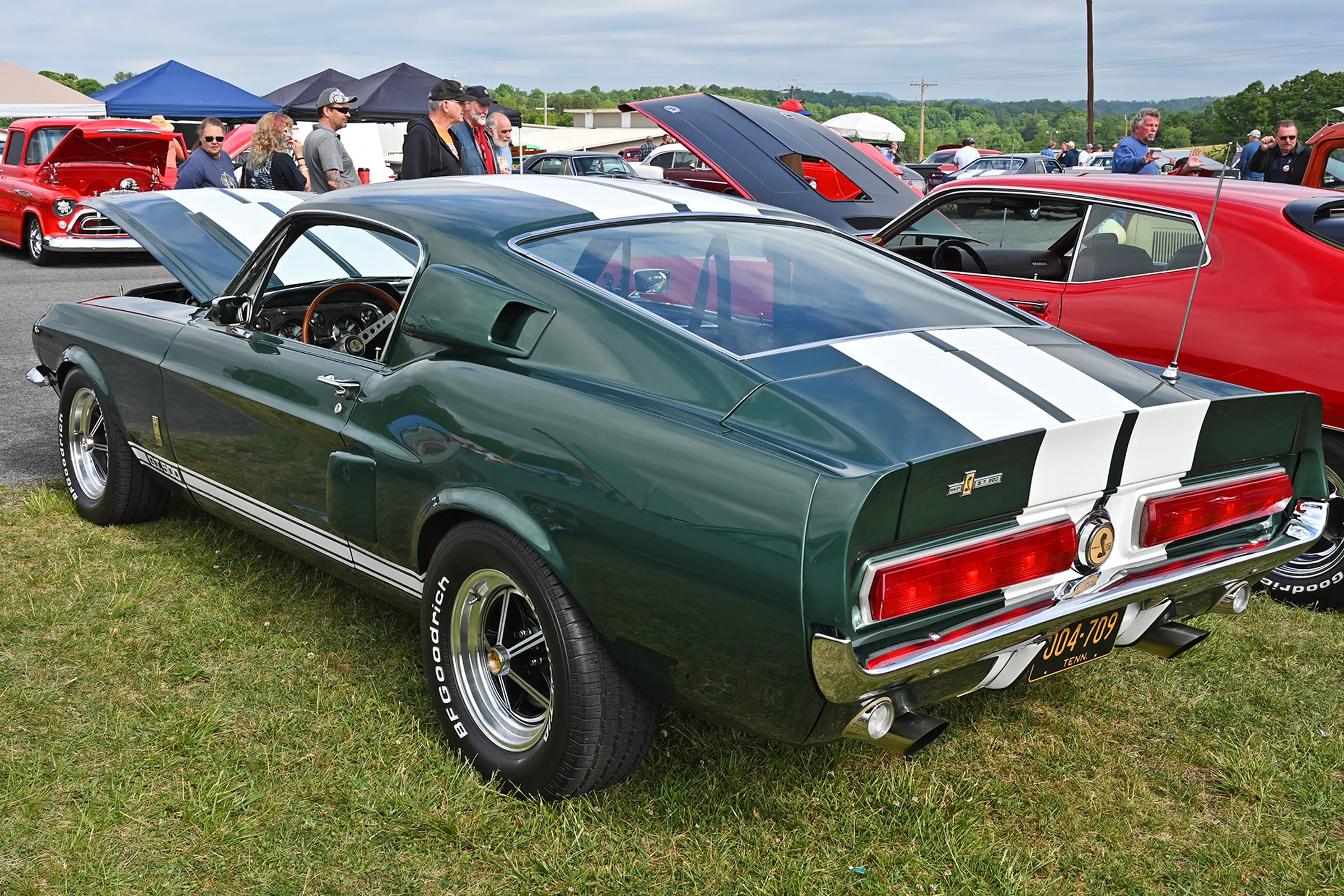
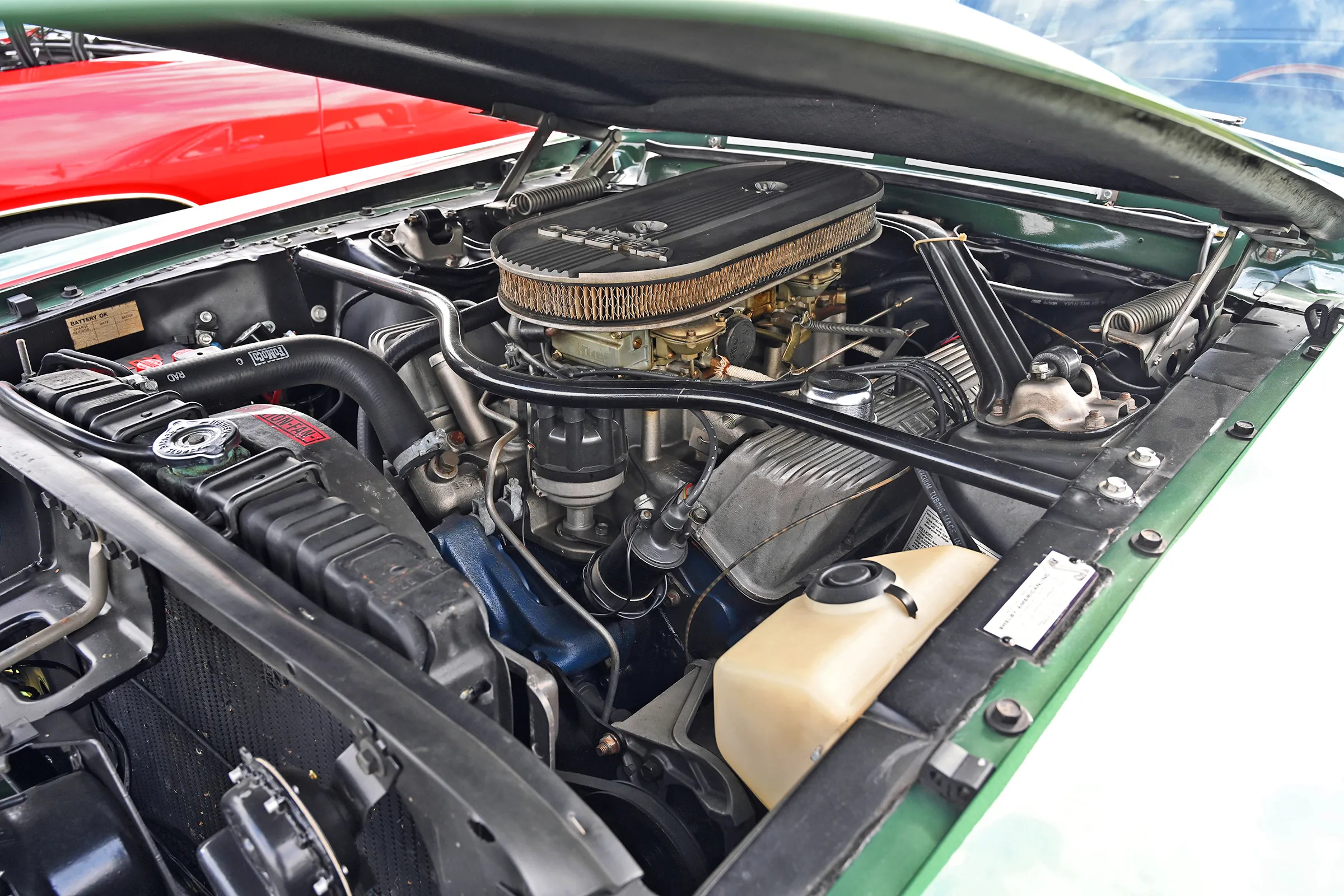
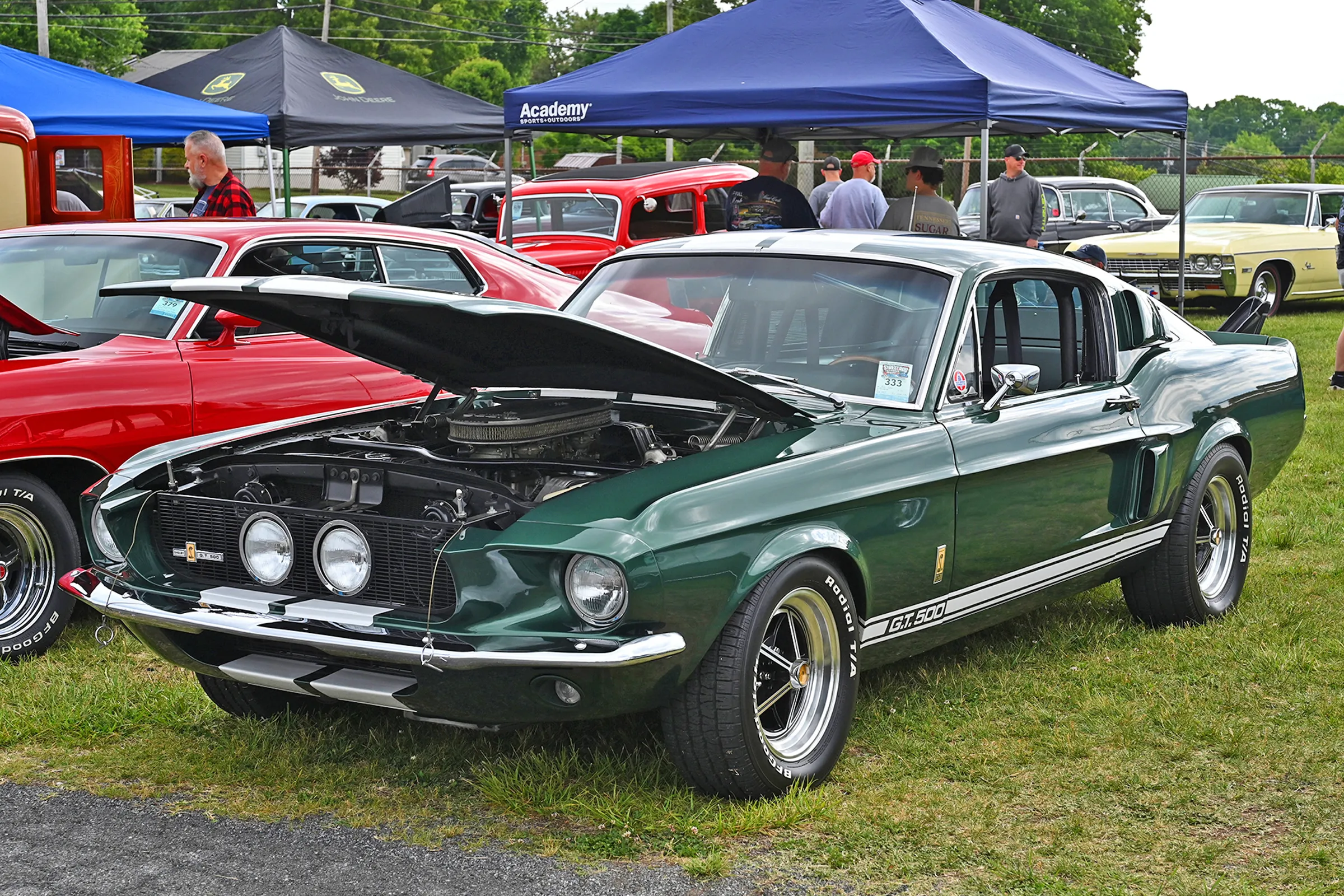
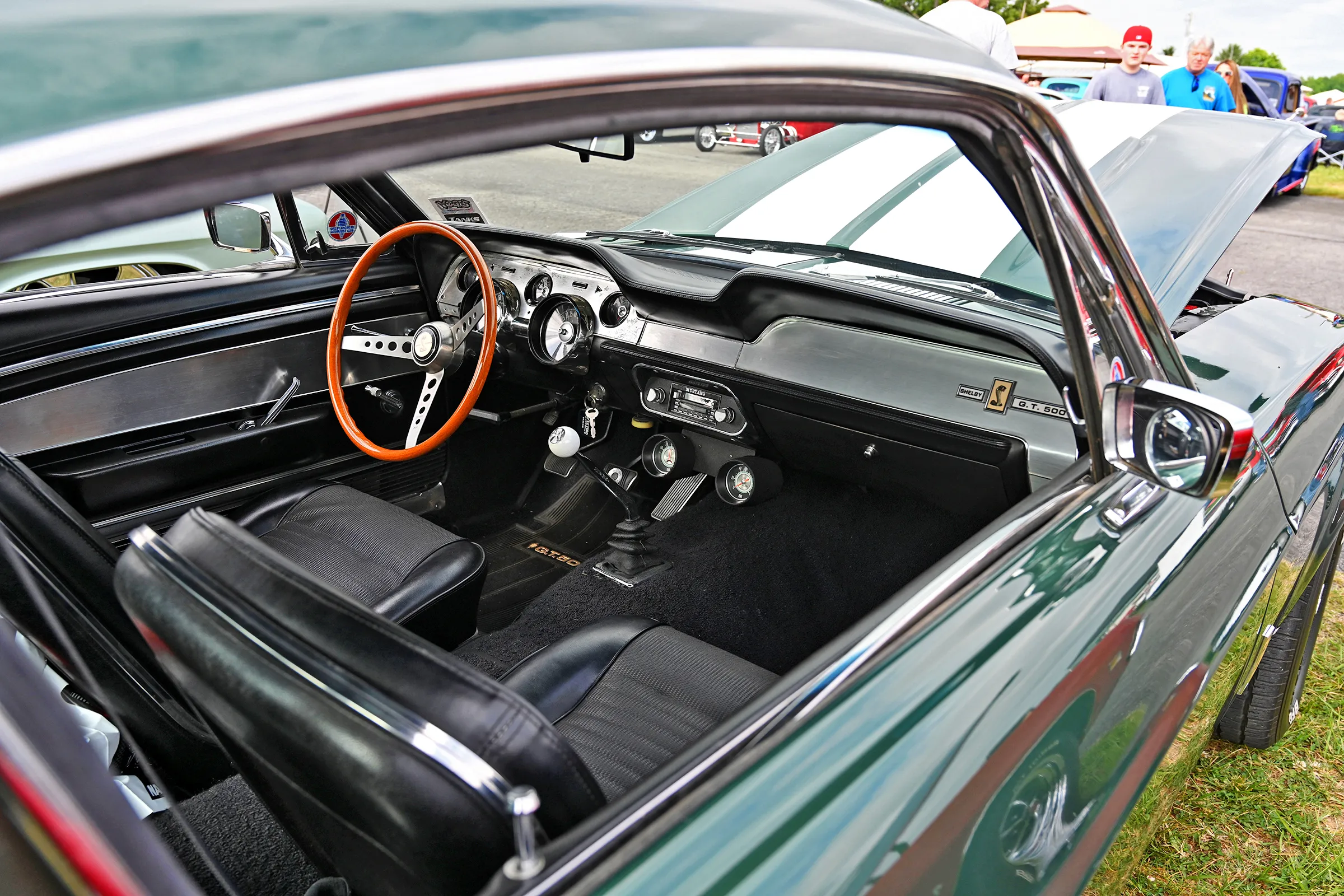
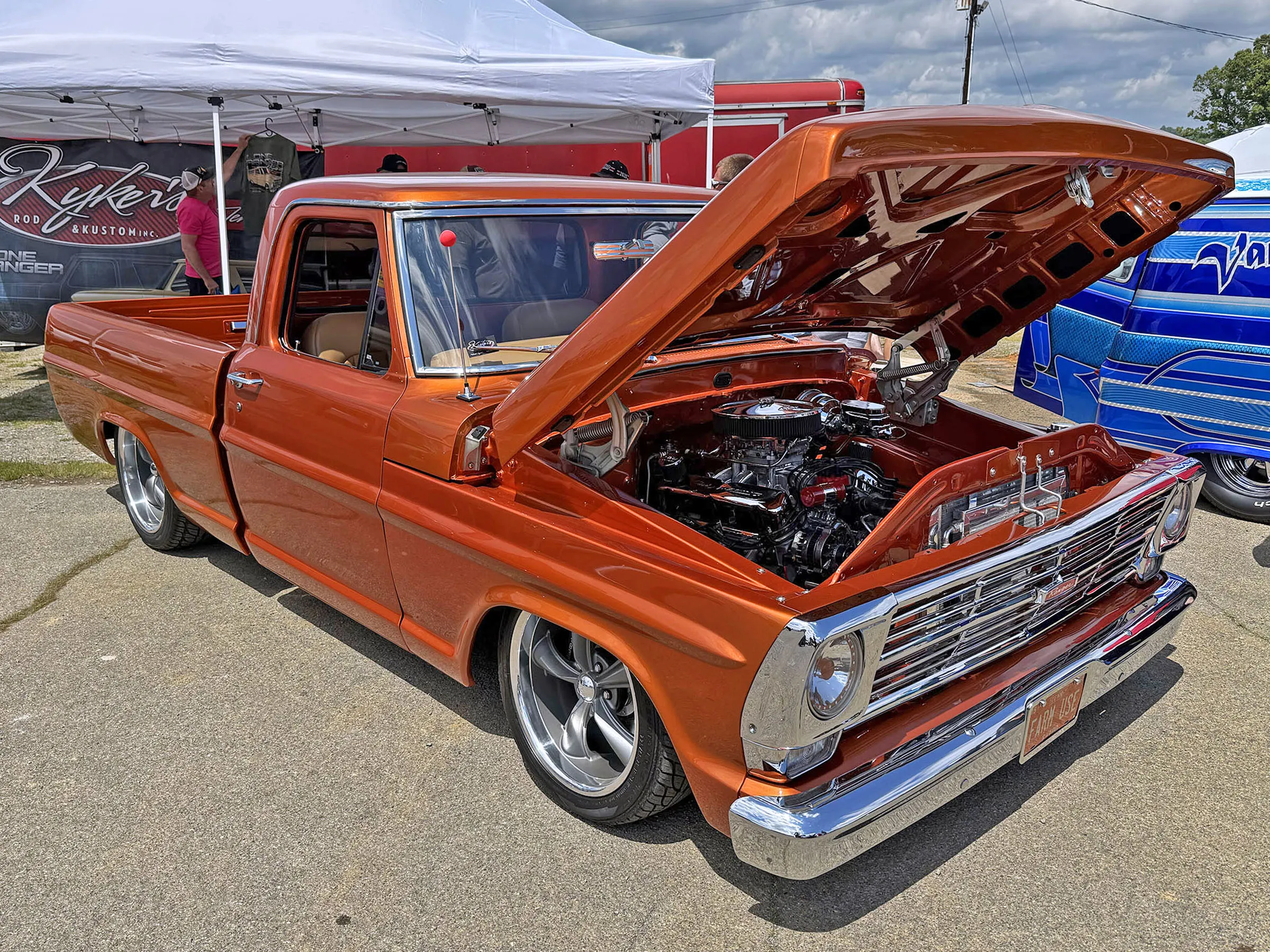
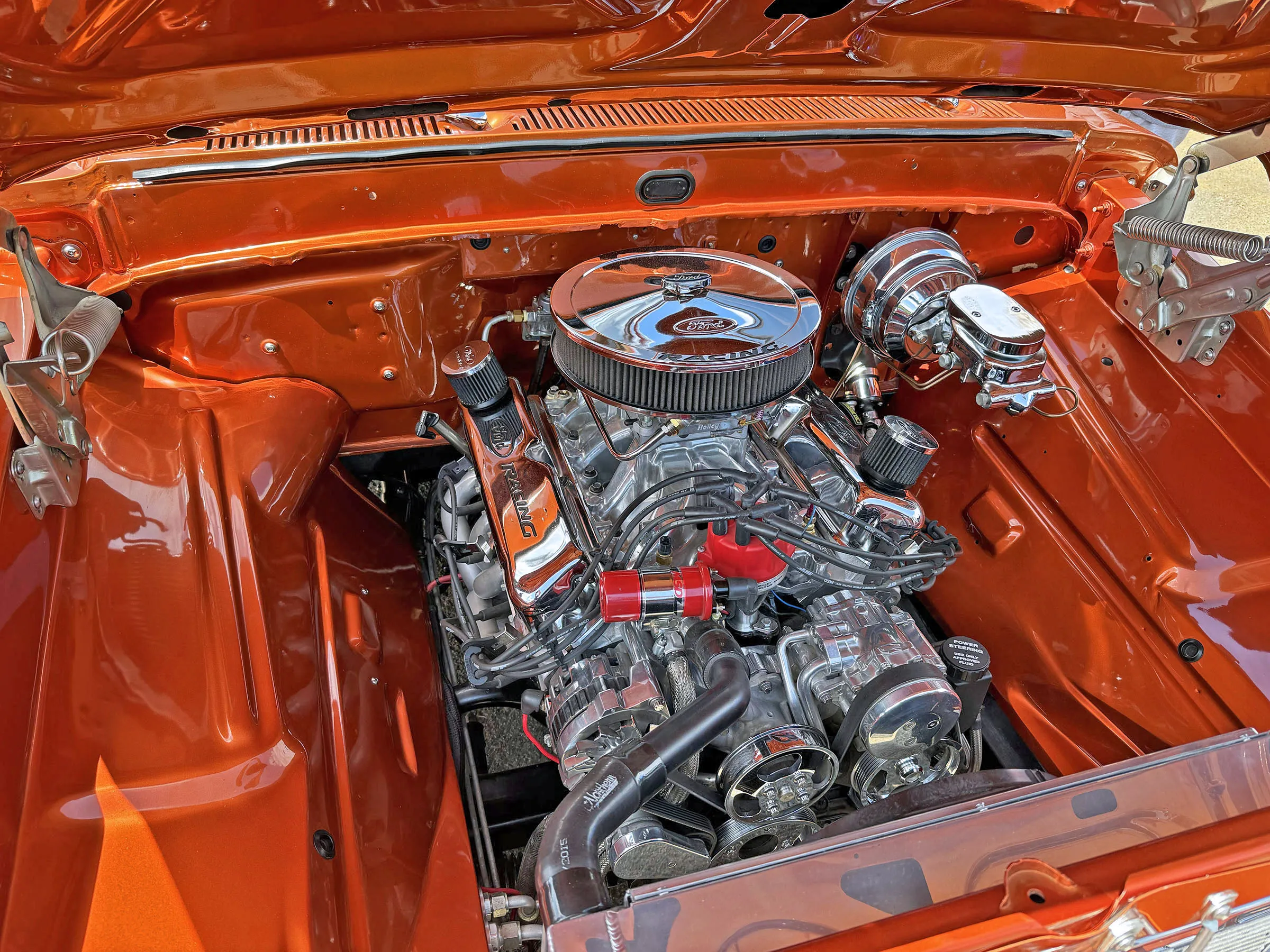
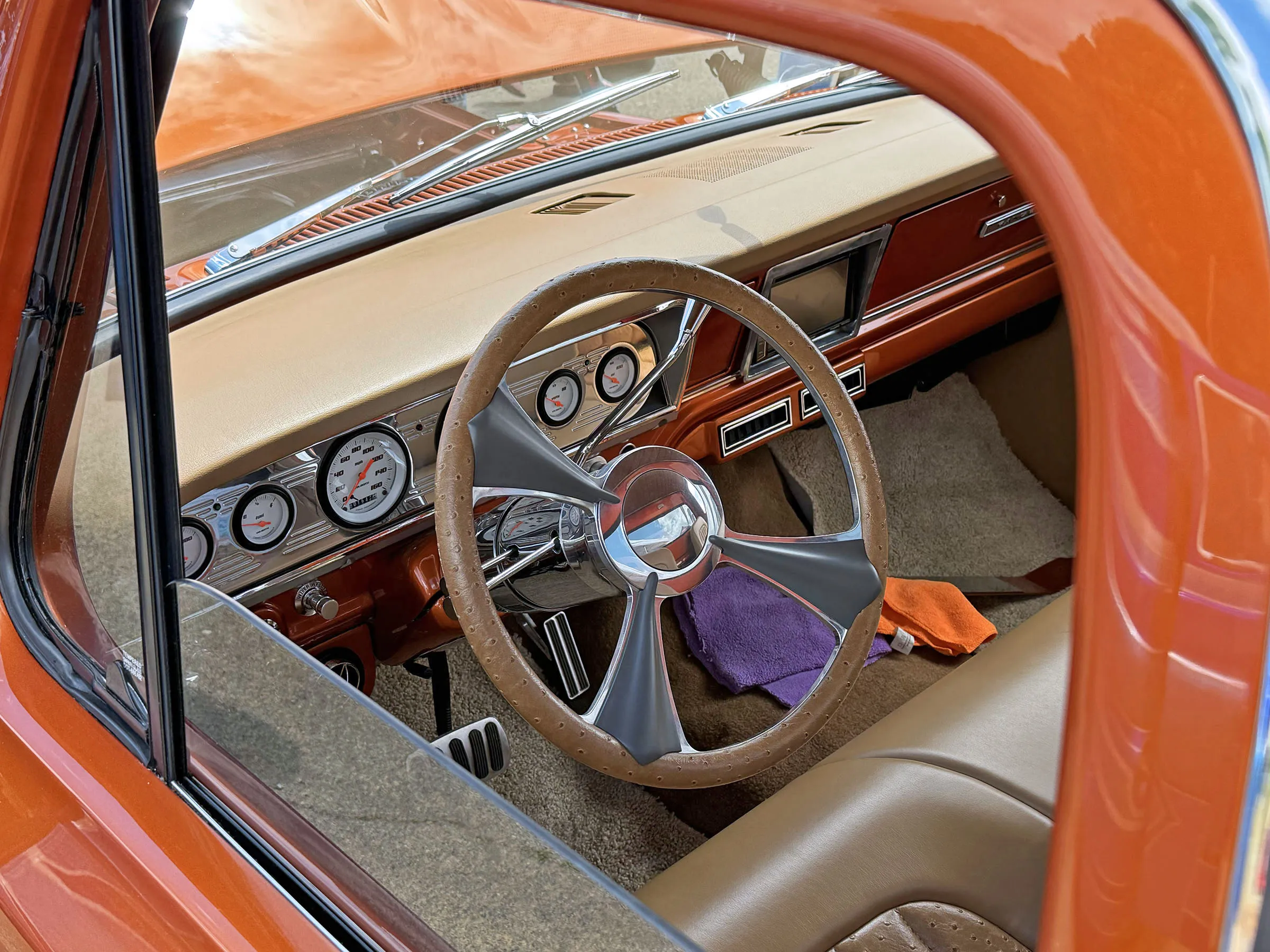
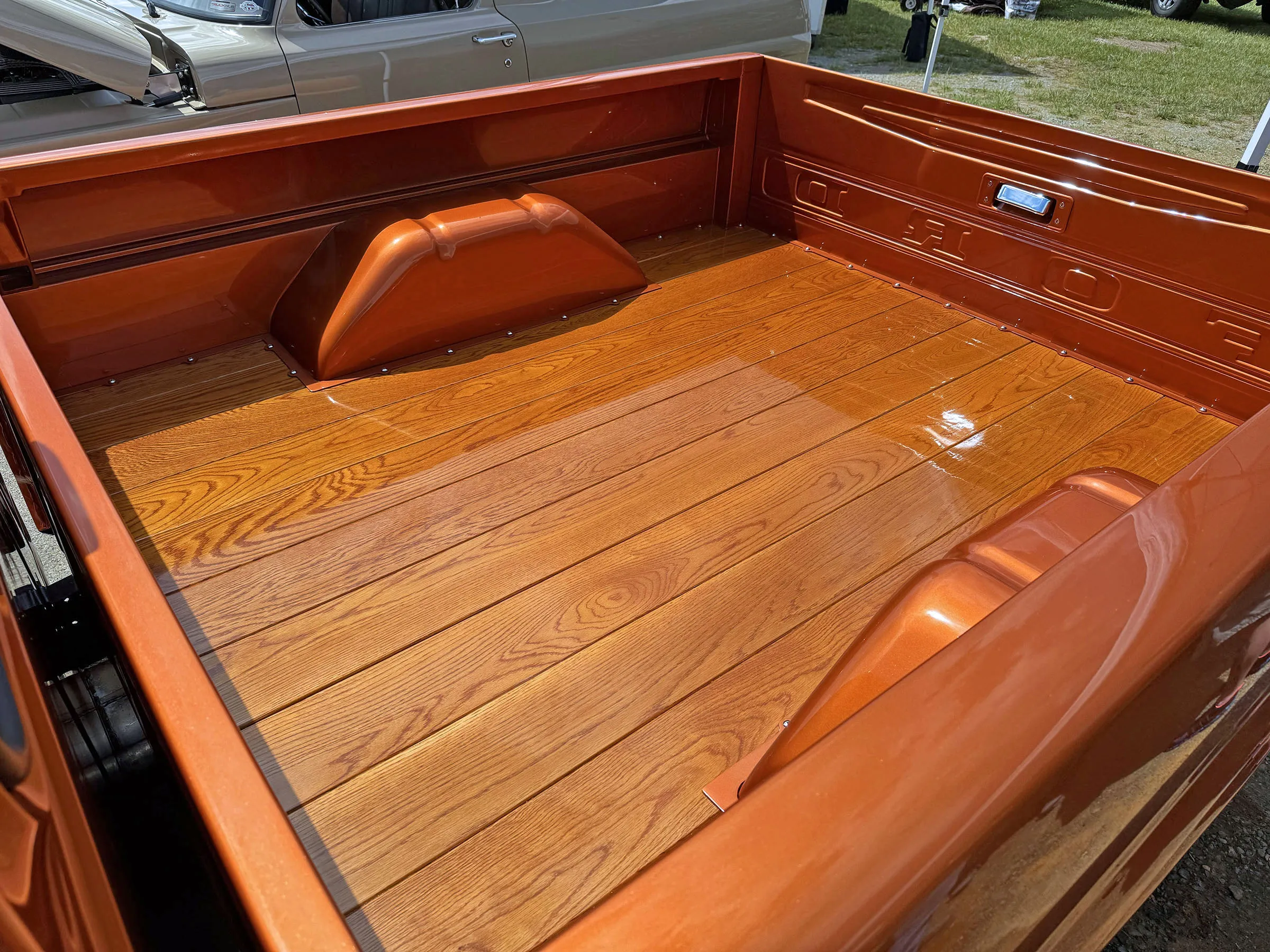
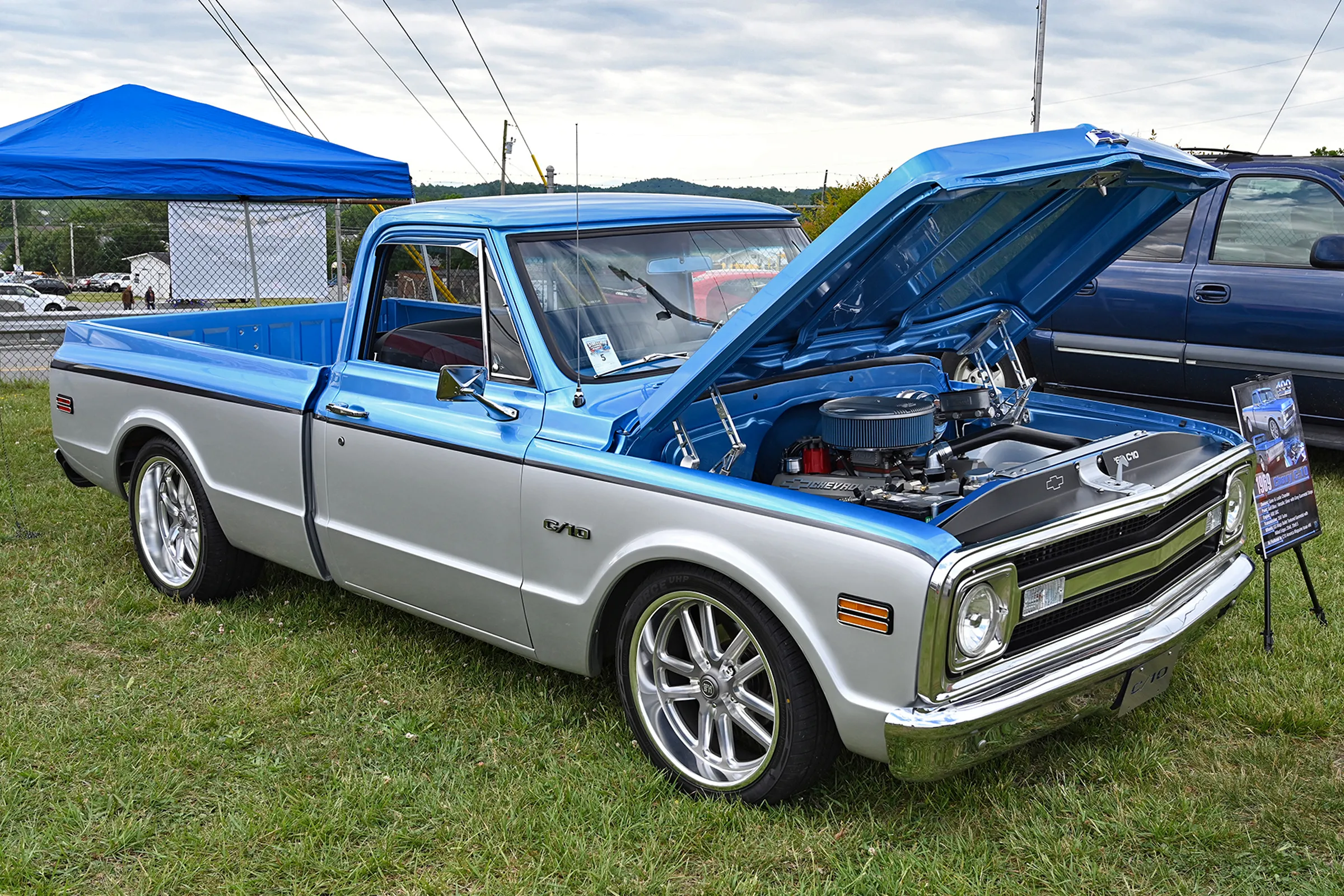
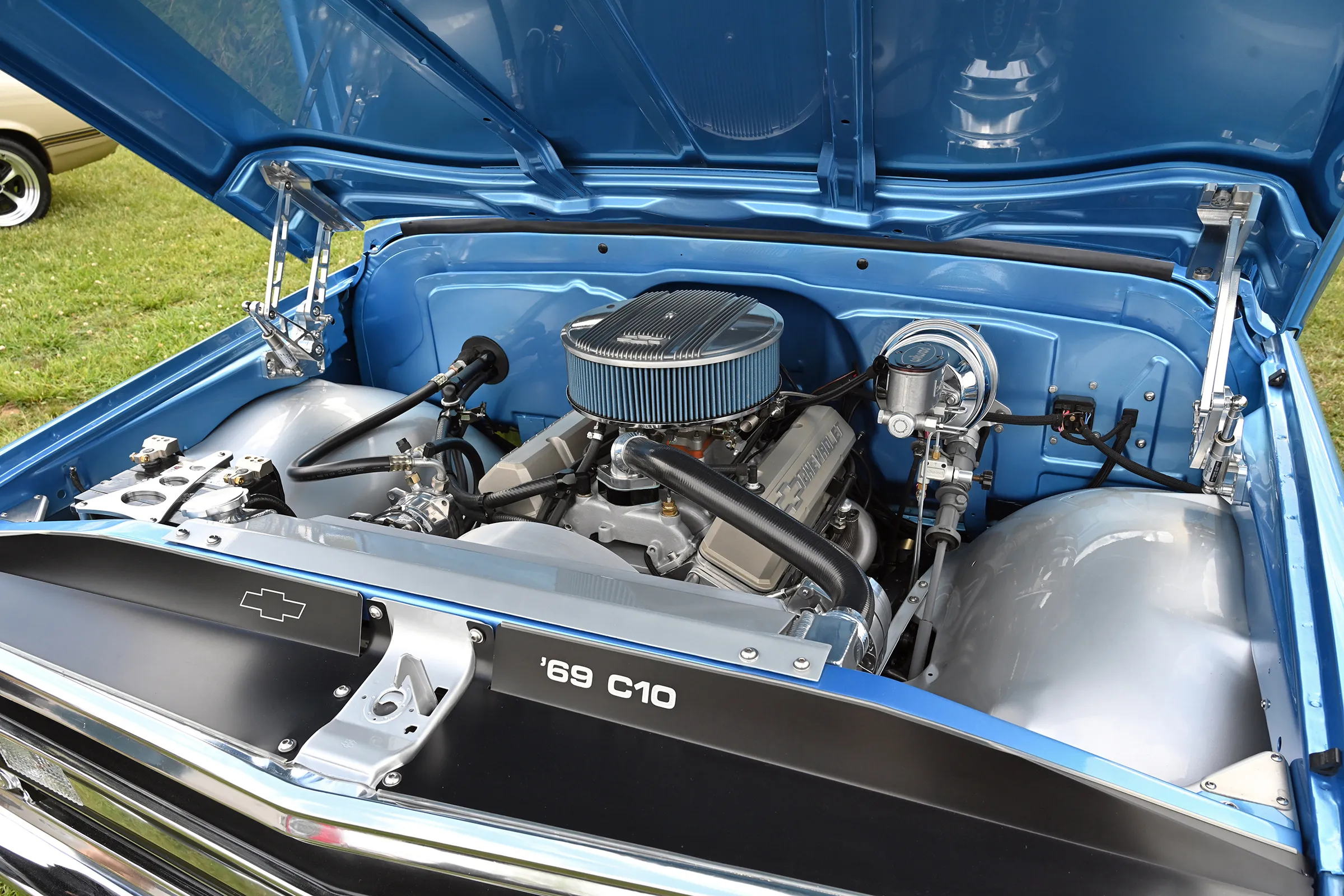
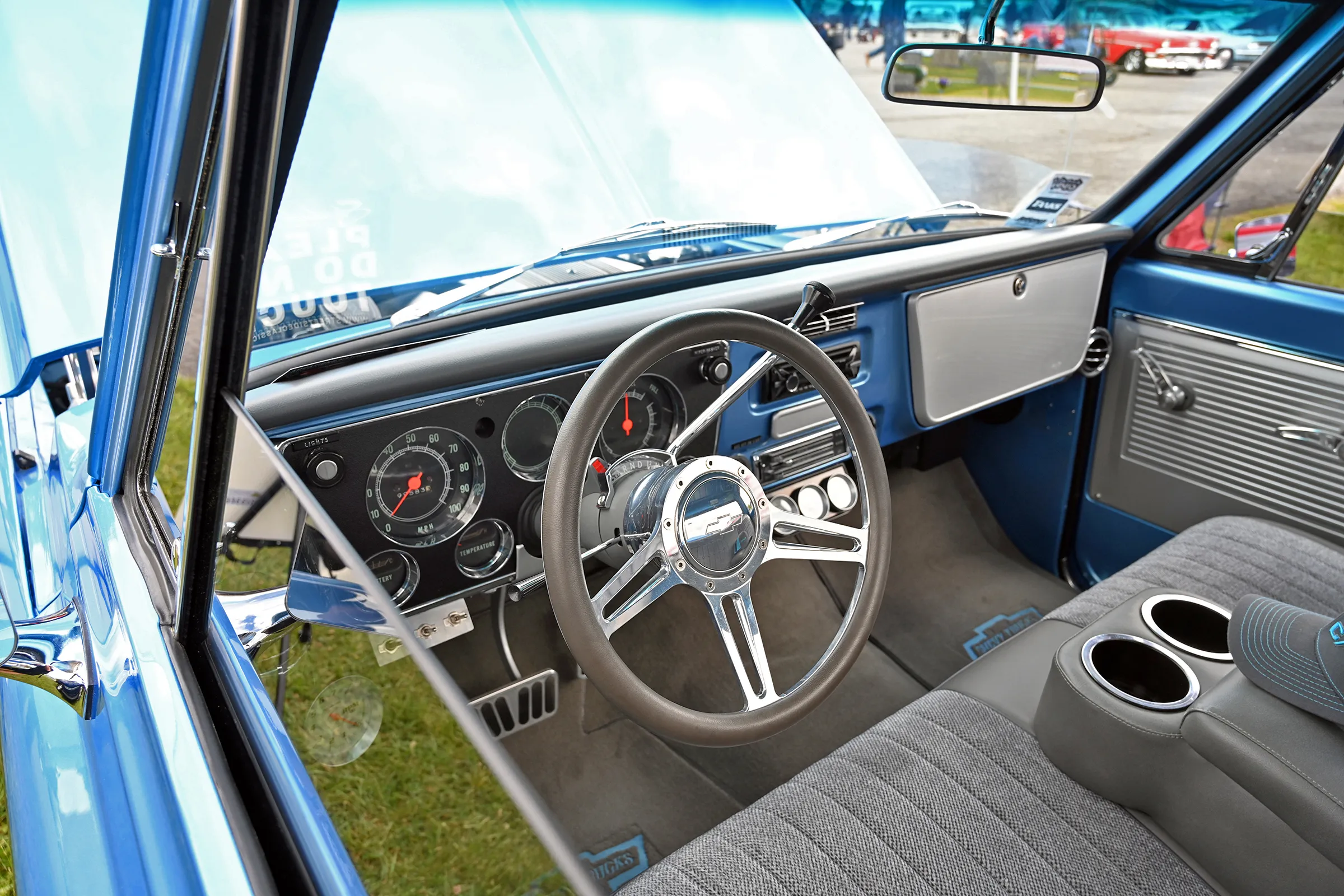
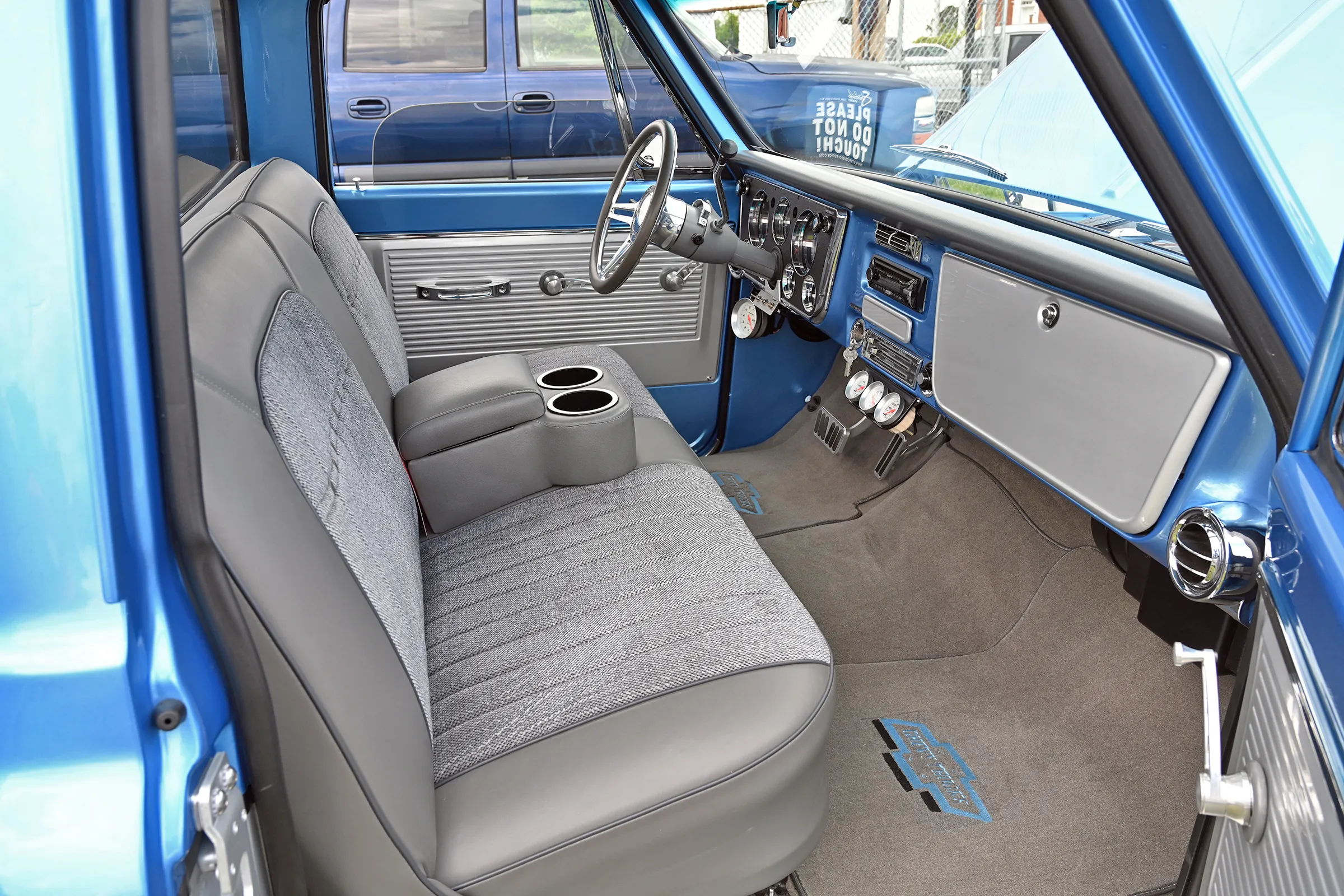
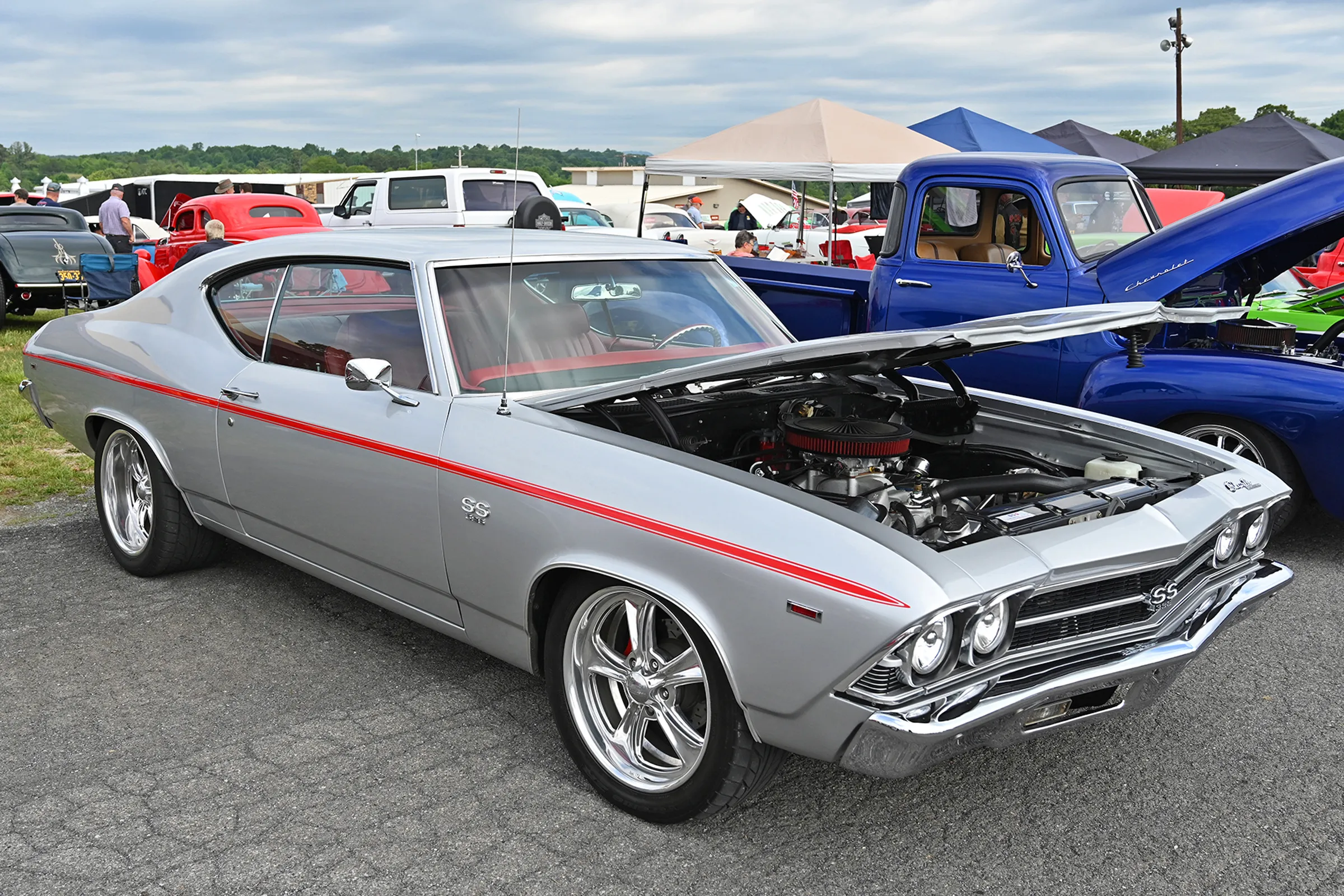
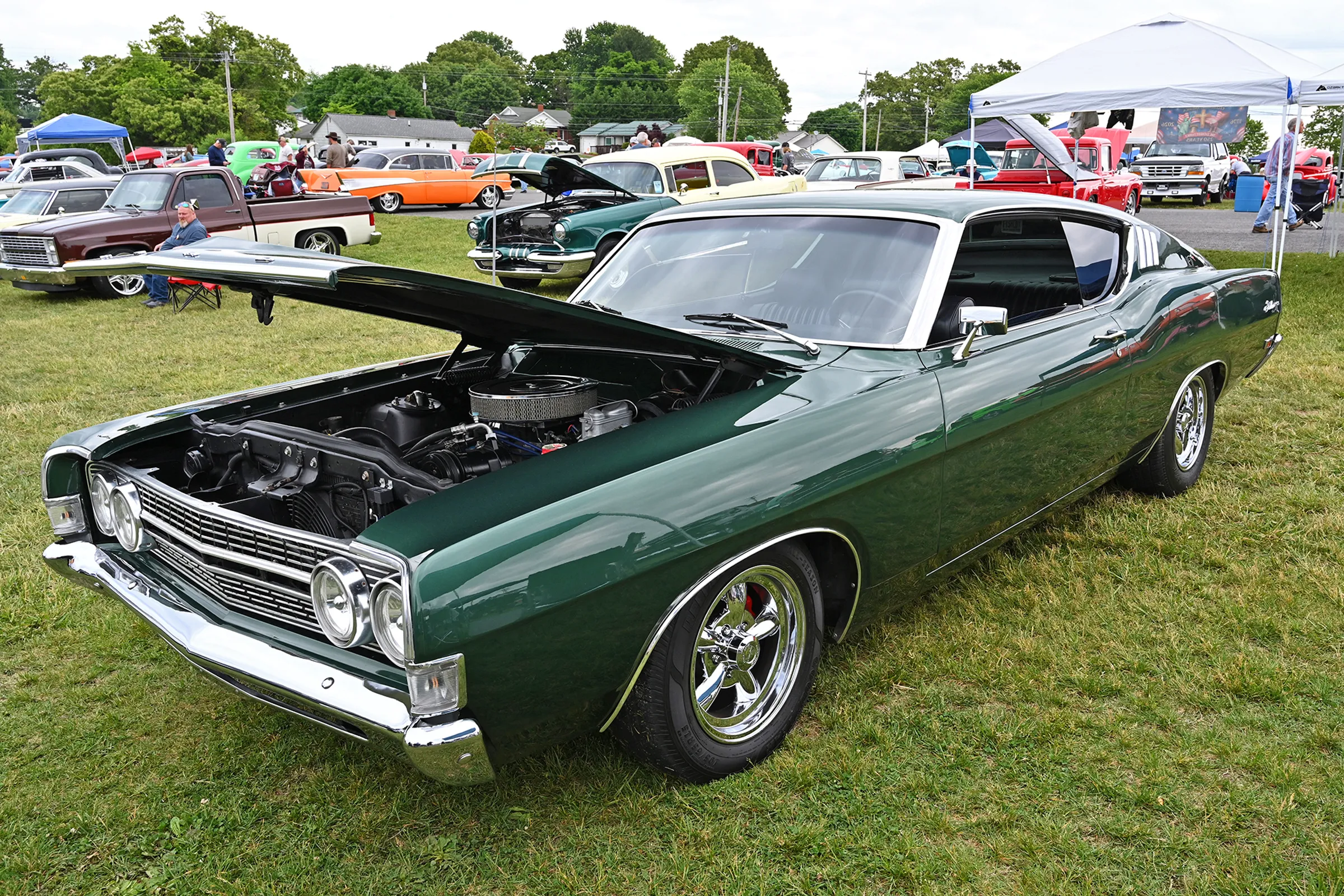
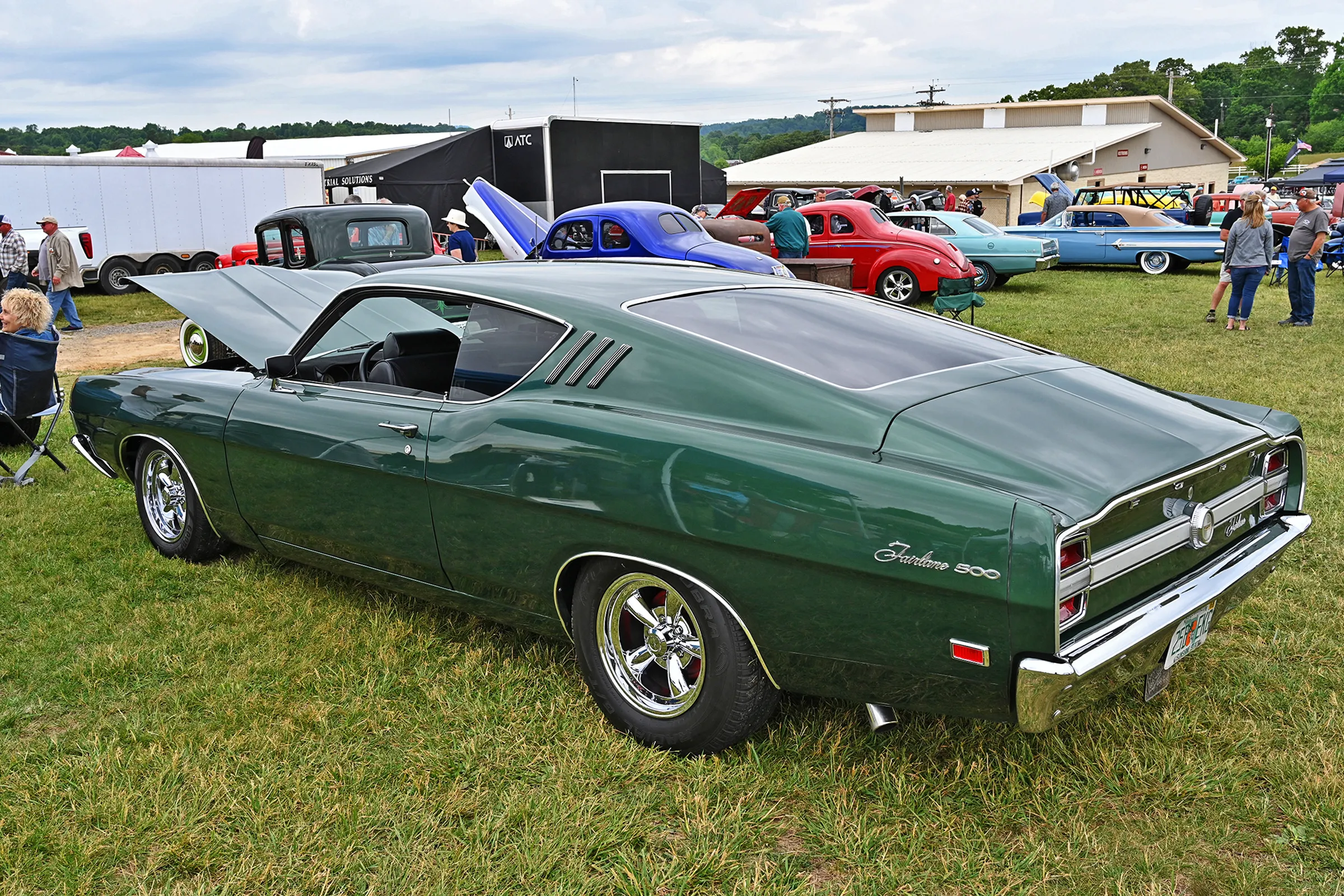
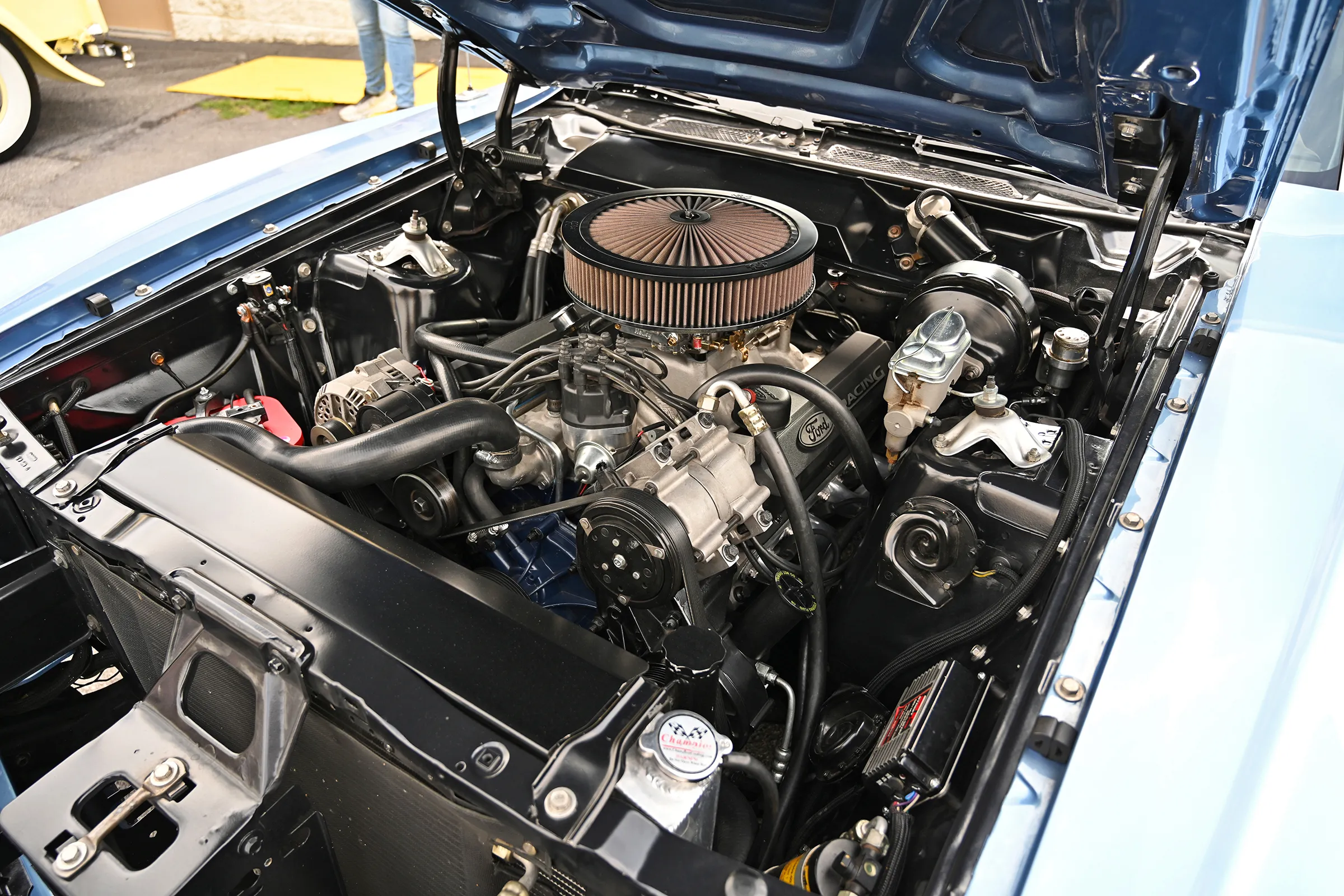
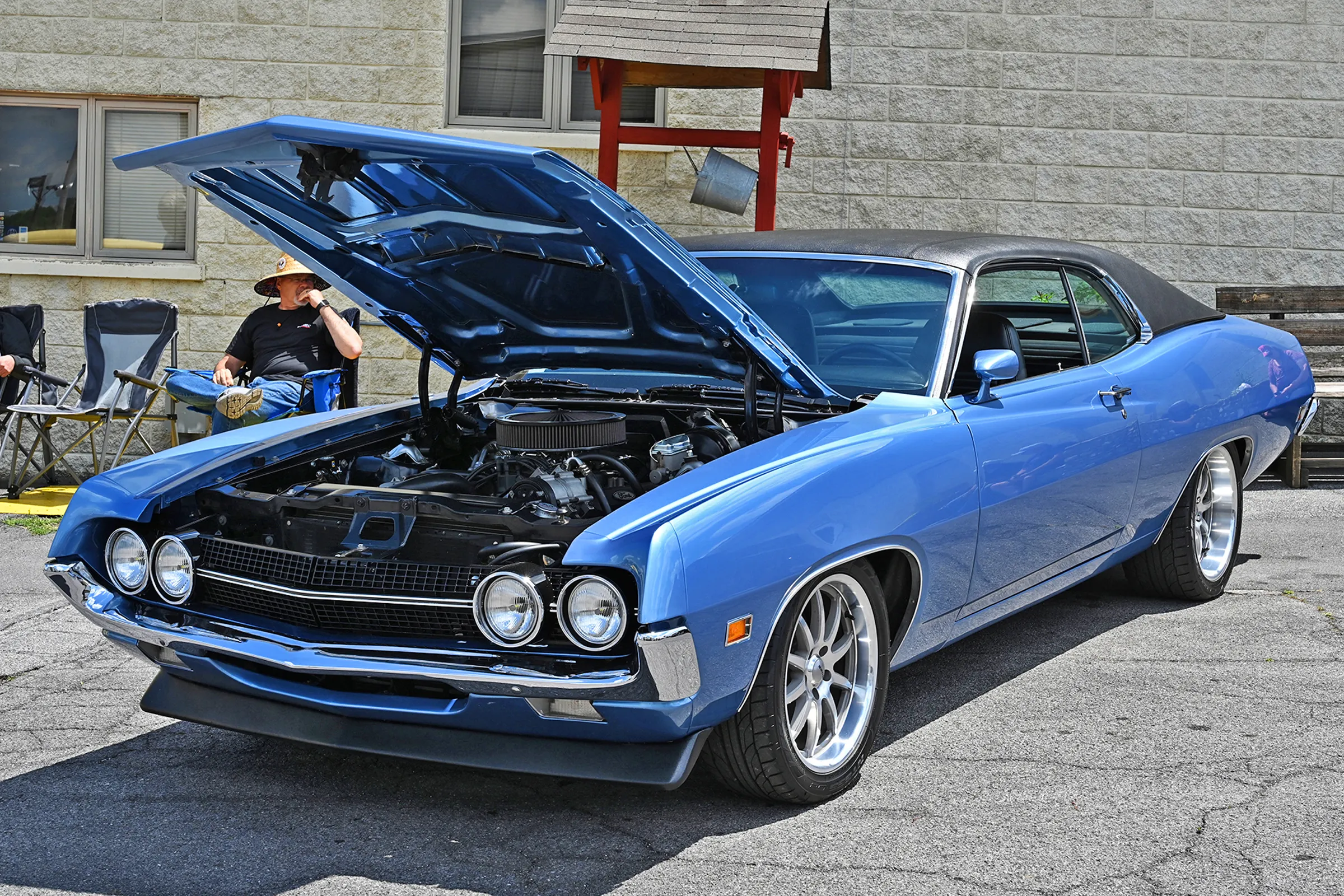
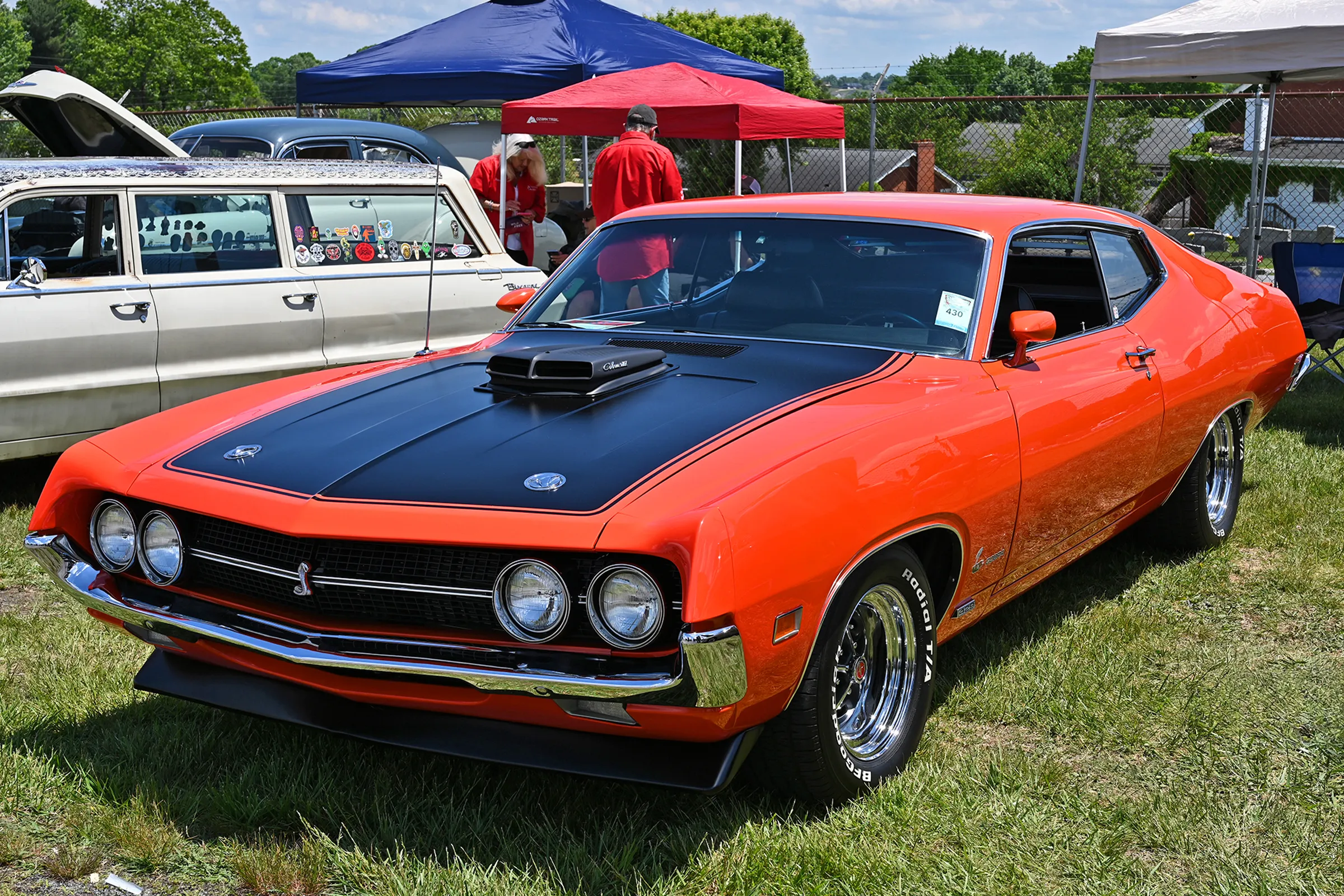
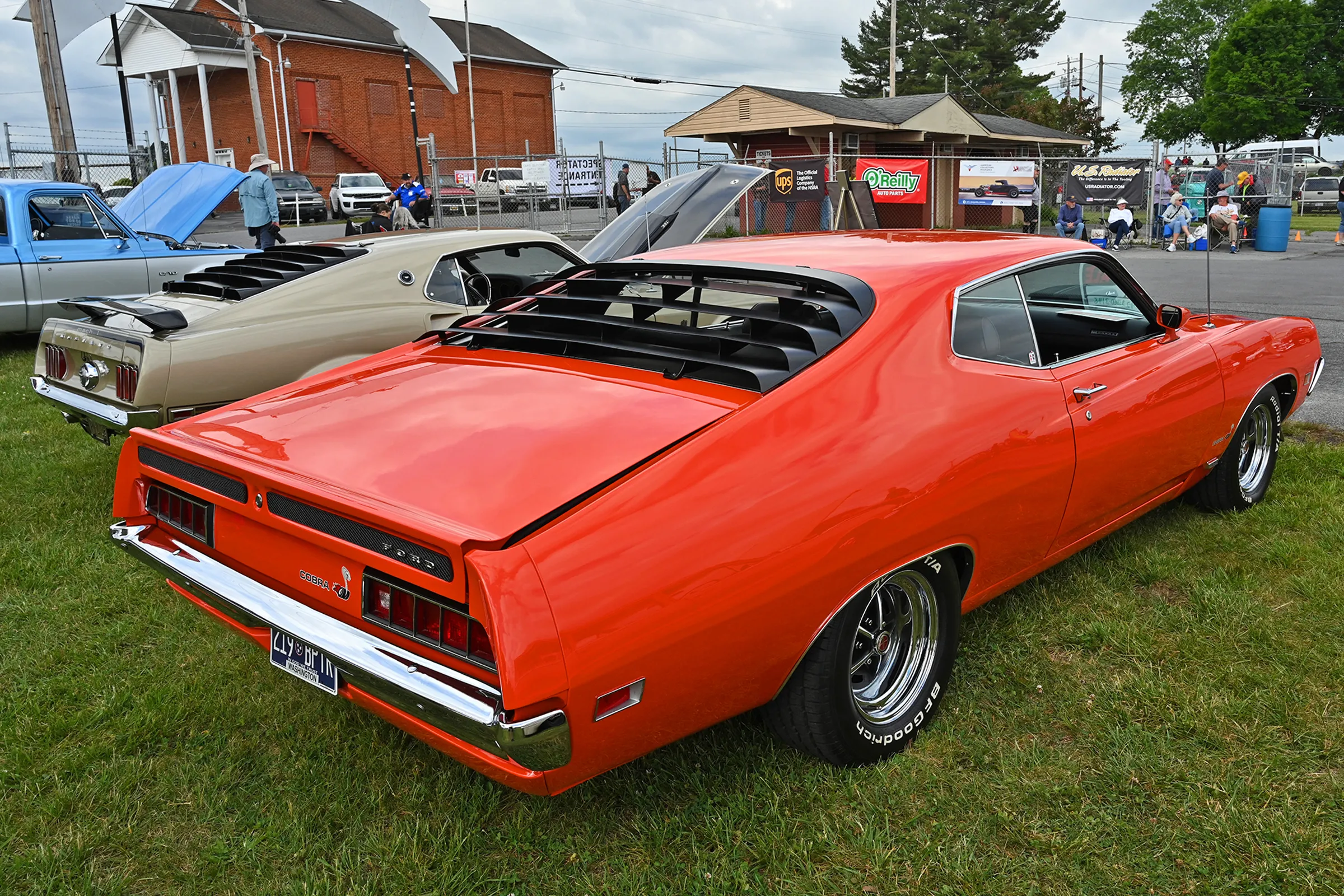
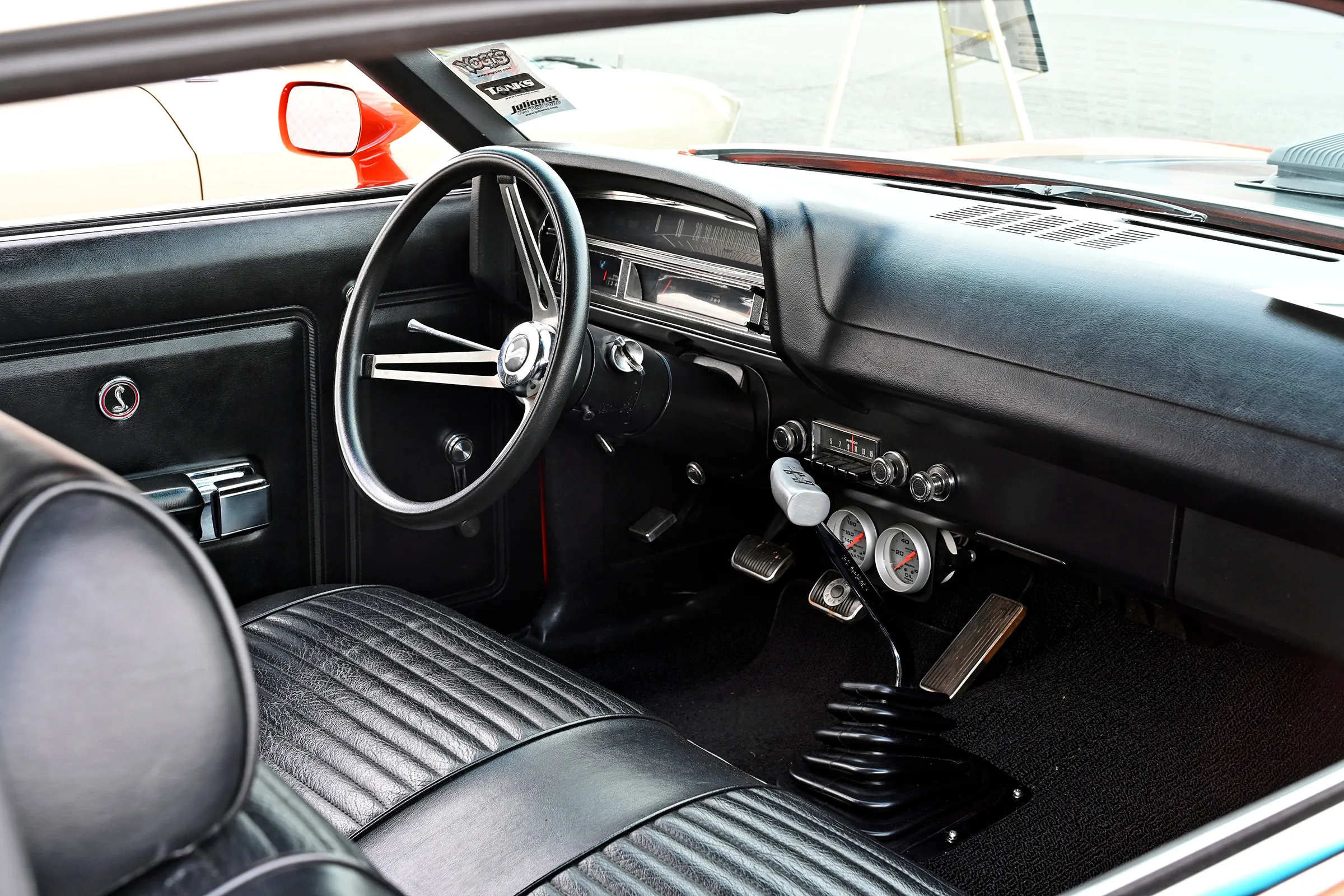
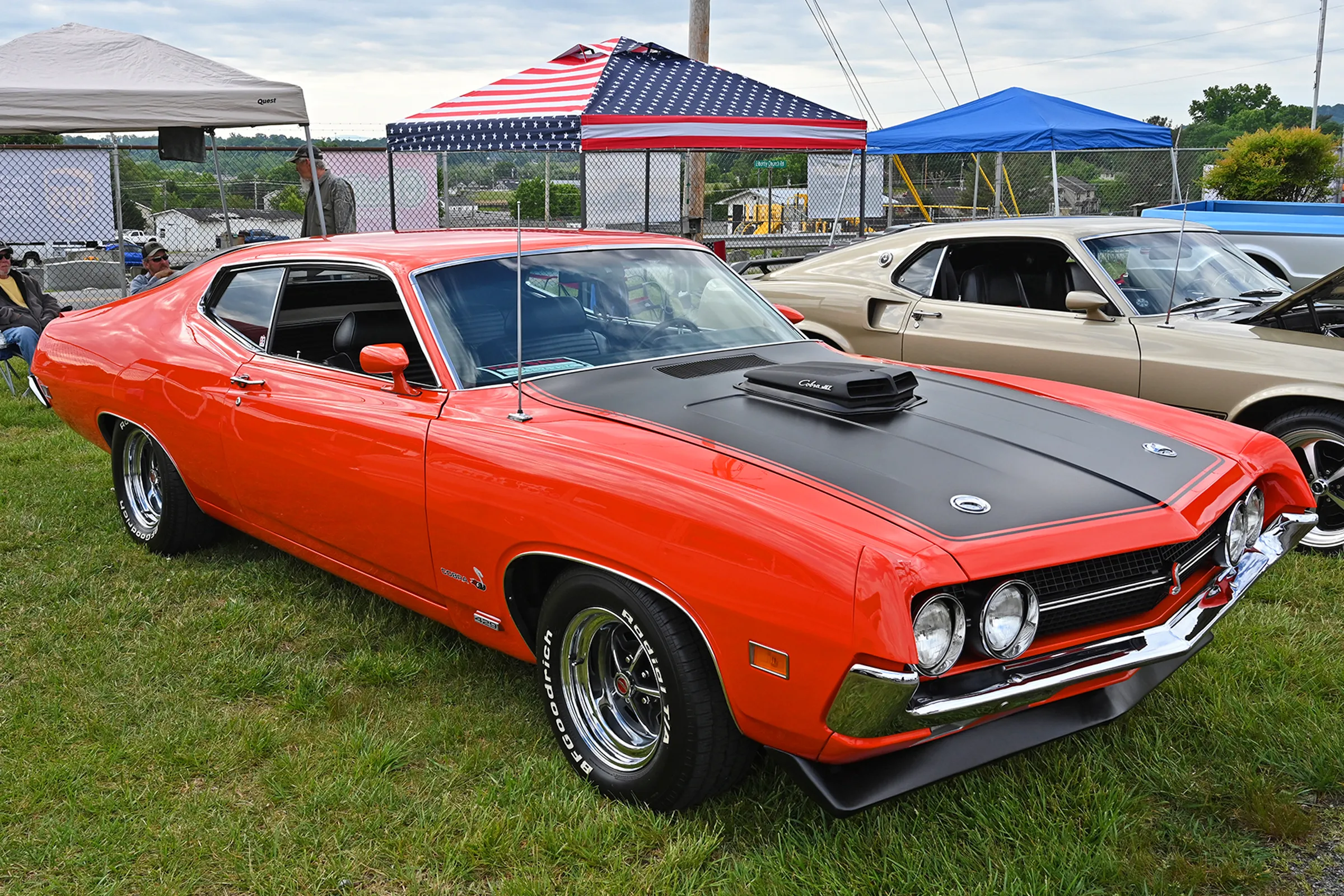
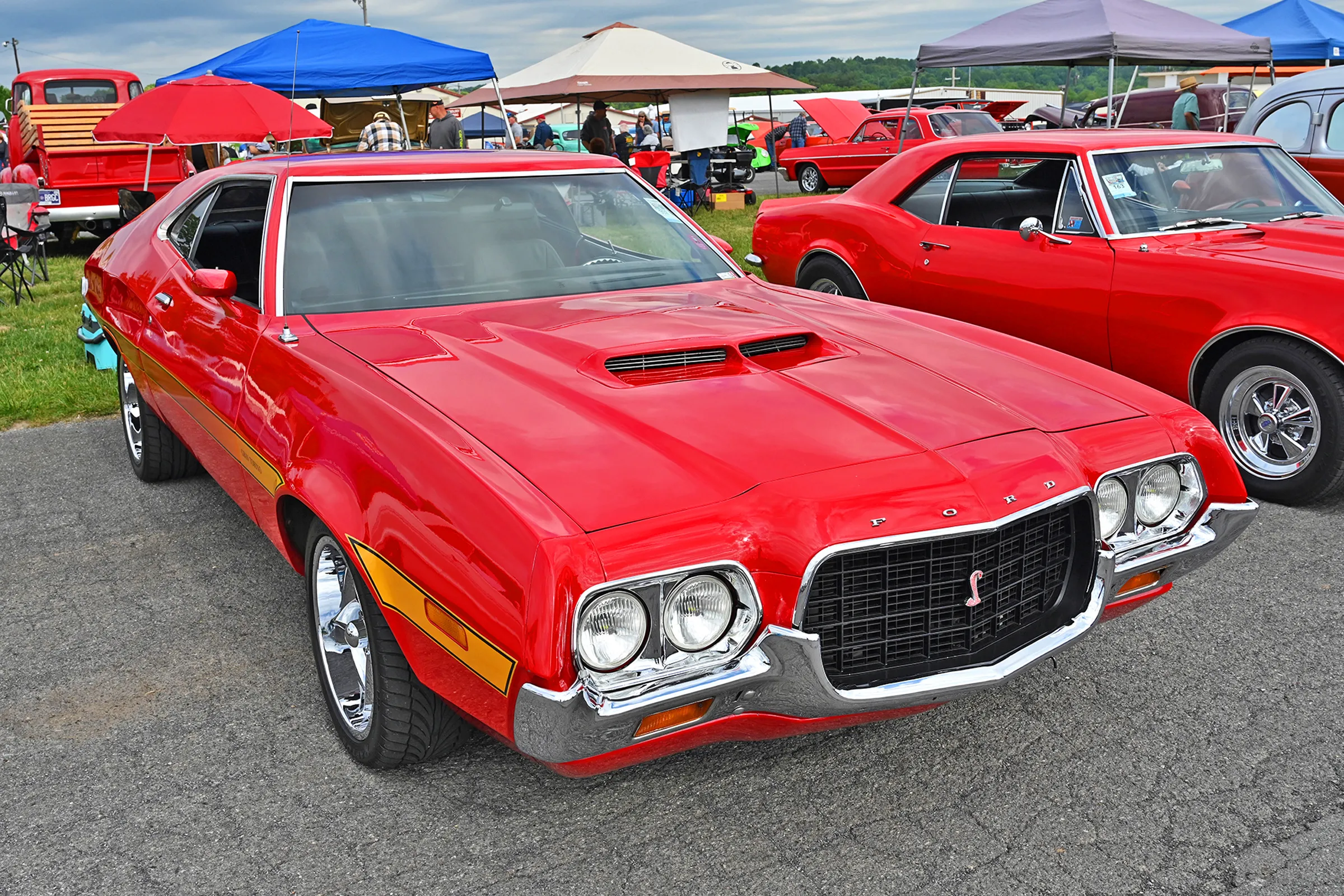
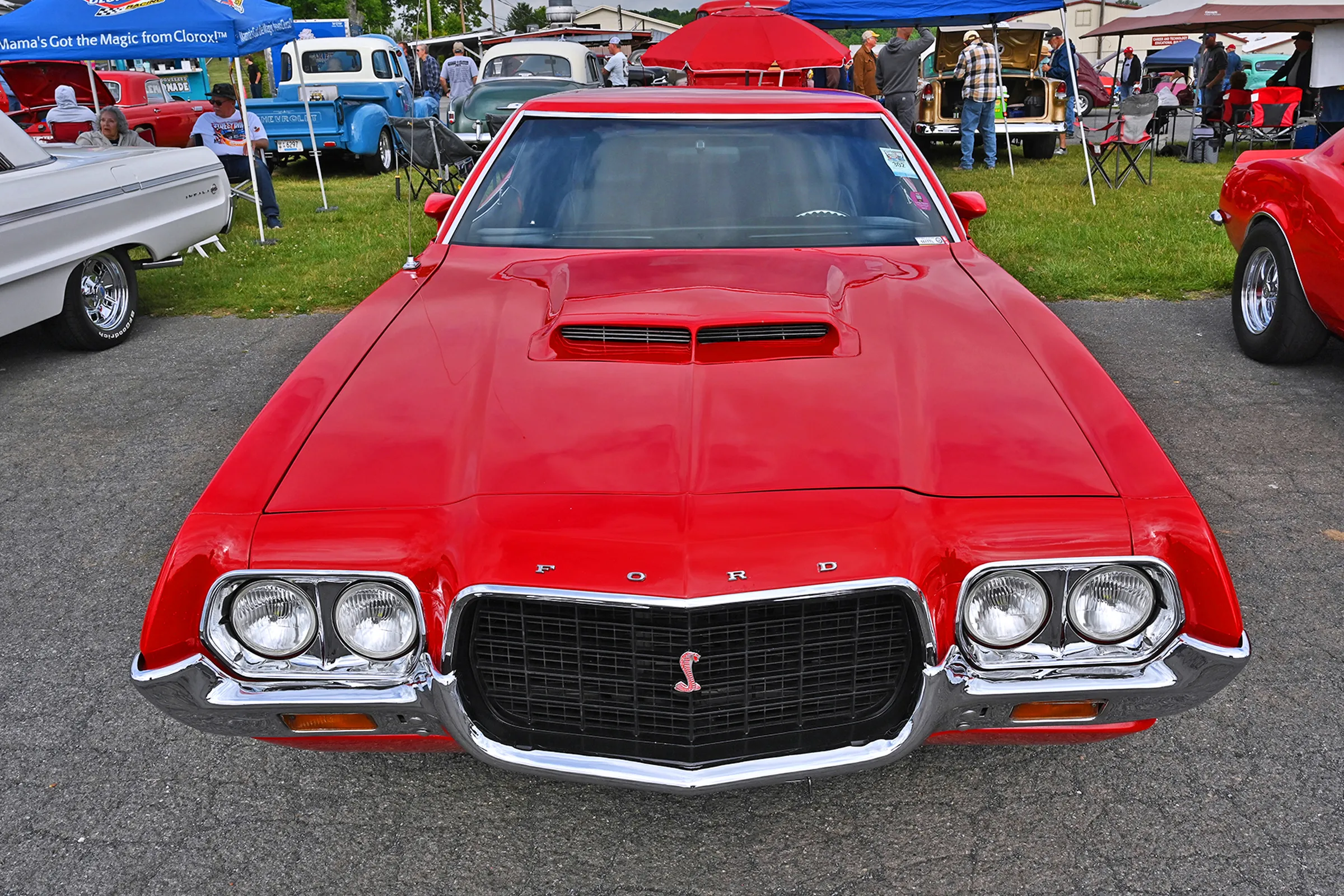
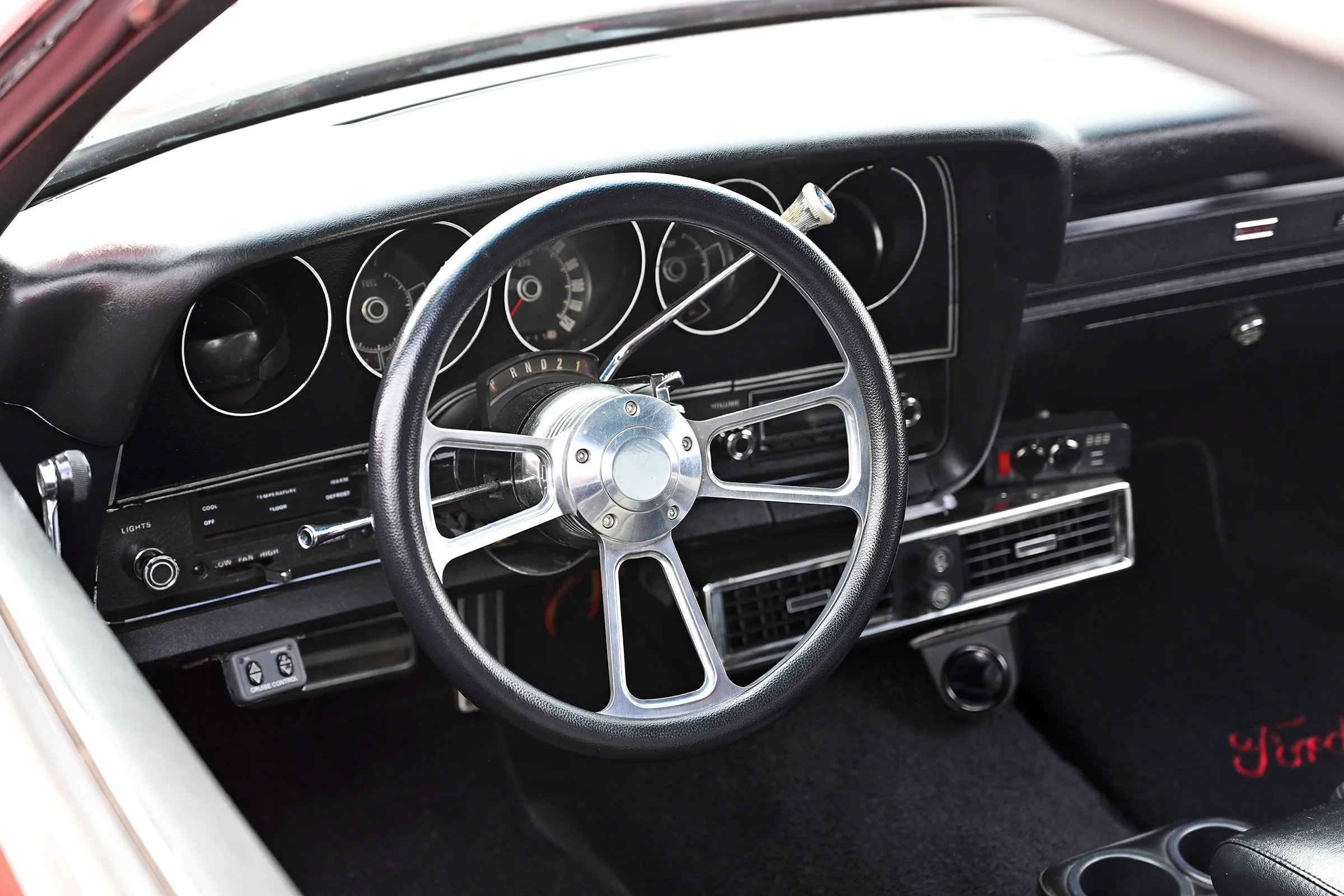
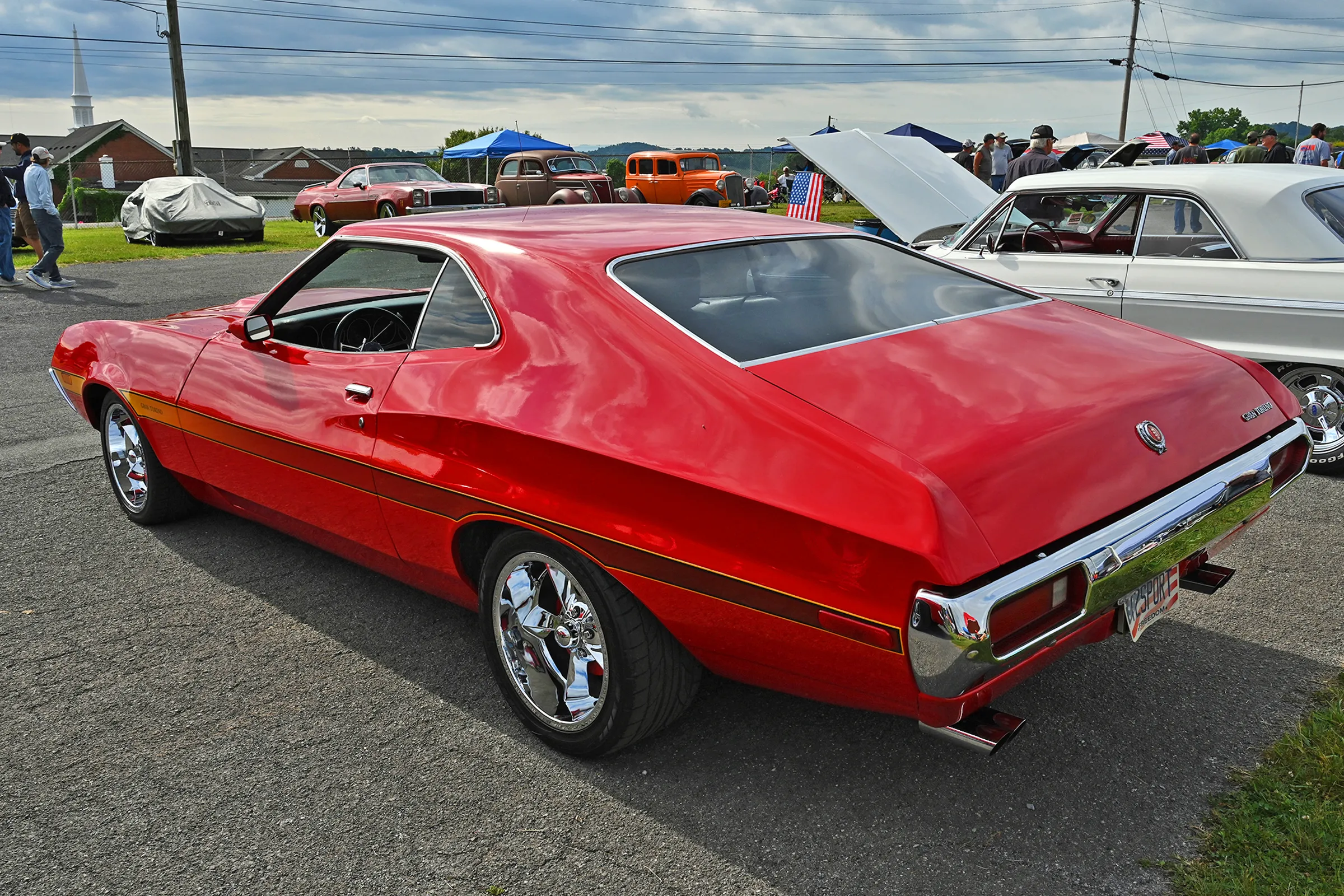
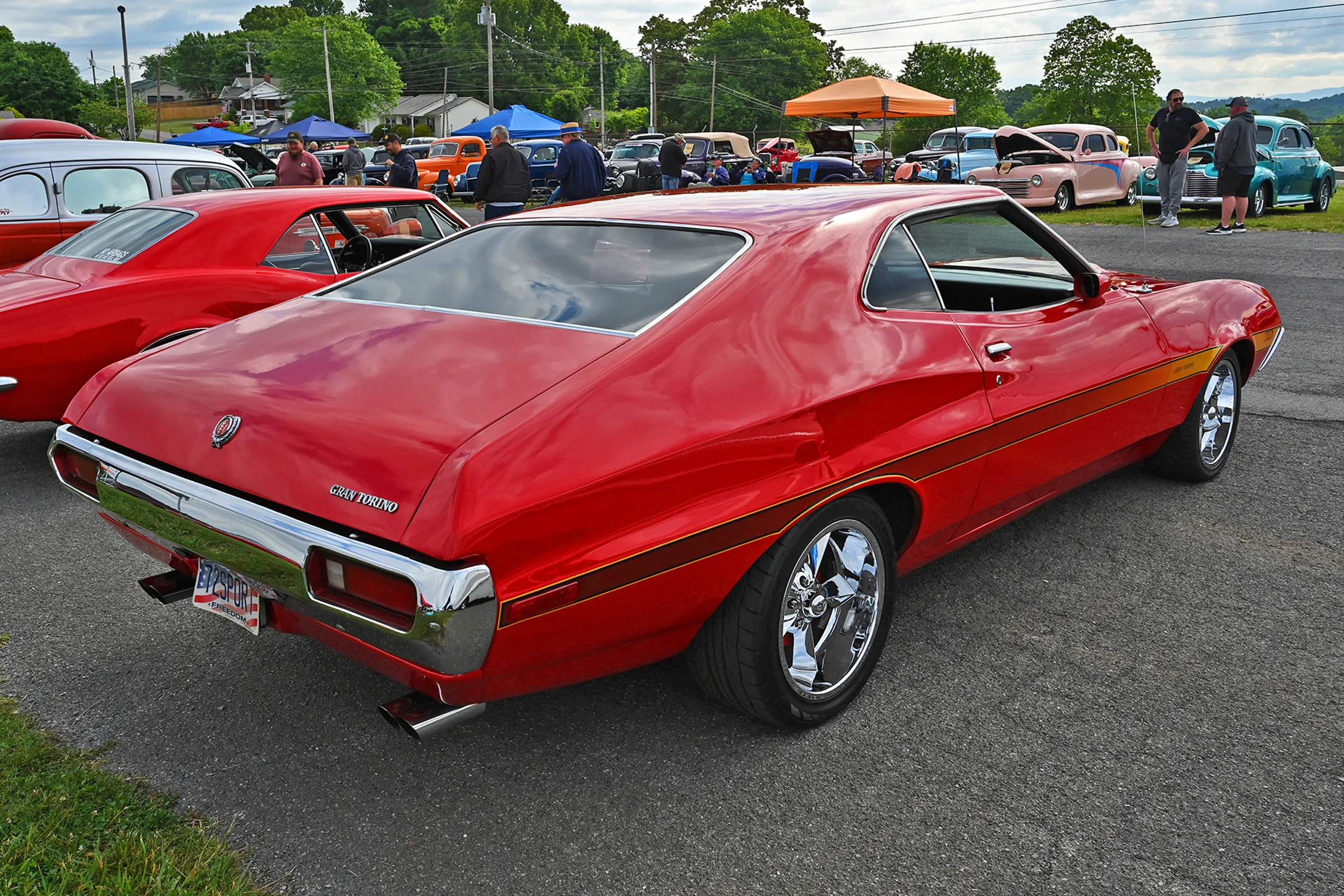
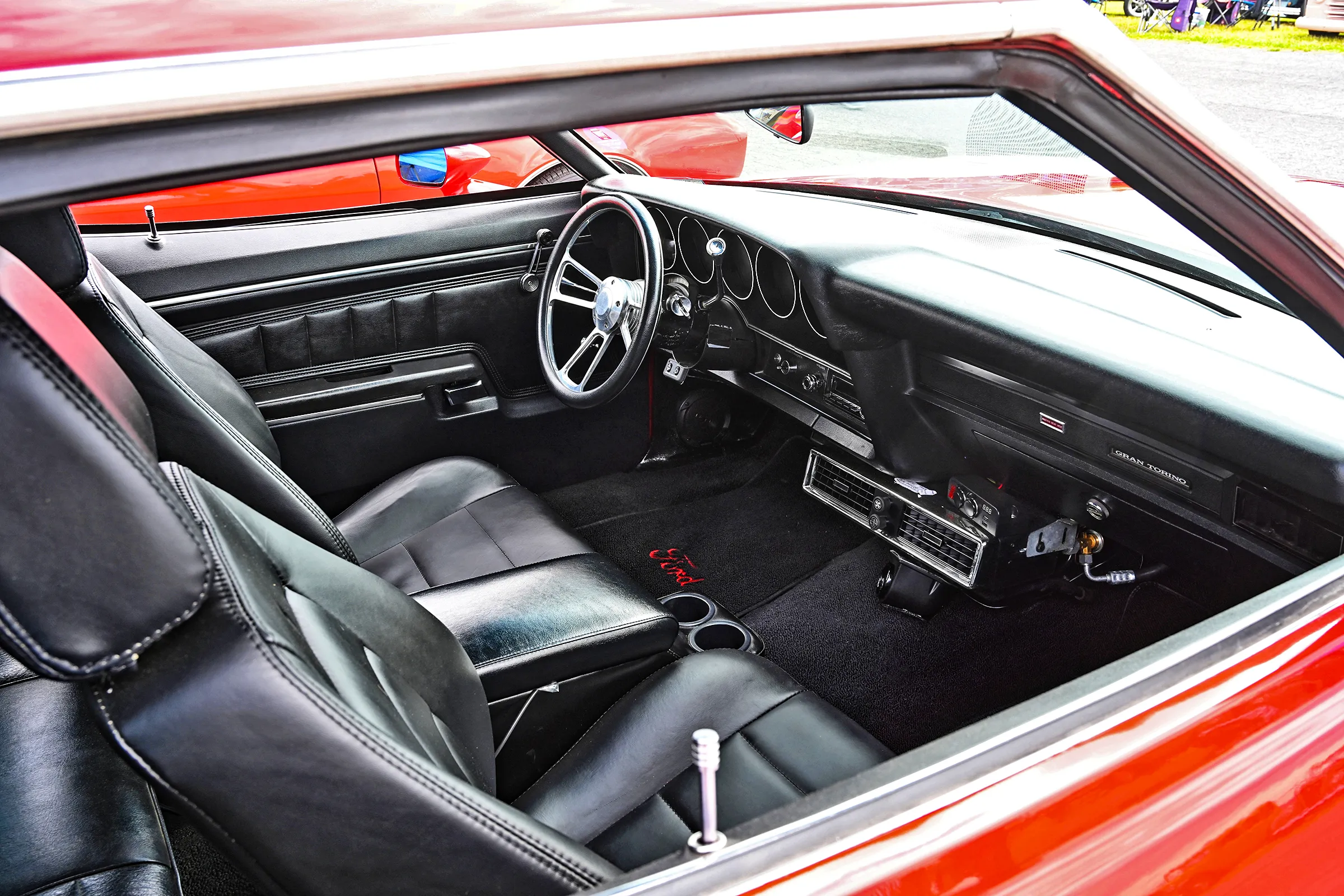
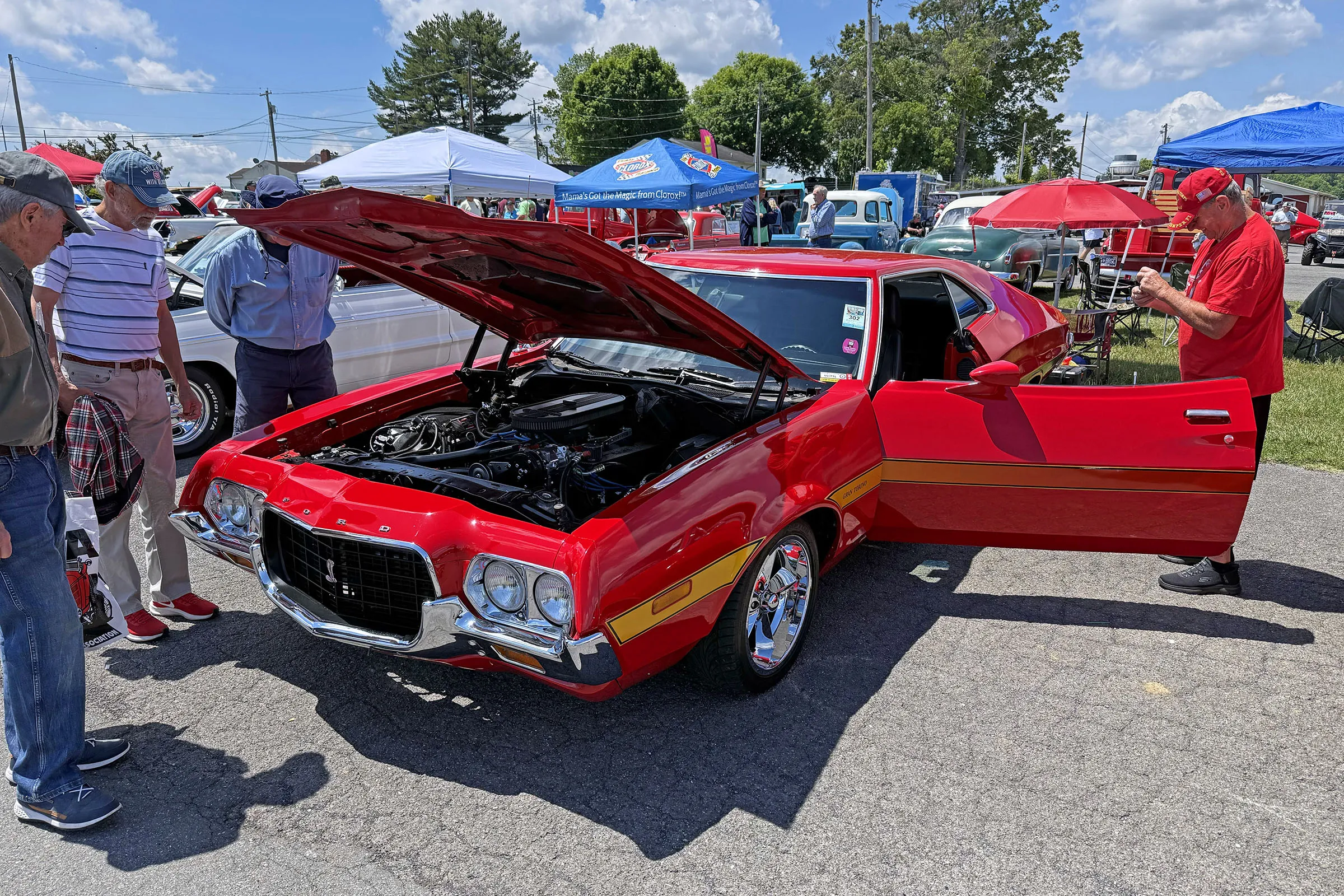
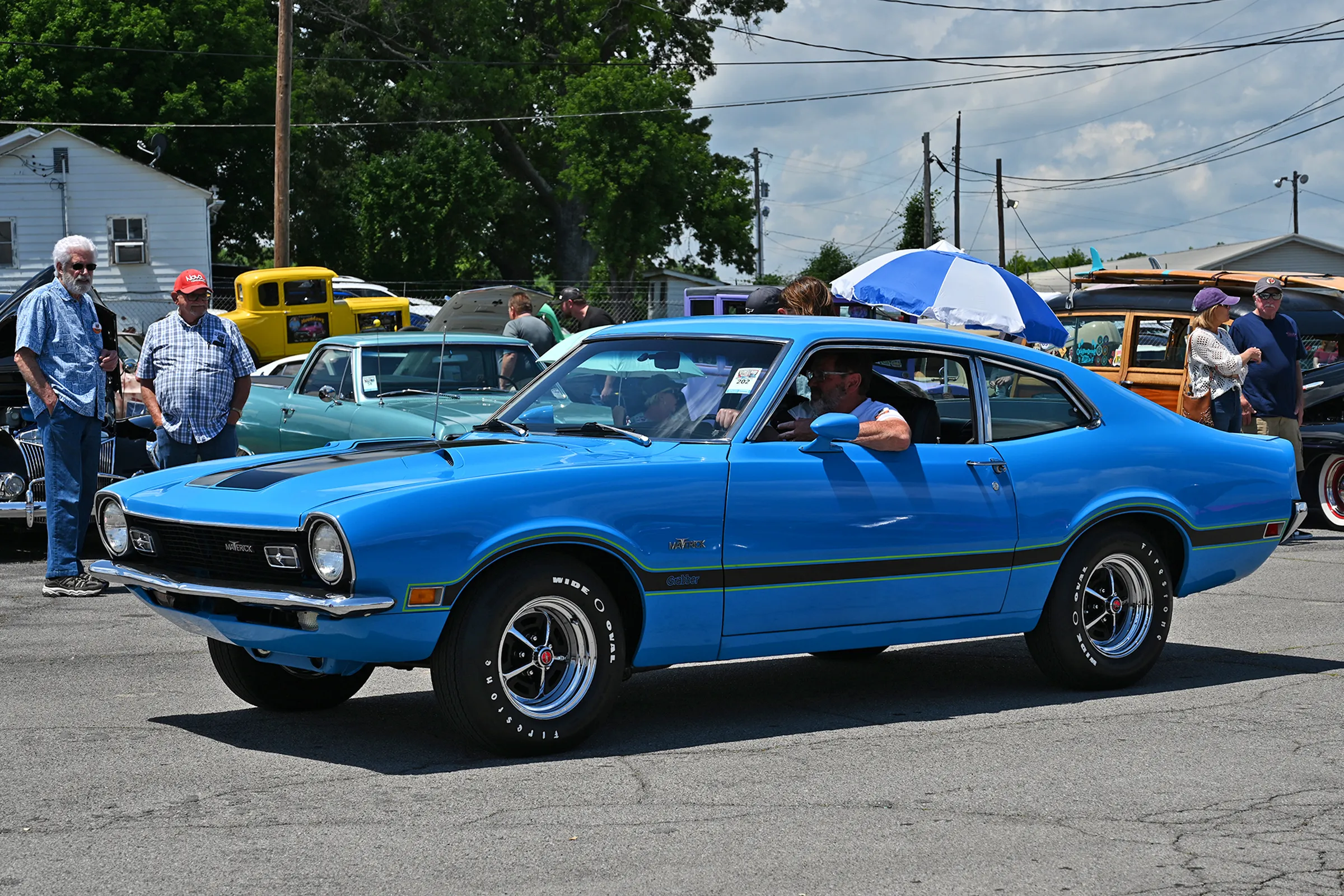
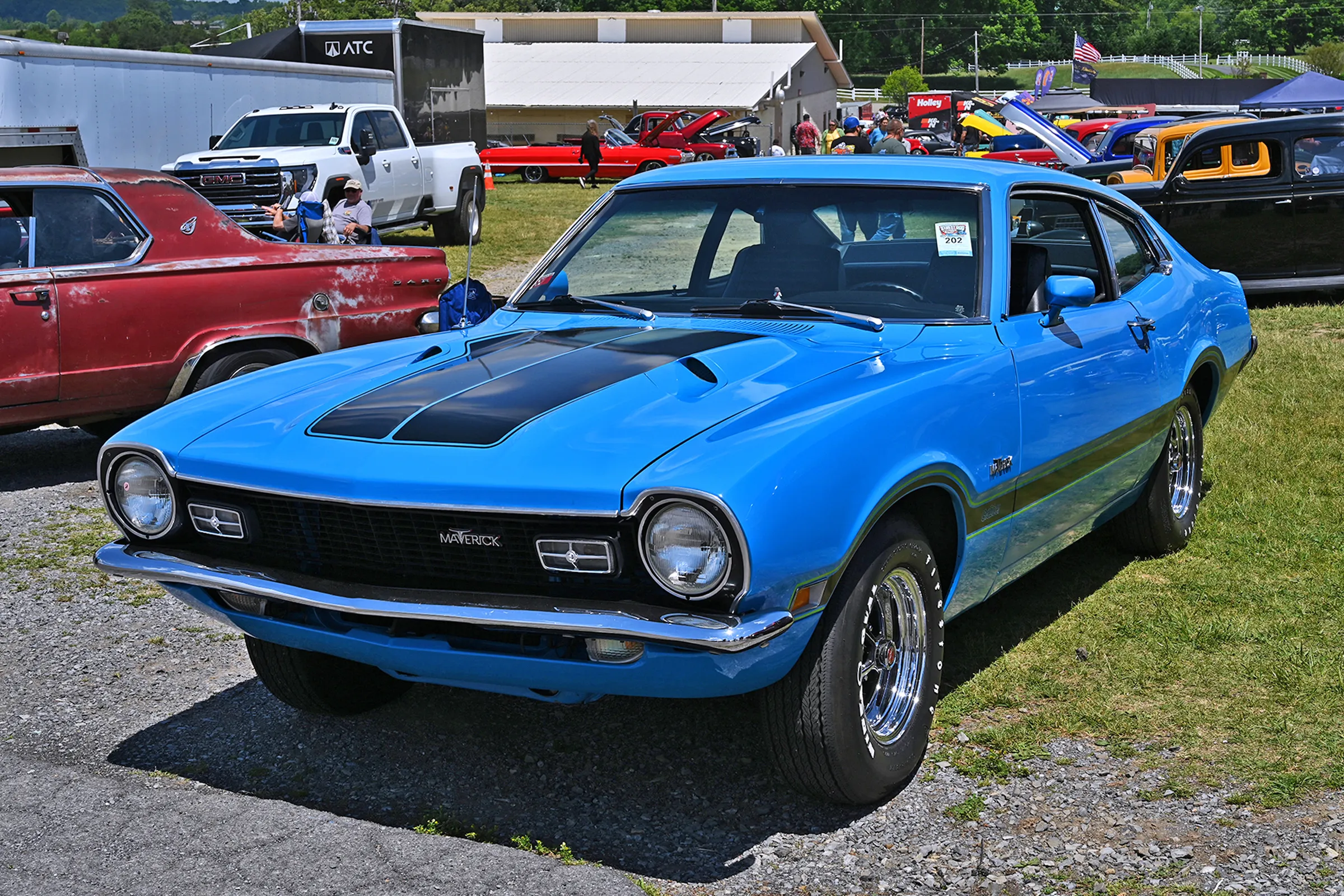
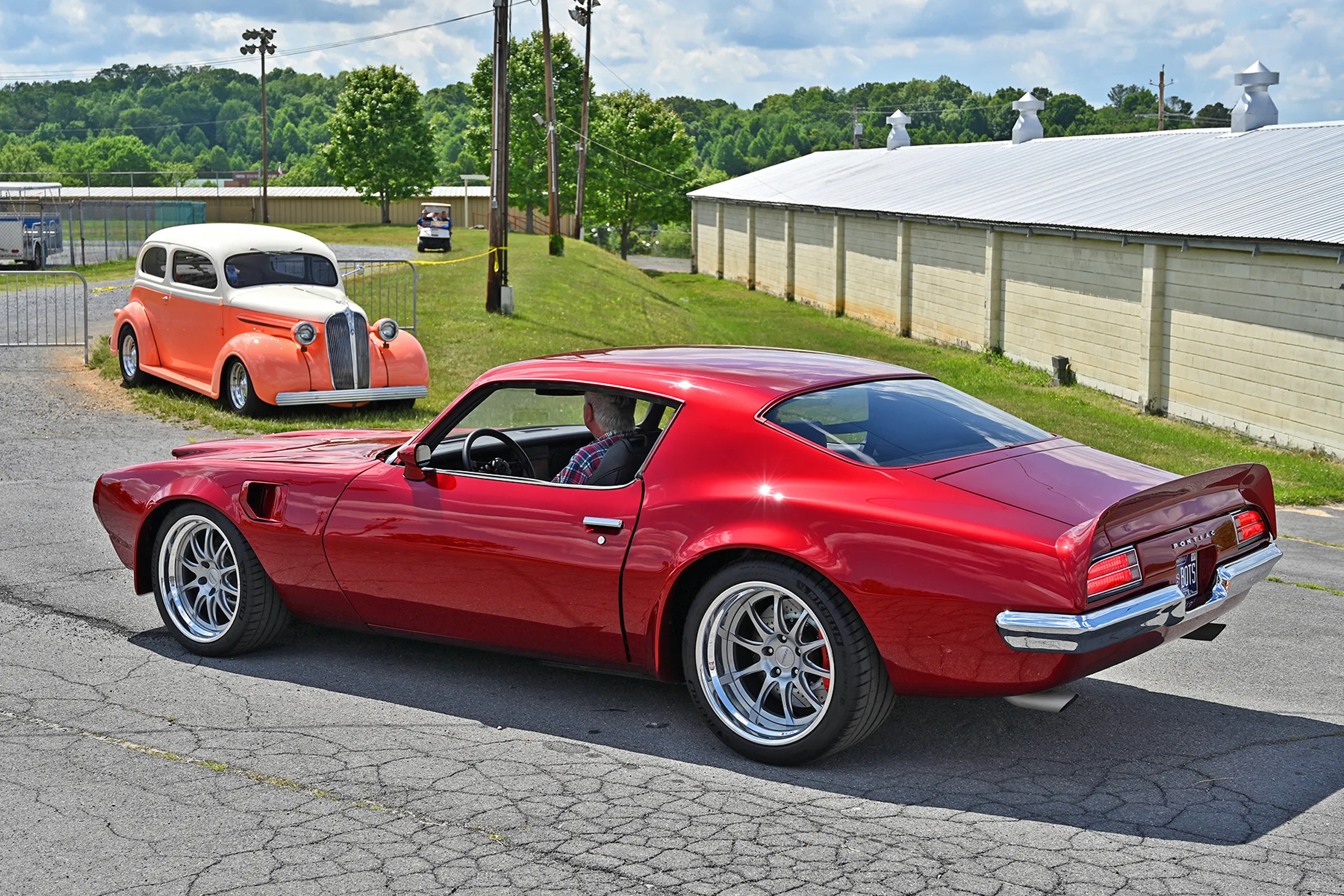
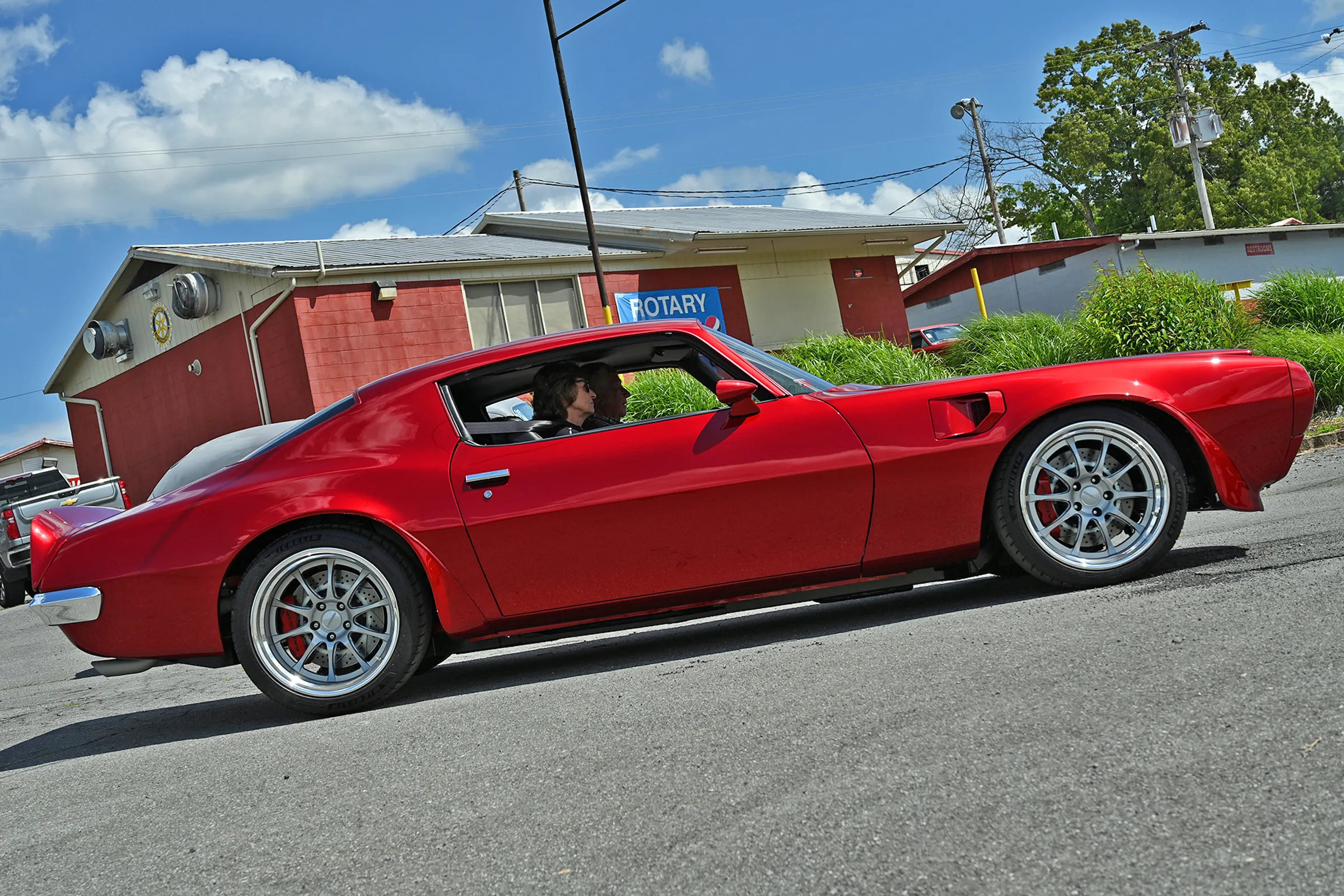
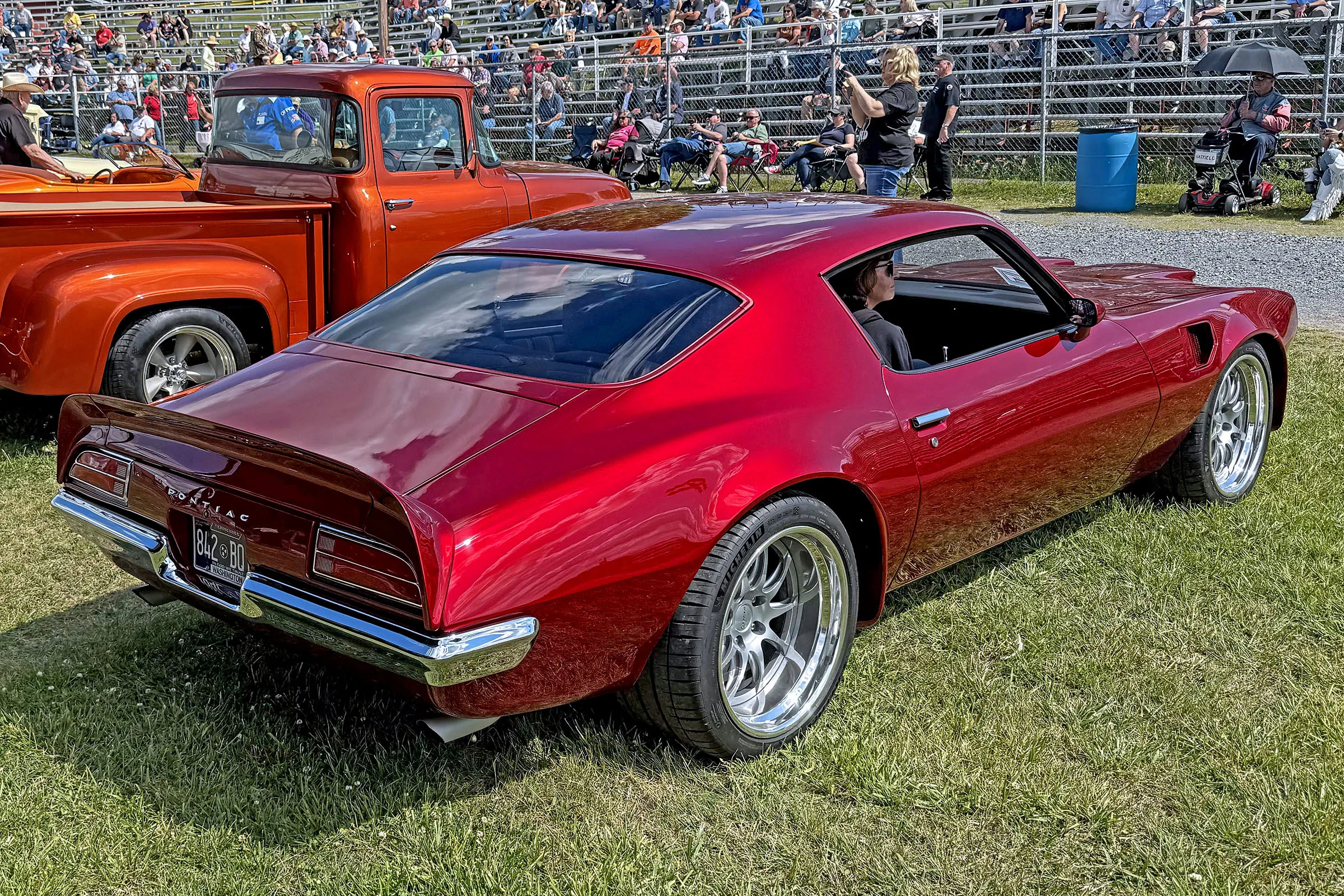
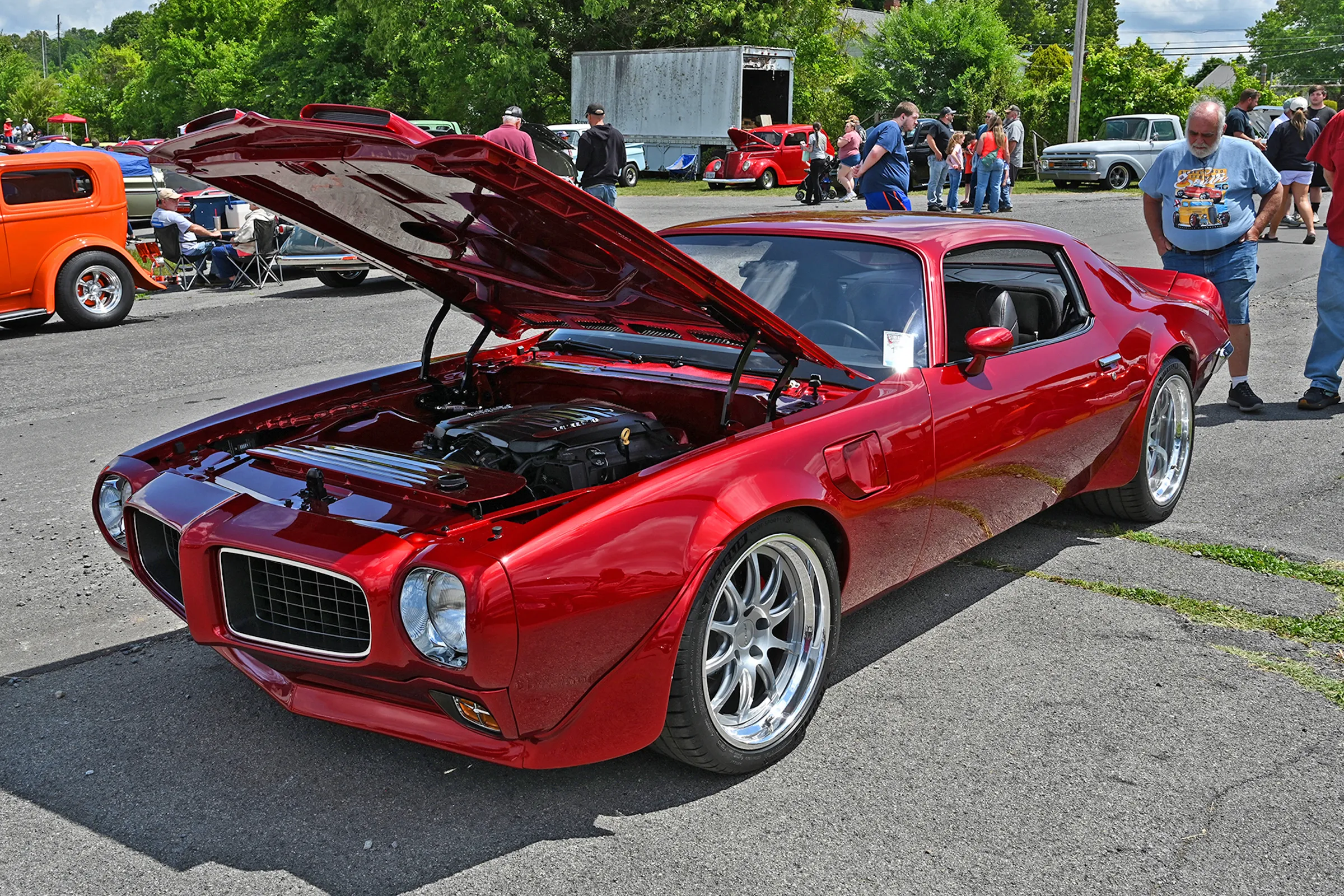
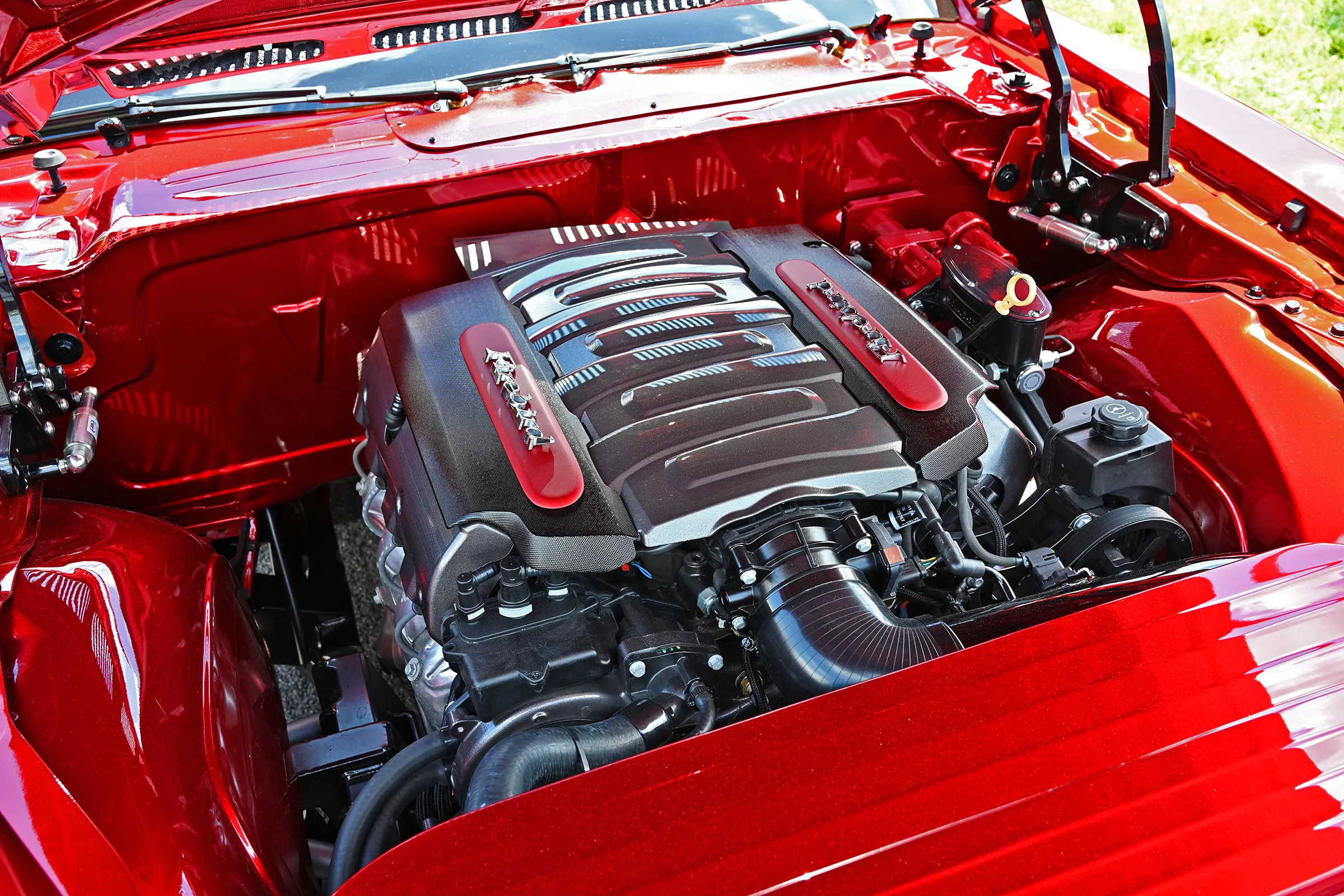
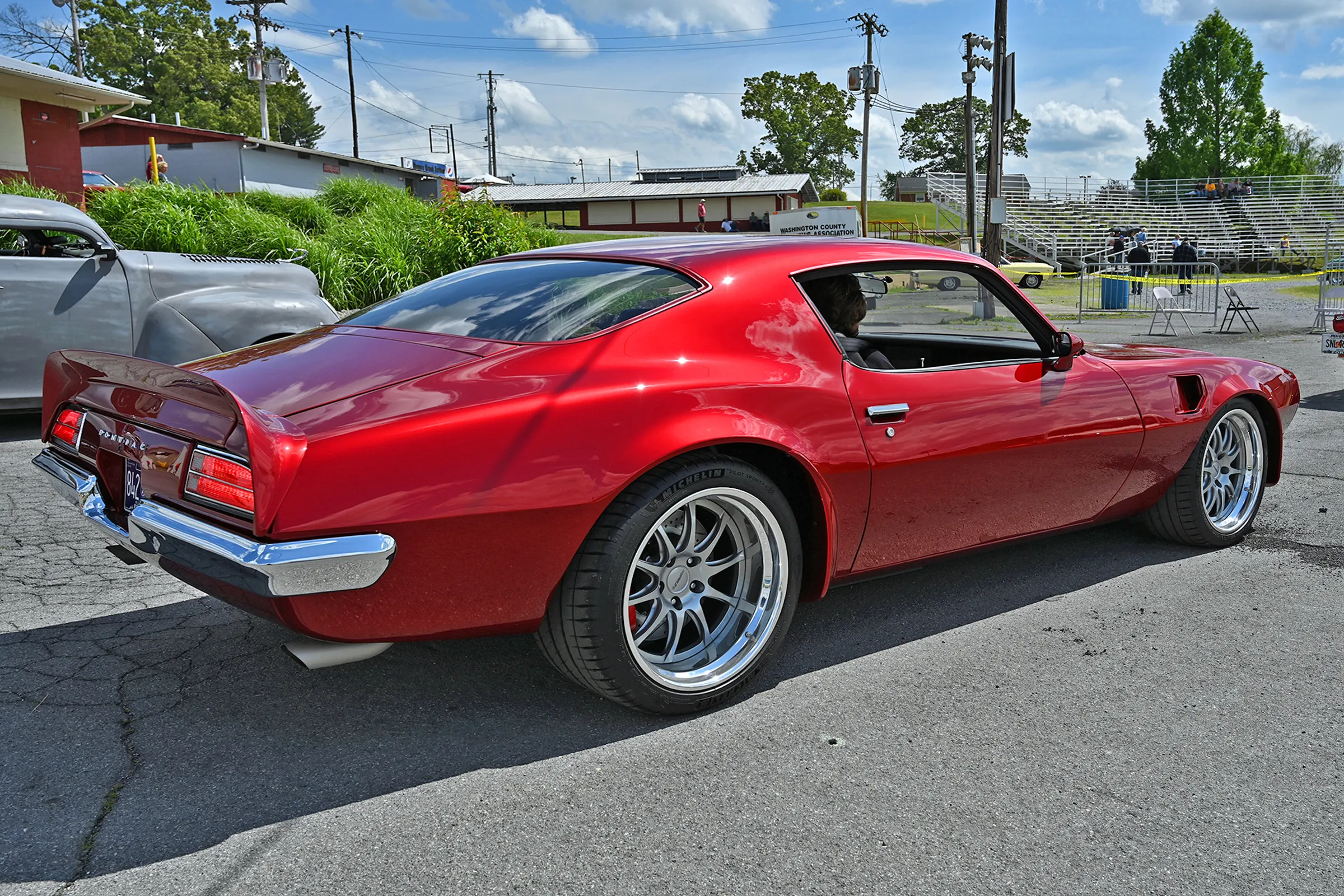
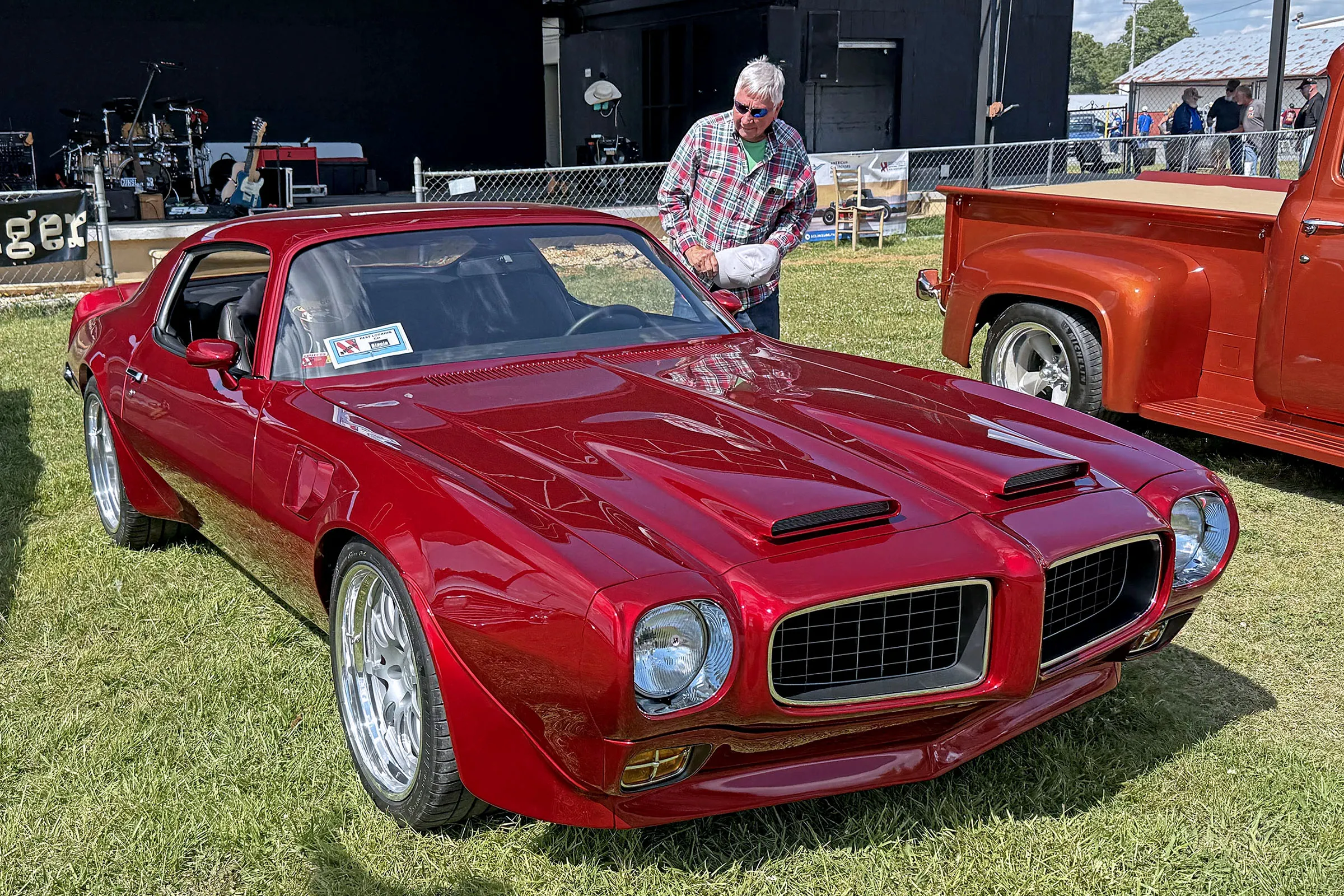
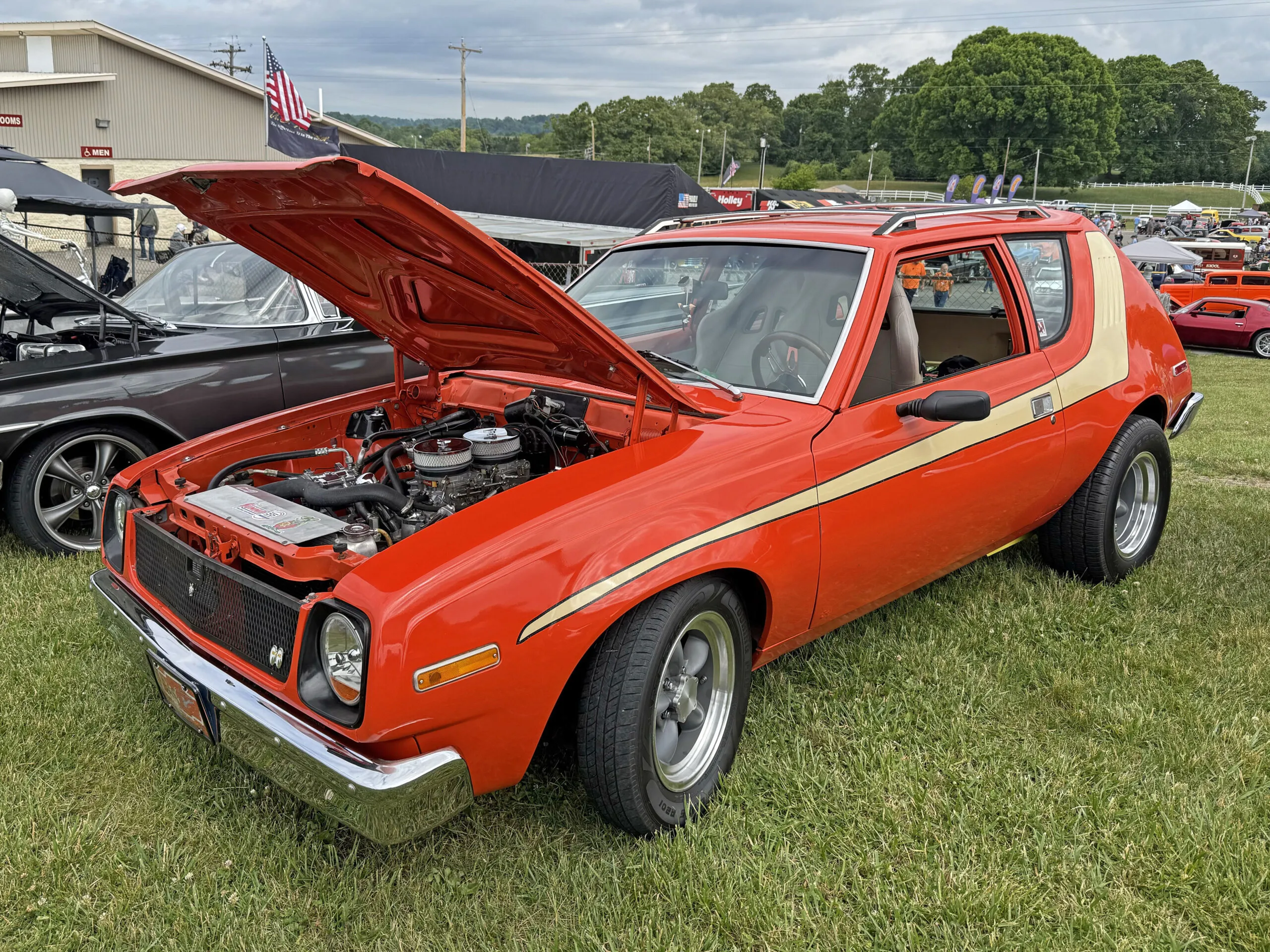
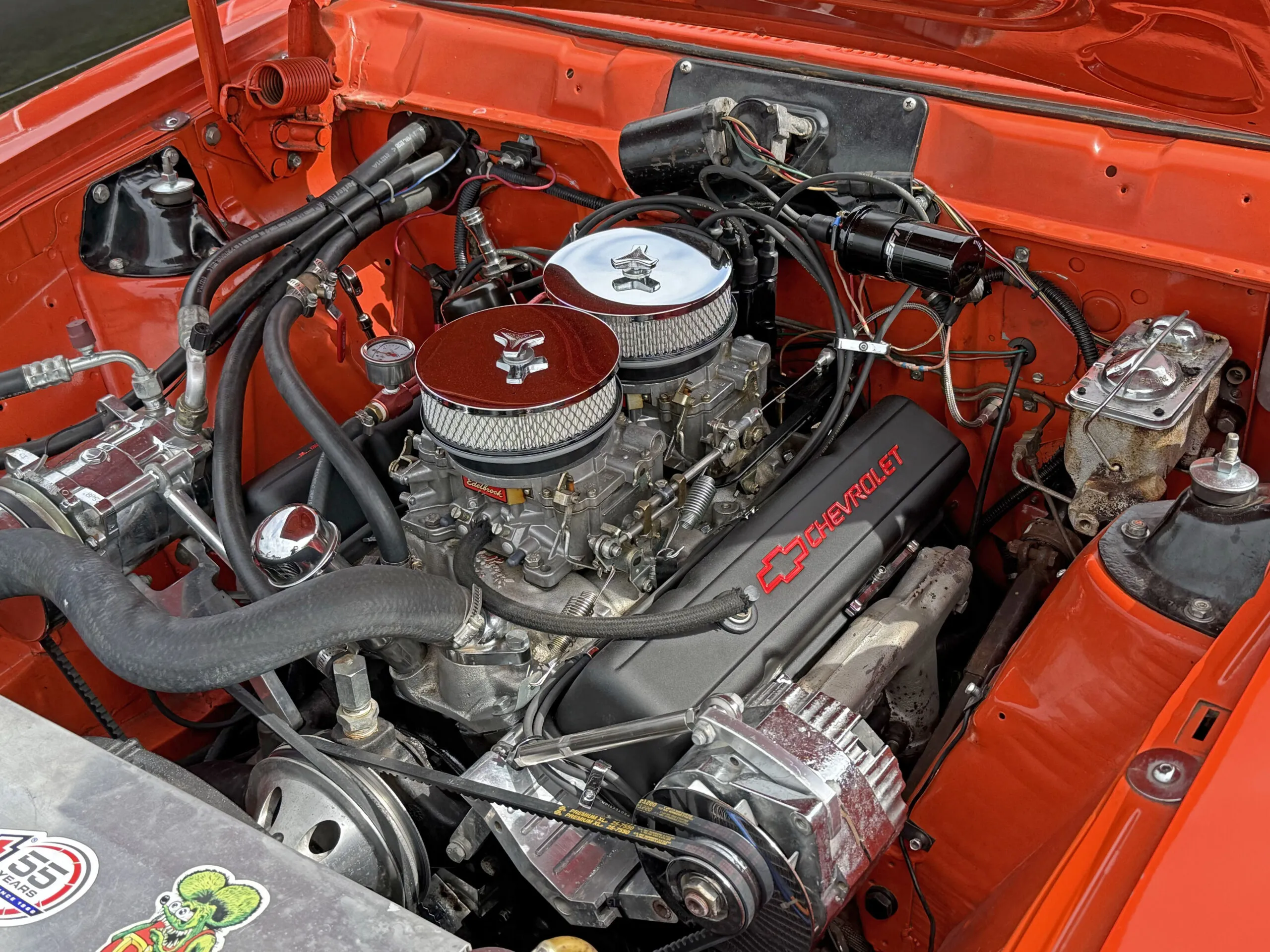
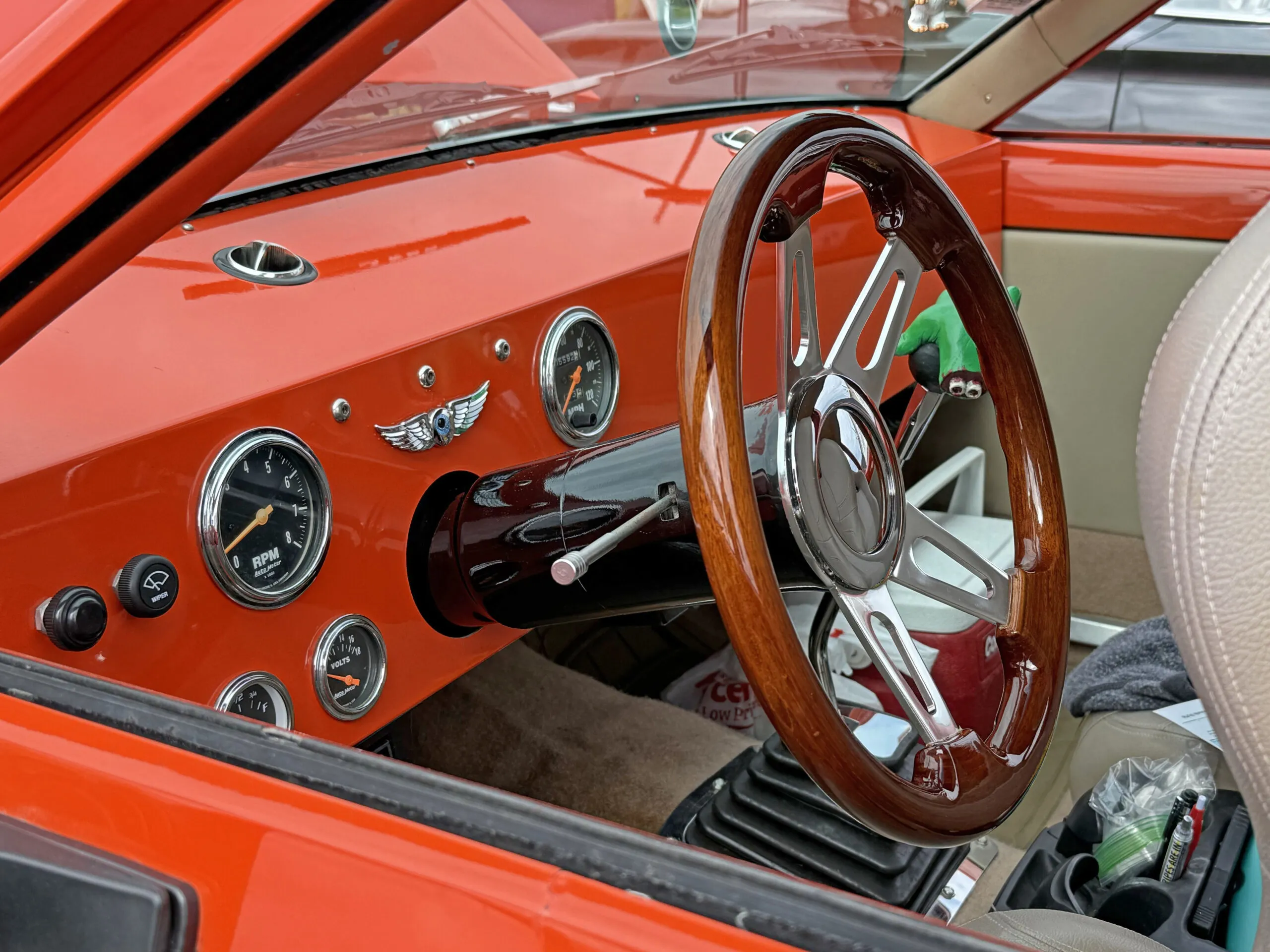
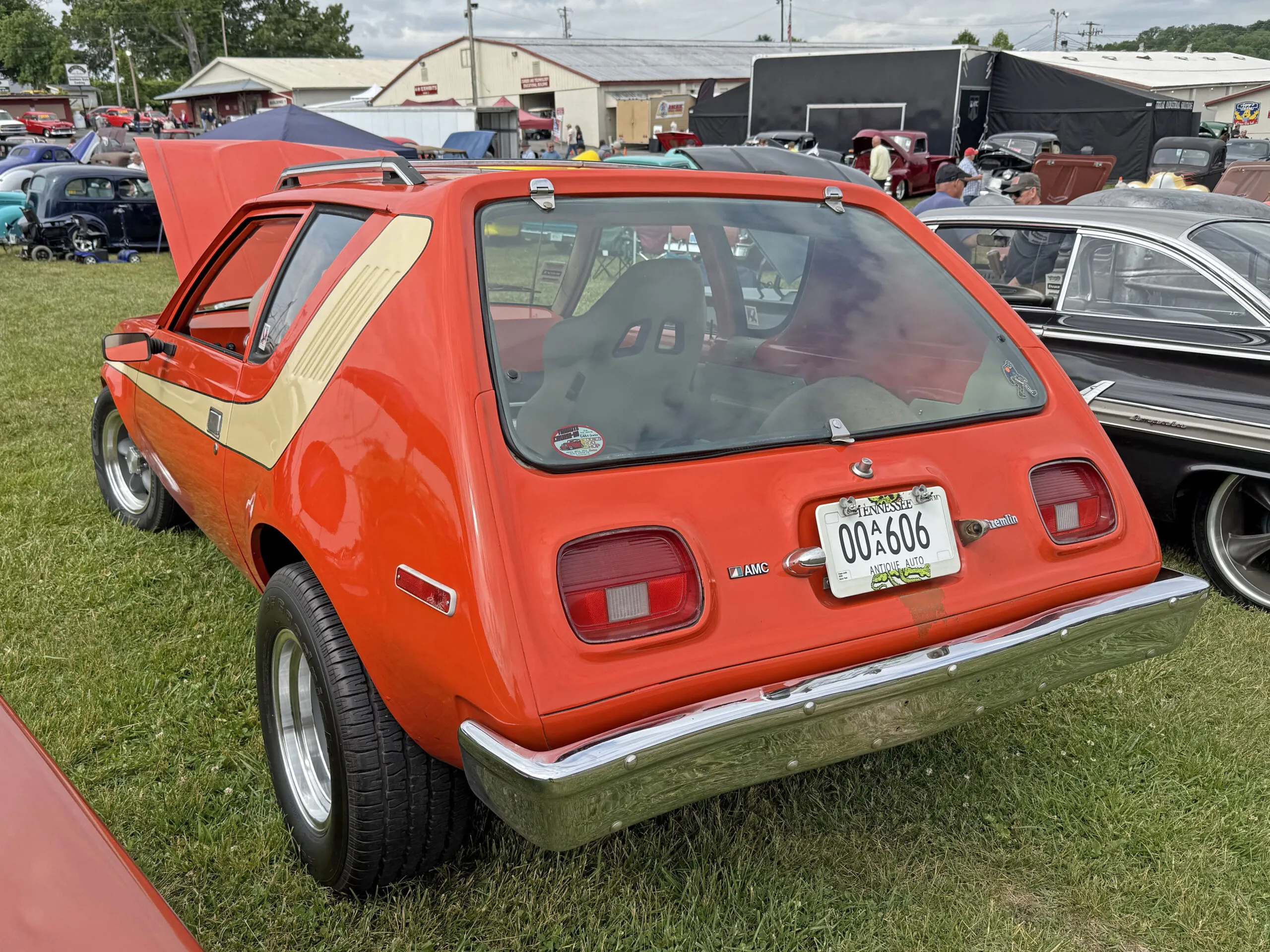
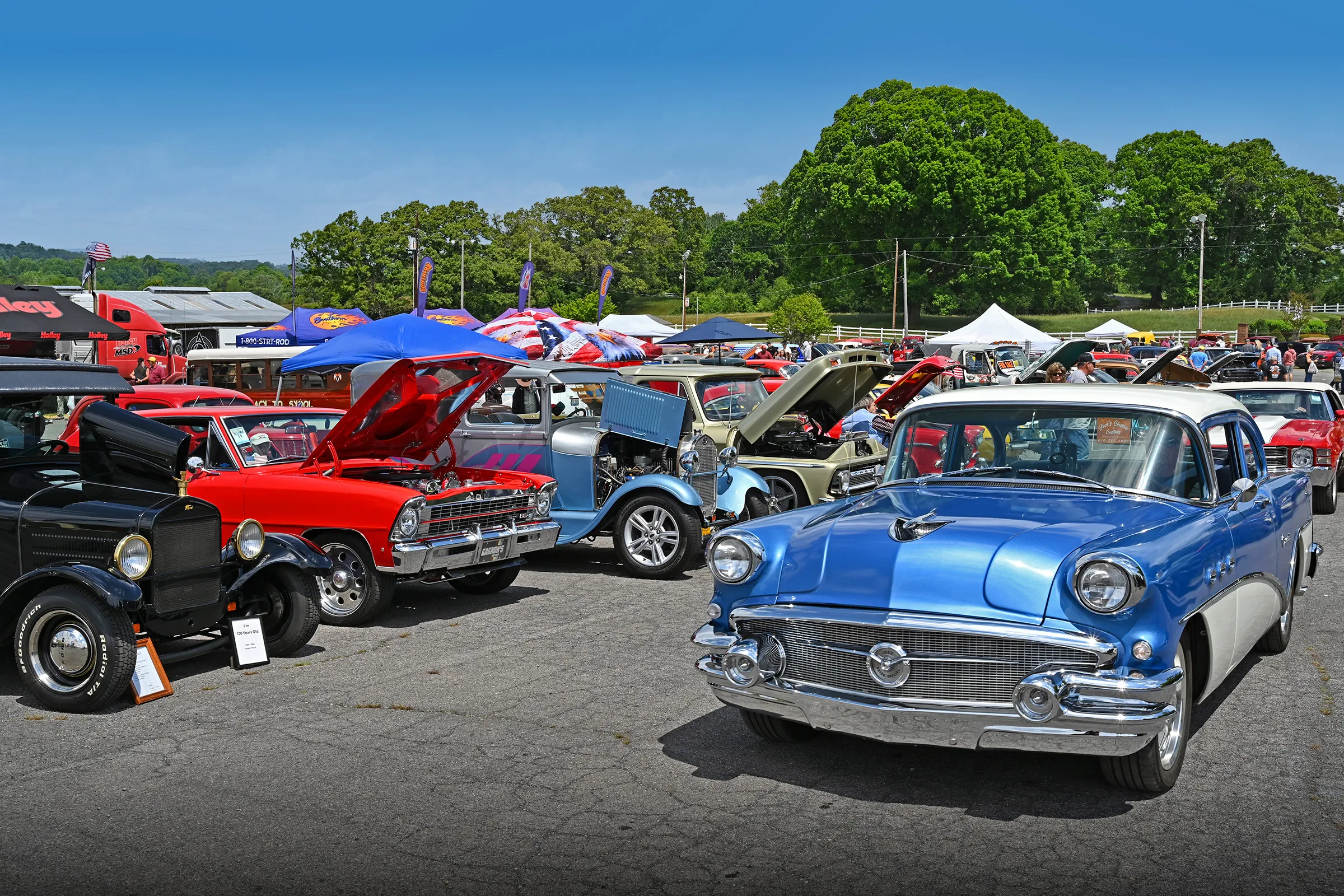
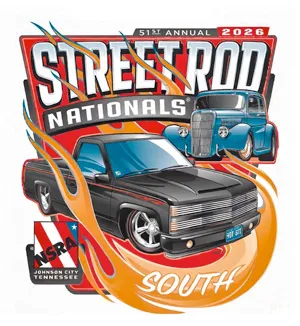
The 51st NSRA Street Rod Nationals South took over the Appalachian Fairgrounds on May 8–9, 2026, delivering two full days of traditional street rods, customs, and classic builds that reflected decades of craftsmanship and culture.
Author
The Auto Builder Staff
Photography by Scott Killeen
A Weekend Built on Tradition
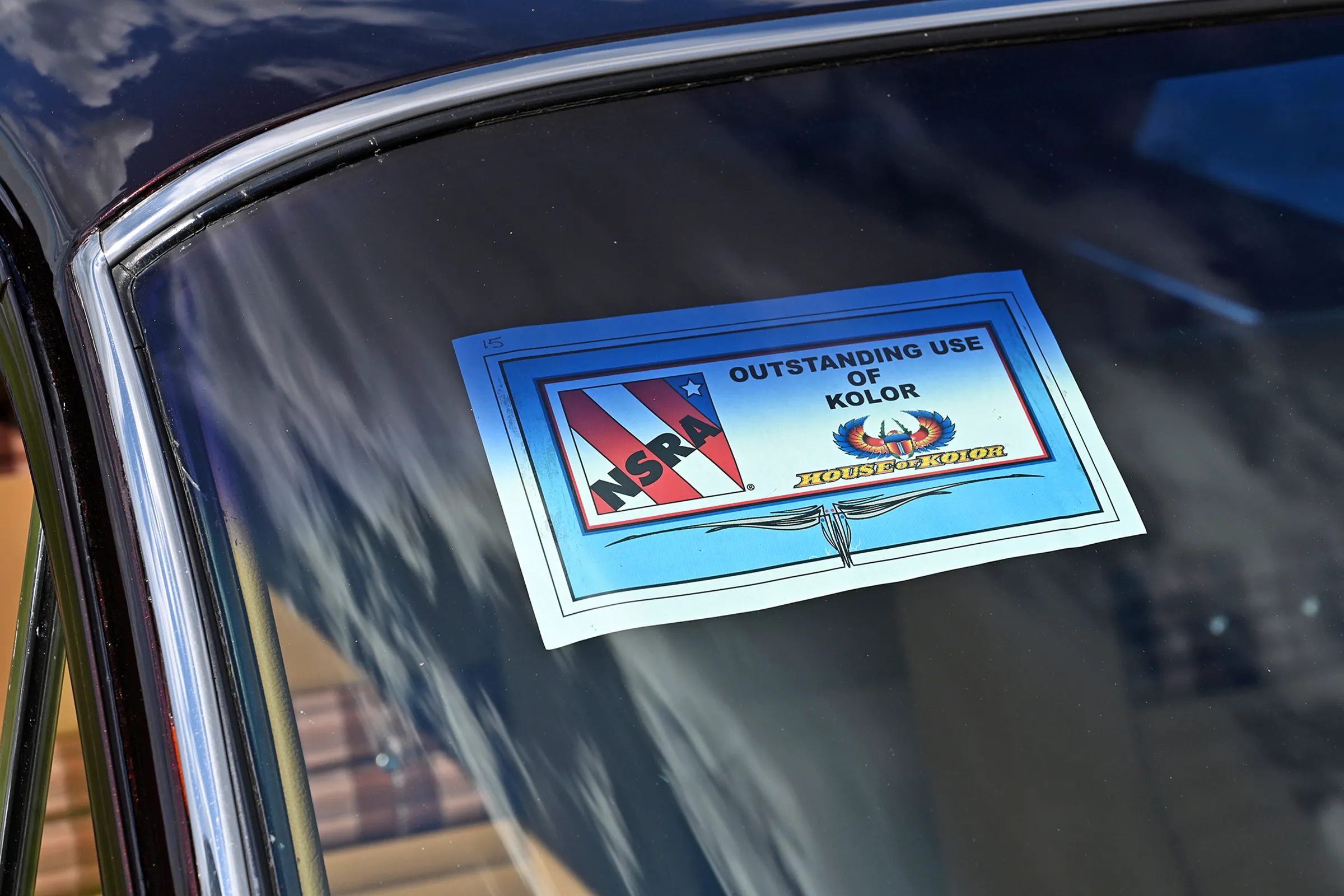
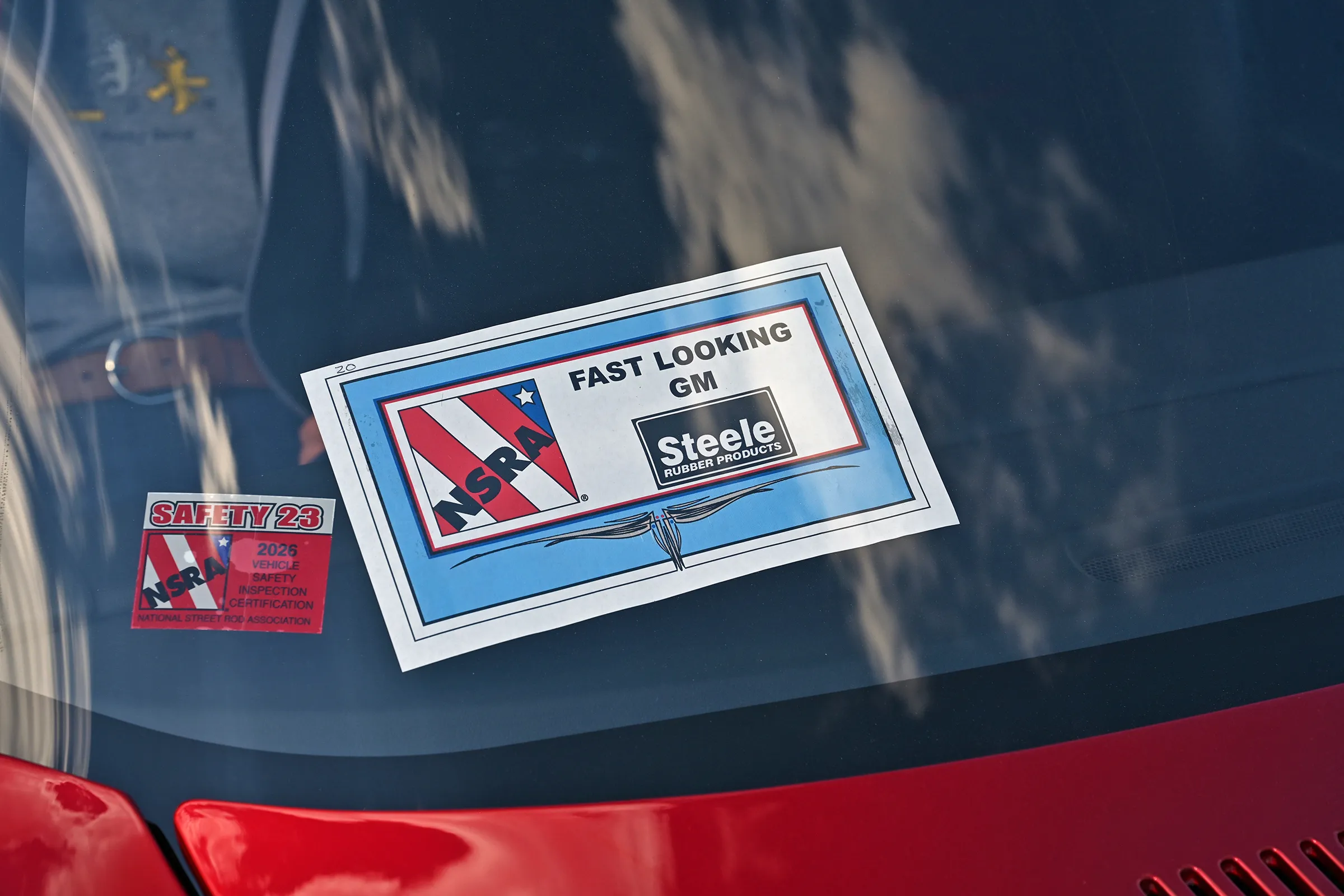
Backed by the long-running National Street Rod Association (NSRA), the event continued a legacy that stretches back more than five decades. What started in the early days of organized street rodding has grown into a nationwide network of events that still prioritize the same core idea—preserving the spirit of early American hot rodding while keeping the community connected.
The Street Rod Nationals South has moved through different cities over the years, but its purpose has stayed consistent: bring together builders and enthusiasts who value traditional design, clean execution, and the stories behind the classic cars.
Johnson City in Full Color
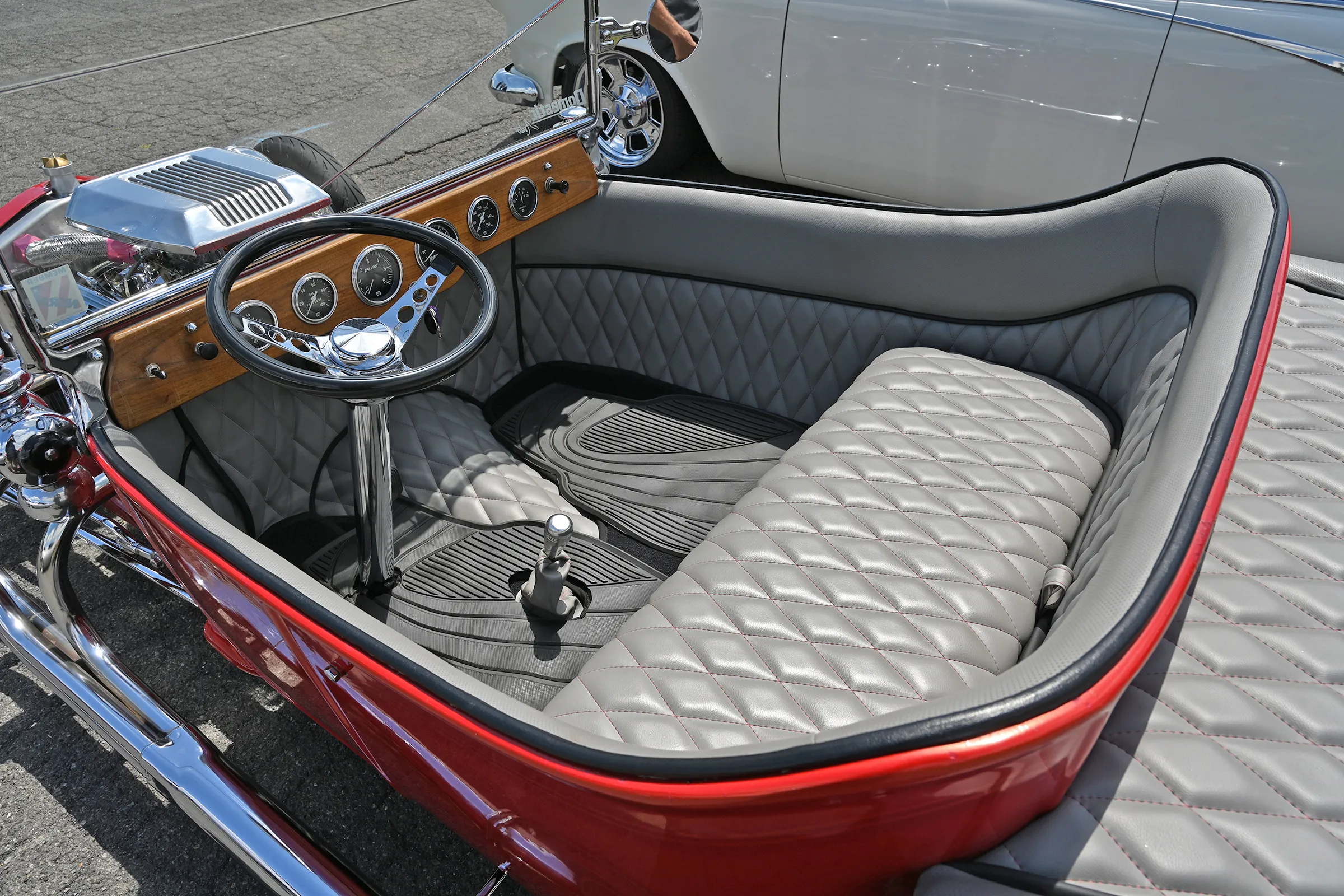
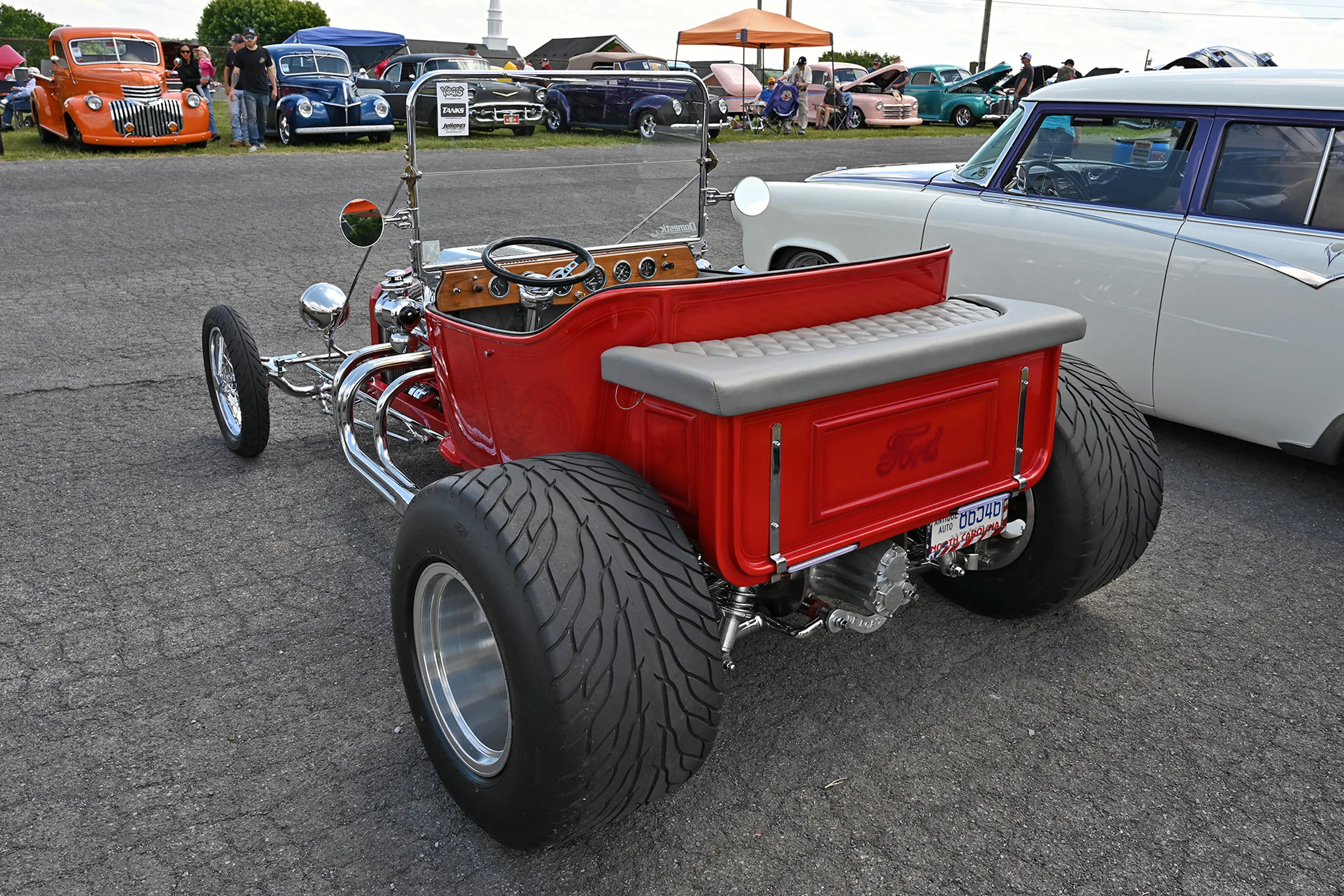
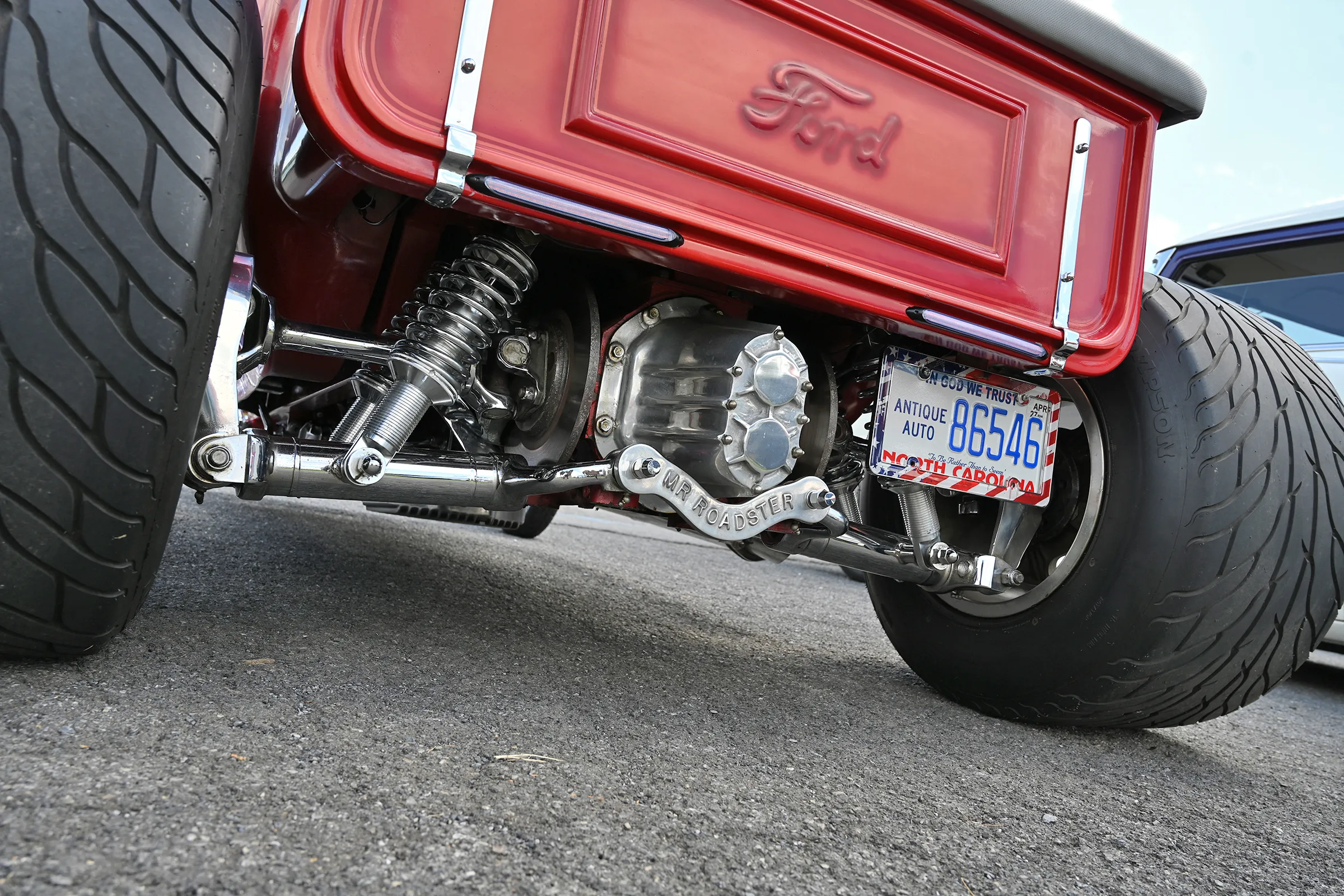
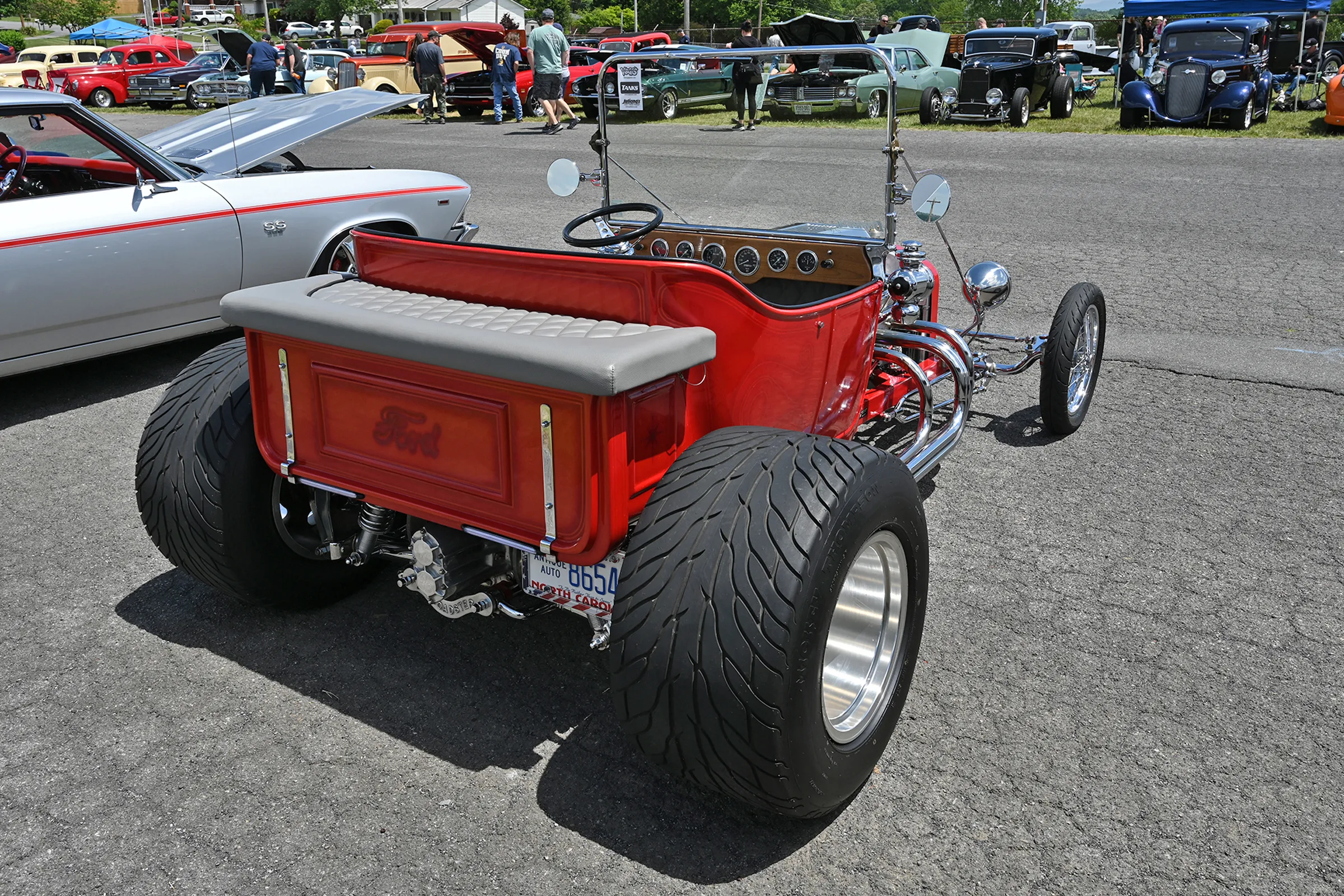
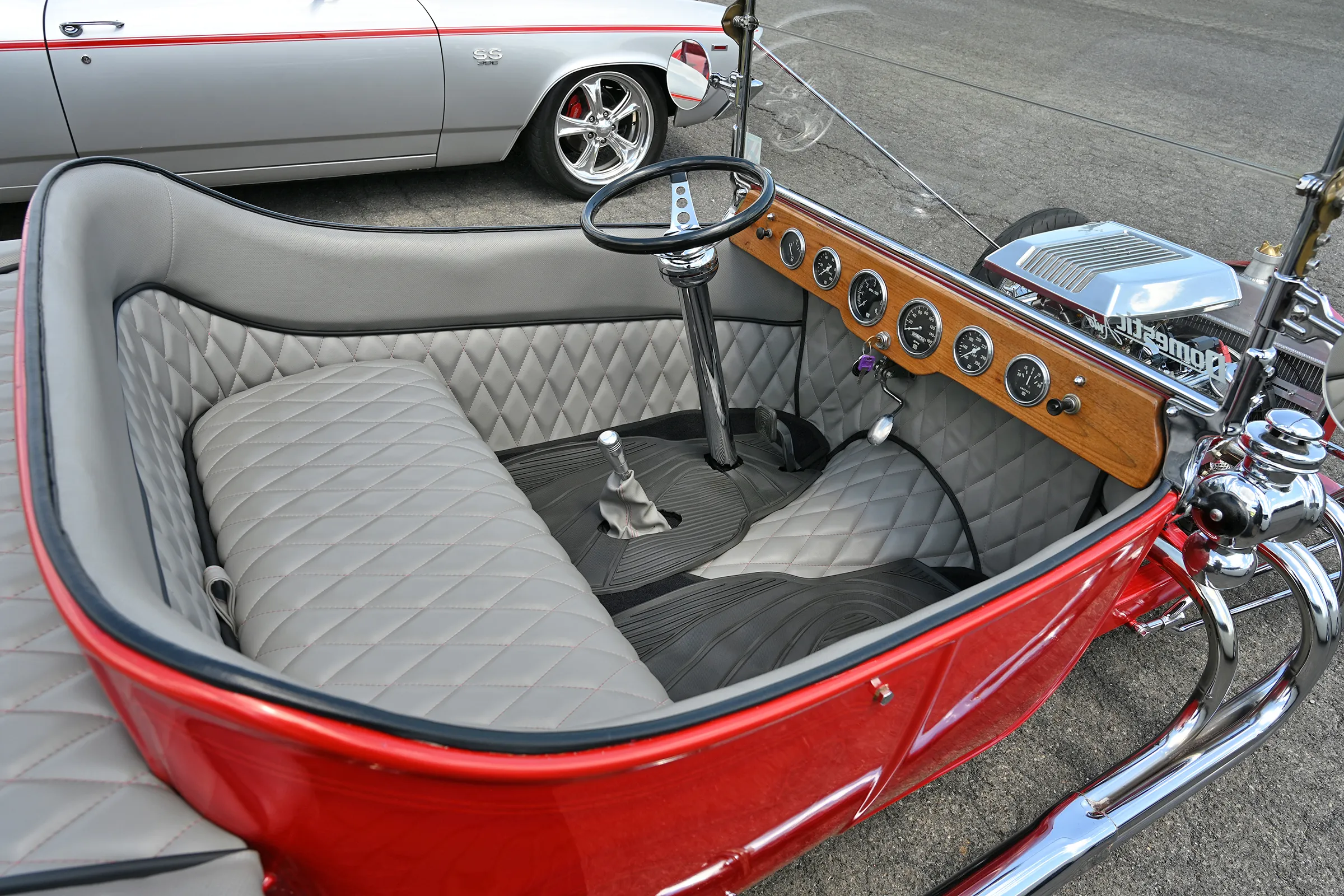
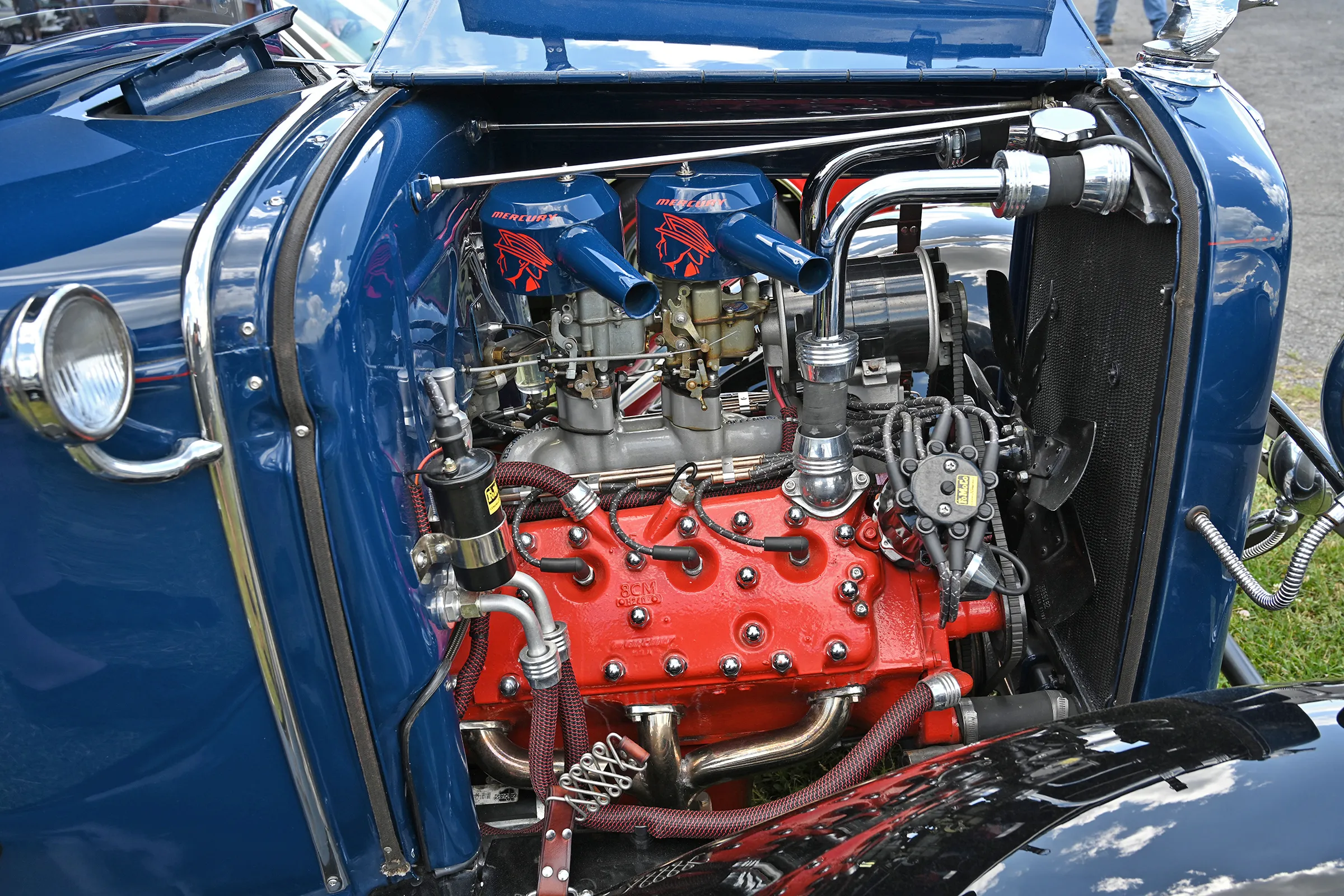
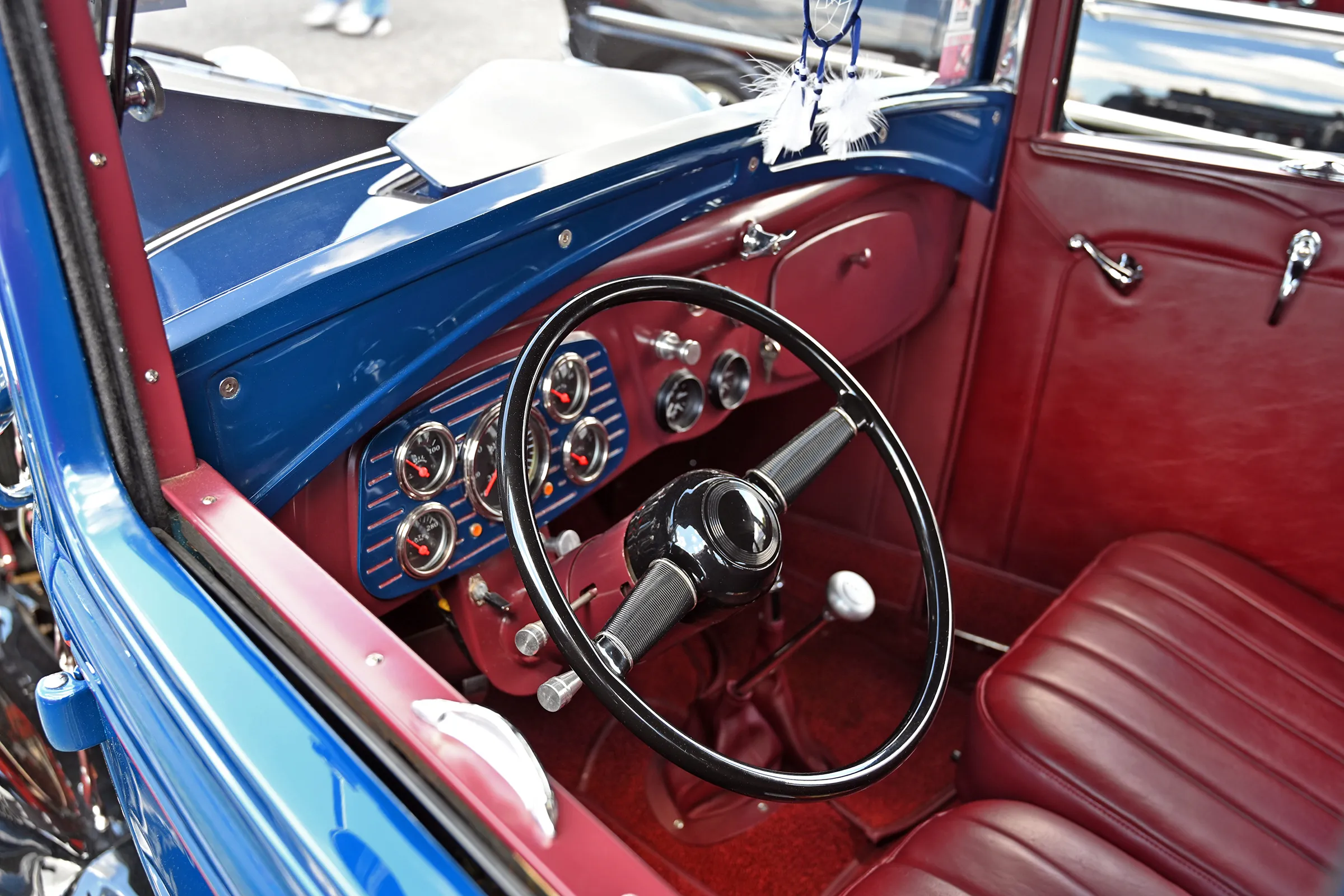
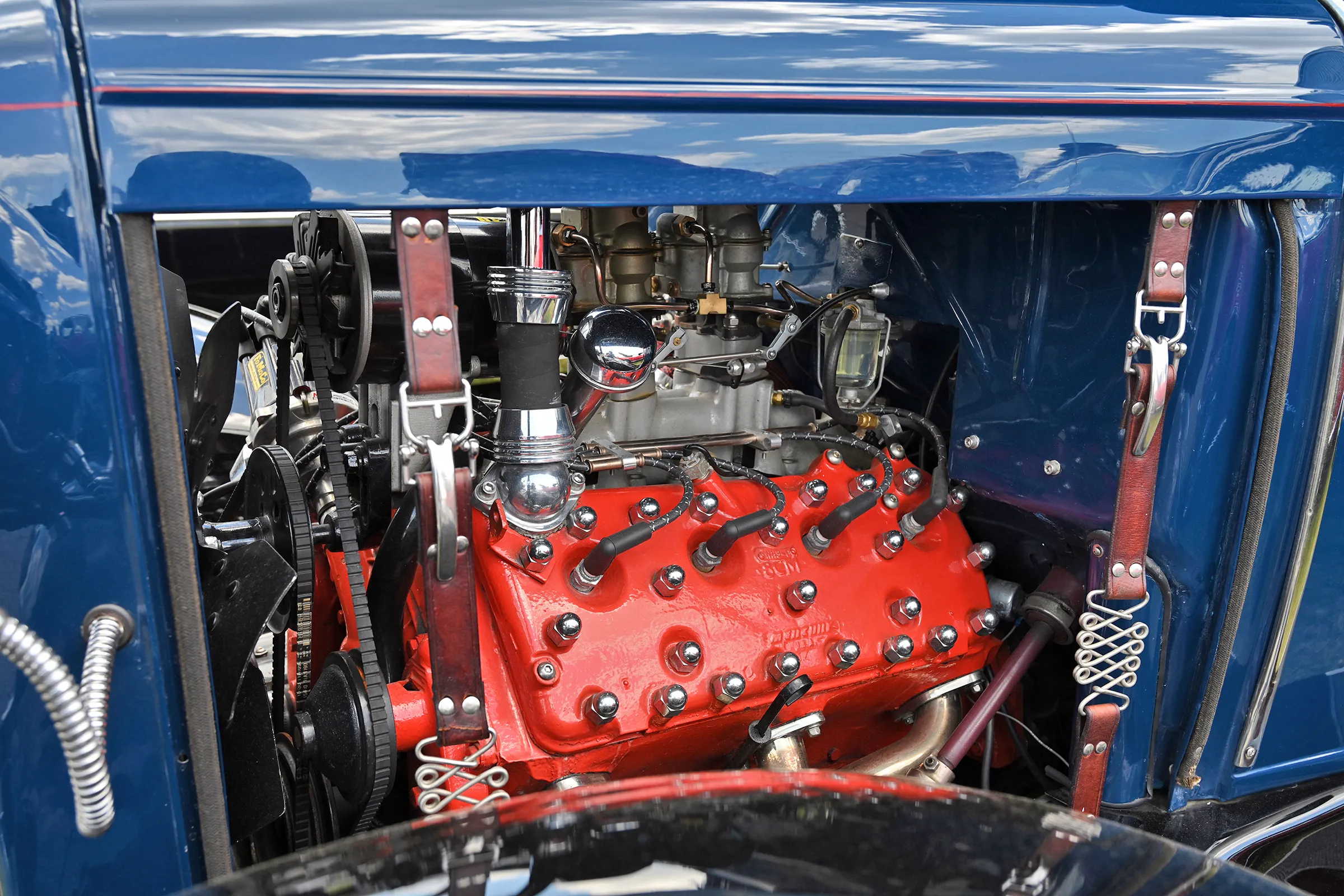
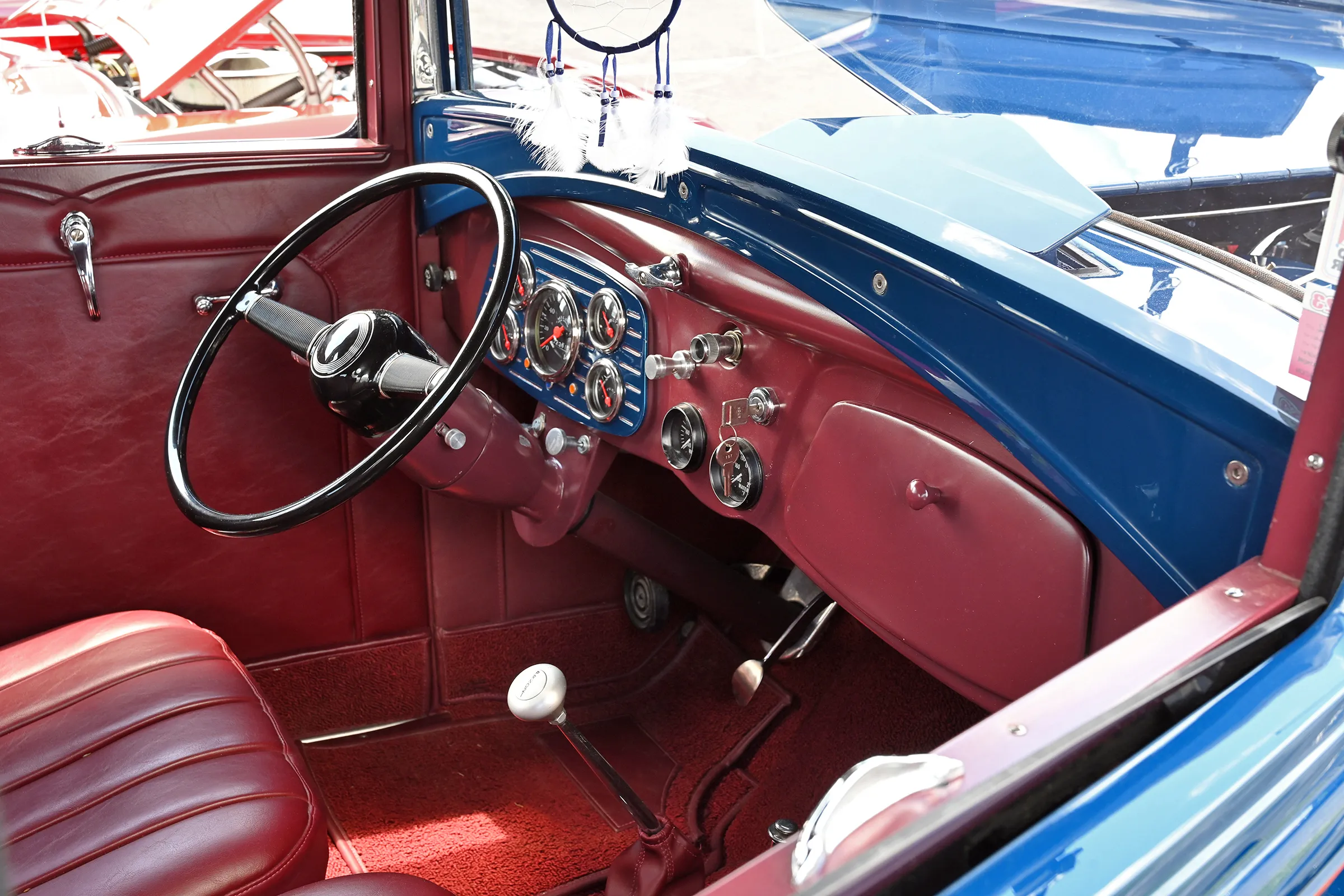
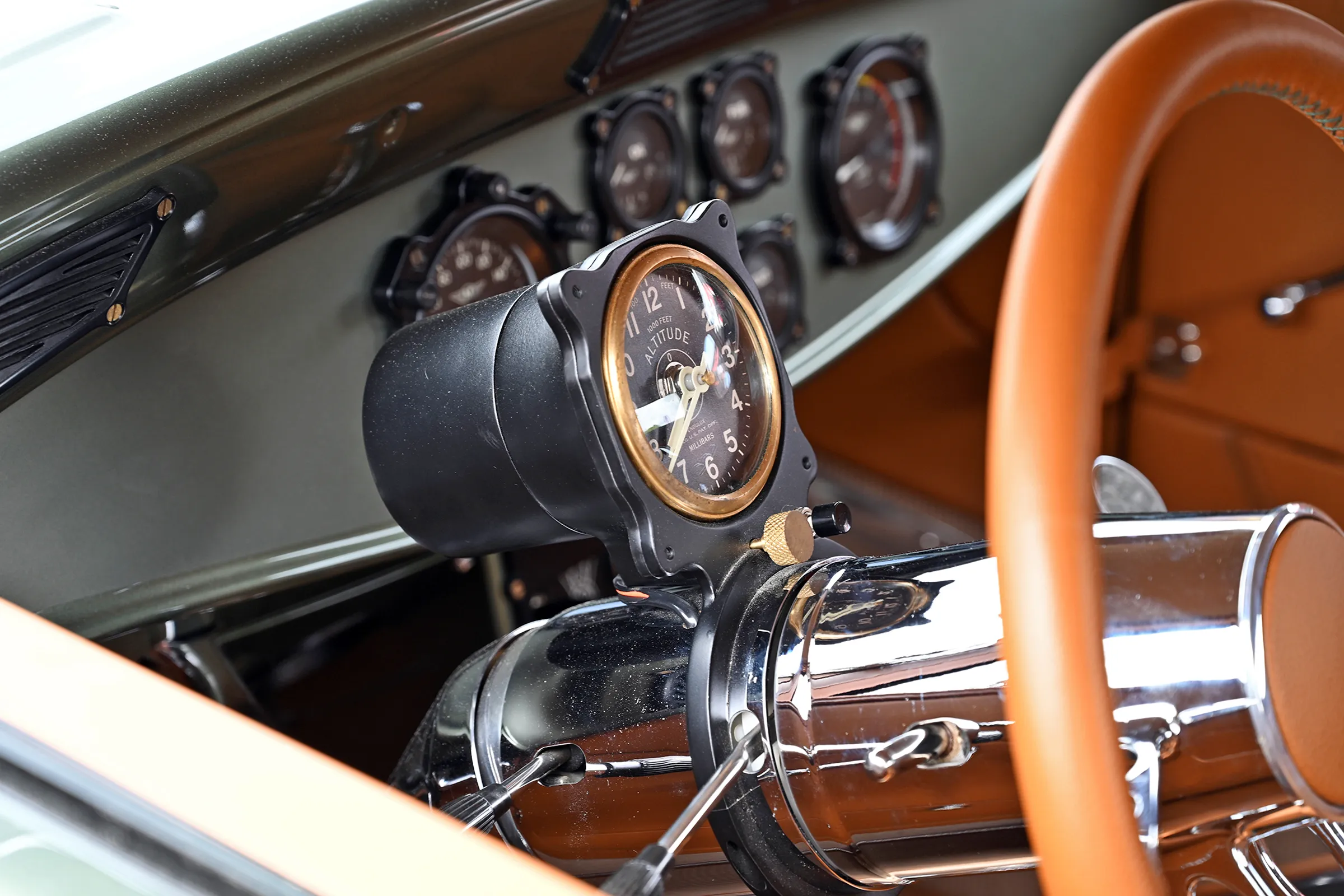
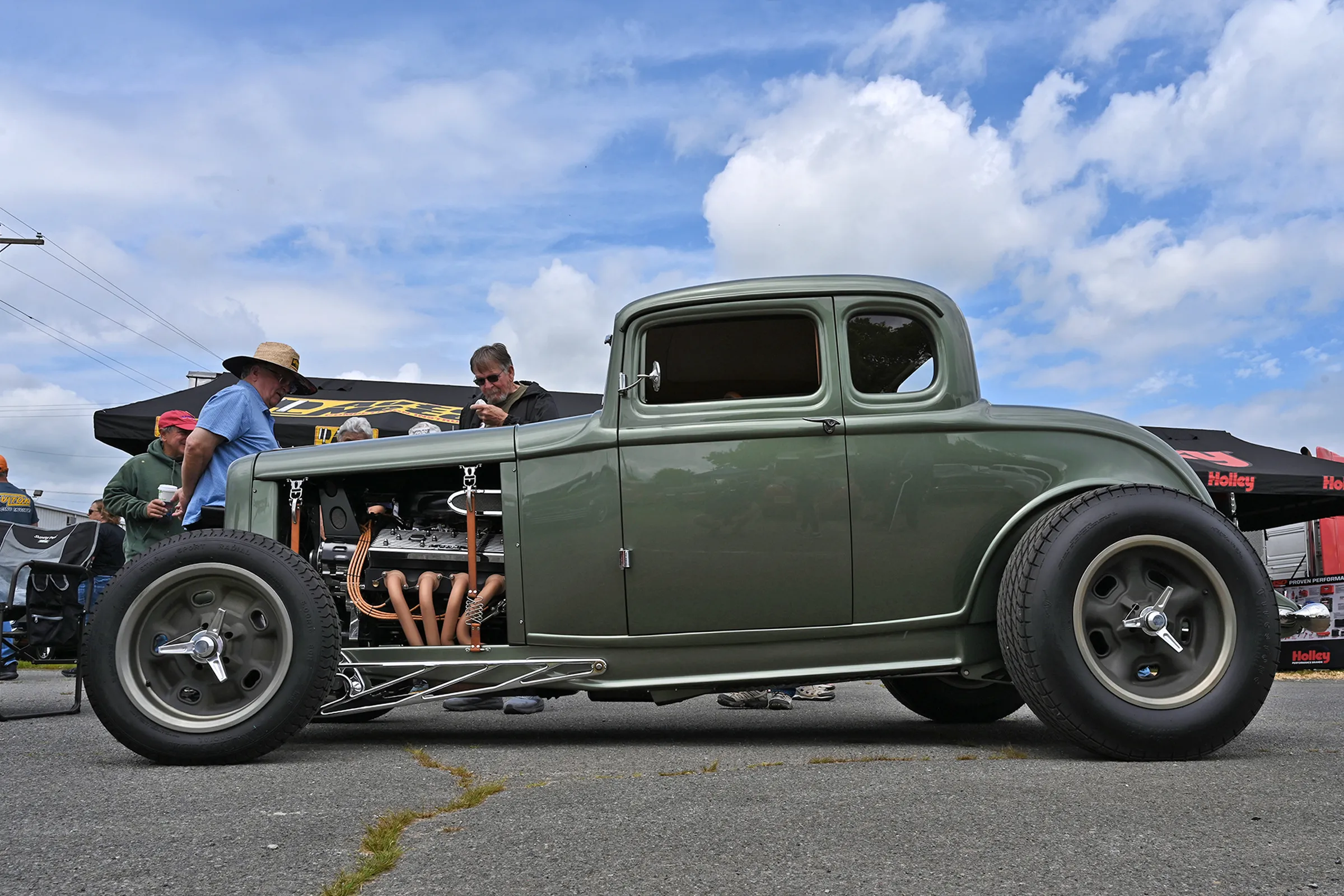
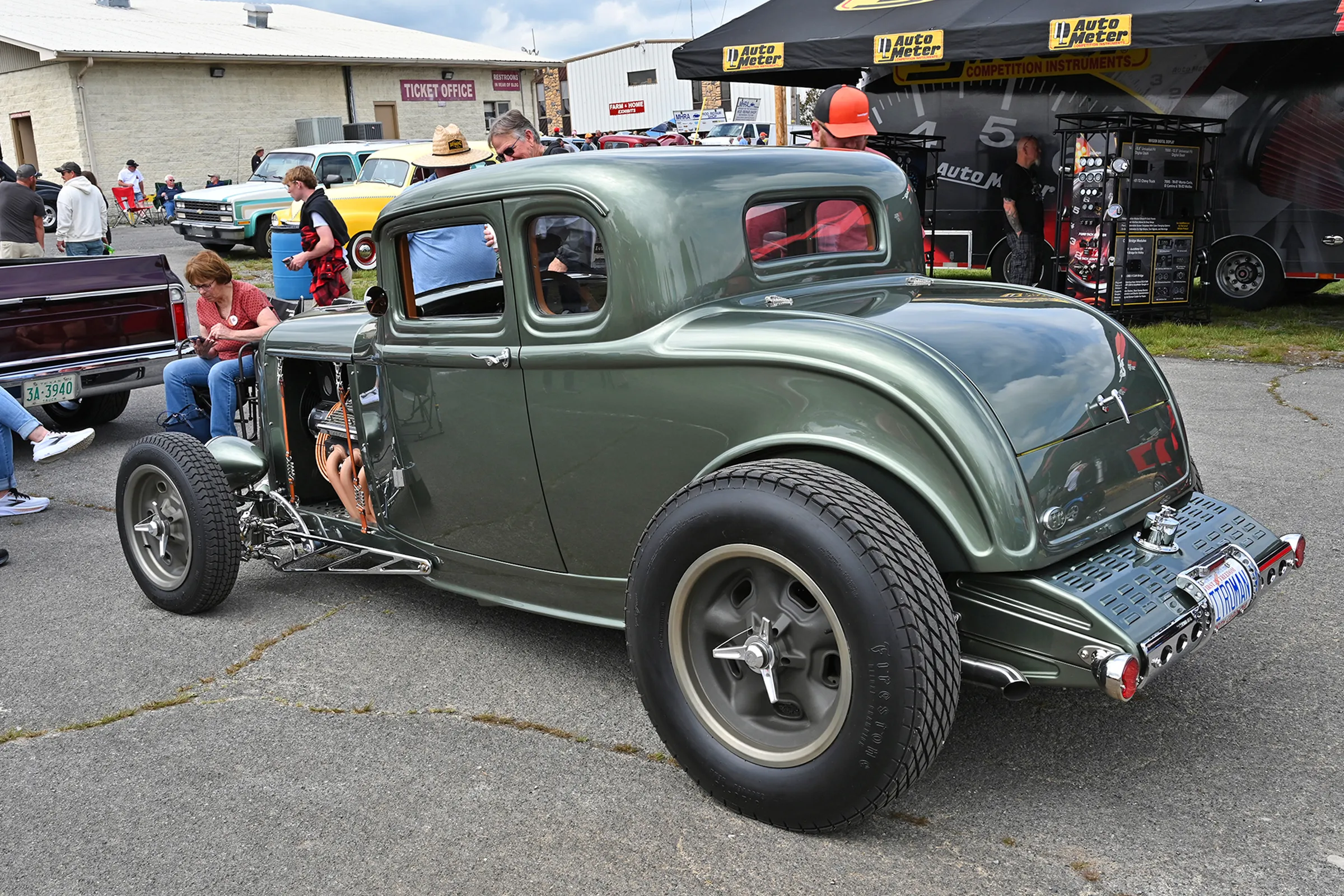
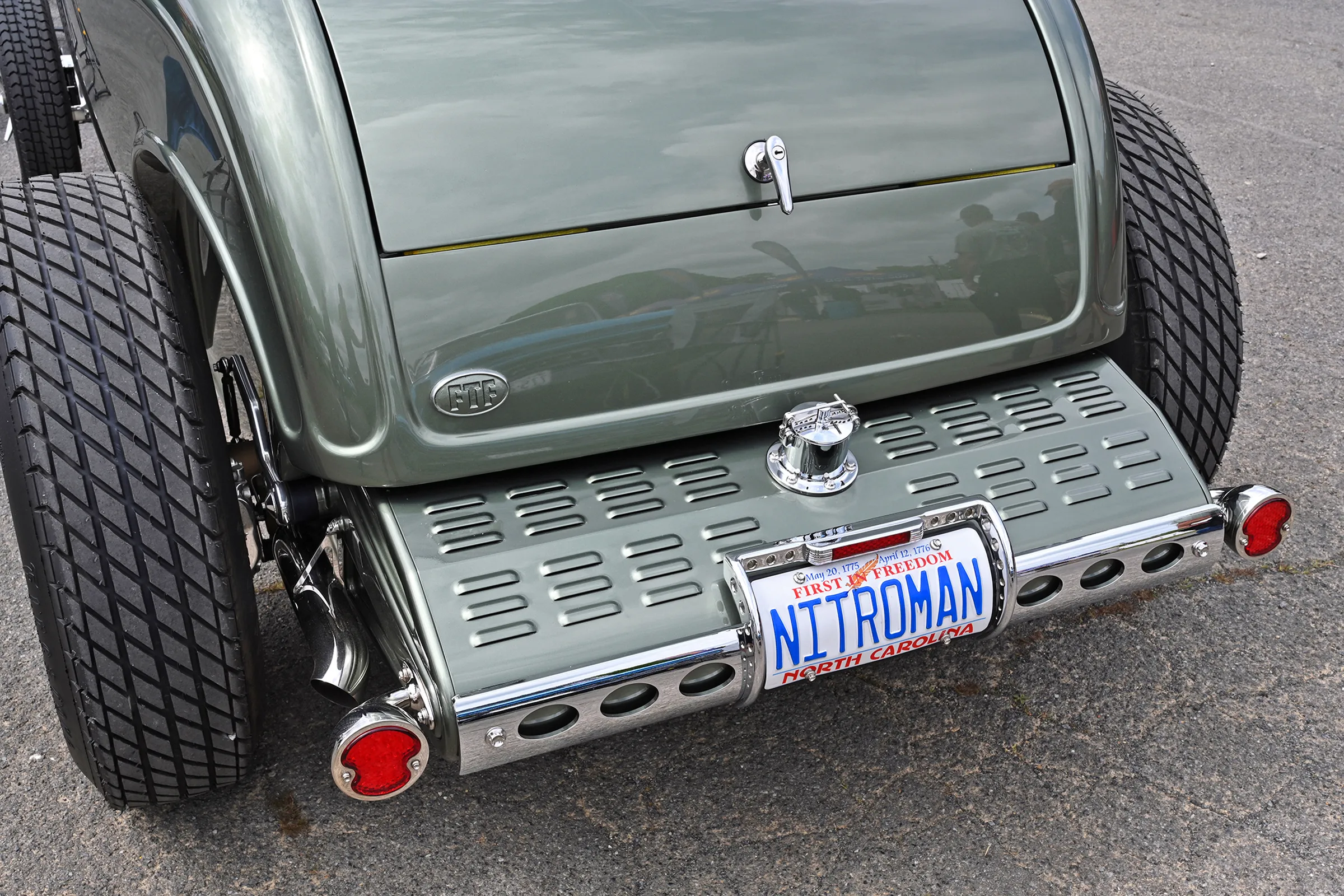
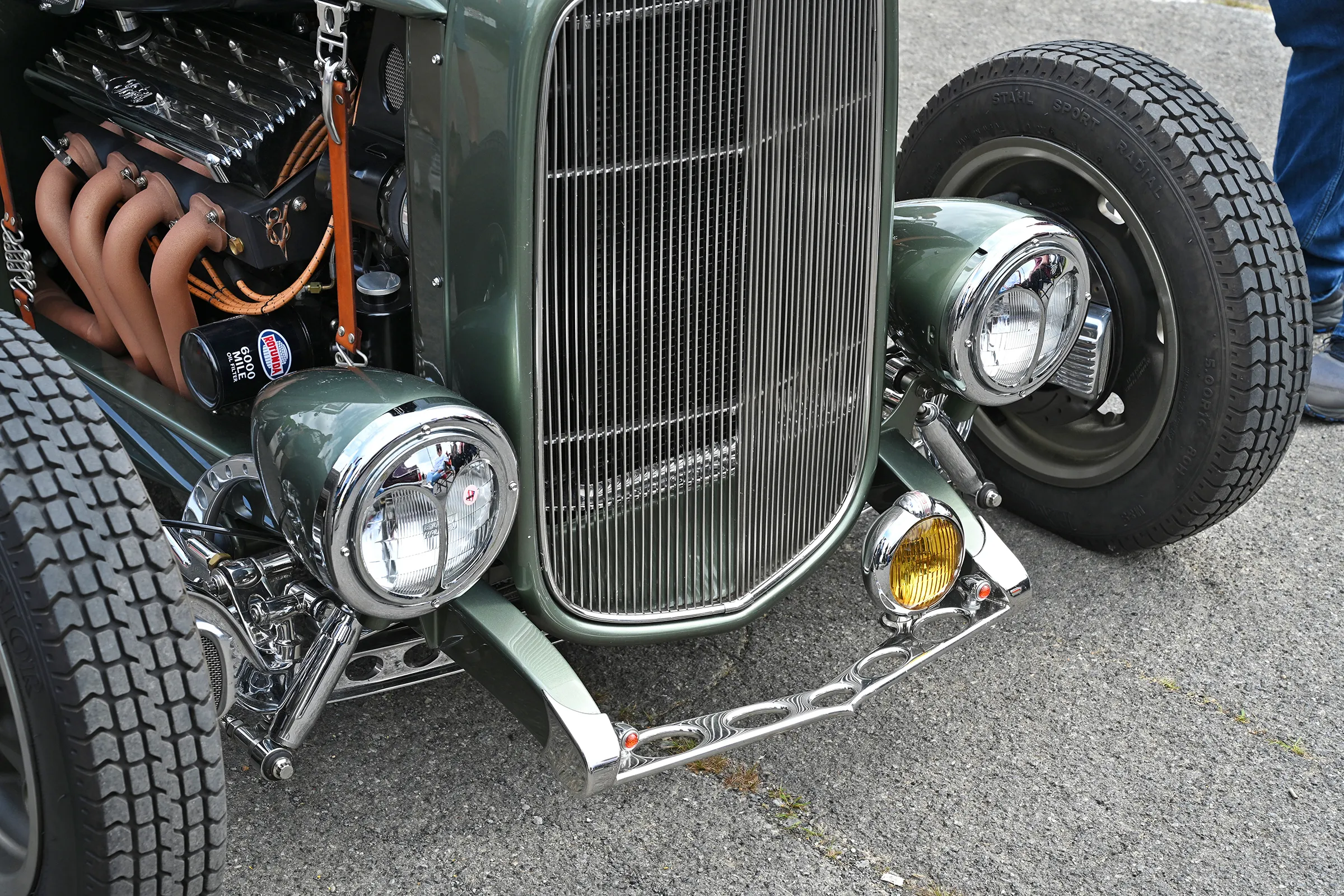
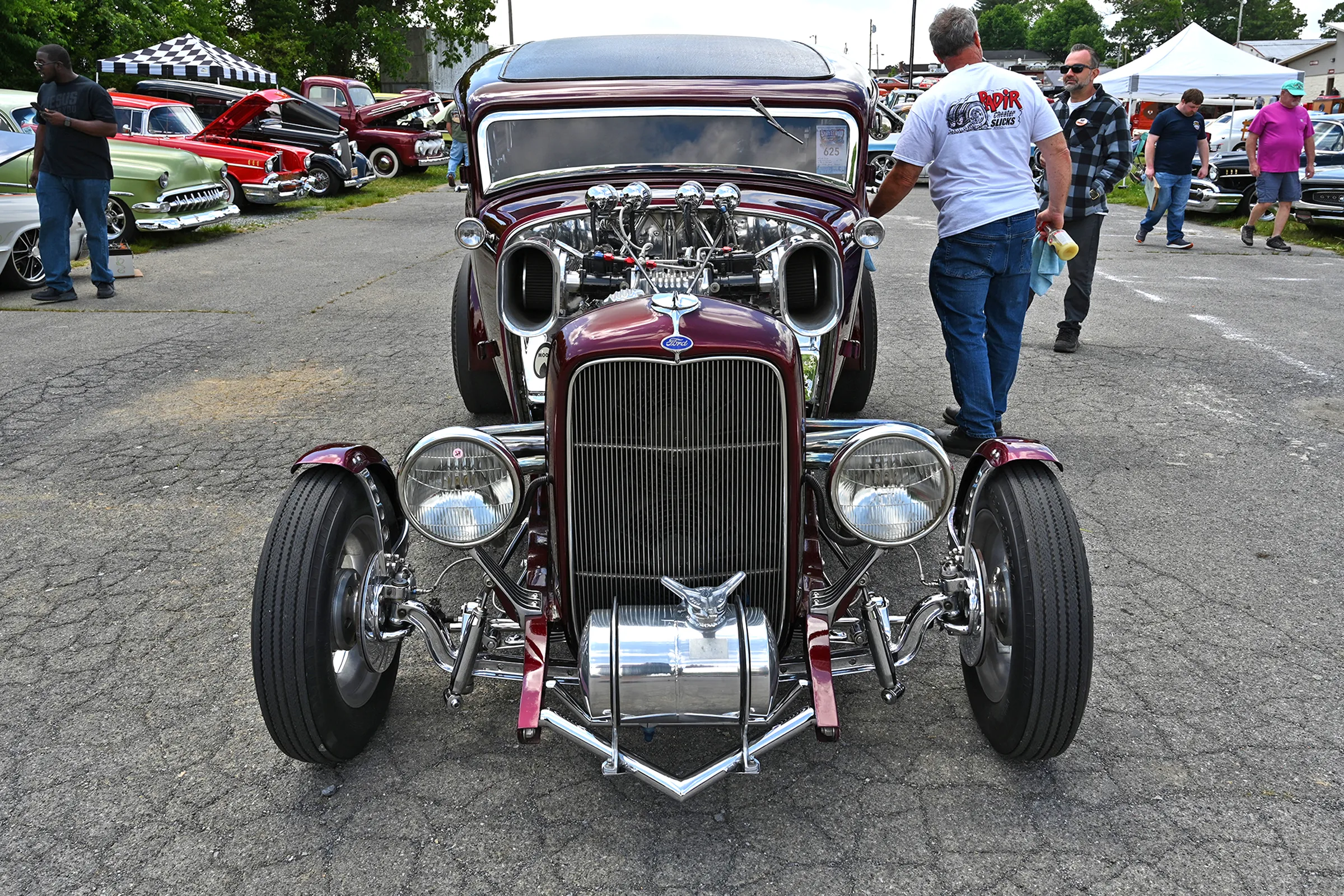
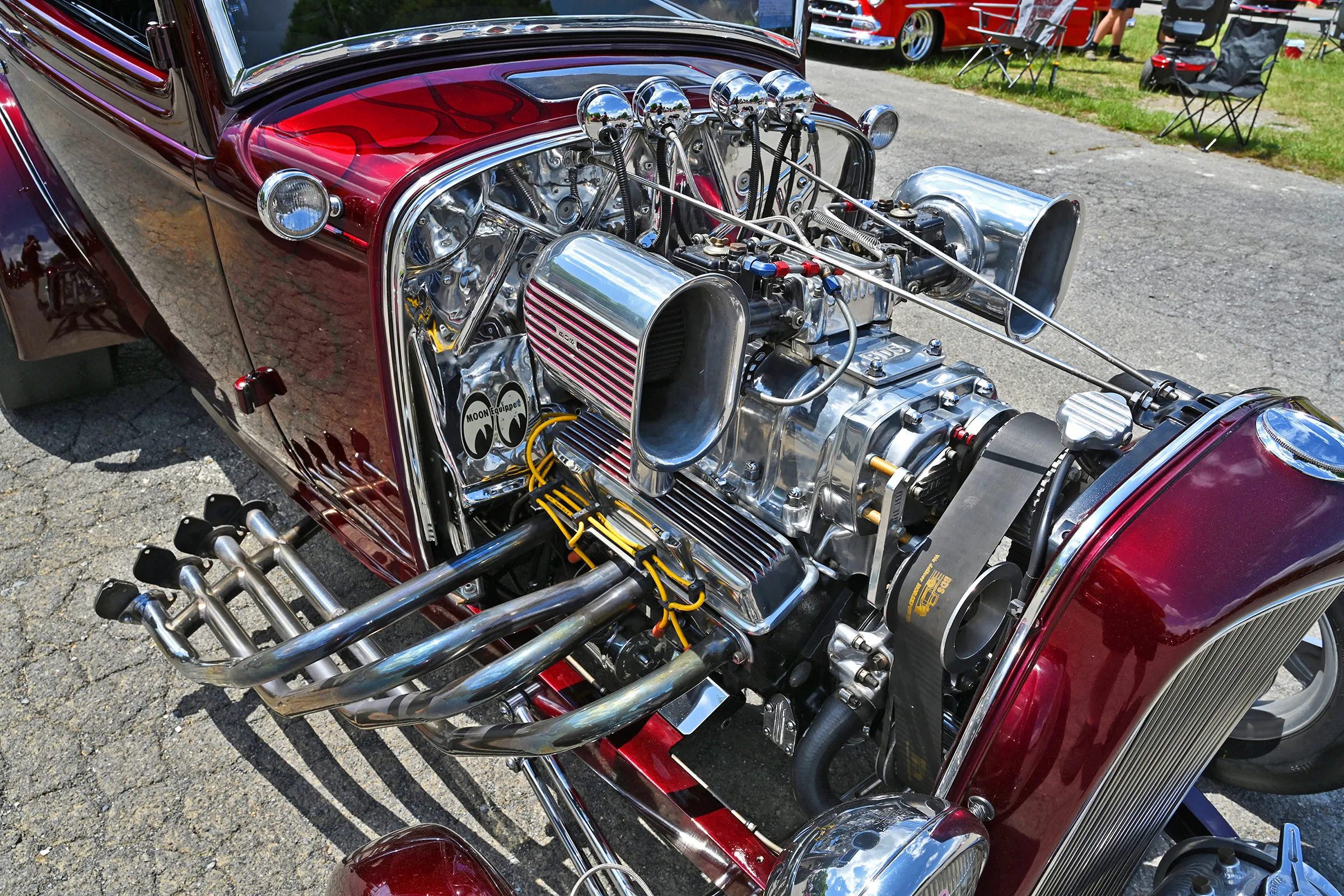
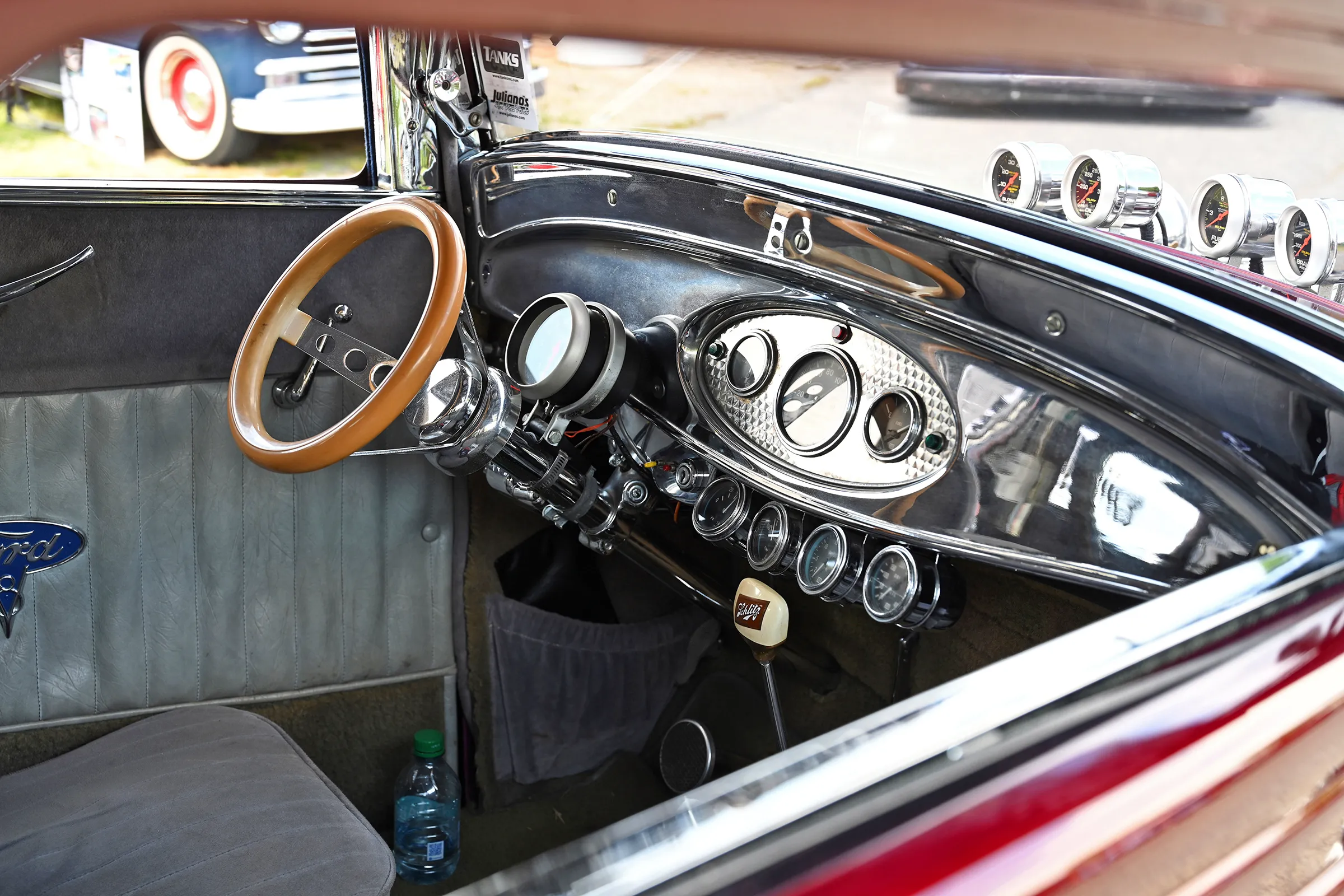
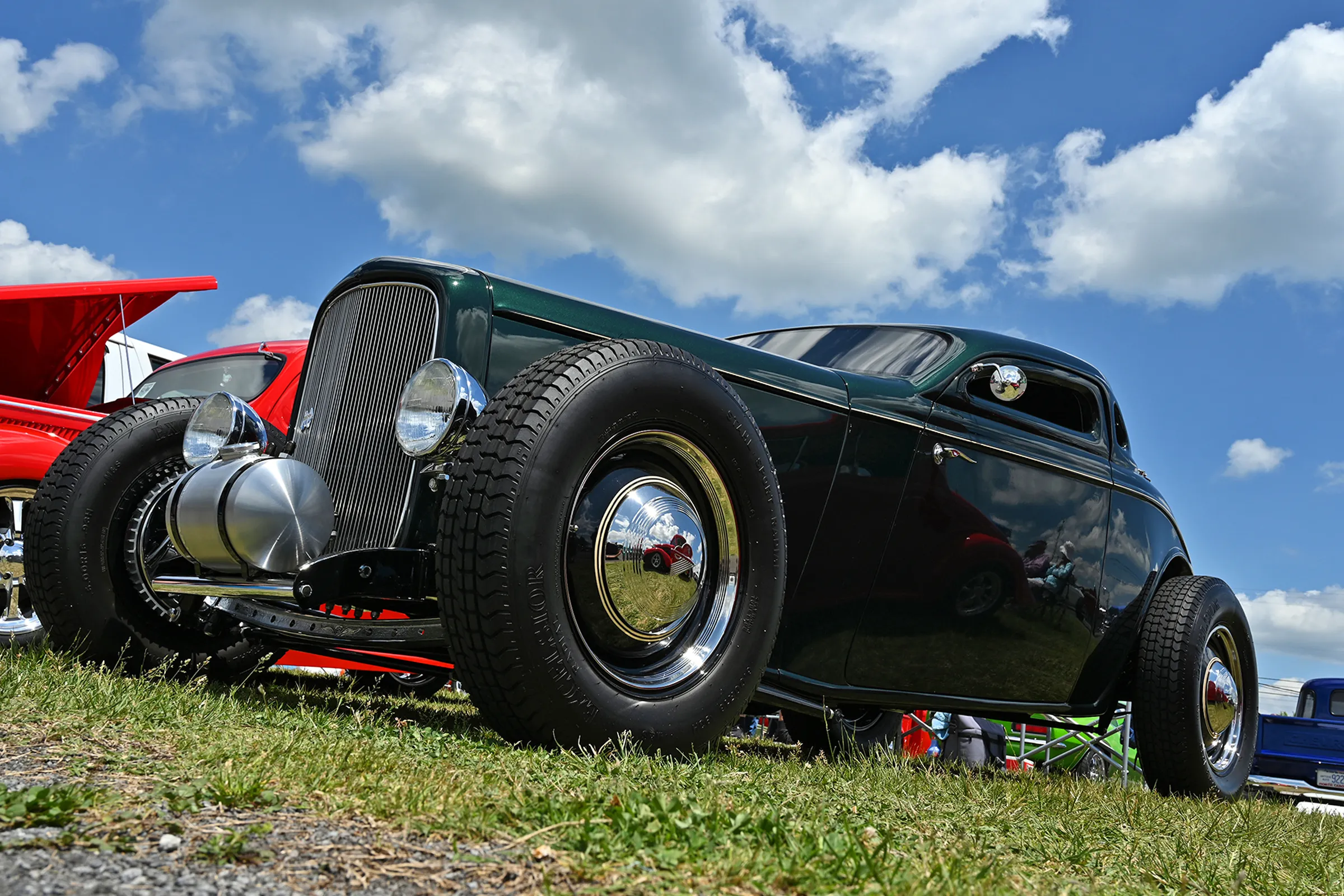
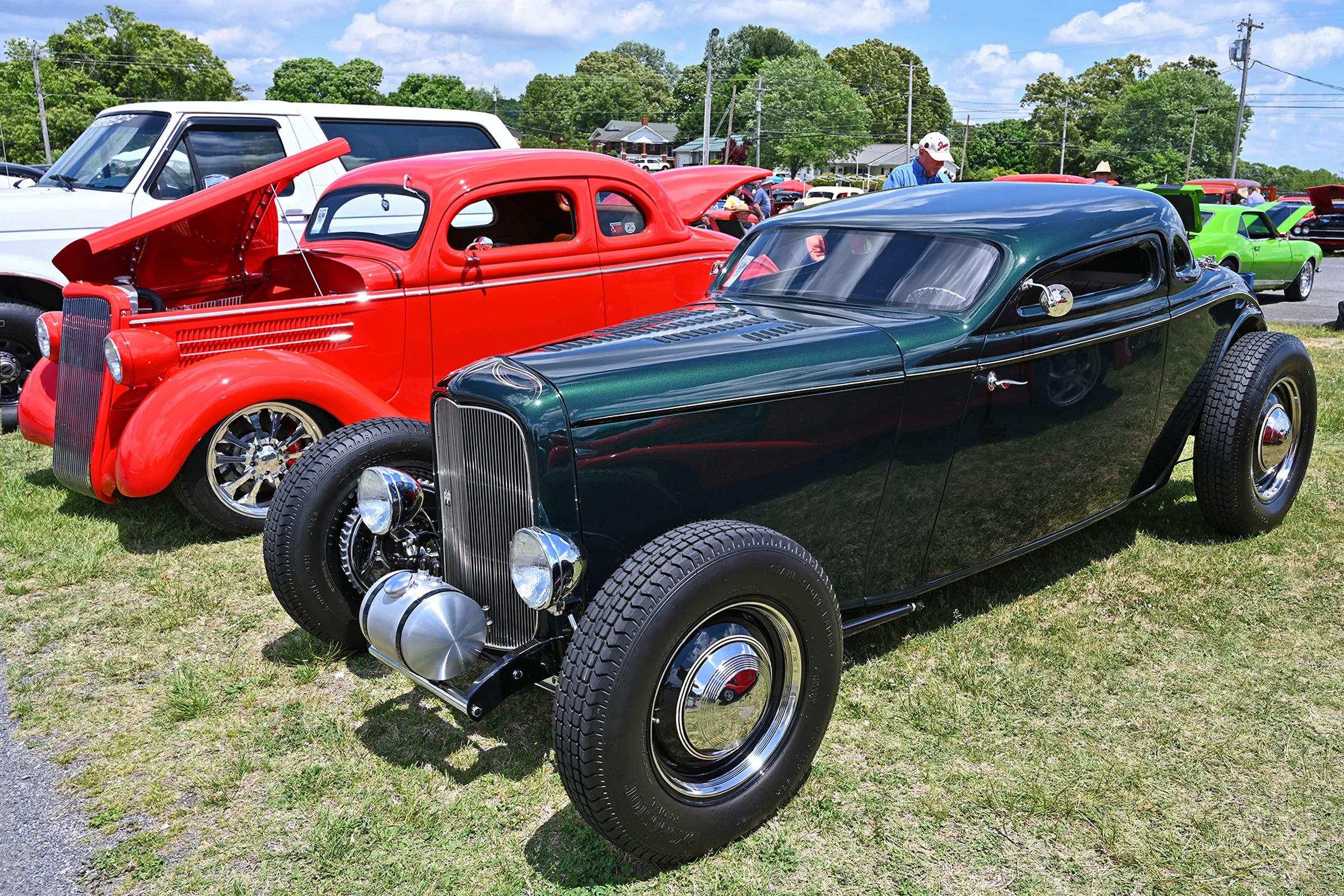
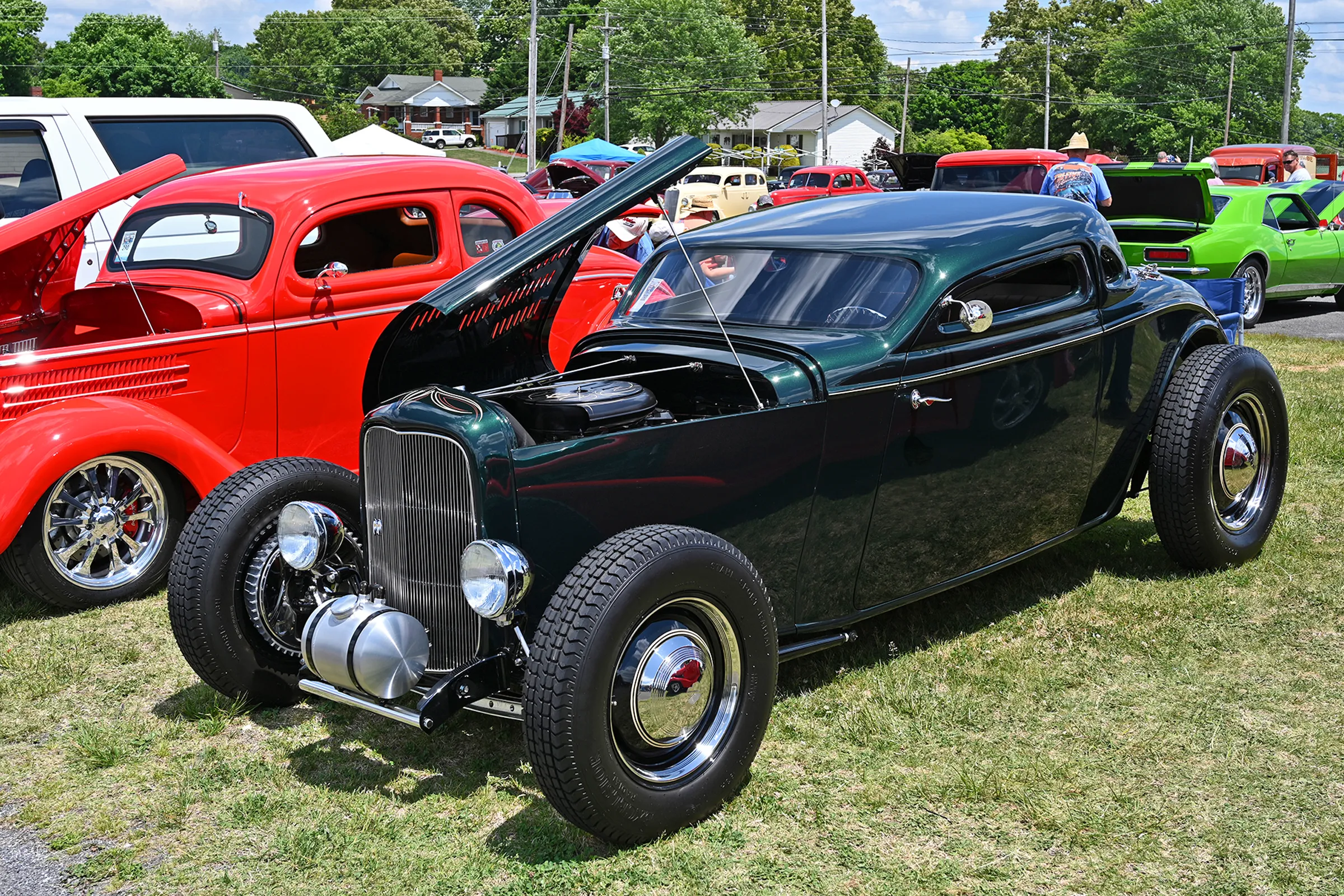
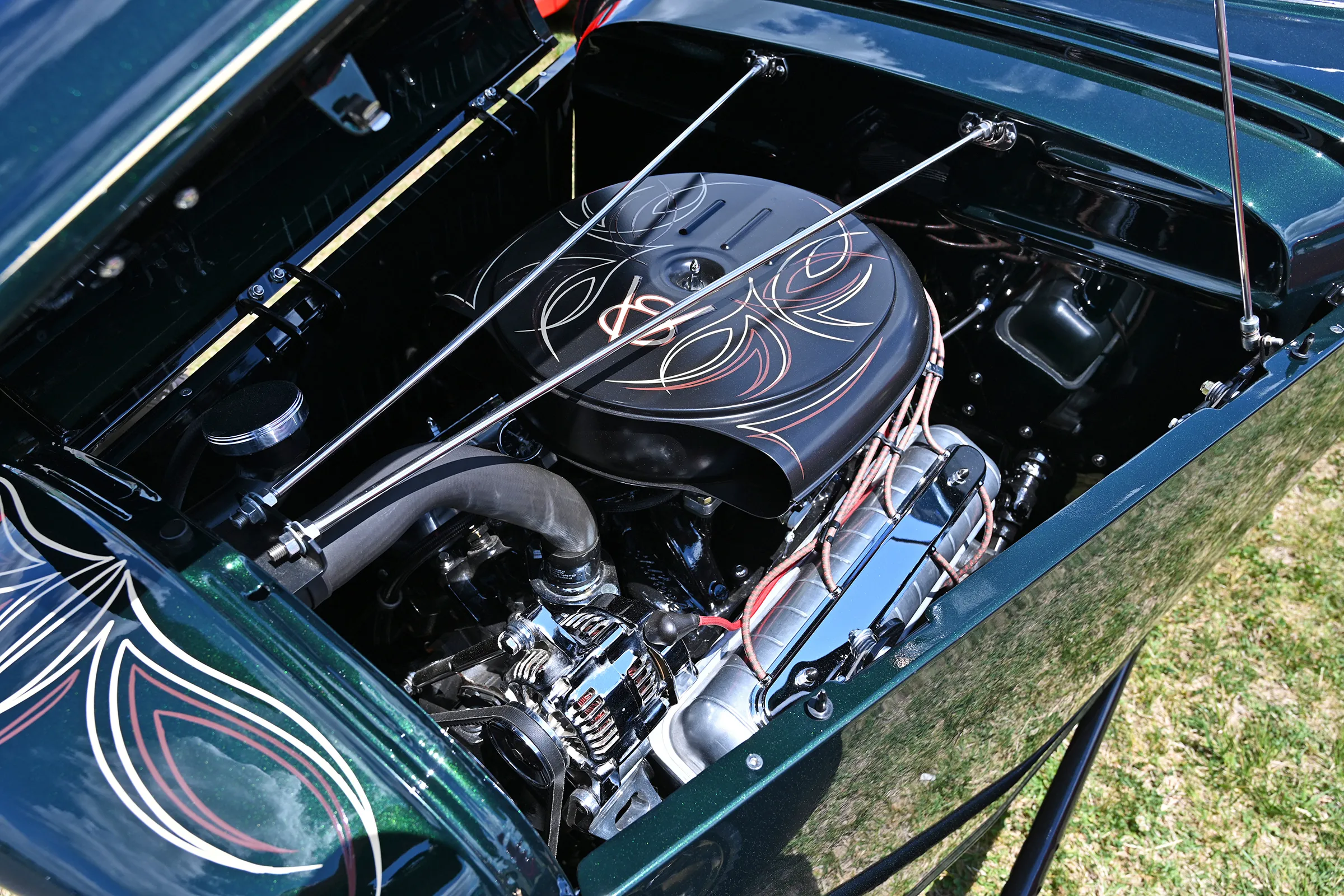
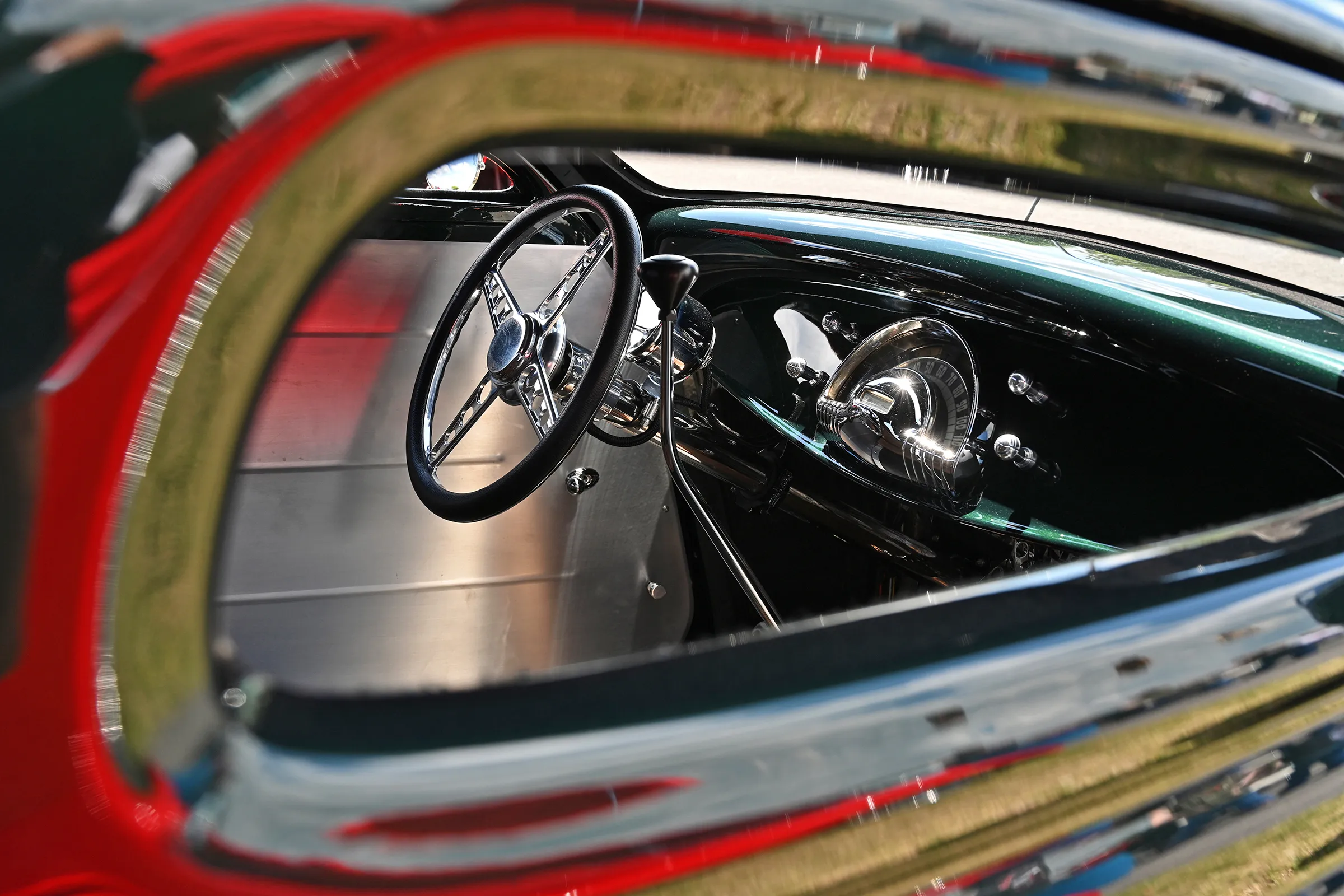
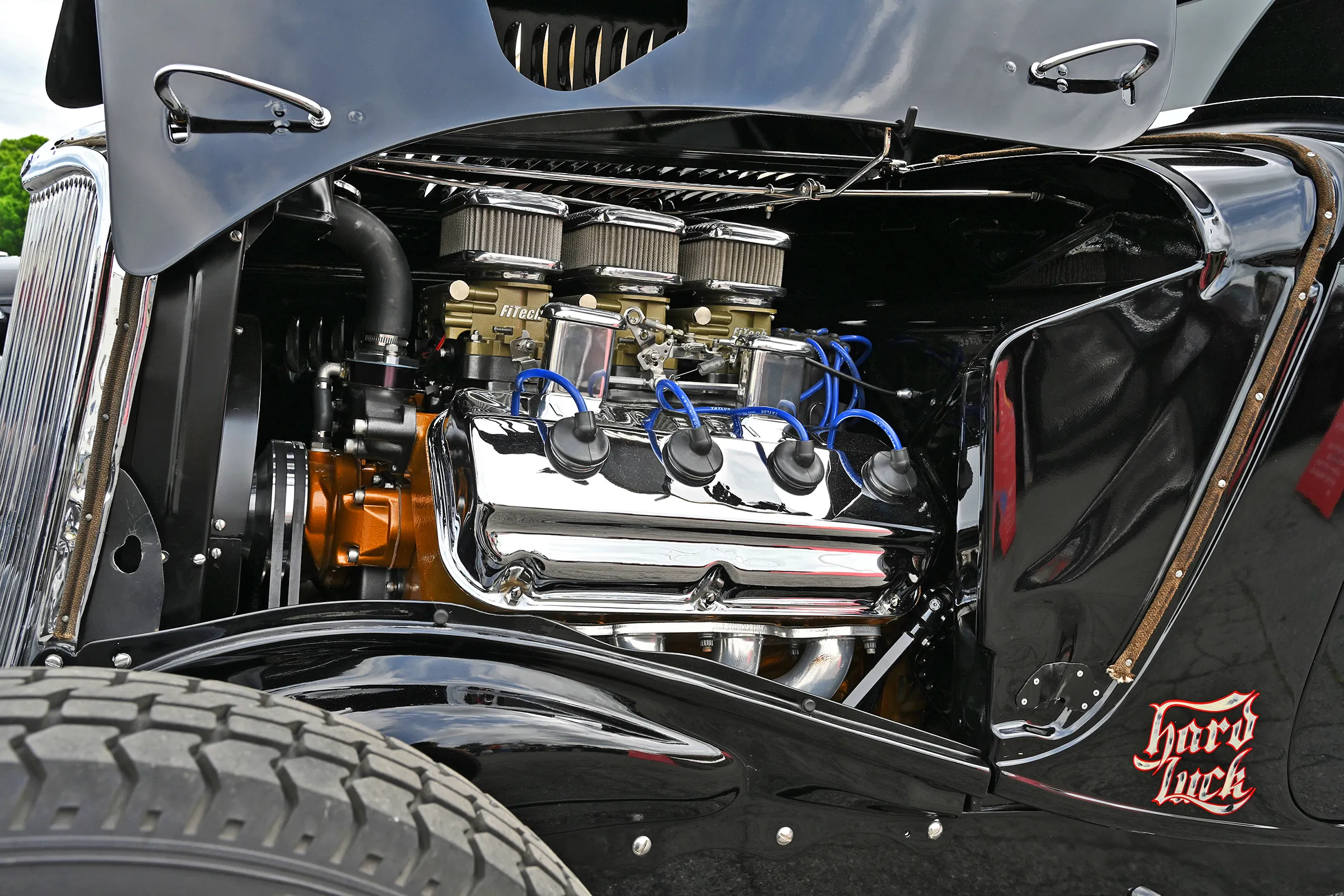
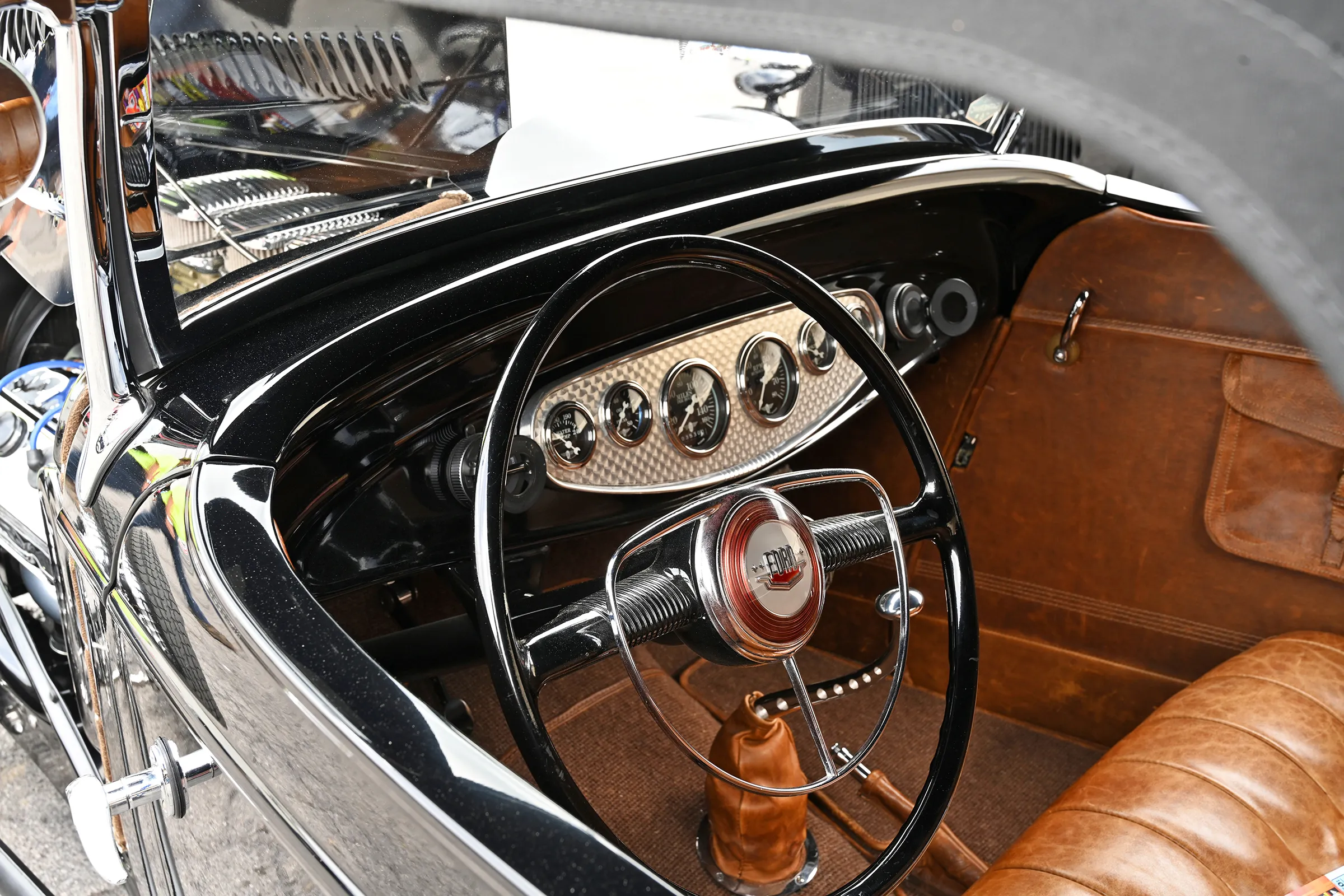
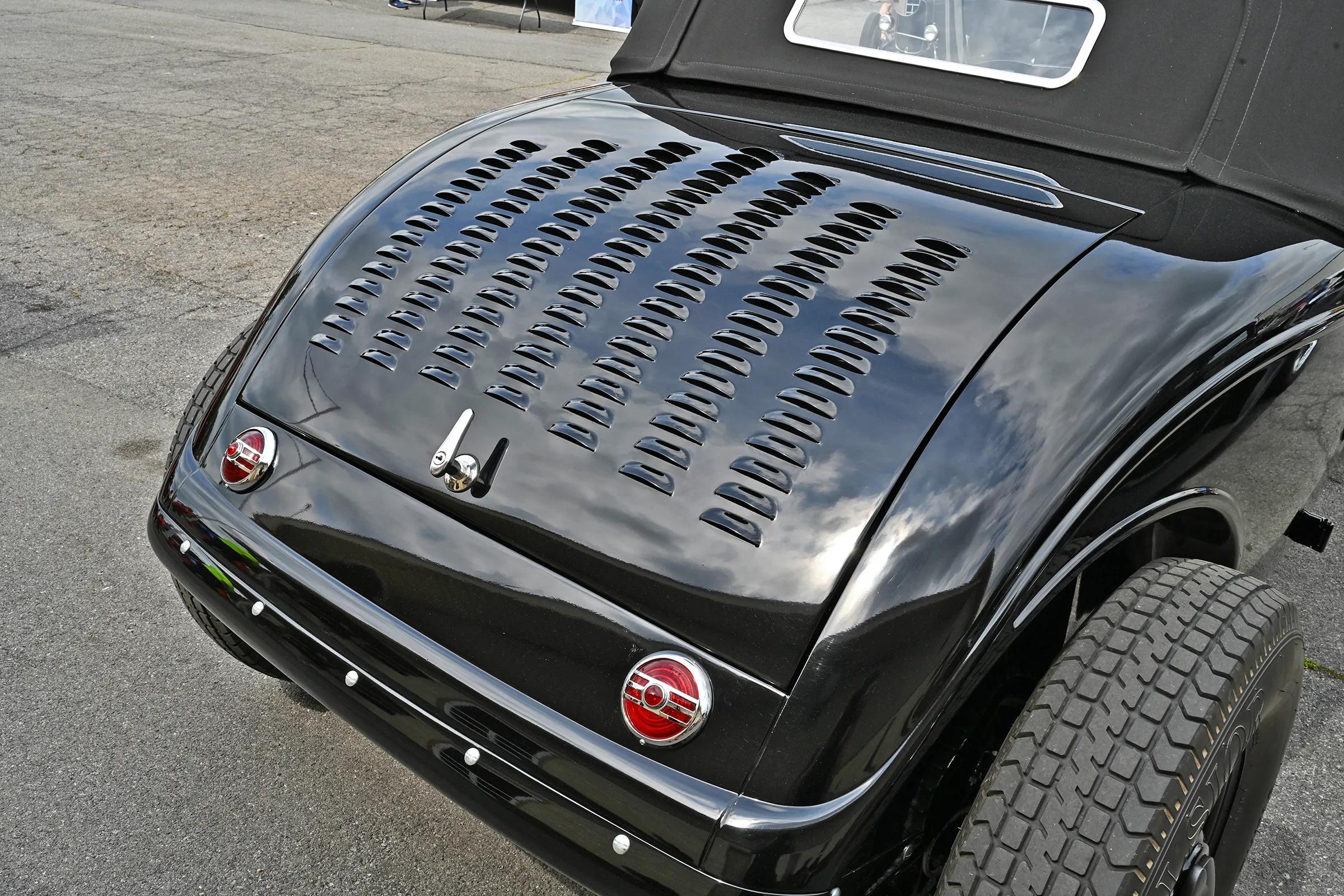
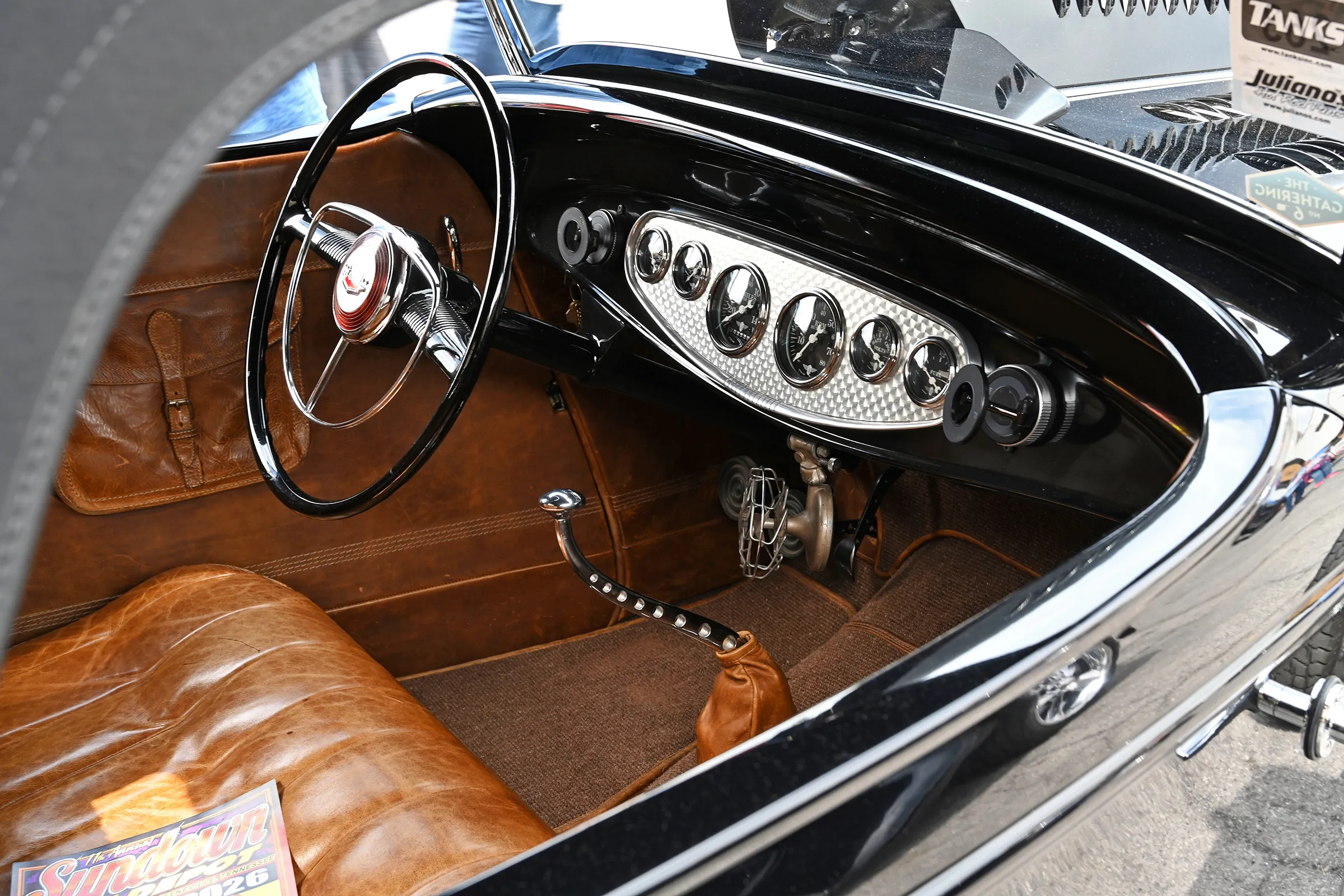
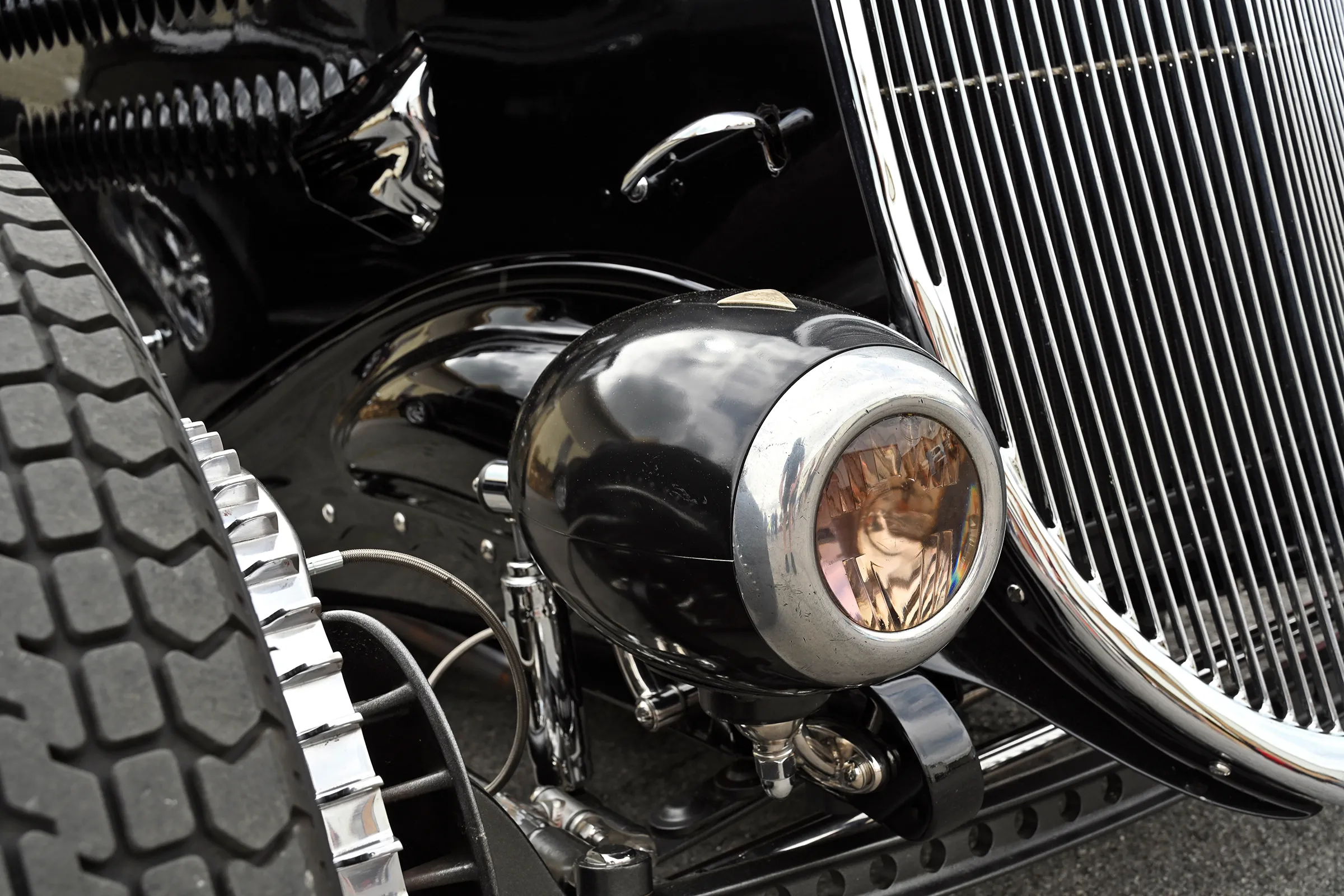
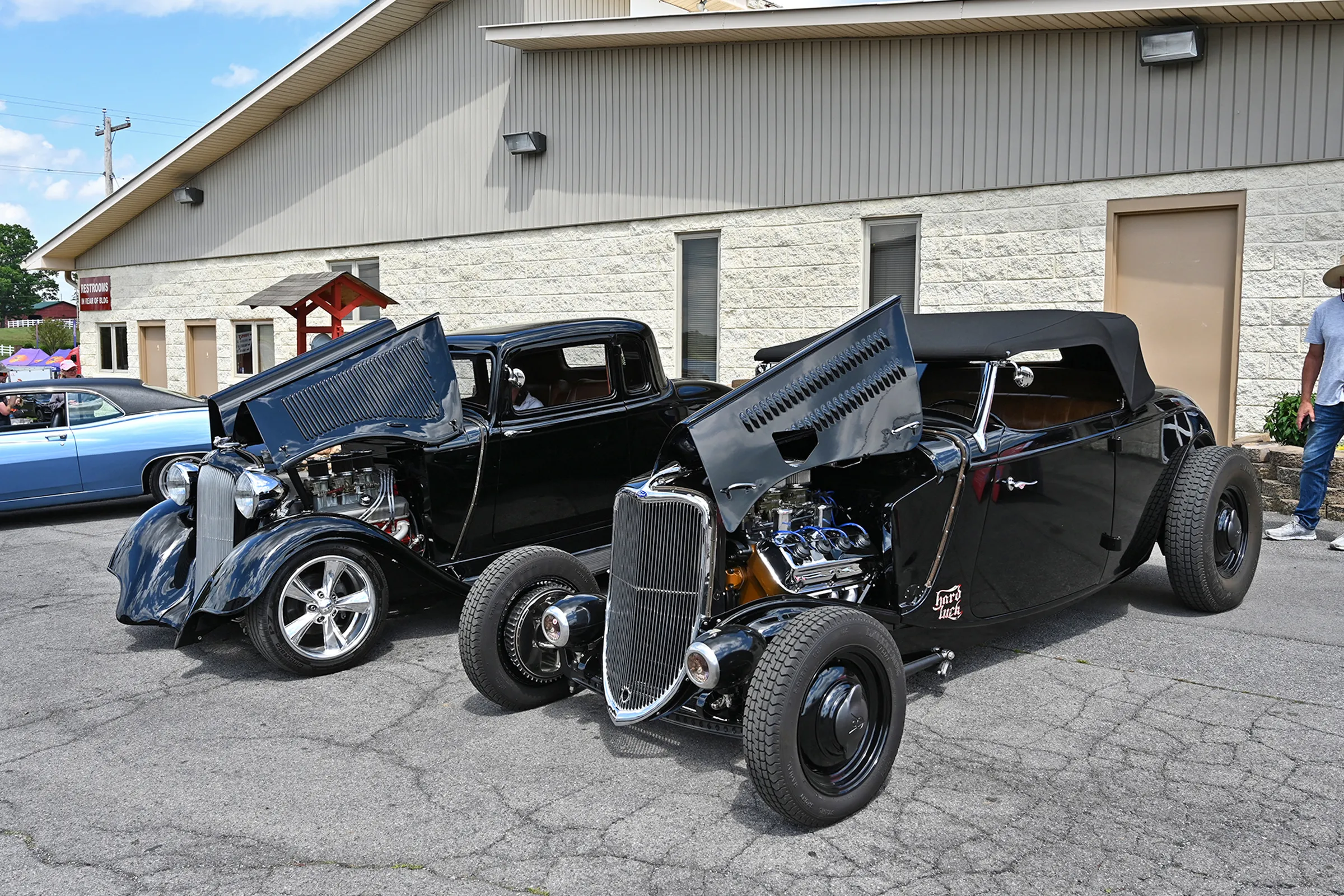
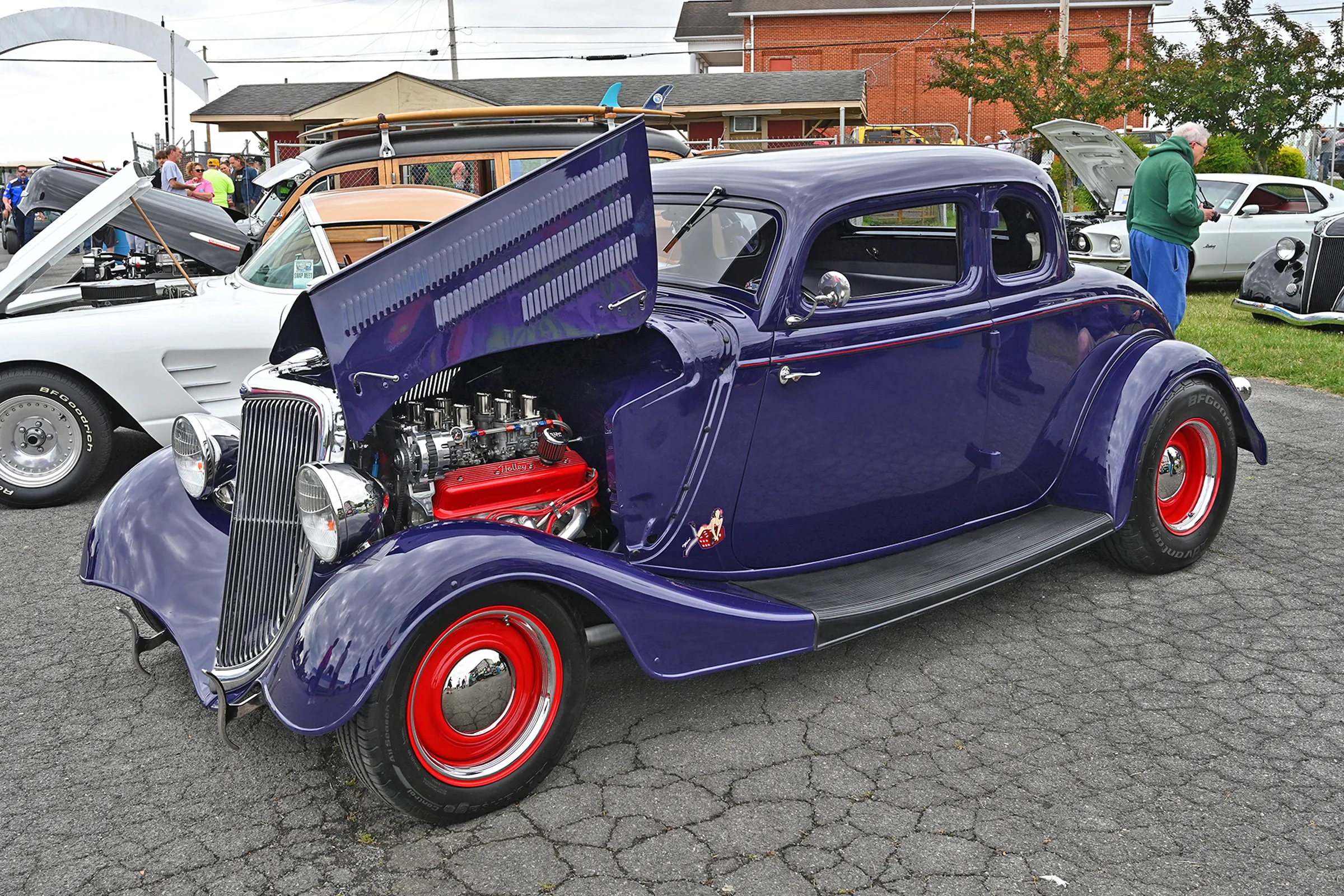
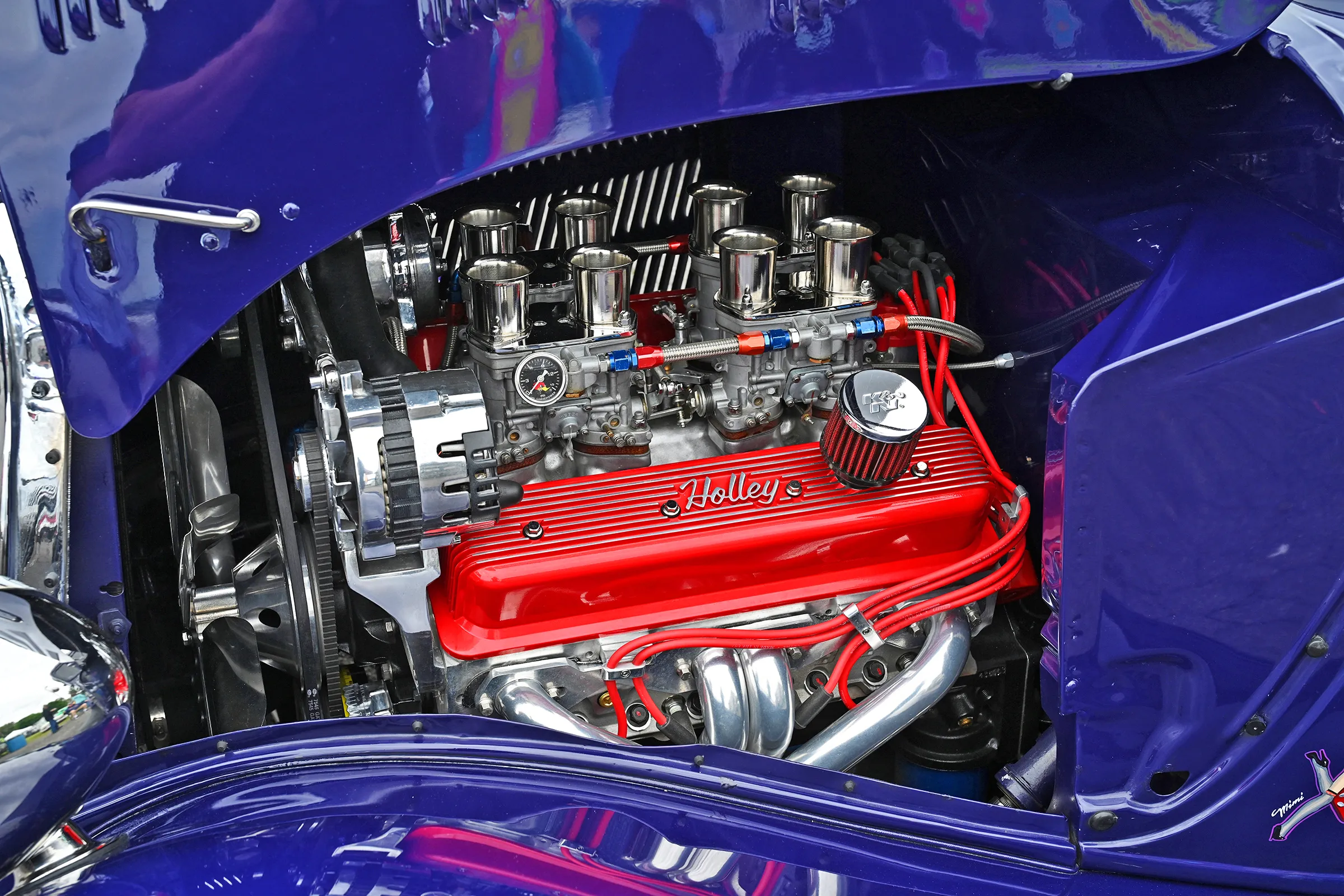
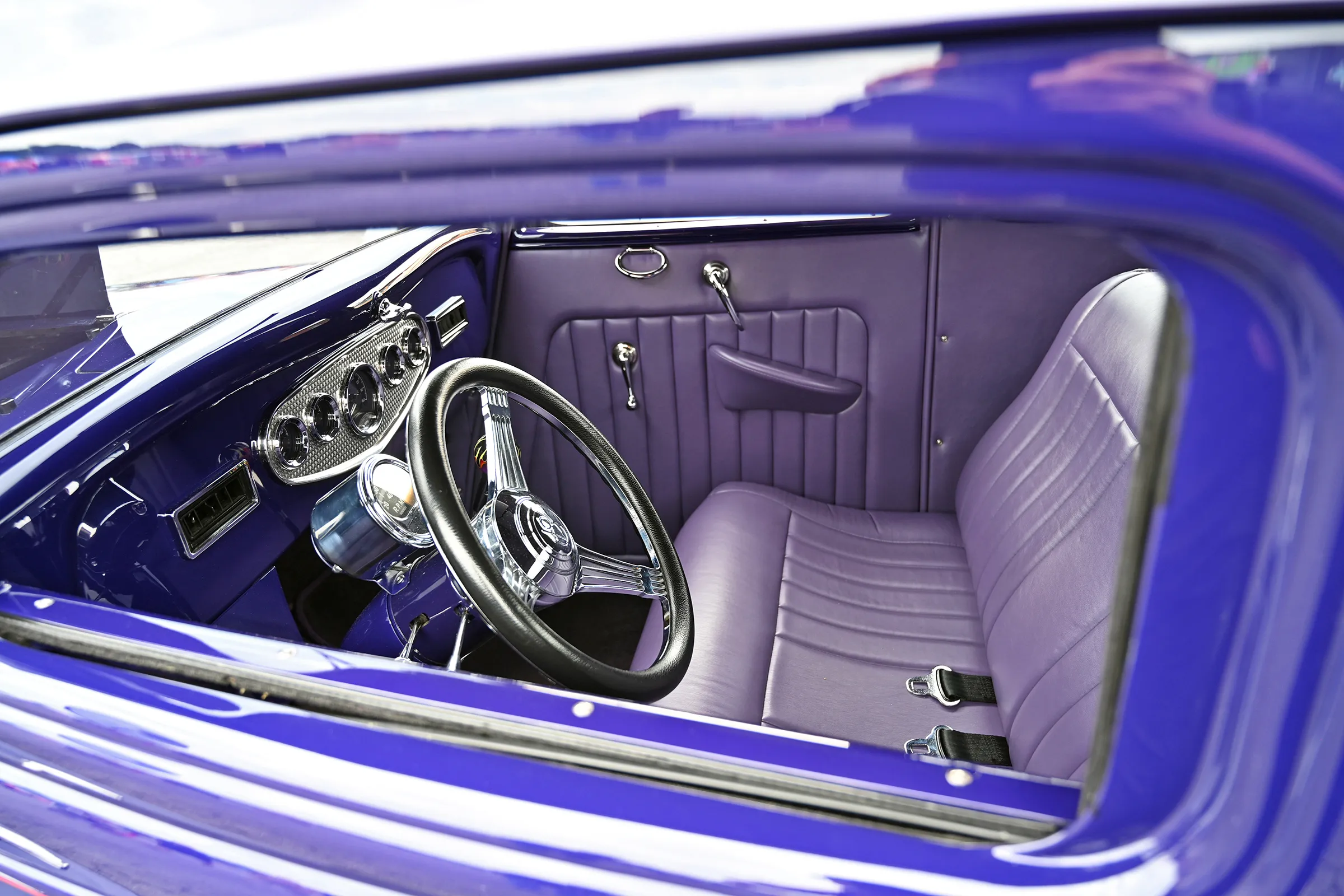
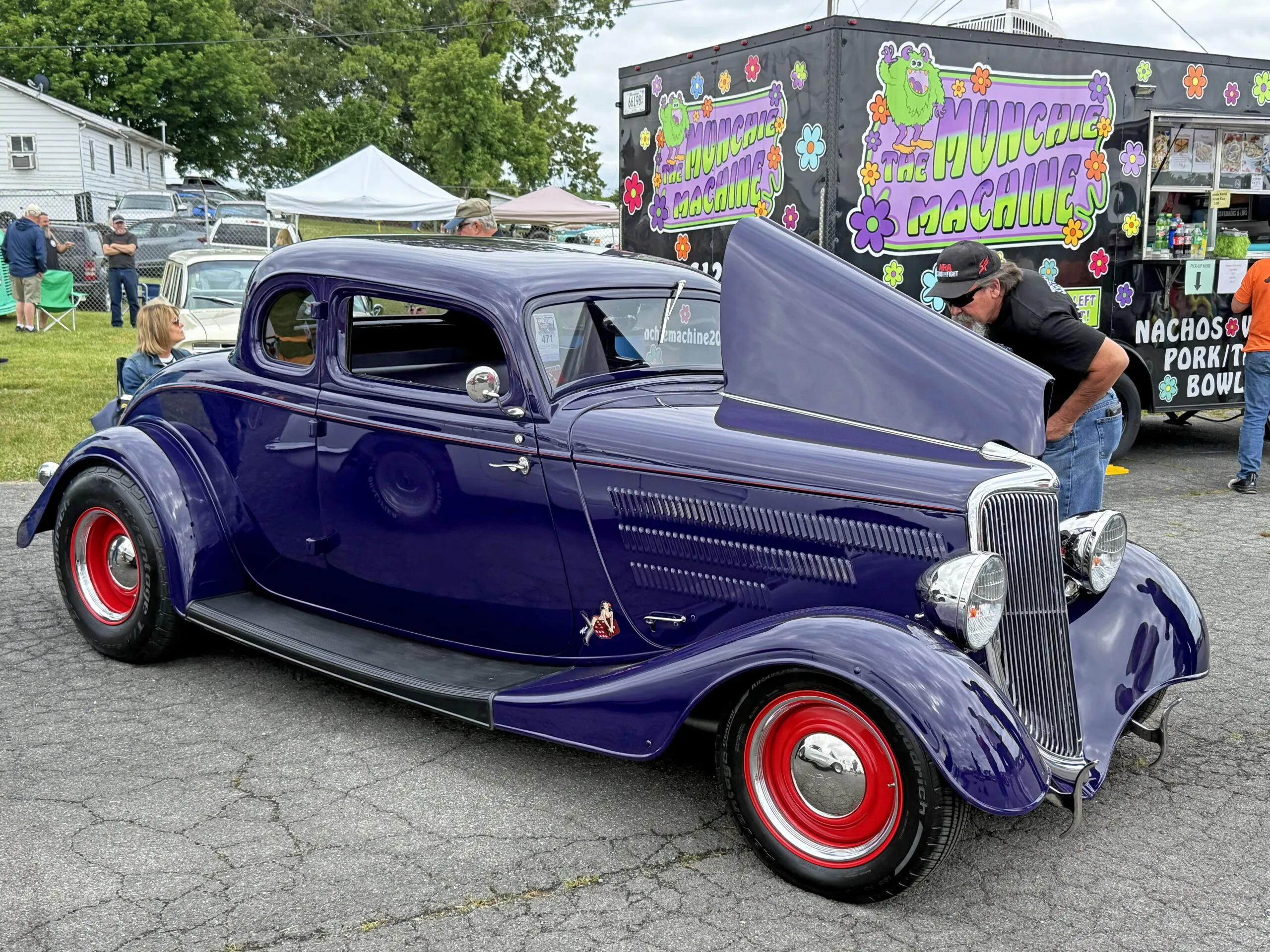
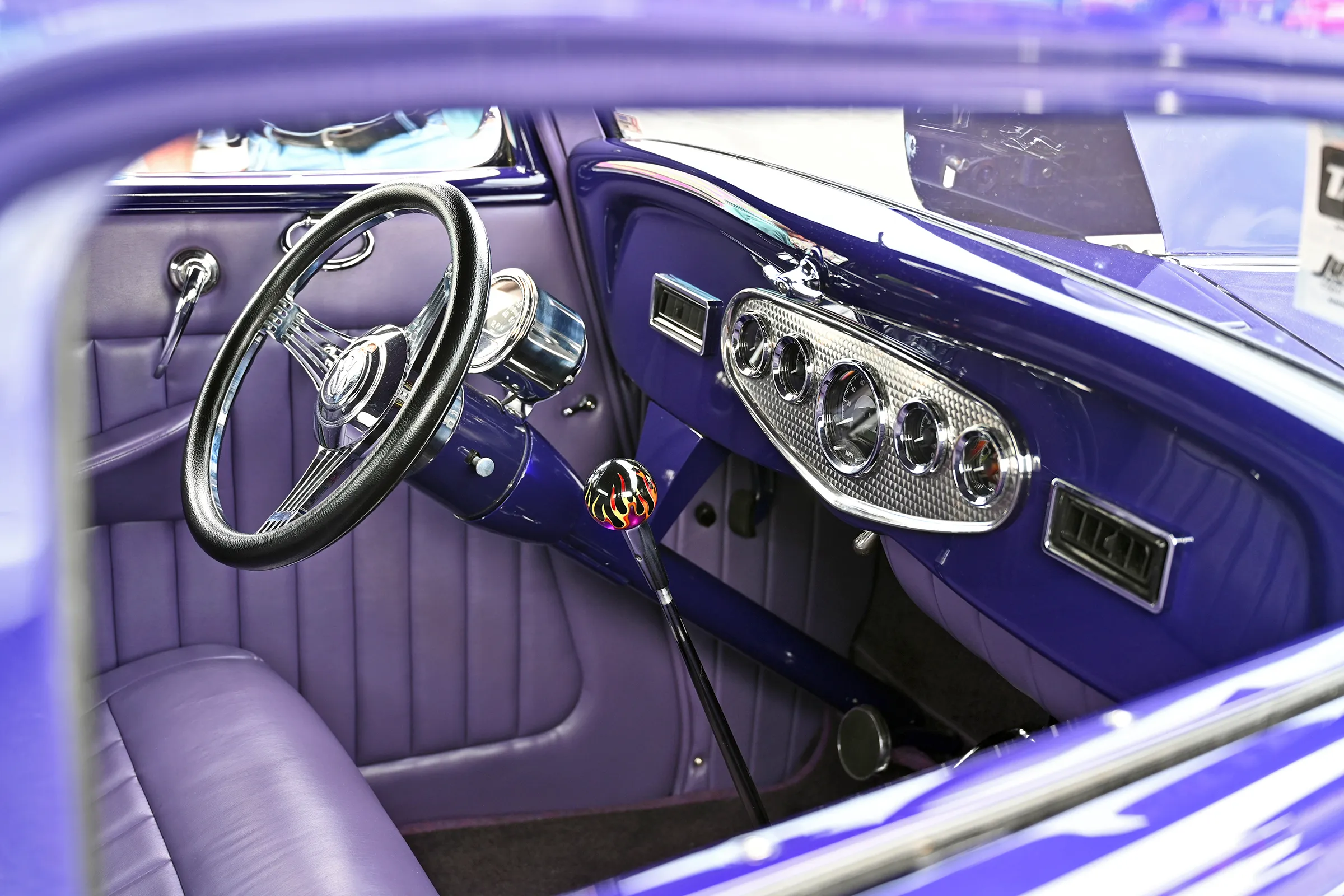
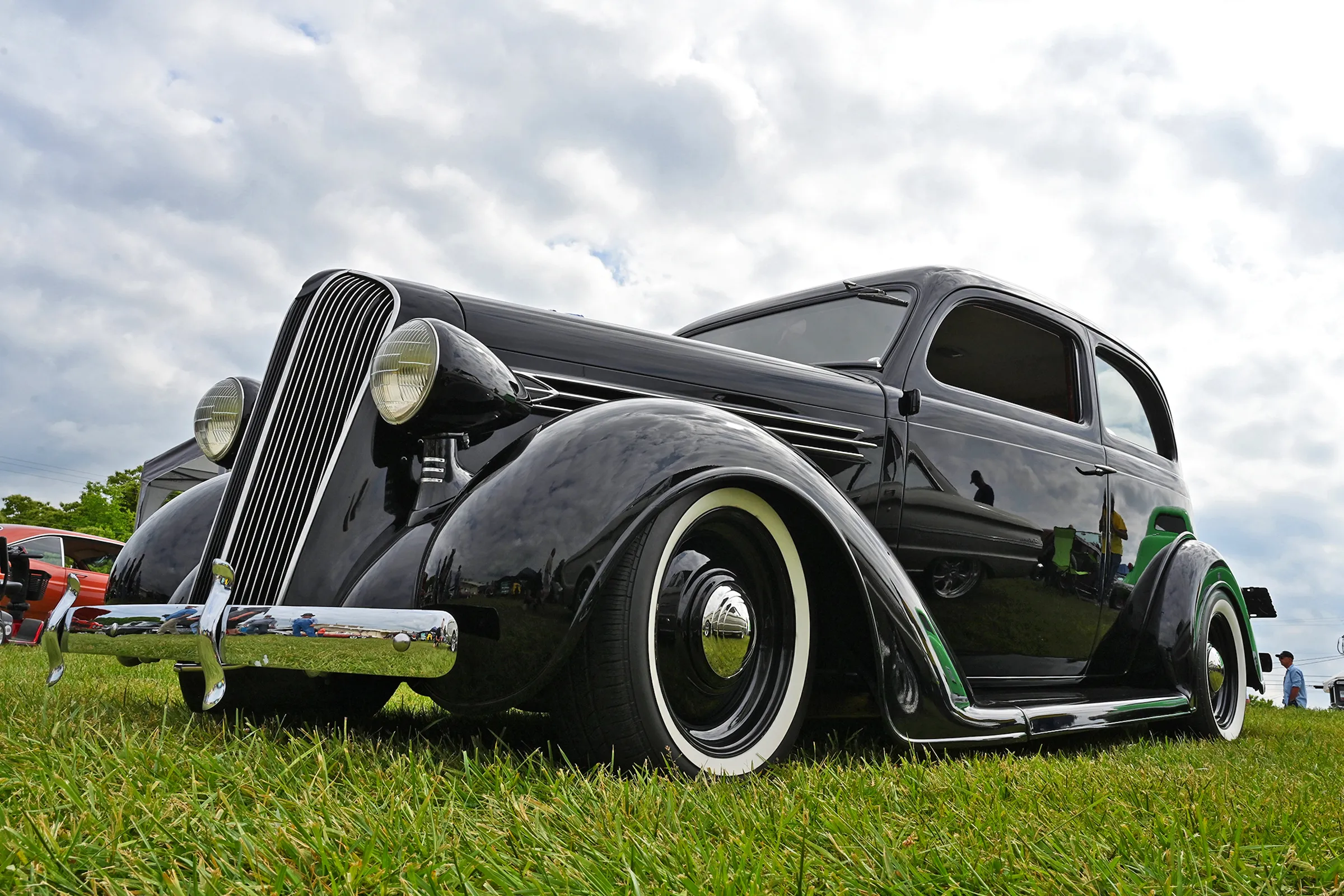
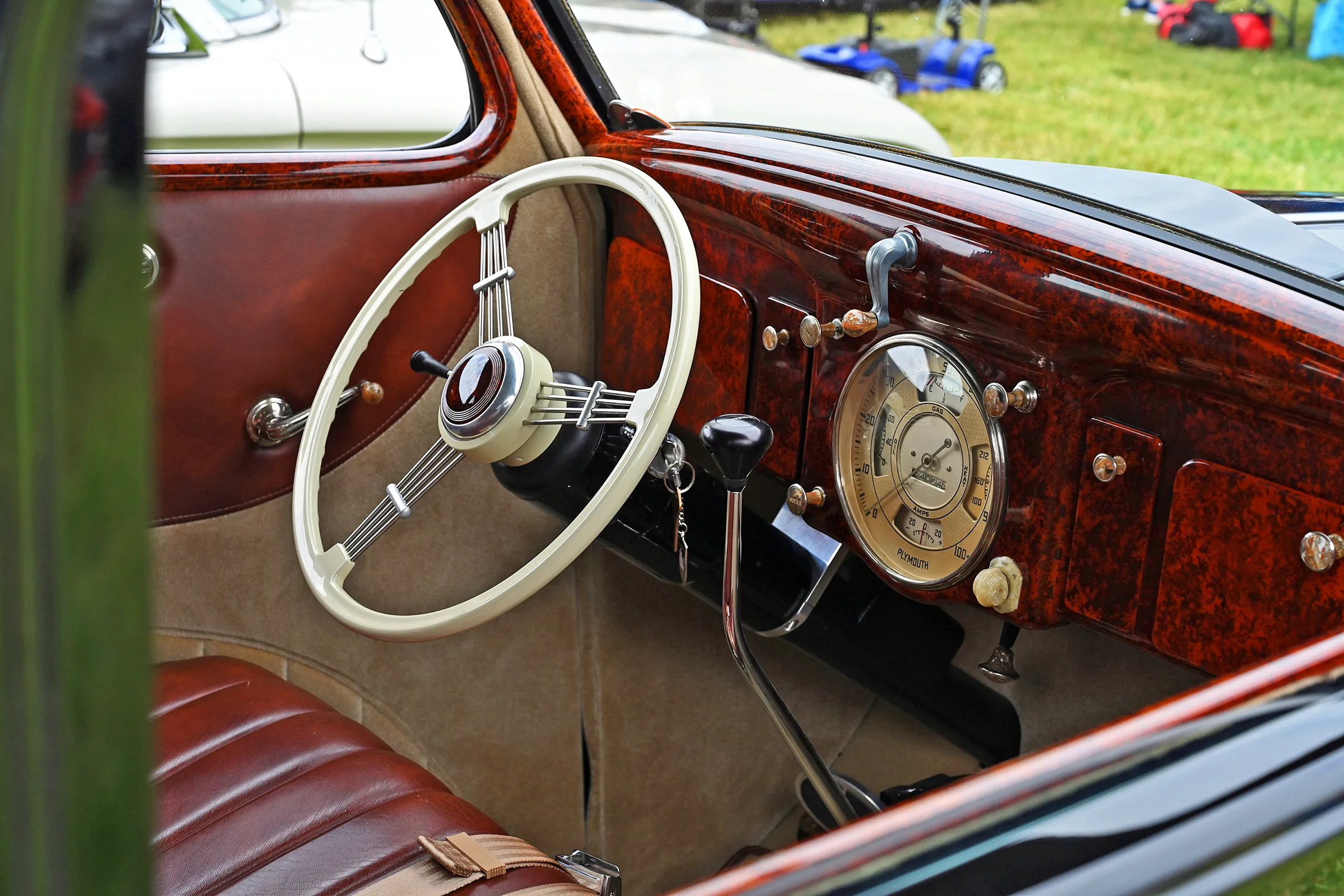
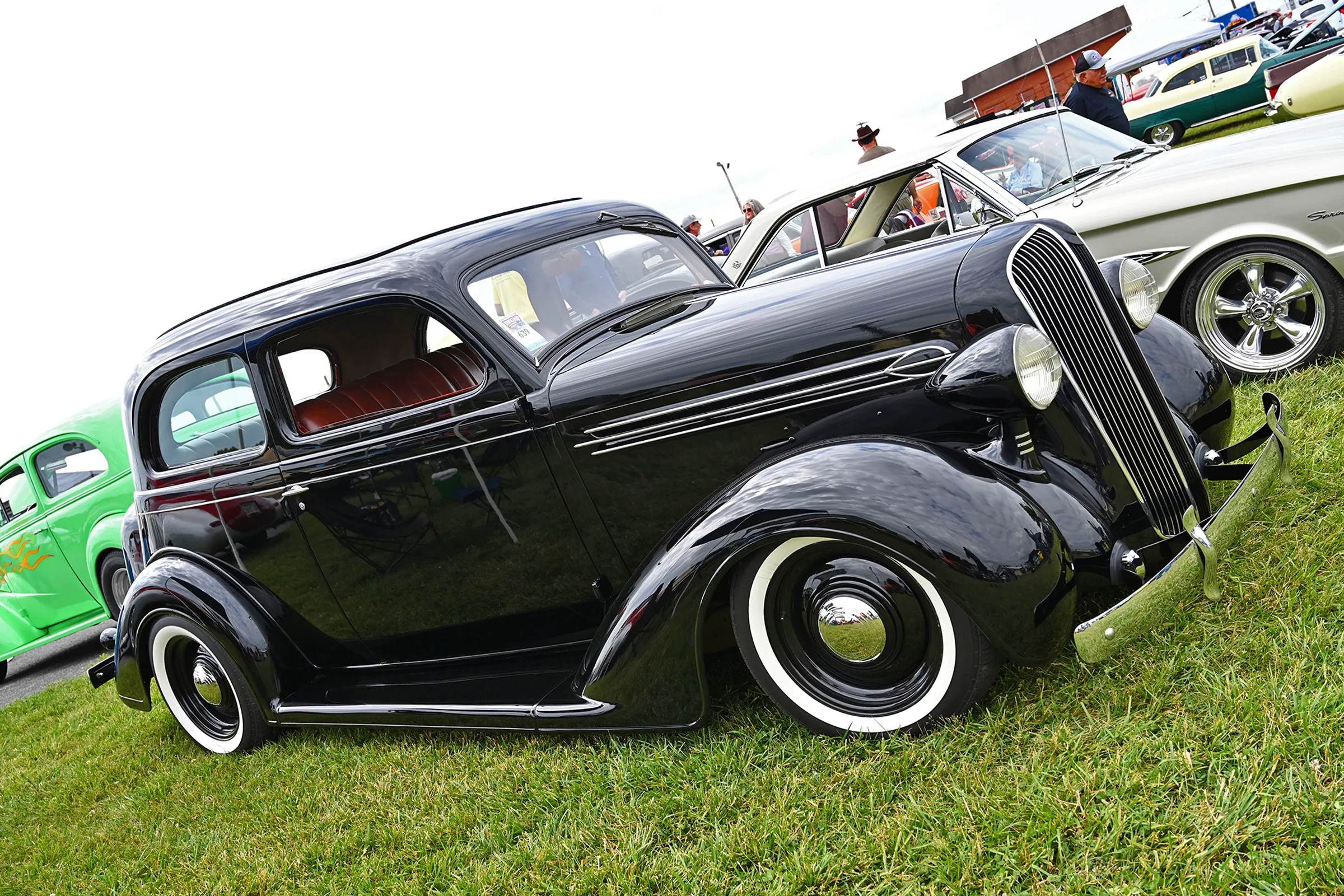
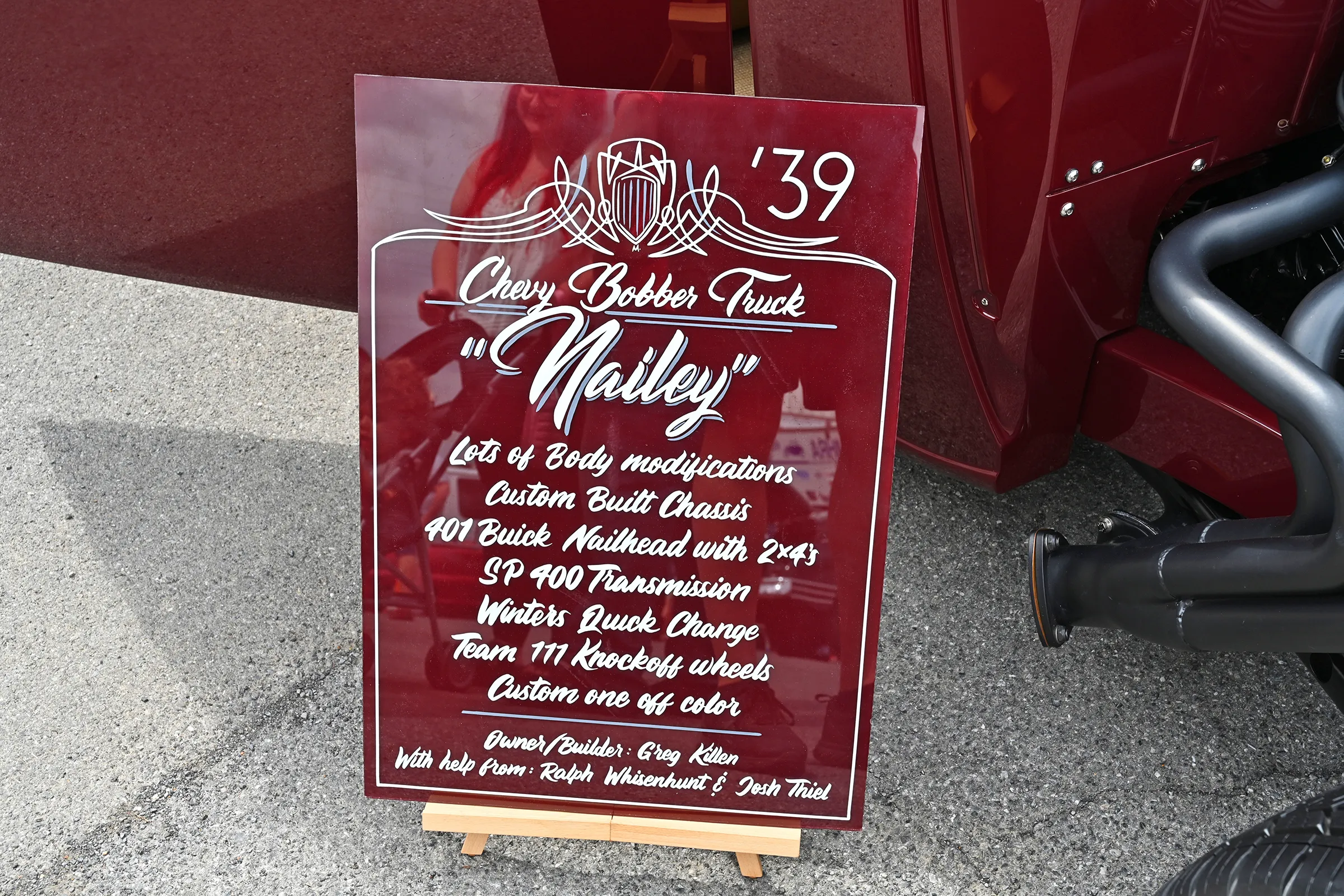
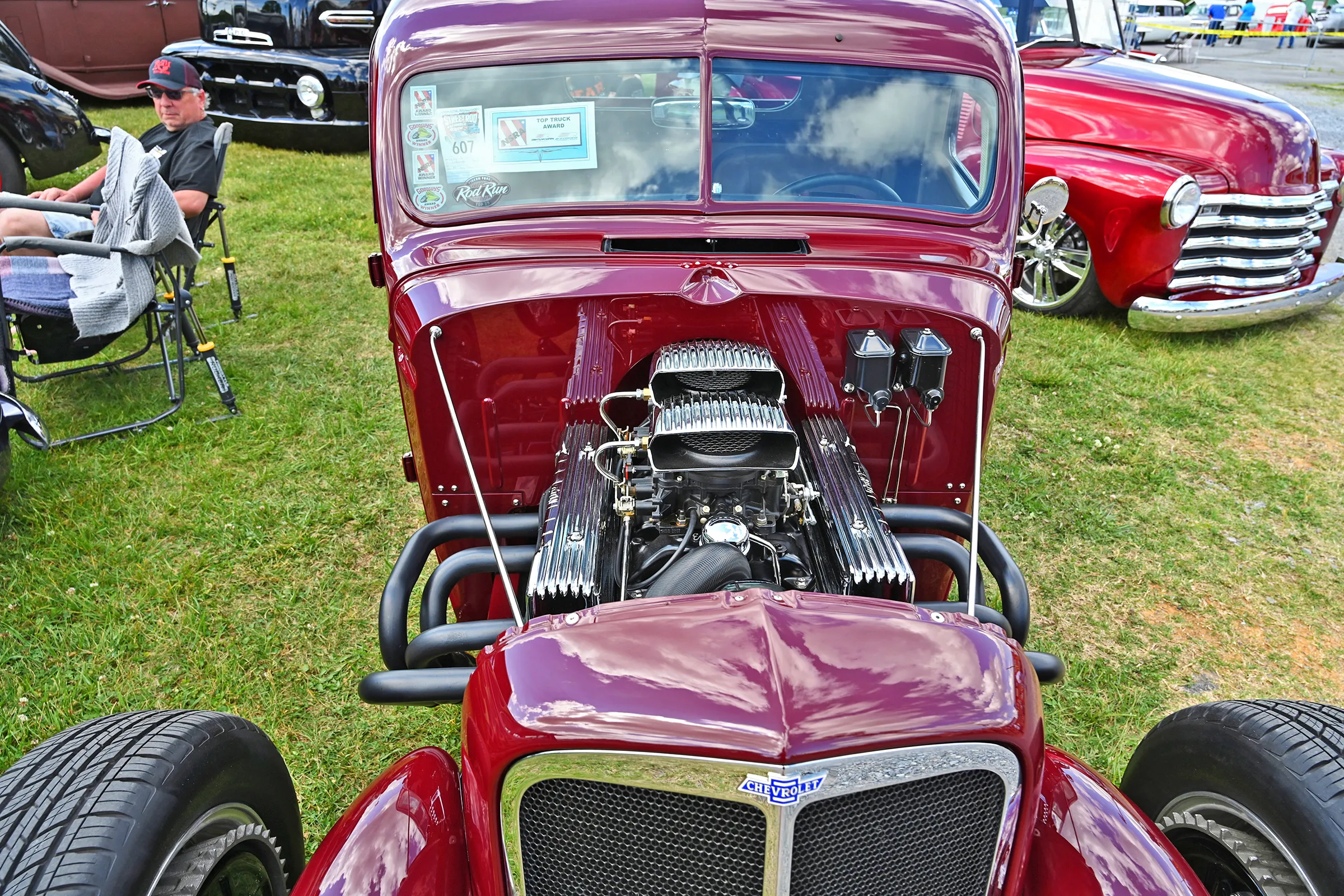
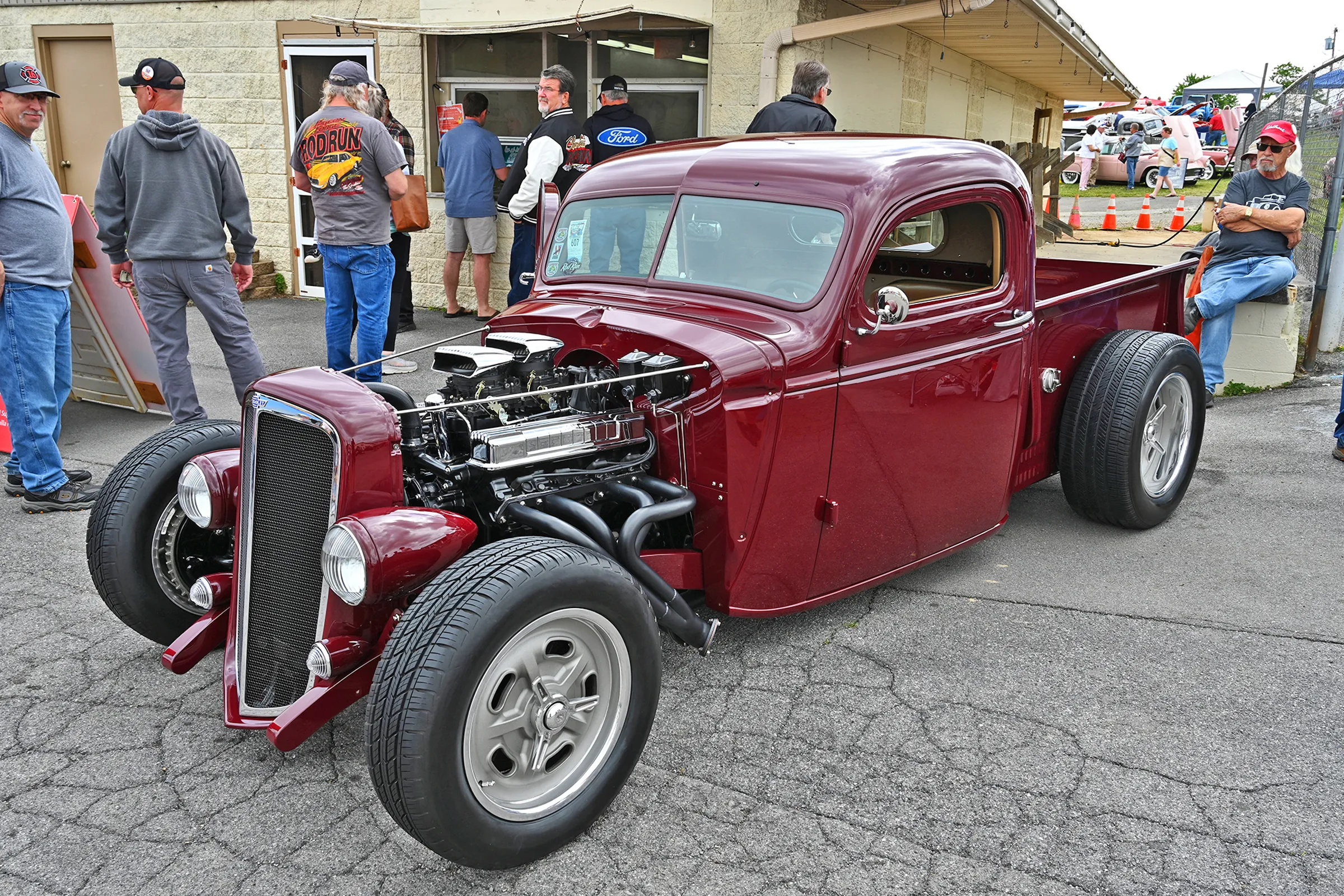
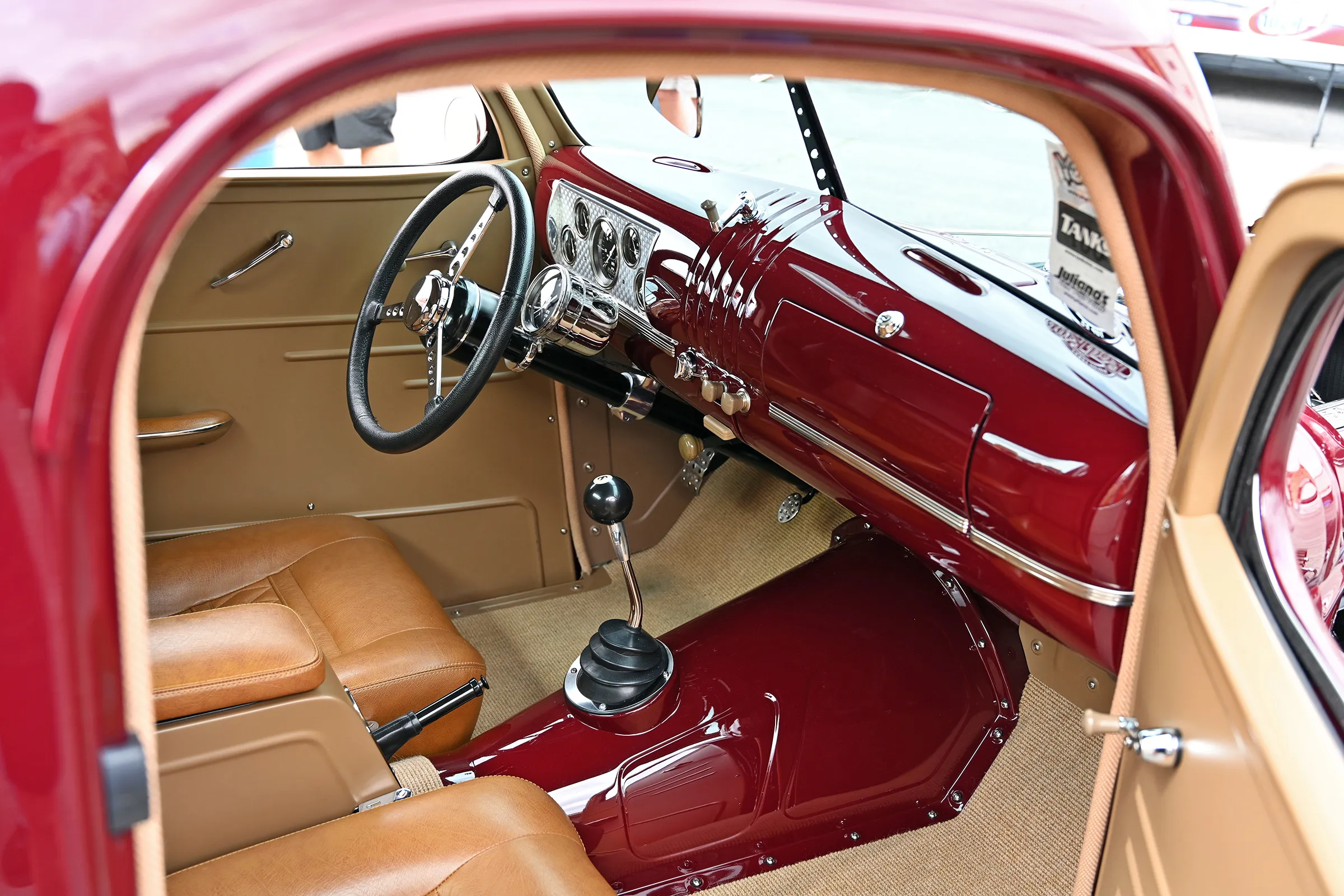
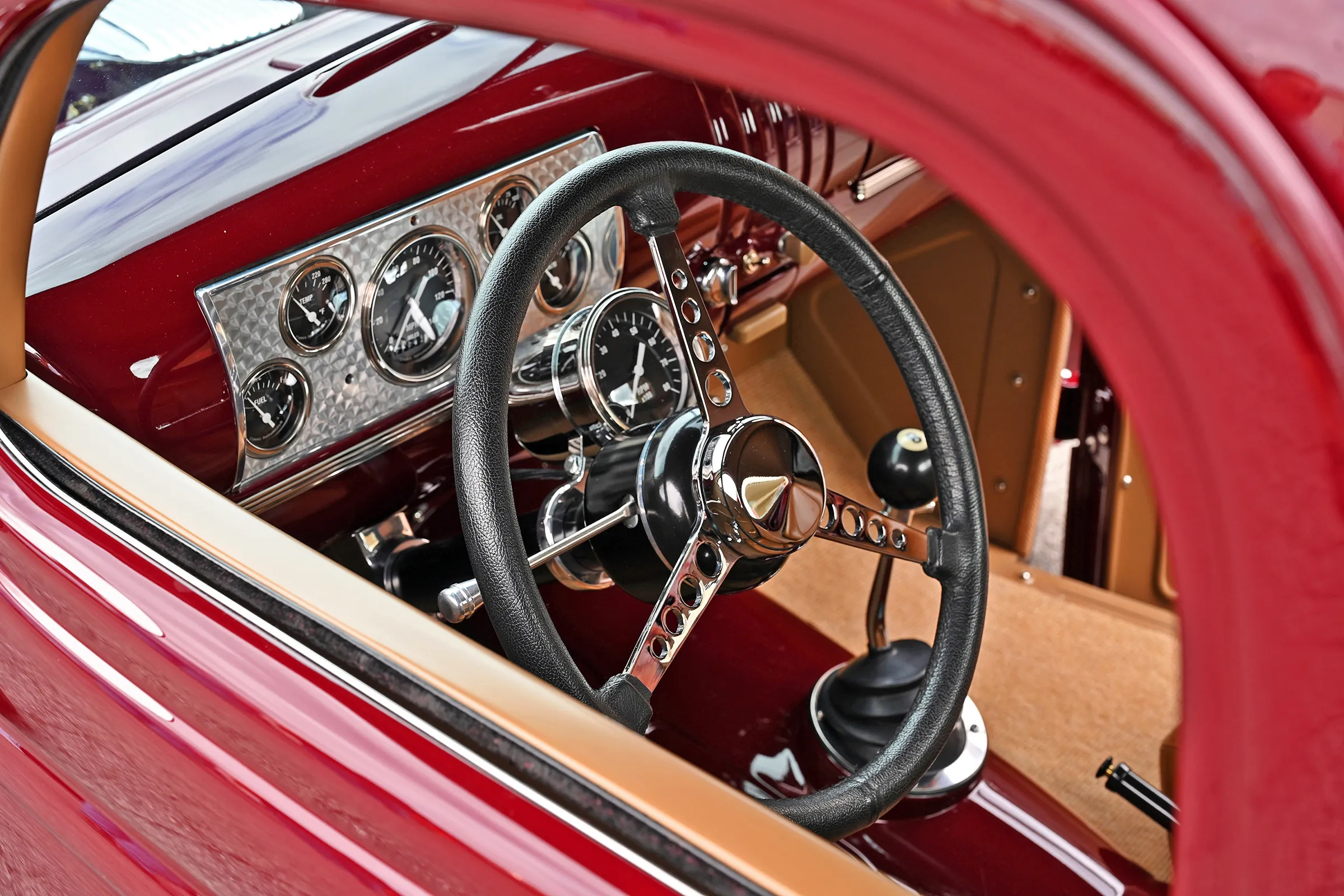
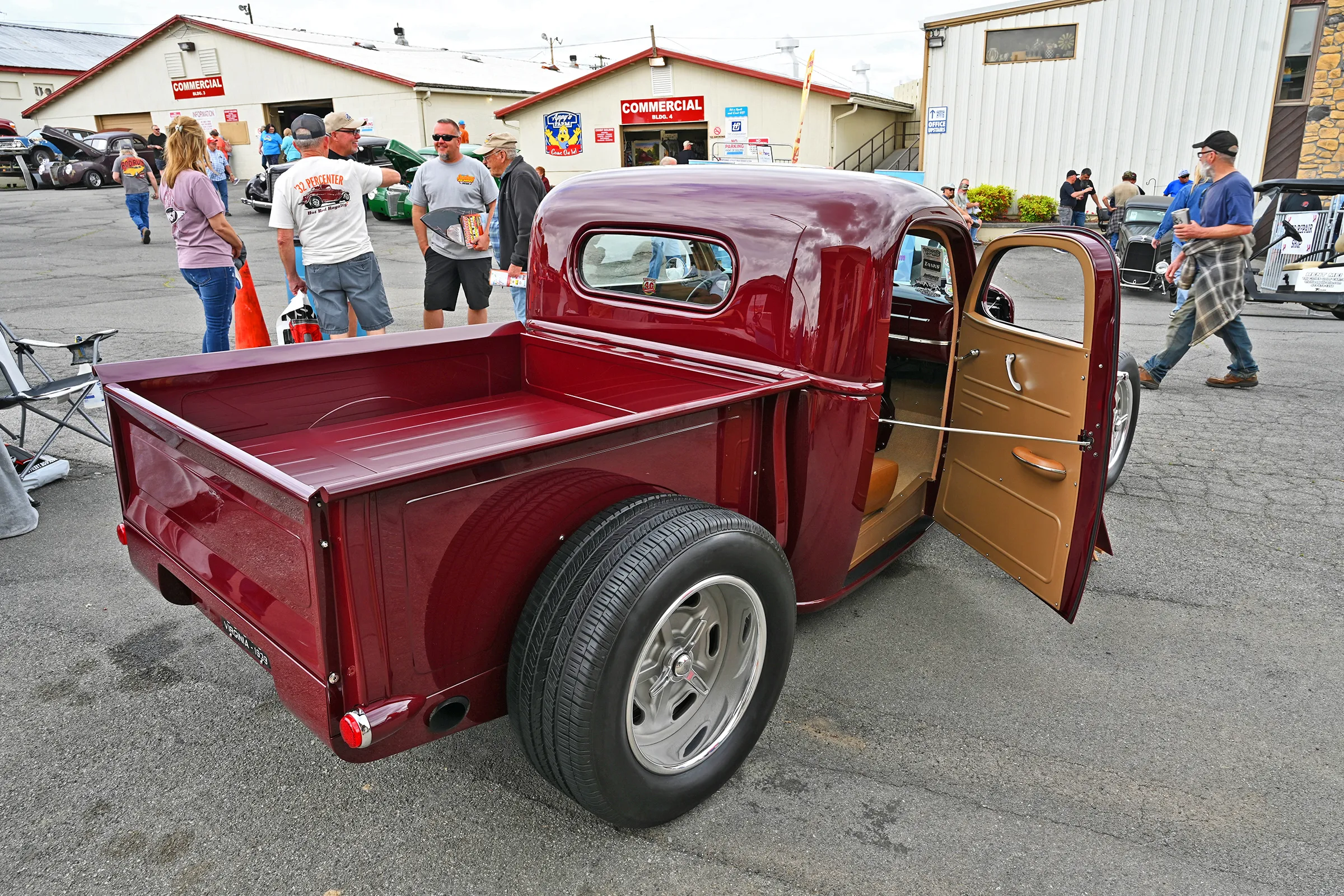
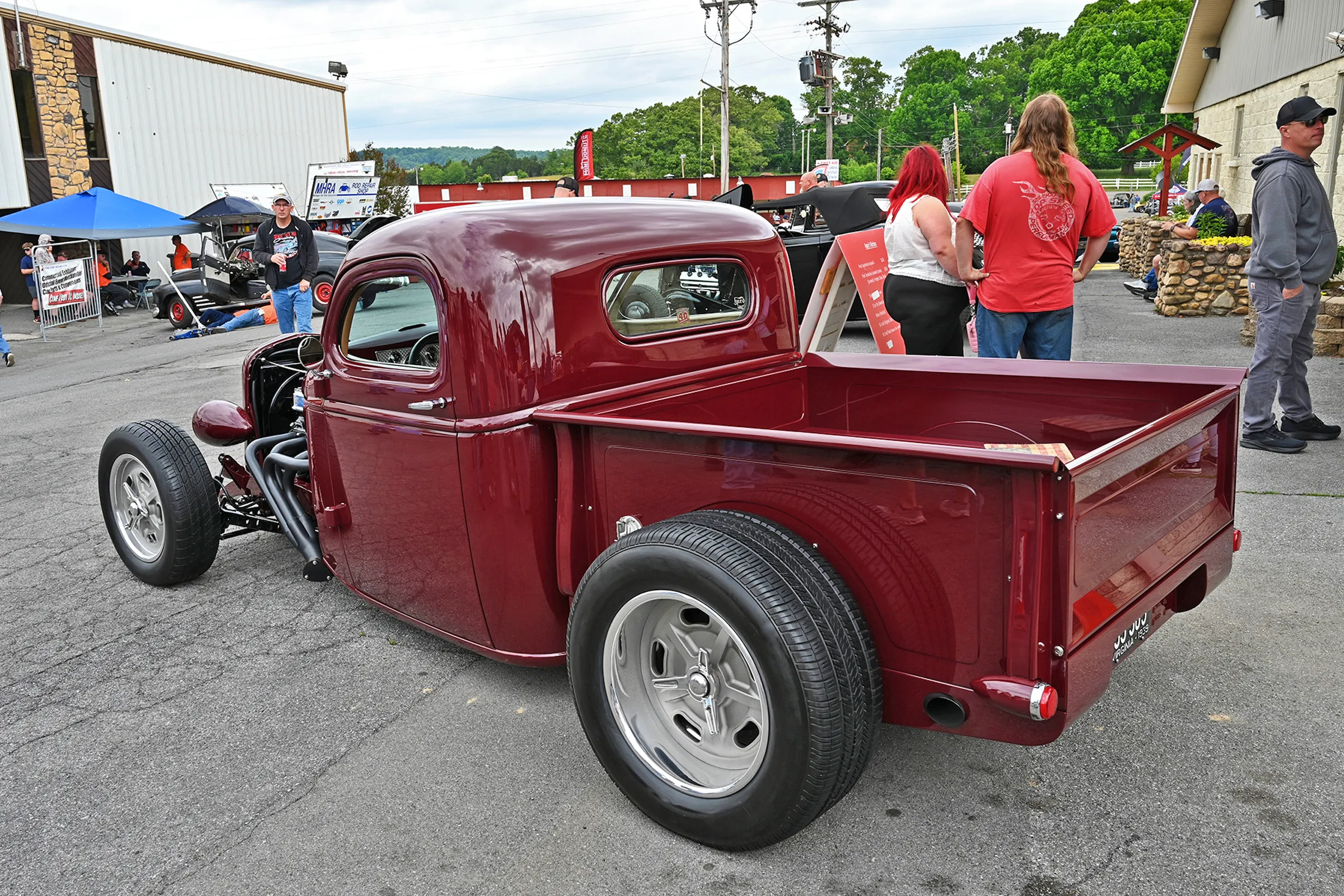
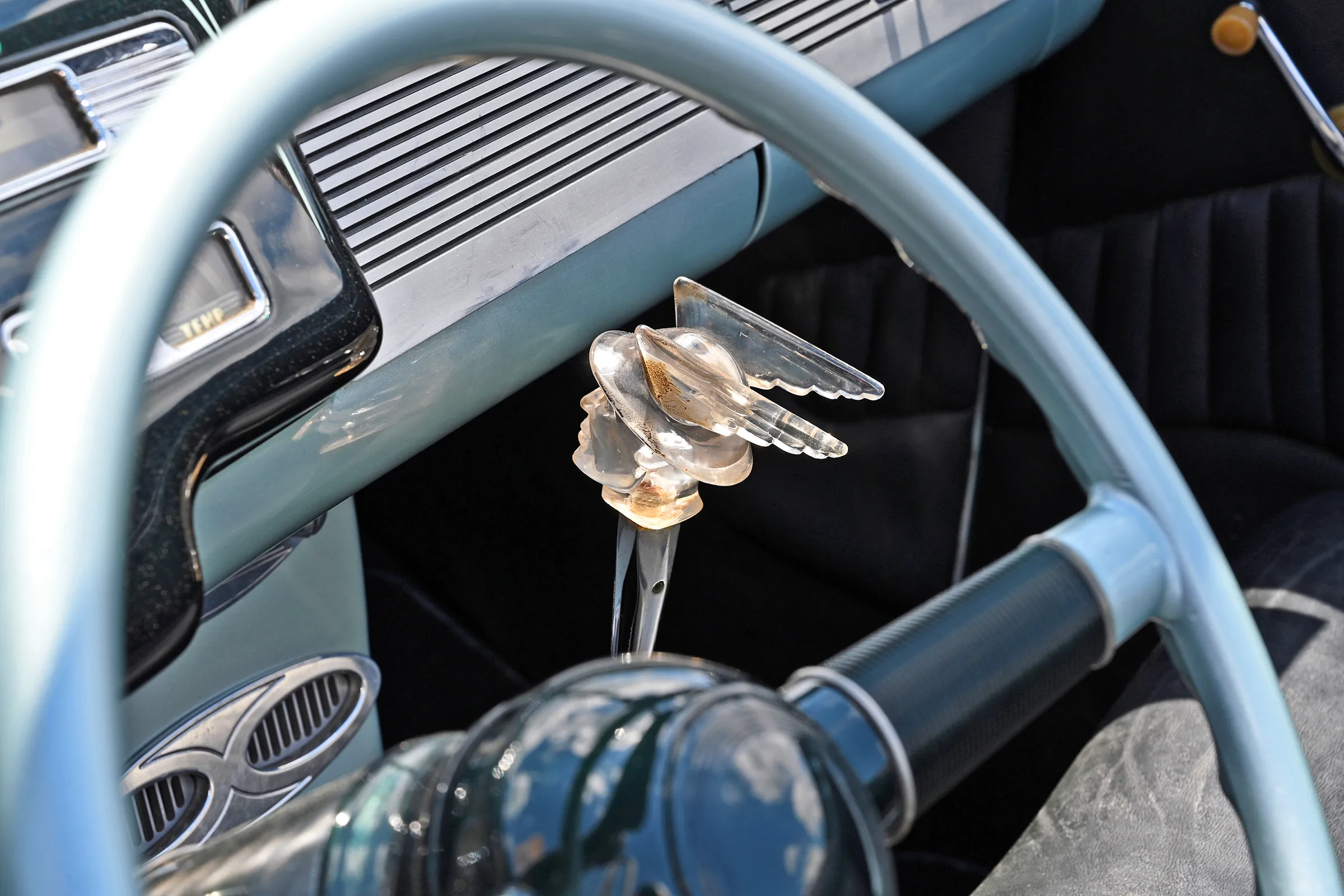
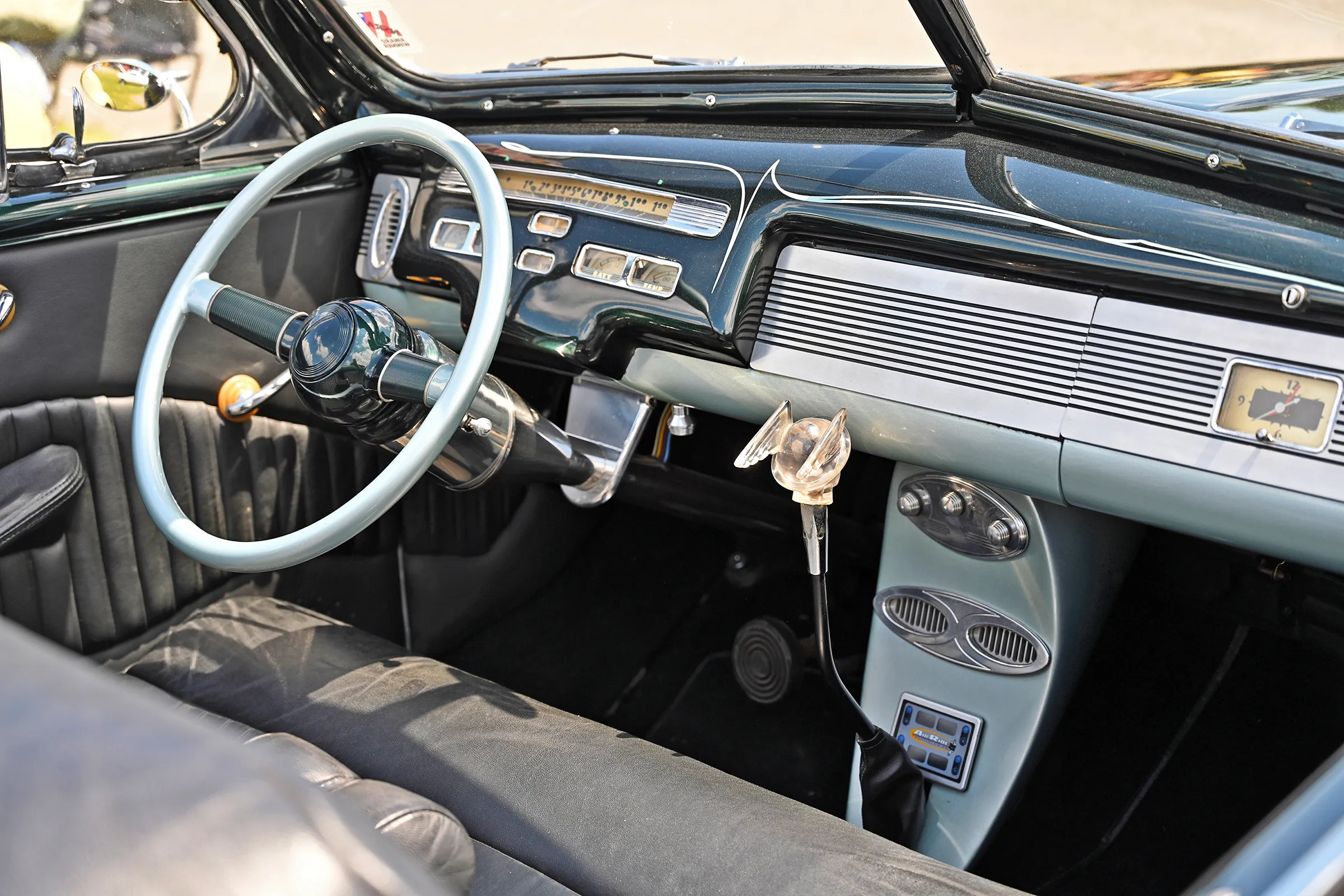
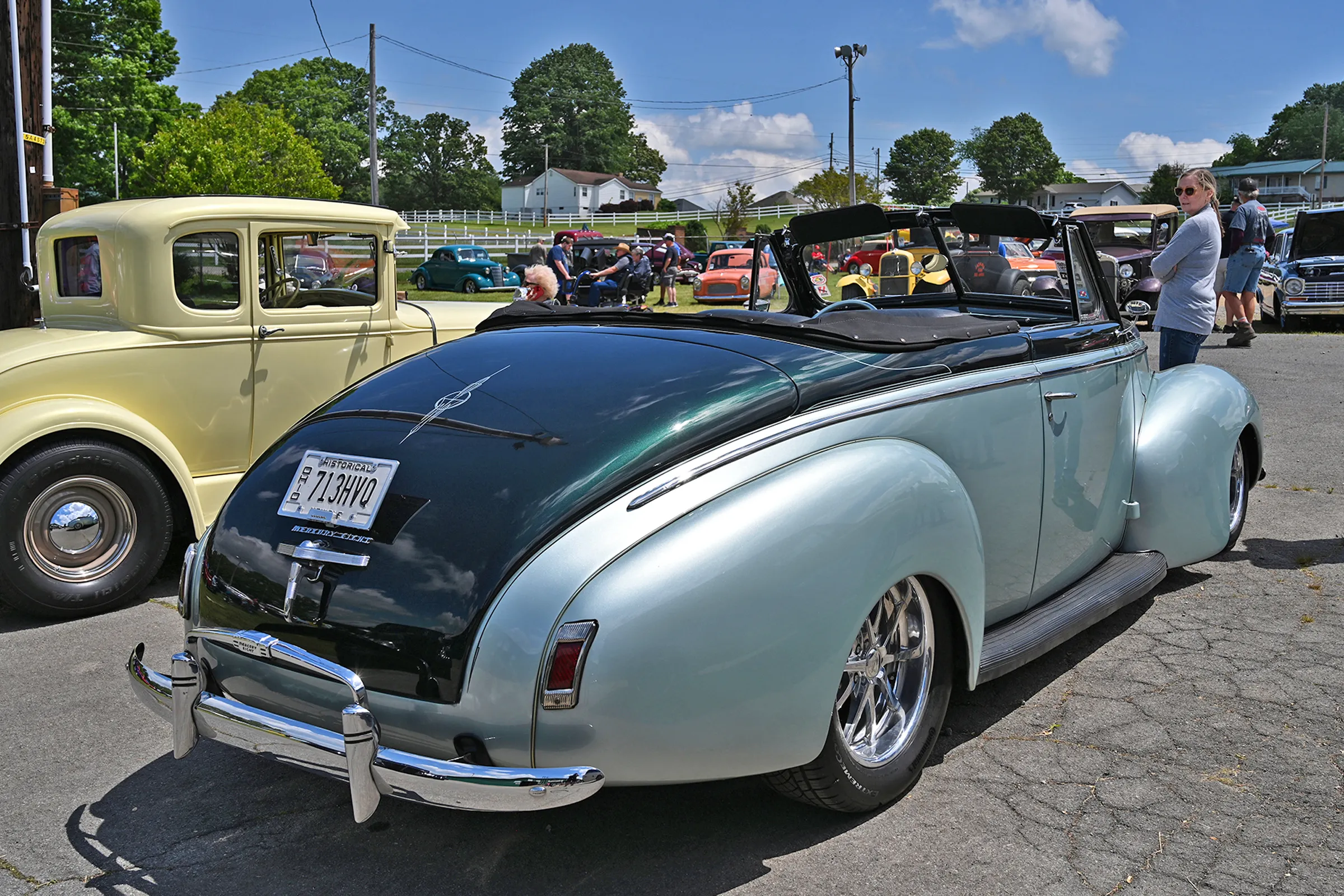
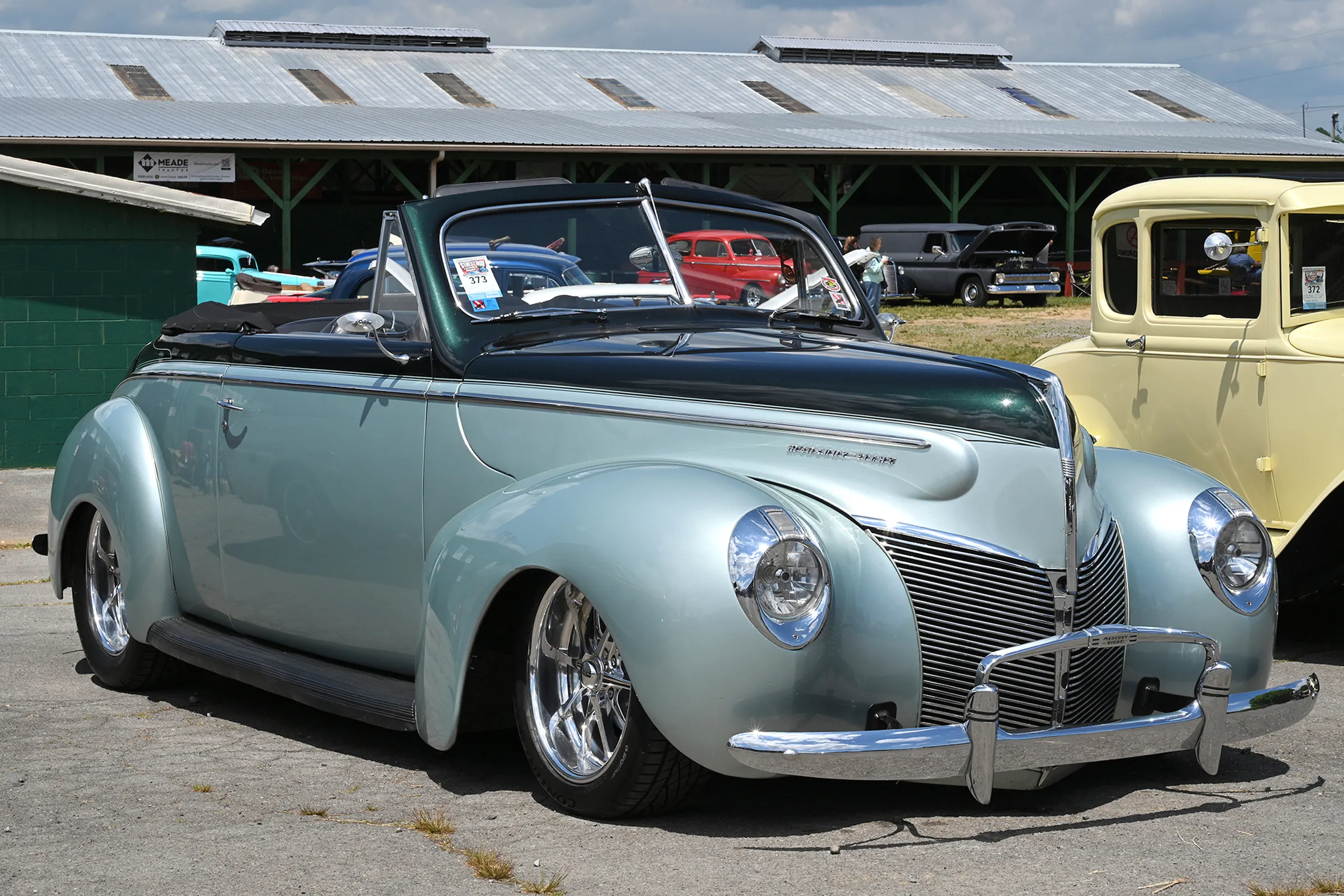
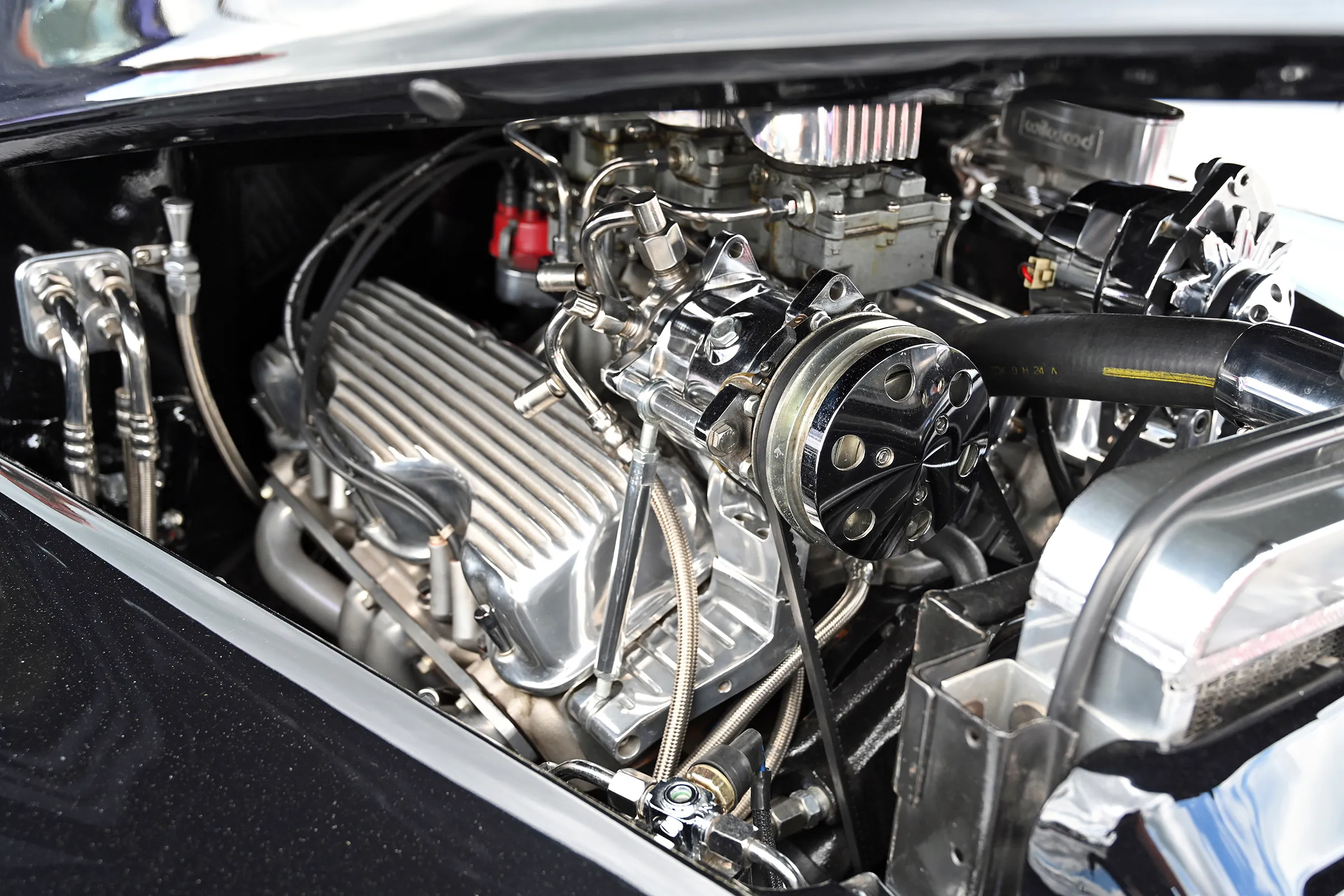
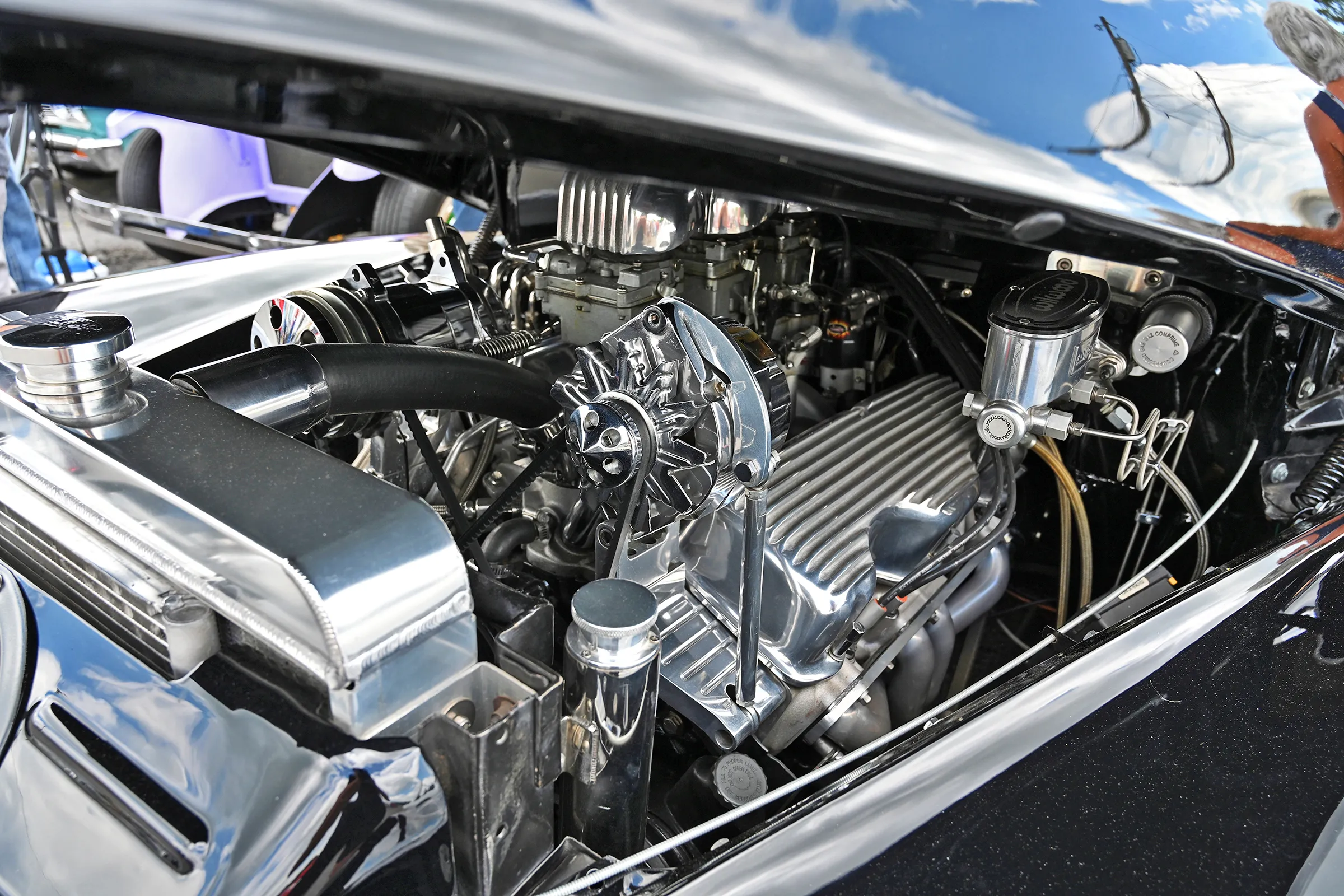
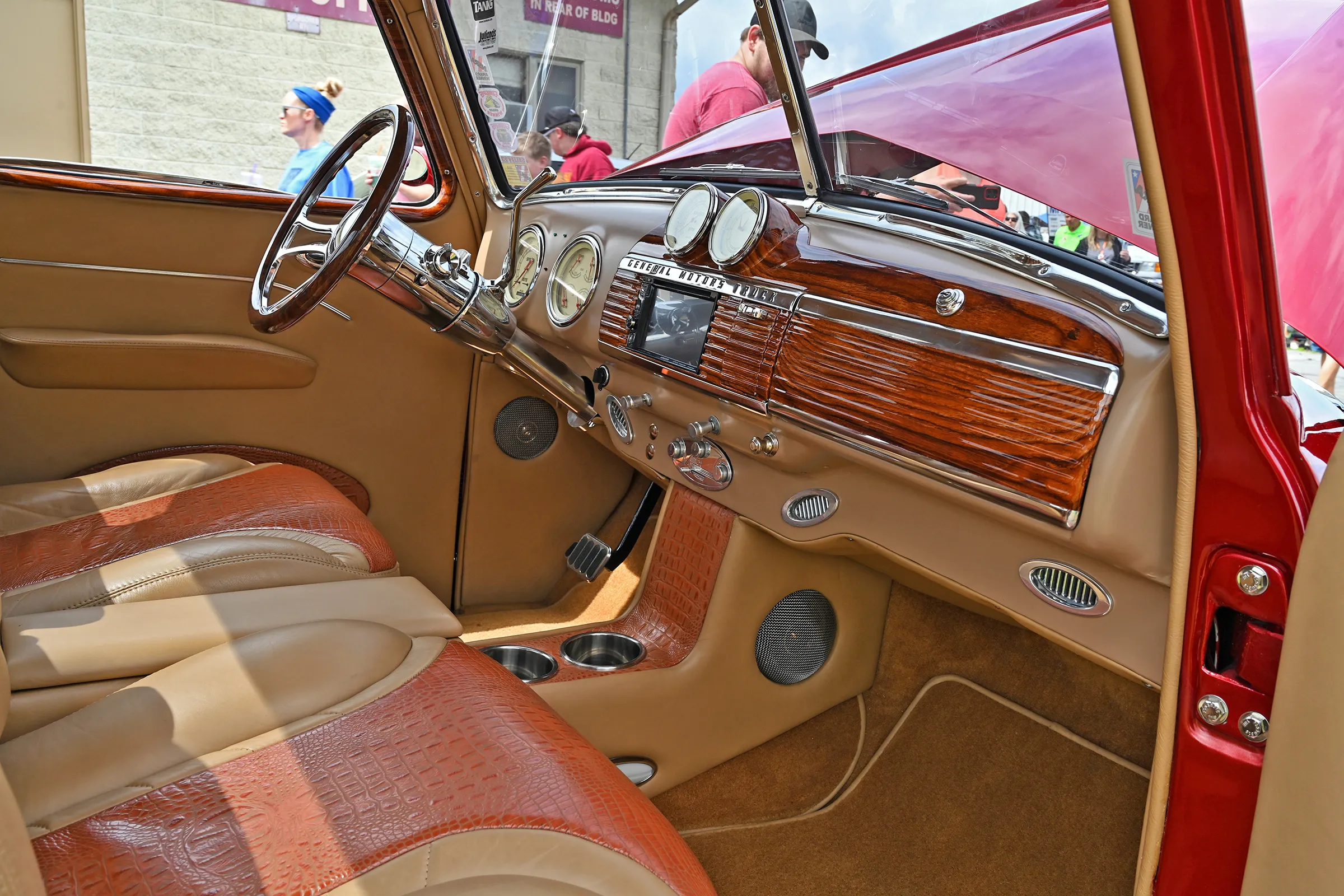
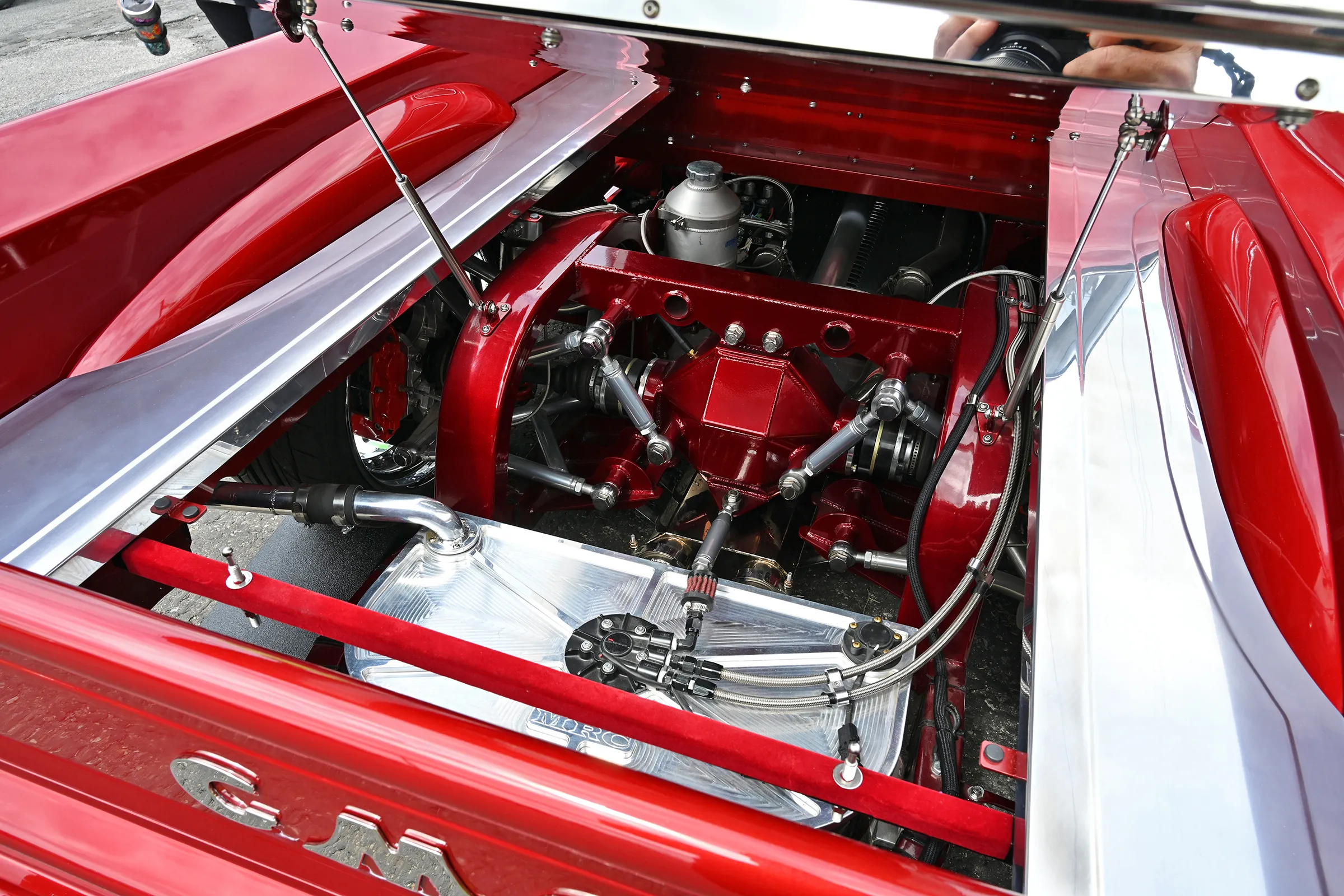
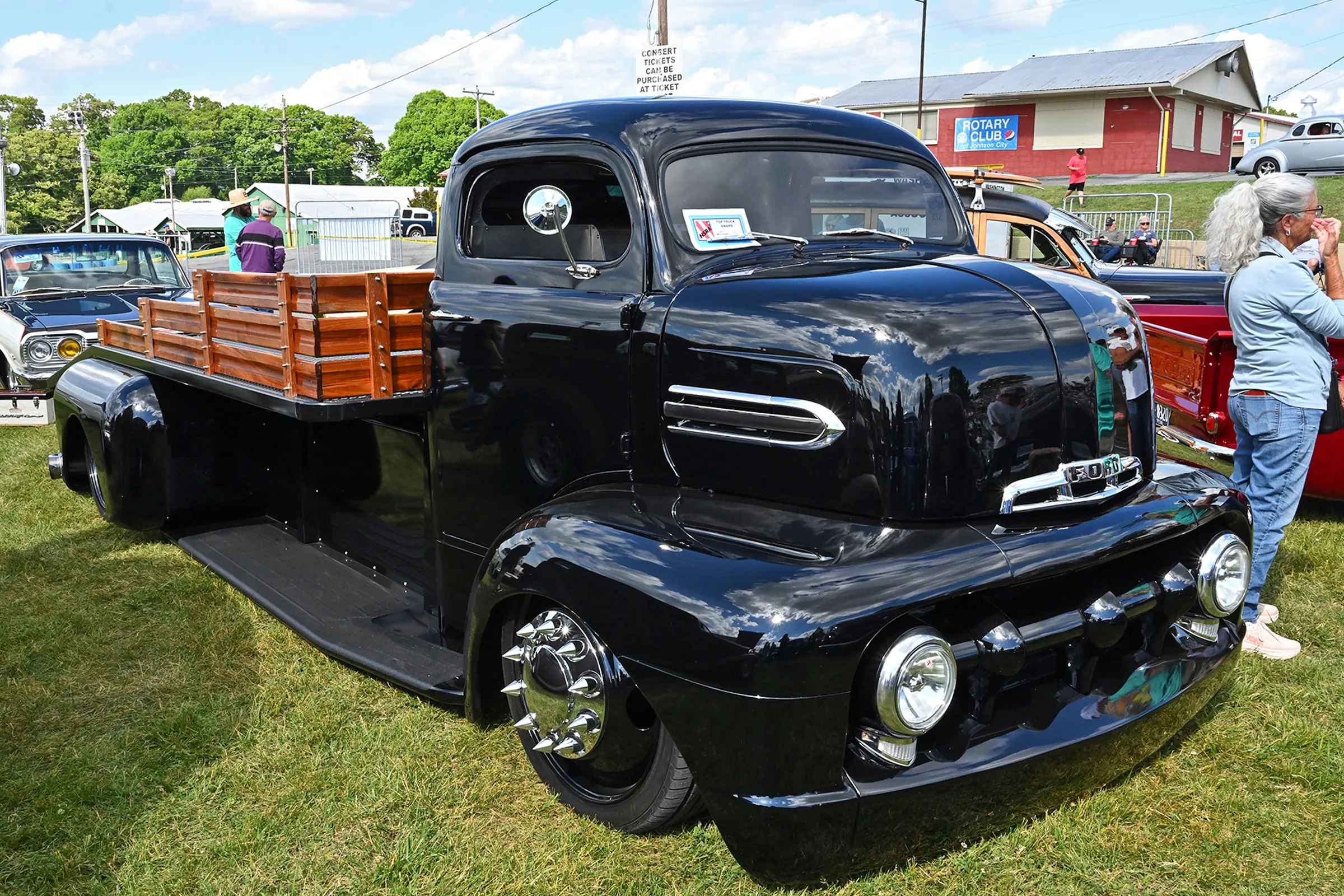
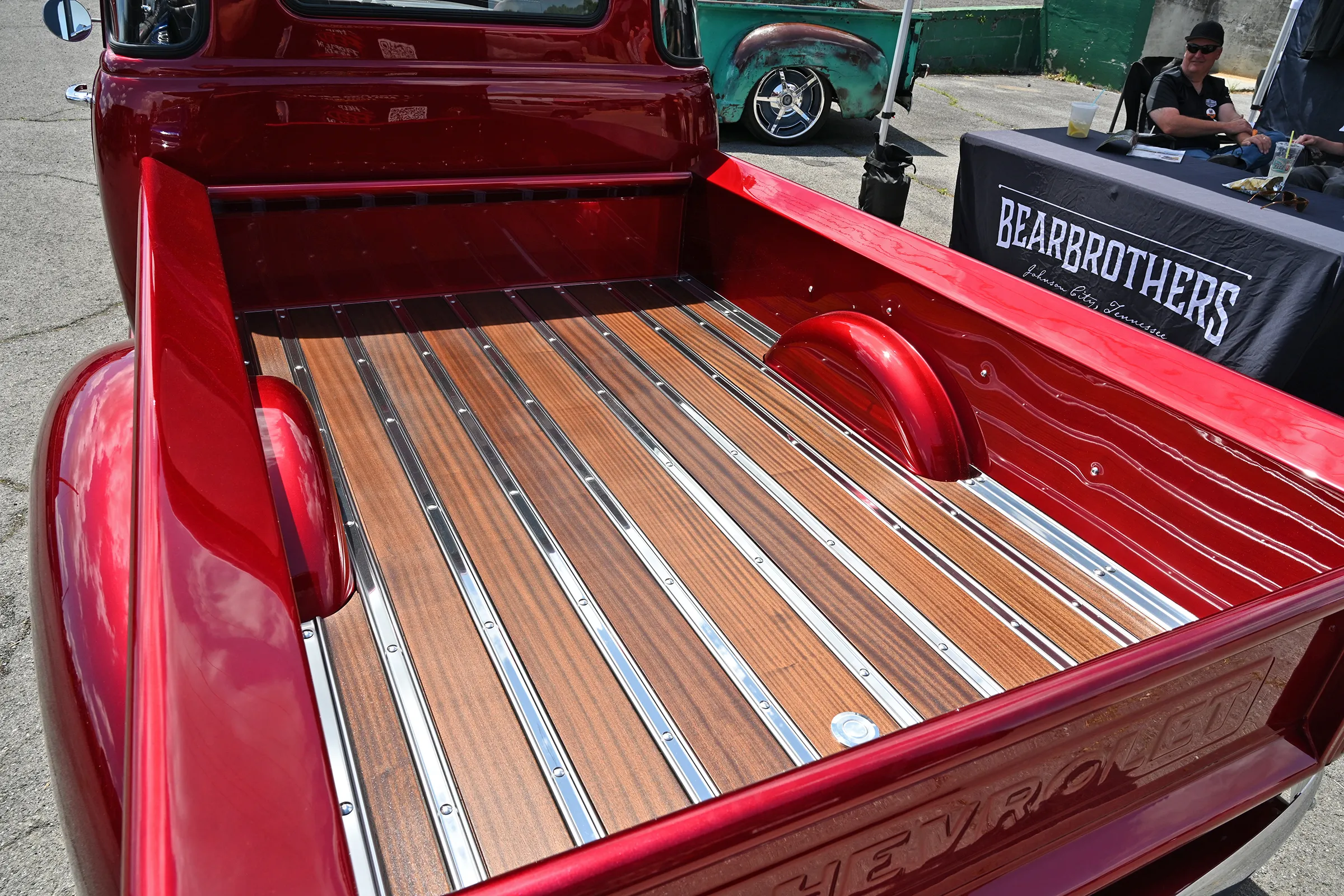
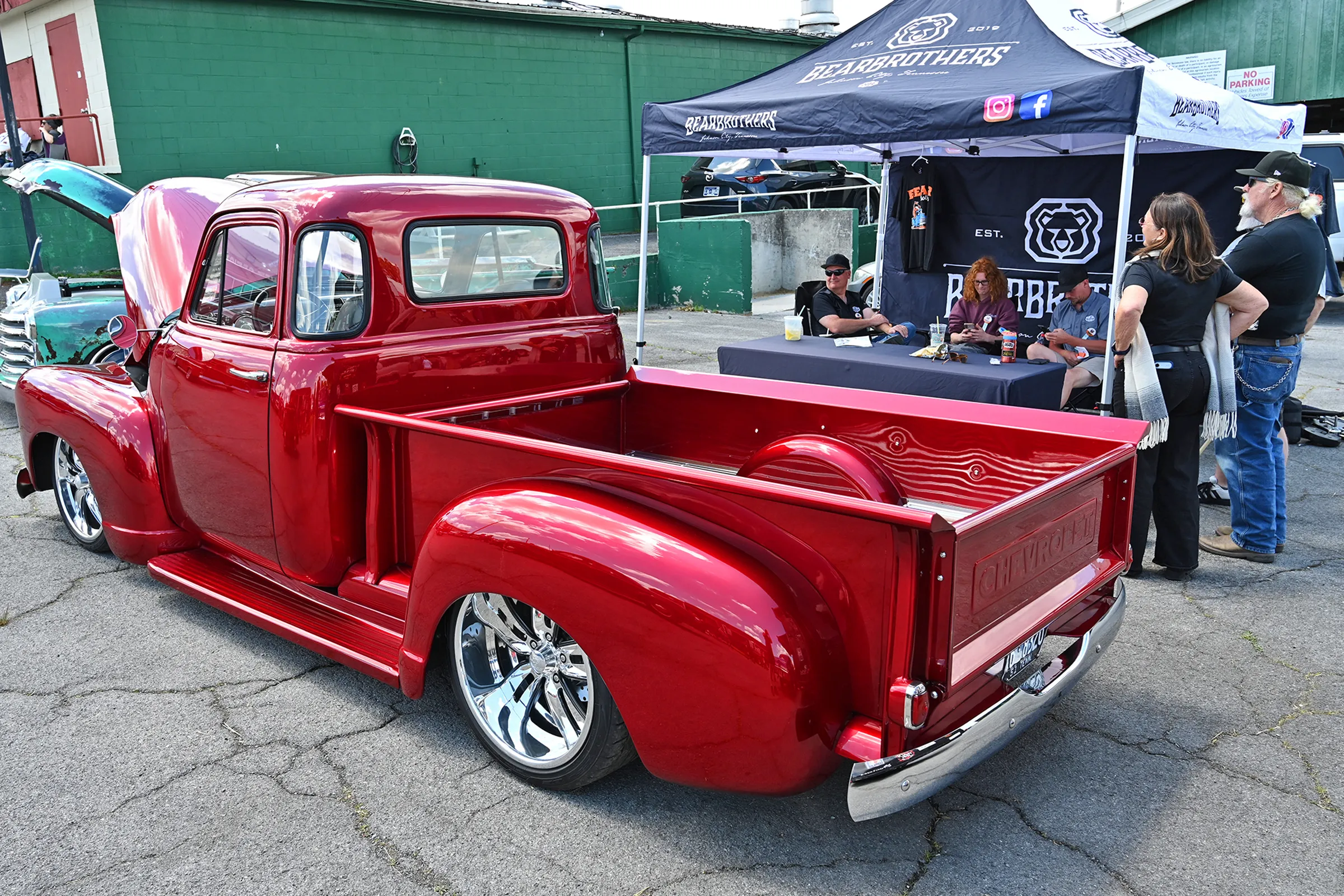
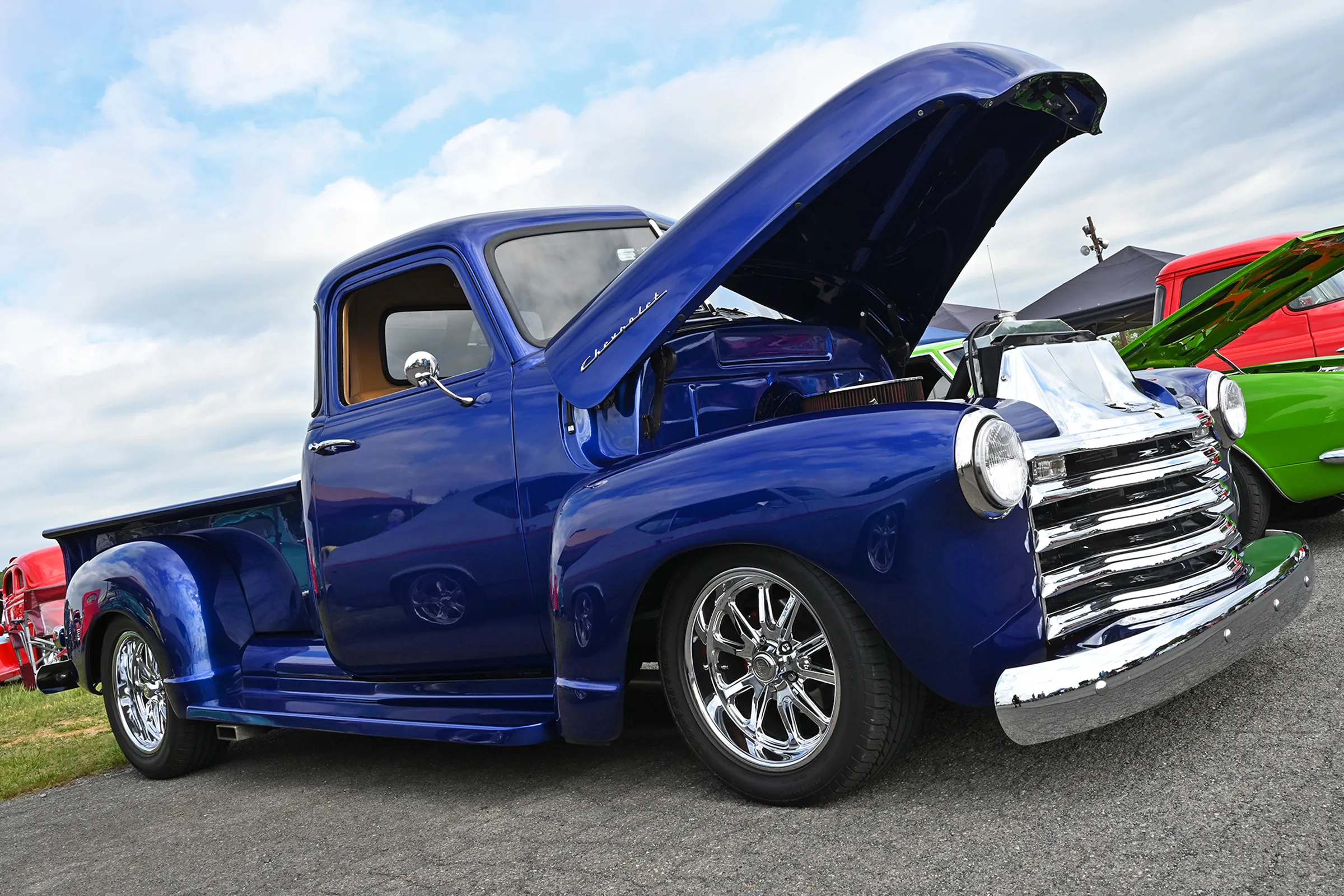
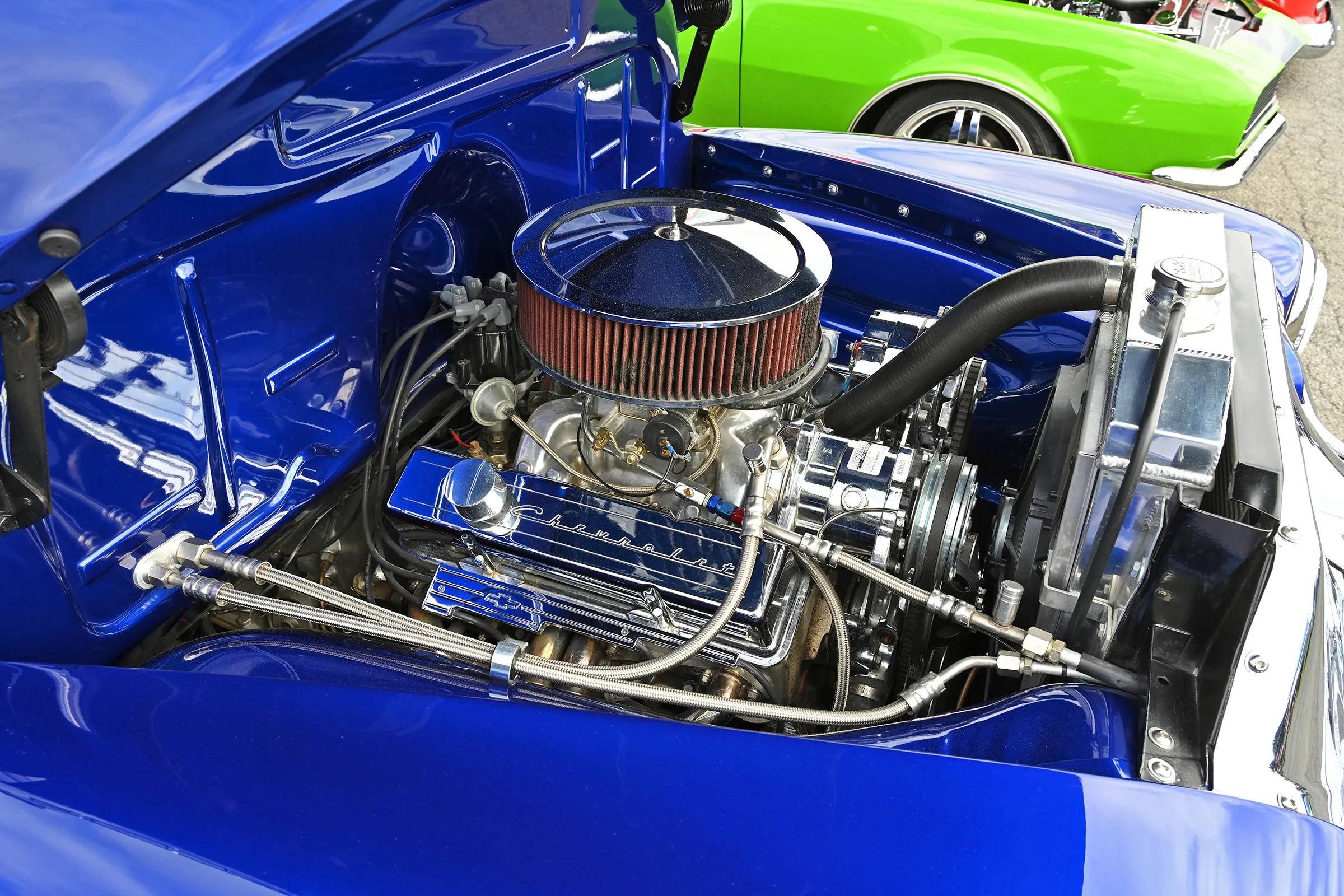
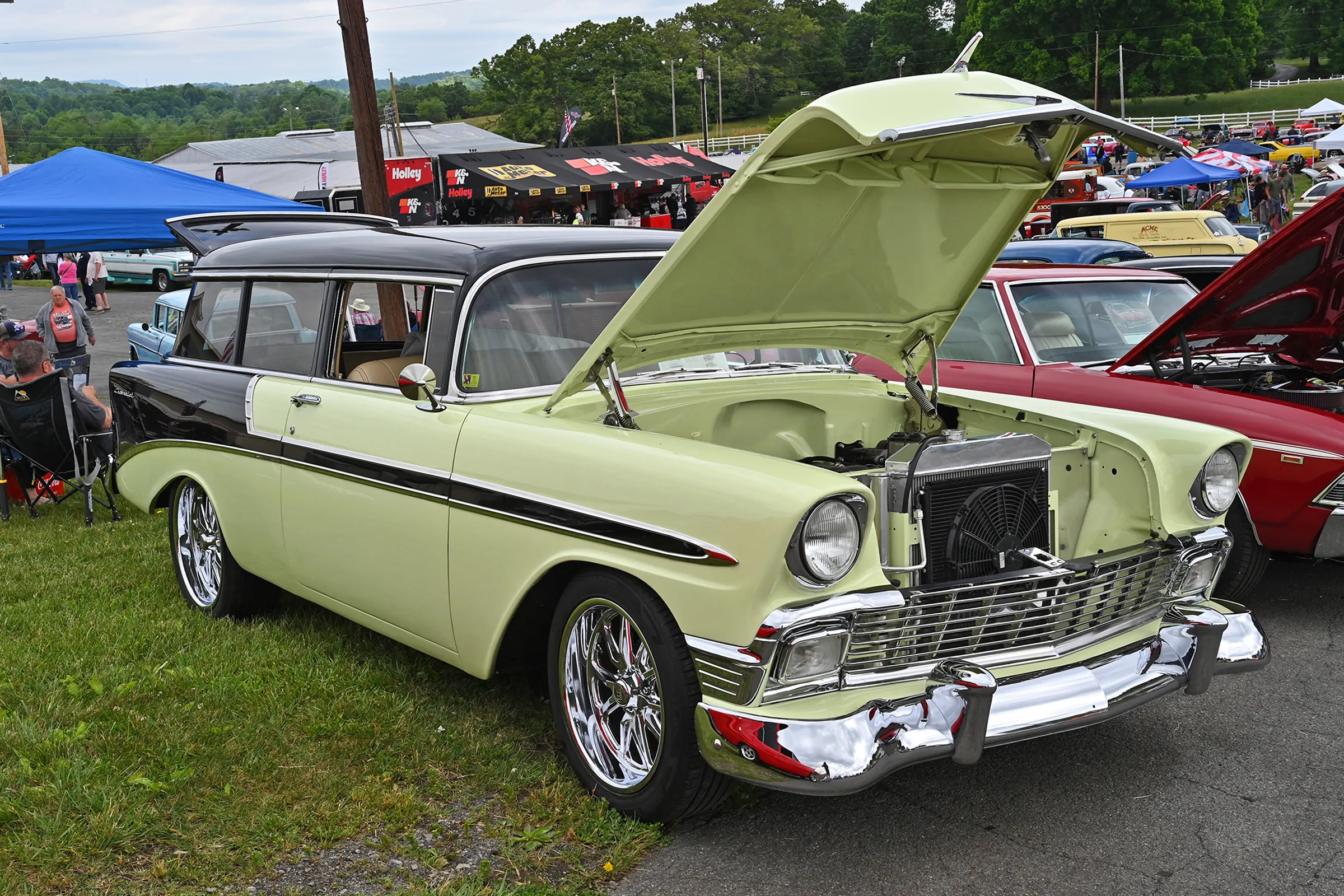
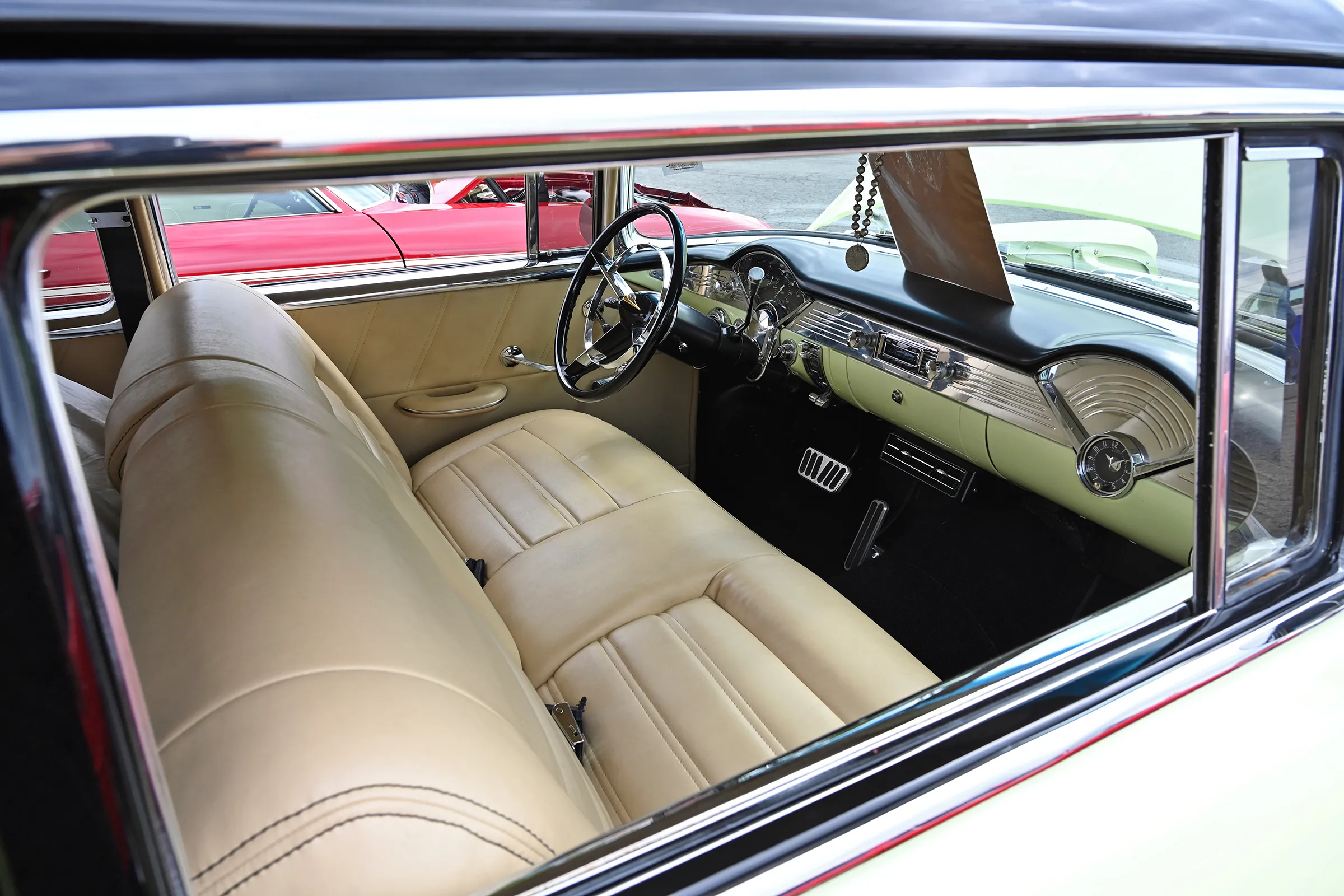
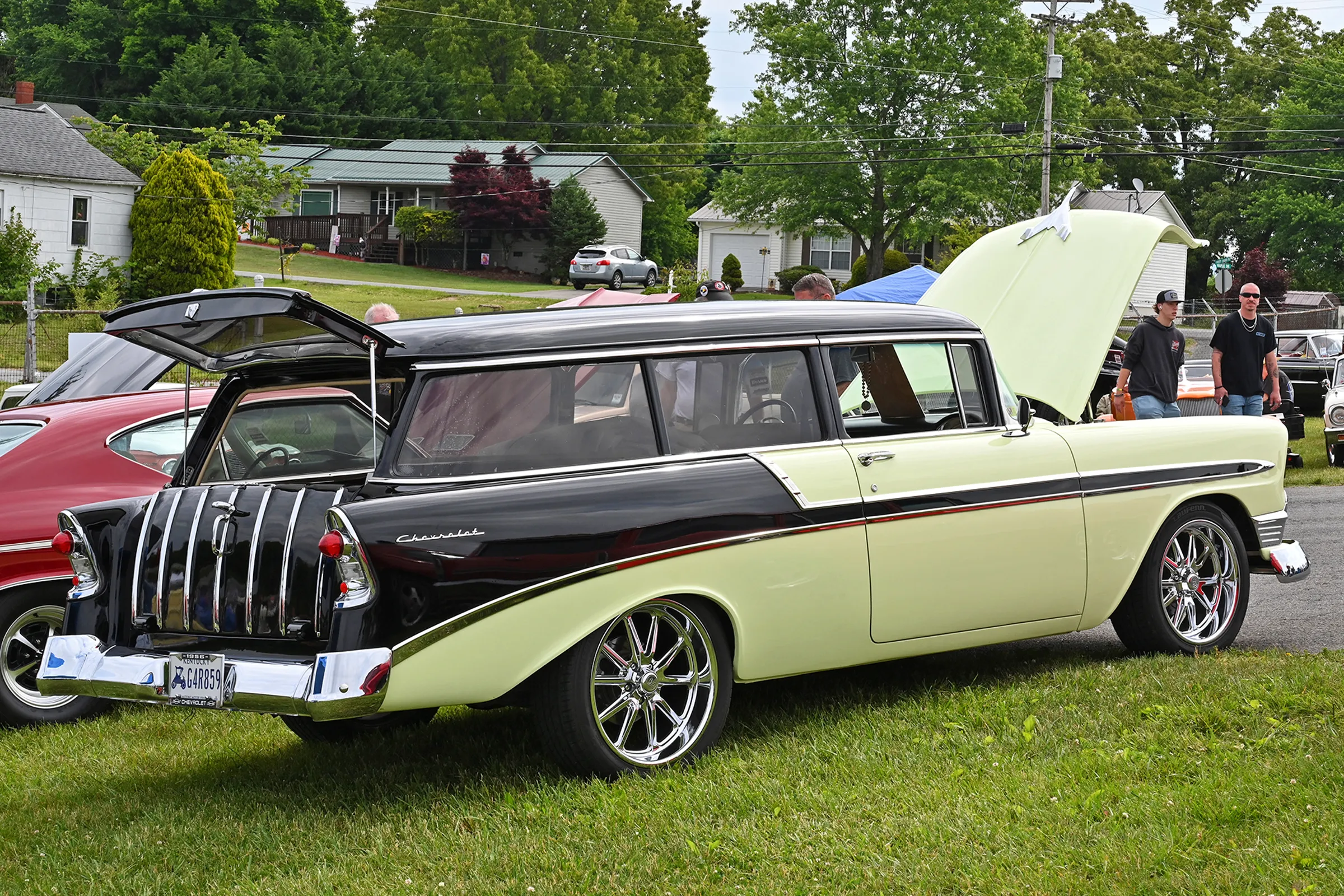
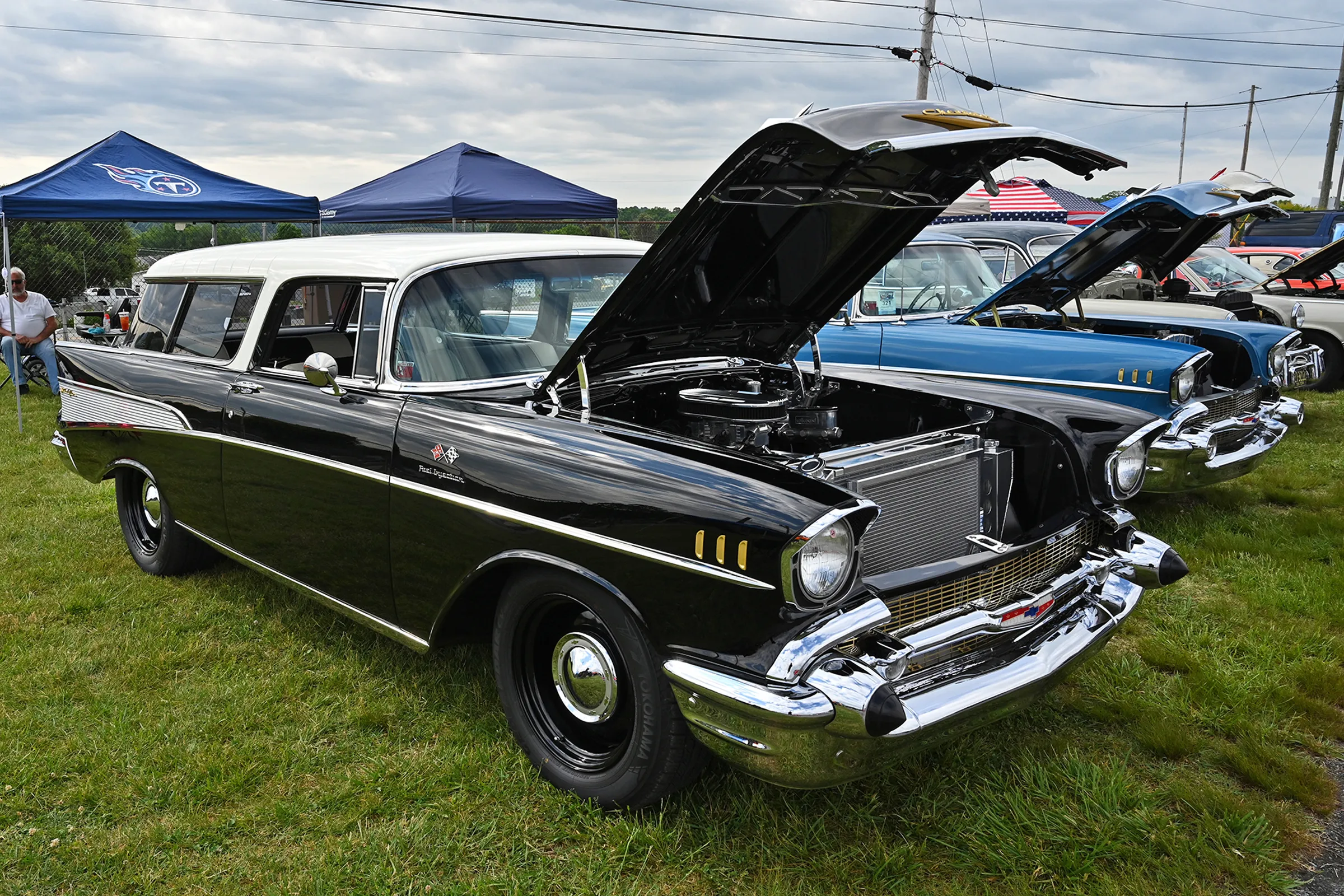
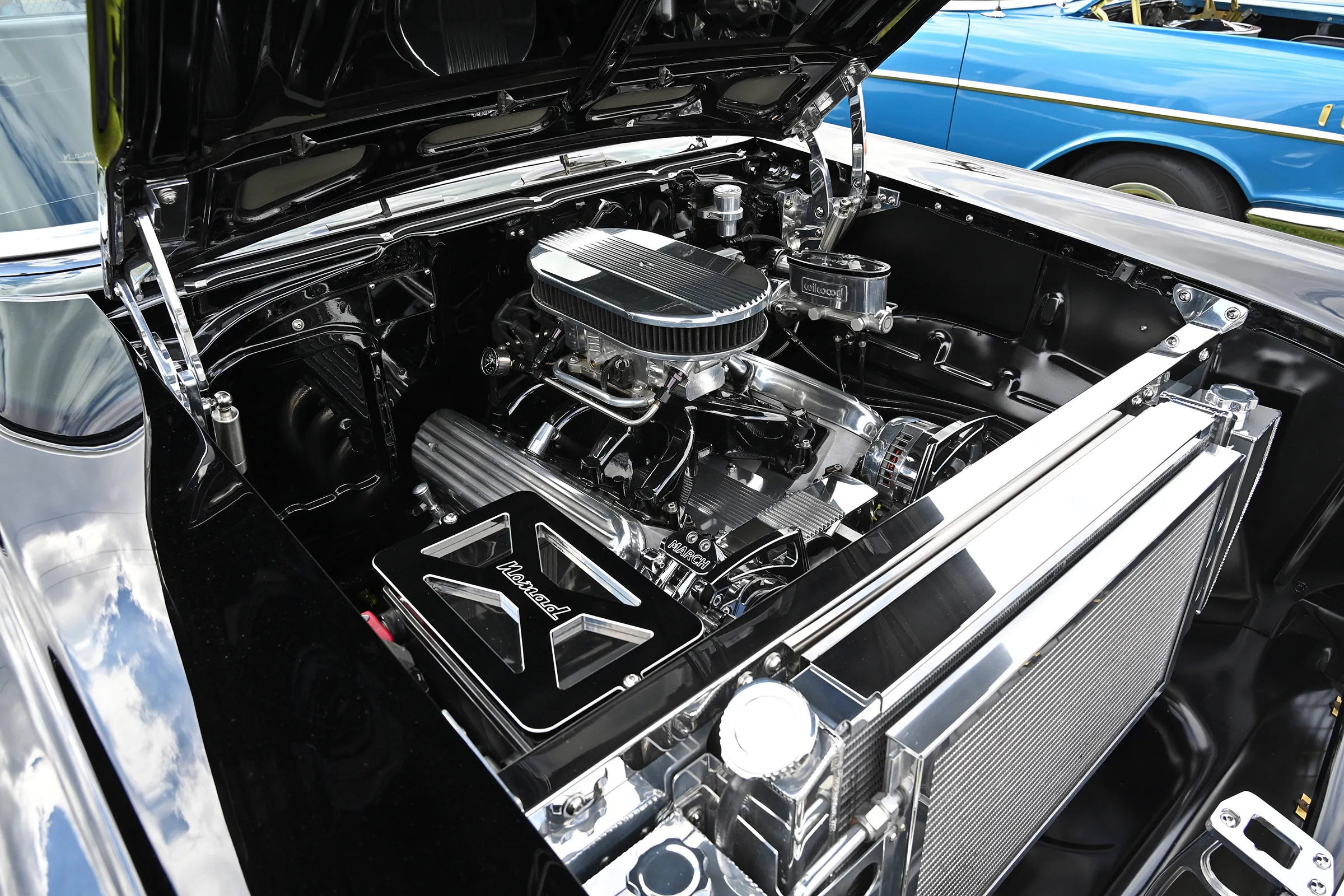
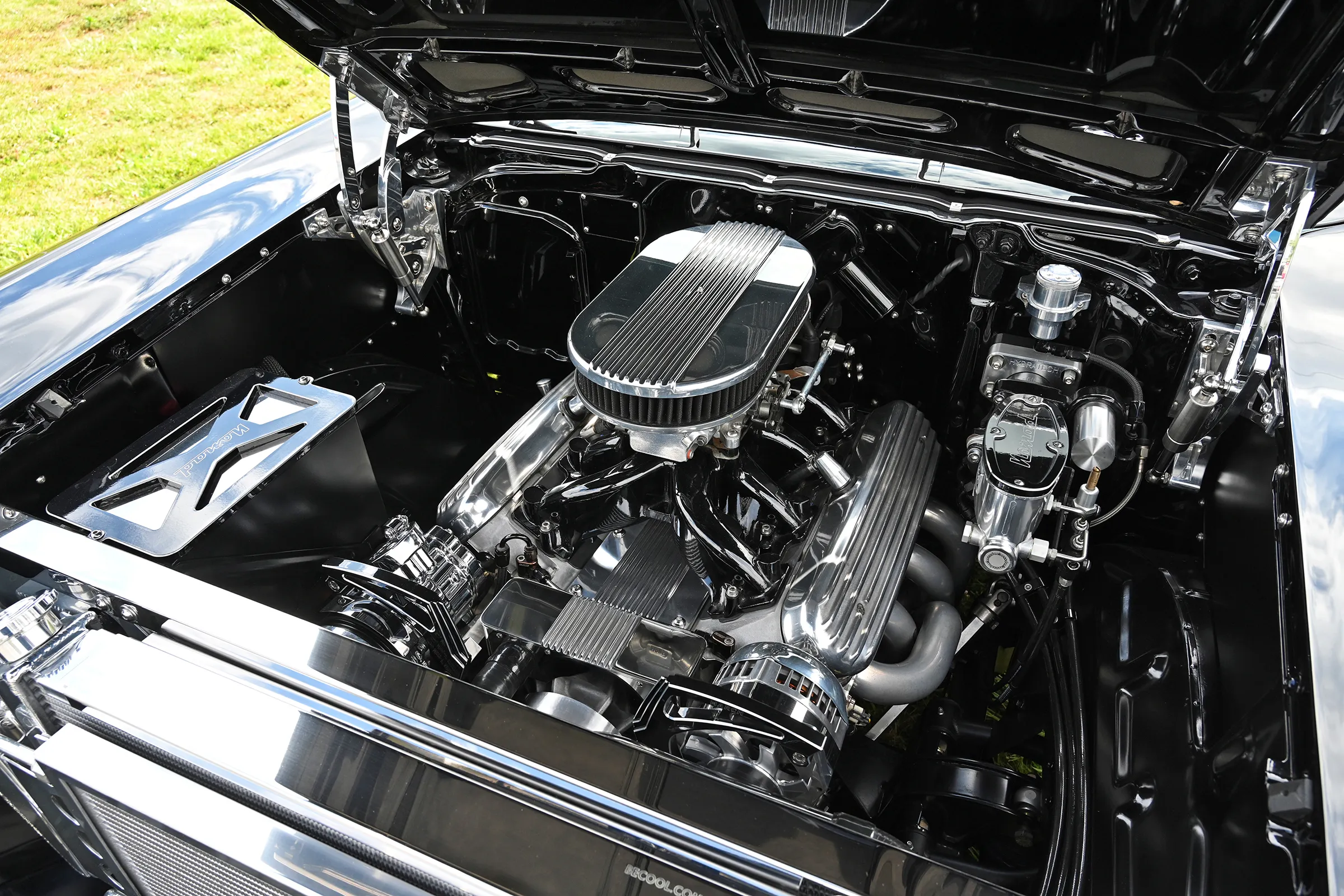
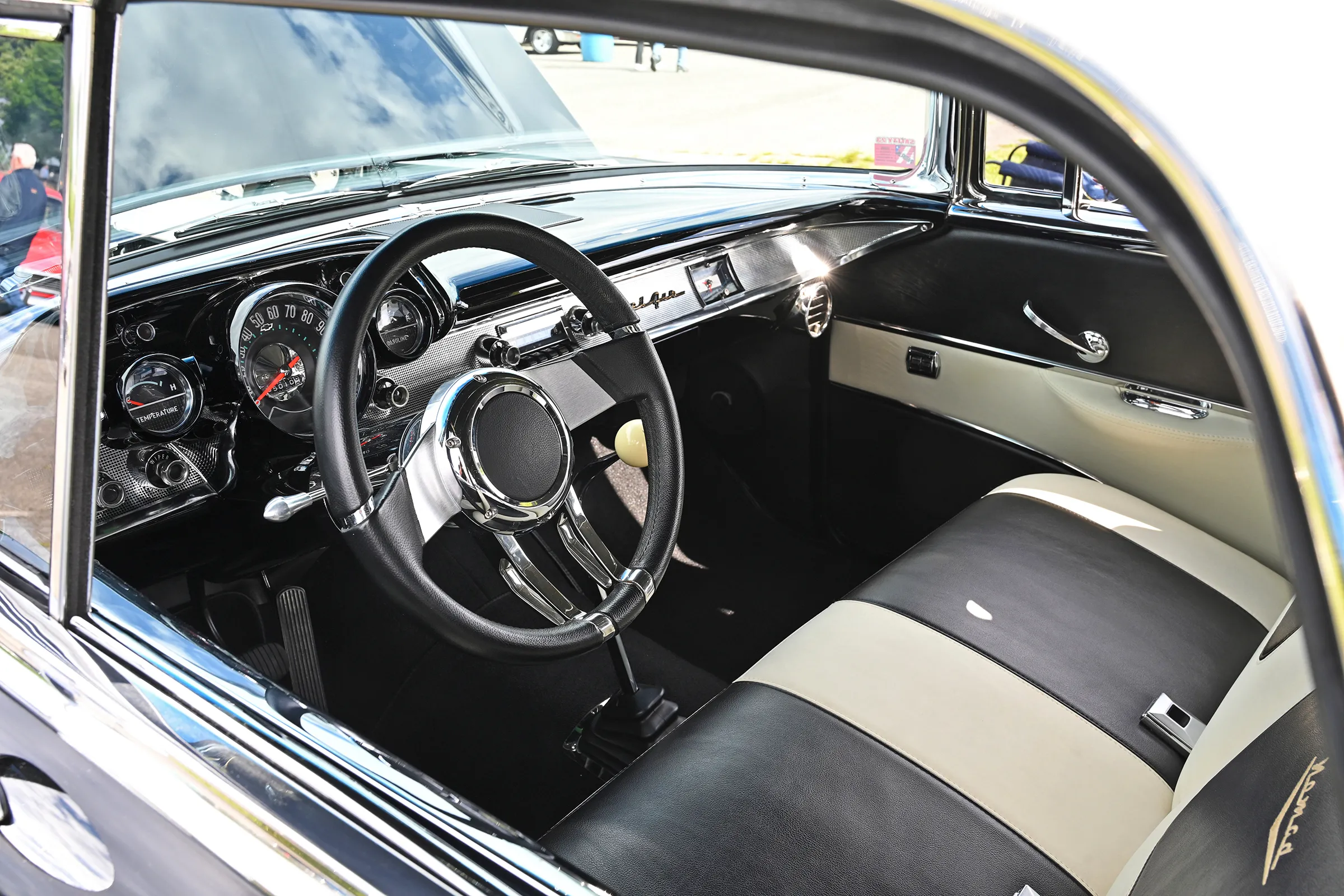
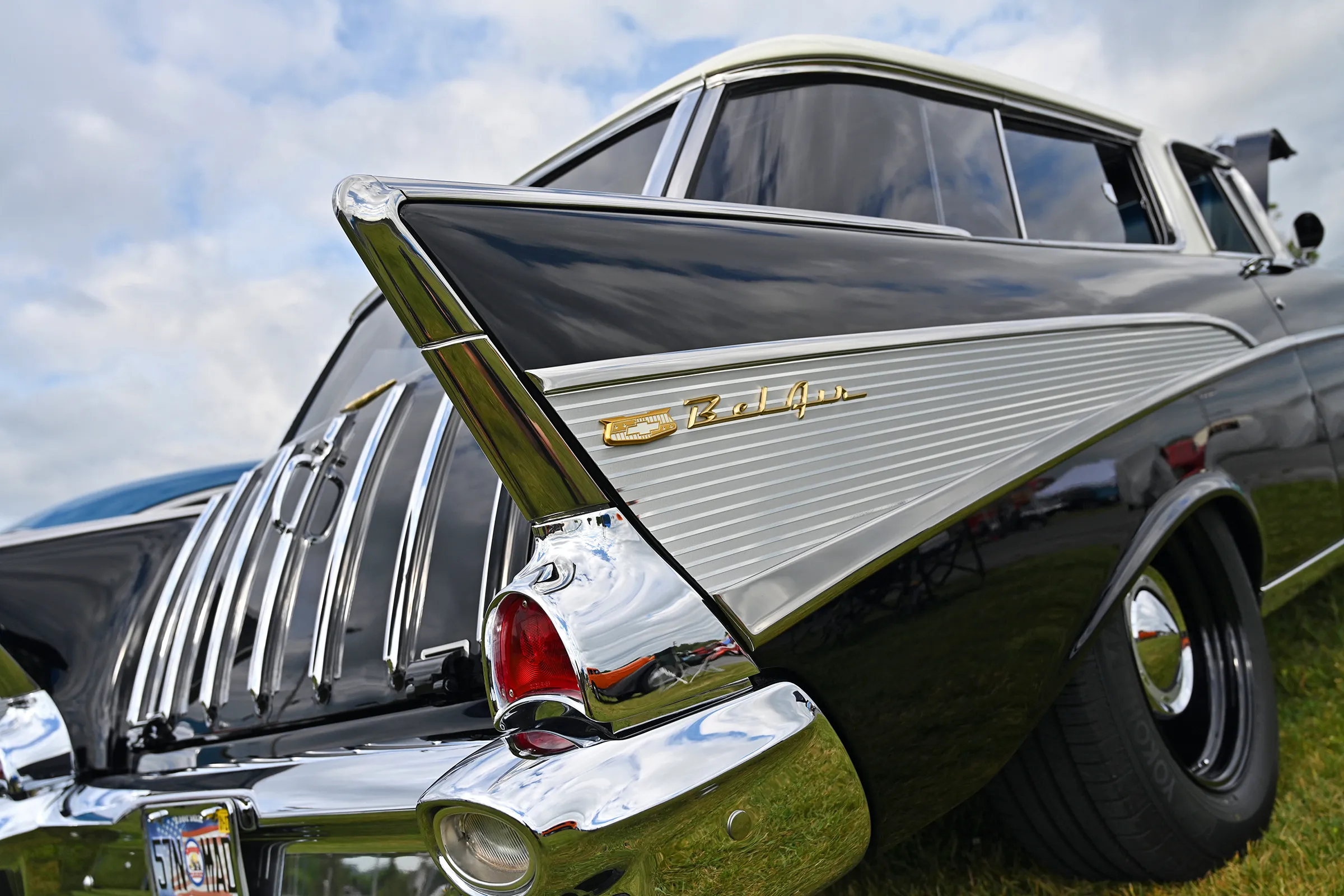
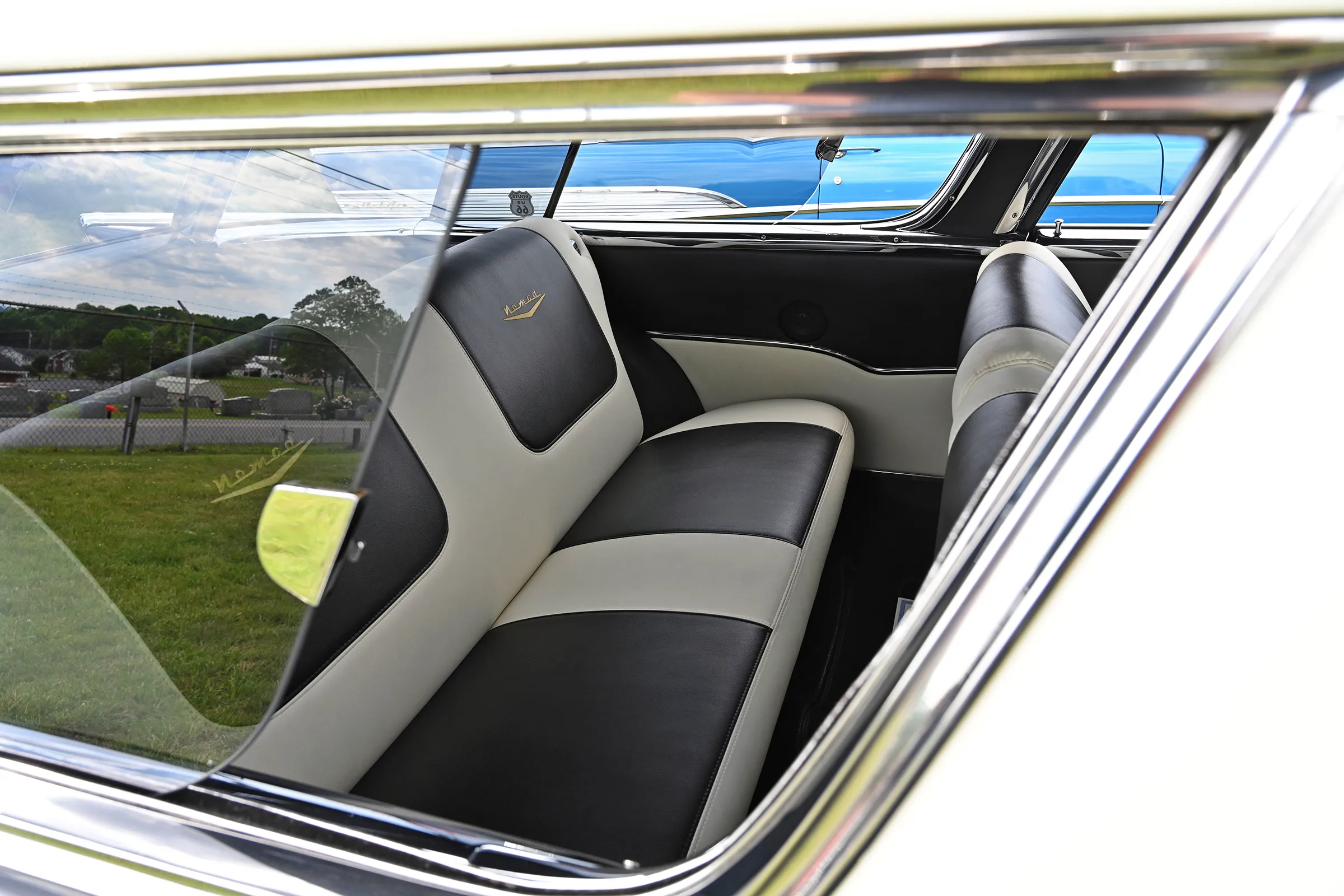
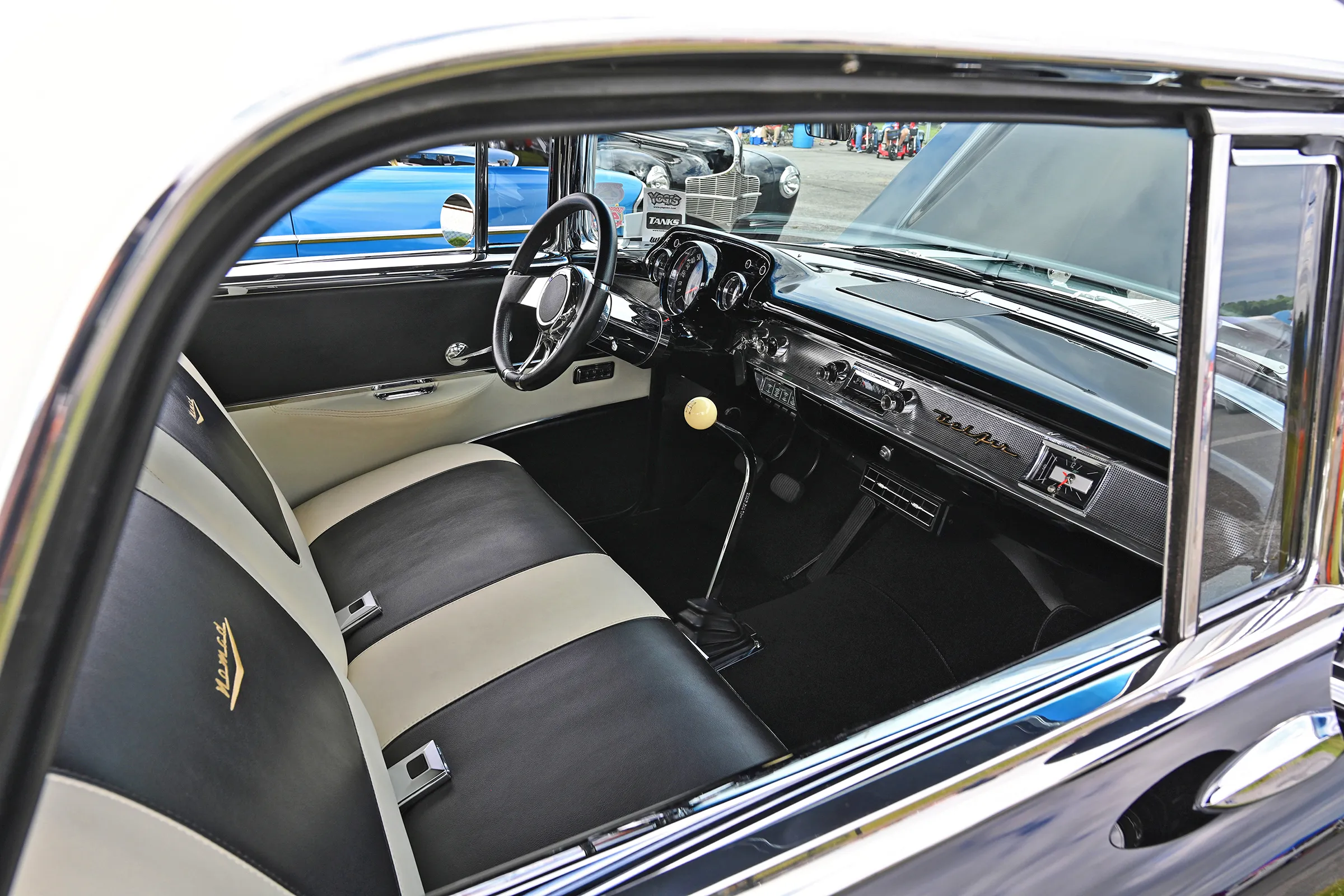
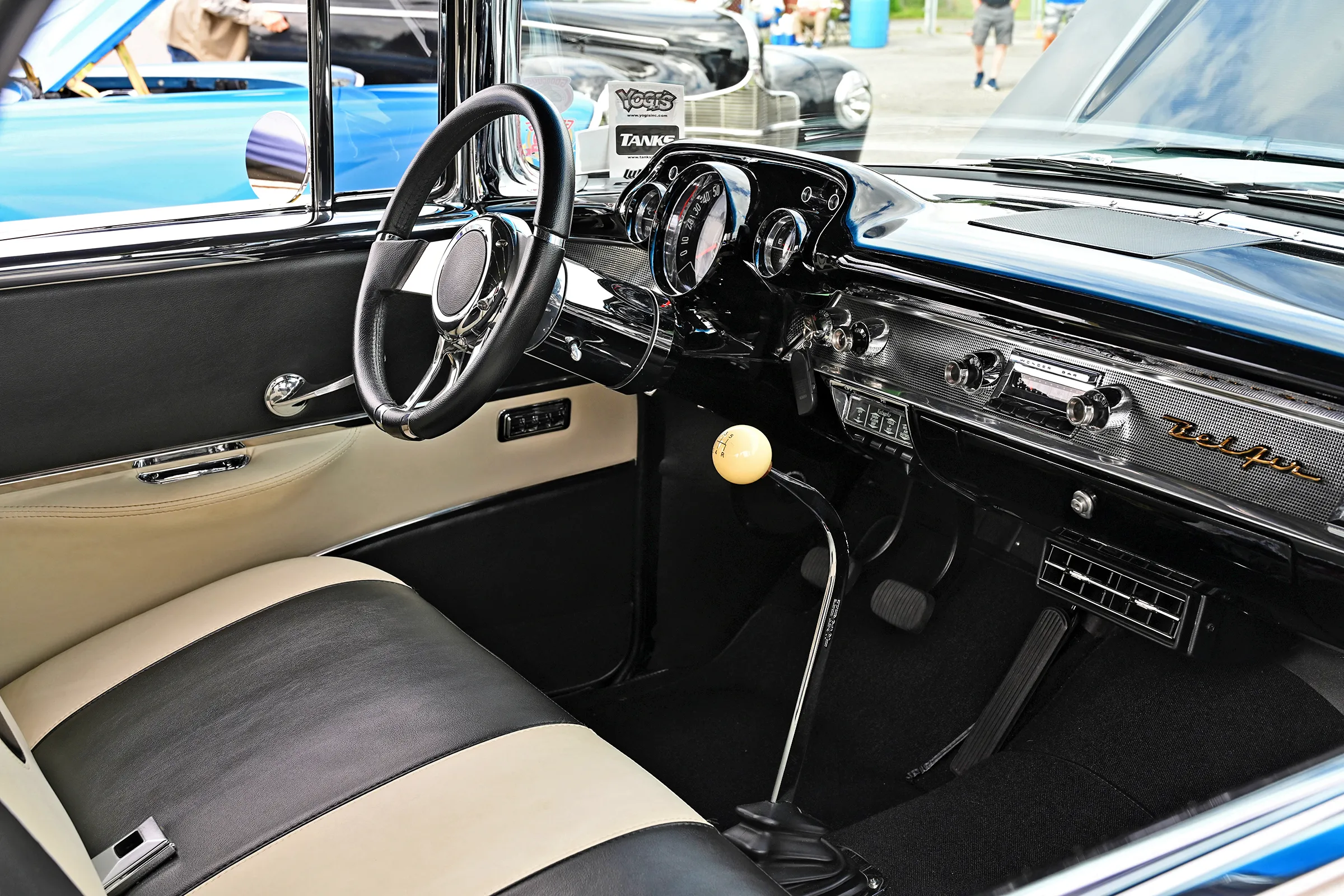
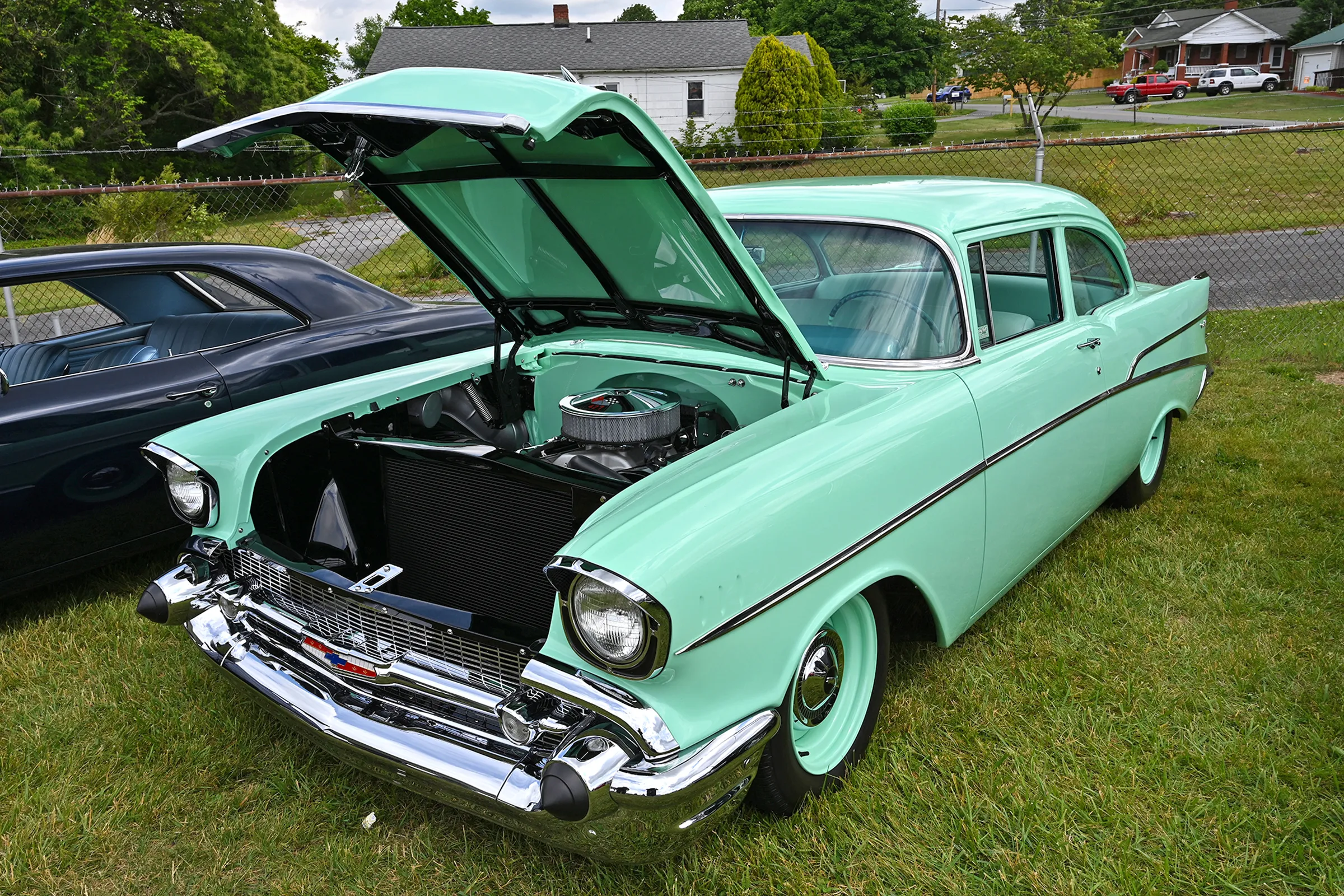
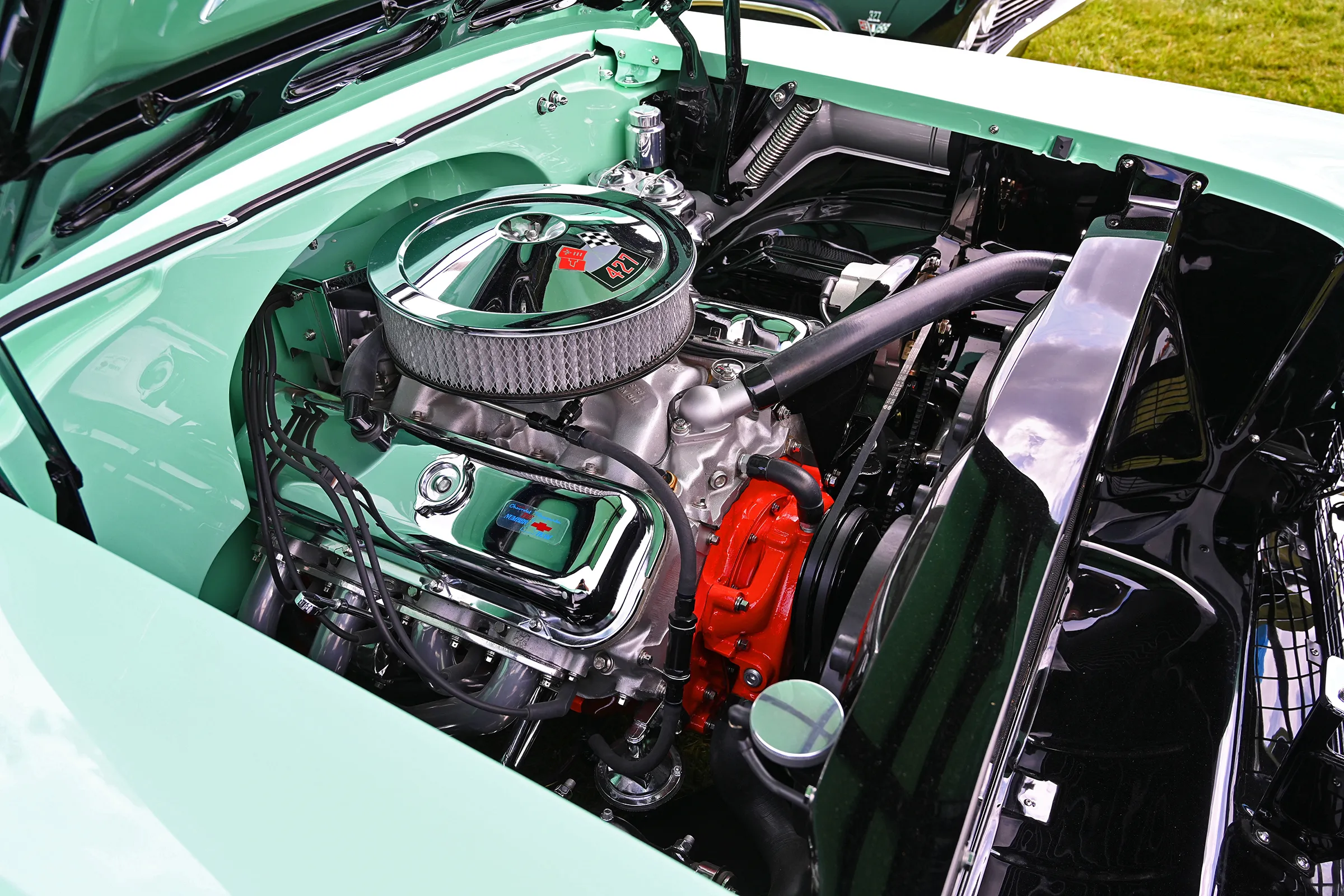
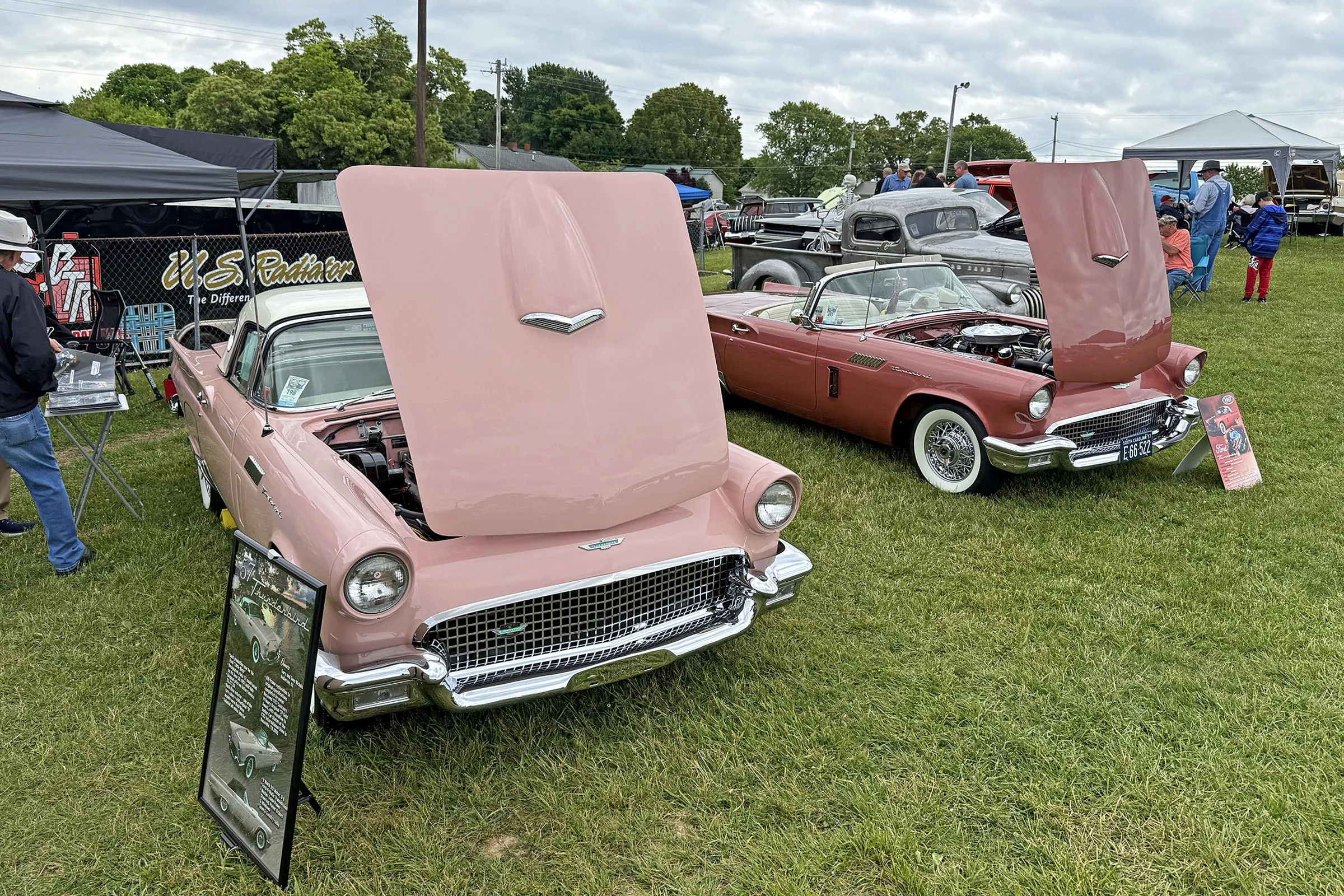
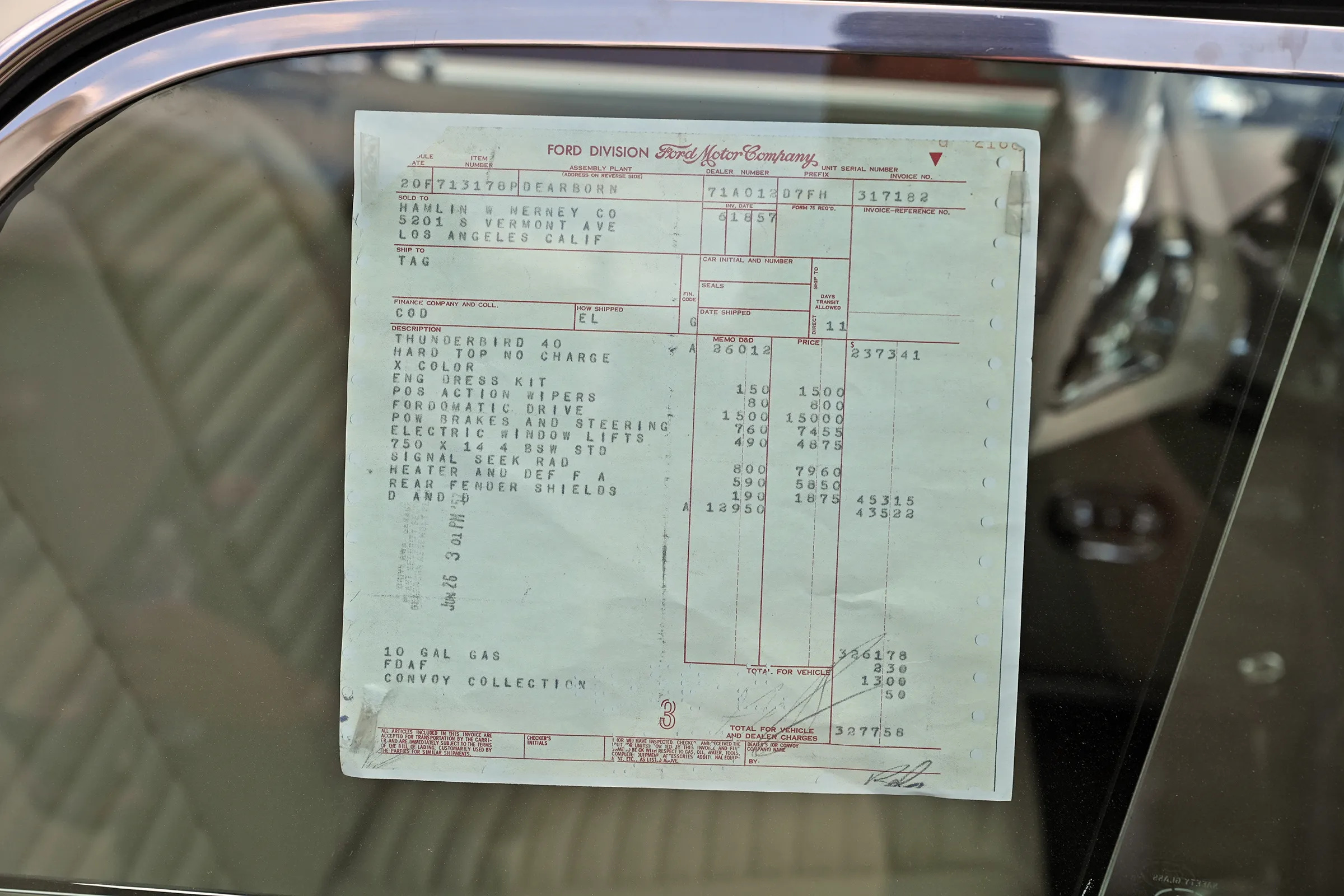
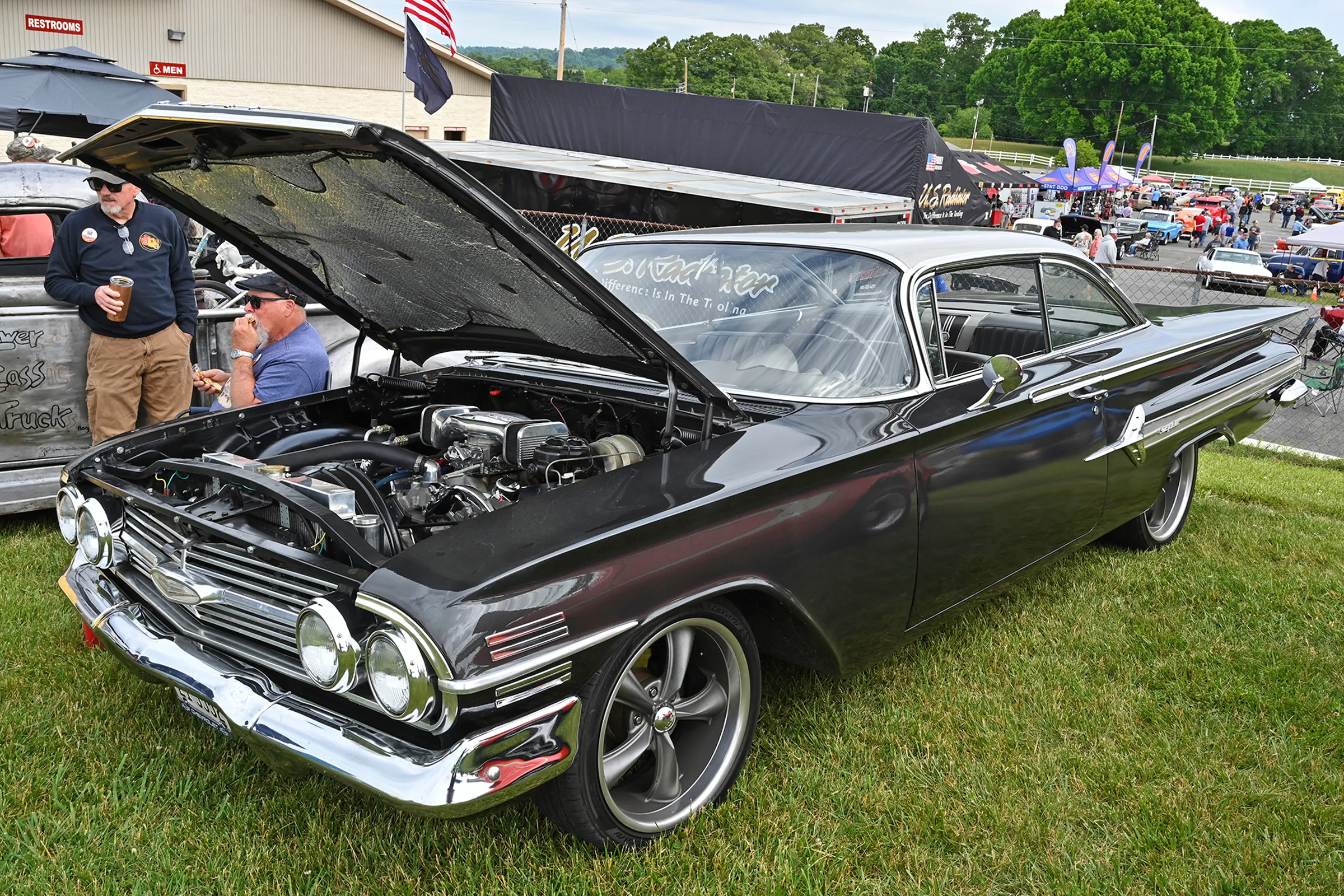
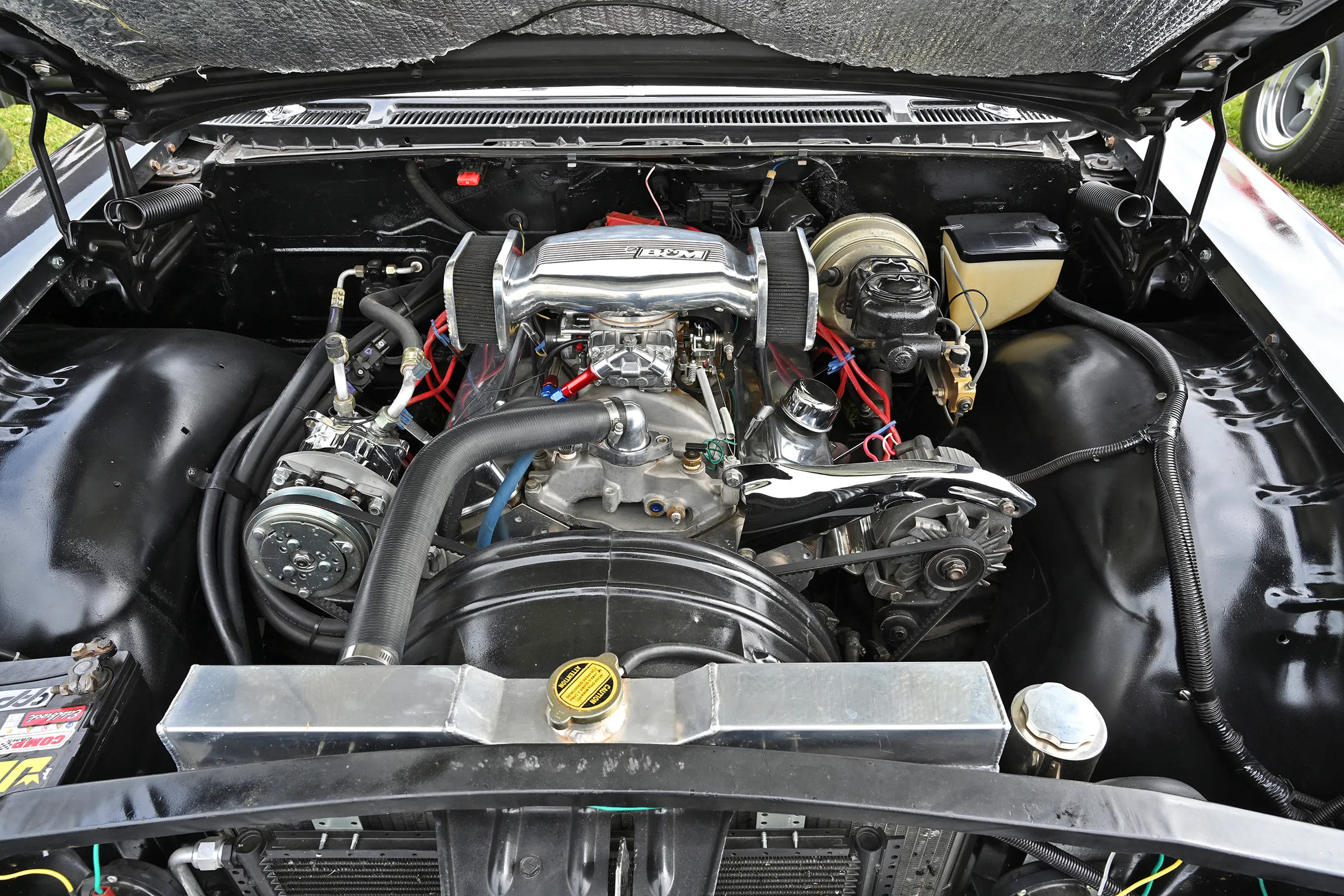
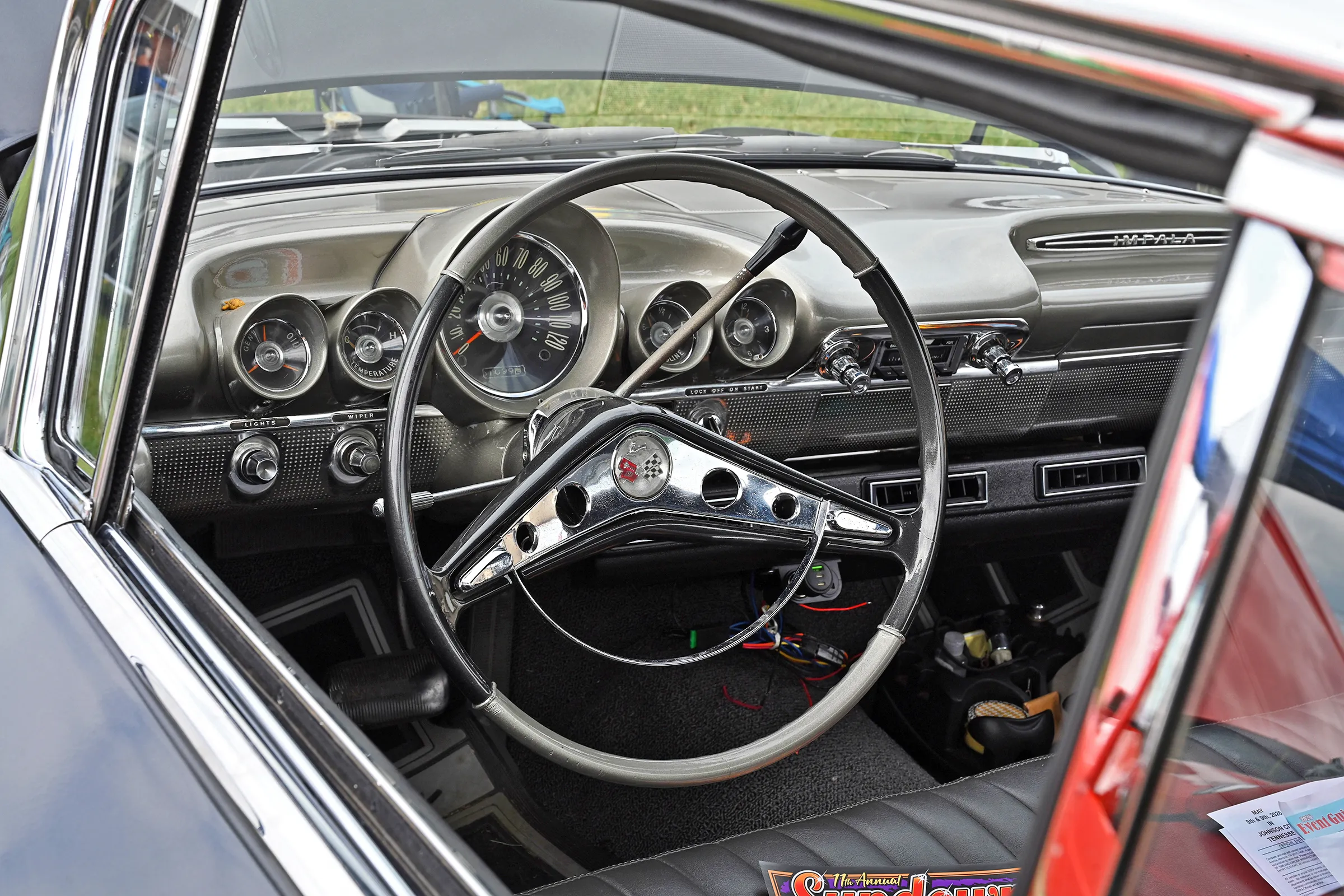
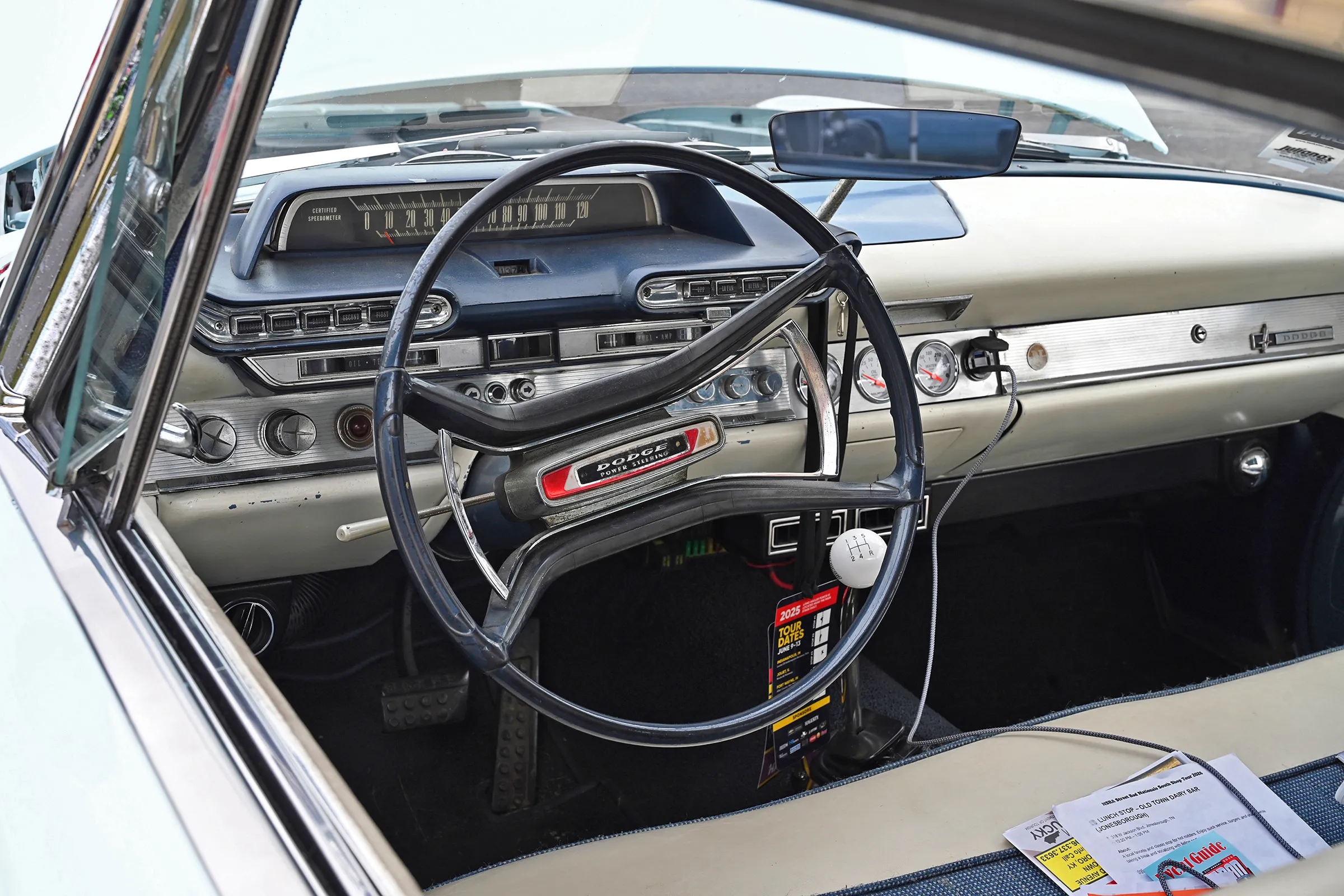
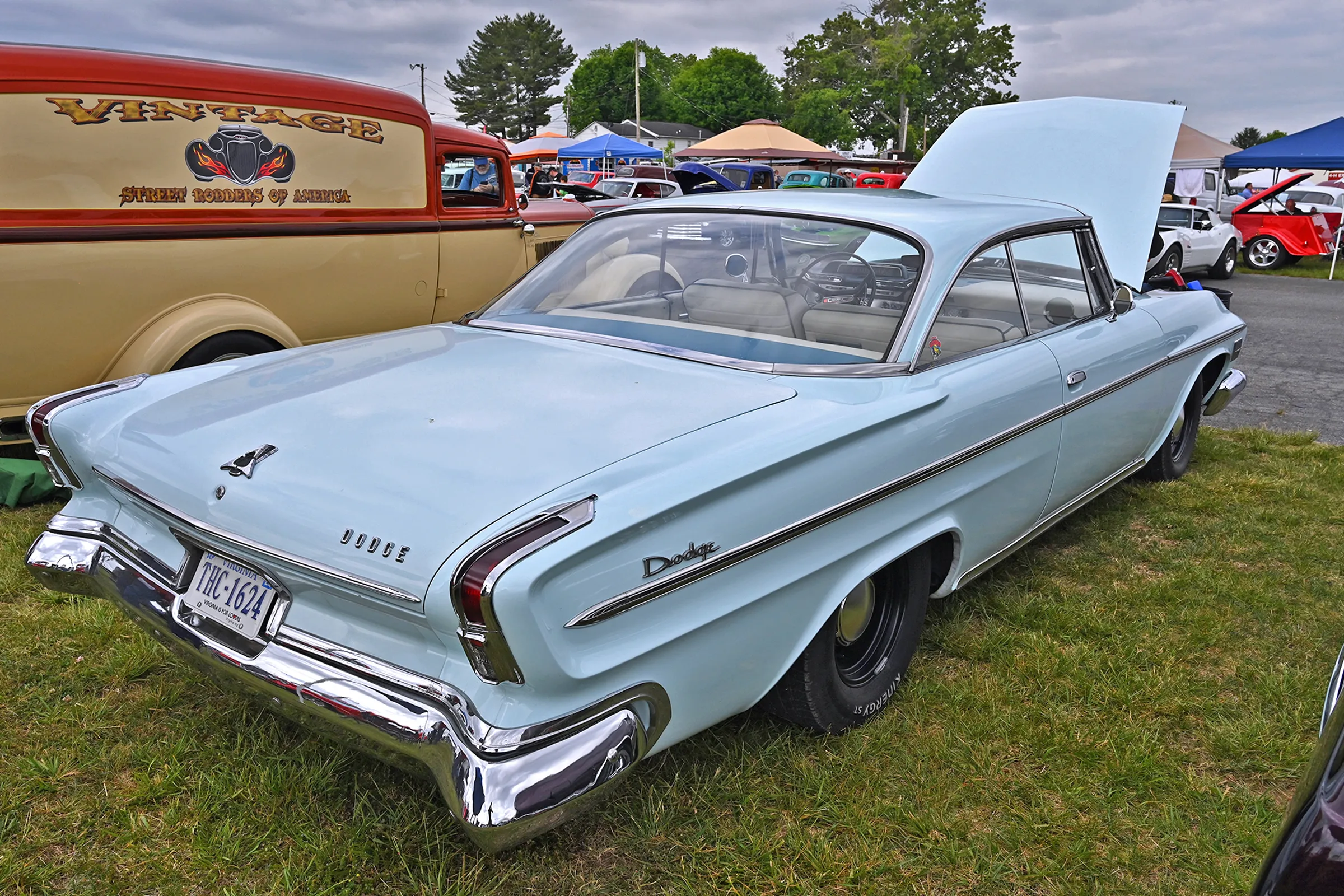
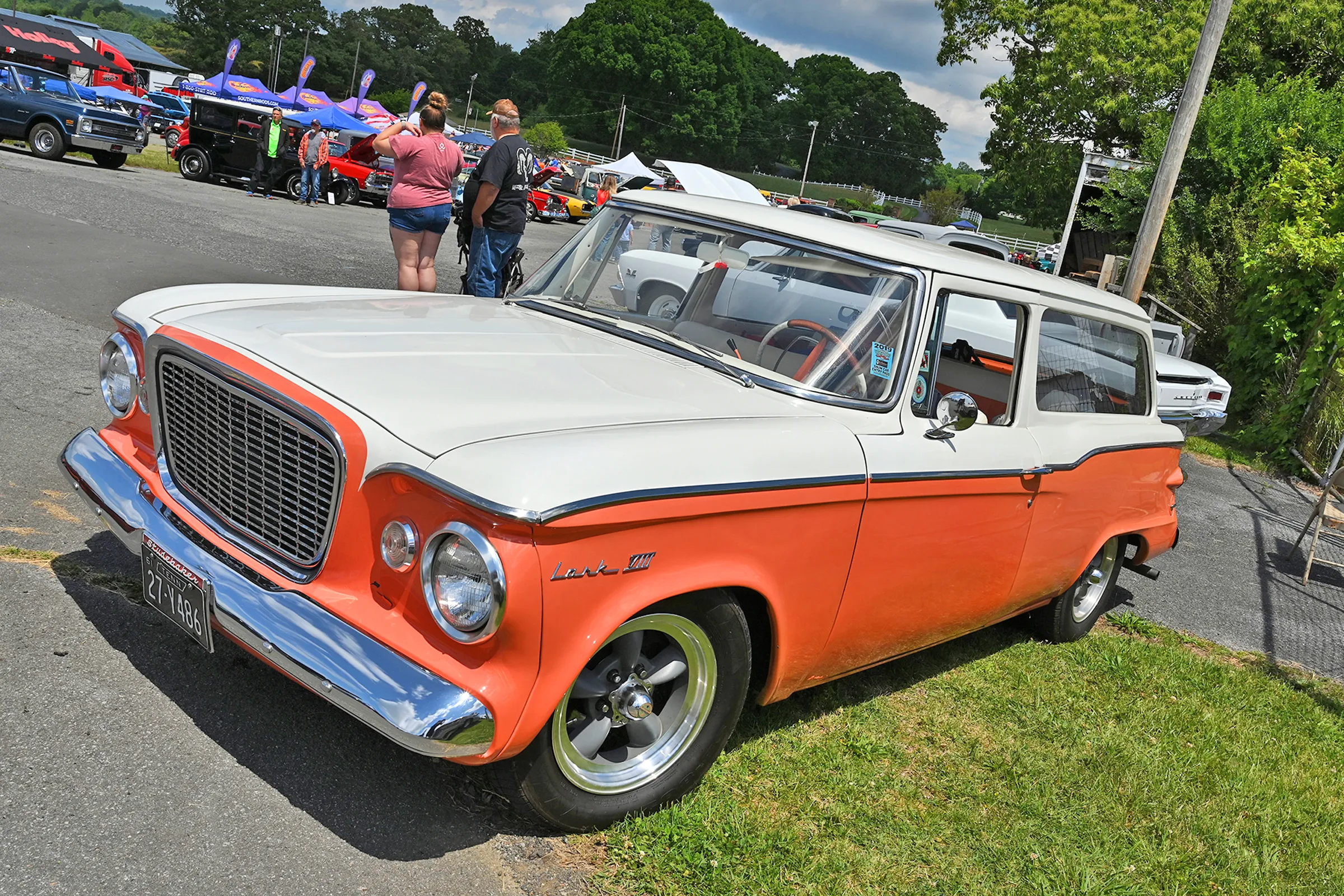
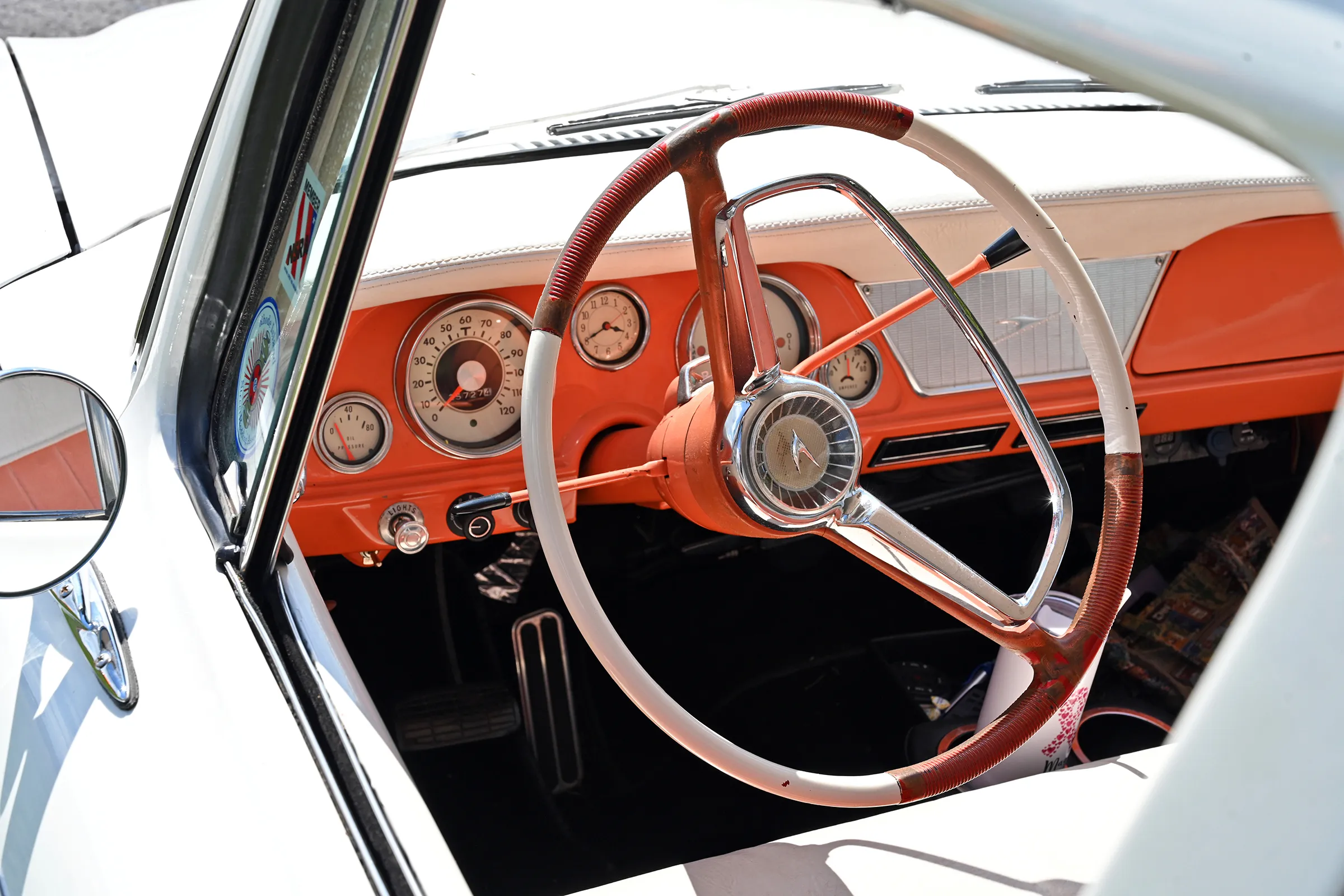
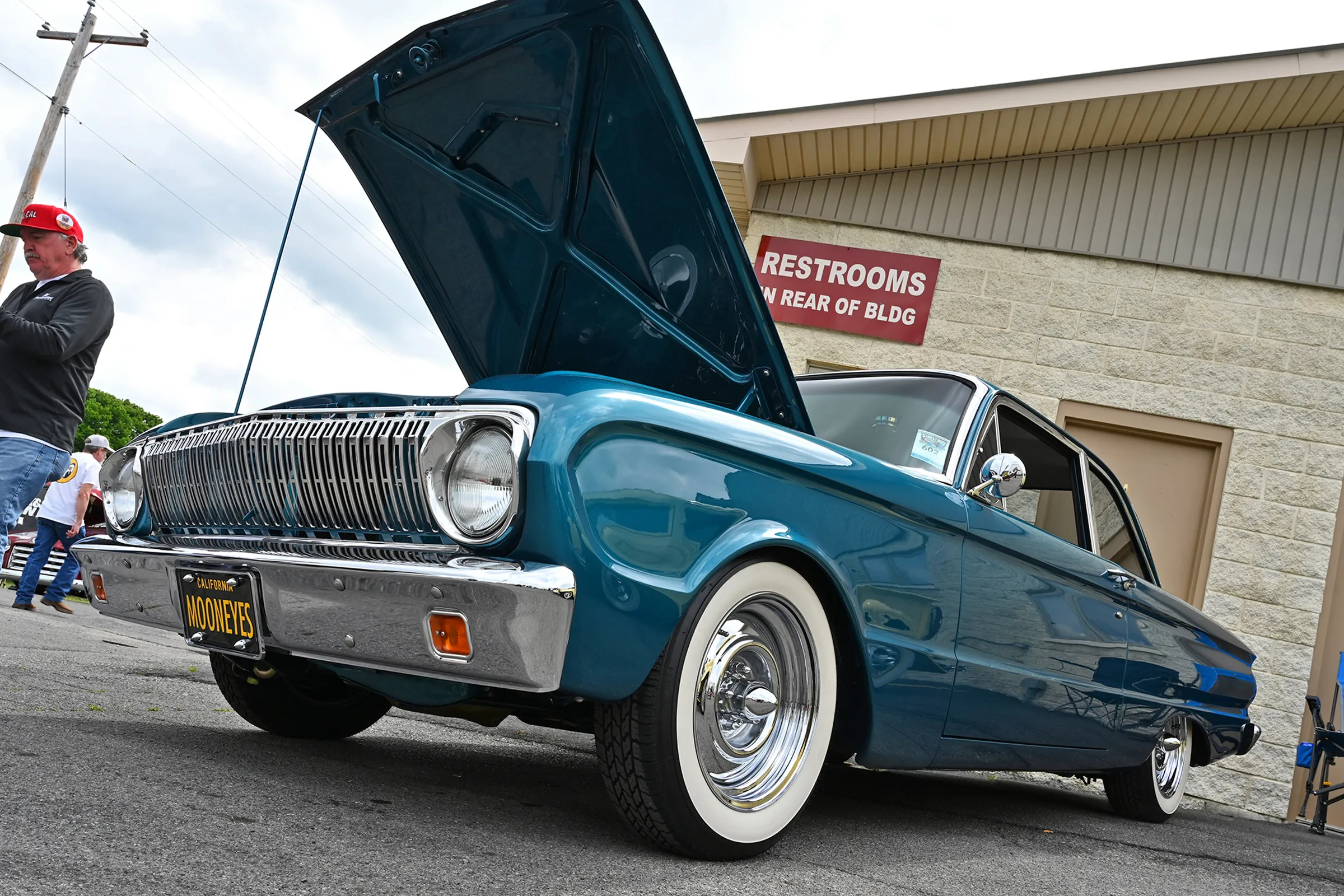
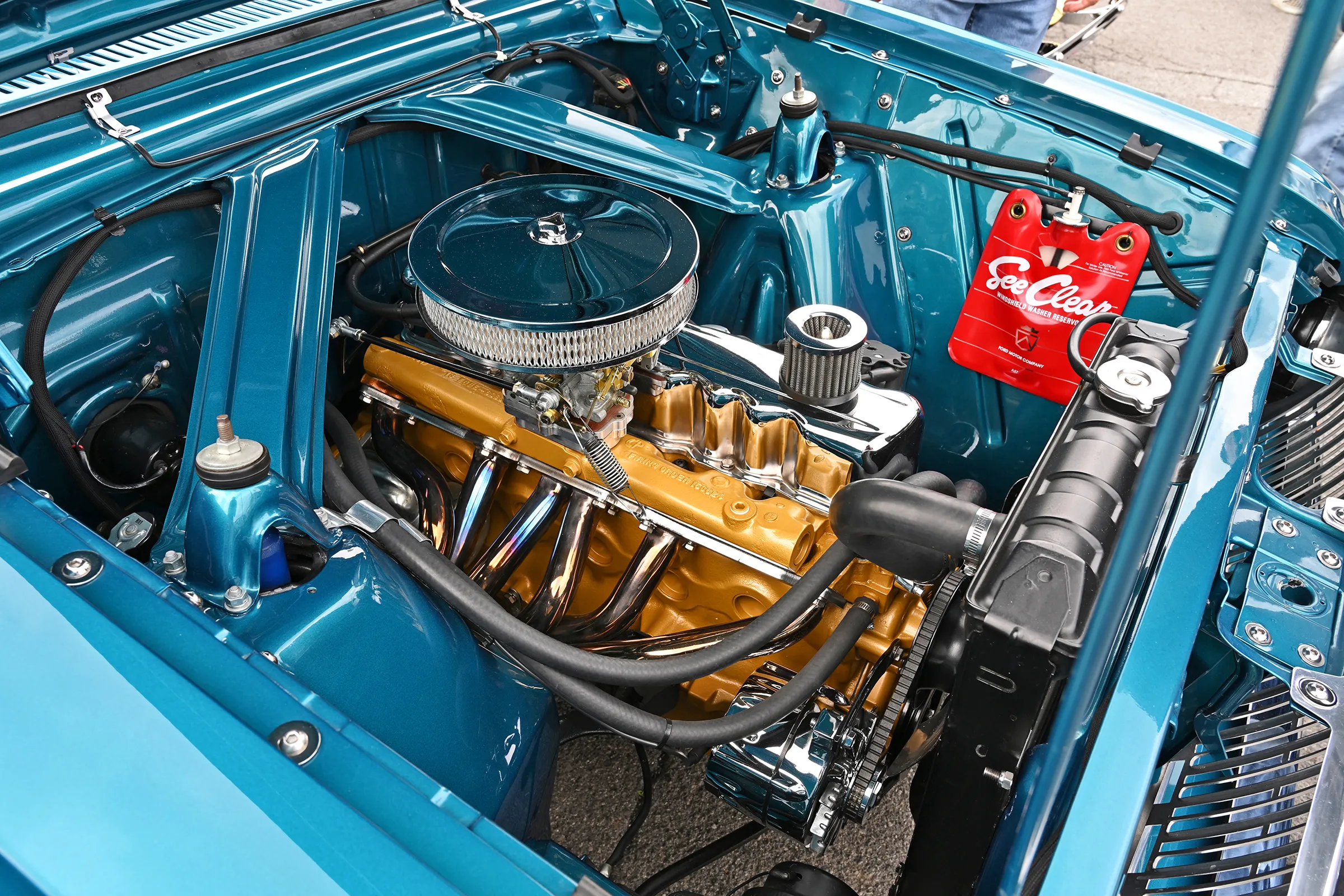
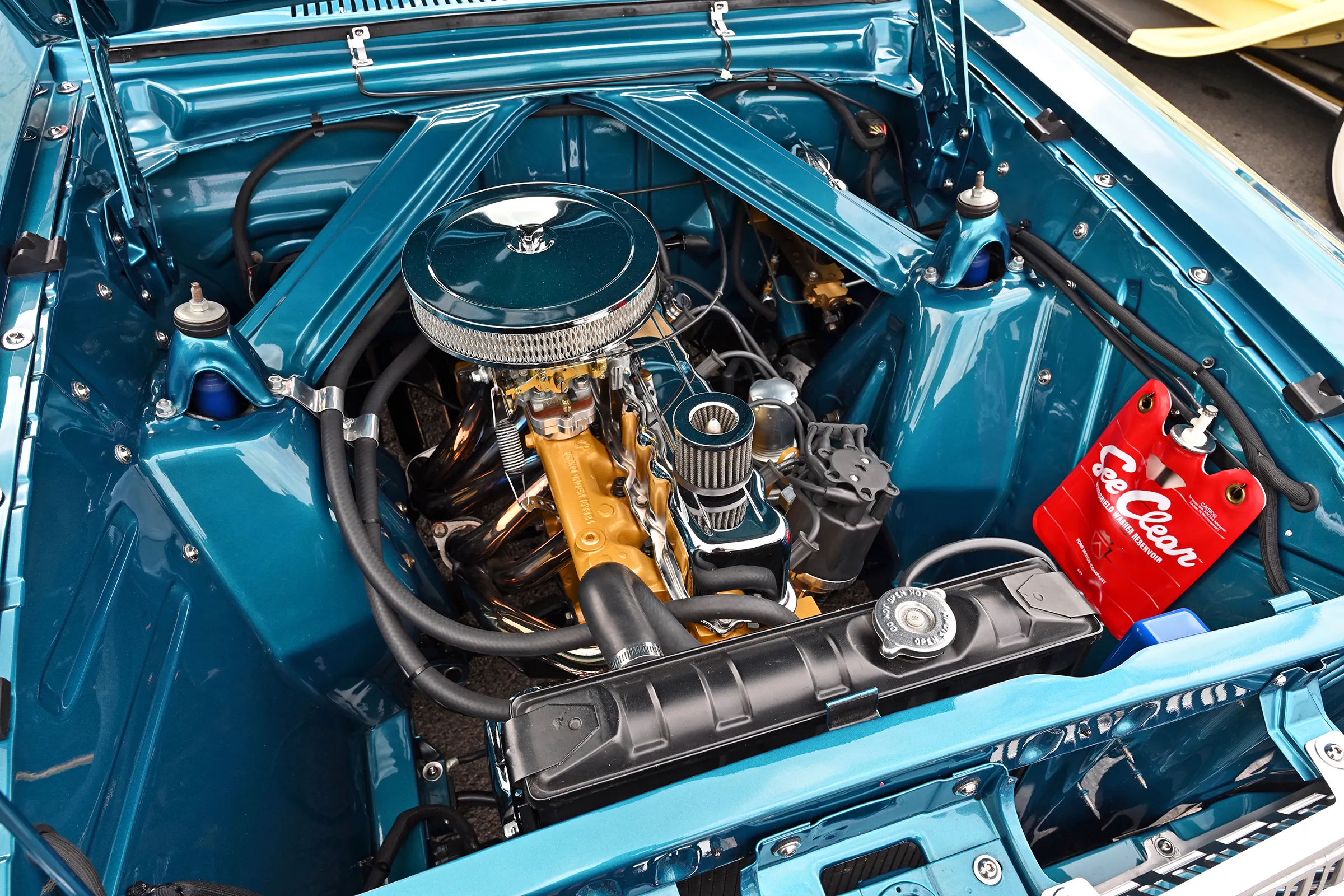
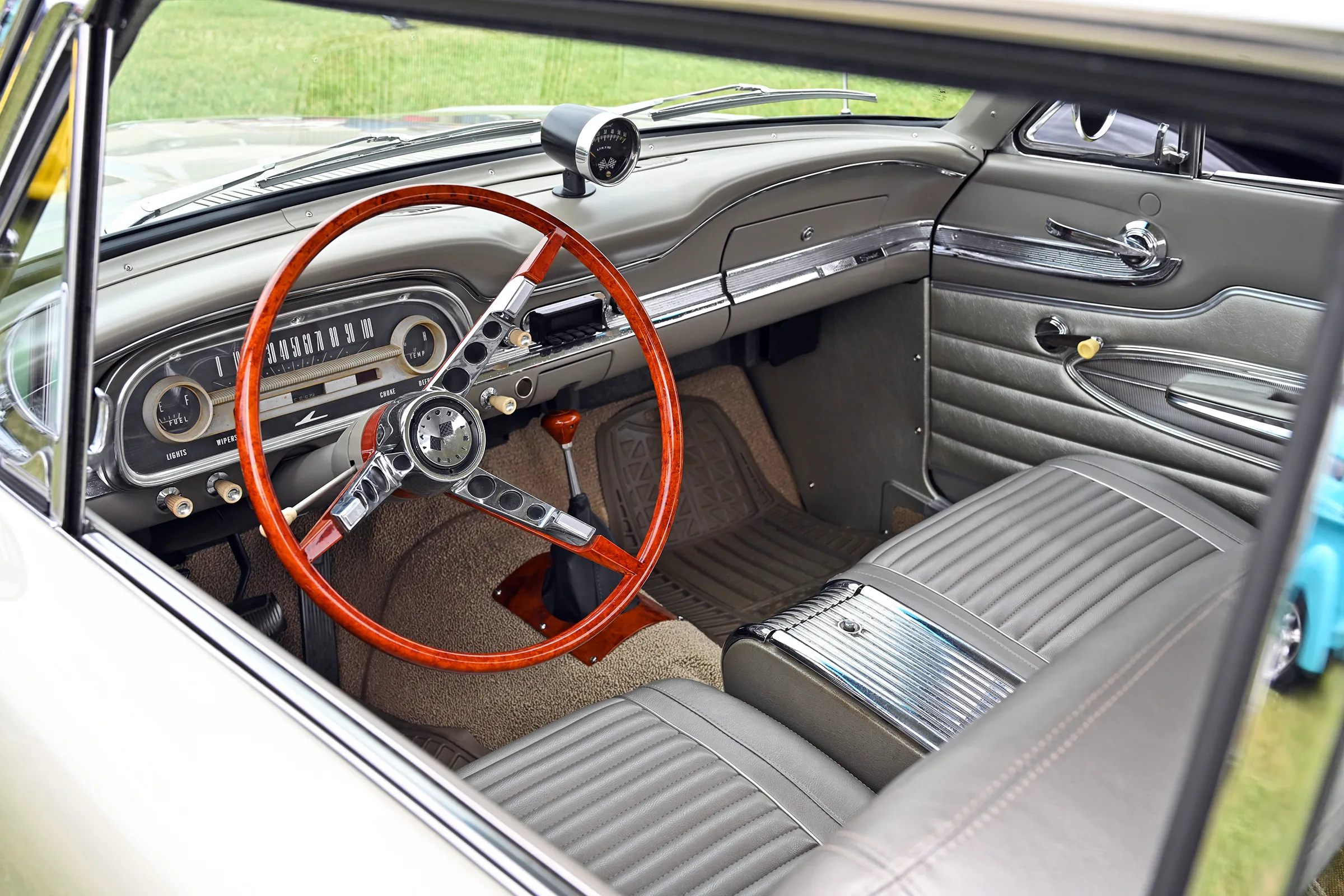
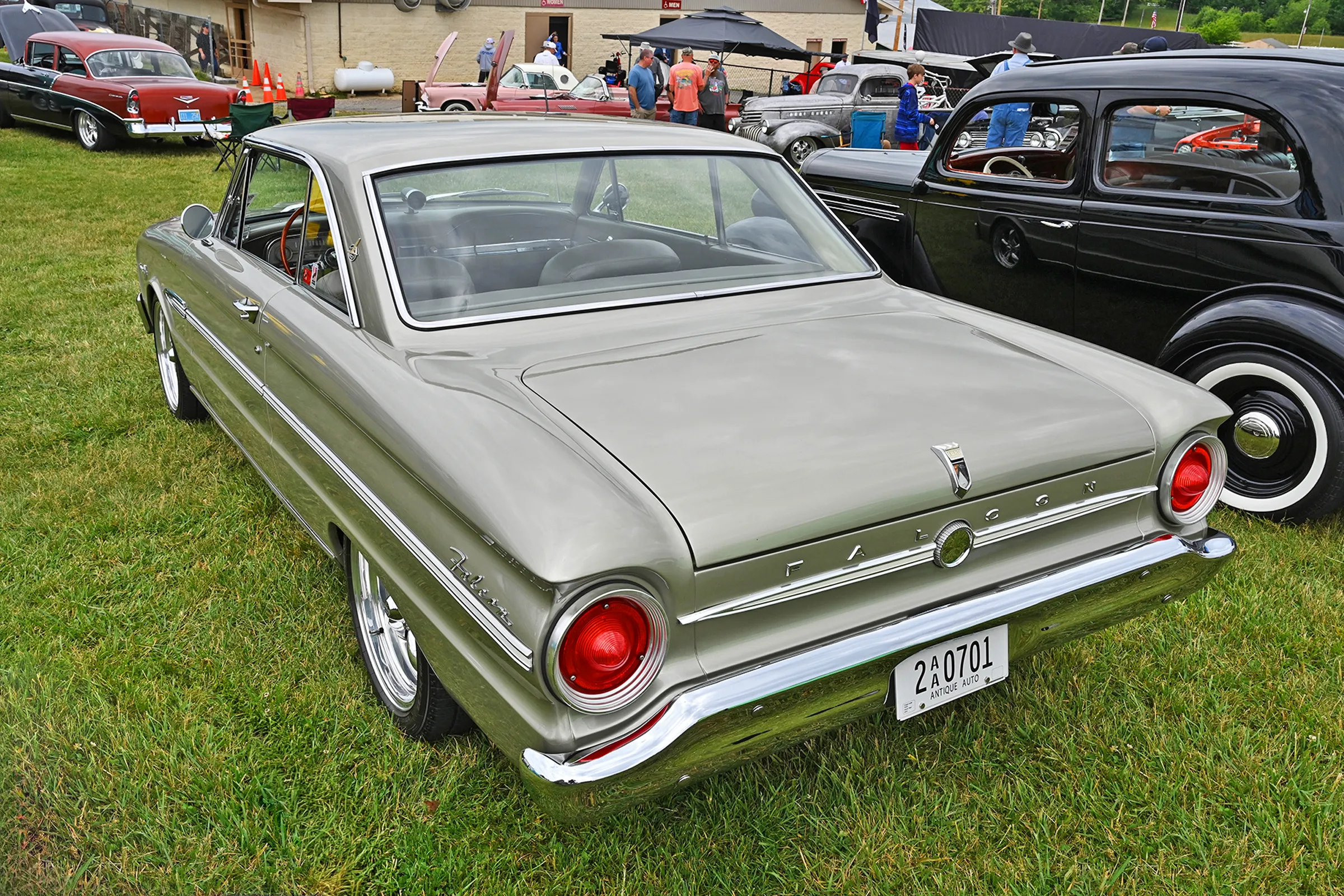
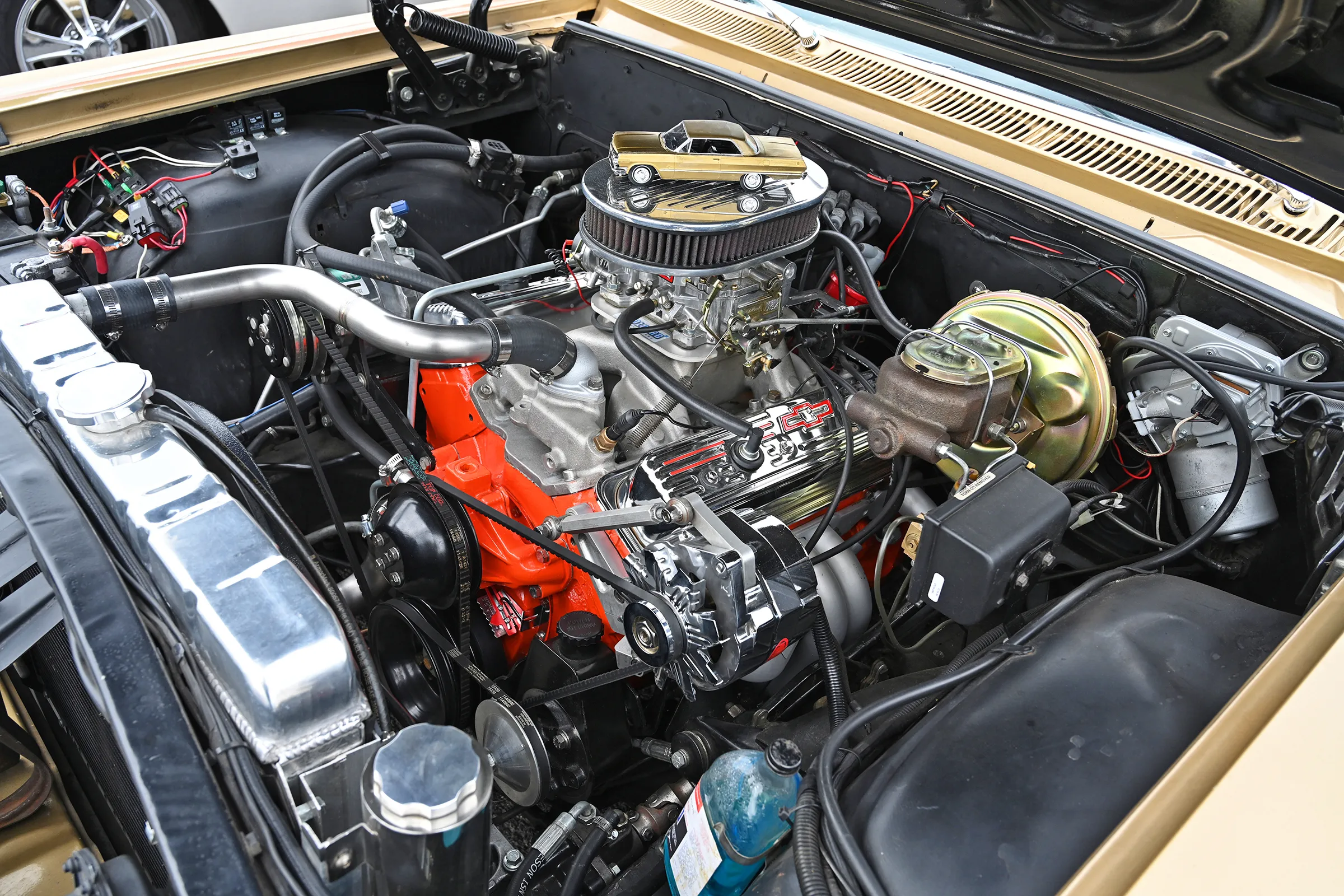
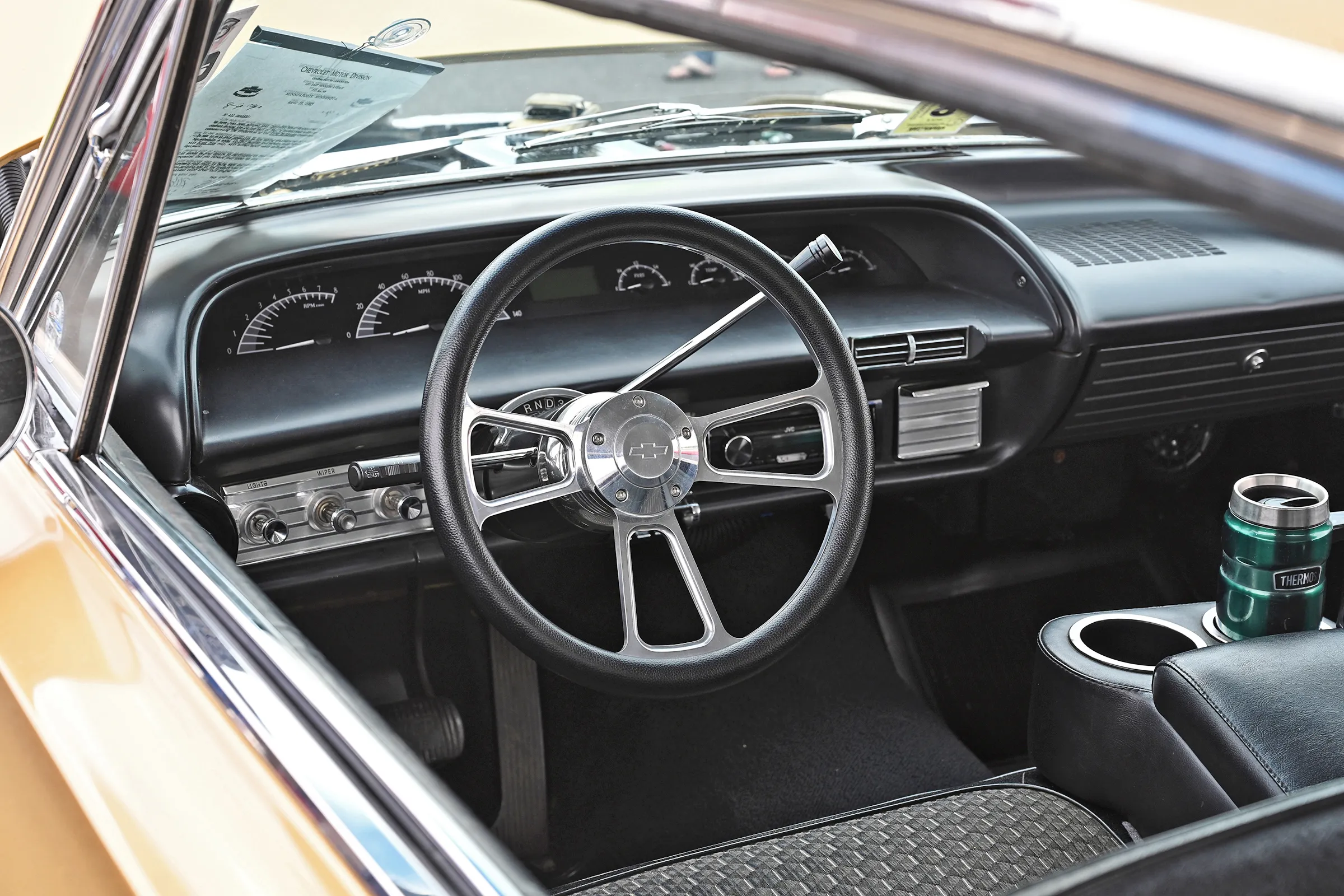
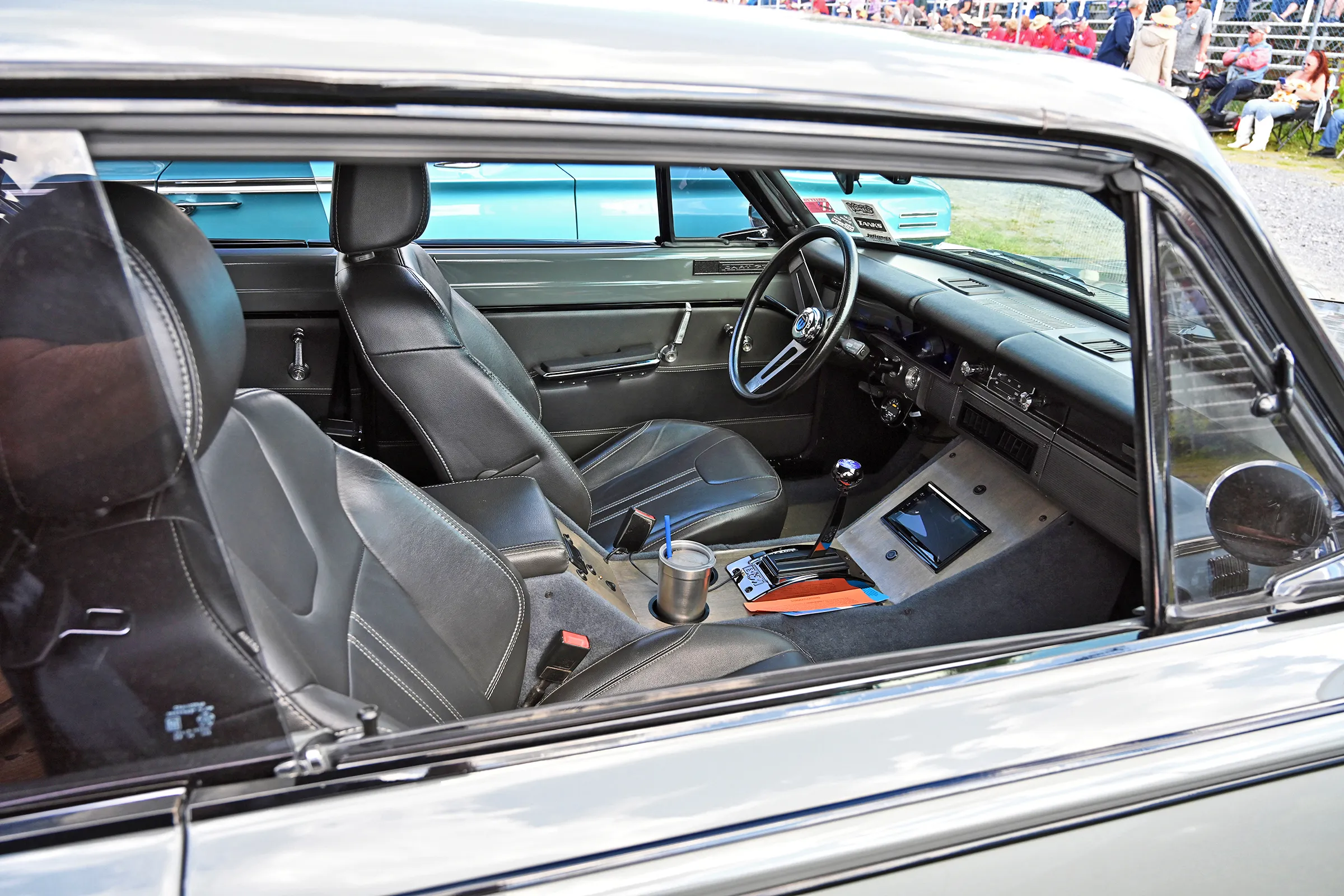
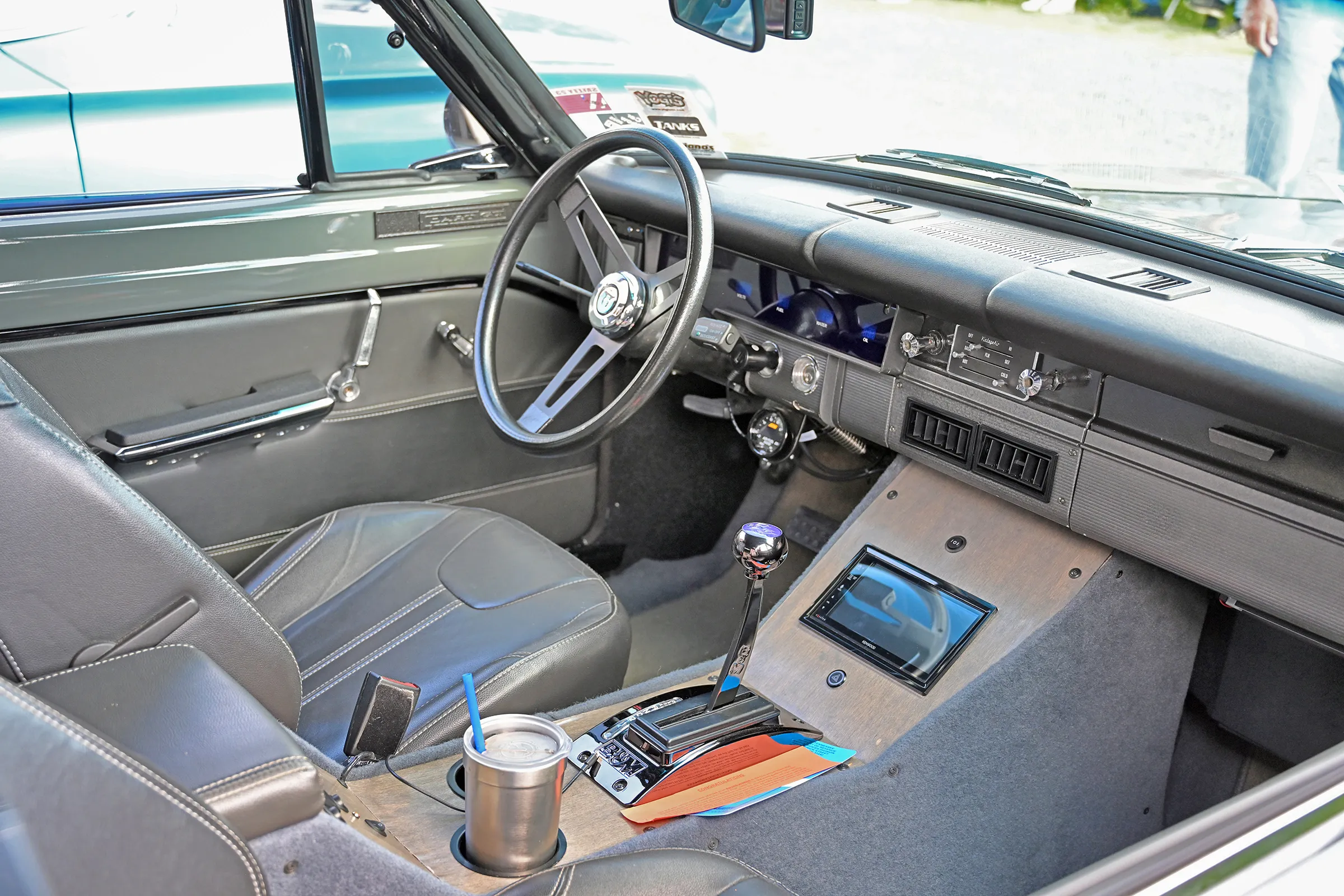
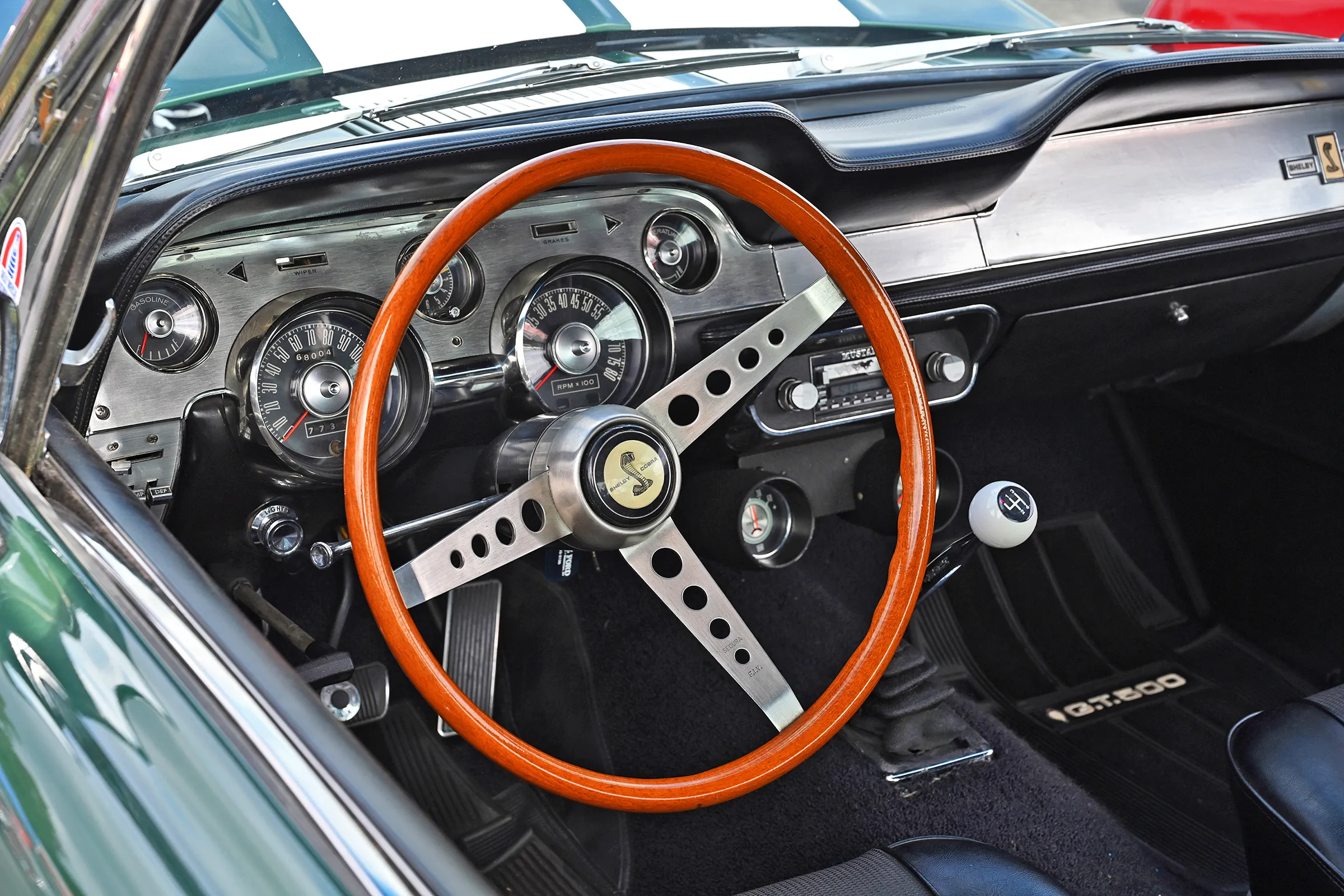
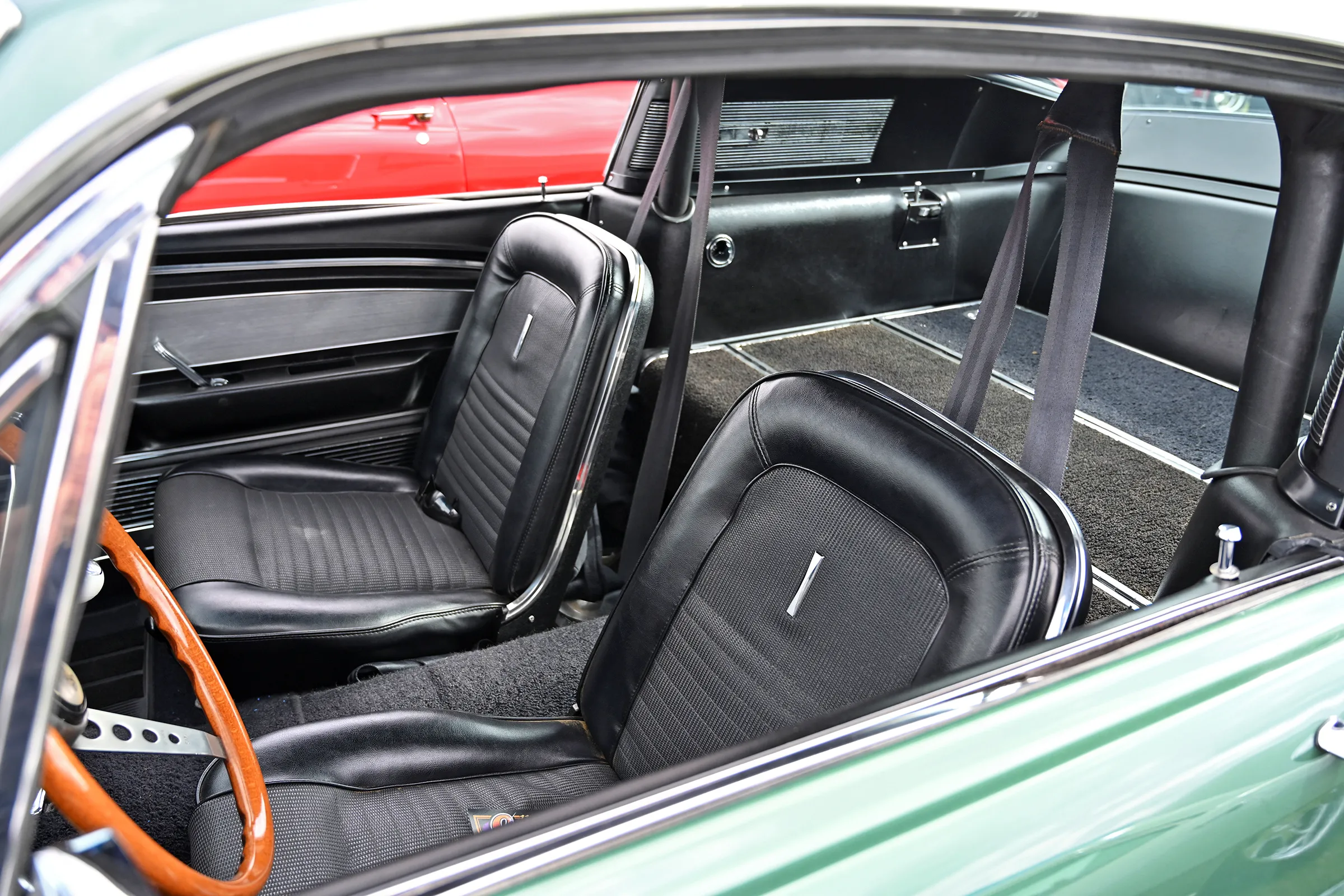
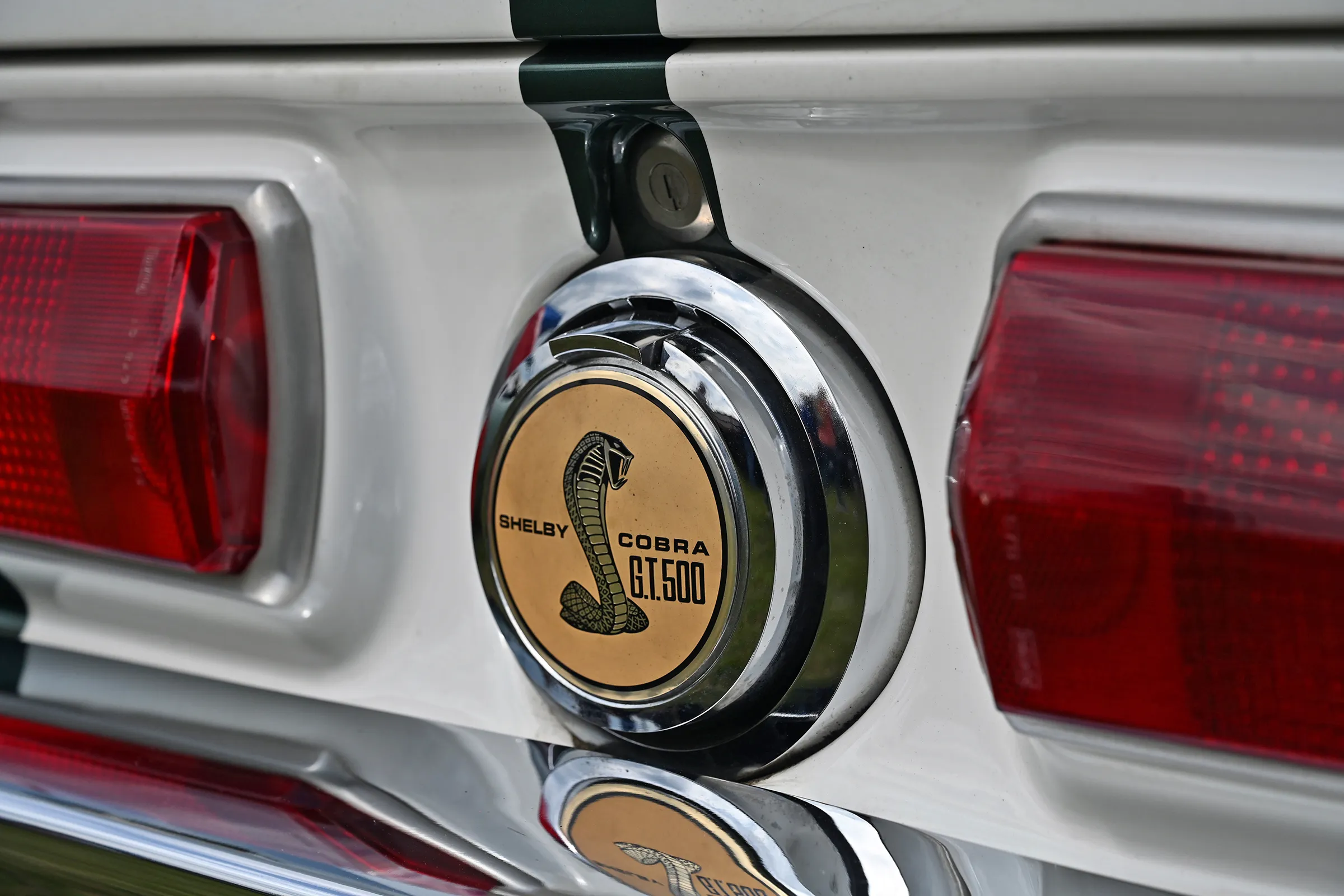
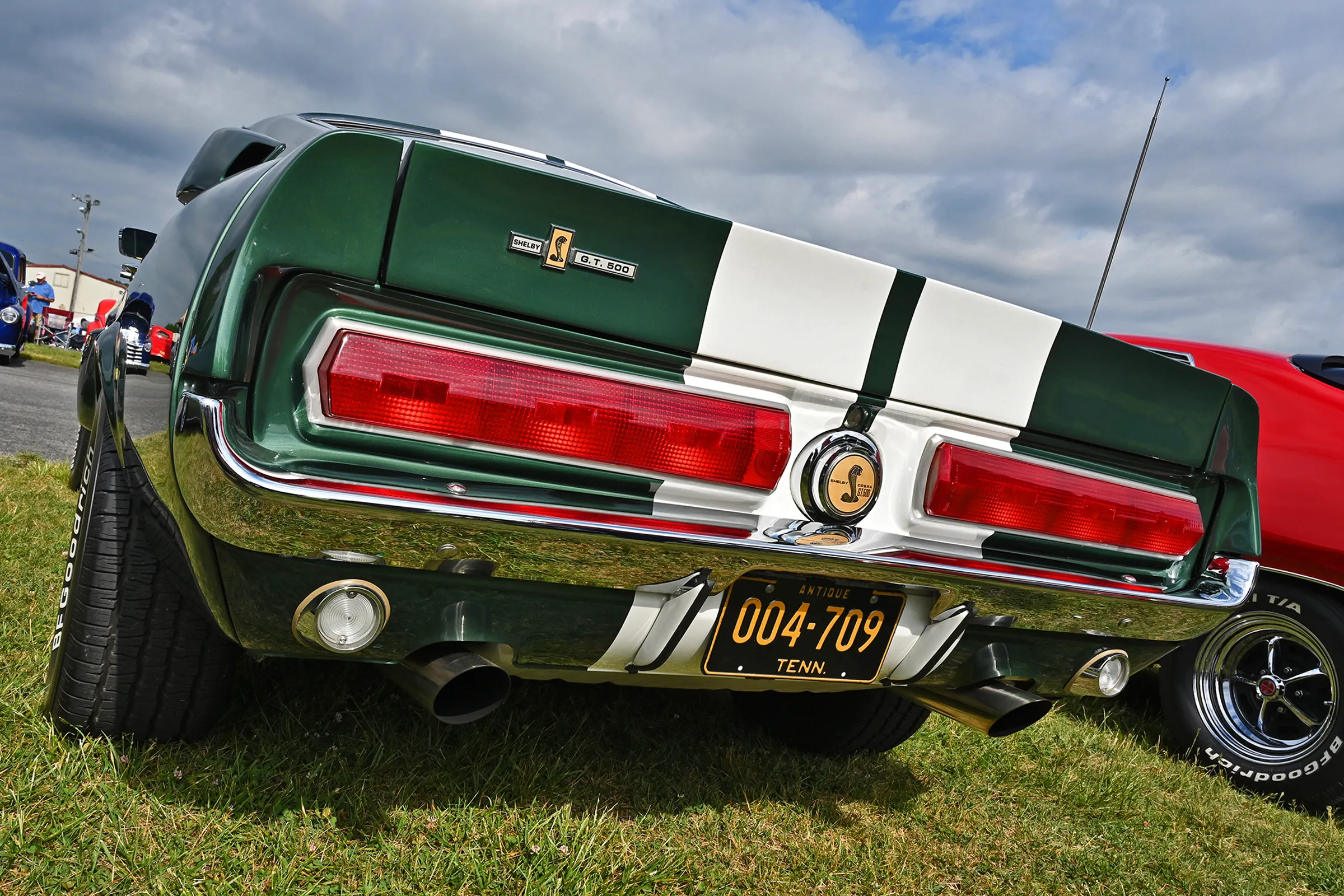
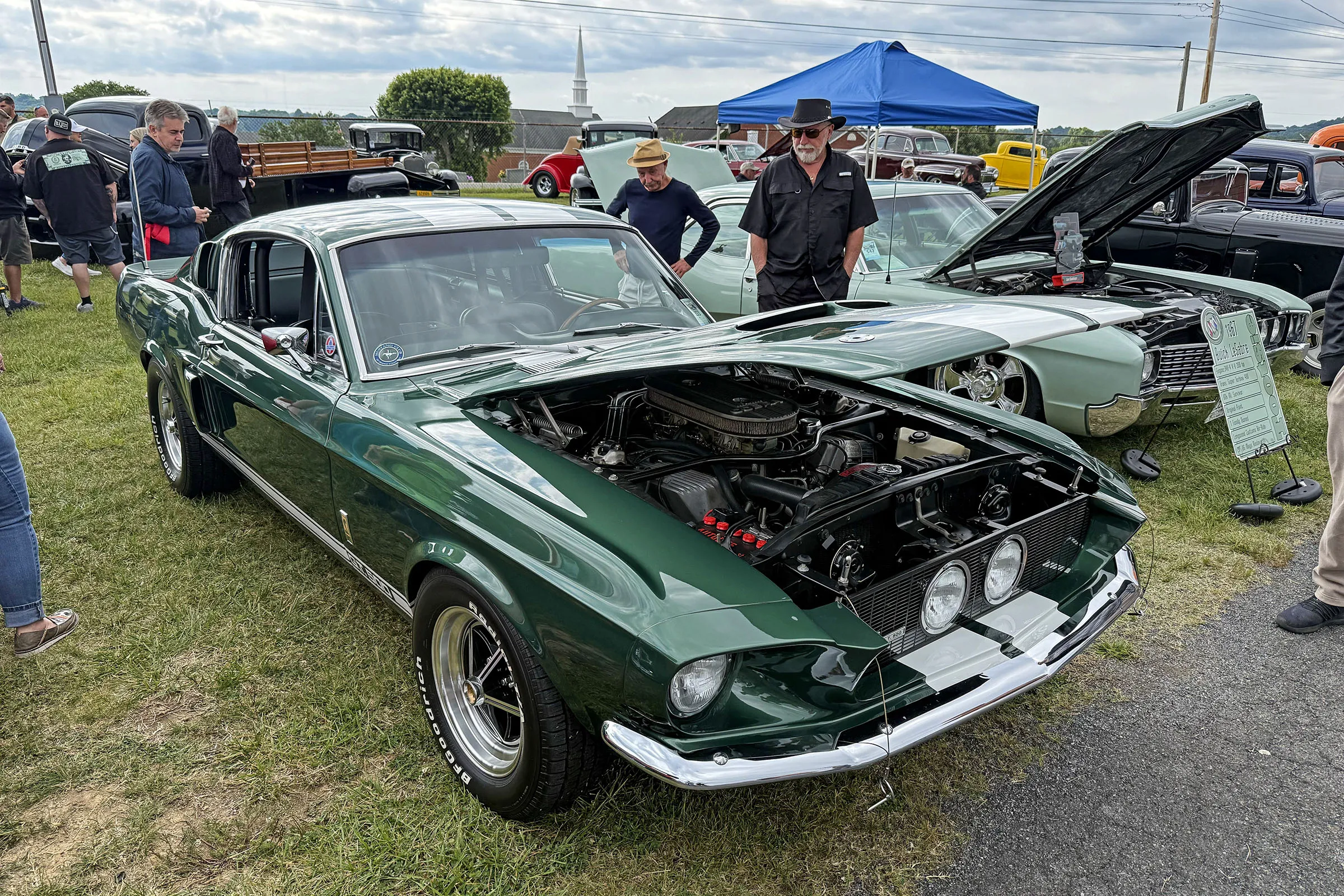
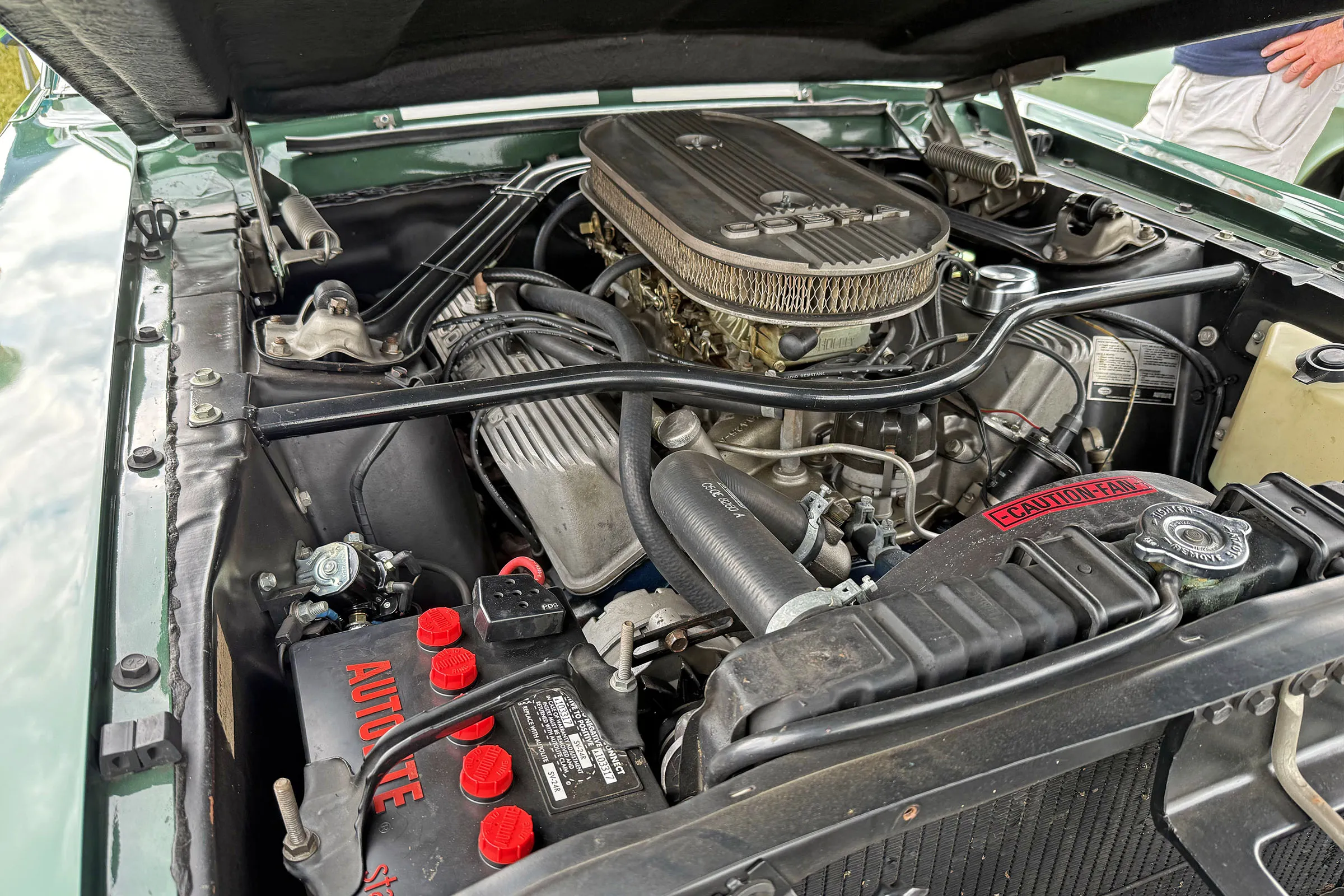
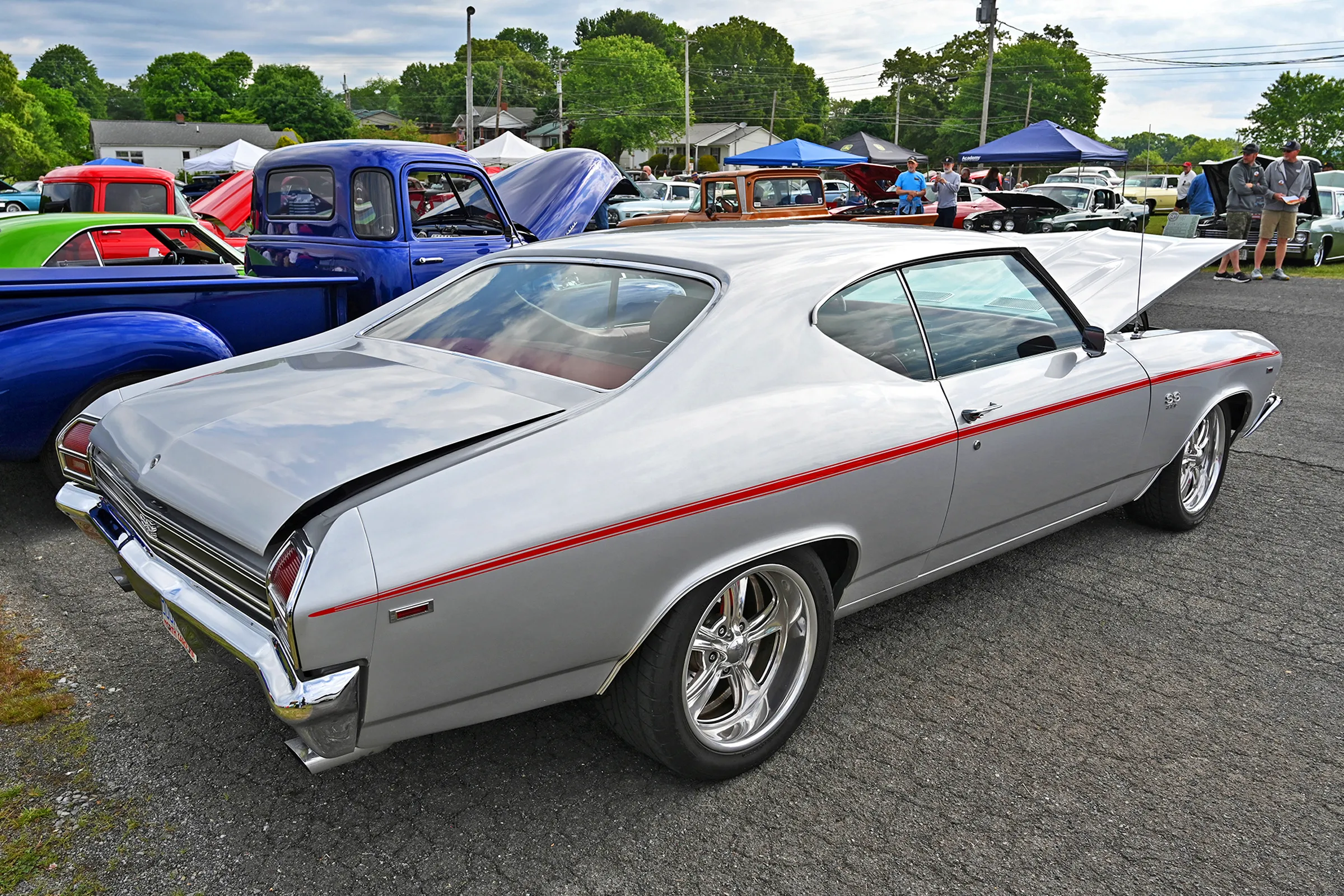
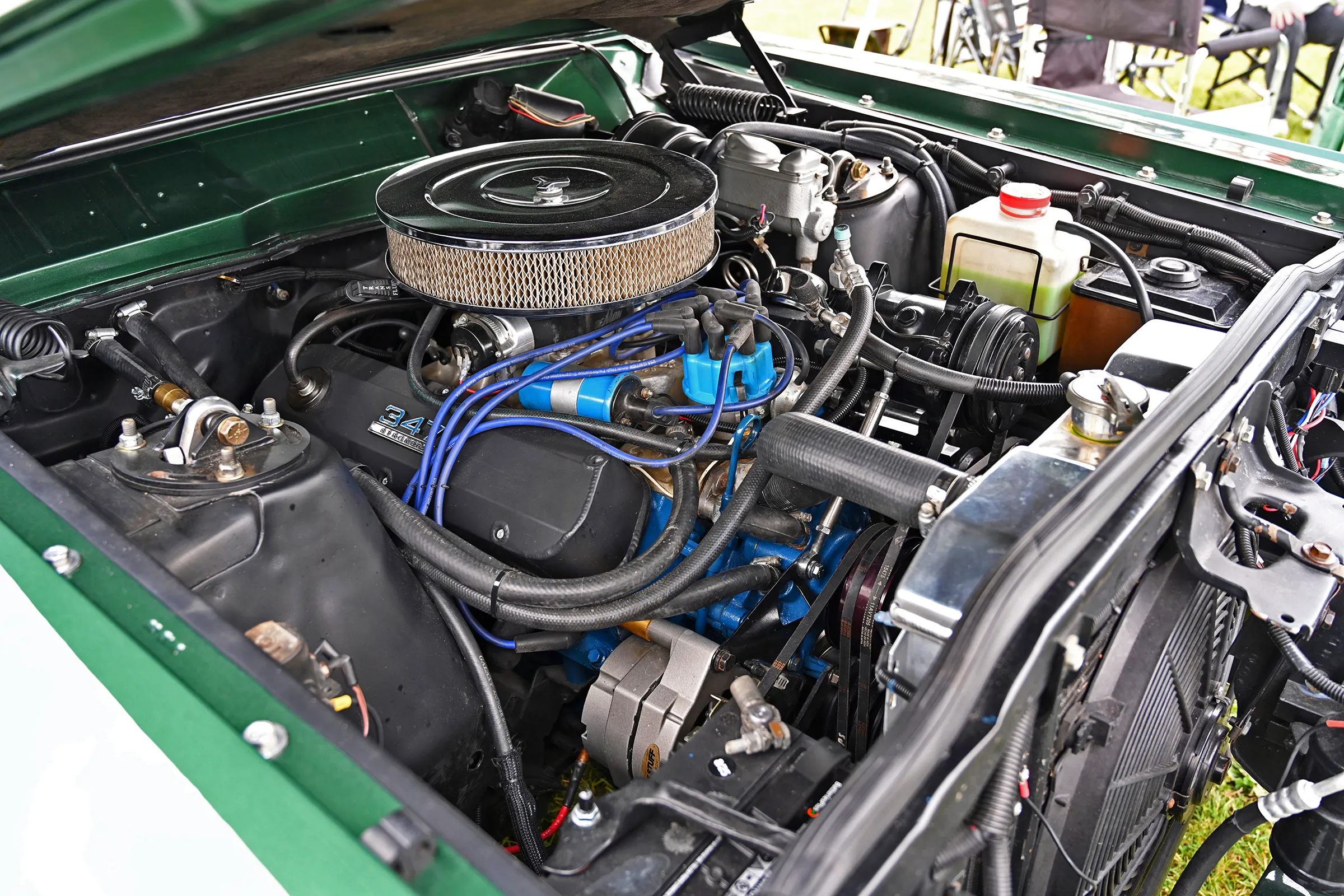
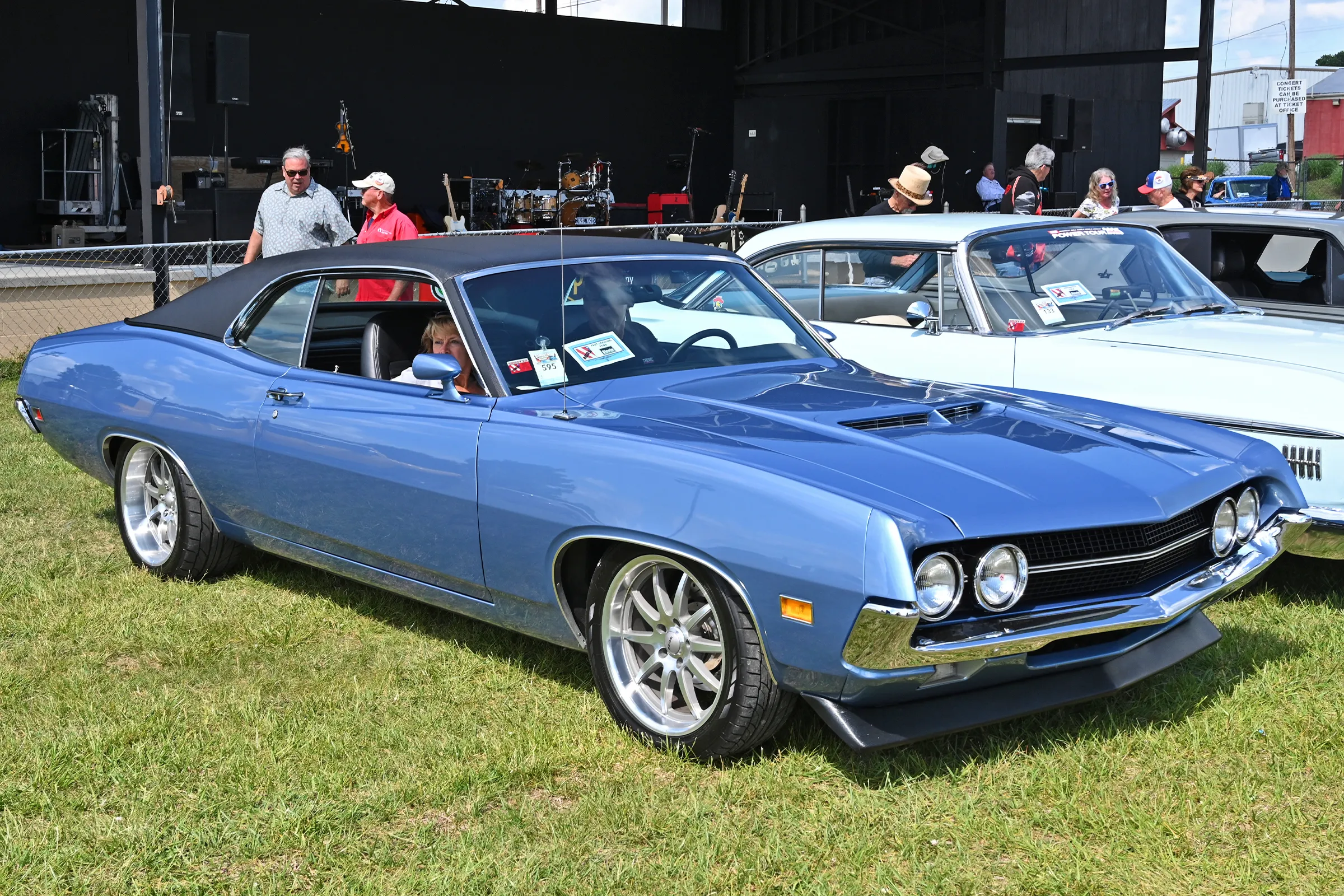
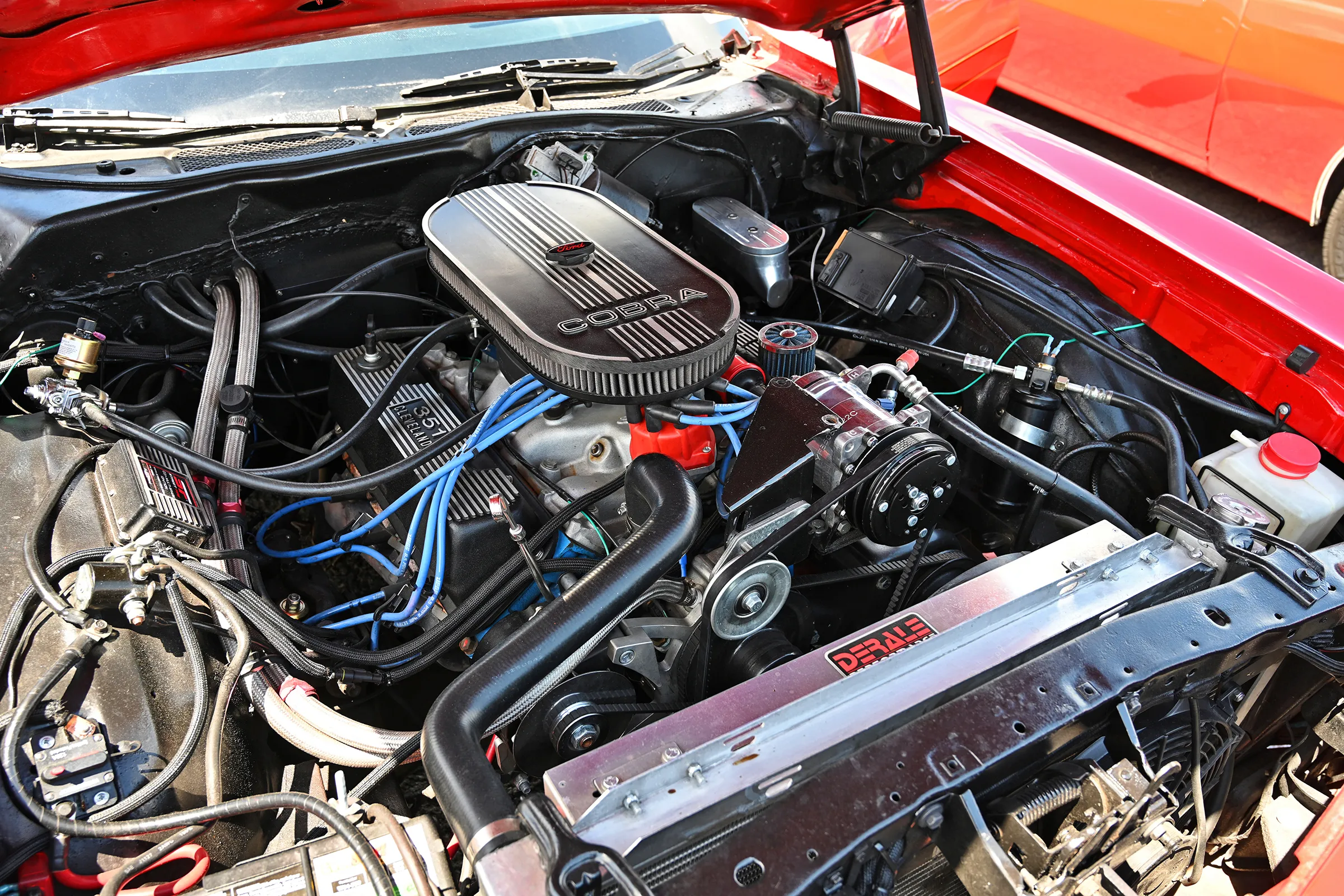
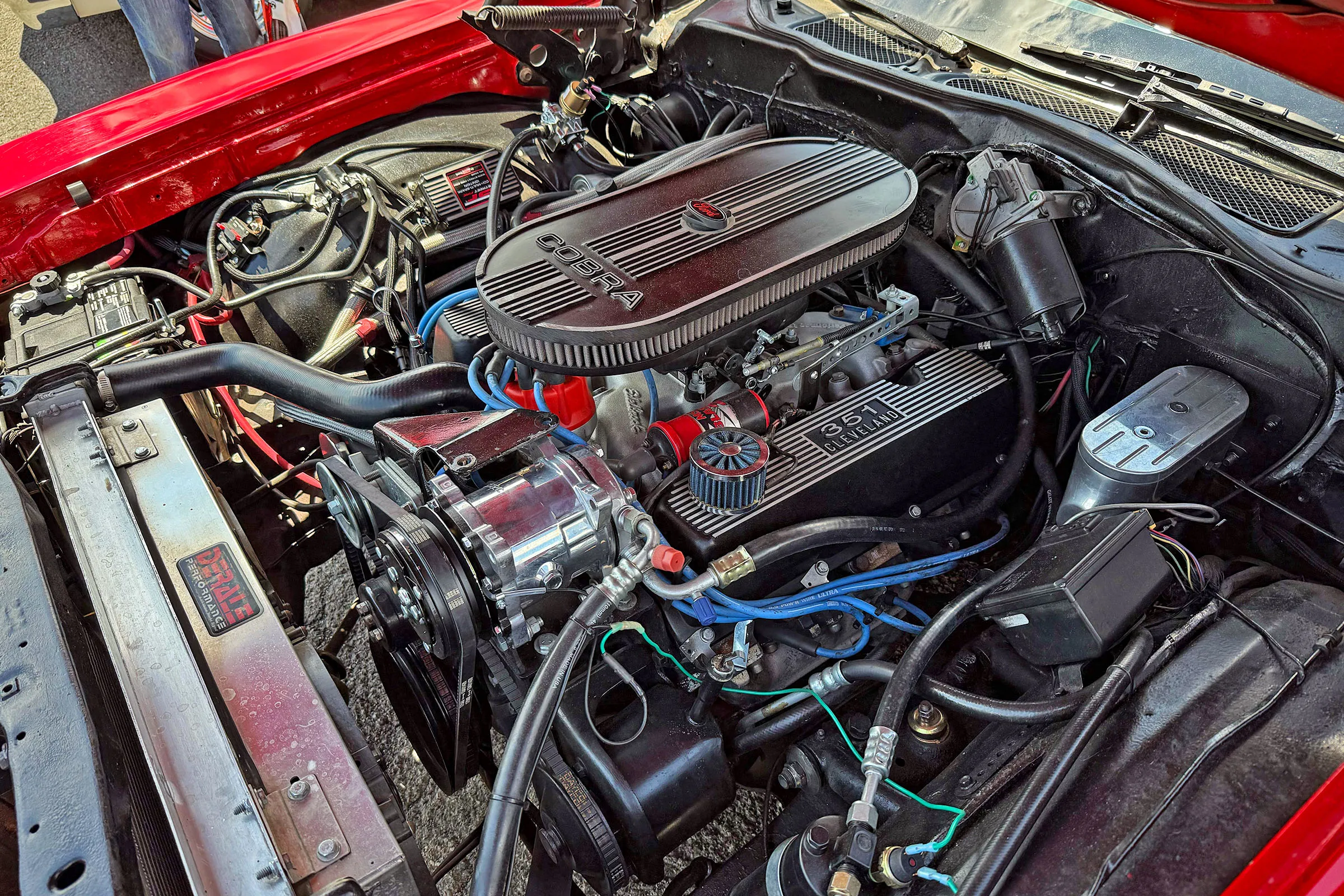
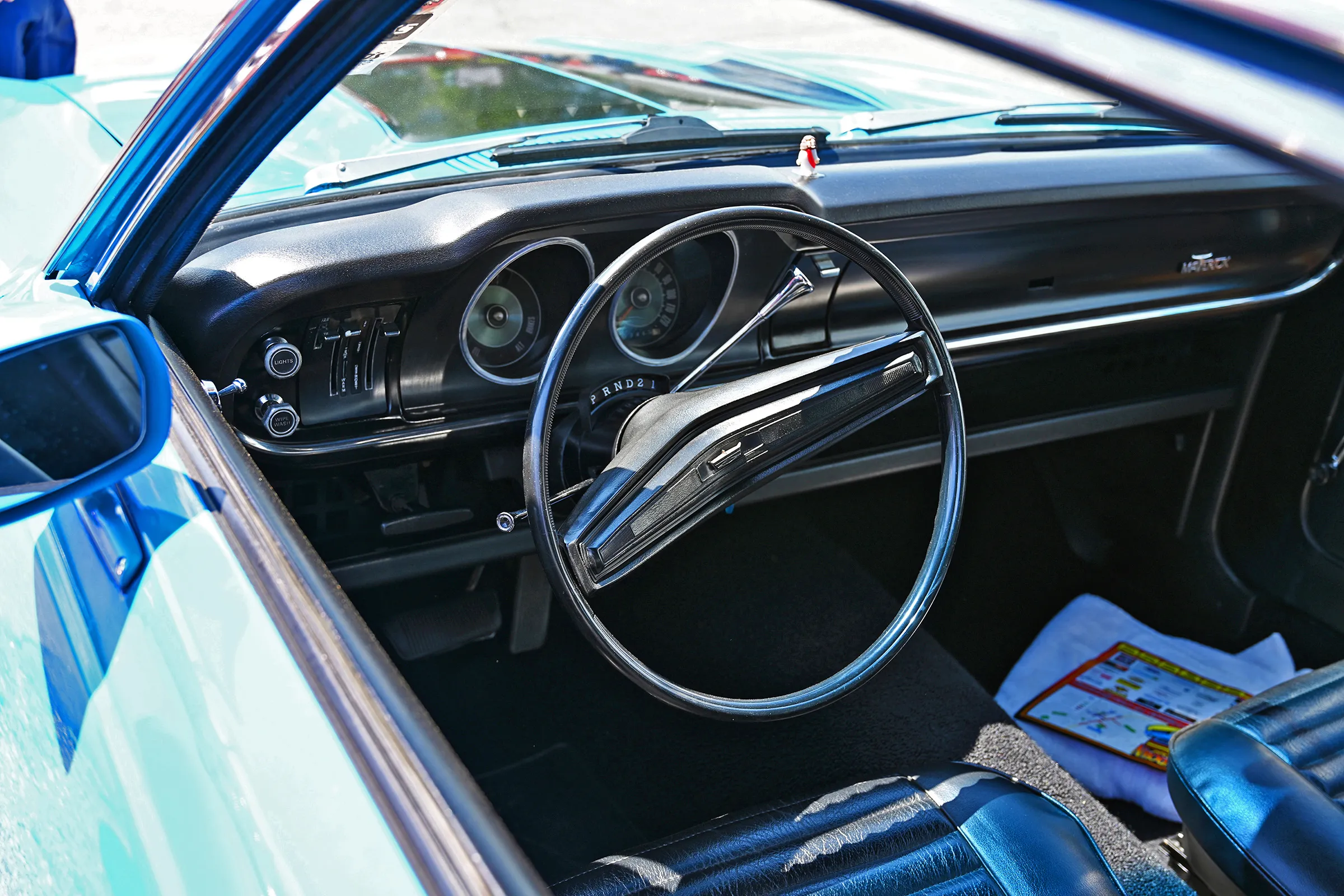
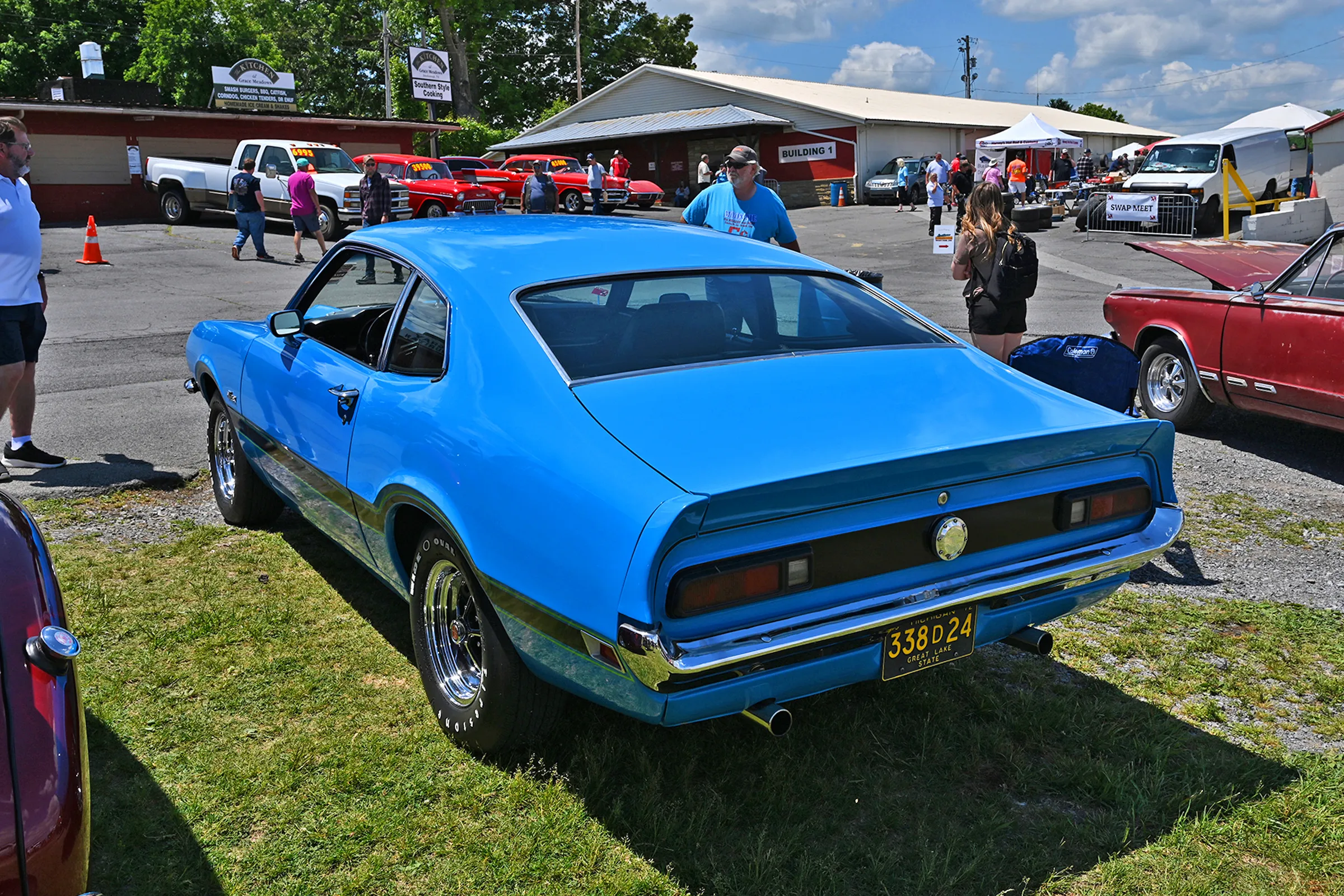
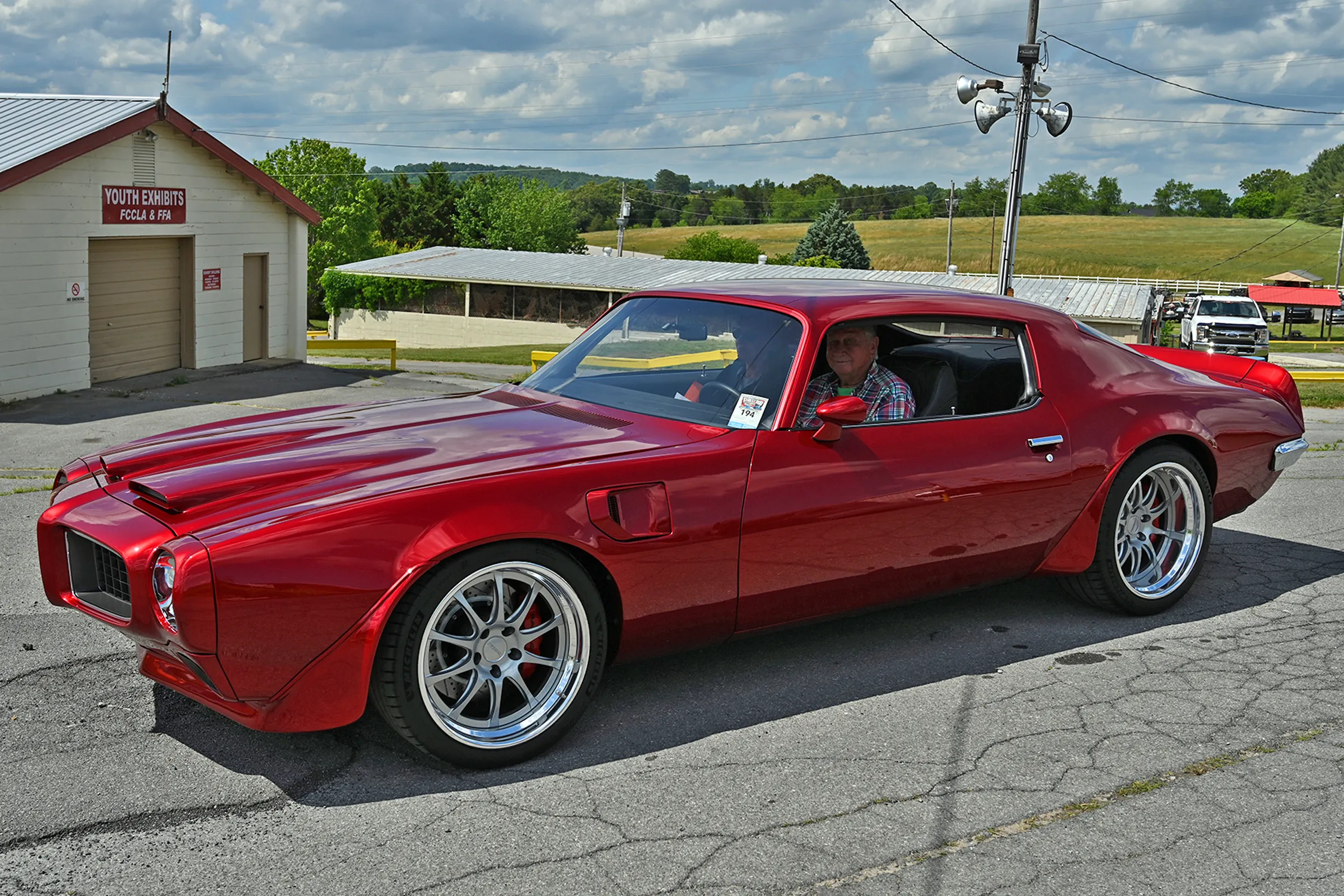
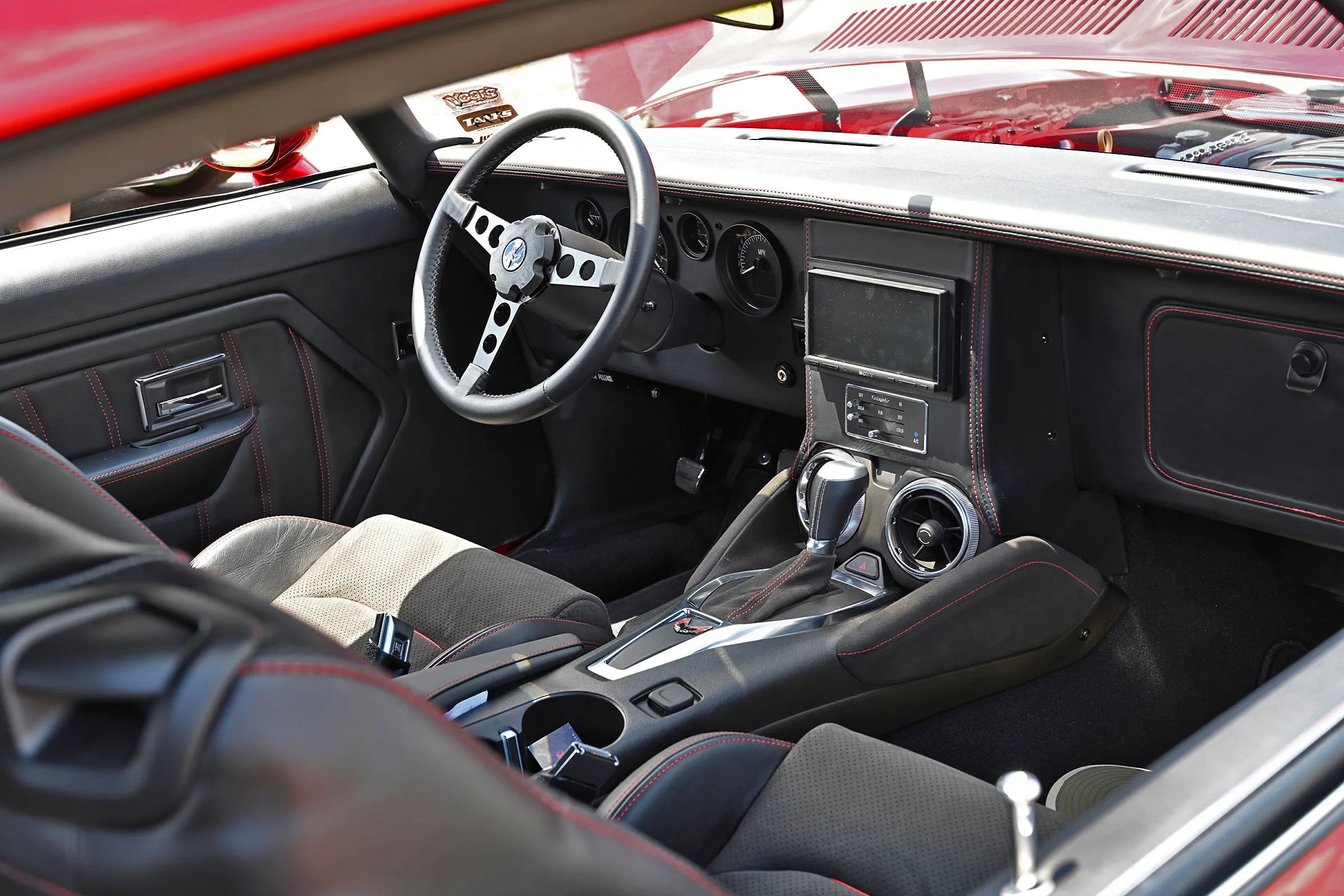
For the weekend, the Appalachian Fairgrounds became a dense field of pre- and post-war steel, with everything from highboys and coupes to full custom cars and period-inspired builds lining the grounds.
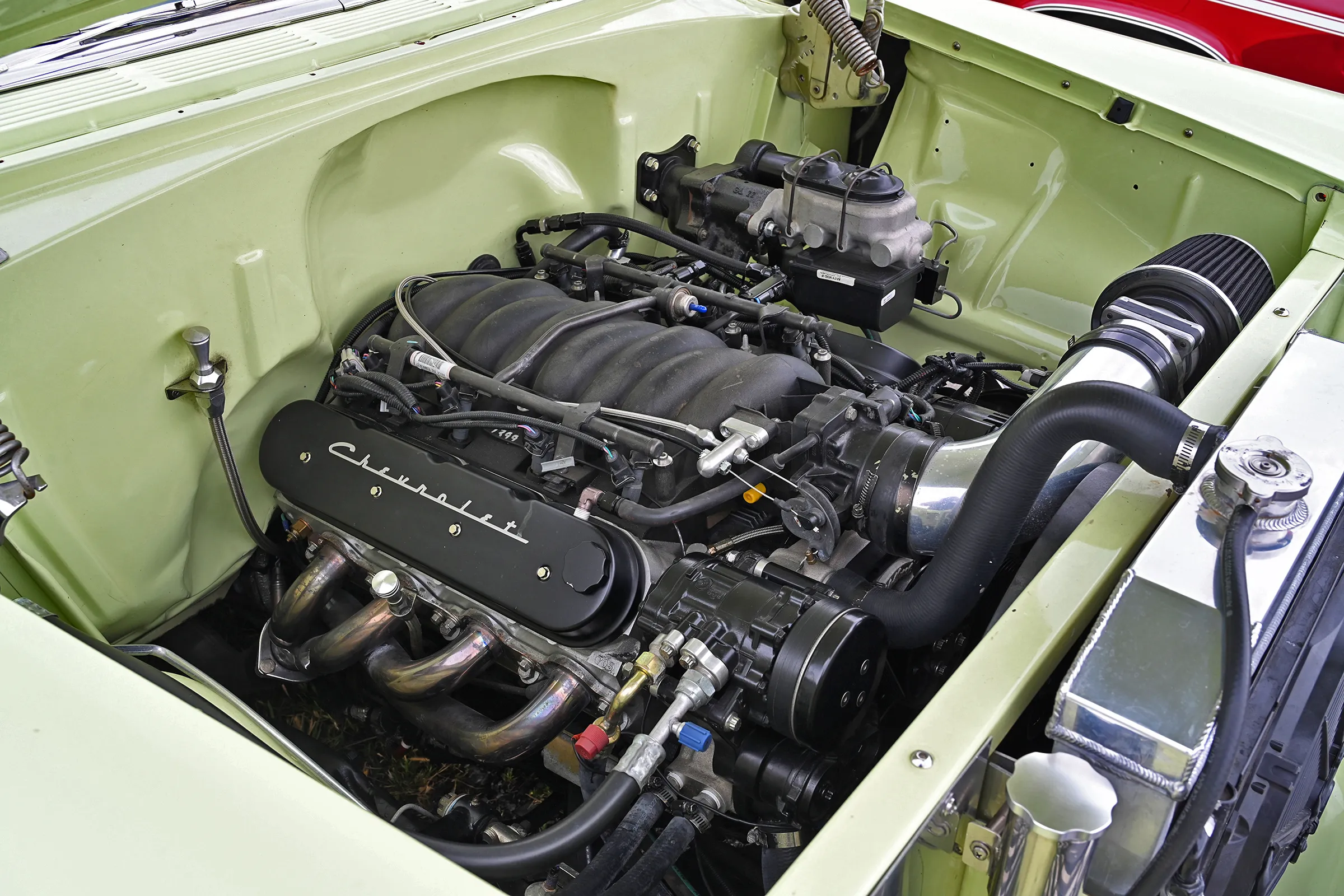
The 30-years-and-older requirement kept the focus firmly on heritage, and it showed in every row. These weren’t just display pieces—they were rolling examples of how far the craft of classic car restoration has come, and how strongly it still connects people across generations.
The atmosphere leaned relaxed and conversational, with builders and owners spending just as much time talking through details as they did admiring each other’s work. It’s that mix of education, storytelling, and shared appreciation that continues to define NSRA events.
More Than a Show Weekend
Even without the structure of modern competitive events, the energy never feels flat. NSRA’s format encourages interaction over isolation, with an emphasis on learning, sharing, and keeping hot rod culture alive through hands-on discussion rather than spectacle.
That approach is exactly why events like Johnson City’s Street Rod Nationals South continue to draw a loyal crowd year after year. It’s not just about what’s parked on the grass—it’s about the people who built it, drove it, and brought it there.
A Strong Chapter in a Long-Running Story
The 51st Street Rod Nationals South fit seamlessly into the broader NSRA circuit, leading toward the organization’s flagship Nationals in Louisville. Each divisional stop adds another layer to a network that has helped shape traditional hot rodding culture into what it is today.
Johnson City, Tennessee delivered exactly what attendees came for: authentic builds, real conversations, and a reminder that the roots of this hobby are still very much alive.
When the gates opened that weekend, it wasn’t just another car show—it was a snapshot of a culture that continues to evolve without losing sight of where it started.