THE AUTO BUILDER
Featured

BITS FROM THE PITS
Off road racing in the desert Southwest has been around for almost forty years now and we’ve never gotten tired of looking at vehicles and hardware associated with going off-road. Off-roading–racing or just having fun presents problems. We’re always intrigued by some of the solutions.Here’s what we found on a recent trip to Baja.
SUBTLE STANDOUT
From the low-key approach applied to this ’55 Chevy, it’s obvious that Jack and Gail Jenkins’ reasons for building it were based around applied craftsmanship, when you take into account the subtle style it displays. While the bodywork and paint are flawless, there’s little sign of the modifications beneath it, or the effort that went into them.

NEWMAD
Automobiles and customizing developed simultaneously. There have always been individuals who had a need, a persistent yearning, to personalize their belongings. Some people add their initials to clothing or suitcases, some homeowners paint and landscape their dwellings differently than their neighbors, and some auto enthusiasts customize their automobiles to stand apart from the rest. This quest to be different is what makes the world so unique and why the car manufacturers offered options to suit the whims of each individual buyer.
Spotlighter
POPULAR READS
-
Product Spotlight: Bill Mitchell Products Aluminum LS Engine Block
-
PRODUCT SPOTLIGHT: 60-66 Chevy C10 Fresh Air Vent Block Off Plate
-
Product Spotlight: Pyramid Optimized Design Sequential Aurora Taillight for 1964½–1966 Mustang
-
PRODUCT SPOTLIGHT: Cam Covers for GEN/3 Coyote from Pyramid Optimized Design
SMOKIN’ SS – Part 3
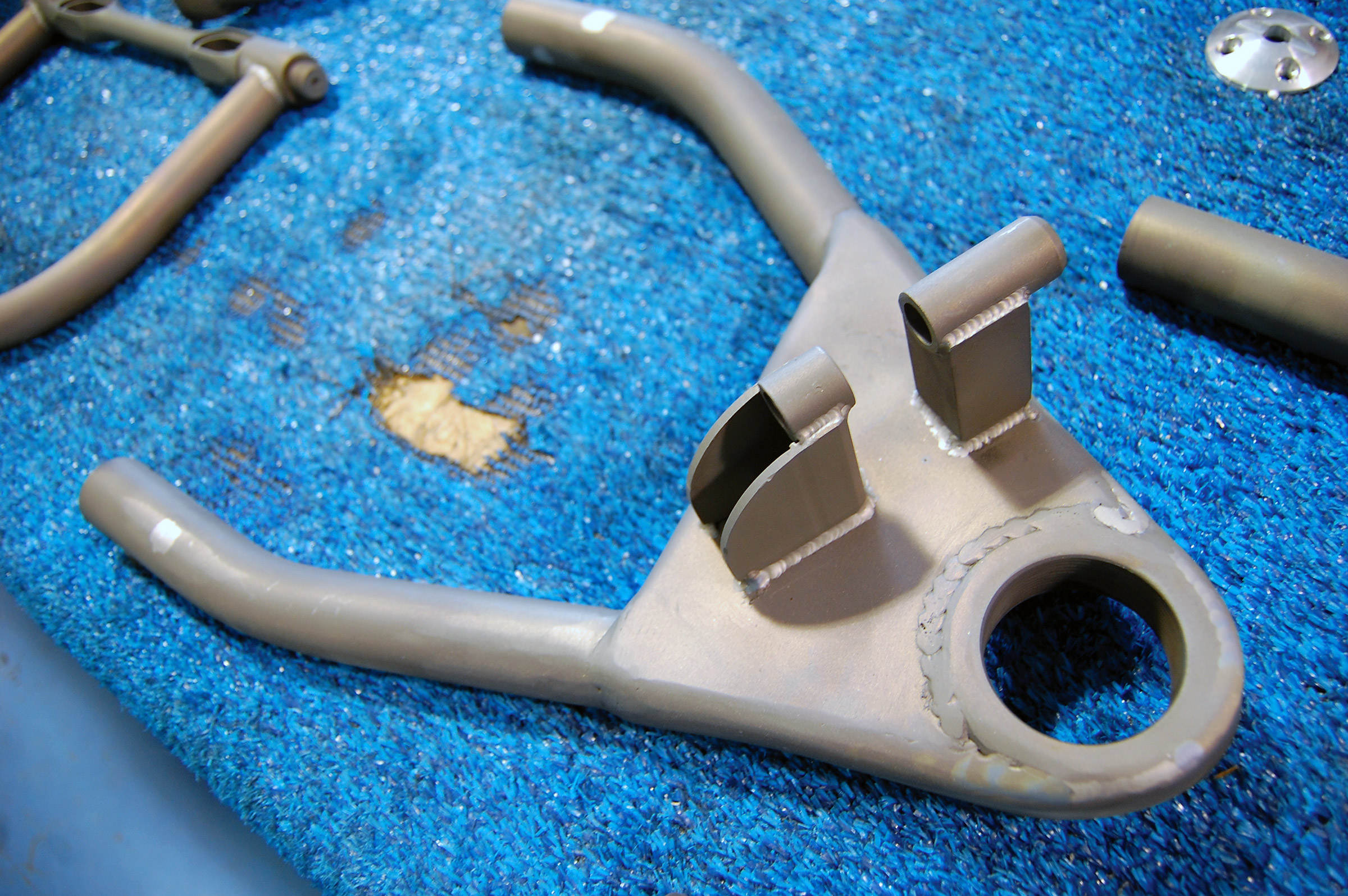
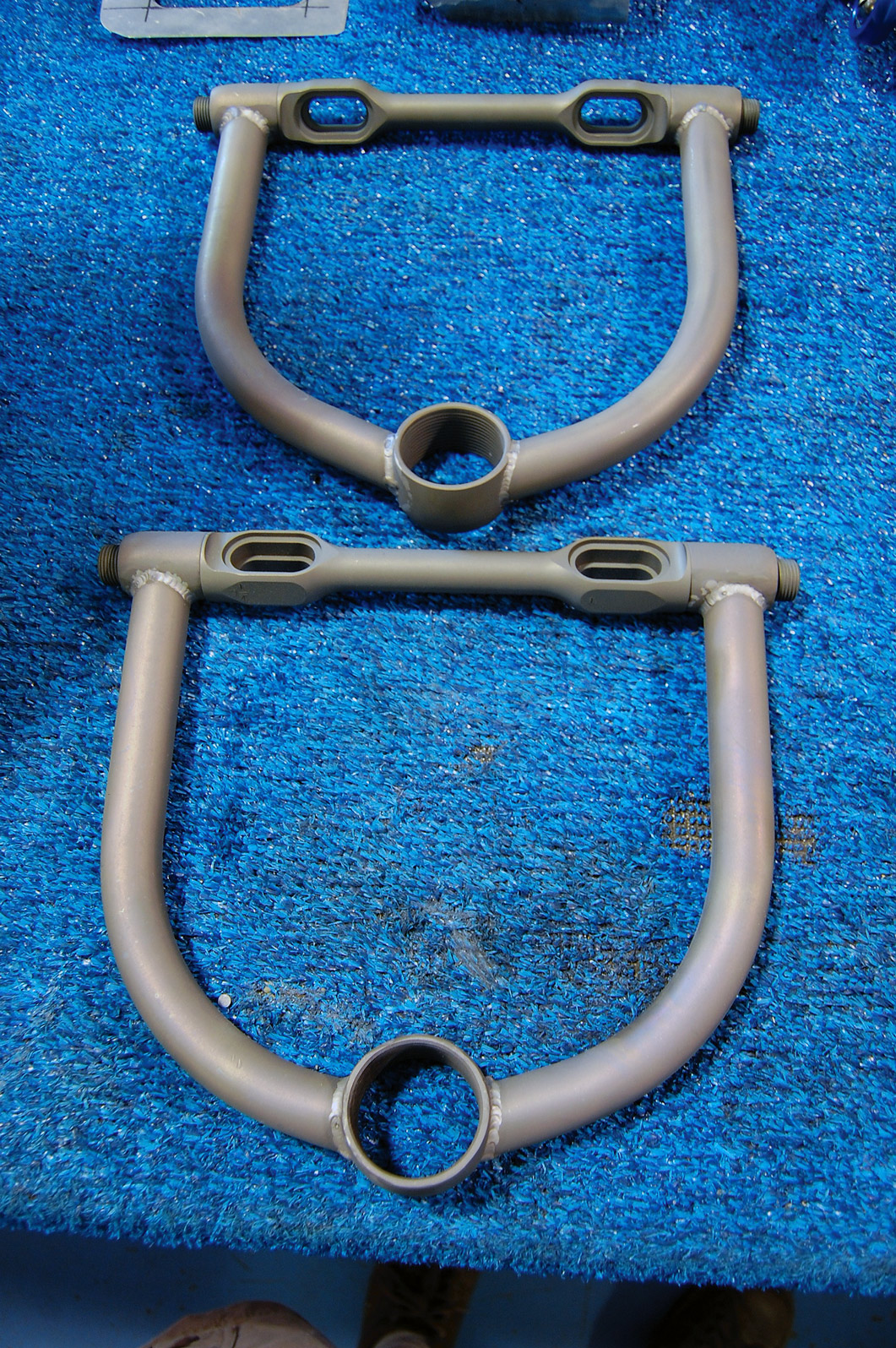
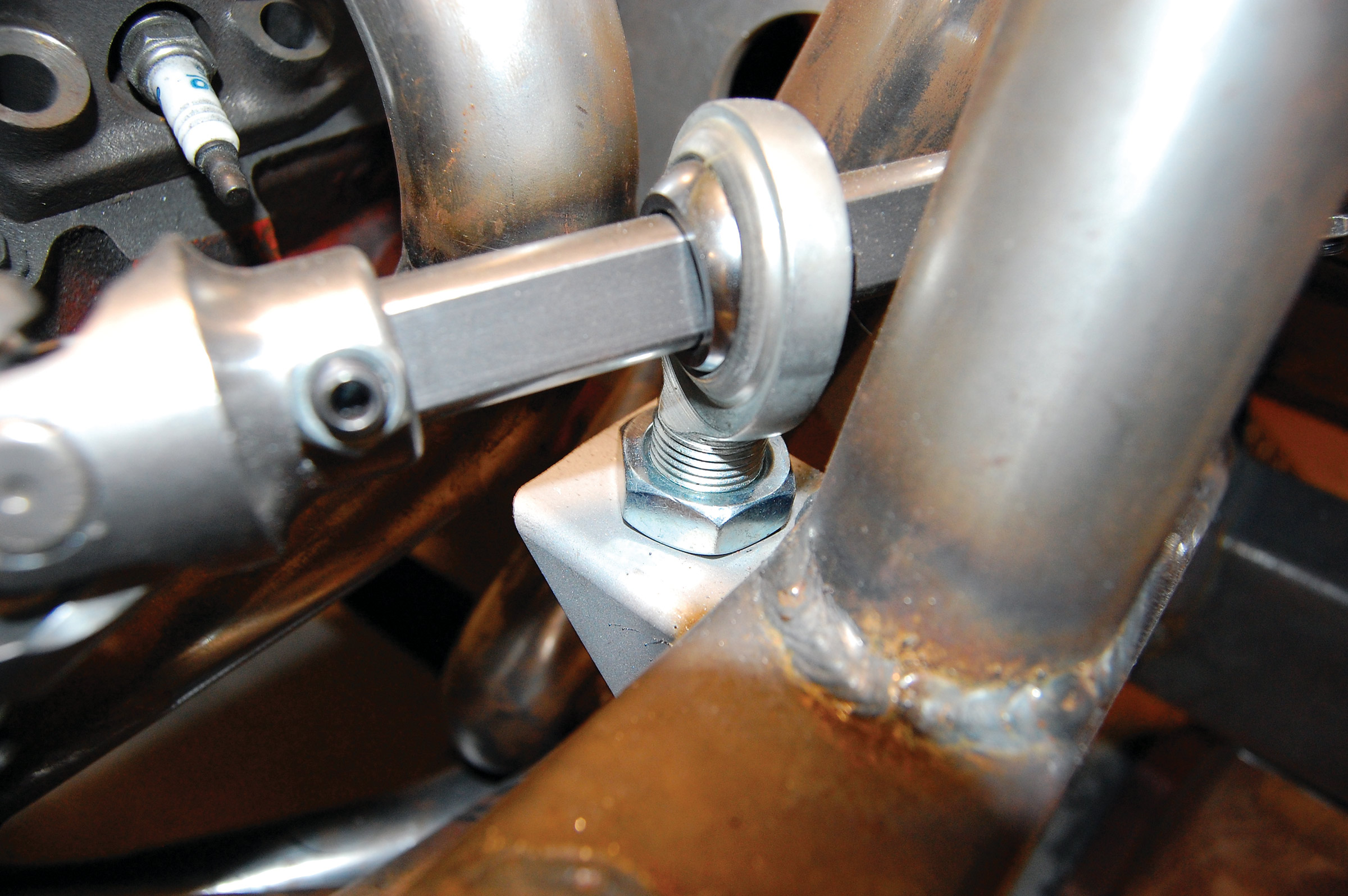
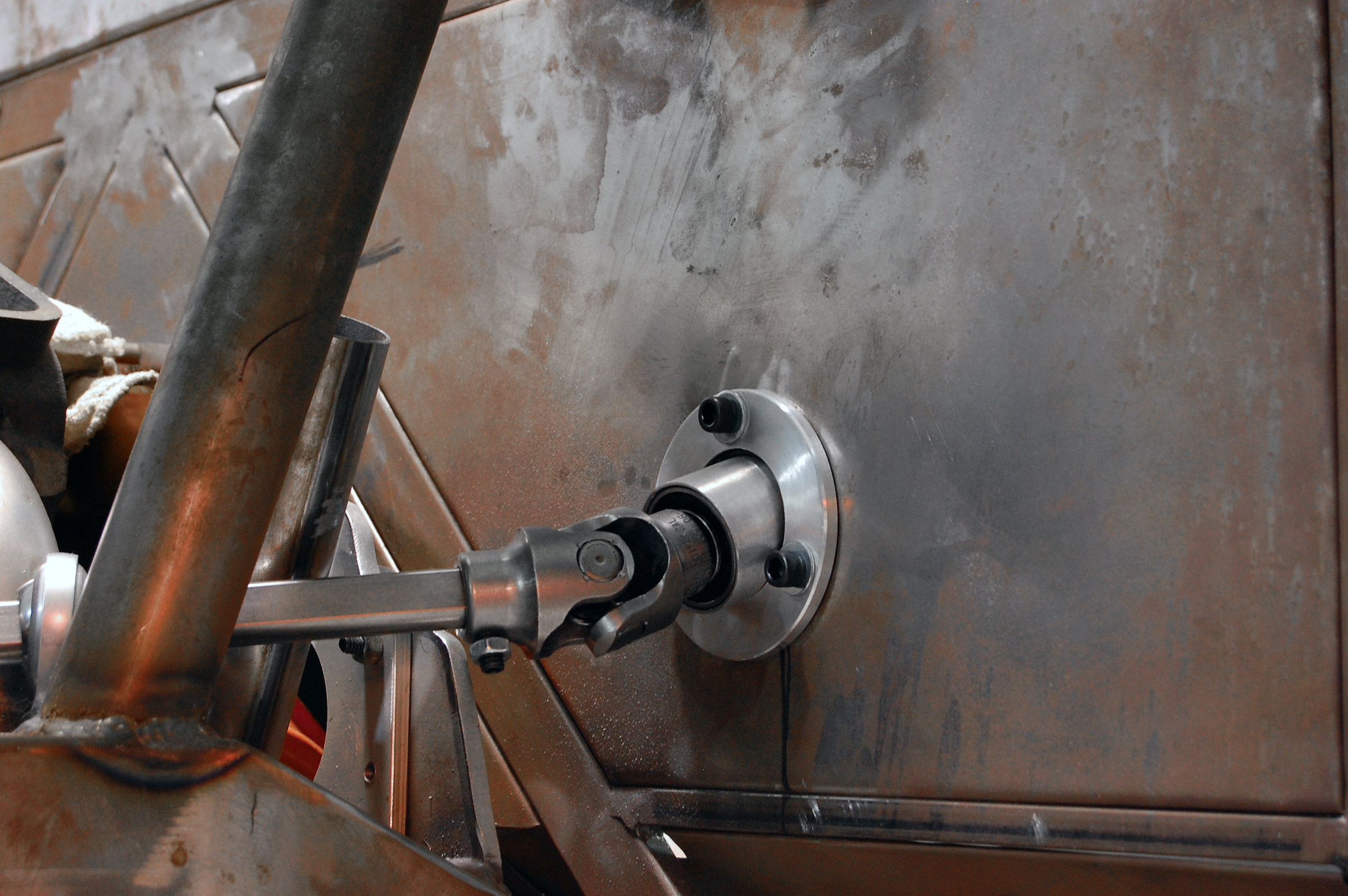
Fabricating Custom Suspension Components
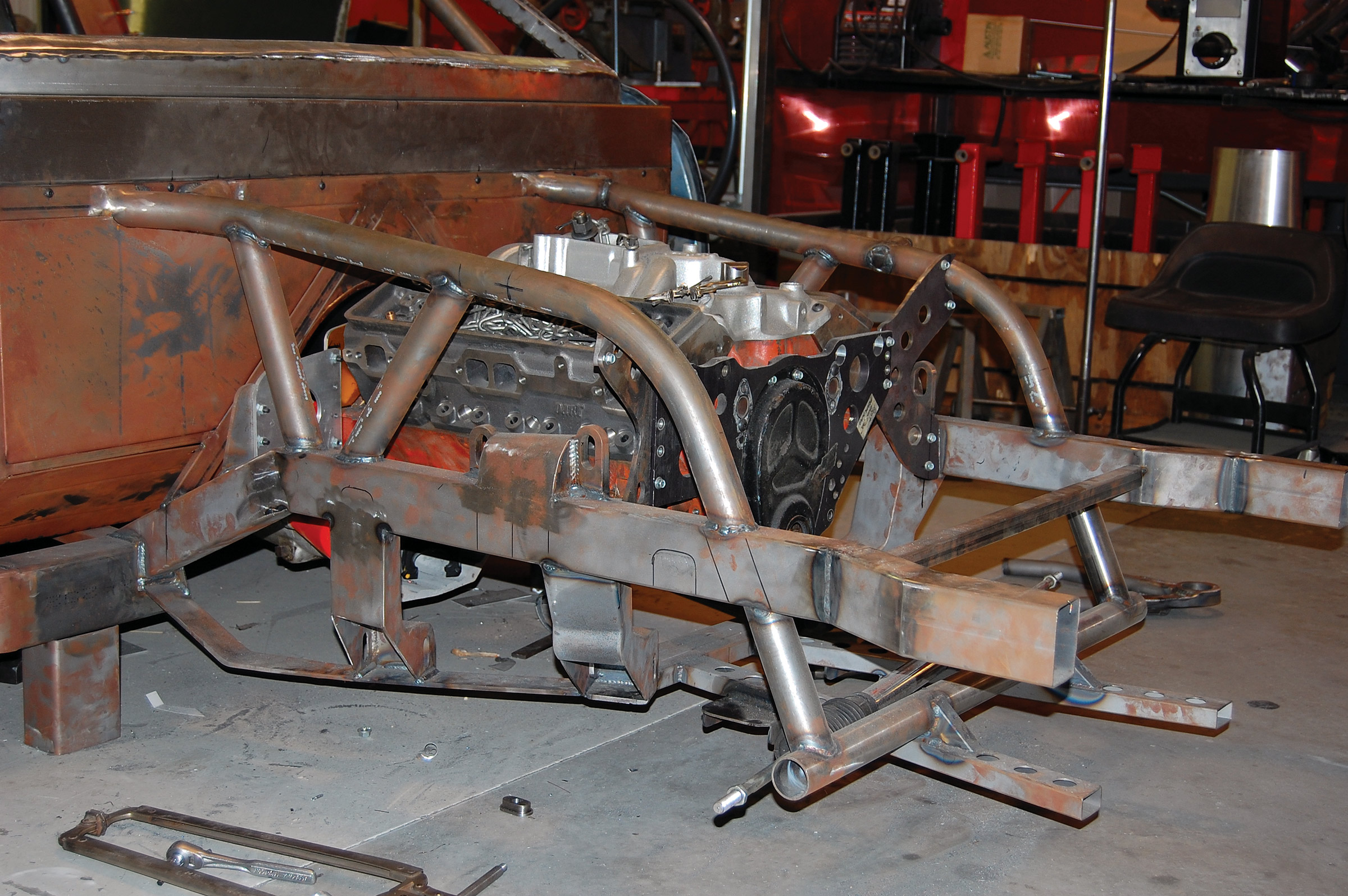
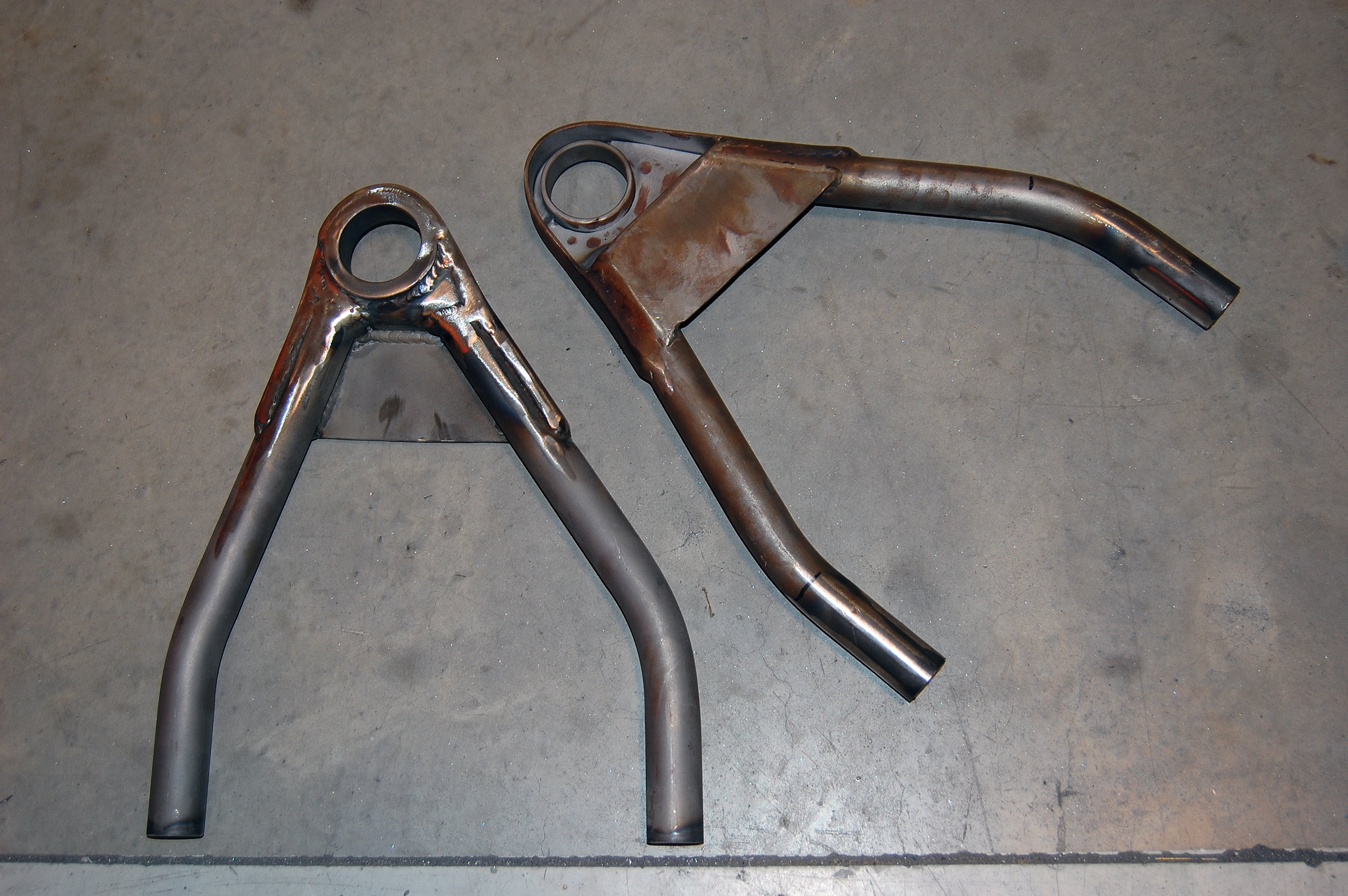
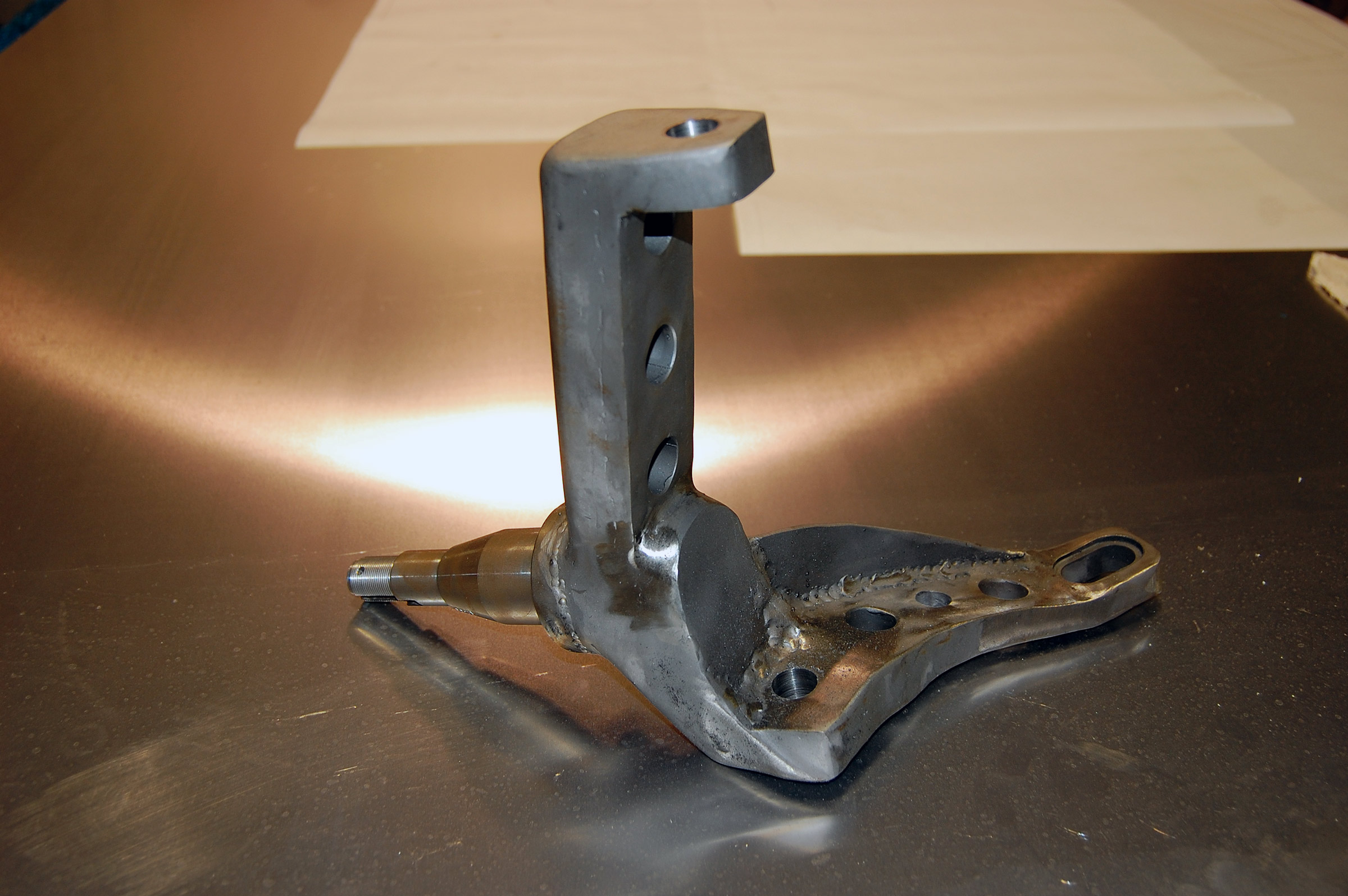
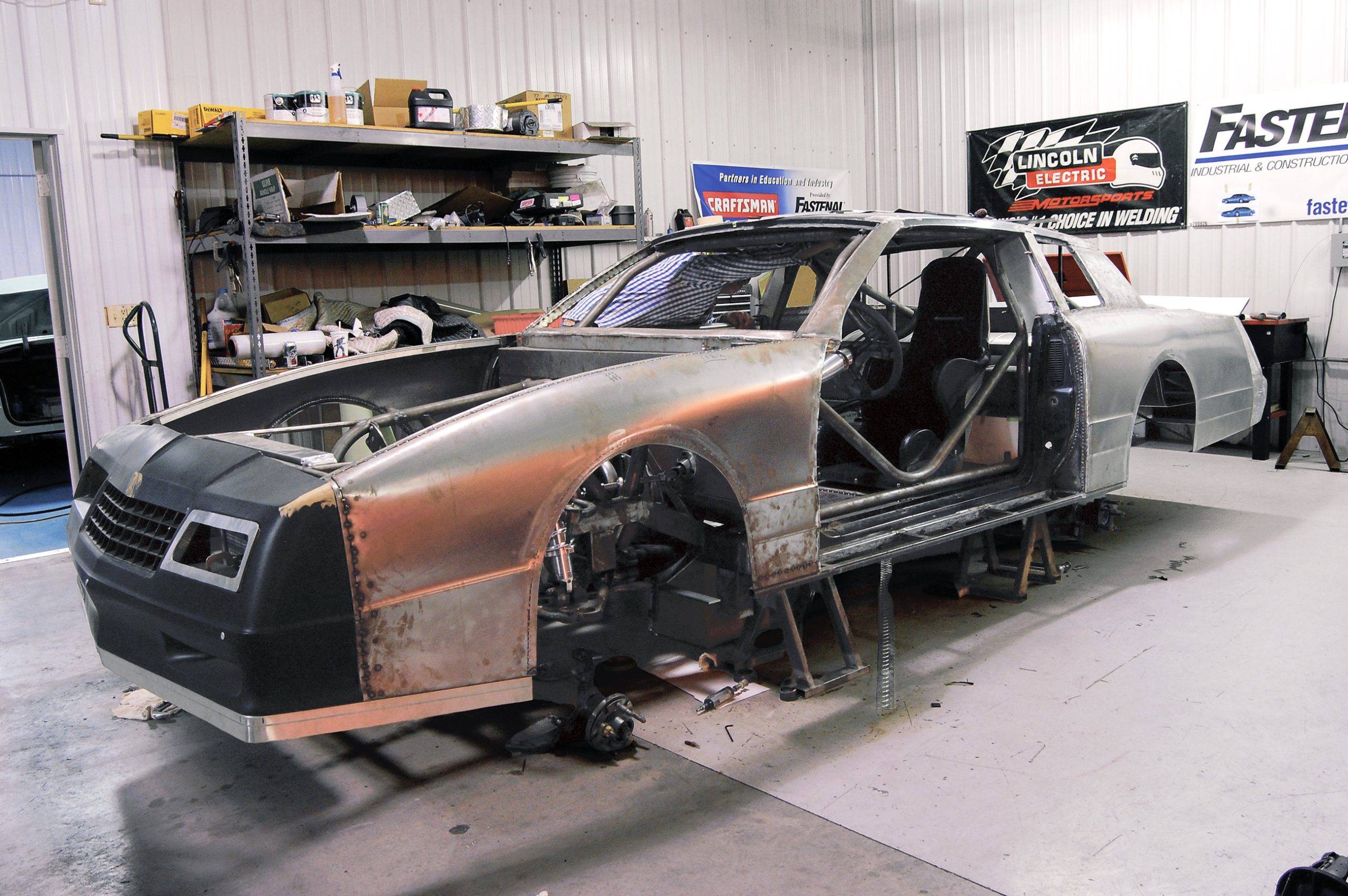
In a hobby where obtaining custom suspension pieces or a complete new tubular frame/chassis is as simple as picking up the phone, there are those enthusiasts who prefer a more hands-on role in the completion of such upgrades, which, of course, can mean many things to many people. Some simply want to be more a part of obtaining the parts they need, while others want to make every part exactly the way they want.
So how is a person to know which aftermarket parts are overbuilt and which are not, or to what extent a person should go as far as modifications are concerned? Admittedly, there are no easy answers to any of these questions, aside from considering the reputation of the companies building such parts, the quality of the parts themselves and the experience a person has to determine to what extent an upgrade should be taken.
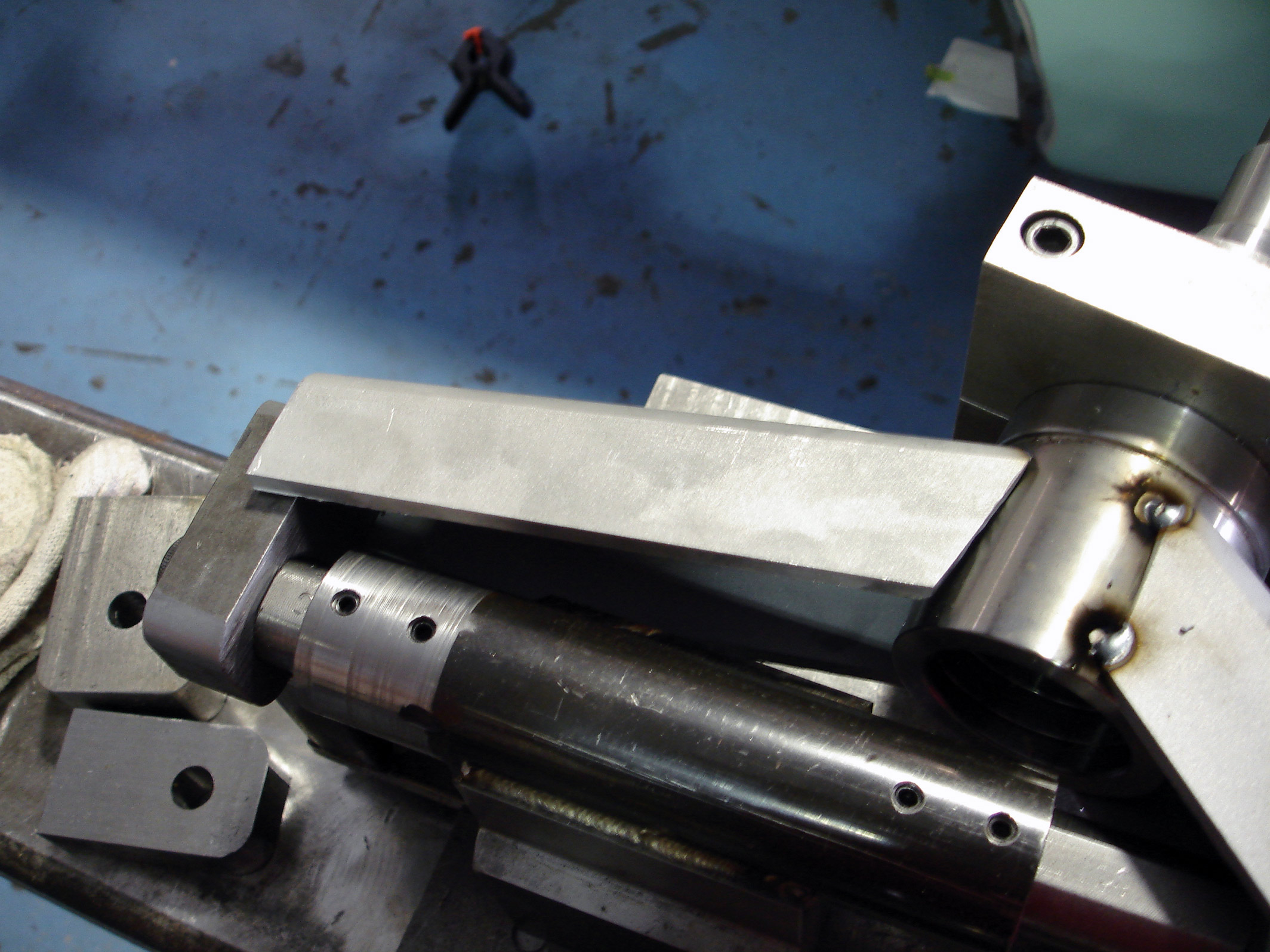
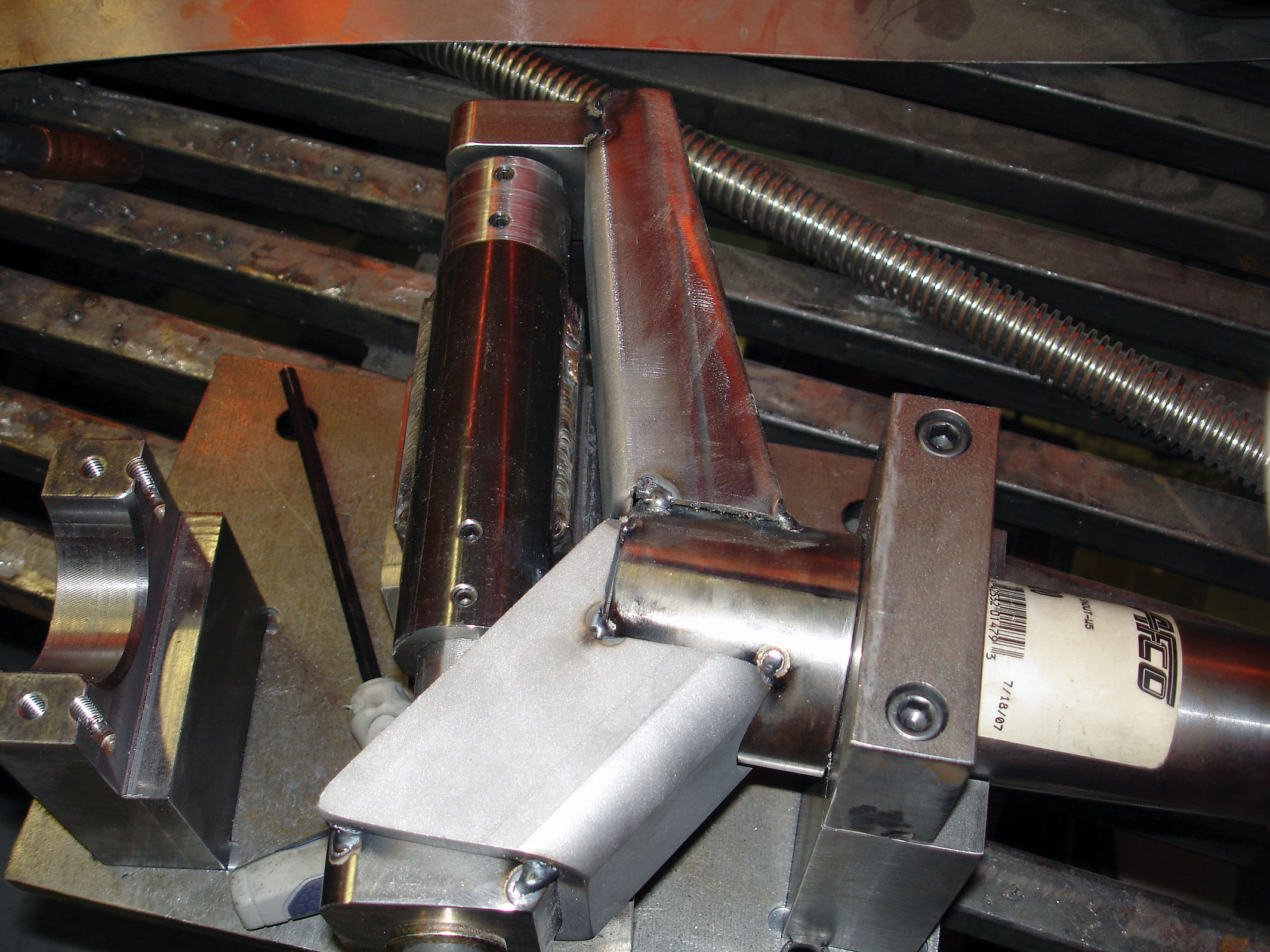
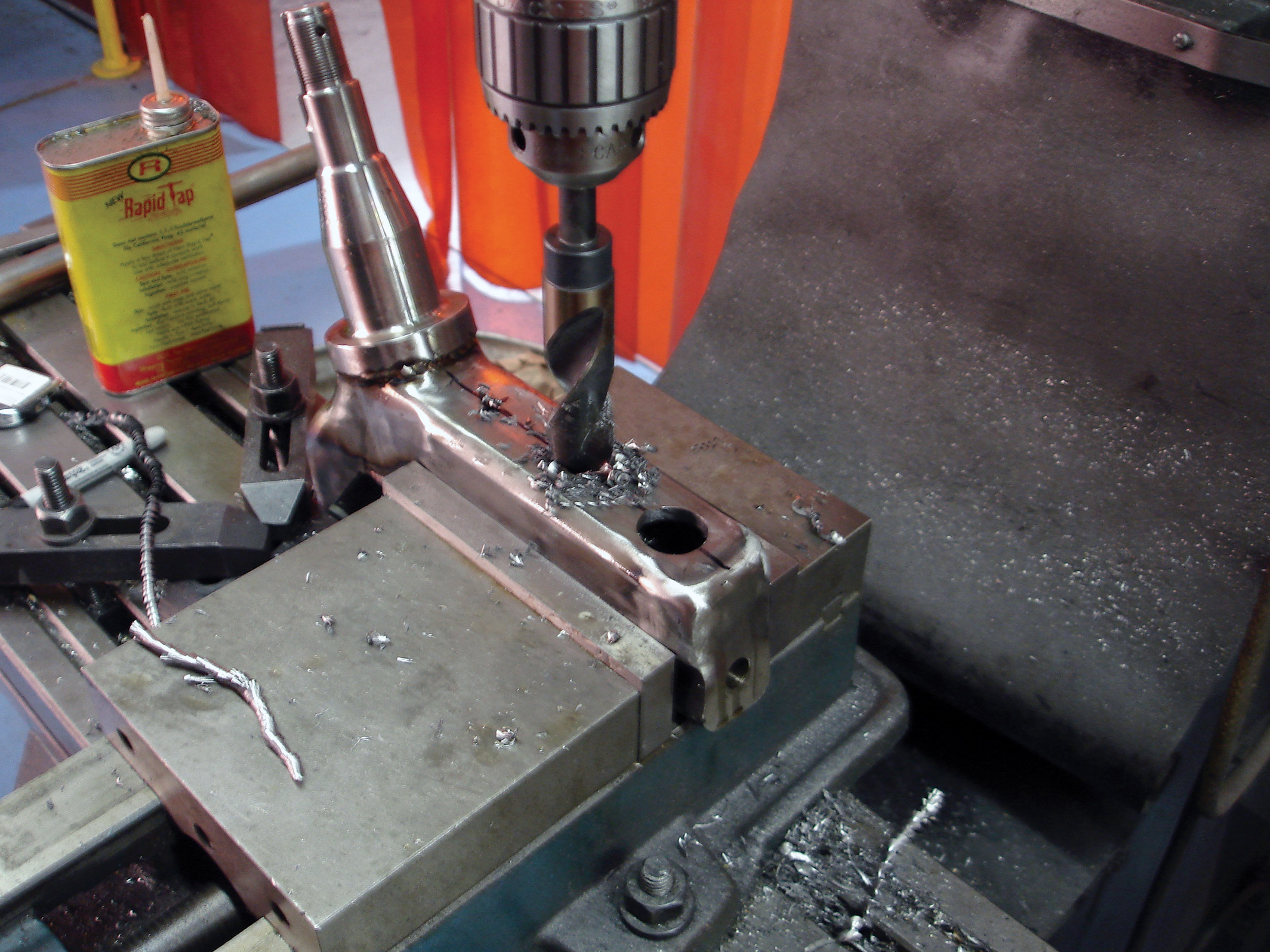
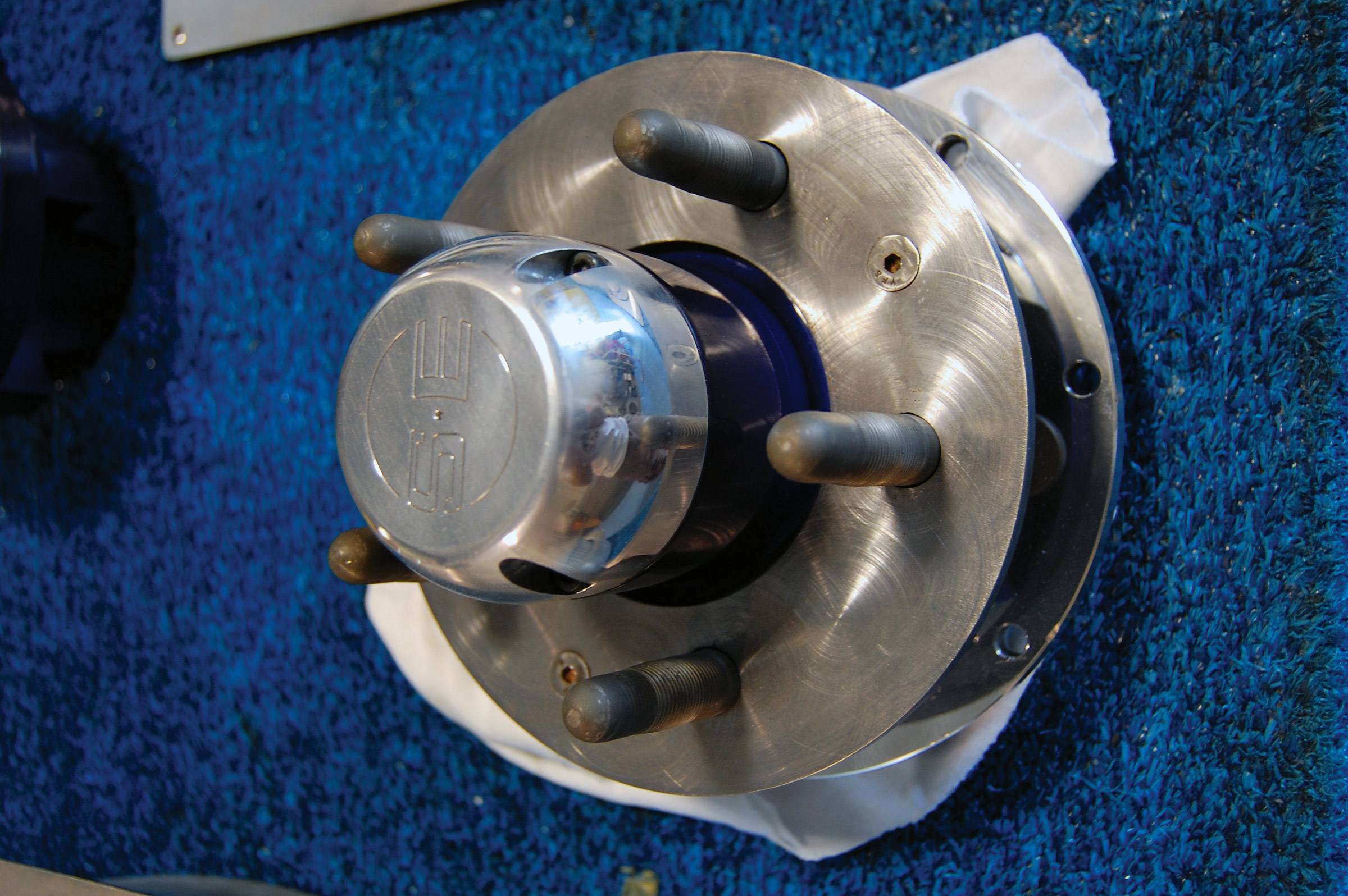
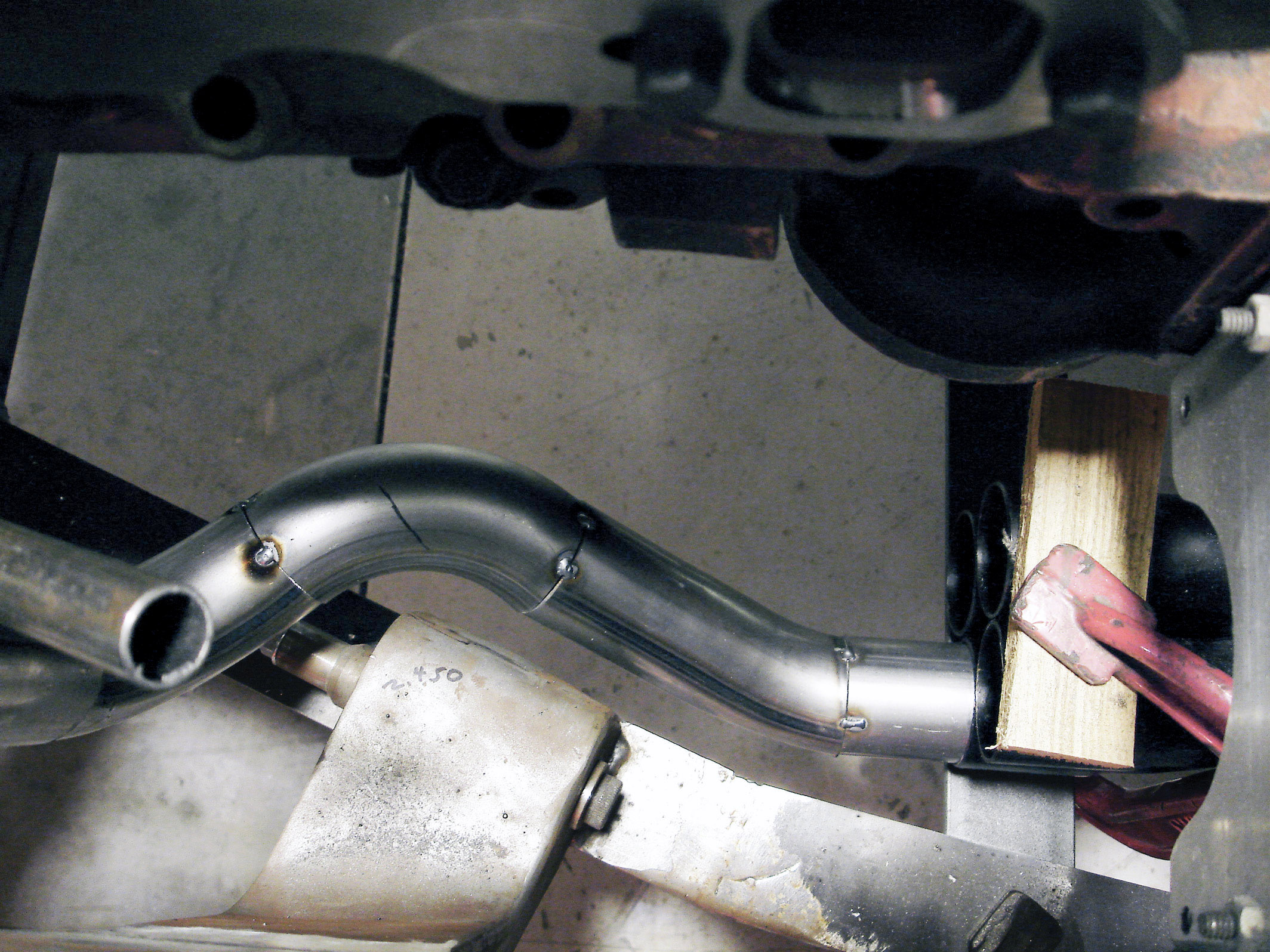
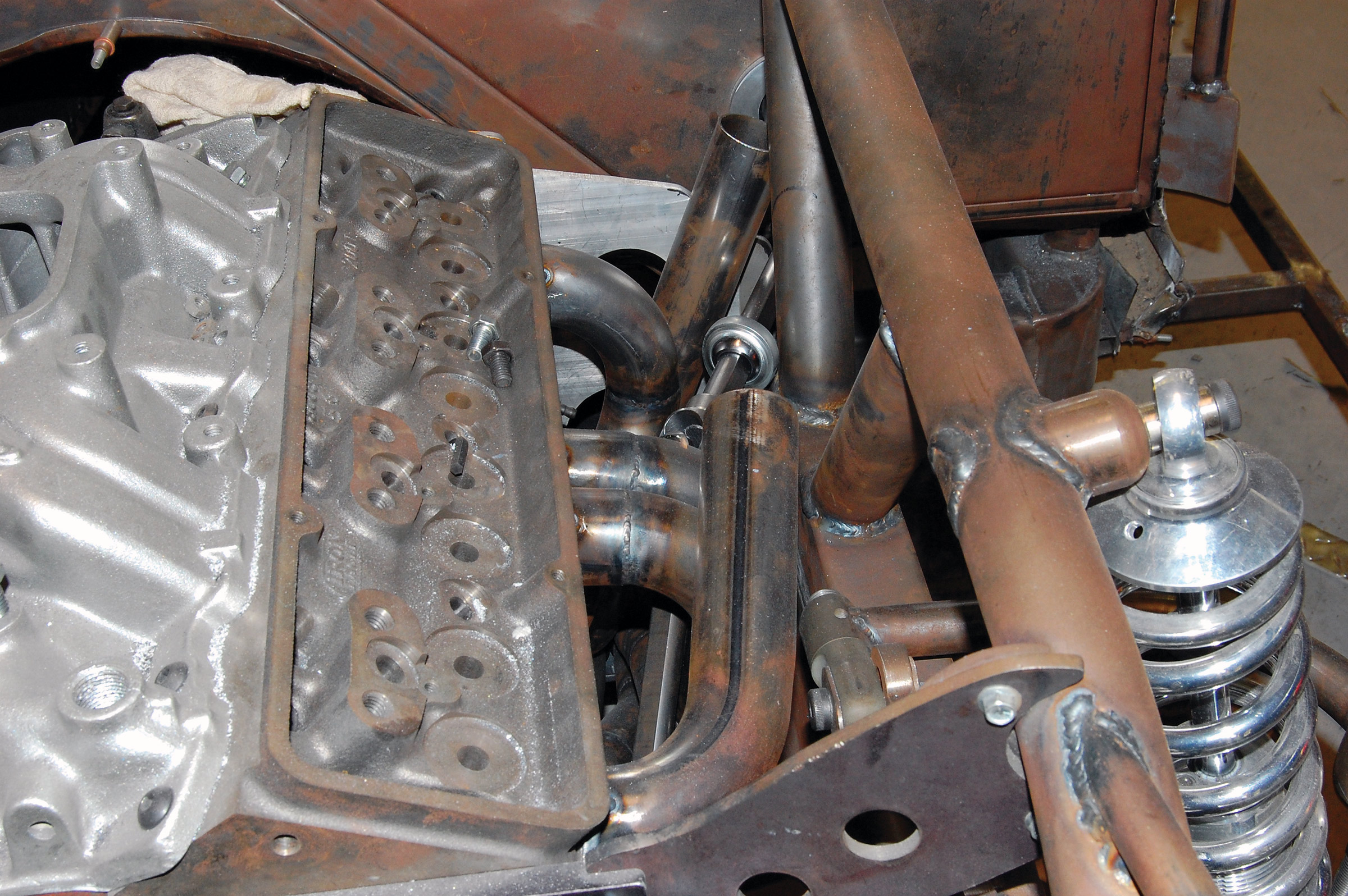
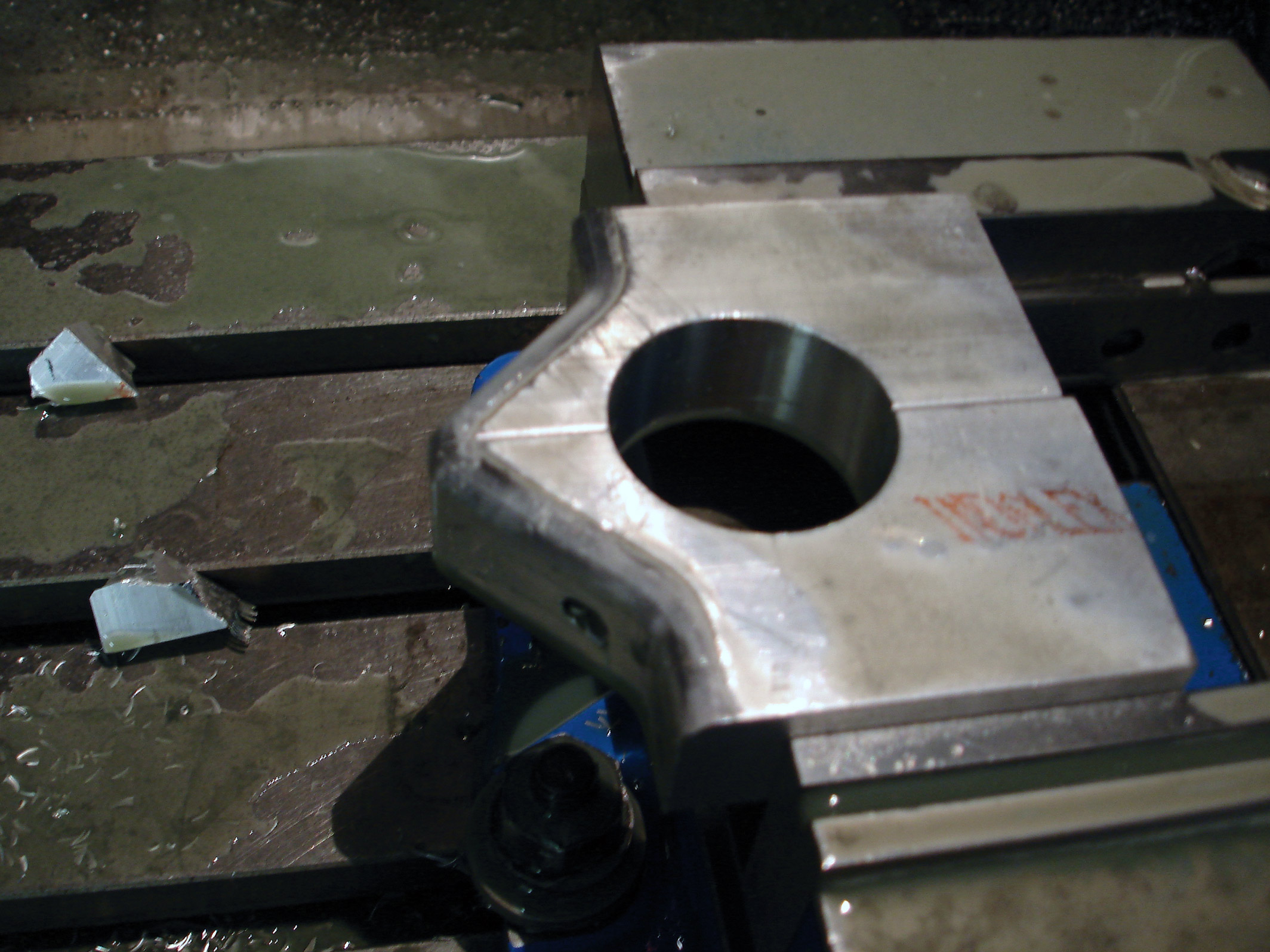
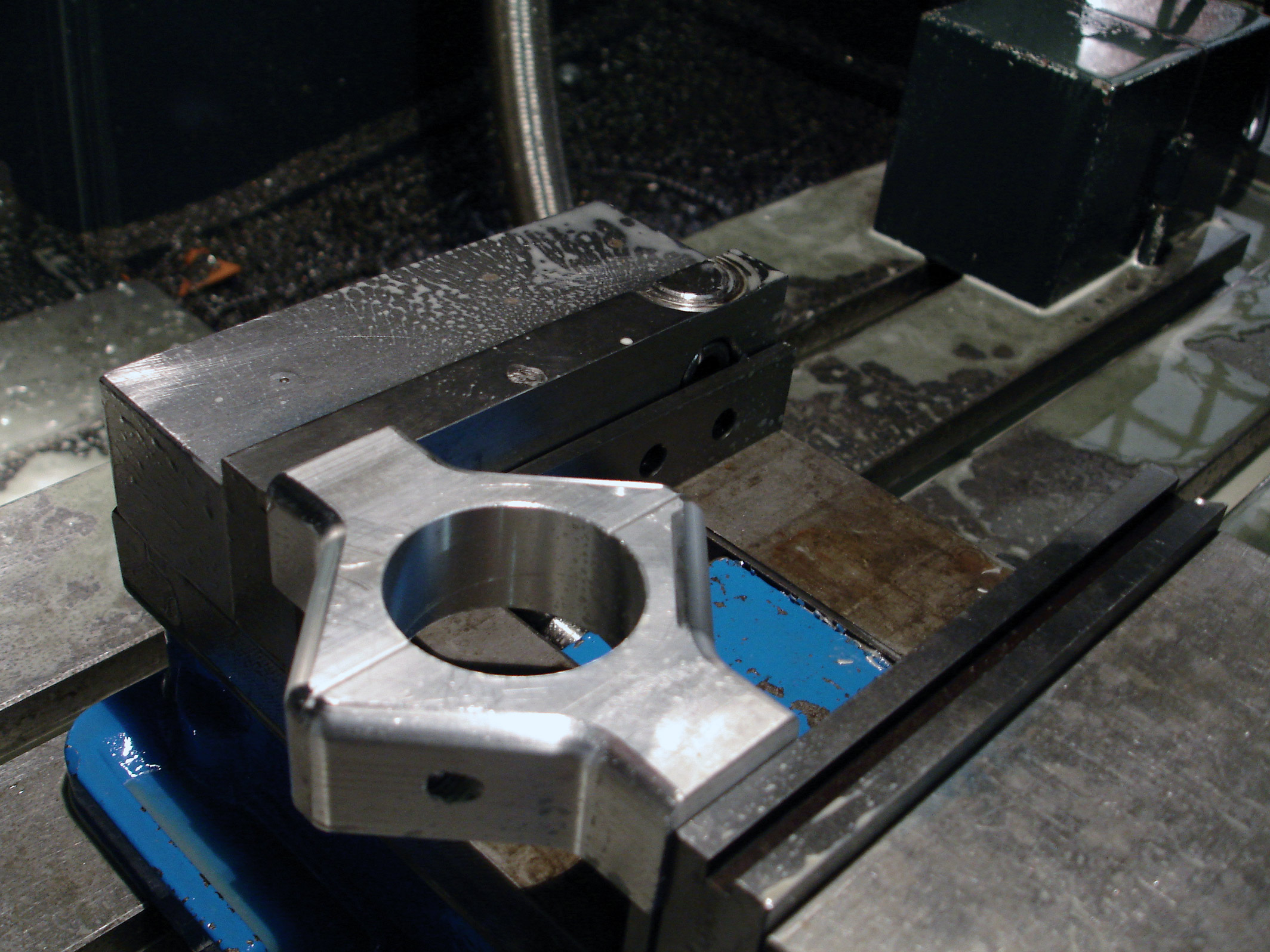
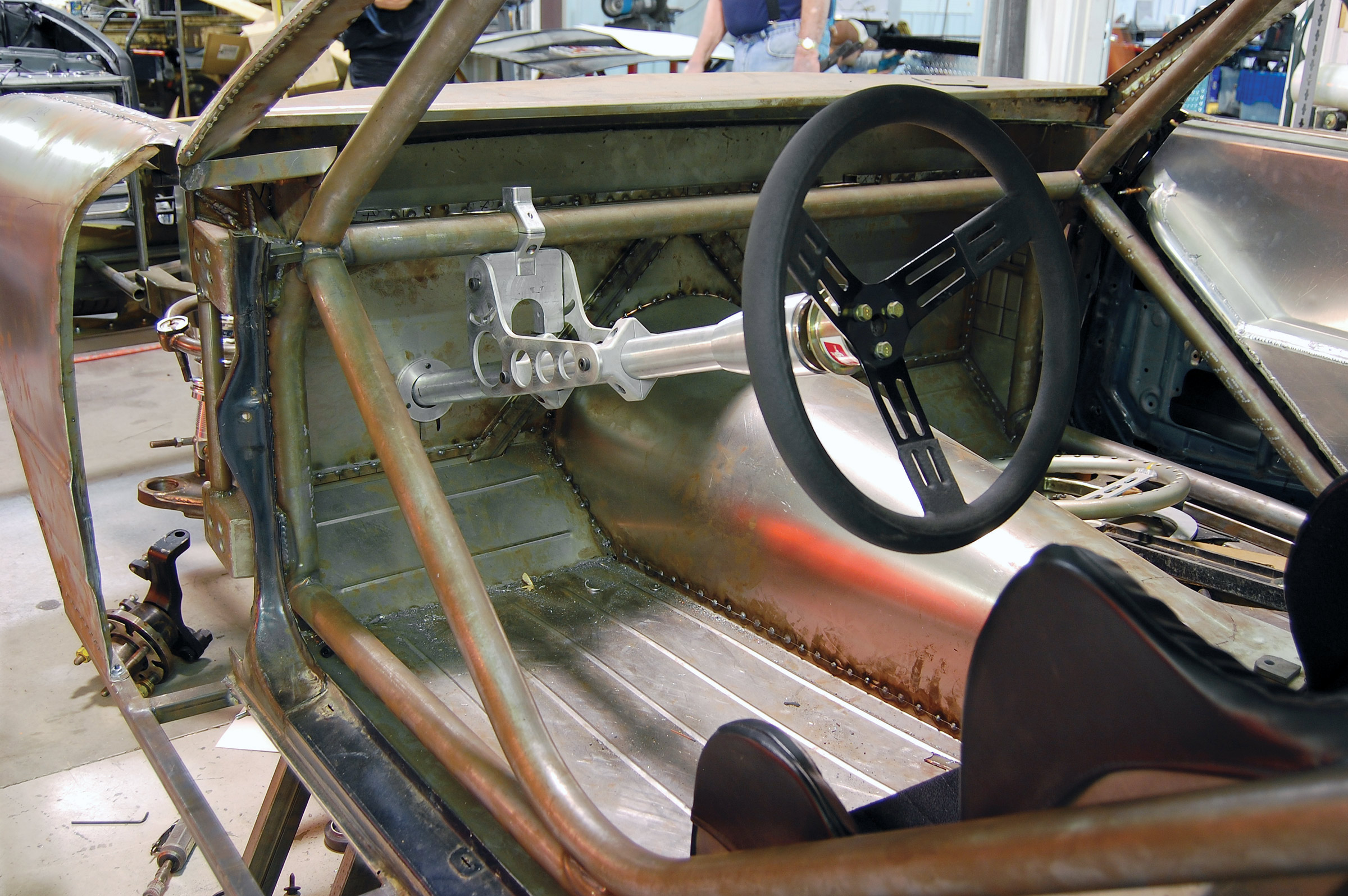
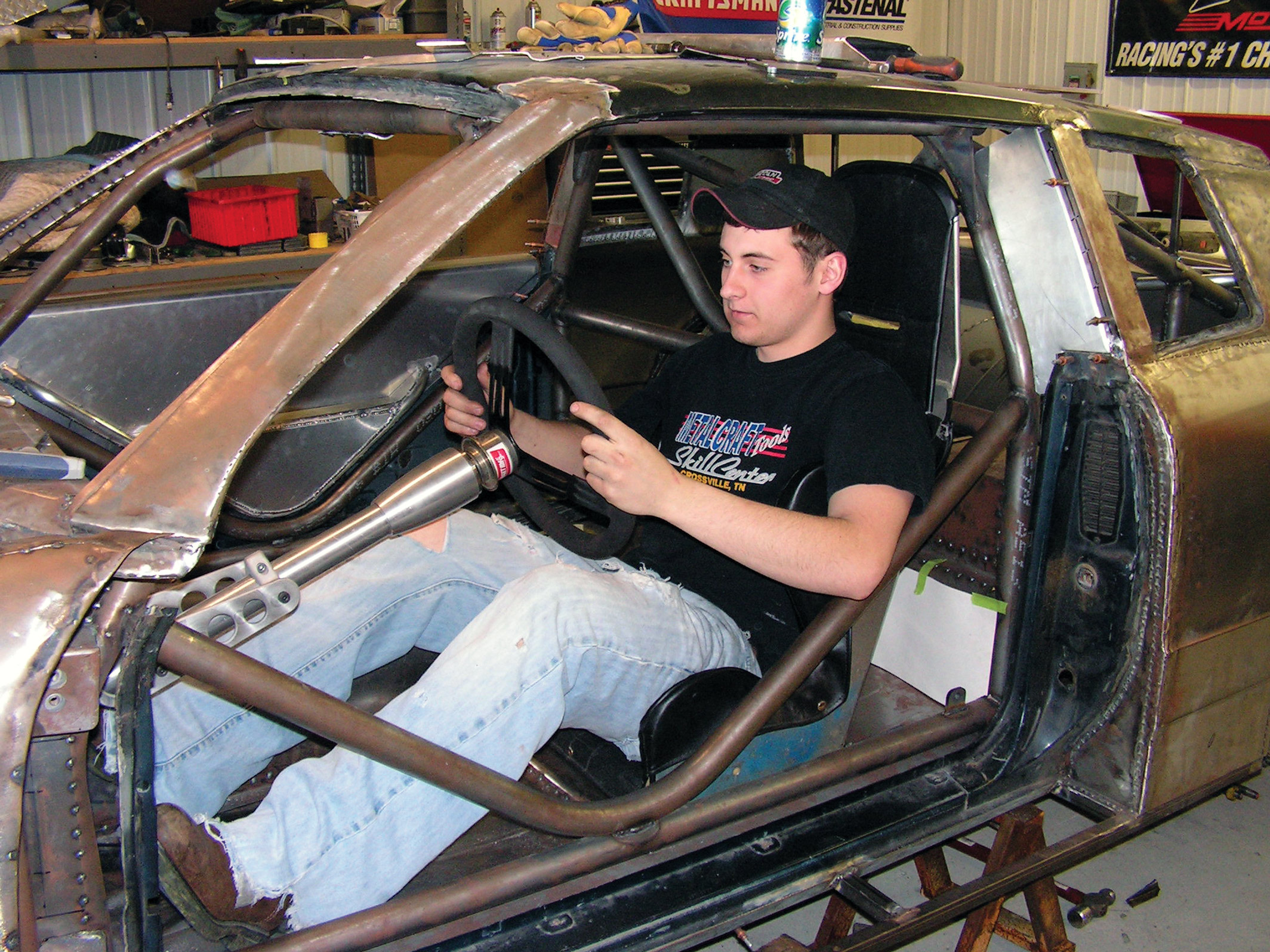
Mark Davis of the Metalcraft Tools SkillCenter encourages his students to make their parts and build them in the configuration they desire. That is how he handled the suspension fabrication on the Smokin’ SS project Monte Carlo. But in the case of your own project, with all the aftermarket components available in the suspension department, why would you go to all this trouble to build nearly every component under the car? For the average tuner, this kind of fabrication isn’t feasible, but Davis puts his students through the paces of a real-world fab shop.
For Davis, he first laid out the specifics, and then his students designed, fabricated and assembled nearly every suspension component on the car. Here’s Mark Davis’ take on his students’ own project, and what he has to say about building parts:
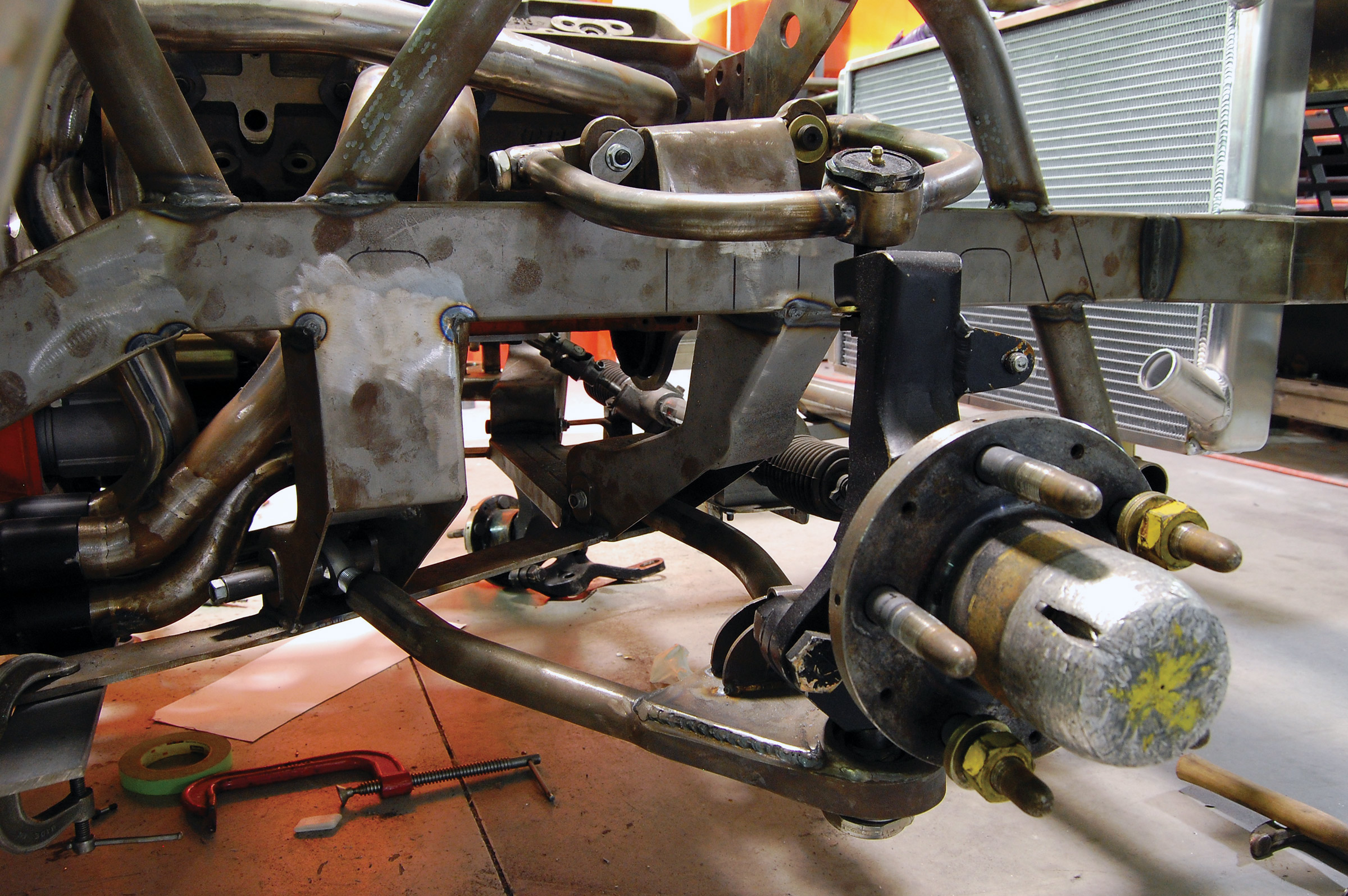
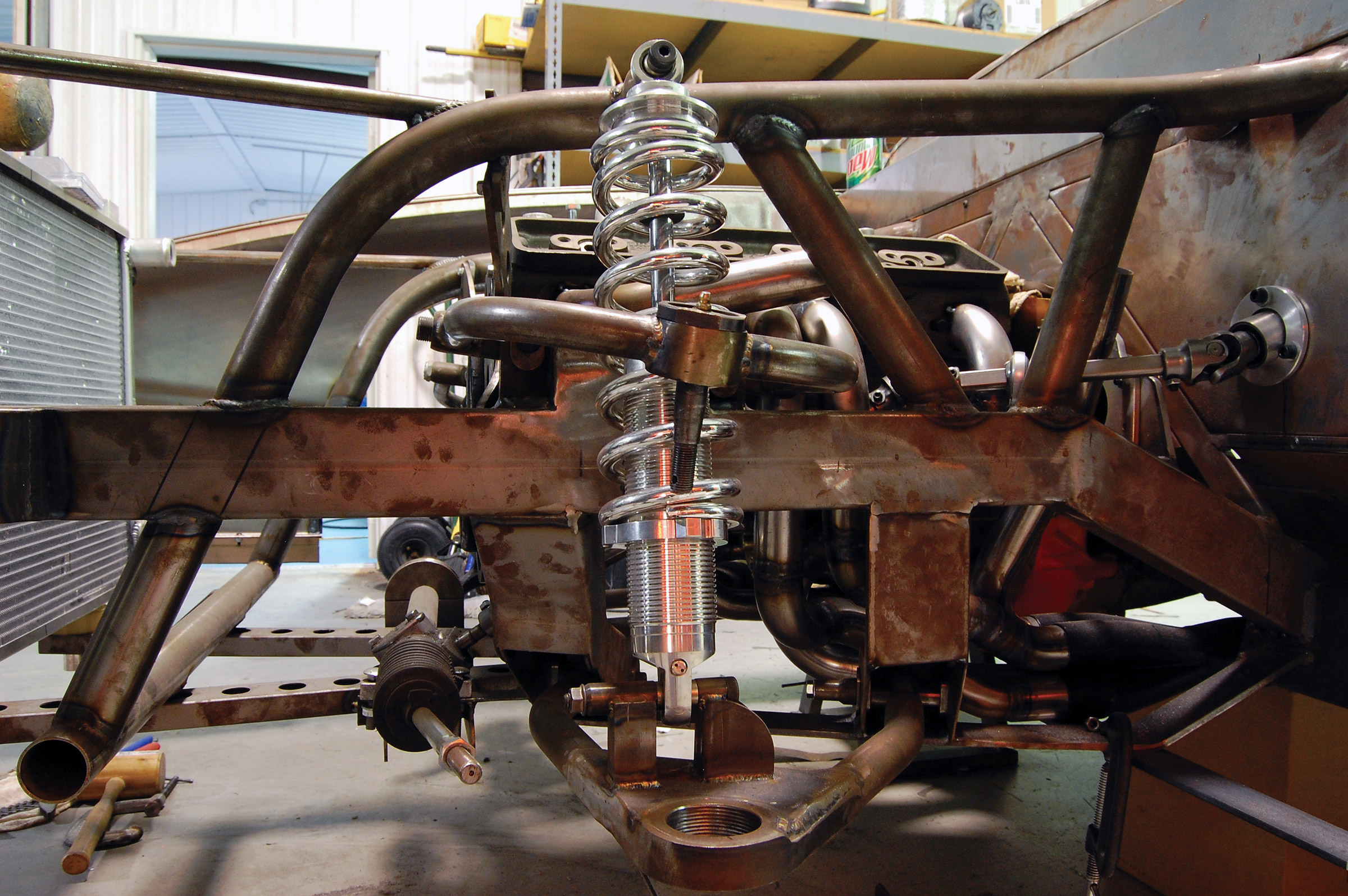
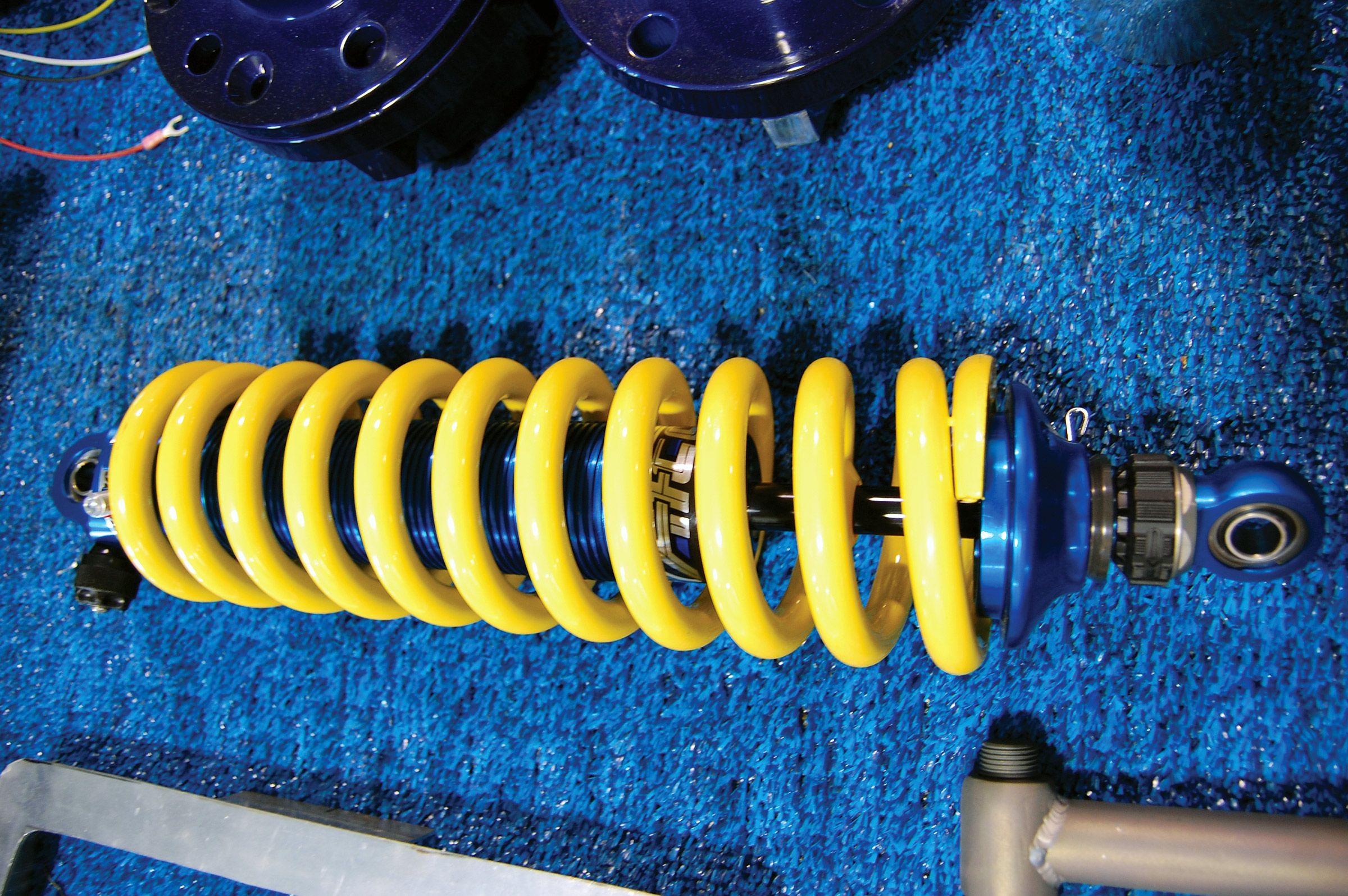
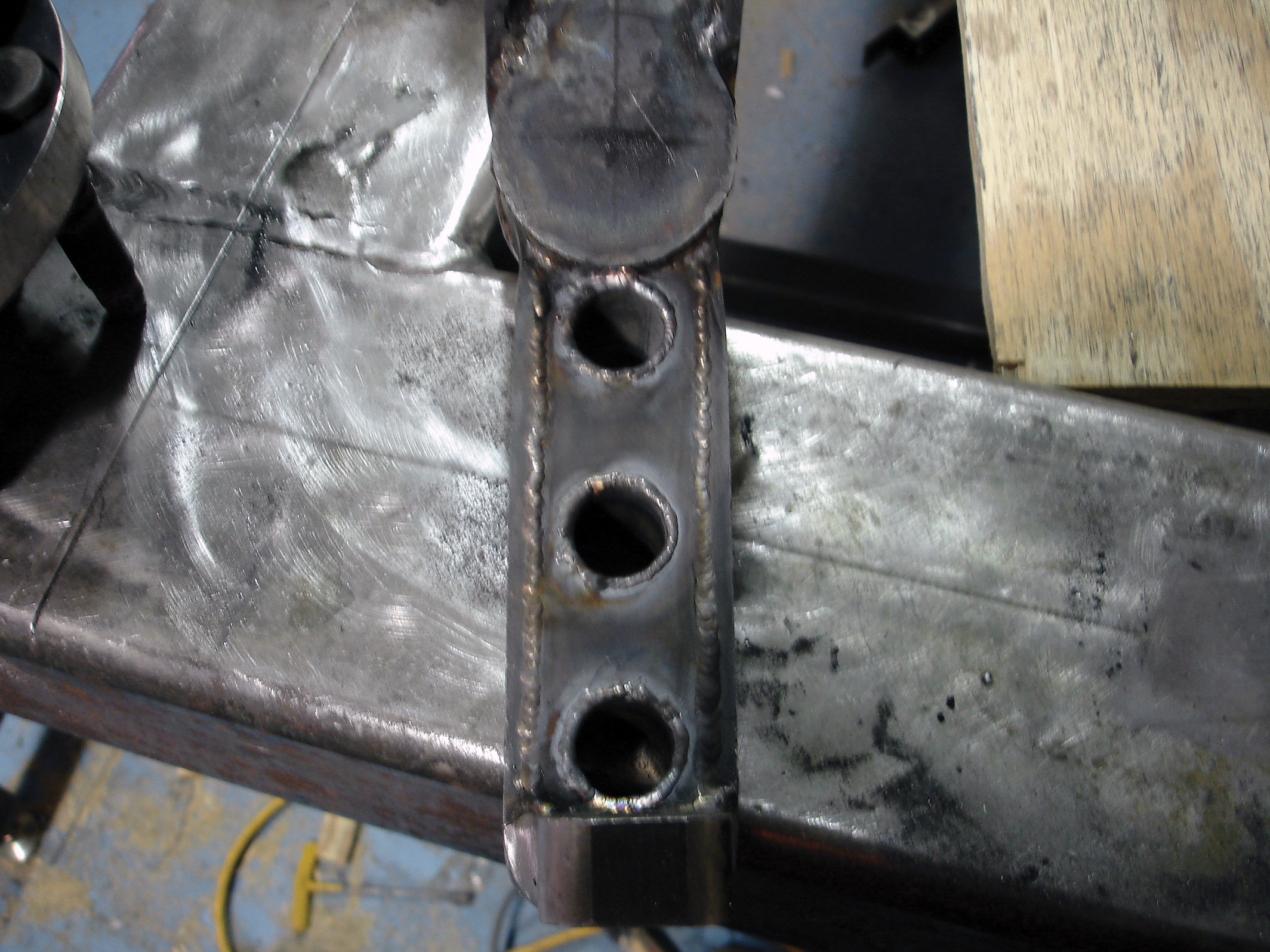
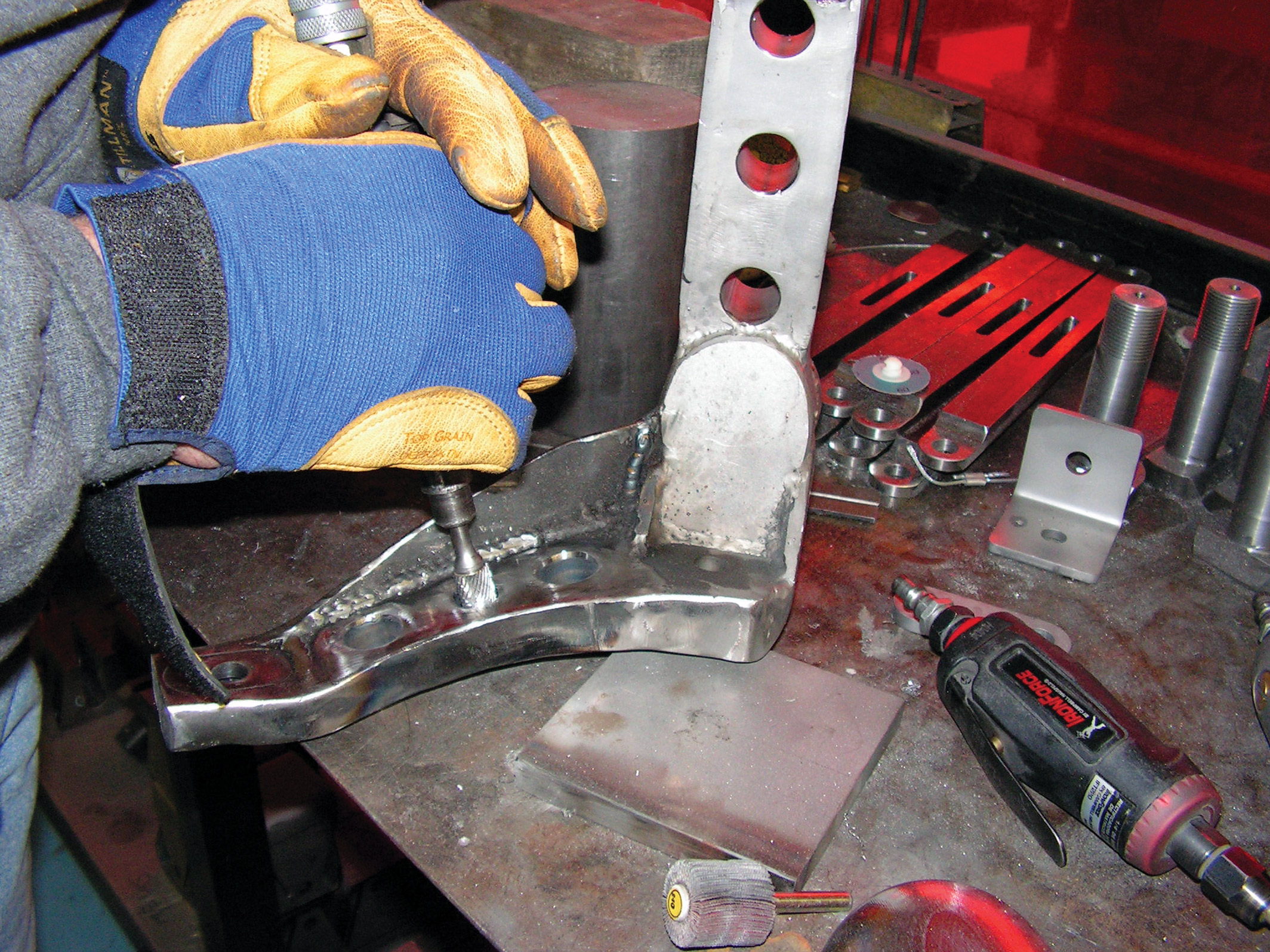
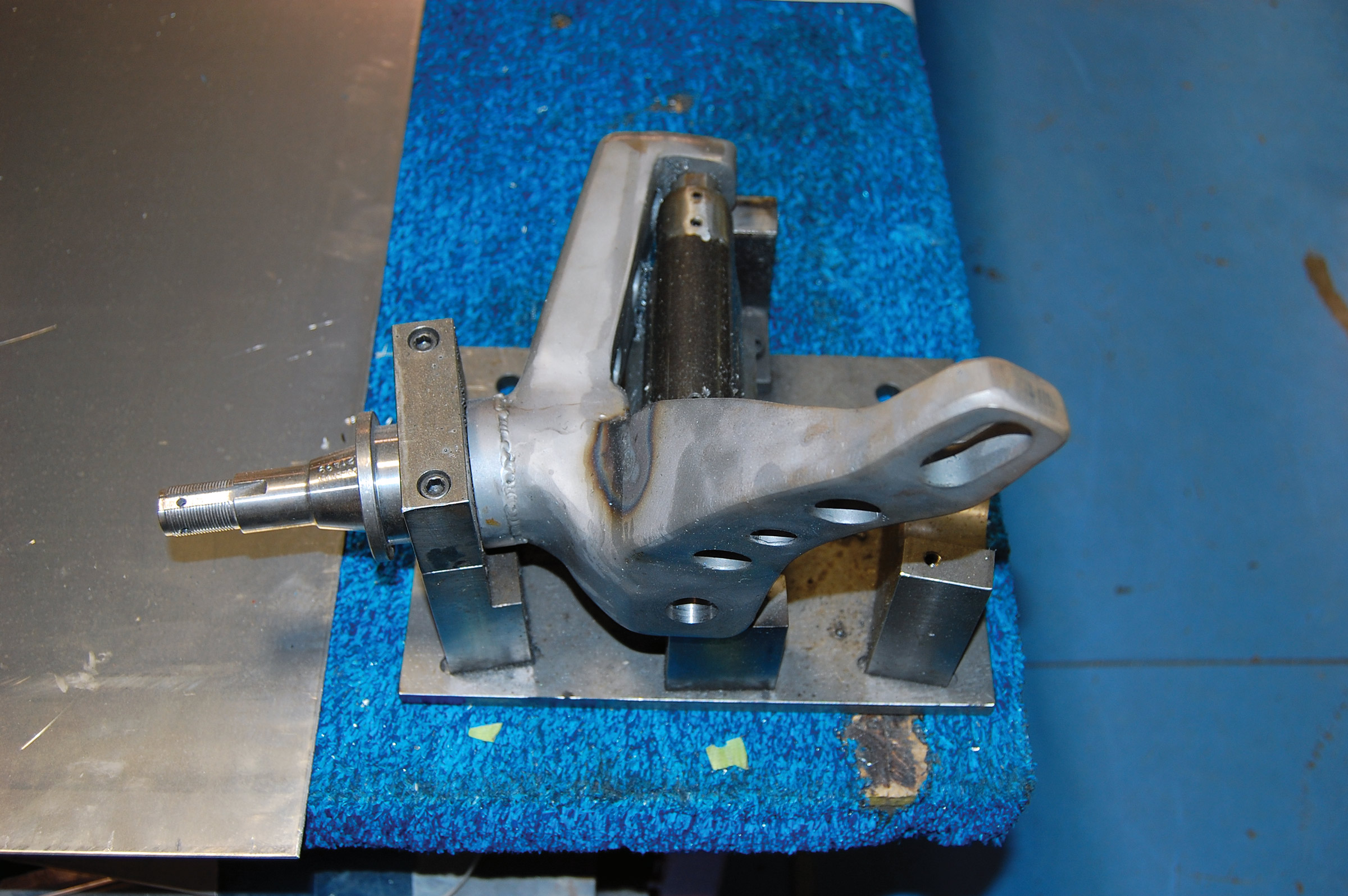
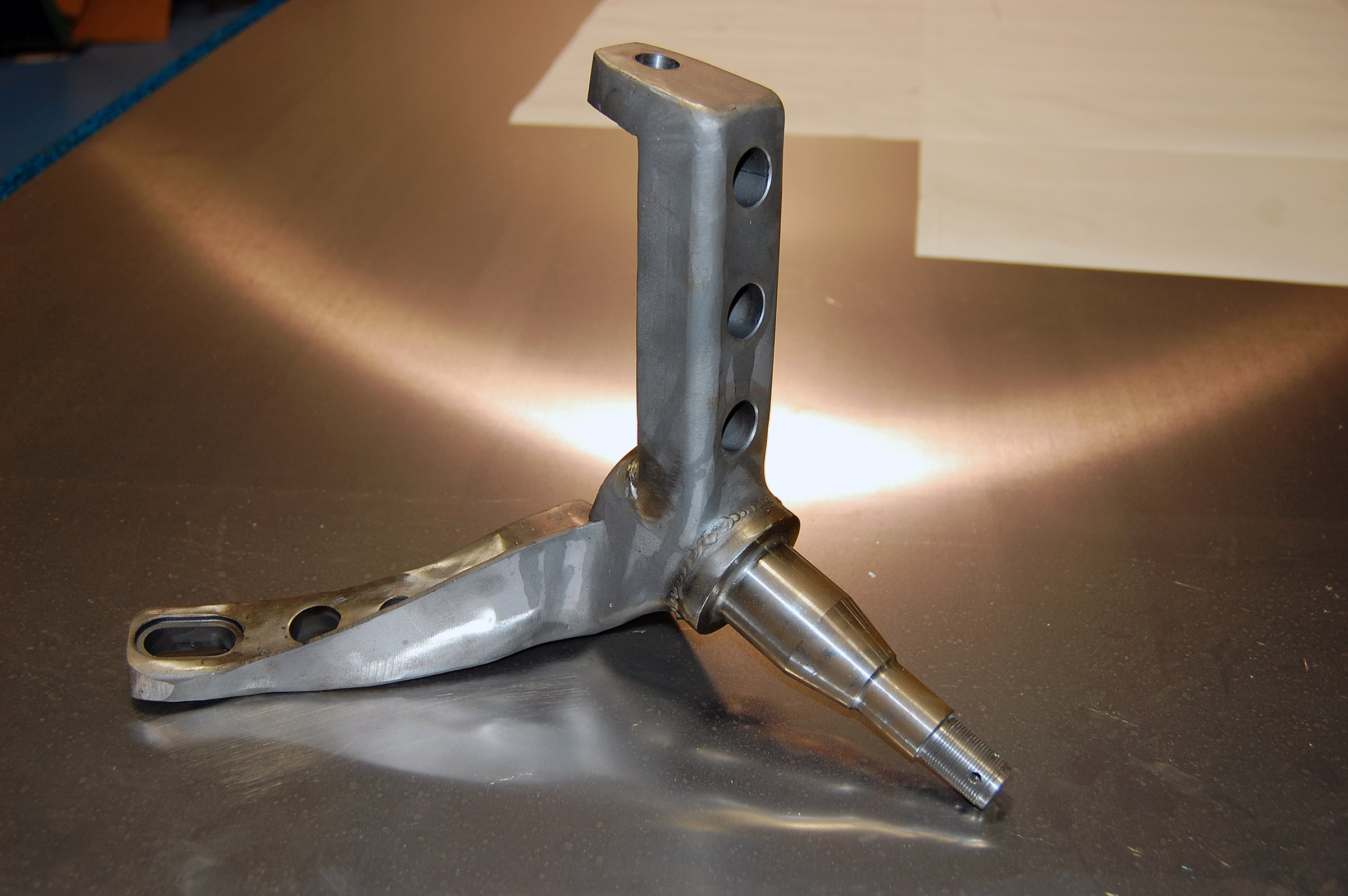
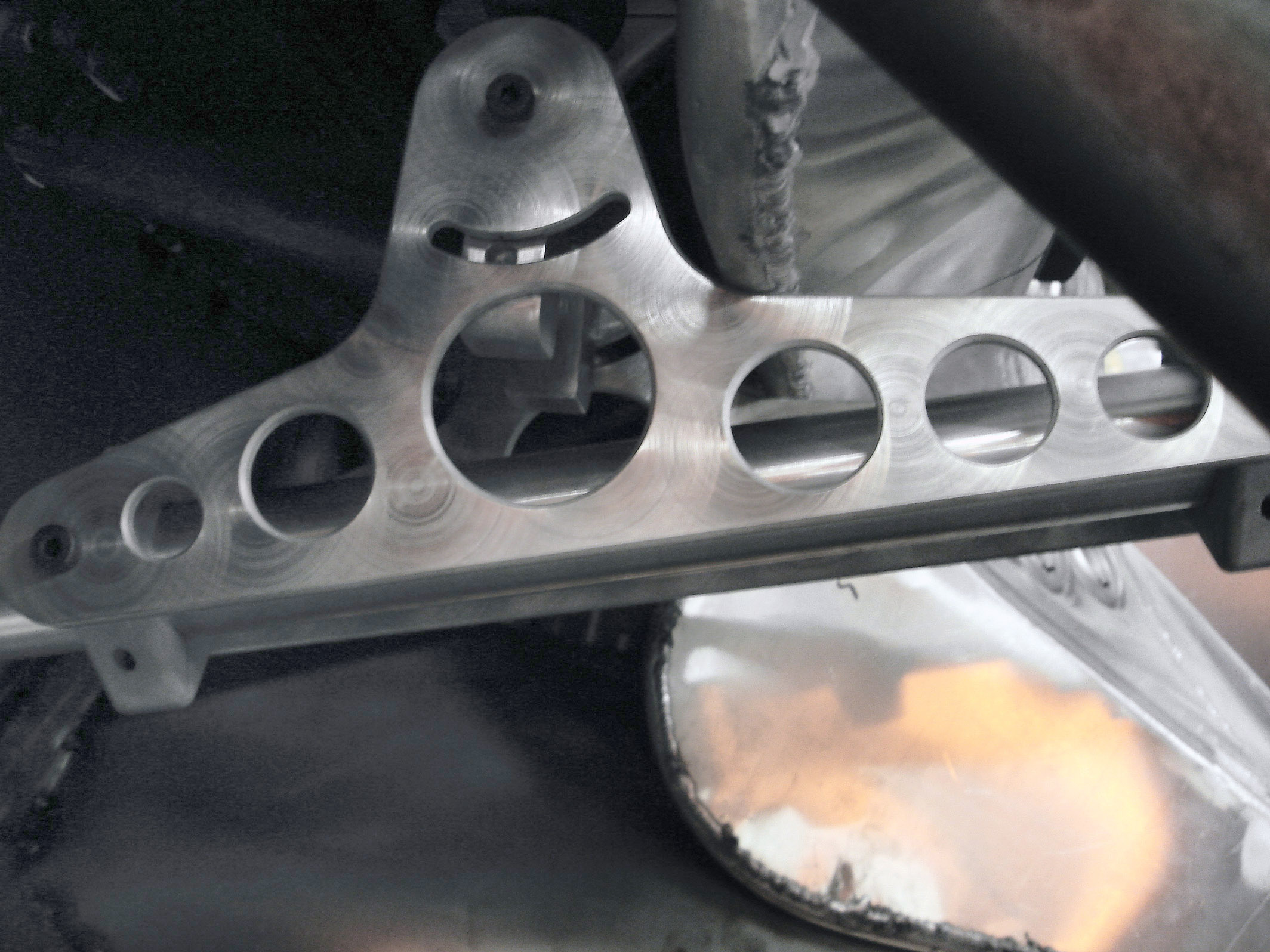
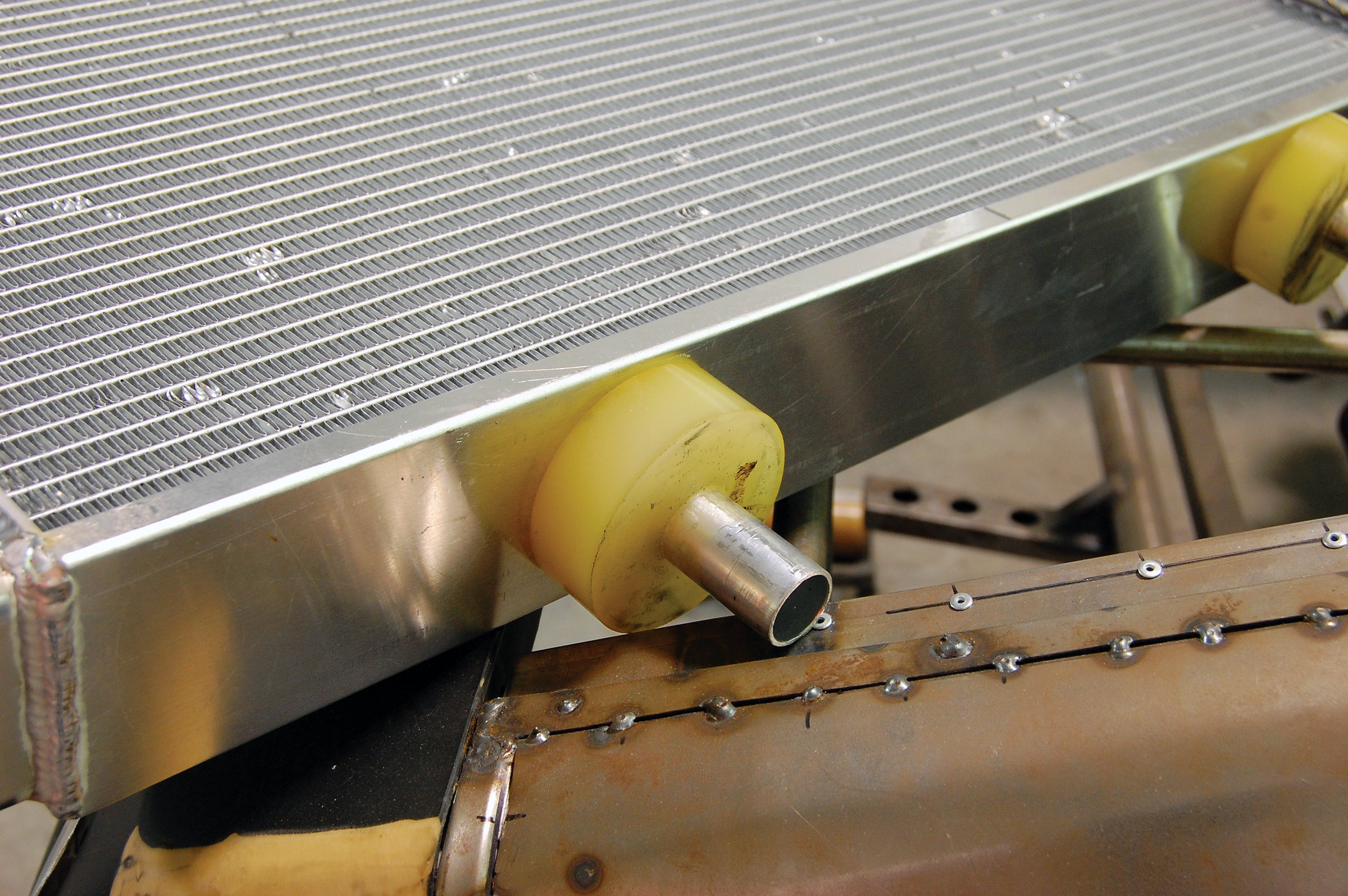
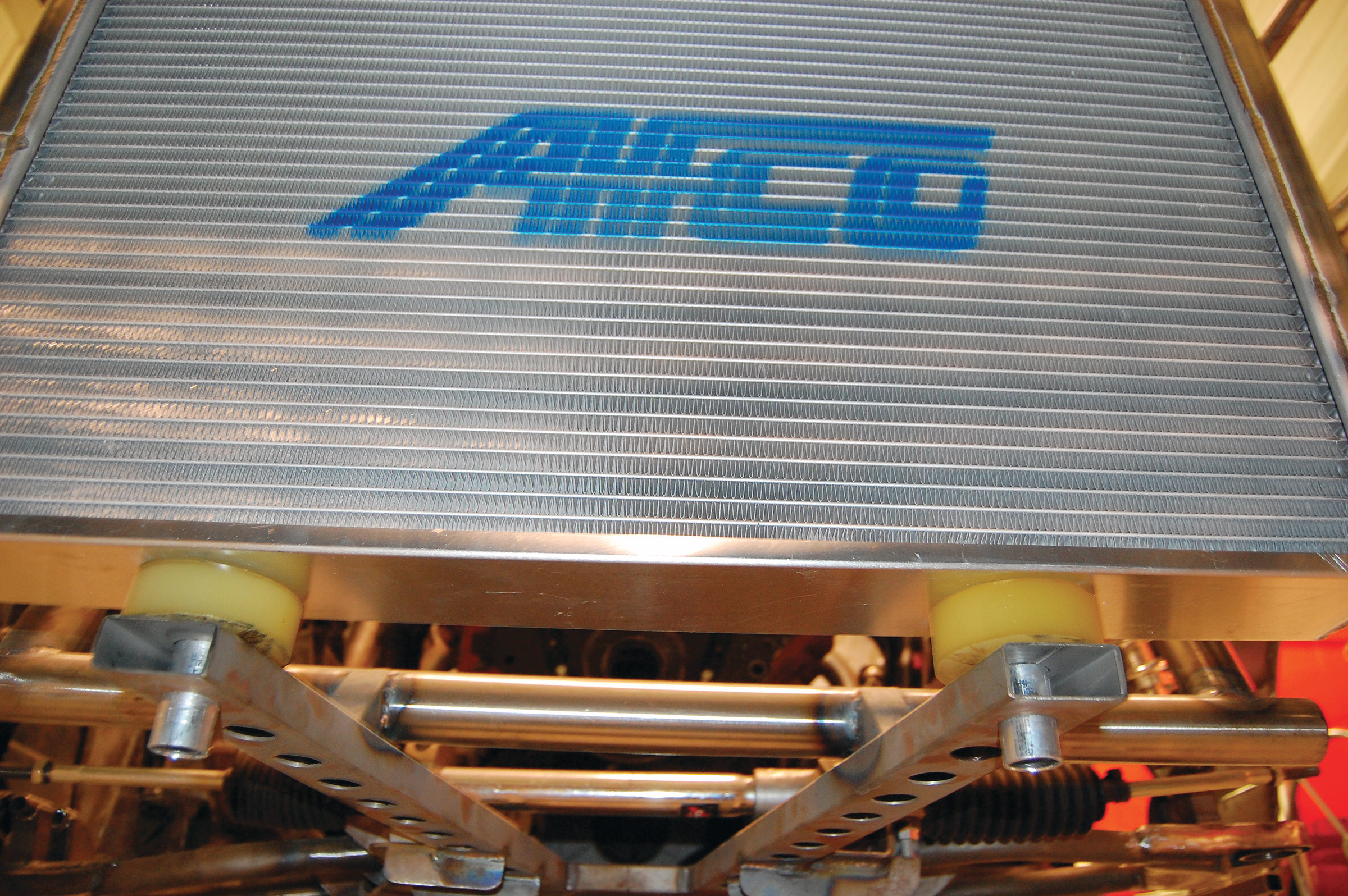
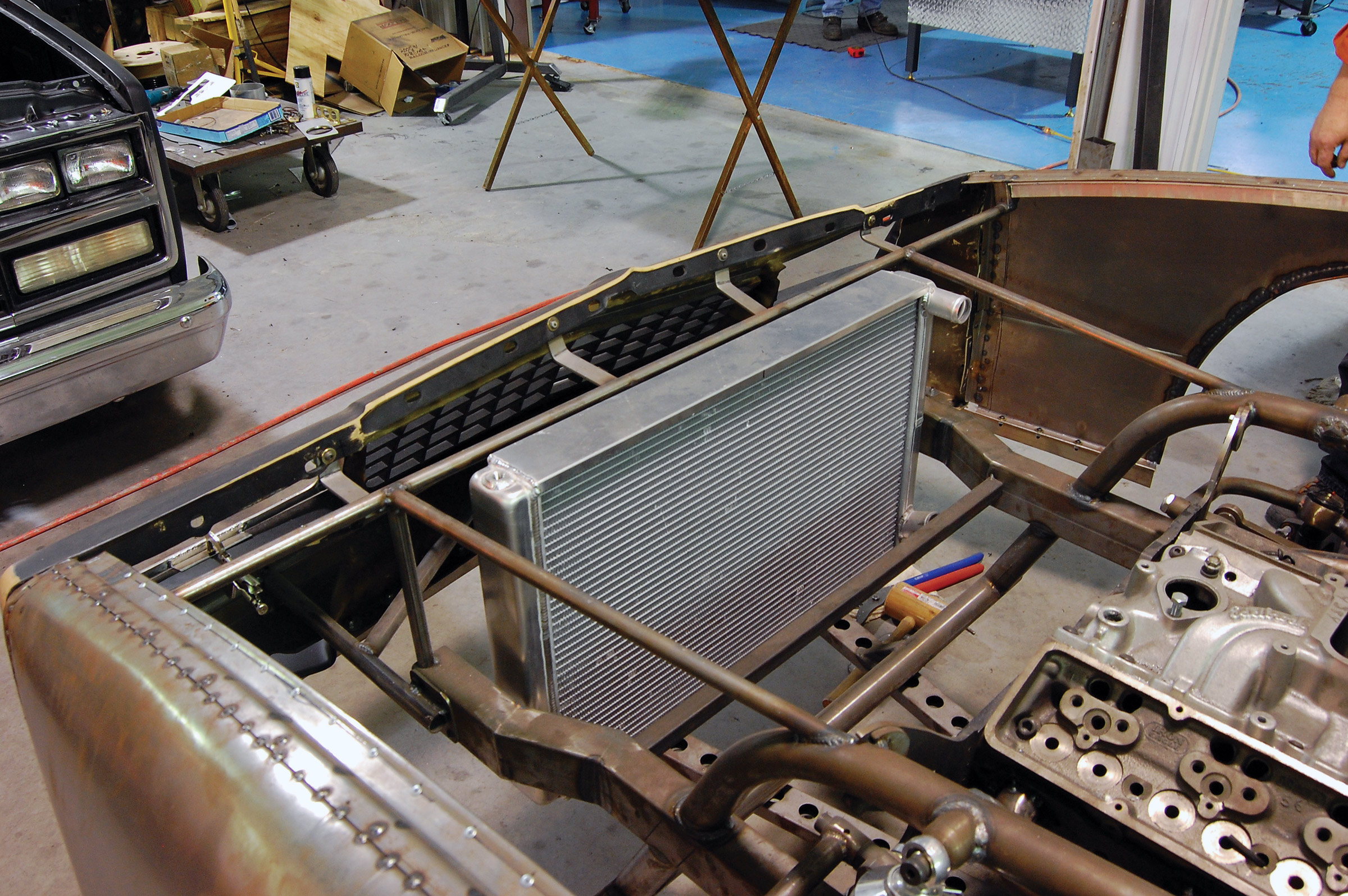
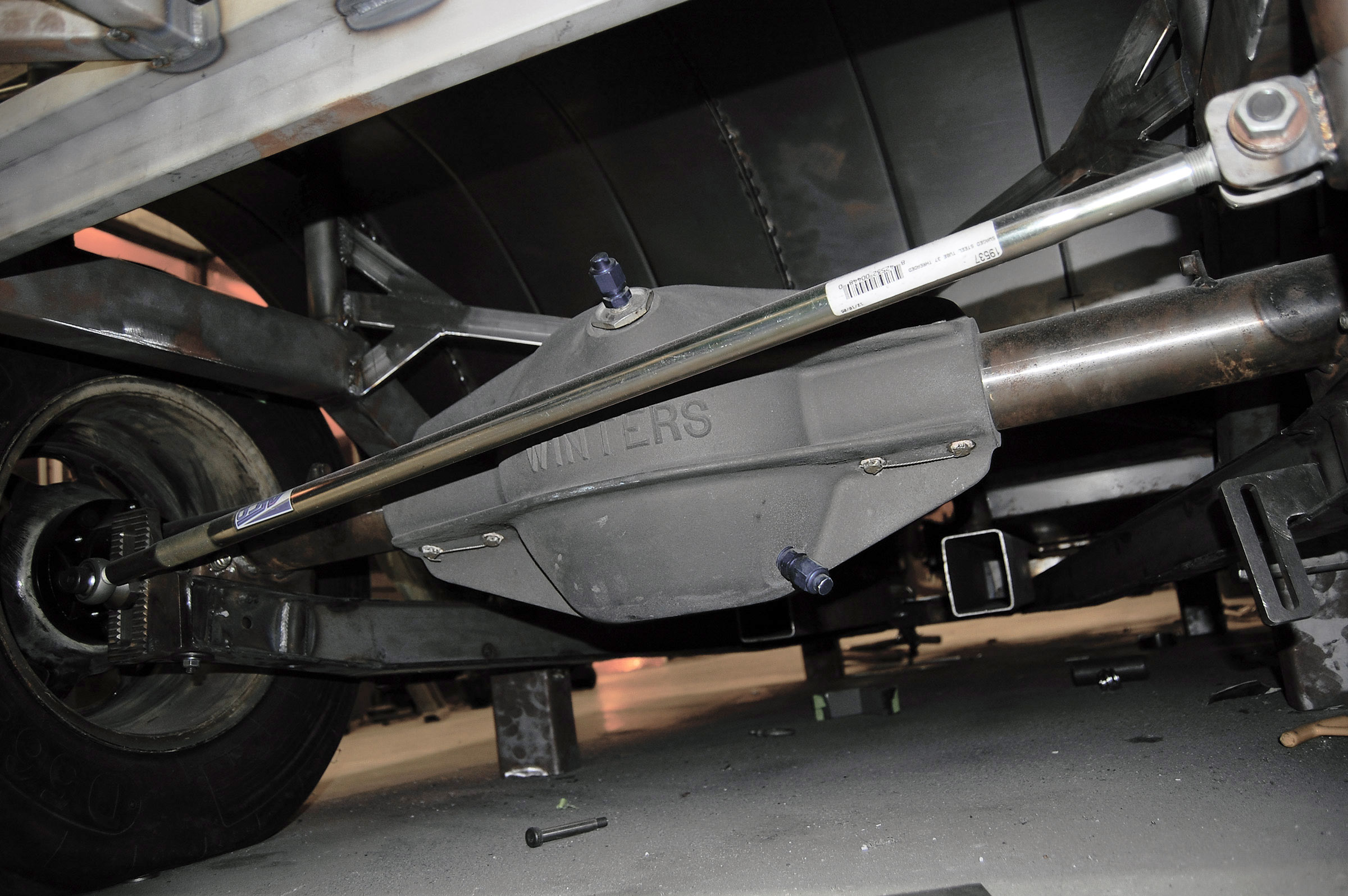
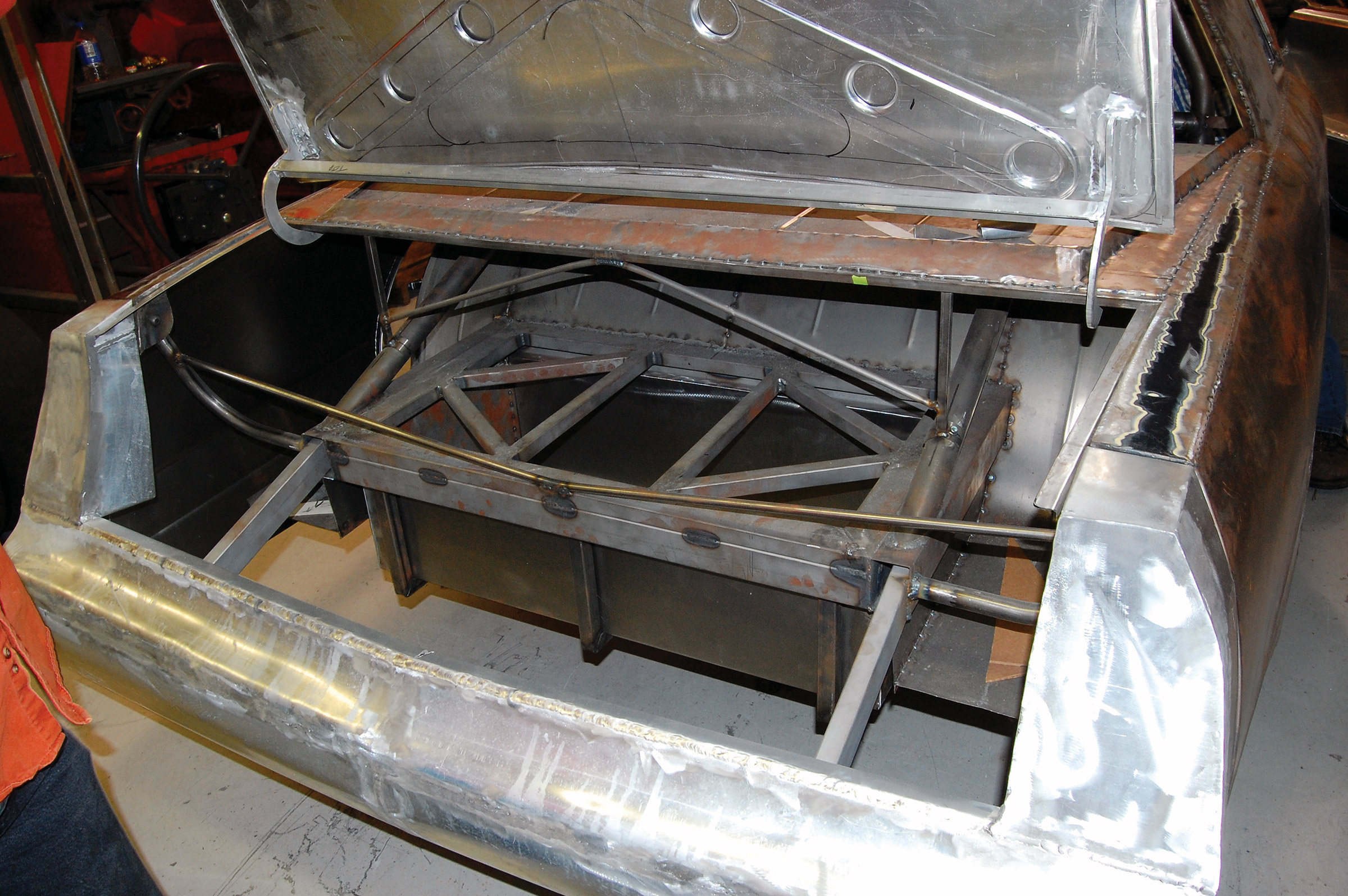
“The Smokin’ SS chassis is about performance. So, rather than tweak on 20-year-old technology, we chose to design a versatile chassis with a multitude of combinations that will allow us to tune the Smokin’ SS for any challenge. From AFCO double-adjustable shocks to strategically placed weight boxes, the chassis has built-in adjustability. Specially designed component slugs allow us to change caster, camber, ackerman, anti-dive, roll centers front and rear, pinion angle, wheel-base lead and track-bar heights. With static weight boxes located throughout the car, 40-pound blocks of tungsten can be shifted front to rear, right to left, so fine-tuning the chassis to perform on any surface or under any adverse condition is easy. Tire footprint can be optimized with a simple turn of a wrench, taking even the best of drivers to their limits. The ‘blacktop dyno’ will set the marks and our ‘zero to fear’ chassis will erase them.”
Obviously, Davis has confidence in the Metalcraft Tools SkillCenter students and realizes the potential of this Monte Carlo project. It will be versatile in many aspects and a tremendous learning platform for the students. The custom suspension system is a key factor in the build, allowing for complete adjustability—adapting to the dragstrip, oval track and autocross. These simple adjustments will require different front/rear weight balances for each venue. Even the folks at AFCO see the value in such an exercise, offering to send a couple of shock technicians to re-valve the shocks and swap out springs if necessary. While the Smokin’ SS project is far from that point in its journey, it won’t be long until Davis and his team of students take their Monte Carlo for that first trip around the block.
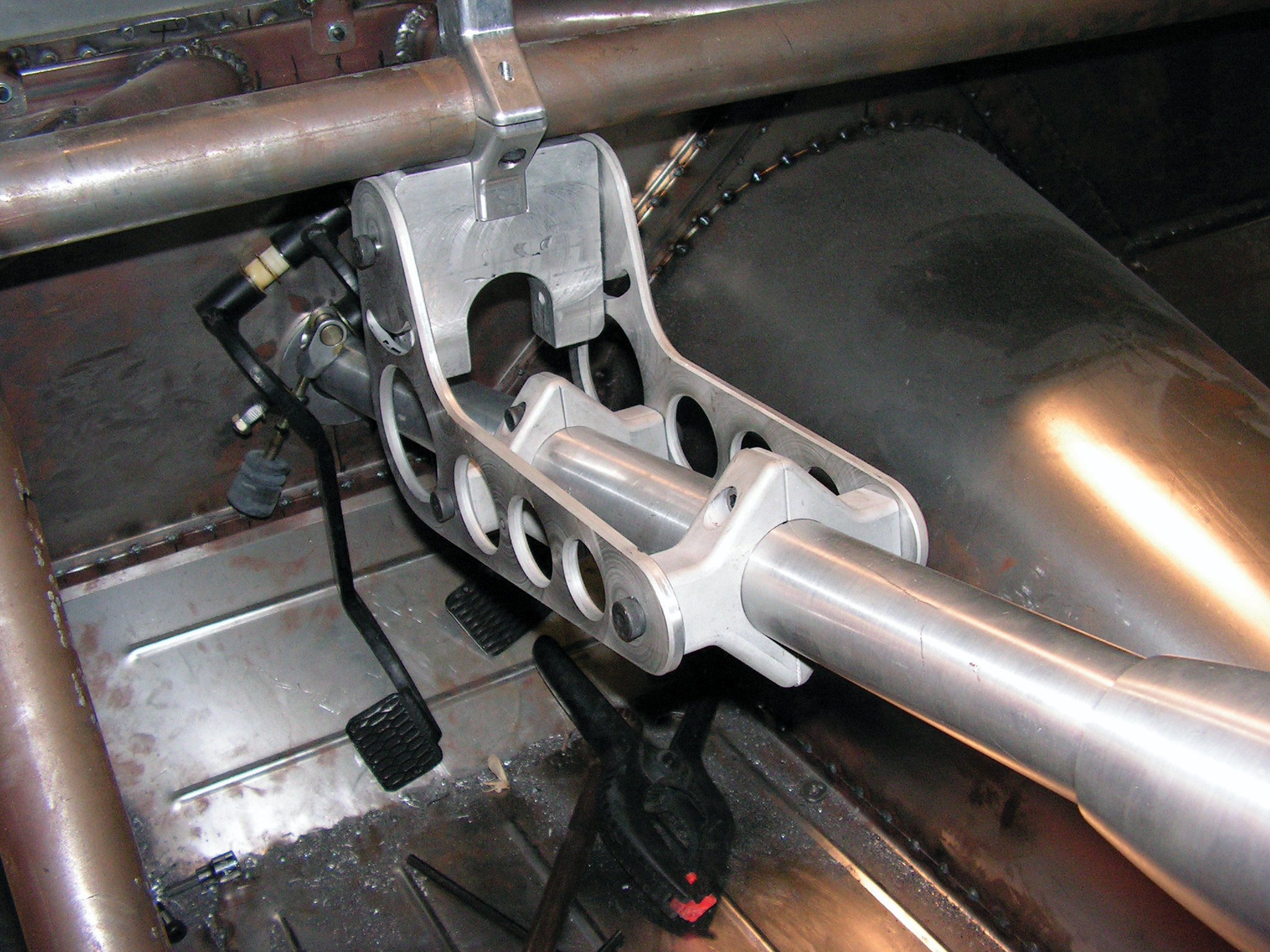
Look for the next installment of this unique project as the students at the Metalcraft Tools SkillCenter fabricate custom seats, set up the pedals and install the brake system. For now, check out the awesome suspension under the Smokin’ SS and see how it all came together.
ARTICLE SOURCES
AFCO Racing
977 Hyrock Blvd.
Boonville, IN 47601
800/632-2320
Aurora Bearing Company
901 Aucutt Rd.
Montgomery, IL 60538
630/859-2030
Borgeson Universal
91 Technology Park Dr.
Torrington, CT 06790
860/482-8283
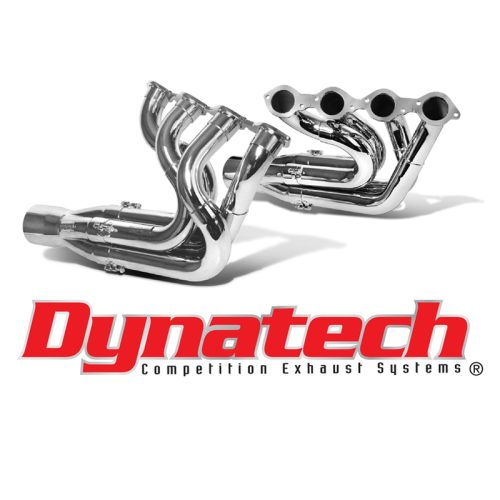
Dynatech
975 Hyrock Blvd.
Boonville, IN 47601
800/848-5850
Metalcraft Tools SkillCenter
17 Park Lane Spur
Crossville, TN 38571
931/707-7778
Speedway Engineering
13040 Bradley Ave.
Sylmar, CA 91342
818/362-5865