THE AUTO BUILDER
Featured

MORE THAN ORIGINAL
It’s funny how certain car-related associations work out. Maybe timing really is everything when it comes to cars. When Arvada, Colorado’s Ken Godsey was a teenager, his dream car was a ’67 big-block Mustang. “I always wanted to own a 1967 Mustang Fastback,” Godsey SAID. “And when I went looking for my first car with my father, we found a ’67 Mustang Fastback, one with a 428 FE engine that had been installed by the previous owner. It was the perfect car for me!” Godsey’s father, however, thought otherwise. “What I ended up with instead of that 428 Mustang was a ’70 Chevelle sedan with a 307 engine in it. I never forgave old dad for that one,” he SAID with a smile.

All Mocked Up
When building a street rod, unless you are building it to look like the day it rolled off the showroom floor, you find yourself constantly hiding whatever you can, wherever you can. One area that usually ends up hiding more items than was ever intended is the dashboard.
The dash is the one area that lives up to the old saying, “10 pounds of stuff in a 5-pound bag,” which generally carries with it a whole set of challenges and/or problems. When it comes to the ’33-’34 Ford, conditions are worse than normal, as there’s practically no space behind or under the dash. By the time you place your gauges and an A/C unit, there is little room left for much else, including a glovebox. When your needs are such that you require a certain amount of equipment behind the dash, most of the time the answer to your dilemma is a smooth dash.

Zen and the Art of Building Headers
Dive into the world of header fabrication as we demystify the process and equip you with the knowledge and skills to create custom headers for your vehicle. Follow along step-by-step as we break down the intimidating task into manageable steps, offering valuable insights and practical advice along the way.
Spotlighter
POPULAR READS
-
Product Spotlight: Bill Mitchell Products Aluminum LS Engine Block
-
PRODUCT SPOTLIGHT: 60-66 Chevy C10 Fresh Air Vent Block Off Plate
-
Product Spotlight: Pyramid Optimized Design Sequential Aurora Taillight for 1964½–1966 Mustang
-
PRODUCT SPOTLIGHT: Cam Covers for GEN/3 Coyote from Pyramid Optimized Design
DRIVE TO THE RIGHT: Expanding On The Theme Of “Form Following Function”
The Tuner Movement’s Thirst For All Things Japanese Has Kept The Specialty Auto Importers Hopping For Several Years Now. Enthusiasts Are Screaming For Silvia Front Clips For Their 240s, Along With Any Other Sheetmetal, Rearview Mirror Or Other Thingamabob You Can’t Normally Procure Here In The States. Ah, Long Live The Free Business Model.
Author
Jeff Huneycutt
Story & Photography
Recognizing chassis codes in our day and age has become the norm among tuners. What we are referring to here are the individual codes that each vehicle is assigned, in order to differentiate year and body type. These codes can be found in each vehicle’s identification number.
We have picked up this little habit of referring to different vehicles by their chassis codes because it make it easier to recognize exactly what vehicle we are referencing. Plus, when you say FD3S instead of RX-7, you actually sound like you know what you are talking about, and in many ways, you do. But the real reason behind it all is the ever-growing JDM movement, which has affected us all in one way or another.
It seems as though each time I am sitting down to do a story on a car, more often than not it’s some JDM-themed vehicle. The scene has become so saturated with JDMs that it’s becoming more the norm than what was once the exception. And in some ways, it has lost some of its luster. Have you been on eBay recently and seen all of the JDM products that are stamped with “Made in China?” You will find that disclosure marked on the bottom of them. It’s gotten somewhat ridiculous, especially in a scene where it’s already hard to stand out from the rest. It makes it even more difficult to make an impression within the JDM scene, where form is supposed to follow function.
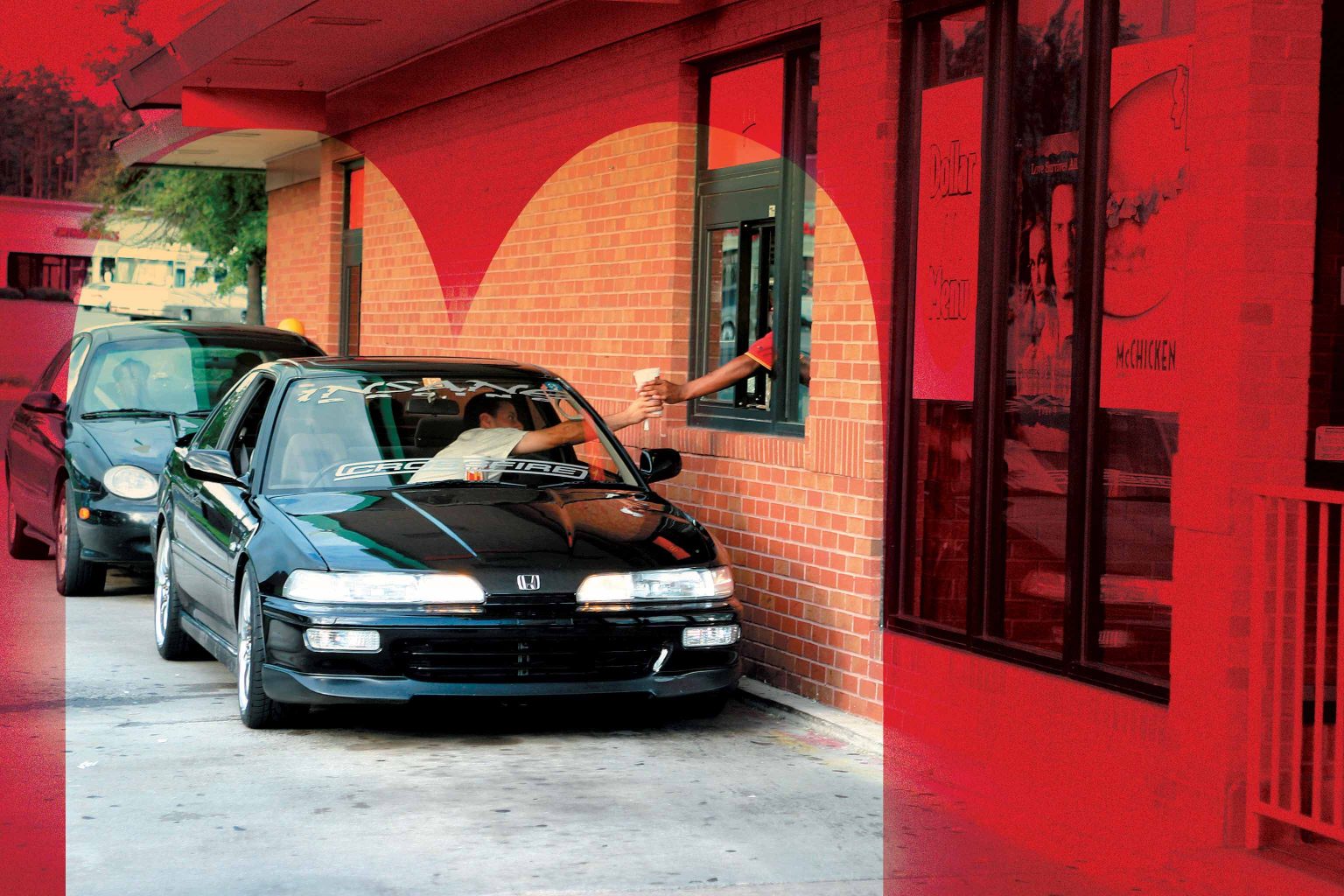
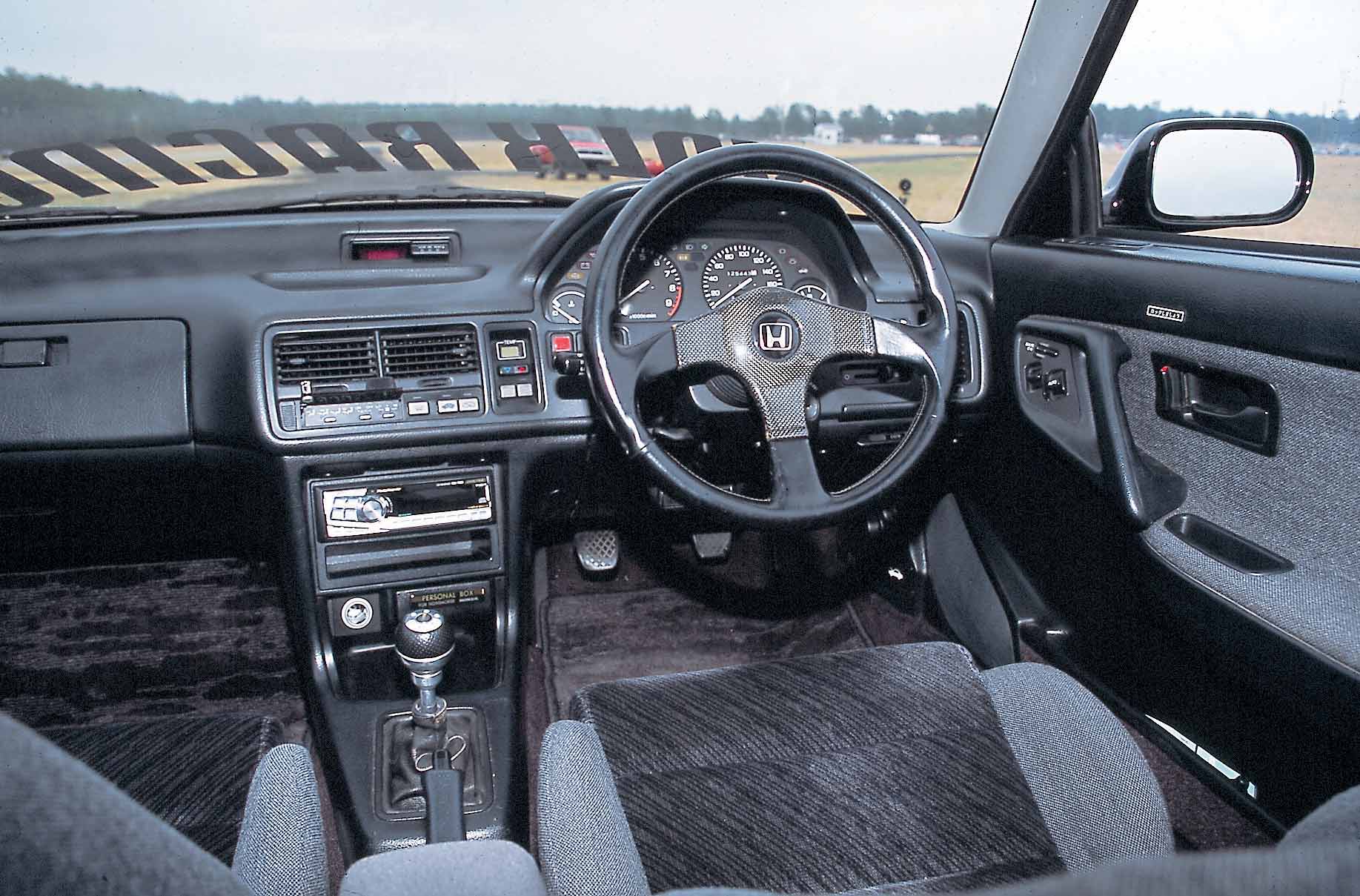
With all this talk of chassis codes, and form following function, it leaves me with no choice then to introduce you to Johnny Bauer’s Camoflauge Green Effect right-hand drive DC2. That’s right, he actually knows what it’s like to go to a drive through on the right side!
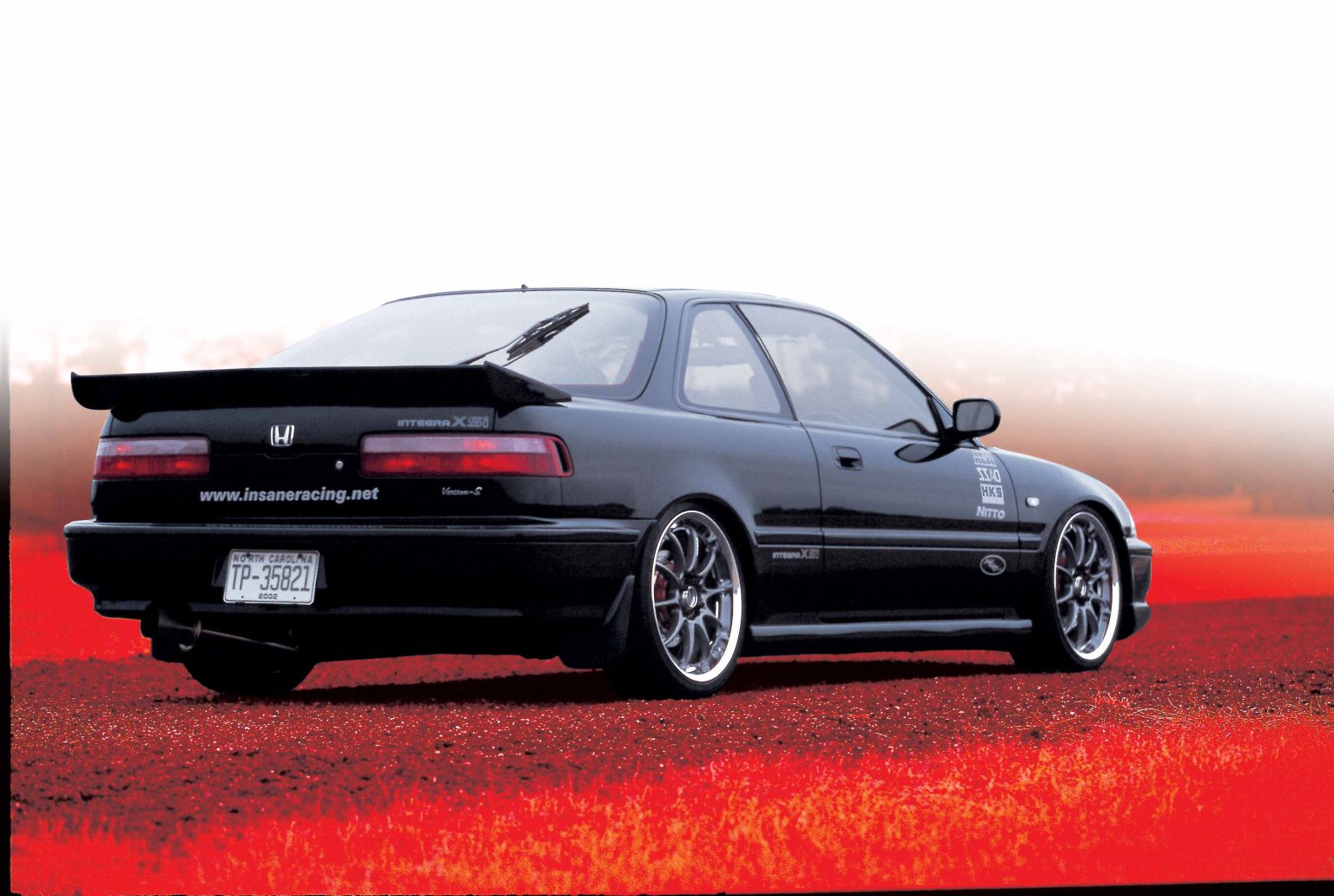
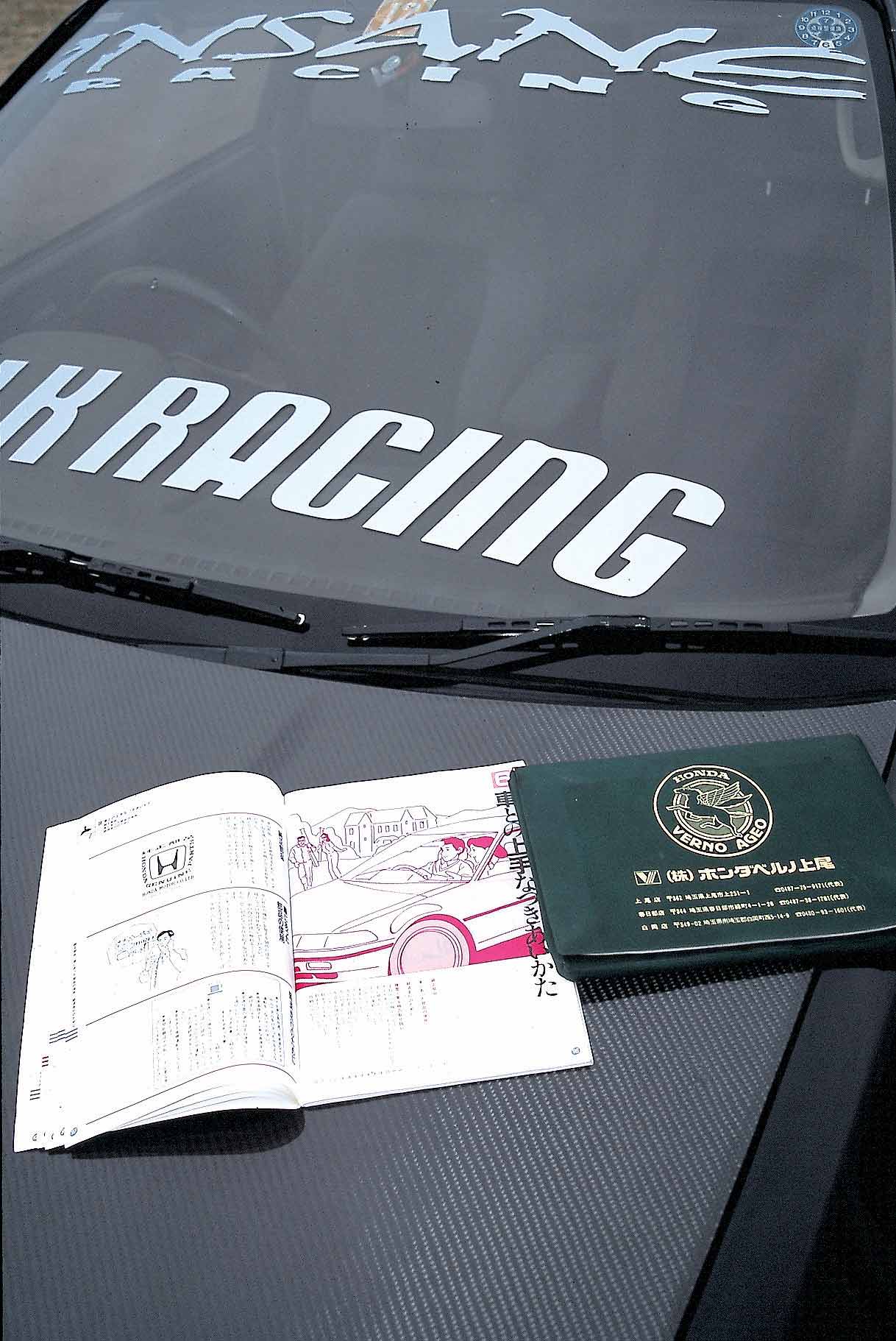
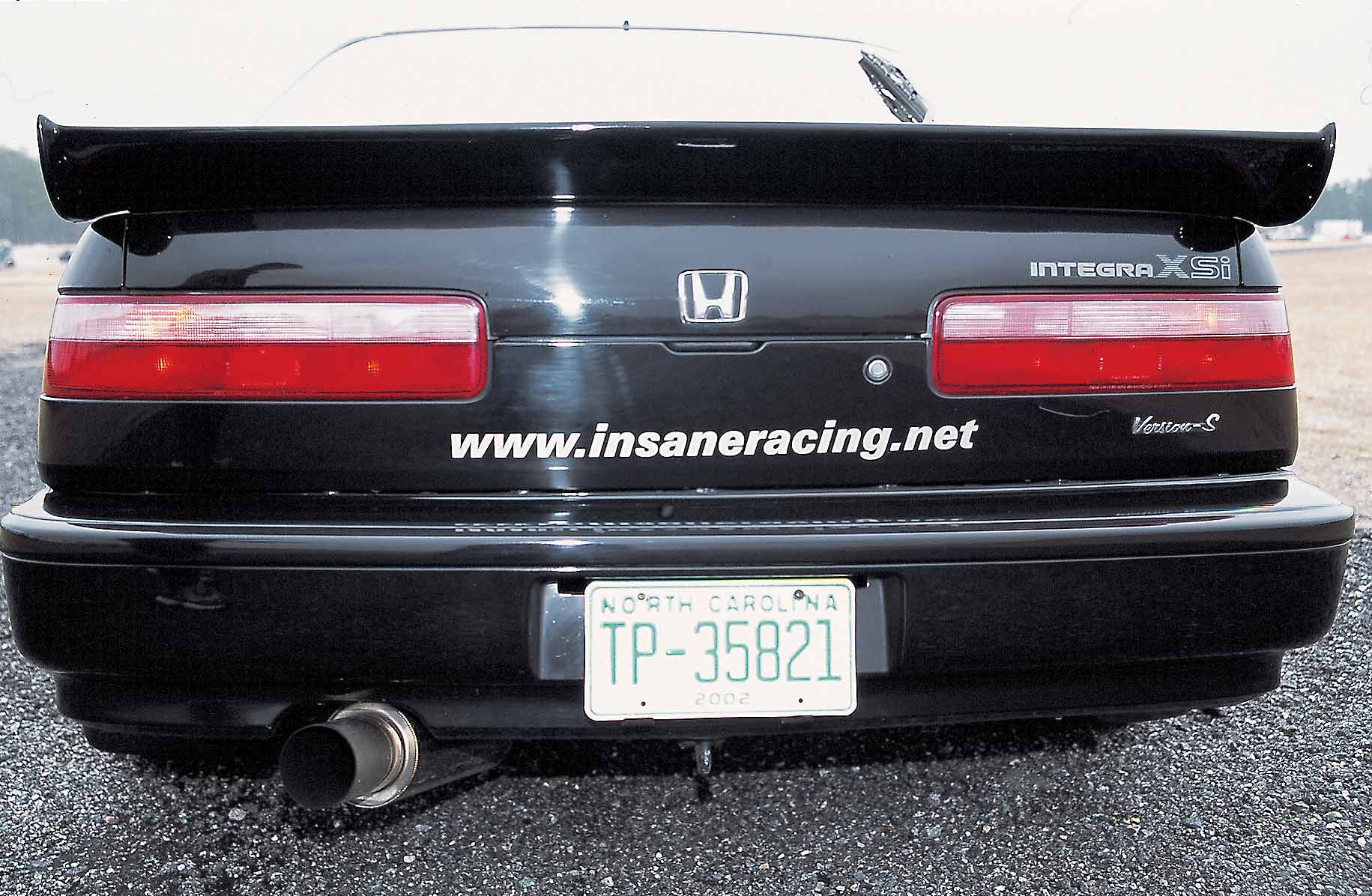
Keeping on the subject of form following function, Bauer had his DC2 painted Nissan Xterra Camoflauge Green Effect while it was totally stripped down in shell form—meaning every last corner of this DC2 was painted to match, both inside and out. Except, of course, the roof skin, which was sprayed black—but you get the idea. After the shell was painted, Bauer added a ViS carbon hood that was matched to the rear ViS carbon hatch, which flows perfectly with the black roof skin. Bauer also added a JDM ITR front clip including headlights, fenders, bumper with lip, and radiator support. These materials all arrived courtesy of a ’98 spec JDM Integra Type-R front half cut clip. Incidentally, this is where he got the rest of the accessories needed to convert this DC2 to the flip side.
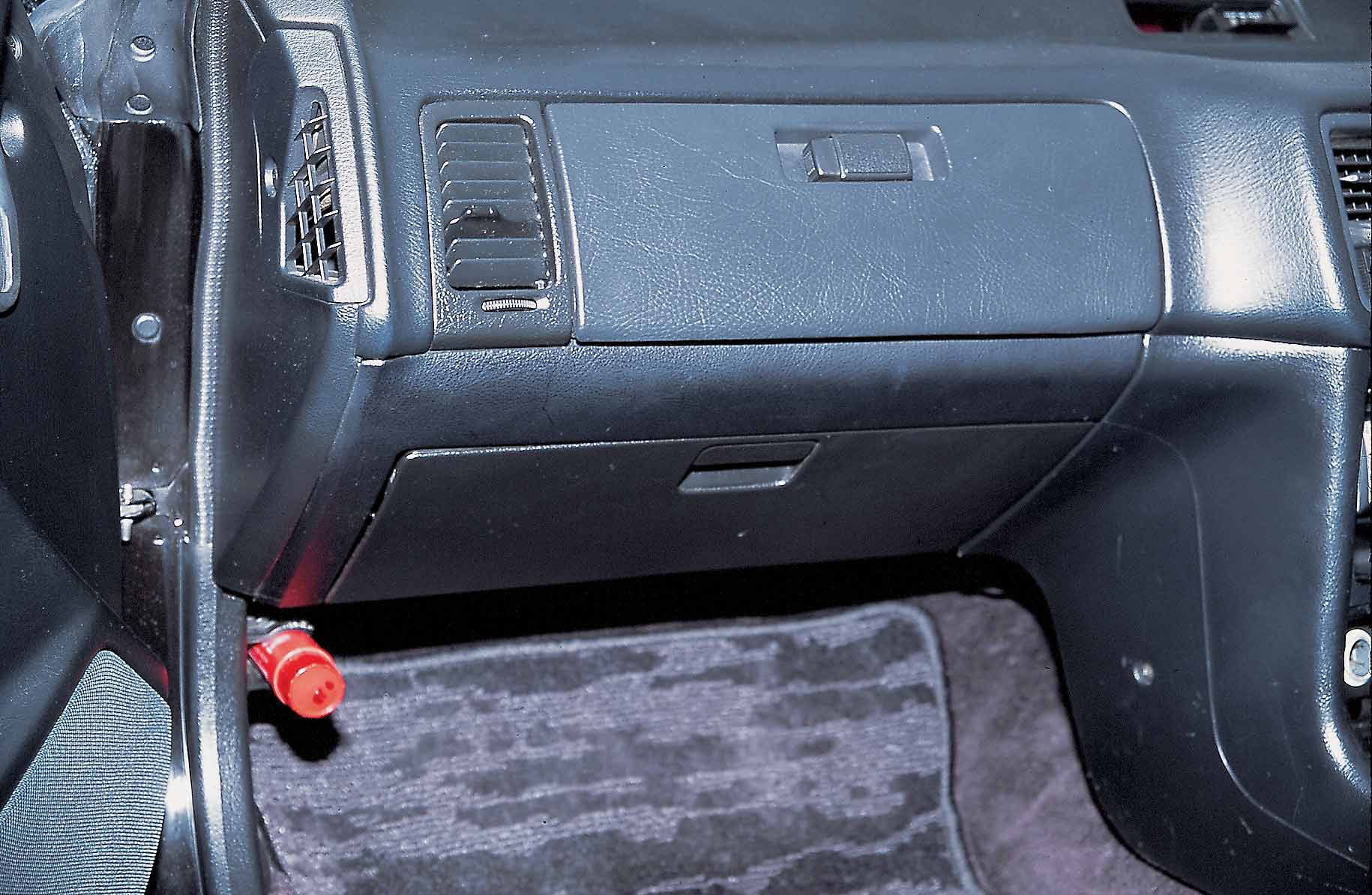
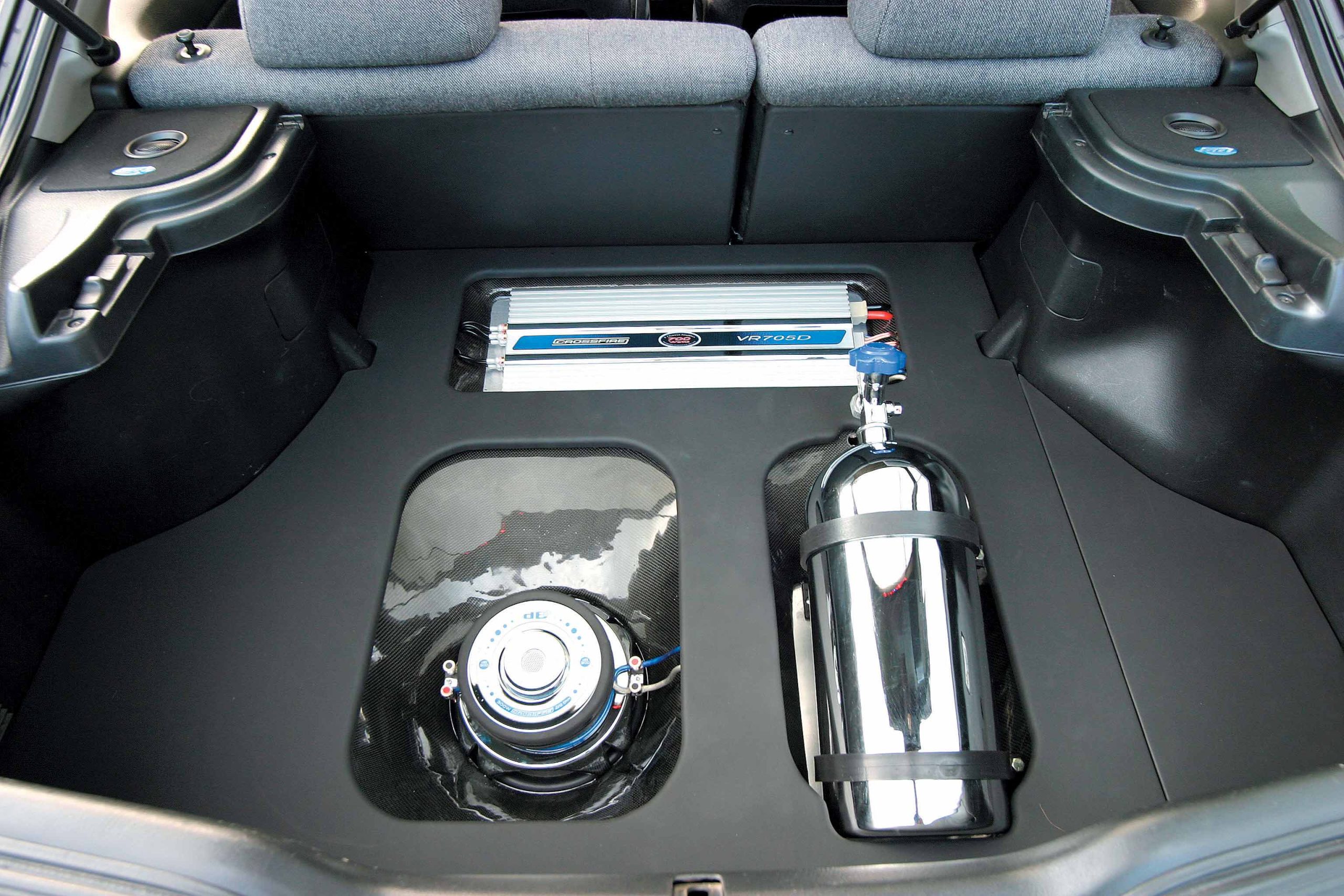
Stealing all of the attention from any other interior accessory that was added to this DC2 is the fact that the ’97 spec JDM ITR steering wheel is on the right side of the vehicle. The clip that Bauer received had all its accessories including dashboard, gauge cluster, clock block plate, and full carbon climate controls transferred over to his already stripped bare shell. Keeping occupants in driving position is a set of Sparco Torino reclineable bucket seats, accompanied by a set of Sparco four-point racing harnesses. For added safety, and in the event of a roll over, a four-point roll bar was included in the assembly of this DC2. In-car entertainment is handled by an Alpine CTA-1502 head unit that powers a set of Boston Acoustic midrange speakers. The painted color-matched floors are kept from getting dirty and gritty by a rare set of JDM Honda access RHD floor mats. In the trunk, a fully functional Triangle Engineering 10-gallon formed fuel cell holds on to fuel reserves while Auto Meter units monitor fuel level and pressure gauge.
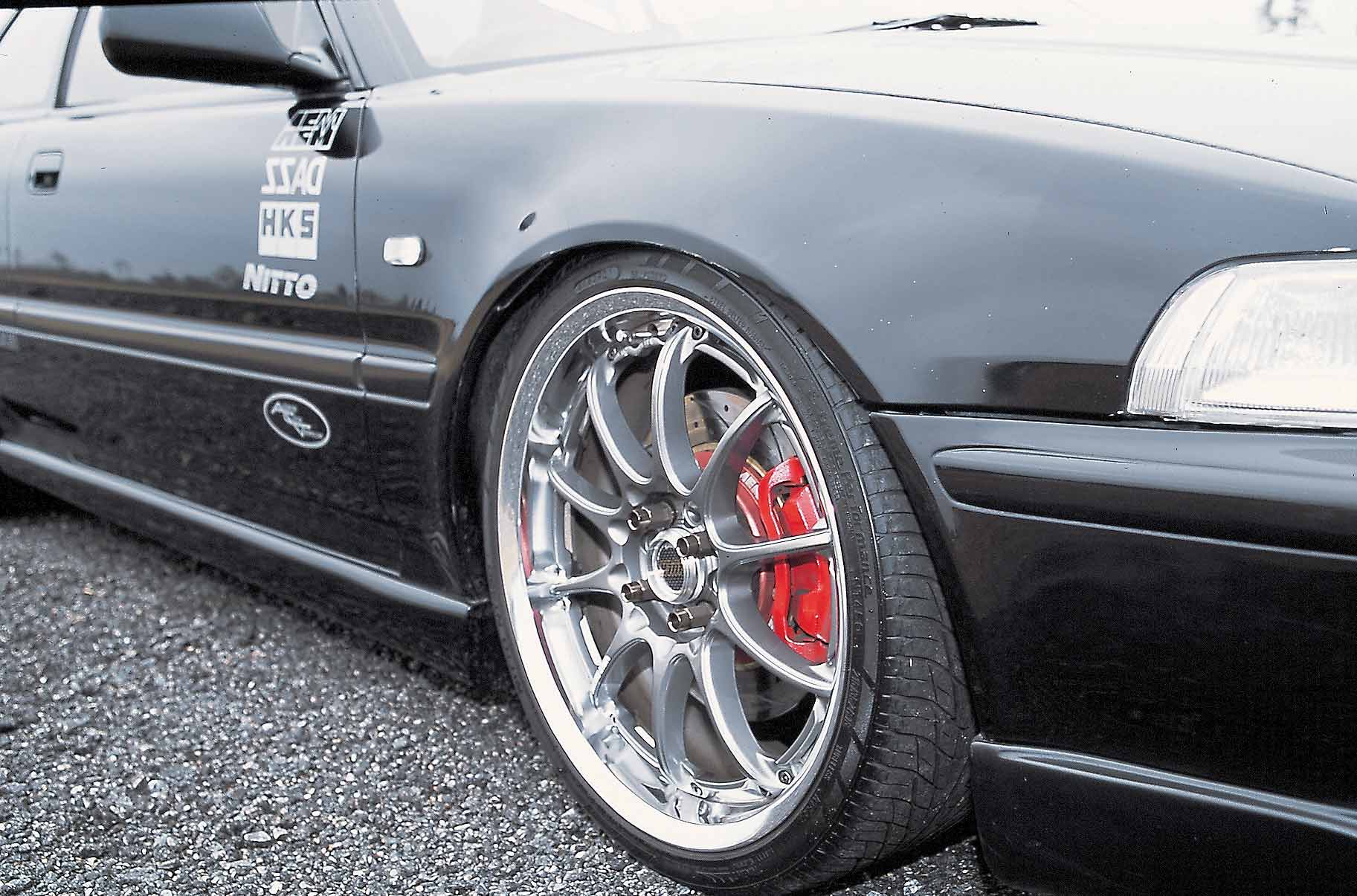
So let’s get into what’s holding this thing from scraping the ground. Ride height and quality are taken care of by A’PEXi World Sport coilovers, paired to A’PEXi pillowball mounts. Energy Suspension bushings rid the ride of any excess body roll with their reinforced bushings, which work side-by-side with a JDM ITR front upper strut bar and JDM ITR front sway bar. Bauer went shopping for a set of 5×114.5 16×7-inch Ray’s Gramlight wheels, wrapped in Falken Azenis rubber. Due to the JDM ITR five-lug conversion complete with Brembo cross-drilled and slotted rotors and stainless brake lines, the car is assured of the proper stopping power.
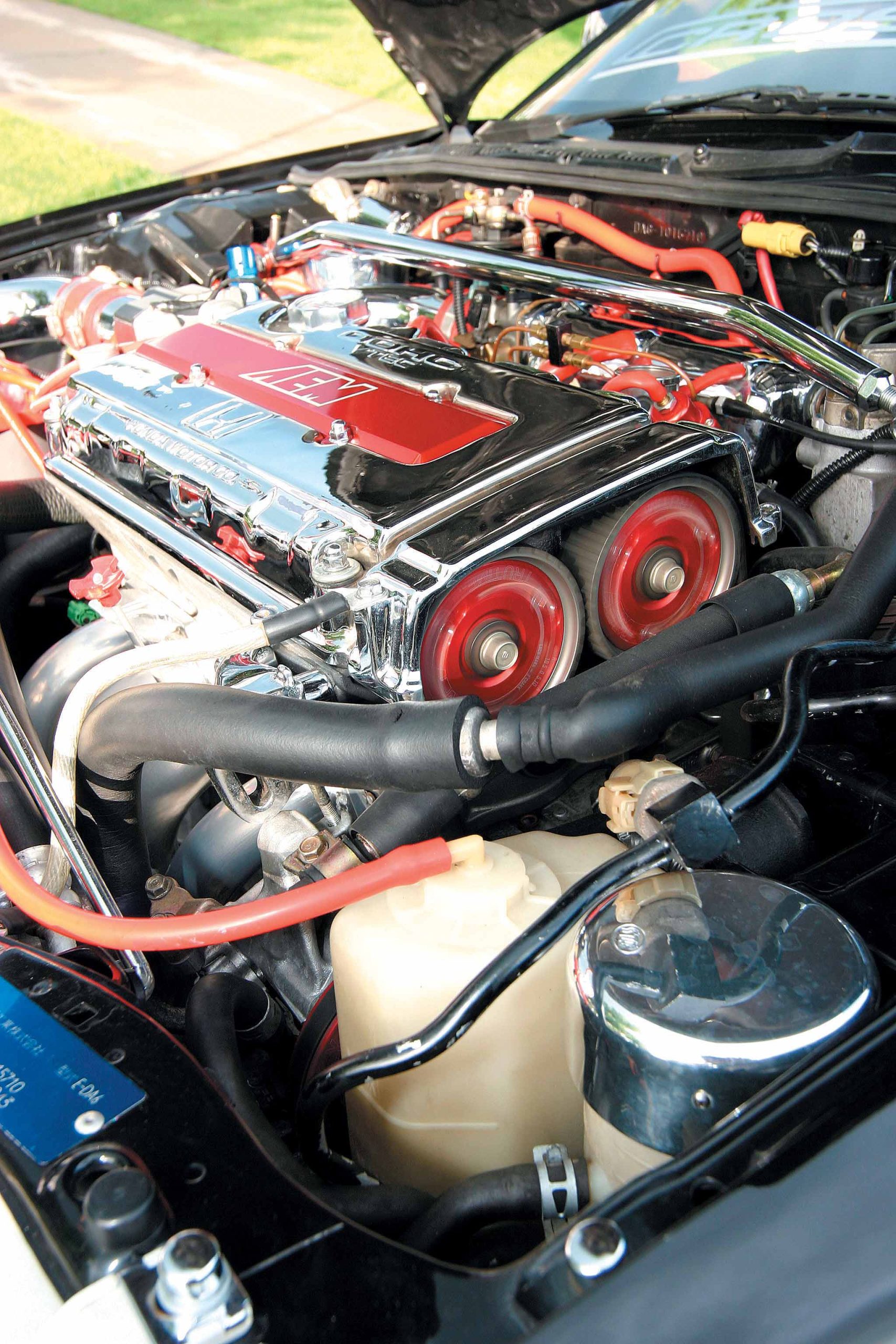
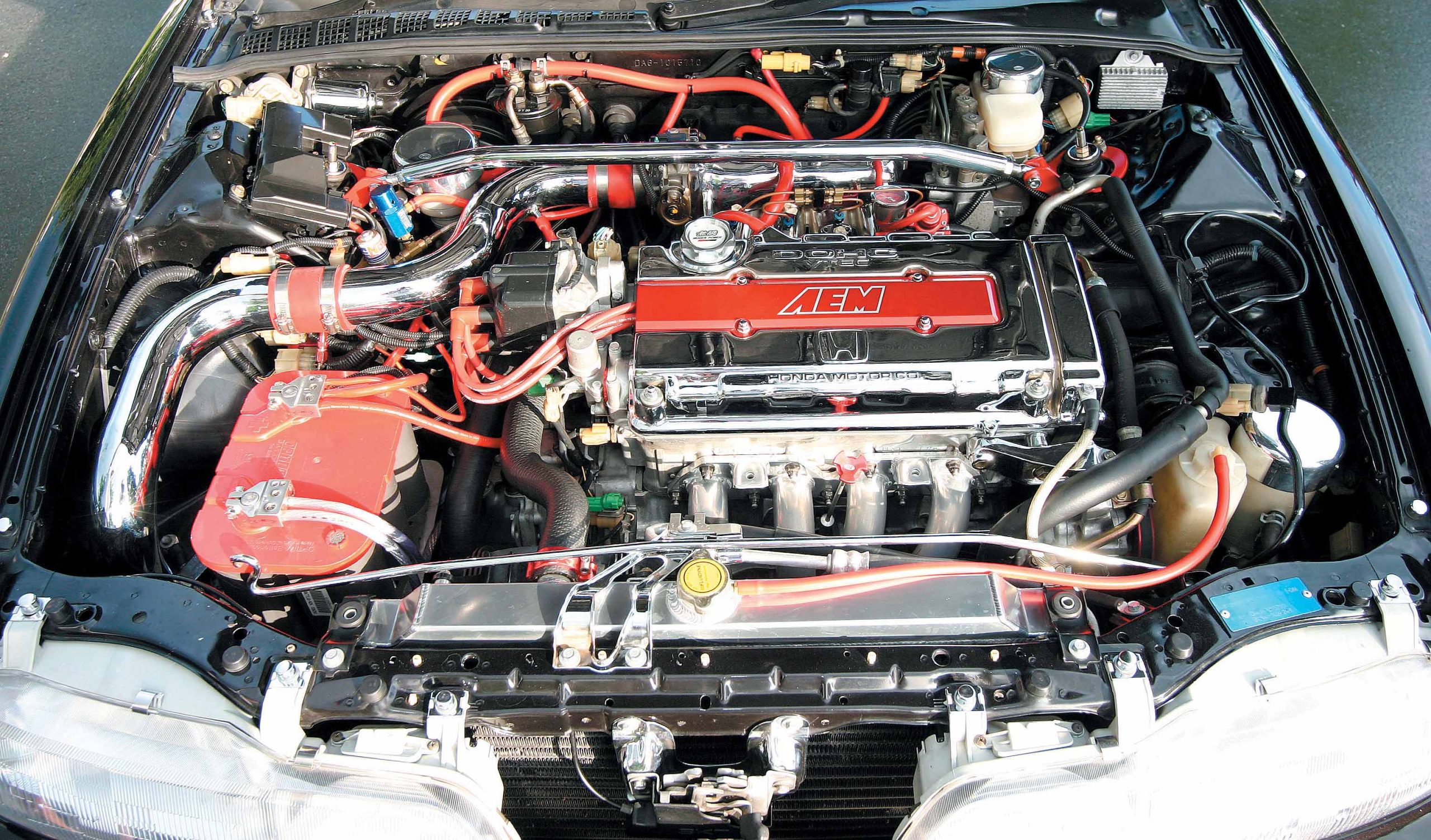
We would find it funny to learn that Bauer didn’t have something under the hood to back up the rest of the car. In this case, we were not disappointed, as Bauer points with a smile on his face at the 210hp JDM B18C ITR engine swap. Staying true to the form-follows-function theme, Bauer relieved the engine of the power steering and air conditioning in order to shave some weight, and get rid of some of the clutter in the engine compartment. Next, he made sure that the motor stayed in place under heavy shifting with a set of Energy Suspension motor mount bushings. Fuel is fed to this JDM beast through an external fuel pump that sucks fuel from the fuel cell mounted in the trunk. This runs straight to an Earl’s fuel filter, then branches off to an AEM fuel rail, accompanied by a matching pressure regulator and gauge.
A JDM ITR 4-to-1 header works in collaboration with a Comptech cat-back exhaust to get rid of spent gasses. A carbon spark plug cover accentuates the radiant JDM ITR valve cover. This B18C is kept at the proper temperatures due to a set of Flex-a-Lite electric fans and Samco’s sport radiator hoses. Getting the wheels to spin is a JDM ITR transmission, with a factory limited slip winding out the 4.785 gear ratio. Between the transmission engine, you will find an ACT 6-puck clutch disk with an Extreme pressure plate. Finally a JDM ITR flywheel takes care of the quick revs.
Hopefully all this wasn’t too much for you guys to take in, considering the huge undertaking on this car. Bauer’s ride most definitely sticks out from a crowded field, and now you know the obvious reasons why.