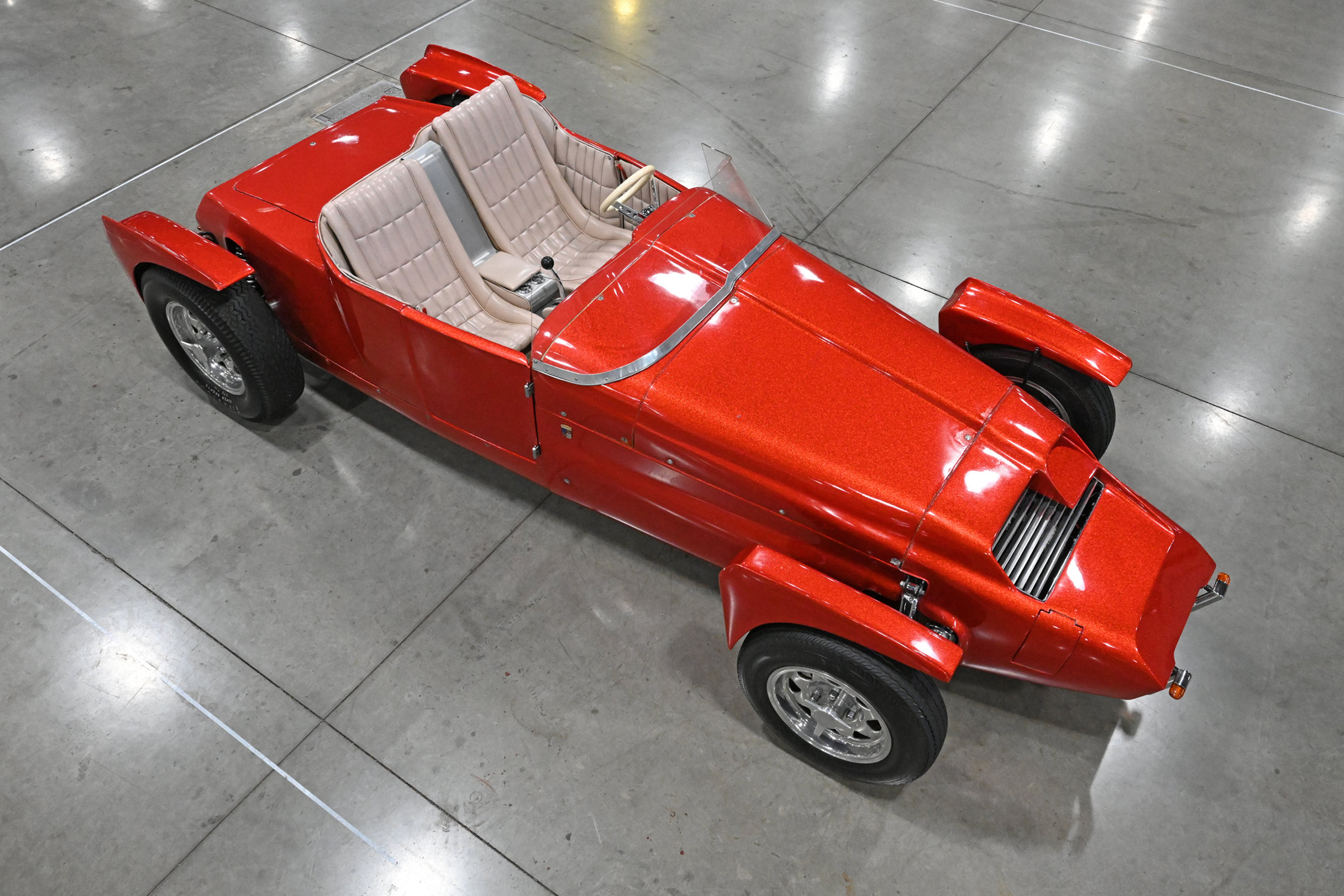
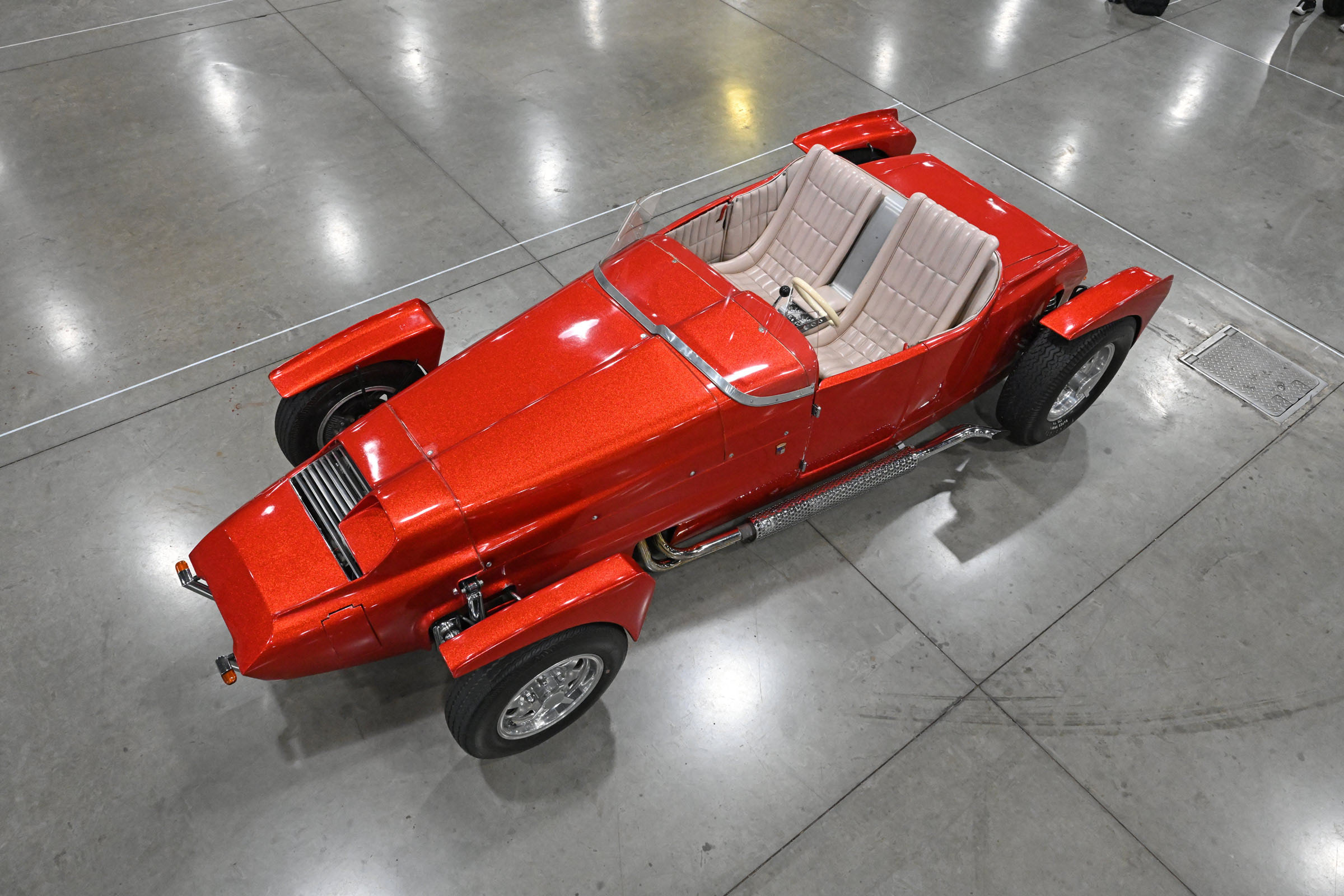
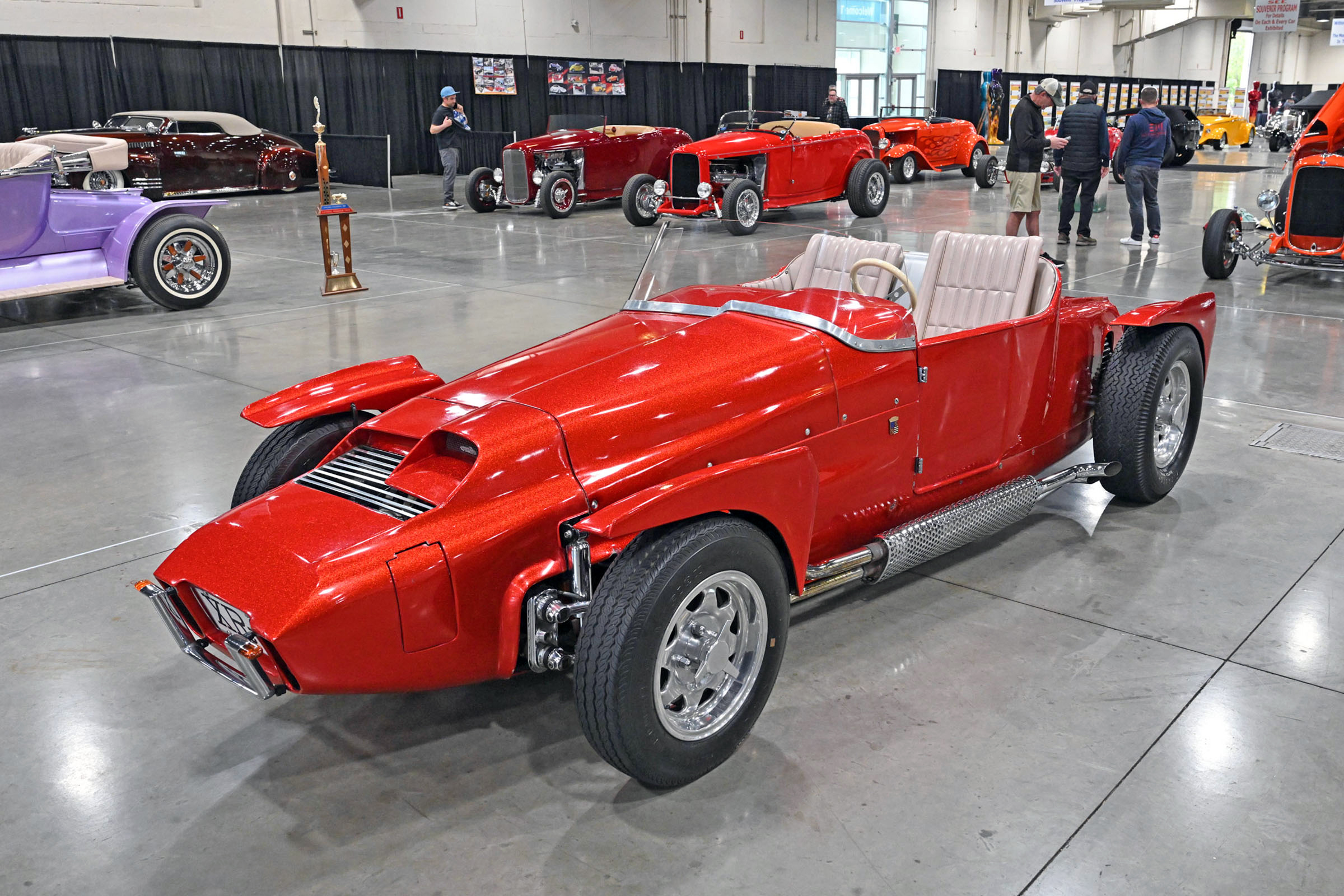
THE XR-6 FROM CONCEPT TO COMPLETION
It was summer of 1981 when the phone rang. On the other end was Bob Juliano, calling to tell me about a car we might be interested in for Rodder’s Digest Magazine. The car was none other than the 1963 Oakland Roadster Show winning, XR-6. While the XR-6 remained on the show circuit well into the sixties, it had become somewhat forgotten of late.
TIME FOR A TRIP TO TOLLAND, CONNECTICUT
And so a trip was arranged to Tolland, Connecticut to meet with Malcolm Barlow, current owner of the XR-6. Barlow was an avid vintage race car collector and restorer. He was also well known for his restored 1925 Hupmobile tow truck/push vehicle that was used for midget racing in the late forties at New England race tracks. He also built a 1931 Hupmobile truck from a four-door sedan that the drove in the Great Race from 1986-1995.
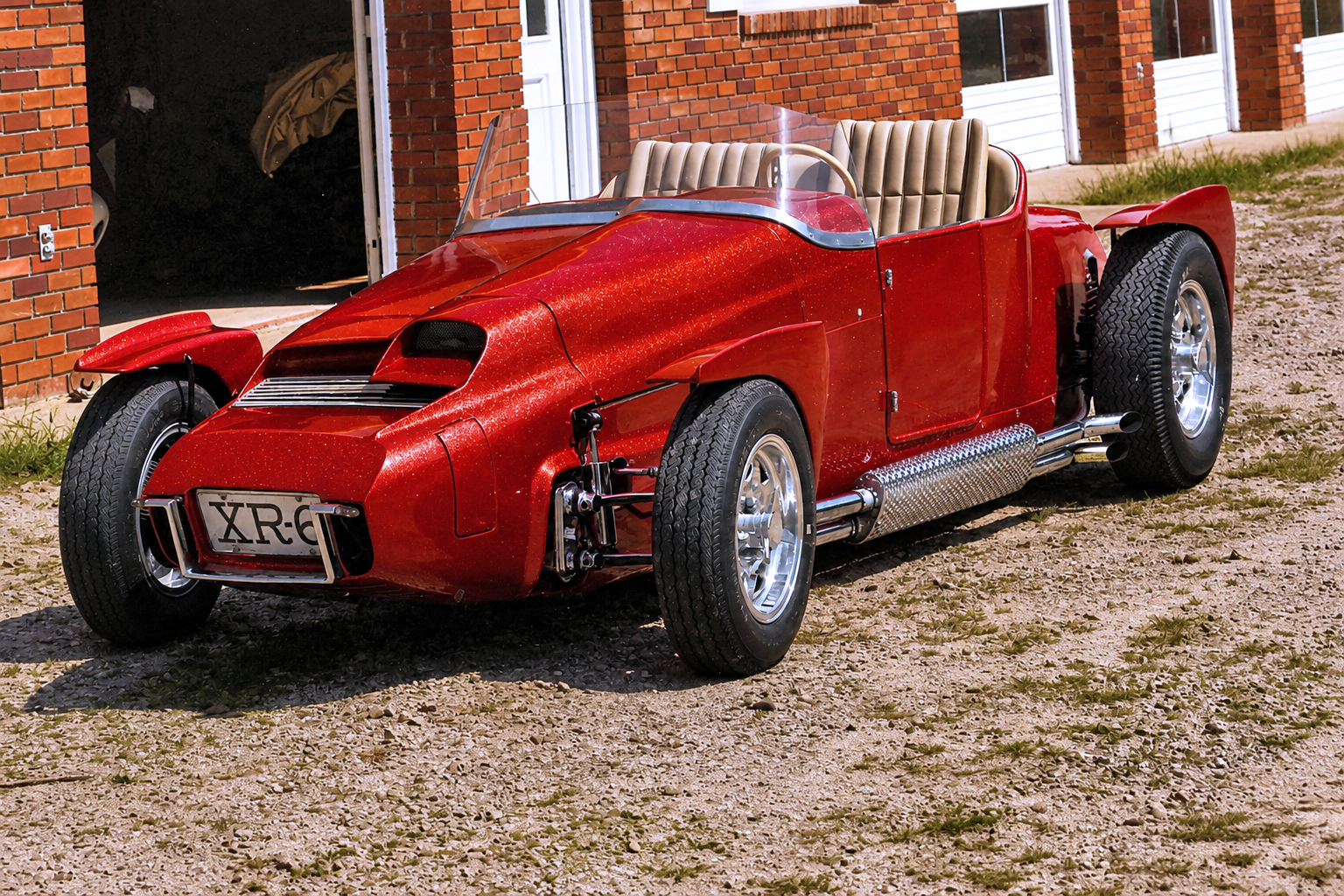
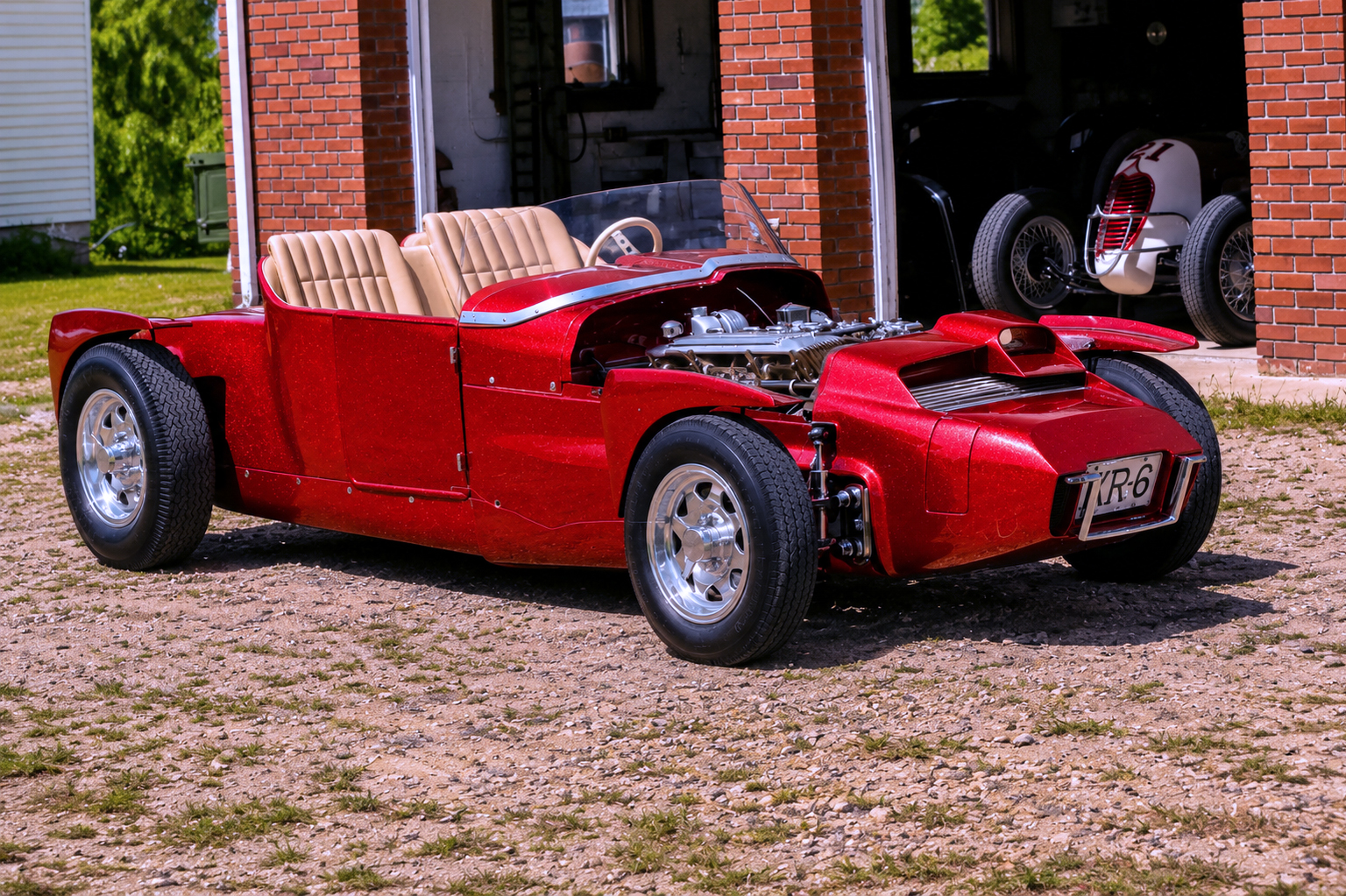
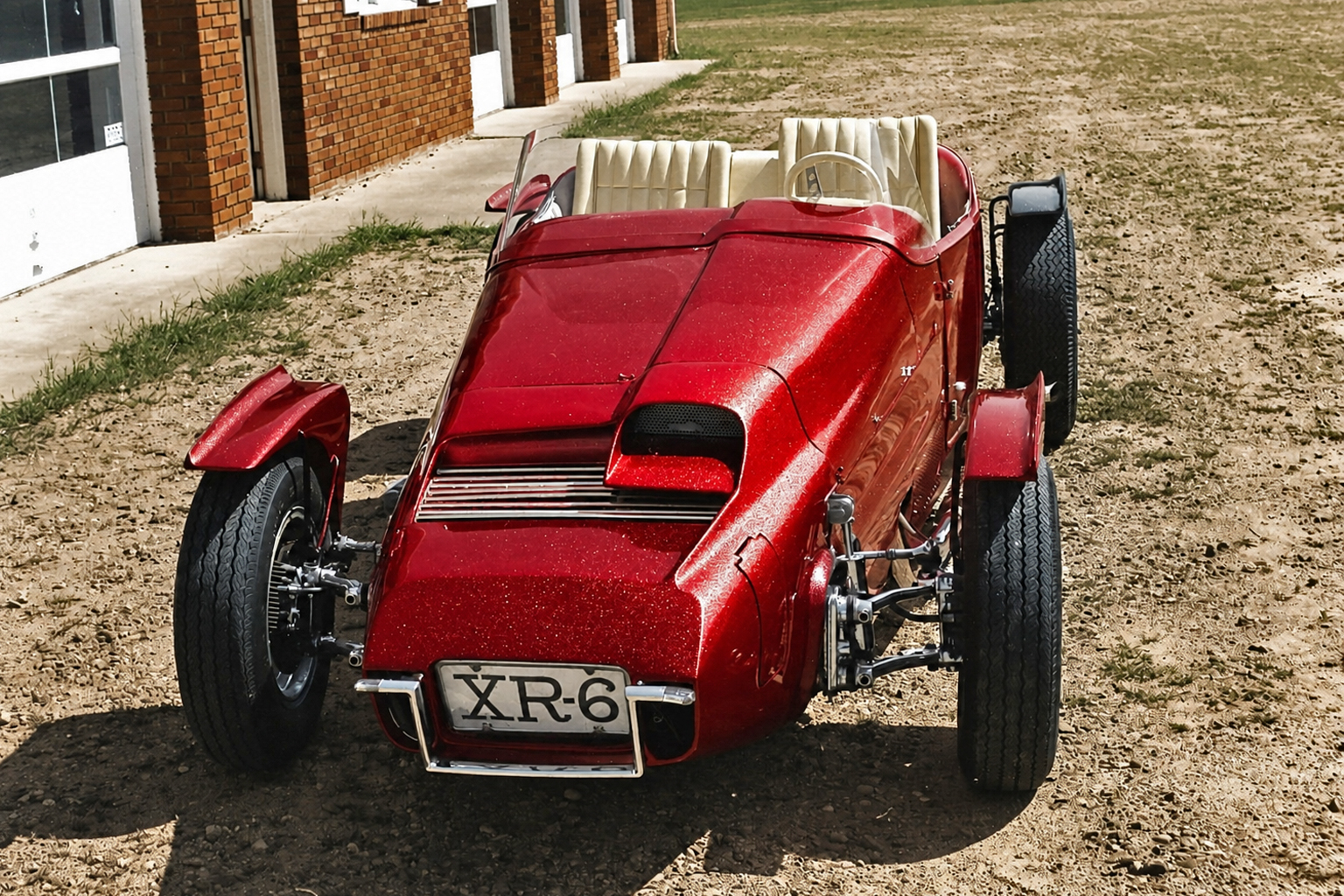
We arrived in Tolland, Connecticut and sure enough, there was the XR-6 and since it had spent eighteen years on the indoor show circuit it was in remarkable condition. So how did this famous west coast hot rod find it’s way to Connecticut?
TEX SMITH TOLD US THE STORY
In 1962, Tex Smith was the man with the plan for the XR-6. Tex had been expounding on the virtues of the inline six-cylinder motors while hot rodders held a general preference for the rumble of a V-8. It was also a time when Detroit was producing some great looking, high performance cars. A ’62 bubble top 409, a 413 Max-wedge Belvedere or a 421-powered Pontiac Gran Prix are just a few examples. There was concerns among the traditional hot rod crowd that Detroit would take over the entire hot rod scene. Tex was an associate editor at Hot Rod Magazine at the time so Editor Bob Greene challenged him to build a six-cylinder roadster for “modern times.”
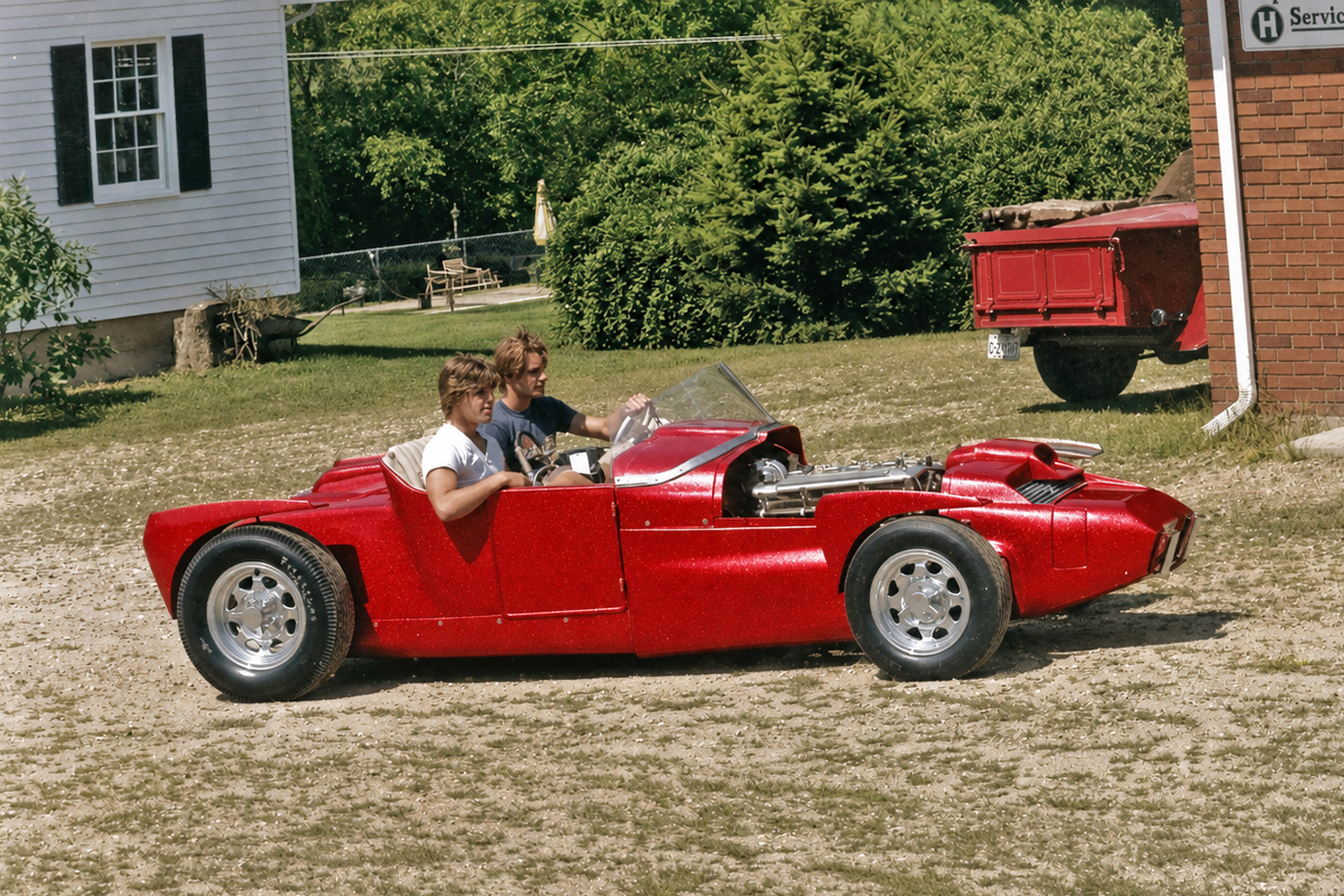
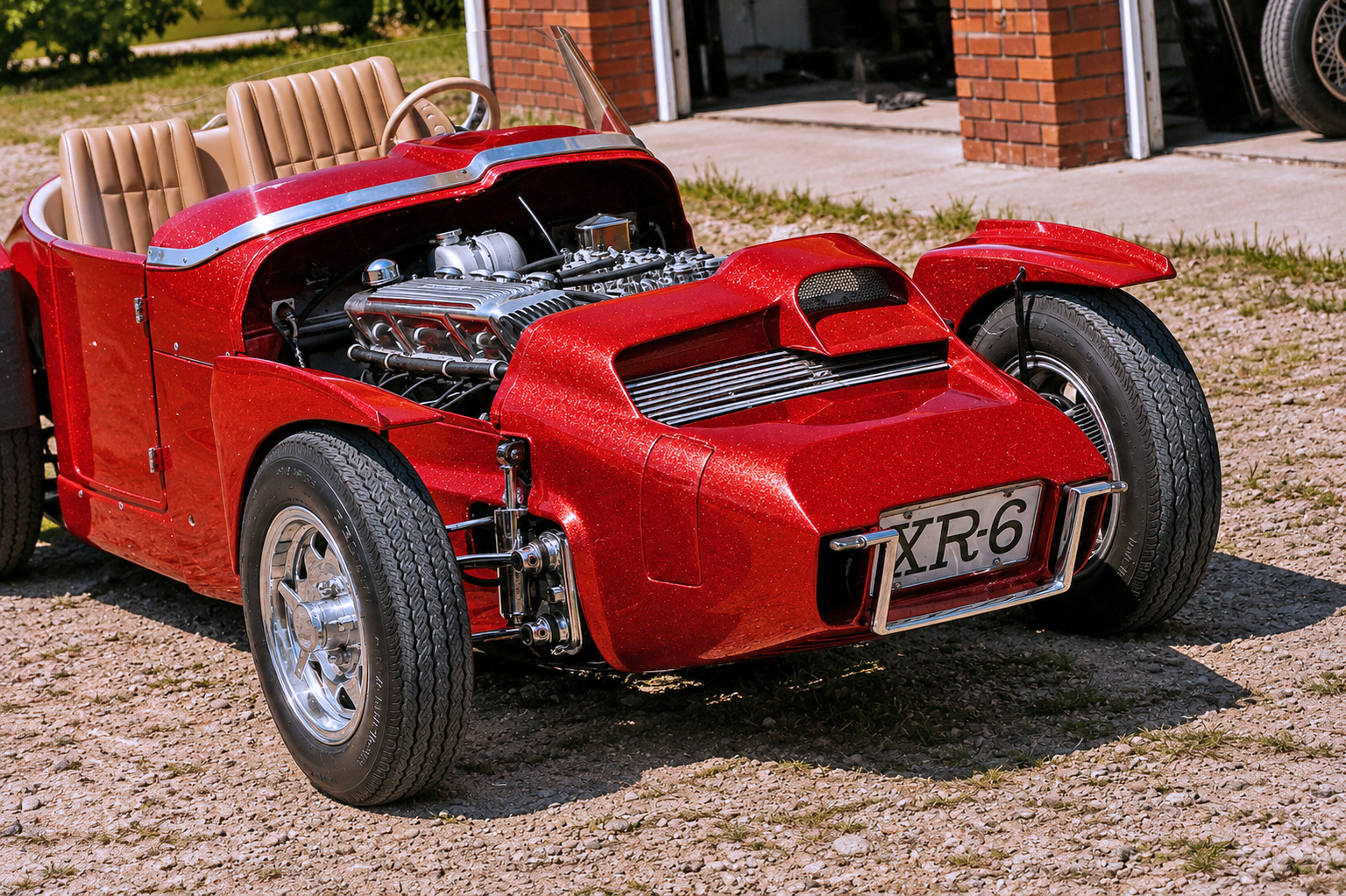
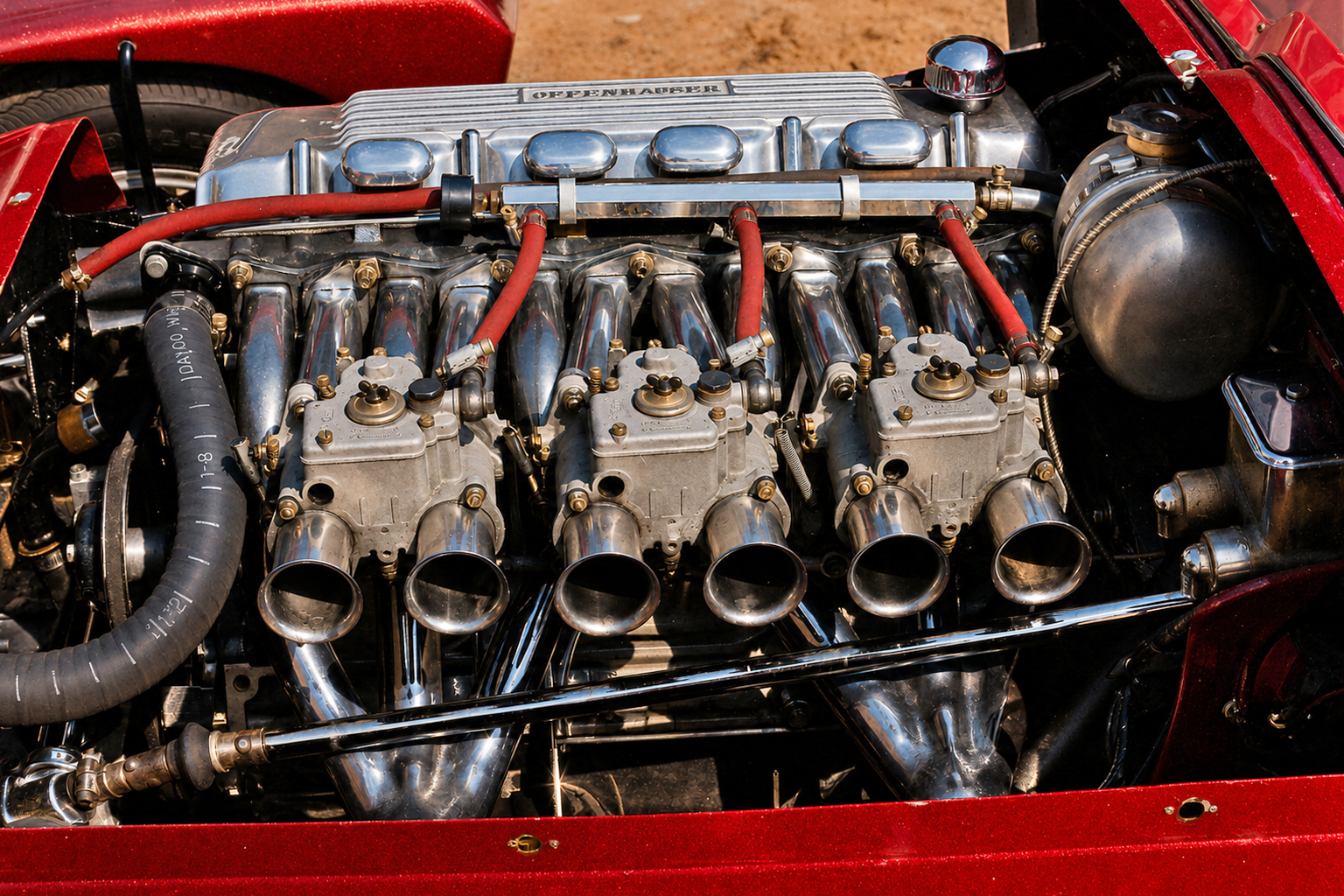
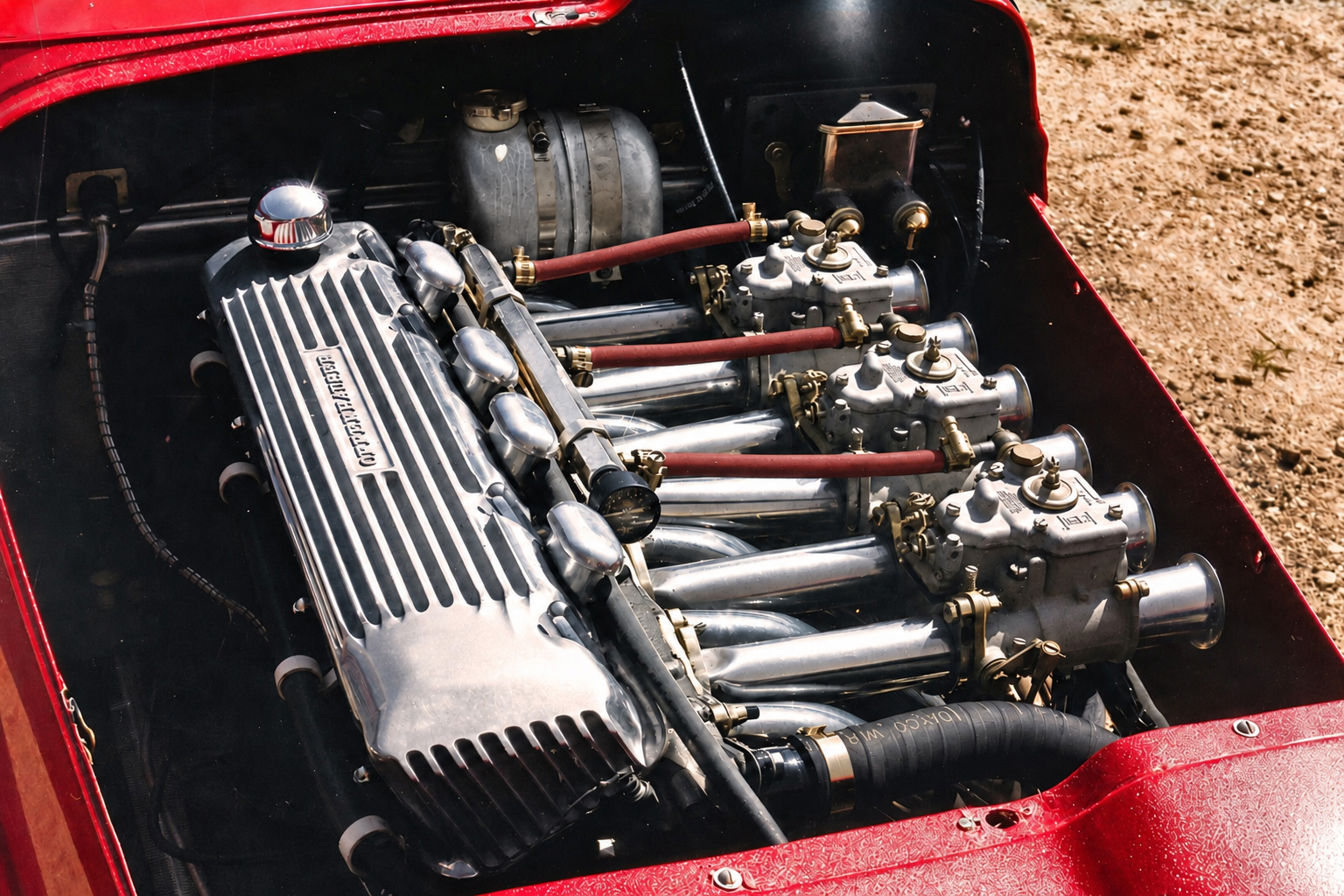
Tex teamed with Steve Swaja to come up with a futuristic design to stretch the boundaries of a traditional hot rod roadster. Having a 225-cubic inch aluminum Dodge slant-six and Torqueflite tranny on hand made the choice of powerplant simple.
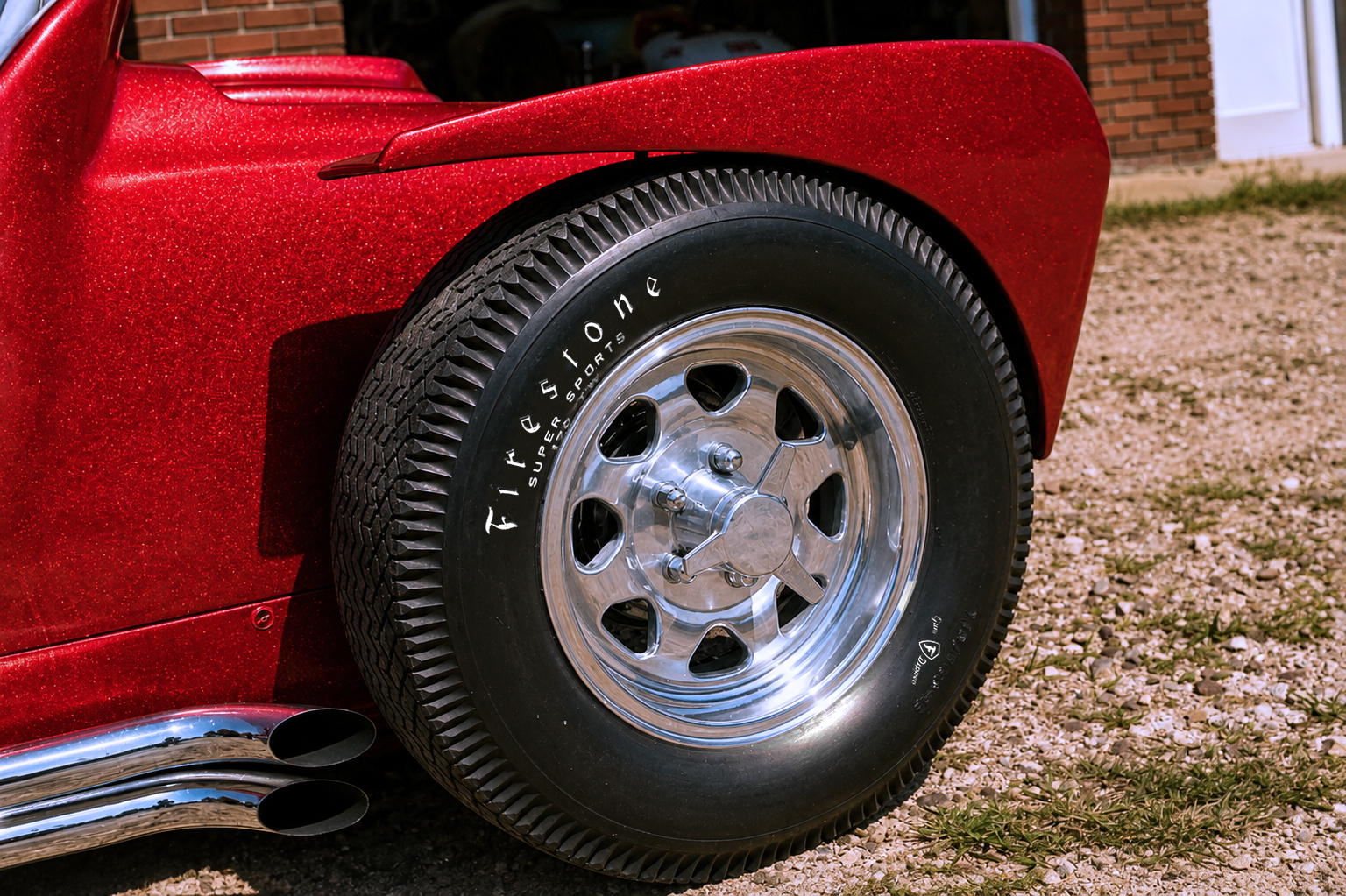
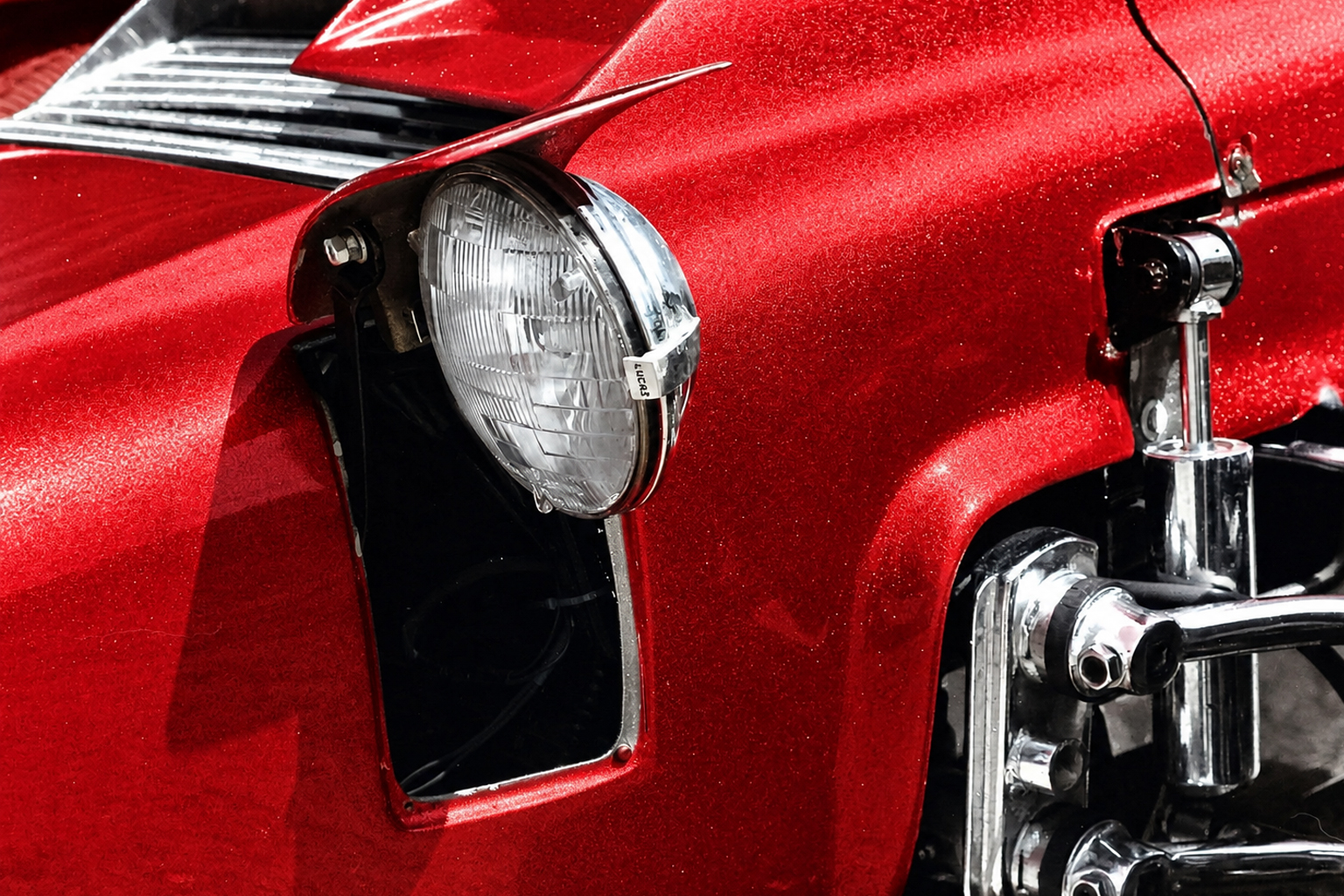
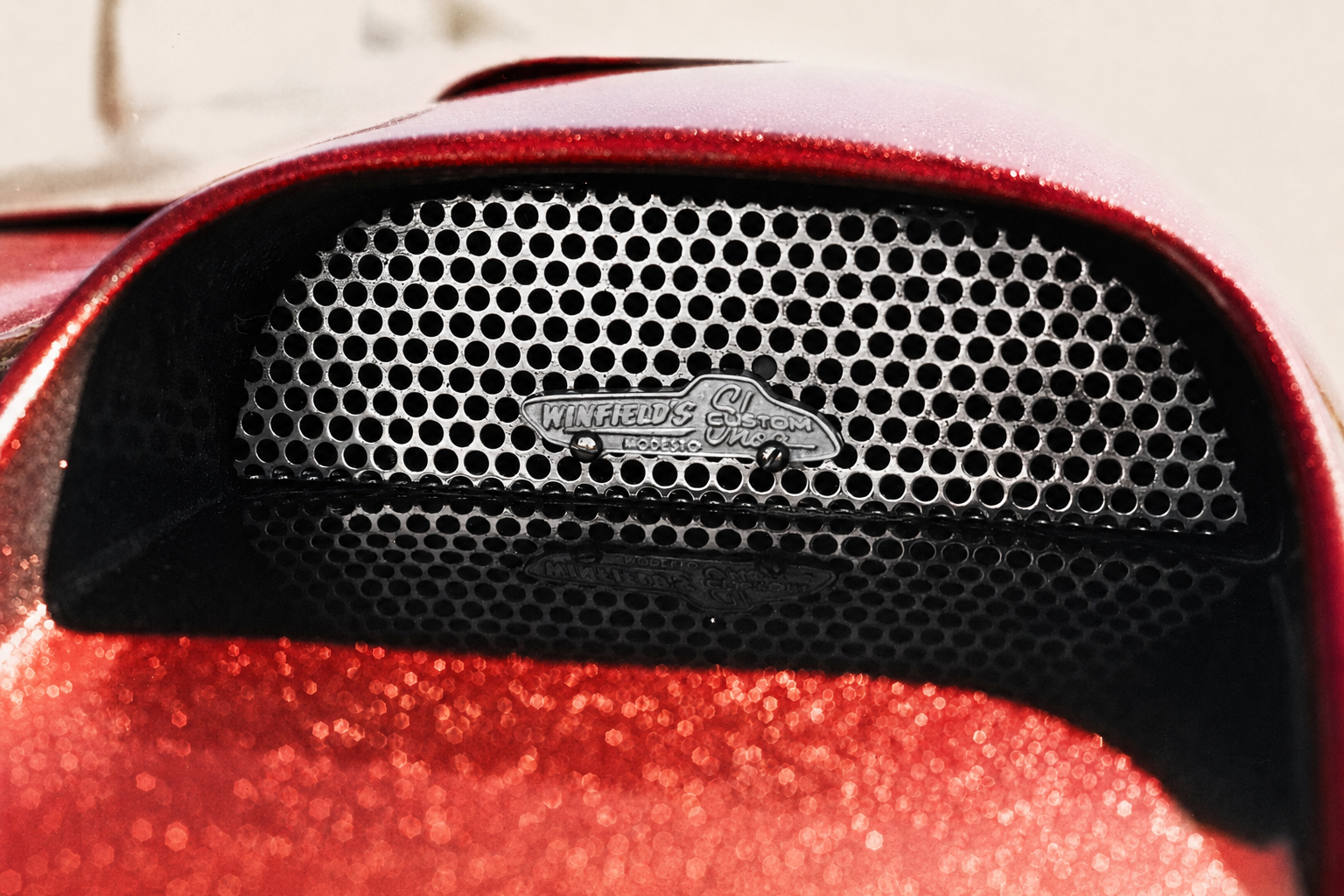
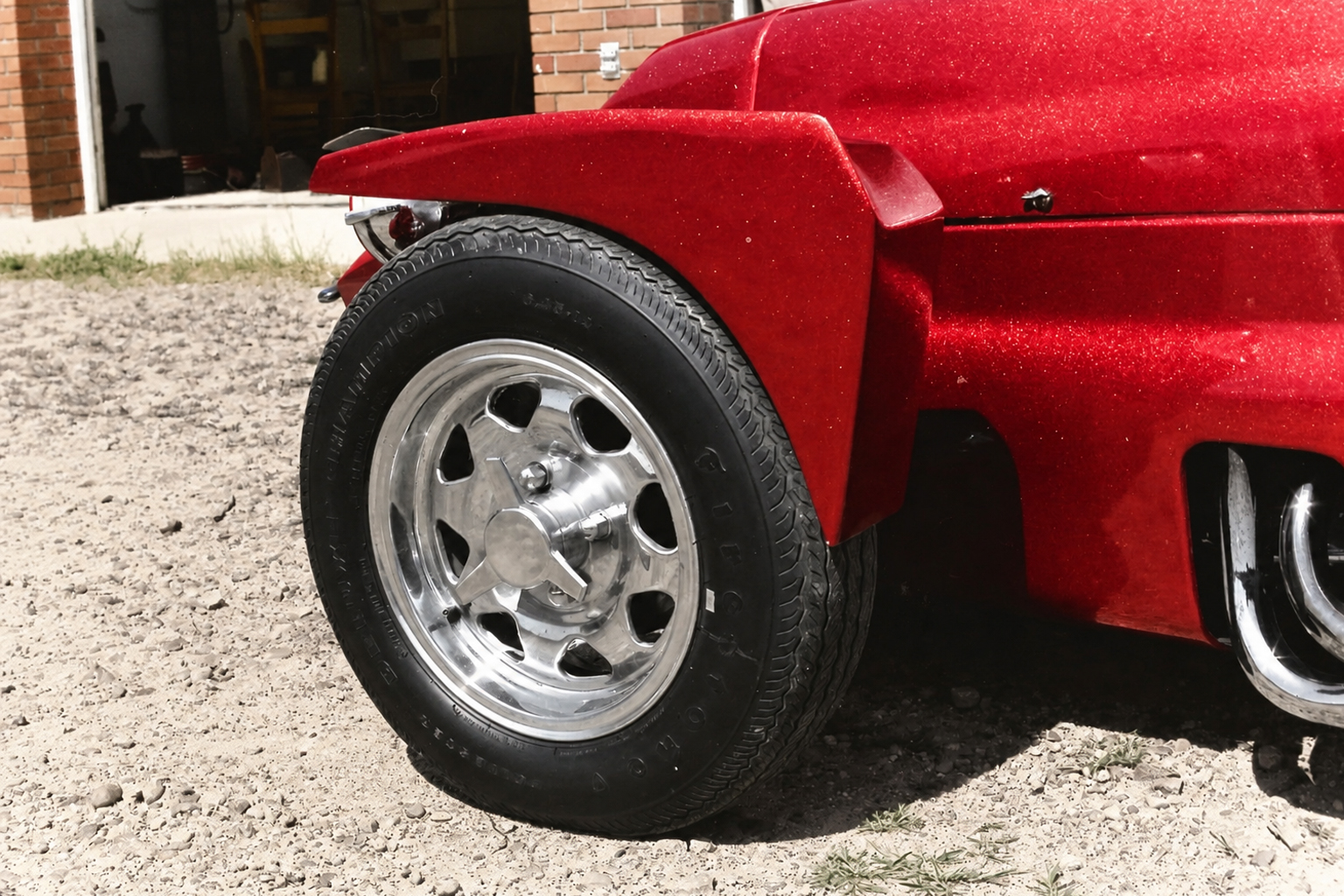
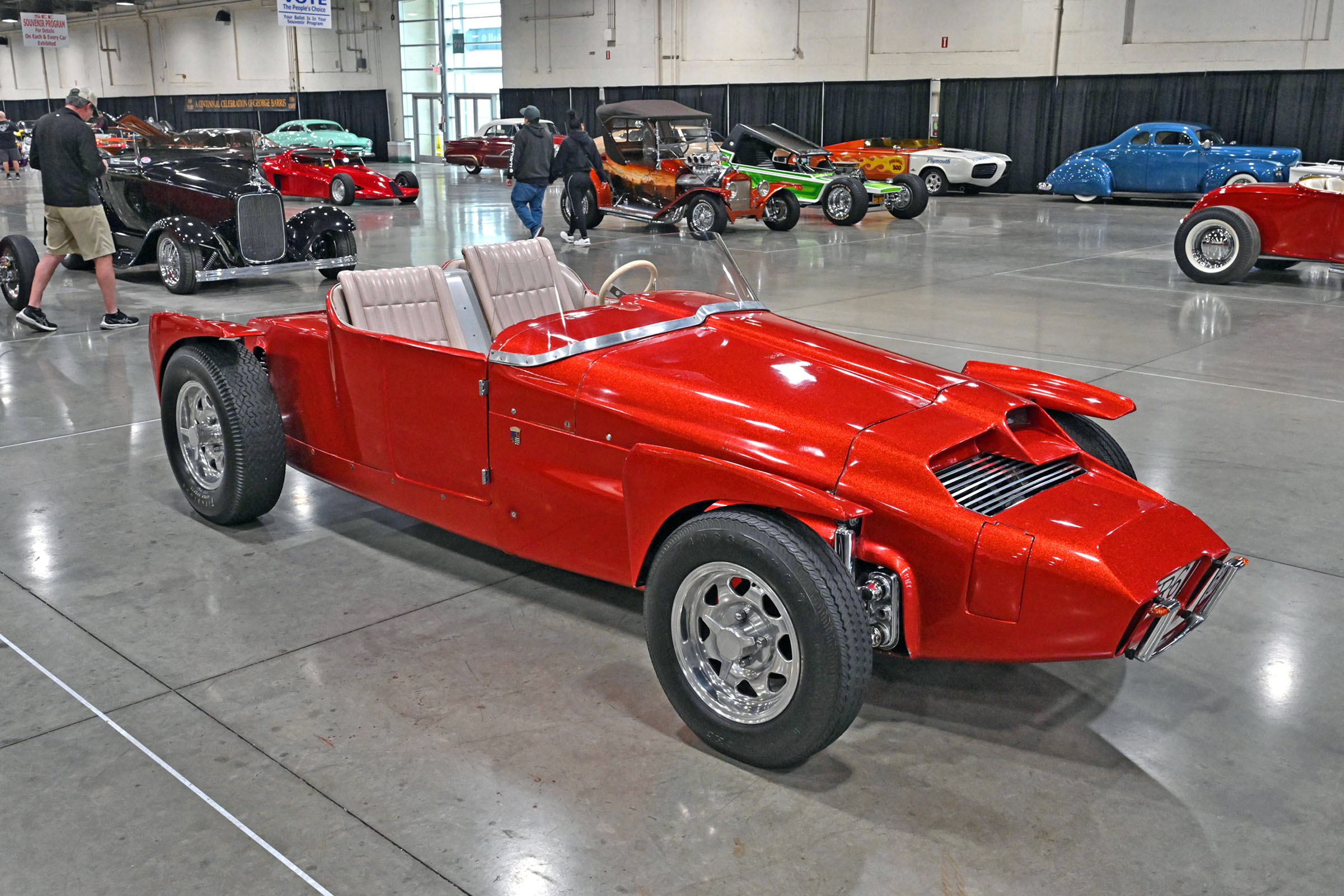
With the Swaja design drawings in hand, the car ended up at the Barris Shop and it was completed literally days before the 1963 Oakland Roadster Show. The car won the coveted America’s Most Beautiful Roadster award. Tex told us, “After the big show the XR-6 went to Gene Winfield’s shop where he removed the heavy steel fenders and re-created them in aluminum and generally brought the car to “the next level.” I wasn’t there when the car left the Winfield shop, but I have read accounts saying the car was Candy Tangerine. I do know for certain that in 1981 the XR6 was metalflake and the color was closer to red than tangerine.
But enough on the facts about the XR-6, much has been written about the car. I was fortunate enough to call Tex a friend, so after our photo shoot in 1981, I asked him to write the feature which appears in Rodder’s Digest #7, Winter-1982. It’s a good read.
HOW DID THE XR-6 FIND IT’S WAY TO CONNECTICUT?
Tex told us he sold the XR-6 to show promoter, Joe Kizis, of Milford, CT for $3,600.00 and that price included a “very nice trailer.” Kizis began promoting car shows with the Hartford Autorama in 1951 and even had the foresight to license the name Autorama. The XR-6 appeared in Autorama shows around the Northeast into the sixties. While nationally known rods and customs would often be changed for their “second life” on the show circuit, thankfully the XR-6 remained largely untouched.
By the seventies things get a bit blurry, Tex told me he received a letter from a person who claimed to have seen the car in a museum, but no museum name was supplied. Our unanswered question is this, did Malcolm Barlow purchase the XR-6 directly from Kizis or from a museum? One thing is certain, it rested somewhere for over ten years. We may never know where, since all three of these former owners are no longer with us. We also do not have a definitive year that Barlow sold the car, but we know the car spent time in Ohio this century, before being sold to the Petersen Museum where is remains today.
SO, WHAT DID RODDER’S DIGEST DO THAT OTHER MAGAZINES DID NOT DO?
We have already established that Malcolm Barlow liked to drive his cars, so it is little surprise that he set about getting the XR-6 running and drivable. After we arrived at Barlow’s shop we spent a good bit of time checking out his vintage cars and great race cars.
Of course talk turned to the XR-6 as we admired the ’63 AMBR. The car had survived in amazing condition and while we waited for the “good light” Malcolm’s question caught me totally of guard… “Would you like to drive it? We’ve got it running pretty good.” Errrr, say what? Heck yeah, let’s drive it!
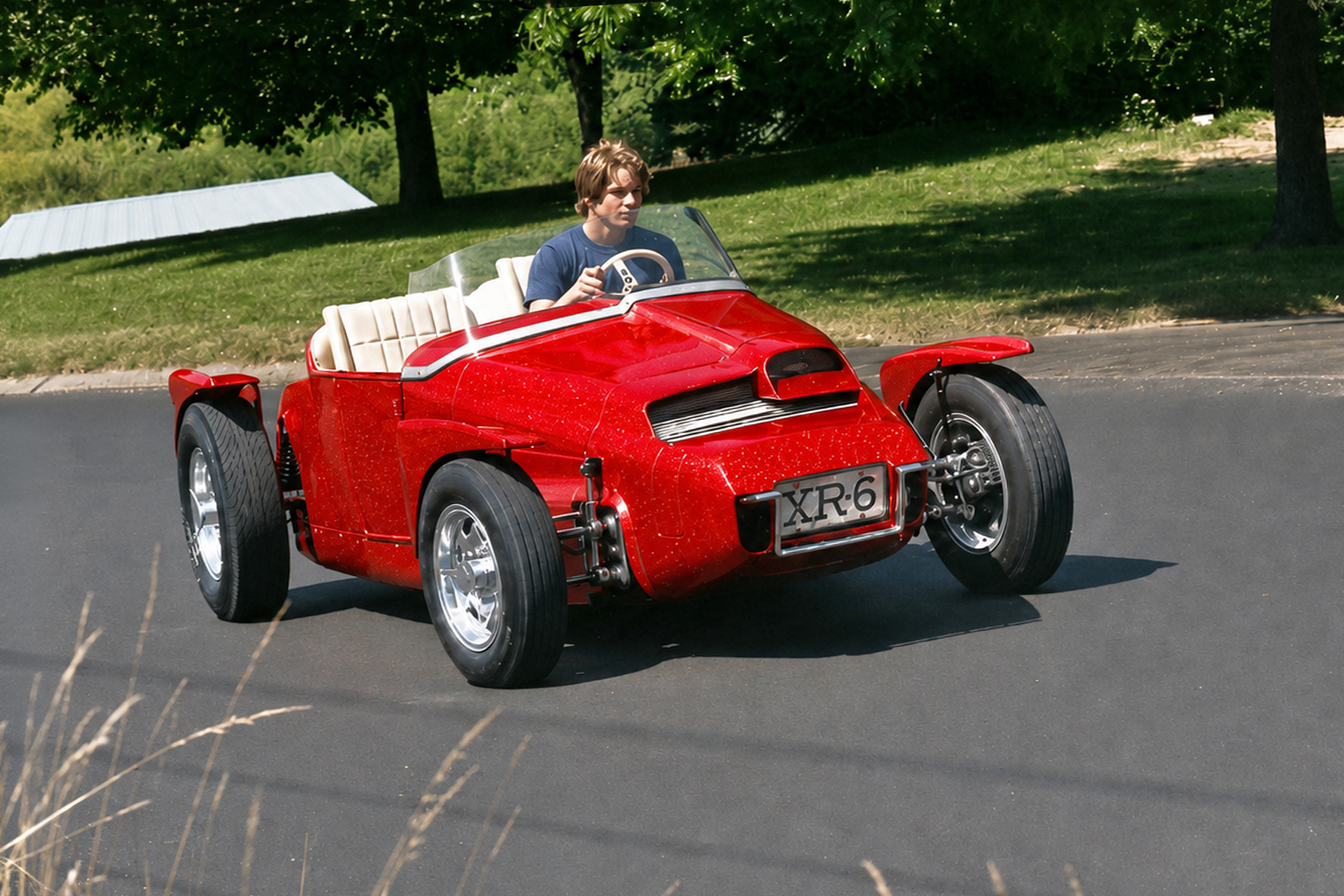
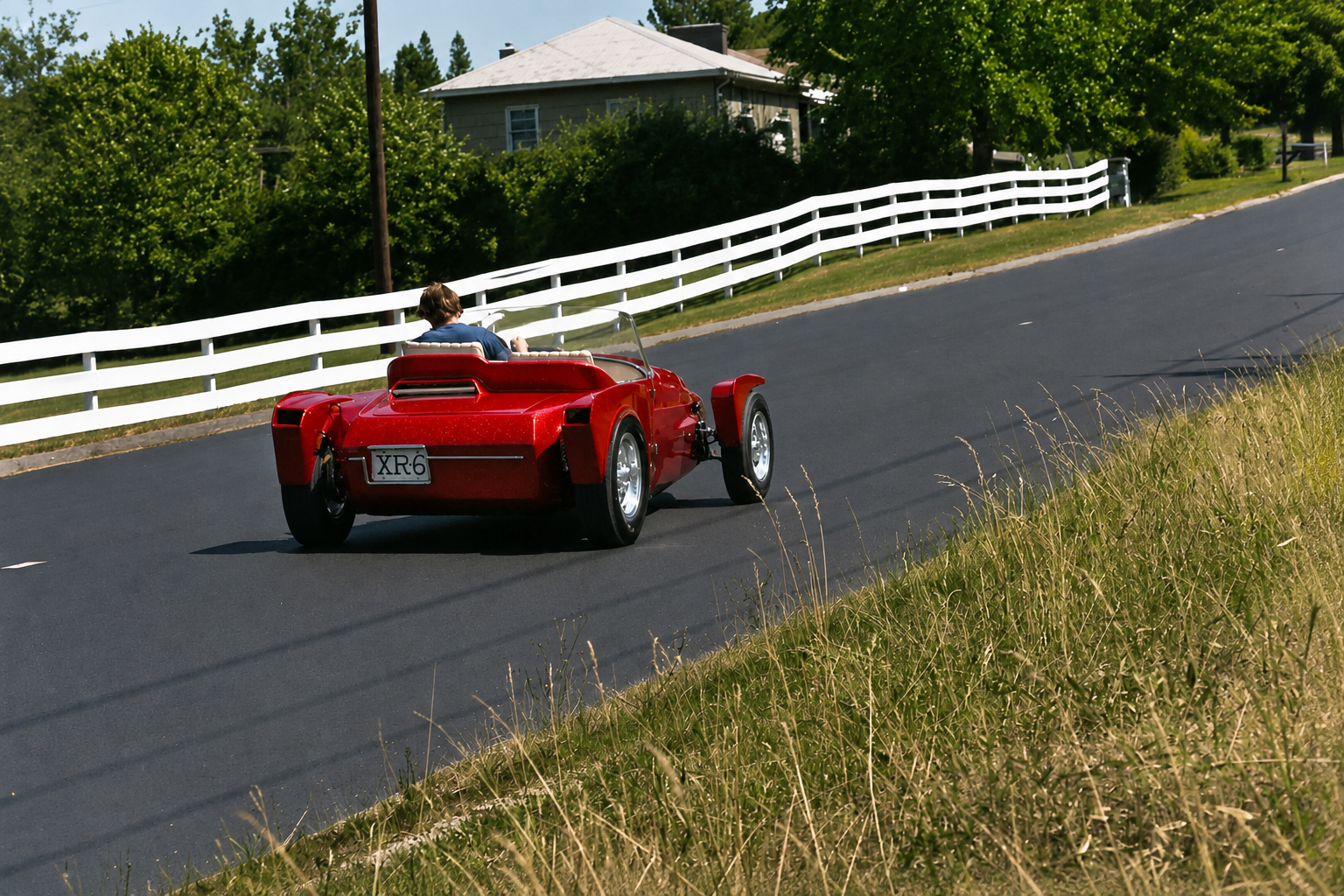
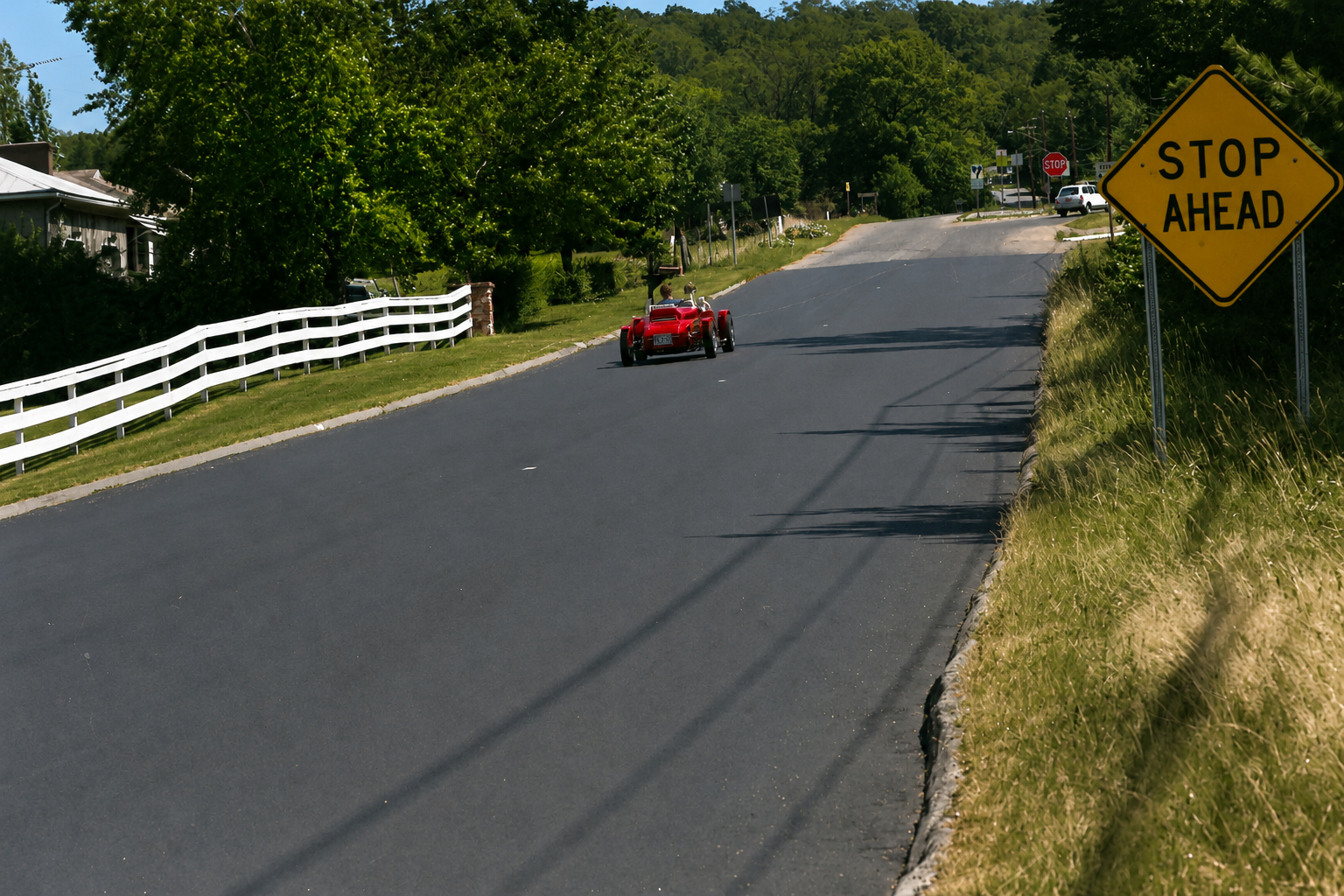
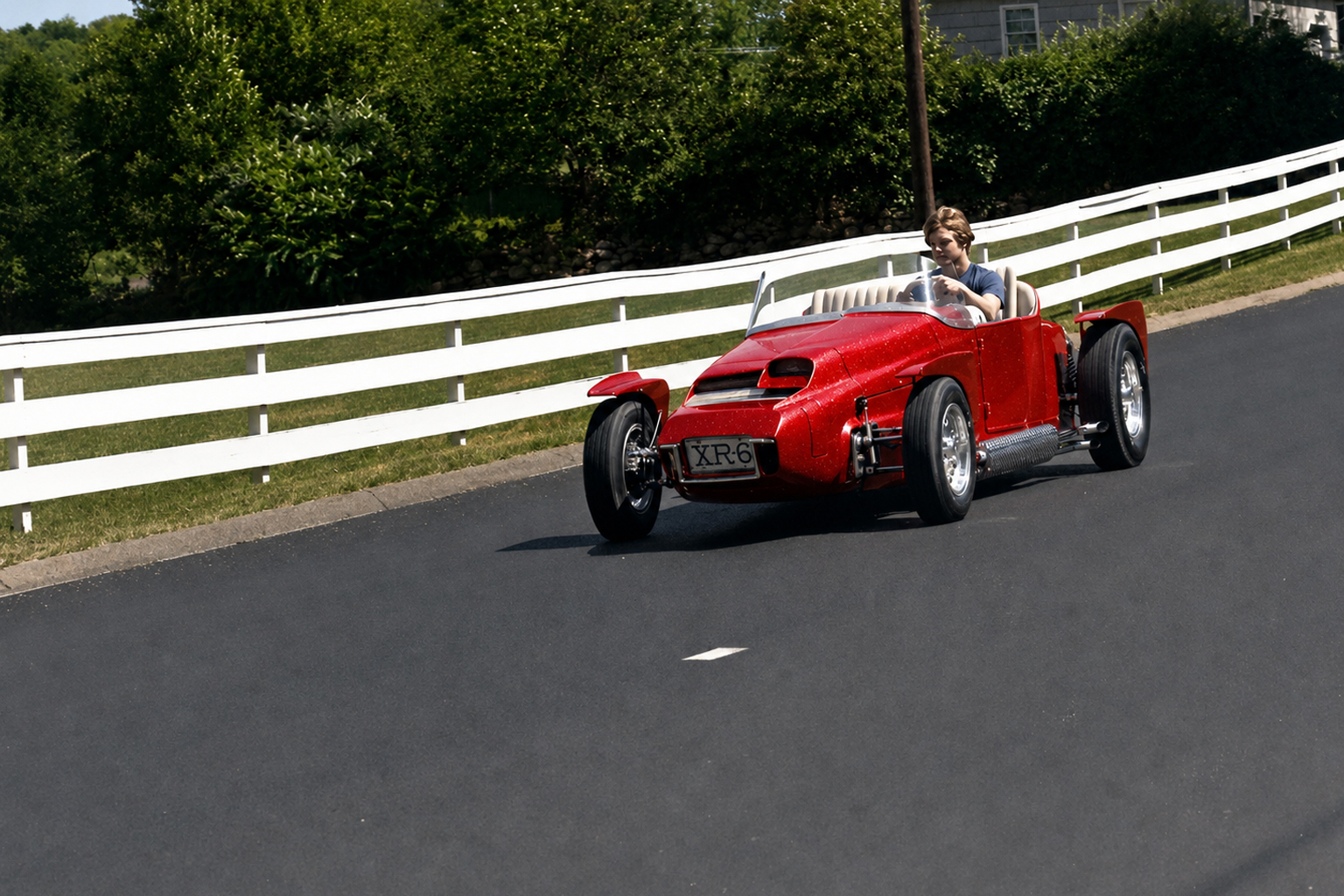
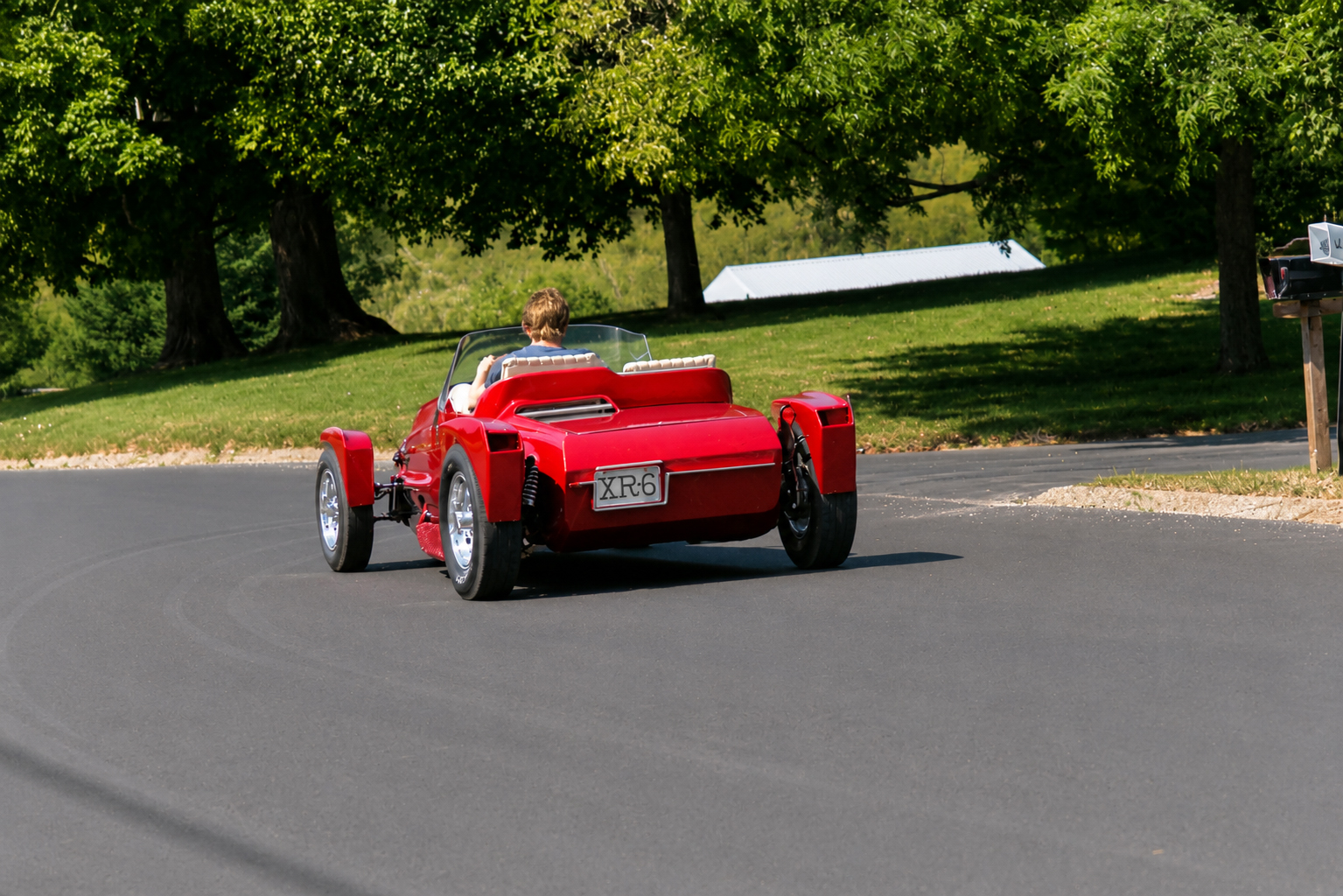
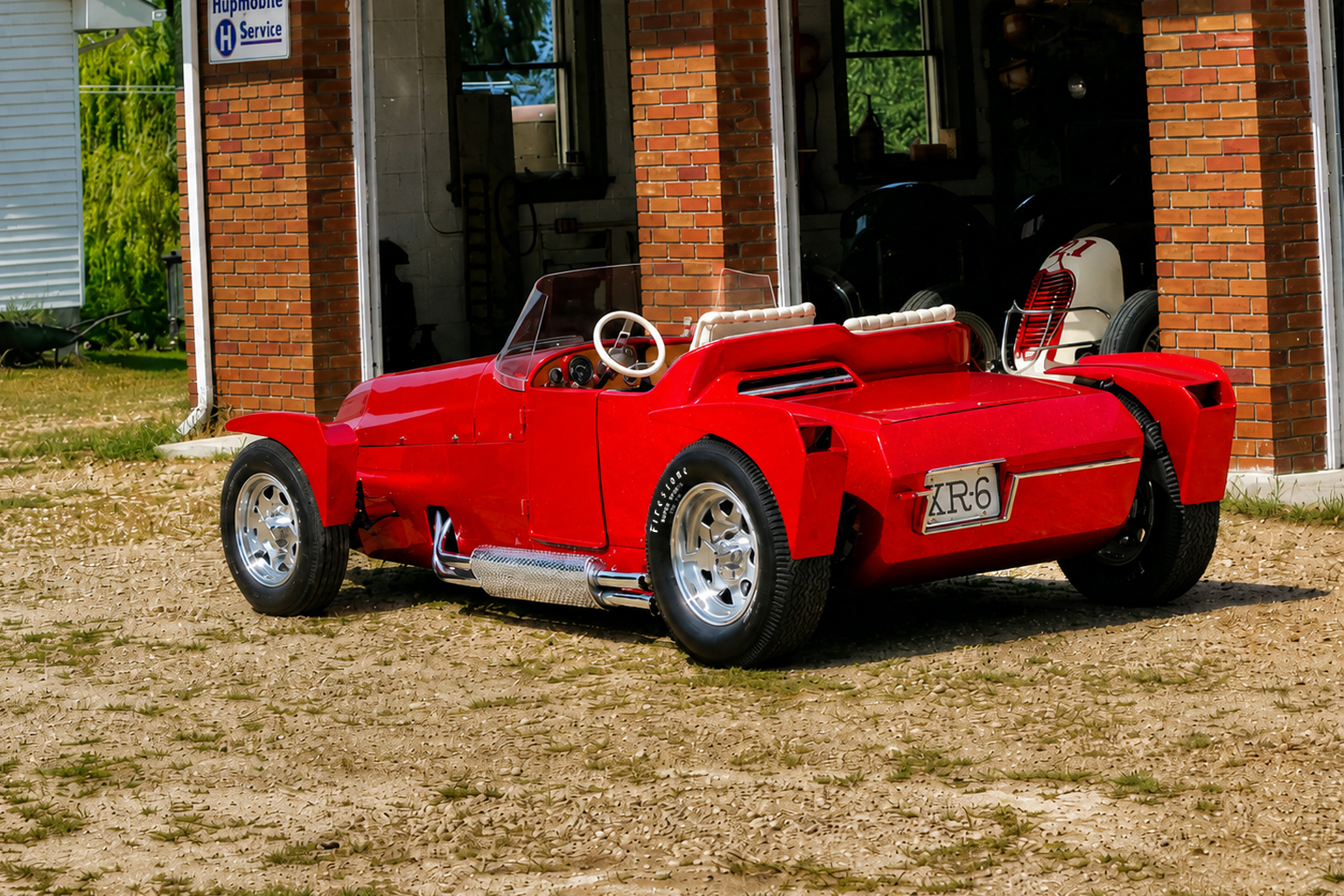
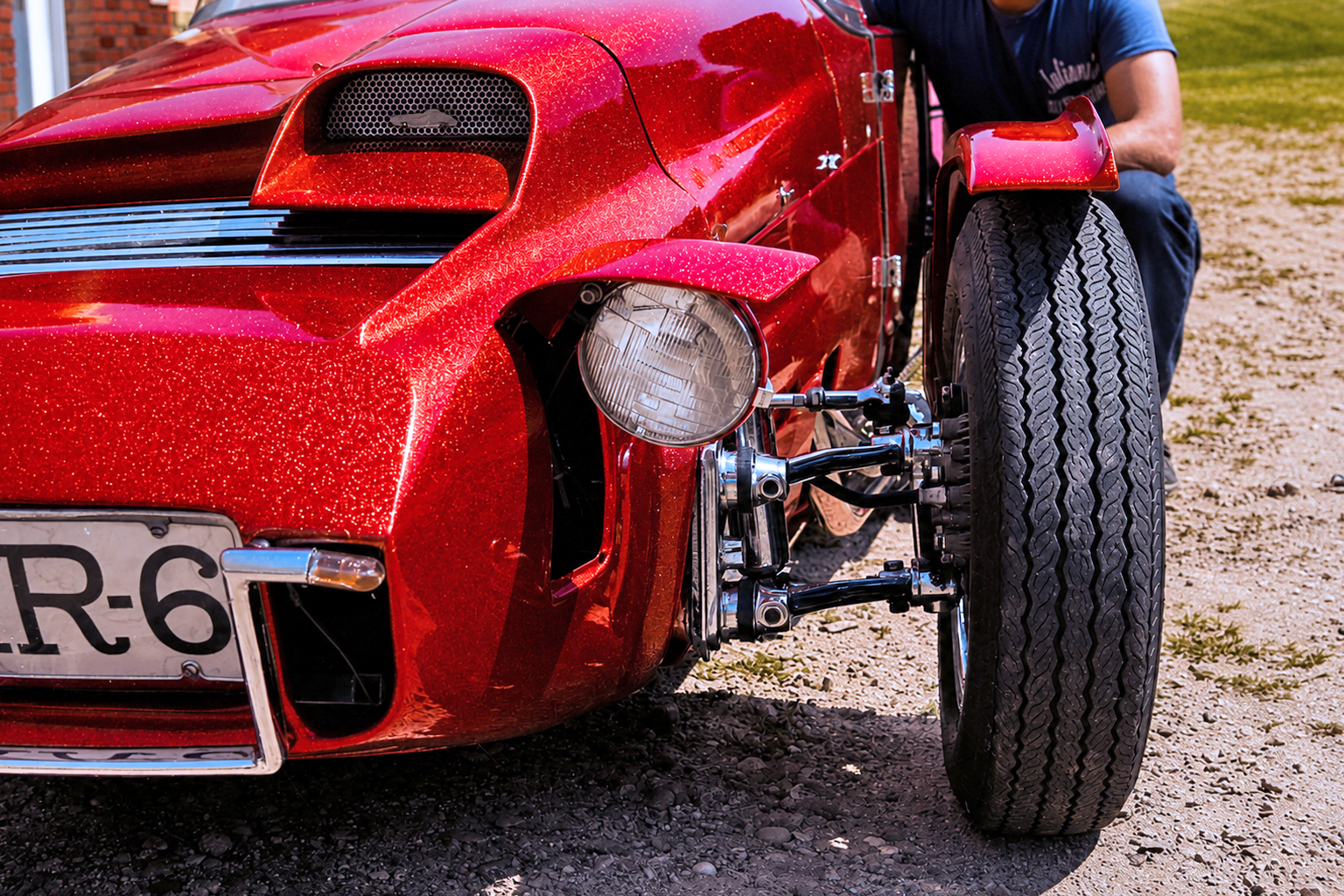
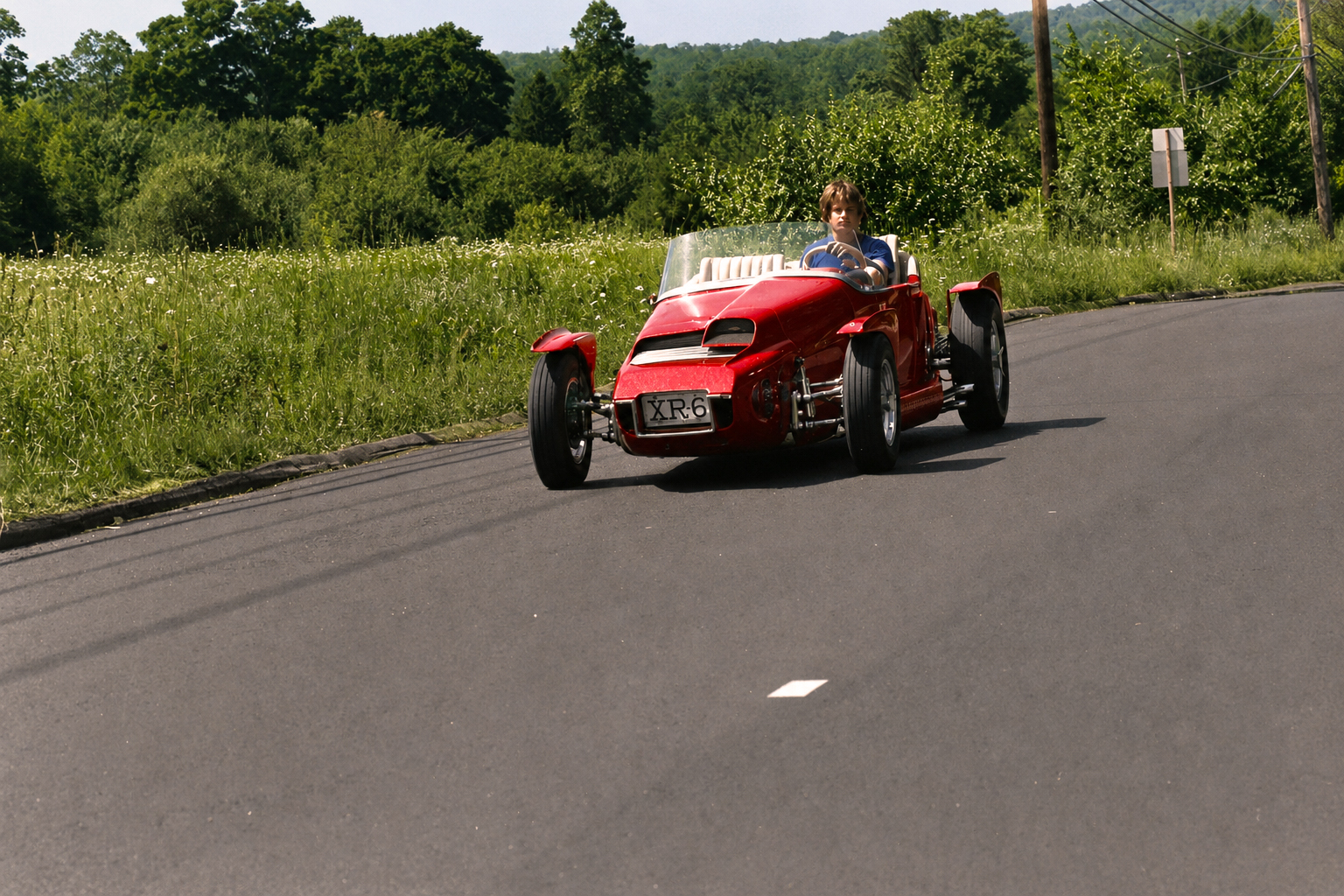
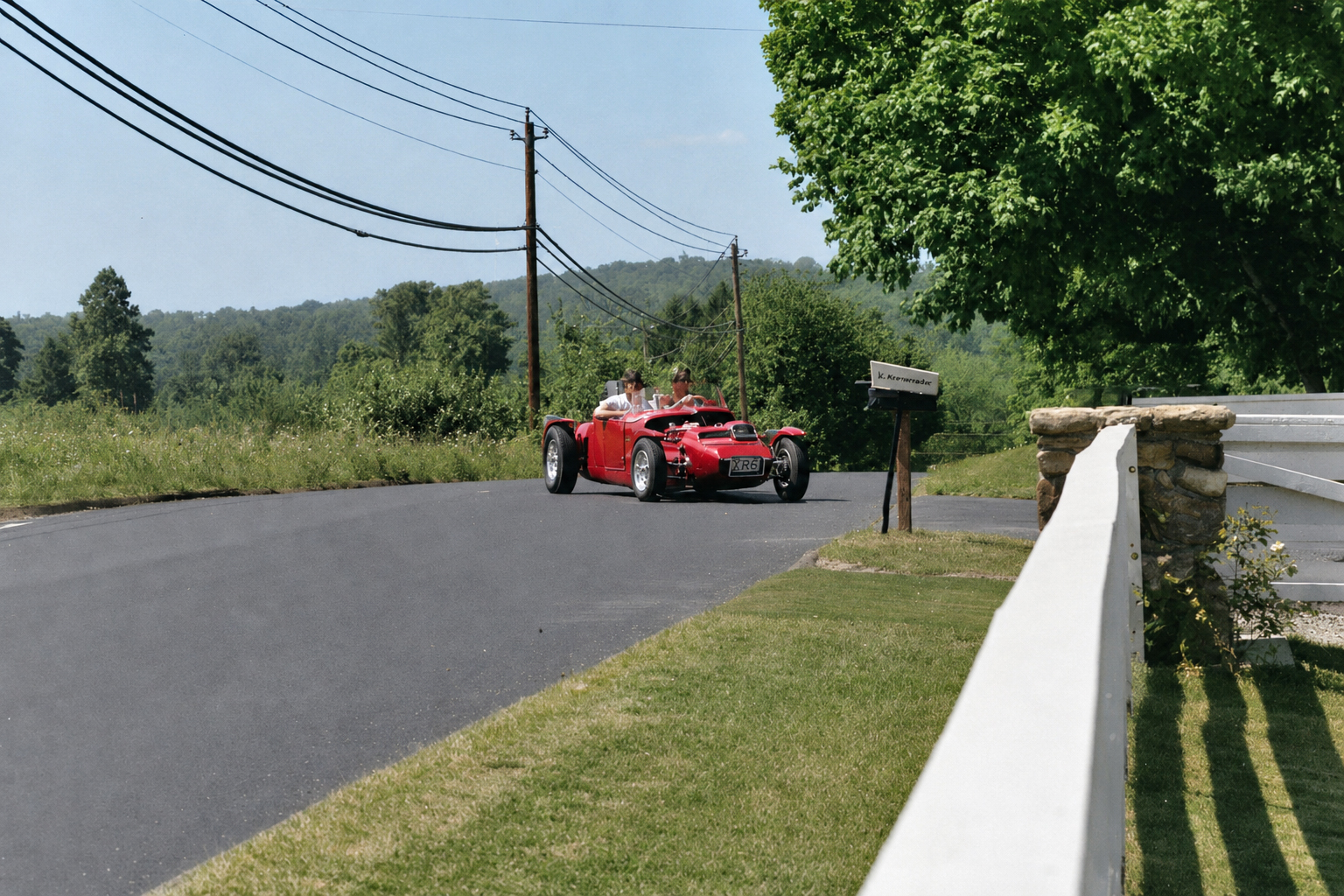
And so the XR-6 rolled out of the garage under it’s own power. It was idling smoothly, the Webers were dripping a few drops of fuel directly onto the headers, which was a bit disconcerting, but the hood went down and I got photos of the car driving up and down the local country road. That slant-six made sounds you only get when all your cylinders are in a row. My apology to the young men in these photos as their names are long lost to my intricate filing system.
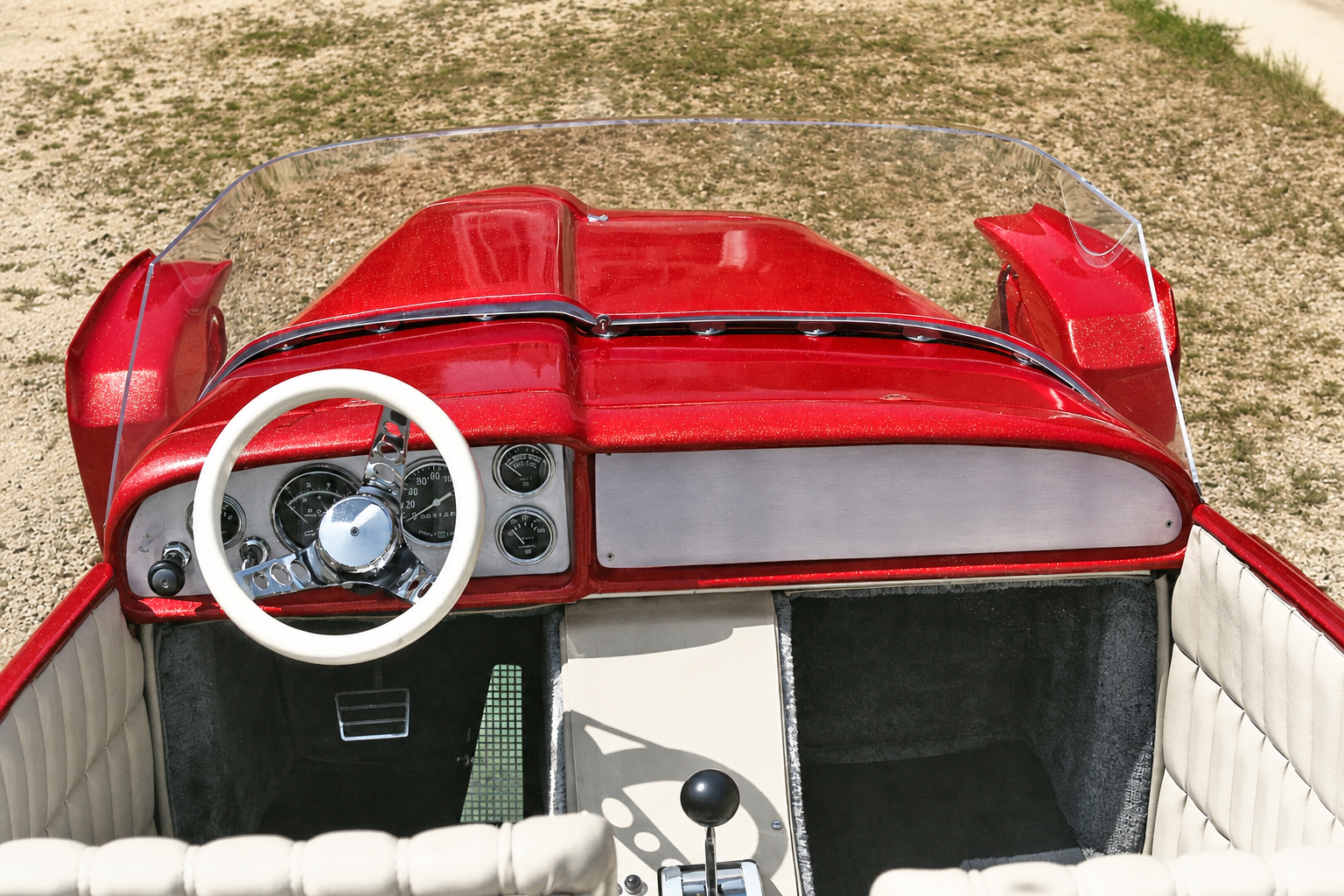
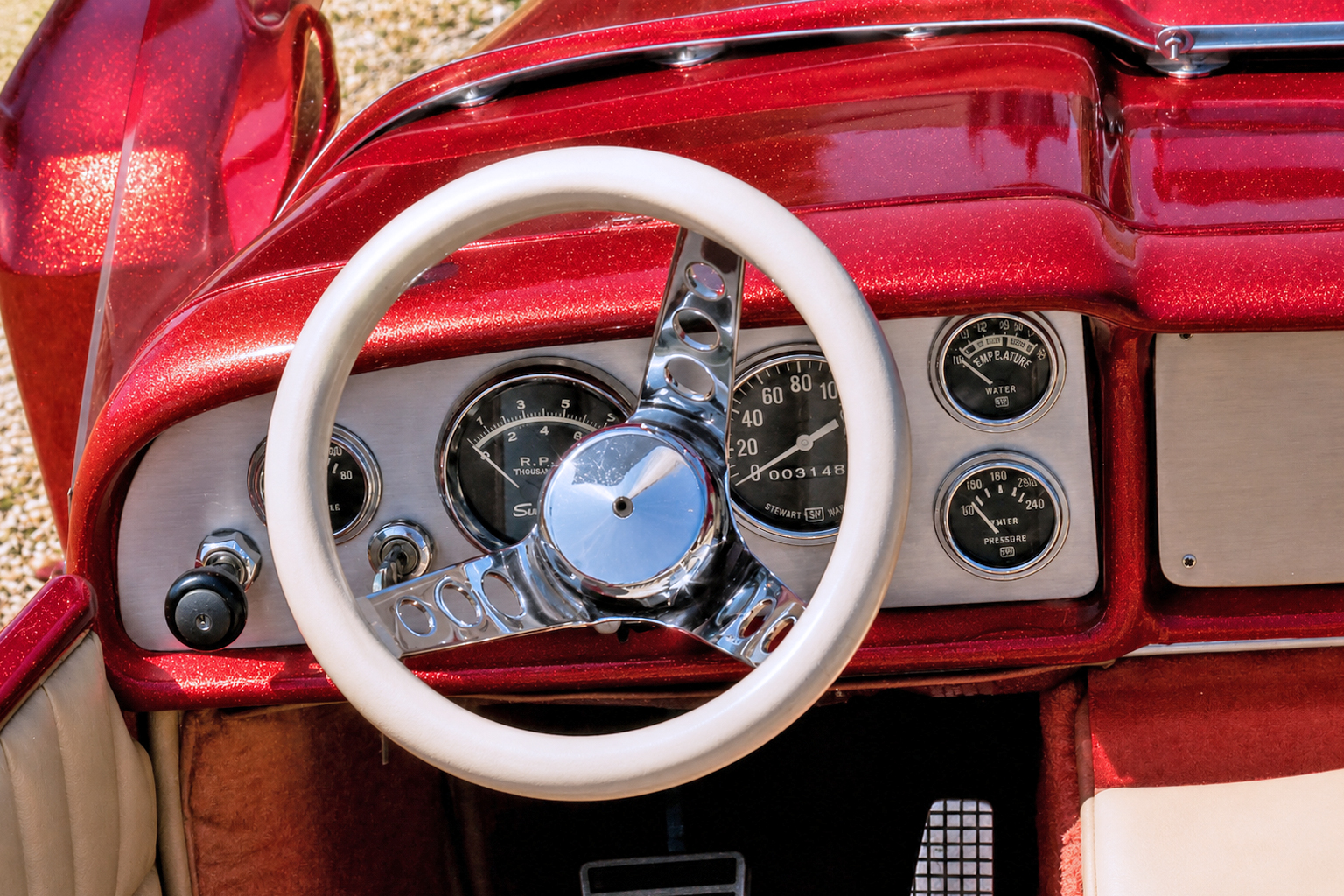
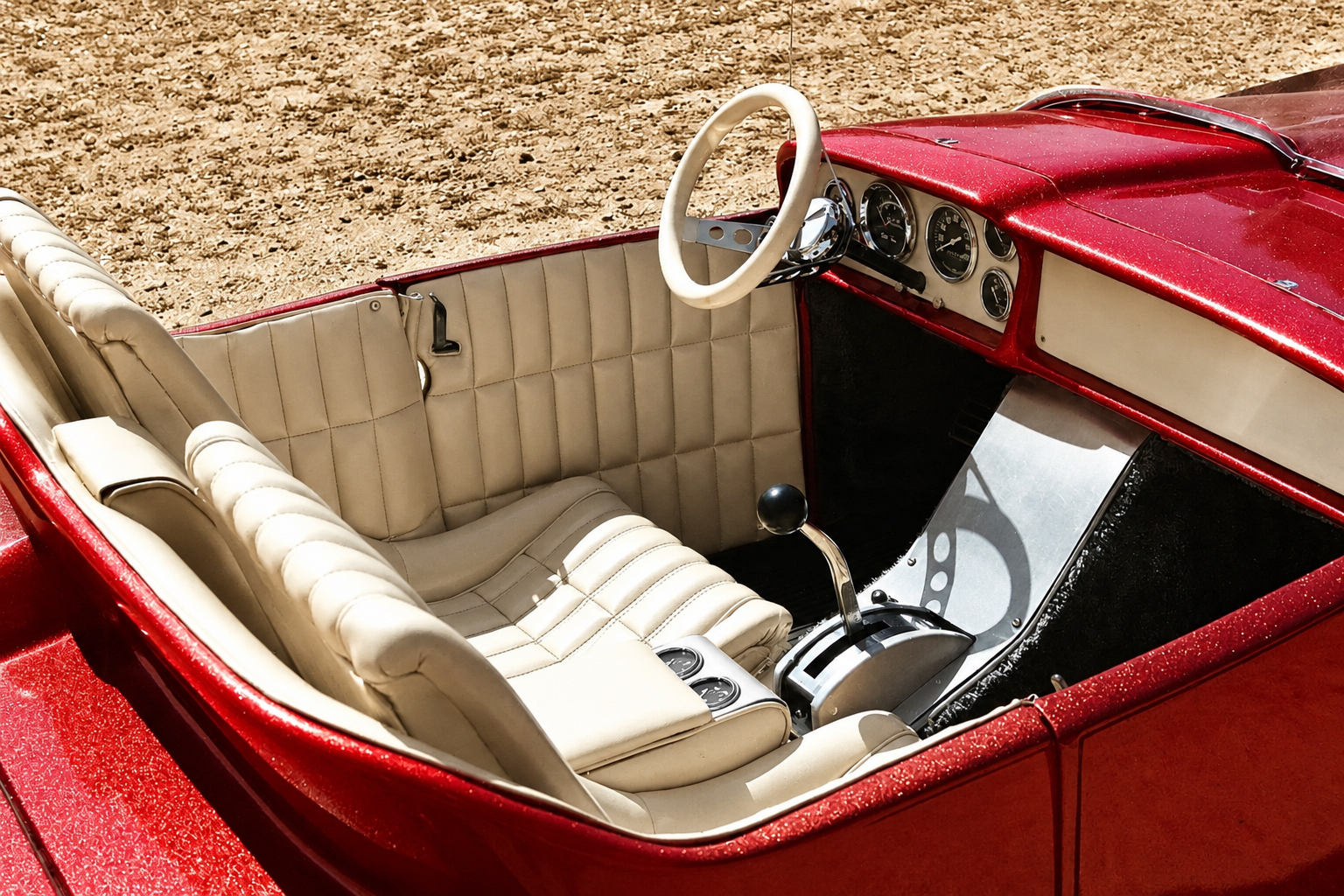
After I was done capturing the car on film it was my turn. I slid behind the wheel and noticed the top of the windscreen was just below eye-level. The engine fired to life and for a moment I just checked out the Tony Nancy interior and S&W gauges and Sun Tach before pulling it down into gear and for a few miles in 1982, I was driving the 1963 AMBR winner. I was beyond cautious, and since that fateful day was 44-years ago, the experience is a bit foggy. But I remember it seemed plenty responsive and like many early hot rods, the suspension was stiff. Turning the car required serious effort due to the small ten-inch steering wheel.
WHERE IS THE XR-6 TODAY AND HAS IT EVER WORN A METAL LICENSE PLATE?
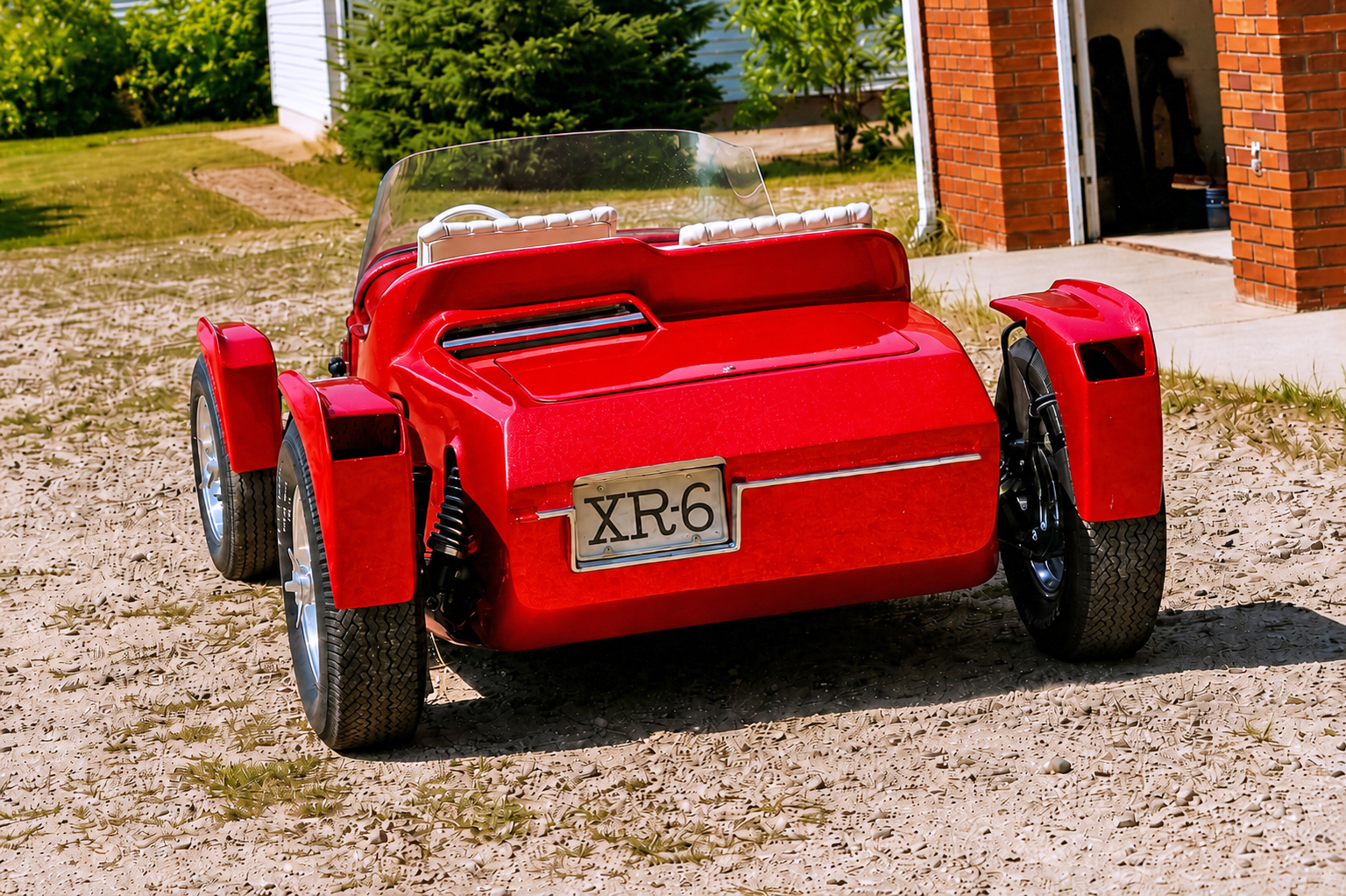
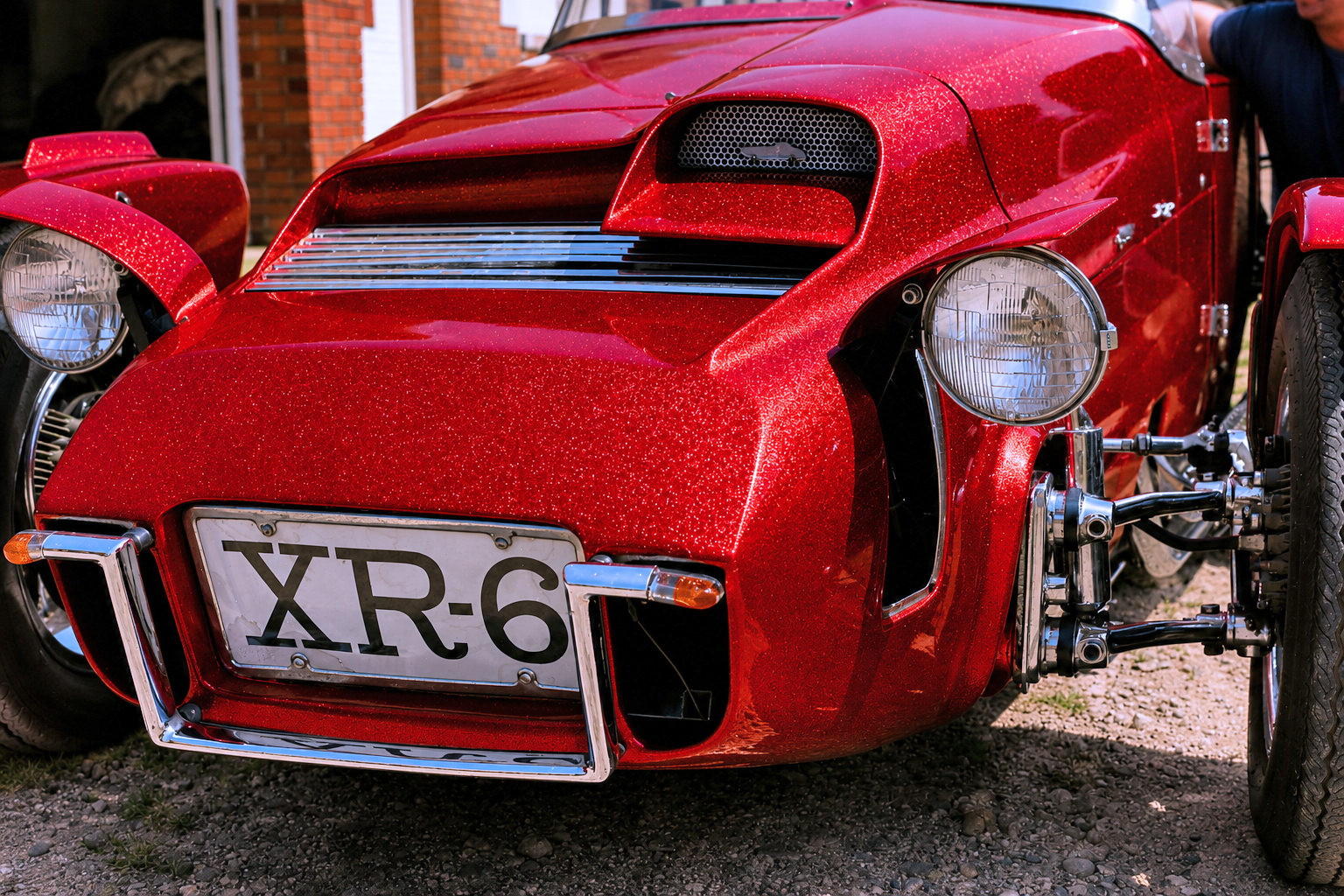
The car was still wearing the slightly stained XR-6 paper license plates in 1981 when I drove the car. That fact and an odometer reading of 314-miles told us the car had never seen real street duty. We’re not certain the car has ever been legally titled in any state. Since the car was destined to be a show car/museum piece, it was no doubt stored “dry” so the fuel system and cooling system should be in good condition. Will the XR-6 ever be registered and driven? Not likely, but that’s okay, I had my time behind the wheel.
Stay Tuned, Enjoy the Ride