A Fairway Filled With Automotive Legends
It’s a beautiful spring morning in Florida. As we round the corner to the next fairway, we assess the hole. Looks like a real beauty, long with deep green grass and a turn to the right. A large pond lies at the end of the fairway. It was the kind of hole you would definitely want to use an iron on—vintage iron. If you’re thinking this is a golfer’s dream, guess again. This fairway was lined with some of the finest automobiles ever manufactured.
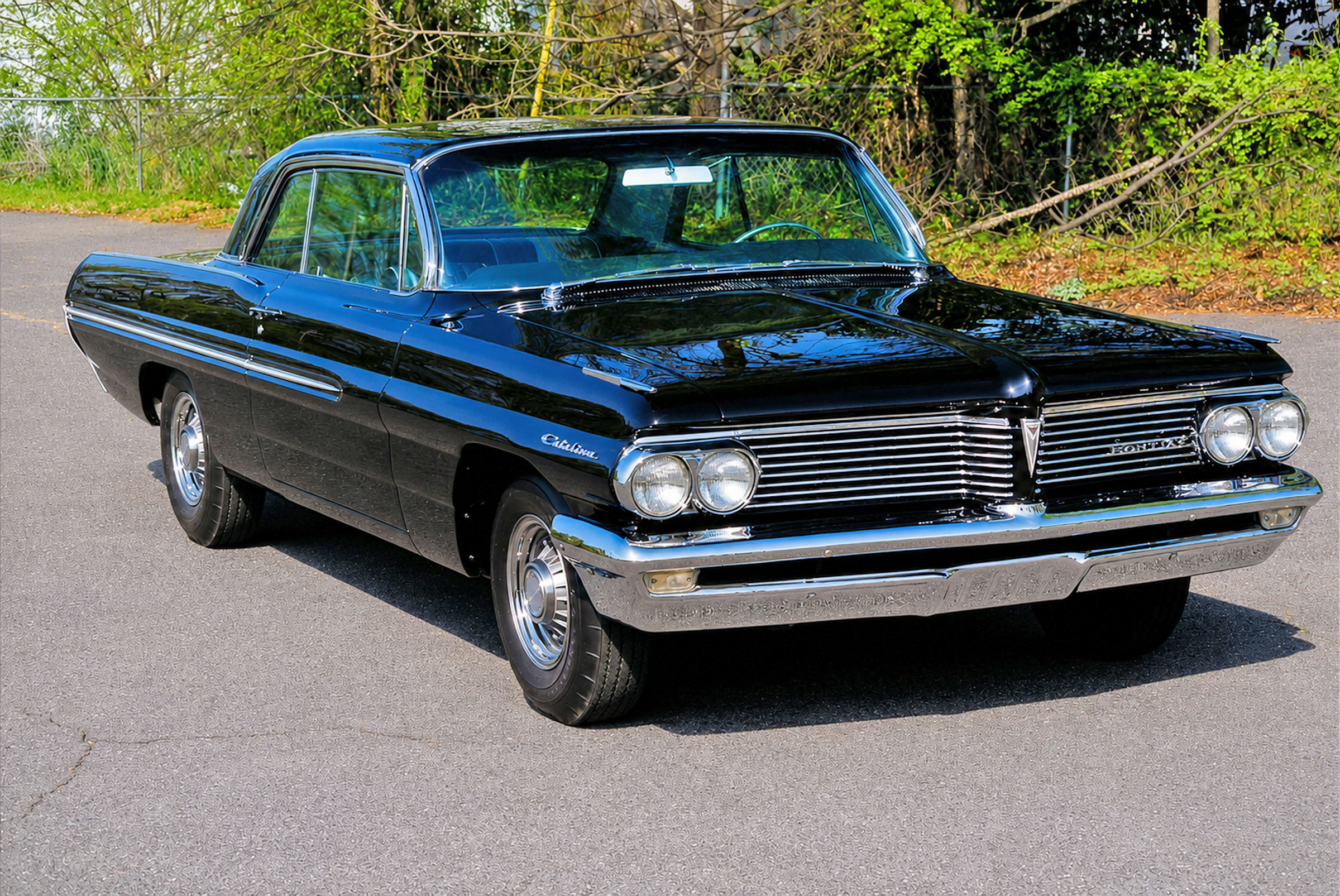
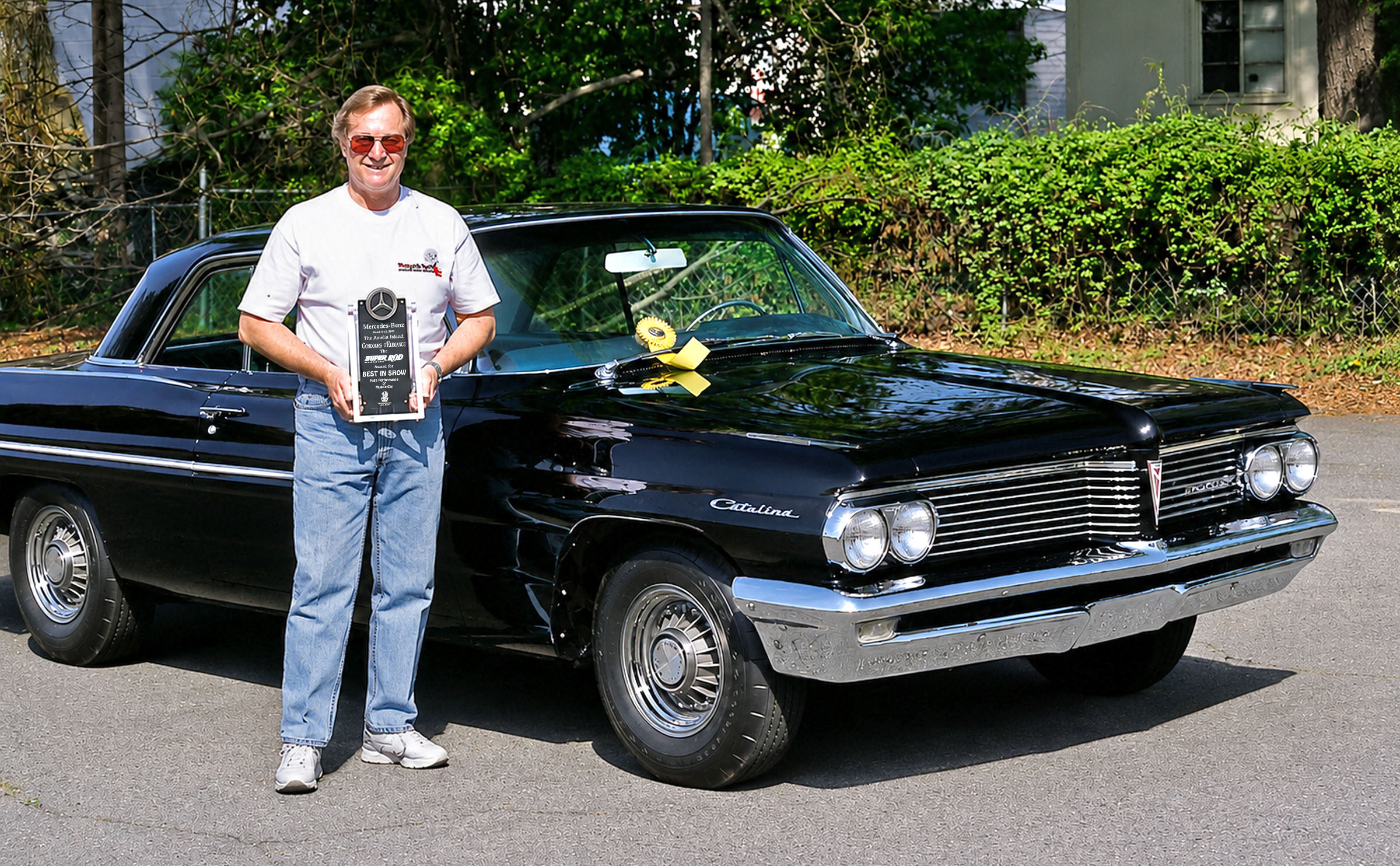
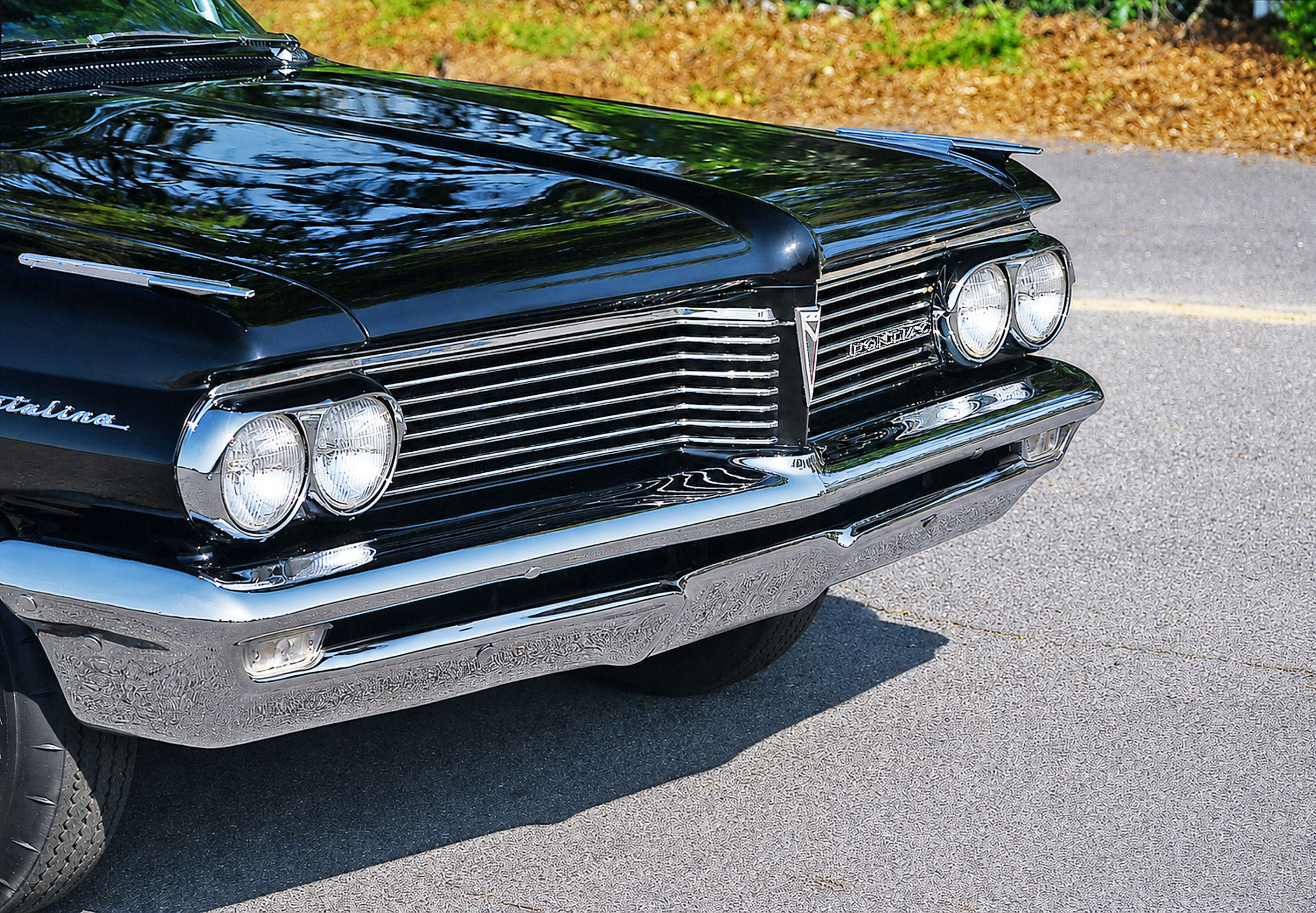
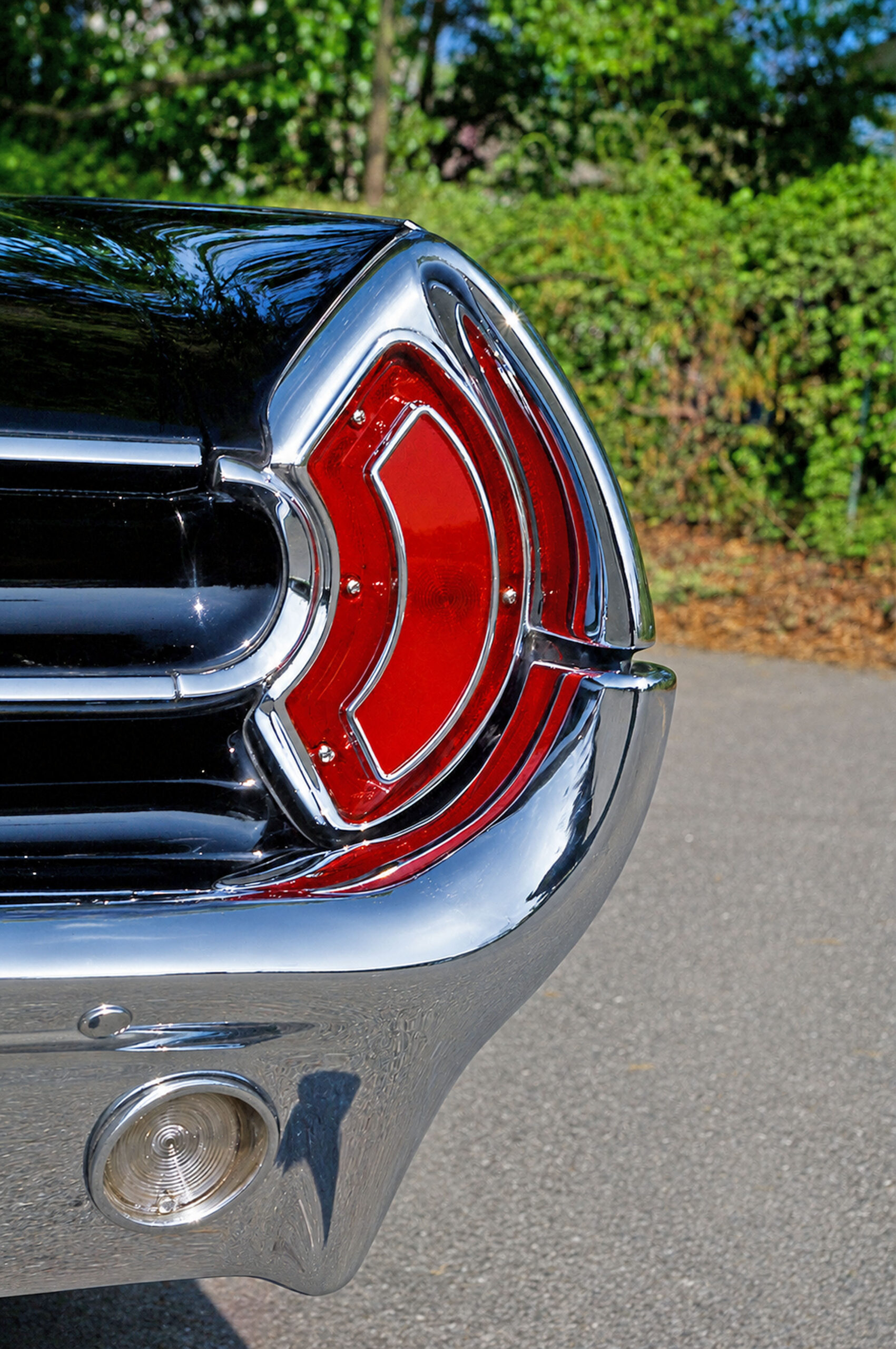
As we strolled the Amelia Island Concours D’Elegance that morning, we couldn’t help but admire the voluptuous lines of the Porsches, Ferraris and Jaguars mixed in with even more exotic automakers like Delahaye, Auburn and Cord. Awesome stuff. As we strolled further down the fairway, we came to the American Muscle and High Performance portion of the show. A Dodge Daytona, in all its winged glory, was a blaze of orange in the morning sun. Several other muscle cars graced the grounds, and then we came upon a black ’62 Pontiac Catalina. At first glance, it could have been your uncle’s old Pontiac.
No Average Catalina
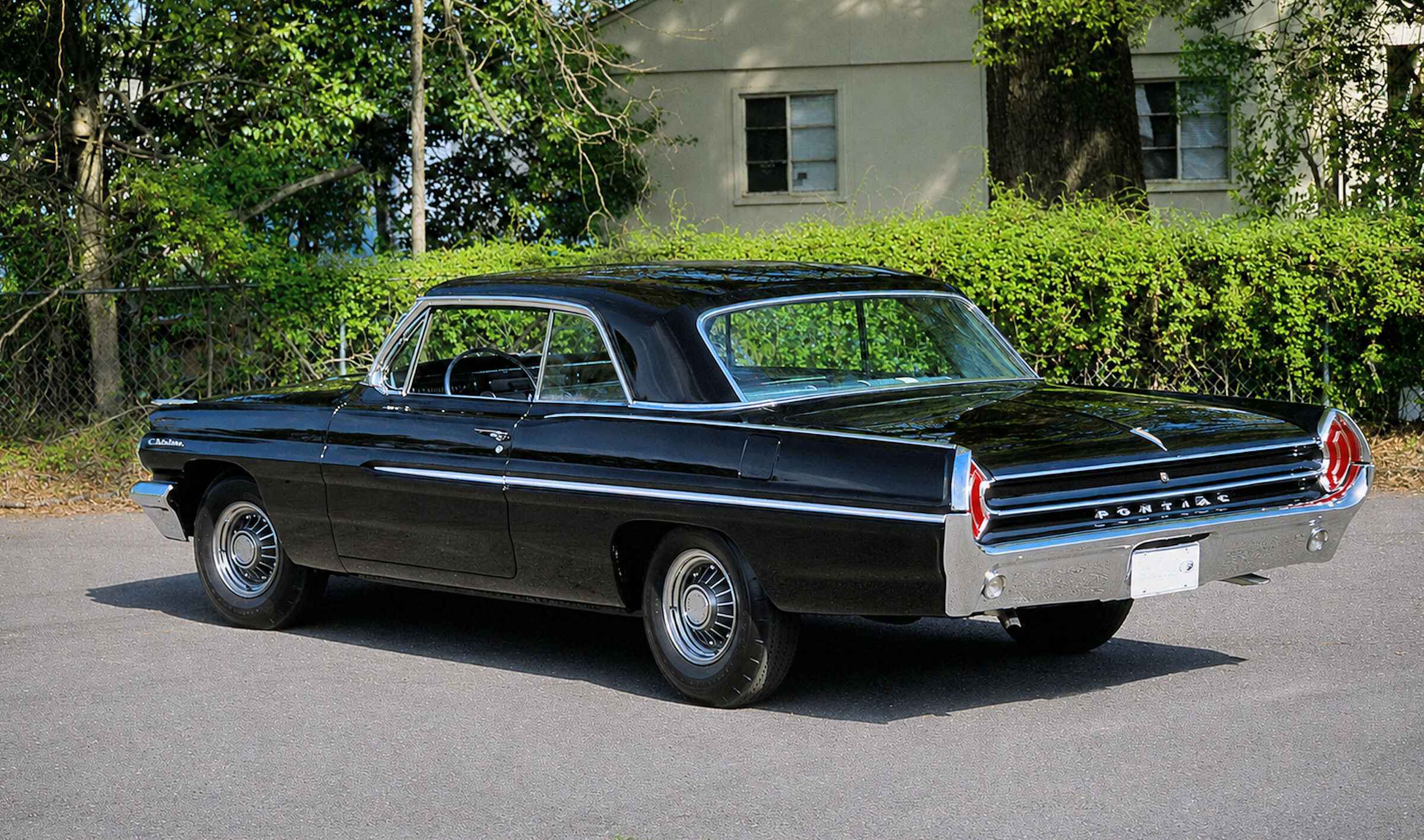
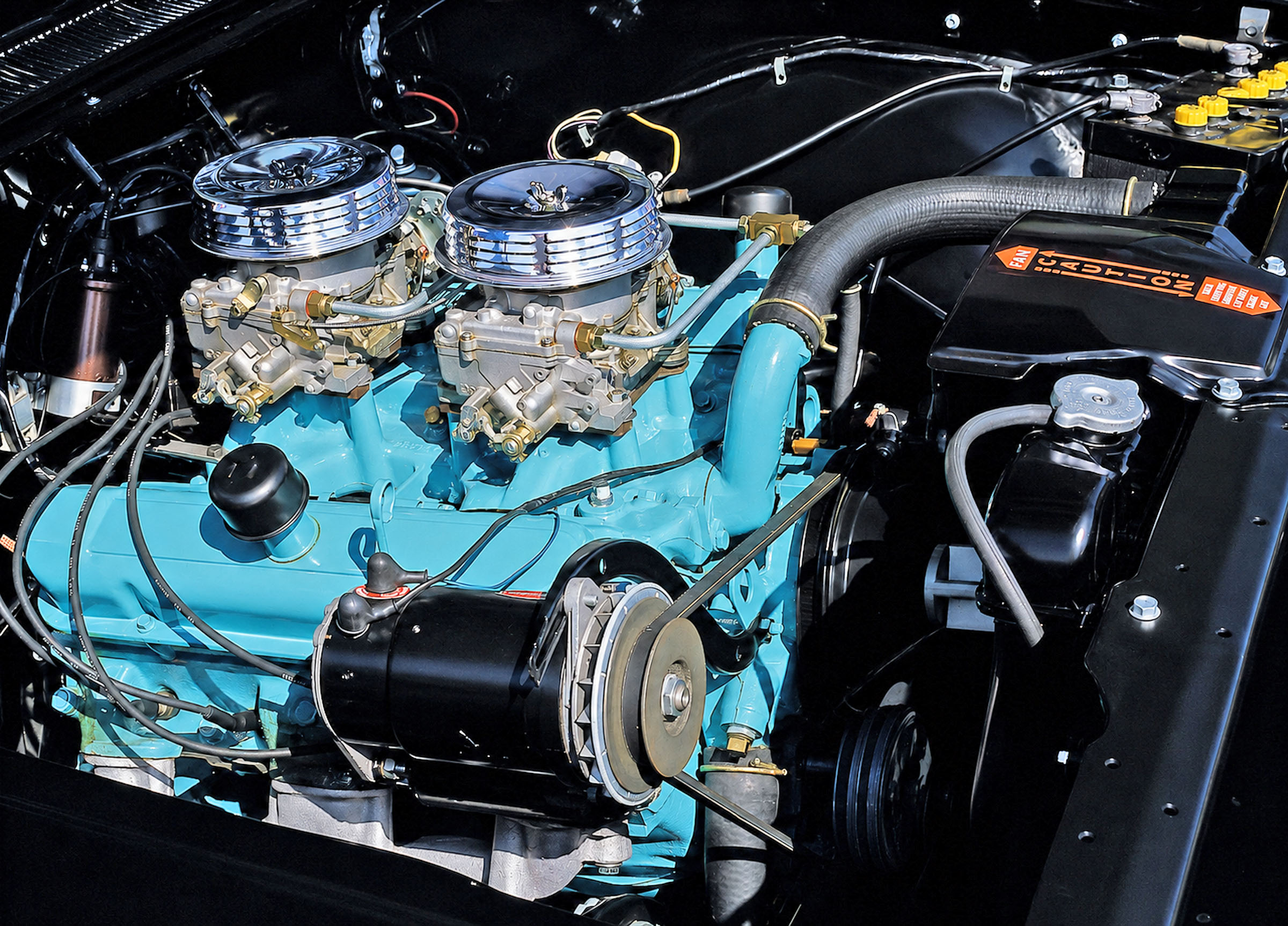
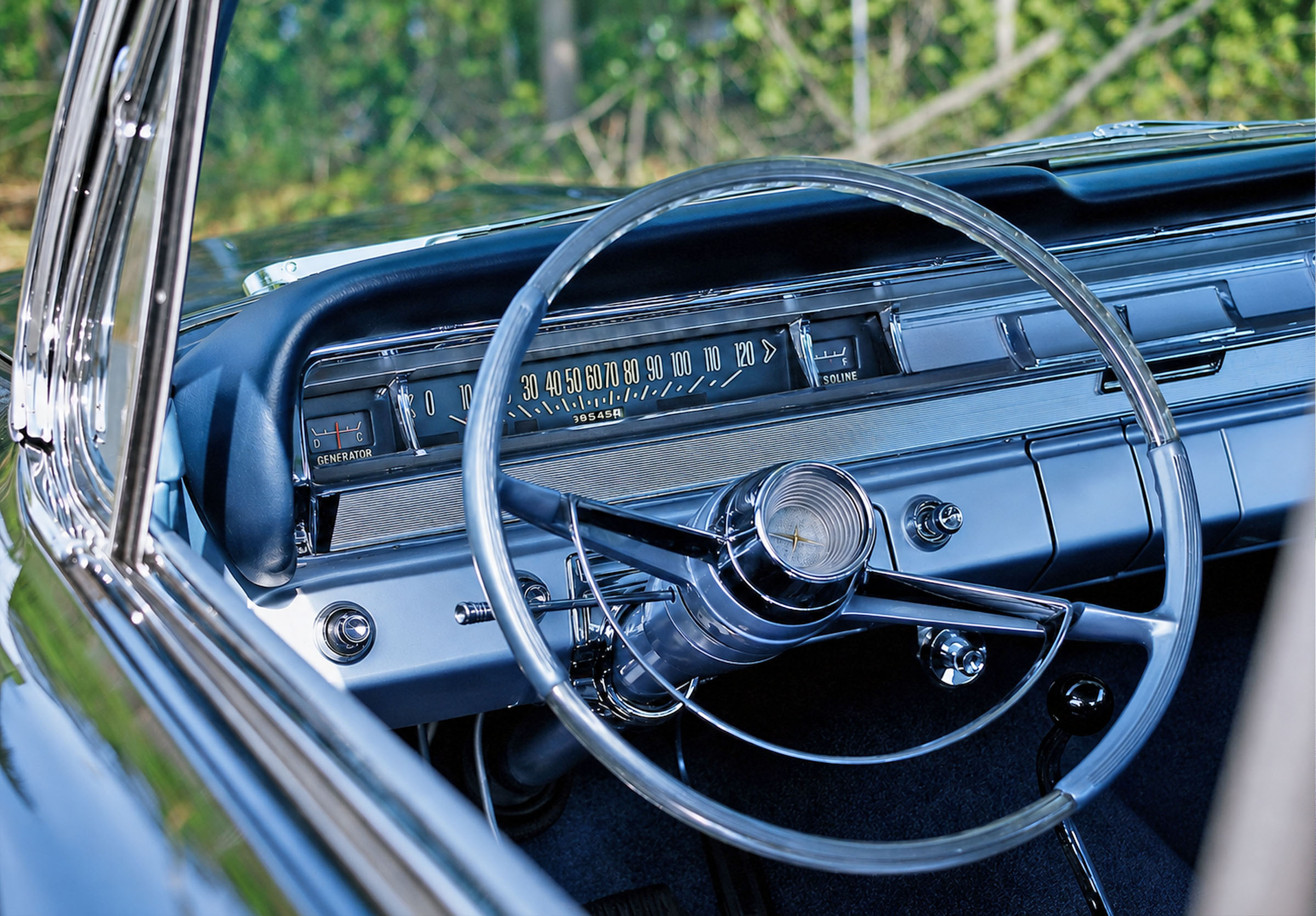
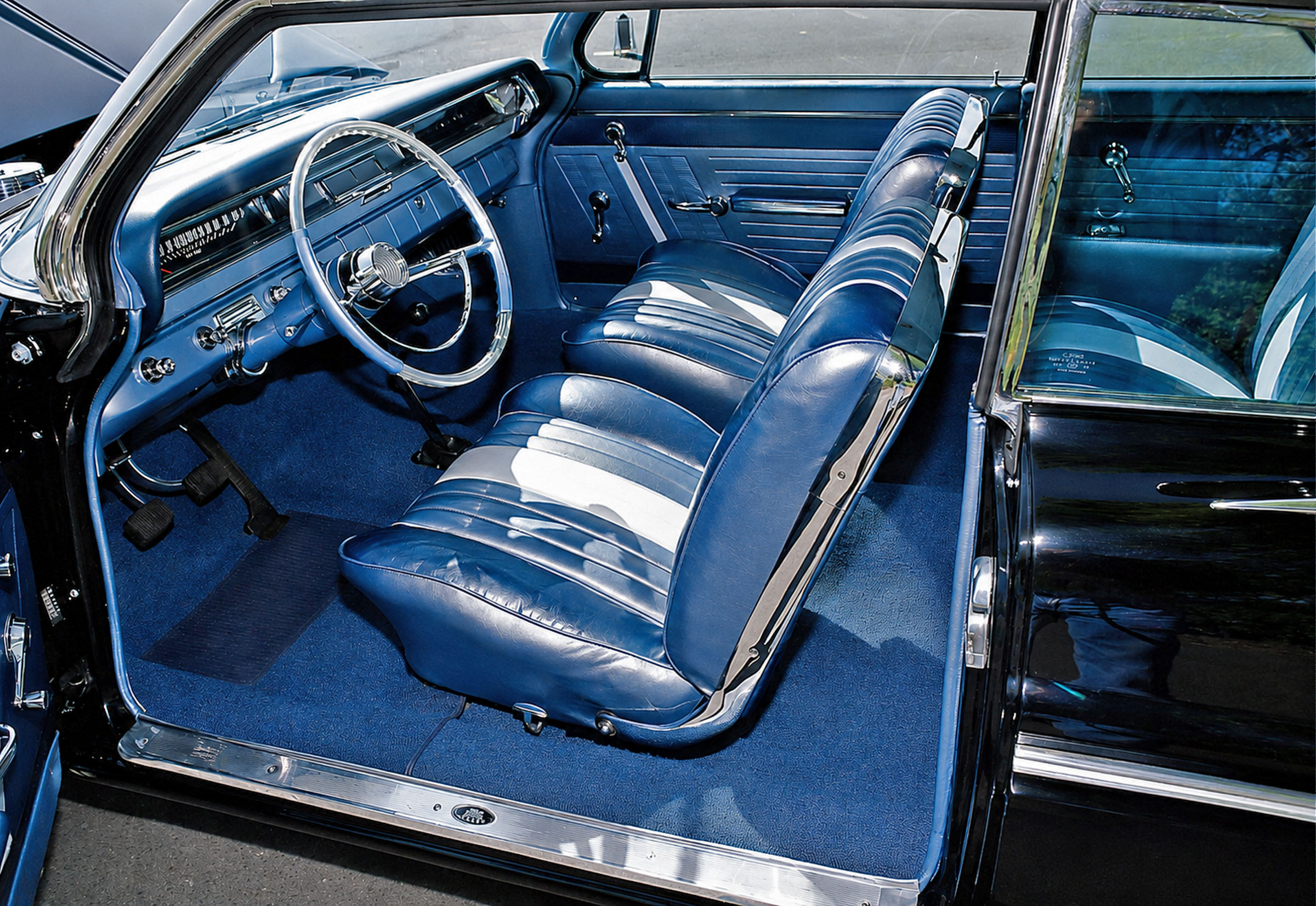
As we moved closer, the two louvered aluminum air breathers announced that this was no average Catalina. The car was flawless in every way and under the hood was a dual-quad 421 engine. A glance inside confirmed our belief: a Hurst 4-speed shifter protruded through the floor. Eight lug wheels were found on each corner.
“Super Duty” are possibly the two most powerful words in all of Pontiac history. It was a down-on-one-knee, under-the-hood (careful not to lean on the soft aluminum fenders), head-in-the-window viewing frenzy. The car was flawless.
Meeting Muscle Car Collector Dick Bridges
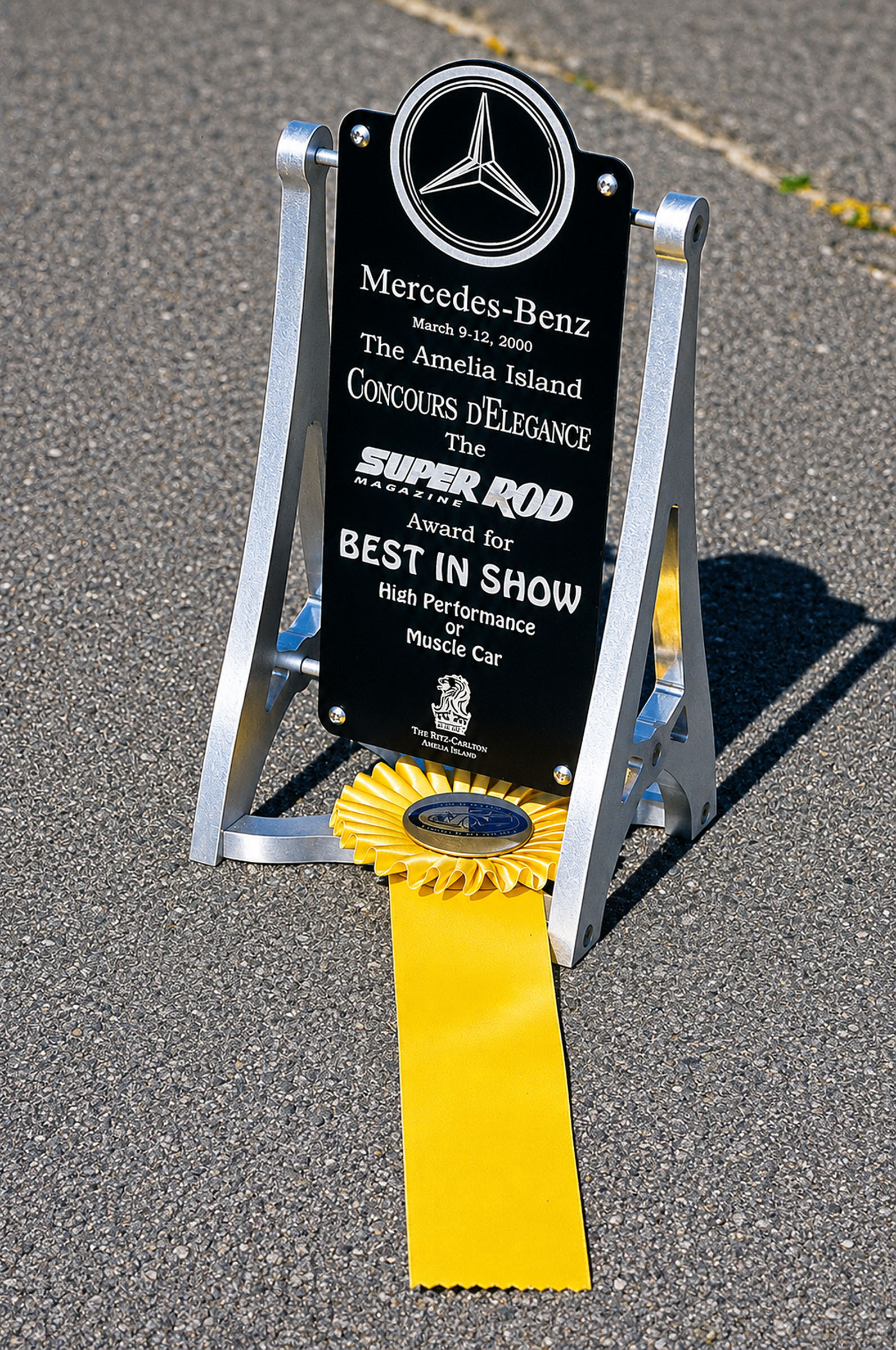
After my pulse had dropped to normal levels, we walked around back and met Dick Bridges. Bridges is a car guy. He is also a muscle car collector of some renown and a guy who can bench race with the best of them. After a thoroughly enjoyable talk down memory lane complete with tales of the glory days of the Super Duty cars, we arranged to photograph the car. Our fearless leader, John Dianna (who was judging at the show), was one step ahead of me, placing a large yellow ribbon on the car, signifying it as the recipient of the prestigious SUPER ROD Best in Show Award (American Muscle Car & High Performance).
Several weeks later, we met Bridges at his Rock Hill, South Carolina, home for the photo shoot. It was while we were there that we discovered the car had an interesting and somewhat mysterious past.
Pontiac’s Aluminum-Bodied Super Duty
In 1962, Pontiac manufactured 162 Super Duty Catalinas. This car is production number 125 of that run. The car carries all the aluminum available (some Super Dutys just had the fenders, hood and front bumper), which includes inner fender panels, exhaust manifolds, radiator bulkhead stamping, bumpers, hood and front fenders. It was said that all this aluminum added up to 159 pounds of weight-saving over the stock steel parts. Other options on the car include the 4:30:1 rear axle ratio, optional front and rear stabilizer bars, eight lug wheels and optional Ventura tri-color interior.
The Mickey Thompson Mystery
Now here’s the interesting part of the cars’ history. Checking with Pontiac records indicate that this was the only Super Duty on record as being shipped to GM of Canada. Interesting in itself, but it gets better. A check with GM of Canada shows no record of receiving this car. The first “known owner” of the Catalina has stated that it was his understanding that the car was given to renowned racer Mickey Thompson, who was one of Pontiac’s “favored sons” at the time. Now Bridges had no official verification of this, other than hearsay. Was the Pontiac routed through Canada as a way of giving a car to Pontiac’s most famous racer of the time? We’re not sure, but if anyone out there has a photo or firsthand knowledge of Mickey Thompson ever owning a ’62 Black Super Duty Catalina, we sure would love to hear from you!
A Flawless 421 Super Duty Restoration
Beyond the full aluminum treatment, the car is a radio and heater delete car. Under the hood, the engine still displaces 421 cubic inches and carries the 127 heads with the 859 intake bolted between them. Scott Tiemann of Portland, Michigan, is the man behind this flawless restoration, performing all the bodywork, paint and assembly on the car. Dick Bridges would also like to thank Mickey Hale and Kevin Westmorland for help on this project (among others).
When you are restoring an 8,500-mile original car, your biggest challenge is to carefully disassemble the car, retain all the original parts, markings, and then go back with matching proper paint, coatings and parts. We can attest that Tiemann brought this one back to a 100-plus restoration.
From the Drag Strip to the Golf Course
After the photo session, Bridges pulled the big Pontiac back inside his large shop. The heavy lope of the Super Duty cam, the special smell that only 11:1 pistons seem to make, and the slight bucking as the car lurched forward all served to take us back to a time when the Super Duty Pontiacs were fearsome competitors at the drag strip. Funny, but much like great athletes of that era, today the Super Duty is just as comfortable on the golf course.