






THE AUTO BUILDER
Featured

Classic Looks For A Classic Camaro
Back in ’69, the average Camaro came with an instrument panel that most people today would find pretty pointless. Aside from the speedometer and fuel gauge, there wasn’t much going on in the way of information. Most functions, such as oil pressure and engine temperature, were monitored by a series of dummy lights, which meant you were pretty far gone by the time they blinked. By then most of the damage had been done. We don’t know what the auto experts at the time were thinking of…maybe saving a nickel. In an effort to fix all that and to update the instrument panel so that it would provide information, H&H turned to Covan’s Classic and AutoMeter gauges. They have created an up-to-date yet nostalgic instrument panel containing all the customary gauges with a look that is right for this project.

It’s A Jeep Thing, Try To Understand
With the Jeep legend continuing to grow it is no wonder that more and more people are finding ways to customize their Jeep. Whether it is traditional Wrangler or a new more luxurious Grand Cherokee, people seem to want to feel that Jeep energy; the energy that has gotten Jeep where it is today.

PHAT ’53
Join Jeff Schwierman in his quest for the prestigious F-100 Truck of the Year award as he breathes new life into a ’53 Ford F-100. From the ground-up build on a Fat Man Fabrications chassis to the powerful Ford Racing 351W engine, every detail of this custom pickup is crafted to perfection. Follow along as Schwierman and his team reshape the classic truck into a true showstopper, setting new standards for classic Ford truck enthusiasts.
Spotlighter
POPULAR READS
-
Product Spotlight: Bill Mitchell Products Aluminum LS Engine Block
-
PRODUCT SPOTLIGHT: 60-66 Chevy C10 Fresh Air Vent Block Off Plate
-
Product Spotlight: Pyramid Optimized Design Sequential Aurora Taillight for 1964½–1966 Mustang
-
PRODUCT SPOTLIGHT: Cam Covers for GEN/3 Coyote from Pyramid Optimized Design
MAINTAINING YOUR BATTERY
Increase the Life of Your Battery With a Maintenance Charger
Author
Garry McWhirter
Story and Photography
There is nothing more aggravating than having a dead battery, and it always occurs at the least opportune times. Our street rods are often stored or sit for periods of time. How many times have you decided the weather was perfect for an afternoon cruise and had a problem cranking the car? Better yet, how many times has the battery just died while you were out on the road? We often forget that there are small drains on the battery, such as clock and radio memory. These should not have much effect upon a battery, but we all know differently. It seems that batteries do not seem to last as long as they used to, but there is a reason for that. It is not that batteries are no longer made as well as they once were; it is that we do not maintain them as we should. Now the good folks at PulseTech have come to our rescue.
First, we must understand why the battery should be maintained. The reason why so many batteries seem to die at the worst possible moment is because they can no longer accept or release energy. The cause is an age-old problem called sulfation buildup. As your battery gets older or sits unused for periods of time, lead sulfates on the battery plates enlarge to the point that they can no longer accept a charge or release its stored energy. This buildup is the cause of over 80 percent of all battery failures.
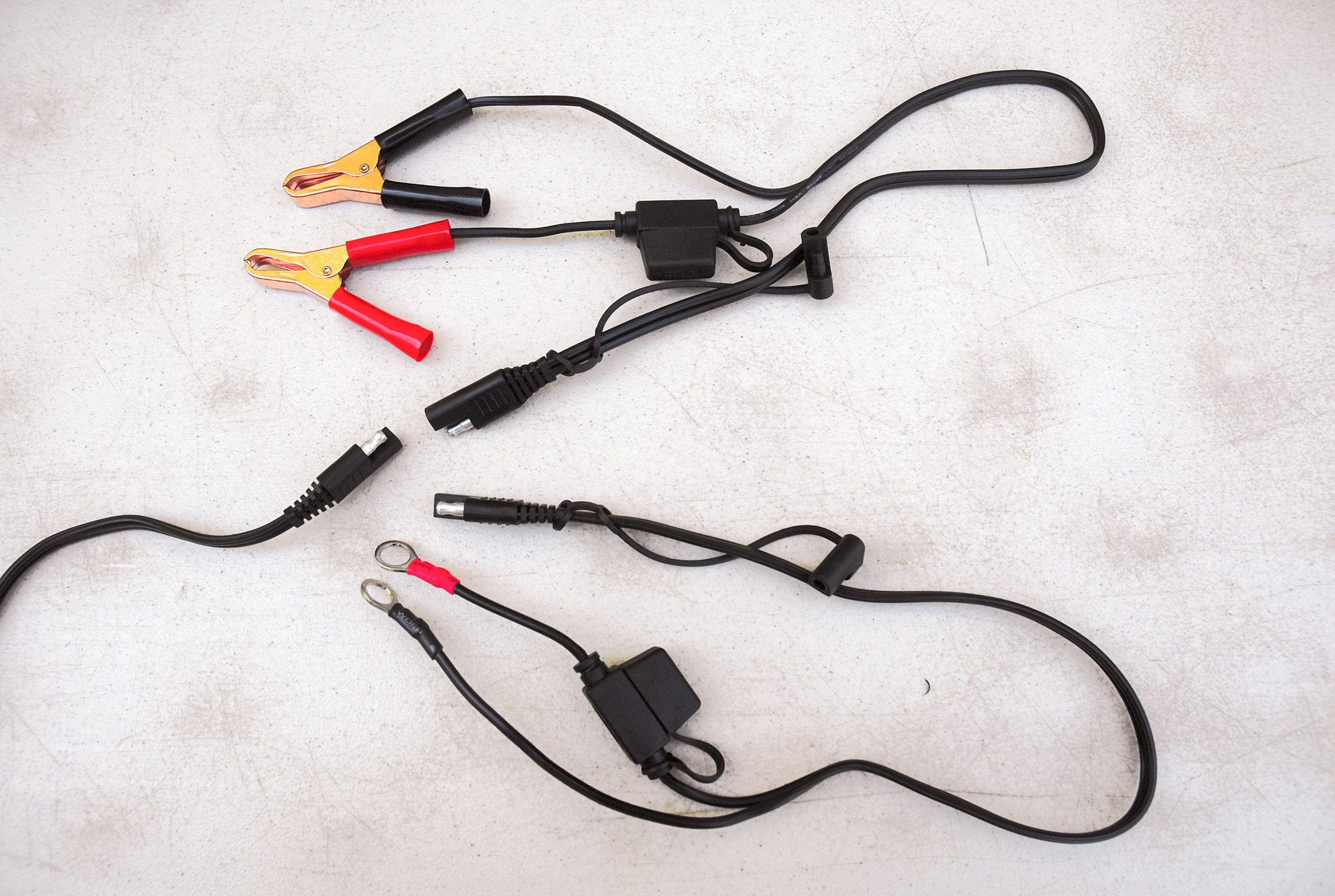
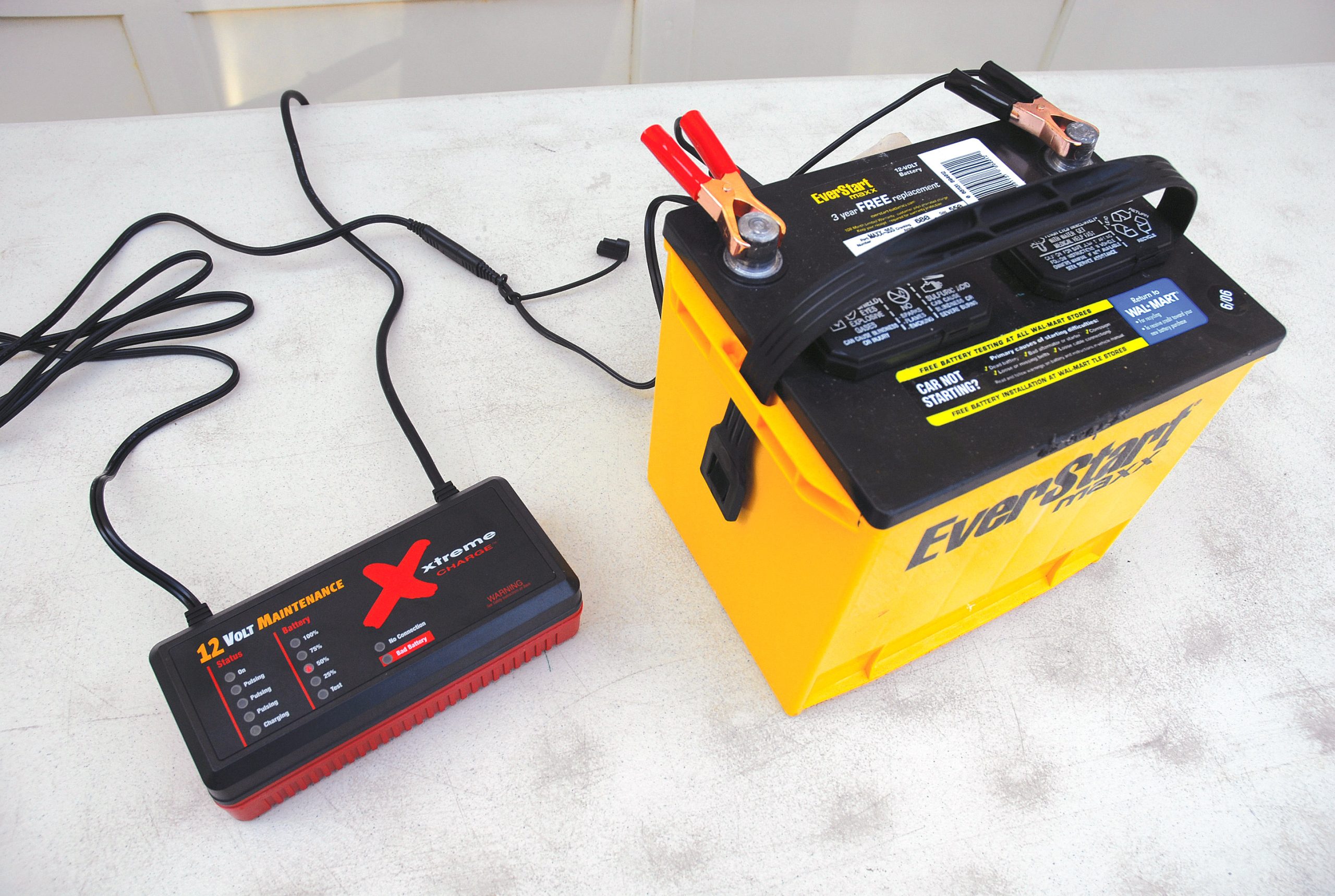
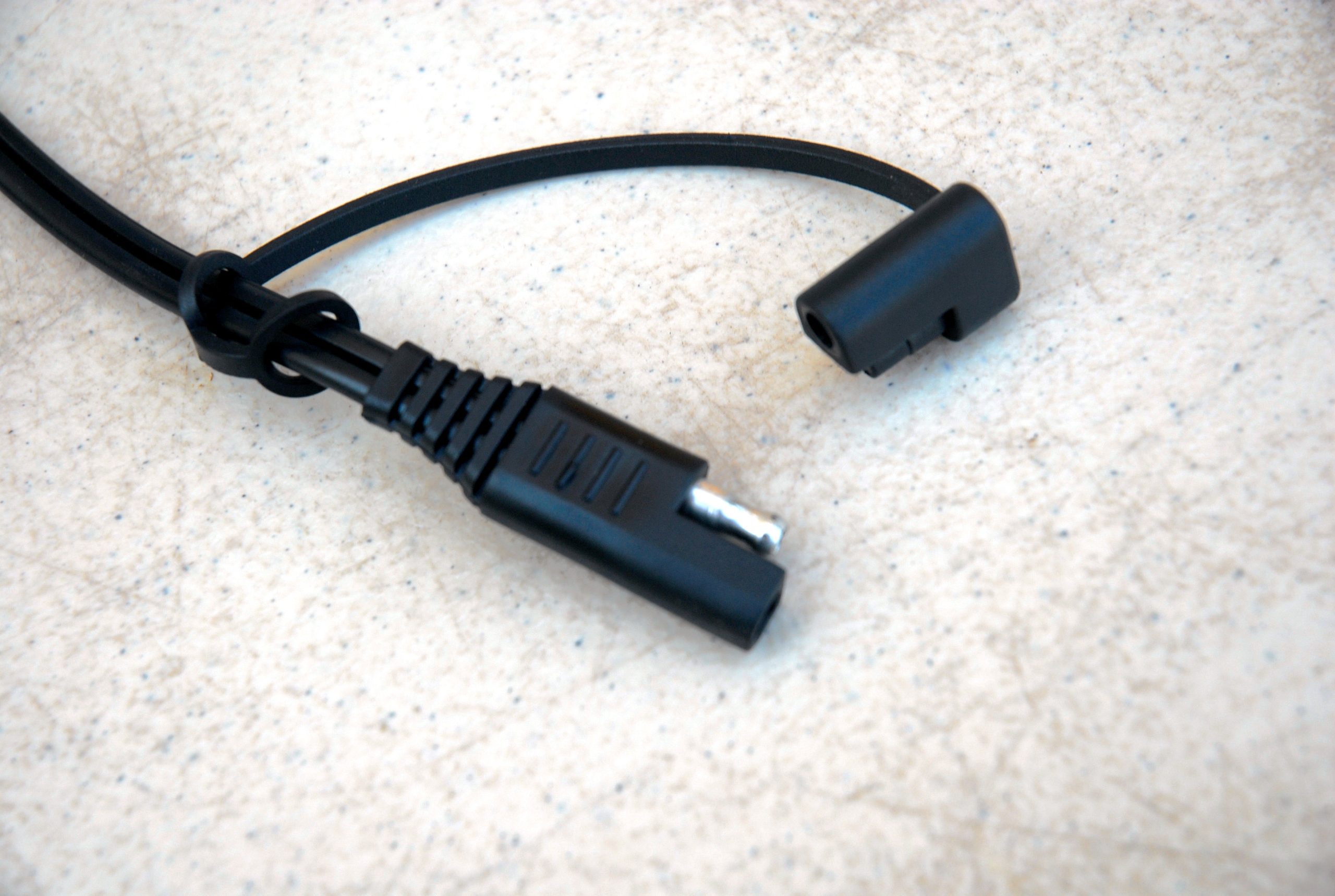
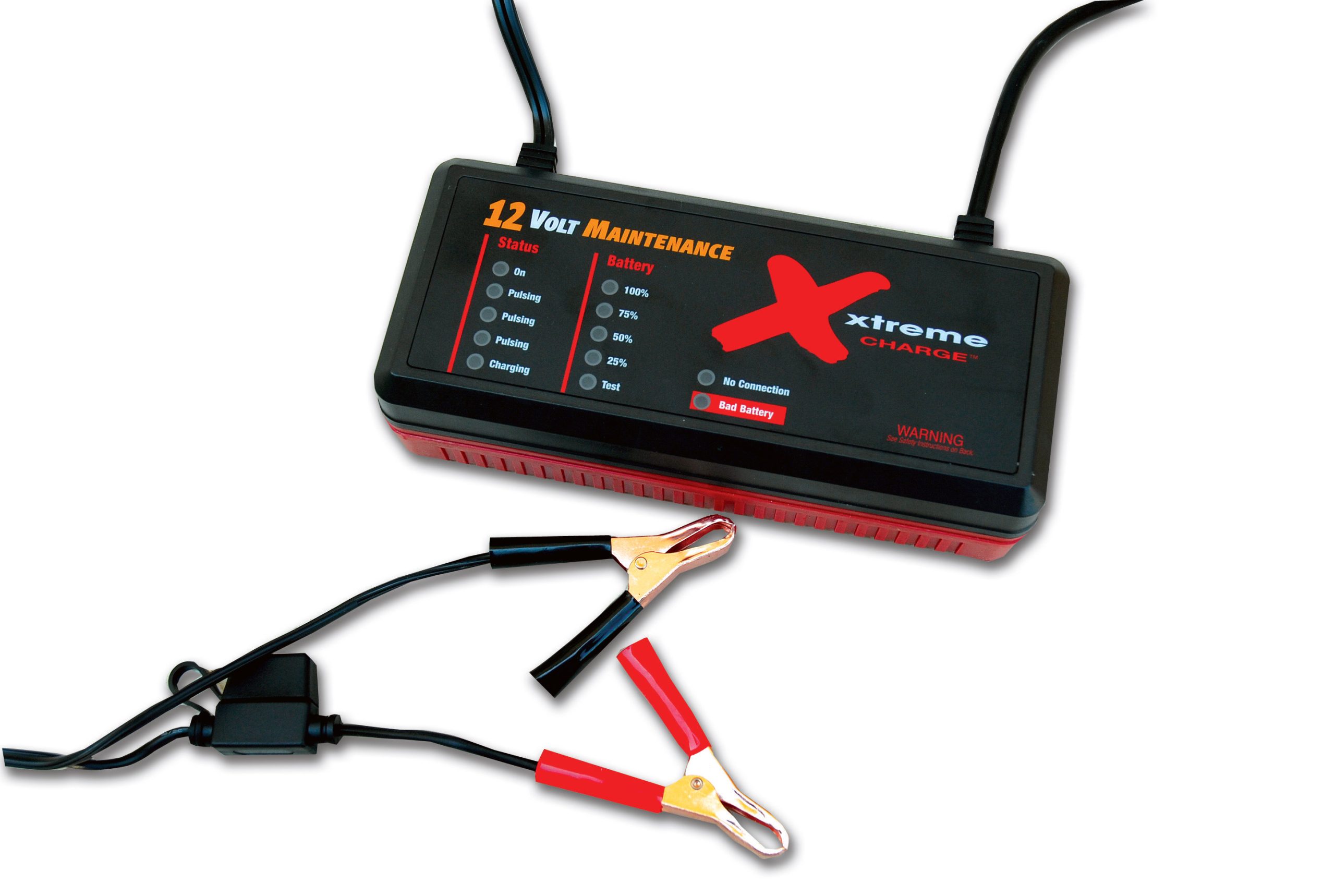
Since it is not feasible to open up your battery to remove this sulfate buildup, PulseTech has developed a system that will help to prevent the buildup and restore the plates. Their ReNew-IT Pulse Technology has been proven by researchers to prevent sulfation buildup on all types of lead-acid batteries. Using a unique ion-transfer process that sends a pulsating DC current into the battery that prevents sulfation buildup. It will also renew a dead battery that suffers from sulfation buildup by removing existing deposits from the plates and enabling them to return to the battery acid as active electrolytes. With the plates clean, your battery will work harder and last longer than ever before. The PulseTech Xtreme Charge Maintenance Charger XC100 incorporates this technology into a compact package that is packed full of features to help maintain your battery.
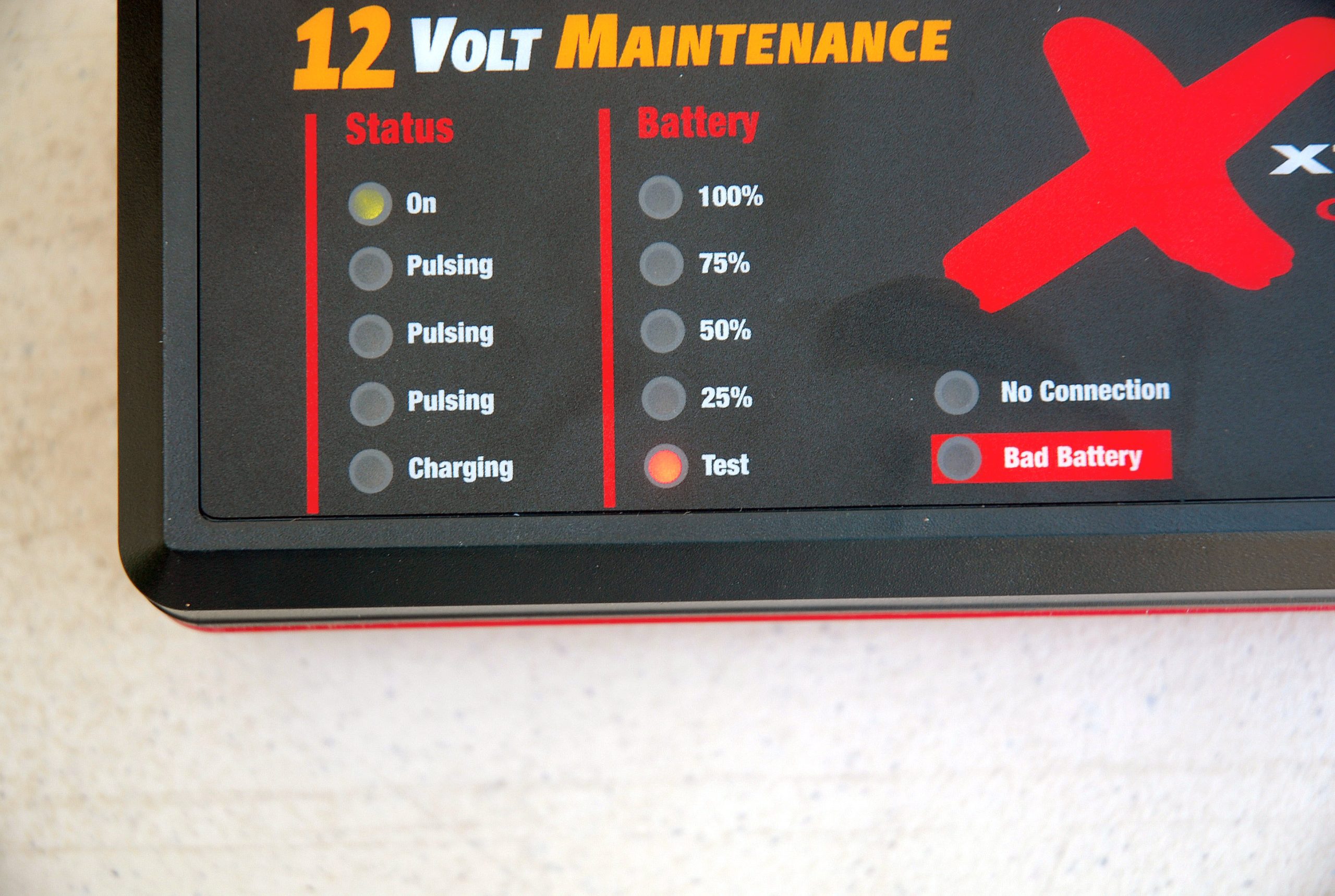
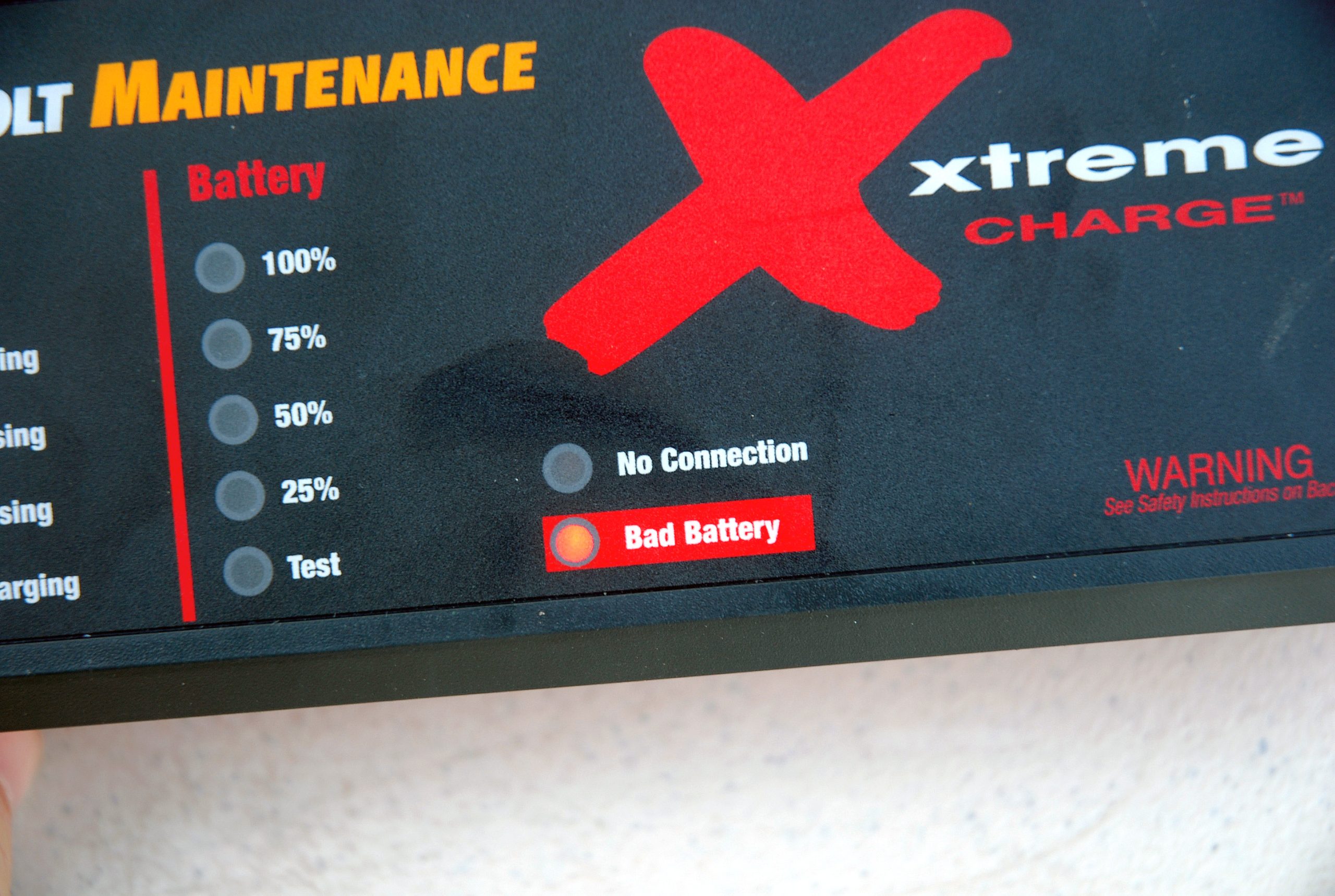
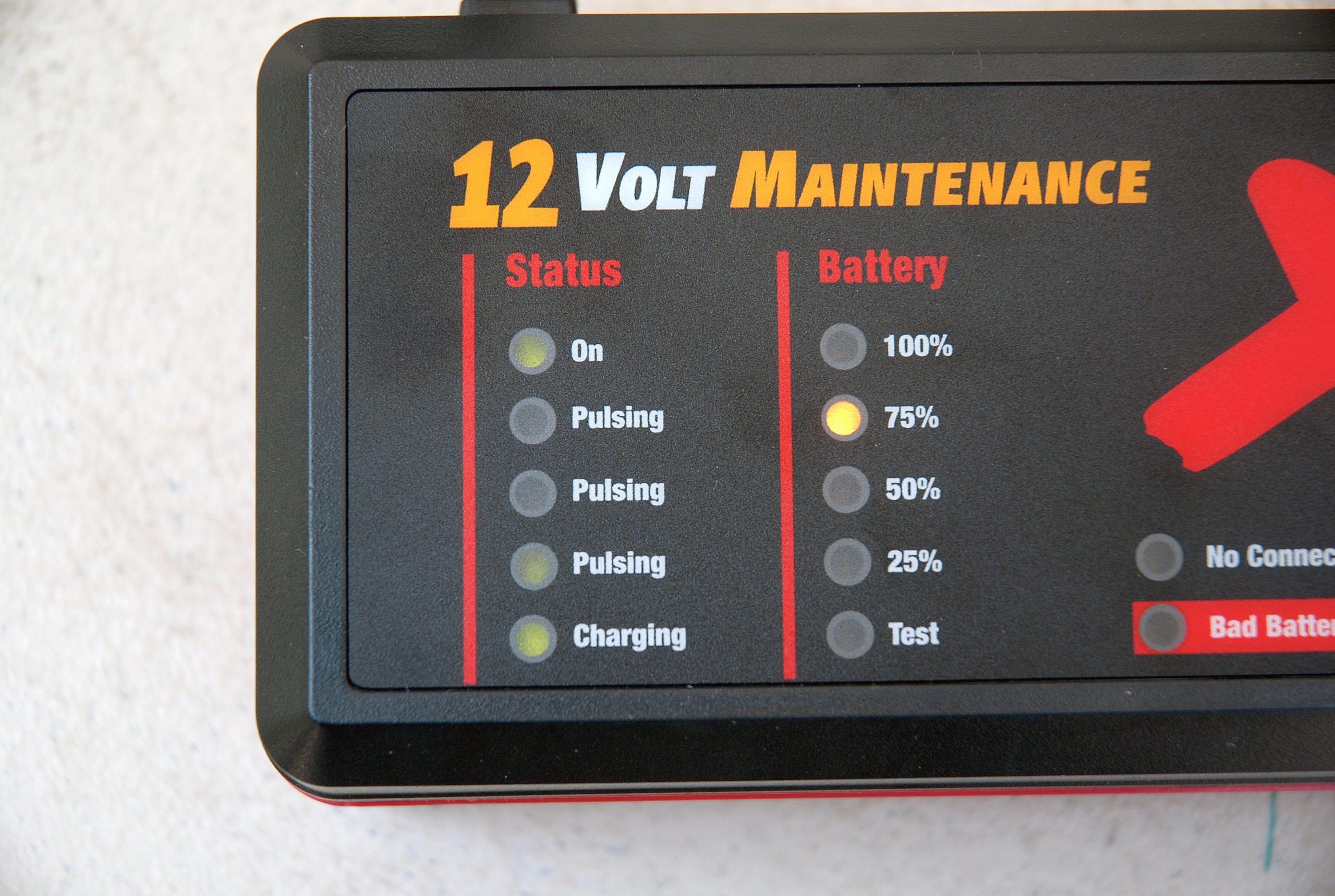
When the XC100 charger is connected to the battery, it will first perform a test to evaluate the current condition of the battery. If the charger registers less than 7 volts of power on the battery, it will tell you that the battery is bad and will not perform. The charger illuminates a red “bad battery” LED indicator. Remember, this is a maintenance charger, not a quick-start charger. The charger will activate its pulse charging system if the battery can be recharged. A row of green LEDs lights sequentially as the charging occurs. The charger also continuously conducts tests on the battery to evaluate its condition. The state of charge will be indicated at 25, 50, 75 and 100 percent as the pulse charge continues. Once the battery reaches a 100-percent charge, the charger continues to monitor the condition of the battery. It will not overcharge the battery. If it detects a drop in the battery, it will return to charging, thus maintaining the battery at full charge.
Using a maintenance charger makes good sense if you store your street rod for any period of time. It can prevent unwanted and unexpected battery failures that occur after winter storage. The XC100 can also bring a failing battery back to life and help it last longer.
ARTICLE SOURCES
PulseTech Products Corporation
1100 S. Kimball Ave.
Southlake, TX 76092
800/580-7554
www.pulsetech.net