Here in the United States, we have been conditioned to find vintage tin in many places. The availability of good cars to build into street rods has become more limited as the years have passed, but depending upon your choice of bodies, there are still quite a few options. Of course, the advent of reproduction bodies has added to the choices. Now put yourself in a foreign land and think about how hard it would be to find a good 70-plus-year-old imported American car to build. That is what Wayne Streams faced as a native of the United Kingdom. Building street rods has grown in both popularity and participation in the UK. There are many vintage English vehicles available, but American cars are the most cherished among British rodders.
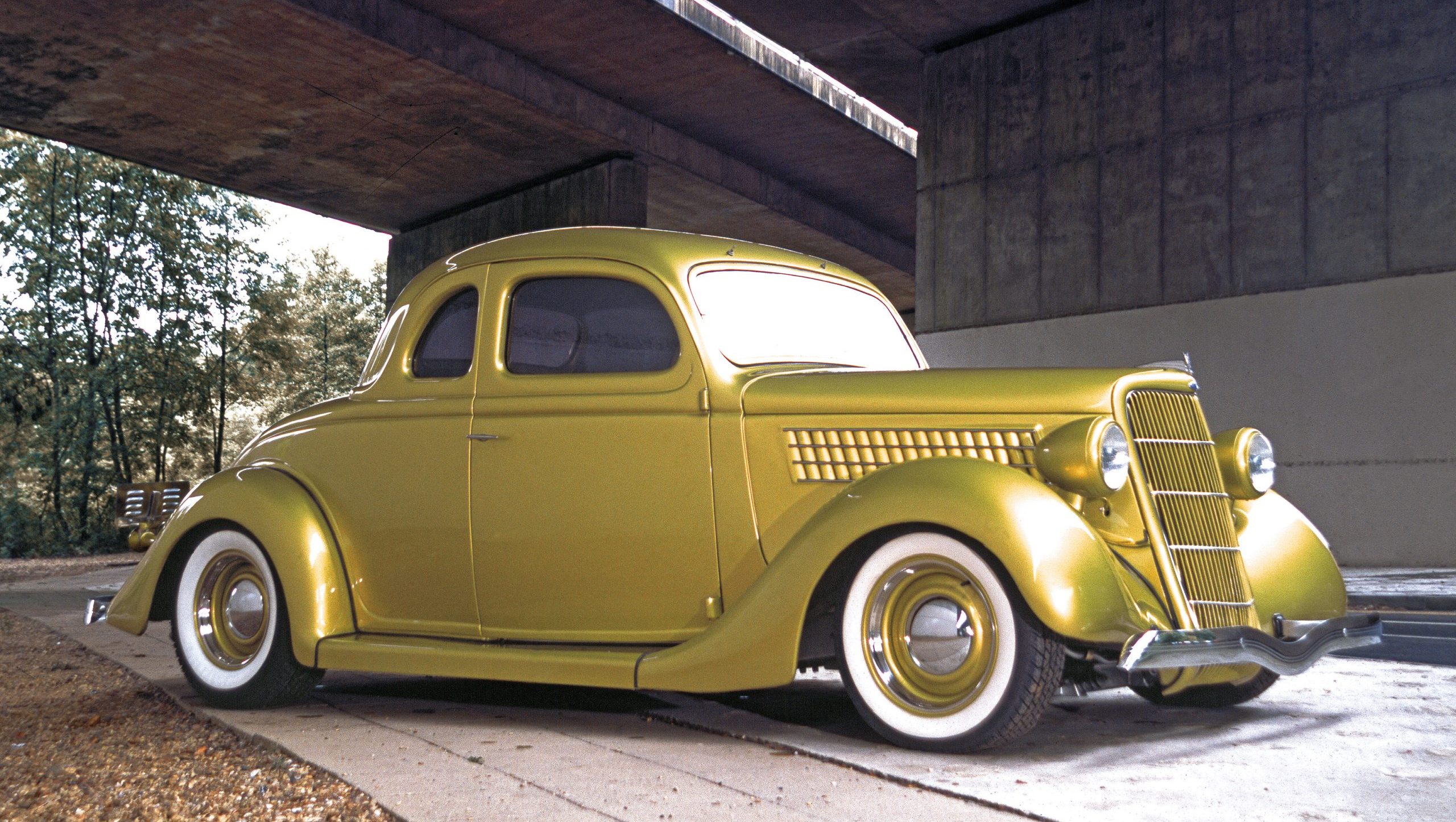
Wayne Streams became known within the rodding community for his fondness for American-built Chevrolets. He had built and owned several Chevys, and he surprised many of his friends when he decided to build a ’35 Ford. Wayne had sold his ’40 Chevy before he was really ready, but some guy wanted it badly, and Wayne knew it was better to sell it than wait. Not wanting to face the approaching season of car events without a street rod, he began to look for a suitable project that could be completed in a short time period. A ’35 Ford was for sale locally and was already well on the way. At that point, Wayne decided to switch brands simply to avoid not having something to drive to shows.
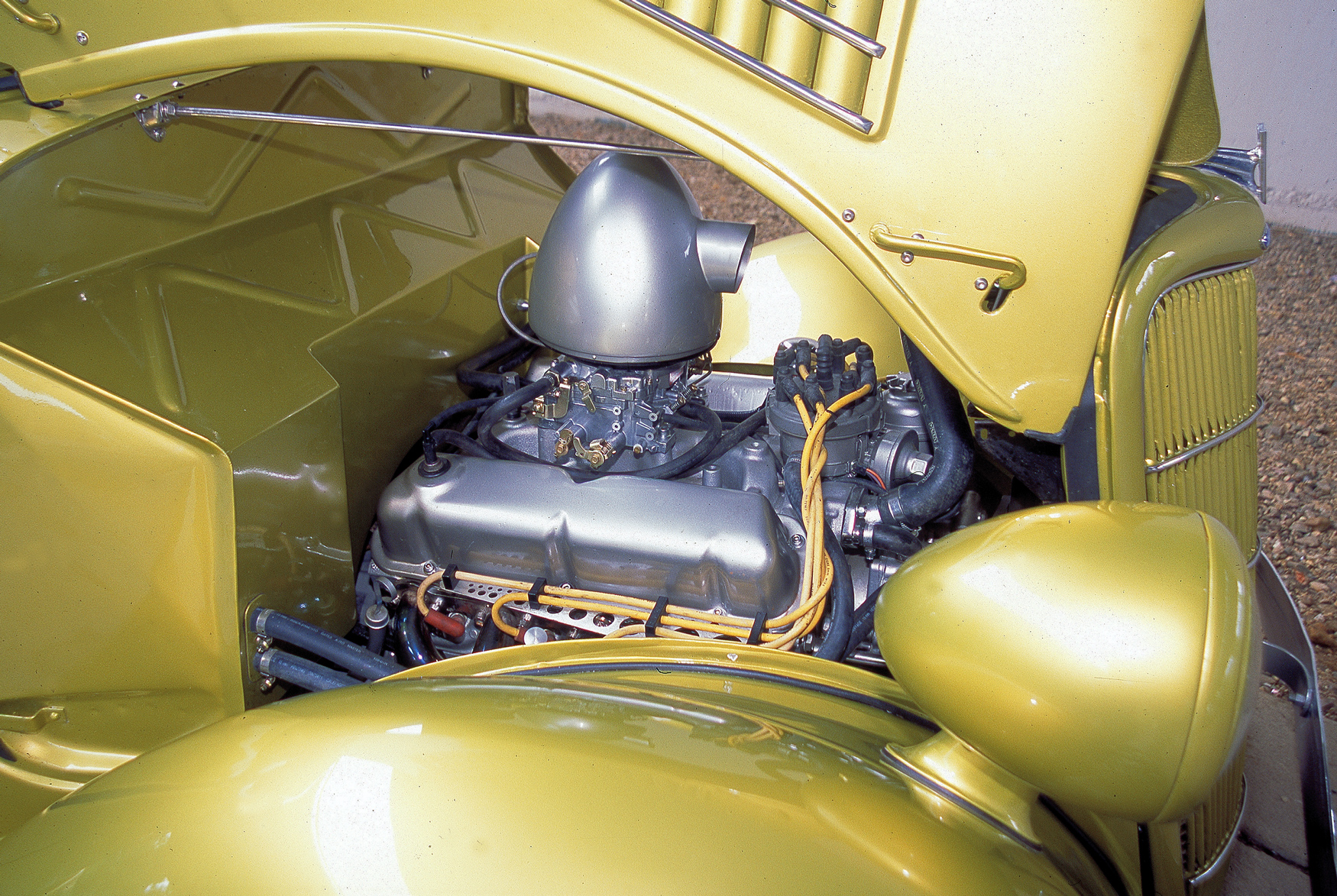
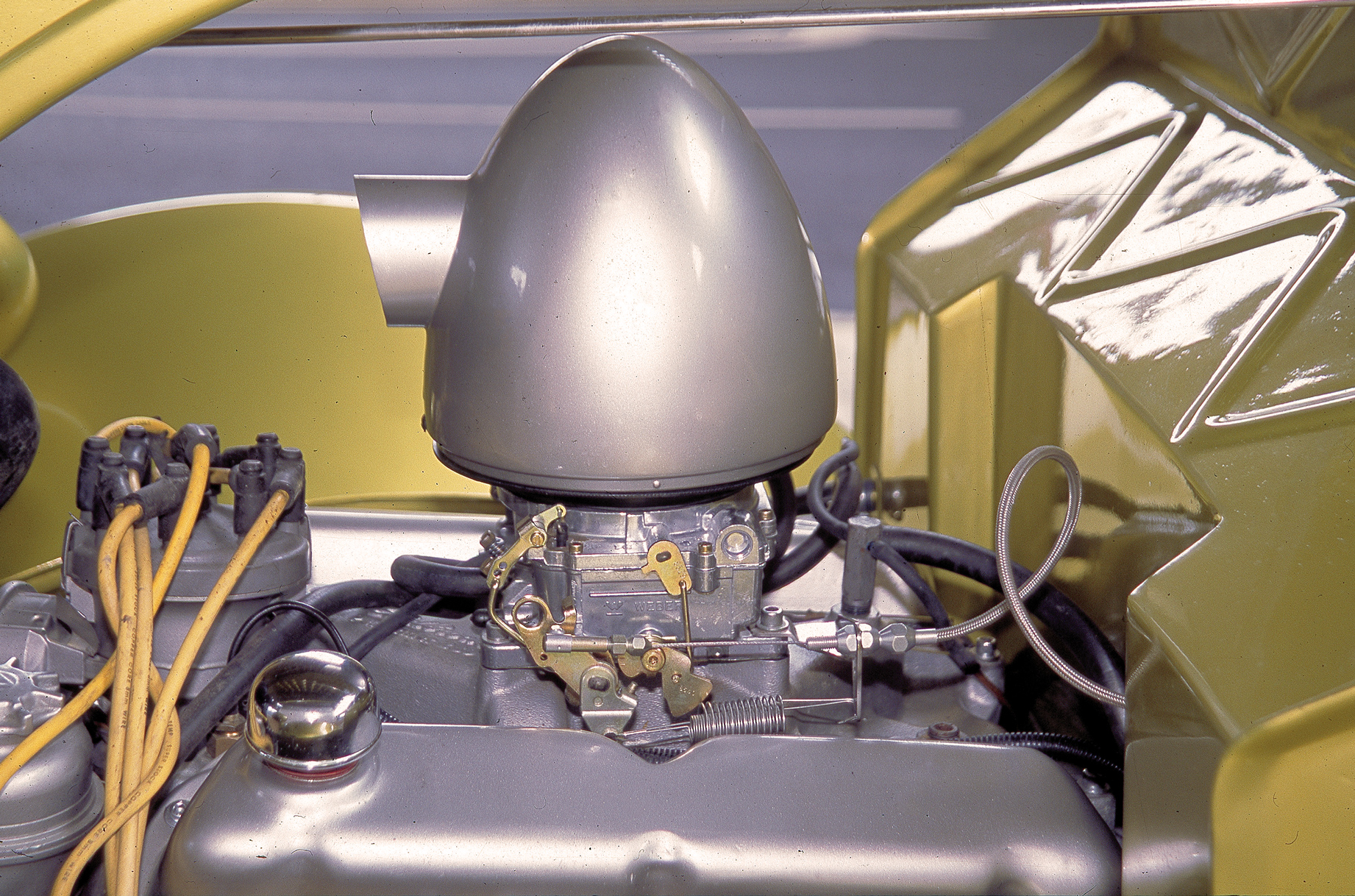
The chassis for Wayne’s coupe followed a proven pattern used by many rodders. The stock frame was boxed and received a Mustang II independent front suspension from TCI. It came with 11-dropped spindles. Wayne used a Peugeot 405 master cylinder. He then reworked the rear leaf springs for a lower stance before mounting an 8-inch Ford rearend with stock drum brakes. Before Wayne purchased the Ford, he helped the previous owner locate a Ford 302 engine for the car. The 302 came from an Econoline van, which meant that it had a rear-sump oil pan, making installation easier. The engine received an Edelbrock intake and a 600cfm carburetor. Wayne added a unique air cleaner made from a headlight bucket. He then built the stainless exhaust. Richard Fulton built a C4 transmission for the car, and Thames Valley Radiators made a custom radiator to Wayne’s specs that cools the engine.
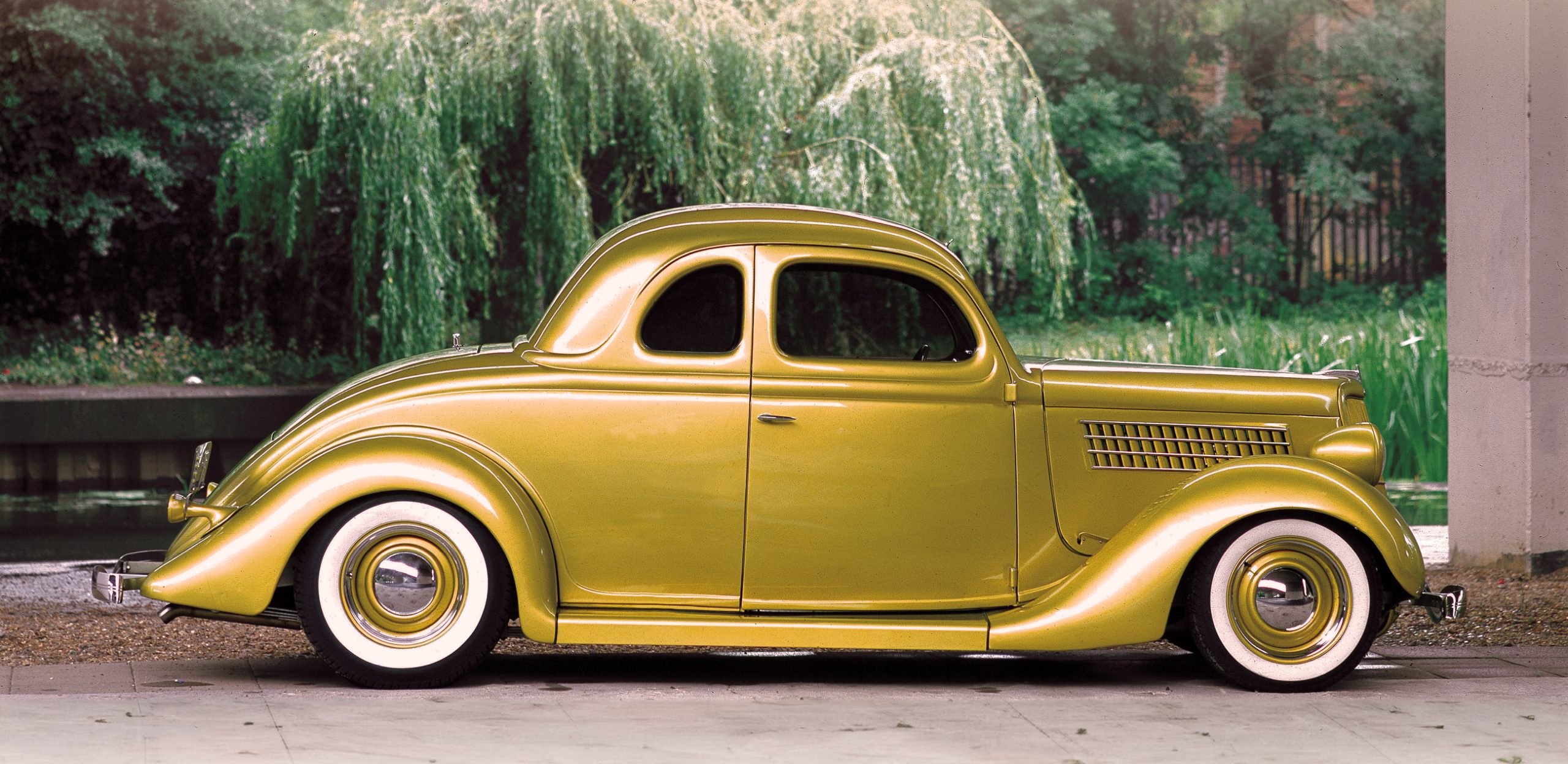
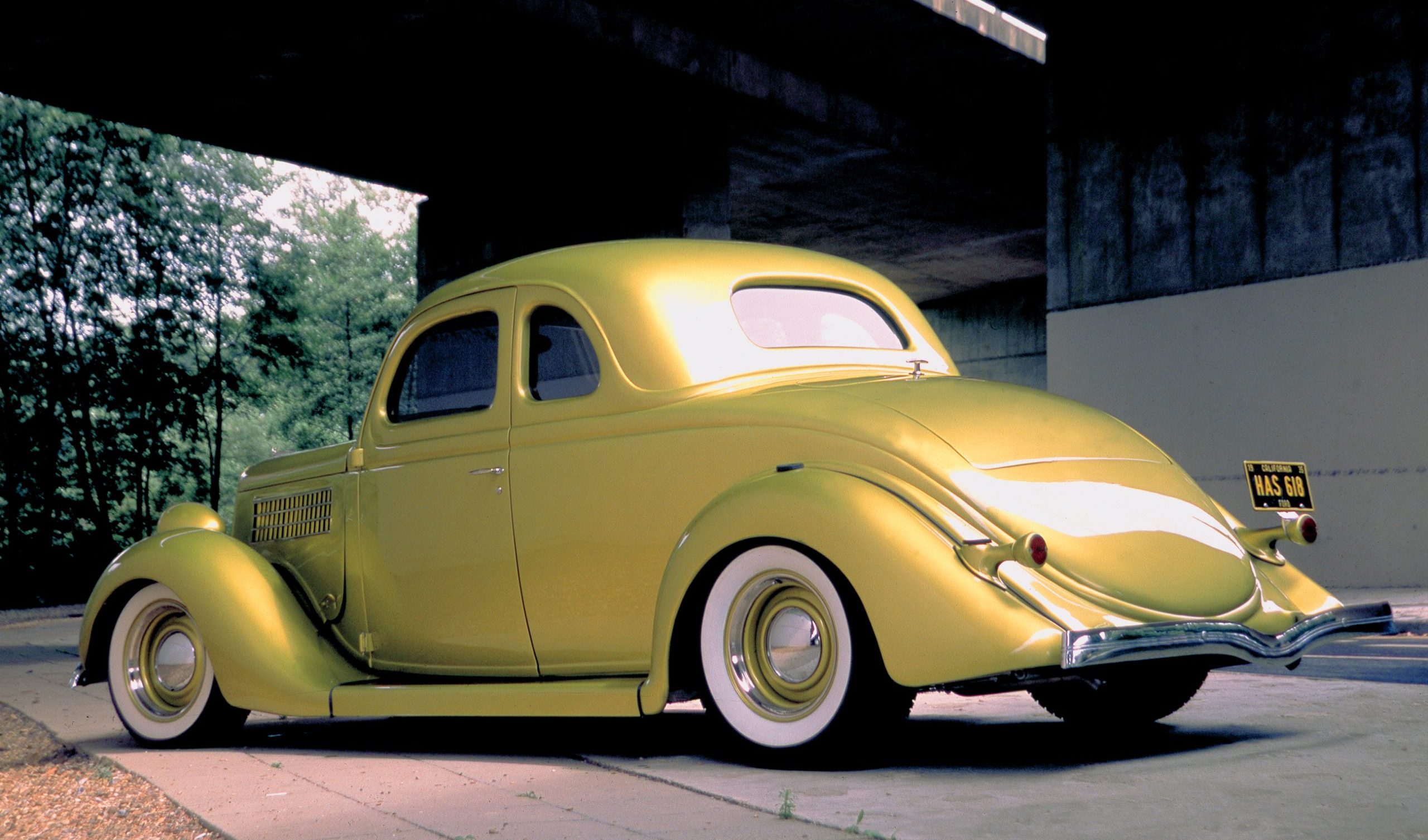
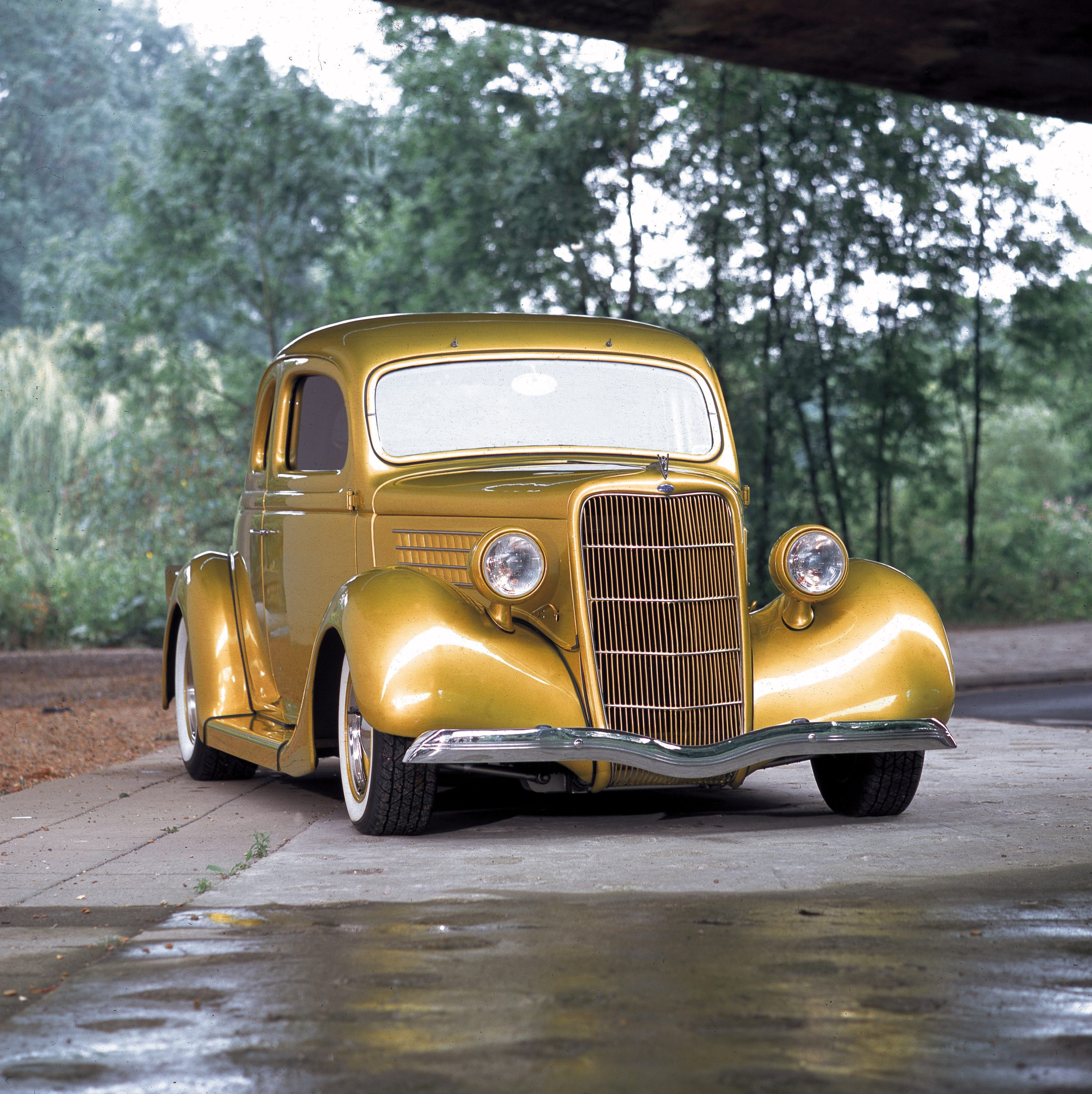
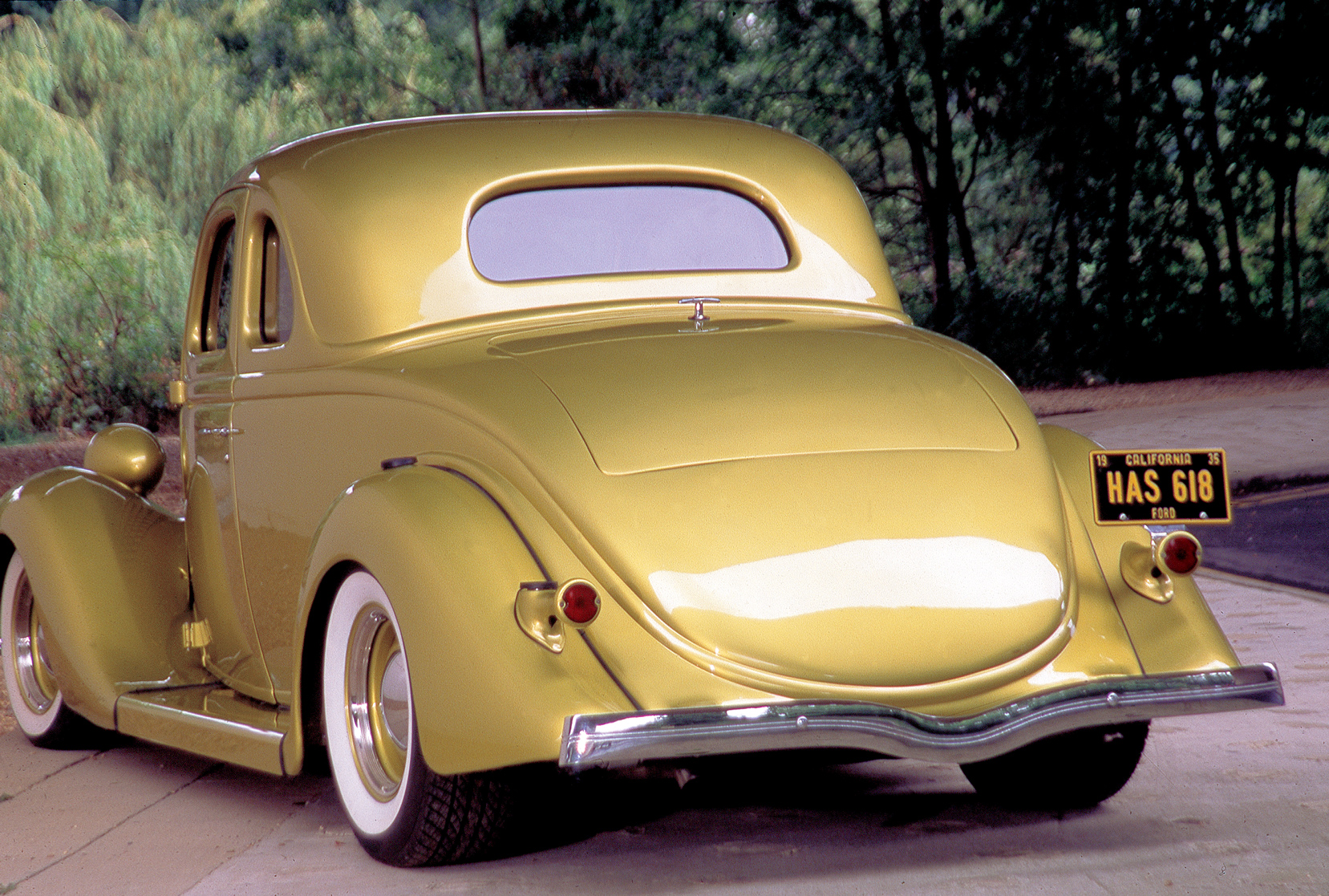
The ’35 Ford body came from South Africa, which is a hotbed for good American steel these days. The body was very straight and rust-free. One area that needed attention was the top. The insert had been filled previously, but not in a good way. Wayne cut out the roof insert and replaced it with a roof section from a Morris Minor. The contour of the Morris seemed to correspond with the existing lines of the car just perfectly. The rear edge of the rumble seat also needed a little repair. Once these two areas received the necessary attention, Wayne prepped the rest of the car for painting. He sprayed all of the body components with Vauxhall Metallic Green. When putting the car back together, all of the exterior trim, headlights and taillights were used. Even the stock bumpers found their way back on the car. A set of 15-inch steel wheels (7-inch rears with 6-inch fronts) were painted to match and capped with Baby Moon hubcaps. Wide whitewall tires add a nostalgic touch.
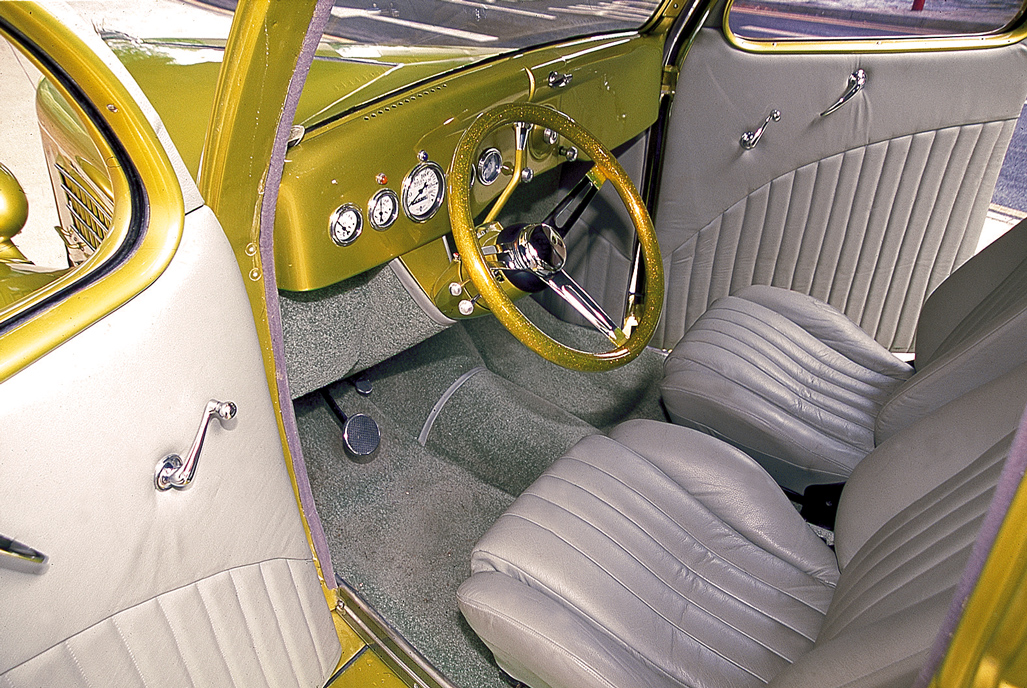
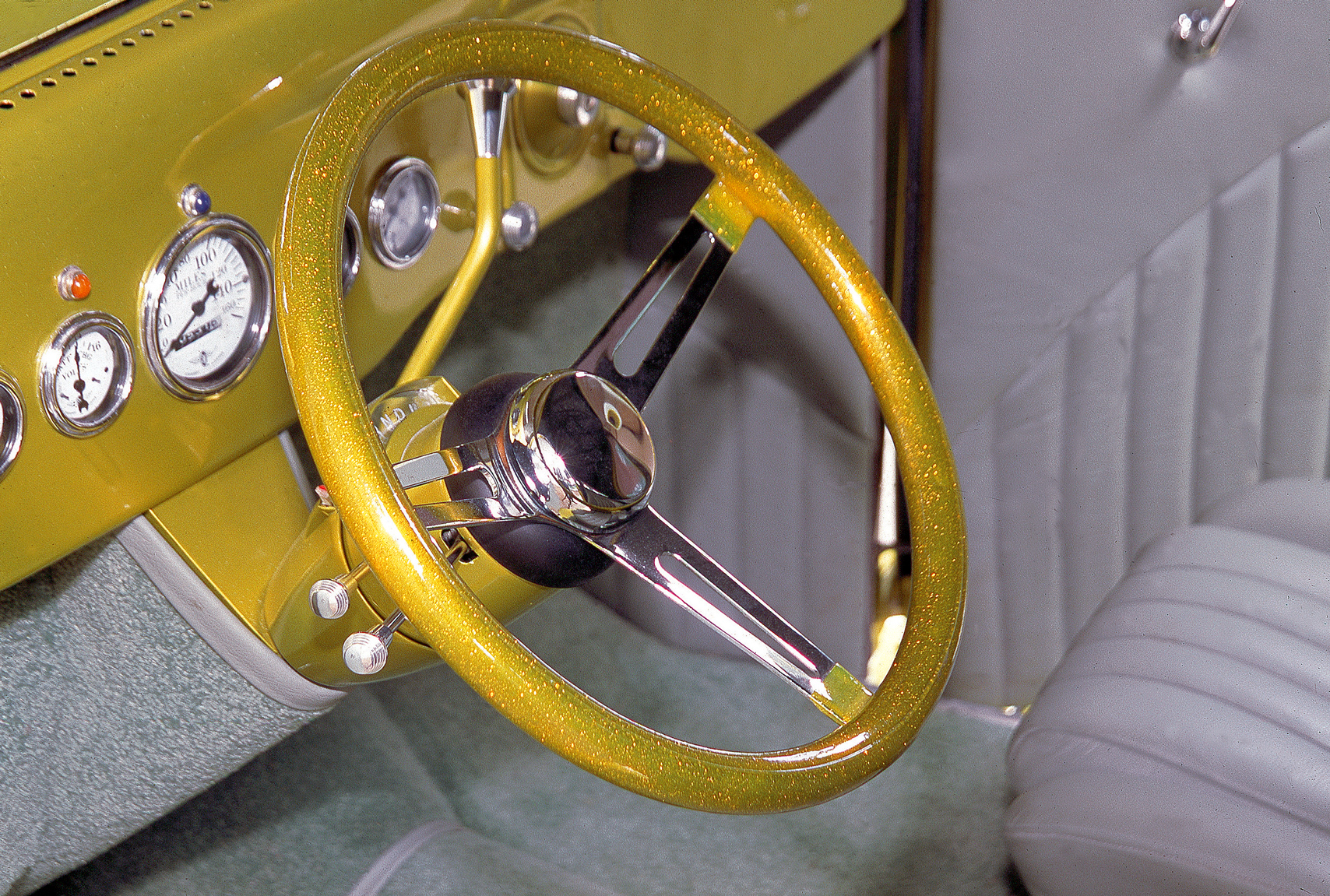
Inside, Wayne smoothed the stock dash and added a set of Stewart Warner gauges. He placed a Moon metal-flake steering wheel atop a GM column. Gary Kybert covered the Escort bucket seats and custom-made rear seat with pale green leather. Gary also did the headliner in pale gray, and Wayne installed green carpeting throughout. A later decision to use the rumble seat led to a fascinating choice for an upholsterer. Wayne’s mother-in-law, Rose Legg, stitched the covering for the rumble seat area.
To prove that the rodding scene in the UK is not all that different from the United States, Wayne started receiving inquiries regarding the availability of the ’35 as soon as it was finished. Geoff Caves had always wanted a ’35 Ford and immediately fell for Wayne’s. After a few weeks of negotiating, Geoff became the new owner, and Wayne was off to his next project.