Hybrid vehicles are really coming on strong, and while the electric car may be a solution for city dwellers, for most people it will be a hybrid of some sort that will make the difference in their daily transportation, and quite possibly in their hot rods, too. By definition, hybrid cars receive their power from two distinct sources, such as battery/electric and gas; E85 ethanol and gasoline; or even solar and gasoline—and soon to hit the roads, diesel/electric. Scale the hybrid theory down a little and there is the bicycle that has a motor and pedals. People power and gasoline—no doubt one of the very first hybrid vehicles, and many hot rodders built their own versions of this one when we were just kids. So, as you can see, hybrid technology need not intimidate you. As a matter of fact, there is plenty of tinkering you can do in your own garage in search of a better engine.
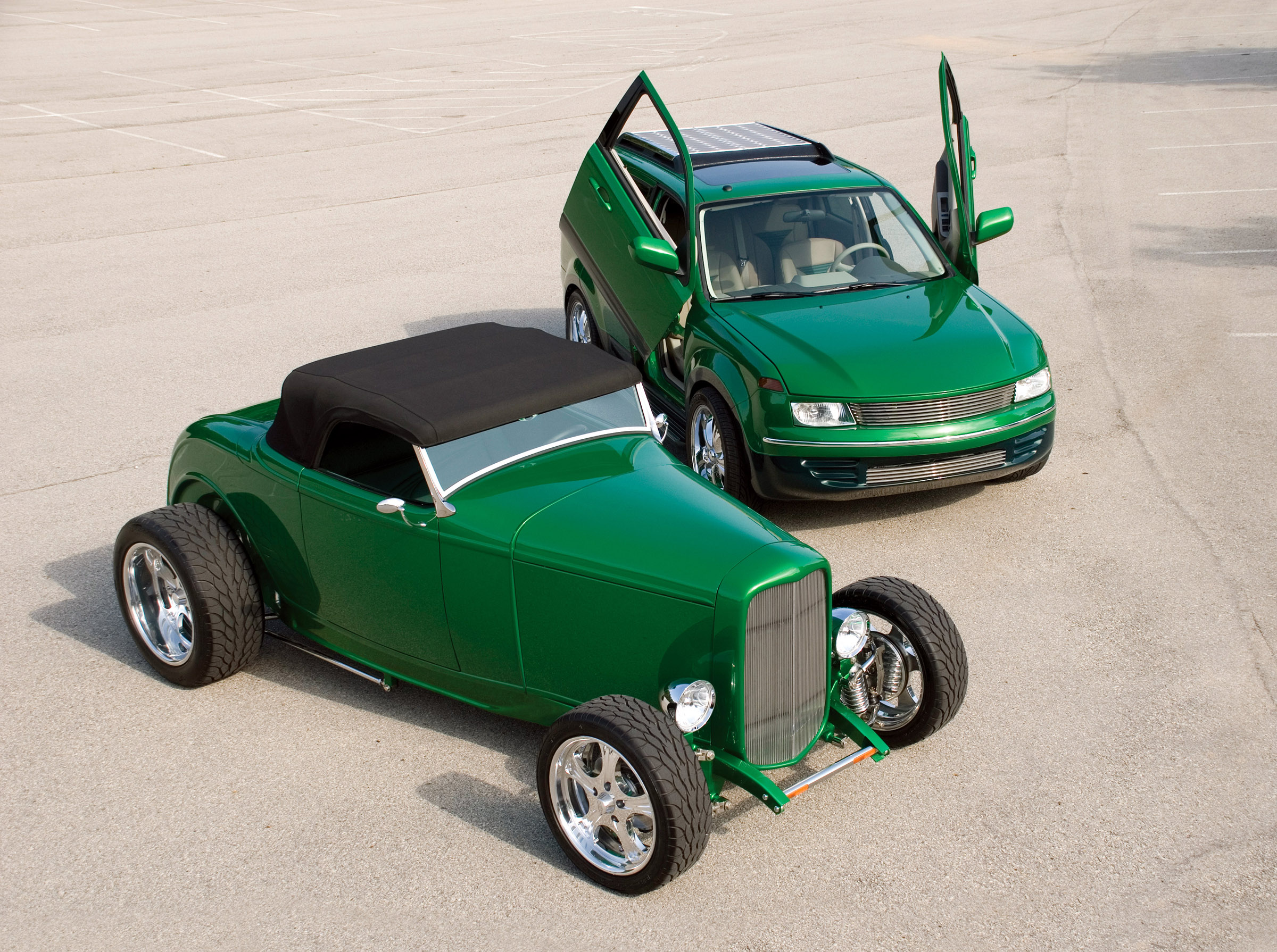
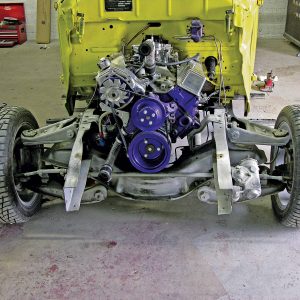
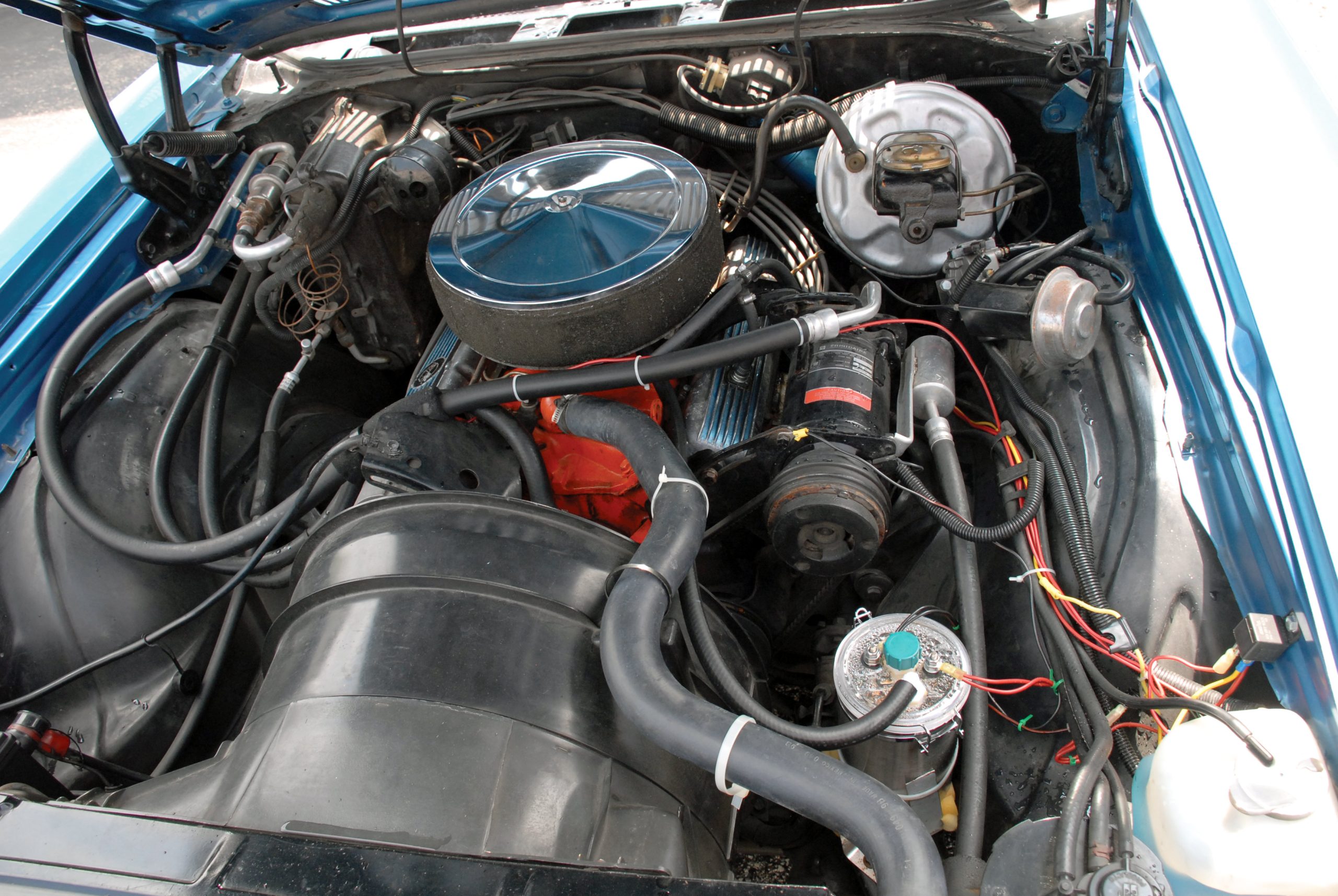
While we’re sure there are plenty of hot rodders working with different ideas, Carl Casper was the guy who contacted us to show us a couple of hybrid hot rods he built this year. We had first seen these cars in February at his big show in Louisville, Kentucky. The Deuce roadster runs your basic crate motor, with hydrogen being blended with the air before the carburetor. This hybrid hot rod is a rolling test bed for Casper’s hydrogen system. Likewise, his Ford Escape is being tested with a variety of different innovative technologies, including a conventional gasoline engine combined with an electric motor, and yes, he’s introducing hydrogen into the gasoline engine, too. Regenerative braking gathers kinetic energy during braking to help charge the battery pack, and finally, Solar Photo Voltiac Cells are modules that help in the charging of the 330-volt nickel-metal-hydride battery pack. So, as you can see, this car leaves no stone unturned.
While Casper and his team are busy working with these systems—and finding some success, we might add—his real goal in building these cars was “to wake up the entrepreneurial spirit and genius thinkers in America.” While the challenges seem to be many today, this is a country that was founded by and built by people with a true “can do” spirit, and Casper is convinced someone out there with a backyard shop and some real grit and determination just might uncover the next real system for automobile power. It is for this very reason that Casper has decided to challenge hot rodders to bring their hybrid hot rods, their alternative-fuel cars, to his big show on February 20-22, 2009, for his “alternative fuel challenge.” He’s hoping that, collectively, hot rodders will continue to work on engines and discover inventions that could change the way we drive hot rods in the future.
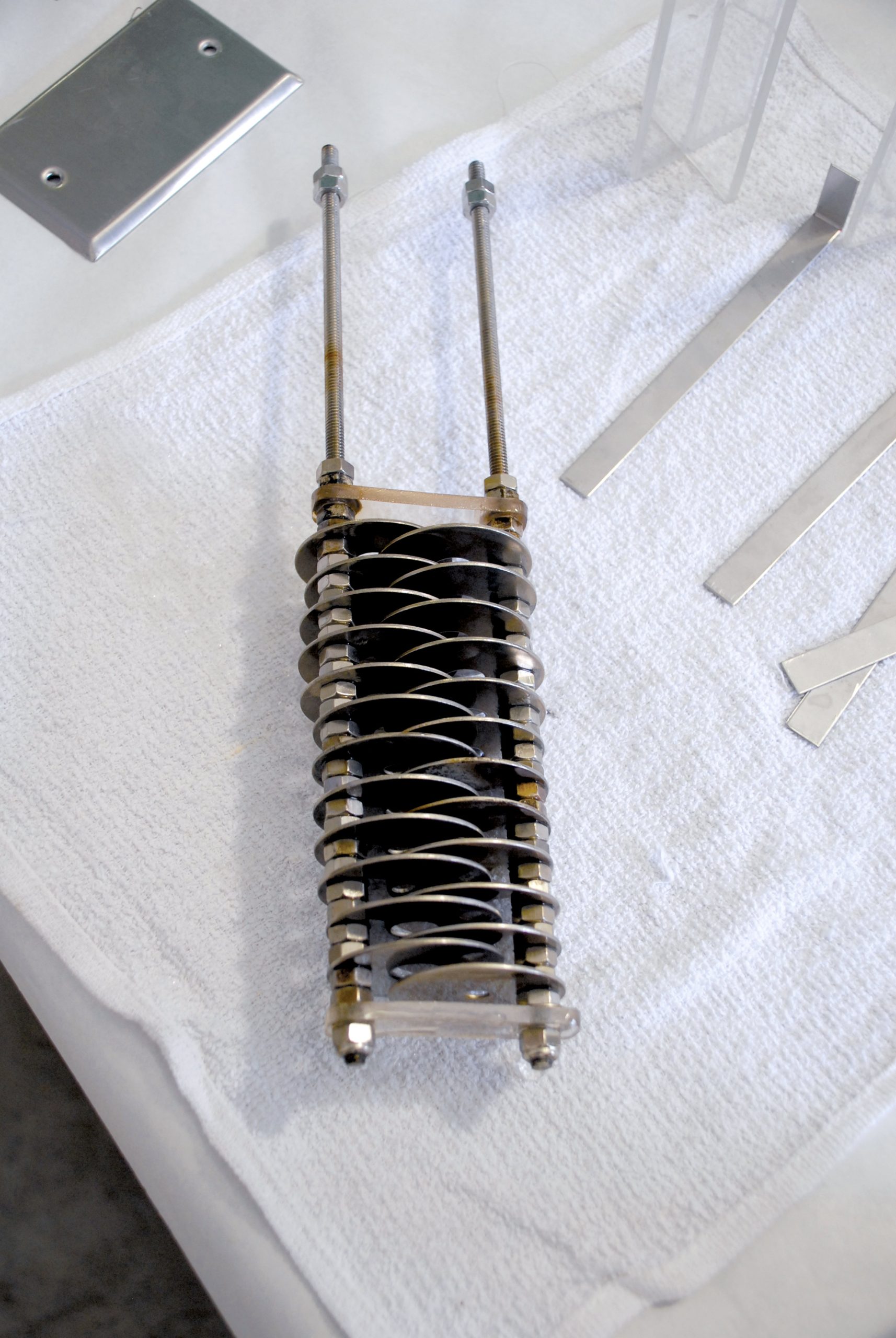
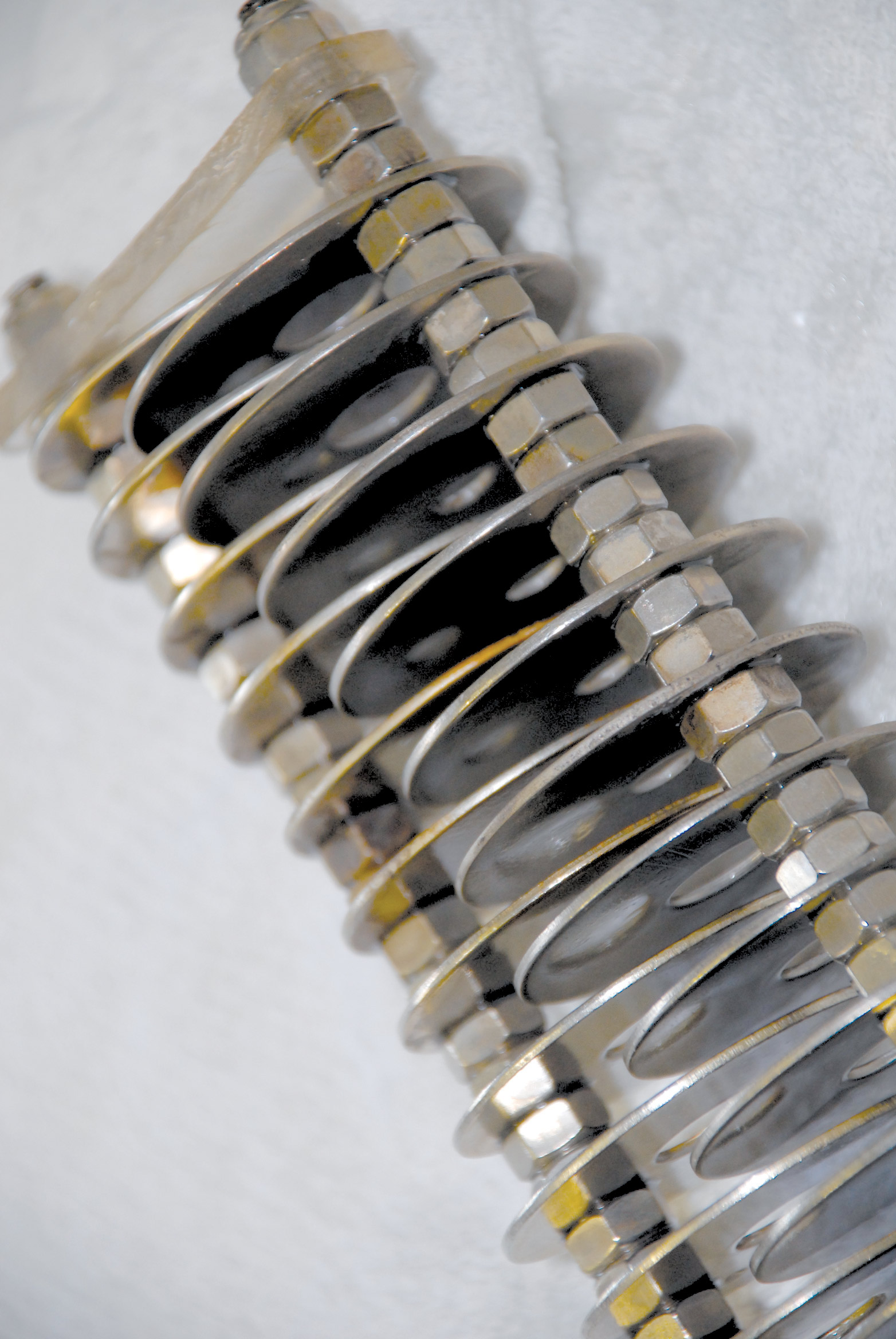
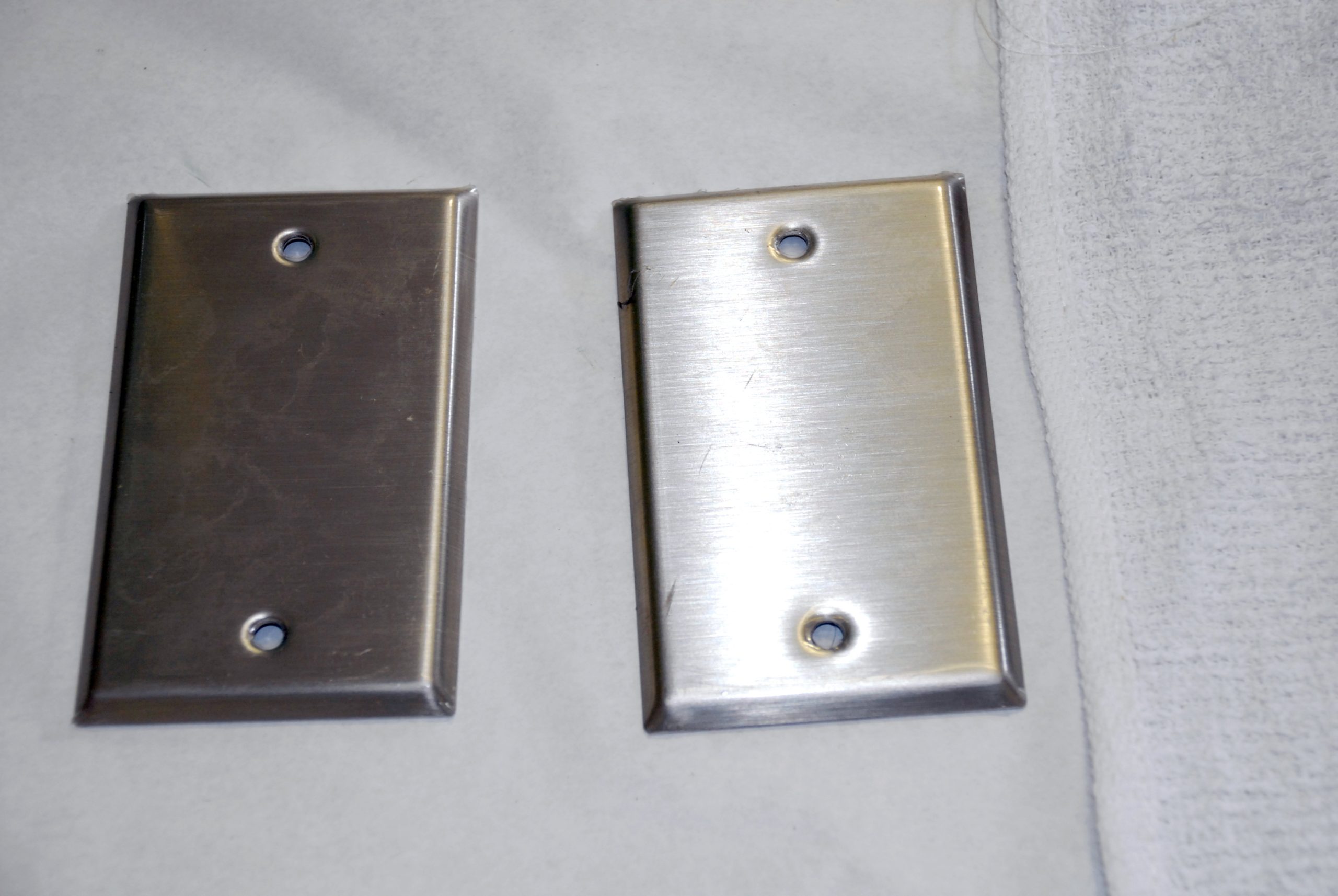
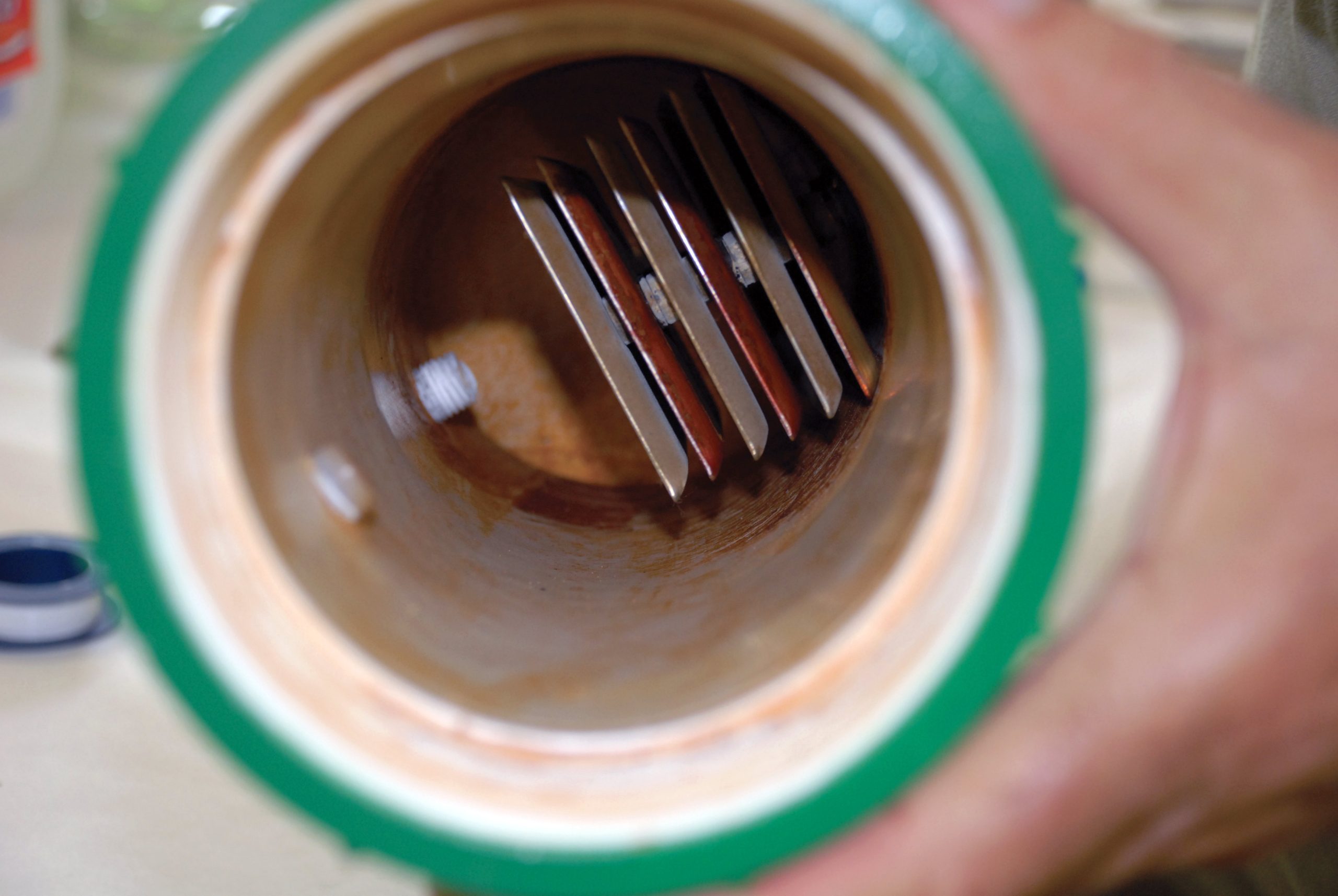
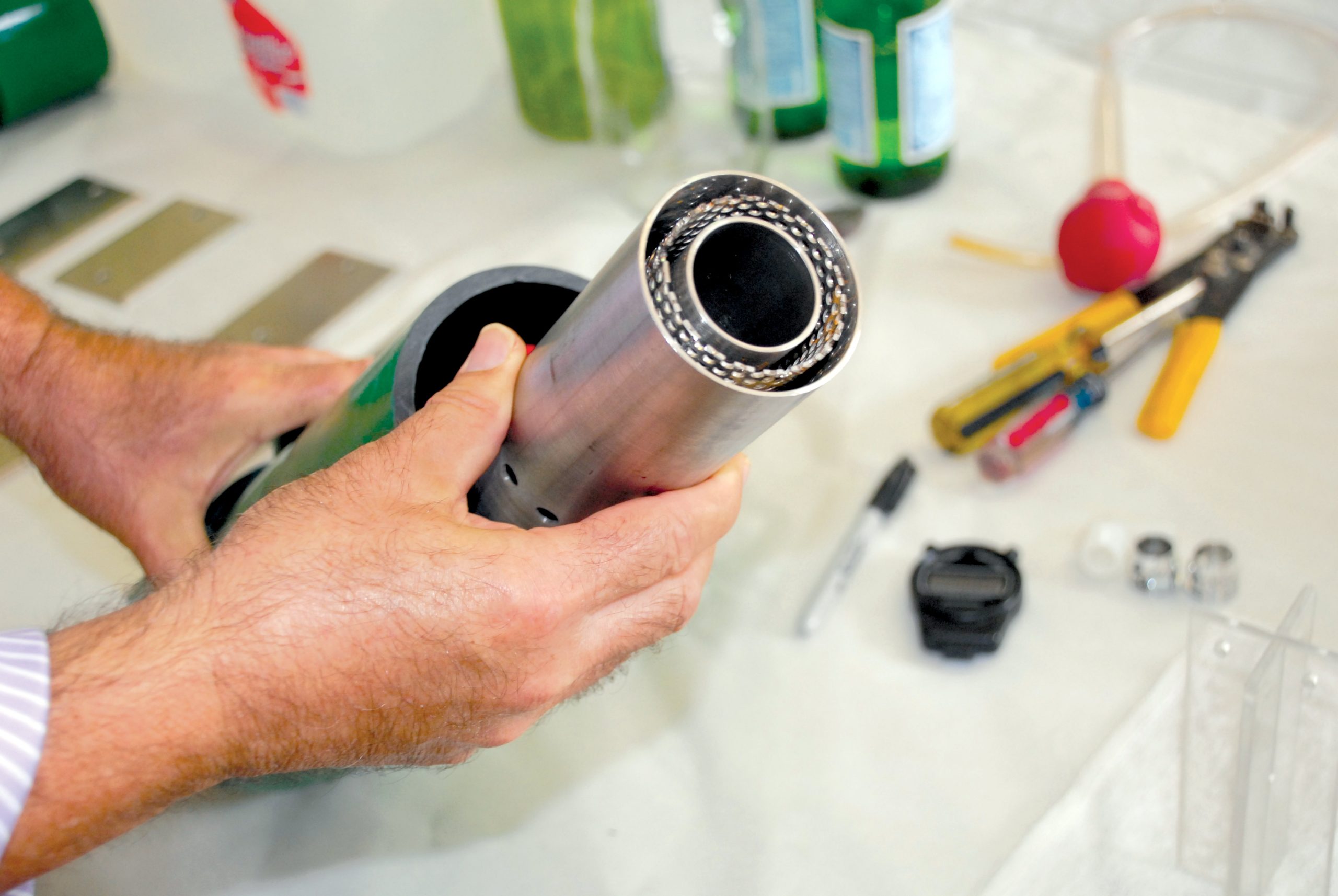
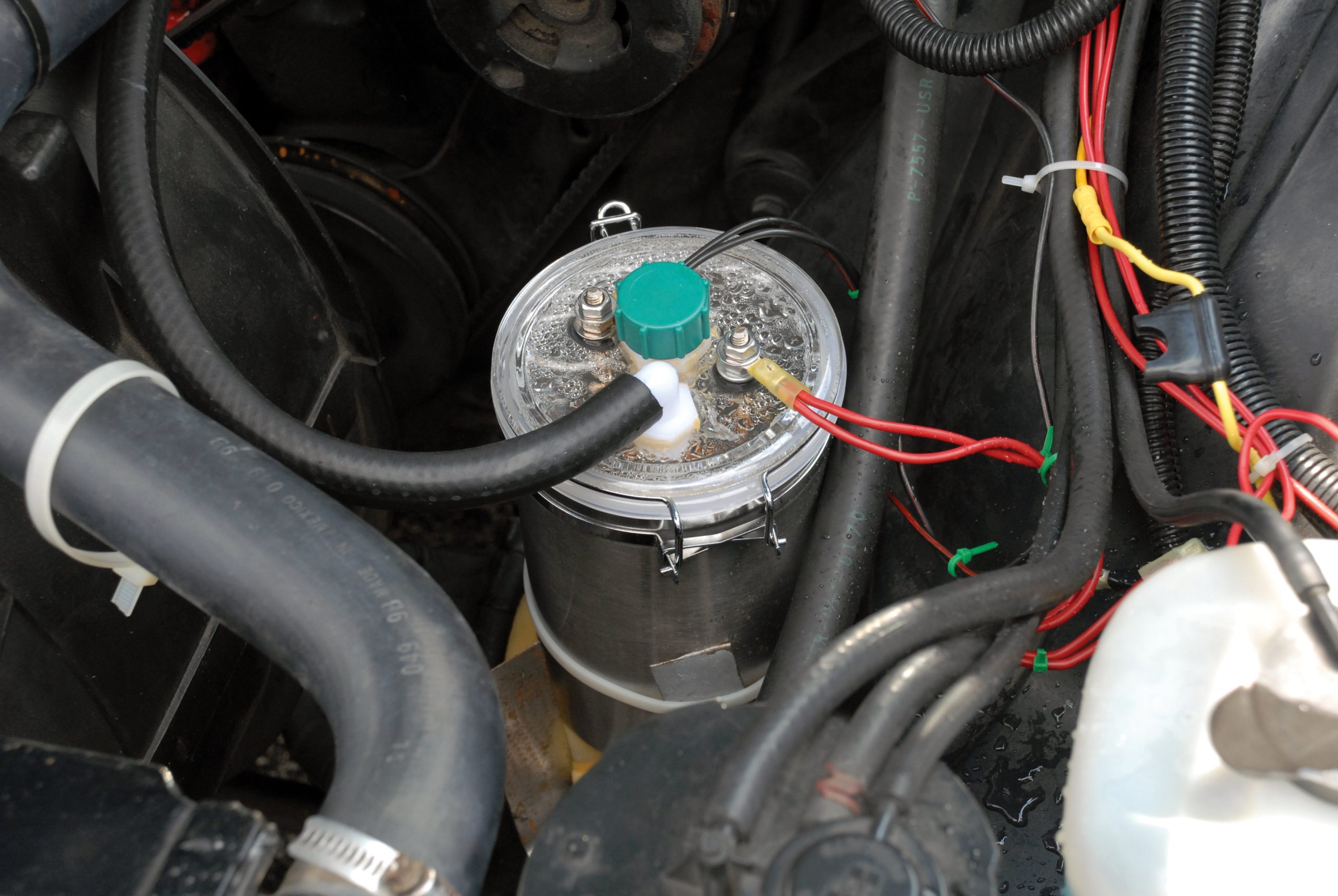
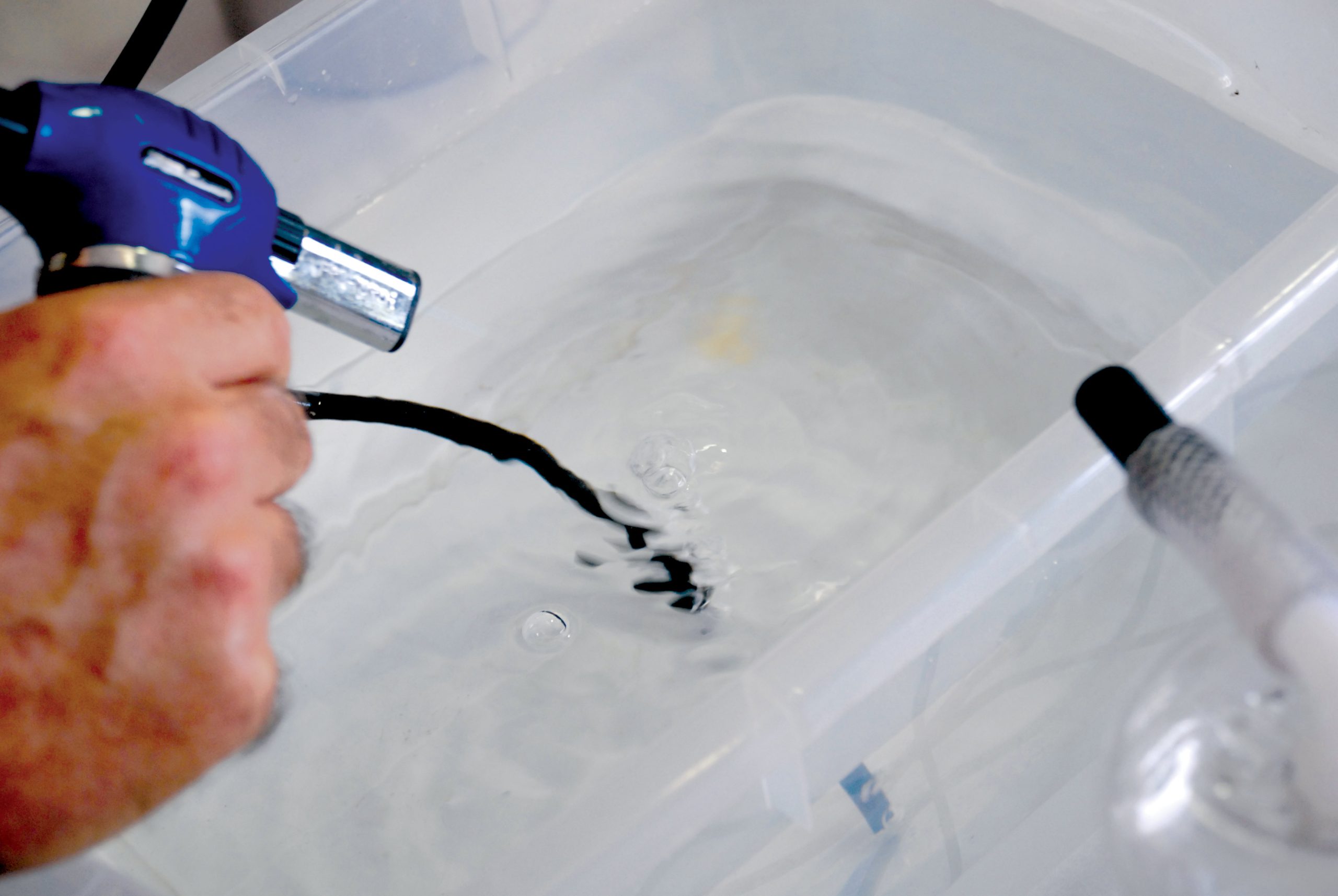
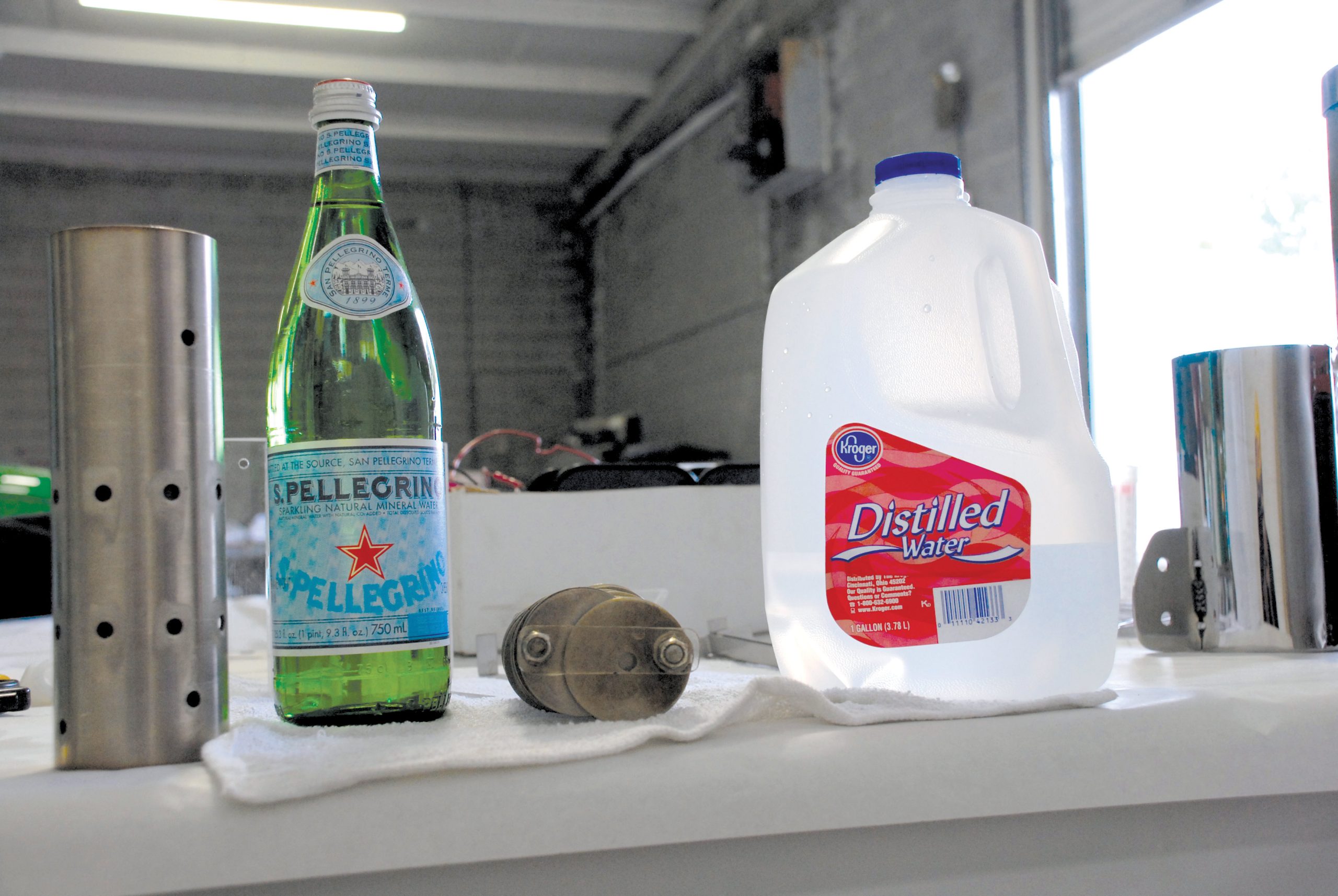
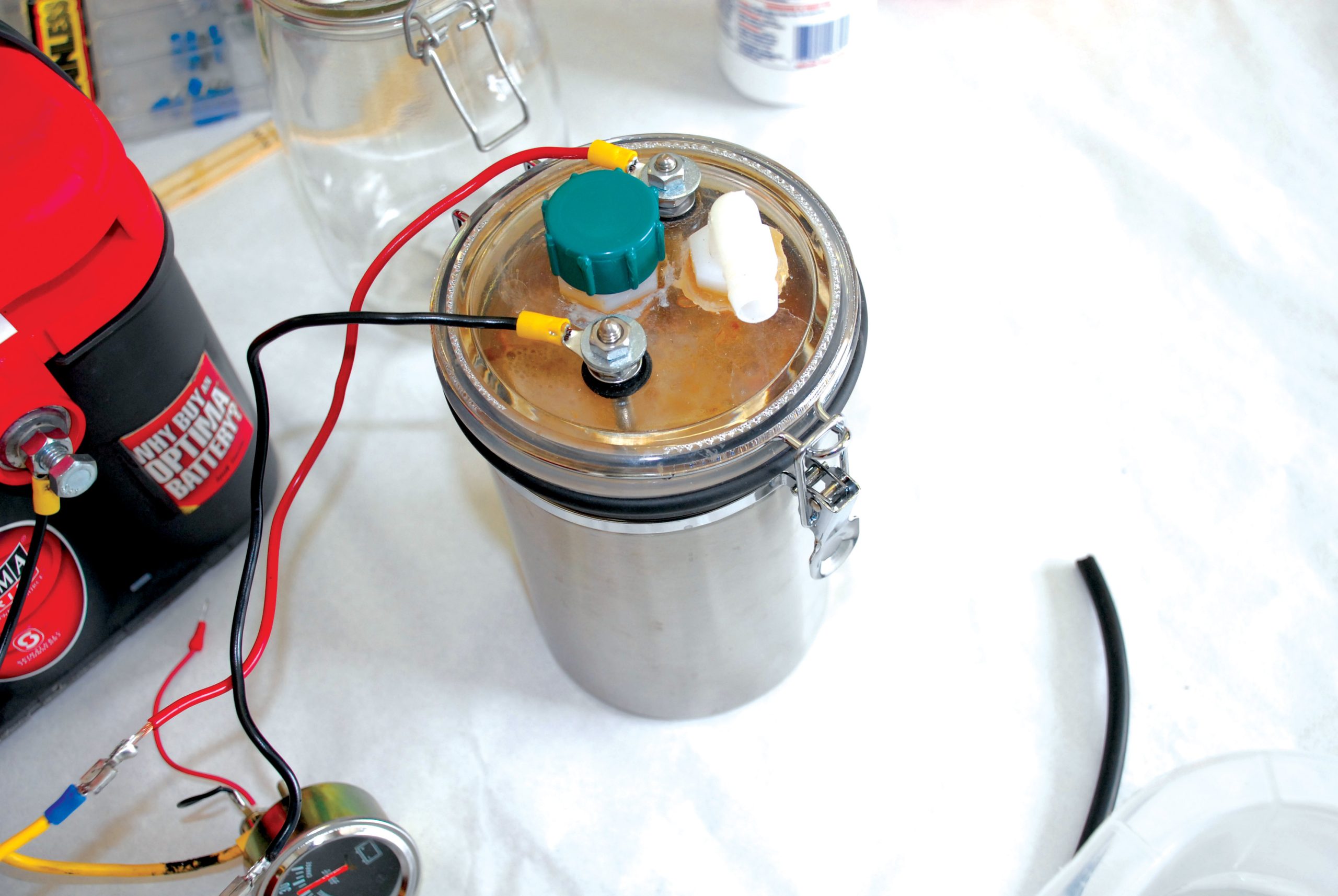
One of the easiest systems to experiment with is simple hydrogen generation. While there is an abundance of information on these systems on the Internet, here’s how it basically works. After building a simple cylinder to hold the distilled water—Casper uses ABS and PVC pipe—you will need to build a pair of electrodes. It seems 316L stainless steel is the preferred metal for these electrodes, and the anode and cathode can be fabricated from any number of easy-to-obtain materials such as stainless steel washers threaded on stainless steel all-thread rod. Stainless steel mesh inside a piece of stainless steel tube is another popular combination. Power from the car’s electrical system is attached to the electrodes, and the process begins. It takes a few minutes, but before long the water is being converted to HHO and the gas is flowing through the tube and into the air intake of the engine. An electrolyte of sorts must be used to get the process going; Casper uses basic lye (sodium hydroxide, NaOH), although KOH or caustic potash can also be used. Baking soda seemed to produce only marginal results.
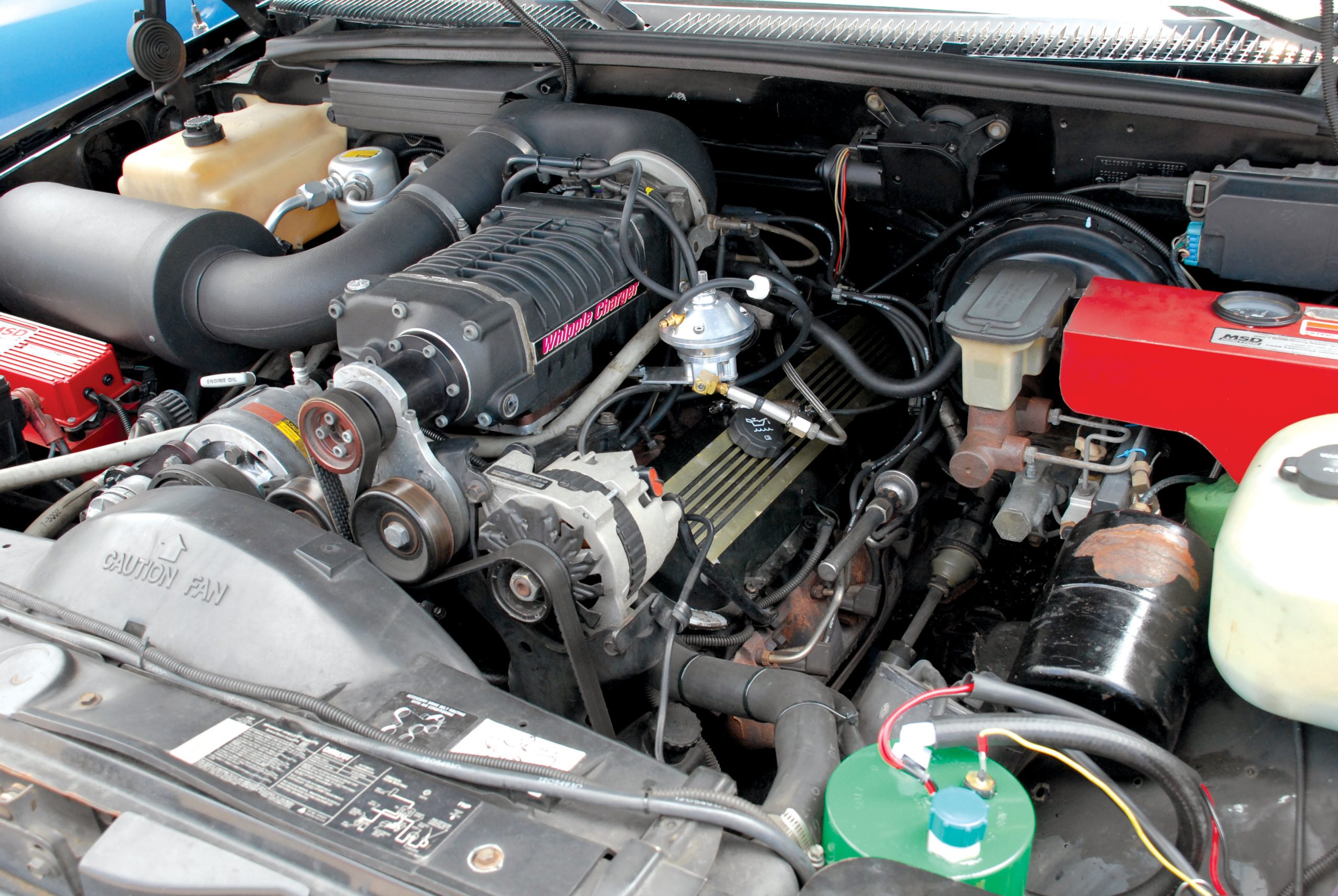
While results seem to vary dramatically, the good news for hot rodders is Casper and his team have had their best results with older, carbureted cars, and even a supercharged, carbureted motor responded favorably to the introduction of HHO gas to the air charge. Introducing the hydrogen gas directly into the intake manifold didn’t seem to help at all, a fact that confounds the team, and computer-controlled engines don’t seem to gain much benefit either, and yet an older ’90 Chevy truck responded with an increase in mileage from 9 mpg to 14 mpg, an astounding 61.12 percent increase. So, as you can see, there seems to be some potential in the system, and Casper is the first to admit that the results are so varied that it is difficult to truly endorse the system until more uniform results can be achieved.
But having said that, it may just be a matter of tweaking this system to get it to work better, and once again, Casper’s goal is to get folks tinkering with new ideas in hopes of discovering a serious breakthrough. Do remember this: hydrogen is a colorless, odorless and highly explosive and toxic gas, so be sure to exercise every caution when working around hydrogen. This hydroxy gas rises, so be very careful with it indoors.
So, gentlemen, we hope you’ll do your research and commit some of that mental energy to thinking about alternative fuels and power. Maybe you’ll be one of the people who change the future of hot rodding in your backyard garage.