It had been said that no job is done until the paperwork is complete. This holds true for an automotive paint job as well. A paint job is only as good as the color sanding and buffing, but a good color-sanding job is labor intensive in the extreme. Chances are, no matter how good a shooter is with a paint gun, there will be some imperfections, not to mention that the clearcoat simply needs to be “cut” to get to the luster hiding beneath the surface. The only problem is that it can take many hours of hard work to achieve that high sheen and gloss finish.
A good cut and buff man, using a handheld piece of paper, can take a low-price paint job and make it look like one that costs three times as much. To say that the cut and buff is a major part of any good paint job and is just as important as the painting process itself is not an overstatement.
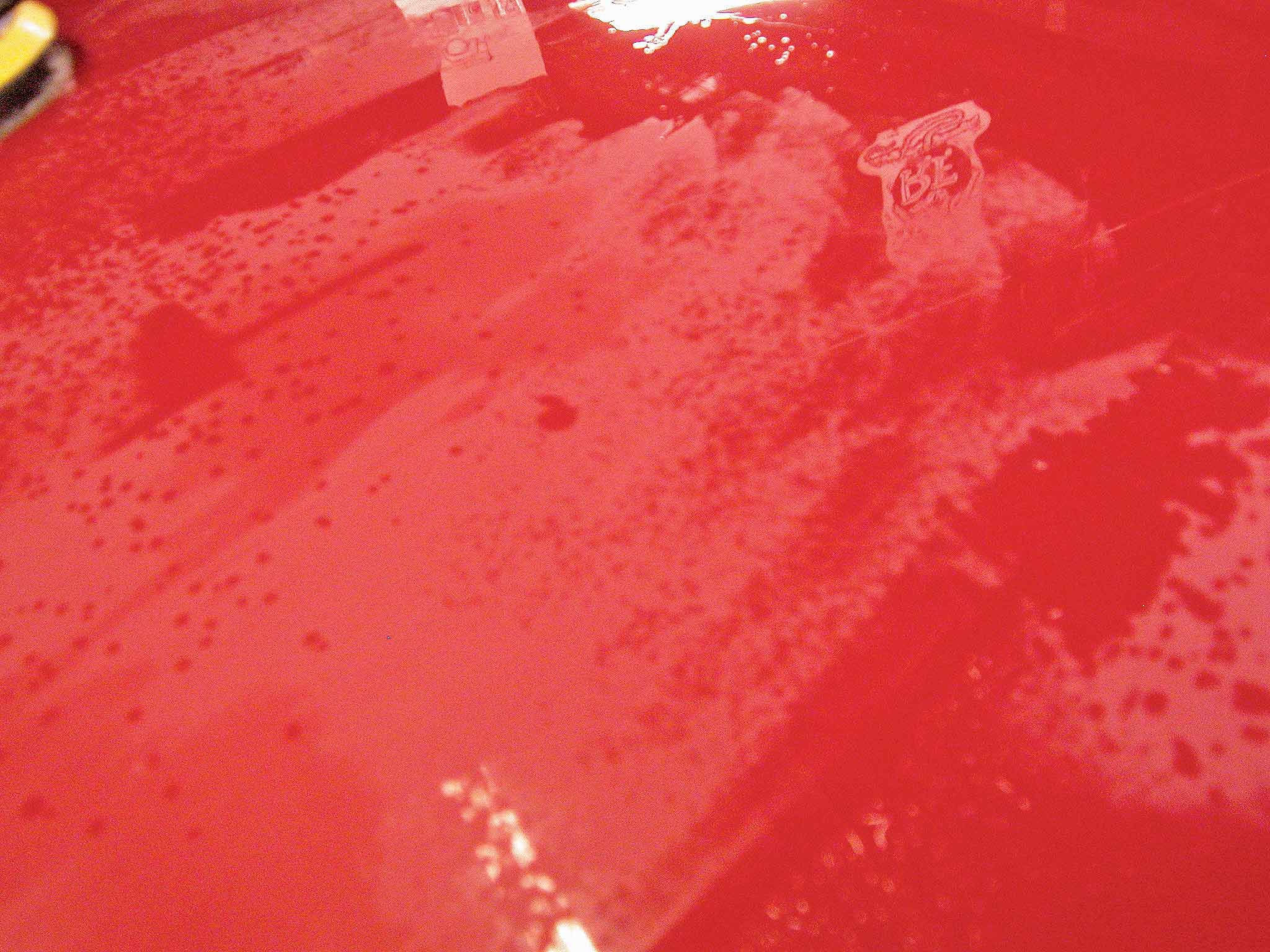
Now, it may seem crazy that anyone would take sandpaper to a new paint job, but if you want to have a glass-like finish that is exactly what happens. Of course, it is special sandpaper, and the person doing the work needs to know exactly what he is doing or that paint job can be toast. One of the things that makes color sanding possible is that the paper used is meant to be wet while the job is taking place. The water not only works as a lubricant, but it also removes the fine paint sludge from the area. The problem is getting that water in the proper place and having enough of it to do the job. After all, who really likes sticking his arm into a cold bucket of water time after time?
In the past, a person would literally soak the pieces of paper in a bucket, and he would have to be either dunking the paper continuously or feeding water from a hose onto the work while sanding. This process of soaking the paper or wrangling a hose takes a lot of time and effort (and also causes a huge mess), and as a result the person may not be using enough water to do the job. If there is not enough water to do the job, the chance of “burning” the paint is ever present. Or someone may simply rush through it. The result would be better than not having done any cut, but not as good as if someone took his time and did it right.
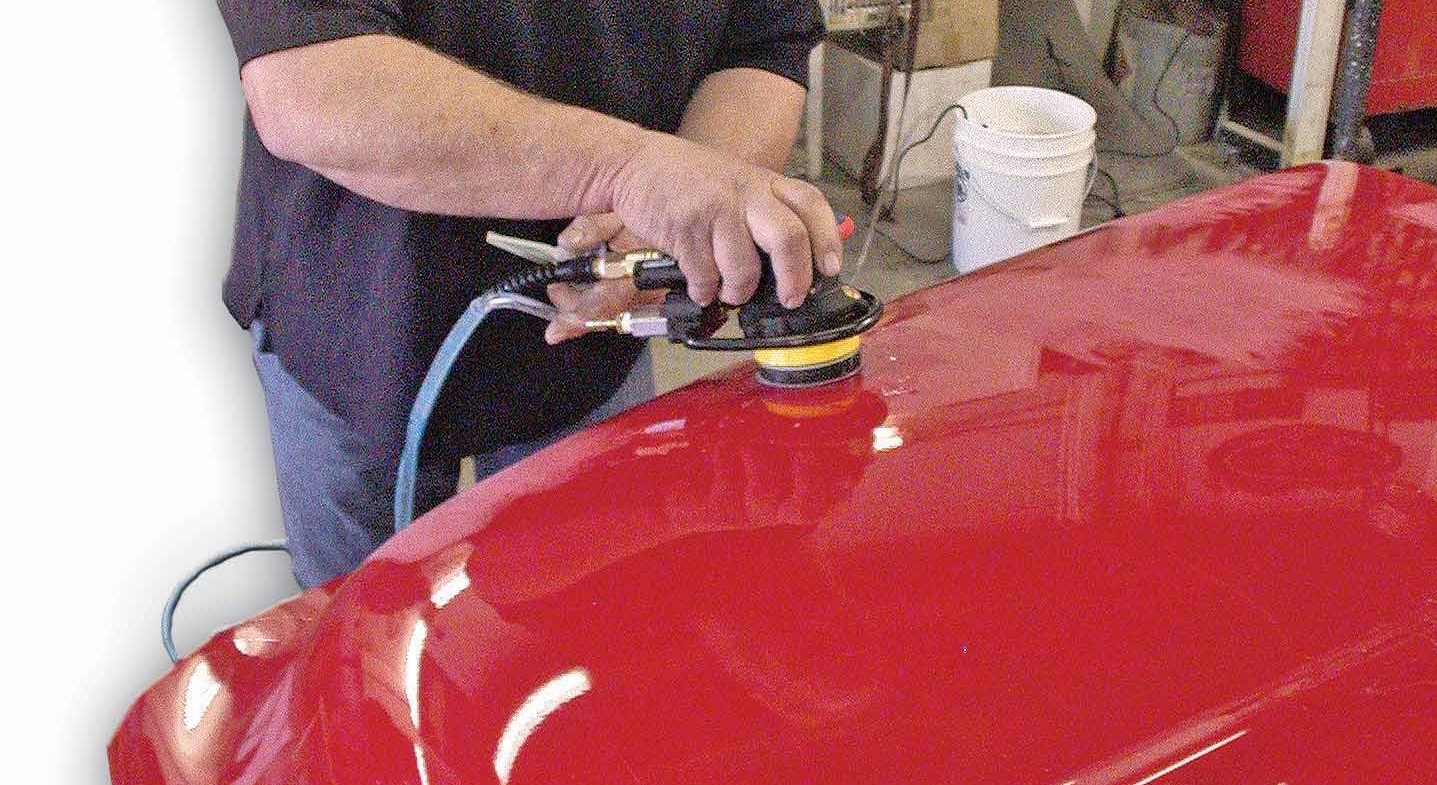
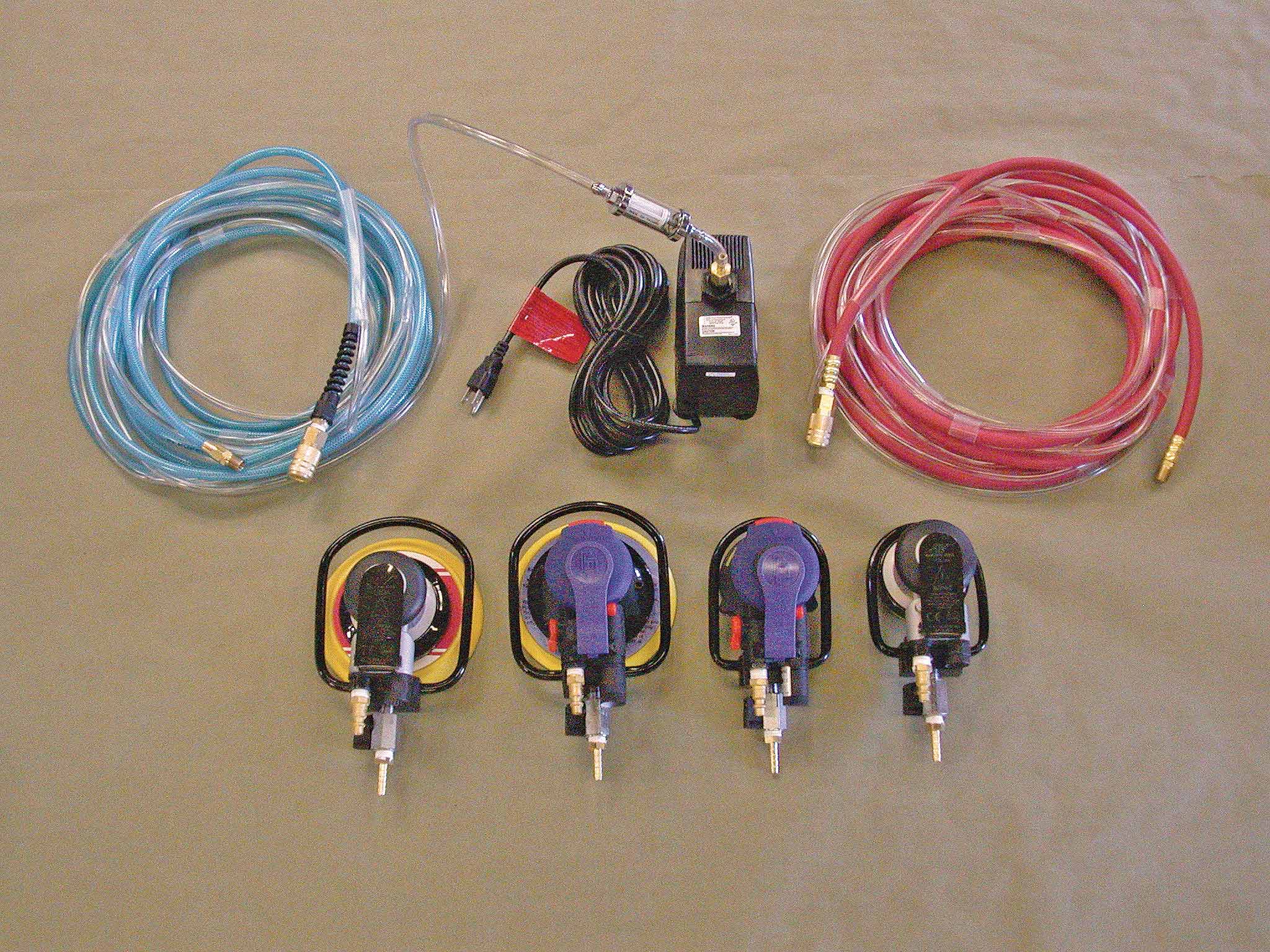
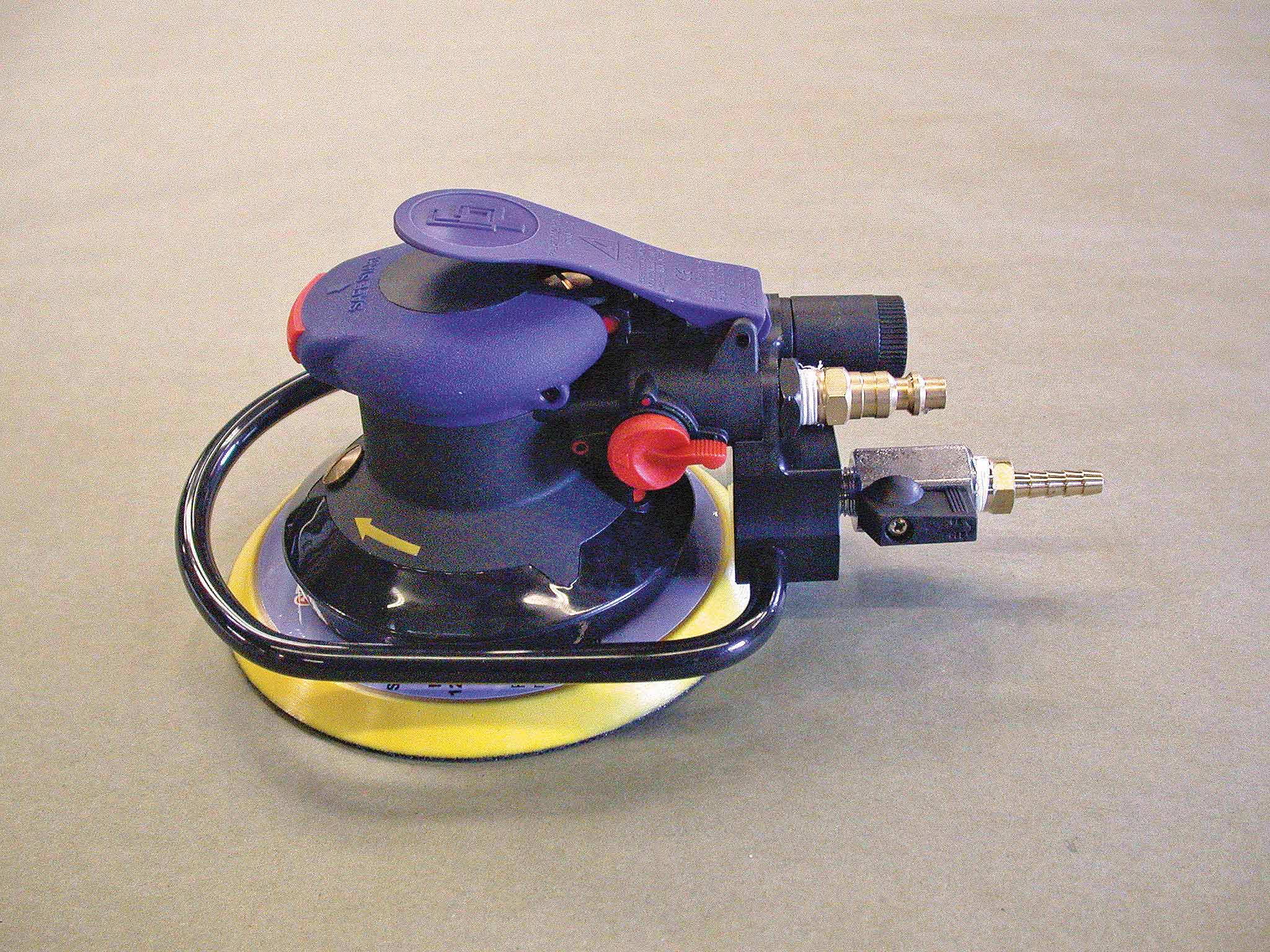
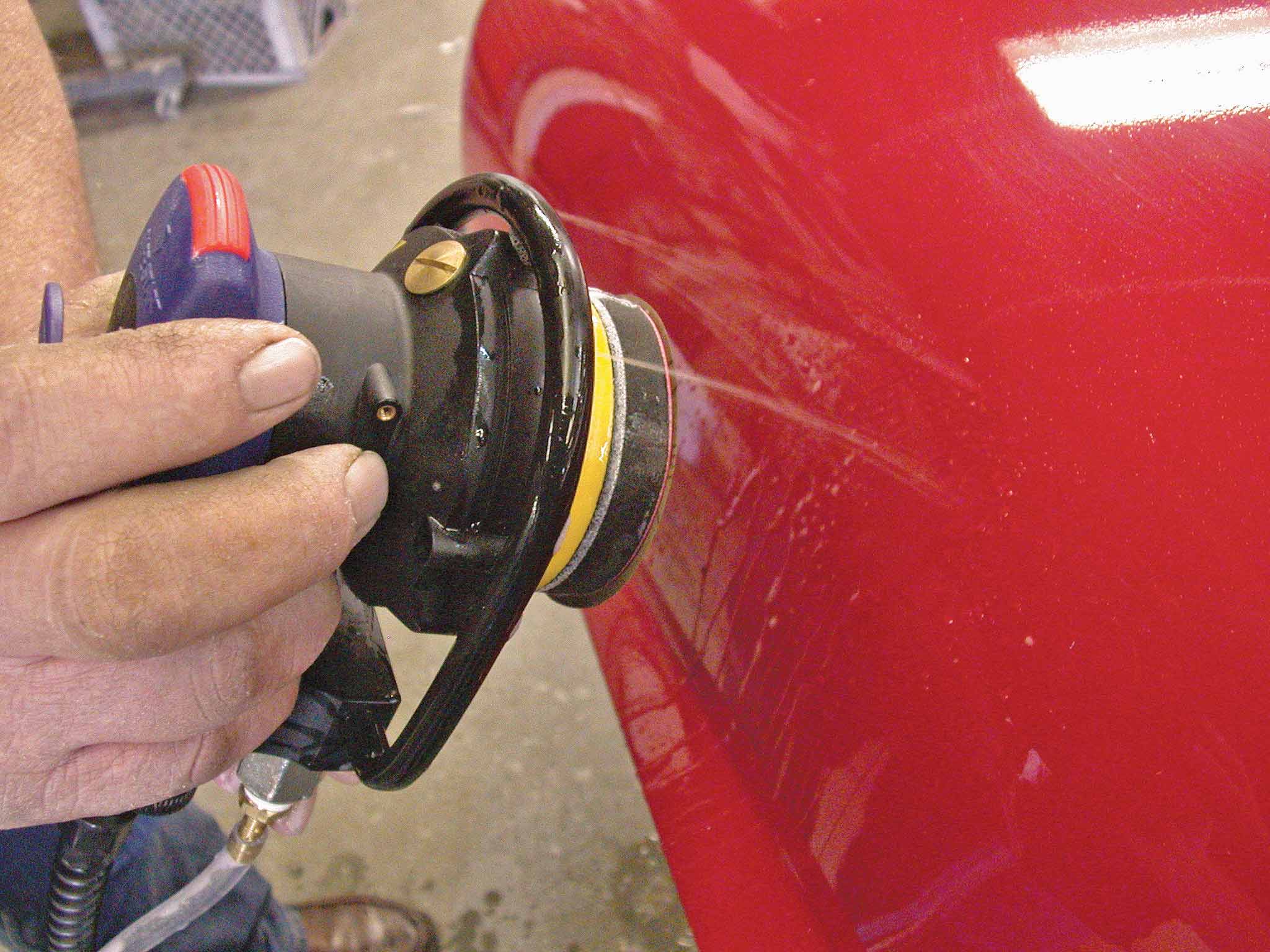
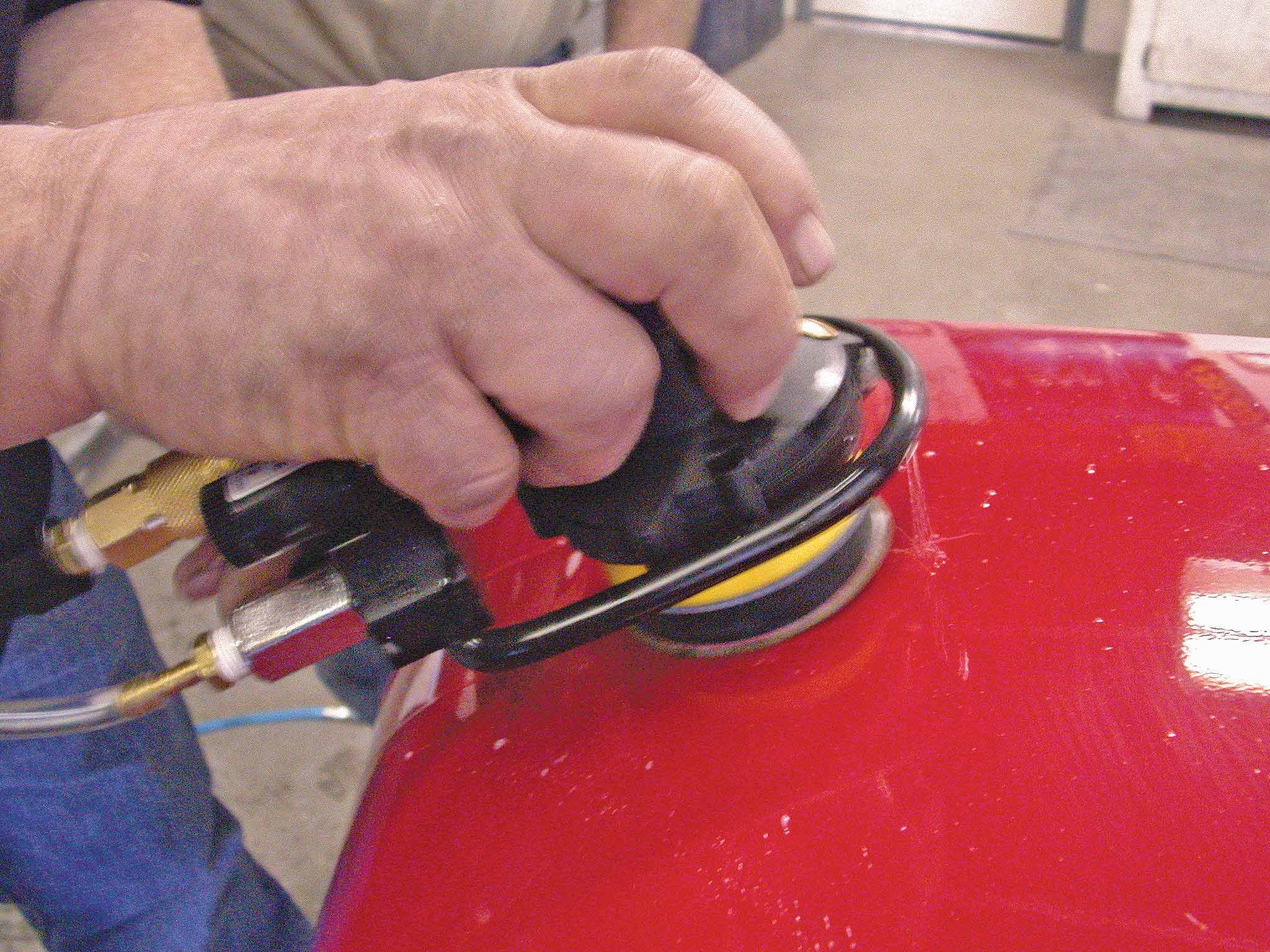
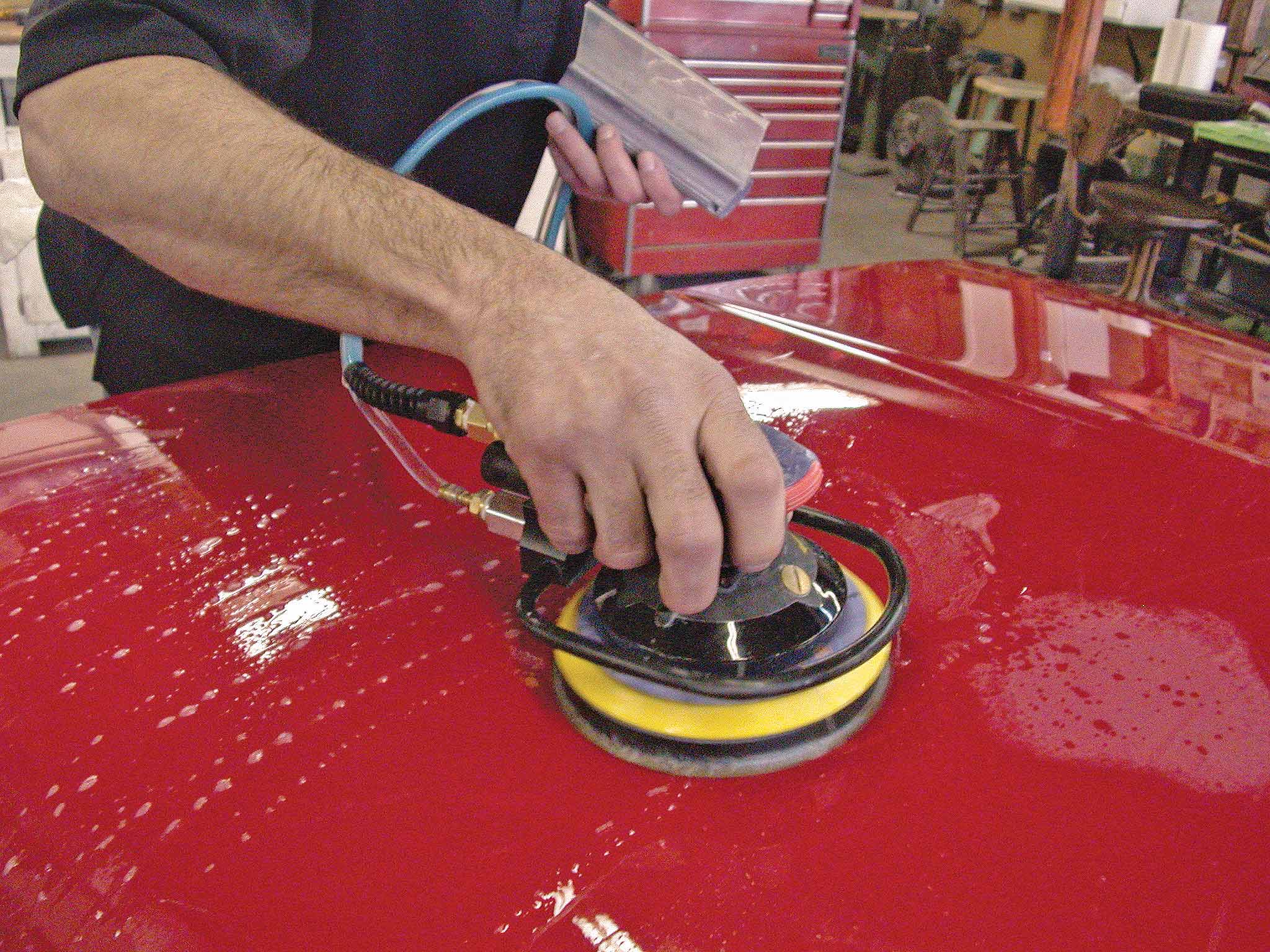
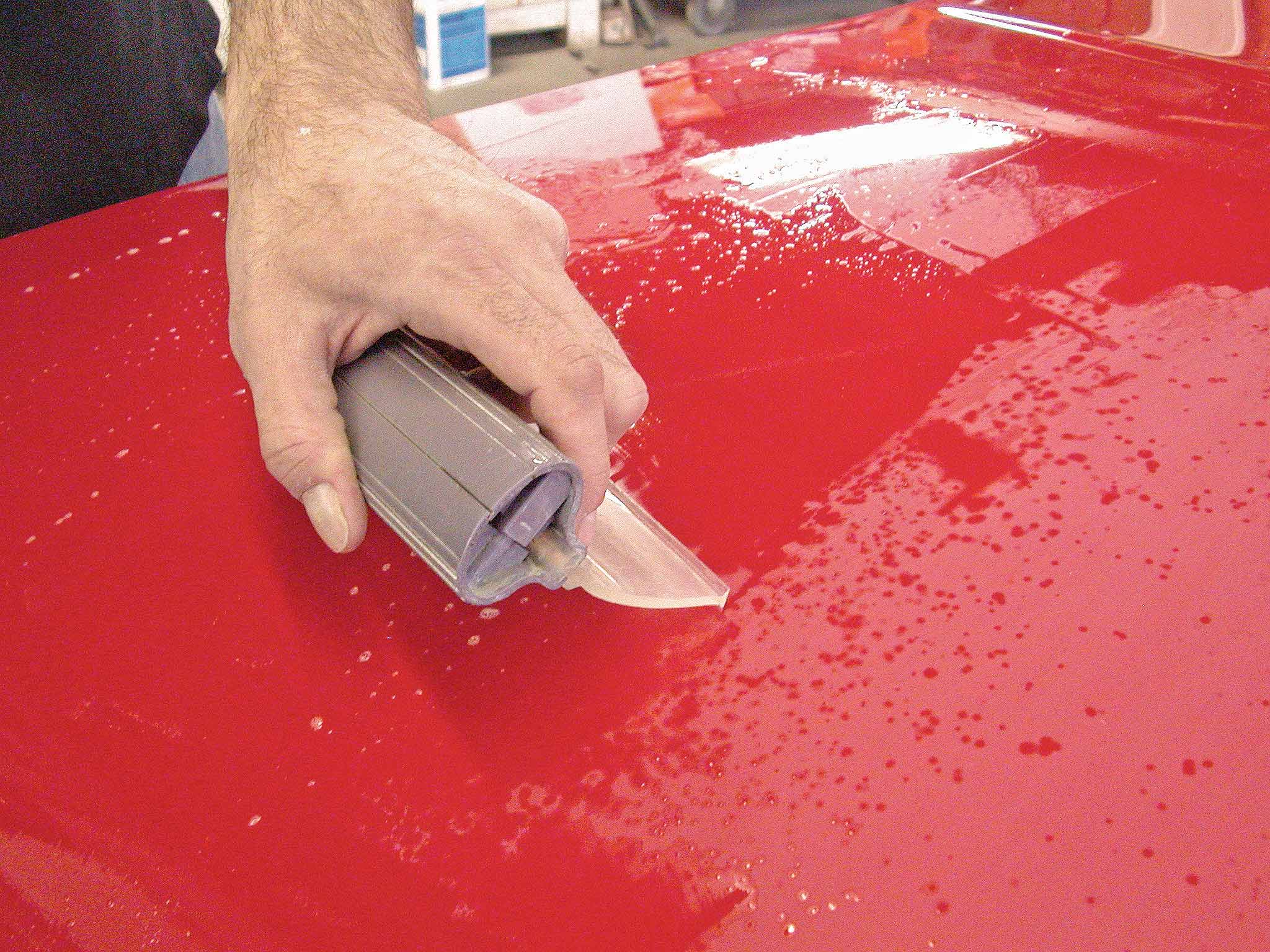
That is the beauty of Quick Cut Sanders. The company has designed a pneumatic orbital/dual-action sander that has an attached water duct, which directs small sprays of water right onto the surface of the work. With this sander, the water comes from a bucket in which the pump is submerged, so a steady stream of water is always present for the person doing the work.
Quick Cut Sanders offers two units, a 6-inch for large, flat panels and a 3-inch that is perfect for smaller areas and curves. Their dual action makes the chance of swirls remote, and the units have controls that adjust the speed of the unit as well as the amount of water that is sprayed. So rather than thinking about needing more water, the operator can simply push the button for more when and where he needs it. As a result, all of his attention can be directed to the job.
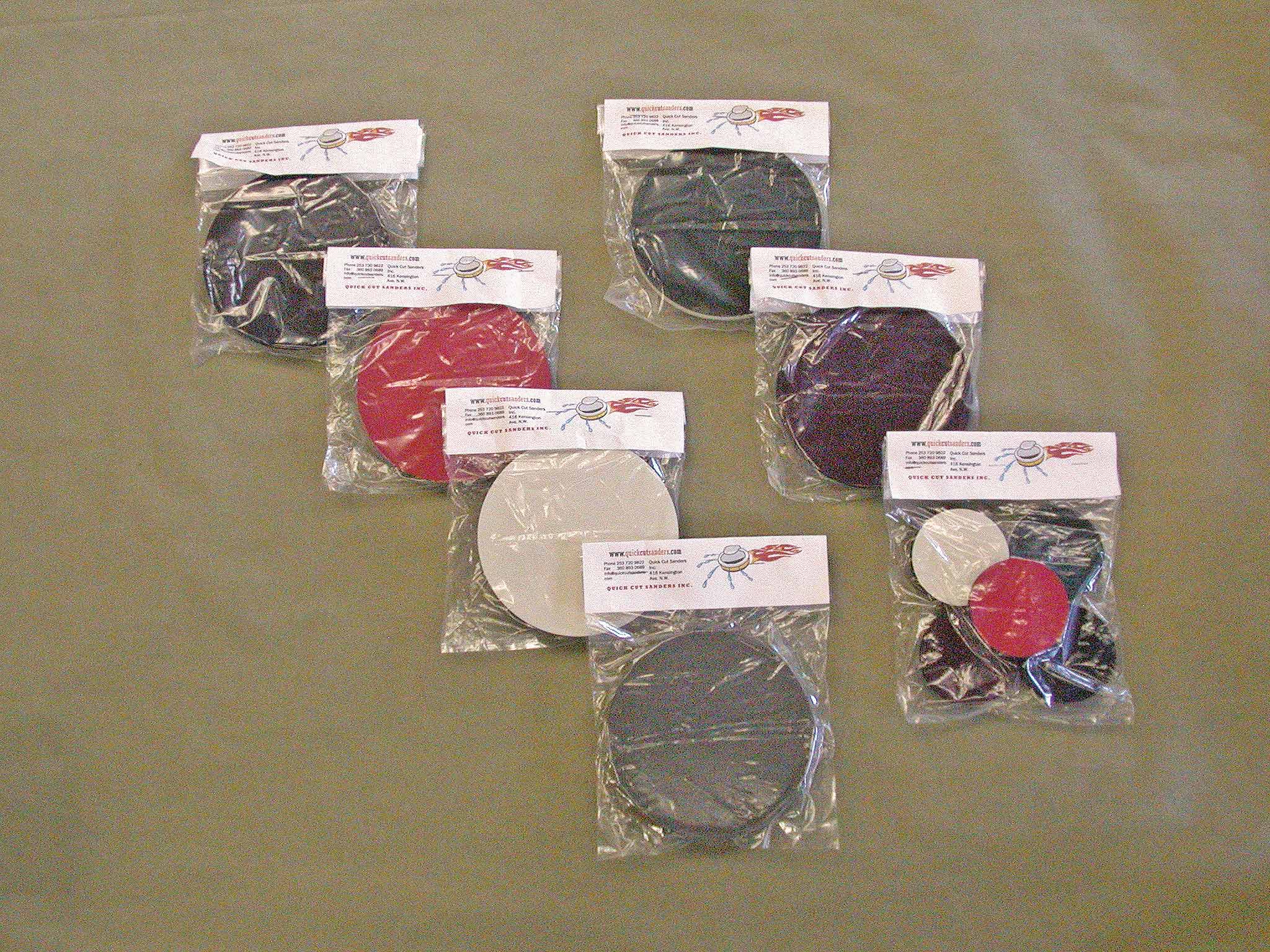
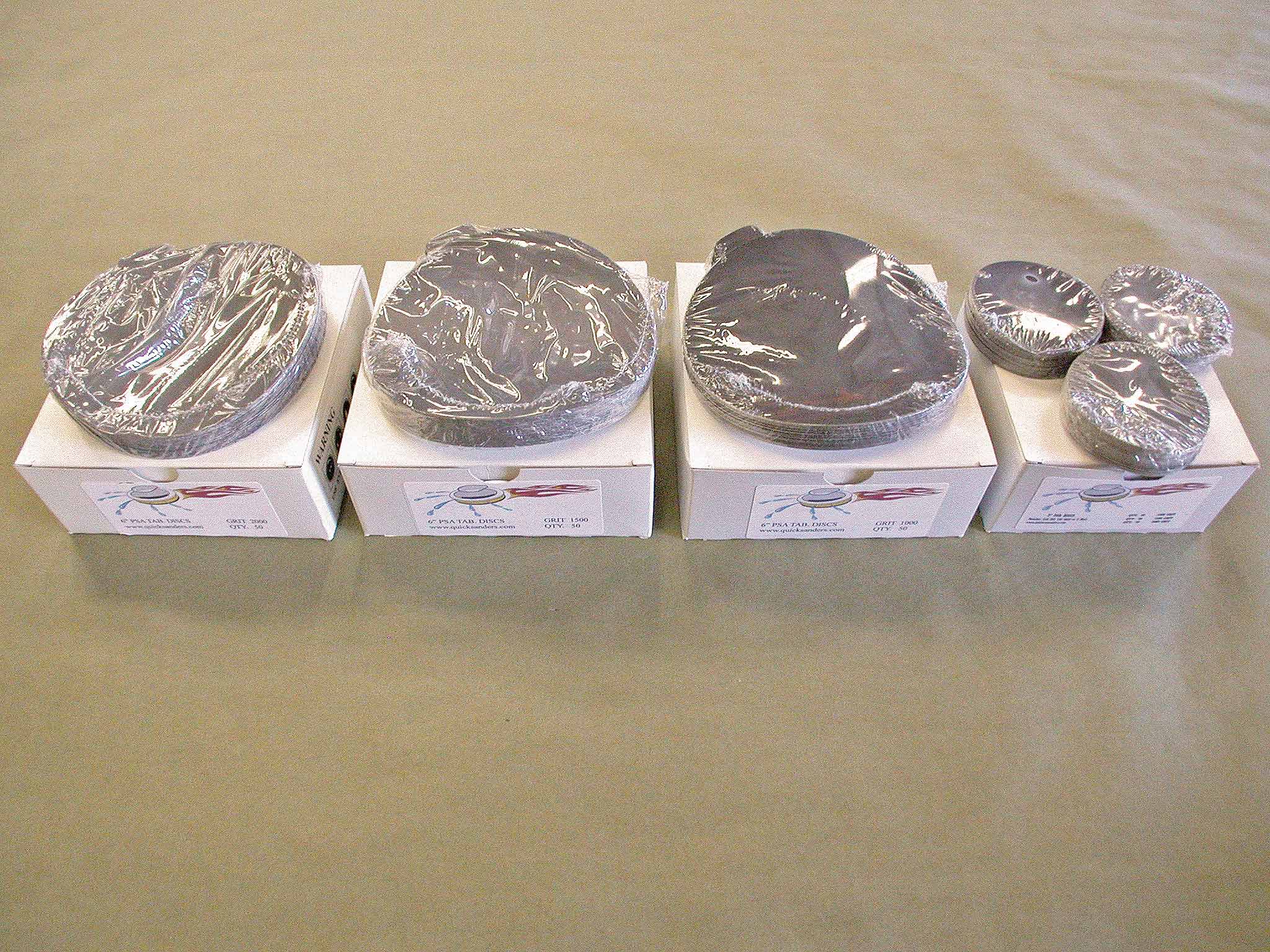
But the sanding unit is only part of the Quick Cut system. There can be no cut without the paper, right? The folks at Quick Cut needed a paper whose backing would stay stuck even when wet. There wasn’t one on the market, so they designed and manufactured their own line of sandpaper. Their paper is up to their high standards (after all, they were body and paint men for many years) and features a waterproof adhesive that will keep it stuck but release when the need arises. After all, you do need to change discs occasionally.
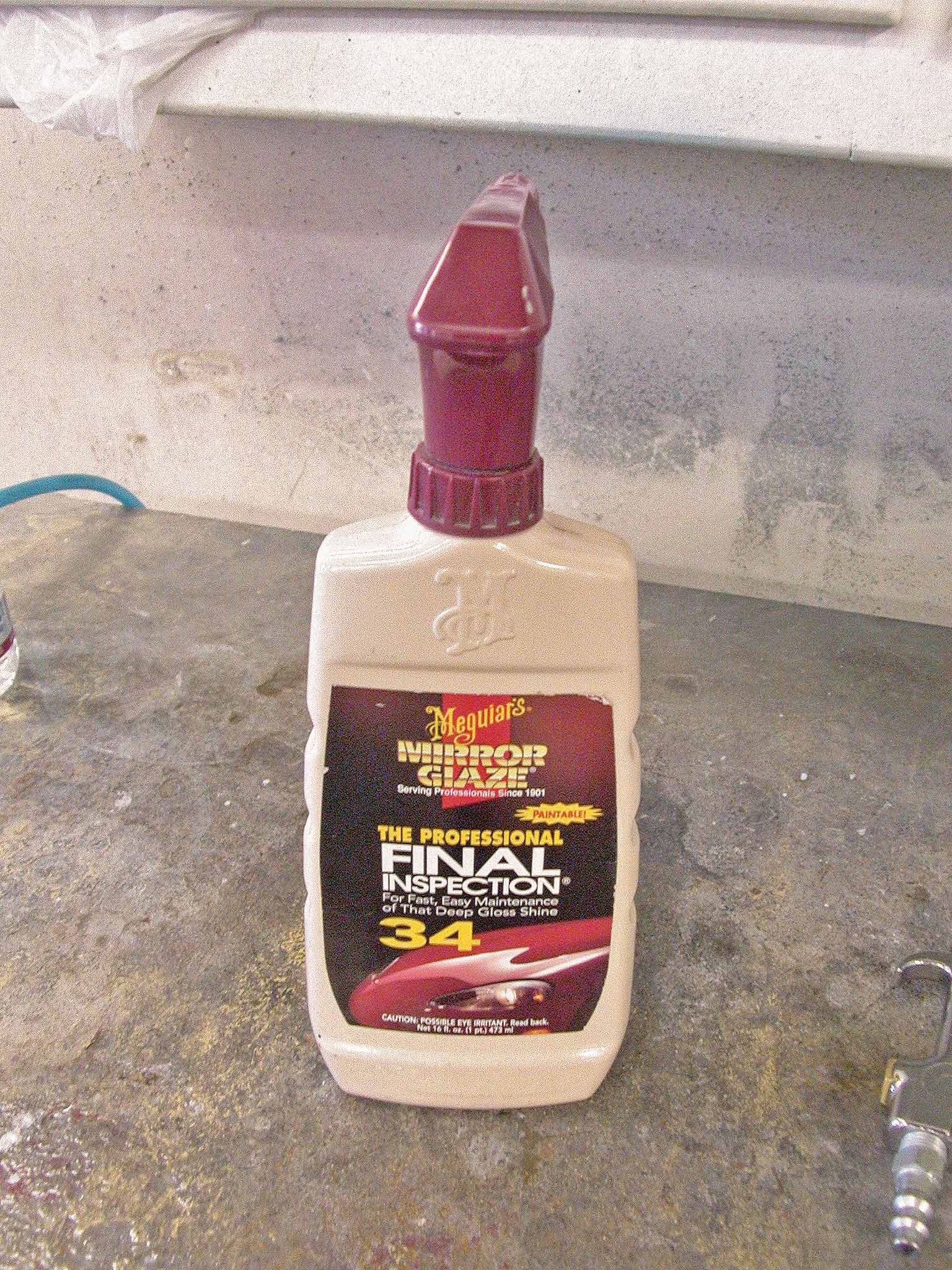
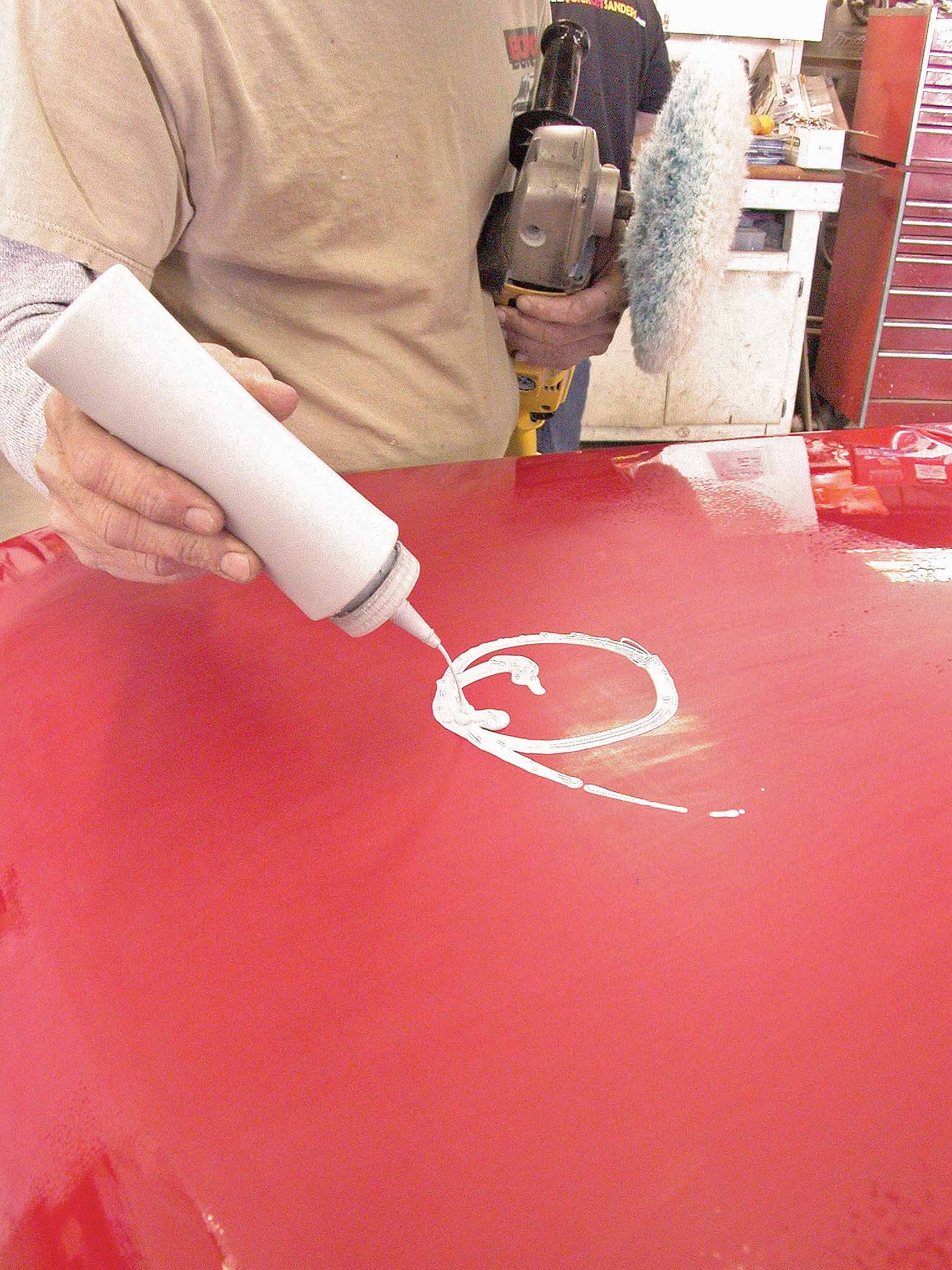
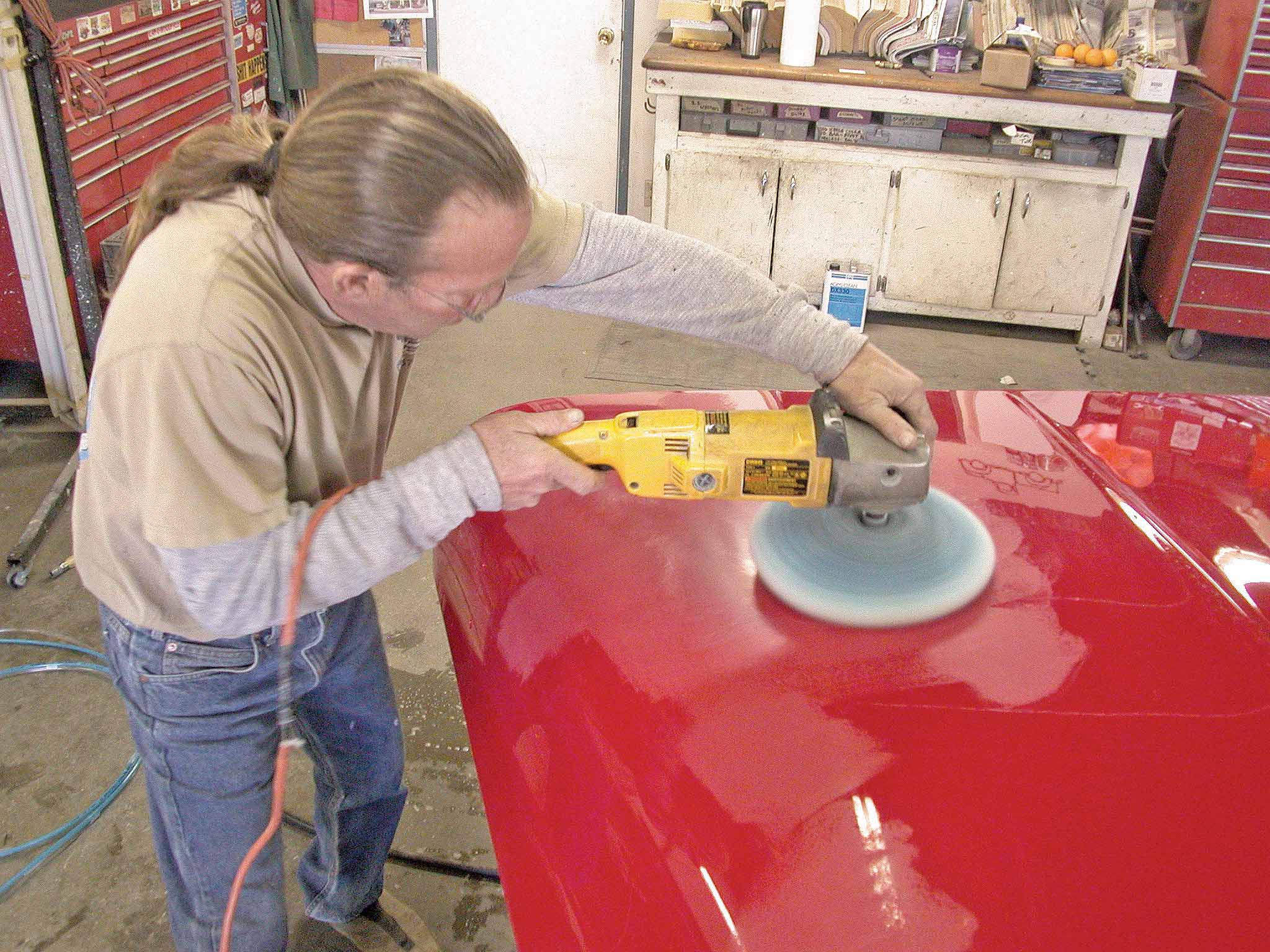
Just as when sanding a piece of wood, there are different “grits” of paper for use when the piece is in the various stages of smooth. The grit designation comes from the size of the pieces of sand that fit through a sized grid. This means that the lower the number, the larger the size of the sand, while a larger number means smaller pieces. For instance, a very rough piece of paper used in color sanding would be 400. That would be used only for a rough paint job where blemishes and/or “runs” need to be removed. The high end of the scale is 2,500. This paper is super fine and is for final sanding. The final step in the cut and buff is, of course, the buff, but no water is used in that process—only polish.
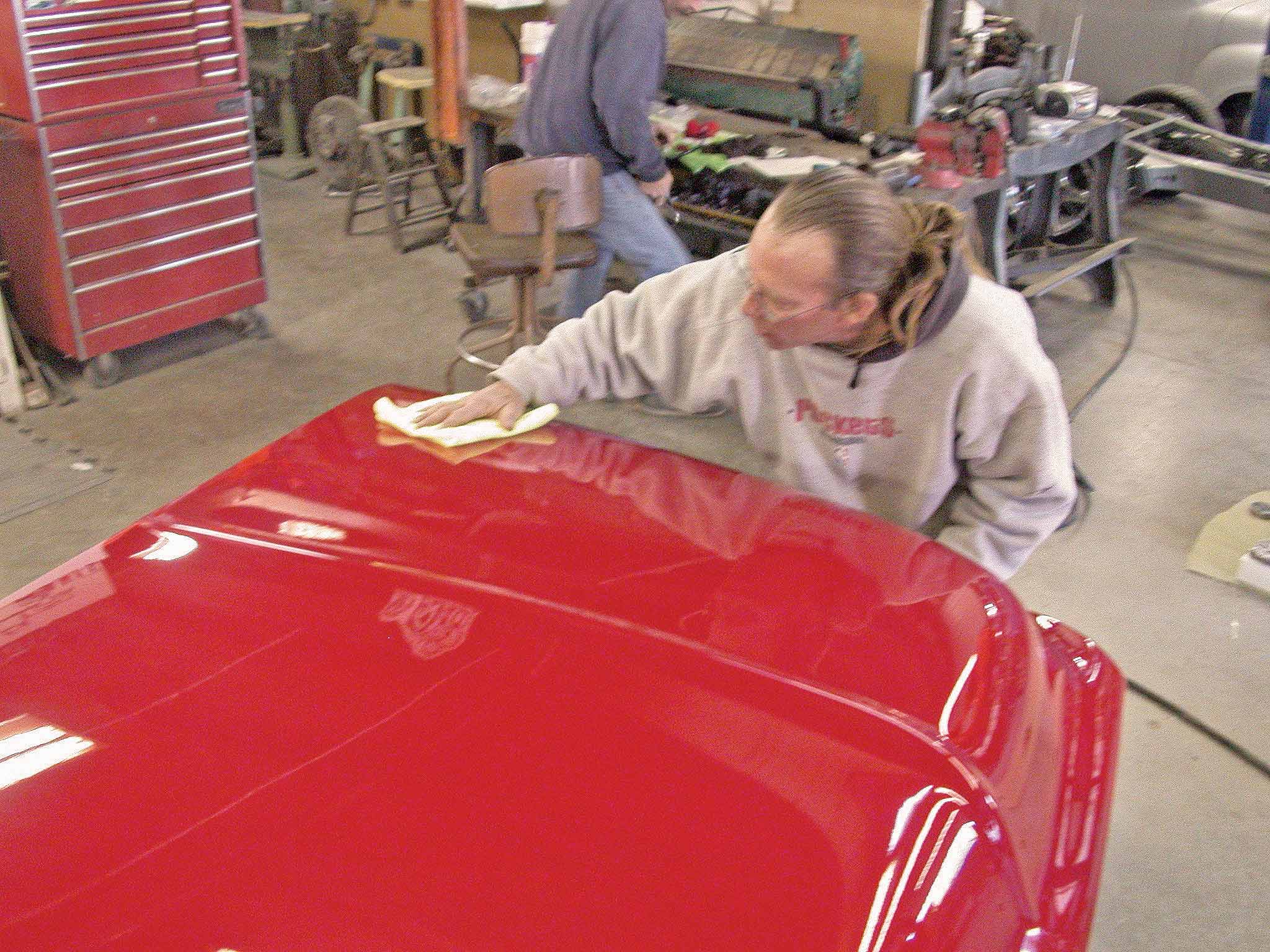
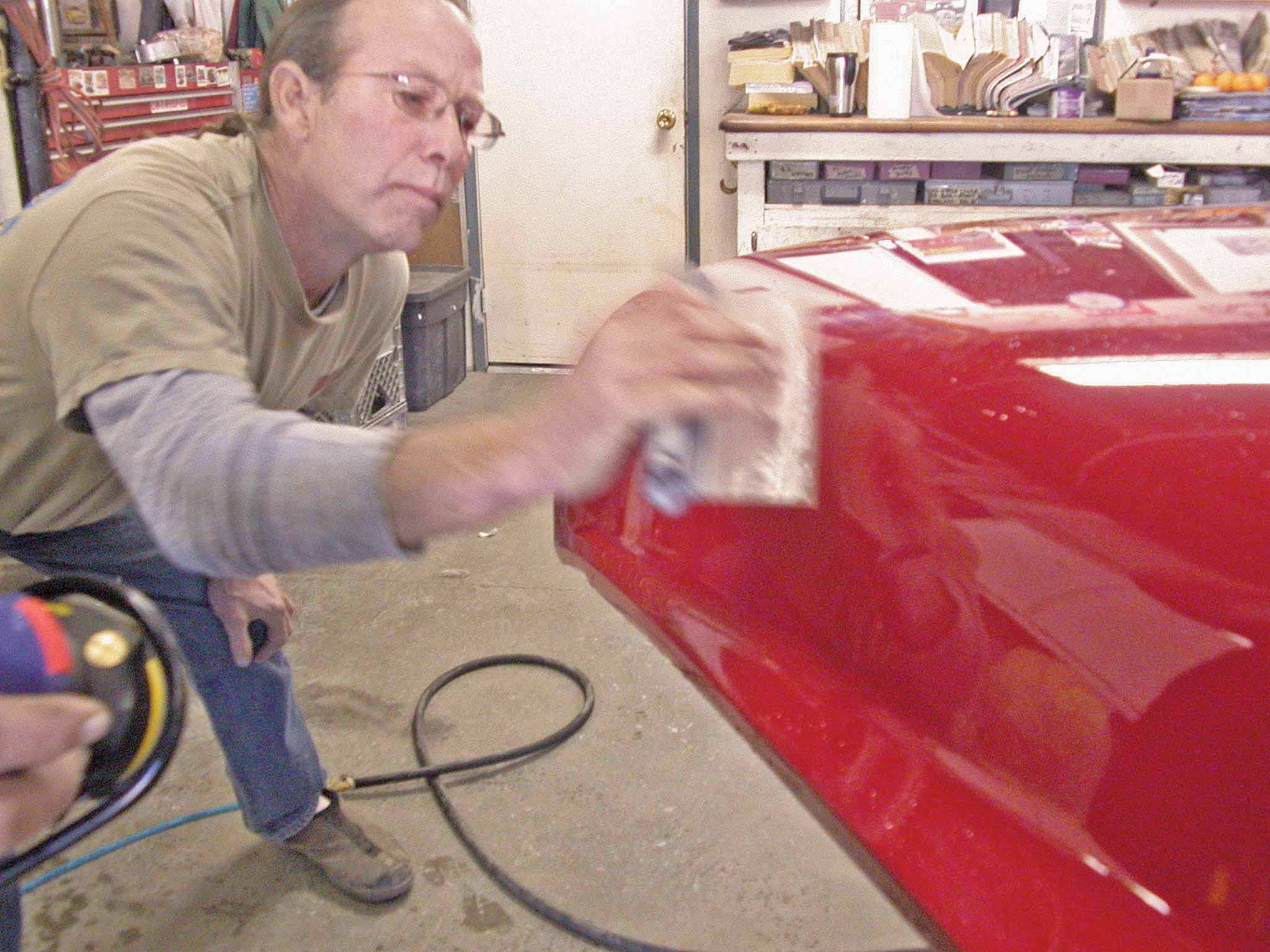
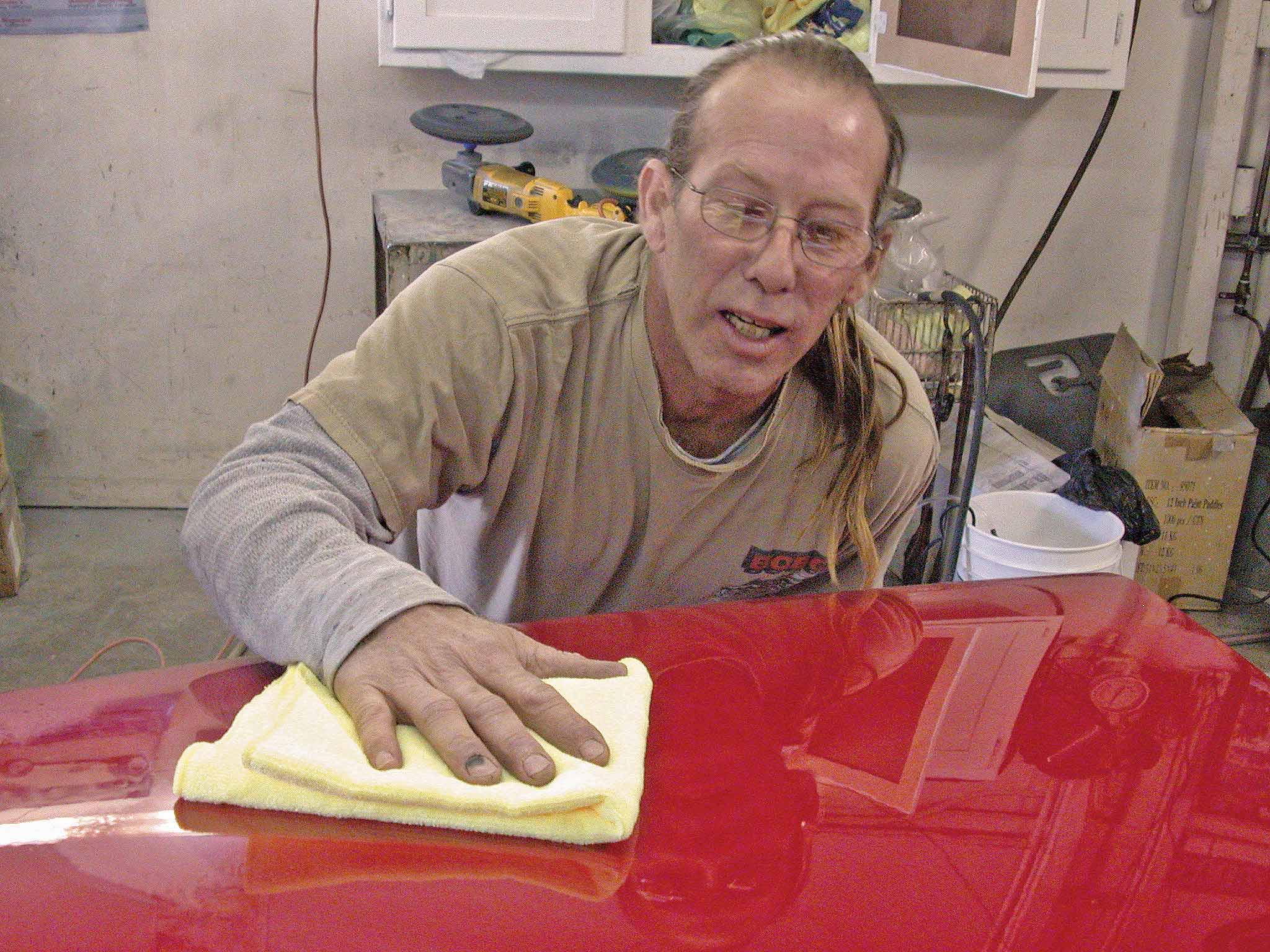
We were on hand as Bob Carvajal, owner and head painter at BobCo in Lake Elsinore, California, tried out the Quick Cut Sanders system on a freshly painted F-100. The hood had already been cut using the old method, but there were spots that needed to be gone over again, so Carvajal gave the sander a tryout. This was the first time that he had used the system (he had seen it at the SEMA Show and gotten in touch with them) and he wanted to test it out on a small job. As it turns out, Carvajal was impressed, to say the least. “It takes a little time to get the hang of it,” said Carvajal. “But when you do, it’s bitchin’!” This is high praise from someone who has the reputation for producing some of the finest F-100s out there.
For those who want to take some of the time and trouble out of this all-important part of the painting puzzle, the Quick Cut system is the “wave” of the future.