



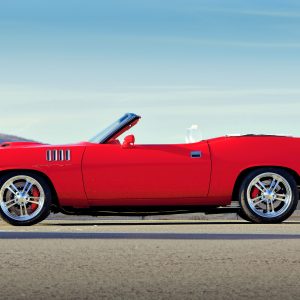
FAST FISH
Xtreme Velocity Motorsports is a muscle car builder whose name is not a put-on. While there are a huge number of shops around the country with a ton of talent for fabrication, much of this fabrication is performed for cars that will hardly see a world beyond the show schedules and their trailers. So XV takes its name seriously, and it builds its cars to drive hard—on the street or on the track. In fact, the company’s reason for being is to make old Mopars drive like new sports cars, but to pull off a trick like that, you need a lot more than dead reckoning.
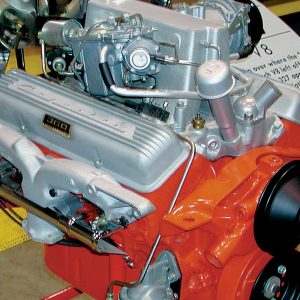
VINTAGE ENGINE REBUILDING
Thirty-five years and $636 ago, we bought an 80,000-mile ’62 fuel-injected Corvette in Fresno, California. Sadly, the car had been stolen once. The fuel injection was gone as well as the T-10 four-speed transmission. A pair of bare 461-X heads was in the trunk. The engine was found to have a rocking rear cam bearing, which caused oil to shut off to the rocker arms at high rpm. At the time, the prognosis was that it could not be fixed, so the motor was replaced with a ’68 350hp 327. Since 1976, the car has been in storage, along with the original engine.
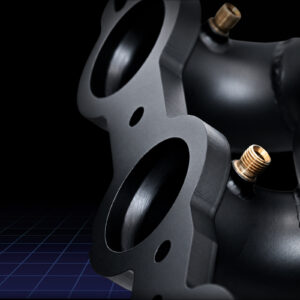
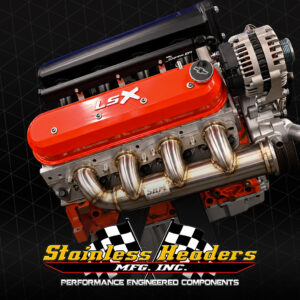
PRODUCT SPOTLIGHT: Stainless Headers MFG’s Ceramic Coating Service Has You Covered
There are plenty of jobs you can tackle in your own garage. Professionally ceramic coating a set of headers probably shouldn’t be one of them. Sure, you can buy products that promise a ceramic-like finish at home, but getting the kind of results you’d expect on a professionally built car is another story. Proper ceramic coating requires serious surface preparation, specialized application equipment, controlled temperatures and proper curing. Get any part of that wrong and the finished product may not look—or perform—the way you expected.





- All Post
- offroad
- Compact/Import
- 05 Publications
- Elite Auto Shows
- Manufacturers
- 05 High Priority - HCI Hot Compact Imports
- Hot Rod/Muscle Car
- Performance Boats
- 10 High Priority - CR Chevy Rumble
- News/Shows/Future Tech
- 00 Sidebars
- 20 High Priority - SR Super Rod
- Modern/Future Tech
- Product Spotlight
- 25 High Priority - FB Ford Builder
- 30 High Priority - AR American Rodder
- Builders & Shows
- 35 High Priority - RD Rodders Digest
- _000 Home Sliders
- Swaps
- 40 High Priority - OTR On the Road
- 45 High Priority - SRB Street Rod Builder
- 50 High Priority - TB Truck Builder
- Trucks
- 55 High Priority - BSCENE Buckaroo Scene
- Cars
- 60 High Priority - FPB Family Power Boat
- Street Rod/Resto
- 01 Post Status
- Builds
- Back
- 10 Pub CR Chevy Rumble
- 60 Pub FPB Family Power Boat
- 50 Pub TB Truck Builder
- 45 Pub SRB Street Rod Builder
- 05 Pub HCI Hot Compact Imports
- 15 Pub 4x4 4x4 Builder
- 20 Pub SR Super Rod
- 25 Pub FB Ford Builder
- 30 Pub AR American Rodder
- 35 Pub RD Rodders Digest
- 40 Pub OTR On the Road
- 55 Pub BSCENE Buckaroo Scene
- Back
- Exterior Parts / Exhaust
- Interior Parts
- Engine / Transmission
- Fuel Systems / Carburetors
- Steering / Suspension
- Wheels / Brakes
- Back
- Electrical
- Accessories
- OffRoad Trucks
- Engine / Transmission
- Street Trucks
- Fuel Systems / Carburetors
- Steering / Suspension
- Wheels / Brakes
- Exterior Parts / Exhaust
- Interior Parts
- Electrical
- Engine
- Exhaust
- Interior
- Exterior
- Brakes
- Wheels and Tires
- Accessories
- Transmission / Drivetrain
- Suspension
- Power Adders
- Chassis
- Fuel System
- Steering
- Electrical
- Interior
- Chassis
- Steering
- Wheels and Tires
- Fuel System
- Brakes
- Accessories
- Power Adders
- Exhaust
- Transmission / Drivetrain
- Exterior
- Suspension
- Engine
- Back
- Electrical
- Accessories
- Engine / Transmission
- Fuel Systems / Carburetors
- Steering / Suspension
- Wheels / Brakes
- Exterior Parts / Exhaust
- Interior Parts
- Back
- Electrical
- Accessories
- Engine / Transmission
- Fuel Systems / Carburetors
- Steering / Suspension
- Wheels / Brakes
- Exterior Parts / Exhaust
- Interior Parts
- Back
- Honda
- Plymouth
- Volvo
- Lincoln
- BMW
- Buick
- Pontiac
- GMC
- Mitsubishi
- AMC
- Toyota
- Chrysler
- Subaru
- Nissan
- Ford
- Dodge
- Volkswagen
- Chevrolet
- Oldsmobile
- Cadillac
- Jeep
- Acura
- Mercury
- Back
- Steering
- Chassis
- Interior
- Rear View Mirror
- Exhaust
- Suspension
- Accessories
- Exterior
- Brakes
- Electrical
- Engine
- Fuel System
- Wheels and Tires
- Transmission / Drivetrain
- Power Adders
- Back
- Electrical
- Interior
- Chassis
- Steering
- Wheels and Tires
- Fuel System
- Brakes
- Accessories
- Power Adders
- Exhaust
- Transmission / Drivetrain
- Exterior
- Suspension
- Engine
- Back
- Wheels and Tires
- Power Adders
- Engine
- Exhaust
- Transmission / Drivetrain
- Exterior
- Suspension
- Brakes
- Fuel System
- Interior
- Electrical
- Chassis
- Accessories
- Steering
- Back
- Electrical
- Engine
- Exhaust
- Interior
- Exterior
- Brakes
- Wheels and Tires
- Accessories
- Transmission / Drivetrain
- Suspension
- Power Adders
- Chassis
- Fuel System
- Steering
- Back
- 05 Post Imported
- 25 Post Missing Images (Partial)
- 15 Post In Progress
- 17 Post Missing TXT Files
- 30 Post Internal Review
- 18 Post Missing PDF Files
- 40 Post On Hold
- 50 Post Approved
- 20 Post Missing Images (All)
- 27 Post Missing Content
- Back
- Hot Rod/Muscle Car
- Drag Race
- Late Model, Future Tech, & Other News
- Handling
- Street Rods
- Compact Cars
- Wheels and Tires
- Power Adders
- Engine
- Exhaust
- Transmission / Drivetrain
- Exterior
- Suspension
- Brakes
- Fuel System
- Interior
- Electrical
- Chassis
- Accessories
- Steering
- Brakes
- Power Adders
- Interior
- Accessories
- Electrical
- Exhaust
- Exterior
- Fuel System
- Suspension
- Wheels and Tires
- Transmission / Drivetrain
- Engine
- Chassis
- Steering
- Steering
- Chassis
- Interior
- Rear View Mirror
- Exhaust
- Suspension
- Accessories
- Exterior
- Brakes
- Electrical
- Engine
- Fuel System
- Wheels and Tires
- Transmission / Drivetrain
- Power Adders
- Transmission / Drivetrain
- Brakes
- Wheels and Tires
- Engine
- Interior
- Chassis
- Electrical
- Exhaust
- Suspension
- Accessories
- Fuel System
- Exterior
- Power Adders
- Steering
- Exhaust
- Brakes
- Power Adders
- Wheels and Tires
- Engine
- Chassis
- Suspension
- Accessories
- Steering
- Exterior
- Electrical
- Fuel System
- Interior
- Transmission / Drivetrain
- Steering
- Wheels and Tires
- Interior
- Engine
- Electrical
- Accessories
- Power Adders
- Transmission / Drivetrain
- Exhaust
- Brakes
- Chassis
- Suspension
- Fuel System
- Exterior
- Back
- Engine / Transmission
- Fuel Systems / Carburetors
- Steering / Suspension
- Wheels / Brakes
- Exterior Parts / Exhaust
- Interior Parts
- Electrical
- Accessories
- Back
- Engine / Transmission
- Fuel Systems / Carburetors
- Steering / Suspension
- Wheels / Brakes
- Exterior Parts / Exhaust
- Interior Parts
- Electrical
- Accessories
- Back
- Steering
- Engine / Transmission
- Exterior and Hull
- Interior
- Fuel Systems / Carburetors
- Electrical
- Steering / Suspension
- Wheels / Brakes
- Exterior Parts / Exhaust
- Interior Parts
- Engine
- Electrical
- Accessories
- Power Adders
- Fuel System
- Accessories
- Outdrives
- Back
- Brakes
- Power Adders
- Interior
- Accessories
- Electrical
- Exhaust
- Exterior
- Fuel System
- Suspension
- Wheels and Tires
- Transmission / Drivetrain
- Engine
- Chassis
- Steering
- Back
- Exhaust
- Brakes
- Power Adders
- Wheels and Tires
- Engine
- Chassis
- Suspension
- Accessories
- Steering
- Exterior
- Electrical
- Fuel System
- Interior
- Transmission / Drivetrain
- Back
- Jack Fuller
- Bob Cullipher
- Jerry Nichols
- Boyd Coddington
- Jesse James
- J.F. Launier
- Steve Sellers
- Carl Casper
- Ring Brothers
- Cal Auto Creations
- Rad Rides by Troy
- West Coast Customs
- George Barris
- Bobby Alloway
- Chip Foose
- Back
- Chassis
- Driveline
- Engine Swaps
- Interior Swaps
- Back
- Engine / Transmission
- Fuel Systems / Carburetors
- Steering / Suspension
- Wheels / Brakes
- Exterior Parts / Exhaust
- Interior Parts
- Electrical
- Accessories
- Back
- Transmission / Drivetrain
- Brakes
- Wheels and Tires
- Engine
- Interior
- Chassis
- Electrical
- Exhaust
- Suspension
- Accessories
- Fuel System
- Exterior
- Power Adders
- Steering
- Back
- Steering
- Wheels and Tires
- Interior
- Engine
- Electrical
- Accessories
- Power Adders
- Transmission / Drivetrain
- Exhaust
- Brakes
- Chassis
- Suspension
- Fuel System
- Exterior
- Back
- 01 Sidebar Left
- 01 Sidebar Right