






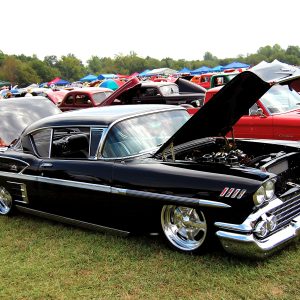
THE DEFINITION OF COOL
This was a time when car manufacturers improved on their cars with much better suspension systems, larger and more efficient V-8 engines, and all the stylish creature comforts new-car customers expected. Chevrolet evolved, too, using more modern technology and a performance parts supply that enabled Chevy enthusiasts to build upon the factory offerings. Chevrolet changed what was once a basic industry, and even though those were simpler times with no computers, cell phones or electronics to speak of, the suspensions were new—but still a long way from what is available now. However, tri-5 Chevys were fast and provided a blast without all those fancy gadgets found in luxury cars at the time—just give them a two-tone Chevy equipped with a V-8 and whitewall tires, and it was all good.
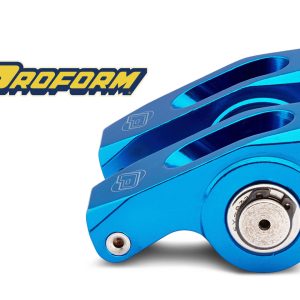
Product Spotlight: Proform’s Super-Street GM LS Aluminum Roller Rockers
When you’re chasing horsepower, every ounce of wasted motion is power left on the table. That’s why the Super-Street GM LS Aluminum Roller Rockers are worth a hard look. Proform went back to the drawing board and rebuilt their rocker lineup from the ground up—stronger, smoother, and better-looking than ever.
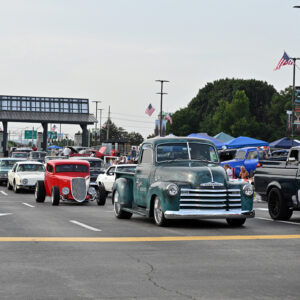
THE NATS EXPERIENCE
There are car shows, and then there’s the Nats. If you’ve been there, you know exactly what we mean. For four days, the Kentucky Exposition Center becomes its own hot rod city—more than 10,000 street rods, customs, classics, muscle cars, and trucks filling seemingly every available piece of pavement, with cars cruising the grounds and something new catching your eye everywhere you turn.


Differences Between New and Vintage Vehicles
New vehicles are so different than those we affectionately call vintage trucks, and the major differences lie with the chassis and drivetrain. Smog laws have made it tough on the aftermarket performance parts sellers, but the sellers figured out how these vehicles could actually work with their re-engineered smog-friendly products. With SEMA’s help, they have been able to create and manufacture many great parts that continue to increase and improve upon the stock horsepower that comes from the factories.
The Importance of After-Cat Exhaust Systems
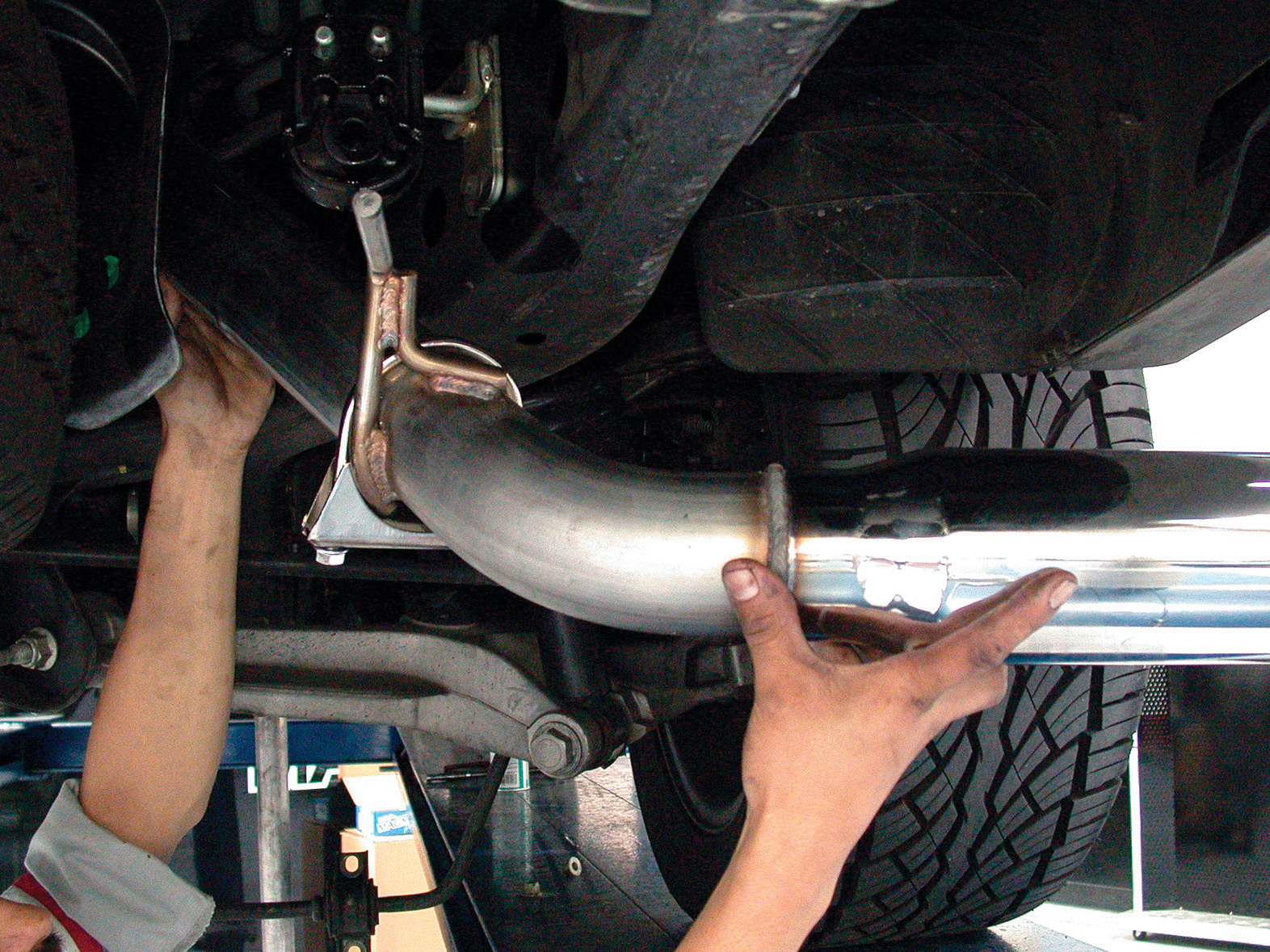
One of those areas of improvement is the after-cat exhaust system such as this one from MagnaFlow. A number of aftermarket companies make such systems for a variety of cars and trucks, since the factory systems simply leave a lot to be desired in terms of performance and sound. The OEs had to make the government happy, so their stock mufflers were as efficient and cost-effective as possible to make and employ. In their efforts to make these components quiet and cheap, they were too restrictive, power output was negatively impacted and they sound horrible. Well, a stock exhaust doesn’t have much of a resounding note to it. Also, the exhaust tips leave lots to be desired in most cases, and on most truck applications there are no snazzy tips at all—just a treated tailpipe hanging down from below the chassis. That doesn’t exactly look like a performance statement, either.

Advantages of the MagnaFlow System
With the MagnaFlow system, however, you can be sure that you are getting both the best power that your engine is capable of and a high-quality stainless steel exhaust system that is not comparable to the stock-treated, mild-steel systems that come from the factory. In fact, MagnaFlow was awarded an ISO-9001 certificate from the International Organization for Standardization, and the ISO-9001 has 20 specific designs, materials and process requirements that a company must meet or exceed before it can be awarded such certification. This was no chore for MagnaFlow; it has been building exhaust components for more than 20 years, so it knows what it’s doing and what should be done.
Installing the MagnaFlow System on a Ford Expedition
We were on hand to follow along as the MagnaFlow installation crew made short work of this Ford Expedition. We wanted to see what would be involved for this simple upgrade. And as we expected, they had the job done in no time, the results were easily recognizable and the Ford had achieved more power and a better sound (if you want to hear it, check out the MagnaFlow website—the site has sound recordings of MagnaFlow-equipped vehicles). Follow along as they did the job on this Ford, and see if such a system would not make sense on the truck you and your family drive to work, school, and the automotive parts store.