

THE AUTO BUILDER
Featured

From Vegas with Horsepower
Las Vegas, Nevada, baby! Picture this: the Holley LS Fest West roaring into town like a beast on four wheels, revving up the asphalt at the Las Vegas Motor Speedway from April 26-28, 2024. This shindig ain’t your average car meet; nah, it’s a full-throttle celebration of all things LS engine from GM. You got your gearheads from every corner gathering round, ready to rip it up in Autocross, Drifting, Drag Racing, Off-Road showdowns, and then some. But it’s not just about the racing; it’s about the vibe, man. Folks bonding over their love for LS-powered rides, swapping stories, and soaking in that sweet, sweet automotive culture.

MOOSETANG
Lots of people know what they want, at least generally—as in, “I want a car” or, more specifically, a performance car. A slightly more motivated person might narrow it down to a late-model car, as opposed to an old car, or even refine his goal further to a Ford car. The ability to thoroughly define your goals is generally the province of the mature individual who, with the wisdom of a few years under his belt, has come to truly know what winds his clock.

How-to Get Shorty
This article dives into the unique modification of a 1967 Chevy Suburban by Mike Dempsey, who reimagined it into a shorter, Tahoe-styled version. It also features Ken Farrell’s Retro Tek company, which has revolutionized the EFI system to combine the aesthetics of classic cars with the efficiency of modern technology. The article covers various aspects of vehicle modification, including chassis adjustment, engine upgrades, and the integration of advanced fuel systems.
Spotlighter
POPULAR READS
-
Product Spotlight: Bill Mitchell Products Aluminum LS Engine Block
-
PRODUCT SPOTLIGHT: 60-66 Chevy C10 Fresh Air Vent Block Off Plate
-
Product Spotlight: Pyramid Optimized Design Sequential Aurora Taillight for 1964½–1966 Mustang
-
PRODUCT SPOTLIGHT: Cam Covers for GEN/3 Coyote from Pyramid Optimized Design
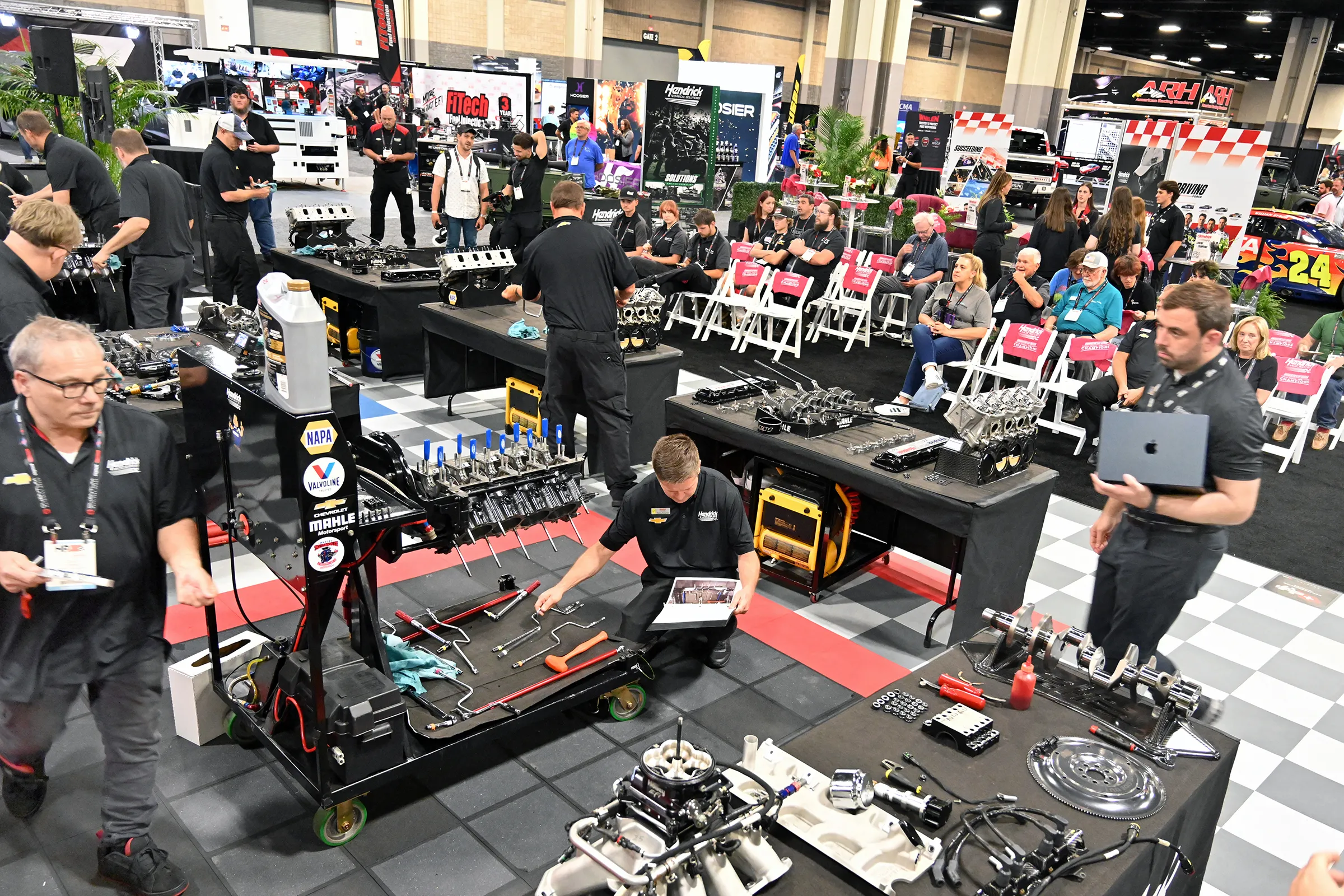
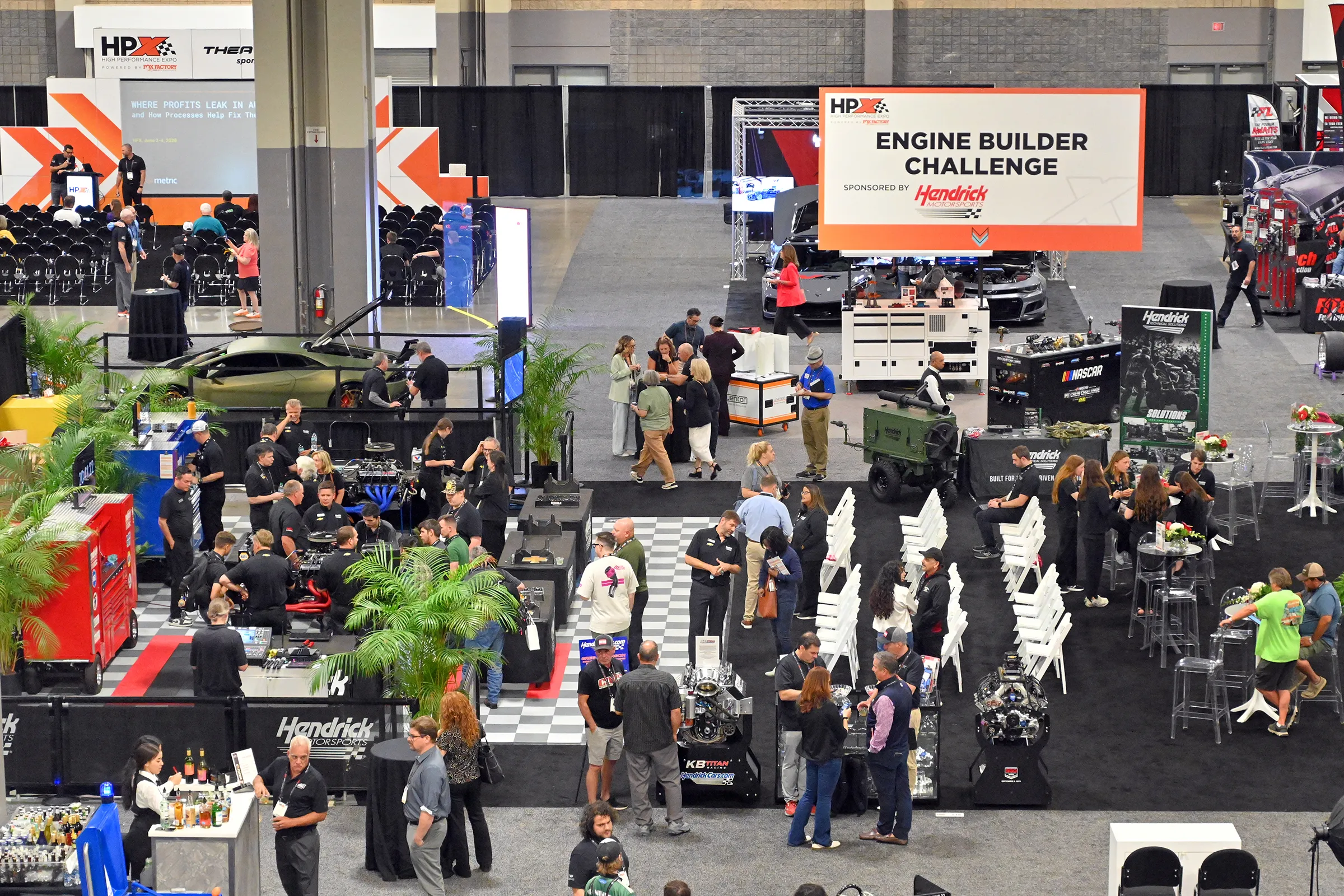
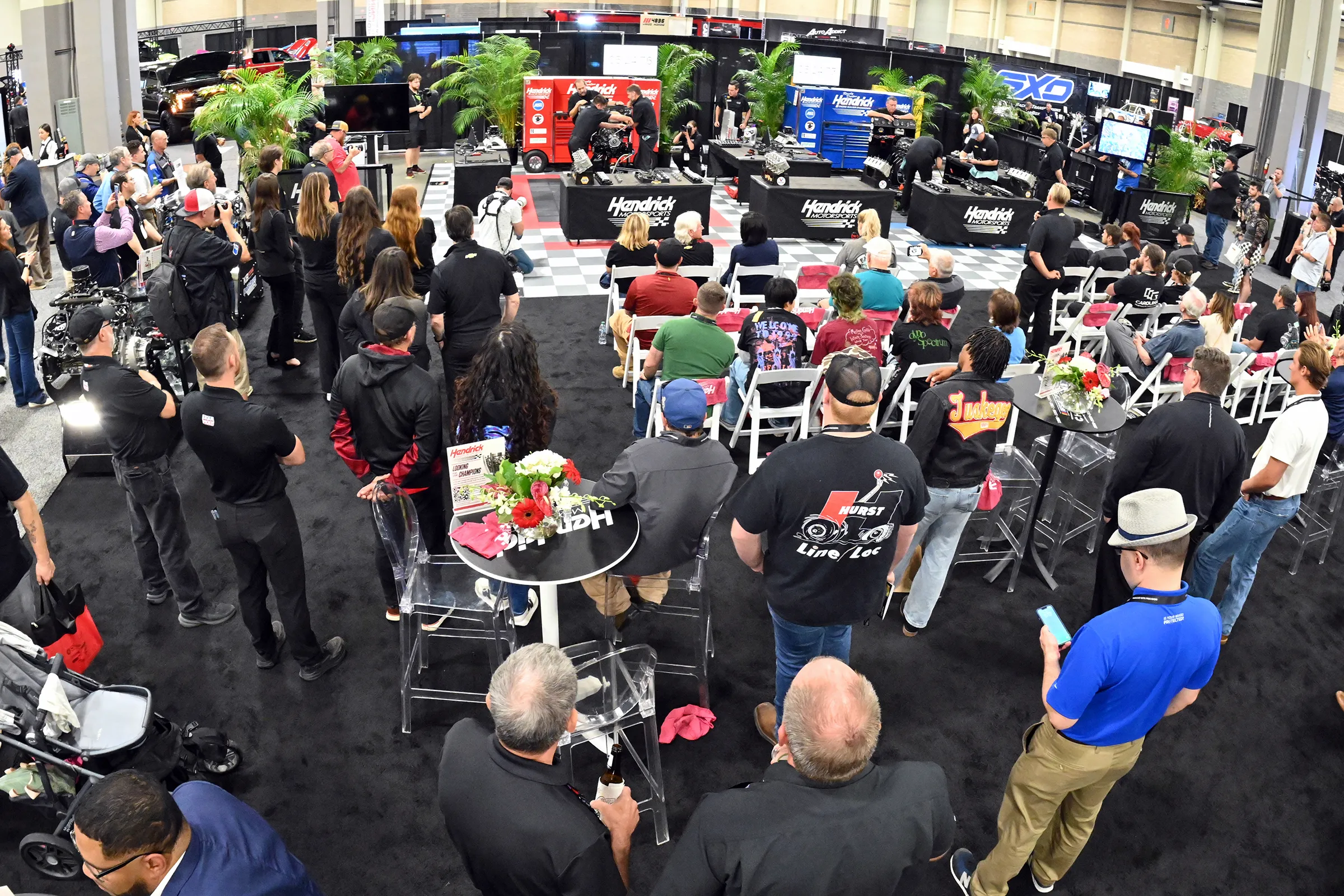
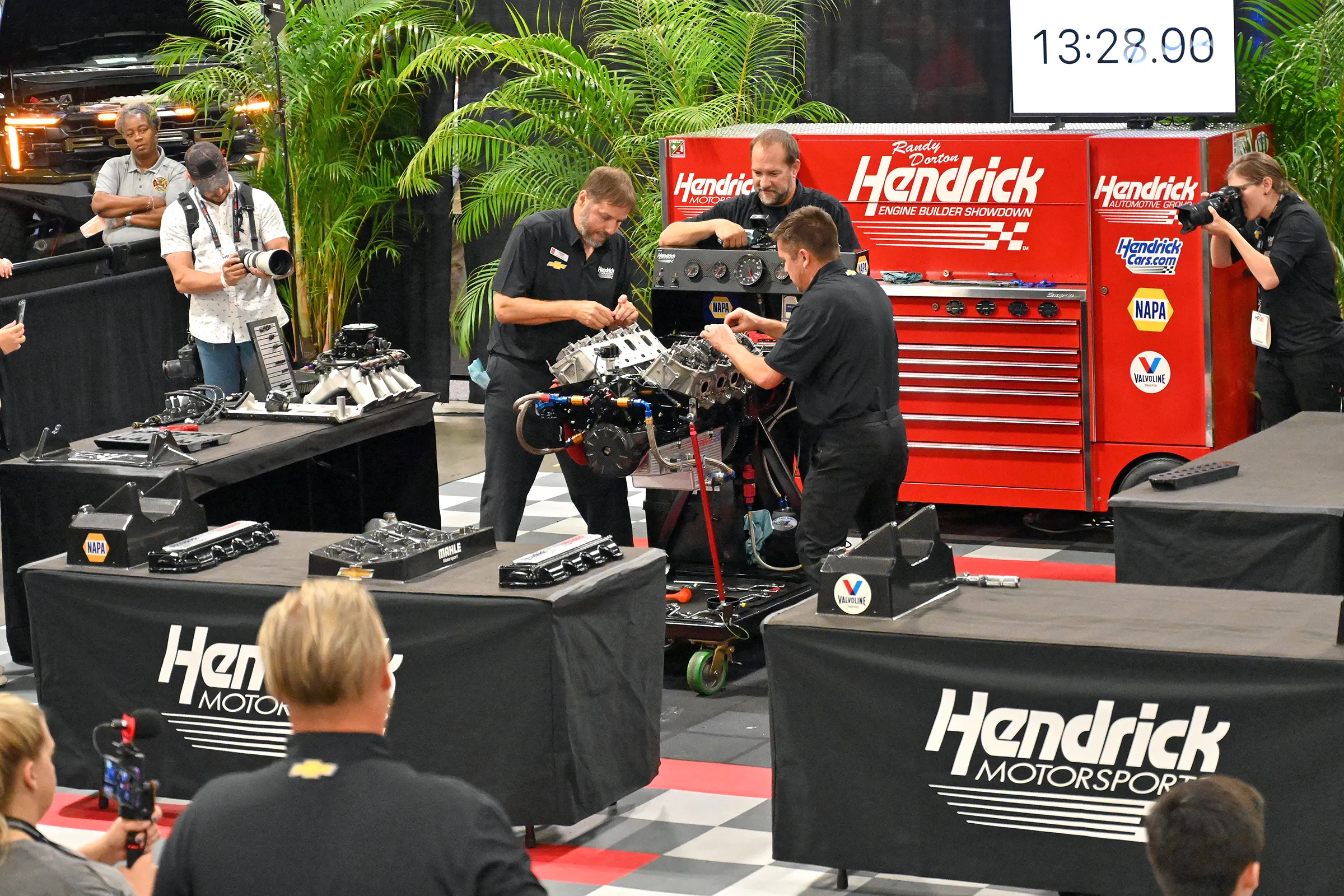
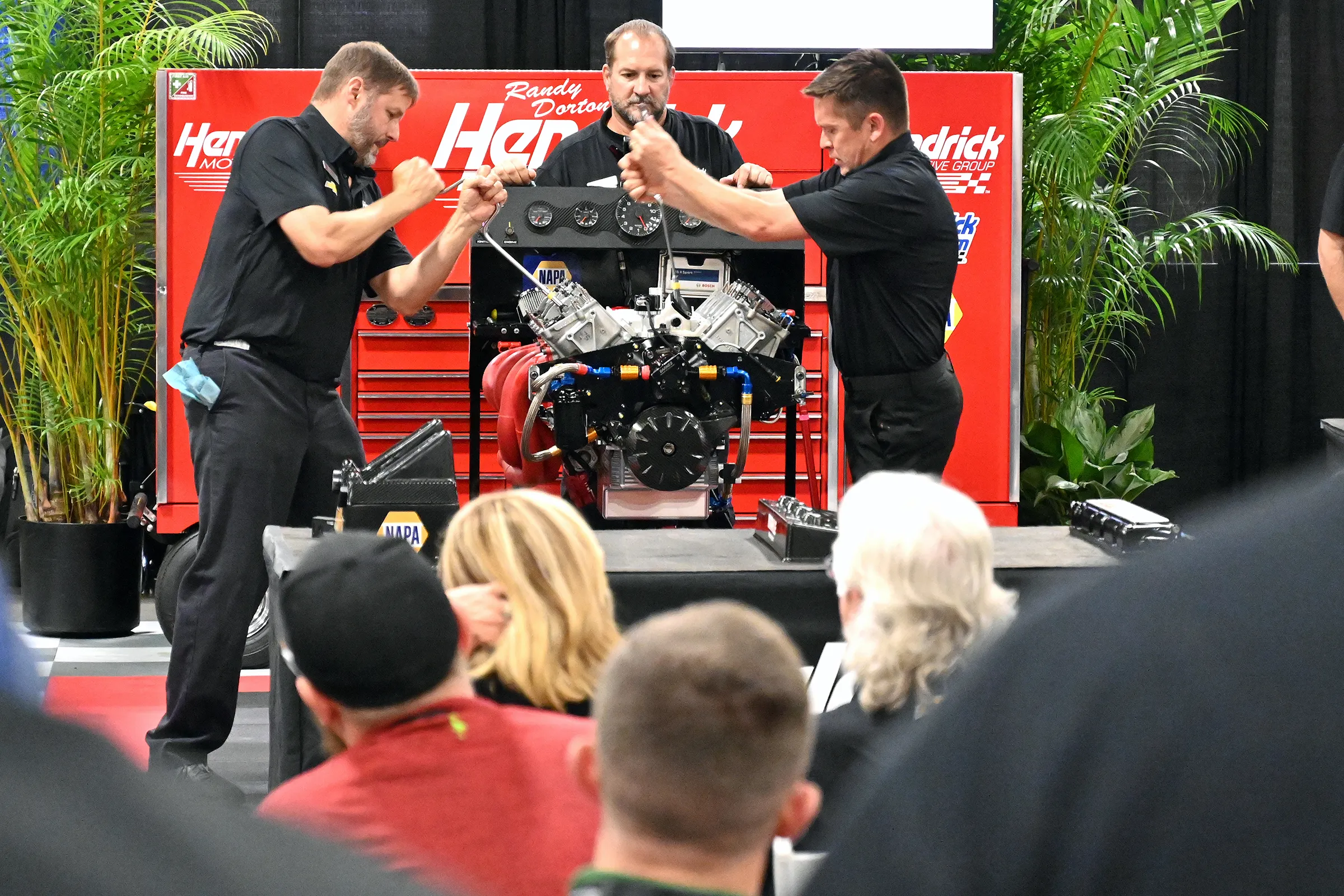
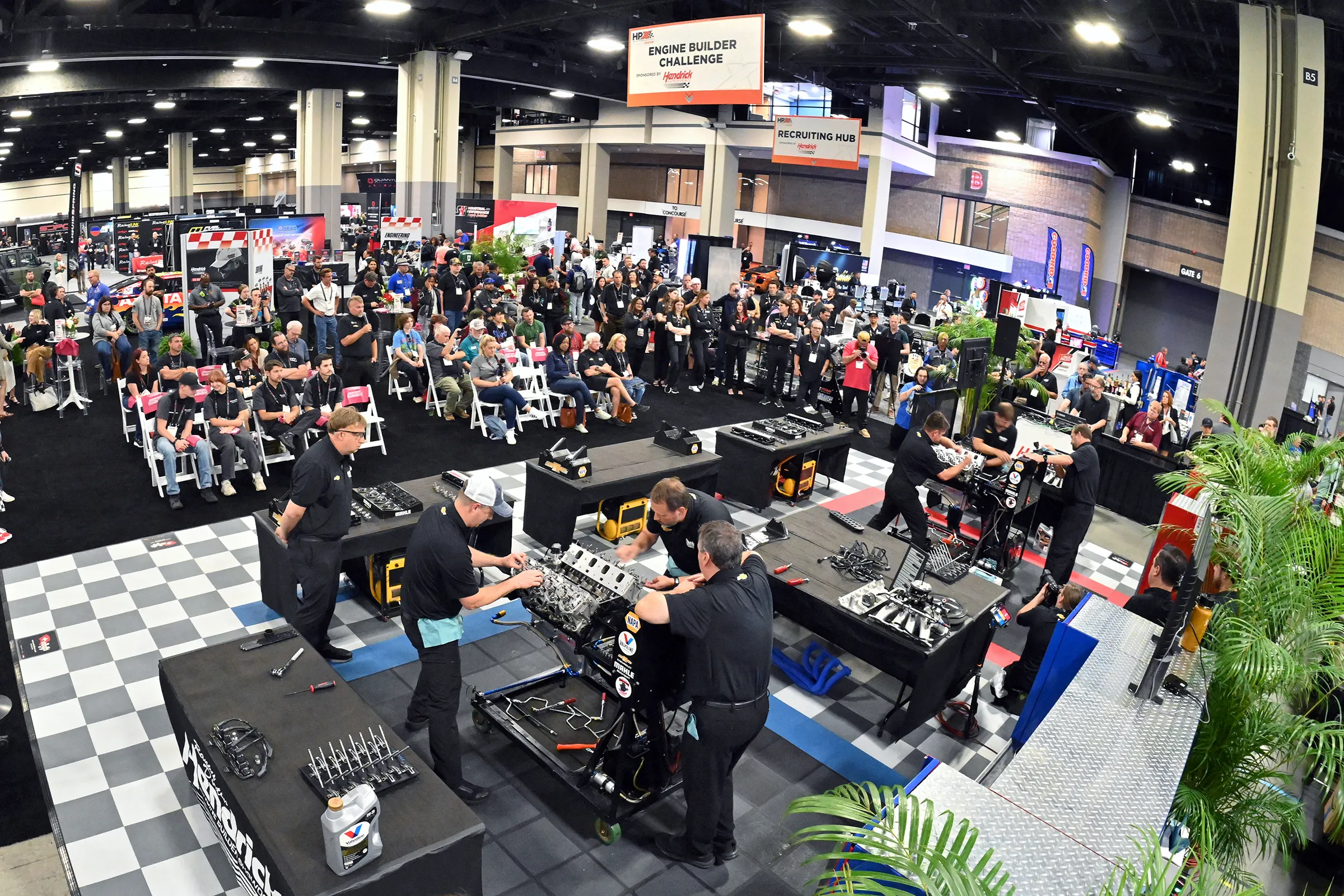
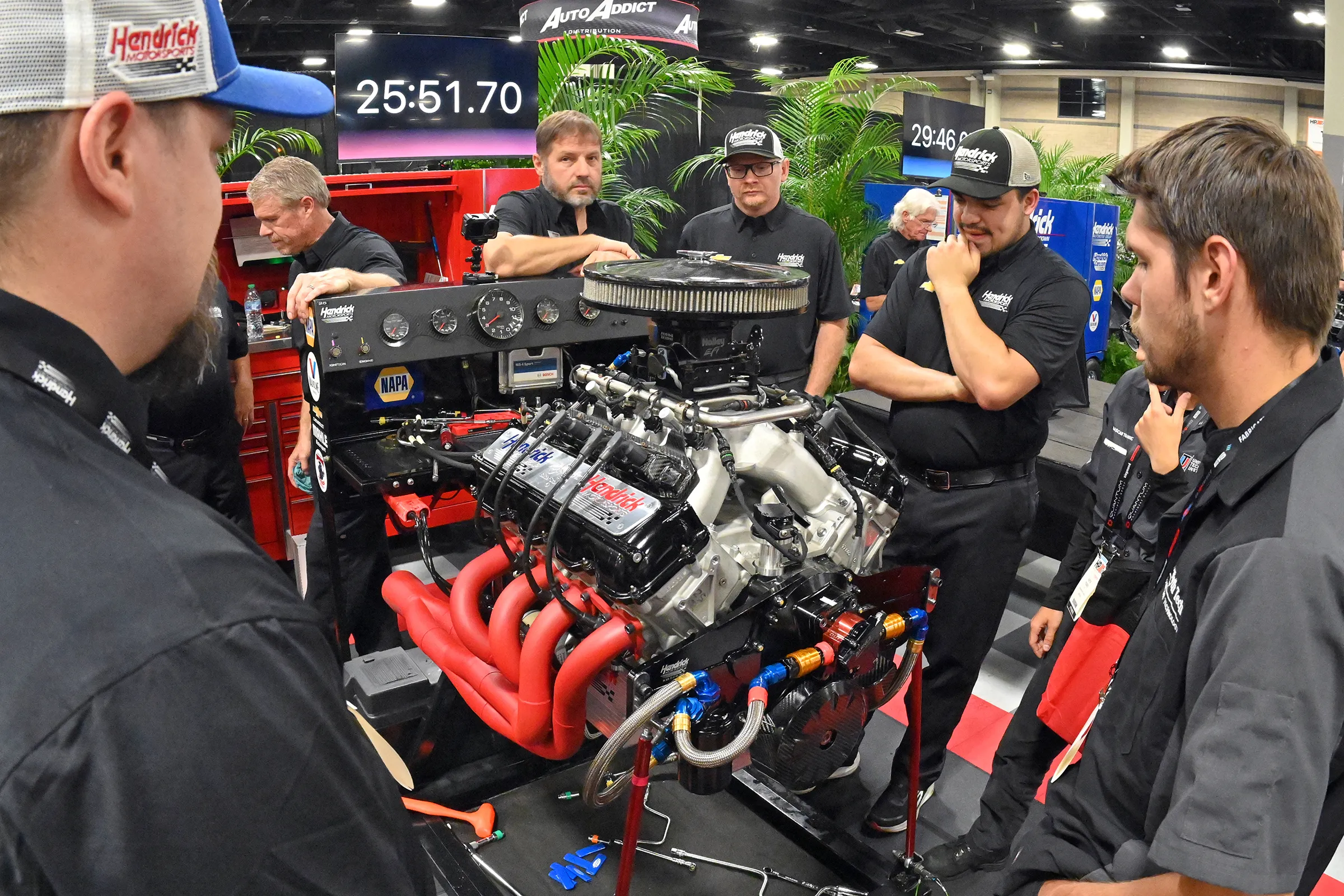
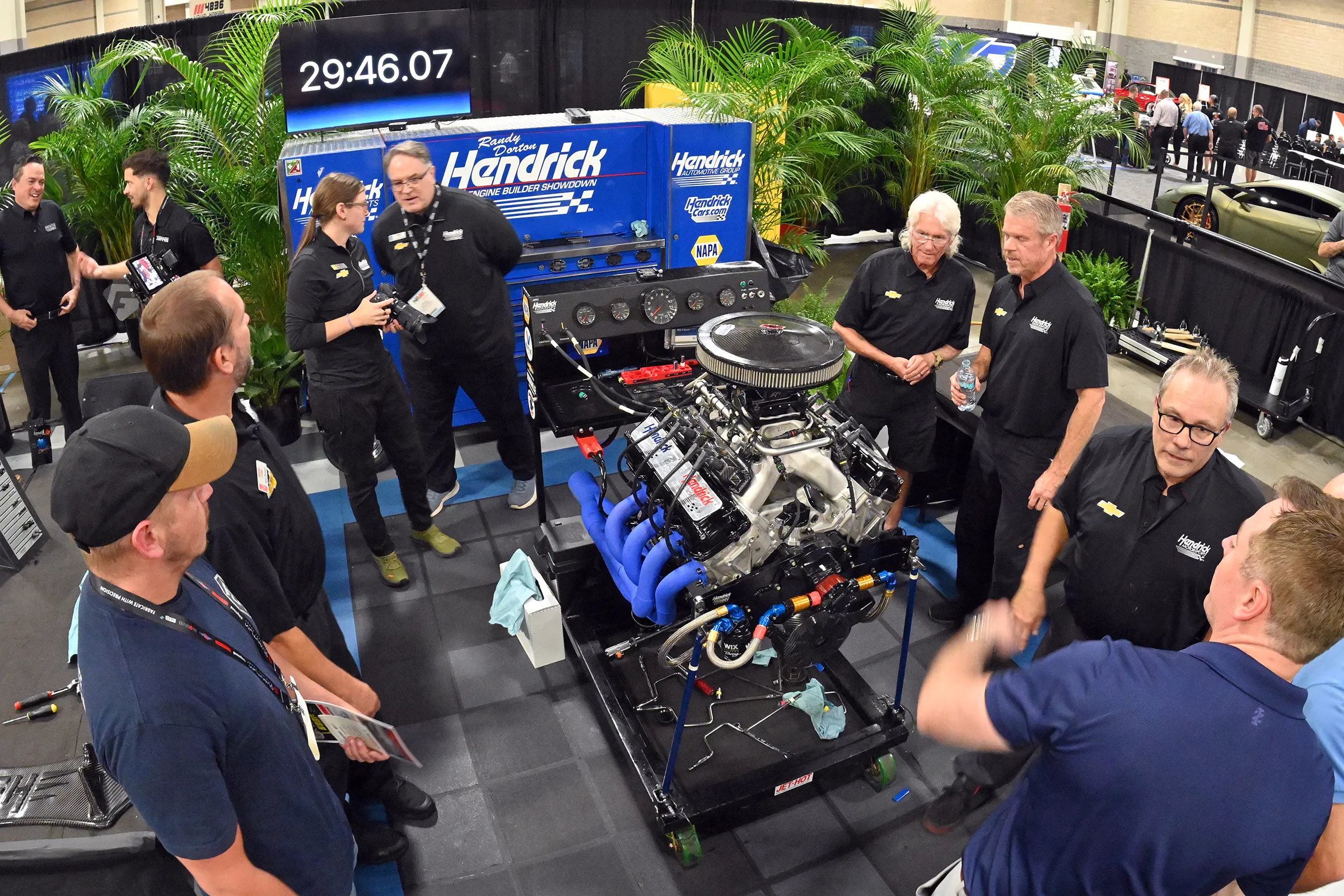
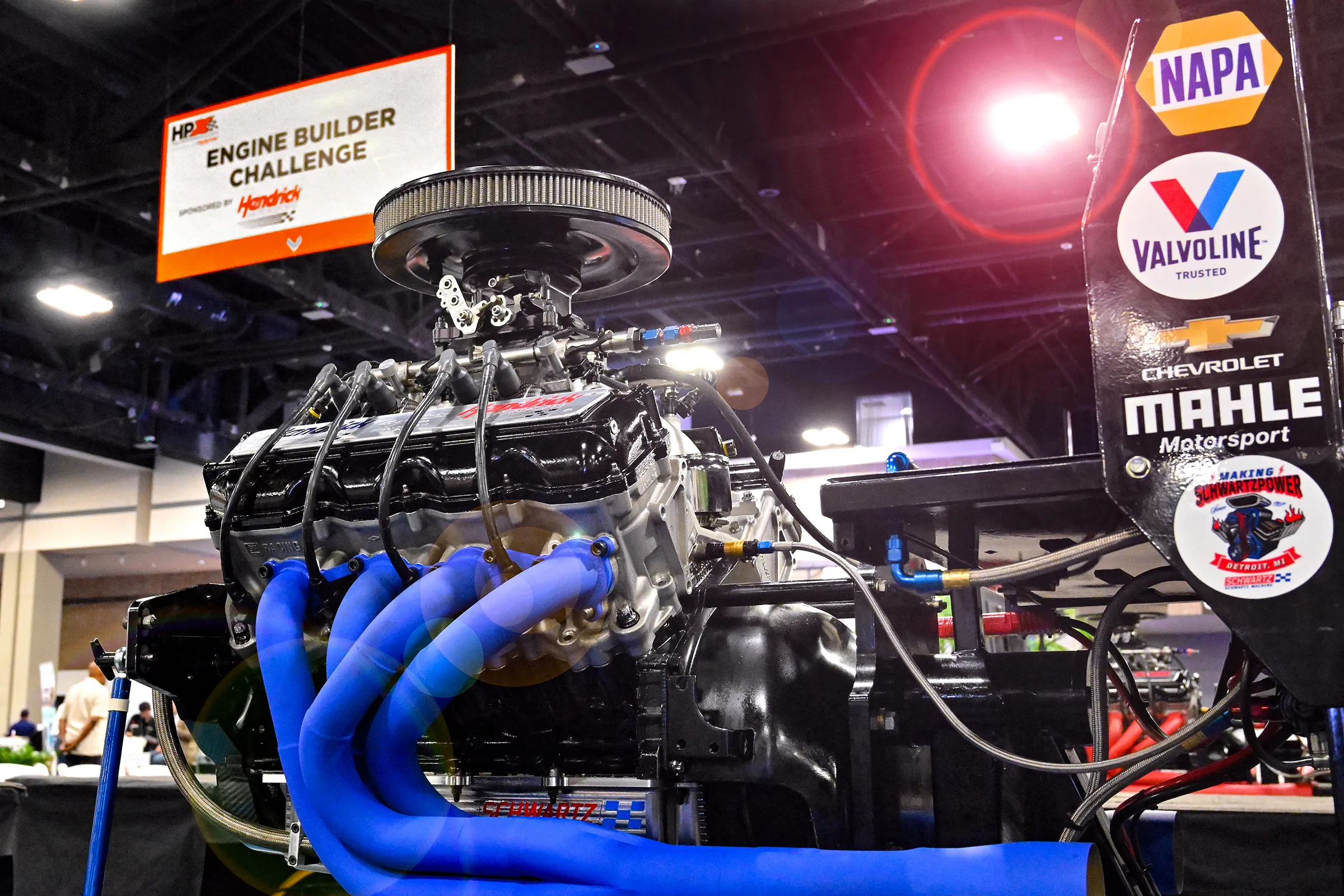
The sound of impact tools echoed across the show floor as crowds gathered around one of the most exciting attractions at HPX 2026—the Randy Dorton Hendrick Engine Builder Showdown. Equal parts competition, education, and live theater, the event gave attendees a rare opportunity to watch championship-caliber engine builders assemble complete Chevrolet V8 engines under intense time pressure.
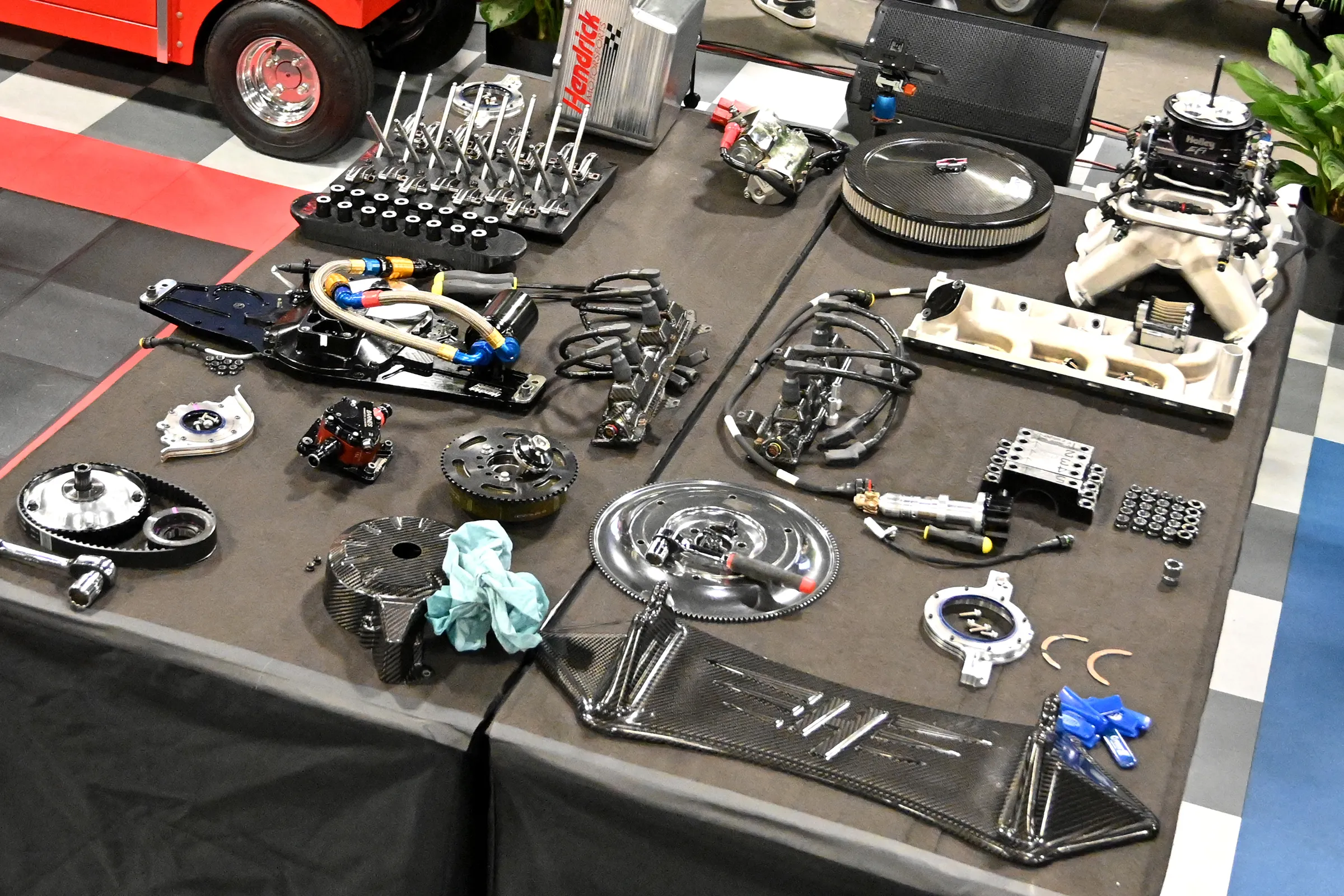
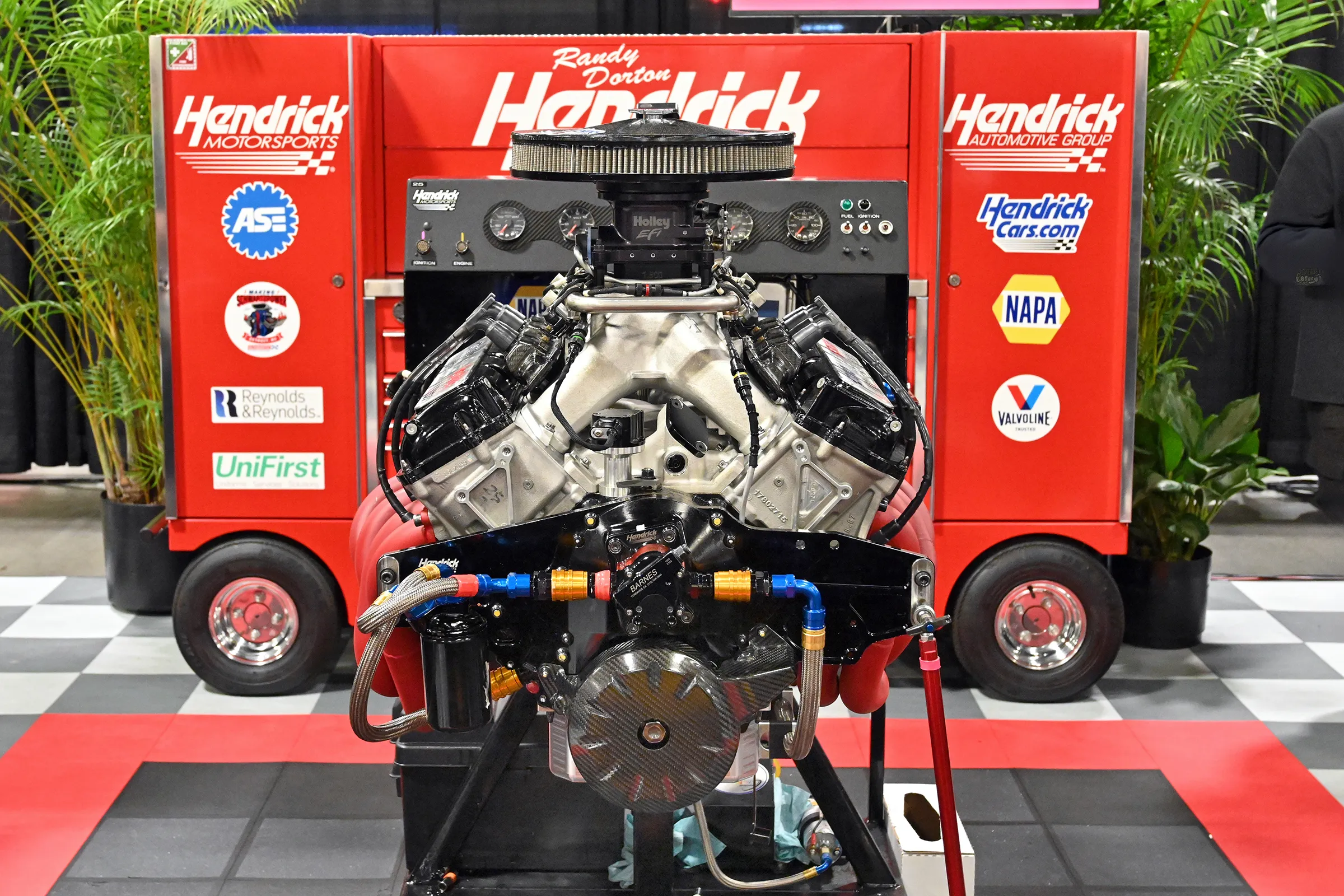
What sounds impossible on paper became reality in front of a live audience as teams of two raced to build a complete 358ci Chevrolet V8 engine from a bare block into a running powerplant in less than 30 minutes. The challenge combined the speed and intensity of motorsports with the precision and discipline required to build a professional race engine.
Honoring the Legacy of Randy Dorton
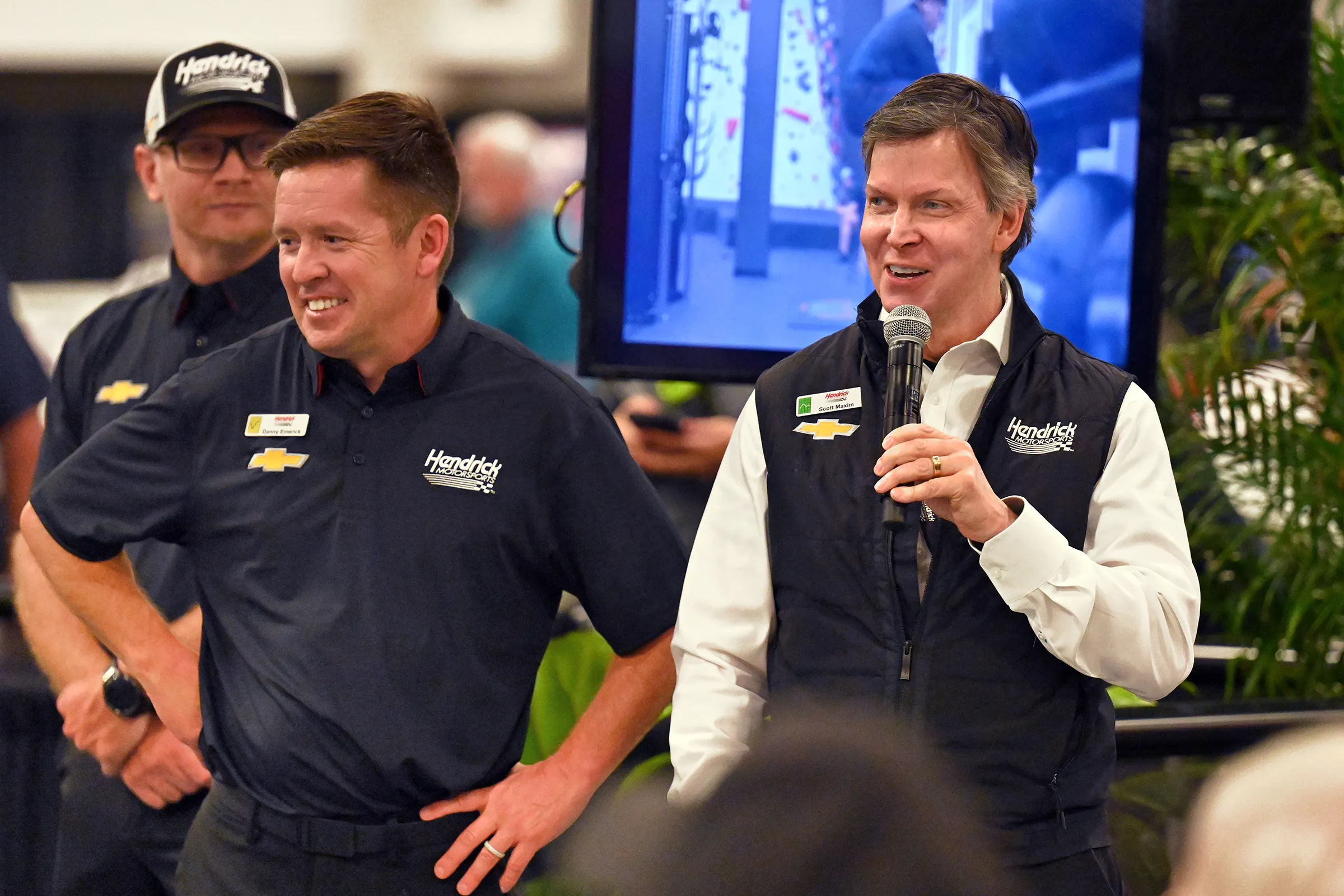
Named in honor of legendary Hendrick Motorsports engine builder Randy Dorton, the competition celebrates the craftsmanship, teamwork, and pursuit of excellence that helped build one of NASCAR’s most successful organizations.
Dorton founded the Hendrick Motorsports engine program in 1984 and played a pivotal role in establishing the championship-winning culture that continues to define the organization today. His approach to engine development helped set the standard for performance, reliability, and innovation in NASCAR.
Following his tragic death in the 2004 Hendrick Motorsports plane accident, his legacy has continued to inspire generations of engine builders and technicians. The showdown serves as both a tribute to his contributions and a showcase of the skills, discipline, and dedication he championed throughout his career. Carrying that legacy forward, the Engine Builder Showdown put the same values of preparation, teamwork, and precision to the test in front of a live HPX audience.
The Challenge: Build It Fast, Build It Right
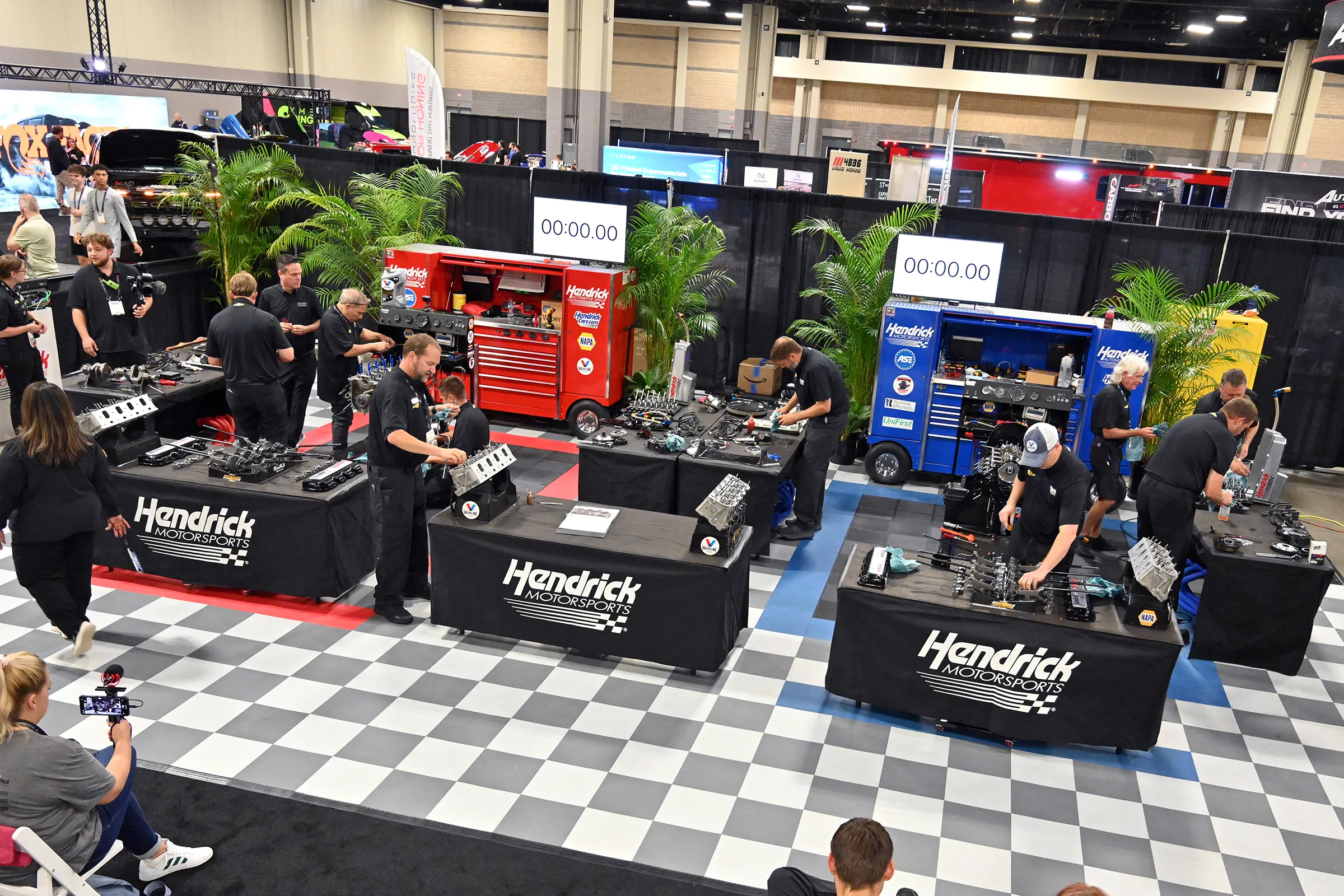
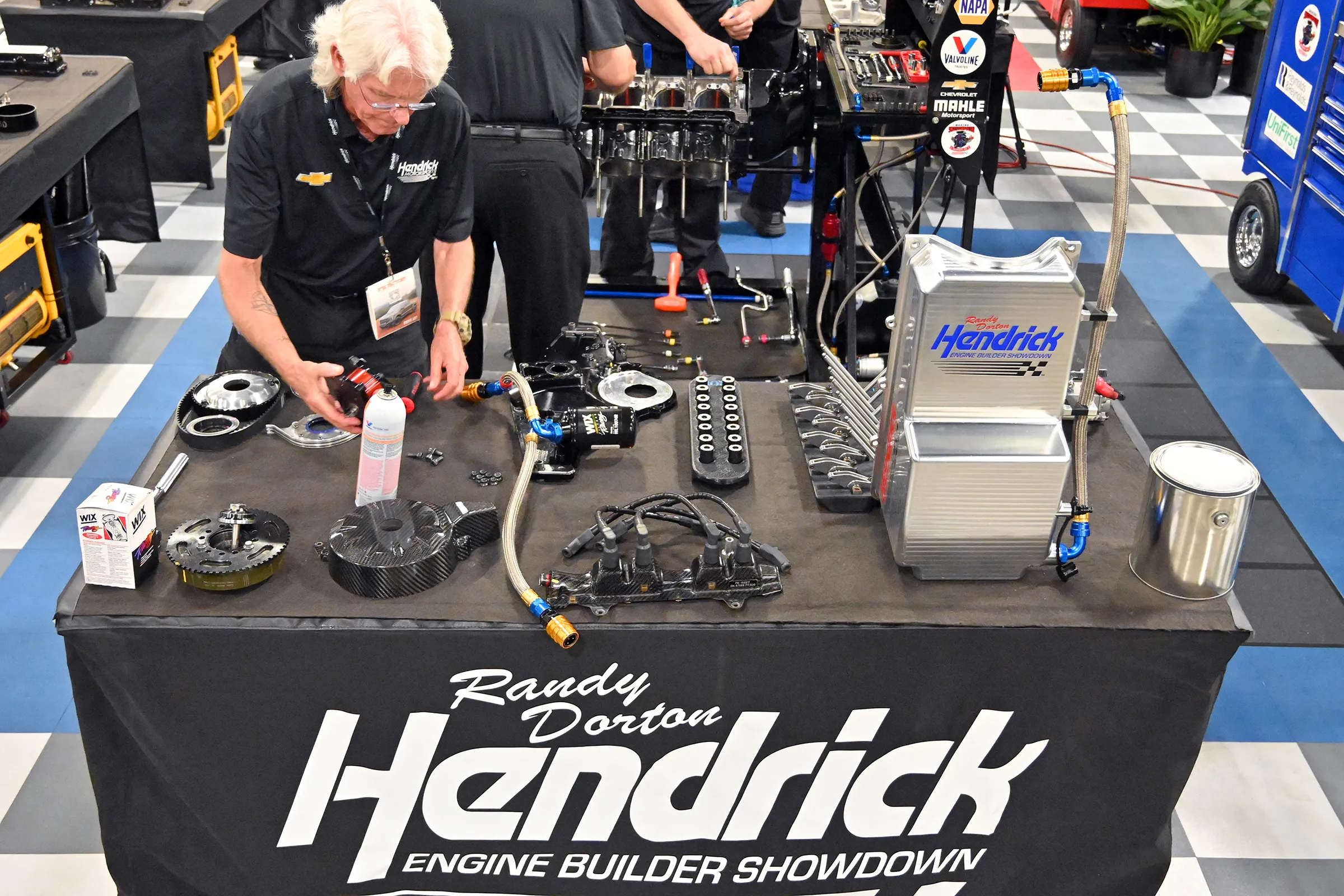
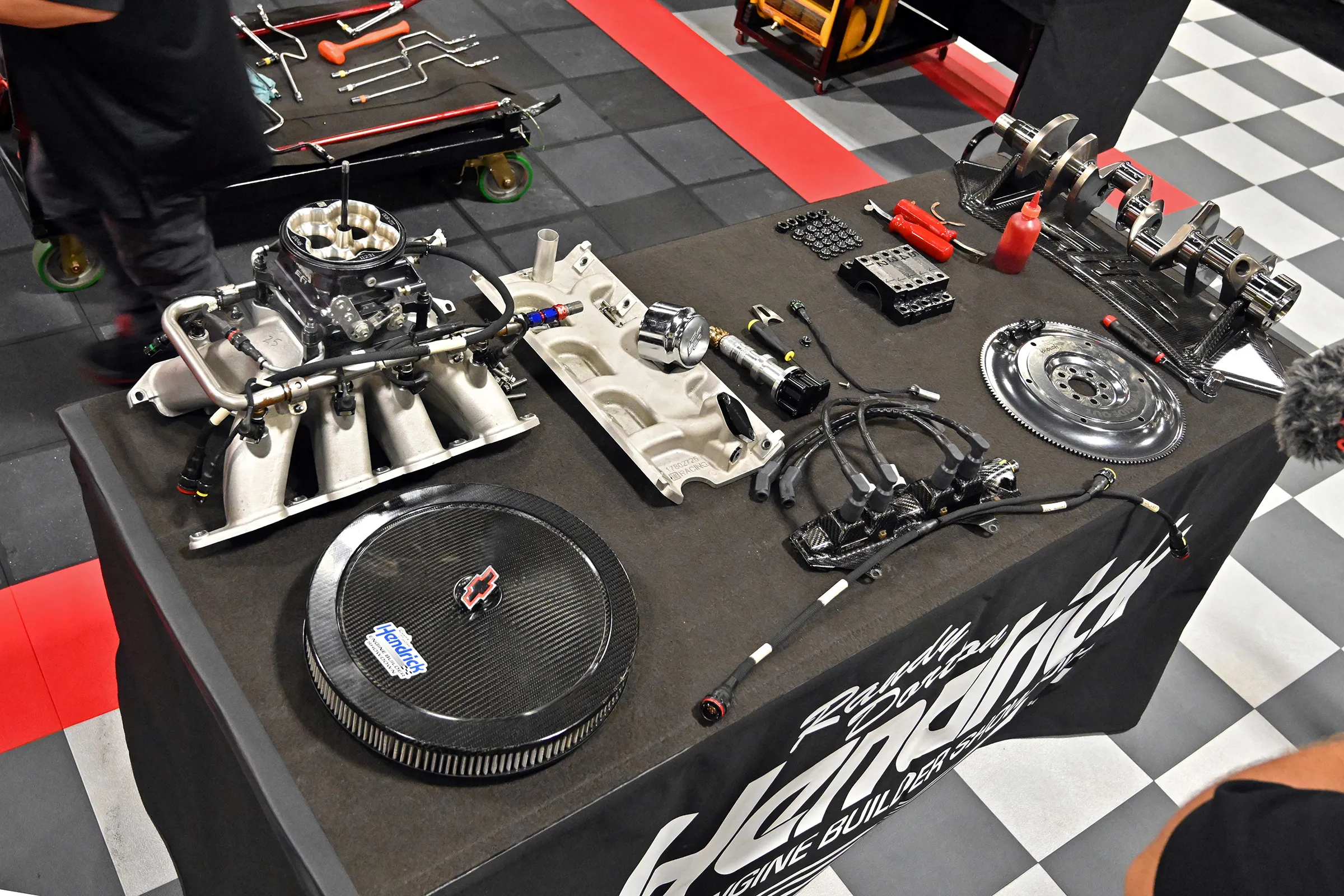
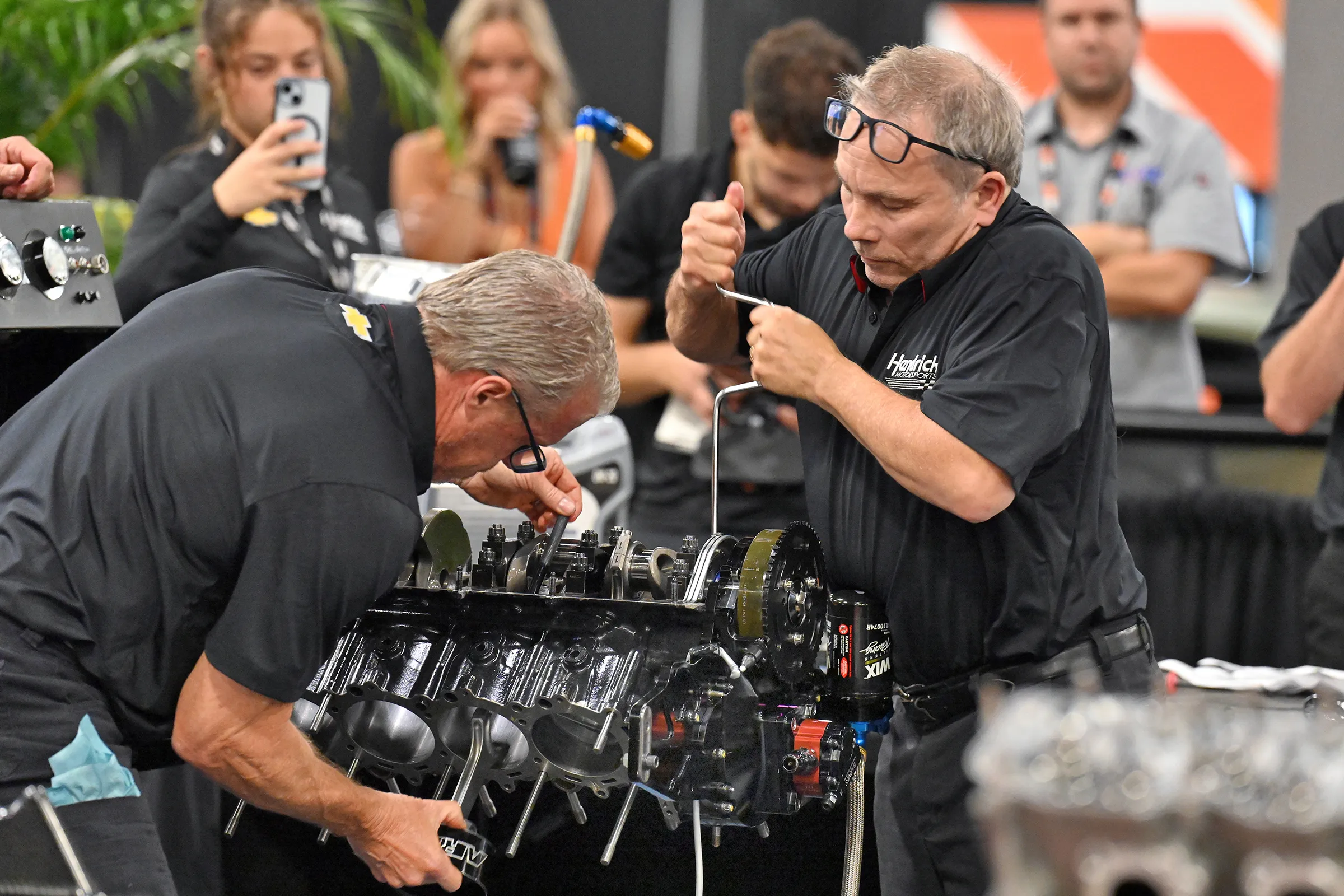
The rules of the competition were simple to understand but incredibly difficult to execute. Each team consisted of one Hendrick Motorsports engine builder and one Master Certified Technician from Hendrick Automotive Group. Working from identical workstations, competitors were tasked with assembling a complete 358ci Chevrolet V8 using approximately 243 individual components.
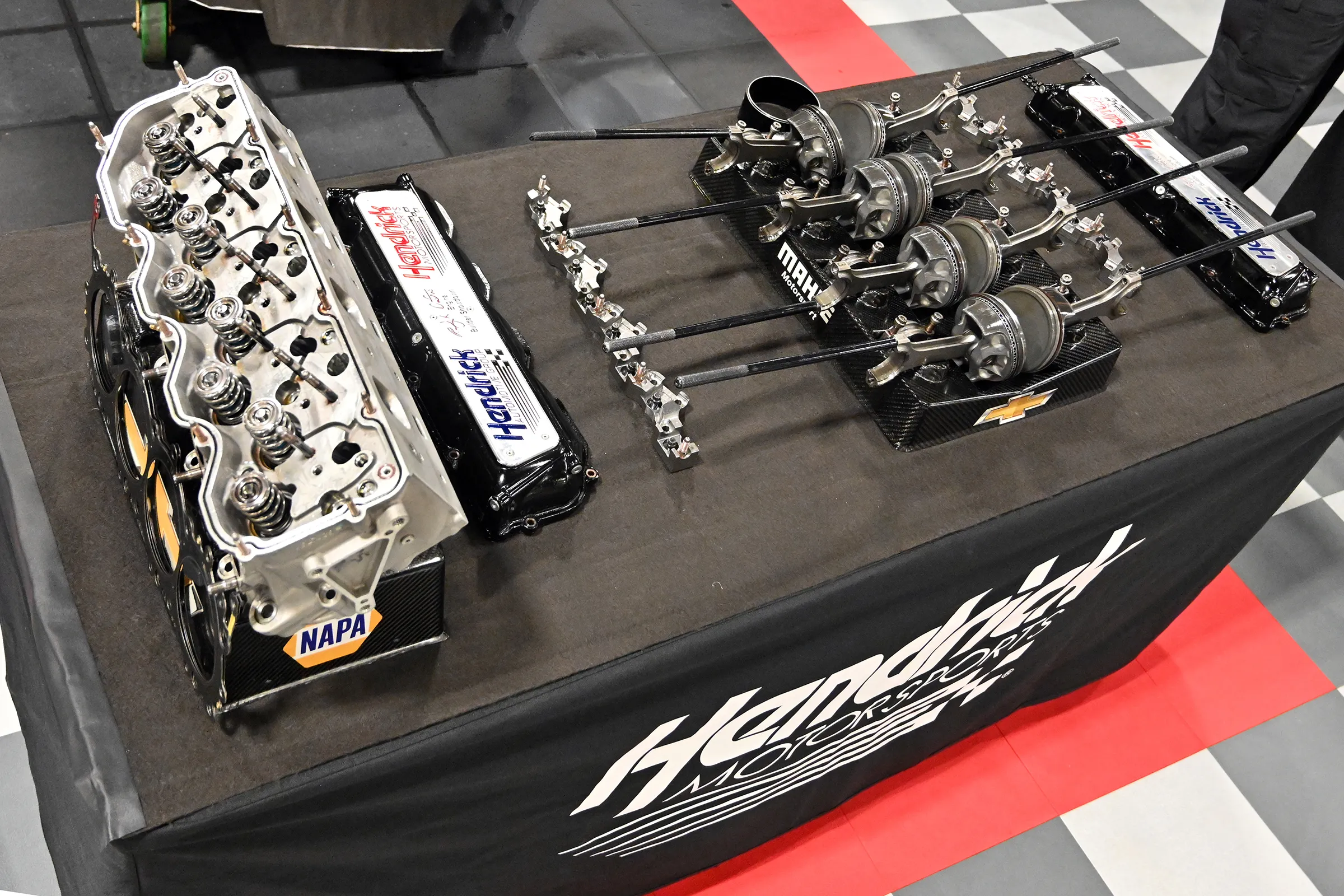
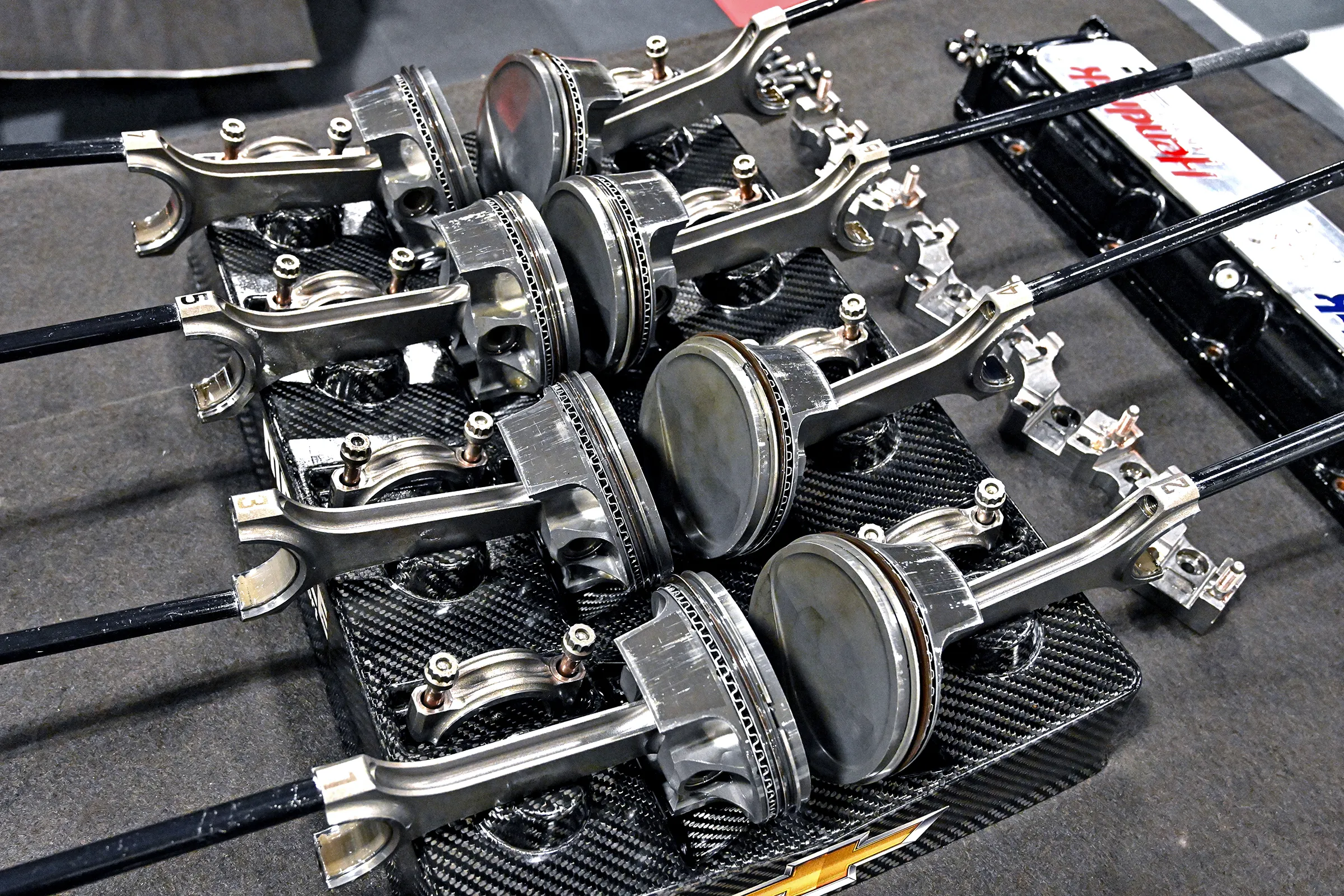
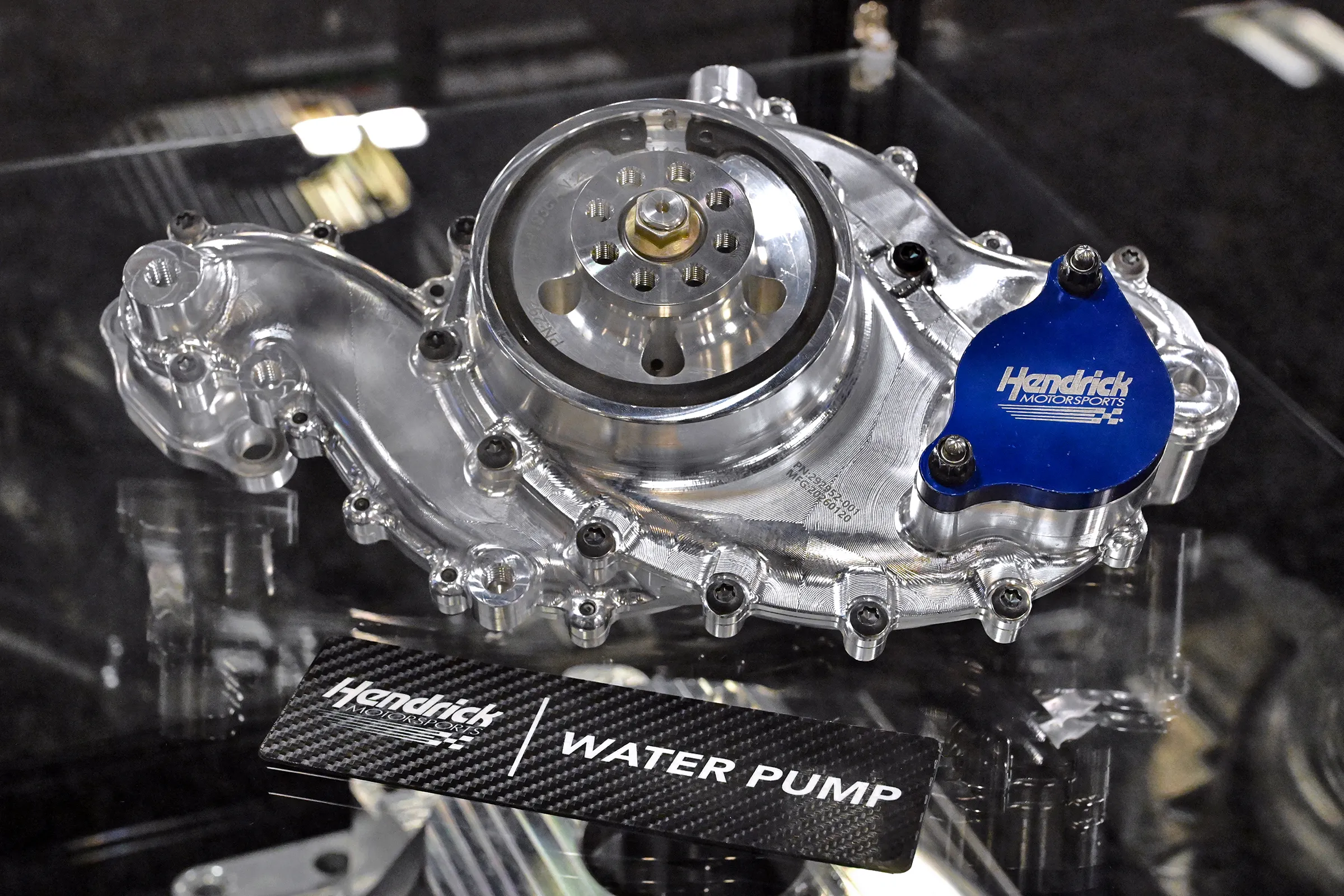
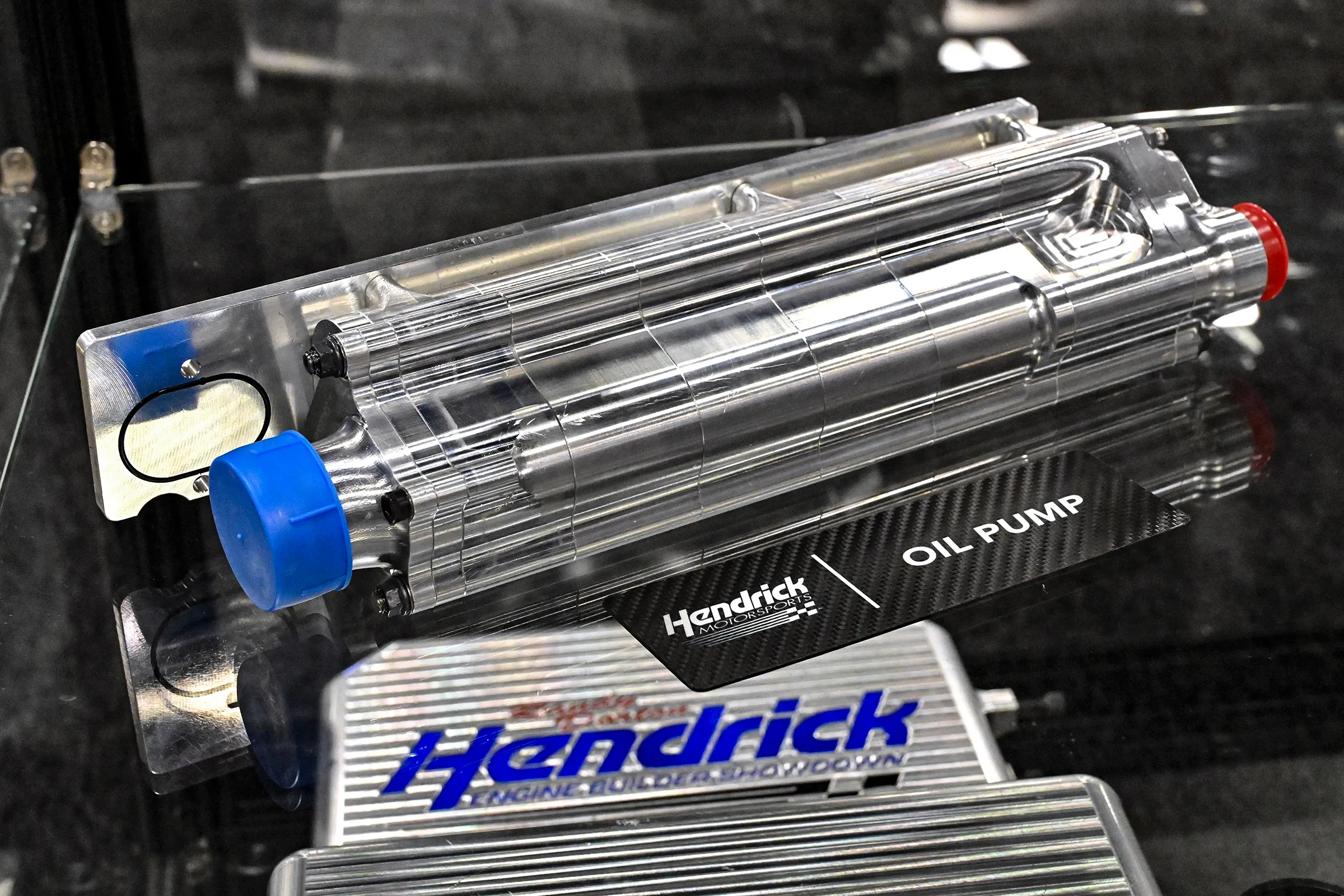
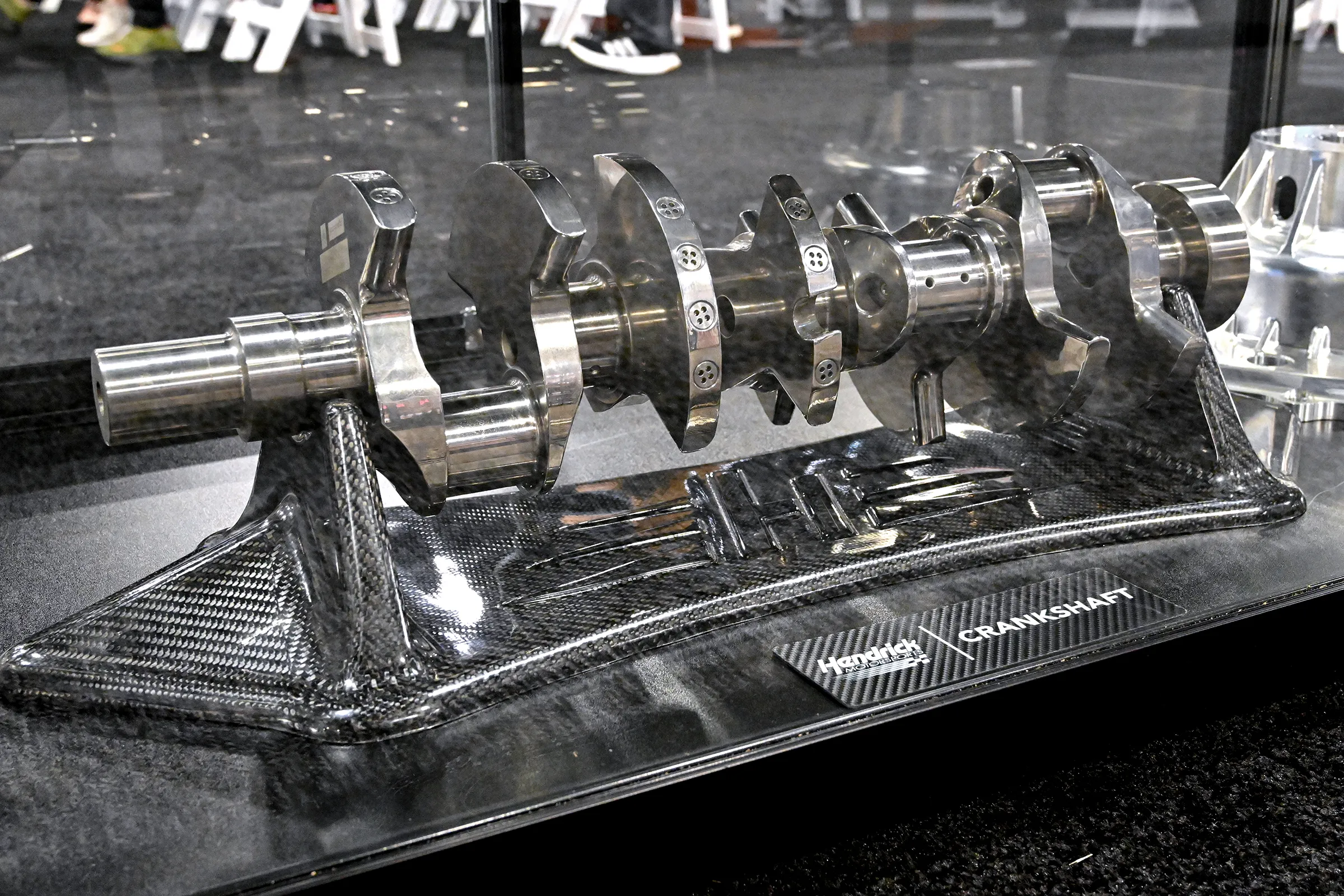
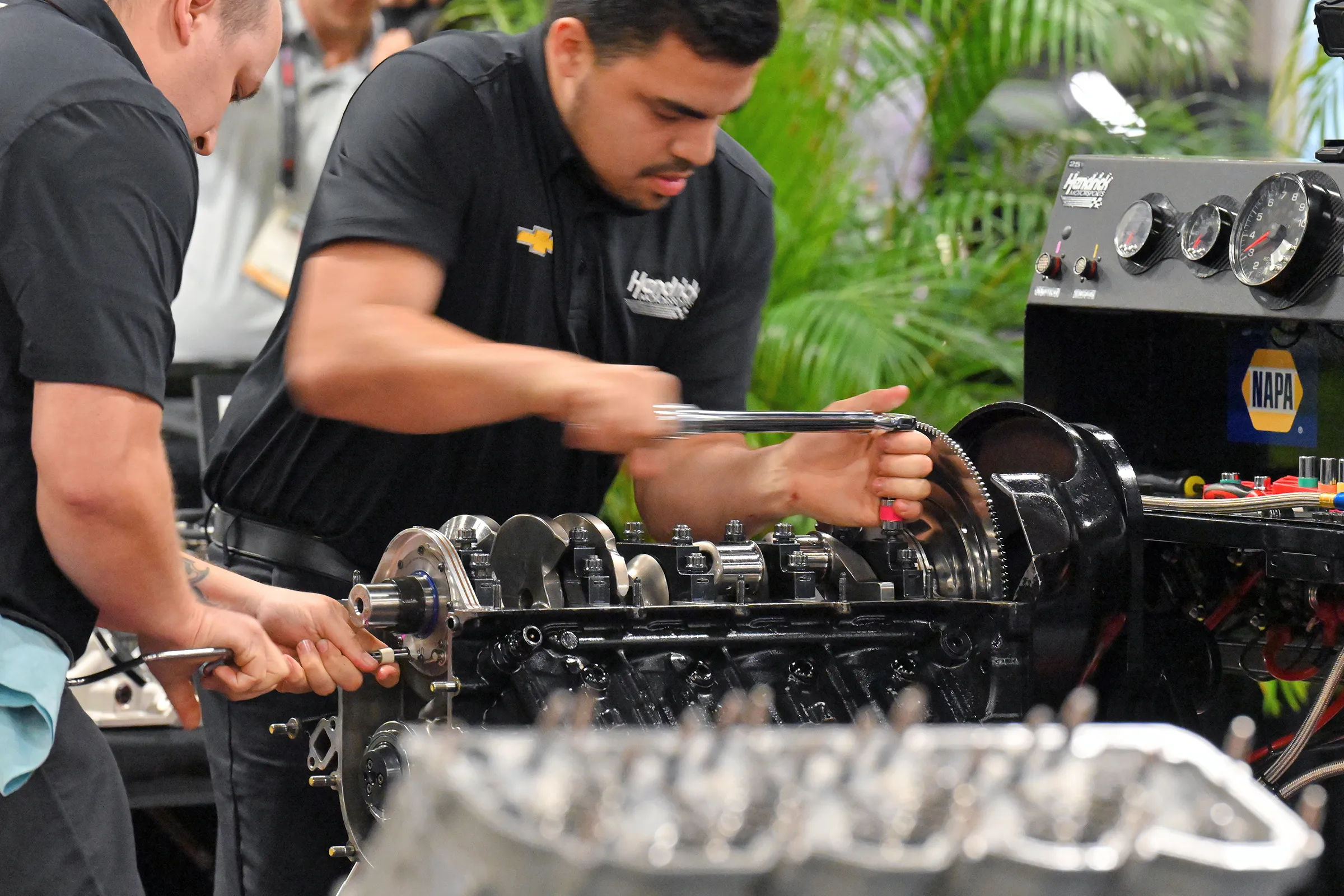
The engines began as a collection of parts spread across the workbench. Teams had to install the crankshaft, pistons, connecting rods, camshaft, lifters, cylinder heads, valvetrain components, intake manifold, ignition system, fuel system, and accessories while following the same standards used in professional motorsports engine assembly.
The engines used in the competition were based on the same Chevrolet V8 platform that powers Hendrick Motorsports NASCAR entries, giving attendees an up-close look at the technology and precision behind championship-winning race engines.
Speed mattered, but accuracy was just as important. Every component had to be installed correctly, fasteners had to be tightened and torqued properly, and judges closely monitored the build process for mistakes, missing parts, or improperly assembled components that could result in penalties or prevent the engine from running.
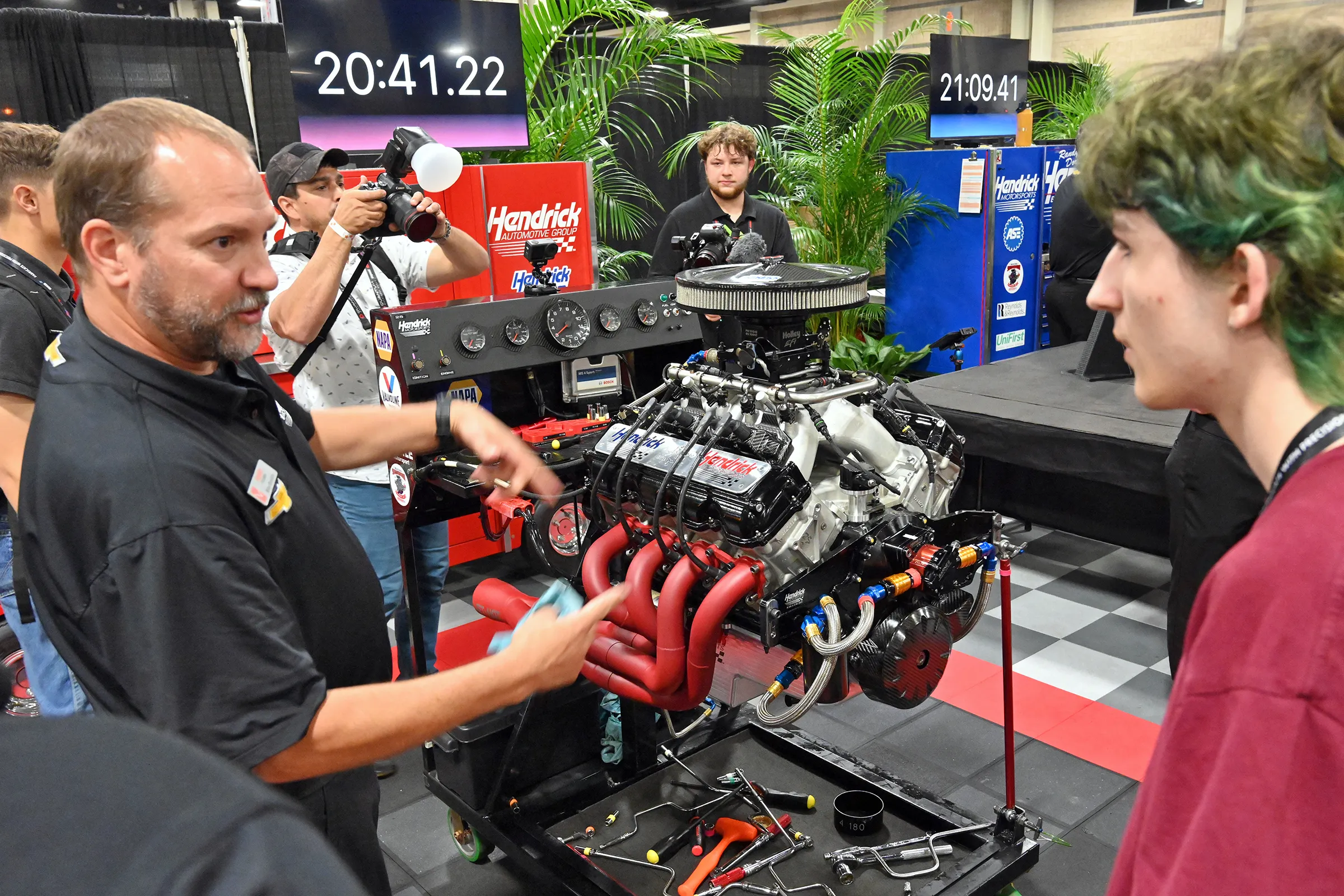
Most importantly, crossing the finish line wasn’t enough. Once the build was complete, each engine had to hold fluids, start successfully, and run under its own power. A fast assembly time meant nothing if the engine failed to fire.
Precision Under Pressure
As the competition unfolded, the audience got a front-row look at the teamwork and communication required to perform at the highest levels of motorsports engine building.
There was no room for hesitation. Builders moved with a rhythm developed through years of experience, often anticipating their teammate’s next move before a word was spoken. The first few minutes were especially critical as competitors worked to build momentum while carefully installing major rotating assembly components.
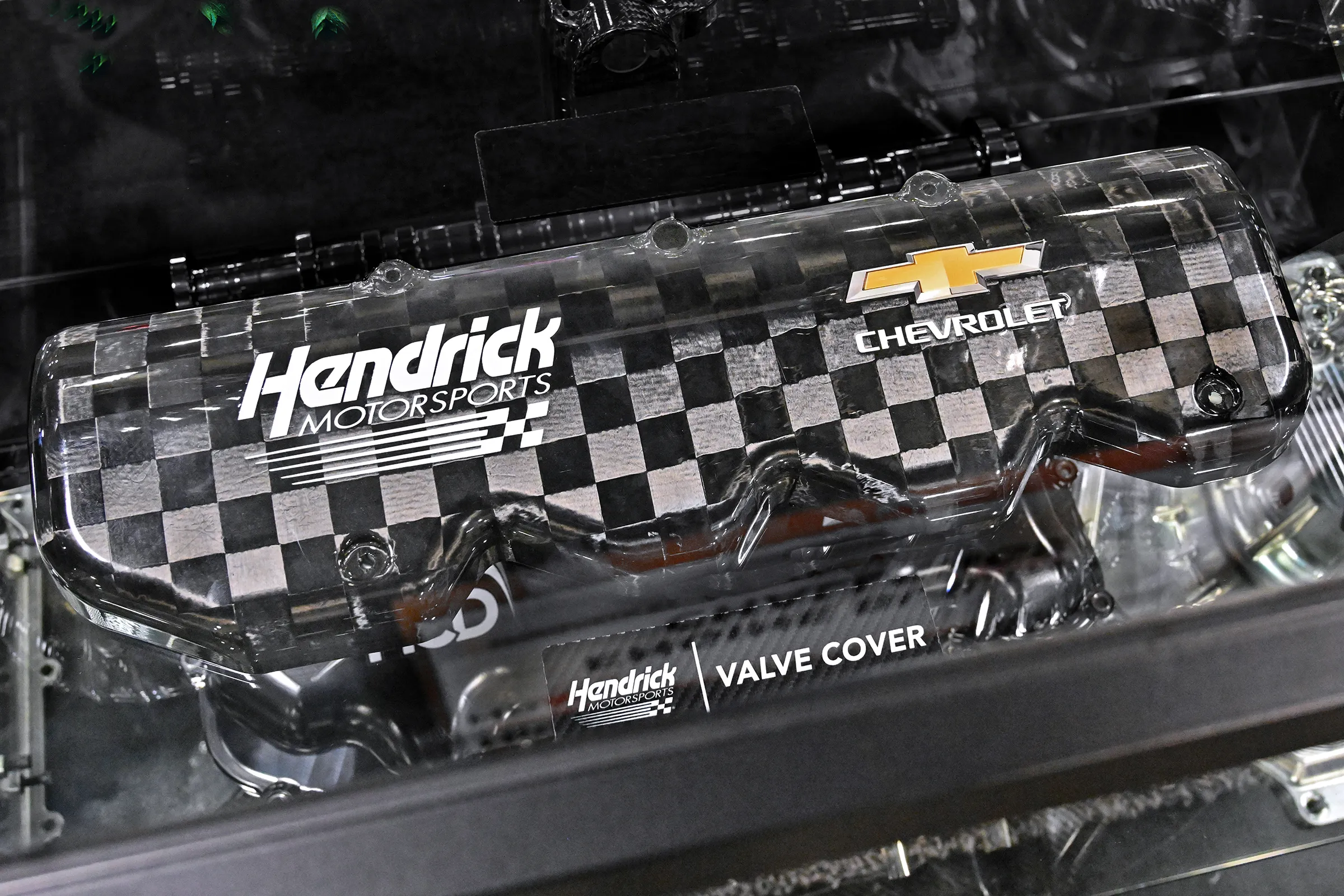
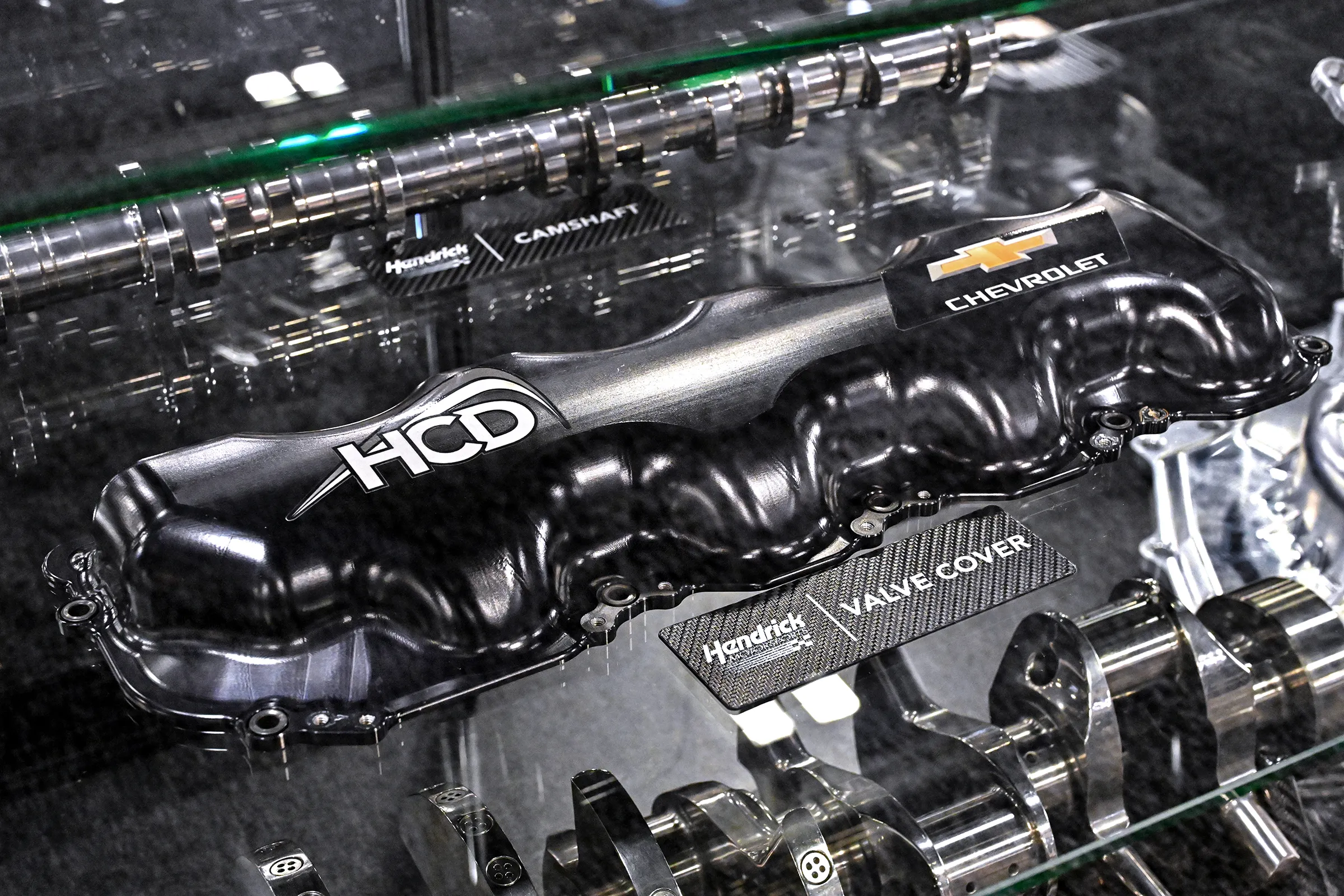
With hundreds of spectators watching, every dropped fastener, missed step, and moment of hesitation carried added pressure. The crowd responded to every milestone—the crankshaft installation, the engine flip, the cylinder heads dropping into place, and finally the frantic push toward the finish as fuel systems, ignition components, and valve covers were installed.
By the final minutes, the atmosphere felt less like a technical demonstration and more like a championship race. The teams weren’t simply assembling engines; they were competing against the clock, each other, and the expectations that come with representing two of the biggest names in motorsports.
Team Red Takes the Victory
The final matchup featured two highly skilled teams that remained remarkably close throughout the competition. The challenge wasn’t complete when the final component was installed. Each team still had to fire their engine and keep it running under its own power for a full 60 seconds to officially complete the challenge, with that run time included in their final recorded time.
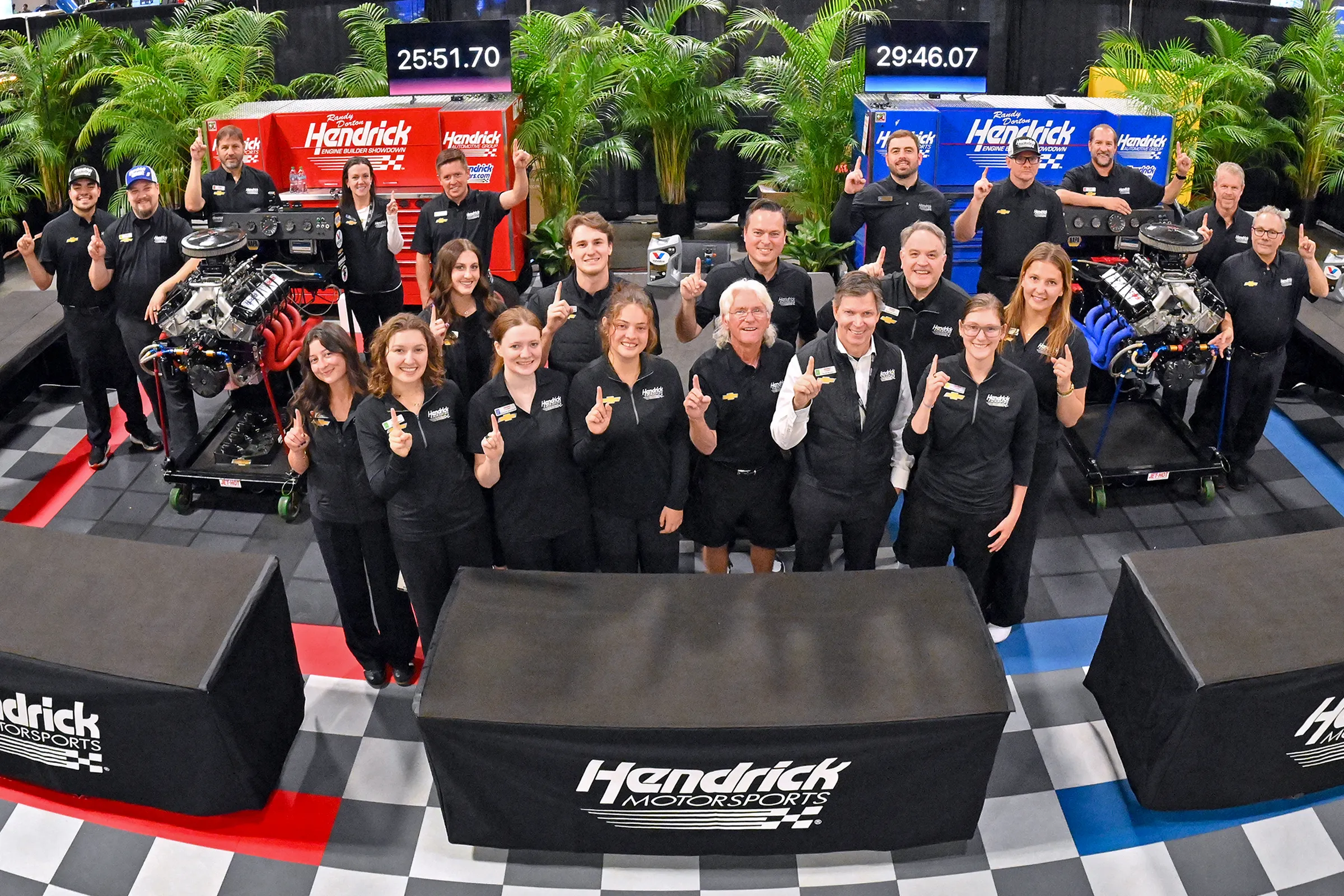
Team Red, consisting of Thomas Werner and Jerick Hernandez, steadily pulled ahead during the second half of the competition and claimed victory with a blistering finish time of 25 minutes, 51.70 seconds.
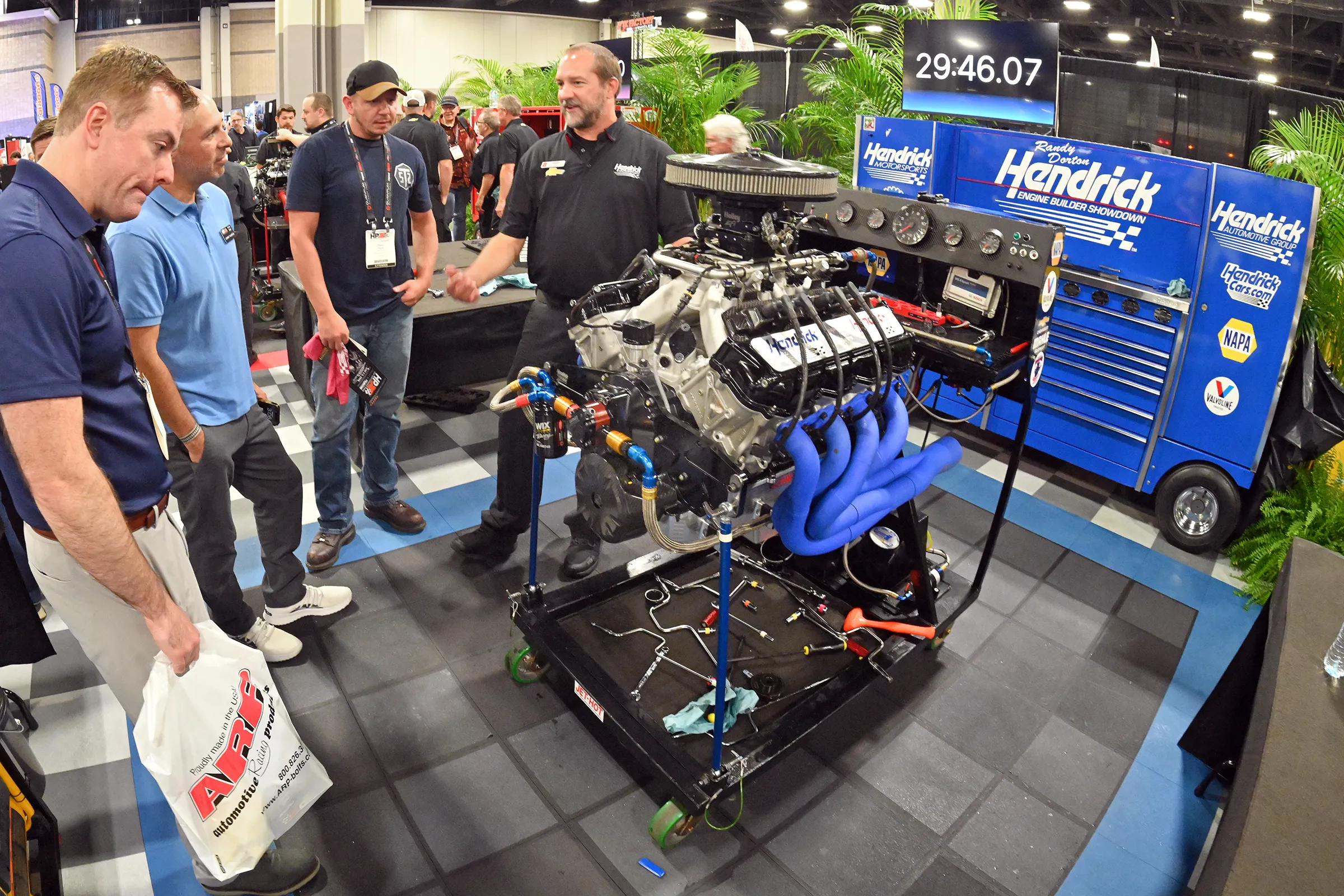
Team Blue, featuring Darren Faulk and David Griffith, delivered a strong performance of their own, finishing in 29 minutes, 46.07 seconds despite overcoming a few small setbacks during the build.
As the engines fired and settled into their final 60-second runs, the crowd watched the ultimate test of precision unfold. The roar of the completed Chevrolet V8 engines confirmed that both teams had successfully transformed hundreds of individual components into running race-ready powerplants under the intense pressure of a live competition.
More Than a Competition
While HPX is known for bringing together the latest products, technologies, and educational opportunities in the performance aftermarket, the Randy Dorton Hendrick Engine Builder Showdown offered something unique—a chance to witness elite-level craftsmanship in real time.
For enthusiasts, it was a fascinating look behind the curtain of professional motorsports engine building. For technicians and industry professionals, it was a masterclass in preparation, communication, and execution. And for everyone gathered around the stage, it was simply entertaining.
Few moments at HPX 2026 captured the spirit of performance better than watching two freshly assembled V8 engines roar to life after less than 30 minutes of work. For a crowd packed around the stage, it was a powerful reminder that behind every race-winning engine are skilled hands, years of experience, and a relentless pursuit of perfection.