The Grand Spaulding Empire and Mr. Norm
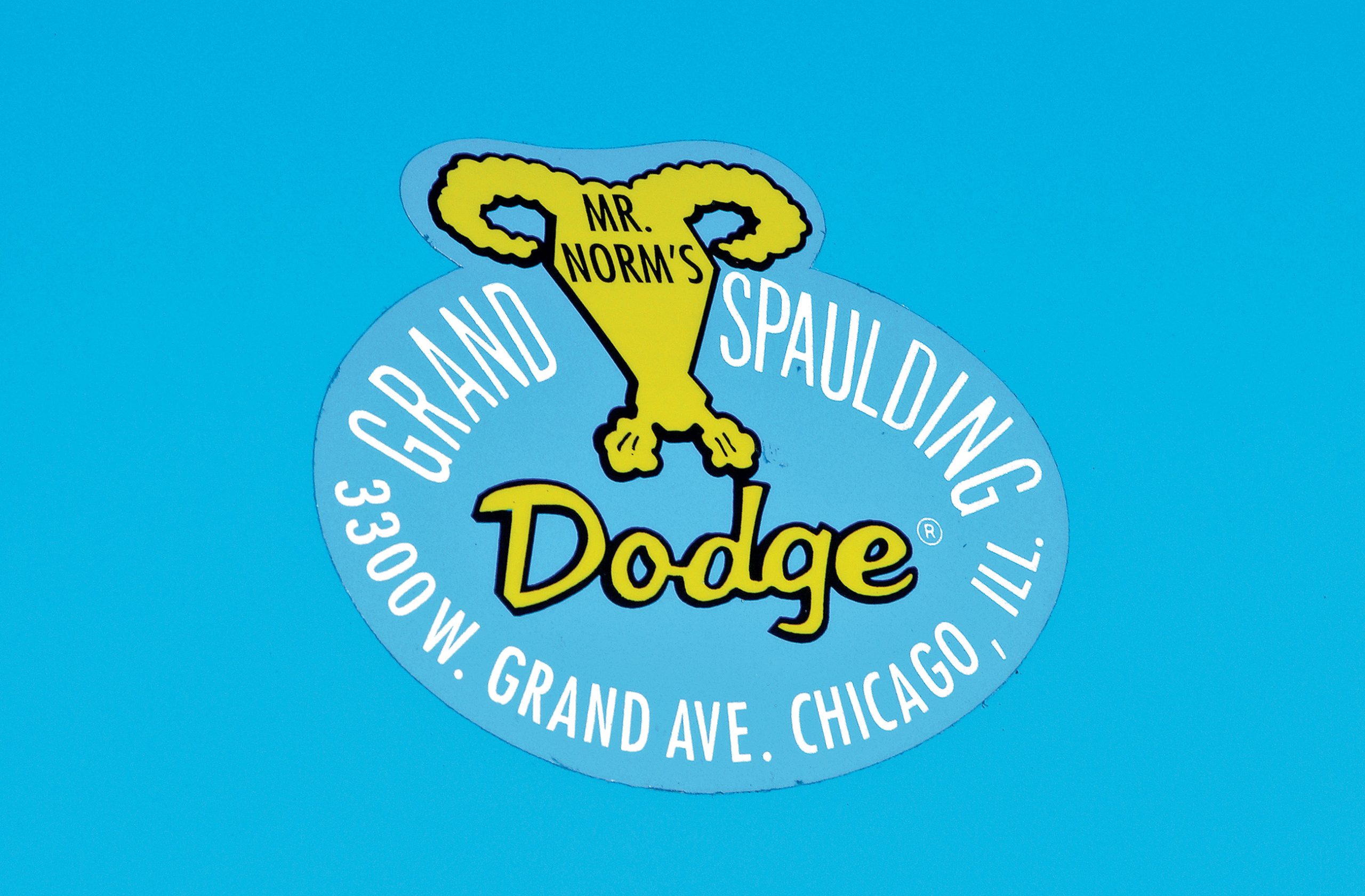
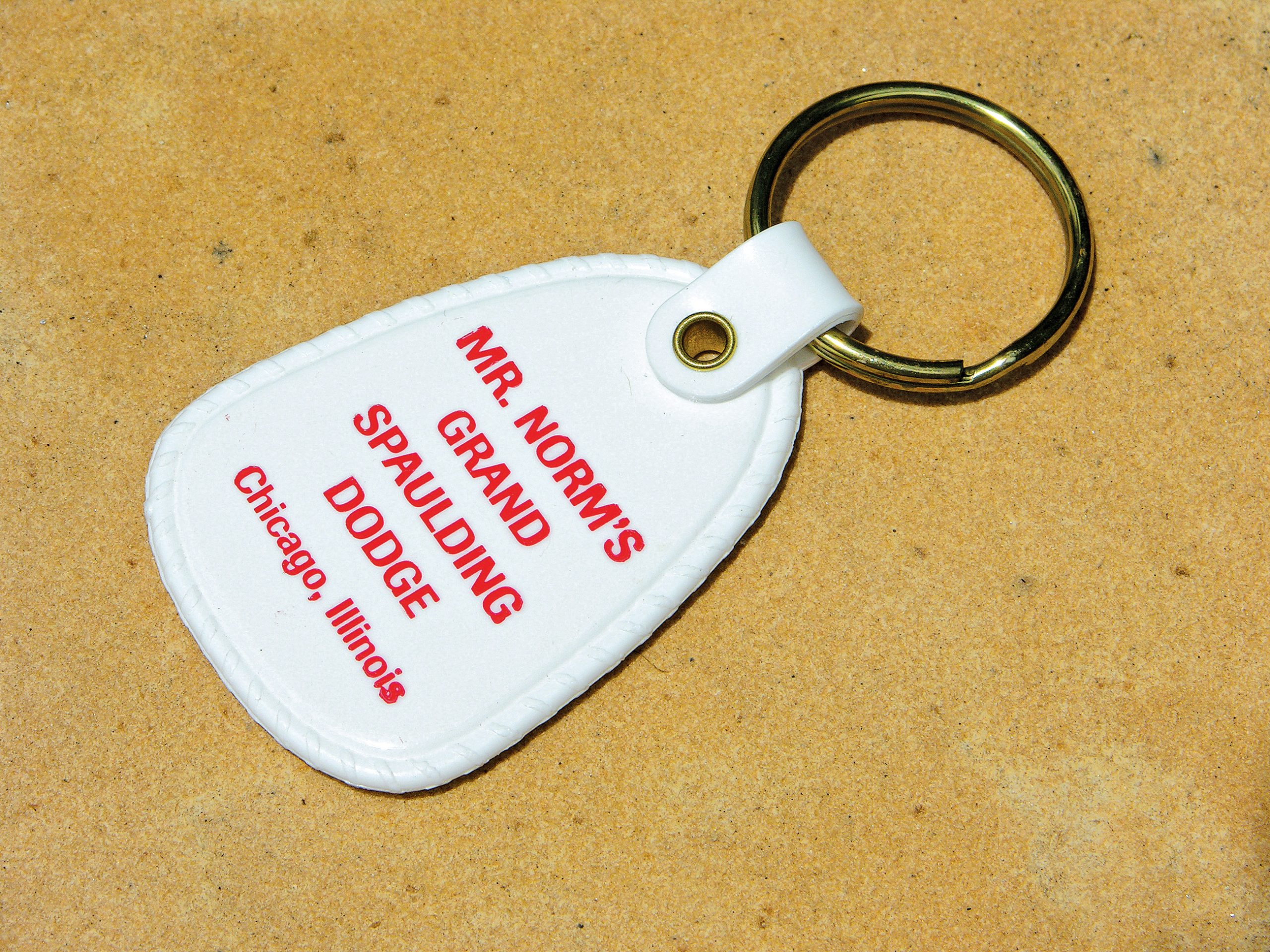
Norm Kraus and his brother Lenny were the principals of the infamous Grand Spaulding empire, and they, along with their young, enthusiastic salesmen, sold a high volume of these Dodges, said to be always at $200 over dealer invoice.
A Unique Parts Department
Besides all the new-car action, the parts department was unique. In addition to selling replacement parts, it was like an in-house speed shop filled with high-performance Mopar components. The back room of Grand Spaulding was stocked with all sorts of aftermarket racing equipment, including Edelbrock manifolds, Holley carbs, a line of Mr. Norm equal-tube-length headers, Crower cams, Milodon oil pans, a variety of custom wheels and wide tires and much more.
Marketing Muscle
Part of the marketing plan was touring the Mr. Norm nitro Funny Car, a championship-caliber, 200-mph rolling billboard. In addition, the dealership ran national advertising in car enthusiast publications, plus fast-paced radio spots on the powerful WLS Chicago-based AM radio station (which could be heard at sundown all over the country because of its 50,000-watt mega-blowtorch signal). Mr. Norm himself was highly visible and was called “the high-performance car king.”
In-House Performance Tuning
Setting up the cars was done on the in-house chassis dyno, which allowed fine-tuning of each car sold. Ignitions were recurved, and the mechanics knew just how to re-jet and further tweak the carburetors for more performance. There was even a Mr. Norm’s Sport Club that offered discounts on parts and service and a cash spiff of $75 for members who brought in a new-car customer. This place knew how to sell high performance.
The GSS Cars: Grand Spaulding Sport
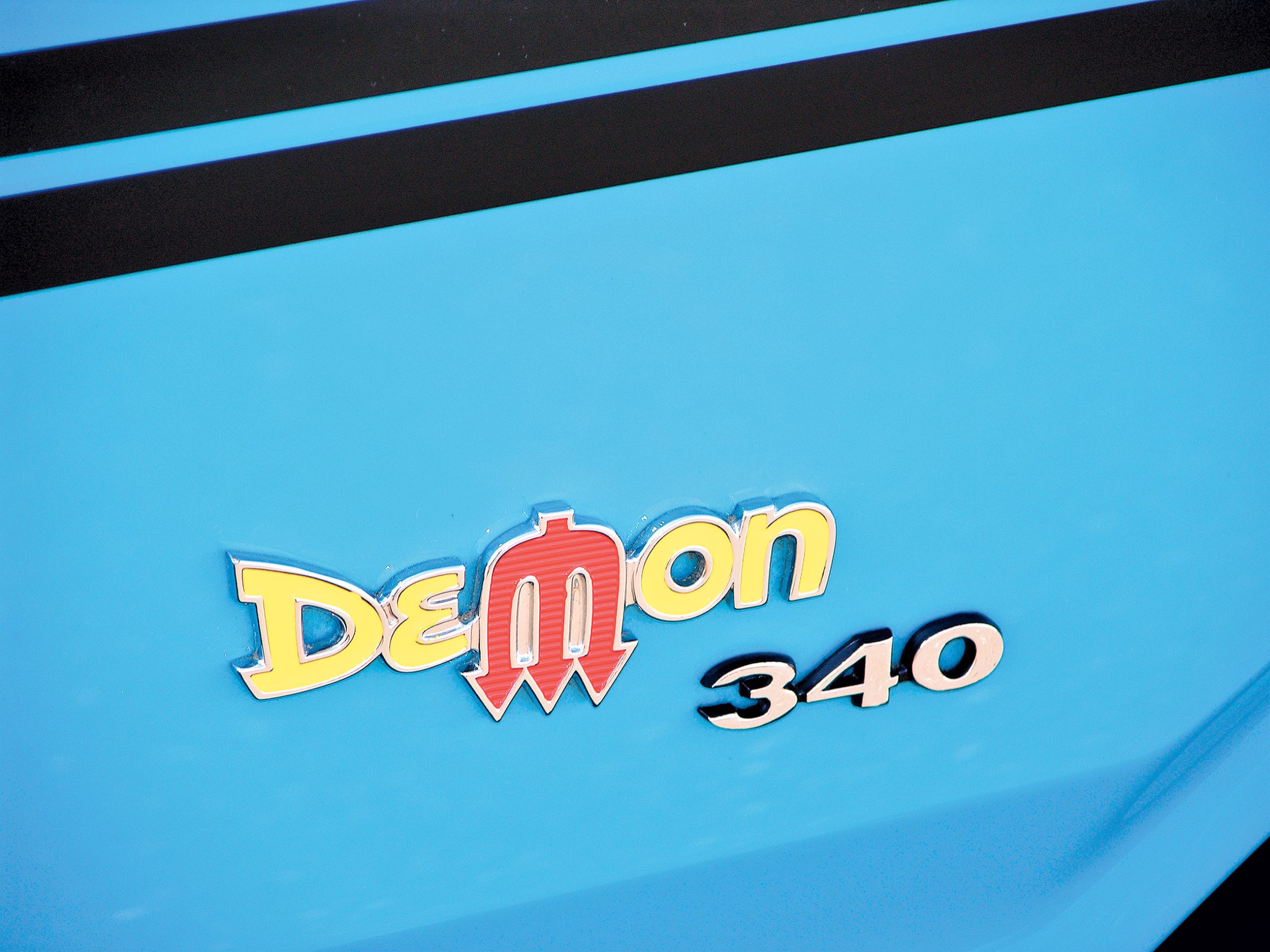
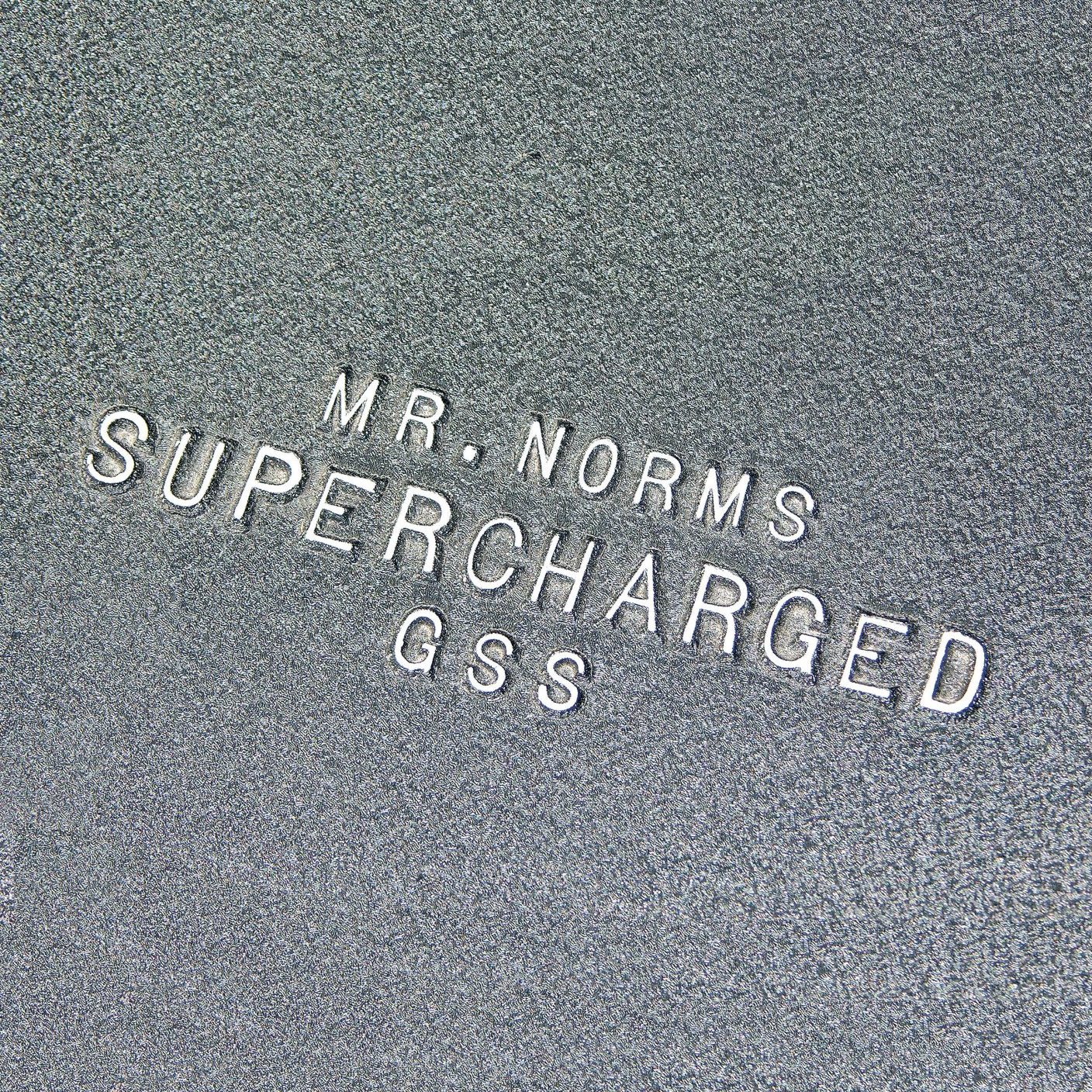
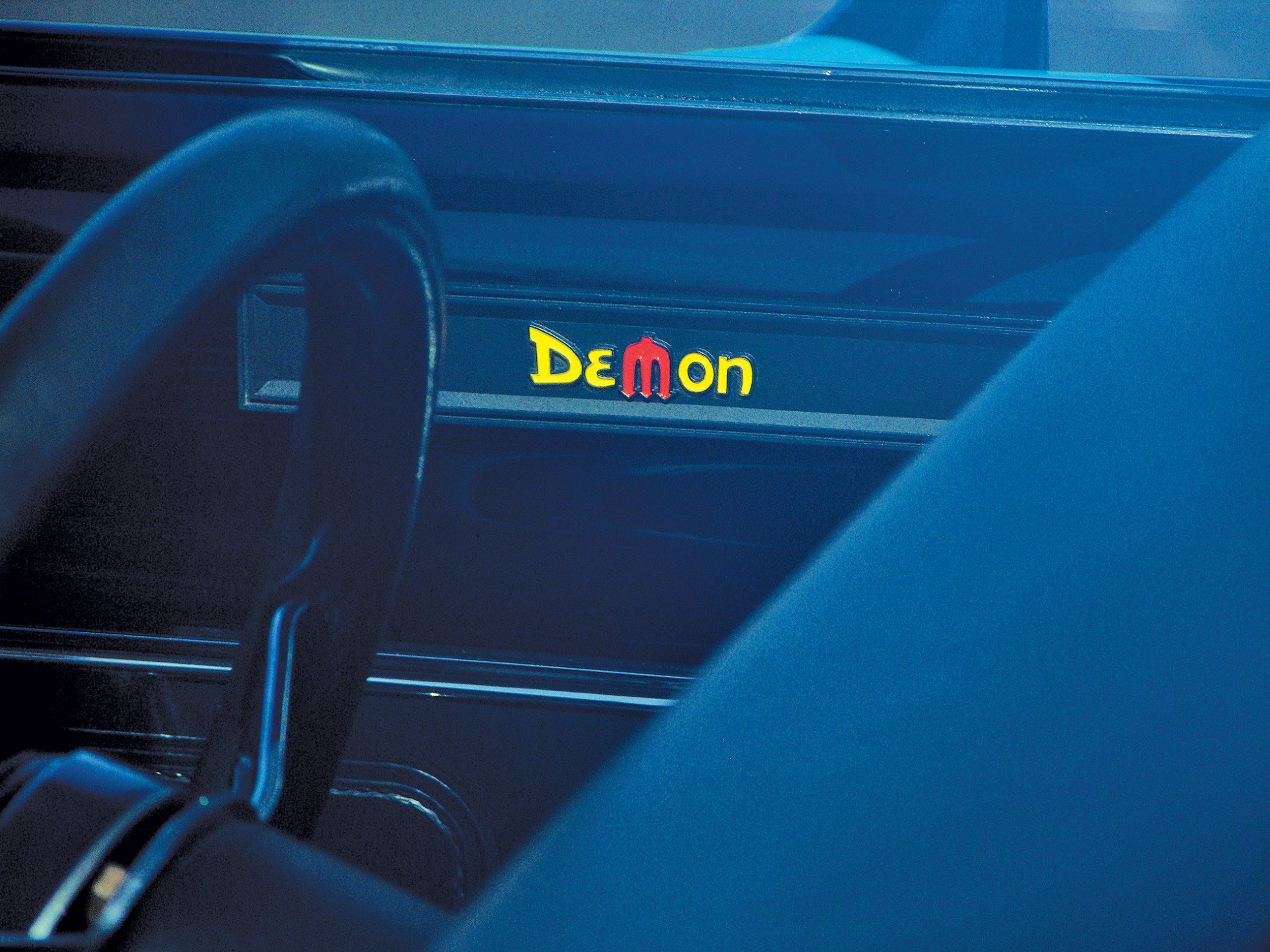
Special GSS cars were offered; GSS stood for Grand Spaulding Sport and included 440cid Darts and reworked Demons. Mr. Norm’s shop was also the clearinghouse for the majority of the factory 426cid Hemi Super Stock Darts Hurst Performance engine built for the Mopar.
The First GSS Demon
The first Demon GSS was a ’71 model, and the creative reworking of these machines included the installation of “six-pack” inductions—borrowing the basic idea from the limited-production ’70 Challenger T/A—but were different from the factory pieces, as the GSS cars had adjustable ball-bearing progressive linkage instead of the standard vacuum setup.
Demon Enhancements and Performance
Grand Spaulding took things a few steps further with the addition of a Crower cam, premium valve springs, a competition valve job, and, on automatics, a reworked valve body for improved transmission shifting. With a heavy-duty pinion-snubber traction bar mounted atop the pinion area of the 8-3/4-inch differential, these Six-Pack Demons ran factory fresh in the 13s (13.40 to 13.50 seconds) in the quarter-mile, with speeds of 103-plus mph.
The 1972 Engine Downgrade and Mr. Norm’s Solution
When the factory released information in late 1971 that the next generation of 340cid engines was to receive changes that would affect performance, which included the fitting of smaller valves and less compression (down from 10.5:1 to 8.5:1), things were not looking as bright for a street-killer Demon 340 package car. The horsepower rating went from 275 to 240, and some say this was the end of true high performance. But Norm and top wrench Gary Dyer had other ideas, and they got busy on a new-for-1972 GSS—it would be supercharged!
Enter the Supercharged 1972 Demon GSS
It was a walk through the SEMA Show that prompted Norm to add supercharged power to the ’72 Demon 340, creating another GSS high-performance car, and one that would take full advantage of the lowered-compression engine.
The Paxton Supercharger System
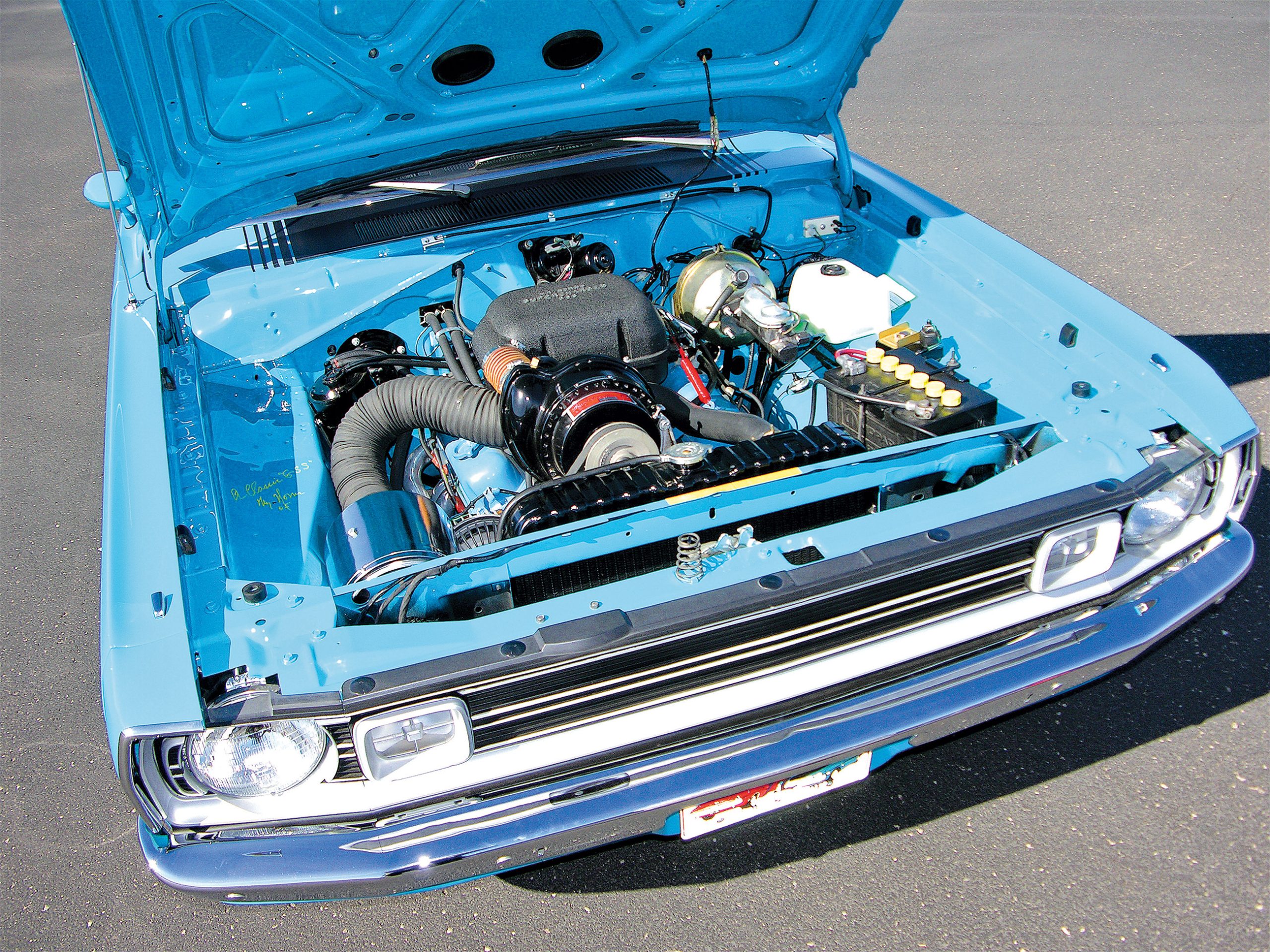
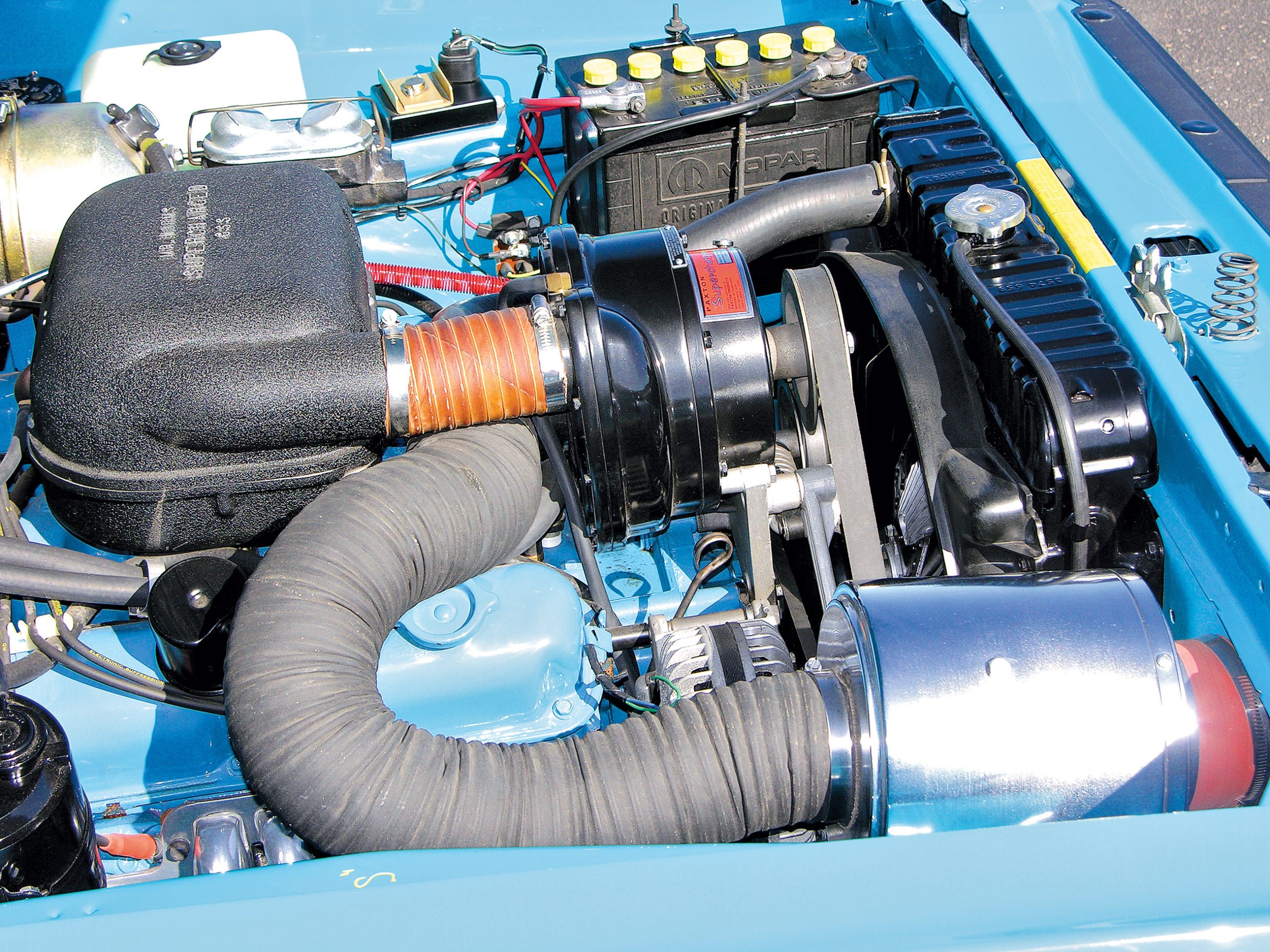
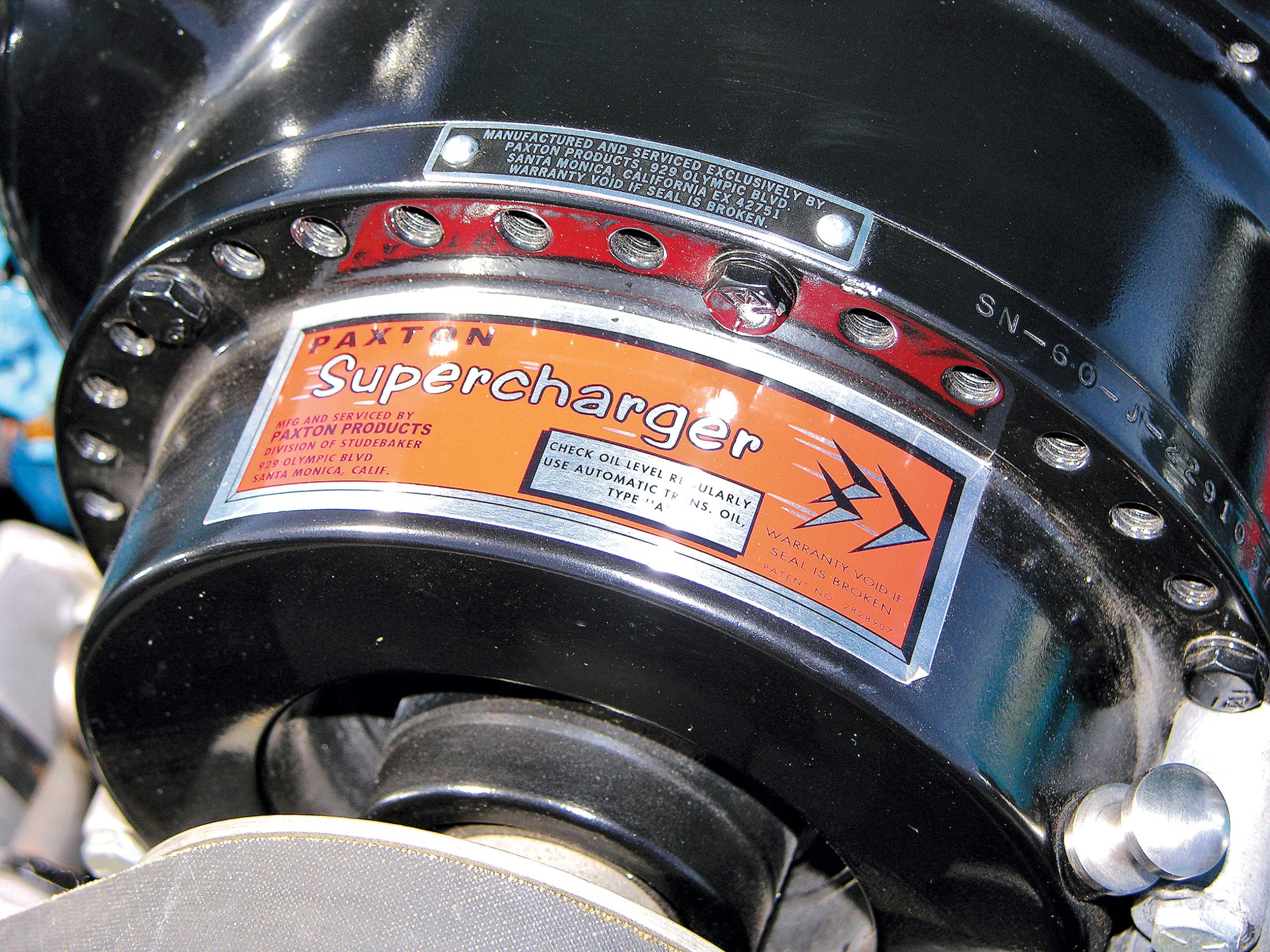
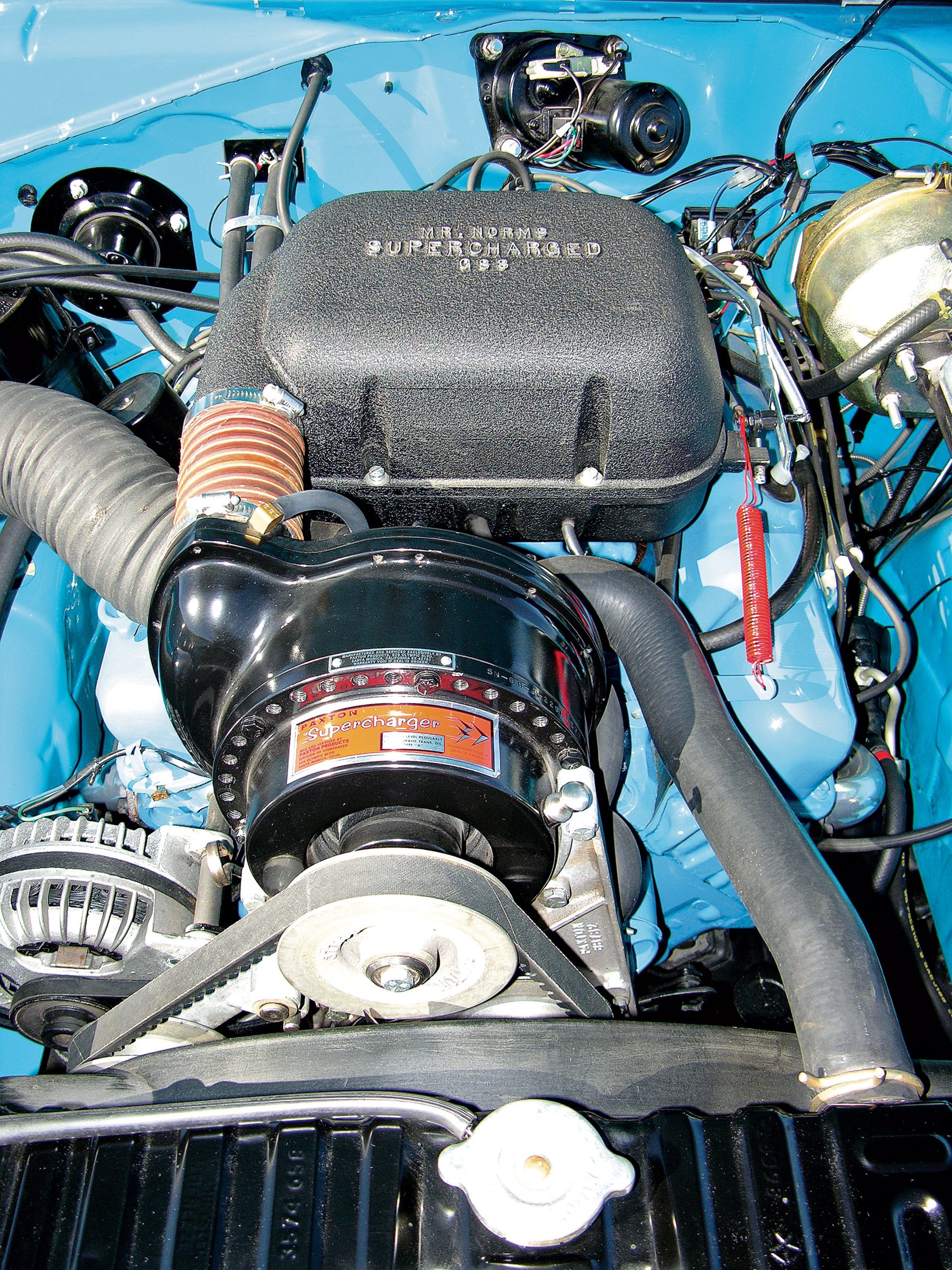
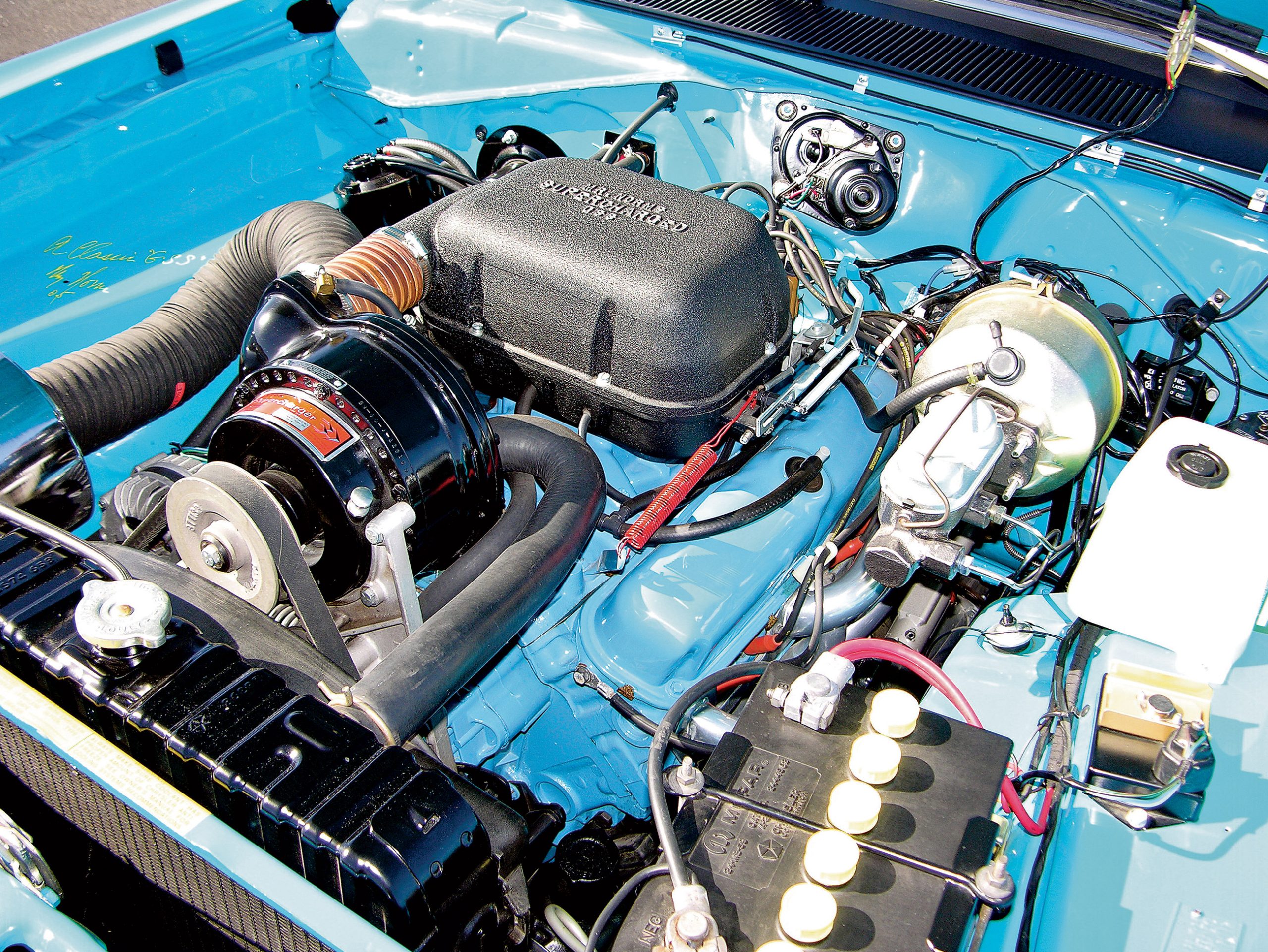
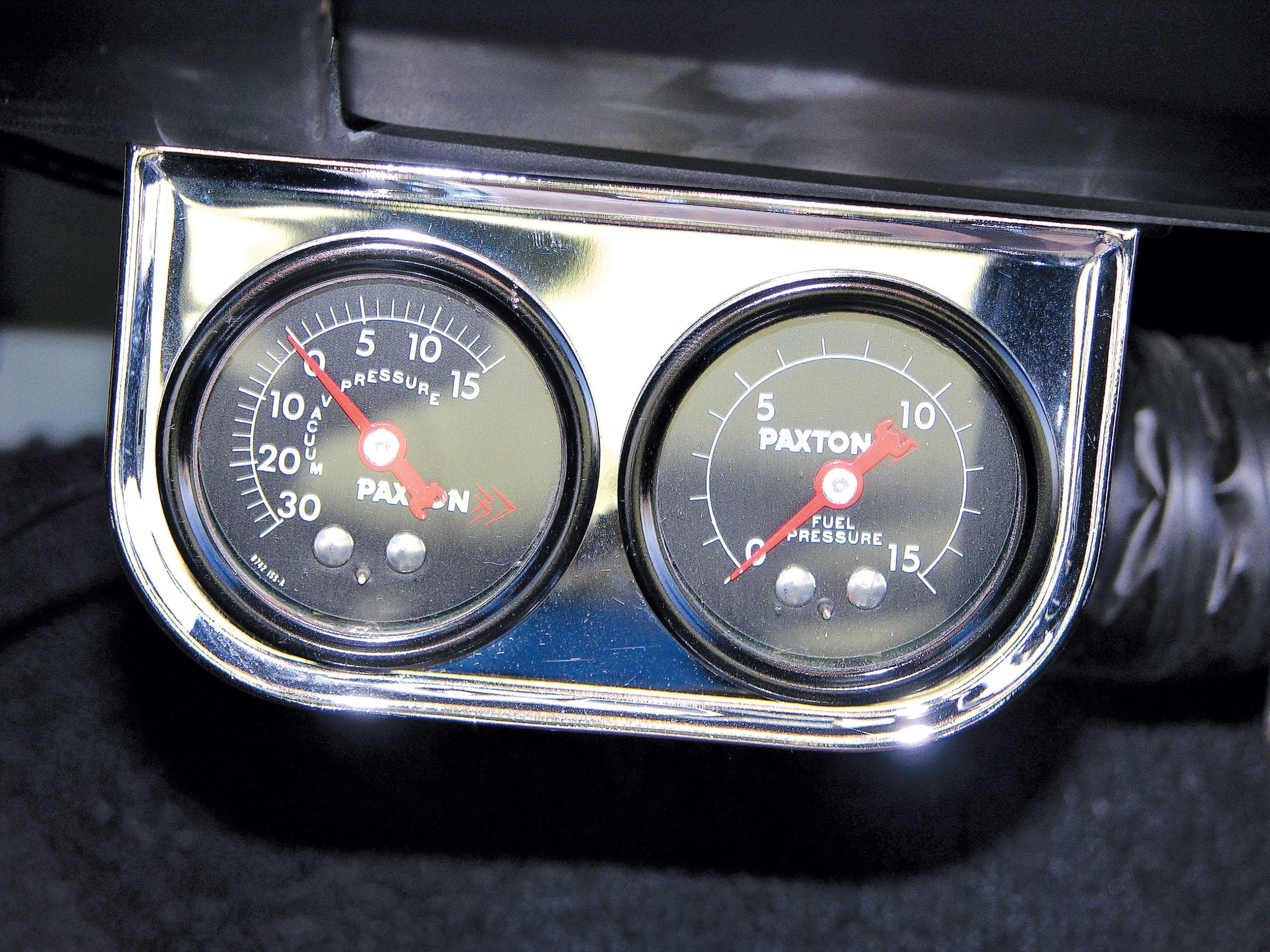
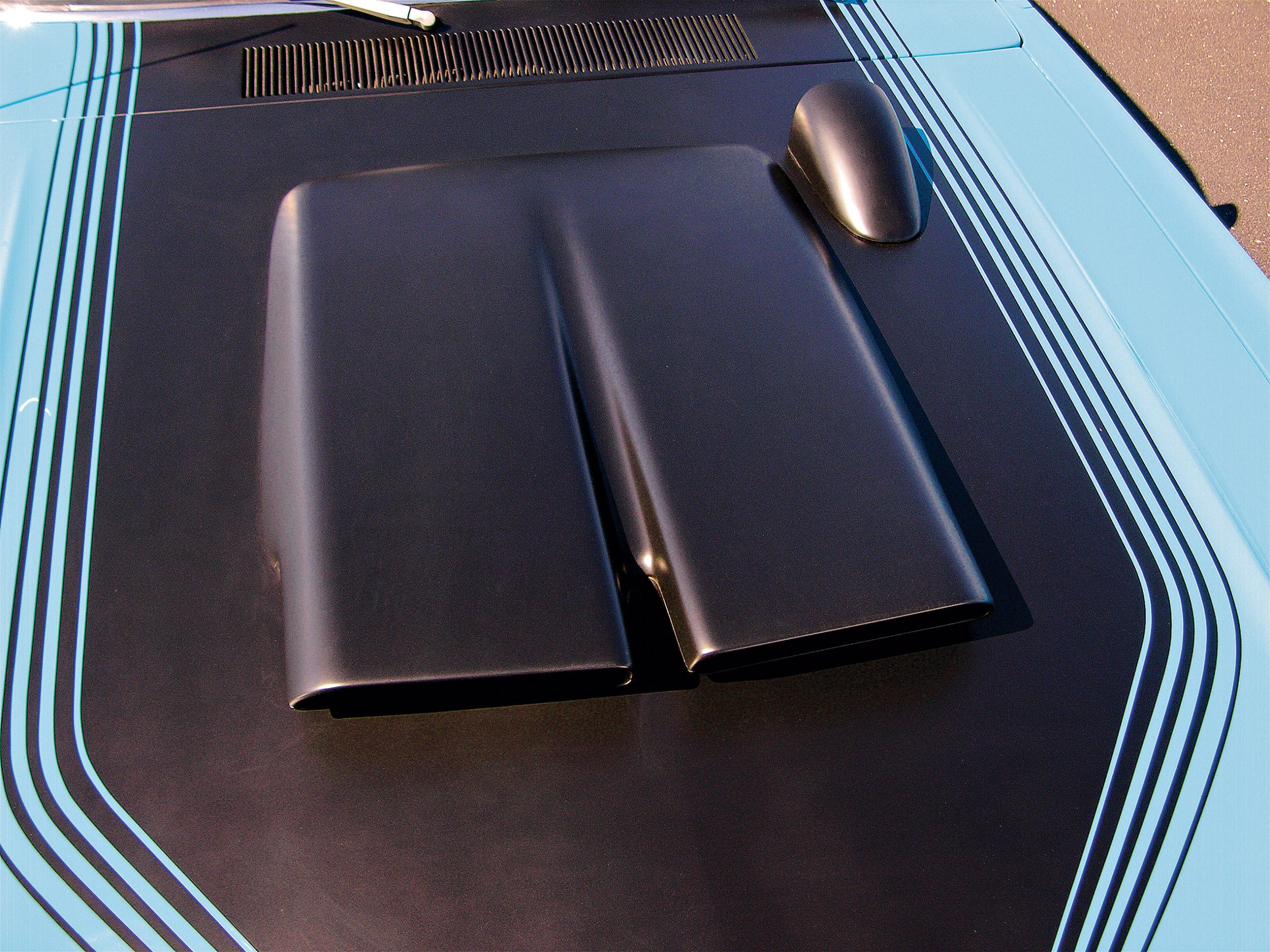
A deal was worked out with Joe Granatelli at Paxton Products, supplier of belt-driven centrifugal superchargers. In the past, Paxton had supplied units to Ford (F-Code ’57 NASCAR racers and T-Bird), Studebaker (Hawk and Avanti) and Shelby (limited production run of G.T.350s). The system was calibrated to work on the small-block Mopar engine using the stock Thermo-Quad carburetor, which was completely sealed in a pressure box.
Additional Engine Upgrades
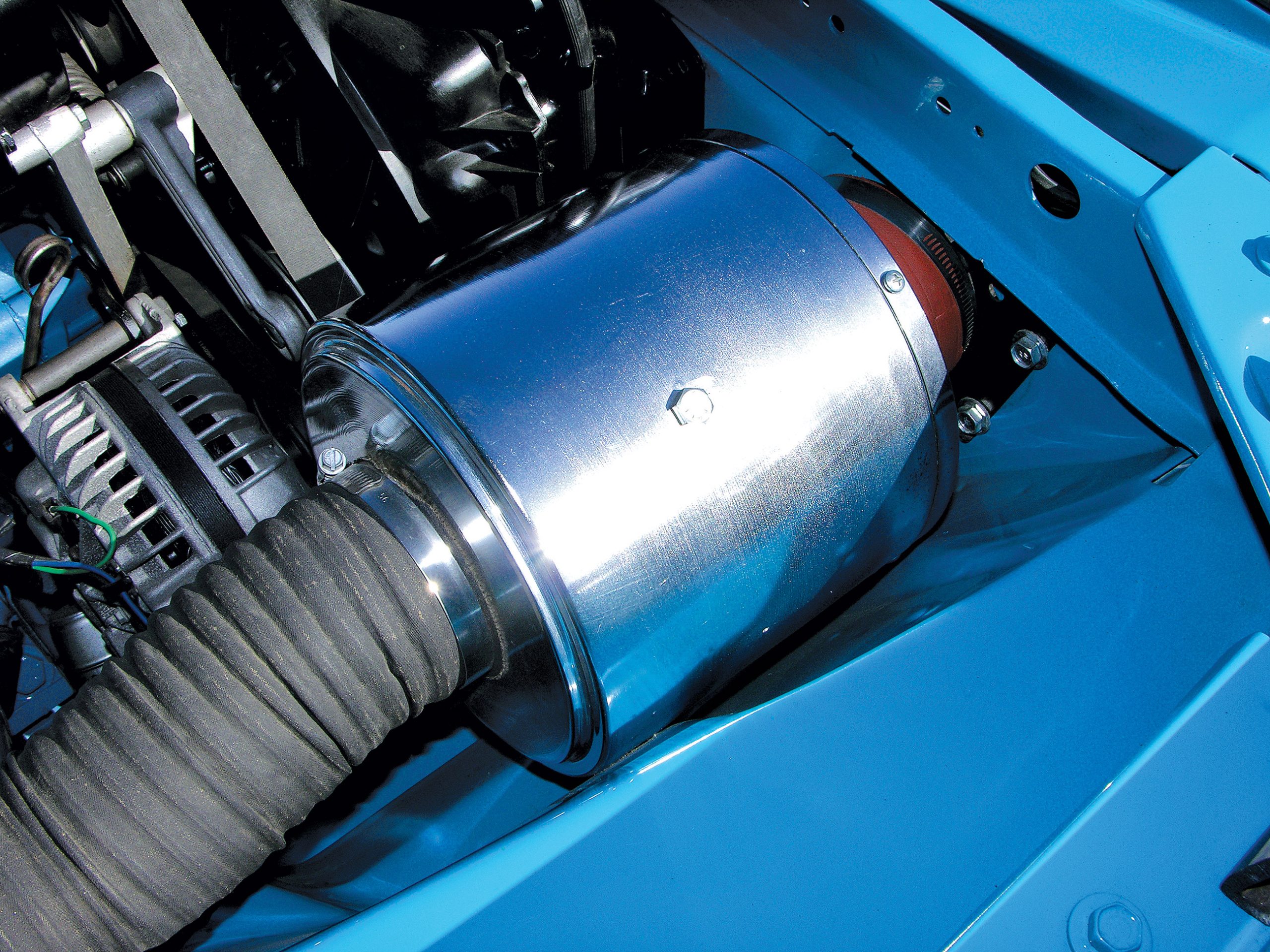
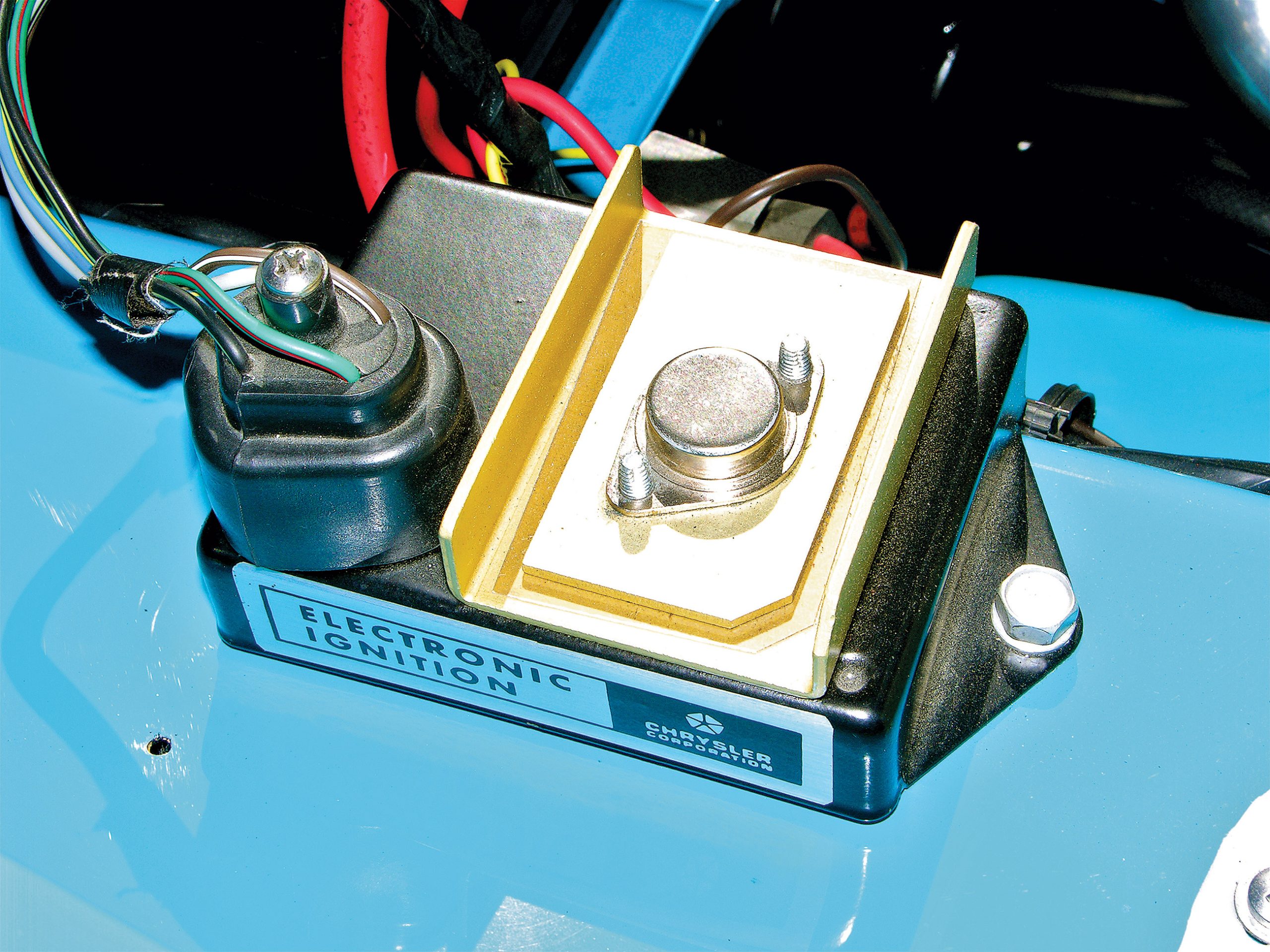
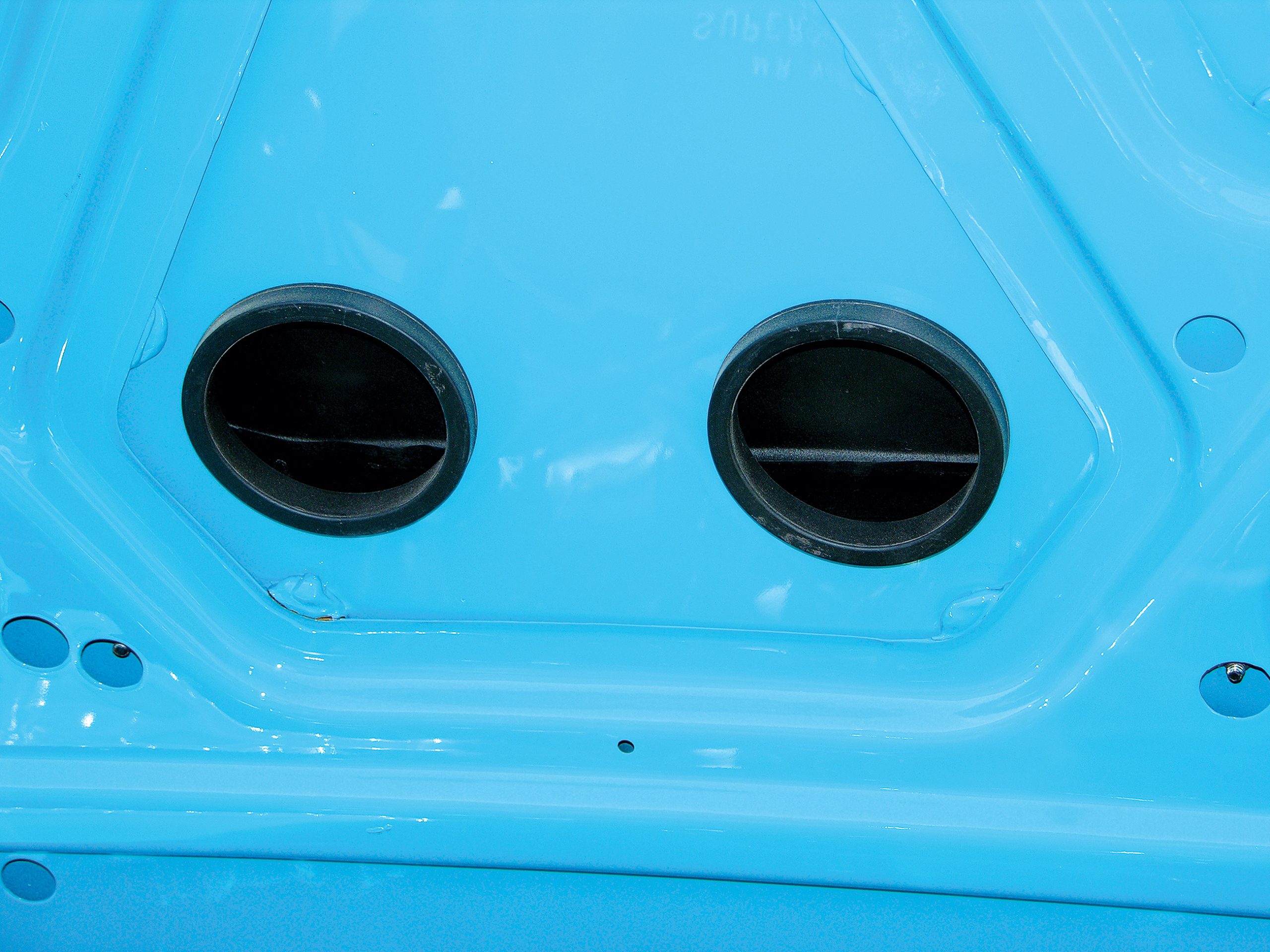
Besides the supercharger, the ’72 340cid engine was treated to a set of Crower aluminum valve spring retainers, a modified fuel pump, a fuel pressure regulator, a Milodon competition oil pump, a recurved Chrysler (electronic ignition) distributor, a recalibrated carburetor, full-capacity hoses, oversize pulleys and a special high-capacity air-intake filter, which was located on the passenger-side radiator support panel.
Performance and Pricing
This belt-driven supercharger turned out to be the perfect response to the lower factory compression ratio for the 340, as the new 8.5:1 pistons were ideal for blower applications. And the sounds of the supercharger package added more flavor to the car, as did the low listed selling price (non-optioned) of $3,695.
Track Testing and Traction Issues
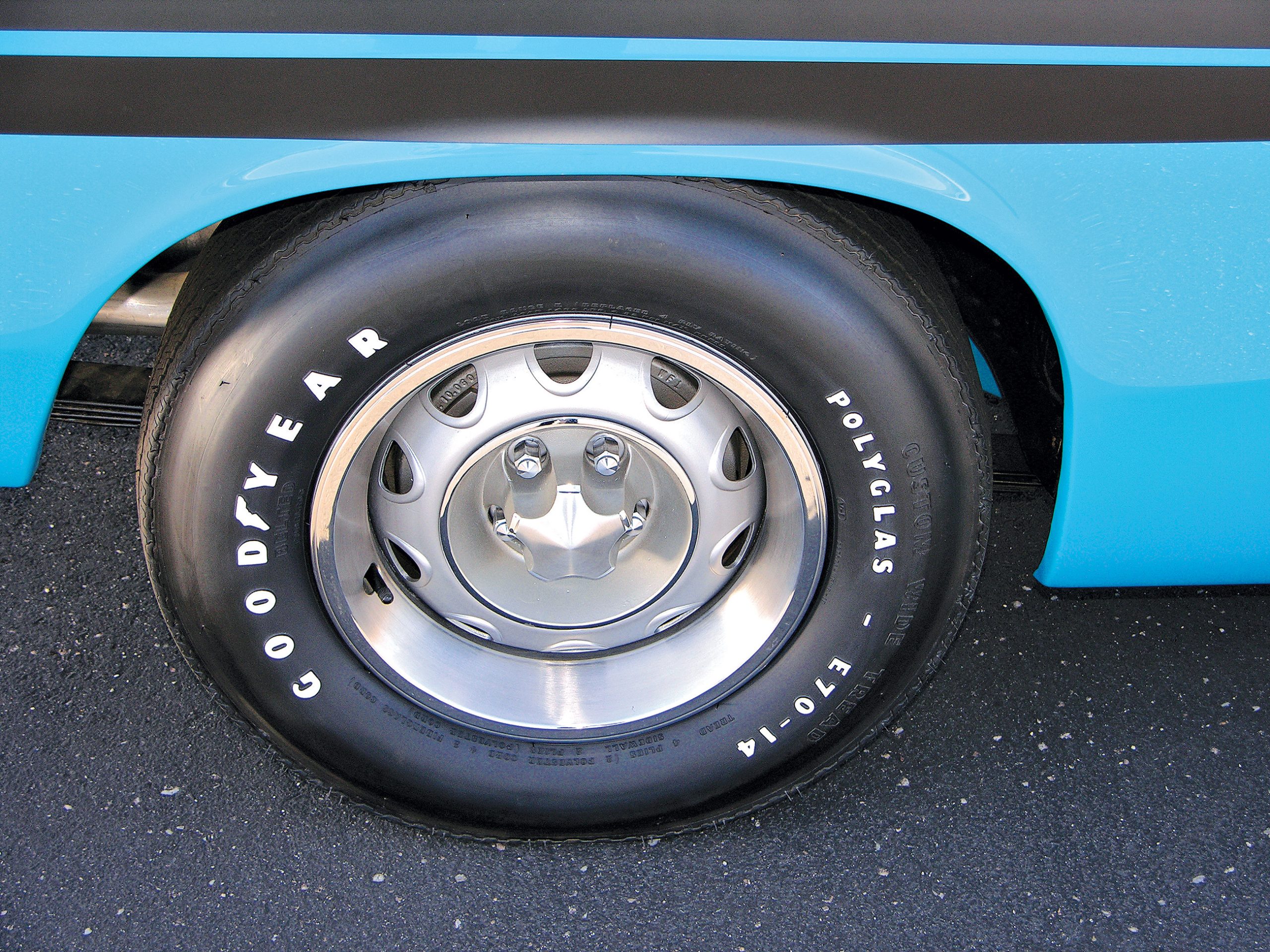
Tests at the time resulted in 13.92 e.t.’s with an automatic Demon and only 3.55:1 gears. Turning a trap speed of 106 mph, traction was a problem, as the “smallish” Goodyear tires simply could not handle the power. The only way to get the car to run anywhere near its potential was to nurse the car off the line, past the Christmas tree, before mashing the throttle, and even then the lack of traction resulted in uncontrolled tire spinning.
The End of an Era
The supercharged GSS Demon was a one-year-only car because, by the time the 1973 model year came around, performance was all but drying up, and the federal government was clamping down hard on emissions, including modifications of cars sold at dealerships. Grand Spaulding moved on to specializing in fleet sales and custom vans.
Bill Sefton’s Restored 1972 GSS Demon
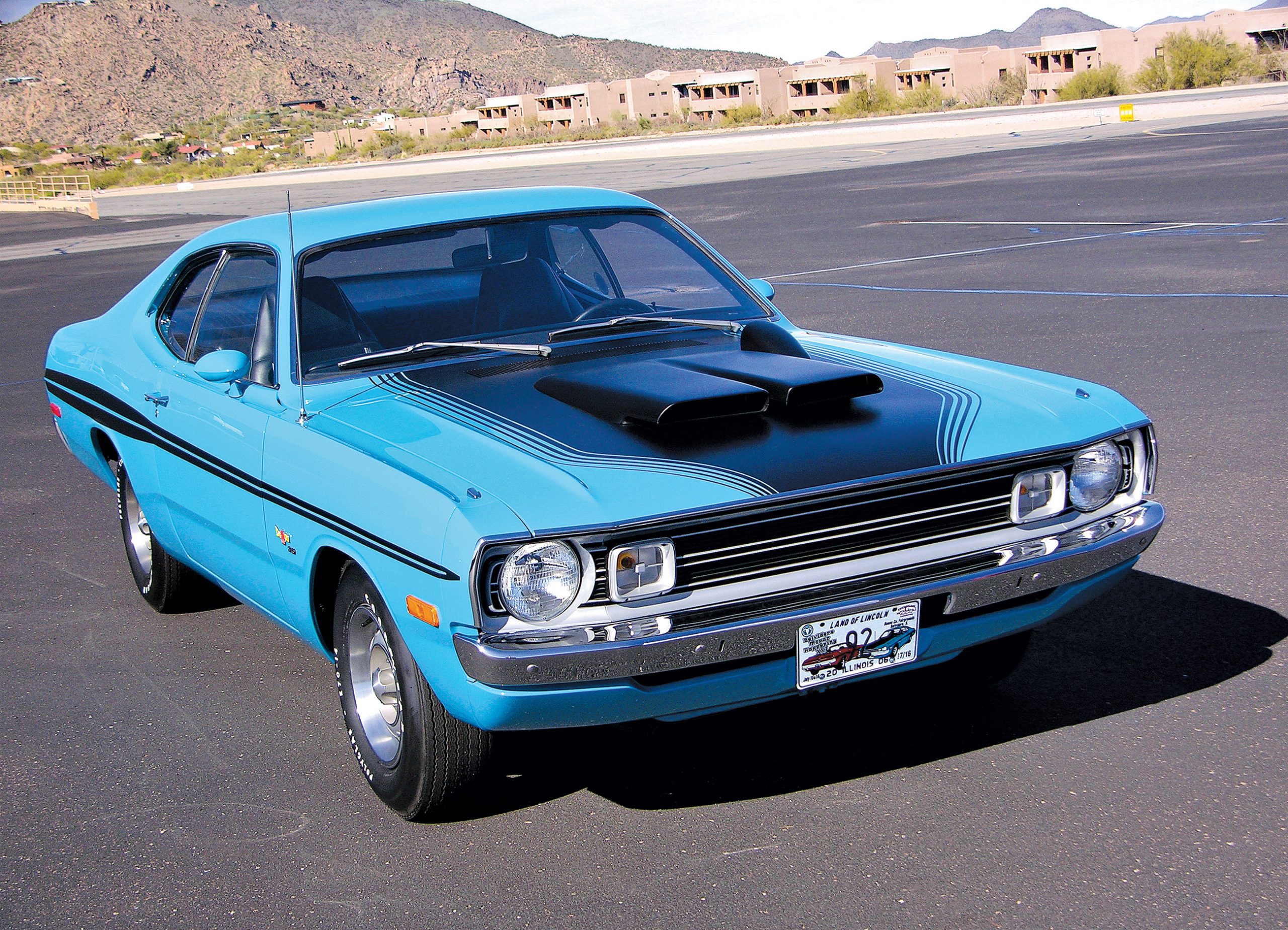
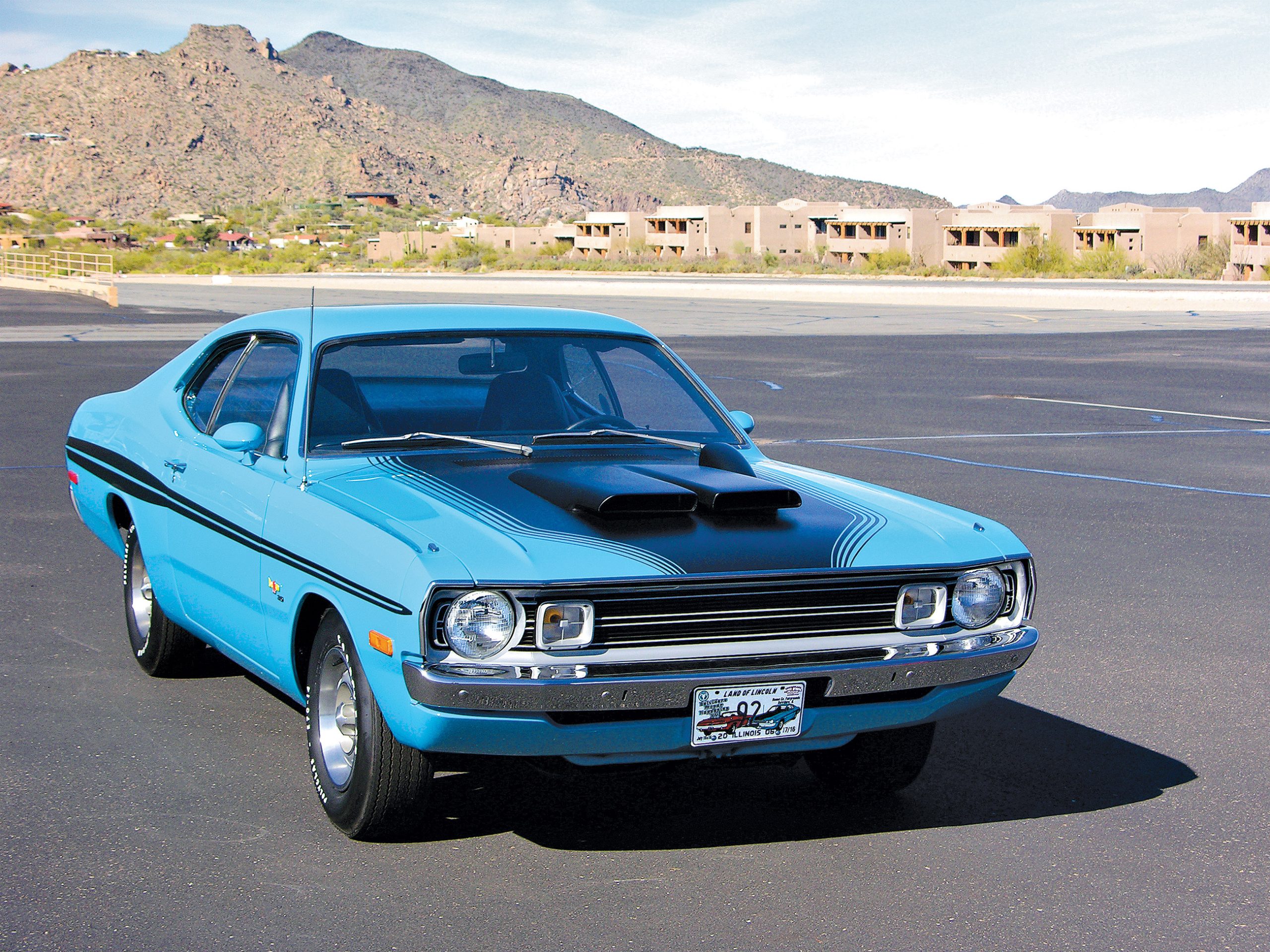
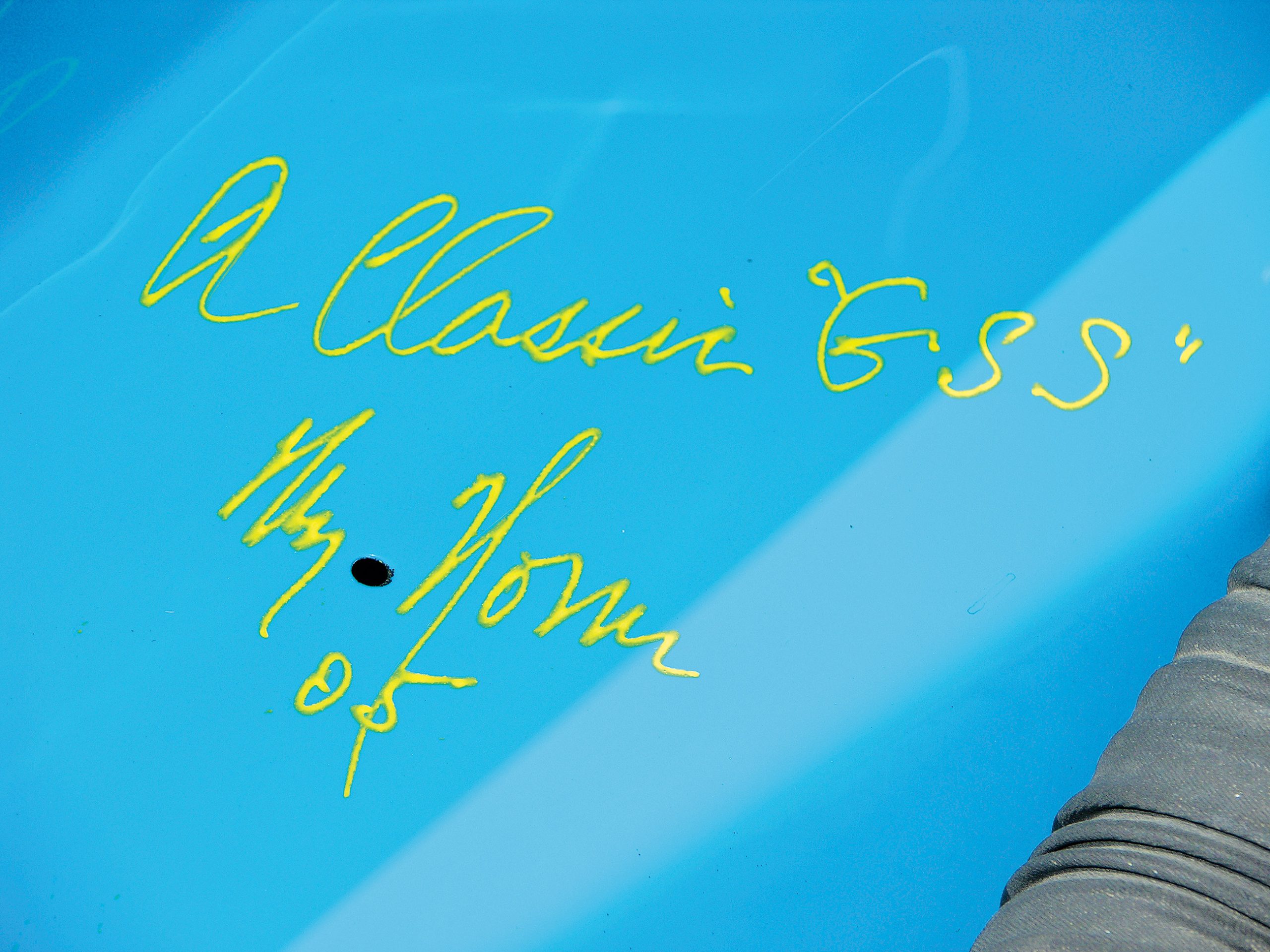
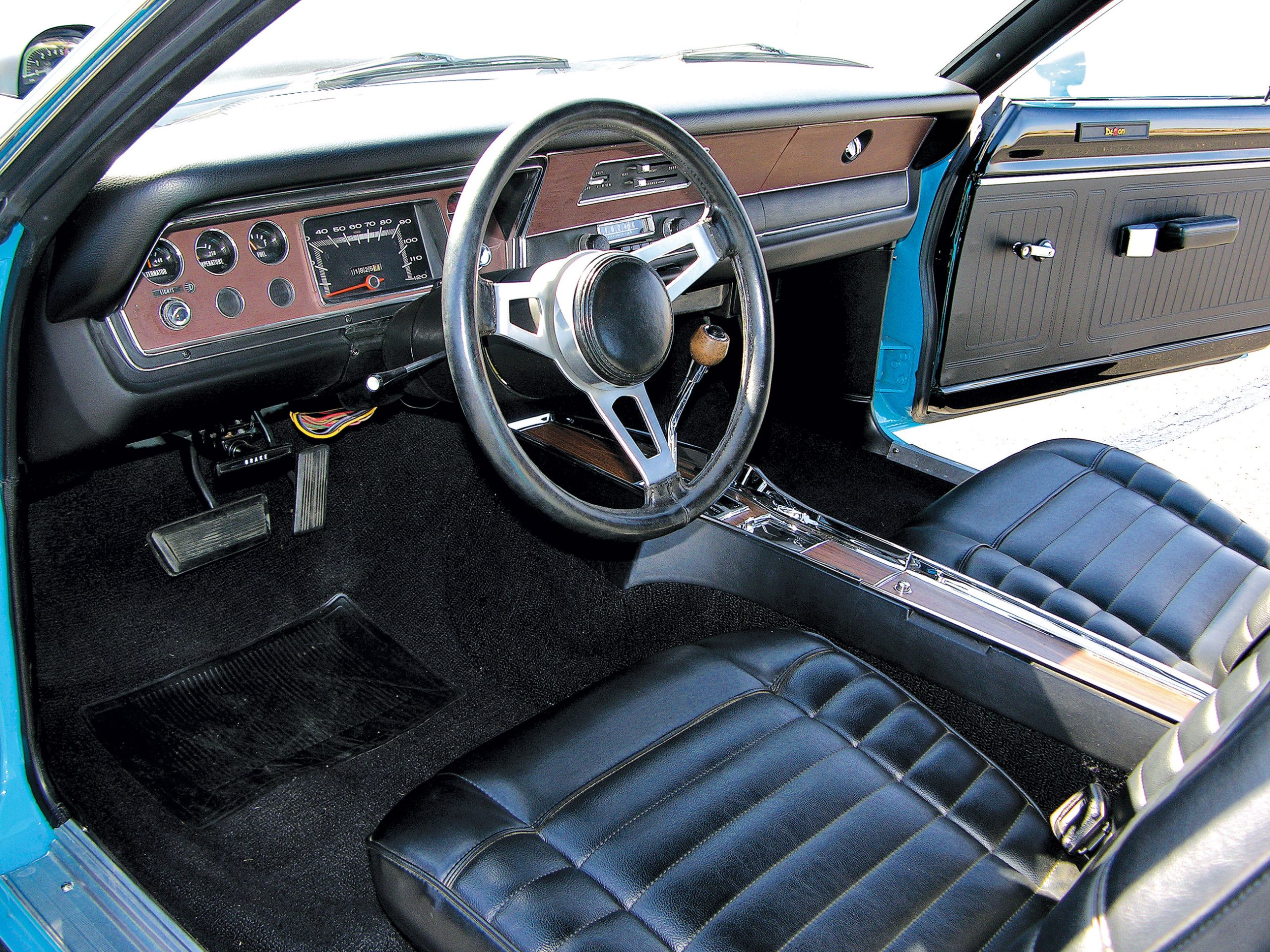
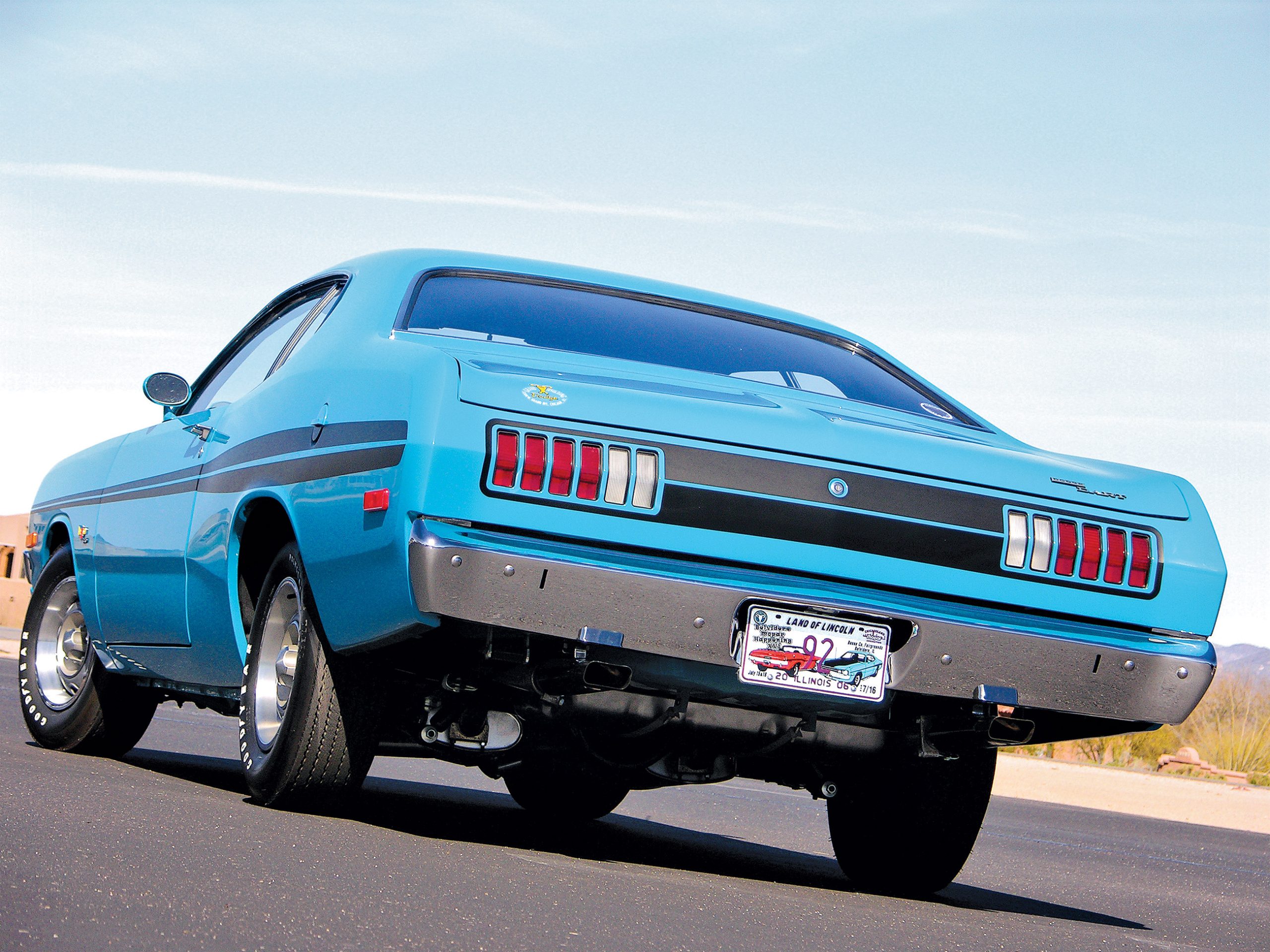
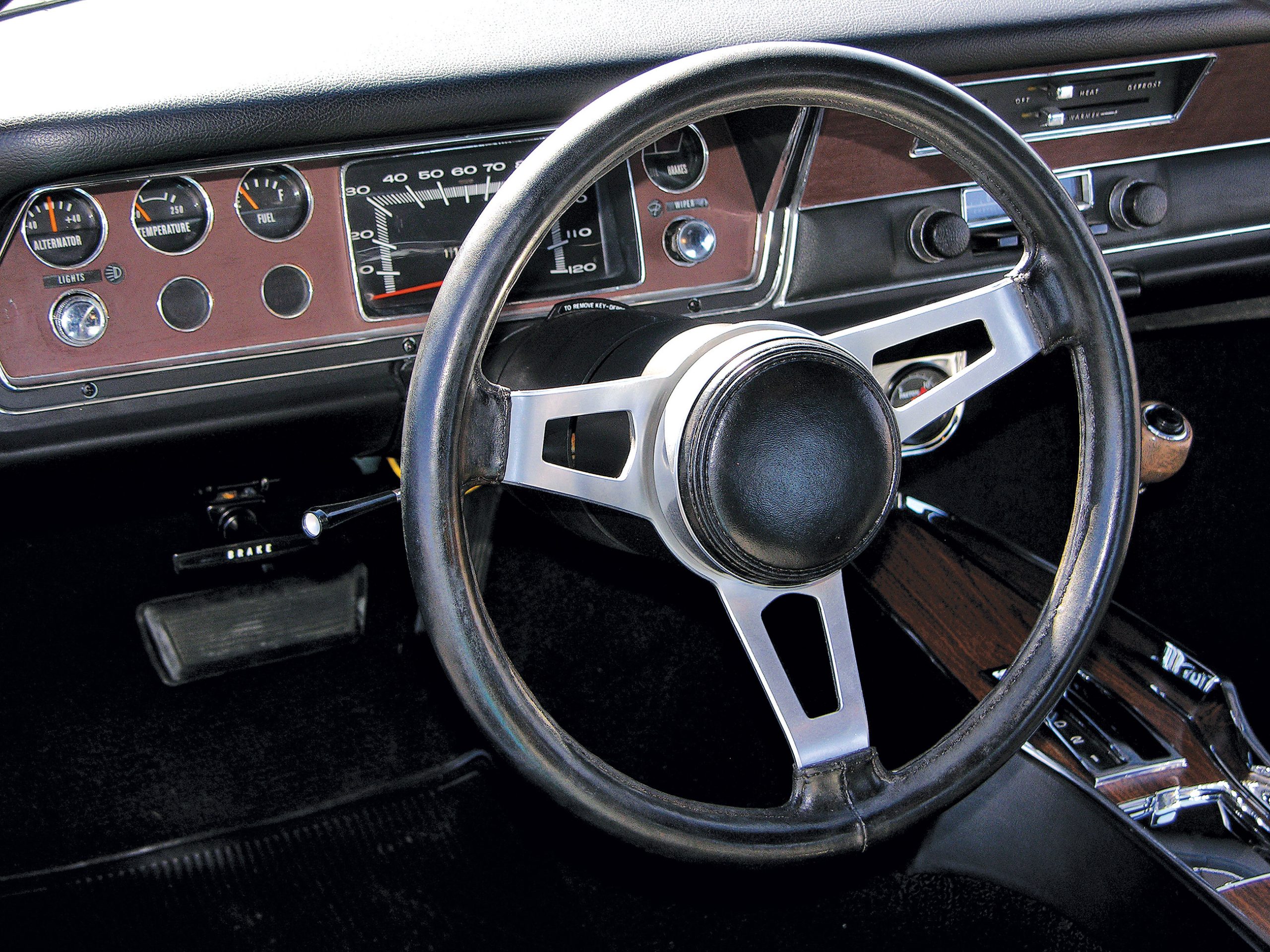
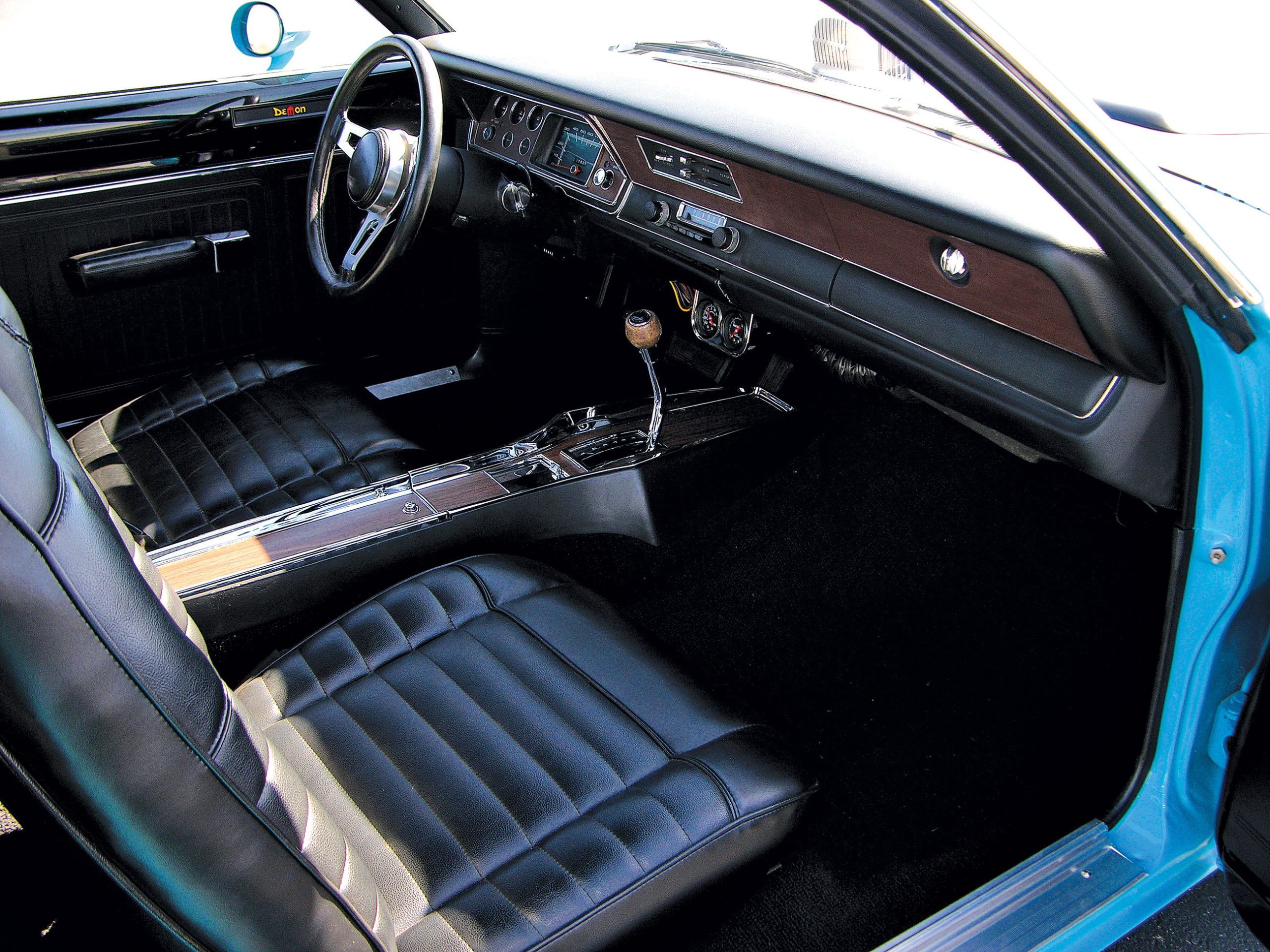
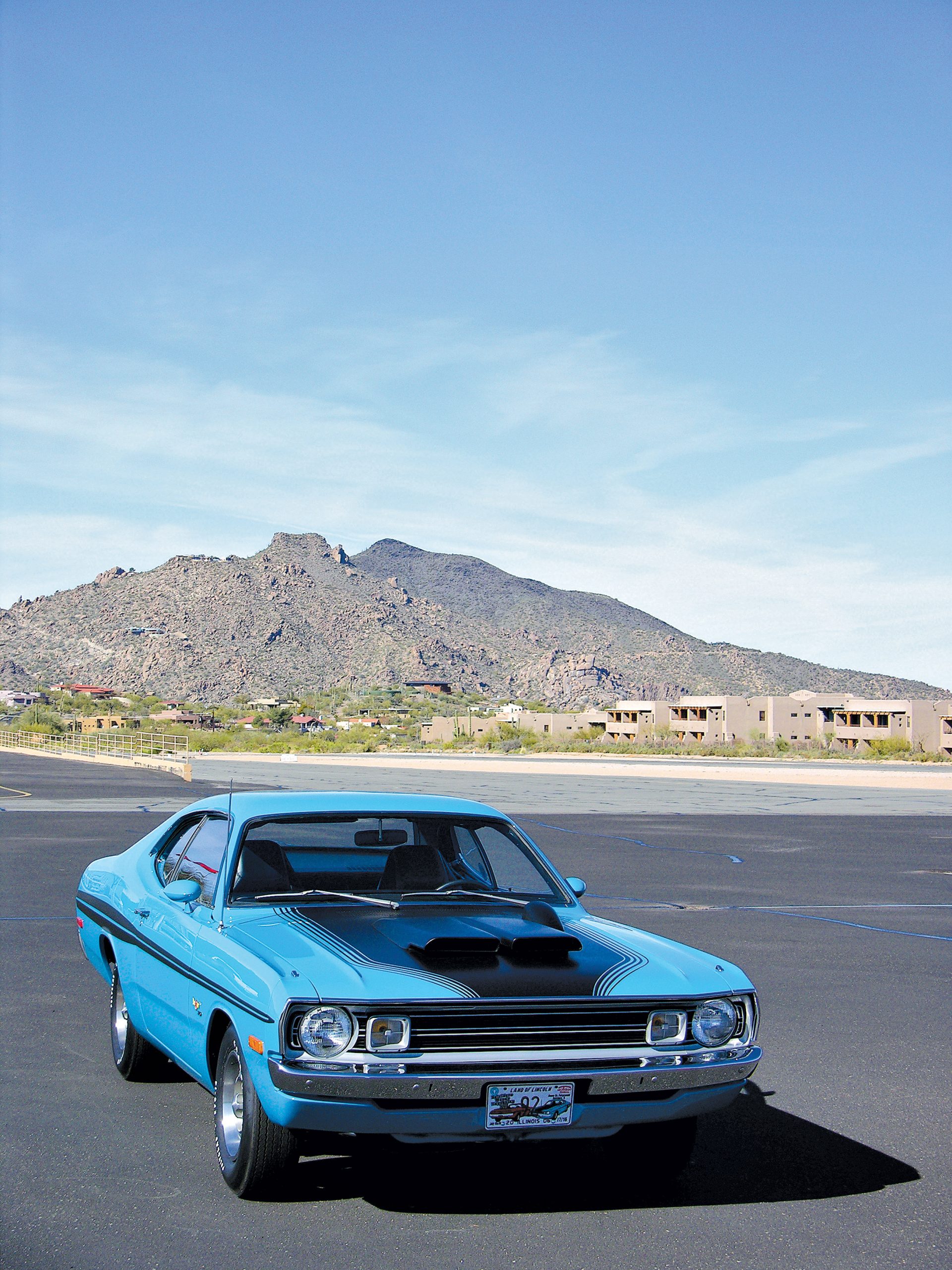
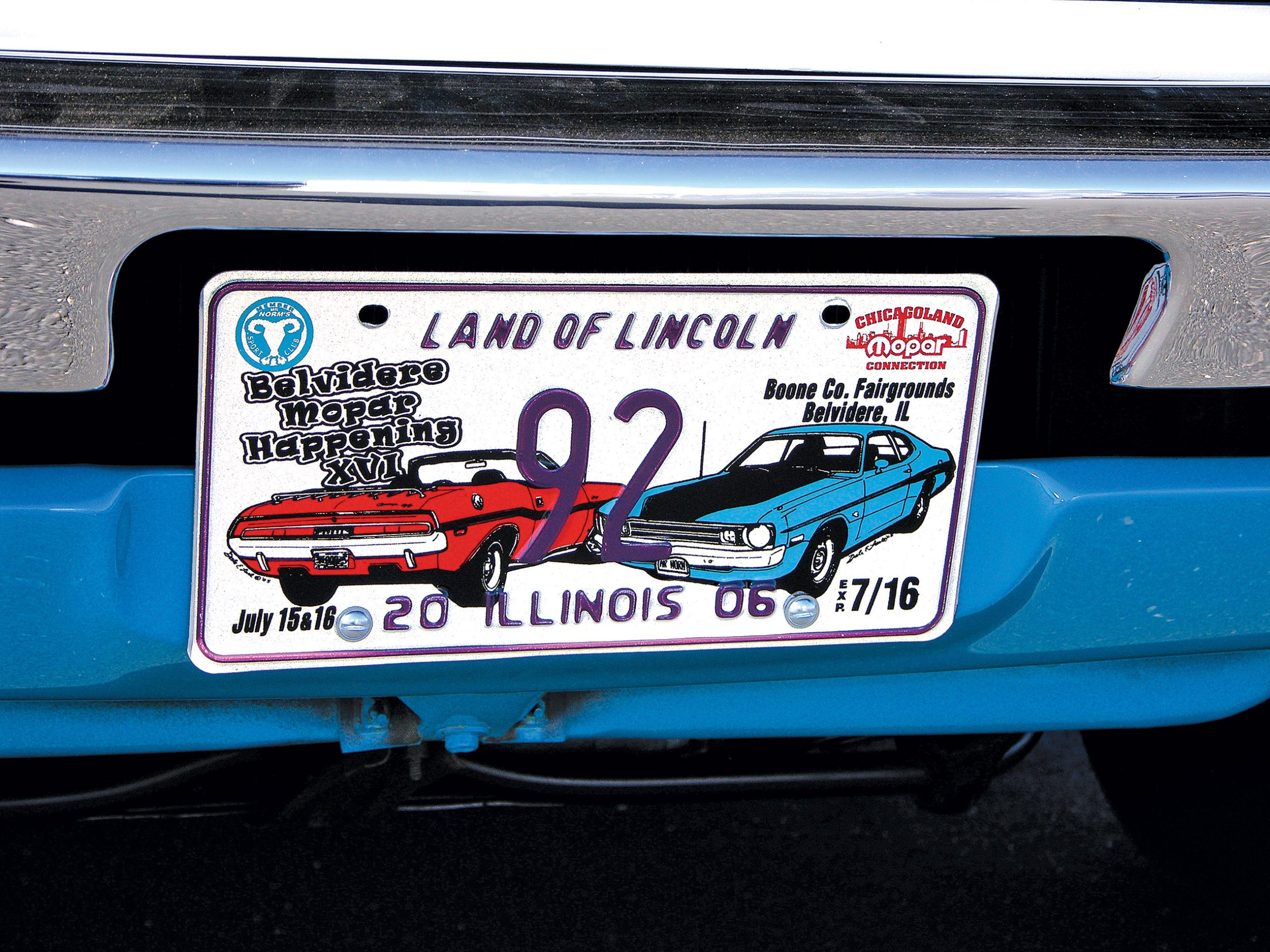
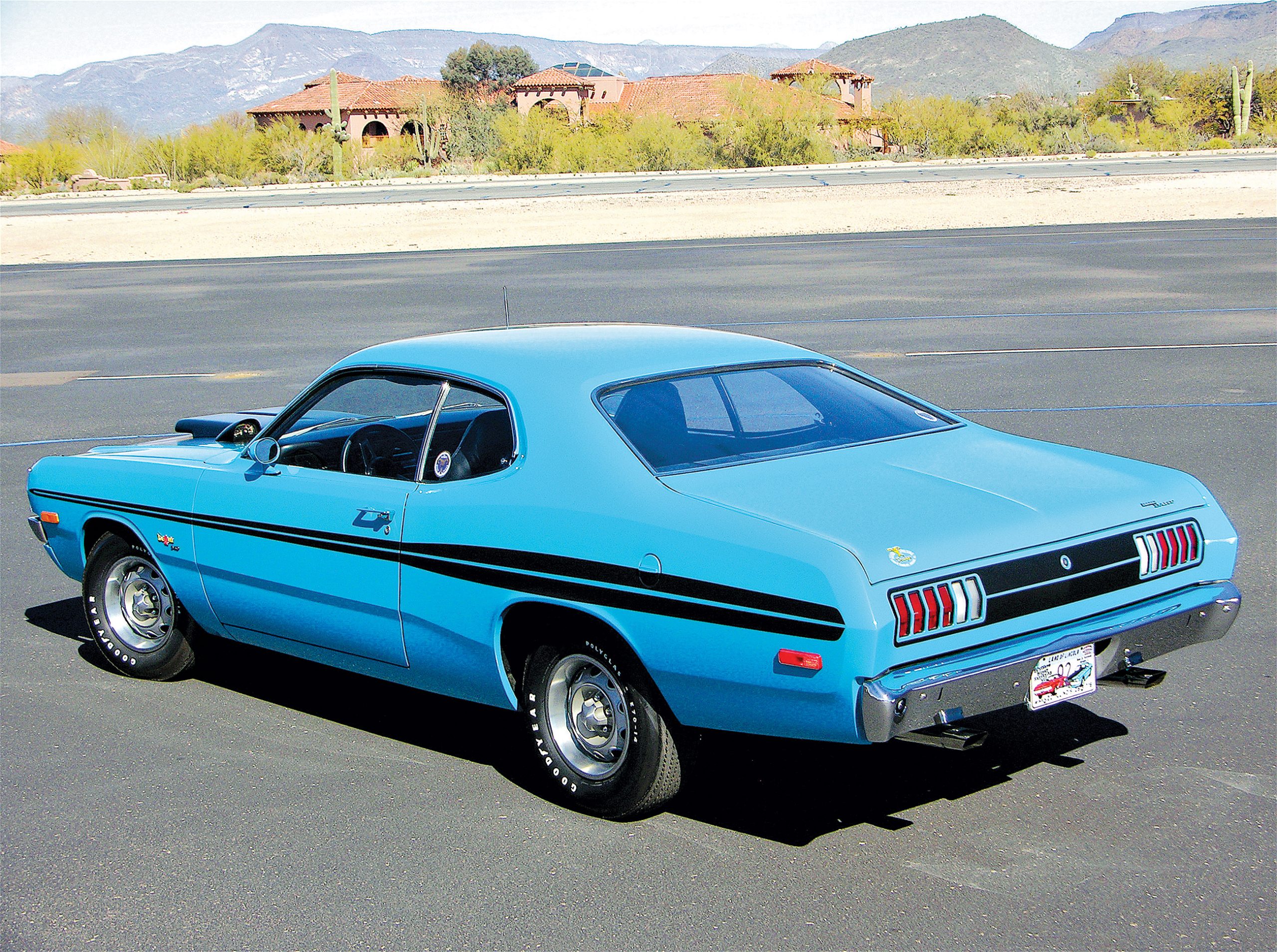
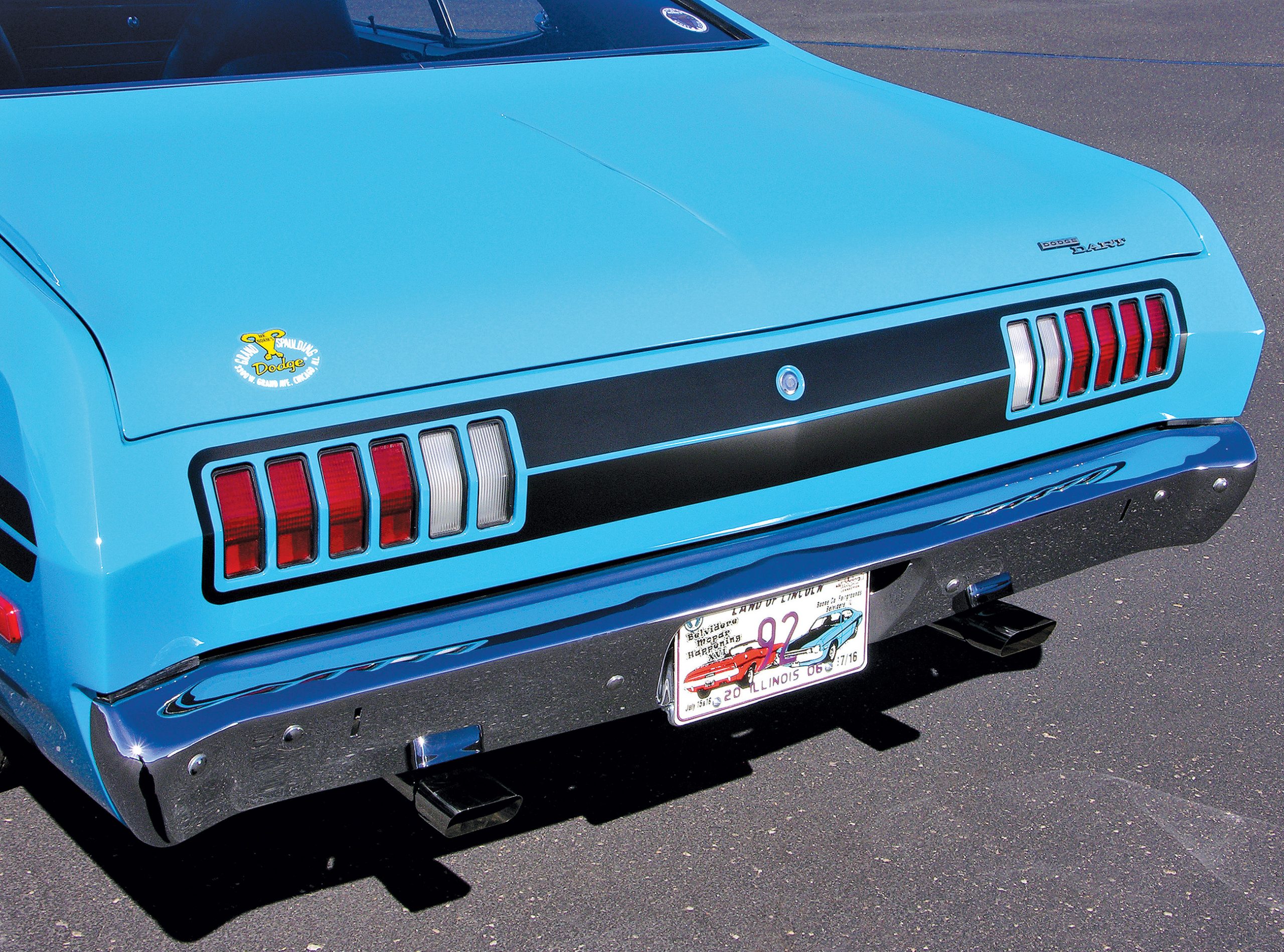
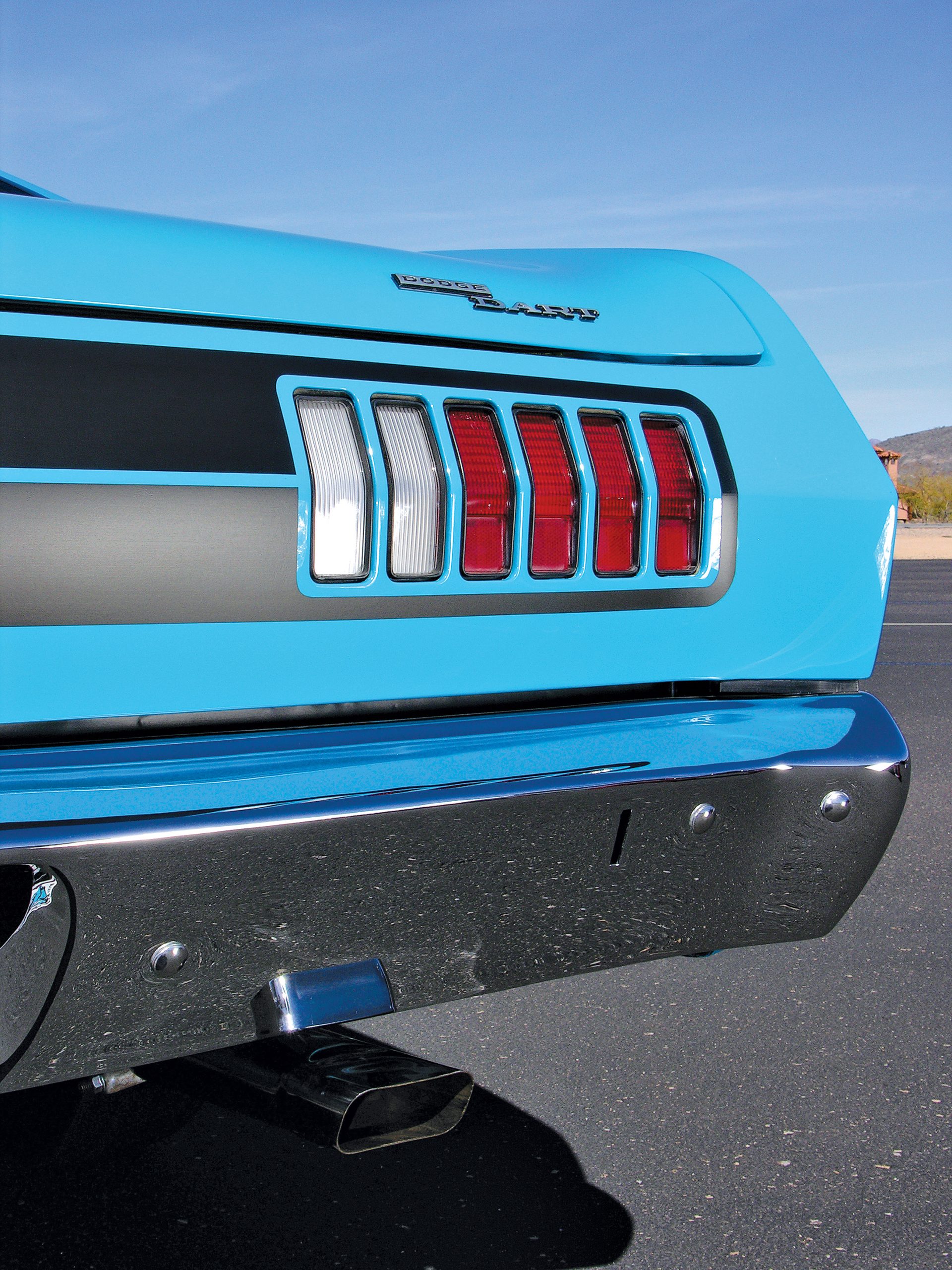
This ’72 Demon GSS is owned by Bill Sefton of Scottsdale, Arizona. The factory-painted Corporate Blue machine (also known as Richard Petty Blue) is one of the finest examples around. The car has undergone a full and complete restoration by Nostalgia Lane in Machesney Park, Illinois. Mr. Norm himself has seen the car and personally signed his name to it under the hood on the passenger-side inner fender area.
A Time Capsule on Wheels
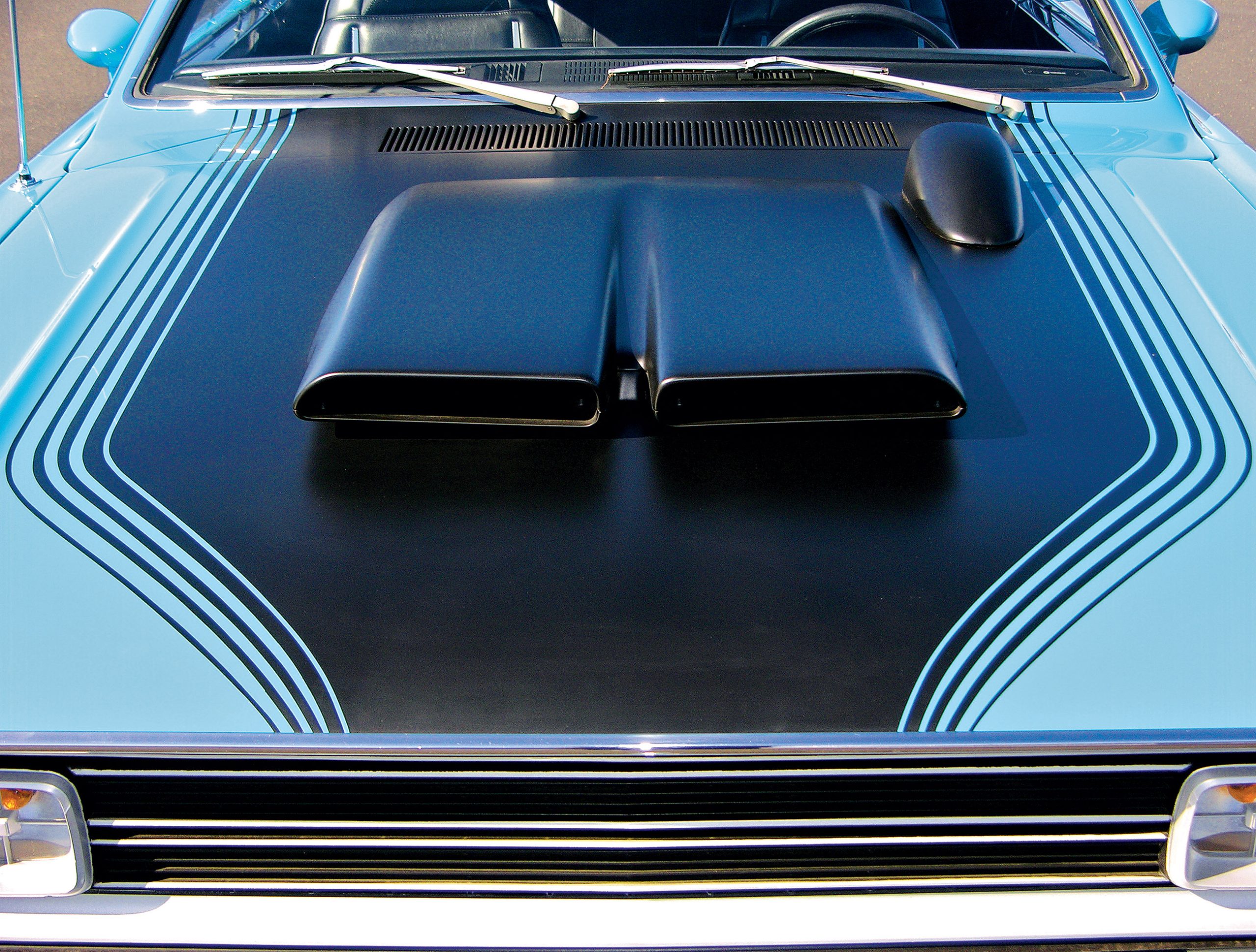
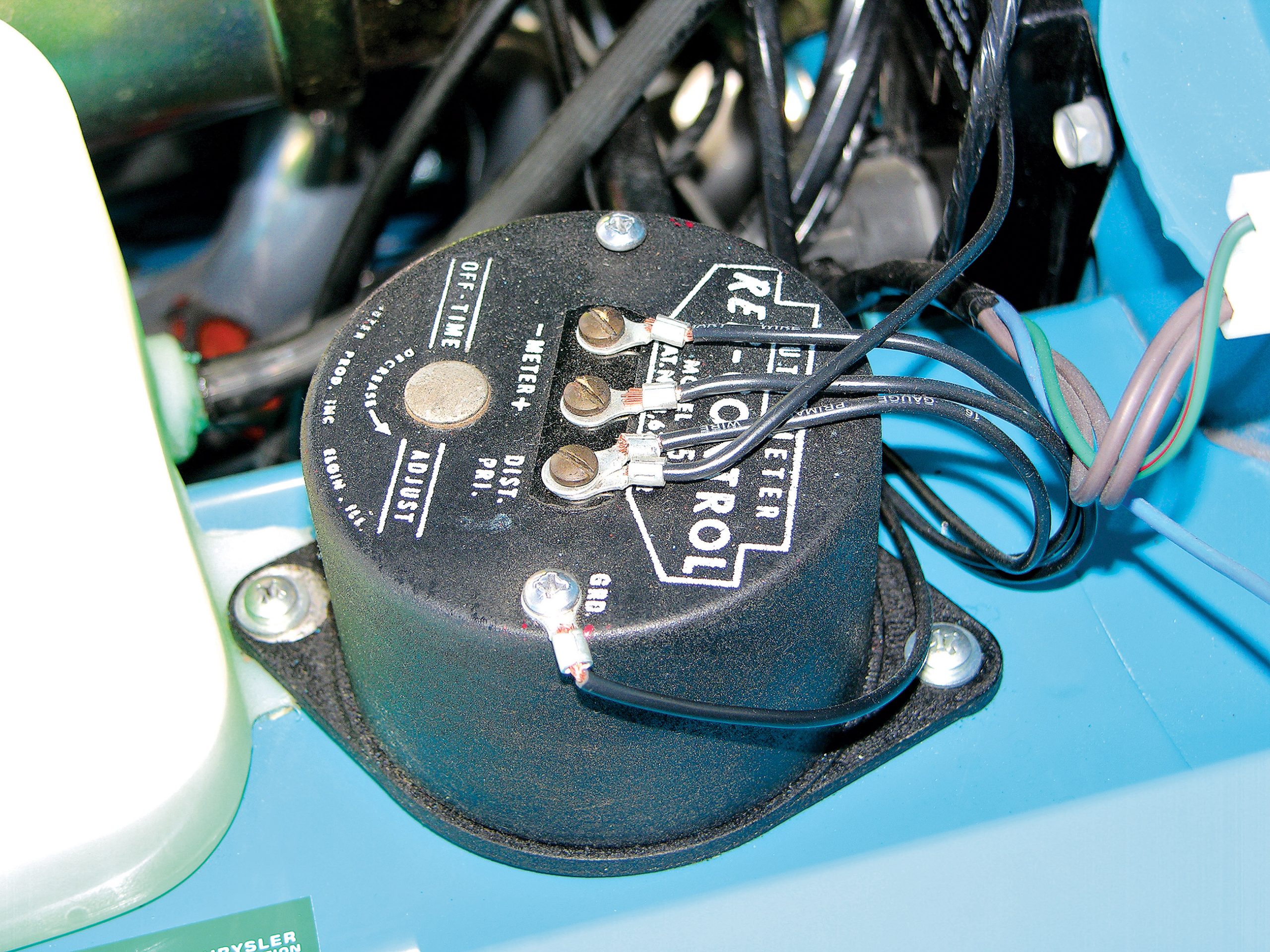
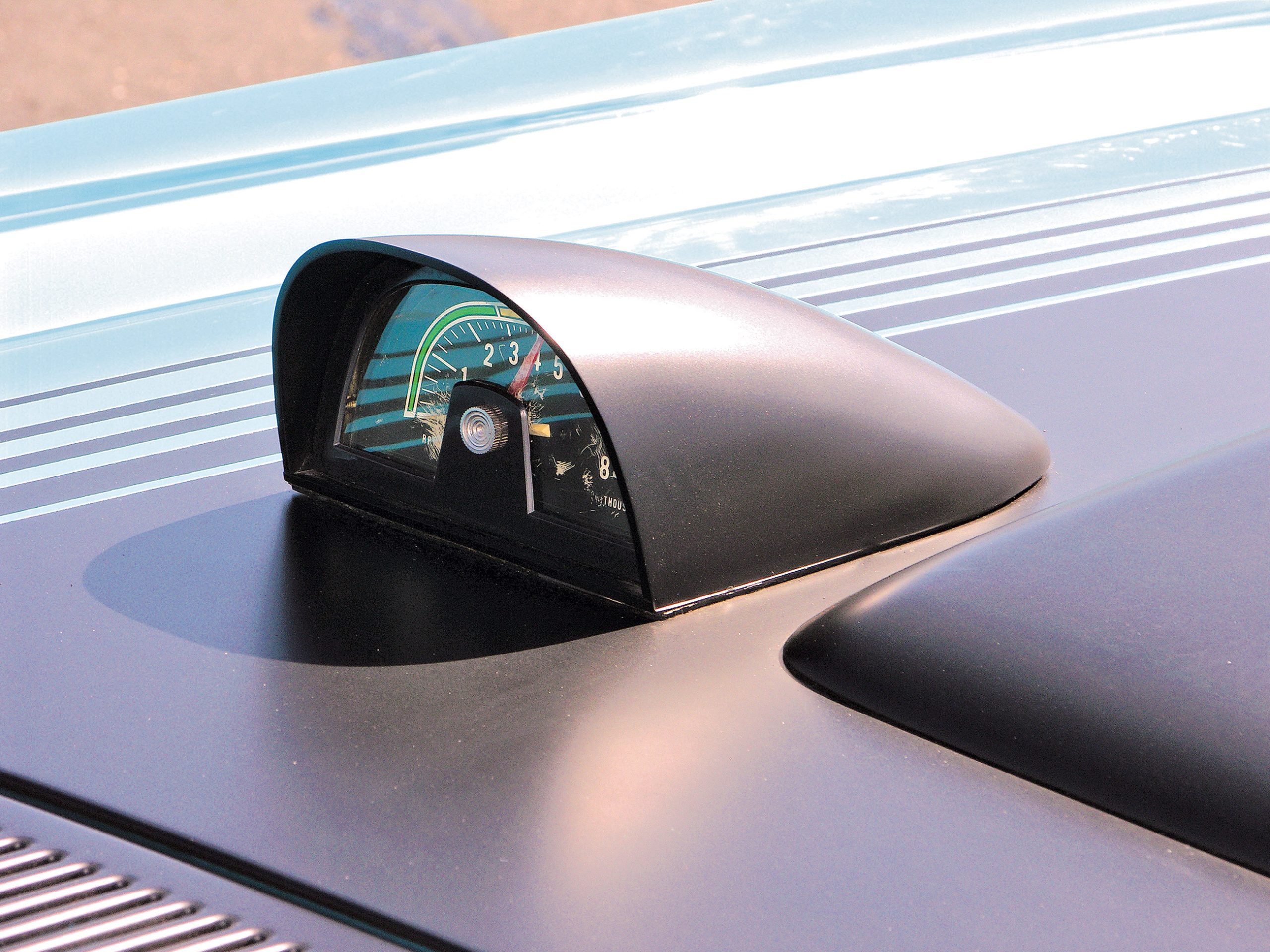
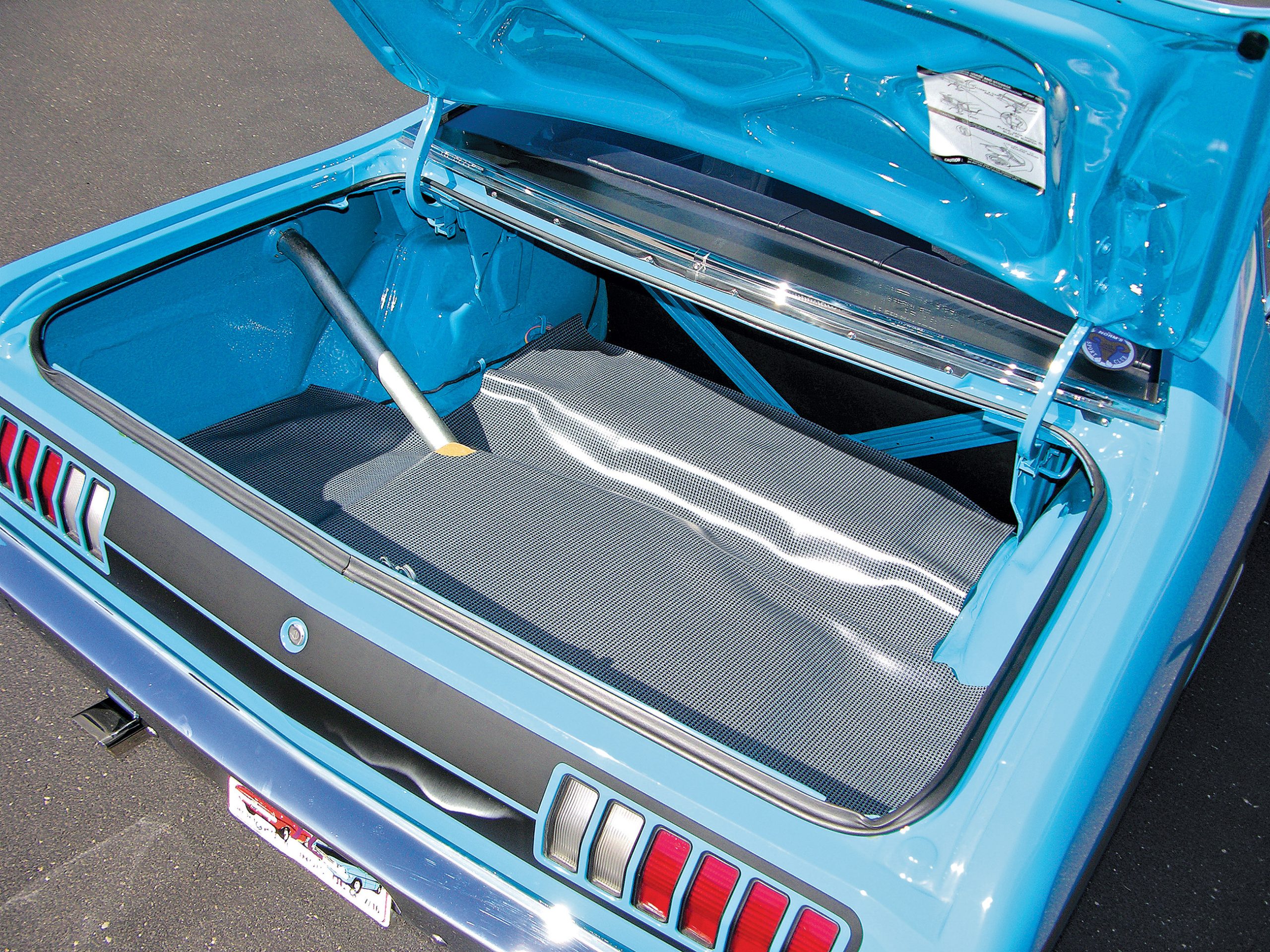
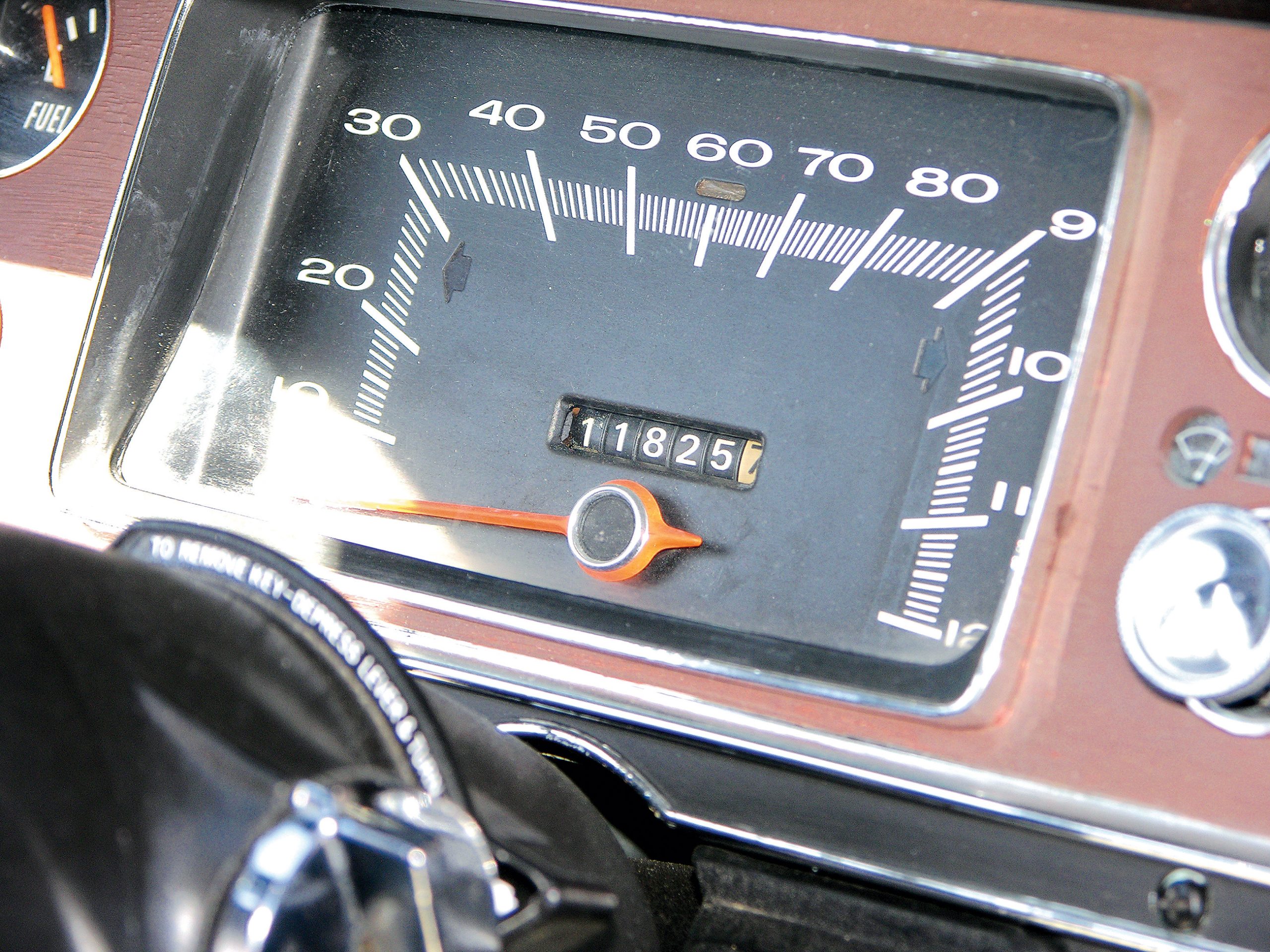
The supercharger system is a rare NOS item, and everywhere you look the car appears to be in true showroom condition, as it would have been in the spring of 1972 (it has a March 1972 scheduled build date from the factory). The car has a blacked-out hood scoop, along with a dealer-installed hood-mounted tachometer.
Legacy of the Supercharged Demon
Supercharging a Dodge Demon in 1972 was an innovative approach, to be sure, a way Mr. Norm and his crew could deal with the factory-detuned 340. Now, after all these years, it was fun finding a GSS as nice as this one. Sefton’s car is like a trip back in time. One mash of the throttle and you hear the telltale sounds of the blower, and you realize just how cool these cars really were!