A Fortunate Find
Back in the summer of 2004, Harry Cline found a ’34 Ford three-window coupe body on eBay. When the auction ended, Harry was the high bidder. He made the trip to Jacksonville, Illinois, to pick up the body. The overall condition of the car was better than he expected, and the doors fit very well for a car that was 70 years old. The seller told Cline that it had actually been stored for nearly 40 years. Just as Harry got the body loaded on his trailer, another interested buyer called to inquire about the body, and he told Cline to name his price. Cline told the caller, “Absolutely not! I’ve got the steel ’34 coupe I’ve looked for years to find.” He hit the road back to Topeka, planning his project along the way.
Frame and Suspension
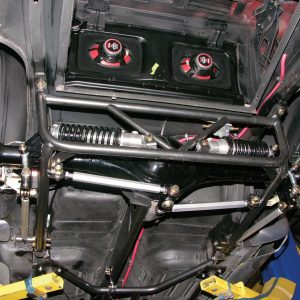
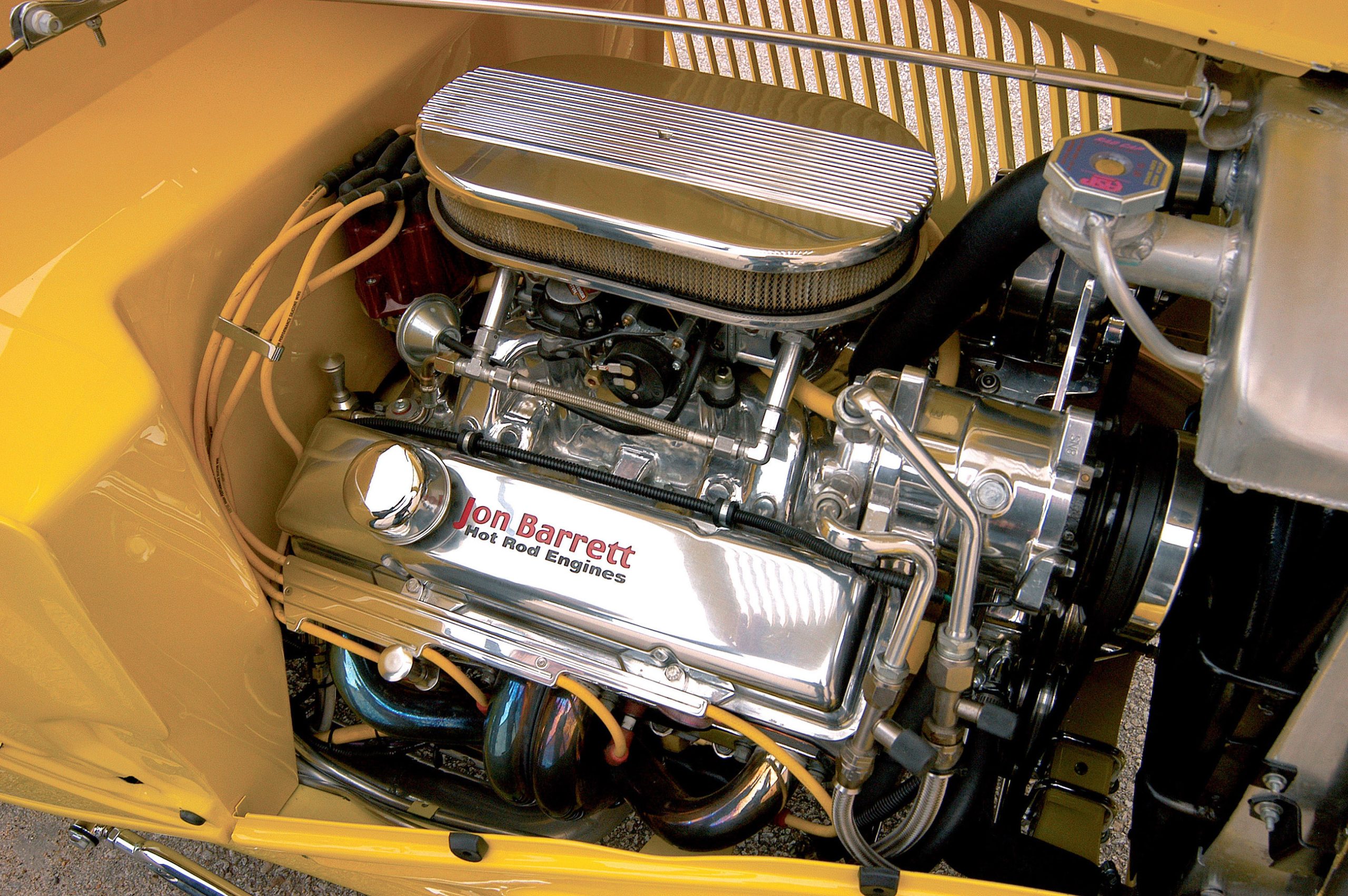
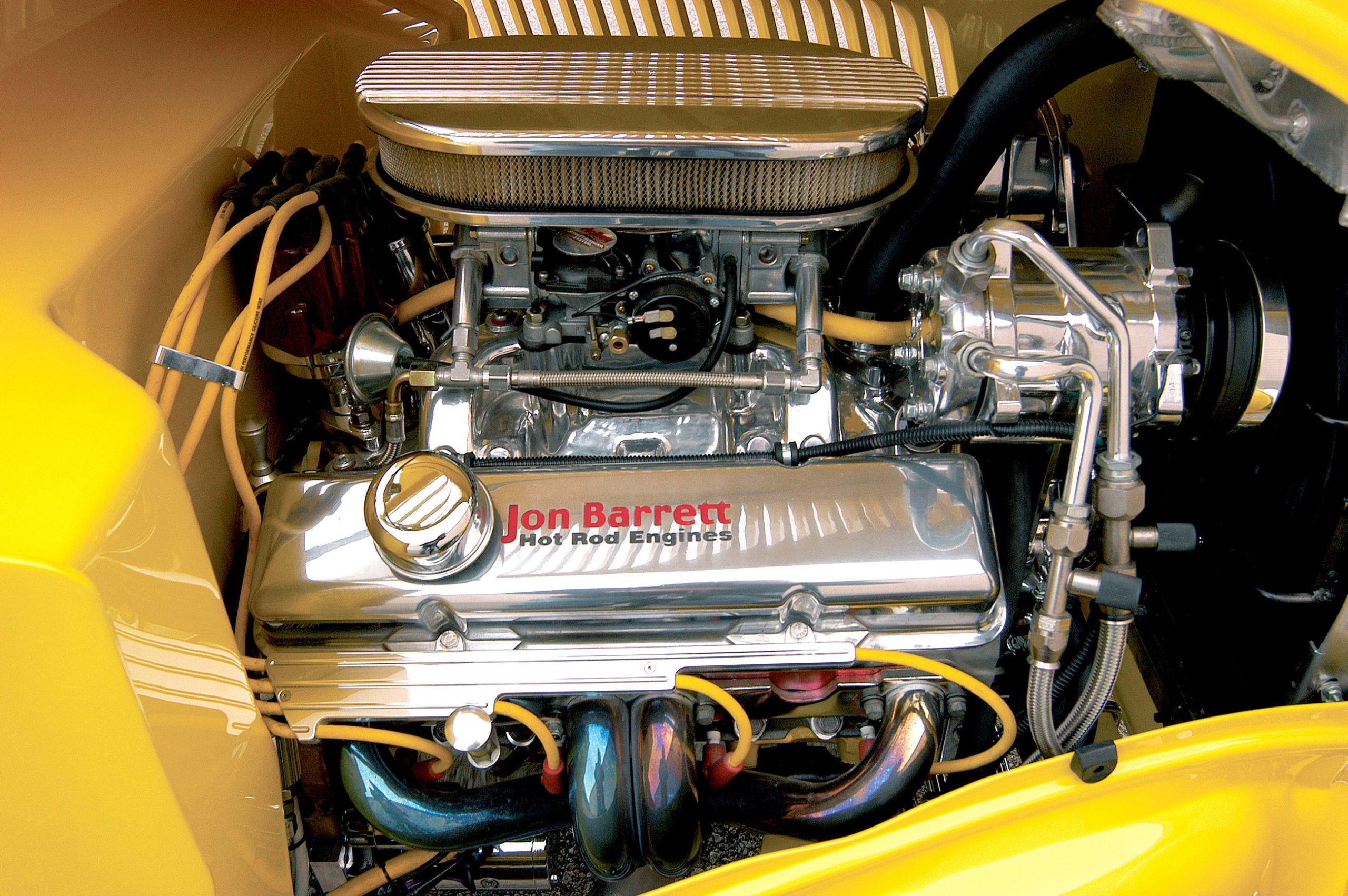
Harry began with a stock ’34 frame, which was originally manufactured by Henry Ford. Cline C-notched the framerails before boxing and smoothing for paint. He wanted the car to sit just right and to follow a more traditional theme, and to accomplish his goal, he called Pete & Jake’s to order all the right components. The Super Bell I-beam came with a 4-inch drop and was drilled prior to being chromeplated. The axle was mounted to a Posies leaf spring with Pete & Jake’s hairpin radius rods and shocks. Wilwood disc brakes provided the stopping power, and the cross steering came from Marvel. Out back, the Positraction rearend was mounted via a four-link setup with QA1 coilovers. John Barrett Hot Rod Engines built the 383 Chevy stroker engine, which received Dart II aluminum heads, Barrett valve covers and a Comp Cams flat-tappet camshaft. A Pro Products aluminum intake was hooked to a Holley Avenger carburetor, and the finned air cleaner came from Billet Specialties. Topeka Transmissions built the 700R4 to handle the 400 horses that are generated toward the rear wheels, and a Griffin aluminum radiator provides the cooling.
Body and Paintwork
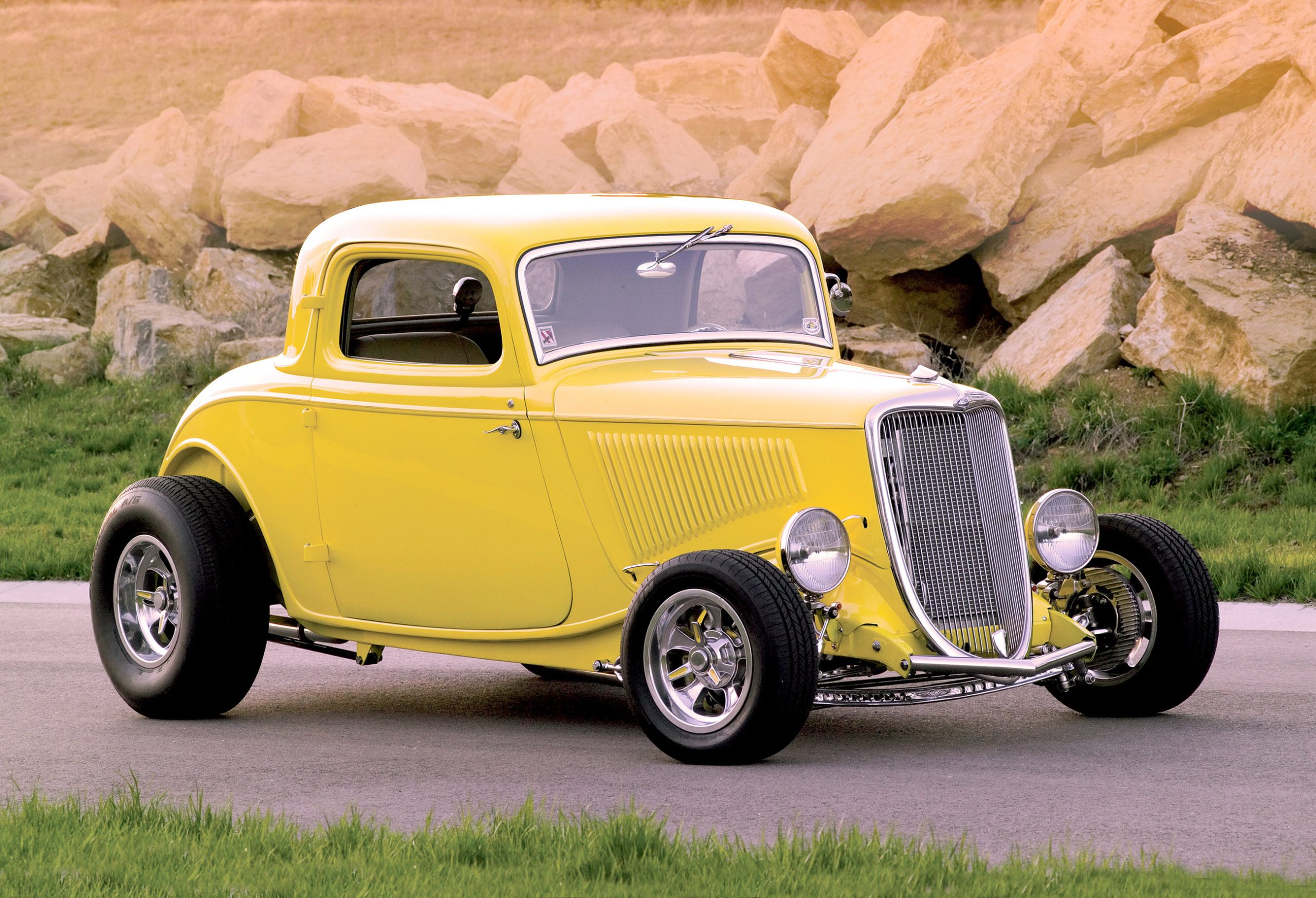
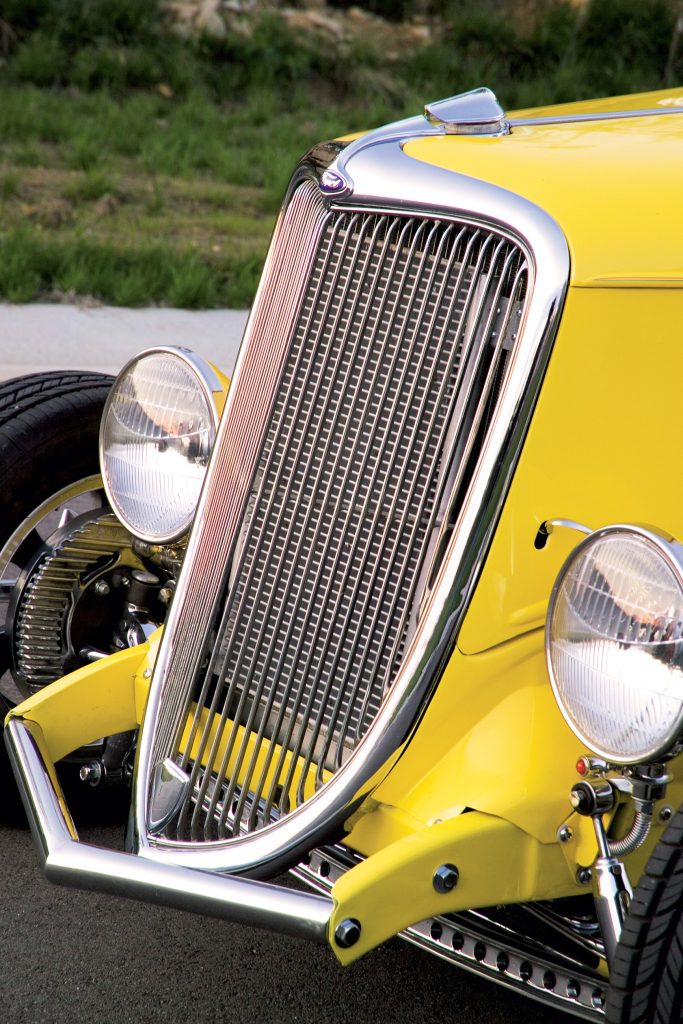
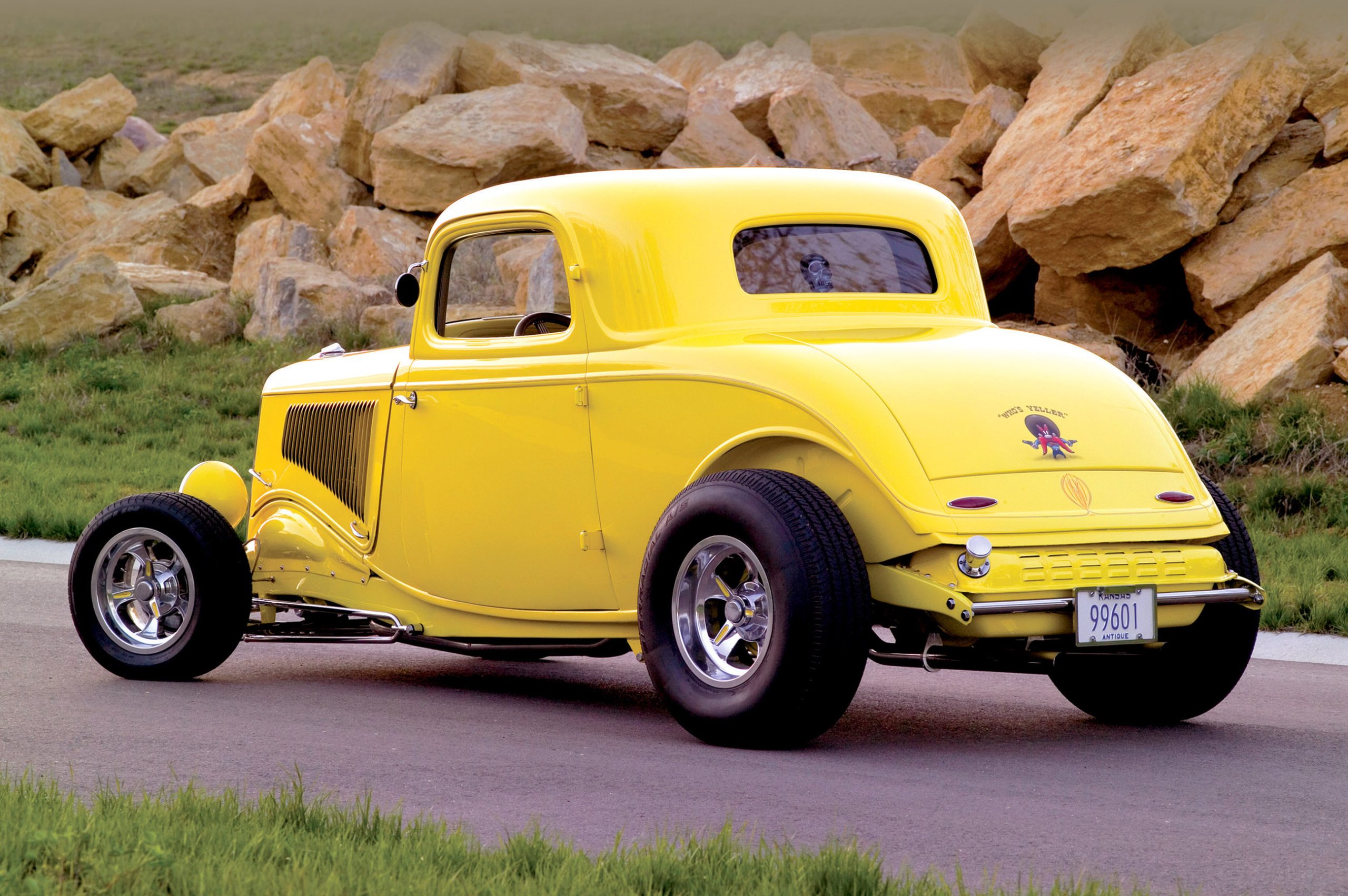
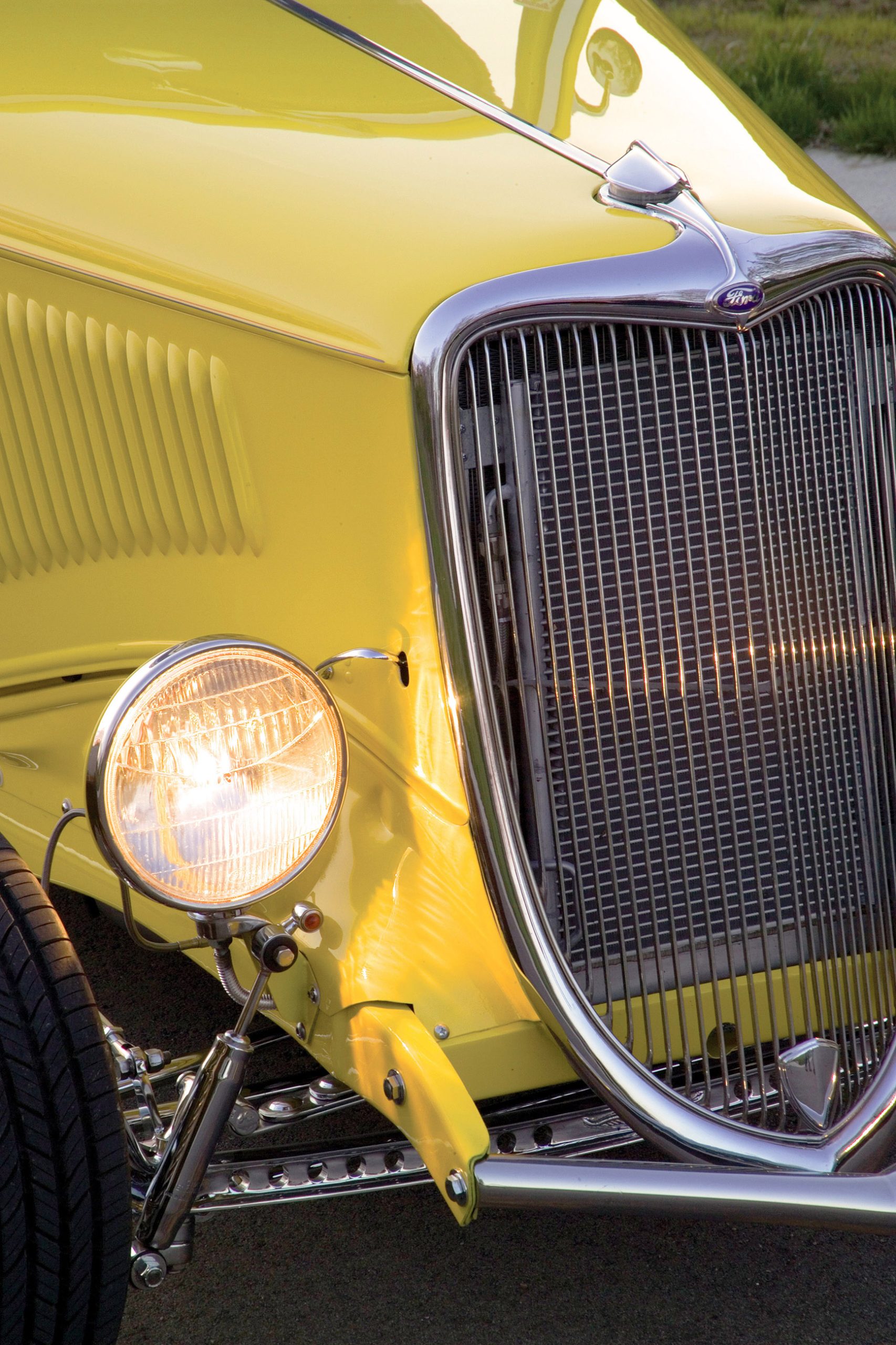
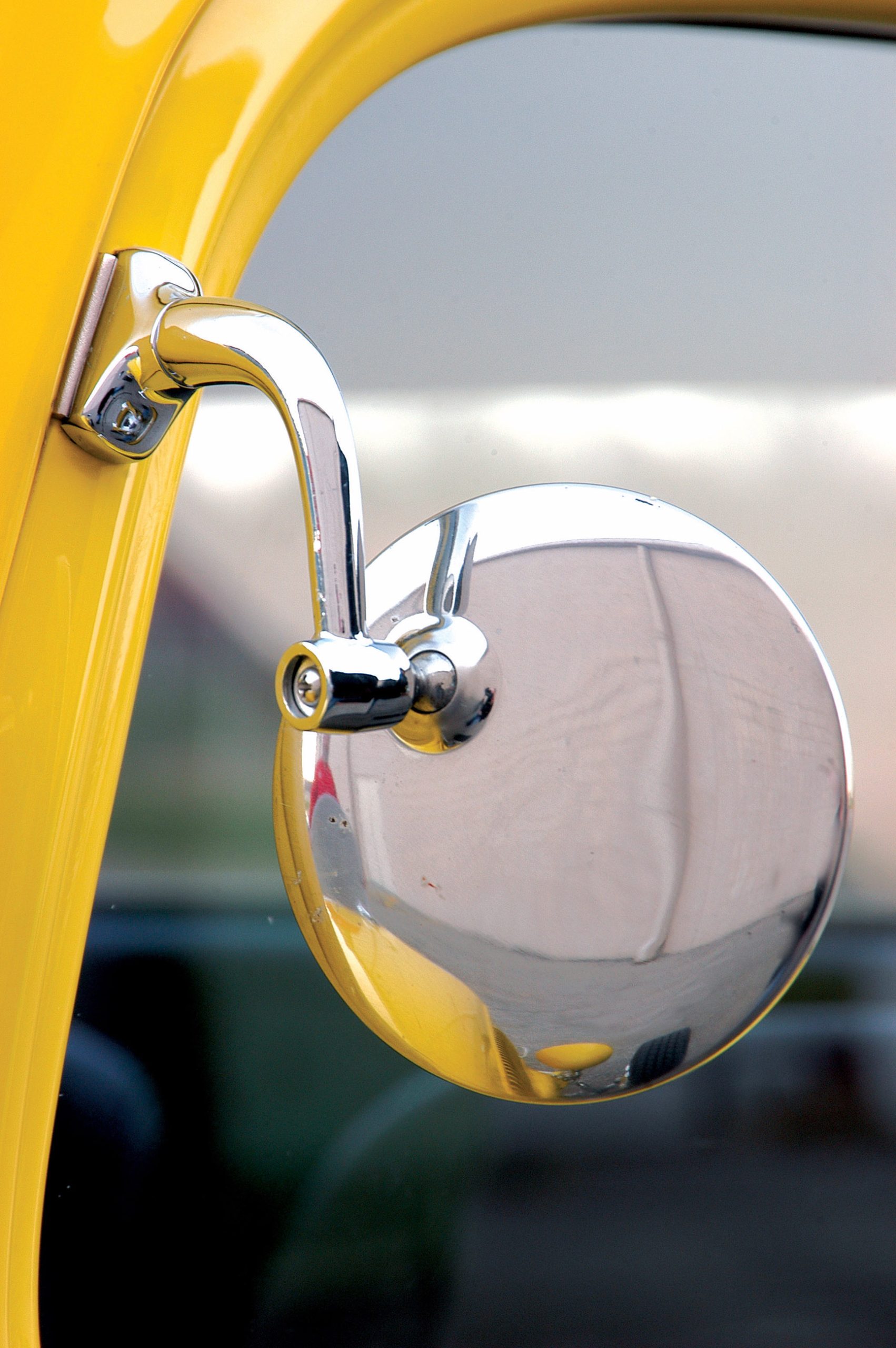
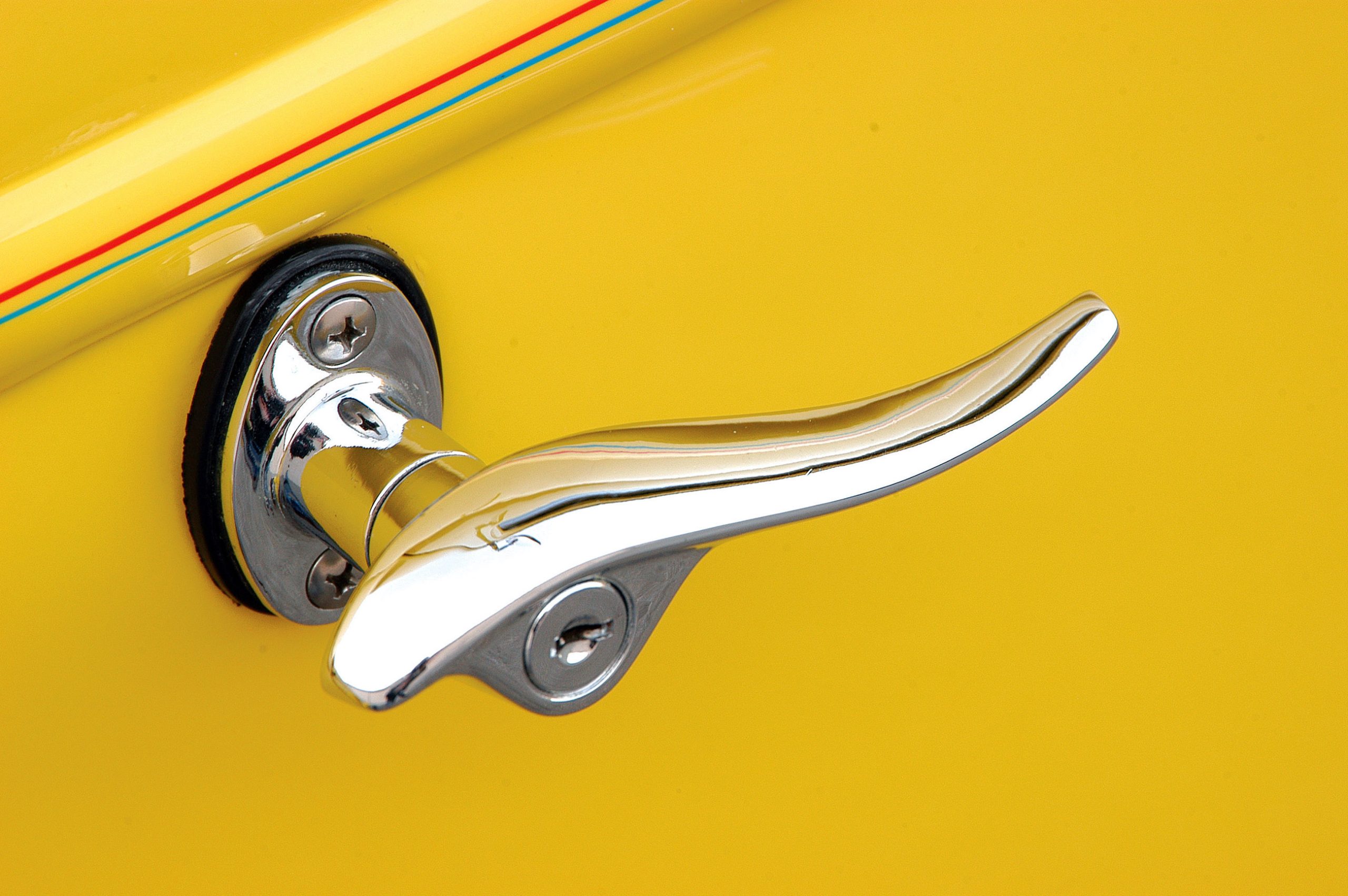
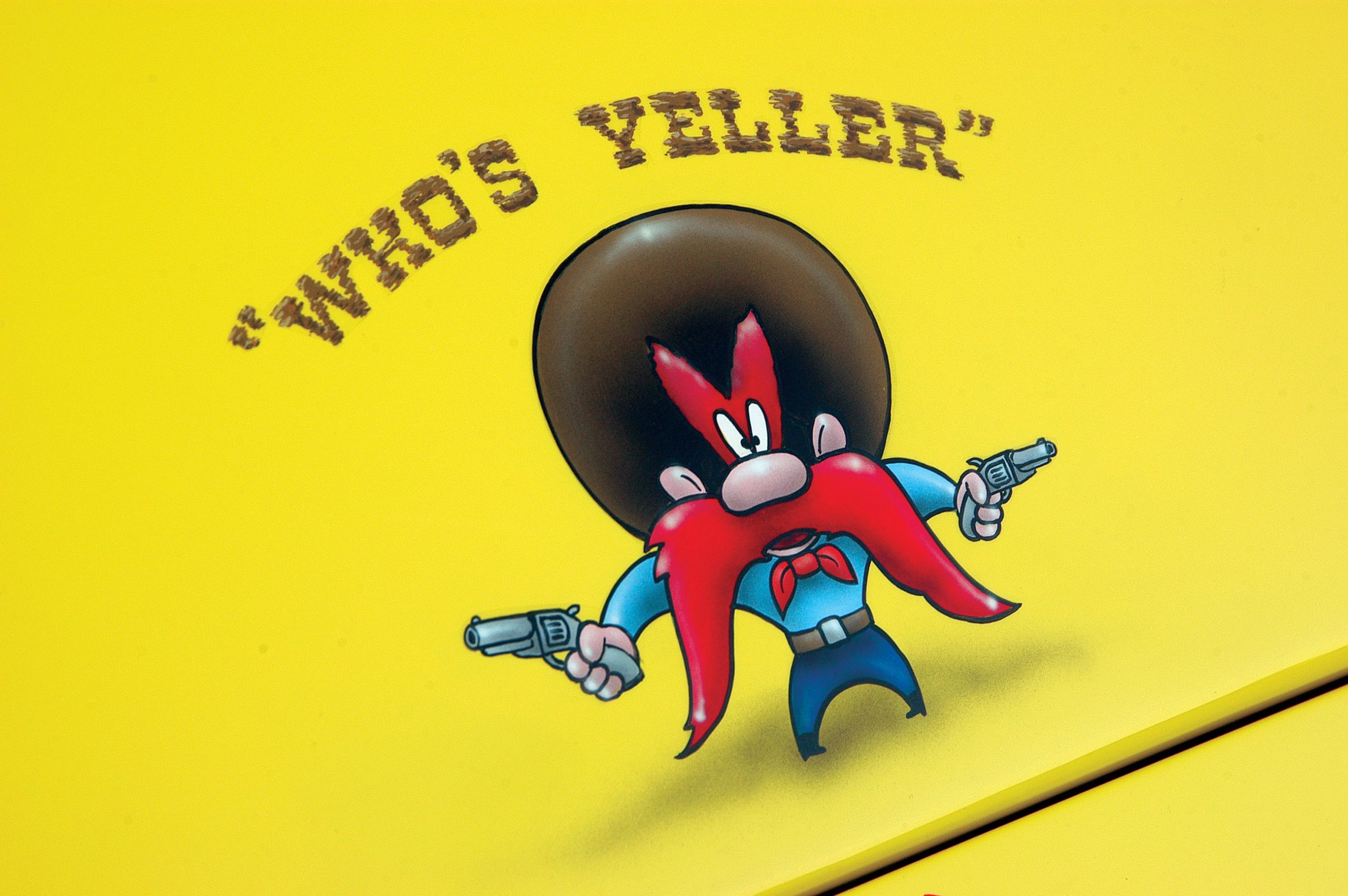
Cline saw no reason to cut the solid body, so he left the top at its stock height. However, he did fill the roof with metal and added a firewall from Bitchin Products. While the floor was pretty solid to begin with, Harry installed a Bitchin floor pan to help the body fit over the new chassis. The hood remained stock and the original ’34 grille was kept. A louvered gas tank adds to the traditional flavor. Once he had all the body updates completed, he turned it over to Larry Langley for paint. Larry prepped all the metal before spraying the DuPont vivid Canary Yellow paint. The cat-eye taillights came from Sun Specs. A set of ’34 Commercial headlights reside in the front. The front spreader and rear came from the Deuce factory. Artworks added the pinstriping and graphics.
Comfortable Interior
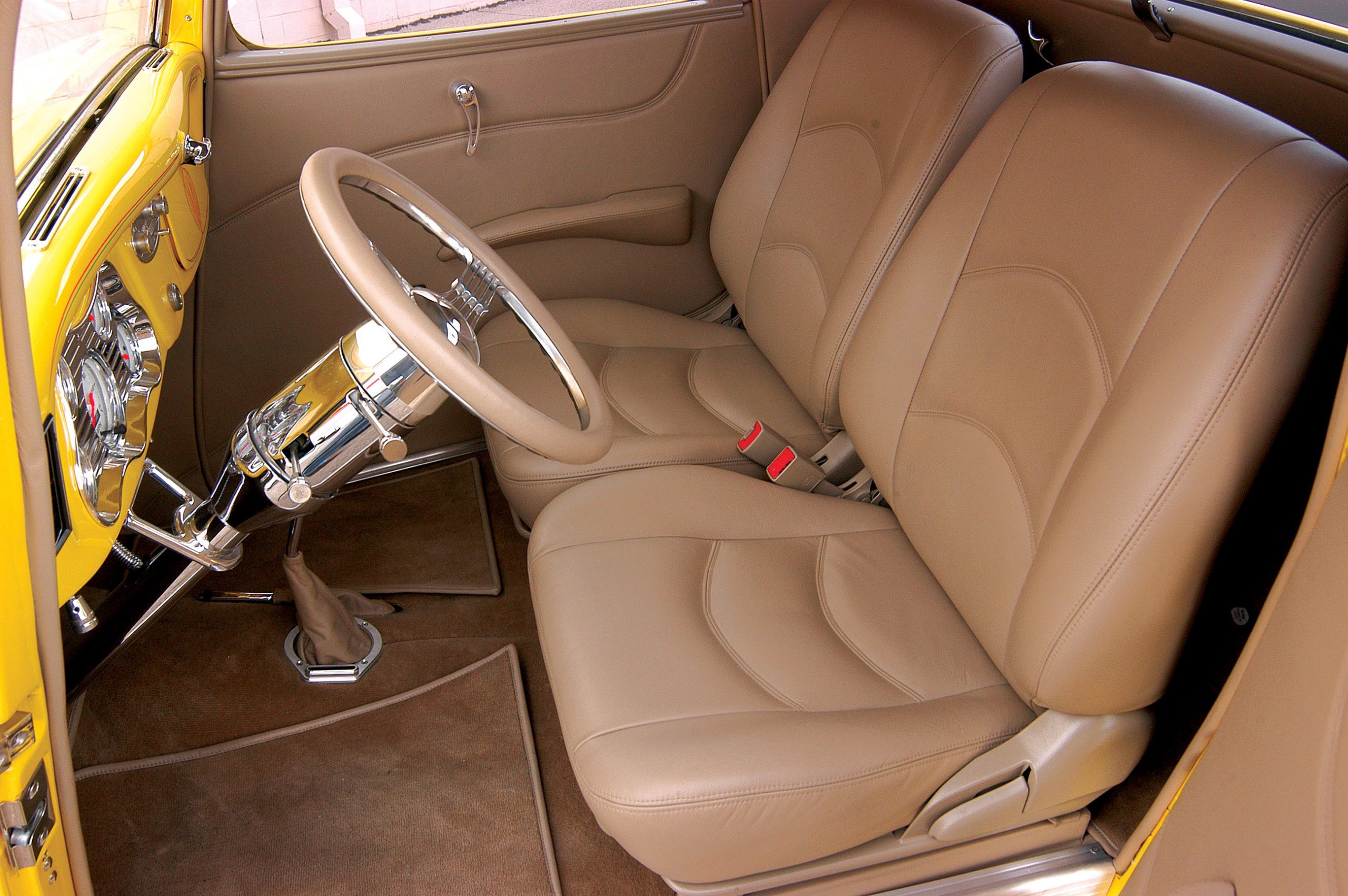
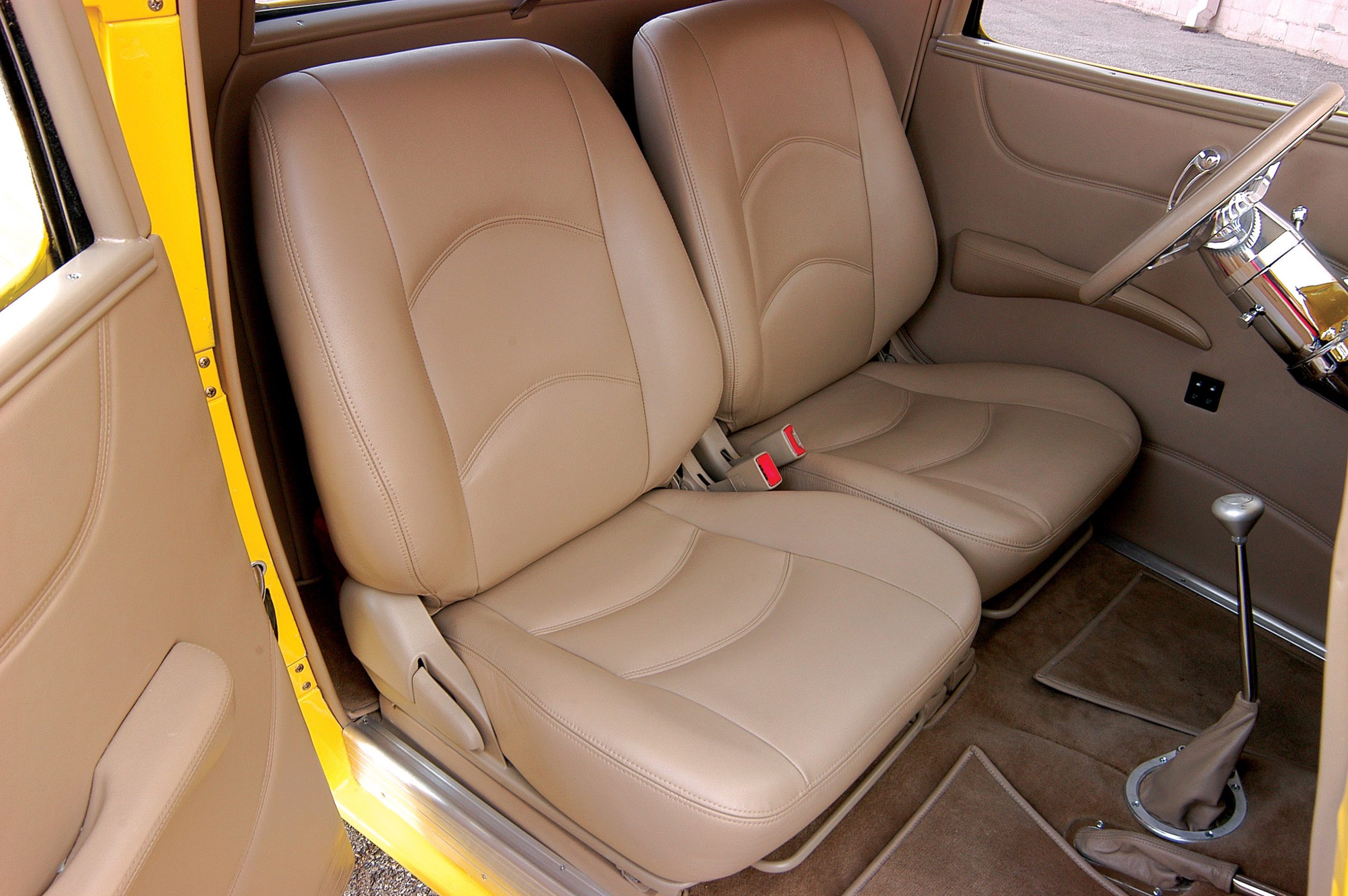
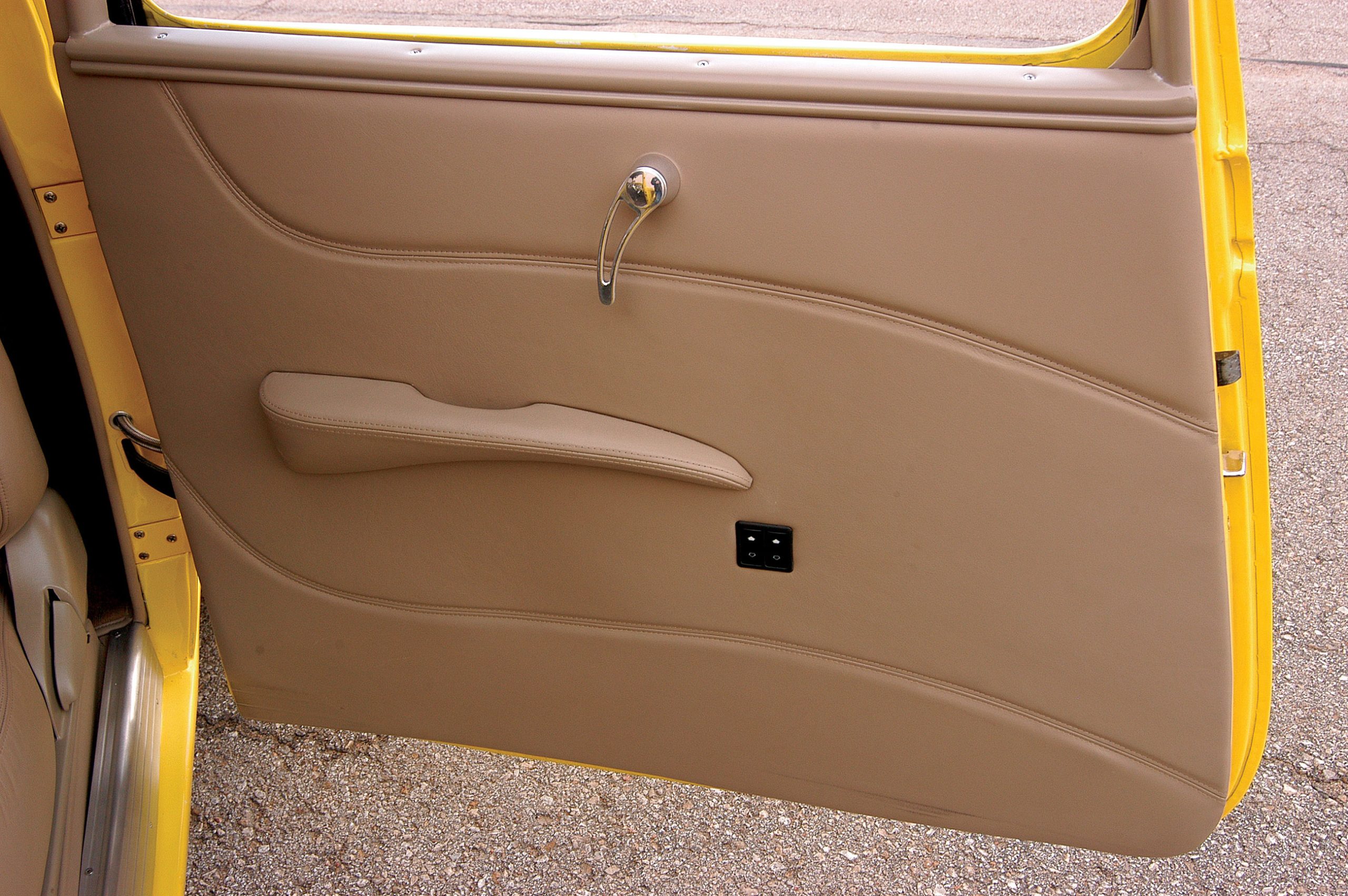
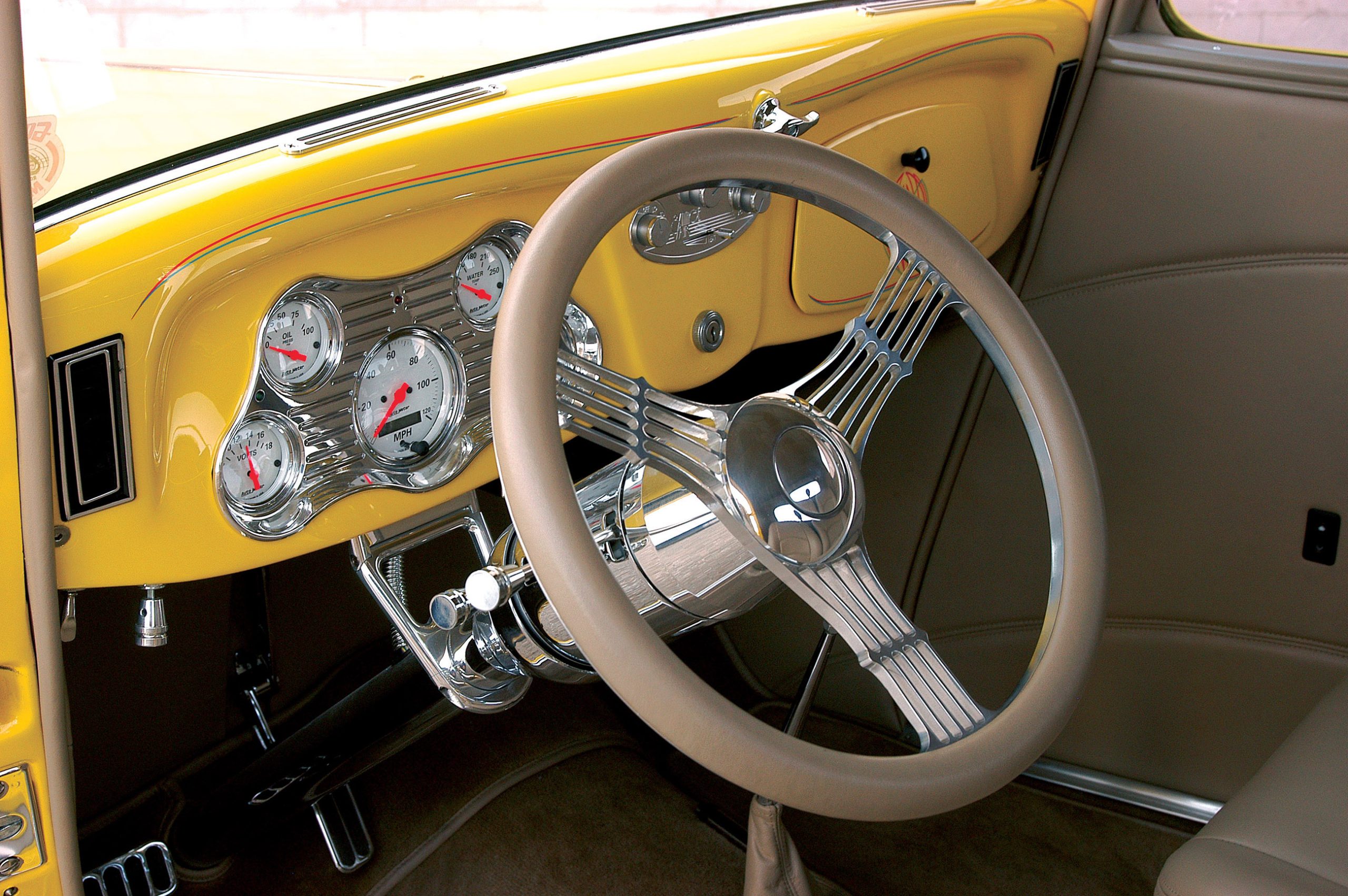
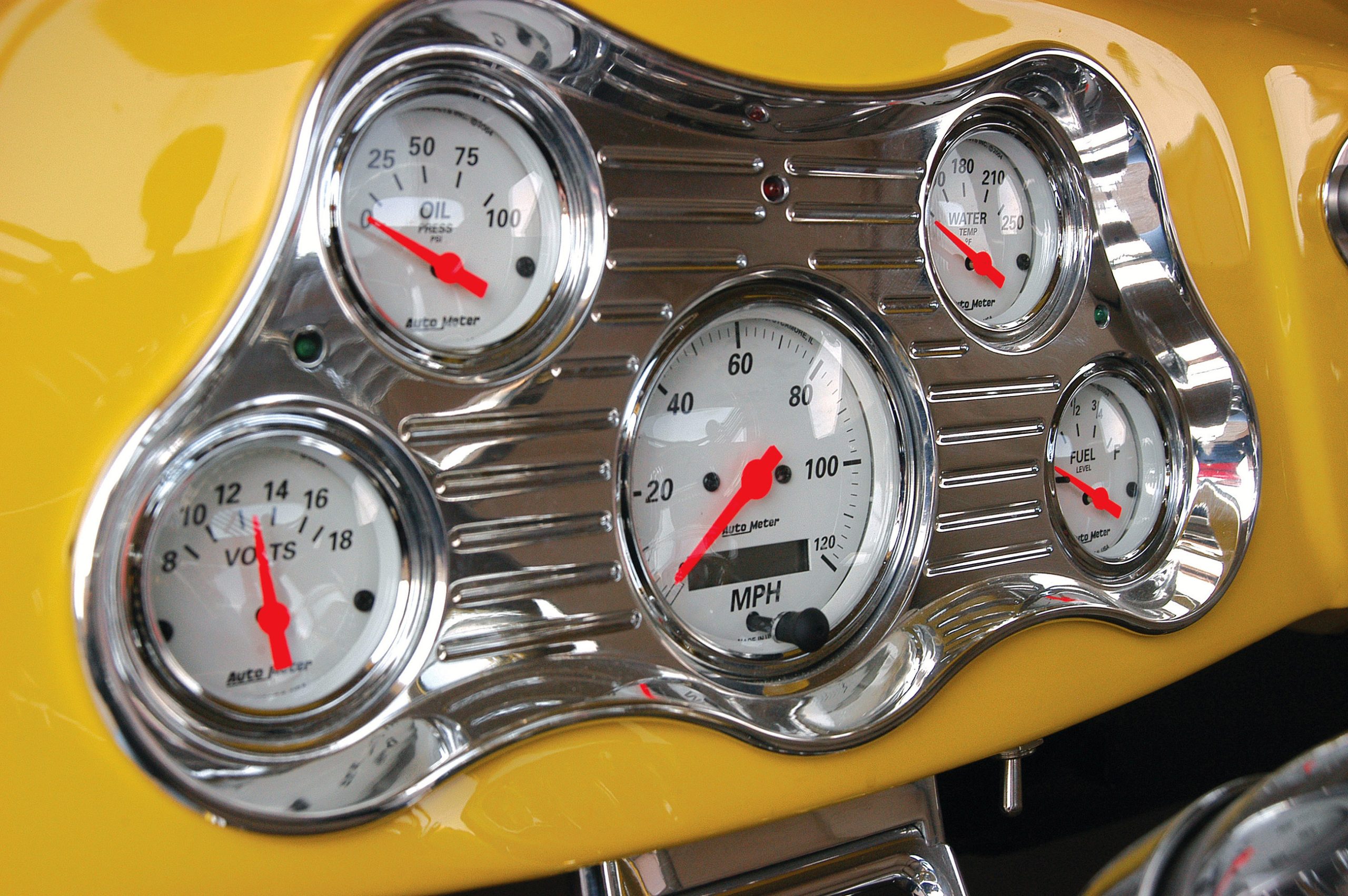
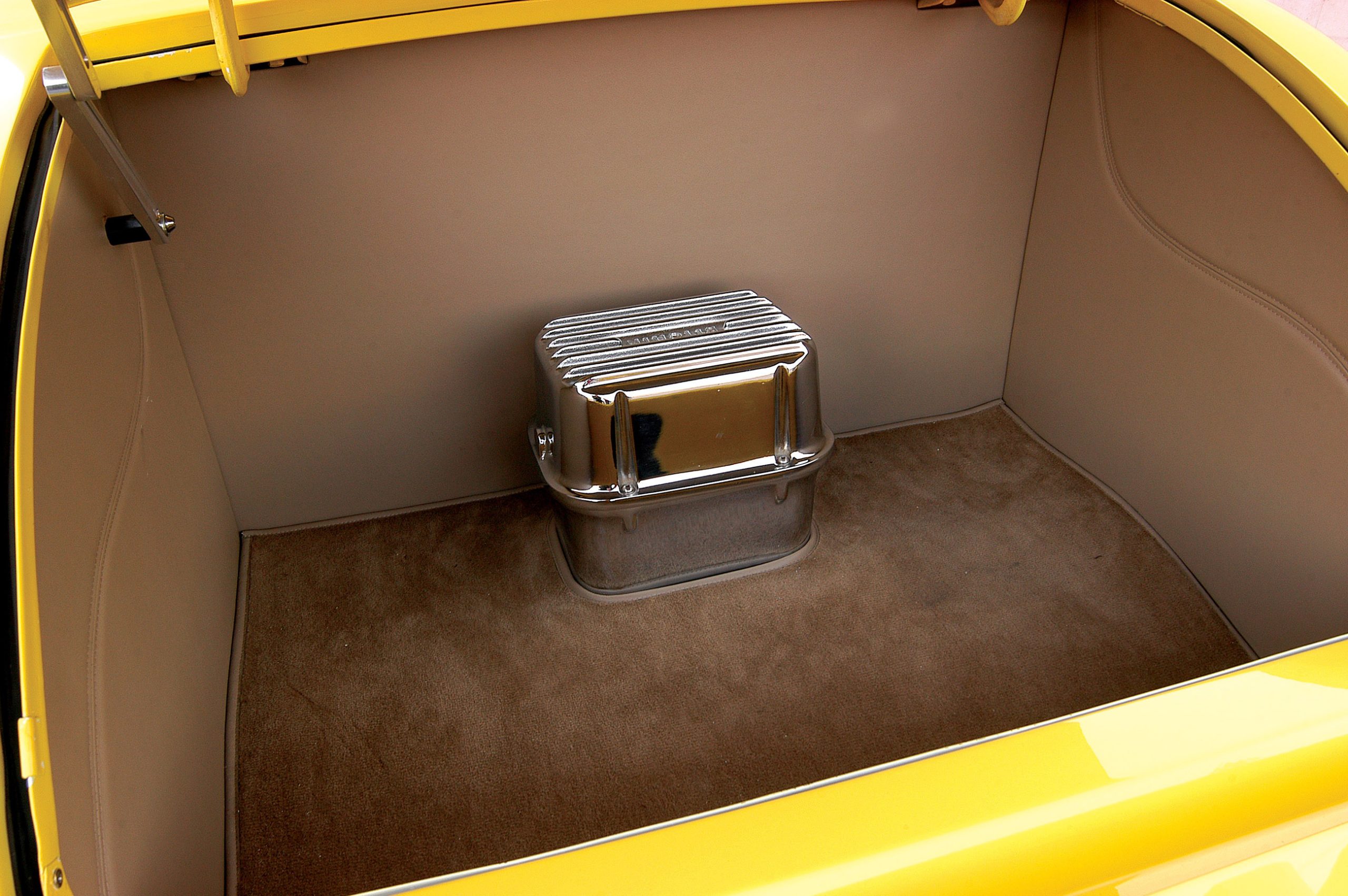
Inside, Cline wanted as many comforts as possible without overpowering the car with unnecessary decoration. He smoothed the stock dash slightly before adding a set of Auto Meter gauges, which are housed within a grooved billet insert. The Vintage Air unit has heat, air and defroster capabilities. A polished ididit column received a billet banjo steering wheel. A host of items from Lokar, including the gas and brake pedals, along with the shifter and gear indicator, found their way into the car. Cline added power windows and door locks. Richardson’s Custom Interiors stitched the tan leather interior at their shop in Wichita, Kansas. They covered a pair of ’98 Toyota buckets in a simple arched pattern. Wool carpeting covered the floor and trunk, and Cline hid the Sony stereo system to maintain the simple theme of the interior.
Keeping the Hot Rod Tradition Alive
It took Cline a little over two years to complete his highboy coupe, with most of the work being done within the walls of his home shop. When it was finally done, he added, “Well, they’re never really done, are they?” We are sure that any changes done to the car will be fairly minor since it would be hard to improve on its aggressive hot rod look and the obvious fun factor that this coupe can provide. Cline made a great move by not caving in to a name-your-price offer. He has kept the institution of the homebuilt hot rod alive, and there is no way to measure the satisfaction of that feat.