

PUMP THE POWER: PART 2
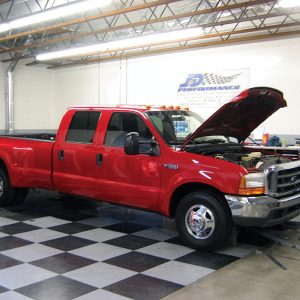
Auto manufacturers are constantly working to develop trucks that safely tow and haul more weight. However, the byproduct of high load capabilities is a rough unloaded ride. On a recent visit to J&D Performance, we found the crew beginning work on an Air Ride system for the owner of a 1999 F-350 two-wheel-drive dually. The owner of the truck was happy with its ability to tow and haul, thanks to Part-1’s addition of a full Banks Power Pack, but extremely unhappy with the truck’s ride when unloaded.

Boost in a Box
While at LS Fest, we noticed several drivers spending a lot of time tuning their rides before hitting the track, dialing them in to try and gain an edge over the competition. This left us puzzled. If you’re looking for an edge, there’s no better way to optimize your performance with E85 than with a flex fuel system from Advanced Fuel Dynamics.

2025 Detroit Autorama: A Gearhead’s Dreamland
A Celebration of Automotive Passion Author Walking into the Madness









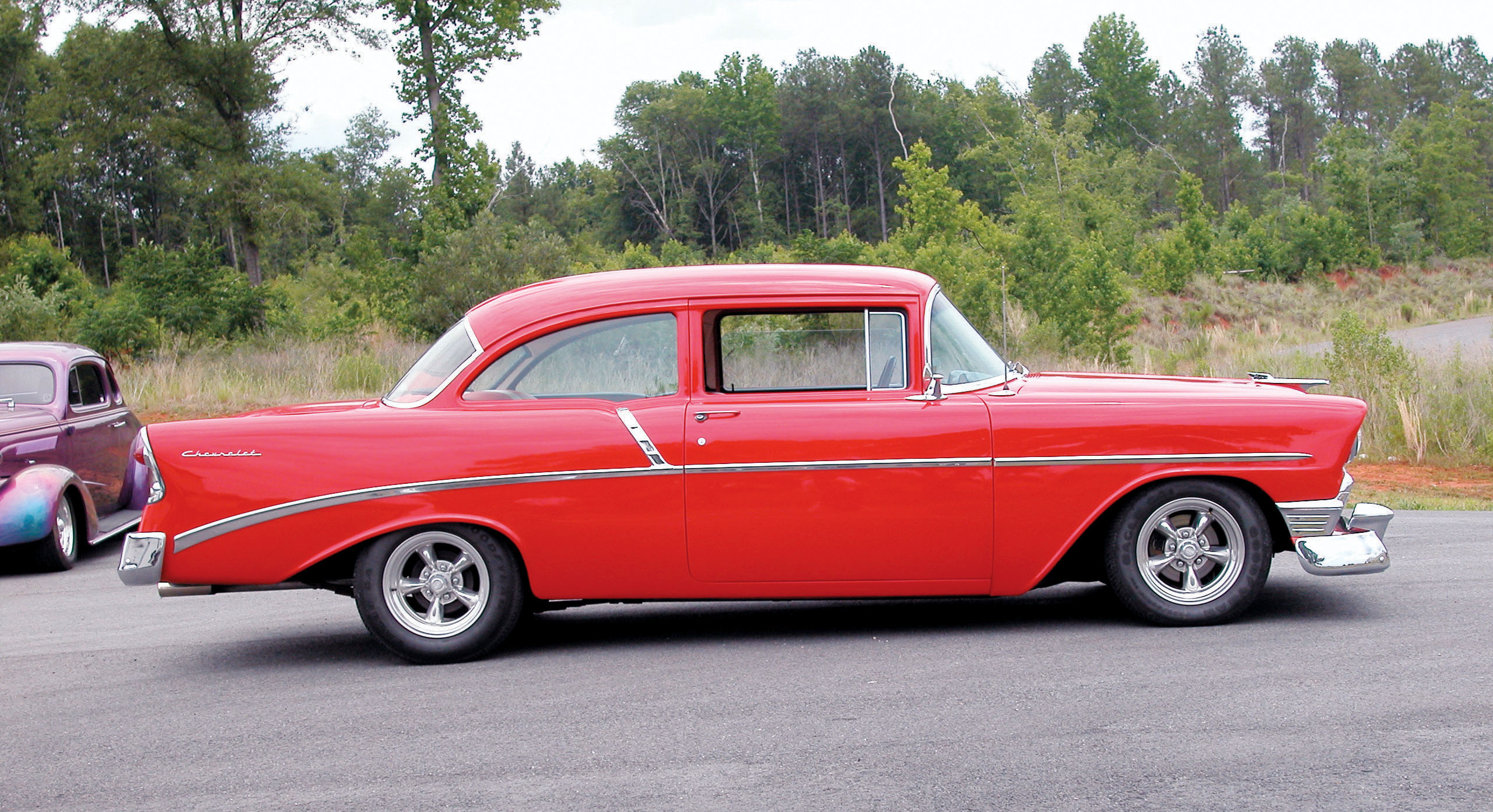
 The lines of ’55-’57 Chevys are almost sacrosanct. They haven’t been modified or changed over the years with very good results. There have been a couple of exceptions, but by and large, chopped tops, restyled fenders and other modifications that alter their original lines don’t come off looking real good.
The problem is in the proportions. We’re not sure if it’s because the factory got them so perfect right out of the gate, or if it’s that most have been left alone over the last 50 years, so a chopped top looks strange. Whatever the reason, the classic “greenhouse” roofline, long fenders and slab sides all work very well together.
Now that’s not to say they need to be left stock—far from it, in fact. Besides removing a bit of the copious chrome trim, the easiest, most visually appealing modification to tri-5s is lowering them, a fact that wasn’t lost on Chevrolet. While the ’55s and ’56s rolled on 15-inch wheels, the automaker’s design studio fitted the ’57s with 14-inch wheels and low-pressure tires, dropping the overall height of the car almost 1/2 to 3/4 inch (depending on model), giving the cars a lower, longer look.
Throughout the three-year run, Chevrolet also extended overall length of the car from 195.6 inches in 1955 (197 inches for station wagons) to 197.5 inches in 1956 (200.8 inches for wagons), and then 200 inches for all models in 1957. That 5 inches longer and 3/4 inches lower sure made the cars look sleeker, all the while keeping the body panels and roof lines in proportion.
While chopping a top also makes cars look longer and lower, when done on a shoebox Chevy, the proportions are lost. The body from the beltline down is too tall to wear a shorter lid.
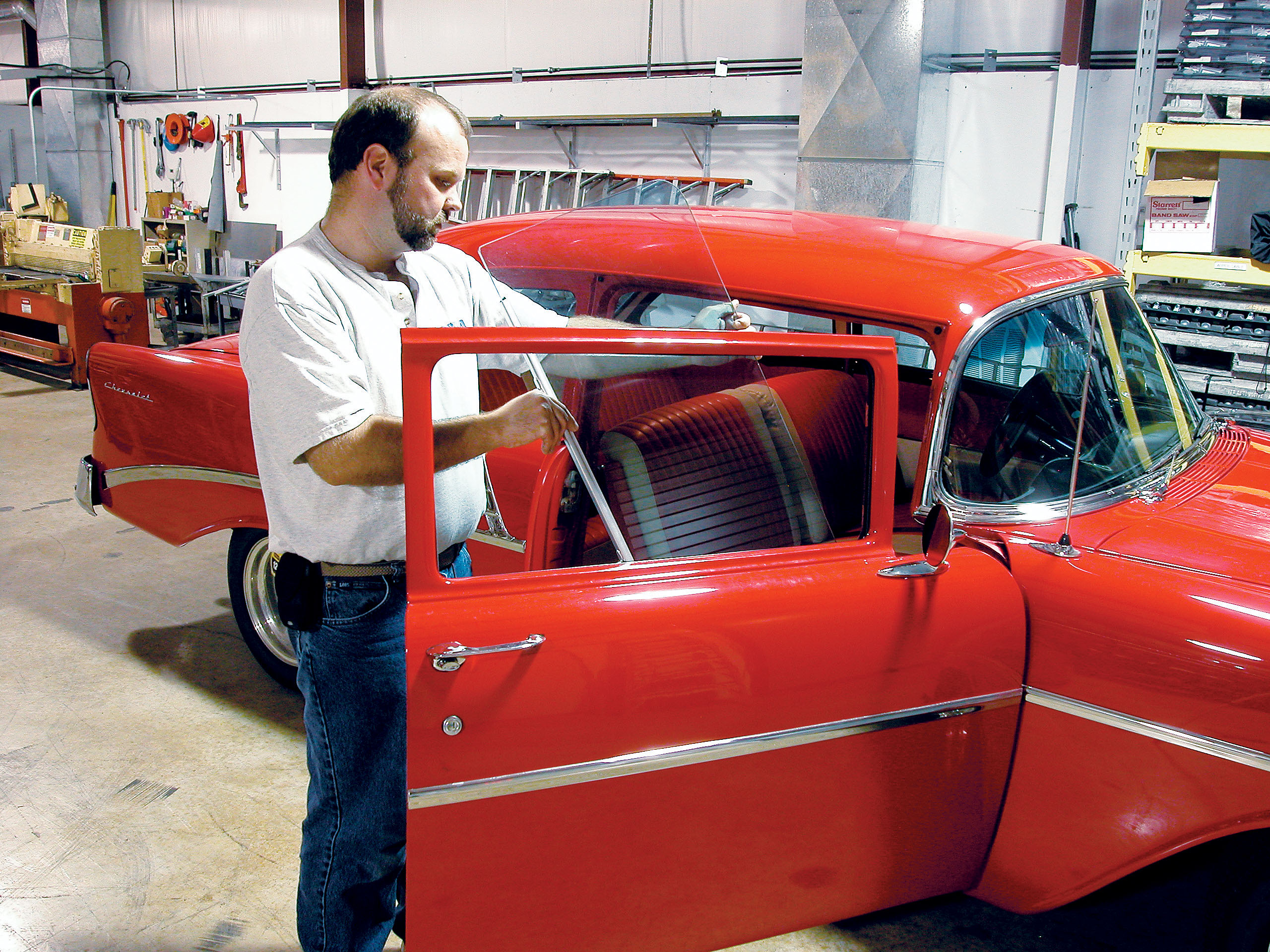
A great way to enhance the longer/lower look is to remove the vent window and install longer glass that runs the full length of the door’s window frame. The long/low effect is due to the removal of a vertical element, as your eye travels from the A-pillar back toward the rear of the car. This is one of the reasons that a hardtop, without a B-pillar, looks sleeker than a post sedan. The ’56 and ’57 four-door hardtops are downright sexy compared to their spinster sister four-door sedan, which is clunky looking with all those vertical posts. They go down the side of the roof, A-pillar and vent window frame, there’s an extra-wide B-pillar with the door window frames, another short pillar at the rear of the back door’s glass, a small rear vent window for the rear doors and finally the C-pillar. It’s these vertical “hiccups” that keep a car from looking sleek, low and fast.
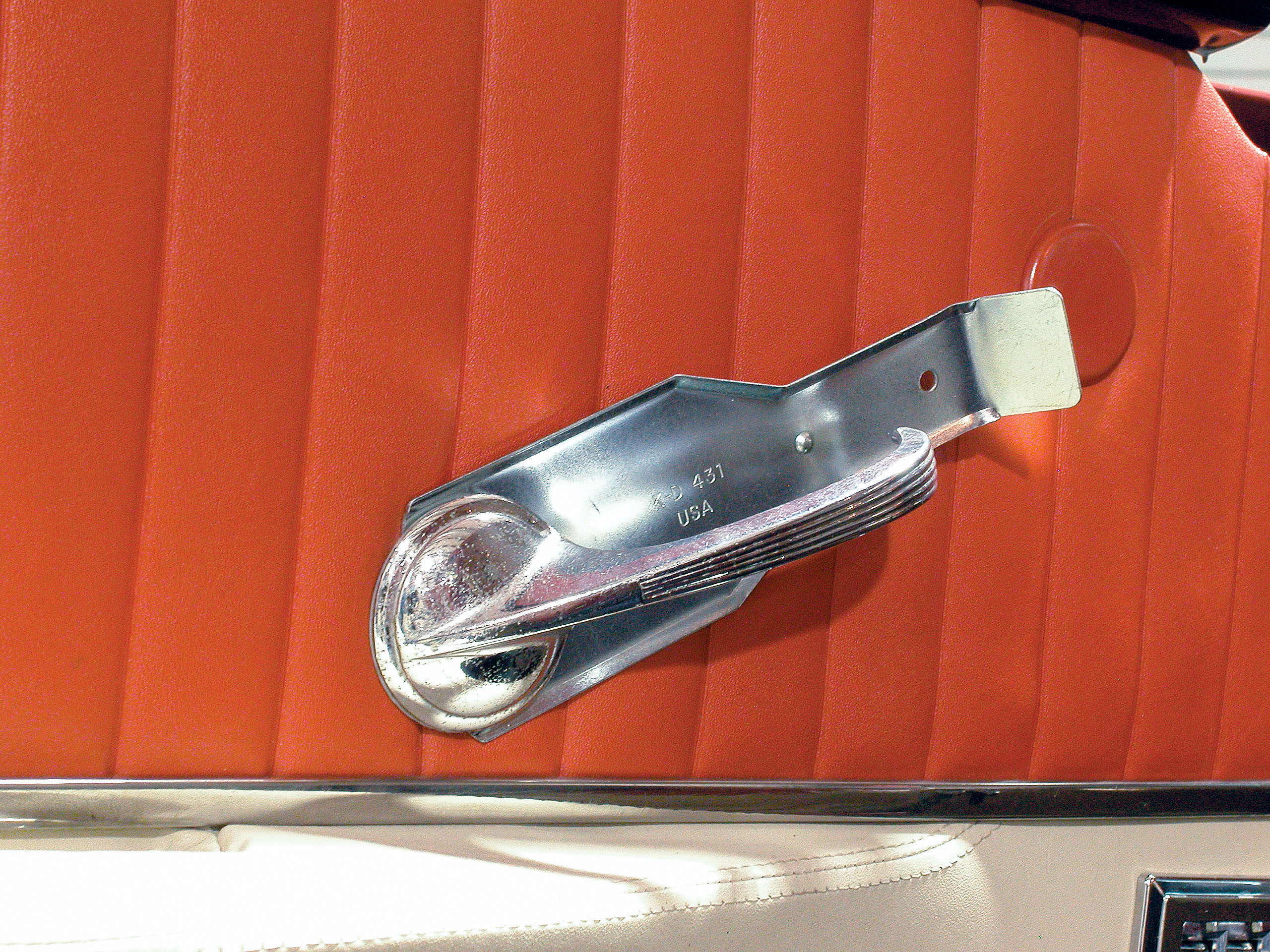
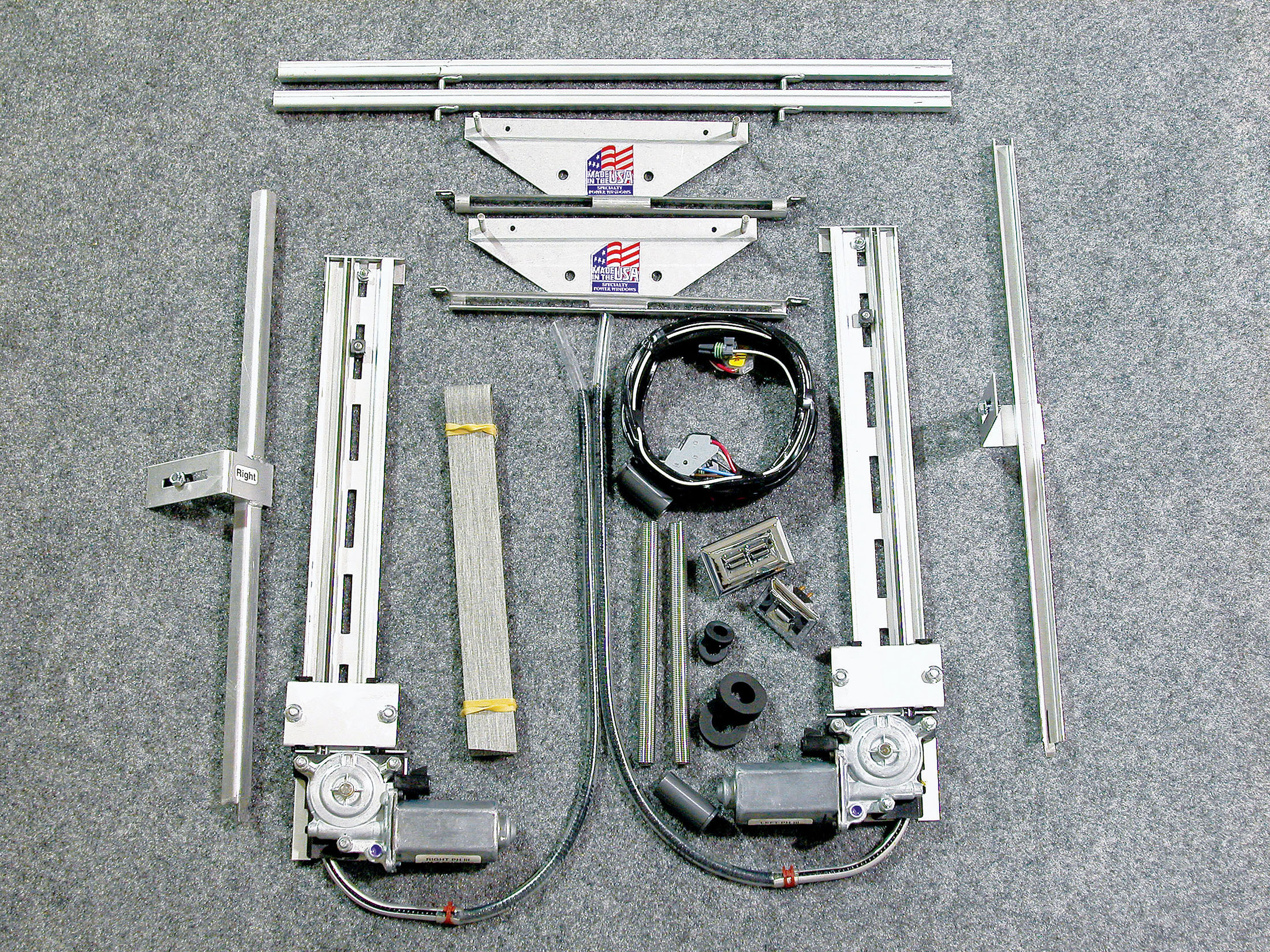
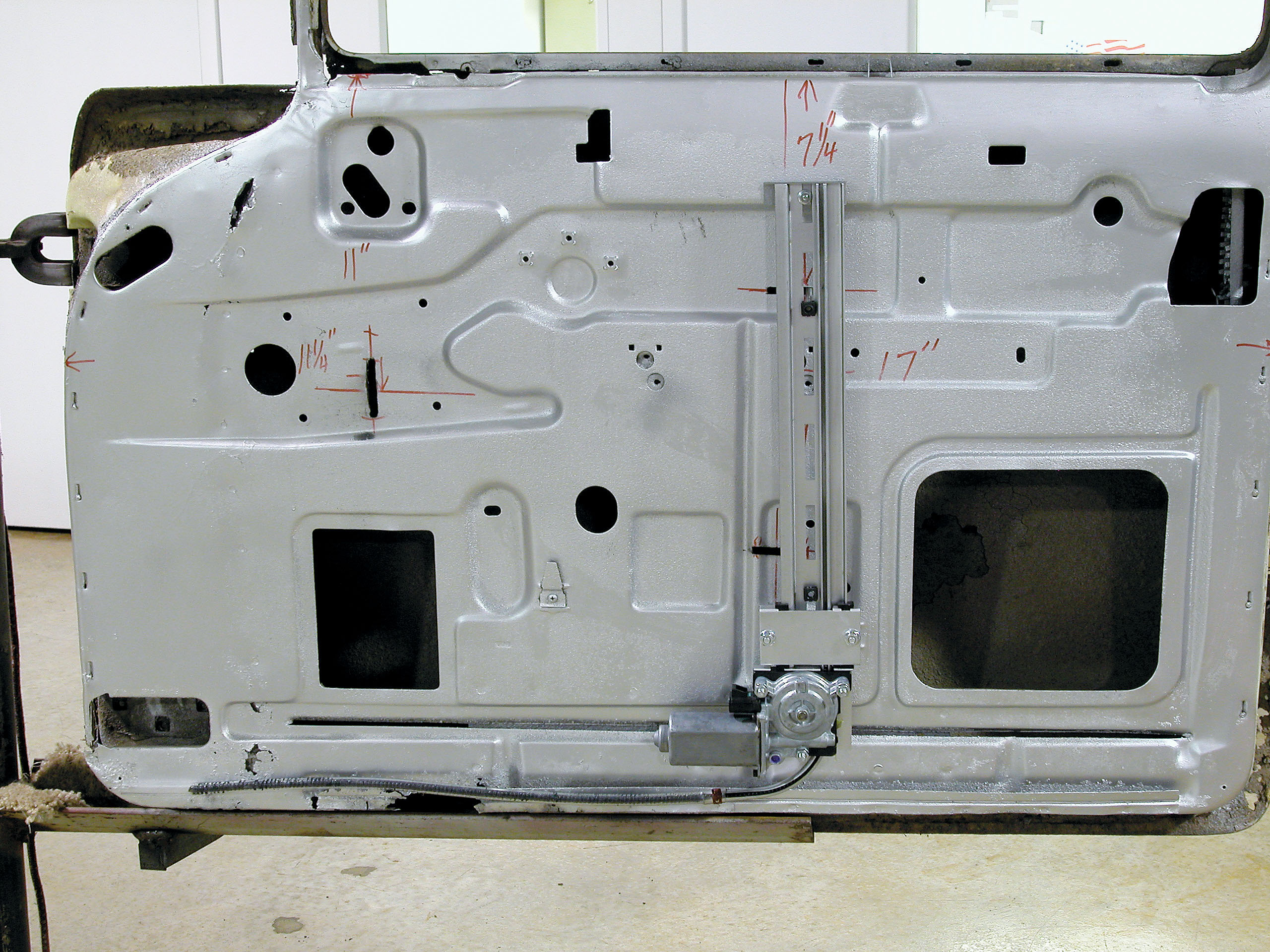
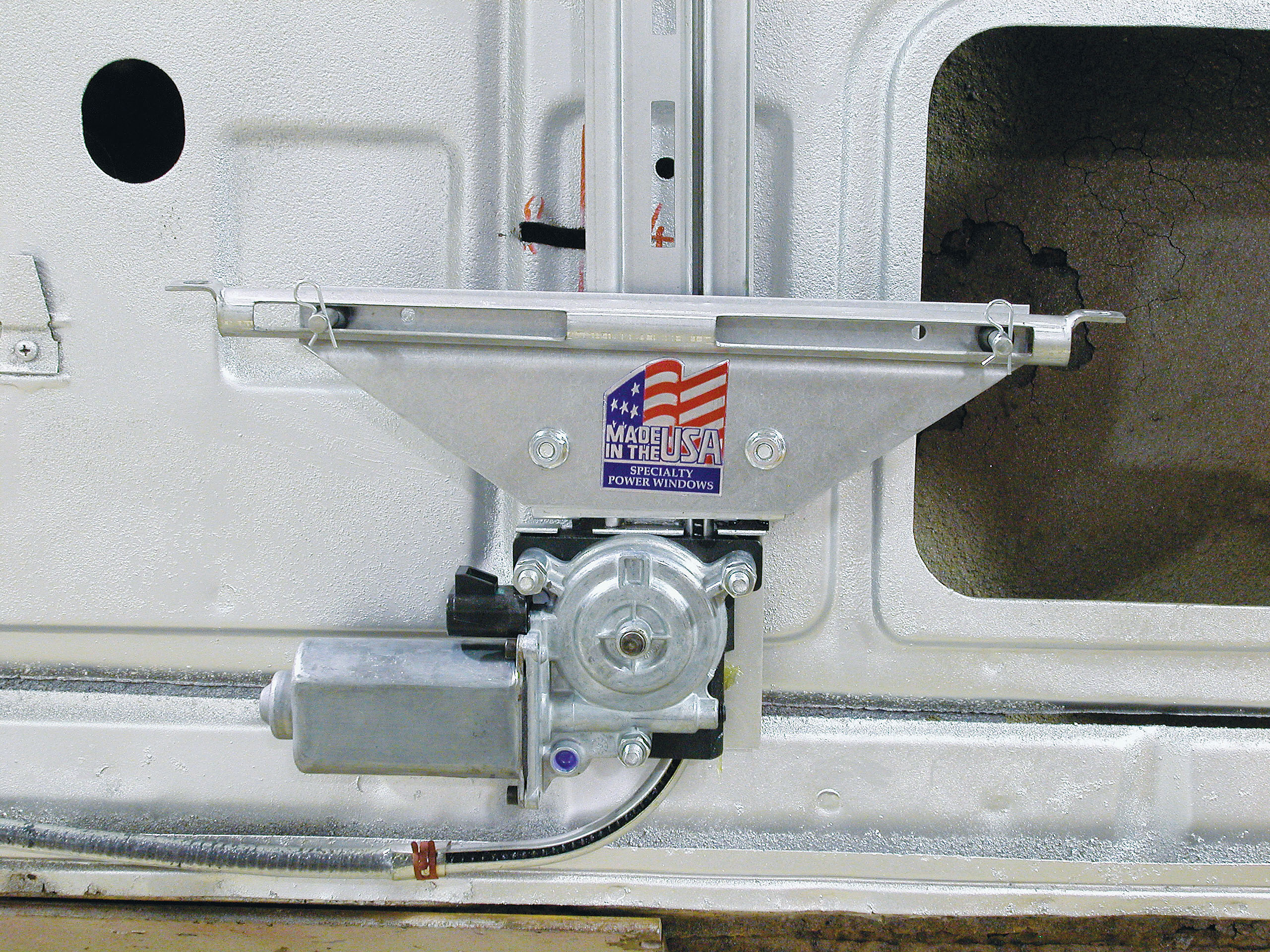
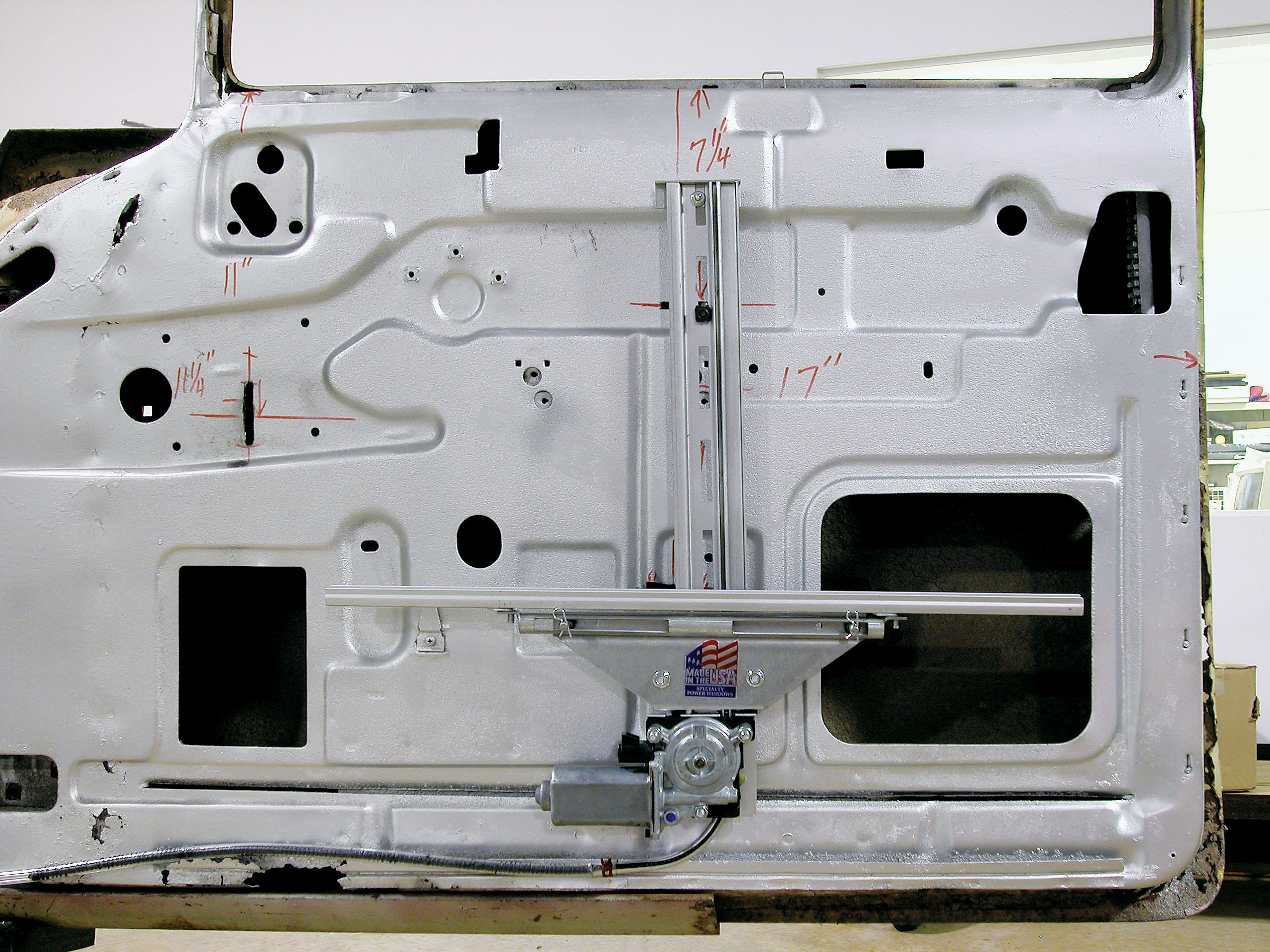
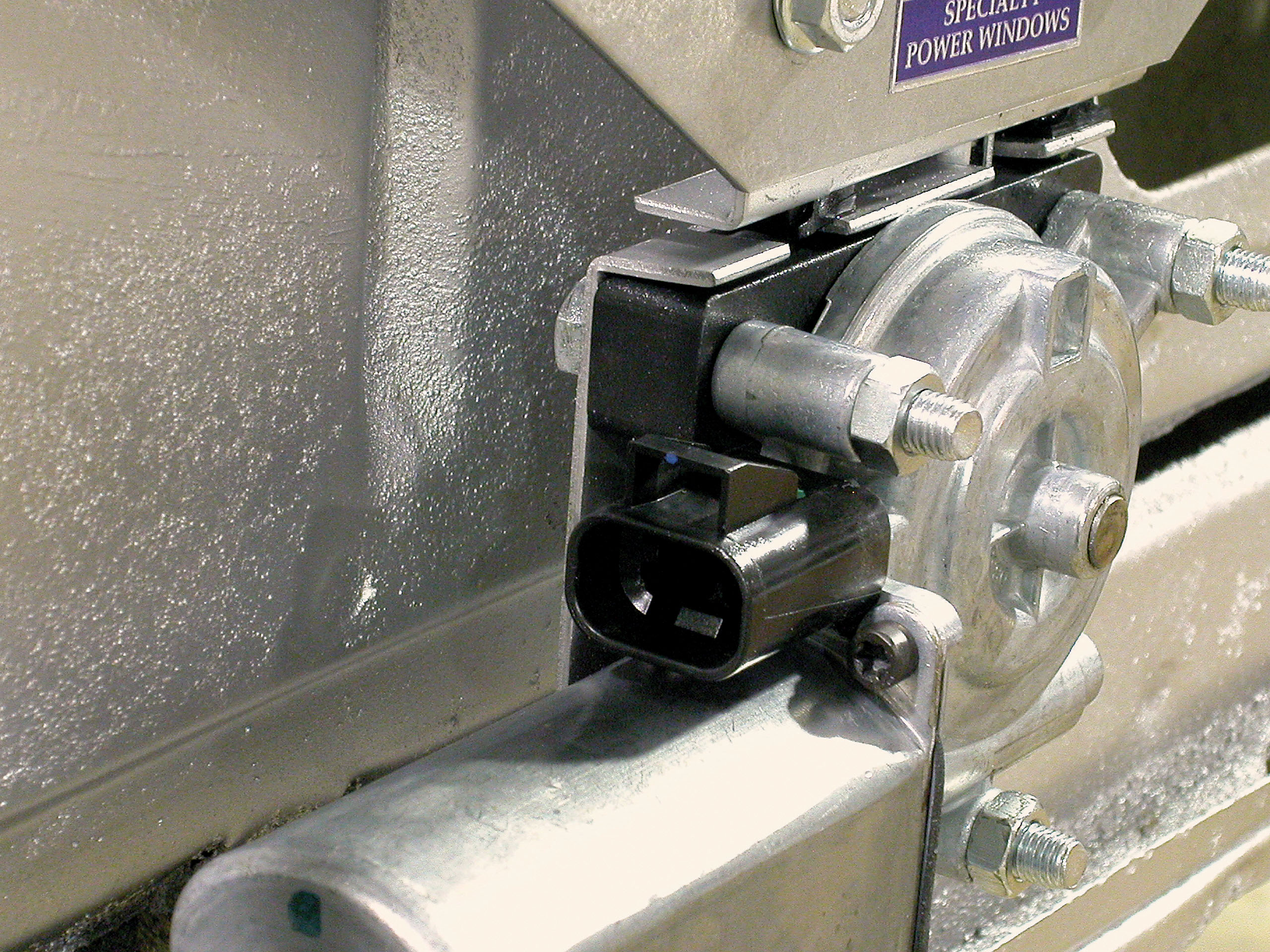
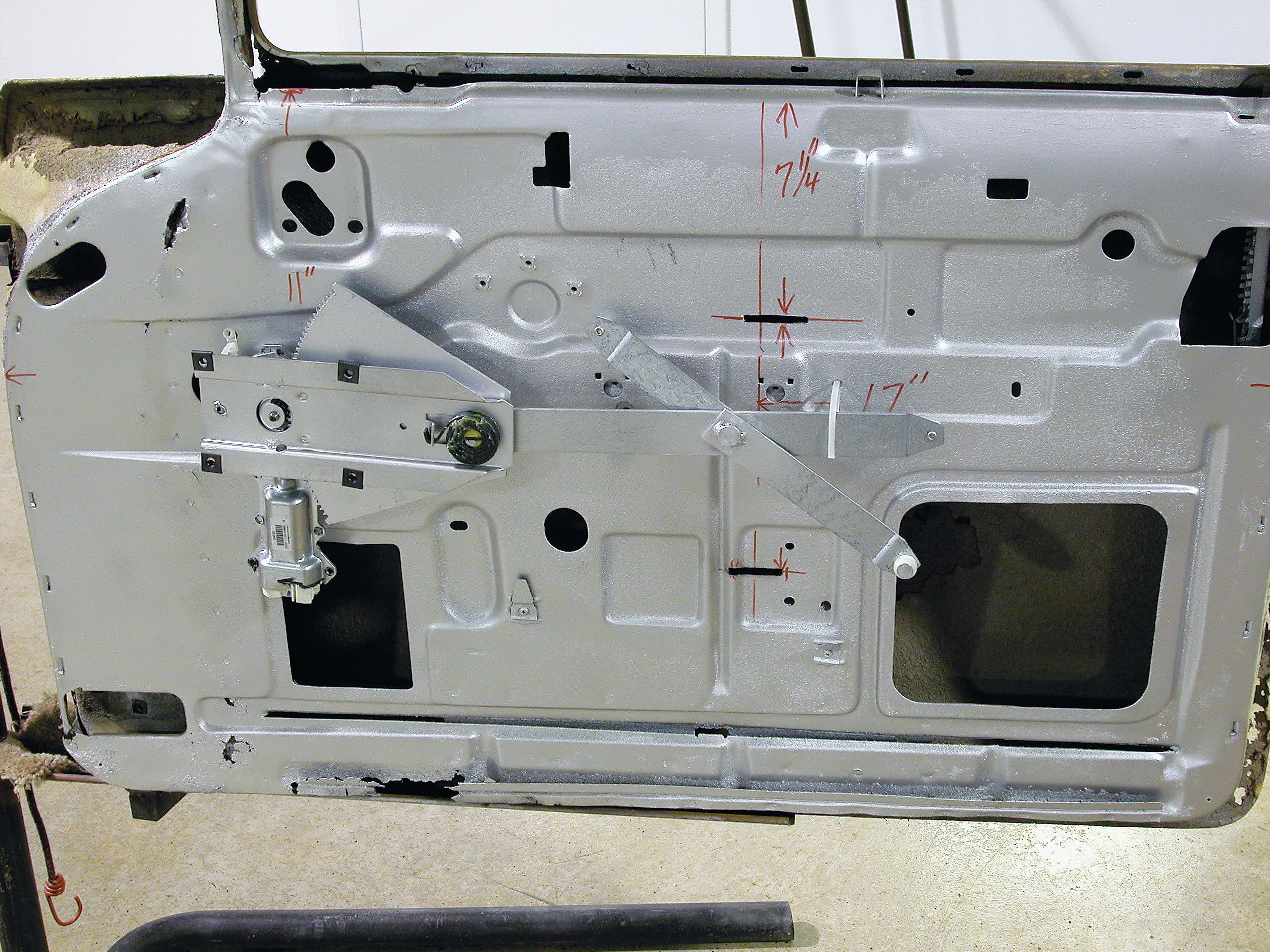
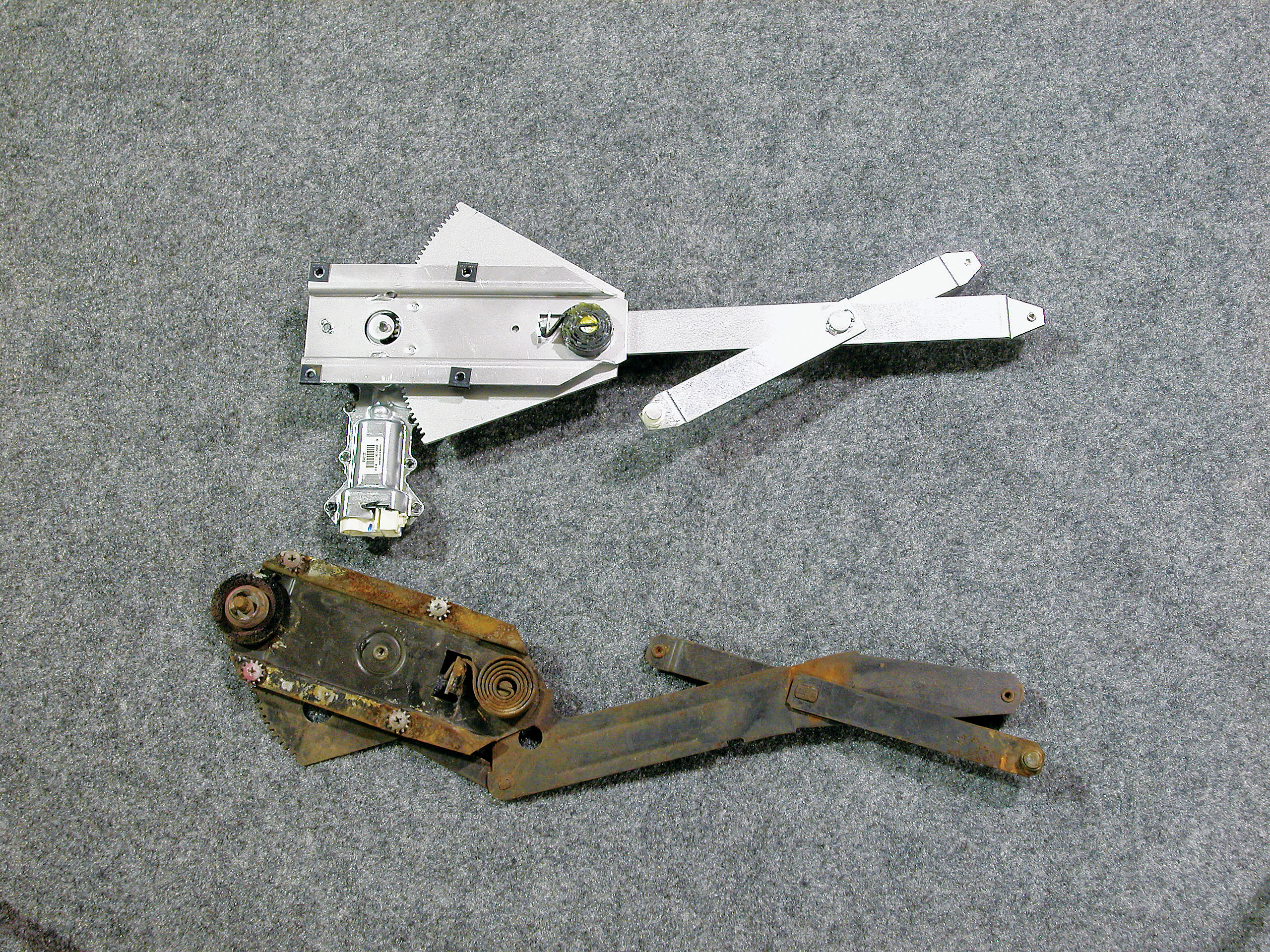
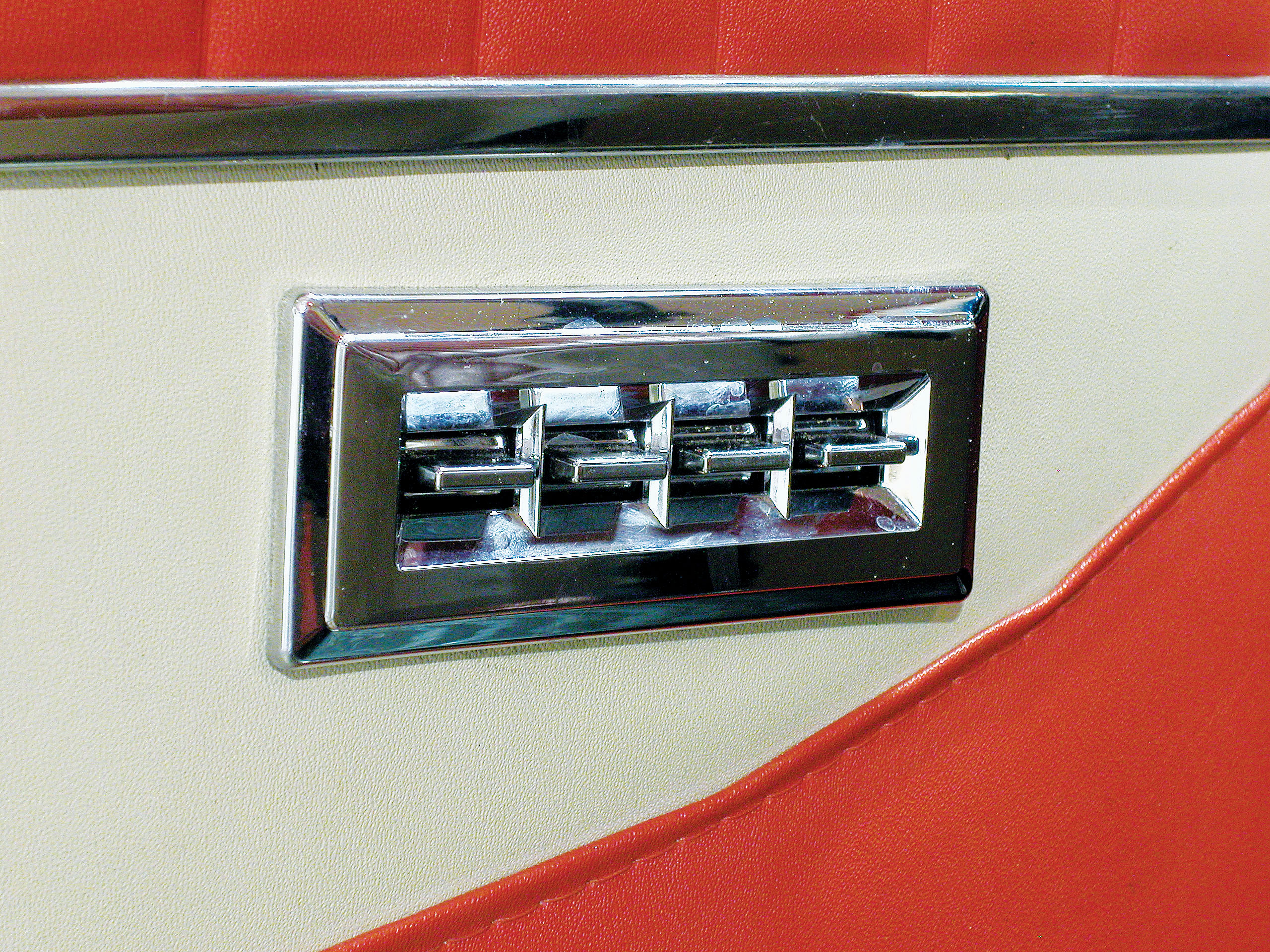
Specialty Power Windows manufactures two window lift kits for ’55-’57 Chevys. The first is for stock door glass when retaining the vent window; the second is for one-piece glass applications. The stock kit is a direct bolt-in that installs in place of the factory manual lifts, using the original mounting points and hardware. SPW determined the custom one-piece windows need a different lift mechanism because the glass will tip and fall off the track or get cocked in the window if using an original-style lift. Rather than just change a single piece or “make do” with the stock-type mechanism, SPW completely engineered a totally new lift that is designed to work with the longer glass.
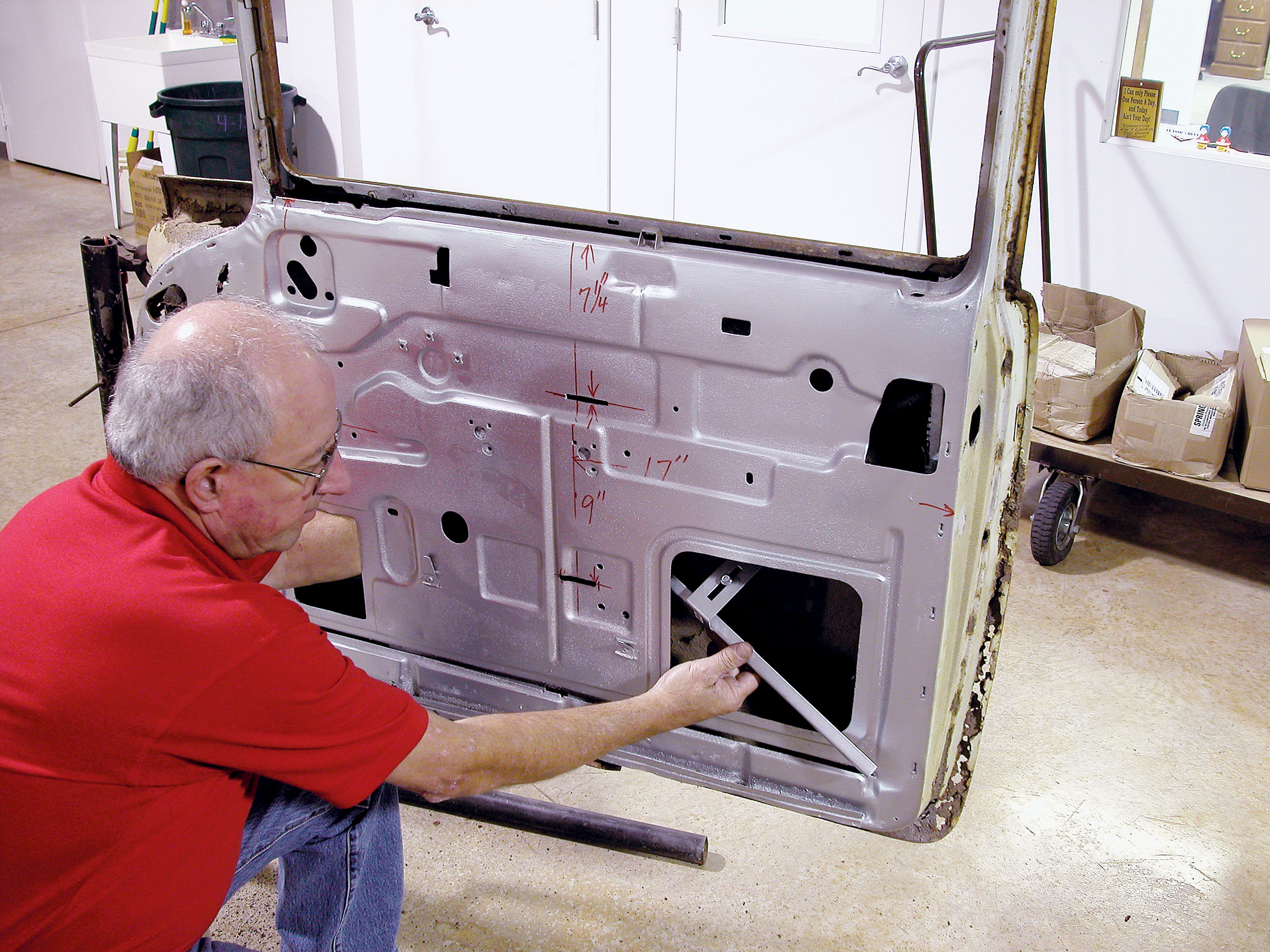
If you’re retaining the vent window, the swap to power lifts is a quick job, requiring just a little more effort than removal and replacement. If you’re going for a longer, lower look with the one-piece glass, the project is a little more involved, but still something the average enthusiast can do.
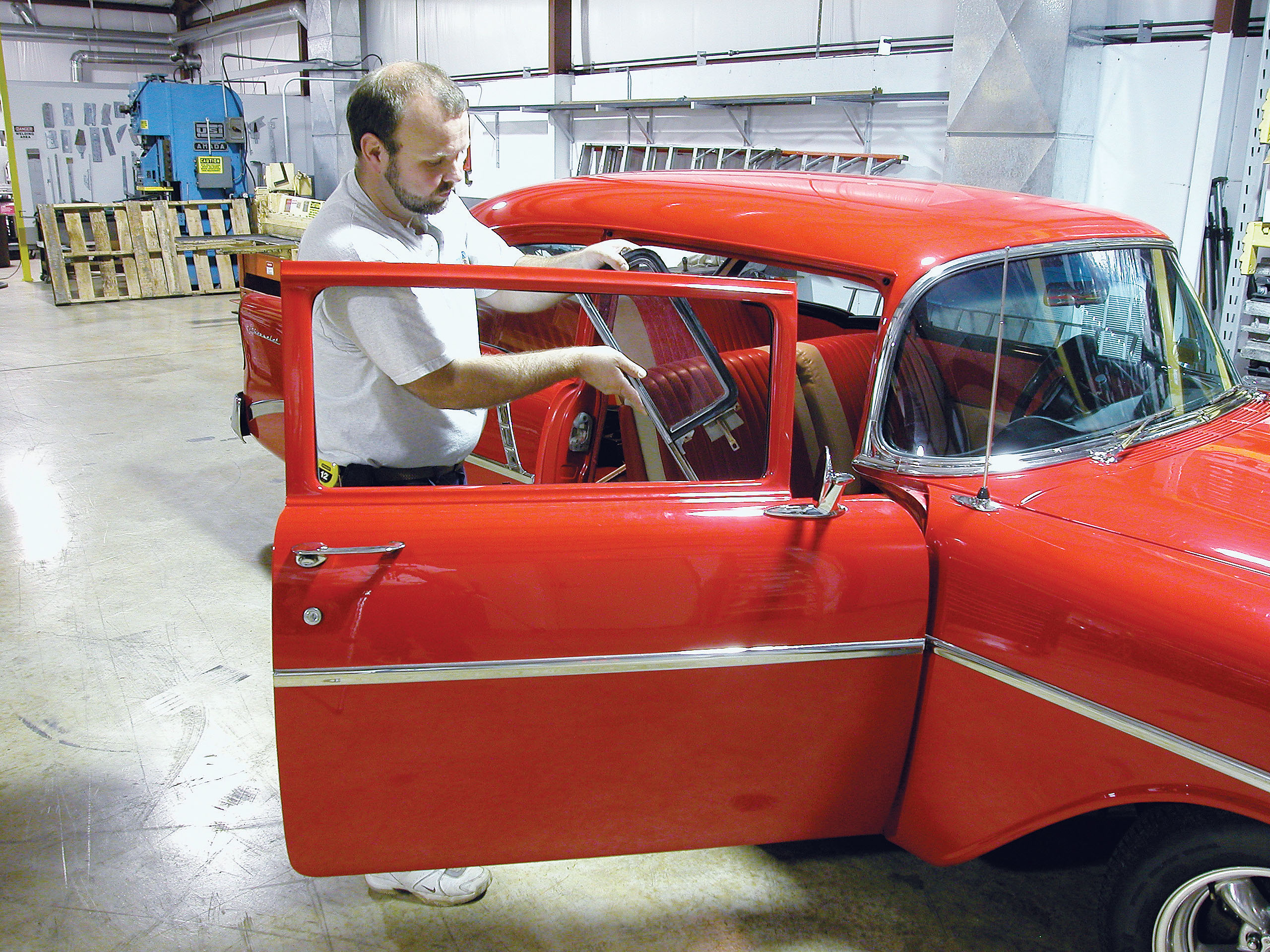
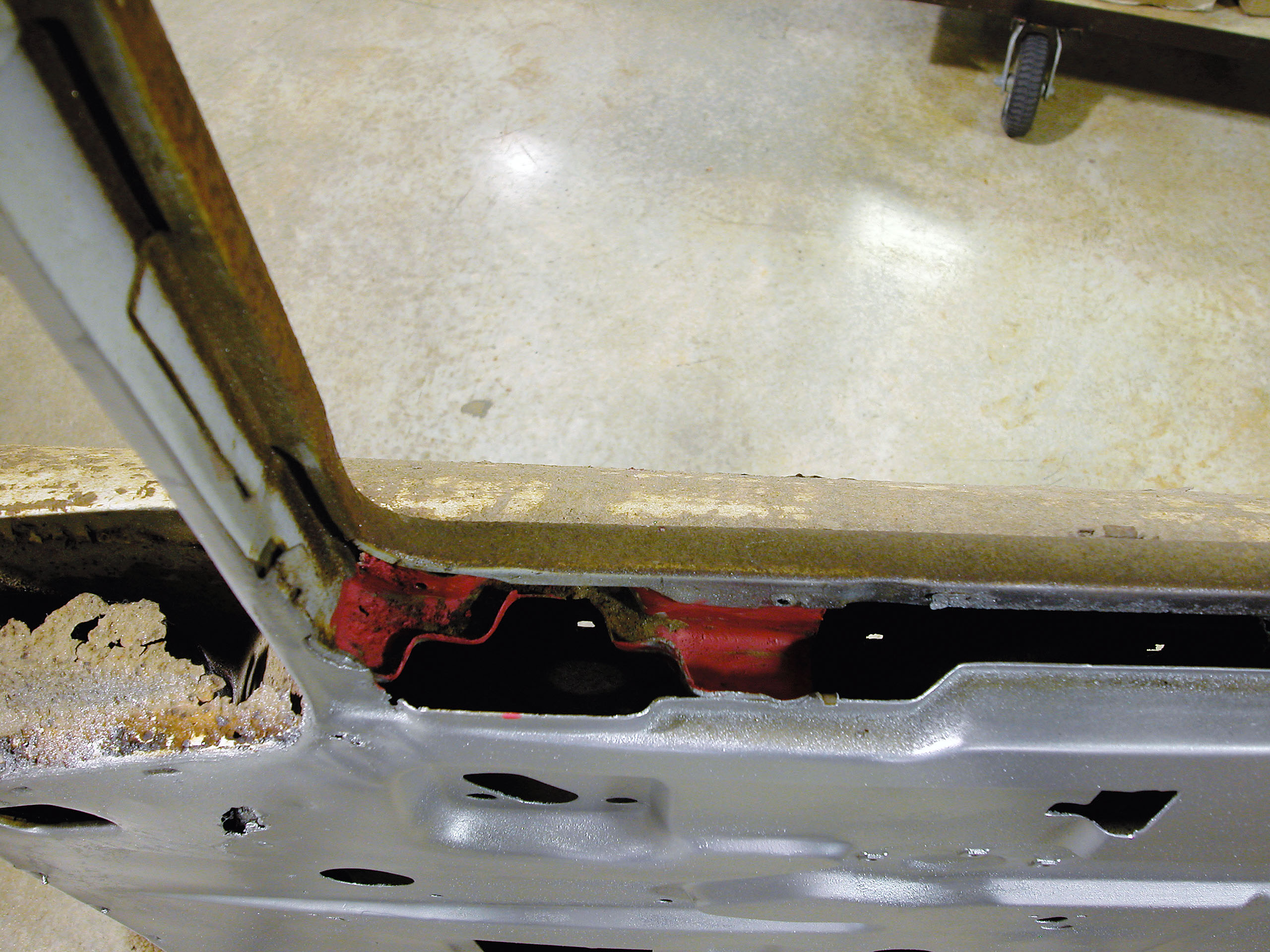
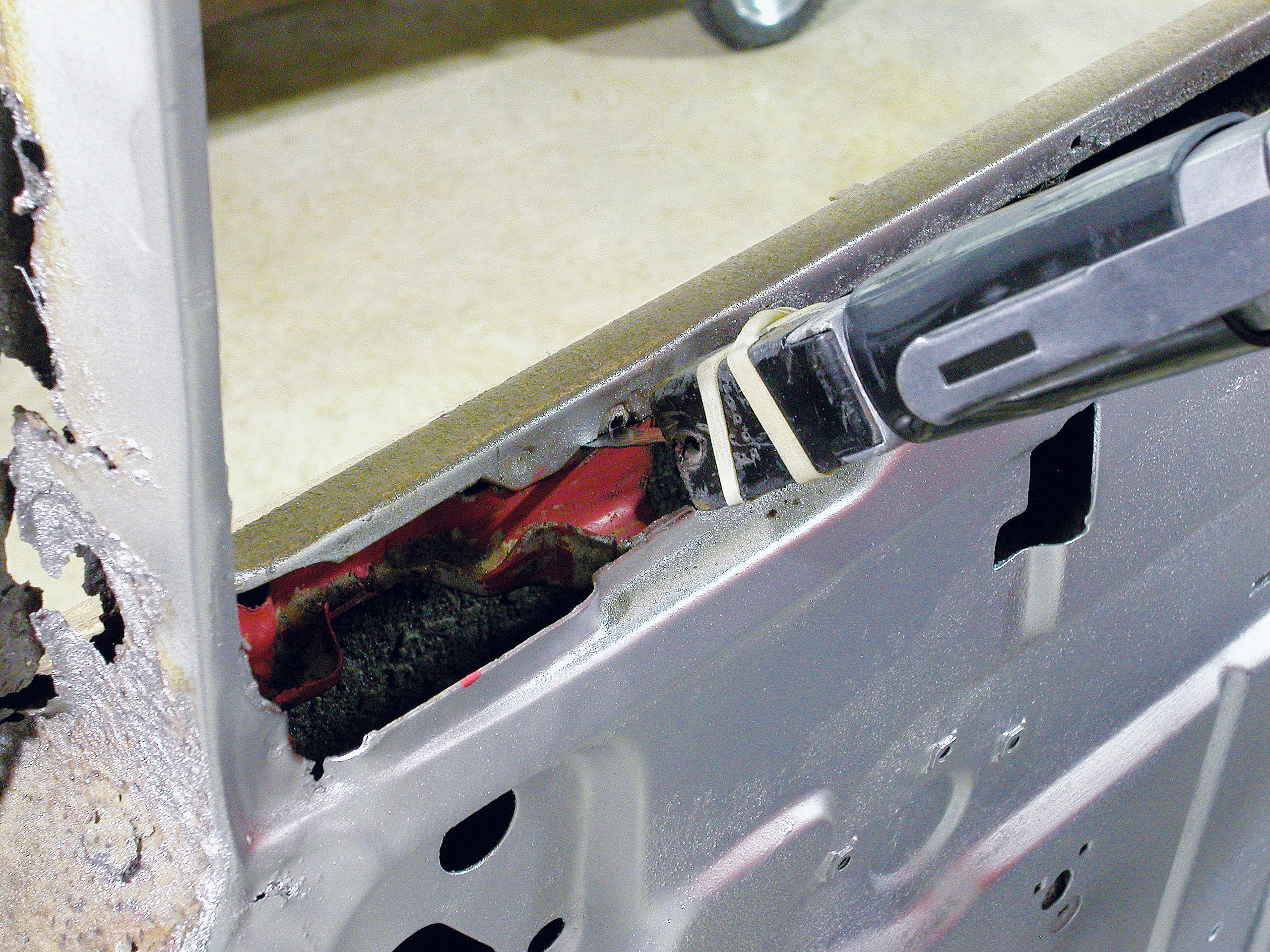
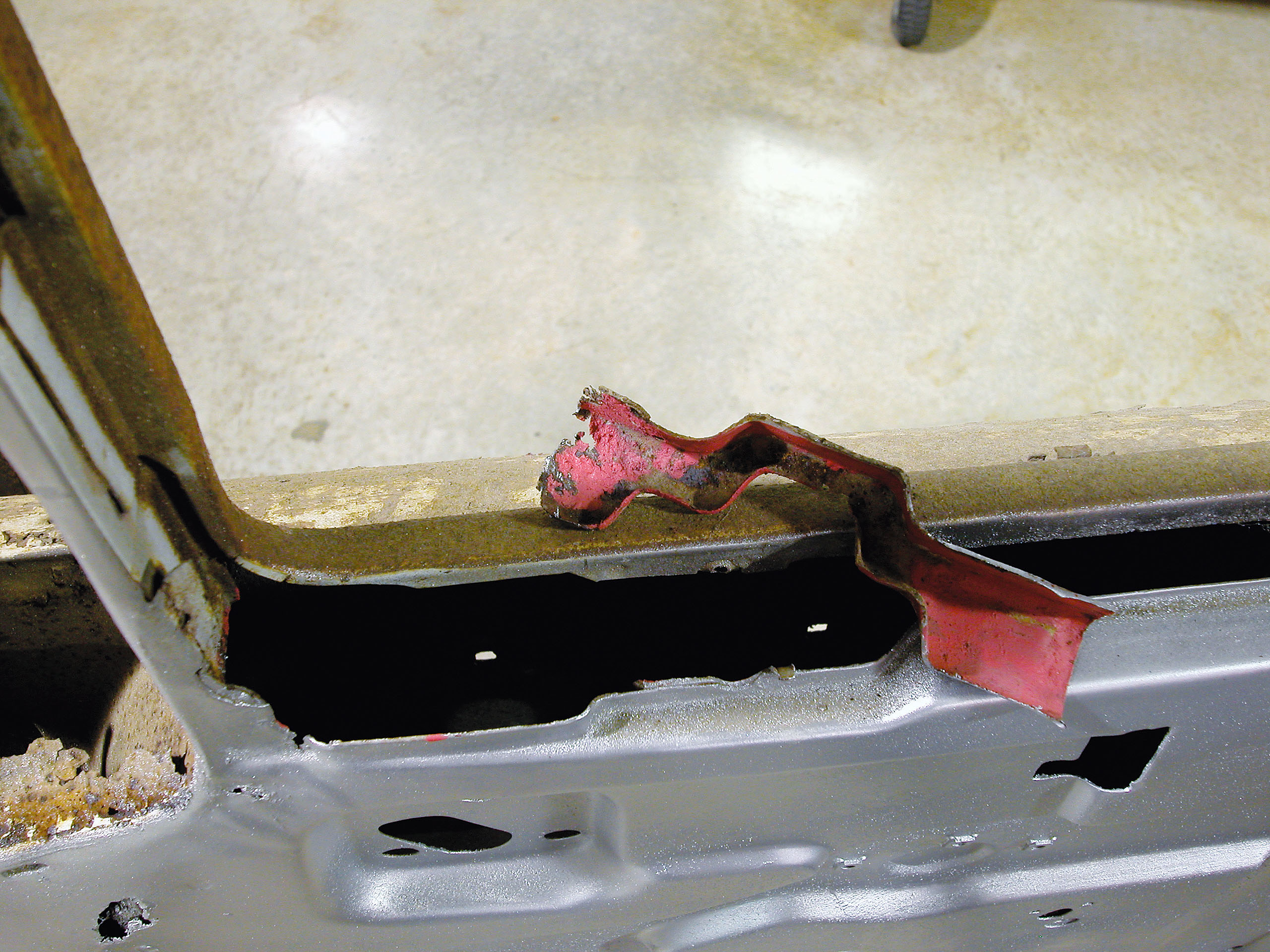
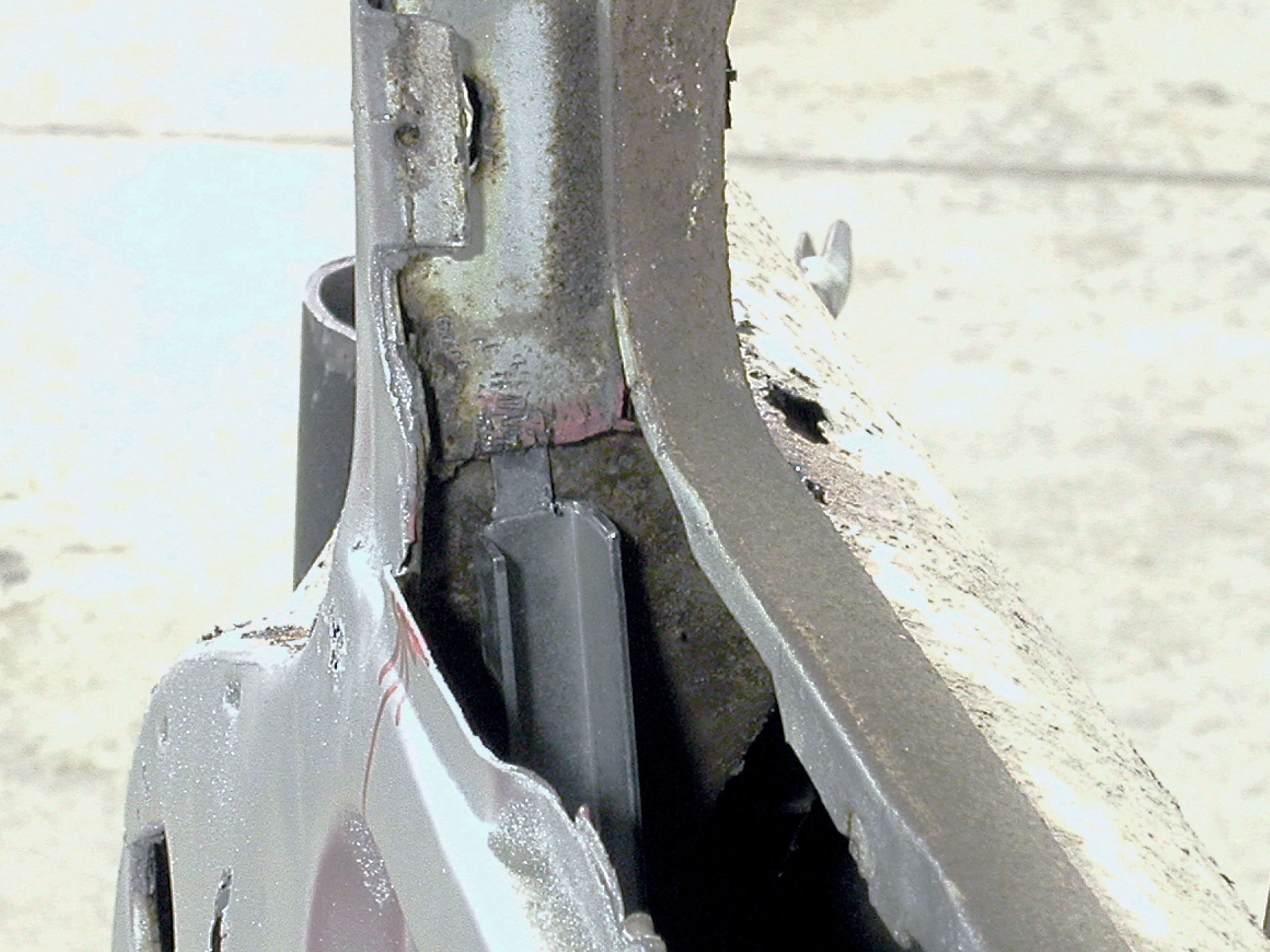
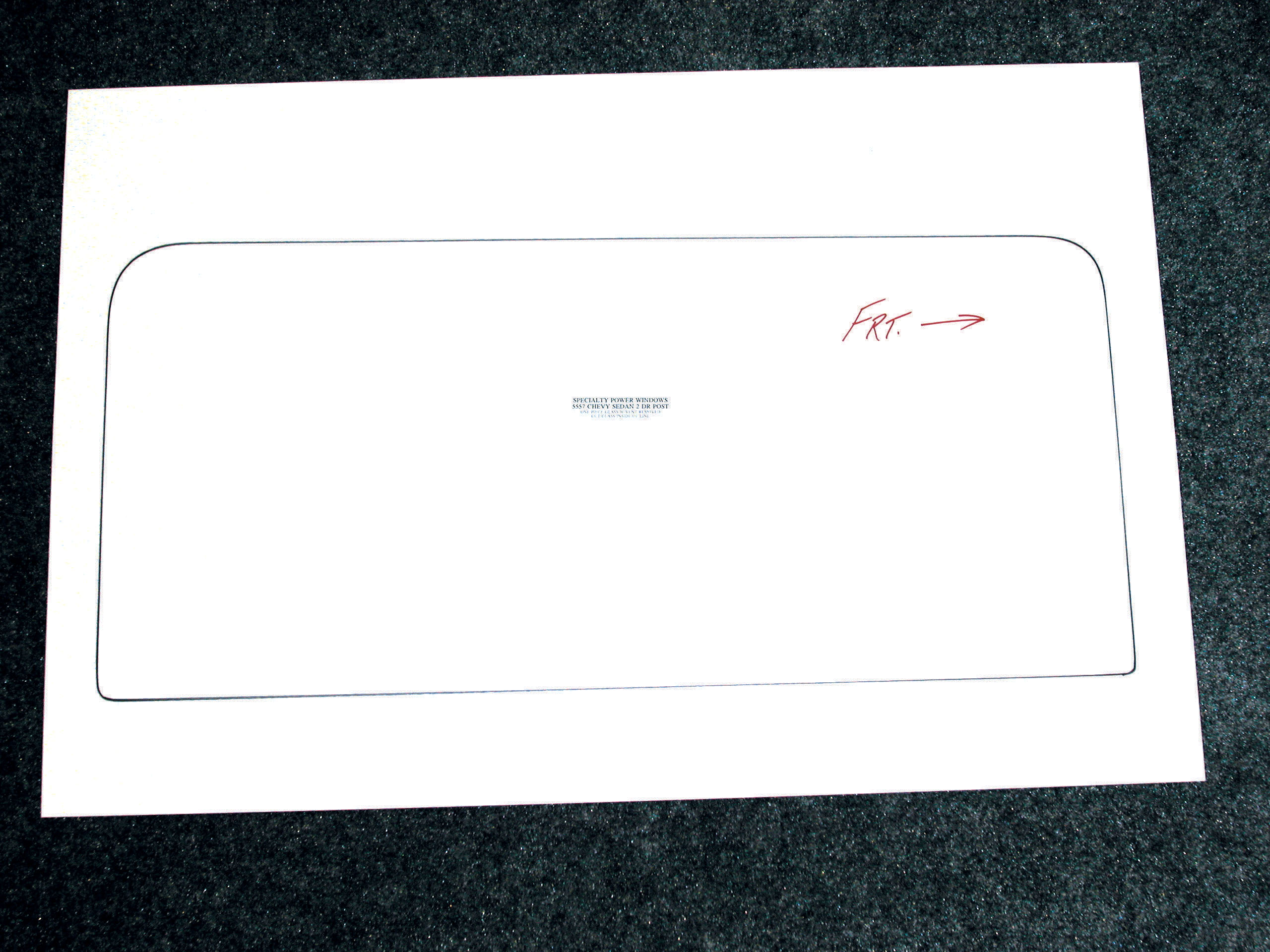
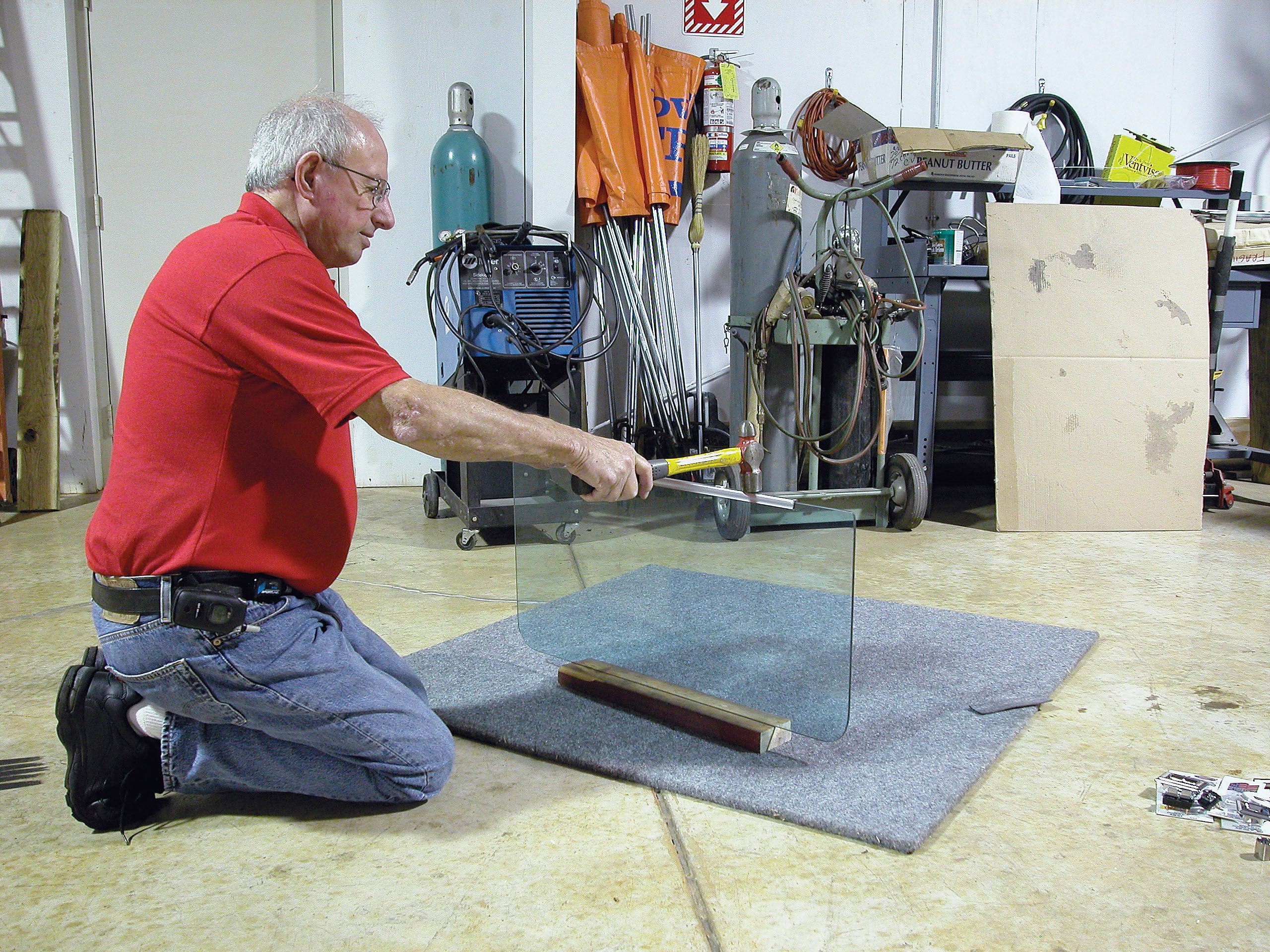
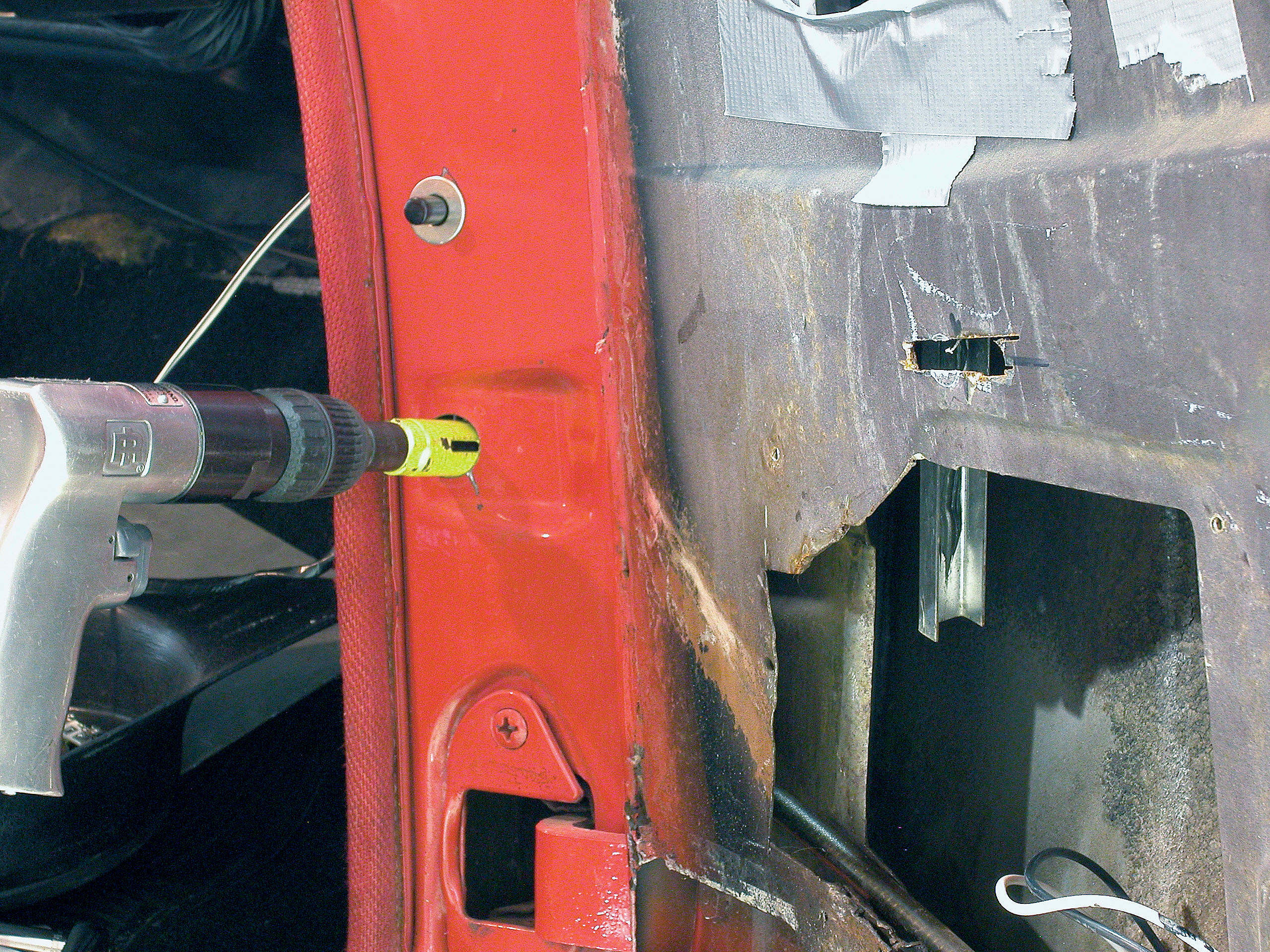
Taking out the vent window is a pretty easy operation. Simply remove the frame and mechanism, then cut out the sheetmetal inside the window opening that the vent window attached to. To finish it, you’ll need to have a new piece of glass cut by your local glass shop (allowing you to get different tints or clear glass), and get a new set of “window fuzzies” to install around the expanded window opening. A part number is provided in the kit instructions, and it’s available at any glass shop.
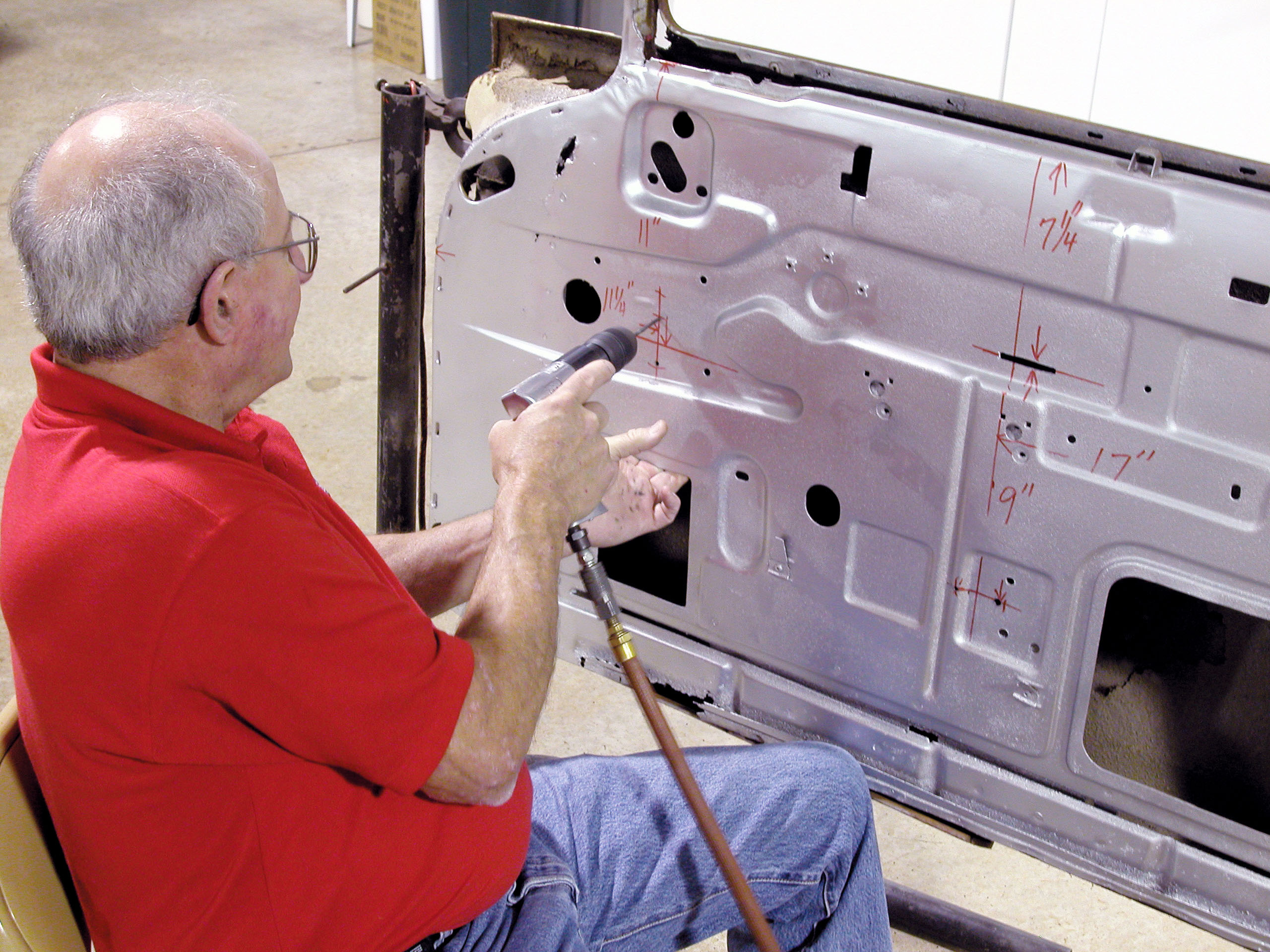
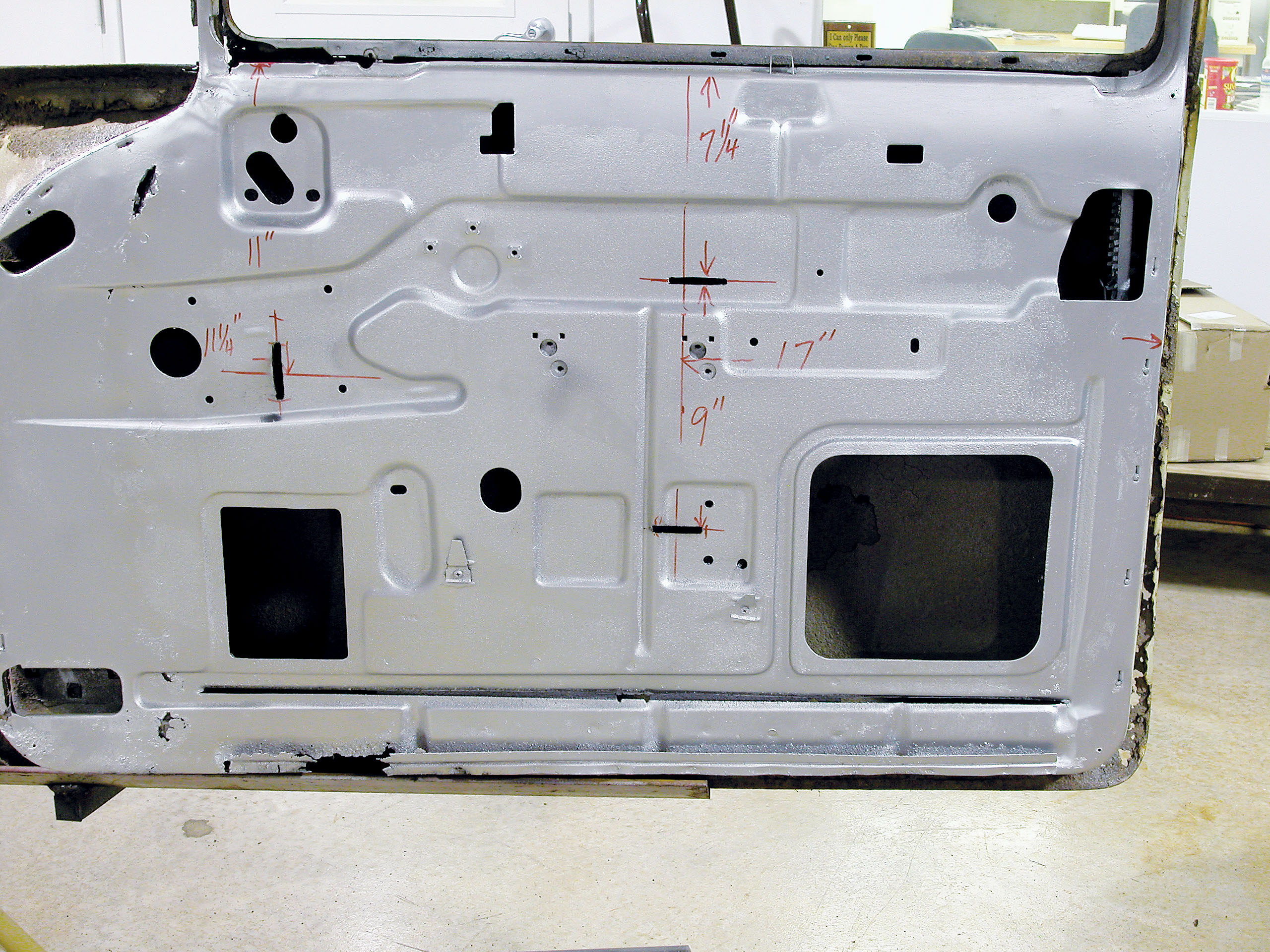
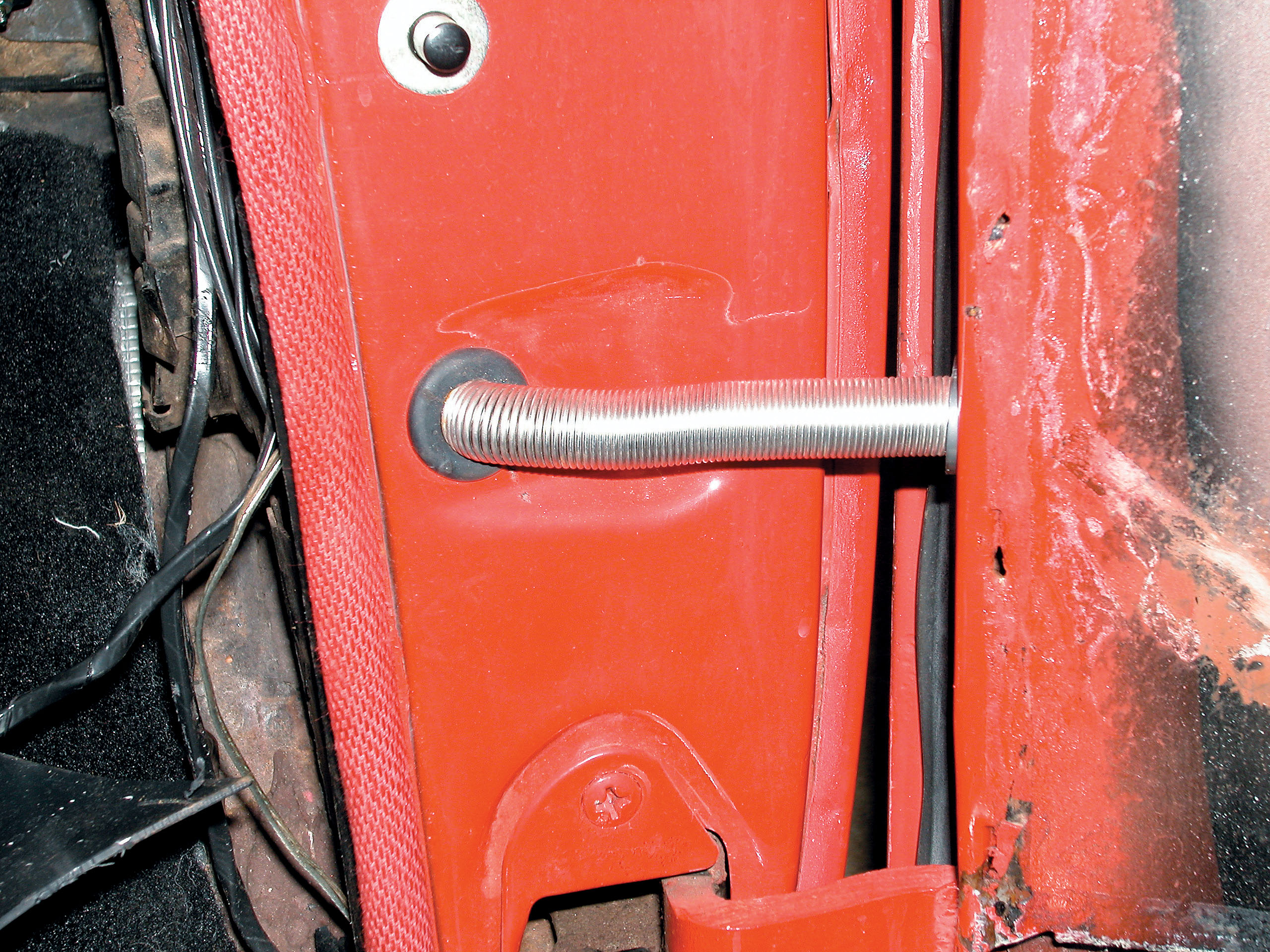
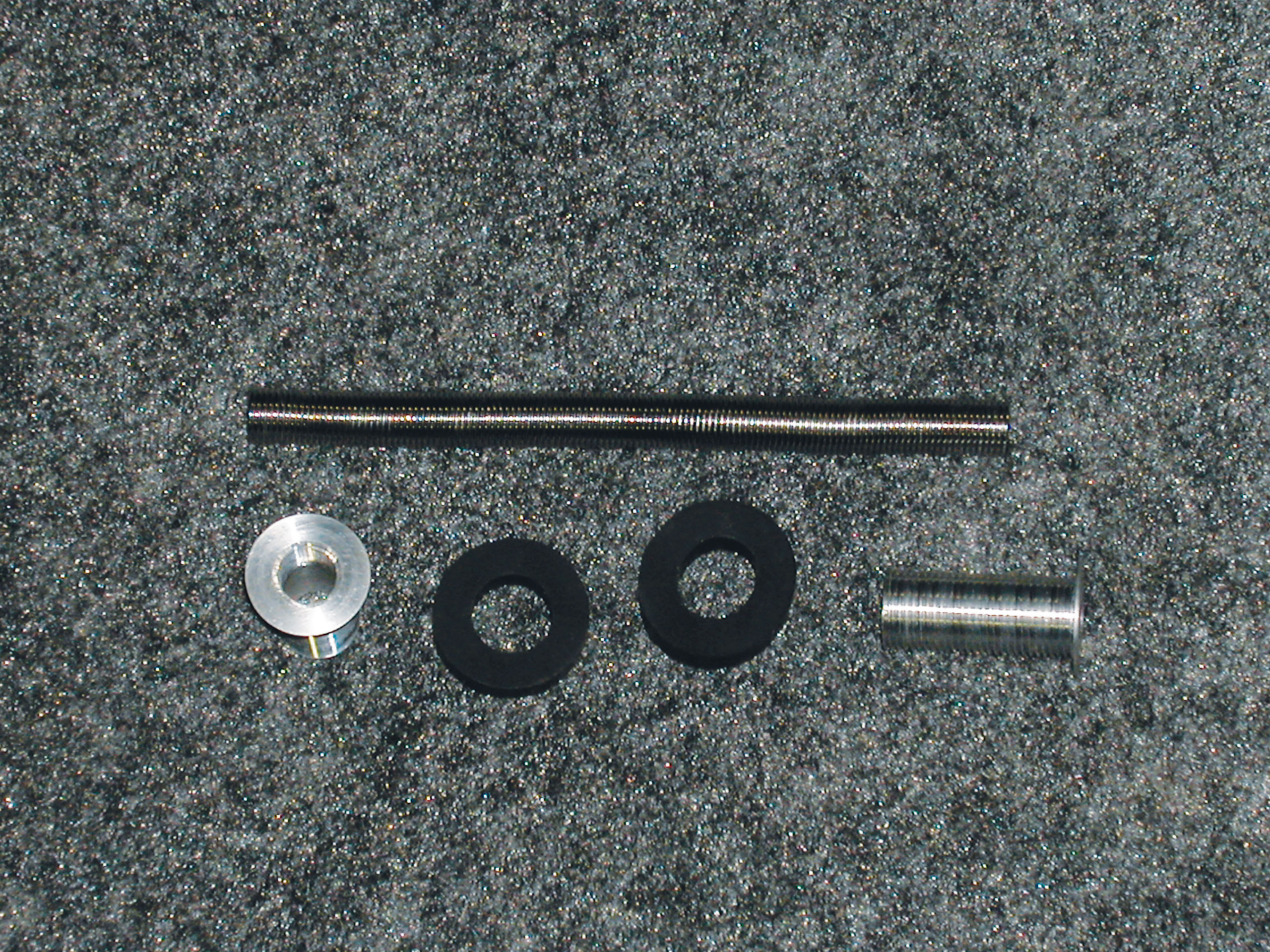
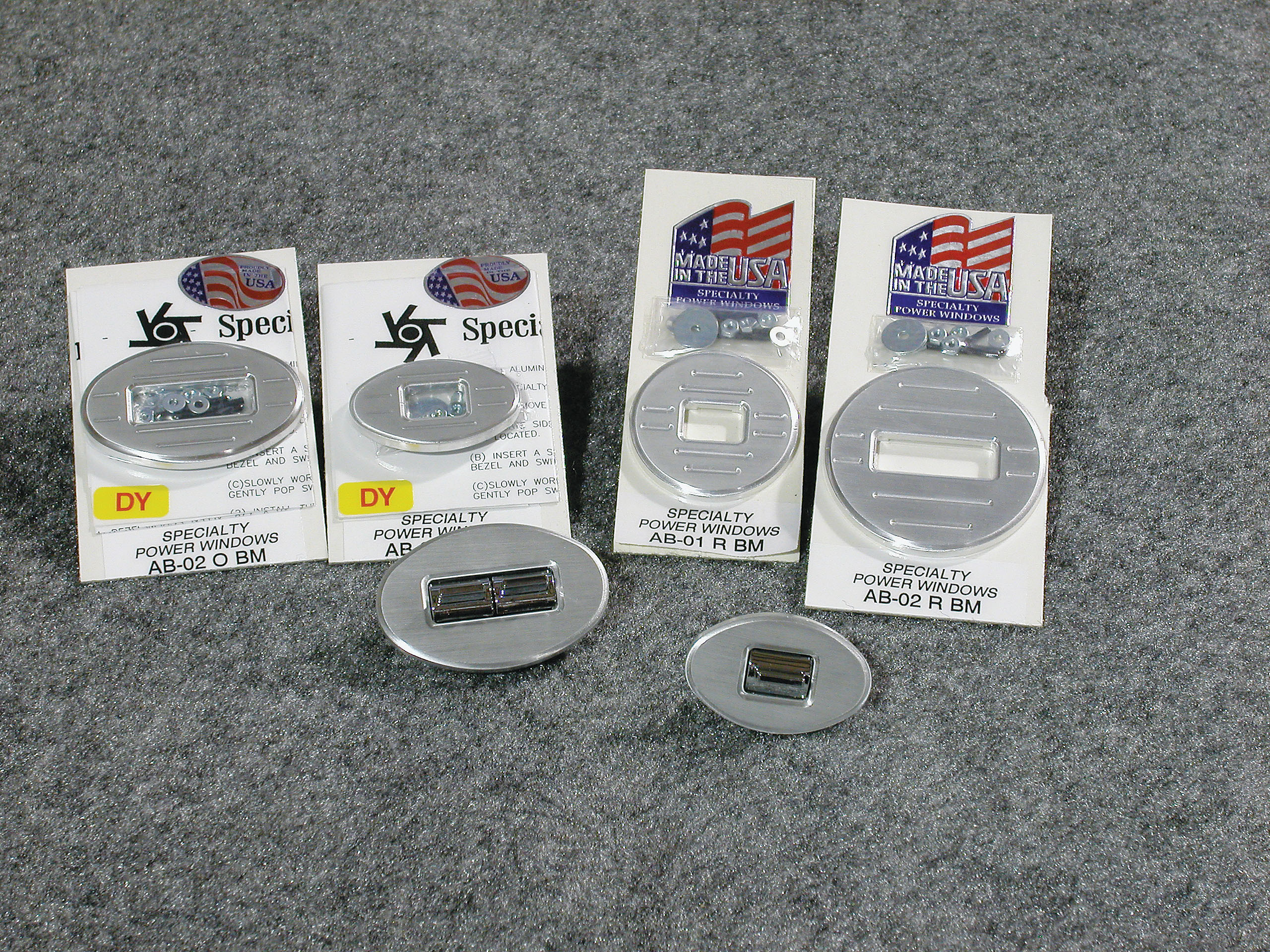
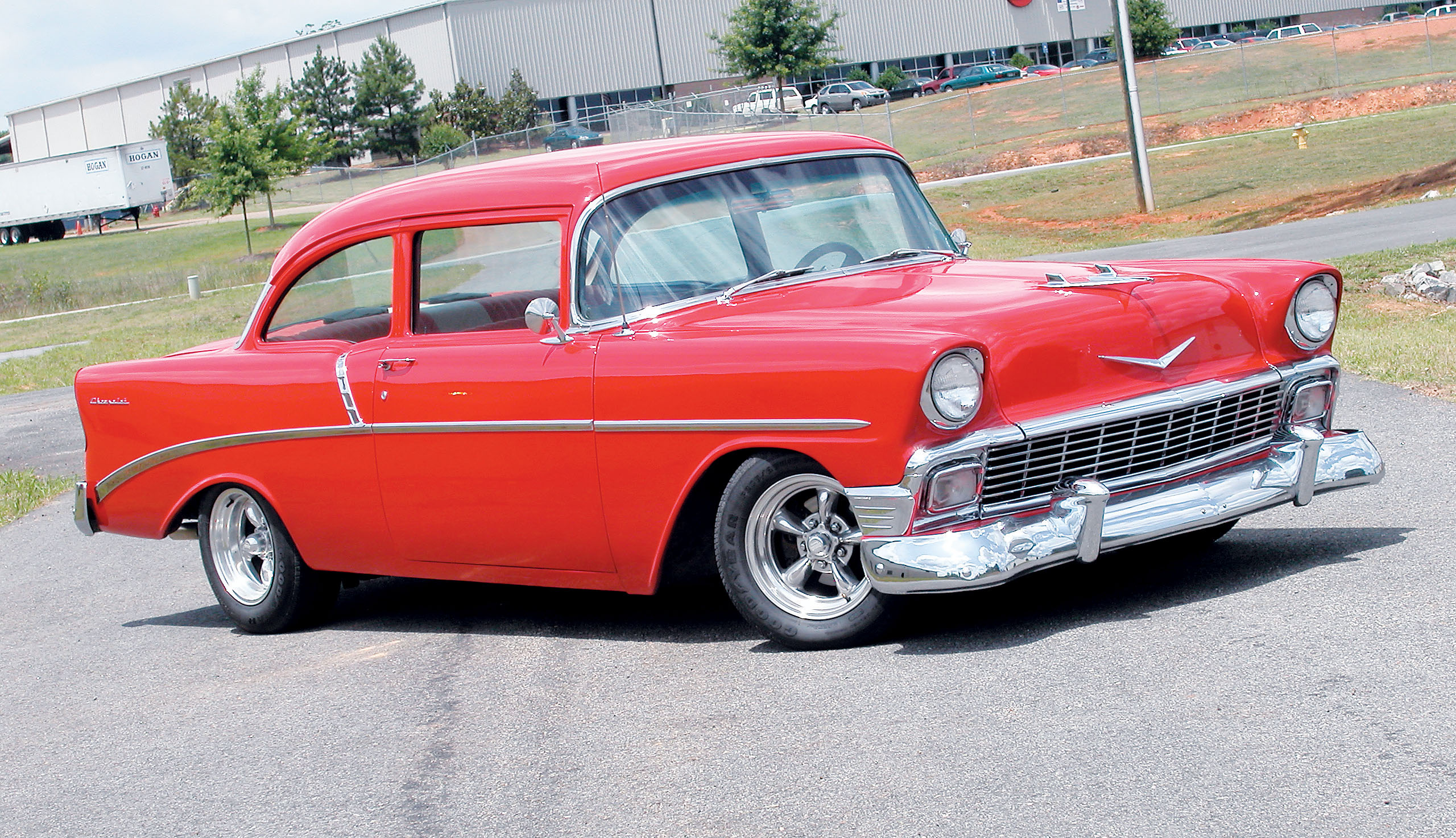
We recently did a shop tour of SPW for one of our sister publications, and that’s when the seed was planted for this story. What we like about the SPW kits is that they use all brand-new, made-in-USA components, including new motors, switches, built-to-application window-lift mechanisms, and custom-fit wiring harnesses. Instead of doing an install of a fresh kit on a car, SPW cleaned up an old door and hung it on its R&D stand for part of the article, helping make the photography clearer and easier to understand. Later we shot the rest of the photos on a completed rod (SPW owner Robby Whitehead’s ’56 210).