Adding power windows is a popular aftermarket option for classic vehicles these days. Worn-out window regulators have given people problems for years, and as replacement parts have become increasingly more expensive and harder to find, it’s simply easier and often cheaper to replace the old regulators with new electric ones.
In the past we had to raid wrecking yards for parts that would adapt into our vehicles, and as expected there were generally a few problems associated with doing this. First, you don’t always know the condition of the parts being used, even though they look good; and second, you would need some background in window geometry to get the job done correctly. Finally, you need a certain level of basic fabrication skill and tools, which would be more than basic hand tools.
With today’s technology and the availability of well-engineered aftermarket power window kits this has all changed, as it’s commonplace for most people to go straight to a kit designed for their vehicle.
One such company offering these kits—and there are a number of great kits on the market—is Electric-Life. This company manufactures a lot of its own parts and has a rather extensive selection of power window and switch kits available for 1930s to later-model cars and trucks, so there should be no problem getting just what you need for your own upgrade.
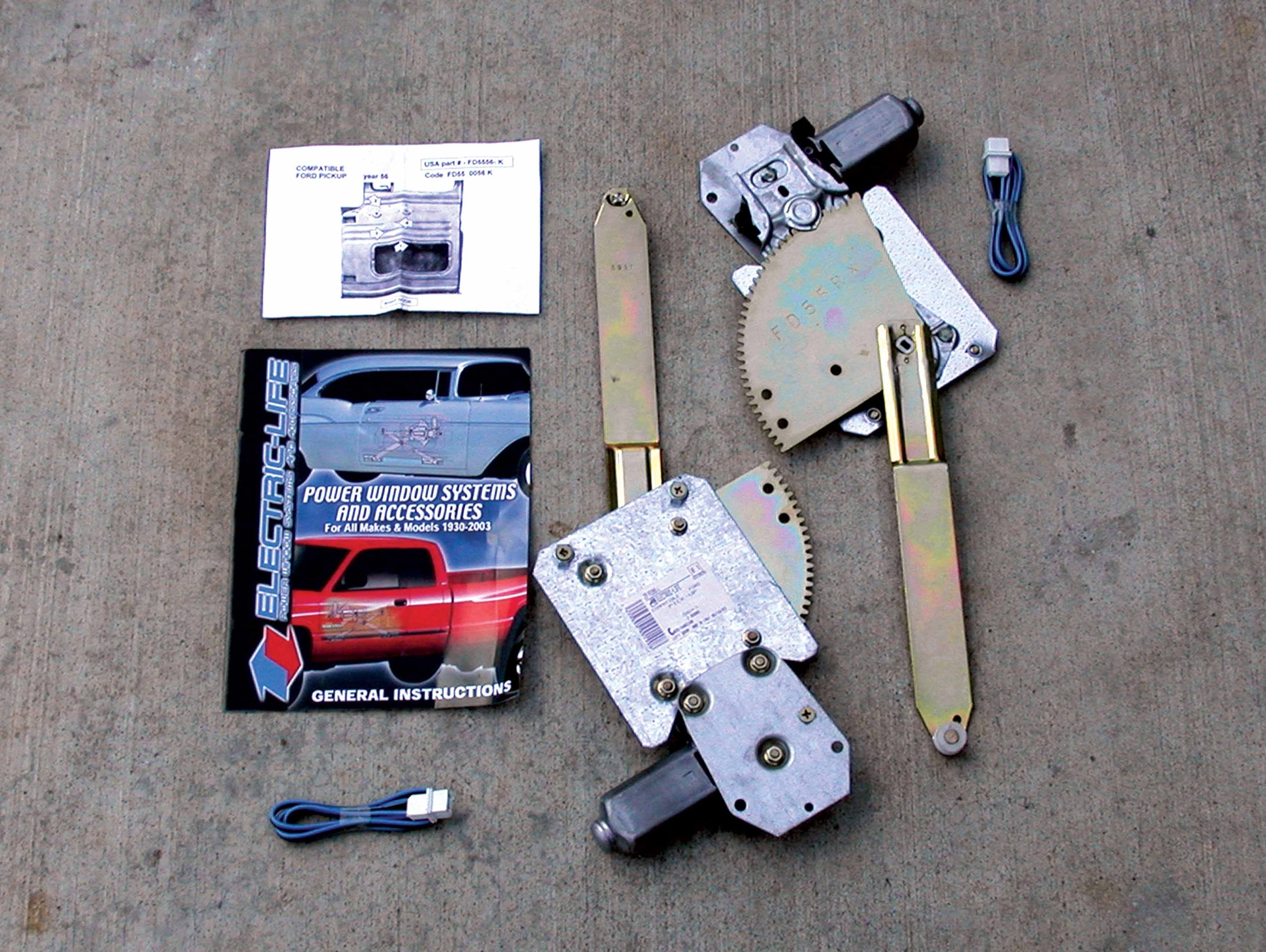
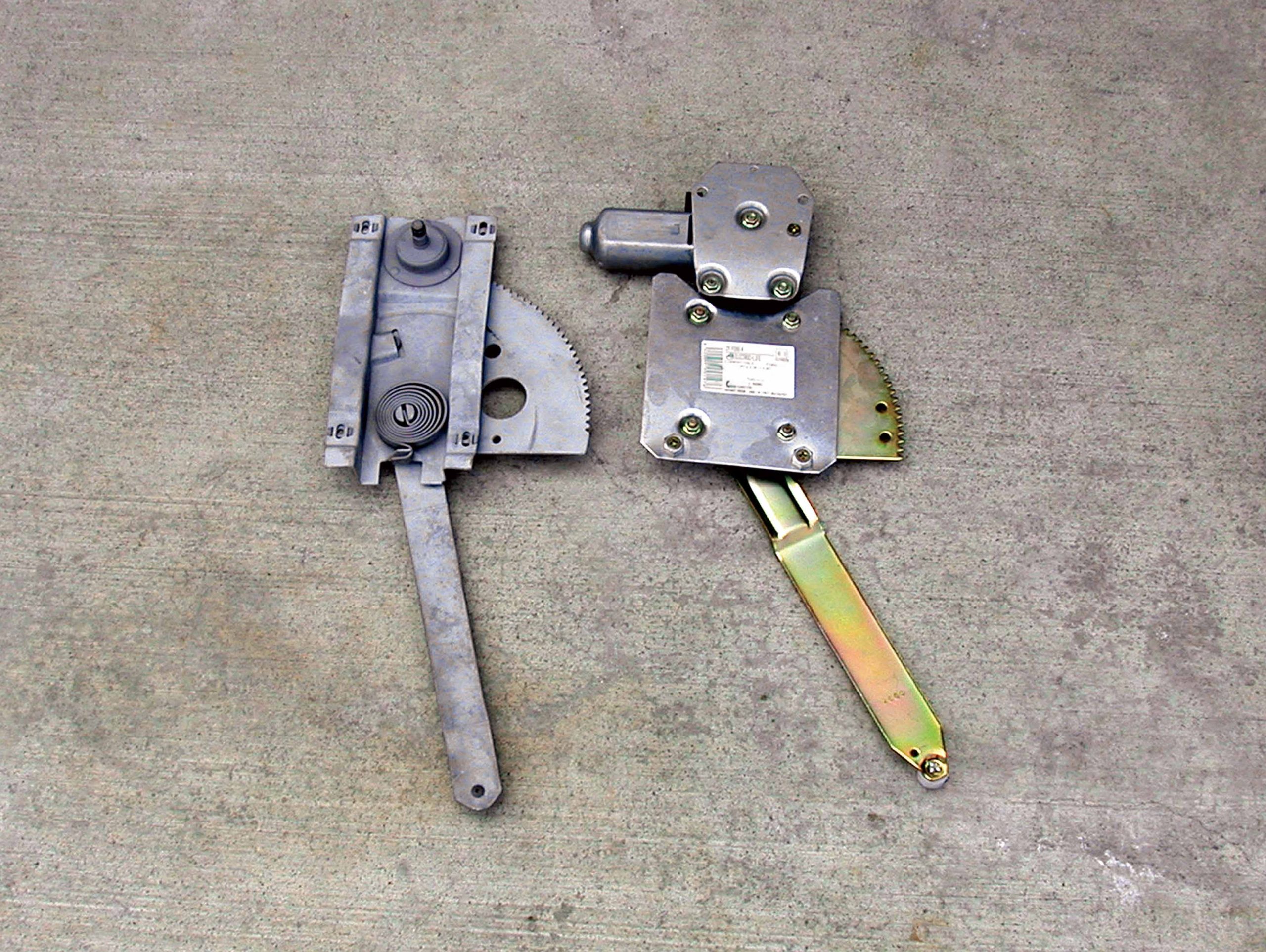
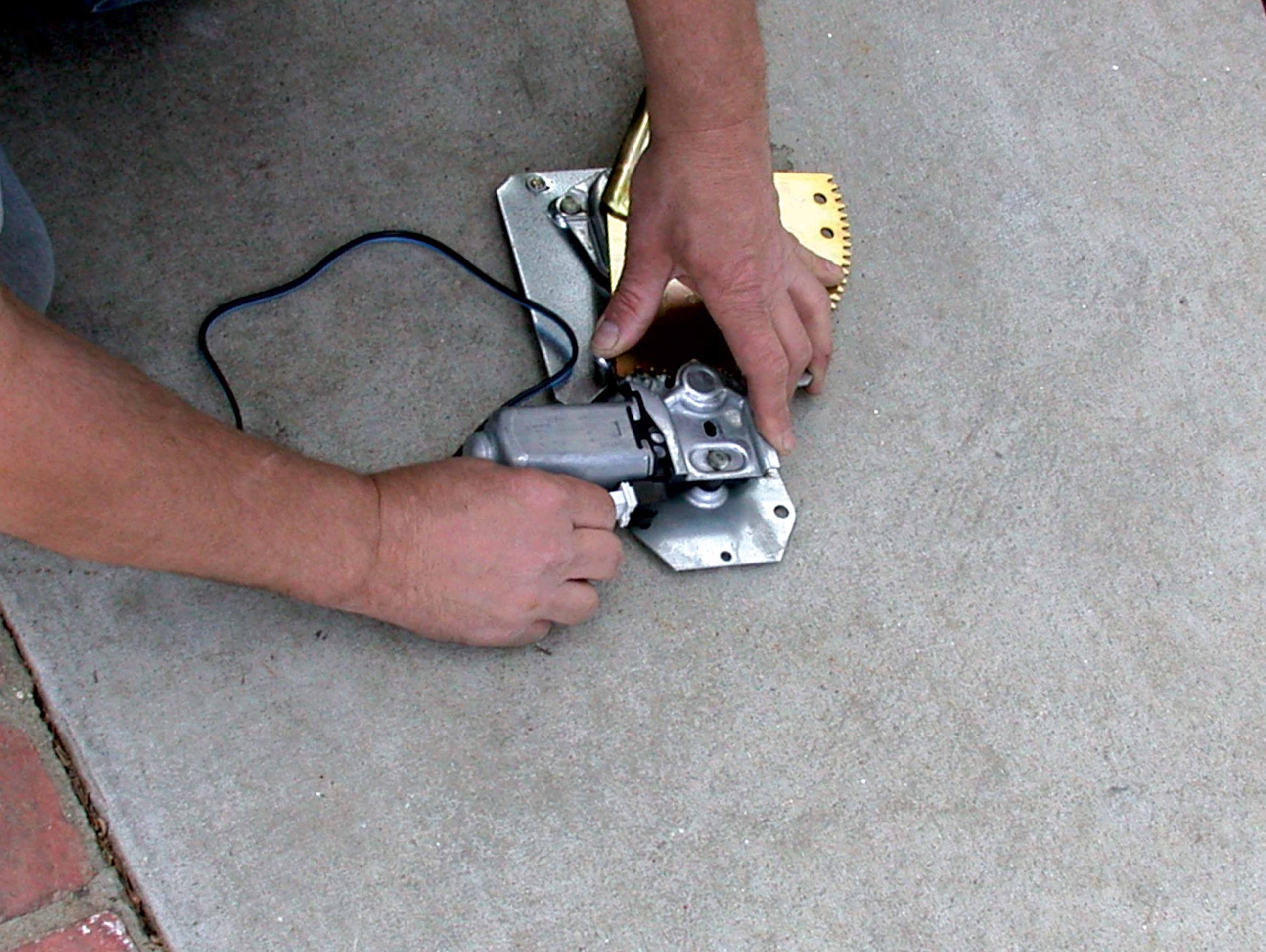
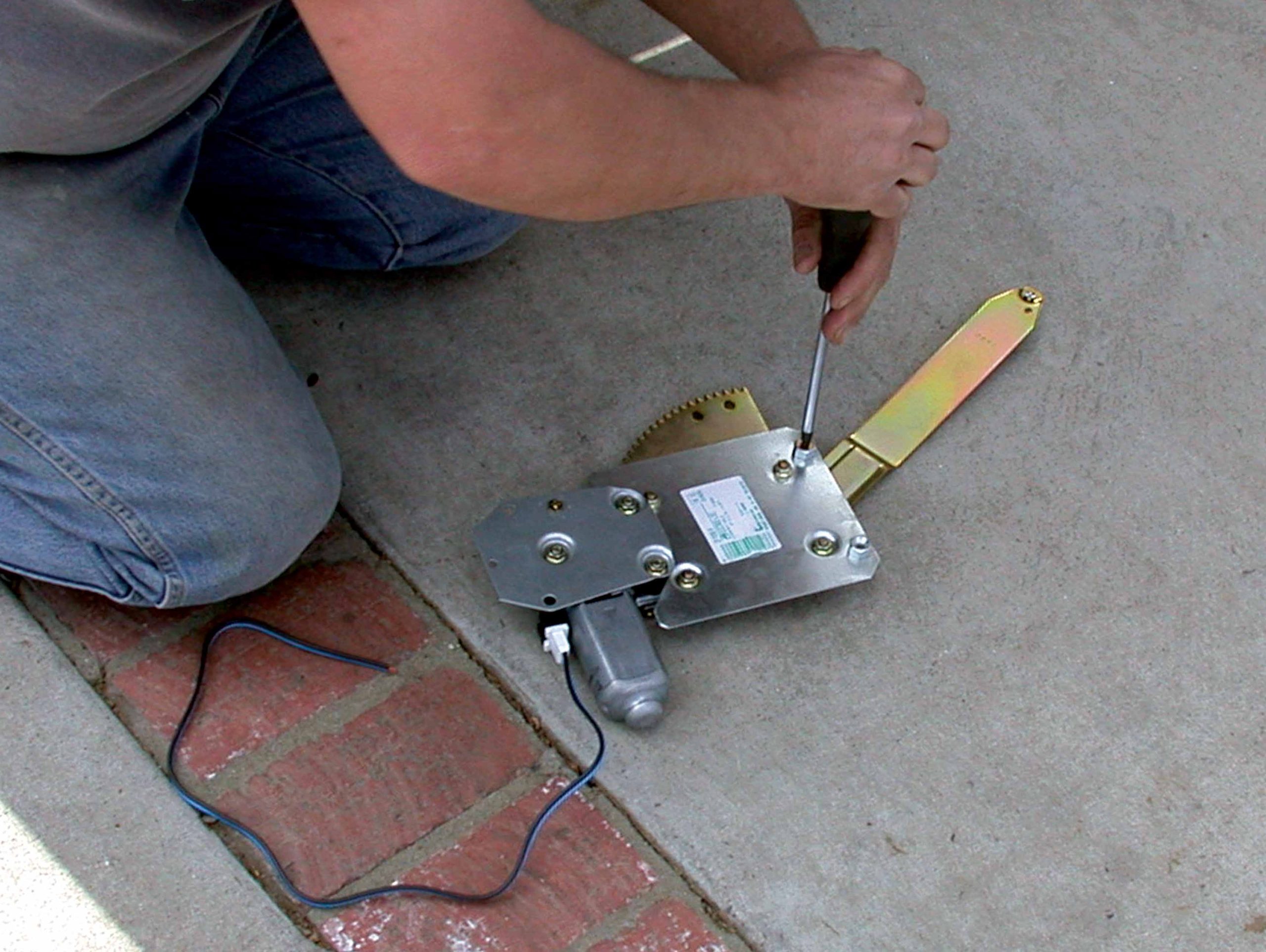
Electric-Life offers universal center lift kits as well as motorized regulators, and it has billet, lighted and non-lighted window switches. It offers “Door Jammers” (a wiring passage system), remote window drop kits, remote entry kits and power bear-claw latch kits. The power window kits are very complete, meaning they contain all of the necessary hardware, the brackets, motorized regulators, switches and wiring harnesses necessary to get the job done. To make the installation go smoothly, easy-to-understand instructions are also provided.
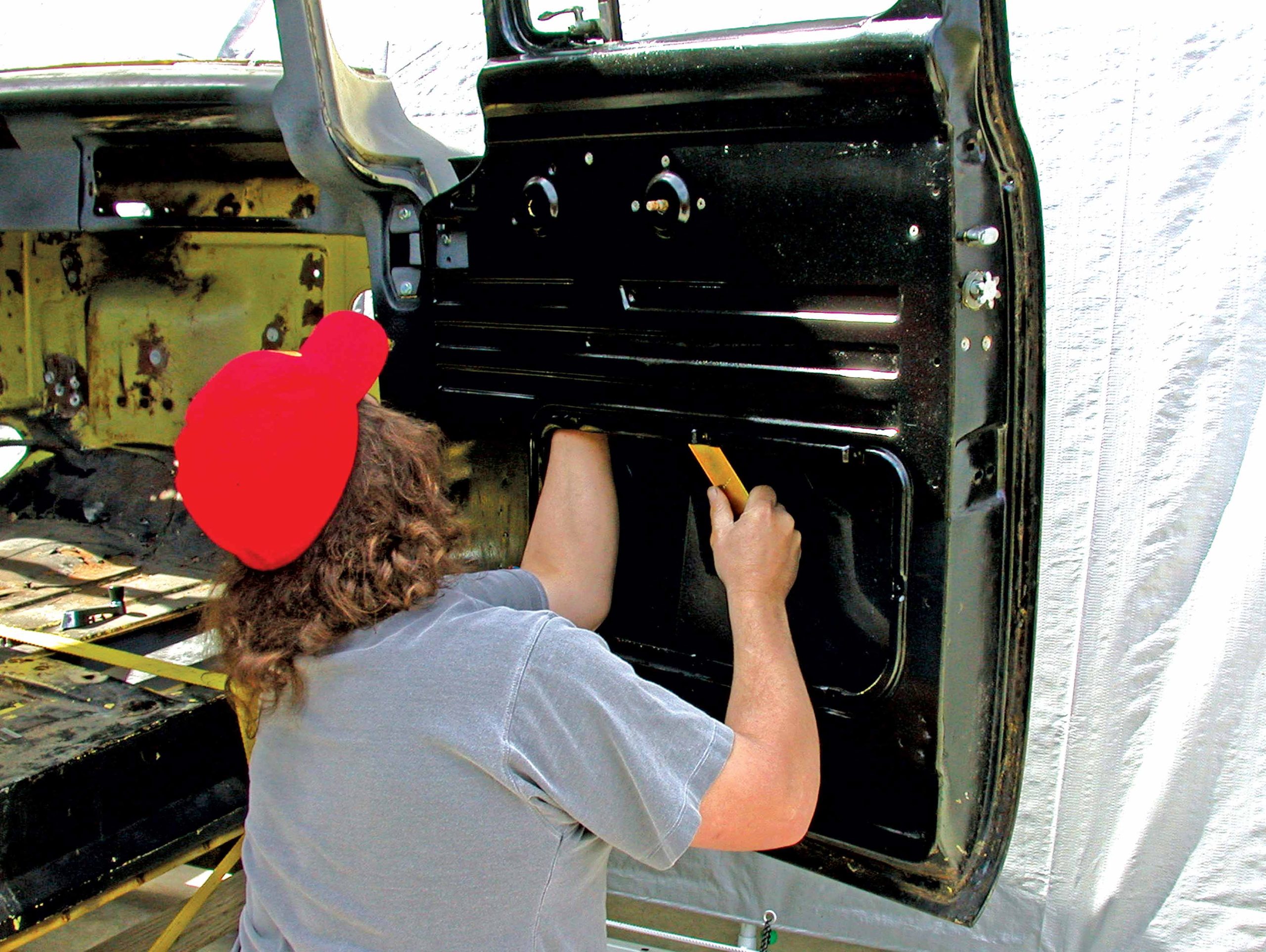
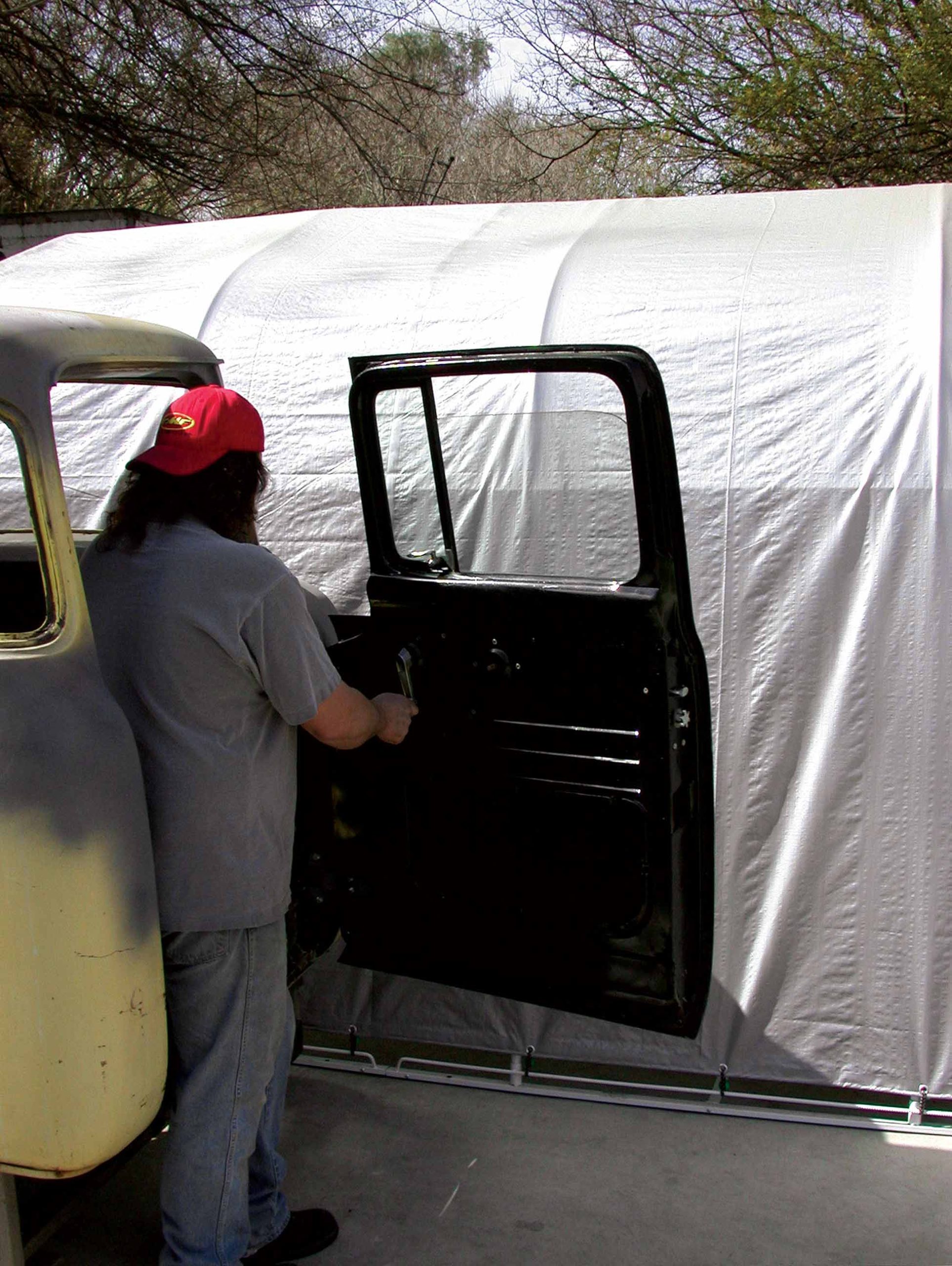
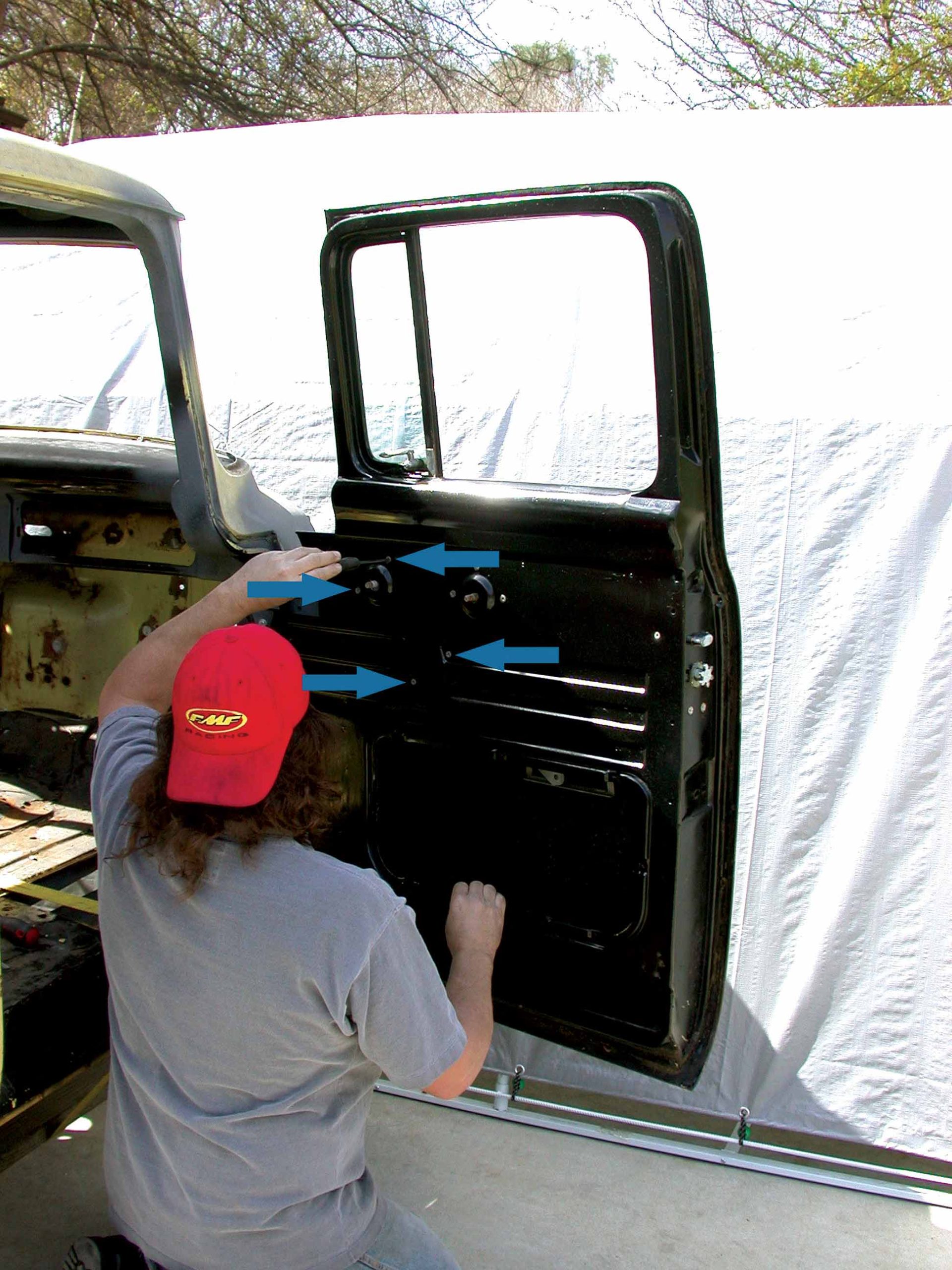
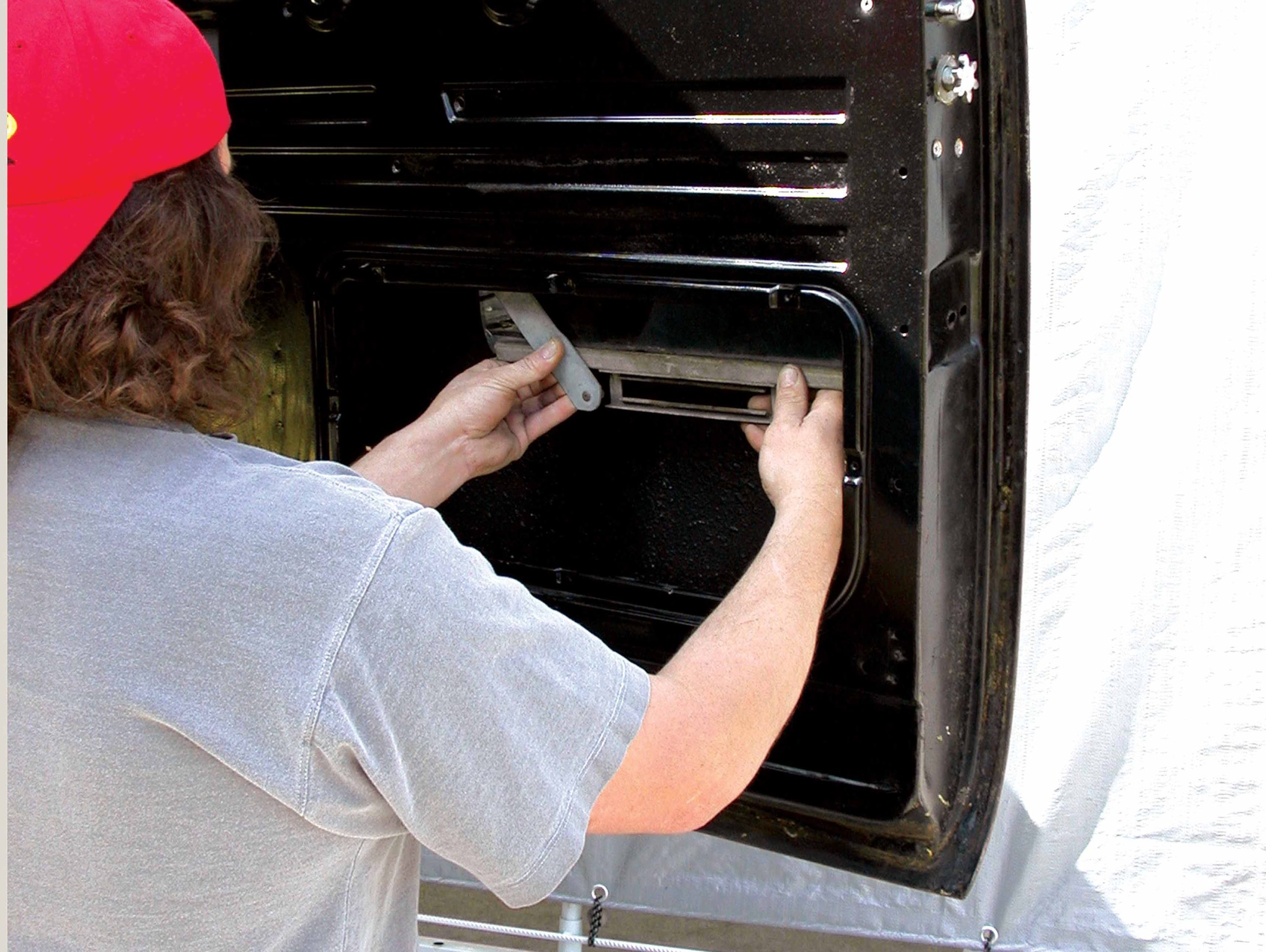
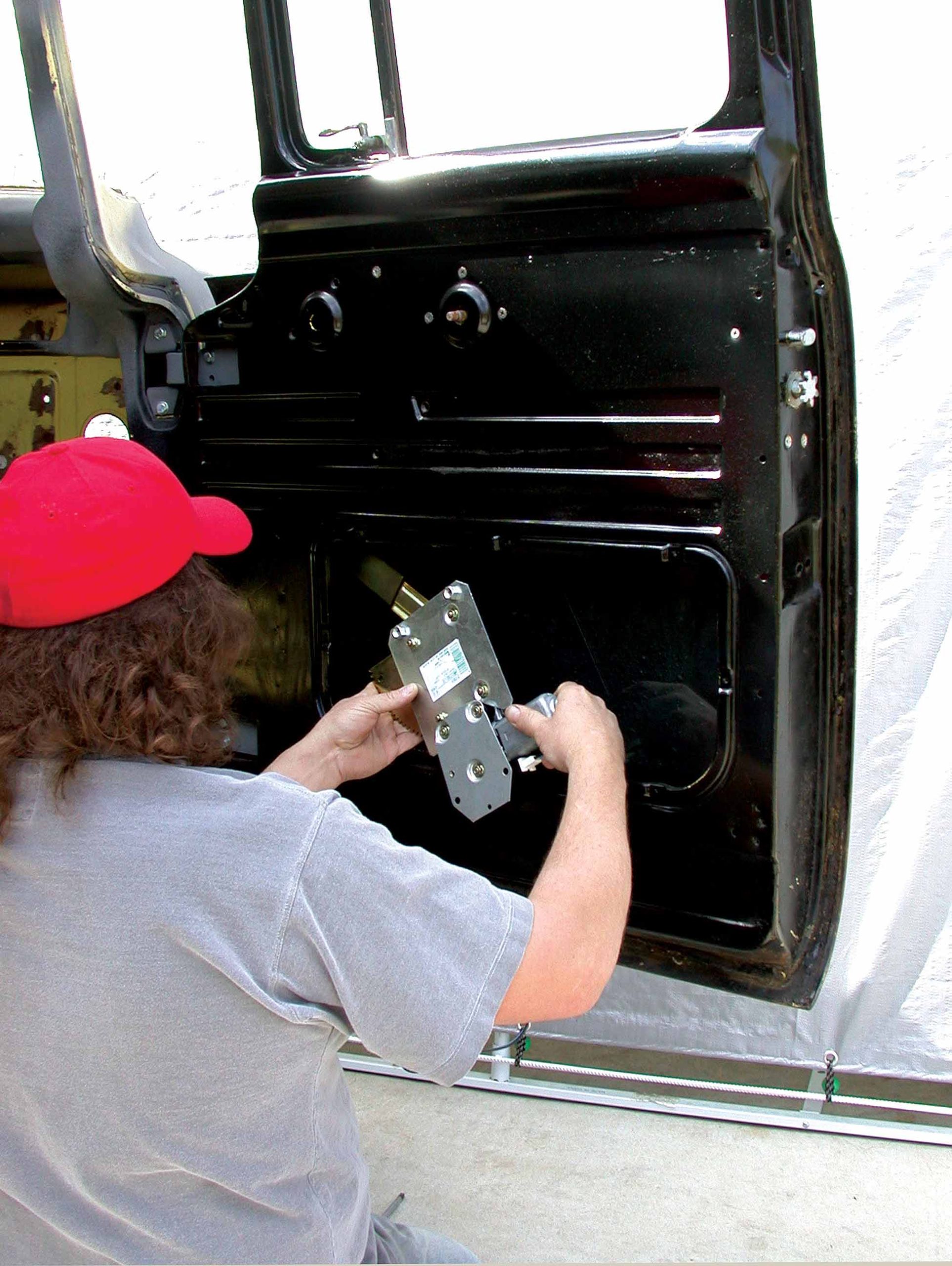
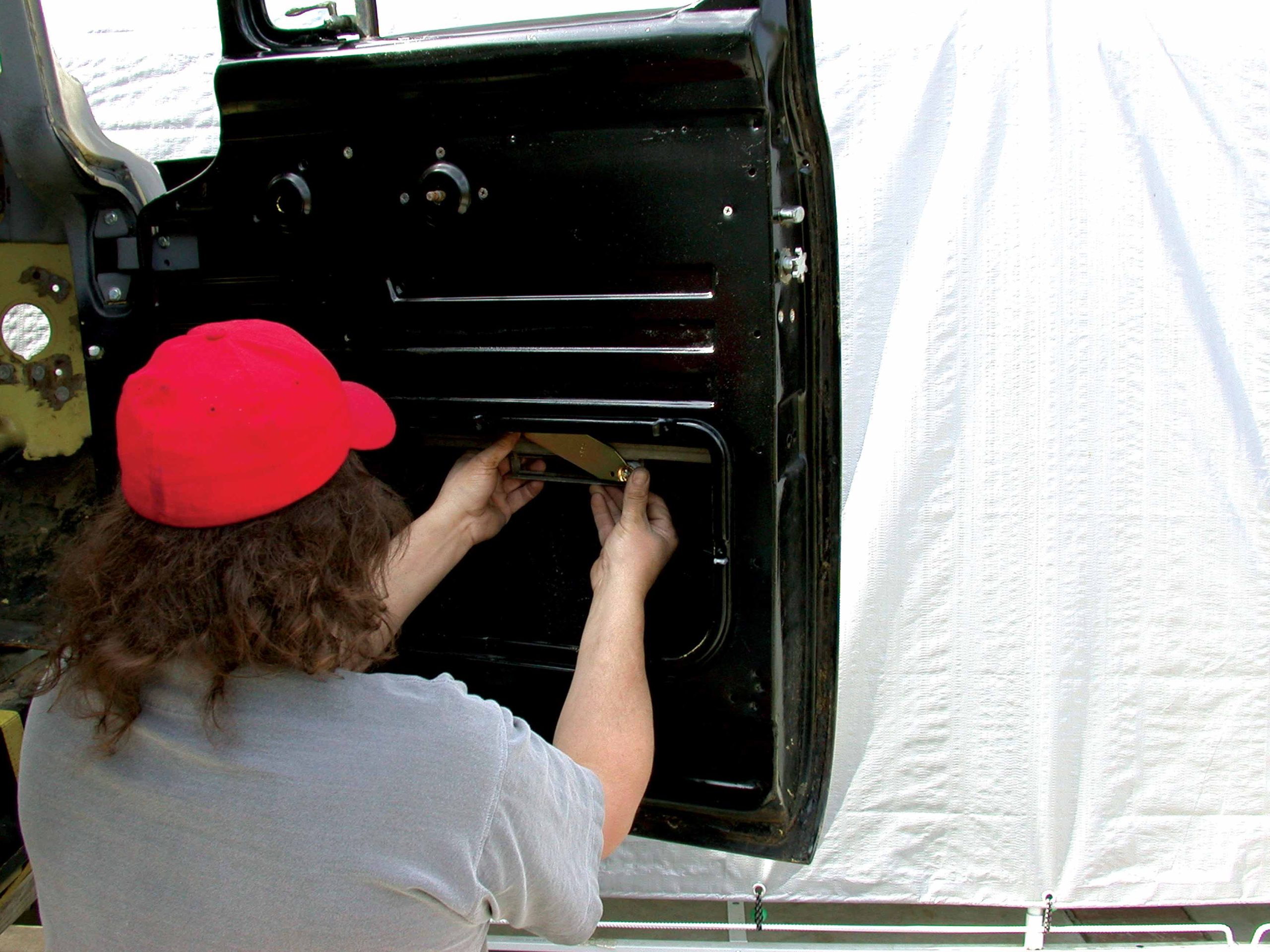
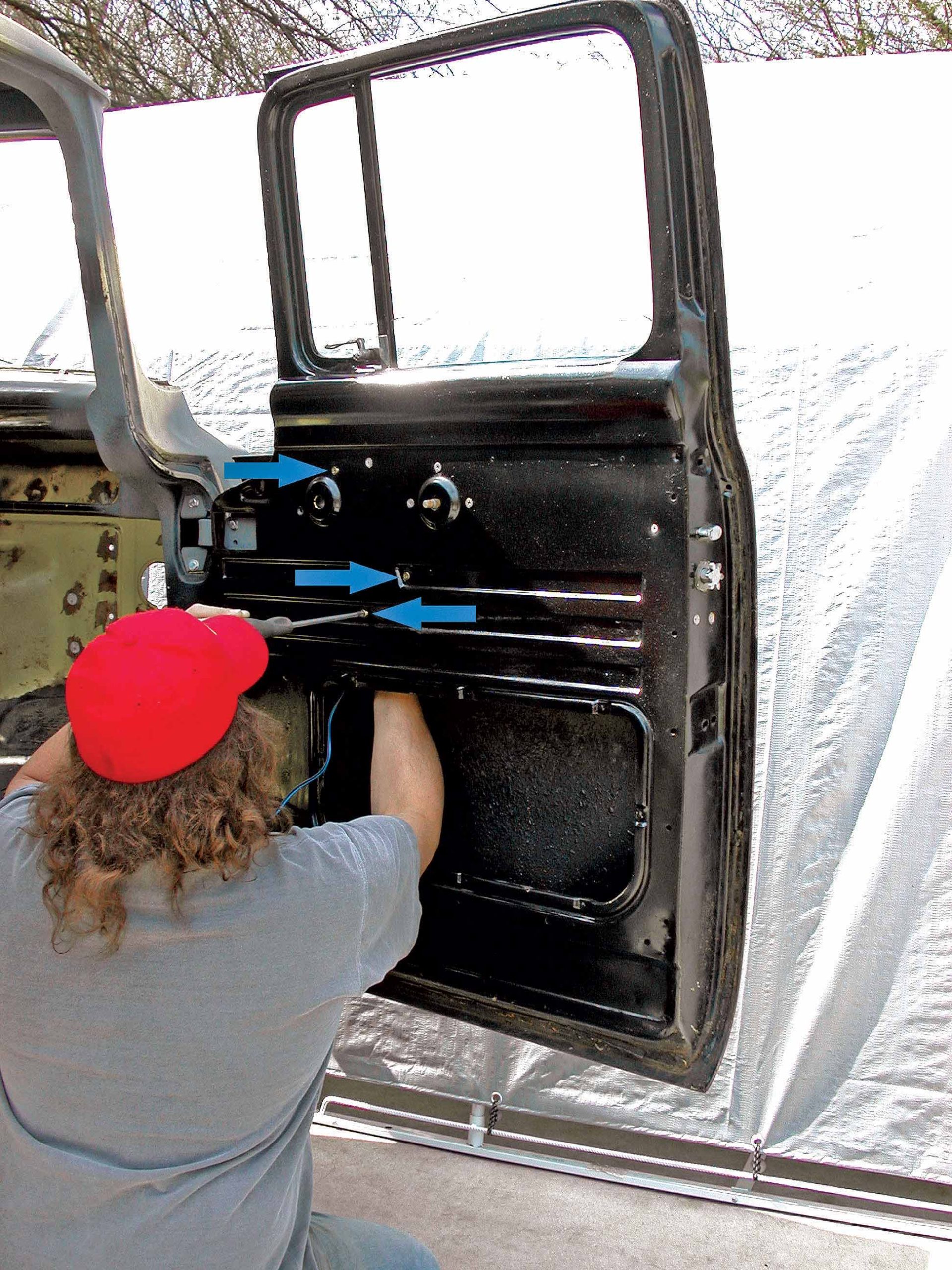
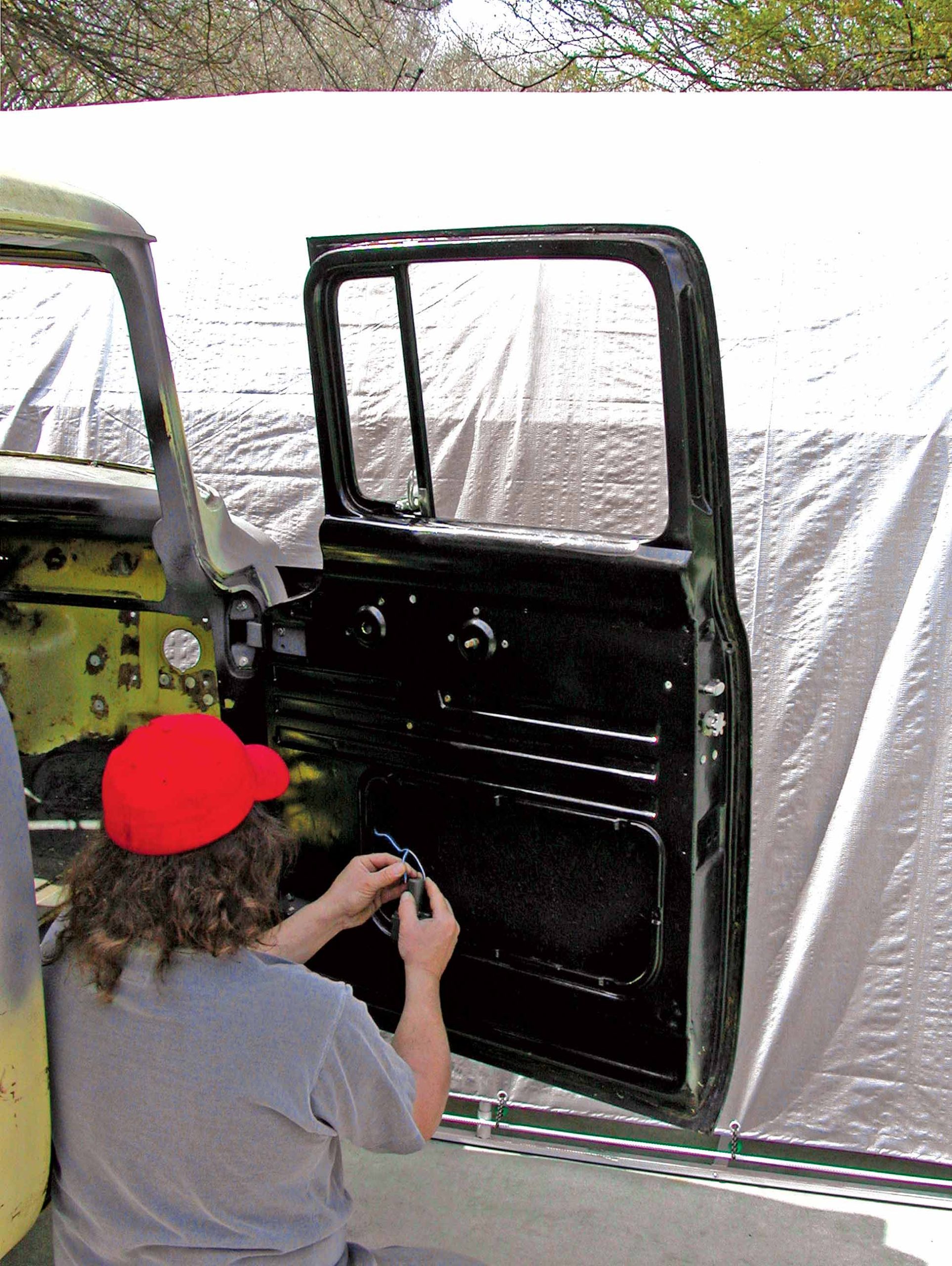
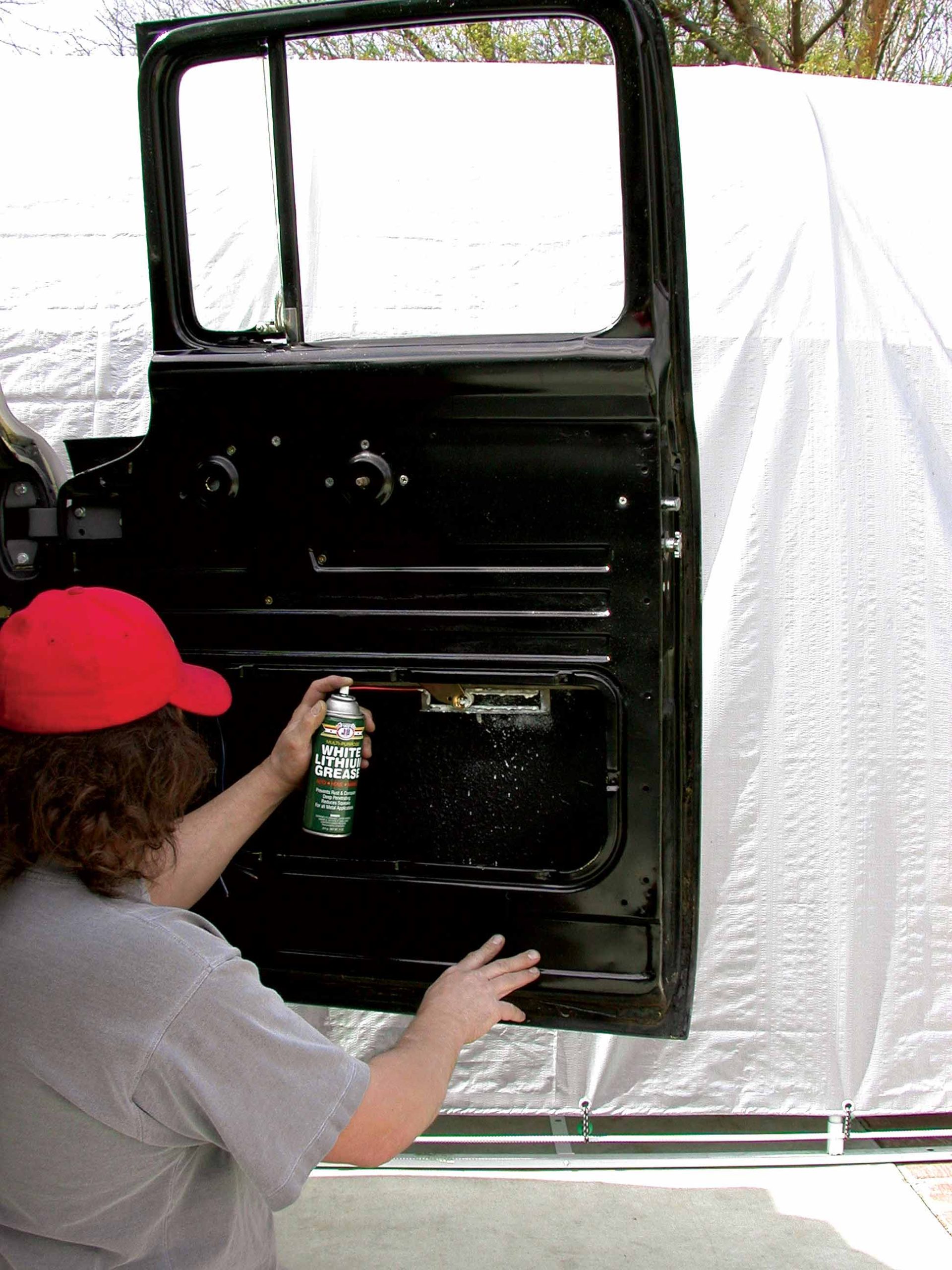
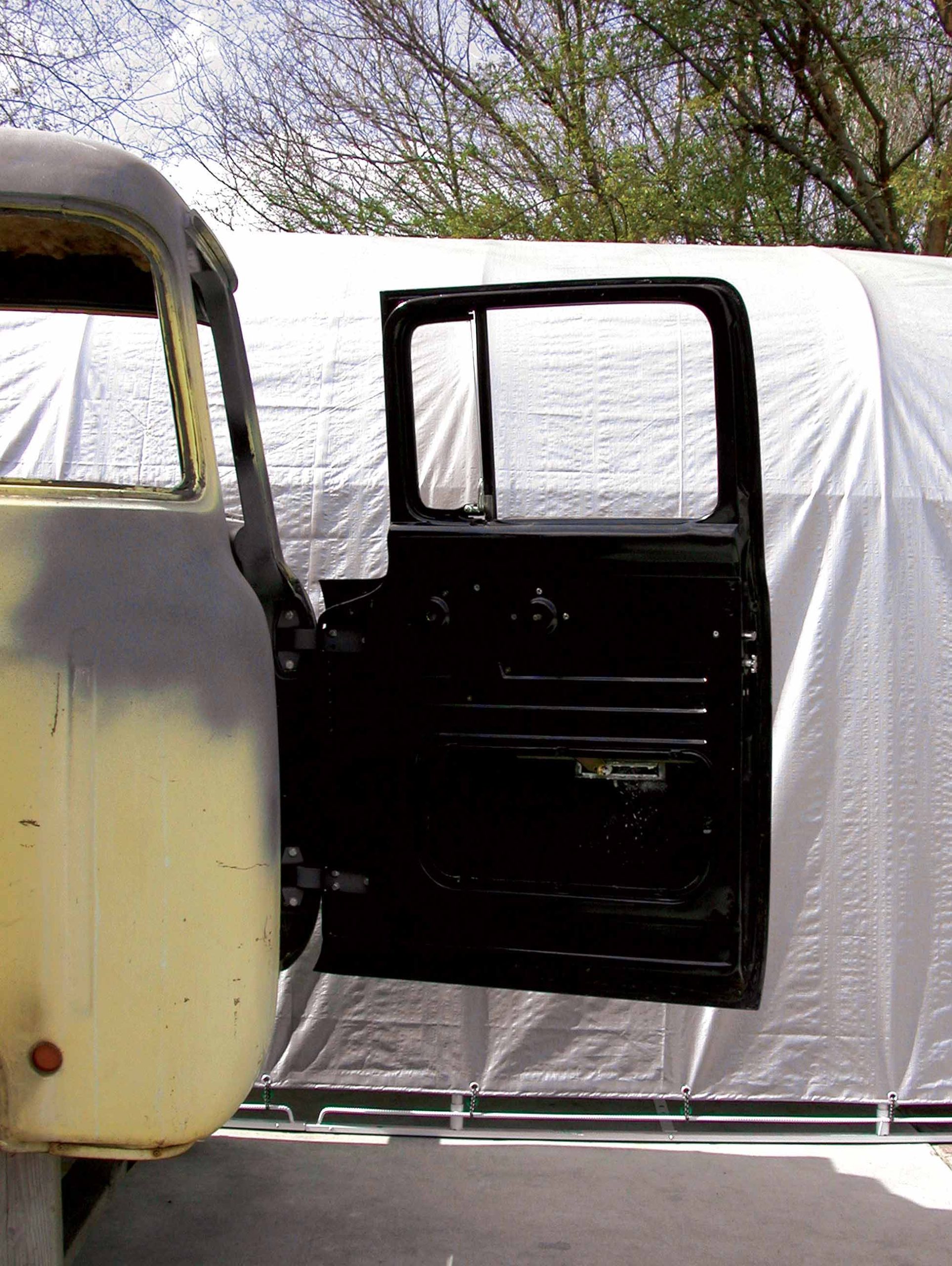
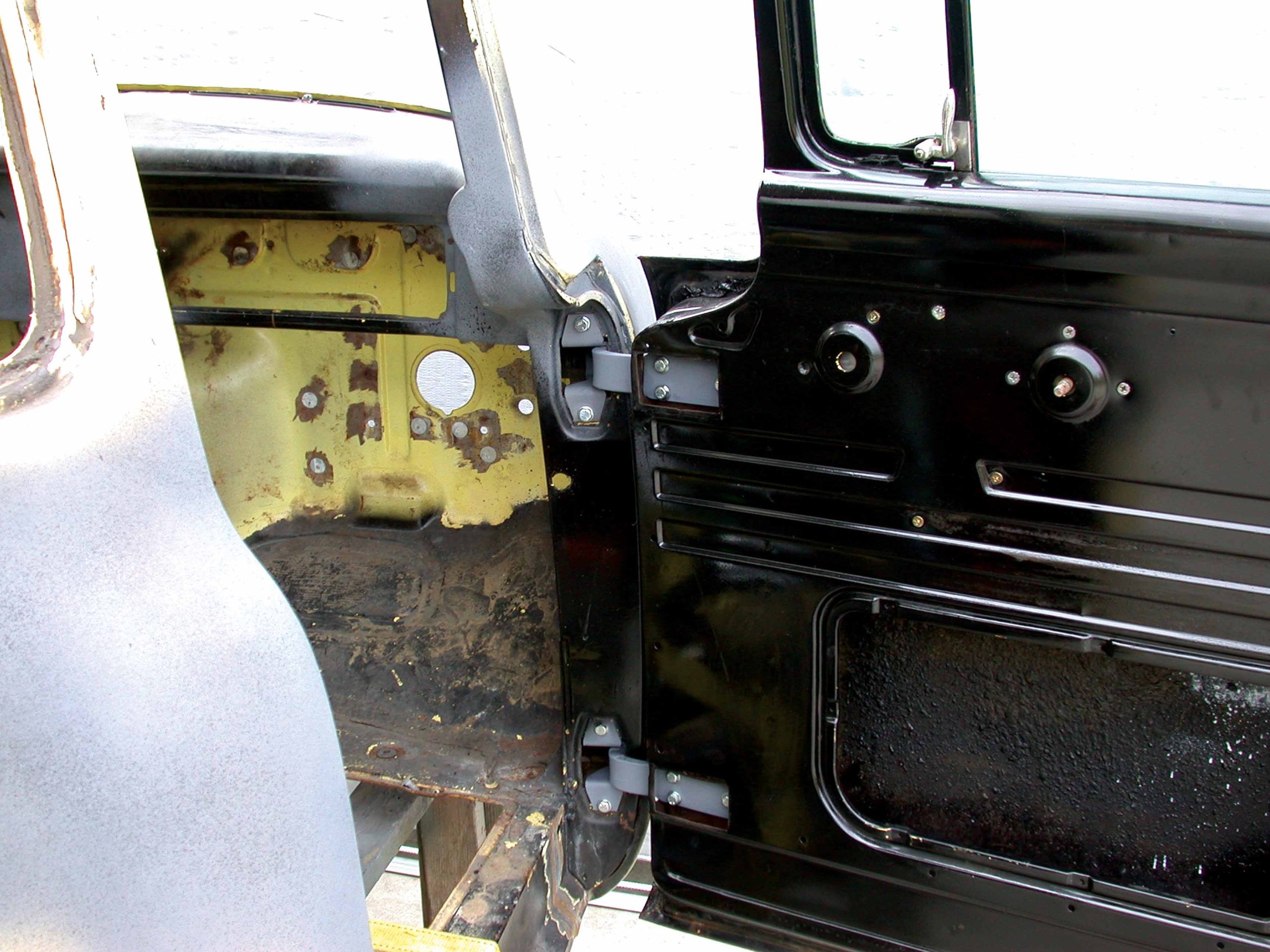
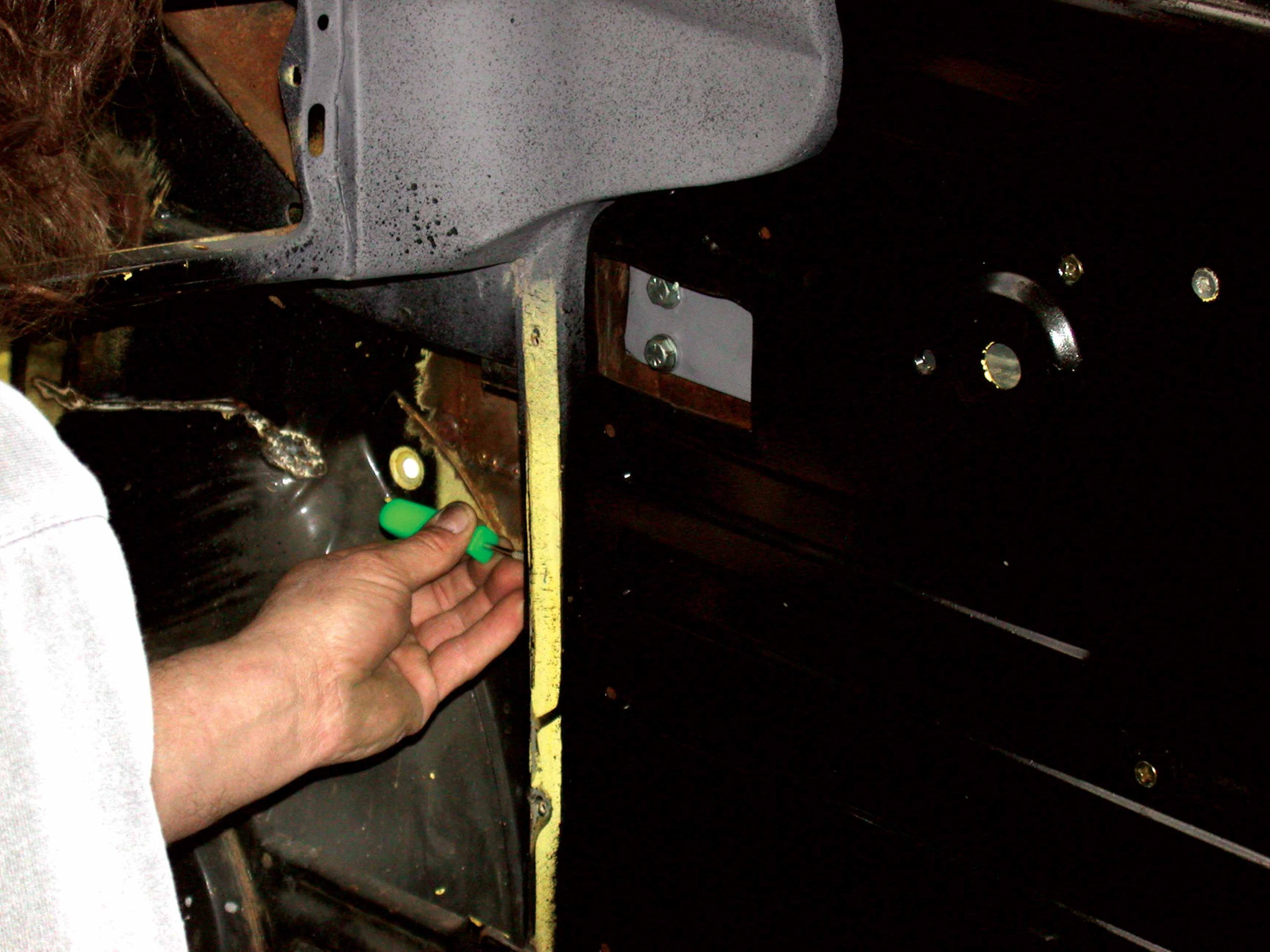
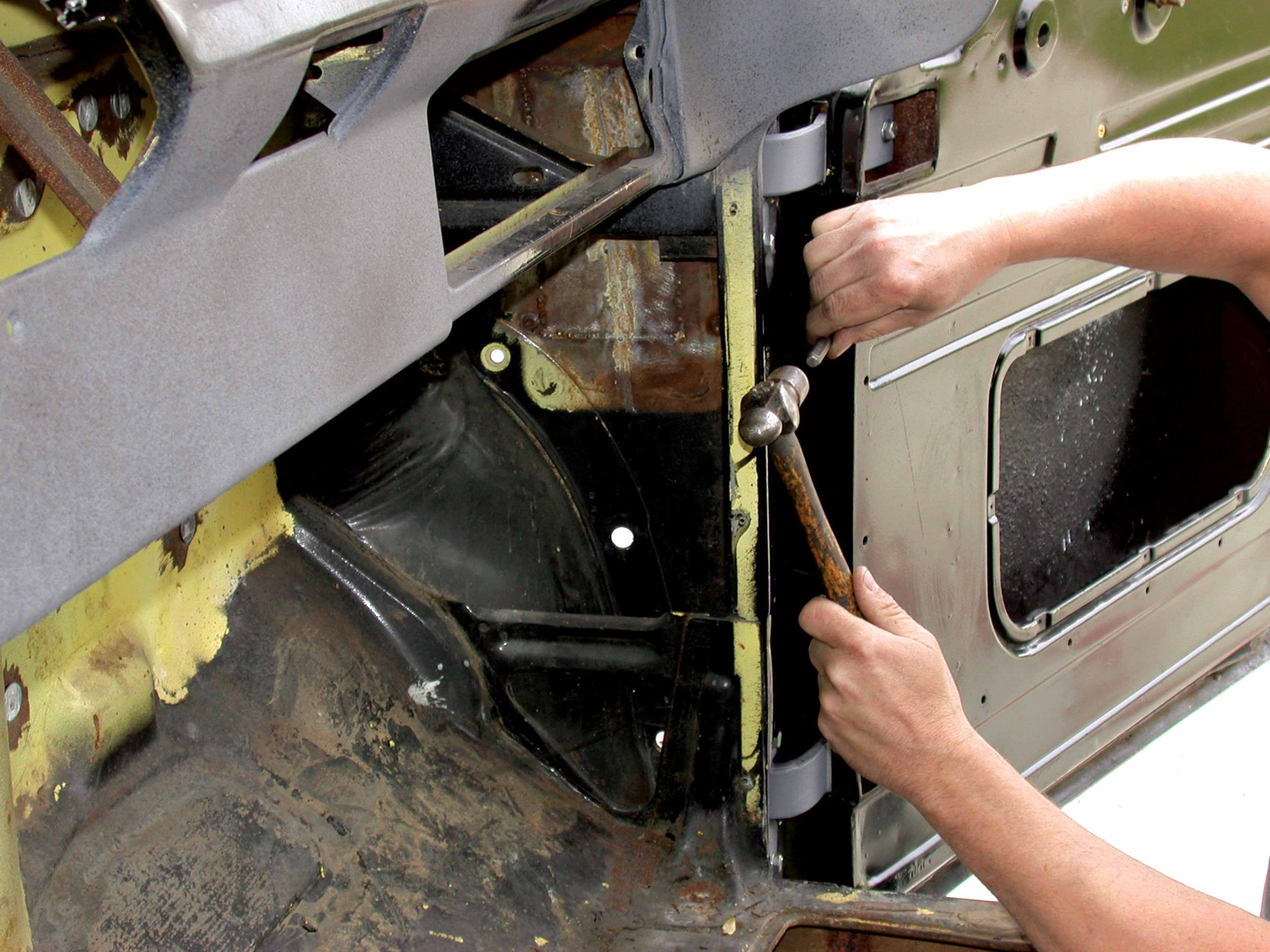
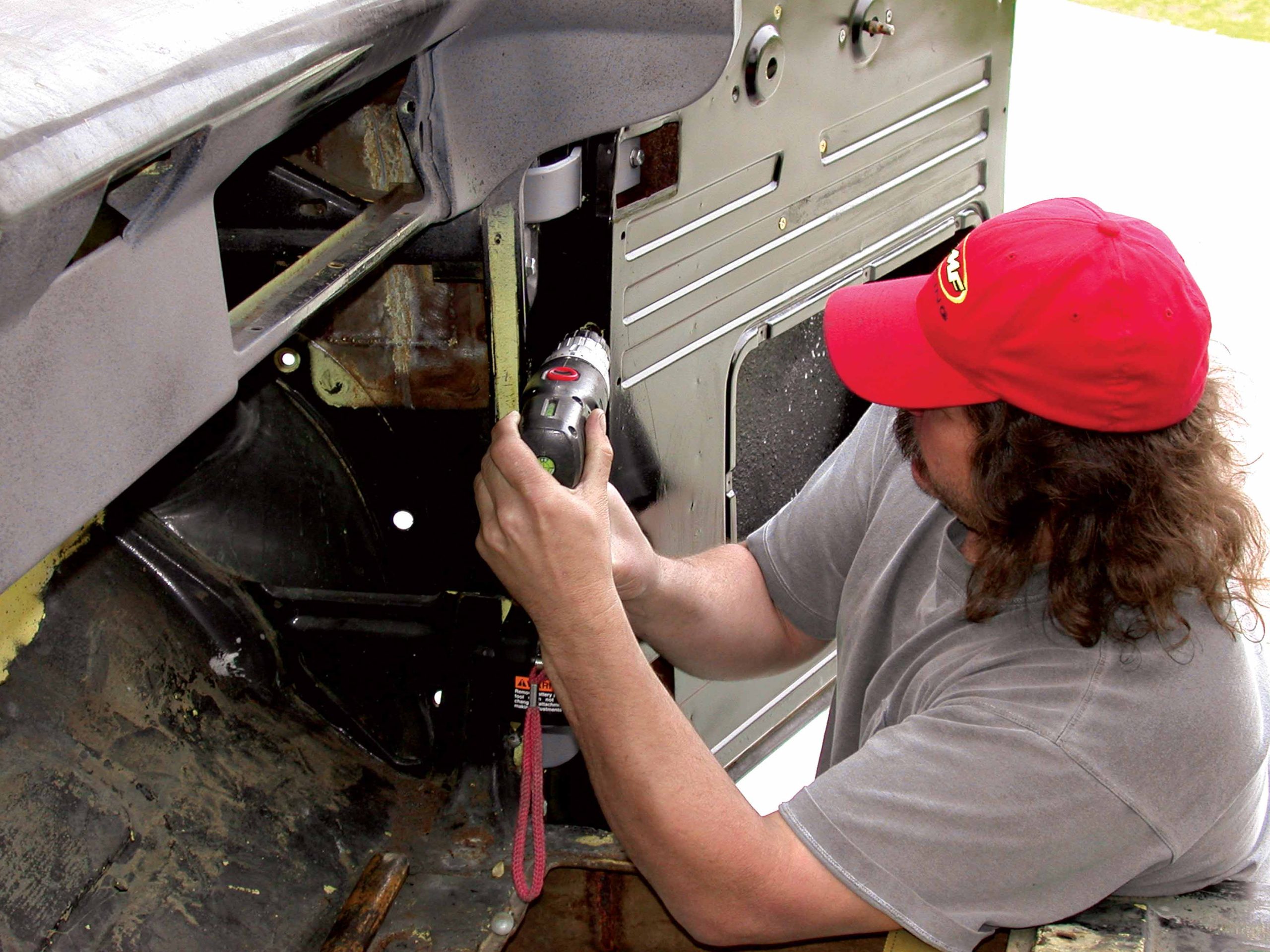
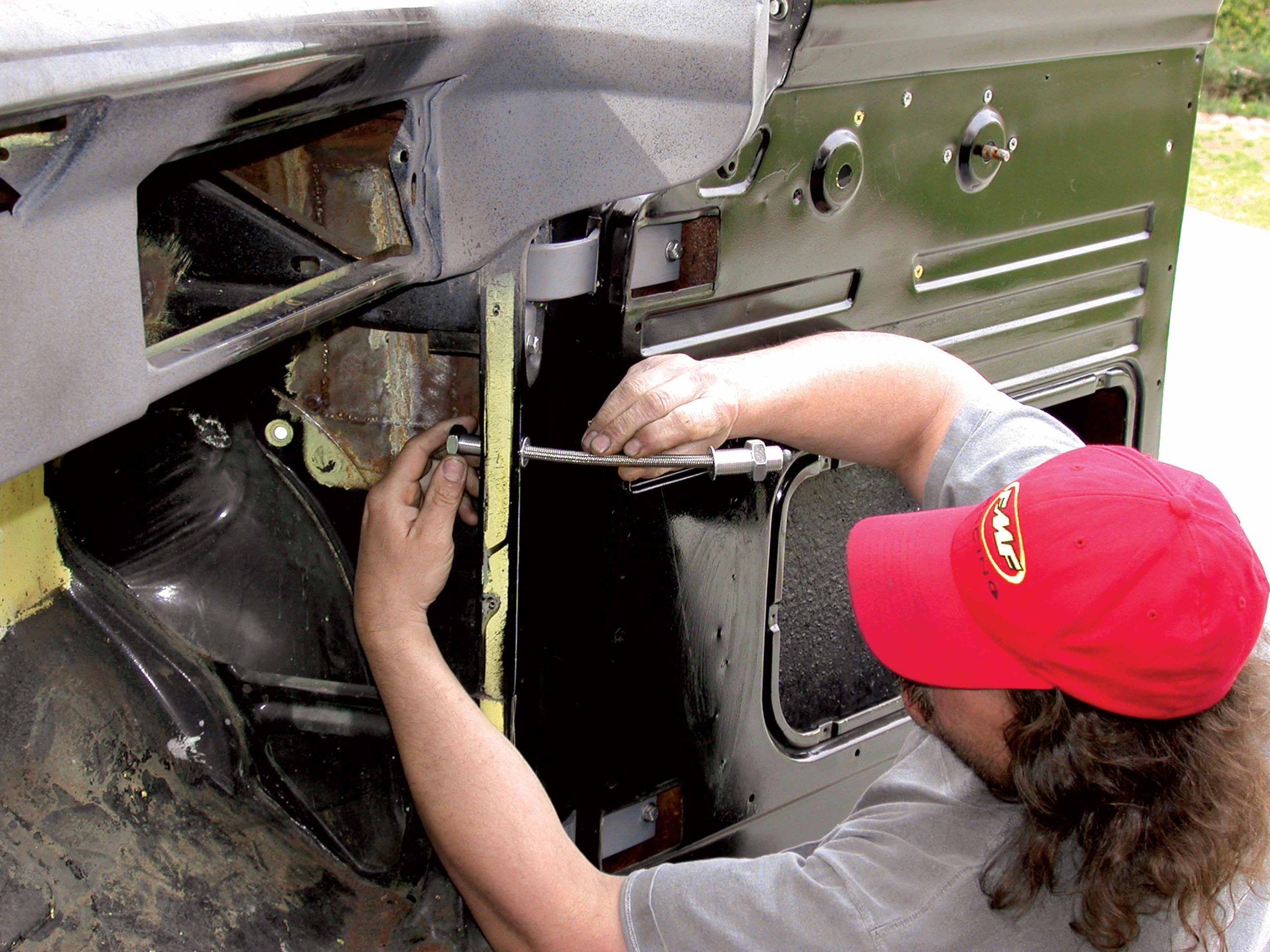
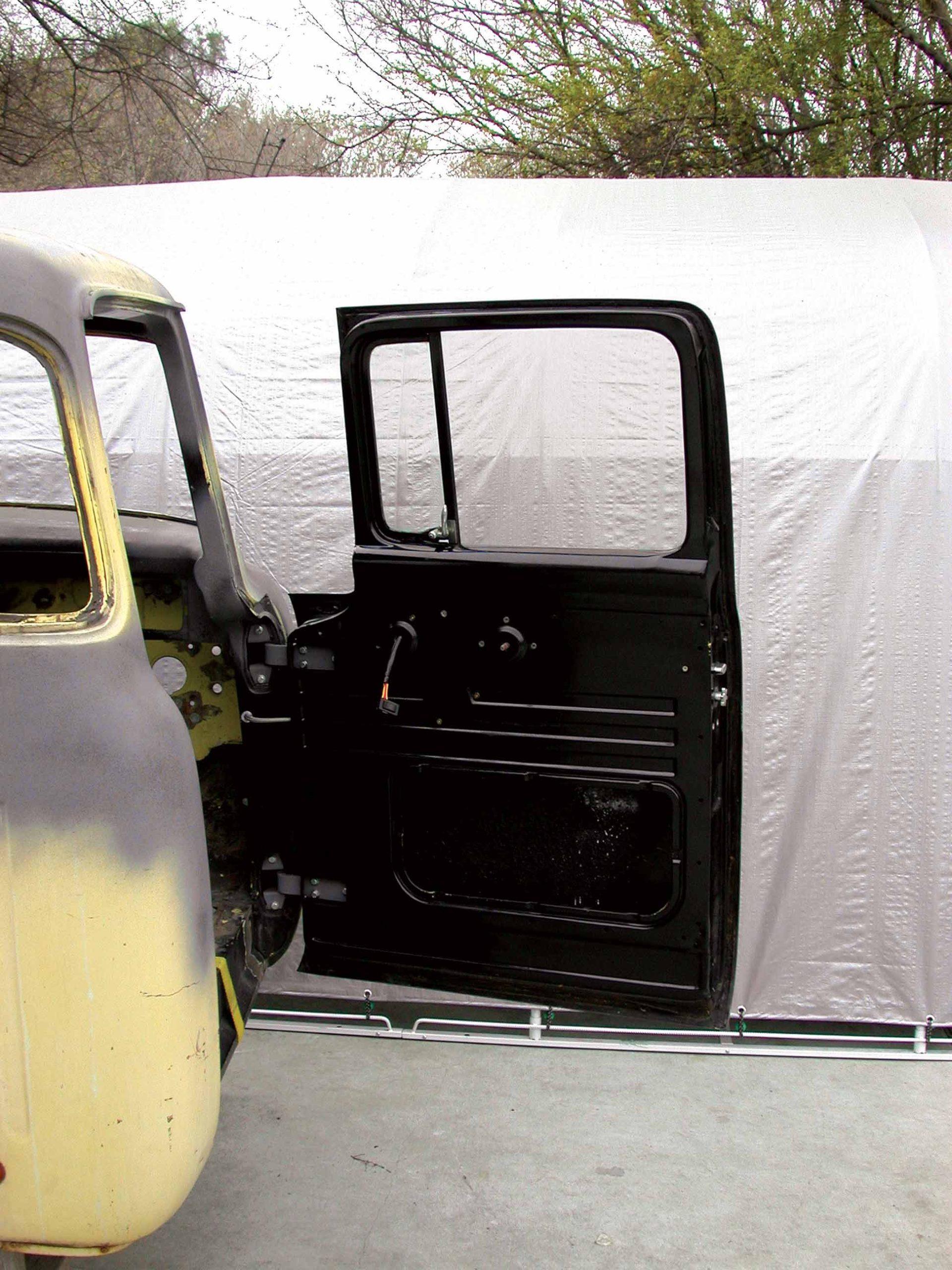
Today we are installing Electric-Life’s retro window kit into a 1956 Ford F-100. This is one of the easiest window kits to install. The only thing you need to do is remove the old regulator, drill wiring access holes in the doorjambs, run a few wires, and the rest is a bolt-in. The whole installation took only a few hours from start to finish. Although we were working with a truck in progress, you can install one of these kits in a finished truck with no more problems than we encountered.
Follow along as we take you step-by-step through the installation of an easy-to-install, retro-fit power window kit. Chances are that your installation will be very similar. TB