

TheAutoBuilder.com

Edit Template

Rearview Mirror

One Man's Journey Through the Golden Age of Hot Rodding

Author

Picture of Gerry Burger

Gerry Burger

Text and Photos

I was pleased when team AutoBuilder recently contacted me regarding a column on vintage hot rodding. The column would help develop a new section in Autobuilder dedicated to hot rodding’s colorful past. You see, I’ve been at this automotive publishing game for a while, fifty-four years or so, (but who’s counting) and I was building hot rods years before writing and photographing them. So, I was lucky enough to be a part of everything from traditional hot rods to muscle car wars to the rebirth of street rodding. Yes, becoming a legal driver in 1963 was pretty cool.  

While AutoBuilder will supply you with all the latest and greatest happenings in the hot rod world, we felt looking back at how we got here would be fun and equally as important. The changes over the past sixty-plus years have been impressive.

Now that we’ve introduced the concept, we’re going to take a guess that the photos brought you into this arena. We’re betting your experiences are similar to mine and you have the photos to prove it (and if you do we’d love to see them). So, to get started, I thought it might be fun to see how I got here. Feel free to view this as a vintage hot rodder test.

WHEN DID YOU BECOME A “CAR GUY”?
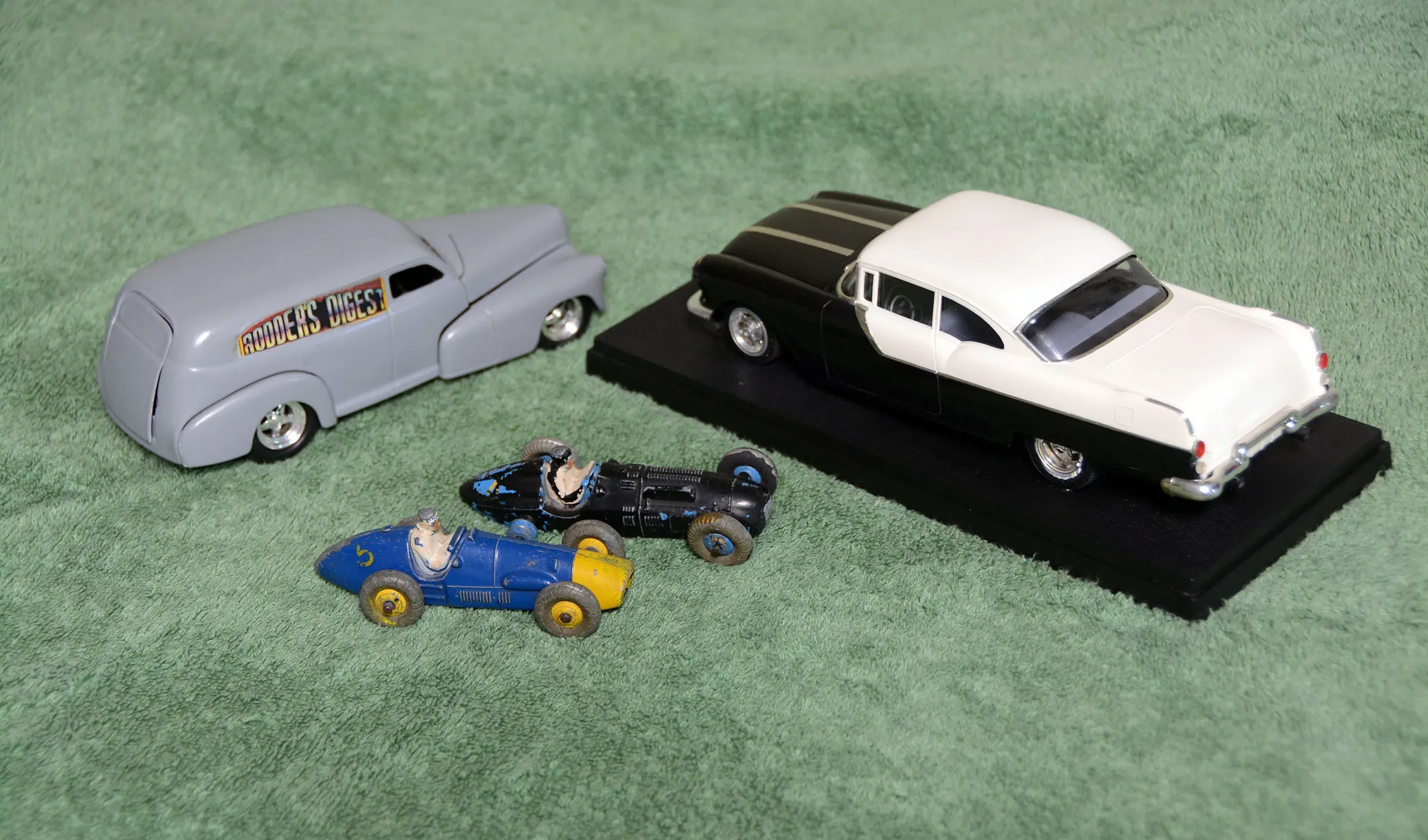
 

I was always drawn to cars, saving my allowance to buy Dinky Toy race cars and building models. But it was Christmas 1959, my uncle Ray Overton drove down to see us for the holiday. He arrived in a brand new 1959 Pontiac Catalina convertible. White with red interior and like everything the man owned, it was impeccable. This twelve-year-old was smitten, I became a Pontiac man that year. I still have a couple of my Dinky Toys, oh how I wish I had a photo of that Catalina.

DO YOU REMEMBER SEEING YOUR FIRST REAL HOT ROD?
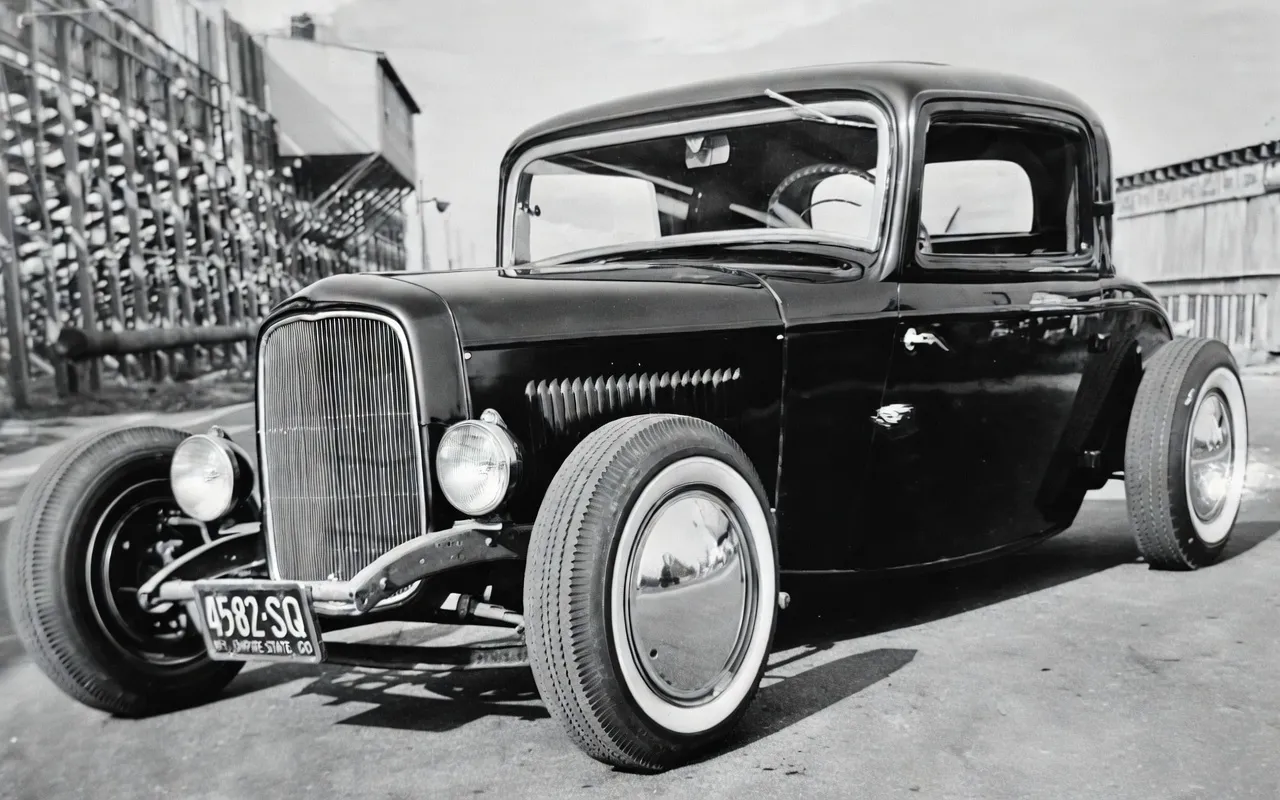

I do. It would have been around 1960, in Smithtown, NY.  Bob Zorn was our local hot rod hero and when he drove by in his chopped and channeled Deuce coupe I was hooked. A dual-quad 409 provided ample power and deep black lacquer added to the sinister look. It even had a red rolled and pleated interior, something of a rarity to have a hot rod finished to this level. Full Moons and whitewalls completed the package on this street/strip coupe. And let’s not forget his pal, Danny Driver (I swear that was his real name) and his street-going ’55 Chevy post-car, C-gasser, no front bumper, jacked-up in the front, it was wicked. Speaking of wicked, they also raced an altered, “The Terrible-T”.  Bob went on to open his own speed shop.

WHAT CAR DID YOU LEARN TO DRIVE IN?
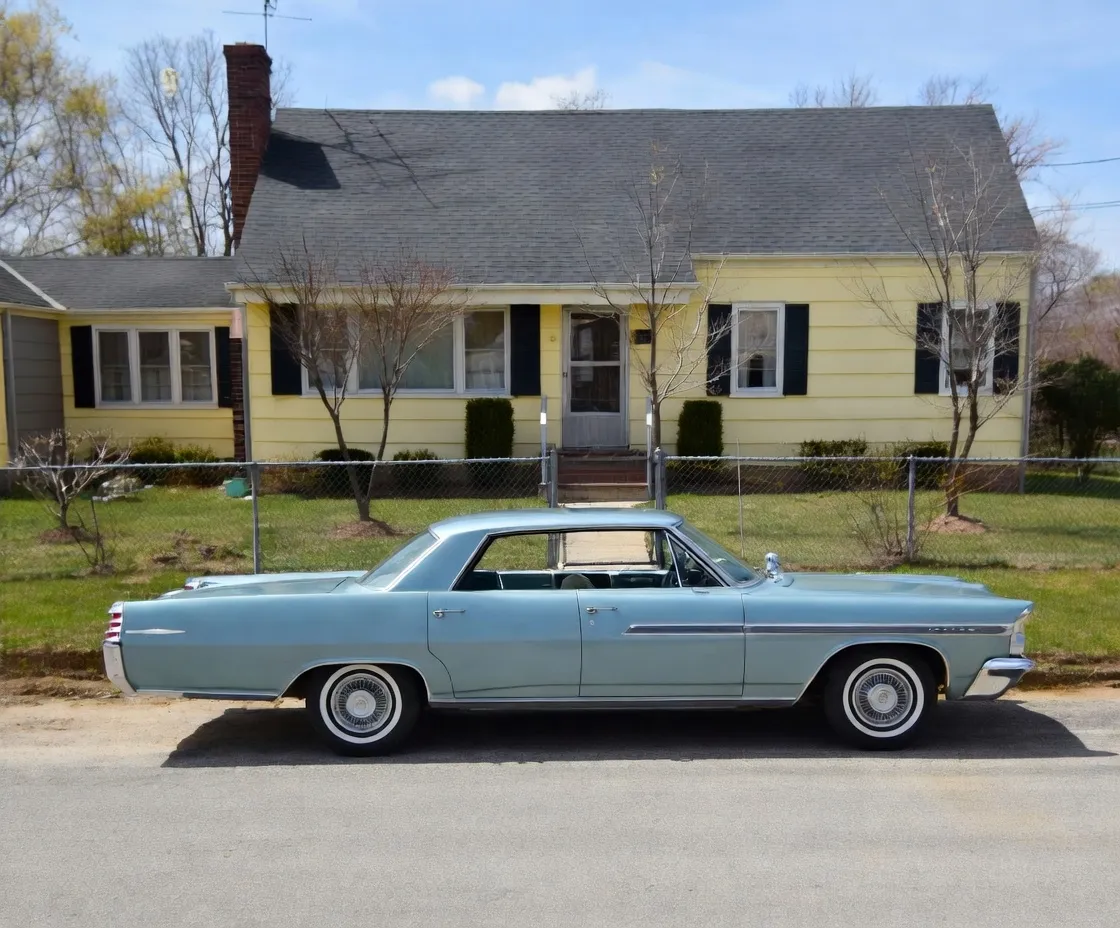
 

I learned in my families brand new ’63 Bonneville. Tropical Turquoise with matching tri-color interior. When I see one today, they look huge, but in ’63 it was just a nice full-size car, the 389-4BB did 303HP if I remember correctly. I couldn’t get Dad to step up to the 8-lug wheels.

OF COURSE YOU REMEMBER YOUR FIRST CAR.
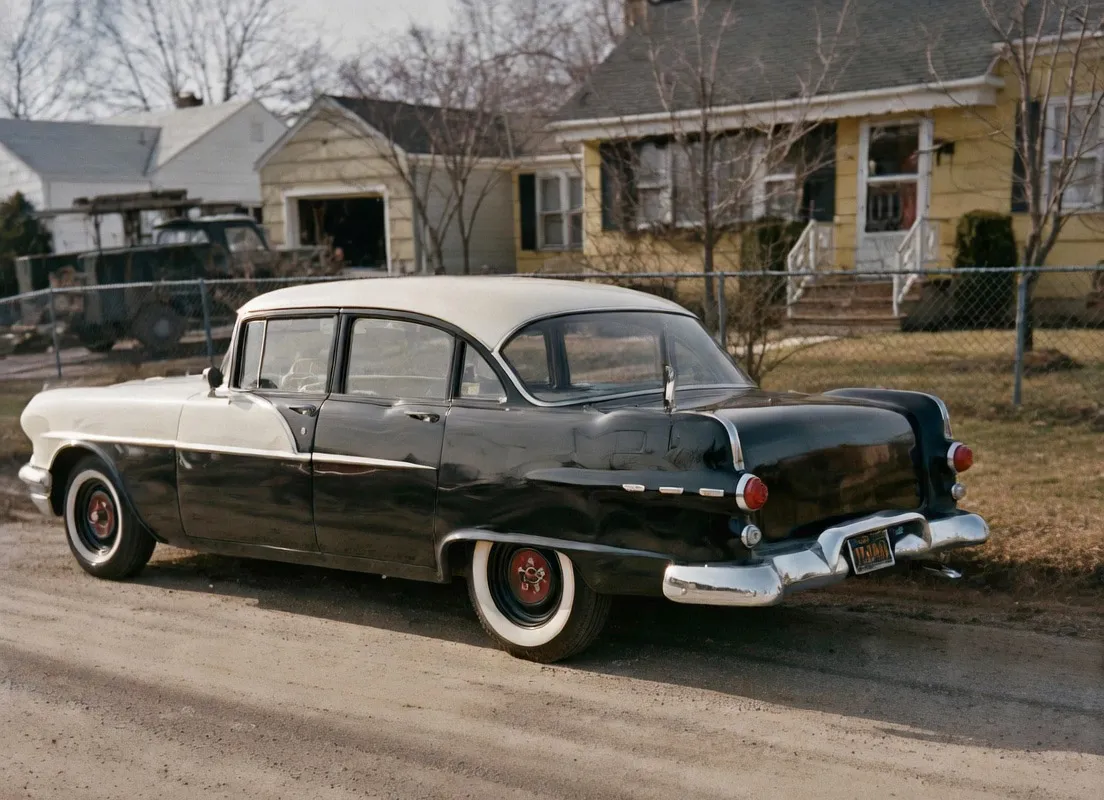


Mine was a ’56 Pontiac I bought from my brother for $135.00 The 316-cubic-inch motor ran well while the Strato-Flight Hydra-Matic tranny had it’s share of shifting woes, it was fun to drive and it was mine! I handled the nosed and decked modifications and had a local body shop (Schubert’s Body Shop) lay down a slick black and white enamel paint job for $85.00, that included replacing both rusted rockers. The old car served me well.

AND YOUR FIRST “NICE” CAR 
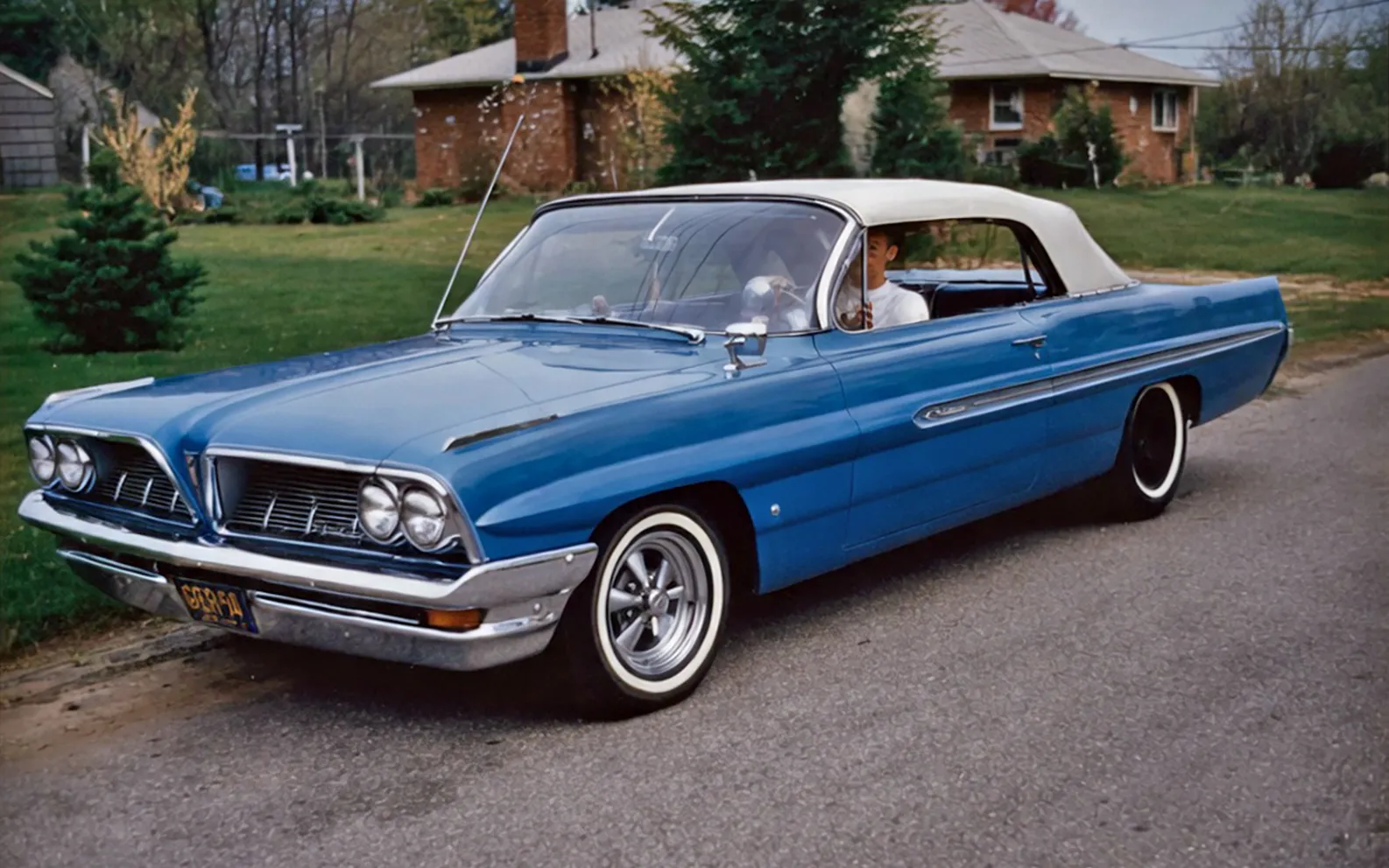
The Pontiac trend continued and a year after high school I bought a 1961 Catalina convertible. 389-4BB, chrome valve covers and air breather. A set of Cragar mags, S&W gauges and a Sun tach were added along with a re-verb rear speaker for the AM radio. Cragars up front and black steel wheels in the rear was a popular look in ’66, emulating the look of many cars at the drag strip. Life was good.
AND YOUR BROTHER’S COOL CAR   

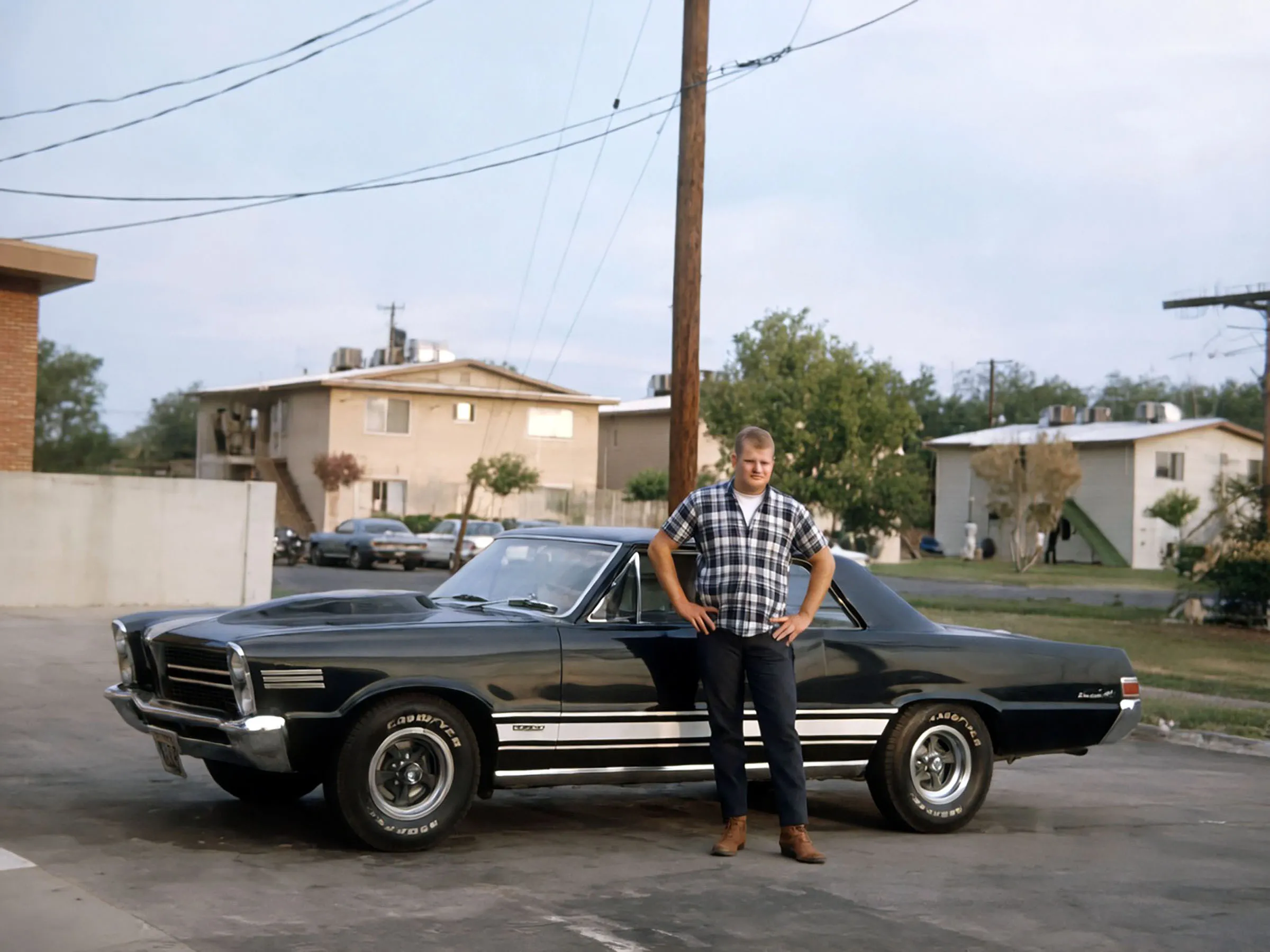
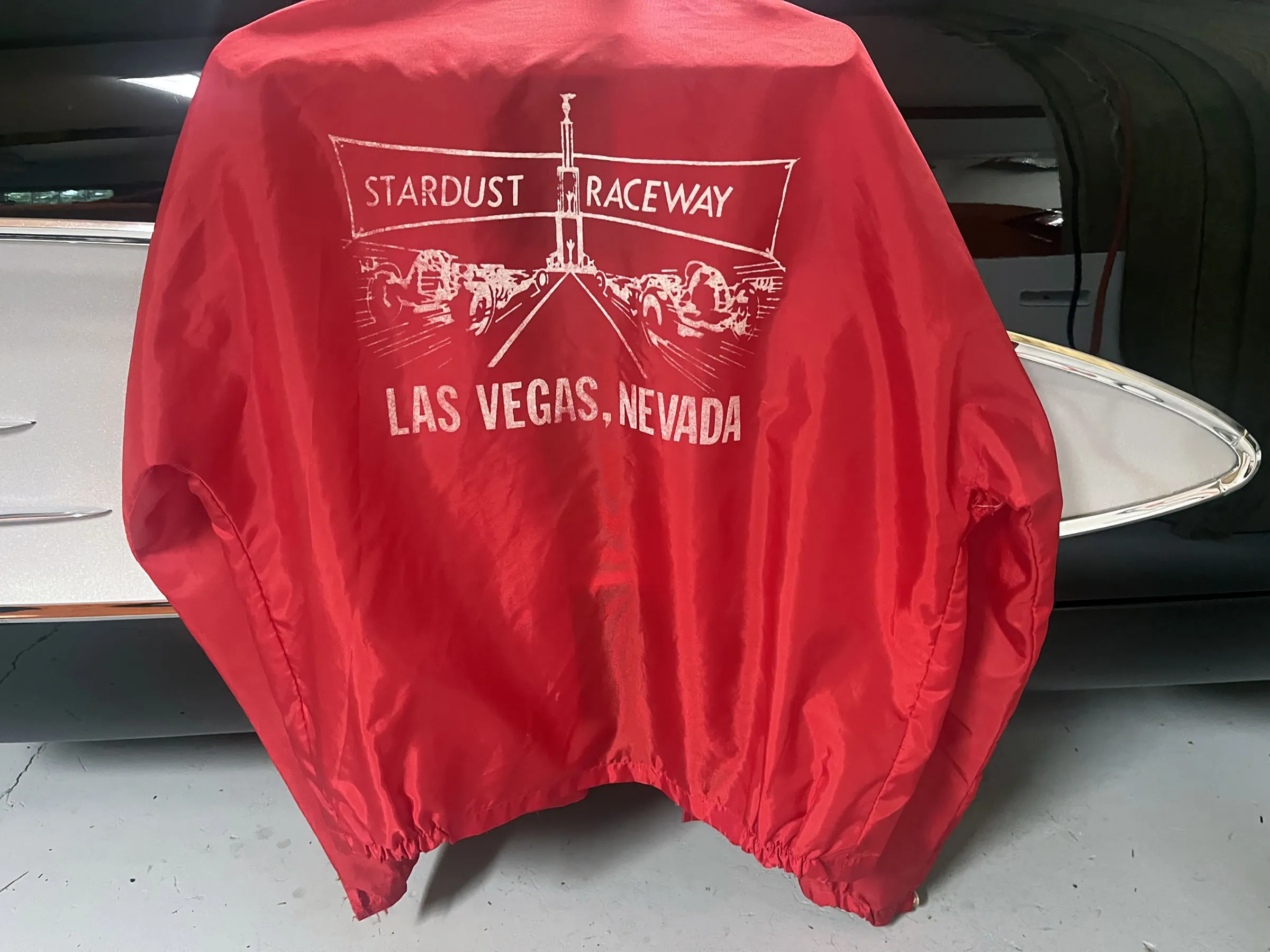
By 1966 my brother Lou was stationed at Nellis Air Force Base in Nevada. He had bought his 326/four-speed Tempest “post-car” new and while stationed out there he managed a class win or two at Stardust Drag Strip. Lou was a big guy and the XL Class Winner windbreaker didn’t fit him so he gave it to me…. I still wear it.

THEN YOUR FIRST NEW CAR

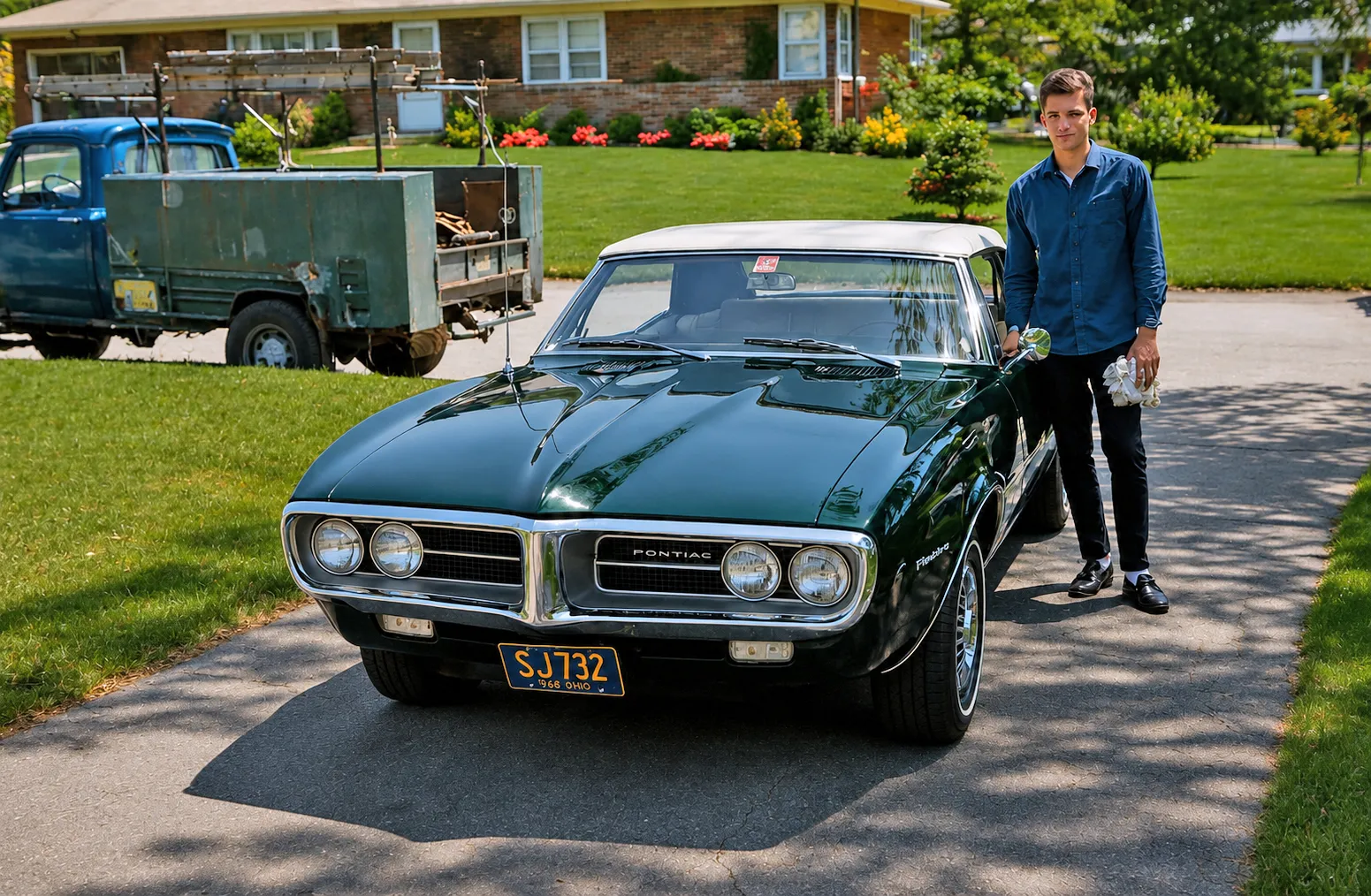
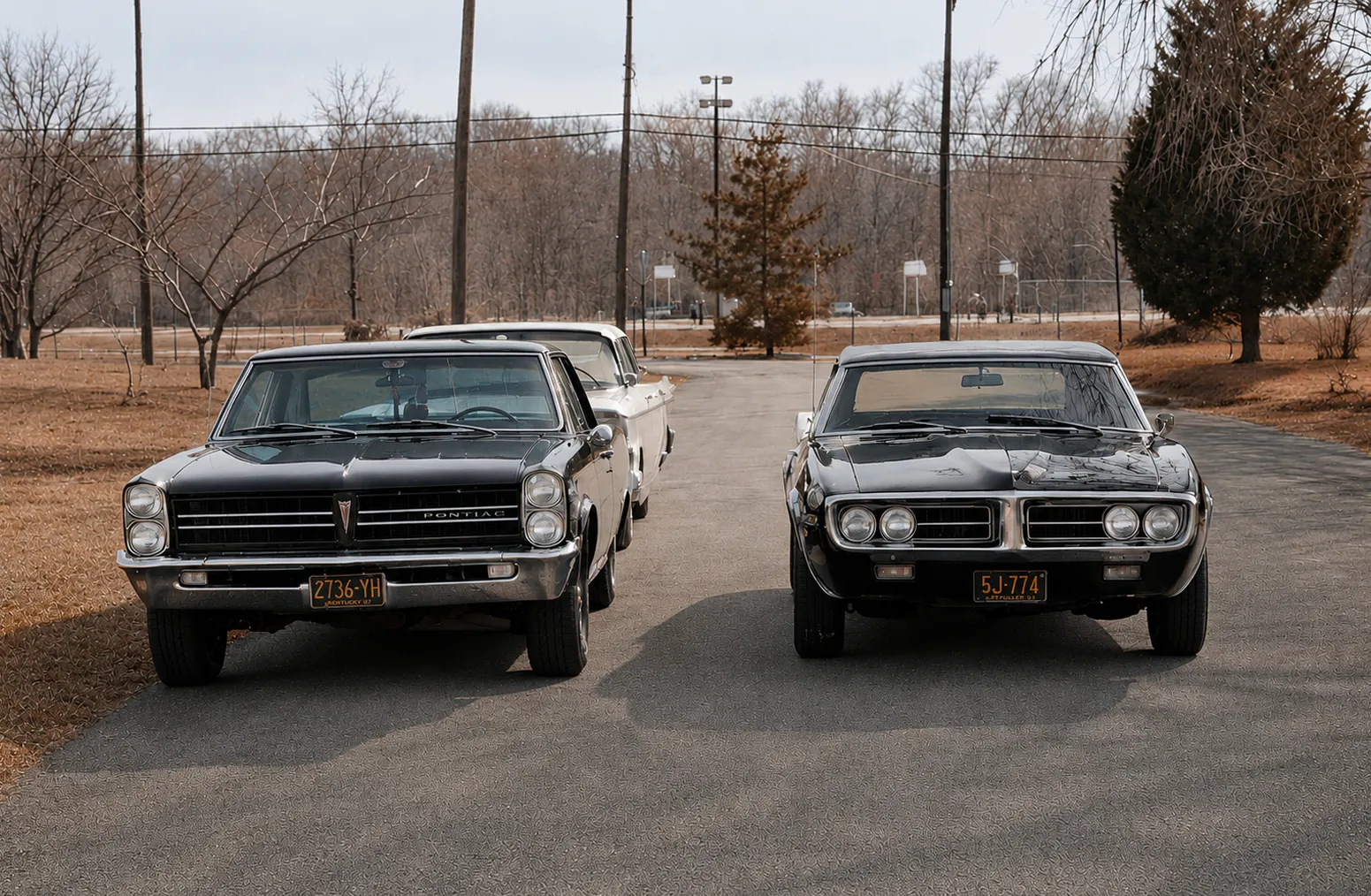
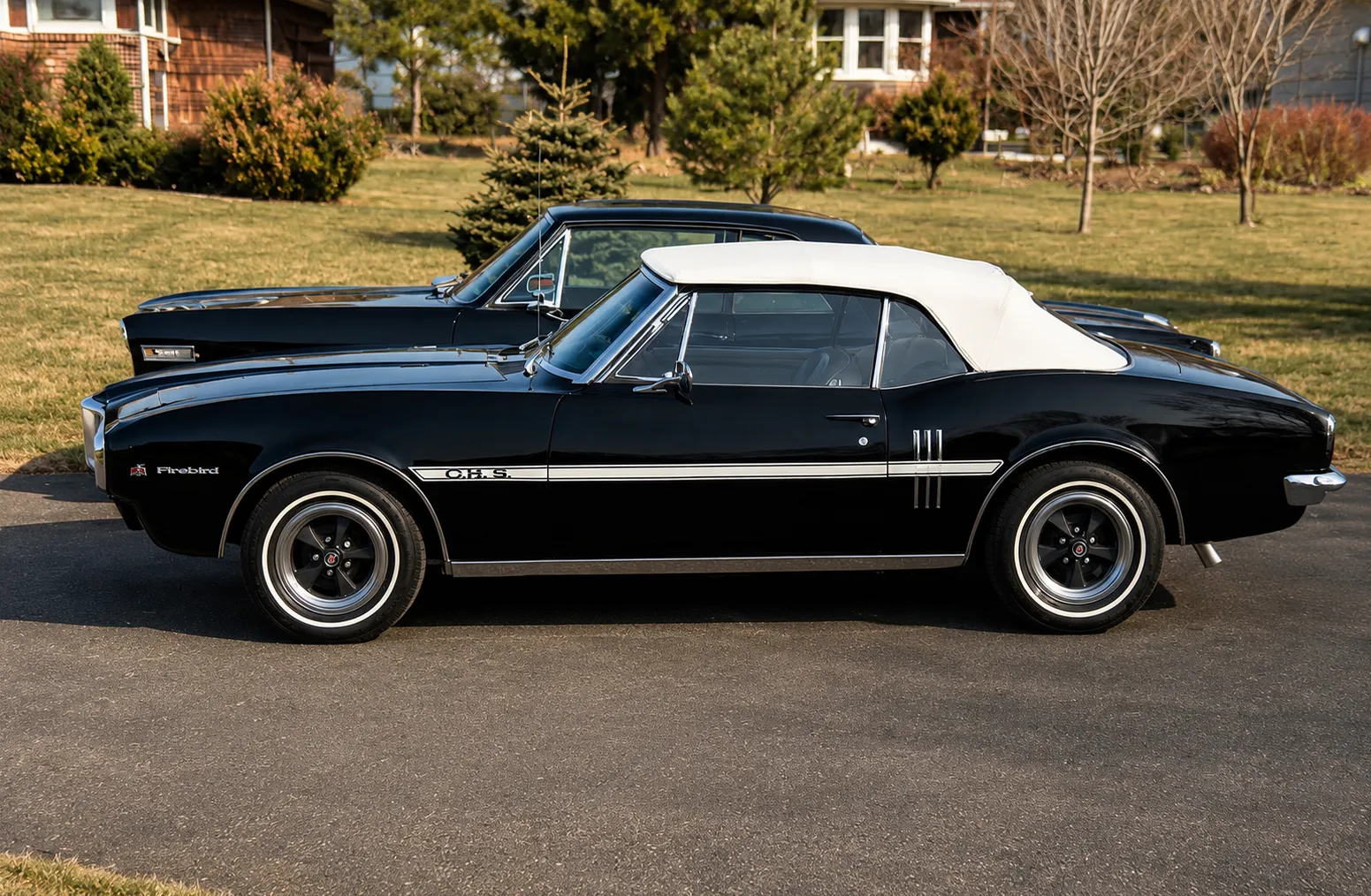
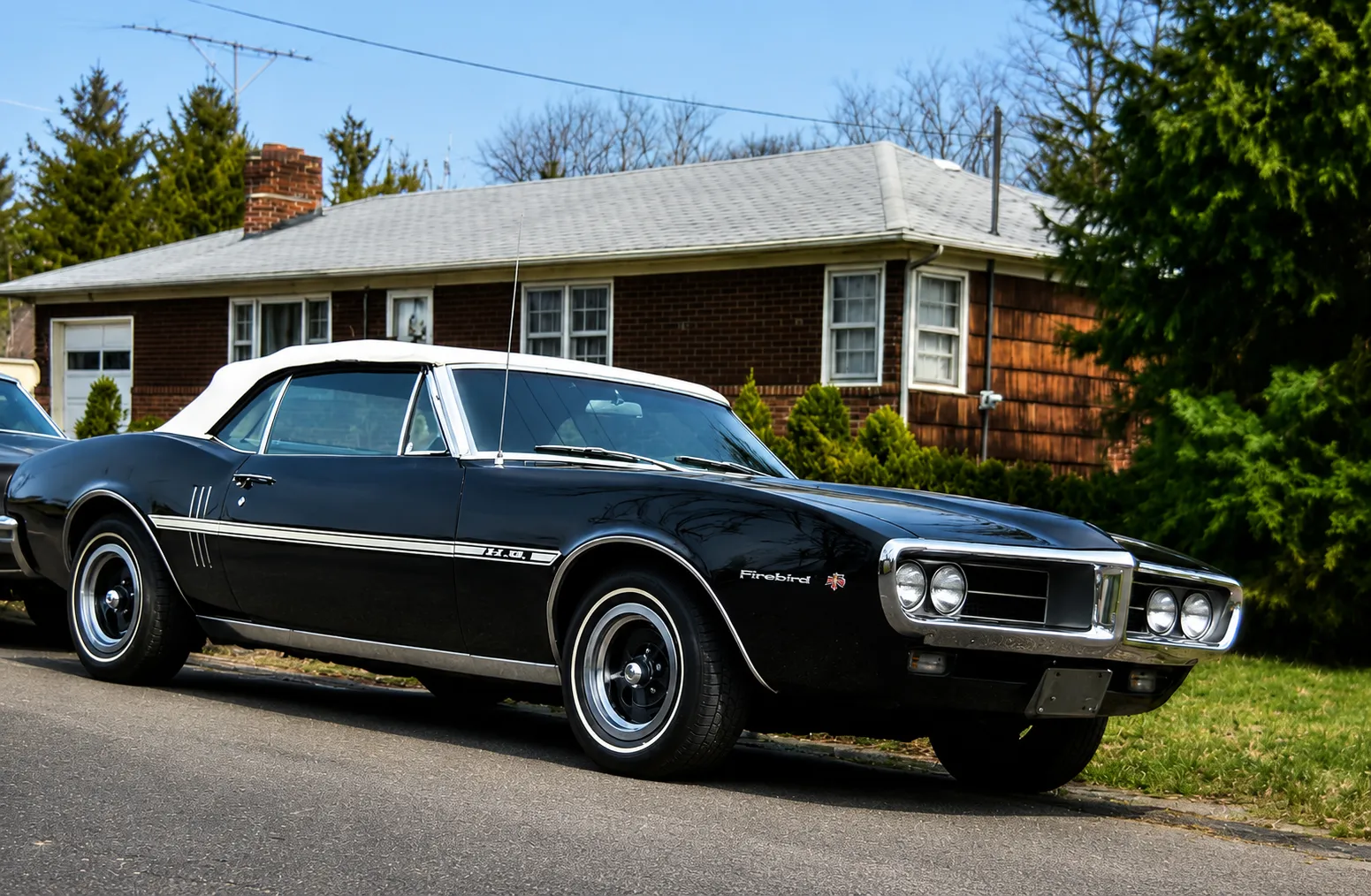
With my military duty out of the way, it was time to head down to Nardy Pontiac and order up a first year, 1967 Firebird convertible. The 326-HO/four-speed was plenty quick, while a set of Keystone mags and later, a Camaro rear spoiler gave it “the look”.

AND YOUR FIRST “REAL HOT ROD”      

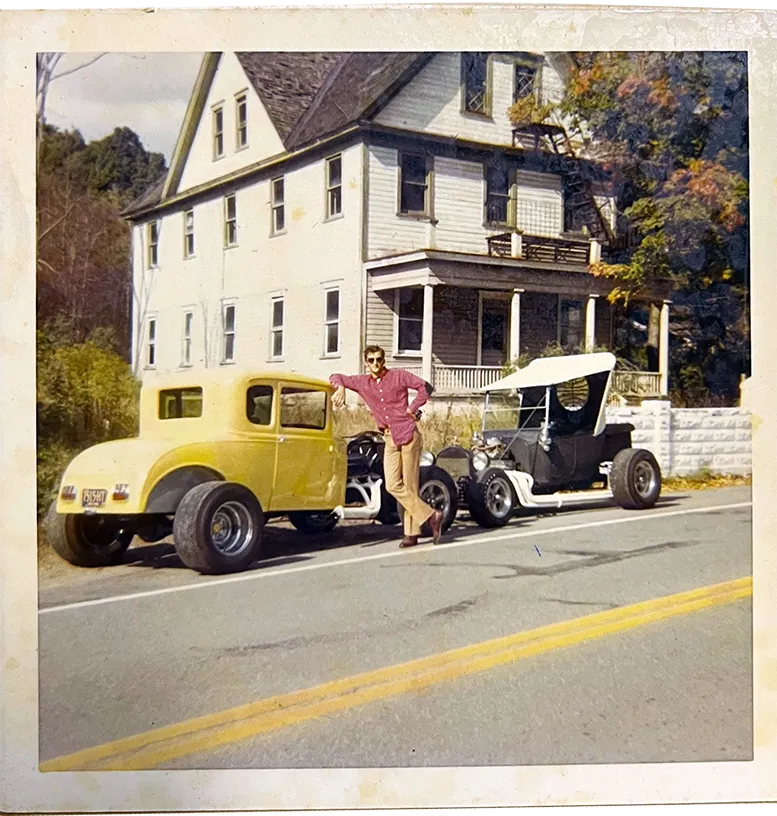
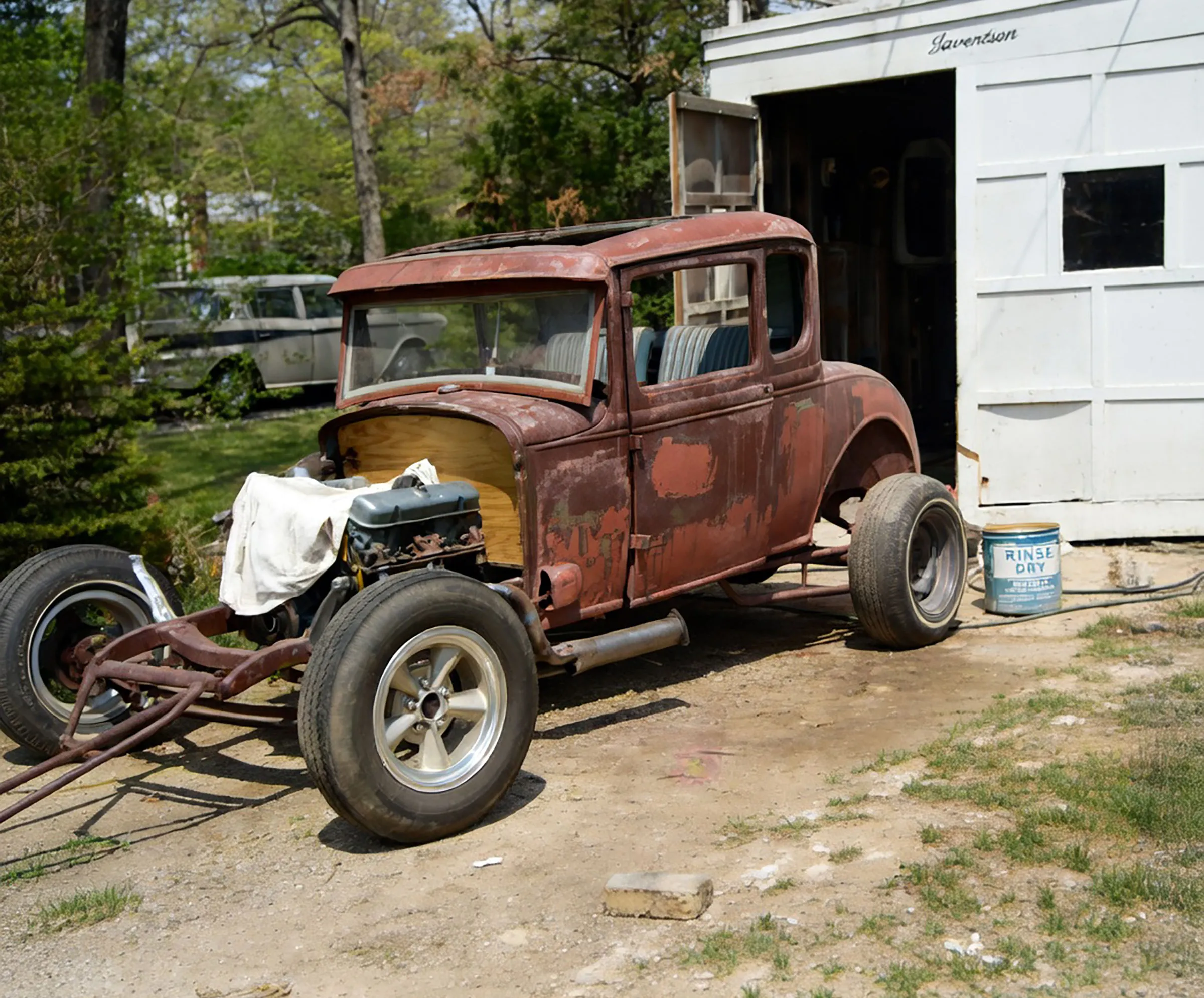
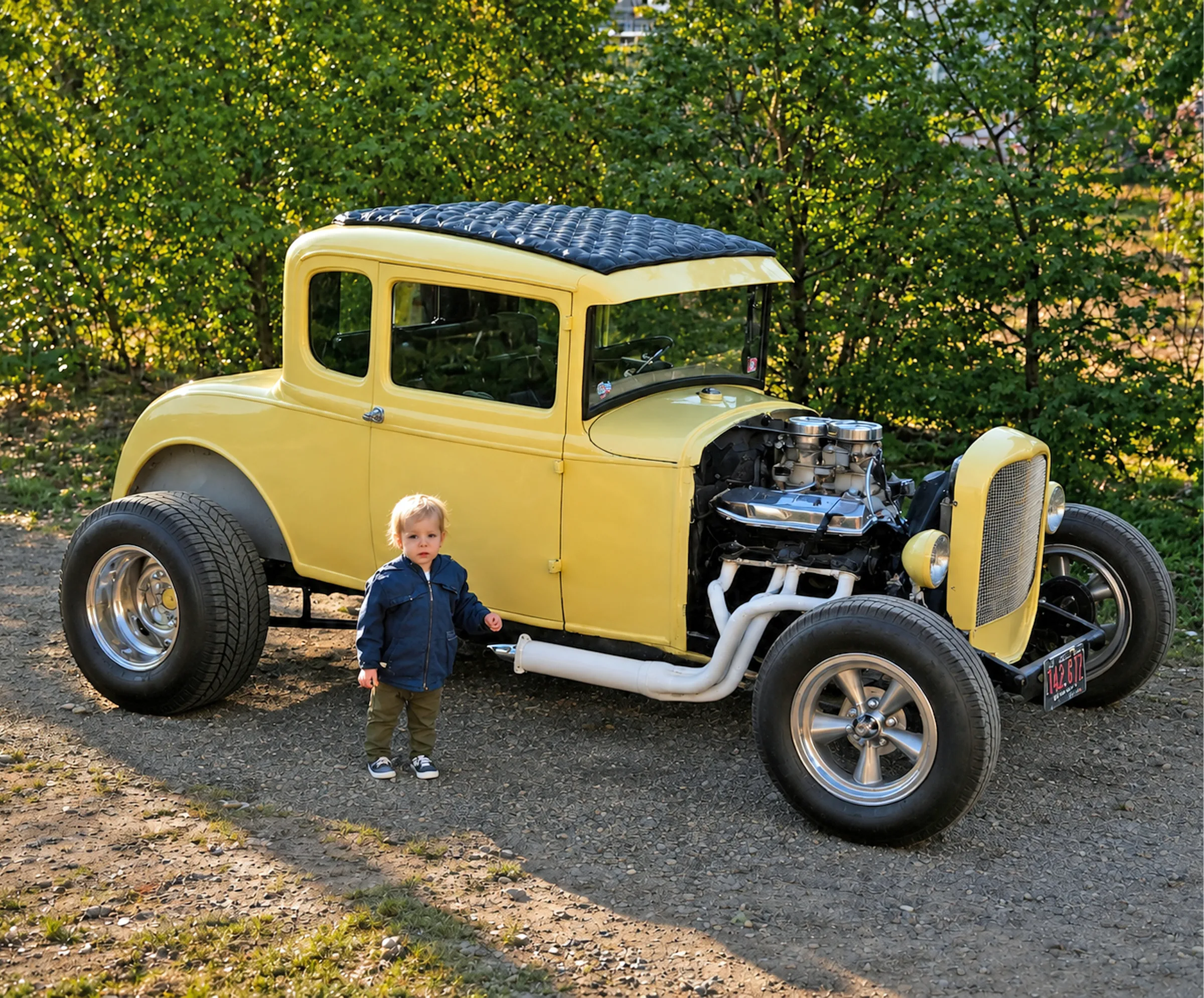
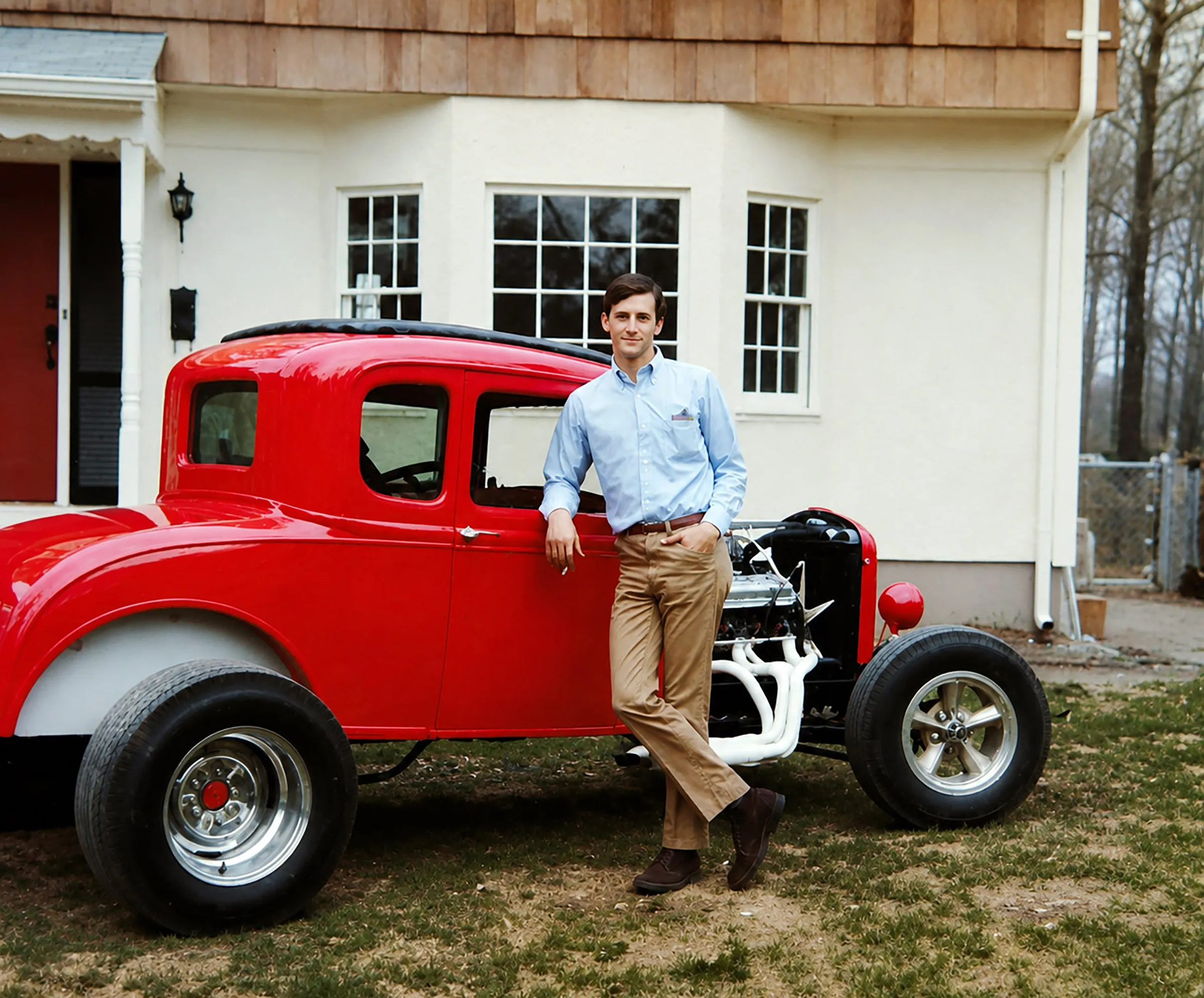
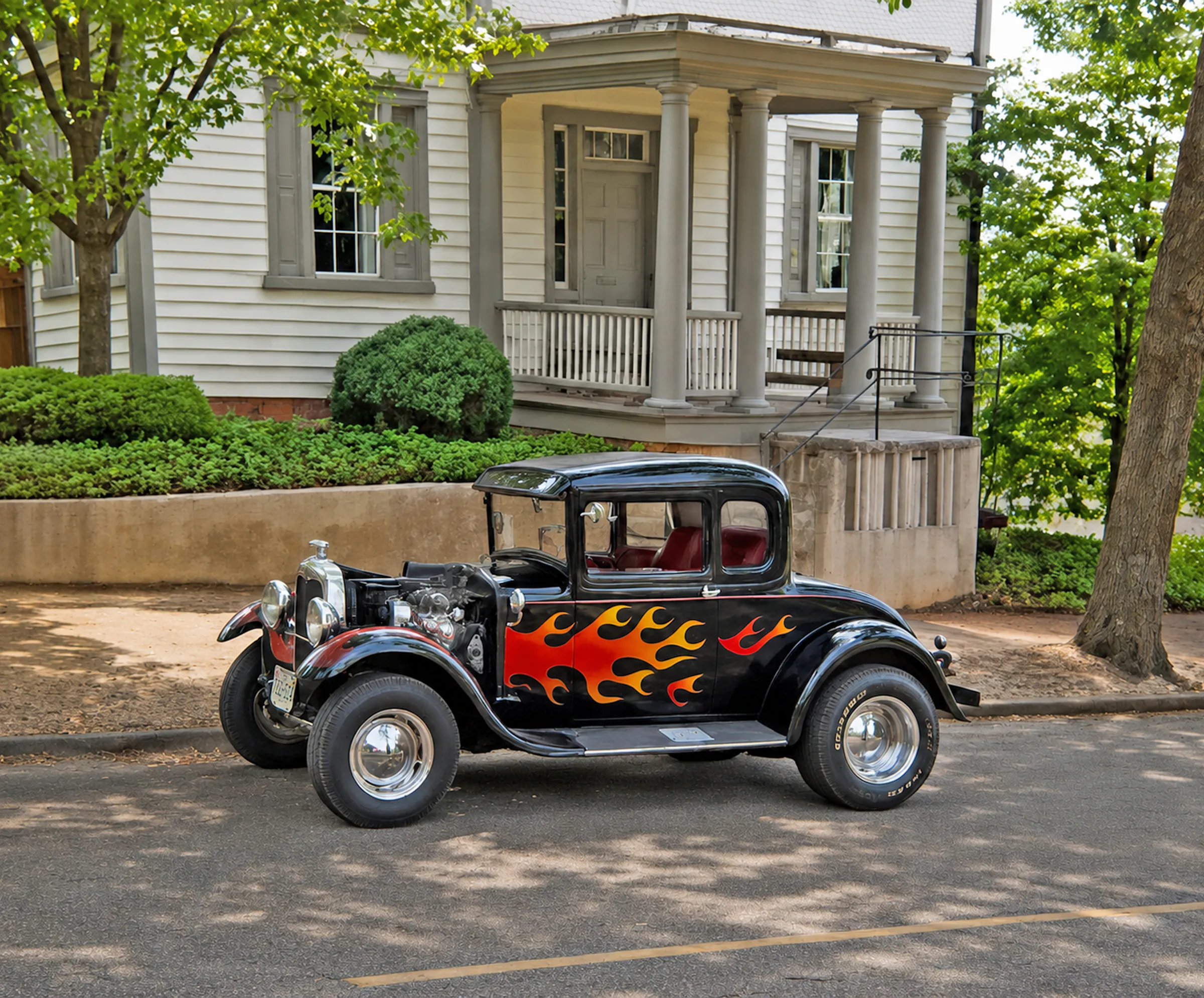
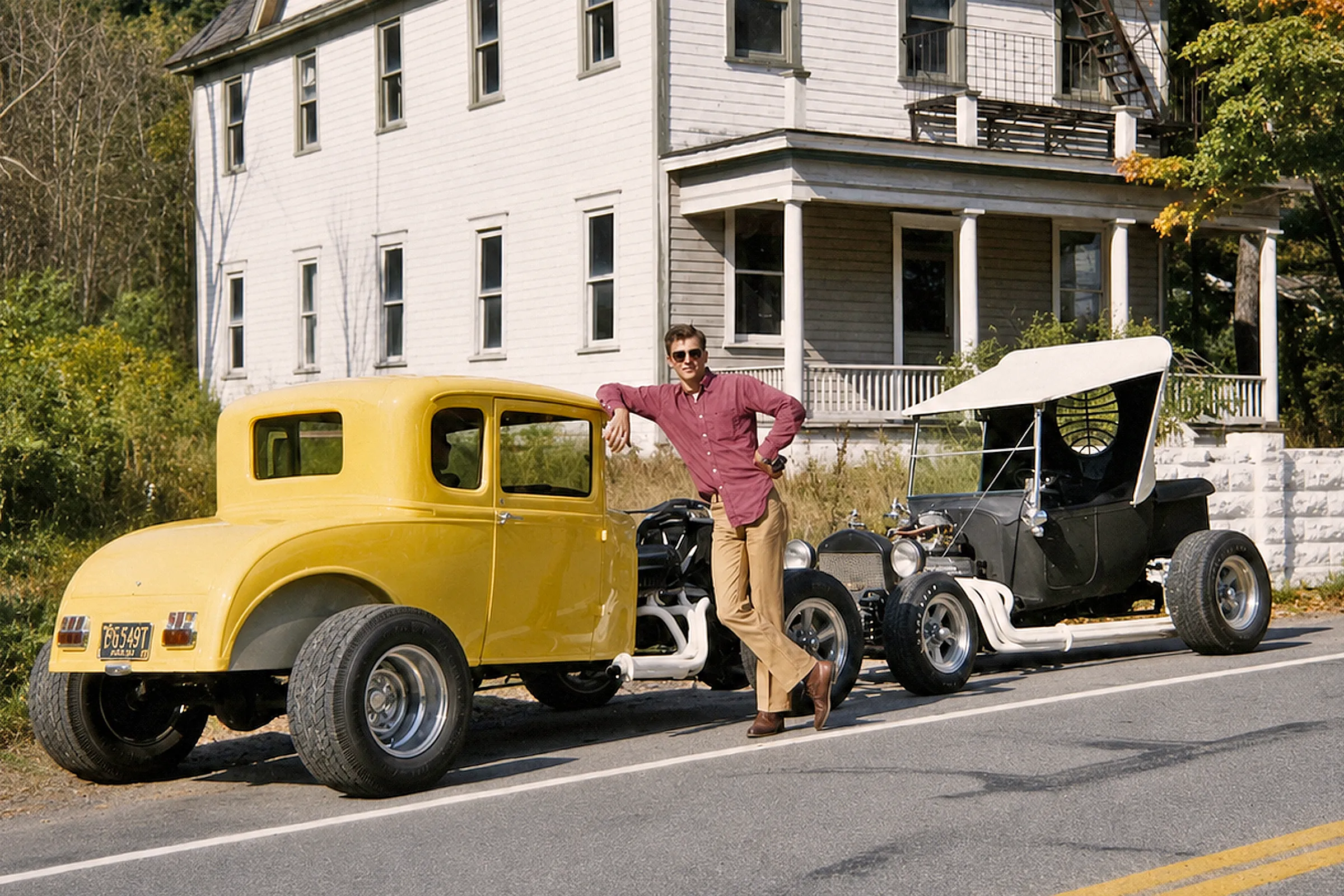
By ’69 the muscle car wars were raging, and while many of my car pals thought I was nuts (and I can’t prove them wrong) I bought a Model-A coupe body on a rolling chassis for $75.00, intent on building a hot rod. To say the learning curve was steep would be an understatement, but night classes for welding, learning bodywork from friends and figuring out things like wiring from reading Rod & Custom got the Model-A on the road. You probably guessed that it too, had a Pontiac 326 hooked to a Hurst-shifted, full-synchro three speed tranny. Originally painted yellow, in later years it would be orange, then black with flames. All painted in my home garage. It was still yellow when American Graffiti hit the local theater. I had a lot of fun driving by when the movie let out, the sight of a fenderless, open motor, yellow coupe sure turned some heads. The car stayed with me for over 25-years. I kept receipts, for $2,336. And 16-months of nights and weekends I was driving a hot rod coupe.

THAT FIRST MAGAZINE ARTICLE  

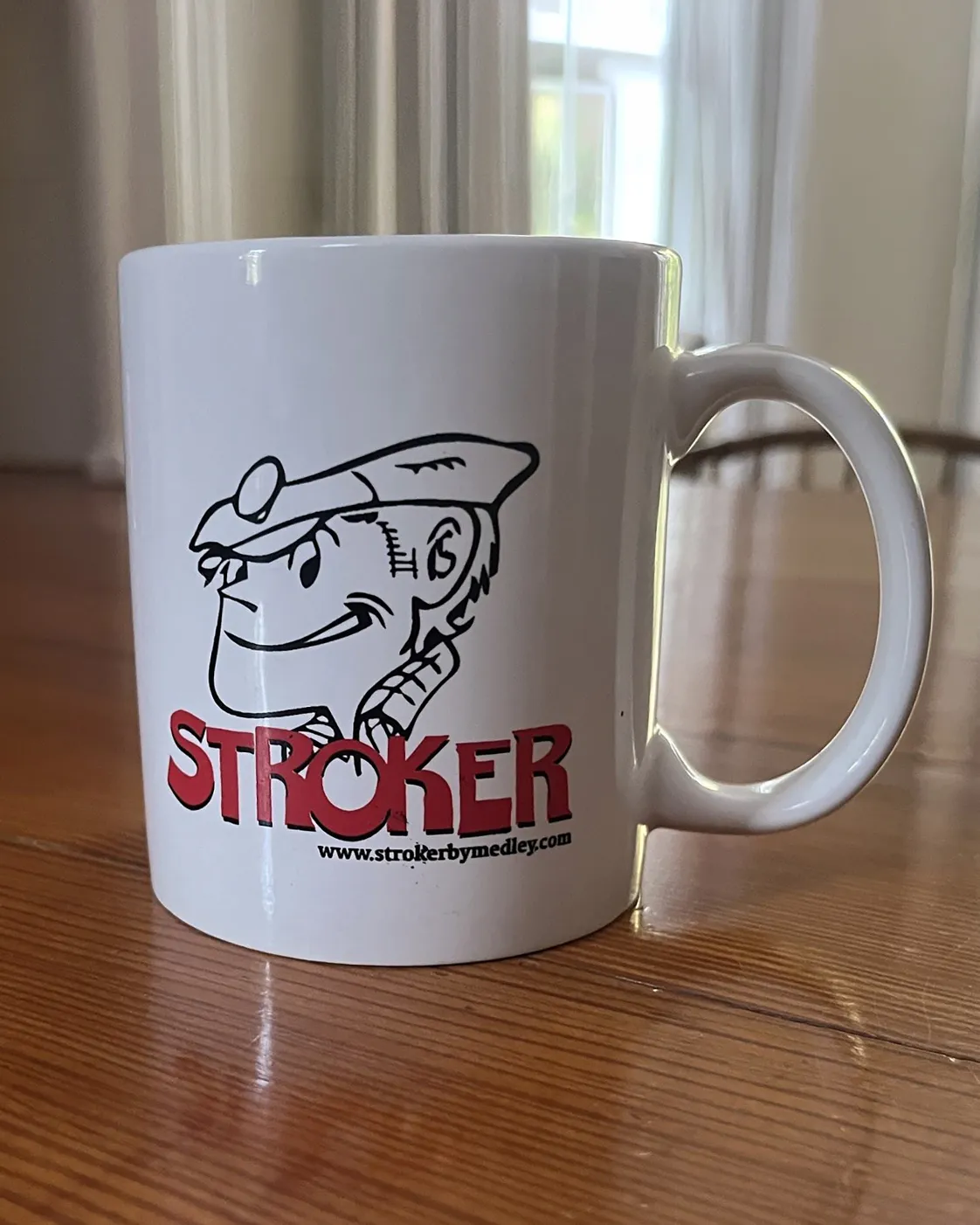
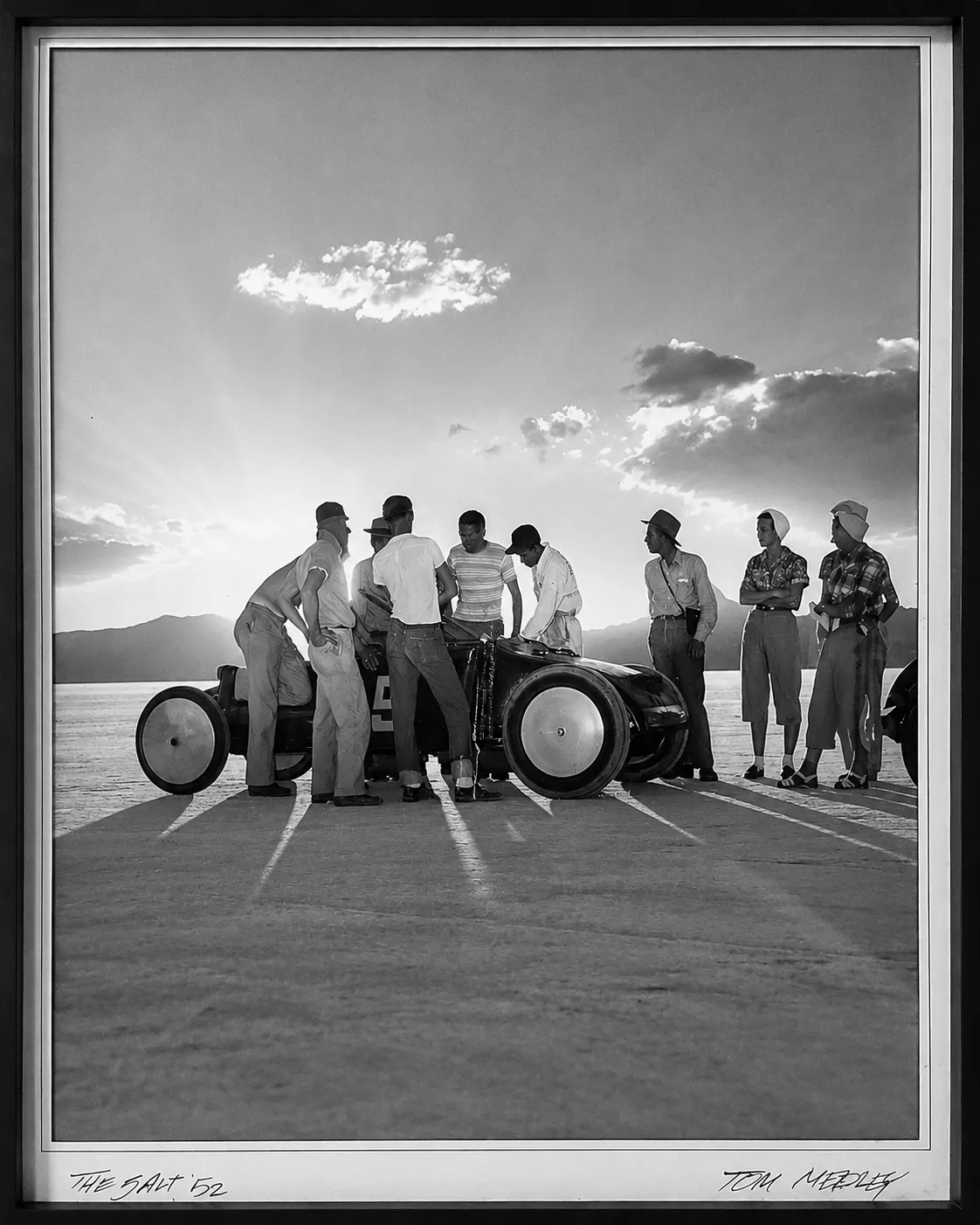
It was 1972 and I had won the Streetkhana (autocross in today’s terms) at the NSRA Street Rod Nationals in Detroit. I met Tom Medley and Bud Bryan at Detroit as they were photographing cars that won anything as part of the Rod & Custom coverage. I was an avid reader of R&C and was even wearing my “Stroker Cap”. I was pleased to discover that while they were legends to me, they were both “regular guys”, real hot rodders to the core. Six months later I received a phone call from Tom Medley, they were doing a “how-to-prep your car for a trip to the Nats story” and wanted to have a car from each state. He asked if I would be interested in doing one for North Carolina. After turning in that story Tom asked me if I ever thought of doing more stories. I was blown away! Later Tom Medley took the time to teach me both photography and writing skills. He was an incredible talent in writing, photography and artwork, Including the famous Stroker McGurk cartoons. Tom began my career in journalism and photography. While we lost Tom years back, I still have all the letters from him, one of his photos hangs on my office wall and I often enjoy my morning coffee in a Stroker coffee mug. Gary Medley continues the tradition today. All I can say is, thanks Tom.

AND THE STRING OF HOT RODS CONTINUES TO THIS DAY…

While I often drove the Model-A to work, I was looking for something a bit more serviceable. I found a pretty decent 1941 Ford coupe with a 265-Chevy motor adapted to the early Ford driveline. I drove that to work for a year or so before selling it.

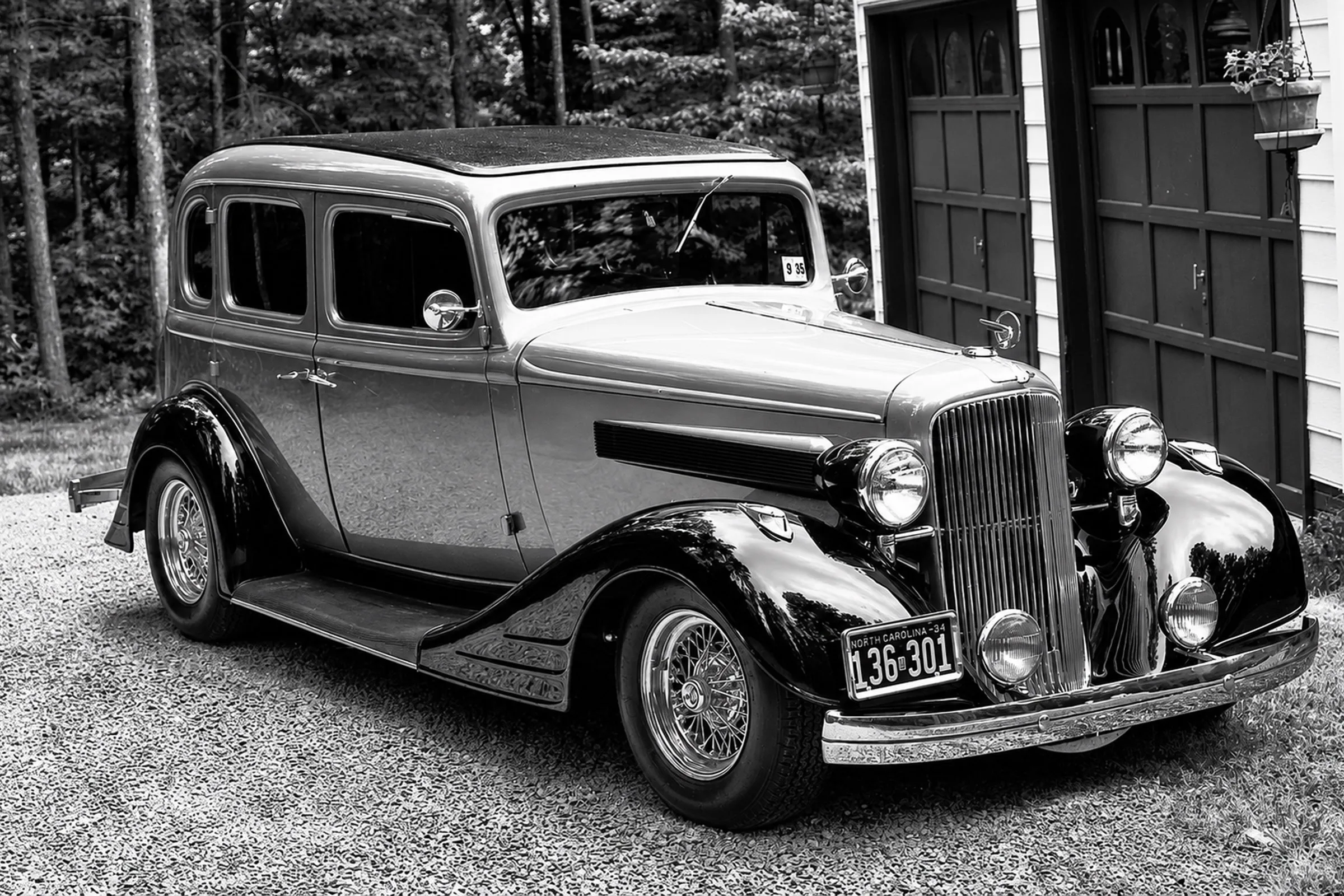
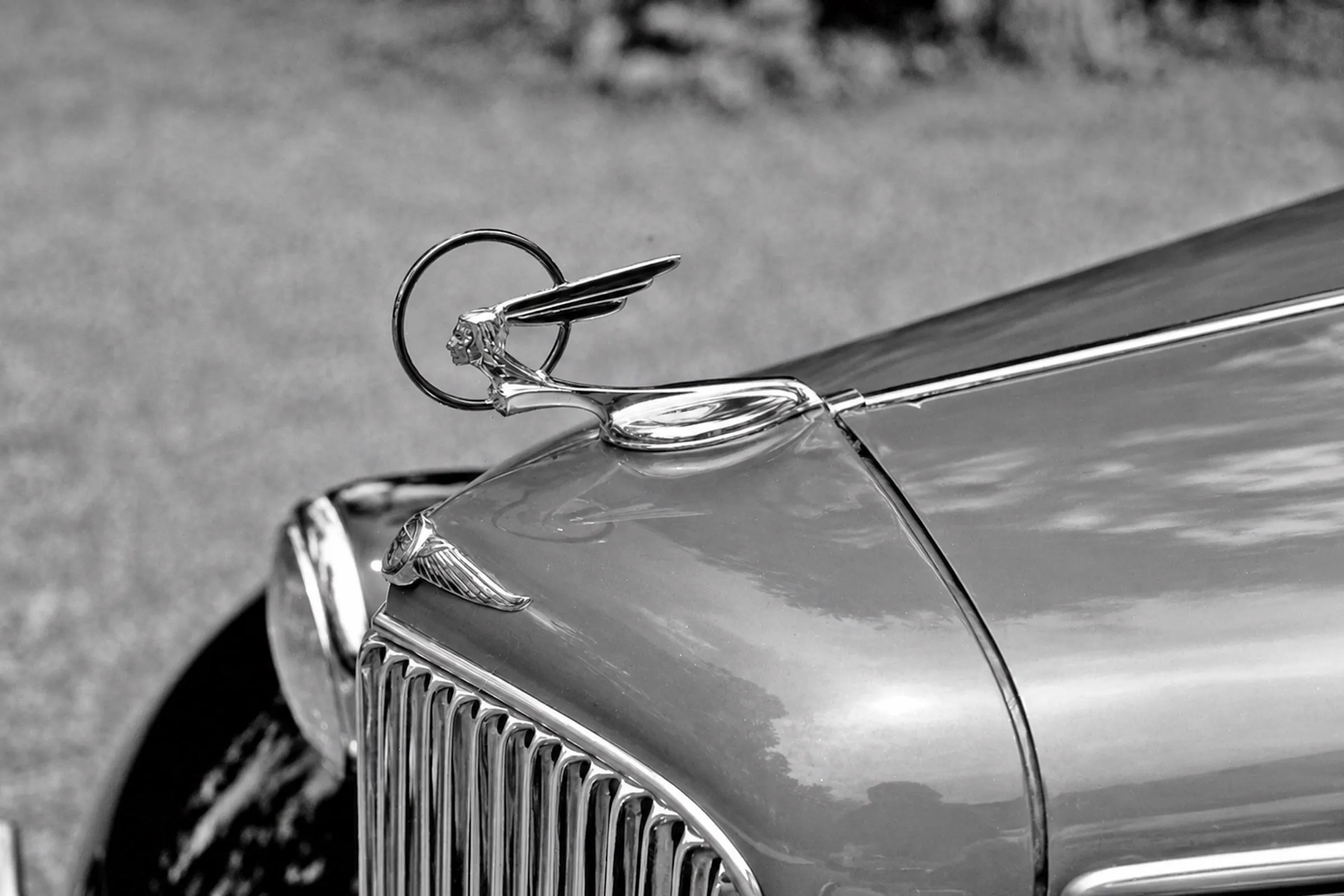
NEXT UP WAS MY 1934 PONTIAC FORDOR.

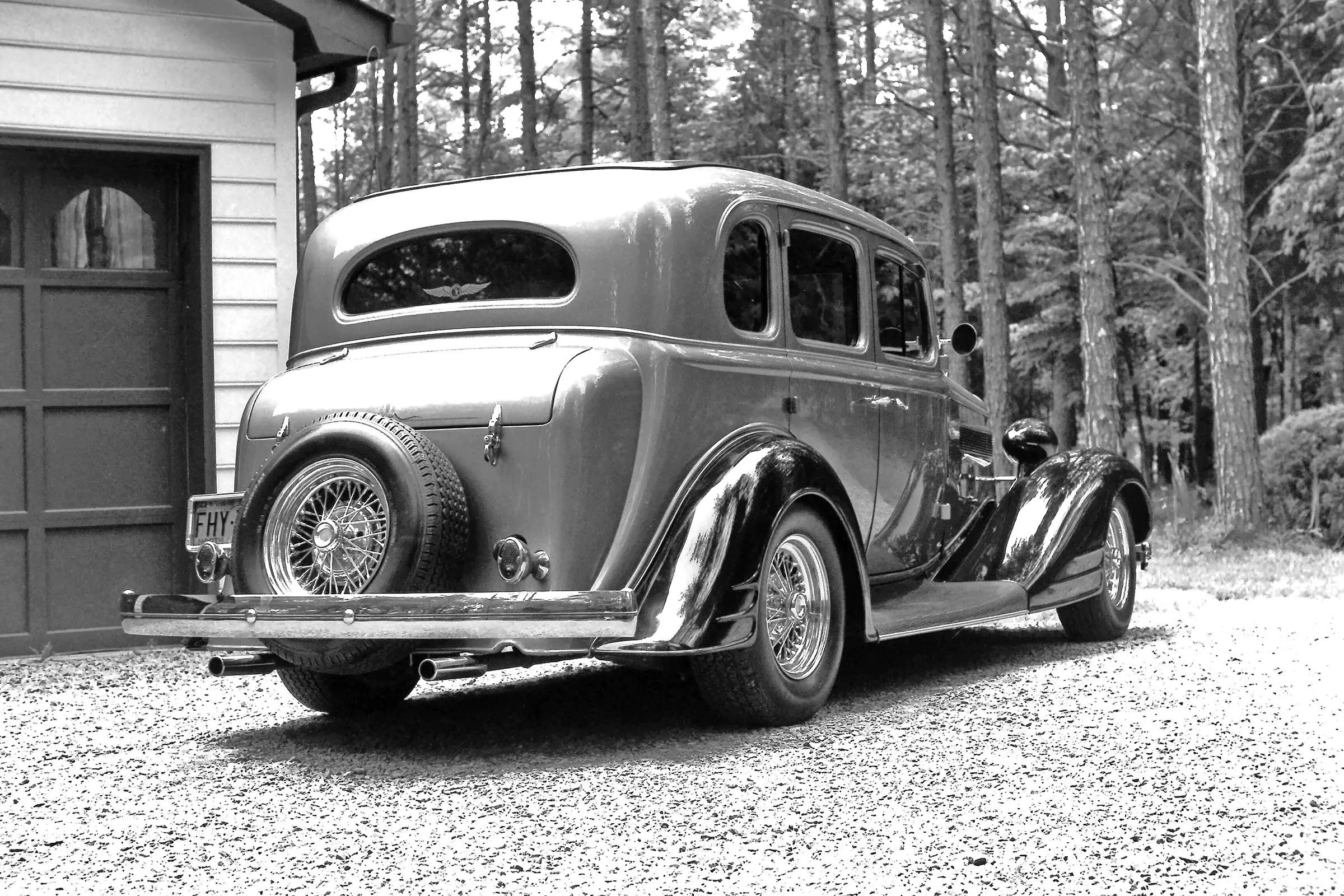
It was late seventies and the Resto-Rod thing was in full swing. This was beyond a doubt the best car I ever started with, not a bit of rust anywhere on the car. Silver, black fenders and I put a Pontiac 400 under the hood. I did several tech stories for R&C while building this car, including cutting out a Pinto/Mustang front crossmember and fitting it to the ’34 Pontiac chassis.

DAILY DRIVER HOT ROD

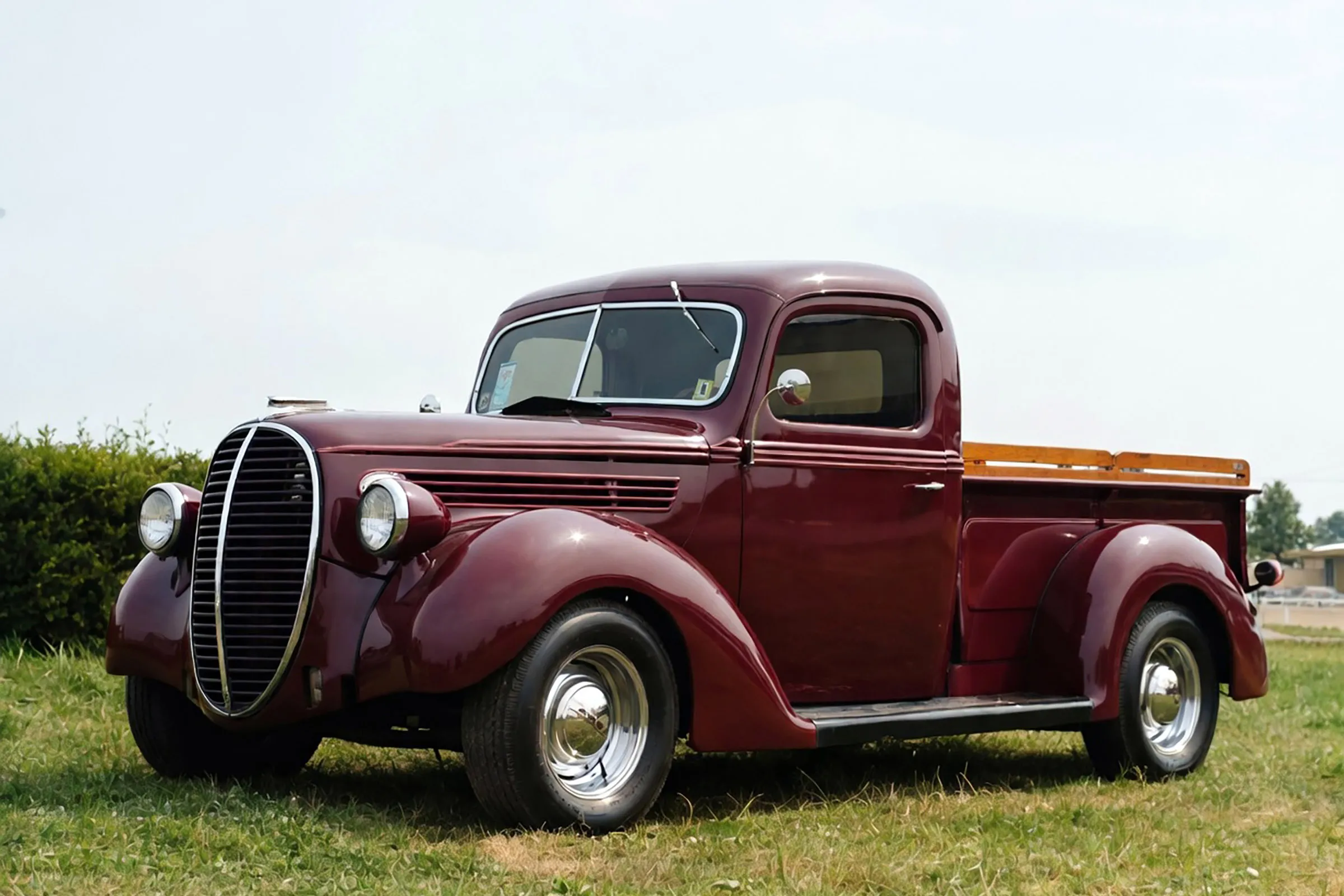
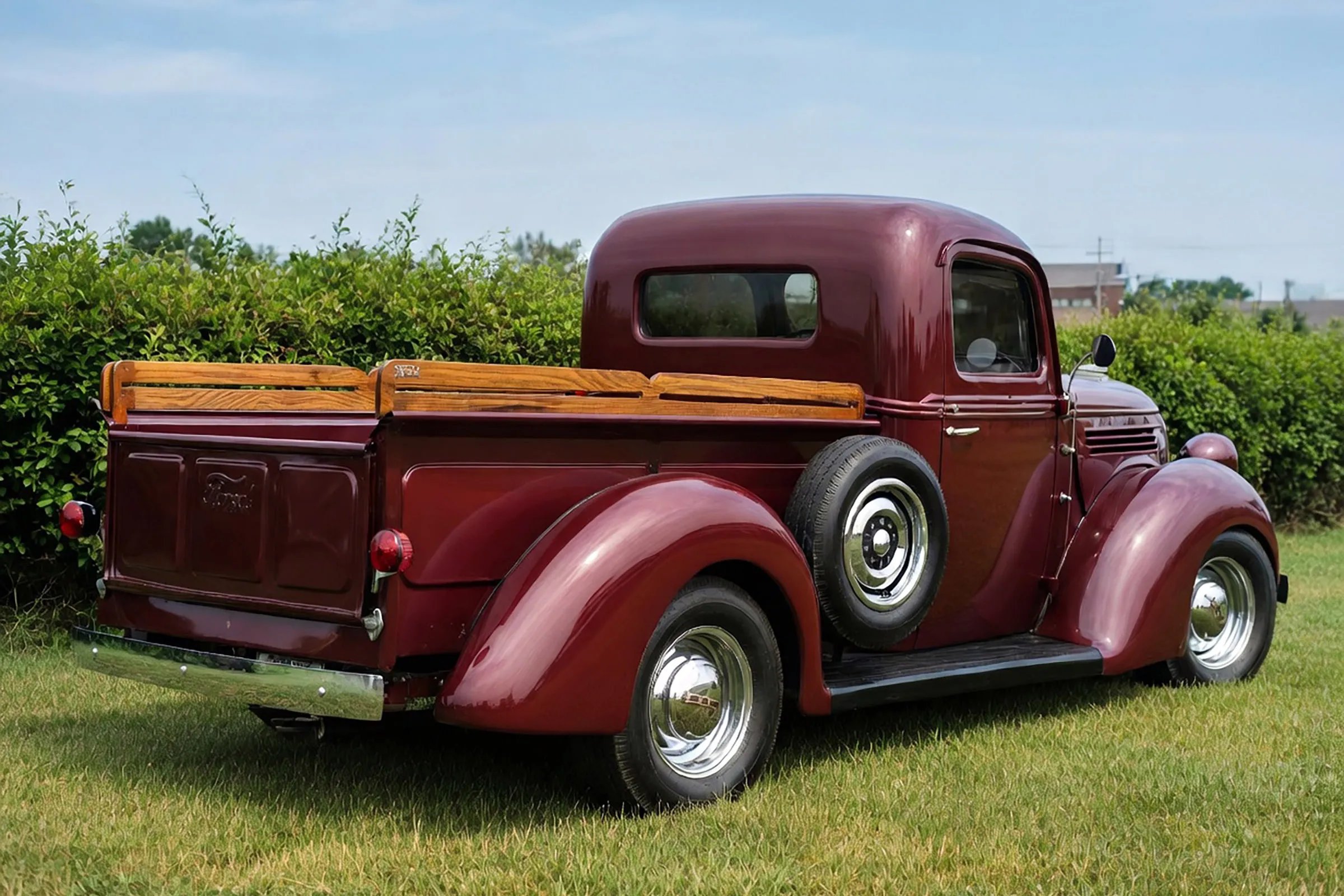
My 1938 Ford pickup was my daily driver for several years, including a 30-mile round trip to work each day. It was cool old truck, 283 with a three-speed, Hurst-shifted tranny. The paint was lacquer sprayed at home.  Remember when you were so smitten you wanted a hot rod daily driver? 

TIME FOR ANOTHER HIGH SCHOOL CAR

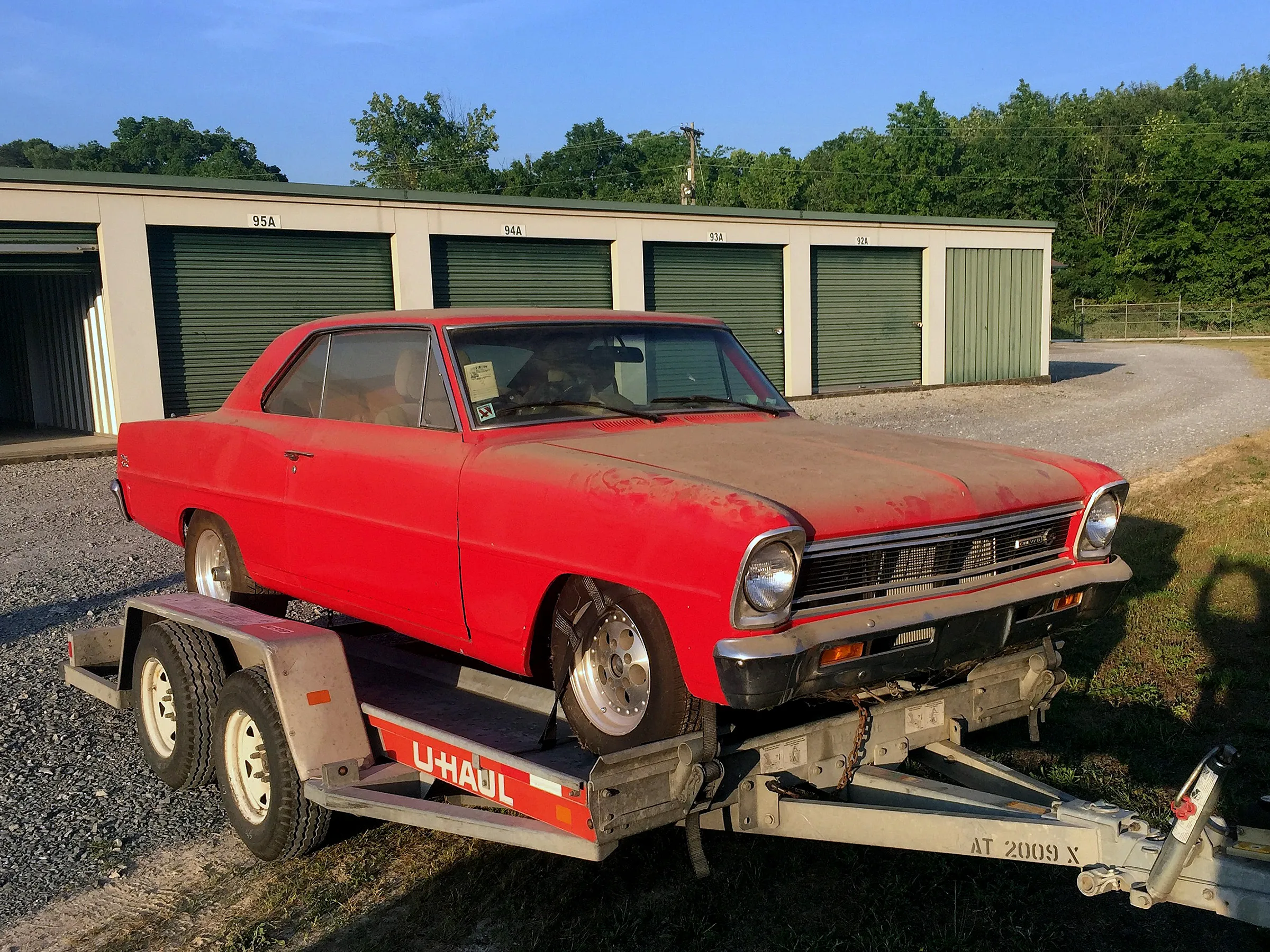
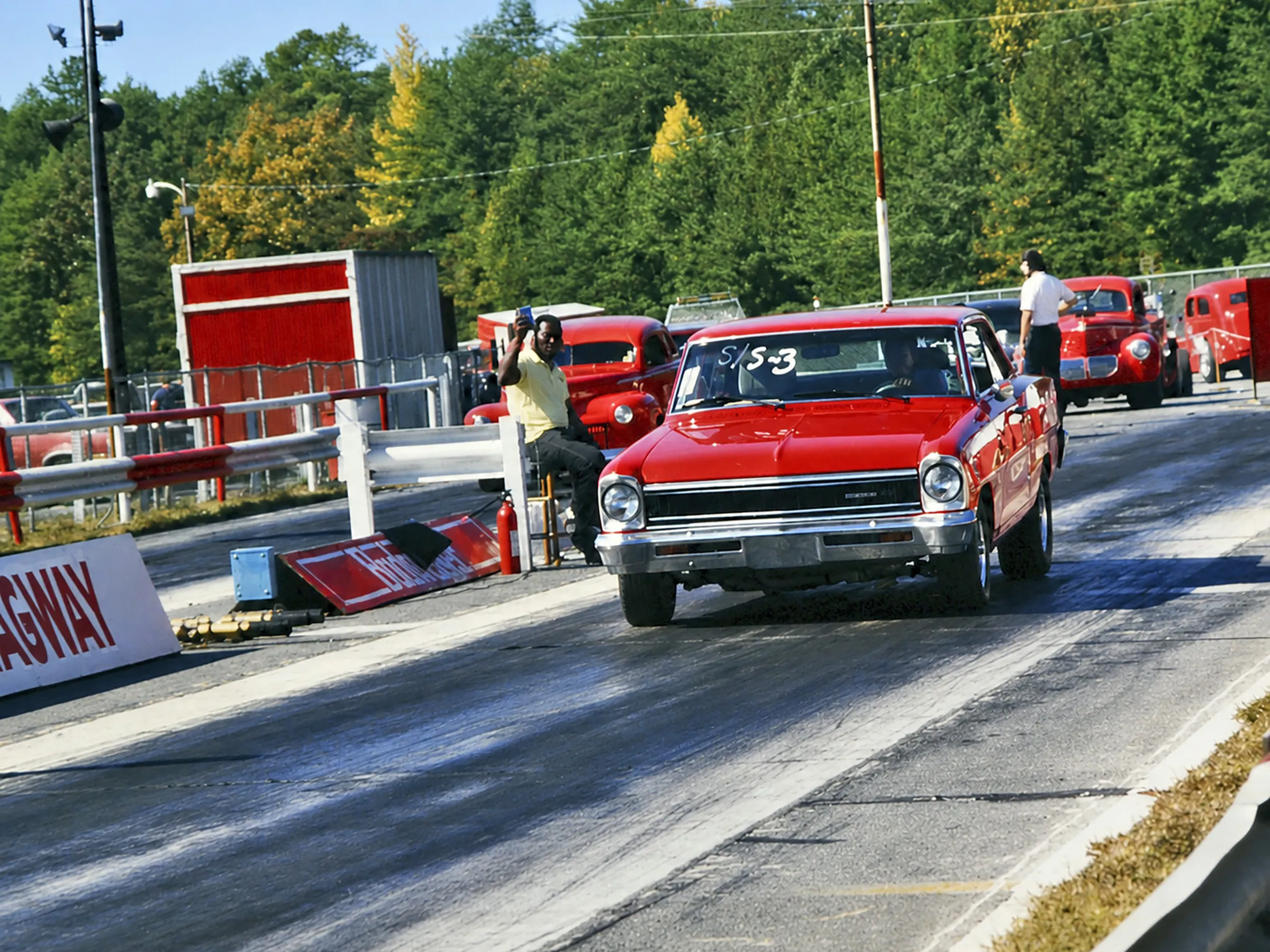
My son was in high school and needed a car. He often drove my ’65 LeMans convertible, but we also managed to build a darn nice 1966 Nova. He built the 350-motor, we painted it Porsche red and it rolled on Enkei wheels… he still owns the car. It recently came out of storage and awaits freshening up.

THE DELIVERY

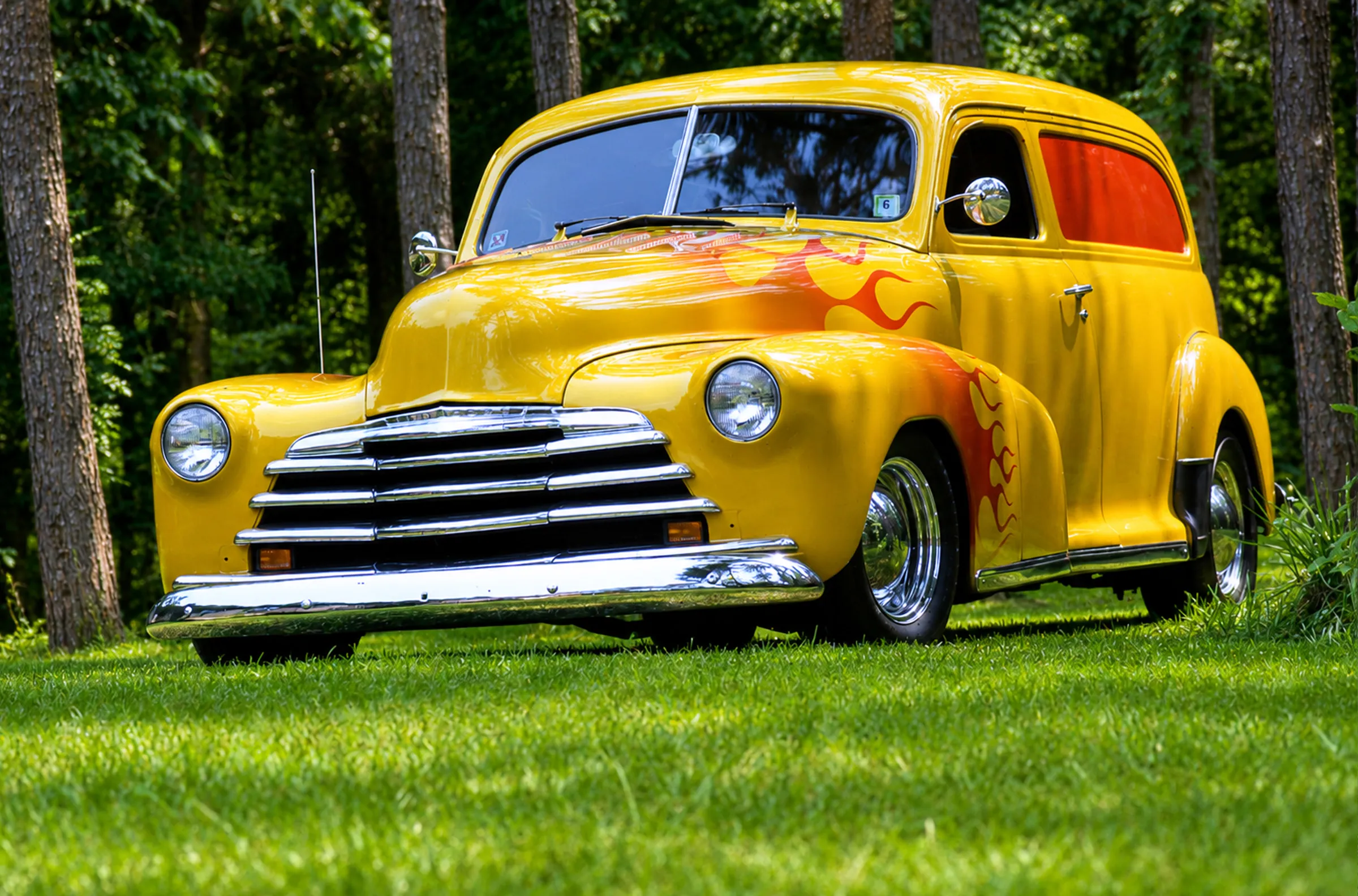
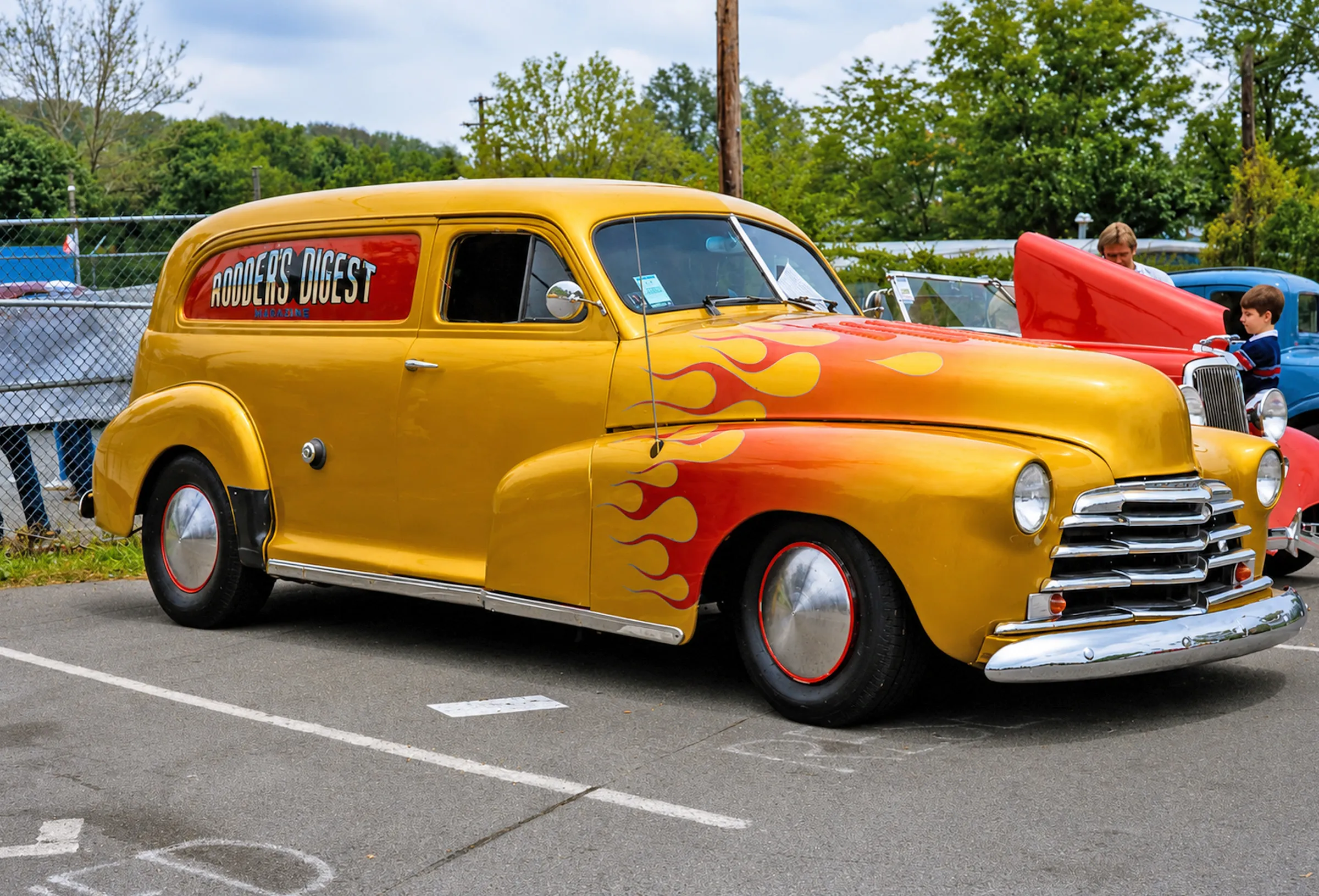
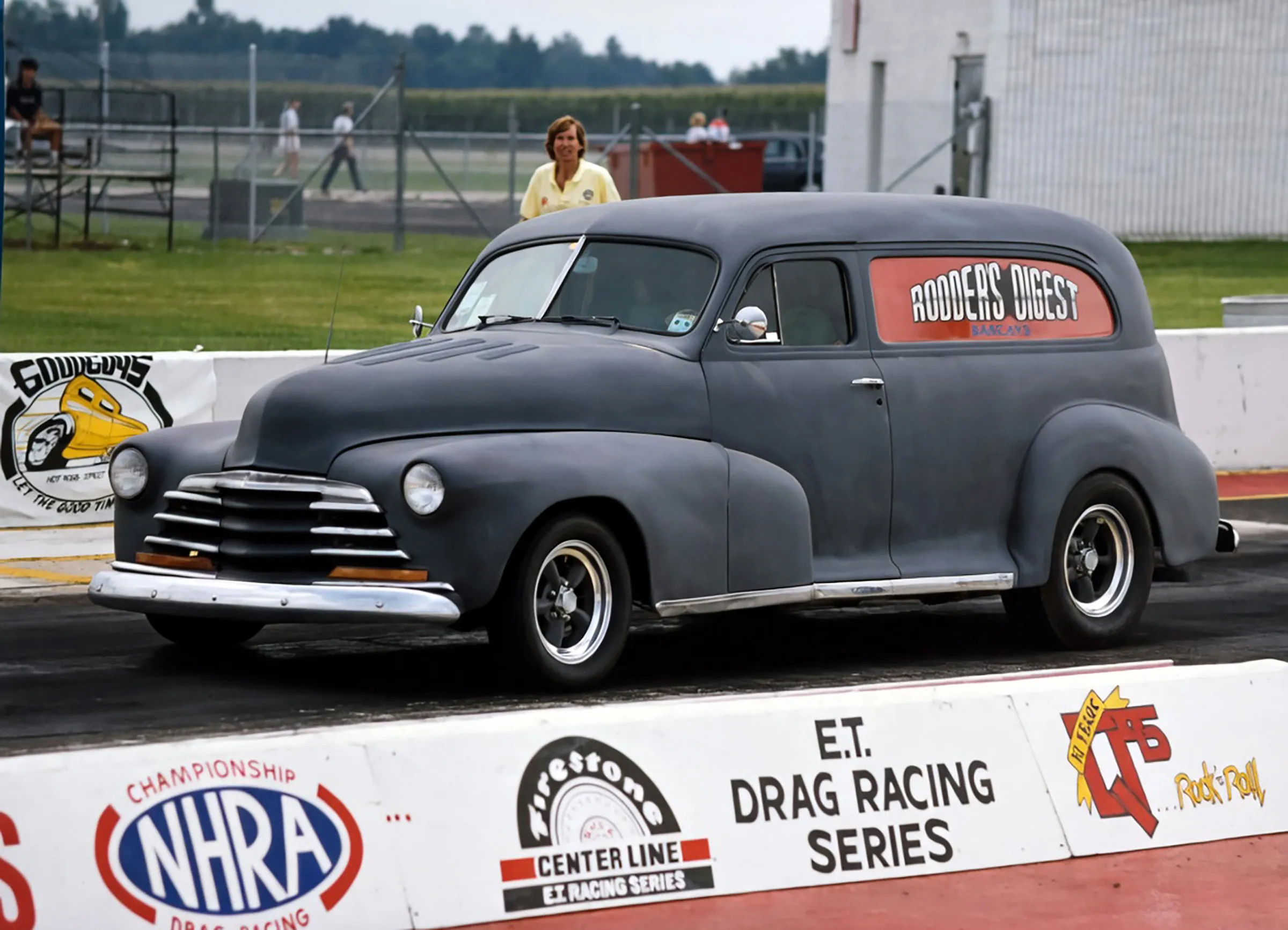
And then there was what we simply referred to as… “The Delivery”.  I had started Rodder’s Digest Magazine in 1981 and we needed something to haul magazines. This 1947 Chevy Sedan Delivery presented itself and we rolled it into our home shop. It had a good running 455 Buick under the hood, so we just sub-framed the front suspension, brakes and wiring. We “pie-cut” and louvered the hood and after finishing the bodywork I sprayed one of the earliest House of Kolor candy apple urethane paint jobs on the delivery, thanks to Jon Kosmoski.  Aztec Gold with flames, the delivery was looking good. A matching Mullins trailer completed the package. We would drive well over 100,000 miles in that ole ’47. The drag race photo is at Goodguys Indy and standing behind the Delivery is the late Pat Ganahl, he always of a good word for the Delivery. it finished its duty in primer after getting a quarter-panel “massage” from a Ford Pinto. Last known residence was somewhere in Pennsylvania.
THE ROADSTER

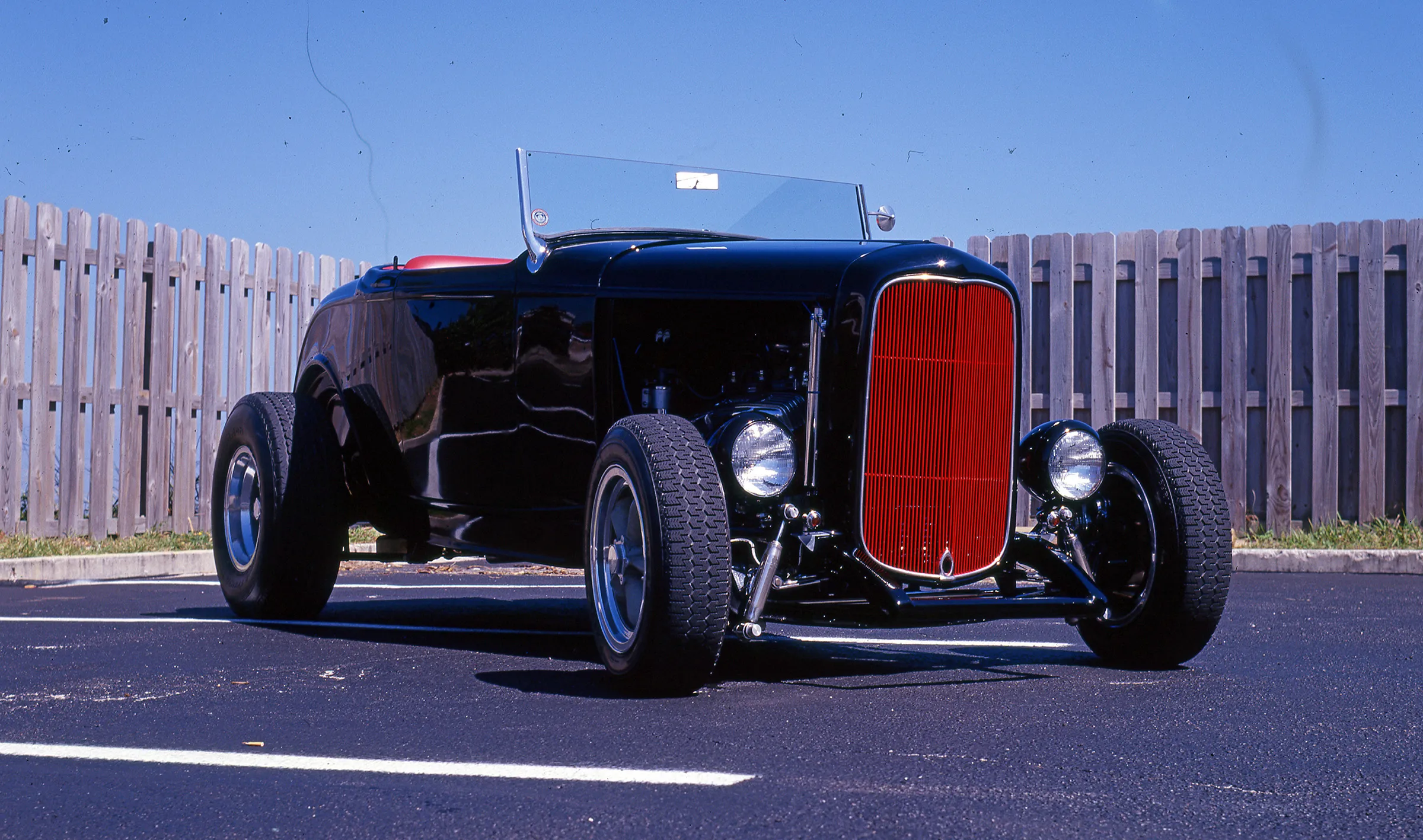
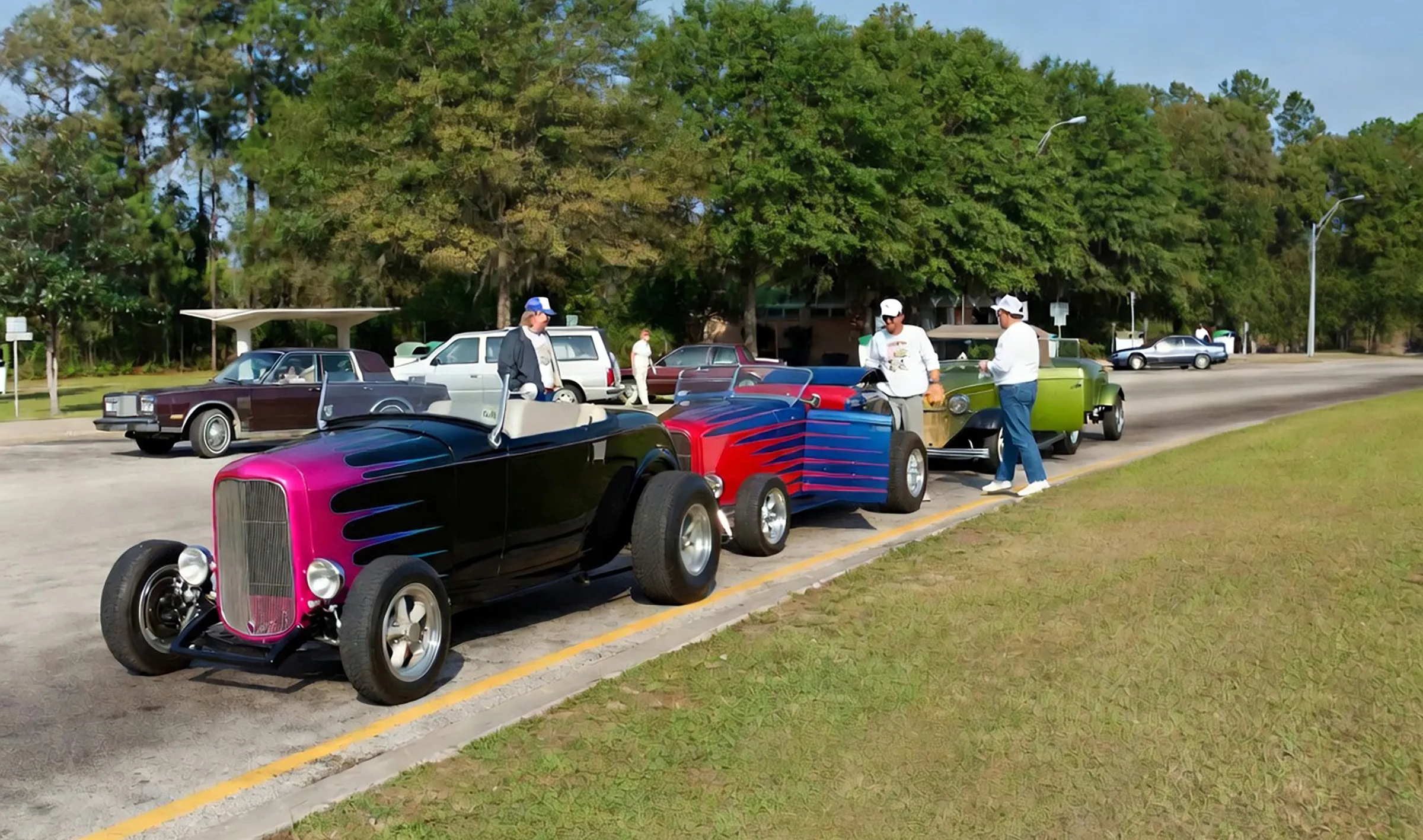
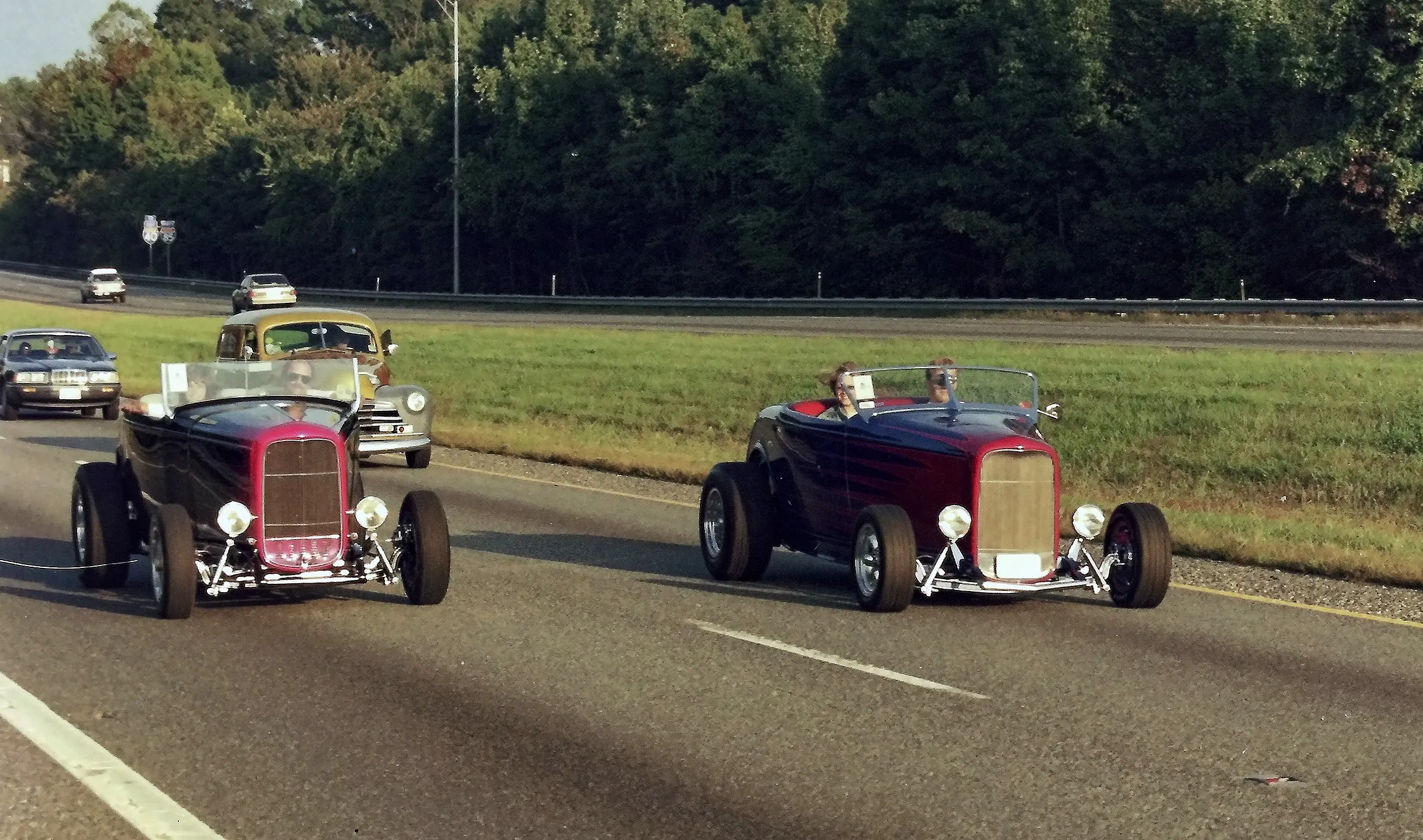
I sold the ’34 Pontiac and part of the deal was a real nice ’40 Ford coupe that was built by the late Alan Cornelius. I drove the dark green coupe for a couple years and then traded it for a 1932 Ford roadster pile of parts. Wescott body, Deuce Factory frame, Super Bell Axle and Pete & Jake four bar… the big three of the hot rod chassis world. My son and I built the hot 327 at home and coupled it to a T-10 four-speed and a Halibrand quick-change rear. Black with scallops was the final finish. I put over 20,000 miles on the roadster, mostly with no top, before selling it I eliminated the scallops.
THE RANCH WAGON

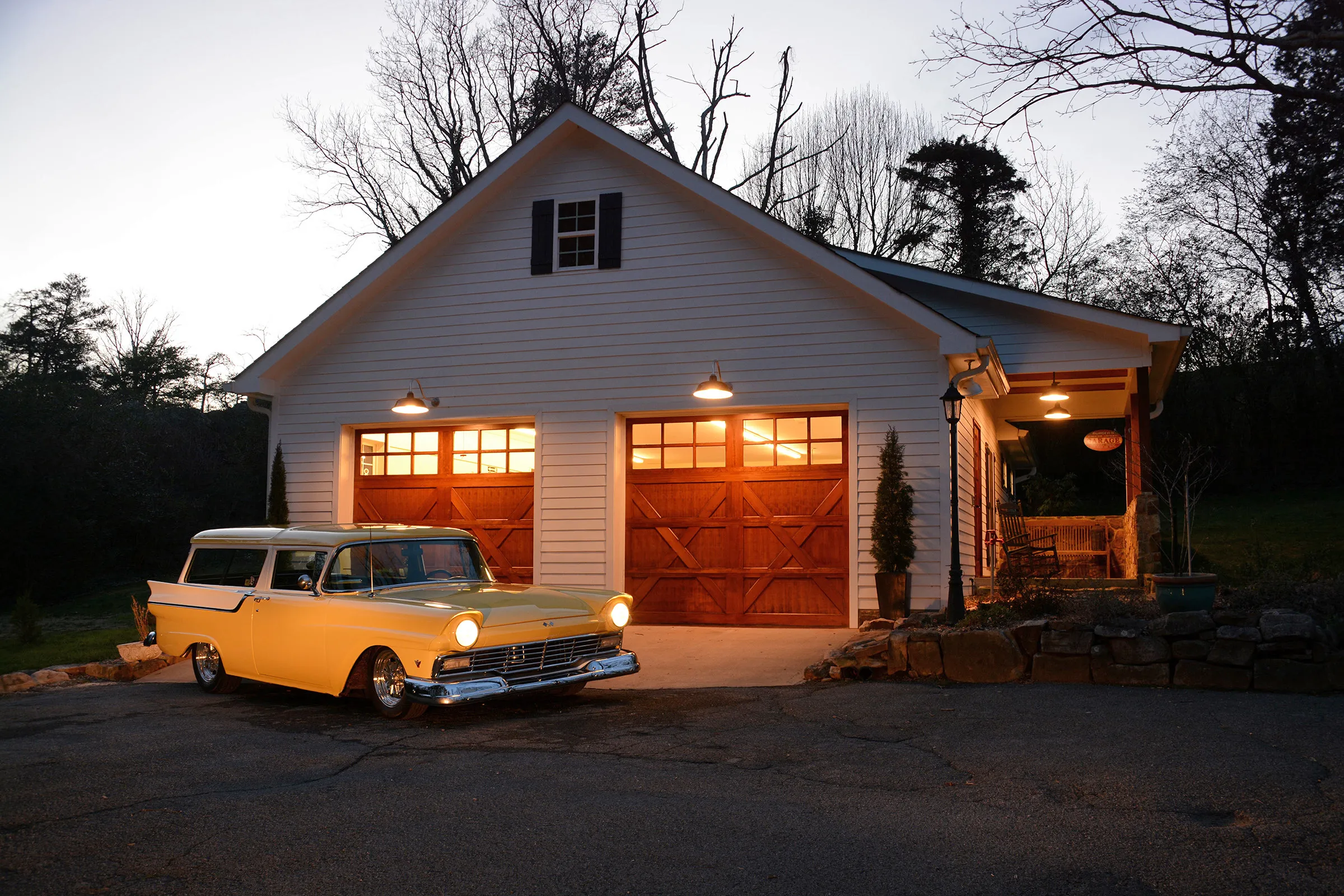
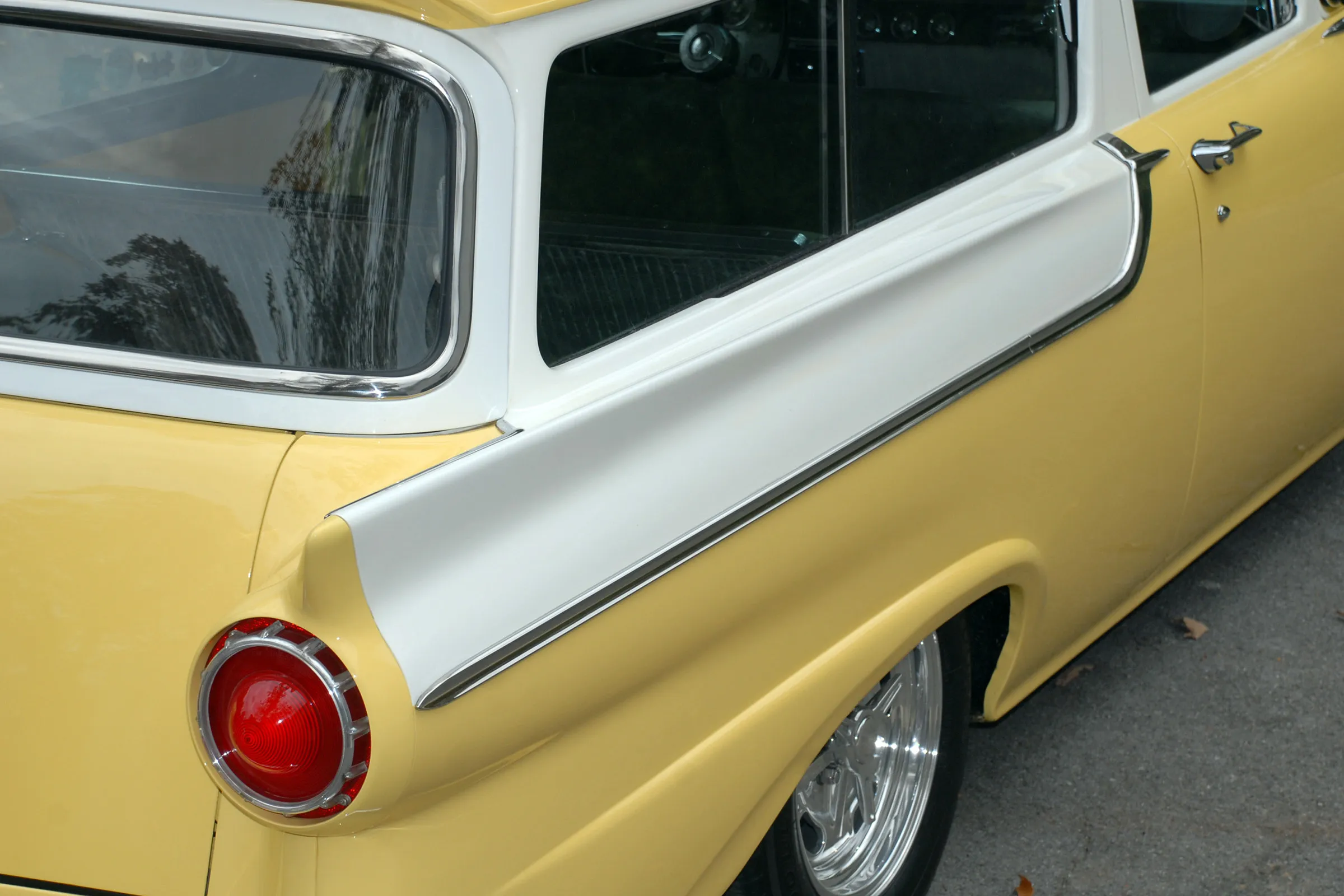
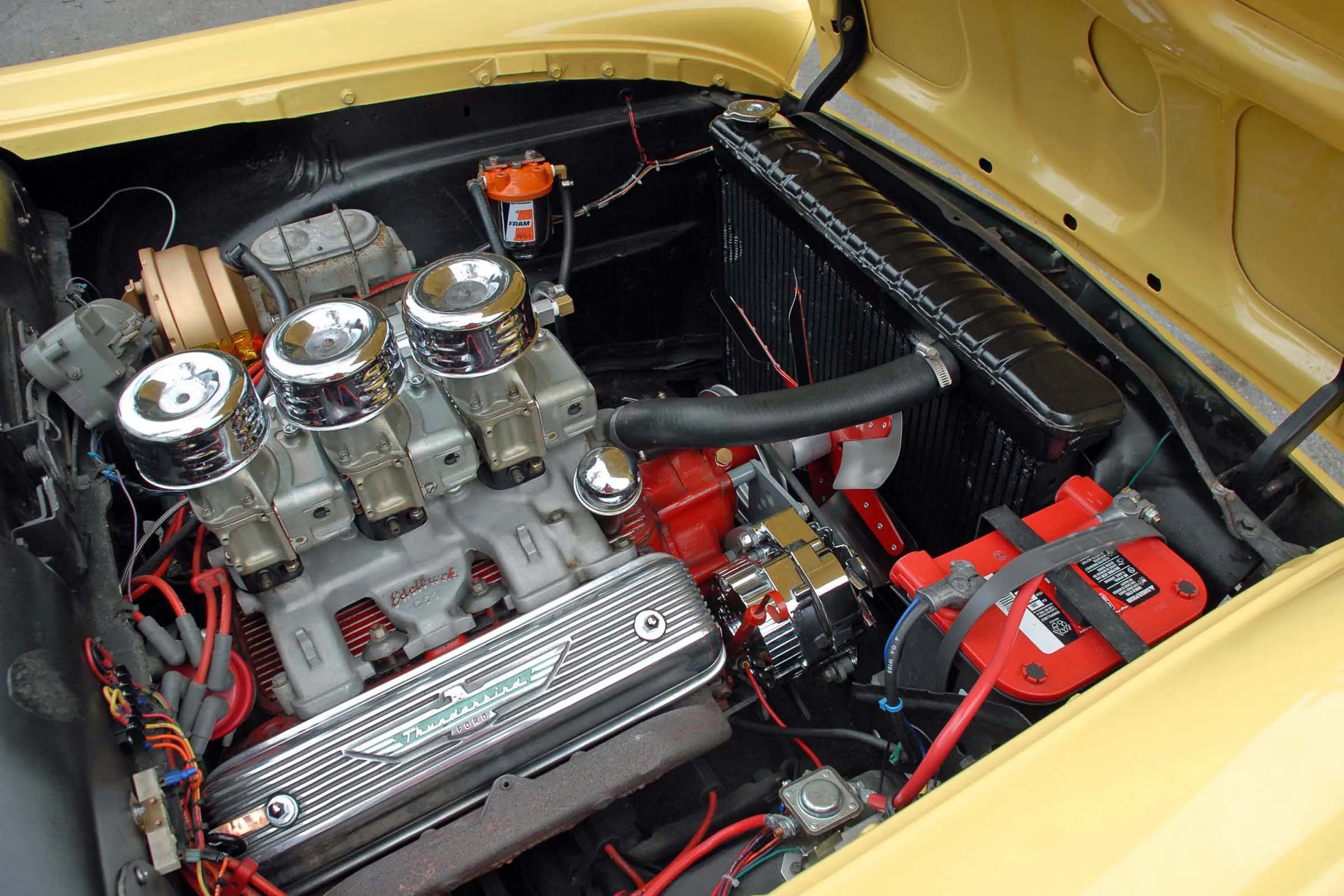
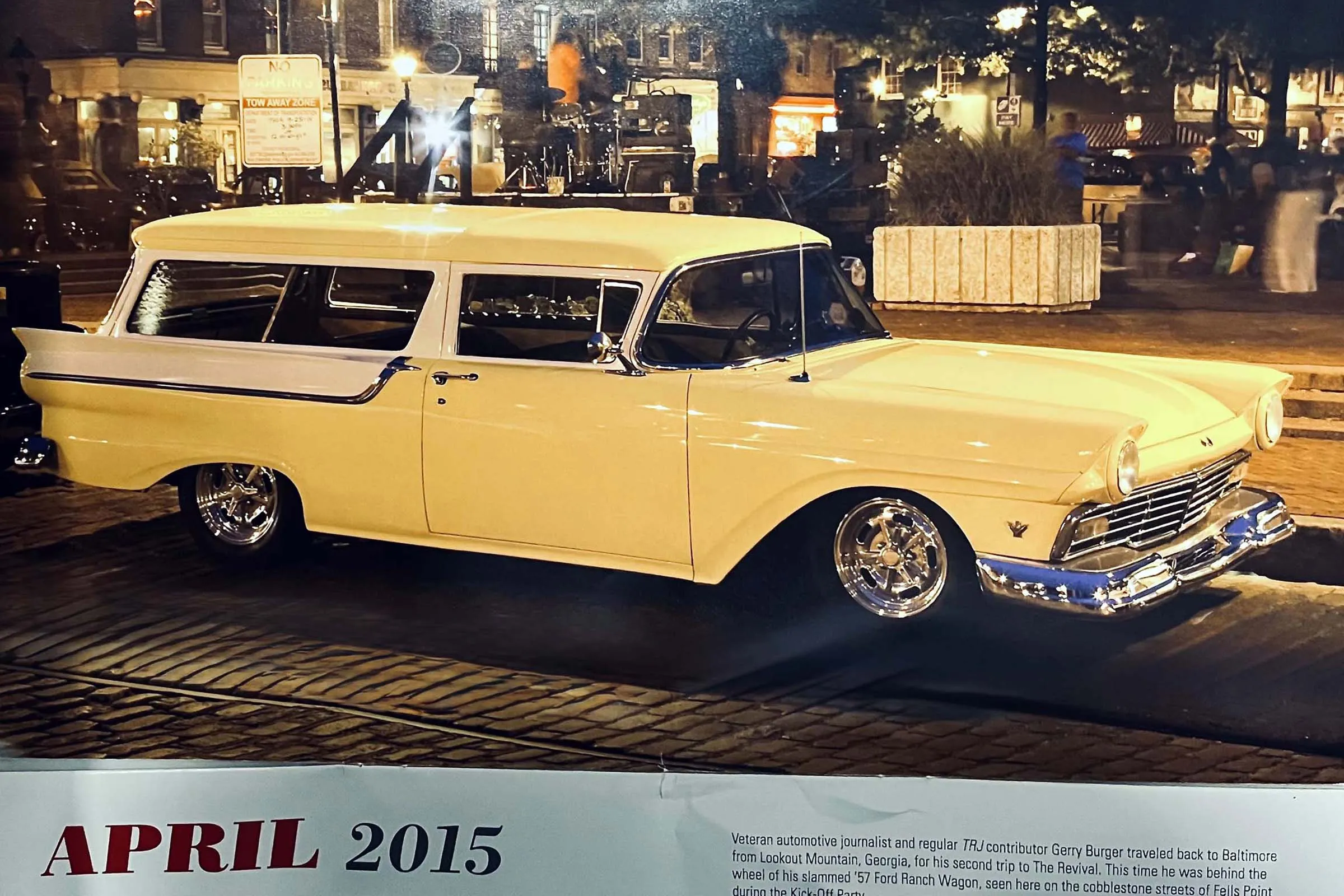
Next up was a 1957 Ford Ranch wagon. I bought this from my San Antonio area friends, Rick Love and Danny Zoeller. It was a neat old car and they had purchased it from the original owner. Under the hood was a Hi-Po 312, hooked to a three-speed O.D. tranny. My son Ty and I flew out to San Antonio and spent a week working with Danny and Rick getting the car “roadworthy”. We had shipped tools out to them because we were doing a magazine story for Street Rod Builder about spending a week on a barnfind and driving it home some 650-miles. While we expected to have plenty problems and great tales along the way, the car simply drove of us home. Later I would have “fin envy” and add full size ’57 T-bird fins to the car. Steve Coonan took a great shot of the car at his second Hot Rod Revival in Baltimore, and included it in his 2015 calendar.  It was a great driver. The car now resides in sunny California.

MY FORTY

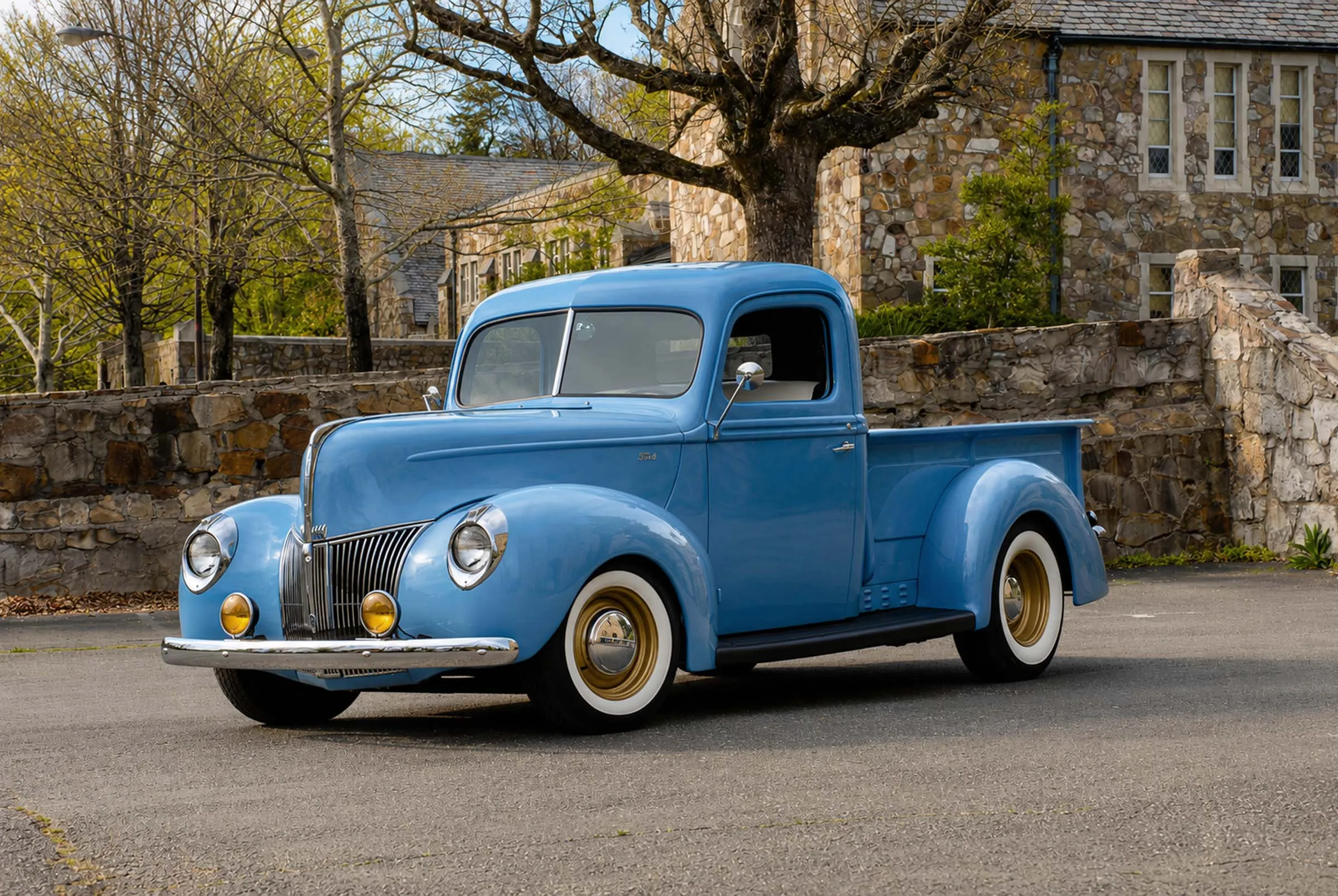
My ’40 Ford Pickup came next. My friend, the late Al Casteen, insisted that I really needed this truck to fill the area left open when the Ranch Wagon sold. The truck was an older East Coast hot rod with little known history. Faded red, 327 and a turbo-350. I drove it like that for a year or so, then tore it down, changed colors to a powder blue, painted the steelies gold and wrapped some Coker wide-whites around the rims.  A black and white rolled and pleated inerior completed the package. It was a great driver but to finance a Corvette project I sold the truck. I still miss it.

IF CHEVY HAD OFFERED A BIG BLOCK CORVETTE IN 1960  

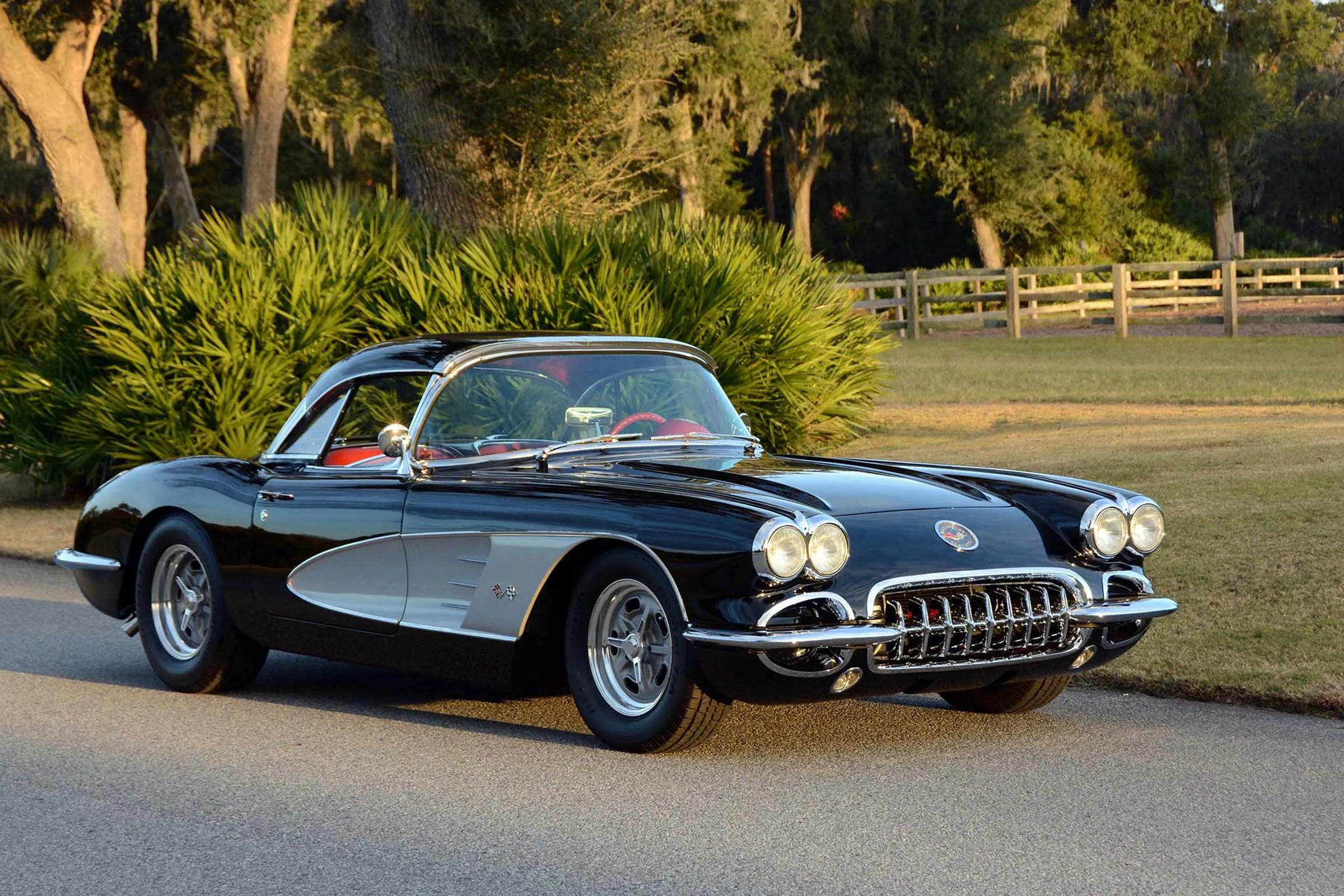
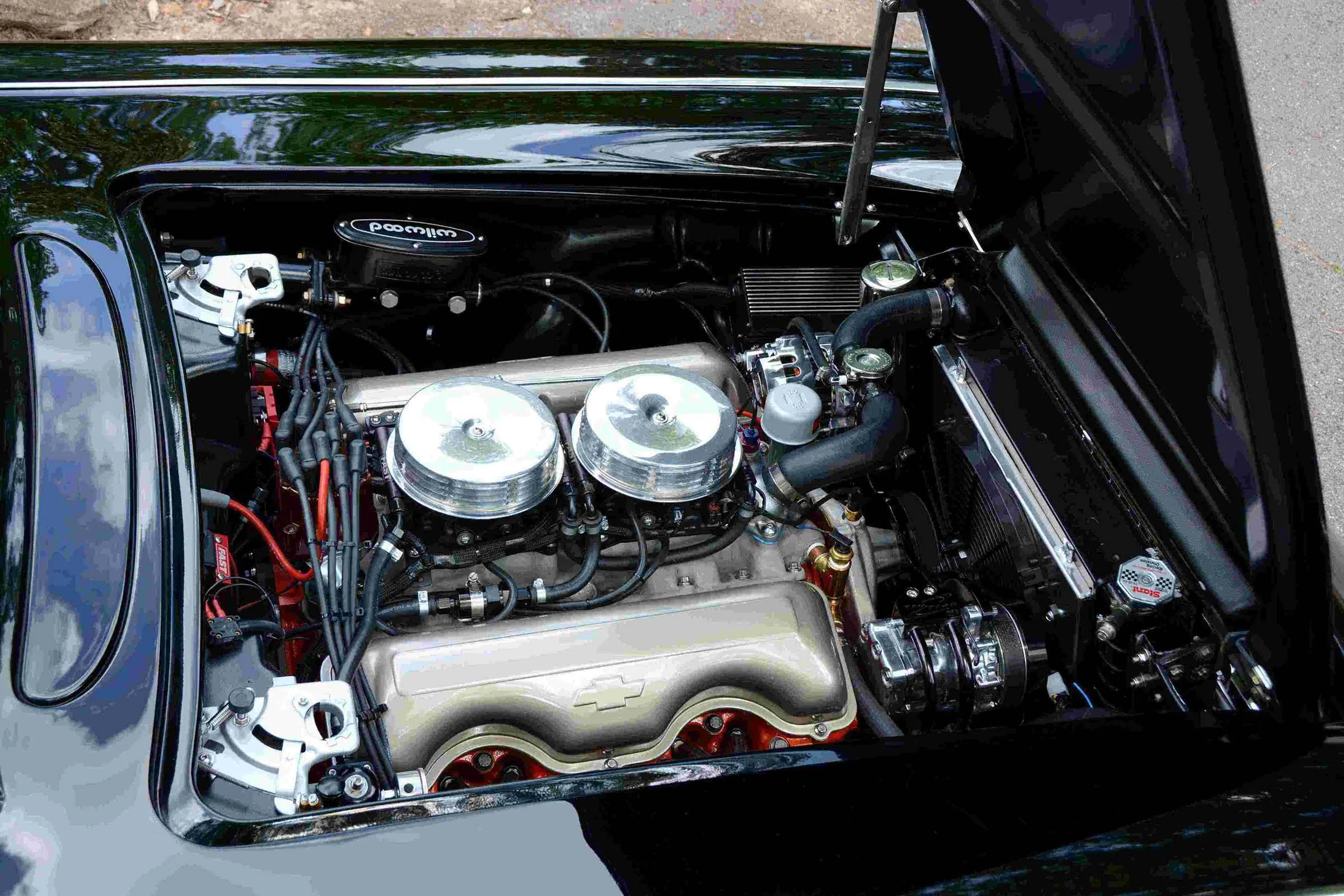
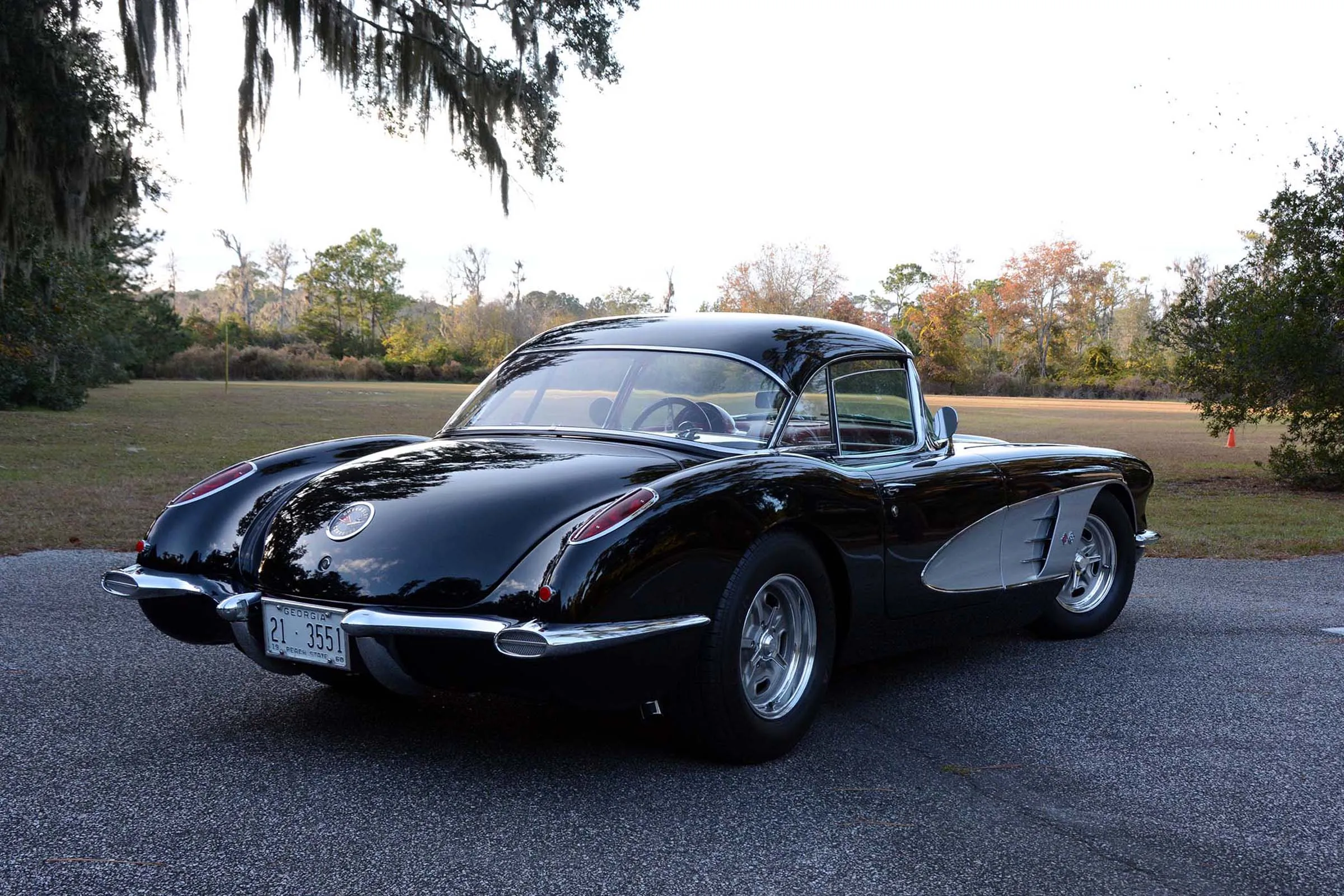
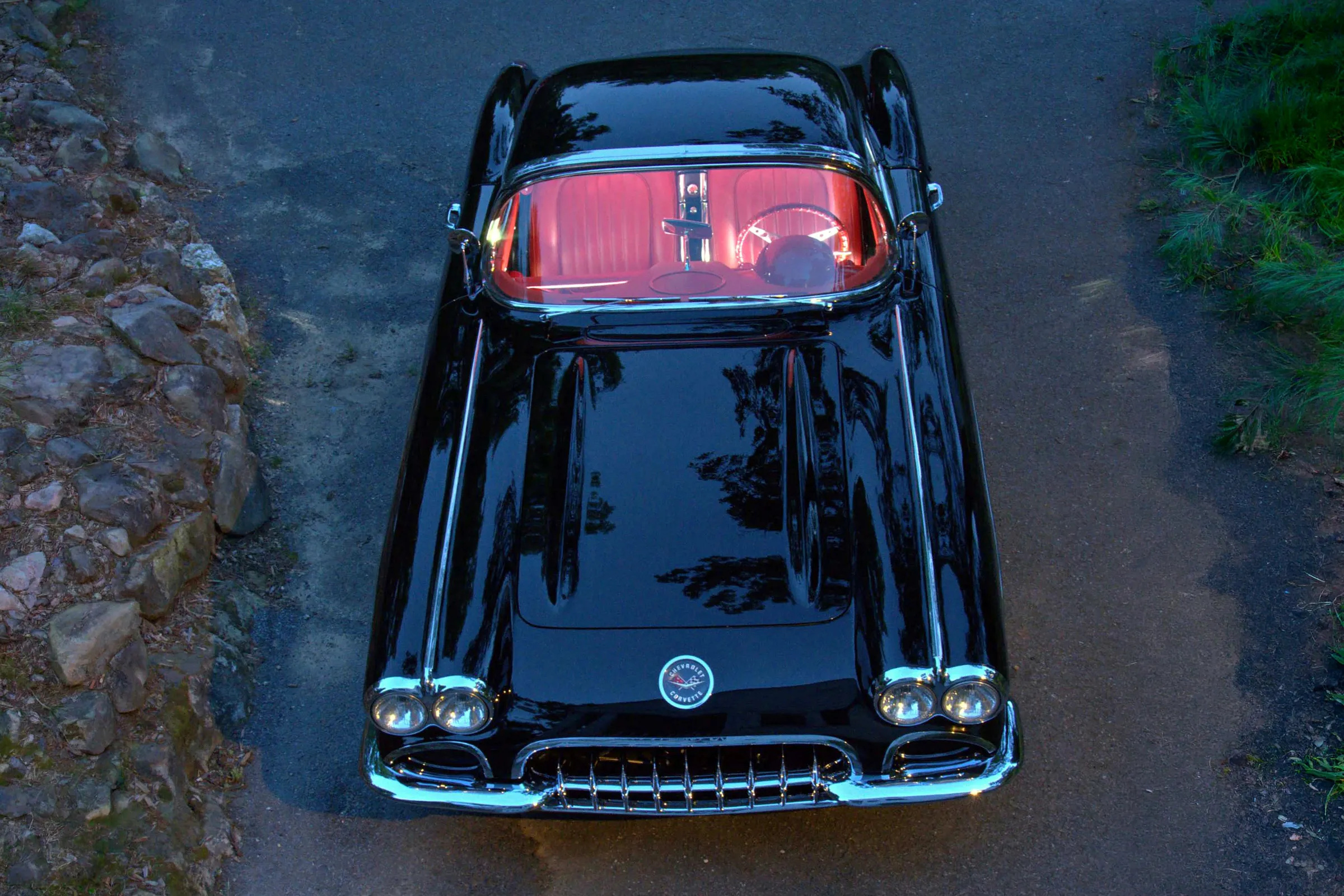
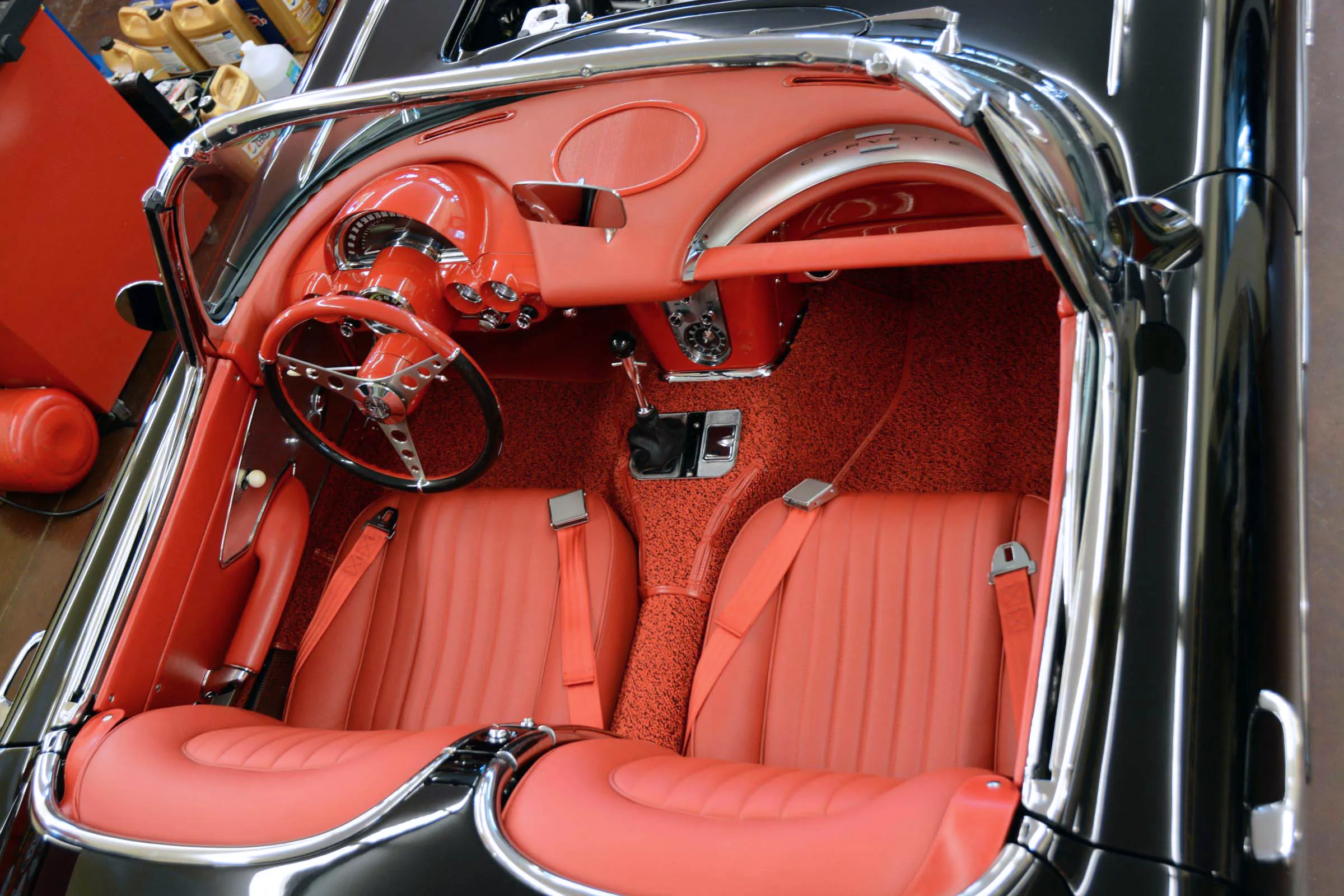
This 1960 Corvette was next. I bought is as a roller from a fellow hot rodder in Kentucky. A former backyard drag car it had no motor or trans but sat on a rolling chassis. I built this one at home too, but Troy Byrd and Wally Smith handled the bodywork. I updated the chassis with Martz Chassis front suspension and an 8-inch Ford rear on leaf springs. The fun part of the car is the 348-W-motor under the hood hooked to a 700R-4. The homebuilt motor is fed by a FAST dual-quad EFI system and Isky provided the bump stick. It rolls on ETIII wheels. Inside, an Al Knoch leather interior is comfortable thanks to the Vintage Air.

TIME FOR A TUB

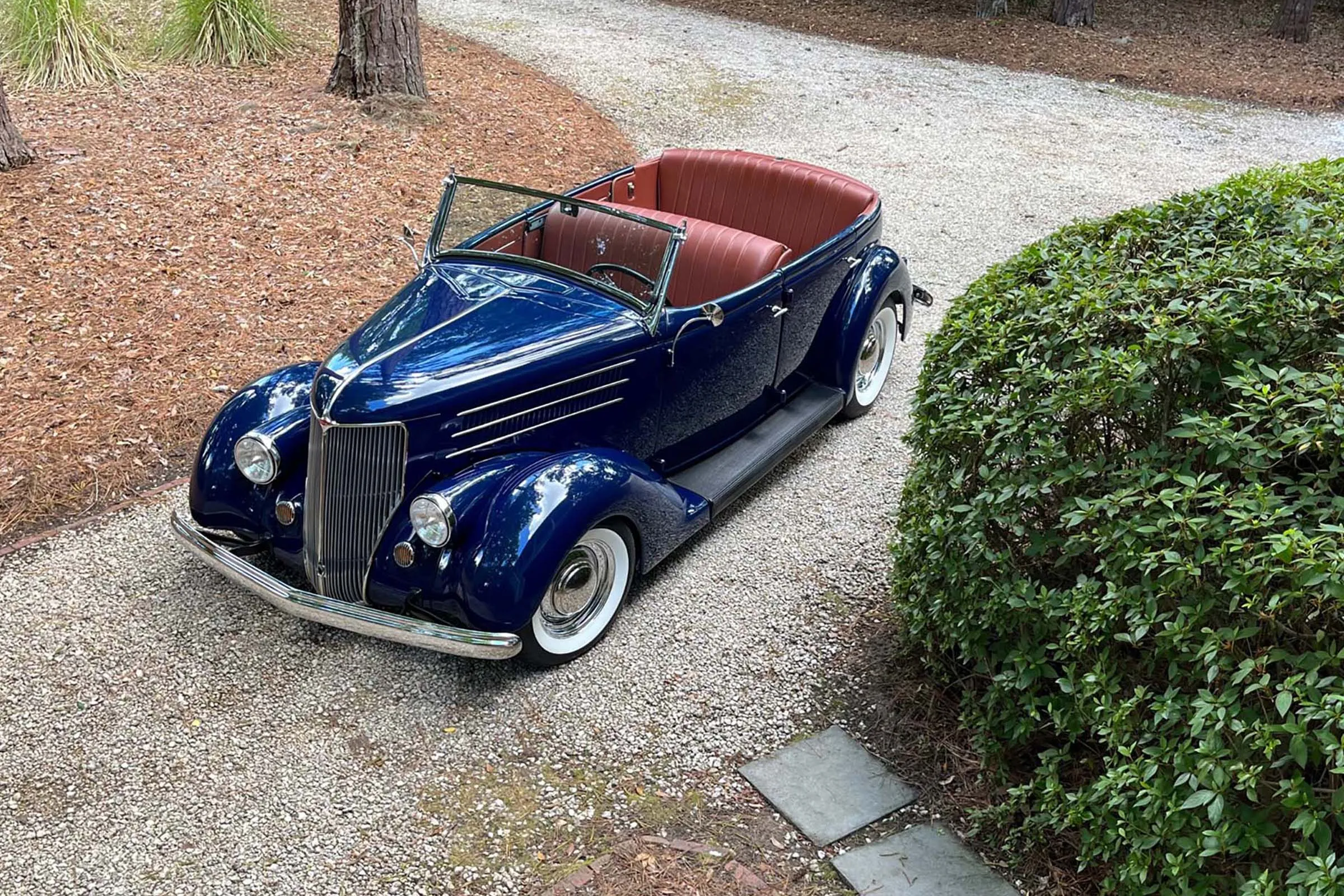
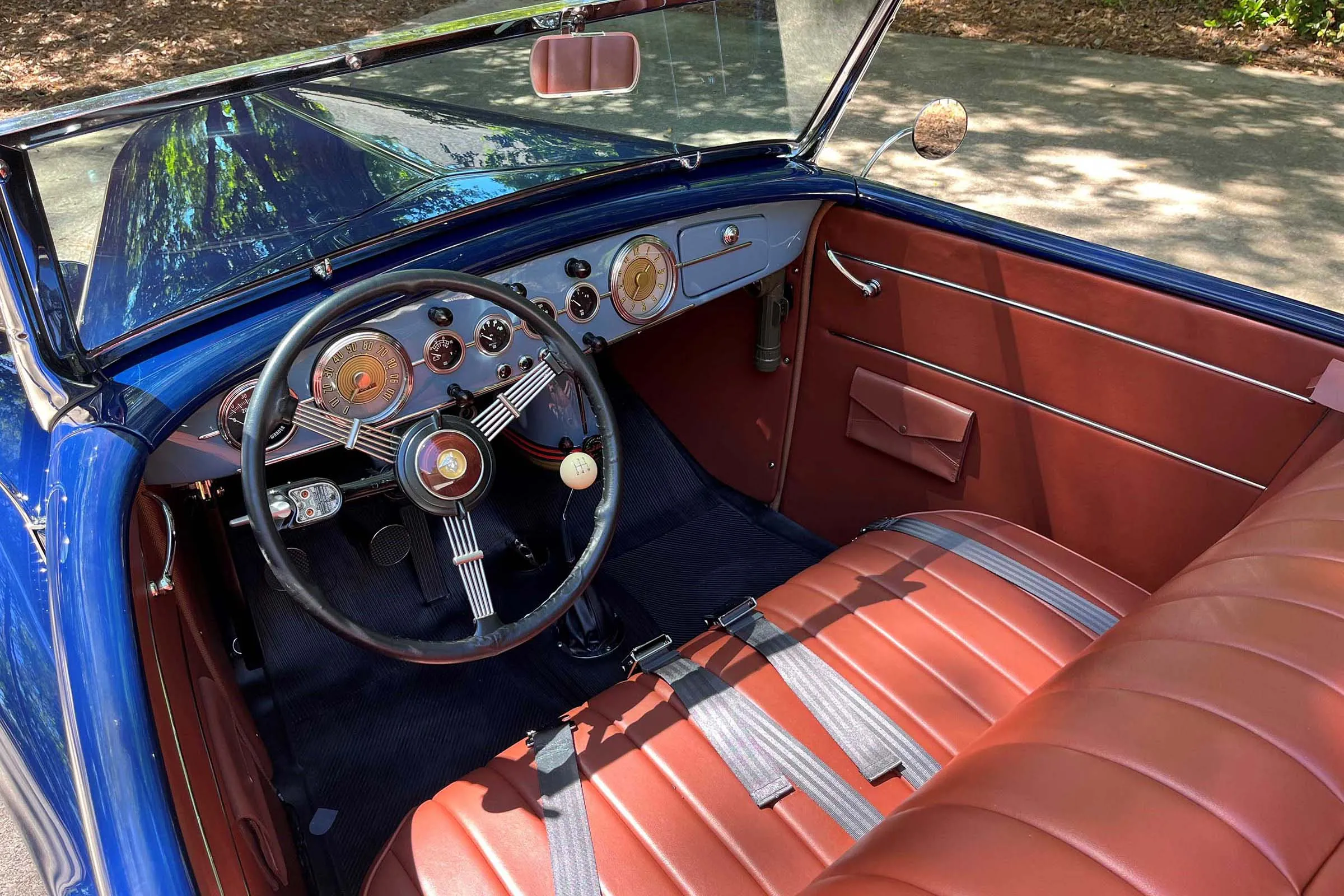
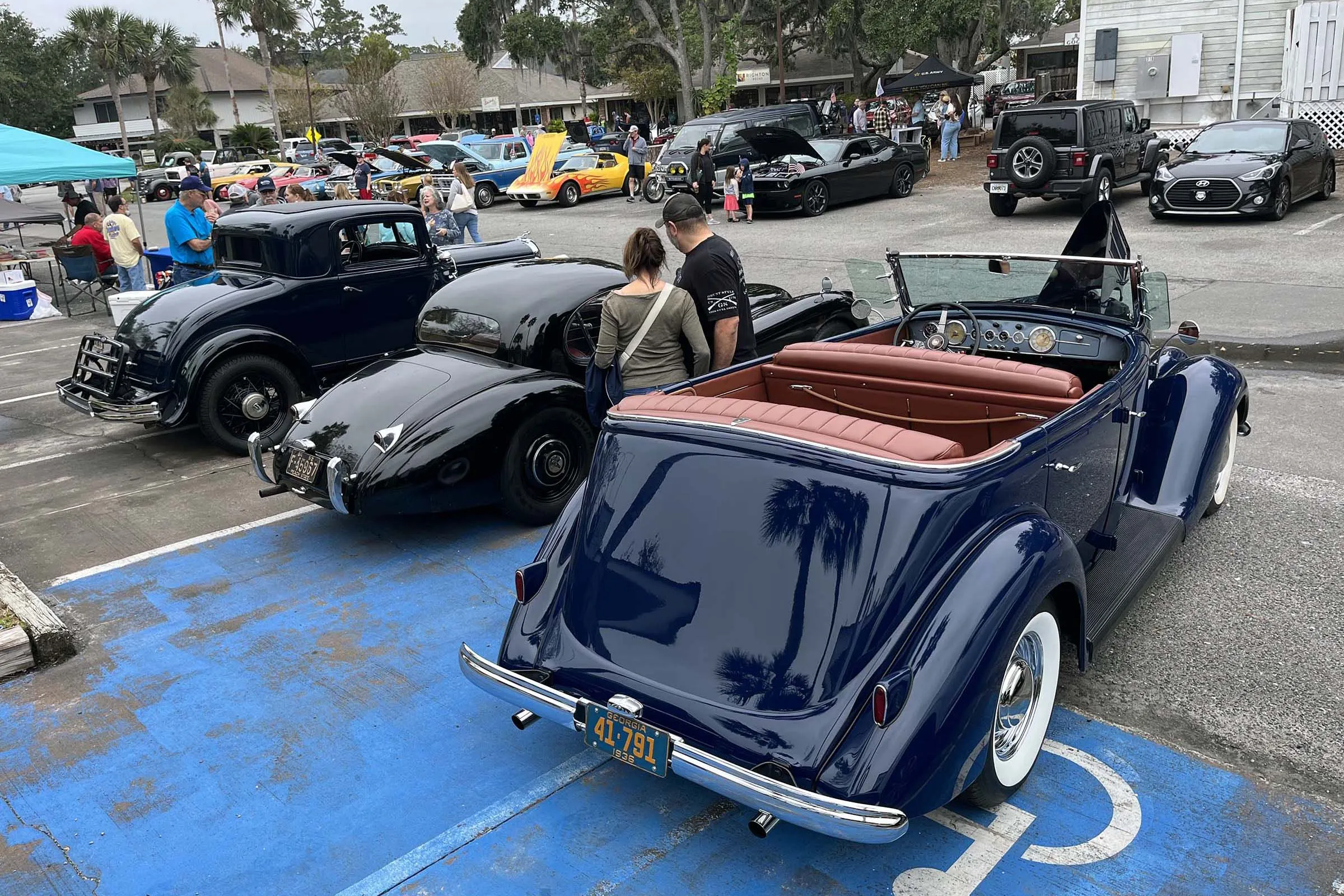
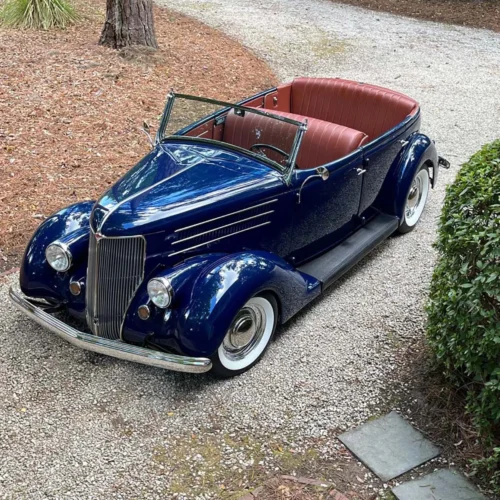
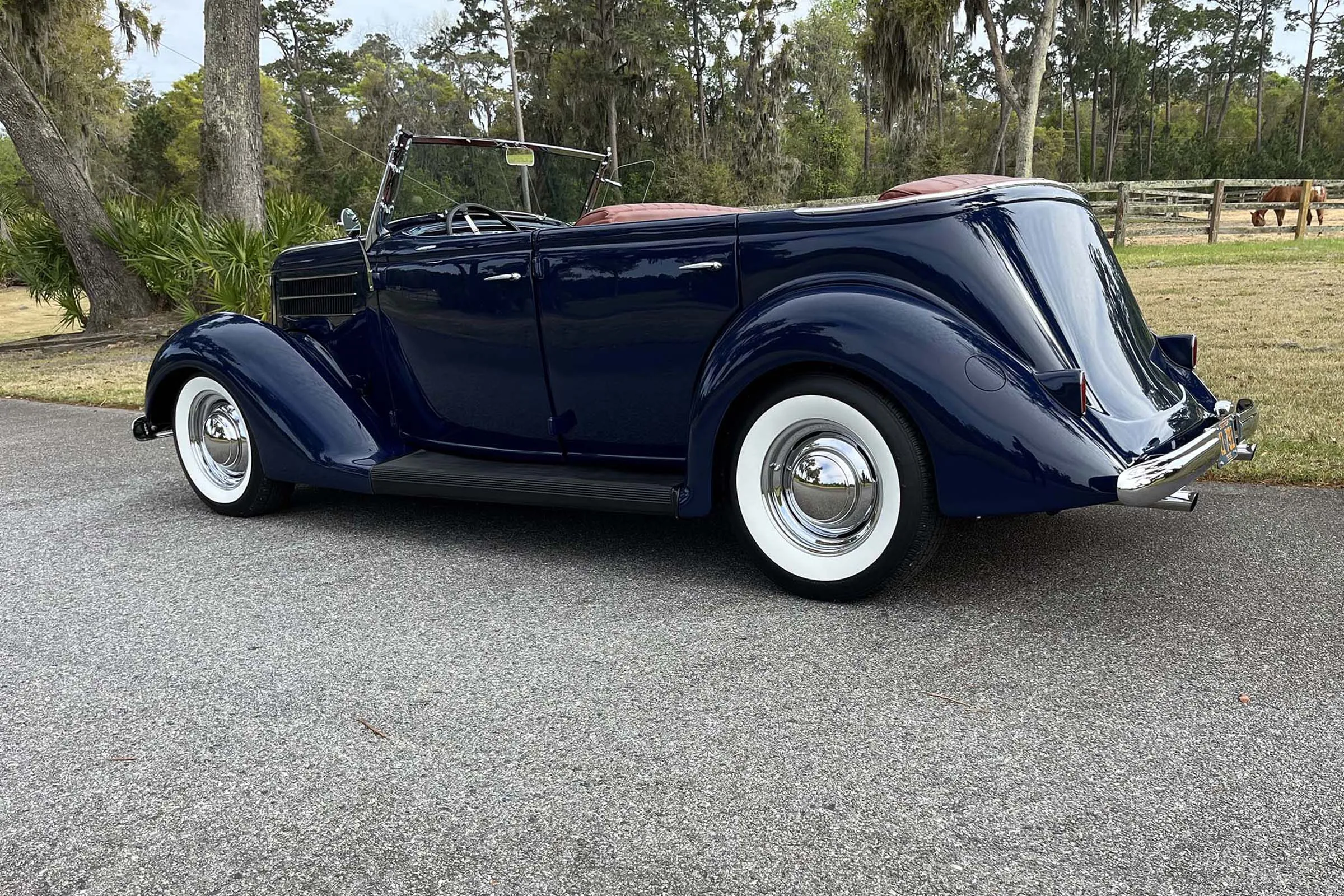
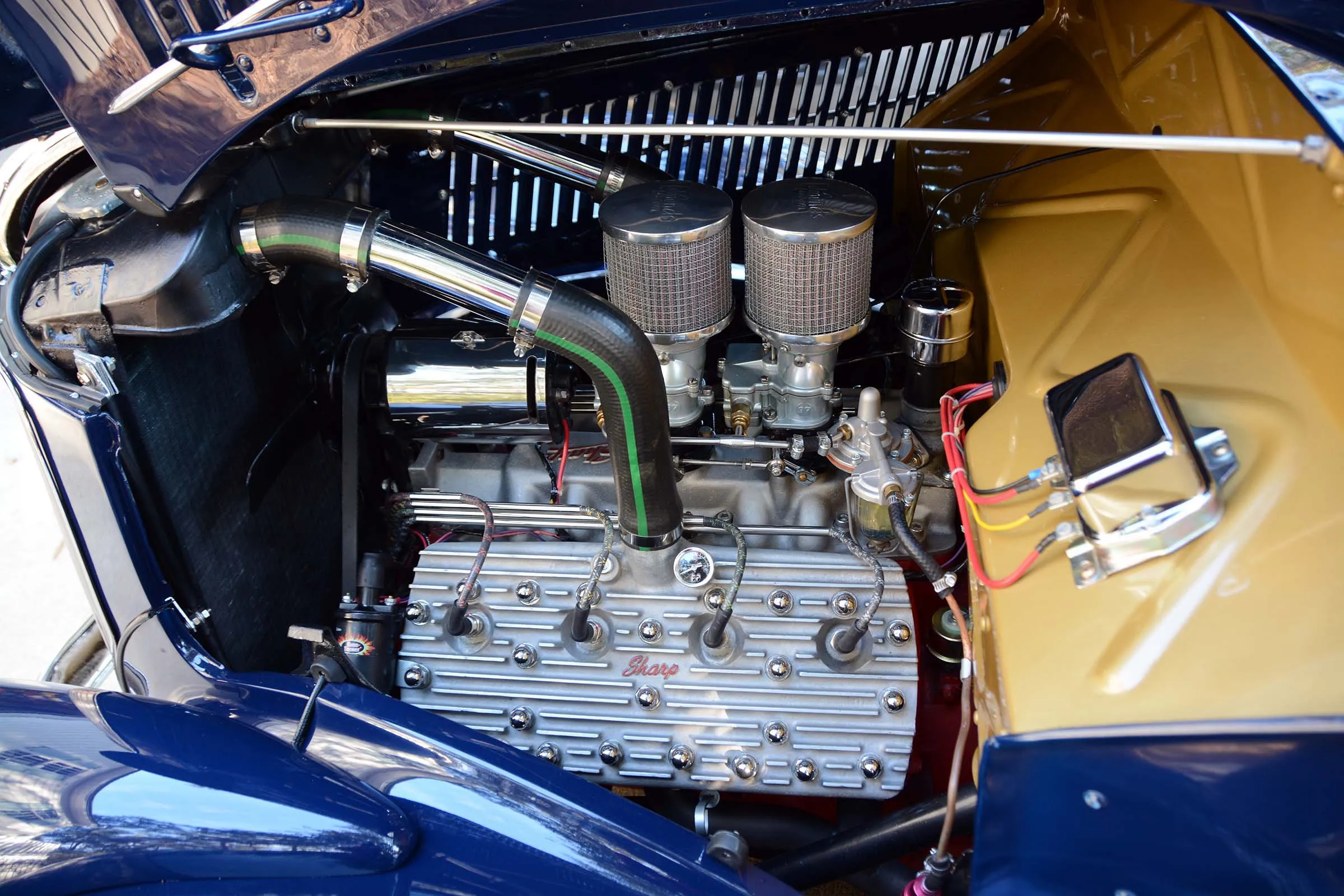
But once again Al Casteen seemed to have found the cure for my garage vacancy. This time it was in the form of a 1936 Ford Phaeton. I’m still not sure why I bought it, but I’m glad I did. No doubt my “Swan Song”, this car was also completely built at home, including painting the car inside an inflatable spray booth in my driveway. It has a ’47 Flattie under the hood with speed equipment from H&H Flatheads. I built the motor with their Sharpe aluminum heads and dual carb intake. Speedway Motors water pumps keep it cool. A Chevy 5-speed tranny passes power to the nine-inch rear. I removed the spare tire and sold the top to a restorer. So, I now have a very traditional, topless tub and a C1 Corvette as my current hot rods.  I’m an old school hot rodder who believes real hot rods are driven and trailers are for race cars (I had one of those for many years too, but that is another story).

AND HERE WE ARE, 2026 and counting.

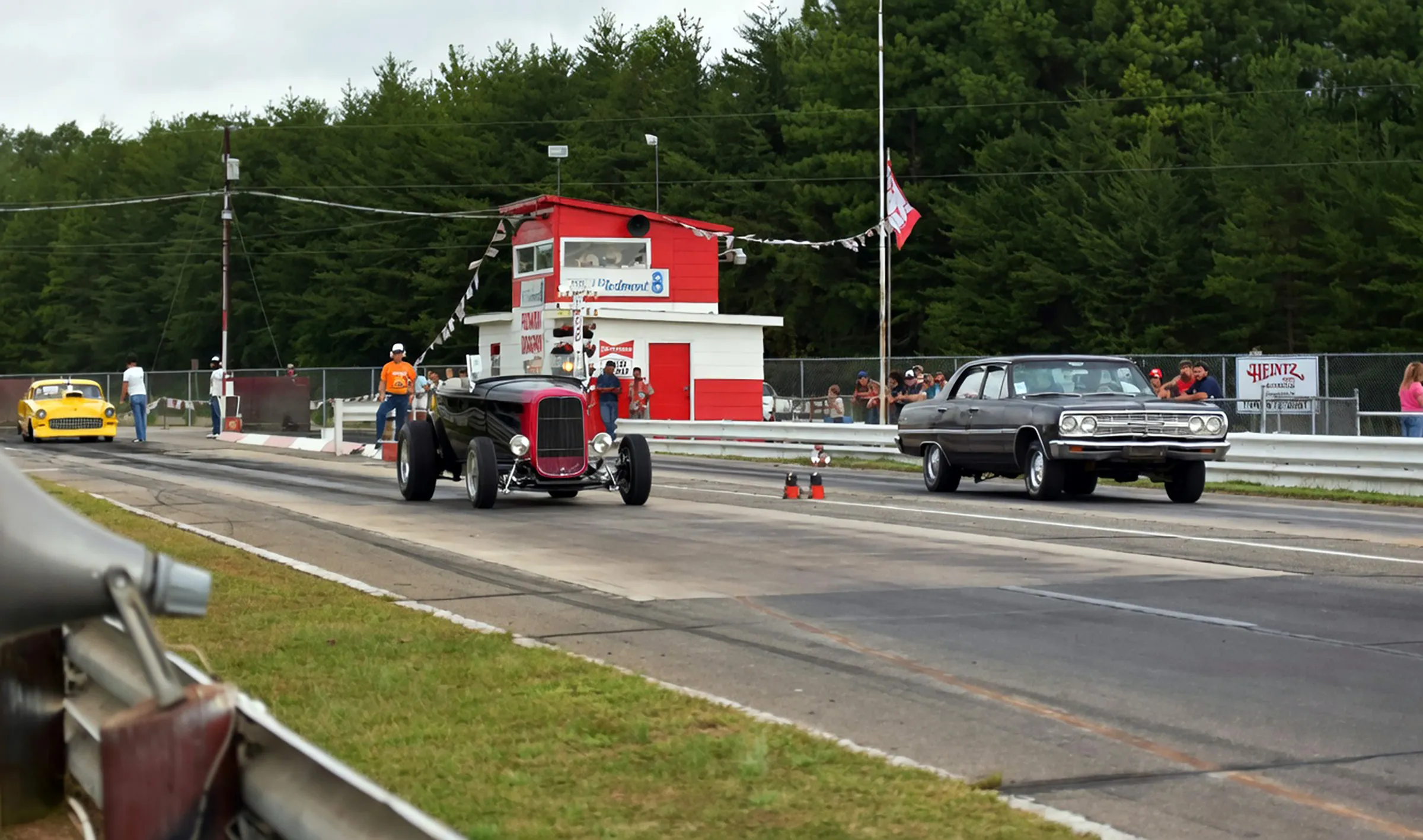
Okay, that’s how I got where I am today, but I promise this column will not be all about me (I can hear those sighs of relief), no, it will be all about YOU, the real hot rodder who builds cars at home, drives them great distances to events across the country. Tales of roadside repairs, and trips down the drag strip are all a part of who we are, nostalgia drags, street rods, vintage hot rods and muscle cars.  My photo files go back over fifty years and we’ll be doing plenty event coverage from the past. Who knows, you just might find a few cars you remember.  I’m looking forward to sharing them with you and we’d love to see your photos too. 

Stay tuned, Enjoy the drive.

ARTICLE SOURCES

Picture of Gerry Burger

Gerry Burger

Gerry Burger has been immersed in hot rodding since the early 1960s, building his first hot rods as a teenager after being inspired by local racer Bob Zorn. A chance meeting with Tom Medley in 1972 launched a distinguished career as an automotive photojournalist, leading to freelance work for dozens of magazines, the founding of Rodder's Digest, and editorial leadership roles at Street Rod Builder and American Rodder. Today, Burger continues to write, photograph, and build hot rods, remaining one of the hobby's most respected voices.

Scroll to Top
image

Subscribe for Email Updates

Newsletter Categories *
Marketing by