Finding the Dream Car
It’s a scenario we all dream about. We don’t mean dreaming about winning the lottery or dating Eliza Dushku; we mean one that can actually happen, like finding your dream car and being able to take it home.
The Discovery
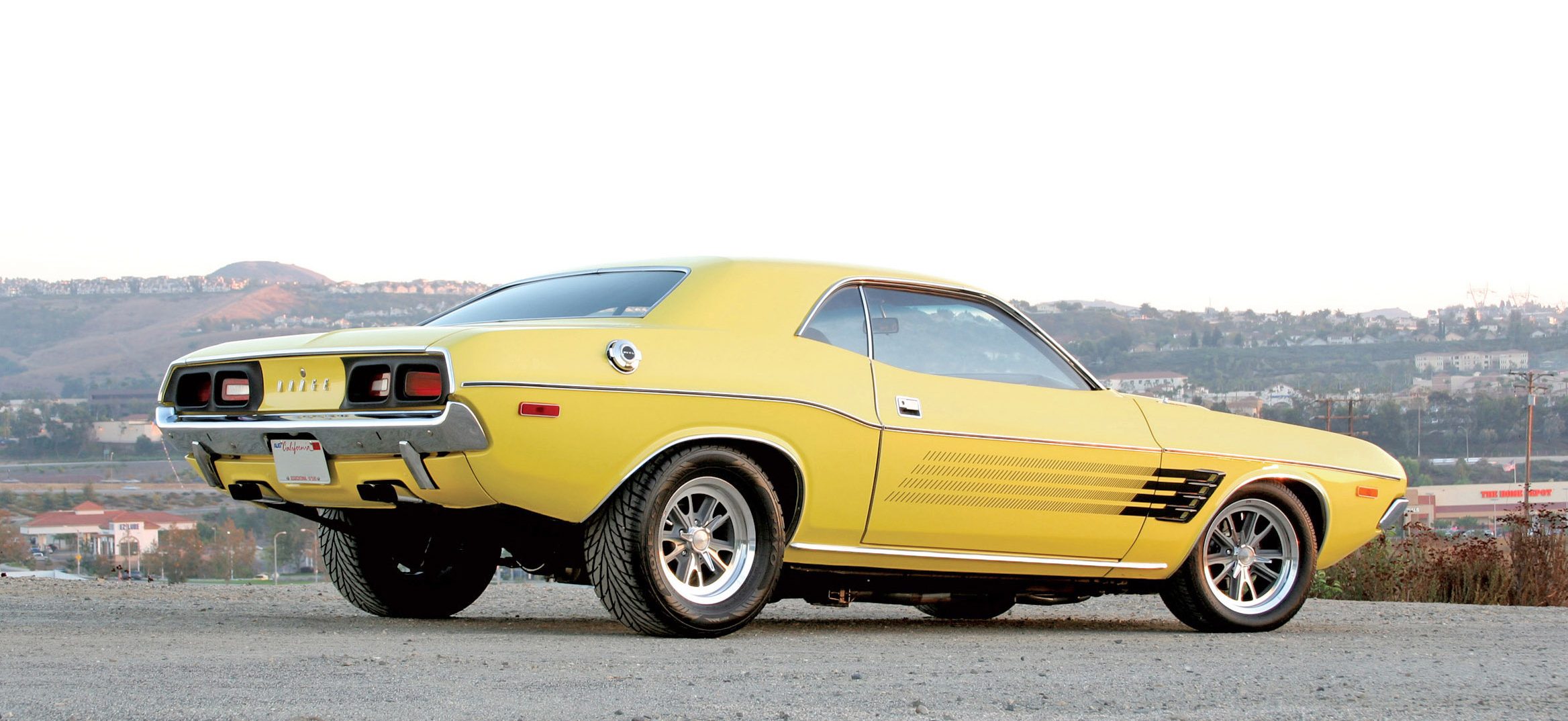
Take this 1972 Dodge Challenger, for example. Peter Forster was doing some work at a vacant house when he found it sitting alongside the building. Forster contacted the management company for whom he was doing the work and asked about the car. While he was on the phone with them, they called the owner and asked him what he was going to do with it. The guy said that he was going to push it to the curb and call the police to report the car abandoned. Forster said that he would be happy to remove the Challenger for him, and the guy actually told Forster he would pay him to take the car away! Forster wisely told him that wouldn’t be necessary.
The Restoration Journey
Forster raced home to pick up his trailer, but when he got back to the car a few of the locals began asking him what was going on. Forster said that he then began working a little faster to get the Challenger loaded and out of there.
When he got the car home, Forster began his plan to return the car to the glory days it had once enjoyed. He and his son, Chris, started by stripping the car to its frame and assessing just what it was that they wanted to do, and what it would actually take to achieve the desired results. Forster laughingly says that while he did indeed get the car at a great price—he had to pay $25 for a lien and $40 to transfer the car into his name—it quickly escalated to what he calls “wife upset expansive.”
Engine Upgrades
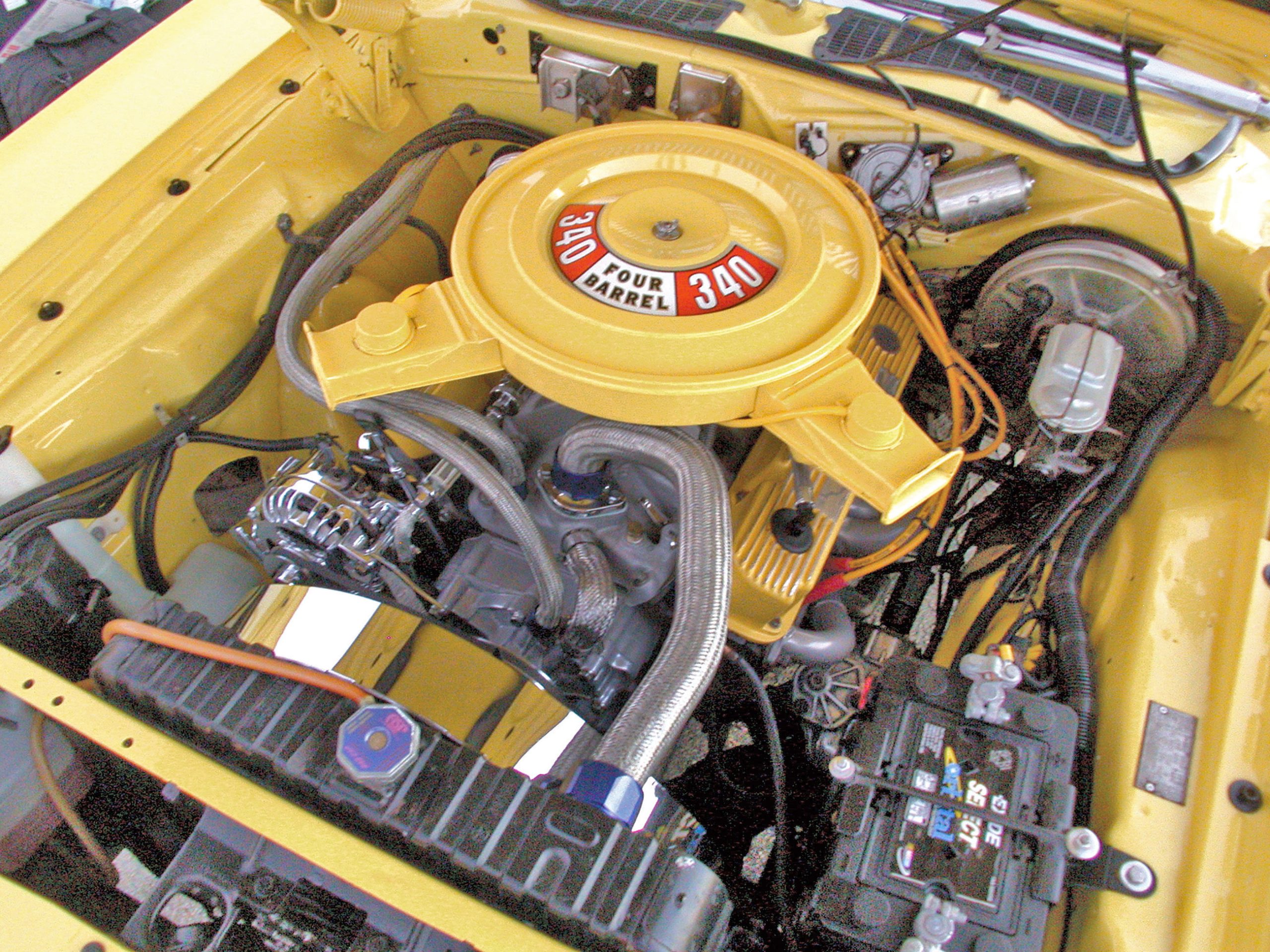
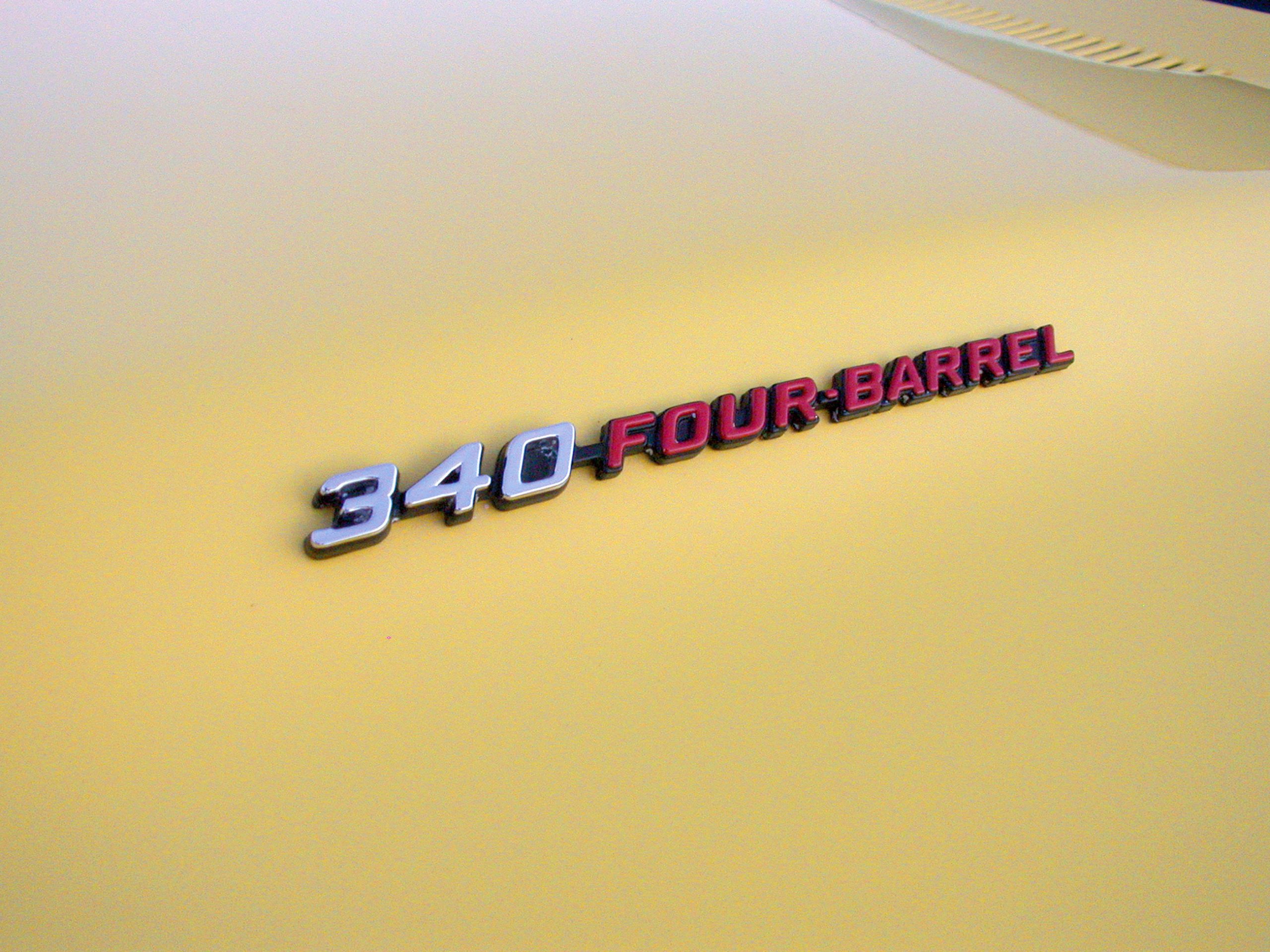
Forster had his car, and he knew exactly how he wanted to build it—just as the factory did. Yep, he says that he likes the car just as it came from the Dodge Boys, but with a few performance upgrades. The 340 engine was dismantled and the block was given the total treatment. It was bored and decked, blueprinted and balanced in preparation for the forged, moly-treated pistons to come. The actual building was done by Don at Motor Machine Super Shop, which also did the head work. The heads were ported and polished and then equipped with stainless steel valves (“202” intakes and “160” exhausts). Thanks to all that work, the compression ratio is a healthy, though not extreme, 10.5:1, just right for a car that doesn’t need to be filled with race gas to fire over. The intake system that Forster decided upon is an Edelbrock Performer intake manifold topped with a 625cfm Carter AFB carb. We know what you are thinking, and Forster agrees: The Carter is marginally small to adequately do the job, so one future upgrade will likely be a 750cfm replacement.
Performance Enhancements
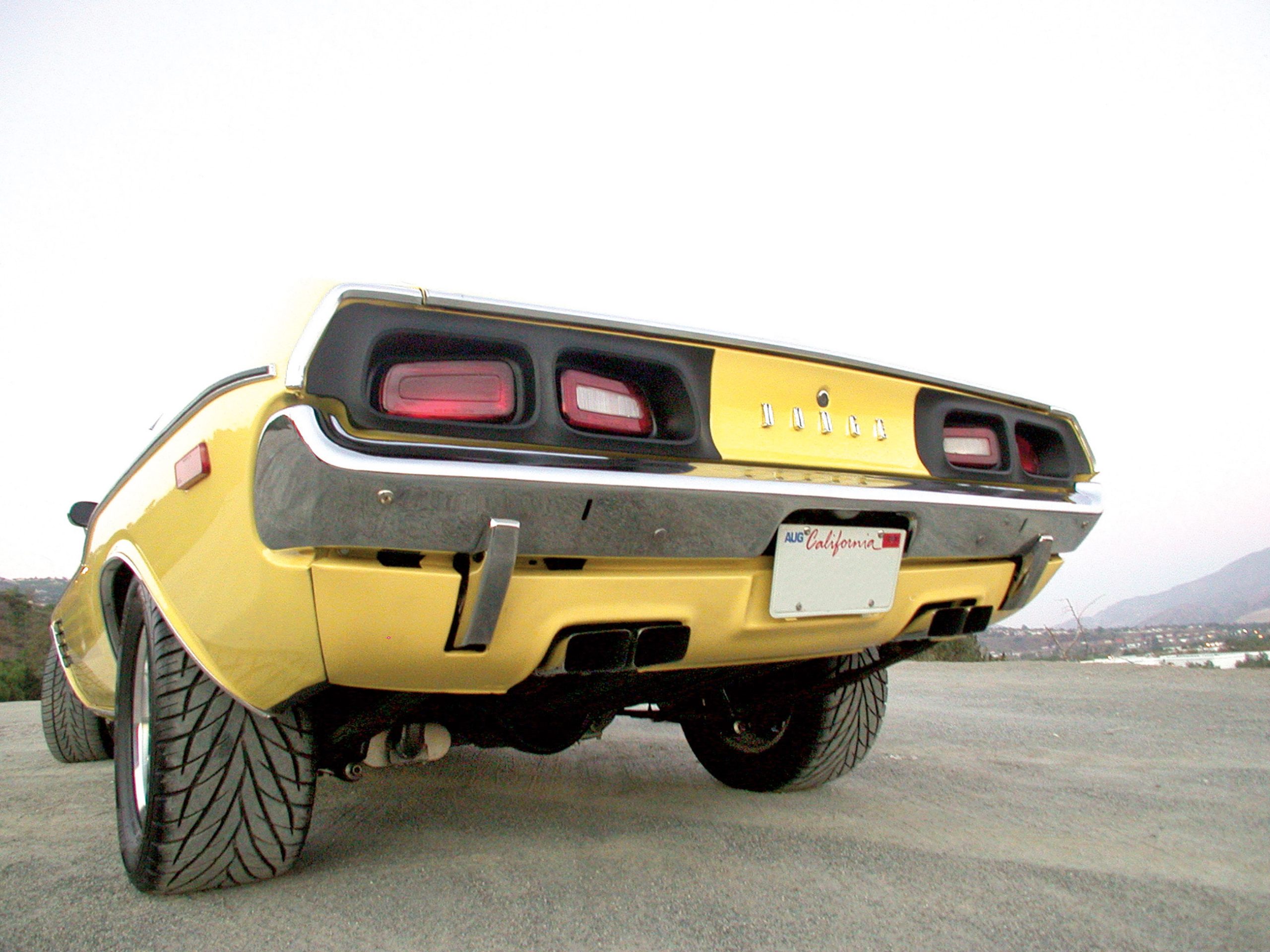
Providing plenty of spark, however, is the MSD Blaster two-coil that is mated to the MSD 6AL ignition system. Getting out the spent fuel is a set of ceramic-coated TTI headers. The headers are only the beginning, though, as a Mr. Gas X-pipe combines the fumes before they get to the Flowmaster two-chamber mufflers. There are even Doug’s Headers electric exhaust cutouts for when Forster wants to show off a little. Speaking of showing off, Forster had Powder Technology powdercoat items such as the valve covers and the air cleaner golden yellow (to match the exterior paint scheme), giving the engine that little something extra in the looks department.
Transmission and Rearend
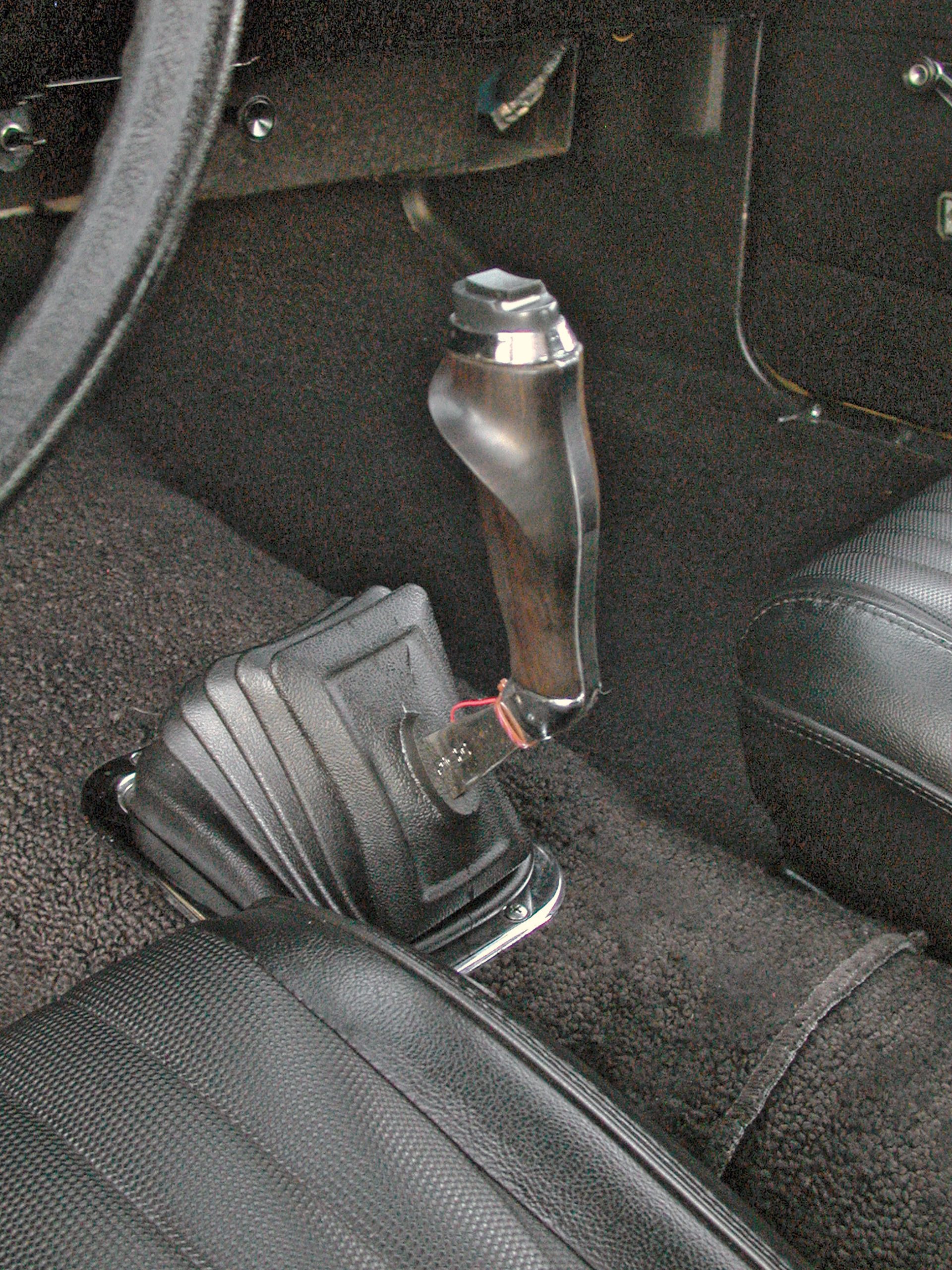
To give the A833 four-speed trans a little something extra in the performance department, Forster installed a fully polished Gear Vendors eight-speed under/overdrive unit. After all, he didn’t want to give up the ultra-cool pistol-grip shifter or good fuel mileage. With a Gear Vendors unit, he now has both. To get the most power out of the car, Forster installed an 8-3/4-inch Suregrip rearend equipped with 3:23 gears. With this ratio he can take advantage of the torque that the 340 engine produces while going up through the gears, and still not be too tall when the Gear Vendors unit kicks in.
Suspension and Braking
As with any car over 30 years old, the suspension needed to be freshened up. Forster replaced all of the normal pieces such as tie rods, bushings and ball joints, but he also added Koni shocks as well as front and rear antisway bars to take full advantage of the performance upgrades. When a car is capable of the 140-mph speeds that the Challenger is now capable of, it behooves the driver to make sure that his braking system is also up to snuff. Forster can rest easy now that he installed Wilwood disc brakes with 11-inch slotted/cross-drilled rotors.
Aesthetic Touches
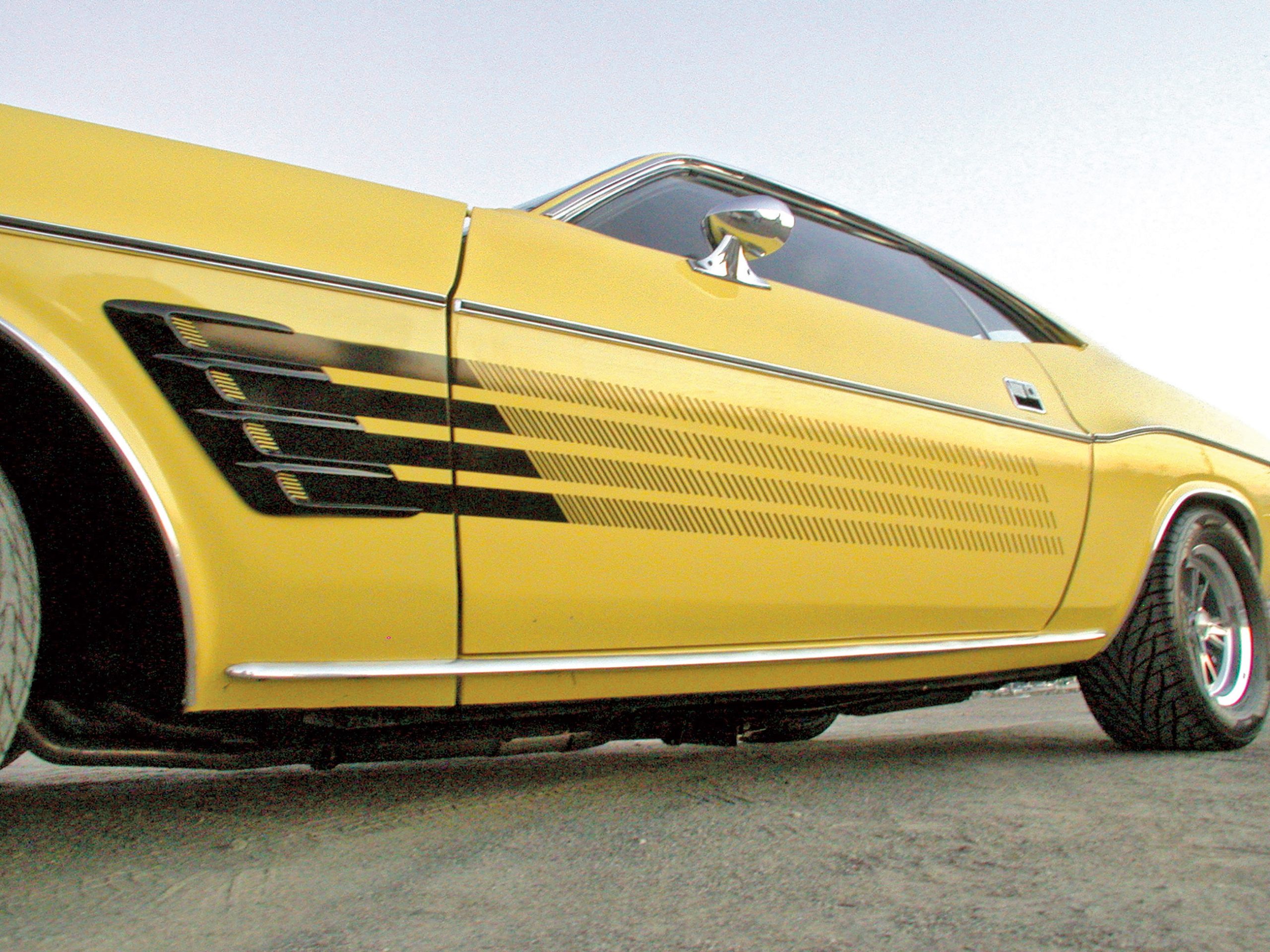
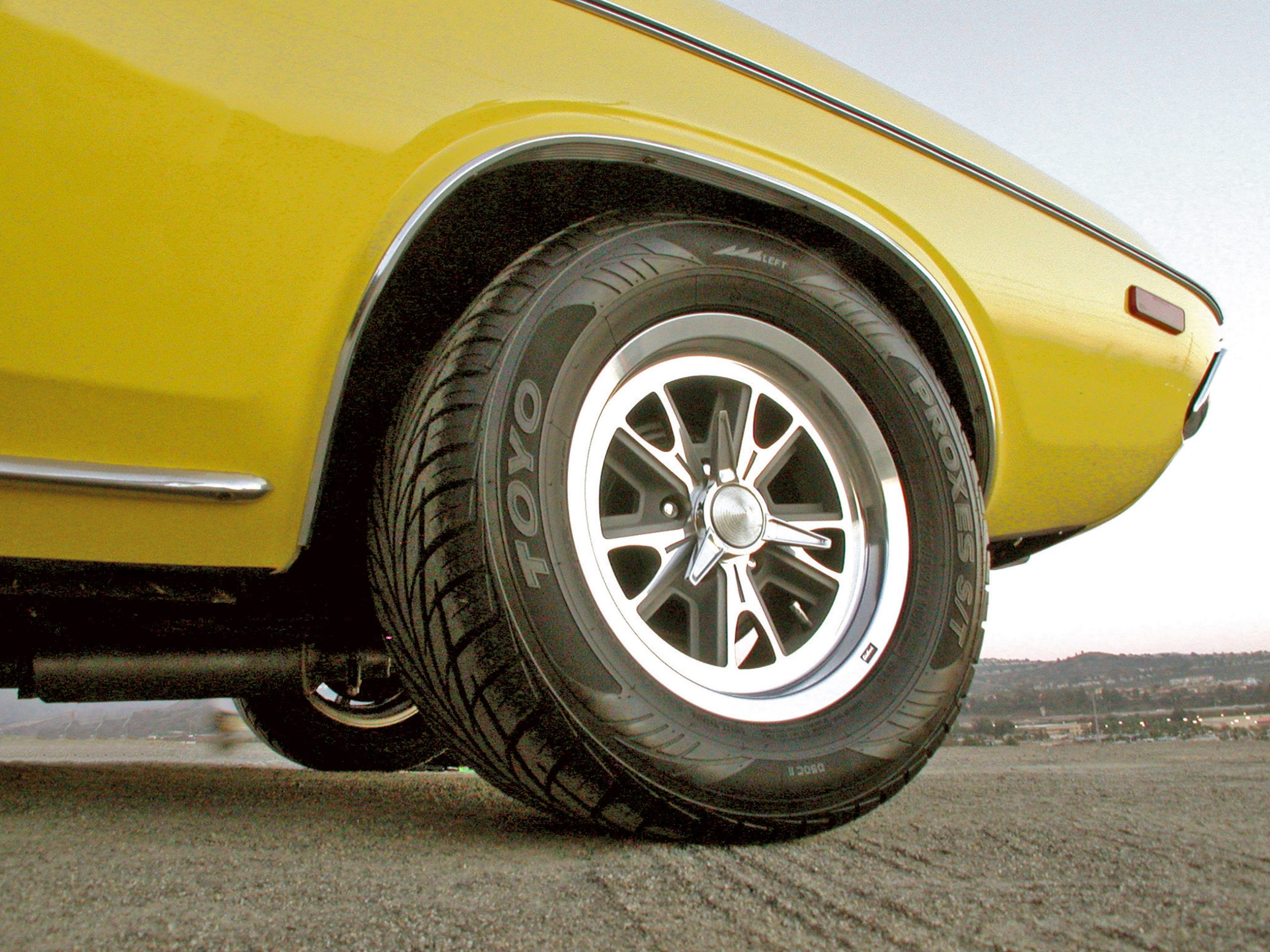
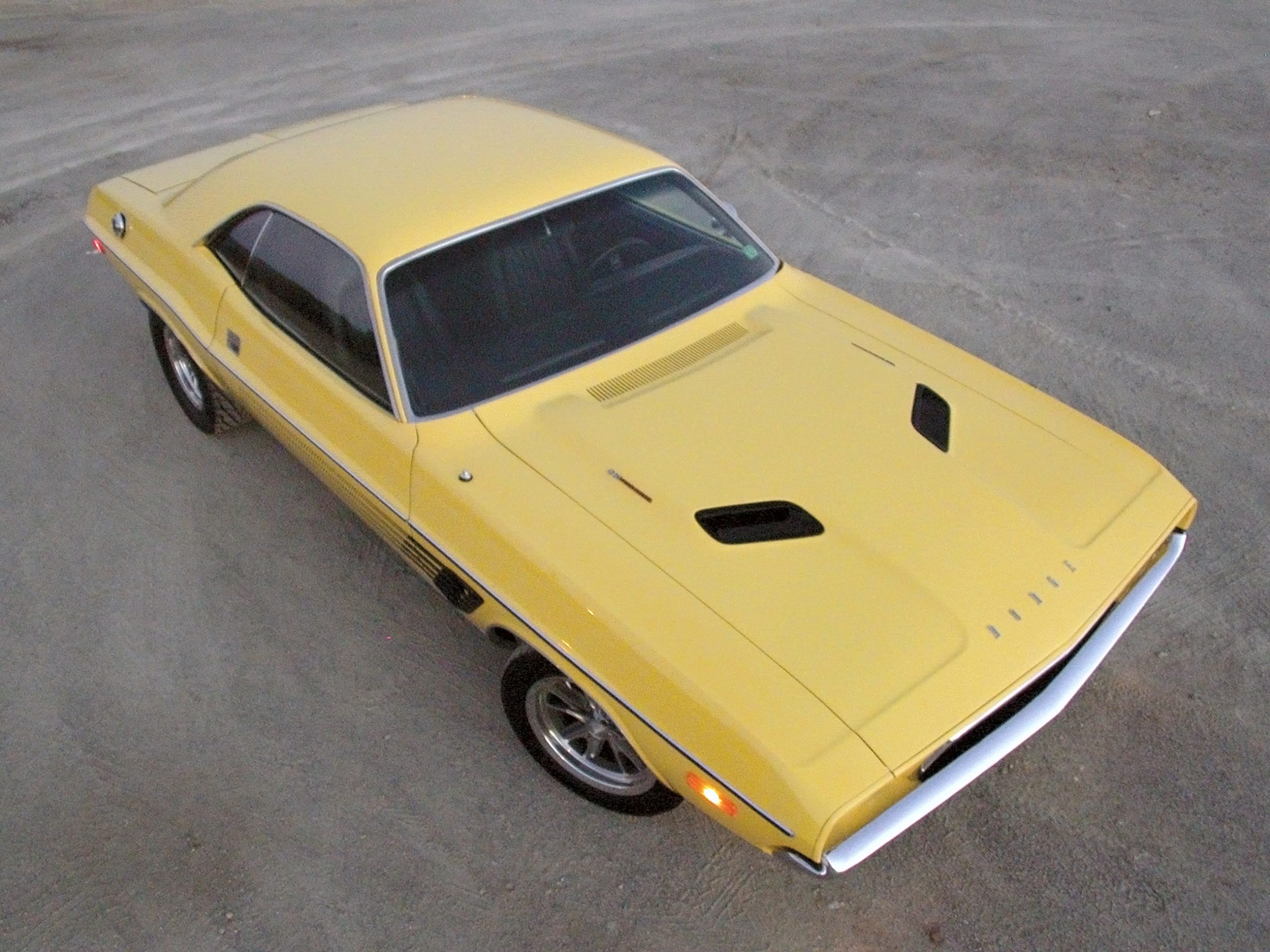
With the engine and undercarriage well sorted out, it was time for Forster to turn his sights to more aesthetic pursuits, such as the paint and the interior. Of course, he wanted both of them to look as they did stock. As it came from the factory the car had been painted dark gold metallic, so that is what color Forster told Ed Goff to paint it again. The car had been equipped with the “sport hood” when it left Michigan, as well as other cool items such as the driver’s-side remote-controlled “racing mirror.” Dual chrome exhaust tips and a complete chrome molding package round out the look. The wheels are the great-looking stock units equipped with knockoffs, as well as Toyo Proxes S/T tires.
Interior Restoration
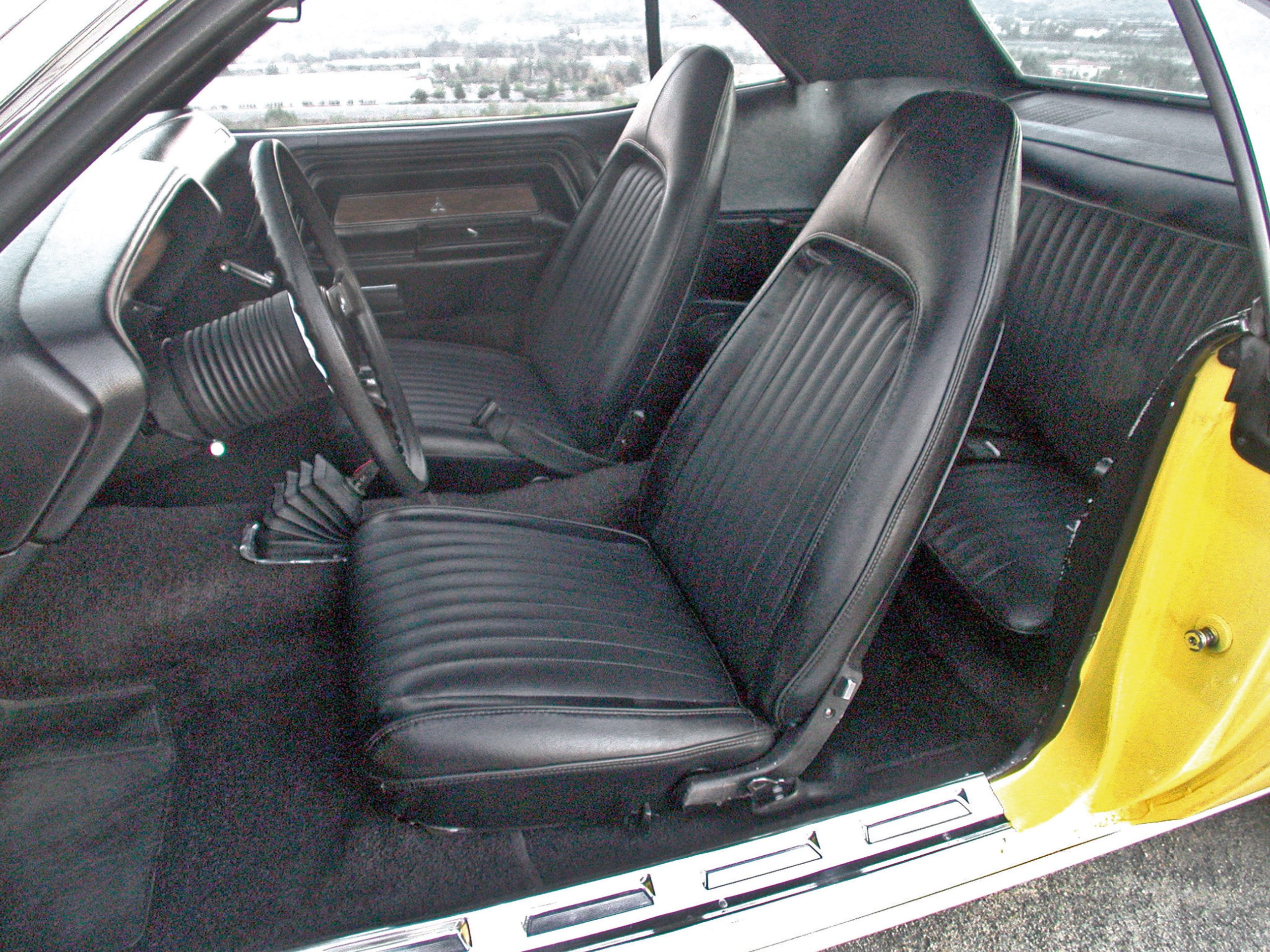
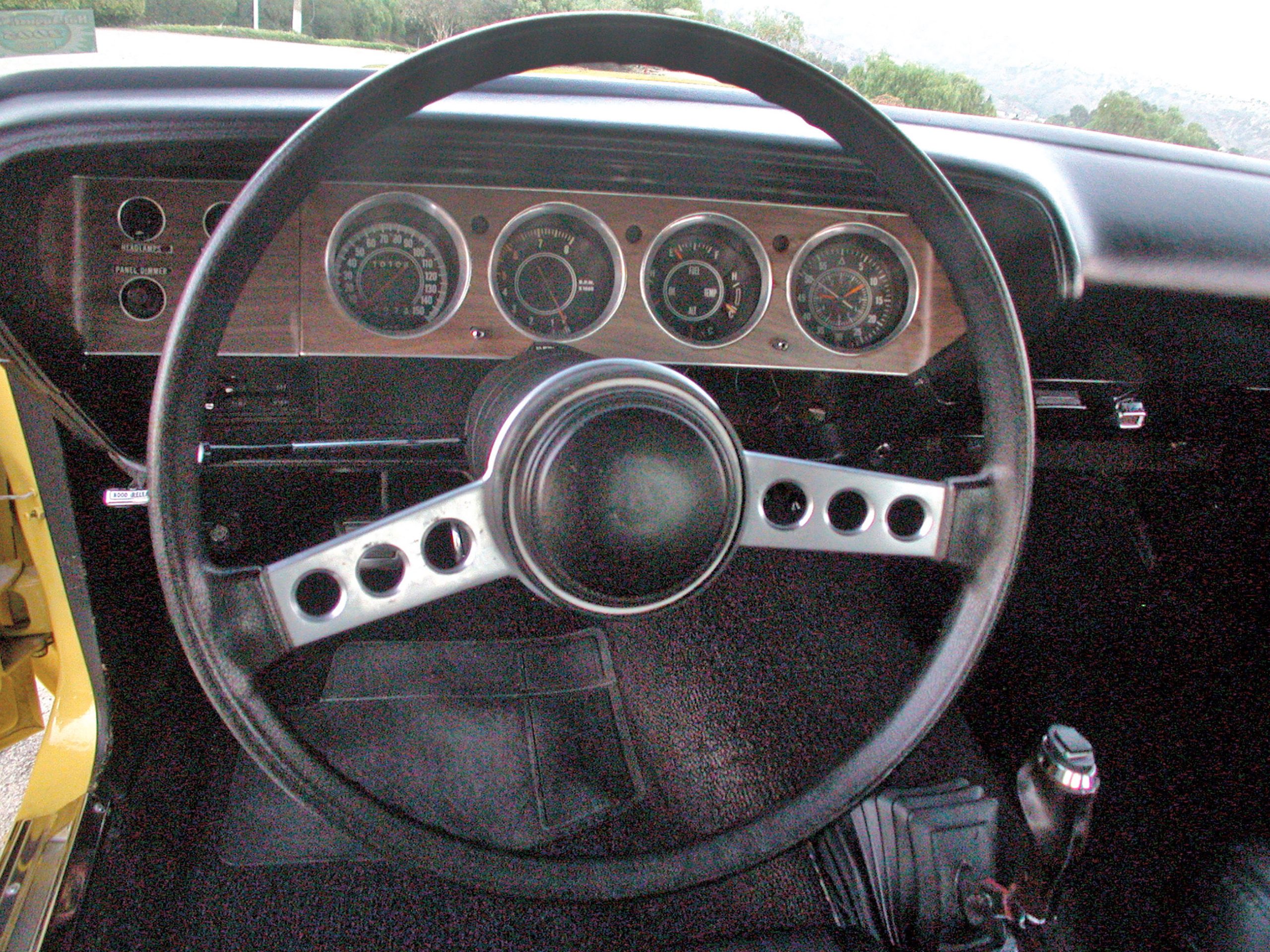
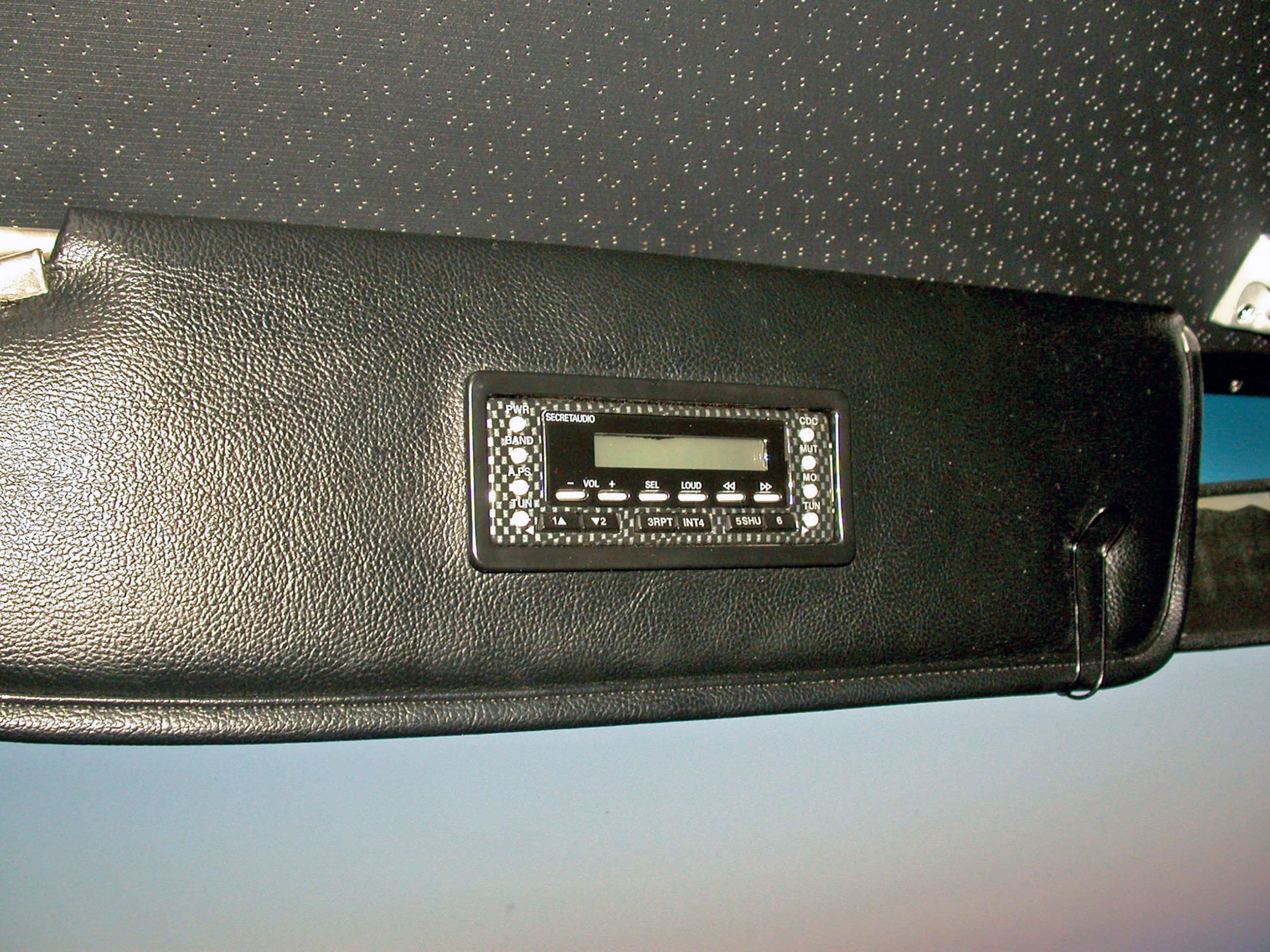
Just as he did with the exterior, Forster simply freshened up the stock interior. The car had all that it needed with bucket seats, a Rallye gauge cluster (which includes a tachometer) and a “Music Master” AM radio. Forster recovered the seats in re-pop vinyl and installed new black carpeting and a Custom Autosound Secret Audio unit into the driver’s-side visor. After all, he didn’t want to damage the stock dash or remove the stock sound system, so the Secret Audio unit is a perfect way to have good tunes and a stock dash.
Conclusion
When Forster came across the Challenger sitting alongside that abandoned house, he didn’t realize just what he had. According to the call sheet, this car is one of only 357 Challengers made in this particular configuration in 1972. It was produced at the Hamtramck, Michigan, plant, and the first owner paid $3,874 for it. But Forster got the best deal of all when he took the Challenger home with him.