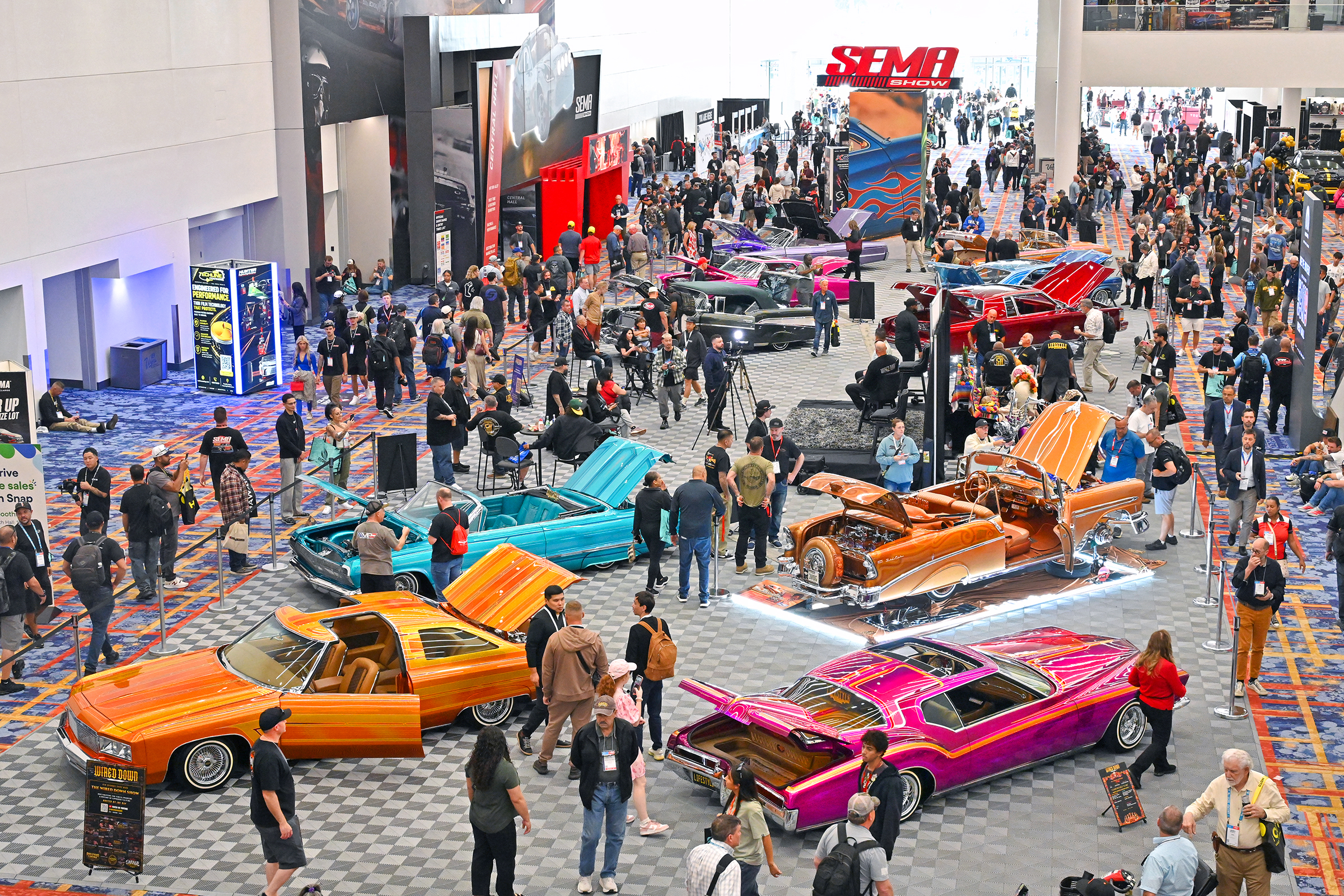
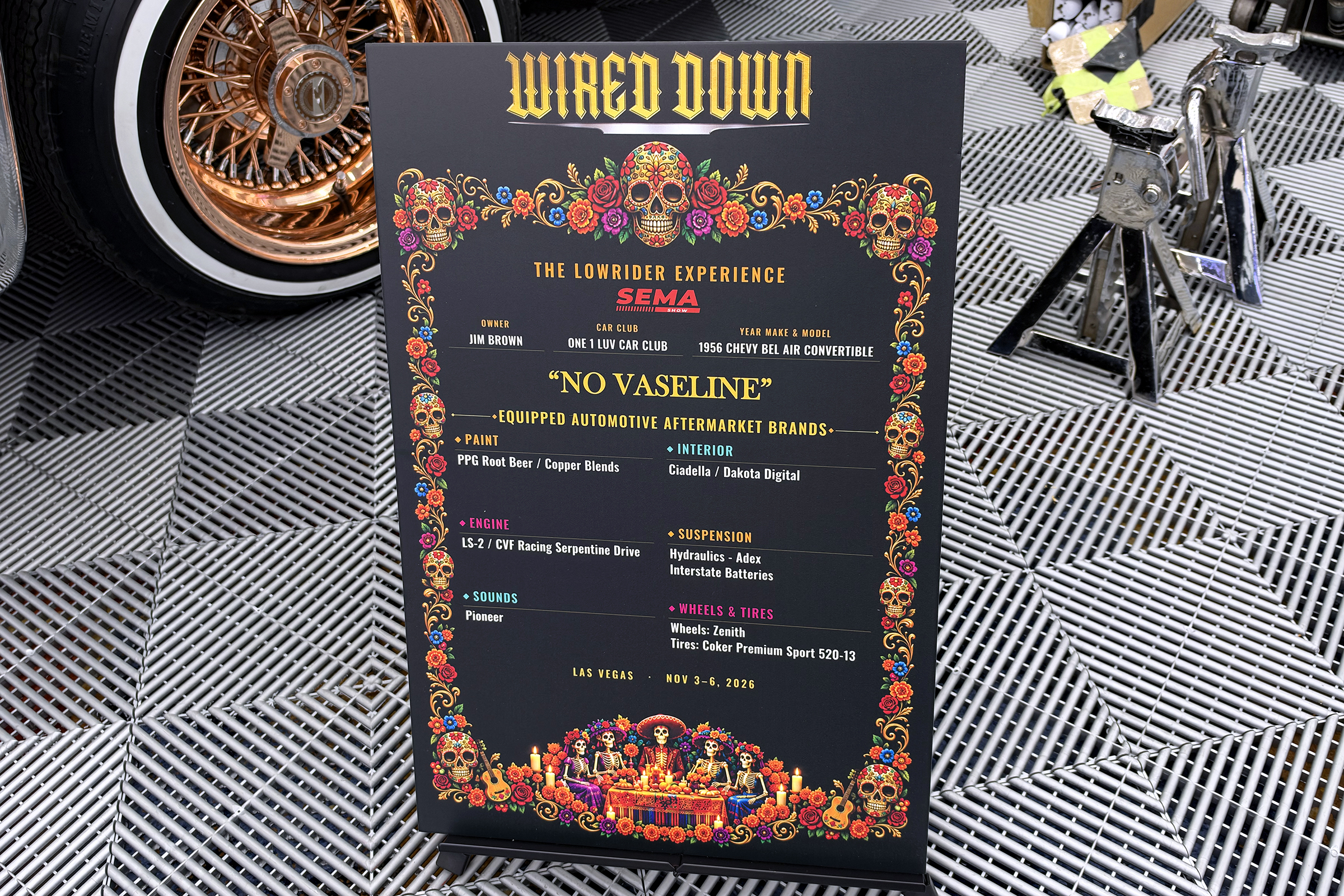
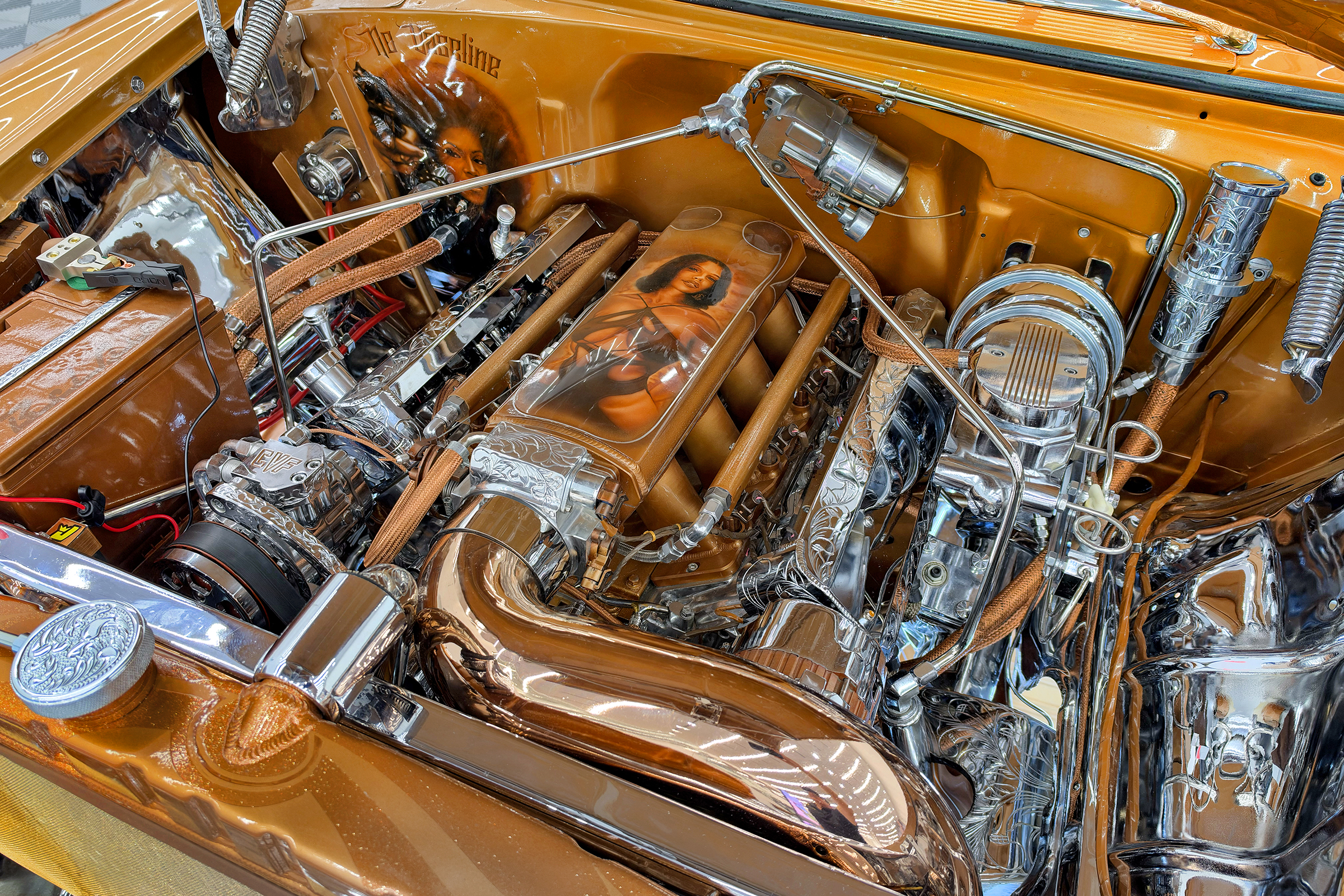
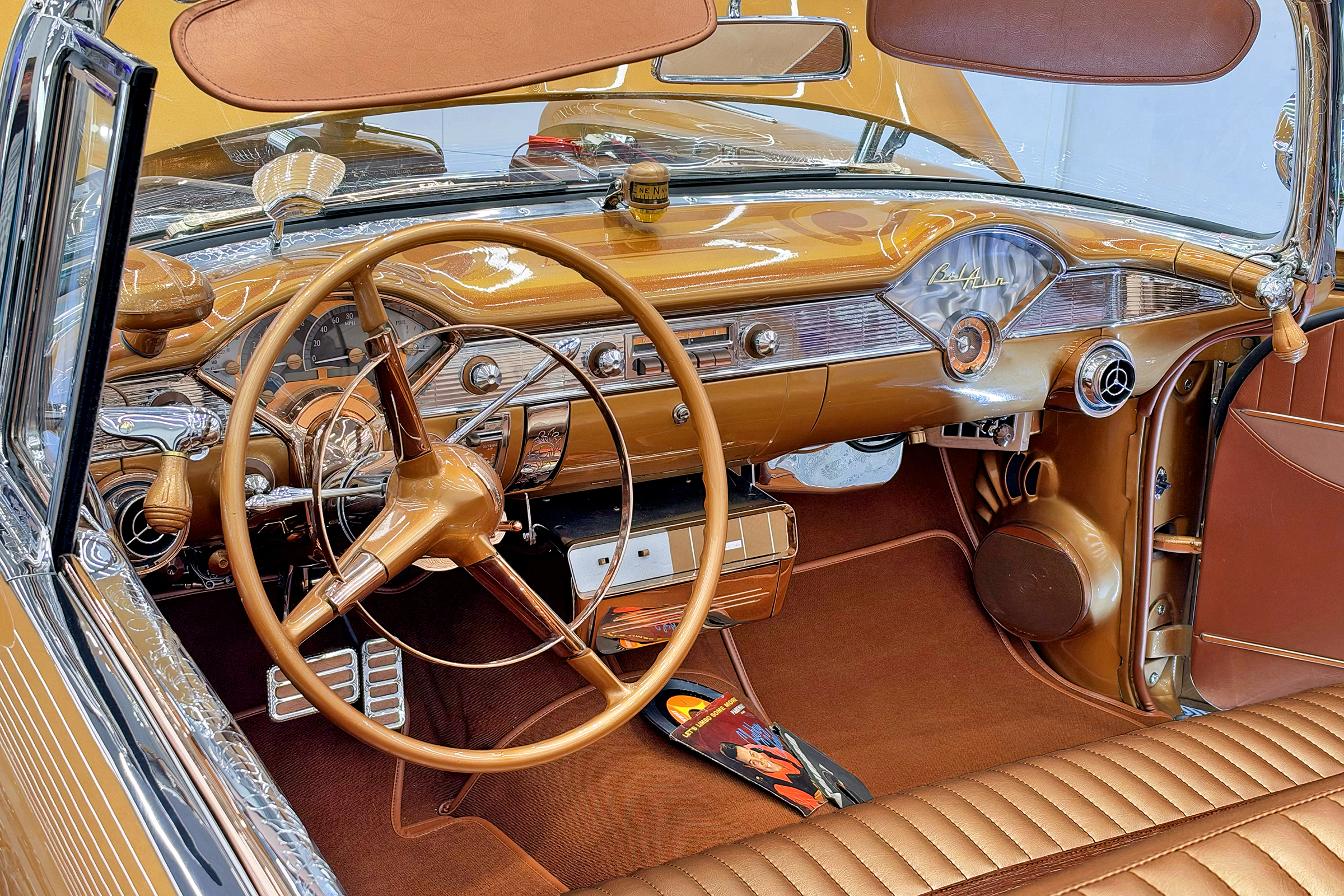
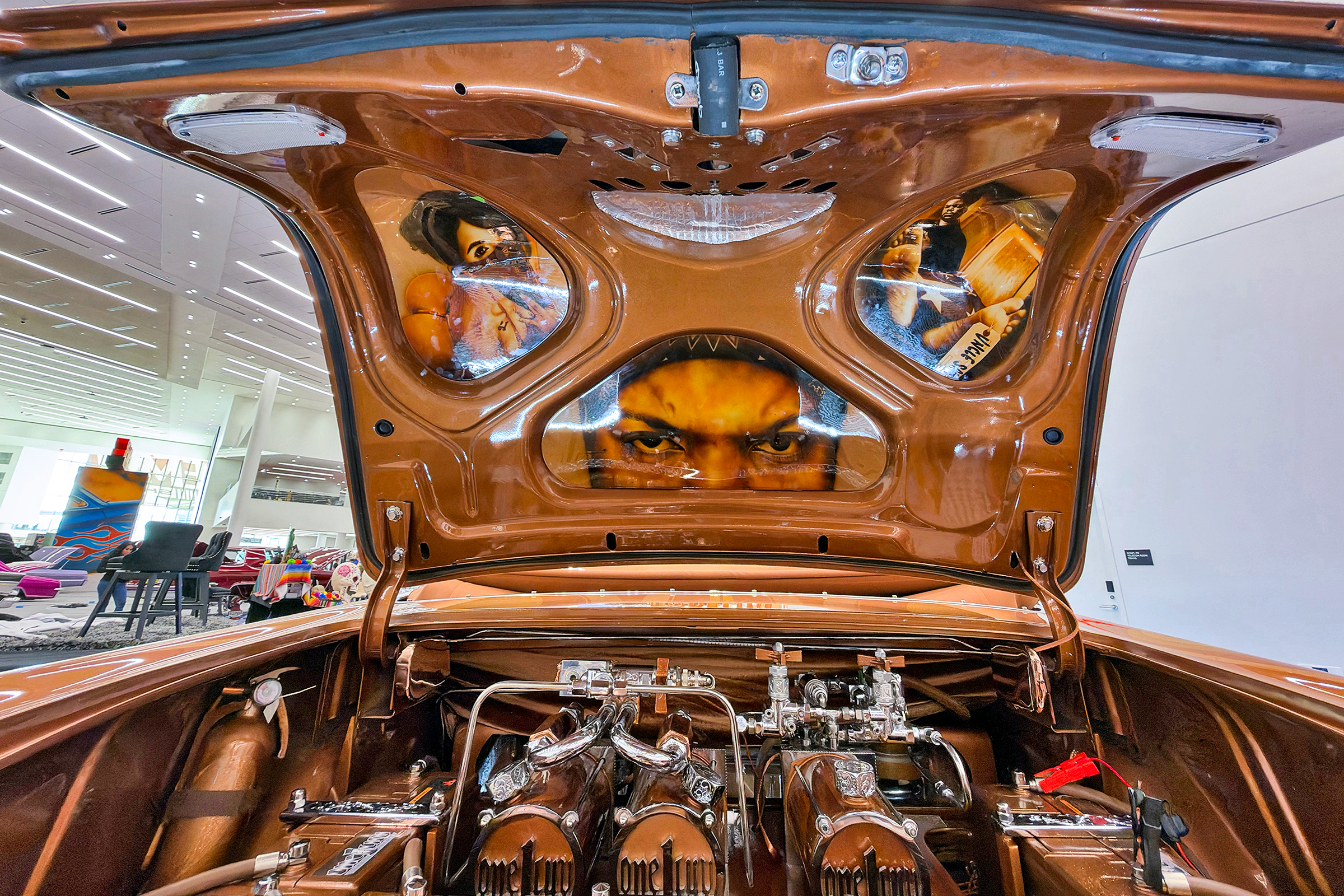
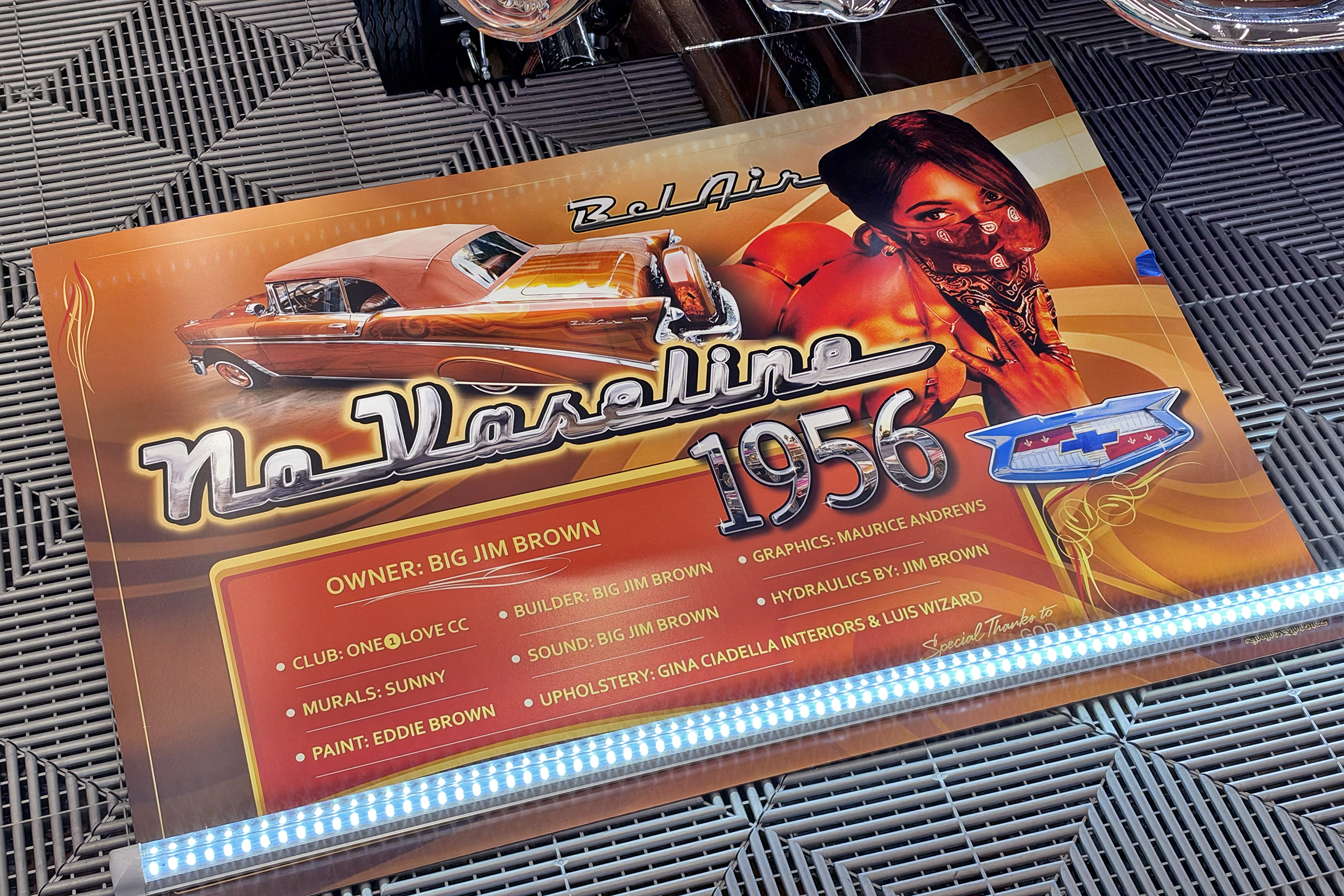
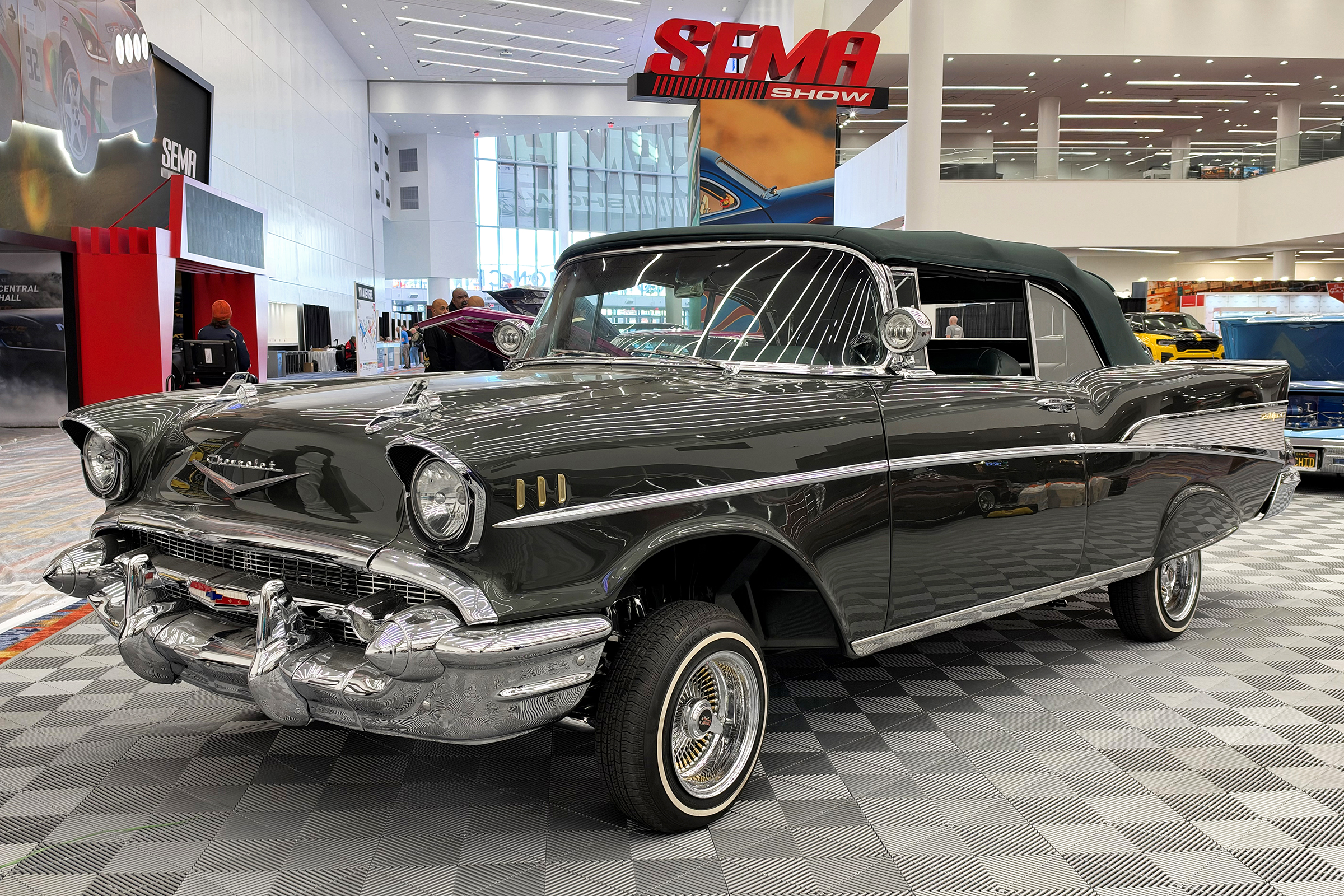
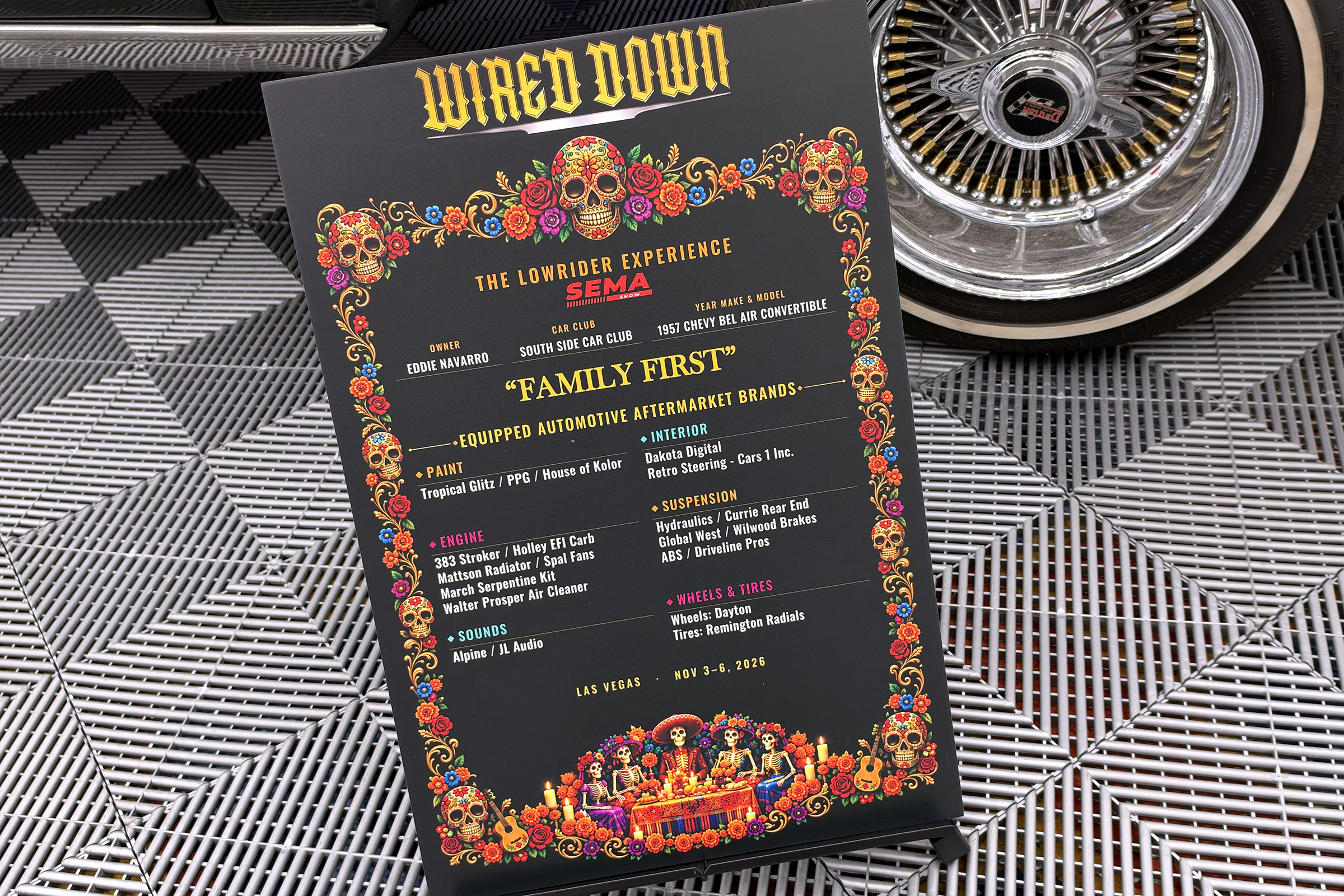
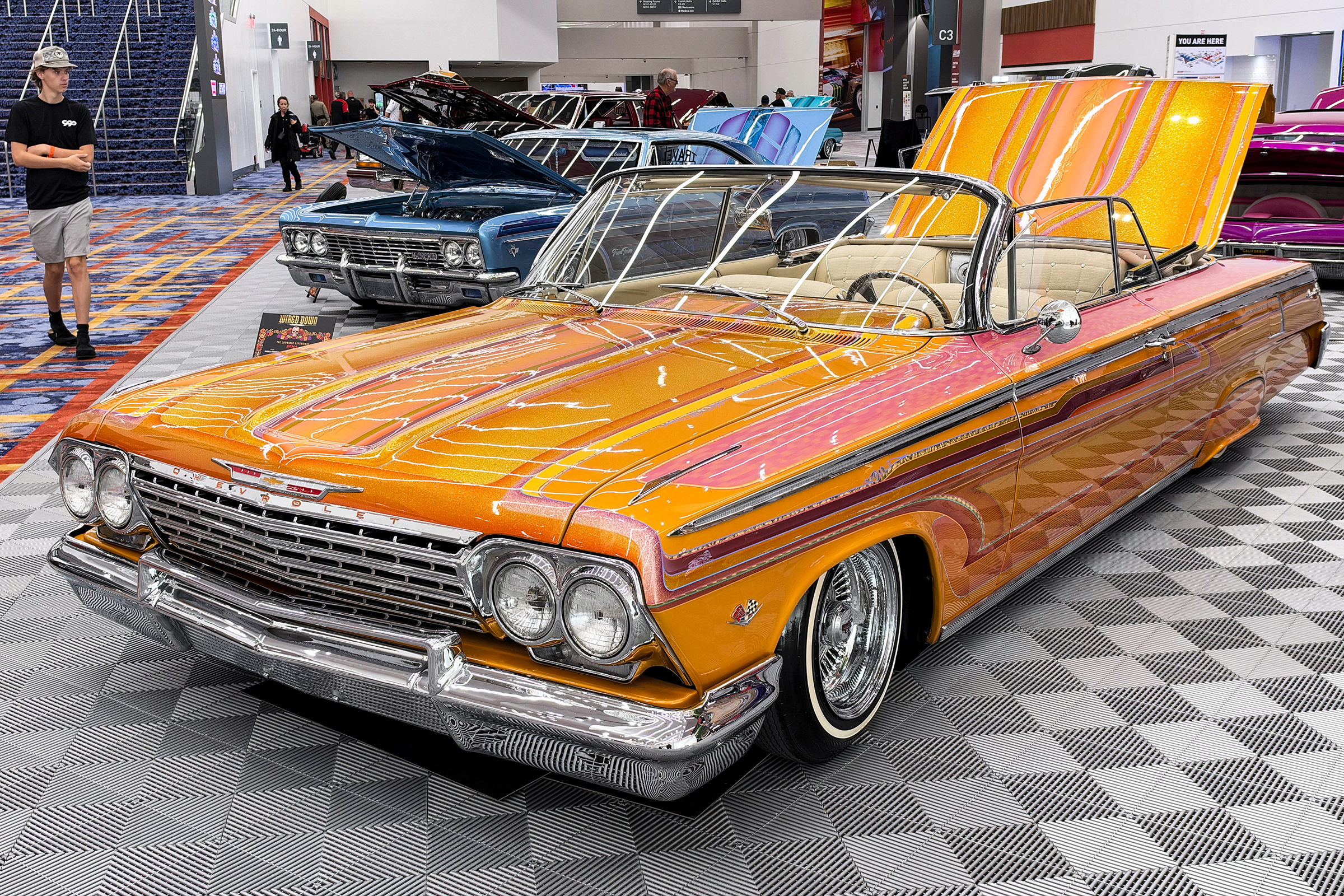
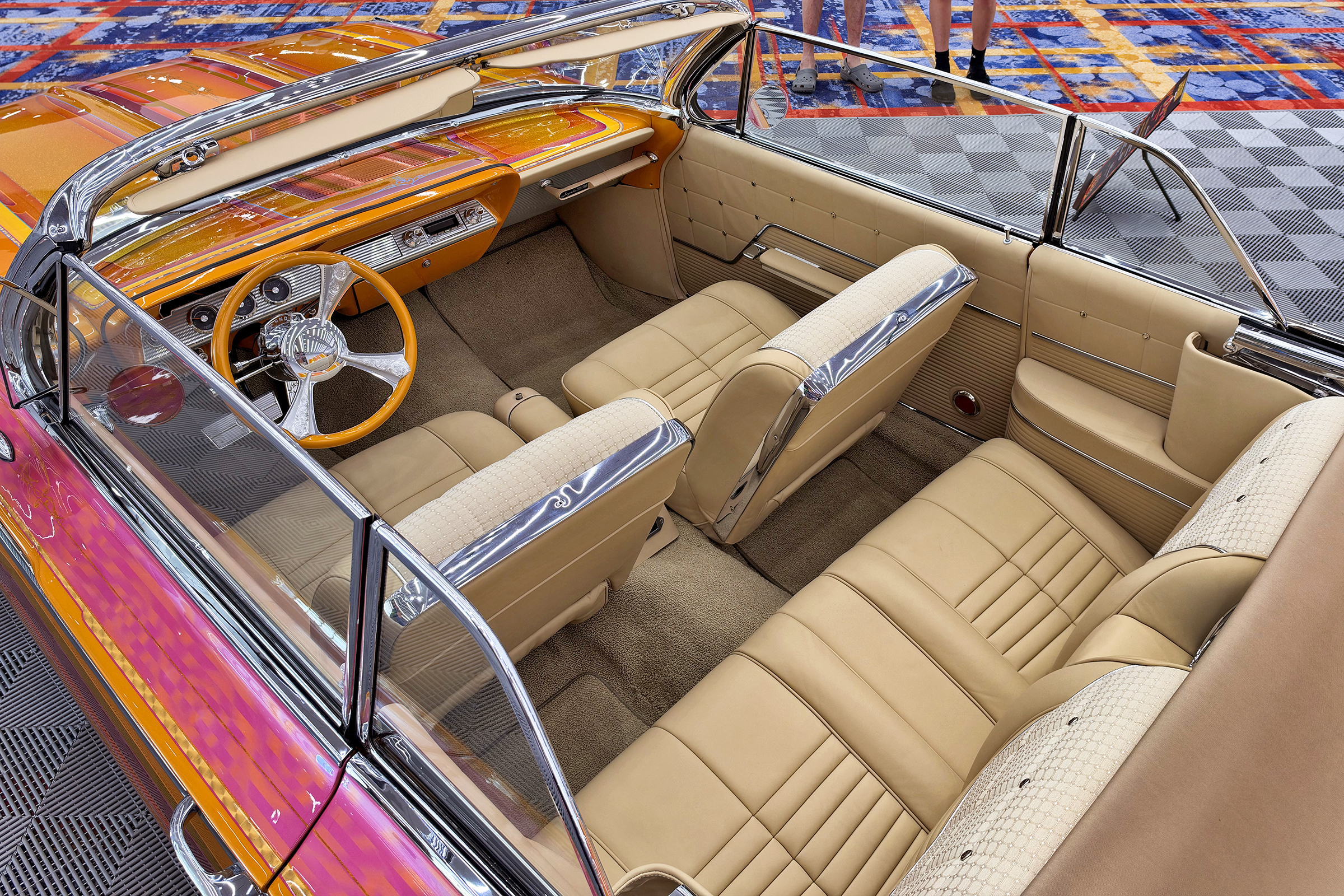
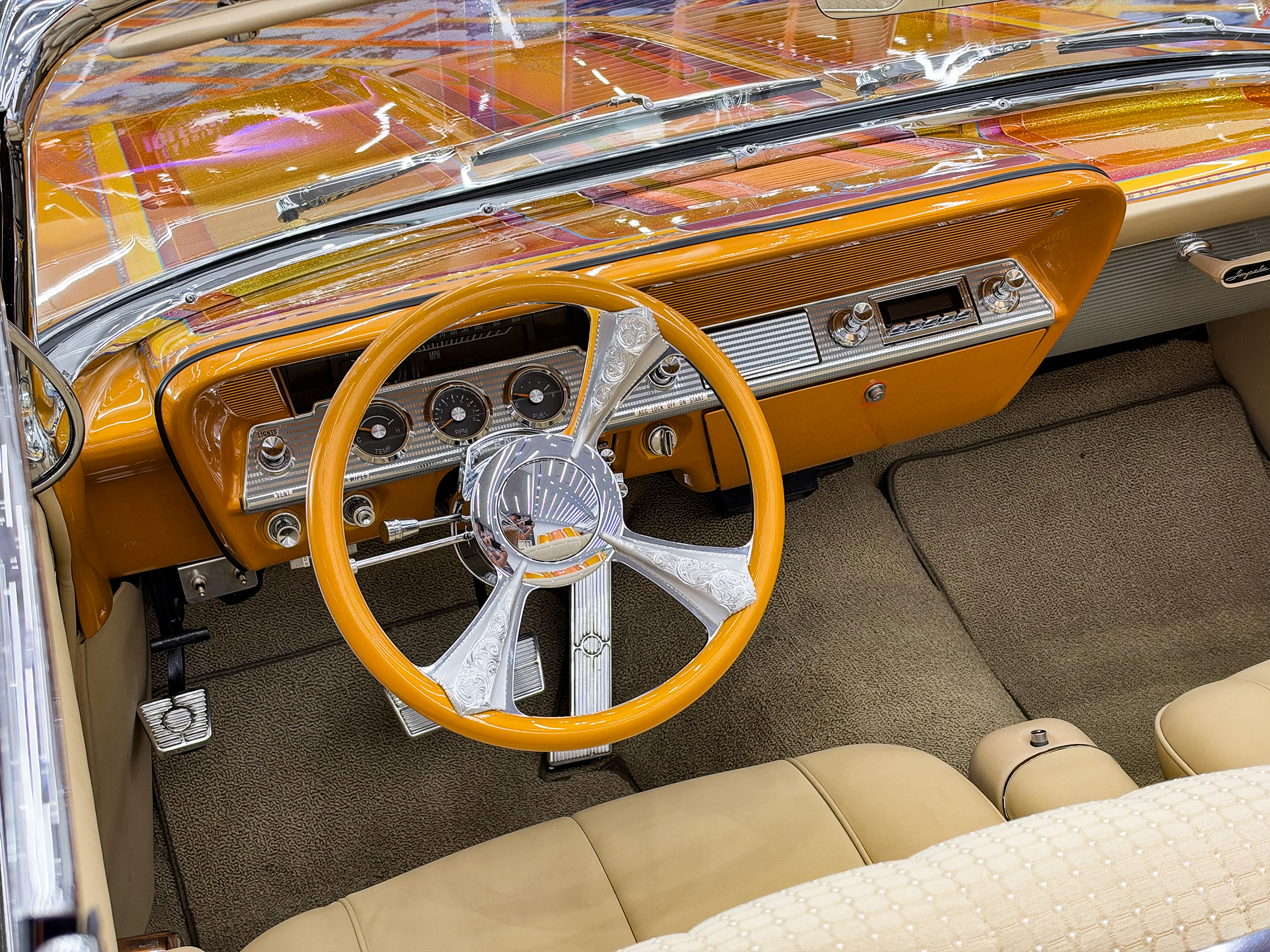
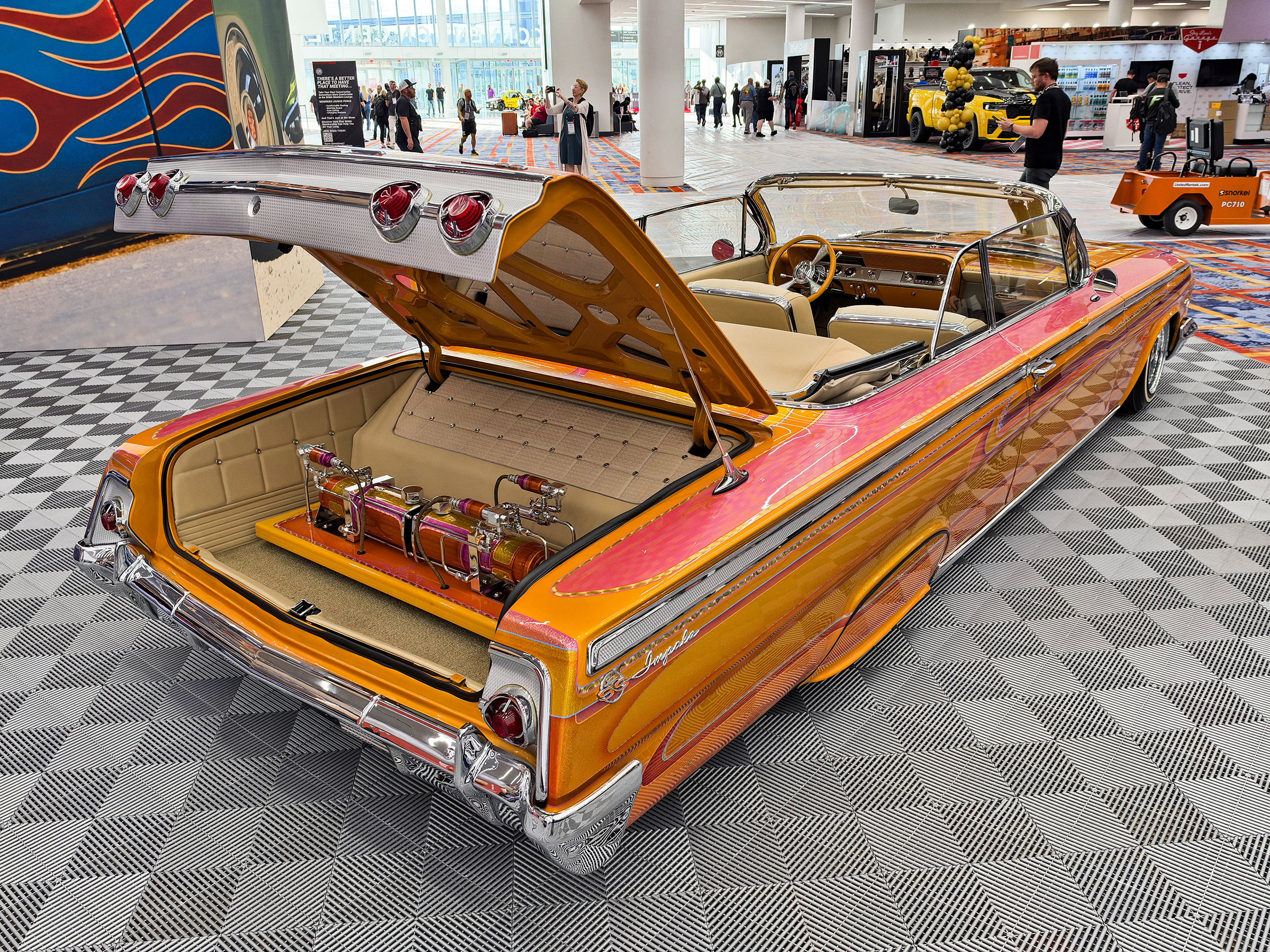
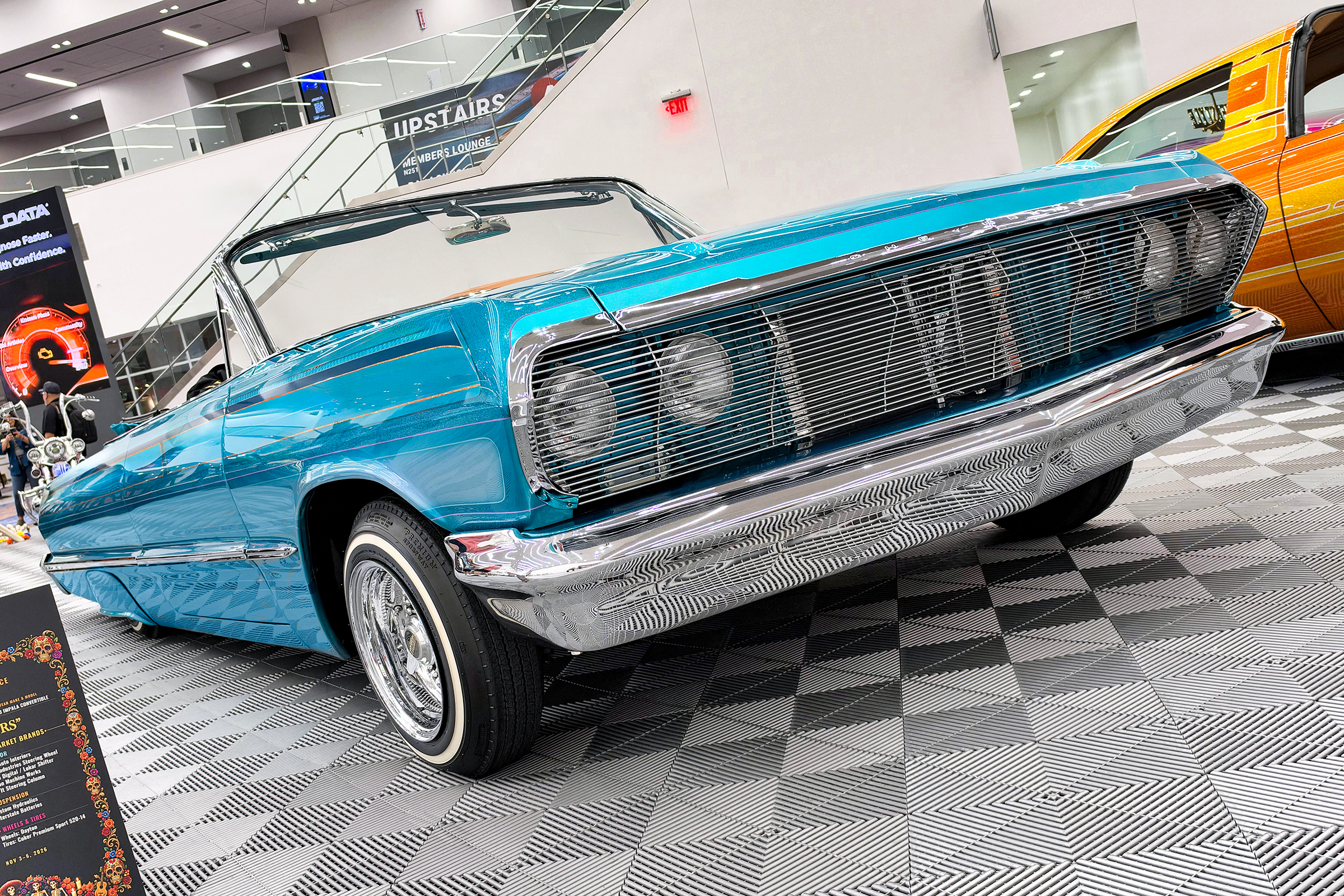
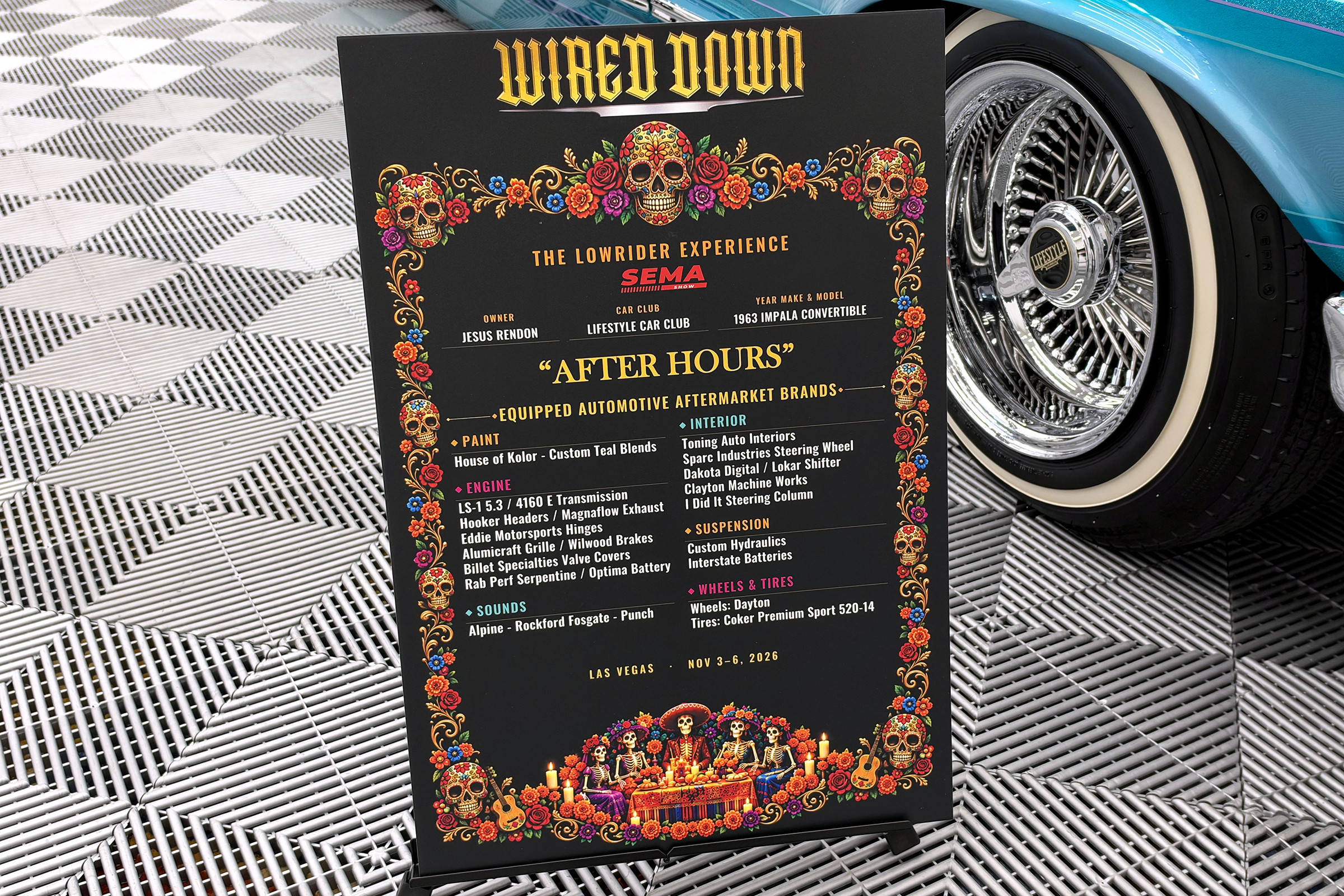
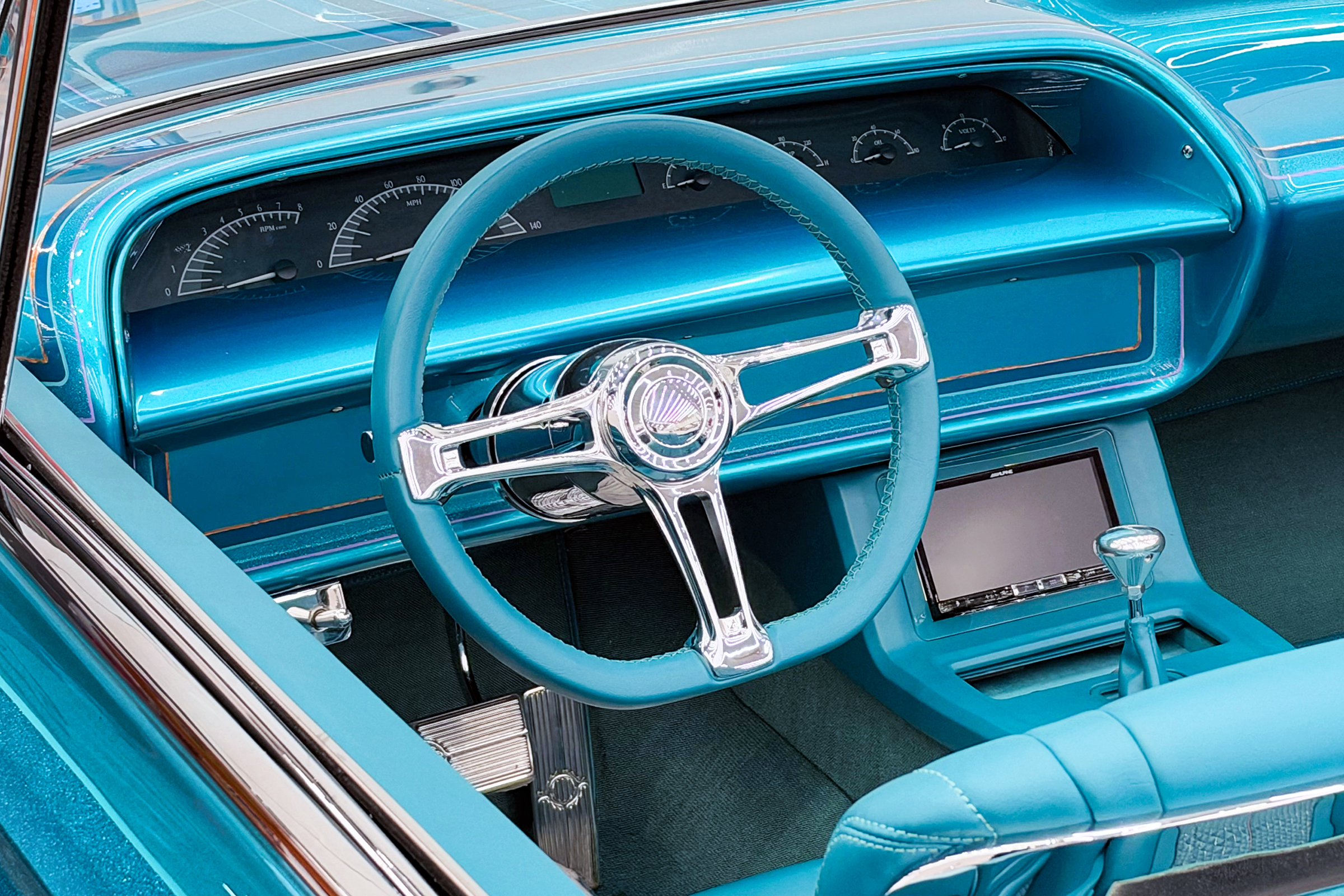
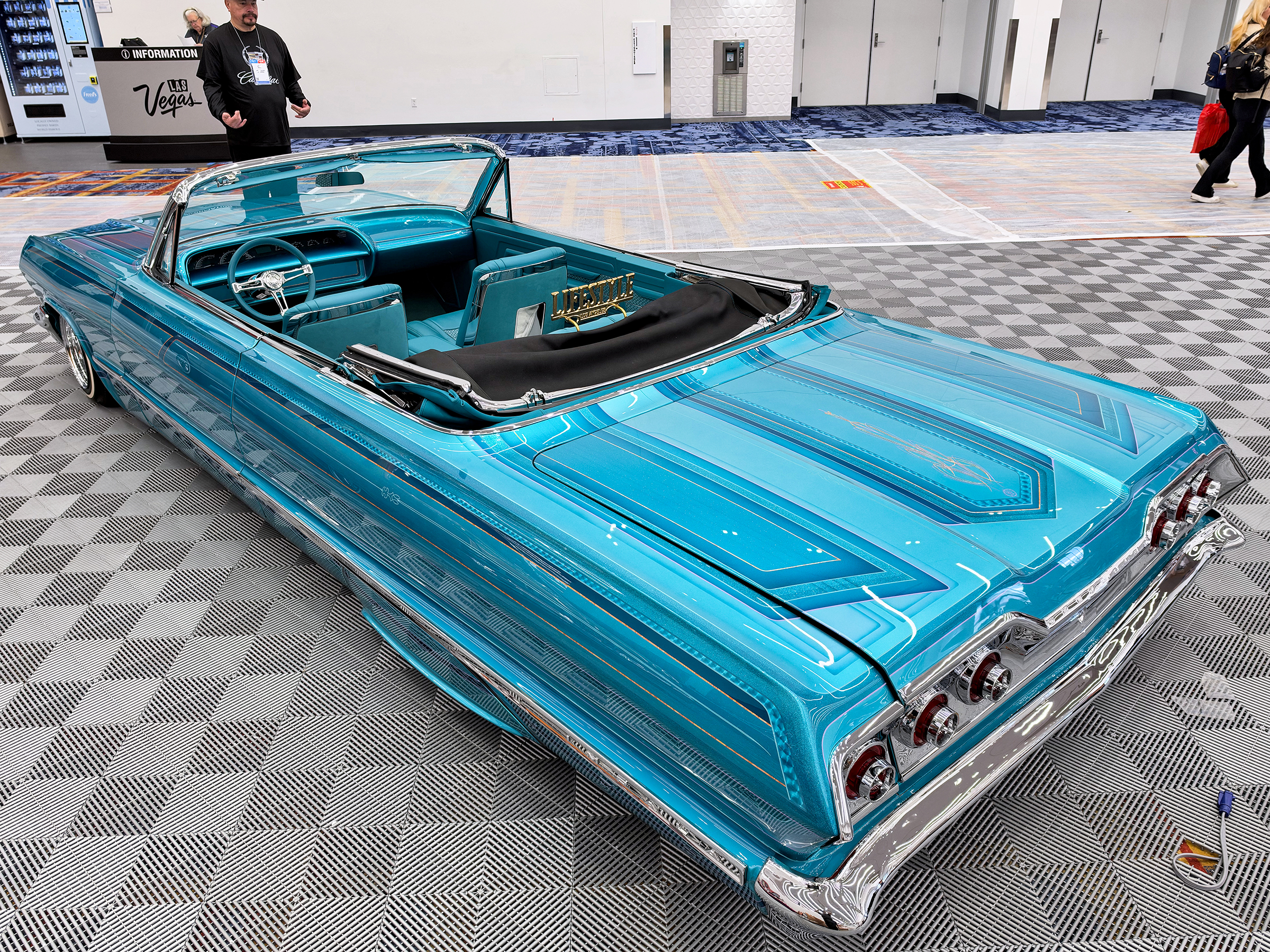
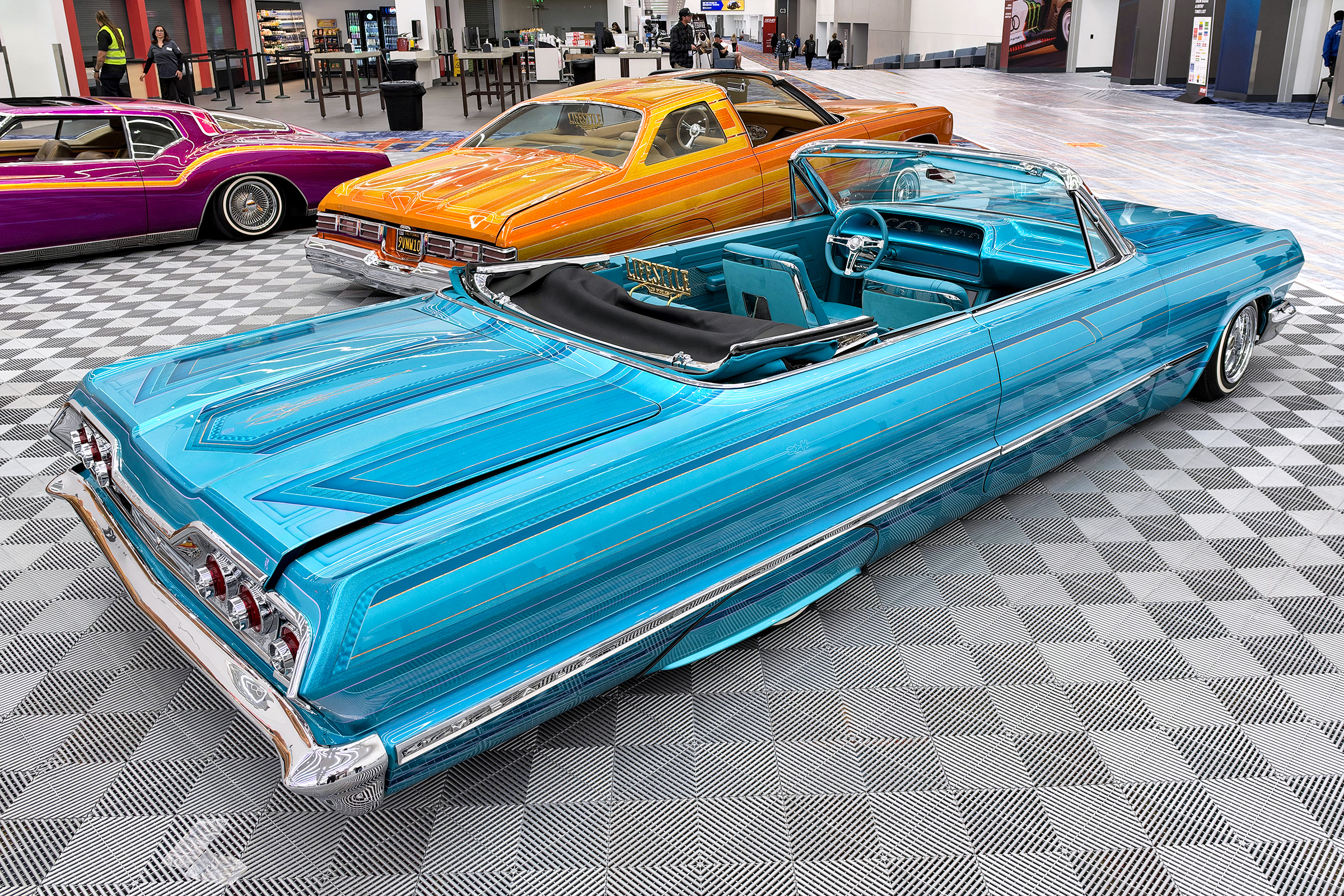
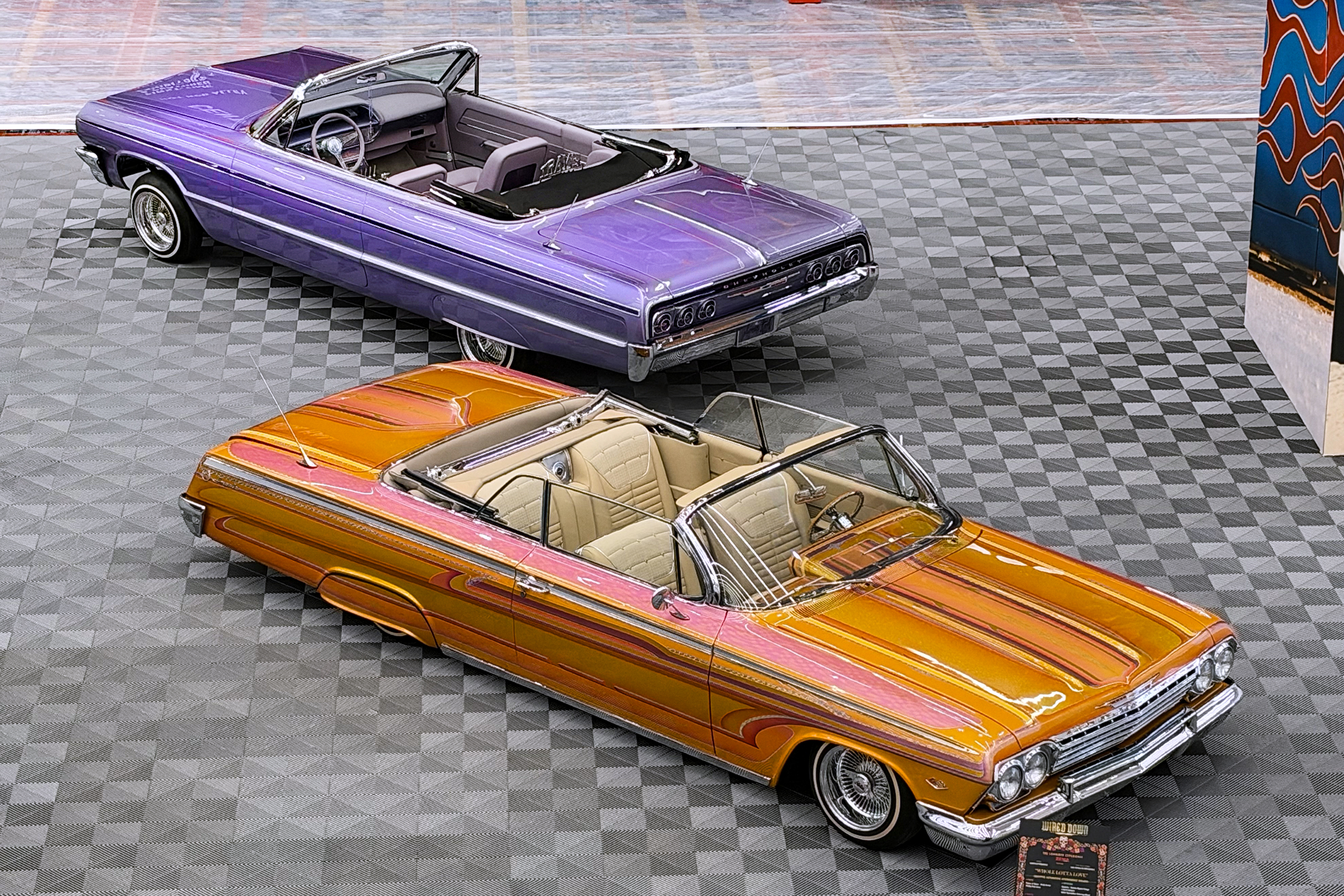
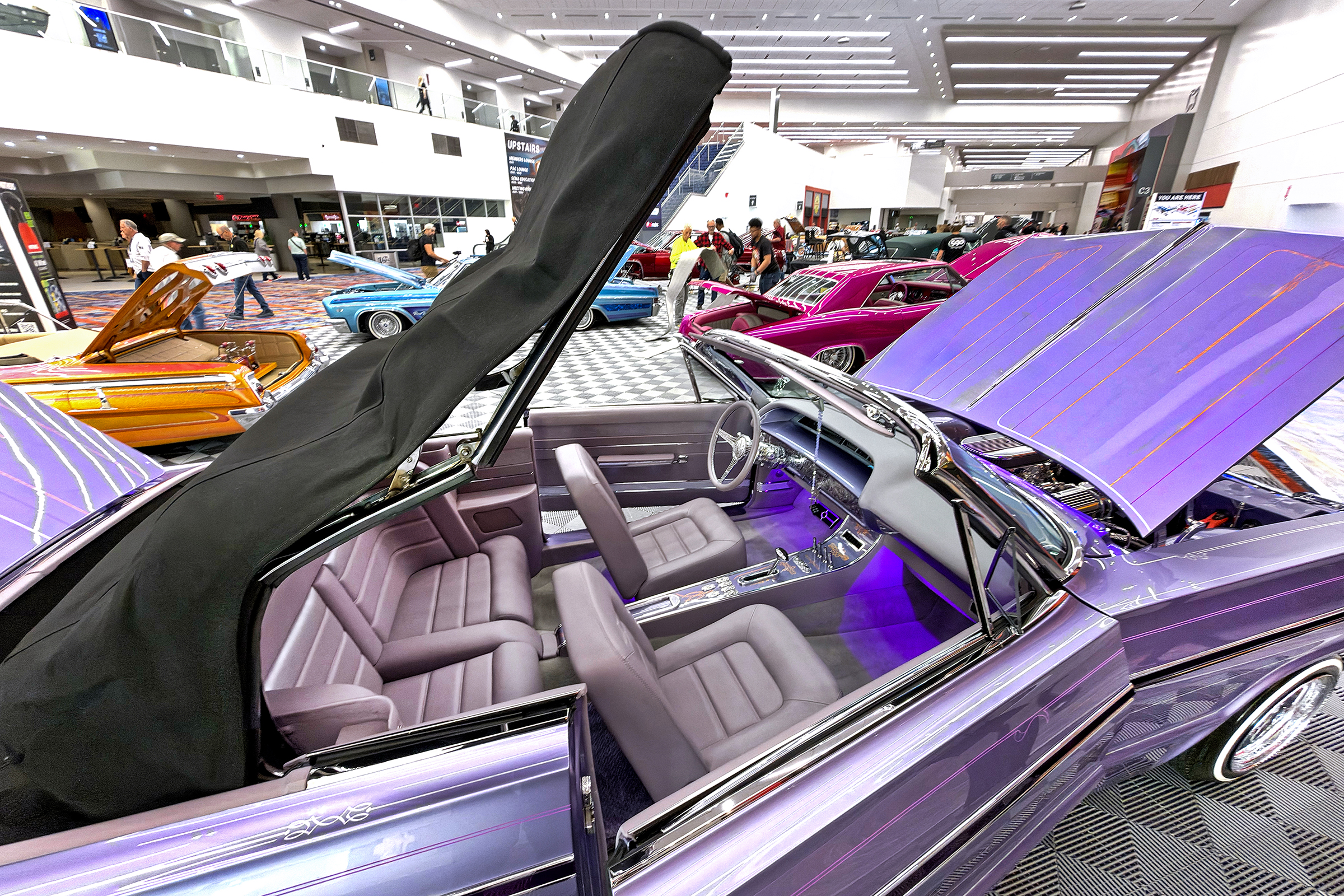
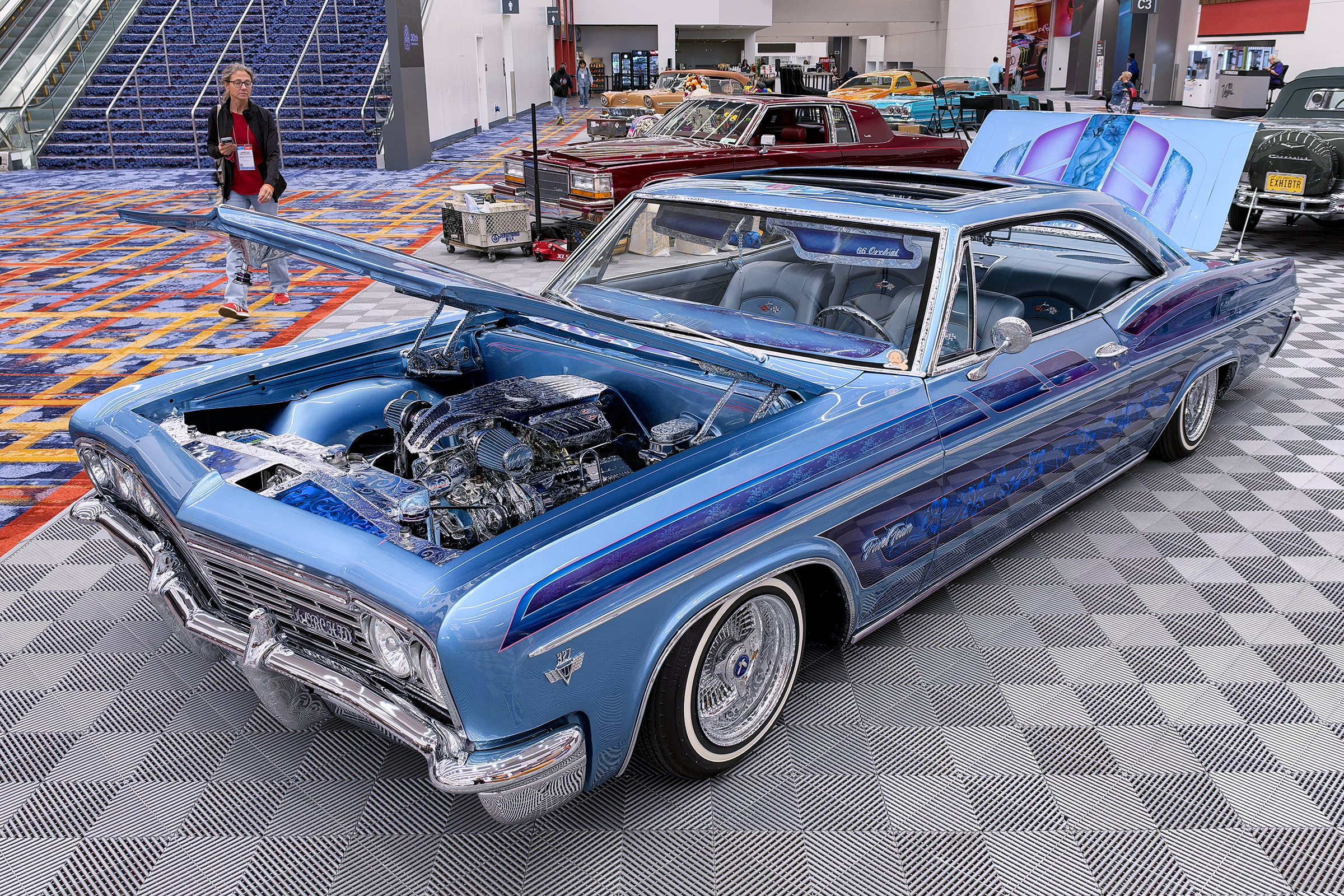
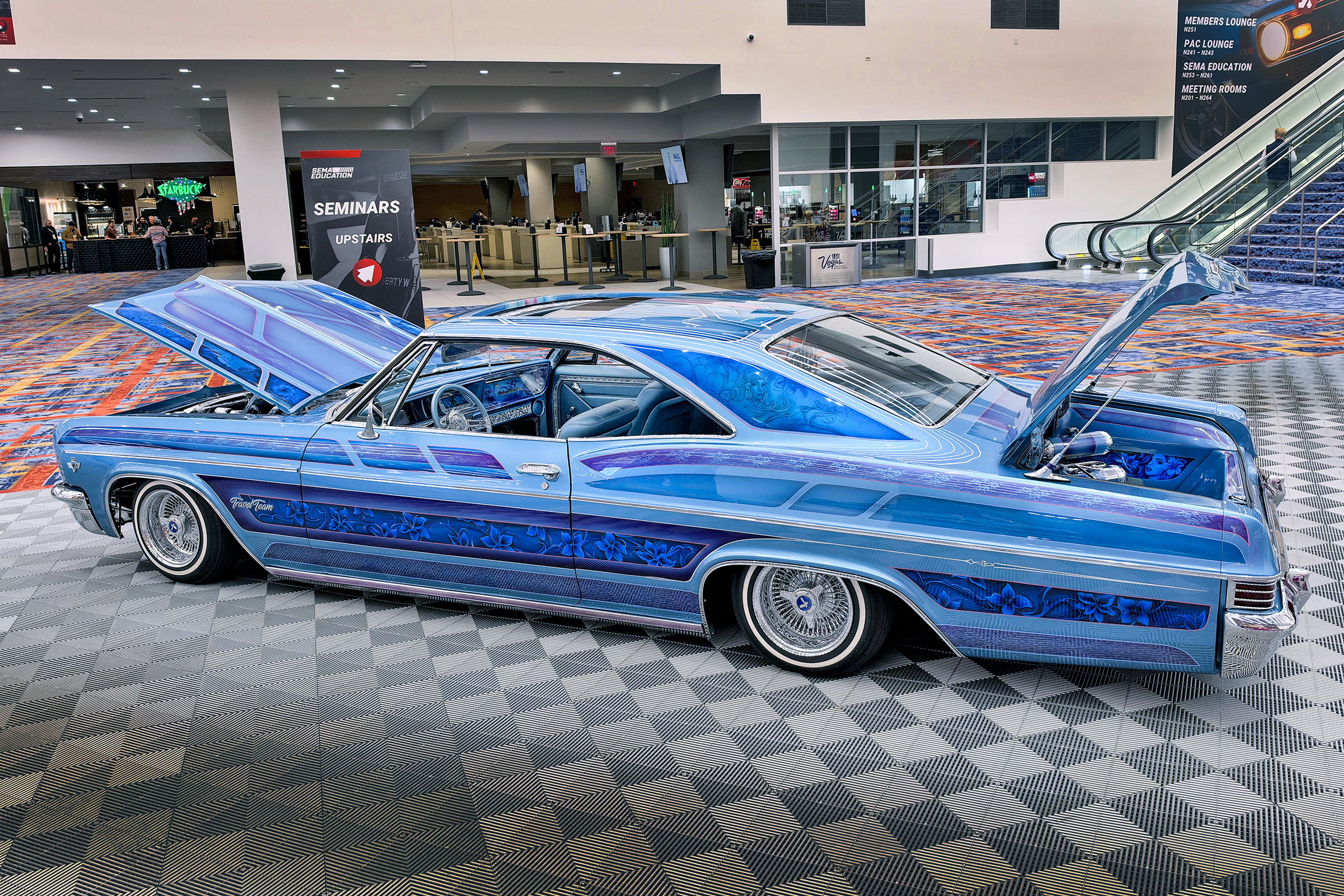
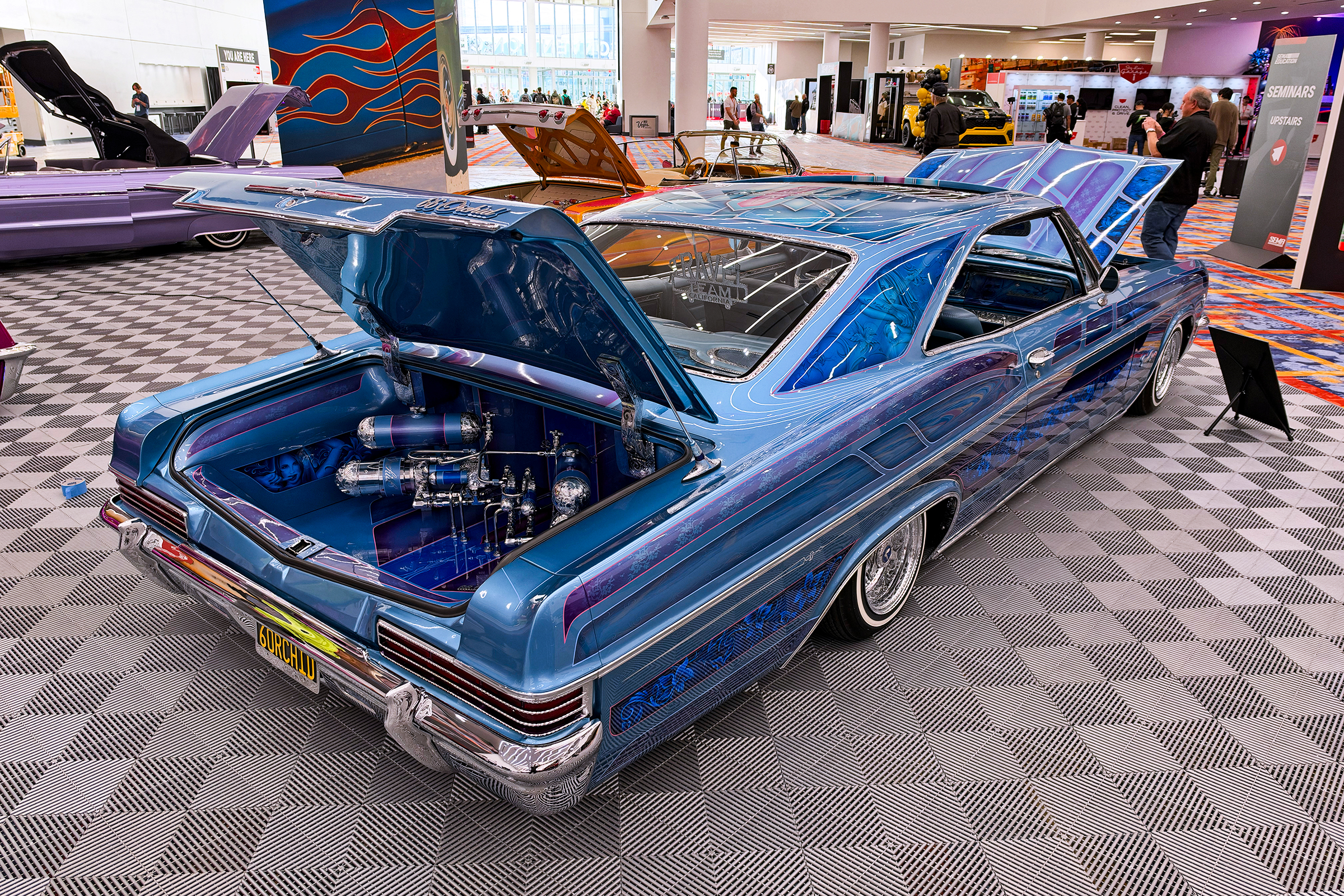
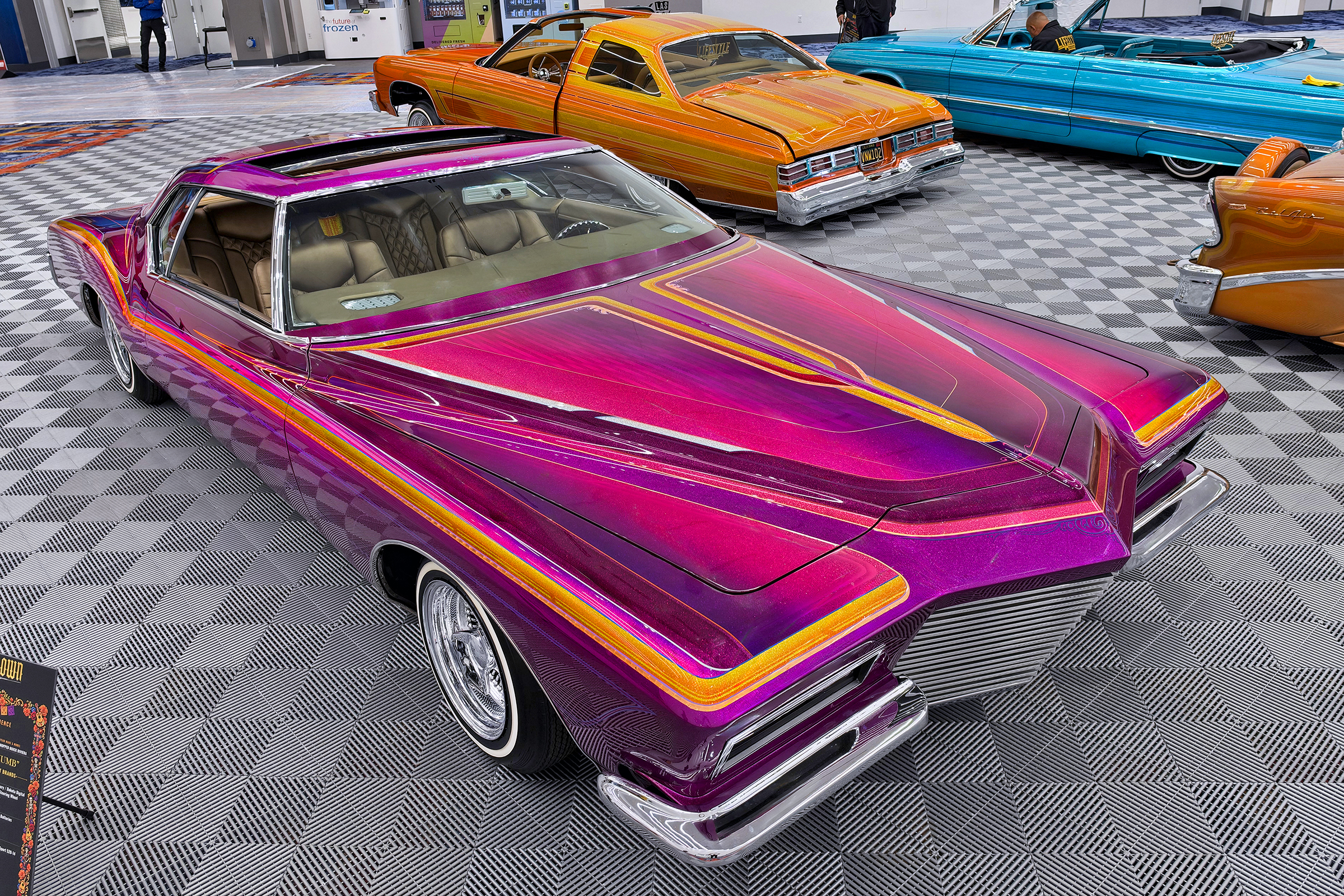
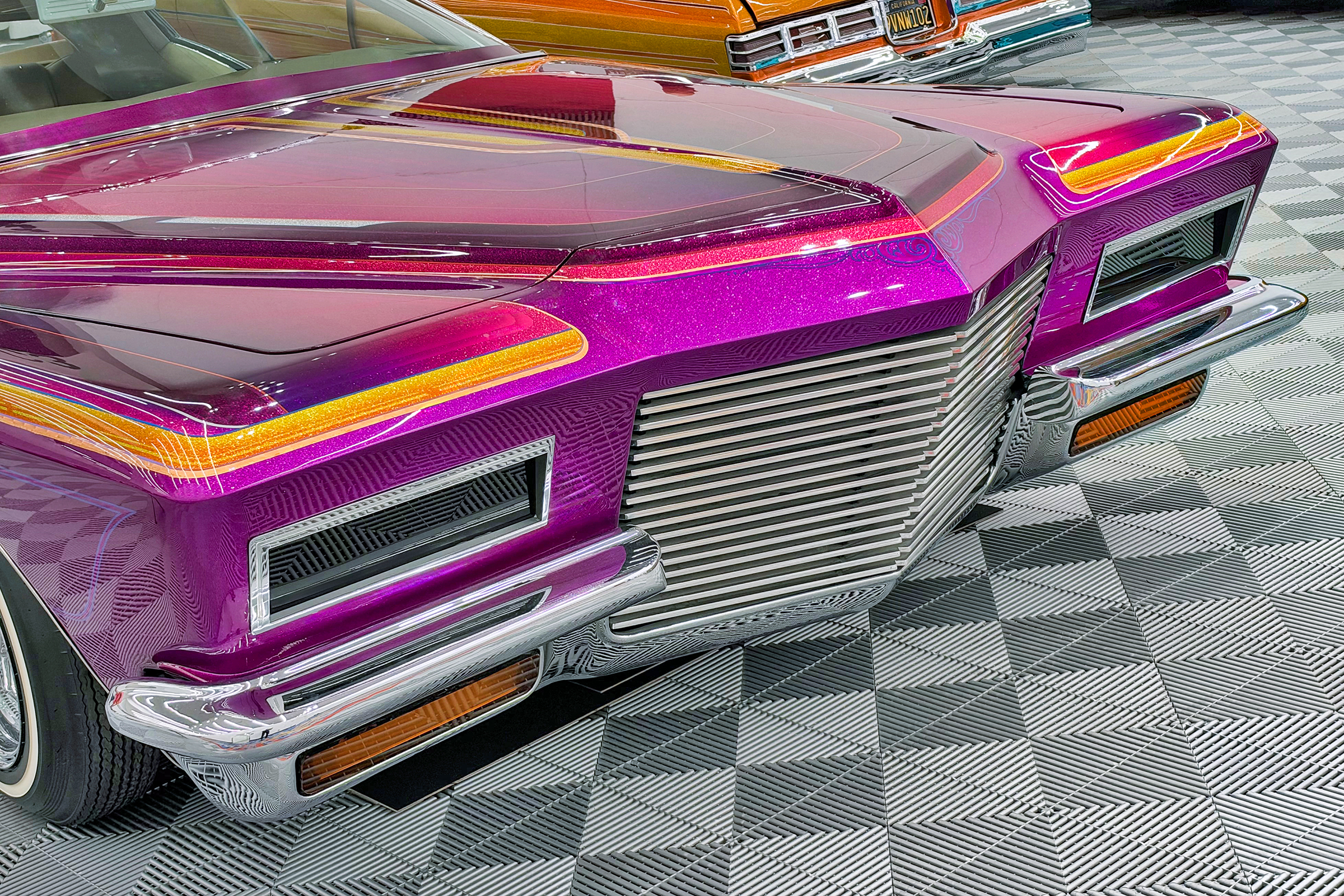
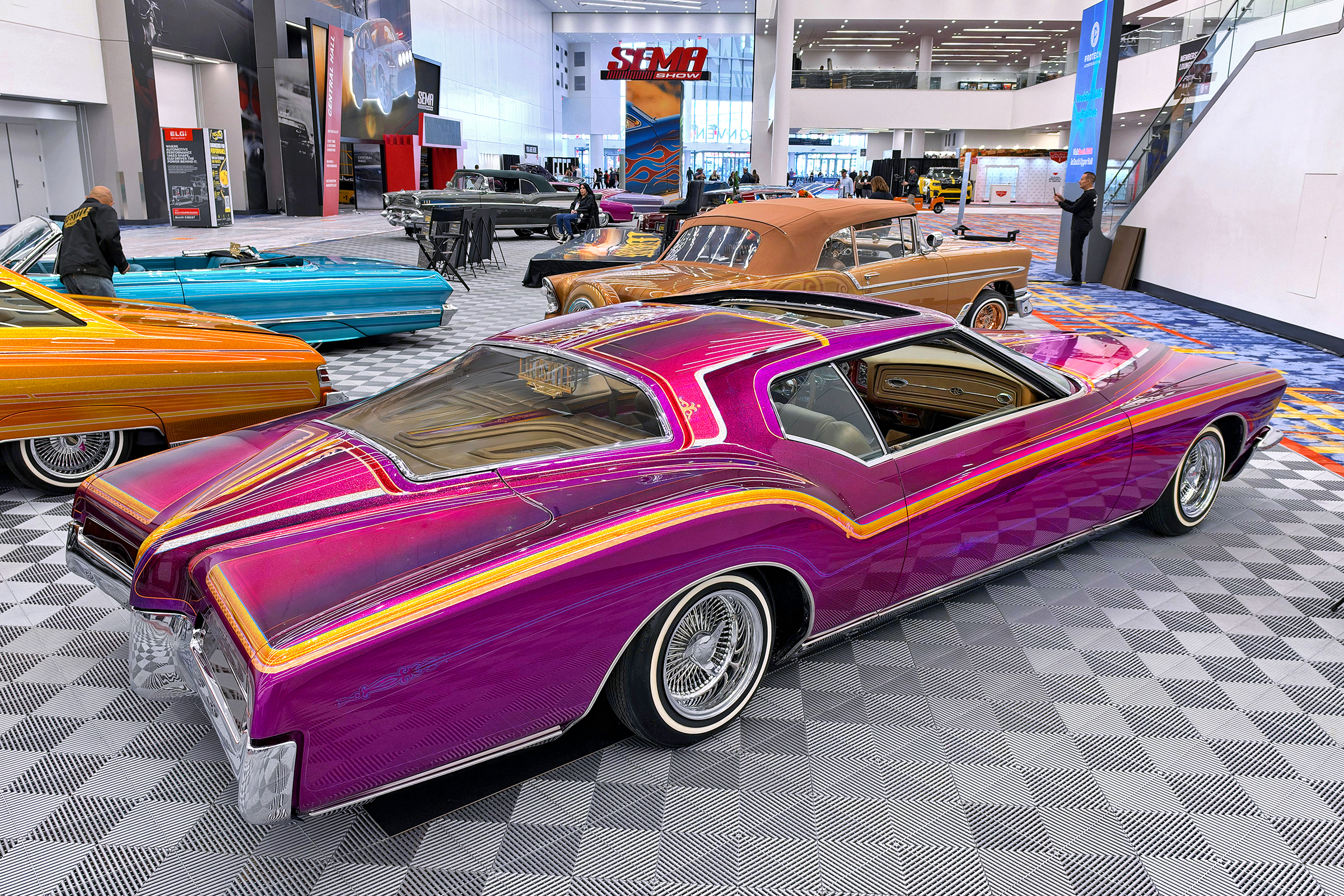
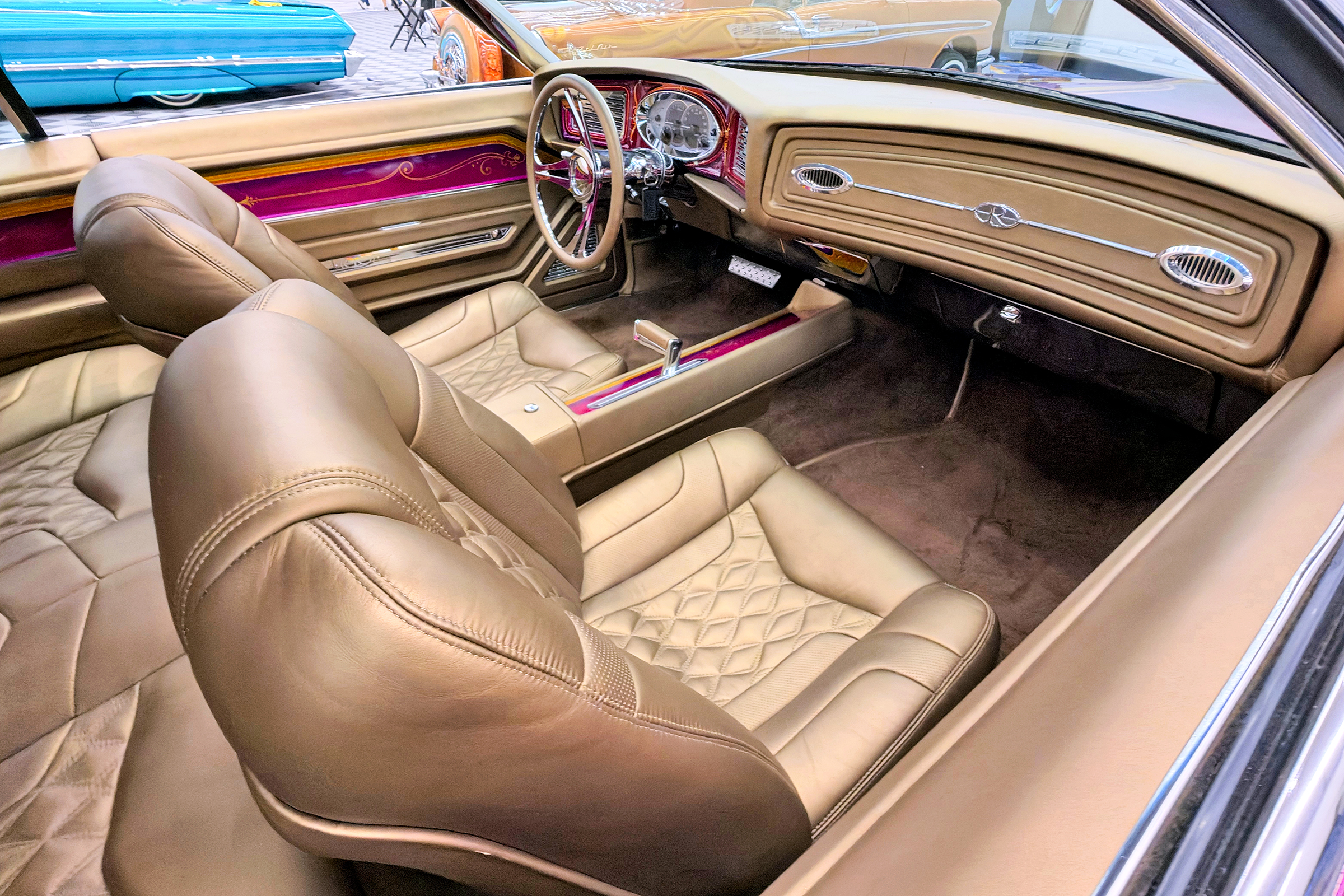
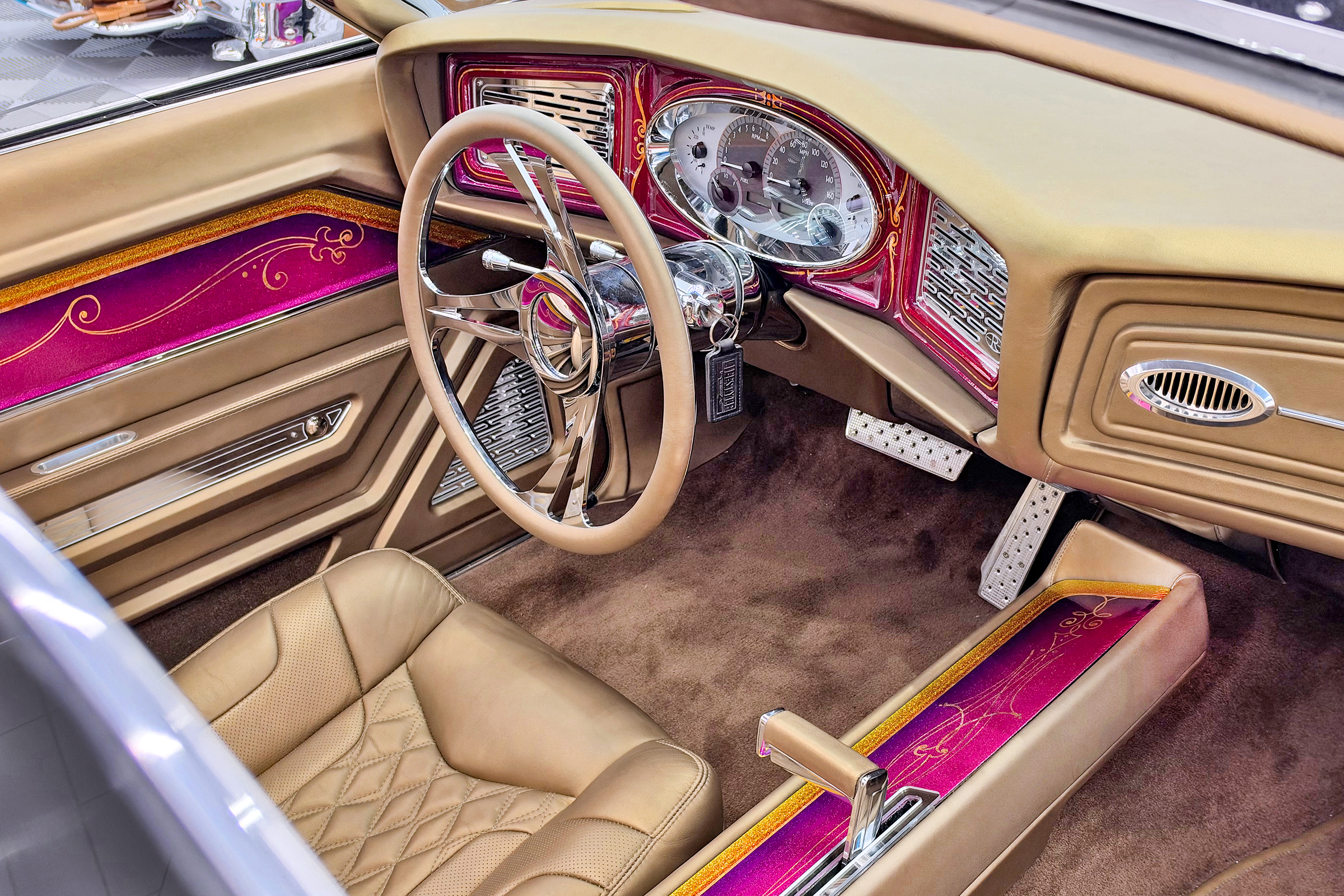
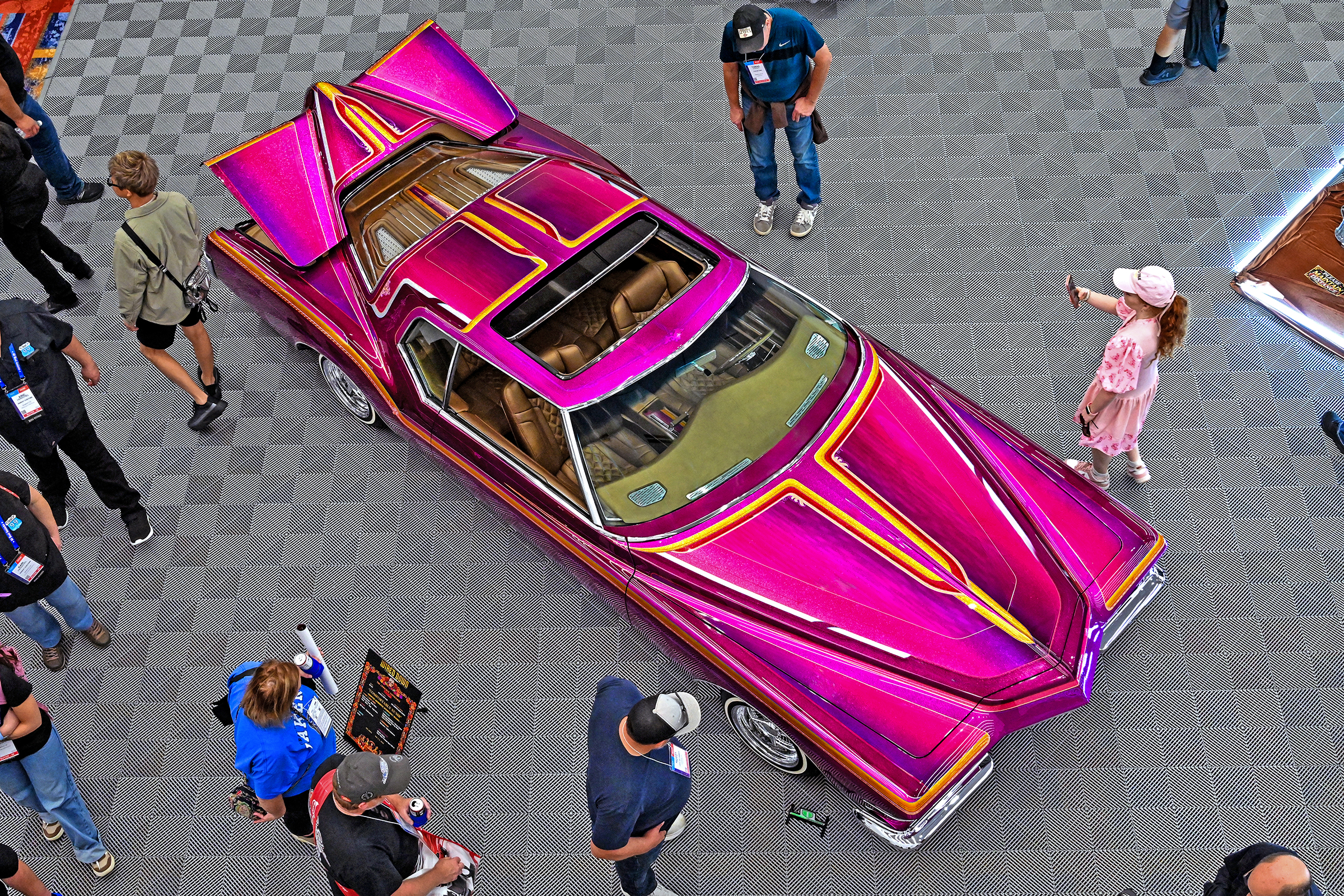
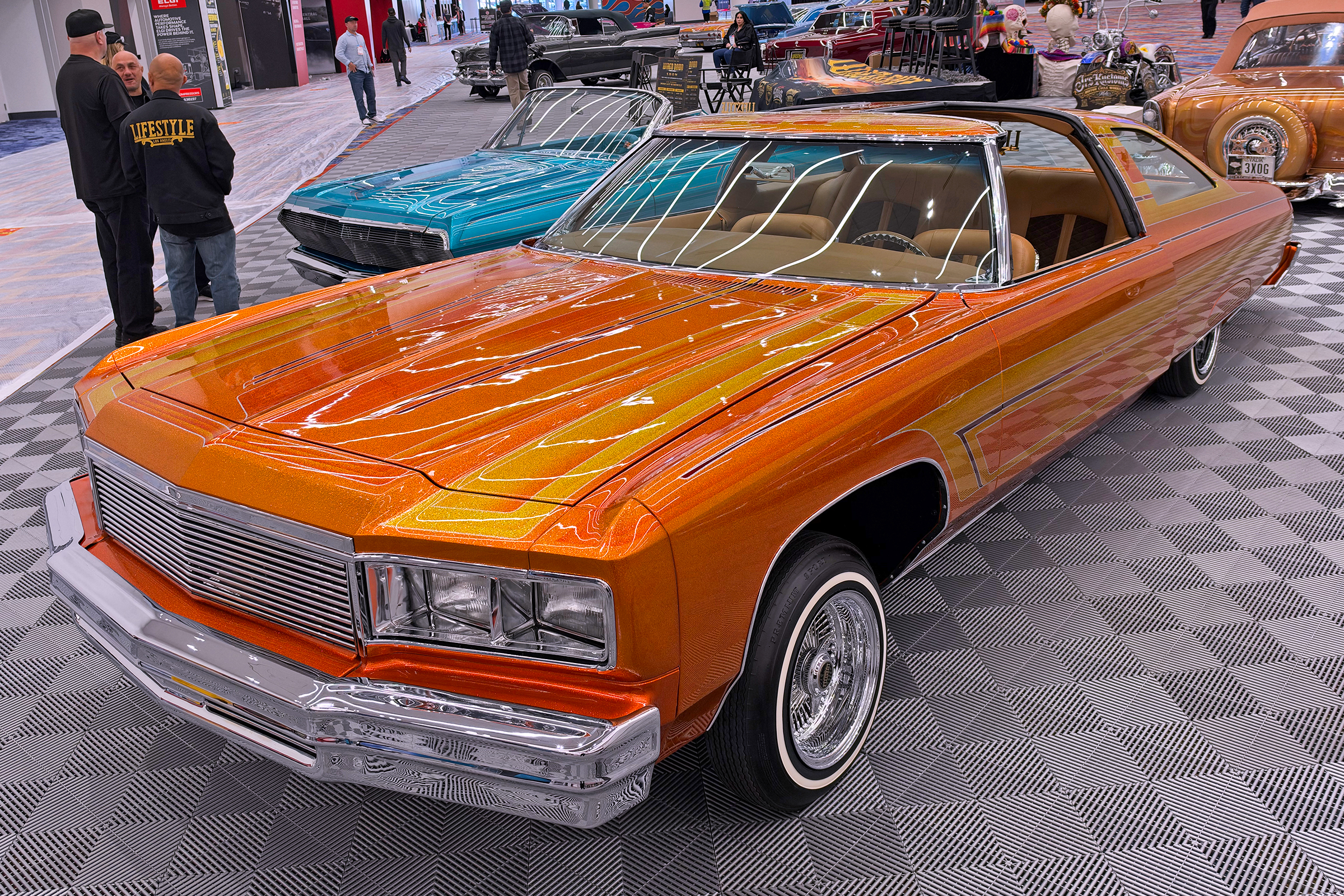
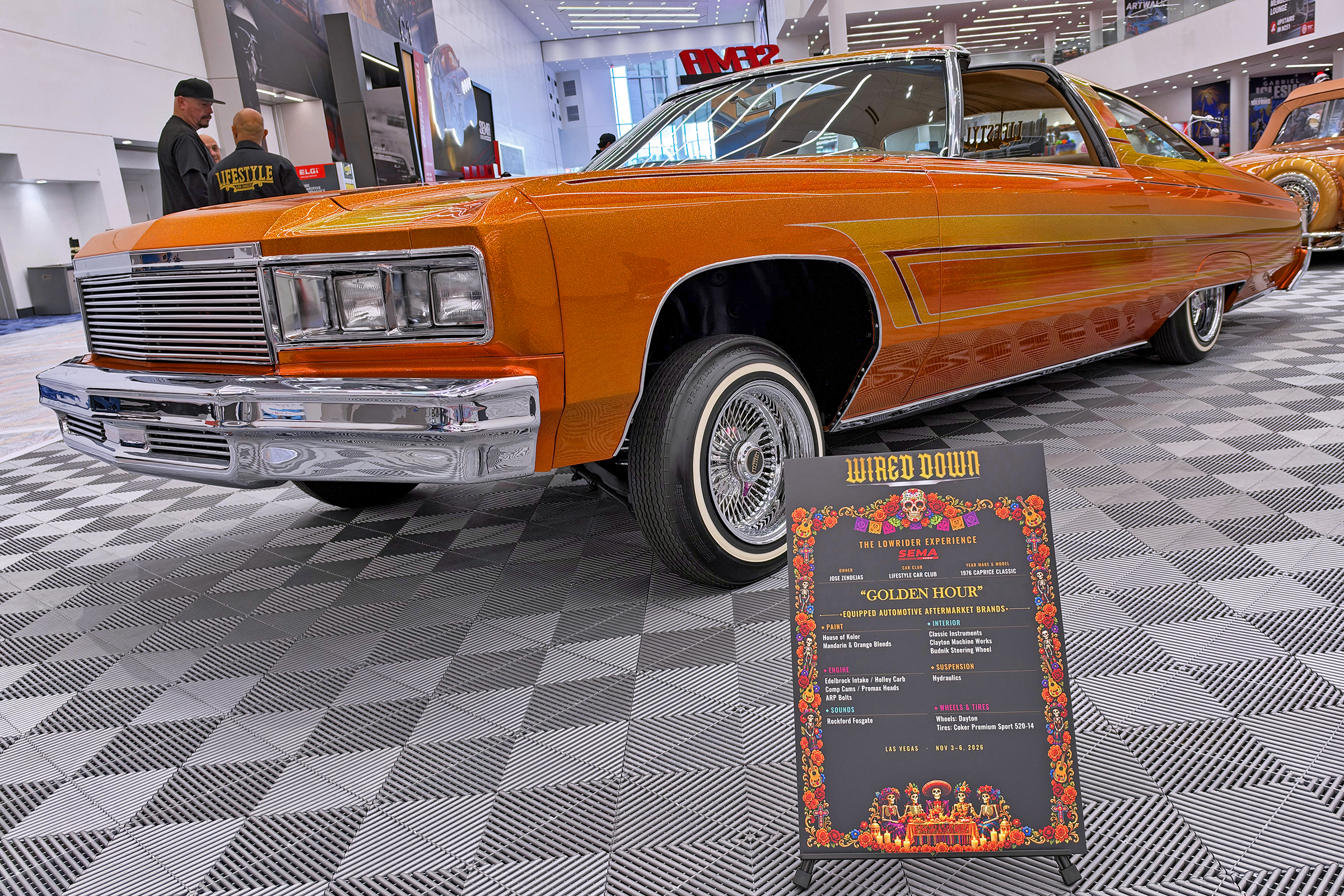
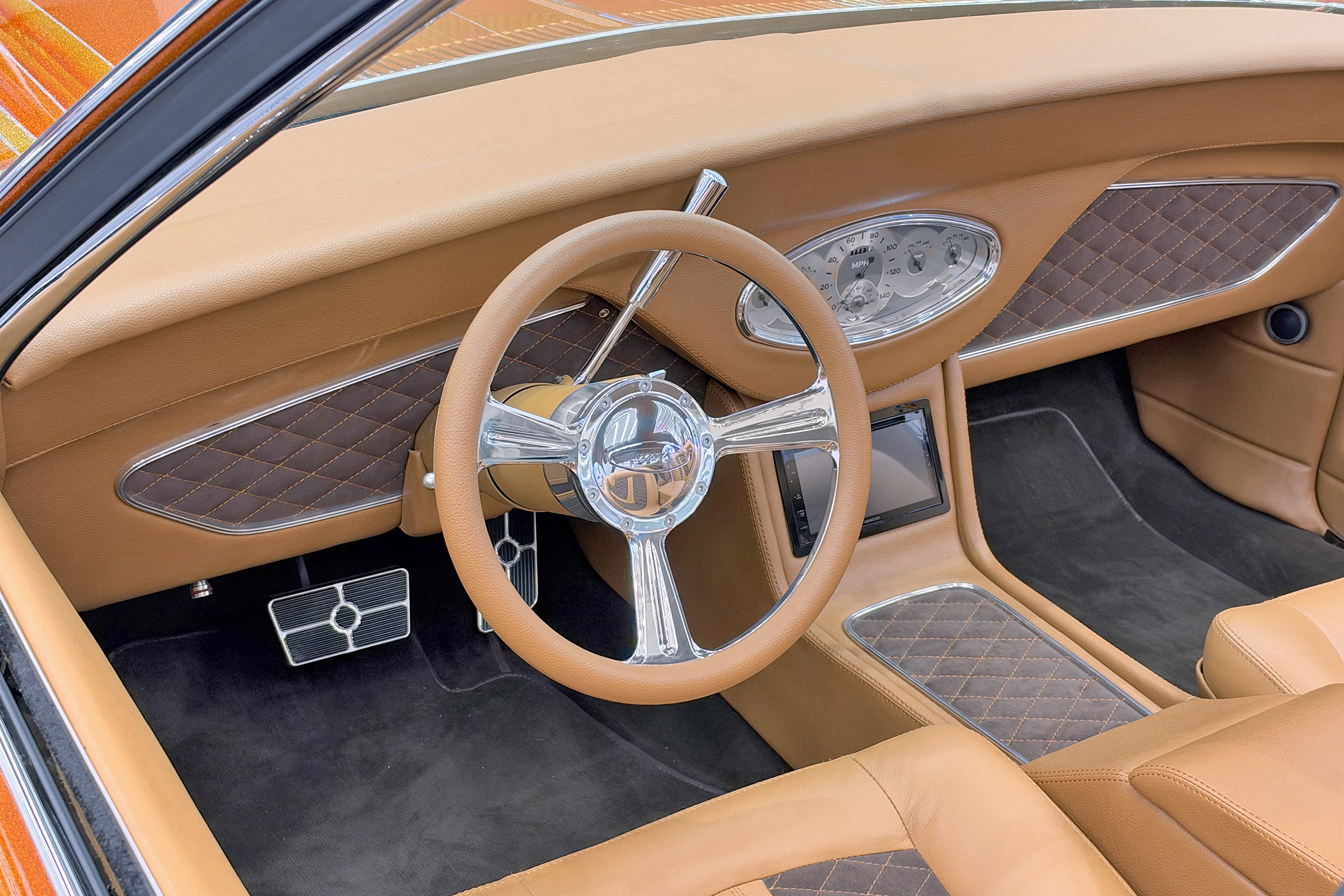
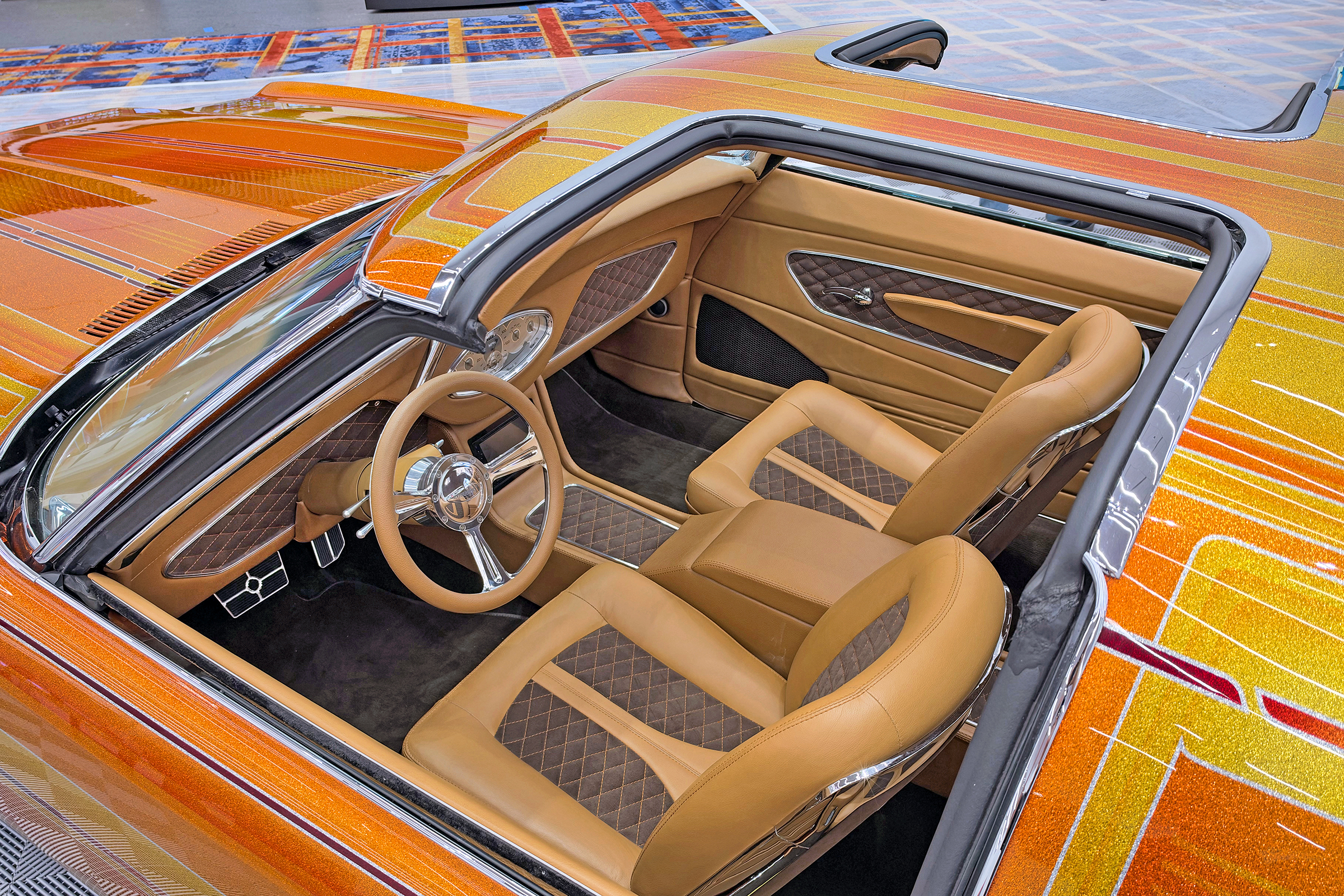
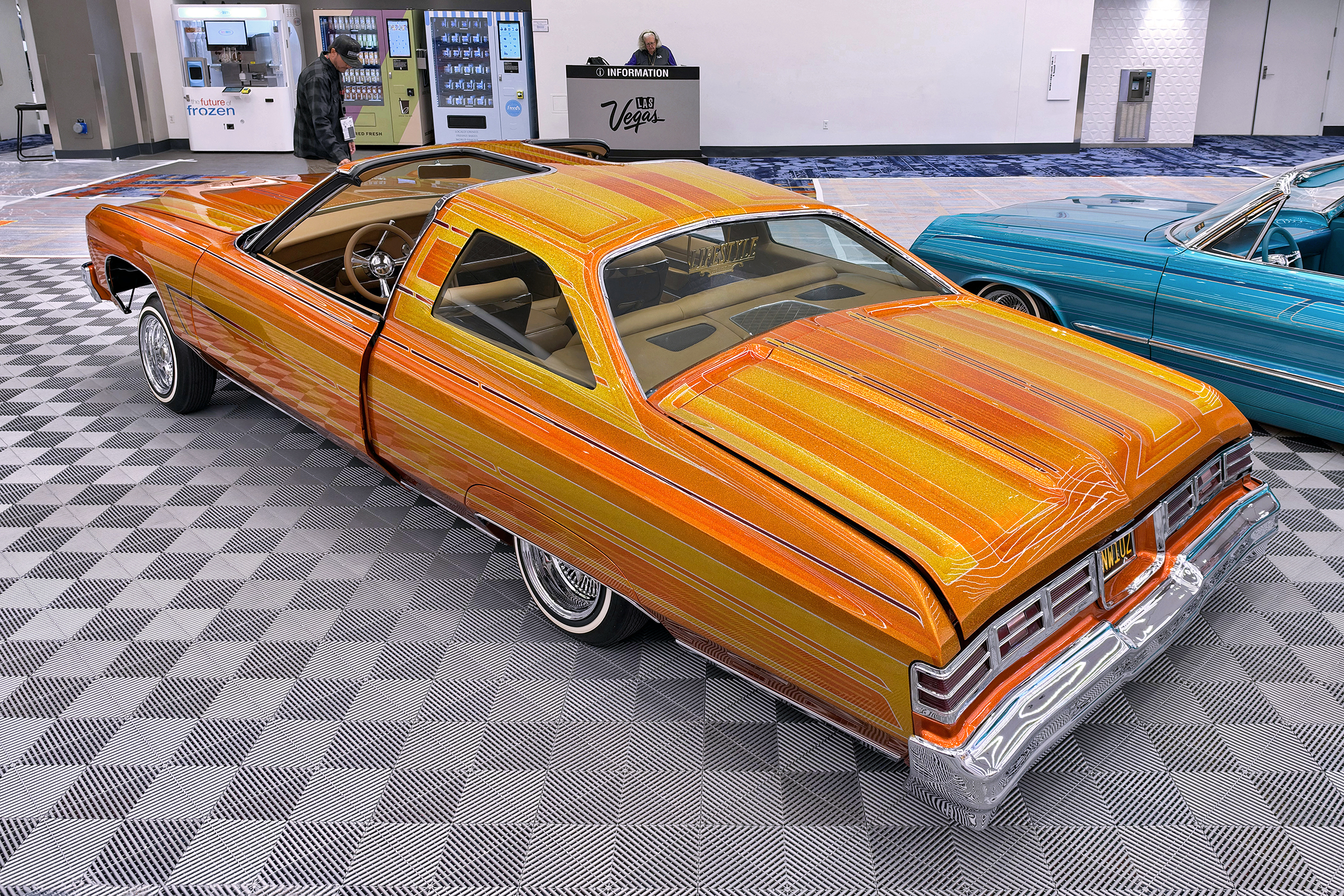
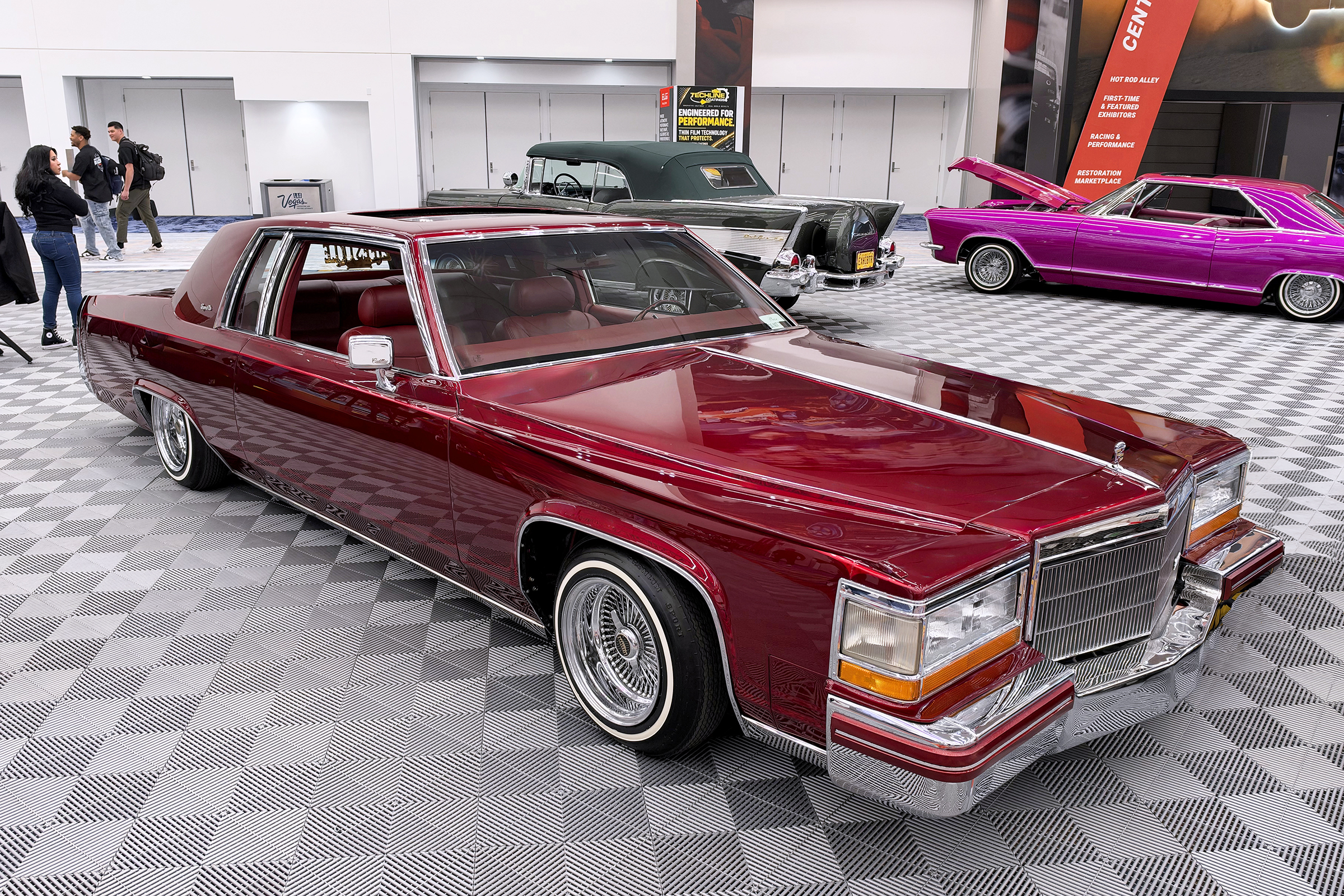
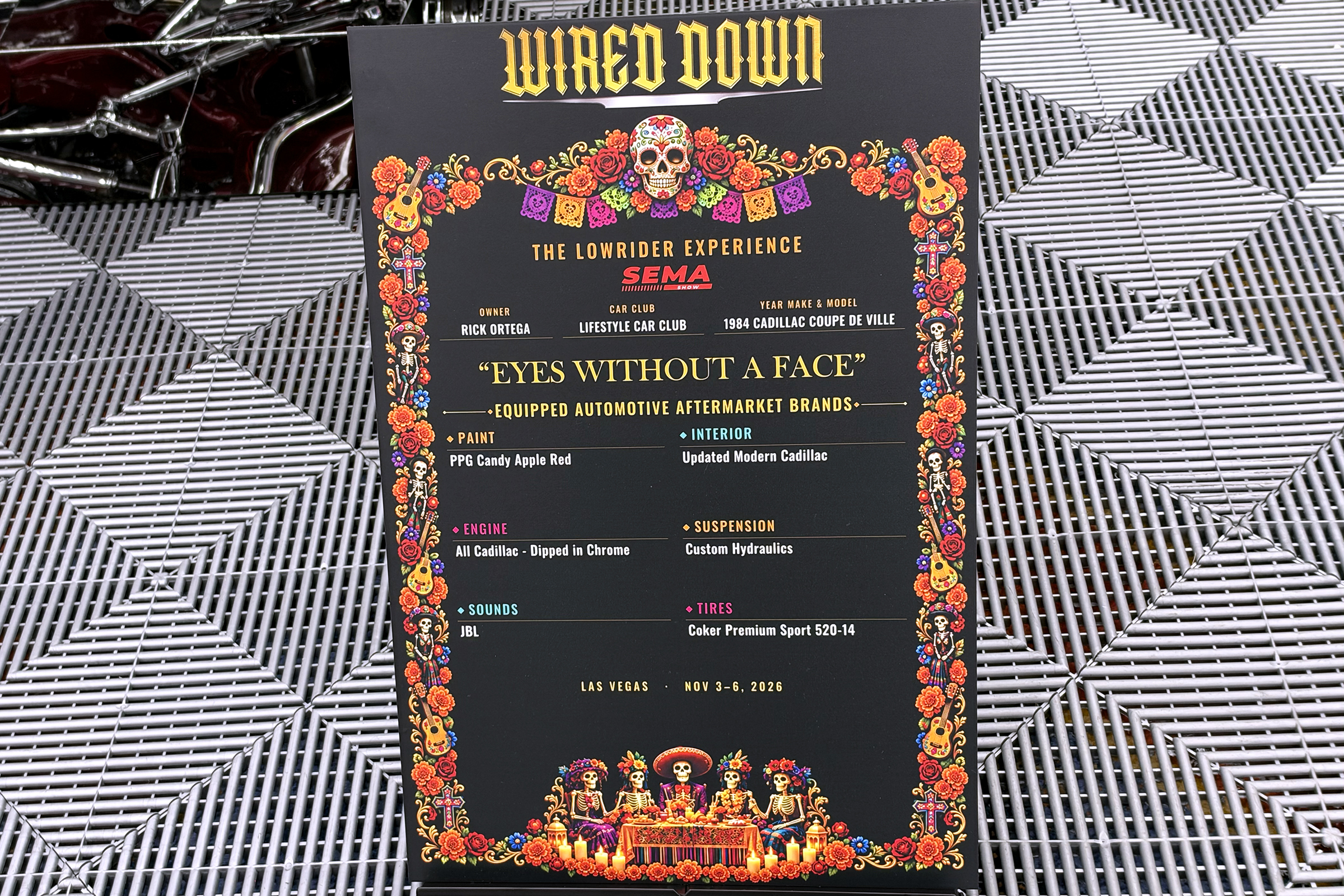
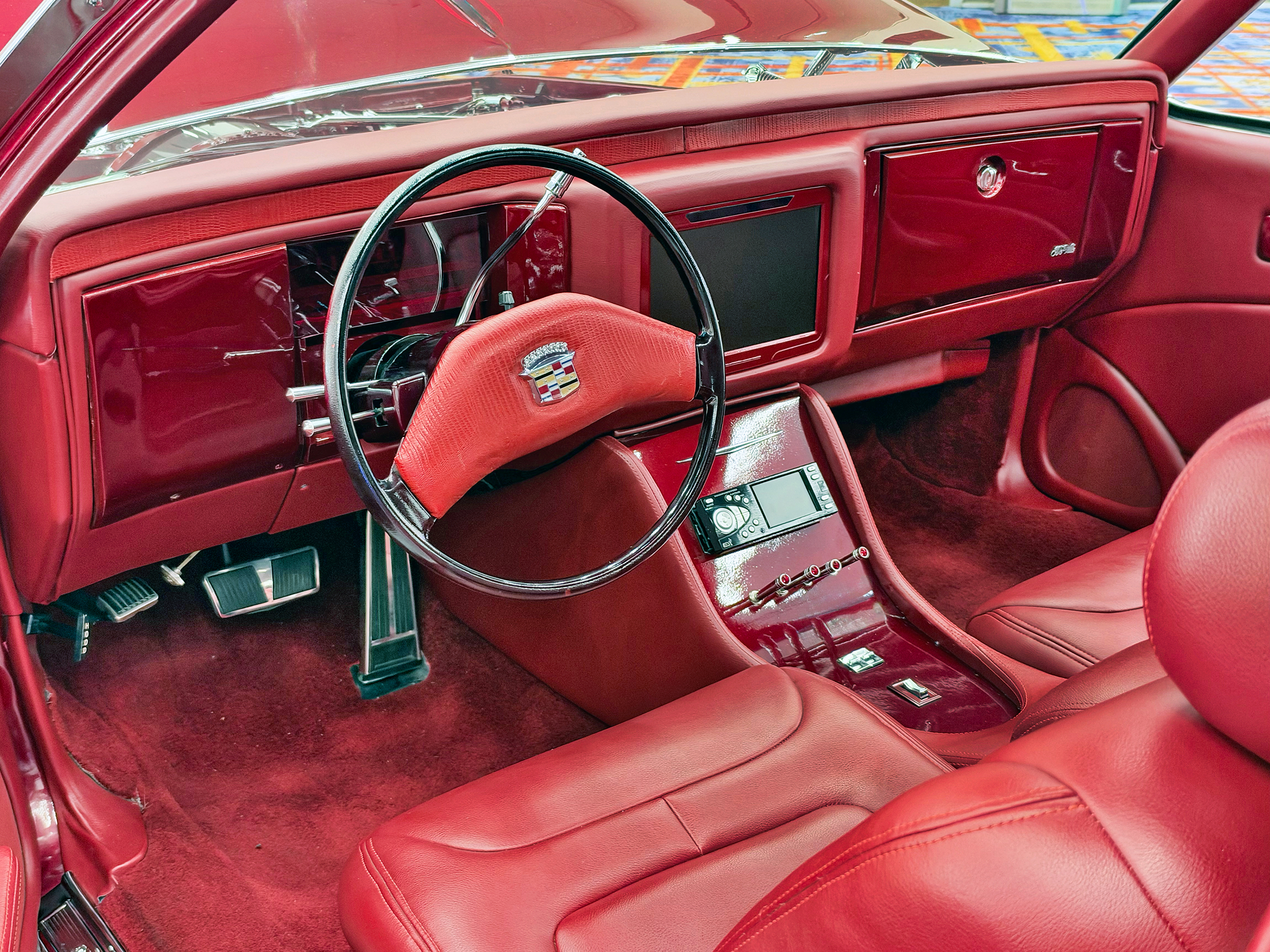
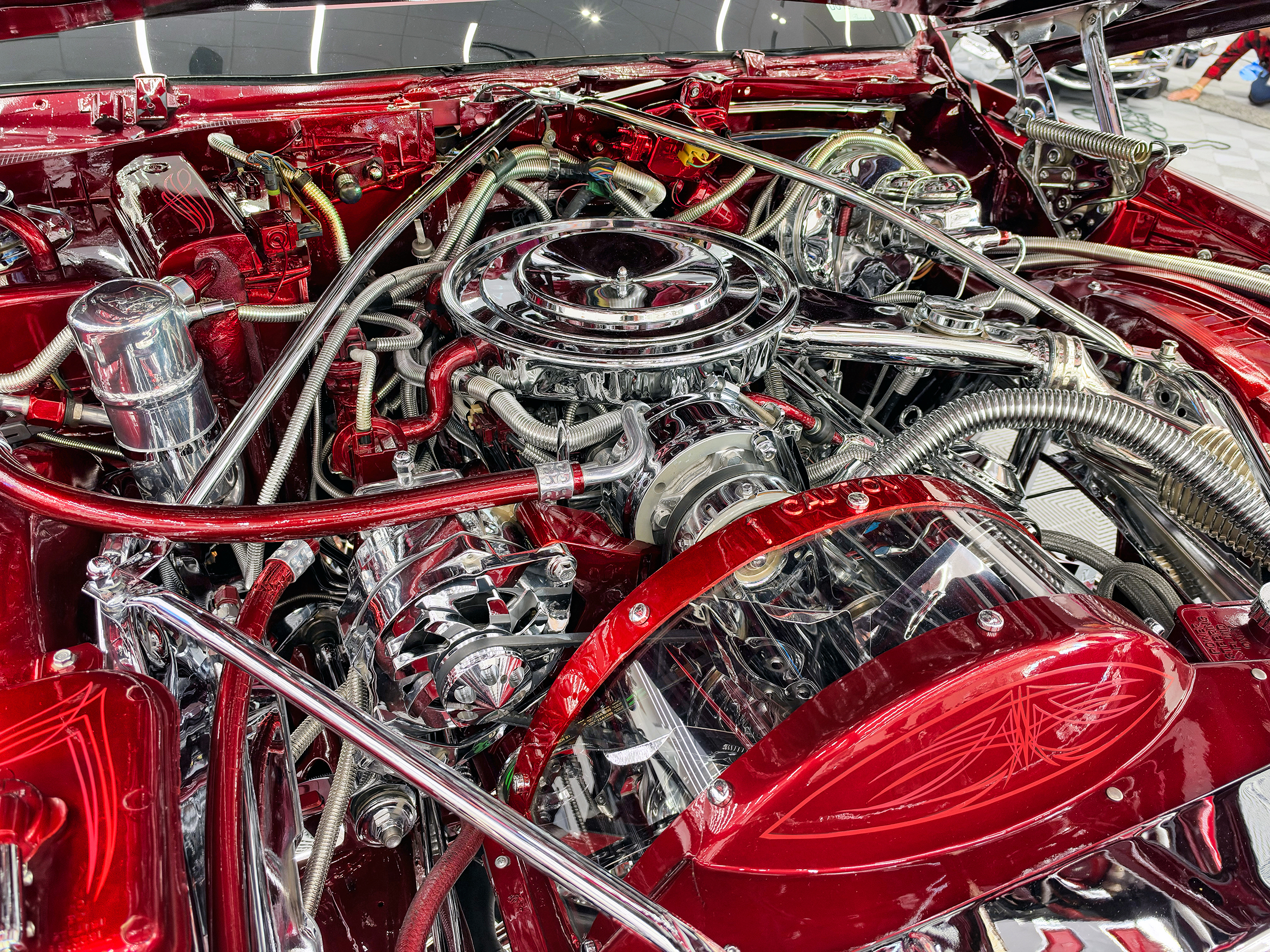
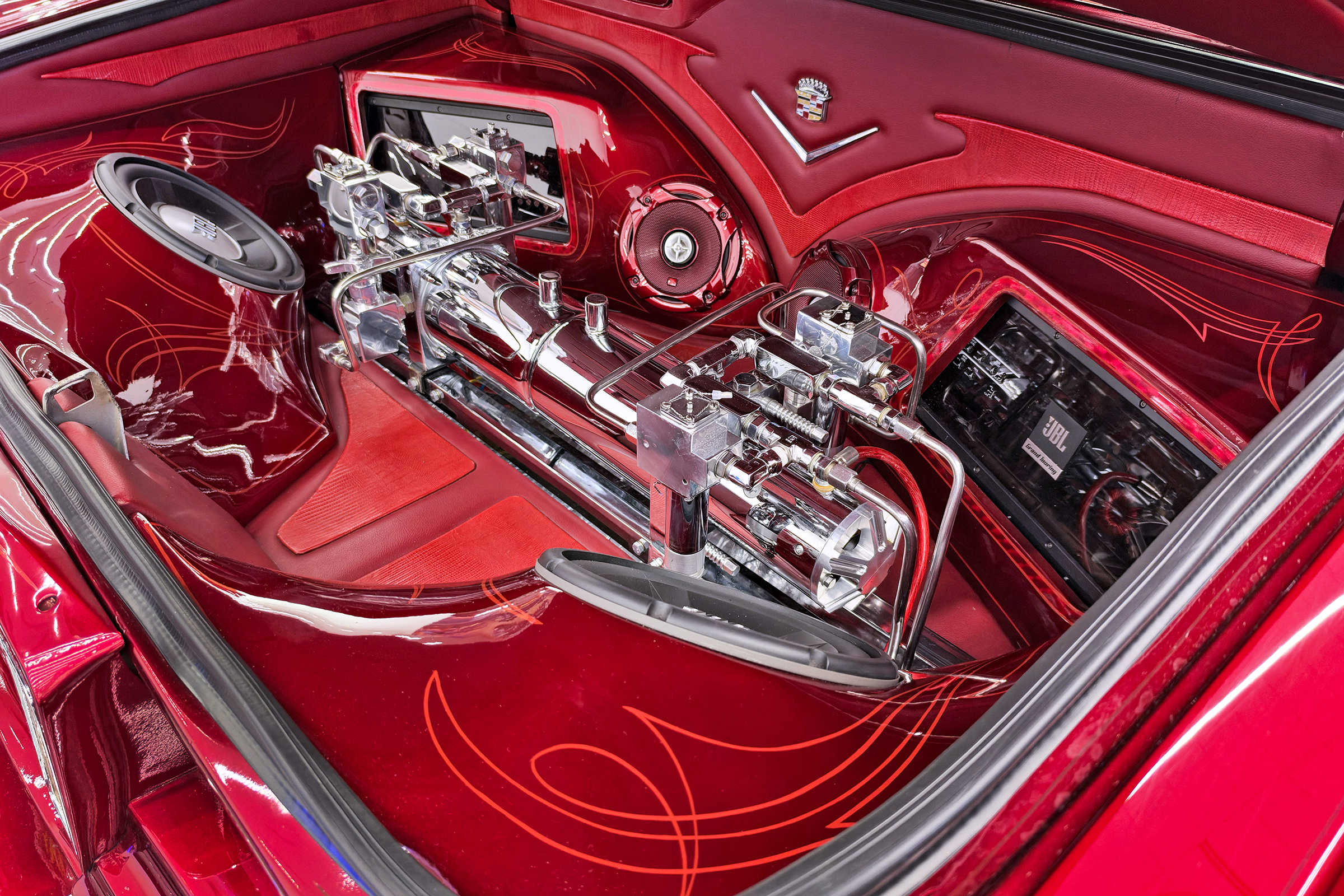
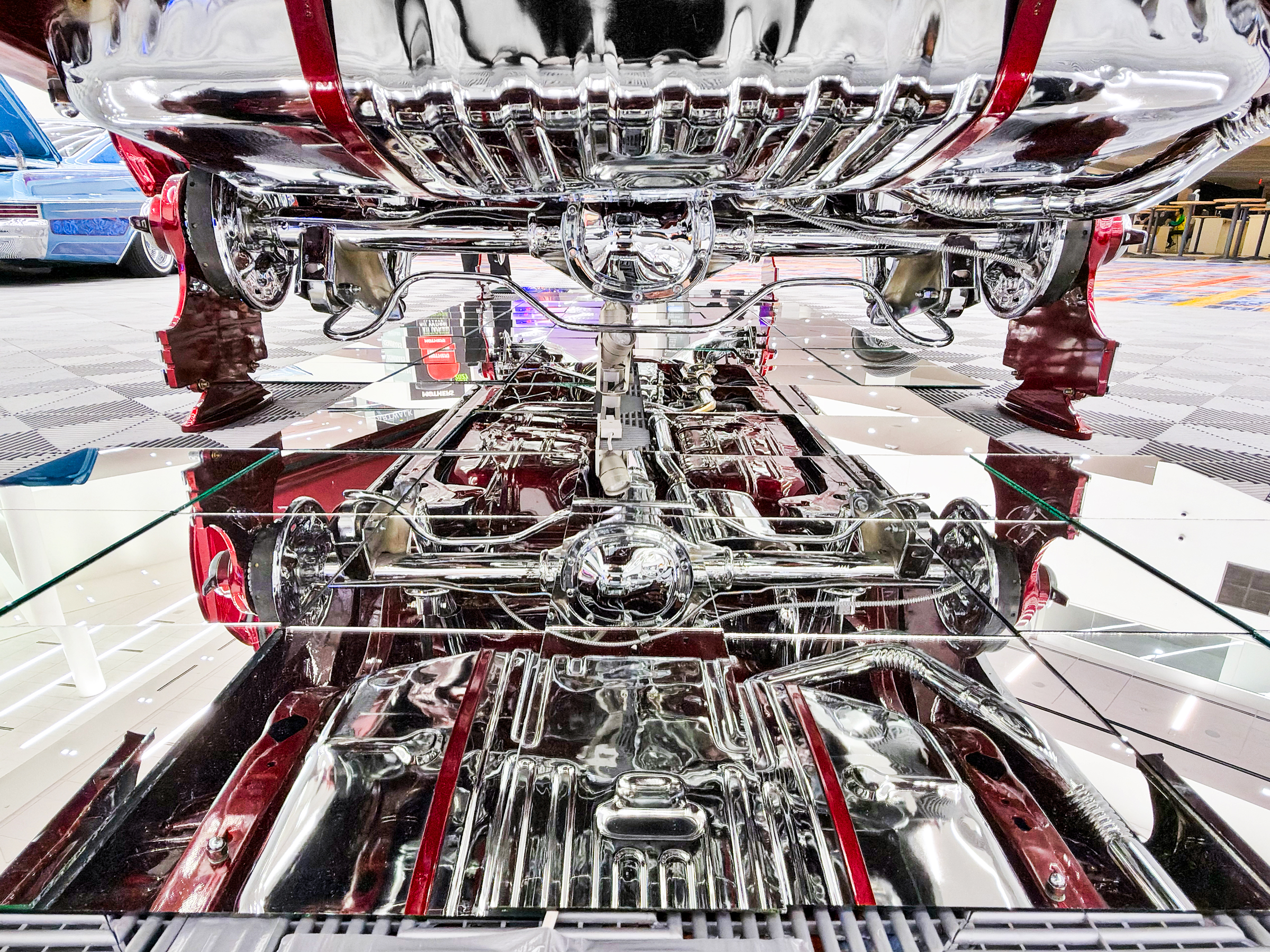
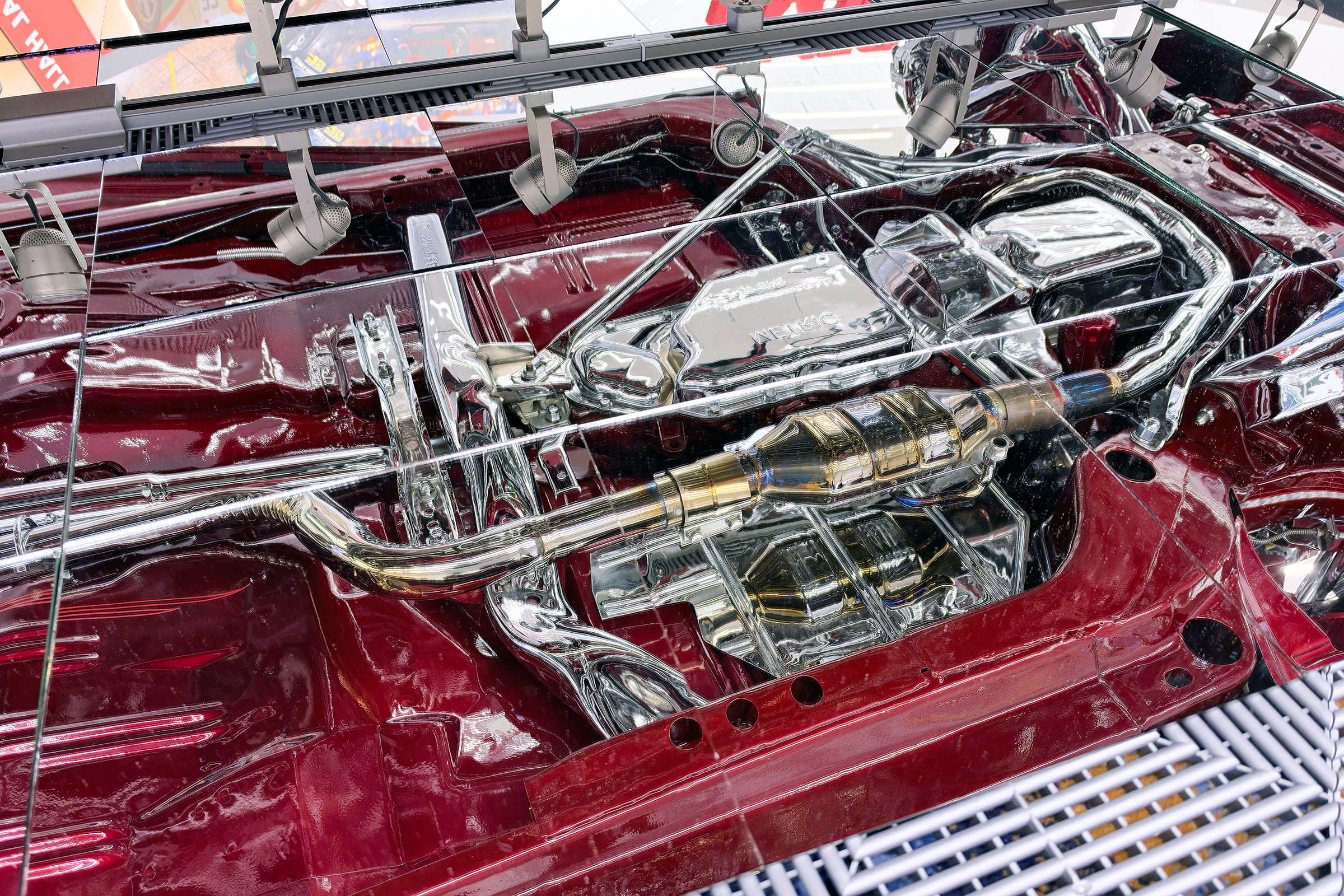
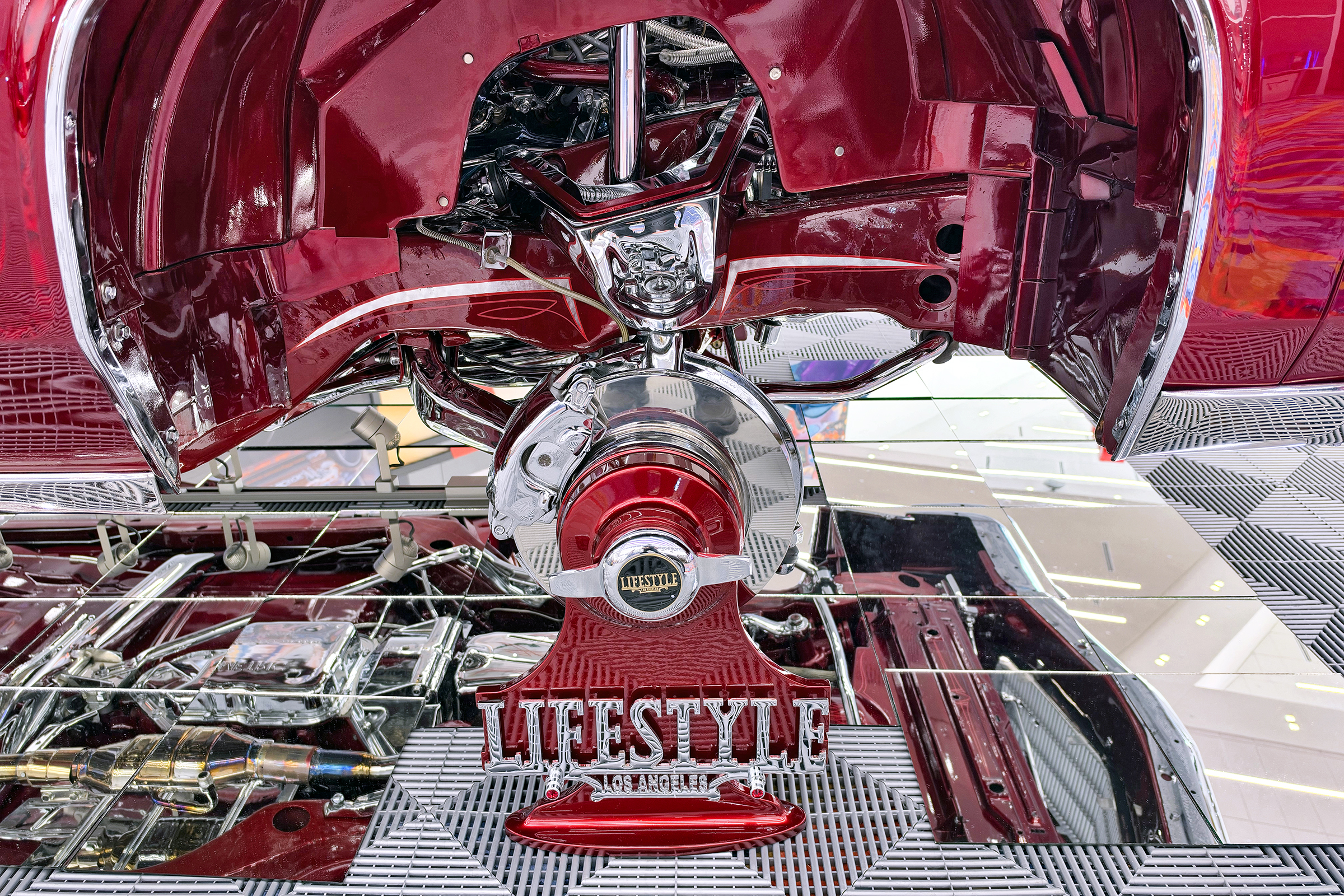
The 2026 SEMA Show was packed with high-horsepower muscle cars, exotic supercars, and lifted trucks, but some of the biggest attention-getters were riding just inches off the ground. Front and center in the Grand Lobby at Central Hall, ten spectacular custom lowriders greeted attendees with outrageous paint, gleaming chrome, and enough intricate detail to keep your eyeballs busy for hours.
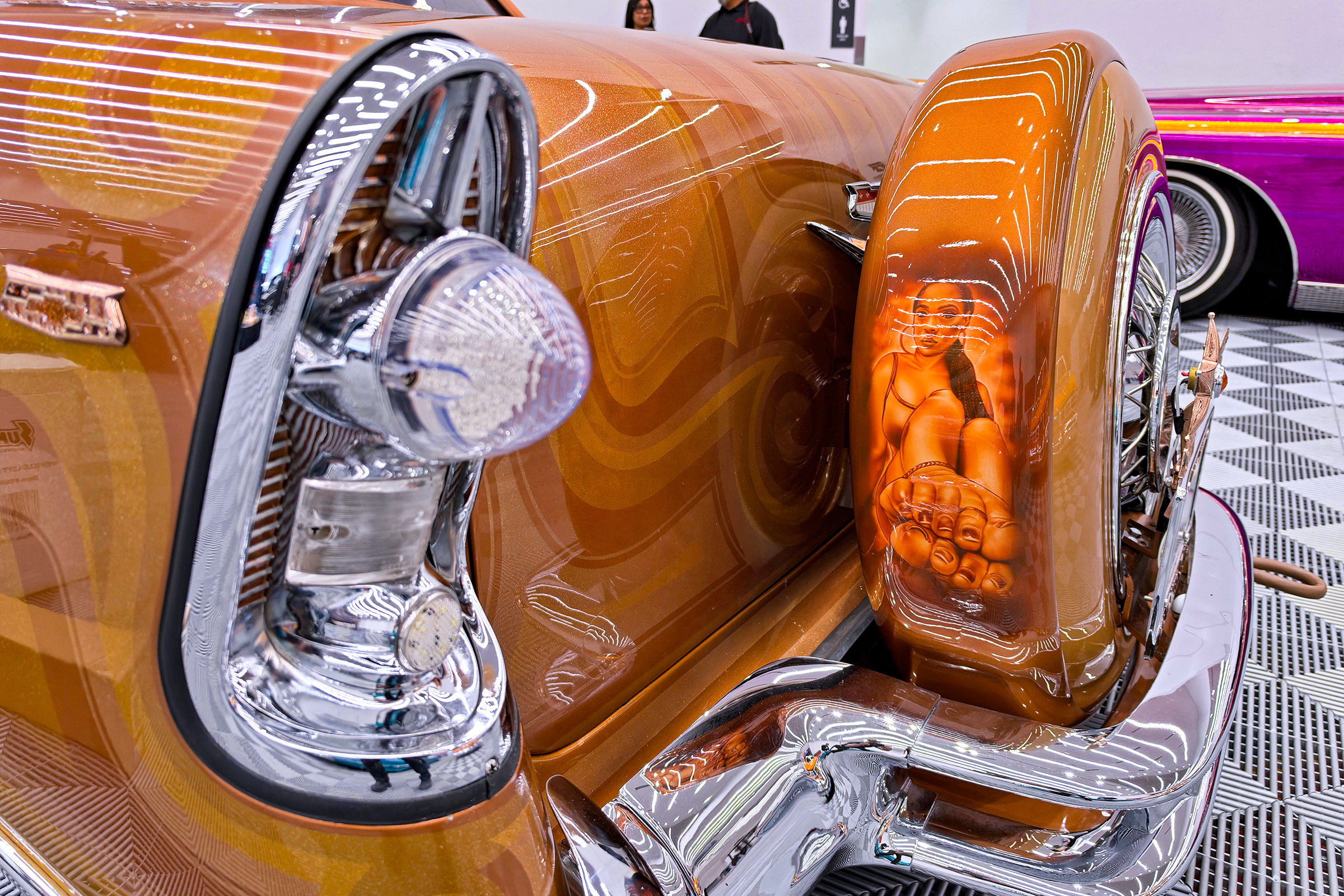
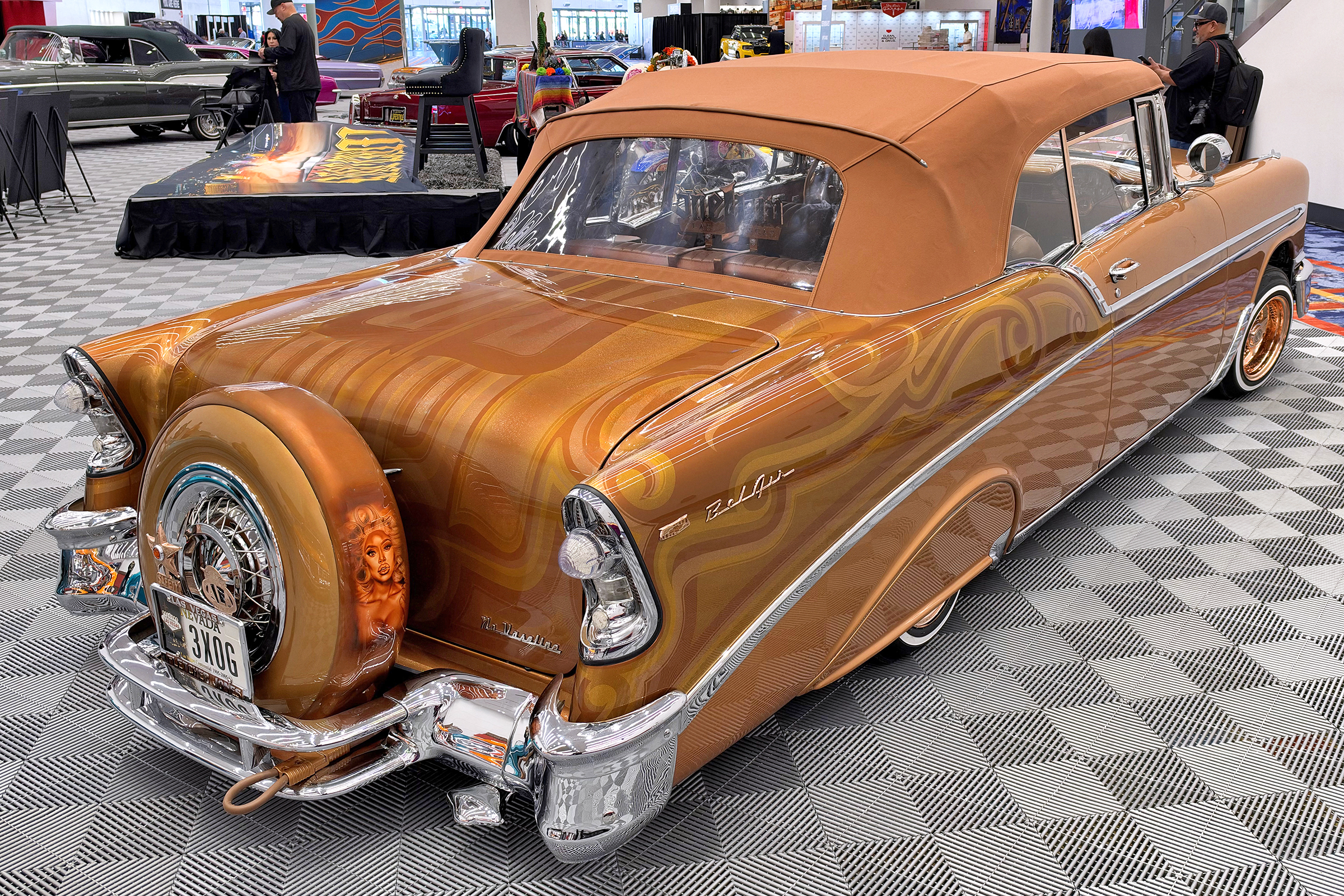
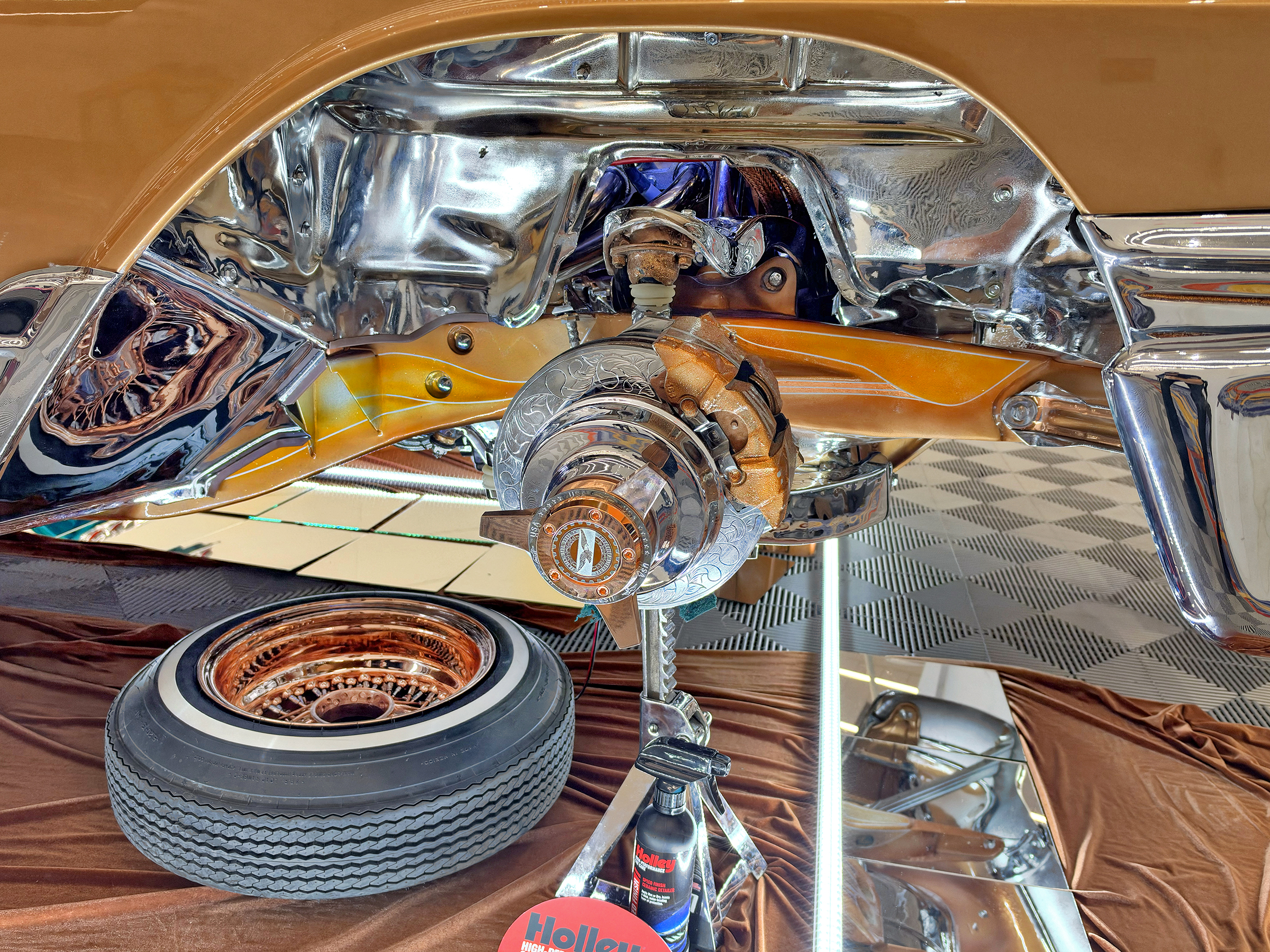
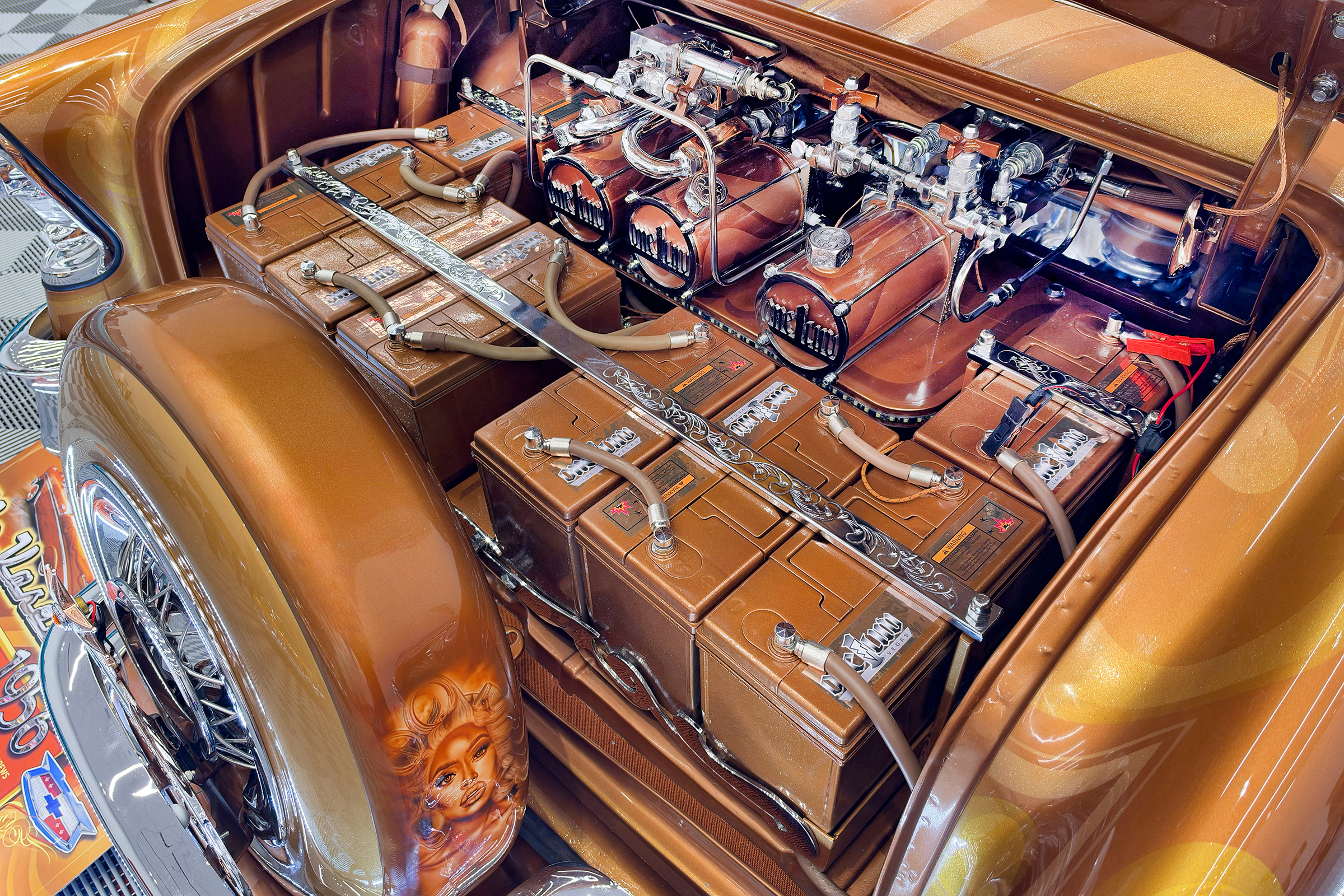
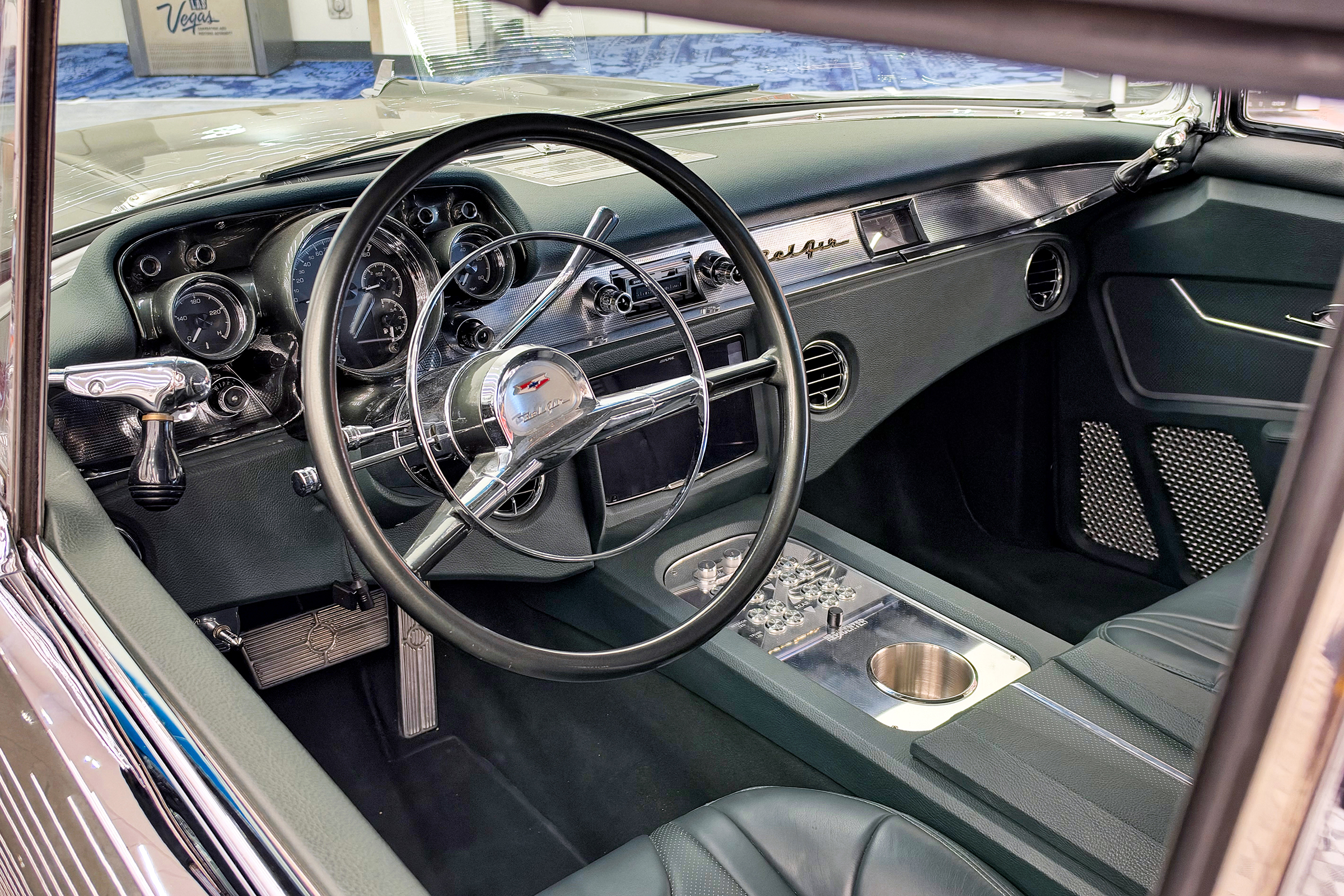
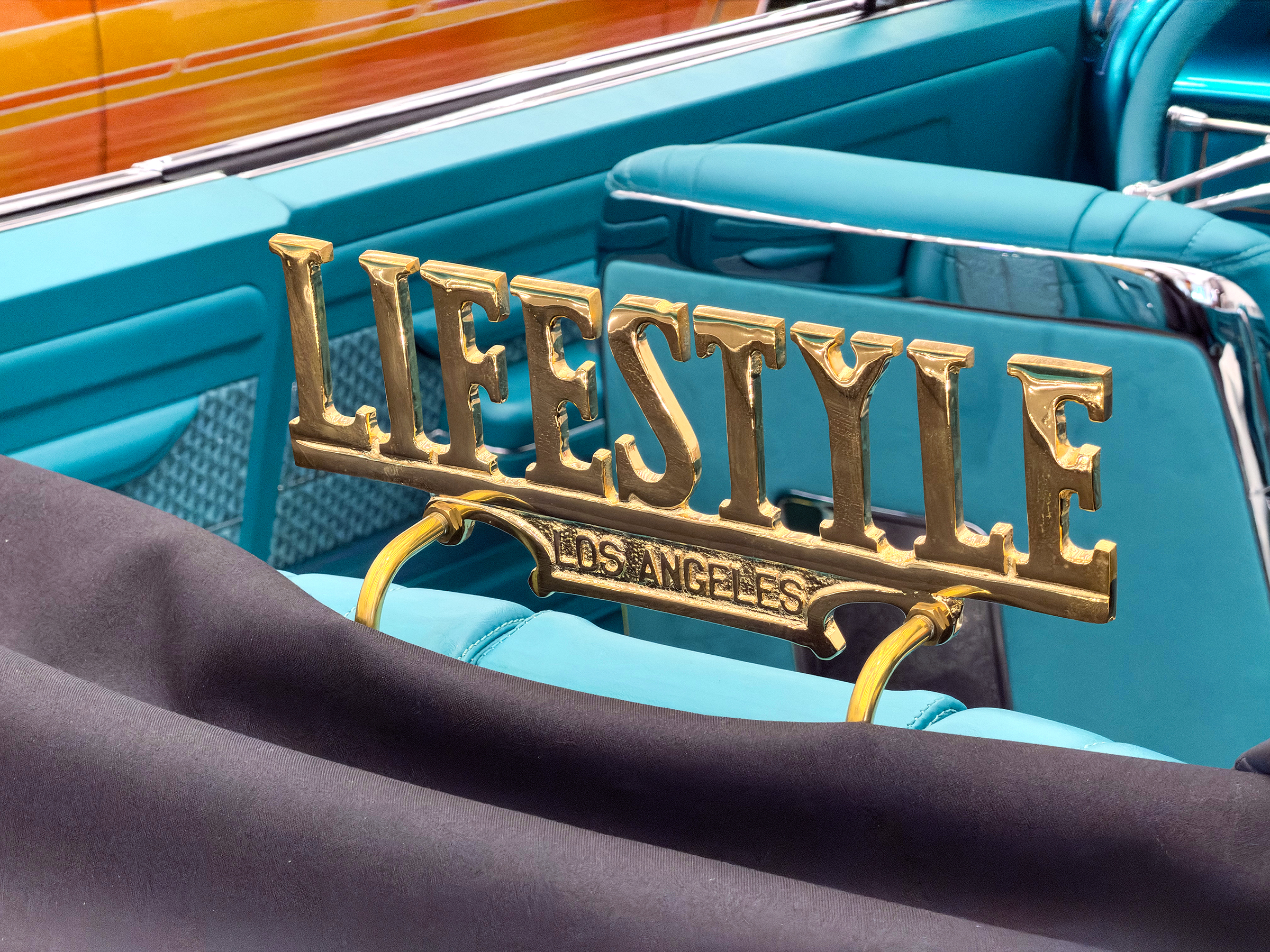
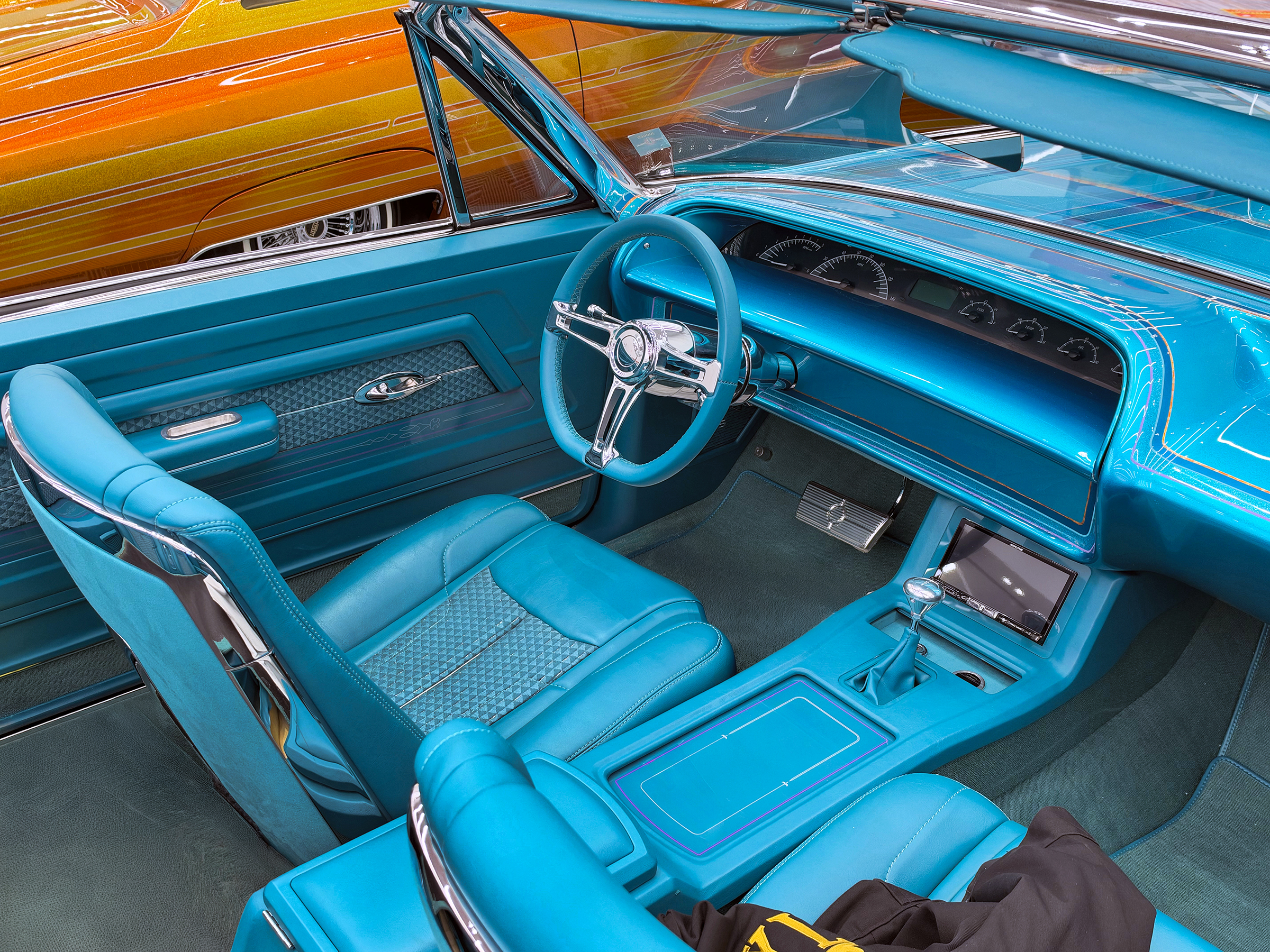
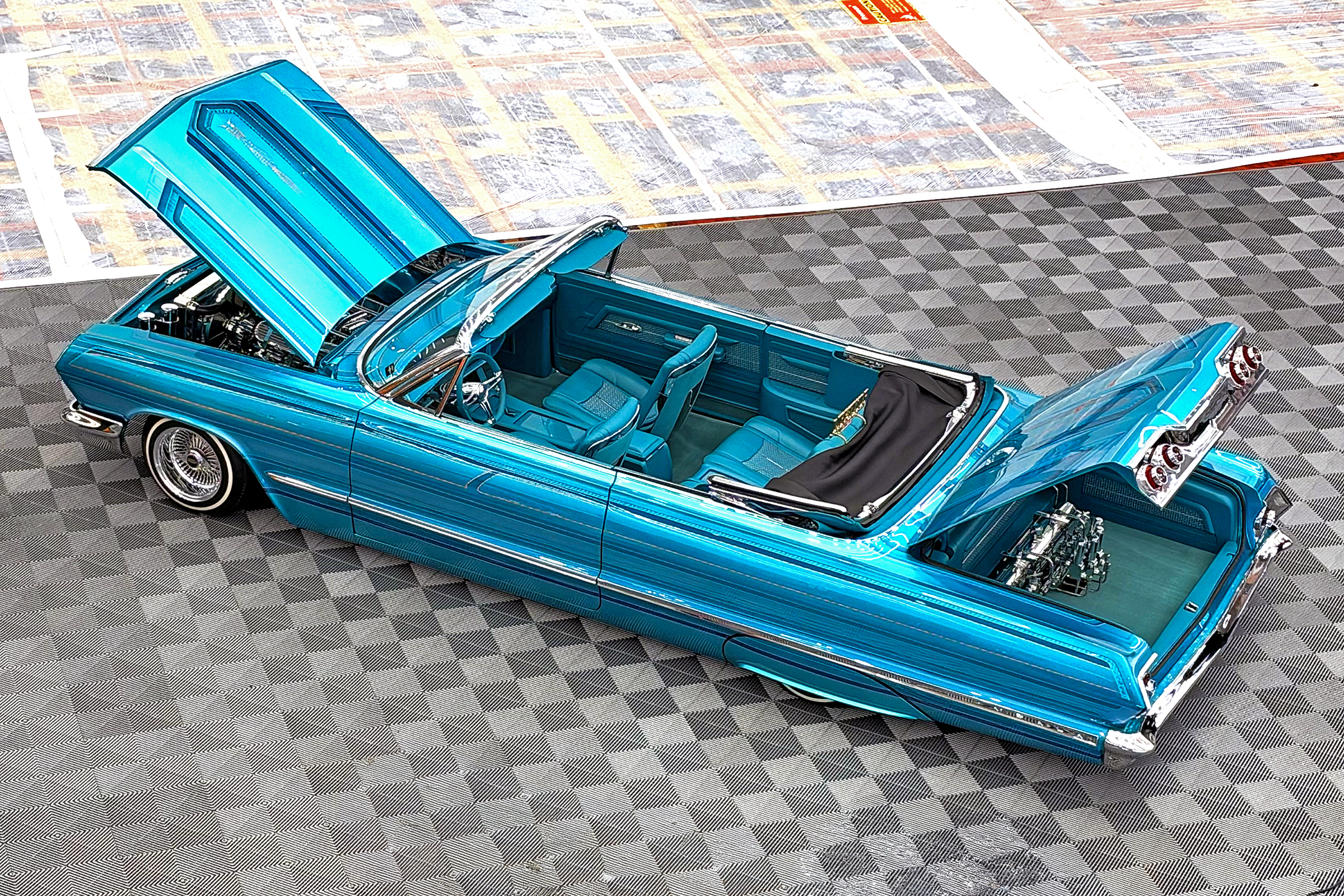
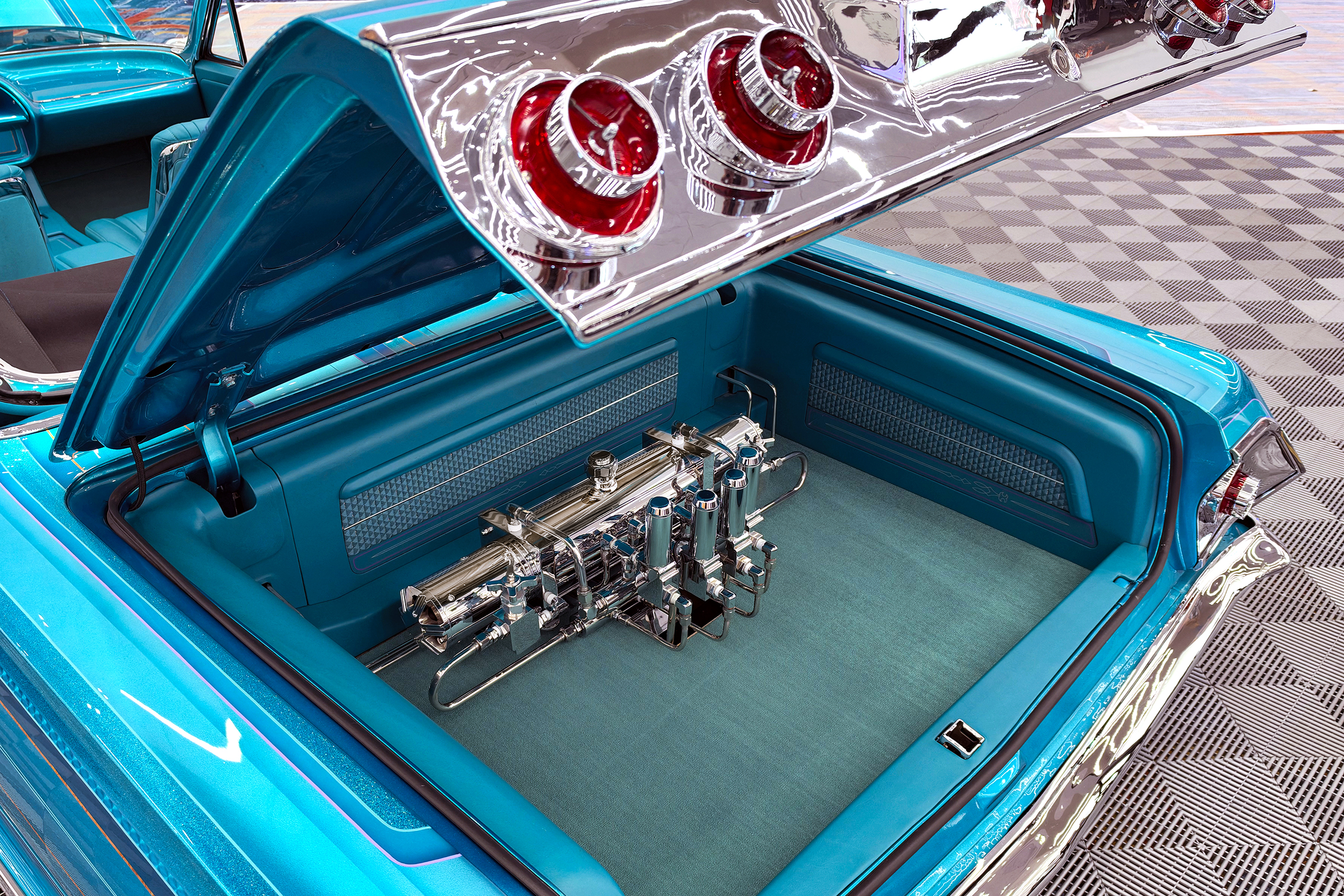
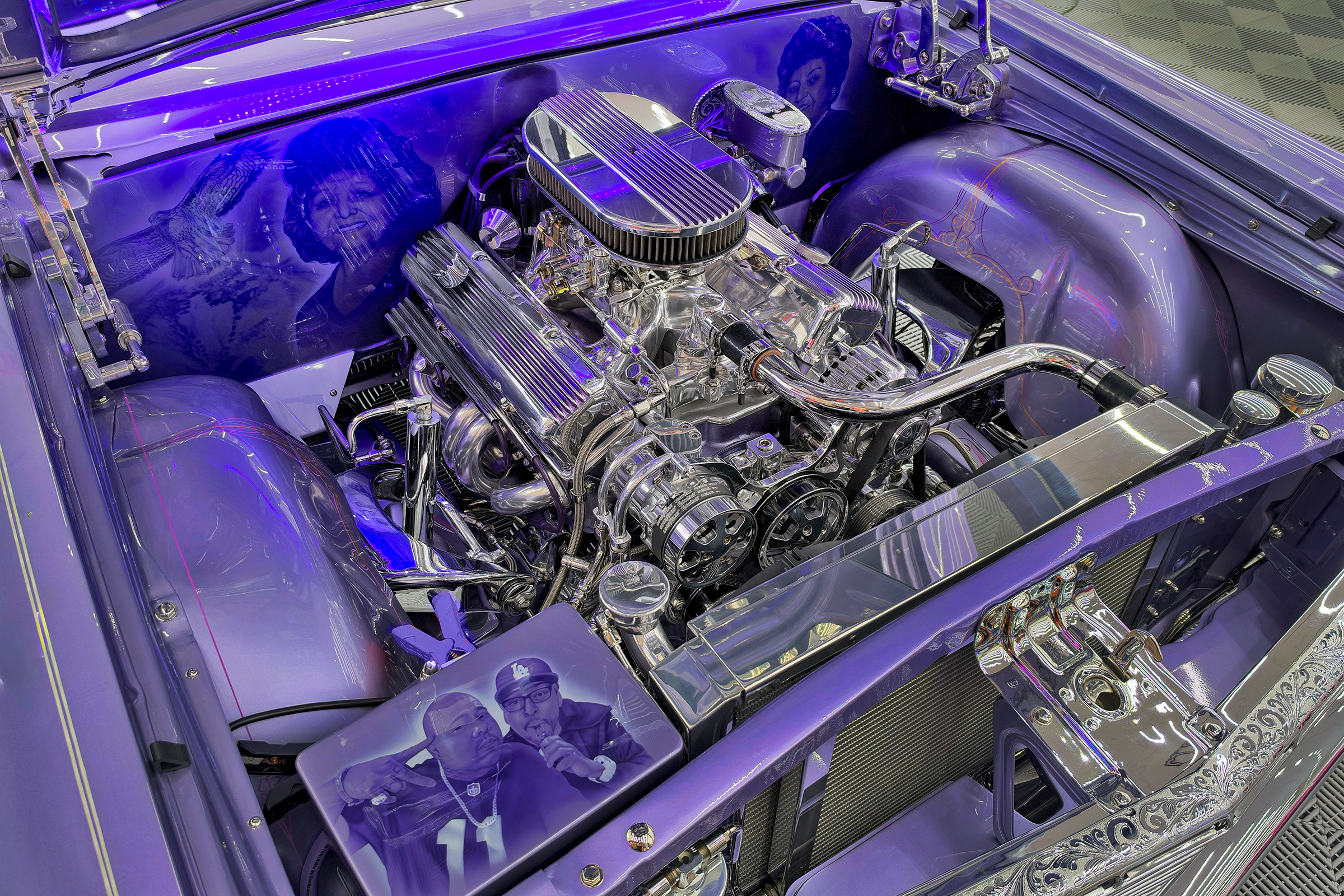
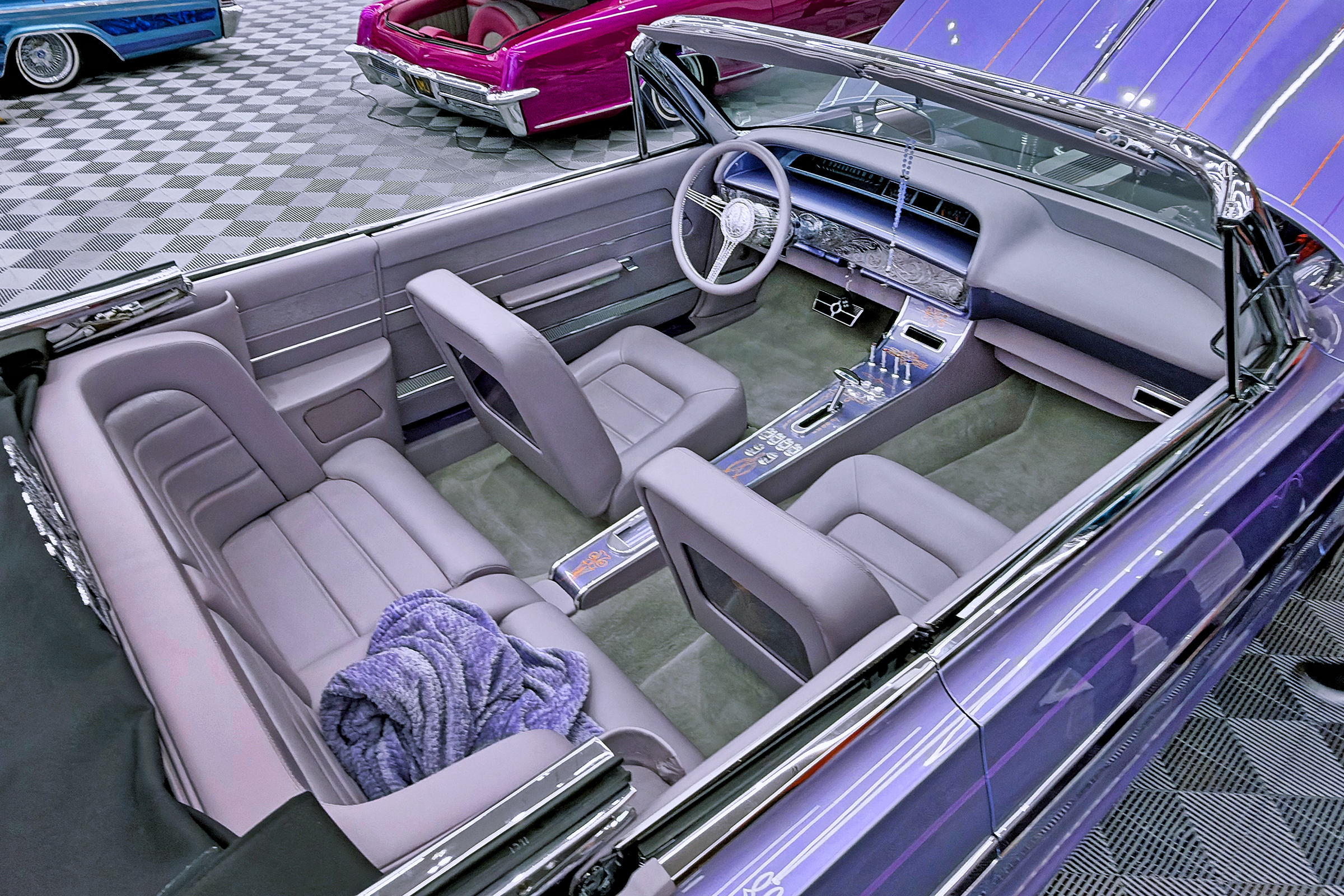
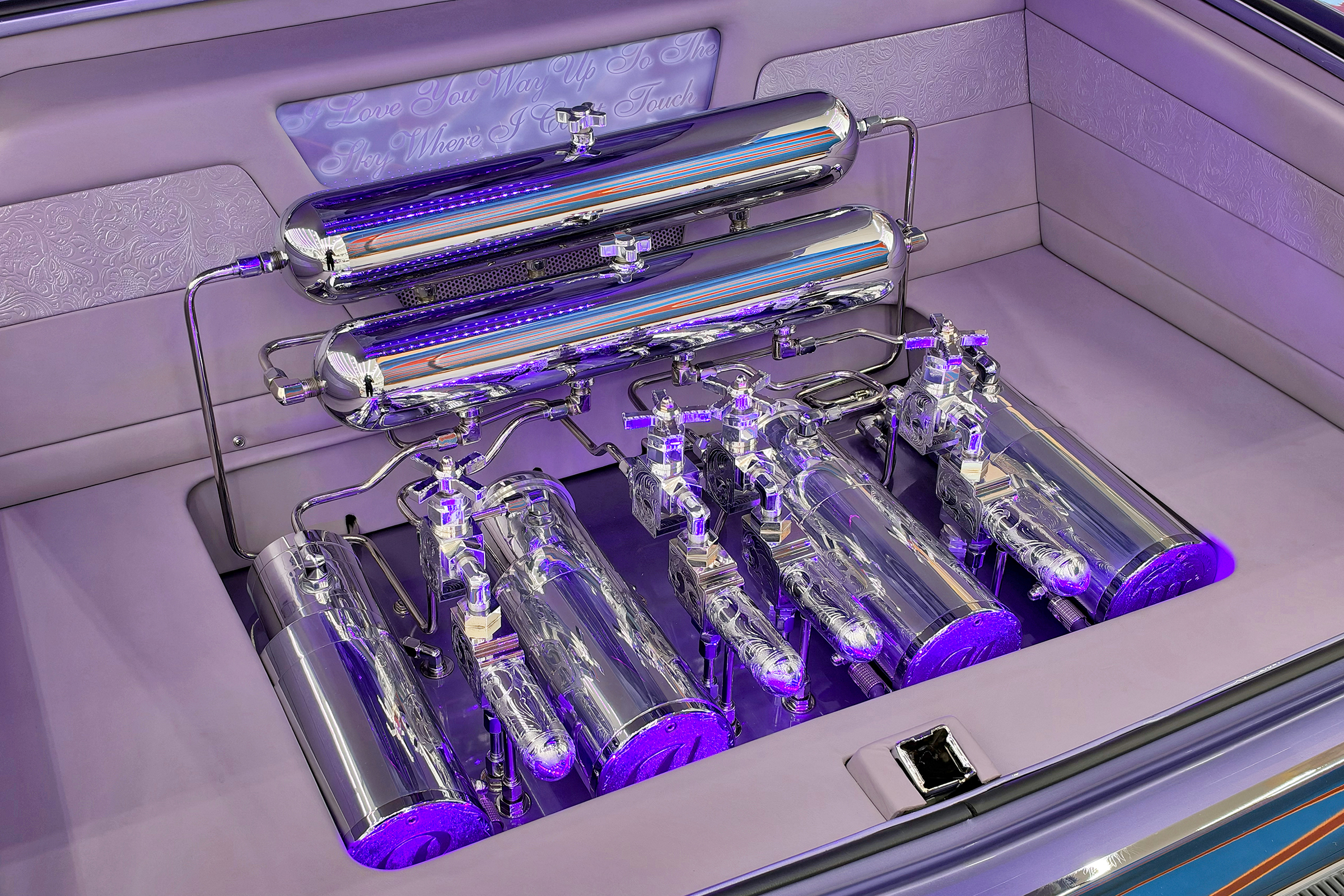
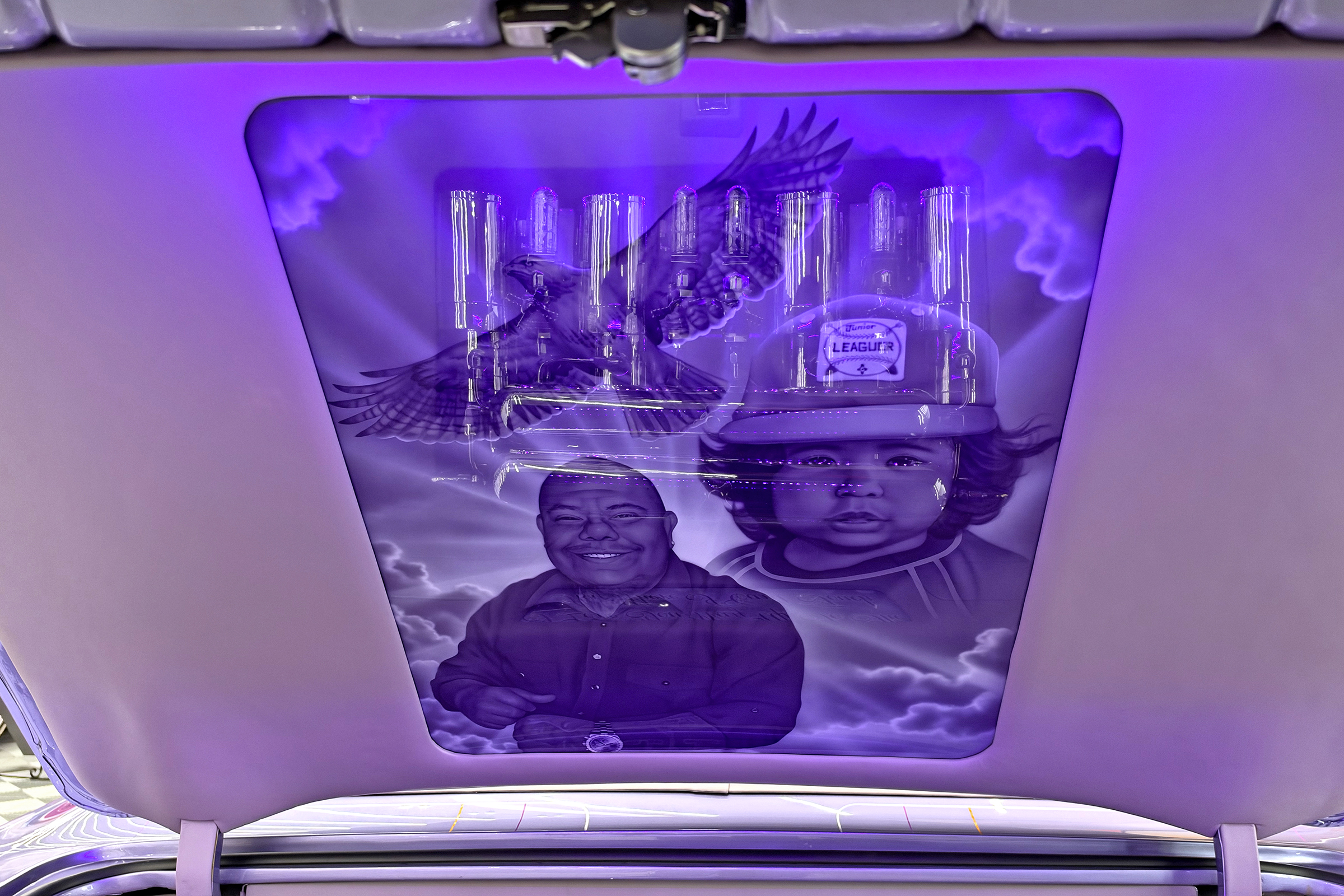
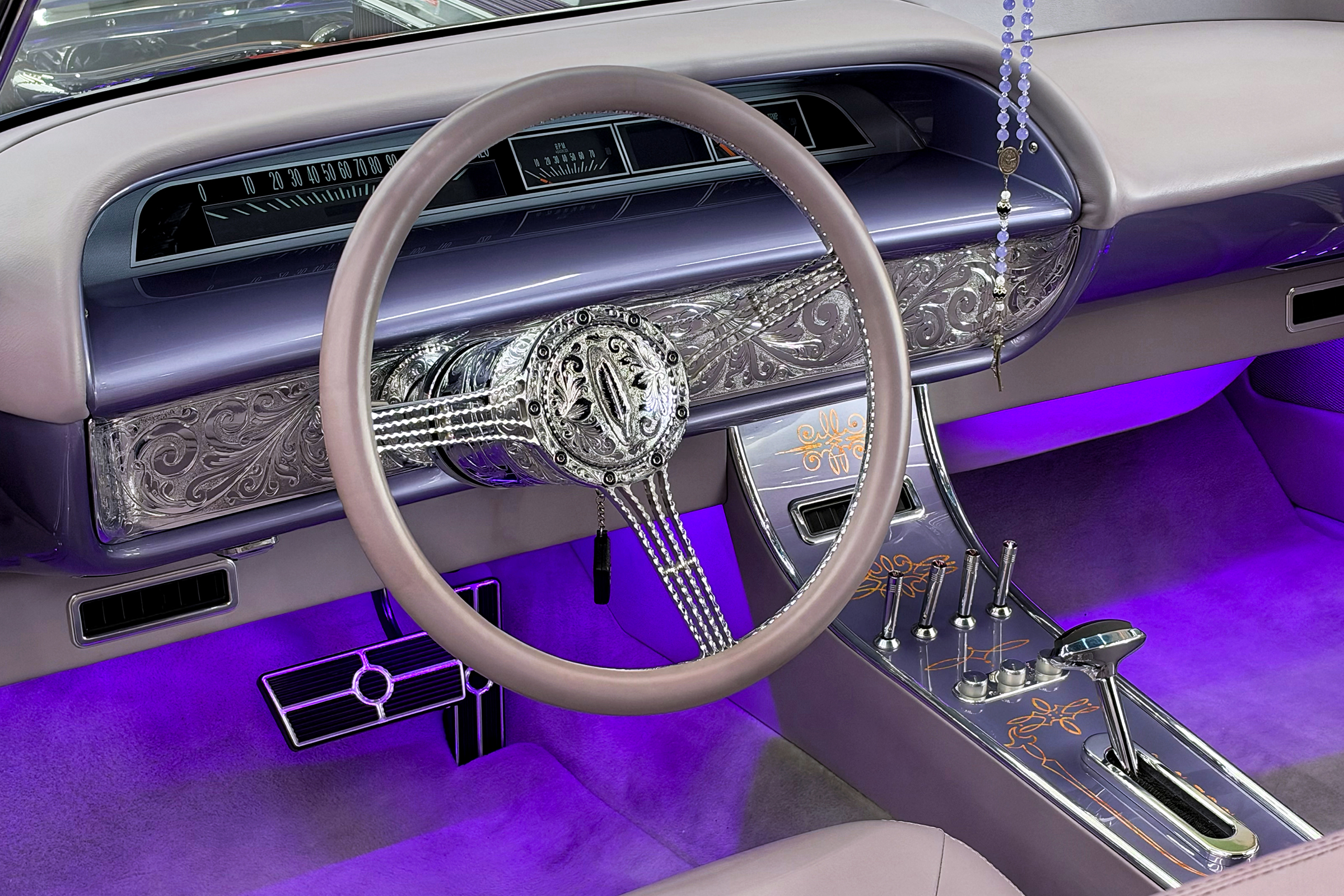
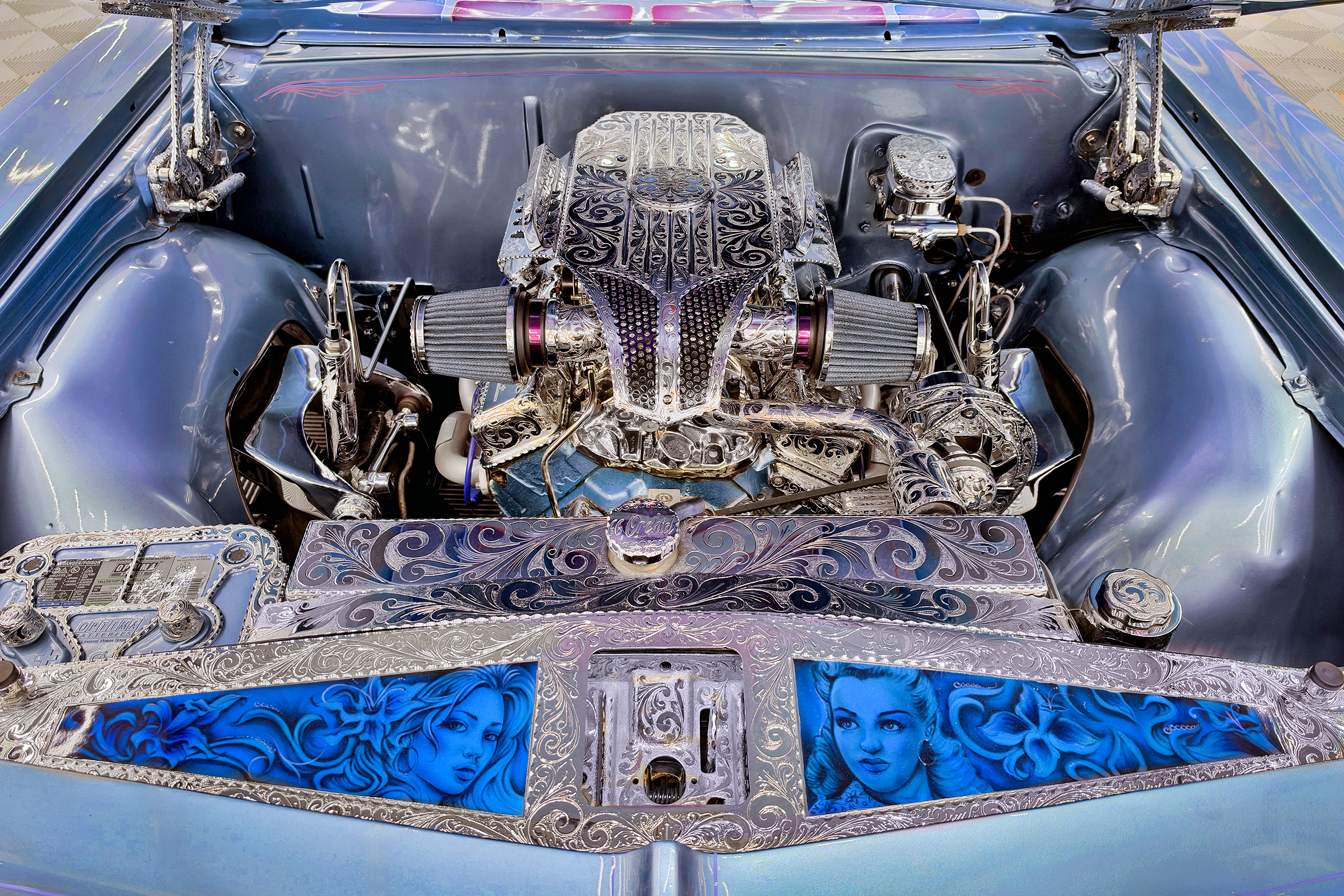
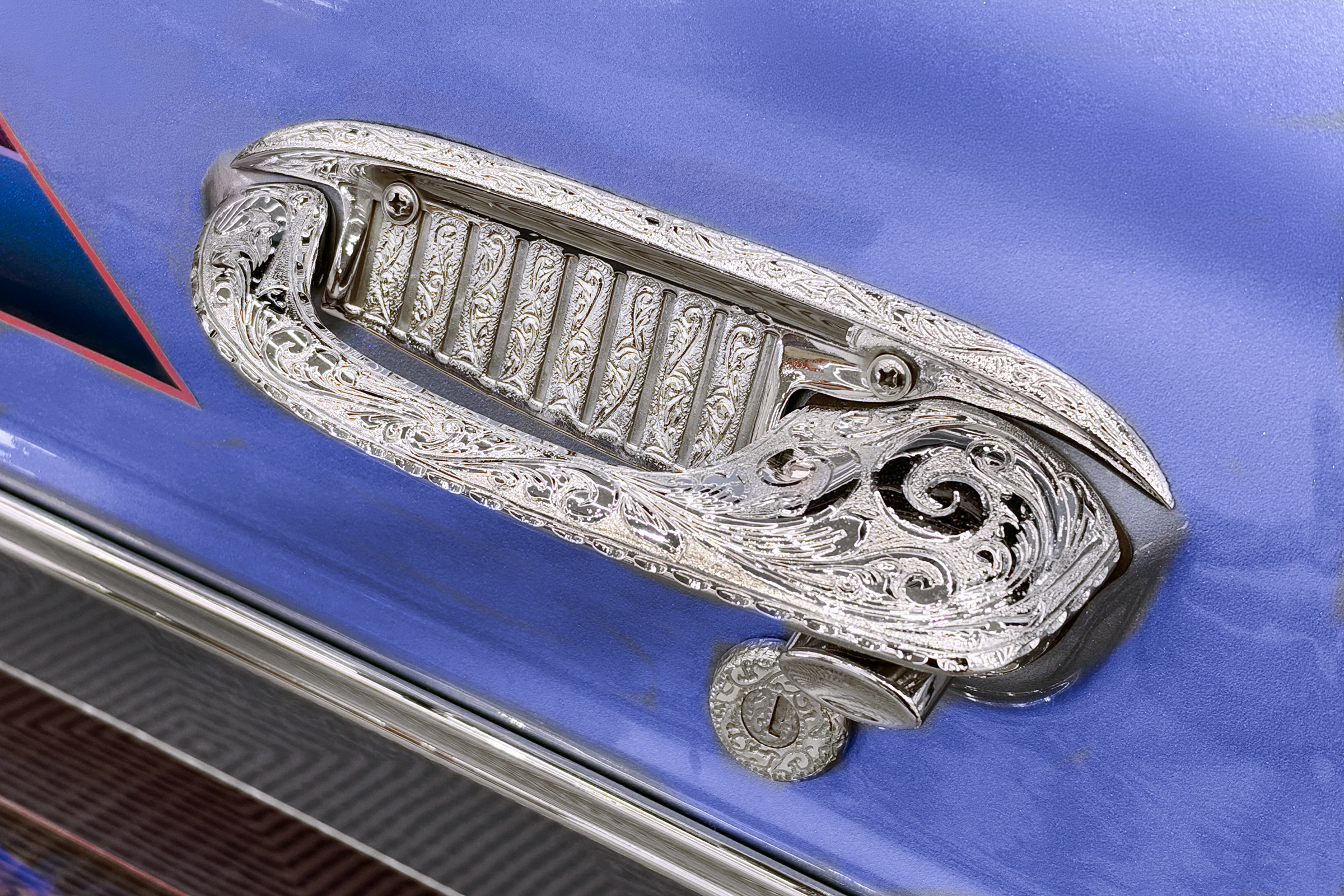
These weren’t your average boulevard cruisers, either. We’re talking serious, show-quality craftsmanship, where practically every nut, bolt, and square inch gets the royal treatment. From elaborate candy paint and pinstriping to engraved metalwork, custom interiors, and meticulously detailed undercarriages, these machines prove that building a lowrider is every bit as demanding as putting together a six-figure hot rod.
Low, Slow, and Steeped in Tradition
Lowriding has deep roots in Mexican American car culture, dating back to the 1940s and 1950s in Southern California and the American Southwest. While hot rodders were stripping weight and chasing speed, lowriders were taking a different approach. The idea wasn’t to get somewhere faster. It was to cruise low, slow, and in style, turning ordinary automobiles into rolling expressions of pride, individuality, and artistic talent.
By the 1960s and 1970s, lowriding had developed its own unmistakable identity. Chevrolet Impalas became favorites, hydraulic suspensions brought a whole new dimension to cruising, and elaborate paintwork, murals, wire wheels, and custom upholstery became hallmarks of the movement. Car clubs, neighborhood cruises, and family traditions helped shape a culture that has since spread around the world. For many enthusiasts, lowriding isn’t simply a hobby. It’s a lifestyle passed from one generation to the next.
And that influence reaches far beyond the traditional lowrider scene. Take a walk through SEMA, and you’ll see plenty of it in modern muscle cars, custom trucks, and street rods. Extreme suspension drops, elaborate paintwork, and custom engraving aren’t exactly strangers to the rest of the automotive world.
The Aftermarket, Just a Whole Lot Lower
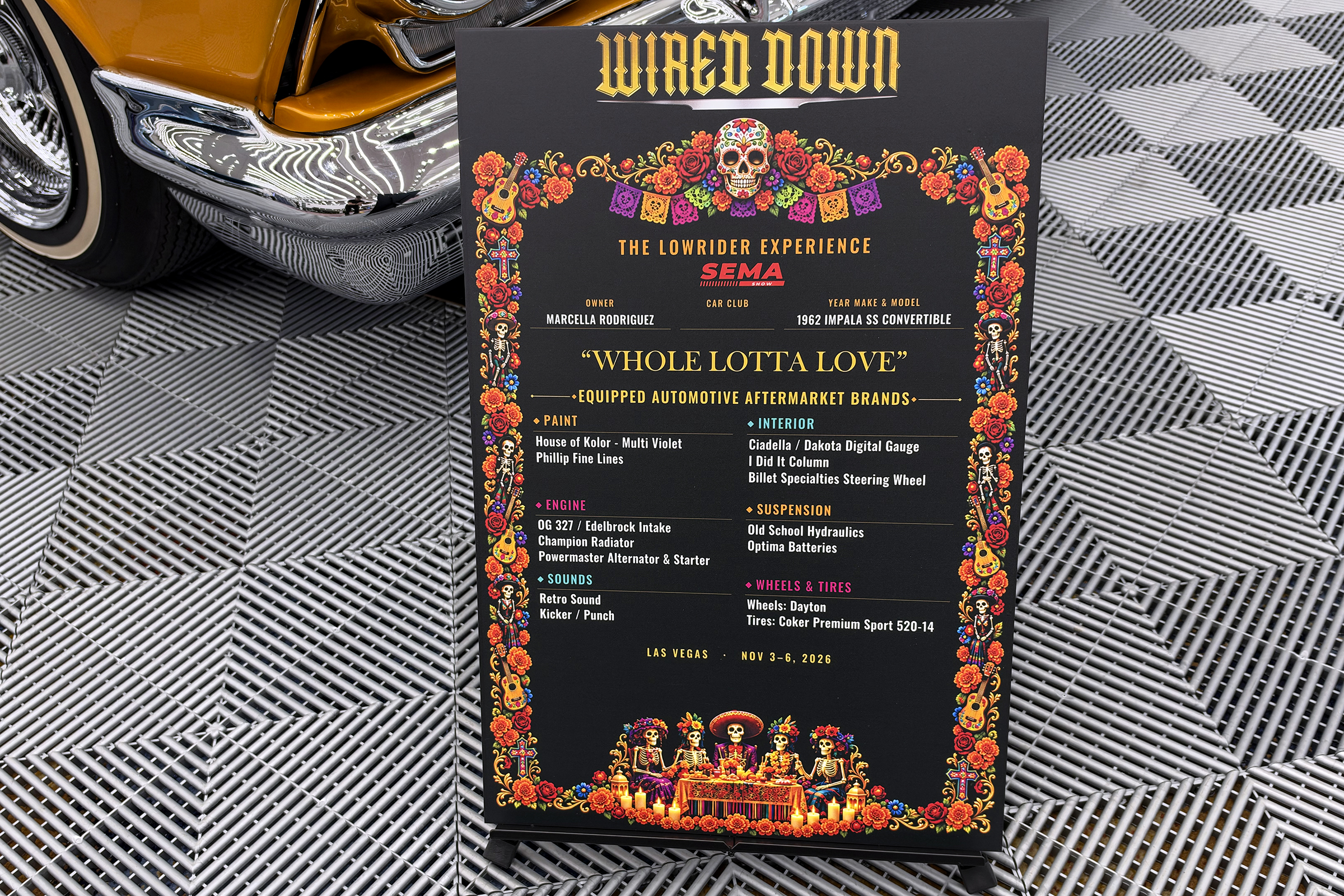
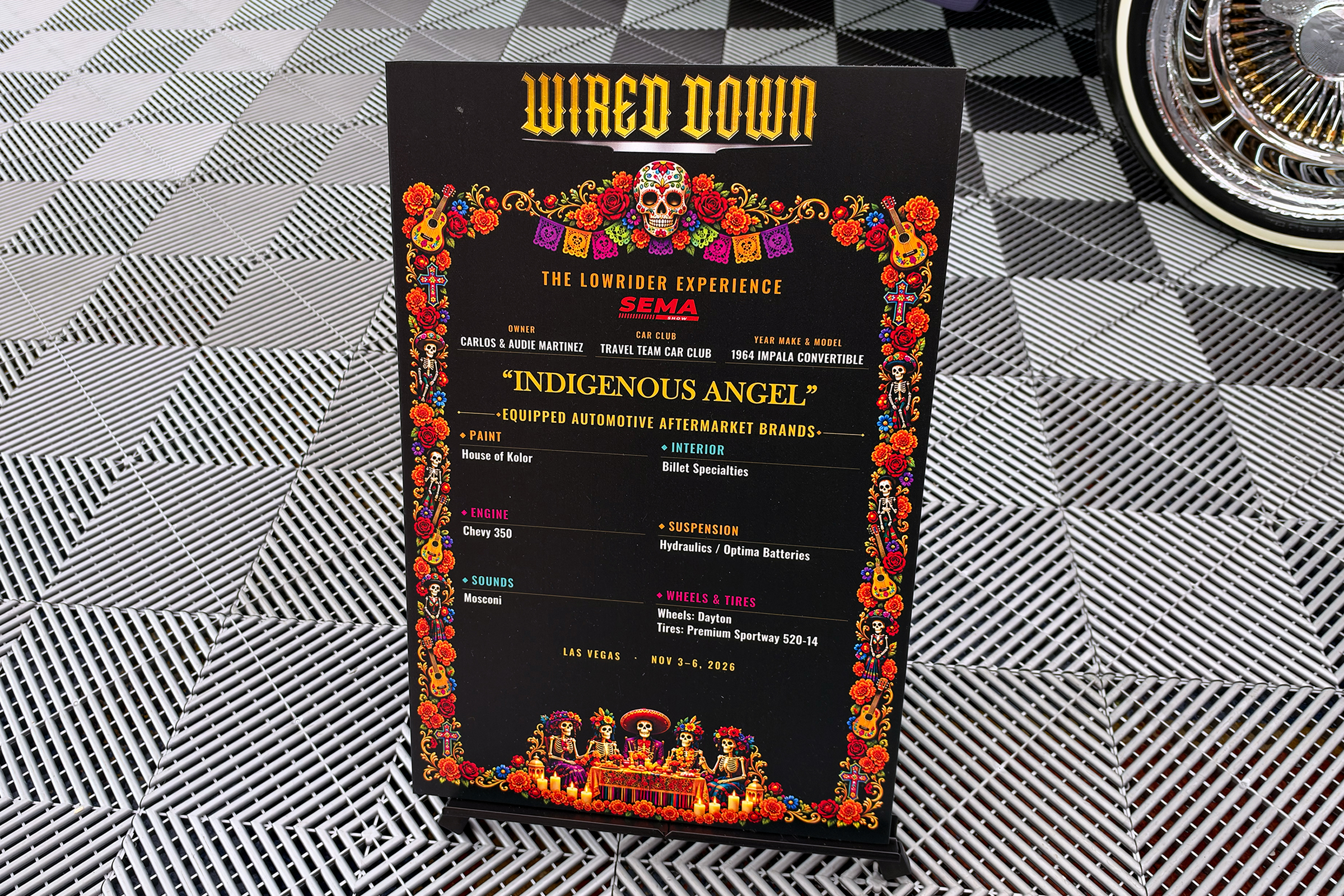
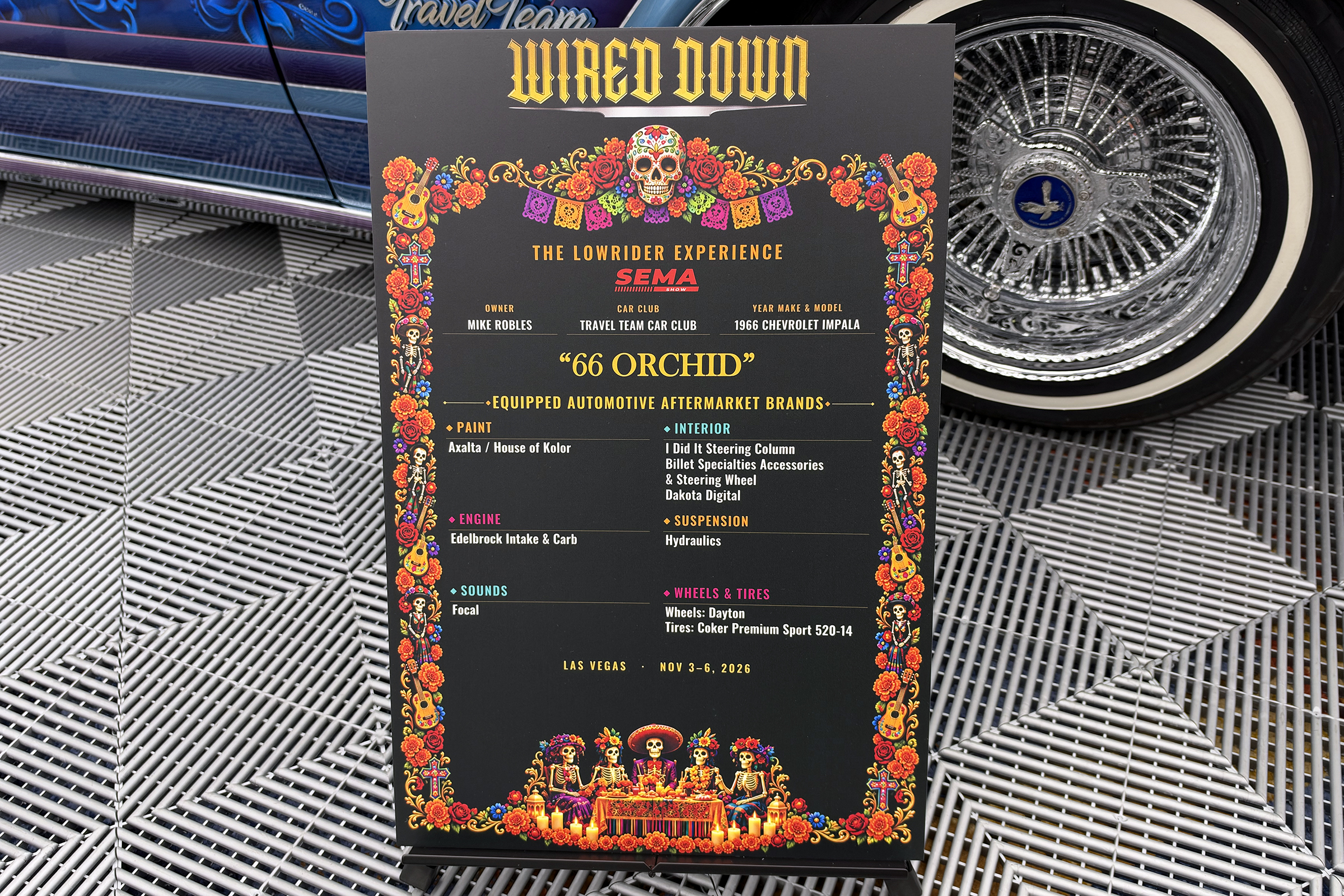
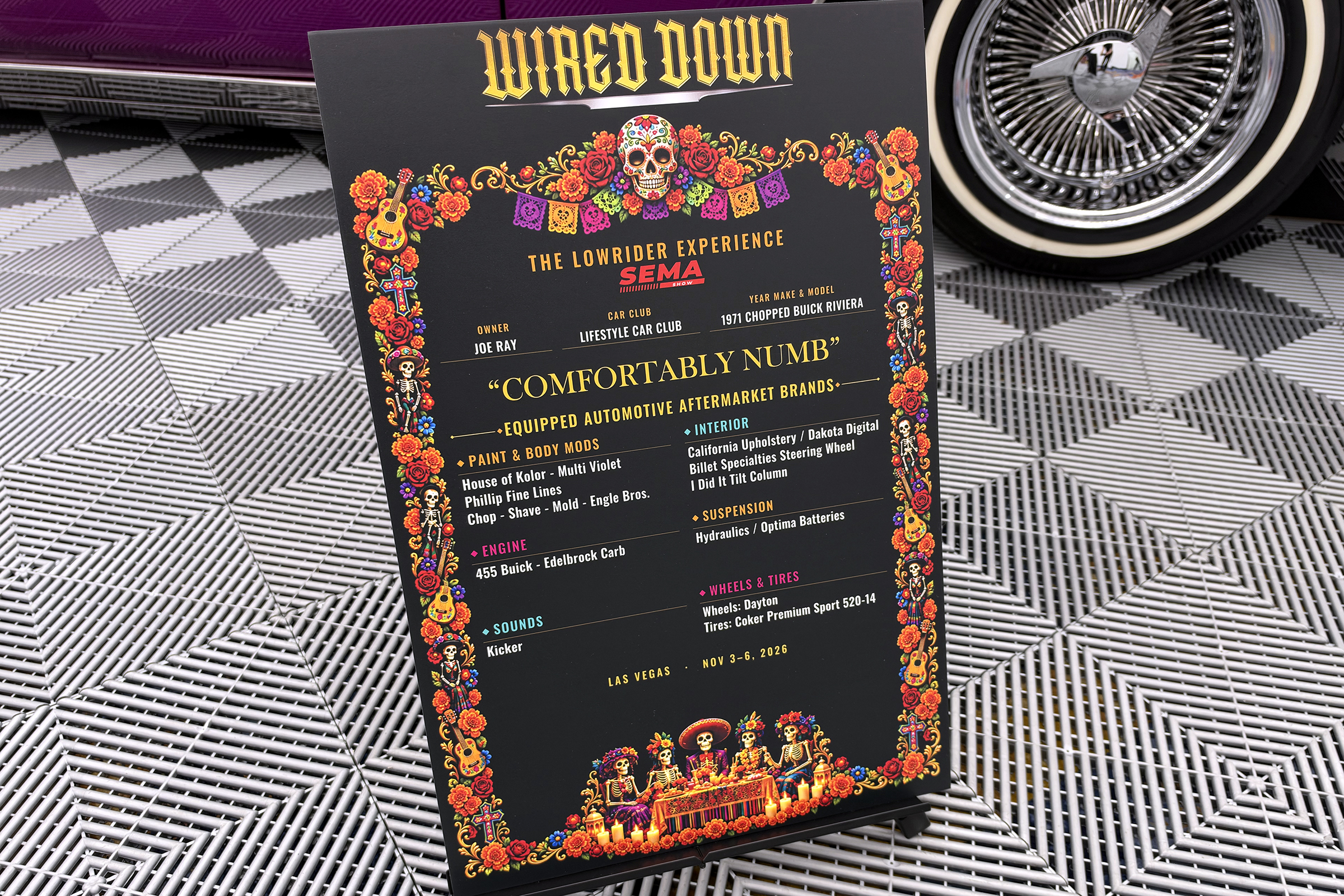
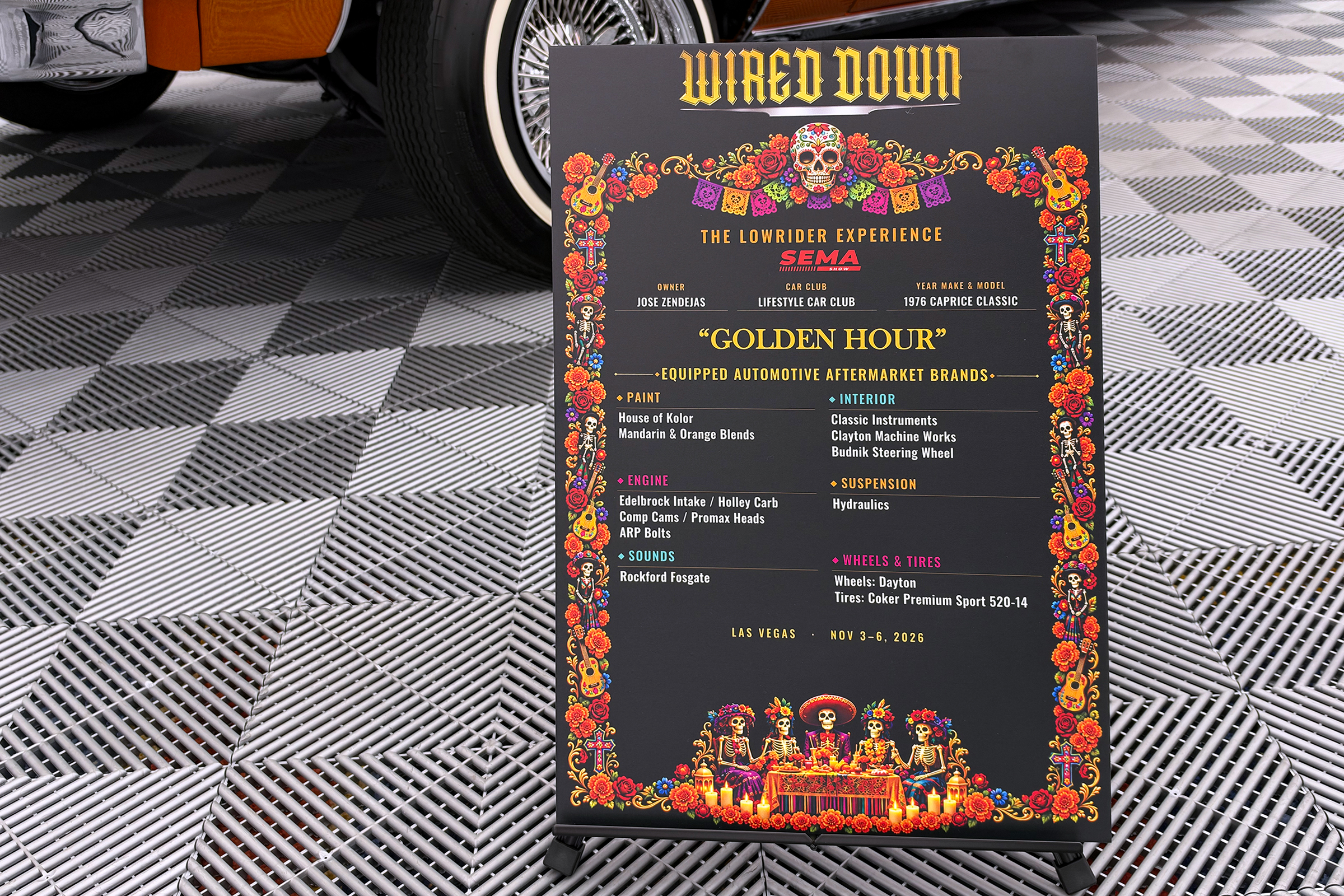
Here’s something worth remembering: lowriders are practically rolling catalogs of aftermarket parts. Engines, suspension systems, wheels, electronics, upholstery, and specialty finishes are all part of the equation. These builders are supporting the same aftermarket industry that fills the Las Vegas Convention Center every November. They just happen to prefer their rides a whole lot closer to the asphalt.
The SEMA 2026 lowrider display brought together ten outstanding examples of the craft, representing different builders, car clubs, and styles. And with their prime real estate at the entrance to Central Hall, these cars weren’t tucked away in some forgotten corner. They were right in the thick of things, giving attendees from around the world a good look at what the lowrider community brings to the table.
There’s a whole lot more to lowriding than a set of wire wheels and a hydraulic switch. It’s about craftsmanship, individuality, tradition, and the pride that comes from building something nobody else has. And judging by the cars on display, this crowd isn’t interested in doing anything halfway.
SEMA has never been short on wild automotive creations, but this year the lowriders proved they could hold their own against anything in the building. No thousand-horsepower engine required, no giant tires necessary. Just great cars, serious talent, and enough attitude to fill the convention center.
Low and slow? You bet. Easy to overlook? Not a chance.