TheAutoBuilder.com

Observations From the Field

Call ’em tech tips, building tips, details or whatever you like, but this is the stuff we see at events and shows while shooting features or doing shop tours, not to mention things we’ve discovered while working in our own shops. It’s like when you’re foot-cruising an event with the boys and pointing things out to each other, or when you have a stroke of genius while working on your own project.

Bobby-Built

We always find it amusing when a bench racing session turns to building street rods. It seems there is a huge contingency of rodders and observers of street rodding who believe that every car in the fairgrounds area was built by a professional shop. We’re not about to argue the point that a lot of people now pay to have work done on their cars, whether it’s chassis work, bodywork or upholstery. However, there is still a large group of people who spend evenings and weekends out in the garage forming brackets, repairing rust, blocking panels and wiring hot rods. In short, they are building cars the old-fashioned way—at home with the help of a few friends.

Hot Rods Dirt Cheap

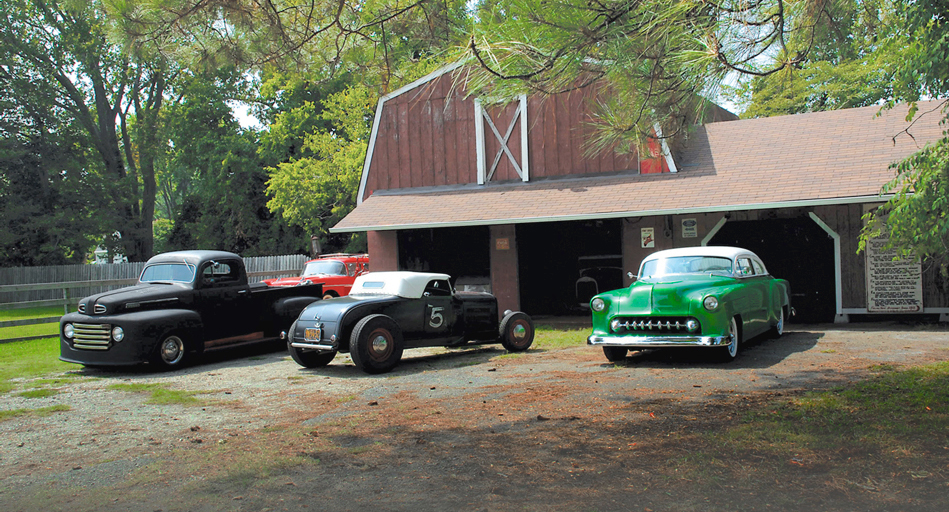
Jack Fuller has been at this hot rod game for a long time, and while he builds hot rods for a living, make no mistake—this is a man who loves his work. As a matter of fact, the mantra of the garage is, “When the fun stops, the doors close for good.” It’s pretty simple stuff, and oddly enough, that seems to be the specialty of the house—basic hot rods that look cool and work well. Jump in a Jack Fuller hot rod, and you’ll know it was designed to be driven. Jack’s own ’32 cabriolet has seen untold miles over the years, as have most of the other hot rods he has built.

CHECKING AND CONTAINING FLUIDS

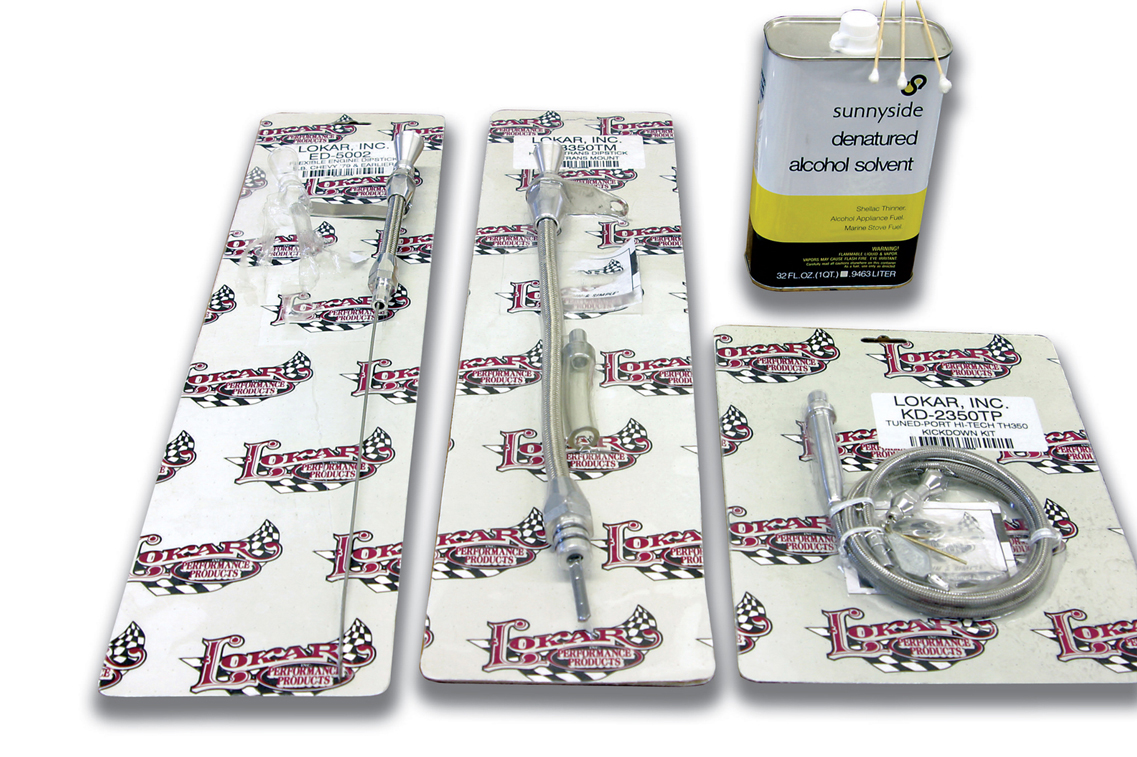
Fluids are the lifeblood of the vehicle. We need to contain those fluids yet still be able to monitor the fluid levels. Our older readers can remember the days before aftermarket flexible dipsticks or silicone caulk were available. The only option in those days was to use an OEM dipstick and dipstick tube. If you needed to shorten the tube, a hacksaw was the tool of choice. If you cut 4 inches off the tube, you then cut 4 inches off the dipstick and ground a couple of notches in the side of the dipstick to note “full” and “add.” Gaskets could be sealed with Permatex, but they had to be used as there was no such option of placing a bead of silicone caulk on the mating surface and assembling the parts.

THE SMART CHARGER

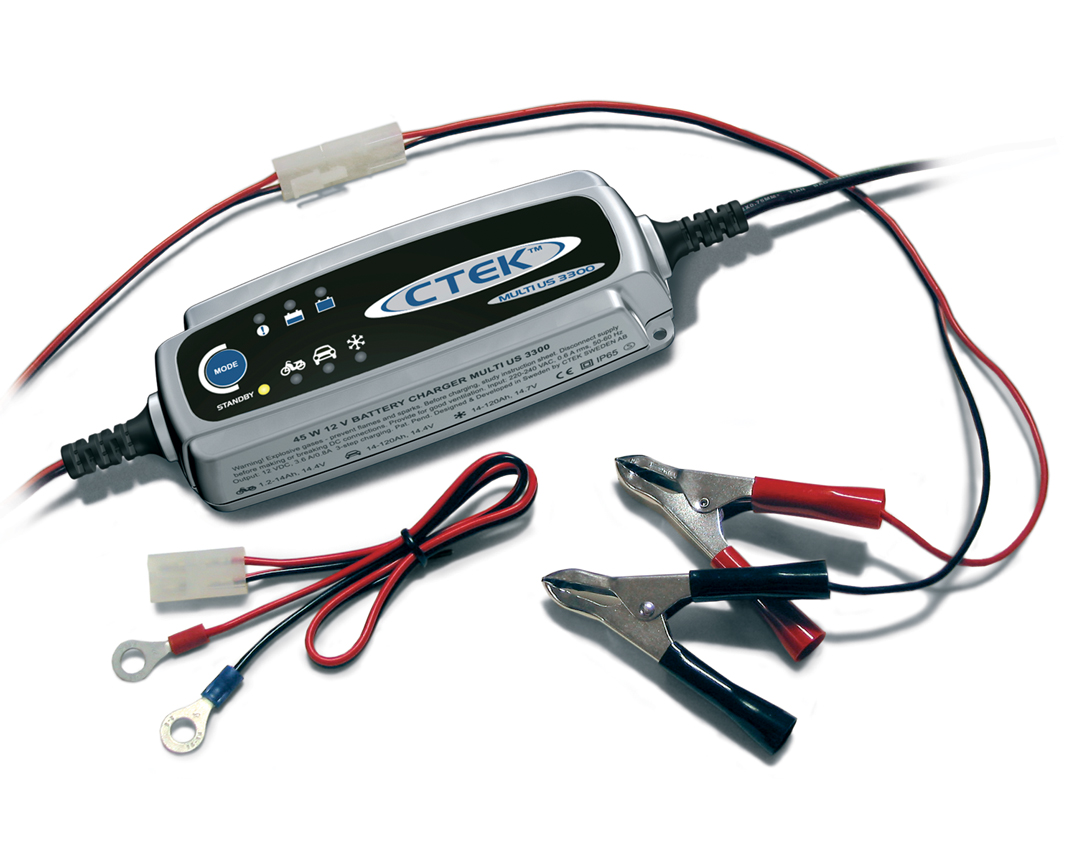
If you are going to connect anything automatic to your car, especially when dealing with electricity, lead and acid, you owe it to yourself to do a bit more research rather than pulling just any super-discounted, off-the-shelf item and connecting it to something as potentially volatile as a lead-acid battery. But we have, haven’t we?

LED BRAKE LIGHTS

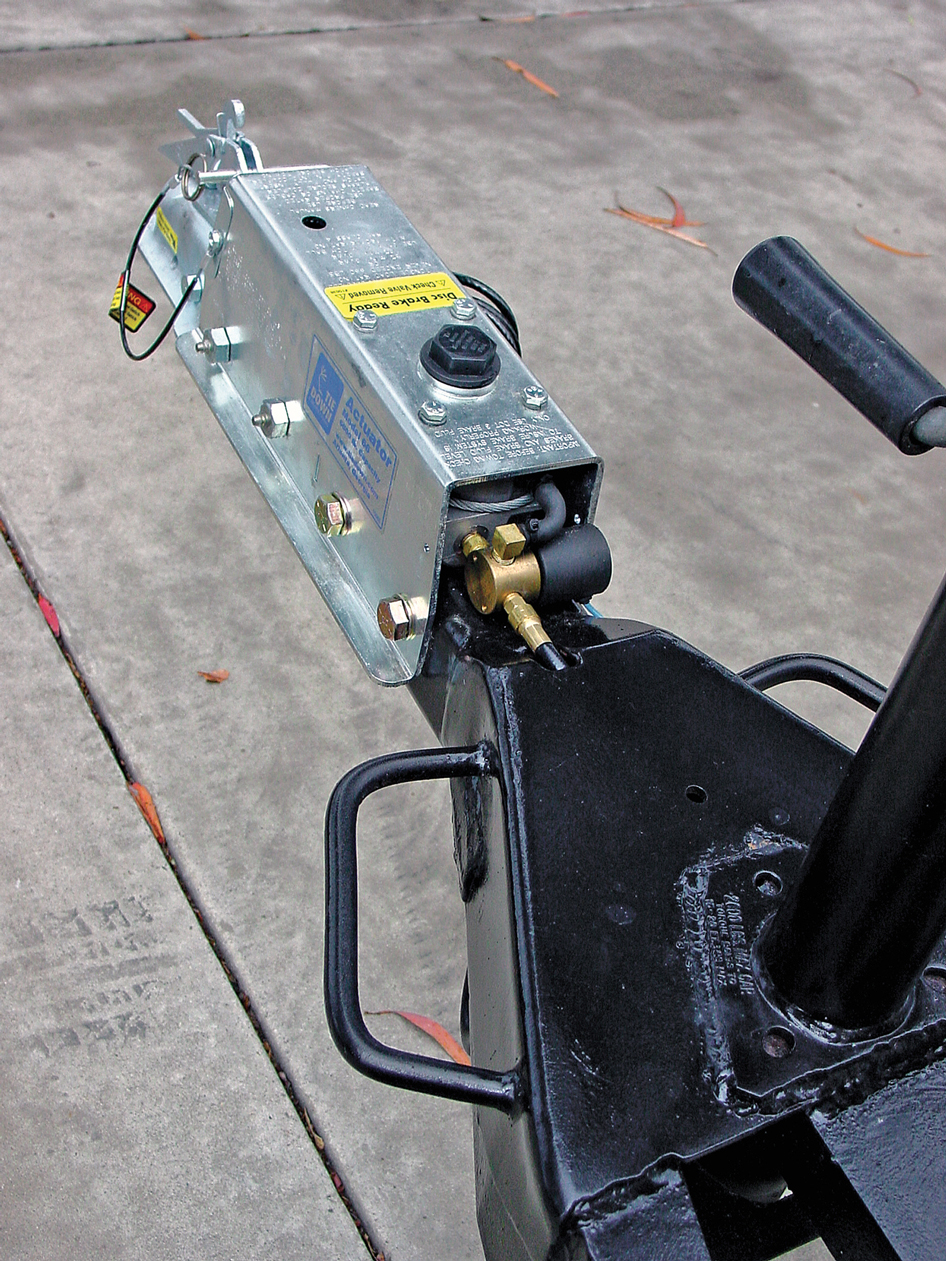
Regular maintenance is rarely stressed enough, and trailer safety is often a direct result of a good preventative-maintenance schedule. Just like changing the oil in your tow rig, it’s easy to suffer from the “out of sight, out of mind” syndrome.

PROJECT ’67

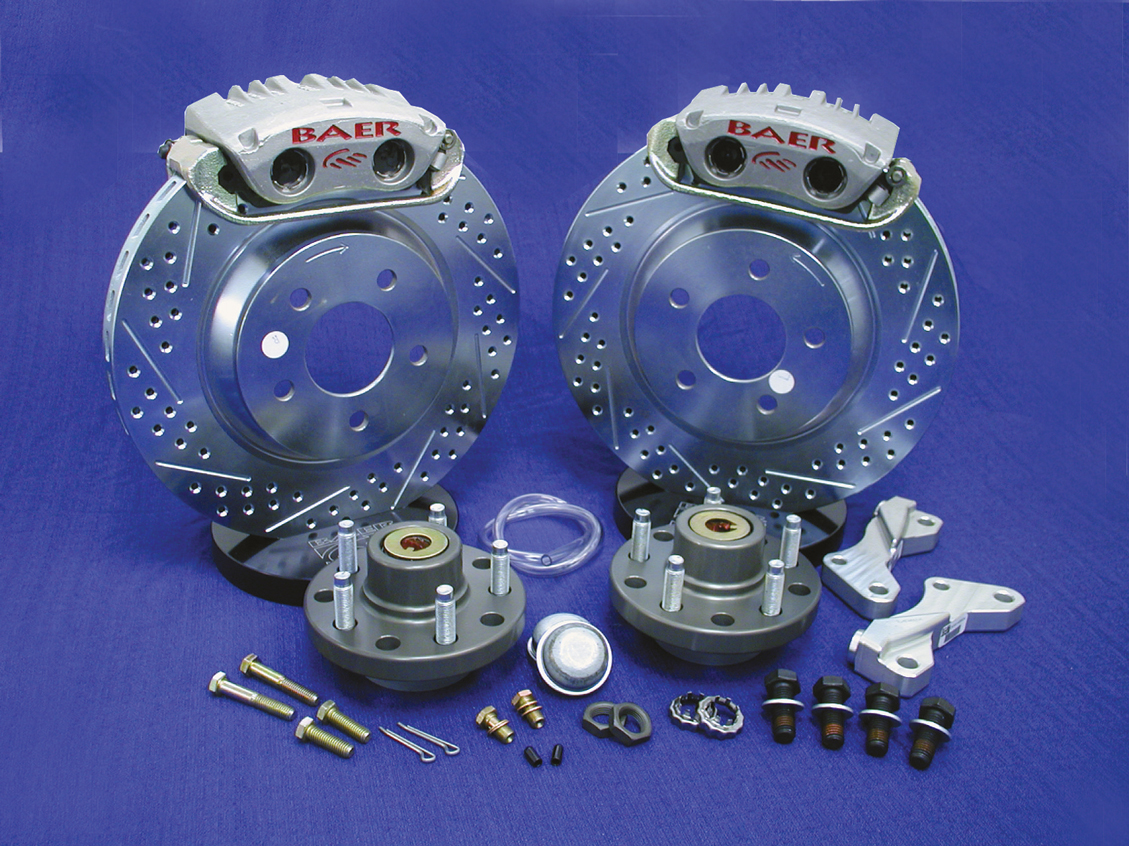
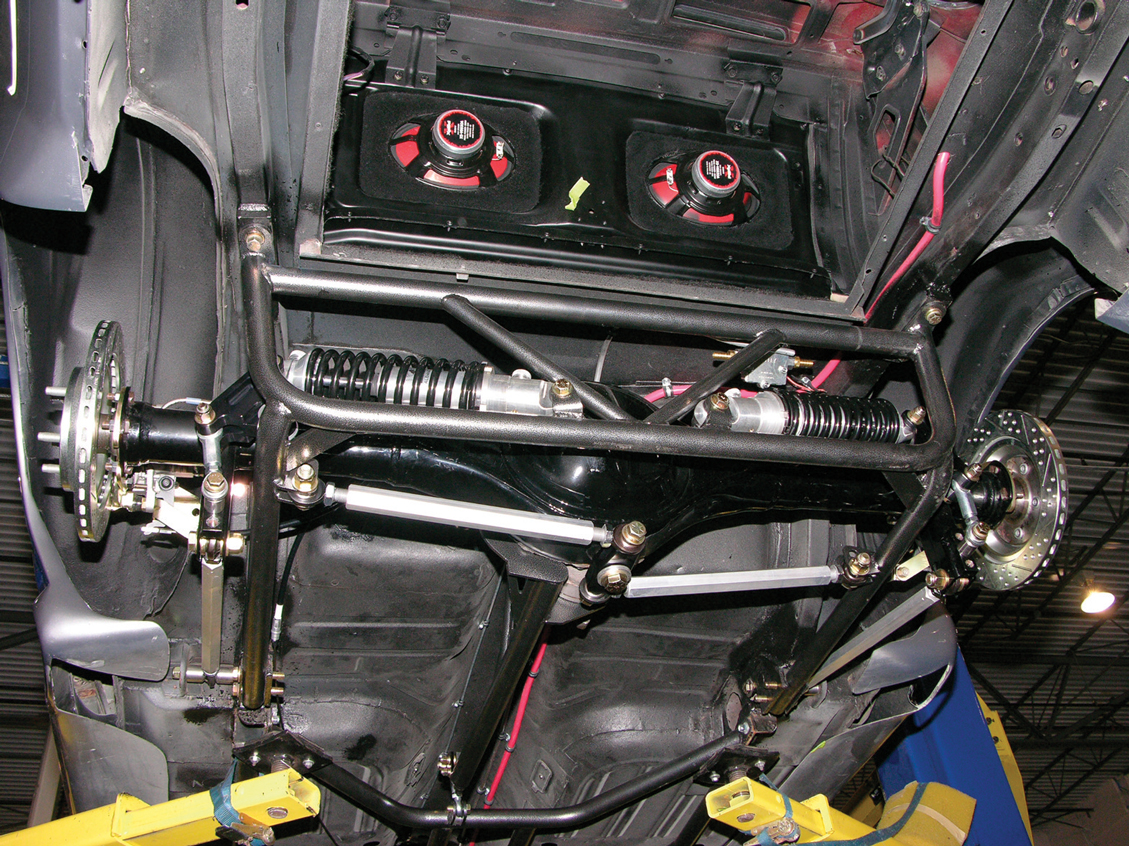
In the long continuation of our Project ’67, the 1967 Chevrolet C10 buildup, several major components and systems have been previously addressed, most notably the Goodwrench LQ4 6.0-liter 366ci Escalade engine buildup by Arizona Speed & Marine. This included the versatile Magnuson Radix supercharger, 4L60E transmission and numerous performance parts and accessories. Continuing along those performance lines and all-out fashion, we would need to contend with the great amount of power this engine package would deliver. Initially, we can’t say that the stock brakes on the C10 were ever designed for the shear torque that would be applied to these assemblies, so it would eventually be necessary to address the stopping performance as well as the go performance. And, after all, brake upgrading was a part of this project plan from the beginning.

REDEEMING THE FORGOTTEN Y-BLOCK

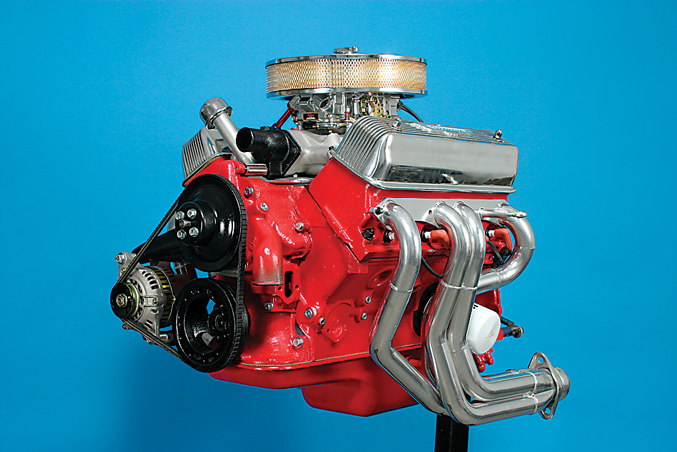
When Ford introduced its Y-block engine in 1954, it labeled the engine the worthy successor to the venerable Flathead. The Flathead gained a loyal following of hot rodders and racers, but the big Cadillac overhead-valve V-8 and Oldsmobile’s Rocket 88 were stealing Ford’s thunder in terms of power, so something had to be done, and Ford decided to respond. The answer was a clean-sheet V-8 design, featuring overhead valves and improved cooling compared to the old Flathead. It was dubbed the “Y-block” because of the way it looked and because of its deep skirt and tall cylinder heads.

PONY EXPRESS

We’ve already tempted and teased our readers with a behind-the-scenes tour of the Unique Performance Shelby continuation cars—the GT 350SR and the GT 500E (Ford Builder, Mar. ’05, page 67). Many of you probably lust after one or both of these cars, but not all of us can afford to purchase one yet. And because of their limited numbers, their prices do, unfortunately, put them out of reach of many of us Ford enthusiasts. That’s the bad news. But there is good news; don’t assume that because you cannot buy a genuine continuation Shelby, you can’t build a car that drives just like one. Unique Performance sells not only the cars as complete packages, but they understand the situation quite clearly and have made available many of the individual parts and assemblies used to build their cars.

Scroll to Top
image

Subscribe for Email Updates

Newsletter Categories *
Marketing by