
THE AUTO BUILDER
Featured

OFF THE FARM
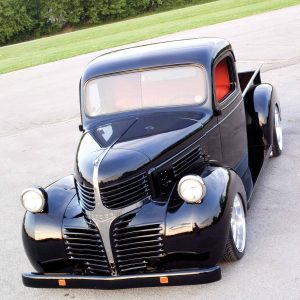
Witness the evolution of a 1947 Dodge pickup from its days as a humble farm truck to a head-turning street rod. Delve into the meticulous customization, from the Ford 351 Windsor engine to the Air Ride suspension and red leather interior, that elevates this Dodge to a league of its own.

’65-’66 MARK IV
The birth of the Mark IV 396 for public consumption occurred back in 1965. Its predecessor, the Mark I, started in 1961 on the drawing board, was finalized and built in late 1962, and was unveiled in race trim in 1963. It set the racing world on its collective ear at Daytona and other races, and then it disappeared, going back to Chevrolet Engineering for further development. Seeing that you could step up and possibly own the Marilyn Monroe of big-block engines, serious racers and enthusiasts had to sit on their hands for two full model years (1963 and 1964) before the son of this absolute powerhouse could be ordered.

Drop It Right
The C10 series of Chevy pickups is generally accepted as being the best-looking early pickups from the land of Bow Ties. But the one problem is that the factory fit them with roughly the same ride height as a 4×4. We suppose the guys who bought and used these trucks as trucks liked them that way, but the rest of us prefer them down in front. Having read nothing but truck magazines all your adult life, you know that there are many ways to lower a truck, from melting the springs with a torch all the way to installing forged aluminum IFS A-arms. We’ve read a couple of magazines ourselves and can tell you the safest, most affordable and simplest way.

Spotlighter
POPULAR READS
-
The Auto Builder’s Hottest Product Picks from The Triple Crown of Rodding 2026
-
Product Spotlight: Bill Mitchell Products Aluminum LS Engine Block
-
PRODUCT SPOTLIGHT: 60-66 Chevy C10 Fresh Air Vent Block Off Plate
-
Product Spotlight: Pyramid Optimized Design Sequential Aurora Taillight for 1964½–1966 Mustang
A Tough Act to Follow
Author
Richard Holdener
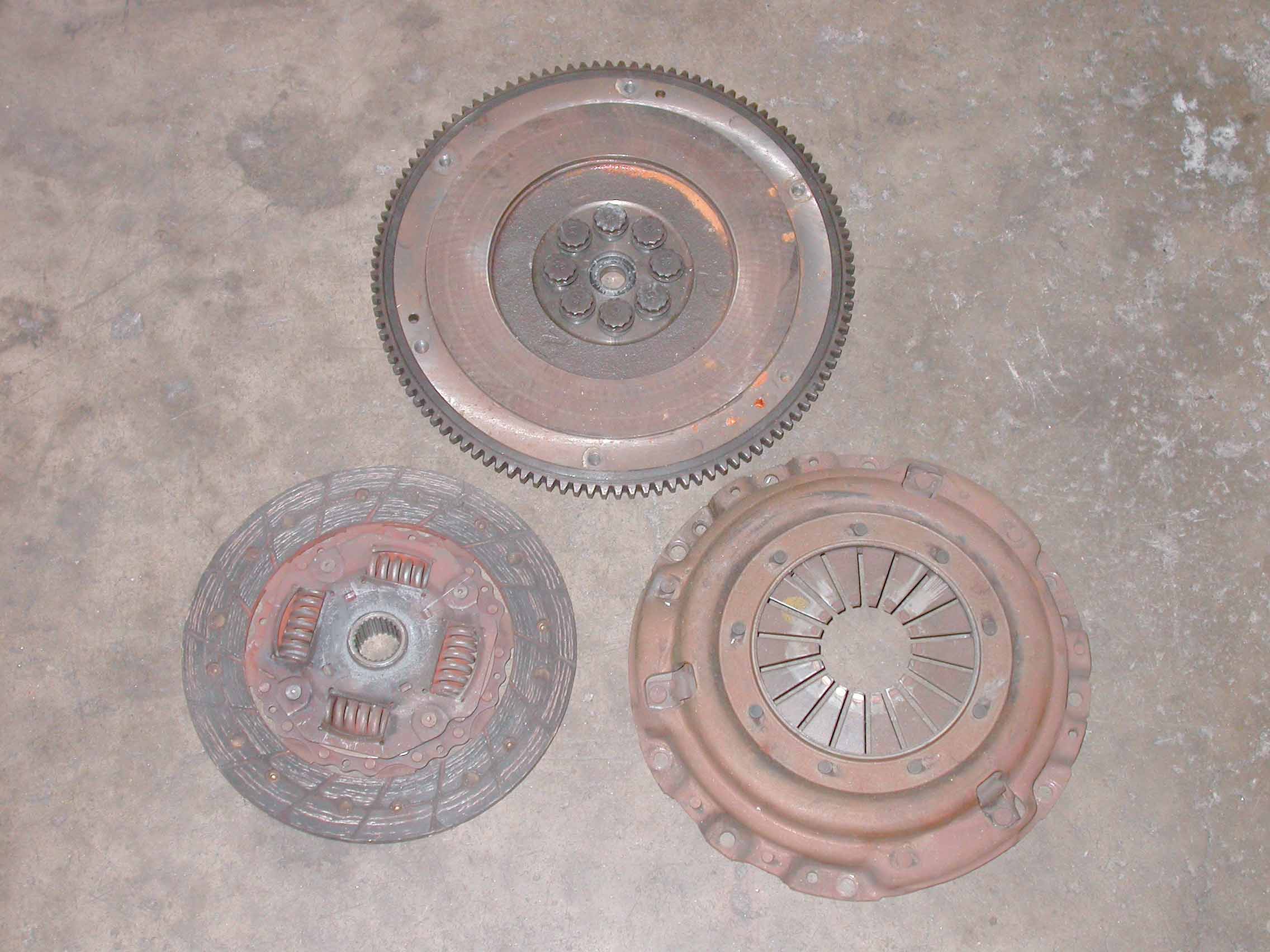
Clutches are something enthusiasts can easily take for granted—until one lets go. We all have installed questionable or inexpensive imitation clutches during late-night thrashes. Attention is paid to the power portion of the equation, but power goes nowhere without a clamping force. In fact, the more power you build into that hot street/strip turbo motor, the more likely you are to overpower the stock clutch.
Though clutches rank below power-adders on the desirability scale, they are every bit as important. In fact, you’d be better off not spending the time and money on a trick blower or turbo kit if you do not plan on upgrading the stock clutch assembly. Sure, it is possible on some applications to improve the performance of your motor without a clutch and pressure plate upgrade, but you can only take things so far. Eventually, the engine will let you know by racing to the moon when you least expect it. Your clutch will likely slip under full throttle, and most probably at the highest load. Better hope you have a rev limiter or things can really get ugly.
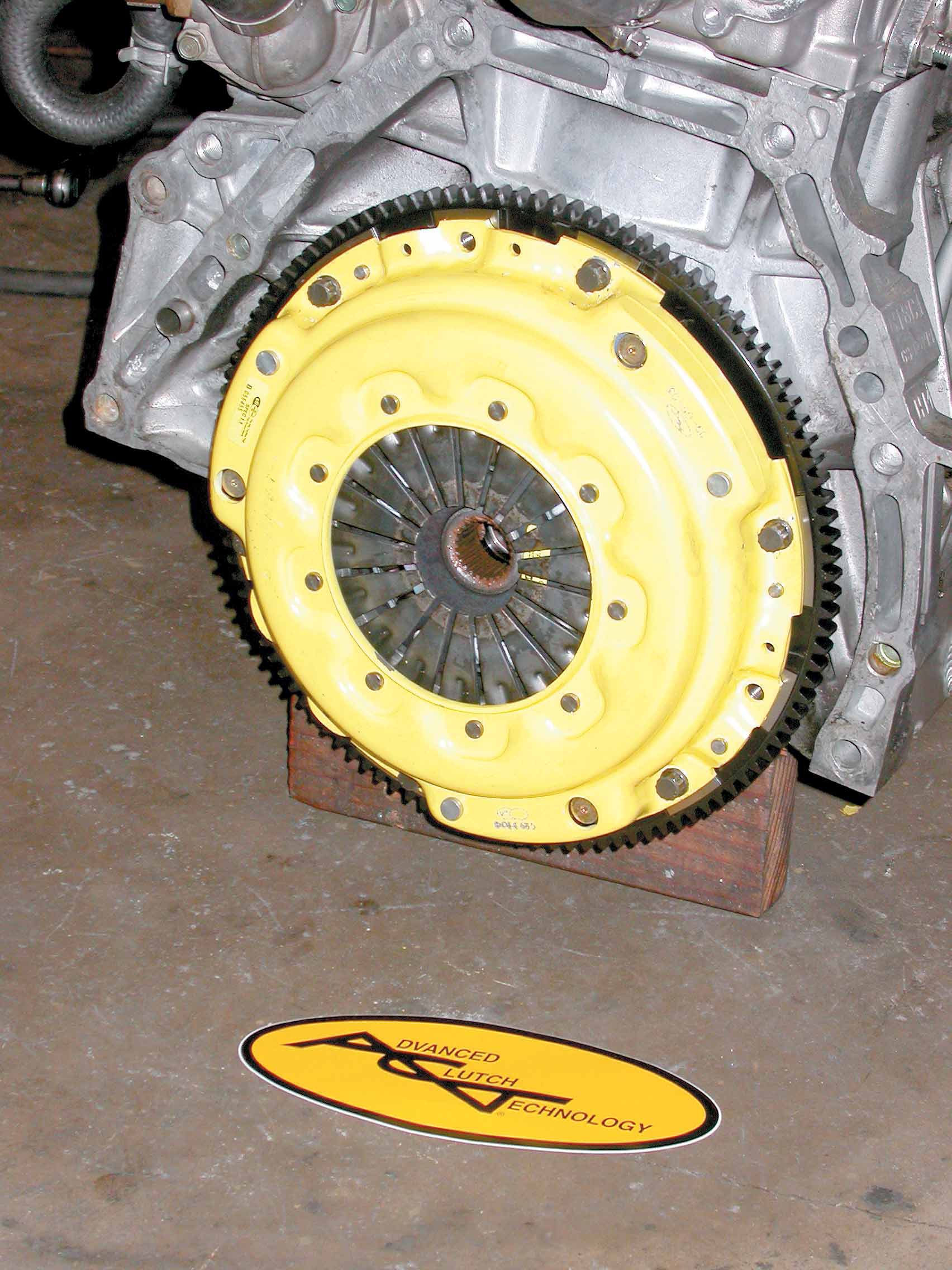
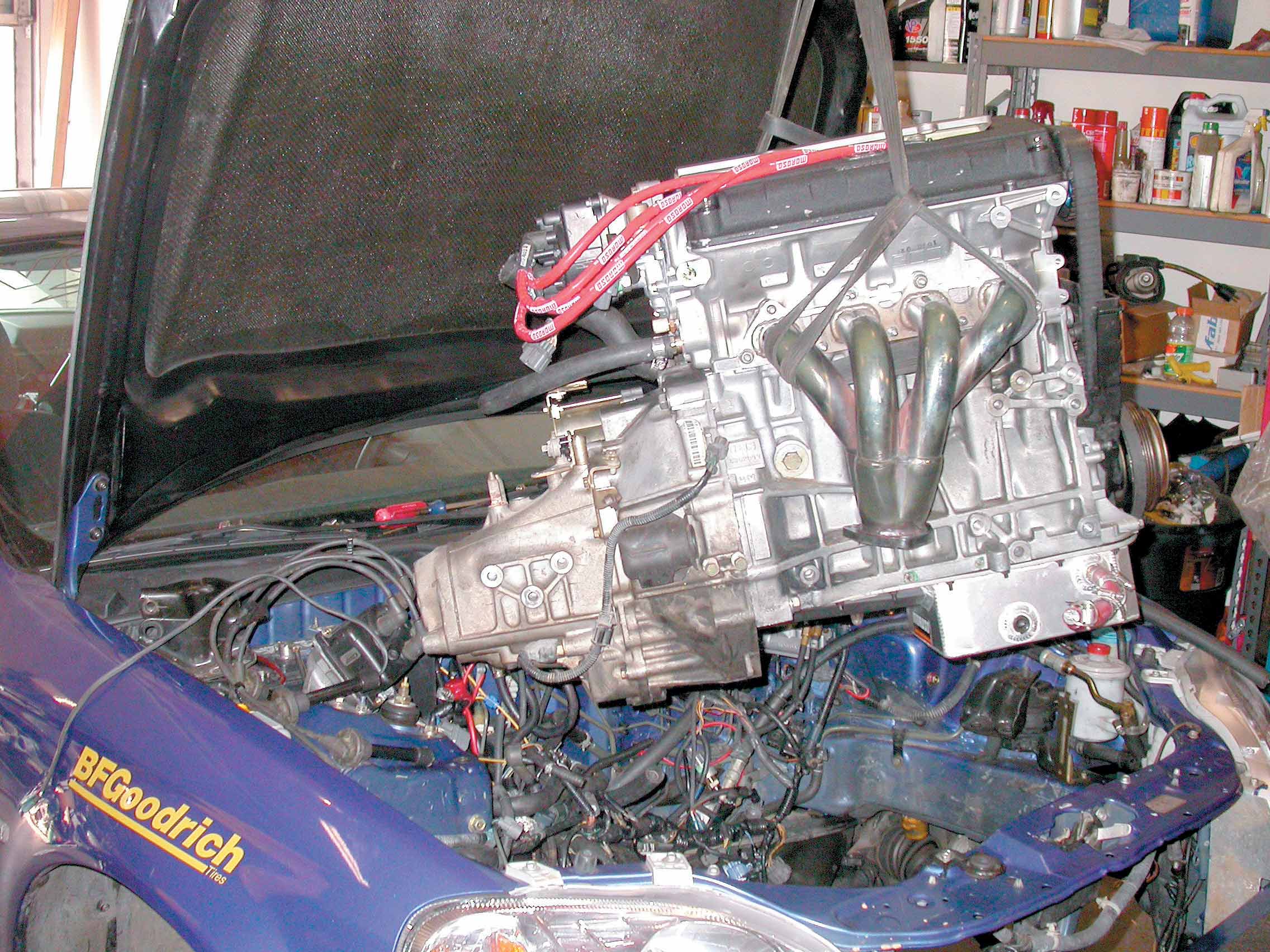
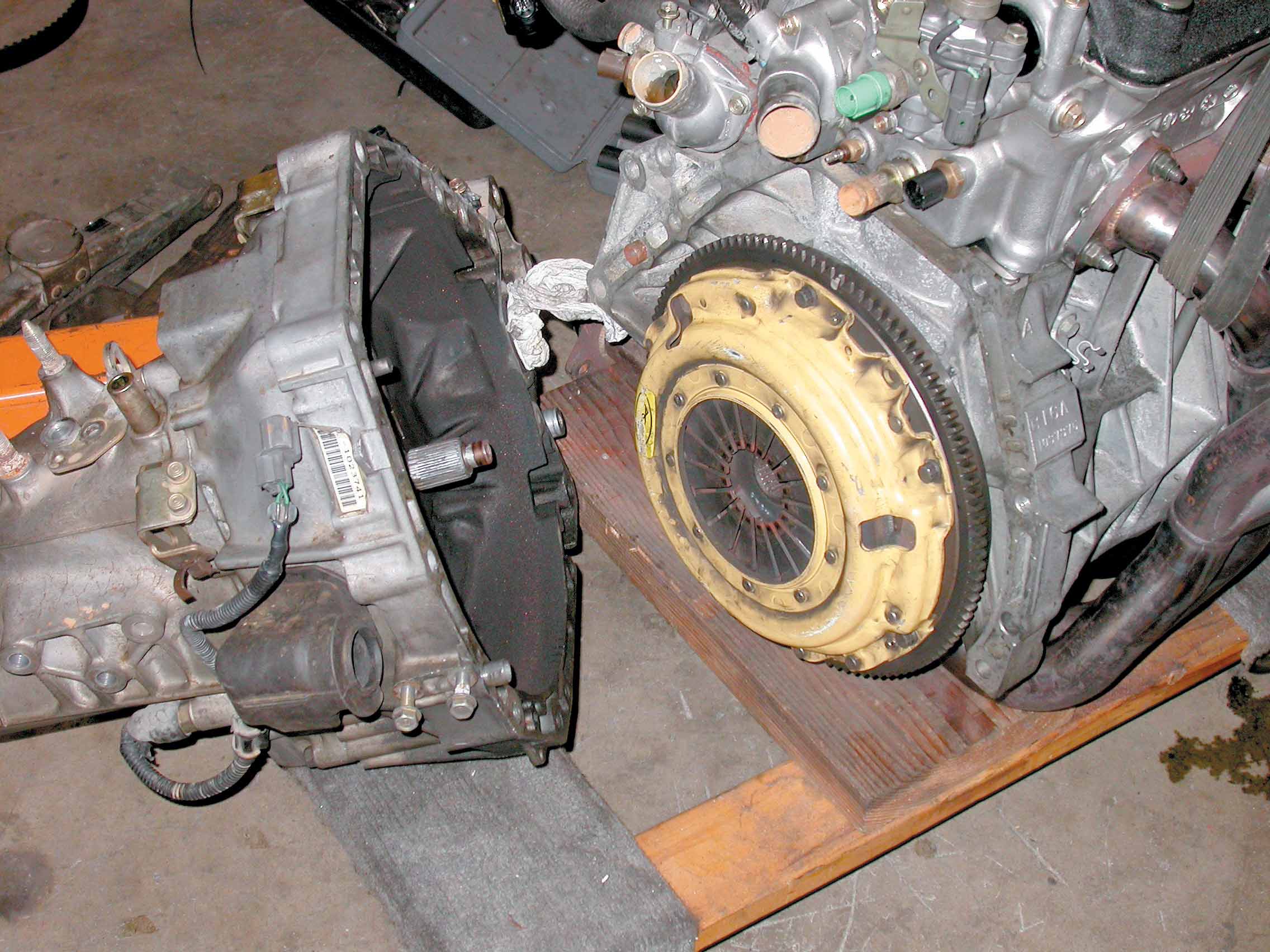
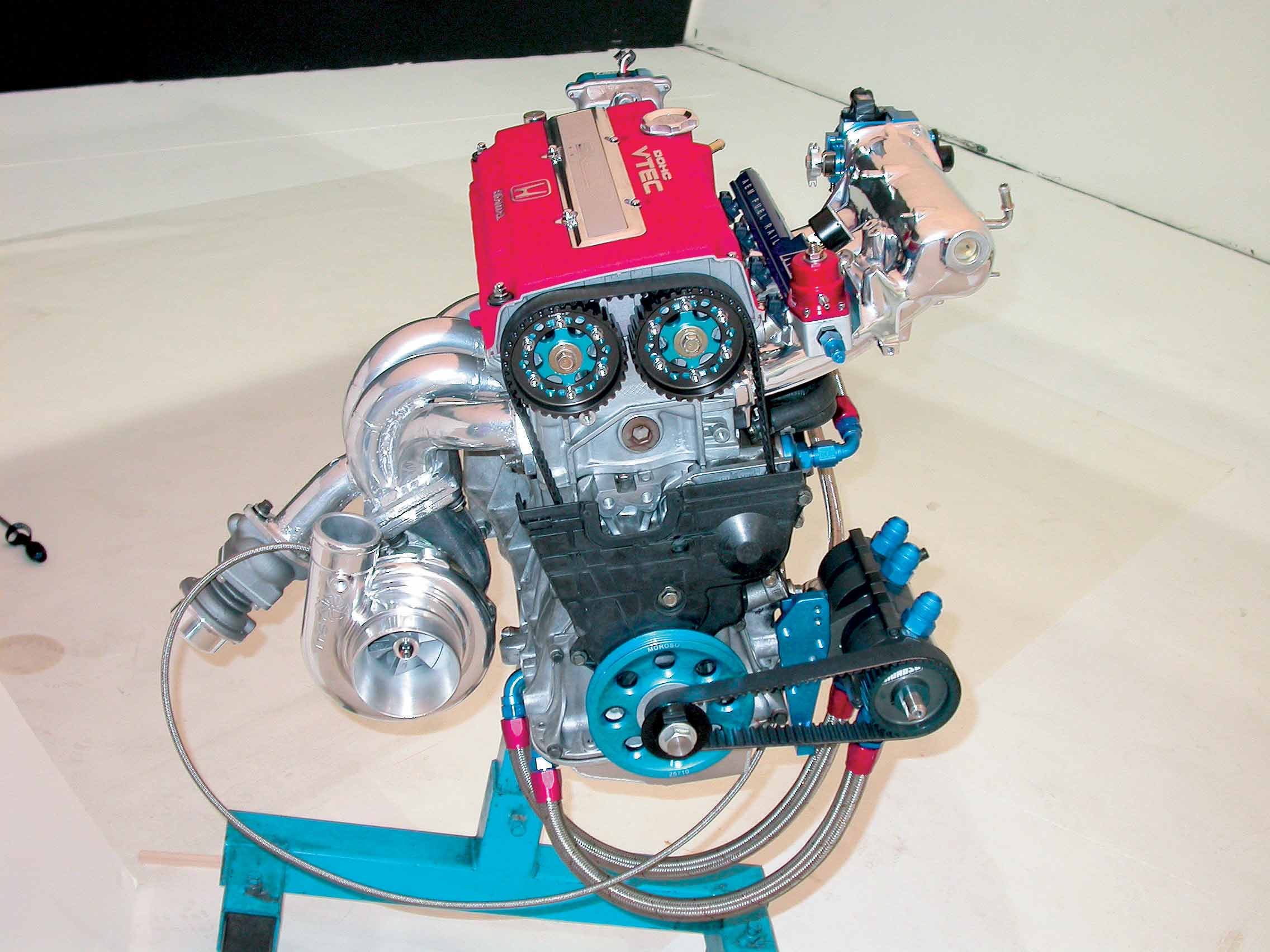
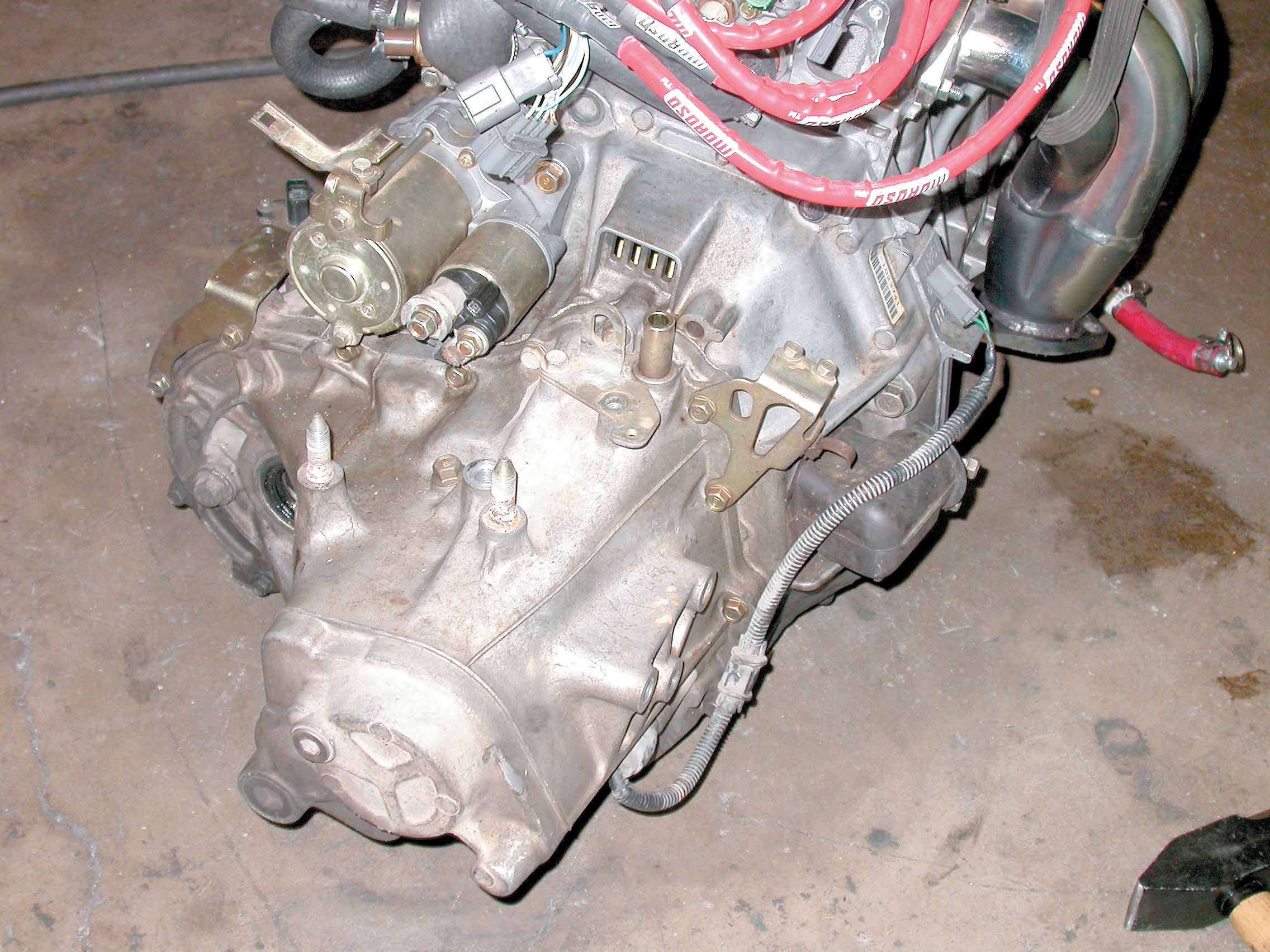
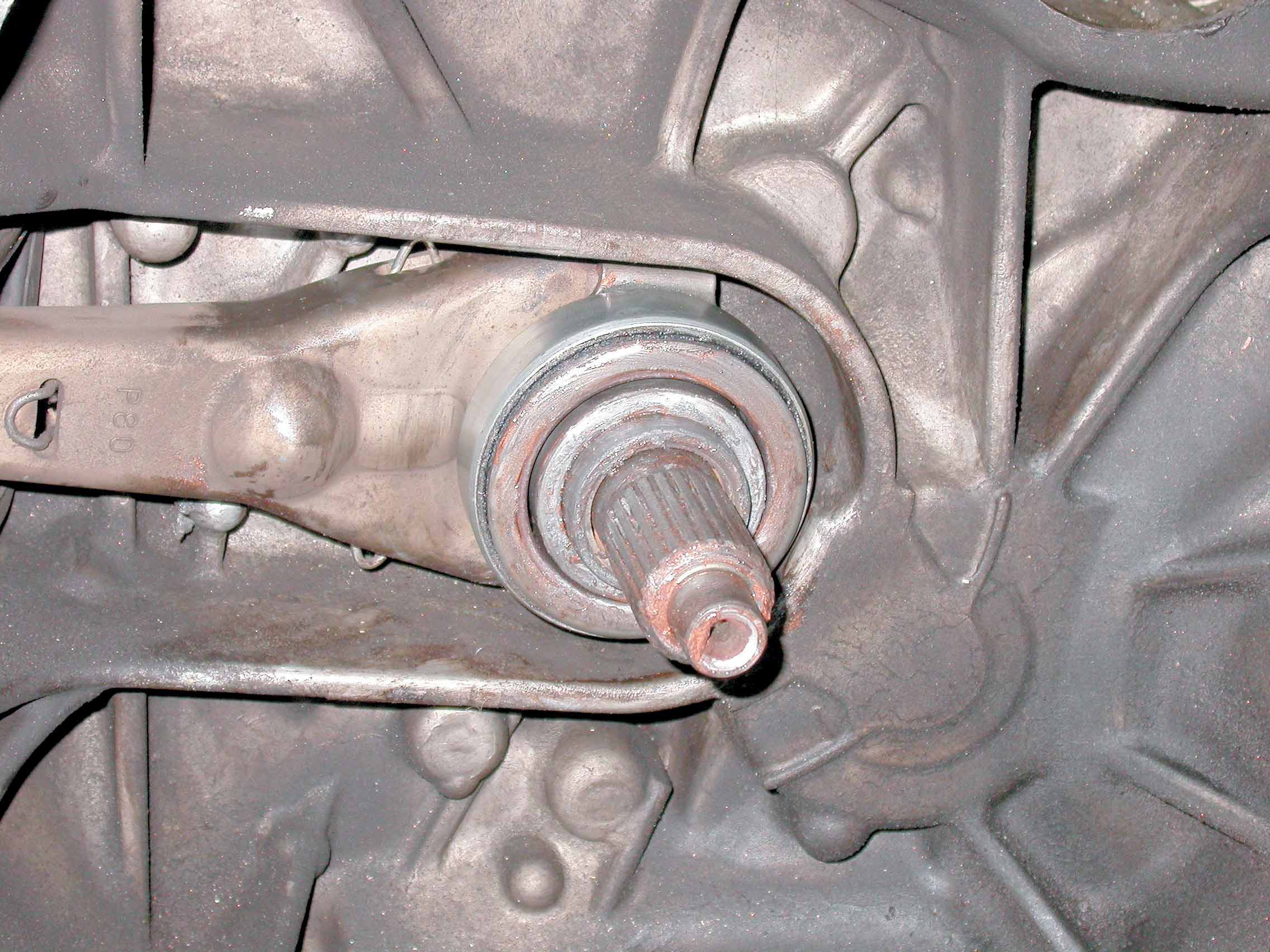
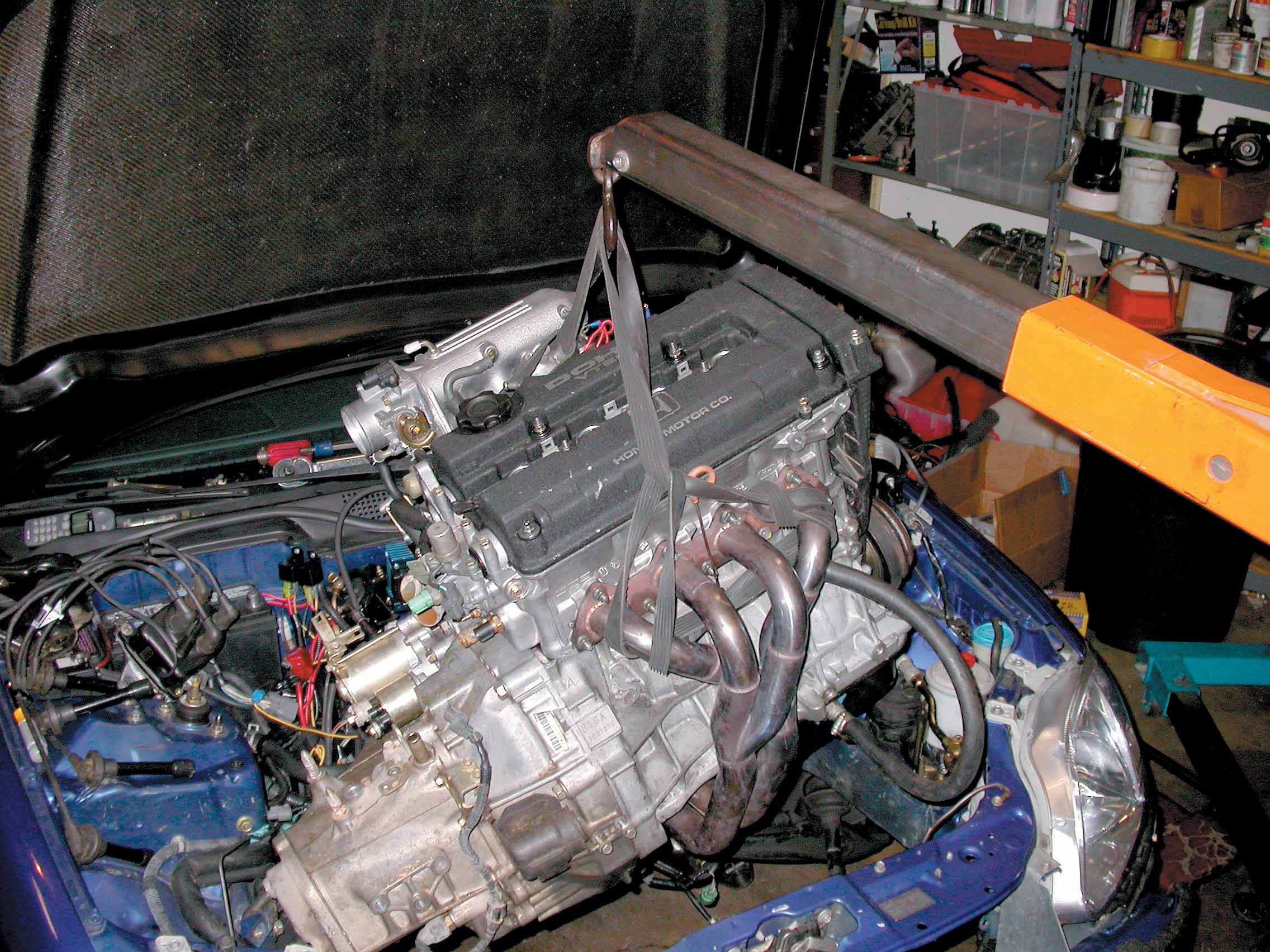
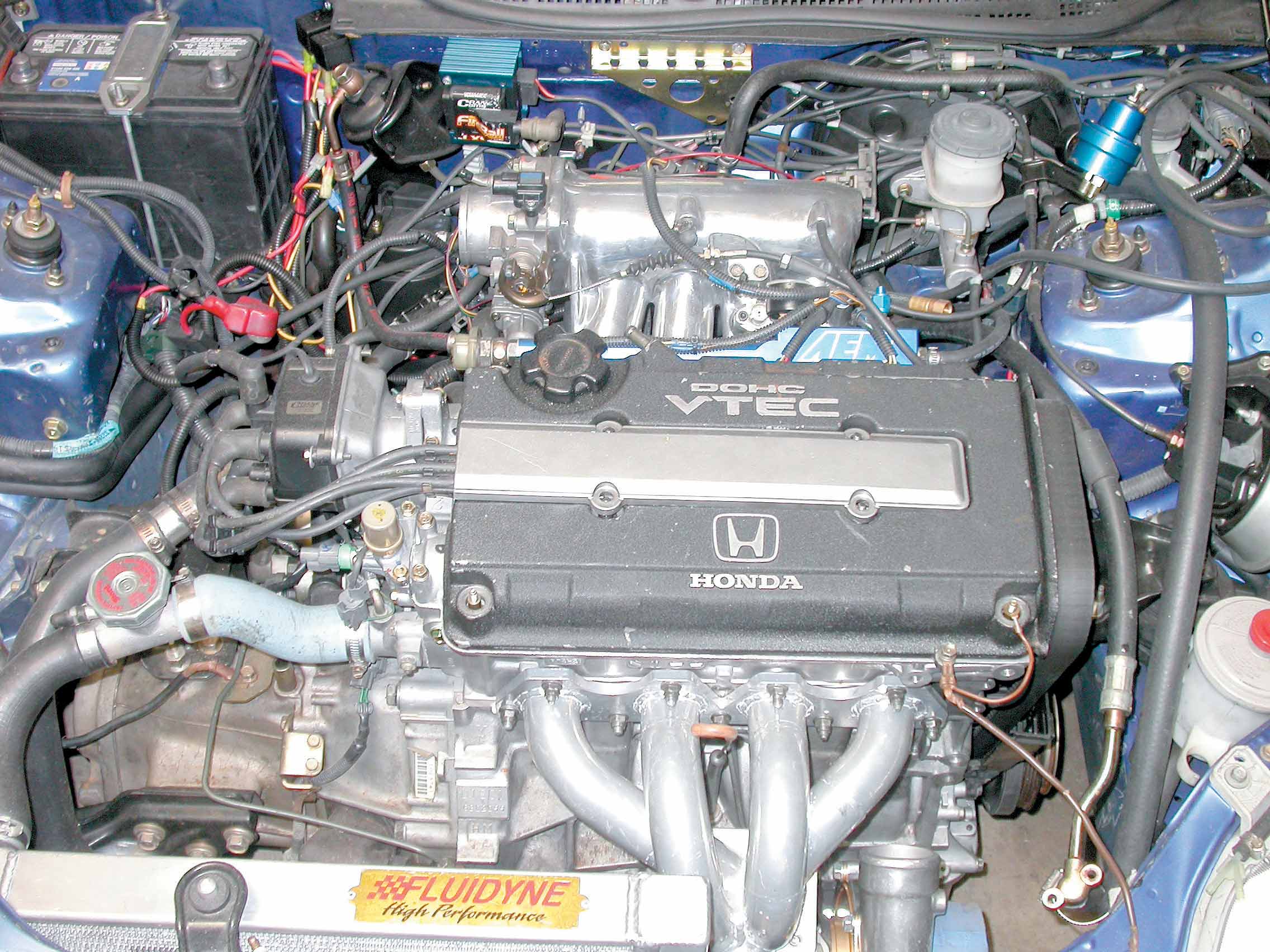
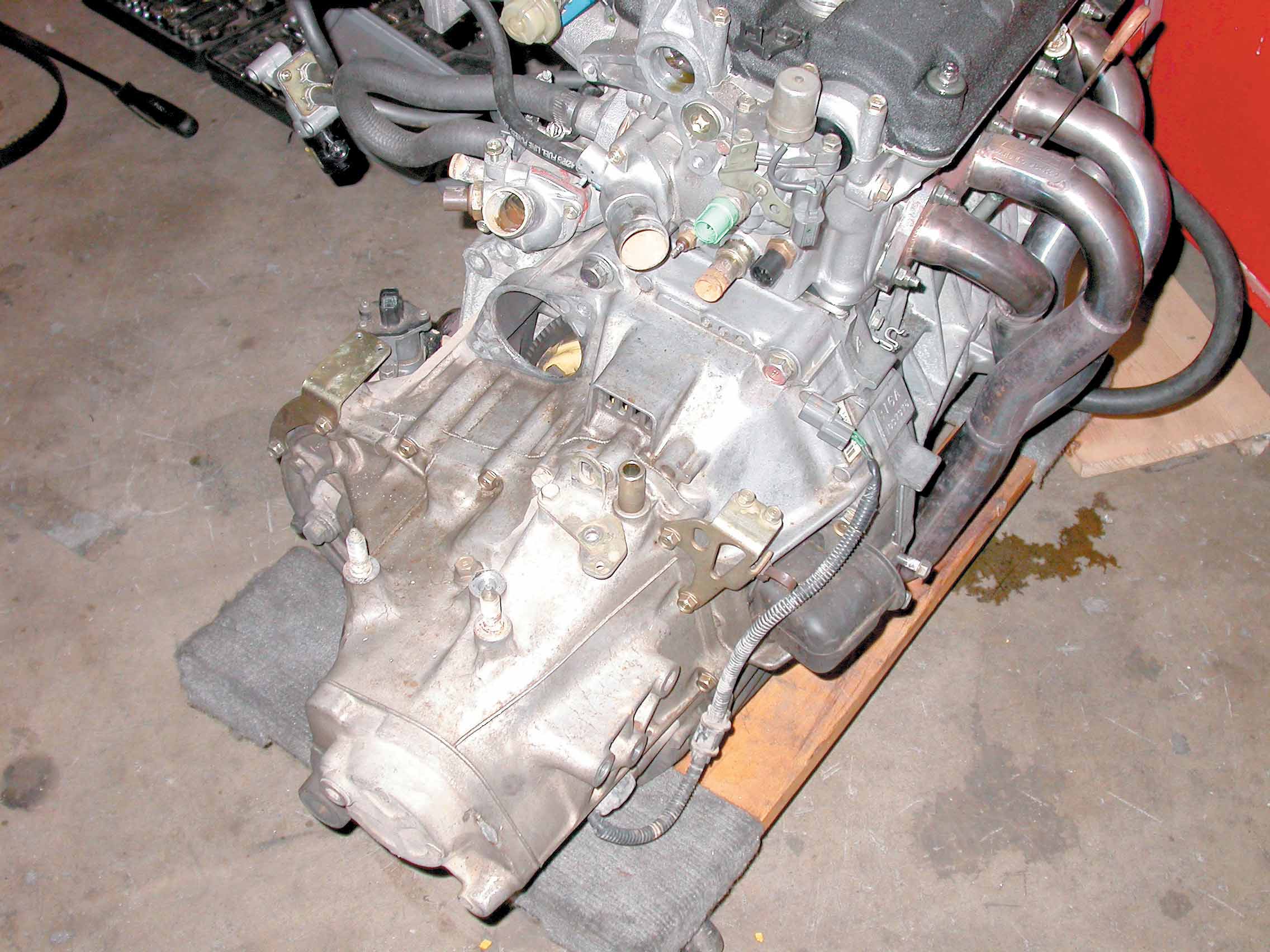
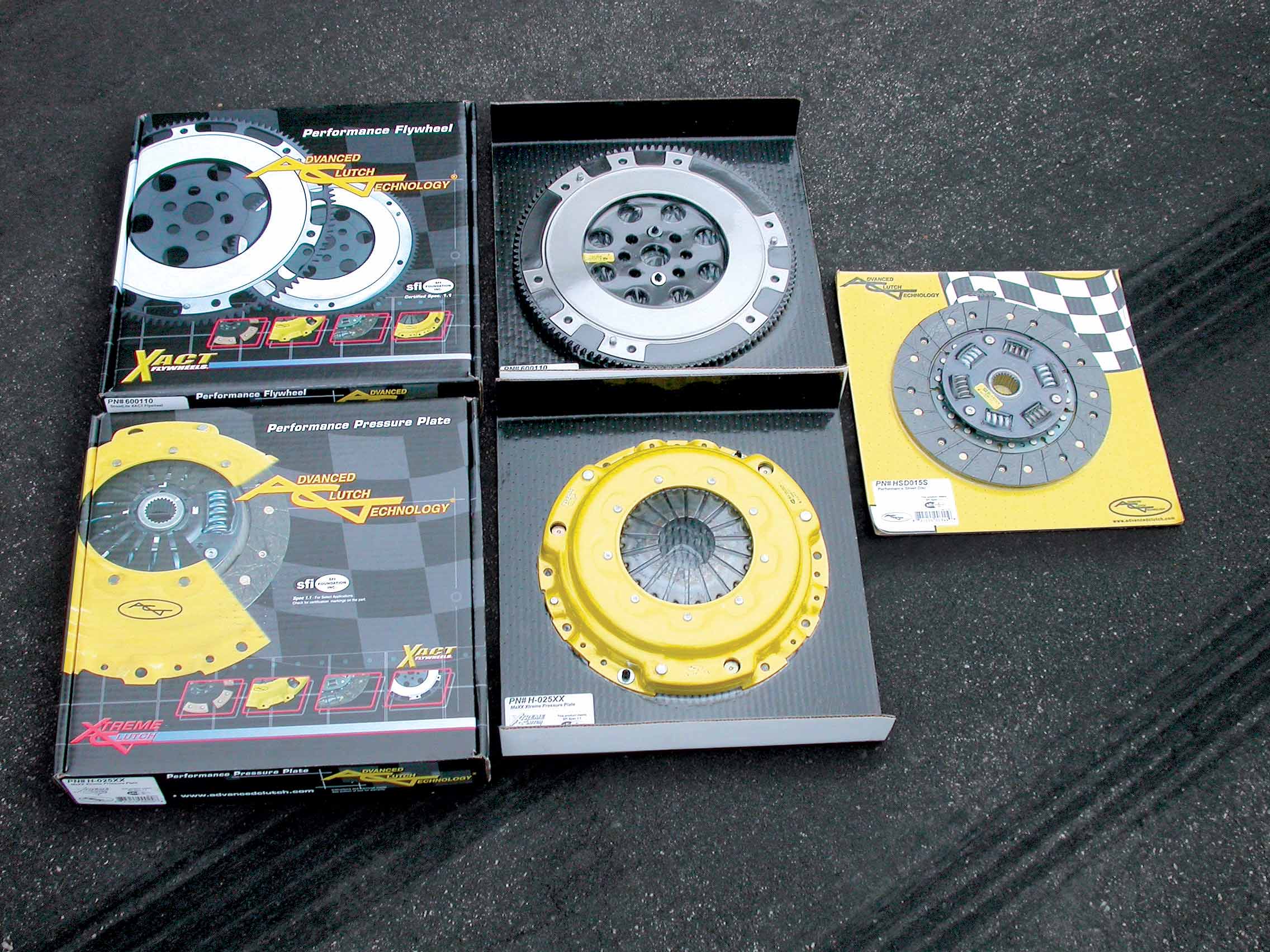
But have no fear … Advanced Clutch Technology (ACT) has come up with a variety of effective combinations to cater to the needs of performance enthusiasts and racers. We went to ACT with a 2000 Civic Si equipped with a turbocharged B18C. Our clutch change coincided with an engine mod from the original B16A to the turbo B18C. ACT recommended a powerful, yet streetable combination consisting of a MaXX Xtreme pressure plate, a Performance Organic Street Disc and an XACT lightweight steel flywheel.
The MaXX Xtreme pressure plate was originally designed to deliver maximum holding power, and testing has shown it to work exceptionally well with the Performance Organic Street Disc. According to ACT, this combination has been used successfully on some of the fastest all-wheel-drive turbo Talons in the country. Credit the special performance linings designed to withstand higher levels of heat and abuse. Like many of the Performance Organic Street Discs, ours was modified for quicker shifting.
But have no fear … Advanced Clutch Technology (ACT) has come up with a variety of effective combinations to cater to the needs of performance enthusiasts and racers. We went to ACT with a 2000 Civic Si equipped with a turbocharged B18C. Our clutch change coincided with an engine mod from the original B16A to the turbo B18C. ACT recommended a powerful, yet streetable combination consisting of a MaXX Xtreme pressure plate, a Performance Organic Street Disc and an XACT lightweight steel flywheel.
The MaXX Xtreme pressure plate was originally designed to deliver maximum holding power, and testing has shown it to work exceptionally well with the Performance Organic Street Disc. According to ACT, this combination has been used successfully on some of the fastest all-wheel-drive turbo Talons in the country. Credit the special performance linings designed to withstand higher levels of heat and abuse. Like many of the Performance Organic Street Discs, ours was modified for quicker shifting.
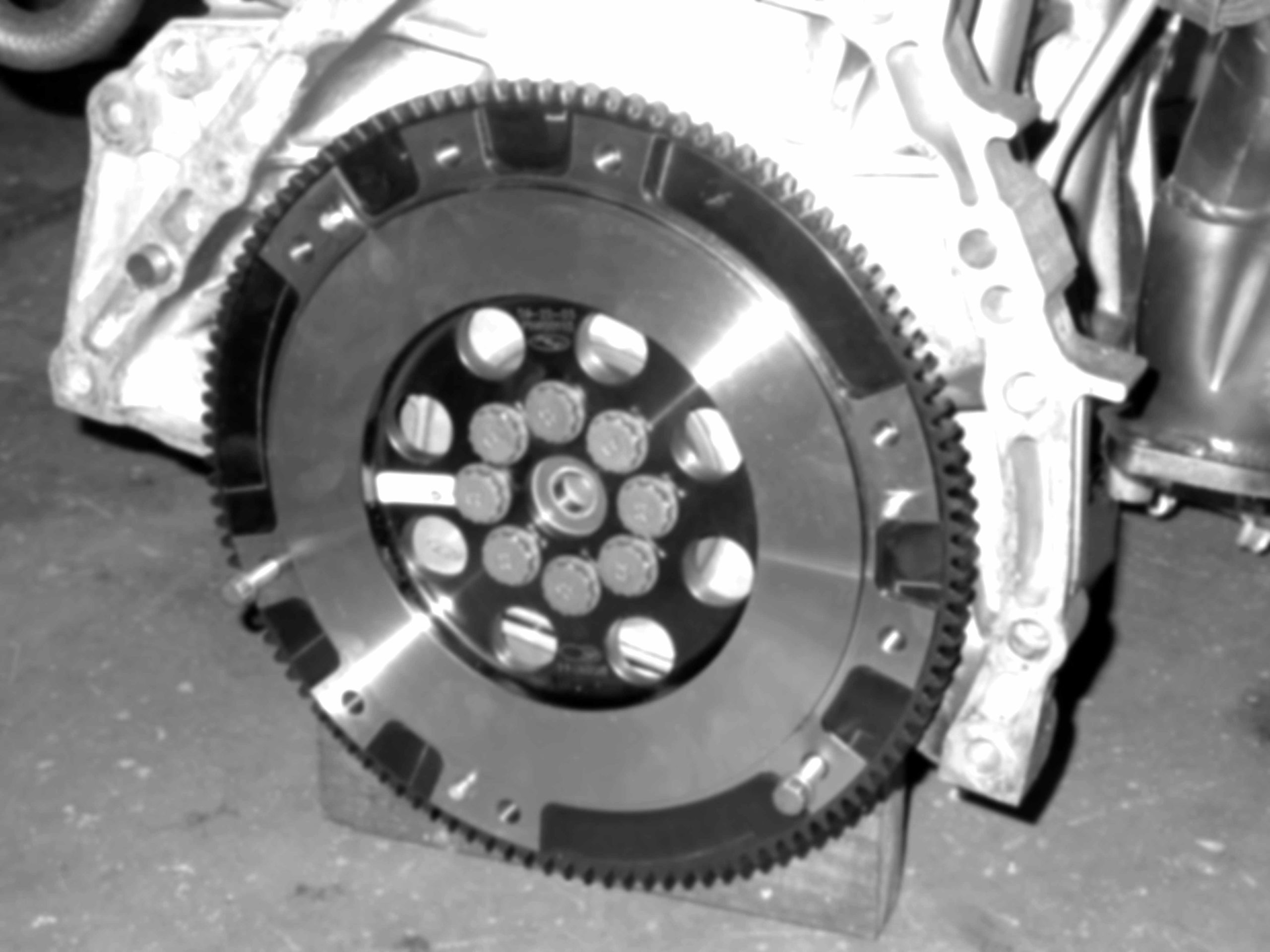
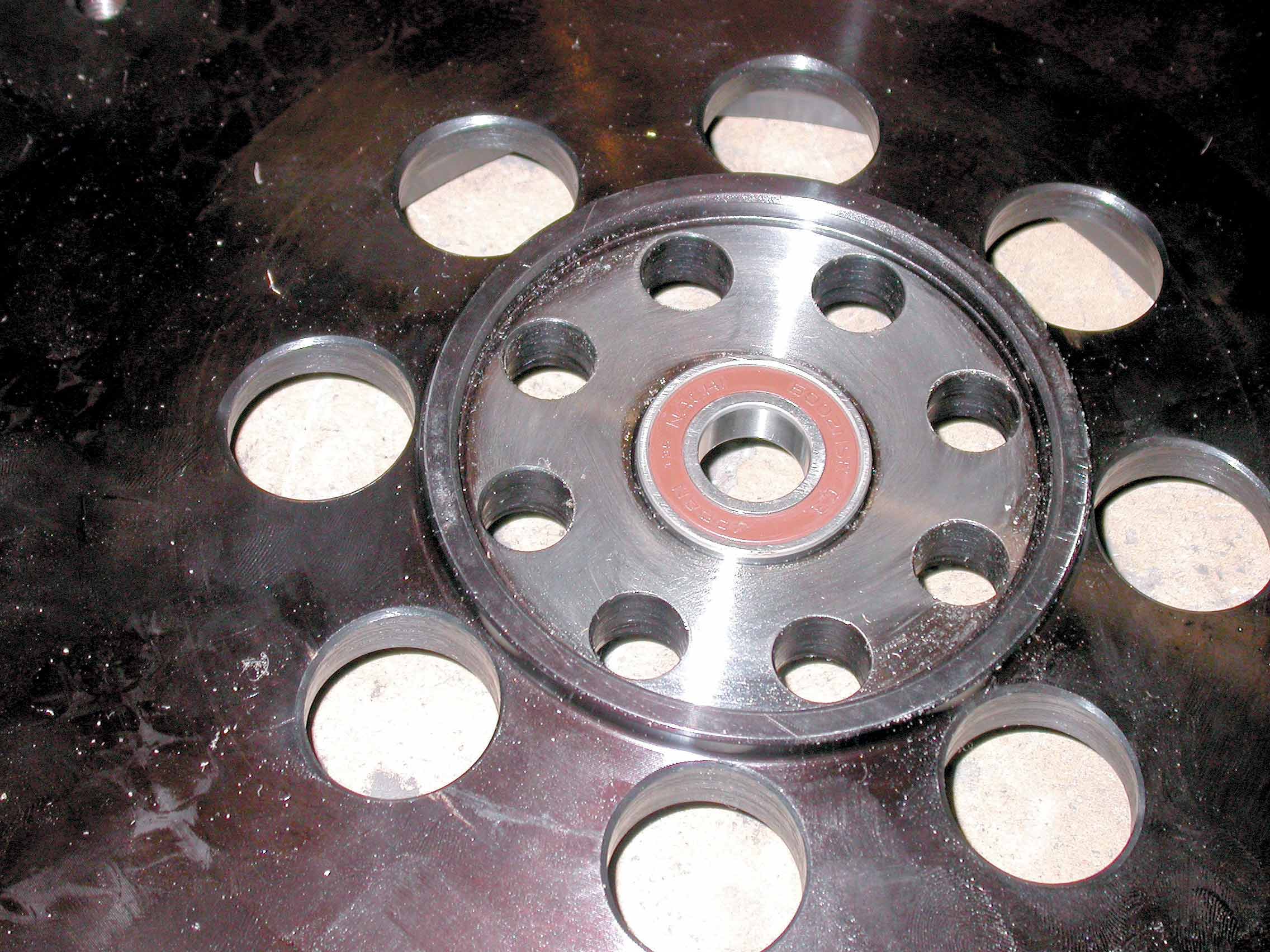
Topping off our clutch upgrade was an XACT lightweight steel flywheel. While aluminum flywheels are the hot setups for road racing, street motors actually benefit from some added inertia offered by the flywheel. ACT offers both Prolite and Streetlite designs. We opted for the Streetlite, which featured forged chrome-moly construction, precision CNC machining and an induction-hardened integral ring gear. We also liked the fact that it was thick enough to withstand resurfacing, should that become necessary in the future.
ARTICLE SOURCES
Advanced Clutch Technology
206 East Avenue K4
Lancaster, CA 93535
(661) 940-7555