
THE AUTO BUILDER
Featured

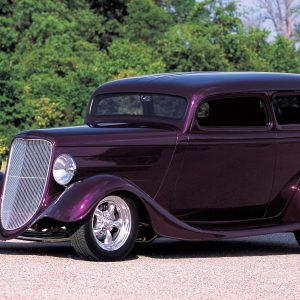
Slippery Sedan
Greg Harris has been a car enthusiast for years and has built a number of muscle machines and classic trucks. He has had loads of fun with late-model cars, but he couldn’t shake the fact that he really had the yearning to build a street rod some day. His friends knew about his longtime goal, so when one of them found a partially completed early sedan for sale, he told Harris about the car. Harris went to take a look, and as it turned out, the car was a half-finished all-steel ’33 Ford two-door sedan powered by a 427 Chevy engine. He immediately knew he had to buy the sedan—it was just what he was looking for. He made a deal with Clark and Bridgett Short, the folks who started the project, and brought the ’33 home.
FROM ONE TO TWENTY-FOUR
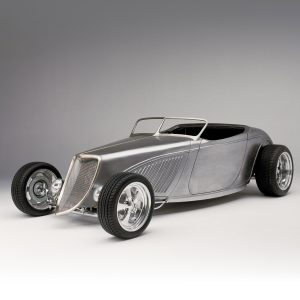
While several different rod builders have created limited-production vehicles, few handled every aspect of the construction in-house, mainly because they thought it best to team up with other craftsmen to create certain aspects of their cars. While this takes nothing away from the quality or beauty of the cars they created, it does say a good deal about SAR. By keeping every aspect of the construction process in-house, SAR has been able to maintain personally set tolerances and control the design theme at every juncture, yet still build each car as if it were the only one. And because each of the Double Dozens is offered simply as a “roller,” the final results of each still depend heavily on the imagination, talent and individuality of their owners. In the end, each of these cars will be special in its own right, and we’ll be showing them to you in the months and years to come.

A PERFECT MATCH
When Cisco Farias decided he wanted a classic pickup truck, there was no question about what type of truck it would be. Farias has long fostered a love of Harley-Davidson motorcycles, and it was as a kid that he noticed that the one truck that all shops and bikers seemed to have was the second series Chevrolet pickup.

Spotlighter
POPULAR READS
-
The Auto Builder’s Hottest Product Picks from The Triple Crown of Rodding 2026
-
Product Spotlight: Bill Mitchell Products Aluminum LS Engine Block
-
PRODUCT SPOTLIGHT: 60-66 Chevy C10 Fresh Air Vent Block Off Plate
-
Product Spotlight: Pyramid Optimized Design Sequential Aurora Taillight for 1964½–1966 Mustang
AFTER-CAT INSTALL
A System to Upgrade an Aging Exhaust
Author
Marshall Spiegel
Story & Photography
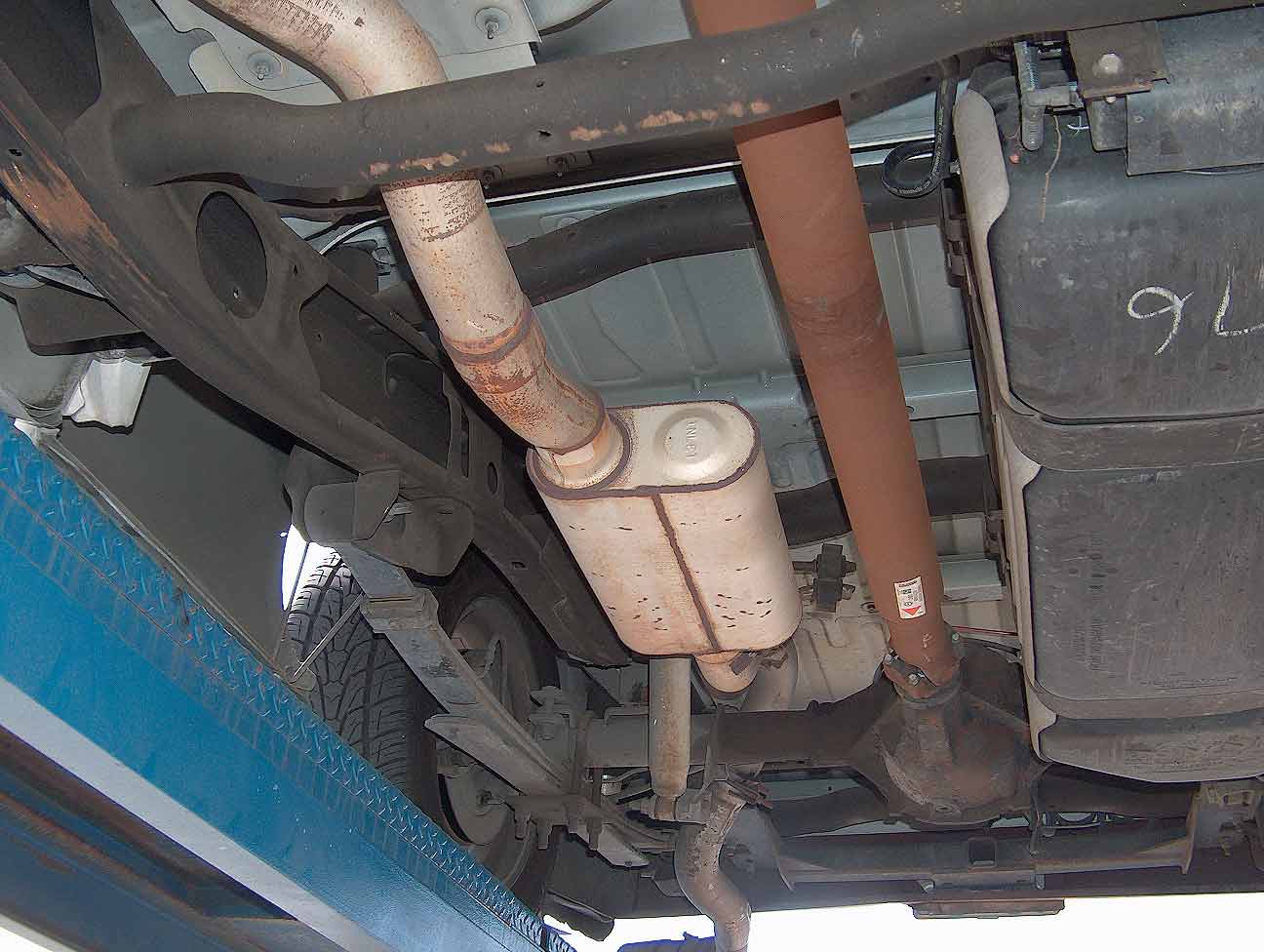
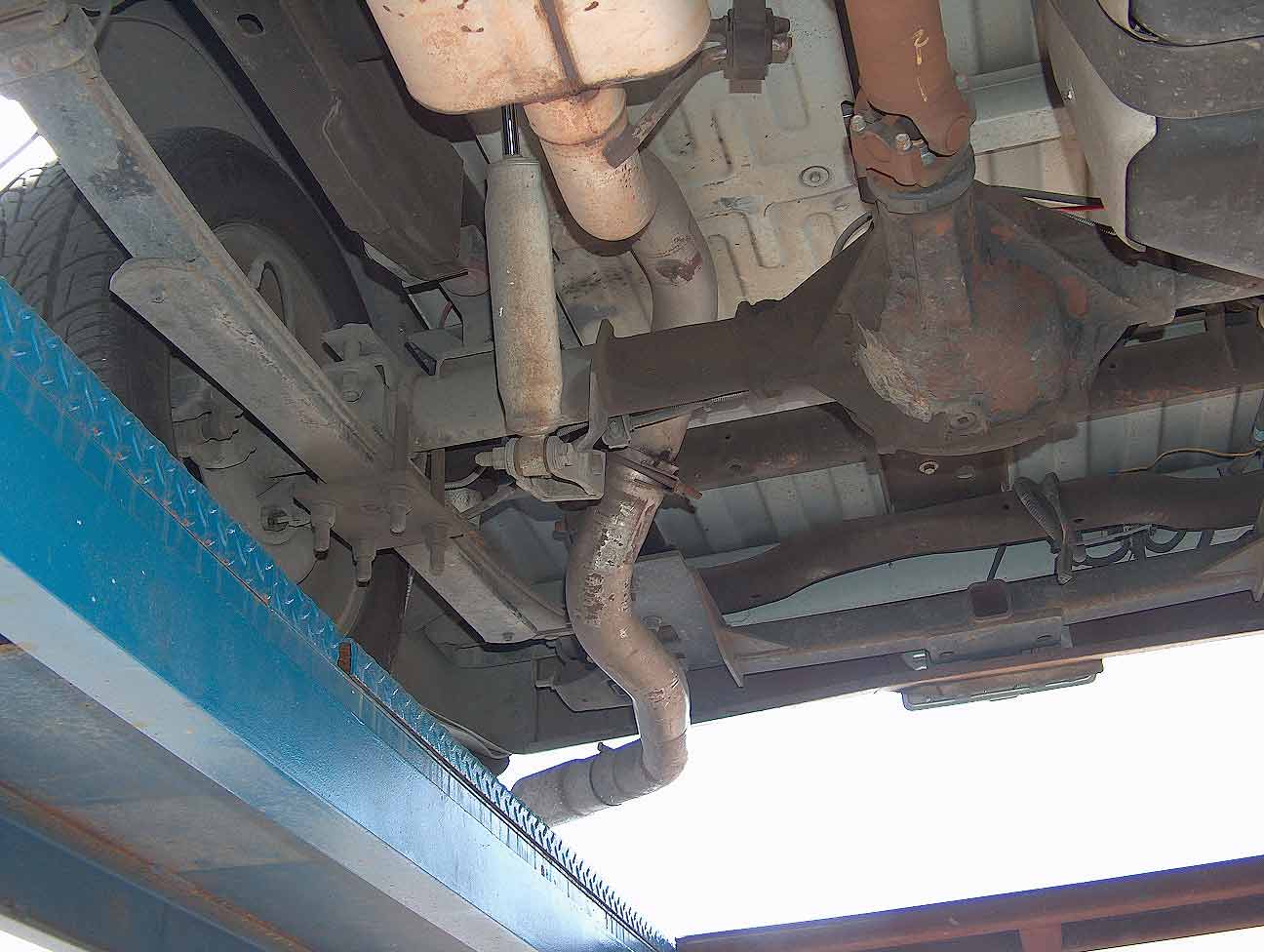
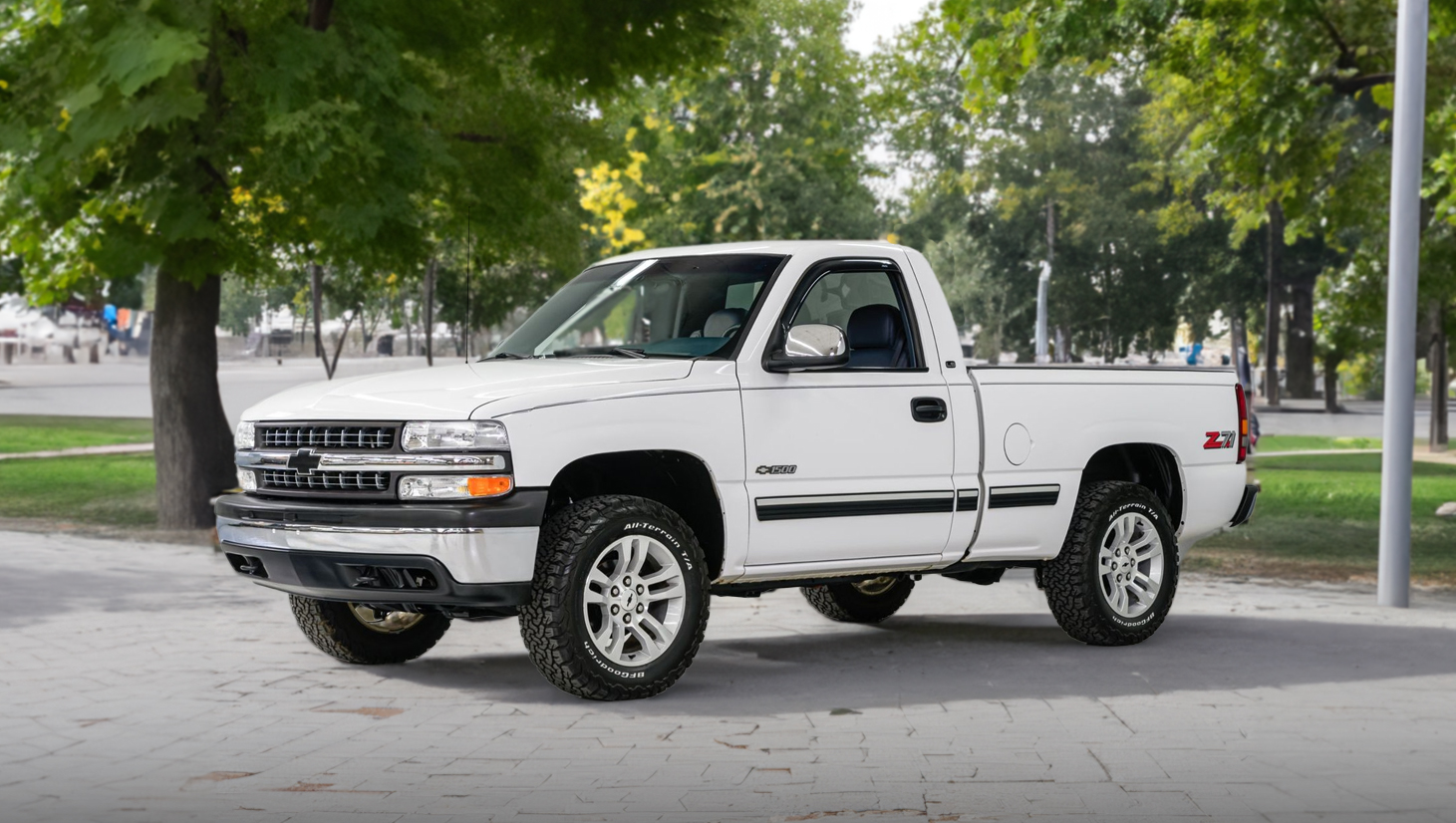
The white ’99 Silverado was beginning to show the wear and tear of fighting the highway wars the last few years. The once proud and pampered show truck—a standard cab shortbed with matching cab-high camper shell—hadn’t spent much time in daily service until recent years, but now it bore its share of dings, dents and scratches. It was obvious that the 50,000 miles on the odometer hadn’t done the 5.3-liter V-8 much good. Part of the reason for the dissipated performance was the exhaust system, a very tired, less-than-top-quality aftermarket after-cat that had started banging, squeaking and leaking.
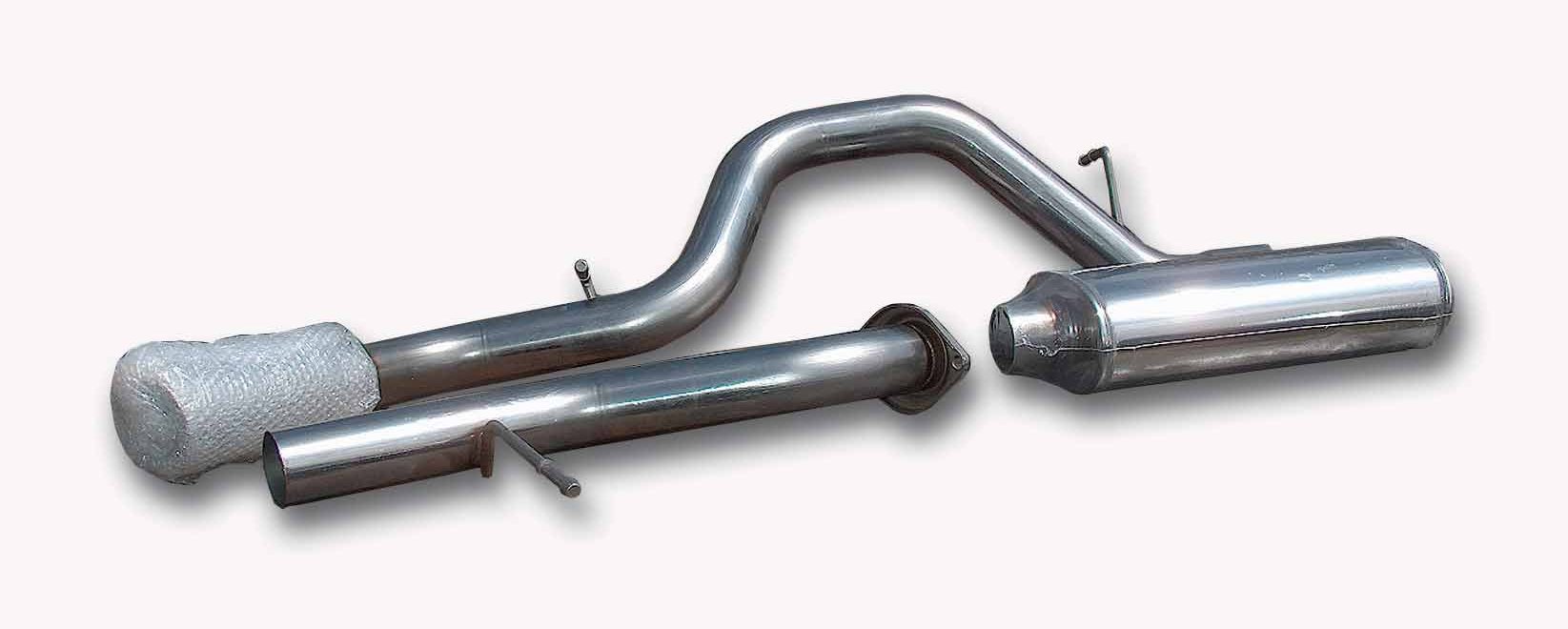
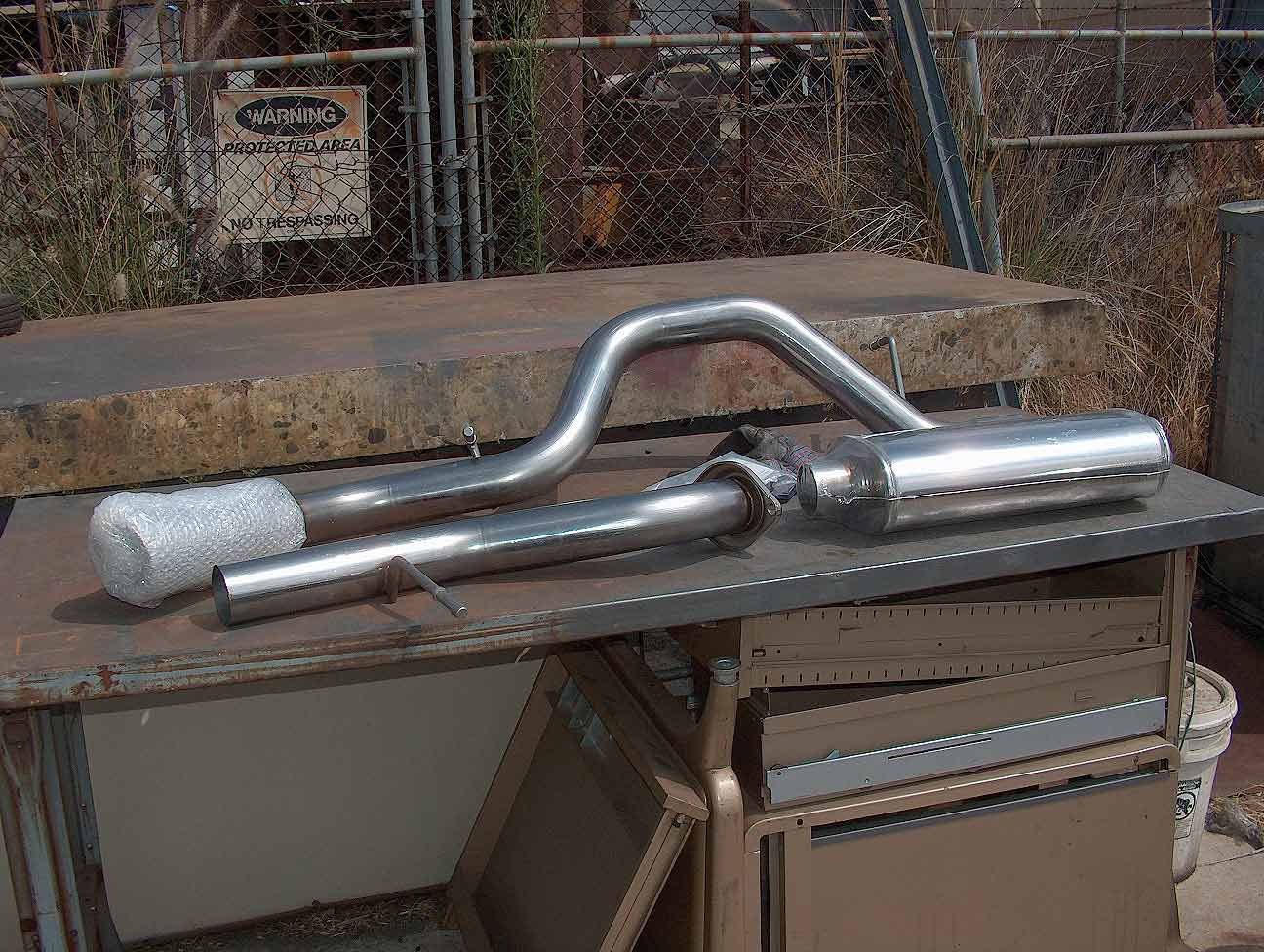
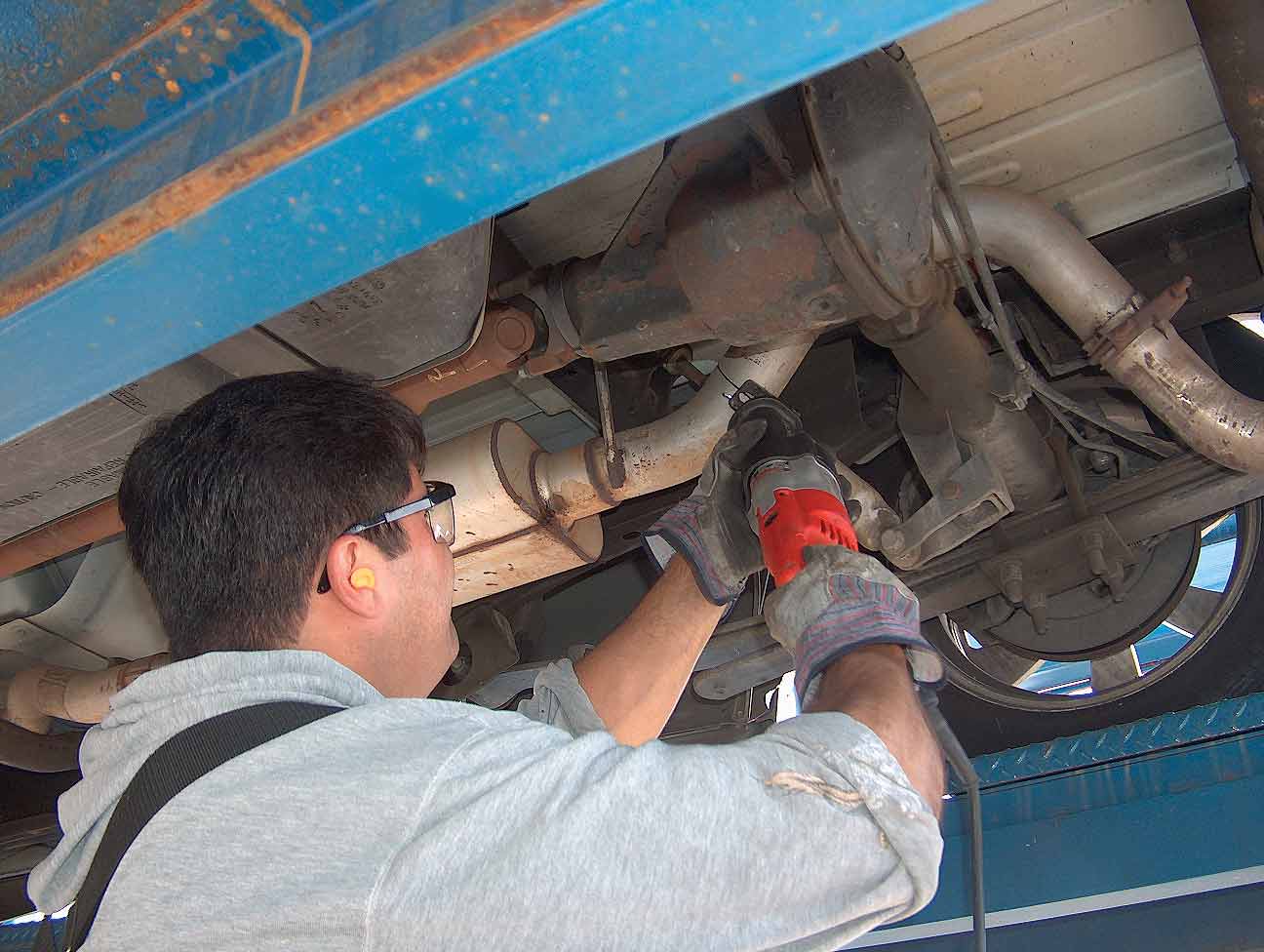
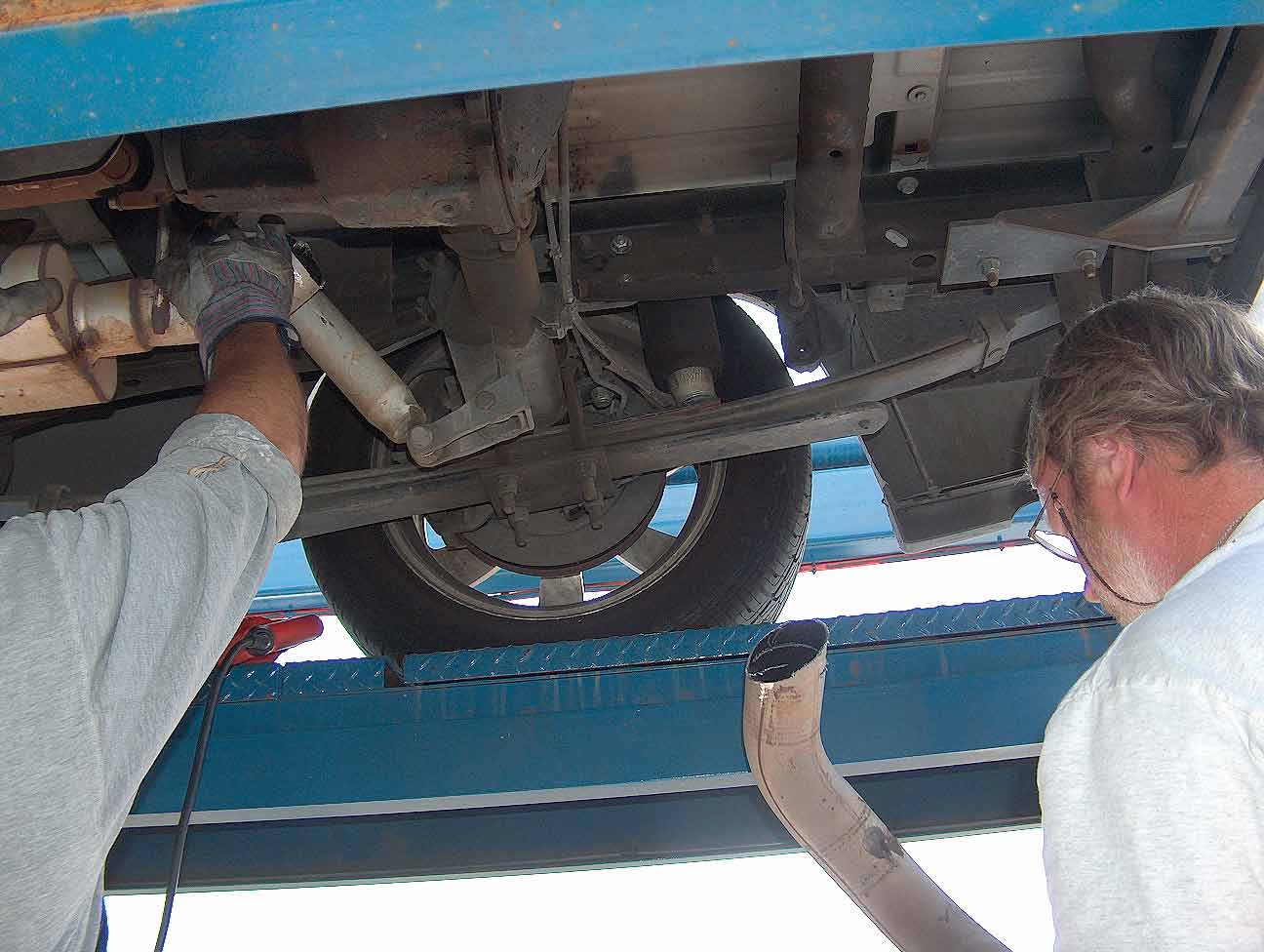
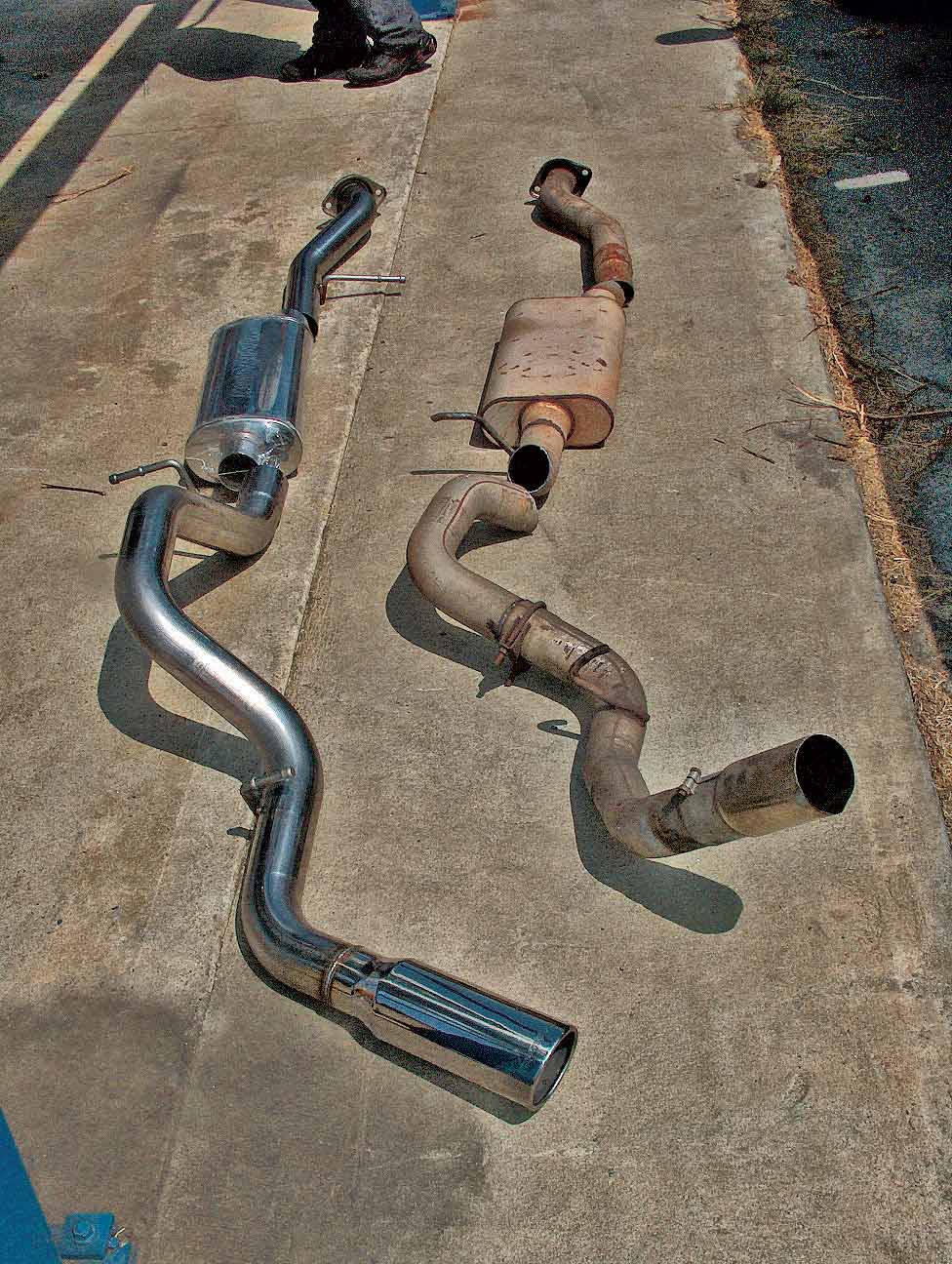
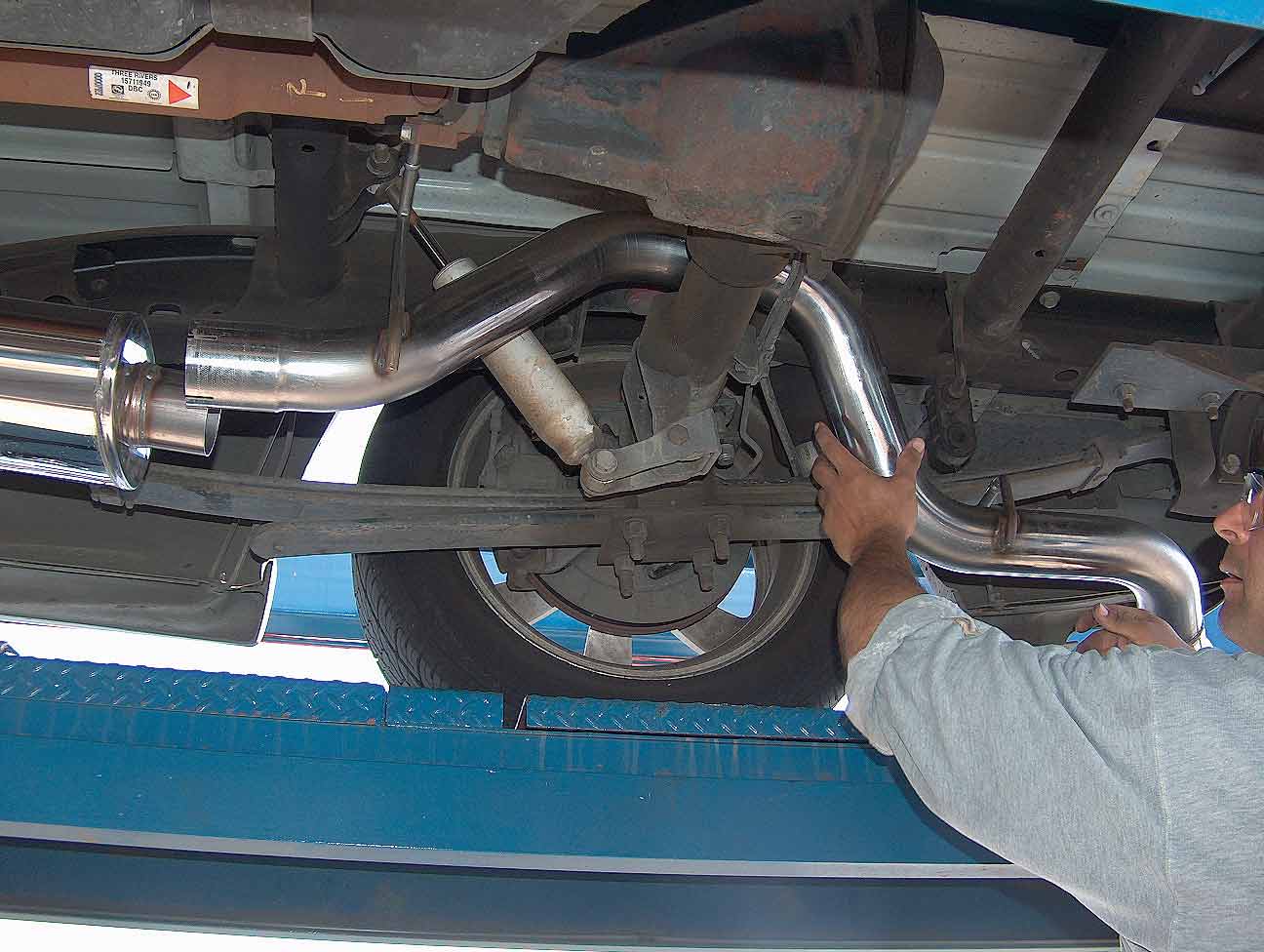
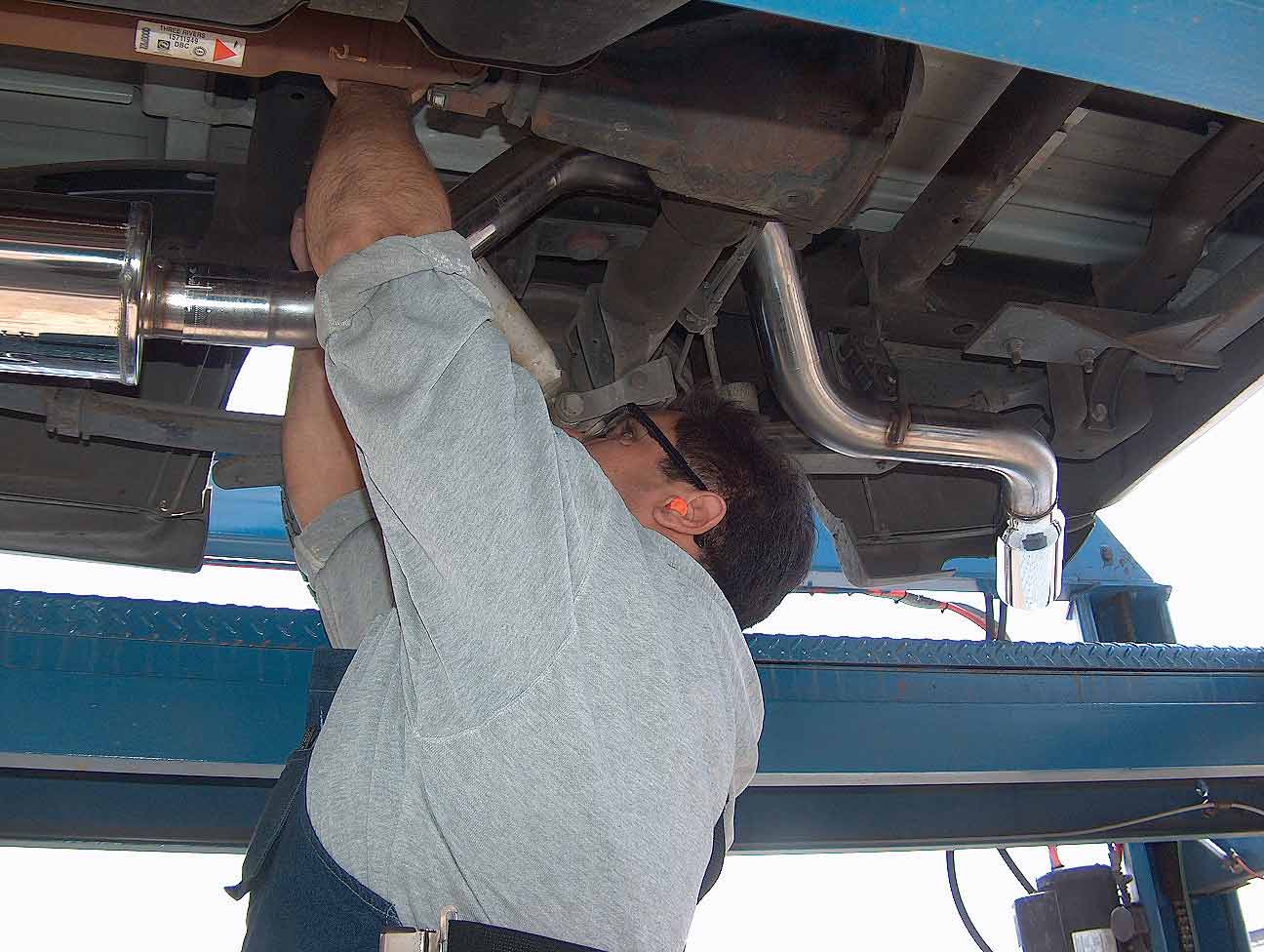
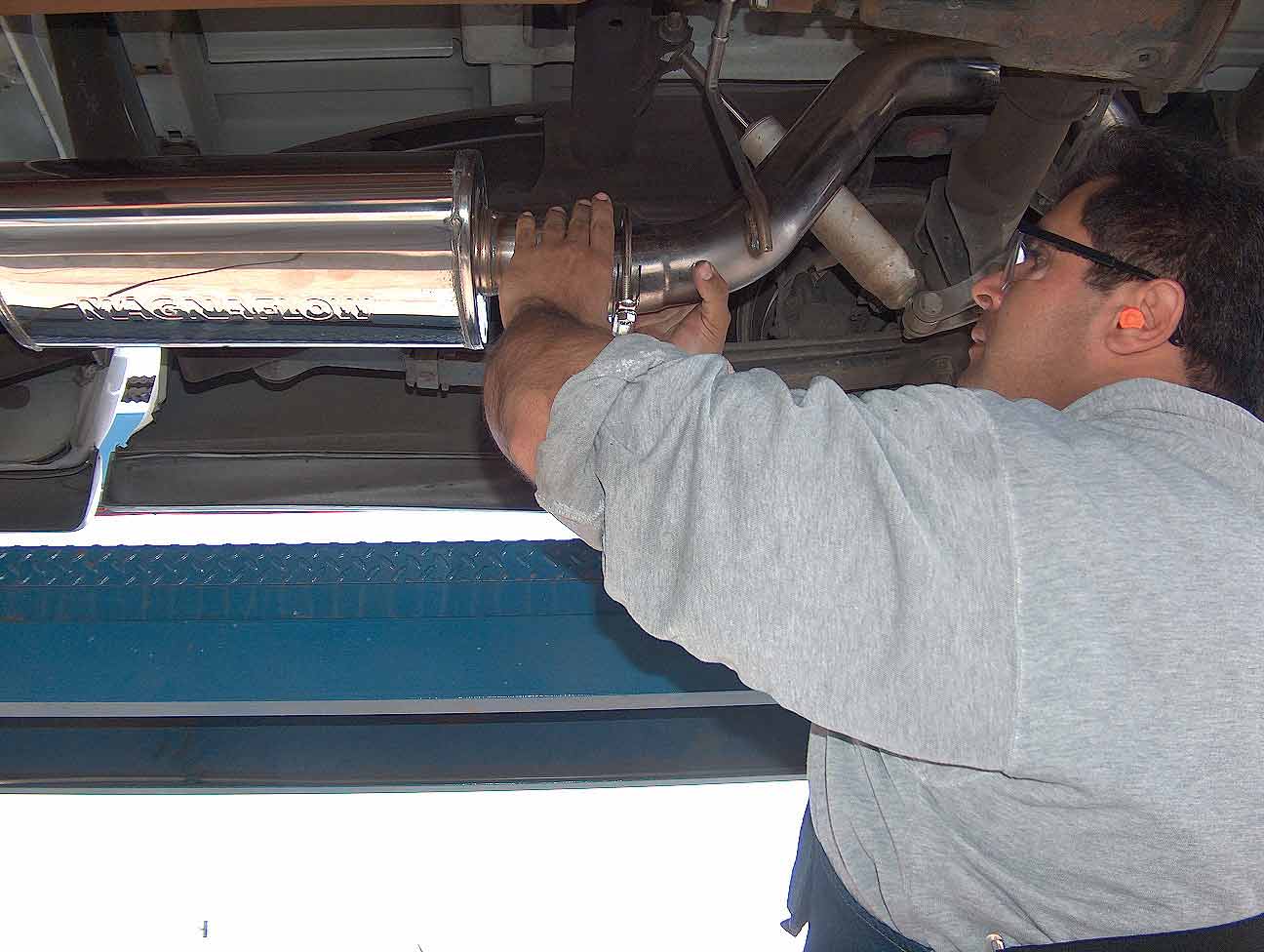
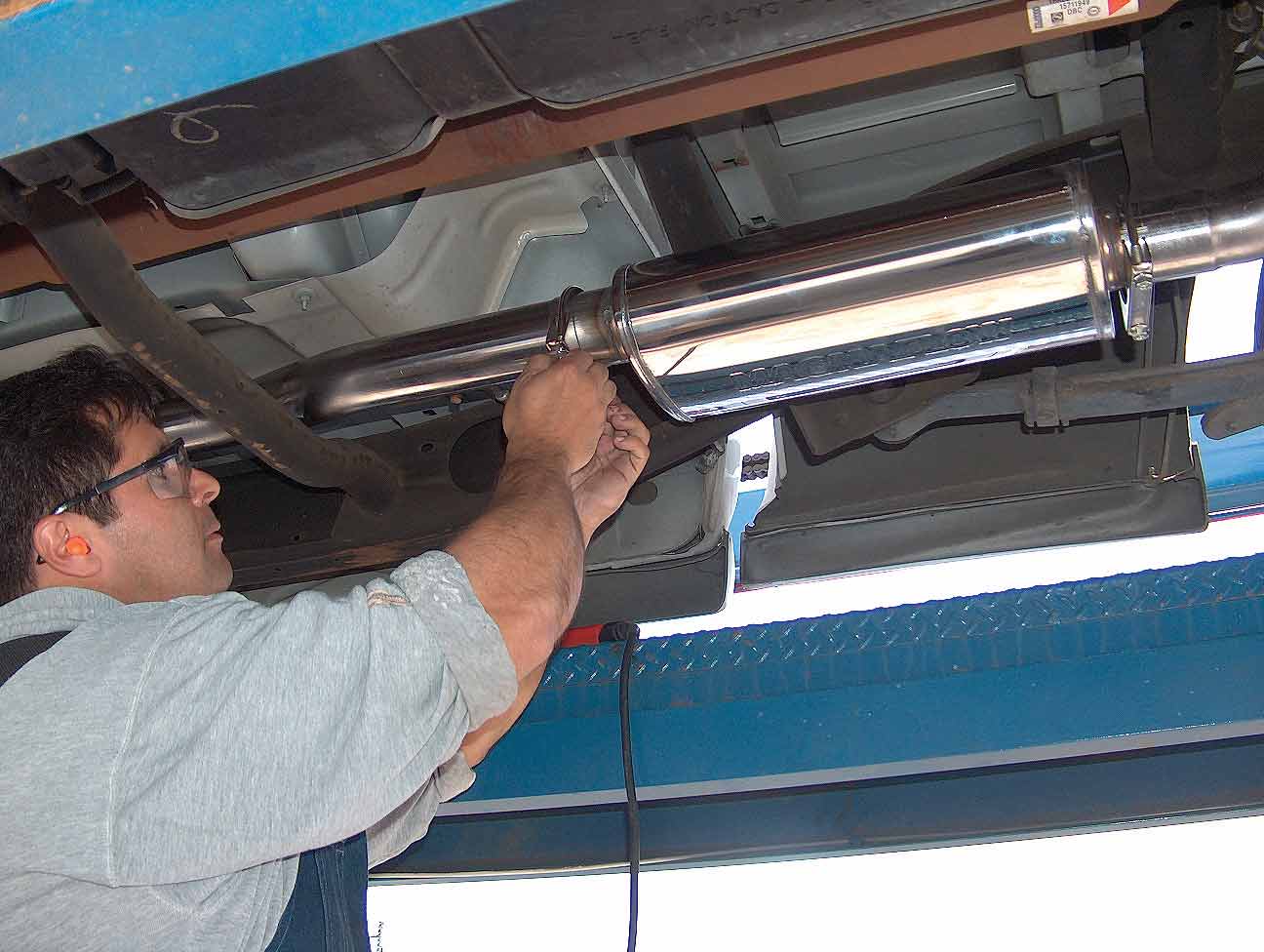
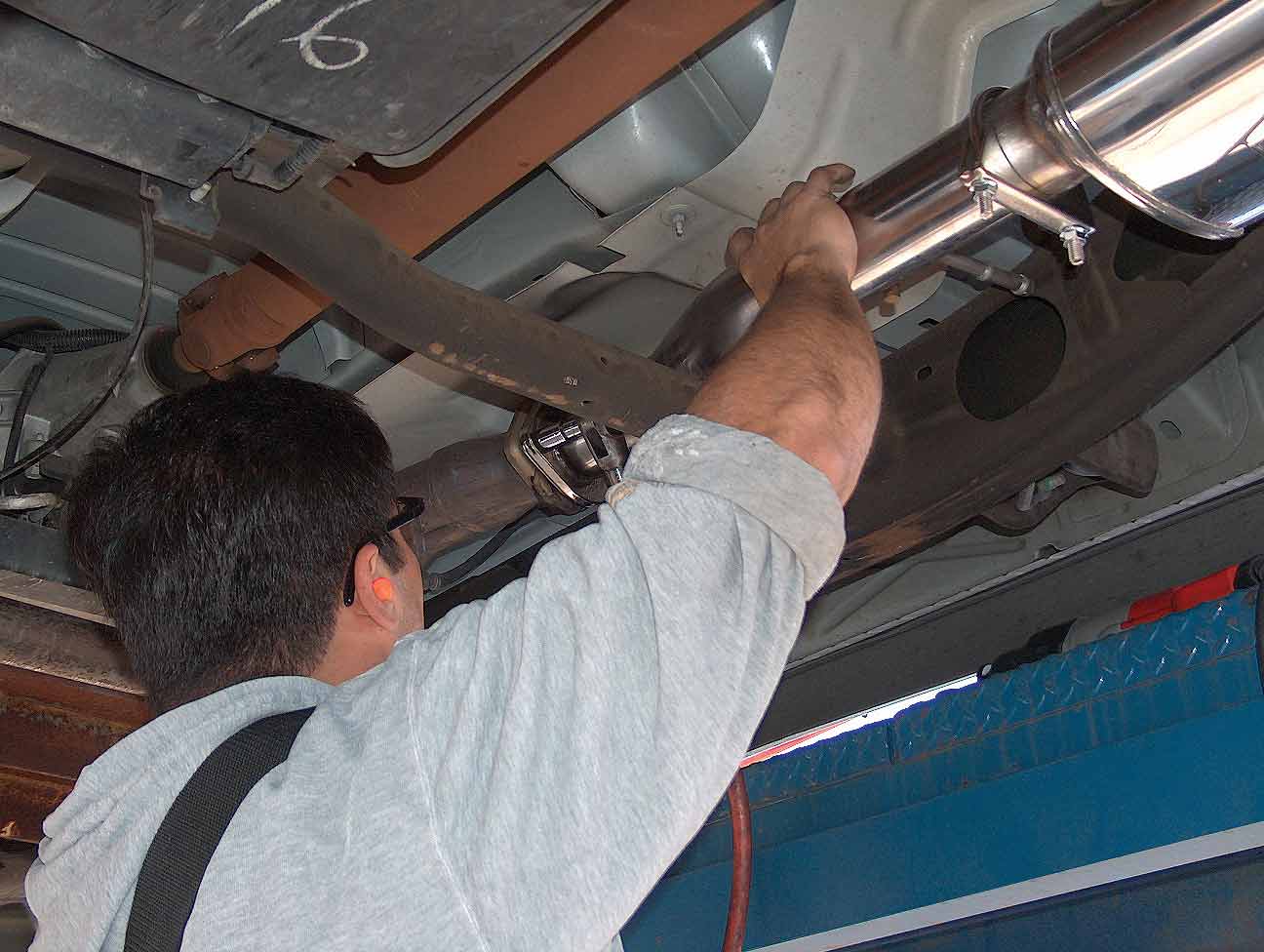
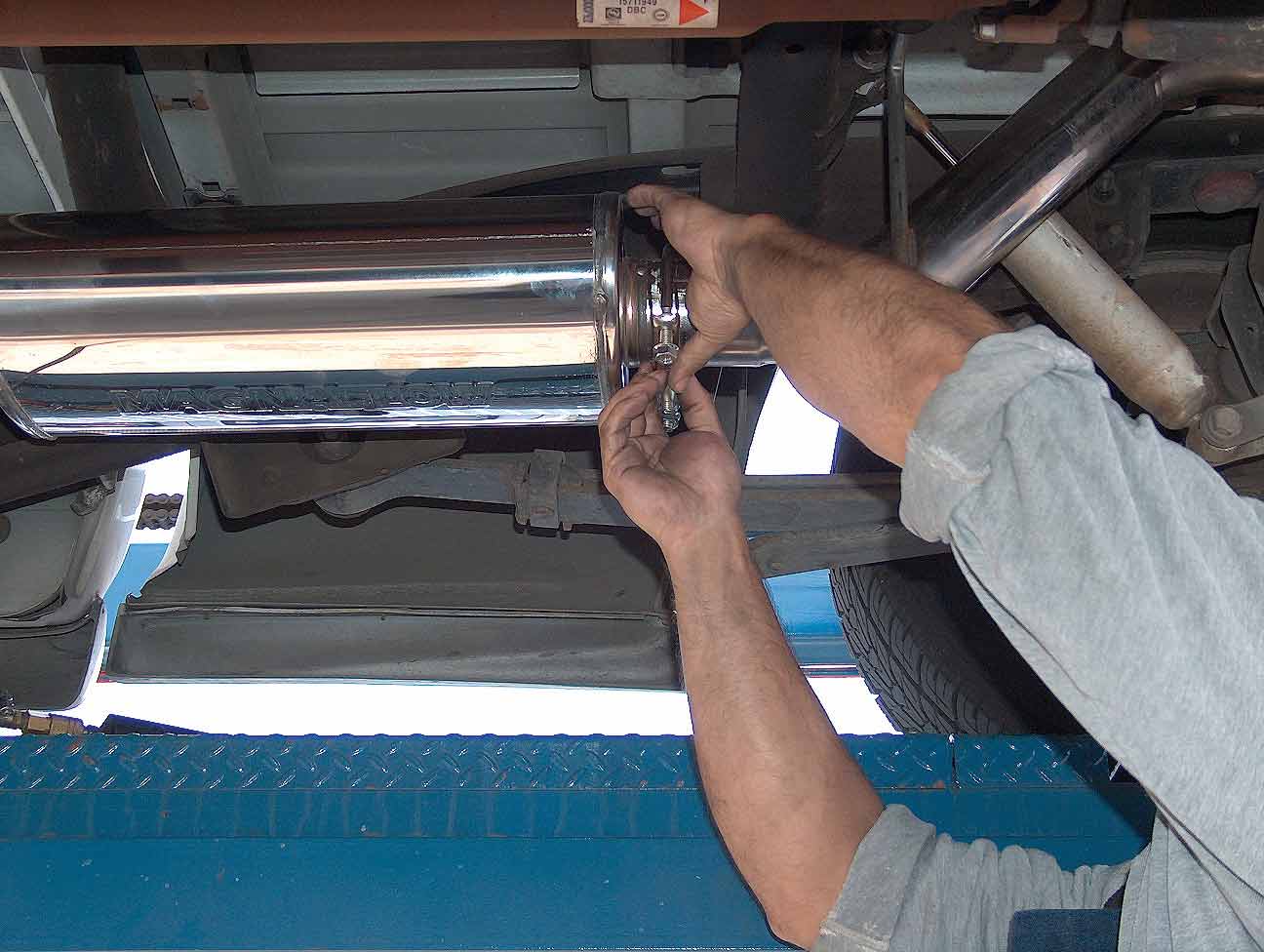
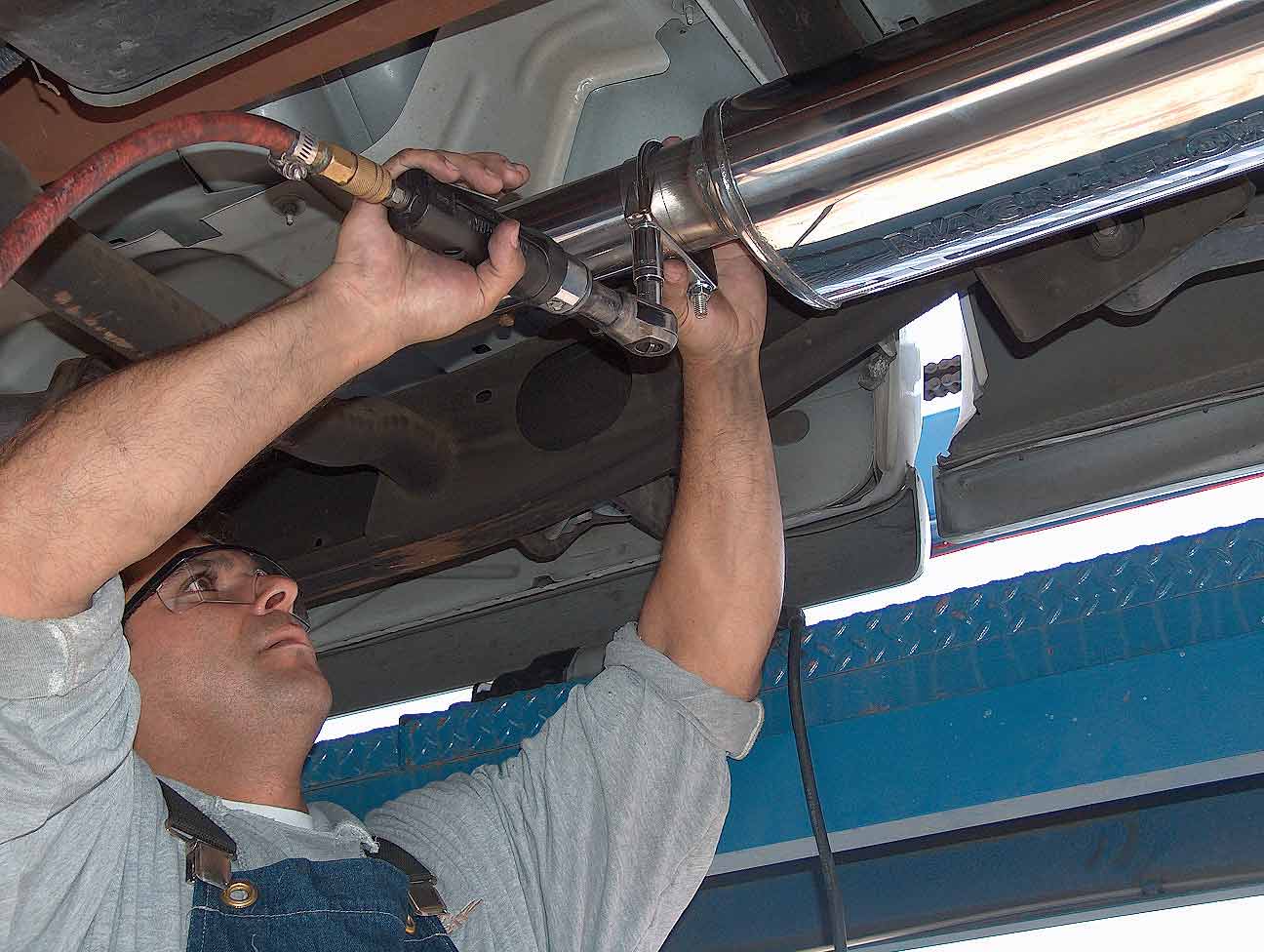
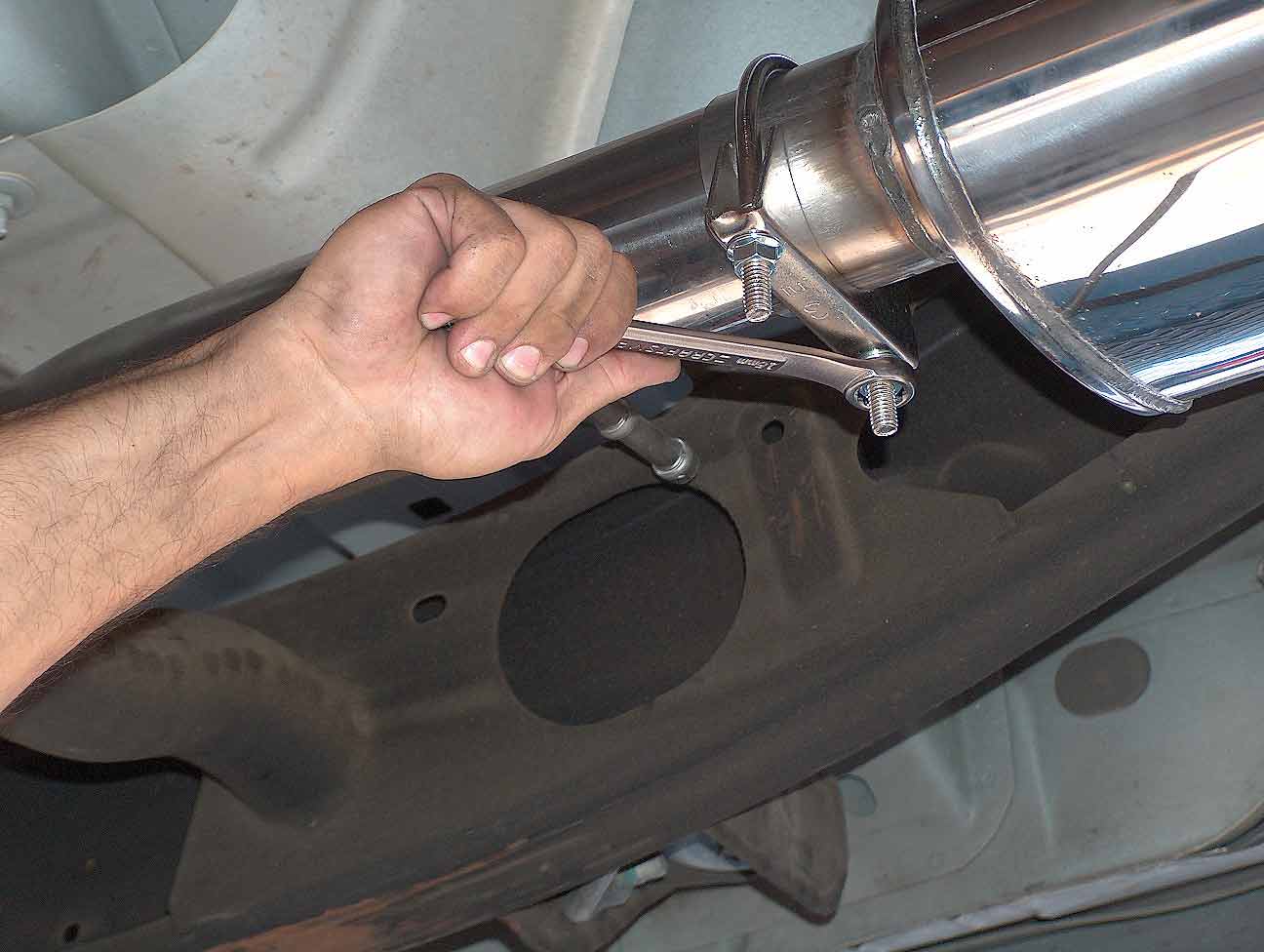
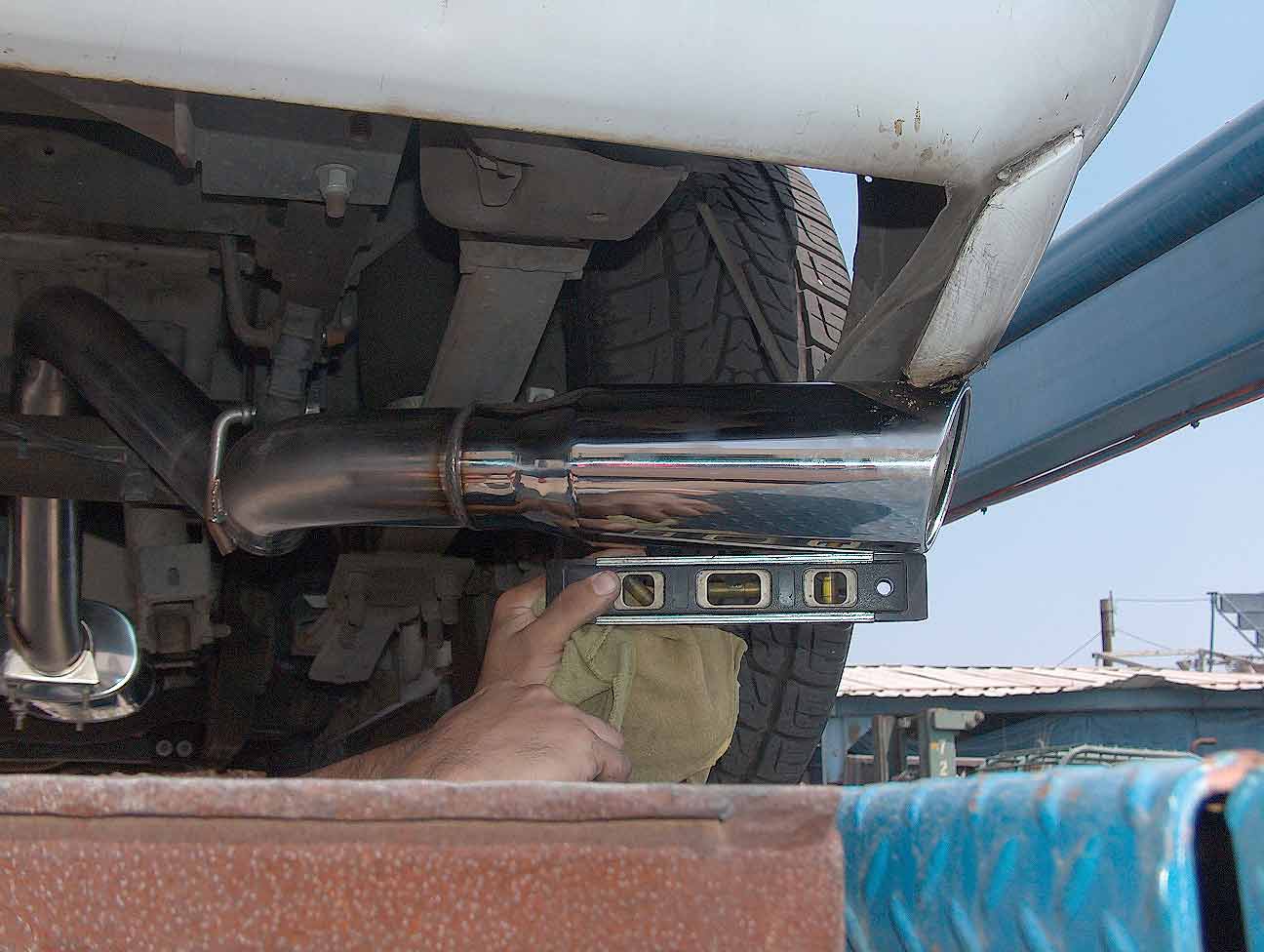
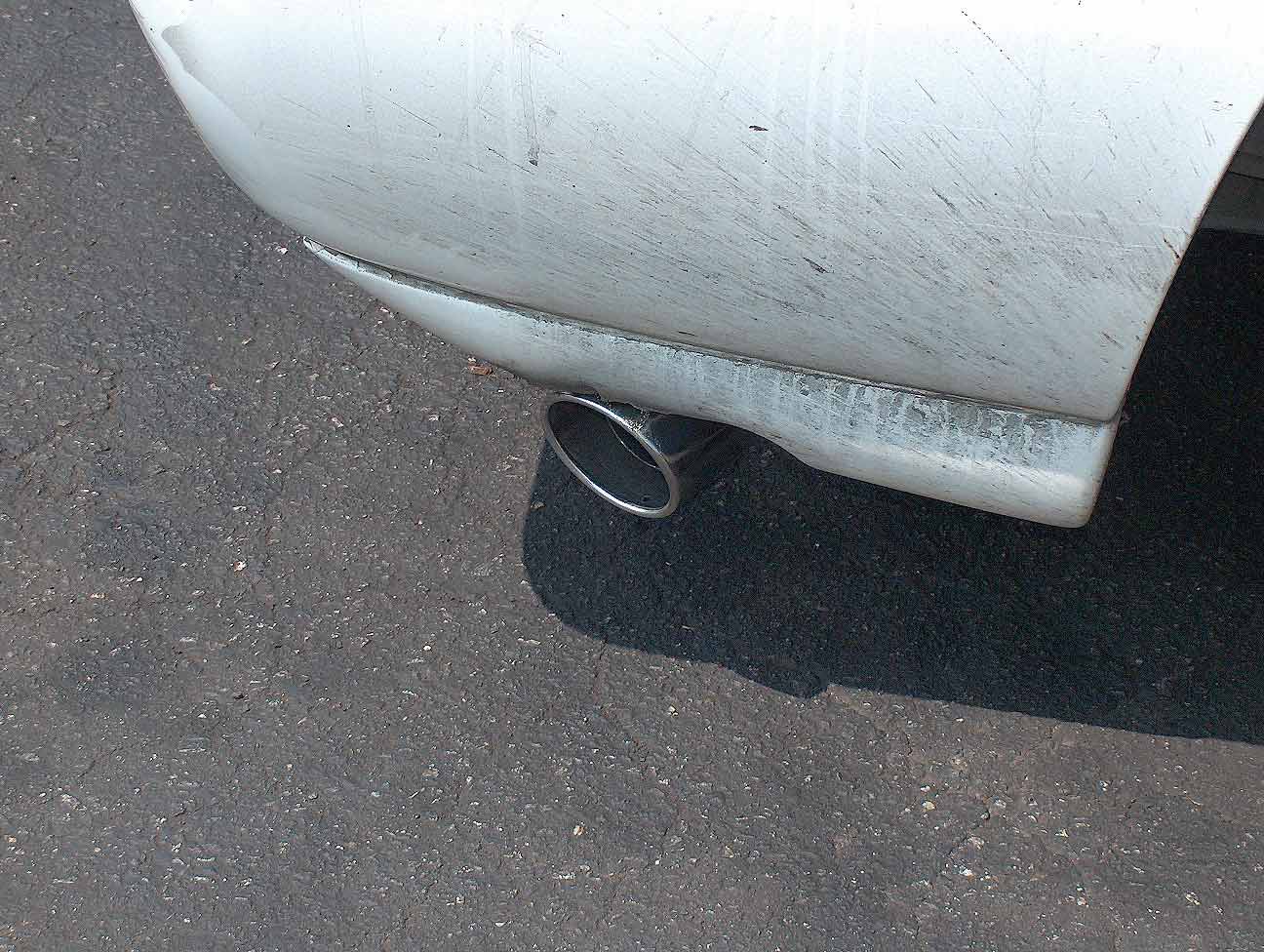
Installing a new after-cat from MagnaFlow was at the top of this owner’s agenda. He acquired a MagnaFlow (part No. 15617) polished stainless steel aftercat performance system for his Chevy, and because he’s in the automotive business and has a lift at his own facility, all he had to do was enlist the help of a colleague experienced in exhaust system installs to lend a hand with the hookup.
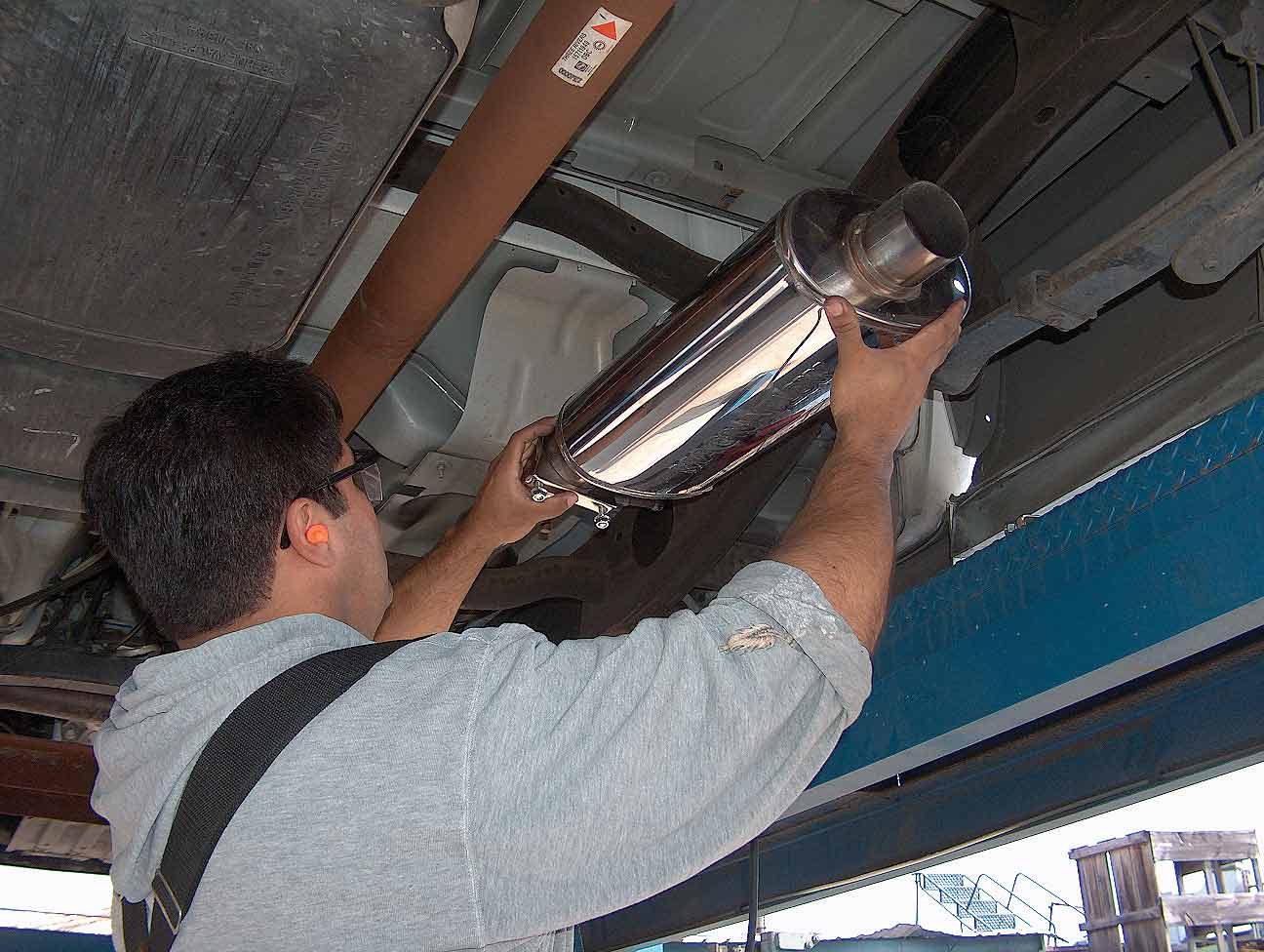
Both after-cat systems—the old aftermarket system previously installed in the Silverado and the new MagnaFlow system—are mandrel bent, which means that the tubing is the same diameter and configuration throughout. For cost and speed of manufacturing reasons, original factory systems are, for the most part, press bent. This means that the tubing is slightly distorted (pinched) in places along the bend. These cheaper, press-bent factory systems do not do as effective a job of evacuating exhaust gases, which is why aftermarket systems such as the MagnaFlow are known to produce a little more power, depending upon the system and application. In addition, the MagnaFlow system, advertised as a “straight-through” performance exhaust, is devoid of restrictive baffles in the muffler.
The reported performance level of a stock ’99 5.3-liter Silverado is about 228 hp. With an aftermarket system like the one removed here, the Silverado would likely produce 230-236 hp, while the MagnaFlow system is claimed to produce 240-248 hp. You might also expect some advantage with the MagnaFlow system in fuel mileage—perhaps up to a mile per gallon, if driven accordingly. While we did not test these results, any decrease in backpressure is a move in the right direction.
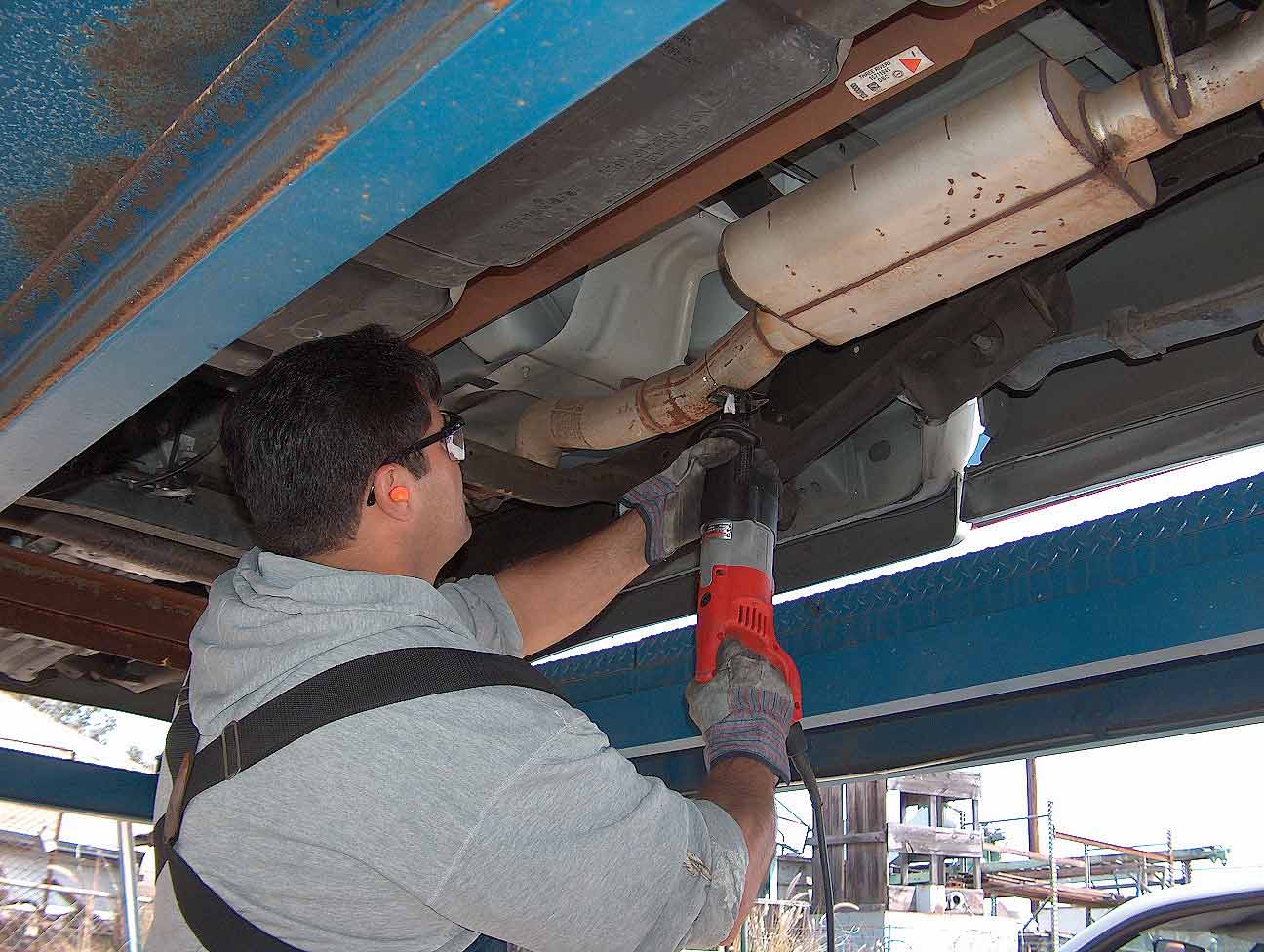
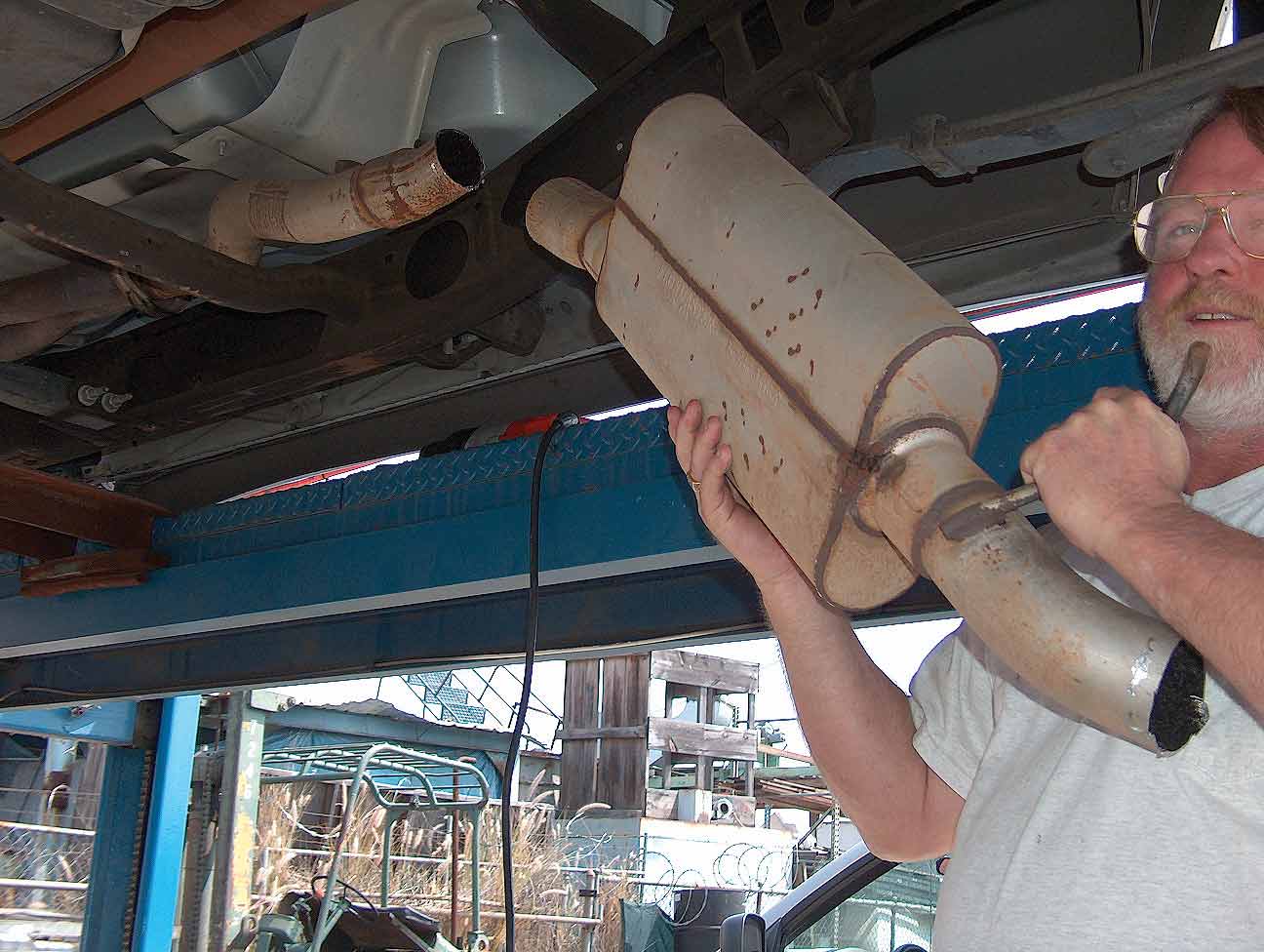
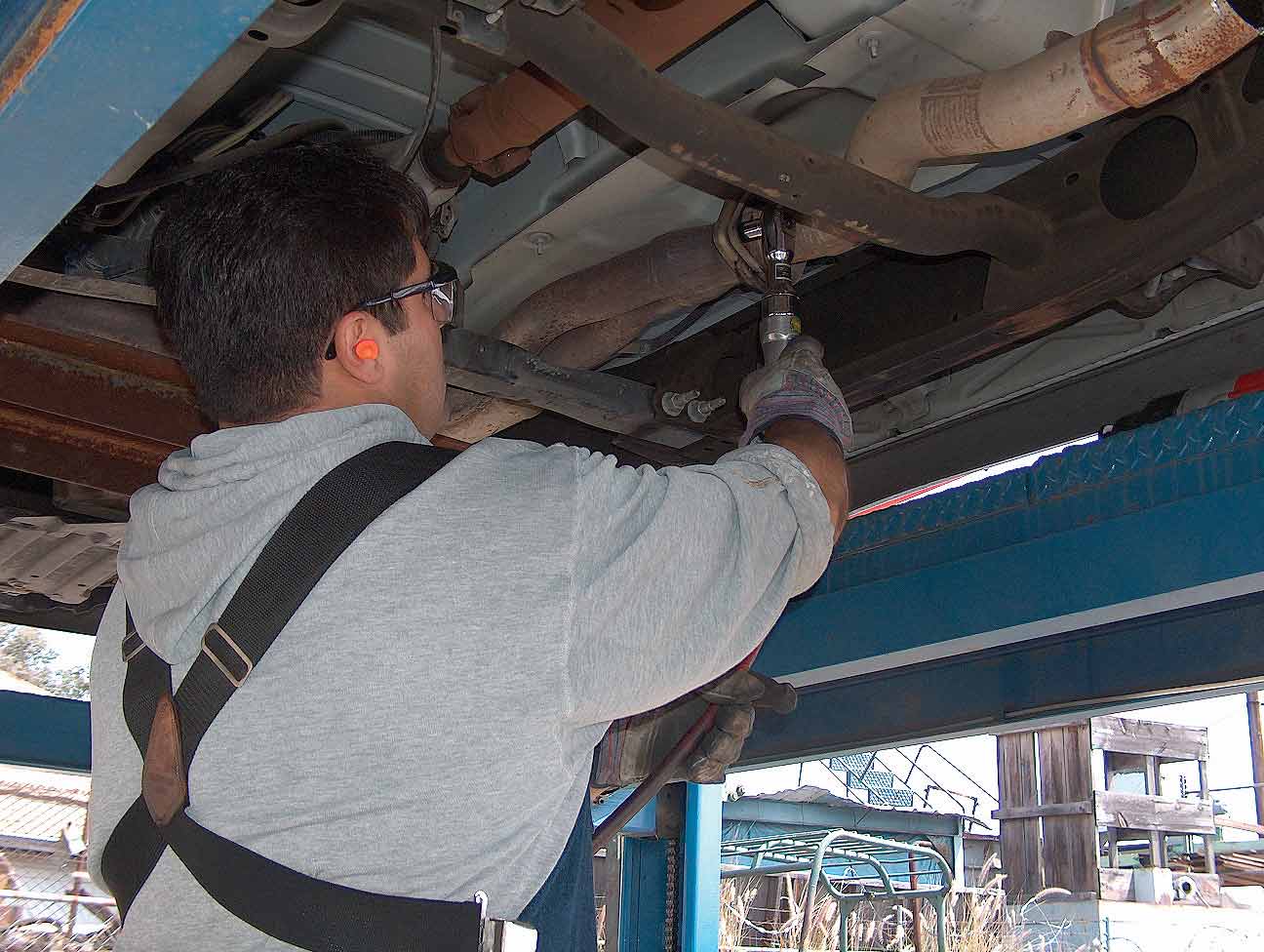
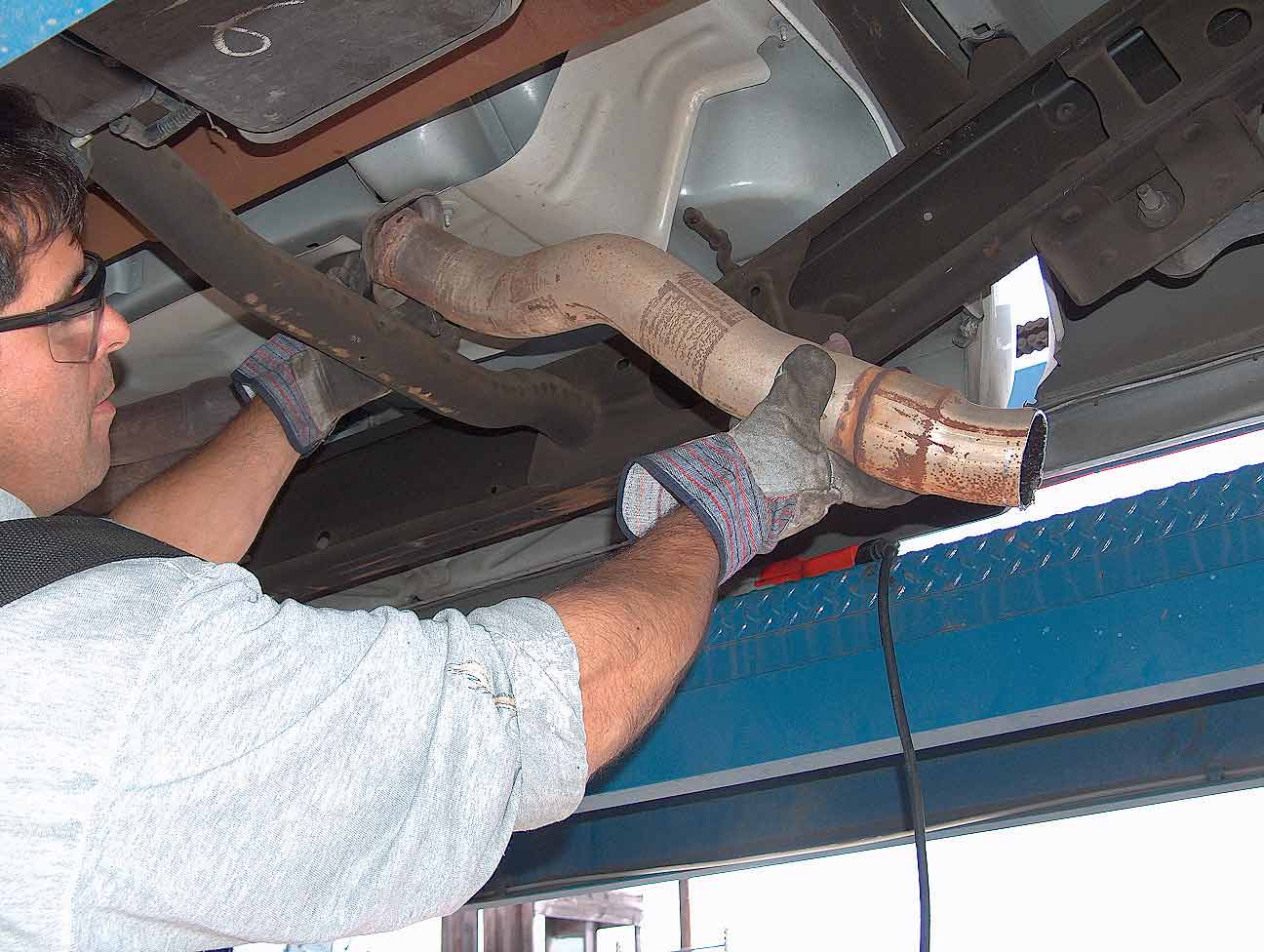
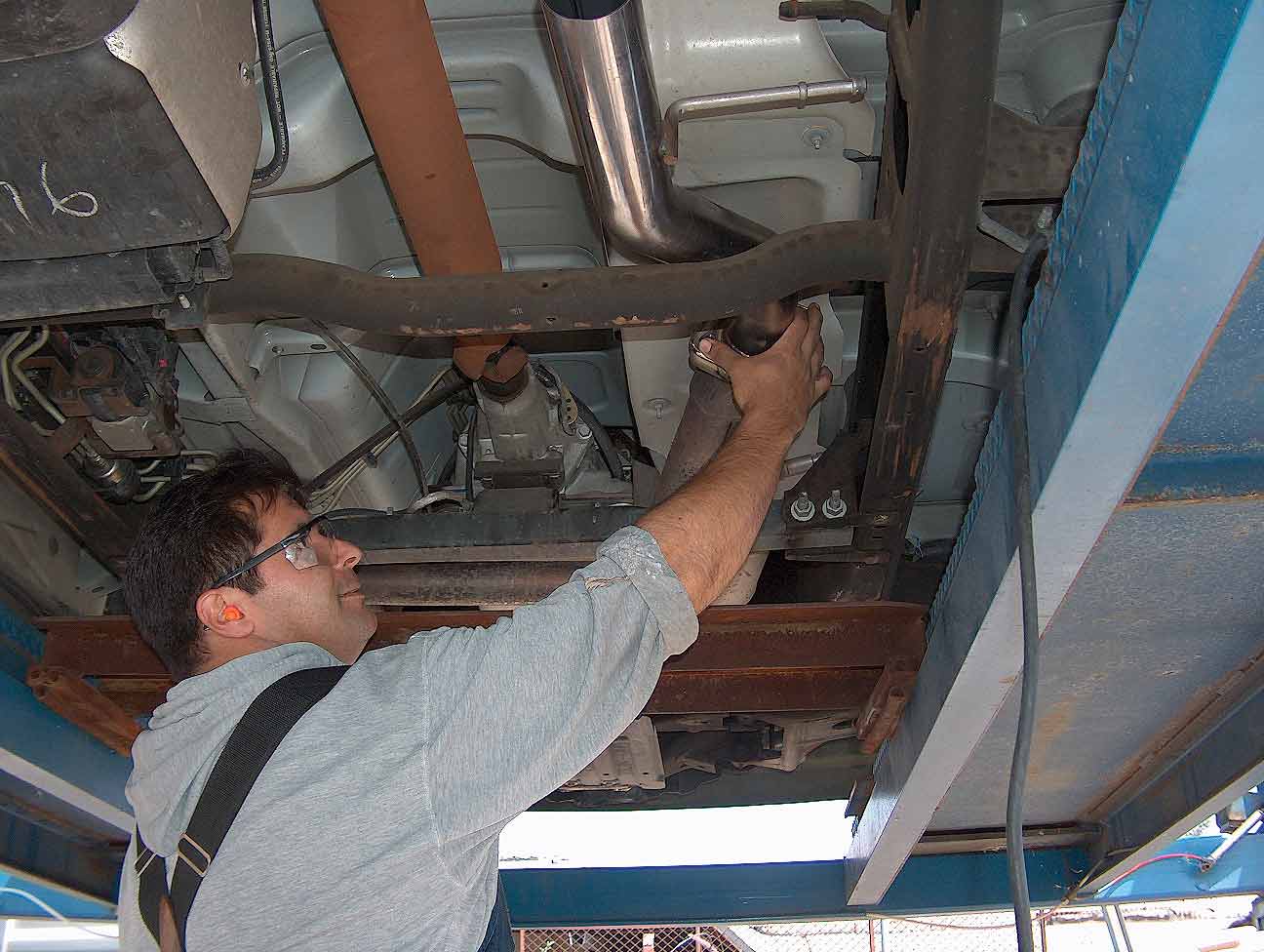
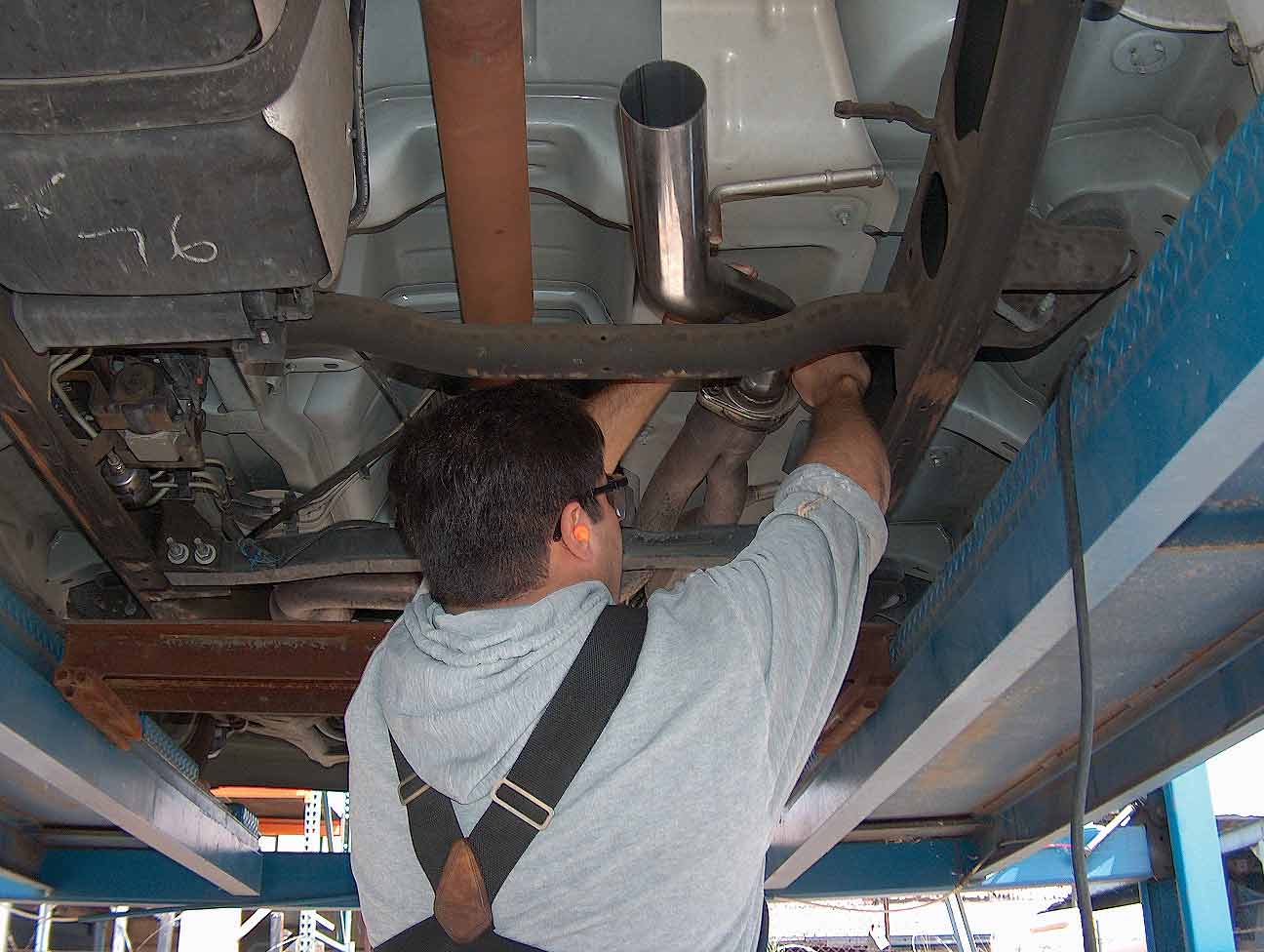
Installing the MagnaFlow system in this Silverado proved to be a quick, straightforward install. The accompanying photos show those highlights.
ARTICLE SOURCES
MagnaFlow Performance Exhaust
22961 Arroyo Vista
Rancho Santa Margarita, CA 92688
949/858-5900