









msd ignition

Once a West Coast gasser, this ’55 Chevy made its way to Lebanon, Ohio, thanks to longtime Chevy enthusiast Freddie Green. That was back in 1978, when his son Jason was just four years old. Fast forward a few years, and Jason, professing to be a Chevy man since birth, took ownership of the car from his father at the age of 10.

It’s always an uphill battle when it comes to acquiring, building and maintaining an old car, and no one knows that better than Dale and Dorinda Mahoney. You’re looking at their ’69 Mustang, and if there was ever a car that fought back, this is it. The initial build didn’t give the father-and-son(s) team of Dale, Craig and Shawn Mahoney too much trouble, as most of the build was handled in-house at their shop, Mahoney’s Auto Service in Highland, Indiana. The guys at Mafco Customs, a division of Mahoney’s Auto, also pitched in with custom suspension components, but the Mustang didn’t travel very far during the entire build, as Mafco is also located in Highland. Just as with any other car, there were problems during the restoration process, but everything turned out great, and the Mahoneys started putting miles on their freshly restored Mustang.

Craig Hammon is the type of guy who can cherish the best of the old times, while also being able to appreciate the benefits of these new times. This versatility is apparent when one learns not only of his choice of car, but how he came to own it. It seems that Hammon has always wanted a Plymouth ’Cuda. And while this is not an unusual thing in and of itself (we would love to have one, too), when it came time for him to really get serious about buying one, he looked to the Internet. More precisely, Hammon went looking for his dream car on eBay.
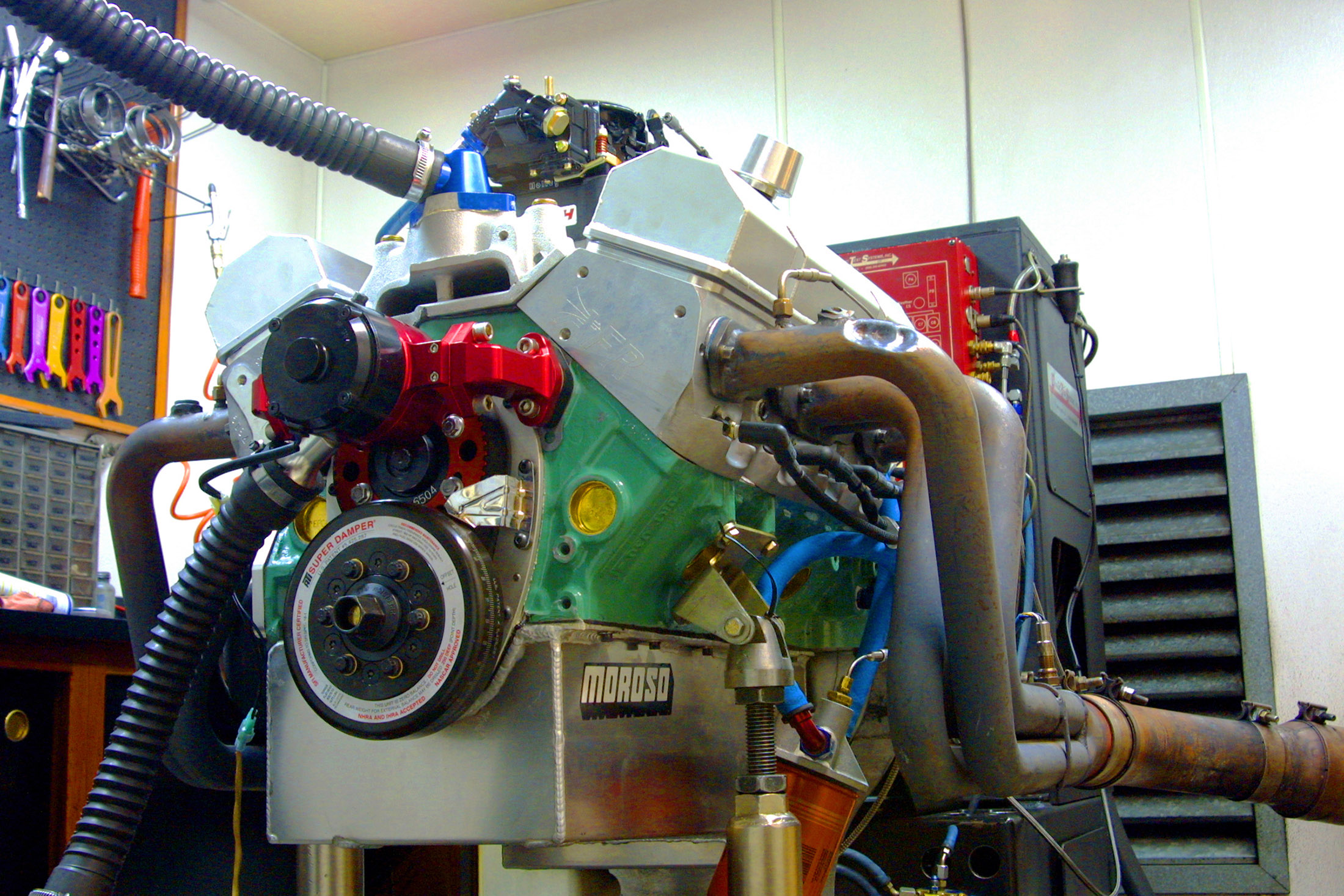
We showed you how to build a small-block engine that could make over 500 hp and 500 lb-ft of torque on 87-octane gas. It was a motor that could be driven just about every day with a hydraulic-roller cam and a good carburetor, making acquisition and maintenance almost nonexistent. Like many things we do in the engine world, the results we enjoyed—while good—just weren’t satisfying anymore. We wanted more.
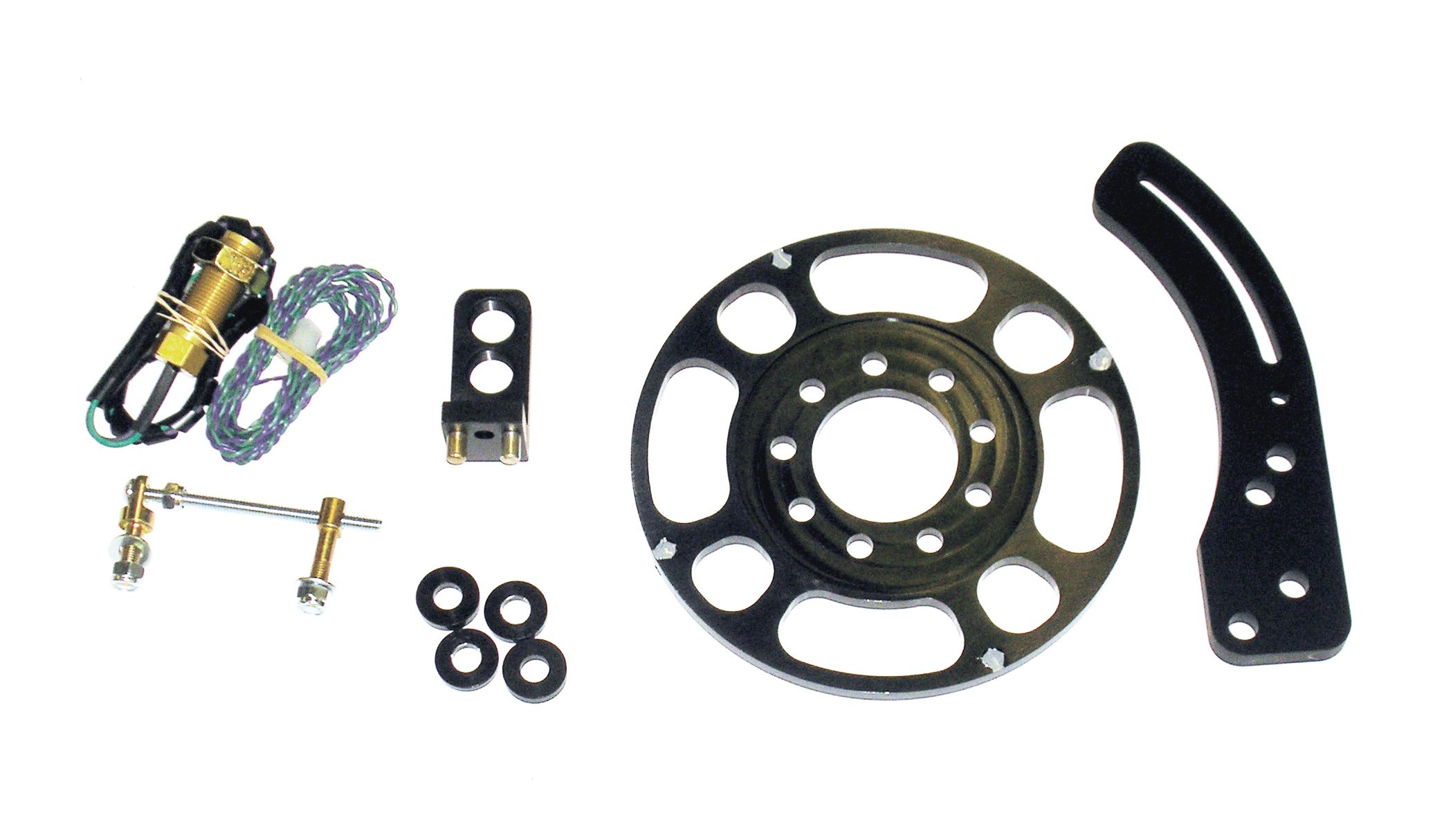
Crankshaft trigger mechanisms have been used in racing applications for a considerable length of time. In truth, they’ve actually been in service for decades. It’s a simple known fact that one of the best ways to improve engine performance is to ensure that the ignition timing is stable. That’s the whole purpose behind such a system, and that’s why racers regularly use them.
0Comments
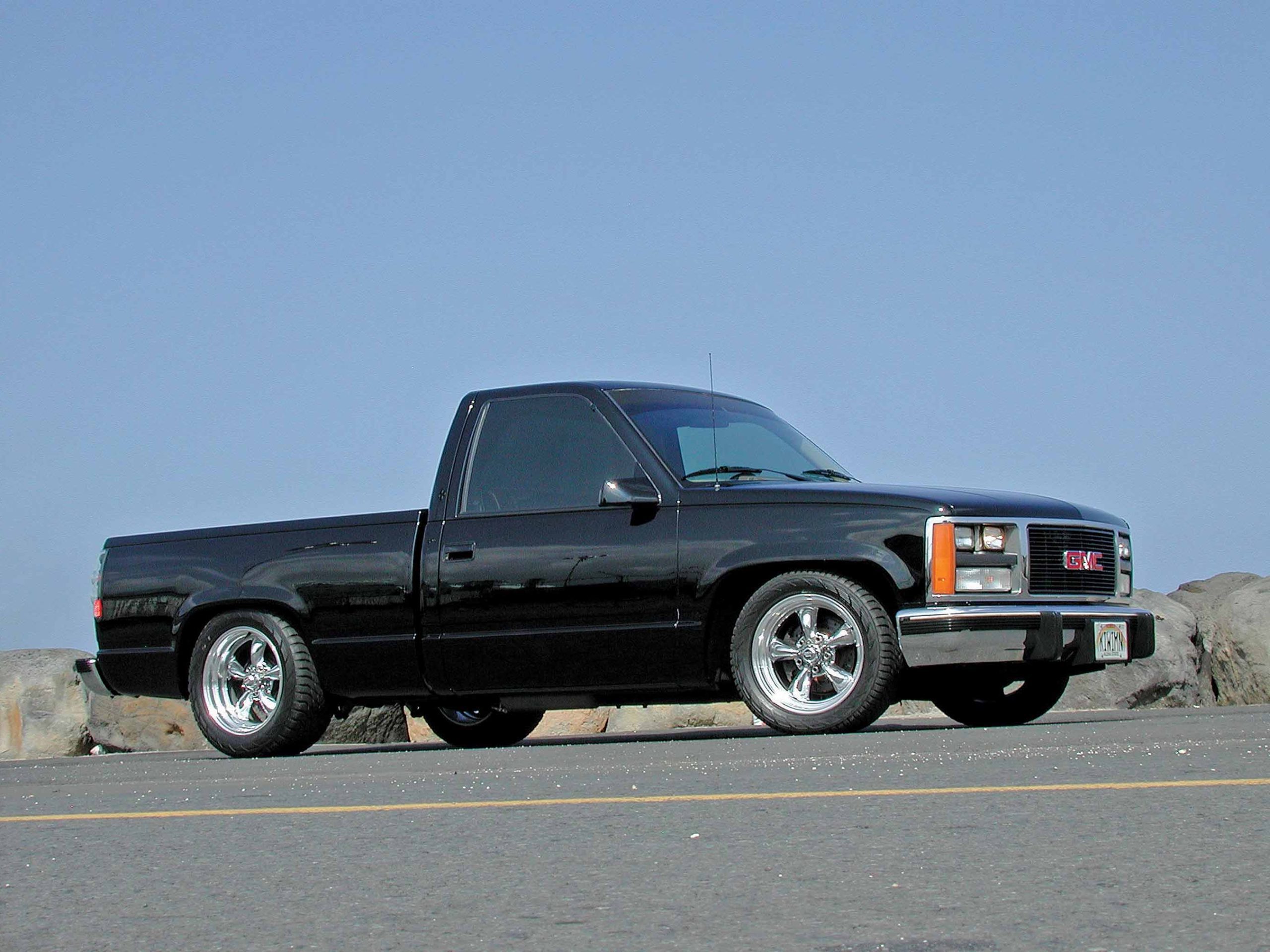
In Hawaiian, “wiki wiki” can mean “hurry” or “fast,” depending on its use and interpretation.
New Zealand-born transplant Kim Greenwell’s Kahului, Maui-based black-on-black, 1988 GMC Sierra 1500 is definitely “wiki wiki” with its 500-plus-horsepower, Whipple-supercharged 383 small-block stroker. Greenwell’s basic intent was to build a stock-bodied hot rod pickup that he could use to advertise his automotive repair business, Kiwi Car Care. “I was looking for a nice, straight, rust-free truck that I could paint black,” says the Kahului automotive repair shop owner. “This truck was perfect. It was low mileage, and the price was right. But the brown color definitely had to go!” That’s not the only thing that got changed. “I kept the outside of the truck as stock as possible, but under the hood it’s a true sleeper.”
0Comments
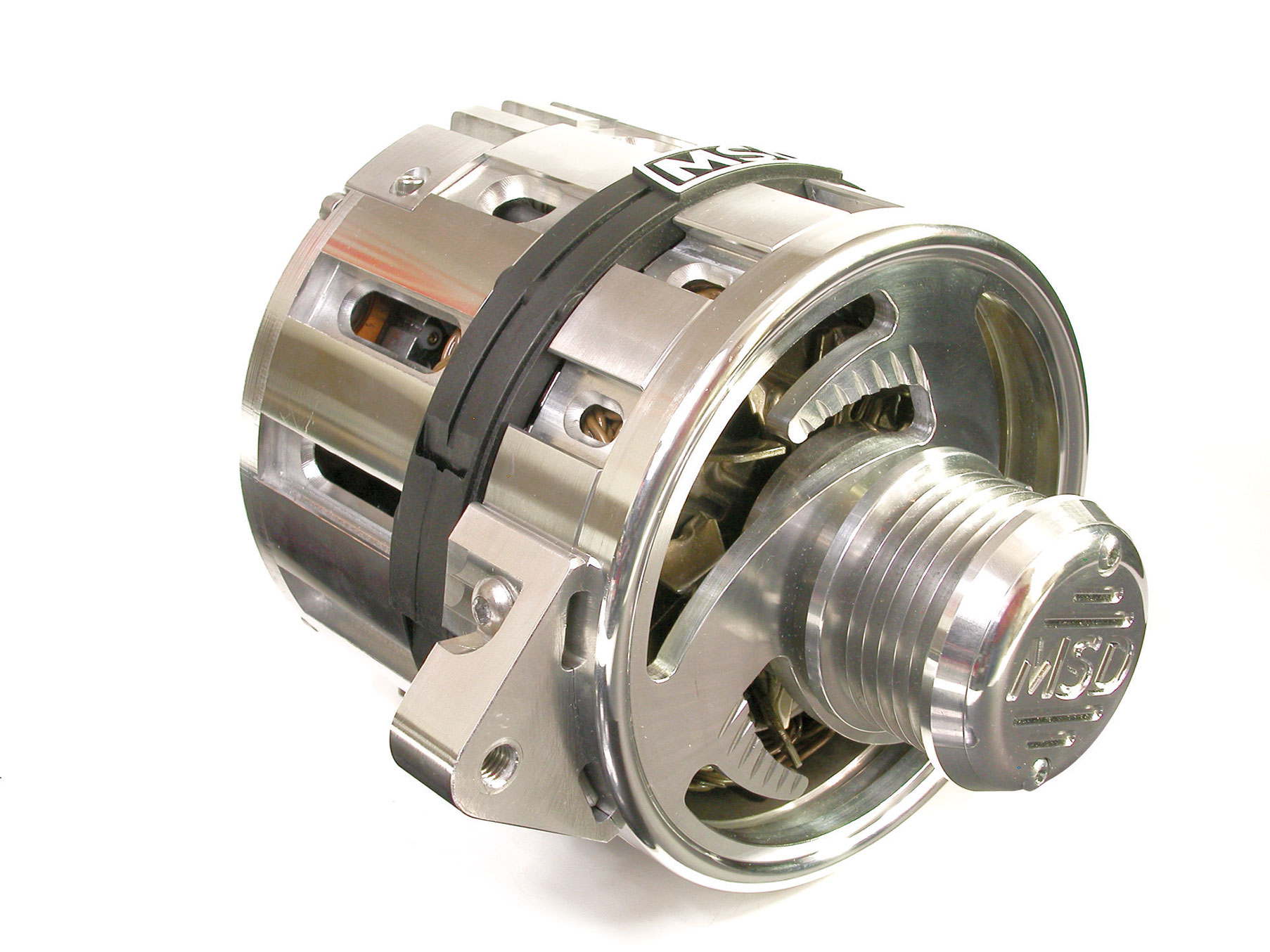
Until now, rodders have been severely limited by the battery-charging alternators they’ve had to select from. Rodders either utilized an OE or an OE-style alternator for their custom engine applications, or they selected one of the aftermarket units that were polished or chromed. Now, with the introduction of MSD’s Advanced Power System (APS) alternator, that’s all changed for the better.
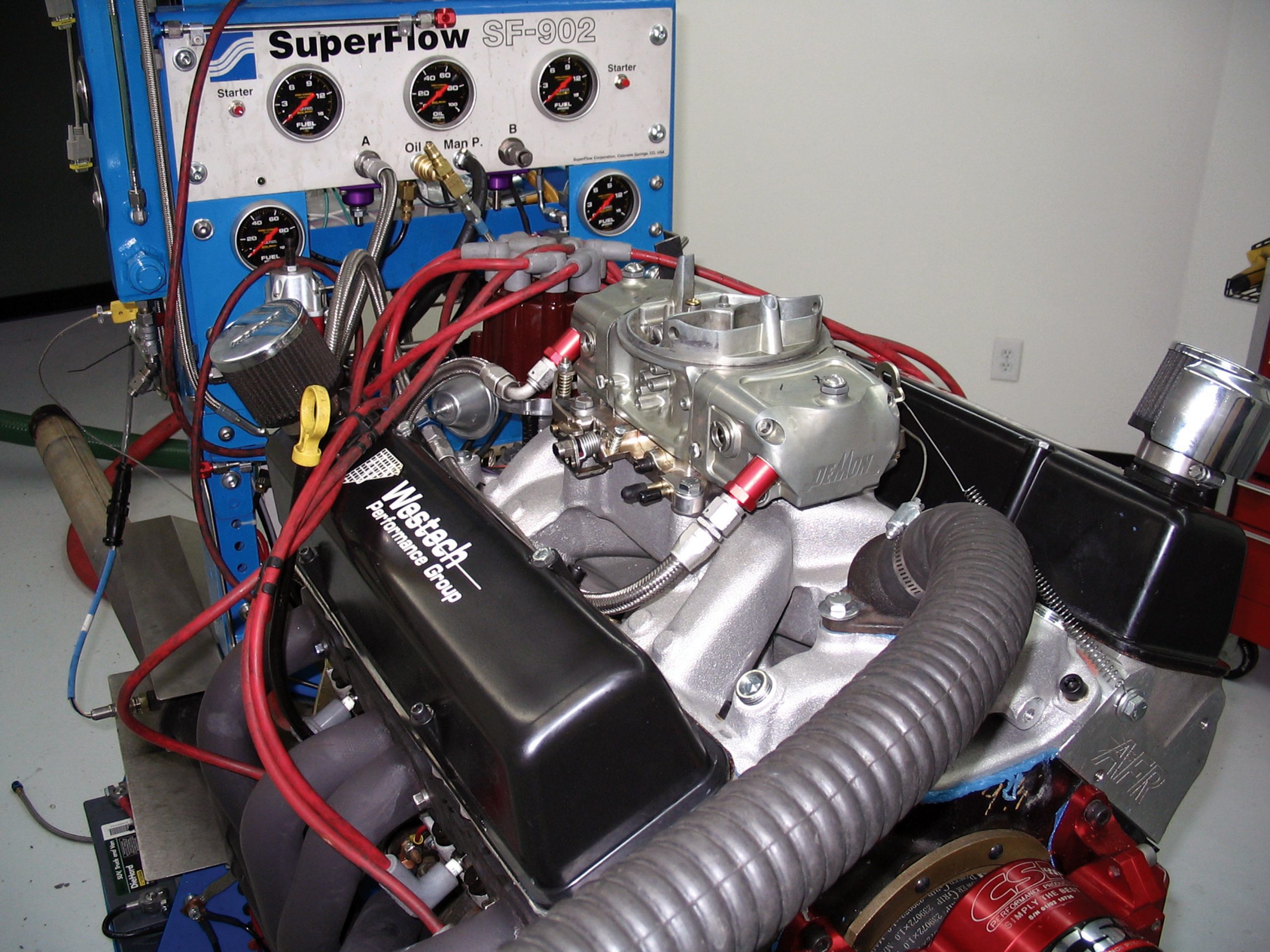
When it comes to performance, the devil really is in the details. Ever wonder why one engine makes more power than another, when both are seemingly identical? The answer to this very common performance question lies in the attention to detail. Basic performance elements such as engine tuning, spark timing curves, and, yes, even oil selection all come into play when you attempt to extract the maximum amount of power from your existing combination.
